I’ve been asked this a lot, so I figured I’d share the answer with you based on my 20+ years of teaching experience.
NOTE: A number of the big-name curriculums fall miserably short.
There are a lot of homeschool science and math curriculums to choose from, and regardless of which you use, make sure it has these essential elements:
1. A good science or math curriculum should apply concepts to real life and use real-world examples. Math should be related to the kinds of things adults use it for in real life (not silly problems like dividing 14 watermelons among 17 friends).
Science and math must relate topics to the real world for kids to truly understand them AND to learn them more easily. A science or math curriculum that applies math to the real world is superior. Kids need to understand WHY math/science is useful and WHY they should care about it.
- Kids ask “Why do I need to learn this?” and we need a good answer or they’ll lost interest
- The answer is that they are tools to be used in the real world.
- They help us understand and predict the world around us.
- When kids understand “why” something is useful and can relate it to the real world, it’s 10x easier for them to understand, they will retain it more easily and they will enjoy it more.
- A research study in the academic “Journal of Research in Science Teaching“ found that students who engaged in science lessons tied to everyday experiences (e.g., water usage at home, local environmental conditions) performed better on assessments and showed higher motivation than peers who learned the same content abstractly. (https://deepblue.lib.umich.edu/bitstream/handle/2027.42/57510/20203_ftp.pdf)
2. Kids need a place where they can ask science and math questions and get a real answer from a real teacher. A good curriculum should provide for this (forcing kids to learn in a way where they just memorize and repeat so there’s no room for curiosity or questions might check off a box, but it’s not a real education).
3. A complete curriculum should be one that doesn’t require you to know the subject yourself. You shouldn’t need to re-learn long division or cellular division (unless you want to). The curriculum should provide the teaching AND support required.
Kids should be able to learn on their own without you needing to answer questions or learn science or math yourself.
- It should be Independent learning or self-guiding.
- It should encourage questions AND give the chance for kids to ask them and get real answers.
- Curriculums that water-down or over-simplify concepts so kids don’t have questions are wasting your kids’ time.
- This includes experiments and activates that are demonstrated in step-by-step videos that clearly illustrate HOW to do things.
4. A science curriculum should have lots of hands-on activities and experiments. This allows kids to learn faster, understand the material on a deeper level and remember it better.
These 4 qualities are essential for kids to get a TRUE science or math education.
If a good STEM education for your child isn’t important to you, then these won’t matter. You can “check off the box” with a typical all-in-one curriculums that keep kids tied up all day.
BUT, if you DO think STEM education is important for your child’s education and future, then you’ll want to be sure whatever curriculum you choose has these elements.
Best of luck with the new year!
— Aurora
P.S. If you want to try a sample lesson from my curriculum – which includes all these essential elements and more – I’d like to invite you to join me for a free class and decide for yourself.
You can try a sample class today right here:
Click To Try Free Class
Don’t Be Formal
Formal musical instrument training needs more focus and practice, which can ruin the element of fun that simply playing brings. If your homeschool student shows signs of talent, by all means find them professional guidance. They can always go for formal musical instrument classes a couple of times a week. However, keep the music session held daily at home all about having fun.
Encourage Play
The actual playing of music is just a small part of the play that is happening. Accept the noise and make it a family band performance. Singing popular songs or nursery rhymes wto the beat being banged out by a child is perfectly acceptable behavior. You can set a timer for the musical session so that they can be guided back to the homeschool classroom for studies when the timer rings.
Experimental Instruments
Not having a guitar, drumset or any other specific musical instrument should not be a deterrent to creating music. Have your homeschool students experiment with creating their own musical instruments. A simple online search will provide craft projects to make homemade musical instruments. Scale the effort of creating the intruments to the age of the child.
Get Creative with Everyday Items
Everything around the house has the potential to become part of the daily music sessions. Elastic band guitars, or wooden spoon maracas work just as well as spoons on pots and pans. Have the homeschool students explore their musical side by creating music out of everything they can find. Encourage them to listen to the different notes created by striking different items together. Ask them which sounds they like, and which they don’t. Then go about creating your own harmony.
]]>Standards
The first thing to consider is the standards that are relevant to the grade for that particular lesson. Understanding what the authorities expect your homeschool student to learn in the year, allows you to scale the lesson to their level.
Objectives
Once you know what the official standards are, you can set your objectives for each lesson. For instance if the standard is that the child should be able to identify, name and write the alphabet, your objective per lesson will be to teach them a single letter. So in the first lesson your objective is to show them how to read, write and identify the letter A.
Materials
Depending on how you intend to teach them the alphabet, you would require a list of materials to be available. Paper and pencils to write the letter. A pre-recorded alphabet song that can be played to sing along with, would require a music player and a speaker, or simply your smartphone. Whatever materials you need should be listed and made available.
Resources
If you are planning on using a specific book for the children to read, or have them access a website, you need to list out the resources as well. This saves time and effort at the actual time of teaching the homeschool students. They can simply be given the resources and asked to study them. For instance, have them log on to the website which you are using to help them learn the alphabet and allow them to explore the elements on it.
Activity
Should you be planning an actual activity in the classroom related to the lesson, you need to ensure that you have listed the materials required for the same. Also add the instructions of how the activity will proceed in the lesson plan. This will ensure that you are able to conduct it with ease.
Assignment
If there is an assignment that you need to set to assess the learning, have it listed in the lesson plan as well. You can create a worksheet for the homeschool students, have them recite what they have picked up, or use any other measure of generating a feedback from them as part of the assignment.
]]>Have a List Ready
Put pen to paper and write out a reference list for the scavenger hunt for yourself. Items that can be added include – something blue, something pink, something that has four sides, something round, something shorter than a toothbrush, something smooth, something with the number 5, something starting with the better B, something bigger than your shoe, something soft and squishy.
Practice Makes Perfect
There’s no end of interesting items that can go on to the scavenger hunt list. Although it may be a good idea to start with just five things to help them understand the game. Once they get the idea, you can increase the number of items on the list. They will become much faster to retrieve whatever they asked to, and the game will be quite popular as a short break from the homeschool classes.
Have Matching Items at the Child’s Level
The items that you have added to the scavenger list need to be easily identified, and easily accessible to the child. Do remember that the line of sight of your toddler is at about two and a half feet. Ensure that whatever you need them to find and retrieve is placed on low tables, or is in a location that they can reach without difficulty. The set up needs to be good so that the game is more fun for both the toddlers and the homeschool parent.
Expect the Unexpected
The world view of a child is very different from the world view of an adult. You may be expecting a cookie lying on the plate in the room when you ask for something round, but be prepared for you toddler to run to the playroom and fish out the frizbee. The idea is to roll with whatever they bring and gently correct the mistakes, so that the learning continues.
]]>Connect with other single parents on the path
While it is a tough journey, it is by no means impossible. Others have done is before you, so it is a good idea to connect with other single parents who are already homeschooling. They will be able to give you the true picture about what to expect and also provide you with examples of things that you should avoid. You will gain invaluable inputs that you can use when you set up your own homeschool.
Create a support system
Trying to do everything on your own is a great way to set yourself up for failure. Try to delegate things to others who are willing to help. Having a support system is an important part of the backup plan. Have trusted family members and friends take on aspects of the homeschooling, so that you have time to do other things. This will free you up for your work, errands, and other chores around the house.
Have an actionable plan
Being organized is a must. There will be a lot of overwhelm when you begin, but if you have a plan and follow it, you will be able to cope quite well. At the same time remember to be flexible, if something is not going according to plan, don’t give yourself an ulcer worrying about it. Take a break when you or your homeschool students need it. Cuddle time is just as important as learning time.
Decide what style works best for you
There is no one single right way to homeschool. This means that you can mix and match your schedule, lesson plans, teaching methodology and more, based on what works best for you and your homeschool students. Don’t try to replicate regular school. As long as your children are learning something everyday, it doesn’t matter how you are teaching them. Eventually you will find a style which works best for you, and then you can build on it.
]]>Set Regular Read Aloud Times
When your children are younger, they will enjoy story time. Make it a point to include reading out loud from a book in your day. It could be a bed time story routine, or even something done mid-day. Just ensure that every day the children see you with a book in your hands, reading out a story to them. As they grow older, you may encourage them to pick the books that they want you to read out to them. You may even get simple books which they can read out to you in a role reversal.
Have a Cozy Nook Library Area
Not all homes can dedicate an entire room to books, however a cupboard is easily doable. Next to the cupboard where you store the books, you can set up some furniture like a comfy couch or beanbags, which can be used as the location for your read out loud times. Having this area associated with reading will help your children understand that reading is a fun activity which they can take up on their own. Encourage them to sit there with a book of their own choice even when you aren’t there with them.
Give them a Variety to Choose from
Till they are old ebnough to have strong opinions about what they want to read, ensure that you give them a variety of books to pick from. Have different genres available at an age appropriate level for them to pick up. This will keep them interested in new books and stories. You can always ask family members and friends to contribute to your library cupboard on special occassions.
]]>Many town communities offer various activities which you can enroll your homeschool student in. If your homeschooled child is interested in an activity which does not seem to be offered by anyone in your town or vicinity, you may consider starting a homeschool activity club to meet that need. Here’s how you can make this happen.
Connect with others
There are various places online and off line where you can get in touch with other homeschooling families. Make it a point to network with those homeschool teachers to find out how open they are to your idea of an activity club. There may be parents who are looking for the same thing that you are, and you can also co-share the responsibilty of running the club. For instance more than one person may be happy to help run a hiking club.
Do a skill swap
In some cases, you may have skills that they want their children to learn and they may be able to contribute to the learning of your children. Arranging a swap of skills is a great idea to put together interesting activities for all the children involved. You can take one session and they can take the other, benefiting both sets of homeschool students. For instance you can take a musical instrument class, while they can help conduct a science experiment.
Make it a regular feature
The activity club can meet at a regular frequency which is comfortable to all involved. Be it once a week for smaller stuff, or once a month for things that take a higher level of commitment, you can decide how you want to roll based on the specific situations. Just ensure that it is something fixed on your schedule and you will get around to making it a success.
]]>Allow them to get bored
In an age where everything is scheduled down to the last minute, children need some down time in which they are supposed to do nothing at all. Having time on their hands to spend the way they fancy, allows them the liberty to do something creative. They can discover for themselves what they would like to do, be it paint, sing, write a story, or create a DIY project.
Take them into nature
Creative juices flow much faster when we are connected to nature. Going outdoors and giving the homeschool students time to spend under the big blue sky, can also get them thinking about everything that surrounds them. It allows them to observe the plants, flowers, trees, insects, birds, animals, and a number of other elements in nature which gives them a new perspective of the world.
Give them the resources
From the basic interest of the homeschooled child, you will know what activities they prefer. Allow them to pursue their interests by ensuring that they have the resources required. Have paints available for the artist. Give a pretty notebook to the budding author. The sculptor should have access to clay. Whatever fuels their creativity should be available to them. You can use recycled materials so that you don’t run up too high a bill.
Have them join you in your projects
If you have a creative hobby that you indulge in, introduce it to your homeschool students. The more things they are exposed to, the easier it is for them to understand what attracts them. Helping you on your creative project may open more doors of self expression for them. Of course they may also hate what you are making them do, but at least that also brings them clarity about what they don’t like.
]]>Do New Homeschool Teachers Need Formal Programs?
As with everything that we do, the more we practice the better we get. This is reflected in the home school classroom as well. The parents who are turning homeschool teachers for the first time are juggling many new hats. They have to balance being the teacher with being the parent. They need to ensure that they are taken seriously in the classroom, and actually get the grade related material completed. By having a formal program that outlines just what you need to teach your homeschool students, it can become much easier to do the scheduling and teaching.
How Does a Formal Program Help?
The large number of recommened activities, which are included in a prepackaged formal program, also make it possible for homeschool teachers to make their sessions informative and creative. As the homeschool students settle in with the routine that you have created, you can step outside the confines of a formal program and add subjects of interest to your homeschooling family. The pre-made schedules can also act as a good starting point for new homeschool teachers to work from. Again, as they gain more experience, they will be able to adapt these schedules to better suit their homeschool family’s needs.
Should You Invest In One?
If you feel that you are able to cope up with a few basic guidelines and expand it into the whole academic year’s teachings, chances are that you don’t need to invest in a formal program. However if you are feeling overwhelmed at the mere thought of having to come up with a year full of academic schedules, activities, and tests for your homeschool students, it may be a good idea to find a formal program most aligned with your style of teaching and committing to it for a year.
]]>Thank You Notes
Handwritten thank you notes are a pleasure for anyone to recieve. Have your homeschool student speak about people who have helped them in any way all through the year. Make a short list of no more than ten people. The list can include members of the family to live with them. Now have your homeschool students sit down and write out thank you note sto each person on the list. They don’t have to be very long. A simple template that can be followed is – Dear (name of person), thank you for helping me this year with (action they did to help). I am grateful to you. Sign with the child’s name to end. Keep it simple and heartfelt.
Compliments and Gifts
Another way for homeschool students to exercise gratitude is with giving heartfelt compliments to those individuals that they admire. Again have them make out a short list of five people they like. They must not be members of the family who live with them in the same home. Ask them to think of reasons why the homeschool sctudents admire these individuals. Have them distill it down to a trait such as honesty, loyalty, selflessness, moral courage, sensitivity. The homeschool teacher may have to do some prep ahead of time with the list of traits so that it’s faster when doing the exercise with the children. Now have them add some handmade gift to the compliment and personally deliver to each of the five individuals on the list.
]]>News Reporting Anchor
Homeschool students can catch up with their current affairs by pretending to relate the news as an anchor. Have them say just the most revelant five to eight headlines of the week. You can even record them as radio news, or take videos as TV newscasters. Have them repeat the activity weekly, and they will be combing the news stories to see what they want to add to their news broadcast. Fun way to ensure that they know exactly what’s happening in the world at large.
Mock Product Pitch
Have them create a mock product and then picth it to you. Teach them how sales actually occur. What is the reason that you felt tempted to buy their product. Was it just the utility, or did it have something more? Sales is an important skill for anyone to know and understand as an adult. Why not make it a regular fun activity where they come up with mock products on their own and try to sell them to you.
Time Capsule
This is always an exciting activity and is tremendously flexible. Creating a time capsule can be done for an alien to find on a spaceship, or for a twenty five year old self, in the future. Based on what purpose you choose to create the time capsule, youc an pick any variety of items to place inside it. Ideally not more than ten items and none too big to fit into the container. The container itself needs to stand the test of time, as well as be sealed very well at the end of the activity. Take some time to deliberate what exactly can go into the time capsule, as it is not coming out in a hurry.
]]>Blogging Their Expertise
One socially revelant way to demonstrate their expertise on any topic for the homeschool student can be to run a topic specific blog. This works as a great learning tool as the child needs to write what they know and develops clear written expression. They also need to update the blog periodically and you can decide what frequency they need to update it at. This could be weekly, fortnightly or monthly depending on the topic and how much they would like to share. You may choose the keep the blog private or public, once again depending on the topic and your preference.
Draw it Out
If your homeschool student is a good artist, you may introduce them to comic strips as a way of demonstrating their learning. They can learn basic animation on free apps and software availble online. Most paid graphics software have a free trial or lower package with limited tools. Download one of them to allow your homeschool student to create comic strips in which they can show a number of things that they have learnt. Add some humor to the learning and create a memorable way to retain the information imparted.
Make a Film
All basic smartphones have the video recording ability these days. Have your homeschool students put together a script for a movie out of a play or story that they may have read in literature. Give them the costumes and a few characters from the family members or friends. Have them direct the story into a film. It will be a world of fun, and a memorable learning experience as they encounter and overcome challenges that they have not yet thought existed.
]]>They can create their own learning aids. Here are some ideas to get you started. Feel free to adapt them to your own needs.
Biographies Made Interesting
Learning about a historical figure can be very interesting. To not just know where they were born, and died, but also understand how they lived. What society gave to them in their childhood, and how they shared their gift with society. All the facts will be shared with the homeschool student, and then to demonstrate their knowledge have them create a learning aid…in this case a fake social media account.
The homeschool student needs to add the details of the prominent incidents that occured in the life of the historical figure. They will populate their profile, add posts relevant to activities they have participated in, ensure that their friends are tagged in their prominent life events. Creating this fake social media account doesn’t need them to get online. They can do it all in a flip book offline.
Understanding Diseases
This could work as a biology project based on understanding diseases. They homeschool teacher has explained the concept of virus and bacteria. The basis of a multitude of diseases including the common cold. In order for the homeschool student to demonstrate their understanding, have them create the literature and images for a pamphlet that would be distributed to the public.
Given the recent exposure to viral activity and the many infographics that were created and frequently shared, the homeschool students can be shown what is expected as the final product. Now teach them some basic tools for creativity on the computer, and allow them to produce an infographic of their own. This can be printed out as a pamphlet and marked as a part of their curriculum.
]]>Don’t Give Them Meaningless Work
Every learning task that you set for them, should feel meaningful to them. It’s not just about keeping them occupied while you catch up with something else. Limit the number of worksheets once they grasp the concept. Stop practice once they have perfected the lines. Just keep their classwork relevant. Give your homeschool students work that will add value to their learning.
Have Them Set S.M.A.R.T. Goals
Generic goals like do your studies, or revise your work don’t cut it with the homeschooled kids. They just serve to increase thier frustration levels. The goals that you set for your homeschoolers should be Specific, Measurable, Achievable, Relevant and Time bound. A good example of a SMART goal would be to ask them to research and write a paper of 500 words on a specific topic by the end of five days.
Don’t Compare Them to Others
Each child is unique in the skills, abilities and personality department. Just because your elder one loves to read out their chapters loud, is no reason to push your younger one to do the same. No one likes being compared to others in a bad light. Respect your homeschool students as individuals with different likes and dislikes from your own.
Don’t Offer Uninformed Opinions
If you are unaware of the right answer to questions that they may have asked you in class, don’t make stuff up to look smart. Eventually they will find the right answers elsewhere and will feel betrayed by your lies. You will lose their trust, and this will make it nearly impossible to teach your homeschool students. Instead be honest and say that you don’t know, but will find out the right answer and get back to them.
]]>Save the Egg
This is a problem solving game that can be used for slightly older children as working with raw eggs is a messy affair. The idea is to give them the task of securing the egg well enough to survive a drop from a certain height. This could be from the top of the dining table to the ground to start with. As they master the concept, you could even drop off the secured egg from the first floor of the building to the ground.
The homeschool students need to come up with different ways to secure the egg so that it survives the drop without breaking. They can experiment with cushioning methods, ways to slow down the drop using parachutes, and more. Have them use their imaginations to come up with possible solutions to the problem, and then make the physical effort to see if it truly is the right solution.
Build A Rube Goldberg Machine
A Rube Goldberg machine is a chain reaction-type machine or contraption intentionally designed to perform a simple task in an indirect and overly complicated way. For instance, the goal might be to create a contraption with pipes, rubber tubing, and pieces of cardboard that can carry an egg from point A to point B in a certain number of steps, using only gravity.
It might be a good idea to use a boiled egg in the initial test runs till the safety of the raw egg can be ensured via repeated testing. The games allows the homeschool students to think creatively and be innovative in prioritizing actions. They will also learn to seek alternatives for things that did not work out. The team will brainstorm and analyse the problems, and a wide range of such problems can be created using different materials.
]]>The Mystery Game
Everyone loves to play detective. How about a twist on the regular scavenger hunt clues to play this mystery game. Here the children are all given different clues. Not the same one to start with. Each clue also has a number encoded on it. This gives them an idea about how the hunt for the item must progress. The children must work together to figure out first the order of the clues. Then they must begin to solve the mystery.
The end of the game occurs when what they are hunting for is found. This could be something as simple as a stuffed toy hidden away, or a surprise tea party organized by the homeschool teacher as a treat for the successful completion of the game. Have them dashing around from one room to the next within the house so that you have enough time to set up the picnic outside.
The Shrinking Land Game
This is a game where the homeschool children need to work together to figure out the best way to survive. There is an area marked out with a rope or a blanket, which is a safe zone. The children all need to fit into this. The area of land they own continues to shrink as the homeschool teacher reduces the rope boundary or folds the blanket randomly.
The homeschool students have to figure out a way to keep all their team members on the shrinking land without falling off. It can be quite a boisterous game and also involves the kids working together to meet their objective. Eventually the land will shrink enough for people to start tumbling off. The game ends when the first person has to exit the designated area. This game involves a fair amount of physical activity as well as mental agility.
]]>Build Your Vision
In this highly flexible game you can give each of your homeschool students a set of identical supplies to start with. This could include newspapers, pipe cleaners, building blocks, wooden ice cream spoons, cotton string, bits of wool, feathers, and just about any bits and bobs that you have lying around the house. Ensure that each child has the name number of things before asking them to use their resources to build something out of it.
They can use as many or as few of the things that they have with them. You can make it even more interesting by having each of them build in a different area of the house, where they can’t see what the other children are making. Once they are done, they can present what they have built to everyone. Explaining what their vision for the project was.
The Flash Card Story
This is a great game to boost the imagination of the homeschool students, as well as help them practice their communication skills. Give each student three flash card and have them all sit down in a circle. They put all the flash cards face down in front of them. The first homeschool student picks up his flash card and begins a story that involved the word depicted. From cowboys to outer space, nothing is off limits in the story.
The next student picks up his first flas card and adds to the story that has been told so far using the image on his flash card. On and on it goes with each subsequent homeschool student adding more to the story using the cue given in their flash cards. The story ends when there are no more flash cards to be added. The last person to speak must give the story an appropriate ending to conclude the game.
]]>Reading Textbooks Themselves
Get them into the habit of reading their textbooks themselves. You can help them do a preliminary reading of the text and then have them solve the exercises given at the end of each chapter on their own. This doesn’t mean that they can’t get back to you with doubts and questions. Just that they need to begin helping themselves make sense of what the instructions say and what they are supposed to do. Every time they succeed, give them a small reward.
Make them Persevere
A common complaint of homeschool teachers is that their kids tend to give up much too easily when they find something difficult. It is up to you to come up with a system where the homeschool students are rewarded for staying the course with something difficult that they need to master. If they are feeling bored they will develop a sense of frustration. This will make it tough for them to stay focused. See what you can do to ensure that they don’t give up at this juncture.
Ease them into Their Identity
For younger children the concept of being an individual with their own identity doesn’t matter much. However as they move into middle school, they become aware of their own individuality. They no longer want to be seen as an extension of their parents. Have the homeschool students step into their own character and identity by giving them space to grow. Encourage social interactions with peers and elders, so that they are able to make choices for themselves.
The more confidence you instill in them to be able to have their own opinions, the easier it will be for them to make the right choices and decisions in the future.
]]>Start with Small Portions
When you introduce a new food to the homeschooled toddler, begin with a very small portion. Introduce the food by name. Allow them to smell it, and feel it with their fingers before you proceed to give them a bite. Two spoons is enough to begin with. If they like it, give them more. If they don’t like it, let it be for then. Don’t ever force feed them more than they want, or they will learn to hate the food, and eventualy meal time as well. This will only result in more struggles related to food.
Mind the Snack Size
Having a small snack between meals is important for young homeschooling students as their stomachs are quite small. This means that you need to feed them about 5 or 6 small meals in the day. Having counted breakfast, lunch and dinner as the mandatory main meals, you will need to add in a mid morning, mid afternoon, and late night snack as per their needs. Ensure that they get the right idea about eating larger sized meals and smaller sized snacks.
Have Them Feed Themselves
As soon as they are able to grasp their spoons, you should encourage your homeschooled toddlers to feed themselves. This allows them to develop independence early. They know just how much they want to eat, and will not over feed themselves. Plus they will feed themselves at a pace that suits them. You can make them eat along with the rest of the family, to include them at meal times. This also helps them keep eating as they see the rest of the family members continuing to eat.
]]>Asking Questions
Learning is made easier when your Homeschool Students are encourages to ask questions. Sparking their natural curiosity is a great way for the Homeschool Teacher to ensure that they stay focused on getting to know more about the topic being discussed. Instead of giving the children all the facts and data, it makes it a lot more interesting and engaging for them, when the teacher has them asking questions and sharing their own opinions about the topic.
Good and Bad Questions
Asking “Good Questions” is a tool that allows your homeschooled child to gain more knowledge in a relevant manner. A “Bad Question” may give them details that they were not really after. Helping them understand how framing their questions can allow them to gain the information that they want, is a good practice for future good communications skills. Oral communication skills are so very important.
What makes a “Bad Question”?
If you don’t frame your question correctly you can end up with the wrong content. A bad question is often sloppy, or confusing. It may also contain too much jargon or technical terms. There may be grammatical mistakes which make it difficult for the teacher to understand. Practicing how to frame questions is good idea, and a fun way to do it is to play the 20 Questions game where they try to guess what is being spoken of using a set of descriptive questions.
What makes a “Good Question”?
A good question is usually open ended, and aimed at gaining more information about the topic. It may use parameters to narrow down the content that is being sought. The homeschool student may be able to these questions to assess what they are being taught, clarify doubts that creep up, or tidy up the knowledge that they have already gained.
]]>Pets
Every child can learn a lot of responsibility by owning a pet. If you have space constraints you can consider getting a goldfish, a bird or a hamster, instead of the larger choices like a dog or cat. Looking after a pet’s needs can instill a lot of positivity in a homeschool student. This will translate to developing good non-verbal communication as the child studies the pet’s body language, compassion for the pet, and empathy in the child for others. Plus it will give them a friend and companion who is always willing to listen.
Geocaching
All children enjoy hunting for burried treasure. Geocaching is essentially a hike leading to digging up your own treasure. It can be used to introduce the homeschool students to new nature parks around your home. The activity also teaches them to go prepared to dig up the treasure, and add their own stamp to it. They will also learn about the basics of first aid, and how to act responsibily in nature. It’s an activity that the full family can get behind as a field trip which can be also taken as a part of the homeschooling curriculum.
Busman’s Holiday
Traveling is a great way to widen horizons for children. As a homeschooling family on a tight budget, it may not be possible for you to take frequent holidays and road trips. However, you can still play tourist in your own town. Take a tour of the historical part of your city with a guide. Go sightseeing to popular tourist destinations in town and take family photos in front of the more popular monuments. Watch a local sports team play a home game and cheer them on. There are so many possibilities here.
]]>Have a Relaxed Homeschooling Style
While you need a schedule and a basic plan for each day, week, and month, try not to sweat the small stuff. The homeschool classroom will have some victories and some losses, so roll with the punches as they fall. Whatever you couldn’t finish in the class today, can always be done tomorrow. Don’t add stress to a situation where none is warrantied.
Have a Designated Learning Space
Homeschool students should know that when they enter the homeschool classroom, they need to behave like students who are interested in learning the lessons of the day. Having a specific area for learning can help them get into the right mindset much more easily. It will also allow you to stay organized with all the teaching material in a single area where they can be accessed quickly.
Have a Plan for Disruptions
It could be anything from a report due at work, to an unexpected flu hitting the house that causes a disruption in your daily schedule. This can happen more often than not, so it’s a good idea to have a plan in place for such contingencies. Have a friend or relative, who is comfortable with the kids, step in when you and your spouse are unable to be the homeschooling teacher.
]]>Interests and Values
A career should typically refelct the interests of a child. As a homeschool teacher, you know that a homeschool student who hated art and craft, will typically not be aligned to a career as a graphic designer. Each child has a different set of interests and your job as a homeschool parent is to identify these interests and keep them in mind when they are thinking of specific careers.
Your family values will also play an important part in selecting the right career. A child who has been brought up with the family value of treasuring relationships more than making money, may not be the right fit for a finanial investor whose only target is to meet his investment deadlines to the detriment of his family life.
Goals and Skills
Your homeschool student can have the goal of being an olympic swimmer, but if he is scared of learning to swim, the skill to achieve that goal is non-existent. Similarly, as different skill sets are required to work in different careers, it’s a good idea to help your homeschool student figure out his career goals by keeping his skills in focus.
This is not to say that a particular skill set can not be acquired by the child at a later date. However the innate skills will show a certain direction for the homeschool student and the homeschool teacher should help the child build these up to be an expert.
Education and Experience
Once the goal of a specific career has been construed, it is time to research the educational requirements that the child will need to meet. Many schools offer counseling and in-depth help with helping a child figure out what would be the optimal educational choices for them.
In addition, the sort of experience that the homeschool student can gain in the real world will also be helpful to them. Finding internship positions during the holidays is a good way to start working in the industry of their choice to build the ideal career.
]]>Homeschooling is a choice not made easily. The typical homeschool parent has a full plate all through the academic year. From ensuring that they pick and use the right curriculum, to setting up socialization activities for the homeschool students, there’s always something that needs to be done as of yesterday. The whole three ring circus is dependent on the homeschooling teacher’s ability to juggle a dozen balls without dropping them.
This is where self discipline is one of the biggest challenges that a homeschooling parent faces. The solution is to write things down. The reference documents make it easier to keep track of the many minor details which may otherwise slip through the cracks.
Self Doubt
No matter how much a homeschooling parent does, there’s always this little voice criticizing them in the back of their mind. Questioning each action, each step that they take regarding the future success of their homeschooled children. The homeschooling teacher feels personally invested and responsible for every small mistake or failure that the homeschooling student experiences.
The solution here is to understand that the children need to be just as invested in their own successes and failures. Set up a plan with actionable steps that is shared with the homeschool students. This allows them to understand when they cross each goal line and motivates them to take more responsibility.
Quality Time
Many homeschooling teachers feel that even though they are spending the entire day with their kids, they are forever stuck in the role of the educator. They don’t get to spend quality time with individual children, doing things that both the parent and child enjoy. It is tough for them to find the time to balance being the main teacher, the parent, as well as take some time off for themselves to rejuvenate.
The solution is simple. Commiting to spending one on one time with the kids. Just schedule it in, along with the rest of the homeschool classes. This way the homeschooling teacher ensures that there is some time that she gets to be just the mom, making some happy memories with each child individually.
]]>Students Like Routine
Have the rules include a set routine for the day, even as the subjects that are being scheduled may differ. The homeschool teacher should explain the routine to the homeschool students at the begining of the year and then adhere to it. This would include study time, play time, snack time, and nap time. Put it all together in an optimum manner and your homeschool students will be well rested and learning easily. This set schedule makes it easier for the homeschool teacher and students to function properly without too much effort.
Outline Expectations
Often times the homeschool teacher gets frustrated because the homeschool students are not performing as per their expectations. Sadly, these are expectations that have not been communicated to the homeschool students clearly. A good way to outline them is via a written set of rules placed in the homeschool classroom. Have the homeschool students read them and mark their understanding. This can include being quiet during the time the teacher is talking, doing their worksheets within the stipulated time, being respectful of other members of the class, and anything else the homeschool teacher finds relevant.
Setting Boundaries Helps
When the homeschool students face a problem, have them try and solve it within the boundaries of the classroom rules that they have been taught. Everything from cleaning up after themselves, to ensuring that they do not disturb a sibling who is working on an assignment, can be made a part of the rules. Having established these boundaries and communicated them to the students, the homeschool teacher will have a ready recourse for any overstepping that occurs.
]]>Advantages of Physical Books
For the past generations that began reading on physical books, holding a book in the hand grounds them. Slows them down and makes them focus on the written word. There are no hyperlinks to take you away from the page, no distractions from the story that you are reading. They tend to give a more fulfilling sense of satisfaction to the reader. They don’t require any power and can be picked up and read right away. Illustrations on paper tend to look much better than in e-book readers.
Advantages of E-books
The E-books are mostly designed for quick reading. It’s much easier to skim through the contents of an e-book with the constant scrolling function. It’s also easier to add additional data via the hyperlinks which the reader may be able to access instantly. There is great flexibility of font size, and font type while reading e-books which makes it easier for people to read without straining their eyes. Best of all, a single e-book reader can potentially store thousands of books in the space of a single physical book.
What Should You Buy?
Ideally speaking for the homeschool classroom you should have a mix of both physical books as well as e-books. Printed physical books are a bit more expensive than their digital counterparts, so you may be saving some money by buying e-books. However, not all books translate well to e-books, and younger readers may find it much easier to connect with books that they can turn the pages to and see the next illustrations on. While most text-books may be considered essential reading and require physical copies, it may not be a bad idea to purchase e-books for light reading.
]]>Ted-Ed
Run by the Ted-Ex folks, Ted-Ed is all about education. Their collection of videos spans a large number of topics, many of which could act as good suplements to the lessons that your homeschool students are being taught in class. You could bookmark a few videos and keep them handy for your children to watch during the time when you need to catch up with other chores.
You can also consider educational videos from Khan Academy or YouTube on your list.
Project Gutenberg
If your lot of homeschool students are avid readers, there isn’t a better site than this for them to explore. With over 60,000 e-books of the world’s greatest literature that can be either downloaded or read online, it will keep them engaged for months on end. Just start them off on the Sherlock Holmes series. You may like to limit their reading to a book a week or per month, depending on their speed of reading.
You can also consider getting them a Kindle Unlimited subscription for more contemporary books.
Duo-Lingo
Being able to converse in a second language is a skill that even adults master to put on their resumes. Why not get your homeschool students started off on learning a foreign language using this app. Your choices of languages include Spanish, French, German, Portuguese, Dutch, Japanese, Italian, Greek, Finish, and English. They keep adding new languages all the time, so if your homeschool students want to switch to a different language after a level, they can do so.
The ease of use on the phone app makes it a popular choice, but it can also be accessed directly on the internet through their website. You will have to make individual accounts for each child so that they can monitor their own progress.
]]>
An ‘End of Chapter’ Quiz
A written end of chapter quiz is a good way to check how well the information taught to the homeschool student has been retained. These worksheets need not be very elaborate. They can consist of a mix of multiple choice questions, true-false statements, fill in the blanks, and even a couple of subjective questions which require a more detailed answer. You can find a number of samples available online to help design your own worksheets.
Have the worksheets designed and ready to administer as soon as you have finished teaching the chapter. This works as a built-in revision system for the homeschool students, as well as an acurate measuring instrument for the homeschool teacher to check if concepts taught are clear. In addition these worksheets can be collected in a file for recording the evaluation process of th ehomeschool student throughout the academic session.
An ‘End of Year ‘Exam
This can be patterned on the regular school exams and include the entire syllabus for the academic year. The duration of the exam will naturally be much longer than the ‘end of chapter’ quizes. The grading of the homeschool student for the academic year can be done using the ‘end of year’ exam results for all the subjects that have been taught in the academic session to the child.
These marks or grades can be used to create a Grade Point Average. All the individual exams marks, the consolidated GPA and details of the student’s co-curricular activities can then be further compiled into a report card for the grade that they are passing from. Keeping these records handy will make it easier for the homeschool student, who is looking to get into higher educational courses in colleges, to get admission.
]]>Keep Track of Legal Requirements
Different states have different legal requirements for what the homeschool students need to study in each grade. There are some states that have mandatory testing, while others are alright with the homeschool teacher maintaining grade transcripts. As you set out to design your homeschool student’s curriculum, do keep these legalities in mind. You can get help from your local homeschooling support community to better understand what you need to do.
Understand Grade Level Depth of Topic
The same topic can be taught at different levels of depth. Take for instance the process of photosynthesis. For younger children in elementary school it’s enough to let them know that it’s a process by which plants use natural resources availble to them to make food. At a higher grade level in middle school your homeschool student may be given a more detailed process where plants with the green pigment called chlorophyll use raw materials such as sunlight, water, carbon dioxide to create oxygen and energy in the form of sugar. At high school level they could be taught the equation which represents the process of photosynthesis 6CO2 + 6H2O → C6H12O6 + 6O2
Factor in Interests of the Individual Students
No two individuals are alike. Similarly despite being siblings, no two homeschool students are alike. This means that one size does not fit all, especially when it comes to repeating the same homeschool curriculum you used last year for the elder sibling, for the younger one. The good news is that homeschooling allows you a fair amount of flexibility in teaching topics and the methodology that you can use. Encorporating methods that work for your individual students is a good way to ensure that the learning process stays fun.
]]>
Conventional Trips to Places of Historical Importance
Every town has it’s own history. The citizens of the town should be aware of what this history consists of. While museums are a good place to start with, field trips to famous monuments around your area should also be explored. Get in touch with people who are experts on your town’s history and have them speak with your homeschool students about the olden days and how things were different then.
Conventional Trips to Places of History and Daily Utilities
Consider taking your homeschool students to public work places such as a Post Office, a Fire Station, a Police Station, and a functional Farm. Have the professionals in each place speak with your little ones regarding what their work day involves. This opens up the horizons of the children to truly understanding how our helpers are always working non- stop to ensure that we have safe and healthy lives.
Conventional Trips to Places of Natural Beauty and Importance
National Parks are a good field trip and road trip rolled into one exciting learning opportunity. Make your holidays count in terms of sightseeing. All of it can be journaled and brought into the class curriculum via some creative organization. Even short day trips to local places of natural beauty can prove to be a refreshing break for the homeschooling family. Just remember to grab some snacks in your picnic basket.
Unconventional Trips to Places of Personal Interest
In addition to historical places, consider less conventional ideas for field trips which the flexibility of homeschooling your children allows you to undertake. If your homeschool student has a specific hobby or interest, you may consider taking them to a place related to it. For instance if you are stressing on recyling in your home, and your youngf ones are committed to the green cause, you have the choice of taking them through the functioning of a recyling plant.
]]>Having been taught the correct life skills can allow your homeschool students to make the most out of their lives. It’s never too early or too late to teach your child a new life skill. Here are three age appropriate life skills to start your toddler or elementary homeschool student off on.
Basic Hygiene
Brushing teeth, having a bath, and dressing themselves, can be the first rung of teaching your homeschooled toddler the basics of hygiene. Parents prefer to do these tasks for the toddler because it limits the mess to clean up afterwards. However, this is a very short term view and doesn’t teach the toddler to be responsible for their own bodies and hygiene.
No Fire Cooking and Eating Healthy
There is no need to make the child understand complex concepts of nutrition, but it is possible to build up healthy food habits by introducing them to healthy foods before treating them with commonly available junk food. Have the homeschool schedule include a couple of slots for preparing and consuming healthy snacks. Peel and cut fruit and raw vegetable, have various dressings and dips available. Make the plate look colorful and interesting.
Communicating Clearly and Honestly
This one is an ongoing process and needs considerable attention. Children will pick up the way the parents communicate through sponge learning. The homeschool teacher may speak of the virtues of honesty, but then lie to their friends about not being able to make it to an outting. The homeschool student will register that it’s okay to believe in the concept of honest, and still tell lies to get out of a socially challenging situation. It is up to the parents to become live examples of what is acceptable to guide the children.
]]>Biking
Cycling is a great exercise as well as means of transportation to other activities. Teach your homeschool students to cycle as soon as they are able to manage the peddling. In the summers have them get on their bikes and go to the local playground for picnics. They can carry a few treats to eat and drink along with them in a backpack.
Homemade Treats
For the above mentioned picnic, you can get the children involved in making interesting new treats for themselves. From homemade ice cream to fruit salads, they can pick up a bunch of eacy to make recipes. Many of them don’t involve the use of a flame, and can still give the homeschool family a veritable treasure of treats that they can take along with them on their summer biking trips.
Backyard Fun
That little patch of land that you call your backyard can become a full fledged fun-house during the summer months. Take a jar of soap water and twist some wires to have the homeschool students blow bubbles. Turn the edges of the backyard into flower beds and plant saplings. You can even use the garden hose to wash off everyone once the digging is done. Add a plastic pool and fill it up with water to have some soaking fun for th children.
Night Sky Stargazing
The backyard can be used at night as the platform for stargazing. Set out a few sleeping bags and have a camp-out in the backyard. You can even plan a little bonfire and add to the merriment with some camp songs. Not to mention making smores. Then settle in after dinner and wait for the stars to peep out. Teach the homeschool students about how to identify different constellations. See how many they can actually find in the night sky.
]]>Learn About Other Cultures
Be it reading a book about some other country, seeing a documentary on television, or catching up with videos of a show which may have been based in the past, all these activities allow the child to experience a different way of life. They can compare how their daily lives are similar or dissimilar to the new culture that they are getting to learn about. This gives them an open mind for traditions or rituals that may not exist in their own daily life, but are intergral to another culture.
Learning a New Skill
From playing a new video game, to planting a herb garden, to fixing an electronic gadget, to cooking a new dish, it doesn’t matter what the new skill they det out to learn is. The idea is to get them to try doing something that they have never done before to see how it works. Then get them to repeat the activity till they are confident about doing it by themselves. This allows them to learn how to do new things and gives them skills which they will find useful later on in life.
Instill Independence by Avoiding Spoonfeeding
The natural instict of the parent is to provide for the child so that they can be protected. While this is good in the formative years, as the child grows older, there is a distinct need for the homeschool student to learn to be independent. Give them the creative freedom to frame parts of their day in the way they think best. Have them come up with schedules which balance play and school work, make them step out of their comfort zone and go shopping on their own, find something they are interested in and allow the child to do it on their own.
]]>Basic Map Work
Understanding the shape and size of the nation is a good place to start. Have the homeschool students fill in the states and capitals. This geography activity can be expanded for older children by having them draw out historical maps based on the colonial times. Another map activity could be to have them pick out headlines from the newspapaer and then pinpoint the places mentioned on the map.
Writing a Historical Letter
This writing skills practice is a fun activity which will make the homeschool students research the history of the nation before they can pen the letter down. The idea is to give them a situation from the past, have them pretend to be actually living it, and then have them write a letter home to describe what they went through. For instance the Boston Tea Party can be used as the event, and they can imagine themselves to be an observer who saw what went down on the ships. Then write about it to their family back home.
Patriotic Songs or Skits
Learning the lyrics to a patriotic song and performing it before an audience of family and friends on 4th of July is another cultural activity that can be undertaken. If you have enough of a crowd to work with, you can even have them write and perform a short historical play or skit. The research into costumes and stage management is going to prove a good learning experience.
Food in Flag Colors
Having explained to them the signiifcance of the symbology of the American flag, you can add to the excitement by having them prepare simple foods in the flag colors. Using red, blue and white fruits to make a salad is a good place to start. Or you may consider baking a cake with the three colors as stacked layers. Lots of ideas available online for this activity.
]]>Why Should Homeschool Students Take the Standardized tests?
Although standardized testing is not a requirement in all states which allow homeschooling, they are an important tool for children looking into higher education in college. Instead of applying only for the final year SAT, it would be beneficial for the homeschool student to take a year end standardized test at the end of each academic session. This documentation will supplement the transcripts that the homeschool teacher sends over at the time of admissions.
Options for the Annual Standardized Test
The Stanford-10 Achievement Test is available for grades 3 to 12. It’s possible to find someone in the homeschool community to adminster the test. Or the homeschool parent could get certified to adminster the test on their own, should they meet the educational eligibility criterion. The California Achievement Tests is also acceptable to most states and many colleges will deem them at par with the Stanford Achievement Tests. Another option to consider would be the Iowa standardized test.
When should Your Homeschool Students Take the Test?
Ideally speaking the homeschool student should be tested at the end of each academic session. Although the tests usually start in Grade 3 for standardized testing. However, if that seems like too much for a larger sized homeschooling family, they could consider alternative year testing till the 8th grade. Then have yearly testing for all four years of High School from 9 to 12 grade. This will allow the college representative to follow the growth of the homeschool student’s academic achievements in a systematic and orderly manner, without becoming too much of a burden for the homeschool student or their homeschooling teacher.
]]>
Who makes the Transcripts
Normally the homeschool teacher is reponsible for creating the high school transcript for the homeschool student and sending it ahead to the college. Since the day to day running of a homeschool is very different from regular shcool, it can be a daunting task to keep the progress of the homeschool student well recorded. Especially over the four years of High School. For this reason the homeschool parent may take help of a service that specializes in transcript generation.
What Should a Transcript Include?
Again, different High Schools may add or delete some data, but given below is the general information that any High School Transcript is expected to contain:
- Name of the Student
- Name of the Homeschool (this could be name you gave it, or if your student has attended a school online you can mention it’s name)
- Complete Address for communication including postal address, email and phone number
- The Course List of all the subjects that the homeschool student has studies through out the four academic years of High School.
- The Institutions where each subject was taught, be it at home, an online course, a community college, etc.
- The Grade Scale used for the homeschool should be mentioned as well as the GPA that the homeschool student has scored.
- It is helpful to add the credits in an organized manner by listing them all per semester and year from 9th to 12th grade.
- The date of graduation of the homeschool student.
- The Signature Block of the Homeschool Teacher with full name, date and place.
Do ensure that any certifications done online, or through a community college are also added with the official transcript from the instituition being attached to this document created by the homeschool teacher.
It may seem like a lot, but being organized and with a little discipline the creation of the homeschool student’s High School Transcript can be handled with ease.
]]>A Well Stocked Kitchen
Meal planning is a good way to start. Decide what you want to cook in the upcoming week, then shop accordingly. It’s much easier to come up with options when you actually have them physically present in the kitchen. No matter how busy you may be with your homeschool family, ensure that you take the time out each week to stock up on basic supplies of fruits, vegetables, fresh meats, and breads. Simply having a number of items in the fridge can help you make fast meals available to your homeschool students.
Organization and Prep Work
Clean and chop up all the fruits and vegetables on a single day, so that you can easily consume them throughout the week. Having them peeled, prepped and ready to eat or cook makes using fresh fruits and vegetables much easier. You may also want to boil lentils and beans and keep them in the freezer for using throughout the week. Meats can be marinated and placed in indivdual meal type boxes, ready to be cooked when required. Spend a day to organize yourself, and have your homeschool students help with the prep work.
Variety is the Spice of Life
Favourite meals are easy to remember and cook constantly. No matter how much your children love a particular meal, if you keep serving it to them continuously, they will eventually refuse to eat it. The idea here is to rotate between three or four different meals. This keeps things interesting for the menu. Pasta, burgers, soups, salads, pizzas, noodles, everything should make an appearance a couple of times in the week. This ensures that there is enough variety and the nutritious needs are also met for the family.
]]>Forging Friendships
Most young children find it easier to face a few peers than to face a huge set of school teachers and students. So begin with getting your homeschool student used to the prescence of a single child their age. Plan play dates with them, and allow them to interact physically with toys, board games, and even simple sports. This will help reduce the dependency of the child on the digital screens to interact and have fun with a friend.
Substitution is the Key
For each activity that the child had been doing online, now is the time to find a suitable off line substitute. If they were getting musical lessons online, now allow them to go to the music school physically to learn. The period of digital withdrawal will be equally tough on the homeschool parent who now has to take the children physically to all the extra curricular classes which were being earlier conducted online. The extra effort will be worthwhile, as you see the confidence bloom in your homeschool student.
Nothing Helps like Nature
Reconnecting with nature is another aspect of life to be considered. From being stuck inside your homes, to being able to take a bicycle ride in a park. Instead of sitting and watching Netflix on the couch, to take a camping trip and set up a tent. There are many ways to bring your child closer to nature. Start with small steps, and make them look forward to each next activity that you have planned for them. The connection to nature can help with the digital detox in many useful ways.
]]>More Control and More Freedom
From the basic screen games of pac-man on Atari, to constructing whole worlds in Minecraft. The gaming revolution has gone from allowing the user basic controls, to allowing the user to dictate what they want to play with and construct it. Games found today are more than endless loops that mindlessly repeat themselves. It may be a good idea to take a look at the games in the market today to see what tactics, skills and strategies a homeschool student can learn from playing them.
Interaction and Socialization
The ability to chat with online friends while playing the same game in multi user mode is an innovation which can be made good use of by homeschool families. Find age appropriate games, then schedule play time so that it coincides with the play time of known friends of your homeschool student. Your child can maintain relationships with other members of the family or their own friends by playing with them online. This works great for people who have had to move away and can’t be visited locally.
Fixed Intentions and Flexible Time Limits
There’s always going to be the situation where the homeschool student wants to spend more time on the video games than what the homeschool teacher thinks is appropriate. Here it is important to remember that the intention of keeping screen time limited for educational purposes is to be balanced with the child’s need to simply explore the games online. Pairing screen time limits with other responsibilities of the child is a good way to ensure that the time limits are maintained.
]]>Personal Transport
Riding a bicycle is the best way to encourage younger children to get about on their own. This includes getting them to look after the tyre pressure, cleaning the bike and oiling the spokes. As they grow older, they can move on to a motorized two wheeler. Again basic maintainence skills such as adding distilled water to the battery, ensuring the break wires are pulled tight, and adding the right boosts to the petrol, should be explained to the homeschool student. Moving on to the teenager years and finally getting a car. Changing a tire should be at the top of the list of what the homeschool student learns how to do. Basic engine maintainence, adding fluids to the break tank, cleanser to the windscreen washers, and changing the rubber lining of the wipers are a good place to start.
Public Transport
The different forms of public transport need somewhat simialr skills, but it can never hurt to have your homeschool student practice each one. Some basics that they would need to know for catching a bus or a train would be how to buy tickets for the place they are headed, how to find the right bus to board, or the correct platform to wait for the train. Similarly for outstation flights they should be able to research and find the best flight fares for the journey they intend to make, as well as have an undertsanding of the restrictions that would apply to what they can carry on board. Also having an inkling of the maximum weight that they can carry and how to pack accordingly would be an added bonus.
The more they travel, the better they will get at organizing themselves for a successful journey.
]]>Writing an Essay
Being able to write essay lenght answers for assignments is an important skill. The homeschool teacher should provide enough practice to the homeschool student to ensure that they master it. This is a skill which they will use repeatedly through their college years and understanding the requirements early on will help them perform better.
Writing Emails to the Professor/ Teaching Assistant
Often the college student will require to get in touch with the professors who are teaching him. Being able to convey exact help required or the concern being raised precisely, will enable the child to recieve the correct guidance from their professors.
Taking Notes in Class
While there are a number of resources availble to the college students today, attending a lecture and making their own notes continues to be the best way to learn. Having the ability to make inclusive notes which helps them retain all that they have been taught, is a skill that all students should polish up from an early age.
Research Skills, both Online and In Library
The generation that is being raised today is very good at using the internet. Having resources on their fingertips online, may have made it easy for them to forget about the existance of physical libraries. The homeschool teacher should ensure that the homeschool student is able to understand how books can be accessed in a physical library. They should also know how to find relevant material based on their assigments and being able to give references in a proper manner.
Filing Documentation for Financial Aid
Many colleges offer financial aid to their students. Your homeschool student whould be able to find out about all such options and apply for the ones that he or she is eligible for. This will help reduce the financial burden of a college education tremendously. They should be able to find and apply for these grants and loans on their own.
]]>Keeping in Touch
From family members whose birthdays are coming up to friends in class who have achieved something special, make it a point for your homeschool students to keep in touch. It could be a nice handmade card for a personal achievement, an old fashioned letter posted on a special occassion or an out of the blue phone call to speak with the person. The idea is to ensure that your children are comfortable speaking with or writing to friends and family members. While the concept of penpals is an old fashioned one, you can encourage them to become email friends with peers from across the world.
Handling Conflict and Drama
The fragile egos of your teenagers or the temper tantrums of your younger children may cause conflict and drama. Be it around the house with family members, or in the community with peers or elders, as the homeshcool teacher, you should teach your homeschool students how to difuse and resolve such situations before they escalate into undesirable actions. Teach them to apologize if they are in the wrong right away. Also teach them how to reach a compromise when two people are headed in opposite directions causing a group to become redundant.
Time Management for Chores and Studies
Being able to do everything that needs to be done in the limited time that they have each day, is an important life skill for homeschool students to pick up. Having a schedule which allows them to focus on doing their school work, the errands and chores around the home, taking care of their physical fitness needs, and having time to spare for their interests and hobbies, is the basis of having a truly productive life. Teach them how to organize all the activities that they need to do well.
]]>Personal Healthcare
Basic first aid aside, your child should be trained in what to expect during a health crisis. They should have a standard operating procedure for what they should do in an emergency. The homeschool students should also know what to expect while under care in a hospital. In case they need to help someone else having a health emergency they should be aware of what needs to be done.
Homecare
From cleaning bathrooms to washing dishes, they should be aware of how to look after the home they stay in. Doing the laundry, ironing the clothes, even tacking on lost buttons, all the skills required to ensure that they are able to keep their home in running order are essential. Minor repairs, painting a room, or basic lawn maintenance are also good skills to brush up with them before they leave to set up home for themselves. Have them practice the skills while they are still living with you.
Self Defense
The world that we live in is no longer as safe as it used to be. Having basic self defense skills is important not just for young women but also for youung men. Being able to defend yourself can make all the difference in a life altering situation. Sign your homeschool students up for basic street defense classes. They do not need to be experts at mixed martial arts, but they should surely have the skills to fight off and survive a mugger. It will instill confidence in themselves as well.
]]>
Business and Career Skills
Besides the regular subjects that they need to study to graduate High School, have them take up different business and career related skills. Accounting, ledger keeping, budgeting, and other financial skills will help them not just manage their salary, but also provide them with the background they need to run an independant business should they choose to. Other life skills that they should pick up are driving two and four wheeler vehicles. Being able to move around town on their own is no longer an option, but a necessity.
Self Discovery through Hobbies
High School is the time that children are discovering themselves. What they like or dislike doing, without the influence of the adults around them. Now is a good time to encourage them to pick up any hobbies that they feel drawn to. It is also a good time to encourage hobbies which can involve particular members of the family to bond together. The experiences in this age will be the source of many memories all through their lives. Sharing a hobby can help them build connections which last a lifetime, helping them stay close over the years with their hobby enthusiasts.
Travel as an Add-On to Education
Planned excursions and holidays aside, simply taking a road trip for a week with no fixed destination or itinerary can also work as a great learning experience at this age. Having to think on the fly about managing money, food, finding places to stay, and also doing whatever sighseeing is involved, can be a memorable experience. Encourage your homeschool students to take such a trip with other friends and peers if possible to allow them to get the most out of the travel.
]]>Language
If you are planning on visiting a country which does not use English as it’s primary language of communication, it may be a good idea for the homeschool teacher to sit down with the children and teach them the rudiments of the foreign language. You don’t need to become fluent in the language, simply jot down a number a common usage phrases that you know you will need and translate them into the new language. Next have your homeschool students learn them to allow better communication with the locals.
History
Study up in advance about the history of the country that you plan to visit. Are there important monuments related to the past that should be visited? Include them in your itinerary. Familiarize yourself and your homeschool students with the famous personalities that belong to the country. These could include dead leaders as well as current day celebrities.
Culture and Social Skills
There will be a number of opportunities during the trip to observe the differences in daily dealing and culture of the locals. The situations that they face will help your homeschool students to have more empathy for others as well as be more respectful of the differences that they see. It is easier to understand why foreigners act in a specific manner when you see how they live locally in their own country.
Current Affairs
Being able to travel across the world, helps your homeschool students understand the state of the world that we live in. They will have a better understanding of local as well as global circumstances when they need to check about the level of unrest or security in foreign countries. It will help them to adapt to the different situations that they find themselves in during the trip. It will also bring home a sense of better accomplisment for having compelted the trip.
]]>Better Critical Thinking Skills
Since your homeschool student needs to analyze and process many new things during travelling, they will begin to develop better critical thinking skills. From how to get everything they want to carry into their bag, to what actually needs to go on the trip, there’s a lot of food for thought. They begin to train their brains to think independently to solve problems that may arise.
Expanded World View
Being in the homeschool classroom may provide them with many facts, but they are in a sheltered corner of the world. By stepping out into a hotel, or visiting relatives, they get the opportunity to see how others live. Even simple things like how Grandma uses a wind up kitchen timer to boil eggs while mom uses the timer on her mobile, makes a difference to their world view.
Building on Classroom Learning
If you have covered a historical event in your homeschool classroom, and then are able to physically bring your homeschool students to the location of the event, there will be a huge amount of interest generated. Besides the reinforcement of what was taught in the class, the children will be able to pick up local flavor from the guides and information posts.
Learning about Local Culture
Yes the most drastic changes in culture may be experienced when you travel out of your home country. However, even going from one state to another within the country, will allow them to experience a difference in local culture. The food, the manner of speaking, the clothing, there will always be subtle and some glaringly obvious differences to what they are familiar with back home.
]]>Teaching Other Students
Homeschool communities often tend to be on the look out for specialist teachers. If you can teach a musical instrument, or a sport, you can organise that into regular classes for students besides the ones in your homeschool classroom. Anything can be taught such as creative writing, calligraphy, making art projects, baking cupcakes, or even sugar cake decorations. Plus you can enable social time for your homeschool students as an added benefit.
Selling Other’s Products
There are many people who are looking for franchise owners to sell products that they have developed. This could be anything from books, beauty products, kitchen items, to small gadgets and appliances. Selling for others would be a good way for you to test the market, without investing a great deal of time and energy of your own in developing your own products.
Crafting Own Products to Sell
if you are good at something, which can become a niche market for you, go ahead and come up with your own products to sell. From candles, to soaps there’s a market for customized products that exists today which can be easily tapped into with the right steps. Any skill that you have, anything that you are passionate about, can be turned into a viable product to sell. It doesn’t always have to be a physical product.
You can offer services such as baby sitting, grocery delivery, laundry, personal fitness training, catering for parties, and a whole lot more. Do what is comfortable for you.
]]>You can’t manage time if you don’t know what you are supposed to be doing for the day. As the homeschool teacher, you should ensure that your homeschool student has a written copy of the week’s schedule with them at the begining of each week. This will allow them to understand what all they need to acomplish.
Organize Your Tasks
Simply knowing that you have to do ten tasks in the day is not enough. Teach the homeschool student to understand how much time each task on the list requires to be completed. Then show them how they can organize the tasks and finish them in an optimal manner. Some things may take longer than expected, so they should factor in additional time for this.
Focus on a Single Task at a Time
This can be a problem with children as they tend to want to do everything all at once. Have them slow down and focus on completing a single task before moving on to th enext one. They can alternate the things they enjoy doing with others that they struggle with. This will allow them to continue moving forward.
Don’t Get Distracted
There are so many distractions which exist and can de-rail your well planned out schedule even as an adult. Then how can you expect your homeschool children to not get distracted from the task at hand. The idea is not only to tell them to focus on the task, but also to effectively manage the distractions that will come their way. This is a life skill that will stand them in great stead all through their lives.
Balance Work and Play
The idea of time management is not to be restricted for study activities alone. In fact, the homeschool parent should ensure that the daily schedule has enough activities that balance work and play for the child. Physical activity, mental tasks, and play time all are equally important for a balanced life. Learning this lesson young will be very beneficial to them.
Get a Good Night’s Sleep
This is an often neglected area for children. We assume that if they have a bedtime, they are asleep and should be well rested the next morning. This may not always be the case, especially today with th enumber of gadgets that can get them on social media and reduce sleep time.
]]>Take the Dog for a Walk
This actually has multiple advantages. You get away from the desk in the homeschool classroom. Your kids get some bonding time with the family pet. The chore of walking the pet can be completed in time. The whole break can actually be labeled as PE and added into the daily homeschool schedule. If the time is set daily, you can harvest all these advantages on a daily basis. The much looked forward to break will begin to feel as productive as getting a lesson done in the classroom.
Play Music and Start Dancing
You don’t have a pet and don’t have the bandwidth to get one right now. That’s alright. You can simply play music out loud, not so loud that it disturbs the neighbors, and dance to it with the kids. Physical movement allows you to displace the lethargy that sitting down to study in the homeschool classroom has brought to your muscles. Play happy tunes with peppy beats to keep the energy levels up. You can find plenty of songs and playlists that meet the criteria on Spotify. This also works well as a break when the weather doesn’t allow you to get outside.
Do a Sports Warm-Up Routine
Any professional sportsperson will tell you that the first thing they do when setting out to play a sport, is to warm up the body. Just because your homeschool children are not actively going out to play a sport, doesn’t mean that you can’t have them indulge in a good warm up routine. You can find a basic set of stretches and muscle movements on any fitness channel on YouTube. Adopt the ones that work best for your homeschool kids and get moving.
]]>Set the Expectation that they Must Ask Questions
Often a homeschool teacher is too busy stating facts and figures that the child needs to learn in the classroom. They don’t expect much participation from the children. Some may even actively discourage the homeschool students from interupting them. This only serves to detach the students from the learning process. They feel as though their doubts and questions do not matter. As an alternative, the homeschooling parent should set the expectation from the students to ask questions each class.
Set a Time and Give them the Opportunity to Ask Questions
Asking questions can be disruptive to th eflow of teaching, so instruct your homeschool students that first you will teach them the topic, and then they should ask their questions. At the end of each lesson you need to set aside five to ten minutes to answer any questions that may have come up while teaching the day’s topic. If you do this regularly, they children will respond with more questions. You may need to prompt them to ask questions that are relevant.
Developing the Skill of Framing Questions Properly
Asking the right question to get the information that is desired is an important life skill. By encouraging your homeschool students to write down the questions they have on the topic that your are teaching, you will help them develop the skill of framing questions properly. As you create an ambience in the homeschool classroom that encourages asking relevant questions, you will find that your homeschool students stay attentive during class, and also ask deeply relevant questions.
]]>Even the best teachers can struggle to motivate their students when they don’t believe in what they are teaching. The homeschool students react not just to the parent’s actual words, but also to their tone, body language and energy levels. Take for instance a homeschool teacher who is just not interested in teaching math. They may have struggled with the subject as a child, or simply find it too tedious. Whatever the reason, you can rest assured that their children are not going to be motivated to study math. Even if the children are good at it.
Recognition is as Good as a Reward
Consider a situation where the homeschool student has been struggling with handling their chores and lessons. It may be because of poor time management, or issues with the lessons which they haven’t understood. Eventually the child does manage to finish everything, way behind schedule for the day. The natural reaction of the parent may be one of relief that it was finally done, and then to forget all about it. This is actually demotivating for the child. Instead if the homeschool teacher called in everyone and acknowledged the completion of all tasks, it would make the child feel much more motivated to do it faster the next day.
Switch Out Activities
It can be difficult to continue staying positive when the children are having an off day. No work seems to be getting done and the frustration levels are mounting. Instead of yelling and shouting at everyone, which is never a good motivator, you may consider switching out the activity under consideration for something a bit more enjoyable. This doesn’t mean you leave them to play, instead it means studying a topic that is on the schedule, but which is easier for the children to digest at that time. For example, if math isn’t working, maybe read a story from the literature syllabus.
Keeping your students motivated is a large part of staying productive as a homeschool teacher. There are many other ways that you can continue to inspire and motivate your homeschool students. Which is your favourite one?
]]>It may be difficult to narrow down to a few that actually make sense to the kids and parents alike, but these three basics are usually considered a must for a well rounded personality. Given here are some ideas that homeschool teachers may wish to try out with their children.
A Foreign Language
Knowing a language other than English is always a good way to increase horizons. Picking what language could be left to the child’s interests. If they like Manga, they may want to pick up Japanese. If they are interested in historical events, the language of their ancestors would be a good idea. Looking for the most widely spoken languages after English? French and Spanish would be a good bet.
A Musical Instrument
There is a whole generation of piano players out there, who may not have had much talent, but know how to tap out the Do Re Mi. They may no longer play the piano, but they know exactly how well someone else is playing it when they hear a musical recital. Learning an intrument is also good for self discipline, motor skills and hand eye coordination. The benefits of learning to play a musical instrument abound for the homeschool student, although the homeschool teacher may be advised to get a pair of earmuffs during the initial practice sessions.
A Sport
There’s so much choice here in this category. The sport can be outdoors or indoors. A team sport or an individual one. As long as it involves some amount of physical activity and interaction with others outside the home, it’s a good idea. The workout helps with burning off the excessive energy children have, and the social interaction keeps them grounded with the outside world.
]]>Having a Pet Teaches Kids Responsibility
The daily schedule of looking after a pet can help the homeschool students set their own schedule around it. For instance, they feed the pet while they eat their breakfast. Walking the pet is good for ensuring physical activity for the children as well. Being made solely responsible for a pet can have your child grow up really quickly. However, taken as a family responsibility, everyone can do a little bit to ensure that the pet is well looked after at all times.
Kids with Pets Have Better Immunity
Having allergic reactions can be a health hazzard that many children never grow out of even as adults. Although having a pet around can be a good way to boost the immunity system of a child. Other health benefits that stem from having pets include better physical fitness due to regular exercise, having blood pressure and weight under control, as well as being less likely to develop asthama.
They Make Good High Energy Playmates for Each Other
Ever been bone tired at the end of the day? When all you truly want to do is rest, but your children are still hyper active and on the go? Guess what, a pet has similar levels of energy. So they make each other instant, high energy playmates. You can simply sit on the couch and watch them run circles around the room. Or have them out in the backyard playing fetch, while you sit on the swing and relax. Sounds good to you?
Just pick a pet that matches your lifestyle and you will have provided your homeschool family with a loving companion who will help you create some beautiful memories together. You don’t need to get a giraffe when a dog will do.
]]>Budgeting
This is usually the best understood and recognized. Having a budget implies that you have a limited amount of money and they you need to spend it wisely on things that you require. Playing games like Monopoly or Business, where the children can use play money to make purchases, plan their expenses and understand how to manage their resources are a great start to understanding how budgeting works. Smaller real life financial budgets can be worked out for grocery shopping, gift shopping, festival budgets, and family vacation planning to mention just a few.
Debt
Borrowing when you run short of funds from your parents is different from borrowing on credit cards or taking out a loan from the bank. Explain the extra money that they will have to pay as interest, and any fees that they will generate if that payment is not made regularly each month. Help your homeschool students understand how debt can build up quickly. Also teach them alternatives to getting themselves into debt. Have them realize that debt should be avoided as far as possible and that it’s better to save for what they want to buy before they purchase it instead.
Building Wealth
Savings can be in many different forms. Buying bonds, sticks, gold, or depositing money regularly in systematic investment plans. Explain the different options available for saving money to your homeschool students. Teach them about diversifying their financial portfolios. Show them how you invest your money. Explain the concept of compound interest in wealth building. Make it a habit for them to ensure some part of their monthly income goes into a form of saving. Help them understand their financial goals for long and short term. Then teach them how they can finance the goals with their savings.
]]>Have Them Help with Grocery Shopping
An essential life skill to have, it also serves the purpose of a financial planning lesson. They get a list and a budget, and have to ensure that they shop accordingly. As they go through this every week, they will be able to figure out where they can get the same quality produce at lower rates. Learn how to bag the items without damaging them, and also manage to include treats not on the list through the savings.
Paying for Their Extracurricular Activities
Once they can pick up small jobs to earn money, its a good idea to have them pay for the extracurricular activities that they want to persue. Dance classes, swimming lessons, musical instruments, tennis sessions, it can all be paid by the homeschool children using the money that they earn for themselves. They can pick up jobs like laundering, yard cleaning, part time assistants in stores, even working in food prep help at restaurants. You will have to find the opportunities for them to start with.
Savings and Charity Donations
Making money is one aspect of the cycle, the other is saving it. This can be for short term goals such as buying something that you can’t purchase with a single month’s salary. Or long term goals such as that car at 16 or eventual college fund. In addition it’s important to explain why they should also contribute to worthy charities. Understand their interests and find charitable organizations which they can feel good donating to.
Taxes
It’s an inevitable part of making money. Encourage them to understand how the taxation system works in your state or country. Teach them the different types of taxes that exist. Have them understand their fiscal responsibility to the government. Showing them practical examples of where all you pay taxes as an adult is almost mandatory.
]]>The Fruits and Vegetables
Common wisdom speaks of eating 5 servings of fruits and vegetables each day. To ease this off consider two fruits and three vegetables to be consumed daily. You can use the fruits as a between meals snack. The vegetables can show up as sides to your main meal dish. Green vegetables tend to get a bad rap beacuse they usually aren’t cooked in an appealing manner. Consider experimenting with new vegetable recipes once a week to add variety to your meals. Those that are found appealing can be added to the monthly roster of recipes to cook regularly.
Smoothies and Teas
Hydration is a huge part of a balanced diet. Without enough fluid in the digestive system the metabolism rates of the body begin to slow down. While its easy to drink water in the summers beacuse of the heat, the same isn’t true for the winters. This is where you need to get creative about adding fluids to your homeschool family’s diet. A good way to do so is to introduce one smoothie and a couple of cups of green tea or lemon tea to the daily diet. Both of them don’t take too long to brew and can be considered a special add on to regular snack breaks during the day.
Nuts and New Stuff
Nuts are a great way to reduce hunger pangs during the day in a healthy manner. Have a trail mix handy in the homeschool classroom. A fistfull of this snack can help hold them over till the next meal. Also have them sample new foods. They may be initially suspicious of anything that does not look familiar. Some may on principle refuse to like the new snack. Don’t be afraid to bring it back again next week. It takes kids time to warm up to new foods and so you should keep offering them.
]]>Portion Size
Eating healthy foods is not enough. They need to be eaten in the right portion size. Explain to your homeschool kids that too much of a good thing can also be bad for them. Even if the good thing is drinking water. Help them plate the portions of different foods in healthy sizes so that they can visually imbibe the correct amount of food to be eaten.
Variety is the Spice of Life
It’s easy to fall into the burgers and fries or pasta and garlic bread rut of meals. Encourage your young eaters to taste at least one new food each week. It’s okay for them to simply taste it in a small portion. They don’t need to polish it all off if they don’t like it. However, the more things that you introduce them to, the more variety of nutrition they will gain.
Freshly Cooked not Processed
This is not a ploy to increase the work that you already have to do around the home in addition to teaching the kids. Any food that is processed is going to have a reduced number or nutrients as well as the addition of presevatives. By cooking even a simple vegetable and meat dish at home, you will be providing them with better nutrition. It could begin with one meal each day to start with, that doesn’t come out of a packet or a can.
Don’t Eliminate All the Fun
Sugar in any form is undesirable in the diet. However, almost all the treats that your homeschool students are used to will have a sugar base. This doesn’t mean that you eliminate everything sweet from the family diet. It simply means teaching them how to eat sweets in moderation, so that it doesn’t trigger health issues such as obesity or diabetes.
]]>Home based and taught by parents: In this case the entire experience of learning for the homeschool students has been at home. They have primarily been taught all that they know by their parents. This usually involves one parent being the main tutor with the second parent in a supporting role.
At Home, In Community and taught by different teachers: In such cases the children are not restricted to learning only at home from the parents, although the bulk of the learning does take place this way. They connect with the local homeschooling community and have interactive learning sessions with others. Parents of their peers may take special topics with them.
Using Formal Homeschool Curriculum and taught Online: In these cases the children may be learning at home, but the parents are not directly involved in teaching them. They cover a formal curriculum for homeschooling based on the online school that they are attending. The teaching is done through a combination of recorded videos and live lectures.
At Home and In School: In this sort of hybrid system, the homeschool students are taught at home by their parents in some subjects, but may also take traditional courses at the local high school. This allows them to have experiences a bit of both systems of education.
Elementary at Home, College in School: Another system that some homeschooling families follow is to allow the child to learn the basics at home in a somewhat traditional homeschool set up where the parent is the primary teacher. However after the child has finished high school, they encourage the child to learn courses in a college. These could be the local community college or a special course which interests the child elsewhere.
As you can see there’s a lot to how homeschooling can be done. The best part is the flexibility to be able to find what suits your family and your children the best.
]]>The last couple of years have seen a steady rise in the number of homeschooling families, even as regular schools reopened post vaccinations. So if you decided to join the homeschooling band wagon and are still finding your way, here are a few points to consider.
Legal Implications
Every state has it’s own rules for homeschoolers. If you are taking up homeschooling your children for good, make sure that you familiarize yourself with the laws. There are requirements that you need to meet, reports that you need to submit and exams that your children may be required to take periodically. Keeping abreast with this from the start will make it easier to go ahead. Especially at a later stage when your homeschool student wishes to attend college and requires transcripts and all kinds of compliance certifications.
Learning Types and Teaching Methodologies
Every person has a primary learning type, which could be visual, auditory or kinesthetic. Many children may prefer a blend of two learning types. Since you are not restricted by school teaching methods, you can now explore different ways to teach your homeschool students. A short search online will give you a brief about different teaching methodologies. Compare these to what you find works best with your children and begin experimenting with them.
Socialization
In the midst of all the fear from the pandemic and the new responsibilities that you have taken on as a homeschool teacher, it can be easy to ignore your social life. Prevent your children from becoming introverts by ensuring that you connect with other homeschooling families. Visits to cousins, family friends and grandparents, when properly monitored can also be a good way to ensure socialization. Simply getting out of the house once a week for a group sport can be enough to start with. Add more interactive sessions with friends and family throughout the year.
]]>Spooky Tree and Decor
While trees may be traditionally associated with Christmas, a number of people do use spooky barks along with the Jack-o-lanterns as decor. Using chalk to draw spider’s webs on black paper sheets, or creating monster faces on paper plates are also fun craft ideas that can help with decorations around the house.
Another aspect to construct in the homeschool craft class is the costume that each homeschool student would like to wear. The accessories such as a witches’ hat, or a face mask to mimic the character they are dressing as, can keep them gainfully occupied.
Fun Activities and Games
Many regular party games can be transformed into halloween ones. Take for instance the lemon and spoon race. Replace the lemon with a monster eye and you have the monster eye and spoon race. Rules stay the same, no dropping the monster eye and no hands on the spoon. First person to complete the course wins.
You could take the three legged race and comvert it into the monster legged race. Just make sure that the race course is clear of any obstactles that could trip your three legged monster racers. Just give familiar games a twist to make them appeal to the halloween crowd.
Savoury Food Celebration
There’s always a ton of candy to be had in trick or treating each year. So instead of planning anything sweet on your menu, you may want to focus on snacks which are savoury as well as spooky. Making hard boiled eggs into monster eyes with a little organge cheese paste stuffed in them with black olives is a simple snack to start with.
If you are more skilled in the kitchen and don’t mind sharing it with your homeschool students, go ahead and assemble some witches brooms on a pretzel stick with some cheese string attached to it. Make a cauliflower brain bleed with some tomato pesto. Or just come up with your own version of spooky eats using inspiration from the internet.
]]>In the meantime, I decided that the best way to help out is to give you a sneak peek at the gifts I’ve shared with my own kids. I have put together a list of my favorite gifts for kids that are not only educational, but worth their weight in learning and fun! And these are not something that easily wind up on a shelf or in the dumpster.
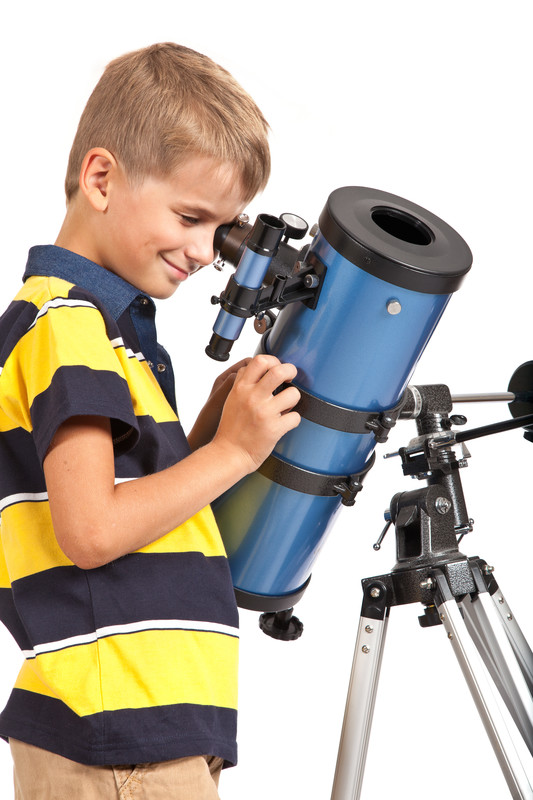
That said, I also wrote up a list of the gifts that are a total waste of money. Trust me – you’ll be glad you avoided the most common pitfalls eager parents fall into when trying to find the ‘perfect present’ for their child. You know these ones – the kind of gifts that makes kids sigh, frustrate them, or find themselves stuck on the top shelf to gather dust. You can read about these and why they made it to this list.
Okay, so are you ready to learn how to give your child an incredible gift they’ll keep using long after the holidays are over? Here are my ideas:
Scientific Instruments
Telescope Wow – nothing says holiday gift more than a scientific instrument to look at the stars. The trouble is, most people are so excited about the instrument that they forget they still don’t know how to use it. A telescope is pretty useless unless you know where to point it, and most telescopes given during this season are better suited for the garbage than star gazing.
My best recommendation? Settle for a quality pair of binoculars and a star gazing guide book (Exploring the Night Sky and Summer Star Gazing both by Terence Dickinson) to go with it so your kids can work up to the big stuff. You can get any nice pair that fits into your budget, but if you really want a recommendation that doesn’t have the brand-name price tag with it, For kids, Celestron’s Cometryon 7x50s are amazing for under $40.

For adults, Orion’s 10×50 UltraViews are outstanding. I personally own a set of these, and I’ve also added an L-adapter and camera tripod for longer viewing sessions. Expect to pay at least $140 for a pair of binocs worth keeping. Any cheaper than that, and you’ll quickly get discouraged and toss them in the Goodwill box faster than you think. You can mount these on any standard camera tripod, but I’m really excited about my new Paragon tripod that I’ve just started using. The tripod is able to keep the binoculars centered on an object no matter what height you raise or lower the binoculars to (which is really useful when you’ve got a long line of people of all different heights waiting to look through them.)

If you’ve already mastered the basics and really are ready for your own telescope, don’t bother with one of those telescopes like the kind shown in the picture here – a skinny tube mounted on a rickety tripod. The eyepiece can be way too high for kids, and they usually knock the whole thing over. So I recommend checking out the 6″ or 8″ Dobsonian and encourage you not to be fooled by the fact it doesn’t look like a traditional telescope, because it’s larger and has a lower mount. This one is going to show you a lot more detail of the sky, and is nearly impossible to knock over and damage. If you’re new to the starfield, you’ll want one with “Go To” capability for the Dobsonian. Don’t even think about owning a telescope without getting padded carrying case to protect it from dust and dings. Be sure your telescope has a laser finder also!

This is the most important part of the telescope – the eyepieces! You’ll also need to get decent eyepieces. The ones that are included with the telescope you can replace with these incredibly widefield eyepieces. Pick one between 8-13mm, 17-21mm, and a 21-24mm. Expect to spend at least $200 for an entry-level scope, or up to $1,000 for all the stuff I’ve listed here. Anything less than $200 (OR anything from Costco, Walmart, Kmart, or other similar stores) is just plain junk and not worth your time, unless you’re looking for a good dust collector.
For telescopes under $100, you have two options: First Scope by Celestron, and the Galileoscope. They are both small, compact, and use plastic mirrors and lenses, but it does give you the same images Galileo himself saw 400 years ago. These are the only two I’ve found that are even worth the money. Don’t forget to arm your kids with a moon map so they use their new scope easily!
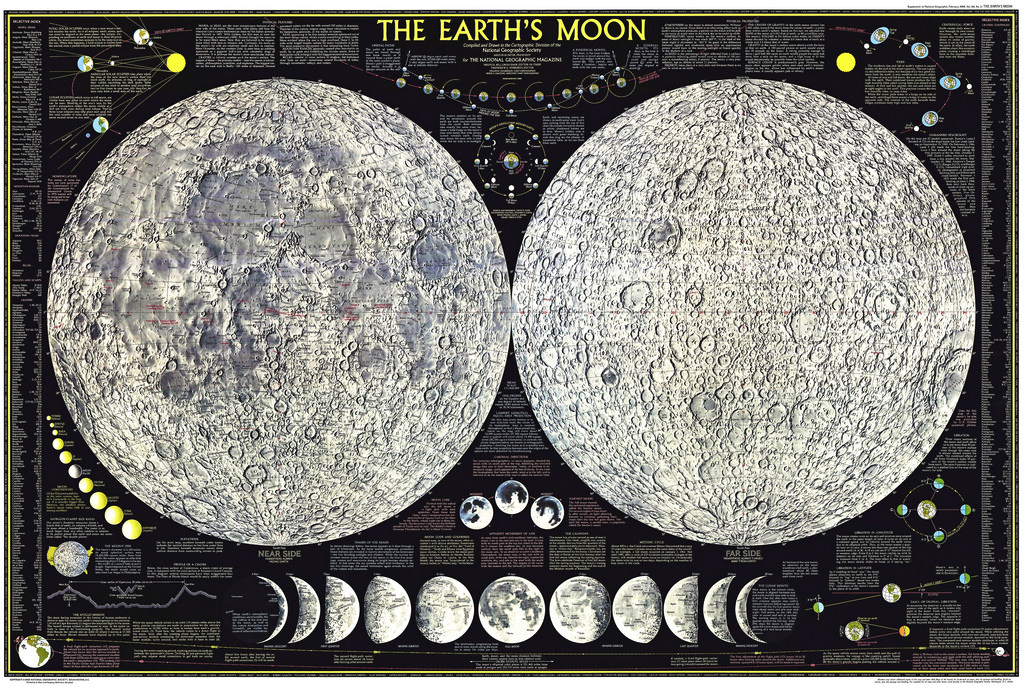
If you still are thinking about getting a cheap scope, here’s the bottom line: I hear about MORE kids and parents than you’ll ever want to know that have gotten so excited about a new telescope, only to get frustrated and disgruntled, and eventually not only trashing the telescope but also their whole interest in astronomy. Getting a cheap telescope is the fastest way to kill your child’s passion for astronomy. This goes for microscopes and binoculars, too. You’ll find when you invest up front, the rewards just keep coming and coming for years beyond what you ever expected.
Microscopes This is another popular gift item. There are many good scopes out there for kids, AmScope are the ones I’ve used in my classes with kids and have worked out the best over the years. You can look at their best microscopes here.
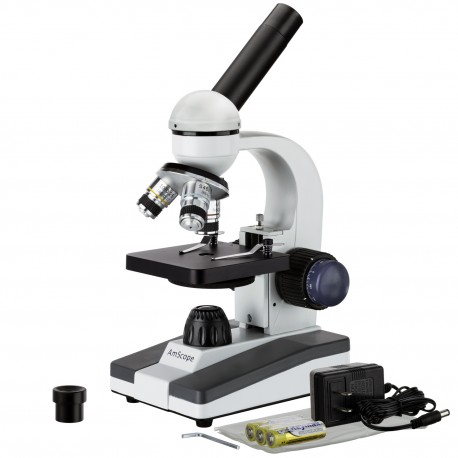
Whichever you choose, make sure it’s set up with a 10mm for the eyepiece and a 4X, 10X, and 40X at the objective, and also has a mechanical stage, and a mirror if you’re planning to use it int he field outdoors (otherwise, choose a corded model with LED lighting). Also add a box of microscope slides, tools like tweezers and vials, coverslips, and a basic staining kit and you’ll be set!
Favorite Science Books
Check these out at your local library to see if you think your child will like them.
- Why Pi? by Johnny Ball
- Go Figure by Johhny Ball
- The Space & Time of Uncle Albert by Russell Stannard
- Black Holes and Uncle Albertby Russell Stannard
- Uncle Albert & the Quantum Quest by Russell Stannard
- George’s Secret Key to the Universe by Lucy & Stephen Hawking
- George’s Cosmic Treasure Hunt by Lucy & Stephen Hawking
- The Elements by Theodore Gray
- One Minute Mysteries by Natalie Yoder (There’s one in Math and another in Science!)

Science Games and Puzzles
- Space-opoly (My kids love my version of the classic Monopoly) This is FREE for you to download.
- Chemistry Period Table Board Game by Ellen McHenry This is FREE for you to download.
- Periodic Quest This game won numerous awards and is a recent release. It’s complicated enough for your 12 year old.
- Chemistry Card Game by Ellen McHenry This is FREE for you to download.
- Elementeo developed by a very talented school-age student which teaches kids the characteristics of the periodic table of the elements using a game structure similar to Magic card game.
- Robo Rally This game is a regular in our house, especially since we’ve started making our own board elements.
- The Way Things Work Board Game is fun and creative, and we’ve added our own elements to it as well!
- Power Grid Board Game is a regular, and it’s fun to see kids and adults alike struggle to balance limited resources, profitability, and power issues at once.
- Go Venture is the only entrepreneur board game I’ve ever found. It’s made by a company that makes business simulations for grown ups!
- Black Hole Game Written and created especially by scientists! This is FREE for you to download.
- Constellation Board Game Plays northern hemisphere on one side and southern on the other!
- Equate the Math version of Scrabble, which is great for kids that are getting the hang of arithmetic
- Mathematician Dice for your college math student with more “math geek” fun toys here!
- Chess find a 34-piece set (with four queens) and a vinyl mat
- Iron Puzzles – these are a favorite in our home! You can’t break them, and the first two levels are easy enough to frustrate adults.
- Perplexus is one of four different maze balls that my kids keep in the car.
- Create-A-Story Board Game – since my kids love to write, this is a natural hit for us.
Cheap and Inexpensive Science Gift Ideas
If you feel that you getting each of your kids their own telescope is not in your budget (and I totally understand this), here’s some great news! This list below is a set of ideas that range from FREE to under $100. While I still think it’s important to start a pickle-jar savings account for those higher-priced items, here are a few ideas to get you started when you need to be on a shoestring.
- Get them their own personal toolbox with tools and a “How to Fix Anything” book. They’ll get real life skills, and you’ll benefit from this down the line when they can unclog the toilet for you.
- When making household repairs, servicing the family car or other domestic equipment, include your child. Natural scientific and mechanical skills can be discovered and developed in this way, and many scientific principles can be demonstrated in firsthand and practical ways, using the Scientific Method and the Universal Troubleshooting Method.
- Subscriptions to scientific magazines:Scientific American, Popular Science, Popular Mechanics, and MAKE Magazine are fantastic. You can also check out Sky & Telescope and Astronomy magazines.
Worst Science Gifts
Trust me – you’ll be glad you avoided the most common pitfalls eager parents fall into when trying to find the ‘perfect present’ for their child. You know these ones – the kind of gifts that makes kids sigh, frustrate them, or find themselves stuck on the top shelf to gather dust. You can read about these and why they made it to this list right here.
- Cheap telescope, microscope, or binoculars from places like Costco, Target, or other major department-type of stores. Any telescope that says the power rating on the box should be avoided like moldy spam. Telescopes aren’t about power magnification – they are about light collecting ability, which is measured in mirror (or lens) diameter. Microscopes should be durable and not plastic, and binoculars should have real lenses in them. Read the section above about which one is the right one for you.
- Science kits in a box These can be hit or miss. Some science kits are great – I love the ones from Radio Shack and Thames & Kosmos. The biggest problem with these is that most of them are cheap knock-offs made of little plastic pieces that if they break, you have to scrap the whole thing. The other problem is that they are expensive, and that they only make one specific project, which doesn’t leave any room for creativity, imagination or innovation… which is what science and engineering is based on.
- Science books I am a total reading buff, so saying that books are on the worst list makes me cringe! But I have to admit, there are so many bad science books out there that I have to put at least a yellow caution sign about which ones to pick. Keep an eye out for stale and dry, flat boring, or just plain wrong books out there with flashy pictures and little to no science in them at all. See above for my recommendations for books and magazines.
- Science toys that are experiments already done for you These are actually quite the rage right now, which is not surprising given the “gotta have it now” mentality that surrounds us everywhere. These are toys that were once great science projects or experiments, but have been mass produced so you can just buy the end result, like airzookas, hex bugs, and stomp rockets. It takes something away from the magic if you can just “buy it” right without building it yourself. Kids only play with these items for a very short period of time, and since they didn’t build it themselves, there’s no reason for them to really appreciate it or play with it long term. Some of these can be fun to play around with and get inspired from, just leave them in the store when you’re done.
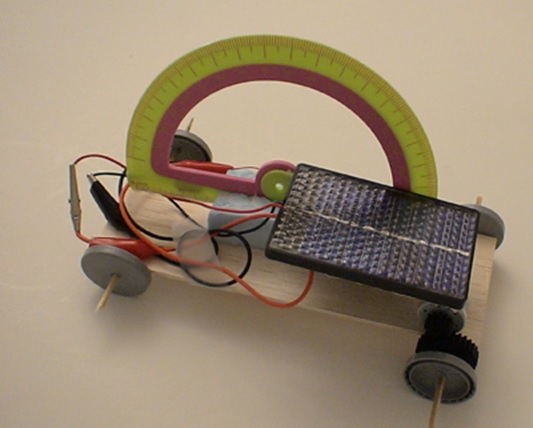
This may be obvious, but…
Get a box full of all the materials needed for the e-Science project your kids have been hounding you about the most. Whether it’s the Laser Light Show, the underwater R.O.V. robot, the Trebuchet, the Laser Door Alarm, the Crystal Radio, the Space-Age Laser Communicator, or a special Robot they have in mind… you’ll be sure to make their day with the homemade inventor’s dream gift. Don’t forget to take pictures as they build!
There you have it – ideas and projects to set your mind spinning and get you moving in science. Let us know how it goes! And if you have more ideas of your own, please share them in the comment box below!
]]>
Strike a Balance
In today’s world it is unrealistic to expect that your children will not ever be online. That doesn’t mean that you should give up on any sort of regulation of their screen time. The idea is always to strike a balance between the amount of time that they dedicate to their screen, and the time that they spend having fun offline. If you think that they are spending too much time online, taking away the screen is not the only solution. You need to ramp up other activities that they enjoy offline.
Create No Technology Areas and Times
They may need the phone to find out a quick query, but make it clear that they can only do so in certain areas of the home and at specific times. Having easy access to screen 24/7 is an absolute No! So the kitchen and dining table can be absolutely tech free during meal times. The homeschool classroom can be a tech zone for the duration of actual learning via the internet. Similarly you can set up tech times and areas all through the day and in all the rooms of the house.
Have Them Create Games
One of the prime reasons that children want the internet and screen access is because they are bored. Make a rule that they need to create a game each time they come and tell you that they are bored. It can be a physical game involving some some sports equipment like a hoop or a ball. Or it could be a board game which they can play using dice and counters. It would also be possible for them to create a game in the form of a maze or a puzzle to be solved.
]]>Help Your Homeschool Student to Pick a Hobby
The areas of interest will be the primary consideration because it has to be something that the child enjoys doing. If it’s something that is taught in a class, consider signing up your child for one. This will allow the homeschool student ample opportunity to figure out if it’s something that they want to delve deeper into or not. After the class they may decide that the hobby is not for them. Or they may want to sign up for another class. Perhaps they may come to the conclusion that while they want to pursue the hobby, they want to do it on their own, without the guidance of a teacher. Allow them to follow their heart.
Another consideration may be the costs involved. By their very nature certain hobbies require specialized equipment and will be more expensive to carry out as compared to others. However, there is always a way to get things cheaper if you go for used or second hand equipment. Speak with other parents whose children have tried out the activity. They will be able to give you pointers for how best to proceed, as well as perhaps have old equipment that you can buy off them cheaper than new store bought ones.
When they are young and have less exposure, they may not even be aware of the various options available to them. Here as the homeschool teacher you may want to introduce them to a number of activities that would work as good hobbies for them, given your knowledge of their interests. Ask them to come up with a list of things they would like to try and begin from there to find a suitable and productive hobby.
]]>The Syllabus and How You Intend to Cover it
While you shouldn’t plan it down to every minute in the homeschool classroom, it will definitely help if you are aware of what and how much you need to cover every day, week and month in each subject you are covering. This will allow you to remain flexible and use hours left over from English in catching up with Maths. Using “Week at a Glance” planners is a good way to go for this purpose. You may also consider doing a “Month at a Glance” for each of your students individually.
Field Trips Planned for the Year
This could include everything from road trips to visits to the local park. The way to ideally organize this would be different for each homeschooling family. The season, the home town location, the interests of the homeschool students, and the budget will all play a part in helping decide what field trips get added to the academic calendar. It’s a good idea to get in a variety of different activities in the field trips to help widen the horizons of your young charges.
Records of All That Was Done
The actual teaching aside, it is important to maintain detailed records of whatever was covered for each homeschool student during the academic year. This is a task which often tends to slide to the back burner, but is a legal requirement in many states. In addition, the students will need these details in their transcripts should they choose to take admission in a college later on in their lives. Instead of rushing to get it down at the last moment, organize yourself so that you do the needful each month.
]]>Quality Time is Assured
Even if the homeschool student has siblings in the classroom with him, there is no denying the fact that the homeschool teacher will carve out one on one time each day for every child. The complete attention of the teacher is focused on the student during this time and the quality of learning which happens is much higher than with a somewhat distracted teacher in a regular classroom. It’s also that much more difficult for the students to get up to mischief in the homeschool classroom under the teacher’s watchful eye.
Common Unit Studies
Combining the studies of two students on a common topic may happen more often than expected in the homeschool classroom. The details required for a higher grade may not be covered for the homeschool student in the lower grade, but a topic such as photosynthesis can be covered in a field trip to the local playground for both of them simultaneously. Further worksheets and information can be delved into at age and grade appropriate levels once they return to the classroom.
Holidays can be taken at will
If the children get ill, or the family needs to take a road trip on short notice, it can be tough when the students have to miss regular school and get make up work. Sick days, leave or holidays can be worked into the more flexible structure of homeschooling with greater ease. The schedule of the homeschool teacher usually makes time for activities which a regular school teacher may not factor in. So in case they need more time, they can simply dig into this reserve period in the schedule.
As you can see there are many advantages to homeschooling, some of which you may not have expected when you took the decision to try it out.
]]>Teach the Difference between Useful and Useless
Unfortunately everyone is online these days, and there is no way for your homeschool students to completely avoid the internet. It is vitally important to train them in using the power of the internet for their own benefit, rather than succumbing to the lures of short clips of unwanted but entertaining videos. There are enough edutainment sites availble which would help them in the long run. The challenge in the short run is to get them hooked to these websites.
Set Time Limits
Self regulation is the best policy. However getting them to understand the limited time frame that they should stay online, will require some help initially. Just like kids get addicted to sugar rich candy, they can get addicted to the quick fix of the internet to relative boredom sitting around at home. Just as they have a schedule for everything else, they should have a limited number of hours that they can surf the interent each day. Having a daily limit data plan for the wifi is a good start.
Keep them Safe
Give them a list of approved sites which they can dive into. Also give them a list of malacious sites that they should avoid. Show them what exactly can go wrong using videos on the topic. Teach them about viruses which can affect their computers or tablets rendering them useless. Also have them made aware of issues such as identity theft, cyber bullying and other online crimes. Just as you warn them of stranger danger, they should know what to do and what to avoid if they are going to be online on their own.
]]>Bird Feeder and Water Bowl
Take a simple bowl and place some bird seed in it. You can place another bowl with fresh water next to it. The beauty of this system is that it can be placed on a window ledge in an urban setting or in the backyard if you have one. Make the homeschool student in charge of measuring out a spoonfull of bird seed each morning into the bowl. Also make them refresh the water at the same time. Teach them about the differnt types of birds and what bird seed is likely to attract them. Experiment with different bird seed over the weeks.
Plant a Herb Garden
If you have a garden space that can be used, have them plant three different edible herbs there. In case you don’t have a garden space, use small pots. These can be used with a premix soil and planted with individual plants, as children may not have the patience to germinate them from seed. Also it’s ready to trim with a scissors and add to the food as soon as you have it available. Watering and fertilizing is the homeschool student’s job. The harvesting can be a special weekly feature for them.
Build a Terrarium
A terrarium is a fully self supporting micro environment that sustains itself within a glass container. You can use anything from a fish bowl to a milk jar to start a basic terrarium. Study up on the plants that will do well in the environment and create your own ecological system with. Have your homeschool students monitor the growth of differnt plants as well as the schedule for watering it. It’s a beautiful way to bring nature into the house in a sustainable manner.
]]>A Fresh Photo Collage Board
Keeping a record is not always about grades and transcripts. Sometimes it’s about preserving precious memories. Take pictures of the homeschool students with their new school supplies, at their study area. You may want to record their progress through the year every month with a similar styled photo. Pin up the prints of these photos on the photo collage board. At the end of the year take a picture of the board before you store away the photos in an album.
A Personal Details Fact Sheet
Have a printed form read for the homeschool students to fill in with their personal details such as height, weight, class grade, phone number, blood group, etc. Ensure that these are details that they should be aware of. You can even add in a fun section of details which are their preferences and favourites, such as food, movies, books, sporting activities. It’s like a snapshot of them in words. Encourage them to be original in their answers and file these forms away. You can always do a follow up mide session to see what has changed in their tastes.
Story of the Week
Include a story telling day in your homeschool curriculum, so that they get practice in public speaking, sharing their opinion and answering questions from others. The story that they pick can be related to something that happened to them personally, or it can be a shorter narration of something they read or watched. Ask them to add a value or moral teaching that they discovered at the end of the narration. It’s a good idea to begin the homeschooling year with something entertaining and fun like this.
You can choose to add more activities which are age appropriate and based on the personal interests of your homeschool students. Just remember these will have to be repeated each year for a tradition to be established.
]]>]]>
If you don’t have binoculars, use your naked eyes and a good Moon Map.
Dr. Lee Coombs, one of the most published amateur astrophotographers, conducted an entire 7-day tour of the moon from his private observatory. You can still watch it here.

Many people don’t even realize that hey have an amazing object right at their fingertips – the Moon! If you participated in Dr Coombs Moon Tour Presentation, you already noticed the spectacular views you can get using a small telescope or a set of binoculars.
The Moon is a fantastic object to practice on, because it’s easy to find but there’s enough detail that once you get started, you’ll find yourself reaching for a Moon Map to try to spot and identify the different features.
Even if you don’t own any binoculars, we’ll guide you through how to pick a good pair for stargazing.
My personal favorite binoculars:
- For Kids: Cometron by Celestron
- For Adults: Orion UltraViews
More classes like this: this special class is scheduled during my Astronomy sessions with Supercharged Science. You can learn about Aurora’s science programs here: https://www.SuperchargedScience.com/easy
Download a Moon Map from NASA here.
]]>Which telescope you purchase is going to depend on where you live, what you want to look at, and your budget.
Beginner telescopes:
- For kids: 8” Dobsonian Telescope
For adults: (it’s going to depend what you want to look at)
- 8” Newtonian Reflector (easy to use, good all-around scope for deep sky objects, planets, moon)
- 8″ Schmidt-Cassegrain (more compact, good all-around scope for planets, galaxies, nebulae, astrophotography)
- 90mm Refractor (harder to use, best for planets and moon observing)
Ask a real scientist who uses them both in the field and also when they teach kids!
A lot out there on the market is junk, and what’s left is usually too hard and frustrating for kids to learn on. And that’s the stuff most folks buy, because they either don’t know how to tell a good instrument from junk or they can’t afford a good instrument. Both of these usually frustrate the kids to the point of turning them off from science completely, the exact opposite of what well-meaning parents are trying to do.
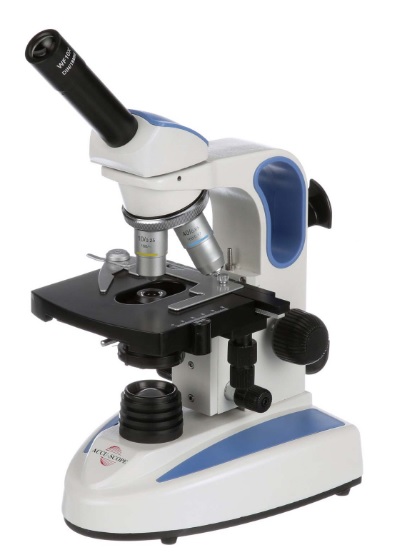
So – let me show you what I use when I teach kids. Here are my personal favorites that I use when I do science:
Microscope:
If you just want something quick and cheap, get a pocket microscope. It’s only good for a quick peek at something while you’re walking in nature.
For a good, solid compound microscope, look for one with a mechanical stage and three lenses on a rotating piece (4X, 10X and 40X) and a 10X at the eyepiece (the place you put your eye up to). Get one with a mirror (no electrical cord) if you plan to use it primarily outdoors in nature. I got my microscope here, but there are lots of places that will make good ones and expect to spend between $150-$250. Anything cheaper won’t last (don’t buy from Walmart or Costco, and don’t buy it if it’s made of plastic).
You’ll also need slides, coverslips, stain (like iodine), tweezers, and a medicine dropper. There are also lens adapters so you can turn yours into a digital microscope using your cell phone and this special mount.
Two books are good to go with your microscope – I like these because kids can use them on their own.
Telescope:
The kind of telescope most people want to get is not the one I’d get for my kids because it’s hard to use than a Dobsonian, but since it’s cheap (less than $150) and up on skinny legs (it LOOKS like the telescope in most people’s minds) most people want one like this.

Here’s the one I’d get for my kids. But… what’s BETTER than a Telescope? A nice pair of good BINOCULARS! Telescopes are useless if you don’t know where to point them, so invest in a set of good binoculars like these from Celestron and a good star gazing app.
Here are a few resources for star gazing that I really enjoy using with kids:
- Nightwatch
- Touring the Universe through Binoculars
- Planisphere (make sure you get the right latitude for where you live)
I hope this has been helpful!
If you want your kids to not only learn how to use these types of scientific instruments, but also really understand their world around them and make more projects that use things like this, and if you found this helpful and you find yourself thinking, “Hey, you know, I want this person to teach my kids science for me, and to create my curriculum lessons for me…” then we can do just that. Go here.
When you get there, you’ll see a video that shows you the science curriculum that I developed and teach.
If you like what you see on that website, just fill in the form below the video and your kids can get started today doing real hands-on science with everyday materials.
Thanks for watching!
Aurora
Supercharged Science
Homeschool Science Curriculum
P.S. By the way, if you know anybody that might find this content useful or helpful, please share it! Thanks so much!!
P.P.S. If you’re an e-Science member, a more in-depth article is here.
]]>Dr. Ray Weymann shares current methods and equipment used to discover objects in our solar system and recounts the discovery of ‘Oumuamua.
Dr. Ray Weymann is a retired astrophysicist with 40 years experience in teaching and research. His research interests have varied from the history of the early expanding universe to the atmospheres of stars, and combined calculations and observations with some of the world’s most powerful telescopes, including the Hubble Space Telescope.
Since retiring and moving to Atascadero, CA his interests have turned to public education about science especially concerning climate science and global warming. He has given dozens of talks to both students in science classes and adult groups with many backgrounds.
He has a website on climate science: http://www.centralcoastclimatescience.org/ He has also taken an interest in the challenges teachers face in our public schools in teaching math and science literacy and has tutored students in both basic and advanced math courses at the high school and junior high school level.
He attended Cal Tech as an undergraduate, and obtained his PhD in Astrophysics from Princeton University. For many years he was on the Astronomy faculty at the University of Arizona in Tucson, serving for some of that time as Department Head and Director of the University of Arizona Steward Observatory.
He is a member of the American Association for the Advancement of Science, and an elected member of the American Academy of Arts and Sciences as well as the National Academy of Sciences.
]]>Go here for more astronomy lessons: www.SuperchargedScience.com/stars
There are two types of binoculars:
- ROOF PRISM are more compact and more expensive and make slightly dimmer images.
- PORRO PRISM have a zigzag shape and are heavier and bulkier, but better for astronomy.
To focus your binoculars:
- Use central knob to focus the eyepiece that can’t be adjusted, and then focus the other eyepiece.
Example: If you have a pair that are 7 x 50:
- As magnification increases (the first number), object in your viewing area becomes bigger. For astronomy, get at least a 7.
- As the objective lens size (second number) gets bigger, more light gets in but the binoculars get bigger and heavier. Get at least a 35, if not 50.
- To use them for astronomy, remember to use low power, like 7×50 or 10×50.
- Lean against something if you are standing, like a car or a tree to steady yourself. (Use a lawn chair if you are sitting.)
- Use a simple mount with an L bracket if you find you can’t hold them steady enough.
Here’s the original Facebook Live video I created that demonstrates this and more:
www.facebook.com/superchargedsci/videos/495390664387694/
Find it here: https://www.youtube.com/watch?v=v1GDfbLHSr8
]]>From the northern hemisphere, the big dipper is above the horizon for most of the year. In the spring time (especially in March), it’s fun and easy to learn how to tell time by the stars!
(Did you miss my free astronomy class? Go here for the next one coming up: https://superchargedscience.com/stars )
First, go outside after sunset and find the Big Dipper.
Use a compass if you need to to find NORTH, then tilt your head back and look up from the horizon for seven bright stars.
Draw a line through two bowl stars (furthest from the handle) and extend that line so it hits the north “pole” star Polaris.
The “sky clock” is a 24-hour clock, not a 12-our clock like the one in your house. Polaris is the center of the clock, and the hour hand is the line you drew from the Big Dipper to Polaris.
Now use this simple formula:
The current TIME = the clock reading MINUS twice the number of months after March 6. (You can use March 1 to make it easier to figure out.)
For March, that “number of months past March” is ZERO. (See why it’s easy in March?)
So go look up at the sky clock and read what time it is!
In my image here, it’s 10 PM.
Notice how we read the sky clock COUNTERCLOCKWISE. This is opposite of the clock in your kitchen.
Let’s take another example. Suppose it’s Dec. 1st. Dec 1 is close to Dec 6, so let’s figure about 9 months (to be exact, it would be 8.75 months, but let’s make it easy to calculate this time through). The night sky looks like the second image (without the clock superimposed over it).
Can you tell me what time it is?
~Aurora
P.S. We’re doing more astronomy star gazing sessions every month! Be sure to join us! www.CentralCoastAstronomy.org
Pre-order your copy RIGHT NOW and you’ll get a whole bunch of bonuses that Penguin-Random House will include, like extra bonus content videos that accompany the activities inside the book, a private star gazing event right before the book is released, and much more!
We’re soo grateful to our publishers for helping me publish my very first book! It’s a beginner’s guide to astronomy for younger children (ages 4 – 8 years).
A real dream come true! I am a published author! Yay!
Thank you everyone who helped this past Spring while I was writing and coming up with over 100 activities that they wanted to include… I know you were all with me as I worked on this project, so a huge THANK YOU to all my students and science families here with Supercharged Science!
~Aurora
]]>Reading Out Aloud Together
Start a story reading time for the homeschool students where you get to cuddle up together and read from the same book. Point out the different words as you read out loud. If they have a favorite story, they will be sure to ask you to read it to them many times. Once you have them identify all the words in the book, ask them to read out the story to you. Sharing books and stories can help develop a stronger bonding between the homeschool teacher and her class.
Coloring Pages with Quotes
Get your homeschool students into the habit of searching for and sharing a motivational quote with the class each week. You can fix the day they do this and have them come up with pretty art work to decorate the quote. This activity will have them reading through many quotes before they find one that they like, plus they will be writing it down to share with the class. Each sheet with the art work and quote can be pinned up on the board for the week. If you don’t use a notice board, you can improvise by having a special place for the sheet on the fridge door.
Earn Badges for Reading Books
All children are competitive and if they were to earn a badge for every book that they read and shared the summary of, they would be more motivated to read. It doesn’t matter if the book is a magazine, a graphic comic book, a collection of short stories or a novel. The more genres they spread themselves across the better, for this activity. Have a visual tally system going for each year so that you can calculate who read the most during the academic session.
]]>Give Them Pocket Money
There’s a huge debate about whether of not a child should receive pocket money, and if they should what age it should start at, and how much it should be. No matter what your personal choices in this matter, you must be sure that you will give them some pocket money. They can’t learn to handle money if they never have any of their own. The practical experience here can’t be replaced with mere mentioning to be cautious with money. Ask them to account for what they buy with the money. That way you can show them how to do some simple book keeping. Then involve them in saving for a big purchase that they have coming their way. Trust me, they will value it all the more for having bought it from their own money.
Show Them Your Investment Plan
This assumes that you do have an investment plan which you follow and save regularly for. Show them what all you invest in, how often and how much. If you don’t have a formal investment plan, then now is a good time to study the financial investments available in the market along with your homeschool student. Decide what is the exact amount you want to invest and for how long. Then turn your attention to different financial instruments of saving and have your homeschool student come up with a list of three choices. These can then be considered and vetted before the actual investment is made. Being involved in the whole process will make a remarkable impression on your homeschool student on the importance of saving money.
]]>Basket Ball Multiplication
Who said you have to sit down and learn multiplication? Make a little hoop and hang it on the back of a chair in your homeschool classroom. Now get your homeschool students to use a soft ball, if they don’t have one just crumple a sheet of paper to form a ball, and shoot hoops. Each time they manage to shoot the ball successfully through the hoop, they get to multiply their points based on the table they are learning. Say for instance it’s the four times table, first basket gives them four points, second one gives them eight, third one gives them twelve and so on. They will master the tables so fast just to ensure that they have more points than their siblings at the end of the game.
Sink of Float Experiment
Have your homeschool students understand the properties of buoyancy by doing this simple and fun experiment. Have a big bowl of water placed in the room. Now send them out to pick up three things that float and three things that will sink in the water. If they don’t know what will happen to the object they can simply take a guess. Now place the items one at a time in the water bowl. Were they able to make accurate guesses? Discuss what guesses went wrong and why. Speak of the materials that the objects have been made out of. Have them deduce if size or design changes in the object will help them float or make them sink. This can be quite an inclusive experiment. Plus it’s simple to set up and you can do it more than once.
]]>Create a Picture Book
Take a topic that is being taught in the class and ask your homeschool student to make a picture book about it. Give them access to some of the child-safe creative commons websites and ask them to find appropriate pictures and have them print them out to bind into a book. Each picture much also have a line explaining what it is about. This is a sneaky way to get them to do writing and still love the project.
Read Out Loud With “Voices”
Reading is an important skill and one of the best ways to get your child interested in reading is to read out loud story books to him. Once he begins to identify the words on the page, you may ask to do a dialogue in different voices with him reading out part of the text. It can be so much fun using different voices for different characters in the book. He gets to do his favorite characters, while you get to do the rest. Not only do you have your homeschool student reading, he’s having a blast while doing it.
Science Experiments in the Kitchen
Turn making the meal into a series of experiments that your homeschool student can conduct. Each dish has some aspect of physics (the forces of change), chemistry (the reactions taking place as food goes from raw to cooked) and biology (where did the food come from, plant or animal?). With a little bit of preparation you can turn creating snacks into a hobby as well as a science lesson which your homeschool student will enjoy and retain as a life long skill.
]]>Workbooks Vs Games
Think about a six year old who is given a couple of sheets of sums to do, and another six year old who is asked to play a game involving addition and subtraction of coins and notes. Which child do you think is going to have more fun? Subsequently which child is going to end up thinking math is easy and that he will enjoy learning more math? The answer is obvious. So try and keep the workbooks and problem solving sheets at a minimum, and increase the number of educational games that you play with your homeschool students. As they grow older you can make them do more worksheets, but do ensure, that even then, you make them play some games in the homeschool classroom.
Developing a Love of Writing
The motor skills of children take time to develop, which is why most of the kindergarten children do not enjoy holding a pencil and writing. If you insist on them doing printing or cursive writing from the get go, they will resent writing in the future. A fun way to get them to practice their letters is to use a tray of salt or flour and make them trace the letters in it. They will have much better control over their fingers and will enjoy the game of you calling out a number or a letter and them drawing it out in the tray. In the older children, get them to indulge in creative writing so that at least they use the pencil and paper. Assignments are never as much fun to write as writing a story or a poem.
]]>Word a Day
This simple vocabulary builder is a great tool which can be used simultaneously on all your homeschool students. The concept is simple. Introduce a new word. Explain the meaning. Have them use it in a sentence of two. That’s it! Don’t spend more than five minutes on it. Also create a list on a chart for the month. Pin it up in the homeschool classroom. The kids should be able to see the words for a while, to allow better absorption. Plus the chart changes each month, providing variety.
Foreign Language Phrase
Pick five popular languages and start with basic phrases. It could be good morning, good afternoon, good night, please, thank you, well done, happy birthday, or anything else that the children want to pick. Now each day of the week look up how to say this phrase in one of the five languages that you picked. It’s fun to learn as well as gives your homeschool students more than a few useful words in a foreign language when they travel abroad. Again this requires no formal practice, but they could be asking for a break from studies in French and get it!
Pick a Place
This simple geography based game can be played at anytime. The homeschool student must pick a place and give clues about it so that the others can guess where it is. You can start with popular towns in your own state, or even monuments that you may have visited in the past. Build up to new destinations and have the kids describe what all they can expect to see there. A great precursor to road trips that you may be planning to take.
]]>Plan Ahead of Time
Every homeschool mother gets at least half a school year advance notice before the new born shows up. This means you have about 6 months to plan out what your homeschool students need to be doing when the baby is born. Call in a friend who has strong organizational skills if you can’t do this on your own. Take a look at the material that needs to be covered with each of the elder children for the next academic session. Schedule loosely what you want them to cover each month and each week.
Educational Toys and Learning Activities
Stack up on educational toys that you can get your elder kids to play with on their own. Same with learning activities like puzzles and activity books. Have them practice the more complicated ones with you right now when you have the time to spare. Then hide them away for later when the baby comes, so that they are happy to reconnect with these old friends. Also there will be the added bonus of them being able to handle this on their own without your constant supervision.
Invest in Open and Teach Curriculum
There are some curricula available that need minimal effort from the teacher. These can be expensive, but will be well worth the time and effort that they save you in terms of lesson planning and execution. The idea is to pick these up for the academic session when you know that you may not have the luxury of time to spread your creativity into what the elder homeschool students are learning. It will make your life easy and allow you the extra time you need to spend with your new born baby.
]]>Tip #1
Prioritize! There will be things that are important and things that are urgent. As long as you focus on what is important, and don’t succumb to the unending urgent items on your plate, you should be able to keep your cool. It’s okay for things to be done a day later. Not everything needs to be done right now.
Tip #2
Use Me-Time! Just as important as scheduling the classes for your homeschool students is to schedule your alone time. You are human and you need a break as well. Don’t run yourself ragged trying to get everything in order with no time off for yourself. Use this time to rejuvenate and come back fresh to the classroom.
Tip #3
Socialize! I’m not speaking about getting your homeschool students to make friends. Get together with like minded individuals and interact with them. Being surrounded by children all day, everyday is not good for your self growth. So make the time and effort to meet up with your peers and do something fun or interesting.
Tip #4
Get Support! Doing everything on your own is a sure fire recipe for disaster. Involve your homeschool students in the day’s planning. Get help from your spouse to take over a few lessons from you. Lean on friends and family to come in and spend some time in your homeschool classroom, sharing their expertise with your children.
Tip #5
Flexibility! The most desired virtue in the vault of the homeschool mother. Yes, you may have made certain plans, scheduled some classes and then nothing like you planned happens. Go with the flow, and see what you can get done with your children instead. Stay open to what can be done instead of getting stuck on what didn’t happen.
]]>Rocks
These are the primary goals and objectives. Rocks include the subjects that you need to teach in the academic year, including the topics in each one that you will be covering. The assessments and exams that the homeschool students may have to appear for also need to be scheduled. You may like to place them evenly over the months so that you are not struggling to handle too many rocks at the same time.
Pebbles
These are the secondary skills that you expect your homeschool student to learn. Pebbles include the extra curricular activities that you need to schedule for your children. Music classes for singing or an instrument training. Sports classes for a group coaching class. Learning a new foreign language. Anything that requires dedicated classes away from the homeschool teacher with a specialist can be placed here.
Sand
These may not be absolutely essential but are still important enough to add to the homeschool schedule of your students.Any field trips that you wish to complete that academic year. Art and craft projects that the homeschool student may enjoy performing. Cooking, cleaning, gardening and other chores around the home may also be added here.
Water
Even when the Jar of Life is full of the above component, there is always space to add water. This water is represented by the spontaneous activities that you and your homeschool students take on. It could be movie, a picnic, a car ride to the grandparents. Anything that was not on the original list, but you want to do. These activities are the ones that tend to make the best memories.
]]>Study Desk
If you don’t have a dedicated classroom for homeschooling, you do not need the additional headache of trying to fit in a study desk in another room. It’s a better idea to invest in a cupboard where you can store the study material that you will be using, and continue to use the dining table as a make shift study desk. As the child grows, you may consider a dedicated desk.
White Board
Yes, it may look very nice and make you feel like a professional teacher, but do you really need a white board to explain a concept to your first grade homeschool student? This is an expense that can be avoided till you actually feel the need to have a more formal set up for homeschooling when your child grows up. Stick to paper and pen initially.
Reference Material
Be it books, DVDs, maps, and more material that support the lessons that you are planning to teach, do you really need to purchase it all?Remember it possible to borrow from the library and return the material when you are done with it. More pocket friendly and you don’t have to think about where you are going to store it once you are done with it.
Boxed Curriculum Sets
While a new comer to homeschooling may find the boxed curriculum sets an easy way to start out, they are not a compulsory purchase. Most of them may contain subjects that you don’t yet intend to teach your homeschool student. Also not every curriculum will fit the needs of every homeschool student, so you may end up with an expense buy which doesn’t get used to it’s full potential.
]]>Set Firm Boundaries
Having fixed hours for the homeschool schedule will help. Ensure that the formal school work is done during these hours. In the rest of the time you can work on chores around the home, play in the back yard, watch videos, read out story books, or take a trip to the park. It may be daunting initially and you may wish to extend your hours when you see that the homeschool students are not finishing their school work in time. However, if you stay firm and set additional time for school work that needs to be finished that day, replacing play time, you may see them finish all that they need to do fast enough. Adding motivating factors such as allowing them to choose their midday snack, can also help the speed.
Establish Routines, but Stay Flexible
Homeschool students do better when they know what’s coming next. The pattern of a daily routine is actually very good structure for them. They will try and test your commitment to it, so expect them to push at your boundaries occasionally. In the long run, it will be good for both the students and the teacher to stick to the routine. Life does have a way of throwing a curve ball at you when you least expect it, and that’s why it is important to stay flexible. Yes they need to study three hours in the day, but if you overslept because the child was up all night with a cough, you can take the hours from the morning slot and shift them to the evening. Both teacher and homeschool student will be better rested and able to handle the task better in the evening.
]]>Enhancing their Reading Skills
Read out loud with your young children. Get them used to holding the book while you read out the story. Have them point to specific words in the text to get them used to the correlation of the sound and the sight of the word. Remember to keep things interesting and light. Read books that are fun for them. As reading captures their imagination have them read a page out loud to you. Young children enjoy the opportunity to show off what they can do. Capitalize on this natural ability to learn and share.
Enhancing their Writing Skills
This one can be tougher for younger children who don’t have the patience to sit in one place for very long. Often their fine motor skills are not as well developed, and they may actually find it painful to continue writing for long periods of time. So keep the assignments you give them short. Mazes are a perennial favorite game that help greatly with building fine motor skills. Even using butter paper to trace on top of letters can be an activity that helps. Eventually they should be able to write with ease, but this skill takes patience on part of the homeschool teacher.
Setting Clear Learning Goals
Every child learns at his or her own pace. So the homeschool teacher must be aware of the capacity of the homeschool student to work in a day. It’s not realistic to expect a 6 year old to write number names from one to hundred in one sitting. It’s better to split it up into goals of ten to fifteen numbers in each sitting. Let them know exactly what you want them to achieve in the self study time. This should be followed with some fun activity, which acts as an additional motivator to get the work done in time.
]]>
Cursive Vs Print Debate
By the age of four years, your homeschool student will be familiar with the alphabet rhyme. They can probably identify both capital and lower case letters when they see them, and now it’s time to get them to write. Opinion is often divided about what should be taught first, cursive writing or print. While print is what they will see more often and read in their textbooks, there are issues like letter reversals and trouble with letter formation if print writing is taught first. “p” and “q”, “d” and “b”, “f” and “t” become problems for the child and writing becomes a struggle because the visual discrimination at that age is not as well developed.
Advantages of Cursive Writing
Since cursive writing goes in a flow with curves, there is less potential for errors. Also there is the familiarity of pattern where all lower case letters start from the bottom line and the left. Unlike in print where the letters can start from any position. The spacing distance between letters and eventually words is easier to handle when the cursive writing is done. There is not too much danger of letters being written too far away from each other in a word because of the flow in which they are written. These are advantages that most homeschooling teachers prefer to use by teaching cursive writing first, even though traditional schools tend to go with print first.
]]>
The Alphabet
It’s best to start with the alphabet song. The sing along can accompany other activities such as bath time, or pram rides. Then move on to introducing the capital alphabet. This can be combined with the alphabet tracing in the book or making sensory alphabets or even marking them out in sand. Moving ahead you can show the lower case alphabets along with the capital alphabets to create a visual connection between the two. They should be able to look at and identify every one of the letters in both forms. You may also like to begin writing alphabets by teaching them how to spell their name. This will be an invaluable skill when they need to write it down on books and worksheets at a later date.
Counting Numbers
Nursery rhymes are a great way to get counting and there are many available which incorporate the initial ten numbers. Start with them and move on to counting numbers on your fingers. That will help them count quicker. Make them trace and write the first ten numbers to ensure that they clearly form each digit. Since all following numbers are a repeat of these ten, it’s well worth taking the extra time to ensure that they have them right in their head, as well as in their representations on paper. Also you can add in numbers till twenty in oral counting, even if you continue to write only till ten.
Colors and Shapes
Teach them the names of the basic six colors and have them identify them as a game. You can also begin on four basic geometric shapes and have them trace or draw them with crayons of pencil. The idea is to help them have a foundation that they can build on when they get to regular school.
]]>Tracing Alphabets
For this activity you can use a regular alphabet book and have them trace the letters. Or you can have some fun and create sensory letters with different materials such as sandpaper, velvet paper, cloth on card, etc. The idea is to familiarize them with the alphabet even as they learn the shapes. As they grow older, you can give them a crayon and ask them to trace the letters on to a paper. This will help their cognitive abilities to recognize and recreate shapes.
Dot Painting
You can use edible color and a large white sheet of paper. Have the homeschooled child dip their finger in the bowl of color and then create a dot on the paper. As they grow older, you may help them create simple shapes such as a square, a circle, a flower, etc. Don’t use more than three colors at a time, and make sure that you cover all surfaces with newspaper so that you minimize the clean up.
Dot to Dot Joining
This is another good activity pre-writers can enjoy. Get a book of dot to dot activities, or you can print out some off websites that offer these sheets free. A simple search online will throw up a number of resources that you can use. Now give your child a pencil or a crayon and let them join the dots to create the image. You can also simply do the dots in a notebook and have them create circle, cross, square or rectangular shapes. Encourage them to learn numbers by making the dots numbered.
]]>Rosetta Stone
This website and app have 24 language options to learn from. It is a paid service, however you do get to try out the first lesson for free. Their learning process includes listening to words, pronouncing them, and matching pictures to words and phrases. You can see the progress you have made in learning grammar and vocabulary in the app. It is available for both Android and iOS.
Duolingo
This free app has a very upbeat and positive feel. You get to learn at your own pace, moving from simple words, to sentences and then more complicated compositions. The highly intuitive app interface will be there to point out your mistakes in pronunciation as well as praise you for stuff you get right. With 22 languages offered, it’s a very good free alternative to Rosetta Stone.
Memrise
Using simple visual aids this website and app will lead you through the alphabet, words and eventually sentences of the new language that you wish to learn. It has a combination of free and paid courses that you can subscribe to. The games and chat bots are a good way to practice your language skills once you have been through the course lessons.
Busuu
WIth 12 languages, it may not have the vast options available on other websites, but you do have a great feature here with the placement test. You can take a test to find out your skill level on a language that you may have learnt previously, they will then place you in a level where you can continue to practice and improve upon your language skills.
]]>Folders Are Your Best Friends
Get a folder for each subject. Have the details of the syllabus that you need to cover, the worksheets that you will use, the list of activities you plan to do, and just about any other academic details that you will need and file them in the subject folder. Make sure that you order the text books and any special study material like graph papers, maps, etc. and put them into the folder as well. Try and do this at the beginning of the year and you will have a much easier time in the later months.
Have a Strict but Flexible Schedule
This may sound like an oxymoron, but the truth is that homeschool students do better when the homeschool teacher implements a strict routine. You must have study hours, break times, and weekly field trips all marked out well in advance. Again it helps to put this in writing and put it up on a noticeboard in the homeschool classroom. The flexibility comes in what you want to teach on a particular day, what chores and errands you will run along with the field trip and more.
Make Homework a Thing
Being independent and turning in homework is a good way to give your middle school student responsibility. It adds to their learning experience, gives the teacher some free time, and still helps the overall homeschooling process. It doesn’t have to be everyday, but do give them independent studies once in a while and make a nice project out of it. Their creativity will be enhanced and confidence will be boosted.
]]>Short Bursts of Teaching Alternated with Small Activities
Don’t make them sit down for more than half an hour when doing your lessons. The idea is to give them enough movement in the school schedule, that they get accustomed to the sitting down to studies alternating with bouts of activity. What activities can be used here range from getting them to make their beds, prep for their morning snacks, or even picking up the toys around the house after they played. You can keep the activity time restricted to half the lesson time, this means about 15 minutes of movement between each 30 minute class. It will give them the time to go to the bathroom, play with the toy, and watch that amazing video on the phone. It will also ensure that when they come back to the study table you have their full attention.
Restrict the Use of Electronics
One of the biggest issues is being interrupted by phone calls or getting side tracked by social media posts and videos. Try and make a conscious effort to let every one know that you will not be available for the three or four hours that you spend in the homeschool classroom. Friends and family, who would call, need to be informed in advance about these timings. Then stick to your guns. Even if someone calls you, try not to speak with them till you are done with the teaching for the day. This applies equally to the social media posts that you or your children access.
]]>
What to do When You get Overwhelmed
When it seems that you have no place left to put anything away, it’s a tad overwhelming. This is where you take a break, look around and decide that you need to let what isn’t truly essential, go.We are part of a culture that tells us more is better. That the more books, more toys, more tools of the trade you have the better you will be able to educate your children. This is simply not true. It’s a popular media induced state that many parents find themselves in, and end up spending a lot of money to boot.
Take Stock and Give It Away
If you have had that perfect reference book for two years and still not found time to open it and use it, let it go to someone who will actually use it. If there are more art and craft supplies than your homeschool students will need in the current academic year, offer to pass it on to other friends who homeschool. If there are bundles of old, used note books and worksheets and text books from past academic sessions which have not seen the light since they were stored away, let them go. Take photos of stuff that the kids did for memories, digital stuff is much easier to store.
It can be tough trying to figure out what you keep and what to give away, so take it easy and do one shelf at a time. One basket a day, or just one cupboard in the month. Constantly look at the stuff you have and what you really are not using, then let it go.
]]>The Change is Here
The traditional route to education has changed. It’s no longer about getting your high school diploma and heading to college before embarking on a professional career of your choice. The advent of the digital age has brought career choices that were previously unheard of. In a recent article in Forbes it was mentioned that there are approximately two million US homeschoolers. This is a huge change in the demographic which has been steadily growing for years. It was also mentioned that many of them ended up as entrepreneurs working for themselves, and even creating jobs for others in their community. So then the question arises, do these homeschool students need to go to college?
Reasons to Go
If a homeschool student is interested in a profession such as a doctor, laywer or engineer, which requires a formal training to get a job in the field, they need to go to college. In other cases if the child is interested in the experience of studying away from home in a hostel setting as a self growth adventure, they should go. If they wish to interact with a wide number of people from all walks of society, to learn and practice liberal and progressive ideologies, the college experience is invaluable.
Reasons Not to Go
The primary reason would be the expense. A college education is not cheap, and the add-ons can make it an extremely expensive deal. Some may consider it important to start earning and contributing to the household. This means that they would be better off getting jobs in the trade rather than waiting for a college education and getting a white collar job. Some may prefer to simply work for themselves, and startups may be the ideal way forward for such homeschool students. This will allow them to make a life for themselves, even as they continue to learn and grow without needing to go to college.
]]>Consider the Need
There is a lot of curriculum related study material available for free online. Do you need to purchase a paid version? If you feel that it is a topic that you, as the homeschool teacher can not handle, and that your homeschool student should have the option to consult another teacher who may be able to handle it better, then by all means consider buying online classes from an expert in the topic. Ensure that you have found someone who will have the patience and expertise to deal well with your homeschool student.
Fit in the Budget
The most expensive classes out there, may not be the best for your child. You need to consider your child’s learning style, the teaching methodology of the online classes, and the expense that they will represent to your homeschool budget before you spend any money. It’s a good idea to do an online search for reviews of the digital classes that you want to invest in. Getting an insight into other’s experiences will help you make your choice more informed.
Resources Being Provided
There are many versions to the digital classroom. Some may have live sessions of teaching where the homeschool students need to be present at a specific time. These sessions will be interactive and allow the children to ask doubts in real time. Others may include pre-recorded videos which can be seen at the convenience of the students. There may be automated interactive exercises to follow these videos. Others may provide worksheets that the homeschool students may download and complete.
Pick the class that meets the needs of your homeschool students. In order to do so, be clear about what you wish to achieve with the digital classes.
]]>Get Organized
Children do better when they have a structured day. So as the new norm is to study at home, they should have a school kind of schedule where they have hours to study, play and regular breaks for meals. The benefits of having an organized daily routine are that you all know what needs to be done next. There is less confusion and this leads to more productivity. The children will also be able to move to the next task without constant hounding from the parents.
Keep Calm
Stress levels are bound to rise in the time when the news is coming up with all kinds of tragic events. The pandemic is causing deaths, there is no cure, anyone can get infected. You need to stay indoors to keep safe. All of this is being absorbed by the children and stressing them out. You may find that their behavior patterns and responses also change. Here it is important for the adults to keep calm, to ensure the children stay calm as well.
Encourage Open Conversation
Don’t try and hide details from the children to try and keep them safe. It’s better to encourage them to ask questions and answer them as truthfully as possible. They should be aware of what’s happening in the world. They should know how to keep themselves safe. The idea is to keep them informed, but not let them panic. Encourage positive speech and actions. Spend time with them to find out what they are thinking and be there for them should they need help dealing with this new reality.
]]>