***
In 1936, New York mailman Victor Hugo Green began publishing the Green Book, an invaluable travel guide to help Black travelers, not only in the Jim Crow South but elsewhere in America where discrimination might be harder to spot and navigate around. (Later editions even included helpful advice on international travel.) Candacy Taylor’s Overground Railroad: The Green Book and the Roots of Black Travel in America is a richly illustrated history of the iconic guide that shows not only the hardships and obstacles facing Black Americans, but the joy and freedom they were able to experience while vacationing, as well. Taylor also collaborated with the Smithsonian for the exhibition The Negro Motorists’ Green Book and American Story, currently slated to open at the National Civil Rights Museum in Memphis in September 2020.

What follows is an edited excerpt from an interview conducted for WYPL-FM’s Book Talk program. (Access the full podcast and a video excerpt below.)
Chapter 16: With your books on Route 66 and coffee shop waitresses, you’ve had an interest in travel and hospitality for a while, haven’t you?
Candacy Taylor: I’ve been a travel writer for over 20 years, and I became more of a cultural documentarian once I started looking at diner waitresses. I was really interested in a subculture beyond just the interviews. I was in grad school getting my master’s degree in visual criticism, so there was also a lot of theory and things that I was studying that were well beyond just what you would imagine if you go into a diner and interview a diner waitress. There were all these other deeper layers that I was exploring. And so then it became more than just being a travel writer.
Chapter 16: When did the idea to write about the Green Books come to you?
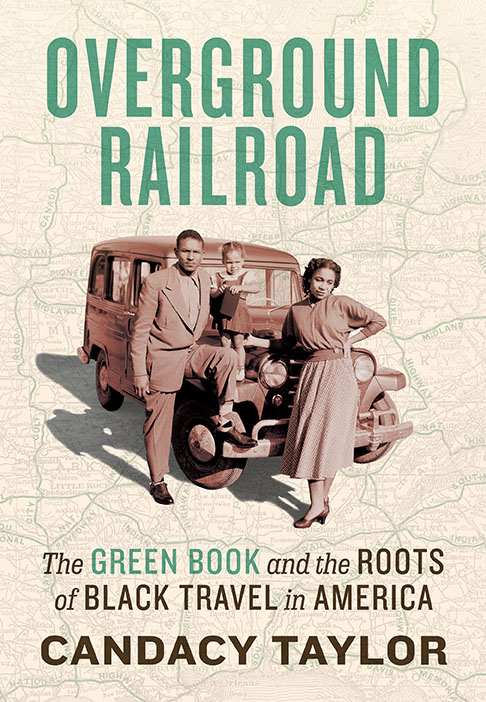 Taylor: I was writing the book about Route 66, and when I was looking at all these other books that have been written about it, I noticed that 98% of them go back to these good old days that were full of sunshine and we just jumped in our Airstream trailer. It’s that nuclear family, and they were all white.
“Where are the Black people?” It was the first question, being Black myself, of how do they manage it? Because I learned about half of the counties along Route 66 had “sundown towns,” which were all-white towns that banned any Black people from coming in after 6 p.m. So how did Black people travel Route 66? I was then at the Autry Museum in 2013, and they had a Green Book tucked away in a corner. I had never seen it before. I’d never known such a thing existed. Then, the light bulb went off, and I thought, “Now it makes sense.” This is why I’m writing this book, this travel guide, because I was supposed to find the Green Book, because that’s my project.
Chapter 16: You wrote that you asked your stepfather about the Green Book because he grew up in the Jim Crow South. What was his experience with it?
Taylor: Well, as soon as I saw the Green Book in the Autry museum, I ran outside and I called my parents in Columbus, Ohio. My stepfather, Ron, remembered it and said, “Oh yeah, there were a few of those back then.” I was shocked because he had never really shared his stories of growing up in the Jim Crow South with me. He grew up here in Memphis, and he would often go back to visit family and friends. There were all of these quirky things he would do. Well, I thought they were quirky and just sometimes ridiculous. But now knowing what I know about this history after having written this book, I understand those were deep, deep scars of basic humiliation and fear.
He’d do things like only drive in the middle of the night on long trips. He’d leave at like 10 at night and I’d be so upset because I’d say, “Are you trying to kill my mother? You know, it’s not safe for her.” He could have gotten into an accident. I’d say, “Why are you driving in the middle of the night?” He would say, “Oh, traffic. I just want to beat traffic.” I was like, “Why would you risk your life and other people’s lives just for traffic?” I used to get really irritated with him, and now I realize that he was a large, dark-skinned Black man, and it was just so much easier for him to be invisible and drive at night.
[A review of Overground Railroad and a selection of photos from the book can be found here.]
The post An Invaluable Traveling Companion first appeared on Chapter 16.]]>
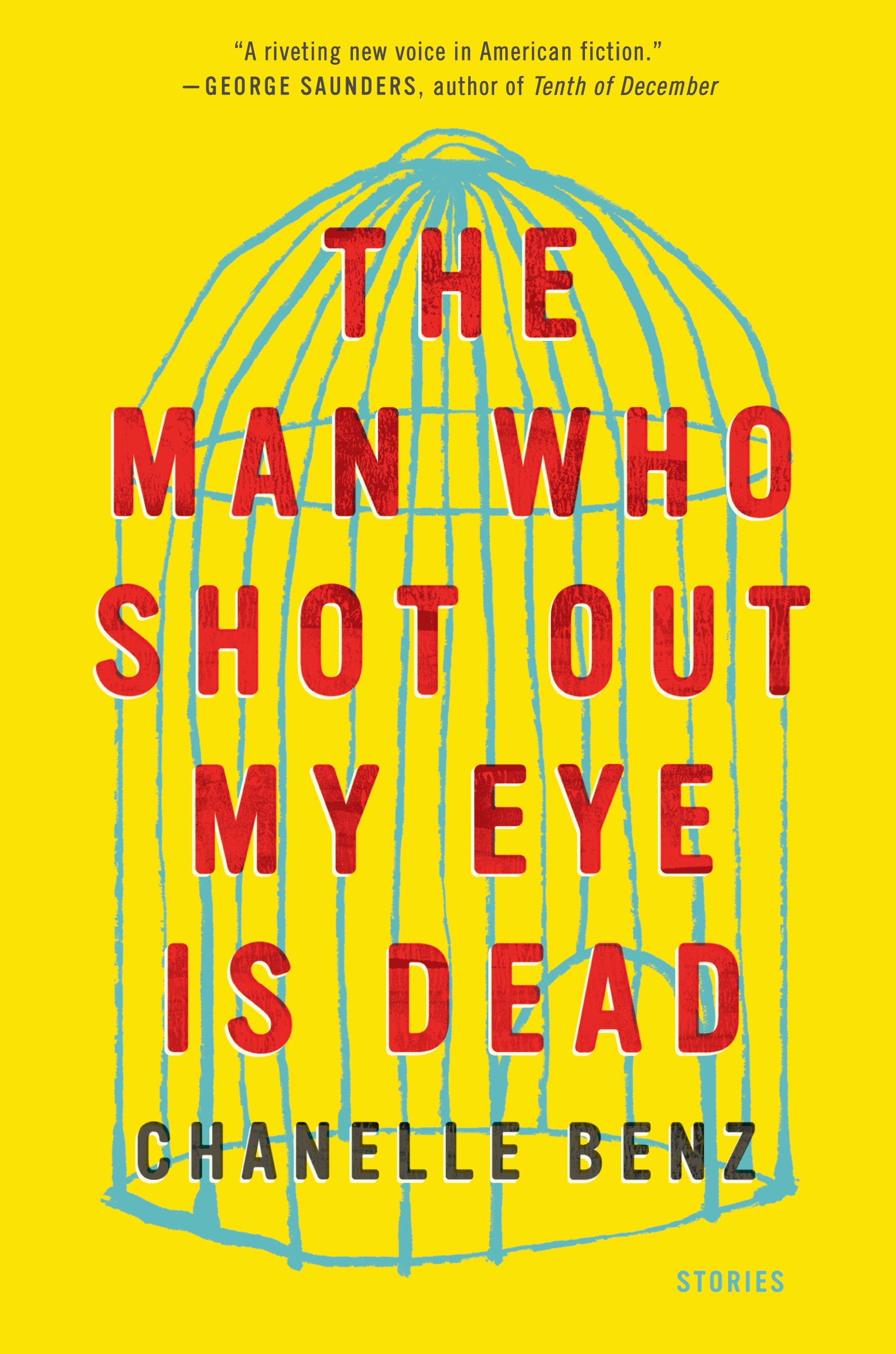
What links these characters, according to Benz, is a longing for a time when the characters were still good. Benz stopped by WYPL Radio in early 2017 to talk about her collection; later in the year, she accepted a position at Rhodes College in Memphis as an assistant professor of English. She’s currently working on a novel set in the Mississippi Delta shortly after the civil-rights era.
Chapter 16: What attracts you to historical fiction?
Chanelle Benz: Part of it was that when I was a kid, I loved any kind of historical drama. I loved being transported to different worlds, historical or fantastical. I don’t know if it was conscious, but pretty early on I realized that as a young brown girl, I wasn’t present in a lot of these stories. I had to find a way to kind of insert myself into history. And so some of these characters are maybe an attempt at that, and some are just sort of outsiders or people whose stories have not been told.
Chapter 16: Most of the stories have first-person narrators. Why did you choose that approach?
Benz: It might have a little to do with my acting background, just in the way that I’m building a character. It’s sometimes easier for me initially to go to that first-person, to the “I”—it’s immediate. And because I can kind of speak out the cadence.
 Chapter 16: Did you study writing and acting at the same time?
Benz: I did acting first. I was always writing, but I studied theater mainly for my undergrad. It wasn’t until much later that I decided to formally study writing and be serious about it.
Chapter 16: Did creating backstories for your acting roles help get inside the heads of your characters when writing non-dialogue prose?
Benz: Absolutely. I went to a program that was sort of hippie, but it was also sort of like an actor’s boot camp. They tried to break you down and make you aware of the way that you move through space, the way that you speak (where that pitch is and how you breathe), the way you walk, what part of your body do you lead from (is it your nose or chest), and all of your other habits. They sort of tried to strip you of them so that you can build a character. So when you were building, you thought of all these things that make people the way they are. They really focused on what it means to communicate as a storyteller, what it means to be a vehicle for story. That definitely came into my writing.
Chapter 16: Did you study classical theater? The last story in the collection, “That We May All Be One Sheepfolde,” was set just before Shakespeare’s time.
Benz: We did study a lot of Shakespeare. Boston University, where I went for undergrad, has a sister school, The London Academy of Music and Dramatic Art, so we spent a semester there. It was pretty grueling. We had sixteen classes per week. We did everything: clown, flamenco, Shakespeare, period dance. That was like stylized walking, really.
As an actor when you’re learning the verse, the iambic pentameter, the rhythm helps you to memorize. But you also spend time going through the consonants and vowels of the sentence. The vowels are where the emotion is, and the consonants are the meaning. That language becomes very physical. I think that that’s something that I’m trying to do in my own writing, as well. To have language be this muscular, physical thing, so that the readers are feeling themselves into this world.
[This interview originally appeared on February 22, 2018.]
To download the full podcast interview, click here.
To listen online, click the play button below:

Stephen Usery is the producer of Book Talk, an author-interview program that airs weekdays on WYPL FM 89.3, a service of the Memphis Public Library and Information Center. He lives in Memphis.
The post The Body as Storyteller first appeared on Chapter 16.]]>
What follows is an edited excerpt from an interview conducted for WYPL-FM’s Book Talk program. (Access the full podcast of the interview below.)
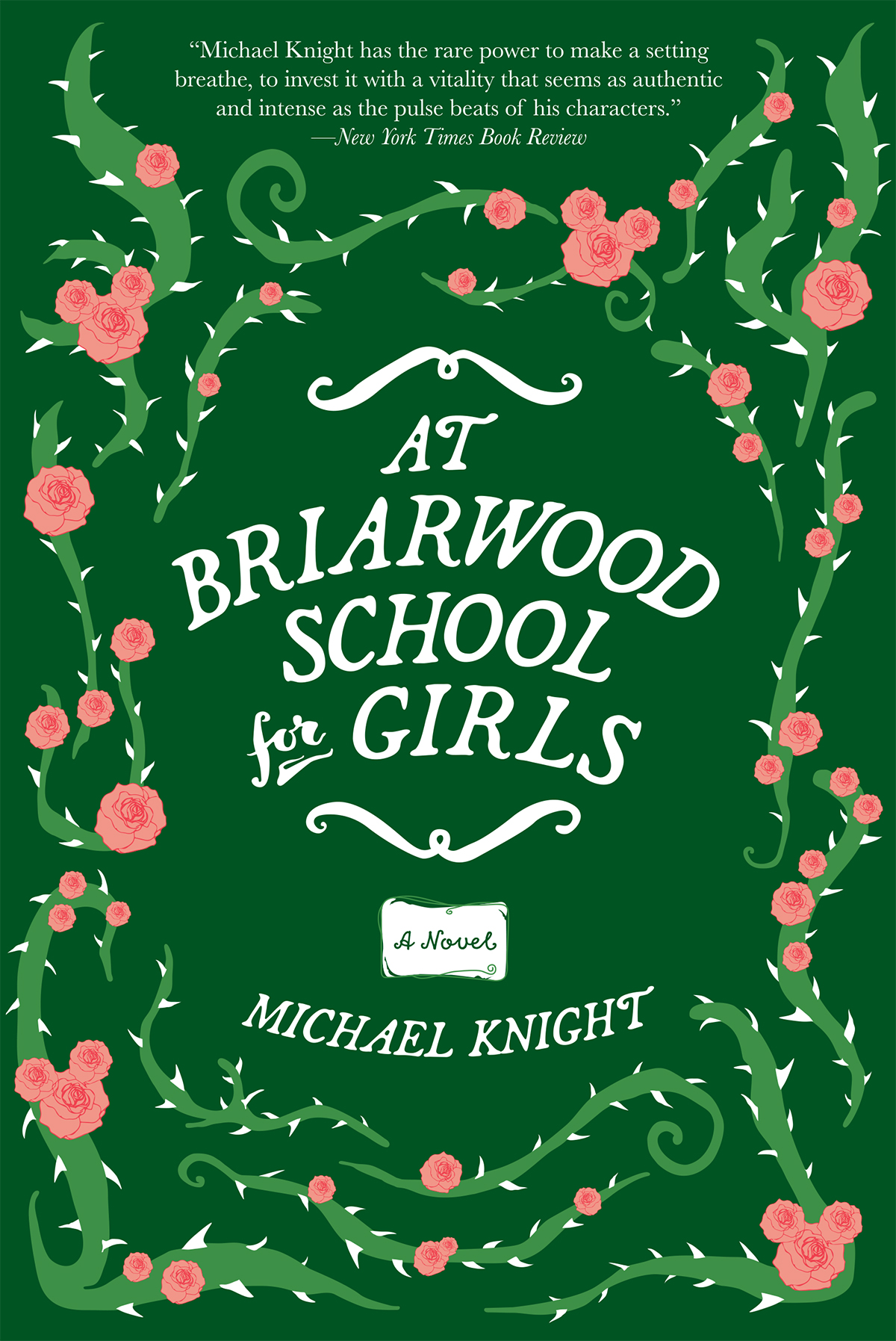
Chapter 16: Michael, you opened up the story proper with the sentence, “All boarding schools are haunted.” Is that something that you’ve heard over the years, or did you create it from whole cloth?
Michael Knight: You know, one of the things that was interesting about writing a boarding school novel was investigating the ways in which different boarding schools are defined by their traditions. And one of the things that I found looking into various schools, and not just boarding schools, but prep schools and single-gender colleges around the country, is that they almost all seem to have some kind of campus legend about some kind of ghost. Almost always tragic, and why wouldn’t it be tragic? It wouldn’t be interesting if it wasn’t tragic.
In this case, given the relationship — that word “haunting” — it is both potentially literal in the case of this book and also sort of figurative in the sense that this region is haunted by its history, and the book tries in its way to investigate ideas about history and what we can know about history. It seemed a fitting place to begin both — interesting in terms of maybe there’s a ghost at this school and also getting, starting to go ahead and talk about some of the bigger themes in the novel.
 Chapter 16: So why did this economic struggle from 25 years ago, with Disney trying to build a historical theme park in Virginia, catch your eye as something that you wanted to investigate?
Michael Knight: The early drafts of that book were set on a college campus. I had in mind that I would write a kind of academic comedy with some bungling faculty, but the drafts of that version were, on a good day, mildly amusing and almost entirely without substance. I was having a conversation with an old friend, and he referenced the Disney America project. It conjured up for me all these memories, and it suddenly seemed like a way to take my sort of vision of an academic comedy and give me a window into some bigger picture themes like history and what that means — like authenticity and what our true self is, if it isn’t the one we’re performing for the world or some other self, even notions about happiness. I mean, back in the 90s Disney was still referring to itself as “the happiest place on earth.”
Chapter 16: You do quote from the fictional play, The Phantom of Thornton Hall. How much of the play did you conceive? Did you have the major beats of the play and then wrote the quotes as you needed them?
Michael Knight: Well, more than is in the novel. I didn’t write the whole play, but in early drafts there were longer excerpts. I sent those early drafts out to some friends and to my agent, and they were quick to say, “Listen, we really like your fiction, but this does not read like a Pulitzer Prize-winning play.” There were enough decent lines that reflected some of the action in the story and connected with some of these themes that I was able to leave some scenes in and excerpt some of the dialogue from the play.
I keep coming back to this idea of history repeating itself, but you know, the play is another example of that. It’s not only written by a Briarwood alum, but it is about a young woman who was visited by a ghost, very much like the ghost of Elizabeth Archer. So even as Lenore is trying to contact Elizabeth Archer, she’s acting in a play about a young woman who is pregnant, being visited by this ghost very much like Elizabeth Archer. So there are all these layers of experience that are repeating over and over again in the novel.
Chapter 16: The actions of the far and recent past really inform what’s going on in the story, but you don’t give us flashbacks to their younger lives. You keep things pretty much in the story’s present, but you’re showing the effects of history on the current day.
Michael Knight: I wanted to talk about a little bit in terms of history as a bigger idea where ways in which it operates on different levels. There were lots of times when, in conceiving the story, it mattered less to me how Bishop, for example, had become the person that he is and more to me how that person is going to face this particular challenge in his life. And the same is true with the Lenore, with Coach Fink, and even the playwright Eugenia Marsh, that yes, things have happened in the past to define them, but they’re redefining themselves in some way at this particular moment, under the shadow of this sort of larger community history and larger national history.
The post Intertwining Personal and National Histories first appeared on Chapter 16.]]>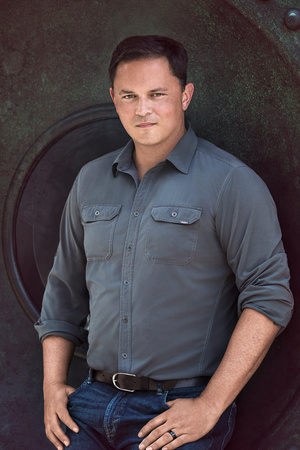 What follows is an edited excerpt from an interview conducted for WYPL-FM’s Book Talk program. (Access the full podcast and a video excerpt of the interview below.)
Chapter 16: As the book opens up, we meet Serbian war criminal Ratko Babic, and Court Gentry is going to give him what he deserves.
Mark Greaney: Yeah, I’ve been excited about writing this book for a while because I had this super general idea that Court is on a mission of revenge for something that happened a long time ago, that nobody’s thinking about. This guy is a Serbian war criminal, and Court feels like he deserves righteous justice, extra-judicial assassination. So he goes to do that, and then the second-order effects and the third-order effects of what he saw as a righteous mission is what propels the rest of the book. He finds out within 15 pages that human trafficking is going on, and that sets his course. I studied the Bosnian civil war a lot. I actually wrote a book about it that was never published — fiction — but Ratko Mladić is who this is based on.
Chapter 16: It’s hard to believe that was almost 30 years ago when all that started.
Greaney: Yes, specifically the Srebrenica massacre, which was in July of 1995, so 25 years ago now. It was this horrific crime [and] the U.N. was partially responsible for what happened, but Ratko Mladić ordered the execution of somewhere around 8,000 men and boys.
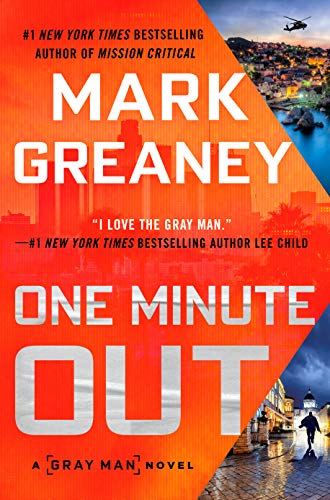 Chapter 16: Back to the contemporary story line, the psychological toll on the people involved in human trafficking is just incredible.
Greaney: I realized very quickly that, when you’re male, it’s a dicey subject to talk about. My research showed me the brutality and the cruelty and the inhumanity of a lot of this. It reminded me of my third Gray Man novel, Ballistic, about the Mexican drug wars. The more research you did, the more your mouth dropped to the floor, that people can be this horrible to one another. It’s still hard to accept. And I was feeling the same way while researching this book, and the psychological aspect of it is among the worst parts.
Chapter 16: I thought back to your second book, On Target, because Gentry is put into a position where every decision is bad, and what do you do at that point?
Greaney: I am fascinated with stuff like that. I’ve realized as the series has gone on, I’m not really an answer man. I’m a question man. And, I wish I had all the answers, but as I do my research, I come up with a lot of questions and then I want the character to wrestle with these questions, as well. And I realized recently that I’m equally concerned with the reader learning something new in the story and the hero learning something new about himself or about the world around him. So this was a story that the more research I did, the more I wanted to talk about it. And then you realize that you can’t really pull punches. You don’t want to be salacious, but it’s dark subject matter.
Chapter 16: Of course, I was understandably very uncomfortable with what’s going on, but I thought back in all of these books that there’s people getting killed and murdered all over the place. However, human trafficking does hit at a different spot emotionally.
Greaney: Yeah, I had exactly that experience writing it. I remember talking to my editor, and it was too late to change the story because of where I was in the book and I’m like, “You know, this is really tough to thread the needle of talking about this and not being gratuitous and not using anything for shock value.” You know, these books have to have lightness and dark in them, and it was tough to take this really heavy subject matter and deal with it. But I told myself, “Talk about what’s happening, the brutality of it, the cruelty of it, and get some people out of it. So, at least fictionally, you can get some satisfaction.
The post Between Black and White first appeared on Chapter 16.]]> What follows is an edited excerpt from an interview conducted for WYPL-FM’s Book Talk program. (Access the full podcast and a video excerpt of the interview below.)
Chapter 16: How did Phillip Sallinger end up in Freepoint, and where the heck is Freepoint?
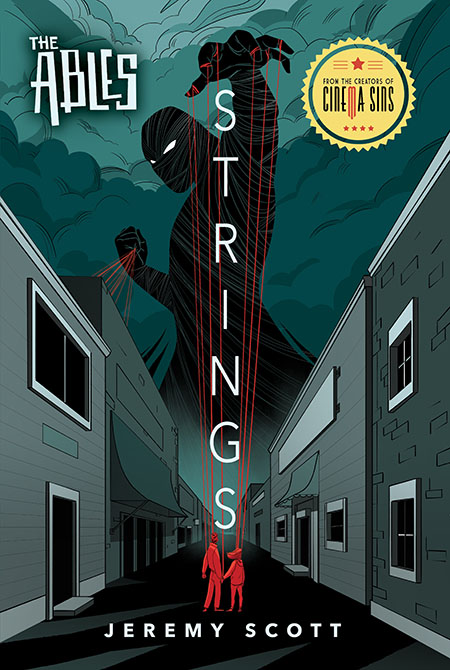
Jeremy Scott: Phillip’s family moved from Manhattan to Freepoint because it is a hero city. For lingo, I call my heroes “custodians,” based on the Latin word custo meaning “guardian.” Most of the people who live in Freepoint are custodians. There are humans without powers who help the heroes through clerical duties, being doctors, what have you. Freepoint is a fictional location. I’m sort of doing a Simpsons thing here, not wanting to tell you where Springfield’s located. It’s basically the kind of town I grew up in, Ossian, Indiana. At the time, it had 2,000 residents, one grocery store, one stop light. They teach you to write what you know, and I think one of the reasons they say that is that it creates this sort of subconscious authenticity that maybe isn’t something you can put your finger on, but it’s more just a general tone.
Chapter 16: So you’re the voice of CinemaSins on YouTube. Why aren’t you doing the audio books yourself?
Scott: I did the audio book in 2015 when I self-published, but it made me super anxious. I have depression and anxiety, and I’m also more than 50 percent deaf. So that’s sort of where it came from, writing about disabled superheroes. But being cooped up in an audio booth for hours at a time really spiked my anxiety. So I came close to a couple of panic attacks, and it just seemed, at the end of the day, better for my own mental health to hire a professional who does these audio books for a living. The guy we got to do the rerelease and the sequel, Strings, is fantastic. I’m also, while a narrator of a YouTube channel, not a professional voiceover actor. I don’t know that I’m very good at doing the voices and what have you. That was made with my own self interests in mind, and I’m pretty happy with that decision.
 Chapter 16: So how do you manage that anxiety when you’re doing it for CinemaSins?
Scott: I see a therapist regularly. He’s fantastic. He challenges me, keeps me on my toes. I take medication. I’m overly open about this stuff, by the way. There’s too much stigma about therapy and mental health medications. My anxiety is basically fight or flight, and it goes off for no reason sometimes. So if untreated, I might be in the grocery store with a basket half-full of items and just have to set it down and leave because my brain thinks I’m being attacked even though I’m not. So the medicine and the therapy do most of the work, and then I just have to make sure I eat healthy and exercise. And you know, over three or four years since being diagnosed, it’s done a lot to really help me.
Chapter 16: So this is around the time that The Ables first came out, that you were diagnosed?
Scott: I was diagnosed because I couldn’t sleep. I’m lying in bed and my heart is pounding. I thought, “I’m gonna have a heart attack.” So I went to my MD and said, “Uh, I got a heart problem,” and she started asking all these questions. She was like, “No, you have anxiety.” That was the beginning of my anxiety journey and now, now I’ve written it into the sequel where my main character, Phillip, is dealing with PTSD from the events of the first book, trying to again, do what I can to destigmatize that stuff.
The post Together We Can Be Custodians first appeared on Chapter 16.]]>
 What follows is an edited excerpt from an interview conducted for WYPL-FM’s Book Talk program. (Click here to listen to or download the full podcast.)
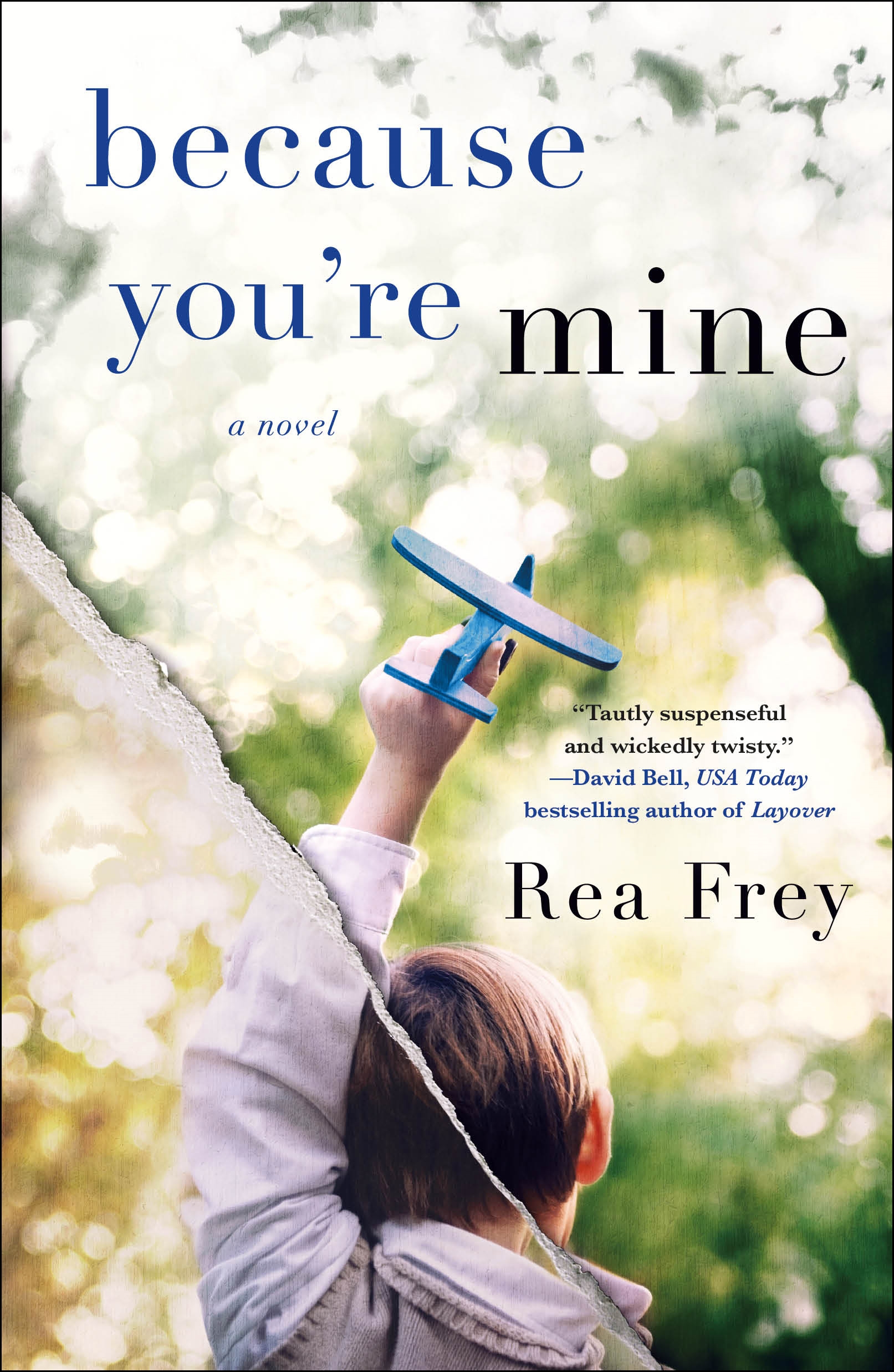
Chapter 16: Rea, Because You’re Mine begins with a prologue where the first line is, “She is going to die,” and over the next couple of pages, you leave this woman unnamed. Talk about setting some high stakes and suspense for us.
Rea Frey: I remember when I first got the idea for this book. It started with this scene with this woman. I knew someone was going to die, and I wanted to leave a little bit of mystery for the reader. I kept seeing this woman kind of toppling over a mountain, setting the stakes really high and hoping that the reader is obviously going to want to jump right in and want to know what has happened to this woman. We go way beyond that, but it was a really fun kind of startling scene to start the book with.
Chapter 16: You have the scene in your head, how do you back-engineer for the week earlier?
Frey: I want to backtrack a little bit. When I got the idea for this book, the question that I had in my mind was, what would happen if you died and left your child without a guardian? So I was at the time raising an only child around a lot of other mothers who are raising only children. We would sit around talking about that, what would happen if we died and we didn’t have a partner, a spouse, family members, and if we had to trust our friends to take care of our child.
 Chapter 16: Having to keep your mind space in these thriller-type beats all the time, does it stress you to have to think about these terrible things so much?
Frey: I mean that comes really naturally to me. I’m like, “Am I a morbid person?” I talk about this a lot, but I was a journalist on three different death row cases. I just dove so deep into the psyches of each of these accused murderers. And I’ve always been super interested in why people do the things that they do and the psychology behind it. We’re all kind of, you know, born these amazing innocent little beings, and then somewhere along the way something has to happen to make that switch. I’ve just always been so interested in the reasons why people do really dark things. Does that define you, and what happens after? Are there consequences, and can you hide it? I think that comes really naturally to me, trying to build the characters and their worlds and making these people somewhat relatable, even if they do terrible things, so that you actually feel something for them. I love all the whodunits, but this is more of a whydunit, I guess.
Chapter 16: The film rights have been bought for your first book, Not Her Daughter. Where does that stand in the process?
Frey: We talked about doing a feature film, and as we kind of got into it, they wanted to go TV because that’s where it’s at with all these Netflix and Amazon Prime series. So I said, yes, let’s do TV. They actually asked me to write the pilot, so I have been trying my hand at it. I have a wonderful writing partner, Joe Tower. I love it; it’s so different. The pilot’s been written, and they’re reviewing it, hopefully, going forward sooner rather than later.
The post High Stakes Whydunit first appeared on Chapter 16.]]>
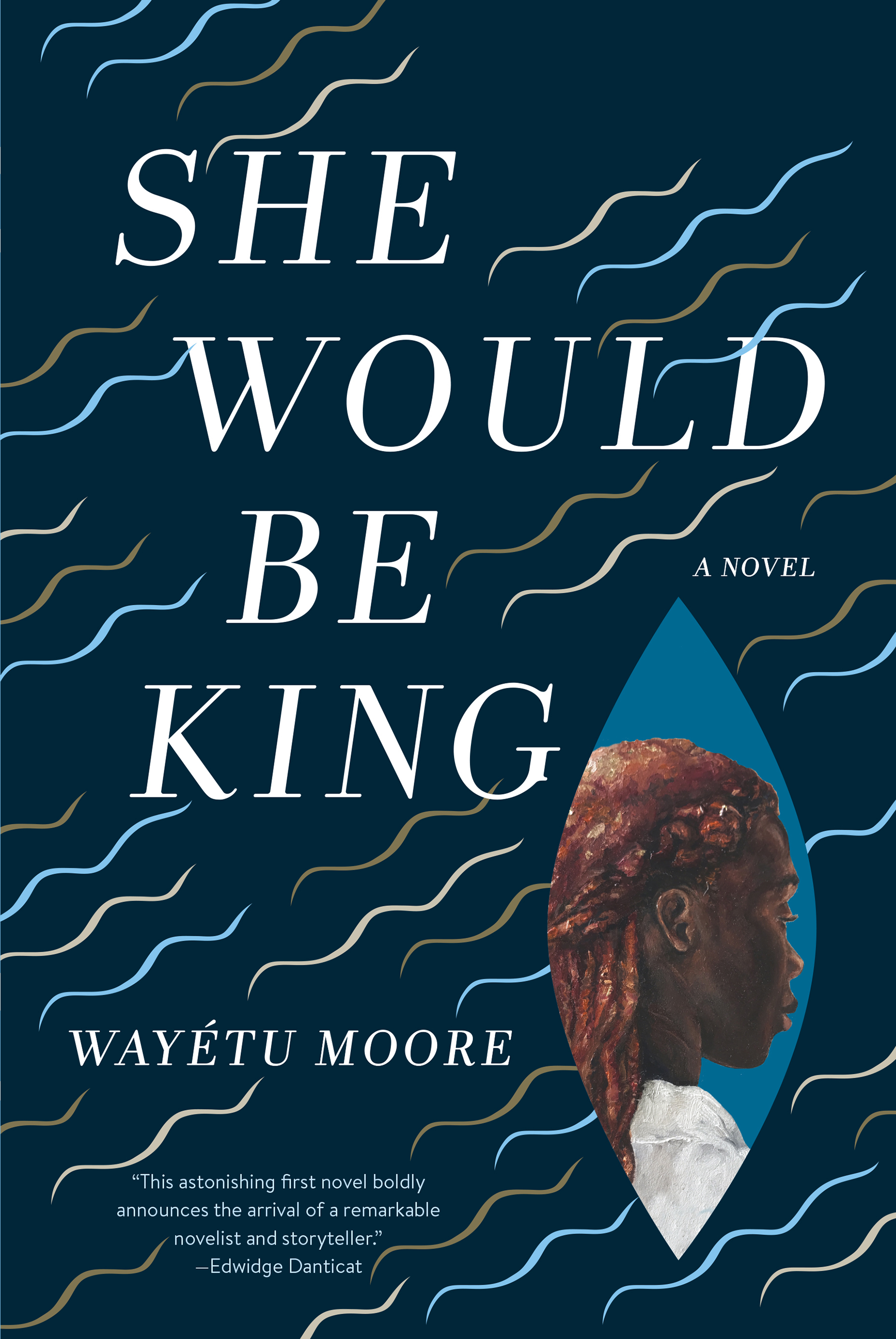
As the novel opens, Gbessa is a young girl in the village of Lai in what is now Liberia. She has red hair and is considered a witch. Exiled from the village, she must find some way to fit into a world which has condemned her. Meanwhile, June Dey, known by the name Moses on the Virginia plantation on which he is enslaved, discovers he has an extraordinary ability when his mettle is tested. And Norman Aragon, born after a rape in Jamaica, has powers of his own. These three outcasts must find their ways back to Africa to play their roles in the fight for Liberia’s future.
What follows is an edited excerpt from a longer interview available by podcast.
Chapter16: When you first started writing what would become She Would Be King, did Gbessa or another character come to you first, or had you simply wanted to write a story about the early days of Liberia?
Wayétu Moore: There’s an aphorism that exists in my mother’s ethnic group, the Vai people: “Be kind to cats.” They have a story where an old woman beats her cat to death, and then the cat jumps on the roof after he is dead and kills the old woman. This was something that was passed down for some generations.
In 2008 or so, it was my first try at writing African literature. When I wanted to expand this story, I asked myself, what happens after this? Of course when I wrote it out, I gave her a name, the people in the village names and personalities, but I very much wanted to explore the history of Liberia. In writing about this woman and her cat, it gave me a window into the exploration of the Vai people, one of sixteen indigenous groups in what is now Liberia.
 Chapter16: There’s a first-person narrator whose identity we don’t really know at the beginning.
Moore: The story was originally written in third person, but I changed to first person because I think in telling Gbessa’s, the heroine’s, story, that it was important this story and Liberia’s story be told by an ancestor in some way. I didn’t think it should be Gbessa because a lot of what she was experiencing was external to her, and I wanted those characters and those storylines to be fleshed out, as well. So the first-person narrator I chose is the most accurate ancestor of Gbessa’s, with the marriage of the complexity, the nuance, and the musicality that is being a black woman.
Chapter16: Gbessa was deemed a witch, and this was at a time there were still a few women being tried as witches in Europe, as well.
Moore: One of the really wonderful things about having conversations about this book is being able to talk about some of these comparisons between African deities, spirituality, and religions versus with what was going on in the West at the time. Because, I think, unfortunately within the continent what was happening, obviously because of imperialism and colonialism, is that a lot of these things were being suppressed. And so I think the difference is that because black bodies are seen as uncivilized, whatever they were doing was considered as uncivilized. It wasn’t even a consideration to compare it to whatever was happening in Western countries.
Chapter16: The main characters find each other in Liberia, but almost as soon as they come together, fate’s winds cast them apart again. This is not a traditional narrative that we know in the West.
Moore: None of the stories that I was used to hearing had straight narratives. No boy meets girl, etc. There was no such formula. You’d say, Boy meets girl; boy meets other girl; something happens to girl’s uncle. But I think the stories that I was told when I was growing up were a form of realism, of maximalism, because you’re everywhere and wanting to tell everyone’s story. The central star is the theme, focusing on it, and these characters are just feeding into it.
To download a podcast of the full interview, please click here. To listen online, click the play button below:
Stephen Usery is the producer of Book Talk, an author-interview program which airs Saturdays at 11:30 a.m. CT on WYPL FM 89.3, a service of the Memphis Public Libraries and The City of Memphis.
The post Exiles, Ex-slaves, and Extraordinary Times first appeared on Chapter 16.]]>
What follows is an edited excerpt from an interview conducted for WYPL-FM’s Book Talk program. (Click here to listen or download the full podcast.)
Chapter 16: For some reason, I thought this was going to be a recipe book, and there are recipes in it, but it’s more like the ratio of pork in a mess of greens.
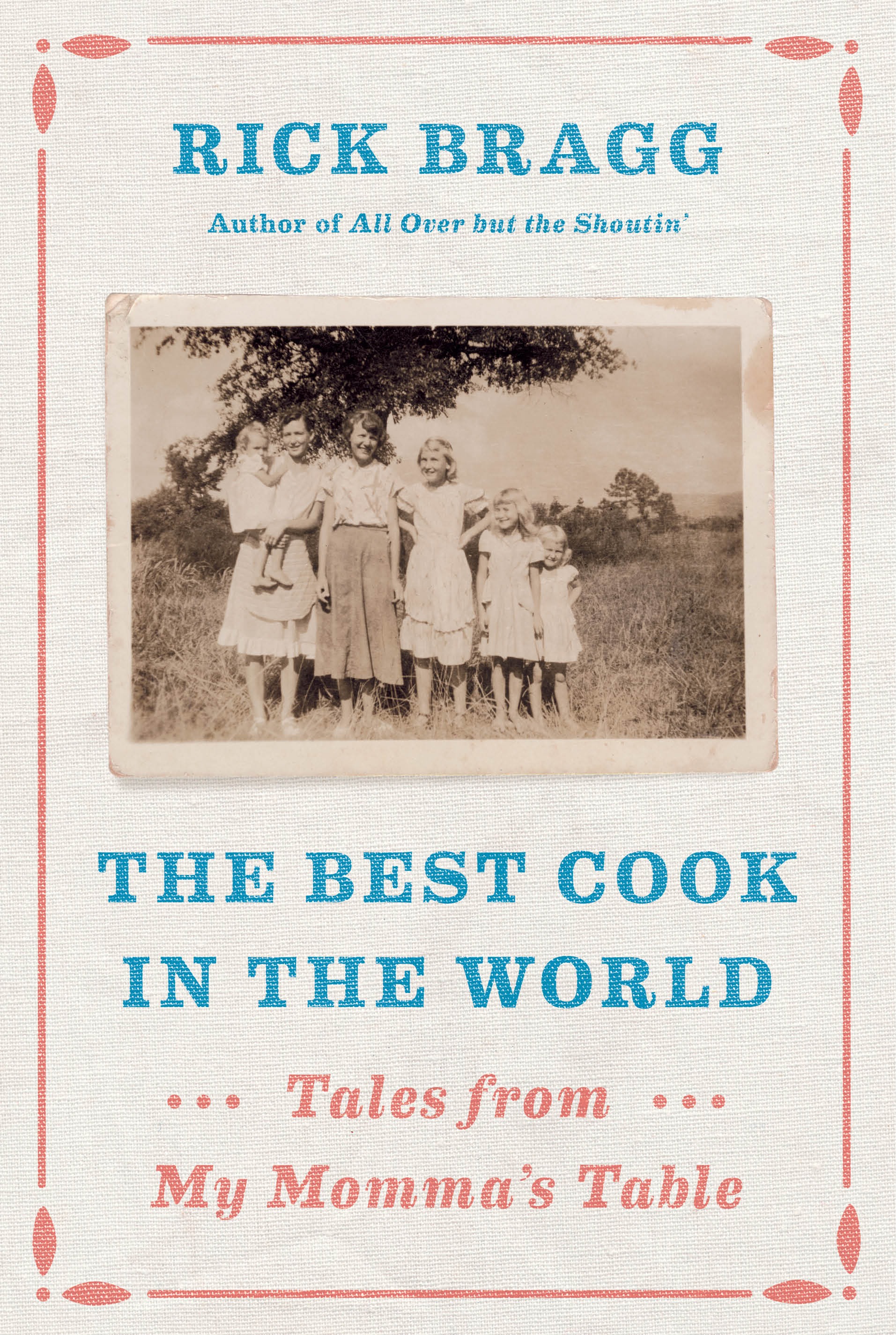
Rick Bragg: Yeah, it’s a narrative going back more than a hundred years to the start of our food. There are some recipes in there. I don’t know how scientifically necessary they are. We wanted to tell the story of the food with all the color, drama, fightin’, shootin’, lovin’, and marryin’. There was all that life, but with the food that bolstered it, held it up. Yeah, I had fun on this one.
Chapter 16: Are the stories just the way they were told to you, or have you added some salt for embellishment?
Bragg: Well, there’s always going to be fourth hand, an embellishment down the line, but we tried to stick close, because the thing is, there’s not any point in adding more salt to something that’s salted enough. My favorite stories were like third-hand from my aunt’s talking about their grandparents, but some of them were from my own childhood. Some of them were from sleeping at the foot of my grandma’s bed. But most of them were from sitting with my mom and Aunt Juanita, talking to my Uncle Bill and my Uncle Jimbo at family reunions, and just gathering string all these years.
Chapter 16: If there was anything that kind of tied the recipes and the cooking together, it’s that you had to pay attention. You couldn’t just wander off. So how does a woman who has six or seven tow-headed kids running around keep focused enough to make the cooking good?
Bragg: With great difficulty. A lot of people think that you render lard to get cracklings. No, you cook down your pork fat to get lard, and the cracklings are just this wonderful extra, but it is deadly dangerous. Can you imagine a big roiling pot of oil, as big as a Fiat, with all these kids running around, throwing rocks, screaming, making mud pies?
 So my grandmother would take a stick and draw a line in the dirt, and to the boys—who were barely human, so wild that they were barely of this species—she would say, “OK, you can’t cross this line.” I’m sure she did a lot of death-defying things while holding a baby on one hip. It’s kinda like how they didn’t ride with seat belts.
Chapter 16: When you told your momma that the book was going to be called The Best Cook in the World, she was a little bit skeptical.
Bragg: She was afraid that it would be seen as boasting. Momma has that odd mix of a working woman’s humility and a rigid pride in her craft and food. She didn’t want me to just puff my chest out and say, “My mom is the best cook in the world.” I never will forget that she asked, “Whatcha gonna call it?”” I told her, and she said, “I wasn’t even the best cook that lived on our road.”
Chapter 16: Third best, I think she said.
Bragg: She said, “My momma was a good cook and my sister Edna.” I said, “But Momma, calling it ‘The Third-Best Cook on the Roy Webb Road’ does not sing. And besides, you know, it’s my book about you. You’re my momma, and I think that you’re the best cook in the world.”
The post The Third-Best Cook on the Roy Webb Road first appeared on Chapter 16.]]>
Just before his event at Parnassus, we sat down to chat while the bookstore staff finished setting up the store to host 200 ardent—and lucky—Grisham fans who managed to snag a reservation for the sold-out event. We spoke about Grisham’s charitable works for both the humanities and The Innocence Project, as well as his new book.
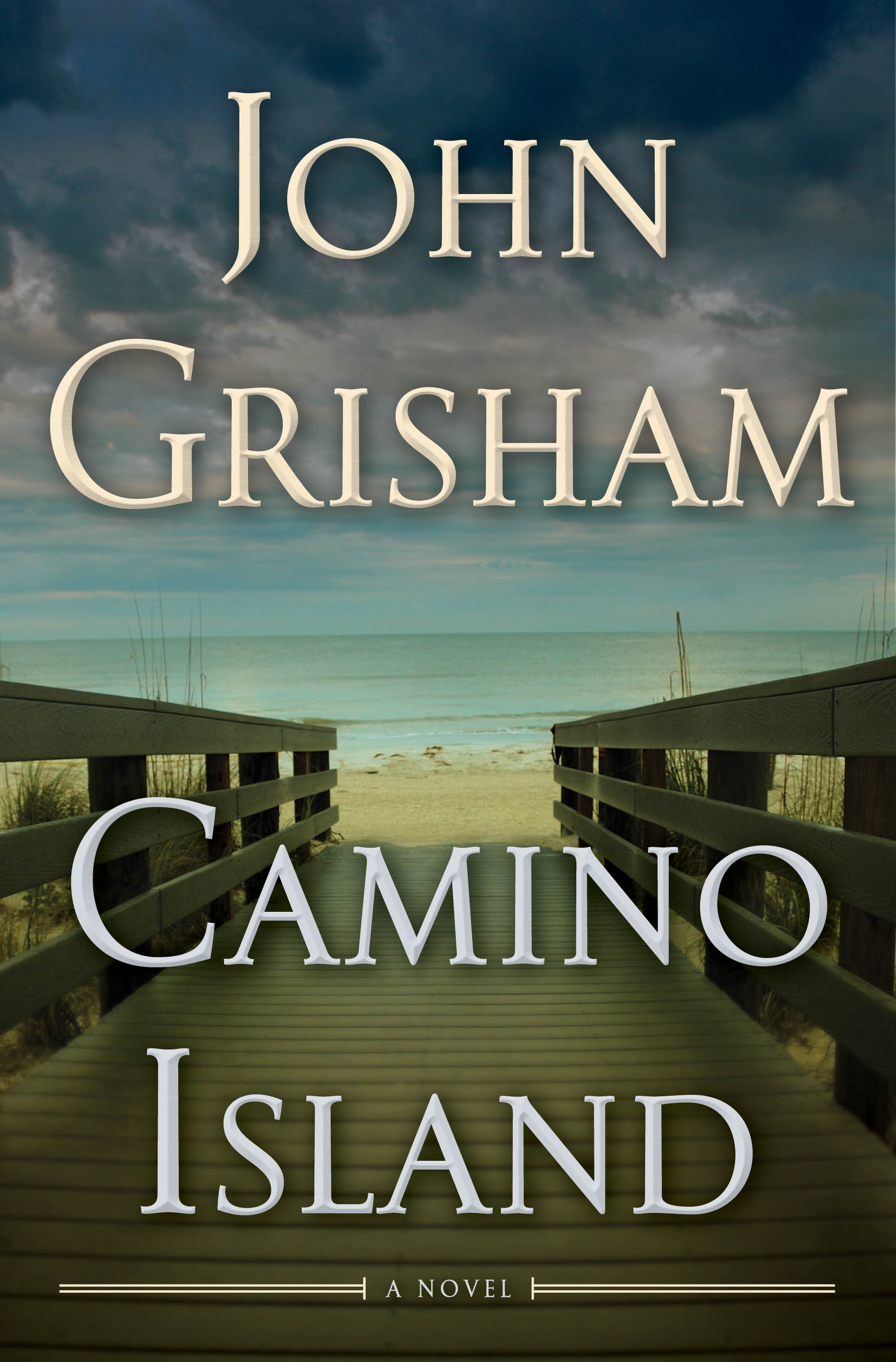
Camino Island is the perfect beach read. Protagonist Mercer Mann is a cash-strapped writer in her early thirties who has been enlisted by an insurance company to help get information about five stolen manuscripts for F. Scott Fitzgerald’s novels. The man thought to be fencing the manuscripts is playboy bookstore owner and rare-book collector Bruce Cable. Mercer must return to her childhood summer retreat of Camino Island (a stand-in for real-life Amelia Island) to confront painful memories (and writer’s block) as she works to uncover information about these priceless pieces of American literary history.
What follows is a lightly edited excerpt from the full podcast interview, which can be heard here.
Chapter 16: Camino Island kicks off with a heist. Have you heard from Princeton University about what they think of your burgling their library?
John Grisham: I keep waiting to hear from Princeton, and to my knowledge I’ve heard nothing. I don’t know if Doubleday, my publisher, has heard anything, nor my lawyers. I hope they have a sense of humor; I think they probably do. I put a nice disclaimer in the back of the book.
Chapter 16: Why did you pick the Fitzgerald manuscripts?
Grisham: I collect first editions. I have a number of Faulkners, Steinbecks, and Hemingways. Fitzgerald only had five [novel] manuscripts but a ton of short stories, which he was better known for when he was alive. After his death, Gatsby became his big masterpiece and his best-known work.
But Faulkner had forty books, forty manuscripts. They are all stored in one place, at the library at the University of Virginia. I’ve seen them; they’re very well taken care of. But there are forty of them; they would be kind of hard to steal. Hemingway’s stuff is scattered, as is Steinbeck’s. And that left Fitzgerald. As I learned when I was doing the initial research, all five manuscripts are in one place, at the Firestone Library at Princeton. If you’re going to steal stuff that’s truly priceless, that’s a good place to start.
 Chapter 16: In Camino Island there’s a lot of talk about the monetary value of first editions, but on this tour, and for this stop at Parnassus Books, you are talking more about the societal value of literature, especially in helping to raise money for Humanities Tennessee.
Grisham: My wife and I have a little foundation; we write all the checks ourselves. We emphasize the humanities because that’s what we believe in. We believe in the arts, the written word, and performances. It’s very much a part of our lives.
Chapter 16: In the book, Bruce Cable has five rules for writers. Do you share his opinion on all those rules?
Grisham: I made them up. I keep a list that I don’t look at very often. People in the past have asked for advice, so I’d just email them my suggestions for writing popular fiction. There were fourteen of them [originally]; now there are eight. When I start breaking one of them, I take it off the list, and I’ll think of something else.
Bruce has his own list. He reads four books per week. He’s a big reader, and if a writer comes to his store, he’s going to read their books. But he has no patience with a book he doesn’t like or books that violate his rules. In the course of a conversation one night, over another long dinner, he tells Mercer—not giving advice—just what he doesn’t like. He doesn’t like prologues, dialogue without quotation marks, big words that are artificial, and the rest.
Chapter 16: I share the opinion that you should set off dialogue with quotation marks. Do you think Cormac McCarthy should be the only person allowed to omit quotation marks for dialogue?
Grisham: Yes, Cormac should be the only person allowed to do that. I think he started it. He has his own rules for grammar and writing. He’s Cormac. He can get by with that; the rest of us can’t.
To download the full podcast click here. To listen online, click the play button below:
[This article appeared originally on June 29, 2017. It has been updated to reflect new book and event information.]
Stephen Usery is the producer of Book Talk, an author-interview program that airs Sunday-Friday on WYPL FM 89.3, a service of the Memphis Public Libraries. He lives in Memphis.
The post On the Beach, On the Road, On Top of the Bestseller List first appeared on Chapter 16.]]>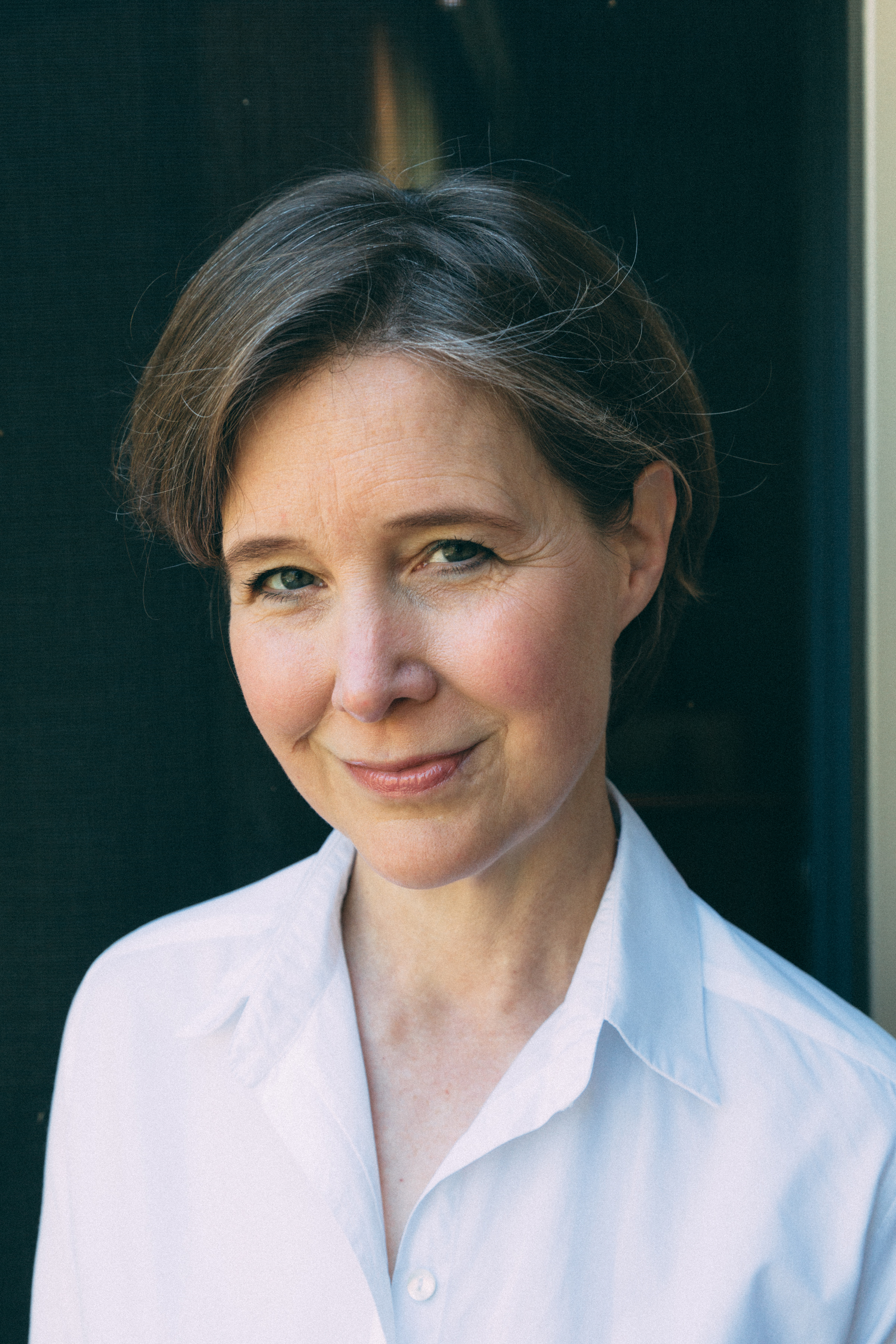
What follows is a brief and lightly edited excerpt from an almost forty-minute-long interview, a conversation which also covers Patchett’s desire to study acting, how being a bookseller affects her reading list, the nonfiction book she’s writing about women’s suffrage (due from HarperCollins in April 2020), and the importance of voting in our current age. You can hear the podcast here.
Chapter 16: Given the autobiographical nature of Commonwealth, what has the reaction to this novel been like from your family?
Ann Patchett: It’s really been fine. I talked to them before I started and while I was writing. When I was finished, I gave everybody a draft, before I had done much editing, and said, “Does anybody have any problems?”
One person in my family didn’t like the book but was really, really nice to me about it and just kind of said nothing. Everybody else said, “Boy, this was uncomfortable, but it’s your best book, and we love you and we’re proud of you.” I think that everybody had a little PTSD experience from the book, but they were really positive, supportive, and sweet. One of my stepsisters said that some friend of hers had read the book and called her excitedly and said she knew which character she was. I said, “Seriously? That was so obvious to anyone who knew you at all.”
Chapter 16: When I started to read the book, I tried as hard as possible to forget that Ann Patchett existed.
Patchett: I appreciate that, and when the people I meet who do have problems with it, I think, “There aren’t that many people who know me.” I was out in Southern California last week and did a fundraiser for my stepmother’s library. It was a tiny little town in Southern California, and a lot of people in that room knew me, knew my dad, knew my stepmother. There were a lot of questions about autobiography. People were saying, “I was trying to figure out what was true and what happened and didn’t happen.” I was like,”You know what? This is really a rarefied little bunch, and I’m not worried about you guys at all.” I mean, for the vast majority of people who read the book, they’re not going to be parsing out aspects of my life.
 Chapter 16: If we go back to Philip Larkin, and we’re just doomed to screw up our kids….
Patchett: Right…
Chapter 16: What do you think was unique about that generation of parents and how they screwed up their kids?
Patchett: Well, it’s funny because people say to me all the time, “Oh. these parents were so terrible! They were just so awful!” And I never meant for them to be bad parents. This is just the way parents were in the sixties and seventies. We were free-range kids, and the parents were living adult lives. I can remember my mother, who I think was a really good mother in many ways, but when we were kids we would say, “Come and play Monopoly with us.” She would say, “Well, that’s a children’s game. Adults don’t play children’s games. Why would an adult want to play tea party? Why would an adult want to play with dolls? That’s great, but that’s your stuff. I’ve got my stuff.”
And I think that’s such a difference now. Not only do parents keep an eye on their children all the time, but they get down on the floor and pretend to be children. And certainly not only did my parents never, never do anything like that, but the parents of my friends didn’t do that, either. We had very separate lives. We didn’t know what they were doing, and they didn’t know what we were doing, and we really didn’t care what the other one was doing. You just went out in the morning and you entertained yourself. You didn’t come in and ask anyone to entertain you. If you came in too early, they sent you back outside. If you came in too late, maybe somebody would go looking for you, but that was it. We just weren’t so involved with one other, as parents and children seem to be now.
To download the full podcast interview, click here. To listen online, click the play button below:
Stephen Usery is the producer of Book Talk, an author-interview program that airs daily on WYPL FM 89.3, a service of the Memphis Public Library and Information Center. He lives in Memphis.
The post Family Secrets Laid Bare first appeared on Chapter 16.]]>