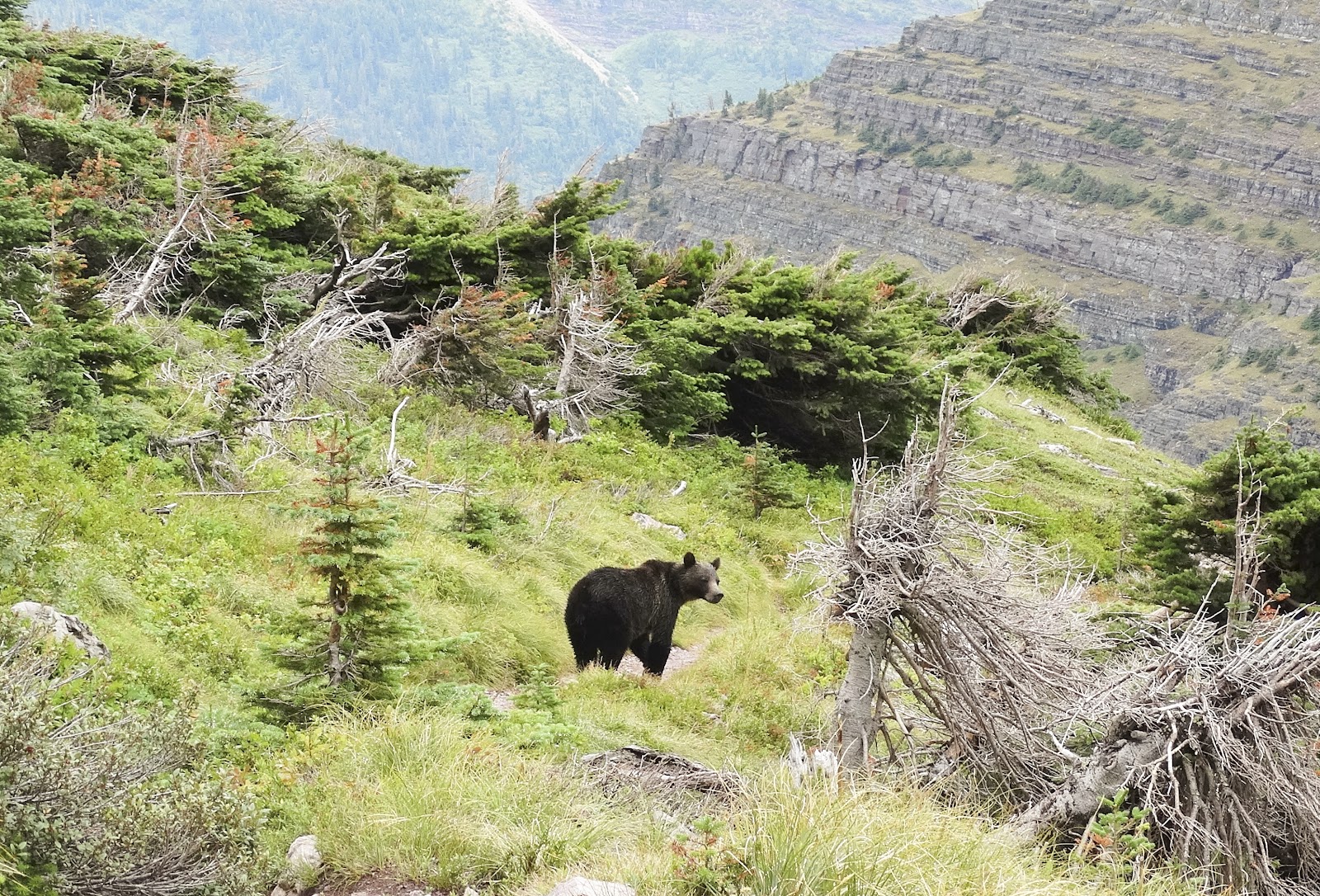
The Importance of Grizzly Bears
Grizzly bears play an important ecological and cultural role in the North Cascades. In addition to their importance in regulating prey populations and dispersing seeds from fleshy fruit, they hold great significance in the cultural traditions of Native American communities in the North Cascades and First Nations communities in British Columbia.
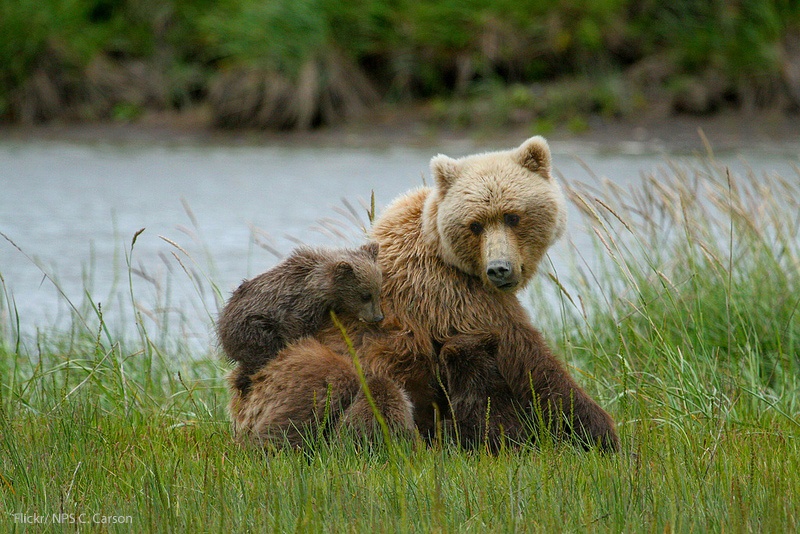
Grizzly bears are omnivores; they eat a variety of plants and berries, insects, fish, small mammals, and carrion. As they eat and travel throughout their range, they spread seeds and nutrients, and as they dig for bulbs and other food in the ground, they help to aerate the soil. Their presence is also an important indicator of a healthy ecosystem, as the clean water and level of biodiversity necessary to support their needs also supports a variety of other wildlife.
Can you tell myth from fact? Test yourself with these grizzly bear myths:
Read the blog!
The U.S. Fish and Wildlife Service (USFWS) identified six recovery systems for grizzly bears across the contiguous 48 states, including the Greater Yellowstone Ecosystem, the Northern Continental Divide Ecosystem, the Cabinet-Yaak Ecosystem, the Selkirk Ecosystem, the North Cascades Ecosystem, and the Bitterroot Ecosystem. The Bitterroot and North Cascades Ecosystems have no known bears occupying the habitat, though some bears do reside on the British Columbia side of the Cascades.
The USFWS has recently opened a public comment period on reintroduction of grizzlies to the North Cascades, the latest effort in a decades long struggle to bring the bears back from the brink. The deadline to comment is October 24th, 2019.
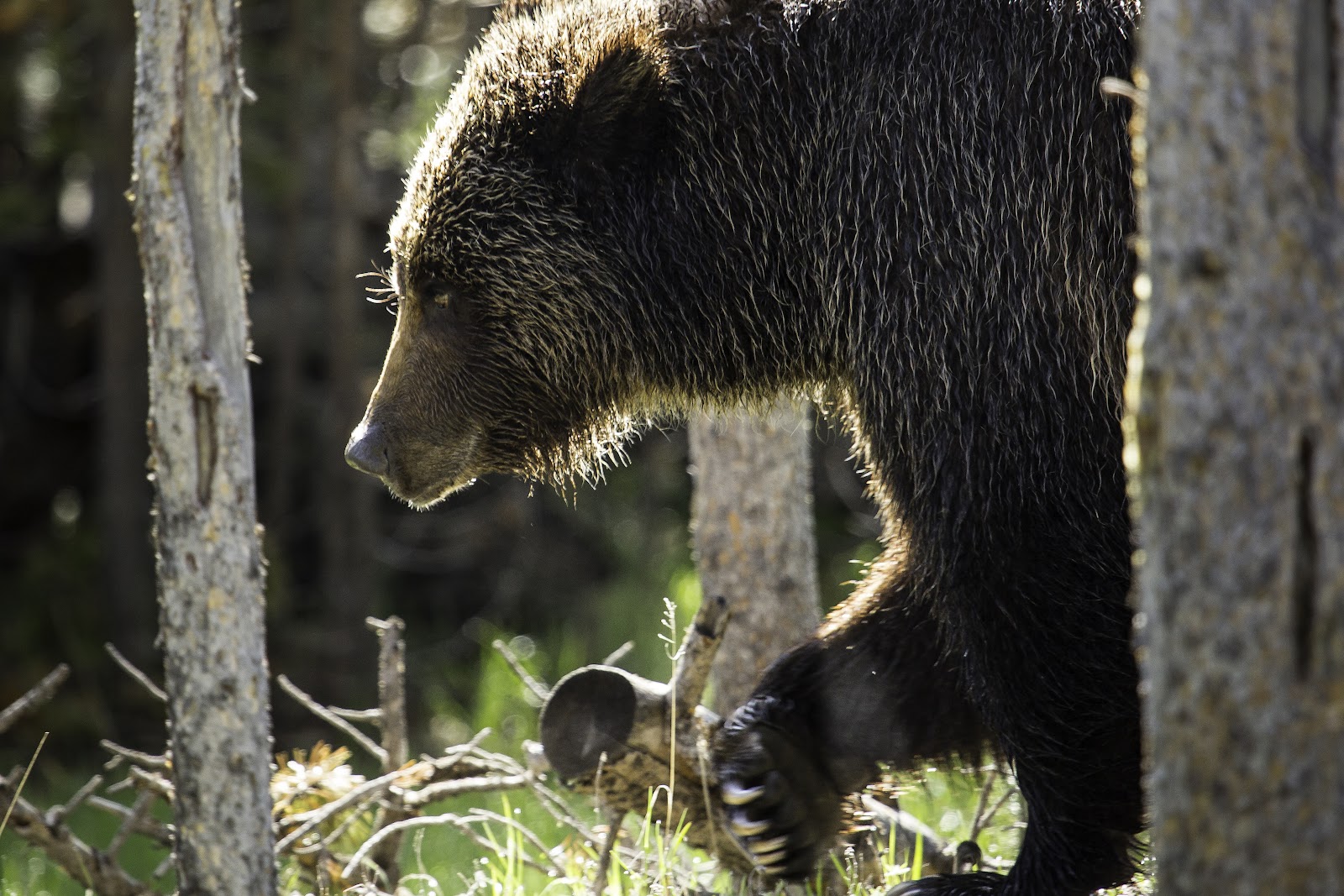
Four Restoration Approaches
The USFWS and the Washington Department of Fish and Wildlife have been working on a multi-year planning process to bring grizzlies back to Washington’s North Cascades Ecosystem. The public largely supports reintroduction of this native species, as the bears are an integral part of healthy forest and mountain habitats in the Cascades, as well as an important part of regional Native American and First Nations’ cultures, dating back hundreds of years.
The North Cascades Grizzly Bear Recovery Zone will encompass the North Cascades National Park, plus several neighboring designated Wilderness Areas. The Recovery zone will eventually cover 9,800 square miles and will be a lifeline to these bears as they gradually recover from severely depleted populations across the West.
The USFWS proposed alternative approaches for grizzly bear restoration, ranging from a “No Action” approach to an “Expedited Restoration” approach, with varying degrees of government involvement in the reintroduction of grizzly bears from other regions to the North Cascades.
The National Wildlife Federation and our partners support the “Incremental Restoration” (Alternative C) option, which balances grizzly bear biology, important ecological factors in the proposed recovery zone, and the need for social acceptance of grizzly bears in recovery efforts.
Alternative C would move up to five grizzly bears per year into the North Cascades for five to seven years, or until a reproducing population of 25 bears is established. This alternative is expected to produce the goal population of 200 bears in 60-100 years.

Speak Up for Grizzly Bears
The public comment period on grizzly bear restoration in the North Cascades will remain open until October 24th, 2019. It is vital that we demonstrate our support for the recovery of this ecologically and culturally significant species. Please add you voice and speak up for grizzly recovery efforts in the North Cascades.
Send a message to the National Park Service in support of grizzly restoration in the North Cascades. Here’s the best way to make your message heard:
Step 1) Open the National Park Service webpage: CLICK HERE.
Take Action!
Step 2) Copy and paste this suggested message – (or write your own).
Dear USFWS Director Sheehan and NPS Deputy Director Smith,
I am writing to share my strong support for grizzly bear restoration in the North Cascades. Specifically, I support Alternative C: Incremental Restoration.
Alternative C strikes a sound balance to meet the mutual goals of grizzly bear restoration and the needs of the people who depend on the natural areas in the recovery zone.
These bears will not recover in the North Cascades on their own as the area is far too isolated from existing populations.
The public overwhelmingly supports reintroduction of this native species, as the bears are an integral part of healthy forest and mountain habitats in the Cascades. The grizzly is also an important part of regional Native American and First Nations’ cultures, dating back hundreds of years.
Please speak out before the July 1st deadline to help stop the proposed Pebble Mine project.
Bristol Bay is a wildlife paradise. Along with brown bears, this habitat is home to more than 190 species of birds, 40 species of mammals, and 29 species of fish. Bristol Bay also supports the most valuable wild salmon fishery in the world, supplying almost half of the world’s sockeye salmon.
Two years ago, hundreds of thousands of Americans like you urged the Environmental Protection Agency to protect Bristol Bay’s wildlife from the dangerous Pebble Mine. Now, the Army Corps of Engineers is pushing the massive mining project forward with a deeply flawed and limited environmental review that ignores devastating impacts for brown bears and Bristol Bay’s rich fish and wildlife.
If the Pebble Mine project moves forward, massive open-pit mining and more than 80 miles of roads and 180 miles of pipelines will transform untouched habitat into an industrial wasteland. At least 3500 acres of wetlands and more than 80 miles of streams will be destroyed. Toxic chemicals from mining waste will pollute the remaining rivers, streams, and wetlands that bears, salmon, and hundreds of other wildlife species need to thrive. Alaska’s $1.5 billion commercial salmon and recreational sport fishing economies could crash as salmon populations plummet.
The science clearly shows that the Pebble Mine would pose unacceptable risks to the wildlife of Bristol Bay. Join us in opposing the U.S. Army Corps of Engineers’ faulty environmental review by taking action today. Don’t let toxic mining harm Alaska’s brown bears: tell the U.S. Army Corps of Engineers to stop Pebble Mine.
[vimeo]http://vimeo.com/43065314[/vimeo]
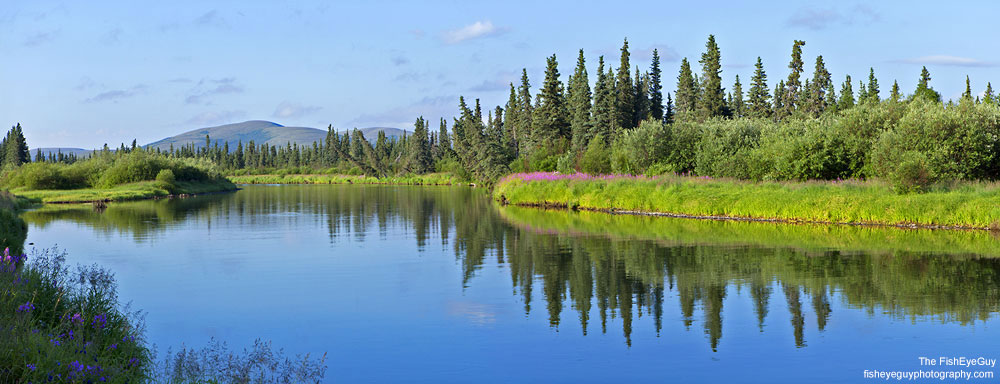
Pristine Waters
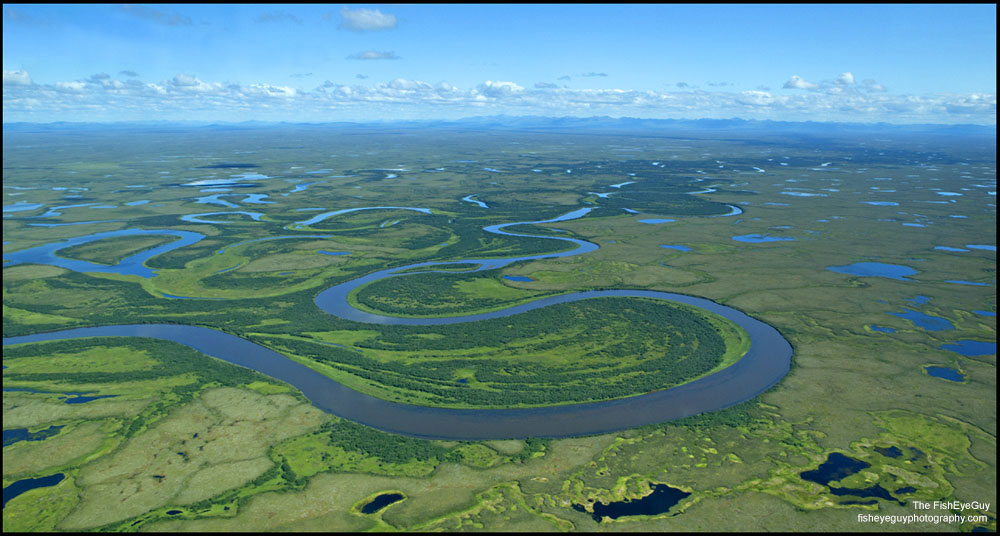
The Bristol Bay Watershed is comprised of 40,000 square miles of nearly pristine rivers, lakes, streams and tributaries. These waters have been untouched by development for thousands of years. This intricate system of waterways, and its high water quality, make Bristol Bay a unique habitat for fish and wildlife.
Culture
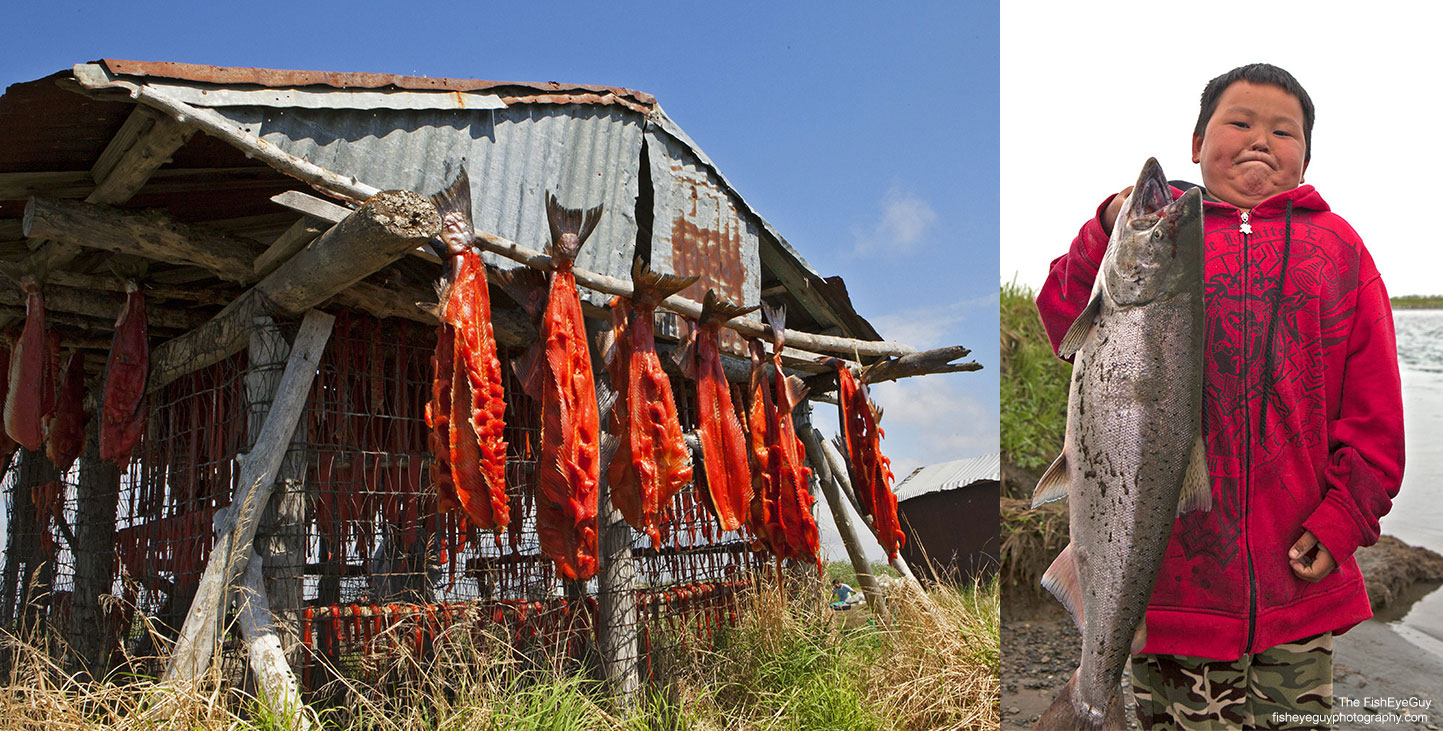
The majority (66%) of people living in the Bristol Bay region are Alaska Natives (Yup’ik-Eskimo, Aleut and Athabaskan). For over 4,000 years, these cultures have relied on subsistence fishing, hunting & gathering for food. Alaska Natives of Bristol Bay now represent one of the last intact, sustainable salmon-based cultures in the world.
Economy
The waters of Bristol Bay are home to the largest wild sockeye salmon fishery on Earth, accounting for one-third of the world’s supply. Bristol Bay’s sockeye salmon production is linked to 10,000 jobs, and created $1.5 billion in value across the U.S. in 2010.
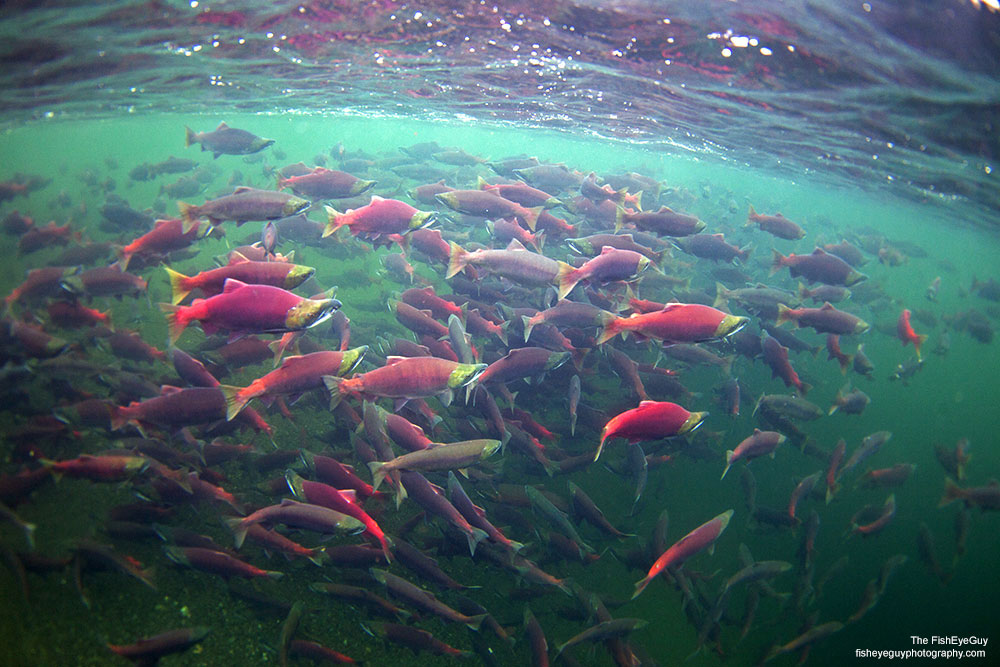
Ecosystem
As a keystone species, Bristol Bay’s salmon support a variety of wildlife, including bears, wolves, moose, caribou, and waterfowl. Salmon also transport marine-derived nutrients that are vital to the health of the basin. The lack of human disruption & incredible biodiversity have allowed Bristol Bay’s ecosystem to remain fully functional.
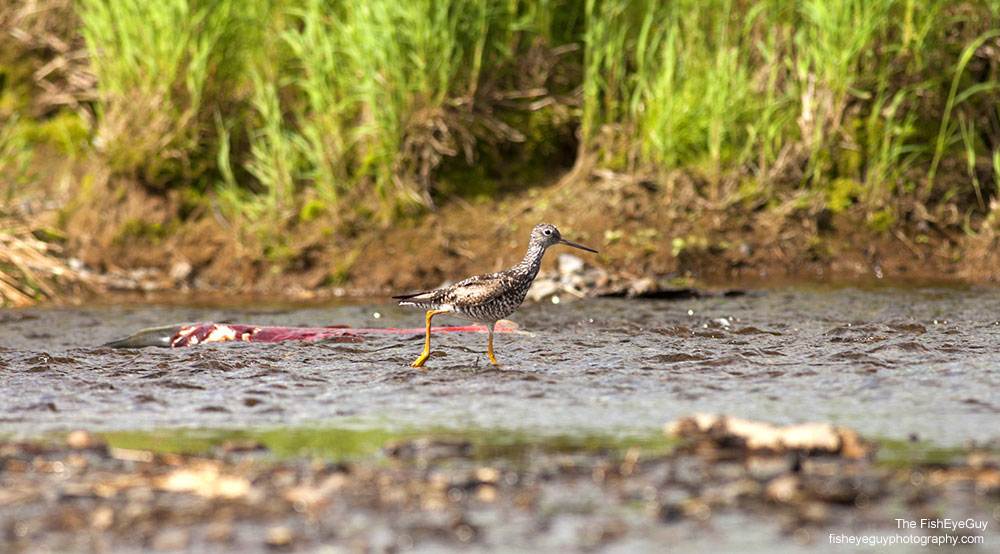
Geography
Covering 40,000 square miles, Bristol Bay located in southwest Alaska. The wilderness setting includes tundra and wetlands, and a complex system of waterways leading to the bay. The Renewable Resources Coalition has fantastic maps showing the proposed mining activities in relation to Bristol Bay and major rivers.
Geology
This region in Alaska is also a major porphyry copper deposit — the largest undeveloped deposit of its kind in the world. There’s no doubt that copper plays an essential role in our daily lives, from cell phones to household appliances. However, there are other ways to meet the demand for copper, without endangering Bristol Bay.
It is also important to note that Alaska is one of the most seismically active areas of the world. This increases the chances of structural failure and toxic waste leaking into Bristol Bay’s waters.
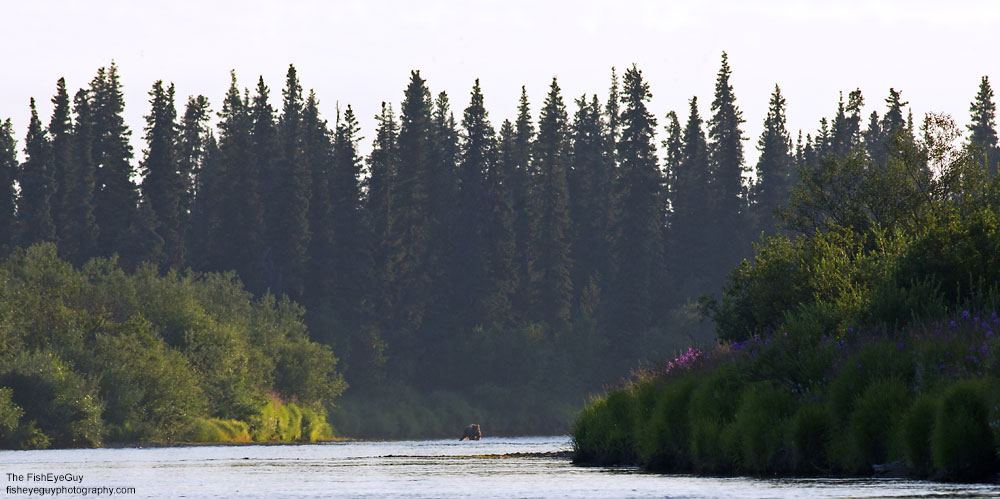
Wildlife
I think we’ve established that Bristol Bay has an abundance of wildlife, but let’s take a closer look.
Fish
Bristol Bay supports the spawning and harvesting of all five species of wild Pacific salmon (king, sockeye, silver, chum, and pink). The Renewable Resources Coalition has compiled a wonderful list of species that depend on major rivers in the Bristol Bay Watershed.

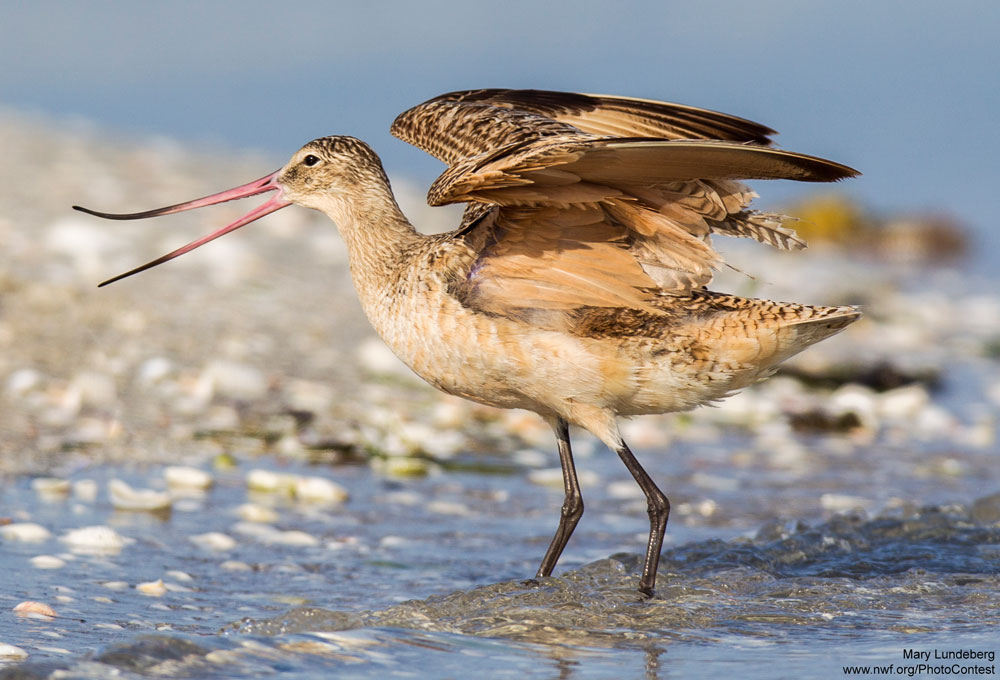
Waterfowl & Migratory Birds
The region includes 27 globally-significant Important Bird Areas, meaning they are essential for bird conservation. Bristol Bay hosts one of the world’s greatest concentrations of seabird colonies, while four migratory flyways overlap there as well.
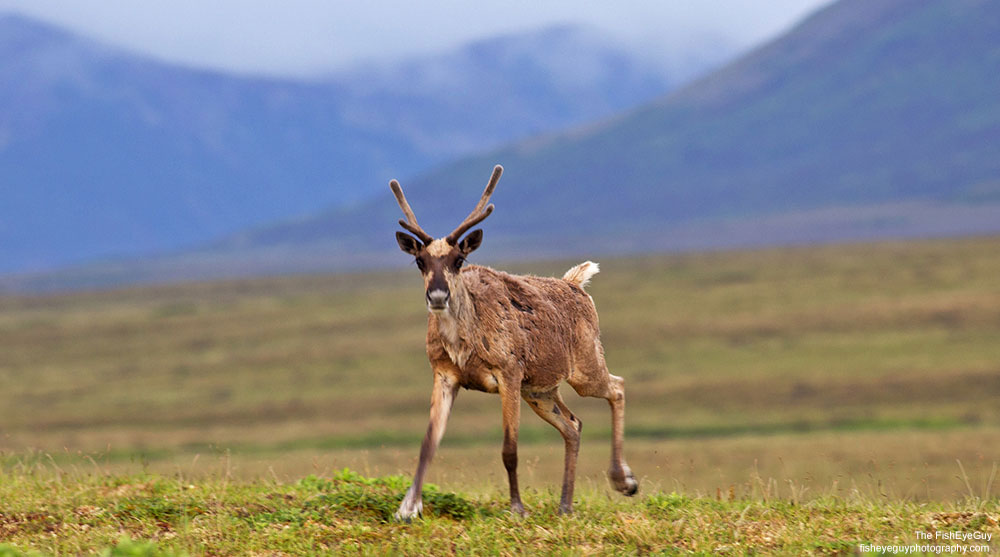
Land Mammals
The area is a major route for caribou migration, and home to some 10,000 brown bears. Bristol Bay supports a number of other land mammals including wolves, foxes, porcupines, wolverines, lynx and more.
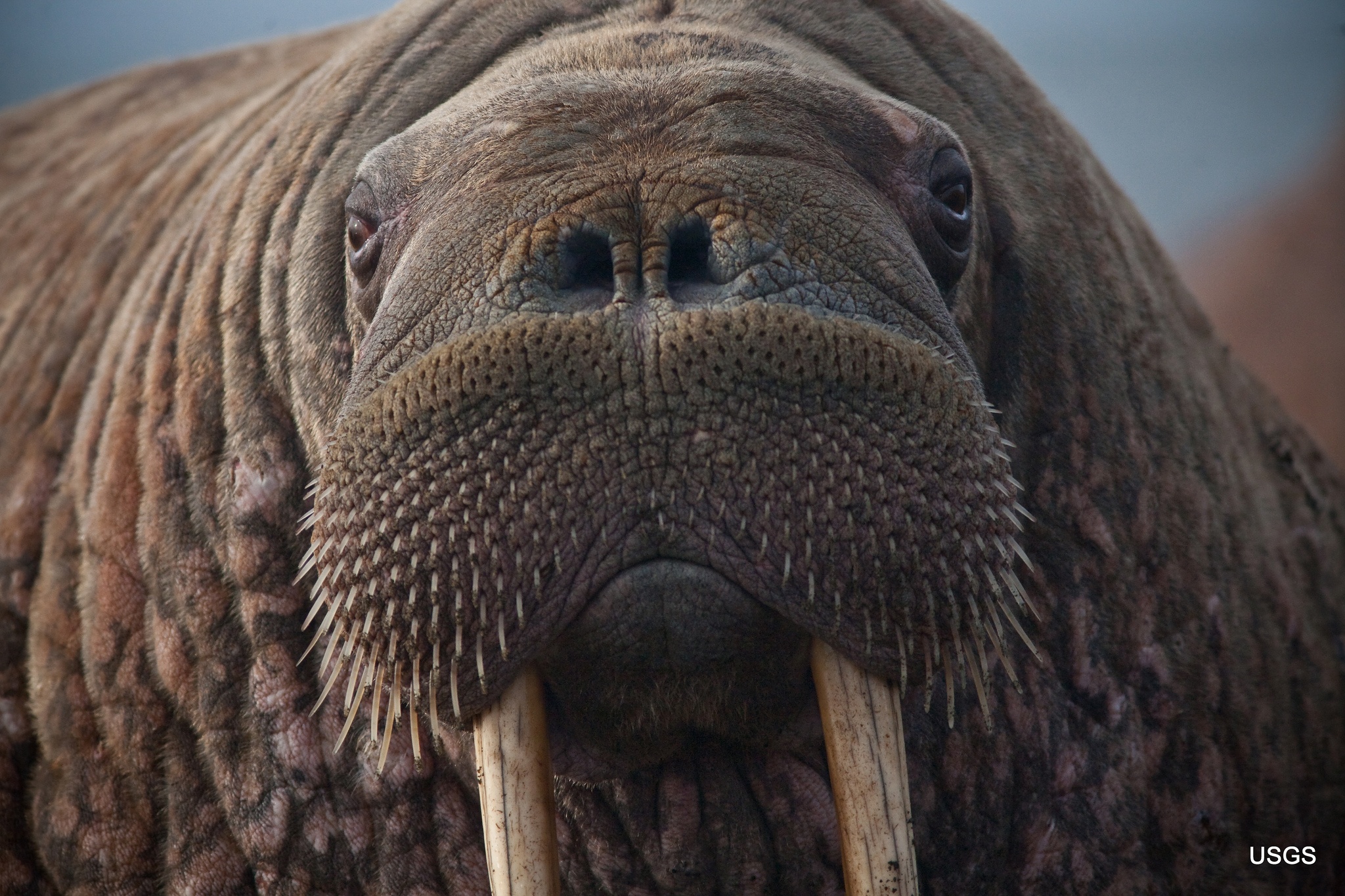
Marine Mammals
Bristol Bay provides critical habitat for the world’s most endangered whale (fewer than 100 individuals), the North Pacific right whale, in addition to belugas and orcas. The region hosts 1 of only 2 populations of freshwater seals in the world, the Pacific walrus, and a number of other marine mammals.
Recreation
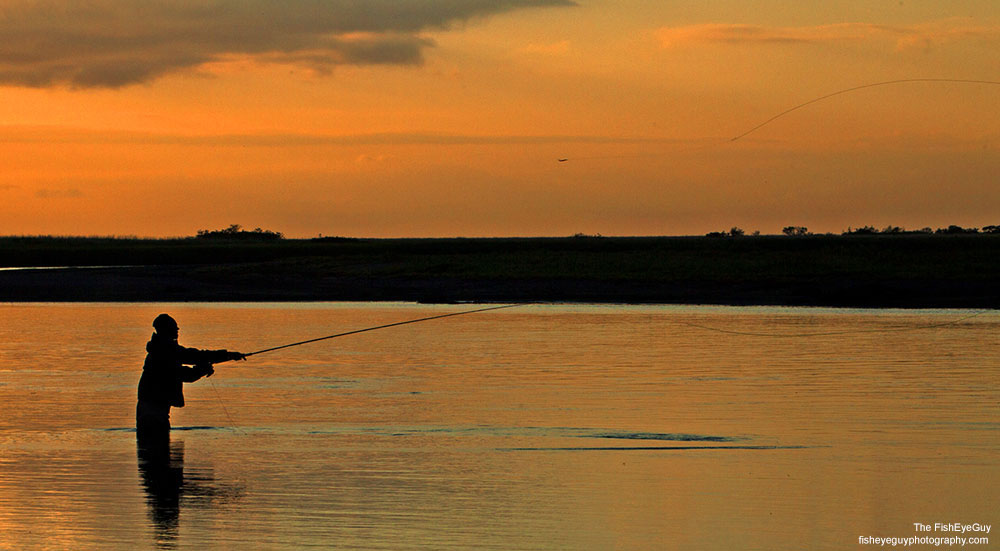
Visitors to the area can enjoy kayaking, flightseeing, hiking, camping, cultural tours, fishing, hunting, Native arts & crafts and more. Bristol Bay has been deemed an “angler’s paradise,” touting world famous trout and salmon. Sportfishing alone in Bristol Bay has an annual economic impact of $60 million.
Is This Where We Want to Experiment?
The copper deposits mentioned above have an estimated value of $200-300 billion. It’s easy to see why mining is attractive. But 10 billion tons of waste material would be produced by the proposed mine in Bristol Bay. That waste would need to be stored in a pit and monitored. Forever.
The Pebble Partnership says their engineering is advanced enough to prevent leaks, and eventual damage to the Bristol Bay ecosystem. But we know that hard rock mining activities pollute adjacent streams, wetlands and groundwater with toxic waste, why would Pebble mine be any different?
A mine the size of Pebble has never been built in North America. This mine is essentially an experiment — do we really want to roll the dice and risk the culture, economy, wildlife and sustainable fisheries of Bristol Bay?

Take Action, Spread the Word, Educate
 We need you to take action, again and again, until Bristol Bay is protected. And after you take action, we need you to become ambassadors for this issue, spread the word and educate others.
updated October 15, 2017
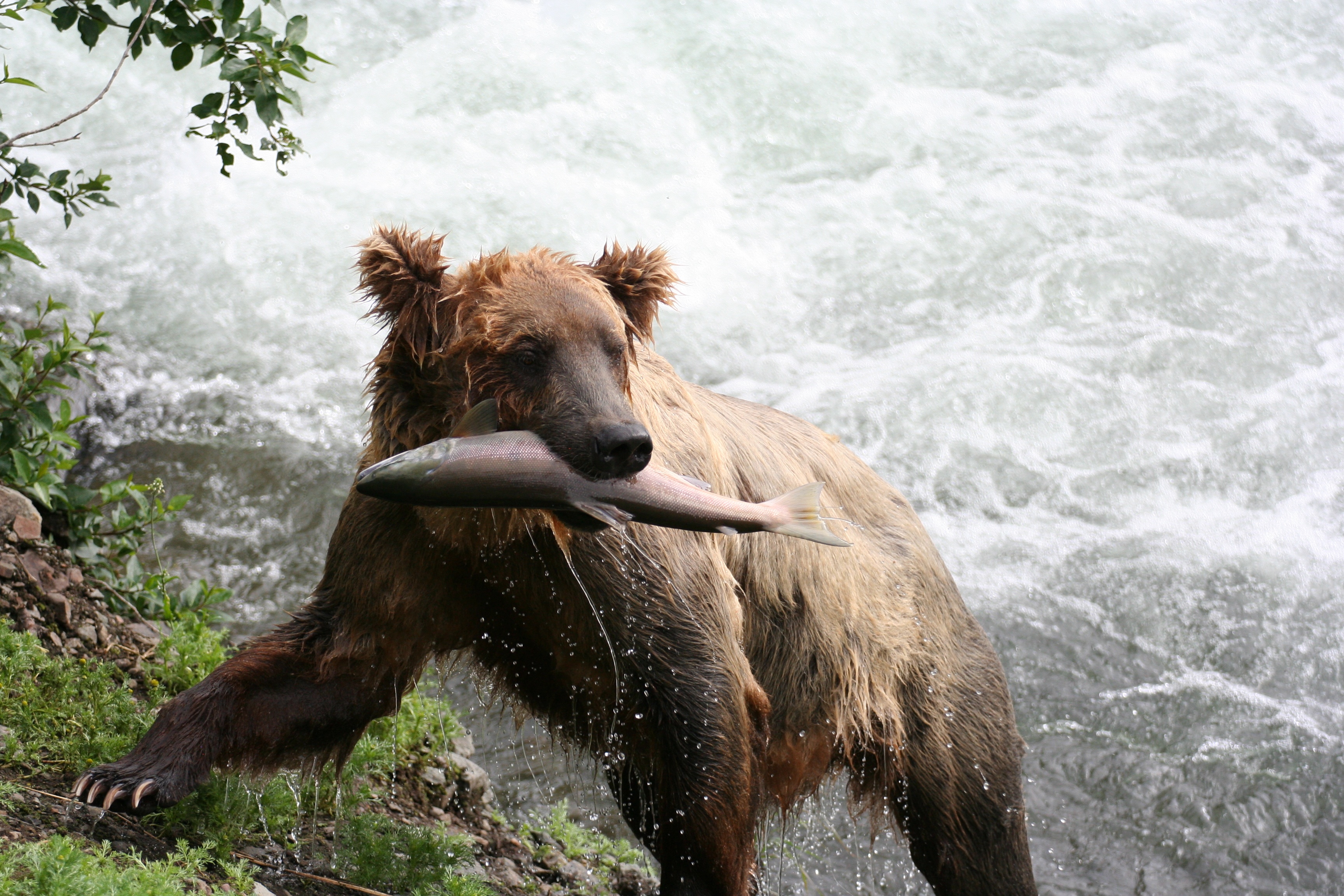
What Members of Our Community Have to Say!
“It is good for the health of us all to protect the wildlife and clean water of Bristol Bay, Alaska from the devastation and pollution of toxic mining. The most important way to do this at this time is by stopping the proposed Pebble Mine.” – James, Kentucky
“Brown bears, salmon and other wildlife can’t speak for themselves, so we need to do it for them.” – Lee, New York
“As a former resident of Alaska, I urge you to protect the wildlife and clean water of Bristol Bay, Alaska from the devastation and pollution of toxic mining by stopping the proposed Pebble Mine. The recent Mount Polley disaster in BC shows the consequences this type of toxic mine waste can have on the environment.” – Tom, Arizona
“You have the power to save one of the last untouched watersheds left in North America. A place that has sustained people for thousands of years, and will continue to if it is protected.” – Charles, Michigan
“Despite the fact that I live thousands of miles from Alaska, the quality of the environment there is important to me.” – Chaille, New Hampshire
“Here in Idaho we live with the lasting toxic mining effects in our rivers, lakes, lands, wildlife, fish and yes, even our children all have levels of toxic mining waste in their blood.” – Lauren, Idaho
“LARGEST SALMON RUN IN THE WORLD…….END OF DISCUSSION!” – Beck, Illinois
“Bristol Bay, Alaska is one of the last places free from the many aspects of industrial pollution. The effects of the toxic mining from the proposed Pebble Mine are guaranteed to have powerful and long-lasting negative consequences, in addition to the typically occurring unexpected horrors.” – Rodney, Alaska
“Wildlife and a clean environment are the great gifts we can pass on.” – Shannon, Arizona
“Rather than react after another environmental disaster, please prevent one by stopping the proposed Pebble Mine.” – Jeannette, Virginia
“This is so important to me and hopefully you.” – Susan, Colorado
Take Action for Alaska’s Brown Bears and Wild Salmon
The Environmental Protection Agency is charged with protecting the wildlife and clean water in Bristol Bay and has the authority to restrict, prohibit and deny certain mining operations—but they must hear as many voices as possible in support of stopping the mine and protecting Bristol Bay.
Mining interests are pushing hard to get a green light on the Pebble Mine project. That’s why it is crucial that we all weigh in about the importance of protecting vital habitat for wildlife like the brown bear and salmon from the devastation of a massive mine.
Please speak out today for brown bears and wild salmon by urging the Environmental Protection Agency to protect Bristol Bay.
Bristol Bay is home to the greatest remaining runs of wild sockeye salmon on earth. Each year, millions of bright red salmon return to Bristol Bay to spawn and die. This ageless cycle pumps nutrients into the ecosystem and sustains a rich and varied community of fish and wildlife. Bristol Bay is one of the world’s premier destinations for sportsmen and supports Alaska Native communities that have practiced a salmon-based culture for millennia.
In 2010, Alaska Natives asked EPA to exercise its authority to protect the Bristol Bay watershed and its fisheries from the development of the Pebble Mine. NWF and other mine opponents submitted hundreds of thousands of comments supporting this request and asking EPA to take action. In response, EPA conducted an exhaustive assessment of large-scale mining in Bristol Bay and concluded there is ample reason to believe that Pebble Mine would likely have significant and irreversible negative impacts on the Bristol Bay watershed and its abundant salmon fisheries.
In today’s announcement, EPA stated it will begin the formal process to protect Bristol Bay. This lengthy process involves consultations with other agencies and the mine developer, a public comment period, and one or more public hearings. At the end of the process, EPA will prohibit or restrict fill activities—the types of activities that are almost always involved in large-scale mining—if it is necessary to avoid unacceptable adverse effects on fishery areas.
Urge the EPA to protect our nation’s waters and wildlife from toxic mine pollution.
An Abundant and Fragile Habitat
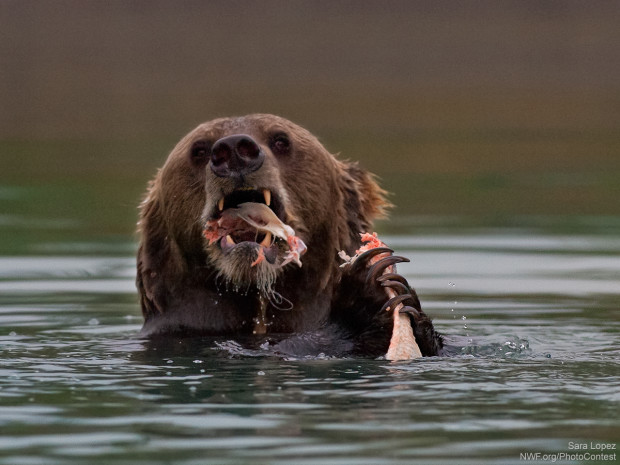
Bristol Bay is home to a vibrant community of wildlife that includes coastal brown bears and the world’s largest runs of sockeye salmon. The bears converge on the watershed’s pristine rivers and streams after winter hibernation to feed on salmon and regain much needed energy. This critical wildlife habitat area is also the historic home to more than two dozen Alaska Native communities that have maintained a salmon-based culture for at least 4,000 years.
The proposed Pebble Mine would be one of the largest open pit mines in North America and churn out over a billion tons of mining waste. What was once a wildlife paradise would be transformed into an industrial wasteland, with toxic chemicals from mining copper and gold killing off the bears’ critical food source and polluting waterways.
The Review Got it Right for Wildlife
According to the EPA’s assessment, the construction and routine operations of one Pebble-like mine would destroy up to 94 miles of streams and as many as 5,350 acres of wetlands. These are huge numbers and essentially represent the inevitable cost of developing large mines in a region laced by a system of prolific wetlands, streams and rivers. The EPA also concluded that large-scale mining would have significant impacts on salmon and salmon habitat in the vicinity of the mines.
This project is a disaster waiting to happen. Even under the best conditions, it would be virtually impossible to stop the toxic waste from leaking into rivers that bears and other wildlife depend upon. And if the dams break, it would be absolutely devastating to the rivers and wildlife downstream.
The Environmental Protection Agency should act promptly to halt the Pebble Mine proposal and prevent its significant and unacceptable effects on Alaska’s wildlife.
Urge the EPA to protect our nation’s waters and wildlife from toxic mine pollution.
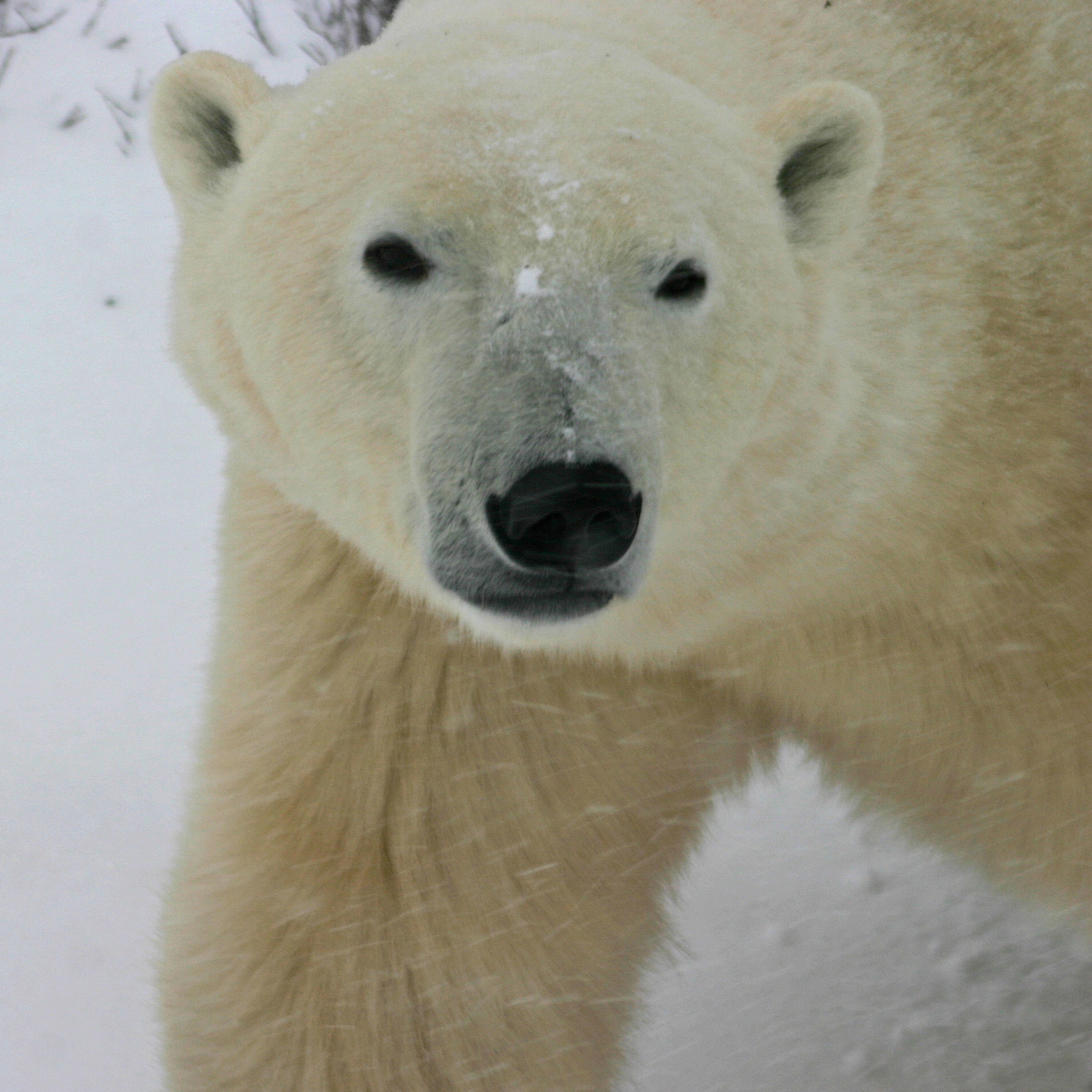
Breaking Through on Climate Change
Answering the call of wildlife advocates and the hundreds of thousands of messages coordinated by NWF and our partners, the White House released a bold new plan to address climate change. The plan directs the Environmental Protection Agency to take actions that would require reducing carbon pollution from power plants. It comes not a minute too soon for polar bears, moose and other species at-risk from the effects of our changing climate.
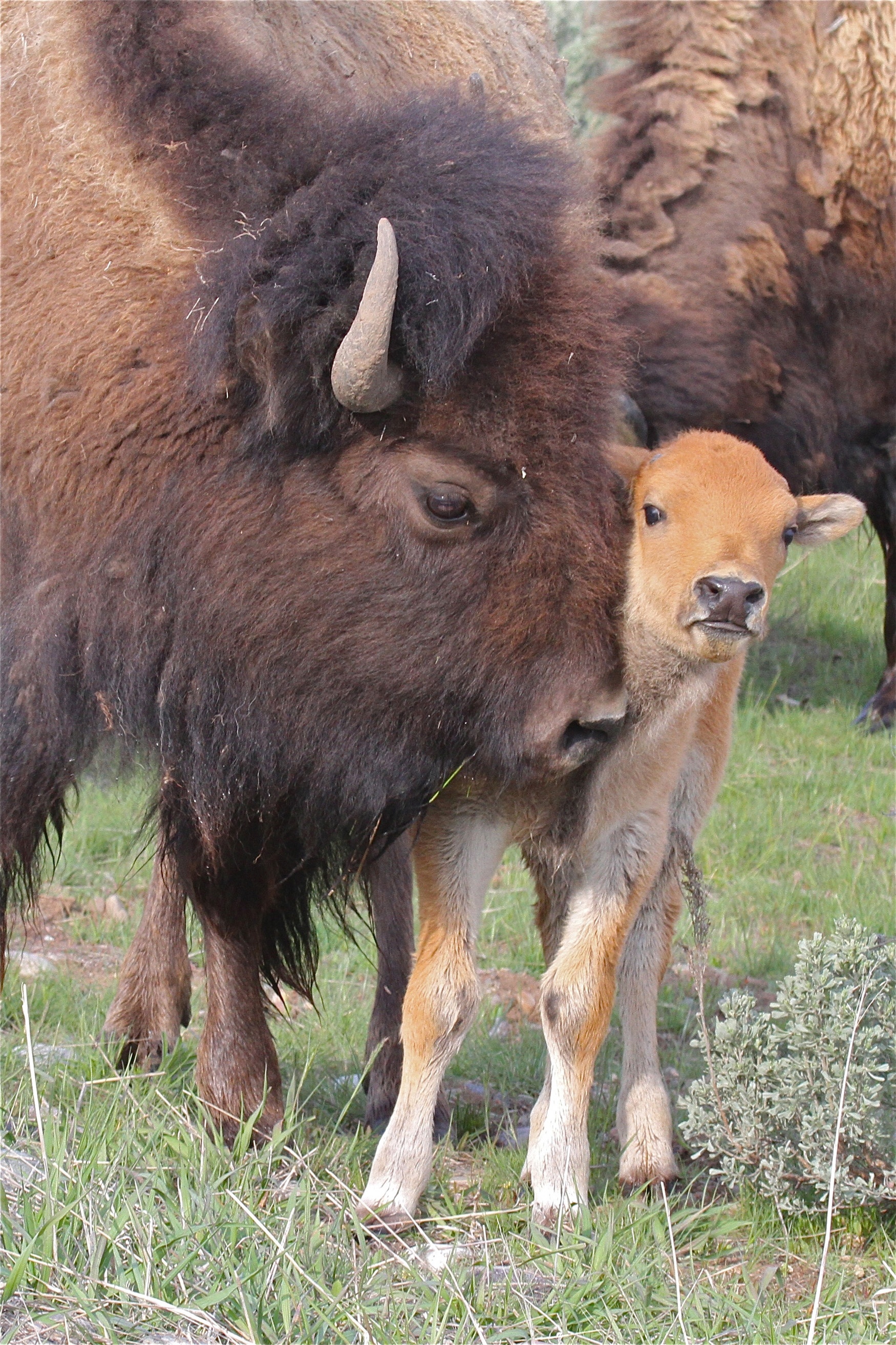
Bad Bison Bills Defeated
NWF supporters, concerned sportsmen and other like-minded conservation groups across the country joined forces to defeat a barrage of anti-bison bills sponsored by Montana lawmakers. The bills would have blocked efforts to return wild bison to their native habitat. This victory accompanied continued progress in restoring the species, including the release of 34 bison on the Fort Belknap Indian Reservation.
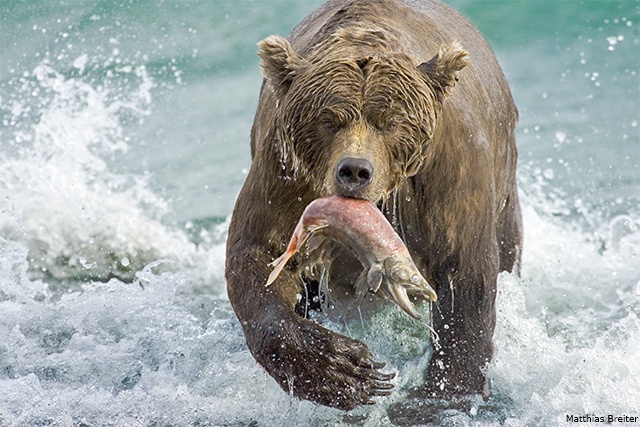
Partner Drops Out of Dangerous Alaska Pebble Mine Project
After years of hard work , we saw a major victory in the fight to stop a massive mine proposed for Bristol Bay, Alaska. Anglo American, one of the two companies that make up the partnership seeking to build Alaska’s Pebble mine, dropped out of the project in the face of growing public concern over the mine’s effect on wild salmon and other wildlife that depend on them. Thanks to thousands of wildlife supporters who added their voices, we’re one monumental step closer to stopping this ill-advised mine.
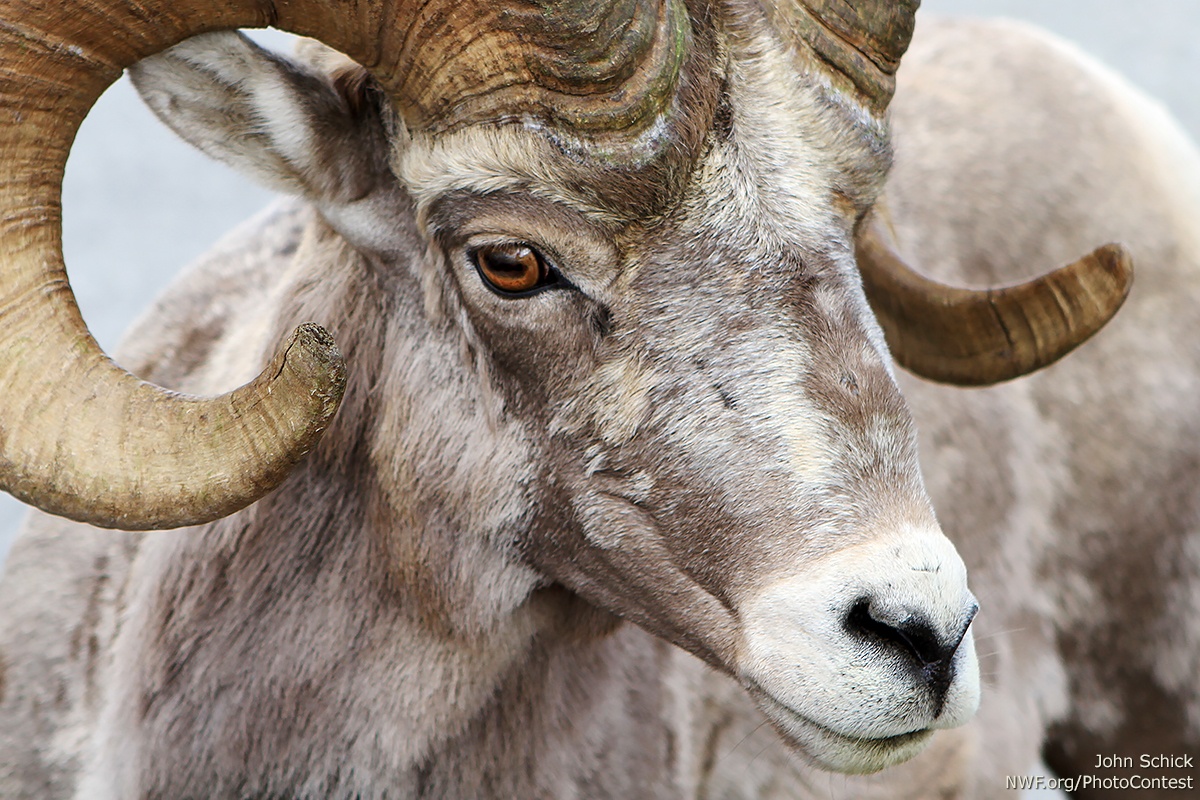
Acres Secured for Bighorn Sheep
Thanks to successful NWF negotiations in the summer of 2013, we eliminated conflict between domestic and wild bighorn sheep by “retiring” domestic sheep grazing privileges on 12,000 acres of Montana’s Beaverhead-Deerlodge National Forest. This $50,000 investment will prevent domestic sheep from spreading fatal disease to two herds of bighorn.
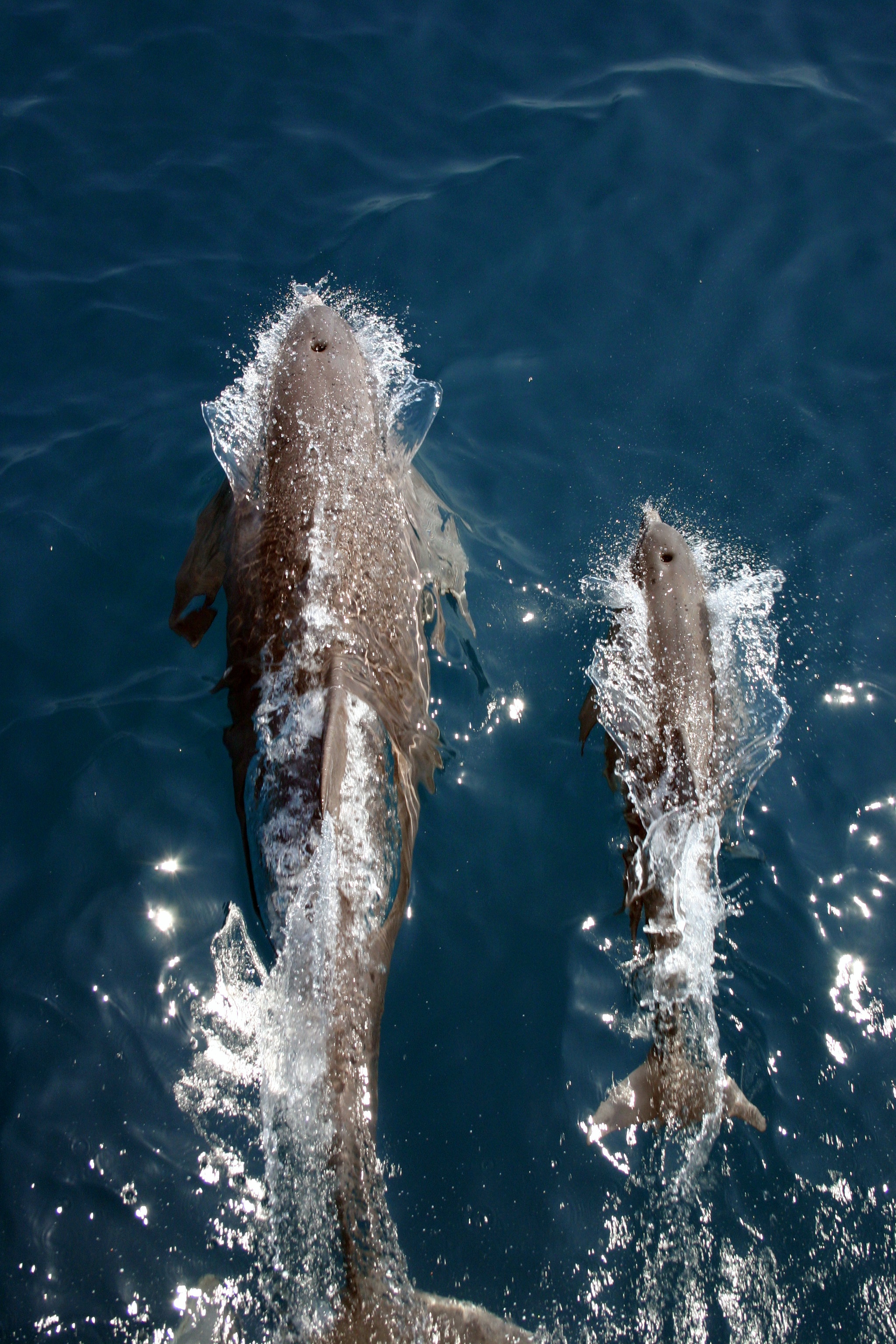
Holding BP Accountable for Gulf Restoration
NWF and our supporters continued to be a lead voice for Gulf restoration, fighting to hold BP accountable for the damage done by the 2010 Gulf oil disaster. At the close of 2013, BP was still in court fighting just how much they will have to pay for the environmental damage they inflicted, and we were on the courthouse steps, reminding people what is at stake and amplifying the latest research of ongoing wildlife impacts.
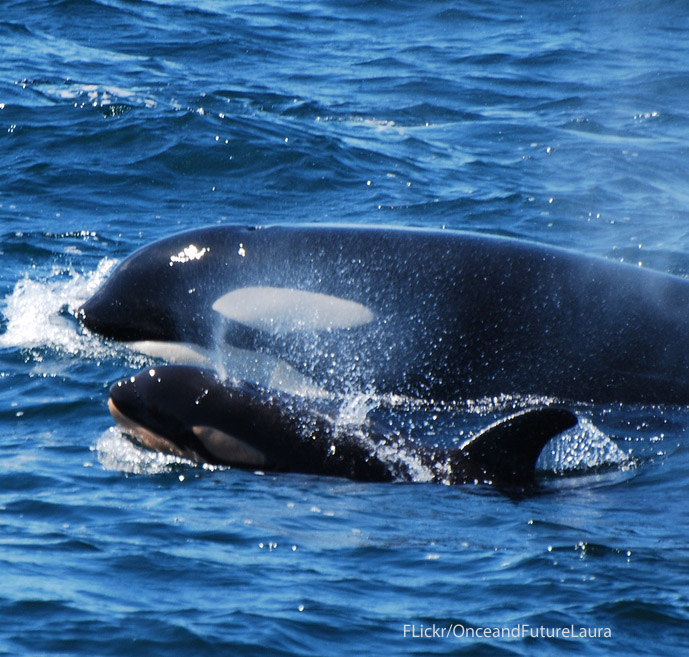
Defending Endangered Orcas in Puget Sound
Thousands spoke out this year against the development of coal ports in the Pacific Northwest that would ship coal overseas to China and spew toxic pollution into the waters that endangered orcas depend on. With your help, NWF prompted Washington State to mandate an environmental review of one of the proposed ports, which could ultimately put an end to the project! To date NWF has successfully blocked three of six coal terminals, and with your help, continues to fight the remaining three.
Thank you for taking action with us in 2013!
 Add your voice today to help protect wildlife in 2014.

For the past 30 years, the state of Alaska has worked to reduce bear and wolf populations in the hope it will lead to more moose and caribou to hunt.
The war on wolves has gotten the most attention, but the state has quietly taken steps to reduce grizzly bear populations too. Now, a National Wildlife Federation biologist and three other authors, all of whom are retired Alaska Department of Fish and Game bear experts, have published an article in the Wildlife Management Journal that details this hidden effort.
The article documents the extent to which state biologists have used liberalization of hunting regulations in an effort to reduce bears. Officially, this isn’t defined by the state as “predator control” but the effect is largely the same. As just one example, in the last 40 years, the state raised the “take” limit on grizzly bears, or how many animals an individual can kill, from one bear every four years to at least one bear a year in 76% of the state. Similar regulation liberalizations occurred for season lengths and waivers of tag fees for resident hunters.
The state’s sneaky bear reduction policy has resulted in a lot more bear kills. The authors show that in the more than three-quarters of the state evaluated, the average take of grizzlies has increased from 387 per year in 1980 to 827 per year in 2008.
National Wildlife Federation is working to protect the bears of Alaska. In Bristol Bay, for example, bears are threatened by a proposal to build the largest open pit mine in North America in the headwaters of the largest sockeye salmon ecosystem in the world.
 Help us protect the brown bears of Bristol Bay! And if you have a good story about seeing a grizzly in Alaska, let us know.