The Regulation of Online Gambling
Gambling is a financial exchange and a game in which games or elements are played that can be partly or entirely based on chance. Many governments around the world have rules to ensure gambling activities are fair and consumers aren’t exposed to losing money.
There are a number of areas in which regulation can be applied. These can include minimum gambling age, the rules for advertising and payments, the rules for identity verification and data protection, the rules for handling complaints, and the rules for game integrity.
Licensing Details
Authorization by the appropriate regulating body is one of the most pertinent legal factors to take into account for an online gambling operator. A competent regulatory system will typically have an authority that issues licences and regulates operators. Consumers should therefore seek to verify the license information and not just accept it on advertising or social media or from third parties.
A licence does not guarantee a user a win when playing a game. Licensing, on the other hand, normally comes into play when asking if an operator will be allowed to operate gambling games under specific conditions.
Age Limitations
Minimum-age requirements are another big issue of gambling law. Online gambling websites typically have measures in place to prevent minors from wagering on casino games. Some operators may need to perform identity or age verification prior to certain transactions or activities, depending on the jurisdiction.
Users must not try to circumvent any age restrictions. Emotional and social support can also be provided by the parents and guardians through device security, payment security and supervision as needed for younger family members.
Age is not an administrative criterion. They are designed to keep young people safe from the monetary and behavioural dangers of gambling.
Identity Verification and KYC
Identity verification procedures are implemented by many financial services online. This is known as Know Your Customer or KYC in gambling. The users must be aware of what data is being asked and why.
They should also read the privacy policy of the platform before putting in any personal details that could be sensitive. One of the key precautions is that you should never send identity documents via unrecognized social media, or through what appears to be an account from a gaming service.
Payment Practices and Consumer Protection
The other area in which regulation might play a role is financial transactions. Before sending money into an online platform, users must be familiar with the rules and conditions of the platform, such as the amount of money that can be deposited or withdrawn, any fees charged, and the verification process. Important terms and conditions will be looked upon carefully, especially if a platform provides bonuses or promotional credit or other incentives.
Player Rights
A player who takes responsibility should make financial and time restrictions before engaging in the game. Gambling money should be money that can be lost and that the person is able to afford to lose and spend without worry on all other bills, including food and housing, education, transportation, and bills. Gambling must not be seen as a reliable way of making money.
Attempting to recoup past losses by raising bets can form a vicious cycle, also referred to as chasing losses. This behaviour can make matters worse rather than better in terms of the original loss.
Ads and Commercials
 Internet gambling advertising may have an impact on risk perception. Gambling that appears to be a get-rich scheme should be taken with a grain of salt. There is no valid gambling strategy that can remove the uncertainness from games of chance.
Users should consider the actual terms before making financial decisions, as participation may seem more appealing due to promotions. The goal of responsible advertising isn’t to promote excessive participation or set up false expectations for winning. Consumers must therefore be able to distinguish information for entertainment purposes, from information and claims that lead them to believe in guaranteed financial results.
The Function of Local Laws
The most crucial law is that gambling laws are area specific. While you can actually log into a site from a specific country, this doesn’t necessarily mean that you’ll always have access to the services that are offered.
Rules may be subject to change. Users should refer to the gambling regulatory organization or other government agency in their jurisdiction for up-to-date information before participating. This is more dependable than social media commenting, ads on the web or old articles.
Conclusion
Online gambling is a mix of technology, finances, security, and law. Tools and rules have been put in place to minimize risks but an individual’s own choice to participate in games, and the amount and frequency of participation, must be made carefully. By educating consumers about the legal and financial landscape of an online gambling site, they can make more informed decisions about digital gaming and engage with it safely and responsibly.
]]>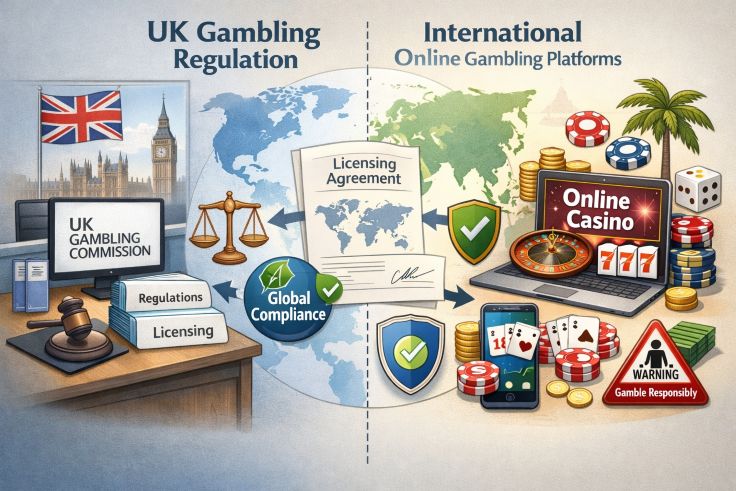
The UK Gambling Commission regulates gambling activities across Great Britain through licensing rules, consumer protection requirements, and responsible gambling standards. According to the UK Gambling Commission, licensed operators are expected to follow rules designed to reduce harm and improve transparency for players. Despite this framework, questions continue to emerge around offshore gambling access because the internet allows people to interact with services operating under different legal systems.
Interest in international gambling platforms has grown over time, partly because users often compare features, payment systems, and licensing structures available outside domestic markets. Some readers searching for information about best non UK casinos for UK players may encounter review websites and community discussions while trying to understand available options. However, online conversations can create confusion because platform availability does not automatically mean that legal protections are identical across jurisdictions.
Understanding UK Gambling Regulations
The United Kingdom has one of the more structured gambling systems in Europe. Operators that want to legally provide services within the UK market typically need authorization and oversight under established regulations. According to the UK Gambling Commission, licensing conditions cover matters such as identity checks, anti-money laundering controls, advertising standards, and responsible gambling practices.
These measures exist to reduce risks associated with gambling activity and to create a more transparent environment for consumers. Despite the importance of these protections, internet access has complicated the picture. Players can access websites based in other countries, and this creates a situation where technical availability and legal understanding do not always align.
Many people assume that if a website appears online and accepts registrations, its legal status is straightforward. In reality, international access often sits within a more complicated area shaped by multiple laws and regulatory approaches.
Why Some Users Explore Offshore Platforms
People look at offshore platforms for many reasons, and motivations differ from one individual to another. Some users seek payment methods that are less common in domestic markets. Others may be curious about different interface designs, alternative game catalogs, or features discussed in online communities.
At the same time, online discussions can sometimes create the impression that overseas platforms provide similar legal environments to locally regulated services. That assumption may not always reflect reality. Consumer rights and operator obligations can vary significantly depending on the jurisdiction involved.
These differences become more important when users encounter disputes, account restrictions, or verification requirements. A process that looks familiar at registration can operate very differently after an issue arises.
Licensing Differences Across Jurisdictions
Licensing standards vary around the world. Some regulators maintain strict rules and strong oversight systems, while others focus on different priorities. According to the European Gaming and Betting Association, gambling regulation across international markets remains fragmented because each country develops its own legal framework and enforcement approach.
As a result, two platforms may appear similar on the surface while operating under entirely different requirements behind the scenes.
- Identity verification rules may differ.
- Dispute handling procedures can vary.
- Responsible gambling tools may not be identical.
- Advertising restrictions may be less comprehensive.
- Consumer complaint pathways may follow different processes.
Understanding these differences matters because licensing is more than a document displayed at the bottom of a website. It influences how an operator responds to users and which protections exist if disagreements occur.
Advertising, Responsible Gambling, and Dispute Limitations
Advertising rules represent another area where differences become visible. UK-regulated operators generally follow requirements related to messaging and audience protection. According to the Advertising Standards Authority, gambling promotions should avoid misleading content and should not target vulnerable groups.
International platforms may follow different standards depending on where they operate. This does not automatically indicate poor practices, but it does mean consumers should understand that expectations may vary.
Dispute resolution creates another practical concern. Domestic systems often provide clear channels for complaints and review processes. Offshore operators may rely on different procedures, which can make cross-border issues more difficult to address.
Common Misconceptions About Offshore Access
Several misconceptions continue to circulate online. One common misunderstanding is the belief that offshore access automatically bypasses legal responsibilities. Another is the idea that international availability means every platform follows identical rules.
Legal systems rarely function in simple terms. Accessibility, licensing location, advertising policies, and local regulations can overlap in ways that create uncertainty. Discussions around overseas gambling sites often simplify these relationships, even though the underlying legal environment is much more layered.
People may also assume that online reviews alone can confirm reliability. Reviews can provide useful perspectives, but they should not replace independent verification of licensing and consumer protection measures.
READ ALSO: Laws and Regulations for Online Gambling Sites
What Consumers Should Verify Before Registering
A more informed approach begins with checking basic information before opening an account on any international platform.
- Review licensing details and regulator information.
- Read responsible gambling policies.
- Check identity verification requirements.
- Understand withdrawal procedures and account rules.
- Review complaint handling systems.
- Examine privacy and data protection information.
Awareness remains important because gambling environments can differ widely across regions. Information sources discussing overseas gambling operators should be viewed carefully and compared with official regulatory guidance where possible.
Risk awareness should also remain part of the conversation. Gambling involves financial risk and may affect mental wellbeing for some individuals. According to GambleAware, individuals should monitor gambling behavior and seek support if gambling begins to negatively affect finances, relationships, or daily life.
As conversations about international gambling continue to grow, understanding regulatory differences becomes increasingly important. Discussions around offshore gaming platforms and international casino alternatives should focus on informed decision-making rather than assumptions. Better awareness of licensing, consumer protections, and legal boundaries helps reduce confusion and supports safer choices in a complex digital environment.
Warning: Gambling carries financial risks and may lead to harm for some individuals. Participation should always be approached carefully and responsibly. Support services are available for people experiencing gambling-related difficulties.
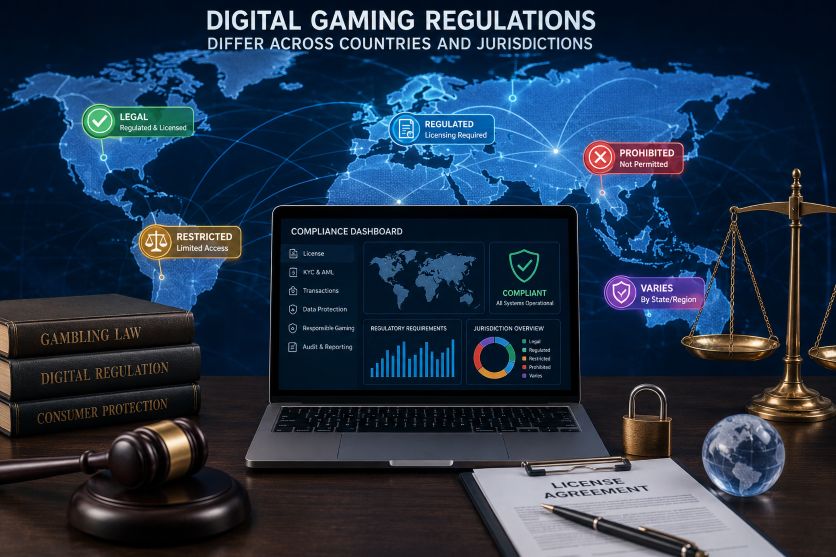
]]>People entering digital platforms often encounter different rules depending on where they live. Platforms such as DidiHub may illustrate how users can encounter varying requirements, since basic activities such as identity verification, payment procedures, age restrictions, and account setup requirements may differ from one country to another because regulators apply different standards and legal definitions. These differences create challenges for users, operators, and policymakers who are trying to understand how digital activities fit within existing legal systems.
Why Regulatory Differences Exist
One of the main problems is that countries approach digital gaming through different legal lenses. Some governments classify online gambling as a form of entertainment activity, while others connect it to consumer protection, public health concerns, financial oversight, or criminal law. Because of this, a single platform can face entirely different obligations depending on where it operates.
Historical, cultural, and economic factors also shape regulatory choices. Certain regions maintain stricter policies because of social attitudes toward gambling activities. Others focus more heavily on taxation and licensing structures that allow controlled participation. Several jurisdictions choose hybrid systems that combine restrictions with monitored access.
The World Bank has frequently discussed how legal systems are influenced by local institutions, economic priorities, and governance structures. Digital regulation follows a similar pattern. Laws rarely emerge in isolation. They usually reflect broader national priorities.
This creates a practical issue. A company operating in multiple countries may need to comply with dozens of legal requirements at once. Age verification rules, payment limitations, data collection standards, and reporting obligations can all differ substantially.
Challenges in Enforcement Across Borders
Regulatory differences become more complicated when digital environments extend beyond geographic boundaries. Traditional enforcement systems were designed around physical locations. Digital platforms function differently because users, payment providers, and operators may exist in separate jurisdictions.
Consider a situation where a user accesses a platform in one country while the company itself operates servers in another location and processes payments through a third region. Determining which laws apply can become difficult.
Authorities may face questions such as:
- Which country has enforcement authority?
- Which consumer protection laws apply?
- How should disputes be resolved?
- Which privacy standards should govern data collection?
- Who is responsible for monitoring transactions?
The Organisation for Economic Co-operation and Development (OECD) has discussed similar cross-border issues involving digital commerce and online platforms. Their research highlights that international cooperation often becomes necessary because national regulations alone may struggle to address globally connected systems.
Without coordinated frameworks, enforcement can become inconsistent. One jurisdiction may consider a service legal while another may impose restrictions or require additional licensing.
International Perspectives on Digital Gaming Laws
Different countries illustrate how regulatory philosophies vary.
Some European jurisdictions focus heavily on licensing systems and consumer protection measures. Their regulations may require operator transparency, spending controls, and responsible participation tools. Other regions maintain stricter limitations that restrict access entirely.
In North America, legal structures can become layered because federal systems often allow state or provincial authorities to establish separate rules. This creates internal differences even within the same country.
Several Asian markets also demonstrate varying approaches. Some governments maintain highly restrictive frameworks, while others permit controlled systems with close regulatory oversight.
These international differences create a larger challenge for digital governance. Consistency becomes difficult when legal definitions themselves differ.
For example, one jurisdiction may classify certain gaming activities as skill-based participation while another views similar activities under gambling regulations. Small legal distinctions can create substantial compliance changes.
Moving Toward Evolving Legal Frameworks
The solution increasingly discussed by policymakers involves creating adaptive frameworks rather than relying entirely on older legal structures. Digital systems evolve quickly, and static regulations sometimes struggle to keep pace.
The European Commission has introduced broader digital governance initiatives emphasizing accountability, transparency, and risk management responsibilities. While these policies may not target every gambling-related issue directly, they reflect a wider trend toward flexible regulatory thinking.
Governments are also exploring stronger international cooperation. Shared standards related to cybersecurity, consumer protection, identity verification, and digital transactions may eventually reduce regulatory gaps.
Technology itself may support parts of this process. Automated compliance tools, stronger identity systems, and improved reporting methods could help regulators monitor activity across jurisdictions more effectively.
Still, complete legal uniformity remains unlikely. Countries maintain different social values and policy priorities. Regulatory differences will probably continue to exist because laws often represent local decisions rather than global consensus.
READ ALSO: Understanding the Legal Grey Areas Around Offshore Gambling Access for UK Players
Understanding the Larger Picture
The broader discussion surrounding digital gaming regulations extends beyond legality alone. It also touches on consumer safety, technological innovation, privacy rights, and economic policy. As digital platforms continue expanding internationally, governments face pressure to balance flexibility with oversight.
Understanding these differences helps explain why users may encounter changing requirements and varying digital gaming rules across regions. While technology creates increasingly connected experiences, legal systems continue developing at their own pace. The future may involve stronger coordination, but local regulation will likely remain an important part of digital governance.
Responsible Gambling Risk Warning: Gambling-related activities involve financial and behavioral risks. Participation should occur responsibly and within applicable local laws. Individuals experiencing harmful patterns of behavior should seek professional support or assistance services available in their region.
As international conversations continue evolving, digital gaming regulation will remain an area shaped by technology, public policy, and legal interpretation. Understanding these differences provides a clearer view of how regulatory systems influence modern online participation.
]]> The growth of digital economies in online games has introduced new forms of value exchange, including the practice commonly referred to as MM2 skins betting. Linked to the Roblox game Murder Mystery 2 (MM2), this activity involves wagering virtual items, such as collectible weapon skins, in player-versus-player systems or through third-party platforms. As these systems have become more visible, questions have emerged about how they fit within existing gambling laws.
Defining Gambling in Legal Terms
- Consideration: something of value is wagered
- Chance: the outcome is at least partly random
- Prize: something of value is awarded
The Role of Virtual Items
- rarity or status among players
- time invested in acquiring them
- trading value within the community
Chance vs Skill Considerations
Platform Structure and Third-Party Involvement
- Game developers may prohibit or restrict such activities in their terms of service.
- Third-party platforms operate independently, often outside the game publisher’s direct control.
- Regulatory oversight may be limited or unclear, depending on the platform’s location.
Jurisdictional Differences
- Any activity involving value, chance, and reward may be classified as gambling, regardless of whether the currency is virtual or real.
- Legal definitions may not yet fully account for digital item betting, leading to regulatory gaps
- platforms operate internationally
- users access services across borders
- transactions involve digital assets rather than traditional payment systems
Consumer Protection and Age Considerations
- minimum age requirements
- licensing and monitoring of operators
- mechanisms for dispute resolution
Legal Gray Areas and Ongoing Debate
- whether virtual items should be treated as monetary equivalents
- How to regulate platforms that operate across jurisdictions
- The extent to which existing gambling laws apply to new digital formats
Conclusion
The Global Nature of Online Slot Platforms
Online slot platforms operate across multiple markets, often serving players from different countries simultaneously. Each region has its own legal approach to gambling, ranging from fully regulated online gaming markets to restricted or tightly controlled environments.
Some jurisdictions allow a wide variety of online casino titles, while others limit specific game types or enforce strict operational guidelines. As a result, the slot experience that one player encounters in one country may differ slightly from what another player sees in a different region.
Licensing and Regulatory Compliance

One of the most important elements shaping online slot platforms is licensing. Reputable gaming sites must obtain licenses from recognized regulatory authorities in order to legally offer their services.
Licensing bodies require platforms to meet specific operational standards. These standards often include fairness testing for slot algorithms, transparent payout structures, and secure handling of player funds. Platforms must also demonstrate that their systems are protected against fraud, manipulation, and unauthorized access.
Compliance with licensing frameworks also influences how platforms design their software infrastructure, from account verification systems to reporting tools that track gaming activity and financial transactions.
Player Protection and Responsible Gaming Measures
Modern gambling regulations increasingly focus on protecting players from potential harm associated with excessive gambling. As a result, many jurisdictions require online slot platforms to implement responsible gaming features.
These features may include deposit limits, self-exclusion options, reality check notifications, and access to responsible gambling resources. Platforms must also verify the age and identity of players before allowing them to participate in real-money gaming.
By embedding these protections into their systems, platforms demonstrate compliance with legal standards while helping players maintain control over their gaming habits.
Regional Restrictions and Game Availability
Another way gambling laws influence online slot platforms is through regional restrictions. Certain countries regulate which types of casino games can be offered or impose limits on features such as jackpots and betting limits.
For example, some jurisdictions require slot games to operate within specific payout ranges or limit the speed at which spins can occur. Others may restrict certain bonus mechanics or promotional incentives.
As a result, online slot sites must customize their game libraries based on regional compliance requirements. Game developers often design multiple versions of slot titles to meet the technical and regulatory standards of different markets. This adaptability allows platforms to continue offering engaging entertainment while respecting the legal boundaries set by local authorities.
The Legal Landscape behind Every Spin
For players enjoying the entertainment offered by Penta Slot Arcade and other online casino slots, it is easy to focus solely on the excitement of spinning reels and chasing jackpots. Yet behind every game lies a sophisticated regulatory environment that determines how the platform operates.
Licensing standards, responsible gaming policies, and regional restrictions all influence how online slots are delivered to players worldwide. Understanding this relationship reveals that online casino entertainment is not just about games, it is also about governance, compliance, and the evolving partnership between technology and law.
]]> Global online gambling revenue is projected to surpass 100 billion dollars by 2026, driven in part by the rapid growth of crypto-based platforms. This expansion has made digital betting more accessible than ever, yet it has also introduced a complex legal landscape that many players struggle to understand.
Despite the excitement surrounding crypto gaming, legal clarity remains essential. Platforms such as licensed crypto casino options highlight how regulatory frameworks attempt to balance innovation with player protection. Betstrike, for example, operates under License No. ALSI-202504011-FI1 issued by the Autonomous Island of Anjouan, reflecting compliance with baseline gaming standards. While such licensing offers a layer of trust, it does not automatically guarantee full legal protection for users in every country.
What Licensing Really Means for Players
Licensing in the crypto casino space signals that a platform adheres to certain operational and fairness standards. Regulatory bodies typically require casinos to demonstrate transparent payout systems, responsible gaming policies, and secure handling of funds. The Malta Gaming Authority and the UK Gambling Commission are often cited as benchmarks for strict oversight, though offshore jurisdictions like Anjouan have gained attention for accommodating crypto-focused businesses.
Research from the UK Gambling Commission shows that licensed operators are more likely to implement fairness audits and consumer safeguards. These measures can include independent testing of games and clear dispute resolution channels. Still, licensing should be viewed as a starting point rather than a guarantee of safety.
Jurisdiction Matters More Than You Think
Legal implications vary widely depending on where a player resides. A platform may be fully licensed offshore, yet still restricted or even illegal in certain countries. This disconnect often leads to confusion among users who assume that a licensed operator is universally acceptable.
Data from the Financial Action Task Force indicates that jurisdictions maintain different standards for online gambling and crypto transactions. Some countries embrace digital assets and regulate them actively, while others impose strict bans. As a result, players must verify local laws before engaging, regardless of a platform’s licensing status. These evolving rules are often shaped by broader industry forces, including media exposure. For instance, how Premier League broadcasts influence betting regulation debates highlights how global sports coverage can pressure governments to refine gambling laws.
These challenges underscore the importance of personal due diligence. Checking government advisories or consulting legal resources can prevent issues such as frozen accounts or legal penalties.
Anti-Money Laundering and KYC Requirements
Licensed crypto casinos are increasingly required to follow Anti-Money Laundering and Know Your Customer protocols. These processes aim to prevent illegal activities and ensure that users are who they claim to be. While some players value the anonymity traditionally associated with crypto, regulatory pressure has made identity verification more common.
The International Monetary Fund notes that AML compliance is a growing priority across financial sectors, including digital gaming. Players may be asked to submit identification documents, proof of address, and transaction histories. Although this can feel intrusive, it plays a critical role in maintaining platform integrity and protecting user funds.
Experts in financial compliance point out that robust AML systems reduce the likelihood of fraud and illicit transactions. For players, this translates into a more secure environment, even if it requires additional steps during registration.
Responsible Gaming in a Crypto Environment
Responsible gaming remains a key requirement for licensed operators. Features such as deposit limits, self-exclusion tools, and activity monitoring are often mandatory under regulatory guidelines. These tools are designed to help users manage their behavior and avoid harmful patterns.
According to the National Council on Problem Gambling, access to responsible gaming tools significantly lowers the risk of addiction when used consistently. Crypto casinos that prioritize these features demonstrate a commitment to player well-being, aligning with broader industry standards.
However, the decentralized nature of cryptocurrencies can make enforcement more difficult. This reality places additional responsibility on players to monitor their own habits and seek support when needed.
Understanding the Limits of Licensing
While regulation improves transparency, it does not eliminate all risks. Licensed platforms can still face operational challenges, and market volatility can affect crypto-based balances. Players should remain cautious and avoid assuming that a license guarantees winnings or complete financial security.
Studies from Deloitte on digital risk management emphasize that compliance reduces risk exposure but does not remove it entirely. This perspective is especially relevant in crypto gambling, where rapid technological changes can outpace regulation.
Choosing regulated crypto betting platforms over unverified ones remains a safer approach. Still, informed decision-making is essential. Reviewing terms, understanding withdrawal policies, and tracking transaction fees can make a significant difference in the overall experience.
Conclusion: Balancing Opportunity and Responsibility
The rise of crypto casinos reflects a broader shift toward decentralized finance and digital entertainment. Yet with this innovation comes a need for greater awareness and responsibility. Verified gaming platforms provide a framework for safer play, but they do not replace the importance of understanding local laws and personal risk.
By aligning entertainment with legal compliance, players can navigate this evolving landscape more confidently. Exploring regulated crypto gambling sites, staying informed about jurisdictional rules, and embracing responsible gaming practices will remain essential in 2026 and beyond.
Ultimately, the goal is not to avoid risk entirely, but to manage it wisely. In a space where technology and regulation continue to evolve, informed players are always in the strongest position.
]]>
With the growth of predictive analytics in the industry, sports betting’s wagering process has become more sophisticated and data-driven. Furthermore, the ability to accurately predict the score of a football match has become profoundly useful.
Football score forecast platforms have gone from being reliant on guesswork and informal tip sheets to guiding bettors using statistical models and frameworks of performance data and probability.
This shift, however, is also a positive stride for regulators, for it provides a means by which they could assess how transparent predictive tools could help mitigate problem gambling while still leaving market opportunities to grow.
From Blind Guessing to a Structured Arrangement of Probabilities
This shift from guesswork to probability regarding predictive score platforms is also a major concern for gambling law regulators. Traditionally, the focus of regulation has been consumer protection, promoting fairness, and preventing fraudulent activities.
However, predictive tools have the potential to shift concern from the regulation of services to predictive tools. Predictive tools have the potential to help bettors rationally assess their risk and reduce the impact of promotional advertising on gamblers.
Instead of promoting reckless gambling behavior, effective forecasting models can guide bettors to responsible gambling behavior. In jurisdictions with regulatory uncertainty, these models can serve as a starting point for best practice guidelines.
Gaming Responsibly Through Transparency
The virtual gaming laws focus on harm reduction, allowing a legal gaming market to exist. The data-based prediction model provides a good example of information disclosure and consumer empowerment.
When a prediction model clearly states the probabilities of different outcomes, bettors are aware of the uncertainty of the outcomes. This principle supports the core of gambling regulation, which is to ensure the entertainment is gambling and not a form of guaranteed winnings.
Legally sanctioned gambling includes guidelines for preventing dishonest practices. When evaluating gambling licenses, authorities increasingly note how gaming operators manage uncertainty.
The model includes forecasting with confidence levels, accuracy, and computation. This model has also shown that there is room for innovation while providing accountability.
ALSO READ: The Expanding Influence Of English Premier League Broadcast On Fair Betting Legislation
Regulating Competition
The integrity of gambling laws includes preventing dishonest practices. Predictive models based on freely available performance data reduce the likelihood of insider manipulation. The system used can be reviewed, verified, and validated.
This transparency enables the achievement of wider legal aims, inclusive of anti-corruption strategies within sports betting markets. With transparent analytics, as opposed to arbitrary opaque claims, the forecasting systems and regulators’ visibility of operational legitimacy increase.
Additionally, the structured forecasting may lead to reduced market antagonism. Competitors who practice transparency and statistical discipline may elevate industry quality. Such models are useful to regulators as they conduct comparative evaluations to guidelines regarding advertisement, data transparency, and protection of players.
Gaining the Public’s Trust in Regulated Markets
The fundamental role of public perception in the regulation of gambling markets cannot be overemphasized. Widespread skepticism stems from the fear of exploitation and the prevailing perception of gambling as an unfair practice.
However, the public may begin to appreciate the absence of exploitation in the predictive services as a result of the use of verifiable data and probabilistic reasoning.
Advanced score prediction systems are likely to demonstrate to the lawmakers that technology can enhance consumer protection. Predictive services help to illustrate to the regulators that they can allow the necessary innovation within the markets while ensuring the safety of the consumers.
There is no question that with the maturity of sports betting markets, the combination of predictive accuracy and responsible regulation will become more and more critical.
A developed forecasting ecosystem will demonstrate how regulation can keep pace with technological advancement to achieve economic prosperity while eliminating unethical practices.
The wider lesson is positive. With data accuracy and clear regulation, sports betting markets obtain legitimacy, stability, and consumer confidence. Under such circumstances, innovation is not a regulatory obstacle but a collaborator in the governance of responsible gaming.
]]>
The English Premier League Streaming, or EPL중계, operates as a simple broadcast service for the English Premier League. However, it also functions as a global reach and economic impact technology.
English Premier League streaming has been changing how governments and regulatory agencies formulate fair betting laws. This includes consideration of sports betting and sports betting apps in a highly interconnected ecosystem.
As EPL Streaming continues to grow in European and Asian countries and in the emerging digital marketplace, legislators have recognized the high connectivity and interdependency between EPL Streaming and the betting app ecosystem.
EPL Streaming also generates significant traffic on digital streams, providing real-time access to users throughout the world. This traffic generates a corresponding increase in betting activities.
Regulators understand the integrity of the sports betting broadcast and the related betting apps. This is where responsible advertising and other betting law principles that regulate betting came from.
Legislators Modernizing Regulatory Frameworks
Policymakers have begun to make the necessary changes to regulations to allow the legal streaming of top-level football matches.
The ability to stream matches and create live betting opportunities based on different statistics, such as player performance and goals scored, creates the need for new regulations to protect consumers.
There is no clear answer as to how policymakers can best protect consumers through the regulations created. A positive answer is the development of the frameworks for legislation that is focused on compliance, licensing, and the protection of consumers.
New regulations have been introduced to address consumer protection and, among other things, corruption monitoring.
The regulations for protecting consumers and monitoring betting corruption include new laws that address consumer protection, the monitoring of the betting market, and the collusion between broadcasters and betting companies to safeguard the broadcasters’ reputation.
Betting Streamed Matches in Real Time
The streaming of matches has created a need to protect fans and consumers of licensed betting. The Automat of the licensed betting operators prevents the betting of the fans who have licensed the betting operators to provide them with the ability to stream matches.
Simultaneously, lawmakers are careful not to inhibit other new opportunities that may arise. New digital betting ecosystems are also, potentially, a new source of national revenue and jobs.
Reforming gambling laws to protect these new ecosystems focuses on creating and balancing economic opportunities. The expanding reach of advertising on top-tier football streaming services has made balancing accountability and economic opportunity easier.
Advertising Regulations and Responsible Participation
High-tier sports streaming services have influenced the perception and execution of advertising regulations. Legislators are focused on how advertising for betting services can be done during live sporting events.
They are trying to accomplish this goal with responsible advertising. Newer responsible gambling law drafts contain advertising age restrictions, advertising and promotional activities that are less aggressive than other forms of advertising, and advertising and promotional activities that contain responsible gambling messages.
Such legislation demonstrates the growing sentiment that sports entertainment and wagering have a right to coexist. The English Premier League broadcast has provided the final push for legislators to put these legal guidelines in place to enable sports fans to watch the live sporting events without anxiety.
A Model for Future Gambling Legislation
The potential for global broadcasting of English Premier League games and its impact on legislative conversations continues to grow. Countries with mature regulatory markets are adopting best practices.
More sophisticated licensing requirements and regulatory cooperation to combat cross-border match fixing are creating a more unified system of gambling law reform.
As the broadcasting of sports events continues to evolve, the relationship between betting legislation and sports events demonstrates that entertainment can be regulated and organized in a responsible way.
Instead of tense coexistence, innovations in media and legal reforms are working together in the form of a system that prioritizes integrity, transparency, and the trust of fans.
]]>Apps marketed globally, such as MZplay download, sit at the center of this legal gray area. They may be accessible through app stores or direct links, yet availability does not always equal legality. For players, the key issue is not whether an app works smoothly, but whether it operates under laws that protect users if something goes wrong.
How Gambling Laws Differ Around the World

Gambling regulation varies sharply by jurisdiction. The United Kingdom, for example, allows online betting but requires operators to hold a license from the UK Gambling Commission. That license brings strict rules on fairness, advertising, and responsible gaming. In contrast, the United States regulates gambling at the state level. Online betting is legal in states like New Jersey and Michigan, while other states still prohibit it.
Across much of Asia, the picture is even more complex. Singapore tightly restricts online gambling, allowing only state-linked platforms. Japan bans most forms of online betting, despite a strong land-based gaming culture. Many countries fall somewhere in between, tolerating access without offering clear consumer protections.
For users, these differences matter because laws determine who can intervene when disputes arise. A licensed operator in a regulated market must answer to an authority. An unlicensed platform operating offshore often does not.
Why Licensing Is the First Safety Check
Licensing is the backbone of gambling regulation. A valid license shows that an operator has met basic standards for financial stability, game fairness, and data protection. Reputable regulators include the UK Gambling Commission, the Malta Gaming Authority, and the Isle of Man Gambling Supervision Commission.
When an app does not clearly display licensing information, that absence is a signal. Regulators require transparency, including company details and complaint procedures. Without these, users may have little recourse if withdrawals are delayed or accounts are closed without explanation.
This is why players should treat any gambling app as a legal product first and an entertainment option second. A polished interface does not replace regulatory oversight.
Safety Signals Regulators Look For
Regulators focus on details that many consumers overlook. One is payment handling. Licensed operators must separate player funds from operating funds, reducing the risk of losses if a company fails. Another is identity verification. While it can feel inconvenient, know-your-customer checks help prevent fraud and underage gambling.
Data protection is another area of concern. Regulated apps are expected to follow data privacy laws, such as the EU’s General Data Protection Regulation. This affects how personal and financial information is stored and shared.
When users explore platforms like MZplay download, these behind-the-scenes safeguards matter more than promotional bonuses or fast sign-up processes.
Consumer Protection Gaps Users Should Understand
Unregulated or lightly regulated apps may still attract users, especially in regions with limited legal options. The risk is that consumer protection often stops at the border. A complaint filed from one country may have no impact on an operator based elsewhere.
Advertising rules also differ. Some jurisdictions restrict how gambling apps promote themselves, especially to younger audiences. Where these rules are weak, users may encounter misleading claims about odds or rewards.
Questions to Ask Before Downloading Any Gambling App
- Is the operator licensed, and by which authority?
- Does the app clearly state where the company is based?
- Are withdrawal terms explained in plain language?
- What responsible gambling tools are offered?
- Does local law permit online betting where you live?
READ ALSO: How International Laws Affect Online Casino Access and Payments
Understanding Risk Before You Tap Download
Downloading a gambling app is a legal decision as much as a personal one. Players who understand how regulation works are better equipped to protect their money and their data. This awareness is especially important in a global market where apps cross borders faster than laws can adapt.
Before choosing options like MZplay download, users should pause, verify licensing, and check how their local laws apply. Safety in online gambling rarely comes from luck. It comes from informed choices.
]]>
Brazil has one of the largest sports betting audiences in Latin America, yet its online gambling rules remain uneven and still evolving. Millions of players place bets each year, while regulators work to close legal gaps that have existed for decades. This mix of high demand and partial regulation creates space for platforms that operate in gray areas.
Many review sites track these gaps closely, especially when discussing platforms that fall outside clear licensing rules. A good example is how 7700 Bet casino is presented on independent review pages. These reviews often highlight what licenses are shown, which authorities are missing, and how Brazilian players are affected by that uncertainty.
Brazil’s gambling framework has long been split between old land-based laws and newer rules aimed at online betting. Sports betting legalization moved forward in stages, but enforcement has not always kept pace with market growth. As a result, offshore operators still reach Brazilian users, even when their legal standing is unclear.
Why licensing matters more than most players think
A valid license is more than a badge on a website footer. It shows that a betting operator follows rules on player protection, data handling, and dispute resolution. Without that oversight, users have fewer options if payments fail or accounts are blocked.
Unlicensed review content often points out these risks in plain language. Instead of focusing only on bonuses or odds, these reviews discuss where a company is registered and which laws apply. That approach helps players see the difference between legal access and legal protection.
How review sites expose legal gray zones
Independent betting reviews act as informal watchdogs. They compare official claims with public records and known regulatory standards. When information is missing or vague, reviewers usually say so.
This is where discussions around platforms like 7700 Bet casino become useful. Reviews may note that a site accepts Brazilian players while operating under a foreign license, or sometimes no clear license at all. That does not always mean fraud, but it does signal higher risk.
By laying out these details, review sites help players make informed choices. They also create public pressure for clearer rules, because repeated exposure of legal gaps highlights the need for stronger oversight.
Brazil’s regulatory challenge
Brazil faces a balancing act. Regulators want to attract tax revenue and protect consumers, while avoiding overregulation that pushes operators underground. Clear licensing standards are key to that balance.
Until enforcement becomes more consistent, unlicensed platforms will continue to appear in search results and social media ads. Review sites fill the information gap by explaining what is legal, what is tolerated, and what remains risky.
Why transparency benefits everyone
Legal transparency helps players trust the market. It also helps licensed operators compete fairly. When rules are clear, reputable companies can invest long term, while questionable platforms lose appeal.
Reviews that openly discuss licensing status support this process. They encourage readers to look beyond flashy design and focus on legal foundations.
What players should look for
- Clear licensing information from a known authority
- Published terms that reference applicable laws
- Independent reviews that discuss legal status, not just promotions
- Payment methods that follow Brazilian financial rules
These checks take only minutes but can prevent serious problems later.
The bigger picture
Unlicensed betting reviews reveal more than platform details. They show how fast Brazil’s gambling market has grown compared to its legal structure. Each review that flags uncertainty adds to a public record of where regulation succeeds and where it falls short.
As Brazil moves toward stronger oversight, players will likely see fewer gray areas. Until then, paying attention to review insights remains essential.
Conclusion
Brazil’s online betting scene is active, profitable, and still settling into its legal shape. Reviews that question licensing help players understand real risks and encourage accountability. By learning how platforms like 7700 Bet casino are evaluated, bettors gain clarity in a market where transparency still matters most.
]]>Against this backdrop, platforms such as MrJack Bet casino have focused on compliance as a foundation rather than an afterthought. Licensed under SIGAP #0006/2024, the platform operates within Brazil’s evolving gambling framework, aligning its systems with national standards for transparency, consumer protection, and financial security.
Understanding Brazil’s Gambling Regulatory Framework

“Brazil’s online betting laws now provide a framework built on oversight, transparency, and player protection.”
Brazil does not treat online betting as a legal gray zone anymore. Federal authorities have established oversight structures to manage licensing, payments, advertising, and responsible gambling. The goal is simple. Reduce illegal activity while allowing regulated platforms to serve the market under clear rules.
At the center of this structure is SIGAP, the government-linked system that registers and monitors authorized betting operators. A valid SIGAP license shows that a platform has met specific requirements, including operational audits, data protection checks, and financial reporting standards. Without this approval, operators face restrictions and potential enforcement actions.
What Licensing Means for Operators
Holding a SIGAP license involves ongoing responsibility. Operators must verify player identities, monitor betting activity, and maintain transparent records. Payment systems must follow Brazilian financial rules, including anti-money laundering checks and secure transaction processing.
Compliance also affects how platforms communicate with users. Promotions must be clearly explained. Terms and conditions need to be accessible and fair. Customer support must be responsive and properly documented. These requirements shape daily operations and influence how platforms design their user experience.
How Regulation Protects Players
For players, regulation changes the betting experience in practical ways. Licensed platforms must separate player funds from operational accounts. This reduces the risk of lost balances if a company faces financial trouble. Data protection rules limit how personal information is stored and shared.
Responsible gambling tools are another key area. Regulated operators are expected to offer deposit limits, self-exclusion options, and access to support resources. These features are no longer optional extras. They are part of the compliance checklist that protects vulnerable users.
Mr Jack Bet’s Compliance Approach
Within this framework, Mr Jack Bet aligns its operations with Brazilian standards through structured controls and regular reviews. Licensing under SIGAP #0006/2024 signals adherence to official oversight, but compliance goes beyond paperwork. Internal systems must support secure payments, fair game mechanics, and transparent reporting.
Game providers on regulated platforms are typically vetted to ensure certified software and random outcomes. This reduces disputes and builds trust over time. Clear withdrawal procedures and documented timelines also help manage player expectations and reduce friction.
Why Legal Compliance Builds Trust
Trust is a currency in online betting. Players want assurance that games are fair, winnings are paid, and disputes can be resolved. Regulation creates accountability. Licensed platforms operate knowing they can be reviewed or penalized if standards slip.
For the broader market, compliance supports long-term stability. It encourages legitimate investment, creates jobs in tech and customer service, and helps normalize online betting as a regulated form of digital entertainment rather than a risky underground activity.
The Bigger Picture for Brazil’s Betting Market
Brazil’s regulatory shift reflects a global trend toward structured oversight. Countries that embrace clear rules tend to see healthier markets and better consumer outcomes. Operators adapt, players gain confidence, and governments gain insight into market behavior.
Choosing licensed platforms matters more as the market grows. Regulation helps separate credible operators from risky alternatives, giving players a clearer path to safer gambling experiences.
READ ALSO: Balancing Regulation and Entertainment of Gambling and the Law
Conclusion
Brazil’s online betting laws now provide a framework built on oversight, transparency, and player protection. Licensed operators are expected to meet clear standards that affect every part of the betting journey. By operating under SIGAP #0006/2024, Mr Jack Bet demonstrates how compliance supports fair play, secure transactions, and user confidence in a rapidly expanding market.
]]>Licensing Claims and Player Caution

Platforms like Betmgm casino often highlight licensing from international authorities. While these licenses can indicate a level of legitimacy, Brazilian law still has many grey areas. The country has been gradually regulating sports betting, but online casino operations remain largely unregulated. Players should treat licensing claims with caution and verify them through official channels when possible.
Understanding Local Gambling Laws
Brazilian law allows sports betting through regulated platforms, but other forms of gambling, including most online casino games, operate in a legal grey zone. This means players could face challenges if disputes arise. The federal government has been working on legislation to create clearer rules for all types of online gambling. Until these laws are fully implemented, players must stay informed about what is legally permitted in their region.
Risks Associated With International Platforms
Many international sites target Brazilian users, offering localized interfaces and promotions. While convenient, these platforms may not be fully compliant with local laws. This creates potential risks, such as difficulties with payouts, limited recourse in case of disputes, and exposure to unverified operators. Users should research platform reviews, regulatory statements, and community feedback before committing funds.
Protecting Yourself While Gambling Online
There are practical steps players can take to reduce legal and financial risks. First, always confirm the platform’s licensing details. Second, use secure payment methods that offer traceability and consumer protection. Third, limit personal information shared online. Following responsible gambling practices, including setting deposit limits and monitoring activity, also helps maintain control and avoid unwanted problems.
Explore more. Read also our guide on laws affecting online casino gaming: How International Laws Affect Online Casino Access and Payments
Red Flags to Watch For
- Promises of unusually high returns or guaranteed wins.
- Lack of clear licensing information.
- Poorly documented terms and conditions.
- Difficulty reaching customer support or verifying their identity.
- Pressure to deposit quickly or accept bonuses without clear rules.
Looking Ahead
As Brazil continues to refine its regulatory framework, platforms like Betmgm casino may adjust to meet new legal requirements. Players who stay informed and cautious will benefit most, enjoying online betting while minimizing risks. Being proactive about safety and legality ensures that the online gambling experience remains enjoyable and secure for all.
Understanding the legal landscape and taking preventive measures is the best way for Brazilian players to gamble safely, protecting themselves while enjoying the opportunities that platforms like Betmgm casino provide.
]]> Gambling continues to grow as more people turn to online platforms and live casinos for fun and excitement. One game that remains popular is Baccarat (source: บาคาร่า), known for its simple rules and fast pace. Yet many players do not realize that gambling comes with legal rules, responsibilities, and risks. Understanding how gambling works under the law can help players make safe and informed decisions. It also gives clarity on the rights and limits that apply to both traditional and online gaming.
The Legal Framework Behind Gambling
Gambling laws exist to protect players and prevent abuse. Every country sets its own rules. Some allow casinos to operate with licenses. Others limit gambling or ban certain forms of betting. These rules cover how casinos work, how they manage money, and how they protect players from fraud.
Most gambling laws focus on three things. The first is fair play, which means games must follow clear rules and must not be rigged. The second is player protection, which covers issues like age limits, identity checks, and support for problem gambling. The third is financial safety, which means casinos must follow rules to prevent money laundering and illegal transactions.
These laws also apply to online platforms. Digital casinos must follow strict requirements before they can offer games to players. This includes having a valid license, using secure payment systems, and offering tools that help players set limits on their spending. When people play on licensed platforms, they enjoy a safer and more secure experience.
Where Baccarat Stands in the Legal Space
Baccarat is one of the oldest casino games. It is simple and easy to learn. Players choose to bet on the Player hand, the Banker hand, or a Tie. The hand closest to nine wins. Due to its clear rules, baccarat is often used as an example when laws discuss fair play and transparency.
Casinos see baccarat as a game with low house edge. This means the advantage of the casino is smaller than in many other games. Because of this, regulators require casinos to follow strict testing and auditing. These checks ensure that baccarat tables, both physical and digital, produce honest results.
Online baccarat also falls under the same licensing rules as other casino games. Platforms must use random number generators to make sure each round is fair. They must show the game history and payout tables. They must also be transparent about fees or betting limits. These steps help players feel secure when placing bets.
Live dealer baccarat is another option. Here, a real dealer hosts the game from a studio or casino. Cameras show every action. Regulators check the equipment, the cards, and the dealer’s procedures. This setup gives players the feeling of an authentic casino while still following legal standards.
Responsible Play and Player Protection
Modern gambling laws include strong protections for players. The goal is to help people enjoy games without financial or emotional harm. One key rule is age verification. Casinos must check that players meet the legal age requirement before they can join. Another rule is identity verification, which prevents fraud and ensures safe transactions.
Many licensed casinos also offer tools for responsible play. These tools include spending limits, deposit limits, and time reminders. Some platforms also allow players to block themselves for a short time. These features support healthy play and reduce the risk of addiction.
Baccarat players benefit from these systems. The game can be fast, and bets can add up. Tools that track spending can help players avoid losses caused by impulse decisions. Regulators encourage casinos to display these options clearly so players know they can use them at any time.
Some countries also require casinos to fund programs that support individuals with gambling problems. These programs offer counseling, education, and help lines. These efforts show how laws put player safety at the center of the gambling experience.
Online Gambling and Cross-Border Issues
As more people play online, gambling laws must adapt to new challenges. One common issue is licensing. A casino may be based in one country but accept players from another. This raises questions about whose laws apply. To address this, many regions require casinos to secure licenses from local authorities before offering services.
Payment rules are another important part of online gambling law. Casinos must follow regulations for handling deposits and withdrawals. This includes verifying accounts, securing transactions, and reporting suspicious activity.
For baccarat players, this means checking if an online casino is licensed in their region. A licensed casino offers fair games, secure payments, and proper support. Unlicensed platforms can be risky because they may not follow any rules.
How Baccarat Players Can Stay Legally Safe
Players can take simple steps to avoid legal problems. First, they should only play on licensed platforms or inside regulated casinos. These places follow laws that protect players and ensure fair play. Second, players should always read the terms of the casino. This includes betting rules, payout processes, and limits.
Keeping records of deposits and wins is also helpful. It provides protection in case of disputes. Players should also avoid illegal gambling groups or informal betting circles. These setups often have no legal protection and can lead to financial or legal trouble.
Baccarat players should also check if their country has tax rules for gambling wins. Some places tax winnings. Others do not. Knowing the rules helps players avoid penalties and stay compliant.
Why Legal Awareness Matters in Baccarat
Baccarat may feel simple, but it lives inside a heavily regulated industry. Laws protect both casual players and serious gamblers. They make sure casinos offer safe and honest games. They also promote responsible play and financial safety.
When players understand the legal side of gambling, they can make smart choices. They know what to expect from casinos. They know what their rights are. They also know how to play without risk of legal trouble. This knowledge creates a safer and more enjoyable experience.
]]>
The popularity of online casinos has soared in the last decade, with the slot machine bonus quickly earning the title of ‘hook’ to the budding online players.
These promo bonuses can be in the form of extra spins or additional credits to your account, which greatly enhances the fun of gameplay.
Today, however, while entertainment remains a key aspect, discussions about consumer protection and fairness in trade have become increasingly prominent in the gambling industry, leading to a shift in the discourse surrounding the regulation of gambling bonuses.
Analyzing the New Age Bonus Framework
Bonuses used to work in a straightforward manner, serving solely to motivate a user to play a game. The advent of digitalized casinos has, however, revolutionized the way promo bonuses can be structured.
The bonus system today comprises ‘funnel’ structures, diversified bottom-of-funnel loyalty tiers, free spin ‘drips,’ and cashback systems. These come with a cost—the terms and wagering requirements are increasingly complex and can differ greatly from platform to platform.
Marketing experts often assert that the market holds the ultimate power, leading to heightened scrutiny from both players and regulators.
Transparency and the ease with which its terms and conditions are comprehensible are increasingly vital to players comparing gaming sites and have steadily become a foundation for loyalty. The way operators define bonused wagering will increasingly serve as a key metric for establishing their credibility.
Terms Explained as a Measure of Fairness
Within the industry, the most notable changes are in the expectation of simple language explanations of bonus conditions. Instead of the vague and technical phrasing of the past, “leading platforms are nurturing policy scaffolds to ensure players grasp the wagering multipliers, eligible apparatus and games, and limits on maximum cash-out retractions.”
The evolution in the communication of bonus points points to a more robust dedication to the empowerment of users. When players are able to assess the value of the offers on the table and articulate the underlying value proposition, the probability of forming a decision based on gut feeling is eliminated.
In various jurisdictions, regulators expect casinos to articulate these conditions in prominent locations prior to the users accepting a promotion as a reinforcement of their consumer rights.
ALSO READ: The Legal Landscape of Trusted Gambling Sites in 2024
Encouraging Responsible Engagement
The focus of the regulators, on the other hand, is on responsible user gambling behavior. The regulators take steps to ensure that bonuses do not serve as incentives for excessive play.
Some territories have developed regulations that prohibit gamification on platforms, which could mislead players into believing that bonuses guarantee wins or eliminate the inherent element of luck in gambling.
The entire ecosystem reaps the rewards of this regulatory clarity. Players enjoy a safer gaming environment, and legitimate operators can avoid disreputable rivals that use multifaceted advertising gimmicks.
Simplified and clear bonus conditions and terms also minimize disputes, enhance customer satisfaction, and strengthen enduring trust between players and service providers.
Consumers are participating as stakeholders.
The casino community acts as a major stakeholder in setting bonus standards. Players use review sites, user forums, and online watchdogs to describe their experiences and annotate which operators give and fulfill promises of fair and sustainable bonus offers.
This self-regulation boosts accountability, which in turn helps the industry and reinforces its casinos to continuously improve their service standards.
The combination of enabled players, clear regulations, and responsible gaming practices creates a better environment in which digital casino players can interact.
As awareness increases among the players, slot machine bonuses are perceived less as unregulated marketing features and more as defined and supported tools for promoting player satisfaction and fairness.
]]>What’s a Free Prize Draw?
In Indonesia, free prize draws are legal under the law, especially the Ministry of Social Affairs Regulation No. 3 of 2024 (MOSA Reg. 3/24), provided that they are properly organized. These promotions must:
- Get rid of consideration – you are not required to make a purchase or pay a fee to enter.
- Obtain the necessary permits, which include the Draw Permit and Promotion Permit.
- Provide 10% of the amount of the total prize as compulsory contributions to social welfare.
This route offers a legal substitute to gambling, allowing marketing innovation to be realized without any legal danger.
What Defines a Lottery?
By contrast, an Indonesian lottery generally incorporates the three classic components of gambling:
 Consideration – the participants will have to pay or exchange something valuable (e.g., buy an entry).
- Chance – the winners are chosen at random.
- Reward – an economic reward is put on the line.
In the absence of a valid license, the activities are void and punishable under criminal and administrative law, a name lottery-like games must tread with caution.
Operators Compliance Roadmap
To remain in compliance in the Indonesian regulatory environment, platforms have to:
- Avoid the element of consideration by use of free entry mechanisms (e.g., opt-in, through email or online form).
- Obtain the necessary MOSA-granted permits long before campaigns are launched.
- Meet the social fund requirements, use of mandatory 10% prize contributions.
- Keep clear documentation, particularly relating to entry procedures and the method of selection, to meet the inspection authorities.
Why It Matters
According to the article “Guardians of Fair Play,” the key to fairness, transparency, and responsible operator behavior is fair regulation, and it is true in promotional draws in Indonesia as much as it is elsewhere in established gaming jurisdictions.
This comparison indicates the role of which legal frameworks, be it slot laws, lotteries, or prize draws, are social protection measures, in which operator innovation is aligned with social protection.
End Notes
Overall, although free prize draw is an active and legal promotional method in Indonesia, entering the world of paid lottery operators without a license is highly dangerous. With the knowledge of the law, obtaining the permits, and adhering to the principles such as those promoted by the ABA, being fair, transparent, responsible, etc., the operators will be able to attract the audience creatively without undermining the integrity of the law.
]]>The International and Legal Implications of Online Casino Gaming
Here are the following rules and important information that you must know when you opt to play casino on other online sites across borders.
Legal Barriers and Geographical Restrictions
Online gambling has different laws worldwide. Some countries require the licensing of casino operators, while others prohibit its play. One example of this is South Korea. They have strict gambling limitations and usually state that cross-border casino gambling is risky.
Casino operation generally entails licensing as its legal component. The collaboration with a regulatory landscape leads players to legal and financial dangers.
Payment Methods Complications
 Online platforms are widely accessible, yet the common unnecessary experience that they face is in terms of payment. Some countries’ payment providers and local bank partners usually employ precautionary measures against unregistered gambling. This includes the blockage of foreign transactions to online casinos. As a result, players who use banks as payment platforms in depositing and withdrawing funds may develop conflicts. As an alternative, players were left with no other choice but to opt for a less secure approach, which is the use of crypto or e-wallets.
Legal Dangers and Tax Implications
There are some legal gray areas or home obligations once players access the international casino platforms. Imagine a player in countries following partial gambling restrictions. Such players may suffer from regulatory scrutiny or tax reporting on their gambling winnings. This is generally applicable regardless of whether the platform is accessible or not. With that, it is always crucial to learn the law of a certain country before using online casino services.
Responsible Gambling and Licensing Considerations
One of the ways to safeguard the players against risks and hazards of online gambling is compliance with legal matters. Licensing ensures that a casino is in operation within regulatory provisions like anti-money laundering measures or AML, fair play, responsible gambling mechanisms, and self-exclusion. In their turn, the operators are to define specific consumer protection, which encompasses the dispute resolution mechanism.
Players and Operators Key Takeaways
Check out the following details to be guided before accessing online casinos:
Players
Always check for the casino’s license, like MGA and UKGC. Look for their payment methods and some restrictions in case you are playing across borders.
Operators
Be fair in terms of jurisdictional restrictions and offer safe and compliant payment methods. Always ensure that the gambling tools are aligned with regulatory standards.
If you want to understand the various contexts of online gambling regulations, or specific measures such as dispute mechanisms or anti-money laundering rules, the article “Understanding the Rigor of Slot Online Gambling Laws” is a good read. It offers detailed information about regulatory standards and enforcement complexities.
By weaving together legal nuance with practical guidance, this post helps both players and operators navigate the challenging terrain of cross-border online casino access, particularly for platforms like MyEmpire casino.
]]>To maintain player safety and industry integrity, it is vital that online slot platforms operate in compliance with gambling laws. These regulations are not arbitrary, they are essential safeguards designed to ensure fairness, transparency, and responsible behavior within the ecosystem.
Ensuring Game Fairness and Player Protection
One primary reason platforms must follow legal guidelines is player protection. Slot games, by design, use random number generators (RNGs) to produce outcomes. Regulatory oversight ensures that these RNGs are truly random and not manipulated to favor the house unfairly. Licensed providers must undergo regular audits and testing by independent agencies to confirm game fairness.
Without such measures, users are vulnerable to rigged systems that erode trust in the entire industry.
Reason Why Licensing Matters in Online Slot Gaming

Licensing is not just a legal formality, it’s a critical factor in ensuring a safe and fair gaming environment. Reputable gaming authorities, such as the UK Gambling Commission or the Malta Gaming Authority, enforce strict rules to protect players. These rules require online casinos to use certified RNG software, undergo routine fairness audits, and maintain transparent payout percentages.
When players choose licensed platforms, they benefit from consumer protection policies, secure transactions, and a trustworthy gaming experience. This builds long-term confidence and loyalty among users, which is essential for the industry’s sustainability
Preventing Underage Gambling and Illicit Use
Another core component is the enforcement of age restrictions and identity verification. Underage gambling can lead to long-term psychological and financial consequences. Licensed platforms are required to implement Know Your Customer (KYC) protocols to verify the identity and age of their users.
KYC for a Safer and Responsible Gaming
Know Your Customer (KYC) procedures are essential for creating a secure and responsible online gambling environment. By verifying user identities through official documentation, licensed operators can block access to underage individuals and deter fraudulent behavior.
This process also helps detect suspicious activity, such as identity theft or money laundering, before it becomes a threat. In addition to complying with legal standards, KYC builds user trust and shows a platform’s commitment to ethical gaming practices.
Promoting Transparency and Financial Accountability
Regulations also enforce the use of responsible gaming tools. Legal platforms must provide features such as:
- Deposit limits
- Time-outs
- Self-exclusion options
These tools are critical for players who may be at risk of developing gambling-related problems. Operators that neglect these features can create environments where vulnerable users spiral into addiction. By adhering to legal frameworks, online slot providers take on a social responsibility to protect their player base.
Additionally, legal compliance ensures financial transparency. Platforms are required to disclose payout percentages, processing times, and fees clearly. This transparency helps users make informed decisions and prevents misleading advertising or deceptive bonus structures. Disputes are also easier to resolve when dealing with licensed operators, as regulatory bodies often provide mediation services between casinos and players.
]]>
Online casinos have grown immensely in popularity, offering convenience and excitement to players worldwide. However, with this growth comes the need for security and trust. Players must be aware of the legal frameworks and regulatory measures that ensure the platforms they choose are legitimate, safe, and fair. These frameworks are designed to protect players from fraud, provide fair play, and ensure the integrity of the games. Understanding these regulations is key to having a safe online gaming experience.
Legal Jurisdictions and Gambling Laws
Countries and regions have established specific laws and regulations governing online gambling. These laws ensure fairness and protect players from scams and fraudulent activities. Some jurisdictions are known for their strict regulatory measures, making them trustworthy online gambling places.
For example, the United Kingdom and Malta are home to some of the most respected regulatory bodies. The UK Gambling Commission (UKGC) and the Malta Gaming Authority (MGA) are known for their rigorous licensing procedures. Casinos operating under these authorities must comply with strict standards of fair play, transparency, and financial security. These bodies regularly audit casinos to ensure they operate within the law’s boundaries.
Other countries like Sweden, Denmark, and Spain have also implemented robust legal frameworks to safeguard their players. These nations enforce regulations that require online casinos to maintain high security standards, customer support, and responsible gambling practices.
Licensing and Compliance Practices
Licensing is among the most important factors when choosing a safe online casino. An accredited authority must license a legitimate online casino. This ensures the casino operates under strict rules and guidelines designed to protect players.
When a casino is licensed, it means that it has passed several checks. These checks cover various aspects, such as the fairness of the games, the security of financial transactions, and the protection of personal information. Players can be assured that a licensed casino adheres to these high standards, which reduces the risk of encountering fraudulent operators.
One of the most important aspects of licensing is ensuring that online casinos comply with anti-money laundering (AML) and responsible gambling practices. Licensed casinos are required to have measures in place to identify suspicious activity, protect players from excessive gambling, and offer tools to control their gambling behavior. This is crucial for maintaining a safe and responsible gaming environment.
How to Identify Legitimate Online Casinos
Knowing how to spot a legitimate online casino can help you avoid falling victim to scams. Here are some tips to ensure you’re playing on a safe and regulated platform:
- Check for a valid license: Always verify that the casino holds a license from a respected regulatory authority like the UKGC, MGA, or any other reputable body. This information is often found at the bottom of the casino’s homepage.
- Look for security features: A trustworthy casino will use secure encryption technology to protect your personal and financial data. Check for the “https” in the website’s URL and the padlock icon in the browser bar.
- Read reviews and player feedback: Research the online casino’s reputation. Look for reviews from real players and trusted sources. If many players have had positive experiences, it’s a good indicator of a legitimate platform.
- Play on sites with certified games: Fair gaming is crucial, and certified casinos will have their games tested by independent auditors, such as eCOGRA or GLI. This ensures the games are fair and unbiased.
- Understand terms and conditions: Always read the terms and conditions before playing. Ensure the casino offers clear and reasonable bonuses, withdrawals, and account management terms.
Many reputable online casinos offer free online slots for those looking for entertainment without financial risk. You can enjoy the thrill of spinning the reels without making a deposit. Platforms like PlaySlots provide an excellent way to try out games before committing real money, ensuring you can get a feel for the gameplay and find the games you enjoy most.
Avoiding Legal Pitfalls
While many online casinos are trustworthy, some operate in gray areas or completely outside the law. It’s essential to be cautious and avoid platforms that might lead you into legal trouble. Playing in unlicensed casinos can result in losing funds, difficulty withdrawing winnings, and even legal consequences, depending on the jurisdiction.
Some red flags to watch for include:
- No license or unclear licensing information: If the casino doesn’t provide any information about its license or seems suspiciously vague, it’s best to stay away.
- Non-transparent terms and conditions: If the terms and conditions are overly complex, vague, or hidden, it’s a warning sign. Legitimate casinos make sure players can easily access and understand the rules.
- Unreasonable withdrawal restrictions: Some casinos place excessive withdrawal restrictions, making it difficult for players to access their winnings. Always check the withdrawal policies before depositing.
Conclusion
The safety of online casinos is rooted in their adherence to strict legal frameworks and licensing requirements. Jurisdictions with strong gambling laws ensure that players are protected from fraud and that the games are fair. By choosing casinos with reputable licenses, verifying their security measures, and understanding their terms, players can have a safe and enjoyable experience. Always do your research before choosing an online casino, and consider starting with platforms that offer free online slots to get a feel for the games.
With these practices in place, players can enjoy online gambling with confidence, knowing that the platform they are using is legitimate, secure, and fair.
]]> Understanding the legal landscape of online betting in Korea is crucial for both operators and bettors. South Korea has strict regulations regarding gambling, with severe restrictions on domestic platforms. However, international platforms like Bet365 Korea offer an alternative for those interested in betting online. While these sites aren’t based in South Korea, many users still wonder what is legally permissible and what rights they have as bettors.
To learn more about a platform that complies with international standards, visit Bet365 Korea. This site helps users access global betting options while understanding the necessary legal considerations when placing bets from within Korea.
The Basics of Betting Regulations in South Korea
South Korea has a well-defined, but complex legal framework around gambling and betting activities. Here are some key aspects to understand:
- Domestic Restrictions: South Korean laws limit domestic gambling to only a few state-approved lotteries and sports betting options. Most other forms of gambling, including online poker and casino games, are prohibited.
- Legal Overseas Access: South Korean authorities typically don’t pursue individuals who bet on foreign sites unless they engage in excessive gambling or illegal activity. This allows some leeway for casual bettors to access platforms like Bet365 without legal repercussions.
- Cultural Considerations: Gambling is often culturally frowned upon in South Korea, adding a social element to legal concerns. This may affect how accessible or acceptable it is to participate in online betting openly.
How Bet365 Korea Operates Within Legal Boundaries
Bet365 Korea operates with a unique approach that caters to the South Korean market while remaining compliant with international gambling standards. Here’s how Bet365 maintains transparency and legal compliance:
- Location-Based Operations: Bet365 is headquartered outside South Korea, allowing it to offer services that are otherwise restricted in the country. By operating from jurisdictions where online betting is legal, Bet365 can provide a legitimate platform for Korean users.
- Compliance with International Standards: Bet365 follows strict protocols and guidelines laid out by regulatory bodies in jurisdictions where it holds licenses. This ensures fair play, data privacy, and a secure environment for users.
- User Rights Protection: Bet365 Korea provides clear terms and conditions that outline users’ rights, including responsible gaming practices, data protection policies, and payout procedures.
Legal Risks for Korean Bettors on Foreign Platforms
Although Bet365 Korea offers a legally compliant betting option, there are still risks to be aware of for bettors located in South Korea:
- Legal Gray Areas: Betting on international sites falls into a legal gray area. While users are often safe, they should be cautious about excessive betting, as it can draw attention from authorities.
- Payment Processing Complications: Some banks and payment services may block transactions related to online betting. Korean bettors should consider using secure e-wallets or other methods for transactions.
- Tax Implications: South Korean law requires taxes on gambling winnings, although this mainly applies to domestic wins. For large sums earned on foreign platforms, reporting and paying applicable taxes may be necessary.
Responsible Betting Practices for Korean Bettors
Betting responsibly is vital for Korean users, especially with the legal uncertainties surrounding online gambling. Here are some essential tips:
- Limit Wagers: Only bet with amounts you can afford to lose. Responsible betting minimizes risk and keeps gambling enjoyable.
- Set Time Limits: Avoid spending excessive time on betting sites. Setting time limits can help maintain a healthy balance between gaming and other activities.
-
- Use Reputable Sites: Stick to well-known, internationally recognized sites like Bet365 Korea to ensure fair play and user protection.
Bet365 Korea’s Features That Promote Responsible Gaming
Bet365 Korea offers tools and resources to help users gamble responsibly and avoid common pitfalls:
- Self-Exclusion Options: Users can set self-exclusion periods to restrict access to their accounts temporarily.
- Deposit Limits: Bet365 allows users to set deposit limits, helping them manage how much they spend.
- Session Reminders: The platform provides session reminders to help users stay aware of their time spent betting.
- Help and Support: Bet365 offers customer support and resources for problem gambling, ensuring users have access to assistance if needed.
Key Takeaways for Bettors in Korea
Understanding the legal landscape of online betting in Korea can be complex, but it’s essential for those who choose to engage in it. Bet365 Korea provides a platform that is both secure and internationally compliant, offering Korean bettors a reliable option for online gambling. By following responsible betting practices, users can enjoy online betting safely and minimize legal risks.
Conclusion
While the legal environment for online betting in South Korea may seem restrictive, international platforms like Bet365 Korea offer a viable solution for those interested in online gambling. Bettors should understand their rights, the potential risks, and the importance of responsible gaming. With proper knowledge and careful planning, online betting can be an entertaining and safe experience for Korean users.
]]> The sports betting industry has experienced massive growth recently, with the Supreme Court’s 2018 decision lifting the federal ban on sports betting. This ruling gave individual states the power to decide their own sports betting laws. However, the result is a complex legal landscape with each state developing unique regulations and frameworks. This variation makes understanding the specific rules challenging for bettors, especially those who want to access reliable, legal sports betting sites with warranty options that can ensure safe betting experiences (source: 보증업체).
Let us explore how sports betting laws vary across the United States, key state regulations, and what bettors need to know about legal and safe wagering in this rapidly evolving space.
Sports Betting Laws in Korea
Sports betting in South Korea is highly regulated, with strict laws in place to prevent unauthorized gambling activities. The only legal forms of sports betting are limited to government-operated organizations, such as Sports Toto and Sports Proto, which offer betting options on specific sports and events. These organizations are designed to support the development of local sports by generating revenue for athletic programs. However, betting options are significantly limited compared to Western countries, as only a narrow selection of sports and betting styles are permitted.
Online sports betting, particularly through foreign sites, remains illegal for Korean residents, and accessing these platforms can lead to serious legal consequences, including fines or imprisonment. The government actively monitors internet activity to prevent access to international betting sites, as part of its efforts to curb illegal gambling. However, despite these restrictions, the popularity of sports betting continues to grow, prompting authorities to discuss potential regulatory updates that might allow for broader, more controlled sports betting options.
The Legal Foundation of Sports Betting in the United States
The Professional and Amateur Sports Protection Act (PASPA) of 1992 once limited sports betting to a few states. When the Supreme Court overturned PASPA in 2018, each state became responsible for regulating and legalizing sports betting independently. This decision led to widespread legalization efforts, though the regulations governing online and offline sports betting still differ from state to state.
Key Regulations Affecting Sports Betting Today
Most states with legalized sports betting have established regulations that aim to ensure fair play, protect consumers, and generate tax revenue. However, the specifics vary widely, including:
- Licensing and Oversight: States like New Jersey and Pennsylvania require sports betting operators to obtain state licenses and are subject to strict oversight. Licensing ensures that operators meet safety and integrity standards.
- Tax Rates: Tax rates for sports betting revenue also vary. States like Rhode Island have high tax rates (51%), while Nevada and other states with a long history of sports betting maintain lower rates, generally around 6.75%.
- Mobile vs. In-Person Betting: Some states allow only in-person betting at licensed venues, while others permit both online and mobile sports betting. New York, for example, initially allowed only retail sports betting but has since expanded to online platforms due to high demand.
- College Sports Restrictions: Some states, including New Jersey, restrict betting on in-state college teams or events taking place within the state. This is intended to prevent potential conflicts of interest and maintain the integrity of collegiate sports.
Trends in Sports Betting Legislation
The sports betting landscape continues to evolve as more states consider legalization. Here are some key trends:
- Expansion of Mobile Betting: Many states that initially permitted only retail sports betting are now adding mobile betting options. This trend has driven the industry forward, making betting more accessible to the general public.
- Increased Consumer Protections: States are implementing additional measures to protect consumers, including responsible gaming programs, licensing, and warranty options through regulated sports betting sites. This is especially important as online betting grows.
- Cross-State Betting Compacts: Some states are exploring the potential of inter-state betting compacts, similar to those in the online poker industry. This would allow bettors to place wagers across state lines, potentially creating larger betting pools and enhancing user experience.
What Bettors Should Know About Sports Betting Laws
For bettors looking to engage in legal sports betting, it’s important to understand the following:
- Know Your State’s Regulations: Always check state regulations to ensure you are betting legally. Each state has different requirements and restrictions.
- Choose Licensed Sportsbooks: Use sportsbooks that are licensed and regulated within your state to ensure a secure betting experience. Licensed sites must meet state-mandated standards to ensure player safety.
- Be Aware of Tax Implications: Sports betting winners may be subject to federal and state taxes. States with high tax rates may also impact the odds and payouts, so consider this when placing bets.
READ ALSO: Legal Reforms Driving the Rapid Growth of InaTogel Login in Indonesia
Conclusion
The legal landscape of sports betting in the United States is constantly changing, with more states moving toward legalization and regulation. Each state’s unique approach means that bettors must stay informed about local regulations to enjoy sports betting legally and responsibly. By choosing licensed platforms and adhering to state laws, sports enthusiasts can take advantage of the growing accessibility and excitement of the sports betting industry.
]]>