The post The Best New Pop Culture Books to Read Now appeared first on Bad Feeling Magazine.
]]>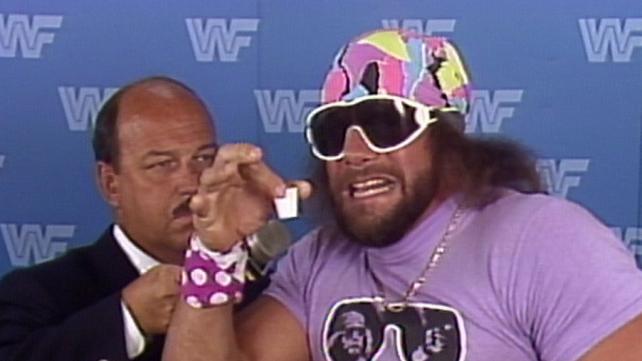
“Macho Man” Randy Savage in his ’80s wrestling heyday. Jon Finkel’s Macho Man: The Untamed, Unbelievable Life of Randy Savage is out now.
If one of your resolutions was to read more this year, we’ve picked a number of the best new pop culture books to keep you going throughout this dreary winter.
From long-awaited autobiographies from the likes of Al Pacino to deep dives into music legends like Shania Twain and The Jesus and Mary Chain and a look at the wild life of wrestling hero Macho Man Randy Savage, here are five highly recommended new pop culture books available at your favourite booksellers now.
Hits, Flops, and Other Illusions by Ed Zwick (Gallery)
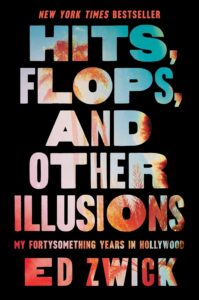
Director Ed Zwick holds little back in this insightful and compulsively readable memoir of his four+ decades in Hollywood.
The director of films including Glory, Legends of the Fall, and Blood Diamond, and the creator of thirtysomething, and executive producer of My So-Called Life, Zwick has worked with some of the biggest names in the business and he lays it all out on the table in Hits, Flops, and Other Illusions.
From creative scarps with studios, writers, and stars like Brad Pitt and Leonardo Dicaprio, Zwick lays out everything that can go wrong on a film or TV production, while also highlighting the intense work and luck that goes into creating a hit.
With an openness that one rarely encounters in these types of show business memoirs, Zwick’s breezy and conversational prose makes readers feel like an insider at the most exclusive Hollywood party.
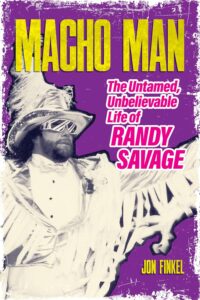
Macho Man: The Untamed, Unbelievable Life of Randy Savage by Jon Finkel (ECW Press)
Oooohhh yeahhhh!
Sports writer Jon Finkel goes deep on the life and career of wrestling great “Macho Man” Randy Savage in this revealing and highly entertaining biography.
From his time atop the wrestling heap in the ‘80s with his flamboyant outfits and catch-phrases to his less-documented time as a minor-league baseball player, Finkel presents a wide-ranging portrait of Randy Savage, one of the most beloved wrestlers of all time.
Never Understood: The Jesus and Mary Chain by William and Jim Reid (Hachette)
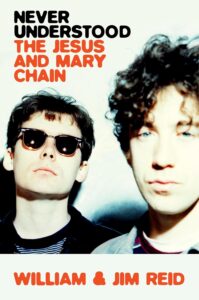
William and Jim Reid, brothers and founding members of the Scottish noise-pop legends The Jesus and Mary Chain, have finally come together to release new music (2024’s Glasgow Eyes), as well as this co-authored oral history of the band and their upbringing.
With their patented brand of Glaswegian humour and self-deprecation, the Reid brothers delve into their time growing up in East Kilbride, Scotland, and their love of classic rock n’ roll that they would then turn on its head with their feedback-drenched early years in the Mary Chain.
From their chaos and violent-filled early shows to the genre-hopping experimentations over the years, Never Understood details the thrilling highs and lows of the band’s career, as well as William and Reid’s combative relationship that would give the Gallagher brothers a run for their money.
Finally on civil-enough terms that allows the band to continue to record and tour some four decades into the career, Never Understood is a testament to one of the most influential rock bands of our time.
Sonny Boy: A Memoir by Al Pacino (Penguin)
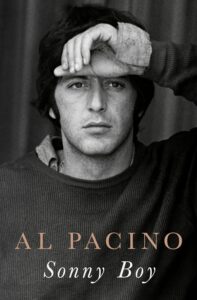
At 84-years-young, celebrated actor Al Pacino has finally penned his memoir.
Instead of a stereotypical run-through of his entire career, Sonny Boy is mostly focused on Pacino’s tough upbringing in the Bronx, and his pivotal roles in films like The Godfather trilogy, Dog Day Afternoon, Scarface, and Heat. (Thankfully, he also touches on his work in Jack and Jill, for all the Sandman fans out there.)
Pacino seems most passionate about detailing his early years running through New York City with his tight group of friends, and his time working in the avant-garde theatre world before his eventual mainstream Hollywood success.
A thoughtful and honest look at one of the most extraordinary actors of our time, Sonny Boy is also a cautious lesson about just how improbable it is to be able to live one’s dreams.
For the best all-encompassing Pacino experience, be sure to check out the audio book which Pacino reads in his inimitable manner, laughing at his own recollections and delivering some of the best line readings you will ever hear.
Hoo-ah!
We Oughta Know: How Céline, Shania, Alanis, and Sarah Ruled the ’90s and Changed Music by Andrea Warner (ECW Press)
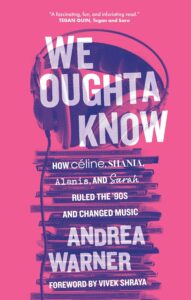
In this collection of reflective and poignant essays, music journalist Andrea Warner traces the legacy of how Céline Dion, Shania Twain, Alanis Morissette, and Sarah McLachlan transformed the culture of mainstream music forever.
Expanding on her 2015 book of the same name, Warner delves into the unprecedented fame these four Canadian performers experienced in the ‘90s and how that success transformed the music business and culture at large.
Intertwined in these essays is Warner’s own experiences growing up with this pervasive music in the ‘90s, and how these songs originally affected her and have continued to shape her understanding of these powerhouse women in unexpected ways ever since.
We Oughta Know re-contextualizes what the success of these performers has meant in the decades since their initial rise to fame, and what our fandom (or even dislike) of these acts says about ourselves. If you lived on a steady diet of Much Music in the ‘90s, this is essential reading.
The post The Best New Pop Culture Books to Read Now appeared first on Bad Feeling Magazine.
]]>The post Best of 2023: Our favourite pop-culture books of the year appeared first on Bad Feeling Magazine.
]]>
Thurston Moore’s Sonic Life is one of our favourite pop-culture books of 2023.
As we enter the new year, there’s no better time to catch up on some of the best recent music and film books you may have missed.
From deep dives into the emo explosion, The Grateful Dead, and ’80s action stars to long-awaited autobiographies from the likes of Sir Patrick Stewart and Thurston Moore, these are our favourite pop-culture books of 2023.
You can find them at your online retailer of choice, or ideally, at your local neighbourhood book shop.
All the Years Combine: The Grateful Dead in Fifty Shows – Ray Robertson (Biblioasis)
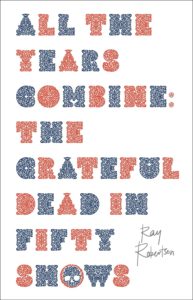
Every Deadhead will tell you that the band’s live shows were where the real magic happened. Songs would spread out in new directions and stretch well beyond their original recorded versions, making a Dead live show a truly singular experience (the drugs likely helped as well).
Author Ray Robertson delves into a staggering fifty Grateful Dead shows in his new collection, All the Years Combine: The Grateful Dead in Fifty Shows. Since the band recorded all of their shows, Robertson is able to trace the band’s evolution through the decades from their humble San Francisco beginnings to their stadium-filling final years with Jerry Garcia. With these full shows available via elaborate box sets or as time-warped YouTube uploads, fans can now embark on a wild trip with Robertson and follow the trajectory of one of live music’s most groundbreaking acts.
The Amplified Come as You Are: The Story of Nirvana – Michael Azerrad (HarperOne)
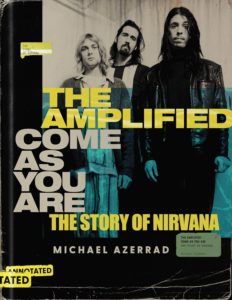
Michael Azerrad’s Come as You Are was the Nirvana biography on every moody teenager’s shelf in the ’90s. Initially released in 1993, it was the only book to feature the full cooperation of the band, including frontman Kurt Cobain, who would take his life just a year after the book was published.
30 years later, Azerrad has annotated his text with The Amplified Come As You Are. This updated version includes his thoughts on Cobain’s passing, his relationship with the band and Courtney Love, and his breakneck experience writing the book. 30 years of hindsight is an invaluable tool in which to view Nirvana’s story, allowing Azerrad the clarity to see where he may have been let astray in the original process while re-contextualizing Nirvana’s legacy for future generations to come.
The Last Action Heroes: The Triumphs, Flops, and Feuds of Hollywood’s Kings of Carnage – Nick de Semlyen (Crown)
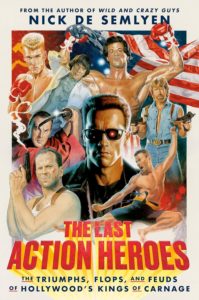
After tackling the rise of mainstream ’80s Hollywood comedy icons with Wild and Crazy Guys, author Nick de Semlyen ups the testosterone levels with The Last Action Heroes. A compulsively readable tribute to the action superstars of the ’80s and ’90s, the book focuses on the rise (and in some cases, fall) of stars like Arnold Schwarzenegger, Sylvester Stallone, Jean Claude Van Damme, Chuck Norris, Steven Seagal, and more.
Filled with juicy gossip on the intense rivalry between Schwarzenegger and Stallone and the wild behaviour of emerging stars like Steven Seagal, The Last Action Heroes is a tribute to the time when action films held Hollywood in a headlock. If you ever watched Bloodsport at a sleepover or tried to perfect your take on Schwarzenegger’s classic one-liners in the mirror, The Last Action Heroes is an indispensable look back at a thrilling (and often ridiculous) era in Hollywood filmmaking.
Making It So: A Memoir – Patrick Stewart (Gallery Books)
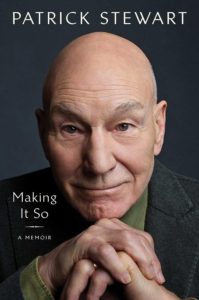
Sir Patrick Stewart has finally released his long-awaited autobiography with Making It So.
The now 83-year-old actor recounts his humble beginnings growing up in the U.K. through his numerous productions with Britain’s Royal Shakespeare Company, his beloved roles as Captain Picard in Star Trek: The Next Generation, and his late-career role as Professor Xavier in the X-Men franchise films.
Trekkies and Marvel fans will find plenty of behind-the-scenes nuggets to appreciate here, but you don’t have to be a genre fan to appreciate Stewart’s modest and eloquent look back at his remarkable life in and out of show business.
Lay It On The Line: A Backstage Pass to Rock Star Adventure, Conflict and TRIUMP – Rik Emmett (ECW Press)
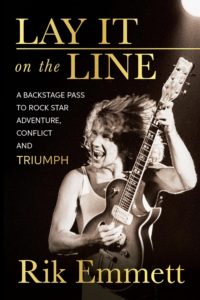
Triumph vocalist and guitarist Rik Emmett offers up a mix of autobiography and life philosophy with Lay It On The Line.
Emmett touches on his time with the influential Canadian rock back Triumph but focuses on his approach to songwriting, guitar playing, family, and the music business at large. Pair this with the great recent documentary Triumph: Rock & Roll Machine for a well-rounded look at one of rock music’s most underrated bands and the musician behind rock radio mainstays like “Lay It On the Line” and “Magic Power.”
Sonic Life: A Memoir – Thurston Moore (Doubleday)
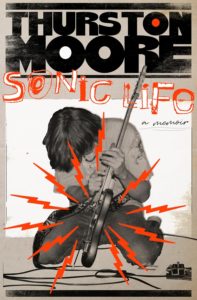
Sonic Youth’s Thurston Moore has long been an advocate of underground music and the grimy underbelly of ’70s New York. Those twin passions now form the backbone of his long-awaited autobiography, Sonic Life.
From his early years as a music-obsessed teen in Connecticut to his arrival in New York City in 1978 and the formation of the groundbreaking indie-rock icons Sonic Youth, Moore lovingly explores how the burgeoning DIY ethos of the era birthed the alternative rock explosion that changed the music industry forever.
As much a love letter to a time and place as it is a reflective look at Moore’s life and career, Sonic Life is an indispensable gateway to a formative time in pop culture history, as guided by one of music’s most knowledgable and excitable ambassadors.
Transfigured New York: Interviews with Experimental Artists and Musicians, 1980-1990 – Brooke Wentz (Columbia University Press)
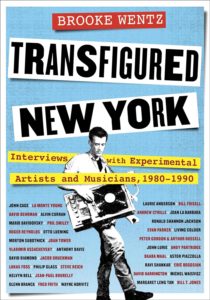
New York City in the ’80s was a hotbed of cultural exchange, as musicians and artists of all kinds expanded their boundaries and soaked in new influences. As host of Columbia University’s (WKCR) late night radio show “Transfigured Night,” Brooke Wentz was on-hand to interview emerging artists as diverse as Bill Frisell, Philip Glass, Laurie Anderson, and Living Colour, along with NYC icons including John Cage.
With Transfigured New York, author, music producer, and music supervisor Brooke Wentz has gone back to those original tapes to present a wide-ranging collection of candid artist interviews from the time. Together, the collection represents a comprehensive look at an incredible era in New York’s artistic history, featuring an eclectic mix of acts that would go on to influence generations of artists to come.
Where Are Your Boys Tonight?: The Oral History of Emo’s Mainstream Explosion 1999-2008 – Chris Payne (Dey Street Books)

With the massive success of the When We Were Young festival, emo bands are as popular as they ever were, making this the perfect time to dive into Chris Payne’s exhaustive story of the mainstream emo explosion in the early aughts. Payne expertly traces the incubation and rise of bands like My Chemical Romance, Fall Out Boy, Paramore, and Jimmy Eat World from basement shows and VFW halls to sold-out arena tours and TRL appearances (it was a different time).
The oral history format allows for a multitude of voices and Payne takes full advantage of that set-up to include dozens of interview subjects, from the band members themselves to fans, journalists, record execs, concert promoters, booking agents, and various scene hanger-ons.
If you ever blasted The Black Parade on repeat while searching for the most incisive Taking Back Sunday lyrics for your AIM away message, Where Are Your Boys Tonight? deserves a place of pride on your bookshelf.
The post Best of 2023: Our favourite pop-culture books of the year appeared first on Bad Feeling Magazine.
]]>The post The Best New Pop Culture Books to Read Right Now appeared first on Bad Feeling Magazine.
]]>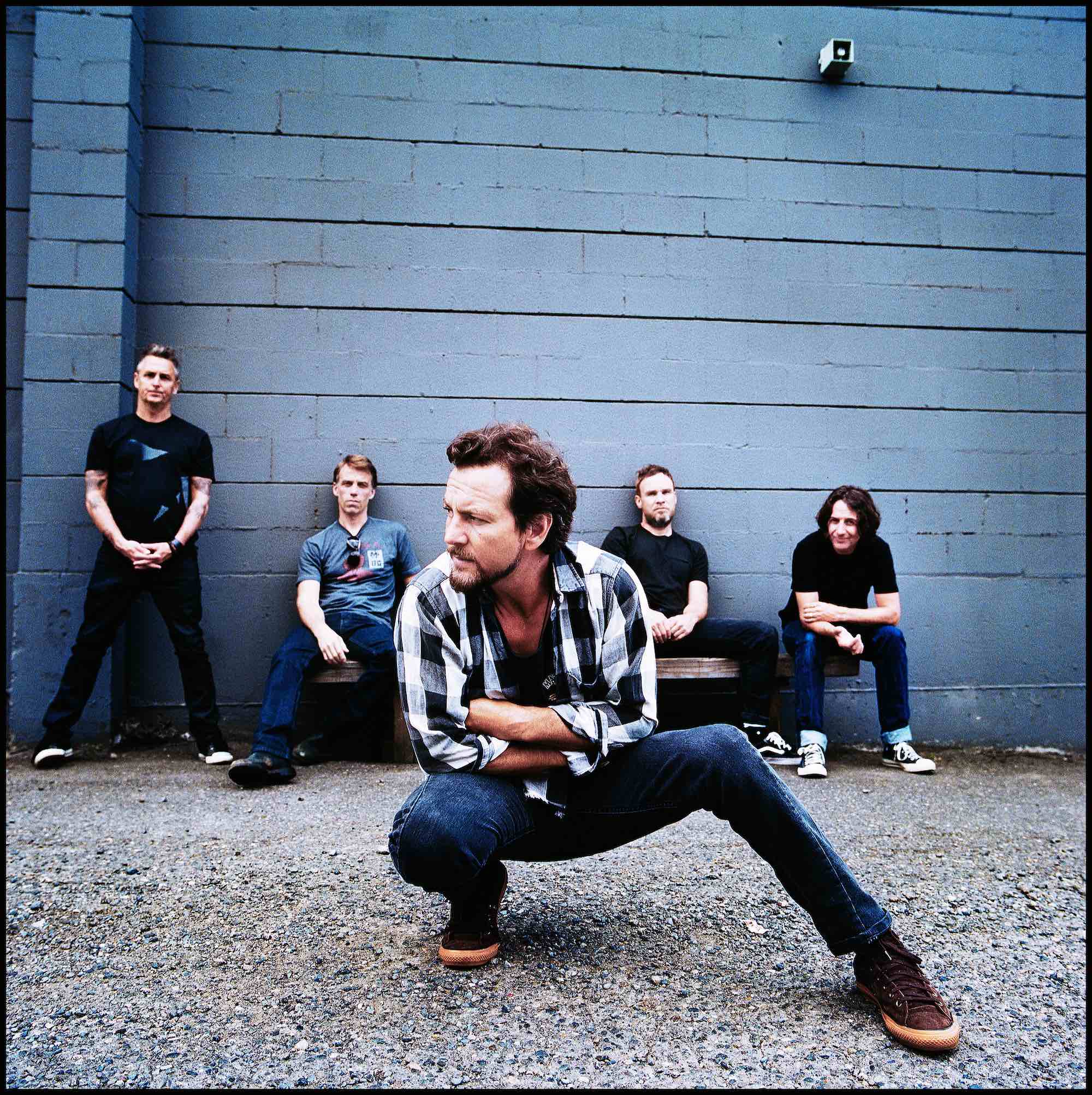
Pearl Jam photo credit: Danny Clinch
With the holidays right around the corner, we’ve gathered up a trio of great new pop culture books out now, including the non-fiction writing debut from filmmaker Quentin Tarantino, a deep dive into the legacy of Pearl Jam from music critic Steven Hyden, and a memoir by Linda Schuyler, co-creator of the Canadian TV staple Degrassi.
All three titles are available wherever you get books now.
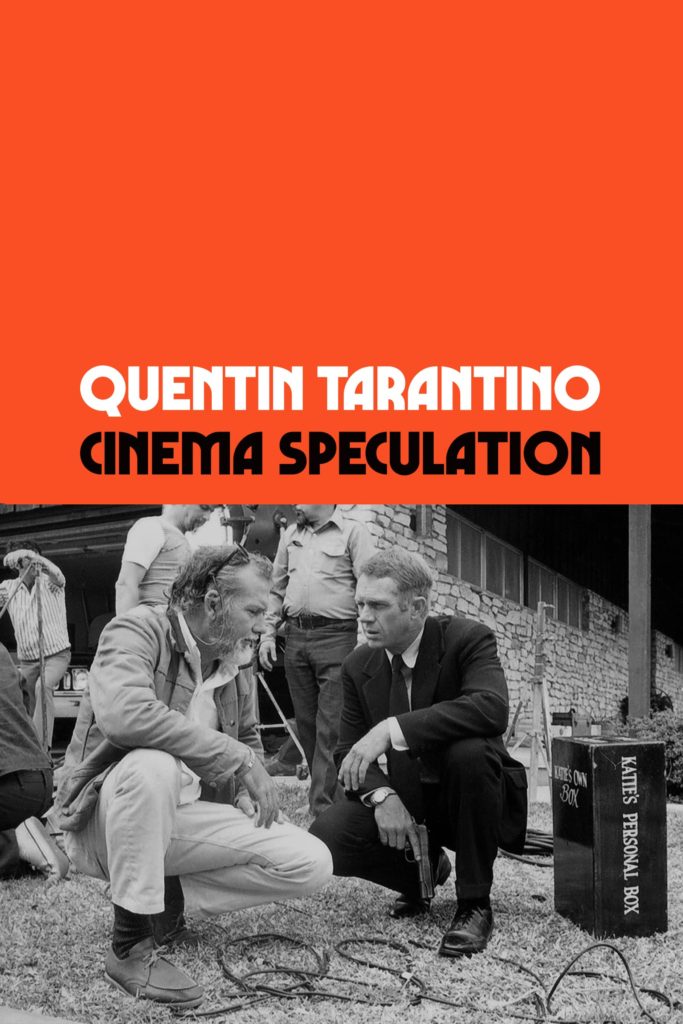
Cinema Speculation – Quentin Tarantino
After delving into fiction with the release of the expanded novelization of his film Once Upon a Time in Hollywood last year, filmmaker Quentin Tarantino now presents his first non-fiction writing with Cinema Speculation.
In a series of essays on his experiences growing up watching films just as the New Hollywood era was taking over, Tarantino reflects on absorbing violent and revolutionary films like Deliverance and The Wild Bunch as a young child, to the shock and admiration of his classmates and their families.
Alongside the bookend recollections of the films he saw at a young age and how they shaped his view of cinema and the world around him, Cinema Speculation is also just that, a look at various Hollywood stars and films filtered through Tarantino’s encyclopedic knowledge of the history of film.
The book features deep and thoughtful analysis of some of the most striking (and controversial) films of the ’60s and ’70s including Taxi Driver, Bullit, and many more.
With his unbridled enthusiasm and bullshit-free takes, Cinema Speculation is a refreshing and revealing look at Tarantino’s major influences and a deep dive into the most transformative era in Hollywood history. (Harper Collins)
Long Road: Pearl Jam and the Soundtrack Of A Generation – Steven Hyden
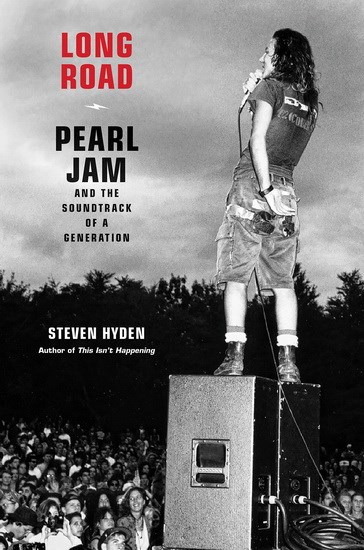
Music critic Steven Hyden examines the enduring legacy of Pearl Jam in this insightful new book about the legendary Seattle rock heroes. Designed as the equivalent of a well-constructed mix tape, Hyden sets up each chapter around a particular live performance of a Pearl Jam song, which he then uses as a gateway to discuss the band at various points in their decades-long career.
Hyden’s persuasive argument is that Pearl Jam is best appreciated as a live act, where frontman Eddie Vedder and the band can truly connect to the rabid fans that keep packing arenas and stadiums long after the mainstream has stopped paying attention. A band filled with contradictions and passion, Hyden uses the band’s rollercoaster career trajectory as a looking glass into Generation X itself, which helps explain why Pearl Jam still remains so vital to their fans after so many years.
Each chapter of Long Road will send you down a YouTube rabbit hole of bootleg Pearl Jam live videos, and you may even end up with a greater appreciation of some of Pearl Jam’s less-beloved work along the way (looking at you, Binaural). (Hachette)
The Mother of All Degrassi: A Memoir – Linda Schuyler
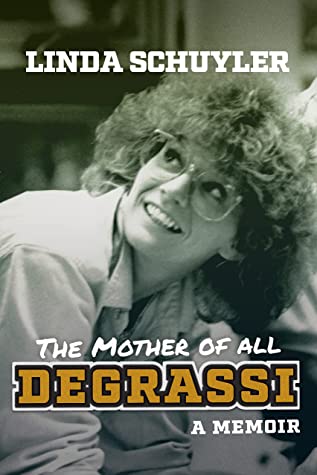
To generations of Canadian teens (and superfan Kevin Smith), the various Degrassi shows have been an integral part of growing up. In this new memoir, Degrassi co-creator and executive producer Linda Schuyler details how the show came to be, and why it remains such a touchstone for fans all around the world.
As a teacher, Schuyler had a deep affection for children and their desire to express themselves, which eventually turned into a TV show that treated teenage issues in an open and frank way. Developing Degrassi in the ’80s, Schuyler’s memoir serves not only as a story of a determined woman staking out a space for herself and her ideas in the early days of the independent world of TV production, but also takes readers through the difficulties in presenting challenging ideas to mainstream audiences (and TV executives) at the time.
Degrassi may have been the first place young adults heard open discussions about abortion, suicide, or LGBT issues, an idea that clearly motivated Schuyler in her work. Whether your favourite Degrassi era revolves around Joey Jeremiah or Jimmy Brooks (played by a young Aubrey Graham, aka Drake), Schuyler’s memoir is a vital look into the motivations and cultural landscape that spawned one of the most important Canadian shows of all time. (ECW)
The post The Best New Pop Culture Books to Read Right Now appeared first on Bad Feeling Magazine.
]]>The post Quebec’s 2022 Holiday Book Fair kicks off today with launches, readings, and much more appeared first on Bad Feeling Magazine.
]]>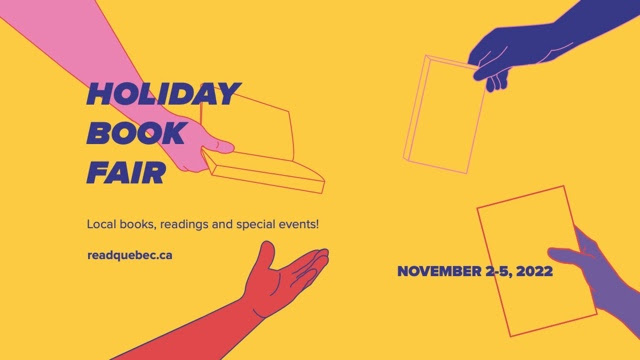
After two years of virtual editions, Quebec’s Holiday Book Fair is back with in-person events at this year’s edition, which kicks off today.
Running from November 2-5, the event includes a free book fair featuring Quebec authors and poets at Concordia’s McConnell Building (with works available in both English and French), as well as a series of book launches, readings, and more.
The Holiday Book Fair is open Friday and Saturday November 4-5, 2022, from 11 AM – 5 PM, in the Atrium of the McConnell Building at Concordia University, (1400 De Maisonneuve Boulevard W.) and is fully accessible.
Discover your next favourite local author and get a head start on your holiday shopping!
The event calendar for this year’s edition is below. If you can’t maker it in-person, all live events will also be livestreamed; head to readquebec.ca/events for more details.
Montreal Review of Books – Fall Issue Launch
Ursa Montreal (5589 Park Avenue)
Free, no registration required
Join us for the launch of the Fall Issue of the Montreal Review of Books, featuring Alexei Perry Cox (PLACE), Neil Smith (Jones), and Toula Drimonis (We, the Others). Hosted by Montreal Review of Books Editor, Malcolm Fraser. In-person and livestreamed.
Thursday, November 3, 2022, 7 PM
Atwater Poetry Project – Holiday Book Fair Special Edition
Atwater Library and Computer Centre, Adair Auditorium (4023 Tupper Street, Westmount)
Free, no registration required
This evening of new writing will feature poets Prathna Lor (Emanations), River Halen (Dream Rooms), and Trynne Delaney (the half-drowned). Moderated by APP curator, Faith Paré. In-person and livestreamed.
Friday, November 4, 2022, 1 PM
Eight Voices: Finalists for the First QWF Spoken Word Prize
4th Space, inside the McConnell Building, Concordia University (1400 Maisonneuve Blvd. W., Montreal)
Free, no registration required
In an exciting world premiere, the finalists for the inaugural Quebec Writers’ Federation Spoken Word Prize will offer short performances to showcase their talents. Hosted by poet and SpokenWeb director, Jason Camlot. In-person and livestreamed.
Friday, November 4, 2022, 3 PM
Jazz Stories: En Direct
4th Space, inside the McConnell Building, Concordia University (1400 Maisonneuve Blvd. W., Montreal)
Free, no registration required
Author and Radio Canada personality Stanley Péan will discuss Black and Blue: Jazz Stories with host Jason “Blackbird” Selman. They will be joined by Anita Anand (A Convergence of Solitudes), Rana Bose (Shaf and the Remington), and Kasia Van Schaik (We Have Never Lived On Earth) for a musically inspired session of improvised live writing. In-person and livestreamed.
The post Quebec’s 2022 Holiday Book Fair kicks off today with launches, readings, and much more appeared first on Bad Feeling Magazine.
]]>The post Road of Bones review: Christopher Golden’s Siberia-set horror novel will chill you to the bone appeared first on Bad Feeling Magazine.
]]>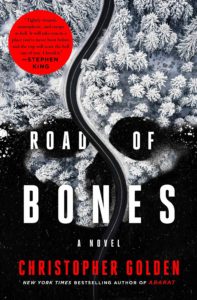
There’s an immersive quality to reading Christopher Golden’s Road of Bones (St. Martin’s Press) during the coldest month of the year. While you don’t need to be hunkered on the couch with a raging snowstorm at the door to enjoy this Siberia-set horror thriller, those who have experienced truly intense cold temperatures will feel a knowing terror as the wild events of this novel unfold.
Road of Bones centers on Felix Teigland, a struggling documentary producer in need of a hook for his next potential project. He thinks he’s stumbled onto a sure thing with a trip through Siberia’s Kolyma Highway, known as the Road of Bones. A remote highway through the Russian Far East, the highway owes its nickname to the thousands of gulag workers who died while constructing the massive 1200 km+ highway and were summarily buried beneath the road.
Felix has brought along his long-suffering cameraman Prentiss on the trip in order to film something to whet the appetites of potential investors. Prentiss, meanwhile, is tagging along because he wants to be sure Felix finally pays him back for all of the prior unsuccessful schemes he was roped into working.
Things quickly spiral out of control once Felix and Prentiss make their way to the tiny town of Akhustm (“the coldest place on Earth”) where they are meant to pick up their local tour guide. In addition to battling the brutal -40 degree weather, they are set upon by bloodthirsty and confoundingly intelligent wolves tracking their every move. Their group soon expands to include a shell-shocked and seemingly mute 9-year-old girl, who may have a connection to the madness closing in on them as they make their way along the dangerous Road of Bones, with the mysterious creatures in full pursuit.
Christopher Golden knows how to construct an involving page-turner and the concept of setting a supernatural thriller in one of the most remote (and coldest) places on the planet only adds to the suspense. Like The Thing crossed with The Road, Golden combines the terror of battling an unknown force in a secluded location with an unrelenting road trip from hell. It’s a tight and claustrophobic read that works best when it focuses on the relationship of the odd-couple at the heart of the story, with Felix’s drive and passion leading both men into an unimaginable location and situation.
With elements of wild folk-horror that only add to the real-life atrocities behind the story of the highway, Road of Bones is a nail-biting thriller that you’ll plow through during the next snow day.
Road of Bones is available now.
The post Road of Bones review: Christopher Golden’s Siberia-set horror novel will chill you to the bone appeared first on Bad Feeling Magazine.
]]>The post Best of 2021: Our favourite pop culture books of the year appeared first on Bad Feeling Magazine.
]]>Best of 2021: Our favourite pop culture books of the year
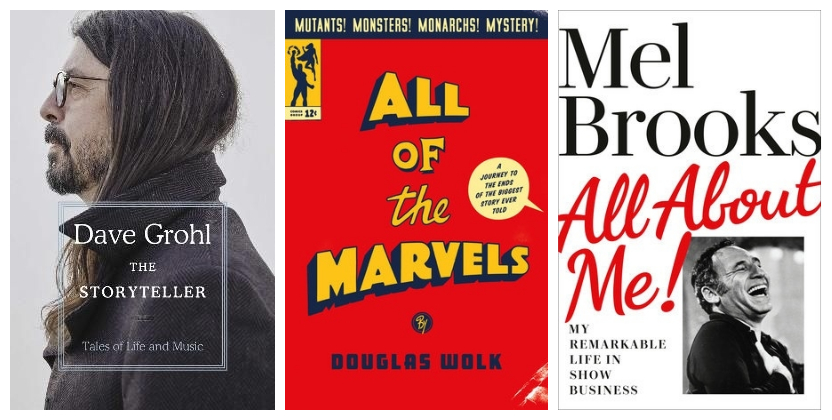
With 2021 behind us, now is a great time to check out some of the best pop culture books that were released this past year. From long-awaited autobiographies from the 95-years-young Mel Brooks to a heartbreaking memoir from Michelle Zauner (Japanese Breakfast) to a deep dive into Marvel Comics that encompassed reading 27,000 comics (!), 2021 delivered a wildly diverse set of great non-fiction for all tastes.
Read on for our favourite pop culture books of the year.
All About Me! My Remarkable Life in Show Business – Mel Brooks (Penguin Random House)
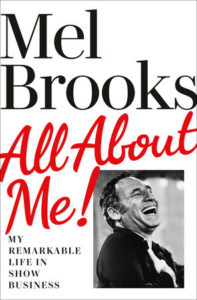
At 95-years-old, legendary comedian and filmmaker Mel Brooks is finally looking back at his incredible life and career in this long-awaited autobiography. Written in a conversational tone, each chapter reads like a long dinner conversation with Brooks as he relates stories about growing up in Depression-era NYC as a child, serving in WWII, and his pivotal role in the formation of modern comedy.
All About Me! traces Brooks’ comedy trajectory from a teenage comic doing one-liners in the Catskills to his writing work on Sid Caesar’s iconic Your Show of Shows. As we move chronologically through his work, specific chapters are dedicated to the writing, filming, and reception of classic Brooks films including The Producers, Blazing Saddles, Young Frankenstein, and Spaceballs. While Brooks is known for writing, directing, and starring in these comedy classics, All About Me! also delves into his lesser-known production work on decidedly non-comedic films like David Lynch’s The Elephant Man and David Cronenberg’s The Fly (not to mention 1986’s beleaguered sci-fi flop, Solarbabies). Brooks also devotes ample space to his Broadway work, including the wildly successful run of The Producers.
Brooks seems to revel in telling these funny and heartfelt stories of success (and occasional failure), always with an eye for sticking to what you believe in and never letting meddling studio heads get their way. The book’s title is actually a bit of a misnomer, as All About Me! frequently delves into Brooks’ collaborations with the likes of his close friend Carl Reiner and his early co-star and wife Anne Bancroft.
With the expert skill of a lifelong raconteur, All About Me! is a welcome deep dive into the life and times of one of our most beloved comedians and entertainers.
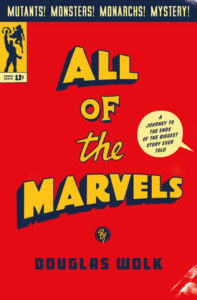
All of the Marvels: A Journey to the Ends of the Biggest Story Ever Told – Douglas Wolk (Penguin Random House)
Whether you’re a lifelong Marvel Zombie or a new comics fan looking to delve deeper into the mythos of your favourite character from the MCU movies, it’s impossible to read everything Marvel Comics has published since 1961. Or is it?
Comics scholar Douglas Wolk (Reading Comics) has done just that with the appropriately titled All of the Marvels, a massive dive into 60 years of comic storytelling. Wolk read a jaw-dropping 27,000 Marvel comics (!) for this book, which he uses to make the case that Marvel represents what he calls the “epic of epics.” Given that most of the Marvel characters (including Spider-Man, The Fantastic Four, The X-Men, and countless lesser-known heroes and villains) interact with each other along the way and exist in the same universe (or universes), the totality of Marvel comics represents a towering achievement of narrative storytelling, unlike any other pop-culture phenomenon we’ve ever known.
While it’s a bit dry in the early chapters, All of the Marvels reveals itself to be an eye-opening examination of decades of Marvel’s fantastic output from creators that have shaped the way we view storytelling to this very day. (Your comics to-read list will also explode exponentially, so a subscription to the Marvel Unlimited app makes a great pairing with this.) Excelsior!
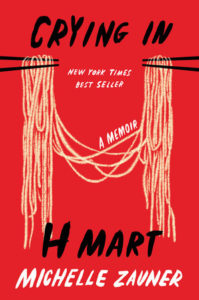
Crying in H Mart – Michelle Zauner (Penguin Random House)
Best known as the creative force behind the beloved indie-pop act Japanese Breakfast, Michelle Zauner’s Crying in H Mart is a resonant and heartbreaking memoir about family, food, loss, and music.
Crying in H Mart is centered around Zauner’s relationship with her mother, and her diagnosis of terminal cancer when Zauner was 25. We follow the unbearable pain and stress of her mother’s doctor appointments and procedures, which also happen to correspond with Zauner’s musical career finally starting to take off. Through it all, Zauner links her relationship with her mother and grandmother through their shared love of Korean food, which reinforces her cultural connection even in the darkest of times.
With clear and thoughtful prose, Zauner brings readers into the darkest period of her life to illustrate how she was able to overcome her grief and forge a deeper connection with her family through the act of cooking, even when they were separated by vast distances. Crying in H Mart is often a difficult go, but Zauner’s frank and open style makes this a rewarding and incredibly emotional read.

Sellout: The Major-Label Feeding Frenzy That Swept Punk, Emo, and Hardcore (1994–2007) – Dan Ozzi (Mariner Books)
While punk and its various offshoots were exploding in popularity in the ’90s and early aughts, fans became increasingly vigilant about their favourite bands “selling out.” The cardinal sin in the eyes of the underground communities that birthed these artists was signing to a major-label. The very idea was seen as anathema to everything punk represented; a quick cash grab and renunciation of punk ideals in order to get more CDs in malls.
Music journalist and author Dan Ozzi takes a look at indie bands that made the jump to major labels and the ramifications of their moves in his new highly-readable book, Sellout: The Major-Label Feeding Frenzy That Swept Punk, Emo, and Hardcore (1994–2007) (Mariner Books).
Ozzi examines eleven bands and their dalliances with the mainstream: Green Day, Jawbreaker, Jimmy Eat World, Blink-182, At the Drive-In, The Donnas, Thursday, The Distillers, My Chemical Romance, Rise Against, and Against Me! Each band gets its own chapter, allowing Ozzi to focus on the band’s background and their relationship to their respective scenes before their major-label signing.
With open interviews with the bands, fans, record label staff, fanzine writers, and more, Ozzi has crafted eleven highly readable vignettes that paint a picture of punk rock at a crossroads. Together, these eleven stories create a patchwork of ideas about what bands owe their audience and the ever-present push and pull between art and commerce that every band still has to navigate in their own way.
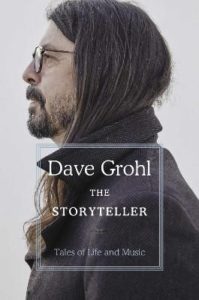
The Storyteller: Tales of Life and Music – Dave Grohl (Dey Street Books)
Human ball of energy Dave Grohl has settled down just long enough to pen The Storyteller, a series of earnest and thrilling stories about his life in music. Grohl has eschewed a full autobiography for more of a highlight reel approach here; each chapter in The Storyteller is built around a specific period of his life or theme, which lets him skip around chronologically (like a natural storyteller would).
Grohl delves into his lifetime infatuation with music, from his time as a high school hasher to his run with D.C. punk icons Scream, his skyrocketing success with Nirvana, and his 25+ years with the Foo Fighters. There are tales of drunken shenanigans the world over, the joy and fear of Nirvana’s freakout success and its tragic aftermath, the continuing evolution of the Foo Fighters, and much more. Through it all, Grohl remains a humble but excited narrator; whether he’s describing playing (and partying) with his rock icons or traveling around the world to be there for his daughter’s school dance, these stories are told with enough heart and humor to make even the wildest moments seem somehow relatable. Listen to a sample below.
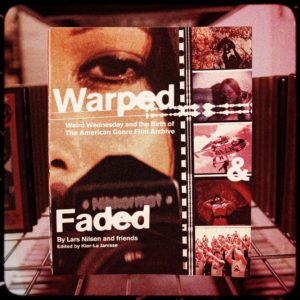
Warped & Faded: Weird Wednesday and the Birth of the American Genre Film Archive – Lars Nilsen and friends, edited by Kier-La Janisse (Mondo)
Warped & Faded is essentially a trio of comprehensive genre film books together in one hefty package. The book begins with a breezy and informative oral history of Weird Wednesday, a weekly free series held at the Alamo Drafthouse in Austin, Texas. Featuring mystery screenings of regional film oddities from the Alamo’s vault, the success of the screenings eventually led to the creation of The American Genre Film Archive (AGFA), an association dedicated to preserving and releasing rare genre films.
In addition to the oral history, the book features The Weird Wednesday Compendium, a huge section of capsule reviews of the titles that screened at the weekly series, and The Weird Wednesday Hall of Fame, breakout essays on specific influential directors and actors that emerged from the drive-in scene including Al Adamson and Andy Milligan (both of whom recently received deluxe Blu-ray box set collections via Severin Films), Jess Franco, John Carradine, Susan Tyrell, and more from genre experts like Stephen Thrower and Kat Ellinger.
Packed with gorgeous full-color poster reproductions and rare stills, Warped & Faded is an essential addition to any self-respecting genre fan’s bookshelf.
Will – Will Smith and Mark Manson (Penguin Random House)
Will Smith is one of the biggest movie stars of all time, and he’s only too happy to remind you of that fact throughout his long-awaited autobiography. Will details Smith’s staggering work ethic that has led him to unparalleled global success with films like Independence Day and Bad Boys, and the personal sacrifices he has made to get to this point.
While that may sound like a needless victory lap, Will also sheds a light on Smith’s rough upbringing, including his difficult relationship with his volatile father. We then follow his come-up in the early hip hop scene as The Fresh Prince, his relationship with DJ Jazzy Jeff, his long run on The Fresh Prince of Bel-Air, and his eventual conquering of Hollywood with a slate of massive blockbusters.
On the personal front, Smith openly discusses his two marriages, including his marriages to Jada Pinkett Smith, his children (some of which are now celebrities in their own right), and his battles with self-worth that he still struggles with to this day.
A natural entertainer, the audiobook version of Will features Smith’s hilarious impressions, singing, rapping, and the famous chuckle that makes listening to this book feel like a long private chat with the Fresh Prince himself.
The post Best of 2021: Our favourite pop culture books of the year appeared first on Bad Feeling Magazine.
]]>The post WARPED & FADED review: Mondo’s new book is a gorgeous and indispensable guide to cult cinema appeared first on Bad Feeling Magazine.
]]>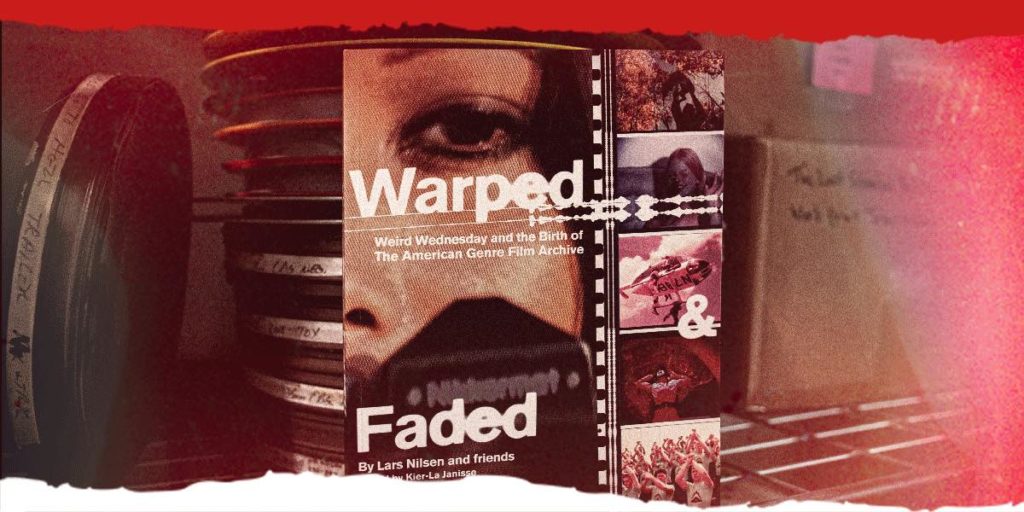
Edited by Kier-La Janisse, Warped & Faded is a love letter to cult cinema
We are currently living through a golden age for genre cinema lovers. Affordable streaming services like Shudder, Arrow, and The Criterion Channel regularly showcase previously hard-to-find or under-seen horror and action films from around the world, while labels like Arrow Video, Vinegar Syndrome, Severin Films, and AGFA are releasing new restorations and beautiful box sets of films that had often only been available via terrible-looking bootlegs (if at all).
It must be making physical film collectors crazy. For years, the only way to see many of these ‘60s and ‘70s regional releases or drive-in curios was by screening an actual film print. Considering owning a film print was illegal (they were technically the property of the studio or distributor), print collecting was an underground hobby mostly made up of elderly men across the U.S. who were extremely guarded about their holdings. The story of how a collection of neglected film prints ended up sparking renewed interest in grindhouse cinema while leading to the creation of AGFA (The American Genre Film Archive) is now lovingly detailed in Warped & Faded (Mondo), a massive new oral history/film review book edited by Kier-La Janisse (director of the acclaimed new documentary Woodlands Dark and Days Bewitched: A History of Folk Horror).
Weird Wednesday & the birth of AGFA
Warped & Faded begins with an oral history on Weird Wednesday, a long-running weekly free screening series at Alamo Drafthouse that began back when the Alamo was a single-screen theatre in Austin, Texas. Founded by Tim and Karrie League, the Alamo became home to the series after Tim picked up a massive set of moldy film prints from an old warehouse and needed a home for the collection. What initially started out as a weekly random dip into the archives eventually took on a more curatorial aspect with Lars Nilsen’s involvement, who helped program the series and would also passionately introduce the films, priming the audience for what they were about to witness.
That contagious sense of fun and discovery allowed audiences to check out a wildly diverse collection of films from 1977’s Shock Waves (featuring rampaging underwater Nazi zombies) to sex comedies like 1972’s Swinging Coeds (“no job is too big, too hard, or too wild!”)
The growing success of the Weird Wednesday screenings eventually led to the creation of AFGA in 2009, an association dedicated to preserving genre films, including League’s beaten-up reels. AGFA now counts over 6,000 films in its collection and has restored and distributed a number of incredible titles including 1989’s found footage film The McPherson Tape and the rare ‘90s DIY punk films of Sarah Jacobson (I Was a Teenage Serial Killer).
Bulk up your Letterboxd list
In addition to the informative and breezy oral history of Weird Wednesday, Warped & Faded features The Weird Wednesday Compendium, a huge section of capsule reviews of the titles that screened at the weekly series that will seriously bulk up your Letterboxd watch list. Featuring full-size colour posters of films and tons of photos, this reference section could easily be a book unto itself, and the enthusiastic and very honest reviews make even the iffiest films sound pretty appealing.
Alongside the reviews, the book includes The Weird Wednesday Hall of Fame, breakout essays on specific influential directors and actors that emerged from the drive-in scene including Al Adamson and Andy Milligan (both of whom recently received deluxe Blu-ray box set collections via Severin Films), Jess Franco, John Carradine, Susan Tyrell, and more from genre experts like Stephen Thrower and Kat Ellinger.
A visually striking celebration
More than just a treasure trove of information on countless underground films waiting to be discovered by modern audiences, Warped & Faded is also a knockout on the design front. With numerous color movie posters from the era, stills, early flyers, and behind-the-scenes imagery, there is a memorable visual on every single page, often with a washed-out or distressed aesthetic to match the look of the vintage prints the book is celebrating.
There have been a number of books on underground genre films in recent years, but Warped & Faded is one of the most informative and easily the most visually striking. The book chronicles the rise of popularity of these under-seen films through a dedicated network of film buffs and preservationists and offers up easily digestible recommendations that should keep adventurous viewers occupied for years to come.
Warped & Faded is available through Mondo now.
The post WARPED & FADED review: Mondo’s new book is a gorgeous and indispensable guide to cult cinema appeared first on Bad Feeling Magazine.
]]>The post Dan Ozzi’s Sellout follows 11 punk bands who made the controversial jump to the majors appeared first on Bad Feeling Magazine.
]]>
It may be hard to fathom given today’s stan culture where fans actively push for the success of their favourtie artists, but in the punk, emo, and hardcore scenes, the idea of “selling out” has long been verboten. Even while many of the earliest punk bands were on major labels (including the Ramones, The Clash, and The Sex Pistols), as punk evolved the scene moved further underground. The DIY stance was central; it meant not only that bands should be on independent labels that kept their prices low for fans, but that bands should book their own tours, keep their merch affordable, and in general, be active participants in the scene that nurtured them from the beginning.
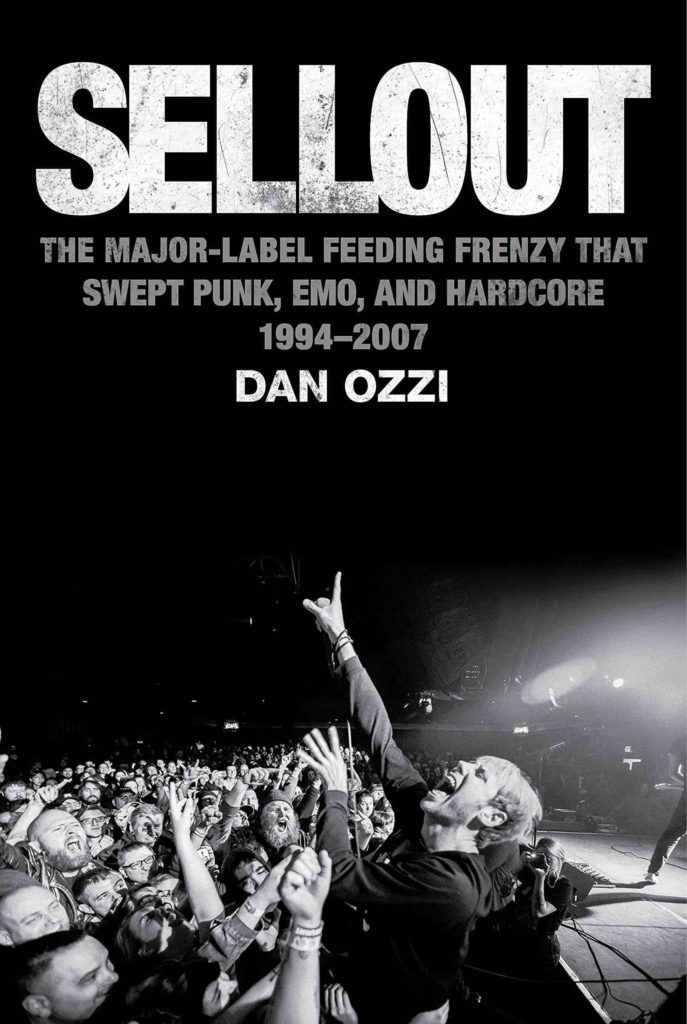
The idea of a punk band signing to a major label was considered the epitome of selling out, a get-rich-quick scheme for a band more interested in landing a big cash advance than in maintaining the tight-knit bonds of the punk community. Author and music critic Dan Ozzi puts that theory to the test in his new book, Sellout: The Major-Label Feeding Frenzy That Swept Punk, Emo, and Hardcore (1994–2007) (Mariner Books).
Ozzi looks at eleven punk bands that made the jump from the cozy confines of their underground scenes to MTV and the mall, along with the personal and professional consequences that came from those risky moves; Green Day, Jawbreaker, Jimmy Eat World, Blink-182, At the Drive-In, The Donnas, Thursday, The Distillers, My Chemical Romance, Rise Against, and Against Me! Each band gets its own chapter, allowing Ozzi to focus on the band’s background and their relationship to their respective scenes before their major-label signing. There are some very familiar names (Green Day, Blink-182), along with bands like Jawbreaker and The Distillers that have rabid fan bases but never achieved the mainstream recognition that the ‘90s punk explosion promised.
Review: Against Me! continues to be one of the best live bands in the world
What becomes abundantly clear with Sellout is how different each band’s dalliance with the mainstream was. For every band like Green Day, who achieved massive success even while being ostracized from the very punk community they cherished, there are acts like the melodic punk band Rise Against, who toiled in the underground with little success eventually breaking through with their major-label debut.
Then there are bands like Jawbreaker, who devastated their passionate fan base when they signed to a major-label after passionately denying that they ever would. Even with the backing of DGC, the band’s major-label debut, 1995’s Dear You, was trashed by fans upon its initial release. Audiences went so far as to physically turn their backs on the band when they played new songs on the Dear You tour, and Jawbreaker subsequently broke up soon after its release. (The band would reunite in 2017 to headline Chicago’s Riot Fest, and are enjoying a far more successful second act of their career some two decades later.)
With open interviews with the bands, fans, record label staff, fanzine writers, and more, Ozzi has crafted eleven highly readable vignettes that paint a picture of punk rock at a crossroads. After the punk explosion in the mid-‘90s, major labels were signing up countless acts looking for the next Offspring or Green Day, and that promise was hard to turn down for many working-class bands who were hoping to reach the biggest audience possible with their music (and hopefully, be able to pay their bills).
Sellout is far from a polemic on the evils of major labels and the bands who “sold out”; while the wasteful and often ridiculous antics of major labels get their due time here, some of these bands did benefit from taking the leap, which makes their stories all the more fascinating. It’s those divergent experiences that make Sellout such an enthralling read, even if you’re not necessarily a fan of every band that Ozzi profiles here. Together, these eleven stories create a patchwork of ideas about what bands owe their audience and the ever-present push and pull between art and commerce that every band still has to navigate in their own way.
Sellout: The Major-Label Feeding Frenzy That Swept Punk, Emo, and Hardcore (1994–2007) is available now.
The post Dan Ozzi’s Sellout follows 11 punk bands who made the controversial jump to the majors appeared first on Bad Feeling Magazine.
]]>The post I Am Not a Monster: Jess MacCormack’s Shame Shame Go Away explores the horrors of trauma in a remarkable new graphic novel appeared first on Bad Feeling Magazine.
]]>
CW: The following article discusses specific traumas, including suicide and sexual abuse.
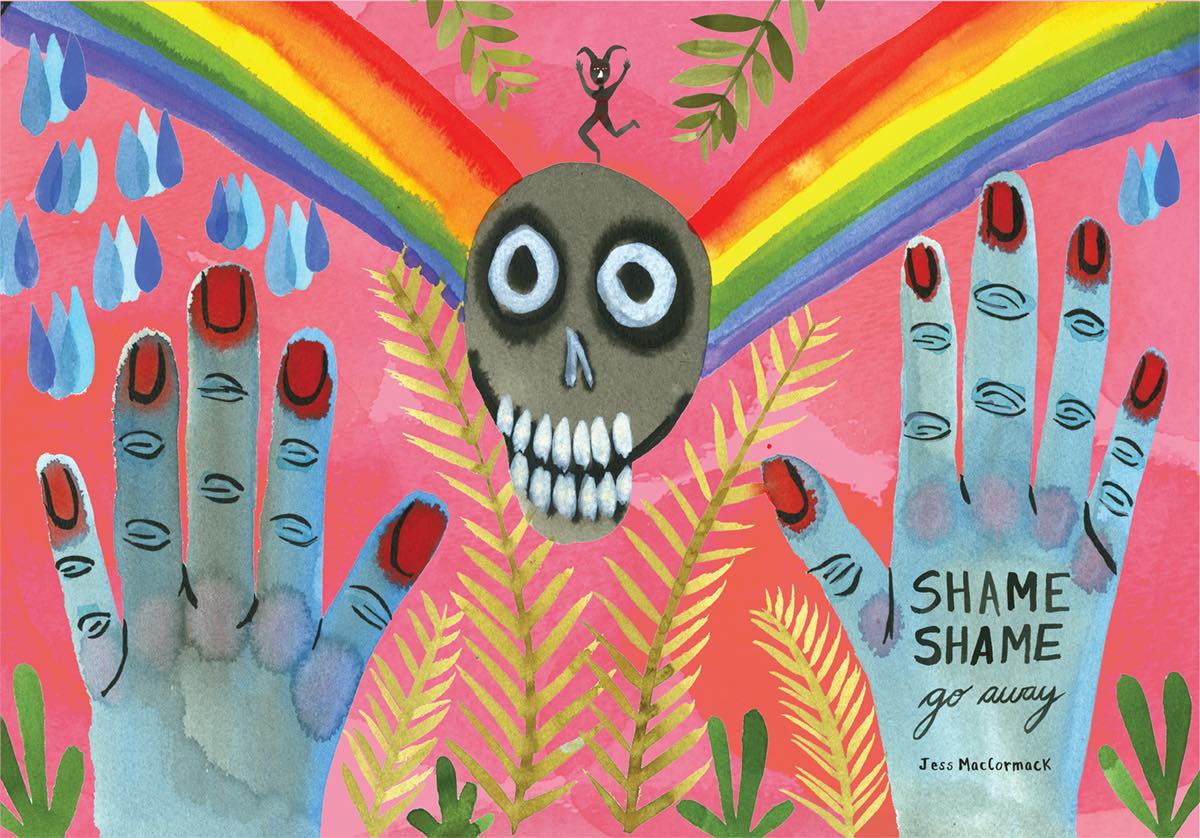
I’ll never forget seeing Jess MacCormack’s Shame Shame Go Away images for the first time. At once monstrous, inscrutable, yet somehow also familiar and even grotesquely comforting, MacCormack’s imagery for this 2020 graphic book is primal and captures essential aspects of traumatic dysphoria. I felt like I recognized – in the imagery Jess uses to capture unspeakable horror and subsequent shame and fractured identity – a shared visual language of trauma. I brought the pictures to other people I knew who work on trauma. Sure enough, they recognized the iconography in Shame Shame Go Away as well. Indeed, there’s a fascinating literature out there on exactly this: the consistent, repeated visual motifs chosen by traumatized people to characterize the feelings and experiences that traumatized them. But the visual register can be so much more powerful than text or talk therapy when it comes to representing extreme states and emotions, and Shame Shame Go Away toes that difficult line between making something incredibly personal and creating a work that can speak to – and even help – many others too.
Like Jess, I had a friend who died by suicide when she should have been celebrating sweet sixteen, and like Jess, I have spent much of my life trying to make sense of trauma, sort through fragments, heal myself and help others to do the same. What I don’t share with Jess is a condition called DID, or dissociative identity disorder. In the case of the art book, Shame Shame Go Away, Jess MacCormack, an adult part (who deals more with the outside world), did not produce or was not aware of producing the images for the book. Instead, they woke up to them, fully formed, and worked to bring text and coherence to a burgeoning body of cryptic but intensely saturated images.
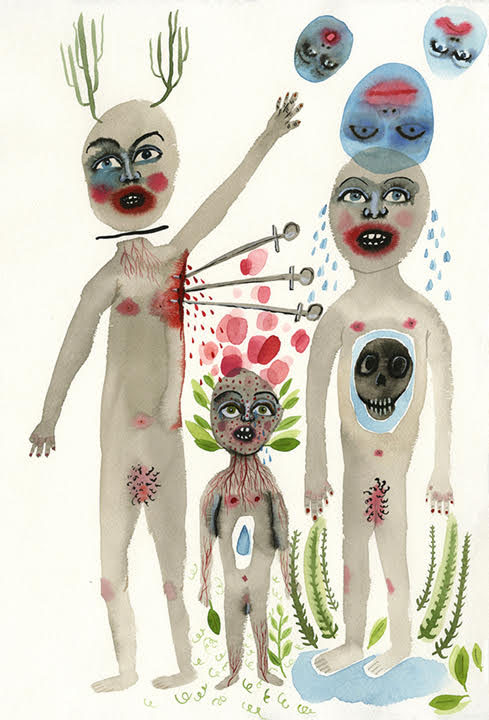
Mask-like faces, faces within faces, scarlet red genitals leaking fluids, and toothy bleeding mouths – there is a nightmarish, carnivalesque aspect to MacCormack’s iconography of shame that is truly unforgettable. When I first stumbled across the book’s Instagram account and was exposed to its remarkable imagery I thought to myself that I hadn’t seen visualizations this potent since Frida Kahlo, Ana Mendieta, or Kiki Smith. The fact that the art was produced by dissociated personalities is a further testament both to the powerful drive, in the unconscious, to make sense of seemingly senseless violence and other bewildering life events, as well as to the wisdom of trauma. MacCormack’s palette of pastels plus hypersaturated primary and secondary colours makes it easier for the viewer to let go of conscious control and enter the planet of pain Shame Shame represents. Most of us do not want to stay here; but still, we can learn a great deal from revisiting, temporarily, the most overwhelming experiences of our young lives, and visualization can be essential to these creative and affective reconstructions.
DID develops as an attempt to protect the child from this kind of intensive pain. Trauma is, most literally, nothing more and nothing less than stimulation and disruption beyond what the self can actually process. In the case of DID this “self,” usually a young child, reacts to ongoing trauma by splitting into multiple selves so that each of them can take on a piece of the event(s), protect the other selves from it, and thereby continue to function. As maladaptive as the coping strategies cooked up by the unconscious ultimately are, they’re still astounding – and more than that, they’re still an attempt to be healthy and emotionally free.
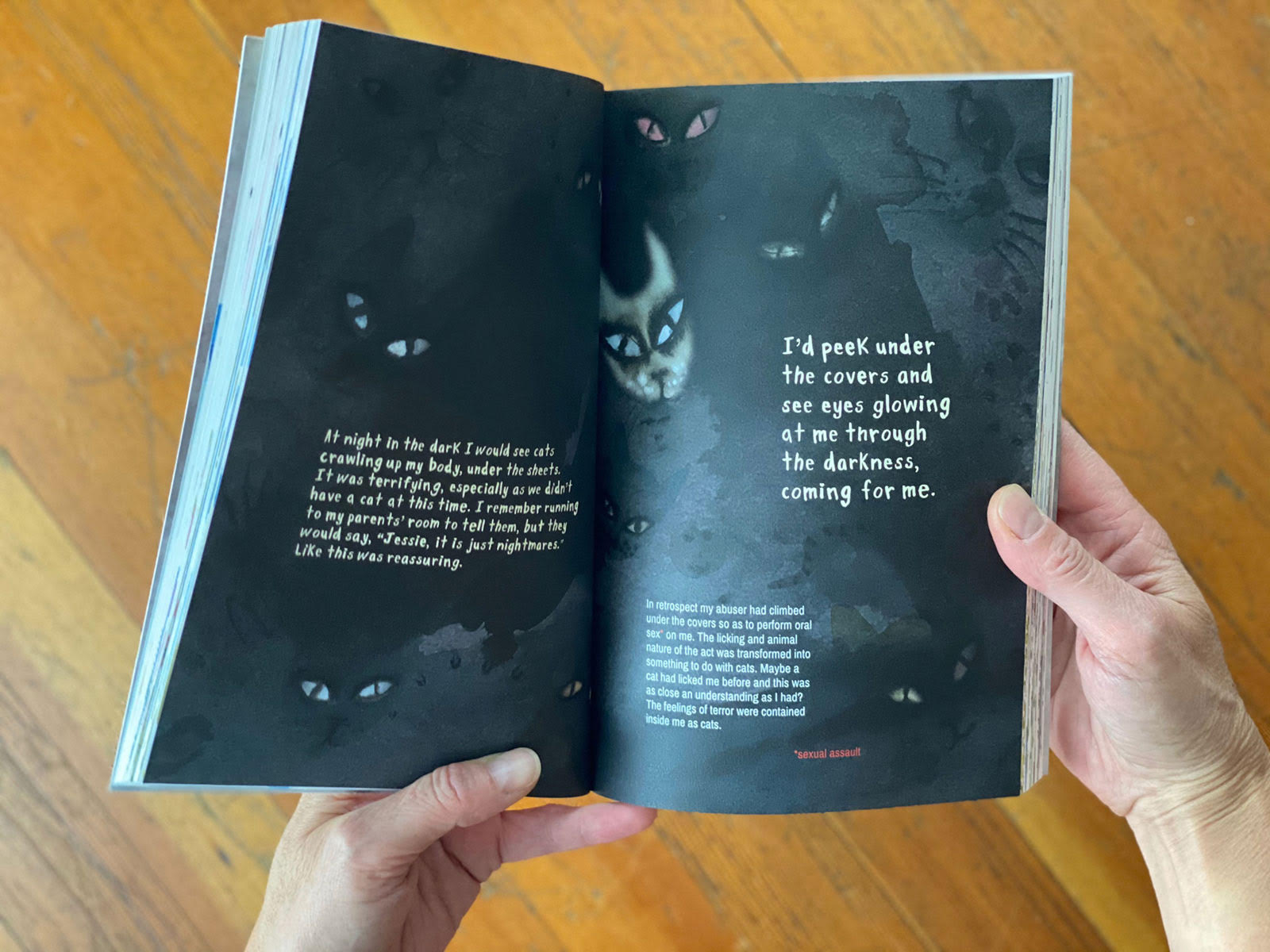
But shame often clings to abused people like an unspeakable goo. “I am not a monster,” reads one of the many free-floating snippets of text in MacCormack’s graphic novel. It’s not an insignificant observation given the dirty, stained, tainted feeling many abuse victims have. In my article for TV Guide on the television show Sharp Objects, which is partially about adolescent self-injury, I discussed the notion that our traumatic pasts can at times make us feel like we have been ruined. MacCormack’s line “it seemed like one day I was still playing with Barbies and the next I was on drugs, partying in a ravine” speaks eloquently – and familiarly – to a ruination of childhood innocence. Later, the line “you looked away while I died” speaks even more poignantly to the broader issue of parental abandonment than it does to any particular abuser. In fact, this is one of the great strengths of MacCormack’s graphic novel: my reading of Shame Shame was shot through with the difficult but essential understanding that hurt people hurt people, and that for that matter prison does not provide solutions either. Shame Shame Go Away: Trauma, Me and D.I.D. is a brave, bold, and beautifully ugly book on the possibility of integration after trauma and redemption after regret, and it opens up a space for all of us to consider and attend to the disparate and sometimes unpleasant parts of ourselves.
Never Apart is hosting a virtual book launch for Jess MacCormack’s Shame Shame Go Away on Sunday, July 4 at 7:00 pm. The Zoom event features artist Sheena Hoszko and curator/artist jake more discussing trauma and art with MacCormack and will be moderated by Jordan Arseneault. Register for the free event here. Shame Shame Go Away is available now.
The post I Am Not a Monster: Jess MacCormack’s Shame Shame Go Away explores the horrors of trauma in a remarkable new graphic novel appeared first on Bad Feeling Magazine.
]]>The post Tesla’s Brian Wheat: “I’m more proud of the second half of our career than the first half” appeared first on Bad Feeling Magazine.
]]>
Tesla occupies a unique space in the hard rock world. The Sacramento, California band came up in the ’80s and toured with bands like Def Leppard, Poison, and Mötley Crüe, but they were always more of a traditional rock band than the glam-metal acts they were often lumped in with (it says something about Tesla that their highest-charting album is 1990’s Five Man Acoustical Jam, which is about as far removed from the overblown rock excess of their contemporaries as you can get).
Bassist Brian Wheat formed the band in 1981 with guitarist Frank Hannon, with vocalist Jeff Keith and drummer Troy Luccketta joining soon after. The band hit early with their 1986 platinum-selling debut, Mechanical Resonance, and followed it up with the even more successful The Great Radio Controversy in 1989, which included their crossover ballad hit “Love Song.” Before MTV’s Unplugged became a cultural phenomenon, the band released Five Man Acoustical Jam in 1990, a live acoustic record that included their smash cover of Five Man Electrical Band’s 1970 song “Signs,” a rootsy track about fighting the man that proved just as resonant in the ’90s as it did two decades earlier.
But as the band was riding high in the ’90s, the tide of popular culture was shifting — once Nirvana began storming the charts, radio and MTV quickly dumped former rock mainstays like Tesla for any new down-tuned sounds coming out of Seattle. After Tesla’s 1994 album Bust a Nut failed to match the numbers of their earlier releases, the band was told by their management that their career was over, and various band members fell into a haze of substance abuse as the band decided to call it quits.
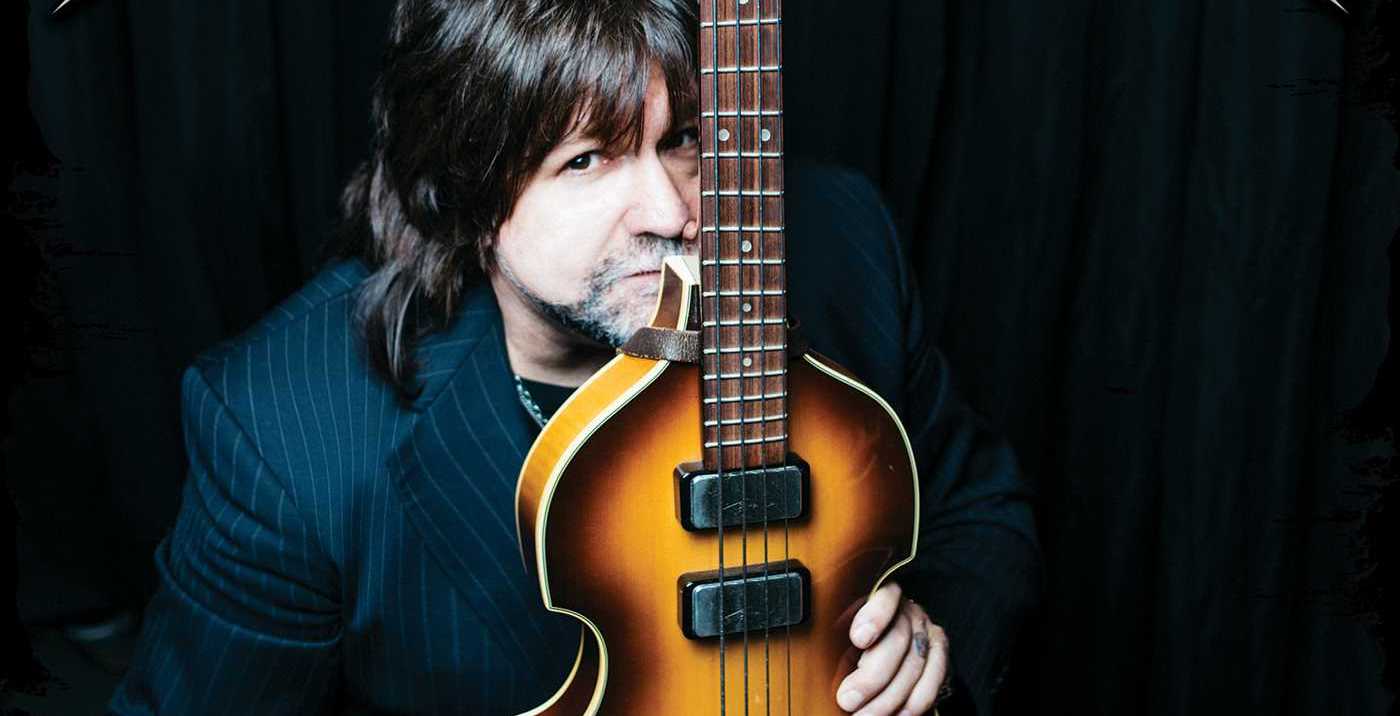
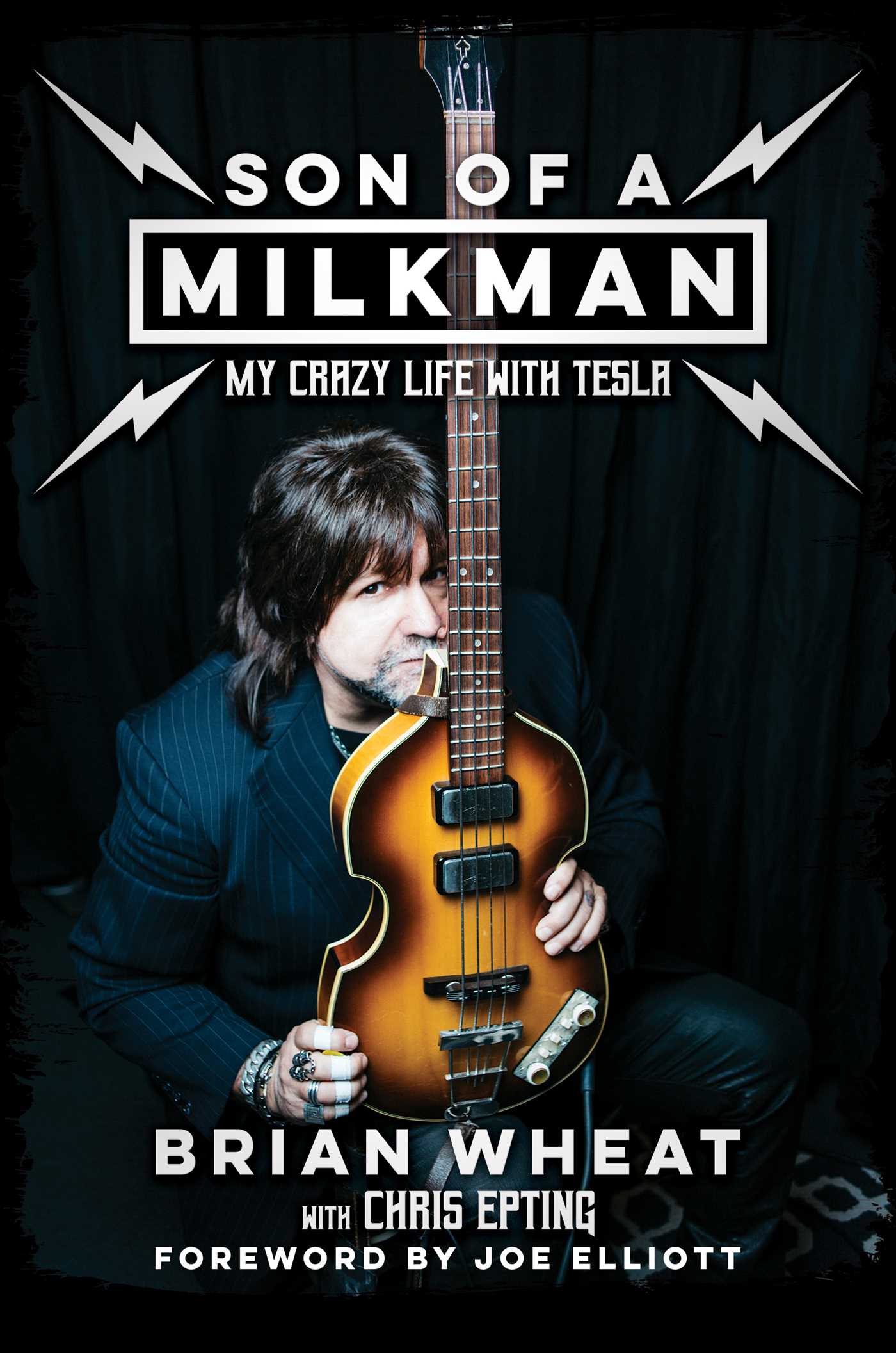
Six years later, Telsa reunited for a sold-out show at Sacramento’s ARCO Arena, a one-off reunion that instead launched a whole new chapter for the band as they began to take control of releasing albums on their own terms. It’s why bassist Brian Wheat now admits that he’s “more proud of the second half of our career than the first half.” Speaking on the phone from his home in New York State, Wheat is promoting his new autobiography written with Chris Epting, Son of a Milkman: My Crazy Life with Tesla (Post Hill Press), which details his rollercoaster decades in Tesla along with his struggles with weight issues, bulimia, chronic and painful digestive issues, anxiety, and his prior struggles with drugs and alcohol.
We spoke with Wheat about what inspired him to write the book, what the future holds for Tesla, and much more. Son of a Milkman: My Crazy Life with Tesla is available now.
Bad Feeling Magazine: What was the initial inspiration to start putting this book together?
Brian Wheat: It just seemed like the right time to do a book, if you’re gonna do a book. You know, I was of the age of, you know — I’d lived some lives. And being that Tesla was part of my story…Tesla’s been around for about 35 years. So it just seemed like the time to do it, so I took a shot at it.
What was the process like for you? Are you someone who reflects back on the past often? Or did you really have to lock in and go through some of these years and experiences again?
Hmm, no, I mean, obviously memories come up from time to time. But I think once I started to put the idea of putting the book together, I just said, “Well, let me start back as far as I can go.” You know, a place that actually means something, and go forward until I feel I’m done, or done with this part of it. There’s still more chapters ahead of us, hopefully.
One section of the book I really found fascinating is the Five Man Acoustical Jam section, and you describing how quickly it came about, and then how massively influential the album turned out to be. When you look back on that album now, was there any apprehension about putting that out at the time? It’s such a departure from what you guys were doing up until then.
Well, you know, I remember a couple of guys in the band didn’t want to put it out. Jeff said, “Let’s put it out. It’s raw. It’s cool.” You know what, I think it’s cool. It’s like, you know, Aerosmith’s “Live Bootleg”, but some guys thought it wasn’t polished enough. But me and Jeff, really, really liked it. And I’m glad we put it out. I think it’s the most honest record we ever did.
Another pivotal moment in the book is the Bust a Nut era in the mid-‘90s — the industry was changing, and, your manager was basically telling you the band is over. What was that time like for the band? It must have been a difficult transition.
Well, it was a wild time. We were kind of out there. We were definitely in excess. And, you know, we were falling apart. I don’t think we really realized it. But we were, looking back on it now. I can definitely see how we were unraveling at the time. You know, it’s funny, I said something about it the other day, and our fans got on me saying I didn’t like the album. I didn’t say I didn’t like the album, I just said it was disjointed compared to some of the other ones, which it was. It certainly was disjointed compared to Psychotic Supper. And, you know, being that I wrote a lot of the songs on that album, I think I’m entitled to have my opinion about it. [Laughs] But fans on social media, you know, they’re like, “How dare Brian Wheat say he didn’t like that album!” I didn’t say I didn’t like it. I just said there are parts of it I didn’t like, but you know, sorry, if I pissed you off.
You mention in the book that fans thought you were a bit private or closed off at times, but they didn’t necessarily know what you were going through, which I think is a good lesson for anybody. You don’t know what people are going through when you bump into them or meet them for a few minutes at a show.
Yeah, or 30 seconds or whatever. Yeah, I mean, it’s true. I guess in that sense, I tend to let people know, “Hey, you know, this is what I deal with.” So if you meet me, and I’m not, you know, ready to go hang out with you for the next hour, this is why. And I’m a very private guy. I’m shy. I don’t really enjoy meeting people. I’m not that comfortable with it. Some people are really comfortable. You can meet Jeff and feel like you’ve known him your whole life. It’s uncomfortable for me.
Was that in the back of your mind when you get into some really painful subjects in the book, like your weight struggles, or tumultuous family life, addiction, medical issues — was it difficult to focus on those things for the book?
You know, once I made the conscious decision that I was going to talk about those things, it wasn’t difficult. I just let it go. I just said, “Well, you know, here you go.” I’m not asking for anyone’s sympathy. I’m fine. I do fine. I mean, I was hoping that maybe if I did put some of that out there that people maybe that are going through the same things that I go through can relate, and if it helps them I think that’s a good thing. I talked about being bulimic and my depression and anxiety. I have ulcerative colitis, which is an autoimmune disorder, which can be very, very painful at times and debilitating. And it’s like, if someone else has gone through that they can go “Hey, Brian Wheat from Tesla’s got colitis, so do I. I’m not a freak. You know, I’m not abnormal.” It’s not pleasant to talk about, but if it helps somebody, I’m happy to talk about it.
Did it feel cathartic to get all that out? When you held the final book in your hands, did it feel like a weight had been lifted?
Yeah, absolutely. I think it’s pretty liberating in the sense that, okay, here it is, and, you know, have at it, do with it as you will. You know, there’s no little secrets to hide or anything, this is it. And this is, you know, the life of the band. This is how it went down, when it went down. And we’re still kicking, we’re still here, we’re still moving forward, and we’re still a band. And, you know, we’ve been through some hard knocks, but through it all, we’ve managed to stay together and keep making music. I think that’s a big one to get people to realize is that sure, there’s some crazy times that we went through, but we survived. You know, we’re survivors. And Tesla and the guys in Tesla are survivors.
Did you send the book to the rest of the band before it came out? Did you give them a head’s up about what’s in it?
No, no. No, I talked to Frank about a couple of things and told Jeff, and Jeff said, “Look, write whatever you want. It’s all true, man.” And, you know, I’ve been in touch with everyone in the band since the book’s come out, I’m pretty sure they’ve read it. I gave a copy to Jeff. And, yes, he still loves me, so, you know, I’m still in the band, and they haven’t thrown me out. We’re brothers, man. You know, I think the book illustrates that. We love each other. There’s a bond there. And sure we argue and fight like brothers do. But we get through it, we’re family.
The book really breaks down the business aspect of being in a band, and what a label does and doesn’t do for you, especially in this current era. Was that something you wanted to include for younger bands?
I think I talked about that more for other young bands, or maybe artists, you know? Like, look, this is kind of how it is in this business. You’re on your own. You may have the biggest record company in the world, and as long as you’re kicking out platinum records, you’re cool. And as soon as you stop, you’re threatened to be dropped. That’s what happened with Tesla.
You know, we were lucky enough to keep being successful to where they kept us out there. As soon as we looked like we weren’t going to be successful, you know, when Bust A Nut came out and didn’t do what the three or four had prior to it, then there were rumors that you’re through, and you’re gonna be dropped, and your career was over?
They said my career was over in ’95. We’re here 25 years later. [Laughs] We didn’t feel it was over and we kind of picked up the ball when we got back together. And, you know, we’re still here. So I’m more proud of the second half of our career than the first half. We’ve done it all on our own.
Have you thought at all about any type of recording or new ideas for a future album?
Well, right now we’re not really doing anything, we’re all apart from each other. So, I mean, the first thing I think we’ll do when all this stuff gets lifted is play some concerts because we haven’t played in a year almost. And then after that, then we’ll look to make some new music, I’m sure of it.
Son of a Milkman: My Crazy Life with Tesla is available now.
The post Tesla’s Brian Wheat: “I’m more proud of the second half of our career than the first half” appeared first on Bad Feeling Magazine.
]]>