My name is Pedro Brás da Silva and I have worked as a Speech and Language Therapist (SLT) in Portugal for about 20 years, almost all of them working with babies,
...
The post The Value of Certification for Families of Deaf Children appeared first on AG Bell Cradle to Career.
]]> My name is Pedro Brás da Silva and I have worked as a Speech and Language Therapist (SLT) in Portugal for about 20 years, almost all of them working with babies, children and adolescents who are deaf and hard of hearing (DHH). I am married to a SLT, father of two beautiful daughters (already teenagers!), I live by the beach, and I love listening to and playing music (drums!).
Ever since I started working with DHH children and their families, I have slowly witnessed a paradigm shift. In the early days as a professional, I had the opportunity to join in a Specialized Support Unit for DHH children in a mainstream school, where I was the first therapist to work at that institution. It was difficult at first, because a lot of parents and special education professionals did not know what my job was and had a very limited idea of the SLT’s role with DHH children. I started to include parents in my sessions at school, which at the time was an uncommon situation in that context. I was even asked by colleagues and the school principal why I was doing that. Rapidly, most parents were participating actively in therapy sessions and gradually, teachers and the board members realized the importance and relevance of this family-centered support.
Alongside the technological revolution that we have witnessed in the last decade, coupled with my desire to improve my professional performance on behalf of families that want their children who are DHH to enhance hearing and have spoken language as a means of communication, I decided to pursue certification as a Listening and Spoken Language Specialist Certified Auditory-Verbal Therapist (LSLS Cert. AVT). I achieved my certification in December 2018 (I am forever grateful to my mentors Lise Henderson and Maria Emília (Mila) de Melo), thus becoming the first professional certified by the AG Bell Academy in my country.
During this certification period, I witnessed parents gradually become more aware of the typical developmental stages, their child’s level of development and more confident in the application of auditory-verbal strategies. I want to highlight some points that, in my opinion, are crucial for the involvement of families and that this certification allowed me to value even more in the therapeutic process.
The Presence of Parents in Sessions
It is not an option to be left out! In the beginning, I had parents arguing in advance that they wanted the hour to do things for their work, like read and forward some emails, to be able to read a magazine or even to take a walk. For the best interest of the child and his/her development (while having lots of fun like in the photo), I’ve learned that the active presence and participation of parents is crucial so they can continue at home the objectives and strategies learned and discussed during the session.
The Number of Sessions
One to two sessions (at most) per week is usually adequate to ensure that relevant and diagnostic information is obtained from the parents (although some still argue that more sessions are better therapy!). In the sessions, we dedicate enough time to discuss the developments recorded during the week, the session goals, and activities and strategies to be used followed by doing activities with the child. In the end, the most relevant information from the session is highlighted collaboratively, so that the weekly goals and carryover activities can be planned together with the parents as primary facilitators. We should always keep in mind that a LSL certified therapist will be in face-to-face contact with the child only between 4-8 hours per month, compared to the hundreds of hours that families are with the child.
Keep Everything Registered
All the information parents observe and record at home is highly valued by the LSL certified therapist. A Parent’s Book should be encouraged, so that the child’s session objectives, strategies and observed skills are recorded for discussion in every session (as well we want to preserve the parents’ memory skills to remember how to make that grandma’s chocolate cake to offer to the therapist!).
Understand the Needs and Expectations of Each Family
To be able to make a therapeutic plan and adjust the activities to the child’s development level, as well as to their preferences, it is very important that each family has an individual plan, just like a tailor makes a tailored suit. As a professional, I recognize that families have a tiring journey, jammed with professional, personal and household tasks that often prevent availability for children. Yet, there is good news: the development of language skills can be guaranteed in the daily routines (every day, the child must eat, dress to go to school, shower, play, etc.). If parents can spend time together, talking about what both are doing and what is happening, that is transformed into a rich communicative and linguistic experience through listening!
The Caregivers’ Learning Style
The way we learn is different, with styles that vary from person to person. Caregivers, as adults, are more motivated to learn when the information received is relevant and practical in their lives. In auditory-verbal practice, we intend for parents to build goals together with us, suggest activities and use specific strategies daily, which support the objectives outlined. For example, in the first sessions I usually discuss and negotiate with parents the amount of information to be given and how they prefer to receive it (via online coaching) by asking: “At some point in the session I will need to interrupt and give directions, how do you think I can do it? How would you like to receive the information and tips I have to give you?”
In conclusion, the LSLS Cert. AVT process allowed me access to the most recent scientific knowledge, access to the most demanding training in the field of audition and to develop my clinical skills, which allows me to be more prepared to welcome the families of children with DHH, users of hearing technology and those who consciously choose a development (and life) path based on spoken language! And I always share with the parents that we are together in this journey, here and now, to observe the phrase on the horizon: “The best is yet to come!”
Pedro Brás da Silva, MSc, SLP, LSLS Cert. AVT, wrote this from the exquisite city of Porto (Portugal).
The post The Value of Certification for Families of Deaf Children appeared first on AG Bell Cradle to Career.
]]>Ordinarily, I dance five days a week. I go to North Idaho College four days a week, and attend high school classes online, and work at least two days a week.
...
The post Contentedness in the Time of Coronavirus appeared first on AG Bell Cradle to Career.
]]>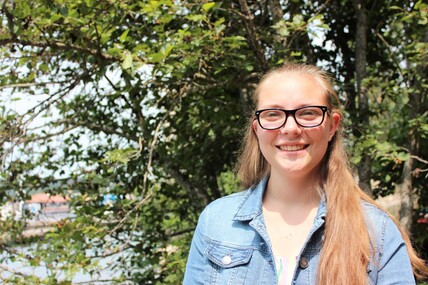 Ordinarily, I dance five days a week. I go to North Idaho College four days a week, and attend high school classes online, and work at least two days a week. As someone who had been homeschooled my whole life until this past fall, I’ve had to learn new skills, such as self-advocacy and making sure all my accommodations are in place. Going to college as a high school student is a lot of responsibility, and I often felt overwhelmed. Sometimes, I wanted everything to stop, and to have that time to be able to just stay home and have nothing to do.
I learned to be careful for what I wish. As the coronavirus started to spread more rapidly, I got what I thought I wanted. I was hoping for a fantasy version of “reality,” where everyone was happy and content because the world held no concerns and no disagreements. But it turns out what I really wanted was a break from responsibilities, not a break from life. I wanted to be able to enjoy being with friends and have nothing to complain about.
When I first heard about COVID-19, it was just some sickness in China. My mom teaches English to Chinese children online and often told me what she had heard from her students. Meanwhile, I kept going to classes every day and to dance class every evening. I did homework and lived my typical, unaffected life. COVID-19 was just another thing happening somewhere else.
Slowly, COVID-19 made it to the USA. Everyone was worried that it would spread like it did in China, but I was one of those people who thought that everyone was just overreacting and that it was nothing serious. My boyfriend even decided he wanted to go visit Europe anyway. I wasn’t scared at the time because I didn’t think it was that bad.
When the Idaho governor finally enacted a stay-at-home order, part of me had expected it and wasn’t surprised, and yet I also couldn’t believe it was really happening. This illness, once a mostly abstract thing on the other side of the world, was suddenly too close to ignore. Suddenly, I had a jumbled mess of thoughts and feelings. I was scared that a loved one would get sick and scared for everyone’s safety, both near and far.
Around that same time, President Trump gave the executive order barring international travel. My boyfriend was still in Europe. I was terrified that he wouldn’t be able to come home. I’d never felt so much stress in my life.
Social media, once a place for connecting with friends, has been filled with people arguing, stories of people who caught the coronavirus, conspiracy theories, and dark humor. No one seemed to be supporting each other. Everyone was in a fight or flight response. The lack of community and empathetic connection made me feel more alone than the physical isolation ever could. I stepped away from it.
However, experiencing all this helped me learn to better manage extreme stress and quickly return to peace and contentment. My boyfriend returned home safely. The stay-at-home order has been in place long enough to make it feel normal. Staying home and not seeing friends can be lonely, but I’ve learned that even though we may not socialize in person, and may be bored out of our minds, there is still growth to be found.
This pandemic has forced me to learn how to be content with myself. I have found time to do projects that I had wanted to do for a long time but never got around to it. Quarantine will certainly weigh on my mind in the future any time I think about complaining about being too busy or about being bored. I can’t control anyone else’s emotions, but I can strive to positively impact the people around me. By not being constantly busy, I learned the difference between contented idleness and boredom.
Kimberly Hunt is a senior in high school from Coeur D’Alene, Idaho. She is currently dual enrolled at North Idaho College. Kimberly, who was diagnosed as bilaterally deaf, was implanted at 3 years old. Kimberly has studied dance for 14 years, including ballet, tap, lyrical, and jazz, and has been part of a competitive dance team for six years.
The post Contentedness in the Time of Coronavirus appeared first on AG Bell Cradle to Career.
]]>Now that school has gone virtual, kids who are deaf and hard of hearing are adjusting to the new classroom. What challenges are they facing, and what are the solutions?
...
The post Online Learning for Kids with Hearing Loss: Challenges and Solutions appeared first on AG Bell Cradle to Career.
]]>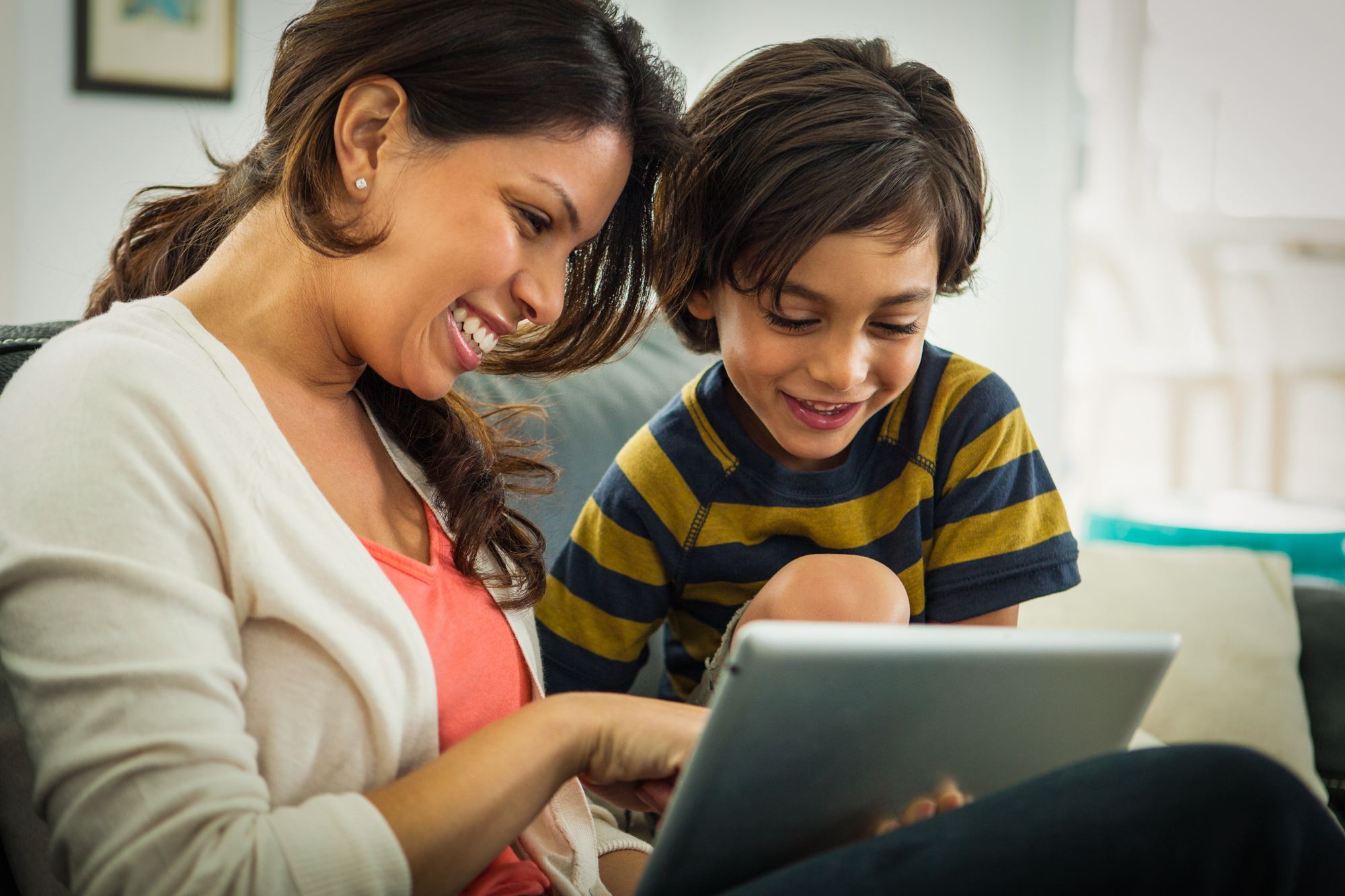 Now that school has gone virtual, kids who are deaf and hard of hearing are adjusting to the new classroom. What challenges are they facing, and what are the solutions?
Challenges for Students
Google classroom is being used for Max’s fourth grade class in Pittsburgh. Max, who has a BAHA 5 and Phonak SkyV 50 hearing aid, is mainly struggling with all the videos being used for science. The teacher didn’t choose videos with captions already provided. Max’s mom, Danielle Cieply, has to find the videos herself and then provide the captions.
As if that wasn’t frustrating enough, during a video call with Microsoft Teams, the audio wasn’t great and there weren’t any captions. His teacher of the deaf (TOD) wasn’t providing sessions via Zoom or any other video apps because the school district was trying to figure out the legalities.
Then Max’s BAHA kept cutting out from his iPad. The original plan was to use the Bluetooth to sync the BAHA. The sound was great, but it cut out quite a bit, so it wasn’t ideal for watching videos.
And there’s the social aspect, which is the biggest struggle and concern for almost 9-year-old Hannah. The Chappaqua, New York resident wears bilateral cochlear implants (CI), but only wears one since home school started. While the technology part is difficult to understand, there’s also little interaction, so school doesn’t hold her interest.
“Hannah has an iPad and has done group chats and FaceTime [with her friends], but the girls move fast and the language isn’t always clear, so her responses aren’t always on par with her friends,” says her mother, Jennifer Weitzman. “She tends to copy [others] instead of be herself, and the group got so big with some kids adding kids from camp. Hannah decided to remove herself and it’s been difficult to connect.”
More Work for Parents
Clearly, parents have to be involved in this process to make sure their children with hearing loss are receiving the education they deserve. Kristina Cole of Pittsburgh calls it another full-time job. Online learning for her 9-year-old son, Morgun, is actually going really well, but he needs a lot of support. The ComPilot has been a lifesaver for him. Even if videos are missing captions, having audio directed into his hearing aids via Bluetooth makes a big difference. If he’s in a Zoom meeting, it’s a one-on-one engagement, and his teachers know to repeat and speak distinctly directly to the camera.
But because it’s a whole new world and learning platform, Cole has to be by her son’s side through all the lessons and classwork. “Many are going through this,” Cole says. “I just worry about our [kids who are deaf and hard of hearing] who don’t have the parents available for that kind of support. It’s definitely consuming.”
Solutions
Dana Selznick, M.A., M.Ed, deaf education specialist and coordinator of the Family Resource Center at the Center for Hearing and Communication in New York City, has heard from parents, students and teachers about these challenges. They can be lumped into two categories: captions and acoustics.
Video Conferencing Platforms
Depending on the video conferencing platform used, captions may or may not be included. And, of course, following along with captions is age dependent and only beneficial when the child is of an appropriate reading level, Selznick points out.
Google Meet has captions that are easy to access and follow. It even states the name of who’s talking. But the captions are often inaccurate, Selznick says. Zoom requires an outside program for captioning, which can be overwhelming to set up. If the district pays for a third party captioner, that’s ideal. Otherwise, using Otter.ai (Apple), Google Live Transcribe (Android), or webcaptioner.com are solid alternatives. Note: the captions may just look like a flow of words, which can be challenging when there’s a class discussion.
Acoustics
Just like it’s important to make sure a classroom is acoustically friendly, the virtual classroom must have the same environment. “Students have reported that the sound quality is not clear and their video stream often stalls, making the audio and video come through at different times,” says Selznick. Additional distractions and complications include the teacher and other students having background noises in the rooms they’re in, too many children trying to respond at once, students with similar names which don’t come across clearly through the computer audio, and speakers who are sitting too far away.
Selznick offers the following suggestions for these scenarios:
-
- Ask everyone to keep their computer on mute unless they’re the one talking. Often, the teacher can control this as well.
- Ask the teacher to make sure they’re sitting in a quiet room with the door closed and background noises turned off.
- Make sure teachers have a good microphone connection. If possible, have them use a microphone on a headset or even their cell phone headphones, as this will reduce some of the background noise that’s picked up by the computer microphones.
- Ask the teacher to use the students’ first and last names if there are students with similar names.
One of the most common accommodations during a normal school year is to allow students who are deaf and hard of hearing to preview and review material. “It is just as important, if not more important, during this time,” says Selznick. “Teachers should provide the students with an outline or key points that will be covered during the virtual lesson. After, the teacher can provide the student with information that was brought up or additional information that was expanded on. Ideally, the teacher would schedule a 1:1 video conference with the student once or twice a week as a check in and follow up on lessons.”
Getting There
Weitzman reached out to Hannah’s TOD, who now works with her 1:1 on assignments. She’s also set up structured FaceTime playdates for Hannah, where she and a friend play a game like Battleship or Bingo. Reaching out to others with whom she’s more comfortable has also helped.
Max’s mom contacted his TOD and classroom teacher, and was connected to the educational audiologist. The school has been helpful, she says. The TOD was able to get Max’s assistive technology from school. They’re going to try to pair everything up and try Otter.ai as well.
During this stressful time, it’s important to communicate with the school about your child’s needs, and know that we’re all figuring this out together.
Lisa A. Goldstein is a freelance journalist, frequently contributing to AG Bell publications. She was born profoundly deaf and uses a cochlear implant and digital hearing aid. She has been a member of AG Bell since she was a child.
The post Online Learning for Kids with Hearing Loss: Challenges and Solutions appeared first on AG Bell Cradle to Career.
]]>El Día Internacional de la Audición se celebra el 3 de marzo, en el aniversario del nacimiento de Alexander Graham Bell. El Día Internacional de la Audición es una iniciativa de la Organización Mundial de la Salud que centra la atención internacional en los problemas relacionados con la pérdida auditiva.
...
The post Día Internacional de la Audición y Alexander Graham Bell appeared first on AG Bell Cradle to Career.
]]>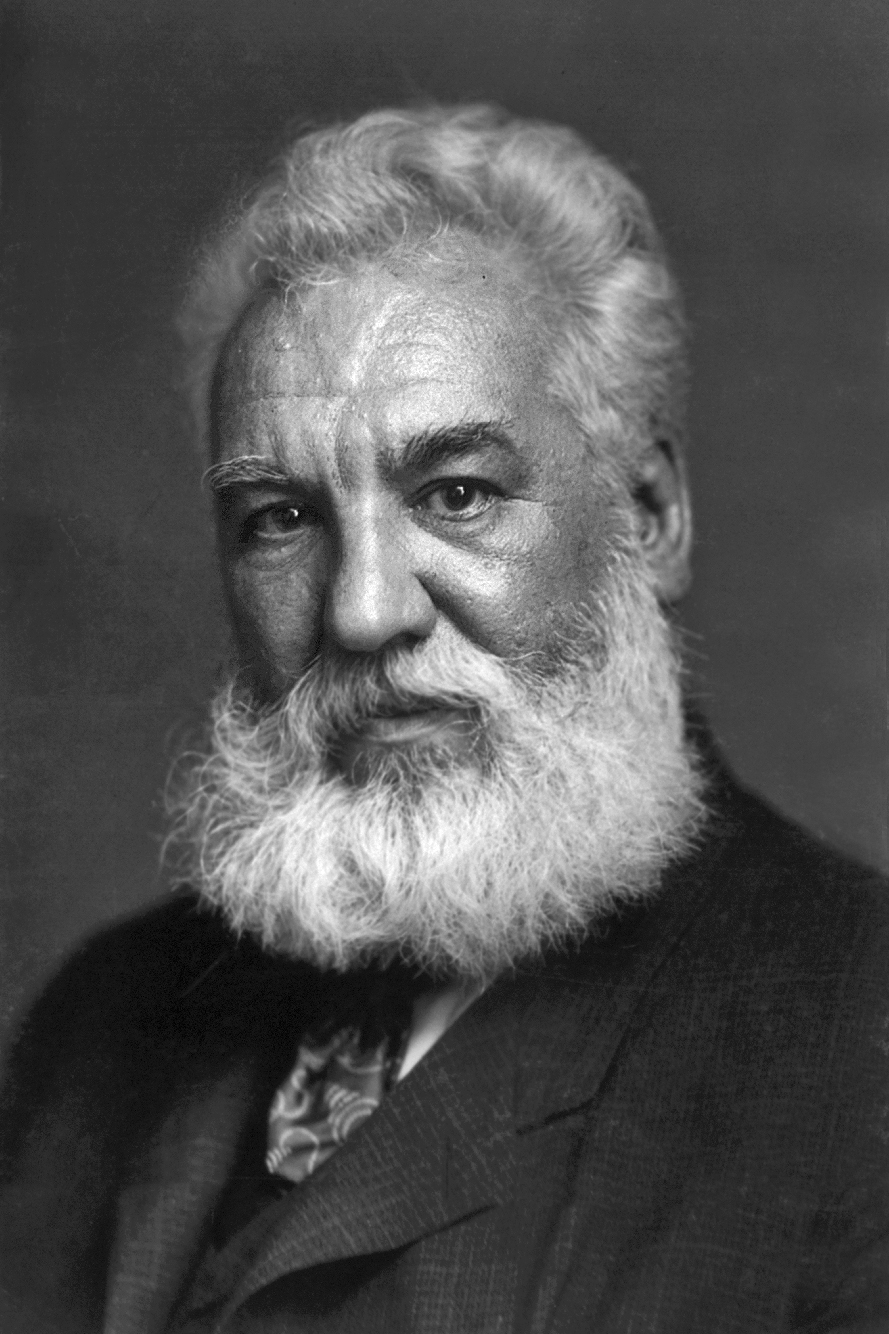 El Día Internacional de la Audición se celebra el 3 de marzo, en el aniversario del nacimiento de Alexander Graham Bell. El Día Internacional de la Audición es una iniciativa de la Organización Mundial de la Salud que centra la atención internacional en los problemas relacionados con la pérdida auditiva. Actualmente, cada vez son más los niños y niñas que nacen con sordera y a los que se identifica y reciben servicios de intervención temprana mucho más pronto que nunca. A través de la intervención temprana y con los avances de la tecnología, los niños que nacen con sordera e hipoacusia aprenden a escuchar y hablar.
No es casualidad que el Día Internacional de la Audición coincida con el aniversario del nacimiento de Alexander Graham Bell. En el caso de las personas que no estén familiarizadas con la vida y el trabajo de Alexander Graham Bell, los datos y las tendencias actuales no son muy diferentes del propio trabajo del Dr. Bell.
El Dr. Bell persiguió con entusiasmo que los maestros de audición/lenguaje adquirieran formación sobre la manera de ayudar a los niños con una pérdida auditiva a utilizar su audición residual. Este mismo entusiasmo y dedicación lo apreciamos actualmente en los Especialistas de Escucha y Lenguaje Hablado. En palabras del Dr. Bell: “El niño escucha y escucha, hasta que se establece un modelo en la mente. Entonces, el niño comienza a imitar, no sonidos elementales, sino palabras completas”.
Los principios de esta declaración se siguen aplicando en el desarrollo de la escucha y el lenguaje hablado, si bien en la actualidad se identifica a numerosos niños y se les equipa con tecnología auditiva en la infancia, pasando con rapidez de aprender a escuchar al desarrollo del habla y el lenguaje espontáneos. ¡Qué emocionante habría sido para el Dr. Bell conversar con los niños, adolescentes y adultos de este siglo!
Al Dr. Bell le apasionaba tanto ayudar a los maestros como a los propios niños. Su objetivo no era únicamente el desarrollo de las habilidades de escucha y lenguaje, sino ayudar a los niños a que participasen plenamente en la sociedad, viviendo y trabajando de una manera independiente.
En conversaciones con la familia del Dr. Bell, es evidente que, si bien realizó grandes contribuciones al mundo moderno de las telecomunicaciones y la ciencia, sentía realmente un gran entusiasmo por ayudar a los niños con sordera.
“Quería ayudar a los niños a convertirse en adultos formados y autosuficientes. Y ayudarles a participar plenamente en la sociedad”, asegura Sara Grosvenor, tataranieta del Dr. Bell.
“Su objetivo era evitar el aislamiento. Deseaba capacitar a las personas con sordera a que aprendiesen a comunicarse y participasen plenamente en la sociedad al igual que las personas con una audición normal”, afirma Jim Watson, tataranieto del Dr. Bell.
El propio Dr. Bell era un hombre extraordinario, con ideas muy adelantadas a su época. “Creo que uno de los rasgos más importantes para conocer cómo era el Dr. Bell como persona es que sus intereses implicaban retos a los que el mundo se enfrentaría en el futuro. Hablaba de las emisiones de gases de efecto invernadero, los combustibles alternativos, el reciclaje y el acceso al agua potable… se puede decir que era realmente un humanista”, añade Jim.
“Tenía un gran sentido del humor”, destaca Sara. “Tanto picardía como disposición a considerar cualquier idea en nombre de la ciencia. Hay que destacar que tenía una mente abierta”.
Como asociación dedicada a continuar su obra, el Día Internacional de la Audición será un día destacado para la Alexander Graham Bell Association for the Deaf and Hard of Hearing, que rendirá homenaje a los avances en la detección y la intervención tempranas de la audición, y destacará la obra y la vida de un hombre extraordinario.
En los siguientes recursos se puede encontrar más información sobre las contribuciones del Dr. Bell a la práctica actual del desarrollo de la escucha y el lenguaje hablado:
- Edición especial de Voces de Volta: Celebrating 125 Years of Progress and Innovation (Celebración de 125 años de progreso e innovación)
- AG Bell Oral History Project (Proyecto de historia oral de AG Bell)
- “Reluctant Genius: Alexander Graham Bell and the Passion for Invention” (Genio renuente: Alexander Graham y la pasión por la invención) de Charlotte Gray.
Para obtener más información sobre el Día Internacional de la Audición, visite www.agbellworldhearingday.com
The post Día Internacional de la Audición y Alexander Graham Bell appeared first on AG Bell Cradle to Career.
]]>World Hearing Day is on March 3, the same day as Alexander Graham Bell’s birthday. World Hearing Day is an initiative of the World Health Organization that brings global attention to issues about hearing loss.
...
The post World Hearing Day: Alexander Graham Bell’s Legacy appeared first on AG Bell Cradle to Career.
]]>World Hearing Day is on March 3, the same day as Alexander Graham Bell’s birthday. World Hearing Day is an initiative of the World Health Organization that brings global attention to issues about hearing loss. Today, more and more babies who are born deaf are being identified as having a hearing loss and receiving early intervention services earlier than ever before. Through early intervention and with advances in technology, children who are born deaf and hard of hearing are learning to listen and talk.
It seems quite fitting that World Hearing Day falls on Alexander Graham Bell’s birthday. For those who know the life and work of Alexander Graham Bell intimately, the data and trends of today are not much different from Bell’s own work. Bell passionately sought to educate teachers of the deaf on how to help children with hearing loss use their residual hearing. We see much of that same passion and drive in today’s Listening and Spoken Language Specialists. In Bell’s own words, “The child listens and listens, until a model is established in the mind. Then the child commences to imitate, not elementary sounds, but whole words.” The principles of that statement still apply to the development of Listening and Spoken Language today, but, now, many children are identified and fitted with hearing technology in infancy and move from learning to listen to development of spontaneous speech and language quickly. How exciting it would have been for Dr. Bell to converse with the children, teens and adults of this century!
Bell was just as passionate about helping teachers as he was about the children themselves. His goal was not just to build listening and language skills but to help the child participate fully in mainstream society, living and working independently.
In conversations with Bell’s family, it was clear that although he made great contributions to the modern telecommunications and scientific world, he really had passion for helping children who were deaf.
“He wanted to help children become educated and self-reliant adults. And help enable them to fully participate in mainstream society,” said Sara Grosvenor, Bell’s great, great granddaughter.
“Bell’s goal was to prevent isolation. To enable deaf individuals to learn to communicate and participate fully in society the way hearing people do,” said Jim Watson, Bell’s great, great grandson.
Bell himself was an extraordinary man, with ideas well ahead of his time. “I think one of the things that’s important to who Bell was as a person is that his interests involved things like challenges that the world is going to be facing in the future. He was talking about greenhouse gas, alternative fuels, recycling and access to clean drinking water…so he was really a humanist,” said Watson.
“He had a wonderful sense of humor,” noted Grosvenor. “His impishness and his willingness to consider ideas in the name of science were key. It’s just very important that he had an open mind.”
As the association dedicated to continuing his work, the Alexander Graham Bell Association for the Deaf and Hard of Hearing will be marking World Hearing Day, celebrating the advances in early hearing detection and intervention, and highlighting the work and life of an extraordinary man.
These resources contain more information about Bell’s contributions to today’s Listening and Spoken Language development:
- Special Volta Voices issue: Celebrating 125 Years of Progress and Innovation
- AG Bell Oral History Project
- “Reluctant Genius: Alexander Graham Bell and the Passion for Invention” by Charlotte Gray.
For more information about World Hearing Day, please visit www.agbellworldhearingday.com
The post World Hearing Day: Alexander Graham Bell’s Legacy appeared first on AG Bell Cradle to Career.
]]>Como parte de su iniciativa de Cradle to Career, AG Bell ha puesto en contacto a sus secciones estatales con sus socios corporativos para ofrecer interesantes exposiciones de aprendizaje comunitario.
...
The post Experimente Nuevas Posibilidades en el Viaje Hacia la Audición: Un Pequeño Vistazo appeared first on AG Bell Cradle to Career.
]]>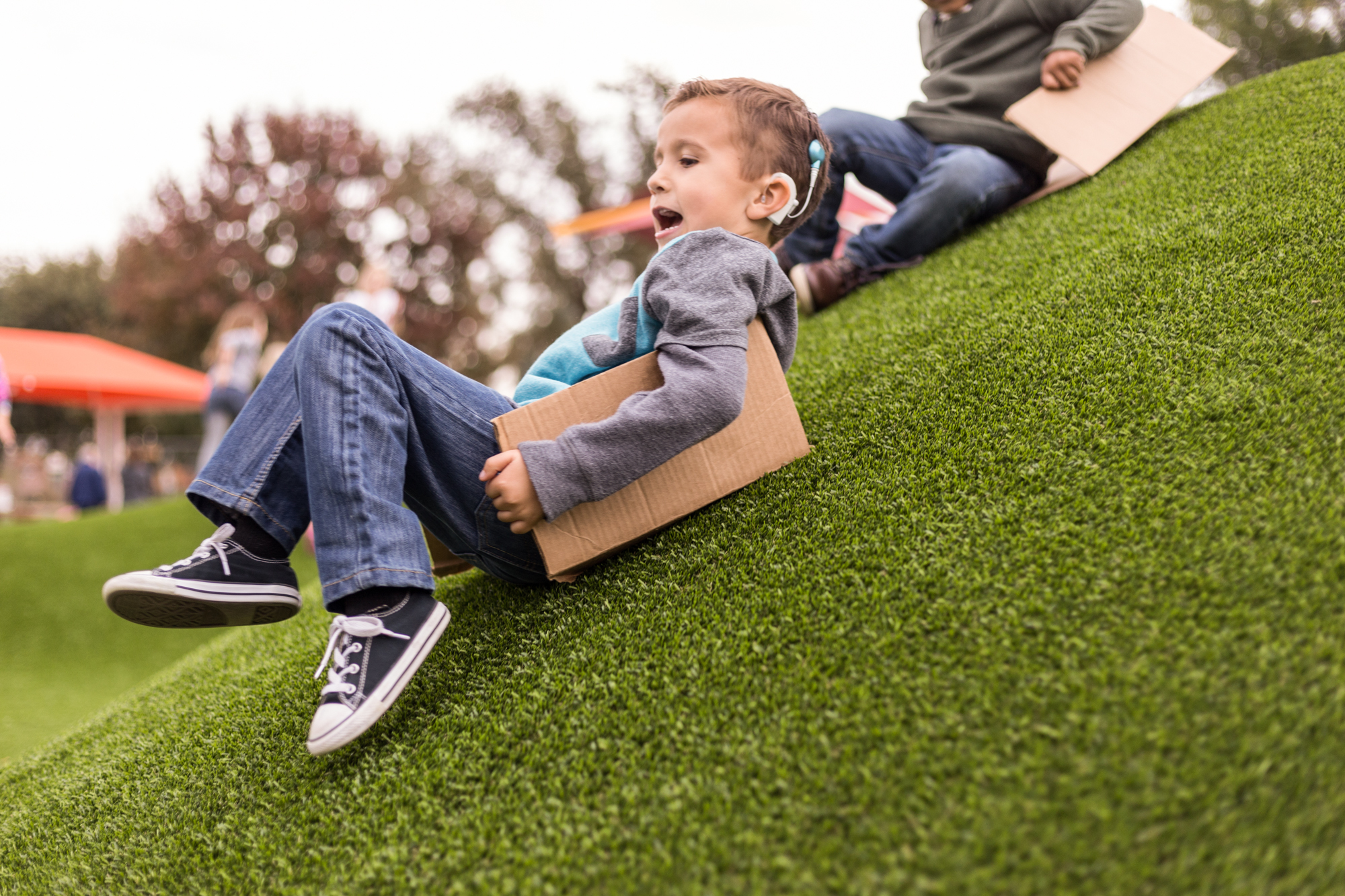 Como parte de su iniciativa de Cradle to Career, AG Bell ha puesto en contacto a sus secciones estatales con sus socios corporativos para ofrecer interesantes exposiciones de aprendizaje comunitario. Este evento está destinado a familias de niños con sordera e hipoacusia que utilizan implantes cocleares o audífonos, así como a personas interesadas en obtener más información sobre la tecnología auditiva.
El próximo evento previsto lo patrocina Advanced Bionics y tendrá lugar el 29 de febrero de 2020 en All Ears! Listening and Language Center, en Houston, Texas. Este evento se ofrecerá en inglés y español.
AG Bell es un recurso importante tanto para padres como para profesionales. Pone en contacto a personas con sordera e hipoacusia de todas las edades que desean beneficiarse de la escucha y el lenguaje hablado (LSL). Todos trabajamos mejor cuando lo hacemos conjuntamente, por lo que la sección se compone de familias, educadores de personas con sordera, audiólogos, logopedas y otras personas que integran la comunidad local. Deseamos divertirnos, apoyarnos mutuamente y aprender colectivamente. En el caso de los profesionales, AG Bell supervisa la Academy of Listening and Spoken Language, el organismo de acreditación de los especialistas en la escucha y el lenguaje hablado: educadores auditivo-verbales certificados y terapeutas auditivo-verbales certificados.
Para numerosas familias, la participación en AG Bell es una forma de conectarse con otras familias que inician su itinerario y con otras que han allanado el camino. Es un lugar donde se puede encontrar esperanza, conocimientos y apoyo emocional.
Este evento está dirigido a todas las familias que tengan hijos con algún grado de pérdida auditiva y a los profesionales que les atienden. Será una jornada de puertas abiertas para que las familias y los profesionales puedan entrar, salir y explorar a su propio ritmo. Habrá actividades para los niños y se ofrecerá un almuerzo ligero.
¿Qué experimentarán usted y su familia?
- Usted y su familia podrán visitar estaciones de aprendizaje en inglés y español para conocer los recursos disponibles desde el nacimiento hasta la adolescencia, así como lo último en tecnología auditiva.
- Usted y su familia podrán también entablar contacto con otras familias y compartir sus experiencias.
- Los niños disfrutarán de sus propias actividades en contacto con otros niños con pérdida auditiva.
- Algunos alumnos de secundaria y universitarios compartirán consejos para desenvolverse en el colegio, en las actividades deportivas y con las amistades mientras utilizan la tecnología auditiva.
- Los profesionales podrán conectarse con las familias y otros profesionales interesados en LSL.
En el evento estará presente Elizabeth Gaffney, presidenta electa de la sección, acompañada de otros miembros de la sección, que le ayudarán a conocer la manera de participar más en la comunidad, entablar contacto con otras familias y participar en futuros eventos de la sección. También le recomendamos que conozca a Desiree Chamberlain, Lindsay Fletcher y Carina Rodriguez, miembros del equipo local de soporte de Advanced Bionics. Desiree, Lindsay y Carina son audiólogas. Desiree es especialista clínica principal y Lindsay es gerente regional de Advanced Bionics, con sede en Houston. Carina es audióloga educativa bilingüe y ejerce en California.
La sección del sur de Texas se centra en eventos destinados a informar y entablar contacto. A la junta le encantaría conocer a través de la comunidad de LSL de Texas lo que es más importante para usted. Comparta la información sobre este evento y sobre la sección con sus amigos y con los profesionales. ¡Esperamos verle el 29 de febrero!
Para obtener más información e inscribirse, visite www.agbell.org/texasexpo
The post Experimente Nuevas Posibilidades en el Viaje Hacia la Audición: Un Pequeño Vistazo appeared first on AG Bell Cradle to Career.
]]>As part of its Cradle to Career Initiative, AG Bell has been connecting its state chapters with its corporate partners to deliver exciting Community Learning Expos. This event is for families of children who are deaf and hard of hearing who use cochlear implants or hearing aids,
...
The post Experience New Possibilities on the Hearing Journey: A Sneak Peek appeared first on AG Bell Cradle to Career.
]]>As part of its Cradle to Career Initiative, AG Bell has been connecting its state chapters with its corporate partners to deliver exciting Community Learning Expos. This event is for families of children who are deaf and hard of hearing who use cochlear implants or hearing aids, as well as people interested in learning more about hearing technology.
The next scheduled event is sponsored by Advanced Bionics and will take place on February 29, 2020 at All Ears! Listening and Language Center in Houston, Texas. This event is offered in English and Spanish.
AG Bell is an important resource for both parents and professionals. It connects people of all ages who are deaf and hard of hearing who are pursuing a listening and spoken language (LSL) outcome. We all do better when we work together, so the chapter is made up of families, deaf educators, audiologists, speech language pathologists, adults who are deaf or hard of hearing and others who are part of the local community. We want to have fun, support each other, and learn together. For professionals, AG Bell oversees the Academy of Listening and Spoken Language, the credentialing body for Listening and Spoken Language Specialists, both Certified Auditory Verbal Educators and Auditory Verbal Therapists.
For many families, joining AG Bell is a way to connect with other families beginning their journey and those who had paved the road ahead of us. This is a place where they can find hope, knowledge and emotional support.
This event is geared towards all families who have children with any degree of hearing loss and the professionals who support them. It will be an open house so families and professionals can come and go and explore at their own pace. There will be activities for the children and a light lunch will be offered.
What Will You and Your Family Experience?
- You and your family can visit learning stations in English and Spanish to learn about resources for babies through the teen years, as well as the latest in hearing technology.
- You and your family will also be able to connect with other families and share your experiences.
- Children will have their own activities that connects them with other children who have hearing loss.
- High school and college students will share tips about navigating school, sports and friendships while using hearing technology.
- Professionals can connect with families and other professionals interested in LSL.
On site will be Elizabeth Gaffney, chapter president-elect, and other chapter members who will help you learn how to become more involved in the community, connect with other families and join in future chapter events. You are also encouraged to connect with the local Advanced Bionics support team, Desiree Chamberlain, Lindsay Fletcher, and Carina Rodriguez. Desiree, Lindsay and Carina are audiologists. Desiree is principal clinical specialist and Lindsay is regional manager for Advanced Bionics, both from Houston. Carina is a bilingual educational audiologist in California.
The South Texas chapter focuses on events to educate and connect. The board would love to hear from the Texas LSL community on what is most important to you. Please share information about this event and about the chapter with your friends and the professionals. We look forward to seeing you on February 29!
For more information and to register, visit www.agbell.org/texasexpo.
The post Experience New Possibilities on the Hearing Journey: A Sneak Peek appeared first on AG Bell Cradle to Career.
]]>As a new parent, the joy, excitement and euphoria of a new baby cannot be described in words. From the first cry to the first touch, these firsts are printed on your hearts as your new baby makes his or her way into your lives.
...
The post Why Newborn Hearing Screening is Critical for Early Intervention appeared first on AG Bell Cradle to Career.
]]>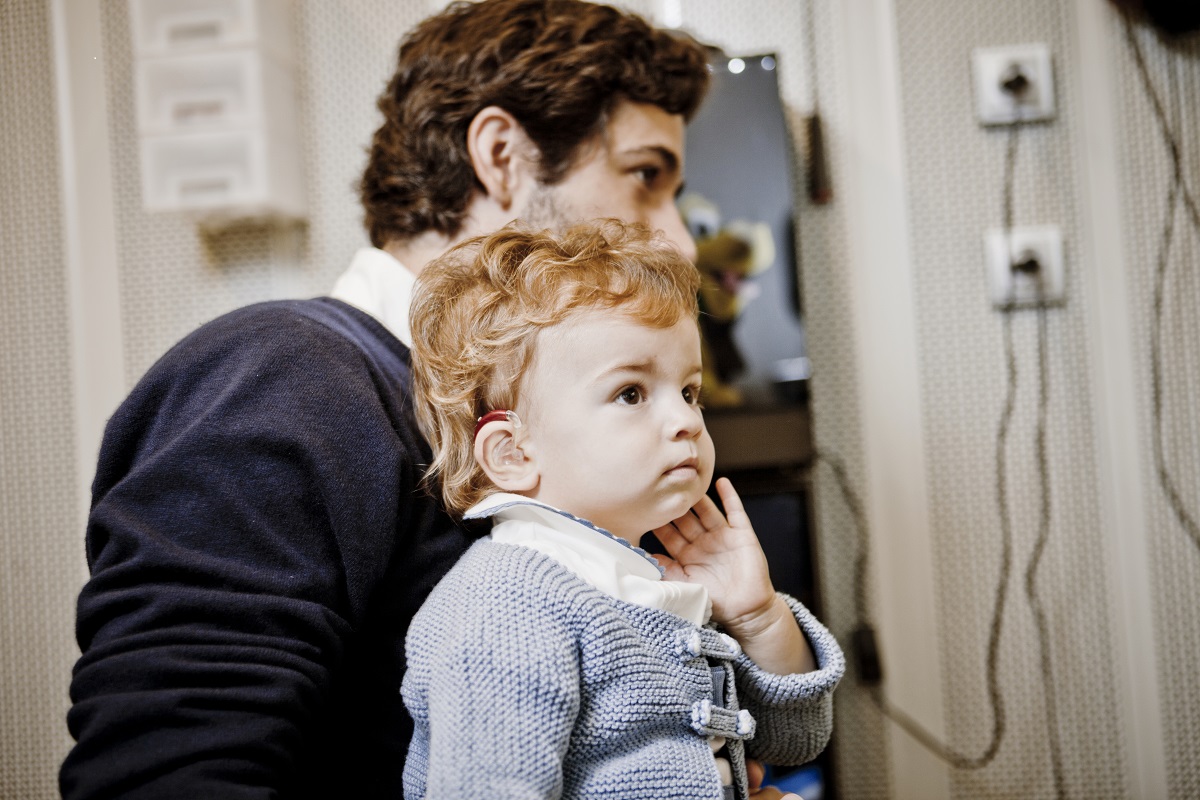 As a new parent, the joy, excitement and euphoria of a new baby cannot be described in words. From the first cry to the first touch, these firsts are printed on your hearts as your new baby makes his or her way into your lives.
Before leaving the hospital, your baby receives a range of screenings and checks to ensure he or she is healthy and ready to go home. One of these screenings is a newborn hearing screening.
In 2010, Early Hearing Detection and Intervention (EHDI) legislation mandated that all newborns receive a hearing screen before leaving the hospital. The goal is to detect hearing loss as early as possible. This is not a comprehensive exam but a quick screening to see if a hearing loss might be present.
Why is that important? As cited by the National Institute on Deafness and Other Communication Disorders, about two-three of every 1,000 children born in the United States are born with a detectable level of hearing loss in one or both ears. Further, more than 90 percent of those children are born to parents with typical hearing.
Access to Sound in the First Weeks of Life
Beginning at just 18 to 20 weeks gestation, sounds are heard and play a critical role in brain development. From the moment a baby is born, he or she responds to voices and noises, particularly the mother’s voice and others heard regularly while in the womb. A child with hearing loss cannot receive the same exposure to sound, and so immediate intervention with amplification (e.g., hearing aids) is needed to provide access to speech and other sounds.
Babies can receive a comprehensive hearing evaluation by a qualified pediatric audiologist, hearing aids and other interventions post-birth. The state EHDI program in the state or territory near you can provide a list of qualified local pediatric audiologists.
Why are early identification and intervention so important? The human brain is programmed to learn language during the first six years of life – with the first three-and-a-half years being the most critical. Without intervention, it becomes increasingly difficult to acquire language as a child matures. When infants who are deaf or hard of hearing receive timely and appropriate diagnostic and intervention services, they maintain positive language and communication outcomes.
New Changes: 1-3-6 to 1-2-3
In the U.S., newborn hearing screening and follow-up, including early intervention (EI), (for those children identified as having hearing loss and deemed eligible for EI services), are addressed through state EHDI programs. These programs also partner with the state’s Lead Agency for EI to ensure that babies and their families receive follow-up and services.
States currently follow a “1-3-6 Model,” which is a timeline to identify a hearing loss by 1 month, diagnose by 3 months, and enroll in an EI program by 6 months. In October 2019, the Joint Committee for Infant Hearing updated its guidelines:
“To provide appropriate access to language stimulation and intervention services as soon as possible, EHDI programs meeting current targets might consider setting a new target of 1-2-3 months (screening completed by 1 month of age, audiologic diagnosis completed by 2 months of age, and early intervention initiated no later than 3 months of age)” (p. 5).
Considering the 1-2-3 Challenge
By 1 month of age, the newborn screening should be completed. For most babies, this occurs at the hospital right after birth. If a baby fails the newborn screening, further audiologic testing takes place.
By 2 months of age, a baby referred for additional testing should receive initial tests to diagnose any hearing loss. A pediatric audiologist performs these tests, who is a professional with a master’s or doctoral degree in audiology and has the technical expertise to work with infants and children.
The audiologist performs a series of tests to determine if a hearing loss exists and, if so, the type (which part of the auditory system is affected), degree (degree of hearing loss) and configuration (frequencies or pitches affected) of the hearing loss. Tests for infants and children are non-invasive and painless. The Alexander Graham Bell Association for the Deaf and Hard of Hearing offers an overview of these tests.
By 3 months of age, the baby should be enrolled in an EI program if a hearing loss is confirmed, which means parents must receive information and resources to make decisions about choosing a communication option and EI programs.
These decisions are crucial to your child’s lifelong development. As parents, it will be your job to make the decision that is in your child’s and family’s best interest when it comes to communication options.
What are these options? Various means of communication options exist: Listening and Spoken Language, Cued Speech, Total Communication, or Signed Language. What is important is that you research the different options available and, most notably, their outcomes. AG Bell provides a great overview of these options as well as other resources to help guide you through the early diagnosis and intervention process.
By receiving a timely diagnosis and intervening early, you will increase your child’s ability to communicate, develop to levels on par with their peers, pursue a dream career, and live a life without limits.
So, if you are a parent in need of guidance for your newborn child, please reach out. We’re here Monday through Friday to lend support. Call 1-833-LSL-LINK (1-800-575-5465) or email newparenthotline@agbell.org. For more information on the Listen-Learn-Link Hotline, click here.
The post Why Newborn Hearing Screening is Critical for Early Intervention appeared first on AG Bell Cradle to Career.
]]>Over the years, AG Bell has helped college students like Daniel in many ways, including learning how to communicate with roommates, asking professors to use microphones, and seeking accommodations that enabled them to succeed.
...
The post Scholarships Change Lives appeared first on AG Bell Cradle to Career.
]]> Over the years, AG Bell has helped college students like Daniel in many ways, including learning how to communicate with roommates, asking professors to use microphones, and seeking accommodations that enabled them to succeed. They are not only academically prepared but have all surmounted the unique obstacles that only a deaf student faces.
Daniel’s love for MIT and learning shows in the tasks he takes on in addition to a highly challenging academic load. He speaks to incoming freshmen about MIT services for students with disabilities. He also served as the managing editor of MIT’s yearbook, where he honed not only his leadership skills but also his ability to communicate with others. Daniel has led the MIT student Instagram account, hosted a podcast, provided MIT community tech support, and helped others as a fraternity brother.
Please consider giving a gift to AG Bell today to help more students like Daniel.
P.S. You can double the impact of your donation! Your gift today will be matched 100% by a cherished AG Bell donor who has ensured that financial aid to families is always available through AG Bell.
The post Scholarships Change Lives appeared first on AG Bell Cradle to Career.
]]>Looking for a fun place to go but not sure if it’s going to be fun or accessible? Good thing the answers are right at your fingertips. Here are a few handy apps that can help you decide what will work for you.
...
The post 6 Apps to Improve Accessibility for Individuals with Hearing Loss appeared first on AG Bell Cradle to Career.
]]> Looking for a fun place to go but not sure if it’s going to be fun or accessible? Good thing the answers are right at your fingertips. Here are a few handy apps that can help you decide what will work for you.
Soundprint. This app lists the decibel level of restaurants, bars and cafes, along with reviews. As a user, you can also measure the venue’s loudness and submit it to the app. Each listing needs to have at least three readings before it’s listed.
Open Table. This dining reservations app offers a comments and special requests section, where you can mention your disability and ask for a quiet table. “It usually works, and I get the best seat in the house!” says Catharine McNally, AG Bell board chair.
Loopfinder. Planning to go to a church, movie, show or some other venue? Use this app to check ahead to see if it comes with induction loops. You can request the loops as well via the app so it’s ready when you arrive.
IHEARu. Find a quiet spot, whether it’s a bar, café, restaurant, park, church or so forth, based on user-generated loudness ratings. The app also indicates which places have assisted listening options. It locates places across dozens of countries.
GalaPro. If you’re in New York and want to take in a Broadway show, this app provides closed captioning directly to your phone—any time. No more waiting for specific dates that provide captioning. Currently available with 17 shows (through a partnership with the Shubert Organization), you simply connect to the GalaPro network in the theater, and the captioning will keep up with the actors.
Live Transcribe. Developed by Google, this app provides you with speech-to-text accessibility. Good news is it’s free, and it boasts quality recognition capabilities. External wireless mics can be used and paired with Bluetooth headsets, allowing you to sit far from the speaker while reading text on your phone.
As technology improves so do the apps available to assist people who are deaf and hard of hearing. View more available apps online here.
(Originally published in Volta Voices, 2019 January-March edition)
Reference in this blog post to any specific product, process, or service is for general informational purposes only and does not constitute an endorsement, recommendation, or certification of any kind by Alexander Graham Bell Association for the Deaf and Hard of Hearing.
The post 6 Apps to Improve Accessibility for Individuals with Hearing Loss appeared first on AG Bell Cradle to Career.
]]>