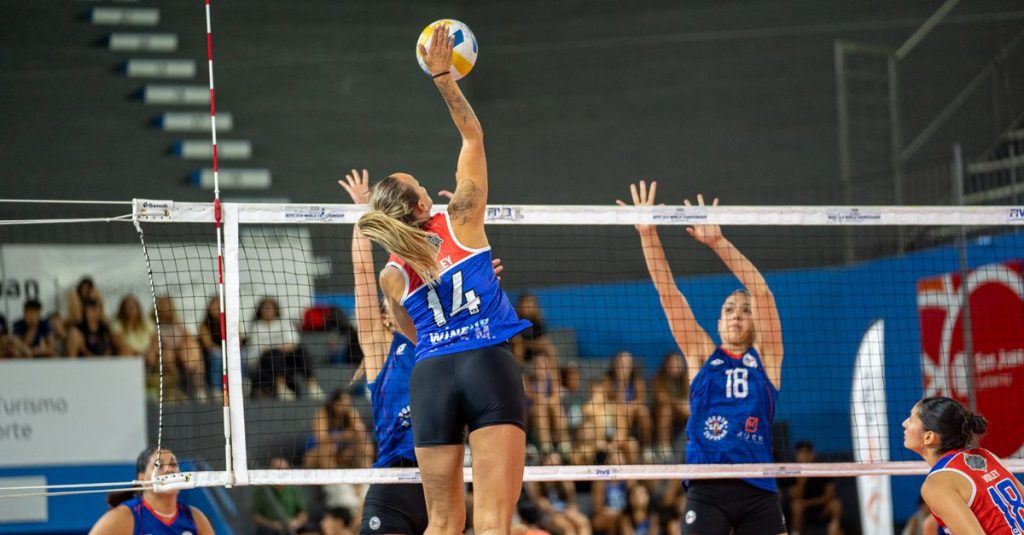
DevelopRes Rzeszów extended their winning start to the 2026/27 Polish Women’s TAURON Liga season with a hard-fought 3-1 victory over Sokół & Hagric Mogilno, while LOTTO Chemik Police recovered from a set down to defeat NETLAND MKS Kalisz.
DevelopRes Rzeszów 3-1 Sokół & Hagric Mogilno
The Polish runners-up edged the opening set 25-23 before taking the second 25-17. Mogilno responded with a spirited performance in the third, winning a tense battle 28-26 to keep their hopes alive.
DevelopRes eventually regained control, with Marrit Jasper providing important attacking contributions and Uliana Kotar putting pressure on the visitors from the serve line. The hosts comfortably closed out the fourth set 25-16.
Karolina Drużkowska was the match’s leading scorer with 24 points for Mogilno. Laura Jansen led DevelopRes with 14, followed by Jasper and Kotar with 13 each and Weronika Centka-Tietianiec with 12.
DevelopRes finished with 50 attack points and eight serve aces, compared with Mogilno’s 48 attacks and two aces.
Zuzanna Suska claimed her first career MVP award, delivering an impressive defensive performance with 71% positive reception.
LOTTO Chemik Police 3-1 NETLAND MKS Kalisz
In the other match of the day, LOTTO Chemik Police bounced back from losing the opening set to beat NETLAND MKS Kalisz 3-1. The sets finished 20-25, 25-22, 25-23 and 25-16. Oliwia Sieradzka received MVP honours.
Round 2 Results
DevelopRes Rzeszów 3-1 Sokół & Hagric Mogilno (25-23, 25-17, 26-28, 25-16)
LOTTO Chemik Police 3-1 NETLAND MKS Kalisz (20-25, 25-22, 25-23, 25-16)
Top scorers, DevelopRes vs Mogilno: Drużkowska (24), Jansen (14), Jasper (13), Kotar (13), Centka-Tietianiec (12).
]]>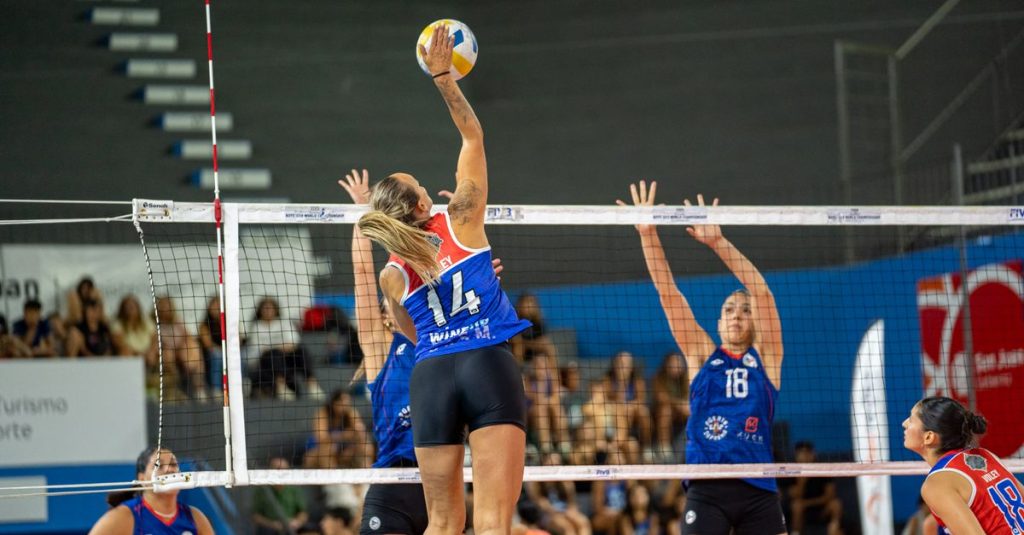
ChorusLife Volley Bergamo produced one of the weekend’s biggest surprises, edging Igor Gorgonzola Novara 3-2 in Round 2 of Italy’s 2026/27 LVF Serie A1 Fineco. Newly promoted CDA Volley Talmassons kept their perfect start going with a 3-1 home win over Granda Volley Cuneo.
Bergamo Storm Back Against Novara
Bergamo trailed 2-1 before winning the match in five sets. Novara took the second and third sets 25-21 each, but Bergamo levelled with a 25-18 win in the fourth. Despite 29 points from Tatiana Tolok, the visitors held their nerve to take the decisive set 15-10.
Silke Van Avermaet was named MVP after scoring 15 points, including five blocks. Kendall Kipp also contributed 15 points, while Denise Meli added 14 in a determined team performance.
Talmassons Extend Their Unbeaten Start
Newly promoted Talmassons secured their second consecutive win, beating Cuneo 3-1 at home. Giulia Frosini led the hosts with 21 points, supported by Leonarda Grabic with 18. Setter Francesca Scola was named MVP.
Other Round 2 Results
Numia Vero Volley Milano defeated Macerata 3-1, with Paola Egonu scoring 21 points and Khalia Lanier adding 20. Reale Mutua Fenera Chieri swept Brescia 3-0, while Il Bisonte Firenze secured their first win of the season with a straight-set victory over Omag Consolini.
Saturday’s action also produced a major upset as Megabox Vallefoglia defeated Savino Del Bene Scandicci 3-2. Defending Italian champions Imoco Conegliano maintained their winning form with a 3-0 victory over UYBA, led by Isabelle Haak with 18 points.
Round 2 Results
- Novara 2-3 Bergamo (20-25, 25-21, 25-21, 18-25, 10-15)
- Talmassons 3-1 Cuneo (25-20, 25-23, 22-25, 25-20)
- Macerata 1-3 Milano (20-25, 8-25, 27-25, 11-25)
- Chieri 3-0 Brescia (25-15, 25-17, 25-23)
- Firenze 3-0 Omag Consolini (25-17, 25-23, 25-22)
- Vallefoglia 3-2 Scandicci (25-22, 25-23, 20-25, 19-25, 15-13)
- Conegliano 3-0 UYBA (25-9, 25-21, 27-25)
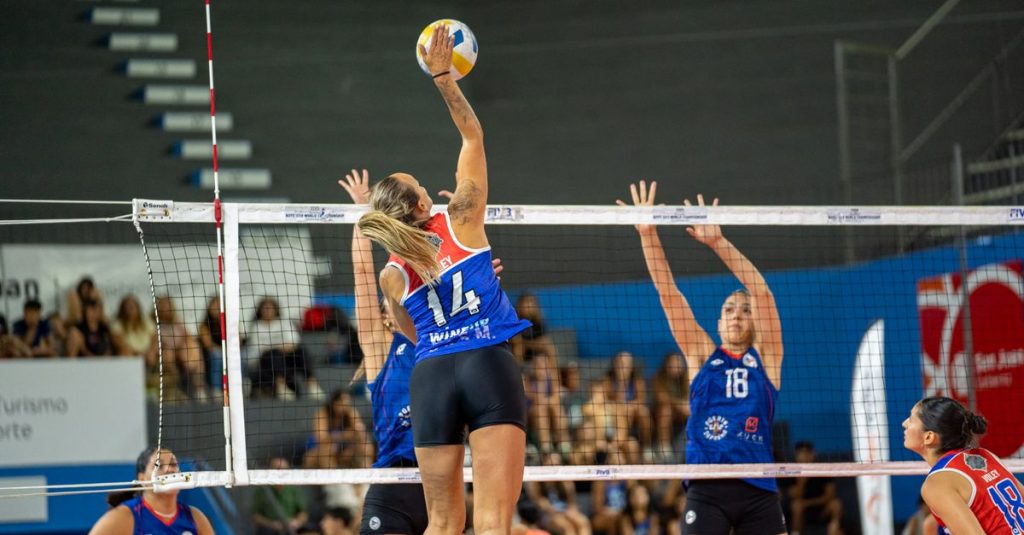
Allianz MTV Stuttgart opened the 2026-27 German Women’s Volleyball Bundesliga with a convincing 3-0 win over Dresdner SC. Defending champions VfB Suhl, SSC Palmberg Schwerin, USC Münster, TSV Flacht and Schwarz-Weiß Erfurt also won their opening-round matches.
Stuttgart Win Clinical Opener in Dresden
Stuttgart impressed in front of more than 2,700 spectators in Dresden, winning 25-18, 26-24, 25-21. Coach Konstantin Bitter‘s side showed composure in the decisive moments of each set.
Dresden suffered an early blow when captain Patricia Nestler left the court injured.
Erfurt Complete Round’s Biggest Comeback
Erfurt produced the round’s biggest comeback. They recovered from two sets down to beat newly promoted Rote Raben Vilsbiburg 3-2. Lina-Marie Lieb was named MVP after the thrilling five-set battle.
Suhl, Münster, Schwerin and Flacht Also Win
Defending champions Suhl swept Skurios Volleys Borken 3-0. USC Münster defeated VC Wiesbaden 3-1, led by Elena Kömmling‘s 15 points.
In the other matches, SSC Palmberg Schwerin recorded a straight-set win over Aachen, while TSV Flacht defeated ETV Hamburg 3-1.
Bundesliga Round 1 Results
- Dresden 0-3 Stuttgart (18-25, 24-26, 21-25)
- Erfurt 3-2 Vilsbiburg (21-25, 19-25, 25-15, 25-18, 15-13)
- Suhl 3-0 Borken (25-17, 25-17, 25-14)
- Münster 3-1 Wiesbaden (25-19, 14-25, 25-22, 25-23)
- Aachen 0-3 Schwerin (17-25, 11-25, 15-25)
- Flacht 3-1 Hamburg (25-22, 21-25, 26-24, 27-25)

The SuperLega Credem Banca 2026/27 season kicks off on Sunday, 18 October, bringing together some of the biggest names in international volleyball for another thrilling battle for the Italian championship.
From Italian icons Simone Giannelli and Alessandro Michieletto to USA setter Micah Christenson and Polish star Kamil Semeniuk, the league promises another season of spectacular rallies, fierce rivalries and unforgettable performances.
Defending champions Sir Susa Scai Perugia will look to retain their Scudetto against strong contenders including Itas Trentino, Cucine Lube Civitanova, Rana Verona, Valsa Group Modena and Gas Sales Bluenergy Piacenza.
Newly promoted Tinet Prata Pordenone also joins the competition, completing the 12-team lineup.
The Regular Season features 22 rounds running until the end of February 2027, followed by the highly anticipated Playoffs.
More Than Watching: Play the Official SuperLega Fantasy Game
This season, fans can get closer to the action with SuperLega Fantasy, the Official Fantasy Game of the SuperLega Credem Banca, developed through a partnership with Fantaking.
Ever imagined building your own volleyball dream team? Now it’s your turn.
Select your favourite SuperLega stars, earn points based on their real-life performances and compete against volleyball fans worldwide.
- Build your team: Use 150 credits to select a squad of 12 players across five positions.
- Choose your captain: Double your captain’s Fantasy points and make every performance count.
- Earn points: Attacks, blocks and other match statistics contribute to your Fantasy score.
- Manage your squad: Make strategic transfers between rounds to stay ahead of the competition.
- Challenge the world: Compete in the General League, represent your country in the Country League or create Private Leagues with friends.
Whether you’re supporting Italian volleyball heroes or following your favourite international stars, every matchday is another opportunity to climb the Fantasy rankings.
Prizes for the Fantasy game will be announced soon, together with the full prize rules and eligibility.
Your Favourite Players. Your Vote. Choose the MVP
The fan experience doesn’t stop with Fantasy. This season, supporters will also have the opportunity to vote for the MVP of each SuperLega round, celebrating the players who deliver the most impressive performances.
From match-winning attacks to game-changing blocks, follow the action and make your voice heard by voting for your standout player.
With Fantasy and MVP Voting, there’s a new reason to follow every match, every player and every round.
The Season Starts Here. Are You Ready?
The world’s best players are ready to take the court. Now it’s your turn to be part of the action.
Watch every SuperLega match live and on demand on VBTV, build your dream team with SuperLega Fantasy and vote for your favourite MVPs throughout the season.
]]>What is the line hit technique?
The line hit technique is a tactical approach used in various team sports, primarily to create scoring opportunities by exploiting defensive weaknesses. This technique emphasises precise angles, player positioning, and coordinated execution to maximise effectiveness during gameplay.
Definition and significance in team sports
The line hit technique involves strategically striking the ball or puck along a predetermined path, often targeting the edges of the playing area. This method is crucial in sports like soccer, hockey, and basketball, where positioning can dictate the flow of the game. By utilising this technique, teams can disrupt defensive formations and create open scoring chances.
Its significance lies in the ability to manipulate space on the field or court, forcing defenders to adjust their positions and potentially leading to breakdowns in their coverage. Mastery of the line hit technique can elevate a team’s offensive capabilities and enhance overall performance.
Historical context and evolution of the technique
The line hit technique has evolved over decades, influenced by changes in gameplay strategies and athlete training methods. Initially, it was primarily used in sports like soccer, where players relied on simple passing techniques to maintain possession and create scoring opportunities. As the game progressed, the technique became more sophisticated, incorporating advanced angles and player movements.
In recent years, the rise of analytics in sports has further refined the line hit technique. Coaches now utilise data to identify optimal angles and player positions, enhancing the effectiveness of this approach. This evolution reflects a broader trend in sports towards data-driven decision-making and strategic planning.
Key components of the line hit technique
- Angles: Understanding the optimal angles for striking the ball or puck is crucial. This includes assessing the distance from the target and the positioning of defenders.
- Player positioning: Players must be strategically placed to receive the ball or puck and execute the line hit effectively. This often involves creating triangles or other formations to support the attack.
- Tactical execution: Coordination among players is essential. Timing and communication can make the difference between a successful line hit and a turnover.
Each of these components plays a vital role in the successful application of the line hit technique, and neglecting any aspect can lead to missed opportunities.
Common aliases and variations
The line hit technique is known by various names across different sports and regions. In soccer, it may be referred to as a “through ball” or “cross-field pass.” In hockey, terms like “saucer pass” or “stretch pass” are commonly used. Basketball players might refer to it as a “skip pass” when executing similar strategies.
These aliases highlight the adaptability of the technique across sports, emphasising the fundamental principles of exploiting space and creating scoring opportunities.
Role in gameplay strategy
The line hit technique plays a pivotal role in the overall gameplay strategy of a team. By effectively utilising this technique, teams can maintain possession, control the pace of the game, and dictate the flow of play. It allows teams to break down organised defences and create mismatches that can lead to scoring chances.
Coaches often emphasise the importance of practising the line hit technique during training sessions, as it fosters teamwork and enhances players’ understanding of spatial awareness. This practice not only improves individual skills but also strengthens team dynamics, making it a fundamental aspect of modern team sports strategy.

How do angles affect the line hit technique?
Angles play a crucial role in the line hit technique, influencing both the effectiveness of the hit and the safety of the players involved. Understanding how to manipulate angles can enhance performance while minimising risks during gameplay.
Optimal angles for effective execution
To achieve an effective line hit, players should aim for angles that maximise their impact while maintaining control. Generally, an angle between 30 to 45 degrees relative to the target line is considered optimal for generating power and precision.
Players should also consider their body positioning; aligning their shoulders and hips towards the target can help maintain balance and improve accuracy. Practising these angles in various scenarios can help players instinctively adjust during a game.
- Maintain a 30-45 degree angle for maximum effectiveness.
- Align body parts towards the target for better control.
- Practice different angles to improve adaptability.
Impact of angle on player safety
Player safety is significantly affected by the angles used during a line hit. Incorrect angles can lead to collisions, increasing the risk of injury. For example, hitting at a steep angle can cause players to lose balance and fall, while too shallow an angle may result in a lack of control.
To enhance safety, players should be trained to recognise and adjust their angles based on their surroundings. This awareness can prevent dangerous situations and promote a safer playing environment.
- Use angles that promote stability to reduce fall risk.
- Adjust angles based on proximity to other players.
- Practice safe hitting techniques regularly.
Adjusting angles based on opponent positioning
Adapting angles in response to opponent positioning is essential for successful line hits. Players should assess their opponents’ stance and movement to determine the best angle for their hit. For instance, if an opponent is leaning forward, a sharper angle may be more effective to exploit their position.
Players can also create opportunities by faking a hit at one angle and then executing at another. This unpredictability can catch opponents off guard, increasing the chances of a successful line hit.
- Assess opponent positioning before executing a hit.
- Use deceptive movements to create openings.
- Practice adjusting angles quickly during drills.
Visual examples of angle variations
Visualising angle variations can significantly enhance understanding and execution of the line hit technique. For example, consider a player positioned at a 45-degree angle to the target; this allows for a powerful strike while maintaining balance.
In contrast, a player positioned at a 15-degree angle might struggle with control and power. Utilising video analysis or on-field demonstrations can help players see the differences in outcomes based on angle adjustments.
- Use video analysis to study angle effectiveness.
- Demonstrate various angles during practice sessions.
- Encourage players to visualise angles before executing hits.

What is the importance of player positioning in the line hit technique?
Player positioning is crucial in the line hit technique as it directly influences the effectiveness of the play. Proper positioning allows players to exploit angles and create opportunities, enhancing tactical execution and overall team performance.
Key positioning strategies for success
Effective positioning strategies focus on maximising angles and minimising defensive pressure. Players should aim to position themselves in a way that allows for clear sightlines and optimal access to the target area.
- Maintain a low centre of gravity to enhance balance and agility.
- Utilise the corners of the playing area to create advantageous angles.
- Communicate with teammates to ensure cohesive movement and positioning.
- Anticipate the opponent’s movements to adjust positioning proactively.
Incorporating these strategies can lead to improved execution of the line hit technique, allowing players to capitalise on openings and maintain offensive pressure.
Common positioning mistakes to avoid
Many players fall into common pitfalls that hinder their effectiveness in positioning. One frequent mistake is failing to adjust to the flow of the game, which can leave players out of position during critical moments.
- Overcommitting to one angle, limiting options for adjustment.
- Neglecting to communicate with teammates, leading to confusion.
- Standing too far from the target area, reducing impact potential.
- Ignoring defensive players’ positions, which can result in turnovers.
By recognising and avoiding these mistakes, players can enhance their positioning and contribute more effectively to the team’s success.
How positioning affects team dynamics
Player positioning significantly impacts team dynamics, as it influences how well the team can execute plays. When players are well-positioned, it fosters trust and coordination, allowing for smoother transitions and more effective strategies.
Effective positioning can create a sense of security among teammates, enabling them to focus on their roles without worrying about coverage gaps. Conversely, poor positioning can lead to confusion, resulting in missed opportunities and increased pressure on the defence.
Adjusting positioning based on game context
Adapting positioning based on the game context is essential for optimising performance. Players must assess the current situation, including the score, time remaining, and opponent strategies, to determine the best positioning approach.
For instance, in a high-pressure situation, players may need to tighten their positioning to maintain control and prevent turnovers. Alternatively, when ahead, a more conservative approach might be beneficial to protect the lead.
Regularly evaluating game context allows players to make informed decisions about their positioning, enhancing tactical execution and overall team effectiveness.

What are the tactical execution strategies for the line hit technique?
The line hit technique involves strategic player positioning, precise angles, and tactical execution to maximise effectiveness during gameplay. Successful implementation requires awareness of timing, communication among teammates, and adaptability to opponents’ movements.
Step-by-step execution of the technique
To execute the line hit technique effectively, players should begin by establishing their positions based on the play’s design. Each player must understand their role, whether it’s to create space, block defenders, or prepare for the hit. Proper alignment is crucial; players should be positioned to exploit gaps in the opponent’s defence.
Next, players should focus on the angles they take when moving towards the line. Approaching at an optimal angle can enhance the impact of the hit and increase the likelihood of success. Practising these angles in drills can help players develop muscle memory for quick execution during games.
Finally, the execution of the hit itself should be coordinated. Players must time their movements to ensure they strike the line simultaneously, maximising the force of the hit. This requires practice and repetition to ensure that all team members are in sync.
Timing and situational awareness in execution
Timing is a critical factor in the line hit technique. Players must be aware of the game clock and the flow of the match to make split-second decisions. Understanding when to initiate the hit can be the difference between a successful play and a turnover.
Situational awareness involves recognising the positioning of both teammates and opponents. Players should constantly scan the field to assess how their actions will impact the play. This awareness can help them adjust their timing and positioning, ensuring they are ready to capitalise on any openings.
Practising under various game scenarios can enhance players’ timing and situational awareness. Simulated drills that mimic real-game conditions can help players learn to read the field and react appropriately.
Role of communication among teammates
Effective communication is essential for the successful execution of the line hit technique. Players should establish clear signals or calls that indicate when to initiate the hit. This reduces confusion and ensures that all team members are aligned in their actions.
Additionally, verbal and non-verbal cues can enhance coordination. Players should develop a system of gestures or phrases that indicate their intentions, allowing for quick adjustments during play. This level of communication fosters trust and teamwork, which are vital for executing complex strategies.
Regular team meetings to discuss strategies and review game footage can improve communication skills. Understanding each other’s playing styles and preferences can lead to more effective collaboration on the field.
Adapting tactics based on opponent behavior
Adapting tactics based on opponent behaviour is crucial for the line hit technique. Players should observe their opponents’ movements and tendencies to identify weaknesses. This insight allows the team to modify their approach in real-time, increasing the chances of a successful hit.
For instance, if opponents are consistently overcommitting to one side, players can exploit this by adjusting their positioning to take advantage of the open space. Flexibility in strategy is key; players must be ready to pivot based on how the game unfolds.
Regularly reviewing opponent game footage can help teams prepare for specific matchups. Analysing past performances can reveal patterns that inform tactical adjustments, ensuring that players are equipped to respond effectively during the game.

How does the line hit technique compare to other techniques?
The line hit technique is a specific method used in various sports, particularly in football, to effectively engage opponents. It differs from other techniques by focusing on angles, player positioning, and tactical execution to maximise effectiveness during gameplay.
Comparison with tackling techniques in football
The line hit technique emphasises precise angles and body positioning to create an effective tackle. Unlike traditional tackling methods that may rely on brute strength, the line hit focuses on timing and spatial awareness to outmanoeuvre opponents. This technique can be particularly advantageous in tight situations where quick decisions are crucial.
In contrast to other tackling techniques, such as the wrap tackle or shoulder tackle, the line hit requires players to maintain a low centre of gravity and leverage their body weight effectively. This positioning allows for better control and reduces the risk of injury, making it a safer option in high-contact scenarios.
When executing a line hit, players should aim to strike at the opponent’s centre of mass while maintaining balance. This approach not only increases the likelihood of a successful tackle but also minimises the chance of getting knocked off balance. Practising this technique can lead to improved overall defensive skills on the field.
- Focus on angles: Approach the opponent at a 45-degree angle.
- Maintain low posture: Keep knees bent and centre of gravity low.
- Engage with body weight: Use your body to drive through the tackle.
- Follow through: Ensure you complete the tackle to prevent escape.
Overall, the line hit technique can be more effective than other tackling methods when executed correctly. It allows players to engage opponents with precision while reducing the risk of injury, making it a valuable skill to master in football.
]]>What are high ball set plays?
High ball set plays are strategic movements in sports where players execute coordinated actions to gain an advantage, often involving high passes or throws. These plays are designed to create scoring opportunities by utilising aerial dynamics and player positioning.
Definition and overview of high ball set plays
High ball set plays refer to specific tactics employed during a game where players aim to control and direct high passes or throws to maximise scoring chances. The execution typically involves a combination of timing, positioning, and teamwork to effectively utilise the height advantage of the ball movement.
These plays are characterised by their focus on aerial dynamics, where players must anticipate the trajectory of the ball and position themselves accordingly. Successful execution often leads to clear scoring opportunities, making them a critical element of many sports strategies.
Historical context and evolution in sports
The concept of high ball set plays has evolved significantly over the years, influenced by the development of various sports. Initially, these tactics were primarily seen in sports like basketball and volleyball, where aerial plays are integral to the game.
As sports have evolved, so have the strategies surrounding high ball plays. Coaches and players have adapted these tactics to enhance performance, leading to more sophisticated and varied approaches. The introduction of technology and analytics has further refined how teams design and execute these plays.
Key components of a high ball set play
Several key components define a successful high ball set play. First, player positioning is crucial; players must be strategically placed to receive the ball and create scoring opportunities. Second, timing is essential, as players need to synchronise their movements to ensure effective execution.
- Communication: Clear signals and verbal cues between players are vital to ensure everyone is on the same page.
- Anticipation: Players must anticipate the ball’s trajectory and adjust their positions accordingly.
- Execution: Precision in passing and receiving the ball is critical to avoid turnovers and maximise scoring chances.
Understanding these components can help teams develop more effective high ball set plays, increasing their chances of success during games.
Common sports utilising high ball set plays
High ball set plays are commonly utilised in several sports, each adapting the concept to fit its unique dynamics. Basketball, for instance, employs high passes to facilitate dunks or layups, while volleyball relies on high sets for spikes.
Other sports, such as rugby and American football, also integrate high ball plays, using them to gain territory or create mismatches against defenders. The versatility of these plays allows teams across various sports to leverage their effectiveness in different contexts.
Variations of high ball set plays
High ball set plays can be adapted in numerous ways to suit different game situations and player strengths. For example, teams may choose to execute a lob pass in basketball to bypass defenders or utilise a high throw in rugby to exploit mismatches in height.
Additionally, variations can include changes in player roles during the play, such as having a designated jumper or a playmaker who orchestrates the movements. These adaptations allow teams to remain unpredictable and capitalise on defensive weaknesses.
- Set plays: Specific, rehearsed movements designed for particular game scenarios.
- Freestyle adaptations: Spontaneous high ball plays that emerge during gameplay based on player instincts.
- Counter plays: Adjustments made to exploit the opponent’s defensive setup.
By understanding and implementing these variations, teams can enhance their offensive strategies and improve their overall performance on the field or court.

What are the advantages of high ball set plays?
High ball set plays offer numerous advantages, including increased scoring chances and improved team dynamics. By utilising these strategies, teams can effectively exploit defensive weaknesses while enhancing coordination and engagement among players.
Enhanced scoring opportunities
High ball set plays significantly boost scoring opportunities by creating organised and predictable movements. Players can position themselves strategically to receive passes in high-pressure situations, leading to better shot attempts.
For example, a well-executed high ball play can lead to a clear shot on goal from a prime location, increasing the likelihood of scoring. Teams often find that these set plays can convert low percentage chances into high percentage goals.
Exploitation of defensive weaknesses
These set plays allow teams to identify and exploit specific weaknesses in the opposing defence. By analysing defensive formations, teams can design plays that target vulnerable areas, creating mismatches that favour the attacking side.
For instance, if a defender struggles with aerial duels, a high ball set play can capitalise on this by delivering crosses or passes that force the defender into challenging situations. This tactical approach can lead to goals or at least create significant pressure on the defence.
Improved team coordination and communication
High ball set plays necessitate clear communication and coordination among team members. Players must understand their roles and timing to execute the play effectively, which fosters teamwork and enhances overall performance.
Regular practice of these set plays helps players develop a shared understanding of movements and strategies. This familiarity can translate into better on-field chemistry during matches, allowing teams to respond more fluidly to dynamic game situations.
Increased player engagement and involvement
When teams implement high ball set plays, all players become more engaged and involved in the game. Each player has a specific role, which encourages active participation rather than passive observation.
This heightened involvement can lead to improved morale and motivation, as players feel their contributions are vital to the team’s success. Engaged players are more likely to take initiative and make decisive plays during critical moments.
Strategic unpredictability for opponents
High ball set plays introduce an element of unpredictability that can confuse opponents. By varying the execution and timing of these plays, teams can keep defences guessing and disrupt their game plan.
For example, a team might alternate between direct high balls and deceptive short passes, forcing the defence to adapt constantly. This strategic unpredictability can create openings for scoring opportunities that might not arise from standard play.

What are the player roles in high ball set plays?
In high ball set plays, player roles are crucial for effective execution, involving a primary ball handler and supporting players. Each role contributes to the overall strategy, ensuring fluid movement and communication during the play.
Roles of the primary ball handler
The primary ball handler is responsible for initiating the play and making key decisions. This player must possess excellent ball control and the ability to read the defence, determining the best course of action based on the positioning of teammates and opponents.
Additionally, the primary ball handler often serves as a focal point for the offence, drawing defenders and creating space for others. Effective dribbling and passing skills are essential, as this player needs to execute quick movements and deliver accurate passes under pressure.
Responsibilities of supporting players
Supporting players have vital roles that complement the primary ball handler. They must be ready to receive passes, set screens, and create opportunities for scoring. Their positioning is critical, as they need to maintain spacing and provide options for the ball handler.
These players should also be adept at recognising defensive shifts and adjusting their movements accordingly. By doing so, they can exploit gaps in the defence, facilitating a more dynamic offensive strategy.
Importance of positioning and movement
Positioning and movement are fundamental to the success of high ball set plays. Players must understand their designated spots on the court and move fluidly to create passing lanes and scoring opportunities. Effective movement can disrupt defensive formations, leading to open shots or driving lanes.
Moreover, maintaining proper spacing prevents defenders from easily switching or helping on plays. Players should constantly be aware of their surroundings and adjust their positions based on the flow of the game, ensuring they are always ready to react to changes.
Skills required for effective execution
Successful execution of high ball set plays demands a combination of skills, including ball handling, passing accuracy, and decision-making. Players should practice these skills regularly to enhance their performance during games.
Additionally, teamwork and chemistry among players are critical. Understanding each other’s tendencies and strengths can significantly improve the effectiveness of the play, allowing for smoother transitions and better execution under pressure.
Communication strategies among players
Effective communication is essential in high ball set plays, as it helps coordinate actions and ensures all players are on the same page. Verbal cues, hand signals, and eye contact can facilitate quick decision-making and adjustments during the play.
Players should establish clear signals for different plays and movements, allowing for seamless execution. Regular practice sessions can help reinforce these communication strategies, making them second nature during games.

How to execute high ball set plays tactically?
Executing high ball set plays involves a strategic approach that emphasises coordination among players and precise timing. Understanding player roles and tactical execution steps is crucial for maximising effectiveness during gameplay.
Step-by-step execution process
The execution of high ball set plays typically follows a structured process. First, players must clearly understand their designated roles, which include a primary ball handler, support players, and designated receivers. Each player should be aware of their positioning and timing to ensure a seamless flow.
Next, the team should establish a clear signal or cue to initiate the play. This could be a verbal call or a visual gesture that all players recognise. Once the cue is given, the ball handler should execute the play while other players move into their designated positions to create space and opportunities.
Finally, the play should conclude with a focused attempt to score, whether through a shot or a pass to an open teammate. Practising these steps repeatedly helps solidify the execution process during actual games.
Key tactical considerations during execution
During the execution of high ball set plays, several tactical considerations come into play. First, spacing is vital; players must maintain adequate distance from one another to avoid crowding and allow for effective movement. This spacing creates opportunities for passing and shooting.
Second, timing is essential. Players should synchronise their movements to ensure that they are in the right place at the right time. This can involve anticipating the ball handler’s actions and adjusting accordingly.
Lastly, communication is crucial. Players should constantly communicate their intentions and observations to adapt to the evolving dynamics of the game. This can include calling out defensive shifts or signalling for the ball.
Use of visual aids and diagrams for clarity
Visual aids and diagrams play a significant role in the successful execution of high ball set plays. Coaches can use diagrams to illustrate player movements, positioning, and timing, making it easier for players to grasp complex strategies.
Additionally, video analysis can help players visualise successful executions from past games. Reviewing footage allows players to identify effective patterns and areas for improvement.
In practice sessions, using cones or markers to simulate positions can reinforce spatial awareness and enhance understanding of the play’s structure. This hands-on approach helps players internalise their roles and responsibilities.
Adapting plays based on game dynamics
Adapting high ball set plays based on game dynamics is essential for maintaining effectiveness. Coaches and players should be prepared to modify their strategies in response to the opposing team’s defensive formations and player movements.
For example, if the defence is applying pressure, the team may need to adjust their spacing or timing to create better passing lanes. Conversely, if the defence is passive, players might exploit this by executing quicker plays to catch them off guard.
Regularly assessing the game situation allows teams to make informed decisions about when to stick to the original play or when to pivot to a different strategy. Flexibility is key to staying competitive.
Common mistakes to avoid during execution
Several common mistakes can hinder the execution of high ball set plays. One frequent error is poor communication among players, leading to confusion about roles and timing. Ensuring that all players are on the same page is critical.
Another mistake is neglecting spacing, which can result in overcrowding and limit passing options. Players should consistently maintain proper distances to facilitate movement and create opportunities.
Lastly, failing to adapt to the game dynamics can be detrimental. Teams that rigidly stick to their original plan without assessing the situation may miss opportunities for success. Regularly evaluating the flow of the game is essential.
| Mistake | Impact | Solution |
|---|---|---|
| Poor communication | Confusion and misalignment | Establish clear signals |
| Neglecting spacing | Crowding and limited options | Maintain proper distances |
| Failure to adapt | Missed opportunities | Regularly assess game dynamics |
What are outside set plays in sports?
Outside set plays are strategic movements designed to create scoring opportunities from the perimeter of the playing area. They focus on utilising space and player positioning to exploit defensive weaknesses, often leading to high-percentage shots or advantageous plays.
Definition and purpose of outside set plays
Outside set plays are organised strategies that involve players moving to specific positions away from the centre of the field or court. The primary purpose is to create open shots or passing lanes by drawing defenders away from key areas. This type of play is particularly effective in sports that allow for perimeter scoring, such as basketball and soccer.
By positioning players on the outside, teams can stretch the defence and create mismatches. This approach not only increases the chances of scoring but also enhances overall team dynamics by encouraging movement and communication among players.
Importance of outside set plays in game strategy
Outside set plays are crucial for maintaining offensive pressure and creating scoring opportunities. They allow teams to control the tempo of the game and dictate the flow of play. By effectively utilising outside set plays, teams can keep defences guessing and create openings for high-quality shots.
Moreover, these plays can shift the focus of the defence, leading to breakdowns that can be exploited. A well-executed outside set play can lead to quick points, which is essential in high-stakes situations where every score counts.
Common sports utilising outside set plays
Several sports effectively incorporate outside set plays, including basketball, soccer, and American football. In basketball, outside set plays often involve three-point shooting and perimeter passing to create open looks. Soccer teams utilise similar strategies by spreading players wide to create space for crosses or through balls.
In American football, outside set plays can involve wide receiver routes that stretch the field horizontally, allowing for deep passes or quick outs. Each of these sports leverages outside set plays to enhance their offensive capabilities and increase scoring potential.
Key components of an effective outside set play
An effective outside set play relies on several key components, including player alignment, timing, and communication. Proper alignment ensures that players are positioned optimally to receive the ball or create space. Timing is critical; players must execute their movements in sync to maximise the effectiveness of the play.
- Player alignment: Position players strategically to stretch the defence.
- Timing: Execute movements in unison to create openings.
- Communication: Ensure players are aware of their roles and responsibilities.
Additionally, adaptability is essential. Players should be prepared to adjust their movements based on the defence’s reactions, allowing for quick decision-making and alternative options if the initial play does not develop as planned.
Differences between outside and inside set plays
The primary difference between outside and inside set plays lies in their focus on positioning. Outside set plays emphasise perimeter movement and scoring, while inside set plays concentrate on exploiting the space near the goal or basket. This distinction affects how teams strategise and execute their offensive plans.
Outside set plays often require players to be skilled in long-range shooting or passing, whereas inside set plays rely on physicality and close-range finishing. Understanding these differences helps teams decide when to utilise each type of play based on their strengths and the opponent’s weaknesses.

How should players position themselves during outside set plays?
During outside set plays, players must position themselves strategically to create scoring opportunities. Effective positioning enhances spacing, movement, and alignment, allowing for better execution of plays and maximising chances to score.
Fundamental positioning principles for outside set plays
Key principles for positioning during outside set plays include maintaining proper spacing, ensuring clear sightlines, and facilitating quick decision-making. Players should be aware of their surroundings and adjust their positions based on the defence’s alignment.
- Maintain a distance that allows for effective communication and movement.
- Position players to create triangles, enhancing passing options.
- Ensure that players are not clustered, which can lead to defensive congestion.
Player spacing and movement dynamics
Spacing is crucial for creating opportunities during outside set plays. Players should position themselves to stretch the defence and create gaps for attacking movements. Movement dynamics, such as cutting and screening, can further exploit these gaps.
Players should aim to keep a distance of several feet apart to avoid crowding. Quick lateral movements can help players find open spaces, while coordinated timing ensures that players are ready to receive the ball when needed.
Role-specific positioning for optimal execution
Each player’s role significantly influences their positioning during outside set plays. For instance, forwards may need to position themselves closer to the goal to capitalise on scoring chances, while midfielders should focus on creating space and facilitating ball movement.
- Forwards should aim to stay near the penalty area to be ready for crosses or passes.
- Midfielders should position themselves to support both defence and attack, often finding space between defenders.
- Defenders may need to position themselves strategically to anticipate counterattacks while supporting offensive plays.
Visual aids for player positioning
Using visual aids can enhance understanding of player positioning during outside set plays. Diagrams and animations can illustrate effective formations and movements, making it easier for players to grasp concepts.
Coaches can utilise whiteboards or digital tools to create visual representations of plays, showing ideal positioning and movement patterns. These aids can serve as reference points during practice sessions, helping players internalise their roles and responsibilities.

What are effective player alignment strategies for outside set plays?
Effective player alignment strategies for outside set plays focus on positioning players to create scoring opportunities while maximising their impact. This involves careful consideration of spacing, angles, and communication to ensure that all players are synchronised in their movements and roles during the play.
Aligning players for maximum impact
To align players effectively, start by defining clear roles for each position based on their strengths. For example, a taller player may serve as a primary target for high sets, while quicker players can exploit gaps in the defence. Proper spacing is crucial; players should maintain a distance that allows for quick passes without crowding each other.
Utilise staggered formations to create mismatches against defenders. For instance, placing a strong hitter slightly behind a setter can confuse the defence and open up scoring opportunities. Additionally, ensure that players are aware of their positioning relative to the ball and the defenders at all times.
Communication techniques among players
Effective communication is vital for successful alignment during outside set plays. Players should establish non-verbal signals or calls that indicate their intended movements or actions. This helps maintain fluidity and reduces the chance of miscommunication during fast-paced plays.
Encourage players to constantly communicate their positions and intentions, using phrases like “I’m open” or “set me up” to alert teammates. Regular practice sessions can help players develop a rhythm and understanding of each other’s playing styles, further enhancing their ability to align effectively during games.
Adjusting alignment based on opponent’s defence
Adjusting player alignment based on the opponent’s defence is crucial for maximising scoring chances. Analyse the defensive setup before the play; if the defence is stacked on one side, consider shifting players to exploit the weaker side. This can involve repositioning players to create overloads or mismatches against defenders.
Incorporate flexibility into your alignment strategies. Players should be trained to recognise defensive patterns and adjust their positions accordingly. For example, if a defender is consistently blocking a specific hitter, the team can realign to create opportunities for other players to score.
Common alignment mistakes to avoid
- Overcrowding the play area, which can lead to confusion and missed opportunities.
- Failing to communicate effectively, resulting in players not knowing their roles or positions.
- Neglecting to adjust alignment based on the opponent’s defensive strategies, leading to predictable plays.
- Inconsistent spacing, which can hinder quick ball movement and create gaps in the offence.
Avoiding these common mistakes requires ongoing practice and a commitment to teamwork. Regularly reviewing game footage can also help identify alignment errors and improve future performance.

How do outside set plays create scoring opportunities?
Outside set plays are strategic movements designed to maximise scoring chances by positioning players effectively. By aligning athletes in specific formations, teams can exploit defensive weaknesses and create clear pathways to the goal.
Analysing scoring patterns from outside set plays
Understanding scoring patterns from outside set plays involves examining how player alignment and movement influence scoring chances. Teams often utilise formations that stretch the defence, creating gaps for attackers to exploit. The key is to recognise how different setups can lead to varied scoring opportunities.
Common scoring patterns include:
- Isolation plays that focus on a single player against a defender.
- Screen plays that use one player to block defenders, freeing up another for a shot.
- Quick ball movement that shifts the defence and opens up shooting lanes.
By analysing these patterns, teams can adjust their strategies in real-time, enhancing their ability to score. Coaches often review video footage to identify successful formations and adapt them for future games.
Examples of successful outside set plays in professional sports
Many professional sports teams have effectively implemented outside set plays to generate scoring opportunities. For instance, in basketball, the pick-and-roll is a classic example where a player sets a screen for the ball handler, creating space for a drive or open shot.
In soccer, a common outside set play involves a corner kick where players position themselves strategically to confuse defenders, allowing for a direct shot on goal. The following table highlights notable examples from various sports:
| Sport | Play Type | Key Players Involved | Outcome |
|---|---|---|---|
| Basketball | Pick-and-Roll | Point Guard, Centre | High percentage shot |
| Soccer | Corner Kick | Midfielder, Forwards | Direct shot on goal |
| Football | Play Action | Quarterback, Running Back | Open receiver for a pass |
These examples illustrate how outside set plays can lead to successful scoring opportunities when executed with precision and teamwork. Analysing these plays helps teams refine their tactics and improve overall performance.
]]>What is the Setter Dump Play and its significance in volleyball?
The setter dump play is a tactical manoeuvre in volleyball where the setter, instead of delivering a standard set to a hitter, takes the ball over the net themselves. This play can catch the opposing team off guard and is crucial for maintaining offensive momentum.
Definition of the Setter Dump Play
The setter dump play involves the setter intentionally attacking the ball rather than setting it for a teammate. This strategy is typically executed when the setter notices that the opposing defence is unprepared or when the set is not ideal for a hitter. By using this play, the setter can exploit gaps in the defence, potentially scoring points directly.
In practice, the setter approaches the ball as if they are going to set it, but instead, they push it over the net with a quick, controlled motion. This requires good timing and awareness of the court dynamics, as the setter must read the defence effectively to decide when to execute the dump.
Historical context and evolution of the play
The setter dump play has evolved significantly since its introduction in competitive volleyball. Initially, setters were primarily seen as facilitators for attackers, but over time, their role has expanded to include offensive strategies like the dump. This evolution reflects a broader trend in volleyball towards more dynamic and unpredictable play styles.
As the game has progressed, coaches and players have recognised the importance of versatility in a setter’s skill set. The setter dump has become a staple in many teams’ offensive strategies, particularly at higher levels of play, where defences are more sophisticated and require innovative tactics to break through.
Importance in offensive strategy
The setter dump play is vital for keeping the opposing defence on their toes. By incorporating this tactic, teams can create scoring opportunities that might not be available through traditional attacking methods. It adds an element of surprise, forcing defenders to remain vigilant and responsive to the setter’s movements.
Moreover, using the setter dump can help to disrupt the rhythm of the opposing team. When executed effectively, it can lead to quick points and shift the momentum in favour of the attacking team. This play also allows the setter to contribute directly to the score, enhancing their overall impact on the match.
Common misconceptions about the play
One common misconception is that the setter dump is a desperate move, only used when a set is poor. In reality, it is a strategic choice that can be employed at any time, particularly when the defence is not expecting it. Skilled setters use this play as part of their regular repertoire, not just as a last resort.
Another misconception is that the setter dump is easy to execute. While it may seem straightforward, it requires precise timing, excellent court awareness, and the ability to read the defence. A poorly executed dump can lead to easy points for the opposing team, making practice and situational awareness essential for success.

When should the Setter Dump Play be executed?
The Setter Dump Play should be executed when the opposing defence is out of position or when the setter has a clear opportunity to score. This strategic move can catch the defence off-guard, creating a scoring chance when traditional plays may not be effective.
Identifying optimal game situations
Optimal game situations for the Setter Dump Play often arise during tight rallies or when the defence is overly focused on the outside hitters. Look for moments when the blockers are committed to a different attacker, leaving the setter with space to exploit.
Additionally, consider executing the dump when the opposing team has just made a significant play, as their momentum may lead to a lapse in defensive awareness. This is particularly effective during transitions from defence to offence.
Situations such as a free ball or a poor pass can also create opportunities for a setter dump, as defenders may not be fully prepared for a quick attack from the setter.
Reading the opposing team’s defence
Effective reading of the opposing team’s defence is crucial for timing the Setter Dump Play. Pay attention to the positioning of the blockers and back-row defenders. If they are aligned to defend against outside attacks, it may be an ideal moment to execute a dump.
Watch for indicators such as the defenders’ body language and their focus on the hitters. If they seem to be anticipating a set to the outside, the setter can take advantage of this by quickly transitioning to a dump.
Utilising eye contact and communication with teammates can also enhance the effectiveness of this play. A well-timed dump can catch the defence off-guard, leading to an easy point.
Timing considerations during a rally
Timing is critical when executing the Setter Dump Play. The setter must gauge the right moment to make the move, ideally when the defence is least prepared. This often occurs just after the ball is set, as defenders are still adjusting to the anticipated play.
In a rally, the setter should aim for a quick decision, typically within a second or two after receiving the ball. This quick response can capitalise on the defence’s momentary lapse in focus.
Practising the timing of the dump during drills can help setters develop the instinct to recognise these opportunities during live play, improving overall execution.
Impact of player positioning on timing
Player positioning significantly influences the effectiveness of the Setter Dump Play. The setter’s location on the court can determine how easily they can execute the dump and how well it can catch the defence off-guard. Ideally, the setter should be positioned close enough to the net to make a quick attack.
Furthermore, the positioning of the other attackers can create distractions for the defence. If outside hitters are positioned well, they can draw attention away from the setter, making the dump more effective.
Coordinating movements with teammates is essential; if players are in their optimal positions, it increases the likelihood of a successful dump. A well-timed dump can exploit gaps in the defence created by the positioning of other players.

What are the player roles in the Setter Dump Play?
The Setter Dump Play involves specific roles for each player, primarily focusing on the setter, outside hitters, and middle blockers. Understanding these roles is crucial for effective execution and maximising scoring opportunities during a match.
Role of the setter in executing the play
The setter is pivotal in the Setter Dump Play, as they decide when to execute the dump based on the defence’s positioning. This requires quick thinking and the ability to read the opposing team’s setup effectively.
Timing is essential; the setter must execute the dump when the blockers are committed to the outside hitters, creating an opening for a quick point. A well-timed dump can catch the defence off guard, leading to easy points.
Additionally, the setter should maintain a deceptive approach, mixing up their sets to keep the defence guessing. This unpredictability enhances the effectiveness of the dump when it is finally executed.
Responsibilities of outside hitters
Outside hitters play a crucial role in drawing the attention of the blockers away from the setter. Their primary responsibility is to engage the blockers by making aggressive attacks, which can create openings for the setter’s dump.
Outside hitters must communicate effectively with the setter to ensure they are aware of the timing and intent behind the dump. This coordination is vital for a successful play.
In addition to attacking, outside hitters should be prepared to cover for the setter if the dump does not go as planned. This means being ready to react quickly and adjust their positioning accordingly.
Importance of middle blockers’ positioning
Middle blockers must position themselves strategically to effectively defend against the Setter Dump Play. Their primary role is to read the setter’s movements and anticipate whether they will set or dump the ball.
Proper positioning allows middle blockers to either commit to the outside hitter or shift quickly to cover the setter. This decision-making process is critical and requires strong communication with teammates.
Middle blockers should also be aware of their own timing when jumping to block. If they misjudge the setter’s intentions, it can lead to an easy point for the opposing team.
Communication strategies among players
Effective communication among players is essential for the success of the Setter Dump Play. Players should establish clear signals or verbal cues to indicate when the dump will occur.
Regular practice can enhance team chemistry, allowing players to anticipate each other’s movements better. This understanding can significantly improve the timing and execution of the play.
Additionally, players should maintain open lines of communication during the match to adjust strategies based on the opponent’s defensive setup. This adaptability can make a significant difference in the effectiveness of the Setter Dump Play.

How to strategically execute the Setter Dump Play?
The Setter Dump Play is a tactical manoeuvre in volleyball where the setter deliberately sends the ball over the net rather than setting it for a teammate. This play can catch the opposing team off guard, especially when executed with precise timing and coordination among players.
Techniques for effective execution
Successful execution of the Setter Dump Play relies on a few key techniques. First, the setter must read the defence to identify gaps or weaknesses. Timing is crucial; the setter should initiate the dump when the blockers are committed to another attacker.
- Use a quick, deceptive motion to make the dump look like a standard set.
- Focus on ball placement to target open areas of the opponent’s court.
- Practice varying the speed and angle of the dump to keep the defence guessing.
Additionally, communication with teammates is essential. The setter should signal their intention to execute the dump, allowing teammates to adjust their positions accordingly. This coordination enhances the likelihood of scoring points.
Positioning tips for the setter and teammates
Positioning is vital for the effectiveness of the Setter Dump Play. The setter should be aware of their location on the court and the positioning of the opposing blockers. Ideally, the setter should approach the net from a position that allows for a clear view of the defence.
- Teammates should spread out to create space and draw defenders away from the setter.
- Position outside hitters and middle blockers strategically to distract the defence.
- Ensure that the setter has a clear path to execute the dump without obstruction.
Moreover, teammates should be ready to react quickly after the dump. If the dump is successful, they should prepare for a possible second play or cover any potential rebounds from the opponent’s defence.
Incorporating the play into overall game strategy
The Setter Dump Play should be integrated into the team’s broader game strategy to maximise its effectiveness. It can serve as a surprise tactic, especially when the opposing team expects a traditional attack. Incorporating this play can disrupt the opponent’s rhythm and create scoring opportunities.
Consider using the Setter Dump Play after a series of standard attacks to catch the defence off guard. This unpredictability can lead to higher success rates. Additionally, analyse the opponent’s defensive patterns to determine when the dump would be most effective.
Finally, practice the Setter Dump Play regularly in training sessions. Familiarity with this tactic will enhance the team’s overall performance and ensure that all players understand their roles during its execution.
]]>What are hybrid attack formations?
Hybrid attack formations are tactical setups in soccer that blend elements from multiple traditional styles, allowing teams to adapt dynamically during a match. These formations enable flexibility in player roles and positioning, enhancing both offensive and defensive strategies.
Definition and key characteristics
Hybrid formations combine aspects of various traditional formations, such as 4-3-3 and 3-5-2, to create a versatile tactical approach. This adaptability allows teams to switch between offensive and defensive modes seamlessly. Key characteristics include fluid player movements, interchangeable roles, and a focus on maintaining possession while creating scoring opportunities.
- Fluidity in player positions
- Interchangeable roles among players
- Enhanced adaptability to opponents’ strategies
- Focus on both attacking and defensive capabilities
Comparison with traditional formations
Traditional formations typically emphasize fixed roles and positions, which can limit a team’s adaptability during a match. In contrast, hybrid formations promote a more dynamic style of play, allowing players to shift roles based on the game situation. This flexibility can lead to increased scoring opportunities and improved defensive coverage.
| Aspect | Traditional Formations | Hybrid Formations |
|---|---|---|
| Player Roles | Fixed | Fluid |
| Adaptability | Limited | High |
| Offensive Focus | Structured | Dynamic |
| Defensive Coverage | Static | Flexible |
Importance in modern soccer
In modern soccer, hybrid formations have gained prominence as teams seek to outmaneuver opponents through tactical innovation. The ability to adapt quickly to changing game dynamics is crucial, especially in high-stakes matches. Coaches increasingly favour these formations to exploit weaknesses in opposing defenses while maintaining a solid defensive structure.
Moreover, hybrid formations allow teams to maximise the strengths of their players, enabling them to perform in roles that suit their skills. This approach can lead to a more cohesive team performance and better results on the field.
Historical evolution of hybrid formations
Hybrid formations have evolved over time, influenced by changes in player fitness, tactical philosophies, and advancements in coaching techniques. Early soccer relied heavily on rigid formations, but as the game progressed, coaches began experimenting with more fluid systems. The rise of total football in the 1970s showcased the potential of interchangeable roles, paving the way for modern hybrid tactics.
In recent decades, the influence of global soccer styles has further accelerated the adoption of hybrid formations. Teams from various leagues have integrated elements from each other’s tactics, leading to a diverse array of hybrid setups that reflect the unique strengths of their players.
Common tactical principles
Successful implementation of hybrid formations relies on several tactical principles. First, maintaining positional discipline while allowing for fluid movement is essential. Players must understand their roles and be prepared to adapt as the game unfolds. Communication among teammates is vital to ensure that everyone is on the same page during transitions.
Another principle is the emphasis on ball possession, which helps control the pace of the game and create scoring opportunities. Teams should focus on quick, precise passing to exploit gaps in the opponent’s defense. Finally, effective pressing and counter-pressing strategies can enhance a team’s defensive solidity while transitioning to attack.

How do hybrid attack formations combine playing styles?
Hybrid attack formations blend various playing styles to create a flexible and dynamic approach to offense. By integrating different strategies, teams can adapt to opponents and exploit weaknesses effectively.
Integrating possession-based play
Possession-based play focuses on maintaining control of the ball to create scoring opportunities. In hybrid formations, this style is combined with other tactics to enhance overall effectiveness. Teams can use short, quick passes to build up play while remaining ready to transition into counter-attacks.
Key benefits of integrating possession include:
- Increased control over the game tempo.
- Opportunities to tire out opponents through sustained ball movement.
- Better positioning for creating goal-scoring chances.
Successful teams like FC Barcelona have exemplified this approach, utilising their midfielders to dominate possession while allowing forwards to exploit openings quickly.
Utilising counter-attacking strategies
Counter-attacking strategies focus on quick transitions from defense to offense, aiming to catch opponents off-guard. In a hybrid formation, teams can switch from a possession-based style to a rapid counter-attack when the opportunity arises. This flexibility can be crucial in breaking down organised defenses.
Effective counter-attacking requires:
- Speedy players capable of making quick runs.
- Accurate long passes to bypass midfield congestion.
- Strong defensive organisation to regain possession quickly.
Clubs like Liverpool have successfully employed this tactic, using their pacey forwards to capitalise on defensive lapses after winning the ball back.
Incorporating pressing styles
Pressing styles aim to regain possession quickly by applying pressure on the opponent when they have the ball. In hybrid formations, pressing can be integrated with possession and counter-attacking strategies to create a comprehensive approach. This ensures that teams can disrupt opponents while also being ready to exploit turnovers.
Key elements of effective pressing include:
- Coordinated movements among players to close down passing lanes.
- High energy and commitment to win the ball back.
- Clear communication to maintain team shape during pressing.
Teams like Manchester City have mastered this approach, using intense pressing to force mistakes and quickly transition into offensive plays.
Balancing offensive and defensive roles
In hybrid formations, balancing offensive and defensive roles is crucial for maintaining team structure. Players must be versatile, capable of switching between attacking and defensive duties as the game evolves. This adaptability allows teams to respond effectively to different match situations.
To achieve this balance, teams should consider:
- Assigning specific roles based on player strengths and weaknesses.
- Encouraging communication to ensure all players understand their responsibilities.
- Practicing transitions between offensive and defensive phases during training.
Clubs that successfully balance these roles, like Bayern Munich, often find themselves more resilient and capable of adapting to various opponents and game scenarios.

What is the flexibility of hybrid attack formations?
Hybrid attack formations are tactical setups that combine elements from different styles of play, allowing teams to adapt their strategies based on the game situation and opponent. The flexibility of these formations is crucial for maximising a team’s effectiveness and exploiting weaknesses in the opposition.
Adapting to different opponents
Adapting to various opponents is a key advantage of hybrid formations. Teams can shift their approach based on the strengths and weaknesses of their rivals, ensuring they remain competitive in diverse matchups. For instance, a team may adopt a more defensive stance against a high-scoring opponent while transitioning to an aggressive style against a weaker defense.
Coaches often analyse opponent statistics and past performances to determine the most effective formation. This analysis can include reviewing player tendencies, formation effectiveness, and historical matchups. By tailoring their strategy, teams can enhance their chances of success.
In-game tactical adjustments
In-game tactical adjustments are essential for maintaining an edge during matches. Hybrid formations allow coaches to make real-time changes based on the flow of the game, such as switching from a 4-3-3 to a 3-5-2 formation. These adjustments can disrupt the opponent’s rhythm and create new scoring opportunities.
Effective communication among players is vital during these adjustments. Players must understand their roles within the new formation and be prepared to adapt quickly. This flexibility can lead to significant advantages, especially in high-pressure situations.
Player versatility and role changes
Player versatility is a cornerstone of hybrid attack formations. Players often need to take on multiple roles, which can enhance the team’s overall performance. For example, a midfielder might shift to a more defensive role when the team is under pressure, then transition back to an attacking position when the opportunity arises.
This adaptability not only maximises player effectiveness but also keeps opponents guessing. Teams that can seamlessly change player roles are often more difficult to defend against, as they can exploit mismatches and create scoring chances from various angles.
Situational strategies for hybrid formations
Situational strategies are crucial for leveraging the benefits of hybrid formations. Coaches can implement specific tactics based on game context, such as playing more conservatively when leading or pushing forward aggressively when trailing. These strategies can include adjusting player positioning, altering passing patterns, or changing the tempo of play.
Successful teams often develop a repertoire of situational strategies that can be employed as needed. For instance, a team might practice transitioning from a defensive setup to an all-out attack during training sessions, ensuring players are prepared for various scenarios during matches.

How do player dynamics function in hybrid attack formations?
Player dynamics in hybrid attack formations rely on the seamless integration of various playing styles, flexibility in roles, and effective communication. These dynamics enhance a team’s ability to adapt to opponents and maximise their strengths during gameplay.
Defining player roles and responsibilities
In hybrid attack formations, players must understand their specific roles and responsibilities to ensure cohesive gameplay. Each player typically has a primary role, such as a striker, midfielder, or defender, but they must also be prepared to adapt based on the flow of the game.
For instance, a midfielder may need to transition into a more defensive role when the team loses possession, while a striker might drop back to support the midfield during defensive phases. This flexibility is crucial for maintaining balance and exploiting opponent weaknesses.
Key attributes for effective players
Successful players in hybrid attack formations share several key attributes that enhance their effectiveness. These include adaptability, tactical awareness, and strong communication skills. Adaptability allows players to switch between roles fluidly, while tactical awareness helps them read the game and anticipate opponents’ moves.
- Adaptability: Ability to shift roles based on game circumstances.
- Tactical Awareness: Understanding of game dynamics and positioning.
- Communication Skills: Clear and concise interaction with teammates.
Players who excel in these areas contribute significantly to the team’s overall performance, enabling quick adjustments that can lead to scoring opportunities or defensive stability.
Impact of player positioning on team performance
Player positioning is vital in hybrid attack formations, as it directly influences team performance. Proper positioning allows players to create space, support each other, and maintain a strong defensive structure. For example, wingers positioned wide can stretch the opponent’s defense, creating gaps for central players to exploit.
Moreover, effective positioning helps in maintaining possession and transitioning between attack and defense. Players must be aware of their surroundings and adjust their positions based on the ball’s location and the movements of teammates and opponents.
Collaboration and communication among players
Collaboration and communication are essential for maximising the effectiveness of hybrid attack formations. Players need to constantly communicate their intentions and movements, ensuring everyone is on the same page. This can involve verbal cues, hand signals, or even pre-planned movements that enhance teamwork.
- Verbal Communication: Clear calls for passes or positional changes.
- Non-Verbal Signals: Gestures to indicate movement or strategy.
- Pre-Planned Movements: Strategies designed to exploit specific weaknesses in the opponent’s defense.
By fostering a culture of open communication, teams can improve their coordination, leading to more effective attacks and stronger defensive responses.
]]>What is a quick attack formation in soccer?
A quick attack formation in soccer is a tactical setup designed to transition rapidly from defence to offence, enabling teams to capitalise on opponents’ vulnerabilities. This strategy emphasises speed and coordination among players to create scoring opportunities before the opposing defence can regroup.
Definition and purpose of quick attack formations
Quick attack formations are characterised by their focus on swift ball movement and player positioning to exploit gaps in the opponent’s defence. The primary purpose is to initiate offensive plays quickly, often catching defenders off guard and creating high-quality scoring chances.
These formations encourage players to maintain a compact structure while allowing for rapid expansion into attacking positions. This balance helps teams maintain defensive solidity while being prepared to launch immediate counter-attacks.
Key components of a quick attack
- Player positioning: Players must be strategically placed to facilitate quick passes and movement.
- Ball movement: Quick, precise passing is essential to maintain momentum and create openings.
- Speed of play: Fast transitions are crucial, requiring players to anticipate plays and react swiftly.
- Communication: Effective verbal and non-verbal cues among players enhance coordination during attacks.
These components work together to create a cohesive attacking strategy that can adapt to various game situations. Teams that master these elements can effectively implement quick attacks, leading to increased scoring opportunities.
Historical context and evolution of quick attack strategies
The concept of quick attack formations has evolved significantly over the years, influenced by changes in player fitness, tactics, and coaching philosophies. Early soccer strategies often focused on slower, more methodical build-up play, but the introduction of faster-paced styles in the late 20th century shifted this paradigm.
Teams began to recognise the advantages of speed and agility, leading to the development of formations that prioritised quick transitions. Notable examples include the Dutch Total Football in the 1970s and the counter-attacking styles popularised by clubs in the English Premier League in recent decades.
Common variations of quick attack formations
There are several variations of quick attack formations, each with unique characteristics tailored to a team’s strengths and playing style. Some common formations include:
- 4-3-3: This formation allows for wide play and quick transitions, utilising wingers to stretch the defence.
- 3-5-2: Emphasises midfield control and quick wing-backs to support fast breaks.
- 4-2-3-1: Provides a solid defensive base while allowing for rapid counter-attacks through the central attacking midfielder.
Each variation has its advantages and can be adapted based on the opponent’s weaknesses and the team’s tactical preferences. Coaches often switch formations mid-game to maintain an edge in speed and surprise.
Roles of players in a quick attack formation
In a quick attack formation, each player’s role is crucial for the success of the strategy. Forwards are typically responsible for pressing the defence and creating scoring opportunities, while midfielders facilitate quick ball movement and support both defensive and offensive plays.
Defenders must be agile and capable of transitioning quickly from defence to attack, often joining the offensive play when opportunities arise. Goalkeepers play a vital role in initiating quick attacks by distributing the ball rapidly after saves or goal kicks.
Effective coordination among all players is essential, as each must understand their responsibilities and timing to maximise the effectiveness of quick attack formations. Teams that excel in these roles can dominate possession and create numerous scoring chances.

When is the optimal time to initiate a quick attack?
The best moment to start a quick attack is typically right after a turnover or when the opposing team shows defensive vulnerabilities. Recognising these opportunities allows teams to exploit gaps and catch opponents off-guard, maximising scoring chances.
Recognising defensive weaknesses
Identifying defensive weaknesses is crucial for executing a successful quick attack. Look for moments when defenders are out of position, such as when they are drawn towards the ball or when they are slow to recover after a play. These gaps can be exploited by quickly transitioning the ball to an open teammate.
Common signs of defensive weaknesses include players who are overcommitted to one side of the field or those who are not tracking their assignments effectively. Teams should train to recognise these patterns and react swiftly to capitalise on them.
- Observe player positioning and movement.
- Communicate with teammates to coordinate attacks.
- Practice drills that focus on exploiting gaps in defence.
Exploiting transitions after turnovers
Quick attacks are most effective immediately following turnovers, as the opposing team is often disorganised. When a team loses possession, defenders may not be ready to transition back into a defensive stance, presenting an ideal opportunity for a fast break.
To capitalise on this, players should be alert and prepared to move the ball quickly. This can involve direct passes to teammates who are already making runs towards the goal, thereby increasing the likelihood of scoring before the defence can regroup.
- Encourage players to anticipate turnovers and react immediately.
- Utilise fast, accurate passing to maintain momentum.
- Focus on positioning to create clear passing lanes.
Timing based on opponent positioning
Understanding opponent positioning is essential for timing a quick attack. If defenders are positioned too far up the field or are caught ball-watching, it creates an opportunity for a swift offensive manoeuvre. Players should be trained to recognise these moments and act decisively.
Effective timing can often be the difference between a successful attack and a missed opportunity. Players should practice reading the game and making quick decisions based on the movements of their opponents.
- Watch for defenders who are out of position or overcommitted.
- Coordinate with teammates to exploit gaps in the defence.
- Utilise quick, decisive movements to catch opponents off-guard.
Analysing successful quick attacks in professional matches
Studying successful quick attacks in professional matches can provide valuable insights into effective strategies. Many top teams utilise quick transitions to maintain pressure on their opponents and create scoring opportunities. Analysing these plays can reveal common patterns and tactics that can be replicated at lower levels.
For instance, teams often employ a combination of fast passing and strategic positioning to outmanoeuvre defenders. Observing how professional players react to turnovers and exploit defensive weaknesses can inform training practices and game strategies.
- Review match footage to identify successful quick attacks.
- Note the timing and execution of these plays.
- Incorporate learned strategies into practice sessions.

How to effectively execute a quick attack formation?
Executing a quick attack formation requires precise timing, coordinated movement, and effective decision-making among players. The goal is to capitalise on defensive weaknesses by transitioning rapidly from defence to offence, creating scoring opportunities before the opposing team can regroup.
Essential drills for improving quick attack execution
To enhance quick attack execution, teams should practice specific drills that focus on speed and coordination. These drills simulate game scenarios, allowing players to develop their skills in a controlled environment.
- Fast Break Drill: Players practice transitioning from defence to offence, emphasising quick passes and movement.
- 3-on-2 Situations: This drill encourages players to make quick decisions under pressure while maintaining proper spacing.
- Passing on the Move: Players work on passing accurately while running at high speed, improving their ability to maintain possession during a quick attack.
Player positioning and movement patterns
Proper positioning is crucial for a successful quick attack. Players should spread out to create passing lanes and maintain an optimal distance from one another. This spacing allows for quick ball movement and minimises the risk of turnovers.
Movement patterns should be fluid and dynamic. Players must be aware of their surroundings and anticipate where they need to be to receive the ball. Quick cuts and directional changes can help create separation from defenders.
Additionally, players should practice maintaining a low centre of gravity while moving, which enhances balance and agility during rapid transitions.
Decision-making under pressure during a quick attack
Effective decision-making is essential during a quick attack, as players often have limited time to assess their options. Players should be trained to quickly evaluate the positioning of teammates and defenders to make the best choices.
Utilising visual cues, such as hand signals or eye contact, can facilitate quicker communication among players. This helps in executing plays without verbal communication, which can slow down the process.
Players should also develop a strong understanding of their teammates’ tendencies and strengths, allowing for instinctive plays that capitalise on their skills during high-pressure situations.
Common mistakes to avoid during execution
One common mistake in quick attack execution is poor spacing, which can lead to congestion and turnovers. Players should always be aware of their positioning relative to one another and the defenders.
Another frequent error is hesitancy in decision-making. Players must trust their instincts and make quick choices rather than overthinking their options, which can disrupt the flow of the attack.
- Failing to communicate effectively can lead to missed opportunities; players should use signals to indicate their intentions.
- Neglecting to maintain proper ball control can result in turnovers; practicing dribbling under pressure is essential.
- Ignoring defensive setups can lead to predictable plays; players should adapt their strategies based on the opposing team’s formation.

How does player coordination enhance quick attack effectiveness?
Player coordination is crucial for executing quick attacks effectively, as it allows teammates to work seamlessly together, creating opportunities and maximising scoring chances. Effective communication and synchronised movements lead to a more dynamic and unpredictable offensive strategy.
Importance of teamwork and communication
Teamwork and communication are foundational for successful quick attacks. When players communicate clearly, they can anticipate each other’s movements, reducing the chances of errors during fast-paced plays. This synergy fosters trust among teammates, allowing them to make split-second decisions confidently.
Establishing a common language on the field can significantly enhance coordination. Players should develop specific signals or phrases that indicate their intentions, such as when to pass or make a run. This clarity helps maintain momentum during quick transitions.
Strategies for improving player synergy
- Regular practice sessions: Frequent drills focused on quick attacks help players develop a rhythm and understanding of each other’s playing styles.
- Feedback loops: Encourage players to provide constructive feedback after practice to identify areas for improvement and reinforce successful strategies.
- Small-sided games: Playing in smaller teams during training can enhance individual skills while promoting teamwork and quick decision-making.
- Video analysis: Reviewing game footage together allows players to visualise their movements and understand how to better coordinate during matches.
Coordinating movements: overlapping runs and spacing
Overlapping runs and proper spacing are essential techniques for effective quick attacks. Overlapping runs involve one player moving past another to create confusion for defenders, opening up space for a pass or shot. This tactic requires precise timing and awareness of teammates’ positions.
Maintaining appropriate spacing is equally important. Players should avoid clustering together, as this can limit options and make it easier for defenders to intercept the ball. Instead, they should spread out to create multiple passing lanes and options during an attack.
Role of the coach in fostering coordination
The coach plays a vital role in enhancing player coordination for quick attacks. By designing training sessions that emphasise teamwork and communication, coaches can instil the necessary skills and mindset in their players. They should encourage an environment where players feel comfortable expressing their ideas and strategies.
Coaches can also implement specific drills that focus on overlapping runs and spacing, helping players practice these concepts in real game scenarios. Providing ongoing feedback during practices and games helps players adjust their coordination strategies effectively.
]]>