The post Intel Net Worth appeared first on Net Worth Post.
]]>So just what is the net worth of Intel? Authoritative sources estimate that the value of Intel is now over $150 billion, as of early 2017, with almost two-thirds of its current $55 billion total revenue coming from sales of hardware components for use in laptop, notebook and desktop computers.
Intel Net Worth $150 Billion
Intel is a technology company, now multi-national, as it has expanded considerably since its foundation in the now familiarly-named Silicon Valley, California USA in 1968 by Robert Noyce and Gordon Moore. These two were pioneers in the development of semiconductors, and were joined early by engineer and businessman Andrew Grove – an émigré Hungarian – who is widely credited with the business management and subsequent growth of the company until well into the 2000s. (The name ‘Intel’ was formulated from integrated and electronics.)
The company went public within a couple of years, raising an impressive amount at that time of $6.8 million, over $23 per share. For the first decade of its existence, the company concentrated on bipolar 64-bit static random-access memory (SRAM), double the speed of competitors products, then the bipolar 1024-bit read-only memory (ROM), followed by the silicon gate SRAM chip, the 256-bit 1101. Improvements in and expansion of the range of products during the 1970s, plus modernised manufacturing processes meant that Intel’s business grew exponentially during the 1970s, but still concentrating on memory devices. The net worth of the company as well as its profits increased significantly.
Although the microprocessor had been created in the early ‘70s, there was no significant market until a decade later, when PCs became more widely in demand, and in any case when Japanese competition in memory products had also considerably increased. Moore and Noyce decided to concentrate on the further development of a micro-processor, which miniaturized the CPU of a computer, enabling much smaller machines to perform calculations formerly the province of only significantly larger machines.
Supplying major companies such as IBM with microprocessors for PCs, and eventually laptops and tablets, saw a rapid growth in Intel’s business during the 1990s, and then into the new millennium. Of course competition, and consequent legal accusations over intellectual property rights and industrial espionage ensued, plus converse arguments over anti-trust issues, but Intel still managed to stay at the head of the field in the development of micro-processing, and therefore profitability saw the company’s net worth at least maintained.
Intel undoubtedly regained its pre-eminent position in 2006, when its Core microarchitecture was released, to general critical acclamation, as the product was a huge advance in processor performance. This was followed in 2008 by Penryn micro-architecture, and later that year, Nehalem architecture, both positively received and maintaining Intel’s leadership in micro-processing.
However, Intel has also spread its wings somewhat in recent years. Among other acquisitions, it purchased computer security technology company McAfee in 2010, and in the same year Infineon Technologies, integrating Intel’s silicon chips with its wireless modem. In 2011 the specialist network switches company Fulcrum Microsystems was bought, and in 2012, a stake in ASML Holding, to assist Intel in research into wafer technology and extreme ultra-violet lithography. Other acquisitions have included such companies as – or parts of – Indisys, Password Box, Vuzix, Lantiq, and more recently design company Altera for over $16 billion.
From a business perspective, the company still produces three-quarters of its products in the US, but 75% of its revenue come from overseas. Additionally, companies such as Achronix, Microsemi, Tabula, Netronome and Panasonic are utilising leased excess Intel manufacturing capacity for their own products.
Intel’s headquarters are still in California, but its largest facility is in Washington County, Oregon, employing 18,600 workers, the biggest employer in the state and the same in New Mexico. 10,000 are employed in Arizona, and complexes are also located in California, Colorado, Massachusetts, Texas, Washington and Utah. Internationally, Intel facilities are now in 63 countries, including China, India, Russia, Israel, Argentina, Vietnam, Costa Rica, Malaysia and Ireland.
Finally, in what can be seen as a philanthropic effort, Intel is a member of the Alliance for Affordable Internet (A4AI), which also includes Google, Facebook, and Microsoft, the aim of which is to make internet access more affordable worldwide, as currently just 31% of people in developing countries are online –with the aim of reducing costs to under 5% of family income.
The post Intel Net Worth appeared first on Net Worth Post.
]]>The post ExxonMobil Net Worth appeared first on Net Worth Post.
]]>So just what is the net worth of ExxonMobil? Of course the net valuation of the company varies almost daily, according to the stock market prices of gas and oil in particular, but as of early 2017 it stands at $365 billion, although it has been as high as $450 billion, now constantly vying with Apple and more recently Alphabet (Google) as the highest valued company in the world.
ExxonMobil Net Worth $365 Billion
Most importantly, ExxonMobil is ranked by Fortune 500 as the second most profitable world company, regardless of recent volatility in oil prices; its revenue has apparently diminished little, still estimated to be the world’s 8th largest. Probably as equally important, the company’s shares remain sort-after by investors – as a publicly traded company it’s the fifth largest by market capitalization.
How did ExxonMobil grow into such a highly-valued company? The answer lies initially in the discovery, expansion of production, refinement, control of distribution, and sales of oil and its derivatives, beginning in 1870, promoted most energetically by John D. Rockefeller. Originally the company was called the Standard Oil Company of Ohio, soon amalgamating with the New York and New Jersey arms of Standard Oil in 1882 to form Standard Oil Trust. However, the Sherman Anti-Trust Law of 1892 decreed that the company had to be broken-up – it was too successful, too powerful in the oil industry, which presumably meant little competition at the points of sale.
The anti-trust process actually took nearly 20 years; one of the resulting 34 individual companies became Socony – an acronym for Standard Oil Company of New York – which subsequently became Mobil, and another became Jersey Standard, later Exxon, the two much later amalgamating into the conglomerate we know today. (‘The more things change, the more they stay the same!?’)
However, even then, not to be ‘outlawed’ or sidelined, several of the companies went about expanding by acquiring assets internationally, thus extending their overall influence on the market – the US legal authorities had little influence over companies domiciled outside their jurisdiction, even though controlled from within the US. Asia, including China, was incorporated into the New York company, and Canada into New Jersey; other companies established in the UK, Germany, The Netherlands, Italy and Belgium were also under the auspices of ‘Standard Oil’, so that by the early 1900s, Standard Oil was collectively stronger than ever.
Jersey Standard moved into South America, in Colombia in the form of Tropical Oil Company in 1920, and in Venezuela of Standard Oil Company (1921), and Creole Petroleum Company (1928). Oil was also found, and subsequently exploited and refined, in Indonesia, and in conjunction with Vacuum Oil Company – an early industry leader – effectively controlled the oil industry from East Africa to the south Pacific area.
Socony concentrated more on domestic production, including transportation by pipeline through the acquisition of Magnolia, very significant given the rising importance of the vehicle industry, but also ventured into Iraq through an association with the Turkish Petroleum Company in the late 1920s. By the late ‘40s, an interest had been acquired in Saudi Arabia – an area with the world’s largest known oil reserves – through Aramco (Arab-American Oil Company).
As can easily be seen, the various elements of what became ExxonMobil were way ahead of the field in the oil industry, especially at a time when usages of oil and refined products were approaching a peak.
Several name changes and amalgamations occurred during the ‘50s and ‘60s, and acquisitions continued into further primary sources, including of coal and the refining of this mineral into various products. Libya became another important oil source, but concurrently Socony and Jersey both branched out into solar and nuclear power, the former briefly as its usefulness was seen as too long-term to be profitable, and mining and processing of uranium ore began in the early ‘70s.
ALSO In the early ‘70s, oil shale deposits were also acquired and developed, including in Australia, obviously with an eye to the long-term future. This was also the time when Exxon was adopted as the company’s over-riding name, and became very visible at points of sale. Consolidation was the order of the day, but Mobil European Gas was established too, followed by amalgamation with British Petroleum (BP), so becoming one of the big players in Europe for oil and natural gas.
Finally, in 1999 both the European Commission and US Federal Trade Commission approved the merger of Exxon – at that time the largest energy company in the world – and Mobil, the second biggest gas and oil company in the US. One may well wonder what happened to the anti-trust laws implemented a century earlier? Well, Mobil had to divest itself of BP, its share of the German Aral company, and MEGAS. In the US, almost 2500 gas stations had to be sold, as well as refineries in California, New England and Washington D.C., plus Mobil’s interest in the Trans-Alaska Pipeline among other lesser assets.
However, ExxonMobil certainly did not stagnate, and more recent operations have seen sales to franchisees of gas stations in the US, cessation of coal-mining, but still further oil exploration in Central Asia – apparently linked with the interest of CEO Rex Tillerson, now nominated as US Secretary of State – plus an arrangement he allegedly concluded with the Russian company Rosneft, but stymied somewhat by sanctions imposed on Russia following its invasion of Ukraine. Interests in the Middle East (Sudan, Syria, Iran) have also continued to develop – not, supposedly, in contravention of various sanctions imposed.
Clearly there is power in strength, both commercially and politically, and ExxonMobil is one of the prime examples – to coin a phrase, the company is ‘too big to fall/fail’; that has been quoted before, but not always accurately.
Significantly, there have been many accidents particularly involving oil spillage, eg the oil tanker Exxon Valdez running aground in Alaska in 1989, which eventually cost the company $500 million in damages, apart from the cost of the clean-up; but the penalties of such incidents the company is easily financial enough to withstand. Most such cases have occurred within the USA.
Regardless, ExxonMobil remains a giant in the power production industry, if perhaps waning a little as reliance on oil and its derivatives diminishes somewhat around the developed world at least. However, given the company’s wider interests aside from oil, there is every possibility that its financial strength may well see it being a significant player in various other sources of power in the near future.
The post ExxonMobil Net Worth appeared first on Net Worth Post.
]]>The post 10 Companies With the Highest Total Share Values appeared first on Net Worth Post.
]]>The total value of all shares of a company can be calculated by multiplying share prices by the number of stocks owned by investors. This number gives a pretty accurate value of the company, since it represents the value of all investments in the company. In this list we present the 10 companies with the highest total value of all outstanding shares that are publicly traded. While there are companies that far exceed the value of companies in this list, they‘re either private or owned by the state.
10. Berkshire Hathaway Inc.: $227 billion
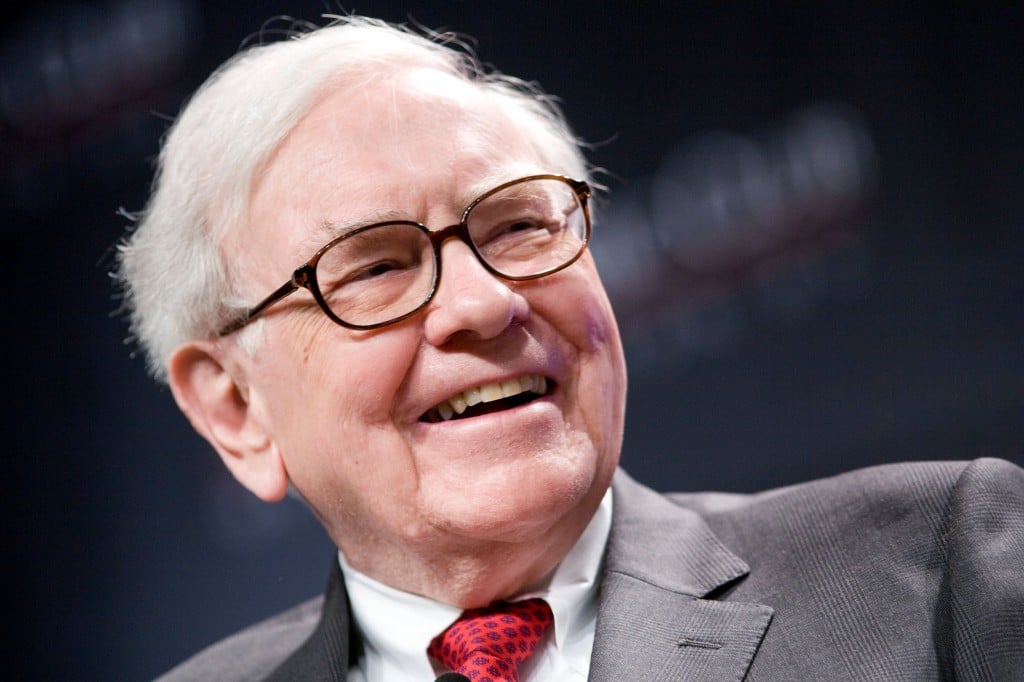
Best known for being controlled by Warren Buffett, Berkshire Hathaway Inc., located in Omaha, Nebraska, is a company that owns and maintains other companies. These include Dairy Queen, Fruit of the Loom, GEICO and many others. The company also owns 50% of Heinz and has invested sizable amounts into American Express, Coca-Cola, Wells Fargo and IBM. Berkshire Hathaway‘s share value reached $200.00 a piece for the first time in August last year and has been growing by 20% annually ever since. Forbes Global 2000 by Forbes magazine ranks Berkshire Hathaway Inc. as the 5th largest public company with revenue of over $180 billion and market capitalization of $227 billion in 2013.
9. Walmart: $246.8 billion
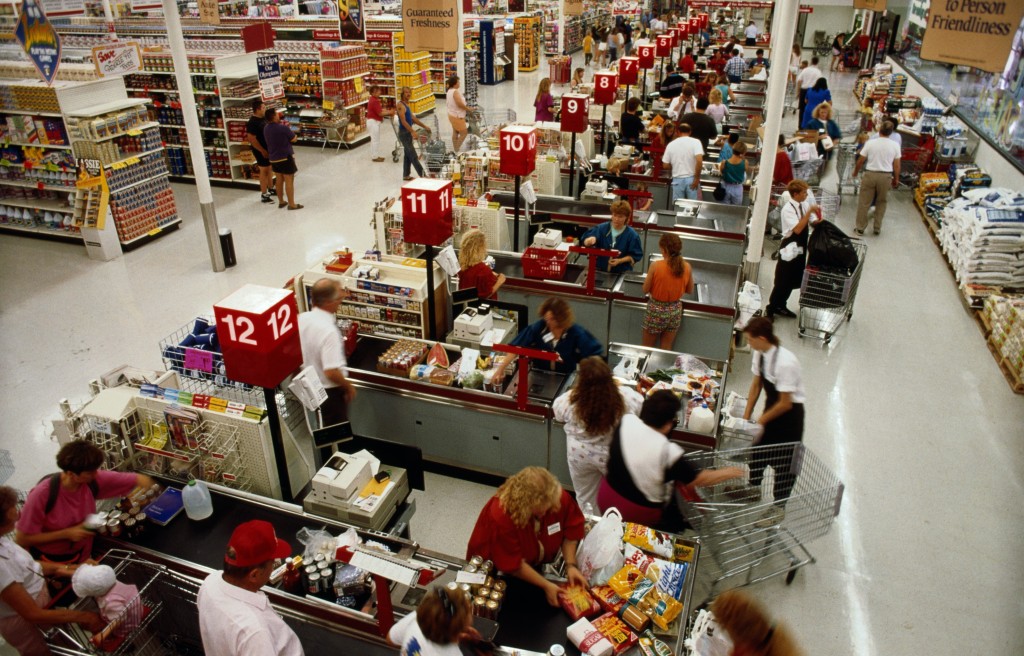
Walmart is one of the best known multi-billion dollar multinational companies, for it is the largest retail chain on the planet with over two million employees worldwide. It‘s also the largest private sector employer in the world. The company has already made over $475 billion this year alone. It‘s still owned by the founder Sam Walton‘s family ever since he started it in 1962. Walmart‘s market capitalization has reached $250 billion in 2014, with shares valued around $76 and rising.
8. General Electric: $257.2 billion
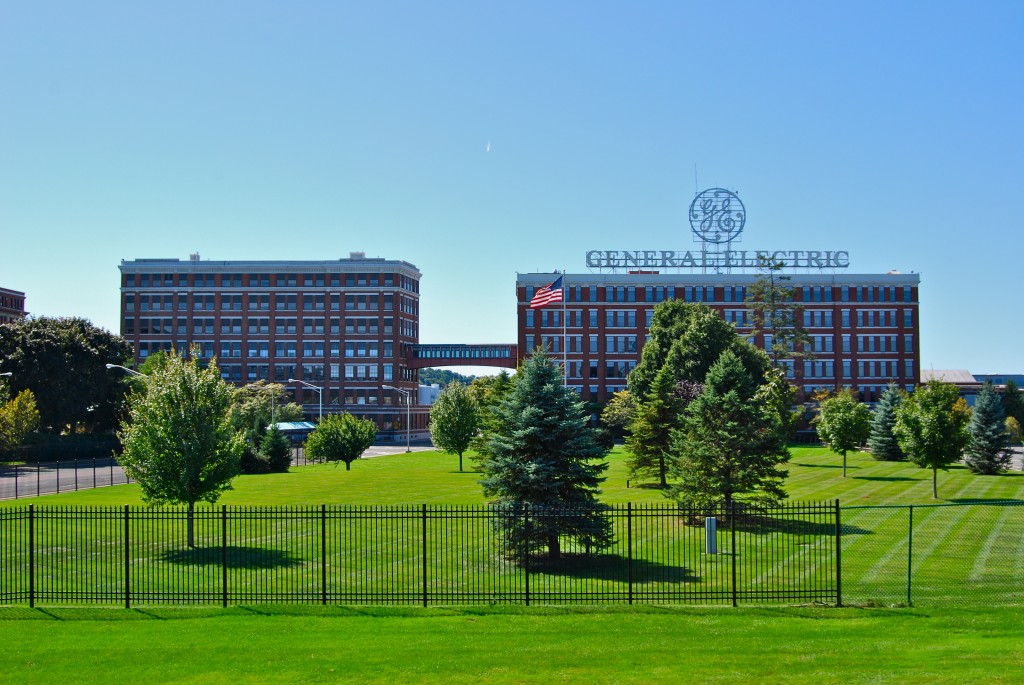
This legendary company is the only one remaining from the original 12 listed on the Dow Jones Industrial Average to be publicly traded to this day. With it‘s revenue of $146 billion, assets at $650 billion and market capitalization reaching $257 billion, this company rightfully takes it‘s place as the 4th largest company in The Forbes 2000 and 26th largest according to Fortune 500. Though General Electric had trouble in 2013, they‘re likely to make a return to the top in the near future.
7. Hoffmann-La Roche: $258.5 billion
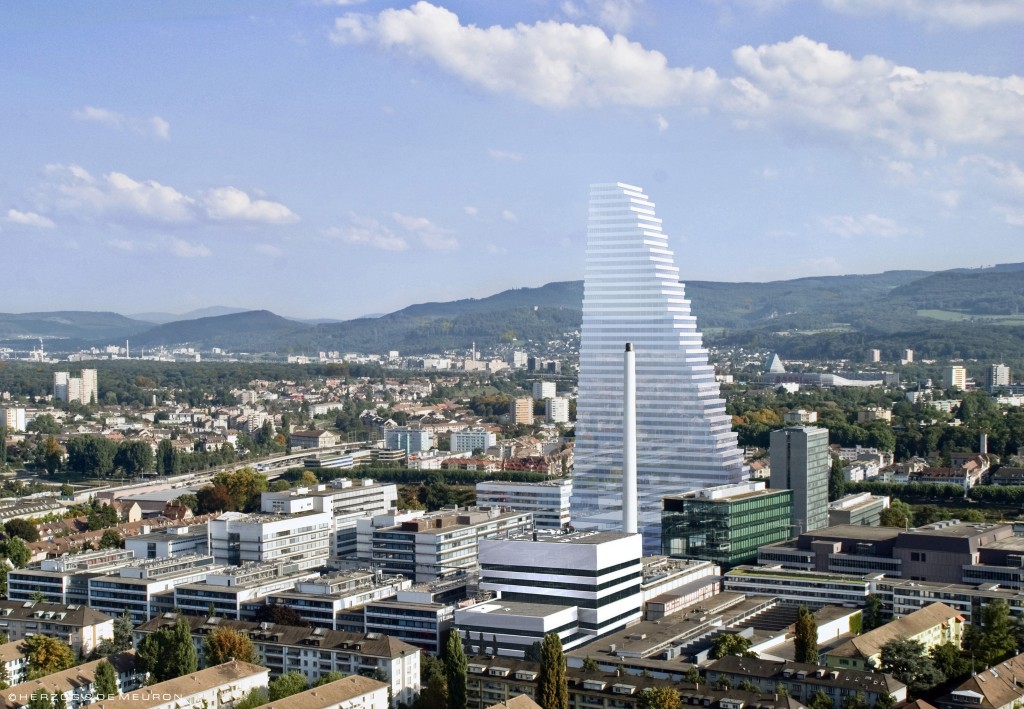
Hoffman-La Roche is based in Switzerland, but has locations in Europe, North and South America, Asia, Africa and the Middle East. This pharmaceutical company with pharmaceutical and diagnostic research divisions, owns subsidiary companies Chugai Pharmaceuticals, Vantena and Ganetech. This pharmaceutical giant has grown by about $16 billion since last year and continues to command a bigger and bigger part of their industry.
6. Wells Fargo: $261.2 billion
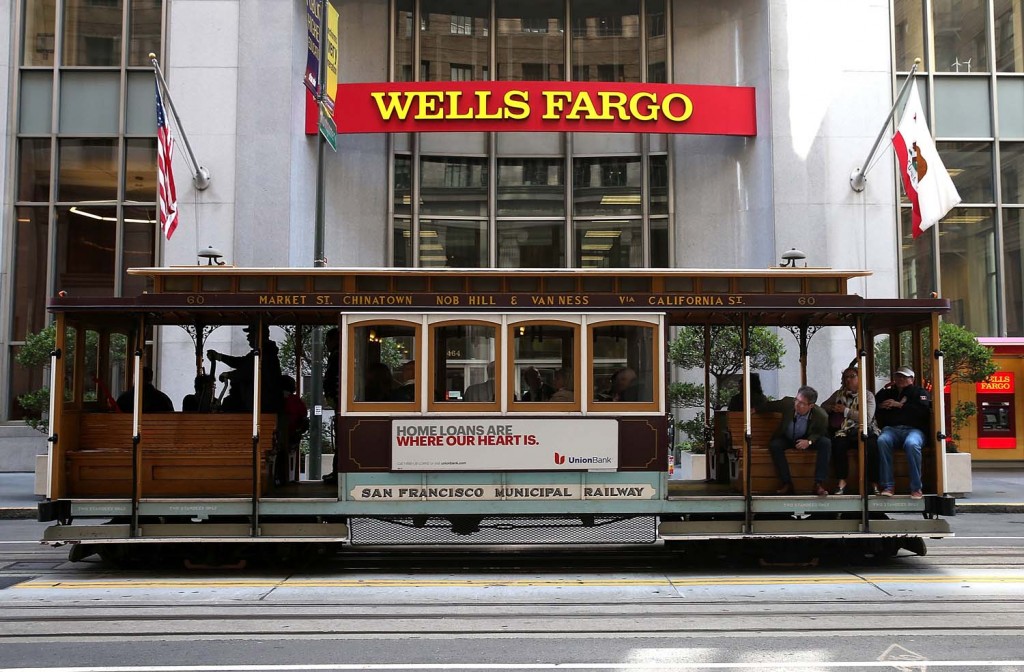
This bank has solidified it‘s position as one of top banks in the world with 70 million clients over 35 different countries being serviced in 100.000 establishments. Wells Fargo proudly and rightly calls itself one of the ,,Big Four“ banks in the U.S. . Based on market capitalization of $261.2 billion, this bank takes the number one spot in the world, while being the fourth largest bank in U.S. based on total assets, which have reached a whopping $1.5 trillion. In 2013, Wells Fargo gained profit of $21 billion and continues to keep it‘s place as one of the top banks in the post-2008 crisis market.
5. Johnson & Johnson: $302 billion
This company is responsible for popular consumer brands such as Tylenol, Band-Aid, Neutrogena Skin Care, Acuvue contact lenses, Clean and Clear and, of course, Johnson & Johnson baby products. As if that‘s not enough, they have a well developed pharmaceutical division, which produces medicines to treat tuberculosis, Crohn‘s disease and Colitis. This division alone racks up 30% of the total $71.3 billion of company revenue. Johnson & Johnson‘s market capitalization is over $300 billion, with market shares going for $107.10 a piece.
4. Microsoft: $382.4 billion
This company is well known for it‘s huge innovations in the computer market, and billionaire employees, so it‘s no surprise that Microsoft is on this list. Founded by Bill Gates in 1972, the company floated for initial public offering in 1986, so there‘s no doubt that this company has played a huge role in developing the industry they‘re in, and billions of people are using one of their many operating systems for PCs today. Trying not to fall off in this highly competitive market, Microsoft has tried diversifying into home gaming and smart phone fields, with varying success. With all their ups and downs, the company still reported total revenue of over $88 billion and assets valued at $172.38 billion in 2014, and has a $382.4 billion market capitalization.
3. Google: $390.3 billion
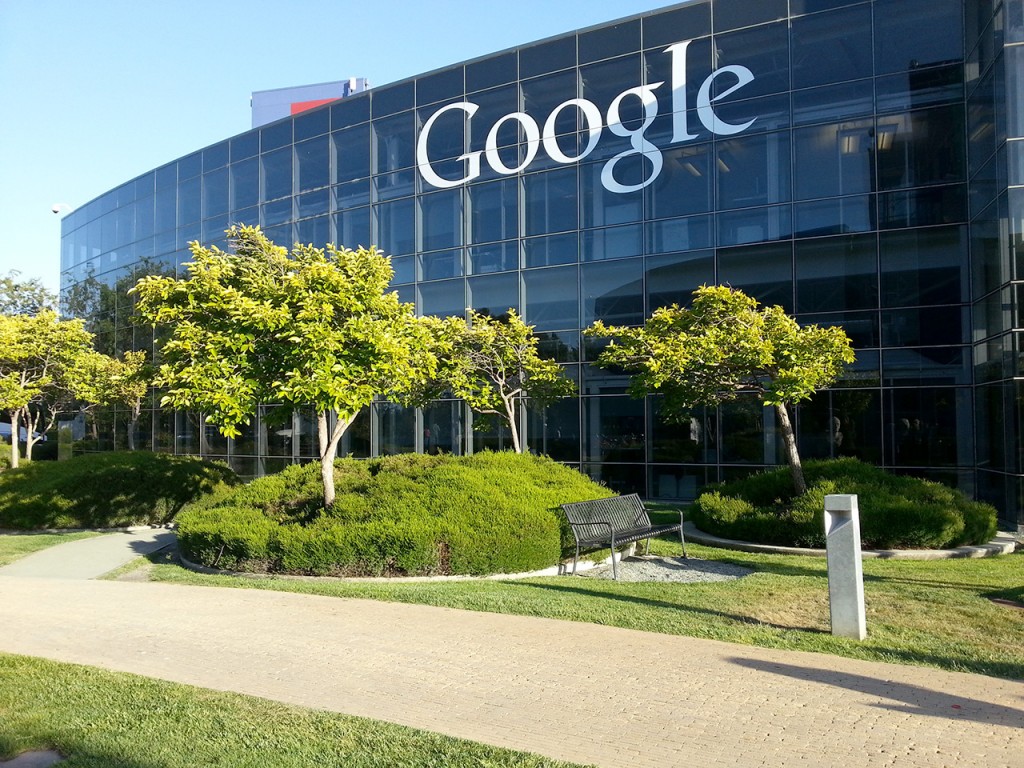
It‘s hard to belive that this company, with humble begginings as a search engine a mere decade ago, now essentially holds a monopoly on the Internet. Having branched-out to Gmail, Google+, Android devices and owning Youtube, Google surprisingly still earns most of its revenue through AdWords. The revenue has grown about $10 billion from 2012 to 2013. Add to that market capitalization of $390.3 billion and total assets reaching $110 billion last year, and this technology giant has nowhere to go but up.
2. Exxon Mobil: $407 billion
Irving Texas‘s Exxon Mobil is the largest gas and oil company traded publicly in the world, providing 3% of total world‘s oil. It claims it‘s title of the most profitable company in the world with total assets of $346 billion, 2013 revenues of $491 billion and market capitalization of $407 billion. Despite the many controversies of oil spills and business practices, which almost come naturally with the oil business, this company is one of the most powerful in the world.
1. Apple Inc: $603.3 billion

Without a doubt, Apple gets the number one spot on the list. This company probably has the biggest brand loyalty and brand recognition, with billions of consumers lining up at launch events to buy every new Apple product, despite it sometimes not meeting expectations, like the iPhone 6. It‘s debatable if Apple deserves their consumer loyalty, but what‘s for sure is that it brings in huge profits annually. Shadowed only by Samsung in total revenue for a technology company, Apple‘s revenue was $170 billion in 2013, total assets reach $207 billion and market capitalization of $603.3 billion is something to behold of, since it‘s the biggest in the world and earns Apple this spot on the list. Apple’s founder was Steve Jobs.
The post 10 Companies With the Highest Total Share Values appeared first on Net Worth Post.
]]>The post The Dangers of Travel! appeared first on Net Worth Post.
]]>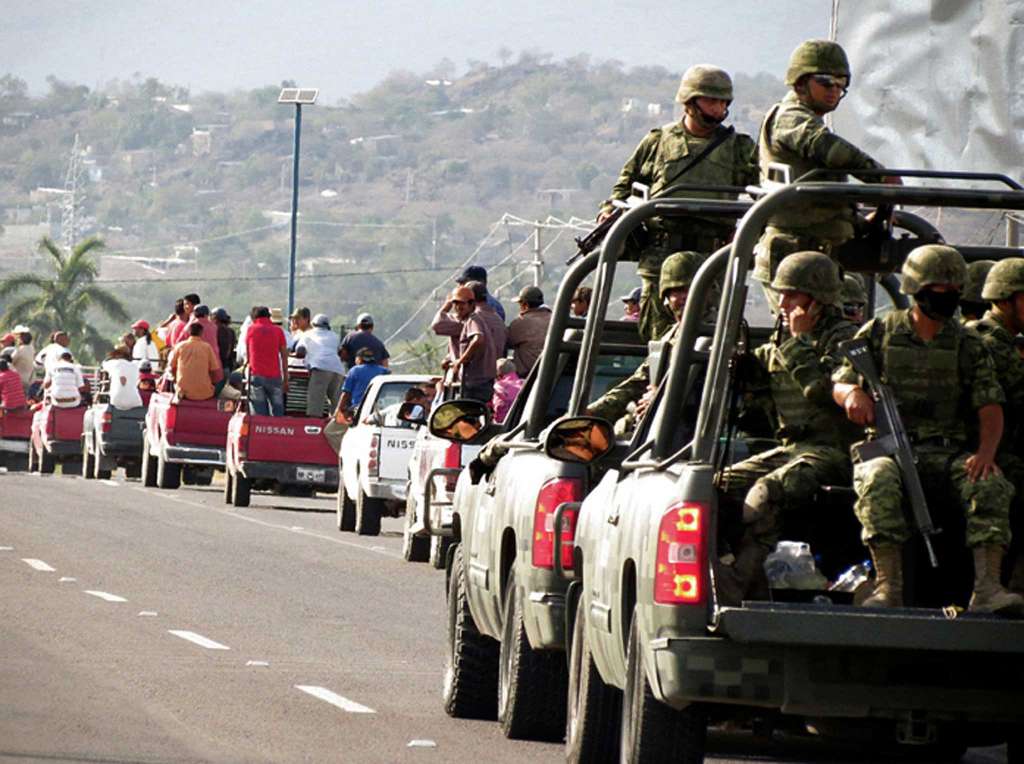
Annual statistics correlating information from around the world are produced by CCSP-JP, a Mexican NGO, and the Igarapé Institute, a Brazilian think-tank on security and violence. NOT included are war zones, or cities for which there is little or unsubstantiated data. Only cities which have a minimum of 250,000 people are listed, and both organisations admit the difficulty of comparing statistics between countries, and even between cities in the same country, because of differences in reporting and retention of records, usually as a result of limited resources available. This means that cities with good record-keeping may be unfairly ranked. The rankings are based on numbers of homicides per 100,000.
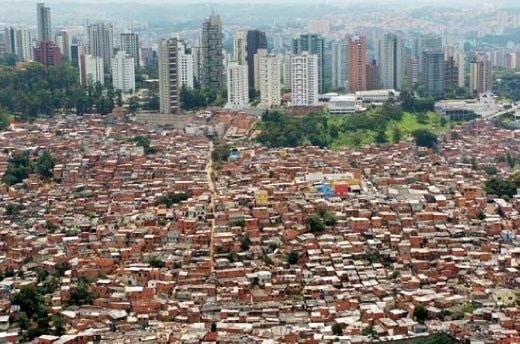
However, on one statistic there is no disagreement, and that is that the Venezuelan capital of Caracas is top of the list of most dangerous cities. The country as of mid-2016 is suffering through a period of inflation that is touching 200%, with the drop in the oil selling price having a very significant effect on national income – the situation is clearly ripe for an increase in crime. Homicides are at 120 per 100,000 in Caracas, with attendant muggings, theft, drug gangs and street crime very common.
Countries in Latin and Central America dominate world crime statistics, conspicuous in that the areas are notionally ‘at peace’, although there are some encouraging signs. The notorious Colombian city of Medellin is no longer on the list, when just five years ago the homicide rate was over 70. The rate in the Honduran city of San Pedro Sula – top of the list for several recent years – has halved, although still over 100. Mexican cities on the list have fallen from 12 to five, also in five years.
Regretfully there are significant downsides too – only eight cities in the ‘top 50’ list are outside Latin and Central America, four in South Africa and four in the USA. El Salvador has taken over from neighbour Honduras as the country claiming the highest murder rate, and its capital San Salvador with a population of 1.8 million has experienced a doubling of the homicide rate to 1900 in just one year. The number of Brazilian cities on the list has risen from 14 to 21 in five years – not a comforting thought for travellers as well as the sporting fraternity visiting for the 2016 Olympic Games.
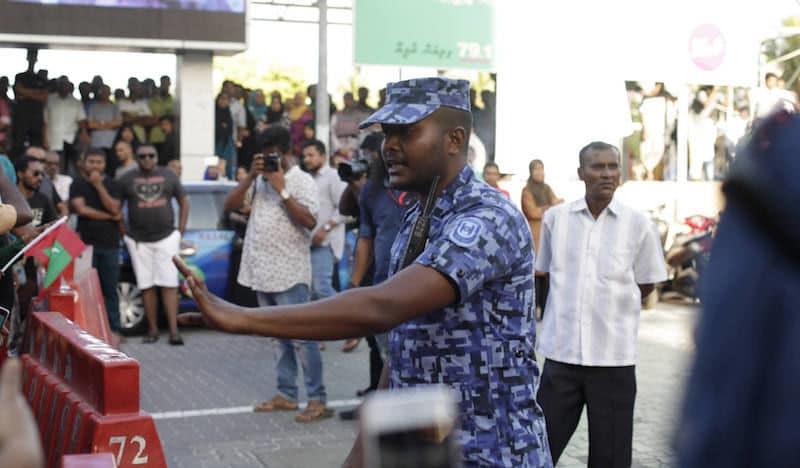
Somewhat surprisingly considering the unrest and terrorist activity elsewhere on the continent, South African cities figure prominently on the list, with Johannesburg and Cape Town leading the way. The USA’s position is perhaps less of a surprise, considering the prevalence of fire arms frequently reported, along with incidents of mass murder. Baltimore, St Louis, Detroit and New Orleans have all risen on the list from the previous year, with homicides on the rise countrywide.
There is some general good news – regardless of what is frequently highlighted in the media concerning instances of violence around the world, the assessment by both organisations is that it is in fact declining, albeit slowly. Many deaths are currently the result of ‘civil’ conflicts and acts of terrorism, otherwise the world in general has never seen a more peaceful overall environment. Except for in Latin America, violence has declined everywhere in the world in the last five years, and even from the last year.
| Rank | City | Murder Rate (per 100,000) |
|---|---|---|
| 1 | Caracas, Venezuela | 119.87 |
| 2 | San Pedro Sula, Honduras | 111.03 |
| 3 | San Salvador, El Salvador | 108.54 |
| 4 | Acapulco, Mexico | 104.73 |
| 5 | Maturin, Venezuela | 86.45 |
| 6 | Distrito Central, Honduras | 73.51 |
| 7 | Valencia, Venezuela | 72.31 |
| 8 | Palmira, Colombia | 70.88 |
| 9 | Cape Town, South Africa | 65.53 |
| 10 | Cali, Colombia | 64.27 |
| 11 | Ciudad Guayana, Venezuela | 62.33 |
| 12 | Fortaleza, Brazil | 60.77 |
| 13 | Natal, Brazil | 60.66 |
| 14 | Salvador, Brazil | 60.63 |
| 15 | St. Louis, U.S.A. | 59.23 |
| 16 | Joao Pessoa, Brazil | 58.4 |
| 17 | Culiacan, Mexico | 56.09 |
| 18 | Maceio, Brazil | 55.63 |
| 19 | Baltimore, U.S.A. | 54.98 |
| 20 | Barquisimeto, Venezuela | 54.96 |
| 21 | Sao Luis, Brazil | 53.05 |
| 22 | Cuiaba, Brazil | 48.52 |
| 23 | Manaus, Brazil | 47.87 |
| 24 | Cumana, Venezuela | 47.77 |
| 25 | Guatemala, Guatemala | 47.17 |
| 26 | Belem, Brazil | 45.83 |
| 27 | Feira de Santana, Brazil | 45.5 |
| 28 | Detroit, U.S.A. | 43.89 |
| 29 | Goiania, Brazil | 43.38 |
| 30 | Teresina, Brazil | 42.64 |
| 31 | Vitoria, Brazil | 41.99 |
| 32 | New Orleans, U.S.A. | 41.44 |
| 33 | Kingston, Jamaica | 41.14 |
| 34 | Gran Barcelona, Venezuela | 40.08 |
| 35 | Tijuana, Mexico | 39.09 |
| 36 | Vitória da Conquista, Brazil | 38.46 |
| 37 | Recife, Brazil | 38.12 |
| 38 | Aracaju, Brazil | 37.7 |
| 39 | Campos dos Goytacazes, Brazil | 36.16 |
| 40 | Campina Grande, Brazil | 36.04 |
| 41 | Durban, South Africa | 35.93 |
| 42 | Nelson Mandela Bay, South Africa | 35.85 |
| 43 | Porto Alegre, Brazil | 34.73 |
| 44 | Curitiba, Brazil | 34.71 |
| 45 | Pereira, Colombia | 32.58 |
| 46 | Victoria, Mexico | 30.5 |
| 47 | Johannesburg, South Africa | 30.31 |
| 48 | Macapa, Brazil | 30.25 |
| 49 | Maracaibo, Venezuela | 28.85 |
| 50 | Obregon, Mexico | 28.29 |
The post The Dangers of Travel! appeared first on Net Worth Post.
]]>The post Air Pollution – Almost No-one Is Safe! appeared first on Net Worth Post.
]]>The worst areas for air pollution are actually the Indian sub-continent and the Middle East, but there is no place for complacency around the world in general. The World Health Organisation(WHO) database now covers 3000 cities in 103 countries – of cities with over 100,000 people in low- and middle-income countries, WHO air quality guidelines are NOT met in 98% of them; even in higher income countries, the figure is 56%. Overall, this means that from available data, over 80% of people worldwide live in urban areas, and have air quality readings exceeding WHO limits.
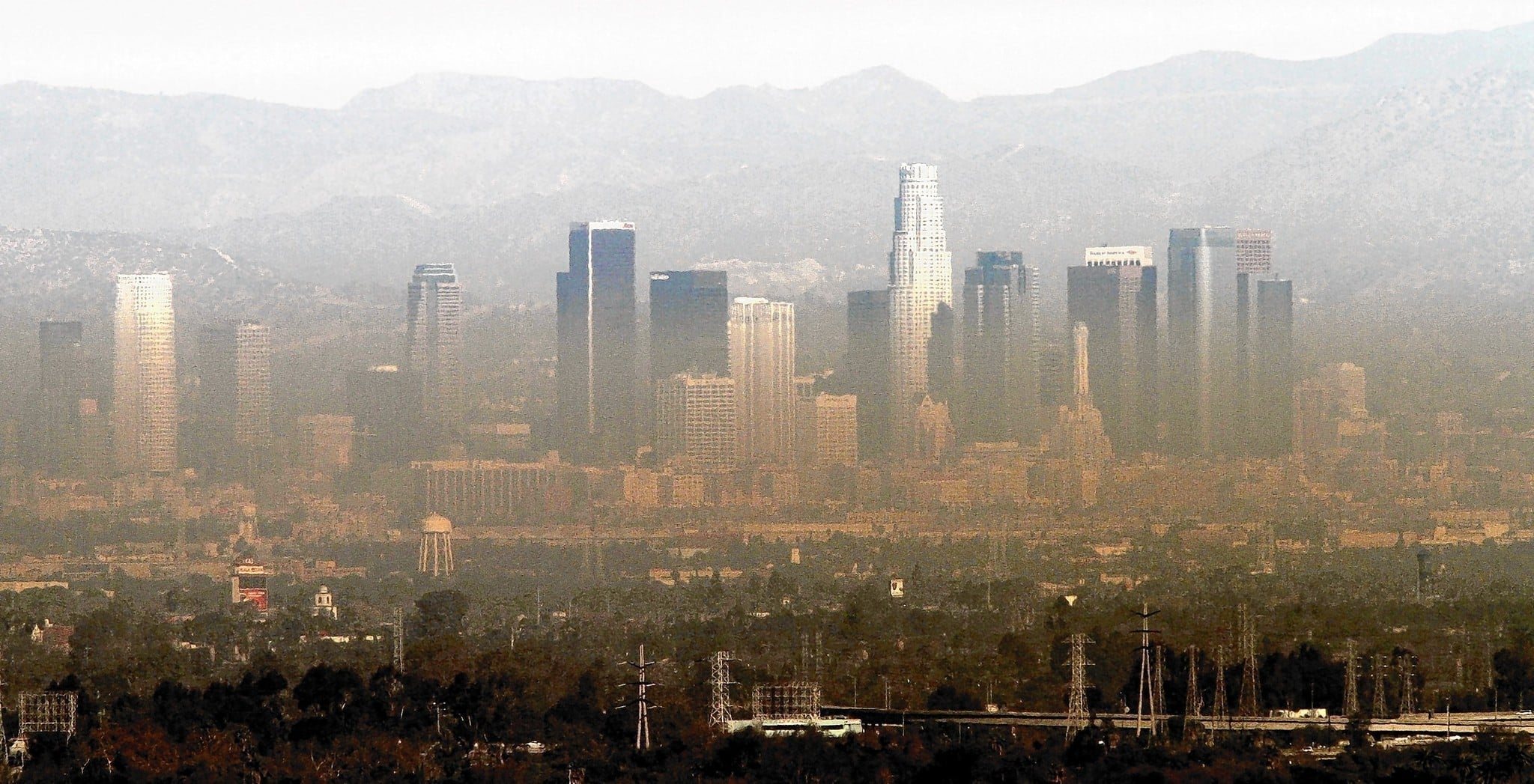
Although deaths are not recorded as being (directly) from air pollution, authorities around the world now accept that the declining quality of urban air in particular increases the risk of death from acute respiratory diseases, lung cancer, heart disease and stroke for the people who live in these areas, with a consequent and potentially unsustainable increase in the costs of health care. WHO estimates are that seven million deaths per year occur prematurely due to air pollution, three million because of the quality of outdoor air. What authorities do about it is another problem!
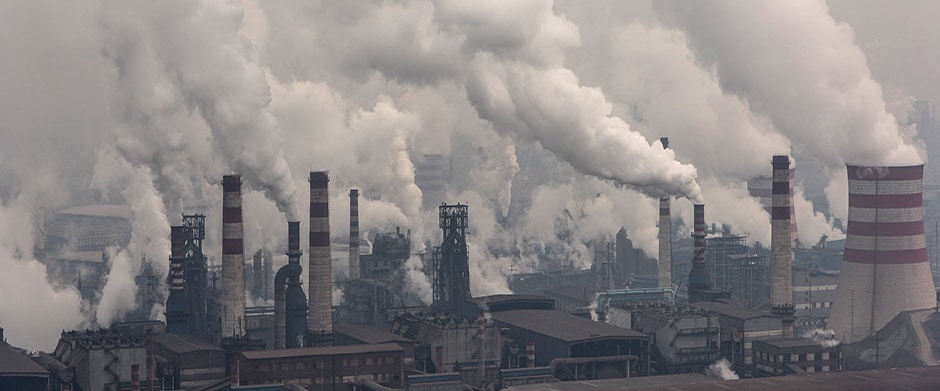
The Indian sub-continent has a problem similar to that of China, but Iran and other countries of the area are beset by the problem of sand- and dust-storms, which are very difficult to alleviate of course. Such an influence can vary significantly, but then burning the amount of coal for heating varies too, according to season, and the depressing fact is that more fossil fuel will be used in the worst effected areas as they transit through a period of major industrialisation before developing re-usable energy sources, similar to the process already passed by most first-world, developed areas.
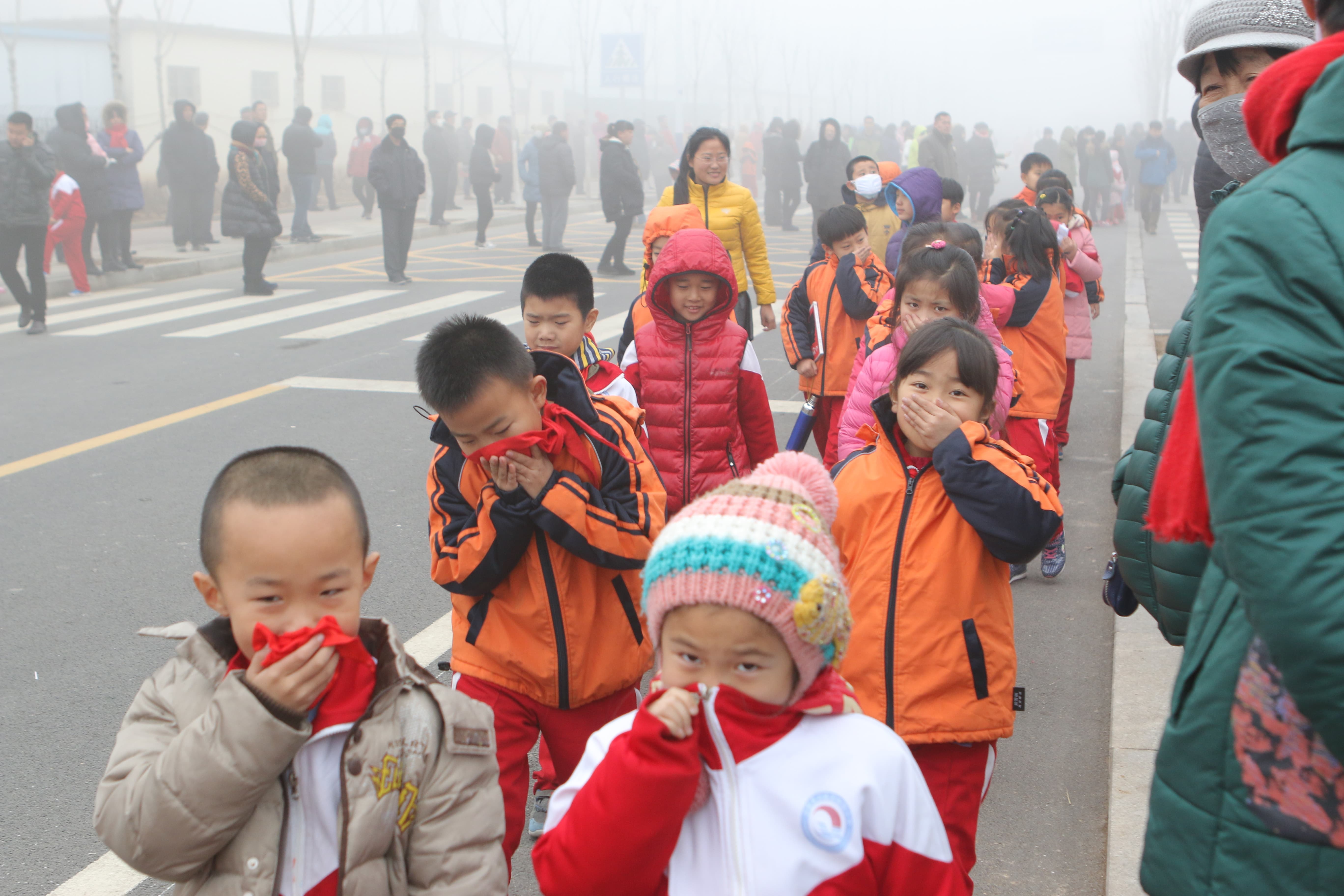
Air quality is measured by the concentration of particulate matter – PM2.5 meaning particles smaller than 2.5 micrometres; a concentration of over 10 is considered by the WHO to pose a risk.
Zabol in Iran has recorded the most consistently dirty air, at a PM2.5 measure of 217 largely from dust storms. Following are the Indian cities of Delhi, Gwalior and Allahabad, then Riyadh and Al Jubail in Saudi Arabia. Many more cities in these two areas are at the top of the list, however, limited data from Lagos in Nigeria suggests that this city is in just as much discomfort from air pollution as those previously listed. Similarly, Ulan Bator in Mongolia is located in a natural bowl which retains polluted air above the city, including from burning fossil fuel.
Notable problem cities outside the areas defined above, which also includes southern Turkey, are identified in the following table for air pollution, although by no means as serious as those; secondly, all cities for overall pollution. The third table is of selected major cities, and the fourth the assessed cleanest urban areas in the world.
Air Pollution
| City | PM 2.5 level |
|---|---|
| Mauritius | 66 |
| Urumqi, China | 61 |
| Nanjing, China | 52 |
| Johannesburg, South Africa | 51 |
| Kathmandu, Nepal | 50 |
| Accra, Ghana | 49 |
| Baguio, Philippines | 49 |
| Temuco, Chile | 48 |
| Nis, Serbia | 45 |
| Fresno, USA | 45 |
Other Major Cities
| City | PM 2.5 level |
|---|---|
| Hanoi | 39 |
| Lima | 38 |
| Rio de Janeiro | 36 |
| Venice | 30 |
| Bangkok | 20 |
| Frankfurt | 19 |
| Singapore | 17 |
| Paris | 17 |
| London | 16 |
| New York | 14 |
General Pollution
| Rank | City | Contaminant |
|---|---|---|
| 1 | Linfen, China | Coal |
| 2 | Tianying, China | Lead, heavy metals |
| 3 | Sukinda, India | Hexavelent (steel) |
| 4 | Vapi, India | Chemicals, metals |
| 5 | La Oroya, Peru | Lead, copper, zinc, sulphur |
| 6 | Dzerzhinsk, Russia | Chemicals |
| 7 | Norilsk, Russia | Sulphur dioxide |
| 8 | Chernobyl, Ukraine | Radiation |
| 9 | Sumgayit, Azerbaijan | Chemicals, heavy metals, oil |
| 10 | Kabwe, Zambia | Cadmium, lead |
Cleanest Cities
| Rank | City | Contaminant |
|---|---|---|
| 1 | Calgary, Canada | excellent public transport; efficient garbage processing system |
| 2 | Honolulu, USA | light manufacturing; efficient public transport system |
| 3 | Helsinki, Finland | cheap, efficient public transport, wide streets= little congestion |
| 4 | Ottawa, Canada | efficient public transport, public city-cleaning projects |
| 5 | Minneapolis, USA | light rail, extensive bike lane system |
| 6 | Oslo, Norway | pro-active greening of the city, bus fuel from human wast |
| 7 | Stockholm, Sweden | significant percentage of ‘clean’ vehicles, only light and service industries |
| 8 | Zurich, Switzerland | mass transit options: buses, boats, light rail/street-cars |
| 9 | Katsuyama, Japan | tourist centre promoting cleanliness as a priority |
| 10 | Bern, Switzerland | cleanliness promoted to attract returning tourists |
The post Air Pollution – Almost No-one Is Safe! appeared first on Net Worth Post.
]]>The post The Rockefeller Family appeared first on Net Worth Post.
]]>
The Rockefellers did indeed originate in what is now Germany, from Fahr in the Rhineland. Johann Peter migrated to the USA in 1723 and settled in New Jersey, soon after altering the surname spelling from Rockenfeller or Rockenfelder. The family were farmers, and remained so until John D.’s father William, who worked in various jobs such as lumberman, and selling so-called elixirs, and whose checkered career included bigamy, name changing, and frequent moves around the US and Canada. Clearly, he was no billionaire, and in fact John D. refused to recognise him at all for many years, as having brought shame to the family of the, later, richest man in the world.
John D. was born in 1839 – he studied bookkeeping and then accountancy, before selling produce and other foodstuffs, making sufficient money so that, with partner Maurice B. Clark, Samuel Andrews and Clark’s two brothers, in 1863 he was able to build an oil refinery, early on spotting the potential of the resource. John D. subsequently bought-out the Clarks, and when his brother William built another refinery, the company Rockefeller, Andrews and Flagler was formed.
John D. was the businessman behind the venture – although he maintained that wife Laura was the real brain behind all business decisions – and steadily bought-up the oil-producing areas, built refineries as necessary, and controlled the methods of distribution, particularly the railways. In 1870, Standard Oil was formed, and by 1872 Rockefeller effectively had control of 90% of oil production, refining and distribution in the US, and actually in the world at that time. Despite anti-monopoly laws subsequently enacted by many US states, Rockefeller’s tough business dealings and his adaption of his operations legally circumvented these barriers. Kerosene was eventually replaced by gasoline, natural gas was marketed, and coal and iron ore mined – John D. was careful to maintain overall control of the companies and trusts.
Specifically, through maintaining an effective monopoly of the oil business, Rockefeller had now amassed a considerable fortune. At one time his wealth represented more than 1.5% of the US economy, around $25 billion, and he was the richest person not only in the US but in the top three in the world. His thoughts turned to retirement and philanthropy; despite his ruthless business methods, Rockefeller had always contributed to charities. In particular, he was at the forefront of medical research, and he founded or donated to as many as 70 educational institutions.
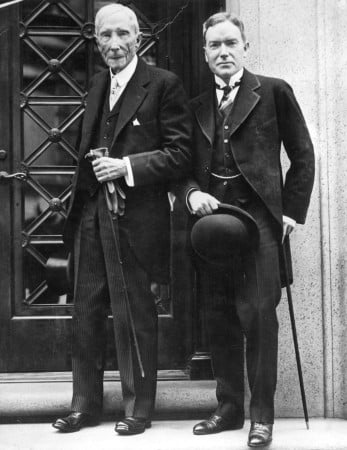
John D. Sr died in 1937, and his only son John D. Jr – known as Junior – assumed nominal control of the family fortune. Male members of the family have remained ostensibly in control of finances, although under the auspices of the 1934 Trust, and the 1952 Trust; all have been managed professionally. Junior’s particular divergent interest was to be in banking, as he had been given 10% of Equitable Trust Company stock by his father, which was subsequently subsumed into Chase National Bank, of which he was the largest shareholder, albeit at just 4% but it was the largest bank in the world at the time. Subsequent mergers with the Manhattan Company(1955) and then JP Morgan(2000) brought it to its current status as JP Morgan Chase, one of the four big banks in the US with assets in 2016 approaching $3 trillion.
Junior and the successive members of the family have inevitably been involved in real estate as well, principally in New York City and including housing developments as well as noted singular buildings, but Junior was actually always at least as interested in philanthropy as much as maintaining or expanding the family business. Continuation with support of education and medical research was complemented by involvement in many international institutions, often as part of or off-shoots of the League of Nations and then the United Nations – Junior even donated the land in New York City on which the United Nations building stands. There has also been a consistently heavy engagement in conservation, notably through either establishing or contributing to national parks around the US.
A further interesting recent development has been the declaration by the Rockefeller Brothers Fund in 2014, that it will divorce itself from all involvement in fossil fuels, in recognition of their (at least perceived) effect on climate change.
John D. Jr and wife Abby – daughter of Senator Aldridge – had a daughter and five sons. John D. 111 and his sister Abigail concentrated on philanthropy; John D. 111 sat on many boards, including the University of Chicago – which John D. Sr had established – what became Rockefeller University, International Education and China Medical Boards. He joined the family’s Rockefeller Foundation philanthropic organization in 1929, becoming chairman for twenty years, and was the first president of the Rockefeller Brothers Fund (1940-56).

Son David moved into banking as Chairman and CEO of Chase Manhattan, expanding it internationally such that it now has over 50,000 branches and is a significant influence in banking around the world. He was President (1960-69), and then chairman and CEO (1969-80).
Laurance became a venture capitalist principally through Venrock Associates, which funded Apple and Intel and various other companies in the expanding technology sector. He was a founding trustee member of the Rockefeller Brothers Fund(1940-82), serving as president(1958–68) and then chairman (1968–80), and a founding trustee of the Rockefeller Family Fund, serving from 1967 to 1977. After World War 11, his interest in flying saw him fund what became the McDonnell Aircraft Corporation
Nelson is probably the best known son, as he was Governor of New York State from 1959-73, and then served as Vice-President of the US under President Gerald Ford from December 1974 to January 1977, following President Nixon’s resignation. He had previously been involved in positions of national affairs in health, education and welfare under presidents from Roosevelt to Eisenhower.
Winthrop became the first Republican Governor of Arkansas(1967-71) since the civil war. He had moved his family to the state in the early 1950s, and set up in farming
There is no doubt that the name Rockefeller still carries considerable weight and influence, both domestically and internationally, as the family has been involved in several major businesses, and in politics over more than 100 years. There are over 150 direct blood descendants of John D. Sr alive as of mid-2016, many still intimately involved in the variety of businesses already mentioned, as well as in influential political positions, plus maintaining the philanthropic activities for which the family has become justly respected, although some would say for less than altruistic reasons.
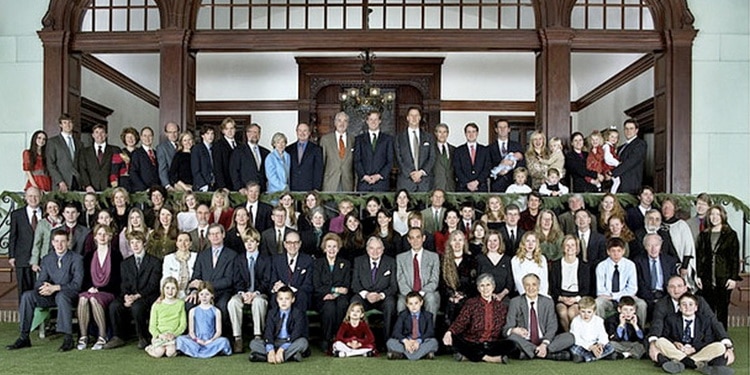
However, the family no longer holds a pre-eminent position in terms of net worth that it enjoyed at the time of John D. Sr’s passing. Estimates by authoritative sources put the family’s fortune at over $11 billion, ranking them in the low 20s of richest families in the USA in 2016. Of course, their continuing philanthropic activities means that the family is never likely to reach former heights of wealth established by the then richest person in the world, John D. Rockefeller Sr.
The post The Rockefeller Family appeared first on Net Worth Post.
]]>The post Establishment of The Rothschild Dynasty appeared first on Net Worth Post.
]]>The current net worth of the family is estimated at anything from a minimum of $300 billion to as much as many trillions – so widely is the family and its wealth now spread, that an accurate estimate is impossible.
[one_half]

[/one_half][one_half_last]
The family is notionally Jewish, most probably Ashkenazi Jews originating from the area between the Black and Caspian Seas and who adopted Judaism in the 8th century – their ancient history is somewhat vague. Regardless, the family’s rise to prominence didn’t begin until the 18th century, in Frankfurt in what is now Germany.
[/one_half_last]
Mayer Amschel Bauer was born in 1743, in Frankfurt, the son of money lender Moses Amschel Bauer who above the door to his business erected a red hexagon – this ‘red shield/sign’ translates into German as ‘rot schild’, and became the name Rothschild which Mayer adopted as his surname in his 20s. (Some sources suggest that the name may have been used by ancestor Izaak more than 100 years previously.) Mayer initially worked in Hanover for an Oppenheimer-owned bank – another name synonymous with wealth – and by devious means became a confidant of Prince William of Hesse-Hanau; he quickly realised that lending money to royalty and governments was far more profitable and secure than to individuals. He was also permitted to have himself recognised publicly as a ‘court factor’, immeasurably improving his stature in the financial and business world.
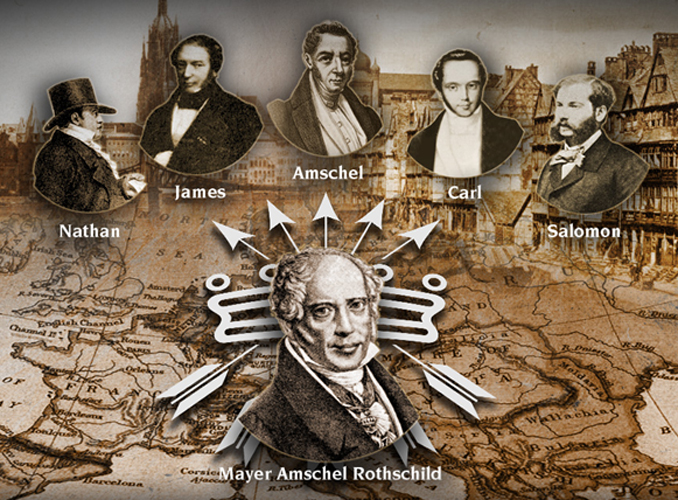
Mayer and his wife Gutle had five sons: the first, Amschel Mayer, was born in 1773(d. 1855), Salomon Mayer the following year(d. 1855), Nathan Mayer in 1777(d. 1836), Kalmann Mayer in 1788(d. 1855), and Jacob Mayer in 1792(d. 1868). Each were to become vital in the growth and spreading influence of the Rothschild business and hence fortune, initially in the European financial world, but later their tentacles were to spread almost worldwide. Mayer also had five daughters, details of their lives are sketchy, but they enabled the Rothschild family to spread their influence, although hidden, by accident or design, under different names. During the 19th century in particular, future generations were to almost always marry first or second cousins, so careful were the family to retain control of their expanding businesses.
[one_half]
[/one_half][one_half_last]
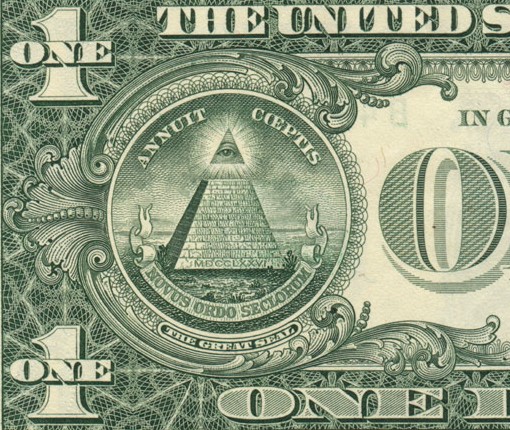
Mayer became adept at financing the many small states and free cities existing in what is now Germany, but in the 1770s he also had influence on developing “The Illuminati”, under the direction of Adam Wieshaupt, supposedly an organisation with altruistic aims of fighting ‘official” corruption and nepotism, but essentially a self-serving system to undermine political and religious orders, and place them in debt to the Rothschilds.
[/one_half_last]
[one_half]
[/one_half][one_half_last]
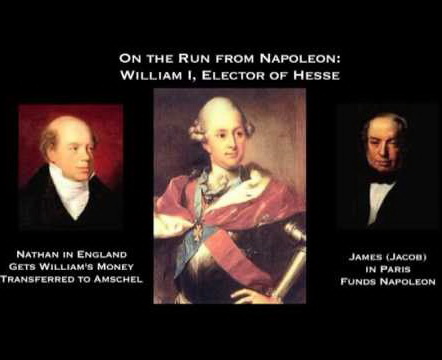
Over the next several years, Mayer dispatched his sons to the four other major European financial centres – Nathan established a bank in London, after landing in Manchester in 1798; Jakob (James) in Paris in 1811; Kalmann in Naples in 1821; Salomon in Vienna in 1822; Amschel remained in Frankfurt. These were to be permanent migrations – there was no doubt that the aim was to establish branches of the family business, and to facilitate co-operation between them in the ambition to become possibly the most important family-run business in Europe, and therefore the richest.
[/one_half_last]
The Emperor Francis 11 of Austria granted four baronetcies to the family as early as 1816, Nathan in 1818, so importantly useful an influence was the family even at that point. In 1847 and then in 1885, Queen Victoria elevated two of the Rothschilds to hereditary Baronetcies, a further indication of the family’s importance in British financial and other business circles.
Mayer and his sons are suspected of involvement in several wars, partly to undermine states to the family’s own ultimate advantage, but also because they could back both sides anyway, as the victor in war guaranteed the debts of the vanquished. The financial basis had been an amount of $3 million left with Mayer for safe-keeping by Prince William, in fear of Napoleon, but which was never to be repaid.
[one_half]

[/one_half][one_half_last]
The French Revolution and then Napoleonic Wars provided the family with enormous opportunities, as their control of gold (bullion) and its transportation enabled easy support of Britain and her allies, but also of the French. Of particular note was Nathan’s early receipt in London of news of the Battle of Waterloo, then behaving as though the British had lost, only to buy bonds back at an enormous discount before the victory was proclaimed.
[/one_half_last]
He is said to have claimed a 20 to one payout, increasing his initial stake of $25,000 to around $60 million at this point in time. In fact, the holdings of Nathan were such that he saved the British government in a cash liquidity crisis in 1825.
[one_half]
[/one_half][one_half_last]
Concurrently, Nathan – who supposedly because of his greater success had been elected head of the family business on his father’s death, contrary to the eldest son assuming control – was involved in the War of 1812, having established The First Bank of the United States through agent Alexander Hamilton, believing that a US defeat would then enable the family to control US finances. This plan didn’t work, or at least, it was the British who needed Rothschild assistance.
[/one_half_last]
Rothschilds were permitted to open the Second Bank of the US, only to have it disestablished by President Jackson in the 1830s, which ended the family’s major influence in the US.
However, in 1825 loans of over $3 million to Brazil financed the new country’s independence from Portugal, which additionally took on repayment of an earlier loan from the Rothschilds to Portugal of around $2 million. Rothschilds influence had spread to South America.
Nathan married Hannah, daughter of Levy Barent Cohen originally from an Amsterdam family involved in finance, and they had seven children, six of whom married within the family including to a Cohen, and one into petty royalty – a British minister of the crown. Significant projects during the 19th century included financing the Suez Canal, and bankrolling Cecil Rhodes to form the future Zimbabwe – Africa was now within Rothschilds’ purvue, which later included De Beers. The banking operations stayed within the English branch of the Rothschilds until 2003, when they merged with the French operation.
In France, following the demise of Napoleon, Jakob subsequently bought-up French bonds, issued with borrowed money, only to sell rapidly and then effectively take-over supply of finance to the government when their finances collapsed. However, the French branch played a significant roll in the re-building of the country during the rest of the century, including extensive industrialisation.
In 1835, the Spanish quicksilver mines at Almaden were leased to the Rothschilds indefinitely, thus giving the family a virtual monopoly of the refining of gold and silver in Europe.
[one_half]
[/one_half][one_half_last]
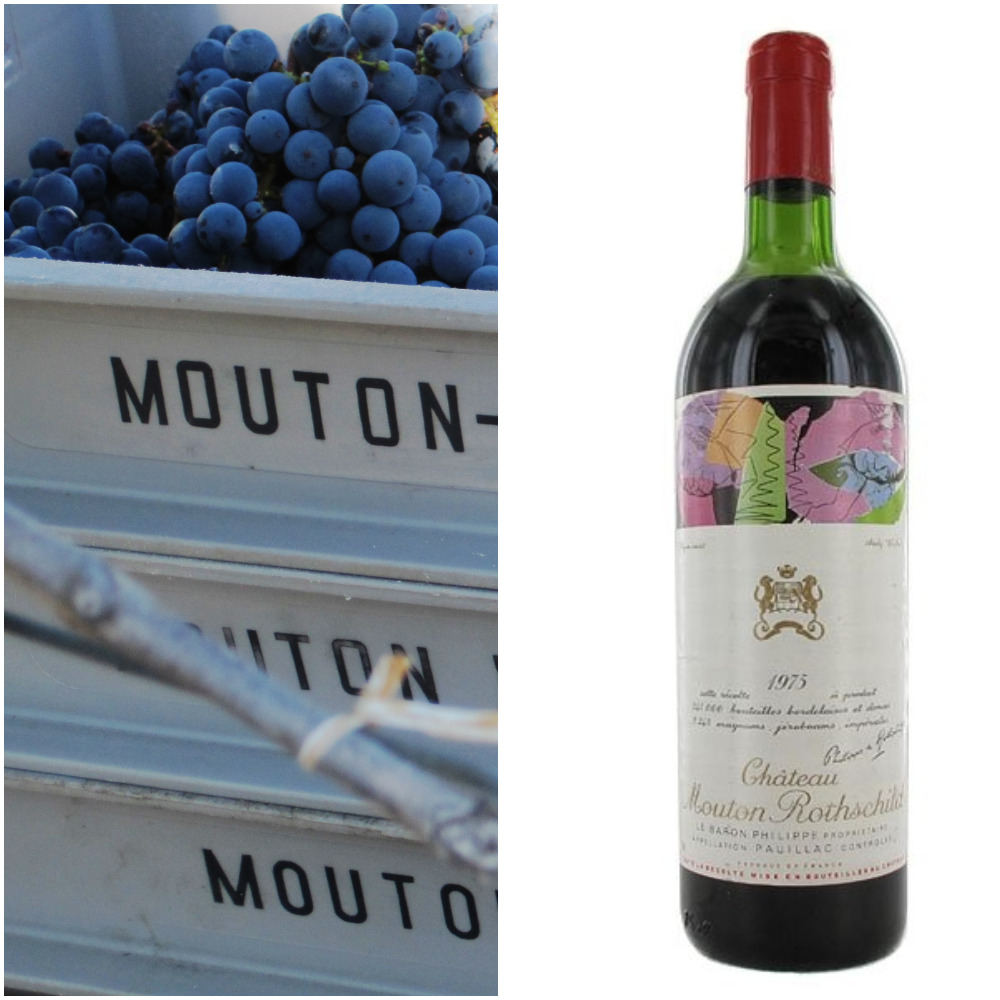
A notable, if not necessarily financially rewarding purchase initially, was what became Chateau Moutin Rothschild, followed later by Chateau Lafitte, becoming two of the most famous and enduring names in the world of wine production.
In 1904, the Japanese government solicited the unified Rothschild branches in London to fund their efforts in the Russo-Japanese War; the issue of Japanese war bonds totalled around $1.5 billion in 2016 currency terms – east Asia was now beholden to the Rothschilds.
[/one_half_last]
Jakob married his niece, the daughter of Salomon, and they had five children, four of whom married within the family, and one to an influential financier.
In Italy, Kalmann quickly established relationships with both the Austrian-dominated Naples government, and the Vatican, formulating significant loans to the Papal States as well as to various Italian states including Naples, Tuscany and Parma, However the unification of Italy in 1861 dramatically reduced Rothschilds’ influence, and the branch was soon closed.
Kalmann married Adelheid Herz and they had five children, four of whom married within the wider Rothschild family – son Anselm died aged 18. Mayer Carl and Wilhelm Carl subsequently succeeded their childless uncle Amschel in Frankfurt on his death in 1855.
[one_half]

[/one_half][one_half_last]
Salomon became domiciled in Vienna in 1820, and rapidly developed a very significant role in all levels of banking, eventually becoming the largest banking concern in the Empire, which endured effectively until the anschluss of 1938, after which their business was subsumed by the Nazis, and their properties confiscated. Much of their property wasn’t returned until 1999. His operations included supporting construction of the railway network in Austria-Hungary to a large degree.
Salomon married Caroline Stern, and they had a son and a daughter, both of whom married within the family. To his credit, Salomon was a noted philanthropist, in particular donating many pieces of art to a range of galleries and museums around Europe.
[/one_half_last]
Meantime, Amschel Mayer concentrated on business in the middle of Europe until his death in 1855, but again, unification – this time of Germany in 1871 – soon significantly reduced the ability of the Rothschild business to influence state matters, although they had been involved in the Franco-Prussion War which had preceded it. Chancellor Bismarck was nobody’s fool, and apparently regarded the Rothschild’s overtures of financial support with suspicion.
Attempts to set up banking operations in Russia were repulsed by the Tsar, and – again – in the US were unsuccessful, to the extent that President Lincoln had had a new currency printed to circumvent the Rothschild’s influence on the major American banks.
Now well-established in the UK in particular, from where their major projects are co-ordinated, the family has even entered the Chinese banking market as of 2006, and there are allegedly very few countries left in which Rothschilds do not have a presence. Perhaps unsurprisingly given the long-established neutrality of the country both politically and financially, a further important base is in Switzerland.
The Rothschilds have certainly survived well into the modern era, notwithstanding the suspicion with which they are still regarded, amid rumours of their involvement in many major events and conspiracies over the years. Many allegations have been shown to originate from anti-Semitic bias, and as has been pointed out, many supposed Rothschild machinations would be counter-productive, certainly from the middle of the 19th century, as conflict would not benefit the family’s ownership of, for example, government bonds, a significant pillar of their wealth.
[one_half]
[/one_half][one_half_last]
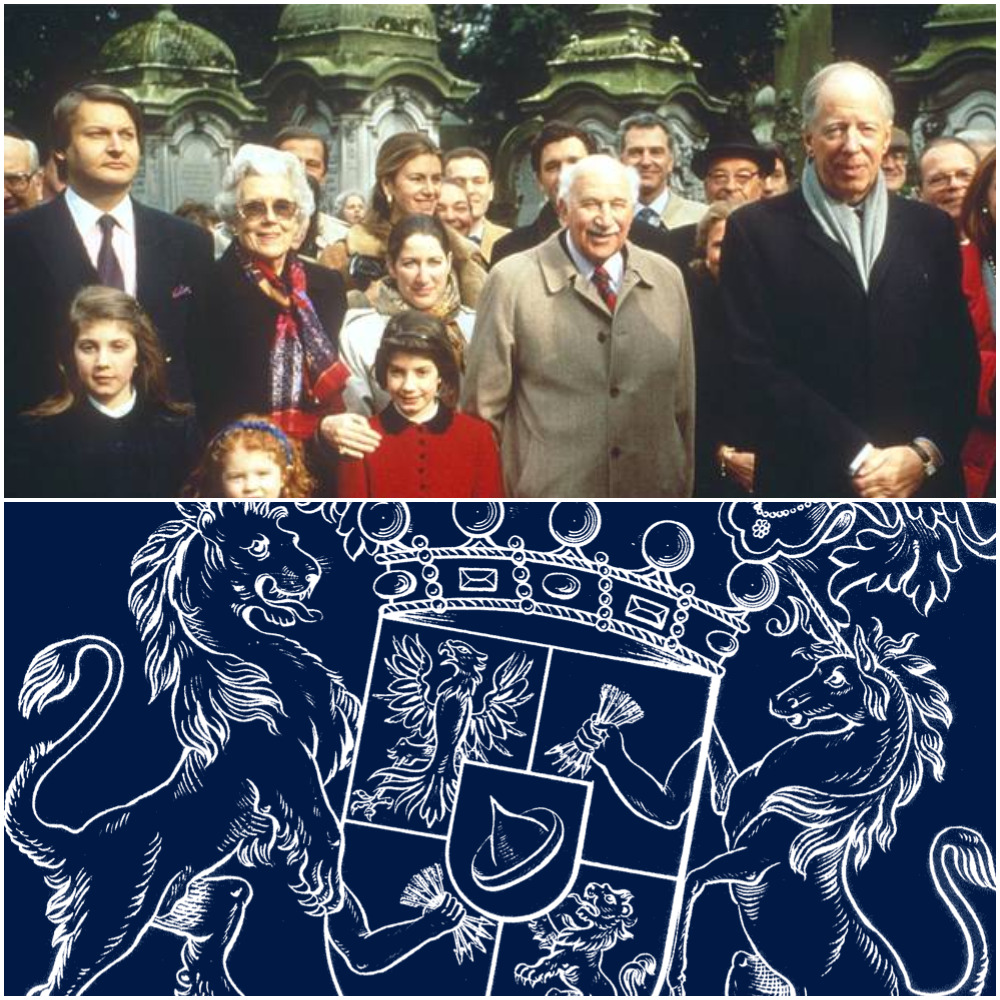
The family has taken a rather lower public profile in recent years, but then with such an extensive family and range of names, the difficulty is establishing who is related to whom, and which businesses are linked, formally or informally, and that needs very significant further research. Suffice to say that there are well over 50 people very prominent in politics, finance and many industries, still exerting considerable influence around the world, although not necessarily under the Rothschild name. To list just a few, both bloodline and by marriage, shows the family’s continuing influence:
[/one_half_last]
Ariane de Rothschild, (nee Ariane Elizabeth Langner, wife of Benjamin de Rothschild) – President of the Executive Committee of Edmond de Rothschild since 2015, and vice-president of the Edmond de Rothschild Holding SA
Benjamin de Rothschild, a Swiss banker, the chairman of the Edmond de Rothschild Group, a private bank established by his father and owned by the family.
Lord Cholmondeley, a direct descendant of Sir Robert Walpole. First Prime Minister of Great Britain; a direct descendent of both the Rothschild and Sassoon families.
Baron David René James de Rothschild, chairman of Swiss Rothschild Continuation Holdings; ex-chairman of De Beers; Chairman of the Governing Board of the World Jewish Congress.
Emma Georgina Rothschild, CMG, British, but Professor of History at Harvard University; a trustee of the Rothschild Archive.
Sir Evelyn Robert Adrian de Rothschild, Her Majesty’s financial adviser; ex-director of de Rothschilds Freres; directed the merger of Rothschild’s French and UK houses.
Nathaniel Charles Jacob Rothschild, 4th Baron Rothschild, Chairman of J Rothschild Capital Management; Member of the Council for the Duchy of Cornwall for HRH The Prince of Wales.
The post Establishment of The Rothschild Dynasty appeared first on Net Worth Post.
]]>The post Predictions as a Foot-In-Mouth Disease appeared first on Net Worth Post.
]]>
Conversely, some predictions have been the source of humour at the time they were made, usually because what was proposed was so far ahead of its time. However, they actually came to pass, to be true – in the following list, these are not difficult to identify.
Following, in chronological order, are a range of just such epithets, the incorrect ones made by people who really should have known better, the correct ones by people who did know better! Many are clearly amusing, considering future developments.
“The Americans have need of the telephone, but we do not. We have plenty of messenger boys.”
Sir William Henry Preece (1834 -1913), Chief Engineer to the British Post Office.
“Fooling around with alternating current (AC) is just a waste of time. Nobody will use it, ever.”
Thomas Alva Edison, American inventor and entrepreneur, 1889.
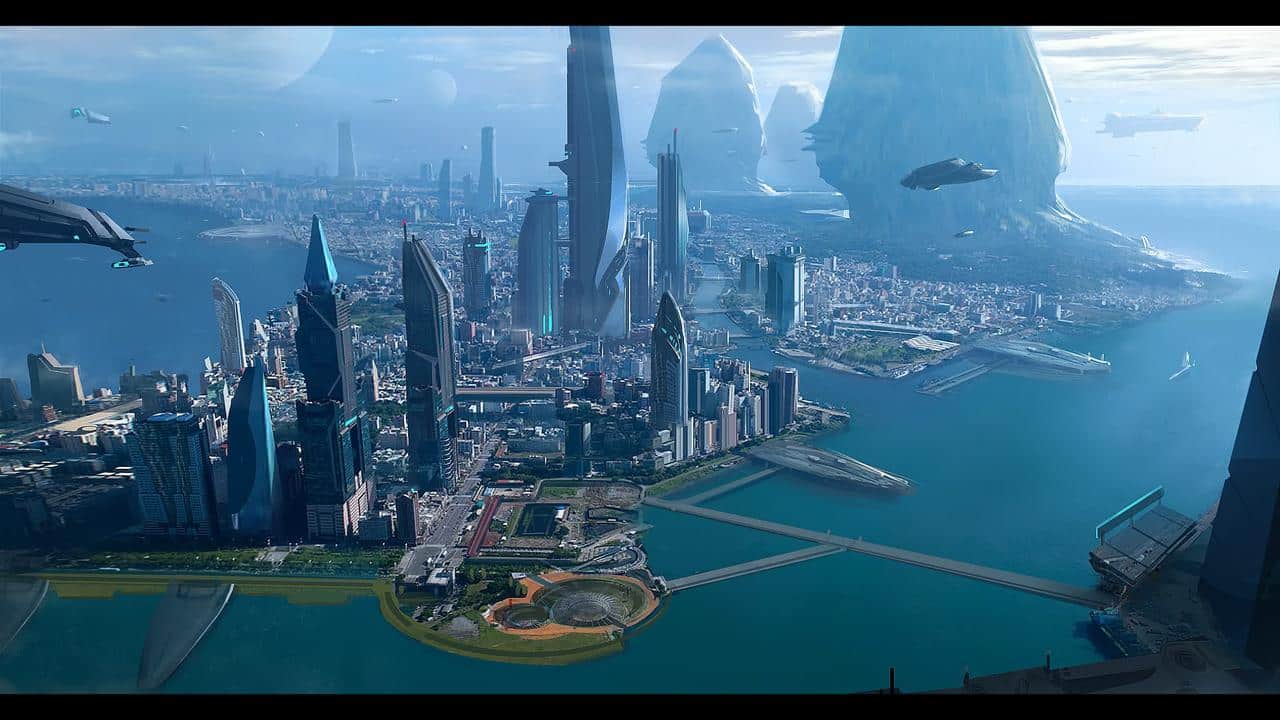
“Flight by machines heavier than air is impractical and insignificant, if not utterly impossible.”
Simon Newcomb, mathematician and astronomer, c. 1902.
“When wireless is perfectly applied the whole earth will be converted into a huge brain. We shall be able to communicate with one another instantly, irrespective of distance. Not only this, but through television and telephony we shall see and hear one another as perfectly as though we were face to face, despite intervening distances of thousands of miles; and the instruments through which we shall be able to do this will be amazingly simple compared with our present telephone. A man will be able to carry one in his vest pocket.”
Nikola Tesla, inventor, futurist and engineer, c. 1926.
“Talking films are a very interesting invention, but I do not believe they will remain long in fashion.”
Louis-Jean Lumière, inventor of the cinematograph, in 1929.
“I think there is a world market for maybe five computers.”
Thomas J. Watson, chairman and CEO of IBM, c. 1943 (possibly apocryphal.)

“Television won’t be able to hold on to any market it captures after the first six months. People will soon get tired of staring at a plywood box every night.”
Darryl F. Zanuck, film producer, 1946.
“Before man reaches the moon, your mail will be delivered within hours from New York to Australia by guided missiles. We stand on the threshold of rocket mail.”
Arthur Ellsworth Summerfield, 54th Postmaster General of the United States, c. 1959.
“The illiterate of the 21st century will not be those who cannot read and write, but those who cannot learn, unlearn, and relearn.”
Alvin Toffler, writer and futurist, in “Future Shock” (1970).
 “Cellular phones will absolutely not replace local wire systems.”
Martin Cooper, engineer and pioneer of wireless communications, 1981.
“I predict the Internet will soon go spectacularly supernova and in 1996 catastrophically collapse.”
Robert Metcalfe, co-inventor of Ethernet, 1995.
“By 2005 or so, it will become clear that the Internet’s impact on the economy has been no greater than the fax machine’s.”
Paul Krugman, economist, 1998.
“Computers can recognize their owner’s face from a picture or video.”
Ray Kurzweil, author and futurist, from “The Age of Spiritual Machines” (1999).
“There’s just not that many videos I want to watch.”
Steve Chen, co-founder of YouTube, 2005.
“Everyone’s always asking me when Apple will come out with a cell phone. My answer is, ‘Probably never.'”
David Pogue, technology writer for “The New York Times,” in 2006.
The post Predictions as a Foot-In-Mouth Disease appeared first on Net Worth Post.
]]>The post Investments of the Wealthy appeared first on Net Worth Post.
]]>
You have most likely seen such programs as the BBC’s “Antiques Roadshow”, and wondered why… why do people buy or hoard these things, whatever they are? Do not bother with that question, simply ask what?, who? and perhaps where? (such apparent treasures can be found). Regardless of your personal opinion, feelings, ‘they’ are valuable – to someone, often to many.
The following are 10 of the more popular investments made – or at least considered – by the ultra-rich, possibly out of specific interest, but certainly as significant investments as befits prosperous entrepreneurs, or simply managers of their accumulated wealth which they are keen to retain.
[one_half]
[/one_half][one_half_last]
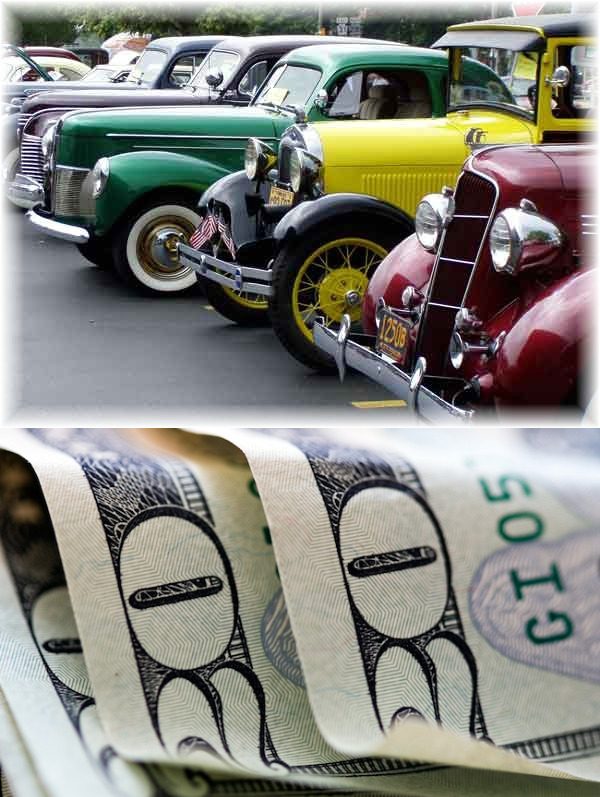
The most popular investment, one might say the most obvious from several viewpoints, revolves around Classic and/or Antique cars. Aside from the often aesthetic attraction, Knight Frank estimate that the values of such vehicles in general rose by 17% in 2015 alone, and by an almost mind-boggling 490% in the last decade. Rarity is one factor – a handful of the 1956 Ferrari 290 MM were specifically built to race, and the one designed for racing car legend Juan Manuel Fangio was sold in 2015 for over $28 million. Many cars change hands privately, and so selling/buying price details tend to remain private, but of cars sold at auction, a 1962 Ferrari 250 GTO changed hands for a record $34,365,000 in 2014, surpassing the previous record of $31 million paid for a 1954 Mercedes-Benz W196R racer in 2013. Of veteran cars, made before 1919, and vintage cars(1919-30) the highest known price paid was in 2007 – $7.255 million for a 1904 Rolls-Royce 10hp two-seater.
[/one_half_last]
[one_half]
[/one_half][one_half_last]
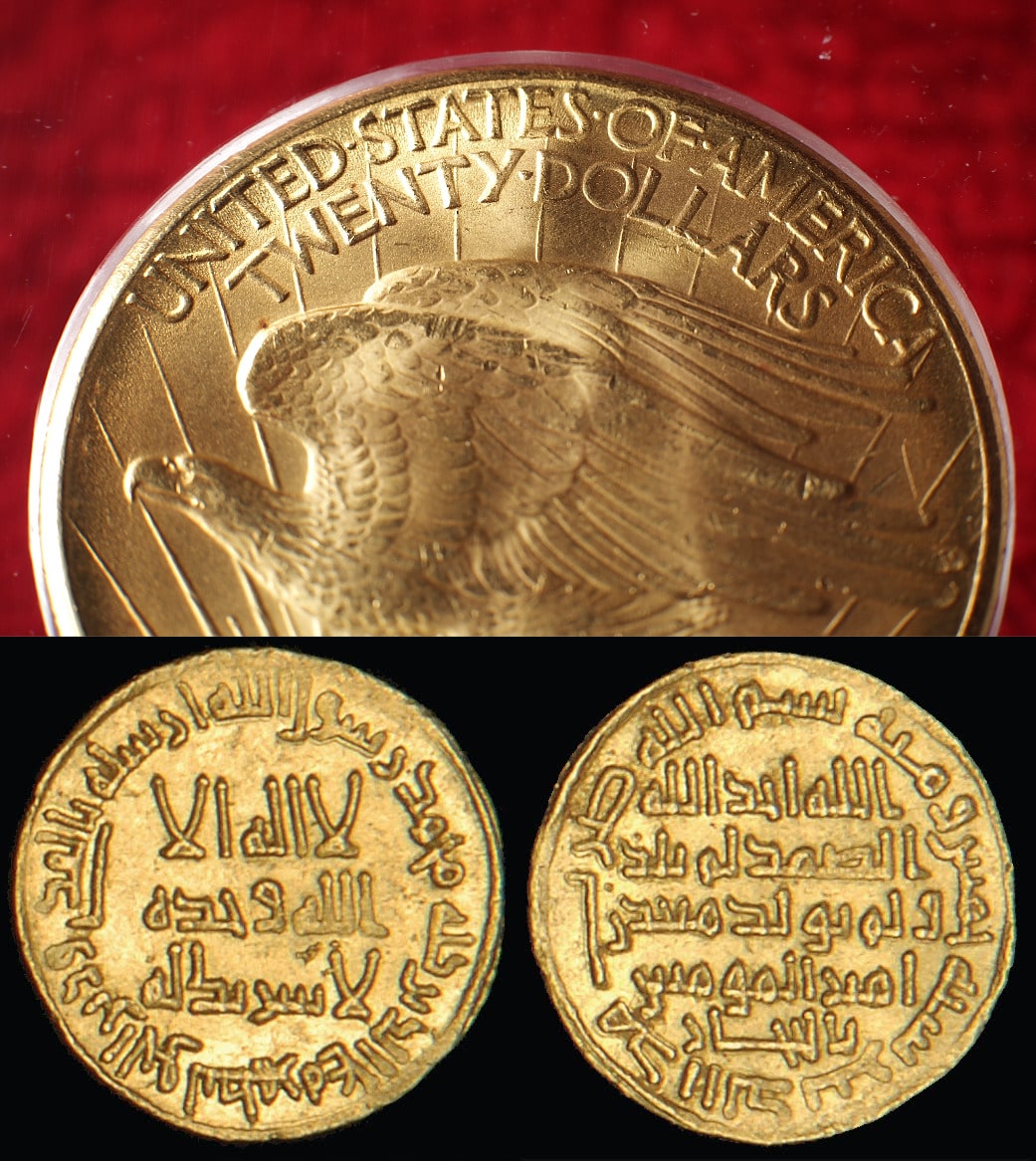
The second most valuable investment by current appreciation is Coins – not for actual usage of course, but with a rise in general value because of scarcity of 13% in 2015 and 232% over the last 10 years, they occupy comparatively little space and require minimal upkeep. Americans are lucky, or perhaps unlucky as the 1894 Dime coin now has less than 10 known to be in existence, one of which was sold for $2 million in early 2016. In fact, the vast majority of rare, valuable coins have been minted in the US, however, the most expensive coin sold at auction is believed to be a gold Australian $1 million coin, minted and sold in 2011 for over $53 million, a bid apparently based on the gold bullion value.
[/one_half_last]
[one_half]
[/one_half][one_half_last]
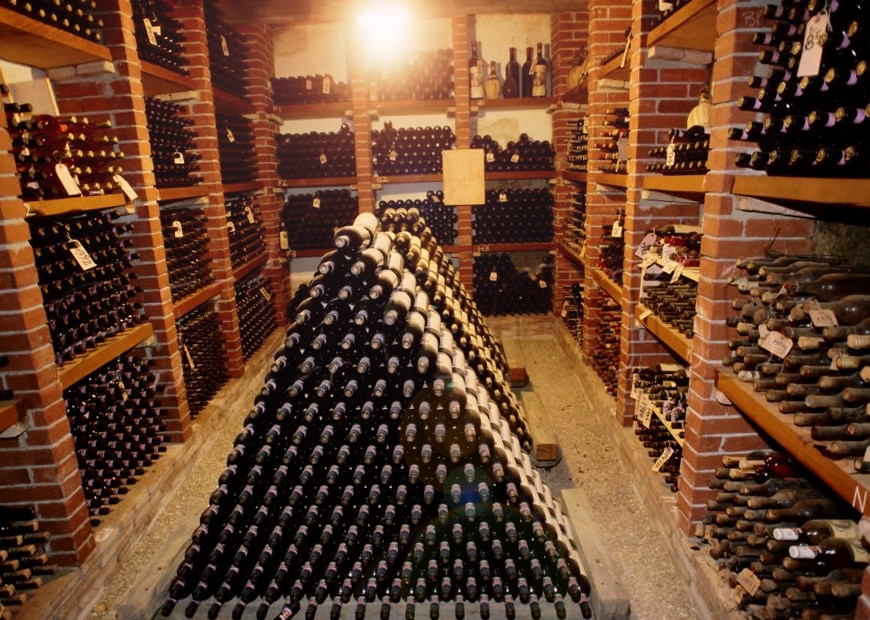
Another popular investment is in Wine, although invariably not for drinking. Values of appropriate vintages are estimated to have increased by a modest 5% in 2015, but by almost 250% in the last decade. Apparently American investors are most drawn to this asset, as a US buyer is known to have paid $130,000 for five cases of Inebriare In Vitae Cabernet (Napa Valley) at auction in 2014. However, the most expensive bottle ever sold – allowing for inflation – is believed to be a Chateau Lafite 1787, allegedly owned by President Thomas Jefferson, for $160,000 in 1985.
[/one_half_last]
[one_half]
[/one_half][one_half_last]
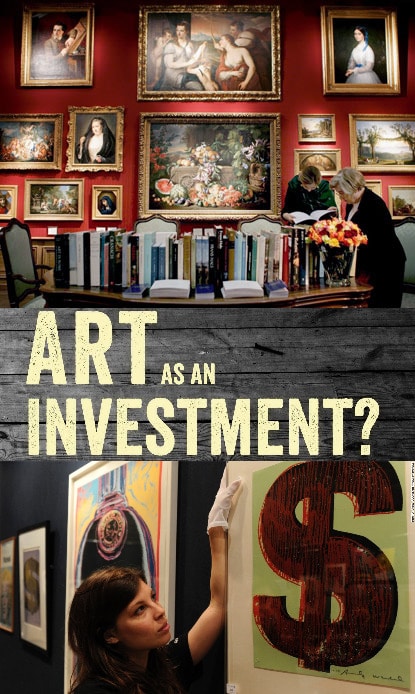
No-one will be surprised that Art is high on the list of desirable investments, although the beauty seen by the eye of the beholder may appear a little warped to you personally at times. Of course that matters not at all – it is the expertly-assessed value of the artist which is of primary importance, and increases in value of 4% (2015) and 226% (last decade) bear out this proposition. Records for artists’ paintings are consistently broken, although the current auction record – $106.5 million for Picasso’s “Nude, Green Leaves and Bust” – was set in 2010. Gauguin’s “When Will You Marry Me?” is believed to have been sold privately for a price in excess of $300 million in early 2015. Of course other modes of art exist too, and perhaps surprisingly books figure prominently, although mostly the property of museums or galleries. The most expensive manuscript is believed to be Leonardo da Vinci’s Notebook, apparently acquired by Bill Gates in 1994 for almost $50 million, adjusted for inflation.
[/one_half_last]
[one_half]

[/one_half][one_half_last]
Many perhaps regard Stamps as rather boring, but nevertheless there is a ready market among enthusiasts and careful investors for the rarest ones. An increase in value over the past 10 years of 166% is an indication of a good investment, for those who can afford to bid at auction. The one remaining 1856 British Guiana One-Cent Magenta has set a new record price each of the four most recent times it has been sold, the last time of $9.48 million in 2014. Many others have sold for over $1 million, but are in private collections and so are only available when their value is sought to be realised by the owner – ie almost as rarely as the stamps themselves are rare.
[/one_half_last]
[one_half]
[/one_half][one_half_last]
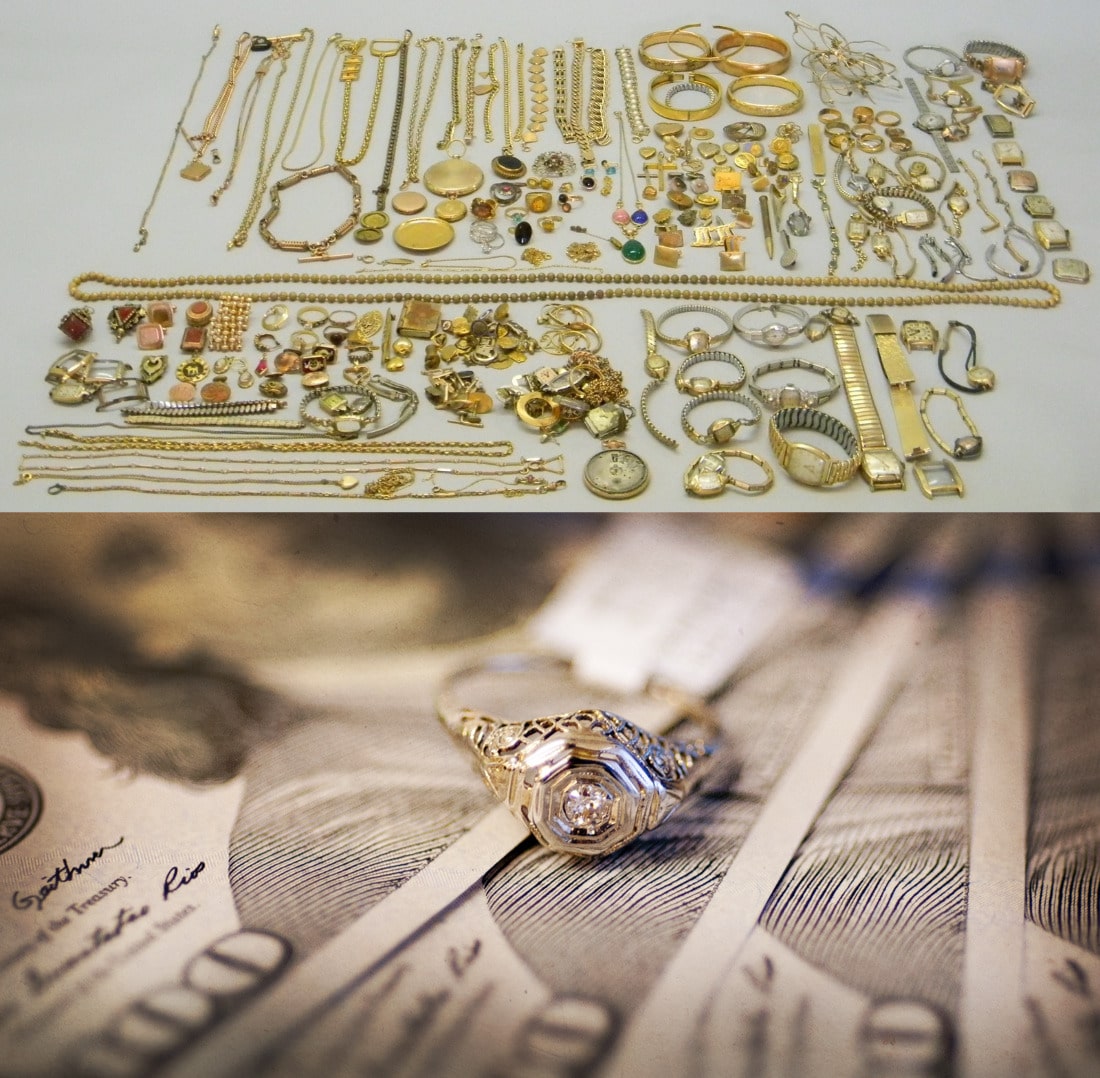
Something that really is often worth what beauty is seen by the individual is Jewellery. Very often the value is vested in the intrinsic worth of the stone or stones incorporated in a piece, some incredibly ornate such as royal crowns and tiaras which, however, are more valuable because of their history, or the person who put them together, so true worth is often difficult to gauge, but overall important pieces have been assessed as appreciating by 4% in the last year. Of course some, such as those incorporated into the British crown jewels, will never be sold, so their value is purely academic.
[/one_half_last]
[one_half]
[/one_half][one_half_last]
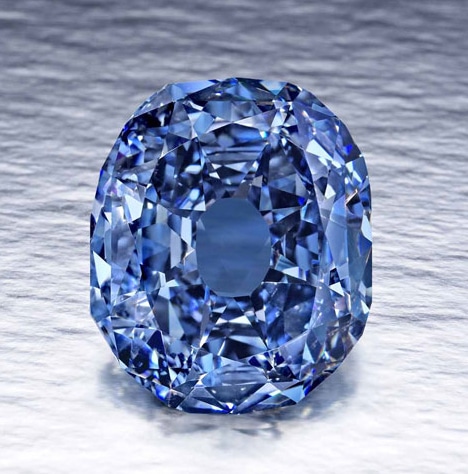
Diamonds, especially coloured, can be valued by weight, carats, and in fact are often retained simply for that reason, as they will appreciate in value automatically, without the necessity to be ‘set’. However, such is the intrinsic value of diamonds, that invariably they are incorporated into set pieces of jewellery. It was reported that the Wittelsbach-Graff diamond, originally blue and of 35.56 carats was sold to a member of the Qatari royal family for $80 million in 2011. Potentially the Graff Pink diamond is of greater value, but failed to sell at auction in 2013, so the ring cut from an original rough 132.5 diamond retains its last value of $73 million. In May 2016, the Oppenheimer Blue diamond of 40.62 carats sold at auction for $79 million – the battle obviously continues!
[/one_half_last]
[one_half]
[/one_half][one_half_last]
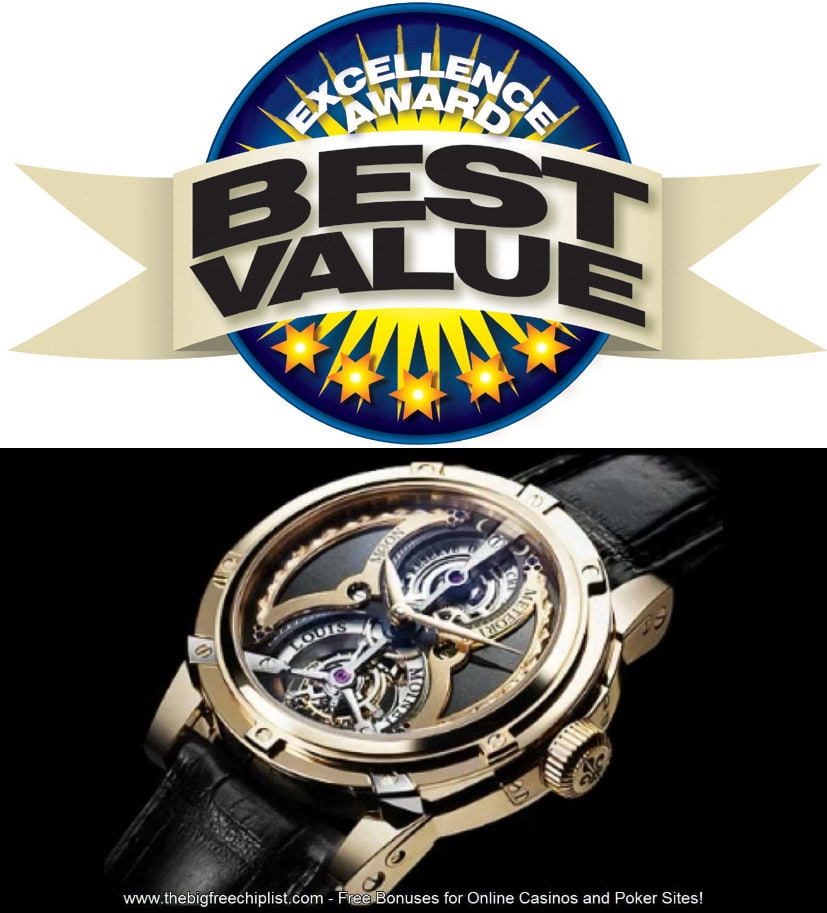
Watches are also items of beauty, with the value of the most sought after, assessed by cost of parts, time taken to construct, and rarity or uniqueness, rising by 5% in 2015 and an estimated 67% in the last decade. The most exquisite example is the Breguet Grande Complication Marie-Antoinette, supposedly commissioned by a lover of the French queen,. The watch took over 40 years to complete, finished long after the queen’s demise – current price: $30 million, but is in the L.A. Mayer museum, so unlikely to be sold anytime soon. The highest valued watch potentially available is the Chopard 201 Carat watch, comprising 874 diamonds, apparently the main reason for its sale value in 2000 of $25 million, rather than style and beauty.
[/one_half_last]
[one_half]
[/one_half][one_half_last]
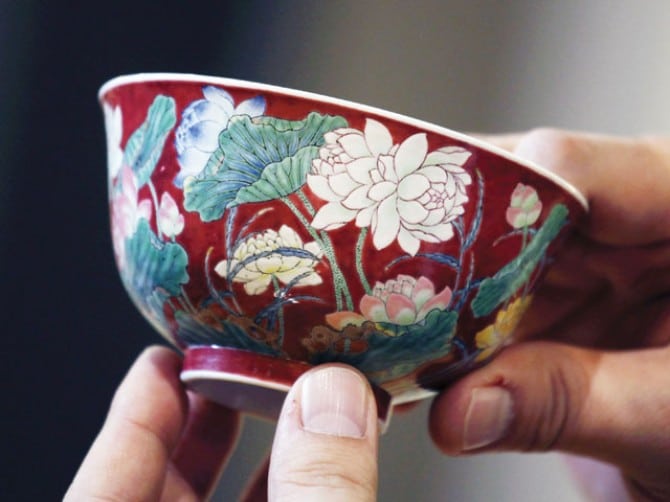
The next category sought-after by investors is Chinese Ceramics, perhaps somewhat blasé in comparison with the foregoing, but still bringing considerable sums since the Chinese began trying to restore these items of heritage to what they see as their rightful owner(s), many pieces of which were secreted out of the country by westerners in the 19th century. An auction at Sothebys in early 2016 is expected to fetch bids close to $1 million for vases on offer, which can be expected to appreciate by up to 50% in the coming decade.
[/one_half_last]
[one_half]

[/one_half][one_half_last]
Furniture of the right type is also in great demand, although in general the value has fallen by an estimated 29% in the last decade. However, pieces such as those by Marc Newton still change hands for amounts well over $1 million when offered, with a Lockheed Lounge fetching $2.4 million at auction in 2015. The most expensive piece ever to be sold is believed to be a Florentine ebony chest made in the 18th century, inlaid with amethyst quartz, agate, and lapis lazuli among other stones which sold for $36 million at auction in 2004, actually breaking its own record which had stood at over $16 million from a 1990 sale.
[/one_half_last]
So what other worthwhile objects would you consider investing in, assuming that you had the money? Do let us know.
The post Investments of the Wealthy appeared first on Net Worth Post.
]]>The post HAPPINESS DOESN’T COME CHEAPLY! appeared first on Net Worth Post.
]]> Recent data collected and collated through Gallup Polls and Numbeo and published through the United Nations, shows that countries with people who claim to be the happiest, or most satisfied with their lives do not equate to life being ‘cheap’. Countries where costs of living are the lowest do not show-up as having the happiest or most satisfied populations (there is actually very little difference when comparing results for these two definitions). Nor, perhaps surprisingly, do countries with relatively high taxing regimes show up as having unhappy or dissatisfied populations – quite the contrary.
So what factors contribute to a feeling of happiness or satisfaction?
[one_half]

[/one_half][one_half_last]
Firstly, countries surveyed do not include those where hostilities are taking place, which would clearly have a big negative effect. Surveys of at least 1,000 people were conducted in each of over 160 other countries.
Secondly, a wide range of criteria was used, reflecting on personal well-being, education, employment and access to media. These variables included GDP per capita, social support, healthy life expectancy, social freedom, generosity and absence of corruption.
Thirdly, results take into account the obvious – income against essential expenditure, the latter incorporating items including local purchasing power, rent or mortgage, cost of groceries, medications, eating out in a restaurant.
[/one_half_last]
Regardless of the above, ‘happiness’ is still very subjective, and priorities effecting anyone’s life at any time do not necessarily equate to happiness, a preference to live as they are living at that time rather than some other way. Some would even say that happiness has to be earned!
[one_half]

[/one_half][one_half_last]
The first list is of the top 20 countries where happiness is assessed as highest – 14 are in Europe or North America. Interestingly, the country with the highest tax burden – Denmark – apparently has the happiest population. The second list identifies countries where costs of living are the most affordable: several European countries feature in this list too, and all are compared with New York City at a base of 100. No country appears in both lists, so apparently happiness does not necessarily equate to affordability of lifestyle!
[/one_half_last]
[one_third]20. Luxembourg[/one_third][one_third]20. Mexico[/one_third][one_third_last]35.1[/one_third_last]
[one_third]19. Ireland[/one_third][one_third]19. Romania[/one_third][one_third_last]34.80[/one_third_last]
[one_third]18. Belgium[/one_third][one_third]18. South Africa[/one_third][one_third_last]34.75[/one_third_last]
[one_third]17. Brazil[/one_third][one_third]17. Philippines[/one_third][one_third_last]34.73[/one_third_last]
[one_third]16. Germany[/one_third][one_third]16. Bosnia/Herzegovina[/one_third][one_third_last]34.59[/one_third_last]
[one_third]15. Puerto Rico[/one_third][one_third]15. Sri Lanka[/one_third][one_third_last]34.11[/one_third_last]
[one_third]14. Costa Rica[/one_third][one_third]14. Albania[/one_third][one_third_last]33.81[/one_third_last]
[one_third]13. USA[/one_third][one_third]12. Serbia[/one_third][one_third_last]31.86[/one_third_last]
[one_third]12. Austria[/one_third][one_third]12. Macedonia[/one_third][one_third_last]31.86[/one_third_last]
[one_third]11. Israel[/one_third][one_third]11. Tunisia[/one_third][one_third_last]30.67[/one_third_last]
[one_third]10. Sweden[/one_third][one_third]10. Columbia[/one_third][one_third_last]29.25[/one_third_last]
[one_third]9. Australia[/one_third][one_third]9. Azerbaijan[/one_third][one_third_last]28.93[/one_third_last]
[one_third]8. New Zealand[/one_third][one_third]8. Algeria[/one_third][one_third_last]28.89[/one_third_last]
[one_third]7. Netherlands[/one_third][one_third]6. Georgia[/one_third][one_third_last]28.71[/one_third_last]
[one_third]6. Canada[/one_third][one_third]6. Ukraine[/one_third][one_third_last]28.71[/one_third_last]
[one_third]5. Finland[/one_third][one_third]5. Nepal[/one_third][one_third_last]27.34[/one_third_last]
[one_third]4. Norway[/one_third][one_third]4. Kazakhstan[/one_third][one_third_last]26.82[/one_third_last]
[one_third]3. Iceland[/one_third][one_third]3. Pakistan[/one_third][one_third_last]26.69[/one_third_last]
[one_third]2. Switzerland[/one_third][one_third]2. Moldova[/one_third][one_third_last]25.70[/one_third_last]
[one_third]1. Denmark[/one_third][one_third]1. India[/one_third][one_third_last]24.14[/one_third_last]
The post HAPPINESS DOESN’T COME CHEAPLY! appeared first on Net Worth Post.
]]>