





Advertise with Googlier.com Action Packaging https://actionpkg.com/blog/ Thu, 29 Oct 2026 22:10:47 +0000 en-US hourly 1 https://wordpress.org/?v=7.1.3 https://actionpkg.com/blog/wp-content/uploads/2026/07/Action-Favicon-150x150.webp Action Packaging https://actionpkg.com/blog/ 32 32 How to Make Holiday Gifts Feel Personal, Even When You’re Giving the Same Thing https://actionpkg.com/blog/how-to-make-holiday-gifts-feel-personal-even-when-youre-giving-the-same-thing/ https://actionpkg.com/blog/how-to-make-holiday-gifts-feel-personal-even-when-youre-giving-the-same-thing/#respond Thu, 29 Oct 2026 22:06:17 +0000 https://actionpkg.com/blog/?p=111255 Holiday Gifting & Thoughtful Details Six identical gifts sit on the table. One is for the coworker who always makes […]

The post How to Make Holiday Gifts Feel Personal, Even When You’re Giving the Same Thing appeared first on Action Packaging.

]]>
.ap-gift-guide { --ap-black: #000000; --ap-red: #e92b2c; --ap-blue: #0c2340; --ap-gold: #ae9142; --ap-cool-gray: #d9d9d6; --ap-pale-gray: #f5f5f5; --ap-white: #ffffff; color: var(--ap-black); container-type: inline-size; font-size: 16px; line-height: 1.72; margin: 0 auto; max-width: 820px; padding: 0; } .ap-gift-guide *, .ap-gift-guide *::before, .ap-gift-guide *::after { box-sizing: border-box; } .ap-gift-guide h2, .ap-gift-guide h3 { color: var(--ap-black); line-height: 1.25; margin-top: 0; } .ap-gift-guide h2 { font-size: clamp(1.5rem, 5cqi, 2rem); letter-spacing: -0.02em; margin-bottom: 16px; } .ap-gift-guide h3 { font-size: 1.14rem; margin-bottom: 8px; } .ap-gift-guide p, .ap-gift-guide ul { margin-top: 0; } .ap-gift-guide a { color: var(--ap-blue); font-weight: 700; text-decoration-color: var(--ap-gold); text-decoration-thickness: 2px; text-underline-offset: 3px; } .ap-gift-guide a:hover, .ap-gift-guide a:focus { color: var(--ap-red); } .ap-gift-guide a:focus-visible, .ap-gift-guide summary:focus-visible { outline: 3px solid var(--ap-gold); outline-offset: 4px; } .ap-gift-guide img { display: block; height: auto; max-width: 100%; } .ap-gift-hero { margin: 0 0 30px; } .ap-gift-hero > div { margin-bottom: 22px; max-width: 760px; } .ap-gift-eyebrow { color: var(--ap-red); font-size: 0.76rem; font-weight: 800; letter-spacing: 0.12em; margin-bottom: 9px; text-transform: uppercase; } .ap-gift-deck { font-size: clamp(1.05rem, 3.6cqi, 1.2rem); line-height: 1.65; margin-bottom: 0; } .ap-gift-hero figure, .ap-gift-wide-figure, .ap-gift-figure { background: var(--ap-white); border-radius: 14px; margin: 0; overflow: hidden; } .ap-gift-hero img, .ap-gift-wide-figure img { aspect-ratio: 3 / 2; background: var(--ap-pale-gray); border-radius: 14px 14px 0 0; object-fit: cover; width: 100%; } .ap-gift-caption { background: var(--ap-white); border-radius: 0 0 14px 14px; font-size: 0.82rem; line-height: 1.5; margin: 0; padding: 10px 14px 12px; text-align: center; } .ap-gift-answer { background: var(--ap-blue); border-left: 6px solid var(--ap-gold); border-radius: 12px; color: var(--ap-white); margin: 0 0 30px; padding: clamp(22px, 5cqi, 32px); } .ap-gift-answer h2 { color: var(--ap-white); font-size: 1.32rem; margin-bottom: 10px; } .ap-gift-answer p:last-child { margin-bottom: 0; } .ap-gift-toc { background: var(--ap-pale-gray); border: 1px solid var(--ap-cool-gray); border-radius: 12px; margin: 0 0 36px; padding: 20px 22px; } .ap-gift-toc strong { color: var(--ap-blue); display: block; margin-bottom: 8px; } .ap-gift-toc ul { list-style: none; margin-bottom: 0; padding-left: 0; } .ap-gift-toc li { margin-bottom: 5px; padding-left: 18px; position: relative; } .ap-gift-toc li::before { color: var(--ap-red); content: "\2022"; font-weight: 900; left: 0; position: absolute; } .ap-gift-section { border-top: 1px solid var(--ap-cool-gray); padding: 40px 0; scroll-margin-top: 24px; } .ap-gift-heading { align-items: flex-start; display: flex; gap: 14px; } .ap-gift-heading h2 { margin-bottom: 16px; } .ap-gift-time { background: var(--ap-gold); border-radius: 999px; color: var(--ap-black); display: inline-block; flex: 0 0 auto; font-size: 0.72rem; font-weight: 900; letter-spacing: 0.04em; margin-top: 3px; padding: 7px 10px; white-space: nowrap; } .ap-gift-lead { color: var(--ap-blue); font-size: 1.08rem; font-weight: 700; } .ap-gift-pullquote { background: var(--ap-pale-gray); border-left: 5px solid var(--ap-gold); border-radius: 0 10px 10px 0; margin: 25px 0; padding: 20px 22px; } .ap-gift-pullquote p { color: var(--ap-blue); font-size: clamp(1.08rem, 3.5cqi, 1.3rem); font-weight: 800; line-height: 1.45; margin-bottom: 0; } .ap-gift-wide-figure { margin-top: 26px; } .ap-gift-media-row { display: grid; gap: 26px; grid-template-columns: 1fr; margin-top: 26px; } .ap-gift-figure { border-radius: 10px; margin-left: auto; margin-right: auto; max-width: 430px; width: 100%; } .ap-gift-figure img { aspect-ratio: 3 / 2; background: var(--ap-pale-gray); border-radius: 10px 10px 0 0; object-fit: cover; width: 100%; } .ap-gift-figure figcaption { background: var(--ap-white); border-radius: 0 0 10px 10px; font-size: 0.82rem; line-height: 1.5; margin: 0; padding: 10px 14px 12px; text-align: center; } .ap-gift-grid-2, .ap-gift-grid-3 { display: grid; gap: 15px; grid-template-columns: 1fr; margin-top: 24px; } .ap-gift-card { background: var(--ap-pale-gray); border-radius: 10px; padding: 20px; } .ap-gift-card h3 { color: var(--ap-blue); } .ap-gift-card p:last-child { margin-bottom: 0; } .ap-gift-card--white { background: var(--ap-white); border: 1px solid var(--ap-cool-gray); } .ap-gift-flow { background: var(--ap-pale-gray); border-radius: 12px; display: grid; gap: 0; grid-template-columns: 1fr; margin-top: 24px; overflow: hidden; } .ap-gift-flow-item { border-bottom: 1px solid var(--ap-cool-gray); padding: 18px 20px; } .ap-gift-flow-item:last-child { border-bottom: 0; } .ap-gift-flow-item strong { color: var(--ap-blue); display: block; margin-bottom: 4px; } .ap-gift-flow-item span { font-size: 0.92rem; line-height: 1.55; } .ap-gift-product-card { background: var(--ap-white); border: 1px solid var(--ap-cool-gray); border-radius: 10px; overflow: hidden; } .ap-gift-product-card img { aspect-ratio: 3 / 2; background: var(--ap-pale-gray); object-fit: cover; width: 100%; } .ap-gift-product-card div { padding: 15px; } .ap-gift-product-card h3 { color: var(--ap-blue); margin-bottom: 5px; } .ap-gift-product-card p { font-size: 0.92rem; line-height: 1.58; margin-bottom: 0; } .ap-gift-note { background: var(--ap-white); border: 1px solid var(--ap-cool-gray); border-left: 5px solid var(--ap-gold); border-radius: 9px; margin: 24px 0 0; padding: 18px 20px; } .ap-gift-note p:last-child { margin-bottom: 0; } .ap-gift-faq details { border-top: 1px solid var(--ap-cool-gray); margin: 0; padding: 0; } .ap-gift-faq details:last-of-type { border-bottom: 1px solid var(--ap-cool-gray); } .ap-gift-faq summary { color: var(--ap-blue); cursor: pointer; font-weight: 800; padding: 17px 2px; } .ap-gift-faq details p { margin-bottom: 18px; padding-right: 8px; } .ap-gift-cta { background: var(--ap-blue); border-radius: 14px; color: var(--ap-white); margin-top: 40px; padding: clamp(25px, 7cqi, 42px); text-align: center; } .ap-gift-cta h2 { color: var(--ap-white); } .ap-gift-cta p { margin-left: auto; margin-right: auto; max-width: 650px; } .ap-gift-button { background: var(--ap-gold); border: 2px solid var(--ap-gold); border-radius: 999px; color: var(--ap-black) !important; display: inline-block; margin: 8px 4px 0; padding: 10px 18px; text-decoration: none; } .ap-gift-button--outline { background: transparent; border-color: var(--ap-white); color: var(--ap-white) !important; } @container (min-width: 560px) { .ap-gift-toc ul { columns: 2; column-gap: 34px; } .ap-gift-grid-2 { grid-template-columns: repeat(2, minmax(0, 1fr)); } .ap-gift-grid-3 { grid-template-columns: repeat(3, minmax(0, 1fr)); } .ap-gift-media-row { align-items: center; grid-template-columns: minmax(220px, 0.9fr) minmax(0, 1.1fr); } .ap-gift-media-row--reverse .ap-gift-figure { order: 2; } .ap-gift-flow { grid-template-columns: repeat(5, minmax(0, 1fr)); } .ap-gift-flow-item { border-bottom: 0; border-right: 1px solid var(--ap-cool-gray); padding: 18px 14px; } .ap-gift-flow-item:last-child { border-right: 0; } } @media (max-width: 520px) { .ap-gift-guide { font-size: 15.5px; } .ap-gift-heading { display: block; } .ap-gift-time { margin-bottom: 12px; margin-top: 0; } .ap-gift-hero figure, .ap-gift-wide-figure, .ap-gift-figure { border-radius: 9px; } .ap-gift-hero img, .ap-gift-wide-figure img, .ap-gift-figure img { border-radius: 9px 9px 0 0; } .ap-gift-caption, .ap-gift-figure figcaption { border-radius: 0 0 9px 9px; } .ap-gift-button { display: block; margin: 10px 0 0; width: 100%; } }

Holiday Gifting & Thoughtful Details

Six identical gifts sit on the table. One is for the coworker who always makes time to help. One is for the neighbor who checks on your house. Another is for the client who took a chance on your business. The gifts may match. The reasons for giving them do not.

Woman holding a white gift box finished with a red ribbon
A familiar gift can carry a very personal message.

Keep the gift. Make the gesture personal.

You can give the same holiday gift to several people and still make each person feel considered. Start with something specific you appreciate about the recipient, then let the note, presentation, or a small accompanying detail express it.

There Is Nothing Wrong With Finding One Good Gift

Maybe you discovered a local coffee roaster you love. Maybe a particular notebook has become your everyday favorite. Maybe you want everyone on your team to receive the same gift card so the gesture feels fair.

Giving that same gift to several people can be a thoughtful decision. You know why you chose it, you can keep your budget manageable, and you avoid the December scramble to invent a completely different idea for every name on your list.

The personal part begins when you connect the gift to the person receiving it. A bag of coffee might say, “Enjoy a quiet morning,” to one friend and, “Thanks for all those early starts,” to a colleague. The contents stay the same, but the meaning becomes specific.

You do not have to write that exact phrase on the tag. Use it to find the detail that belongs to this particular relationship.

Write the Sentence Only You Could Write

“Happy holidays” is a lovely greeting. Follow it with one specific memory or thank-you, and the message has somewhere to land.

Think about a moment from the year: a useful introduction, a ride to the airport, a patient explanation, or a difficult afternoon someone made easier. A short, concrete message often says more than a long paragraph of general praise.

For a coworker

“Thank you for taking the time to walk me through everything in my first month. You made joining the team feel easy.”

For a neighbor

“For all the packages you rescued from our porch this year. We’re lucky to live next door to you.”

For a client

“I especially enjoyed bringing your spring project to life together. Thank you for trusting us with it.”

A handwritten tag is enough for a short message. For something longer, tuck a card beneath the ribbon or place it just inside the package, where it will be the first thing the recipient discovers.

If you cannot think of a shared memory, make a sincere wish for how they might enjoy the gift: “Here’s to a little reading time over the holidays.” There is no need to invent familiarity.

Let One Detail on the Outside Belong to Them

Imagine a row of matching packages, each finished with a different ribbon. One is deep purple because your sister has loved that color for as long as you can remember. Another has a cheerful print that reminds you of a friend’s kitchen. A third is simple and understated, just like the person receiving it.

These are small choices, but they give you a chance to say, “I notice what you like.” You can keep the same base packaging and vary just one element.

Purple ribbon bow on a bright pink wrapped gift
A favorite color can be the detail that makes a shared gift feel individually chosen.

A favorite color, a familiar pattern, a little surprise

Use colored or patterned tissue paper to create a different reveal inside each package, or choose ribbon and bows that reflect the recipient’s style.

If everyone will open gifts together, similar-sized packages with equally thoughtful finishes keep the group feeling included. The variation can be subtle.

And if you do not know someone’s favorite color, do not let that become another holiday assignment. Choose a coordinated seasonal look and put the personal attention into the message.

One Gift, Three Different Ways to Say “I Thought of You”

Take a simple notebook. You have chosen the same one for three people, but each has a different place in your life.

The friend with a story for everything

Choose a lively wrapping pattern and add a tag: “For the stories you haven’t written down yet. I’d read every one.”

The colleague starting something new

Keep the presentation clean and simple. Inside, leave a note: “For the ideas you’ll bring to your new role. I’m excited to see what comes next.”

The relative who loves making plans

Finish it in a favorite color and write: “For next year’s garden plans, weekend adventures, and all the good things still ahead.”

None of these versions needs an expensive extra. If a small addition comes naturally, such as a pencil or a bookmark, include it. But the connection is already there in the words and the presentation.

The same approach works for coffee, books, candles, or gift cards. Ask what this person might enjoy about the gift, then make that thought visible.

For Business Gifts, Keep the Appreciation in Focus

A shared holiday gift can make sense for a team or a group of clients. Consistent contents help keep the gesture balanced, while an individual message acknowledges the relationship behind each package.

For employees, name a contribution beyond a generic “great work.” Perhaps someone welcomed new teammates, stayed patient through a challenging transition, or brought energy to an everyday task. A manager who knows the person’s work is often best placed to write that sentence.

For clients, refer to something you accomplished together or a part of the partnership you value. Keep the message centered on thanks, and give it room to stand on its own without adding a sales pitch.

When a gift card is the shared choice, gift card boxes and folders give it a presentation of its own. Add the recipient’s name and a specific thank-you so the gesture feels complete.

For groups celebrating different holidays, choose greetings that suit the recipients. “With appreciation” or “Warm wishes for the season” can provide a welcoming starting point, with the individual message doing the personal work.

Make the Wrapping Part of the Giving

Set out the gifts, put on a favorite holiday playlist, and give yourself a little room to enjoy finishing them. Whether you are wrapping six family presents or preparing a table full of employee gifts, a simple rhythm helps.

1. Prepare the shared elements

Lay out the base packaging, tissue, and gifts. Wrap similar items together while the materials are within reach.

2. Pause for the person

Write the individual message and choose any personal finishing detail. Label the gift as soon as it is ready.

3. Give it a moment

When possible, hand over the gift with a few words about why you wanted to thank them. For mailed gifts, let the note carry that moment.

If time is short, keep the wrapping simple and save your attention for the message. You can repeat the same paper, the same ribbon, and the same gift. A specific sentence still gives each package its own reason for being there.

By the time those six gifts leave the table, they may still look like a set. But each one carries a different story, and each recipient has a reason to feel seen.

The post How to Make Holiday Gifts Feel Personal, Even When You’re Giving the Same Thing appeared first on Action Packaging.

]]>
https://actionpkg.com/blog/how-to-make-holiday-gifts-feel-personal-even-when-youre-giving-the-same-thing/feed/ 0
When the Meal Leaves the Restaurant: How Custom Takeout Boxes Carry Your Brand Home https://actionpkg.com/blog/when-the-meal-leaves-the-restaurant-how-custom-takeout-boxes-carry-your-brand-home/ https://actionpkg.com/blog/when-the-meal-leaves-the-restaurant-how-custom-takeout-boxes-carry-your-brand-home/#respond Mon, 28 Sep 2026 19:56:20 +0000 https://actionpkg.com/blog/?p=111212 Restaurant Branding Beyond the Dining Room A restaurant can carefully shape every detail of the dining experience, but a takeout […]

The post When the Meal Leaves the Restaurant: How Custom Takeout Boxes Carry Your Brand Home appeared first on Action Packaging.

]]>
.ap-takeout-story { --ap-black: #000000; --ap-red: #e92b2c; --ap-blue: #0c2340; --ap-gold: #ae9142; --ap-cool-gray: #d9d9d6; --ap-pale-gray: #f5f5f5; --ap-white: #ffffff; color: var(--ap-black); container-type: inline-size; font-size: 16px; line-height: 1.72; margin: 0 auto; max-width: 820px; padding: 0; } .ap-takeout-story *, .ap-takeout-story *::before, .ap-takeout-story *::after { box-sizing: border-box; } .ap-takeout-story h2, .ap-takeout-story h3 { color: var(--ap-black); line-height: 1.25; margin-top: 0; } .ap-takeout-story h2 { font-size: clamp(1.5rem, 5cqi, 2rem); letter-spacing: -0.02em; margin-bottom: 16px; } .ap-takeout-story h3 { font-size: 1.14rem; margin-bottom: 8px; } .ap-takeout-story p, .ap-takeout-story ul { margin-top: 0; } .ap-takeout-story a { color: var(--ap-blue); font-weight: 700; text-decoration-color: var(--ap-gold); text-decoration-thickness: 2px; text-underline-offset: 3px; } .ap-takeout-story a:hover, .ap-takeout-story a:focus { color: var(--ap-red); } .ap-takeout-story a:focus-visible, .ap-takeout-story summary:focus-visible { outline: 3px solid var(--ap-gold); outline-offset: 4px; } .ap-takeout-story img { display: block; height: auto; max-width: 100%; } .ap-takeout-hero { margin: 0 0 30px; } .ap-takeout-hero > div { margin-bottom: 22px; max-width: 760px; } .ap-takeout-eyebrow { color: var(--ap-red); font-size: 0.76rem; font-weight: 800; letter-spacing: 0.12em; margin-bottom: 9px; text-transform: uppercase; } .ap-takeout-deck { font-size: clamp(1.05rem, 3.6cqi, 1.2rem); line-height: 1.65; margin-bottom: 0; } .ap-takeout-hero figure, .ap-takeout-wide-image, .ap-takeout-figure { background: var(--ap-white); border-radius: 14px; margin: 0; overflow: hidden; } .ap-takeout-hero img, .ap-takeout-wide-image img { aspect-ratio: 3 / 2; background: var(--ap-pale-gray); border-radius: 14px 14px 0 0; object-fit: cover; width: 100%; } .ap-takeout-caption { background: var(--ap-white); border-radius: 0 0 14px 14px; font-size: 0.82rem; line-height: 1.5; margin: 0; padding: 10px 14px 12px; text-align: center; } .ap-takeout-opening { background: var(--ap-blue); border-left: 6px solid var(--ap-gold); border-radius: 12px; color: var(--ap-white); margin: 0 0 30px; padding: clamp(22px, 5cqi, 32px); } .ap-takeout-opening h2 { color: var(--ap-white); font-size: 1.32rem; margin-bottom: 10px; } .ap-takeout-opening p:last-child { margin-bottom: 0; } .ap-takeout-toc { background: var(--ap-pale-gray); border: 1px solid var(--ap-cool-gray); border-radius: 12px; margin: 0 0 36px; padding: 20px 22px; } .ap-takeout-toc strong { color: var(--ap-blue); display: block; margin-bottom: 8px; } .ap-takeout-toc ul { list-style: none; margin-bottom: 0; padding-left: 0; } .ap-takeout-toc li { margin-bottom: 5px; padding-left: 18px; position: relative; } .ap-takeout-toc li::before { color: var(--ap-red); content: "\2022"; font-weight: 900; left: 0; position: absolute; } .ap-takeout-section { border-top: 1px solid var(--ap-cool-gray); padding: 40px 0; scroll-margin-top: 24px; } .ap-takeout-lead { color: var(--ap-blue); font-size: 1.08rem; font-weight: 700; } .ap-takeout-pullquote { background: var(--ap-pale-gray); border-left: 5px solid var(--ap-gold); border-radius: 0 10px 10px 0; margin: 25px 0; padding: 20px 22px; } .ap-takeout-pullquote p { color: var(--ap-blue); font-size: clamp(1.08rem, 3.5cqi, 1.3rem); font-weight: 800; line-height: 1.45; margin-bottom: 0; } .ap-takeout-media-row { display: grid; gap: 26px; grid-template-columns: 1fr; margin-top: 26px; } .ap-takeout-figure { border-radius: 10px; margin-left: auto; margin-right: auto; max-width: 430px; width: 100%; } .ap-takeout-figure img { aspect-ratio: 3 / 2; background: var(--ap-pale-gray); border-radius: 10px 10px 0 0; object-fit: cover; width: 100%; } .ap-takeout-figure figcaption { background: var(--ap-white); border-radius: 0 0 10px 10px; font-size: 0.82rem; line-height: 1.5; margin: 0; padding: 10px 14px 12px; text-align: center; } .ap-takeout-grid-2, .ap-takeout-grid-3, .ap-takeout-gallery { display: grid; gap: 15px; grid-template-columns: 1fr; margin-top: 24px; } .ap-takeout-card { background: var(--ap-pale-gray); border-radius: 10px; padding: 20px; } .ap-takeout-card h3 { color: var(--ap-blue); } .ap-takeout-card p:last-child { margin-bottom: 0; } .ap-takeout-card--white { background: var(--ap-white); border: 1px solid var(--ap-cool-gray); } .ap-takeout-story-step { align-items: flex-start; display: flex; gap: 13px; } .ap-takeout-story-step + .ap-takeout-story-step { border-top: 1px solid var(--ap-cool-gray); margin-top: 18px; padding-top: 18px; } .ap-takeout-number { align-items: center; background: var(--ap-gold); border-radius: 999px; color: var(--ap-black); display: inline-flex; flex: 0 0 34px; font-size: 0.88rem; font-weight: 900; height: 34px; justify-content: center; width: 34px; } .ap-takeout-story-step h3 { margin-bottom: 5px; } .ap-takeout-story-step p { margin-bottom: 0; } .ap-takeout-gallery-card { background: var(--ap-white); border: 1px solid var(--ap-cool-gray); border-radius: 10px; overflow: hidden; } .ap-takeout-gallery-card img { aspect-ratio: 3 / 2; background: var(--ap-pale-gray); object-fit: cover; width: 100%; } .ap-takeout-gallery-card div { padding: 15px; } .ap-takeout-gallery-card h3 { color: var(--ap-blue); margin-bottom: 5px; } .ap-takeout-gallery-card p { font-size: 0.92rem; line-height: 1.58; margin-bottom: 0; } .ap-takeout-note { background: var(--ap-white); border: 1px solid var(--ap-cool-gray); border-left: 5px solid var(--ap-gold); border-radius: 9px; margin: 24px 0 0; padding: 18px 20px; } .ap-takeout-note p:last-child { margin-bottom: 0; } .ap-takeout-wide-image { margin: 26px 0 0; } .ap-takeout-faq details { border-top: 1px solid var(--ap-cool-gray); margin: 0; padding: 0; } .ap-takeout-faq details:last-of-type { border-bottom: 1px solid var(--ap-cool-gray); } .ap-takeout-faq summary { color: var(--ap-blue); cursor: pointer; font-weight: 800; padding: 17px 2px; } .ap-takeout-faq details p { margin-bottom: 18px; padding-right: 8px; } .ap-takeout-cta { background: var(--ap-blue); border-radius: 14px; color: var(--ap-white); margin-top: 40px; padding: clamp(25px, 7cqi, 42px); text-align: center; } .ap-takeout-cta h2 { color: var(--ap-white); } .ap-takeout-cta p { margin-left: auto; margin-right: auto; max-width: 640px; } .ap-takeout-button { background: var(--ap-gold); border: 2px solid var(--ap-gold); border-radius: 999px; color: var(--ap-black) !important; display: inline-block; margin: 8px 4px 0; padding: 10px 18px; text-decoration: none; } .ap-takeout-button--outline { background: transparent; border-color: var(--ap-white); color: var(--ap-white) !important; } @container (min-width: 560px) { .ap-takeout-toc ul { columns: 2; column-gap: 34px; } .ap-takeout-grid-2 { grid-template-columns: repeat(2, minmax(0, 1fr)); } .ap-takeout-gallery { grid-template-columns: repeat(3, minmax(0, 1fr)); } .ap-takeout-media-row { align-items: center; grid-template-columns: minmax(220px, 0.9fr) minmax(0, 1.1fr); } .ap-takeout-media-row--reverse .ap-takeout-figure { order: 2; } } @container (min-width: 700px) { .ap-takeout-grid-3 { grid-template-columns: repeat(3, minmax(0, 1fr)); } } @media (max-width: 520px) { .ap-takeout-story { font-size: 15.5px; } .ap-takeout-hero figure, .ap-takeout-wide-image, .ap-takeout-figure { border-radius: 9px; } .ap-takeout-hero img, .ap-takeout-wide-image img, .ap-takeout-figure img { border-radius: 9px 9px 0 0; } .ap-takeout-caption, .ap-takeout-figure figcaption { border-radius: 0 0 9px 9px; } .ap-takeout-button { display: block; margin: 10px 0 0; width: 100%; } }

Restaurant Branding Beyond the Dining Room

A restaurant can carefully shape every detail of the dining experience, but a takeout customer encounters the brand differently. Once the meal leaves the building, the package becomes the dining room, the presentation, and one of the most visible reminders of where the food came from.

A happy family sharing a restaurant takeout meal together at home
For the customer at home, the takeout package is part of the meal and part of the restaurant experience.

The restaurant experience does not have to end at the door

When a meal is served inside a restaurant, the surroundings help tell the story. When that same meal is ordered for pickup or delivery, most of those surroundings disappear. Custom takeout boxes give the restaurant a way to carry its identity, presentation, and sense of care into the place where the meal is actually eaten.

Think About Everything That Makes a Restaurant Feel Like Itself

A restaurant’s identity is built through hundreds of small choices that customers may not consciously separate.

The sign above the door, the colors on the menu, the way the dining room is arranged, the presentation of the food, and the tone of the service all work together. A neighborhood pizzeria feels different from a bakery. A sushi restaurant feels different from a barbecue counter. Those differences are not accidental. They help customers understand what kind of experience the restaurant intends to provide.

Inside the restaurant, the business controls most of that environment. The plate is selected for the food. The lighting and furniture support the atmosphere. Team members can answer questions, correct a mistake, and make the handoff feel personal.

Then a customer places a takeout order.

The kitchen prepares the same food with the same care, but the experience is about to leave the space the restaurant designed for it.

What Disappears When the Order Walks Out the Door?

Picture the customer carrying dinner to the car, driving home, setting the order on the kitchen counter, and calling the family to the table. By the time the first box is opened, the restaurant’s sign, interior, music, plating, and service are no longer present.

What remains is the food, the order handoff, and the packaging surrounding it.

That makes takeout packaging more than a temporary container. It becomes one of the few physical parts of the restaurant experience that travels all the way home. The customer sees it during pickup. Other people may see it during the trip. The family sees it on the table. If leftovers remain, the package may still be visible later.

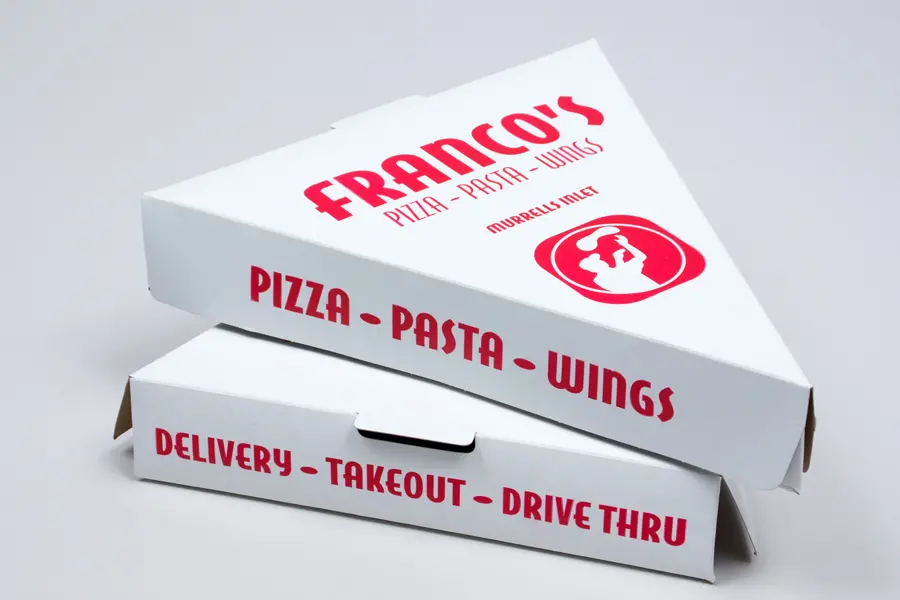
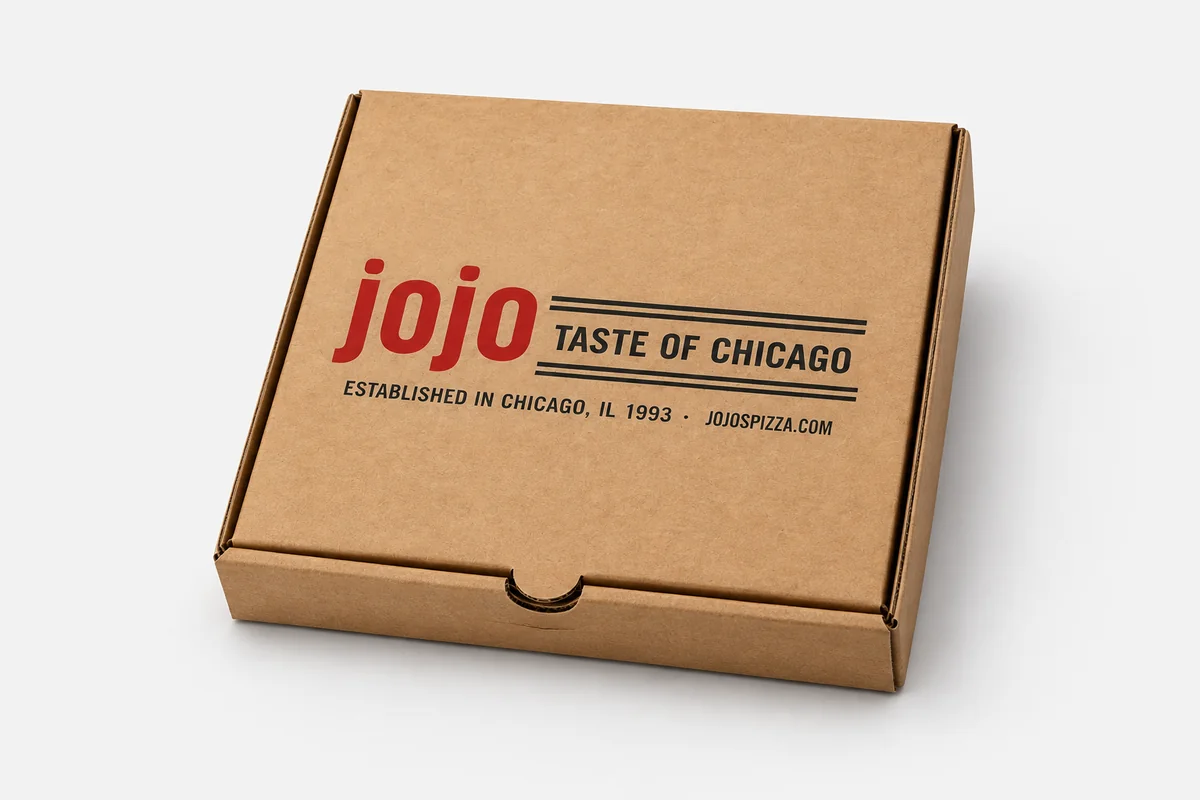
Custom printed pizza boxes featuring a restaurant's branding
A recognizable package keeps the restaurant’s name connected to the meal throughout the customer journey.

The package becomes the traveling storefront

A custom box cannot recreate the dining room, and it should not try to. Its role is to preserve a clear connection between the meal and the business that prepared it.

That connection can begin with something as simple as a well-placed name or logo. Color, typography, messaging, and box style can then reinforce the personality customers already associate with the restaurant.

The Problem Is Not That a Plain Box Cannot Hold Food

The problem is that a generic package can separate a memorable meal from the restaurant behind it.

A plain container may perform its basic job perfectly well. It can hold a portion, close securely, and help move an order from the counter to the customer’s destination. For many restaurants, especially those testing a menu or operating at a smaller volume, stock takeout boxes are a practical solution.

But as a restaurant grows, the package may need to do more. If the customer opens several unmarked containers, the experience can feel less intentional than the food inside. If multiple restaurants use similar generic packaging, the container does little to help the customer remember which business created the meal.

This is the branding gap: the restaurant has developed a recognizable identity, but the identity stops before the order reaches the customer’s table.

The meal is recognizable

The customer may know the signature dish immediately, but the packaging provides little connection to the restaurant.

The restaurant is less visible

Once the receipt or delivery label is removed, the restaurant name may disappear from the experience.

The presentation feels incomplete

A carefully developed brand can feel unfinished when its most traveled packaging looks unrelated to everything else.

When the Box Becomes Part of the Meal

At home, the package is no longer backstage. It sits in the middle of the experience.

A child may open the pizza box. A parent may divide entrées around the table. Friends may eat directly from individual containers during a game. Coworkers may line up several lunches in a conference room. In each scene, the box helps shape how the food is presented and how the restaurant is remembered.

Custom takeout boxes and containers allow the outside of the package to communicate with the same intention as the food inside. The goal is not to cover every available surface with advertising. The goal is to make the package feel like it belongs to the restaurant.

The customer recognizes the source

The restaurant name, logo, colors, or visual style makes it clear who prepared the meal before the box is opened.

The presentation feels intentional

The packaging supports the care and personality associated with the restaurant instead of feeling like an unrelated final step.

The brand enters a new setting

The restaurant becomes visible in a home, office, vehicle, hotel, park, or event space where its dining room could never go.

A family enjoying a shared takeout meal around the table
The box travels beyond the transaction and becomes part of a real moment around the customer’s table.

Branding Only Works When the Package Works

A beautiful box is not the right box if it does not fit the food or the way the order travels.

The strongest takeout packaging starts with the meal. A box needs to be considered in relation to the portion, shape, temperature, moisture, sauces, toppings, and presentation of the food it will hold. It also needs to work within the restaurant’s packing process, storage space, pickup area, and delivery environment.

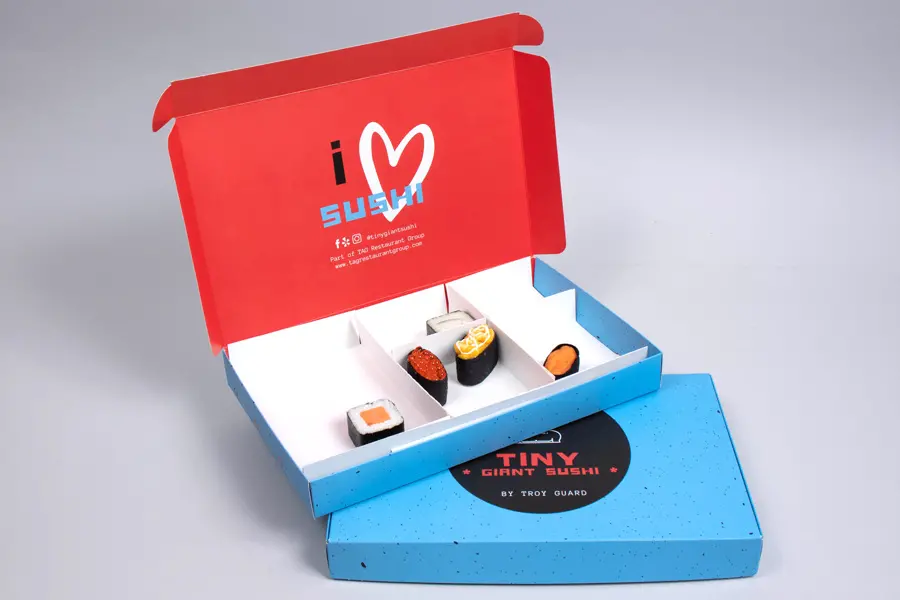
This is where the story becomes practical. Custom printing can make the package recognizable, but the container itself still has to be selected for its intended use. A pizza box, paperboard clamshell, folding takeout carton, bakery box, and sushi container solve different packaging problems. Even two meals from the same restaurant may need different formats.

Start with the food

Consider portion dimensions, weight, sauces, temperature, moisture, ventilation, and how the food should look when the customer opens the package.

Follow the journey

Think about packing, closing, stacking, carrying, pickup, delivery distance, and the way the customer will open or serve the meal.

Then apply the brand

Use the available print area, colors, artwork, finish, and messaging to create a package that feels connected to the restaurant.

Function and branding are not competing goals. The container should support the food first, while the design makes the restaurant recognizable. A packaging partner can help bring those two requirements together.

One Restaurant Can Tell the Same Story Through Different Boxes

Consistency does not require every package to have the same shape. It means the different pieces feel related.

A restaurant may use a large box for family meals, a smaller carton for side dishes, and a separate container for desserts. A bakery may need windowed boxes in several sizes. A café may package sandwiches, pastries, and catered lunches differently. The structural packaging can change while the visual identity remains familiar.

Repeating a logo, color palette, design style, or short message can help connect those formats. This is especially useful for restaurants with varied menus, multiple locations, catering programs, or a mix of pickup and delivery orders.

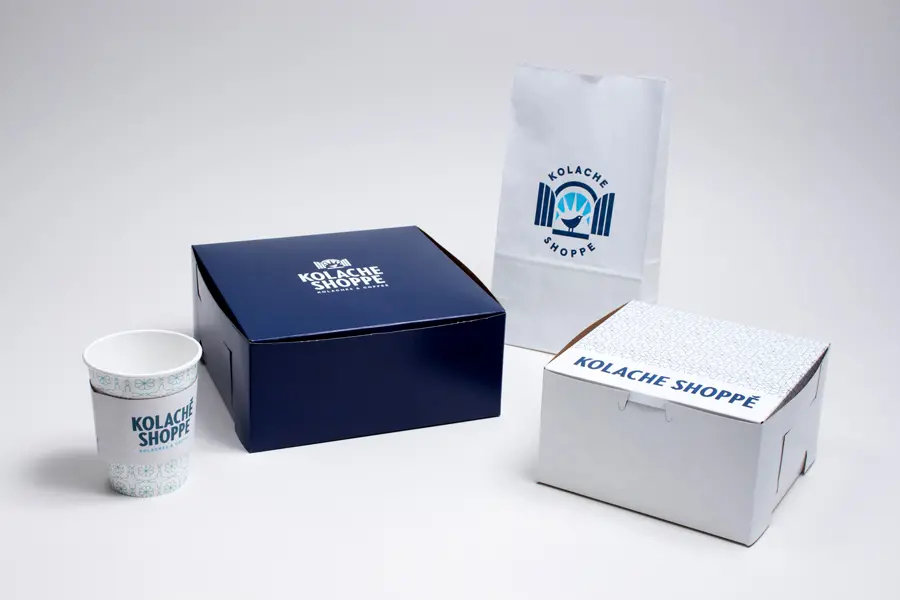
The same principle can extend beyond boxes. Restaurants that want a coordinated program may also consider the broader mix of custom restaurant packaging, including bags, cups, napkins, and other customer-facing items. The objective is not to customize everything at once. It is to identify the packaging customers see most often and build outward from there.

The Right Packaging Partner Helps Translate the Restaurant Into a Box

A restaurant owner should not need to become a packaging engineer or printing expert to create a more intentional takeout experience. But the restaurant does need to explain what it serves, how orders are packed, where the food travels, what customers should feel, and what the brand should look like when it arrives.

From there, the packaging conversation can become more specific. The appropriate box style, dimensions, material, print approach, finish, artwork placement, quantities, and timing all influence the final result. Not every option is right for every menu or budget, which is why guidance matters.

Action Packaging helps businesses compare packaging options and work through those decisions. For a custom takeout-box project, the team can help evaluate the size, material, style, printing, and finishing choices that support the restaurant’s food, operations, and brand goals.

Custom printed clamshell takeout food boxes for a restaurant
Custom packaging works best when the structure, print, and customer experience are planned together.

Begin with the experience you want to deliver

Bring the menu, current packaging, artwork, anticipated quantity, desired timing, and examples of how customers receive the order. If some details are unknown, that is part of the conversation.

A packaging specialist can help turn the restaurant’s goals into a clearer packaging direction and explain which decisions need to be made before production.

The final scene is simple: the order reaches the table, the family opens the box, and the restaurant is still present. Not through the dining room or the server, but through a package that looks and feels like it belongs to the meal.

That is how a takeout box carries a brand home.

Frequently Asked Questions About Custom Takeout Boxes

What are custom takeout boxes?

Custom takeout boxes are foodservice containers produced or printed with business-specific artwork, colors, messaging, or other design elements. Available structures, materials, print methods, finishes, quantities, and production requirements depend on the project.

Are custom takeout boxes only for large restaurant chains?

No. Independent restaurants, cafés, bakeries, food trucks, caterers, and multi-location businesses can all explore custom packaging. The practical fit depends on the box specifications, required order quantity, budget, storage space, forecast, and production timeline.

Can the same design be used on every takeout box style?

A consistent visual identity can be adapted across multiple package formats, but artwork usually needs to be fitted to the specific box dimensions, panels, folds, closures, print area, and production method. Review a project-specific template or proof before approving production.

What should a restaurant consider before choosing a custom box?

Start with the food and the customer journey. Consider portion size, product weight, temperature, moisture, sauces, desired presentation, packing process, closure, stacking, pickup or delivery conditions, storage space, artwork, estimated quantity, and timing. A packaging specialist may ask for additional details based on the application.

Does custom printing make any container suitable for takeout food?

No. Printing and branding do not replace the need to select a container and material appropriate for the intended food, temperature, handling, transportation, and food-contact use. Confirm the complete application with the packaging supplier before ordering.

How can Action Packaging help with a custom takeout-box project?

Action Packaging can help restaurants and foodservice businesses explore box styles, sizes, materials, printing, and finishing options. Share information about the food, current package, artwork, quantity, timing, and project goals so the team can help guide the next steps.

The post When the Meal Leaves the Restaurant: How Custom Takeout Boxes Carry Your Brand Home appeared first on Action Packaging.

]]>
https://actionpkg.com/blog/when-the-meal-leaves-the-restaurant-how-custom-takeout-boxes-carry-your-brand-home/feed/ 0
The Friday Night Rush: How Custom Takeout Packaging Supports a Smoother Handoff https://actionpkg.com/blog/the-friday-night-rush-how-custom-takeout-packaging-supports-a-smoother-handoff/ Fri, 25 Sep 2026 21:38:42 +0000 https://actionpkg.com/blog/?p=111220 Restaurant Operations & Custom Packaging During the dinner rush, takeout packaging is not waiting quietly in the background. It is […]

The post The Friday Night Rush: How Custom Takeout Packaging Supports a Smoother Handoff appeared first on Action Packaging.

]]>
.ap-rush-guide { --ap-black: #000000; --ap-red: #e92b2c; --ap-blue: #0c2340; --ap-gold: #ae9142; --ap-cool-gray: #d9d9d6; --ap-pale-gray: #f5f5f5; --ap-white: #ffffff; color: var(--ap-black); container-type: inline-size; font-size: 16px; line-height: 1.72; margin: 0 auto; max-width: 820px; padding: 0; } .ap-rush-guide *, .ap-rush-guide *::before, .ap-rush-guide *::after { box-sizing: border-box; } .ap-rush-guide h2, .ap-rush-guide h3 { color: var(--ap-black); line-height: 1.25; margin-top: 0; } .ap-rush-guide h2 { font-size: clamp(1.5rem, 5cqi, 2rem); letter-spacing: -0.02em; margin-bottom: 16px; } .ap-rush-guide h3 { font-size: 1.14rem; margin-bottom: 8px; } .ap-rush-guide p, .ap-rush-guide ul { margin-top: 0; } .ap-rush-guide a { color: var(--ap-blue); font-weight: 700; text-decoration-color: var(--ap-gold); text-decoration-thickness: 2px; text-underline-offset: 3px; } .ap-rush-guide a:hover, .ap-rush-guide a:focus { color: var(--ap-red); } .ap-rush-guide a:focus-visible, .ap-rush-guide summary:focus-visible { outline: 3px solid var(--ap-gold); outline-offset: 4px; } .ap-rush-guide img { display: block; height: auto; max-width: 100%; } .ap-rush-hero { margin: 0 0 30px; } .ap-rush-hero > div { margin-bottom: 22px; max-width: 760px; } .ap-rush-eyebrow { color: var(--ap-red); font-size: 0.76rem; font-weight: 800; letter-spacing: 0.12em; margin-bottom: 9px; text-transform: uppercase; } .ap-rush-deck { font-size: clamp(1.05rem, 3.6cqi, 1.2rem); line-height: 1.65; margin-bottom: 0; } .ap-rush-hero figure, .ap-rush-wide-figure, .ap-rush-figure { background: var(--ap-white); border-radius: 14px; margin: 0; overflow: hidden; } .ap-rush-hero img, .ap-rush-wide-figure img { aspect-ratio: 3 / 2; background: var(--ap-pale-gray); border-radius: 14px 14px 0 0; object-fit: cover; width: 100%; } .ap-rush-caption { background: var(--ap-white); border-radius: 0 0 14px 14px; font-size: 0.82rem; line-height: 1.5; margin: 0; padding: 10px 14px 12px; text-align: center; } .ap-rush-answer { background: var(--ap-blue); border-left: 6px solid var(--ap-gold); border-radius: 12px; color: var(--ap-white); margin: 0 0 30px; padding: clamp(22px, 5cqi, 32px); } .ap-rush-answer h2 { color: var(--ap-white); font-size: 1.32rem; margin-bottom: 10px; } .ap-rush-answer p:last-child { margin-bottom: 0; } .ap-rush-toc { background: var(--ap-pale-gray); border: 1px solid var(--ap-cool-gray); border-radius: 12px; margin: 0 0 36px; padding: 20px 22px; } .ap-rush-toc strong { color: var(--ap-blue); display: block; margin-bottom: 8px; } .ap-rush-toc ul { list-style: none; margin-bottom: 0; padding-left: 0; } .ap-rush-toc li { margin-bottom: 5px; padding-left: 18px; position: relative; } .ap-rush-toc li::before { color: var(--ap-red); content: "\2022"; font-weight: 900; left: 0; position: absolute; } .ap-rush-section { border-top: 1px solid var(--ap-cool-gray); padding: 40px 0; scroll-margin-top: 24px; } .ap-rush-heading { align-items: flex-start; display: flex; gap: 14px; } .ap-rush-heading h2 { margin-bottom: 16px; } .ap-rush-time { background: var(--ap-gold); border-radius: 999px; color: var(--ap-black); display: inline-block; flex: 0 0 auto; font-size: 0.72rem; font-weight: 900; letter-spacing: 0.04em; margin-top: 3px; padding: 7px 10px; white-space: nowrap; } .ap-rush-lead { color: var(--ap-blue); font-size: 1.08rem; font-weight: 700; } .ap-rush-pullquote { background: var(--ap-pale-gray); border-left: 5px solid var(--ap-gold); border-radius: 0 10px 10px 0; margin: 25px 0; padding: 20px 22px; } .ap-rush-pullquote p { color: var(--ap-blue); font-size: clamp(1.08rem, 3.5cqi, 1.3rem); font-weight: 800; line-height: 1.45; margin-bottom: 0; } .ap-rush-wide-figure { margin-top: 26px; } .ap-rush-media-row { display: grid; gap: 26px; grid-template-columns: 1fr; margin-top: 26px; } .ap-rush-figure { border-radius: 10px; margin-left: auto; margin-right: auto; max-width: 430px; width: 100%; } .ap-rush-figure img { aspect-ratio: 3 / 2; background: var(--ap-pale-gray); border-radius: 10px 10px 0 0; object-fit: cover; width: 100%; } .ap-rush-figure figcaption { background: var(--ap-white); border-radius: 0 0 10px 10px; font-size: 0.82rem; line-height: 1.5; margin: 0; padding: 10px 14px 12px; text-align: center; } .ap-rush-grid-2, .ap-rush-grid-3 { display: grid; gap: 15px; grid-template-columns: 1fr; margin-top: 24px; } .ap-rush-card { background: var(--ap-pale-gray); border-radius: 10px; padding: 20px; } .ap-rush-card h3 { color: var(--ap-blue); } .ap-rush-card p:last-child { margin-bottom: 0; } .ap-rush-card--white { background: var(--ap-white); border: 1px solid var(--ap-cool-gray); } .ap-rush-flow { background: var(--ap-pale-gray); border-radius: 12px; display: grid; gap: 0; grid-template-columns: 1fr; margin-top: 24px; overflow: hidden; } .ap-rush-flow-item { border-bottom: 1px solid var(--ap-cool-gray); padding: 18px 20px; } .ap-rush-flow-item:last-child { border-bottom: 0; } .ap-rush-flow-item strong { color: var(--ap-blue); display: block; margin-bottom: 4px; } .ap-rush-flow-item span { font-size: 0.92rem; line-height: 1.55; } .ap-rush-product-card { background: var(--ap-white); border: 1px solid var(--ap-cool-gray); border-radius: 10px; overflow: hidden; } .ap-rush-product-card img { aspect-ratio: 3 / 2; background: var(--ap-pale-gray); object-fit: cover; width: 100%; } .ap-rush-product-card div { padding: 15px; } .ap-rush-product-card h3 { color: var(--ap-blue); margin-bottom: 5px; } .ap-rush-product-card p { font-size: 0.92rem; line-height: 1.58; margin-bottom: 0; } .ap-rush-note { background: var(--ap-white); border: 1px solid var(--ap-cool-gray); border-left: 5px solid var(--ap-gold); border-radius: 9px; margin: 24px 0 0; padding: 18px 20px; } .ap-rush-note p:last-child { margin-bottom: 0; } .ap-rush-faq details { border-top: 1px solid var(--ap-cool-gray); margin: 0; padding: 0; } .ap-rush-faq details:last-of-type { border-bottom: 1px solid var(--ap-cool-gray); } .ap-rush-faq summary { color: var(--ap-blue); cursor: pointer; font-weight: 800; padding: 17px 2px; } .ap-rush-faq details p { margin-bottom: 18px; padding-right: 8px; } .ap-rush-cta { background: var(--ap-blue); border-radius: 14px; color: var(--ap-white); margin-top: 40px; padding: clamp(25px, 7cqi, 42px); text-align: center; } .ap-rush-cta h2 { color: var(--ap-white); } .ap-rush-cta p { margin-left: auto; margin-right: auto; max-width: 650px; } .ap-rush-button { background: var(--ap-gold); border: 2px solid var(--ap-gold); border-radius: 999px; color: var(--ap-black) !important; display: inline-block; margin: 8px 4px 0; padding: 10px 18px; text-decoration: none; } .ap-rush-button--outline { background: transparent; border-color: var(--ap-white); color: var(--ap-white) !important; } @container (min-width: 560px) { .ap-rush-toc ul { columns: 2; column-gap: 34px; } .ap-rush-grid-2 { grid-template-columns: repeat(2, minmax(0, 1fr)); } .ap-rush-grid-3 { grid-template-columns: repeat(3, minmax(0, 1fr)); } .ap-rush-media-row { align-items: center; grid-template-columns: minmax(220px, 0.9fr) minmax(0, 1.1fr); } .ap-rush-media-row--reverse .ap-rush-figure { order: 2; } .ap-rush-flow { grid-template-columns: repeat(5, minmax(0, 1fr)); } .ap-rush-flow-item { border-bottom: 0; border-right: 1px solid var(--ap-cool-gray); padding: 18px 14px; } .ap-rush-flow-item:last-child { border-right: 0; } } @media (max-width: 520px) { .ap-rush-guide { font-size: 15.5px; } .ap-rush-heading { display: block; } .ap-rush-time { margin-bottom: 12px; margin-top: 0; } .ap-rush-hero figure, .ap-rush-wide-figure, .ap-rush-figure { border-radius: 9px; } .ap-rush-hero img, .ap-rush-wide-figure img, .ap-rush-figure img { border-radius: 9px 9px 0 0; } .ap-rush-caption, .ap-rush-figure figcaption { border-radius: 0 0 9px 9px; } .ap-rush-button { display: block; margin: 10px 0 0; width: 100%; } }

Restaurant Operations & Custom Packaging

During the dinner rush, takeout packaging is not waiting quietly in the background. It is being opened, filled, closed, labeled, stacked, bagged, checked, and handed to a customer or driver. When the packaging fits the operation, it supports the handoff. When it does not, small problems can spread across the line.

Restaurant team working through a busy dinner rush
The busiest part of service reveals whether a restaurant’s packaging system works with the team or creates another obstacle.

A smoother handoff starts before the food reaches the counter

Custom takeout packaging can support a restaurant’s workflow when its boxes, bags, wraps, and other components are selected around the actual menu, packing process, transportation method, and customer experience. The goal is not simply to print a logo. It is to build a packaging system that staff can use consistently when every minute matters.

5:47 PM

The First Wave of Orders Arrives

A family orders dinner online. A customer walks to the counter. A delivery driver checks in. Two more tickets print before the first order is packed.

The kitchen knows this rhythm. Food is prepared in a sequence, team members move between stations, and finished items begin to collect near the handoff area. Every order must be matched, contained, identified, and transferred to the right person.

At a slower time of day, an awkward box or missing bag may be a minor inconvenience. During the dinner rush, that same inconvenience is repeated across dozens of orders. Employees stop to search for the correct size. A container needs to be repacked. A bag is too narrow for the boxes. An order label covers the restaurant logo or a closure point.

None of those moments appears dramatic by itself. Together, they create friction exactly where the operation is trying to move fastest.

Busy restaurant ordering counter during meal service
The customer sees a brief handoff. Behind the counter, the restaurant coordinates the kitchen, packing station, order staging, and pickup area.
6:08 PM

The Food Is Ready, but the Package Is Not

The entrée reaches the packing station at the right temperature and with the intended presentation. Now the team has to find the correct container, assemble it if necessary, place the food, add sides and condiments, close the package, label the order, and prepare it to travel.

This is where takeout packaging becomes part of the workflow rather than a purchasing detail. The package has to support the food, but it also has to work for the people using it repeatedly.

Select Staff identify the right package for the menu item.
Fill The portion fits without being crushed or shifting excessively.
Close The package closes as intended without unnecessary handling.
Stage Completed orders remain organized while awaiting pickup.
Hand off The complete order is ready for a customer or driver to carry.
6:26 PM

Small Packaging Problems Begin to Spread

One oversized box may not matter. But if every order uses more space than necessary, the staging area fills quickly and fewer orders fit inside each carryout bag. One confusing container size may not matter. But if employees regularly reach for the wrong package, packing becomes less consistent.

The pressure can appear in several places:

At the packing station

Too many similar options, awkward assembly, unreliable closures, or poor portion fit can add decisions and extra handling.

In the staging area

Boxes that stack poorly or bags that do not match the order can make completed meals harder to organize.

At the handoff

An order that is difficult to identify, carry, or check can create confusion for employees, customers, and delivery drivers.

The answer is not always more packaging. Often, it is a clearer system: packaging formats with defined roles, sizes matched to common orders, and a plan for how each component moves through the restaurant.

6:41 PM

The Box Is Only One Part of the Handoff

A complete takeout order may depend on several packaging components working together.

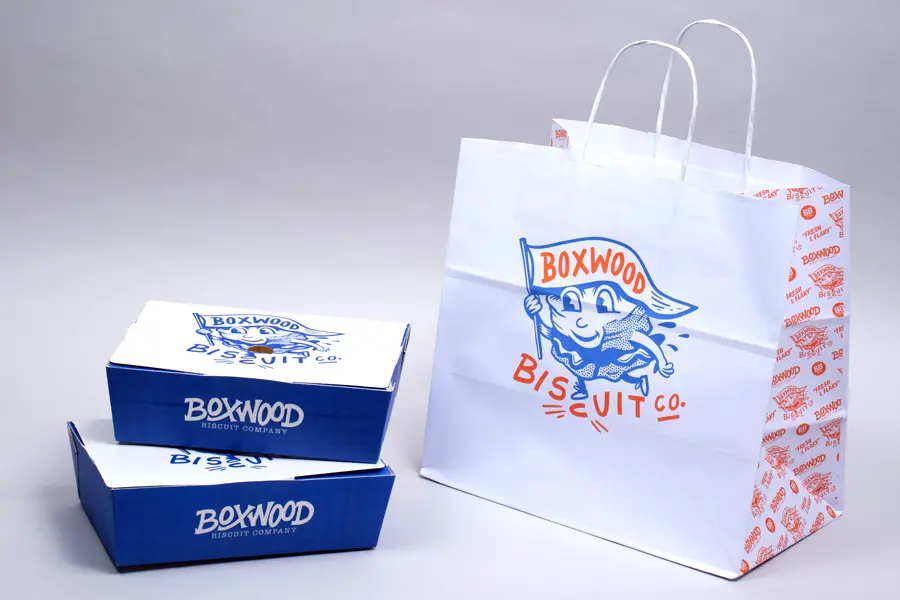
The primary container holds the meal. A wrap or liner may separate or present an individual item. A bag brings multiple containers, utensils, napkins, and condiments together. Labels or printed elements help identify the restaurant and may support order organization.

This is why it can be useful to think beyond an individual box and consider a broader custom restaurant packaging program. Each piece has a different job, but the pieces should fit the same workflow and customer experience.

Custom printed takeout food boxes for a restaurant

Boxes and containers

Custom takeout boxes provide the primary structure for entrées, shared meals, baked goods, and other menu items.

Custom printed paper takeout bag for a restaurant

Paper takeout bags

Custom paper takeout bags can gather containers into one customer-ready order while carrying the restaurant’s branding.

Custom printed plastic takeout bag with coordinated restaurant packaging

Plastic takeout bags

Custom plastic takeout bags are available in different sizes, styles, colors, handle formats, and print approaches.

Custom printed paper SOS takeout bag for a restaurant

Paper SOS bags

Custom paper SOS and grocery bags offer a self-opening sack format for takeout, counter service, and other foodservice uses.

Custom printed foodservice tissue wrap with restaurant branding

Food wraps and tray liners

Custom food wraps and tray liners can support presentation and branding for sandwiches, baskets, trays, bakery items, and other foodservice applications.

6:55 PM

Each Component Needs a Clear Job

A coordinated packaging system does not mean customizing every possible item or forcing one package to handle every meal. It means understanding the role of each component and reducing avoidable complexity.

The container supports the food

Begin with portion dimensions, food weight, shape, temperature, moisture, sauces, toppings, closure needs, and desired presentation. Test promising containers with the actual menu items and expected travel conditions.

The bag supports the complete order

Consider how many containers are usually packed together, how they stack, whether they should remain upright, which handle style fits the handoff, and how employees load the bag during busy service.

Wraps and liners support individual items

Use the appropriate material and format for the intended food-contact application. The wrap or liner should fit the item, packing method, presentation, and handling needs.

Printing supports recognition

Place branding where it remains visible after the package is filled, folded, labeled, stacked, or carried. A clear design can connect multiple packaging formats without making the workflow more complicated.

Practical starting point: Observe one busy service from the perspective of the packaging. Note where employees pause, change containers, repackage food, search for supplies, rearrange orders, or struggle to fit boxes into bags. Those moments reveal useful questions for the next packaging conversation.

7:14 PM

The Order Reaches the Final Handoff

The meal is packed. The containers are closed. The order has been checked and staged. Now it leaves through the counter, curbside pickup area, delivery shelf, or drive-through window.

For the restaurant team, this moment completes a chain of operational decisions. For the customer, it may be the first physical interaction with the restaurant. The package should be manageable to carry, easy to associate with the correct order, and consistent with the experience the business wants to provide.

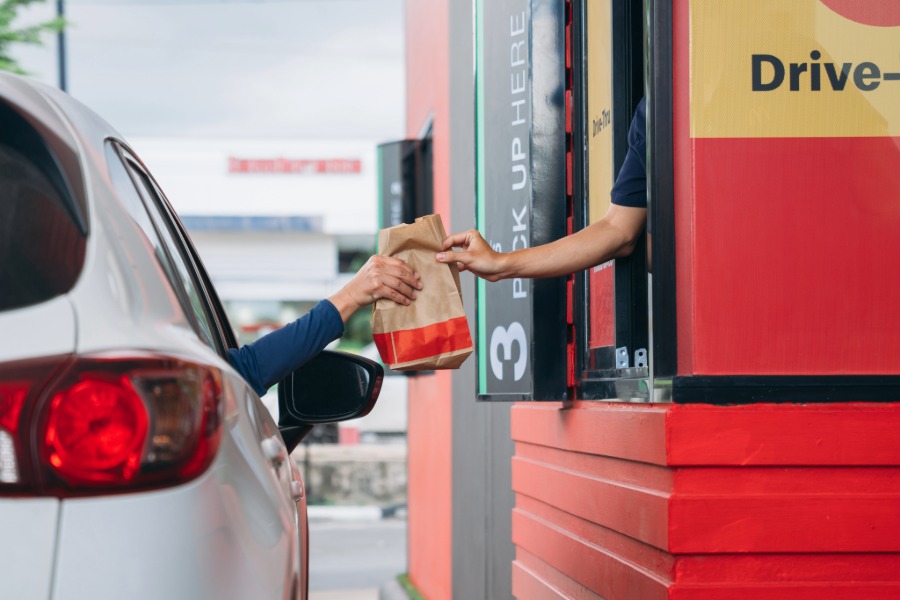
Restaurant drive-through takeout order handoff
A smooth handoff brings together the work of the kitchen, packing station, staging area, and customer-facing team.

Branding matters here, but it works best when the packaging has already done its operational job. A recognizable bag cannot correct a poorly matched container. A printed box cannot simplify service if employees cannot close or stage it consistently. Function creates the foundation, and custom printing carries the restaurant’s identity through the final interaction.

After Close

The Best Time to Improve the Rush Is Before the Next One

After service, the team knows where the friction appeared. Perhaps one menu item needs a better-fitting box. Perhaps the restaurant is carrying too many nearly identical container sizes. Perhaps full orders do not fit the current bag, or the logo disappears beneath a delivery label.

Those observations are valuable when planning custom packaging. A productive supplier conversation should include more than artwork. It should cover the menu, common order combinations, current packaging, portion dimensions, packing process, storage limits, pickup and delivery methods, estimated quantities, branding goals, and desired timing.

Action Packaging can help restaurants compare sizes, materials, styles, print approaches, and finishing options across custom restaurant and foodservice packaging. The objective is to develop packaging that makes sense for the food, the people packing it, the way it travels, and the customer receiving it.

The next Friday night will still bring a full ticket rail, waiting drivers, ringing phones, and customers watching the counter. But when each packaging component has a clear role, the team can spend less attention working around the package and more attention completing the order.

Frequently Asked Questions About Custom Takeout Packaging

What is included in custom takeout packaging?

Custom takeout packaging can include printed boxes and containers, paper or plastic carryout bags, paper SOS bags, food wraps, tray liners, labels, napkins, cups, and other foodservice items. The appropriate combination depends on the menu, service model, customer experience, and project requirements.

How can packaging support a smoother restaurant handoff?

Packaging can support the handoff when it is easy for employees to identify, prepare, fill, close, label, stack, stage, and transfer. Appropriate sizes and compatible boxes, bags, and secondary components can reduce unnecessary decisions and repacking during service.

Should every piece of restaurant packaging be custom printed?

Not necessarily. Restaurants can prioritize the items customers see most often or the formats used across the greatest number of orders. A coordinated program may combine custom-printed items with suitable stock packaging based on quantities, budget, storage, timing, and operational needs.

How should a restaurant test a new takeout package?

Test samples with actual menu items and realistic portions. Evaluate filling, closing, labeling, stacking, bag fit, staging, carrying, opening, and presentation under expected pickup or delivery conditions. Confirm the material and structure are appropriate for the intended food-contact application.

What information should I provide for a custom packaging quote?

Share the food or products being packaged, current packaging, preferred sizes and styles, artwork, print expectations, estimated quantity, recurring usage, delivery locations, storage considerations, desired timing, and any known performance or food-contact requirements. The packaging specialist may request additional information.

Can Action Packaging help coordinate several restaurant packaging items?

Action Packaging offers custom restaurant packaging across boxes, paper and plastic bags, SOS bags, food wraps, tray liners, and other categories. The team can help businesses compare options and plan a packaging direction around their products, operations, customers, artwork, quantities, and timing.

The post The Friday Night Rush: How Custom Takeout Packaging Supports a Smoother Handoff appeared first on Action Packaging.

]]>
How to Choose an FIBC Bulk Bag: 9 Specifications Buyers Need to Know https://actionpkg.com/blog/how-to-choose-an-fibc-bulk-bag-9-specifications-buyers-need-to-know/ https://actionpkg.com/blog/how-to-choose-an-fibc-bulk-bag-9-specifications-buyers-need-to-know/#respond Thu, 17 Sep 2026 19:11:51 +0000 https://actionpkg.com/blog/?p=111204 FIBC Buying Guide The right bulk bag is not selected by dimensions alone. Use these nine specifications to match the […]

The post How to Choose an FIBC Bulk Bag: 9 Specifications Buyers Need to Know appeared first on Action Packaging.

]]>
.ap-fibc-guide { --ap-black: #000000; --ap-red: #e92b2c; --ap-blue: #0c2340; --ap-gold: #ae9142; --ap-cool-gray: #d9d9d6; --ap-pale-gray: #f5f5f5; --ap-white: #ffffff; color: var(--ap-black); container-type: inline-size; font-size: 16px; line-height: 1.7; margin: 0 auto; max-width: 820px; padding: 0; } .ap-fibc-guide *, .ap-fibc-guide *::before, .ap-fibc-guide *::after { box-sizing: border-box; } .ap-fibc-guide h2, .ap-fibc-guide h3, .ap-fibc-guide h4 { color: var(--ap-black); line-height: 1.25; margin-top: 0; } .ap-fibc-guide h2 { font-size: clamp(1.5rem, 5cqi, 2rem); letter-spacing: -0.02em; margin-bottom: 16px; } .ap-fibc-guide h3 { font-size: 1.15rem; margin-bottom: 8px; } .ap-fibc-guide h4 { font-size: 1rem; margin-bottom: 6px; } .ap-fibc-guide p, .ap-fibc-guide ul, .ap-fibc-guide ol { margin-top: 0; } .ap-fibc-guide a { color: var(--ap-blue); font-weight: 700; text-decoration-color: var(--ap-gold); text-decoration-thickness: 2px; text-underline-offset: 3px; } .ap-fibc-guide a:hover, .ap-fibc-guide a:focus { color: var(--ap-red); } .ap-fibc-guide img { display: block; height: auto; max-width: 100%; } .ap-fibc-hero { display: block; margin: 0 0 30px; } .ap-fibc-hero > div { margin-bottom: 22px; max-width: 740px; } .ap-fibc-eyebrow { color: var(--ap-red); font-size: 0.76rem; font-weight: 800; letter-spacing: 0.12em; margin-bottom: 9px; text-transform: uppercase; } .ap-fibc-deck { font-size: clamp(1.05rem, 3.6cqi, 1.2rem); line-height: 1.65; margin-bottom: 0; } .ap-fibc-hero figure, .ap-fibc-figure { margin: 0; } .ap-fibc-hero img { aspect-ratio: 3 / 2; background: var(--ap-pale-gray); border-radius: 14px; object-fit: contain; width: 100%; } .ap-fibc-caption, .ap-fibc-figure figcaption { font-size: 0.82rem; line-height: 1.5; margin-top: 9px; text-align: center; } .ap-fibc-answer { background: var(--ap-blue); border-left: 6px solid var(--ap-gold); border-radius: 12px; color: var(--ap-white); margin: 0 0 28px; padding: clamp(20px, 5cqi, 30px); } .ap-fibc-answer h2 { color: var(--ap-white); font-size: 1.3rem; margin-bottom: 8px; } .ap-fibc-answer p:last-child { margin-bottom: 0; } .ap-fibc-toc { background: var(--ap-pale-gray); border: 1px solid var(--ap-cool-gray); border-radius: 12px; margin: 0 0 36px; padding: 20px 22px; } .ap-fibc-toc strong { color: var(--ap-blue); display: block; margin-bottom: 8px; } .ap-fibc-toc ol { margin-bottom: 0; padding-left: 20px; } .ap-fibc-toc li { margin-bottom: 4px; } .ap-fibc-section { border-top: 1px solid var(--ap-cool-gray); padding: 38px 0; scroll-margin-top: 24px; } .ap-fibc-spec-heading { align-items: center; display: flex; gap: 12px; margin-bottom: 14px; } .ap-fibc-spec-heading h2 { margin-bottom: 0; } .ap-fibc-number { align-items: center; background: var(--ap-gold); border-radius: 999px; color: var(--ap-black); display: inline-flex; flex: 0 0 38px; font-size: 0.94rem; font-weight: 900; height: 38px; justify-content: center; width: 38px; } .ap-fibc-grid-2, .ap-fibc-grid-3, .ap-fibc-type-grid { display: grid; gap: 14px; grid-template-columns: 1fr; margin-top: 22px; } .ap-fibc-card { background: var(--ap-pale-gray); border-radius: 10px; padding: 20px; } .ap-fibc-card p:last-child, .ap-fibc-card ul:last-child { margin-bottom: 0; } .ap-fibc-card--white { background: var(--ap-white); border: 1px solid var(--ap-cool-gray); } .ap-fibc-note, .ap-fibc-warning, .ap-fibc-formula { border-radius: 9px; margin: 22px 0 0; padding: 18px 20px; } .ap-fibc-note { background: var(--ap-white); border: 1px solid var(--ap-cool-gray); border-left: 5px solid var(--ap-gold); } .ap-fibc-warning { background: #fff4f4; border: 1px solid #f2c7c8; border-left: 5px solid var(--ap-red); } .ap-fibc-formula { background: var(--ap-blue); color: var(--ap-white); text-align: center; } .ap-fibc-formula strong { color: var(--ap-white); display: block; font-size: 1.05rem; margin-bottom: 5px; } .ap-fibc-note p:last-child, .ap-fibc-warning p:last-child, .ap-fibc-formula p:last-child { margin-bottom: 0; } .ap-fibc-checklist { list-style: none; padding-left: 0; } .ap-fibc-checklist li { margin-bottom: 11px; padding-left: 27px; position: relative; } .ap-fibc-checklist li::before { color: var(--ap-red); content: "\2713"; font-weight: 900; left: 0; position: absolute; top: 0; } .ap-fibc-table-wrap { margin-top: 22px; overflow: visible; } .ap-fibc-table { border-collapse: collapse; table-layout: fixed; width: 100%; } .ap-fibc-table th, .ap-fibc-table td { border: 1px solid var(--ap-cool-gray); padding: 14px; text-align: left; vertical-align: top; } .ap-fibc-table th { background: var(--ap-blue); color: var(--ap-white); font-size: 0.86rem; } .ap-fibc-table tbody tr:nth-child(even) { background: var(--ap-pale-gray); } .ap-fibc-type-card { background: var(--ap-white); border: 1px solid var(--ap-cool-gray); border-radius: 10px; overflow: hidden; } .ap-fibc-type-card img { aspect-ratio: 1 / 1; background: var(--ap-pale-gray); object-fit: contain; width: 100%; } .ap-fibc-type-card div { padding: 14px; } .ap-fibc-type-card h3 { margin-bottom: 5px; } .ap-fibc-type-card p { font-size: 0.91rem; line-height: 1.55; margin-bottom: 0; } .ap-fibc-media-row { display: grid; gap: 24px; grid-template-columns: 1fr; margin-top: 26px; } .ap-fibc-figure { margin-left: auto; margin-right: auto; max-width: 430px; width: 100%; } .ap-fibc-figure img { aspect-ratio: 3 / 2; background: var(--ap-pale-gray); border-radius: 10px; object-fit: contain; width: 100%; } .ap-fibc-worksheet { background: var(--ap-pale-gray); border-radius: 12px; margin-top: 22px; padding: clamp(20px, 5cqi, 30px); } .ap-fibc-worksheet dl { display: grid; gap: 0; grid-template-columns: 1fr; margin: 0; } .ap-fibc-worksheet dt, .ap-fibc-worksheet dd { border-bottom: 1px solid var(--ap-cool-gray); margin: 0; padding: 11px 0; } .ap-fibc-worksheet dt { color: var(--ap-blue); font-weight: 800; } .ap-fibc-worksheet dd { padding-top: 0; } .ap-fibc-sources { background: var(--ap-pale-gray); border-radius: 10px; font-size: 0.9rem; margin-top: 24px; padding: 20px 22px; } .ap-fibc-sources h3 { color: var(--ap-blue); } .ap-fibc-sources ul { margin-bottom: 0; padding-left: 20px; } .ap-fibc-faq details { border-top: 1px solid var(--ap-cool-gray); margin: 0; padding: 0; } .ap-fibc-faq details:last-of-type { border-bottom: 1px solid var(--ap-cool-gray); } .ap-fibc-faq summary { color: var(--ap-blue); cursor: pointer; font-weight: 800; padding: 17px 2px; } .ap-fibc-faq details p { margin-bottom: 18px; padding-right: 8px; } .ap-fibc-cta { background: var(--ap-blue); border-radius: 14px; color: var(--ap-white); margin-top: 38px; padding: clamp(25px, 7cqi, 42px); text-align: center; } .ap-fibc-cta h2 { color: var(--ap-white); } .ap-fibc-cta p { margin-left: auto; margin-right: auto; max-width: 640px; } .ap-fibc-button { background: var(--ap-gold); border: 2px solid var(--ap-gold); border-radius: 999px; color: var(--ap-black) !important; display: inline-block; margin: 8px 4px 0; padding: 10px 18px; text-decoration: none; } .ap-fibc-button--outline { background: transparent; border-color: var(--ap-white); color: var(--ap-white) !important; } @container (min-width: 560px) { .ap-fibc-toc ol { columns: 2; column-gap: 34px; } .ap-fibc-grid-2, .ap-fibc-type-grid { grid-template-columns: repeat(2, minmax(0, 1fr)); } .ap-fibc-media-row { align-items: center; grid-template-columns: minmax(220px, 0.85fr) minmax(0, 1.15fr); } .ap-fibc-worksheet dl { grid-template-columns: minmax(145px, 0.65fr) minmax(0, 1.35fr); } .ap-fibc-worksheet dt, .ap-fibc-worksheet dd { padding: 11px 8px; } } @container (min-width: 700px) { .ap-fibc-grid-3 { grid-template-columns: repeat(3, minmax(0, 1fr)); } .ap-fibc-type-grid { grid-template-columns: repeat(4, minmax(0, 1fr)); } } @container (max-width: 559px) { .ap-fibc-table, .ap-fibc-table tbody, .ap-fibc-table tr, .ap-fibc-table td { display: block; width: 100%; } .ap-fibc-table thead { display: none; } .ap-fibc-table tr { border: 1px solid var(--ap-cool-gray); border-radius: 10px; margin-bottom: 14px; overflow: hidden; } .ap-fibc-table td { border: 0; border-bottom: 1px solid var(--ap-cool-gray); display: grid; gap: 10px; grid-template-columns: 105px minmax(0, 1fr); padding: 12px 14px; } .ap-fibc-table td:last-child { border-bottom: 0; } .ap-fibc-table td::before { color: var(--ap-blue); font-size: 0.78rem; font-weight: 800; } .ap-fibc-table td:nth-child(1)::before { content: "Option"; } .ap-fibc-table td:nth-child(2)::before { content: "What it does"; } .ap-fibc-table td:nth-child(3)::before { content: "Buyer question"; } } @media (max-width: 520px) { .ap-fibc-guide { font-size: 15.5px; } .ap-fibc-hero img, .ap-fibc-figure img { border-radius: 9px; } .ap-fibc-spec-heading { align-items: flex-start; } .ap-fibc-button { display: block; margin: 10px 0 0; width: 100%; } }

FIBC Buying Guide

The right bulk bag is not selected by dimensions alone. Use these nine specifications to match the bag to your material, equipment, operating environment, and purchasing needs before you request a quote.

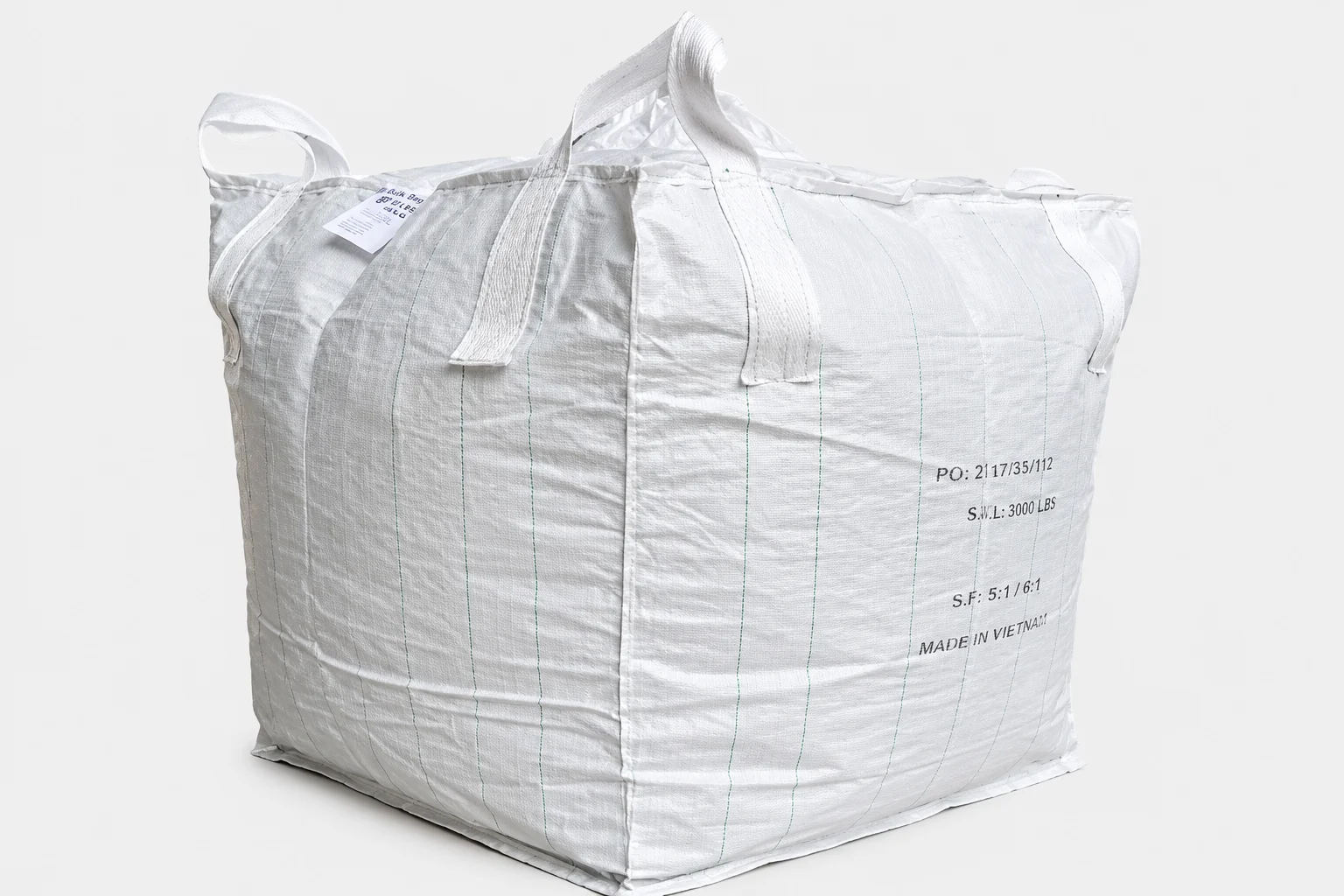
White woven polypropylene FIBC bulk bag with four lifting loops
FIBCs can look similar from a distance, but their capacity, construction, openings, static-control properties, and handling features may be very different.

The short answer

To choose an FIBC bulk bag, identify the material being packaged, its bulk density, the target fill weight, required bag dimensions, electrostatic hazards, filling and discharge methods, lifting equipment, protection requirements, and any regulatory or facility-specific requirements. Give those details to the bag supplier rather than choosing from size or price alone. The supplier can then help determine whether a stock bag fits or a custom FIBC is needed.

What Material Are You Packaging?

Begin with the product, not the bag. Flexible Intermediate Bulk Containers, commonly called FIBCs, bulk bags, or super sacks, are generally used for dry, flowable products such as powders, granules, pellets, seed, feed, fertilizer, sand, aggregates, and other industrial materials. However, two products that appear similar can behave very differently during filling, storage, transportation, and discharge.

Your supplier needs more than a product name. Describe the characteristics that affect containment and handling:

Particle behavior

Is the material a fine powder, free-flowing pellet, coarse aggregate, irregular flake, or material that tends to bridge or compact?

Product sensitivity

Does it need protection from moisture, contamination, oxygen, light, or product loss through seams?

Process hazards

Is the product combustible, chemically reactive, abrasive, hot when filled, or subject to regulated transportation requirements?

Important: Do not assume a bag is suitable because another business uses a similar-looking FIBC for a similar product. Product properties, process conditions, equipment, and hazards must be evaluated for your application.

What Is the Material’s Bulk Density?

Bulk density is the weight of a material per unit of volume, commonly stated in pounds per cubic foot in the United States. It connects the space inside the bag to the amount of product the bag may hold. A dense mineral and a lightweight agricultural product can occupy the same volume while producing very different filled weights.

Estimated material weight = usable bag volume × material bulk density

Example: 50 cubic feet of usable volume × 40 pounds per cubic foot = approximately 2,000 pounds of material.

This calculation is only a planning estimate. Nominal bag dimensions do not necessarily equal usable filled volume, and a bag must never be loaded above its labeled Safe Working Load. The way the material settles, required headspace, bag shape, filling process, and stability limits can all reduce practical capacity.

Best practice: Use the bulk density of the actual material under expected process conditions. Internet averages or the density of a similar product may not be accurate enough for bag selection.

What Fill Weight, Safe Working Load, and Safety Factor Do You Need?

Tell the supplier the target net weight of product in each bag. The selected FIBC must have a labeled Safe Working Load, or SWL, that is appropriate for that load. The SWL is the maximum load established for the bag under its specified conditions of use.

You may also see a safety factor, or SF, written as a ratio such as 5:1 or 6:1. The Flexible Intermediate Bulk Container Association defines this as a performance ratio related to how the FIBC is designed and tested relative to its SWL. It does not give the user permission to load above the labeled SWL.

Never treat the safety factor as extra payload capacity. A bag labeled for a 2,000-pound SWL should not be filled beyond 2,000 pounds simply because it has a 5:1 safety factor. Follow the label, manufacturer instructions, applicable standards, and your facility’s handling procedures.

If reuse is being considered, discuss it explicitly with the supplier. Do not assume that a bag can be reused because it appears undamaged or because of its safety-factor ratio. The intended use category, inspection requirements, previous contents, handling history, contamination risk, and manufacturer instructions all matter.

What Dimensions and Bag Construction Fit the Operation?

Bag width, length, and height affect more than volume. They also influence filled shape, stability, pallet fit, clearance beneath filling equipment, warehouse layout, truck or container utilization, and compatibility with discharge stations.

Measure the physical limits of the complete process:

  • Available clearance beneath the filling equipment
  • Pallet dimensions and acceptable loaded footprint
  • Maximum filled height for racks, doors, trailers, or containers
  • Space required for lifting loops and handling equipment
  • Discharge-station dimensions and outlet clearance
  • Required headspace and closure space above the product

Common body constructions include circular or tubular, U-panel, four-panel, and baffle designs. These terms describe how the bag body is built. They do not indicate whether the bag is Type A, B, C, or D.

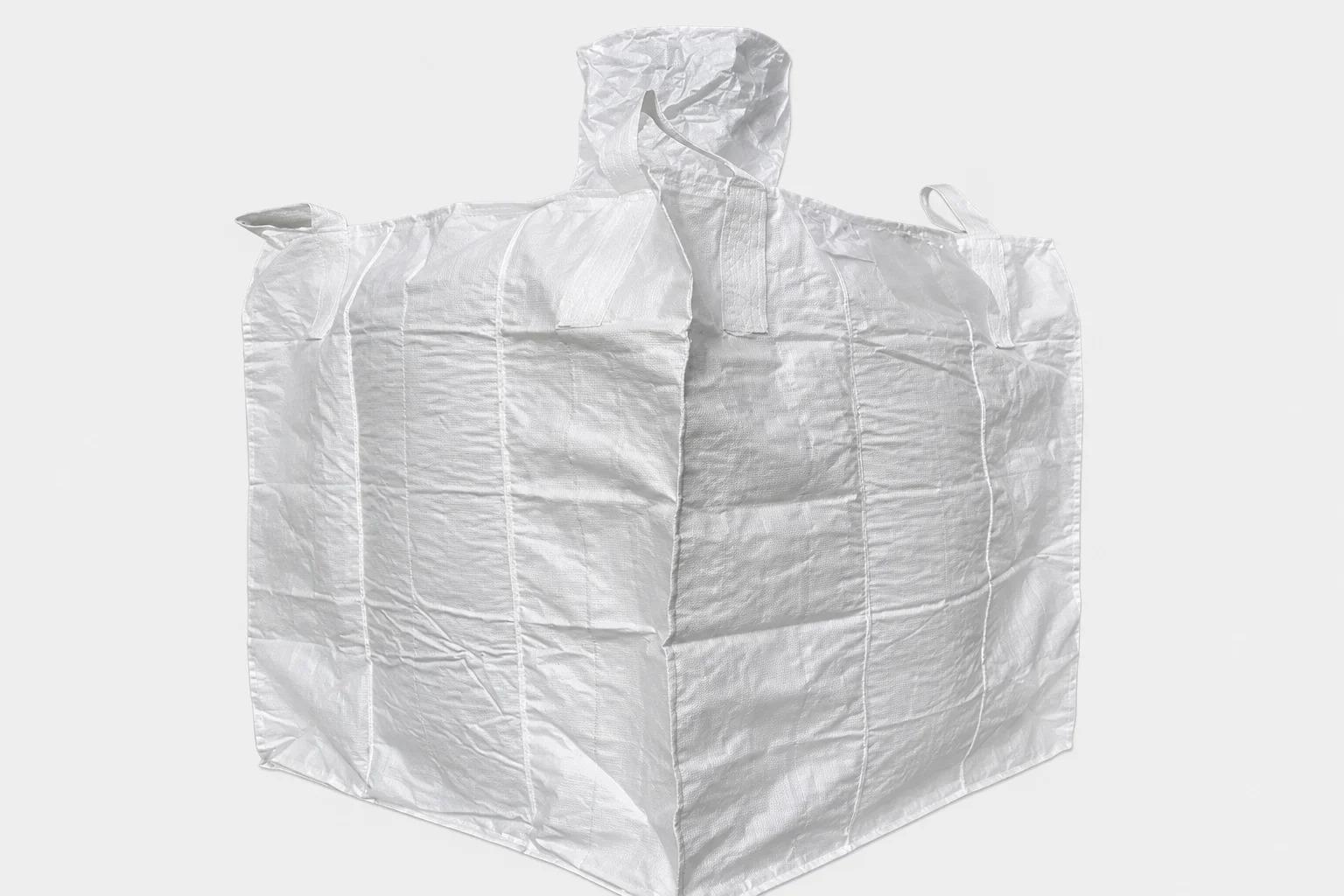
Baffle FIBC bulk bag designed to retain a more square shape
Baffle construction uses internal panels to reduce bulging and help the filled bag retain a more square shape.

When should you consider a baffle bag?

Baffle bulk bags, also called Q bags, can improve shape retention and space utilization during storage and transportation. They may be useful when pallet fit, warehouse organization, stacking configuration, or trailer and container efficiency are priorities.

A baffle bag still needs the correct dimensions, load rating, top and bottom design, fabric, liner, electrostatic classification, and handling features for the application.

Does the Process Require a Type A, B, C, or D FIBC?

FIBC Types A, B, C, and D describe electrostatic properties. The correct type depends on the material, combustible-dust characteristics, surrounding atmosphere, filling and discharge process, equipment, liners, and grounding conditions. This is a safety decision, not simply a product preference.

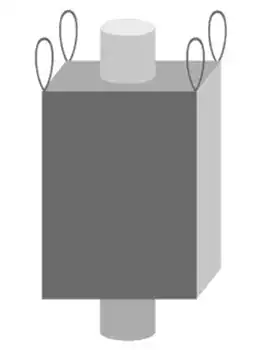
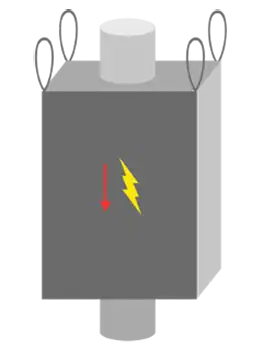
Diagram of a Type A FIBC bulk bag

Type A

No protection against static electricity. Used only where static protection is not required.

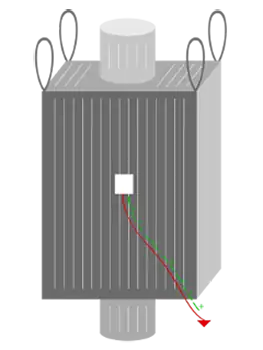
Diagram of a Type B FIBC bulk bag

Type B

Uses low-breakdown-voltage insulating fabric but does not dissipate accumulated static charge.

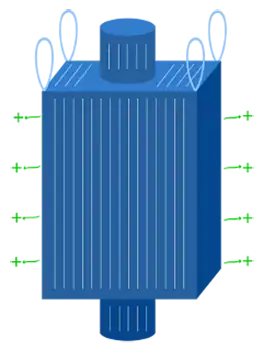
Diagram of a grounded Type C FIBC bulk bag

Type C

Contains interconnected conductive threads and must be properly grounded during filling and emptying.

Diagram of a Type D static-dissipative FIBC bulk bag

Type D

Uses static-dissipative fabric designed to control charge without a connection to ground.

Safety warning: Type B should not be casually described as fully antistatic because it does not provide a mechanism for dissipating charge. Static-protective FIBCs and their liners must be selected for the actual product and operating atmosphere. Have qualified safety personnel complete the hazard assessment and confirm the applicable version of IEC 61340-4-4 and other requirements. See the FIBCA guidance on static-protective FIBCs.

For nonhazardous dry materials in an environment where static protection is not required, a Type A bulk bag may be appropriate. When an application calls for another electrostatic classification, qualified safety personnel should assess the product, operating atmosphere, equipment, and liner requirements before a bag is selected.

How Will the Bag Be Filled and Discharged?

The top and bottom should match the product flow and the equipment that will fill and empty the bag. The wrong opening can slow production, increase dust or spillage, prevent a secure connection, or require unnecessary manual handling.

Option What it does Question to answer
Open top Provides broad access to the bag interior. Can the filling process remain controlled and the product adequately contained with an open top?
Duffle top Uses an extended fabric skirt that can open widely and be closed after filling. Does the operation need a large opening with a closable top?
Spout top Provides a smaller inlet that can connect more closely to filling equipment. What inlet diameter, length, and closure work with the fill head?
Flat or closed bottom Keeps the base closed and may require product removal from the top or another planned method. Is controlled bottom discharge unnecessary for this use?
Spout bottom Allows more controlled gravity discharge through an outlet. What outlet size, closure, and discharge-station connection are required?
Full-open bottom Allows rapid release across a larger portion of the base. Can the receiving system safely control a fast, high-volume discharge?

Action Packaging carries stock configurations that include duffle-top or spout-top designs with spout bottoms. For example, compare a spout-top and spout-bottom Type A FIBC with the wider-opening options in the baffle bulk bag selection. Current specifications and availability should always be confirmed on the product page or with a representative.

How Will the FIBC Be Lifted, Moved, Stored, and Transported?

Describe the entire handling path, from the filling station to final discharge. A bag may be moved by forklift, hoist, crane, pallet, or specialized equipment, but the lifting-loop design and handling method must be compatible with the selected FIBC and its instructions.

Equipment information

  • Forklift, crane, hoist, or other lifting method
  • Fork dimensions and spacing
  • Available vertical clearance
  • Filling and discharge equipment
  • Pallet or support-frame requirements

Storage and transport information

  • Indoor or outdoor storage
  • Expected UV, heat, moisture, and weather exposure
  • Stacking plan and filled-bag stability
  • Truck, rail, or ocean-container dimensions
  • Handling frequency and route conditions

Safe handling matters: Inspect bags and lifting devices, follow the manufacturer’s instructions, keep personnel clear of suspended loads, use all lifting loops as designed, protect the bag from sharp edges, and never exceed the SWL. FIBCA publishes a more complete set of FIBC safe-handling guidelines.

Does the Product Need a Liner, Coating, or Sift-Resistant Construction?

Woven polypropylene fabric is strong and flexible, but the woven structure may not provide the containment or barrier performance needed for every product. Fine powders, moisture-sensitive materials, contamination-sensitive products, and products with special chemical or static-control requirements may need additional features.

Inner liner

A separate polyethylene or specialty-film liner may support moisture protection, cleanliness, or containment of fine material. Liner type, thickness, attachment, fit, and compatibility must be specified.

Coated fabric

A coating applied to the woven fabric can help reduce airflow or product migration. It is not automatically equivalent to a separate liner or a complete moisture barrier.

Sift-resistant seams

Special seam construction or sealing can help reduce fine particles escaping through stitch lines. The appropriate treatment depends on particle size and required containment.

A liner is not simply an add-on that works with every bag. It must be evaluated for the material, filling and discharge process, closure method, chemical compatibility, food-contact needs, and electrostatic classification. FIBCA specifically advises confirming that a static-protective FIBC is fitted with the correct liner for the application.

Action Packaging offers stock examples such as a spout-top and spout-bottom FIBC with a liner, while other liner, coating, seam, and barrier requirements may call for a custom specification.

What Application, Regulatory, and Facility Requirements Apply?

The final specification must account for how the bag will be used and what documentation the operation requires. Tell the supplier about food-contact expectations, hazardous-material classification, clean-production requirements, traceability, export needs, labels, printing, document pouches, metal-detectable components, or other facility standards at the beginning of the process.

Food and ingredient applications

Ask about resin compliance, manufacturing controls, facility certifications, cleaning or clean-room practices, liner suitability, traceability, and supporting documentation. FIBCA notes that the FDA does not issue approvals or certifications for complete FIBCs or FIBC liners. Therefore, avoid treating the phrase “FDA-approved FIBC” as a complete specification. Review the FIBCA food-contact clarification.

Hazardous materials and dangerous goods

A standard industrial FIBC is not automatically authorized for hazardous-material transportation. The material classification, mode of transport, packing group, tested design type, markings, closures, and applicable regulations must all be confirmed. In the United States, consult trained hazmat personnel and the current U.S. Department of Transportation requirements.

Other use-specific questions may include whether the product needs breathable or ventilated fabric, UV protection, a colored fabric or loop identification system, one- or two-sided printing, warning labels, a document pouch, or a particular pallet configuration. Businesses handling feed, seed, grain, sand, and other smaller-volume products may also want to compare agriculture bags with FIBCs to determine which format better fits the fill weight and handling process.

Should You Choose a Stock or Custom FIBC?

A stock bag can be a practical choice when its size, SWL, construction, inlet, outlet, loops, material, and documented use conditions match the application. Action Packaging’s current FIBC bulk bag selection includes stock Type A and baffle configurations in multiple sizes and top-and-bottom combinations.

A custom quote is more likely to be appropriate when you need specialized dimensions, a particular liner or coating, sift-resistant seams, special loops, food-production controls, custom printing, unusual filling or discharge features, or a recurring high-volume supply program.

Stock does not mean universal. A readily available bag still has to be evaluated against the product, load, equipment, environment, and applicable requirements before use.

FIBC Quote Preparation Worksheet

Collecting the following information before contacting a supplier can shorten the selection process and reduce the risk of an incomplete specification. If an answer is unknown, say so. An unknown condition is better than an unsupported assumption.

Product
Name, composition, particle form, flow behavior, temperature, and any abrasive, chemical, combustible, or contamination concerns
Bulk density
Actual pounds per cubic foot or kilograms per cubic meter under expected filling conditions
Target fill weight
Desired net product weight in each bag and any required SWL or safety-factor specification
Bag dimensions
Preferred width, length, and height, plus pallet, rack, trailer, container, and equipment limits
FIBC type
Type A, B, C, or D based on a documented assessment of the product and operating environment
Filling method
Equipment type, fill-head dimensions, dust-control needs, and preferred open, duffle, or spout top
Discharge method
Receiving equipment, desired flow control, outlet dimensions, and preferred closed, spout, or full-open bottom
Handling method
Forklift, crane, hoist, pallet, lifting-frame, stacking, storage, and transportation details
Protection features
Liner, coating, sift-resistant seams, moisture or oxygen barrier, UV exposure, or cleanliness requirements
Compliance and identification
Food-contact documentation, facility standard, printing, labels, document pouch, or traceability needs
Order requirements
Initial quantity, recurring usage, delivery locations, forecast, sample or testing needs, and desired timeline

Common buying mistakes to avoid

  • Choosing a bag by dimensions without checking bulk density and filled weight
  • Treating the safety-factor ratio as permission to exceed the labeled SWL
  • Calling Type B fully antistatic even though it does not dissipate accumulated charge
  • Treating baffle construction as an electrostatic FIBC type
  • Assuming any virgin-polypropylene bag automatically meets a food application’s complete requirements
  • Adding a liner without checking static, chemical, filling, and discharge compatibility
  • Assuming an undamaged-looking bag is automatically approved for reuse
  • Waiting until after purchase to check the bag against filling and discharge equipment

Frequently Asked Questions About Choosing FIBC Bulk Bags

What information do I need to choose an FIBC bulk bag?

At minimum, provide the material being packaged, its bulk density, target fill weight, desired dimensions, static or combustible-dust conditions, filling and discharge methods, lifting equipment, liner or barrier needs, applicable regulatory requirements, and estimated order quantity. The supplier may need additional information based on the application.

How do I calculate the capacity of an FIBC?

As a planning estimate, multiply usable bag volume by the material’s actual bulk density. The final allowable fill is limited by the bag’s labeled Safe Working Load, practical filled volume, headspace, stability, process conditions, and supplier specifications. Nominal dimensions alone do not establish an approved capacity.

What does a 5:1 safety factor mean on a bulk bag?

It is a design and performance ratio related to the bag’s Safe Working Load. It is not permission to load the bag to five times its SWL. Never exceed the labeled SWL, and follow the manufacturer’s instructions and applicable standards.

What is the difference between Type A, B, C, and D FIBCs?

The letters describe electrostatic properties. Type A provides no static protection. Type B uses low-breakdown-voltage fabric but does not dissipate charge. Type C uses interconnected conductive threads and must be grounded during filling and emptying. Type D uses static-dissipative fabric and does not require grounding. Selection must be based on a qualified assessment of the product, atmosphere, process, equipment, and liner.

Is a baffle bulk bag the same as a Type B FIBC?

No. A baffle bag contains internal panels that help the filled bag retain a more square shape. Type B describes an electrostatic classification. A baffle design can be specified together with the appropriate electrostatic type for the application.

When does an FIBC need a liner?

A liner may be considered when the product needs additional moisture protection, contamination control, fine-particle containment, or another barrier property. The liner must be compatible with the material, bag type, static conditions, filling and discharge process, closure, and applicable food or regulatory requirements.

Can I use a standard FIBC for hazardous materials?

Do not assume that a standard industrial FIBC is authorized for hazardous materials. The material classification, transport mode, packing group, tested packaging design, required markings, closures, and current regulations must be confirmed by trained personnel and the supplier.

Where can I buy FIBC bulk bags?

Action Packaging offers stock and custom FIBC bulk bag solutions, including Type A and baffle options. If a stock product does not match the application, submit an FIBC quote request with the worksheet information above so the team can review your requirements.

The post How to Choose an FIBC Bulk Bag: 9 Specifications Buyers Need to Know appeared first on Action Packaging.

]]>
https://actionpkg.com/blog/how-to-choose-an-fibc-bulk-bag-9-specifications-buyers-need-to-know/feed/ 0
What Is a T-Shirt Bag? https://actionpkg.com/blog/what-is-a-t-shirt-bag/ https://actionpkg.com/blog/what-is-a-t-shirt-bag/#respond Tue, 01 Sep 2026 23:41:30 +0000 https://actionpkg.com/blog/?p=111183 Plastic Bag Guide A practical guide to the familiar two-handle plastic carryout bag: what it is, how it gets its […]

The post What Is a T-Shirt Bag? appeared first on Action Packaging.

]]>
.ap-tshirt-guide { --ap-black: #000000; --ap-red: #e92b2c; --ap-blue: #0c2340; --ap-gold: #ae9142; --ap-cool-gray: #d9d9d6; --ap-pale-gray: #f5f5f5; --ap-white: #ffffff; color: var(--ap-black); container-type: inline-size; font-size: 16px; line-height: 1.7; margin: 0 auto; max-width: 820px; padding: 0; } .ap-tshirt-guide *, .ap-tshirt-guide *::before, .ap-tshirt-guide *::after { box-sizing: border-box; } .ap-tshirt-guide h2, .ap-tshirt-guide h3 { color: var(--ap-black); line-height: 1.25; margin-top: 0; } .ap-tshirt-guide h2 { font-size: clamp(1.55rem, 5cqi, 2rem); letter-spacing: -0.02em; margin-bottom: 16px; } .ap-tshirt-guide h3 { font-size: 1.12rem; margin-bottom: 8px; } .ap-tshirt-guide p, .ap-tshirt-guide ul, .ap-tshirt-guide ol { margin-top: 0; } .ap-tshirt-guide a { color: var(--ap-blue); font-weight: 700; text-decoration-color: var(--ap-gold); text-decoration-thickness: 2px; text-underline-offset: 3px; } .ap-tshirt-guide a:hover, .ap-tshirt-guide a:focus { color: var(--ap-red); } .ap-tshirt-guide img { display: block; height: auto; max-width: 100%; } .ap-hero { background: var(--ap-white); border: 0; display: block; margin: 0 0 30px; padding: 0; } .ap-hero > div { margin-bottom: 22px; max-width: 720px; } .ap-eyebrow { color: var(--ap-red); font-size: 0.76rem; font-weight: 800; letter-spacing: 0.12em; margin-bottom: 9px; text-transform: uppercase; } .ap-deck { color: var(--ap-black); font-size: clamp(1.05rem, 3.6cqi, 1.2rem); line-height: 1.65; margin-bottom: 0; } .ap-hero figure, .ap-feature-figure { margin: 0; } .ap-hero img { aspect-ratio: 3 / 2; background: var(--ap-pale-gray); border-radius: 14px; object-fit: cover; width: 100%; } .ap-caption, .ap-feature-figure figcaption { color: var(--ap-black); font-size: 0.8rem; line-height: 1.45; margin-top: 9px; text-align: center; } .ap-answer { background: var(--ap-blue); border-left: 6px solid var(--ap-gold); border-radius: 12px; color: var(--ap-white); margin: 0 0 28px; padding: clamp(20px, 5cqi, 30px); } .ap-answer h2 { color: var(--ap-white); font-size: 1.3rem; margin-bottom: 8px; } .ap-answer p:last-child { margin-bottom: 0; } .ap-toc { background: var(--ap-pale-gray); border: 1px solid var(--ap-cool-gray); border-radius: 12px; margin: 0 0 36px; padding: 20px 22px; } .ap-toc strong { color: var(--ap-blue); display: block; margin-bottom: 8px; } .ap-toc ol { margin-bottom: 0; padding-left: 20px; } .ap-toc li { margin-bottom: 4px; } .ap-section { border-top: 1px solid var(--ap-cool-gray); padding: 38px 0; scroll-margin-top: 24px; } .ap-grid-3, .ap-grid-2 { display: grid; gap: 14px; grid-template-columns: 1fr; margin-top: 22px; } .ap-card { background: var(--ap-pale-gray); border: 0; border-radius: 10px; padding: 20px; } .ap-card p:last-child, .ap-card ul:last-child { margin-bottom: 0; } .ap-number { align-items: center; background: var(--ap-gold); border-radius: 999px; color: var(--ap-black); display: inline-flex; font-size: 0.82rem; font-weight: 800; height: 30px; justify-content: center; margin-bottom: 11px; width: 30px; } .ap-note { background: var(--ap-white); border: 1px solid var(--ap-cool-gray); border-left: 5px solid var(--ap-gold); border-radius: 8px; margin: 22px 0 0; padding: 18px 20px; } .ap-note p:last-child { margin-bottom: 0; } .ap-table-wrap { border: 0; margin-top: 22px; overflow: visible; } .ap-table { border-collapse: collapse; table-layout: fixed; width: 100%; } .ap-table th, .ap-table td { border: 1px solid var(--ap-cool-gray); padding: 14px; text-align: left; vertical-align: top; } .ap-table th { background: var(--ap-blue); color: var(--ap-white); font-size: 0.86rem; } .ap-table tbody tr:nth-child(even) { background: var(--ap-pale-gray); } .ap-media-row { display: grid; gap: 22px; grid-template-columns: 1fr; margin-top: 28px; } .ap-feature-figure { margin-left: auto; margin-right: auto; max-width: 420px; width: 100%; } .ap-feature-figure img { aspect-ratio: 3 / 2; background: var(--ap-pale-gray); border-radius: 10px; object-fit: contain; width: 100%; } .ap-checklist { list-style: none; padding-left: 0; } .ap-checklist li { margin-bottom: 11px; padding-left: 27px; position: relative; } .ap-checklist li::before { color: var(--ap-red); content: "\2713"; font-weight: 900; left: 0; position: absolute; top: 0; } .ap-faq details { border: 0; border-top: 1px solid var(--ap-cool-gray); border-radius: 0; margin: 0; padding: 0; } .ap-faq details:last-of-type { border-bottom: 1px solid var(--ap-cool-gray); } .ap-faq summary { color: var(--ap-blue); cursor: pointer; font-weight: 800; padding: 17px 2px; } .ap-faq details p { margin-bottom: 18px; padding-right: 8px; } .ap-cta { background: var(--ap-blue); border-radius: 14px; color: var(--ap-white); margin-top: 38px; padding: clamp(25px, 7cqi, 42px); text-align: center; } .ap-cta h2 { color: var(--ap-white); } .ap-cta p { margin-left: auto; margin-right: auto; max-width: 620px; } .ap-button { background: var(--ap-gold); border: 2px solid var(--ap-gold); border-radius: 999px; color: var(--ap-black) !important; display: inline-block; margin: 8px 4px 0; padding: 10px 18px; text-decoration: none; } .ap-button--outline { background: transparent; border-color: var(--ap-white); color: var(--ap-white) !important; } @container (min-width: 560px) { .ap-toc ol { columns: 2; column-gap: 34px; } .ap-grid-2 { grid-template-columns: repeat(2, minmax(0, 1fr)); } .ap-media-row { align-items: center; grid-template-columns: minmax(220px, 0.8fr) minmax(0, 1.2fr); } } @container (min-width: 700px) { .ap-grid-3 { grid-template-columns: repeat(3, minmax(0, 1fr)); } } @container (max-width: 559px) { .ap-table, .ap-table tbody, .ap-table tr, .ap-table td { display: block; width: 100%; } .ap-table thead { display: none; } .ap-table tr { border: 1px solid var(--ap-cool-gray); border-radius: 10px; margin-bottom: 14px; overflow: hidden; } .ap-table td { border: 0; border-bottom: 1px solid var(--ap-cool-gray); display: grid; gap: 10px; grid-template-columns: 105px minmax(0, 1fr); padding: 12px 14px; } .ap-table td:last-child { border-bottom: 0; } .ap-table td::before { color: var(--ap-blue); font-size: 0.78rem; font-weight: 800; } .ap-table td:nth-child(1)::before { content: "Bag style"; } .ap-table td:nth-child(2)::before { content: "Handles"; } .ap-table td:nth-child(3)::before { content: "Strengths"; } .ap-table td:nth-child(4)::before { content: "Common uses"; } } @media (max-width: 520px) { .ap-tshirt-guide { font-size: 15.5px; } .ap-hero img, .ap-feature-figure img { border-radius: 9px; } .ap-button { display: block; margin: 10px 0 0; width: 100%; } }

Plastic Bag Guide

A practical guide to the familiar two-handle plastic carryout bag: what it is, how it gets its name, how sizes and thickness work, and how to choose the right option for retail or foodservice.

White plastic T-shirt carryout bag with two handles and side gussets
A typical plastic T-shirt bag has two integrated handles and expandable side gussets.

The short answer

A T-shirt bag is a lightweight plastic carryout bag with two integrated handles and expandable side gussets. Laid flat, its handles and opening resemble the outline of a sleeveless T-shirt, with two “sleeves” above a rectangular body. This familiar bag style is widely used for groceries, convenience items, retail purchases, pharmacy products, and takeout orders because it is compact to store, quick to open, and easy to carry.

Why Is It Called a T-Shirt Bag?

The name describes the bag’s silhouette, not what the bag is meant to hold. When a T-shirt bag is laid flat, the two handle loops resemble short sleeves and the lower pouch resembles the body of a shirt. You may also hear this style called a grocery bag, vest-style carrier bag, handled carryout bag, or 1/6-barrel bag when referring to a particular common size.

Those terms are not always interchangeable. “Plastic shopping bag” is a broad category that also includes die-cut handle bags, loop-handle bags, soft-loop bags, wave-top bags, and plastic Eurototes. The T-shirt bag is one specific construction within that larger family.

The Basic Parts of a T-Shirt Bag

A T-shirt bag looks simple, but several features determine how it opens, fills, and carries.

1

Integrated handles

The two straps are formed from the same plastic film as the bag body. This creates the recognizable T-shirt shape and gives the user two handles to hold or tie.

2

Side gussets

Folded material along each side expands as the bag is filled. The gussets add depth so the bag can accommodate boxes, containers, cans, and other three-dimensional items.

3

Bottom seal

The sealed bottom closes the pouch. Seal quality, film, handle construction, bag dimensions, and the shape of the contents all influence real-world carrying performance.

Important: Bag dimensions or thickness alone do not establish a guaranteed weight capacity. If your application involves heavy, sharp, hot, or unusually shaped contents, test the exact bag with the actual products and handling conditions before placing a large order.

What Are T-Shirt Bags Made From?

Many everyday T-shirt bags are made from high-density polyethylene (HDPE). HDPE film can be made relatively thin while still providing useful strength for routine carryout applications. It often has a slightly crisp feel and may make a light rustling sound when handled.

Not every T-shirt bag has the same formula or performance. Products can vary by resin, thickness, color, opacity, recycled content, handle construction, and manufacturing method. For example, Action Packaging’s current economy white option is described as a high-density T-shirt bag with side strap handles, side gussets, and specified recycled content. Review the exact product page or specification sheet rather than assuming every bag shares those attributes.

What does “mil” mean?

A mil is one-thousandth of an inch: 1 mil equals 0.001 inch. A higher mil number generally means thicker film. However, a thicker bag is not automatically the best or strongest choice for every application. The resin, seal, handle area, bag proportions, and contents matter too.

Standard or economy film

A practical option for lightweight, routine purchases and high-volume checkout stations where compact storage and cost control are priorities.

Heavier-gauge film

Worth considering when the packed order is bulkier, handling is more demanding, or added thickness is preferred. Action Packaging carries 1.5 mil white T-shirt bags as one heavier-gauge example.

What Are T-Shirt Bags Used For?

T-shirt bags are designed for fast, everyday carryout. Their gusseted shape can adapt to a mix of items, while the handles make the filled bag easy to hand to a customer.

  • Grocery and convenience stores: packaged foods, canned goods, snacks, beverages, and mixed purchases
  • Restaurants and foodservice: wrapped items, packaged meals, and closed take-out boxes
  • Pharmacies and healthcare retail: boxed or bagged merchandise and routine customer purchases
  • General retail: small household goods, apparel, gifts, and other non-sharp merchandise
  • Markets, events, and concessions: quick distribution where a compact case of bags supports a busy service line

Businesses handling specialized foodservice products may also want to browse food-service plastic bags, which include bag styles intended for needs beyond general checkout carryout.

How Are T-Shirt Bags Measured?

T-shirt bag sizes are commonly shown as width × gusset (or depth) × length (or height). Suppliers do not always list those dimensions in the same order, so read the labels beside the numbers rather than relying on position alone.

Width (W)

The horizontal measurement across the front face of the bag when it is laid flat.

Gusset or depth (D)

The expandable folded portion along the sides. More gusset depth gives boxy items additional room.

Length or height (L/H)

The vertical measurement from top to bottom. Confirm whether the stated measurement includes the handles.

Best sizing method: Pack the actual order you expect the bag to hold. Allow room for the side gussets to open, for the contents to settle below the handle cutout, and for the handles to be held comfortably. If the handles need to be tied, include extra top clearance.

T-Shirt Bags vs. Other Plastic Shopping Bags

The right bag depends on the job. A T-shirt bag emphasizes speed, everyday utility, and efficient storage. Other plastic shopping and merchandise bags may be a better fit when presentation, rigidity, or a specific handle style matters more.

Bag style Handle construction Typical strengths Often selected for
T-shirt bag Two integrated strap handles Fast opening, gusseted capacity, compact storage, economical everyday use Grocery, convenience, takeout, pharmacy, general retail
Die-cut handle bag Handle opening cut into the bag panel Flat profile and a broad printable panel Boutiques, trade shows, events, lightweight retail goods
Loop-handle bag Separate loop handles attached to the bag Comfortable grip and a more finished retail appearance Apparel, gifts, specialty retail, promotional packaging
Plastic Eurotote Often uses separate handles and a more structured construction Premium presentation, specialty finishes, strong branding potential Boutiques, gift shops, museums, events, branded retail programs
Custom printed frosted plastic shopping bag with separate handles
A custom plastic shopping bag can prioritize branding and presentation beyond basic carryout.

When a more premium bag makes sense

If the bag is part of the customer experience, not simply a way to move a purchase from the counter to the car, consider custom plastic shopping bags and Eurototes. These options can offer more choices in finish, handle style, color, size, and printing for boutiques, gift shops, events, museums, and branded retail programs.

How to Choose the Right T-Shirt Bag

Start with the contents and the packing process, not just the bag’s flat dimensions. A practical selection process looks at the complete use case.

  1. Identify the largest common order. Measure the widest and tallest products or containers that regularly leave together.
  2. Consider shape and edges. Box corners, pointed packaging, heavy bottles, and irregular products place different stresses on film and seams.
  3. Check the bag’s labeled dimension order. Confirm width, gusset, and length or height, including whether the handles are part of the overall length.
  4. Choose an appropriate film and thickness. Use the product specifications as a starting point, then test the packed bag in real handling conditions.
  5. Decide between plain, preprinted, or custom. Plain stock bags support straightforward carryout; preprinted bags add a ready-made message; custom bags support a specific brand presentation.
  6. Confirm case quantity, storage, and replenishment needs. Make sure the pack size works for your checkout volume and available storage space.
  7. Review local requirements. Carryout-bag rules, fees, recycling guidance, and allowed materials vary by location and can change.
White plastic T-shirt carryout bag printed with a Thank You message
Preprinted “Thank You” bags offer a stock message without a fully custom print program.

Stock, preprinted, or custom?

Plain stock bags are usually the fastest route for routine carryout. Preprinted “Thank You” T-shirt bags add a familiar customer-facing message while remaining a stock product. For a bag built around your logo, colors, and presentation goals, explore custom plastic shopping bags and Eurototes.

Frequently Asked Questions About T-Shirt Bags

What is a T-shirt bag?

A T-shirt bag is a lightweight plastic carryout bag with two integrated handles and side gussets. When laid flat, the handles and bag opening resemble a sleeveless T-shirt. It is commonly used by grocery stores, convenience stores, restaurants, pharmacies, and other retailers.

Why is it called a T-shirt bag?

The name comes from the bag’s outline. The two handle straps look like sleeves, and the lower pouch resembles the body of a shirt when the bag is laid flat.

What are T-shirt bags made from?

Many T-shirt bags are made from high-density polyethylene, or HDPE. However, material formulation, recycled content, thickness, and performance vary by product. Review the specifications for the exact bag you are considering.

How are T-shirt bags measured?

They are usually listed by width, gusset or depth, and length or height. The width is the front panel, the gusset is the folded side expansion, and the length runs vertically. Because dimension order can vary, confirm the labels and whether the listed length includes the handles.

What does mil mean for a plastic bag?

One mil is 0.001 inch. A higher mil generally indicates thicker film, but thickness does not create a universal carrying-capacity rating. Material, seals, handles, bag dimensions, contents, and handling conditions also matter.

Are T-shirt bags the same as Eurotote bags?

No. T-shirt bags are generally lightweight carryout bags with integrated handles. Plastic Eurototes are typically selected for a more structured or premium retail presentation and may use separate handles, heavier materials, specialty finishes, or custom printing.

Can T-shirt bags be reused?

A clean, undamaged bag may be suitable for carrying items again or for another appropriate household use. Do not reuse a contaminated or damaged bag. Recycling and disposal options depend on local programs; plastic film generally should not be placed in curbside recycling unless the local program specifically accepts it.

Where can businesses buy T-shirt bags in bulk?

Action Packaging offers plastic T-shirt bags by the case, including economy, colored, preprinted, and heavier-gauge choices. Product selection, specifications, case quantities, price, and availability can change, so review the current listing before ordering.

The post What Is a T-Shirt Bag? appeared first on Action Packaging.

]]>
https://actionpkg.com/blog/what-is-a-t-shirt-bag/feed/ 0
How to Choose the Best Packaging for Fashion Jewelry and Small Accessories https://actionpkg.com/blog/how-to-choose-the-best-packaging-for-fashion-jewelry-and-small-accessories/ https://actionpkg.com/blog/how-to-choose-the-best-packaging-for-fashion-jewelry-and-small-accessories/#comments Tue, 11 Aug 2026 20:17:26 +0000 https://actionpkg.com/blog/?p=111150 The right packaging can make an affordable pair of earrings feel special, keep a delicate necklace from getting lost in […]

The post How to Choose the Best Packaging for Fashion Jewelry and Small Accessories appeared first on Action Packaging.

]]>

The right packaging can make an affordable pair of earrings feel special, keep a delicate necklace from getting lost in inventory, and turn a small accessory into a gift-ready purchase.

For jewelry retailers, boutiques, gift shops, and online sellers, packaging has to do more than hold a product. It may also need to protect the item, make it easy to display, support your brand, and create a positive experience for the customer.

There is no single package that works best for every piece. A clear hanging bag may be ideal for earrings displayed on a retail rack, while a soft pouch or jewelry box may be more appropriate for a gift purchase. The best choice depends on what you sell, how it will be displayed, and what customers expect at its price point.

Bracelet packaged in a clear self-sealing bag
Clear self-sealing bags protect jewelry while keeping the product visible.

This guide compares practical packaging options for fashion jewelry and small accessories so you can find the right combination for your products, customers, and sales channels.

What Should Jewelry Packaging Accomplish?

Before comparing materials and styles, decide what the packaging needs to do. Most jewelry packaging serves some combination of five purposes:

  • Protect the item from dust, fingerprints, scuffs, and everyday handling
  • Keep small pieces and matching sets together
  • Make products easy to organize, label, and count
  • Support an attractive retail display or online presentation
  • Create an experience that feels appropriate for the product and its price

Inexpensive stud earrings sold on a retail rack may need visibility and efficient merchandising more than an elaborate unboxing experience. A necklace purchased as a gift may benefit from a soft pouch or protective box.

Matching the package to the product helps you spend where presentation matters while keeping everyday packaging practical and efficient.

Quick Guide: Which Packaging Fits Your Needs?

Start with the job the packaging needs to perform. These four common situations can help you narrow your options quickly.

For everyday presentation

Keep the Product Visible and Ready to Sell

Choose lip-and-tape bags for clear, efficient packaging that works well with jewelry cards, bracelets, charms, and small accessories.

For retail merchandising

Display Products on Pegboards or Hooks

Use header bags for a sealed presentation or hang hole zip bags when the package also needs to be reopened.

For storage and repeat access

Keep Inventory Organized and Easy to Access

Select clear zip bags for inventory, matching sets, replacement pieces, order preparation, and other situations that require a reclosable package.

For gifting and premium presentation

Create a More Memorable Customer Experience

Use drawstring pouches for a soft, gift-ready upgrade, jewelry boxes for structured protection, or custom jewelry boxes when the packaging should carry your brand.

1. Clear Self-Sealing Bags for Everyday Jewelry

For high-volume fashion jewelry and accessories, clear packaging is often the most practical starting point. It allows customers and employees to see the product without opening the package, keeps small items contained, and creates a clean finish without adding an unnecessarily elaborate presentation.

One useful option is a clear lip-and-tape bag. This style has an adhesive flap that folds over the opening. The built-in closure eliminates the need for separate tape, twist ties, or sealing equipment.

Clear self-sealing bags work especially well for:

  • Earrings attached to display cards
  • Bracelets and anklets
  • Hair clips, pins, and small accessories
  • Pendants and charms
  • Packaged jewelry sets
  • Products sold through social media or online marketplaces
  • Backup inventory stored behind the sales counter

A backing card can be placed inside the bag to hold the jewelry in position and provide space for a logo, price, barcode, care instructions, or product details. The clear bag protects the card and product while keeping the design visible.

This format is a strong choice when you need to package many items consistently and efficiently. It creates a more finished appearance than an open bag while remaining lightweight and economical.

When External Adhesive May Be Helpful

Standard lip-and-tape bags have adhesive inside the flap. External-adhesive versions position the adhesive differently, helping reduce the chance that a delicate product will touch the tape while it is inserted or removed.

That can be useful when packaging chains, textured accessories, or other pieces that may catch on an exposed adhesive strip. It is a small detail that can make packing easier and help prevent frustrating snags.

2. Hanging Bags for Retail Displays

If products will be sold from hooks, pegboards, or rotating racks, the packaging needs a dependable hanging feature. Trying to improvise with a label or punched backing card can lead to crooked displays and torn packages.

Lip-and-tape header bags combine a clear self-sealing compartment with a header for hanging. This makes them a practical option for earrings, bracelets, hair accessories, pins, charms, and other small products sold from retail hooks.

Hanging packages can help retailers:

  • Organize merchandise by style, color, collection, or price
  • Display more products in a limited amount of space
  • Make restocking faster and more consistent
  • Protect products from repeated customer handling
  • Create a coordinated appearance across a product line
Gold chain displayed in a clear hang hole zip bag
Hang hole zip bags combine clear product visibility with pegboard-ready merchandising.

For merchandise that customers or employees may need to open and close, hang hole zip bags provide a similar display function with a reclosable zipper.

Which Hanging Style Should You Choose?

Choose a lip-and-tape header bag when you want a neat sealed presentation and the package will usually remain closed until purchase.

Choose a hang hole zip bag when the product may need to be removed, examined, returned to the package, or used for ongoing storage.

3. Clear Zip Bags for Storage, Organization, and Repeat Use

Not every package needs to serve as the final retail presentation. Some packaging is primarily used to keep inventory organized or protect an item as it moves through the business.

Clear zip bags are useful when jewelry needs to be accessed more than once. Their reclosable design makes them practical for:

  • Organizing inventory by item number or style
  • Keeping earrings and matching components together
  • Holding spare clasps, backs, charms, or chains
  • Preparing online orders before final packing
  • Separating products during storage or transportation
  • Giving customers a simple storage option
Pair of decorative earrings packaged in a small clear zip bag
Small clear zip bags keep earrings and matching pieces together while allowing repeat access.

Clear zip bags are available in different sizes and thicknesses. A lightweight bag may be sufficient for earrings or small charms, while a thicker bag may be preferable for heavier pieces or products that receive more handling.

The broader selection of plastic reclosable bags also includes specialty formats for display, labeling, storage, and additional protection. The right style depends on whether the bag will be used in the stockroom, on the sales floor, during shipping, or by the customer after purchase.

Standard clear plastic packaging helps keep jewelry clean and organized, but it should not automatically be treated as long-term tarnish prevention. If tarnish control is important, select packaging made specifically for that purpose and follow the recommended storage practices for the metal.

4. Drawstring Pouches for a Gift-Ready Upgrade

When the customer experience matters as much as visibility, a fabric pouch can give jewelry a warmer and more intentional presentation.

Drawstring pouches are popular for jewelry because they are compact, lightweight, easy to close, and often reusable. Customers can keep the pouch for travel or storage, extending its usefulness beyond the original purchase.

Red, green, and blue velveteen drawstring jewelry pouches
Soft drawstring pouches add color and a gift-ready finish without the bulk of a rigid box.

Drawstring pouches are a good option for:

  • Boutique jewelry
  • Gift purchases
  • Handmade collections
  • Seasonal promotions
  • In-person markets and pop-up shops
  • Customer loyalty gifts
  • Limited-edition product releases

A pouch can also provide a simple upgrade at checkout. A retailer might display products in clear packaging, then place selected purchases in a pouch after the sale. This approach preserves visibility on the sales floor while giving the customer a more gift-like experience.

Choosing a Pouch Material

The material influences how the product feels before the customer even sees the jewelry inside.

Velvet and velour pouches create a soft, traditional jewelry presentation. They pair well with rings, earrings, pendants, watches, and small gift items. Browse soft velvet pouch options when you want a classic, polished look.

Suede-style pouches offer a soft-touch appearance without requiring a rigid box. Options such as double-faced simulated suede jewelry pouches and Royal Suede drawstring pouches can help elevate boutique collections and gift purchases.

Royal Suede drawstring pouches in multiple jewelry-friendly colors and sizes
Suede-style pouches offer a soft presentation in colors that can complement a brand or collection.

Satin pouches have a smooth, decorative finish and work well for celebrations, special promotions, and gift-oriented merchandise. Satin drawstring gift and jewelry pouches are suitable for pieces ranging from small jewelry items to larger accessories.

Organza pouches offer a lighter, more decorative presentation while allowing some visibility through the material. They can work well for watches, bracelets, small gifts, event favors, and accessory sets.

Men's watch presented in a sheer silver organza drawstring pouch
Sheer organza pouches create a lightweight, gift-ready presentation for watches and accessories.

A pouch can help reduce minor scuffing and keep pieces contained, but it does not offer the rigid protection of a box. Delicate chains should be secured before they are placed inside, and highly fragile pieces may need an insert or another protective layer.

5. Jewelry Boxes for Protection and Perceived Value

A jewelry box is usually the best choice when the item needs more structure, a stronger presentation, or a memorable gifting experience.

Jewelry boxes are available in different sizes, colors, finishes, and interior styles for rings, earrings, bracelets, necklaces, watches, and sets. Many include inserts that cushion the jewelry and hold it in a consistent position.

Assortment of jewelry boxes for watches, bracelets, earrings, and necklaces
Different box shapes and inserts help keep individual jewelry pieces positioned for presentation.

Boxes are especially useful for:

  • Fragile or delicate jewelry
  • Higher-priced fashion jewelry
  • Fine jewelry
  • Gift purchases
  • Special collections
  • Milestone or commemorative pieces
  • Products that need to remain positioned during presentation

A box can also support the selling process. Opening a well-presented box at the counter creates a more deliberate reveal than handing over a loose item or clear bag. That experience may be appropriate even when the jewelry itself is not considered fine jewelry.

Packaging does not have to be black, glossy, or ornate to feel intentional. Gloss white jewelry boxes can provide a clean, modern presentation, while kraft boxes complement natural, handmade, and understated brand styles. Textured and foil finishes can add visual interest for seasonal collections or gift-oriented merchandise.

Assorted gloss white jewelry boxes with a watch presentation box
Gloss white boxes create a bright, clean presentation.
Natural kraft jewelry boxes displaying earrings and a bracelet
Kraft boxes complement natural, handcrafted, and understated branding.

The goal is not to place every product in the most elaborate package. It is to make sure the presentation feels consistent with the product’s value and the customer’s expectations.

6. Custom Jewelry Boxes for Brand-Building

For an established jewelry line, packaging can become part of the product.

Custom-printed jewelry boxes can feature a business name, logo, artwork, or other brand elements. Because customers often keep jewelry boxes, branded packaging can continue to represent the business long after the purchase.

Custom-printed Rawhide jewelry boxes for necklaces and earrings
Custom printing can carry a recognizable brand identity across multiple jewelry box sizes.

Custom boxes may be a good fit for:

  • Boutiques developing a private-label collection
  • Jewelry stores that want consistent branded packaging
  • Gift shops with exclusive merchandise
  • Online brands focused on the unboxing experience
  • Subscription or influencer mailings
  • Seasonal collections and product launches

Before ordering custom packaging, consider how many box sizes your product line actually requires. Standardizing around a small group of sizes can simplify purchasing, storage, packing, and inventory management.

How to Match Packaging to Your Sales Channel

The same jewelry may need different packaging depending on where and how it is sold.

For Pegboard and Rack Displays

Use lip-and-tape header bags or hang hole zip bags. They keep products visible, organized, and ready to hang.

For Counter Displays

Use jewelry boxes, display cards inside clear self-sealing bags, or pouches that can be presented after the customer selects an item.

For Online and Social Media Orders

Use a clear self-sealing or reclosable zip bag to keep the piece contained, then place it inside the appropriate shipping package. Add a pouch or box when the product positioning or price supports a more elevated unboxing experience.

For Markets, Pop-Ups, and Mobile Selling

Choose packaging that is lightweight, compact, and easy to organize. Clear bags simplify product identification, while drawstring pouches can provide a quick gift-ready upgrade at checkout.

For Gift Purchases

Offer a pouch or jewelry box as the standard package, an optional upgrade, or a seasonal add-on. This gives customers more flexibility without requiring premium packaging for every sale.

A Tiered Packaging System Can Work Better Than One Package

Many jewelry businesses do not need to choose only one packaging format. A tiered system can support different products, selling environments, and price points more effectively.

  • Everyday items: Clear self-sealing bags with branded backing cards
  • Hanging retail products: Header bags or hang hole zip bags
  • Inventory and fulfillment: Clear reclosable zip bags
  • Gift-ready upgrade: Velvet, suede-style, satin, or organza drawstring pouches
  • Higher-value products: Jewelry boxes with protective inserts
  • Signature collections: Custom-printed jewelry boxes

This approach keeps packaging costs aligned with the product while maintaining a consistent customer experience. Repeating the same brand colors, logo, typography, or label style across each tier can help the entire assortment feel connected.

How to Choose the Right Size

Oversized packaging allows jewelry to move around and can make a small item look less substantial. Packaging that is too tight may be difficult to close or could put pressure on the product.

Before ordering:

  1. Measure the jewelry at its widest and longest points.
  2. Include the backing card, insert, or padding in your measurements.
  3. Allow space for the zipper, adhesive flap, or drawstring to close.
  4. Check that chains and hanging components will not catch in the closure.
  5. Test the finished package in your display fixtures and shipping materials.
  6. Order samples when possible before committing to a larger quantity.

The best fit should hold the item comfortably while limiting unnecessary movement and excess material.

Final Jewelry Packaging Checklist

Before selecting a package, ask:

  • Will customers need to see the jewelry without opening it?
  • Will the product hang from a retail hook?
  • Does the package need to be opened and closed repeatedly?
  • How much protection does the item require?
  • Is the purchase likely to be given as a gift?
  • Does the presentation match the product’s price and positioning?
  • Can employees pack the product quickly and consistently?
  • Is there room for a logo, price, barcode, or care instructions?
  • Will the package fit your displays, storage bins, and shipping materials?

Answering these questions will usually narrow the choices quickly.

Find the Right Packaging for Your Jewelry Business

The best jewelry packaging is not necessarily the largest or most elaborate option. It is the one that protects the product, supports the way it is sold, and creates an experience that feels right for the customer.

Clear self-sealing bags offer efficient everyday presentation. Zip bags make repeat access and organization easier. Hanging bags support retail merchandising. Drawstring pouches add a gift-ready touch, while jewelry boxes provide structure and a more premium experience.

Explore the options below to compare sizes, styles, materials, and presentation levels for your product line.

The post How to Choose the Best Packaging for Fashion Jewelry and Small Accessories appeared first on Action Packaging.

]]>
https://actionpkg.com/blog/how-to-choose-the-best-packaging-for-fashion-jewelry-and-small-accessories/feed/ 1
Action Packaging Named to the 2026 Inc. 5000 https://actionpkg.com/blog/action-packaging-named-to-the-2026-inc-5000/ https://actionpkg.com/blog/action-packaging-named-to-the-2026-inc-5000/#respond Tue, 11 Aug 2026 11:00:00 +0000 https://actionpkg.ordertech.com/blog/?p=111102 Company News We’re proud to announce that Action Packaging has been named to the 2026 Inc. 5000, the annual list […]

The post Action Packaging Named to the 2026 Inc. 5000 appeared first on Action Packaging.

]]>
.inc5000-post { --brand-red: #e92b2c; --black: #000000; --cool-gray: #d9d9d6; --pale-gray: #f5f5f5; color: var(--black); font-size: 18px; line-height: 1.7; } .inc5000-post * { box-sizing: border-box; } .inc5000-post__inner { max-width: 760px; margin: 0 auto; } .inc5000-post__eyebrow { margin: 0 0 1rem; color: var(--brand-red); font-size: 0.78rem; font-weight: 700; letter-spacing: 0.12em; text-transform: uppercase; } .inc5000-post__lead { margin: 0 0 1.5rem; font-size: clamp(1.18rem, 2.4vw, 1.42rem); font-weight: 600; line-height: 1.45; } .inc5000-post p { margin: 0 0 1.25rem; } .inc5000-post__video { margin: 1.75rem 0; overflow: hidden; border-radius: 8px; background: var(--black); } .inc5000-post__video video { display: block; width: 100%; height: auto; aspect-ratio: 16 / 9; object-fit: contain; } .inc5000-post__rank { display: flex; align-items: center; gap: 1rem; margin: 1.75rem 0 1rem; padding: 1.25rem 1.4rem; border-left: 5px solid var(--brand-red); border-radius: 0 8px 8px 0; background: var(--pale-gray); } .inc5000-post__number { flex: 0 0 auto; color: var(--brand-red); font-size: clamp(2rem, 7vw, 3.2rem); font-weight: 800; letter-spacing: -0.04em; line-height: 1; } .inc5000-post__rank-copy { color: var(--black); font-size: 0.95rem; line-height: 1.45; } .inc5000-post__rank-copy strong { display: block; color: var(--black); font-size: 1.08rem; } .inc5000-post a { color: var(--brand-red); font-weight: 700; text-decoration: underline; text-underline-offset: 0.16em; } .inc5000-post a:hover, .inc5000-post a:focus { color: var(--black); } .inc5000-post__list-link { margin-bottom: 1.75rem; font-size: 0.95rem; } .inc5000-post__history { margin: 1.75rem 0; padding: 1.25rem 1.4rem; border: 1px solid var(--cool-gray); border-radius: 8px; background: var(--pale-gray); } .inc5000-post__history-intro { margin: 0 0 1rem; } .inc5000-post__history-intro strong { color: var(--brand-red); } .inc5000-post__history-list { margin: 0; padding: 0; list-style: none; } .inc5000-post__history-item { position: relative; display: grid; grid-template-columns: 64px 1fr; align-items: center; gap: 0.8rem; padding: 0.5rem 0 0.5rem 1.5rem; } .inc5000-post__history-item::before { position: absolute; left: 0.15rem; top: 50%; width: 11px; height: 11px; border: 3px solid var(--pale-gray); border-radius: 50%; background: var(--brand-red); box-shadow: 0 0 0 1px var(--brand-red); content: ""; transform: translateY(-50%); } .inc5000-post__history-item:not(:last-child)::after { position: absolute; left: 0.46rem; top: calc(50% + 8px); bottom: -0.55rem; width: 1px; background: var(--cool-gray); content: ""; } .inc5000-post__history-year { display: inline-flex; align-items: center; justify-content: center; min-height: 30px; padding: 0.15rem 0.65rem; border-radius: 999px; background: var(--black); color: var(--pale-gray); font-size: 0.78rem; font-weight: 700; line-height: 1; } .inc5000-post__history-rank { font-size: 1.05rem; font-weight: 700; } .inc5000-post__history-item--current .inc5000-post__history-year { background: var(--brand-red); } .inc5000-post__history-item--current .inc5000-post__history-rank { color: var(--brand-red); } .inc5000-post__thanks { margin-top: 1.75rem; padding-top: 1.5rem; border-top: 1px solid var(--cool-gray); font-weight: 600; } @media (max-width: 540px) { .inc5000-post { font-size: 17px; } .inc5000-post__rank { align-items: flex-start; flex-direction: column; } }

Company News

We’re proud to announce that Action Packaging has been named to the 2026 Inc. 5000, the annual list of America’s fastest-growing private companies.

No. 2,556
2026 Inc. 5000 Honoree Action Packaging’s third consecutive year on the list

View the full 2026 Inc. 5000 list on Inc.com.

This marks Action Packaging’s third appearance on the Inc. 5000.

  • 2026 No. 2,556
  • 2025 No. 3,196
  • 2024 No. 4,820

This recognition reflects the dedication of our team, the trust of our customers and the strong partnerships that continue to move Action Packaging forward. We’re grateful to everyone who has played a part in our growth.

We’re honored to celebrate this milestone, and we’re even more excited about what comes next as we continue helping our customers succeed with responsive service, dependable solutions and a commitment to doing things right.

Thank you to our employees, customers and partners for being part of the journey.

The post Action Packaging Named to the 2026 Inc. 5000 appeared first on Action Packaging.

]]>
https://actionpkg.com/blog/action-packaging-named-to-the-2026-inc-5000/feed/ 0
Action Packaging Website Guide https://actionpkg.com/blog/action-packaging-website-guide/ https://actionpkg.com/blog/action-packaging-website-guide/#respond Wed, 05 Aug 2026 13:05:00 +0000 https://actionpkg.ordertech.com/blog/?p=111051 We heard your feedback, and we agreed. It was time for a better website. The redesigned Action Packaging website was […]

The post Action Packaging Website Guide appeared first on Action Packaging.

]]>
.article-toc { margin: 2rem 0 2.75rem; padding: 1.35rem 1.5rem; background: #f5f5f5; border-top: 4px solid #e92b2c; border-bottom: 1px solid #d9d9d6; } .toc-title { margin: 0 0 0.85rem; color: #000000; font-size: 1.25rem; font-weight: 700; } .toc-list { display: grid; grid-template-columns: repeat(2, minmax(0, 1fr)); column-gap: 2rem; margin: 0; padding: 0; list-style: none; border-top: 1px solid #d9d9d6; } .toc-list li { margin: 0; border-bottom: 1px solid #d9d9d6; } .toc-list a { display: flex; gap: 0.55rem; align-items: flex-start; padding: 0.7rem 0.2rem; color: #e92b2c; font-weight: 600; line-height: 1.35; text-decoration: none; } .toc-list a::before { content: "›"; flex: 0 0 auto; color: #e92b2c; font-weight: 700; } .toc-list a:hover { color: #000000; text-decoration: underline; text-decoration-color: #e92b2c; } .toc-list a:focus { color: #000000; outline: 2px solid #e92b2c; outline-offset: 2px; } .article-content h2[id], .article-content h3[id] { scroll-margin-top: 120px; } @media (max-width: 700px) { .article-toc { padding: 1.25rem; } .toc-list { grid-template-columns: 1fr; } }

We heard your feedback, and we agreed. It was time for a better website.

The redesigned Action Packaging website was built with the customer experience in mind. We introduced simpler navigation, updated visuals, an improved shopping experience, and new ways to explore our in-stock and custom packaging solutions.

This guide covers the most important updates, including how to navigate the website, access your account, reset your password, review pricing, and understand shipping during checkout.

Accessing Your Account

Your existing account information and available order history have been carried over to the redesigned Action Packaging website.

However, you will need to reset your password before signing in for the first time.

For your security, customer passwords are protected and are not visible to the Action Packaging team. Because we do not know your existing password, it could not be transferred to the new website.

How to Reset Your Password

  1. Select Login near the top-right corner of the website.
  2. Select Forgot Your Password? below the sign-in form.
  3. Enter the email address associated with your account.
  4. Follow the instructions sent to your email address.
  5. Create a new password and return to the website to sign in.

If you do not receive the password reset email, check your spam or junk folder. You can also contact our customer service team to confirm which email address is connected to your account.

Reset Your Password

Finding Your Way Around

The main navigation has been reorganized to help you move more easily between products, supplies, custom packaging services, company information, and helpful resources.

Hover over a main menu option to open its expanded menu. From there, you can select a specific category or use the larger link at the bottom to view the complete section.

Packaging Products

The Packaging Products menu brings together many of our primary in-stock packaging categories.

  • Bags: Reclosable bags, high-clarity bags, paper shopping bags, merchandise bags, mailing bags, bulk bags, medical bags, and more.
  • Boxes: Apparel boxes, bakery boxes, candy boxes, gift boxes, mailing boxes, pizza boxes, take-out boxes, and more.
  • Gift Supplies: Gift card packaging, ribbons, tissue paper, wrapping paper, labels, baskets, trays, and additional presentation supplies.
  • Food Service: Take-out packaging, bakery boxes, pizza boxes, food trays, catering supplies, beverage products, and more.

Select Shop All In-Stock Packaging Products at the bottom of the menu to view the complete product selection.

Packaging Supplies

The Packaging Supplies menu includes products that support packing, sealing, storage, fulfillment, protection, and everyday operations.

  • Bag Sealers: Foot-operated sealers, handheld heat sealers, tabletop sealers, shrink film sealers, maintenance kits, and sealing tape.
  • Gloves: Catering, cotton, industrial, medical, military, parade, and other glove options.
  • Poly Film, Tubing, & Sheeting: Poly sheeting, tubing, shrink bags, shrink film, stretch wrap, and related materials.
  • Packaging Accessories & More: Pallet covers, tape dispensers, twine, ties, work supplies, and additional packaging accessories.

Select Shop All In-Stock Packaging Supplies to view the complete section.

Agriculture & Industrial

The Agriculture & Industrial menu makes it easier to find durable packaging and supplies for demanding environments.

  • Agriculture & Landscaping: Agriculture bags, landscaping products, wire tree baskets, burlap products, erosion control netting, and bag-closing supplies.
  • Bulk Bags & Sacks: FIBCs, multiwall paper bags, woven polypropylene bags, feed bags, sand bags, and refuse collection bags.
  • Industrial Bags, Film & Liners: Poly bags, open-end bags, gusseted bags, liners, shrink materials, stretch wrap, pallet covers, and equipment covers.
  • Sealing, Equipment & Work Supplies: Bag sealers, sewing supplies, sealing tape, cable ties, twist ties, wire ties, packaging tapes, and industrial gloves.

Select Shop All In-Stock Agriculture and Industrial Products to explore the complete selection.

Custom Packaging

The Custom Packaging menu helps you explore branded and specialized packaging based on either the product you need or the type of business you operate.

  • Custom by Product: Bags, boxes, shipping bags, tags, labels, tissue paper, ribbons, gift card packaging, food service packaging, and promotional products.
  • Custom by Industry: Solutions for retailers, restaurants, bakeries, wineries, hotels, spas, e-commerce businesses, museums, sporting goods businesses, corporate programs, and more.
  • Resource Center: Design services, post printing, image galleries, FAQs, catalogs, videos, and additional custom packaging resources.
  • Design Services: Creative support for businesses developing branded packaging.

If you are unsure where to begin, our team can help you select the right materials, dimensions, printing options, quantities, and production approach.

Explore Custom Packaging

About Us

The About Us menu provides more information about Action Packaging and what sets our company apart.

  • Our History: Learn more about the development and growth of Action Packaging.
  • Why Action Packaging: Explore the capabilities, service, and support we provide to businesses.
  • Diversity Supplier: Learn more about our supplier diversity credentials and commitment.

Resources

The Resources menu provides quick access to important information and support.

  • Contact Us: Connect with our team for product, order, account, or packaging assistance.
  • Blog: Read packaging insights, company updates, product information, and helpful guides.
  • FAQs: Find answers to common questions about ordering, accounts, products, and custom packaging.
  • Terms & Conditions: Review important information related to website use and purchases.

The main search bar is located near the top of every page. Use it to search for products, categories, materials, sizes, or general packaging terms.

For the best results, try using a SKU number or the name of the specific product.

If you cannot find the product you need, feel free to contact our customer service team. Some specialty products may require additional assistance.

Reviewing Your Account and Order History

After signing in, you can access the account information and available order history connected to your customer profile.

Your account area can help you review previous purchases, manage account details, and place future orders more efficiently.

If information appears to be missing or you need help locating a previous order, please contact our team.

Understanding Website Pricing

As part of the new website experience, pricing is being presented more consistently across our expanded product selection. Many products will use quantity break pricing, which makes it easier to see how the price may change based on the amount ordered.

With quantity break pricing, larger order quantities may qualify for a lower per-unit price when available. The applicable pricing levels will be displayed on the individual product page so you can compare quantities before adding an item to your cart.

If you previously ordered through one of our legacy companies, some prices, quantity levels, or the way discounts are displayed may look different. These updates are intended to create a clearer and more consistent shopping experience across the Action Packaging website.

When reviewing a product, pay close attention to:

  • The listed unit of measure
  • Pack or case quantities
  • Available quantity breaks
  • Minimum order requirements
  • The total shown in your cart

Products may be sold by the item, pack, roll, bundle, or case. Quantity breaks are shown for each applicable product, so it is important to review the available levels and product details before placing your order.

Please review all pricing and quantities shown in your cart before completing checkout. Contact our customer service team if you have questions about a product price, quantity break, or account-specific pricing arrangement.

How Shipping Is Calculated

Shipping information is provided during checkout after the necessary order and delivery details have been entered.

Shipping costs may be affected by:

  • The products included in your order
  • The size and weight of the shipment
  • The delivery destination
  • The selected shipping method
  • Special handling or freight requirements

Review the available shipping information before submitting your order.

Certain oversized, high-volume, or specialty orders may require additional freight coordination. If more information is needed, a member of our team may contact you before the order is processed.

In-Stock and Custom Packaging in One Place

The redesigned website creates a more connected experience between our in-stock products and custom packaging capabilities.

Use the Packaging Products, Packaging Supplies, and Agriculture & Industrial sections when you need available products for online ordering.

Use the Custom Packaging section when you need branded packaging, custom printing, specialized sourcing, design support, inventory management, or a packaging program tailored to your business.

Need Help?

We know that a redesigned website can take some time to get used to. Our customer service team is available to help with:

  • Resetting your password
  • Accessing your account
  • Locating previous orders
  • Finding products or categories
  • Understanding pricing or quantities
  • Reviewing shipping information
  • Placing an online order
  • Starting a custom packaging project

Email: info@actionpkg.com
Phone: (888) 595-4626
Contact Us Online: actionpkg.com/contact/

Explore the Action Packaging Website

We are excited to provide a simpler and more convenient way to access the packaging products, services, and support your business needs.

Take a look around, reset your password, explore the updated navigation, and contact our team whenever you need assistance.

Visit the Action Packaging Website

The post Action Packaging Website Guide appeared first on Action Packaging.

]]>
https://actionpkg.com/blog/action-packaging-website-guide/feed/ 0
7 Small Business Packaging Ideas for Restaurants That Want to Stand Out https://actionpkg.com/blog/7-small-business-packaging-ideas-for-restaurants-that-want-to-stand-out/ Wed, 05 Aug 2026 13:00:44 +0000 https://actionpkg.com/?p=110917 In today’s competitive restaurant industry, great food is only part of the customer experience. Packaging has become an extension of […]

The post 7 Small Business Packaging Ideas for Restaurants That Want to Stand Out appeared first on Action Packaging.

]]>
In today’s competitive restaurant industry, great food is only part of the customer experience. Packaging has become an extension of your brand, especially as takeout, delivery, and online ordering continue to grow. The right packaging not only protects food during transport but also helps create memorable first impressions, reinforce your brand identity, and encourage repeat business.

Whether you operate a local café, food truck, bakery, or full-service restaurant, investing in thoughtful packaging can help your business stand out from the competition. Here are eight small business packaging ideas that can elevate your restaurant’s presentation and leave a lasting impression on customers.

1. Use Custom Printed Takeout Bags

Takeout bags are often the first thing customers see when picking up or receiving an order. Custom printed paper or plastic bags featuring your logo, colors, and branding instantly create a more professional appearance.

Custom Printed Takeout Bags

Branded takeout bags help increase brand recognition and can even turn customers into walking advertisements when they carry your packaging through their workplace, neighborhood, or community. Even simple logo printing can make a significant difference in how your restaurant is perceived.

2. Add Custom Stickers and Labels

Custom stickers are one of the most affordable ways to enhance restaurant packaging. Use branded labels to seal bags, secure containers, identify menu items, or include special messages for customers.

Custom Labels For Restaurants

Stickers can also be used to promote loyalty programs, social media accounts, seasonal specials, or online ordering options. This small touch adds professionalism while providing additional marketing opportunities.

3. Upgrade Your Food Containers

Food quality doesn’t matter if meals arrive damaged, soggy, or leaking. Investing in high-quality food containers helps ensure that customers receive their orders exactly as intended.

Food Containers for Restaurants

Choose containers designed for your menu items, whether you’re packaging burgers, salads, pasta dishes, desserts, or family meals. Durable, leak-resistant packaging improves customer satisfaction and reduces the risk of complaints related to delivery or takeout orders.

4. Incorporate Eco-Friendly Packaging

Many customers actively look for businesses that prioritize sustainability. Eco-friendly packaging options such as recyclable paper bags, compostable containers, and sustainable materials can help restaurants appeal to environmentally conscious consumers.

Eco-Friendly Restaurant Packaging

Beyond supporting sustainability goals, eco-friendly packaging can strengthen your brand image and demonstrate your commitment to responsible business practices.

5. Include Personalized Thank-You Notes or Inserts

Small details often have the biggest impact. Including a thank-you card, promotional insert, or personalized message can help create a stronger connection with customers.

Coupons for Restaurants

These inserts can encourage repeat visits, promote upcoming events, offer discount codes, or simply express appreciation for the customer’s support. Personalized touches help restaurants build loyalty and stand out in a crowded marketplace.

6. Create Branded Beverage Packaging

Beverages are often overlooked when it comes to packaging, but they provide another valuable branding opportunity. Custom drink carriers, branded cups, printed sleeves, and logo stickers help create a cohesive customer experience.

Branded Cups for Restaurants

Whether you’re serving coffee, smoothies, specialty drinks, or fountain beverages, branded drink packaging reinforces your restaurant’s identity and creates a more polished presentation.

7. Offer Packaging That Reflects Your Brand Personality

Your packaging should communicate what makes your restaurant unique. A modern café, upscale bistro, family-owned pizza shop, and trendy food truck all have different personalities that can be reflected through packaging design.

Food Packaging for Restaurants

Colors, logos, messaging, materials, and packaging styles should align with your overall brand identity. Consistent branding helps customers recognize your business and creates a more memorable experience from the moment they receive their order.

Why Packaging Matters for Small Restaurants

Restaurant packaging does more than protect food. It influences customer perceptions, supports brand recognition, improves the takeout experience, and can even contribute to customer retention.

As takeout and delivery continue to play a larger role in the restaurant industry, businesses that invest in thoughtful, professional packaging often gain a competitive advantage. Simple upgrades such as custom bags, branded labels, quality containers, and personalized touches can help create stronger customer connections and encourage repeat business.

Find the Right Restaurant Packaging Solutions

At Action Packaging, we offer a wide range of packaging products designed to help restaurants create a professional and memorable customer experience. From custom printed bags and food containers to labels, boxes, and specialty packaging, we provide solutions that support both branding and functionality.

Contact Action Packaging today to learn more about our restaurant packaging options and request a custom quote for your business.

The post 7 Small Business Packaging Ideas for Restaurants That Want to Stand Out appeared first on Action Packaging.

]]>
How to Package Products for Shipping: A Complete Guide for Small E-Commerce Businesses https://actionpkg.com/blog/how-to-package-products-for-shipping-a-complete-guide-for-small-e-commerce-businesses/ Tue, 04 Aug 2026 13:00:00 +0000 https://actionpkg.com/?p=110937 For e-commerce businesses, packaging is about more than simply getting products from one location to another. The way you package […]

The post How to Package Products for Shipping: A Complete Guide for Small E-Commerce Businesses appeared first on Action Packaging.

]]>
For e-commerce businesses, packaging is about more than simply getting products from one location to another. The way you package products can impact shipping costs, product protection, customer satisfaction, and even whether customers choose to buy from you again.

As online shopping continues to grow, customers expect orders to arrive quickly, safely, and professionally packaged. Learning how to package products for shipping properly can help small businesses reduce damage claims, improve the customer experience, and create a stronger brand presence.

In this guide, we’ll cover everything small e-commerce businesses need to know about packaging products for shipping safely and efficiently.

Why Proper Packaging Matters for E-Commerce Businesses

Unlike traditional retail stores, e-commerce brands don’t have face-to-face interactions with customers. In many cases, your packaging is the first physical touchpoint customers have with your brand.

Packaging for Ecommerce Businesses

Poor packaging can lead to damaged products, negative reviews, and costly returns. On the other hand, well-designed shipping packaging can help:

  • Protect products during transit
  • Reduce returns and replacements
  • Lower shipping costs
  • Improve customer satisfaction
  • Create a memorable unboxing experience
  • Strengthen brand recognition

For online retailers, every shipment is an opportunity to make a positive impression.

Start with the Right Shipping Box or Mailer

Choosing the correct packaging begins with selecting the right shipping container for your products.

Corrugated Shipping Boxes

Corrugated boxes are ideal for fragile, heavy, or higher-value products. They provide excellent protection during shipping and can be customized with branding elements for a more professional presentation.

Corrugated Shipping Boxes

Best for:

  • Subscription boxes
  • Electronics
  • Home goods
  • Gift items
  • Specialty products

Poly Mailers

Poly mailers are a popular option for many e-commerce businesses because they are lightweight, durable, and cost-effective.

Poly Mailers for Ecommerce Businesses

Best for:

  • Clothing
  • Soft goods
  • Accessories
  • Non-fragile products

Because poly mailers weigh less than traditional boxes, they can help reduce shipping costs while still protecting products from moisture and dirt.

Bubble Mailers

Bubble mailers combine lightweight shipping with added cushioning, making them a practical option for smaller products that need extra protection.

Bubble Mailers for Ecommerce Businesses

Common uses include:

  • Cosmetics
  • Jewelry
  • Small electronics
  • Promotional products

Choose Protective Packaging Materials

Protecting products during transit is one of the most important aspects of e-commerce shipping.

Bubble Wrap to Protect Packaging

Bubble Wrap

Bubble wrap helps absorb impacts and protect fragile products from damage caused by handling and transportation.

Kraft Paper

Kraft paper is a versatile void-fill material that helps keep products securely in place while remaining recyclable and environmentally friendly.

Packing Paper and Inserts

Packing paper and protective inserts can help separate products, prevent movement, and create a cleaner presentation inside the package.

Prevent Product Movement During Shipping

One of the most common causes of shipping damage is excessive movement inside the package.

Products should fit securely within the shipping container. Any empty space should be filled with protective materials to prevent shifting during transit.

Protective Materials for Shipping

Before sealing the package, gently shake it. If products move noticeably, additional cushioning should be added.

A secure package helps reduce the risk of damage while improving the overall customer experience.

Consider Shipping Costs When Selecting Packaging

For many small e-commerce businesses, shipping expenses are a significant operational cost.

Oversized packaging can increase shipping costs due to dimensional weight pricing, which many carriers use when calculating rates.

Optimize Package Sizes

To help control shipping costs:

  • Choose packaging that closely matches product dimensions
  • Avoid excessive void fill
  • Use lightweight materials when appropriate
  • Select mailers instead of boxes for eligible products

Optimizing package size can help improve profitability while maintaining product protection.

Don’t Overlook the Unboxing Experience

In e-commerce, packaging serves both a functional and marketing purpose.

Customers often share purchases on social media, leave reviews, and form lasting impressions based on how products arrive.

Custom Branding for Ecommerce Businesses


Simple branding elements can elevate the experience:

  • Custom printed boxes
  • Branded poly mailers
  • Tissue paper
  • Custom stickers
  • Thank-you cards
  • Product inserts

These additions help reinforce your brand and make shipments feel more professional without significantly increasing packaging costs.

Common Shipping Packaging Mistakes to Avoid

Even experienced e-commerce businesses can make packaging mistakes that increase costs and damage rates.

Packaging Boxes

Common mistakes include:

  • Using boxes that are too large
  • Insufficient cushioning
  • Poor sealing techniques
  • Choosing packaging based solely on cost
  • Ignoring dimensional weight pricing
  • Failing to test packaging before shipping

Avoiding these issues can improve delivery performance and reduce unnecessary expenses.

How to Create a Better E-Commerce Packaging Strategy

A successful packaging strategy balances three key goals:

  1. Protect the product.
  2. Control shipping costs.
  3. Deliver a positive customer experience.

The best packaging solutions help products arrive safely while reinforcing your brand and supporting long-term customer loyalty.

As your e-commerce business grows, regularly evaluating your packaging materials and shipping processes can help improve efficiency and customer satisfaction.

Final Thoughts

Knowing how to package products for shipping is an essential skill for any small e-commerce business. The right combination of shipping boxes, mailers, protective materials, and branding elements can help reduce damage, lower shipping costs, and create a better experience for customers.

At Action Packaging, we offer a wide range of shipping boxes, poly mailers, bubble mailers, protective packaging materials, and custom packaging solutions designed to help e-commerce businesses ship products with confidence. Whether you’re fulfilling a handful of orders each week or scaling a growing online store, the right packaging can make a meaningful difference in both operational efficiency and customer satisfaction.

The post How to Package Products for Shipping: A Complete Guide for Small E-Commerce Businesses appeared first on Action Packaging.

]]>