The post What’s the most common tree in the USA? first appeared on Indoor Plant Care Guide.
]]>The question “What’s the most common tree in the USA?” does not have a single simple answer because the United States covers a very large range of climates, ecosystems, and forest types. However, when scientists and forestry organizations look at overall abundance, distribution, and ecological dominance, several tree species consistently stand out. Among them, pine trees, oak trees, and maple trees are often considered the most widespread and recognizable across the country. Each of these groups dominates different regions and plays an important role in American forests.
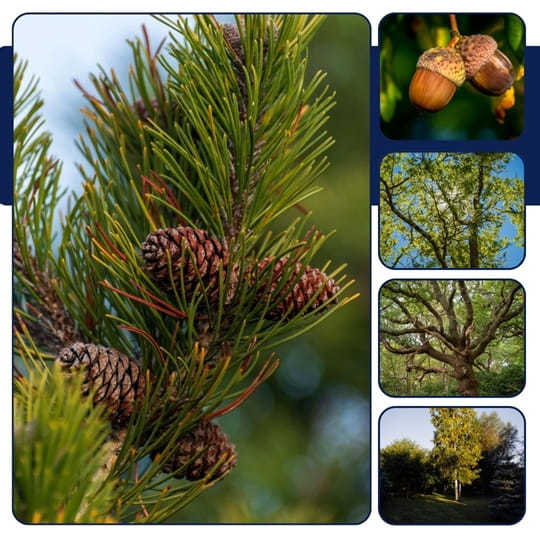
Pine trees are one of the most common tree types in the United States, especially in the southeastern states and parts of the western mountain regions. Species like the loblolly pine, ponderosa pine, and eastern white pine are extremely widespread. Pines are highly adaptable and can grow in poor soil conditions, which allows them to spread across large areas. They are also economically important because they are widely used in the timber and paper industries. In many rural landscapes, especially in states like Georgia, Alabama, and Mississippi, pine forests are one of the most visible natural features.
Oak trees are another major group that can be found across much of the eastern and central United States. There are many species of oak, including red oak, white oak, and black oak. Oaks are especially important in hardwood forests and are known for their strength, longevity, and ecological value. They provide food and shelter for a wide variety of wildlife, including birds, squirrels, and insects. Oak trees are often considered a symbol of strength and endurance in American culture. In many regions, especially the Midwest and the Appalachian Mountains, oak forests are extremely common and form a large part of the natural landscape.
What are the most common trees in the United States?
Maple trees are also widely distributed, particularly in the northeastern United States and parts of the Midwest. Sugar maple, red maple, and silver maple are among the most common species. Maple trees are famous for their beautiful fall colors, which attract tourists every year to regions such as New England. The sugar maple is especially well known because it is the primary source of maple syrup production. In many northern forests, maple trees are a dominant species and play a crucial role in the ecosystem.
In addition to these major groups, there are many other common trees in the United States, such as birch, spruce, fir, and cottonwood. Each of these species is adapted to specific environments, from cold northern forests to river valleys and mountainous regions. This diversity is one of the reasons why it is difficult to name a single “most common” tree in the entire country.
If we consider overall abundance and ecological presence, the red maple is often cited by forestry studies as one of the most widespread trees in the eastern United States. However, when looking at the entire country as a whole, pines collectively may be considered the most dominant group due to their vast coverage in both natural forests and commercial plantations.
In conclusion, there is no single definitive answer, but pine, oak, and maple trees are the most common and ecologically important tree types in the United States. Their widespread distribution reflects the country’s diverse climate zones and forest ecosystems.
The post What’s the most common tree in the USA? first appeared on Indoor Plant Care Guide.
]]>The post How to Care for Roses in Alabama? first appeared on Indoor Plant Care Guide.
]]>Light Requirement: Roses should be grown in sunny or partially shaded areas. In Alabama, they perform best in locations that receive at least 6 hours of direct sunlight per day. At the same time, they should be protected from strong winds as much as possible, since wind can damage stems and reduce flowering quality.
Temperature Requirement: Roses are generally adaptable to Alabama’s climate. Although plants may be damaged by extreme cold during winter, they are capable of producing new shoots again in the following season. This makes them quite resilient for long-term garden use.
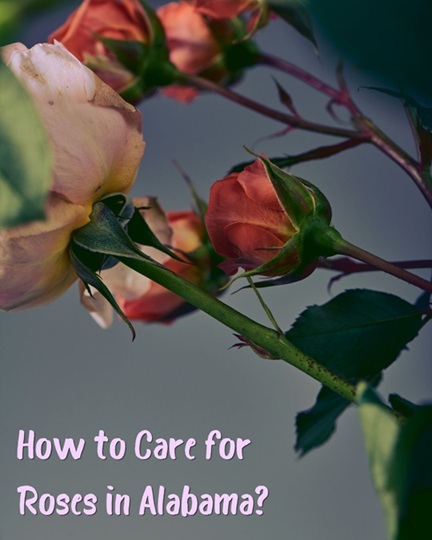
Soil Requirement: Roses prefer moist, well-drained, clay-loam soil that is rich in organic matter. In Alabama gardens, improving soil with compost or organic fertilizers helps increase soil fertility and supports healthy root development. Proper drainage is also important to prevent root rot.
Watering: Watering frequency and amount depend on environmental conditions, soil structure, and plant growth stage. During the active growth period and hot summer months in Alabama, roses require more water. Increasing irrigation during these times helps support strong shoot development and continuous blooming. However, overwatering should be avoided.
Pruning: Pruning should be done lightly and carefully. Long or weak branches should be trimmed to encourage healthier growth. Removing faded or dried flowers is especially important, as it stimulates new flower formation and extends the blooming period.
Propagation: Roses can be propagated through seeds, cuttings, and grafting methods. Among these, cuttings and grafting are the most commonly used techniques in commercial and home gardening because they produce faster and more reliable results.
Diseases and Pests: Roses may be affected by several diseases such as powdery mildew, rust, downy mildew, leaf and stem spots, black spot, and root rot. Common pests include aphids, rose sawflies, and scale insects. Regular inspection and early treatment are important to keep plants healthy and prevent serious damage.
In conclusion, growing roses in Alabama is highly rewarding when proper care practices are followed. With the right balance of sunlight, watering, soil care, and pest control, roses can thrive beautifully and produce vibrant blooms throughout the growing season.
How to Care for Roses in Your Garden in Alabama
Learning How to Care for Roses in Alabama is important for anyone who wants healthy, colorful, and long-lasting flowers in their garden. The climate in Alabama is generally warm and humid, which makes it suitable for rose cultivation, but proper care is still essential to get the best results. When focusing on How to Care for Roses in Alabama, the first and most important factor is choosing the right planting location. Roses in Alabama grow best in sunny areas where they can receive at least six hours of direct sunlight each day. At the same time, How to Care for Roses in Alabama also includes protecting the plants from strong winds, because wind can damage stems and reduce blooming quality.
Another key point in How to Care for Roses in Alabama is soil preparation. Roses prefer rich, well-drained, and slightly moist soil that contains plenty of organic matter. In Alabama gardens, improving the soil with compost or natural fertilizer helps roses grow stronger and healthier. Proper drainage is also very important because waterlogged soil can lead to root diseases. Therefore, when considering How to Care for Roses in Alabama, gardeners should always ensure that the soil supports both moisture retention and good drainage.
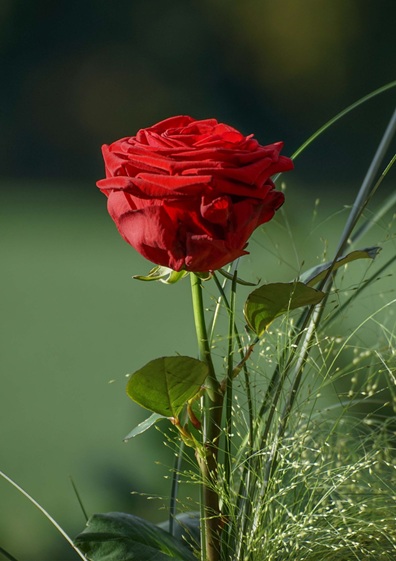
Watering is another essential part of How to Care for Roses in Alabama. Roses need regular watering, especially during hot summer months when evaporation is high in Alabama. However, overwatering should be avoided because it may cause root rot. The best practice in How to Care for Roses in Alabama is to water deeply but less frequently, allowing the soil to dry slightly between watering sessions. This encourages deep root growth and makes the plant more resilient.
Pruning also plays a major role in How to Care for Roses in Alabama. Light and regular pruning helps maintain plant shape and encourages new flower production. Removing dead or faded flowers is especially important because it stimulates the plant to produce more blooms. In addition, trimming weak or overcrowded branches improves air circulation, which is very important in Alabama’s humid climate. Proper pruning is a core step in How to Care for Roses in Alabama for maintaining healthy and productive plants.
Fertilization is another important aspect of How to Care for Roses in Alabama. Roses benefit from regular feeding during the growing season. Using balanced rose fertilizers or organic compost helps improve flowering and overall plant strength. In Alabama’s long growing season, feeding roses at the right time supports continuous blooming and vibrant color.
Pest and disease control is also essential when learning How to Care for Roses in Alabama. Roses can be affected by diseases such as black spot, powdery mildew, and rust, especially in humid conditions like those in Alabama. Common pests like aphids and spider mites may also damage the plants. Regular inspection and early treatment are necessary steps in How to Care for Roses in Alabama to prevent serious damage and keep plants healthy.
In conclusion, understanding How to Care for Roses in Alabama requires attention to sunlight, soil, watering, pruning, fertilization, and pest control. When all these factors are properly managed, roses in Alabama can thrive beautifully and produce stunning blooms throughout the growing season.
The post How to Care for Roses in Alabama? first appeared on Indoor Plant Care Guide.
]]>The post What are the Popular Flower Names from A to Z? first appeared on Indoor Plant Care Guide.
]]>Complete Guide to Popular Flowers from A to Z >> Acacia, Aloe, Alyssum, Amaryllis, Anemone, Apple Blossom, Aster, Baby’s Breath, Begonia, Bluebell, Bougainvillea, Buttercup, Camellia, Carnation, Chrysanthemum, Clover, Columbine, Crocus, Daisy, Daffodil, Dahlia, Delphinium, Edelweiss, Evening Primrose, Freesia, Foxglove, Gardenia, Geranium, Gladiolus, Hibiscus, Hyacinth, Heather, Iris, Impatiens, Jasmine, Kalanchoe, Lavender, Lilac, Lily, Lotus, Magnolia, Marigold, Morning Glory, Narcissus, Nasturtium, Orchid, Oleander, Poppy, Peony, Petunia, Rose
A to Z List of Popular Flower Names and Their Meanings
A to Z Flower Names List includes some of the most beautiful and widely known flowers in the world. Each flower carries a special meaning and is used in gardens, decorations, and special occasions. From Aster symbolizing patience and love, to Zinnia representing friendship and lasting affection, every flower tells a story. Rose stands for love, Lily for purity, Tulip for elegance, and Sunflower for happiness. This A to Z flower list helps people understand floral symbolism while appreciating the natural beauty and diversity of flowers found across the world.
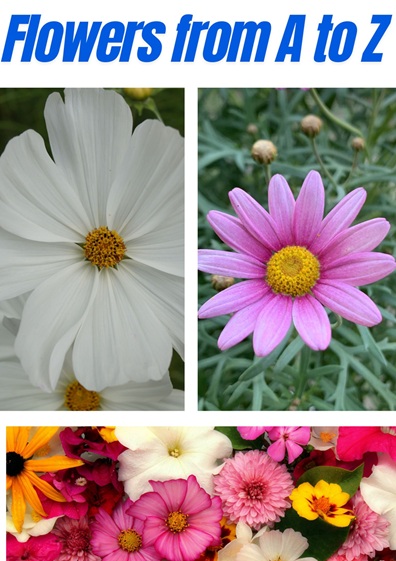
A to Z List of Popular Flower Names and Their Meanings includes some of the most well-known flowers in the world and their symbolic meanings. From Aster representing patience, to Zinnia symbolizing lasting friendship, each flower carries a unique message. Rose stands for love and passion, Lily for purity, Tulip for perfect love, and Sunflower for happiness. Flowers like Orchid, Jasmine, and Daisy are also widely loved for their beauty and symbolism. This A to Z collection helps people understand how flowers express emotions, celebrate special moments, and add natural beauty to gardens and floral arrangements around the world.
A – Aster
Aster flowers symbolize love, wisdom, and patience. They are star-shaped blooms often found in purple, pink, and white, commonly used in bouquets and garden decorations for their elegant appearance.
B – Begonia
Begonias represent gratitude and harmony. These vibrant flowers grow in many colors and are popular in gardens and indoor pots due to their ability to bloom in shade and low-light environments.
C – Carnation
Carnations symbolize love and fascination. Known for their ruffled petals and long-lasting freshness, they are widely used in floral arrangements and come in red, pink, white, and yellow shades.
D – Daisy
Daisies represent innocence and purity. With simple white petals and yellow centers, they are cheerful flowers often found in meadows and used to symbolize new beginnings and joy.
E – Edelweiss
Edelweiss symbolizes courage and devotion. This rare mountain flower grows in alpine regions and is known for its white, star-shaped appearance and strong connection to purity and resilience.
F – Freesia
Freesias represent trust and friendship. They are highly fragrant flowers often used in perfumes and bridal bouquets, available in bright colors like yellow, white, pink, and purple.
G – Gardenia
Gardenias symbolize purity and elegance. With creamy white petals and a strong sweet fragrance, they are often used in weddings and romantic arrangements for their luxurious appearance.
H – Hibiscus
Hibiscus flowers represent beauty and femininity. They are large tropical blooms found in red, pink, and yellow, commonly associated with warm climates and exotic landscapes.
I – Iris
Iris flowers symbolize hope and wisdom. Their unique shape and vibrant purple-blue colors make them popular in gardens and floral art, often linked to royalty and admiration.
J – Jasmine
Jasmine represents love and purity. Known for its strong sweet scent, it is widely used in teas, perfumes, and decorative gardens, especially blooming at night.
K – Kalanchoe
Kalanchoe symbolizes endurance and persistence. It is a succulent flowering plant that thrives in dry conditions and produces small, colorful clusters of long-lasting blooms.
L – Lily
Lilies symbolize purity and renewal. These elegant trumpet-shaped flowers are commonly used in weddings and funerals, and they come in many varieties including white, pink, and orange.
M – Marigold
Marigolds represent passion and creativity. Bright orange and yellow flowers often used in cultural celebrations, especially in festivals and decorative garden borders.
N – Narcissus
Narcissus symbolizes rebirth and new beginnings. Commonly known as daffodils, they bloom in early spring and are associated with hope and fresh starts.
O – Orchid
Orchids symbolize luxury and beauty. These exotic flowers are highly diverse, admired for their unique shapes and long-lasting blooms, often used in elegant floral arrangements.
P – Peony
Peonies represent romance and prosperity. With large, soft petals, they are popular in wedding bouquets and symbolize happiness, good fortune, and love.
Q – Queen Anne’s Lace
This delicate wildflower symbolizes sanctuary and protection. It has lace-like white clusters and is often found in meadows, giving a soft and natural look to landscapes.
R – Rose
Roses symbolize love and passion. One of the most famous flowers in the world, they come in many colors and are widely used in romantic gestures and celebrations.
S – Sunflower
Sunflowers represent happiness and positivity. They follow the sun’s movement and are known for their large yellow petals and edible seeds used in food and oil production.
T – Tulip
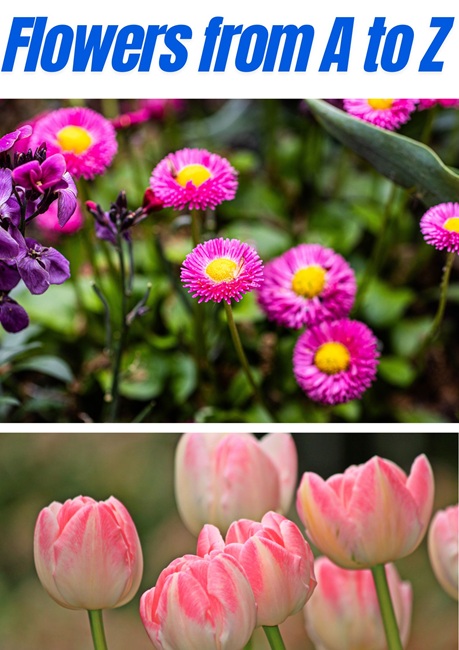
Tulips symbolize perfect love. Popular in spring gardens, they come in almost every color and are especially associated with beauty and elegance in floral design.
U – Ulex (Gorse)
Ulex symbolizes resilience and endurance. This spiny yellow flower grows in rough coastal areas and is known for its strong survival ability in harsh environments.
V – Violet
Violets represent modesty and faithfulness. These small purple flowers are delicate, fragrant, and often used as symbols of quiet beauty and loyalty.
W – Wisteria
Wisteria symbolizes long-lasting love and beauty. It grows in cascading clusters of purple or blue flowers and is often seen decorating walls and gardens.
X – Xeranthemum
Xeranthemum represents eternity and remembrance. It is a dried flower species that retains its shape and color, often used in long-lasting floral arrangements.
Y – Yarrow
Yarrow symbolizes healing and protection. This wildflower has small clustered blooms and has been traditionally used in herbal medicine for its healing properties.
Z – Zinnia
Zinnias represent friendship and lasting affection. These colorful flowers are easy to grow and bloom brightly in summer gardens, attracting butterflies and bees.
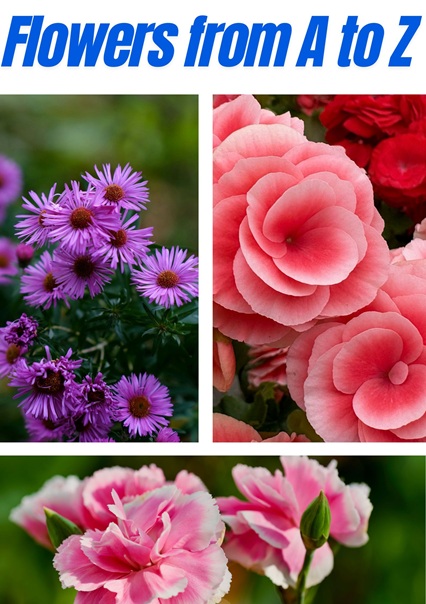
Flower Names from A to Z List of Popular Blooms Guide includes a wide variety of beautiful flowers found in nature and gardens around the world. Each letter of the English alphabet represents different flower species that are admired for their colors, scents, and symbolic meanings. These flowers are used in decorations, landscaping, bouquets, and special events, representing emotions such as love, purity, happiness, and friendship. Learning flower names from A to Z helps to understand botanical diversity and appreciate nature’s beauty in a structured way.
A – Aster, Amaryllis
B – Begonia, Bluebell
C – Carnation, Chrysanthemum
D – Daisy, Daffodil
E – Edelweiss, Echinacea
F – Freesia, Foxglove
G – Gardenia, Geranium
H – Hibiscus, Hyacinth
I – Iris, Impatiens
J – Jasmine, Jonquil
K – Kalanchoe, Kniphofia
L – Lily, Lavender
M – Marigold, Magnolia
N – Narcissus, Nasturtium
O – Orchid, Oleander
P – Peony, Petunia
Q – Queen Anne’s Lace, Quamoclit
R – Rose, Ranunculus
S – Sunflower, Snapdragon
T – Tulip, Tuberose
U – Ulex, Urn Plant (Aechmea)
V – Violet, Verbena
W – Wisteria, Wallflower
X – Xeranthemum, Xylobium Orchid
Y – Yarrow, Yellow Archangel
Z – Zinnia, Zebra Plant
The post What are the Popular Flower Names from A to Z? first appeared on Indoor Plant Care Guide.
]]>The post Garden lawn care prices in Alabama first appeared on Indoor Plant Care Guide.
]]>Lawn care services in Alabama are an important and regularly needed service, especially due to the climate conditions that allow grass to grow throughout most of the year. In order to keep lawns healthy, green, and visually appealing, maintenance must be done at regular intervals. This process is not limited only to mowing the grass; it also includes fertilizing, irrigation control, weed removal, and soil aeration.
Lawn care prices in Alabama generally start from around 20 dollars. However, these prices are not fixed and can vary depending on several factors. The size of the yard, the current condition of the grass, the frequency of maintenance, and any additional service requests all play an important role in determining the final cost. Areas that have been neglected for a long time or contain heavy weed growth may require higher pricing due to extra labor and time.
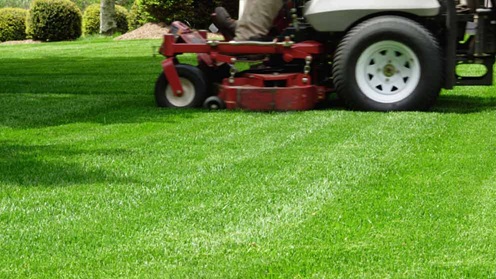
For those who want professional lawn care services, the best approach is to get quotes from different companies and establish a service contract. Contract-based services provide regular maintenance and often offer more cost-effective solutions in the long term. In addition, consistent maintenance increases the lawn’s resistance to disease and ensures a more attractive appearance.
Many landscaping and lawn care companies in Alabama offer customized solutions for their clients. These companies usually inspect the property, evaluate the condition of the area, and create a suitable maintenance plan. This allows customers to receive both budget-friendly and need-specific professional services.
In conclusion, lawn care in Alabama is not only an aesthetic service but also an essential process for maintaining a healthy outdoor space. Receiving regular and professional service helps create a higher quality, well-maintained living environment in the long run.
How Much Does Lawn Care Cost in Alabama?
Garden care services in Alabama are widely preferred due to the region’s warm climate and fast-growing grass structure. Homeowners and property managers often search for reliable and cost-effective solutions to maintain a clean and healthy lawn throughout the year. Pricing can vary depending on yard size, grass condition, and service frequency, but overall the market offers flexible options for different budgets.
One of the most commonly researched topics is Garden lawn care prices Alabama, which generally depends on the scope of the work required. Small residential yards may cost less, while larger or neglected areas can increase the overall pricing due to extra labor and equipment needs. Regular maintenance helps reduce long-term costs and keeps the lawn in better condition.
Another important factor is Alabama lawn mowing cost, which is usually calculated per visit or per hour. Most service providers adjust their pricing based on lawn size and mowing frequency. Weekly or bi-weekly mowing plans are often more affordable compared to one-time services because they allow consistent maintenance of the grass height and health.
Professional companies also offer full packages under lawn maintenance services Alabama, which may include mowing, edging, fertilization, weed control, and seasonal cleanups. These packages are preferred by customers who want a complete solution without managing multiple services separately.
For budget-conscious customers, affordable lawn care Alabama options are available through local providers and small landscaping businesses. These services aim to balance quality and price, making lawn maintenance accessible for a wider range of homeowners without compromising basic care standards.
In addition, landscaping prices Alabama can vary significantly depending on design complexity, property size, and additional features such as irrigation systems or decorative elements. Landscaping projects are usually quoted individually after site inspection to ensure accurate pricing.
Lastly, grass cutting service Alabama remains one of the most requested services, especially during peak growing seasons. Regular grass cutting not only improves the appearance of the yard but also promotes healthier and stronger turf growth over time.
Lawn care in Alabama is a flexible and essential service industry that provides multiple options for different needs and budgets. Whether it is simple mowing or full landscaping, property owners can find suitable services to maintain beautiful outdoor spaces year-round.
The post Garden lawn care prices in Alabama first appeared on Indoor Plant Care Guide.
]]>The post What moon phase is best for pruning? first appeared on Indoor Plant Care Guide.
]]>Tree pruning according to the lunar calendar: It’s generally believed that a full moon brings a tendency towards rain. Towards the new moon, there is more activity underground and less vigorous sap flow from plants. Therefore, it’s a good time for harvesting crops and making hay.
What Moon Phase Is Best for Pruning?
Pruning is an important gardening and agricultural practice that involves cutting back branches, stems, or roots to improve plant health, shape, and productivity. According to traditional lunar gardening systems, the best moon phase for pruning is the waning moon, which occurs between the Full Moon and the New Moon. This phase is believed to be the most favorable time for cutting plants because of the way plant energy is thought to behave during the lunar cycle.
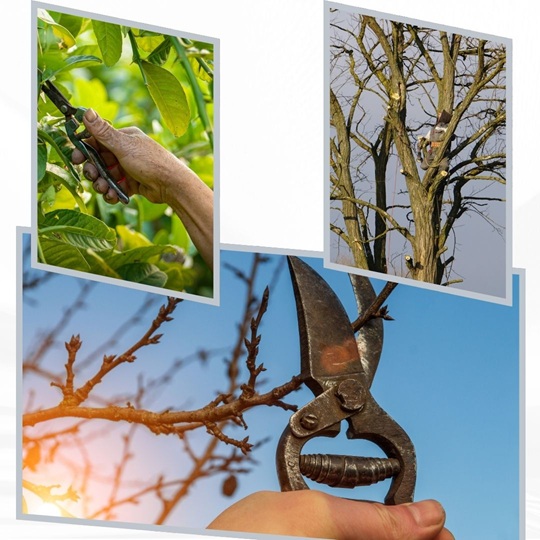
During the waning moon, it is commonly believed that the sap flow in plants moves downward toward the roots rather than upward into the stems and leaves. As a result, pruning at this time is thought to reduce stress on the plant and minimize excessive bleeding from cut branches. This can help plants heal more quickly and reduce the risk of disease or pest infestation entering through fresh cuts.
Many traditional gardeners also believe that pruning during the waning moon encourages stronger root development and more controlled above-ground growth. Since energy is directed downward, plants are less likely to respond with rapid, weak regrowth after being cut. Instead, they are thought to grow in a more balanced and stable way. This is especially useful for fruit trees, vines, and ornamental shrubs where structure and long-term health are important.
The period just after the Full Moon is often considered the ideal time to begin pruning. As the moon’s light decreases, plant activity is believed to slow down above ground. This makes it easier to remove unwanted or excess branches without disrupting the plant’s natural growth cycle. Toward the New Moon, pruning is still considered effective, especially for maintenance pruning and shaping tasks.
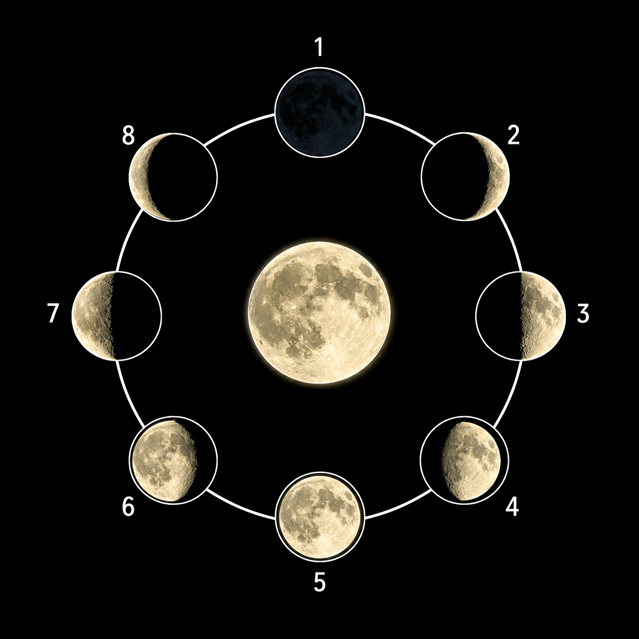
In contrast, many lunar gardening traditions advise avoiding pruning during the waxing moon (from New Moon to Full Moon). During this time, plants are believed to be in an active growth phase, with energy rising toward the leaves and stems. Cutting during this phase may lead to faster regrowth, but it can also result in weaker structure, more sap loss, and increased stress on the plant.
Although modern scientific research does not fully confirm the effects of moon phases on plant pruning, many gardeners continue to follow lunar calendars based on long-standing agricultural traditions. Whether used as a strict guideline or a general reference, lunar pruning practices remain popular in organic farming and natural gardening systems.
In summary, the waning moon is considered the best time for pruning, as it is believed to support healthier healing, stronger roots, and more stable plant growth.
The post What moon phase is best for pruning? first appeared on Indoor Plant Care Guide.
]]>The post Most Popular Vegetables Grown in Alabama first appeared on Indoor Plant Care Guide.
]]>Among the vegetables most commonly cultivated in Alabama are tomatoes, sweet corn, bell peppers, cucumbers, squash, okra, and green beans. Tomatoes are especially popular because they thrive in Alabama’s warm climate and produce abundant harvests during the summer months. Many farmers grow different tomato varieties to supply local markets, restaurants, and grocery stores. Home gardeners also appreciate tomatoes for their versatility and rich flavor.
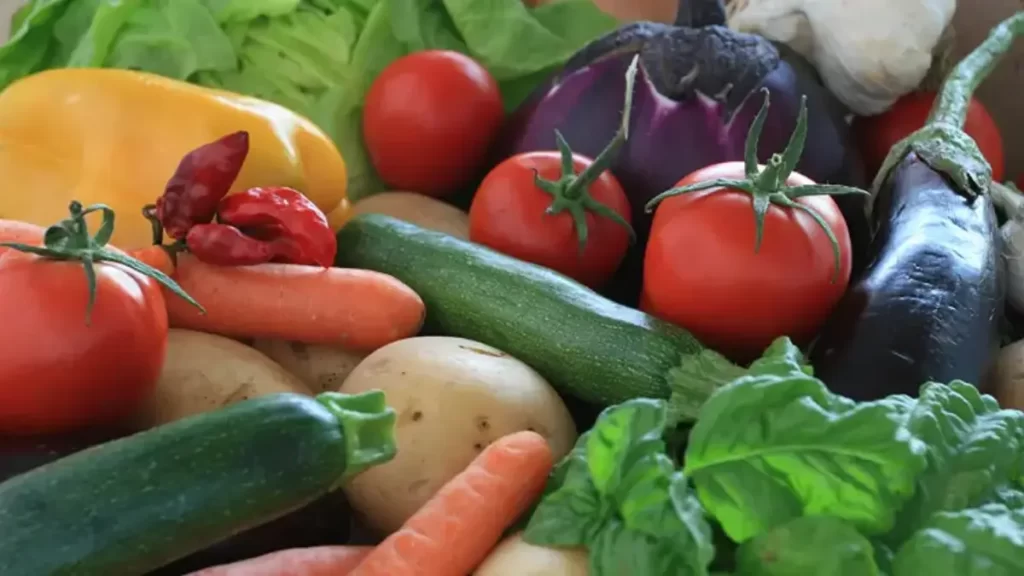
Sweet corn is another important crop grown across the state. Alabama’s climate allows farmers to plant corn early in the season, resulting in fresh harvests that are highly sought after by consumers. Sweet corn is commonly enjoyed grilled, boiled, or incorporated into traditional Southern dishes. Its popularity has helped establish it as one of the Most Popular Vegetables Grown in Alabama for both commercial and personal use.
Bell peppers are widely cultivated due to their adaptability and nutritional value. Available in green, red, yellow, and orange varieties, peppers are commonly used in salads, soups, and cooked meals. Farmers appreciate their strong market demand, while gardeners enjoy their relatively easy cultivation. Alongside peppers, cucumbers remain a favorite crop because of their rapid growth and versatility. They can be eaten fresh, added to salads, or preserved as pickles.
Squash varieties, including yellow squash and zucchini, are also prominent in Alabama agriculture. These vegetables grow quickly and produce high yields during the growing season. Their mild flavor and nutritional benefits make them popular among consumers seeking healthy food options. In many communities, squash is featured at farmers’ markets and local food festivals, highlighting its importance among the Most Popular Vegetables Grown in Alabama.
Okra holds a special place in Alabama’s agricultural traditions and Southern cuisine. This heat-tolerant vegetable flourishes during the state’s hot summers and is commonly used in dishes such as gumbo, stews, and fried vegetable platters. Okra’s resilience and productivity make it a reliable choice for growers throughout the region. Green beans are another staple vegetable that contributes significantly to Alabama’s agricultural economy. They can be harvested multiple times during the season and are valued for their crisp texture and nutritional content.
Leafy greens such as collards, kale, mustard greens, and turnip greens are also widely grown across Alabama. These vegetables perform particularly well during cooler months and are deeply rooted in Southern culinary traditions. Rich in vitamins and minerals, leafy greens continue to be an important component of local diets. Many family farms dedicate portions of their land to producing fresh greens for nearby communities.
The success of vegetable production in Alabama is supported by favorable environmental conditions and agricultural expertise passed down through generations. Farmers continuously adopt improved cultivation methods, irrigation systems, and pest management practices to increase productivity and sustainability. Educational programs and agricultural extension services also provide valuable guidance to growers seeking to maximize their harvests.
What are the best vegetables grown in Alabama?
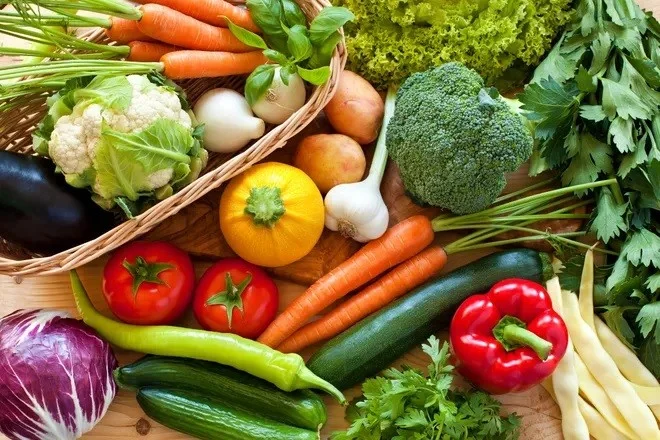
Today, Most Popular Vegetables Grown in Alabama contribute not only to the state’s economy but also to its cultural identity. From large commercial farms to backyard gardens, vegetables remain an essential part of daily life throughout Alabama. Their availability supports healthy eating habits, strengthens local food systems, and preserves agricultural traditions that have shaped the region for decades. As consumer interest in fresh, locally grown produce continues to increase, the importance of the Most Popular Vegetables Grown in Alabama is expected to remain strong for many years to come.
Alabama is known for its productive agricultural industry, and Alabama vegetable farming plays a major role in supplying fresh produce throughout the region. Thanks to the state’s warm climate and long growing season, many crops thrive in both commercial fields and home gardens. Alabama garden vegetables such as tomatoes, peppers, cucumbers, squash, and beans are popular choices among growers because they produce reliable harvests and adapt well to local conditions.
Among the most successful crops is Alabama tomato production, which contributes significantly to local markets during the summer months. Tomatoes are valued for their flavor, versatility, and strong consumer demand. Likewise, Alabama sweet corn cultivation remains an important agricultural activity, providing fresh ears of corn enjoyed by families across the state.
Many residents also participate in Alabama vegetable gardening to grow healthy food at home. This practice supports sustainability and encourages healthy eating habits. Throughout the year, Alabama seasonal vegetables provide fresh, nutritious options that contribute to the state’s rich agricultural heritage and local economy.
The post Most Popular Vegetables Grown in Alabama first appeared on Indoor Plant Care Guide.
]]>The post Belgium Fruits first appeared on Indoor Plant Care Guide.
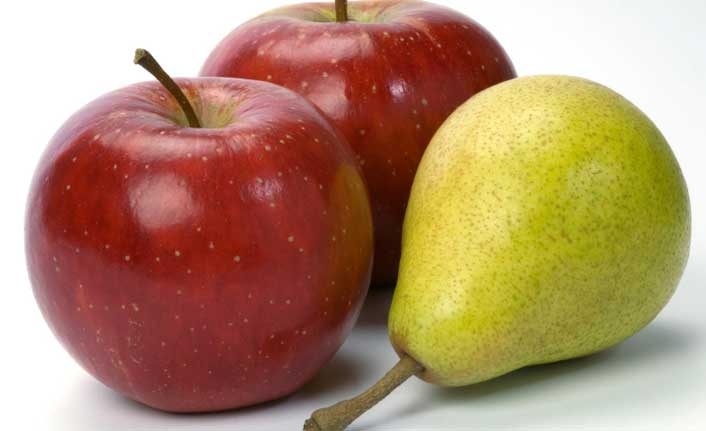
]]>One of the most popular fruits in Belgium is the apple. In many Belgian farms, apples are used to make fresh cider and sweet pastries. For example, “In Belgium, people often enjoy a warm apple pie made with freshly harvested apples.”
Another important fruit is the pear. Pears grow very well in Belgian orchards. You can say, “Belgium is famous for its juicy pears that are often served with cheese or chocolate desserts.”
Belgium also produces high-quality strawberries. “During summer, Belgian strawberries are sold in local markets and are known for their sweet taste and bright red color.”
In addition, cherries are widely grown in the country. “Many families in Belgium use fresh cherries to prepare jams and cakes.”
The country also has plums, which are commonly used in baking. “Belgian plum tarts are a traditional dessert enjoyed in many households.”
Grapes are grown in some regions of Belgium, especially for wine production. “Although Belgium is not a major wine country, some vineyards still produce grapes for local wines.”
In conclusion, Belgium offers a rich variety of fruits such as apples, pears, strawberries, cherries, plums, and grapes. These fruits play an important role in both everyday meals and traditional Belgian cuisine.
The Most Popular Fruit Varieties Grown in Belgium
Belgium Fruits >> Belgium has a temperate climate with rich soil and regular rainfall, which makes it ideal for growing a wide range of fruits. The country is especially known for its orchards, berry farms, and seasonal fruit production. Below is an overview of the most popular fruit varieties grown in Belgium, explained in detail with examples.
One of the most widely grown fruits in Belgium is the apple. Apple orchards are found across regions such as Flanders and Wallonia. Farmers grow many varieties like Jonagold and Golden Delicious. For example, “In Belgium, apples are often used to produce cider, and people enjoy eating fresh apples as a daily snack.”
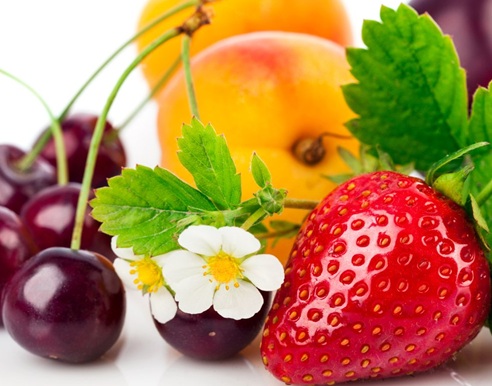
Another very important fruit is the pear. Belgium is one of the leading pear producers in Europe, especially the Conference pear variety. You can say, “Belgian pears are known for their sweet and juicy taste, and they are commonly used in desserts and fruit salads.”
Strawberries are also extremely popular. They are widely cultivated in greenhouses and open fields. “During summer, Belgian strawberries are sold in local markets and are famous for their strong aroma and natural sweetness.”
The country also grows cherries, especially in warmer regions. “Many Belgian families use fresh cherries to prepare homemade jams, pies, and traditional cakes.”
In addition, plums are an important fruit variety in Belgium. “Plums are often used in baking and are a key ingredient in many traditional Belgian desserts.”
Grapes are grown in smaller quantities, mainly for wine production. “Although Belgium is not a major wine country, some vineyards still produce grapes for local wines and sparkling beverages.”
In conclusion, the most popular fruit varieties grown in Belgium include apples, pears, strawberries, cherries, plums, and grapes. These fruits play an important role in both the agricultural economy and everyday Belgian cuisine.
The post Belgium Fruits first appeared on Indoor Plant Care Guide.
]]>The post What flower is famous in the Netherlands? first appeared on Indoor Plant Care Guide.
]]>Tulips were originally introduced to the Netherlands from the Ottoman Empire in the 16th century. Over time, Dutch growers became highly skilled at cultivating and developing different varieties of tulips. The flower became increasingly popular, and during the 17th century, tulips played an important role in Dutch history during a period known as “Tulip Mania.” Although tulips were initially considered exotic and valuable, they eventually became a major part of Dutch horticulture.
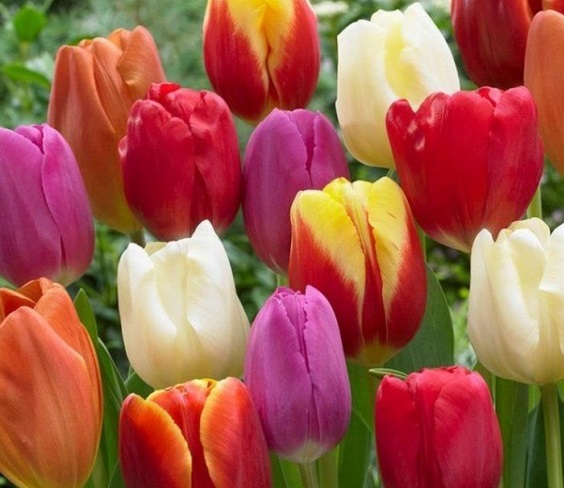
Today, the Netherlands is one of the world’s leading countries in the production and trade of flower bulbs, especially tulips. Every spring, millions of tulips bloom across the Dutch countryside, creating spectacular landscapes filled with red, yellow, pink, purple, orange, and white flowers. These colorful fields attract visitors from all over the world.
One of the most famous places to see tulips is Keukenhof, a large flower garden located near Lisse. Every year, visitors can see millions of flowering bulbs arranged in beautiful gardens and displays. Keukenhof has become one of the most popular attractions in the Netherlands during the spring season.
The Dutch flower industry is also important economically. Flowers and flower bulbs are grown, traded, and exported to many countries around the world. Dutch flower auctions and horticultural businesses play an important role in the international flower market. Tulips are not only grown for local gardens but are also shipped internationally, allowing people around the world to enjoy Dutch flowers.
Tulips are available in many shapes, colors, and varieties. Some have large traditional flowers, while others have fringed, double, or uniquely shaped petals. Different colors can also create different impressions. Red tulips are often associated with love, while yellow tulips can represent happiness and friendship. Pink, purple, orange, and white tulips are also widely admired for their beauty.
Although the tulip is the most famous flower associated with the Netherlands, the country is also known for roses, lilies, daffodils, hyacinths, and other ornamental flowers. However, when someone asks, “What flower is famous in the Netherlands?”, the answer is almost always the tulip.
The tulip represents the beauty of the Dutch countryside and has become an important symbol of the Netherlands. From colorful spring fields to carefully designed gardens and international flower markets, tulips can be found throughout Dutch culture and horticulture. For many people around the world, seeing a field of blooming tulips in the Netherlands is one of the most memorable images of the country.
How did the tulip travel from the Ottoman Empire to Netherlands?

During the reign of Suleiman the Magnificent, an ambassador from Austria named Busbecq arrived to meet the Sultan. He took notes on everything he saw along the way. From the moment he crossed into imperial territory, he was struck by the people’s love for flowers, noting: “Turks generally do not spend money on anything and live very modestly, yet when it comes to flowers, they are willing to pay. They love not only garden flowers but also cut flowers, which they even wear in their hair.” Upon his return, he took several tulip bulbs—along with many other items—back to Europe. He first took them to Vienna, where he gifted them to a botanist friend. Later, that botanist was invited to work at a palace in Leiden, the Netherlands, and that is how the tulip made its way to the Dutch lands. It became immensely popular in the Netherlands and was highly prized. In fact, the 17th century saw a phenomenon known as “Tulipomania”—a tulip craze—sweep through the country. It reached such a point that a substantial dowry might consist of nothing more than a single valuable tulip bulb, or houses would change hands in exchange for a few bulbs. Tulip gardens were created, and because the flowers were so precious, mirrors were placed among them to make them appear more numerous. When the tulip market suddenly crashed, it led to devastating bankruptcies linked solely to the flower. While the tulip craze eventually ended, the love and interest in the tulip endured. As you know, the Netherlands is now the world’s largest tulip grower and exporter. Whenever I visit the Netherlands, we discuss this topic; they openly state and write everywhere that the tulip originated here. They never deny it. The tulip went from here to there, where it was propagated and its true value was recognized. It is worth noting this fact. Of course, tulips are now grown and loved in many parts of the world—for instance, in Canada—and we, too, have now embraced the tulip once again.
The history of Dutch tulips is closely connected with the Ottoman Empire and the relationship between Europe and the Ottoman world during the 16th century. Although the Netherlands is now famous throughout the world for its tulips, the flower did not originally come from the Netherlands. Its journey to Western Europe is often associated with the Ottoman period, particularly the reign of Sultan Suleiman the Magnificent, known as Kanuni Sultan Süleyman.
During the reign of Sultan Suleiman, an Austrian ambassador named Ogier Ghiselin de Busbecq came to the Ottoman Empire to meet the Sultan. During his journey, Busbecq carefully observed and recorded many things about Ottoman life and culture. One of the things that surprised him greatly was the Ottoman people’s extraordinary love of flowers.
Busbecq noticed that people who generally lived modestly and did not spend money unnecessarily were willing to spend considerable amounts on flowers. Flowers were not simply used to decorate gardens. People also loved cut flowers and sometimes wore flowers on their clothes or even on their heads. This strong appreciation of flowers left a lasting impression on Busbecq.
During his return journey to Europe, Busbecq took several tulip bulbs with him, together with other plants and objects that he had collected from the Ottoman Empire. He first brought the bulbs to Vienna, where he gave them to a botanist and friend. This botanist later moved to the Netherlands after being invited to work in Leiden. Through this connection, tulips eventually reached the Netherlands and began a remarkable new chapter in their history.
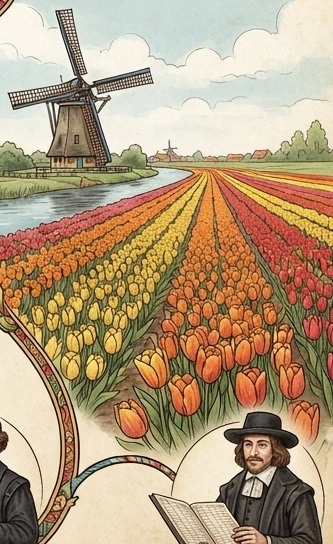
The Dutch people quickly developed a great interest in tulips. They began cultivating, breeding, and producing new varieties of the flower. Tulips became highly valued, and their popularity grew rapidly. During the 17th century, this enthusiasm reached an extraordinary level and became known as Tulip Mania, or “Tulipomania.”
During Tulip Mania, rare tulip bulbs could become extremely valuable. In some cases, a valuable tulip bulb could represent a person’s entire fortune. Stories from the period describe houses and other valuable possessions being exchanged for small numbers of rare bulbs. Tulip gardens became fashionable, and because rare flowers were considered precious, mirrors were sometimes placed around gardens to make the flowers appear more numerous and impressive.
Eventually, the tulip market experienced a dramatic decline. Prices collapsed, and many people who had invested heavily in tulip bulbs faced serious financial losses. The period of Tulip Mania came to an end, but the Dutch love of tulips did not disappear.
Instead, the Netherlands gradually became one of the world’s leading centers for tulip cultivation, horticulture, and flower exports. Dutch growers developed sophisticated methods for producing and breeding tulips, and today Dutch tulip bulbs and flowers are exported to countries around the world.
It is important to distinguish between the origin of the tulip’s cultivation in the Ottoman world and the Netherlands’ enormous contribution to modern tulip breeding and commercial production. The tulip’s journey to Western Europe is strongly connected with the Ottoman Empire, while the Dutch later transformed tulip cultivation into a highly developed horticultural industry.
Today, the tulip is one of the most recognizable symbols of the Netherlands. Every spring, millions of tulips bloom across the Dutch countryside, attracting visitors from all over the world. Places such as Keukenhof and the flower-growing regions around Lisse have become famous for their spectacular displays.
Interestingly, tulips are now loved and cultivated far beyond the Netherlands. Countries such as Canada and many other parts of the world have developed their own tulip-growing traditions. At the same time, there has been renewed interest in the historical connection between the tulip and the Ottoman world.
The story of the Dutch tulip is therefore more than a story about a flower. It is a story of cultural exchange, travel, admiration, horticulture, commerce, and transformation. A flower that was deeply appreciated in the Ottoman Empire traveled to Europe, became extraordinarily valuable in the Netherlands, survived the dramatic Tulip Mania, and eventually became one of the country’s most famous symbols.
The post What flower is famous in the Netherlands? first appeared on Indoor Plant Care Guide.
]]>The post What flowers to send for illness? first appeared on Indoor Plant Care Guide.
]]>One of the best options is daisies. They symbolize innocence, cheerfulness, and positivity. Their simple and bright appearance can instantly bring a sense of freshness and hope to a hospital room. Daisies are also low-maintenance, making them ideal for someone who may not have the energy to care for complicated arrangements.
Another excellent choice is sunflowers. Known for their bold and uplifting appearance, sunflowers represent strength, vitality, and happiness. Even a small bouquet can brighten a room and encourage a more positive mindset. They are often used to send messages of encouragement and recovery, especially for longer healing periods.
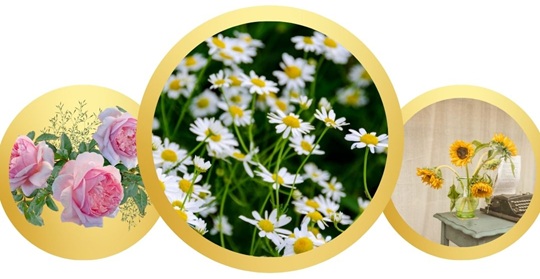
Lilies are also commonly chosen, but it is better to select lightly scented or unscented varieties for hospital settings. White lilies, in particular, symbolize peace, renewal, and healing. Their elegant look creates a calm and comforting atmosphere, which can be very soothing for someone who is unwell.
Roses, especially in soft colors like pink, peach, or light yellow, are another meaningful option. They represent care, gratitude, and emotional support. Unlike red roses, which are more romantic, softer tones are more appropriate for wishing recovery and showing gentle affection. A small bouquet of roses can make a patient feel valued and remembered.
Lastly, orchids are a sophisticated and long-lasting option. They symbolize strength, beauty, and resilience. Orchids require minimal care and can bloom for a long time, making them a great reminder of ongoing support and recovery progress. Their elegant appearance also adds a peaceful and calming touch to any space.
In summary, when considering What flowers to send for illness?, the best choices are those that are uplifting, gentle, and easy to care for. Daisies, sunflowers, lilies, roses, and orchids each carry meaningful symbolism that can help encourage healing and bring emotional comfort during difficult times.
When someone is ill, sending flowers is a thoughtful way to show care, support, and encouragement during their recovery. Choosing the right arrangement can help lift their mood and create a more positive healing environment. Soft, calming, and cheerful flowers are usually the best choice because they bring comfort without overwhelming the senses.
Some of the most recommended flowers include daisies, sunflowers, lilies, roses, and orchids. Daisies symbolize hope and positivity, while sunflowers represent strength and happiness. Lilies offer a sense of peace and renewal, especially in soft or white tones. Roses in gentle colors like pink or yellow express care and kindness, and orchids symbolize strength and lasting recovery.
It is also important to consider fragrance, especially for hospital settings, where lightly scented or unscented flowers are preferred. Simple, fresh arrangements are easier to maintain and more suitable for recovery spaces. Overall, the best flowers for illness are those that bring encouragement, calmness, and emotional support.
The post What flowers to send for illness? first appeared on Indoor Plant Care Guide.
]]>The post When to trim a Norway maple tree? first appeared on Indoor Plant Care Guide.
]]>The best time for When to trim a Norway maple tree is usually during the late winter or early spring before new growth begins. During this period, the tree is still dormant, which means it has less active sap movement and can recover more easily after pruning. Trimming in the dormant season also makes it easier to see the tree’s structure because there are no leaves blocking the branches.
Another suitable time for When to trim a Norway maple tree is during the summer for light maintenance pruning. Summer trimming can be useful for removing damaged branches, dead wood, or small unwanted growth. However, heavy pruning should generally be avoided during very hot weather because the tree may experience stress.
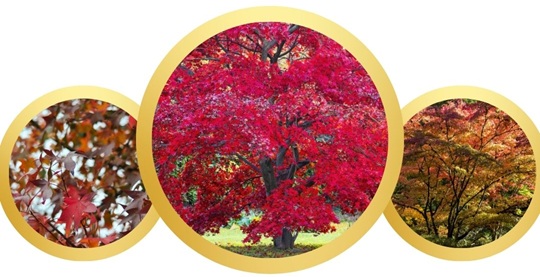
The main purpose of When to trim a Norway maple tree is to improve the overall health and appearance of the tree. Removing dead, broken, or diseased branches helps prevent problems from spreading. Trimming can also reduce crowded areas inside the canopy, allowing more sunlight and air to reach the inner branches.
Young Norway maple trees benefit from careful pruning because early shaping helps develop a strong structure. When considering When to trim a Norway maple tree, younger trees can be trimmed to remove weak branches and encourage balanced growth. Proper early pruning can prevent future problems such as crossing branches or uneven shapes.
It is important not to remove too many branches at one time. The When to trim a Norway maple tree process should be done carefully because excessive pruning can weaken the tree. Removing a large amount of the canopy may reduce the tree’s ability to produce energy and may increase stress.
The tools used for When to trim a Norway maple tree should always be clean and sharp. Clean pruning tools help create smooth cuts and reduce the risk of spreading diseases. Small branches can usually be removed with pruning shears, while larger branches may require professional equipment and experience.
Many homeowners choose professional tree services for When to trim a Norway maple tree because large trees can be difficult to prune safely. Experts understand tree structure and know which branches should be removed without damaging the tree. Professional trimming also helps protect nearby buildings, fences, and garden areas.
In conclusion, the best answer to When to trim a Norway maple tree is mainly late winter or early spring before new growth starts. Light maintenance can also be done in summer when needed. Regular and correct trimming keeps the Norway maple healthy, beautiful, and long-lasting while helping it remain a valuable feature in gardens and landscapes.
The post When to trim a Norway maple tree? first appeared on Indoor Plant Care Guide.
]]>