The post Interviewing Chinese Local Government Officials: Reflection on Research Transparency and Coercion first appeared on Field Research Methods Lab.
]]>_______________________________________________
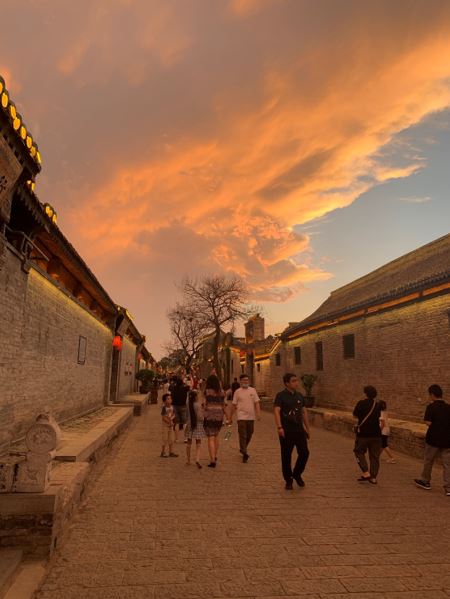
I started my PhD fieldwork in a small Chinese city in 2021. Since my PhD research investigates a local government-led heritage regeneration project, a large part of my fieldwork involved talking to the local government officials regarding their rationales for conducting the heritage project, their decision-making and implementation processes, and their visions for the heritage area. This was not my first time engaging with local government officials in China. My previous experience doing similar research in other Chinese cities taught me how important personal connections were when accessing the Chinese government. This time, through a family friend, I surprisingly easily got access to local officials at different levels at the very beginning of my fieldwork.
However, other dilemmas emerged during my conversations with them, which is something that I believe is crucial to reflect upon. The first dilemma was my concern about whether the local officials fully comprehended what my research was about or not. The second dilemma was my concern about whether the local officials were pressured to talk to me because my gatekeeper was their superior, a higher-level official in the local government. In short, the dilemmas were centred around research transparency and coercion.
Am I clear enough about my research?
At the beginning of my conversations with all my interviewees, in order to guarantee research transparency (Moravcsik, 2019), I would explain what I was doing to them with plain language and gain their consent to be interviewed. However, the responses of the local government officials made me wonder if they understood what I said to them.
After I introduced my research to the local officials, they usually gave no comments on it. During our conversations, they would then constantly encourage me to dig deeper into the history of the heritage areas in the city. It seemed that the local officials had their own presumptions of my research content and did not pay much attention to what I said. To them, my research probably sounded more like an urban planning history topic that examined the historical development of the heritage areas. In contrast, they ignored the heritage politics essence of my research. At the same time, they hoped that I could help promote the heritage areas and their conservation projects widely, even overseas, to attract more international tourists to the city.
In my fieldwork, I could not tell whether the local officials’ responses were intentional or unintentional. And because of their ambiguous responses, I was worried about whether my research was transparent enough to them and whether they blindly participated in something that they did not understand. My strategy to solve this issue in the field was to explain my research to them over and over again. But at some point, I had to stop and continue with my interview questions. I had to assume that with multiple times of explanations, they should have a better sense of what my research was truly about.
When I was writing the methodology chapter of my thesis after I returned from my fieldwork, I encountered one paper by a scholar doing research in China who was trapped in a similar situation (Yeh, 2006). In this scholar’s fieldwork, her gatekeeper did not disclose her nationality and the full details of her research to other local government officials. These local officials then seemed to “blindly” participate in a study that they did not know much about. The scholar later realised that it was, in fact, the gatekeeper and the local officials’ self-protection mechanism. Because the research topic was sensitive, the local officials may get into trouble if the higher-level governments found out about their participation in this research. However, there is a Chinese idiom, “People who don’t know are not guilty” (buzhizhe wuzui, 不知者无罪). It means that if the local officials did not fully know about the research and just answered some random questions, they would not be responsible for what they said and the associated potential political risks (ibid.). As Yeh (ibid., pp. 103-104) explained: “To him [the gatekeeper], the ethical course of action was to give the people with whom I spoke a way out. They did not want to be responsible for the knowledge of who I was, and if I forced them to be, they would either have to refuse to talk to me altogether, or they would have to bear responsibility that they did not want”.
In retrospect, I realised that the local officials I interviewed may have taken a similar strategy. They perhaps “pretended” that they understood my research in the wrong way so that they could talk to me more freely. Arguably, this raises the ethical question of whether my research was transparent enough to my participants and whether I fully informed them. However, I do agree with Yeh (2006, p. 104) that “giving my interviewees room to manoeuvre by pleading ignorance was a more, rather than less, ethical choice”. This is perhaps a safer way for them to avoid future trouble with higher-level governments regarding their participation in my research.
Being a cooperative subordinate?
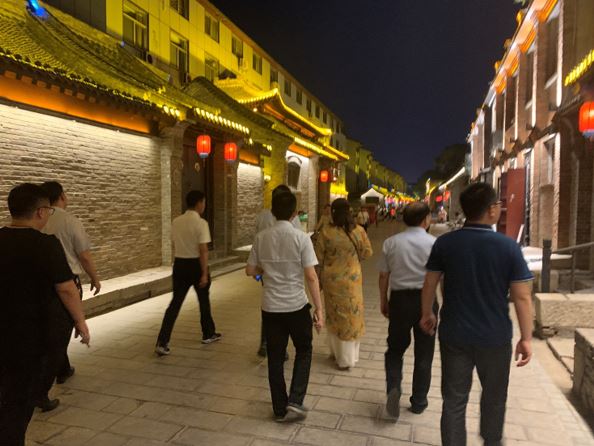
As I mentioned, personal connections (guanxi), whether they are formal or informal, are important to access the Chinese government (Liang & Lu, 2006). In my fieldwork, I was lucky enough to have a family friend who helped me contact a high-level official in the local government. In this local official’s office, he simply made a few phone calls to his subordinates in different offices or departments and gave me the phone numbers of these subordinates. When I later met with these subordinates, they were all very gentle and friendly. No matter how sensitive or difficult my interview questions were, they answered them with no hesitation. When I asked for certain government reports and planning documents, they also did not hesitate to copy and paste the entire folder from their computers to my USB drive.
This made me wonder if this is a form of coercion (McDermott, 2013). That is, the reason why the lower-level officials were candid to me was that they were under pressure from my gatekeeper, the high-level official. Personally, they probably did not want to participate in my research. Yet if they did not “cooperate”, they may piss off their superiors and consequently encounter barriers in their future job and could not get promotions in their career (Yan, 1995). It may be this worry or even fear that urged them to answer my interview questions and provide me with the materials that I asked for.
In my field, at the beginning of my interviews, I always made it clear to the local officials that they did not need to care about their superiors but only decided on their own whether they wanted to participate in my research. And if they did voluntarily participate, I would ensure their anonymity. More importantly, I never disclosed any of my interviews with the lower-level officials to my gatekeeper, the high-level official who put me in touch with the lower-level officials. Theoretically, the superior would not know whether his subordinates were “cooperative” and “obedient” enough or not, at least not from me. To be honest, I could not tell if coercion happened in my fieldwork or not. In my capacity, I could only try my best to guarantee the anonymity of my interviewees. This anonymity not only refers to not disclosing their personal information in my thesis but, perhaps more importantly, to not disclosing their “performance” in front of me to their superior.
Concluding thoughts
Qualitative researchers conducting fieldwork in different contexts with different participants usually face different difficulties and dilemmas. In my PhD fieldwork, my interaction with the Chinese local government officials represents a special type of encounter between the researcher(s) and the researched. This interaction is particularly complicated by the political system of the Party-state. Within this system, political power resides at the higher level of the Chinese government (Lieberthal & Oksenberg, 1988), while lower-level government officials tend to perform in line with the preferences of their superiors (Göbel & Heberer, 2017). This hierarchical power structure within the Chinese bureaucracy heavily influences how I can gain access to the government through personal connections and how the local officials responded to my research overall, as well as to my interview questions and other requests. As researchers with little or no political power within this system, we are constantly caught in the predicament of being responsible researchers, such as dealing with research transparency and coercion. There may never to the best answer to solve these issues. What I have learned from my PhD fieldwork is that, first, hiding information about the research is not necessarily unethical. Second, if coercion is inevitable or indistinguishable, anonymity in the sense of protecting lower-level officials from their superiors’ judgement is helpful.
References
Göbel, C., & Heberer, T. (2017). The policy innovation imperative: Changing techniques for governing China’s local governors. In V. Shue & P. M. Thornton (Eds.), To govern China: Evolving practices of power (pp. 283-308). Cambridge: Cambridge University Press.
Liang, B., & Lu, H. (2006). Conducting fieldwork in China: Observations on collecting primary data regarding crime, law, and the criminal justice system. Journal of Contemporary Criminal Justice, 22(2), 157-172.
Lieberthal, K., & Oksenberg, M. (1988). Policy making in China: Leaders, structures, and processes. Princeton: Princeton University Press.
McDermott, B. E. (2013). Coercion in research: Are prisoners the only vulnerable population? Journal of the American Academy of Psychiatry and the Law Online, 41(1), 8-13.
Moravcsik, A, (2019). Transparency in research. SAGE Research Methods Foundations. London: SAGE Publications Ltd. Available at: https://www.princeton.edu/~amoravcs/library/TransparencyinQualitativeResearch.pdf (accessed 5 May 2023).
Yan, J. (1995). The nature of Chinese authoritarianism. In C. L. Hamrin & S. Zhao (Eds.), Decision-making in Deng’s China: Perspectives from insiders (pp. 3-14). New York: M. E. Sharpe, Inc.
Yeh, E. T. (2006). ‘An open Lhasa welcomes you’: Disciplining the researcher in Tibet. In M. Heimer & S. Thøgersen (Eds.), Doing fieldwork in China (pp. 96-109). Honolulu: University of Hawai‘i Press.
______________________________________________
*Banner photo by and copyright of the Author.
*The views expressed in the blog are those of the author alone. They do not reflect the position of the Saw Swee Hock Southeast Asia Centre, nor that of the London School of Economics and Political Science.
The post Interviewing Chinese Local Government Officials: Reflection on Research Transparency and Coercion first appeared on Field Research Methods Lab.
]]>The post Navigating the Uncertainty of In-Person Fieldwork during a Pandemic first appeared on Field Research Methods Lab.
]]>_______________________________________________
How does one plan fieldwork when it is unclear if one will even be allowed to go into the field? This was the dilemma I was faced with in the early summer of 2021 when the American Embassy in Phnom Penh was evaluating if I and the other Fulbright students would be allowed to start our awards. This uncertainty turned out to be omnipresent through my year in Cambodia. When I finally arrived in Phnom Penh on the same evening that the night curfew was lifted in mid-August 2021, the streets were eerily empty as multiple police cars escorted our bus to the quarantine hotel. With a high vaccination rate, the country successfully re-opened to international tourism a few months later, and the re-instatement of in-person meetings and events soon followed.
Yet, the scene of hazmat suits, disinfectant machines, and flashing emergency lights became the backdrop to my fieldwork. I lost count of how many COVID-19 antigen tests I took. The momentum of my fieldwork felt like it was following the COVID-19 recovery process in the country, taking off at the same time as more and more abandoned buildings were being revitalized in the late spring and early summer of 2022. By the time I departed mainland Southeast Asia at the end of September, a “new normal” had finally settled in, which was a positive development for global research. At the same time, it also signalled to me the fact that my fieldwork was anything but ordinary.
On the one hand, conducting fieldwork abroad amidst gathering restrictions, office closures, and periodic outbreaks obviously limits the amount of data that can be collected. In my case, this was already a challenging endeavour to begin with due to the topic of my research, namely Cambodia’s contemporary foreign policy with its larger neighbours of Thailand and Vietnam and specifically the management of their territorial conflicts. On the other hand, the accompanying uncertainty enhanced my fieldwork in unforeseen ways. For context, I conducted about 50 in-depth interviews and carried out archival research at the National Archives of Cambodia and the library of the Center for Khmer Studies in Siem Reap. I also need to mention that I previously worked as a consultant for an international organization for six months in Cambodia in 2016 and 2017.
While my research does not apply ethnographic methods, the pervasive uncertainty meant that I had to seize the limited opportunities in the field. In most cases, this involved accepting that much of my time in Cambodia would entail activities outside the “official” data collection process of interviewing and archival research. This is, for example, how I came to hang out with Cambodian border guards at the disputed Preah Vihear temple on the border with Thailand, even eating with them and feeding the monkeys at their border post. My blog post therefore focuses on the lessons learned for in-person fieldwork in this new normal environment, including the importance of creativity, interdisciplinarity, networking, and informal conversations.
Creativity and Interdisciplinarity
The primary resource on field research in the discipline of political science defines it as “leaving one’s home institution in order to acquire data, information, or insights that significantly inform one’s research” (Kapiszewksi, MacLean and Read 2015, 1). In my case, collecting the data that would be “significant” for my research as understood in political science was initially impossible. During the first few months of my fieldwork, gathering restrictions meant that few people were willing to meet in-person. The National Archives of Cambodia would remain closed for a much longer period. How does one carry out field research in these circumstances?

First, I took advantage of the free air conditioning and fast Wi-Fi in a coffee shop to access online news resources. This helped me to further expand my database of official bilateral meetings between the Cambodian government and neighbouring Thailand and Vietnam from 1993 onwards and the efforts to resolve their territorial conflicts. After having spent two weeks in quarantine, I was dissatisfied with this desk-based research since it did not require me being in the field. In mid-September 2021, the streets in the center of Phnom Penh were decorated with Cambodian flags and military police and special forces were stationed throughout the streets to facilitate the visit of the Chinese Foreign Minister. I walked for over thirty minutes, passing countless security personnel and eventually sitting down at a bus stop to observe the proceedings.
This led me to the second, and more creative, way of spending my valuable field research time during the multiple periods when interviewing and archival research were inaccessible. I observed public proceedings of foreign policy and domestic politics in the streets of Phnom Penh, as well as of major holidays. In this regard, I was in Cambodia during a pivotal year, coinciding with its 2022 Chairmanship of the Association of Southeast Asian Nations (ASEAN) and the commune elections. Furthermore, official state visits afforded me the opportunity to take note of differences in level of security protection, public announcements and signage about the visits, and associated ceremonies. Many rituals were based at the Independence Monument and King Norodom Sihanouk’s Memorial.
For example, the visit of the Vietnamese President in late December 2021 displayed the importance of Cambodia’s relationship with Vietnam. Due to meetings with several different government bodies, the streets were blocked off for most of the day. As I set out with my bicycle, one of my Cambodian friends on my street warned me that the Vietnamese President was visiting and that I might get stuck in traffic. Cambodian youth dressed in identical shirts lined the street near the Royal Palace to greet the motorcade of the Vietnamese President. In the days leading up to the visit, workers spent hours cleaning the Cambodian-Vietnamese Friendship Monument. Preparations for other state visits were comparatively less elaborate.
However, my political science methods training had prepared me less well for recording these types of observations. Knowing that I was collecting different types of data from what was originally planned, I wanted to develop a system for writing field notes. Since field notes generally are relegated to ethnographic methods in political science, this meant that I had to read about writing field notes in the social sciences more broadly (Wolfinger 2002). Luckily, one of the other Fulbright students was an anthropologist and gave me Fieldnotes: The Makings of Anthropology, which was instrumental in helping me to develop templates. Aside from being inspired by the exceptional research of Southeast Asianists such as James Scott, my discussions with a graduate student outside my discipline brought the immense value of learning from the field research methods of other disciplines into greater focus.
Networking and Informal Conversations
In addition to inspiring creativity in data collection, the uncertainty of the pandemic brought the backbone of fieldwork to the foreground: networking and informal conversations. The (over-)prevalence of Zoom events and meetings meant that people from across the world could participate. Yet, online platforms are less conducive for networking and informal conversations, missing the face-to-face interaction necessary for trust-building in regions such as Southeast Asia. In the case of Cambodia, occasional leaks of audio recordings have meant that people are particularly sensitive to conversations taking place over the phone or online. Whilst digital fieldwork was gaining traction in political science during the pandemic, my field research experience re-enforced the immense advantage of being present in the local context.
In December 2021, in-person gatherings slowly (and hesitantly) returned in Cambodia. This milestone in the pandemic also marked the beginning of a new norm of regular COVID-19 antigen testing, with the accompanying fear of testing positive before or even at an in-person meeting. Over the course of the next months, events on Cambodian and Southeast Asian foreign and development policies were important for my field research. In this regard, the political science fieldwork literature on interviewing focuses on how to “gain access” to respondents (Kapiszewksi, MacLean and Read 2015, 218-221). Although networking is highlighted as a critical component of identifying gatekeepers and interview participants, systematic engagement with how exactly networking is beneficial in fieldwork is still limited. I identified three major ways networking can enhance field research.
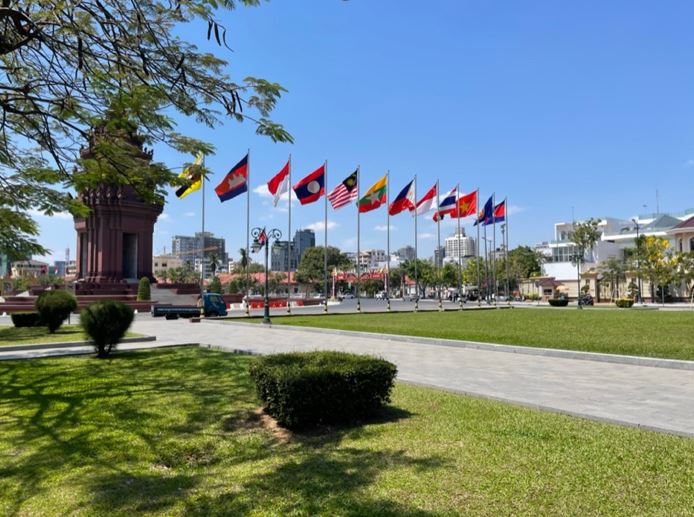
First, attending events can be considered as valuable “face-time” in the sense that experts and actors involved in a particular topic area can familiarize themselves with the researcher on a professional level. For example, participating in multiple events across several weeks or months allows local interlocutors to gain a sense of the seriousness of your research and sincerity in understanding the local viewpoint. This is relevant when conducting field research in authoritarian countries, where actors may be more hesitant to speak with outsiders who might be suspected of working with preconceived assumptions about the local decision-making and political environment. Being present therefore is a vital step in gaining the trust of gatekeepers and potential interview respondents.
Due to the limited in-person opportunities and the great interest in Cambodia’s ASEAN Chairmanship, these events felt especially intensive because after a while I was running into the same groups of people. My attempt to make sense of how this networking fit into my field research led me to question if I was conducting participant observation, akin to Deepak Nair’s (2021) study on hanging out with diplomats. Since my study does not apply ethnographic methods, I realized that observing the dynamics amongst local actors at these events can be considered as a second dimension of networking. Attending these events allows for observations on the interactions amongst key actors, providing insight into personal and professional connections. At later stages, this can also be helpful for evaluating information obtained from interviews.
Lastly, networking involves informal conversations in between sessions at events, during the coffee hour, and at official lunches. These conversations can lead to official interviews or further informal conversations over coffee or a meal outside the event. The uncertainty about how many chances I would have to approach someone meant that I had to seize almost every opportunity to introduce myself or to have an existing contact introduce me. Contrary to my expectations, I figured out that higher-ranking individuals were more willing to speak with me than younger and lower-ranking individuals who were conscious about their career prospects. Nevertheless, I gained some of the most helpful information through repeated informal conversations with individuals who were more hesitant to meet with me initially.
Overall, the main advantage of my fieldwork was that I could harness the major added value of fieldwork: being present in the field. The uncertainty of the pandemic pushed me to foreground this seemingly underappreciated aspect of field research in political science. When I was sharing my field research experience with a graduate student back in the United States, they raised the concern that I might be wasting my time having too many informal conversations and hanging out with people familiar with my research topic and with Cambodian politics in general. This reaction seemed strange to me because I was gaining so much valuable contextual and off-the-record information through this process. Why should every aspect of fieldwork be quantifiable in the form of conducting x number of interviews?
One informant explained to me that in his view too many Western academics are conducting “helicopter research” on Cambodia. He said that researchers land in Phnom Penh for a few short weeks and then immediately leave after obtaining their requisite interviews without adequately understanding the local context. With the recent closure of the independent news organization Voice of Democracy in Cambodia, intensive in-person fieldwork should only gain in importance again. The “official” data collection in the form of interviewing and archival research is just one component of field research, which is what makes fieldwork so challenging and rewarding at the same time. The shared experience of the pandemic in Cambodia certainly helped to create deeper bonds with interlocutors during my fieldwork, but I look forward to applying the lessons I learned to my future research in the region.
References:
Kapiszewski, Diana, Lauren M. Maclean, and Benjamin L. Read. Field Research in Political Science: Practices and Principles. Cambridge, UK: University of Cambridge, 2015.
Nair, Deepak. “Hanging Out While Studying “Up”: Doing Ethnographic Fieldwork in International Relations.” International Studies Review vol. 23, no. 4 (2021): 1300-1327.
Sanjek, Roger (Editor). Fieldnotes: The Makings of Anthropolgy. Ithaca, NY: Cornell University Press, 1990.
Wolfinger, Nicholas H. “On Writing Fieldnotes: Collection Strategies and Background Expectancies.” Qualitative Research vol. 2, no. 1 (2002): 85-95.
______________________________________________
*Banner photo by and copyright of the Author.
*The views expressed in the blog are those of the author alone. They do not reflect the position of the Saw Swee Hock Southeast Asia Centre, nor that of the London School of Economics and Political Science.
The post Navigating the Uncertainty of In-Person Fieldwork during a Pandemic first appeared on Field Research Methods Lab.
]]>The post The shifting terrain of ethnography: Why flexible points of attention matter in the study of social relations first appeared on Field Research Methods Lab.
]]>_______________________________________________
Shifting Relations in Context
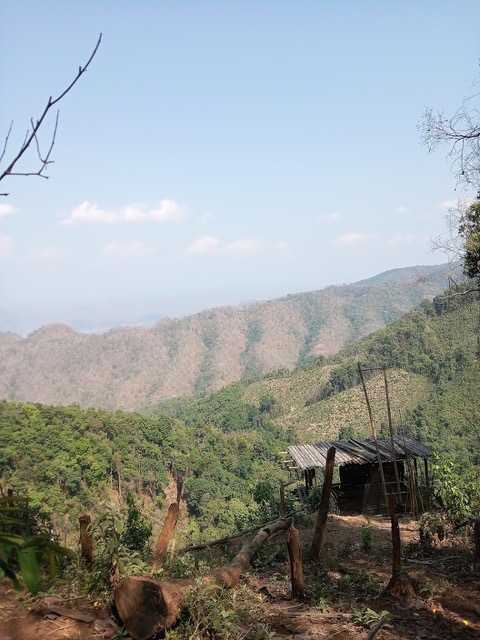
In the Mutraw (Hpapun) Hills, an autonomously governed territory in Southeastern Myanmar lying along the Thai border, local peoples have long practiced swidden (or shifting) agriculture. This practice involves clearing and burning new patches of land every year. In the process, this creates moving farms, shifting forest gardens, and re-settles villages. As villagers increasingly adopt new methods of house construction – employing wood rather than the traditionally employed bamboo homes – these once shifting villages became more ‘settled’, with the areas of Swidden cultivation now rotating around more ‘settled’ villages on the slopes of these undulating hills. These hills are home to the Karen National Union’s Brigade 5, laying claim to an area with the largest contiguous territory of the Karen “liberated areas”. Here, the armed wing of the organisation, the Karen National Liberation Army (KNLA), has held on to large swathes of land, employing forms of guerrilla warfare and, in turn, depending on the mobility of its troops and their extensive knowledge of the terrain. When fighting flared up between the KNLA and the Sit-Tat (also known as the Tatmadaw or Burmese State Military), local farmers were forced to flee their villages, tragically returning to more mobile forms of living. At present, tens of thousands of villagers in these areas are leaving their homes at night to sleep in forests, fearing the airstrikes of the Sit-Tat who are increasingly weak on the ground and thus adopting more aggressive tactics to fight its wars against its ‘internal enemies’. Being adept at shifting terrain is key to the survival of those living in these hills.
Flexible points of Attention in Research Practice
I arrived in Southeastern Myanmar’s Mutraw (Hpapun) hills in December 2019 to attend the opening ceremony of the Salween Peace Park. This project, spearheaded by a local civil society group known as the Karen Environmental Social Action Network (KESAN), has since been extensively internationally lauded through the awards of the 2020 Equator Prize and 2020 Goldman Environmental Prize for Asia. The project was proposed as a bottom-up participatory process to be developed in conversation with local peoples, who call themselves Pya K’naw or S’gaw Karen, and the local administration, the Karen National Union (KNU). This initiative gained a flurry of attention, amongst environmental movements across Myanmar and worldwide as well as support from international NGOs, as an exemplary vision of indigenous-led conservation as well as a blueprint for local governance in line with principles of self-determination. All this in a context plagued by armed conflicts, ongoing since the end of the Second World War. For international actors as well as to the Burmese State, the Peace Park project enabled the translation and codification of local social practices, many of which are rooted in local animistic relationships to land, into a legible forms of governance. It both prefigured and made visible what the activists referred to as ‘customary practices’ or institutions, which these activists saw as necessary for the foundations of recognition for autonomy or statehood. In other words, to prove not only that they have a government, but also that the land has long been governed by customary laws and practices. This echoes calls of indigenous peoples worldwide, as well as amongst scholars of legal pluralism, to recognise a breadth of social practices as technically equivalent to legal frameworks and instructions, though not necessarily to be subsumed within rigid legalistic frameworks. Amidst this very publicly visible project, my research rather aimed to more broadly examine processes of agrarian change within the Mutraw Hills, whether or not this included the Peace Park. In particular, I was interested in how local smallholder farmers resisted rapidly accelerating processes of conflict, development-induced displacement and dispossession of land. While the Park clearly had a role to play in this process, I was interested in particular in the ways local smallholders experienced and dealt with displacement and dispossession. Yet, these points of attention shifted the longer I spent visiting and eventually living in the area, in ways I hope to show were productive.
Using land as a focal point for my research seemed evident, in an area where subsistence farmers formed the overwhelming majority of the population, and conflicts over territory appeared to be central to the grievances of local populations. Part of my interest in land also stemmed from the fact that the area was home to some of the largest remaining populations of Karen Molupala practitioners. Molupala is a term that encompasses a range of animist practices and traditions, some of which are focused on appeasing spirits of land and ancestors still present in the landscape. These spirits tend to exert strong moralistic judgement on the behaviour of living people, while certain spirits offer protection if certain terms and exchanges are maintained, such as rigid principles of monogamy. These animistic practices are currently undergoing revitalisation and codification as part of indigenous rights movements that have been advocating for territorial sovereignty for Karen peoples, precisely at the moment these practices appear to be disappearing. However, the longer I spent in the Mutraw area, the more certain preconceptions and projections of the area increasingly appeared potentially problematic from an ethnographic standpoint. While ethnographic selectivity is part of delimiting our frame, selective attention can conceal aspects of life critical to the social worlds we study. I increasingly noticed how the work of environmental advocates and civil society organisations had often dovetailed with academic work in the area. A series of excellent recent ethnographies on the area predominantly foregrounded animism (Cole 2020, Paul 2019), doing research in the areas with the highest concentration of animists. In the process, I saw that these works could have the potential to allow relations between humans to recede somewhat, and thus could be read as placing political economy as somehow less relevant than relations between humans and non-human beings (paradoxically as attempts are made to transcend these categories). In following potential slippages through prioritising certain forms of vision or ontologies, do ethnographers have the potential, through forms of activism or selective vision, to re-other that which we seek to find a common purpose? Do such portrayals reflect the way most people in the area experienced and managed relationships? Was the idea that the land was both governed by spirits and the KNU not contradictory, as the activists and some locals argued. Could the spirits and the armed leaders live in harmony? Ultimately, the longer I spent with people from these areas, the more the categories of Animist and Christian, of farmer and soldier, of environmentalist and nationalist seemed to recede. The true complexity and ethnographic richness arose from these same ambiguities and contradictions.
This brings us to the question of what to highlight? What frames, language and ways of relating are more important to local people? In what ways do the local spirits, the Christian God and the leaders of the local military organisation interrelate? What relationships, forms of exchange and values are most important to local people? As I understand the comparative anthropological project, the value of ethnography is precisely to shed light on these relationships in ways in which local people may not be able to convey and/or may be unable to voice. And, while these views may come into collaboration with the political aspirations of those we become close to, they may of course also diverge. Keeping this in mind, I turn to fragments that offers a glimpse of a shifting terrain.

Fragments
While living in this area, I stayed in two different schools. Here, daily life had a rhythm, almost monastic quality, somewhere between what I’d have imagined living in a boarding school or a military training camp and what a religious institution would have felt like. Given that the schools were founded by people raised in mission schools and that a sizeable portion of the students would go on to be students, forms of ‘pastoral power’ dominated daily life. Beyond a picture of a disciplinary and regimented daily life, there was of course much joy, freedom and pleasure. Days were long, often lonely and solitary yet evenings were most often filled with a communal warmth and spirit of hospitality unlike I have encountered anywhere else. I spent my spare time helping kids with English pronunciation, practicing Karen with the other teachers, and asking them endless questions about animist rituals they often only understood the lining of. In most cases, they were embarrassed to talk about such matters. It was as if these were remnants of a past that was itself taboo, that was to be selectively celebrated, but that was distinctively a mark of under-education.Some would at times say:“people used to believe” … while in hushed tones often adding “so many of the ‘Christians here are not real Christians”. Over time the tensions between how the self-representing Animists, Christians and activists portrayed relationships to land and my perceptions of the realities of day-to-day governance became increasingly stark. Animist spirits of land were increasingly cast as being banished by an all-powerful Christian God, while the Christian God’s powers were often overshadowed by that of the local military commanders in the KNU. And, what of land and displacement? What does this shifting terrain tell us about how people understand and deal with displacement, and the important forces they have relationships with?
Returning to the question of methodological openness, such examples of shifting points of attention can help shed light on why flexibility in research design can have significant effects on what we foreground in our research. The questions I hope to answer in my research, have, for example, increasingly shifted in focus to the interplay between agrarian traditions drawn from animism and the practices of Christianity in the region, predominantly as they are oriented towards land and belonging. Alongside this, militaristic relationships could also not be ignored while trying to understand forms of labour, power dynamics and peoples’ relationships to land and dynamics of displacement. Understanding such relations became essential in my research to understanding governance, ecological challenges, and social movements in an area long home to conflict. Ignoring these relations, or solely foregrounding others, appeared to mute many of the forms of living in common and living apart which form the outline for so much of social life in the region.
Maintaining a flexibility when conducting research, and an awareness of the importance of such openness, allows researchers cast their net wider. A breadth and playfulness in research, which inherently requires time, false starts and detours can thus allow for more productive engagement with our initial research questions, and in turn these questions may change to ends which may be radically different. Institutions and organisations conducting research should also allocate appropriate resources and allow bureaucratic procedures to be flexible towards such ends. A return to slower forms of attention, for example: ethnography, long form journalism, documentary film, prioritising local researchers and long term qualitative research may help us adapt to many of the rapidly shifting problems we currently face globally.
______________________________________________
*Banner photo by and copyright of the Author.
*Dominique’s research was supported by the LSE Saw Swee Hock Southeast Asia Centre PhD Research Support Fund.
*The views expressed in the blog are those of the author alone. They do not reflect the position of the Saw Swee Hock Southeast Asia Centre, nor that of the London School of Economics and Political Science.
The post The shifting terrain of ethnography: Why flexible points of attention matter in the study of social relations first appeared on Field Research Methods Lab.
]]>The post Recognising participation for children and young people first appeared on Field Research Methods Lab.
]]>_______________________________________________
Children and young people have been increasingly engaged in research as co-researchers by a variety of academics and community organisations, opening new avenues of enquiry around what it means to co-create research. In 2005, Kellett described how the world of academia would need to explore and potentially broaden its definitions of what was accepted as ‘research’ if child-led research was to be accommodated and valued. Corney et al. (2021) suggest that supporting and facilitating opportunities for young people to participate takes significant resources, including time and mindful reflection, alongside an understanding of the ways young people are often marginalised by the way research is undertaken. This blog examines how early stage research can provide many opportunities for researchers to recognise and acknowledge young people’s attempts to engage with the research process and how participation can be identified as taking on many forms.
Embarking on a PhD examining the impact and efficacy of participatory methods with children and young people, I knew I wanted to explore and begin to understand what it was like for young people to engage with the research process. Often, research starts from an adult point of view, with a research question set or hypothesis to test, so the intention with this initial project was to include the young people at the early stages of the research process. The young people could therefore consider, and make decisions, relating to research questions, and I as an adult researcher could see how this participation shaped the project. Together, through participatory methods, I would try to determine what participation meant for the young people.
As a starting point for this project, I had to provide the University ethics board with an in-depth description of what the research would look like. In the very early stages, an honest description of the research plan meant that the method for collecting data could actually be one of many, that in fact I wanted the young people to decide upon the formulation of research questions and choice of methods right through to the analysis and dissemination of the research. In discussions with the adult youth workers, I decided to begin with a working title of ‘What does community mean to us/what does it mean to be in this place?’, in order to engage the young people in the first instance and be able to show them examples of what research looks like. It is important to note that this was the first experience of research for the young people, the youth workers and myself. Therefore, together with the adult youth workers, I identified that having a topic as a starting point would enable all members of our group to engage and to create a space for discussion.
In this project, time was taken to introduce this idea of research to a group of 14-15 year old young people who had been identified as a social action group within a local community. I decided to use a series of creative activities including mapping activities, photo voice methods and poetry writing, to determine what the young people would like to develop further. I was intending to ask questions about how the young people were participating in the research, and the adult roles surrounding this, through group discussions held on a fortnightly basis. Participatory methods that encourage its participants to become part of the research process, using a mixed method approach to make decisions about the research, have been described as achieving a deeper level of participation.
It was through discussions around the concept of ‘deep participation’ and the potential impact of this, that a research proposal began to form. A discussion identified that young people thought engaging in research could potentially ‘look good on your CV’ or also be ‘something fun to do’.
The initial intention of this research project was to engage with youth workers and young people as co-researchers, to develop a project together. I imagined a year-long project that combined a variety of methods, ways of engaging that would encourage the young people to take ownership and, if appropriate, to guide the project through each stage of the research design. The engagement with the group of young people, after 6 months of community involvement and participation, has raised many questions primarily around voice, participation, and choice in the research process. For example, the first session after the initial introduction provided an opportunity to reflect upon what participation means in regards to choice, as no one arrived to take part in the activities. The adult researcher’s agenda became irrelevant and offered an opportunity to reflect upon how children and young people are able to ‘voice’ their own agendas in many ways. Ben Lohmeyer (2020) suggests how viewing young people as having ‘parallel projects’ when it comes to engaging with research, enables the research process to be discussed and evaluated in terms set by both the adult researcher and the young people. Positioning the young people as researchers from the off was an agenda set by the adults, prompting us to question whether the young people were sufficiently able, at such an early stage in the process, or even interested in engaging with setting a research question.
The nature of each interaction within these sessions informs part of the data collection, crucially recognising how participation is fitting into the young people’s lives and about how non-participation and voice are entangled within the definition of choice for the young people. Sessions were generally held after school and often the young people arrived describing their disengagement with school and lack of energy. Looking back on my reflective notes, I see that in the introductory session, before consent was obtained, I have noted that having a check-in style option could potentially alleviate some of the tensions when the young people first arrive. As a novice researcher it took weeks for this to come into fruition, my confidence in implementing things increasing week on week. Once I did implement this, I was able to see what the young people identified as feeling at the start of each session (see Figure 1). This was then compared with the activities done in session and the discussions that the group took part in. This comparison highlighted that tiredness had an impact upon their engagement during the sessions. By recognising how the sessions were fitting into their lives, I was able to build a picture of participation for the young people and shape the project according to what the young people were saying through the different avenues of communication. Moving forward I aimed to hold less sessions after school and more out of term time.
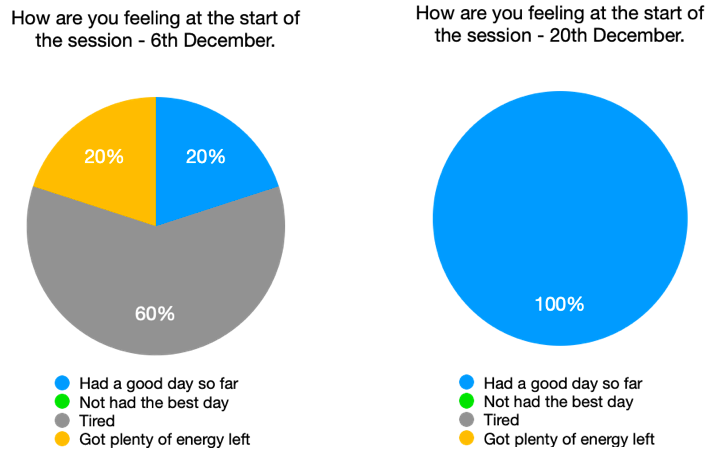
(Figure 1) Check in responses from participants
Chart 1 (left) – Post School; Chart 2 (right) – School Holidays
As I have a background in professional photography, I initially intended on using visual and creative methods with the young people, as they are also widely acknowledged for their ability to give voice when working with marginalised groups. Interestingly, in this project, these creative techniques have not enabled the young people to have multi voiced opportunities of expression, rather limited their outcomes to ones suggested by the adult researcher. So far, creative methods have provided less opportunity for the young people to express their lived experience than the more traditional qualitative method of informal focus groups. When comparing a photo elicitation exercise that the adult researcher directed, with a focus group that was led by discussions decided upon by the young people, I was clearly able to identify where the participation was enabling the voices of the young people to be elevated and how when driven by an adult agenda it was almost discouraging the expression of the young people. Consequently, discussions that arose from the focus groups have led on to the potential formation of research questions and progression led by the young people has meant that their ‘parallel project’ of doing something for the community and establishing community events is now leading the research proposal.
At this point I can see how working to understand and illustrate the complexities of research with children and young people, such as the multivoicedness of children and young people’s expressions and interactions, broadens the discussion around how to effectively build a research project that strives to elevate youth voice at every stage. This research is still in the very early stages, and as I am lucky enough to have an opportunity to engage with a group of young people through a longitudinal study, I hope to explore how researchers can further recognise the mulitvoicedness of children and young people engaged in the research process and how researchers can sufficiently respond to the multivoicedness of participation with children and young people.
______________________________________________
*Banner photo by Daniel on Unsplash
*The views expressed in the blog are those of the author alone. They do not reflect the position of the Saw Swee Hock Southeast Asia Centre, nor that of the London School of Economics and Political Science.
The post Recognising participation for children and young people first appeared on Field Research Methods Lab.
]]>The post Aid industry and the politics of knowledge production: Epistemic agency and its role in decolonising research practices in development first appeared on Field Research Methods Lab.
]]>_______________________________________________
In his article entitled “The Syrian Cause and Anti-Imperialism”, Yassin Al-Haj Saleh draws attention to the continuously denied “epistemological agency” of the Syrian people over their narration and analysis of war in Syria: “Either there is no value to what we say, or we are confined to lesser domains of knowledge, turned into mere sources for quotations.” Such exploitation of the so-called “local knowledge” is of course not limited to the Syrian context, or any geographic location in the Global South for that matter, nor is it limited to academia. Aid and development spaces are no less guilty of marginalizing the local voices and alienating them from the research that is being produced.
Access to nuanced, contextual knowledge is becoming a core of development practices and knowledge-based practices such as lobbying, advocacy, policy inputs, and dialogue facilitation, among others. Undeniably, demand-driven, contextually rich, and locally led research is essential in humanitarian and aid spaces. However, recent discourses on localisation and decolonisation of aid action lack focus on the inequalities of knowledge production, and ways to overcome these. Unless the local staff are not only simply “involved”, but are able to lead the research process, little is going to change on the ground.
Power dynamics behind the production of knowledge
“I go to attend a panel on Syria, and I see no Syrians on this panel.”[1]
In the world of INGOs, the locals are hired for their “native knowledge”, their willingness and ability to access spaces not available to their expatriate colleagues, and their native social capital, among other reasons. The local staff are fluent in local language(s), and are familiar with the local social context. In conflict zones, the national staff brings detailed contextual understandings into the dynamics of conflict that are, in many cases, based on lived experiences.
Oftentimes, it is the local actors, their native countries or their communities that are mostly affected by the consequences of aid and development interventions. In contrast, in emergency situations, or “when things get bad,” the expatriate staff, unburdened by any local connections, have an option to leave. This is especially true in conflict zones, where in many cases, the expatriates work remotely, unfamiliar with the everyday struggles of the peoples in affected communities. As opposed to this geographical as well as emotional distance of the expatriate professionals, the national staff remains bound by social as well as economic connections to their home country. In other words, “the national staff member remains stolidly set, a repetitive actor in local history.”
In reality, however, all of the above-mentioned reasons seem to have little impact on who has a final say in the chain of knowledge production. International, and in many cases Western, expert knowledge has traditionally been prioritized over local or experiential knowledge. A tendency of local staff knowledge to be undervalued is a well-documented reality of power relations within humanitarian spaces. Despite the claims of humanist universality, racialised, classed and geopolitical hierarchies became a common thread in the humanitarian and development sector, resembling that of North-South colonial dimensions. Encountering cultural racism and colonial paternalism is a common experience for the local NGO staff. Knowledge production is naturally impacted by these power dimensions, significantly limiting, if not marginalising, the extent to which the local staff are able to affect and be actively involved in shaping the research strategy overall, hence, leading to significant shortfalls in humanitarian programming.
Why the progress has been slow: reality check and fieldwork constraints
Despite the fact that the idea of decolonising and localising aid has been around for some time now, the donor’s and INGOs’ recruitment processes have been one of the major obstacles for any meaningful change as well as one of the major factors reinforcing existing power structures. It is now a given that the expat staff seizes most influential and highly paid positions, in comparison to the local staff who are hired for much lesser salaries and usually for less senior positions. Arturo Escobar, a Columbian-American anthropologist, in his acclaimed book “Encountering Development” highlights how international aid created a space for the emergence of transnational bureaucracies and bureaucrats whose “subjective” eyes theorise “the entire cultural, economic, and political geography of the Third World”. To be clear, the expat staff is not necessarily Western staff or even staff from the so-called “Global North”; however, favouritism for overseas expertise is a distinctive characteristic of aid and development industries. The irony is that this tendency to devalue local knowledge applies to both donors and INGOs alike, and if we consider the saying which goes “He who pays the piper calls the tune,” it becomes very clear for the need to aim at the top of the ladder, and not the other way around. As discomforting as it may be, open discussion on inequalities in recruitment processes needs to be put on the table, making sure that possessing “native” knowledge does not put local researchers at a disadvantage.
Subcontracted staff doing the fieldwork is another aspect to look into. Mayssoun Sukarieh and Stuart Tannock in their article “Subcontracting Academia” discuss the exploitation of locally subcontracted researchers in Lebanon, while at the same time alienating them from the final products of their work and without giving them any intellectual credit. If such is the case in academia, would aid spaces be any different? The answer is no.
Sub-contracting local NGOs or local researchers by INGOs is quite common. In many cases, involving local actors is dictated by the donor, and oftentimes framed as “localisation” efforts. In reality, however, local researchers or NGOs are often used to carry out data collection, their efforts not necessarily leading to them being involved in the analysis stage. Not giving any intellectual credit and undervaluing the local researcher’s inputs when it comes to authorship is another challenge that must be taken into consideration.
Moreover, the communities who participate in the research are not only marginalised, but it is not uncommon that they go without having access to the final product. In other words, local research “partners” might not even hear back about the findings or the outcomes of research. Power dynamics in the dissemination of the research findings has a moral aspect to it. Given the outcome-oriented nature of donors’ and INGOs’ work, the research carried out is, in most cases, loaded with recommendations. These recommendations, while drafted by experts, are impacting the local communities in the first place. By not sharing the final research outputs with the communities involved in this same research, the implementing bodies indicate clearly that they are mainly accountable to donor demands, barely concerned with the local communities. There is a dire need to revisit the common notions of accountability in humanitarian spaces; this accountability must go beyond the bureaucratic demands of the donor and be translated into real accountability and moral responsibility towards the targeted communities.
Where should we start: A way forward
To make progress we need to face uncomfortable realities of unequal power dynamics in development and humanitarian spaces. This needs a complete paradigm shift towards our understanding of “development” as that of a top-down process dictated by those who have power over those who do not. Epistemic agency of the local research staff and justice in knowledge production and dissemination is only one aspect of this paradigm shift, but this is where we need to start to see actual changes.
Rather than thinking how to “build the capacity” of the local community, let us think how the local community can build the capacity of international organisations, especially the donor community that comfortably exists in an ivory tower. On an individual level, solidarity is the key. This solidarity should be translated into instrumentalising proximity to power structures to push and lobby for change. Unless we see local staff occupying leading roles in the chain of knowledge production, it would make little sense to speak of localisation and decolonisation of aid.
Note
[1] Personal interview with Dr Ammar Azzouz, Syrian UK-based architect and an analyst. His current research focuses on destruction and displacement in Syria.
______________________________________________
*Banner photo by Scott Graham on Unsplash.
*The views expressed in the blog are those of the author alone. They do not reflect the position of the Saw Swee Hock Southeast Asia Centre, nor that of the London School of Economics and Political Science.
The post Aid industry and the politics of knowledge production: Epistemic agency and its role in decolonising research practices in development first appeared on Field Research Methods Lab.
]]>The post Time, openness, and the pursuit of visibility: Reflections on qualitative research during the pandemic first appeared on Field Research Methods Lab.
]]>_______________________________________________
In what ways do Filipino feminists’ uses of media and communications for activism cultivate opportunities for community building and collective action amidst prevailing women’s struggles? This is the research question that anchors my master’s dissertation, “Feminist Media Activism in the Philippines: Communication, Community, and Collective Action during COVID-19,” which explores how the current COVID-19 pandemic has affected the way feminists in the Philippines use media and communications in their activism.
The interest in this study was sparked by a post I found on Instagram which showed protesters on the streets of Manila during International Women’s Day this year, who were following physical distancing measures and wearing face masks and even face shields. This was posted by Gantala Press, a Filipina feminist press founded in 2015. Upon realizing the amount of communication, mobilization, and organization it takes to bring women’s rights advocates together during a pandemic—whether online or in-person—I thought it would be a great opportunity to highlight more Filipino feminist individuals or organisations working at the grassroots level that are still struggling to get their voices heard, especially in the midst of a global pandemic.
I then came up with more specific questions: First, how do feminist activists in the Philippines perceive their communications, sense of community, and collective action during the COVID-19 pandemic? And second, given the layers of struggle involved in women’s every day labour in the household, workplace, and society, I inquire to what extent do these activists negotiate the tension between a desire for women’s empowerment and an additional need for the affective labour of care?
By using a media and communications lens, coupled with an understanding of intersectional and decolonial feminisms, advocacy networks, and emotional labour in the Philippine context, I apply a framework of analysis that can help activists and various stakeholders make sense of the current implications of their work in their pursuit of social change. A total of nine respondents answered interview questions around these themes, which I then classified into 3Cs: communication, community, and collective action.
For the first theme, communication, the respondents discuss forms of feminist activist content (e.g., feminist publishing, printmaking, handicrafts, music, visual art, and digital multimedia), how they use social media, and what specific platforms are effective for them. The second theme, community, allowed respondents to bring up insights on building networks and forging partnerships, negotiating class differences and feminisms, and even sharing community management strategies and mechanisms for group members and stakeholders, whom they cannot engage with in-person. And lastly, collective action pointed the respondents towards sharing their various feminist campaigns during the pandemic. Here, they also talk about the emotional labour involved in their activism work, which is brought about by situations such as dealing with trolls, receiving misogynistic remarks online, and even being threatened with violence.
Overall, the thematic analysis through the 3Cs provided an indication that an intersectional, decolonial feminist lens is useful in studying feminist media activism in the Philippines. As the COVID-19 pandemic persists, researchers who intend to examine these fields of inquiry may still need to utilize online means of qualitative research.
This blog post on field research methods online hopes to lend practical insight into the dynamic and reflexive processes behind qualitative research, specifically data collection during the pandemic, so that future researchers can use the online medium to their advantage.
Turning to social media and online platforms
It did not come as a surprise that my dissertation topic emerged while I was scrolling through my social media accounts during the UK’s third national lockdown. Online media and the COVID-19 context, therefore, inevitably became central to my topic. At the same time, due to coronavirus restrictions, the school did not permit researchers to conduct fieldwork overseas. As a result, I also had to use social media to reach out to my potential interviewees, particularly through purposive and snowball sampling.
I chose to contact my respondents through Instagram, since it has come to be my most-used social media platform. It is also where I come across feminist content from various individuals and institutions I already follow. To broaden my sample, I decided to search for and message similar accounts that these potential interviewees also follow and interact with. And, after successfully interviewing respondents, I would ask them whom I can also contact if they may be interested in sharing their stories with me online. This strategy introduced me to networks of these feminist activists, all through Instagram and email. When I reached out to a number of these accounts, I was surprised at how open, responsive, and eager they were to meet with me over Zoom. I note here that Zoom had already been accessible to me as a student of LSE, and I was fortunate that these respondents also use the same platform. I realized then that sharing their experiences with me through academic research is a way for them to express themselves and help them and their stakeholders (or the people they represent) become more visible in their pursuit of their respective feminist advocacies.
Narrowing down the sample had been straightforward. I conducted semi-structured interviews with nine feminist activists in the Philippines. They were artists, writers, self-love advocates, students, volunteers, and the like who have either adopted social media or have used social media from the very beginning. Out of the ten respondents who agreed to be interviewed (I had contacted nearly twice that sample size), I chose nine respondents, since the last organisation was composed of leaders who are minors, and my ethics form only permits me to conduct research with people aged 18 and above. An insight emerged here: The online platforms these feminists operate within are not necessarily for adults. Even younger feminists, therefore, are also making their voices heard on social media with the help of online communities.
Overcoming and acknowledging the limitations of online data collection
Uncertainties arose during the data collection proper. In the event respondents fail to reply (and within my dissertation time frame), I could not physically approach a person or an institution to get a response from them. Again, I was fortunate that the interviewees were gracious with their time and expressed their interest in this project.
When I had finally secured respondents, I encountered a few things that must be taken into consideration for this type of research. First was scheduling calls with the seven-hour time difference between London and Manila, where my respondents are based. In this regard, I point out that the scope of the sample was centred on Metro Manila and Greater Manila-based respondents who have access to these online platforms. I acknowledge this limitation of my study of not being able to reach feminists in areas beyond Manila.
Another essential matter that had to be addressed was my ethics and consent form. Here, my respondents could choose if they would allow me to record the video and audio (and they can choose if they want just the audio to be retained) and if they would like to use their real names for the research. I was able to receive signed consent forms from all respondents via email, and only one of them preferred their name to be anonymised. This had implications for the recorded Zoom meetings, where I addressed the anonymous respondent with a pseudonym of their choice. With the knowledge and practice of consent, I trusted that my respondents would be comfortable with speaking up about their experiences. Yet another insight: These feminists want to be visible by sharing their stories in this research as themselves and/or as representatives of their organisations. As a result, I was able to get insightful, reflexive, and thought-provoking insights that shaped the study’s thematic analysis.
Lastly, it was through the Dissertation Fieldwork Grant from the LSE Saw Swee Hock Southeast Asia Centre that provided support for me to avail of transcription services for my research project and purchase materials, that some of these feminist activists produced for my related literature and analysis. Fortunately, online articles and journals were accessible, as well as the materials some of my respondents had produced which were also available on their online platforms. For this purpose, I had secured a transcriber consent form which all transcribers signed, and I made sure to disclose this in my dissertation proper.
It is my hope that qualitative researchers during the pandemic may find that there are many ways to derive valuable insights through online platforms, if only they harness the platforms’ strengths to their advantage and further generate new insights from the knowledge and experiences of their respondents.
_____________________________________________
*Banner photo by Oli Dale on Unsplash .
*Luisa’s research was supported by the LSE Saw Swee Hock Southeast Asia Centre Student Dissertation Fieldwork Grant 2020-2021.
*The views expressed in the blog are those of the author alone. They do not reflect the position of the Saw Swee Hock Southeast Asia Centre, nor that of the London School of Economics and Political Science.
The post Time, openness, and the pursuit of visibility: Reflections on qualitative research during the pandemic first appeared on Field Research Methods Lab.
]]>The post Not mutually exclusive: Reflections on remote research and critical engagement with human rights research first appeared on Field Research Methods Lab.
]]>_______________________________________________
The COVID-19 pandemic has placed significant barriers to all kinds of social events and interactions, including field research. Travel restrictions, quarantine requirements and lockdowns, although essential to mitigating the spread of the virus, have constrained on-site data collection as researchers have scrambled to adopt remote research methods in the face of a fundamentally different world. I recall feeling slightly apprehensive while drafting my application for the SEAC Student Dissertation Fieldwork Grant. The Alpha variant of COVID-19 had just been formally identified as a variant of concern and was spreading rapidly across the world. “How on earth am I supposed to carry out fieldwork in the traditional sense of the word when unable to travel to the field site?” I thought. It turns out my experience of conducting in-depth interviews online went a lot smoother than anticipated.
To preface, the research set out to investigate the ways in which a Human Rights Organization (HRO) uses Feminist Participatory Action Research (FPAR) for the purpose of advancing women’s human rights. The study was based on expert interviews with Non-Governmental Organization (NGO) workers at one HRO. It explores FPAR practitioners’ experiences and perspectives of the method in order to provide a deeper understanding of how theoretical conceptualisations of FPAR are translated into practice. I conducted the interviews on Zoom and found there to be several advantages to online interviews. The main advantage was being able to interview both current and former NGO workers since my participants were all spread out across different continents. After two terms of Zoom lectures and seminars, the idea of conducting in-depth interviews on Zoom did not appear quite so strange anymore and I was fortunate enough to avoid any tech issues throughout the course of the research. Yet another perk with online interviews was Zoom’s audio transcription feature which significantly reduced the time I spent on manually transcribing my interviews. I also decided to have the majority of my interviews professionally transcribed, which the SEAC Student Dissertation Fieldwork Grant enabled me to do. The many hours that I was able to save were crucial to the research process as they allowed me to allocate my time effectively and focus my attention on the actual writing process.
However, despite the various advantages I found with conducting remote research, an important factor influencing the ease of the data collection process was the fact that I had previously completed an internship at the HRO that I was basing my research on. My previous experience of having ‘gone into the field’ not only allowed me to quickly acquire a decent number of interviewees, through my internship I was also able to build rapport with my participants and establish relationships that undoubtedly impacted the quality of the data collected. Thus, although remote research methods can be both a feasible and effective alternative to fieldwork, there is a value to face-to-face interactions of the latter approach that cannot easily be superseded by the former.

Over the course of the research, I faced other types of challenges unrelated to the ongoing global pandemic. At times, I struggled with how best to engage in a critical, in-depth analysis of FPAR as a method. Most would concur that academic research is inherently critical. Indeed, academia’s role in putting forth criticism has been a key factor in the progression of knowledge production (Zou & Hyland, 2020). Yet, as a postgraduate student in human rights, I could not shake the discomfort I felt at dissecting a method that I ultimately support and that is used for the explicit purpose of advancing women’s human rights.
Similar to the fields of science and arts, human rights are often associated with notions of being “sacred” (Férons, 2014). This connotation arguably contributes to the sense of unease that many scholars experience when engaging in a critical examination of human rights and its institutions. I am one of many to offer reflections on this topic (see Dudai, 2009; Kennedy, 2002). Put simply, I found it difficult to reconcile my differing roles, i.e., my role as an intern working together with activists and human rights practitioners and my role as a postgraduate student tasked with conducting a critical study. On a personal note, I wholeheartedly stand by this and many other HROs as important vehicles carrying the ideal of human rights forward. Highlighting the importance of such work was, however, not the principal objective of the study. Whilst I do not engage in criticism of the NGO itself, I empirically examine the use of FPAR as a human rights practice which includes identifying challenges and tensions that arise in its application. Still, I had conflicting thoughts. Who am I, from the comfort of a renowned academic institution, to criticize a method used by human rights practitioners in the global South? Am I doing a disservice to the very field I feel so passionate about by adding more criticism and might such criticism be misguided?
I understand the resentment that many human rights practitioners and activists feel when faced with critique from academia, as this critique might not always reflect reality on the ground. At the same time, the act of critiquing does not necessarily have to include a negative value-judgement. I agree with Calhoun (2001) and Krause (2016) who view critique as a way of asking: how might something be different? Indeed, one of the explicit purposes of my study was to provide a deeper understanding of the ways in which FPAR may be used, so as to improve its application in practice. It is also evident that the researcher is in a position that allows them to engage in critical analysis in a way that the NGO worker may be constricted from doing. The NGO worker has a clear agenda, set goals and is often concerned with issues of funding. Where self-critique does arise, voicing it may prove self-defeating.
This is not to say that scholars cannot be activists or vice versa, it is not necessarily a question of the roles being mutually exclusive. However, in general, the work of the scholar and that of the NGO worker tends to differ significantly. For me, as with many young graduates trying to find their calling, my study has shown me that I am not yet fully comfortable in either role. Although I cannot speak to exactly how to strike a balance when critically engaging with human rights practices and institutions, I would encourage others to lean into the discomfort whenever it does arise.
References
Calhoun, C. (2001). Critical Theory. In: Ritzer, G. & Smart, B. (eds). Handbook of Sociological Theory. London, SAGE, pp.179-2000.
Dudai. R. (2009) “Can You Describe This?” Human Rights Reports and What They Tell Us About the Human Rights Movement. In: Wilson, R.A. & Brown, R.D. (eds) Humanitarianism and Suffering. The Mobilization of Empathy. Cambridge, Cambridge University Press.
Férons, H. (2014). Human rights and faith: a ‘world-wide secular religion’? Ethics & Global Politics, 7(4), pp.181-200. DOI: 10.3402/egp.v7.26262
Kennedy, D. (2002). The International Human Rights Movement: Part of the Problem? Harvard Human Rights Journal, 15, pp.101-125. https://harvardhrj.com/wp-content/uploads/sites/14/2020/06/15HHRJ101-Kennedy.pdf
Krause, M. (2016). Comparative Research: Beyond Linear-Causal Explanation. In: Deville, J., Guggenheim, M. & Hrdličková, Z. (eds). Practicing Comparison: Logics, Relations, Collaborations. Manchester, UK, Mattering Press, pp.47-67.
Zou, J.H. & Hyland, K. (2020). Managing evaluation: Criticism in two academic review genres. English for Specific Purposes, 60, pp. 98-112. DOI: 10.1016/j.esp.2020.03.004
______________________________________________
*Banner photo by author.
*The views expressed in the blog are those of the author alone. They do not reflect the position of the Saw Swee Hock Southeast Asia Centre, nor that of the London School of Economics and Political Science.
The post Not mutually exclusive: Reflections on remote research and critical engagement with human rights research first appeared on Field Research Methods Lab.
]]>The post Adapting to remote research on Vietnamese land politics during the COVID-19 pandemic first appeared on Field Research Methods Lab.
]]>_______________________________________________
When I started to think about my dissertation plans at the beginning of my MSc programme in September 2020, I was hopeful that an imminent return to “normalcy” was on the cards, which would have meant travelling to Vietnam to undertake in-person fieldwork. As the year progressed, I came to realise that I would be restricted to remote methods. I was still determined to press ahead with my topic—an examination of the Vietnamese state’s seemingly contradictory logics of land management in Hanoi’s city centre and its peri-urban fringe—but had to figure out how to adapt it to remote conditions. Fortunately, the conditions of the Dissertation Fieldwork Grant from LSE Saw Swee Hock Southeast Asia Centre (SEAC) had been similarly adapted to our “new normal”: funds could instead be used to obtain professional assistance like translation. After a year working as an English teacher, I had progressed to an intermediate level of Vietnamese, but I did not know enough to make translating large amounts of written material a feasible option given the time constraints associated with the dissertation. What follows is an account of the methods I adopted to cope with the conditions of the COVID-19 pandemic.
First, I should provide some background on what exactly I was trying to study. Comprising the vast majority of Hanoi’s housing stock, self-built housing exploded in popularity in Hanoi’s city centre from the 1980s to the early 2000s. Self-building typically occurred illegally or extralegally, with a 1997 estimate suggesting nearly 90 percent of construction in the city being in some way illegal (Koh 2004: 340). Hanoi’s self-builders thus routinely flouted the laws of a putatively authoritarian state, and they were even allowed to obtain land use rights certificates (roughly equivalent to ownership, as all land in Vietnam is technically owned by the state). By the mid-2000s, however, the state was increasingly promoting the development of master-planned new urban areas on the city’s peri-urban fringe. To assemble the land necessary for these large-scale projects, the state, as the owner of all land, could unilaterally expropriate agricultural land belonging to peri-urban villagers at meagre rates. When villagers have tried contesting expropriation, the state has come down hard: in the 2012 Văn Giang incident, 3,000 villagers who refused to vacate their land clashed with 2,000 police officers and saw their agricultural fields bulldozed. Ultimately, peri-urban villagers’ completely legal claims to land use rights have been less respected than city centre self-builders’ extra-legal claims, with the state far less tolerant of their dissent. Given the prominence of rights claims to these disparate land use contestations, I conceptualised them in terms of citizenship. I thus asked, when asserting their urban citizenship, why have self-builders in Hanoi’s city centre been able to successfully challenge state authority, but peri-urban villagers have been violently expropriated while doing so?
To answer this question, I performed a content analysis of 73 news articles and 47 laws, and I conducted six remote, semi-structured interviews with researchers of Vietnamese land politics. Were it not for the movement restrictions imposed by COVID-19, I would have travelled to Hanoi myself and taken a more interview-heavy, ethnographic approach. Since I aimed to uncover the motives of an opaque state suspicious of foreigners, ethnography would have been useful to facilitate the interpretive co-construction of data (Malkki 2007). Moreover, given the highly sensitive nature of land issues in Vietnam and the state’s hostility to dissent, it would have been much easier to build relationships with potential interview subjects—particularly the city centre self-builders and peri-urban villagers whose actions animated this research. Lacking access to interview subjects on the ground, I was forced to take a more state-centred approach using publicly available information. I therefore selected methods that would allow me to analyse and speculate on the state’s actions, reading between the lines of a state-controlled media environment and the state’s own disseminations. That said, I was still able to secure a few interviews with researchers who could offer relatively unfiltered insights.
Initially, I planned to interview lawyers working on land issues: I searched for “land law” in Vietnamese (pháp luật đất đai) on Google and created a list of 20 firms practising land law with offices in Hanoi. I then emailed all of them twice in English and Vietnamese, and only three replied—one offered to answer my questions for 10 million VND (US$435), and the other two stopped replying after I sent my questions. The difficulty I experienced in recruiting interview subjects who may have only witnessed—not perpetrated—illegal or extra-legal activities illustrates the sensitivity of these issues in Vietnam. Still considering interviews of people with on-the-ground experience necessary, I then contacted researchers of Vietnamese land politics. One interviewee was instrumental for this effort and kickstarted the snowball process by which I recruited the rest of my interviewees. I ultimately interviewed six researchers, two foreign and four Vietnamese. I conducted three interviews via Zoom, ranging from 30 or 45 minutes in length, and I conducted three interviews via email; all but one was conducted in English. Though I speak some Vietnamese, questions and answers for the Vietnamese interview were professionally translated—thanks to the support of the SEAC dissertation fieldwork grant—to ensure accuracy. These interviews were invaluable for me to contextualise the laws and media reports I analysed as well as to develop the broader arguments I used to answer my research question.
Given my focus on the ability of self-builders in the city centre to effect changes in Vietnamese law and claim land use rights, analysing laws and regulations seemed like a natural methodological choice—and I could easily pursue it remotely. I utilised Thư Viện Pháp Luật (Law Library), a website providing access to over 350,000 Vietnamese laws, regulations, and other policy edicts. A premium membership purchased with the support of SEAC’s dissertation fieldwork grant enabled me to access English translations of most of these laws. To identify relevant laws, I started with those discussed by Nguyen (2004), Han and Vu (2008), Kim (2011), and Labbé and Musil (2014) and followed the website’s links to related laws (i.e., those which amended or supplanted the ones I examined and vice versa). In so doing, I compiled 47 laws and regulations issued between 1980 and 2020, comprising three constitutions, eight laws (high-level legislative frameworks), 23 decrees (legislation that amends or guides the implementation of laws), and 13 other regulations and resolutions. Of these, only four were unavailable in English through Thư Viện Pháp Luật and were professionally translated. Given the prominence of illegality and extra-legality in this research, the substantial gaps between written laws and actual practices may make it seem like a content analysis of laws was a questionable choice. As Holston (2008: 24) argues, however, “Even when other factors animate the performance of citizenship, their efficacy is in some fashion grounded in its legal framework.” Indeed, analysing laws helped indicate how Vietnamese law was responding to that which it has defined as outside of it.
To analyse how expropriation and resistance have unfolded in recent years, I utilised media reports, the perspectives of which could provide a somewhat—but not entirely—independent perspective. Again, this method was useful given its remote practicability. In spite of Vietnamese news organisations’ universal state ownership, the state has increasingly tolerated reporting on contentious land issues, which generate considerable attention and thus drive readership (Kim 2011). I compiled articles from three newspapers: Tuổi Trẻ (Youth, Vietnam’s most widely circulated newspaper), Pháp luật (Law), and Nông nghiệp (Agriculture). I selected them because an interviewee reported that they had fairly independent coverage of relevant issues. I searched each newspaper’s online archives back to 2004 using the following keywords: nhà ở tự xây (self-built housing), xây dựng trái phép (illegal construction), quyền sử dụng đất (land use rights), and thu hồi đất [khu đô thị mới] (land expropriation [new urban areas]). This process yielded 73 relevant articles; though I know enough Vietnamese to have scanned them for key points, the time constraints associated with this research and my lack of full fluency led me to have the most important passages from 30 of these articles professionally translated—again, thanks to the support of the SEAC dissertation fieldwork grant. From this analysis, I was able to discern recent trends and events in land management, particularly surrounding controversial expropriation incidents.
Taken together, these methods allowed me to remotely ascertain plenty of data to analyse for my dissertation. Even though I would have preferred to conduct fieldwork in Hanoi in person, focusing my analysis on the state proved a productive way to answer my research questions. My analysis ultimately took on a more speculative tone that it perhaps would have had I been able to more establish local contacts with relevant knowledge of the issues I was studying, but given the secretive nature of the Vietnamese state, this would have at least somewhat been the case regardless. That the SEAC dissertation fieldwork grant enabled me to obtain translation assistance meant I could quickly analyse a large amount of written material in a very short time, providing a very different sort of access to the field. In spite of the unique challenges posed by writing a dissertation during the COVID-19 pandemic, remote methods enabled me to creatively reframe my research to critique the Vietnamese state’s discursive politics of urban development.
References
Han, Sun Sheng, and Kim Trang Vu. (2008) “Land Acquisition in Transitional Hanoi, Vietnam.” Urban Studies, 45(5&6): 1097–1117. www.jstor.org/stable/43198425
Holston, James. (2008) Insurgent Citizenship: Disjunctions of Democracy and Modernity in Brazil. Princeton: Princeton University Press.
Kim, Annette M. (2011) “Talking Back: The Role of Narrative in Vietnam’s Recent Land Compensation Changes.” Urban Studies, 48(3): 493–508. DOI: 10.1177/0042098010390234
Koh, David. (2004) “Illegal construction in Hanoi and Hanoi’s wards.” European Journal of East Asian Studies, 3(2): 337–69. DOI: 10.1163/1570061042780928
Labbé, Danielle, and Clement Musil. (2014) “Periurban Land Redevelopment in Vietnam under Market Socialism.” Urban Studies, 51(6): 1146–61. DOI: 10.1177/0042098013495574
Malkki, Liisa H. (2007) “Tradition and Improvisation in Ethnographic Field Research.” In Improvising Theory: Process and Temporality in Ethnographic Fieldwork, edited by Allaine Cerwonka and Liisa H. Malkki, 162–87. Chicago: University of Chicago Press.
Nguyen Van Suu. (2004) “The Politics of Land: Inequality in Land Access and Local Conflicts in the Red River Delta since Decollectivization.” In Social Inequality in Vietnam and the Challenges to Reform, edited by Philip Taylor, 270–96. Singapore: Institute of Southeast Asian Studies.
______________________________________________
*Banner Photo by Vuong Tri Binh, licensed under CC BY-SA 4.0 (modified from original).

*The views expressed in the blog are those of the authors alone. They do not reflect the position of the Saw Swee Hock Southeast Asia Centre, nor that of the London School of Economics and Political Science.
The post Adapting to remote research on Vietnamese land politics during the COVID-19 pandemic first appeared on Field Research Methods Lab.
]]>The post Critical Theory and Participatory Action Research: In Retrospect of Conducting Fieldwork in Conflict-Afflicted Mindanao, Philippines first appeared on Field Research Methods Lab.
]]>_______________________________________________
The violent conflicts in Mindanao, the southern part of the Philippines, have become intractable and protracted. According to Judd and Schiavo-Campo (2005), the roots of the conflicts have been the collision of interests in land ownership, the unjust allocation and distribution of social welfare by the central government, and the constructed stereotype of people in the south as second-class citizens that can be traced back to the Spanish and American colonial period. The violent conflicts have also been described by some scholars, peacebuilding practitioners, and the media as a “religious war.” Buendia (2006) explains that in the decades of the 1960s and 1970s, verbal aggressions through the media between Christian and Muslim Filipinos were common which gave the notion that the violent conflicts are dominantly influenced by religious differences. This perception may have been motivated by the embedded prejudices between Christian and Muslim Filipinos that were constructed by the Spaniards during Spain’s colonisation of the Philippines (Ferrer, 2006). Buendia (2006) notes that the violent conflicts are neither simply a result of material contestations nor a religious clash between Christian and Muslim Filipinos, but a combination of economic, political, social, and cultural factors. Ferrer (2006, p. 461) resonates with Buendia’s points and states that “the causes of the armed conflicts are multiple and complex.”
Conducting field research in conflict driven areas in Mindanao and directly seeing the tragic impact of conflicts on the communities’ welfare and livelihoods would instinctively lead you to ask yourself: How to de-escalate the existing conflicts? What are the ways or ideal conditions that can prevent the recurrence of conflicts? The theoretical and methodological approaches to address these inquiries have been anchored mainly in critical theory and participatory action research, respectively. The academic researchers’ as well as peacebuilding actors’ application of critical theory and participatory action research was motivated basically by the drawbacks of the government, both at the national and local levels, to address the diverse root causes of conflicts. For decades, the government’s perception and instruments to resolve the conflicts in Mindanao have been reliant on peace enforcements and conventional forms of mediation.

These mechanisms that the government continues to implement are remnants of Cold War-era research discourses on conflict analysis and resolution that had inclinations with the theoretical perspectives of realism and liberalism. The majority of the previous field research in conflict driven areas in Mindanao was focused on elite interviews (particularly with high-level government officials or organization representatives), documentation of speeches or joint statements, and observations of actual mediation processes. There were only a few researchers that would recognize immersion with people who have been directly affected by conflicts as a significant source of data. Most of the research works on conflict and peace in Mindanao were heavily associated with the units of analysis and conceptual discourses in the field of international relations (IR). This is understandable since conflict and peace research was prevalently aligned within IR scholarship, until Filipino scholars Abinales (2000) and Buendia (2005) integrated sociological and ethnographic approaches, and took into account micro-level demographics. These initiatives were strengthened when fellow IR scholars Richmond (2015) and Paffenholz (2015) emphasized the value of including the “local turn” in conflict and peace research. Moreover, Mac Ginty (2019, p. 5) asserts that conflict and peace research “has seen a significant number of publications that very consciously draw on feminism, anthropology, sociology, and geography.”
Hence, these initiatives paved the way for critical theory and participatory action research to gain an increasing attention within IR scholarship. One of the prominent proponents of critical theory in IR, Andrew Linklater, explains that critical theory focuses attention to the social construction and effects of knowledge, especially the way in which unfair social arrangements are produced and reproduced. Even if this theoretical approach is rooted in historical materialism and the “Frankfurt School,” Linklater adds that critical theory learns from, and overcomes the limitations inherent in Marxism, not by rejecting class or the mode of production as fundamental to social exclusion, but by extending the analysis to include various forms of exclusion such as gender and race (Lawson, 2017, p. 77). Participatory action research has also been in a reticent use in IR, described as a methodological approach that entails the collaboration between the participant and researcher in the analysis, design, and implementation processes of the research. This approach aims to create a flow of continual feedback and a synergy between the participant and researcher in order for research tests and questions to be improved on and developed (Callan and Harrison, 2013, p. 2).
Both critical theory and participatory action research complement each other with their general view of the pursuit of critical reflections, reflexivity, and deliberative dialogues in conducting conflict and peace research. Guba and Lincoln (1994) explain that the aim of critical theory is the occurrence and continuity of restitution and emancipation over time. Shapcott (2008, p. 328) defines emancipation, in the context of conflict, peace, and development research, “as freedom from unnecessary suffering and freedom to partake in dialogue, consent, and deliberation concerning matters that affect everybody.” The application of participatory action research entails the participation of peace engagement stakeholders with the researchers during the entire research process. The stakeholders are not only research respondents or simply samples from a population, but they are also involved as consultants in the implementation of the research agenda, and the interpretation of research results. Chambers (2015) suggests that the participants are often capable to contribute to the formulation and refinement of research questions and hypotheses. The convergence of critical theory and participatory action research provides a platform where every phase of the research progress is attuned to the insights and feedback of the stakeholders.
However, the convergence is not immune from any critique or scepticism. The limitation of their convergence stems out from the inevitable asymmetrical relations of power and expectations between the stakeholders and the researchers, especially when the research funding is directly dependent on a specific donor commonly from the private and non-academic sector. Cornwall (2008, p. 278) states that “being involved in a process is not equivalent to having a voice. Voice needs to be nurtured. People need to feel able to express themselves without fear of reprisals or the expectation of not being listened to or taken seriously.” Cornwall’s statement encapsulates the aim of the convergence of critical theory and participatory action research. However, donors often have a higher leverage to set the rules of the game and dictate the research agenda, and when such a scenario happens, the researchers are burdened with the responsibility to address potential conflicts of interest. Moreover, the convergence of critical theory and participatory action research is highly collaborative in nature, and thus research works, especially when a large sample size is required, can be vulnerable to a relentless extrapolation of ideas, often causing distraction, confusion, and delay in the research progress.
The approaches in conducting field research in conflict driven areas in Mindanao are in a constant state of evolution as the issues also continuously evolve from one dimension to another. The convergence of critical theory and participatory action research is a commendable attempt to value the people’s narratives of survival, hope, and resiliency that are vital in understanding the diverse issues of conflict and peace in Mindanao. This convergence also raises the necessity for researchers to approach with prudence and vigilantly attend to the inclusion of the participants’ various perspectives and input into the research, as well as the power relations that exist and the frictional encounters that may emerge.
References
Buendia, R. (2006). Mindanao Conflict in the Philippines: Ethno-Religious War or Economic Conflict? In Croissant, A., Kneip, S., and Martin, B. (Eds.), The Politics of Death: Political Violence in Southeast Asia, pp. 147-197. Berlin, Germany: LIT Verlag. Retrieved from: https://www.researchgate.net/publication/40614298_Mindanao_Conflict_in_the_Philippines_Ethno-Religious_War_or_Economic_Conflict
Callahan, T. & Harrison, L. (2013). Key Research Concepts in Politics and International Relations. London: SAGE Publications.
Chambers, R. (2015). Inclusive Rigour for Complexity. Journal of Development Effectiveness 7(3), pp. 327-335. DOI: 10.1080/19439342.2015.1068356
Cornwall, A. (2008). Unpacking ‘Participation’: Models, Meanings and Practice. Community Development Journal 43(3), pp. 269-283. DOI: 10.1093/cdj/bsn010
Ferrer, M. C. (2006). Autonomous Regions: The Search for Viable Autonomy in Muslim Mindanao / Southern Philippines. In Morada, N. M. & Tadem, T. S. E. (Eds.), Philippine Politics and Governance: An Introduction, pp. 459-485. Quezon City, Department of Political Science, University of the Philippines: ISEAS Publishing. Retrieved from: https://polisci.upd.edu.ph/philippine-politics-and-governance-full-text/
Guba, E. & Lincoln, Y. (1994). Competing Paradigms in Qualitative Research. In Denzin, N.K. and Licoln, Y. (Eds.), The Sage Handbook of Qualitative Research, pp. 105-117. California, Thousand Oaks: Sage. Retrieved from: https://eclass.uoa.gr/modules/document/file.php/PPP356/Guba%20%26%20Lincoln%201994.pdf
Judd, M. & Schiavo-Campo, S. (2005). The Mindanao Conflict in the Philippines: Roots, Costs, and Potential Peace Dividend. Social Development Papers: Conflict Prevention and Reduction. Paper No. 24. Retrieved from: https://documents1.worldbank.org/curated/en/701961468776746799/pdf/31822.pdf
Lawson, S. (2017) Short Introduction: International Relations. Cambridge: Polity Press.
Leonardsson, H. & Rudd, G. (2015). The “Local Turn” in Peacebuilding: A Literature Review of Effective and Emancipatory Local Peacebuilding. Third World Quarterly 36 (5), pp. 825-839. DOI: 10.1080/01436597.2015.1029905
Mac Ginty, R. (2019). Complementarity and Interdisciplinarity in Peace and Conflict Studies. Journal of Global Security Studies 4(2), pp. 267-272. DOI: 10.1093/jogs/ogz002
Paffenholz, T. (2015) Unpacking the Local Turn in Peacebuilding: A Critical Assessment Towards an Agenda for Future Research. Third World Quarterly 36 (5), pp. 857-874. DOI: 10.1080/01436597.2015.1029908
Richmond, O. P. (2005). The Transformation of Peace. Basingtoke, Hampshire: Palgrave MacMillan. Retrieved from: https://www.researchgate.net/publication/321608782_The_Transformation_of_Peace
Shapcott, R. (2008). Critical Theory. In Reus-Smit, C. & Snidal, D. (Eds.), The Oxford Handbook of International Relations (pp. 327-345). Oxford: Oxford University Press. DOI: 10.1093/oxfordhb/9780199219322.003.0019
______________________________________________
*Banner photo by Diego Gennaro on Unsplash
*The views expressed in the blog are those of the authors alone. They do not reflect the position of the Saw Swee Hock Southeast Asia Centre, nor that of the London School of Economics and Political Science.
The post Critical Theory and Participatory Action Research: In Retrospect of Conducting Fieldwork in Conflict-Afflicted Mindanao, Philippines first appeared on Field Research Methods Lab.
]]>The post Can photos speak? Reflections on the participatory photovoice method first appeared on Field Research Methods Lab.
]]>_______________________________________________
Participatory research is a collaborative venture that involves research participants in some or all stages of research, from problem definition to dissemination and action (Pain, 2004). In this way, the traditional boundary between the researcher and the researched is transcended and the research process democratized. Within the participatory research framework, photovoice has risen to be a popular research method. Despite its well-acknowledged utility in generating meaningful visual and narrative data, I reflected on my own use of photovoice in this blog to elaborate on the multiple challenges associated with this method, especially when it comes to its participatory characteristics.
The method
Photovoice was first proposed by Wang and Burris (1997) in the field of public health, referring to “a process by which people can identify, represent, and enhance their community through a specific photographic technique” (p. 369). Researchers using this method normally give cameras to research participants and invite them to record, and later explain, what they think are relevant to a pre-determined topic (Wang & Burris, 1997). A group discussion will then be organized when participants finish taking photos, where they meet to discuss all the photos one by one with the aim of figuring out the central themes or issues that arise (Wang, 1999).
The context
In the summer of 2014, I used photovoice to explore the impacts of tourism growth on ethnic minority Bai culture and lives in Dali, southwest China. Constrained by time and funding, I set a goal of recruiting 9 cross-generational participants from 3 Bai families. The participants had to take around 10 photos during a two-week period. For those who did not have a camera or smart mobile phone, I lent them digital cameras and provided technical training in camera use.
At the initial stage, the difficulty of recruiting participants that I had never anticipated almost deterred me. My invitations were turned down for various reasons. Some people felt uncomfortable to use a camera, and several others did not have spare time. A few people agreed to participate at the beginning but withdrew later, saying that the project was far more time-consuming than expected. After a series of back-and-forth, 11 people from four families participated.
The photographs and narratives turned out to be invaluable inputs, which triangulated other fieldwork data that I collected on the same topic. The photos taken by participants speak to how people perceive the impacts of tourism growth in different ways. For instance, a participant photographed internet infrastructure in his village (Figure 1), which he later used to support his argument that tourism growth has improved quality of life for rural people. Another participant photographed garbage on street (Figure 2) as supporting evidence that tourism growth has caused sanitation problems.

Figure 1: high-speed internet cables in a village. Photo by a photovoice participant

Figure 2: garbage disposed of by tourists. Photo by a photovoice participant
The pitfall
Compared with interviewing, photovoice gave my participants greater discretion to take photos and frame their narratives, but it was far less participatory than it should be due to practical reasons. The research topic was predetermined before I started fieldwork, not involving any participant. The recruitment criteria were also pre-decided without consulting any participant. Moreover, I did not collaborate with my participants on data analysis and research dissemination, as these two stages took place in Canada. That is to say, the engagement with participants was limited only to the stage of data collection.
As mentioned, the recruitment of participants was difficult. When I explained the project, potential participants gained a sense that this project would require much input from their end without any return. I had to invite acquaintances to participate after being refused many times by nonacquaintances. Yet this coping strategy raised an ethical dilemma on voluntary participation – there was a possibility that my acquaintances agreed to participate due to a concern that any refusal would jeopardize our prior relationship; and if it is the case, their voluntariness becomes a complicated question (see also Zhao, 2017).
Motivating participants was another challenge. During the project, I had to deliberately maintain the collaborative relationship with participants. One the one hand, I had to remind them to keep up with the schedule; on the other hand, I had to be careful not to push them too hard, which might disappoint or irritate them. In practice, I either visited in person or phoned participants to remedy any technical issues and to discuss progress after one week elapsed. When I inquired about the process, I tried to motivate my participants to take photos in a way that did not make them feel forced.
While participatory research is arguably empowering and transformative (Elwood, 2016; Pain and Kindon, 2007), my photovoice project reveals that empowerment or disempowerment is indeed case-by-base. For some participants, this project offered them an opportunity to develop their photography skills and build up their ethnic pride, but for several older participants, this project embarrassed them as they constantly had issue with using a camera even after being trained. Asking people who had never used a camera to take photos to some degree implies a power disparity between a researcher and participants – a researcher with advanced technology skills appears to be powerful, while participants without these are less powerful.
When proceeding with the project, I recognized my limited power and resources as a graduate researcher, and thus, the impossibility of bringing about any transformative changes to the local Bai society. I did not have necessary resources to organize an event with my participants to share their photos and narratives, which would be a good way to disseminate knowledge and make their voices heard by policymakers and community leaders. In this regard, my photovoice project makes it clear that the objective of participatory research in making social changes is not always attainable. Some tricky questions follow then: Is a project demanding much time and effort from participants with little benefit to them worth being undertaken anyway? Without any social change, can a project still be claimed participatory? How should researchers navigate the balance between the value of knowledge co-production and the effect of burdening participants?
The thought
While photovoice has the potential to generate meaningful data, it is not necessarily engaging, empowering, or transformative due to a variety of practical reasons. Given its high demand of input from research participants and foreseeable challenges, one needs to be careful before deciding on this method. Moreover, one has to maintain critical reflexivity in using photovoice to avoid a participatory arrangement falling into something that reinforces tokenism, power hierarchy, or hegemony.
References
Elwood, S. (2016). Negotiating knowledge production: the everyday inclusions, exclusions, and contradictions of participatory GIS research. Professional Geographer, 58(2), 197-208.
Pain, R. (2004). Social geography: participatory research. Progress in Human Geography, 28(5), 652-663.
Pain. R., & Kindon, S. (2007). Participatory geographies. Environment and Planning A, 39(12), 2907-2812.
Wang, C. C. (1999). Photovoice: a participatory action research strategy applied to women’s health. Journal of Women’s Health, 8(2), 185-192.
Wang, C. C., & Burris, M. A. (1997). Photovoice: concept, methodology, and use for participatory needs assessment. Health Education & Behavior, 24(3), 369-387.
Zhao, Y. (2017). Doing fieldwork the Chinese way: a returning researcher’s insider/outsider status in her home town. Area, 49(2), 185-191.
______________________________________________
*Banner photo by Tomasz Sroka on Unsplash
*The views expressed in the blog are those of the authors alone. They do not reflect the position of the Saw Swee Hock Southeast Asia Centre, nor that of the London School of Economics and Political Science.
The post Can photos speak? Reflections on the participatory photovoice method first appeared on Field Research Methods Lab.
]]>