The post How to Build a Home Workout Routine You’ll Actually Stick To appeared first on Creative Fashion.
]]>You bought the resistance bands. They’re currently holding up a pile of laundry. Welcome, friend. Nobody here is judging. (The bands are, a little.)
Here’s the truth: the best home workout routine isn’t the toughest one. It’s the one you’ll do on a rainy Wednesday when the couch is making eyes at you.
So let’s build one that survives real life.
Why Most Home Routines Flatline by Week Three
Blame the usual suspects:
- Too big, too fast. Six days a week, 90 minutes each. Bold. Also doomed.
- No plan. “I’ll just wing it” isn’t a plan. It’s a nap with extra steps.
- Too much friction. If setup takes 15 minutes, you’ll find 15 other things to do.
- Boredom. The same five moves, forever, in the same corner of the living room.
Fix those four, and you’re already ahead of most people with a yoga mat and good intentions.
Step 1: Start Embarrassingly Small
Ambition is great. Ambition is also how you burn out by Friday.
Start with three sessions a week, 20 to 30 minutes each. Ignore the guilt math around how often you should work out. Three sessions you actually do beat seven you skip.
Small wins build momentum. Momentum builds habit. Habit builds abs. (Eventually. Be patient.)
Step 2: Anchor It to Something You Already Do
New habits stick best when they hitch a ride on old ones.
- Coffee brewing? Squat while it drips.
- Kids in bed? The mat comes out.
- Work laptop closed? Sneakers on before you can negotiate with yourself.
Pick a fixed time and treat it like a meeting with your most important client: you. Systems beat willpower, which is the quiet secret behind anyone who manages to stay motivated in their fitness journey.
Step 3: Build a Home Workout Routine With a Simple Template
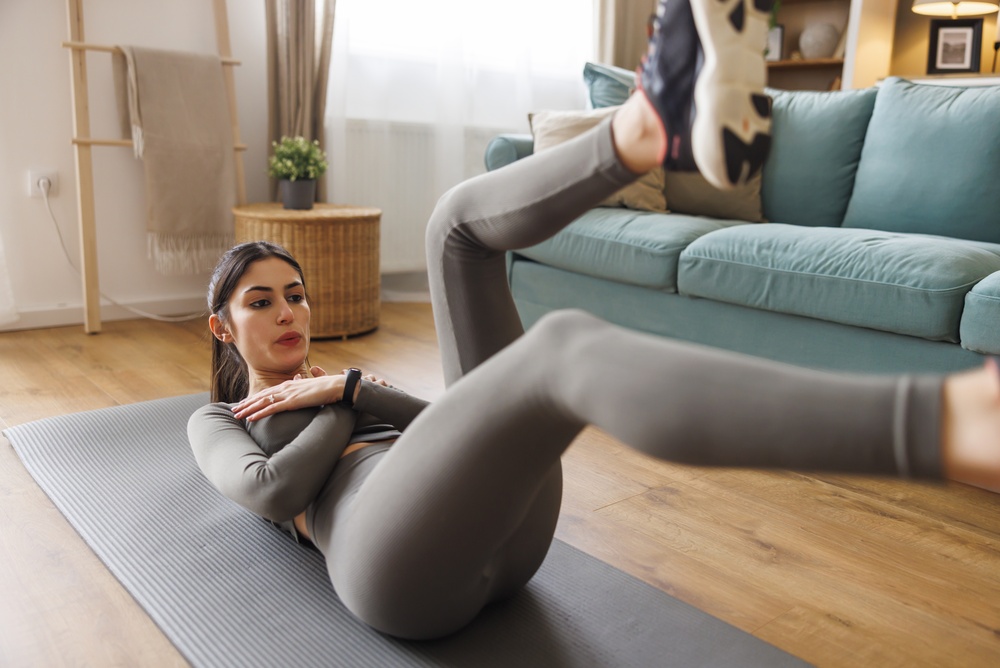
Don’t reinvent the wheel every week. Use a repeatable template, then swap exercises when boredom creeps in. Here’s a sample week:
- Monday: Full-body strength (squats, push-ups, band rows, planks)
- Tuesday: Easy walk or stretching
- Wednesday: 20 minutes of HIIT workouts that leave you sweaty and smug
- Thursday: Rest or mobility work
- Friday: Lower body and core (lunges, glute bridges, dead bugs)
- Saturday: Fun cardio. Dance in the kitchen, chase the dog, take the stairs like they owe you money. There are plenty of surprising ways to burn 200 calories that don’t feel like exercise.
- Sunday: Rest. Seriously. Rest is part of the plan.
This home workout routine adds up to roughly two hours a week. That’s less than one prestige drama binge, and your future self will thank you more than the cliffhanger will.
Step 4: Skip the Treadmill Guilt
No treadmill? No problem. Some exercises burn more fat than running anyway, and most need nothing but floor space and a little attitude.
Mix strength and cardio across the week. Strength work builds muscle, cardio builds stamina, and together they make stairs, groceries, and toddlers noticeably less threatening.
Step 5: Remove Every Workout Excuse You Can Find
Friction is the silent killer of good intentions. Shrink it:
- Lay out your workout clothes the night before.
- Leave your mat out where you can see it.
- Build a playlist in advance. The right song is the cheapest motivation on Earth.
- Use a timer so you never have to think about what’s next.
If starting takes zero decisions, you start. It really is that simple.
Step 6: Fuel It Without Overthinking
You don’t need a shelf of powders. A banana and a glass of water go a long way. If you want to level up, some pre-workout superfoods do double duty for your skin, too.
Afterward, build a balanced plate when life gets busy and call it a day. Protein, color, done.
Step 7: Keep It Fresh (Without Chasing Every Trend)
Boredom kills routines faster than bad Wi-Fi kills a livestream class. Rotate your exercises every four to six weeks, change your playlist, or try a new format.
Trends can be fun, too. Give the 3-2-8 workout a month and see if it clicks. Just don’t let social media run your calendar.
And track your wins. A paper calendar with a big red X for each finished workout is delightfully low-tech and surprisingly addictive. Your only job is not to break the chain.
Plan for the Bad Days
Bad days are coming. Sick kids, deadlines, a mood that just says “no.” The best home workout routine has a backup plan built in.
Try the 10-minute rule: start, and give it 10 minutes. If you still hate it, stop with zero guilt. Most days, you’ll keep going. And on the days you don’t, 10 minutes still beat zero.
One more rule worth stealing: never miss twice. One skipped day is a blip. Two is the start of a pattern. Get back on the mat tomorrow.
Quick Recap
- Start small: three sessions a week is plenty.
- Anchor workouts to an existing habit.
- Use a repeatable weekly template.
- Make starting effortless.
- Rotate exercises before boredom wins.
- Have a bad-day backup plan.
The Bottom Line on Home Workout Routines
A great home workout routine isn’t about perfection, fancy equipment, or a six-pack by Friday. It’s about showing up in small, repeatable ways until showing up is just what you do, like brushing your teeth, except with more lunges.
Pick one step from this list and try it this week. Just one. The rest will follow.
The post How to Build a Home Workout Routine You’ll Actually Stick To appeared first on Creative Fashion.
]]>The post VouPre Detoxifying Thermal Mask: An In-Depth Review of This Self-Heating Formula appeared first on Creative Fashion.
]]>I’ve tried a lot of masks. Sheet masks, peel-offs, overnight gels, and more clay tubs than I’d like to admit. Most of them end up in the “fine, but forgettable” pile.
This VouPre one didn’t. Something happens about a minute after you apply it, and it’s the reason I’m writing this VouPre thermal mask review. It’s also the reason my bathroom shelf now has a permanent spot for it.
Let’s get into it.
What is the VouPre Detoxifying Thermal Mask?
The VouPre Detoxifying Thermal Mask is a self-heating clay-style mask that comes in a 100g (3.52oz) tube.
“Self-heating” means it warms up on your skin all by itself. No hot towel, no steamer, no gadgets. VouPre describes it as a gentle heating complex made to help skin look clean, revived and refreshed.
It’s also part of the brand’s Thermal Collection, a multi-step routine that pairs the mask with a microneedle roller, a facial serum and a facial cream. I bought the mask on its own, and it works perfectly well as a standalone step.
A few things the brand lists on the product page:
- Paraben-free formula
- Not tested on animals
- Made under Good Manufacturing Practices (GMP)
How I Found It: A Mall Demo
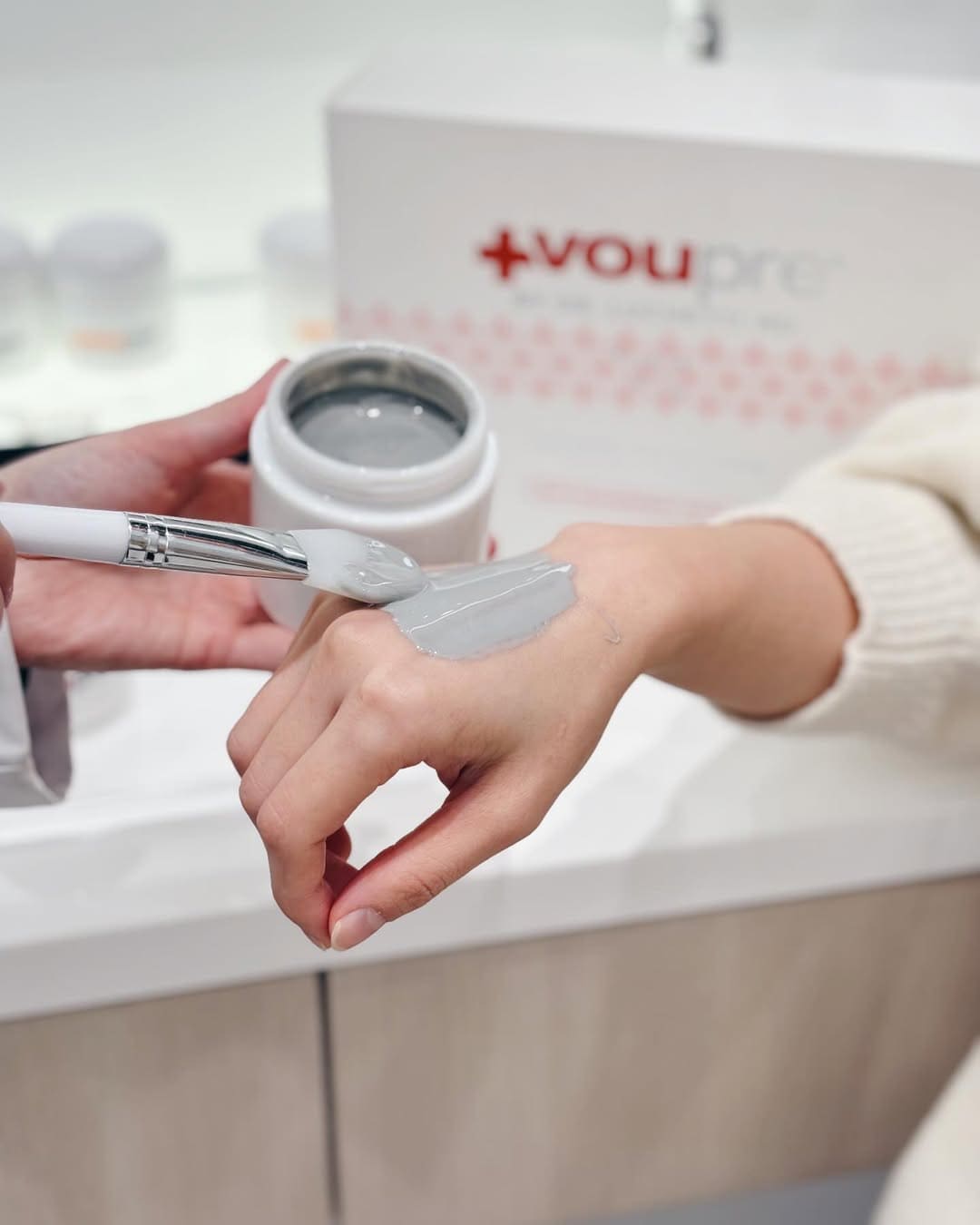
I first tried this mask by accident. How? I was at the mall, wandering past a skincare stand, when someone offered me a quick demo.
I said yes, mostly out of curiosity. Then the warmth kicked in, and I was hooked.
It felt cozy and relaxing, right there in the middle of a busy shopping center. That moment is what sent me to VouPre’s website to order a tube of my own.
The Key Ingredients (And What They’re There For)
I always read the ingredient list first. Here are the headline players:
- Kaolin: A classic, gentle clay. It’s a staple in cleansing masks because it’s known for that clean, matte-but-not-stripped feel.
- Zeolite: A mineral that’s often used in warming masks. It’s a big part of what gives this formula its heat.
- Vitamins A, C, and E: A blend to round out the formula and support skin that looks fresh.
- Dragon fruit extract (Hylocereus Undatus Fruit Extract): A fun, fruity botanical that adds to the “refreshed” finish.
The trio of kaolin, zeolite, and dragon fruit is what makes this feel different from a standard clay mask. However, there are plenty of other goodies in this formula too, from aloe and arnica to coffee and lemon.
You get the purifying-style clay experience, incredible ingredients, plus the warmth on top.
(As always, check the full ingredient list on your jar if you have sensitivities.)
How to Use It: Step by Step
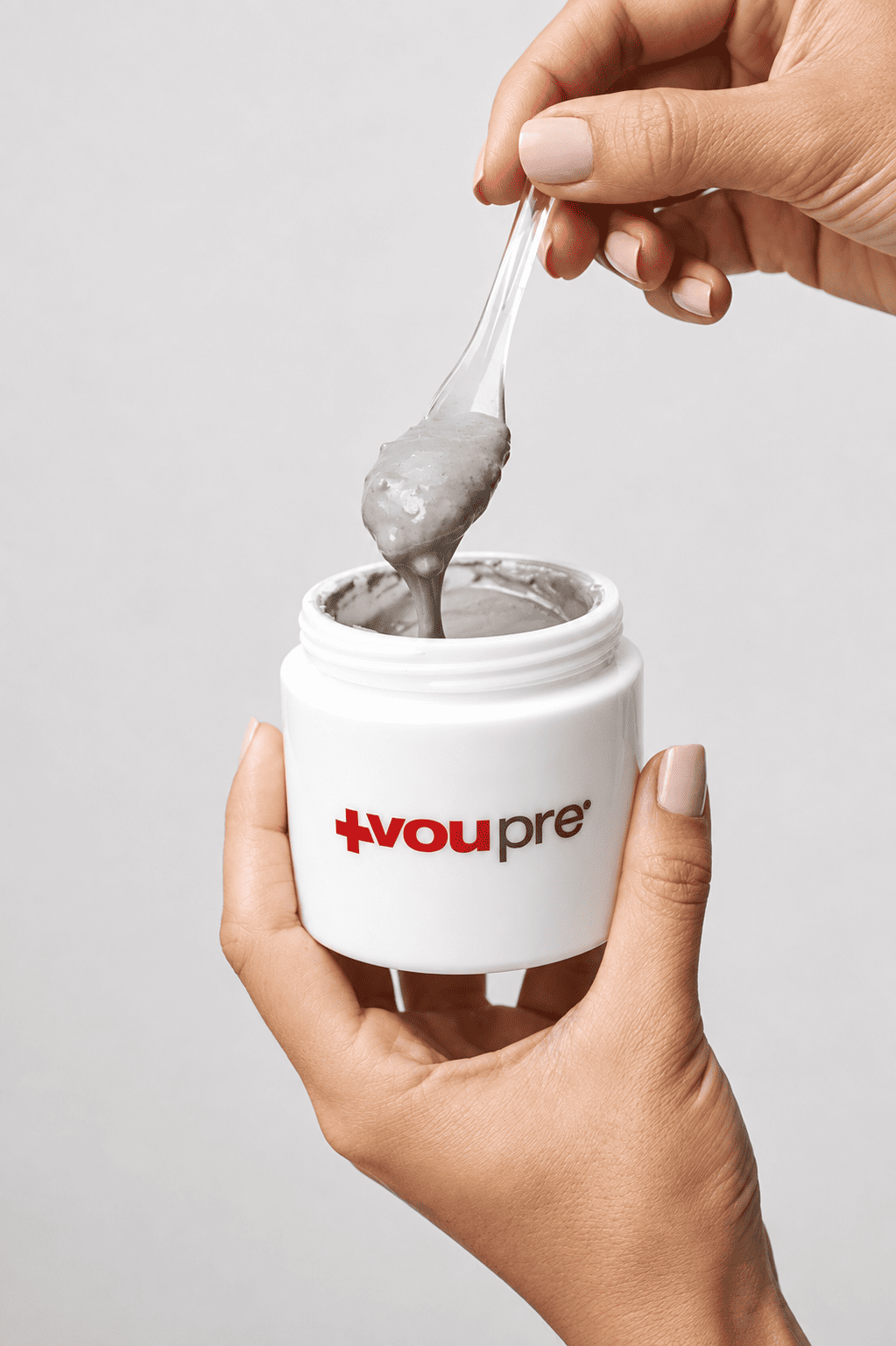
The instructions are refreshingly simple. Here’s the routine VouPre recommends, which I follow every time:
- Start with clean, dry skin. Dry matters here.
- Apply an even layer over your face and neck.
- Leave it on for 15 minutes so the warming sensation can fully develop.
- Rinse well with water and pat your skin dry.
That’s it. There’s no complicated layering or timing.
If you want to go further, the brand suggests adding two to three drops of their Perfecting Facial Serum on top of the mask to intensify the effect. That’s optional, and I’d call it a bonus step rather than a requirement.
The Warmth: My Favorite Part of the Thermal Mask
This is where the mask wins me over.
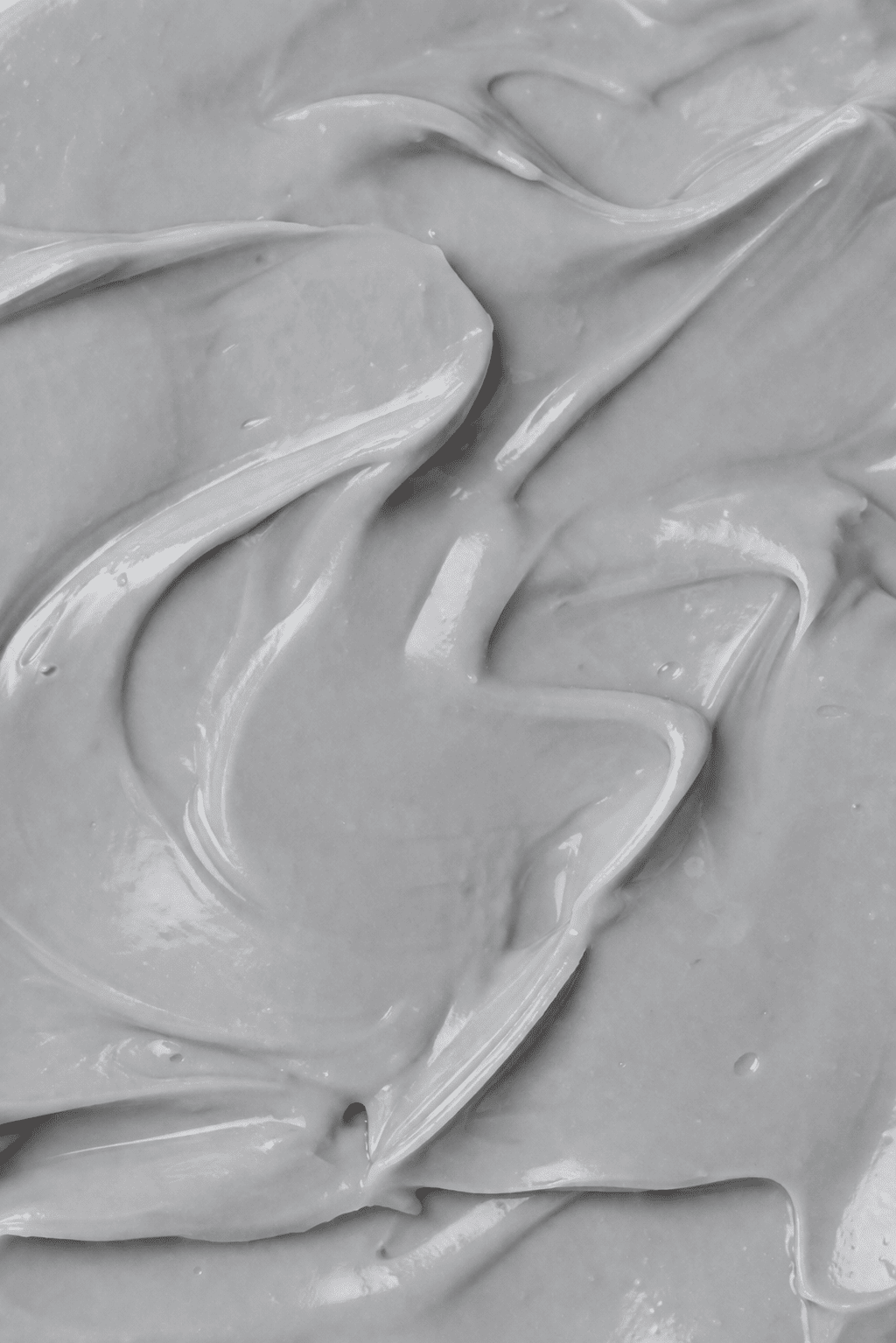
Once it’s on, a gentle warmth spreads across your skin. It isn’t scorching or uncomfortable, just a cozy glow. It feels like a mini spa moment in the middle of a normal Tuesday.
The sensation feels soothing and relaxing. I actually look forward to my mask nights now because of it.
Honestly, this is the feature that makes the mask memorable. Plenty of masks promise a spa experience. This one delivers a little of the feeling.
The Temptation to Leave It On Longer
I’ll be honest: I always want to keep it on past the 15-minute mark. It feels that good.
But I don’t, and you shouldn’t either.
Even though I have combination skin, I know that over-leaving a clay mask isn’t doing my skin any favors. Clay left too long can leave skin feeling tight and dry.
So I set a timer, enjoy every minute, and rinse when it goes off.
Pro tip: Use your phone’s timer. It’s easy to lose track when you’re relaxed.
My Voupre Thermal Mask Review: The Results
Here’s what I notice after rinsing.
Right away:
- My skin feels incredibly soft
- It feels clean without feeling stripped
- It has that fresh, just-done-a-facial feeling
Over the next few days:
- My skin looks extra glowy
- My complexion looks fresher and brighter
- Makeup seems to sit nicely on top
That glow is why I keep reaching for it. One session gives me a few days of that healthy, radiant look.
Is It Good for Combination Skin?
For me, yes.
Combination skin can be tricky with clay masks. Too strong and your dry areas suffer. Too gentle and you don’t feel much. This mask sits in a nice middle ground for me, as long as I stick to the recommended time and follow up with moisturizer.
Everyone’s skin is different, of course. If you have very sensitive skin, patch test first. Warming formulas can feel different on reactive skin, so it’s worth a small trial on your jaw or inner arm.
What I Love
- The warming sensation. It’s the star of the show.
- Soft skin after rinsing. Noticeable every single time.
- The glow. It lasts a few days for me.
- Simple routine. One layer, 15 minutes, rinse.
- Great for treat-yourself nights. It turns skincare into self-care.
What Could Be Better
Nothing’s perfect, so here’s the honest side:
- Warming masks aren’t for everyone. If you dislike heat on your face, this may not be for you.
- You have to stick to the timer. It’s tempting to overdo it.
- It’s a mask, not a whole routine. You’ll still want your cleanser, moisturizer and SPF.
Who Will Love the VouPre Thermal Mask?
Based on my experience, this Voupre thermal mask review comes down to a simple question: do you love a little ritual?
You’ll probably enjoy it if you:
- Like clay masks but want something more interesting
- Want an at-home “spa night” feeling
- Have normal, oily, or combination skin (like me)
- Want soft, glowy-looking skin without a complicated routine
If you’re a “quick rinse and go” person who doesn’t like waiting around, you might find the 15 minutes a bit long. Then again, that quiet time is half the appeal for me.
How I Fit It Into My Routine
Here’s my simple setup:
- Cleanse and pat skin completely dry
- Apply the mask to face and neck
- Relax for 15 minutes (podcast on, phone away)
- Rinse and pat dry
- Moisturize while my skin is still fresh
I use it about once a week, or before an event when I want that extra glow.
Save it for when you want your skin to look its best. I love it before a night out or a big day.
Final Verdict on My VouPre Thermal Mask Review: Is It Worth Trying?
Short answer: yes, if you enjoy the warming-mask experience.
To wrap up my Voupre thermal mask review, this is one of the most enjoyable masks I’ve used. The warmth feels soothing, the routine is easy, and my skin comes out soft and glowy for days.
I always want to leave it on longer because it feels so good. That’s a pretty great problem to have. Just respect the 15-minute rule, and your skin will thank you.
Ready to Try It?
If you’ve been curious about self-heating masks, this is a lovely one to start with. The best place to buy it? VouPre’s online shop.
Have you tried this thermal mask? Let me know how your skin responded. And if you’re a fellow combination-skin friend, I’d love to hear how you fit it into your routine.
The post VouPre Detoxifying Thermal Mask: An In-Depth Review of This Self-Heating Formula appeared first on Creative Fashion.
]]>The post Makeup Looking Patchy? Here’s Why + What to Do appeared first on Creative Fashion.
]]>You spent ten minutes blending. You used the “right” shade. And yet, somehow, your face looks like a topographical map by lunchtime. If your makeup looks patchy no matter how carefully you apply it, you’re not doing it wrong — you’re probably just missing one (or three) small steps that make all the difference.
Patchiness is one of those makeup complaints that gets blamed on everything — bad skin, cheap products, “just bad luck” — when really it usually comes down to a handful of very fixable habits. Let’s break down exactly why this keeps happening and how to fix it for good.
Wait, What Does “Patchy” Makeup Actually Mean?
Patchiness shows up in a few sneaky forms:
- Dry patches where foundation clings and flakes, usually around the nose, chin, or brows
- Sheer spots where product seems to vanish, leaving bare skin peeking through
- Cakey zones where concealer or powder builds up and sits on top instead of blending in
- Uneven color where your base looks one shade in the mirror and three shades in a photo
If any of that sounds familiar, keep reading — there’s a very specific chain of events causing it.
The Real Reasons Your Makeup Looks Patchy
1. Your skin wasn’t prepped (or moisturized) first
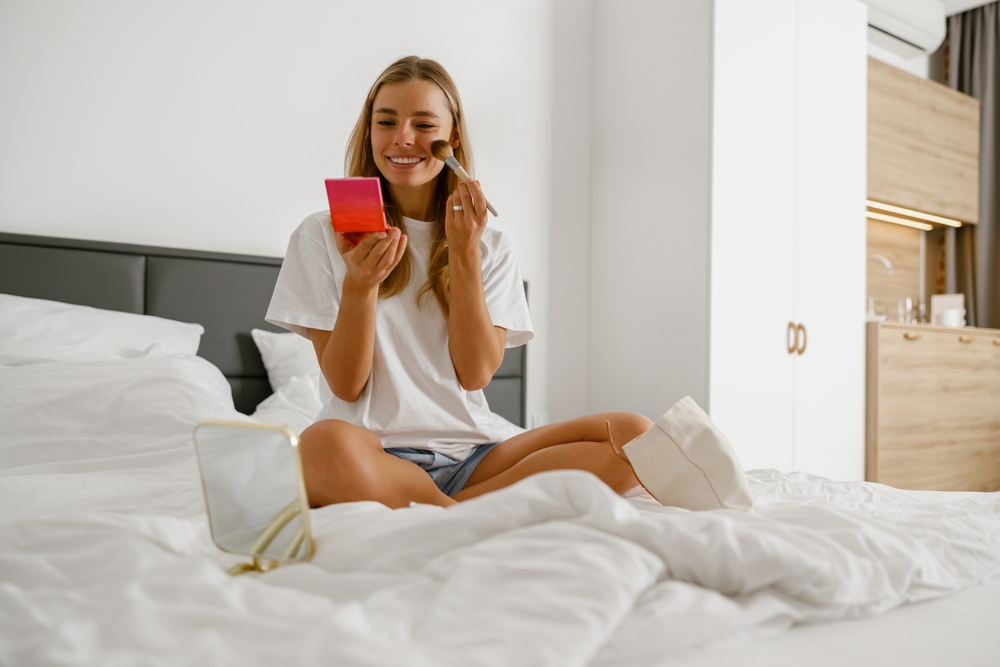
This is the number one reason makeup looks patchy, hands down. Foundation and concealer are designed to sit on smooth, hydrated skin. Skip moisturizer, rush your primer, or apply makeup straight out of the shower before your skin has settled, and product has nothing even to grip onto. It pools in some spots and skips others entirely.
A solid prep routine — cleanse, hydrate, prime — genuinely solves more patchiness than any amount of extra foundation ever will, and getting the basics locked in early is exactly what separates a smooth base from a stressful one.
2. Dead skin cells are throwing off the texture
Flaky, rough patches on the surface of your skin catch product and make it look chalky or grey, especially in photos with flash. This is usually a buildup issue, not a foundation issue.
Working a gentle exfoliation routine into your week to slough off dead skin makes an enormous difference in how evenly everything sits afterward — it’s a small habit that pays off every single time you do your makeup.
3. You’re fighting your undertone instead of matching it
Ever notice your foundation looks fine on your hand but weirdly orange or ashy on your face? That’s an undertone mismatch, and it’s a huge reason makeup looks patchy in certain lighting. When a formula doesn’t match your actual undertone, your skin starts to “reject” it visually — it oxidizes unevenly, clings differently in some areas, and just never blends the way it should.
Figuring out your true undertone before you buy (rather than guessing under fluorescent store lighting) will save you a drawer full of near-miss foundations.
4. Your tools — or lack thereof — are working against you
Fingers alone can only blend so far. Using the wrong brush, a dirty sponge, or skipping a blending tool entirely tends to leave visible product lines and streaky buildup, particularly around the nose and hairline. There’s a reason so many makeup application hacks circulating online focus almost entirely on technique over product — the how matters just as much as the what.
5. You’re layering products in the wrong order (or too many of them)
Primer, foundation, concealer, powder, setting spray — pile them on in the wrong sequence and they start fighting each other instead of working together. Powder over a primer that hasn’t set, or concealer applied before foundation has settled, is a classic recipe for patchiness by 2 p.m.
Quick Fixes When Makeup Already Looks Patchy
Already mid-face and noticing trouble spots? Don’t start over — triage it. Here’s what actually helps in the moment when your makeup looks patchy and you’re already running late:
- Dab, don’t drag. Use a damp sponge to press extra product into flaky or sheer areas instead of swiping, which just pushes flakes around.
- Mist it. A setting spray can melt harsh lines between patches back into the rest of your base.
- Add moisture where it’s dry. A dot of facial oil or balm blended into flaky spots softens the texture instantly.
- Buff, don’t pile. If a zone looks cakey, buff outward with a clean brush rather than adding more product on top.
The Long-Term Fix: Stop It Before It Starts
If you want your makeup to genuinely stop looking patchy long-term, the fix isn’t a better foundation — it’s a better foundation routine. That means:
- Building a consistent skin-prep habit (cleanse, hydrate, prime, every time)
- Exfoliating regularly enough to keep texture smooth without overdoing it
- Confirming your actual undertone rather than assuming
- Upgrading your blending tools if you’re still relying on fingers alone
- Practicing the kind of even, all-over base application that pros use before they ever touch a contour stick — because no amount of highlighting or sculpting looks good layered over uneven skin
Get that foundation (pun intended) right, and everything you put on top of it — blush, bronzer, highlighter — actually does its job instead of drawing attention to the patches underneath.
The Takeaway
Patchy makeup isn’t bad luck, and it’s definitely not a “you” problem. It’s almost always a prep, product-match, or technique issue — all three of which are completely fixable. Nail your skin prep, exfoliate on a schedule, match your undertone honestly, and blend with the right tools, and you’ll spend a lot less time troubleshooting and a lot more time just… wearing your makeup.
Ready to build out the rest of your routine? Explore more application tips, skin-prep guides, and product breakdowns right here on the blog.
The post Makeup Looking Patchy? Here’s Why + What to Do appeared first on Creative Fashion.
]]>The post Fine Lines, Dark Spots, Sagging: I Tested Celestolite Against All Three appeared first on Creative Fashion.
]]>Three skin complaints. Three Celestolite products. One increasingly nosy mirror.
I ordered a trio from Celestolite to see if they could actually hold up against the holy trinity of visible skin frustrations: sagging, fine lines, and dark spots. Let’s get into it.
The Lineup: What I Actually Tested
No filler products, no random add-ons. Just three targeted picks:
- Estrella Eye Serum — for my saggy-looking under-eyes
- Estrella Anti-Wrinkle Syringe — for the visibility of fine lines and wrinkles
- Nova Dark Spot Corrector — for the appearance of discoloration
If you’re here for a real, unsponsored Celestolite review from someone who actually used the stuff on their actual face, welcome. Pull up a chair.
Round One: Sagging Under-Eyes vs. Estrella Eye Serum
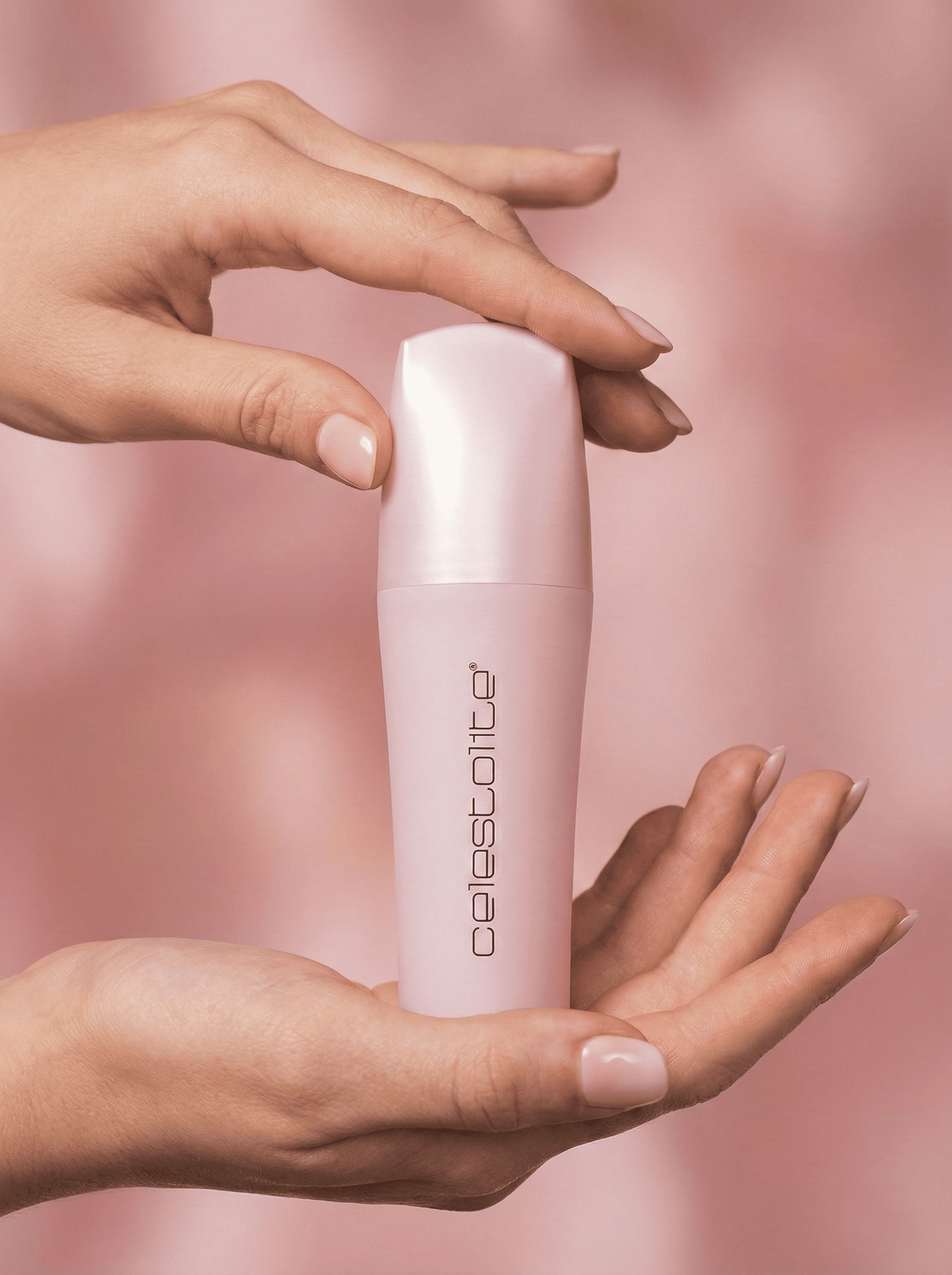
My under-eye area had started doing that thing where it looks perpetually tired even when I’ve slept nine hours. Rude.
The application: Lightweight, absorbs fast, no greasy residue sitting around waiting to smudge onto my glasses.
The results: Within a couple of weeks of nightly use, the skin around my eyes looked noticeably firmer and tighter. Less “melting,” more “held together.”
What’s actually in it: The formula leans on Palmitoyl Tetrapeptide-7 and Palmitoyl Tripeptide-1, two peptides commonly used in skincare formulas aimed at improving the look of skin firmness. It’s also got sodium hyaluronate for a hydration boost and green tea leaf extract, which brings antioxidant properties to the party. A dash of meteorite powder rounds things out for that extra glow factor.
Verdict: A firm yes for anyone whose under-eyes have started looking a little too “soft launch of aging.”
Round Two: Fine Lines vs. The Anti-Wrinkle Syringe
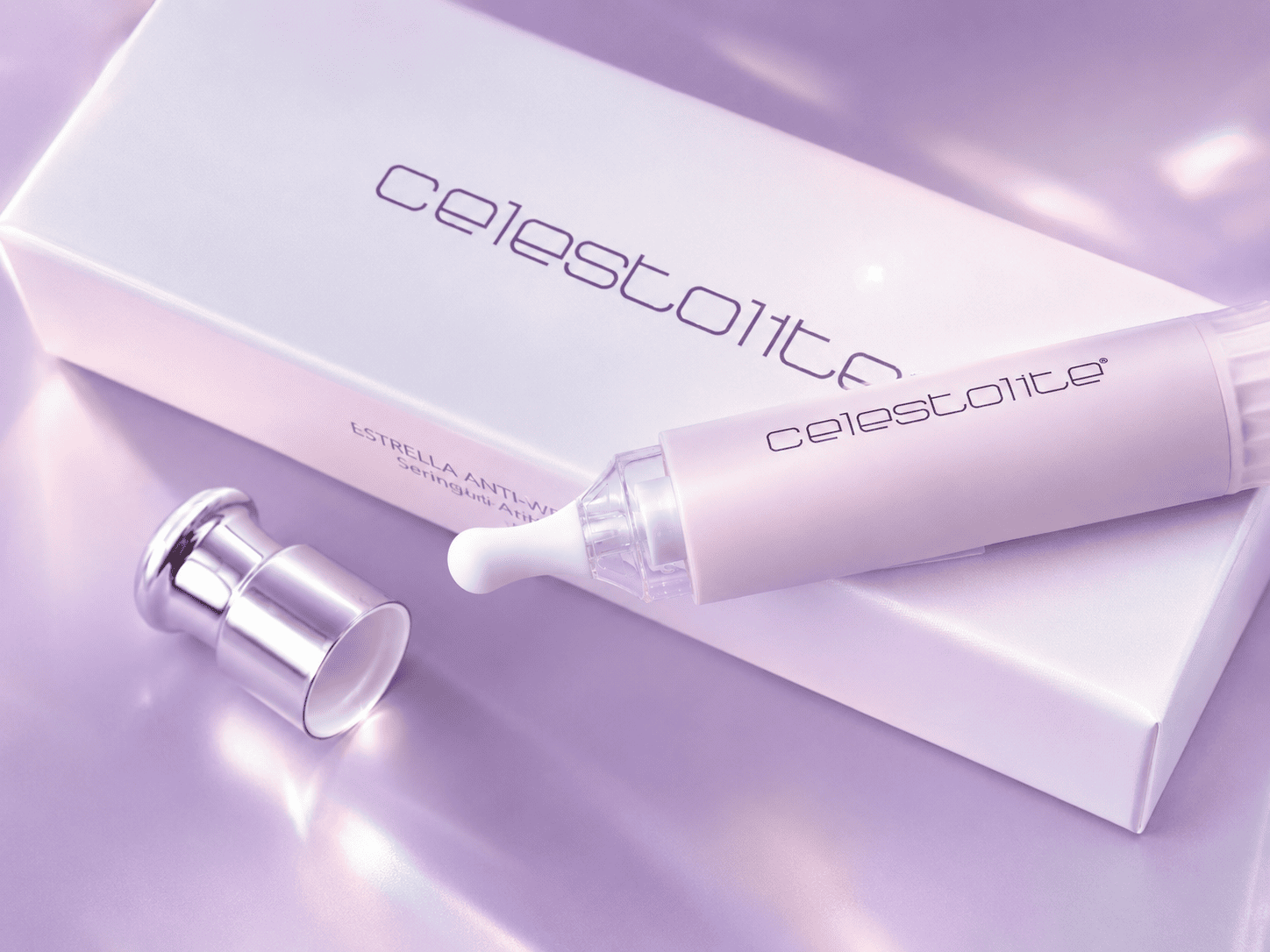
This one’s the showstopper of the routine, and I mean that literally — I keep it for showstopping occasions.
The application: Takes one to two minutes. Focused, targeted, no guesswork. You press, you pat, you’re done.
The results: Genuinely a game-changer for the appearance of fine lines. Skin looks smoother and firmer almost immediately, which means less product-layering and less makeup required to get a polished look before events.
What’s actually in it: The syringe is built around Palmitoyl Tripeptide-1, Palmitoyl Tetrapeptide-7, and Acetyl Hexapeptide-8 — a trio of peptides frequently used together in science-led skincare formulas. Caffeine adds a tightening sensory effect, tocopheryl acetate (Vitamin E) brings antioxidant support, and sodium hyaluronate keeps things hydrated.
Verdict: My “I have a wedding/reunion/first date in an hour” secret weapon.
Round Three: Dark Spots vs. Nova Dark Spot Corrector
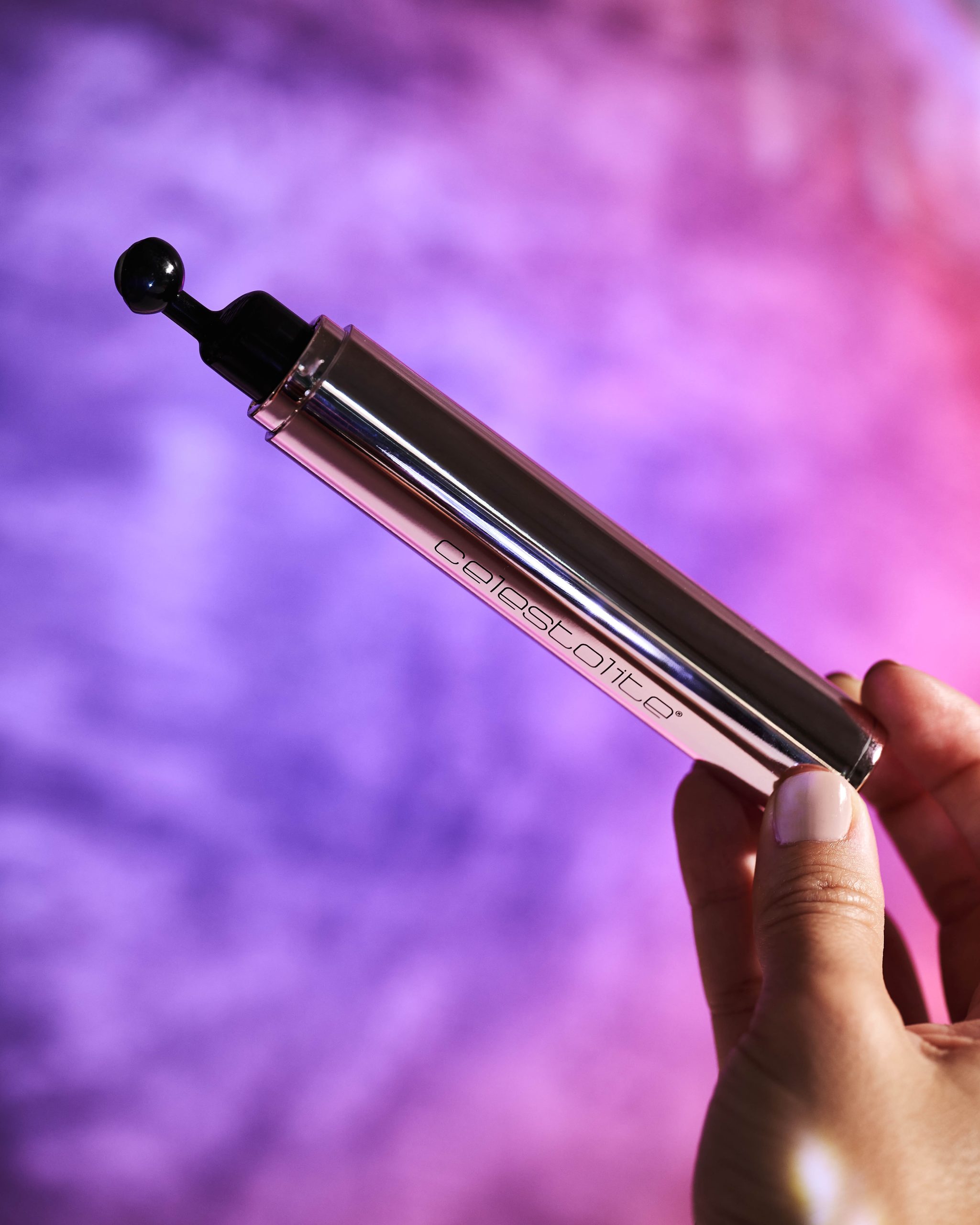
Dark spots are the stubborn houseguests of the skincare world. They do not leave when asked nicely.
The application: A nightly step, applied after cleansing, avoiding the eye area.
The results: Wowza is the technical term I used out loud, alone, in my bathroom. My dark spots looked visibly lighter — to the point where some are now barely noticeable in normal lighting.
What’s actually in it: This formula brings out the radiance heavy-hitters: Kojic acid, Arbutin, and Ascorbic acid (Vitamin C), all popular ingredients known for helping even out the appearance of tone. There’s also Acetyl Hexapeptide-8, plus complexion-calming players like chamomile flower extract and calendula extract to keep things from feeling harsh.
Verdict: If uneven tone has been bothering you, this belongs in your rotation.
Let’s Address the Elephant in the Comments Section
Every product with a following also has a few reviews that make you raise an eyebrow. So let’s talk about it directly, because a useful Celestolite review shouldn’t dodge the messy parts.
“The sales reps are pushy.” Fair complaint — if you’re buying from a kiosk, fair booth, or in-person rep. I didn’t deal with any of that. I ordered directly through the Celestolite website, from my living room, in my pajamas, with zero upselling and zero “let me just show you one more thing.”
“Ordering is confusing.” Not my experience at all. The checkout was straightforward, no hidden steps, no surprise charges.
“Shipping takes forever.” Mine arrived in 4 days, shipped to Michigan. That’s a very reasonable turnaround for skincare that isn’t sitting on a drugstore shelf.
Moral of the story: skip the in-person sales pitch, order online, and you sidestep basically every common complaint.
Are These Celestolite Products Worth Trying?
If you’re on the fence, here’s my honest, no-affiliate-code-attached take: this Celestolite review is a genuine thumbs up. For improving the appearance of sagging, fine lines, and dark spots, all three products earned a permanent spot in my routine.
Order online, directly from the Celestolite shop, skip the sales pitch, and give your mirror something nice to look at.
The post Fine Lines, Dark Spots, Sagging: I Tested Celestolite Against All Three appeared first on Creative Fashion.
]]>The post Skin Longevity vs. Quick Fixes: The 2026 Skincare Trend Explained appeared first on Creative Fashion.
]]>Somewhere between your third serum of the week and your fifth “holy grail” TikTok, a quiet rebellion has been brewing. It’s not louder filters or shinier packaging — it’s patience. Welcome to the skin longevity trend, the movement that’s asking skincare fans to stop chasing Tuesday-night miracles and start thinking in decades.
Grab your (multi-year) moisturizer. We’re breaking this one down.
The One-Night-Stand Problem With Quick Fixes
Quick fixes are the skincare equivalent of a great first date that never calls back. They feel incredible in the moment:
- The overnight peel that leaves you glowing for brunch
- The “de-puffing” tool that works because you iced your face, not because of the gadget
- The 12-step routine you found at 1am and abandoned by Thursday
None of it is wrong, exactly. It’s just short-term thinking dressed up as a routine. And in 2026, more people are realizing that skin doesn’t respond to hacks the way algorithms do.
So What Actually is This “Age Like Fine Wine” Approach?
Think of it as retirement planning, but for your face. This approach treats your complexion like a long-term asset instead of a weekend project. Instead of asking “what will make me glow by Friday,” it asks “what will keep my skin barrier, texture, and resilience solid a decade from now.”
Practically, that means:
- Prioritizing barrier health over aggressive actives
- Consistency over intensity (a gentle routine done daily beats a harsh one done occasionally)
- Ingredients backed by repeat, cumulative use — not a single viral moment
It’s less “get glass skin by Tuesday” and more “still have great skin at your 20-year reunion.”
Why 2026 Is the Tipping Point
A few things collided to make this the year longevity finally out-shouted quick fixes. Wellness culture moved from “biohacking your sleep” to “biohacking everything,” and skin was next in line. At the same time, the internet reached peak fatigue with 10-step routines that promised the world and delivered irritation. People started reading ingredient lists like nutrition labels instead of trusting whoever had the loudest hook.
Brands are noticing. Even splurge-heavy, precious-metals-in-a-jar formulas are shifting their messaging from instant results to visible-over-time claims, leaning less on before-and-afters and more on what steady use looks like over months, not days.
Building a Longevity-Minded Routine (Without Losing Your Mind)
You don’t need fifteen products to buy into the skin longevity trend, and you definitely don’t need a routine that eats up your whole morning — a genuinely effortless approach to skincare works just as well long-term as a complicated one. You need a handful of ingredients that earn their keep over time:
- A barrier-first cleanser — nothing that leaves your face squeaky. Squeaky means stripped.
- Antioxidants in the morning — think vitamin C or plant-derived actives that protect against daily stressors.
- A retinoid or gentle exfoliant at night — used consistently, not aggressively.
- SPF, always — the single most boring, most effective longevity tool that exists.
- A moisturizer that actually seals things in, rather than just smelling nice.
Some of the newer plant-forward, minimalist lines are built almost entirely around this philosophy. A low-key, ingredient-focused cleanser lineup we tried firsthand showed how a pared-back approach can still feel indulgent without overcomplicating your shelf.
The Hype Products Longevity Fans Are Side-Eyeing
Not every trending product survives the longevity test. Plenty of formulas go viral for one reason: they feel dramatic. Tingling, peeling, immediate tightness — sensations that read as “working” but often just mean “irritated.” Even Vine Vera’s luxury skincare line built around bold, fountain-of-youth promises only truly proved its worth after weeks of consistent use, not a single application. That’s a pattern worth remembering before you fall for any hype-driven headline.
That’s the whole tension of the skin longevity trend in a nutshell: hype is loud, longevity is quiet, and only one of them shows up in your skin in five years.
Innovation Isn’t the Enemy — Impatience Is
To be clear, longevity doesn’t mean boring. Some of the most interesting formulas right now blend cutting-edge science with a slow-and-steady mindset. Thermal-activated products, for example, are proving that innovation and patience aren’t mutually exclusive — our deep dive into a heat-responsive skincare collection found real potential when the technology was paired with realistic expectations instead of overnight promises.
The takeaway: new doesn’t have to mean fast. It can mean smarter.
Longevity Habits That Compound Like Good Investments
The skin longevity trend doesn’t live in your bathroom cabinet alone — it shows up in daily habits, too. Sleep, hydration, and stress management all quietly outperform most serums over time. Even the beauty routines celebrities are sharing lately have shifted; the ones getting the most traction now are the simplified, sustainable versions, not the twelve-step glam routines of years past.
Small, boring, repeatable actions — the ones nobody screenshots — tend to be the ones your skin remembers.
The Verdict: Longevity Wins the Long Game
Quick fixes will always have a place. Sometimes you need your skin to look incredible in six hours, not six years — that’s fair, and no one’s taking away your under-eye patches before a big event. But as a philosophy to build a routine around, the skin longevity trend is simply the smarter bet. It’s less exciting on a Tuesday and far more rewarding on every day after that.
So the next time a product promises overnight transformation, ask yourself the only question that matters: will this still be worth it in five years? If the answer’s no, you already know which trend to follow.
The post Skin Longevity vs. Quick Fixes: The 2026 Skincare Trend Explained appeared first on Creative Fashion.
]]>The post Splurge or Skip? My Honest Bionyx Skincare Review appeared first on Creative Fashion.
]]>Let’s address the elephant in the vanity: Bionyx is not a “treat yourself to a $12 sheet mask” kind of brand. This is precious-metals-in-a-jar territory. So when I sat down to write this Bionyx skincare review, I promised myself one rule — no fluff, no filter, just the truth about whether these products earn their price tags or just look good doing nothing.
The Skincare Equivalent of a Plot Twist: Alloy Magnetic Synergy Mask

I’ll be honest — I rolled my eyes at the concept before I even opened the jar. A mask you remove with a magnet? It sounded like a gimmick cooked up in a lab full of people who’ve never met a washcloth.
Then I used it.
The Alloy Magnetic Synergy Mask is loaded with copper, platinum, iron powder, and — because apparently regular luxury wasn’t enough — actual gold and diamond powder. You smooth on a thin layer, let it sit for 10–15 minutes, then hover the included magnet over your skin and watch the mask lift itself off. It’s oddly hypnotic, borderline sci-fi, and genuinely satisfying in a “pop the bubble wrap” way.
What’s left behind is a sheer veil of oils you massage in, and my skin looked instantly brighter and more even, with that smoothed-out, lit-from-within finish. This is the part of my Bionyx skincare review where I admit: this is not an impulse buy. This is an “I closed a deal” or “it’s my birthday and I deserve it” purchase. But once a week, it turns my skincare routine into an actual event, and my skin looks the part the next morning.
The verdict: Splurge, if your budget allows for it. This is jewelry-box skincare — you don’t need it, but once you have it, you’ll understand the hype.
The Warm Hug Your Pores Didn’t Know They Needed: Platinum Transformative Thermal Mask

If the Alloy mask is the flashy showstopper, the Platinum Transformative Thermal Mask is the quietly brilliant one that does the real work.
This is a heat-activating clay-style mask made with zeolite, kaolin, vitamin C, and retinyl palmitate. The second you apply it, you feel a gentle warming sensation spread across your skin — like your face just settled into a hot bath. It’s genuinely one of the more relaxing five minutes of my week.
After rinsing, my pores look noticeably tighter, my skin tone looks more even, and that slightly “puffy Sunday” texture is smoothed right out. It refines the look of fine lines without any tightness or irritation. That is exactly what I want from something in this price bracket.
The verdict: This is the mask I’d recommend first if you’re only trying one Bionyx product. It’s the most “wow, I can see a difference” moment in the lineup.
The Quiet MVP: BioLift Platinum Deep Wrinkle Concentrate

Here’s the thing about masks — they’re the fun weekend fling. Serums are the relationship you actually commit to. And that’s exactly the role the BioLift Platinum Deep Wrinkle Concentrate plays in my routine now.
Formulated with vitamins A and E, sodium hyaluronate, and colloidal platinum, this concentrate is meant for daily use. It targets the look of expression lines and fine lines around the eyes, forehead, and mouth. Texture-wise, it’s rich without being heavy. It sinks in fast, layers beautifully under moisturizer, and never leaves that greasy film some “concentrated” formulas do.
At $650, it’s the most “reasonable” price point of the three (relatively speaking — we’re still in designer-handbag territory). However, it’s the product I reach for every single morning without fail. My skin genuinely looks smoother and more rested, especially around the areas I obsess over most in bad lighting.
The verdict: Skip the splurge debate entirely — this one’s a staple, not a treat.
So, Splurge or Skip? My Final Take
If you’re here because you’re deciding whether to drop serious money on this brand, here’s the honest answer this Bionyx skincare review keeps circling back to:
It depends on what kind of skincare person you are.
- If you love a ritual, an experience, and skincare that feels like self-care theater — splurge on the Alloy Magnetic Synergy Mask.
- If you want visible, weekly reset results without going full magnet — splurge on the Platinum Transformative Thermal Mask.
- For those wanting one excellent daily product that quietly does its job — the BioLift Concentrate is a no-brainer.
Is Bionyx accessible, everyday-drugstore skincare? Absolutely not, and it’s not trying to be. But after weeks of regular use, my honest Bionyx skincare review lands firmly on “splurge” — with the caveat that you ease in with one product before you commit to the full lineup. My skin (and my Sephora VIB points) have never been the same.
Check out Bionyx’s full skincare range here.
The post Splurge or Skip? My Honest Bionyx Skincare Review appeared first on Creative Fashion.
]]>The post Y2K Fashion Trends Making a Comeback in 2026 appeared first on Creative Fashion.
]]>Low-rise jeans are back. We survived. Bedazzled flip phones may still be a bridge too far, but the rest of the millennium’s wardrobe? Fully reinstated. If your closet suddenly feels like a time capsule from 2003, that’s not a coincidence — it’s a trend cycle doing exactly what trend cycles do. Welcome to the year of Y2K fashion trends 2026, where butterfly clips, velour tracksuits, and questionable-but-iconic rhinestone everything have officially graduated from “throwback joke” to “actual outfit.”
Why Y2K Keeps Clawing Its Way Back
Fashion runs on a roughly 20-year nostalgia cycle, and the math finally checked out. The generation that watched Y2K style happen the first time is now designing runway shows, and the generation that missed it entirely is discovering it on their phones and deciding it slaps.
Pop culture is doing its part too. Streaming has been quietly reshaping closets everywhere — if you want proof, our breakdown of the shows currently dictating everyone’s shopping habits makes it pretty clear how fast a costume department can turn into a fashion movement.
Add in a healthy dose of algorithm-driven nostalgia, and Y2K fashion trends 2026 stop looking like a fluke and start looking like the actual main character of the season.
The Pieces Everyone’s Digging Out (or Buying New)

Here’s what’s showing up on feeds, runways, and — let’s be honest — probably your mom’s old closet:
- Low-rise jeans — back, bootcut or straight, worn with intention this time (a slip or camisole underneath is doing a lot of heavy lifting)
- Baby tees — fitted, cropped, often with a logo that’s either ironic or dead serious, hard to tell
- Cargo pants — utility pockets are cool again, apparently
- Velour tracksuits — the loungewear flex of 2003 is the loungewear flex of 2026
- Micro mini skirts — paired with tights, boots, or nothing at all depending on your climate and courage
- Chunky sneakers — platform soles that make a five-foot-four person feel like a runway model
None of this is subtle. That’s the point. Y2K fashion trends 2026 aren’t interested in “quiet luxury” — they want you seen from across the room.
How to Wear It Without Looking Like a Halloween Costume
The line between “styled Y2K” and “cosplay” is thinner than a rhinestone belt, so a little intention goes a long way.
Mix eras, don’t replicate them. Pair one loud Y2K piece with something current and minimal. A baby tee under a tailored blazer reads as fashion-forward; a full head-to-toe head-in-2003 look reads as a costume party.
Build around a capsule, not a gimmick. If you’re easing into this trend rather than diving in headfirst, our guide to building a wardrobe that actually works with what you already own is a solid place to start before you commit to a single low-rise anything.
Let a little French-girl restraint creep in. Even the loudest Y2K trends land better with some of that effortless, unbothered energy. One statement piece, minimal fuss elsewhere.
Thrift before you buy new. A shocking number of these pieces are sitting in secondhand shops right now, which also happens to be the more sustainable route.
Accessories Are Doing the Most (Affectionately)
If the clothes are the headline, accessories are the fine print nobody reads but everyone notices. Y2K fashion trends 2026 lean hard into:
- Chunky layered jewelry — think stacked rings, mixed metals, and one giant pendant necklace that says “I have a personality”
- Rimless and tinted sunglasses — the ones that make everyone look slightly like a nightclub bouncer, in a good way
- Scrunchies, everywhere — on the wrist, in the hair, occasionally both at once
Hair and Makeup Are Along for the Ride
You can’t fully commit to Y2K fashion trends 2026 without the hair to match. Space buns, chunky highlights, and butterfly clips are back in heavy rotation, alongside glossy lips and shimmery, slightly-too-much eyeshadow.
Not every celebrity is going full throwback, though — some are opting for looks that feel more lived-in than dramatic, which our piece on red carpet hair moments worth stealing covers well if you want options beyond the space-bun extreme.
The Bottom Line
Trends are cyclical, denial is temporary, and low-rise jeans were always going to come back eventually — we just had two decades to prepare. Whether you’re all-in on a full velour tracksuit moment or dipping a toe in with a single chunky necklace, Y2K fashion trends 2026 reward a little confidence and a lot of self-awareness.
The good news? You don’t have to choose a side. Grab one piece, one accessory, maybe one scrunchie, and let 2003 quietly influence 2026 without taking over completely. That’s really all nostalgia ever wants from us.
The post Y2K Fashion Trends Making a Comeback in 2026 appeared first on Creative Fashion.
]]>The post My First Encounter With CbGaRDN’s Skincare appeared first on Creative Fashion.
]]>I’ll admit it: I’m the friend who side-eyes every “holy grail” skincare claim until I’ve tested it myself, sniffed the bottle, and read the ingredient list twice. So when CbGardn landed on my radar, I went in skeptical. A few weeks (and three products) later, I’m the one writing this CbGardn skincare review nobody asked for. Here’s exactly what changed my mind…
First Impressions: Unboxing CbGardn
The packaging is clean, the branding feels intentional rather than trendy-for-trendy’s-sake, and the texture of every formula screamed “this was tested by people who actually use skincare.” That’s the kind of detail that makes a beauty editor’s eyebrow go up — in a good way.
I started my CbGardn skincare review journey with three products:
- Daily Duo Set (cleanser + toner)
- CB ProLift Eye Firming Cream
- CB Hand & Body Lotion
Let’s break each one down:
Daily Duo Set: The Morning MVP

The Daily Duo Set pairs the CB Facial Cleanser with the CB Facial Toner, and together they’ve basically hijacked my AM routine.
The cleanser lathers up fast, doesn’t leave that tight, squeaky-clean (read: stripped) feeling, and rinses clean without fighting my makeup or SPF. It’s enriched with nettle leaf extract, which gives it a nice botanical edge over the average cleanser.
The toner is where things get fun. It’s loaded with sodium hyaluronate and niacinamide, two ingredients I genuinely look for on a label. Cotton pad, swipe, done. My skin feels refreshed, never sticky, and looks smoother by the time I move on to serum.
Why it earns a spot in this CbGardn skincare review:
- Gentle enough for daily, twice-a-day use
- Doesn’t disrupt makeup or sunscreen layering
- Texture-improving toner that pulls real weight
If you want a no-fuss, no-drama way to bookend your skincare routine, this is it.
CB ProLift Eye Firming Cream: Tiny Jar, Big Energy

Eye creams are notoriously the “I’ll get to it eventually” step of skincare. The CB ProLift Eye Firming Cream changed that for me.
The formula leans on apple fiber, nettle leaf, and golden chamomile — a botanical lineup that sounds like it belongs in a garden, which, fair, given the brand name. It’s rich without being heavy, and it absorbs quickly enough to layer concealer right on top without any pilling.
Honestly speaking, my under-eye area looks more even-toned, and my skin appears more contoured after consistent use. I’m not claiming it erased a decade — I’m saying my eyes look more awake when I’m clearly not. There’s a difference, and that difference is doing a lot of heavy lifting in my makeup routine.
Quick hits on why this made the cut for my CbGardn skincare review:
- Lightweight, fast-absorbing formula
- Visibly evens out skin tone around the eyes
- Plays nicely under makeup — zero pilling, zero greasiness
CB Hand & Body Lotion: The Quiet Overachiever

I didn’t expect a hand and body lotion to be the sleeper hit of this lineup, but here we are.
The CB Hand & Body Lotion is rich on contact but disappears into skin within seconds — no greasy film, no white cast, no regret if you immediately have to type, drive, or scroll. The scent is subtle (a relief, for those of us sensitive to heavy fragrance), and the goat milk in the formula gives it a slightly more luxe feel than your average drugstore lotion.
I keep a tube on my desk and another by my bed, which tells you everything about how often it’s getting used. My hands and elbows — historically the driest, most neglected zones on my body — feel noticeably softer and smoother day to day.
Why it’s a staple now, no notes:
- Quick-absorbing, non-greasy finish
- Subtle scent that doesn’t overwhelm
- Versatile enough for hands, elbows, and everywhere in between
So, is CbGardn Worth the Hype?
Short answer: yes, and I’m genuinely a little annoyed at myself for waiting this long to try it. Every product in this CbGardn skincare review delivered on texture, absorption, and that intangible “this just works” feeling that’s so hard to fake.
What stood out most across the board:
- Consistency. Every formula felt considered, not rushed.
- Ingredient transparency. Botanicals like nettle leaf and chamomile show up where they should, not just on the front label.
- Real-world usability. Nothing here disrupted my makeup, my schedule, or my patience.
Final Verdict
If you’re skincare-curious and slightly skeptical (my people, hello), CbGardn earns its spot on the shelf. The Daily Duo Set handles the basics beautifully, the CB ProLift Eye Firming Cream quietly upgrades your under-eye game, and the CB Hand & Body Lotion sneaks in as the most-used product in your entire stash.
Consider this my official, slightly obsessed CbGardn skincare review stamp of approval — and consider yourself warned that once you try a few CbGardn products for yourself, your bathroom shelf might never look the same.
The post My First Encounter With CbGaRDN’s Skincare appeared first on Creative Fashion.
]]>The post 7 Netflix Shows That Are Driving Fashion and Beauty Trends in 2026 appeared first on Creative Fashion.
]]>If your wardrobe has been getting an upgrade lately and you can’t quite explain why, we’ll tell you exactly who’s responsible: Netflix. In 2026, the streamer isn’t just giving us something to binge on a Saturday night. It’s quietly (and sometimes loudly) rewriting our shopping lists, beauty routines, and entire aesthetic identities. From empire-waist gowns to power suits and gothic glam, Netflix shows fashion trends are moving faster than a Shondaland plot twist. Here’s which shows are doing the heavy lifting.
1. Bridgerton Season 4 — Regency Romanticism is Back, and It’s Dressing Us All
No list of Netflix shows fashion trends in 2026 is complete without the undisputed queen of costume drama influence. Season 4 arrived in January and practically rewrote the style rulebook overnight. The season’s Cinderella-inspired storyline gave us Sophie Baek’s breathtaking “Lady in Silver” gown — a gem-encrusted empire silhouette with tulle bows. As you can imagine, the fashion world lost its collective mind.
The real-world ripple effect has been enormous. Pandora dropped a Bridgerton jewelry line. Dove teamed up for body care. There are actual Bridgerton-branded fragrances. The empire waist — that high-rise, flowing silhouette that flatters almost every body type — has gone from period-drama niche to mainstream must-have. On the beauty side, romantic regency aesthetics are fueling a surge in soft flush blushers, pearl-accented makeup looks, and elaborate updos inspired by the show’s Apollo knot hairstyles.
If you want to nail this trend from head to toe, check out our guide to Makeup Trends That Are Taking Over the Beauty World for the blush and gloss combos that pair perfectly with a Regency moment.
2. Running Point — The Power Suit Gets Its Most Stylish Comeback Yet
Kate Hudson’s Netflix comedy Running Point flew a little under the radar on arrival. However, fashion watchers noticed something important…
The show’s costume designer Salvador Pérez dressed Hudson’s character Isla in a parade of impeccably tailored power suits. These outfits made “corporate chic” feel genuinely aspirational again.
We’re talking structured blazers, sharp coordinates, and footwear that projects total authority. According to trend analysts, netflix shows fashion trends like Running Point’s workwear aesthetic are driving real consumer behavior. People are moving away from the pandemic-era athleisure overhang and embracing fitted, intentional silhouettes for the office and beyond.
3. Emily in Paris (Season 5, 2026) — Parisian Excess Lives On

Featureflash Photo Agency / Shutterstock.com
Love it or roll your eyes at it — and many of us do both simultaneously — Emily Cooper’s wardrobe remains one of the most talked-about on television. The show’s return in 2026 continues to serve the same bold, maximalist mix of Parisian elegance and American enthusiasm for color that has made it a polarizing but undeniably influential fixture among netflix shows fashion trends.
The show leans hard into statement accessories, designer labels, and the kind of outfit-as-personality-statement energy that translates directly to social media hauls and Pinterest saves. If you’ve been feeling the pull of French dressing with a twist, our post on The French Woman’s Approach to Effortless Fashion will give you the real version — no beret required.
4. Next in Fashion — The Industry Is Watching Closely
Hosted by Tan France and Gigi Hadid, this competition series is one of the more quietly influential entries in the world of Netflix shows fashion trends. Unlike the more fantasy-driven scripted shows, Next in Fashion gives viewers a real look inside the design process. And audiences are paying attention…
The show surfaces emerging designers and surfaces micro-trends before they hit the mainstream. With Gigi Hadid as a co-host, it carries enormous star power. Expect to see silhouettes and color stories from the show’s runway challenges filtering into fast-fashion collections. All of this within weeks of each episode’s air date. If you’re building a wardrobe that can absorb trends without losing coherence, our piece on Capsule Wardrobe Secrets from Stylish Women is your strategic starting point.
5. Selling Sunset — The Glamour Real Estate Effect
Selling Sunset’s cast continues to dress like they’re heading to a red carpet rather than a property showing. And that’s entirely the point. Season after season, this show proves that the overlap between real estate drama and fashion inspiration is bigger than anyone expected.
What Selling Sunset does particularly well is spotlight accessible luxury. You don’t need Chrishell’s bank account to replicate the aesthetic of form-fitting minis, sleek blazers, and towering heels. The beauty looks here — full glam, sculpted contour, glossy lips — tie in seamlessly with the kind of bold-versus-subtle conversation we’ve been having in beauty circles.
6. America’s Next Top Model (Documentary) — Nostalgia with Real Style Lessons
Netflix’s 2026 ANTM documentary brought back not just the drama but the aesthetic conversations the original show sparked. Watching it through a 2026 lens is a fascinating exercise in understanding how fashion’s cycles work. Many of the “editorial” looks Tyra championed are circling back as genuine trends right now.
Jewelry layering, statement accessories, and the interplay of textures are all having a moment, and ANTM’s archive proves these ideas have always had legs.
7. Queer Eye — The Glow-Up That Keeps Giving
Queer Eye remains one of the most consistently influential shows Netflix has ever produced. This isn’t because it chases trends. It’s because it creates deeply personal, emotionally resonant style transformations that viewers want to recreate. The Fab Five’s approach to skin care, grooming, and personal style is aspirational without being alienating.
In terms of beauty specifically, Queer Eye’s influence on skin care routines has been significant. The show treats skin care as self-care, not vanity — a framing that resonates enormously in 2026 and pushes viewers toward better, more intentional routines.
Which Netflix Shows Fashion Trends Will You Be Trying?
Whether you’re a die-hard Bridgerton fan reaching for your empire-waist best or a Running Point convert suddenly eyeing structured blazers, one thing is clear: Netflix shows fashion trends are no longer a side effect of entertainment. They’re a full-blown industry force. The smartest thing you can do is watch carefully, shop intentionally, and check back here as we track exactly where the looks are heading next.
The post 7 Netflix Shows That Are Driving Fashion and Beauty Trends in 2026 appeared first on Creative Fashion.
]]>The post Does Vine Vera Actually Work? My First-Hand Results appeared first on Creative Fashion.
]]>Let me be upfront with you: I’m not the type to drop serious money on luxury skincare without demanding receipts. I’ve been burned before by products that promised to make me look like I’d bathed in a fountain of youth and delivered roughly the results of a warm glass of tap water. So when Vine Vera crossed my radar — a brand whose entire identity revolves around resveratrol, the antioxidant compound found in red wine — I was skeptical. Mildly entertained, but skeptical.
Wine-based skincare? It sounds like something a sommelier invented after one too many glasses of Bordeaux. But here’s the thing: resveratrol has a legitimately impressive body of research behind it as a skin-loving antioxidant. And after several weeks of putting three of Vine Vera’s most talked-about products through their paces, I have some thoughts. Spoiler: the Vine Vera results I experienced surprised me.
The Vine Vera Products I Tested (+ My Results)
I focused on a trio that covers morning moisturizing, a weekly mask, and eye-area care — essentially the full spectrum of what most of us actually need.
1. Resveratrol Chianti Morning Recovery

The Resveratrol Chianti Morning Recovery is a creamy, lightweight moisturizer. The formula leans on a combination of Palmitoyl Tripeptide-1, Olive Oil (Olea Europaea), and Resveratrol Ferment Extract — a peptide-and-antioxidant one-two punch that’s designed to fight the visible signs of aging while keeping skin deeply hydrated.
I’ll admit, “morning recovery” as a product name initially gave me “we’re covering for last night’s mistakes” energy, and honestly? That’s not entirely wrong. After a poor night’s sleep, I started applying this generously to my face and neck, paying extra attention to the areas where fine lines tend to set up camp. Within the first couple of weeks, the texture of my skin felt noticeably softer — smoother in a way that didn’t feel like a coating or a trick. It absorbed beautifully, sat well under SPF and makeup, and never once pilled. For a morning product, that last point is not nothing.
By week four, the Vine Vera results I was seeing with this moisturizer were consistent: plumper-looking skin, less pronounced-looking nasolabial lines, and that general “I got eight hours of sleep” glow that I absolutely did not earn on most days.
2. Resveratrol Malbec DNA Magnetic Mask

Now this is where things get genuinely interesting — and a little theatrical.
The Malbec DNA Magnetic Mask is exactly what it sounds like: a mask you remove with a magnet. Or rather, a magnetic wand that physically draws the product off your face. The formula is loaded with botanical oils, including Coconut Oil, Sunflower Seed Oil, Rosemary Leaf Extract, Marula Oil (Sclerocarya Birrea), and Baobab Seed Oil (Adansonia Digitata). It also comes with some eyebrow-raising additions like Diamond Powder, Meteorite Powder, and Colloidal Platinum. Oh, and Resveratrol Ferment Extract, of course — the brand’s signature.
I won’t pretend the magnetic removal gimmick didn’t make me feel like a very glamorous scientist. You apply a thin layer, wait, then watch the product practically leap off your face when the wand passes over it. It’s genuinely satisfying in a deeply silly way.
But beneath the theatrics? The Vine Vera results delivered. This is a peptide-packed formula— Acetyl sh-Pentapeptide-35 and Acetyl Tetrapeptide-17 are both in there — and after each weekly use, my skin looked noticeably more luminous. The kind of skin that makes someone ask if you’ve changed something. The oils leave zero greasy residue post-removal, and the following morning, my complexion had a smoothness and radiance that I usually only associate with a professional facial.
I use it once a week, and it has become aggressively non-negotiable in my routine.
3. Resveratrol Cabernet High-Potency Eye Serum

The under-eye area is where the clock tends to run fastest, and it’s where I’ve historically had the least patience with products that underwhelm. Fine lines, puffiness, the general “haunted Victorian portrait” look — I’ve tried a lot of things.
The Resveratrol Cabernet High-Potency Eye Serum takes aim at all of it with three primary ingredients: Pichia/Resveratrol Ferment Extract, Palmitoyl Tripeptide-1, and Vitamin C (Ascorbic Acid). The serum itself is a clear gel with a slightly silicone-like texture — it glides on effortlessly, absorbs quickly, and doesn’t migrate into the eyes. I apply a small amount morning and evening, massaging it gently around the orbital bone.
The name “high potency” isn’t a bluff. A little goes a long way. Within about three weeks, the fine lines at the outer corners of my eyes looked softened meaningfully. Crow’s feet that had previously announced themselves with some confidence became… less visible. The appearance of puffiness in the mornings reduced noticeably, and my under-eye area looked more even in tone.
The real Vine Vera results here came around the six-week mark, when I realized I was spending significantly less time color-correcting under my eyes before foundation. That’s the kind of functional payoff I actually care about.
So, Does Vine Vera Skincare Actually Produce Results?
Yes. With caveats, because nothing works identically for everyone, and I’m not about to pretend otherwise.
Vine Vera’s formulas are built around resveratrol as their hero ingredient. Unlike brands that slap a trendy compound on the label in trace amounts, these products feature it prominently alongside genuinely effective supporting players — peptides, vitamin C, hyaluronic acid, botanical oils. That’s not marketing fluff; it’s a well-considered ingredient strategy.
The Vine Vera results I experienced across all three products were real, consistent, and continued to improve the longer I stayed with the routine. The Morning Recovery became my daily anchor, the Magnetic Mask my weekly ritual, and the Eye Serum my quietly MVP product that I’d probably hoard in a mild emergency.
Is it a budget skincare line? No. This is investment-level skincare, and it performs like investment-level skincare. If you’re on the fence, I’d suggest starting with the Eye Serum. It delivers some of the fastest, most visible Vine Vera results in the lineup, and once you see your crow’s feet negotiating a visible retreat, you’ll understand the hype.
Final Verdict on My Vine Vera Results
- Resveratrol Chianti Morning Recovery — Daily moisturizer that genuinely improves skin texture and hydration over time. Elegant formula, plays well with makeup. ★★★★★
- Resveratrol Malbec DNA Magnetic Mask — Weekly mask that’s equal parts theatrical and effective. Luminosity-boosting, peptide-rich, and honestly kind of fun to use. ★★★★★
- Resveratrol Cabernet High-Potency Eye Serum — The overachiever of the trio. Targets the visibility of fine lines, puffiness, and dullness with precision. Less concealer required. That’s the review. ★★★★★
The skeptic in me came in looking for reasons to dismiss Vine Vera. What I found instead was a brand that actually backs its wine-lab mystique with solid formulation. If polished, radiant skin with measurably fewer visible fine lines is what you’re shopping for, the Vine Vera results speak for themselves.
Browse the full Vine Vera online shop here.
The post Does Vine Vera Actually Work? My First-Hand Results appeared first on Creative Fashion.
]]>