The size of this expansion is alarming. Enbridge plans to move about 1.1 million more barrels per day of tar sands oil into the United States from Canada. These plans will potentially threaten communities and wildlife from Maine to Texas.
Tar Sands Oil: A Unique Threat to Wildlife
Tar sands oil poses particularly concerning impacts to wildlife.
For one, its extraction requires massive mining and drilling in the productive boreal evergreen forest region of Canada. The mining, drilling and waste it creates, is destroying and polluting habitat for migratory birds and caribou.
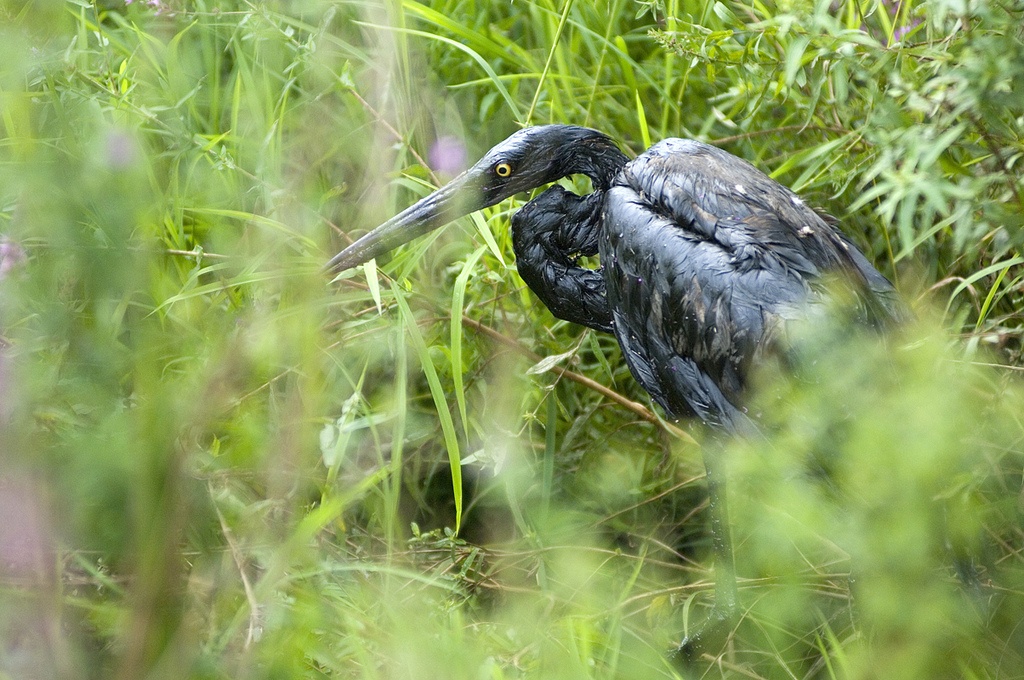
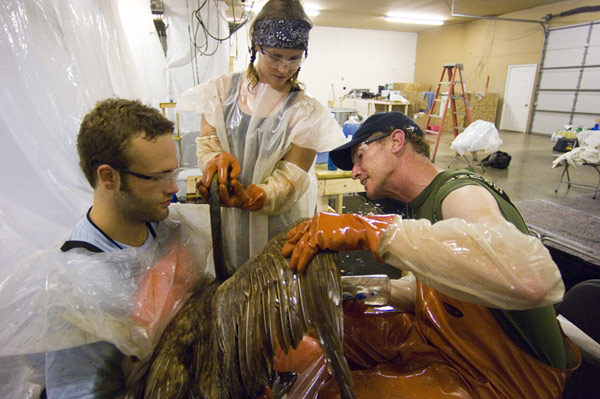
Also, as confirmed by a recent National Academy of Sciences report, heavy tar sands oil is nearly impossible to clean up when it spills – which it inevitably does. In fact, since 2005, Enbridge has been responsible for 763 spills, totaling 93,852 barrels of both light and heavy crude, including tar sands crude, which have spilled and devastated local waterways. Enbridge is a company responsible for polluting approximately 40 miles of the Kalamazoo River in the nation’s largest on-land oil spill in 2010. Birds, mammals, turtles and other wildlife were injured or killed by the spill and sections of the river are still polluted.
Finally, tar sands oil is far dirtier than conventional oil. It is at least 17% more carbon polluting on a lifecycle basis than the average oil in the U.S., fueling global climate change that threatens all wildlife
Enbridge GXL
The report details Enbridge’s troubling tar sands oil expansion plan, Enbridge GXL:
- ALBERTA CLIPPER DOUBLE CROSS SCHEME: Enbridge has already doubled the amount of tar sands coming over the border on its transboundary Alberta Clipper line, getting backdoor approval from the U.S. State Department to manipulate its border crossing to pour more tar sands oil into the United States and undermine any meaningful review of that expansion. A coalition of tribes and environmental groups challenged this scheme in federal court, but a judge ruled the State Department’s approval of this scheme was not subject to court review.
- LINE 3 IN MINNESOTA: Enbridge is planning to build a new line in a new corridor through Minnesota’s pristine lake country and then abandon its old Line 3, a corroding pipeline built in the late-1960s. This would allow Enbridge to bring an additional 370,000 barrels per day of tar sands across the border.
- LINES 61 AND 66 IN WISCONSIN: In order to transport all the extra tar sands oil Enbridge wants to move across the border throughout the United States, Enbridge plans to expand a major tar sands oil artery that cuts through the heart of Wisconsin, by expanding an existing pipeline and building a new one next to it. This expansion would link pipelines in Minnesota to a web of pipelines in Illinois that would then allow tar sands oil to spiderweb through a series of pipelines and refineries that stretch from Portland, Maine to Houston, Texas and beyond.
- LINE 5 UNDER THE STATES OF MACKINAC: Enbridge continues to carry oil on an aging line that runs along the bottom of the treasured, oft frozen and remote Straits of Mackinac between Lakes Michigan and Huron. While the line does not carry heavy tar sands, a spill from this line could permanently foul one of America’s most pristine and treasured resources.
- SANDPIPER IN MINNESOTA: Enbridge is eager to move fracked oil from the Bakken fields of North Dakota though a new pipeline to be placed parallel to the proposed Line 3 replacement. The proposed Sandpiper line would traverse and put at risk land and pristine lakes, rivers, and streams treasured by tribes and outdoor lovers alike, including the headwaters of the Mississippi River.
Take Action Tell the State Department: Do not allow expansion of the Alberta Clipper tar sands pipeline!

This means that the proposed Sandpiper Pipeline – which would span 610 miles and be designed largely to carry Bakken crude from its source in North Dakota to refineries and markets in the Great Lakes and beyond – isn’t going to get built any time soon, or ever. Enbridge, a company with a horrible safety record, was responsible for the disastrous tar sands spill that sullied about 40 miles of the Kalamazoo River in July of 2010. It is the largest inland spill in American history and pollutes the river to this day.
A Big Win For Wildlife and People
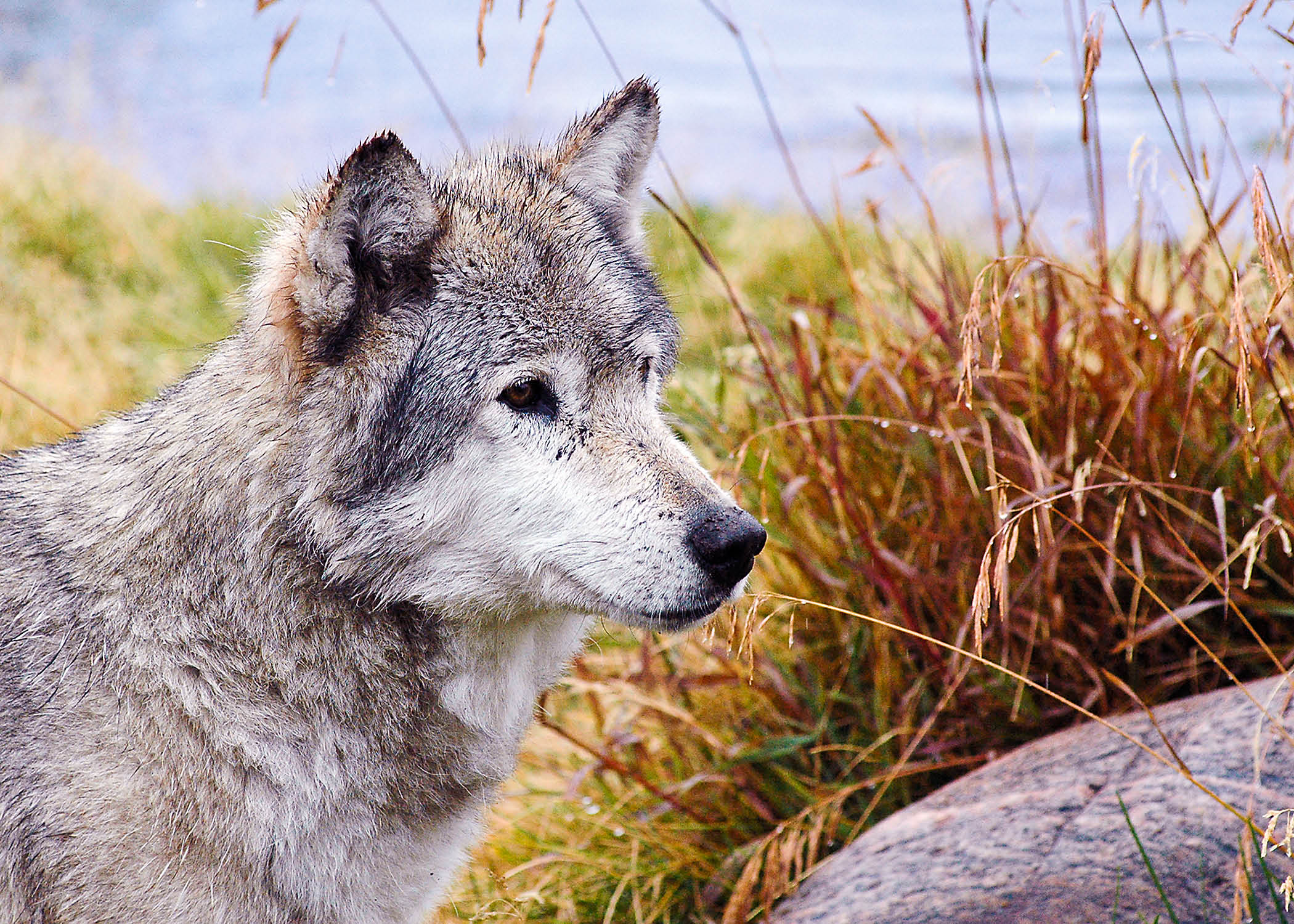
This ruling is a big win for wildlife and people. The PUC had issued a certificate of need for Sandpiper without doing a state-level environmental impact statement. Before making a decision, the court ruled that the PUC must take a hard look at the pipeline’s impacts – which include direct threats to native resources, including wild rice, and wildlife in northern Minnesota.
Judge Klaphake is reiterating the basic purpose of environmental review laws: government decision makers need to look before they leap. It makes little sense to determine a pipeline is needed prior to studying the harms and alternatives that weigh against the need.
Sensibly, Judge Klaphake found that:
[T]he completion of an EIS at the certificate of need stage [ensures] decision-makers are fully informed regarding the environmental consequences of the pipeline, before determining whether there is a need for it.
Other key decision-makers on pipelines need to get the message.
Implications for Other Great Lakes Pipelines
While Judge Klaphake’s decision concerned state-level environmental review, he looked to federal law for guidance. He noted that:
The United States Supreme Court has explained that the early-stage environmental review similarly required by NEPA is critical because it “ensures that that important [environmental] effects will not be overlooked or underestimated only to be discovered after resources have been committed or the die otherwise cast.”
This statement resonates with another pending court case involving Enbridge: the federal State Department’s illegal, back room approval of a scheme by Enbridge to double the flow of dangerous tar sands oil through its Alberta Clipper line. The Alberta Clipper Pipeline runs from the tar sands fields in Alberta to Superior, Wisconsin, where it connects with other Great Lakes pipelines.
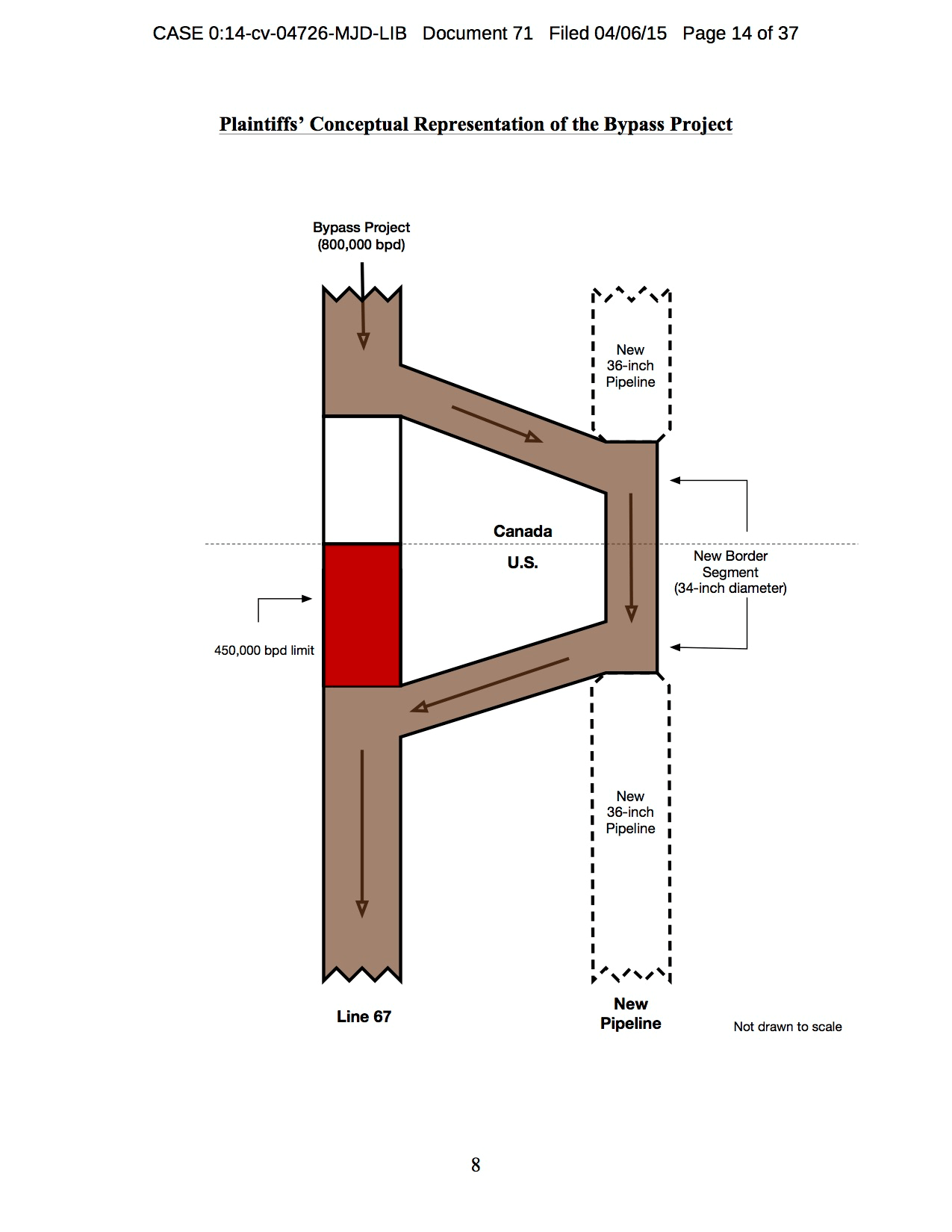
The scheme involves a temporary switch of tar sands crude oil north of the border from one Enbridge pipeline into another line and then back again once the oil crosses the border. This switch is cleverly designed to avoid and undermine the State Department’s ongoing federal environmental review process. This scheme became operational this summer and has allowed Enbridge to increase tar sands flow on the Alberta Clipper from 450,000 barrels per day to 800,000 barrels per day with no oversight.

Stop Tar Sands Expansion
On September 10, 2014, a federal judge heard arguments that allowing Enbridge to double tar sands flow across the border on the Alberta Clipper via this clever switch undermines the State Department’s on-going environmental review. This federal court case is like the the Sandpiper Pipeline state court case because the plaintiffs are similarly arguing that the government needs to look at the impacts of project before approving it.
These cases are consistent with the Administration’s existing position on Keystone XL. With Keystone XL, the Administration has demanded and conducted studies of the many impacts of bringing tar sands across the border and through the heartland of America. These impacts include more harmful carbon emissions, spill threats to waters and wildlife, impacts to landowners and communities where the pipeline will run, and impacts to refining communities.
Like Keystone XL, the Alberta Clipper expansion will increase climate emissions, put waters and wildlife at risk, and harm landowners, tribes and communities.
So why are the State Department and Secretary Kerry giving Enbridge a free pass?
Even More Pipeline Projects
Enbridge’s expansion plans have no end. Enbridge is actively seeking to entirely replace an old transboundary pipeline, called “Line 3,” to allow it to carry twice as much tar sands oil. Governmental decisions about Line 3 also require full consideration of environmental impacts. Judge Klaphake’s state court decision means that the PUC must prepare a formal environmental impact statement for the Line 3 Pipeline project.
The State Department must similarly step up and conduct a federal environmental review of Line 3. Hopefully, the federal judge will make this requirement clear. But even if the judge finds that the State Department may shield Enbridge from an environmental impact statement, Keystone XL clearly demonstrates that the State Department can do the right thing and order a full and timely federal environmental review. We expect President Obama and Secretary of State Kerry to do nothing less.
 Tell the State Department to not allow expansion of the Alberta Clipper tar sands pipeline!
Such a sight would have been rare just years ago. It told us of the progress we can achieve when people come together to protect wildlife.
Turning the Tide for Wildlife
In what may be remembered as a day the tide again turned in favor of wildlife, I was proud and humbled to march with over 5,000 people to demand a better future for wildlife at the Tar Sands Resistance March in St. Paul. The message was simple: let’s build an energy future where wildlife and communities can thrive. Let’s turn away from a risky future of extreme fossil fuels like tar sands that place our water, wildlife, communities and climate in peril.
As we close in on rejection of the controversial and dangerous Keystone XL pipeline, it appears the U.S. State Department still hasn’t fully gotten the message. Last Spring, it approved a behind-the-scenes illegal scheme to approximately double the amount of tar sands entering the Great Lakes region. This is despite having promised to conduct a public permitting and review process before allowing any additional tar sands into the region.
Delivering a Message: Wildlife Can’t Afford Tar Sands Oil
On Saturday, 5000 people delivered a message. Tar sands oil is all risk and no reward for the Great Lakes region. The additional tar sands oil illegally approved by the State Department will almost certainly pass by the at-capacity refineries in the Great Lakes and head to the Gulf Coast, where it will be exported. The tar sands oil already entering the region is currently sickening nearby communities and rivers.
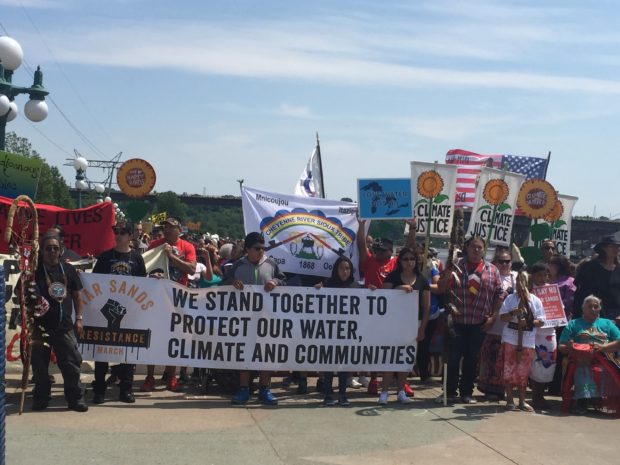

After marching over a mile to the State Capitol, speaker after speaker spoke of hope and of a better future for our children, where we don’t have energy sacrifice zones for energy, but instead gain our power from clean energy that doesn’t imperil people and wildlife. It voice grew louder than the next.
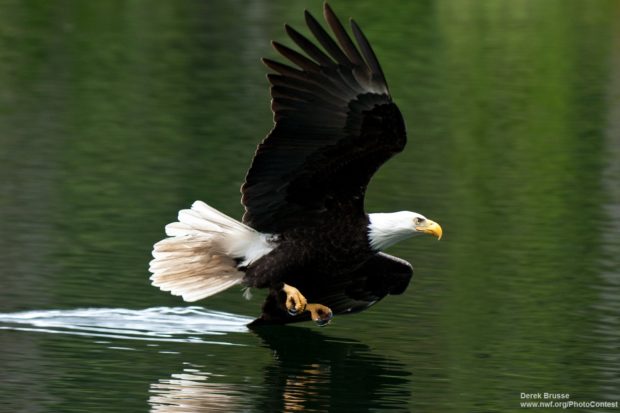
All the while, a red tailed hawk perched on the State Capitol dome encircled the crowed, drawing the crowd’s attention, reminding us of what we were there to protect.
Tell the State Department: Do not allow expansion of the Alberta Clipper tar sands pipeline!
With the U.S. State Department giving backroom approval for a near doubling of the amount of tar sands entering the region primarily along the Alberta Clipper line, it’s time for a clean energy future. People are demanding that no new tar sands enter the region until a transparent, public review process takes place, and cleaner solutions are considered and advanced.
Not Your Granddaddy’s Oil
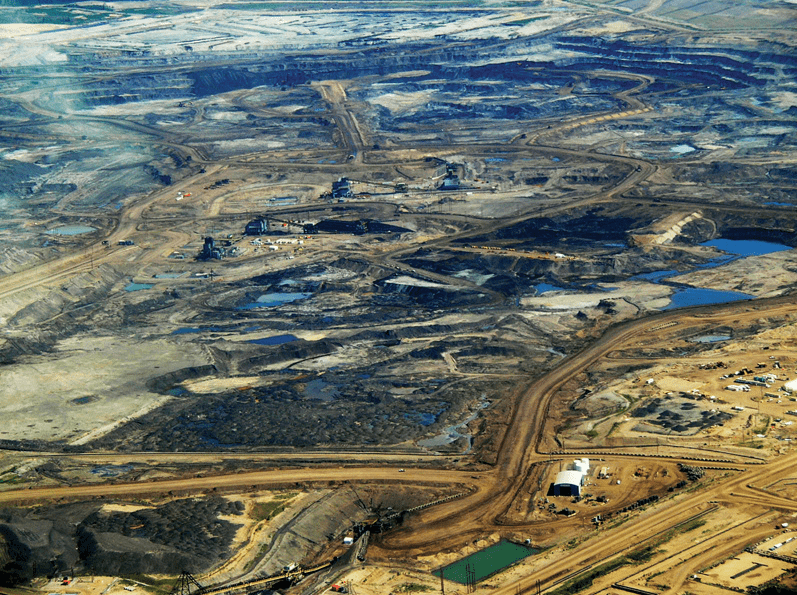
Tar sands oil is not like regular oil. It’s a heavy, thick substance that has to be mined by clearing forests, draining wetlands, and stripping away earth in the productive evergreen forests of Canada.
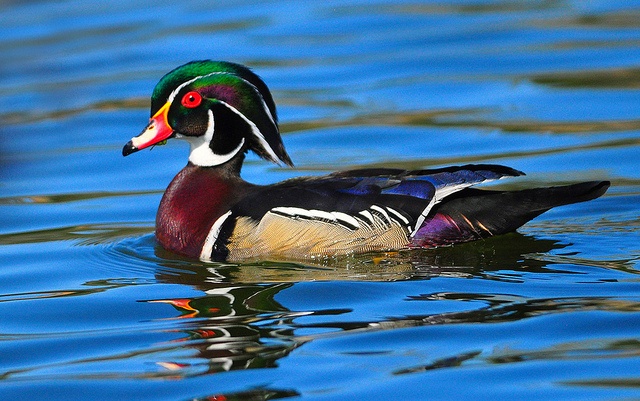
Almost 200 species of internationally protected migratory birds use the tar sands area of Alberta for seasonal habitat and breeding, including the endangered whooping crane and popular game birds like wood ducks and teal. In addition to direct habitat destruction and fragmentation, toxic tailings ponds needed to contain the waste pose an immense hazard for birds and other wildlife, with one incident resulting in about 1,600 duck fatalities.

Too Risky for Wildlife
When the substance spills, it has disastrous consequences for wildlife and habitat. The diluent gases off into the air, producing a toxic cloud of benzene and other chemicals. The sticky tar sands sinks to the bottom of wetlands, rivers, streams and other water bodies, attaching itself to the bottom.
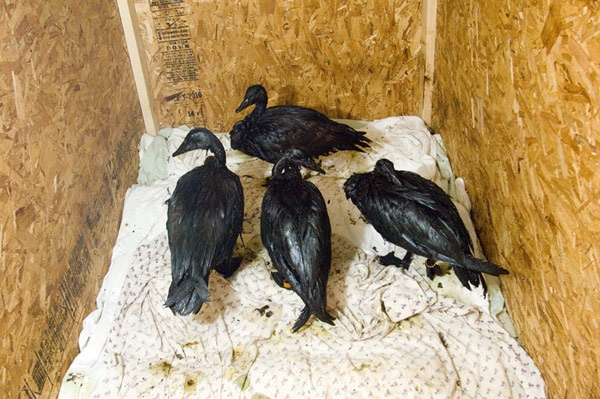
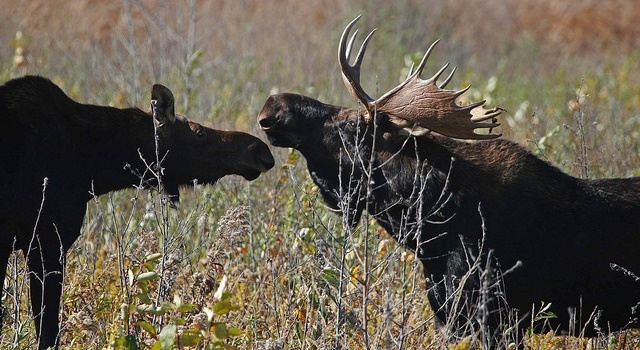
Tar sands oil also produces much more carbon pollution than regular oil, and more tar sands oil is used as the pipelines’ capacity increases. This fuels the climate change that is likely leading dramatic declines in moose populations in Minnesota and other northern states, as well as fueling toxic algae blooms that are increasingly threatening water quality, wildlife, and recreation in the Great Lakes.
Time for Wildlife-Friendly Clean Energy
Before more tar sands oil comes into our state and region, the State Department should follow the law and make good on its commitment to have a public review process that will look at all the impacts of the project and determine if the project is necessary.
Residents throughout the Great Lakes’ region deserve a chance to have some fundamental questions asked and answered before we put our resources at risk.
The facts are increasingly clear. We don’t need tar sands oil. The risks to wildlife are too high. And we can successfully move off of oil and onto cleaner, more sustainable forms of energy that don’t pose serious threats to wildlife.
The time is now to get work. The people of the Great Lakes are ready to lead the charge for a clean energy future for wildlife. They’re asking our decisions makers to lead with them.
Even if you can’t attend the event in St. Paul on June 6th, support the cause by urging the U.S. State Department to stop more tar sands from entering the region and to protect wildlife!
In the agreement, the U.S. promised carbon reductions of 26-28% by 2025 – which would require aggressive but achievable reductions in addition to the President’s standing commitment of a 17% reduction by 2020. For China, which has soaring emissions, it agrees to stop growth in emissions by 2030 and commits to having 20% of their energy come from non-fossil fuel based energy.
This development has serious implications for both domestic and international efforts to cut carbon emissions and protect wildlife. Inaction by the U.S. and China has thwarted international actions to reduce carbon pollution. With an international summit in Paris set to discuss this issue next year, this agreement clears the way for real progress on an international accord to tackle greenhouse gas emissions.
At home, this will spur the drive to transition to cleaner, renewable sources of energy. Here are just a few examples.
Clean Power Plan
President Obama has already taken an historic step, the EPA’s Clean Power Plan, to cut carbon emissions from power plants, the largest source of emissions in the U.S. While the effort to cut emissions is unprecedented, the current carbon reduction goal of 30% by 2030 leaves significant achievable reductions on the shelf.
This target almost certainly needs to and can be tightened to meet the promise made in the agreement with China. Primarily, major gains in renewable energy and energy efficiency could result in further reductions, as much as 40% or more by 2030.
This is not only possible, but would bring a host of environmental and economic benefits. Solar and wind are by far the fastest growing power sectors in America. Many states are already on pace to surpass the levels of reductions estimated for them in the current draft Clean Power Plan. This agreement will make it all the more important that EPA issue a final rule that realizes the full potential of achievable reductions from transitioning to renewable energy and reducing demand through efficiency measures.
China’s commitment in this agreement to get 20% of their power from non-fossil fuel sources demonstrates the accelerating pace of renewable development. Germany is actually well ahead of this, on pace to have 60% of its energy from renewables by sometime in the next decade. In addition to providing clean energy for wildlife, renewable energy also presents are major economic opportunity to provide home grown jobs.
We need to be at the forefront of the renewable revolution that is already in motion.

Offshore Wind
China, like Europe, has also begun to tap the massive offshore wind resources available to provide coastal and other population centers clean, wildlife friendly energy.
The U.S. does not have one turbine spinning off its shores, despite the fact that there is an estimated energy potential off the Atlantic coast that is 4 times the whole U.S. demand. It’s time to tap into that, and this agreement should help continue the push to do that.
Projects off the New England coast are set for construction as soon as next year. We need to get responsible offshore wind developed at a scale and on timeline that allows major urban centers to break reliance on fossil fuels and bypass long-term reliance on supposed “bridge” fossil fuels like fracked gas.
Dirty Fuels
The President has already promised to reject the Keystone XL pipeline if it “exacerbates” the problem of climate change. With tar sands fuel at least 17% more carbon intensive on a life-cycle basis than regular oil, it clearly does.
The President has made remarkable progress reducing carbon emissions from cars and trucks, but building carbon intensive tar sand pipelines while try to cut carbon is like starting your diet by doubling up on dessert.
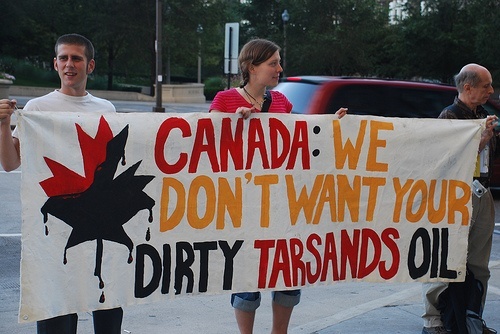
The President has reiterated his promise to measure KXL against the facts and await an appeal of a decision in Nebraska regarding the rights of landowners, who don’t want the risks of dirty tar sands oil, before deciding on the pipeline.
Unfortunately, this issue is getting mired in partisan politics. But the facts are clear. Less risky, lower carbon sources need to power our transportation sector to give wildlife a chance. Long-term tar sands infrastructure will doom wildlife and make carbon reduction commitments impossible to achieve.
Methane
Methane is a potent green-gas that is at least 20 times as powerful as carbon dioxide. Methane currently accounts for 9% of U.S. greenhouse gas emissions. Much of this methane pollution comes from oil and gas operations where the methane leaks or is purposely vented in the air.
This pollution is literally a resource wasted. Fortunately, methane can be captured in a low-cost and technically achievable that pays back over time. Pursuant to an Administration strategy to reduce methane pollution, the Department of Interior’s Bureau of Land Management and EPA are both in various stages of considering rulemaking to stop methane pollution.
Strong action to curb methane pollution is an easy, low-cost, win-win and necessary way to achieve carbon pollution reductions and help meet the new 2025 carbon emissions goal.
In response to the landmark U.S.-China agreement, National Wildlife Federation CEO Collin O’Mara stated that:
This agreement is a significant step forward for America’s wildlife. No individual nation can confront climate change alone and today, the world’s two largest carbon polluters are committing to solve this problem together.
We must continue to help our wildlife and communities cope with the climate impacts that we’re already seeing, but adaptation alone simply dooms future generations to shrinking habitats, more extreme storms, and greater sea level rise. We must lead the world in cutting industrial carbon pollution and today’s agreement is important progress.
It is clear that the arc of progress and history is now on the side of wildlife and clean energy. The U.S-China agreement promises to bring us a major step closer to achieving needed carbon pollution reductions in time ro protect wildlife. It is also a strong signal that President Obama has made climate a legacy issue and is determined to be on the right side of history.
Speak up for wildlife: tell the Environmental Protection Agency that you support the ground-breaking limits on carbon pollution from existing power plants!
On August 18, 2014, the State Department posted documents that show Enbridge has hatched a scheme to almost double the flow of tar sands into the Great Lakes region along its Alberta Clipper pipeline ( also known as Line 67), in contradiction to its existing permit. In a privately sent letter from a mid-level State Department official, the State Department acquiesced to Enbridge’s new plan. This letter has yet to be made public by the State Department.
This is a substantial change in how tar sands enters the United States. Federal law requires the State Department to approve any such change only if the following requirements have been met: (1) public notice and involvement, (2) a detailed environmental review, and (3) a national interest determination. This is the process governing review of the Keystone XL pipeline. But here, none of these requirements have been followed.
Increased tar sands in the Great Lakes would present spill risks to the wildlife and people that depend on these treasures, as well as spurring carbon pollution and climate change.
The State Department must immediately correct this illegal mistake and stop Enbridge from any tar sands expansion along the Alberta Clipper line until the law has been followed. A failure to do so violates both the law and President Obama’s commitment to ensure that tar sands pipeline projects not exacerbate the problem of climate change.
Enbridge’s Plans to Move Tar Sands through the Great Lakes
Enbridge, a giant Canadian oil pipeline company, operates a vast array of pipelines through the Great Lakes region that carry climate-disrupting, toxic tar sands from Northern Alberta to refineries in the region and beyond. The main artery for this system is Alberta Clipper, a 1,000 mile line that transports tar sands to terminus in Superior, Wisconsin, where the tar sands is either refined or loaded onto other pipes for refinery or possible export.
Alberta Clipper currently has a Presidential Permit allowing it to ship up to 450,000 barrels per day (bpd) on the that line. To fulfill the industry’s desire to increase carbon intensive tar sands extraction, Enbridge submitted an Application to the State Department in November of 2012 to ultimately approximately double the amount of tar sands flowing through Alberta Clipper to 880,000 bpd. This would make it larger than the controversial Keystone XL pipeline.
The State Department made clear that it would require a new amended permit before this expansion could take place and that it would prepare, prior to approval of any expansion, a comprehensive Supplemental Environmental Impact Statement, or environmental review, that will include “information and analysis about potential impacts associated with the proposed increased volume of crude oil, as well as any other subjects that may need to be updated because there exist significant new circumstances or information relevant to environmental concerns bearing on the proposed action or its impacts.”
This review process has been underway, with the State Department accepting scoping comments on the review process in May of 2013. Applicable law requires that the State Department issue a draft review, take and consider public comments on that review, and then make a reasoned determination as to whether Enbridge’s expansion proposal is in the national interest.
While there is not a specific test for the national interest, in a June 25, 2013 speech, President Obama stated that tar sands pipelines projects are not in the national interest if they “exacerbate the problem of carbon pollution.” After a previous consultant withdrew for unknown reasons, the State Department contracted with another outside consultant in or about March of 2014 to resume the environmental review process.
Scheming to Avoid Review
In a June 16, 2014 letter made public by the State Department on August 20, 2014, Enbridge attorneys provided details of a plan first laid out in a referenced meeting between Enbridge and State Department officials on June 3, 2014 to approximately double the capacity of Alberta Clipper without going through the required review process.
Enbridge’s plan is to increase the volume of the flow of tar sands on Alberta Clipper by pumping tar sands to a neighboring pipeline (Line 3) north of the US/Canada border and then pumping it back to Alberta Clipper just south of the border. Line 3 has a Presidential Permit, but unlike Alberta Clipper’s permit it does not appear to expressly limit the capacity of that line. However, Line 3 is not a tar sands pipeline and was not approved as such.
This switch would currently allow an increase of volume of tar sands on the Alberta Clipper line of up to 800,000 bpd. This would effectively double the flow of carbon intensive tar sands on the line – the very thing Enbridge is seeking in its permit application and State Department is supposedly reviewing.
State Department’s Illegal Approval of this Scheme
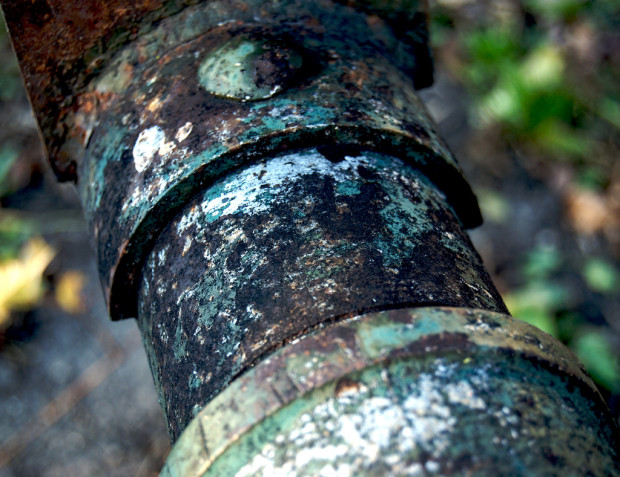
On July 24, 2014, Patrick Dunn, a mid-level State Department official, wrote a letter to Enbridge’s attorneys stating that Enbridge’s plan to move up to 800,000 bpd on Alberta Clipper by switching lines with Line 3 at the border does “not require authorization.” This is like interpreting a speed limit as only applying to the road, but not the road’s shoulder.
To make matters worse, this letter was never made public or subjected to public review. The Keystone XL pipeline – which is indefinitely delayed – has already received millions of public comments expressing concern over the impacts of tar sands.
Enbridge’s proposal violates its permit which does not allow it ship more tar sands and also appears to violate Line 3’s permit, which does not contemplate moving such a high volume of tar sands. State Department must follow the law before approving the proposed change. Enbridge’s permit limits the flow on Alberta Clipper to 450,000 and State Department has already made clear any increase requires an amended permit and comprehensive environmental review.
The State Department must reverse this decision, prohibit Enbridge from moving forward with any capacity increase until the current review, and ensure the President’s climate test is applied to this effort double the amount of toxic tar sands snaking through the Great Lakes.
Tell the State Department: Do not allow expansion of the Alberta Clipper tar sands pipeline!
They conclude that if Keystone XL and other tar sands decisions are not made in the context of broader climate consequences from these energy development choices, it would demonstrate “flawed policies and failed leadership.”
They could not be more right.
Need for a Comprehensive Policy to Deciding Tar Sands Projects
The scientists correctly point out that incremental, project-by-project, isolated decision-making absent policies that “acknowledge the global consequences of expanding oil sands” “creates the misguided idea that oil-sands development is inevitable,” restrict[s] the range of choices,” and causes unnecessary harm to our climate and wildlife.
This call for a moratorium comes at an apt time. The controversial and ill-conceived Keystone XL pipeline is delayed indefinitely awaiting resolution of a route dispute in Nebraska concerning landowner say over whether the company can force the pipeline through their land.
Meanwhile, the State Department is considering whether or not approve another proposed major expansion of an existing pipeline carrying tar sands into the Great Lakes region, the Alberta Clipper pipeline. Thus far, there has been no indication that these two interconnected actions with major climate and wildlife impacts will be viewed collectively.
They need to be.
These decisions also arise at a time when President Obama has made tackling climate change a priority. He has already enacted tough fuel economy standards for cars and recently put forward proposed rules to cut carbon pollution from power plants. Almost a year ago to the day, he made it clear that a tar sands pipeline should not be approved if it will exacerbate the problem of climate change.
As the scientists in Nature explain, investments like Keystone XL and Alberta Clipper “create a ‘lock-in’ that commits society to decades of environmental degradation, increased risk of contamination and spills, and unsustainable carbon pollution.”
The scientists call for a moratorium on new projects and comprehensive policy ensuring tar sands decisions are made consistent with climate goals is a needed one. But already it is more than clear that building tar sands new pipelines or expanding or converting existing pipelines for tar sands transport fails the President’s climate test.
President Obama Can Keep Tar Sands in the Ground
Industry needs pipelines for tar sands expansion. With pipeline proposals attempting to access the coasts in Canada far off in the future or tied up in controversy and rail offering only limited transport opportunities, there are few viable avenues left for the industry to move land-locked tar sands to coveted international markets. In fact, current opposition to major pipelines has already resulted in the cancellation of two major tar sands mining and drilling proposals and caused Canada’s trade association for Big Oil to reduce its forecast for projected tar sands mining and drilling.
One need only look at the current proposals or likely proposals for expansion to see how much sway President Obama and Secretary Kerry have over whether we lock-in a future of tar sands pollution, or keep tar sands in the ground:
- TransCanada’s Keystone XL pipeline, with the permitting process now shelved, would add 830,000 barrels per day of capacity.
- Enbridge’s Alberta Clipper, which feeds into a pipeline system throughout the Great Lakes, expansion would add another 440,000 barrels per day.
- Likely reversal of the Portland-Montreal Pipe Line and its conversion to tar sands use would add up to 600,000 barrels per day of tar sands.
- Conversion of Enbridge’s Line 3 pipeline, which also crosses into the Midwest, to tar sands would add another 750,000 barrels per day of tar sands.

The facts are plain; the science has been spoken. President Obama must again stand up for future generations and wildlife by sending a signal to markets and the world that major carbon polluting infrastructure like Keystone XL and Alberta Clipper will no longer get a green light and a better future is at hand.
Tell President Obama to deny the Keystone XL pipeline!
On March 22, a fuel tanker and cargo ship collided in Galveston, Texas, dumping 168,000 gallons of fuel oil into Galveston Bay. TV images of beaches painted black with oil provided only a small snapshot of the habitat destruction taking place. A nearby wildlife sanctuary that attracts between 50,000 and 70,000 shorebirds annually was impacted and according to Texas Parks and Wildlife Department, thousands of those birds were put at risk.
And in Michigan a similar situation is unfolding. On March 24, BP’s Whiting refinery – one of the nation’s biggest, which was recently overhauled to process Canadian tar sands crude – spilled an unknown amount of oil into Lake Michigan, which supplies drinking water for 7 million people around Chicago and provides critical habitat for countless birds, fish and animals living along the shoreline .
Pipeline accidents and oil spills now are occurring almost like a plague spreading to communities across the U.S. Three oil spills in different states in just the past two weeks!
Communities and Wildlife Pay a High Price for Spills While Oil Industry Profits Soar
According to an analysis of data from the agency charged with regulating pipelines, since 1986 there have been nearly 8,000 significant pipeline incidents, resulting in more than 500 deaths, more than 2,300 injuries, and nearly $7 billion in damage. We have all seen the oiled sea otters, ducks, pelicans, turtles and other wildlife from these horrific spills.

A year ago this weekend, residents of a quiet suburban neighborhood in Mayflower, Arkansas, watched helplessly as heavy, toxic tar sands oil gushed out of a pipeline, poured across their yards and into their street, covering everything in black muck and releasing toxic gases. The spill made national news, and people around the country saw residents being escorted out of their homes with just a few belongings. In the case of at least twenty-two families, never to return. Turtles, ducks, muskrats and other animals were all oiled, many of them killed.
The fossil fuel industry seems to think these spills are just a cost of doing business. Homes have been abandoned in Mayflower and residents have been forced to uproot their lives and leave. In Prince William Sound, lives and industries remain scarred . Wildlife in these areas continues to feel the impacts of ecological collapse. Yet, big oil profits have never been higher.
Enough is Enough
When, where and how big will the next spill will be? Will we able to clean it up—ever? And how many birds, fish and animals will suffer?
One year after Mayflower, it is clearer than ever that the time is now to move beyond risky fossil fuel and build a robust, clean, safe energy future.
We will only be free of the threat of oil spills when we end our dependence on oil.
We can start protecting our communities and wildlife and speed the transition away from risky oil by saying no to major pipeline proposals for oil we don’t need. The State Department is currently considering whether to approve two tar sands pipeline proposals – Keystone XL and the Alberta Clipper expansion. Tar sands is even harder to clean up than regular oil, and much of the tar sands oil traveling through these proposed projects would be exported.
By not locking in dirty, dangerous fossil fuel infrastructure, we will create more space and opportunity to advance development of cleaner, safer fuels.
President Obama has made a commitment to reducing carbon pollution. Saying “No” to tar sands pipelines is big step in that direction and will also keep communities and wildlife safe.
Tell President Obama to deny the Keystone XL pipeline >>
Michigan Representative Fred Upton introduced the North American Energy Infrastructure Act, which – if passed – would create a near rubber stamp approval process for massive tar sands pipelines like Keystone XL and deny public participation. It would also do away totally with federal review of reversal or expansion projects, such as the likely tar sands reversal of the Exxon-owned Portland-Montreal Pipe Line in northern New England and the proposed expansion of the Alberta Clipper line which would about double the amount of tar sands flowing through the Great Lakes region.
In the sum, this bill would:
- Require projects that import or export oil, gas or electricity across the Canadian or Mexican borders to be approved within 120 days unless the relevant official determines that the project “is not in the national security interests” of the U.S.
- Exempt the projects from NEPA, wiping out longstanding requirements that agencies determine whether such projects are needed and that provide the public with the right to comment and review alternatives.
- Eliminate pre-project reviews to determine if a project is actually in our national interest.
- Exempt from permitting and review major changes – like reversal or expansion – of existing pipelines.
The need for thorough public review of pipeline projects is even more important now that pressure is being exerted to pump dirty, toxic tar sands through new and existing pipelines. The impacts of tar sands are immense:
- Tar sands is at least 17% more carbon pollution intensive than regular oil, meaning increased use will accelerate, rather than reverse, the climate disruption that is already wreaking havoc on our planet.
- As the tragic incidents impacting the Kalamazoo River in Michigan and Mayflower, AR have shown, tar sands is extremely destructive and nearly impossible to clean up when it spills.
- Allowing more tar sands into the United States spurs further destruction of critical boreal forest habitat and could lead to the loss of up to 72 million migratory bird births, striking at the heart of the U.S. and Canada’s shared wildlife heritage.
- Much of the oil will be exported and actually drive up costs for consumers. With domestic oil production up 44% and oil use down, we don’t need the risks of foreign tar sands.
On Tuesday, Vermont’s Department of Environmental Commissioner David Mears and pipeline expert and attorney Paul Blackburn are testifying before the House of Representatives Subcommittee on Energy and Power on why gutting review of major pipeline projects is a bad idea.
It should not be lost on people that tomorrow’s hearing is on the anniversary of Superstorm Sandy. This is a day when we should be reflecting on the costs of carbon pollution, and the need to make smarter, more informed energy choices. It is a good day to reject a bill that seeks a massive giveaway to the fossil fuel industry and aims to rips the public out of the decision-making process for dangerous and dirty pipelines.
Tell President Obama to deny the Keystone XL pipeline here.
Fortunately for Viking residents and the area’s wildlife, it appears that this accident was contained before it became a full-blown disaster like the one in Arkansas: even so, around 600 gallons of oil are estimated to have contaminated the area. The line that burst goes by the boring-by-design name “Line 2,” but the adjoining “Alberta Clipper” pipeline is also a crucial element of this story. DeSmogBlog has more:
The Viking pump station also receives oil from the Alberta Clipper (aka Line 67 pipeline) that carries heavy crude oil and tar sands bitumen from the Alberta tar sands region south from Hardisty to Superior, Wisconsin and refineries in the midwestern United States. It is unclear whether the product that spilled was tar sands-derived diluted bitumen.
The Alberta Clipper is already enormous — carrying nearly 20 million gallons daily to Midwest refineries — but it’s currently under review for a truly giant expansion that would double its capacity and make it the biggest tar sands pipeline in the United States. That’s right — bigger than Keystone 1, Keystone XL, or the Northeast pipeline, capable of pumping 37 million gallons of tar sands oil every day through the Great Lakes region.
You may be asking yourself, “Enbridge, huh? Why is that name so familiar?” Let’s just say this isn’t the company’s first brush with fame: while producing our report Importing Disaster, we discovered that Enbridge was responsible for more than 800 spills in the US and Canada between 1999 and 2010, totaling almost seven million gallons of oil. The biggest of these, of course, was the Kalamazoo River disaster in 2010, when a pipeline linked to the Alberta Clipper burst and sent over a million gallons of tar sands coursing through the community of Marshall, Michigan. That cleanup effort has taken almost three years and nearly a billion dollars, but the Environmental Protection Agency says that it’s still not finished and recently told Enbridge to get back to work to dredge more oil out of the river.
As NWF’s Beth Wallace has detailed, Enbridge isn’t particularly interested in improving its safety record:
Rather than focus on safety and cleanup, Enbridge is recklessly moving ahead with plans to expand their pipeline network in the Great Lakes region and the Northeast, and to double down on high carbon fuel that is proving nearly impossible to clean from Michigan’s waters.
With this latest leak on their resume, it’s fair to ask what more the company can do to earn anything but a slap on the wrist. A good first step would be for the US State Department (the agency in charge of the Alberta Clipper permit) to broaden their study to Enbridge’s entire Great Lakes pipeline system, because expanding Alberta Clipper means that whole system will be exposed to a massive increase in oil volumes — and with it, an even higher chance of disaster.
 Hundreds of species were imperiled the last time an Enbridge pipeline burst in the Great Lakes, and we can’t afford a repeat. Speak up for wildlife threatened by Enbridge’s Midwest expansion plans — tell the State Department to stop Alberta Clipper!
Learn more about the Enbridge pipeline boom at NWF.org.