The post What Makes a Roofing Warranty Worth It in Bloomfield Hills appeared first on Bloomfield Construction.
]]>
Most homeowners sign a roofing contract with their eyes on the shingle color and the price at the bottom of the page. The warranty tends to get a quick skim, if that. Then, years later, a leak appears over the dining room and the real question surfaces: what exactly is covered, who pays, and who even answers the phone? A good warranty can save you thousands of dollars. A weak one is little more than a glossy brochure with fine print attached.
If you are shopping with a roofing contractor Bloomfield Hills homeowners can rely on, the warranty conversation should happen early, not after the deposit is paid. Michigan roofs face freeze-thaw cycles, heavy snow loads, ice dams, summer storms, and plenty of mature trees, so a warranty here has to hold up against some serious wear. Not every promise on paper is equal, and the difference often comes down to a few specific words.
This guide walks through how roofing warranties actually work, what separates a meaningful one from a marketing gimmick, and the questions worth asking before you commit. You will see how material coverage differs from workmanship coverage, why transferability matters, what voids protection, and how to keep your own paperwork in order so a claim goes smoothly if you ever need one.
Two Warranties, Two Very Different Jobs
When people say they have a roofing warranty, they are usually describing two separate documents that cover two separate risks. The first is the manufacturer warranty, which protects against defects in the materials themselves, such as shingles that crack, curl, or lose granules far earlier than they should. The second is the workmanship warranty, which comes from the installing company and covers errors made during installation, like poor flashing, improper nailing, or sloppy sealing.
Here is the catch many owners miss: most roof failures trace back to installation, not to the shingle. A flawless shingle installed badly will still leak. That means the workmanship warranty is often the more valuable of the two, yet it is also the one that varies the most from company to company. Some offer a single year, some offer a decade, and some offer nothing in writing at all.
Treat the two as a pair. A long manufacturer warranty paired with a thin workmanship promise leaves a gap exactly where problems are most likely to appear. Ask to see both documents before you sign, and read them side by side.
Reading the Fine Print on Material Coverage
Manufacturer warranties love big numbers. You will see phrases like limited lifetime or fifty years, and those headlines can feel reassuring. The details underneath tell a more modest story. Many of these warranties are prorated, meaning the payout shrinks as the roof ages. A claim in year three might cover most of the replacement material, while a claim in year twenty might cover only a small slice.
Pay attention to the non-prorated period, sometimes called the full-value or system protection window. That is the stretch where the manufacturer pays for materials in full, and often for labor as well. A shorter headline warranty with a longer non-prorated window can actually be worth more than a flashy lifetime promise with a tiny full-value period.
Also look for what the warranty excludes. Algae growth, storm damage, foot traffic, and issues caused by poor attic ventilation are commonly carved out. Working with a Bloomfield Hills Michigan roofing contractor who explains these carve-outs plainly, rather than glossing over them, is a strong early sign that the company stands behind its work.
Why Workmanship Coverage Deserves More Attention
A workmanship warranty is a promise from a specific business, which means it is only as strong as the business behind it. A ten-year pledge from a company that disappears in two years is worth exactly nothing. Longevity, a physical local presence, and a track record of returning to fix problems all matter far more than the number printed on the certificate.
When you compare bids, ask a few pointed questions. How long has the company operated under its current name? Who handles warranty calls, and how quickly do they respond? Can they show you a past customer who needed a repair and how it was handled? Straight answers to those questions reveal more than any brochure.
It also helps to know that restoration and roofing work often overlap. A company like Bloomfield Construction that handles both roofing and interior water recovery sees firsthand what a failed roof does to ceilings, insulation, and framing. That perspective tends to produce contractors who take installation details seriously, because they understand the cost of getting them wrong.
Transferability and What It Does for Resale Value
Roofs outlast many homeownership stretches, so what happens to the warranty when the house sells is a fair question. Some warranties transfer to the next owner automatically. Others transfer only once, only within a limited window, or only after you pay a fee and file paperwork. A few do not transfer at all, which quietly erases a selling point you may have paid extra to earn.
A transferable warranty can be a genuine advantage during a sale. Buyers and their inspectors notice a newer roof, and written protection that follows the property gives them confidence. It can shorten negotiations over repairs and reduce the chance that a roof becomes a sticking point late in the process.
Before you sign, ask directly whether coverage transfers, how many times, and what the process looks like. Get the answer in writing. Also keep in mind that the roof is only one part of your home’s protection story. If fire ever becomes a concern, click here to see how restoration after a fire is handled, since roof and structural recovery frequently go hand in hand after a major loss.
Common Actions That Quietly Void Your Coverage
A warranty is a contract, and contracts come with conditions. Several everyday actions can weaken or cancel your protection without you realizing it. Installing a satellite dish or solar panel mounts by someone other than the original roofer can void workmanship coverage if the penetrations are not sealed properly. Letting another contractor patch a leak can do the same, since the original company may argue the repair altered the roof.
Neglect is another common culprit. Manufacturers frequently require reasonable maintenance, such as clearing debris and keeping gutters flowing. If a failure is traced to a clogged valley or standing water, the claim may be denied on the grounds that the damage came from poor upkeep rather than a defect.
Poor ventilation is a quieter threat. Many manufacturers condition coverage on adequate attic airflow, because trapped heat and moisture shorten shingle life. Finally, mixing components from different manufacturers can break system coverage. If you plan any changes after installation, call the original contractor first and ask how to proceed without putting your warranty at risk.
Comparing Warranty Types at a Glance
Seeing the main warranty categories side by side makes it easier to judge which promises carry real weight. The table below summarizes the typical features you will encounter, though exact terms always depend on the specific manufacturer and installer.
| Warranty Type | What It Covers | Who Backs It | Watch For |
|---|---|---|---|
| Standard material | Defective shingles or products | Manufacturer | Prorated payouts, labor often excluded |
| Enhanced system | Materials and sometimes labor on matched components | Manufacturer, certified installer | Requires matched products and certification |
| Workmanship | Installation errors and leaks from poor work | Installing contractor | Only as strong as the company’s longevity |
| Extended or add-on | Longer workmanship term, sometimes weather-related | Contractor or third party | Extra cost, strict exclusions, transfer limits |
Questions to Ask Before You Sign Anything
A short list of direct questions can separate a dependable offer from a risky one. Bring these to every estimate appointment and compare the answers across companies.
- Is the workmanship warranty in writing, and for how many years?
- Is the manufacturer warranty prorated, and when does full-value coverage end?
- Does coverage include labor, tear-off, and disposal, or only replacement materials?
- Does the warranty transfer to a future owner, and what does that cost?
- What specific actions or conditions would void the coverage?
- Who do I call if a problem appears, and what is the typical response time?
Pay attention not just to the answers but to how they are delivered. A confident contractor who welcomes scrutiny is usually one who has fewer things to hide. Vague replies, pressure to sign quickly, or reluctance to put promises in writing are all reasons to pause.
Why Installer Credentials Change the Warranty You Get
Some of the strongest manufacturer coverage is available only through installers who have met specific training and quality standards. These credentialed contractors can offer enhanced system warranties that cover labor and tear-off, not just replacement materials. A standard retail purchase of the same shingles may never qualify for that level of protection.
That is why the question of who installs your roof matters as much as what goes on it. Credentialed installers have typically been inspected, trained, and held to workmanship expectations, and the manufacturer has an interest in seeing the job done correctly because its name is attached to the result.
Do not simply accept a claim of certification at face value. Ask which credential the company holds, which warranty tier it can offer, and request documentation. Then confirm that the proposal you receive actually names the warranty level, rather than leaving it vague. A line item that reads only as warranty included tells you almost nothing.
How Michigan Weather Tests a Warranty
A roofing warranty is easy to promise on a sunny day. It gets tested when winter piles snow against the eaves, when ice builds along the gutter line, and when summer storms drive wind and rain sideways. Repeated freezing and thawing stresses seals, flashing, and the fasteners that hold everything in place, and small installation shortcuts tend to show up first at those weak points.
Ice dams deserve special mention. They form when heat escapes into the attic, melts the underside of snow, and the water refreezes at the edge. Whether resulting leaks are covered often depends on the cause. If poor insulation or ventilation contributed, a manufacturer may decline the claim. A workmanship warranty may respond differently if the installer failed to follow proper underlayment practices at the eaves.
Understanding these gray areas ahead of time helps you set expectations. It also explains why a knowledgeable local contractor adds value. Someone who works in this climate every season knows which details fail first and builds the warranty promise around real conditions rather than generic assumptions.
Keeping Records So a Claim Actually Succeeds
Even the best warranty is hard to use without paperwork. When a problem appears years after installation, the burden of proof often falls on you. Start a simple file the day the project wraps up and keep it somewhere you will actually find it.
Save the signed contract, the final invoice, the warranty certificates, and any registration confirmations. Many manufacturer warranties require registration within a set period after installation, and missing that window can reduce coverage. Photograph the finished roof from several angles, plus the attic underside, so you have a baseline if a dispute arises.
Record every maintenance step and any inspection, along with dates. If a leak does appear, document it immediately with photos and notes before attempting any fix, and contact the installer in writing. Water problems escalate quickly, and understanding the downstream effects helps too. For example, reading Why Hardwood Subfloor Damage Matters in Bloomfield Hills Water Restoration shows how a slow leak can travel well beyond the ceiling you first notice.
When a Warranty Claim Meets a Bigger Loss
A roofing warranty typically covers the roof itself. It rarely pays for the interior consequences, such as stained drywall, soaked insulation, or damaged flooring. Those losses usually fall under homeowner’s insurance, and the two systems do not always line up neatly. Knowing which policy answers which problem keeps you from waiting on the wrong party while damage spreads.
Sometimes a roof failure is part of a larger event, such as a storm or fire, and the repair becomes a coordinated project. After a serious loss, safety questions also come first. If you ever face that situation, reading When Can You Reenter a Fire-Damaged Bloomfield Hills Home Safely? explains how to think about timing and safety before any rebuilding begins.
The practical lesson is to act quickly and document everything. Notify your insurer about interior damage, notify your roofer about the roof, and keep both conversations in writing. A calm, organized response protects your claims and shortens the road back to a dry, sound home.
The Bottom Line on Roofing Warranties
A roofing warranty is worth it when it is specific, written, and backed by a company that will still be around to honor it. The headline number matters far less than the details beneath it: how long full-value coverage lasts, whether labor is included, whether the protection transfers, and what conditions could cancel it. A modest warranty with clear terms and a trustworthy installer beats a dramatic lifetime promise filled with exclusions.
Remember that two warranties work together. Material coverage guards against product defects, while workmanship coverage guards against the installation mistakes that cause most leaks. Treat them as a pair, read both before signing, and do not be shy about asking uncomfortable questions. The right contractor will welcome them.
Finally, protect your own position. Register the warranty on time, keep your documents organized, maintain the roof reasonably, and call the original installer before letting anyone else touch it. Choosing a dependable roofing contractor Bloomfield Hills residents trust, and pairing that choice with careful recordkeeping, turns a piece of paper into real protection. When the next storm rolls through, you will be glad you took the time to do it right.
The post What Makes a Roofing Warranty Worth It in Bloomfield Hills appeared first on Bloomfield Construction.
]]>The post The Best Ways to Extend the Life of a Bloomfield Hills Roof appeared first on Bloomfield Construction.
]]>
A roof rarely fails overnight. More often, it loses ground slowly: a few granules wash into the gutter, a flashing seam loosens, a shaded patch of shingles stays damp a little too long. By the time a stain shows up on a bedroom ceiling, the real damage has usually been building for years. The good news is that most of that decline is preventable, and the habits that slow it down are not complicated or expensive when you start early.
Southeast Michigan is demanding on any roofing system. Freeze and thaw cycles, heavy snow loads, spring storms, humid summers, and mature tree cover all take a toll. Whether you own a large estate, a small commercial building, or a modest family home, the goal is the same: get every possible year out of the materials you already paid for before a full replacement becomes unavoidable.
This guide walks through the practical steps that make the biggest difference. You will learn what to check each season, which small repairs save the most money, how ventilation and moisture quietly decide a roof’s lifespan, and how to work with a professional so you are not guessing. Think of it as a maintenance playbook you can actually follow, whether you plan to do the easy tasks yourself or hand the whole job to an expert.
Why Roof Lifespan Is Mostly Decided by Habits
Manufacturers publish estimated lifespans for asphalt shingles, metal panels, slate, and other materials, but those numbers assume decent installation and reasonable care. In practice, two identical roofs installed the same week can end up with very different outcomes because of how they were treated afterward. One gets an annual look and quick fixes; the other gets ignored until something drips.
The difference comes down to compounding. A single lifted shingle lets wind-driven rain reach the underlayment. Damp underlayment holds moisture against the decking. Soft decking loses its grip on fasteners, which makes the next shingle more likely to lift. Each small failure feeds the next one, so catching the first problem early interrupts the whole chain. That is why a consistent routine beats an occasional big repair.
Working with a dependable roofing company bloomfield hills property owners can call for an annual look gives you a baseline, a written record, and a trained eye that spots trouble you would walk right past from the driveway.
Build a Simple Seasonal Inspection Routine
You do not need to climb onto the roof to learn a lot. Two checkups a year, one in spring and one in fall, cover the seasons that matter most. Start from the ground with binoculars and walk the full perimeter. Look for missing, curled, cracked, or discolored shingles, sagging lines along the ridge, and anything that looks out of place compared with last season.
Then check the places where roofs usually fail first: around chimneys, skylights, vent pipes, valleys, and where the roof meets a wall. These transitions rely on sealant and metal flashing, both of which age faster than the shingles around them. Inside, step into the attic with a flashlight and look for daylight, dark stains on the underside of the decking, or damp insulation.
Keep a small log with dates and phone photos. Over several years, those images make slow changes obvious. A bare patch that looked minor in April may clearly be growing by October, and that kind of evidence helps you decide when a spot repair stops being enough.
Keep Gutters, Valleys, and Debris Under Control
Clogged gutters are one of the most common and most avoidable causes of early roof wear. When water cannot drain, it backs up under the lower shingle edges, soaks the fascia, and in winter feeds ice dams that pry shingles upward. Clearing gutters at least twice a year, and again after heavy leaf drop, keeps water moving the way the system was designed.
Valleys deserve special attention because they carry the concentrated flow of two roof planes. Wet leaves and pine needles packed into a valley hold moisture against the surface for days and encourage moss and algae. A soft brush or a gentle leaf blower works well; avoid scraping with metal tools that gouge the protective surface.
Overhanging branches rub shingles raw in the wind and drop twigs and acorns that collect in low spots. Trimming limbs back several feet from the roofline is cheap insurance. It also lets sunlight dry the roof faster after rain, which discourages the organic growth that slowly eats away at shingle surfaces.
Attic Ventilation and Moisture Control
Many roofs are shortened from the inside, not the outside. A poorly ventilated attic traps heat in summer, which bakes shingles from below and accelerates aging. In winter, warm moist air from the living space condenses on cold decking, leading to mold, rot, and frost that melts and refreezes. Balanced intake and exhaust ventilation keeps air flowing and temperatures closer to the outdoors.
Check that soffit vents are not blocked by insulation, and that ridge or gable vents are clear of nests and debris. Bathroom fans and dryer vents should exhaust outdoors, never into the attic. Even a small leak of humid air into that space can quietly deposit gallons of moisture over a season.
Pairing airflow with consistent roof maintenance helps catch ventilation problems early, because a pro can spot warped decking, rusted nail tips, or stained rafters that point to a moisture issue long before it reaches the ceiling below. Fixing the airflow often adds years to a roof that otherwise looked fine from the street.
Respect the Role of Summer Heat and UV
Cold weather gets most of the blame in Michigan, but sunlight and heat do steady, cumulative harm. Ultraviolet exposure breaks down the asphalt binder in shingles, which lets protective granules loosen and wash away. Surface temperatures on a dark roof can climb far above the air temperature, and the daily swing between hot afternoons and cool nights makes materials expand and contract again and again.
You can reduce that stress by keeping the attic cooler, choosing lighter or reflective materials when it is time to replace, and avoiding foot traffic on hot days when shingles are soft and easily scuffed. Understanding Why Summer Heat Still Matters for Bloomfield Hills Roofing Performance is a useful reminder that a roof is working hard even on cloudless days.
Watch for the telltale signs of heat aging: granules collecting in gutters, shingle edges that look rounded or blistered, and a dull, chalky surface. Those clues tell you the clock is running faster than the calendar suggests, and they are good reasons to schedule an inspection sooner.
Small Repairs That Save the Most Money
The cheapest repair is almost always the one made first. Resealing a cracked vent boot, replacing a handful of damaged shingles, or re-securing loose flashing typically costs a small fraction of what a leak-driven repair does. Once water reaches insulation, drywall, and framing, the bill grows quickly and the scope widens well beyond the roof.
Prioritize repairs by how directly they let water in. Open penetrations and failed flashing come first, then missing shingles, then cosmetic issues. Sealants have limits, so treat them as a short-term measure and not a permanent answer where metal flashing has pulled away or corroded.
When water does find its way inside, the consequences can travel. Moisture that drips into walls or floors can spread to low areas of the structure, which is why guidance such as Restoring Crawl Spaces After Water Intrusion in Bloomfield Hills shows how far a single missed leak can ripple through a property. Fixing the source quickly keeps the problem contained.
Match Your Care Plan to Your Roofing Material
Different materials age in different ways, so the same routine does not fit every roof. Asphalt shingles lose granules and curl at the edges. Metal roofs can loosen at fasteners and show scratches that expose bare steel. Slate and tile are durable but crack under impact, and the underlayment beneath them often wears out long before the surface does.
The table below gives a quick snapshot of what to prioritize for each common type. Treat the lifespans as rough ranges, since installation quality, ventilation, and climate all shift the real number.
| Roof Type | Typical Wear Pattern | Best Habit to Adopt |
|---|---|---|
| Asphalt shingles | Granule loss, curling, cracking | Check gutters for granules each season |
| Metal panels | Loose fasteners, scratched coating | Tighten fasteners and touch up scratches |
| Slate or tile | Cracked or slipped pieces, aging underlayment | Limit foot traffic and replace broken pieces |
| Flat or low-slope | Ponding water, seam separation | Keep drains clear and reseal seams early |
Handle Winter Ice and Snow the Smart Way
Winter is where careless fixes do the most harm. Ice dams form when heat escaping from the attic melts snow on the upper roof, and the meltwater refreezes at the cold eaves. The ridge of ice that builds up forces water back under shingles. The lasting solution is better insulation and air sealing, not hacking at the ice.
Avoid chipping ice with hammers, shovels, or sharp tools, since these methods tear shingles and gouge the surface. If snow load worries you, a long-handled roof rake used from the ground can clear the first few feet above the gutter without risking a fall or damaging the roofing.
Heavy accumulation is worth taking seriously on older structures, particularly those with low-pitched sections or valleys where snow drifts and sits. After a big storm or a stretch of freeze-thaw cycles, take a quick walk around and look for sagging gutters, new stains on ceilings, or icicles that cluster unusually thick in one spot, since that pattern often marks a heat-loss problem above.
Choose Safe DIY Tasks and Know When to Call a Pro
Plenty of upkeep is safe to do yourself: clearing gutters from a stable ladder, trimming back low branches, checking the attic, and photographing the roof from the ground. These tasks cost little and keep you familiar with the roof’s condition. The line is crossed whenever the job requires walking on a steep or wet surface, working near edges, or handling flashing and structural repairs.
Falls from roofs cause serious injuries every year, and a clumsy repair can create a worse leak than the one it was meant to fix. Professionals bring fall protection, the right sealants and fasteners, and the experience to diagnose the real source of a leak, which is often far from the stain that revealed it.
Call a specialist after any major storm, when you find widespread granule loss, when shingles are curling across a whole slope, or when a leak keeps returning after a patch. Getting a written assessment also gives you leverage later, since it documents condition and shows you made reasonable efforts to maintain the roof.
Document Everything for Warranties and Resale
Good records quietly protect the value of your roof. Many warranties require evidence of reasonable upkeep, and an insurer or future buyer may ask for proof of the roof’s age and history. Keep installation paperwork, material specifications, inspection reports, and receipts for every repair in one folder, digital or paper.
Date-stamped photos are especially useful after storms. If a claim is ever needed, before-and-after images show what changed and when. They also help you spot patterns, such as a particular slope that repeatedly needs attention, which may point to a structural or ventilation issue.
When it is time to sell, a documented maintenance history reassures buyers and can shorten negotiations. A roof with a clear paper trail looks like a managed asset instead of an unknown risk, and that distinction often shows up in inspection results and in how confidently a buyer moves forward.
Plan the Budget Before You Need It
Even a well-kept roof eventually reaches the end of its service life, and the smoothest transitions happen when owners plan ahead. Setting aside a small amount each year turns a painful lump-sum expense into a manageable line item, and it frees you to choose the right time and the right materials instead of reacting to an emergency.
Costs for repairs and replacement vary widely depending on size, pitch, material, access, and the condition of the decking underneath, so treat any number you hear as a starting point and get several written estimates. Look for scope, material brands, warranty terms, and cleanup details, not only the bottom-line price.
Timing matters as well. Scheduling work in the calmer shoulder seasons often gives you more flexibility than the rush after a major storm. Treat the roof as a long-term investment, and each smaller decision, from a resealed vent to a cleared gutter, becomes part of a bigger strategy to stretch your return.
Bringing It Together
Extending the life of a roof is less about dramatic projects and more about steady, modest attention. Inspect it twice a year, keep water flowing off the surface, ventilate the attic so heat and moisture do not build up, and fix small problems before they invite bigger ones. Match your habits to the material overhead, respect the effects of both summer sun and winter ice, and keep clear records of everything you do.
The payoff is real. A roof that is looked after tends to leak less, last longer, protect the structure beneath it, and hold its value when you sell. A neglected one tends to cost more at every stage, often arriving as an unwelcome surprise right after a storm. You do not have to handle every task yourself, and you should not take risks on a steep or slippery surface, but you can stay engaged, ask good questions, and insist on written findings.
Start with a simple walk around your property this week. Note what you see, snap a few photos, clear the gutters, and book a professional inspection if anything looks off. Those small first steps cost very little, and they set up the habits that keep a roof protecting your home or business for as many years as its materials will allow.
The post The Best Ways to Extend the Life of a Bloomfield Hills Roof appeared first on Bloomfield Construction.
]]>The post When Can You Reenter a Fire-Damaged Bloomfield Hills Home Safely? appeared first on Bloomfield Construction.
]]>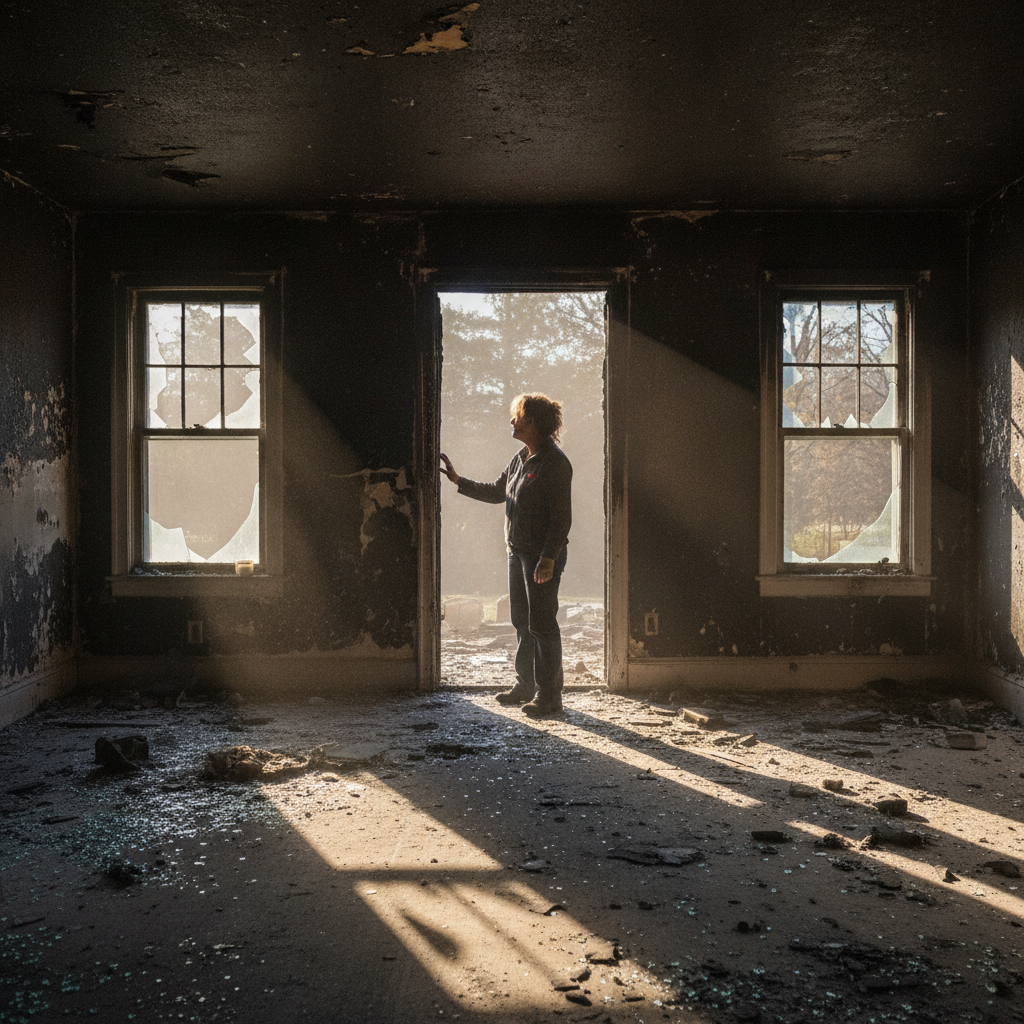
The fire is out, the trucks have left, and the first thing most people want to do is walk back inside and see what is left. That urge is completely human, and it is also one of the riskiest moments in the entire recovery process. A house that looks stable from the curb can hide weakened framing, compromised wiring, lingering toxic residue, and air that is unsafe to breathe for long stretches. Knowing when you can actually step back through the door is a decision that deserves real information, not guesswork or a hopeful glance from the driveway.
This guide walks through the practical milestones that determine when reentry is safe. We will cover who gives the official green light, what hazards linger after the flames are gone, how to prepare for a first visit, and what role professional Fire Damage Restoration Bloomfield Hills teams play in making a damaged home habitable again. Whether you own a single family house, manage a small commercial building, or oversee a development project, the same safety logic applies. The goal is simple: get you back into your property without adding injury or illness to the loss you have already suffered.
Reentry is not one single moment. It is a series of checkpoints, each one unlocking a little more access. Understanding that sequence helps you stay patient when patience matters most, and helps you act quickly when the timing is right.
Why Reentry Is Never Just a Matter of Time
Many people assume a fire-damaged home becomes safe after a set number of days. It does not work that way. Safety depends on conditions, not the calendar. A small kitchen fire that was contained quickly may allow supervised access within a day or two, while a structure fire that burned through a floor system may stay off limits for weeks. The difference comes down to structural integrity, utility status, air quality, and the presence of hazardous materials that were created or released by the fire itself.
Heat can weaken wood, steel connections, and masonry in ways that are invisible to the untrained eye. Firefighting water adds weight to ceilings and floors and can soak insulation and drywall. Burned plastics, treated lumber, and household chemicals release residues that cling to every surface. Because so many variables interact, a responsible reentry plan is built on inspection and testing. That is why professionals at Bloomfield Construction treat the first visit as an assessment, not a homecoming, and why rushing the process rarely saves anyone time or money in the long run.
Who Actually Gives the Official Go-Ahead
The authority to clear a building does not belong to the property owner, and it does not belong to a restoration contractor either. After a fire, the fire department and local building officials determine whether a structure is safe enough to enter. If a property has been posted with a notice or tagged as unsafe, you generally cannot go inside until an official removes or updates that status. Ignoring a posted notice can put you in legal trouble and, more importantly, in physical danger.
Beyond the fire department, other parties weigh in at different stages. Utility companies verify that gas and electrical service is safe to restore. A structural engineer may evaluate load-bearing elements when damage is significant. Your insurance adjuster will want to document conditions before anything is moved, so coordinate timing with them early. A licensed restoration team can then explain which areas are safe for short visits and which remain restricted. Think of it as a chain of approvals. Each link confirms a different type of safety, and you need all of them before treating the home as livable again.
Structural Hazards That Hide in Plain Sight
A charred beam is easy to spot. A beam that lost half its strength without looking dramatically burned is not. Fire weakens structural members by reducing the cross section of wood and altering the properties of metal fasteners and connectors. Floors that feel solid underfoot may be supported by joists that have been heavily damaged from below. Stairs, roof trusses, and wall assemblies can all be compromised even when the surface appears intact.
Water from suppression efforts creates a second layer of concern. Saturated ceiling drywall can sag and release suddenly, and soaked insulation adds significant weight overhead. If you want to understand how moisture quietly changes the materials inside your walls and attic, this article on How Water Damage Affects Insulation in Bloomfield Hills Walls and Attics explains the issue in practical terms. Until a qualified professional has evaluated these elements, treat every ceiling, floor, and stair as potentially unreliable. Wear sturdy boots, avoid walking under visibly bowed ceilings, and never test a questionable floor by standing on it.
Air Quality, Soot, and What You Cannot See
Smoke does not simply vanish once the fire is out. Fine soot particles, acidic residues, and volatile compounds settle on walls, ductwork, furniture, and insulation, then get stirred back into the air whenever someone walks through or opens a door. Burned synthetic materials such as carpet, foam, and wiring insulation can release irritants that cause coughing, headaches, and eye or throat discomfort. People with asthma, heart conditions, or young children are especially vulnerable.
That is why a smell test is not enough. A home can seem tolerable to your nose while still carrying particulates that affect breathing. Professional teams use containment, air scrubbers with HEPA filtration, and targeted cleaning to bring particle counts down before regular occupancy resumes. If you must enter early, a properly fitted respirator rated for fine particulates is far safer than a paper dust mask. Keep visits short, avoid disturbing debris, and open nothing you do not need to touch. Clean air is a milestone you earn through work, not one you can assume.
Electrical, Gas, and Utility Safety Checks
Fire and suppression water are a dangerous combination for electrical systems. Wiring insulation can melt or crack, outlets and panels can corrode, and water can create shock hazards in places you would never expect. Even when power appears to be off, residual hazards can remain, and turning a breaker back on without inspection can start a second fire. Never flip switches or use appliances in a fire-affected home until a licensed electrician has evaluated the system.
Natural gas deserves the same caution. Damaged lines, fittings, or appliances can leak, and a single spark can turn a lingering leak into an explosion. If you smell gas at any point, leave immediately and call the utility from a safe distance. Plumbing also needs attention, since heat can crack pipes and water heaters can be damaged. Utilities are typically restored in stages, and each stage should be verified before moving on. Treat every service as unsafe until someone qualified tells you otherwise, and keep written records of each inspection for your insurer.
A Practical Timeline of Reentry Stages
Reentry usually unfolds in phases rather than all at once. The table below outlines a typical progression so you know what to expect. Actual timing varies widely with the size of the loss, the extent of the damage, and how quickly inspections and approvals come through.
| Stage | What Happens | Access Level |
|---|---|---|
| Emergency clearance | Fire department confirms the fire is out and hazards are controlled | Usually none, or escorted only |
| Initial assessment | Structural, utility, and damage evaluation with the restoration team | Short, supervised walkthrough |
| Stabilization | Boarding up, tarping, water removal, and containment set up | Limited to retrieving essentials |
| Cleaning and repair | Soot removal, deodorization, demolition, and rebuilding | Restricted work zones |
| Final verification | Air checks, system inspections, and sign-off | Full reoccupancy |
Protecting the Roof and Envelope Before You Settle In
One overlooked reentry factor is whether the building can keep weather out. A fire often burns through roofing, decking, or ceilings, and firefighters sometimes cut ventilation holes that leave the structure open to rain and snow. Every day those openings stay uncovered, secondary damage grows, from mold to warped framing to ruined insulation. Temporary protection such as tarps and board-ups is usually among the very first tasks after the scene is cleared.
Cold-weather regions face an added complication. Snow load on a weakened roof and refreezing meltwater can strain compromised sections, and understanding How Ice Dams Can Affect Bloomfield Hills Roof Systems helps explain why winter fires demand fast envelope protection. Until the roof and exterior walls are weathertight, interior repairs make little sense, and spending long periods inside is unwise. A home that is dry, sealed, and structurally sound is a far better candidate for safe occupancy than one that is merely free of visible flames.
How Professional Restoration Shortens the Wait
It can feel like restoration crews are slowing things down, but the opposite is usually true. Experienced teams work in a deliberate order: secure the structure, remove water, contain affected areas, clean soot and residue, treat odors, and then rebuild. Skipping or reversing steps tends to cause rework, lingering smells, and health complaints later. Good coordination between trades keeps the project moving rather than stalling at each handoff.
Local Fire Damage Restoration Bloomfield Hills professionals also know how to document conditions in ways insurers accept, which helps claims move forward without unnecessary delays. If you want a clearer picture of how the process works for properties in this area, you can learn more here about services and what to expect. Ask any prospective contractor how they handle containment, which cleaning methods they use on different surfaces, and how they verify air quality before handing a space back. Clear answers are a good sign that your reentry timeline rests on solid practice.
Preparing for Your First Visit Inside
When access is granted, go in prepared. A little planning keeps the visit safe and productive, and it reduces the emotional strain of seeing the damage firsthand. Bring a short list of what you need to retrieve, because time inside should be brief. Prioritize documents, medications, identification, and irreplaceable items, and leave heavy lifting to the professionals.
- Wear sturdy closed-toe boots with thick soles, long pants, long sleeves, and gloves.
- Use a respirator rated for fine particulates rather than a basic paper mask.
- Bring a flashlight, since power may be off and hallways can be dark and cluttered.
- Take photos and video of every room before moving anything, for your insurance file.
- Never go alone, and let someone know when you are entering and leaving.
Keep children and pets away from the property entirely until cleaning is complete. Their smaller bodies and closer contact with floors and surfaces make them more susceptible to residue exposure.
Salvaging Belongings Without Spreading Contamination
Removing items from a fire-damaged home is tempting, but carrying soot-covered belongings into a clean space, a rental, or a vehicle spreads contamination. Porous items like upholstery, clothing, mattresses, and paper hold smoke residue deeply, and wiping them down rarely solves the problem. Some things can be restored with specialized cleaning, while others are better replaced. Sorting them correctly saves money and avoids bringing odors into your temporary housing.
Food, medicine, and cosmetics that were exposed to heat, smoke, or firefighting water should generally be discarded, since contamination is not always visible. Electronics should not be powered on, because soot and moisture can cause shorts and permanent failure. For valuable or sentimental items, ask your restoration team about professional cleaning, ultrasonic treatment, or content pack-out services. Label boxes, photograph what leaves the property, and keep a running inventory. That record supports your claim and makes it far easier to track what has been cleaned and what remains.
Common Reentry Mistakes to Avoid
Most reentry problems come from good intentions. Owners want to help, save money, or simply take back control, so they start cleaning on their own. Scrubbing soot with the wrong products can grind it deeper into surfaces and make professional cleaning harder. Running the HVAC system can pull residue through every duct and spread it to rooms that were untouched. Opening windows without a plan can invite weather and, in some cases, intruders into a vulnerable property.
Another frequent error is moving back in too soon because the visible damage seems minor. Odors, residue, and moisture can persist inside walls and ductwork long after surfaces look clean. Signing off on a project before air quality and system checks are complete leaves you to discover problems after the crew is gone. Finally, avoid throwing away damaged items before your adjuster has documented them. Patience, documentation, and professional guidance prevent nearly every one of these missteps and keep the recovery on track.
Where to Go From Here
Safe reentry after a fire is a process built on verification, not optimism. The official clearance from fire and building authorities comes first, followed by checks on structure, utilities, and air quality, and then the cleaning and repair work that makes the space genuinely livable. Each stage unlocks a little more access, and each one exists to protect you from hazards that are easy to underestimate when you are eager to get home.
If you take only a few points from this guide, let them be these. Never enter a posted or unevaluated structure. Treat electrical, gas, and structural conditions as unsafe until a professional says otherwise. Do not trust your nose as an air quality test. Document everything before touching it, and let experienced restoration crews control the sequence of work. Rushing may feel productive, but it often adds cost, delay, and health risk that careful steps would have avoided.
Whether you are a homeowner, a small business owner, or a developer managing a damaged property, the principle is the same: the building tells you when it is ready, and qualified people help you read the signs. Build a team you trust, ask plenty of questions, keep your records organized, and give yourself permission to move at the pace safety requires. A well-run restoration gets you back inside with confidence, and that is worth every day of patience it takes.
The post When Can You Reenter a Fire-Damaged Bloomfield Hills Home Safely? appeared first on Bloomfield Construction.
]]>The post How Water Damage Affects Insulation in Bloomfield Hills Walls and Attics appeared first on Bloomfield Construction.
]]>
Insulation is the quiet hero of a building. It sits inside walls and above ceilings, holding heat where it belongs and keeping cold air out, and most owners never think about it until something goes wrong. When moisture gets in, that hero turns into a liability fast. Wet insulation loses its ability to resist heat flow, grows heavy enough to pull away from the framing, and becomes a perfect home for mold. If you are researching water damage restoration Bloomfield Hills property owners can trust, understanding what moisture does to insulation is one of the most useful places to start, because the damage is often hidden long before a stain appears on a ceiling or a wall.
Michigan climate makes this topic especially relevant. Freezing winters, heavy snow loads, spring thaws, and humid summers all push moisture into places it should never reach. A small roof leak in January can soak an attic blanket for weeks before anyone notices. A slow pipe weep inside a wall cavity can saturate batts for months. In this guide we will walk through how different insulation types react to water, what warning signs to watch for, how professionals decide between drying and replacing, and what you can do to protect your investment. Whether you manage a small commercial space, oversee a development, or simply own your home, the goal is the same: catch the problem early, fix it properly, and avoid paying for the same repair twice.
Why Insulation Is So Vulnerable to Moisture
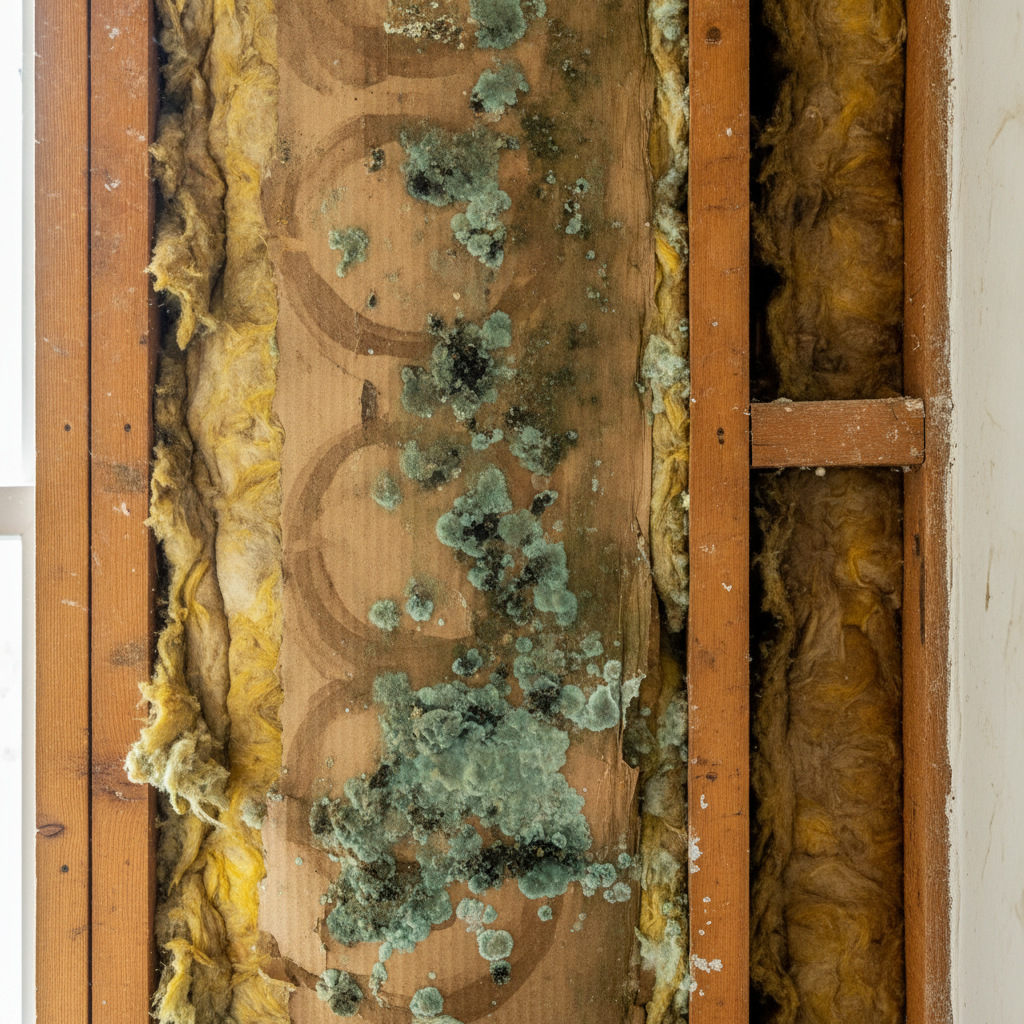
Most insulation works by trapping tiny pockets of still air. Fiberglass, cellulose, mineral wool, and foam all rely on that trapped air to slow the movement of heat. Water destroys this design in two ways. First, it fills the air pockets, and since water conducts heat far better than air, the material stops insulating almost immediately. Second, it adds weight, which causes compression and slumping, leaving gaps that never fully recover even after drying.
The result is a wall or attic that looks intact from the outside but performs poorly. Heating bills climb, rooms feel drafty, and cold spots appear along exterior walls. Because insulation is buried behind drywall or under decking, the performance loss can continue for a long time unnoticed. That hidden quality is why a lot of water damage is discovered late, often only after musty odors or discolored ceilings finally force the issue.
How Different Insulation Types React to Getting Wet
Not every insulation behaves the same way, and the restoration approach depends heavily on what is inside your walls. Fiberglass batts are inorganic, so the glass itself does not rot, but the paper or foil facing can stay damp, trap moisture against framing, and feed mold. Once saturated, batts often clump and rarely regain their original loft, which means drying them in place usually leaves a permanent performance gap.
Cellulose is made from recycled paper treated with fire retardants. It absorbs water readily, holds it for a long time, and can settle into dense, soggy mats that smell sour. Mineral wool tolerates moisture better and often dries more successfully, though heavy soaking still calls for evaluation. Closed-cell spray foam is the most water resistant, since it does not absorb water, but it can hide moisture trapped against the wood behind it. Open-cell foam behaves more like a sponge and usually needs removal after a significant wetting event.
Attic Insulation and the Roof Leak Connection
Attics are where insulation most often meets water. A failed shingle, cracked flashing, or clogged gutter can send a steady trickle onto the attic floor, where it soaks through the blanket of insulation and into the ceiling drywall below. In winter, warm indoor air escaping into a poorly sealed attic can also condense on cold roof decking, creating moisture without any visible leak at all. Winter buildup at the eaves is a common culprit, and you can read more about How Ice Dams Can Affect Bloomfield Hills Roof Systems to see how meltwater backs up under shingles and drips into the space below.
Wet attic insulation is heavy, and that weight can strain ceiling drywall until it bows or collapses. It also traps humidity against rafters and decking, encouraging rot over time. If you notice stained ceilings, a damp smell upstairs, or icicles forming unevenly along the roofline, the attic deserves a close look before the damage travels further down into living areas.
What Happens Inside Wall Cavities
Wall insulation faces a different set of threats. Supply lines, drain lines, window leaks, and failed exterior sealant can all deliver moisture into a cavity that has almost no airflow. Water wicks along studs and drywall paper, soaking insulation well beyond the original leak point. Because the cavity is enclosed, drying is slow, and mold can begin establishing itself within a couple of days when conditions stay warm and damp.
A homeowner may only see a small brown patch or a bubbled paint spot, yet the wet zone behind it can stretch several feet in every direction. This is where moisture meters and thermal imaging earn their keep, since they reveal the true boundaries of the problem. A trusted team such as Bloomfield Construction approaches these situations by mapping the wet area first, then deciding how much material must be opened up rather than guessing from surface stains alone.
Warning Signs You Should Never Ignore
Because insulation damage hides so well, learning the early signals can save a lot of money. Look for these common indicators around your property:
- A persistent musty or earthy smell, especially after rain or snowmelt
- Ceiling stains, sagging drywall, or paint that bubbles and peels
- Sudden spikes in heating or cooling costs without a change in usage
- Cold or warm patches on walls that do not match the rest of the room
- Visible mold specks around vents, corners, or attic access hatches
- Pests drawn to damp, softened material
Any one of these may have a simple explanation, but two or three together almost always point to a moisture problem. If your roof is involved, it helps to have the source evaluated promptly, and you can click here to see how roofing repair can stop the leak that feeds the damage.
The Mold Risk Hidden Behind Wet Insulation
Mold needs moisture, a food source, and time. Wet insulation supplies the first, drywall paper and wood framing supply the second, and a sealed cavity supplies the third. Once colonies take hold, spores can travel through gaps around outlets and ductwork into the living space, affecting air quality and aggravating allergies or asthma in sensitive occupants.
The challenge is that mold behind a wall is invisible until it grows large enough to stain the surface. By then, remediation is more involved and more expensive. Professionals typically recommend removing saturated insulation instead of trying to dry it in place when the material has been wet for more than a short window. Removing it exposes the framing so it can be dried, cleaned, and inspected, which gives you a clean starting point for new material rather than sealing a hidden problem behind fresh drywall.
Dry It or Replace It: How Pros Decide
One of the most common questions property owners ask is whether wet insulation can simply be dried and reused. The honest answer is that it depends on the material, the source of the water, and how long the material stayed wet. Clean water from a fresh supply line leak caught quickly gives you the best chance of saving some materials. Water from a roof leak that has carried dust, debris, and organic matter is a different story, as is any water that sat for several days.
Technicians weigh a few factors: the insulation type, moisture readings through the cavity, whether odors or visible growth are present, and whether the material has slumped or lost its loft. As a general rule of thumb, fiberglass and cellulose that were thoroughly soaked are replaced, mineral wool and closed-cell foam are more likely candidates for drying, and anything touched by contaminated water is removed regardless of type.
Comparing Insulation Types After Water Exposure
The table below summarizes how common materials generally respond to a significant wetting event. Individual results vary with the length of exposure and water source, so treat this as a general guide rather than a promise.
| Insulation Type | Water Absorption | Typical Outcome |
|---|---|---|
| Fiberglass batts | Moderate | Often replaced when soaked |
| Cellulose | High | Usually removed |
| Mineral wool | Low | Can often be dried |
| Closed-cell spray foam | Very low | Usually salvageable, check behind it |
| Open-cell spray foam | High | Often removed |
The Restoration Process Step by Step
A thorough restoration follows a logical sequence. It starts with stopping the source, because drying a wall that is still leaking accomplishes nothing. Next comes assessment, where moisture meters, infrared cameras, and sometimes small inspection openings reveal how far the water traveled. Affected drywall and insulation are then carefully removed, and any contaminated material is bagged and disposed of properly.
After removal, the exposed framing and sheathing are dried with air movers and dehumidifiers until readings return to normal levels. Surfaces are cleaned and, when needed, treated to discourage microbial growth. Only then does rebuilding begin, with new insulation installed to the right depth and density, followed by vapor control, drywall, and finishes. Skipping the verification step, where readings are confirmed before closing walls, is one of the most common reasons moisture problems return a few months later.
Smart Prevention for Walls and Attics
Prevention is far cheaper than restoration, and most of it is simple maintenance. Keep gutters clear so water drains away from the roofline and foundation. Inspect shingles and flashing after major storms. Seal gaps where warm indoor air can leak into the attic, since that air is the source of much winter condensation. Make sure bathroom and kitchen fans vent outdoors rather than into the attic.
Inside the home, watch for slow plumbing leaks by checking under sinks, behind toilets, and around water heaters. Keep indoor humidity in a moderate range, especially during humid summers and long heating seasons. For businesses and multi-unit properties, a scheduled walkthrough each spring and fall helps catch small problems before they spread. Sometimes a related event like a fire leaves behind its own moisture issues from firefighting water, and reading about Smoke-Damaged Electronics: What Bloomfield Hills Property Owners Should Know can help you understand how different types of damage overlap in a single loss.
Working With Insurance and Documentation
Insurance claims for moisture losses tend to go more smoothly when you document everything early. Take dated photos and video of visible damage, keep receipts for emergency repairs, and save any moisture readings or inspection reports you receive. Note when you first noticed the problem and what you did next, since carriers often look at whether a homeowner acted promptly to limit further damage.
Understand that coverage varies by policy and by cause. Sudden events are often treated differently than long-term seepage or maintenance neglect, so read your policy and ask your agent questions before work begins. A restoration company that provides clear scope descriptions, material lists, and drying logs makes it much easier for an adjuster to see exactly what was necessary and why. Detailed paperwork protects you, and it also gives you a record that supports the property value if you ever sell.
Choosing Local Help in Bloomfield Hills
When you search for water damage restoration Bloomfield Hills residents can rely on, look for a team that understands local building styles, from older estate homes with layered insulation upgrades to newer construction with tight envelopes. Ask whether technicians use moisture mapping tools, how they document drying progress, and whether they can coordinate drywall, insulation, and finish work under one roof. Fewer handoffs usually means fewer gaps where problems slip through.
It also helps to choose a provider who is honest about what can be saved and what cannot. A company that recommends replacing soaked insulation and explains the reasoning is generally more trustworthy than one that promises to dry everything and skip demolition. Get written estimates, check licensing and insurance, and read recent reviews from neighbors who faced similar problems before you commit.
Final Thoughts
Insulation rarely gets attention until it fails, yet it plays a major role in comfort, energy costs, and the long-term health of your structure. Water turns that protective layer into a source of trouble by destroying its thermal performance, adding weight, and feeding mold in places you cannot see. The most important lessons are straightforward. Stop the water source first, assess the true extent of the wet area with proper tools, remove materials that cannot be dried safely, and verify dryness before rebuilding.
Pay attention to the early signs, including musty smells, stained ceilings, rising energy bills, and uneven temperatures, because small clues usually appear long before major failure. Keep your roof, gutters, and plumbing in good shape, and document any loss thoroughly so insurance conversations stay simple. Most importantly, do not rush to cover a problem with fresh paint or new drywall before confirming what is happening behind the surface. Taking a little extra time up front protects your property, your budget, and the people who live or work inside it. With the right knowledge and a reliable local partner, even a serious moisture event can be handled cleanly, leaving your walls and attic performing the way they should for many seasons to come.
The post How Water Damage Affects Insulation in Bloomfield Hills Walls and Attics appeared first on Bloomfield Construction.
]]>The post Why Summer Heat Still Matters for Bloomfield Hills Roofing Performance appeared first on Bloomfield Construction.
]]>
When people think about roof trouble in Michigan, they picture ice dams, heavy snow, and spring downpours. Summer rarely makes the list. Yet July and August quietly do some of the most lasting damage a roof will ever face. Surfaces that feel merely warm to the touch from the ground can climb to temperatures far above the air around them, and that stress builds day after day, season after season. Any experienced roofing contractor Bloomfield Hills homeowners trust will tell you that a roof does not fail in one dramatic moment. It fails in small, cumulative steps, and sustained heat is one of the biggest contributors.
This article looks at summer heat from a slightly different angle than the usual storm and leak conversation. Instead of focusing on emergencies, we will walk through how heat actually acts on roofing materials, what the early warning signs look like, how your attic and ventilation either protect or punish your roof, and which habits make the biggest difference. You will also find a quick comparison table of common materials and how they respond to high temperatures.
Whether you own a single family home, manage a small commercial building, or oversee a development, the goal is the same: understand the problem early, spend money in the right places, and avoid the expensive surprises that tend to arrive in the first heavy rain after a hot, stressful summer.
How Sustained Heat Ages Roofing Materials
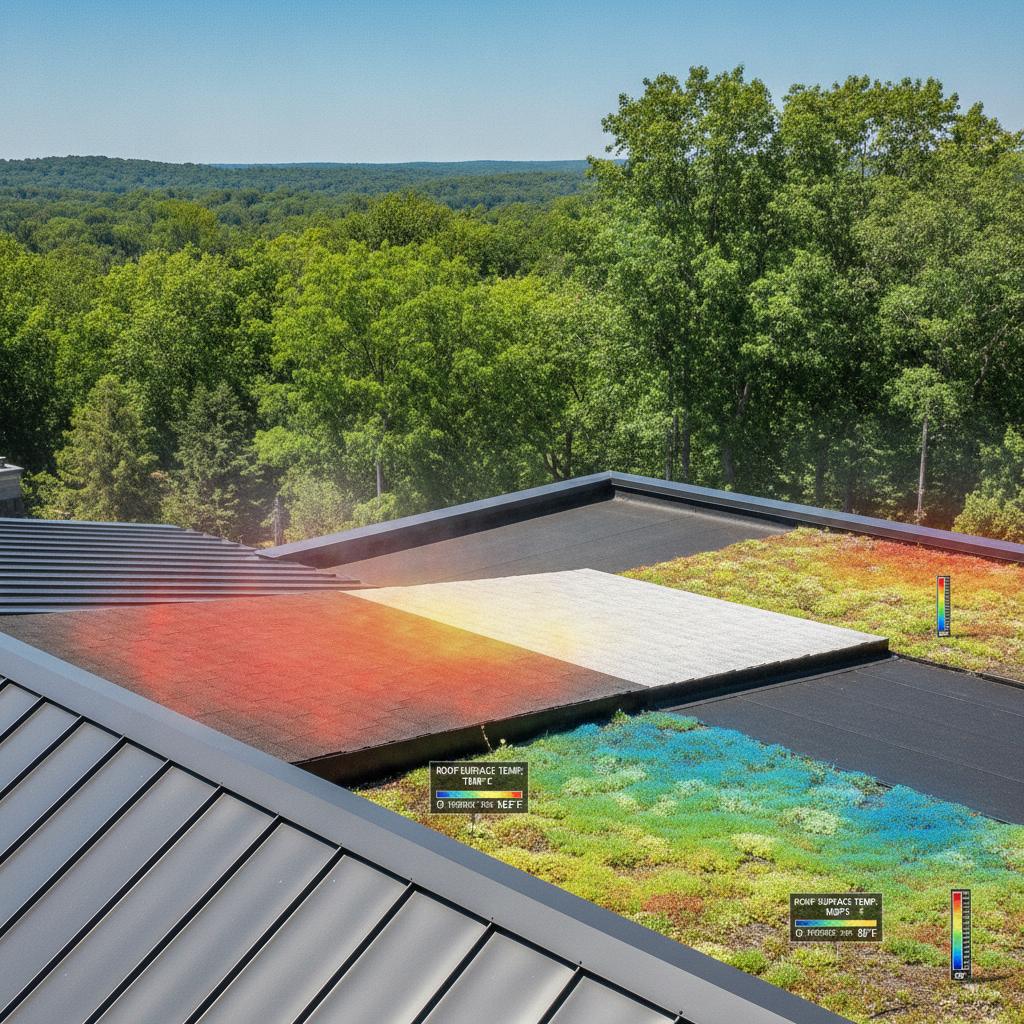
Heat is not dramatic, which is exactly why it gets ignored. Roofing materials expand when they warm and contract when they cool, and in Michigan that cycle happens daily during summer and again across the dramatic temperature swings of spring and fall. Asphalt shingles, the most common covering in this region, contain oils that keep them flexible. Prolonged exposure slowly drives those oils out, leaving the surface brittle and more prone to cracking.
Ultraviolet radiation works alongside the heat. It breaks down the binders that hold protective granules in place, which is why you sometimes find a sandy residue in gutters after a hot stretch. Understanding this process is the first step in treating roof heat damage as a real maintenance category rather than an afterthought. A roof that has absorbed ten summers of intense sun simply behaves differently than one that is three years old, even if both look fine from the driveway.
Early Warning Signs Visible From the Ground
You do not need to climb a ladder to spot the first signals. A slow walk around the property with a pair of binoculars can reveal a surprising amount. Look for shingles whose corners have started to curl upward or whose centers have begun to dome. Both are classic signs that the material has dried out and lost its original shape.
Pay attention to color as well. Uneven fading, dark streaks, or patches that look noticeably lighter than the rest of the slope often point to granule loss. Check the downspout outlets after a rain, since a gritty accumulation there tells the same story from a different direction. Blistering, which appears as small raised bumps, is another heat related symptom. If you notice several of these signs at once, it is wise to bring in a roofing contractor Bloomfield Hills property owners rely on for a closer inspection before the next storm season arrives and turns a cosmetic issue into an interior problem.
Why Attic Temperature Changes Everything
A roof does not only get hot from the top. Heat radiates down into the attic, and without a way to escape it can push attic temperatures dramatically higher than the outdoor air. That trapped heat then cooks the underside of the roof deck, accelerating the aging of the shingles from below while they are also being attacked from above.
Poor ventilation also forces your air conditioning to work harder, since heat migrates into the living space below. Balanced intake and exhaust airflow is the cure. Soffit vents pull cooler air in along the eaves, while ridge or roof vents let hot air leave at the peak. When these are blocked by insulation, paint, or debris, the system stalls. Homeowners often assume ventilation is a winter concern tied to moisture, but its summer job of moving heat is just as important. A quick look at the attic on a hot afternoon, with a flashlight and a willingness to be uncomfortable for five minutes, can reveal whether air is actually moving.
How Different Roofing Materials Handle the Heat
No single roofing product is perfect for every property, and heat tolerance is one of several factors worth weighing. The table below offers a general comparison. Performance varies by manufacturer, installation quality, color, and ventilation, so treat it as a starting point for conversation rather than a final verdict.
| Material | Heat Behavior | Common Concern |
|---|---|---|
| Asphalt shingles | Absorbs heat, loses flexibility over time | Curling and granule loss |
| Metal panels | Reflects much of the sun, expands and contracts | Fastener loosening |
| Slate or tile | Very heat tolerant, heavy | Cracked pieces, underlayment aging |
| Flat membrane systems | Varies by color and coating | Seam stress and blistering |
The Quiet Role of Thermal Expansion
Every component on a roof moves a little when temperatures change. Flashing, vent boots, sealant beads, and fasteners all expand and shrink at different rates, and where two different materials meet, that mismatch creates tiny gaps over time. A hairline separation around a chimney or skylight rarely announces itself during a dry spell. It waits quietly for the next heavy rain.
This is why many leaks appear in autumn even though the real cause developed during summer. Sealants that have baked for months crack and pull away, and pipe boots made of rubber become hard and split. Catching these small failures during a routine inspection is far cheaper than discovering them through a stained ceiling. Think of heat as the slow setup and rain as the event that exposes the weakness. Addressing summer heat roof damage repair needs early, while the fixes are still minor sealing and replacement tasks, keeps small problems from growing into structural ones.
Color, Reflectivity, and Everyday Choices
The color and finish of a roof influence how much of the sun’s energy it absorbs. Lighter and more reflective surfaces send a larger share of that energy back into the sky, which can reduce the temperature of the roof surface and the heat reaching the attic. Darker colors absorb more, though they remain a popular choice for aesthetic reasons.
That does not mean you must abandon a color you love. It means the decision should be informed. Some manufacturers offer cool roof formulations that reflect more sunlight even in darker shades, and these are worth asking about during any replacement conversation. Pair a thoughtful material choice with strong ventilation and adequate insulation, and the combined effect is far greater than any single change. Keep in mind that claims about energy savings vary widely by home, so ask for realistic expectations rather than a guaranteed percentage.
When Heat Meets Storms: A Compounding Problem
Summer in this part of Michigan is famous for pairing sticky heat with sudden, violent thunderstorms. That combination is harder on a roof than either element alone. A shingle that has become brittle in the sun is far more likely to lose a tab or crack when wind gusts arrive, and granules already loosened by heat wash away faster under driving rain.
Sudden cooling matters too. When a storm drops the roof surface temperature rapidly, the material contracts quickly, adding another layer of stress. Homeowners are often surprised that a roof which looked acceptable in June shows leaks after the second or third storm of the season. If you want to understand how local conditions shape these outcomes, it helps to read about Why Local Roofing Experience Matters in Bloomfield Hills, since regional weather patterns influence which materials and installation details hold up best over the long run.
Do Your Own Summer Roof Walkthrough
You can build a simple routine that catches most heat related issues early without ever leaving the ground. Choose a calm, dry morning, grab binoculars, and work through this short checklist:
- Scan each slope for curled, cupped, or cracked shingles.
- Look for bare patches where granules appear to be missing.
- Check vent boots, flashing, and sealant lines for cracks or gaps.
- Inspect gutters and downspout outlets for gritty granule buildup.
- Peek into the attic on a warm afternoon and note stale, stifling air.
- Look at ceilings for faint stains that may signal a slow leak.
Take dated photographs each time. Comparing images from season to season makes slow changes obvious, and those photos are also valuable records if you ever need to discuss the roof’s history with a professional or an insurer. Never walk on a hot, steep, or wet roof yourself. The risk of a fall is not worth the saved inspection fee.
Choosing the Right Help in Bloomfield Hills
Not every roofing inspection is equal, and a thorough assessment looks beyond what is visible on the surface. A qualified professional will examine the decking where accessible, evaluate ventilation, test the condition of flashing and sealants, and explain findings in plain language rather than pushing a sales pitch.
When you are screening candidates, ask about their experience with local weather patterns, their approach to ventilation, and how they document what they find. Request written details and photographs so you can compare notes across more than one opinion. Be wary of anyone who claims every roof needs replacement after a single hot summer, and equally wary of anyone who dismisses visible curling as cosmetic. Good advice sits in the middle, grounded in evidence you can actually see and verify yourself.
Repair, Restore, or Replace: Making the Call
The decision between repair and replacement depends on age, extent of wear, and the likelihood of cascading problems. Isolated damage on a younger roof is usually a straightforward repair. Widespread brittleness, extensive granule loss, or recurring leaks on an older roof often point toward replacement, because patching a failing surface can become a recurring expense.
Weigh the cost of repeated repairs against the cost of a full project, and consider how long you plan to keep the property. A homeowner selling within a year has different priorities than one staying for decades. Also consider the interior. If heat and moisture have already affected insulation or ceilings, factor those repairs into the total picture. Honest professionals will lay out each option, explain the tradeoffs, and let you decide at your own pace rather than pressuring you into an immediate commitment.
Scheduling Smart Seasonal Maintenance
The most cost effective roof is the one that gets small amounts of attention at the right times. Plan a light inspection in late spring to catch winter damage before summer stress arrives, and another in early fall to find heat related issues before freezing weather sets in. Clear gutters, trim overhanging branches, and keep vents unobstructed throughout the year.
It also pays to think about the whole building, not just the shingles. Water that enters through a heat weakened roof can reach insulation, drywall, and even mechanical systems. If you manage a property where fire or water incidents are a concern, reading about How Fire Damage Restoration Handles HVAC Contamination in Bloomfield Hills gives useful perspective on how far a single failure can spread through a structure. Prevention remains cheaper than any cleanup, and a calendar reminder twice a year is a small price for that protection.
Common Summer Roof Myths Worth Dropping
Several persistent myths lead homeowners to postpone sensible maintenance. The first is that a roof only needs attention after a leak appears. In reality, heat driven deterioration usually begins long before water gets in, and early action is dramatically cheaper. The second myth is that a roof which looks fine from the street is fine. Granule loss, brittleness, and failing sealants are often invisible without a closer look.
A third myth claims that ventilation matters only in winter. As covered earlier, summer attic heat is a major source of roof and energy trouble. Finally, many people believe any warranty will cover heat aging, when most warranties exclude normal wear and require proper maintenance and ventilation to remain valid. Reading the fine print of your own coverage before you need it is time well spent, and it will help you set realistic expectations about what is and is not protected.
Final Thoughts
Summer heat may not make headlines the way a blizzard or a hailstorm does, but its influence on your roof is steady, cumulative, and very real. It dries out shingles, strains seals and flashing, overheats attics, and sets the stage for leaks that surface months later. The good news is that most of this is manageable with modest, well timed attention rather than expensive emergency work.
Start with observation. Walk the property, scan the slopes, check the gutters, and note how your attic feels on a hot afternoon. Pay attention to ventilation, since moving heat out of the attic protects both the roof and your energy bills. Think carefully about materials and colors when it is time to replace, and look for honest guidance rather than pressure. Keep a simple seasonal routine, keep photographs, and address small issues before they grow.
If you are unsure what you are seeing, a thorough professional inspection gives you clarity and a plan. Bring questions, ask for written findings, and compare opinions if the stakes are high. A roof is one of the largest investments in any building, and treating summer heat as a legitimate maintenance concern is one of the simplest ways to protect that investment for years to come. A little attention now, while the weather is warm and the work is easy, can spare you a stressful, costly surprise on the first stormy night of the season.
The post Why Summer Heat Still Matters for Bloomfield Hills Roofing Performance appeared first on Bloomfield Construction.
]]>The post Why Local Roofing Experience Matters in Bloomfield Hills appeared first on Bloomfield Construction.
]]>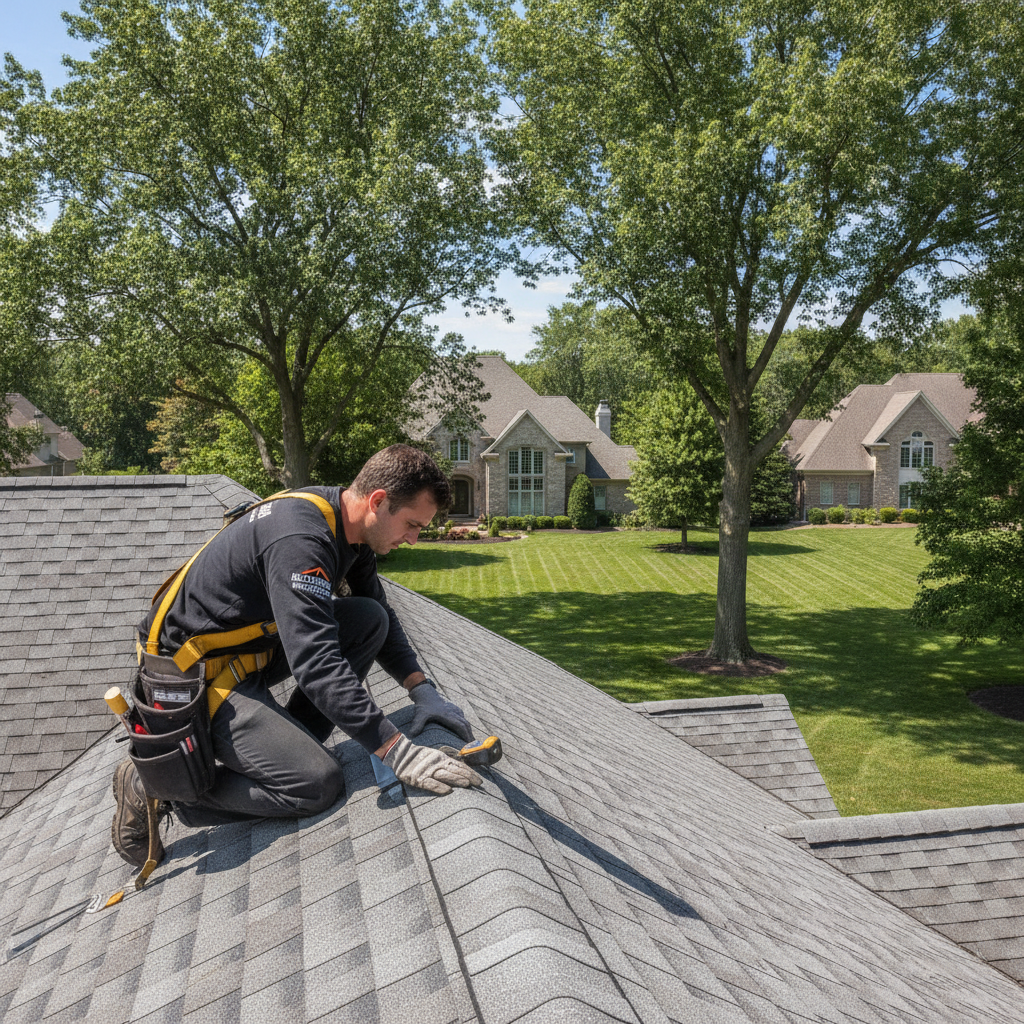
Every roof tells a story about the climate it lives in. In southeastern Michigan, that story includes heavy lake-effect snow, sharp freeze and thaw cycles, spring storms, and humid summers that test every layer of a roofing system. When you start looking for a roofing company Bloomfield Hills homeowners can rely on, one question quietly outweighs most others: does this crew actually understand how roofs behave in this specific place? Experience with local conditions is not a marketing slogan. It shapes which materials get chosen, how ventilation is designed, how flashing is detailed, and how well the finished roof holds up ten or twenty years later.
A roofer who has spent years working on homes in this region has seen the same failures repeat: ice dams forming at poorly insulated eaves, valleys clogged by leaves from mature trees, and older homes with layered roofs hiding rotted decking. That pattern recognition is hard to fake and impossible to learn from a brochure. It saves time during inspections, prevents surprises during tear-off, and leads to better recommendations for your budget.
This guide walks through what local experience really means, why it affects your outcome, and how to spot it when you are comparing contractors. Whether you manage a small commercial property or own a family home, the same principles apply. Let us look at the details that separate a seasoned local crew from a generalist who happens to own a truck and a ladder.
Understanding the Climate Your Roof Has to Survive
Roofing is a battle against weather, and local weather has its own personality. Michigan roofs endure wide temperature swings, which cause materials to expand and contract again and again. Over time, that movement loosens fasteners, cracks sealants, and stresses seams. Snow load adds weight, while trapped meltwater refreezes at the eaves and works its way under shingles.
An experienced local contractor designs for these realities instead of treating them as afterthoughts. They know that underlayment should extend further up from the eave in snowy regions, that attic airflow matters as much as the shingles on top, and that fastener placement affects wind resistance during seasonal storms. Many restoration specialists, such as Bloomfield Construction, see the downstream results of poor roofing choices when water finds its way into living spaces. Understanding that chain of cause and effect is what separates a patch job from a lasting solution.
What Local Experience Looks Like on the Job Site
You can often tell how seasoned a crew is within the first twenty minutes of an inspection. Experienced roofers ask about the history of the home, not just the visible damage. They want to know when the roof was last replaced, whether you have noticed ceiling stains after thaws, and how the attic feels in summer and winter. Those questions point toward the real cause of a problem rather than only its symptoms.
On the roof itself, a veteran notices details a newcomer misses. They check the condition of chimney flashing, look closely at plumbing boots that crack under sun exposure, and examine valleys where debris collects. They also understand how different home styles in the area, from mid-century ranches to large custom builds with complex rooflines, create different risks. Complex rooflines mean more valleys, dormers, and transitions, and every transition is a potential leak point. Familiarity with these layouts allows a contractor to plan material quantities accurately and avoid mid-project delays.
Why Small Repairs Need Big-Picture Thinking
A single missing shingle looks like a minor annoyance, but it can be the visible end of a larger issue. Wind may have been lifting shingles across a whole slope, or aging adhesive strips may be failing everywhere at once. A contractor with strong regional knowledge evaluates the entire roof before deciding how much work is truly necessary.
That judgment matters most when you are weighing roof repair against a full replacement. An honest local pro will tell you when a targeted fix makes sense and when it would only delay an expensive problem. They will explain the remaining lifespan of the roof, show you photos of what they found, and give you realistic expectations. A less experienced company may push a replacement you do not need, or patch a roof that is clearly past saving. Good advice comes from having seen hundreds of similar roofs age over time, which is something only years of local work can provide.
Choosing Materials That Suit the Region
Not every roofing material performs equally in every climate. Asphalt shingles remain popular because they balance cost and durability, but their quality tiers vary widely. Impact-resistant options can handle hail better, while algae-resistant granules help in humid summers. Metal roofing sheds snow efficiently, and slate or synthetic slate suits premium homes where appearance and longevity are priorities.
A locally experienced contractor helps you match material to both budget and environment. They know which products have held up well on nearby homes and which have disappointed. If you are planning residential roof replacement Oakland County homeowners often consider, ask the contractor to show you completed projects using the same materials. Seeing a roof that has weathered several winters tells you far more than a sample board. Also ask about color choices and how they interact with neighborhood aesthetics, since some communities have design expectations or association guidelines worth respecting.
When Roof Problems Become Water Problems
A roof leak rarely stays a roof problem. Water travels along rafters, soaks insulation, and drips into wall cavities long before a stain appears on the ceiling. Eventually it can reach lower levels of the home, including foundations and crawl spaces, where moisture lingers and invites mold. Reading about Restoring Crawl Spaces After Water Intrusion in Bloomfield Hills shows how far water damage can travel from its original entry point.
Local roofers who understand this relationship take leak diagnosis seriously. They look for the true entry point, which is often several feet from the visible stain. They also know when to recommend a moisture inspection or bring in restoration professionals before new roofing goes on. Closing up a roof over wet decking or damp insulation simply traps the problem. A thorough contractor treats the whole building as a system, not just the shingles, and that mindset protects your home from hidden, costly consequences.
The Hidden Value of Local Reputation
Contractors who have operated in one community for years cannot hide from their work. Their jobs sit in plain view of neighbors, and word travels quickly in tight-knit areas. That accountability encourages careful workmanship, clean job sites, and honest communication. A company that disappears after a storm season and reappears under a new name offers none of that protection.
One practical way to gauge reputation is to look for consistency. Do reviews mention the same strengths over many years? Do past customers describe how the crew handled surprises, such as rotted decking discovered mid-project? Reputation also shows in relationships with suppliers, inspectors, and other trades. A locally established roofer often has strong supplier ties, which can mean better material availability and quicker scheduling. Those behind-the-scenes advantages rarely appear in an estimate, yet they make a noticeable difference in how smoothly a project runs from start to finish.
Local Experience Versus Out-of-Area Crews
After major storms, crews from other regions often arrive offering quick, low-priced work. Some are skilled and honest, but many are unfamiliar with local conditions and are gone before problems surface. The table below compares what you can generally expect from each type of contractor.
| Factor | Established Local Contractor | Out-of-Area Storm Crew |
|---|---|---|
| Climate knowledge | Designs for snow, ice, and freeze-thaw cycles | May apply generic methods |
| Warranty follow-up | Easy to reach and visible in the community | Often difficult to contact later |
| Permit familiarity | Knows local inspection processes | May need to learn requirements |
| Scheduling | Planned around local weather patterns | Driven by where storms hit |
| Accountability | Reputation tied to the community | Limited local reputation at stake |
Permits, Codes, and Inspections Made Simpler
Roofing projects often require permits, and requirements can differ from one municipality to the next. A contractor who regularly works in the area already knows what paperwork is needed, how long approvals tend to take, and what inspectors typically look for. That familiarity prevents delays and reduces the chance of failed inspections.
It also keeps you protected. Work that skips required steps can create headaches when you sell your home or file an insurance claim. Rather than assuming every place follows the same rules, ask any contractor you interview how they handle permitting and who is responsible for it. A confident local professional will answer clearly and without hesitation. If someone is vague, or suggests skipping permits to save money, treat that as a warning sign. Proper documentation is part of a quality job, and it protects the value of your property long after the crew has packed up.
Questions Worth Asking Before You Hire
A good interview reveals more than a polished estimate ever will. Come prepared with questions that test genuine familiarity with the community and the craft. Here are several that tend to separate experienced professionals from the rest:
- How long have you been roofing homes in this region, and can you show nearby projects?
- How do you handle ice dam prevention and attic ventilation on homes like mine?
- What do you do when you find damaged decking after tear-off, and how is that priced?
- Who actually performs the work, your own crew or subcontractors?
- What does your warranty cover, and who do I call if something goes wrong?
Listen for specific, confident answers. A seasoned roofer will mention real situations they have handled and explain their reasoning plainly. Vague or rehearsed responses suggest limited depth.
How Neglected Roofs Invite Bigger Damage
Deferred roof maintenance rarely stays cheap. A small crack in flashing can become a leak, a leak can become rotted framing, and rotted framing can compromise insulation, drywall, and electrical systems. In more severe cases, building damage compounds when other hazards enter the picture. Learning Why Soot Can Permanently Stain Bloomfield Hills Homes If Ignored illustrates a similar principle: waiting rarely makes any kind of property damage easier or less expensive to fix.
Routine inspections, ideally once a year and after major storms, catch small issues early. An experienced local roofer will know the typical weak points for homes in the area and check them first. They can also advise on gutter condition, nearby tree limbs, and attic moisture, all of which influence how long your roof lasts. Treating the roof as an ongoing responsibility rather than a one-time purchase is one of the most reliable ways to protect your investment.
Reading an Estimate With a Critical Eye
A good estimate is more than a number. It should describe the scope of work, the materials by brand and type, the treatment of flashing and underlayment, cleanup procedures, and how unexpected conditions will be handled. When an estimate is thin on detail, it leaves room for misunderstandings and surprise charges later.
Local experience shows up here too. A contractor who knows the area will usually account for details like ice and water barrier placement, proper drip edge, and ventilation upgrades without being prompted. Compare several written proposals side by side and look beyond price. The lowest bid sometimes omits steps that others include, which makes the comparison misleading. Ask each contractor to explain differences openly. Honest professionals welcome these questions because they want you to understand exactly what you are paying for and why it matters for the long-term health of your roof.
Final Thoughts
Choosing a roofer is one of the more consequential decisions a property owner makes. The roof protects everything beneath it, and its performance depends heavily on how well it was designed and installed for the conditions it faces. Local experience brings practical advantages that are hard to replace: climate awareness, familiarity with housing styles, smoother permitting, accountable reputations, and honest guidance about repair versus replacement.
As you compare options, look past flashy promises and focus on evidence. Ask to see nearby completed work, request detailed written estimates, and pay attention to how thoughtfully each contractor answers your questions. The right roofing company Bloomfield Hills residents trust will welcome that scrutiny, because their track record speaks for itself. Take your time, gather a few proposals, and choose the team that demonstrates real knowledge of the community rather than simply offering the quickest or cheapest route. A roof installed with local insight, proper materials, and careful craftsmanship can quietly protect your home for decades, and that peace of mind is worth far more than any short-term savings.
The post Why Local Roofing Experience Matters in Bloomfield Hills appeared first on Bloomfield Construction.
]]>The post Smoke-Damaged Electronics: What Bloomfield Hills Property Owners Should Know appeared first on Bloomfield Construction.
]]>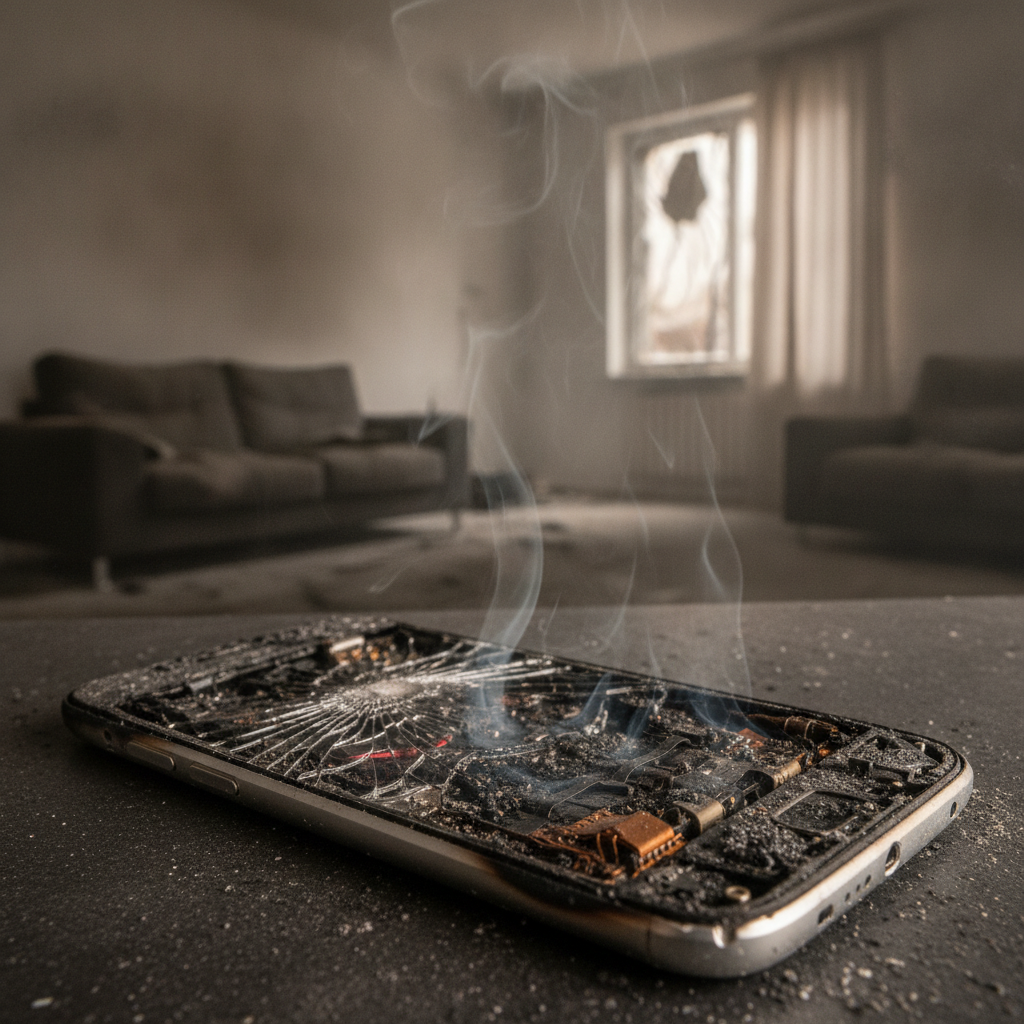
After a fire, most people focus on the visible damage: charred framing, blackened walls, soaked carpet. But the quiet casualties are often sitting on desks and shelves, looking almost normal. A laptop that powers on may still be corroding from the inside. A television that seems fine may fail in three weeks. For anyone dealing with Fire Damage Restoration Bloomfield Hills, understanding what smoke actually does to electronics can save thousands of dollars and prevent a second round of headaches.
Smoke is not just dirty air. It is a cloud of microscopic particles, acidic residues, and oily compounds that travel far beyond the room where the flames started. Those particles settle into vents, circuit boards, connectors, and ports. Over time, moisture in the air activates the acids, and metal contacts begin to corrode. The result can be intermittent glitches, sudden failures, or complete data loss.
Small business owners face the highest stakes, because servers, point-of-sale systems, and workstations hold records that keep the doors open. Developers and property managers have to think about shared equipment, building controls, and tenant belongings. Homeowners worry about family photos, work laptops, and gaming consoles. This guide walks through what happens to electronics in smoke, what to do in the first hours, what can be saved, and how to document everything so your claim holds up.
Why Smoke Is So Hard on Electronics
Electronics are built from tightly packed components that depend on clean metal contacts and stable conductivity. Smoke attacks both. Burning plastics, wiring insulation, and household materials release chlorides and other acidic compounds that cling to surfaces as a fine film. On their own these residues may be inert, but once humidity rises, which happens naturally or when firefighters apply water, they become conductive and corrosive.
Heat adds another layer of risk. Even devices far from the flames can be exposed to temperatures high enough to warp solder joints, damage lithium batteries, or degrade adhesives. Cooling fans pull smoky air straight into the casing, which is why a computer that was running or plugged in during the fire often suffers more internal contamination than one that was powered down.
The tricky part is that damage is often invisible at first. A device can boot normally and still be on a slow path toward failure. That delayed behavior is exactly why professionals treat smoke-exposed electronics with caution rather than relying on a quick power-on test. If you suspect fire damage reached the structure of your building, assume the contents were exposed too until a qualified technician says otherwise.
The First Hours: What to Do and What to Avoid
What you do immediately after a fire can make the difference between a recoverable device and a total loss. The single most important rule is simple: do not power anything on. Turning on a smoke-exposed device sends current through contaminated circuits and can cause shorts that would not have happened otherwise. Leave it unplugged, and if it is safe to do so, remove batteries from portable devices.
Next, resist the urge to wipe things down with a damp cloth or household cleaner. Moisture can push residue deeper into vents and seams, and many cleaners leave films of their own. Dry brushing or vacuuming can also spread fine soot into places it was not before. The goal in the early hours is to preserve, not to clean.
If you can access the property safely, move electronics to a cooler, drier, smoke-free area, or at least cover them with clean plastic sheeting to limit further exposure. Keep humidity low if possible. Avoid running the building’s HVAC system, since it can recirculate smoke particles. Then contact your insurer and a restoration team quickly, because corrosion is a clock that keeps running while you wait.
Spotting Hidden Damage Before It Becomes Failure
Visible soot is only part of the picture. Warning signs that a device has been compromised include a burnt or acrid smell that does not fade, a sticky or gritty residue around ports and vents, discoloration on connectors, and plastic casings that feel tacky or look warped. Screens may show faint haze or lines. Cables can become stiff or brittle.
Behavioral clues matter just as much. Random restarts, overheating fans, lost Wi-Fi connections, flickering displays, and buttons that respond unevenly all point to contamination inside. In office settings, a cluster of small problems appearing across several machines a few weeks after a fire is a classic pattern of delayed corrosion, not a coincidence.
Because so much of this happens at a microscopic level, a visual check by the owner is rarely enough. Trained technicians open casings, inspect boards under magnification, and test for conductivity changes that you would never see. If a device holds critical data, a professional evaluation is worth requesting even when everything seems to work. It is far cheaper to assess early than to lose records after a quiet failure.
What Can Usually Be Saved and What Usually Cannot
Not every smoke-exposed device is a lost cause. Items with sealed housings, simple circuitry, and limited exposure to heat often clean up well. Larger equipment with robust metal casings, such as certain printers, monitors, and audio gear, can respond to professional cleaning when addressed promptly. Hard drives are a special case, since the data matters more than the hardware and specialists can sometimes recover information even from compromised units.
On the other side, devices that were powered on during the fire, exposed to direct heat, or soaked during firefighting efforts have a much lower chance of recovery. Lithium batteries, including those in phones, tablets, and laptops, deserve extra caution because heat exposure can destabilize them and create a safety hazard. Cheap consumer electronics are often cheaper to replace than to restore.
The honest answer is that outcomes vary with the item, the exposure, and how quickly it was handled. A reputable restoration provider will tell you when cleaning is not worth the cost and will help you separate salvageable items from those that should be retired, which also keeps your insurance paperwork cleaner.
How Professional Electronics Restoration Works
Professional electronics cleaning is a controlled, step-by-step process, not a scrub-and-hope exercise. Technicians begin by documenting each device and testing it in a non-powered state. They then disassemble casings and carefully remove loose soot using specialized tools designed to avoid static discharge, which can destroy sensitive chips on its own.
Boards and components are typically treated with cleaning agents formulated to dissolve corrosive residues without harming plastics, coatings, or labels. After cleaning, parts are dried thoroughly, since any leftover moisture can restart corrosion. Technicians then reassemble, test, and often run the device through a burn-in period to confirm stable operation.
Many restoration companies coordinate this work alongside structural cleanup so that contents are not returned to a building that still smells of smoke. Working with a team that handles both the building and its belongings keeps timelines aligned and reduces the chance that freshly cleaned equipment is recontaminated. Services of this kind are part of what Fire Damage Restoration Bloomfield Hills providers coordinate for property owners dealing with the full scope of a loss.
Protecting Data When Hardware Is at Risk
For many businesses, the hardware is replaceable but the information is not. Customer records, accounting files, design work, and project documents may exist only on a machine that just sat in a smoky room. Treat data protection as its own priority, separate from the question of whether the device itself will survive.
If you have recent cloud or offsite backups, you are in a strong position, and the main task becomes verifying that those backups are complete and restorable. If you rely on local drives or a server in the affected building, avoid attempting your own recovery by repeatedly powering the device on. Each attempt can worsen damage to platters, controllers, or memory chips.
Ask a restoration or data recovery specialist about imaging the drive in a clean environment before any further use. Label every storage device with its source, location, and what it contained. Looking ahead, build a simple habit that serves you after any disaster: automatic offsite backups, tested restores twice a year, and a short written list of which systems matter most. That preparation turns a catastrophe into an inconvenience.
Documenting Electronics for Your Insurance Claim
Electronics are among the most commonly disputed items in a fire claim, largely because owners struggle to prove what they had. Good documentation changes that. Start by photographing every device where it sits, including close-ups of soot, discoloration, melted plastic, and model or serial number labels. Capture wide shots that show the context of each room.
Build an inventory listing each item’s make, model, approximate age, purchase price, and condition before the fire. Receipts, credit card statements, email order confirmations, and warranty registrations all help establish value. For businesses, asset registers and depreciation schedules are especially useful.
Keep written reports from technicians who evaluated or cleaned the equipment, since they show whether an item was restorable and what the work cost. Never discard damaged devices until your adjuster has agreed in writing that you may do so. If a loss involved both fire and water from suppression efforts, you may be dealing with two types of damage at once, and for water-related questions you can click here for more information on how that side of recovery works.
Repair, Restore, or Replace: Making the Call
Deciding whether to restore or replace a device comes down to a few practical questions. How much does cleaning cost compared to a new unit? How critical is the item to daily operations? How confident is the technician about long-term reliability? A restored workstation that runs a business-critical application may be worth far more than its sticker price, while a ten-year-old television probably is not.
Reliability should weigh heavily. Even a well-cleaned device carries slightly more uncertainty than a brand-new one, so consider the consequences of a surprise failure. For equipment that protects safety, such as alarm panels, fire detection systems, and building controls, replacement is usually the wiser path.
The table below offers a quick reference for common categories. Treat it as a starting point for conversations with your restoration provider and insurer rather than a rule, because individual circumstances change the answer.
| Device Type | Typical Recovery Outlook | Key Consideration |
|---|---|---|
| Desktop computers and servers | Often restorable if not powered on | Data protection comes first |
| Laptops, phones, tablets | Mixed, depends on heat exposure | Lithium battery safety risk |
| Televisions and monitors | Mixed, often cost sensitive | Replacement may cost less than cleaning |
| Printers and office equipment | Frequently salvageable | Check paper paths and toner for residue |
| Alarm and building control systems | Replacement usually advised | Safety reliability outweighs savings |
Special Concerns for Businesses and Property Managers
A business owner in Bloomfield Hills faces a different set of pressures than a homeowner, because every day of downtime costs money. Priorities should follow operations: restore the systems that bring in revenue first, such as point-of-sale terminals, network equipment, and the workstations tied to key staff. Less critical items can wait.
Shared spaces complicate matters. Property managers and developers often oversee building-wide systems like access control, security cameras, and elevator or lighting controls. Smoke can travel through shared ductwork and ceiling plenums, so electronics in untouched suites may still need inspection. Clear communication with tenants about what is being assessed, and when, prevents confusion and disputes.
It also helps to think about continuity. Temporary equipment rentals, remote work arrangements, and cloud-based tools can keep a team productive while restoration proceeds. Check whether your policy includes business interruption coverage and what documentation it requires. Weather-related roof or exterior issues that may have contributed to a loss, including those described in How Ice Dams Can Affect Bloomfield Hills Roof Systems, are worth reviewing with your property team as part of the recovery plan.
Preventing Repeat Problems After Cleanup
Once electronics are cleaned or replaced, protect your investment. Make sure the building itself has been properly cleaned and deodorized before devices are returned, since lingering smoke residue in walls, insulation, and ductwork can recontaminate equipment. Ask your restoration provider to confirm air quality and surface conditions before you plug anything back in.
Control humidity, because moisture is what turns residual acids into active corrosion. A dehumidifier in the room where equipment is stored, along with proper ventilation, helps keep conditions stable. Quality surge protectors and uninterruptible power supplies reduce stress on restored devices, which may be more sensitive than they were before the loss.
Schedule follow-up checks. A technician can inspect restored equipment a few weeks after reinstallation to catch any early signs of trouble. Also, deal with underlying building issues that could cause future damage, since repairs left unfinished can lead to new claims. Reading about The Real Cost of Delaying Minor Roof Repairs in Bloomfield Hills is a useful reminder that small problems rarely stay small.
The Bottom Line
Smoke-damaged electronics are one of the most underestimated parts of a fire loss. The devices that look fine are often the ones most likely to fail later, because corrosion works quietly and on its own schedule. The good news is that a handful of disciplined actions dramatically improve your odds: keep everything powered off, avoid amateur cleaning, limit further exposure, and get qualified technicians involved quickly.
Protect your data as a separate priority from your hardware, and document everything as if you will be asked to prove it, because you probably will be. Use a practical repair, restore, or replace framework that weighs cost, importance, and reliability, and do not hesitate to retire items where safety or long-term dependability is in question.
For small business owners, developers, and homeowners alike, the smartest move is to coordinate electronics recovery with the larger restoration effort so that cleaned equipment returns to a clean, dry, properly ventilated space. A fire is disruptive enough without a second wave of failures weeks later. With a calm plan, honest assessments, and the right professionals beside you, you can recover what matters, replace what you must, and get back to normal with confidence rather than guesswork.
The post Smoke-Damaged Electronics: What Bloomfield Hills Property Owners Should Know appeared first on Bloomfield Construction.
]]>The post Why Hardwood Subfloor Damage Matters in Bloomfield Hills Water Restoration appeared first on Bloomfield Construction.
]]>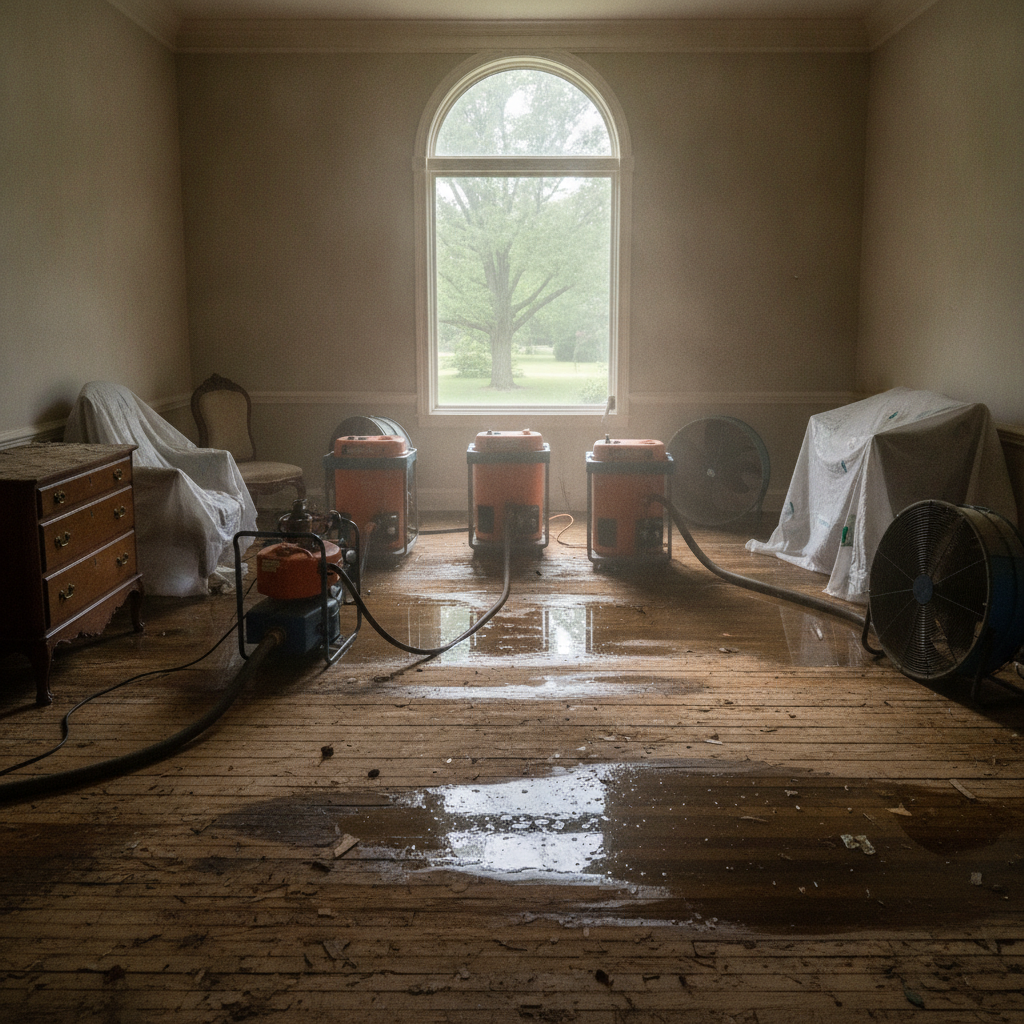
A glossy hardwood floor can hide a lot of trouble. After a burst pipe, a failed appliance line, or a storm that pushes water through the foundation, the boards you walk on are only the visible layer. Underneath sits the subfloor, the structural deck that carries your furniture, your family, and everything else. When that layer absorbs moisture, the consequences reach far beyond a few cupped planks. For homeowners and property managers searching for Water Damage Restoration Bloomfield Hills, understanding what happens below the surface is one of the most valuable things you can learn before choosing a repair plan.
Hardwood subfloors behave differently from the finished flooring above them. Boards, plywood sheets, and older plank decking all drink in moisture and release it slowly, which means a floor can feel dry on top while the structure below stays wet for weeks. That hidden moisture feeds mold, weakens fasteners, and warps the framing that keeps your floor flat and quiet. Many property owners only discover the problem months later, when a bounce appears underfoot or a musty smell won’t go away.
This guide walks through why subfloor damage matters, how to spot it early, what professionals measure and remove, and how to decide between drying, partial replacement, and a full rebuild. Whether you own a single home, manage rental units, or run a small business with hardwood floors, the goal is the same: protect the structure, avoid repeat repairs, and make sound decisions while the clock is still on your side.
What a Hardwood Subfloor Actually Does
Think of the subfloor as the foundation for your finished floor. It sits directly on the floor joists and provides a flat, rigid surface that supports the hardwood planks, tile, or carpet above. In many older homes, the subfloor is made of diagonal wood planks. In newer construction, it is more often large sheets of plywood or oriented strand board. Either way, its job is to spread loads evenly, resist flexing, and give nails and staples something solid to grip.
When the structure stays dry, it can last as long as the building. Once it gets wet, though, the picture changes quickly. Wood fibers swell, glue lines in plywood begin to separate, and fasteners loosen as the material expands and contracts. Even water damage that looks minor on the surface can leave the deck soft, uneven, or prone to squeaking. Understanding this hidden layer is the first step toward understanding why a quick mop-up rarely tells the whole story.
How Water Travels Beneath Finished Flooring
Water does not stay where it lands. It follows gravity and capillary action, moving through gaps between boards, along nail lines, and across the top of the subfloor. A spill near a dishwasher can migrate several feet in either direction before anyone notices a stain. Once it reaches the seam between two plywood sheets, it can slip underneath and spread sideways along the joists.
Hardwood is also a tricky material because it traps moisture. Tight tongue-and-groove joints and protective finishes slow evaporation, so the boards can hold water against the subfloor for a long time. Add a rug, a cabinet toe-kick, or a built-in bookcase, and you have a sealed pocket where dampness lingers unseen. This is why technicians test across wide areas instead of just the visibly wet spot. The visible damage is often only a small part of the actual wet zone.
Early Warning Signs Homeowners Often Miss
Subfloor trouble rarely announces itself loudly at first. Instead, it shows up as small changes that are easy to dismiss. Watch for these signals, especially after a leak, flood, or stretch of humid weather:
- Cupping or crowning, where board edges lift or the centers rise
- Soft or springy spots that give slightly when you step on them
- New squeaks or popping sounds in areas that were quiet before
- A persistent musty or earthy smell, even after cleaning
- Gaps opening between planks or visible discoloration along seams
- Doors that suddenly stick because the floor has shifted
None of these proves the deck is ruined, but together they suggest moisture is still present. A floor that looks fine in summer can reveal problems in winter when heating dries the wood and exposes loose fasteners. Documenting changes with dated photos can help you and your restoration team understand how the damage progressed.
Why Surface Drying Alone Falls Short
It is tempting to run fans, open windows, and call it done once the top layer feels dry. Unfortunately, the surface is a poor indicator of what is happening below. Hardwood flooring can feel and look normal while the subfloor underneath still holds enough moisture to support mold growth. Fungal colonies need very little to get started, and a dark, enclosed cavity between the floor and the ceiling below is an ideal habitat.
Proper drying targets the entire floor assembly. Technicians use moisture meters, thermal imaging, and sometimes small test holes to find wet material that the eye cannot see. Then they set up controlled airflow and dehumidification, often pulling air through the cavity itself. Homeowners who need dependable water damage cleanup in Oakland County benefit most from teams that measure before, during, and after drying instead of guessing. Data is what separates a lasting fix from a floor that fails again next season.
The Real Cost of Ignoring Subfloor Moisture
Delaying action rarely saves money. Wet wood invites rot, which weakens the very material that holds your floor up. Joists and deck boards can lose strength gradually, and by the time sagging becomes obvious, the repair often involves much more than swapping a few boards. Mold remediation, drywall replacement along the baseboards, and even adjustments to plumbing or cabinetry can pile onto the project.
There is also a property value angle. Buyers and inspectors look closely at floors, and unresolved moisture history can complicate a sale or raise questions during an appraisal. Insurance is another consideration. Many policies expect owners to take reasonable steps to limit further harm, and leaving wet materials in place can create disputes later. Because pricing and coverage vary widely from one situation to another, it helps to get written scopes and keep thorough records. Acting promptly keeps the project smaller, simpler, and easier to document.
How Professionals Evaluate Subfloor Damage in Bloomfield Hills
A thorough evaluation starts with questions: what was the source of the water, how long was it present, and was it clean or contaminated? From there, a technician maps the affected area using meters and imaging tools, then compares readings against dry reference points in the same home. The goal is to define a clear boundary between salvageable and compromised material.
Homeowners comparing providers for Water Damage Restoration Bloomfield Hills should expect this kind of methodical assessment rather than a quick glance and a flat quote. Good teams will explain what they find, show you the readings, and describe why certain sections need removal. They also check for related issues, such as roof leaks or plumbing failures, that may be the true source. Fixing symptoms without tracing the origin invites a repeat event, so the inspection should always connect the visible damage back to its cause.
Dry, Repair, or Replace: Weighing Your Options
Not every wet subfloor needs to be torn out. Whether the deck can be saved depends on how long it stayed wet, the type of water involved, and how the material has responded. Sound plywood that is caught early can often be dried in place. Material that has delaminated, softened, or developed active growth usually has to come out. The table below summarizes common scenarios and typical responses.
| Condition Found | Typical Response | General Outlook |
|---|---|---|
| Damp but firm, caught within days | Structural drying in place | Often salvageable |
| Swollen seams or minor delamination | Dry, then replace affected panels | Partial repair likely |
| Soft, spongy, or visibly moldy decking | Remove and rebuild section | Replacement needed |
| Contaminated water exposure | Remove porous material, sanitize | Safety driven decision |
Mold Risk and Indoor Air Concerns
Moisture trapped beneath hardwood is one of the quieter ways mold gets established in a home. Spores are present nearly everywhere, and they only need a food source and persistent dampness to grow. Wood, paper-faced drywall, and dust all qualify. When growth takes hold in the floor cavity, spores can drift into living spaces through gaps around baseboards, vents, and plumbing penetrations.
Some residents notice irritation, stuffiness, or a lingering odor before they ever see visible growth. If anyone in the household has allergies or asthma, those symptoms can flare. Addressing moisture quickly is the most reliable prevention strategy, because it removes the conditions mold needs. If growth is already present, containment and proper removal prevent it from spreading during demolition. Avoid scrubbing suspected colonies yourself, since disturbing them can release more spores into the air. A professional assessment keeps the process controlled and protects everyone in the building.
Protecting Roofs, Walls, and Floors Together
Subfloor damage is frequently a downstream effect of problems elsewhere in the building. A slow roof leak can saturate insulation, run down a wall cavity, and finally pool on the floor deck, where it stays hidden for months. Likewise, a poorly sealed window or a clogged gutter can send water toward the foundation and into the lower level.
That is why a whole-building view matters. Reading about Choosing Between Roof Patching and Full Replacement in Bloomfield Hills can help owners understand how a failing roof system eventually shows up as interior floor trouble. Fixing the source is just as important as drying the damage. If the upstream leak continues, even the best subfloor repair will eventually get wet again. Coordinating envelope repairs with interior restoration gives the whole project a better chance of lasting.
Preventive Habits That Keep Floors Dry
Prevention is far cheaper than restoration, and most of it comes down to routine attention. Inspect under sinks, behind toilets, and around water heaters a few times a year. Replace aging supply hoses before they fail, and consider leak sensors in laundry rooms, kitchens, and basements. Keep indoor humidity in a moderate range, since hardwood reacts to seasonal swings and extreme dryness or dampness both stress the boards.
The roof deserves the same regular care as the plumbing. Scheduling periodic checkups and reading guidance such as How Roofing Inspections Help Prevent Costly Home Repairs in Bloomfield Hills can reveal small defects before they turn into interior leaks. Also make sure gutters drain away from the foundation and that the grade slopes away from the house. These small, inexpensive habits protect the subfloor by keeping water out of the structure in the first place.
Questions to Ask Before Hiring a Restoration Team
Choosing the right provider shapes the outcome more than almost any other decision. Start by asking how they will measure moisture and what readings they consider dry. A credible team can explain their targets and share documentation at each stage. Ask whether technicians hold recognized industry training, and request a written scope that lists what will be removed, dried, and rebuilt.
It also helps to ask how they handle communication with insurers, how quickly they can begin work, and what they do if hidden damage turns up mid-project. Be cautious of anyone who promises a fixed result without inspecting the floor or who pushes you to tear out everything without evidence. Reliable companies are comfortable showing you why material needs to go. Clear answers, transparent pricing, and a willingness to explain the science behind their approach are signs you are in capable hands.
Final Thoughts
Hardwood floors get the attention, but the subfloor does the heavy lifting. When water reaches that hidden layer, the damage can spread quietly, weaken the structure, and open the door to mold long before anything looks wrong on the surface. That is why a careful, measured response matters so much after any leak or flood.
The key points are simple. Act quickly, because time is the biggest factor in whether material can be saved. Insist on real measurements rather than appearances, since a dry-looking floor can still hold dangerous moisture. Trace the problem back to its source, whether that is a pipe, an appliance, or a leaking roof, so the repair actually lasts. And choose a restoration partner who explains their findings openly and documents their work.
If you suspect moisture beneath your flooring, do not wait for a soft spot or a musty smell to confirm it. A prompt inspection is far less disruptive and far less expensive than a full rebuild after months of hidden decay. Protect the structure beneath your feet now, and you protect the comfort, safety, and value of the entire property for years to come.
The post Why Hardwood Subfloor Damage Matters in Bloomfield Hills Water Restoration appeared first on Bloomfield Construction.
]]>The post Roof Leak Hotspots Bloomfield Hills Residents Should Check First appeared first on Bloomfield Construction.
]]>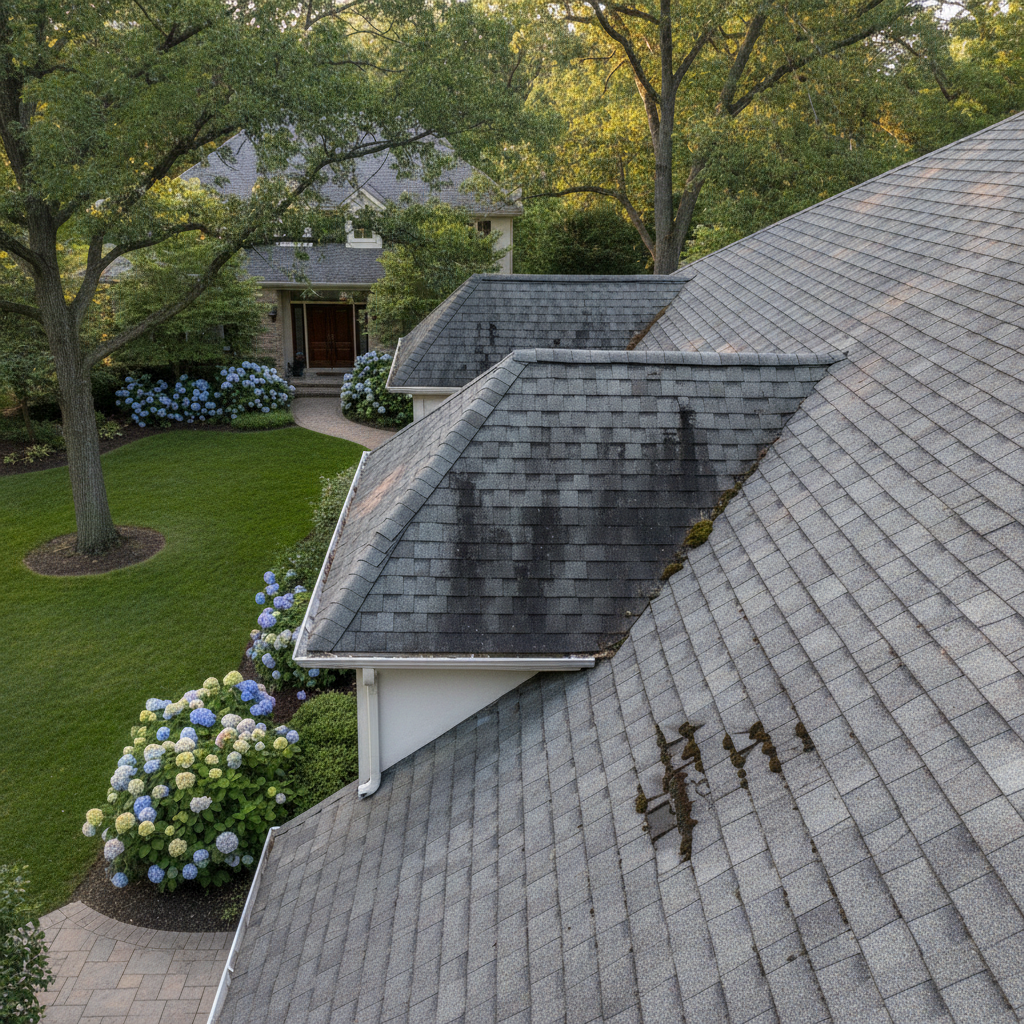
A leaky roof is more than a nuisance, it can threaten the comfort, safety, and value of your property. Whether you’re a small business owner, a developer, or a homeowner, knowing where leaks most often start is crucial for timely intervention. If you’re searching for a trusted roofing contractor Bloomfield Hills residents rely on, it helps to know what areas to inspect first before calling in the pros. Early detection can prevent major water damage, mold growth, and expensive repairs. In this guide, we’ll walk you through the most common roof leak hotspots, why they’re vulnerable, and how you can spot trouble before it escalates. By understanding these key areas, you’ll be better equipped to maintain your property and protect your investment for years to come.
Why Roof Leaks Happen Most Often at Certain Spots
Roof leaks rarely occur at random. Instead, they tend to develop at specific weak points where water can find its way inside. These vulnerabilities are often due to design features, aging materials, or improper installation. For example, areas where different parts of the roof meet, like valleys, chimneys, or skylights, are naturally more exposed to water intrusion. Weather events, such as heavy rain or wind, can also accelerate wear at these spots. Understanding why leaks concentrate in these areas helps you prioritize inspections and maintenance. If you notice recurring issues, it may be time to consult a Roofing contractor Bloomfield Hills MI trusts for a thorough evaluation.
Chimneys and Their Surrounding Flashing
Chimneys are a classic source of roof leaks because of the number of seams and materials involved. The flashing, the metal that seals the gap between the chimney and the roof, can deteriorate, rust, or pull away over time. Even a small gap can allow water to seep in, causing damage to the attic or interior walls. Regularly inspect the flashing for signs of rust, cracks, or separation from the masonry. If you spot water stains or dampness near your chimney, it’s a sign that repairs are needed. Professional roof leak repair services can address these issues before they escalate into major structural concerns.
Valleys Where Roof Planes Intersect
Roof valleys are the lines where two roof slopes meet, channeling water down to the gutters. Because they handle large volumes of runoff, valleys are especially prone to leaks if not properly installed or maintained. Overlapping shingles, flashing, and sealants can wear out or shift, exposing the underlying decking. Debris buildup, such as leaves or twigs, can also trap moisture and accelerate deterioration. It’s important to keep valleys clear and check for cracked or missing shingles. If you’re unsure about the condition of your roof’s valleys, a consultation with Bloomfield Construction can help you identify and address potential issues early.
Skylights and Roof Windows: Beauty with a Risk
Skylights and roof windows add natural light and style, but they also introduce new opportunities for leaks. The seals and flashing around these installations can degrade, especially with exposure to UV rays and temperature changes. Condensation inside the skylight or water stains around the frame are early warning signs. Proper installation is key, but even well-installed skylights need regular checks for cracked glass, loose fasteners, or deteriorated caulking. If you notice persistent moisture issues, it may be worth exploring resources like Restoring Crawl Spaces After Water Intrusion in Bloomfield Hills to understand the broader impact of roof leaks on your property.
Vents, Pipes, and Other Roof Penetrations
Any structure that penetrates the roof, such as plumbing vents, exhaust pipes, or attic fans, requires flashing and sealant to keep water out. Over time, these materials can dry out, crack, or become dislodged, leaving gaps for water to enter. Even small leaks around vents can lead to mold growth or rot in the attic. Regularly inspect vent boots and seals for signs of wear or separation. If you’re evaluating contractors, consider What Makes a Roofing Company a Good Fit for Bloomfield Hills Properties to ensure you’re working with professionals who understand the unique challenges of this community.
Gutters and Downspouts: The First Line of Defense
Gutters and downspouts play a critical role in directing water away from your roof and foundation. When they become clogged with debris or develop leaks themselves, water can back up and seep under shingles or behind fascia boards. This can cause rot, mold, and even foundation issues. Regular cleaning and inspection are essential, especially after storms or in the fall when leaves accumulate. Look for sagging gutters, rust spots, or water pooling near the foundation. Addressing gutter problems promptly can help prevent roof leaks and extend the lifespan of your entire roofing system.
Shingle Damage: Cracks, Curling, and Missing Pieces
Damaged or missing shingles are a common cause of leaks, especially after severe weather. Cracked, curled, or loose shingles can allow water to penetrate the underlayment and decking below. Even a single missing shingle can compromise the waterproof barrier and lead to interior damage. Regular visual inspections from the ground or with binoculars can help you spot trouble before it worsens. If you notice granule loss, bald spots, or exposed nails, it’s time to schedule a professional assessment. Timely repairs can save you from more costly restoration work down the line.
Ice Dams and Winter Roof Hazards
In colder climates, ice dams are a major risk for roof leaks. When snow melts and refreezes at the roof’s edge, it can trap water behind the ice, forcing it under shingles and into the attic. Poor insulation and ventilation make this problem worse by allowing uneven roof temperatures. Signs of ice damming include icicles hanging from gutters, water stains on ceilings, or peeling paint near exterior walls. Preventative measures include improving attic insulation, ensuring proper ventilation, and safely removing excess snow from the roof. Addressing these issues early can help you avoid expensive repairs come spring.
Flat Roofs: Unique Leak Challenges
Flat roofs, common on commercial buildings and some modern homes, present unique challenges when it comes to leaks. Unlike pitched roofs, flat roofs don’t shed water as efficiently, so pooling and slow drainage are frequent problems. Seams, drains, and flashing are common weak points. Even minor punctures from foot traffic or equipment can lead to significant water intrusion. Regular inspections for ponding water, blistering, or membrane cracks are essential. Addressing issues quickly can prevent leaks from spreading and causing interior damage, especially in buildings with sensitive equipment or inventory.
Attic Spaces: The Hidden Signs of Roof Leaks
The attic is often the first place where roof leaks make themselves known. Water stains, mold, or a musty smell in the attic can indicate a leak even if you haven’t seen water inside your living or working spaces. Check the underside of the roof deck for discoloration, damp insulation, or warped wood. Proper attic ventilation and insulation can help prevent condensation and moisture buildup, which can mimic or worsen leak symptoms. Regular attic inspections are a smart way to catch problems early and protect both your roof and your indoor air quality.
Quick Reference Table: Roof Leak Hotspots and Warning Signs
| Hotspot | Common Issues | Warning Signs |
|---|---|---|
| Chimneys & Flashing | Rust, cracks, loose flashing | Water stains near chimney, damp attic |
| Roof Valleys | Debris buildup, worn shingles | Pooling water, visible gaps |
| Skylights | Failed seals, cracked glass | Condensation, water stains |
| Vents & Pipes | Cracked boots, loose sealant | Mold, damp insulation |
| Gutters & Downspouts | Clogs, leaks, sagging | Overflow, water near foundation |
| Shingles | Cracks, curling, missing | Bald spots, exposed nails |
| Flat Roofs | Pooling, seam cracks | Ponding water, blisters |
Final Thoughts
Roof leaks can be sneaky, but they’re rarely invisible to a careful eye. By understanding the most common hotspots, chimneys, valleys, skylights, vents, gutters, and more, you can take proactive steps to protect your property. Regular inspections, prompt repairs, and working with experienced professionals are the keys to preventing small problems from becoming costly disasters. Remember, every roof is unique, and local weather patterns add extra challenges for residents and businesses in this area. If you suspect a problem or want peace of mind, don’t hesitate to reach out to a reputable roofing contractor for a thorough assessment. Staying vigilant today means fewer headaches tomorrow and a safer, more comfortable space for everyone who depends on your building.
The post Roof Leak Hotspots Bloomfield Hills Residents Should Check First appeared first on Bloomfield Construction.
]]>The post Choosing Between Roof Patching and Full Replacement in Bloomfield Hills appeared first on Bloomfield Construction.
]]>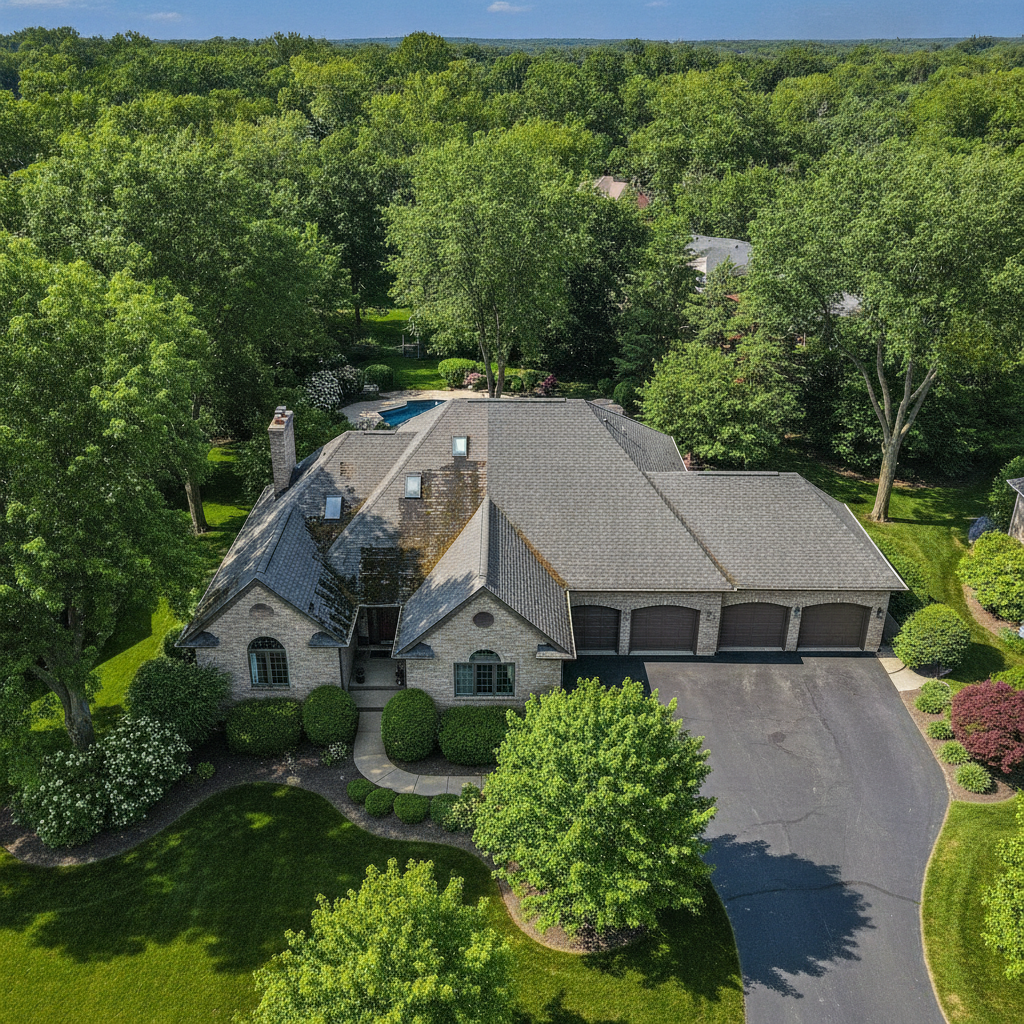
When your business or property faces roof issues, the stakes are high. A leaky or damaged roof can disrupt operations, threaten valuable assets, and even put safety at risk. For small business owners, developers, and residents in the area, knowing whether to patch a troubled roof or invest in a full replacement is a critical decision. The right choice can save money, prevent future headaches, and protect everything beneath your roof. Working with a trusted roofing company bloomfield hills is essential for making an informed decision. In this guide, we’ll break down the key factors, from the age and condition of your roof to the long-term benefits of each approach, so you can confidently choose the best path for your property.
Understanding Roof Damage Types
Roof problems come in many forms, from minor leaks to widespread deterioration. Recognizing the type of damage you’re facing is the first step in deciding between patching and replacement. Local buildings often experience issues like missing shingles, cracked flashing, ponding water, or sagging areas. Sometimes, damage is isolated and can be addressed with a targeted repair. Other times, underlying issues such as rot, mold, or structural weakness signal more extensive trouble. Consulting a professional for a thorough inspection ensures you don’t overlook signs that might require more than a simple patch. Early detection can prevent minor issues from escalating into major, costly repairs or even full roof failure.
When Roof Patching Makes Sense
Patching is often the most cost-effective solution when damage is localized and the rest of the roof is in good condition. For example, if a recent storm has dislodged a few shingles or caused a small leak, a targeted patch can restore integrity without the expense of a full replacement. Timely patching can extend the life of your roof, especially if the materials are still within their expected lifespan. However, it’s important to ensure that the underlying structure is sound and that patching won’t simply mask a deeper problem. For business owners, quick repairs mean less disruption and lower immediate costs, making patching a practical choice for minor, contained issues like those addressed in roof repair and replacement projects.
Signs It’s Time for Full Roof Replacement
There are clear indicators that a roof has reached the end of its service life. Widespread shingle loss, persistent leaks, visible sagging, and significant water damage are all red flags. If repairs have become frequent or if the roof is approaching the end of its warranty period, replacement may be the smarter investment. Aging roofs often develop hidden problems such as rot or insulation damage, which patching cannot resolve. A full replacement provides an opportunity to upgrade materials, improve energy efficiency, and ensure compliance with current building codes. Working with a reputable contractor like Bloomfield Construction ensures your new roof is built to last and tailored to your property’s needs.
Evaluating the Cost Differences
Cost is a major factor in the patch vs. replace debate. Patching is generally more affordable upfront, especially for small, isolated issues. However, repeated repairs can add up over time, and may not address root causes. Replacement has a higher initial price tag but often delivers better value in the long run, reducing the risk of future leaks and maintenance. Consider not only the material and labor costs but also potential business interruptions and the impact on property value. For example, water intrusion from roof leaks can lead to hidden expenses, such as those seen in Restoring Crawl Spaces After Water Intrusion in Bloomfield Hills. Weighing both immediate and future costs helps you make a financially sound decision.
How Roof Age and Material Influence Your Choice
The age of your roof and the materials used are critical in determining whether to patch or replace. Asphalt shingle roofs typically last 20-30 years, while metal or tile roofs can endure much longer. If your roof is relatively new and made from durable materials, patching may be sufficient. However, older roofs nearing the end of their lifespan are often better candidates for replacement. Material compatibility is also important, patching with mismatched materials can create weak spots. In some cases, the original roofing materials may no longer be available, complicating repairs. For properties that have experienced issues like Sump Pump Failure and Basement Flooding in Bloomfield Hills, underlying water damage may require a more comprehensive approach.
Assessing Structural Integrity Before Deciding
Before making any decision, it’s essential to assess the structural integrity of your roof. Even if surface damage appears minor, underlying issues such as weakened decking, compromised trusses, or hidden mold can threaten the entire structure. A thorough inspection by a qualified roofing professional will reveal whether patching is truly sufficient or if a full replacement is warranted. Ignoring structural problems can lead to safety risks and more expensive repairs down the line. For commercial properties, structural assessments are especially important to ensure compliance with safety regulations and to protect occupants. Investing in a detailed evaluation helps you avoid surprises and make the most cost-effective, long-term choice for your building.
Weather and Climate Considerations
The local climate plays a significant role in roof performance and longevity. The region experiences a range of weather conditions, from heavy snow and ice in winter to thunderstorms and high winds in summer. These factors can accelerate roof wear and lead to more frequent repairs. When deciding between patching and replacement, consider how well your current roof materials withstand local weather patterns. Some materials are better suited to resist moisture, temperature swings, and UV exposure. If your roof has suffered repeated weather-related damage, replacement with more resilient materials may provide better long-term protection. Proactive planning for climate challenges can save you money and stress in the future.
Impact on Property Value and Insurance
Your roof’s condition directly affects property value and insurance coverage. A well-maintained or recently replaced roof can boost curb appeal and attract buyers or tenants. Insurance companies may offer better rates or coverage for newer roofs, while properties with aging or damaged roofs could face higher premiums or limited coverage. When considering patching versus replacement, factor in how each option will influence your property’s marketability and insurability. In some cases, insurers may require a full replacement before renewing a policy. Investing in a new roof can also provide peace of mind, knowing that your property is protected and compliant with insurance requirements.
Sustainability and Energy Efficiency Factors
Modern roofing materials offer improved energy efficiency and sustainability compared to older options. If your current roof is outdated, replacing it with energy-efficient materials can lower heating and cooling costs, reduce your carbon footprint, and even qualify your property for green certifications. Reflective coatings, better insulation, and recycled materials are just a few of the innovations available today. While patching may be suitable for minor repairs, a full replacement allows you to upgrade to more sustainable solutions. For business owners, these improvements can translate into operational savings and enhanced reputation as an environmentally responsible organization.
Working with Local Roofing Professionals
Choosing the right contractor is as important as deciding between patching and replacement. Local roofing professionals understand the unique challenges of the area’s climate and building styles. They can provide tailored recommendations based on your property’s specific needs and ensure that all work meets local codes and standards. Look for contractors with a strong reputation, proper licensing, and experience with both commercial and residential projects. Transparent communication, detailed estimates, and clear timelines are signs of a reliable partner. By working with a trusted local expert, you can feel confident that your roof will be repaired or replaced with quality workmanship and materials.
Comparing Patching and Replacement at a Glance
| Factor | Patching | Full Replacement |
|---|---|---|
| Upfront Cost | Lower | Higher |
| Longevity | Short-term | Long-term |
| Scope | Localized | Entire Roof |
| Disruption | Minimal | Greater |
| Energy Efficiency | Limited | High Potential |
| Property Value | Little Impact | Increases |
Final Thoughts
Deciding between patching and a full roof replacement is never a one-size-fits-all situation. Each property, whether a small business or a residential home, has unique needs based on age, material, extent of damage, and future plans. By understanding the pros and cons of each approach, considering the local climate, and evaluating costs and long-term benefits, you can make a decision that protects your investment and ensures peace of mind. Consulting with experienced local professionals will help you weigh your options and choose the best solution for your property. Whether you opt for a quick patch or a complete overhaul, prioritizing quality and proactive maintenance will keep your roof performing for years to come.
The post Choosing Between Roof Patching and Full Replacement in Bloomfield Hills appeared first on Bloomfield Construction.
]]>