The post The Evolution of Cyber Warfare Capabilities in the British Armed Forces appeared first on Armedforcescleethorpes.co.uk.
]]>From Shadows to Spotlight: The Genesis and Formalisation of UK Cyber Power
My own time in service saw the very beginnings of digital integration, but the sophisticated cyber focus we see today was barely imaginable then. The UK’s offensive cyber capabilities weren’t born overnight; their roots trace back over a decade, initially tested and refined in operational theatres like Afghanistan. These early forays paved the way for more complex applications, notably against the Islamic State group in Iraq and Syria. It wasn’t until 2018 that the Director of GCHQ, Jeremy Fleming, publicly confirmed a ‘major offensive cyber-campaign’ against ISIS. This campaign, aimed at disrupting propaganda, hindering attack coordination, and protecting coalition forces, demonstrated the tangible impact cyber actions could have in supporting conventional military objectives, moving cyber from a theoretical concept to a proven battlefield tool.
The formal announcement of the National Cyber Force (NCF) in November 2020 represented a significant maturation of the UK’s approach. It wasn’t just a new name; it signified a unified command, bringing personnel from MI6, GCHQ, and the military under one umbrella. This integration aims for greater cohesion, ensuring cyber operations are woven into the fabric of traditional military strategy. Its remit is broad, extending beyond direct battlefield support – like potentially disabling enemy air defences for RAF missions – to tackling daily threats from terrorists, criminals, and hostile states by degrading or destroying their communication systems. Unlike its more visible American counterpart, US Cyber Command, the NCF maintains a higher degree of secrecy, a common trait among nations developing these sensitive capabilities, as noted by publications like The Economist (Britain assembles a new cyber force).
This formalisation was further cemented by the government’s Integrated Review in 2021, described as the most significant strategic overhaul since the Cold War. This review explicitly recognised the need for the armed forces to adapt, placing cyber power at the heart of future defence posture. As Boris Johnson highlighted, the strategy embraces a ‘full-spectrum’ approach, balancing robust cyber defence with the capacity for targeted offensive operations. The NCF is central to this, tasked with transforming the UK’s ability to act decisively in cyberspace. This strategic pivot also carries economic dimensions, with plans for a ‘cyber corridor’ in the north of England, hosting the NCF headquarters, intended to foster innovation and growth by linking defence, industry, and academia.
Building the Digital Armoury: Recruitment, Training, and Infrastructure
Developing cutting-edge cyber capability requires more than just technology; it demands highly skilled personnel. Recognising an escalating digital threat landscape, the Ministry of Defence (MoD) has initiated an accelerated programme to recruit and train cybersecurity specialists. Facing a surge in attacks, the MoD is fast-tracking personnel, aiming to fill critical roles rapidly. The traditional basic training is condensed, followed by intensive specialist cyber training, highlighting the urgency. This isn’t a short-term fix; plans for larger recruitment drives signal a long-term commitment. To attract the necessary talent in a competitive market – a challenge acknowledged in government reports concerning public sector technical recruitment – attractive packages are offered, including competitive starting salaries and significant skills-based pay.
Once trained, these specialists are deployed to the front lines of digital defence and offence. Key locations include the MoD’s digital headquarters in Corsham, focused on securing networks and systems, and the NCF’s base in Samlesbury, dedicated to counter-operations against adversaries. Their responsibilities are diverse, encompassing penetration testing to find weaknesses, simulating attacks to hone defences, and developing overarching security strategies. It’s striking how broadly these skills are applied; the Royal Navy, for instance, indicates cyber recruits will test everything from tanks and missiles to fighter jets and aircraft carriers. This demonstrates a crucial point I’ve observed: cyber security is no longer a siloed IT function but a fundamental aspect of operational capability across all military domains.
The impetus behind this rapid build-up is clear. The MoD itself reported facing over 90,000 ‘sub-threshold’ cyber attacks over two years – a constant barrage testing UK defences. While not acts of war, these incidents represent a persistent and evolving threat. The proactive recruitment and training initiatives are a direct response, signifying a determined effort by the British Armed Forces to not only defend against but also to operate effectively within this contested digital environment, establishing and maintaining a state-of-the-art cyber warfare capability.
Cyber in the Strategic Context: Deterrence, Threats, and Alliances
The rise of cyber power prompts fundamental questions about national security strategy. There’s an ongoing debate, highlighted by organisations like the European Leadership Network, regarding the relative importance and resource allocation between traditional nuclear deterrence and modern cyber capabilities. While nuclear weapons offer ultimate deterrence against existential state-level threats, their utility against the more frequent, nuanced challenges of cyber attacks and disinformation campaigns is limited. Cyber tools, in contrast, offer precision, adaptability, and potentially more proportionate responses. Given the significant, long-term cost of nuclear modernisation versus the investment in the National Cyber Strategy, the argument for prioritising cyber as a more versatile and cost-effective tool for contemporary threats gains considerable traction.
The threat isn’t theoretical; the UK has faced tangible consequences from cyber attacks targeting critical national infrastructure. Incidents impacting Transport for London, the MoD’s own payment network, and the jamming of the Defence Secretary’s RAF plane GPS signal near Kaliningrad serve as stark reminders of vulnerability. Perhaps most concerning was the major attack on NHS England systems in 2024, attributed to the Qilin group, which resulted in data theft and widespread disruption to healthcare. These events underscore the immediate and damaging potential of cyber warfare on essential services and public trust, reinforcing the need for robust defensive and offensive capabilities.
Operating in cyberspace requires clear legal and ethical boundaries. The UK asserts that its cyber operations are conducted within the framework of international law, including the UN Charter, and are subject to rigorous domestic oversight through legislation like the Intelligence Services Act 1994 and the Investigatory Powers Act 2016. This legal underpinning is crucial for legitimacy and accountability. Forthcoming legislation, such as the Cyber Security and Resilience Bill, aims to further strengthen the regulatory environment, reflecting an ongoing commitment to responsible cyber power development.
Furthermore, the UK’s cyber evolution doesn’t happen in isolation. As a key member of NATO, its cyber defence posture is intrinsically linked to the Alliance’s collective strategy. NATO’s journey, from first acknowledging cyber defence in 2002 to formally recognising cyberspace as an operational domain in 2016, has heavily influenced member states. The principle established at the 2014 Wales Summit – that a cyber attack could invoke Article 5 (collective defence) – fundamentally reshaped the strategic landscape. Initiatives like the Cyber Defence Pledge, the Cyberspace Operations Centre, and the commitment to an Integrated Cyber Defence Centre demonstrate NATO’s deepening focus, driving capability development and interoperability within member forces, including the UK’s.
Navigating the Future: AI, Integration, and the Evolving Digital Frontline
Looking ahead, the next phase in the evolution of cyber warfare capabilities will undoubtedly be shaped by Artificial Intelligence (AI). The integration of AI promises to enhance threat detection, analysis, and response times, but it also presents new challenges in defending against AI-powered attacks. Continued investment in AI-driven cybersecurity will be critical for maintaining a strategic edge. The UK’s ambition, supported by institutions like the National Cyber Security Centre (NCSC) and events like CYBERUK, is to be a global leader in this field, shaping international norms.
The integration of cyber capabilities across the Army, Royal Navy, and Royal Air Force will only deepen. From my own service experience, the difference between then and now is stark; cyber awareness and capability are no longer niche specialisms tucked away in a corner, they are increasingly integral to every aspect of military planning and operations, from logistics and intelligence to tactical command and control on the battlefield. Ensuring personnel across the board have a fundamental understanding of the cyber domain is becoming as crucial as traditional military skills.
The evolution of cyber warfare capabilities within the British Armed Forces is a dynamic and ongoing process. It’s a continuous cycle of adaptation, driven by the relentless pace of technological change and the shifting tactics of adversaries. Mastering this domain requires sustained investment, agile thinking, and a willingness to constantly reassess threats and opportunities. The UK has clearly signalled its intent not just to participate in this digital arena, but to be a leading force, actively shaping the contours of the 21st-century battlefield and safeguarding national interests in an increasingly complex and interconnected world.
The post The Evolution of Cyber Warfare Capabilities in the British Armed Forces appeared first on Armedforcescleethorpes.co.uk.
]]>The post The Role of the British Armed Forces in the Russia-Ukraine Conflict appeared first on Armedforcescleethorpes.co.uk.
]]>For Ukraine, the West is on its side, with Britain among the superpowers facilitating the Ukraine government to win the war. In this piece, find out the role of the British armed forces in the war.
Financial Aid
With Ukraine’s economy paralysed, Britain has offered financial aid to the former Soviet country. In March, then Prime Minister Boris Johnson announced that the UK would be providing £25 million in favour of the Ukrainian military as extra funds in addition to the £400 million his government has committed for humanitarian and economic aid. At the time of writing, the UK has pledged over £2.5 billion for Ukraine.
Weapons Aid
Besides funding, Britain has offered Ukraine top-of-the-range weapons. One of the fundamental military aids is intelligence. The UK military deployed an RC-135W Rivet Joint surveillance aircraft, which has given Ukraine the edge in terms of intel on Russian military positions. This is alongside other weapons, including NLAW anti-armour weapons, Javelin anti-tank missiles, armoured vehicles, long-range artillery, surveillance drones, M270 Multiple Launch Rocket Systems, and mine-hunting UUVs, to mention a few.
Military Training
The UK has also been instrumental in the training of Ukraine’s military. In July, up to 10,000 Ukrainian soldiers
were sent to the UK for specialist military training. The training gave volunteer recruits the military expertise needed to defend their country. Civilians, too, have been trained by the British military.
Indeed, the British army has been an invaluable addition to the Ukraine military. However, the help has consequences, as Russia now sees Briain as an enemy.
The post The Role of the British Armed Forces in the Russia-Ukraine Conflict appeared first on Armedforcescleethorpes.co.uk.
]]>The post Nicotine Amongst The Armed Forces appeared first on Armedforcescleethorpes.co.uk.
]]>
Changes To The Sector
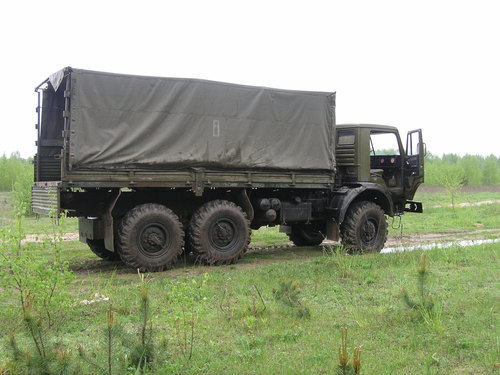
The technology utilised by the army has advanced greatly over the years. In fact the history of the Armed Forces is one of rapid change in terms of weapons, vehicles and tactics. Despite this the life of an average soldier is very similar to one decades ago. A lot of their time will be spent training and waiting to be called into action.
With so much time to spare and such high levels of stress it is understandable that nicotine use is prevalent in the forces. It was once common to see both standard soldiers and commanding officers smoking cigarettes. Times have changed and the Forces have announced the intention to become smoke free by the end of 2022.
Consequences To The Ban
As a result workers in this sector have to find other ways to get their nicotine fix. This could include purchasing Velo nicotine pouches from the website Northerner. Some people will be reluctant to give up nicotine altogether. Its use is so popular that slang terms for smoking have entered the squaddie vernacular. Many people who have gotten used to cigarettes may struggle with the new change in policy.
An Alternative View
On the other hand there are benefits to it. All members of an
operational structure need to be as healthy as possible. The problem with smoking is that it can lead to lung issues. If the soldier is physically unable to do their job due to such ailments it can put the entire squad in jeopardy.
It remains to be seen if the Forces will start to ban nicotine in all of its forms. This substance is a great way to achieve instantaneous relaxation. For the time being it appears that soldiers will be able to still enjoy Velo nicotine pouches. They can order one that appeals to their specific tastes. These items come in numerous different flavours. Mint will be popular amongst those who want to have an experience of freshness. Fans of sweeter tastes will prefer the variety of citrus fruits on offer. There are even different strengths to try out.
Nicotine And Psychology
There is a clear reason why nicotine is popular within the Forces. This substance gives soldiers a much needed break from the arduous nature of their work. It is important to relieve tension from time to time. Otherwise it can build up and lead to both physical and mental issues.
The post Nicotine Amongst The Armed Forces appeared first on Armedforcescleethorpes.co.uk.
]]>The post Female Veterans and Augmentation appeared first on Armedforcescleethorpes.co.uk.
]]>However, others may wish to try something new. The great thing about this line of work is that it can be a stepping stone to finding more desirable career paths. Employers tend to look favourably at those who have served their country.
Women who have recently retired from the armed forces might want to draw a line in the sand when they begin a new life chapter. They can close the door on their old service times and become someone completely different. This can even extend to the way that they look.
Augmentation is popular for a variety of reasons. It lets people control their body shape and tweak any parts that they feel particularly self-conscious about. A Motiva supplied teardrop implant is perfect for anyone who wants to adjust their figure. British Armed Forces veterans will notice that these types of procedures have numerous benefits to them.
Looking Fantastic in Civilian Clothing
People who have worked for the RAF, Navy or Army will be aware that specific uniforms are worn due to their rich historical significance. Once the person retires from the forces, the kinds of clothing they can wear will drastically expand. A teardrop implant will allow them to have a more flattering fit in a wide range of different outfits.
An Increase in Body Autonomy
While soldiers are allowed a fair level of individuality, they also have to be part of a squad. The main goal of a recruit is to fit into an operational structure by serving a specific purpose. Sometimes their role will mean that they are unable to attain cosmetic surgery. Outside of the forces, women can utilise Motiva to increase their body autonomy.
Understanding the Procedure
People are trained in specific areas when they join the forces. Not everyone will leave this job with a knowledge of medical procedures. The majority of them will need to seek expert advice. This can be accessed via the Motiva website. It puts people in touch with surgeons who can create an action plan tailored to the individual needs of the client.
Mobility Without Discomfort
Many jobs in the forces require a high level of physical fitness. Mobility is key. Once a person retires, they may still want to keep being active. A Motiva teardrop implant will not hinder a patient’s movement. They can continue leading busy lives without feeling unnecessary discomfort.
The post Female Veterans and Augmentation appeared first on Armedforcescleethorpes.co.uk.
]]>The post More Opportunities in the British Army for Foreign Nationals appeared first on Armedforcescleethorpes.co.uk.
]]>In 2016, the Ministry of Defense announced a halt to the five-year requirement for applicants from Commonwealth countries. Notably, the previous cap of 200 foreign recruits per year was adjusted upwards to 1,350. These slots are expected to be shared between three military wings, Army, Navy, and the Royal Air Force, each taking 1000, 300, and 50 places, respectively. These new slots mean more opportunities for foreign nationals from commonwealth nations looking forward to joining the British Military.
What It Takes to Join
With the Army having limited slots for commonwealth applicants already, this means that you do not need a UK residency to join the British Army. However, applicants, not the Military, bear the responsibility of e ensuring that they get permission to be in the UK. You are allowed to apply for residency for the entirety of the selection and recruitment process. You should have a valid passport covering at least two years from your start date in the Army.
Applicants must be at least 18 years old to join the British Army as a soldier. Educational requirements such as a degree are not required, but you should be ready for aptitude tests. Be sure to check other conditions such as fitness, nationality, and criminal records before applying.
Residency and Citizenship
Successful applicants from Commonwealth countries qualify for an Indefinite Leave to Remain (ILR) or permanent residency. Dependents (spouses and dependent children) are also allowed to accompany the successful recruit. However, they have to make a formal application via the Armed Forces website.
The post More Opportunities in the British Army for Foreign Nationals appeared first on Armedforcescleethorpes.co.uk.
]]>The post Facts About Joining the British Army From a Commonwealth Country appeared first on Armedforcescleethorpes.co.uk.
]]>Age Requirements
If you want to join the navy but reside in a commonwealth country, you must be at least 18 years old. Also, if you are already living in the UK and have a biometric residency card, you can join even at 16 years. These requirements also apply to Irish and commonwealth applicants who want to join the army. However, any applicant who is a Gurkha must be aged between 18 and 21 years. Applicants who wish to join the navy can apply from 16 years, but they must have been living in the UK for at least five years.
New Recruitment Targets
The government is targeting to recruit 1350 commonwealth citizens, up from the previous cap of 200. The placements will be shared among the three armed services in the following order: 1000 people will go to the army, 300 to the navy, and 50 to the Royal Air Force (RAF).
Visa, Passport and Residency Requirements
You must have a valid passport and a proper visa that enables you to stay in the UK for the recruitment period. For army applicants, you must have a valid visa that will last from the recruitment and selection to the enlistment period. It is the duty of the applicant to reapply for any expired visa, and they must have valid passports for at least two years from the start of military service. RAF applicants can be recruited directly from their countries, but they must have at least three years of residency in the UK to get their security clearance approved.
The post Facts About Joining the British Army From a Commonwealth Country appeared first on Armedforcescleethorpes.co.uk.
]]>The post Issues with the RAF Fleet appeared first on Armedforcescleethorpes.co.uk.
]]>Some of the reasons for these aircraft being out of comission include being too dated or for the fact that they are out for significant maintenance or repairs. Fiighter jets to helicopters to Typhoons are all on the list of aircraft that are not in circulation or able to be used. In fact, there are actually 55 Typhoons that are not available or in circulations, and are part of a fleet that are known as the “sustainment fleet” and those in circulation are known as the ‘forward fleet’.
T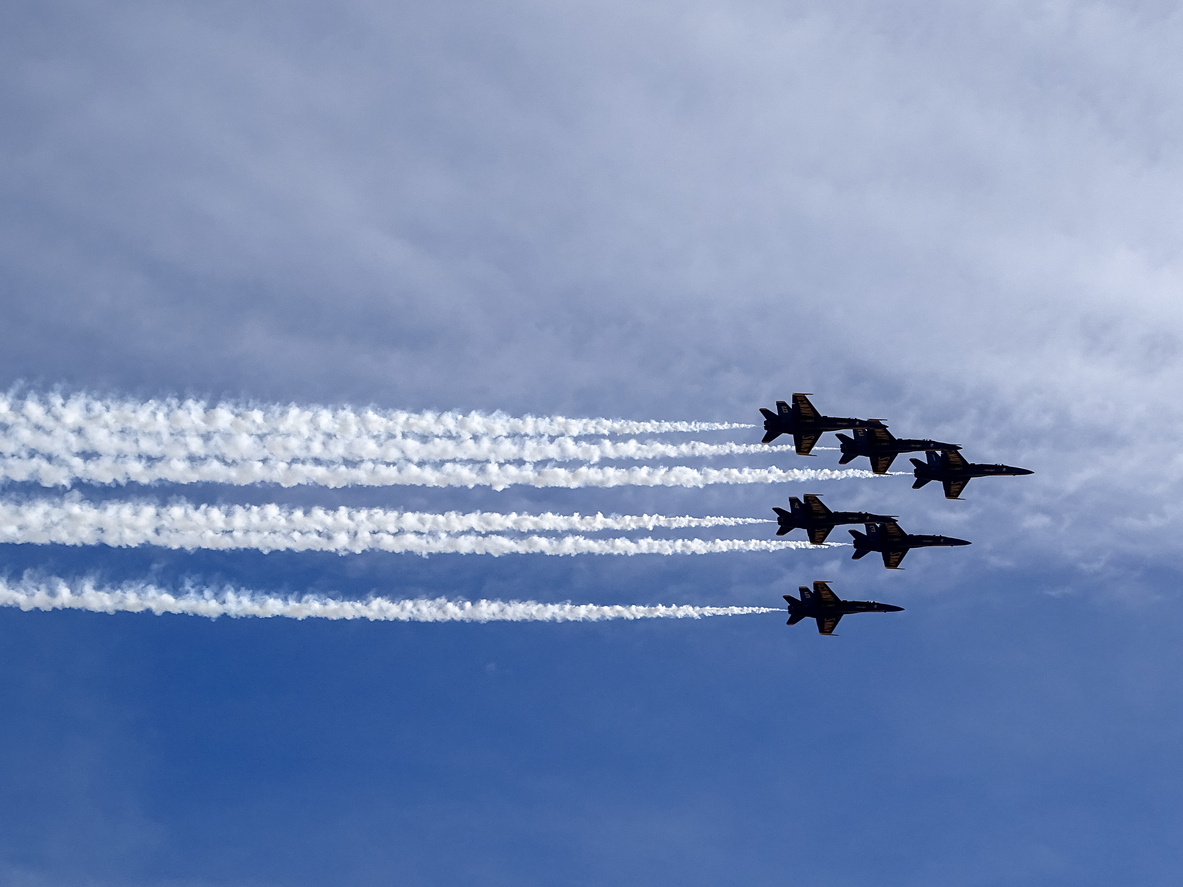 ransport planes are also under repair with five of 20, a significant portion of these planes,being unavailable. This could be a serious issue if there were any emergencies or last minute transportation requirements. This is also not a great situation givent that these transport planes were only made and put into the hands of the British armed forces in 2014.
Even more shocking is the fact that about half of the RAF jets are in storage or require significant maintenance- to the point that they are not usable. and 50% of the surveillance aircraft are not currently usable, and at one point in 2018, only ONE of these planes were available, something that lawmakers and leaders were vocally and explicitly unimpressed.
Finally, 19 of the 60 helicopters are down and not currently operational.
This is a known issue for the British Armed forces and they are working on a long term, sustainable solution.
The post Issues with the RAF Fleet appeared first on Armedforcescleethorpes.co.uk.
]]>The post History of the British Army appeared first on Armedforcescleethorpes.co.uk.
]]>
The British Army is one of the oldest military forces in the world and has been around for centuries, dating back as far as the early 1650″s. In 1660, the British Army was created to protect the King. Since then, the army has served and protected the country and its leaders in a number of wars within Europe and on a more international basis. The army had a huge role given that for over 3 centuries, the United Kingdom was the largest economic and imperial powers in the entire world. This was largely in part due to the British Armed Forces, which is made up of the Royal Navy, British Army and the Royal Air Force.
1645 was the year when three Kingdoms came together; England, Ireland and Scotland.This was known as the New Model Army.
1707 marked the merging of the English and Scottish armies and operating under a unified command and started fighting together in the War of Spanish Succession. Charles the II was responsible for the creation of the British Army throughout his restoration.
In the 18th century., the army had formally established its structure and administration which included:
- The War office; the administration and the
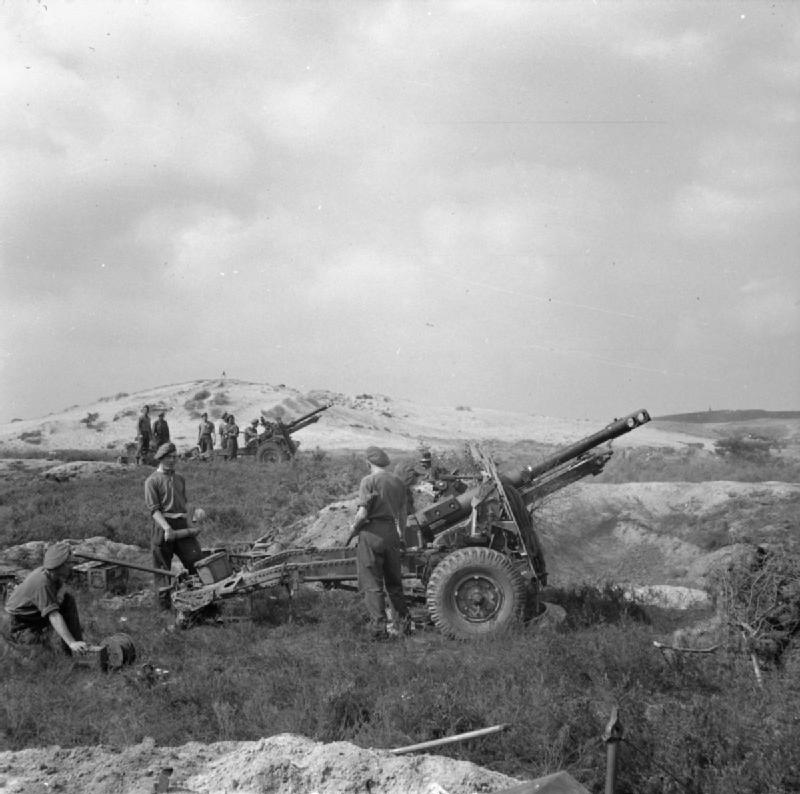 operations were controlled by this group.
- The Board of Ordnance; this group supplied weapons, ammunition and were also in charge of engineers and the Royal Artillery.
- The Commissariat; Rations and transportation were within the jurisdiction of the Commissariat.
These were simply administrative bodies, with the Secretary of State for War was the regulatory body that formally represented the army in the Cabinet and responsible for incluencing the development of military strategy.
Historically, this strategy involved focusing army and military efforts in three many areas, these areas being America, Europe and Scotland. The deployments that these soldiers faced were not glamorous by any stretch of the imagination and were actually quite miserable and therefore recruitment for the British Army was done from the bottom ranks of society. This is not necessarily still the case today, however. The presence of the British army expanded as the British empire expanded and their presence was felt in the West Indies, North America as well as India.
The British Army still exists today, but looks and is structured a lot differently than it did in 1660 and has evolved significantly.
The post History of the British Army appeared first on Armedforcescleethorpes.co.uk.
]]>Reaction
two air strike brigades
Two
The post Operational Structure appeared first on Armedforcescleethorpes.co.uk.
]]>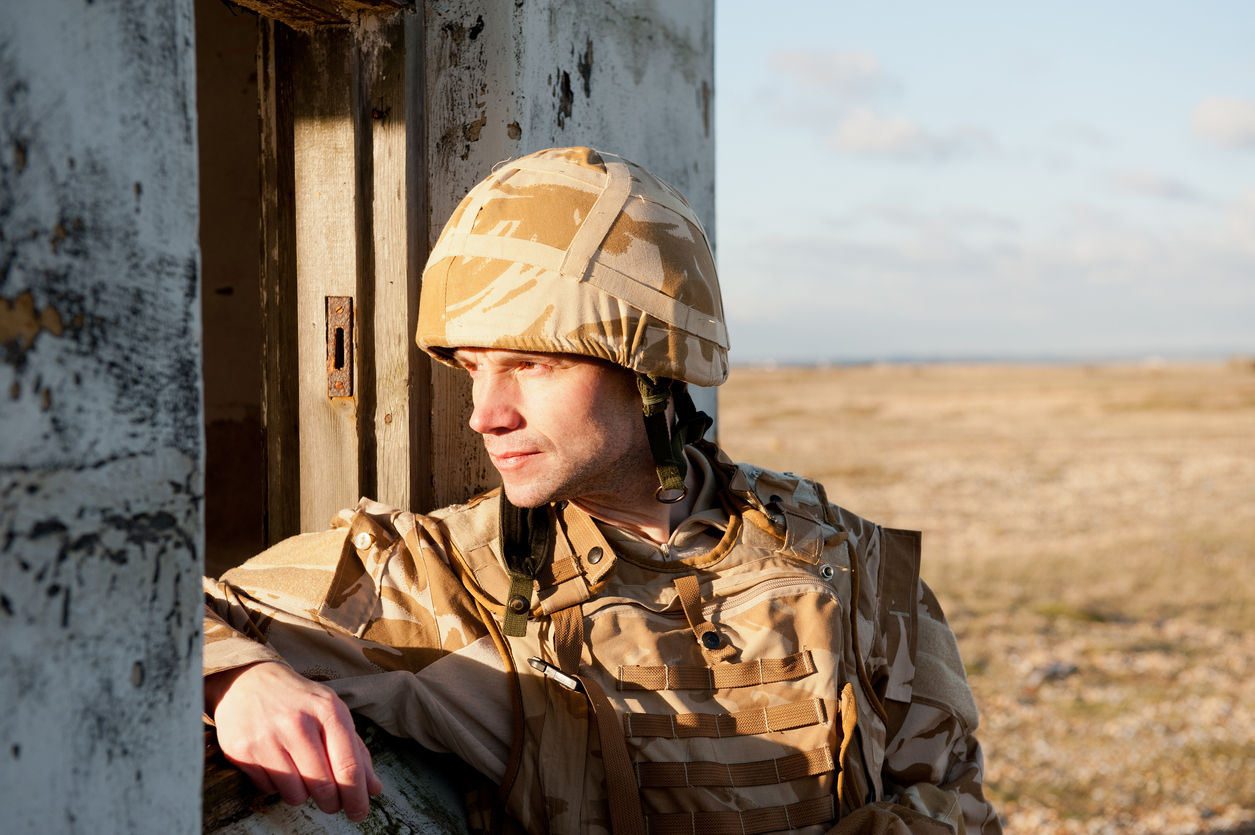
operational structure of the British Armed Forces is as follows, based on the restructure planned for 2020:
Reaction
- two air strike brigades
- Two armoured infantry brigades
Adaptive
- Seven (potentially more) specialised infantry groups and batallions.
Force Troops
- this includes nine different groups and brigades that support the two above mentioned groups of forces.
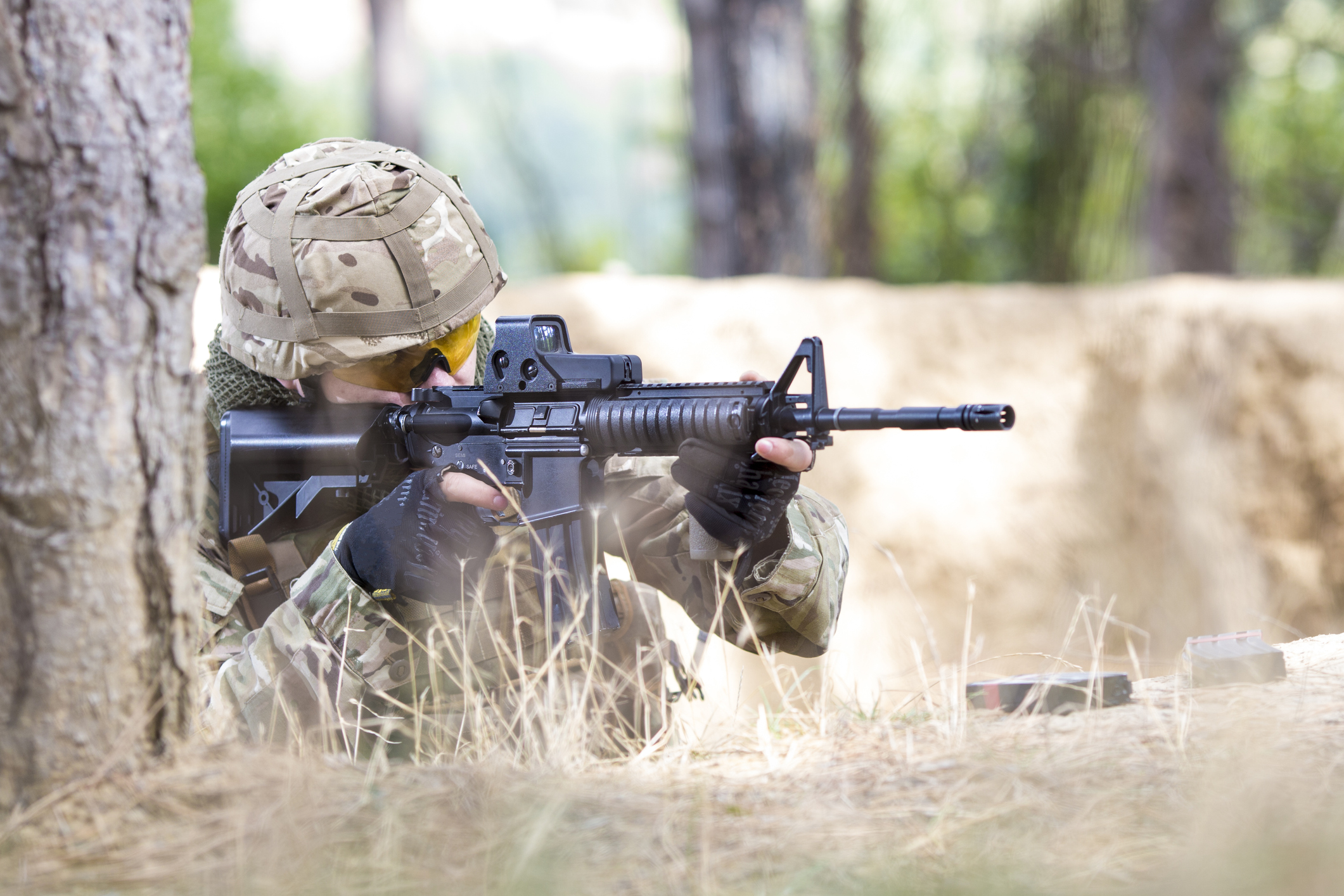 Operationally, the British forces typicaly would include namely groups from the reactive forces, combined with additional armour as well as engineers, artillery and weaponry, medical, technical and logistical personnel, numbers of which vary depending on mission requirements. The aim when composing these groups is to create self sufficient battle and tactical groups to help create a level of autonomy, making it easier to deploy and act in many different situations.
Structurally, there are also the Navy, Marines and airforce as a different type of structure breakdown. Each of these serve a unique purpose but also work together to create these battle groups and to fill all of the needs and requirements of various missions and deployments.
Finally, the training of these personnel has to be consistend and thorough and this training is another key element of the military structure.
“
The post Operational Structure appeared first on Armedforcescleethorpes.co.uk.
]]>The post Russian Activity in the Baltic Region appeared first on Armedforcescleethorpes.co.uk.
]]>
RAF jets had to scramble last minute as Russian planes flew over Norway. RAF Typhoons were sent out in early April when two Russian aircraft, Blackjack bombers few over the East Coast of Norway.
Fortunately, there was no real conflict as the jet did not enter any UK airspace but were close and did enter trigger and areas of interest. This took place while various NATO forces are in Scotland on a mission called Exercise Joint Warrior, which is currently underway in Scotland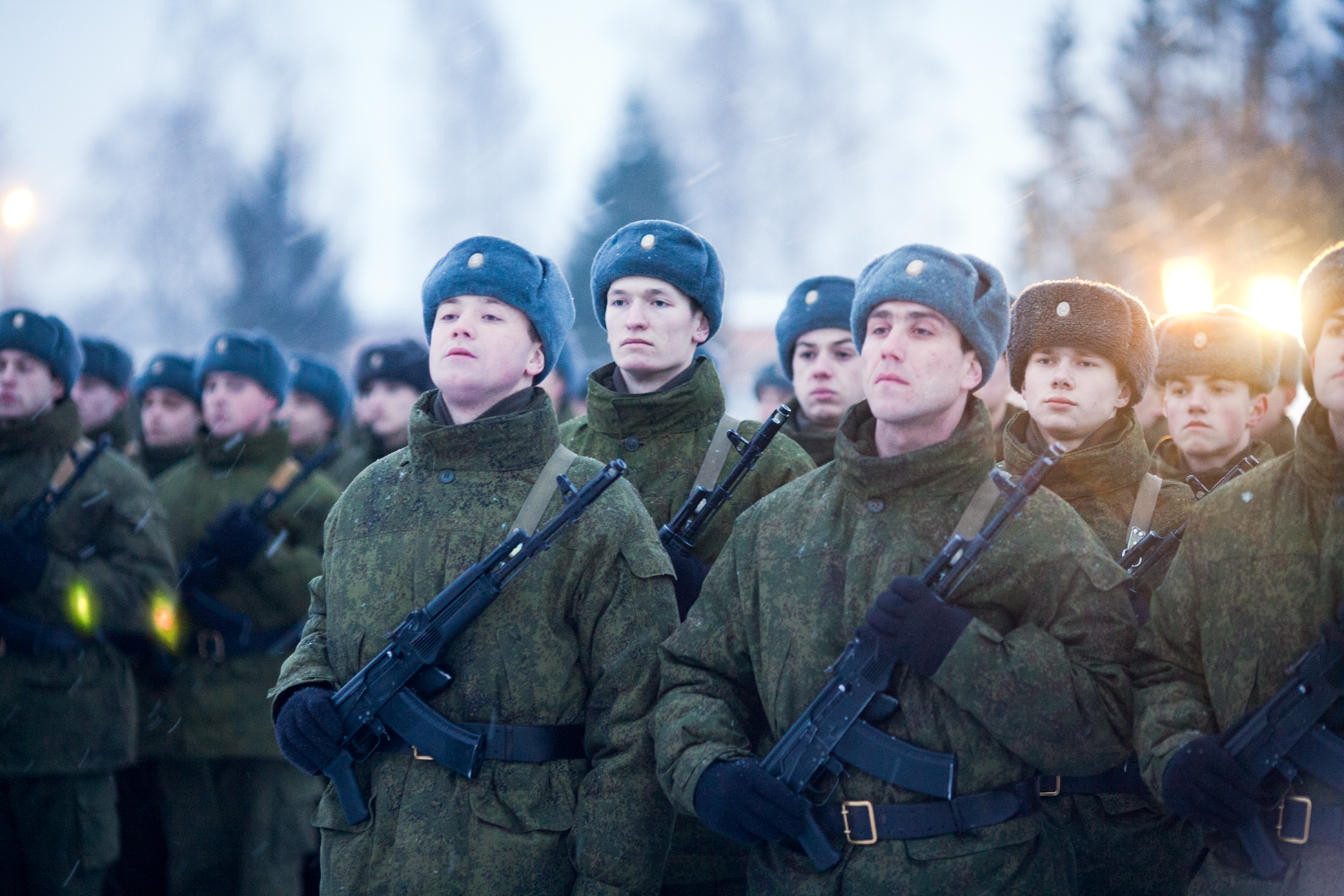 .
The jets were intercepted over the North Sea and escorted safely and peacefully out of this air space. This was not the first time that this was the case or that there was a close call. THis is actually the second time in a matter of two weeks that this has been a concern.
This was attributed to the fact that the RUssians have increased their presence and activity in the Baltic region. As a result, there have been British forces deployed to the Baltic region, just in case there is any issues.
There were six incidents like this in 2018, with more expected to take place in 2019.
The post Russian Activity in the Baltic Region appeared first on Armedforcescleethorpes.co.uk.
]]>