At the centre of the structure are two key leadership appointments:
- Alied ten Broek has been appointed Executive Director, providing overall leadership, with continued responsibility for financial management, corporate services, governance, operations, government and external relations, and implementation of the Association’s strategic priorities.
- Josh Benge has been promoted to Vice President, Sport, leading Alberta Alpine’s sport portfolio, with responsibilities including athletic programs, coaching, athlete development pathways, high-performance objectives, collaboration with member clubs, PSOs, ACA, and Safe Sport. The role reports to the Executive Director.
The new structure also includes specialized support across the Association:
- Greg Sylvestre will continue as Interim Director, Partnerships & Stakeholder Relations, focusing on sponsor relationships, partnerships, stakeholder engagement and driving revenue growth.
- Ozzie Sawicki joined Alberta Alpine on September 1, 2026, as a contractor in the role of Manager, Grants & Fund Development, focusing on grant development and fundraising.
- Gillian Bexton will continue to focus on member services and sponsor engagement, with expanded involvement in provincial races, marketing and sponsor activation.
- Matt Campbell will continue to support Alberta Alpine’s website, social media channels, marketing and communications.
- Alberta Alpine has engaged an external consultant to support the development of its marketing, communications and sponsorship strategies.
This new structure follows a comprehensive Executive Director search launched in March 2026. The search, along with the Association’s experience under an interim leadership model, helped clarify that Alberta Alpine’s broad range of needs is best supported by a leadership team with distinct responsibilities and targeted expertise.
“This structure builds on the leadership already within Alberta Alpine and creates focused support across the organization,” said the Board Chair Marian Yuzda. “It positions the Association to continue supporting our clubs, athletes, coaches and members, while strengthening our ability to develop partnerships, diversify revenue and manage our resources responsibly.”
The new structure is designed to strengthen Alberta Alpine’s organizational capacity while maintaining a responsible and financially sustainable approach. It provides flexibility to respond to the Association’s evolving needs and creates a strong foundation for long-term growth.
About Alberta Alpine Ski Association
Alberta Alpine Ski Association supports alpine skiing in Alberta through programs and services for athletes, coaches, clubs and members.
Media inquiries: memberservices@albertaalpine.ca
]]>
Alberta Alpine is excited to welcome KUUsport as the exclusive wax and tuning tools supplier to the Alberta Ski Team! This new partnership brings together two organizations with a shared passion for ski racing, technical excellence, and helping athletes reach their potential. But what makes this partnership particularly special is the story behind the brand and its founder’s deep connection to Alberta ski racing.
Long before he became a successful entrepreneur and ski tuning innovator, Ron Kuus was chasing his own ski racing dreams on the slopes of Mt. Norquay. After moving west from Toronto, Ron joined the Norquay Ski Club, part of the Banff ski racing community, and worked his way onto the Alberta Ski Team, eventually becoming its top-ranked racer. His racing career took him to the Europa Cup circuit and earned him a position as an alternate on Canada’s National Ski Team. Along the way, he developed a fascination with ski preparation and tuning, earning a reputation among fellow racers as the “Wax Guru.”
That passion became a business. Building on the ingenuity of his father, Herbert Kuus, who invented a patented electric ski waxer, Ron began developing his own high-performance waxes and tuning tools. KUUsport was officially established in 1986, growing from a basement operation into a Canadian brand whose products are now used by ski racers and technicians around the world.
Today, Ron’s journey comes full circle. Through this partnership, KUUsport will provide the Alberta Ski Team with high-performance waxes, precision tuning tools, and technical expertise to help athletes and coaches prepare their equipment for competition. It’s a fitting collaboration – a former provincial team athlete sharing the knowledge and products developed over a lifetime in the sport with those following in his tracks.
We’re proud to welcome Ron and KUUsport to the Alberta Alpine family. Their commitment reminds us that ski racing is about much more than results. It’s about the lifelong connections, opportunities, and passions that begin in our ski clubs and continue long after the final race.
Learn more about Ron’s remarkable story and explore the KUUsport product lineup at kuu.com.
]]>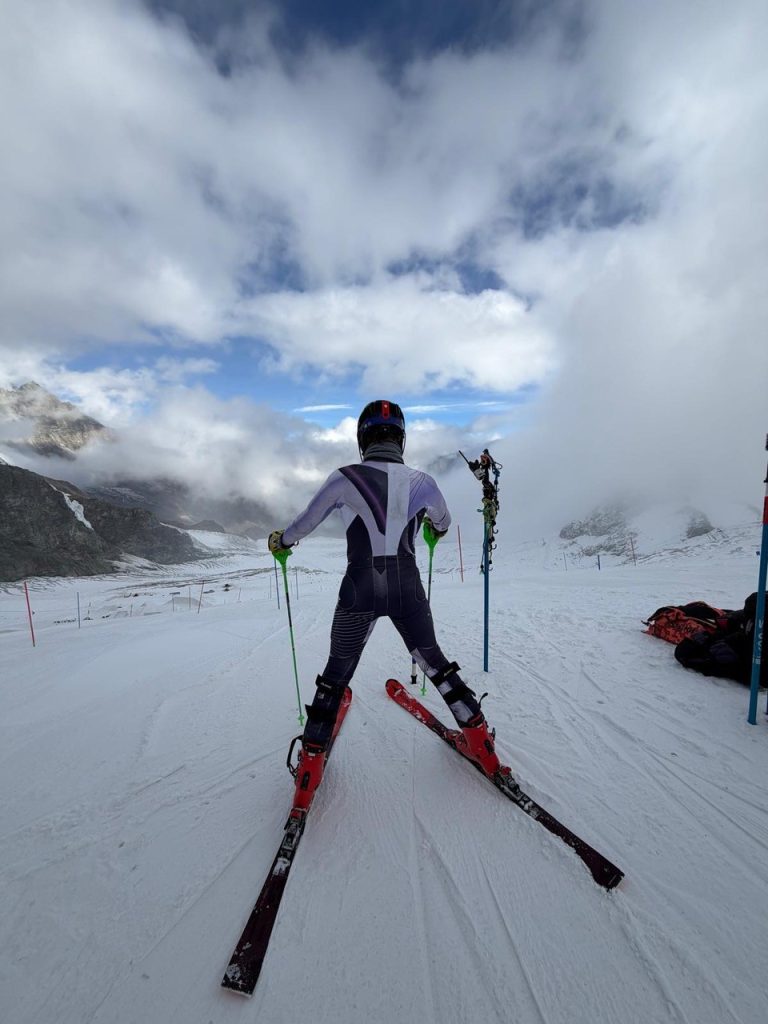
I am writing this journal in the midst of our second Europe camp. Our team started in Wintenburg, where we spent 5 days grinding on the ice before traveling to Saas Fee for 10 days. Wintenburg always provides mint slalom training; no matter if you’re on your first or last run, it’s the same track with no deterioration. The ice gives you automatic feedback; if you’re not in the right position, you stand no chance of making it down the hill. On top of that, it allows for a high volume of skiing with quick chair laps and 4 hours of skiing a day. It’s the perfect place to make changes in your skiing, and I know everyone did. After putting in the work in the fridge, arriving in Saas Fee felt like heaven. We were really lucky to have 5 bluebird days to start off the camp, where we were able to focus on GS over different terrain. Saas Fee has 3 different slopes which allowed our team to start on mellower terrain before moving to the steeper sections. Ultimately, it’s been the perfect combination of indoor slalom and glacier GS to make the changes necessary in our skiing.
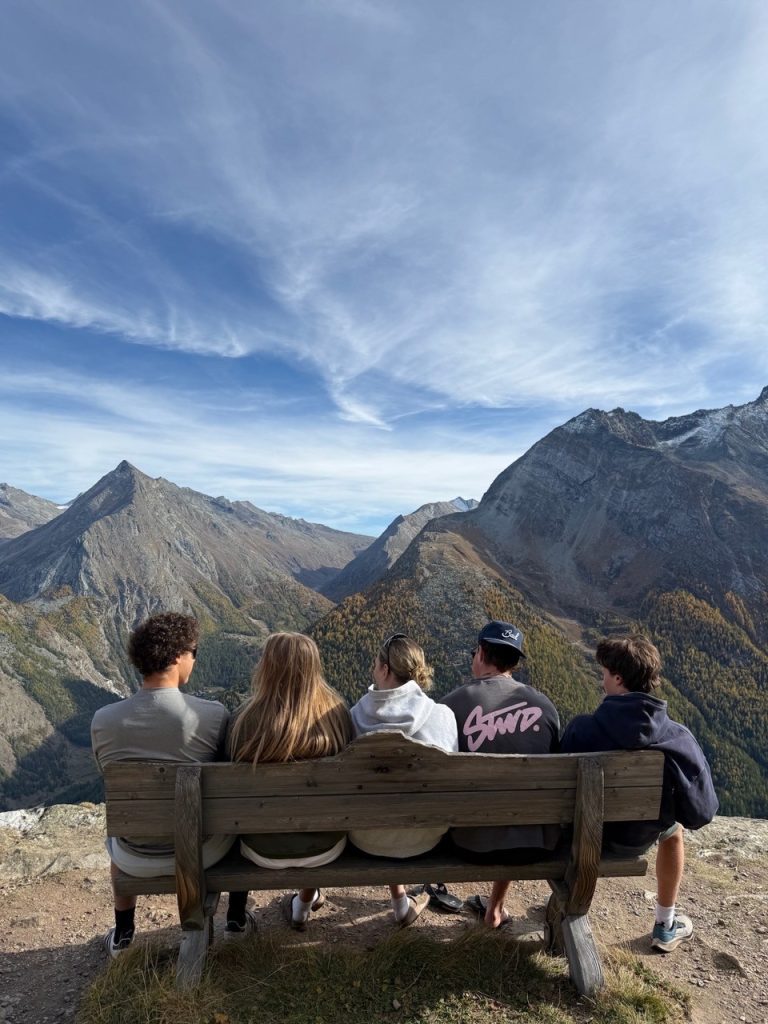
With the hot weather across Europe this summer, our original plans for glacier skiing didn’t quite work out. Thankfully, we have incredible coaches who adapted quickly and found alternative training options to keep us on track. By the end of this camp, we’re on course to have 30 days on snow before November, putting us in a great position to hit the ground running and attack the race season.
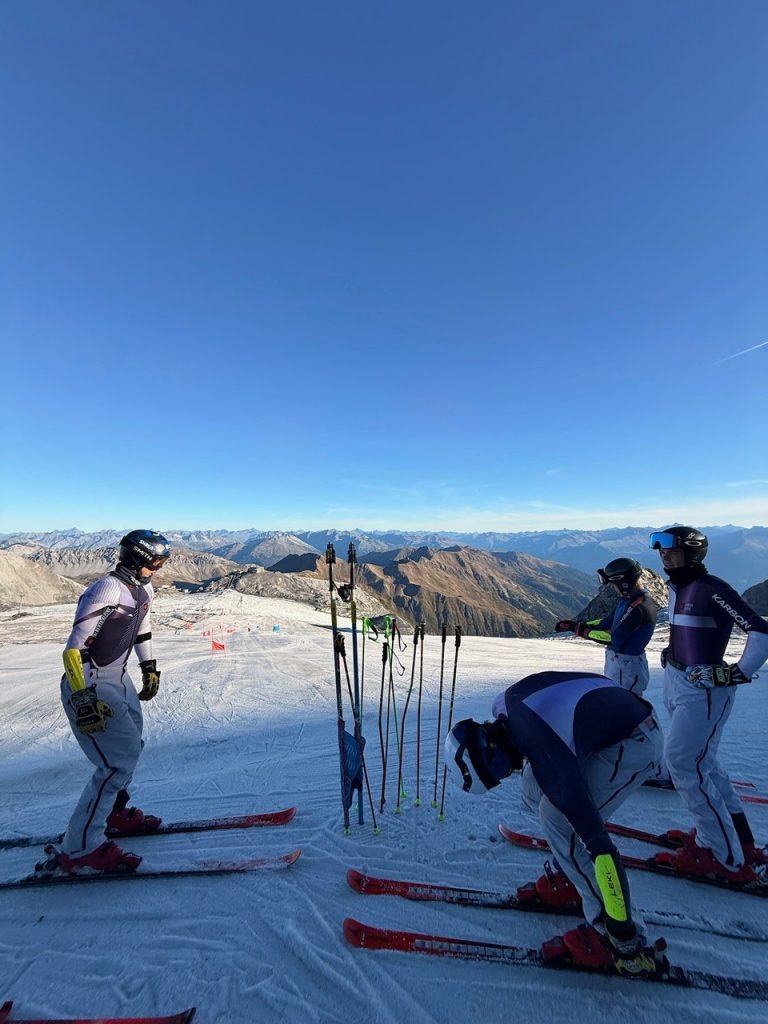
Entering my second year on the provincial team, I feel much more prepared and confident about the season ahead. Competing in Nor-Am and FIS races last year showed me what it takes to reach the next level and left me hungry going into the off season. With the help of Nate Morris, our athletic trainer, I was able to make some good gains in the gym and come into this season stronger then ever. Overall, I’m excited to continue building momentum in training and roll into race season feeling more prepared than ever.
As always, none of this would be possible without our fantastic sponsors who allow us to chase our dreams. I want to thank GMC Dealers of Alberta, Karbon, Genstar, Silvertip Resort, KUUsport and GearUp Mountain Sports. And most importantly, I’d like to thank my parents for always believing in me. None of this would be possible without your help!
]]>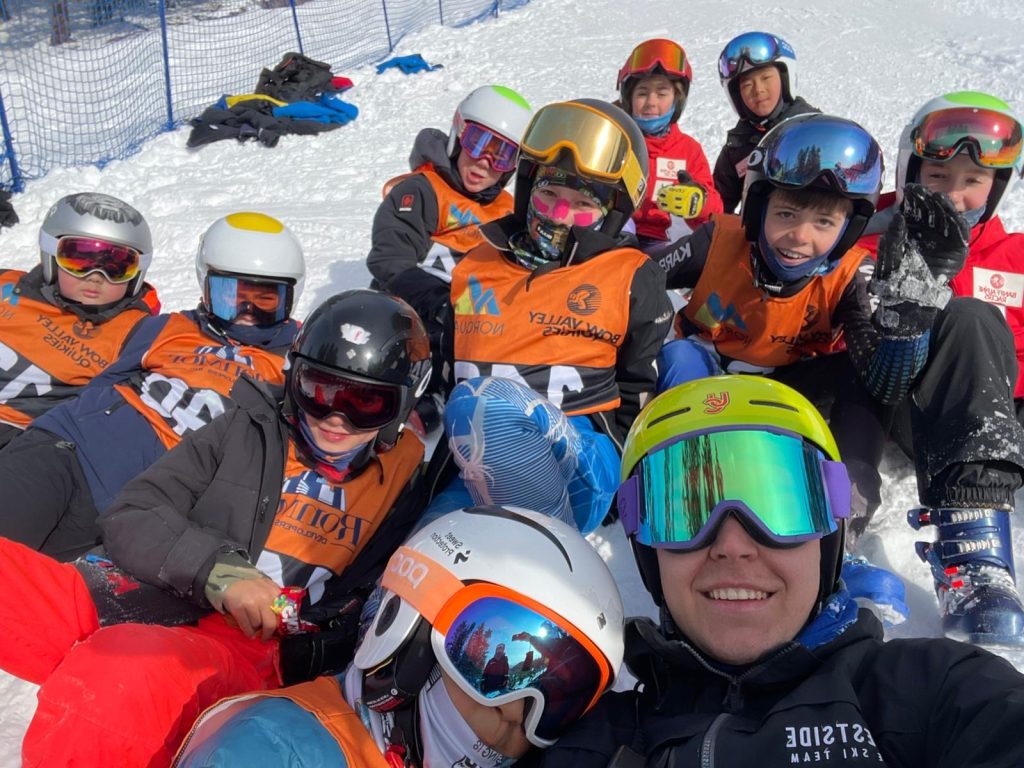
Every skier starts somewhere, and at Alberta Alpine, we believe every child deserves the opportunity to discover the excitement, friendships and confidence that come from being part of a ski club. That’s why we’re excited to introduce First Tracks – Skiers for Life, a new two-year initiative supported by the Alberta government’s Every Kid Can Play grant. The program is designed to make alpine ski programs more accessible, support our member clubs and welcome the next generation of young skiers.
New to an alpine ski club? You could qualify for $125 back! Families registering a first-time athlete in a U8, U10 or U12 program (birth year 2015 or later) at any Alberta Alpine member club qualify for a $125 rebate on program costs. To be eligible, parents must complete all required registrations and submit registration fees by January 1, 2027. Rebates will be issued no later than February 1, 2027. It’s our way of making that first step into club skiing a little easier and more affordable.
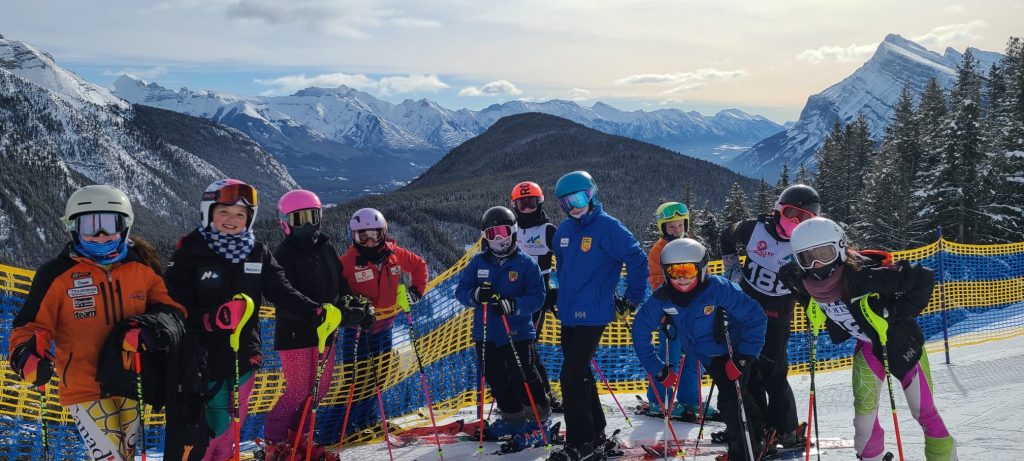
Great ski programs start with great coaches! First Tracks also supports the people who make those early experiences so rewarding. New coaches joining Alberta Alpine member clubs who successfully register and complete their Entry Level Coaching course prior to January 18th will receive a $150 coaching bursary. By helping clubs recruit and develop coaches, we’re investing in the positive, supportive environments that keep kids excited about skiing season after season.
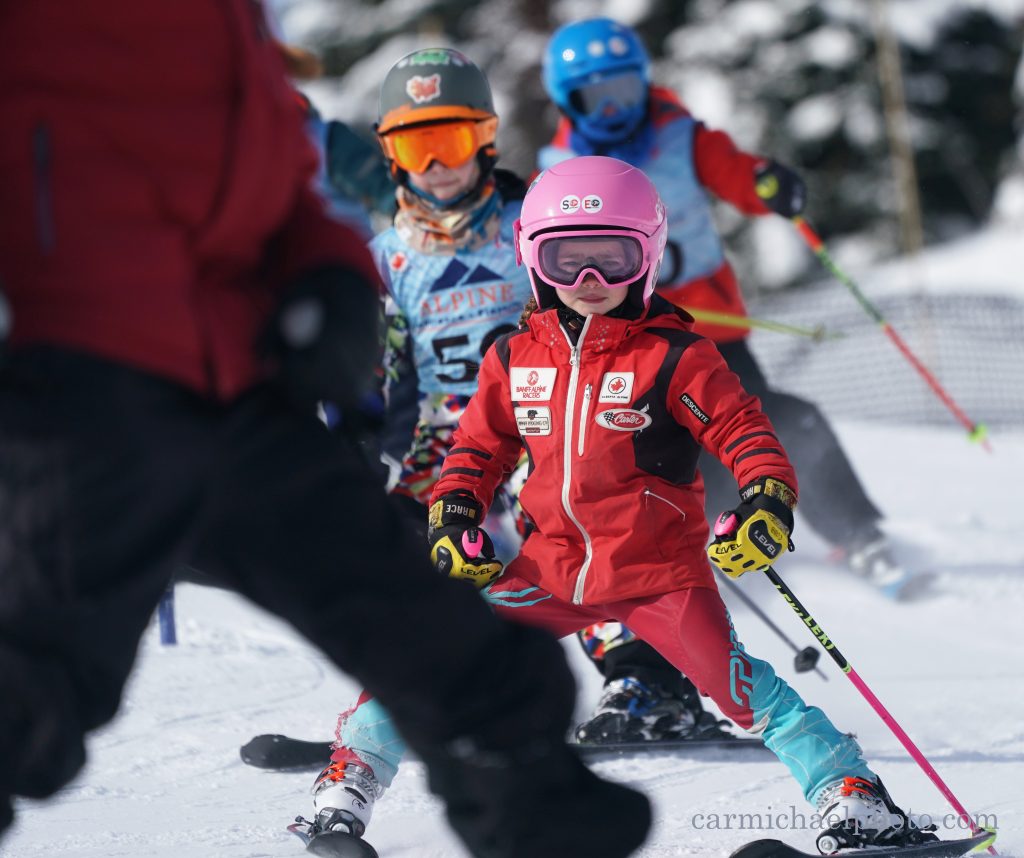
We’re also working to make ski equipment more affordable. Over the course of the next two seasons, we will work with member clubs and participating ski retailers to expand access to quality, affordable used ski gear suitable for introductory alpine programs. Our goal is simple: reduce the financial barriers that can prevent families from giving club skiing a try.
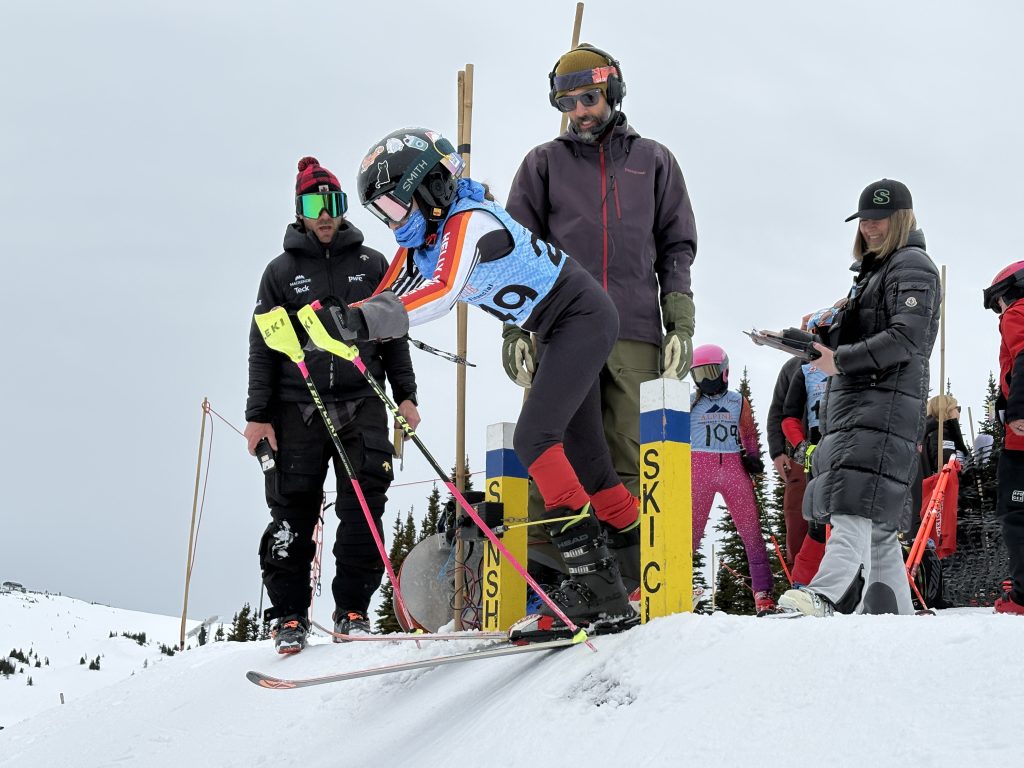
This is about so much more than racing. First Tracks is about discovering a lifelong love of skiing, building fundamental skills, making friends and growing confidence in a fun, welcoming club environment. Whether a child eventually dreams of standing on a podium or simply wants to become a stronger skier and enjoy the mountains with friends, it all begins with their first experience.
Connect with your local Alberta Alpine member club, invite a friend and help us create more Skiers for Life!
]]>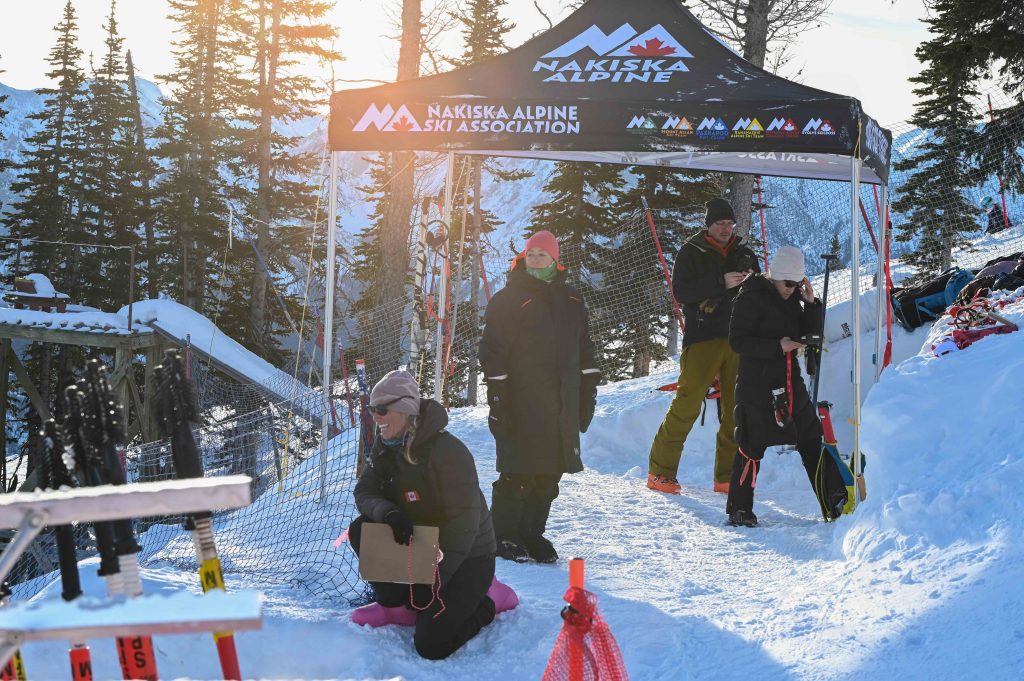
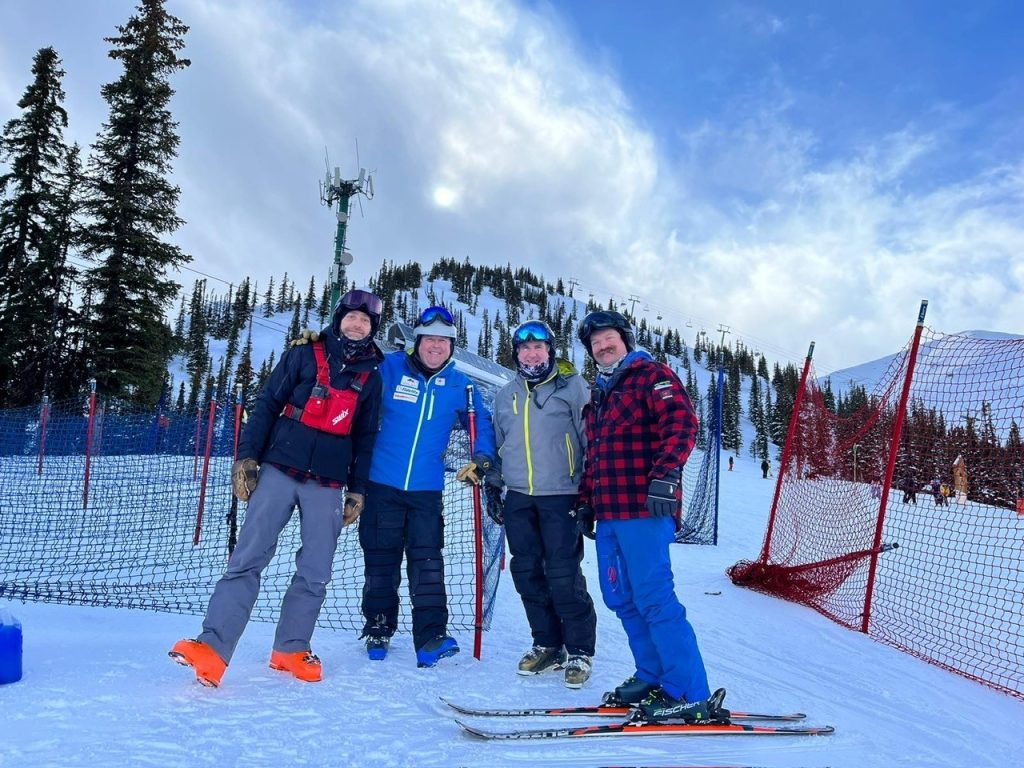
Behind the scenes, dedicated officials and volunteers work together to ensure that competitions are safe, fair, organized and enjoyable for everyone involved. From our youngest Nancy Greene racers to athletes competing at national and international events, officials play an essential role in making ski racing possible across Alberta.
As we prepare for another exciting winter, Alberta Alpine is encouraging parents, volunteers, coaches and ski racing enthusiasts to get involved in officiating or take the next step in their education.
You don’t need to be a former racer or an expert in ski racing to become an official. All you need is an interest in the sport, a willingness to learn and a desire to contribute to your ski community.
Why Become an Official?
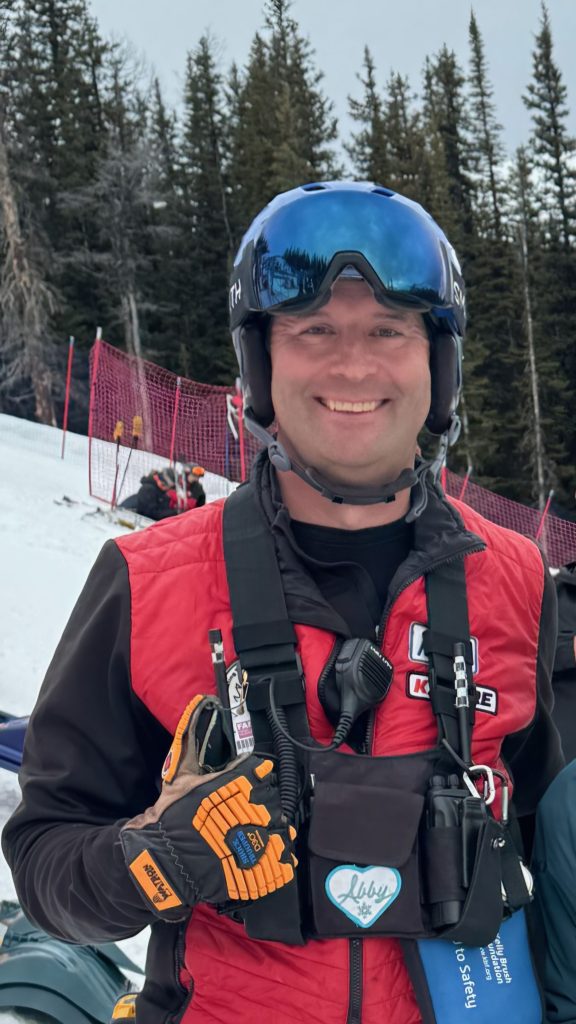
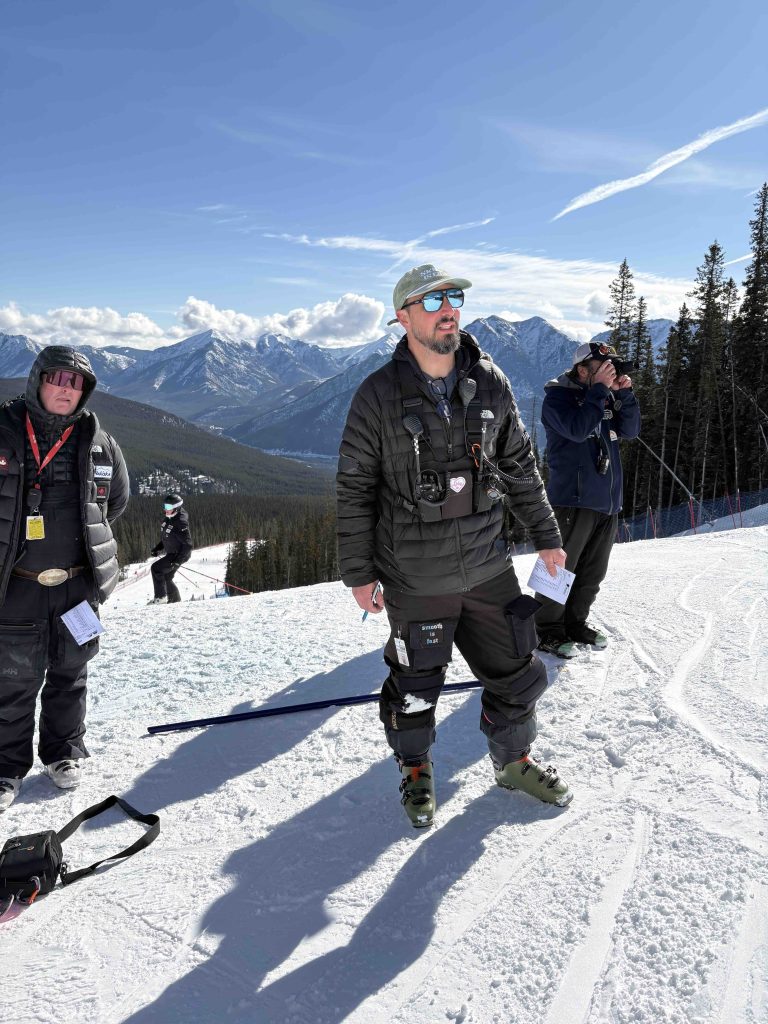
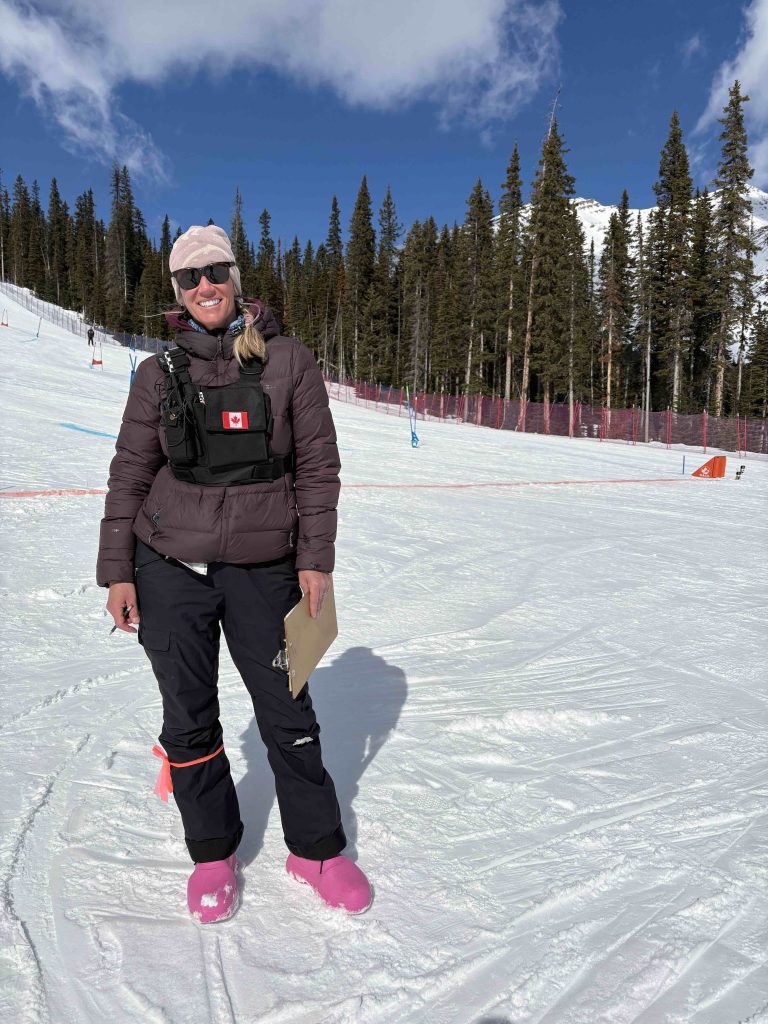
Officials are the backbone of alpine ski racing. Whether helping in the start area, working as a gate judge, assisting with timing or eventually taking on a leadership role within a Race Organizing Committee (ROC), every official contributes to a positive competition experience for athletes.
Becoming an official is a great way to:
- Give back to your local ski club and support young athletes.
- Better understand the rules and organization of ski racing.
- Develop new skills and build relationships within Alberta’s ski community.
- Take on increasingly challenging roles at provincial, national and international competitions.
- Help ensure that ski racing remains safe, fair and accessible for future generations.
With more than 120 event days delivered across Alberta last season, our sport depends on a strong and growing network of trained officials and volunteers.
How Do You Become an Official?
The Alpine Canada Alpin (ACA) Officials Education Program provides a progressive pathway, allowing individuals to develop their knowledge and experience over time.
Level 1 – Your Starting Point
Level 1 courses are organized and delivered in-house by individual ski clubs.
This is the perfect starting point for parents, new volunteers and anyone interested in learning more about how ski races operate. The course introduces participants to the basic rules, race organization, safety considerations and responsibilities of officials.
It provides the foundation needed to begin volunteering in a variety of roles at club and provincial events. If you’re interested in becoming an official, contact your local Alberta Alpine ski club to ask about its upcoming Level 1 course. No previous officiating experience is required.
Level 2 – Building Your Knowledge
Level 2 takes officials beyond the basics and introduces a more detailed understanding of the rules and procedures governing alpine ski racing. Participants learn how to navigate the International Competition Rules (ICR), understand the responsibilities of senior race officials and apply rules to real competition situations.
The course prepares officials for greater responsibility within a Race Organizing Committee, including a variety of Chief Official positions.
Upcoming Alberta Level 2 Courses
- October 24, 2026 — Snow Valley Resort, Edmonton; online participation option listed.
- November 9–10, 2026 — 5:30–8:30 p.m. each evening, Eighth Avenue Place, Calgary; in-person attendance encouraged.
For registration details, course availability and schedule changes, please visit the Alberta Alpine Calendar.
The course concludes with a digital examination consisting of multiple-choice, true-or-false and short-answer questions. A passing grade of 70% is required.
Preparing for Your Level 2 Course
Participants are strongly encouraged to familiarize themselves with the rules and complete the preparation materials before attending.
- 2026 FIS International Competition Rules (ICR) — The primary reference for understanding the rules governing alpine competition.
- Level 2 Pre-Course Quiz — Complete this quiz before attending.
- Level 2 Homework, Workbook and Quizzes — Access the course workbook, homework and practice quizzes.
We recommend downloading the ICR so you can search the document digitally during your preparation. In-person participation is particularly valuable because discussion, shared experiences and practical examples are important parts of learning how to apply the rules.
Level 3 – Developing Senior Officials
Level 3 is designed for experienced officials looking to take on senior leadership responsibilities at higher-level competitions. While Level 2 focuses on understanding the rules, Level 3 emphasizes applying those rules in complex, real-world situations.
Participants explore case studies, Jury decision-making, fairness, race management and the technical requirements of FIS competition. Successful completion provides the knowledge required to take on senior roles, including Chief of Race at FIS-level events, subject to applicable appointment and experience requirements.
Upcoming Alberta Level 3 Course
- October 24, 2026 — Eighth Avenue Place, Calgary; online participation option listed. Confirm eligibility and attendance requirements with the course organizer.
For course details, registration and future Level 3 opportunities, please check the Alberta Alpine Calendar.
The Level 3 examination is a three-hour written assessment, with a passing grade of 70%. Preparation is particularly important, especially for Equivalent Electronic Time (EET) and race penalty calculations, which together account for 26% of the examination marks. Participants should also be comfortable navigating the ICR and citing specific rule references when explaining decisions.
Preparing for Your Level 3 Course
Level 3 candidates should spend time reviewing the relevant FIS rules and practising calculations before attending the course.
- 2026 FIS International Competition Rules (ICR) — Review the rules and become comfortable locating and citing specific references.
- 2026 FIS Points Rules — Understand FIS points and race penalty calculations.
- FIS Timing Booklet — Review timing procedures, equipment requirements and technical calculations.
- Level 3 EET and Penalty Calculation Practice — Practise EET and penalty calculations using the provided examples.
A tip from our Officials Education Team: Practise the EET and penalty calculations until you can complete them confidently and efficiently. These calculations account for a significant portion of the examination, and being comfortable with them will allow more time for the written questions.
When answering exam questions, remember to cite the relevant ICR or NCR rule numbers. Correct decisions without supporting rule references can result in lost marks. In-person attendance is normally required for Level 3 unless an exemption is specifically granted for travel logistics.
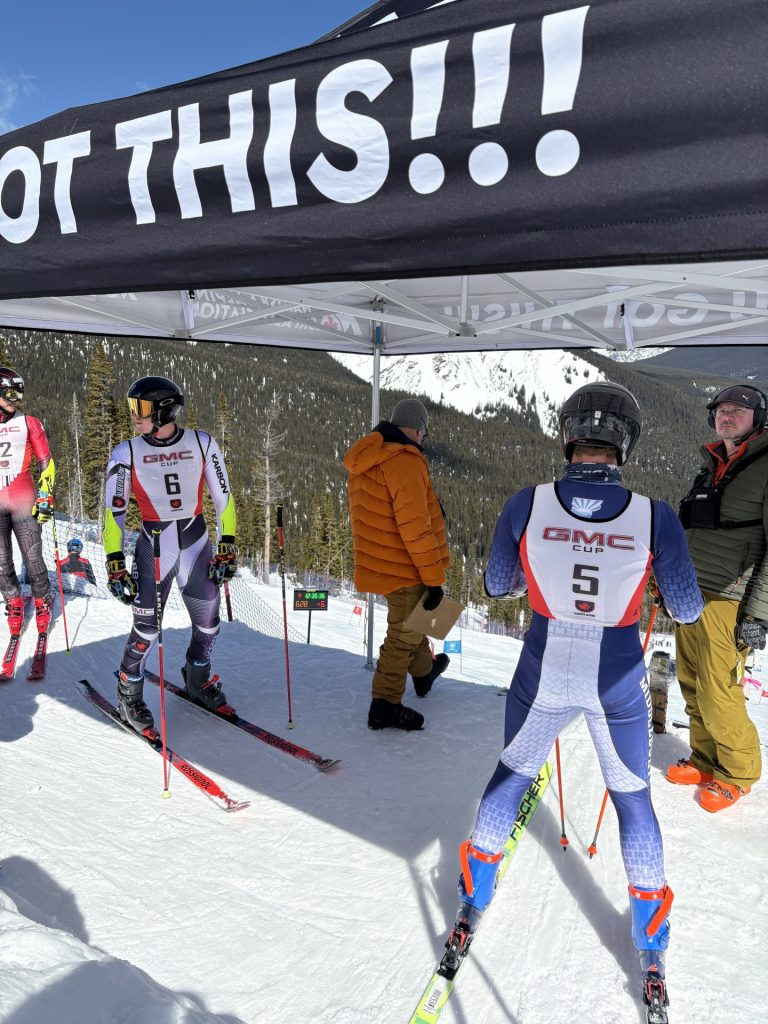
Staying Current: Annual Officials Updates
Officials education doesn’t stop once a certification is earned. Ski racing rules and best practices evolve, and keeping officials informed is essential to delivering high-quality competitions.
To maintain credentials, Level 1 officials are required to complete an Officials Update every three years, while Level 2 and higher officials must attend every two years. Alberta Alpine encourages all officials to attend an update annually whenever possible.
These sessions provide an opportunity to review rule changes, discuss real situations from previous seasons, refresh technical knowledge and connect with fellow officials.
Before attending, participants should review the latest Alberta Alpine Provincial Competition Rules (PCR), ACA National Competition Rules (NCR) and FIS International Competition Rules.
Upcoming Officials Updates and education opportunities will be posted on the Alberta Alpine Calendar.
Supporting Our Officials Community
Alberta Alpine’s Officials Education is led by Don Boyce, AASA Officials Chair, who is assisted by Gregg Fergusson, Joanne Gray, Luc Berthiaume, David Howard, Aaron Vaage and countless others continues to support the development of officials across the province.
Their goal is not simply to deliver courses, but to build a knowledgeable, confident and connected community of officials who can support ski racing at every level.
During the past season, Alberta’s officials community delivered more than 20 days of officials education, demonstrating the continued commitment to developing the people who make our competitions possible. Whether you are just getting started or have spent decades volunteering on the hill, there is always something new to learn.
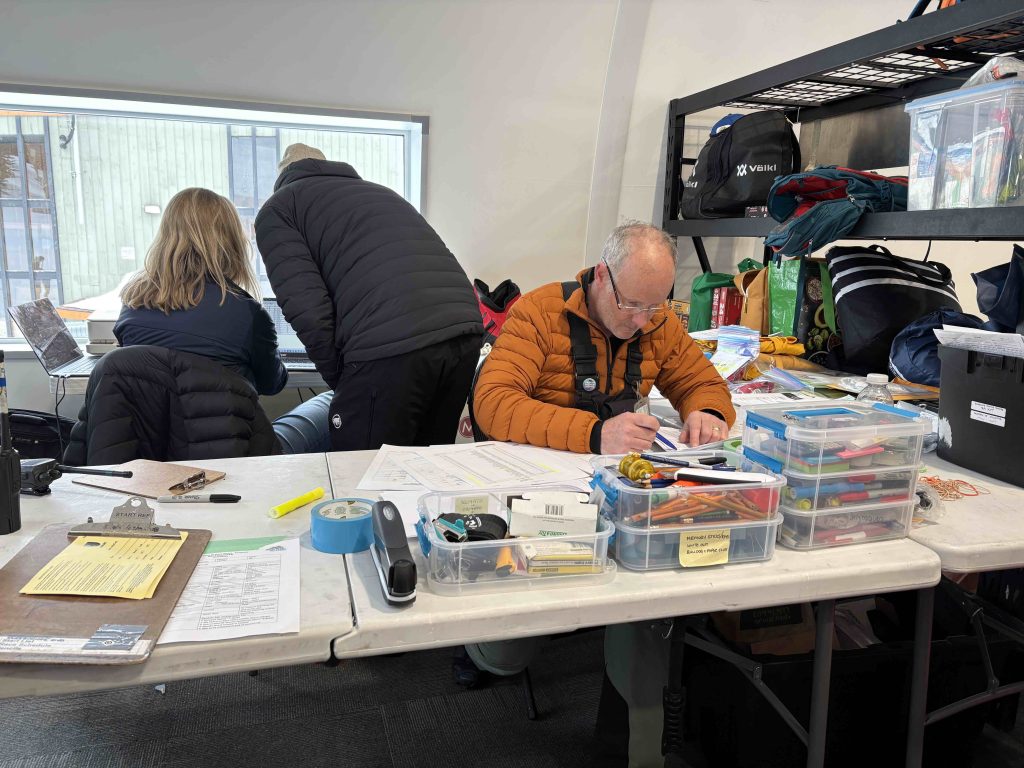
Be Part of the Team Behind the Team
Great ski racing takes great athletes and coaches, but it also takes great officials. Every gate judge, timer, starter, referee and Chief Official plays a part in creating an environment where athletes can compete confidently and fairly. And every experienced official started somewhere.
If you’ve been watching from the sidelines, helping your club or wondering how you can become more involved, this is a great season to take that first step.
Interested in becoming an official?
Reach out to your local Alberta Alpine ski club to learn about upcoming in-house Level 1 courses.
For those looking to advance their certification, visit the Alberta Alpine Calendar to find upcoming Level 2 and Level 3 courses, Officials Updates, registration information and additional education opportunities throughout the season.
Be sure to check the calendar regularly, as additional courses and updates may be added throughout the year.
Together, we can continue building the strong officiating community that Alberta ski racing depends on.
Because behind every great race is a great team of officials.
]]>Growing up as a dual citizen in Truckee, California meant taking a slightly different path than my teammates. With the support of my home club, Banff Alpine Racers, I have represented Canada since my first year of FIS. After graduating from Sugar Bowl Academy in 2024, I moved to Canmore, Alberta on my own to continue competing with BAR. I’m excited to be starting my first season with AST!
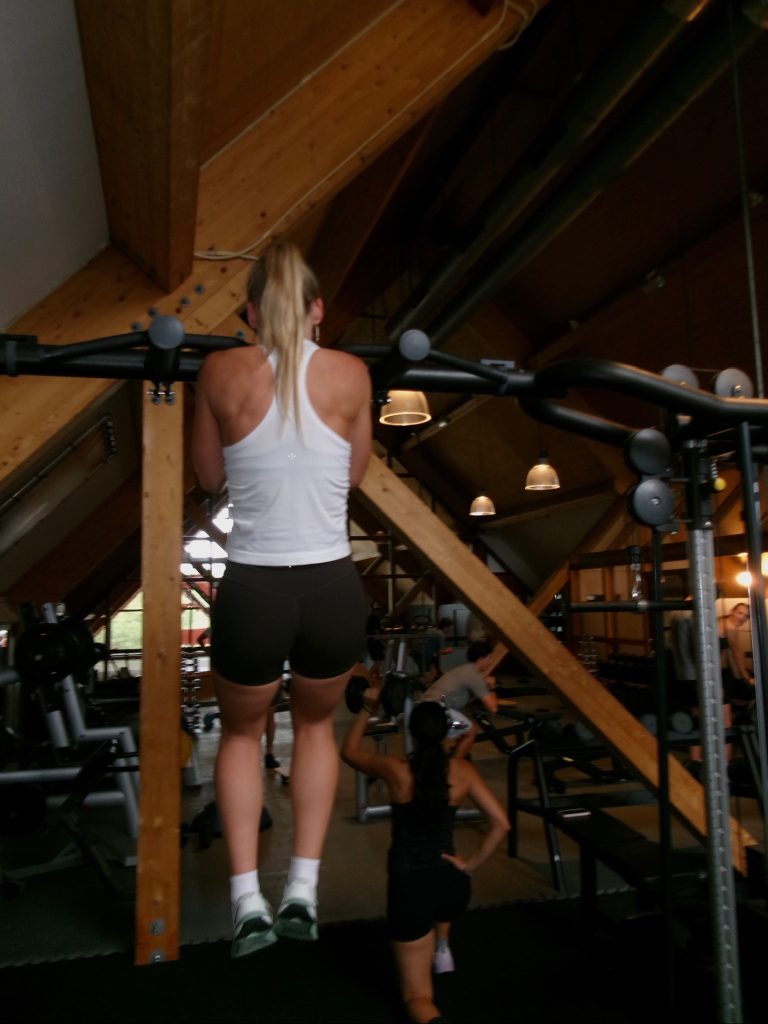
Training with the team has been amazing so far, and the women’s team is strong and competitive. We’re constantly pushing each other and lifting each other up, which has been really great to be a part of. I’m looking forward to seeing what kind of momentum we can build together and carry through the start of the season!
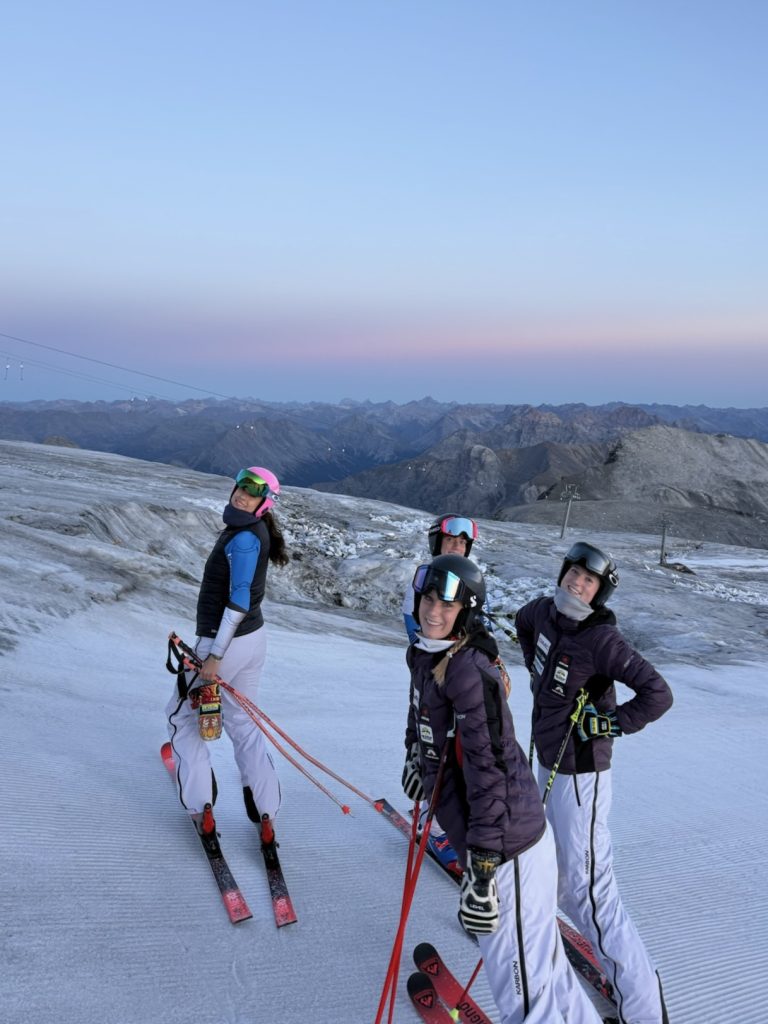
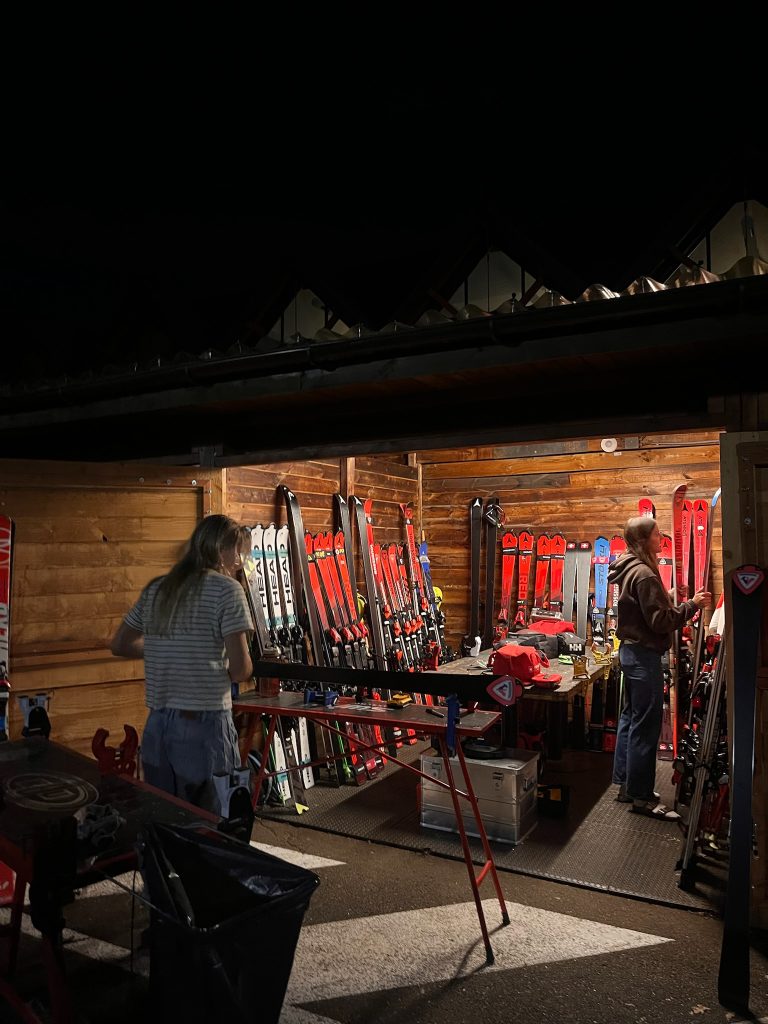
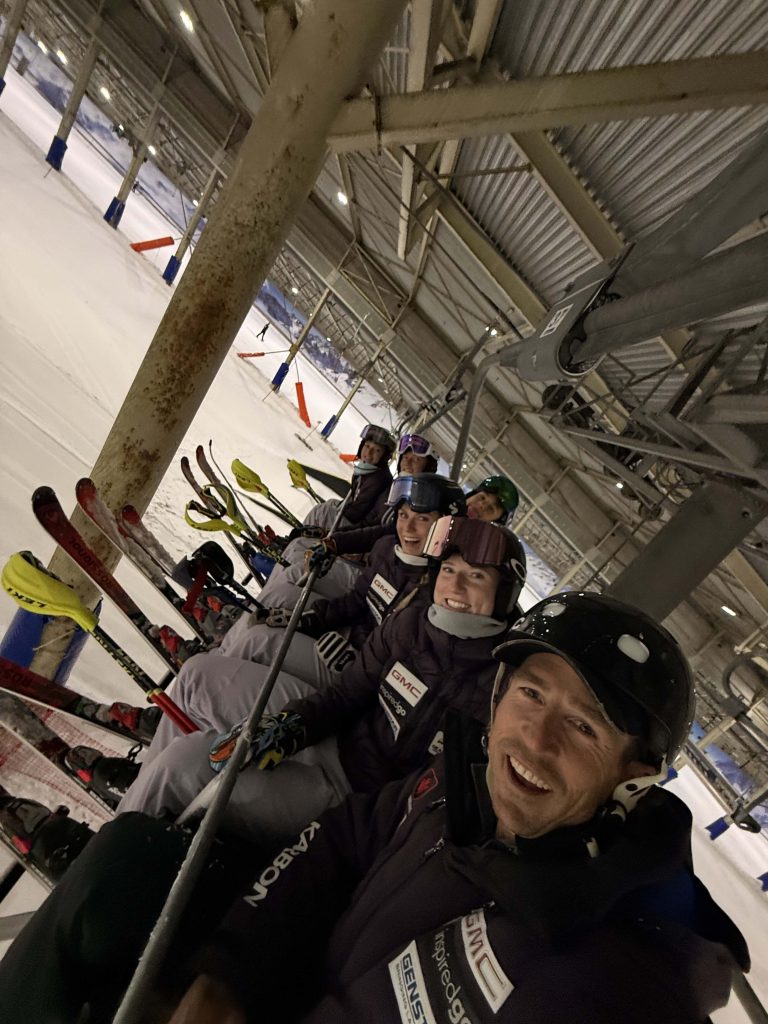
After a successful summer of off-snow training, we were ready to get into our first on-snow training block. Due to challenging snow conditions in Europe, there was a lot of uncertainty around what would happen next. We all kept our heads down and maintained a positive attitude, allowing us to adapt and move forward with whatever our coaches made happen for us. Indoor training in the Netherlands was not easy. It was repetitive. The same mellow, icy pitch 20 times a day, for 10 days. Tuning 2-3 pairs of skis twice each day. Mentally, this pushed us to our limits but it was a huge opportunity to dial in our slalom skiing, and we capitalized on it. Hearing that the coaches managed to get us lane space in Stelvio for the final week was one of the highlights of the first camp. We were so grateful to finally have some time on our GS skis. The snow conditions there ended up being amazing, and to make it even better, the most beautiful sunrises.

Our previous indoor training in the Netherlands set us up for an extremely productive next block of indoor training in Wittenberg, Germany which we’ve just concluded. The terrain there is much different. There’s more variety with two flat sections, a sharp break over, and a steeper pitch requiring more discipline. I had so much fun getting to up the intensity in my slalom skiing. We’re now just arriving in Saas-Fee where we’ll see a more wintery side of our favourite summer glacier. I’m really looking forward to a longer GS block so that I can continue building more confidence in my GS skiing as we get closer to our first races at Mt. Sima.
I couldn’t do any of this without all the people who support me and help make it happen. Thank you to my coaches, my family, friends, teammates, and all the volunteers. A special thank you to our sponsors: GMC Dealers of Alberta, Karbon, Genstar, Silvertip and GearUp. It takes a lot to make ski racing possible, and I’m super grateful for all the support!
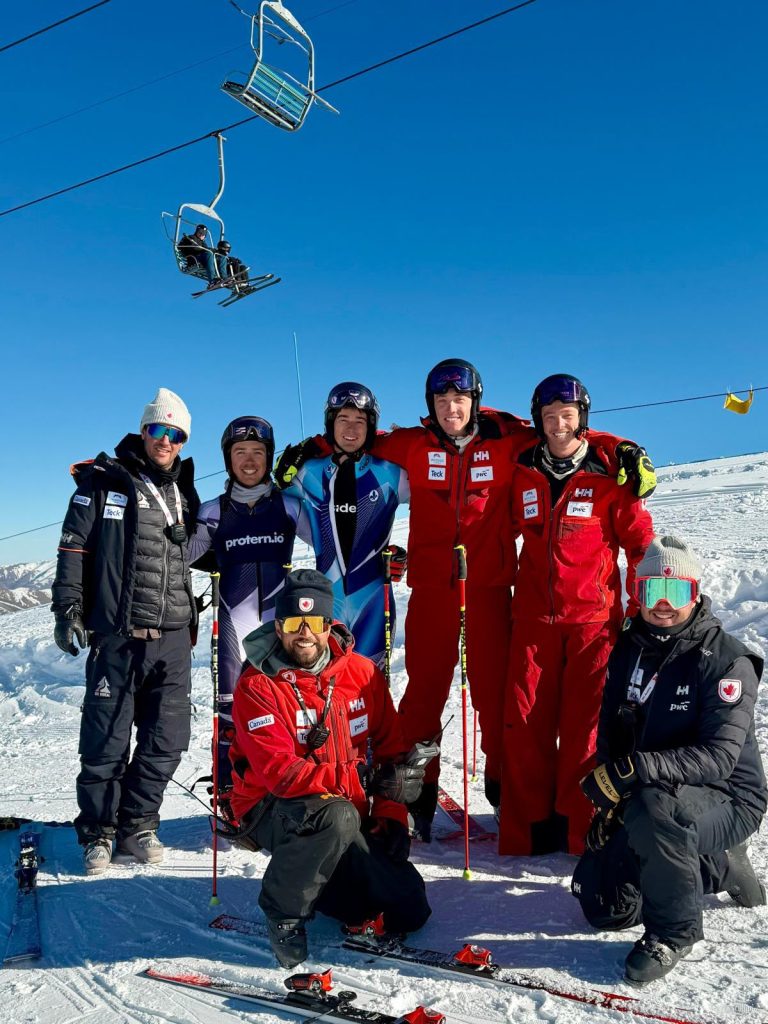
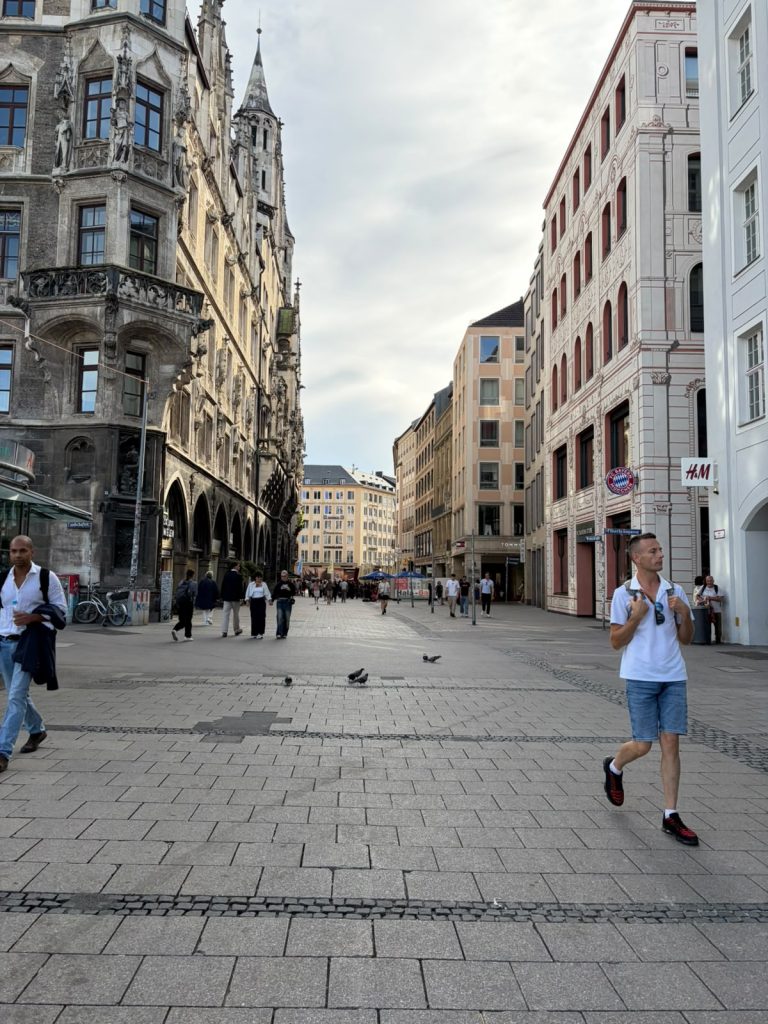
I’m currently writing this from Slovenia where I am solo backpacking in between our two preseason camps. I just finished four days in Munich where I got to check out some neat parts of the city as well as sneaking a day in at the Oktoberfest. It’s been a week since I last skied, where in contrast to the rest of the team over in Europe, I was down south in Chile with the Cast-D team. With how the European snow conditions were, I feel very fortunate to have gotten an invite to join the boys down south for three weeks! This camp provided me with excellent conditions and training, we couldn’t have asked for better weather. From skiing with the men’s Canadian national team to injected snow training, I feel that this first camp was very beneficial for my skiing! We don’t get to train very much injected snow surface so that was a great challenge. On top of that, getting to be around the highest level of skiing everyday really motivated me for this season to keep putting in the work on and off the mountain. Whether that is making sure everyday is given 110% effort or keeping up with my dryland, it was a great reminder of what is needed to be successful in this sport.
As I wait for the rest of the team to show up to Europe for camp two, I’m travelling through Eastern Europe for three weeks, checking off new countries such as Germany, Slovenia, Croatia, and Switzerland. This trip has been awesome for me as I’ve met some really cool people while staying in the hostels and has given me an opportunity to make some new friends from around the world. Which for those who know me, you know that’s right up my alley so I’d be lying if I said I haven’t met anyone! That being said, I’m super excited to get back on snow with all my teammates I’m yet to ski with this season. This second camp and the rest of preseason is going to be sweet!
As the season slowly starts shaping up, I’d like to just take a minute to thank all the people supporting me this season. You guys motivate me to work harder everyday and your support certainly doesn’t go unnoticed. It means a lot to have u guys alongside me!
Another thank you to our team sponsors GMC Dealers of Alberta, Karbon, Genstar & Gear Up. You guys are awesome. Thank you so much!!
]]>This two-year investment will support the launch of First Tracks – Skiers for Life, a new Alberta Alpine initiative designed to help more young Albertans discover alpine skiing, develop their skills, and build a lifelong connection to the sport.
Through First Tracks, eligible entry-level athletes will receive support to help them get started with a local Alberta Alpine member club, including:
- A credit toward Alberta Alpine registration and age-appropriate event fees
- Connections to a local Alberta Alpine member club
- Qualified coaching in a fun, supportive club environment
The goal is simple: help more children experience the joy of skiing while building skills, friendships, confidence and a lifelong love of the sport.
Program details, including eligibility, will be announced in the coming weeks as arrangements with participating clubs are finalized. Watch for our next Inside Track newsletter on October 1st for more information!
]]>
Putting together a provincial calendar is much more than simply finding a weekend and assigning a race to a hill. It is a balancing act involving ski resorts, clubs, coaches, officials, athletes, national and provincial projects, school schedules, travel, snow conditions, and the calendars of other provinces and national organizations.
But before dates are even discussed, there is a more fundamental question: what should competition look like at each stage of an athlete’s development?
It Starts with Athlete Development
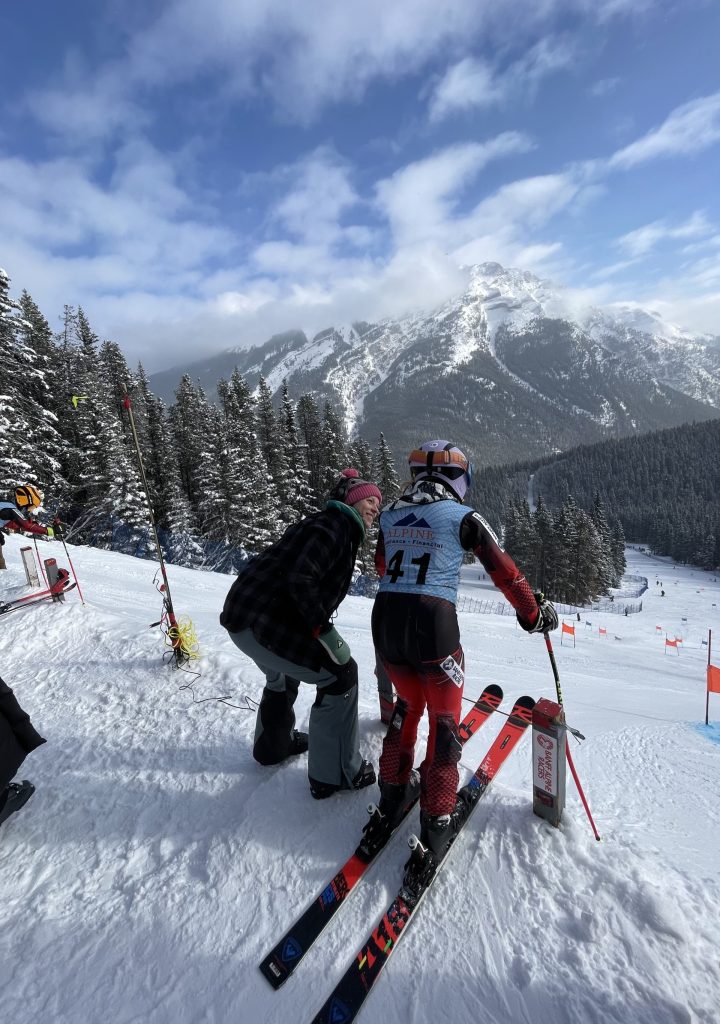
The number of race starts available to athletes at each age level is not accidental. Alberta Alpine’s approach to competition is strongly influenced by the principles of Long-Term Athlete Development (LTAD) and by philosophies that have been developed and refined over many years through the work of our age-class working groups.
At every stage of development, competition should serve a purpose. The needs of a U12 athlete learning to become a strong, versatile skier are very different from those of a U16 athlete developing their racing skills, or a FIS athlete preparing to compete at the national and international level.
For our younger athletes, the focus is on building a broad foundation. This means prioritizing fundamental skiing skills, athletic literacy, movement development and exposure to a variety of skiing experiences. Competition is an important part of that process, but more racing is not always better. There needs to be a balance between training, free skiing, skill development and competition.
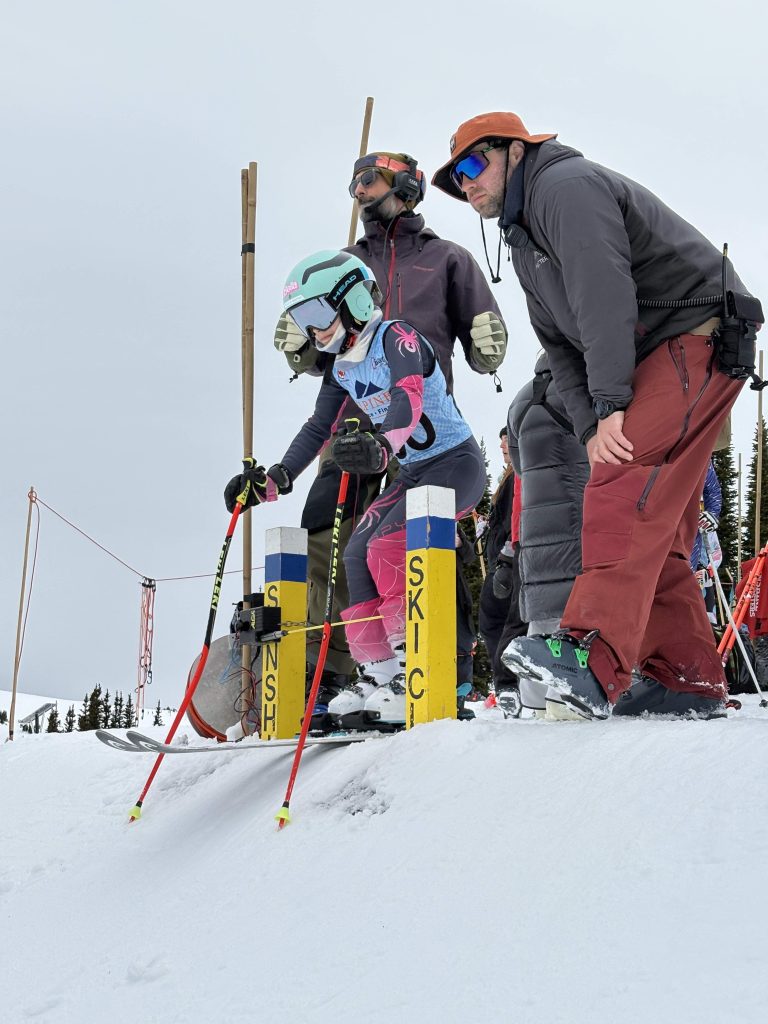
As athletes move through the age classes, the role of competition gradually changes. Athletes need opportunities to apply their skills under pressure, learn how to manage the demands of racing and experience different disciplines, venues and competitive environments. At the same time, the calendar needs to provide enough flexibility for continued training and development rather than simply creating a race every available weekend.
By the time athletes reach the U16 and FIS levels, the competition pathway becomes increasingly important. Athletes need an appropriate number of starts to develop experience, build their skills and progress toward provincial, national, and international opportunities.
These principles have been discussed extensively over the years through Alberta Alpine’s age-class working groups. The result is a philosophy around competition that recognizes there is no single number of race starts that is appropriate for every athlete or every stage of development.
The calendar is therefore designed around appropriate opportunities, rather than simply maximizing the number of races. The goal is to create enough competition to support development while leaving room for quality training, recovery, other sports and a healthy balance throughout the season.
This philosophy becomes one of the starting points for building the calendar. Once we understand what we are trying to provide for athletes at each age level, we can begin the complicated process of determining where and when those opportunities can take place.
It Starts with the Big Picture
The calendar process begins by looking at the larger Canadian and international competition calendar.
National events, NorAm races, FIS competitions, Canada Winter Games, Canadian National Championships and other major events all need to be considered first. From there, we work backwards to determine where Alberta’s provincial events can best fit.
This becomes particularly challenging because Alberta athletes compete across a wide range of ages and levels. A weekend that works well for a U14 event may not work for a FIS race, and a weekend that looks open on the calendar may already be heavily committed for clubs, coaches or volunteers.
We also need to consider travel. Alberta is a large province, and asking families and clubs to travel long distances every weekend isn’t realistic. Whenever possible, we try to build logical blocks into the calendar so that athletes can get quality competition without creating unnecessary travel demands.
We also have to consider the overall rhythm of the season. Where possible, we want to avoid creating long stretches where athletes are constantly racing without enough opportunity to train, while also ensuring there are sufficient competition opportunities at the right times of the year.
Working with our Clubs and Resorts
Once the larger calendar starts to take shape, the conversations with clubs and resorts really begin.
Every race requires a tremendous amount of work from volunteers. Hosting a competition means organizing officials, course crews, timing, registration, food, awards, accommodation and countless other details.
At the same time, resorts have their own operational demands. Hill availability, snowmaking, terrain, grooming, commercial operations and other events all have to be considered.
The final calendar is therefore a product of a lot of conversations and compromise. It is not unusual for dates to move several times before everything comes together.
Our goal is always to build a calendar that provides quality opportunities for athletes while recognizing the reality that Alberta’s racing system depends heavily on the commitment of clubs, resorts and volunteers.
Looking Ahead to 2026–27
There is a lot to be excited about in Alberta this season, with several additions and returning events designed to create more opportunities for athletes at every level.
A New U12 Skills Award
One of the new additions this season is the U12 Skills Award, which is designed to recognize the development of fundamental skiing skills alongside competition results.
Rather than adding another competition to an already busy schedule, athletes will complete the skills assessment through their home club and submit their results to Alberta Alpine. This allows coaches to work with their athletes in a familiar training environment and gives clubs an important role in recognizing skill development.
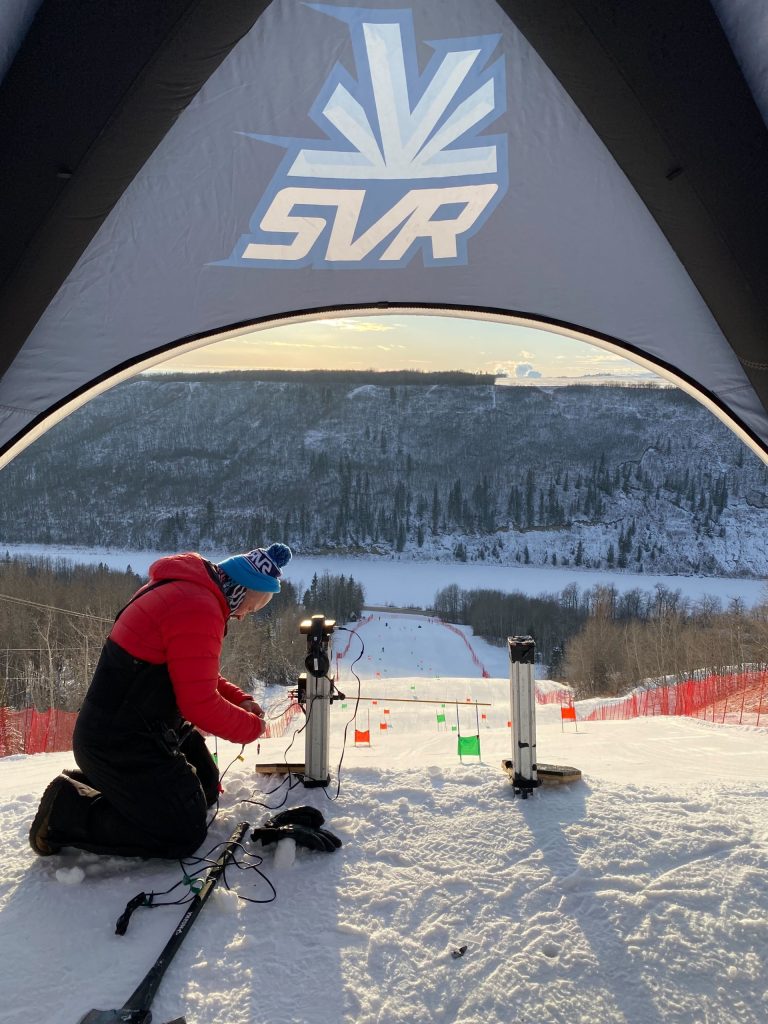
Athletes will complete the required skills during the season, with awards presented later in the year.
At U12, developing strong fundamental skiing skills is critical. The Skills Award is intended to celebrate athletes who are building those foundations and progressing as skiers—not simply those who are finishing fastest.
More FIS Racing in Alberta
We are also excited to see more FIS racing opportunities in Alberta this season.
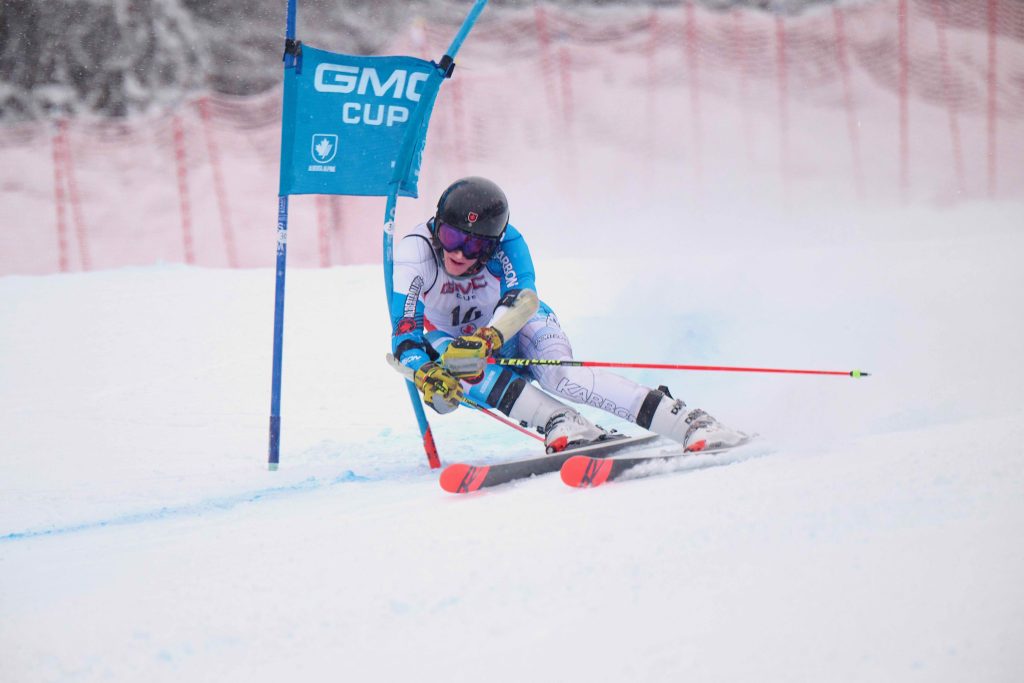
Increasing the number of FIS GMC Cup Series starts in the province gives our older athletes more opportunities to compete at a high level without always having to travel outside Alberta. It also provides valuable opportunities for volunteers and officials to participate in the FIS environment while strengthening the overall competition pathway within the province.
Canadian National Championship Returns to Nakiska
One of the biggest highlights of the season will be the return of the Canadian National Championship to Nakiska.
Hosting a national championship in Alberta is a significant opportunity for our athletes, coaches, clubs and volunteers. It allows Alberta athletes to compete on home snow against the best in the country, while also showcasing the quality of our venues and the strength of our alpine community.
Events of this scale take an enormous amount of planning and volunteer support, and we are looking forward to seeing the Alberta ski community come together to make it a great championship.
FIS Downhill Returns to Nakiska
We are also excited to see the return of downhill racing to Nakiska as part of the Spring Series.
Over the past several years, these races have become a cornerstone of the calendar for many athletes across the country. The demand for the events has been a strong reflection of the quality of racing and the experience that Nakiska provides, with the races being over quota for the past three consecutive years.
The popularity of these events speaks to the growing interest in providing quality opportunities for developing athletes. Downhill is an important part of athlete development, giving athletes the opportunity to build confidence, learn speed skills and experience the unique demands of the discipline in a controlled and competitive environment.
The Spring Series has also become a great way to finish the season, bringing athletes from across the country together for quality racing and an opportunity to continue developing their speed skills late in the season.
We are excited to welcome athletes back to Nakiska this spring and look forward to continuing to build on what has become one of the hallmark events on the calendar.
More U12 Racing Opportunities
The U12 schedule will also see the addition of another SL/GS event, giving our youngest racers more opportunities to experience different courses and race environments throughout the season.
At U12, the emphasis should be on developing confident, versatile skiers who enjoy competition and want to keep coming back. More opportunities to race, combined with the new Skills Award, are intended to support that broader development rather than focusing solely on results.
A Calendar Built Around Development
Ultimately, the calendar is a reflection of what we believe is important for athlete development.
The number of race starts at each age level, the disciplines offered, the timing of events and the overall rhythm of the season are all considered through that lens.
We want young athletes to have enough opportunities to compete without creating an overly demanding schedule. We want our U14 and U16 athletes to experience a variety of disciplines and venues while continuing to develop the skills that will support them as they progress. We want our FIS athletes to have strong opportunities to race at home and prepare for the next level of competition. And we want clubs to be able to host quality events without placing an unreasonable burden on their volunteers.
There is no perfect calendar, and every season involves compromises. But the work that goes into building it is guided by years of discussion, experience and a shared philosophy about what will best support the long-term development of Alberta athletes.
As we head into the 2026–27 season, there is a lot on the horizon to be excited about. The calendar may look like a simple list of dates when it is published but, behind every one of those dates, is a significant amount of planning, coordination and discussion about how each event fits into the bigger picture of athlete development.
Most importantly, it represents a tremendous amount of collaboration between Alberta Alpine, our clubs, resorts, coaches, officials and volunteers, all working together to give Alberta athletes the opportunity to develop, compete and enjoy the sport.
]]>Unfortunately, our first camp in Saas-Fee did not go as originally planned due to the exceptionally warm weather this summer. The entire summer in Europe was abnormally hot and dry, resulting in the closure of even one of the highest glacier ski resorts. Saas-Fee has been closed since August 10, with no reliable prediction at the time regarding when the glacier would reopen.
As soon as we received the first update from Saas-Fee that the glacier would remain closed from August 10 until further notice, we immediately began organizing an alternative plan.
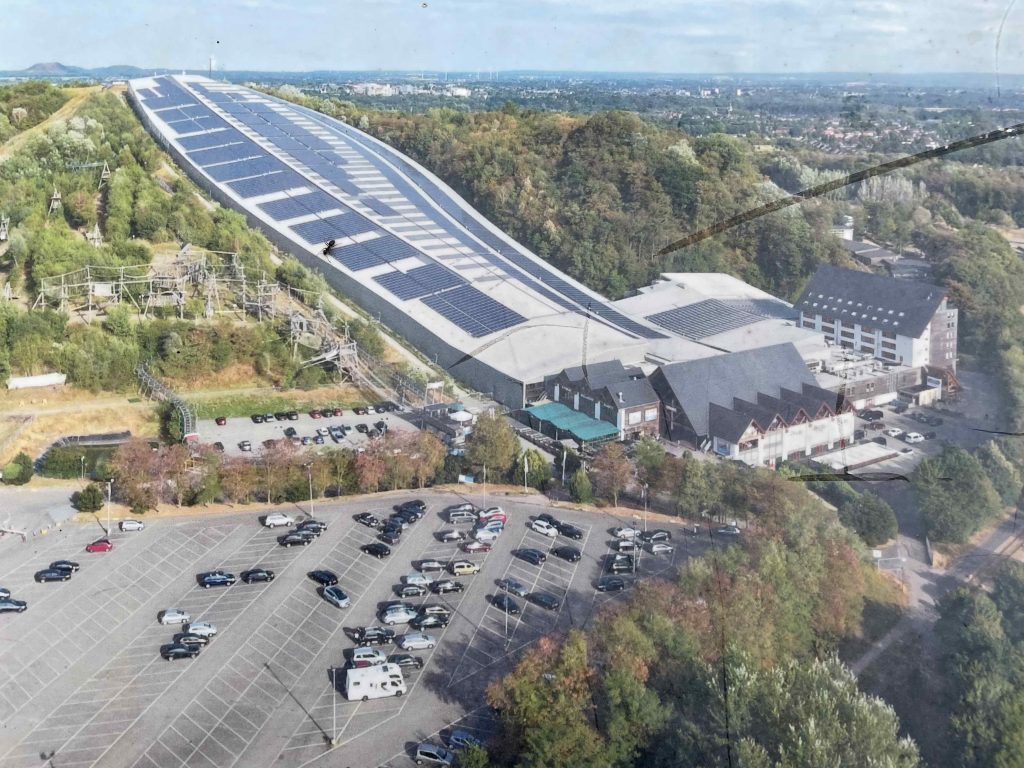
In this difficult situation, we were able to secure indoor training in Landgraaf, Netherlands. We had no choice but to relocate and spent 10 days there. Mentally and physically, it was challenging to train SL twice a day on the same slope. Despite the difficult circumstances, all of the athletes adapted very well and made significant progress by the end of the training period.
After Landgraaf, we continued to search intensively for other training options while the Saas-Fee glacier remained closed. Through our connections with European coaches, we were able to secure six days of GS training at the private glacier training area operated by Karl-Heinz in Stelvio.
We had only four days to organize everything before we could start training there. From a logistics standpoint, we decided to stay at our travel hotel, Alter Wirt, in Munich. This also gave everyone some valuable time to recover and relax, combined with a few dryland training sessions.
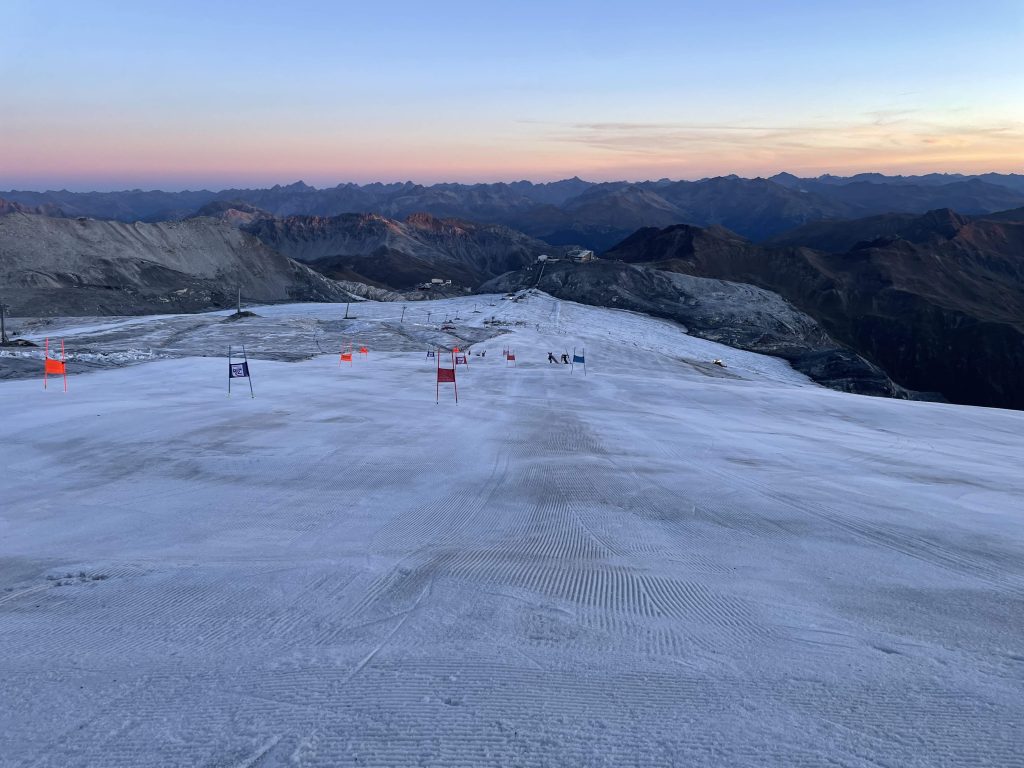
The Stelvio glacier training at Karl-Heinz operates differently from a normal ski area. Training starts very early in the morning, with cats transporting the athletes up the glacier. We had excellent, firm snow conditions and were able to complete approximately 28 GS turns per run, with 10–12 runs per day. It was a very productive training block.
The team returned home September 7th after 3 weeks away. Despite the challenges we faced during Camp #1, we managed to complete 15 days on snow on a very hard and consistent surface. As a team, we believe we handled the situation very well. The athletes’ flexibility, commitment, and positive attitude allowed us to make the most of what was undoubtedly a very demanding summer training period.
Overall, the training was productive, and the athletes made good progress throughout the camp. Their willingness to adapt, work hard, and stay positive through difficult conditions was a key factor in making the camp a success.
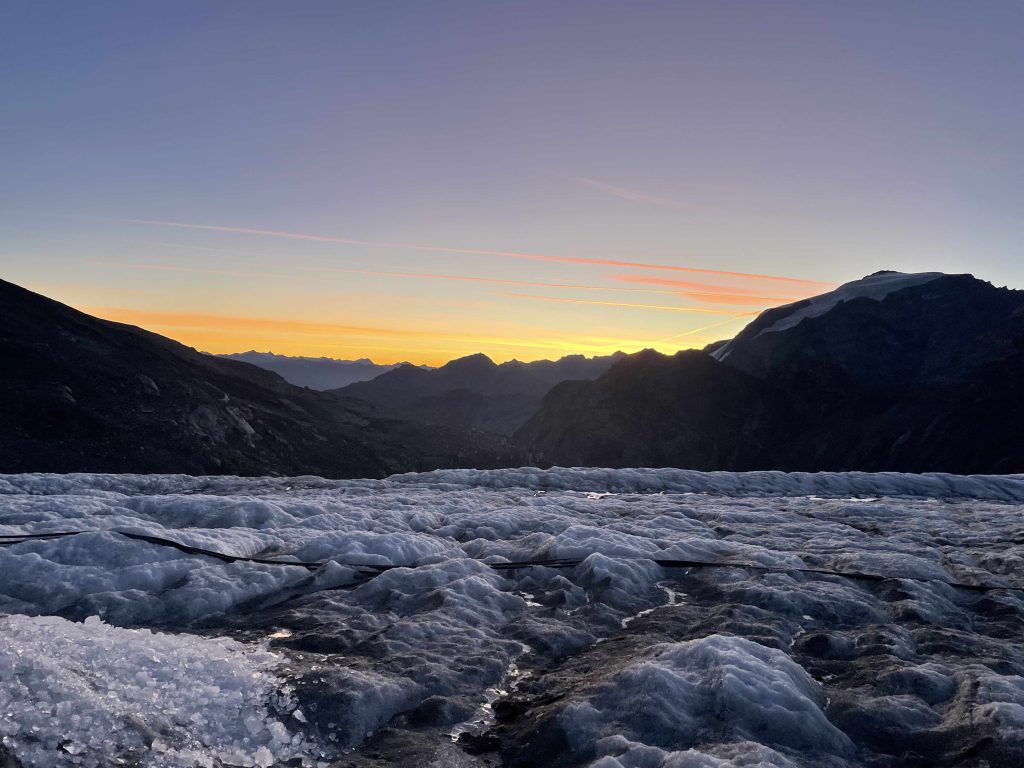
Everything we accomplished here was done the hard way, from icy indoor SL training to moderate and difficult terrain on hard, icy glacier surfaces. Using cats instead of lifts to transport the athletes added yet another layer of complexity. Sometimes taking the harder route can have a positive effect. It may take longer, require more patience, and demand more work, but the results can be stronger in the end. We will see how everything comes together during the upcoming fall season and preseason training.
For now, we are very pleased with how the athletes responded to the challenges and with the progress they made throughout the camp.
ACA Speed Camp, Chile
The CAST Development Team invited Graeme Cliff to join the World Cup (WC) Speed Team for training in Chile at El Colorado and La Parva.
Graeme had a great camp and gained very valuable experience training alongside the WC Speed Team. The opportunity provided him with important exposure to a high-level of training. Graeme has also been invited to join the team for the full training period in November.
Looking Ahead – October Camp #2, November Pre-season training
We have also had to make some changes to the upcoming October camp.
Based on the current weather forecast for Europe, with no significant change expected, limited snowfall, and continued warm temperatures, we have decided to travel to Saas-Fee instead of Hintertux. The Saas-Fee glacier is significantly higher and offers a better possibility of finding suitable snow conditions for our training.
Ahead of that, the team travelling to Wittenberg, Germany, as originally planned, for 5 days of indoor SL training with 2 sessions per day.
We expect the second camp will continue to provide a positive and productive training environment for the team.
Pre-season Back Home
Shortly after the second Europe camp, our program is scheduled for Nakiska, with a primary focus on speed training. We expect 3–4 athletes to have the opportunity to train alongside the National Team.
The remainder of the group will stay focused on technical training and head to Mt. Sima, YukonNovember 9–15. There will be 4 days of technical training in GS and SL, followed by 2 days of FIS races in GS and SL at the end of the trip.
At the end of November, the AST will attend the Panorama camp, training alongside the National Development Team and all BC, ON, and QC Provincial Team athletes.
Every training session and FIS race will provide a valuable indication of how our athletes compare to the other athletes in the group. The Panorama block will help set the tone for the season and give us a clearer picture of how competitive we are, both as a group and individually. It will also provide an opportunity to see how each athlete responds to skiing and competing in some early-season events with their peers.
Peter Rybarik is Head Coach of the Alberta Ski Team. Read his bio >>
See the 2026-27 Alberta race calendar here and follow our Alberta Ski Team!
]]>
When we talk about developing great ski racers, the conversation often starts with skiing.
How well does an athlete move? How strong is their technique? How fast can they ski? How do they perform under pressure?
But underneath all of those things is another critical piece of the equation: physical fitness.
Alpine skiing places enormous demands on the body. Athletes need strength, power, endurance, coordination, balance and the ability to repeatedly produce high levels of force while maintaining technical precision. Fitness doesn’t replace good skiing, but it provides the physical foundation that allows athletes to develop and apply those skills.
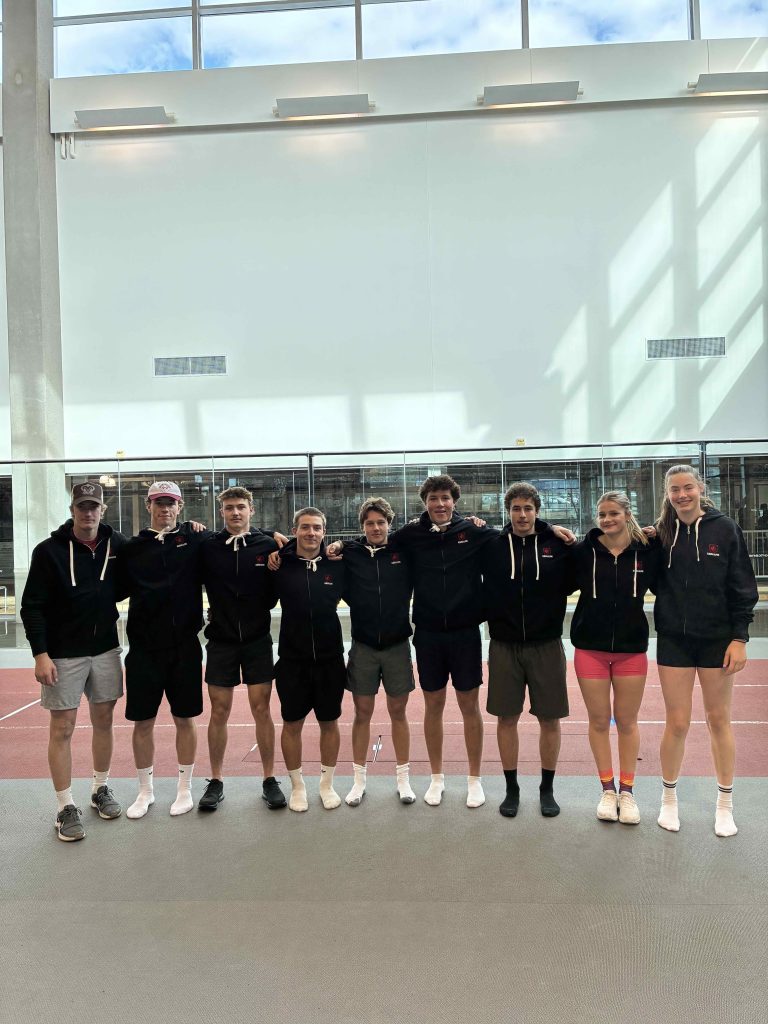
This is one of the reasons Alberta Alpine is placing an increased emphasis on the Alpine Canada Fitness Combine, a national standard for assessing the physical qualities that are important for alpine ski racing.
A National Standard for Physical Development
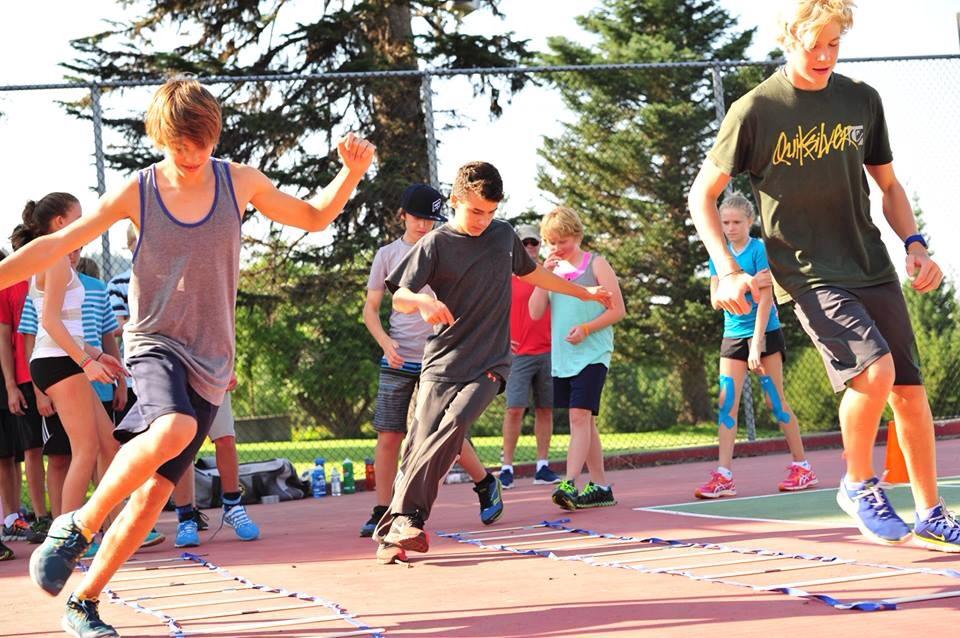
The ACA Fitness Combine was developed to provide a standardized way of assessing the physical qualities that are important for alpine ski racing. The goal is not simply to determine who is “fit” and who isn’t. Instead, the Combine gives athletes, coaches and programs a consistent way to measure physical development and track progress over time.
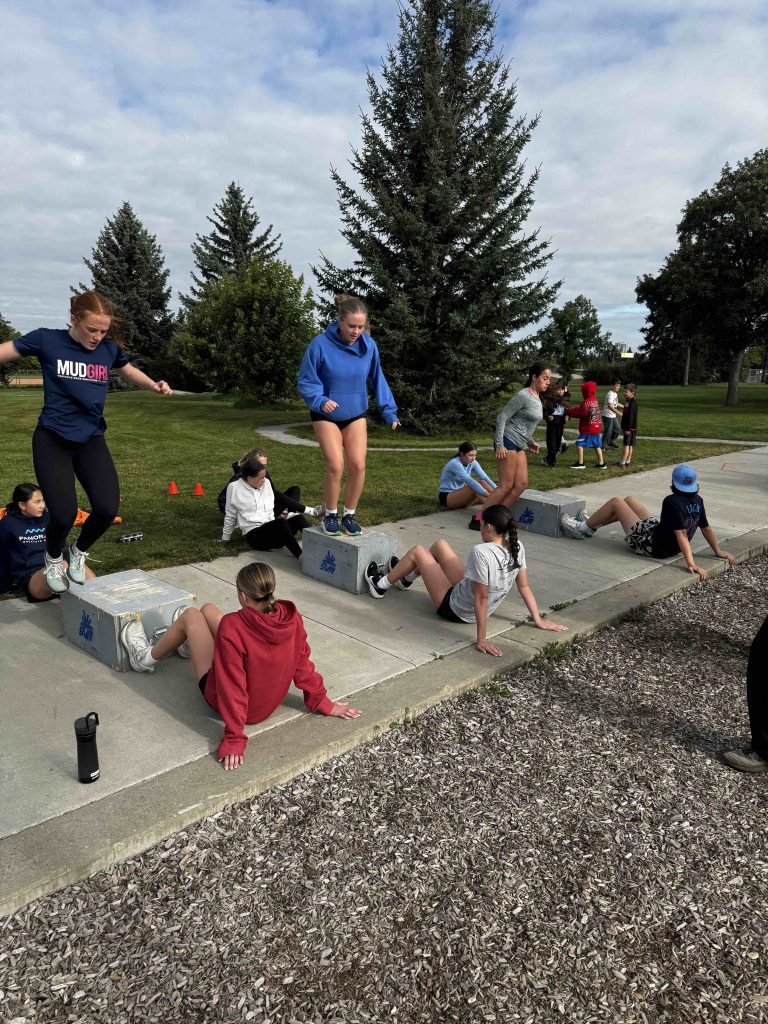
The testing protocol looks at a broad range of physical qualities, including aerobic capacity, strength, power, coordination, muscular endurance and athleticism. Alpine Canada has developed age and gender-specific performance standards so that athletes can be assessed against appropriate benchmarks as they progress through the development pathway.
This is important because an athlete’s physical development changes dramatically throughout adolescence. A U12 athlete should not be expected to demonstrate the same physical capabilities as a U16 athlete, and the testing pathway reflects those stages of development.
The Combine is therefore not about comparing a 12-year-old to a 21-year-old. It is about asking: Where is this athlete today, and are they progressing toward the physical qualities needed for the next stage of their development?
Why Fitness Matters in Ski Racing
Alpine skiing is a technically demanding sport, but technical development does not happen in isolation.
An athlete who lacks the strength or endurance to tolerate training volume may struggle to develop technically. An athlete who lacks power may have difficulty generating the forces required to ski effectively. An athlete with poor coordination or movement quality may find it harder to execute increasingly complex technical skills.
Alpine Canada notes that physical fitness can either support or inhibit technical development because it influences an athlete’s ability to tolerate the training volumes required at different stages of development.
This is particularly important as athletes move through the U14 and U16 age groups and begin to take on greater training demands.
The objective isn’t to turn young ski racers into weightlifters or endurance athletes. The objective is to develop athletes who can ski—strong, coordinated, powerful and resilient athletes who have the physical tools to continue developing their skiing.
The Combine as a Development Tool
One of the most important things to understand about the Fitness Combine is that it is not simply a test that athletes “pass” or “fail.”
The results provide coaches with information.
An athlete might demonstrate excellent lower-body power but have an area of weakness in aerobic capacity. Another athlete might have strong endurance but need to improve upper-body strength or coordination.
Those results can then help coaches and athletes identify where training should be focused.
The value becomes even greater when the Combine is repeated over time. Instead of looking at a single score, we can begin to see an athlete’s trajectory.
Are they getting stronger? Are they becoming more powerful? Is their endurance improving? Are they closing gaps in areas where they were previously behind?
That long-term view is one of the most important aspects of the program.
Alpine Canada’s national system is designed to collect data over time and build normative trends across different ages and stages of development. This allows the Combine to become part of a broader, continuous athlete-development pathway.
A Shift Toward Accountability
For Alberta Alpine, we also see an opportunity to take the Combine one step further.
As athletes progress into higher levels of the sport, the physical demands increase significantly. At some point, being physically prepared is not simply beneficial—it becomes necessary to safely and effectively participate in higher-level training and competition.
Beginning this season, minimum Fitness Combine scores will be required for athletes participating in a number of Alberta Alpine and national-level projects.
These requirements will apply to athletes seeking participation in:
- Canada Winter Games selection (U16)
- U16 National Projects, including Whistler Cup
- Alberta Alpine U16 Projects
- Alberta Alpine FIS Projects
The intention is not to create another barrier for athletes. Rather, it is to establish a clear expectation that athletes progressing into these programs are developing the physical qualities required to benefit from the opportunities being provided.
Selection to a higher-level project comes with increased training volume, greater competition demands and higher expectations. We believe athletes should be physically prepared to meet those demands.
Start Preparing Early
The important message for athletes and families is that this should not be something athletes begin thinking about immediately before a selection deadline.
Physical development takes time.
The Combine provides athletes and coaches with an opportunity to identify areas for improvement well before those areas become limiting factors. Clubs can use the results to help guide dryland programming, while athletes can take ownership of their own development.
The national guidance recommends that clubs and provinces use the Combine regularly and as a baseline for physical development.
For athletes with ambitions of progressing through the Alberta Alpine pathway, the message is simple:
Don’t train for the test. Train to become the athlete the test is designed to measure.
What Success Looks Like
Success with the Fitness Combine shouldn’t be defined only by achieving a particular score.
A successful athlete is one who is continually developing.
For some athletes, that may mean moving from below a benchmark to meeting it. For others, it may mean progressing from meeting a standard to performing at a much higher level. For an athlete who is already physically strong, it may mean maintaining that level while continuing to develop technically and tactically.
The goal is long-term development.
We want Alberta athletes to graduate from each age group not only as better ski racers, but as better athletes—with the strength, power, endurance, coordination and physical literacy required to continue progressing.
Building a Stronger Pathway
The Fitness Combine is one piece of a much larger athlete-development system.
It connects clubs, Alberta Alpine and Alpine Canada through a common language for physical development. It gives coaches better information. It gives athletes measurable goals. And it provides programs with a clearer picture of whether athletes are physically prepared for the demands of the next stage.
Most importantly, it reinforces something we have been emphasizing throughout our long-term athlete development work:
Performance is built over time.
The athletes who succeed at the highest levels are not simply the ones who ski the fastest today. They are the athletes who consistently develop the physical, technical, tactical and mental qualities required to continue progressing.
The ACA Fitness Combine gives us another tool to help make that development visible, measurable and intentional.
It’s a once-a-year test in the fall. The South Zone Fitness Combine is administered by CSI Calgary with U14 athletes testing on the Saturday and U16+FIS testing on Sunday. The North Zone Fitness Combine is coordinated by the ANSRS group. Both serve as a season kick-off and provide a chance to reconnect with athletes from other teams in the same zone…and see how they measure up going in to the ski season!
For athletes aspiring to represent Alberta at the Canada Winter Games, compete in U16 national projects such as Whistler Cup, or participate in Alberta Alpine U16 and FIS projects, the expectation is clear: physical preparation is part of being ready to take the next step.
The work starts long before selection day, it starts at home and at the club.
]]>Original Post: August 26st, 2026
NOTICE IS HEREBY GIVEN that the Annual General Meeting (the “Meeting”) of the
Members of Alberta Alpine Ski Association (the “Society”) will be held Wednesday, the 7th
day of October 2026, at the hour of 5:00 PM (Mountain Time) for the following purposes:
- To receive the report of the Chair of the Society;
- To receive and consider the financial statements of the Society for the fiscal year ended
June 30, 2026, together with the auditors’ report thereon; - To elect Directors of the Society;
- To transact such other business as may properly be transacted at such Meeting or at
any adjournment thereof.
The on-line meeting format will be Zoom- https://us02web.zoom.us/j/88186401909?pwd=G1f92sdbNTwGdrk6GsuWWcarR6YQQW.1
- Meeting ID: 881 8640 1909
- Passcode: 579141
CALL FOR AASA BOARD OF DIRECTORS NOMINATIONS
The AASA Board of Directors has appointed Greg Milne to chair the 2026-2027 Nominating
Committee.
The Alberta Alpine Ski Association is seeking nominations for the election of the 2026-2027
Board of Directors on Wednesday, October 7, 2026, at 5:00 PM (Mountain Time).
There are two nominated Director positions up for election for a two-year term.
Member Clubs have the right to submit nominations of Paid-Up Members for election as a
Director of the Association to the Nominating Committee provided that such nominations
are received by the nominating committee at least 14 days prior to the AGM and each
nomination is accompanied by the written consent of the Paid-Up Member nominated.