The post Check Us Out in the Media! appeared first on .
]]>
Check out Anitya Doula Services and Catherine Durkin Robinson in the media, normalizing the conversations around death and dying.
- “Ladybug” (Amazon)
- “Ladybug” (Barnes and Noble)
- Substack
- Minimalism Life
- Chicago Tribune
- Chicago Tribune
- Chicago Sun-Times
- Chicago Sun-Times
- Funeralwise
- Funeralwise
- Harper Therapy Interview
- A “Psychedelics Today” Webinar
- Mind, Body, Health, and Politics with Dr. Richard Miller
- Parasol
- Joseph Carrabis, The Rabbit Hole
- The Digestible Podcast
- WGLT: “New law makes medical aid in dying possible – if you can find a provider.“
Check back often for updates!
The post Check Us Out in the Media! appeared first on .
]]>The post Traveling Death Doula Series appeared first on .
]]>
Read more about my travels and death rituals in the following countries:
- United States
- Canada
- Ireland
- Egypt
- Israel
- Switzerland
- Netherlands
- New Zealand
- Australia
- Mexico
- Germany, Austria, and Poland
- France
- Peru
- Iceland
- Japan
- England
- Spain
- Morocco
- Belgium
- Southern Italy
- Costa Rica
- Guatemala
(Check back often!)
The post Traveling Death Doula Series appeared first on .
]]>The post Traveling Death Doula Series: Germany, Austria, and Poland appeared first on .
]]>
Germany, Austria, and Poland have a rich and diverse history of death rituals and practices. Practices that evolved with both religious influences and regional variations. As a traveling death doula, I recently visited these fascinating countries.
Many of you will find these rituals familiar and commonplace. However, other rituals are unique to Central and Eastern Europe. Here’s some of what I learned.
“To die proudly when it is no longer possible to live proudly. Death of one’s own free choice, death at the proper time, with a clear head and with joyfulness, consummated in the midst of children and witnesses: so that an actual leave-taking is possible while he who is leaving is still there” – Friedrich Nietzsche
Germany, Austria, and Poland Death Rituals
Mostly Catholic rituals, what makes these practices unique is the sheer number of people participating in them, especially in rural areas of Germany, Austria, and Poland.
For example, they often celebrate with a special Mass, called a “Requiem,” for the deceased in Austria and Poland. This is when mourners pray for and remember their beloved dead. For centuries, world-renowned composers felt inspired to contribute music to these requiems that stay with us today.
In some parts of Germany, many people visit the graves of their loved ones on All Saints’ Day. This is also a holiday in Poland. Millions of families light candles, place fresh flowers on graves, and offer prayers for the souls of the departed.
“As death, when we come to consider it closely, is the true goal of our existence, I have formed during the last few years such close relationships with this best and truest friend of mankind that death’s image is not only no longer terrifying to me, but is indeed very soothing and consoling.” – Wolfgang Amadeus Mozart
All Souls’ Day is a national holiday in Austria and Poland, observed on November 2nd. On this day, millions tend to graves, lighting candles and offering prayers. It is a time to remember, and honor, loved ones who have passed away.
Some Central and Eastern European cultures have superstitions related to death and burial practices. One family shared with me that they would never bring home items from a funeral or sweep the house for several days after a memorial service.
A Polish Three-Day Funeral
I traced the tradition of a three-day funeral in Poland back to a combination of Catholic religious practices and pre-Christian customs. Poles believe strongly in the importance of praying for the deceased and commemorating their life. That’s why they developed multi-day funerals.
Day 1: The Death Announcement and Vigil
On the first day, the family officially informs relatives, friends, and the community about the passing with the death announcement.
Then a vigil, known as “czuwanie” or “wigilia żałobna,” takes place. Close family and friends gather at the deceased person’s home to offer condolences, pray, and share memories. It often involves lighting candles, praying the Rosary, and reading from the Bible.
Day 2: Funeral Mass and Burial Preparation
On the second day, loved ones prepare the body for the funeral and dress the deceased in their best clothes. The Requiem takes place and includes prayers, hymns, and readings, often led by a priest. After the Mass, there may be a procession to the cemetery, where the burial occurs.
Day 3: Post-Funeral Gathering
They dedicate the third day to a post-funeral gathering. Friends and family come together for a meal to remember and celebrate the life of the deceased. This gathering provides an opportunity for people to offer condolences and support to the grieving family.
While the three-day funeral is a traditional practice, many locals told me it has become less common in modern times due to changing lifestyles and the influence of Western funeral practices. Many people now opt for shorter, one-day funerals.
However, in more rural and traditional areas of Poland, it remains an essential cultural and religious practice for honoring the deceased and providing comfort to the bereaved.
Red Eggs in Poland
Many cultures use red colors at end-of-life ceremonies. Red eggs at funerals, often associated with Orthodox Christianity, are rooted in deep religious significance.
A Symbol of Life
Many cultures worldwide see eggs as a symbol of life and renewal. This symbolism predates Christianity and continues today. In the context of death, the red egg represents the hope of life beyond this realm.
Red represents the blood of Christ in Christian tradition and the triumph of life over death through resurrection. Orthodox priests also bless red eggs every year on Holy Saturday and then distribute them to the congregation after the midnight Easter service.
Mourning and Hope
At funerals, the red egg acknowledges the sorrow of death. It also serves as a reminder that death is not the end but a transition to a new and better existence. Red eggs reflect the belief that just as a chick hatches from an egg, so too will the deceased person be reborn in the afterlife through their faith in Christ.
This is why priests typically distribute eggs to mourners as a way to comfort and console them, as well as to reinforce the belief in the resurrection and the promise of eternal life.
The German “Dance of Death”
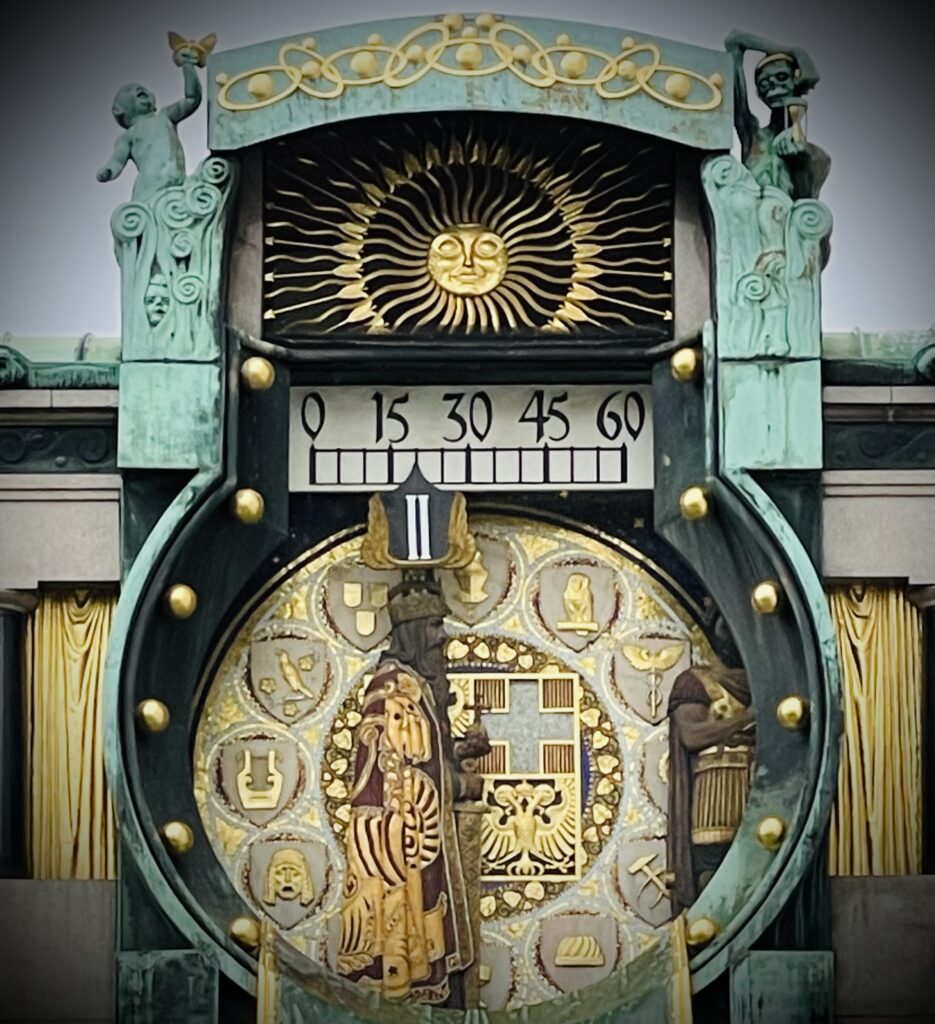
Known as “Totentanz” in German, the death dance is a historical and artistic allegorical concept that gained popularity in Europe during the late Middle Ages and the Renaissance. It involves depictions of death as a skeleton or a skeletal figure leading individuals from various walks of life in a dance, symbolizing the universality of death.
Historical Origins
The Black Death (Bubonic Plague) of the 14th century and other pandemics, along with the societal upheavals of the time, inspired a heightened awareness of mortality. The concept of a Dance of Death likely emerged in this context.
Artists expressed Death through various forms, including paintings, frescoes, woodcuts, and literary works. These depictions often featured the personified figure of Death engaging people from all walks of life, including kings, clergy, and peasants.
“Nothing in life is to be feared, it is only to be understood. Now is the time to understand more, so that we may fear less.” – Marie Curie
Moral and Theological Message
It served as a memento mori, a reminder of the inevitability of death and the importance of living a virtuous life. Death Dances emphasized the notion that death comes to all, regardless of social status or wealth.
The literary genre known as “Danse Macabre” comes from this association. It featured poems or narratives in which Death addresses individuals and leads them in the dance. Notable examples include the “Danse Macabre” poem by Jean d’Arras and the “Dance of Death” by Hans Holbein the Younger, a famous series of woodcuts.
Cultural Influence
The Dance of Death had a lasting impact on European culture and the arts. Many Gothic churches featured this theme, where artists depicted Death leading the living in a dance on walls and ceilings.
This typically served as a powerful reminder of the transitory nature of life and the need for individuals to lead virtuous and pious lives. While it was most prominent in the late Middle Ages and Renaissance, I visited dozens of churches and saw its influence living on today.
Polish Memorial Meals
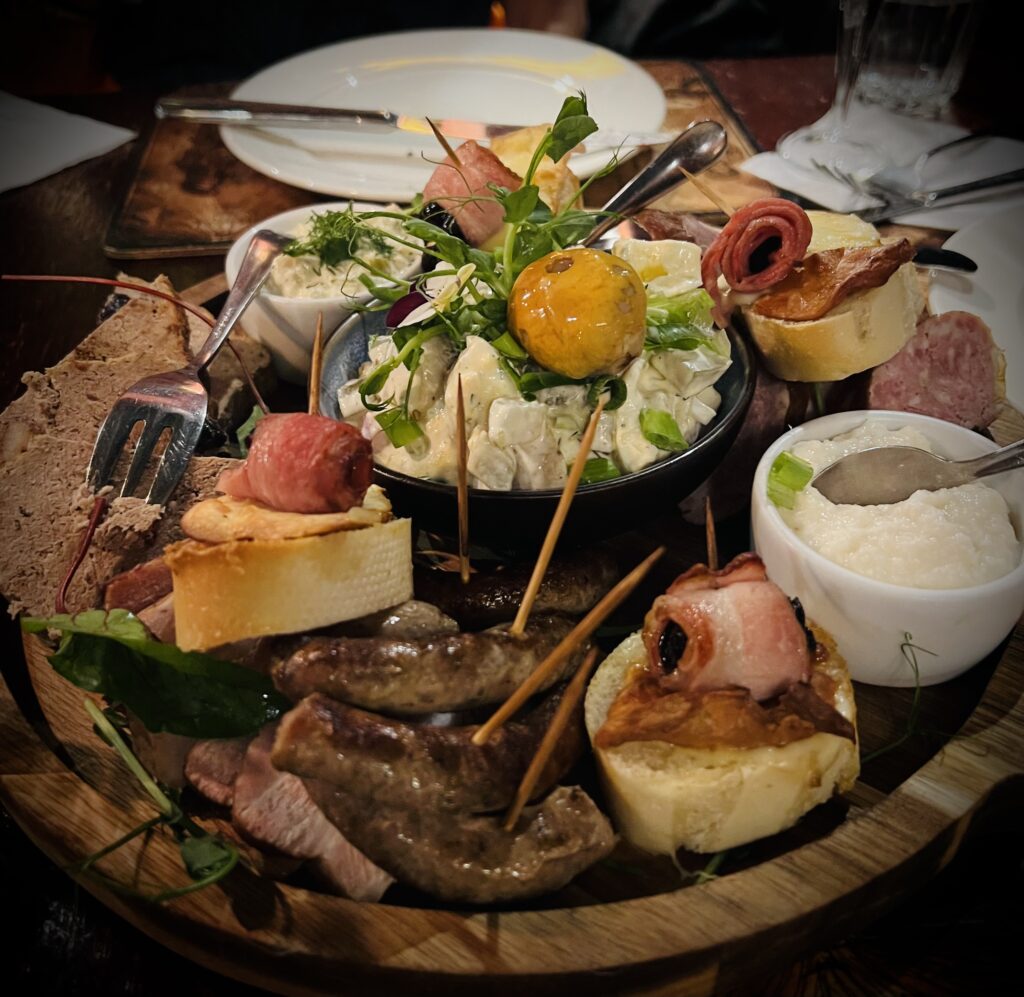
Polish families hold memorial meals, known as “Pominki” in Polish culture, to commemorate the deceased and offer support to the grieving family.
The tradition dates back centuries and the word “Pominki” is derived from the Polish word “pamiętaj,” which means “remember.” The practice has been passed down through generations and remains an integral part of Polish funeral customs.
In the difficult period following a loss, loved ones and friends gather together. They eat delicious Polish food (trust me, it’s underrated!), feeling comfort and a sense of community. For many Polish families, Pominki includes religious elements such as prayers, psalms, and blessings to ensure the deceased’s soul is at peace.
Typical Elements of a Pominki
These meals may vary based on regional and family traditions. Lighting candles and displaying religious icons are common elements, emphasizing the spiritual aspect of the gathering.
“The greatest ideal on earth is human love.” – Władysław Szpilman
Family and friends often share eulogies and stories about the deceased, reflecting on their life and achievements. They set up a table with photographs, mementos, and personal items of the deceased to remember further and celebrate their life.
Rituals Rooted in Community
Germany, Austria, and Poland’s death rituals, more than anything, reinforce the importance of family, friends, and other loved ones. These rituals are also rooted in shared religious beliefs.
As I travel the world, I’m excited by cultural differences and, at the same time, comforted by similarities. In every community I visited throughout Germany, Austria, and Poland people routinely come together to celebrate new life as well as mourn life’s end.
As it should be.
If you’d like to learn more about world rituals and choose what might work for you and your family, please contact me today.
The post Traveling Death Doula Series: Germany, Austria, and Poland appeared first on .
]]>The post Traveling Death Doula Series: Switzerland appeared first on .
]]>
Years ago, I traveled to Zurich while en route to the Middle East. Before I got to this beautiful Swiss city, I mostly focused on all the chocolate and fondue I’d eat upon arrival.
Then I learned about physician-assisted dying (PAD).
Now I’m a traveling death doula, and the laws in Switzerland around death/dying are unique. So let’s cover what I’ve learned.
Death Tourism in Switzerland
Countries like Australia have laws permitting voluntary assisted dying (VAD) but for their residents only. In places like the Netherlands, they call this process euthanasia and allow people to travel to Amsterdam for this service.
Switzerland is more well-known for allowing non-residents to travel for PAD, but the process is complex and requires careful planning.
“In Love” by Amy Bloom
In Love: A Memoir of Love and Loss by Amy Bloom is about her husband Brian’s decision to end his life after being diagnosed with Alzheimer’s disease. It chronicles their search for a dignified way to do this. They discuss carbon monoxide poisoning, stopping eating and drinking, as well as fentanyl overdosing.
Amy and Brian eventually settle on traveling to Switzerland. They go through a lengthy and expensive process to end Brian’s life, detailing the psychiatric and neurological consultations, air travel, and paying a $10,000 fee. The book is a moving account of their love, marriage, and the process of helping a loved one die.
How to Die in Switzerland
Here’s how you would go about securing a peaceful and legal death in Switzerland.
Research and Contact a PAD Organization
Organizations like Dignitas or LifeCircle help guide non-residents through the process. These organizations require detailed medical documentation that demonstrates the person’s condition (usually a terminal or severe chronic illness) and mental capacity to make an informed decision.
You’ll need to submit comprehensive medical records. This includes the diagnosis, treatment history, and prognosis. Then a Swiss physician will review your case. They will likely request additional tests or consultations to confirm that you are eligible under Swiss law.
Timeline: 1 to 3 months
Physician Consultation
A Swiss doctor must meet with you in person before PAD is approved. During the consultation, the doctor will assess whether you meet the criteria, including mental competence to make the decision. If the doctor approves your request, the organization will schedule the procedure.
Some people might need to visit Switzerland multiple times. Others may need only one visit, depending on their circumstances.
Timeline: 1 to 2 months
Travel Plans
The organization often helps with logistics, such as travel arrangements and accommodations. Prepare all travel documents, including medical records, ahead of time. While there is no legal barrier preventing travel for PAD, Swiss authorities may scrutinize your visit. Some airlines may also require a fit-to-fly certificate, especially for people with serious illnesses.
Timeline: 1 to 3 months

PAD Procedure
Assisted dying in Switzerland typically involves taking a prescribed medication (usually a barbiturate) via an IV line. The process is designed to ensure that the person is fully informed and making a voluntary decision. Your loved ones may be with you every step of the way.
Most organizations also offer psychological and counseling services leading up to the procedure.
Costs
The costs vary but typically range between CHF 8,000 and CHF 10,000 (about USD 9,000-12,000). This covers medical consultations, organizational support, and legal documentation.
Ensure that your family and loved ones understand your decision, as they may need to handle legal and administrative aspects after your death. Swiss authorities require a death certificate, and some organizations help with body repatriation or cremation, depending on the person’s wishes.
Total Time Frame
Some cases might be faster, especially if all documentation is complete and there are no complications. However, for most, the process could take up to 6 months or longer, particularly if multiple consultations or additional medical assessments are required.
Given the complexity of the process, it’s crucial to plan well in advance and be patient. For individuals in critical or deteriorating health, it’s important to start the process early enough to avoid delays.
Ethical Considerations
Before choosing PAD in Switzerland, it’s essential to explore all medical and emotional options, including palliative care and counseling, to ensure this is the right decision. Traveling to Switzerland for PAD is a deeply personal decision and requires coordination with a legal, medical, and supportive network.
Support Death Literacy. Subscribe at Substack.
What Happens to the Body?
The handling of the body follows legal and procedural steps, typically managed by the PAD organization. A doctor will confirm the death and issue a death certificate. This is required by Swiss law, and it ensures that the death occurred under legal conditions. The local authorities are also notified, and the death must be officially registered.
The deceased’s body is handled in a few different ways, depending on the individual’s or family’s wishes. Most PAD organizations in Switzerland offer cremation as a standard option. After the procedure, the body is transferred to a local crematorium.
The cremains are then sent to the family or retained in Switzerland, depending on the person’s prior arrangements.
If cremation is not preferred, families choose to have a funeral and burial in Switzerland. This is more complicated due to local burial regulations and costs, but it is an option.
Some families prefer to have the body repatriated for burial or cremation in the home country. This requires coordination with local and international authorities and is more expensive. The PAD organization or funeral service assists with the legal paperwork, embalming (if required), and transportation arrangements.
Repatriation costs vary but are generally high due to the logistics involved. Families should inquire about these costs in advance and decide on the preferred method of handling the body.
Do You Need a Doula?
Many organizations, like Dignitas, provide emotional support and counseling for families during this time, as well as assistance with paperwork and logistics. It’s also important for family members to be aware of their country’s laws regarding repatriation, cremation, or burial. The process is designed to be dignified and respectful, with careful attention to both legal and emotional needs.
However, sometimes the logistics get overwhelming. If you need more support from an experienced death doula, please reach out to me anytime.
The post Traveling Death Doula Series: Switzerland appeared first on .
]]>The post Traveling Death Doula Series: Israel appeared first on .
]]>
I’ve been to Israel twice and find it starkly beautiful, haunting, and inspirational all at the same time. (If you’re interested in getting involved with a wonderful Israel-Palestine group working toward peace: click here now.)
I visited Israel (and Egypt) once in 1999 and again visited Israel in 2013. As I wandered north, south, east, and west, I found Israeli death rituals and customs shaped by diverse cultural and religious backgrounds. Jewish traditions influence the majority of rituals. However, Israel also has Muslim, Christian, and Druze communities. Each has its own way of doing things.
Jewish Death Rituals
When a Jewish person dies, anywhere in the world, the community treats the body with great respect. This is also true in Israel. A group of people, mostly women, called the Chevra Kadisha gather. They prepare the body, including washing it in a ritual known as taharah. Then they dress the body in simple white shrouds (tachrichim).
I belong to a Chevra Kadisha here in Chicago. I love the simplicity and care that goes into taharah.
In Israel, it is customary to bury the body directly in the earth without a coffin. This is in accordance with traditional Jewish law. However, in some cases, Rabbis use a simple wooden coffin. In Jewish tradition, leaders generally prohibit cremation. Many believe that the body should return to the earth naturally.
After the funeral and burial, the immediate family observes Shiva. This is a seven-day mourning period. During this time, mourners stay at home, refrain from work, and receive visitors who come to offer condolences. They cover mirrors, and mourners sit on low stools as a sign of grief.
Mourners recite the Kaddish during daily prayers for 11 months for parents and 30 days for other relatives. This prayer praises God and asks for peace but does not directly mention death.
Each year, on the anniversary of the death (according to the Hebrew calendar), family members observe yahrzeit. They light a memorial candle, visit the grave, and recite prayers.
Muslim Death Rituals
I’m so grateful that during my trip to Israel in 1999, I was able to visit the Al-Aqsa Mosque. Sadly, that’s no longer possible for non-Muslims. I remember pulling my hair back, covering my arms, and walking in the back door feeling a warm welcome from everyone there. It was my favorite Muslim site of the trip.

Similar to Jewish traditions, Muslims in Israel perform ghusl (ritual washing) of the body and wrap it in white cloth (kafan.)Then mourners bury the body as soon as possible, usually within 24 hours. They place the deceased directly in the ground, facing Mecca.
They also recite a special prayer, the Salat al-Janazah, before burial. Unlike Jewish customs, where mourning rituals extend for days, Muslim mourning rituals tend to be shorter. Three days of mourning (Idda) are common.
While Idda is the immediate mourning period, some families observe a 40-day mourning period. They recite prayers for the deceased and gather in the person’s memory.
Christian Death Rituals
My favorite Christian site in Israel was the Church of Gethsemane. I felt a kinship with tearful pilgrims, humbled by their devotion and mourning rituals at such a sacred place. Christians in Israel, including Roman Catholics, Greek Orthodox, and others, hold a funeral mass or church service for the dead. This includes reading prayers, hymns, and Bible texts.
Burial typically follows the service, and family members observe a period of mourning. Some Christian communities also have memorial services held 40 days after the death, similar to Orthodox Christian traditions.
Mourners visit loved ones’ graves on important dates, such as Easter or All Saints’ Day.
Druze Death Rituals
Druze customs emphasize simplicity. They bury the deceased in plain clothes and hold a modest funeral. Druze believe in reincarnation, so they don’t see death as an end.
What is Druze?
The Druze religion is a unique blend of faiths and philosophies. It originated in the 11th century and is practiced by an ethnoreligious minority in the Middle East:
- The Druze religion has its roots in Ismaili Shia Islam. It also incorporates elements of Hinduism, Christianity, Judaism, and classical Greek philosophy.
- Adherents believe in Allah, reincarnation, the unity of God, and the eternity of the soul. They also honor many prophets and mentors. This includes Moses, Jesus, John the Baptist, and the Prophet Muhammad.
- The Druze keep many of their religious practices secret. But some of their tenets include not eating pork, smoking, or drinking alcohol.
- They are a close-knit community that lives in Syria, Lebanon, and Israel. They are largely separate from surrounding communities and discourage marriage outside the faith.
- Druze often makes pilgrimages to the burial site of Jethro, Moses’ father-in-law. This is said to be near Tiberias and Mount Arbel.
Instead of extensive mourning periods, Druze communities focus on reciting prayers and maintaining a calm demeanor. This reflects their belief in the soul’s continuation in another form.
Israeli Military Funeral Customs
For soldiers or individuals who have served in the Israeli Defense Forces (IDF), military funerals include national honors. They bury soldiers in designated military cemeteries. They drape the flag of Israel over the coffin during the ceremony.

Mount of Olives
The Mount of Olives in Jerusalem is one of the most ancient Jewish cemeteries in the world. Its history dates back over 3,000 years. Traditionally, Jews have sought to be buried there because of its proximity to the Temple Mount. They also connect it with Messianic prophecies in Jewish tradition.
Any Jewish person, regardless of background, may have a destination funeral in Israel. This includes being buried on the Mount of Olives. For both religious and secular Jews, as long as they are of Jewish descent or converted according to Jewish law, this is a great honor.
Many rabbis, scholars, and prominent Jewish leaders are buried on the Mount of Olives. This includes Holocaust survivors, revered figures like Rabbi Avraham Yitzhak Kook, Rabbi Ovadia Yosef, and others who have had a lasting impact on Jewish religious life.
Some families have historical plots or burial rights on the Mount of Olives. They’ve been passed down for generations. These plots often belong to families who have been buried there for centuries.
Some Jews from around the world wish to be buried in the Holy Land. Many choose the Mount of Olives as their final resting place. Local Israeli funeral directors also work with many international groups to get the deceased to Israel. Then they perform the burial.
Notable Restrictions
In general, Israel doesn’t allow non-Jews to be buried on the Mount of Olives. This is because it’s primarily a Jewish cemetery. Jewish law maintains that burial grounds should be reserved for Jews. Again, traditional Jewish burial customs in Israel prohibit cremation. Therefore, individuals whose remains have been cremated are generally not eligible for burial on the Mount of Olives.
Israeli authorities might make exceptions depending on individual or family history. This is particularly true for individuals who have contributed to the Jewish community in unique ways.
Due to its location in East Jerusalem, the Mount of Olives has faced security challenges over the years. But it remains an active cemetery. Families or individuals seeking burial there must work with local Jewish societies to arrange for a plot. The Mount of Olives remains an important religious and cultural symbol for Jews worldwide. This is especially true for those wishing to be laid to rest near Jerusalem.
A Jewish Death Doula
These customs reflect the diverse nature of Israeli society. A land where religious traditions hold a prominent place in the ways that communities deal with death and mourning. As a traveling Jewish death doula, with a reverence for all beliefs, don’t hesitate to reach out for more information.
The post Traveling Death Doula Series: Israel appeared first on .
]]>The post Traveling Death Doula Series: Egypt appeared first on .
]]>
I visited Egypt with one specific goal. To swim in the Red Sea.
Afterward, I looked around and fell in love with the culture, history, desert…everything. I also learned that there’s a rich tapestry of ancient and modern practices reflecting the country’s deep connection to spirituality and the afterlife.
Now, as a traveling death doula, I want to share with you, dear reader, some of their most interesting practices.
Ancient Egyptian Death Rituals
By comparing ancient and modern death practices, I explore how Egypt’s views have evolved while maintaining a profound spiritual continuity.
Mummification
Ancient Egyptians, like the ancient Incans, believed in the preservation of the body. The mummification process, which involved embalming and wrapping the body, was central to ensuring that the deceased’s soul (ka) could recognize and reunite with the body.
They removed organs and stored them in canopic jars while allowing the heart to remain in the body. They believed the heart would be weighed against the feather of Ma’at (truth and justice).
More on that later.
The Book of the Dead in Egypt
Egyptians believed this collection of spells, prayers, and incantations guided the deceased through the challenges of the afterlife. It also ensured their safe passage.
As a student of Tibetan Buddhism and Tonglen meditation, I have a great deal of experience utilizing the Tibetan Book of the Dead. To me, the titles and some imagery were so similar. However, unlike the Tibetan Book of the Dead, this text centers on the physical body’s life after death rather than the mind and consciousness. Egyptians often buried the texts with the dead.

Funerary Offerings and Tombs
The wealthier Egyptians would build elaborate tombs. They filled them with goods the dead might need on their journey—food, furniture, and even servants (in figurine form). They also inscribed tombs with religious texts to protect the soul.
Mourners performed various rituals and prayers during the funeral. They did this to protect and guide the dead loved one. The Opening of the Mouth Ceremony, for instance, symbolically restored the senses of the deceased. This allowed them to see, hear, speak, and eat in “heaven”.
The Most Important Journey
In ancient Egypt, people believed the journey after death was a complex and perilous path. But their beliefs mandated that the soul navigates this after death. Such navigation involved various stages, trials, and divine judgments. Ultimately the deceased would reach the Field of Reeds (the ideal) or face obliteration. Their fantastical stories reminded me of similar stories in Iceland mythology.
Egyptians believed that the soul was made up of different parts:
- Ka: This life force remained with the body after death. Loved ones made offerings to sustain it.
- Ba: The personality of the deceased traveled between the living world and the beyond.
- Akh: The transfigured spirit moved freely. For the deceased to reach the afterlife, these aspects must unite along the journey.
The Duat
The underworld, or Duat, was a dangerous realm. Duat held obstacles, gods, demons, and monsters. The deceased journeyed through various levels of trials, including encounters with serpents, lakes of fire, and gates guarded by fierce beings.
The deceased needed knowledge and spells from the Book of the Dead to overcome these dangers.
Gods and Divine Beings
Gods such as Osiris (god of the afterlife), Anubis (god of mummification and protector of the dead), and Ra (the sun god) watched over the journey. The soul might face divine questions or challenges as it moves through this liminal space.
For example, it might need to recite specific incantations. Reciting helped them gain passage through gates or survive the Duat’s dangerous terrain.
The sun god, Ra, traveled through Duat each night. This symbolized death and rebirth. The deceased’s journey through the underworld was thus seen as aligning with the daily cycle of the sun. Their successful passage through the Duat could mirror Ra’s rebirth at dawn.
The Weighing of the Heart
Let’s discuss one of the most important and final tests in the final journey. Osiris presiding over the Weighing of the Heart ceremony.
In this judgment, Osiris considered the deceased’s heart the seat of emotions, intellect, and morality. They weighed it against Ma’at’s feather. She was the goddess of truth, justice, and cosmic order. Thoth, the god of wisdom and writing, recorded the result of this weighing. Anubis also oversaw the process.
If they found the heart to be as light as the feather, it meant the person had lived a righteous life. Then they could pass into the beyond. If they found the heart heavy with sin, bad news. Ammit, a fearsome creature with the head of a crocodile, the body of a lion, and the hindquarters of a hippopotamus would devour it.
This meant eternal annihilation, a fate worse than death for the people of Egypt. The soul would cease to exist.
Entry into the Field of Reeds (Aaru)
If the deceased passed the judgment, they would be allowed entry into Aaru. Souls enjoyed eternal life in a paradise resembling an idealized version of Egypt. A lush, fertile landscape with abundant crops, water, and all the pleasures of earthly life.
The deceased reunited with loved ones. They tended to their fields and lived in eternal bliss. For the Egyptians, eternity didn’t mean spiritual detachment. They considered bliss a continuation of earthly life, albeit free of hardships.

Offerings and Sustenance
Even after the deceased had reached the afterlife, their survival there depended on the living making regular offerings. Family members made food offerings and recited prayers for the deceased. This ensured their ka (life force) flourished and could continue thriving.
They even equipped tombs with a false door through which the ka could receive these offerings.
As the ruler of the underworld and god of resurrection, Osiris played a pivotal role. His myth, in which he was murdered by his brother Set and resurrected by his wife, Isis, became a powerful symbol of death and rebirth. Every deceased person in Egypt was believed to have taken on the form of Osiris. They went through the same transformation and resurrection that he experienced.
Modern Egyptian Death Rituals
Today, the majority of Egyptians are Muslim, and their death rituals follow Islamic traditions.
- Close family members of the same gender wash the body and shroud it in a simple white cloth. This is similar to the tarahah ritual in Judaism.
- Mourners hold a special funeral prayer, Salat al-Janazah, at the mosque or graveside. It is a collective prayer asking for the deceased’s forgiveness and blessing.
- Islamic tradition emphasizes the need for a swift burial, often within 24 hours of death. They place the body directly in the ground without a coffin and position the deceased to face Mecca.
- After the burial, families traditionally observe three days of mourning, where friends and relatives visit, recite Quranic verses, and offer condolences.
- On the 40th day after the death, mourners often hold a special prayer service. This is seen as a pivotal moment in the transition of the soul. Some families hold annual remembrances where they recite the Quran and pray for the deceased.
- In rural areas, women may wail, cry, and recite poems of mourning, expressing sorrow in communal gatherings. However, Islamic teachings discourage excessive displays of grief, promoting a sense of acceptance and peace with God’s will.
What ancient or modern death rituals speak to you? If you want to discuss mourning, and loss, or plan for your own end-of-life experience, get in touch with me today.
The post Traveling Death Doula Series: Egypt appeared first on .
]]>The post Traveling Death Doula Series: Canada appeared first on .
]]>
I love Canada. Its people and overall vibe teach the rest of the world so much. Over the years, I’ve visited Montreal, Vancouver, Toronto, and Niagara Falls – enjoying their similarities to the U.S. as well as their differences.
In Montreal, the coldest I’ve ever been, I experienced what felt like the art, culture, and ambiance of a European city right here in North America. Vancouver is free-spirited and laid back. I enjoyed swimming in their gigantic Kitsilano Pool, which allowed me to continue training for a triathlon while on vacation. Toronto is a lot like Detroit, only famously safer, with charm, world-class restaurants, and fanatical sports fans.
Niagara Falls is an amazing natural display – and loads of fun.
Canada has it all, plus a rich tapestry of death rituals that reflect both Indigenous and settler traditions. As a traveling death doula, I wanted to take a moment to share what I’ve learned there.
First Nations
Indigenous communities often focus on honoring the deceased’s spirit, connecting to nature, and emphasizing the community’s role in the grieving process. In contrast, settler traditions, influenced by European customs, often include funerals with religious ceremonies, burials in cemeteries, and memorial services.
Some Canadian settler communities have begun to incorporate Indigenous practices into their rituals, reflecting a growing respect for and blending of cultural traditions.
A variety of Indigenous groups, known as First Nations, each has their own distinct cultures, languages, and histories.
- Cree: One of the largest groups, with communities spread across Canada, particularly in Quebec, Ontario, and the Prairie provinces.
- Ojibwe (Chippewa): Found mainly in Ontario, Manitoba, and parts of the northern United States, known for their rich spiritual traditions and cultural practices.
- Haudenosaunee (Iroquois Confederacy): Comprising the Mohawk, Oneida, Onondaga, Cayuga, Seneca, and Tuscarora nations, primarily located in southern Ontario and Quebec.
- Dene: Indigenous to the northern regions, including parts of the Northwest Territories and Yukon, known for their deep connection to the land.
- Salish: Primarily located in British Columbia, with a rich tradition of art, storytelling, and community life.
- Blackfoot: Located mainly in Alberta, known for their strong warrior culture and traditional governance systems.
- Anishinaabe: A broader term encompassing various groups, including the Ojibwe and Odawa, found mainly in Ontario and Quebec.

- Inuit: While not technically classified as First Nations, we recognize the Inuit as a distinct Indigenous group in Canada, primarily residing in the Arctic regions.
- Métis: Also distinct from First Nations but an important part of Canada’s Indigenous identity, they have mixed Indigenous and European ancestry and a unique culture.
Each of these groups has its own governance structures, languages, and traditions, contributing to the rich diversity of Indigenous cultures in Canada.
Death and Intersectionality
The intersection of Indigenous and settler practices creates a diverse landscape of death practices in Canada, highlighting the importance of cultural heritage and adaptation. During my visits, I’ve explored First Nations death rituals and found they vary widely among different tribes and regions, but several key elements often distinguish them from settler practices.
Connection to the Land
Many Indigenous cultures view death as a transition rather than an end. They believe the deceased’s spirit returns to the land or joins ancestral spirits. This connection influences where and how they are laid to rest. Sometimes the deceased and/or loved ones opt for natural burial sites rather than formal cemeteries.
Ceremonial Practices
Rituals include various ceremonies, such as the Potlatch among coastal Indigenous peoples, where the deceased’s family holds a gathering to honor the life of the person and redistribute wealth to the community. Feasting, singing, and storytelling celebrate the deceased’s contributions.
Elders play a crucial role in these ceremonies. They guide the rituals, providing wisdom and spiritual support. Their involvement often emphasizes community participation and the importance of tradition.
Body Preparation and Grieving
Instead of embalming, many First Nations communities clean and then wrap the body in a natural material like a blanket or animal hide, reflecting a belief in returning the body to the earth. The mourning period is lengthy, and practices include wearing specific colors, and not engaging in certain activities like work, other life cycle events, or celebrations.
Similar to the Tangihanga in New Zealand, Canadian First Nations also encourage everyone’s participation in communal rituals to support the grieving family.
Connection with Nature
Some groups hold rituals in natural settings, such as forests or rivers, which hold spiritual importance. The idea is to honor the connection to the environment, reinforcing the belief that life continues in various forms.
They place items with the deceased, such as plants, food, flowers, or personal belongings. This reminded me of similar Indigenous practices in Peru where loved ones leave items meant to assist them in the afterlife, which contrasts with the more secular offerings often seen in settler practices.
More Unique Death Rituals
Tlingit and Haida
These coastal Indigenous groups of British Columbia include elaborate totem pole carvings and potlatch ceremonies into their grief rituals. The family of the deceased hosts a large feast to unveil the totem pole, celebrate the life of a deceased loved one, and establish social standing.
Nuu-chah-nulth
This group, also from the west coast of Canada, often conducts funerals that include the use of song and dance. One of those dances is called the “shaman dance.” It’s a reenactment of the kidnapping of an ancestor by supernatural beings who later gave him supernatural gifts and released him.
The ceremony serves to define each individual’s place in the social order.

Inuit Rituals
The Inuit believe that after death, human souls go to either the upper or lower world. The Inuit prefer the underworld because it’s warm and full of food. While the upper world is cold and famine-stricken.
Gitxsan and Wet’suwet’en
The body is not moved until all family members have said their goodbyes. The local minister or elder blesses the deceased and family before moving the body. The family viewing is held in a larger room so that extended family members say their goodbyes.
A headstone feast is held about a year after the death to erect a memorial at the gravesite. The title is officially conferred on the successor at the headstone feast. Another death ritual is the smoke party, held by the deceased’s clan, with attendance from the father’s clan and immediate relatives to plan the funeral meal.
Cree
Certain Cree communities have distinct rituals that emphasize a deep connection to the land and nature. They may incorporate elements such as plant medicine and a “spiritual send-off,” where the community gathers in a natural setting to honor the deceased and reflect on their life in relation to the environment.
Oh, Canada
These practices showcase the diversity of Indigenous death rituals in Canada. They emphasize the importance of community, cultural identity, and the relationship between the living and the spirit world. The settler traditions blending in some of these traditions show how we learn so much from First Nations. Both in life and death.
Contact me anytime to discuss death practices from any country.
The post Traveling Death Doula Series: Canada appeared first on .
]]>The post Traveling Death Doula Series: France appeared first on .
]]>
Recently, my death doula travels brought me to France. It’s hard not to be awed by the life of the country and its people. But what about death? Is there anything unique about the way the French look at the end of life?
“When good Americans die they go to Paris.” – Oscar Wilde
Like many European countries, French death rituals and customs are influenced by cultural, religious, and legal factors.
Funeral Traditions
Funerals, memorial services, and similar ceremonies in France often involve a religious service, but secular ceremonies are also common. Ultimately, their ceremonies are an opportunity for family and friends to gather and pay their respects.
Burial is a common choice, but cremation is also accepted. Like elsewhere, the cremains may be interred in a cemetery or scattered in a designated area.
Mourning Period
Traditionally, French mourners set aside several weeks to commemorate the loss of a loved one and mourn their passing. However, modern practices may vary, and individuals may choose a shorter duration for their mourning.
Religious Influences
For those of the Catholic faith, there are specific religious rituals associated with death, including a funeral Mass. There’s also a growing trend towards personalizing funeral ceremonies, with some individuals opting for non-traditional venues or unique ways to celebrate the life of the deceased.
Ways that have nothing at all to do with French culture.
This is the result of immigrants coming from other countries, and bringing those death rituals with them, or maybe the result of a more secular worldview.
Sympathy Journals
When I travel, I always look for specific or unique death rituals. It helps me to know many possible ways to commemorate the death of loved ones for my many clients, who come from a variety of backgrounds.
Sympathy journals in France fit the bill.
It may not be as common in a big city like Paris, but mourners in many small towns still follow this tradition. When someone dies, their loved ones pin a journal decorated with black cloth on their door. Then, grief-stricken loved ones, community members, and even strangers write messages inside it.
They write whatever they like, but usually express condolences, express grief, offer support, or share memories of the deceased.
This practice allows the family some privacy to grieve inside the house while giving others a chance to provide comfort. Although the sympathy journal can also be placed at the funeral or memorial service, having it outside the home allows those who couldn’t attend the service a chance to share their sympathy.
Afterward, the inner circle treasures this journal of memories and thoughtful messages. It’s a unique way to help loved ones mourn and process their grief in community with others.
French Death Superstitions
More rural parts of France still hold several death superstitions. For example, in some villages, people remove open water sources when someone passes away. They do this traditionally to prevent the deceased’s soul from falling in and drowning.
Many of these same folks might leave an open jar of honey by the deceased body for some time. They believe that honey connects the soul with other souls of the departed. It also attracts flies, which have been believed to hold the souls of the deceased.

Arrête! C’est Ici L’empire de la Mort
Every city, or culture, has something unique to say about death or dying. As I made my way through a protest against strict immigration laws (Parisians always seem to be down for a revolution…respect), I found a stairway that led underneath the city with a warning sign.
“Stop! This is the empire of death!”
A warning to some, but to a death doula? An invitation.
The Catacombs of Paris are a unique and intriguing aspect of French history and culture.
History of the Catacombs
They originated in the late 18th century. Due to fear of disease from hospitals or the overcrowded cemeteries, particularly the Cemetery of the Innocents, city officials relocated human remains to underground tunnels.
This area also served as the primary final resting place for soldiers who fought during the French Revolution, many of whom died by guillotine, including one of the movement’s most controversial figures Maximilien Robespierre.
The Catacombs are located twenty meters beneath the streets of Paris and extend for 1,500 meters. So definitely bring your walking shoes and a sense of adventure. You may also need to crouch here and there if you’re over six feet tall.
“Death is a state of non-existence. That which is not does not exist. Therefore death does not exist.” – Gustave Flaubert
The bones in the Catacombs are respectfully arranged in a careful and often artistic manner, creating a macabre but fascinating display. They also serve as a symbolic space, emphasizing the transitory nature of life and the inevitability of death.
Since 1809, they’ve been open to the public and have become a popular tourist attraction.
If you visit, explore the underground tunnels with guided tours, learning about the history and significance of this unique burial site. Listen to an audio tour on your headphones/cell phone app.
Although unauthorized access to the vast network of tunnels is illegal, renegade urban explorers routinely explore off-limit areas and have lived to tell about it.
Conservation and Preservation
French authorities carefully maintain the Catacombs to ensure the preservation of the remains and the tunnels themselves. They are a constant presence on the walkways to protect the site and respect the memory of those interred.
The Right to Die in France
As of my recent visit, and this article’s publication in 2024, medical aid in dying or assisted dying, commonly referred to as euthanasia, is not legal in France. The French hold a conservative stance on end-of-life decisions. However, legal and ethical considerations on this matter may change, so I’ll make periodic inquiries to post current information.
French law prohibits assisted suicide, which consists of a caregiver giving a patient who requests it the means to end their life. On the other hand, euthanasia and assisted suicide are permitted in a handful of other countries in Europe.
The palliative care community has historically used sedation practices in France, but since 2016 the Claeys-Leonetti law regulates the ‘continuous and deep sedation maintained until death’ (CDSUD). Patients with serious, incurable, and short-term life-threatening diseases may utilize palliative sedation under the CDSUD law.
Doctors may also stop treatments including feeding and all life-sustaining support until their patient’s death. Laws surrounding this practice impose a cooperative decision on certain end-of-life treatments or decisions and affirm that the physician is the ultimate decision-maker in these cases.

Cimetière du Père-Lachaise
“They are waiting to take us
Into the severed garden
Do you know how pale and wanton thrill-full
Comes death on a strange hour?
Unannounced, unplanned for
Like a scaring over-friendly guest
You’ve brought to bed
Death makes angels of us all
And gives us wings
Where we had shoulders
Smooth as raven’s claws” – Jim Morrison
At 110 acres, the Père Lachaise Cemetery is the largest in Paris, France. With more than 3.5 million visitors annually, it is the most visited necropolis in the world. Many search for headstones honoring Jim Morrison, Oscar Wilde, or the thousands of regular Parisians buried there.
Located in the 20th arrondissement, this beautiful and peaceful garden graveyard was the first municipal cemetery in the city.
Although the Père Lachaise is still an operating cemetery and accepting new burials, it hosts visitors sporadically so call ahead on the day you plan to visit. And unfortunately, it no longer provides just anyone a plot for eternal rest.
You must either die in the French capital city or have lived there for a specific amount of time. There is also a waiting list.
In the End
I enjoyed my time exploring France, talking with residents and visitors alike about their unique death-specific practices. If you’d like to learn more about this or other cultural death rituals, to see what might be a good fit for you, click here to get in touch with me today.
The post Traveling Death Doula Series: France appeared first on .
]]>The post Traveling Death Doula Series: United States appeared first on .
]]>
I’ve traveled throughout the world but would like to focus for a moment on my home, the United States. For decades now, I’ve explored this country and visited every geographic area and state in the Union except North Dakota.
Which doesn’t really count.
I kid, I kid. Someday, Fargo. You and me.
Anyway, as any wanderer knows, this country is large and diverse. When my children were younger, my partner and I took them with us on our travels. We recognized all the ways that someone living in New York City was strong. And how someone living in Wyoming was a different kind of strong. We noticed how Alabama is so different from Alaska, which is so different from Hawaii. And yet somehow, we’re all connected.
Here’s how our death rituals are different, yet connected, too.
American Indians
The Lakota are primarily located in the Northern Great Plains, particularly in the Dakotas, Nebraska, and Montana. They are part of the larger Sioux Nation.
While visiting this area, I saw how Lakota observed four days of mourning after the death of a loved one. During this time, the spirit was believed to transition to the afterlife. Rituals also included singing, prayers, and ceremonial use of sage and sweetgrass to help guide the spirit.
On the contrary, the Navajo Nation, located in the southwestern United States, primarily in northeastern Arizona, northwestern New Mexico, and southeastern Utah, traditionally avoids mentioning the dead for fear of disturbing their spirit.
Practices involve taking the body away from the home for burial without leaving a stone or marker behind.
The Cherokee originally inhabited the southeastern United States, including areas of present-day North Carolina, South Carolina, Georgia, and Tennessee. After the Trail of Tears in the 1830s, many Cherokee were forcibly relocated to what is now Oklahoma.
They often have a wake or vigil, and traditionally, mourners fast or eat limited meals until the burial. It’s also customary to honor the deceased through storytelling and songs.
Creole Culture
New Orleans is famous for its vibrant jazz funerals, which blend African, French, and Creole traditions. The procession is typically somber at first, with the band playing dirges, but after the burial, the music shifts to lively jazz, celebrating the deceased’s life.
I love New Orleans and one of my fondest memories is participating in a jazz funeral.
After the more formal service, we formed a second line following behind the main group. This line was made up of friends, family, and community members. We danced and celebrated the deceased’s life, transforming grief into a communal expression of joy and remembrance.

New England
When I lived in Boston, I noticed that in most of New England, death rituals were often austere, probably influenced by Puritan beliefs. Simple graves, with headstones featuring symbolic imagery like skulls or hourglasses, existed in every corner of the city.
I also noticed that during funerals, there was little focus on celebrating life, as death was seen as a reminder of sin and judgment.
Most New England funerals include a mix of religious traditions (like Catholic or Protestant services) and personalized memorials. Gravesite services and wakes remain common, with the tone thankfully shifting to reflect more positive memorialization.
Southwest
In states like Arizona and New Mexico, which have large Hispanic and Native populations, the Day of the Dead is a major tradition. Communities, families, and neighbors set up altars (ofrendas) to honor the dead, with photographs, candles, and the favorite foods of the deceased.
It’s a joyful celebration of the dead’s lives, believed to bring them back for a brief time.
Southwestern Native American groups, such as the Hopi and Zuni, have complex beliefs surrounding death. They believe in a journey of the spirit to the beyond, and rituals often include purification ceremonies and offerings.
Pacific Coast
Many people on the Pacific Coast, especially in California, favor cremation. Scattering ashes, or cremains, has become a popular practice, often in natural settings like the ocean or forests.
Indigenous groups like the Tlingit and Haida have historically practiced rituals such as potlatches—large ceremonial gatherings—after a death. They distribute gifts and tell stories; honoring the deceased and ensuring they are remembered within the community.
Texas
In rural areas, funerals often reflect a communal spirit. Texans hold a “dinner on the grounds” after the religious service, where attendees gather for a meal, often featuring local dishes. This creates a supportive environment for mourning and remembrance.
In some Texan communities, folk beliefs influence death rituals. For example, some people believe in “mementos mori,” or keeping objects that belonged to the deceased as a way to remember and honor them.
Indigenous tribes in Texas, such as the Comanche and Apache, have their own unique death rituals. This includes mourning periods, specific burial practices, and spiritual ceremonies aimed at guiding the deceased’s spirit to the afterlife.
In some Texan communities, it’s common to serve barbecue at funerals or memorial services. This reflects Texas’s culture and emphasizes communal support. The gathering often turns into a celebration of life, filled with storytelling and sharing memories.
African-American Traditions
Enslaved people’s death rituals in the United States varied widely depending on cultural background, region, and the specific circumstances of their lives. Despite the oppressive conditions they faced, many enslaved individuals maintained cultural practices that honored their dead and reflected their heritage.
Similar to other cultures, the body of the deceased was often washed and dressed in special clothing, sometimes with personal items included for the journey to the afterlife.
Family and friends often held a vigil, gathering to honor the deceased, share stories, and express grief. This was a communal event that reinforced social bonds. Neighbors would come together to dig graves and participate in the ceremony, reflecting a sense of solidarity and mutual support.
Mourners sang spirituals or hymns during funerals, conveying messages of hope and remembrance. These songs sometimes included references to liberation and the afterlife.
Rituals might also involve calling on ancestors for guidance and support.
Community
In many of our communities, funerals have always turned into gatherings that include feasting, storytelling, and celebrating the life of the deceased. This practice helped to reinforce communal ties and preserve memories.
Many Americans continue to honor their ancestors through rituals that emphasize the ongoing relationship between the living and the dead. This involves setting aside special days for remembrance or maintaining physical memorials.
Storytelling about the deceased’s life and contributions is a popular way to keep their memory alive within the community, ensuring that their stories and experiences are passed down through generations.
Stories matter and continue to evolve as we do. Contact me anytime to incorporate storytelling and grief rituals for your remembrance ceremonies today.
The post Traveling Death Doula Series: United States appeared first on .
]]>The post Traveling Death Doula Series: Ireland appeared first on .
]]>
My Irish-born great-grandparents left for America in search of a better life. Mostly, they found just as harsh an environment. In Ireland, they were mistreated, suffered from discrimination and hunger, and fled.
In America, my Irish ancestors were also mistreated and suffered from discrimination. However, they settled here for us. So that we might thrive.
I’m forever grateful for their sacrifices.
Traveling to Ireland, twice so far, allowed me to connect with the land my great-grandparents left and share that experience with my children.
Death Traditions in Ireland
Death traditions in Ireland are deeply rooted in the country’s rich cultural heritage and religious beliefs. My family took those traditions with them to America. They continue to be a rich part of my heritage today.
Wakes
Traditionally, when someone passes away in Ireland, friends and family gather at the deceased person’s home for an Irish wake. This gathering allows loved ones to pay their respects, share memories, and offer condolences to the family. It is a time for storytelling, singing, or drinking, and often includes prayers or readings.
In some Irish communities, it is customary to have an open coffin during the wake. This allows mourners to see the deceased one last time and say their goodbyes.
Funeral Customs
Irish funerals often include religious elements, such as a funeral Mass for Catholics. Funeral processions in the street may be accompanied by traditional Irish music, such as solemn hymns or even lively tunes played by a bagpiper.
I’ve seen many processions, including hundreds of people walking behind the hearse and other cars from the church to the cemetery.

Graveyard Customs
Family members and friends visit graves regularly, especially on significant dates like anniversaries or holidays. Graveyards are often places of quiet reflection and remembrance.
The Irish use Celtic crosses and other symbols on graves, carrying deep meanings related to spirituality, eternity, and the interconnectedness of life and death.
Keening
In the past, keening involved the wailing and lamenting of professional mourners, usually women, whose role was to express grief through vocal expressions of sorrow.
Month’s Mind Mass
This is a tradition where loved ones hold a memorial Mass approximately one month after someone has passed away. A mass allows family and friends to come together again to pray for the soul of the deceased and offer continued support to the bereaved family.
What are Last Rites?
Last rites, now known as the Sacrament of the Anointing of the Sick, are religious rituals and prayers performed for a person who is seriously ill or approaching the end of their life. For Irish people, this sacrament holds deep religious and cultural relevance due to the strong influence of Catholicism in Ireland and around the world.
I attended my grandfather’s last rites when I was five years old. I’m so grateful they didn’t shield me from this. The normalization of last rites, wakes, and funerals helped me to see death as a sacred part of life.
At a last rites ceremony, a priest anoints the sick person with blessed oil to convey God’s grace and healing to the soul and body. The person has an opportunity to confess sins to the priest and seek absolution, thus finding spiritual peace and reconciliation.
“In Irish when you talk about an emotion, you don’t say, ‘I am sad.’ You’d say, ‘Sadness is on me – Ta’ Bron Orm.’ You don’t identify yourself with the emotion fully. I am not sad, it’s just that sadness is on me for a while. Something else will be on me another time, and that’s a good thing to recognize.” -P.O. Tuama
Last rites also help prepare the individual for death by offering prayers for strength, peace, and acceptance of God’s will. It is a time for the person to spiritually prepare for their journey into the afterlife, facing mortality with faith and hope.
Family members and loved ones gather for these rites, providing communal support and prayerful solidarity during a difficult time. Irish culture values the support of the community and the prayers of family and friends in times of illness and death.
Other Irish Death Rituals and Beliefs
Ancient Irish culture was rich with superstitions and beliefs related to death and dying, many of which were influenced by pagan traditions and later merged with Christian beliefs.
These beliefs reflect the deep connection between ancient Irish culture, folklore, and the supernatural realm, providing insights into how people perceive and navigate the mysteries of death and the afterlife – in the past, present, and future.
Spirits
Mythical female spirits or fairies, banshees wail or keen as a warning before someone’s death, particularly within certain Irish families or lineages.
The Dullahan, associated with death, is another supernatural being from Irish folklore. It is a headless horseman who carries his severed head under his arm, riding out at night to claim the souls of the dying.
Crossing Paths
During a funeral procession, crossing paths with another person or group is unlucky. Especially if they’re not attending the funeral. This superstition stems from the belief that it could disrupt the journey of the deceased person’s soul or bring misfortune to the living.
“Those we love don’t go away, They walk beside us every day, unseen, unheard, but always near, Still loved, still missed and very dear.” – Irish proverb
Open Windows and Mirrors
In some Irish communities, mourners open all the windows and cover all the mirrors in the house after someone dies. Similar to Jewish traditions, they open windows to free the soul of the deceased. They cover mirrors to discourage spirits from lingering in the house.
They may even turn the body of the deceased so that they face the door or window after death. That helps the soul find its way to the beyond and prevents it from becoming restless or haunting the living.
Burial Customs
After a death in Ireland, some placed objects such as coins, food, or personal belongings in the coffin with the deceased to assist them in “heaven.”
Even modern families with no superstitions find comfort in these rituals knowing that they are continuing traditions begun by ancestors long ago. It provides all of us with connections that last through the ages.

An Irish Death Doula
I’m proud of my heritage. I continue the death rituals my great-grandparents began in Ireland in my modern doula practice today. If you’re interested in learning more and incorporating some of these rituals in your own end-of-life experience, please reach out to me, and let’s get started.
The post Traveling Death Doula Series: Ireland appeared first on .
]]>