The post From Co-op to Career: Building a Future at ARC first appeared on ARC.
]]>Finding an Opportunity to Make an Impact
Clara first heard about ARC through a connection with a former co-op student who spoke highly of the team and company culture. She was particularly drawn to the idea of working at a smaller organization, where she could have her voice heard and take on meaningful responsibility rather than being confined to a narrowly defined role.
That proved to be an important part of her experience. Clara describes ARC’s culture as relaxed and genuine, with coworkers who enjoy working together and care about the collective outcome. She compares the team to a large group project, where everyone brings different skills and works collaboratively toward a shared goal.
The environment also allowed Clara to bring her background in industrial design and usability testing into her engineering work. Rather than viewing her design experience as a limitation, the team recognized it as a strength and gave her opportunities to apply it.
Learning Through Real-World Projects
During her co-op, Clara contributed to several hardware projects, including ARC’s tall locker configuration, and helping to design a custom Vocollect headset charging cable.
ARC’s tall locker configuration was particularly impactful. Clara was able to participate in meaningful design decisions and problem-solvings. The experience culminated in a factory visit where she and members of the team built prototypes firsthand.
Seeing a project move from concept and design through to physical assembly gave Clara a new perspective on her work. She saw firsthand how much ownership can be possible at a smaller company, where individuals can follow a product through multiple stages of development.
Her work on the Vocollect cable offered a different lesson: how to adapt design concepts to the realities of manufacturing. Working with electrical engineering and manufacturing partners such as IPS, Clara learned to incorporate feedback and navigate practical constraints like tooling and mold-making.
Together, these experiences helped bridge the gap between the “sky is the limit” approach to design she experienced in school and the precise, highly considered decisions required in professional hardware development.
Continuing the Journey at ARC
When the opportunity to return to ARC full-time arose, Clara knew she wanted to continue. She wanted to stay in Philadelphia, enjoyed the collaborative environment, and had developed a strong interest in the engineering-focused work she had experienced during her co-op.
Her time at ARC even influenced her senior thesis, leading her to focus more heavily on machine design and manufacturing.
Today, Clara’s role combines mechanical engineering and product management. Her responsibilities include developing mechanical test plans, researching technologies such as RFID to explore new kiosk capabilities, coordinating with ARC’s manufacturing partner, and writing tickets to align her work with the needs of electrical engineering, sales, and customer service.
Looking ahead, she is especially excited by opportunities in research and development such as exploring new technologies, challenging existing designs, and thinking creatively about how ARC’s products can evolve.

Advice for Future Co-ops
For students and early-career professionals considering a co-op, Clara’s biggest piece of advice is to understand how your work connects to the bigger picture.
Rather than focusing only on completing an assignment, she encourages co-ops to “ask questions, communicate openly, and understand why their work matters.” Knowing how an individual task contributes to the team and the broader business can turn a routine assignment into an opportunity to make a meaningful impact.
Clara’s journey demonstrates what that kind of opportunity can look like. She joined ARC as a co-op looking for hands-on experience and a collaborative environment. Along the way, she gained experience across design, engineering, manufacturing, and product development and even discovered a career path that brought her back to ARC full-time.
For ARC, her story is a reminder of the value of investing in early-career talent and giving people the opportunity to take on real challenges. For future co-ops, it’s an example of where that opportunity can lead.
The post From Co-op to Career: Building a Future at ARC first appeared on ARC.
]]>The post The Frontline Technology Problem Hiding in Plain Sight — and What ARC Has Built to Solve It first appeared on ARC.
]]>We announced a $60 million growth investment from Acadia Investment Partners that will help us accelerate product innovation, expand our commercial capabilities, and bring ARC to more organizations across retail, grocery, airline, logistics, warehousing, and other frontline-intensive environments.
But the investment itself isn’t the most interesting part of the story.
The bigger story is the decades-old operational problem we’re solving–and why it has become increasingly important as frontline operations become more dependent on technology.
Enterprises Invested in Frontline Technology. The Infrastructure Didn’t Keep Up.
Walk into almost any modern retail store, grocery operation, warehouse, distribution center, or other frontline environment and you’ll see technology everywhere.
Handheld computers help workers locate inventory. Scanners enable picking and fulfillment. Mobile printers create labels. Radios connect teams. Smartphones, tablets, and other devices put information and capabilities directly into employees’ hands.
Enterprises have invested billions putting technology into the hands of frontline workers.
But many still lack an effective way to secure, charge, track, maintain, and optimize those devices at scale.
That’s the operational blind spot.
Who has each device? Where is it? Is it charged? Is it working? Is it actually being used? Why is one location ordering replacements while another has devices sitting idle? How much time are managers and employees spending searching for, replacing, and troubleshooting equipment?
When organizations can’t answer those questions, the costs compound quickly.
Small Device Problems Become Big Operational Problems
A missing scanner at one store doesn’t sound like a strategic business problem.
Neither does an employee spending a few minutes looking for a charged handheld at the beginning of a shift.
But enterprise scale changes the math.
Multiply those moments across thousands of employees, hundreds of locations, millions of shifts, and large fleets of increasingly important technology.
The result is lost and damaged equipment. Excess inventory purchased as backup. Underutilized assets. Employee downtime. Manager time spent administering devices instead of managing operations. And capital being deployed without enough insight into whether existing technology is being fully utilized.
These aren’t isolated device problems.
They’re upstream operational problems that affect productivity, cost, and the return enterprises get from their technology investments.
That’s the gap ARC was built to close.
From ChargeItSpot to ARC
We learned this problem firsthand.
Our decade of consumer-facing experience with ChargeItSpot taught us what happens when technology has to perform in unpredictable, fast-moving, real-world environments.
It also taught us that solving the device itself isn’t enough.
If a device isn’t charged, available, accounted for, maintained, and in the right worker’s hands when it’s needed, it can’t deliver the productivity gains it was purchased to create.
That insight ultimately led to ARC.
And the growth of the platform demonstrates just how significant the need has become.
Turning Device Activity Into Frontline Intelligence
ARC combines intelligent, self-service device storage with cloud-based software and data intelligence to help enterprises manage the technology powering their frontline workforce.
At the most basic level, ARC helps organizations answer a deceptively simple question:
Where is every device, and is it ready to work?
ARC creates 1:1 device accountability, intelligently distributes the most-charged device to each associate, and provides real-time visibility into device health, availability, and utilization.
But the opportunity goes well beyond device management.
Across enterprise deployments, ARC turns millions of device data points into actionable operational intelligence.
That allows organizations to better understand how their technology is being used, identify opportunities to improve utilization, reduce unnecessary inventory and replacement spending, and make better decisions about their frontline technology investments.
The Numbers Show What’s Possible
Analysis across ARC deployments has shown:
- 93% reduction in device shrink
- 84% reduction in manager time spent on device administration
- 21% increase in device utilization
Together, those numbers demonstrate what can happen when enterprises solve the upstream issues surrounding frontline technology.
Managers get time back to focus on higher-value work. Employees have greater access to the tools they need to do their jobs. Organizations reduce waste and get more value from the technology they already own.
And frontline technology starts working the way it was intended to work: amplifying the output of every employee rather than creating another operational challenge to manage.
Why This Matters Now
Frontline operations are becoming more technology-dependent, not less.
Retailers rely on handheld technology for inventory, fulfillment, customer service, communication, and loss prevention. Warehouses and distribution centers are increasingly connected. Airlines and logistics organizations depend on mobile technology to keep complex operations moving.
As more technology reaches the frontline, effectively managing that technology becomes increasingly mission-critical.
Enterprises don’t simply need more devices.
They need the infrastructure and intelligence to ensure the technology they already own is available, accountable, working, and being used effectively.
That’s why we believe frontline technology management is becoming a critical enterprise operational discipline.
What the Acadia Investment Means for ARC
Our $60 million growth investment from Acadia Investment Partners gives us additional resources to accelerate that vision.
We’ll invest further in product development and innovation, scale our operational resources, expand our commercial capabilities, and extend ARC into additional frontline-intensive industries.
We’ll also continue working closely with customers to identify the operational challenges that better infrastructure, data, and intelligence can solve.
As part of the investment, Acadia’s Harsh Agarwal and Peter Schmitt will join ARC’s Board of Directors, bringing deep experience in scaling high-growth technology businesses and supporting companies through their next stages of expansion.
Building the Technology Platform That Powers the Frontline Workforce
ARC started by solving a deceptively simple problem: helping frontline workers get the technology they need, ready to perform when they need it.
Solving that problem has revealed a much larger opportunity.
Once enterprises can see and understand what’s happening across their device fleets, they can make smarter decisions about utilization, inventory, labor, capital investment, and frontline operations.
We’re not simply building a better way to store devices.
We’re building the technology platform that powers the frontline workforce.
The investment from Acadia gives us the resources to accelerate that vision–helping more organizations reduce waste, improve productivity, and get significantly more value from the technology they already own.
And we’re just getting started.
Ready to see what ARC could unlock across your operations?
See ARC in action: https://learn.experiencearc.com/
The post The Frontline Technology Problem Hiding in Plain Sight — and What ARC Has Built to Solve It first appeared on ARC.
]]>The post Meet the ARC Support Team: People, Process, and Proactive Support first appeared on ARC.
]]>In this blog, we’ll take a closer look at the people behind the ARC Support Team and the role they play in helping customers get the most from their locker systems. We’ll explore the team’s roles and responsibilities, how support requests are handled and escalated, and the ways our team works across departments to resolve issues quickly and effectively.
Support That Never Stops
ARC is backed by 24/7 remote monitoring and local technician support, ensuring clients receive reliable, responsive assistance whenever it’s needed. Whether it’s answering a question, troubleshooting an issue, or escalating a concern, every request is handled with urgency and care. Getting in touch with the ARC Support Team is easy. Each ARC locker system includes the Support Team’s contact information, including a dedicated phone number and email address, so our clients always know where to turn when they need assistance.
Our customer-first approach is reflected in the results. With a 95% CSAT (Customer Satisfaction) Score for 2025, organizations trust ARC to deliver responsive, knowledgeable support when it matters most.
Built for Fast Resolution
Behind every support request is a structured, multi-tiered support model designed to resolve issues efficiently. That approach delivers measurable results: 95% of tickets are resolved at first contact, and the median first response time for calls is just 10 seconds. From frontline agents to technical specialists and management, our escalation workflow ensures high-priority challenges receive immediate attention while keeping customers informed every step of the way.
When our clients require additional expertise, the Support Team works closely with other departments, including Operations, Product, and Client Success, to ensure everything is addressed efficiently and thoroughly. Through an established escalation process, Support Team members can bring the appropriate department directly into the customer ticket, keeping the right teams informed and involved in providing resolutions and improving the overall customer experience.
Our entire Support Team is based in North America, ensuring customers have access to a local team that understands their needs and is available when they need assistance. We also offer translation services to help ensure clear and effective communication with customers, regardless of language.
Proactive, Not Just Reactive
Support doesn’t begin when a ticket is submitted. The ARC Support Team remotely monitors the health of locker systems around the clock, allowing our team to identify potential challenges—such as connectivity or power interruptions—before they become larger operational problems. When needed, we proactively reach out to customer locations to help minimize downtime and keep operations running smoothly. Our team has also implemented automated emails that flag locations that may need proactive support, helping identify opportunities to address potential challenges before they impact the customer experience. In addition, a structured feedback survey gives clients a direct opportunity to share their experiences and insights, helping the ARC Support Team identify areas for improvement and continuously strengthen the customer experience.
That same commitment to proactive problem-solving extends to how the Support Team works together. Customer Support Manager, Kevin Carroll, encourages his team to “be curious, not judgmental,” ask questions, and lean on one another when they need additional expertise. Tier 1 team members are encouraged to tap into the experience of their more tenured Tier 2 colleagues, while the entire team is empowered to collaborate and seek out the right information rather than hesitate to ask for help. As Kevin puts it, “Don’t be shy!” This culture of curiosity and collaboration also creates opportunities for continued growth. “You continue to grow here,” he says. “Nothing ever stays stagnant, and there’s always something that can challenge you.”
Training, Coaching, and Team Development
Continuous improvement is built into everything we do. Our Support Team leverages detailed analytics and a comprehensive ticketing system with customer-specific knowledge base articles to help technicians resolve concerns quickly and consistently. To deliver consistent service, every member of the ARC Support Team also participates in hands-on training at our headquarters each year. These sessions cover hardware, software, and customer experience best practices, ensuring every interaction reflects the high standards our customers expect.
Customer calls are recorded and reviewed with the Support Manager, Kevin, giving team members an opportunity to discuss their strengths and identify areas for improvement. Each month, the team conducts call reviews that highlight positive customer interactions, reinforce best practices, and identify opportunities for additional coaching or training.
The team also meets monthly to stay aligned and informed. Kevin uses these meetings to prepare the team for upcoming software updates, new client launches, and other changes that may impact customers or day-to-day support. These meetings create an open forum for communication, questions, and knowledge-sharing, ensuring everyone has the information they need to support customers effectively.
Regular performance reviews, ongoing training, and cross-functional collaboration help identify recurring trends and opportunities for improvement, allowing ARC to continually enhance both the customer experience and overall system reliability over time.
A Partner You Can Count On
Technology is only as valuable as the team standing behind it. At ARC, our Support Team is committed to delivering responsive service, proactive monitoring, and knowledgeable guidance so your team can stay focused on serving customers—not managing devices. From the first call, our team brings empathy, expertise, and a genuine commitment to finding the right solution.
Client feedback continues to reinforce the impact of this approach, highlighting the speed, quality, and personal touch of our support. One customer shared:
“This is my first time having to reach out to a representative and it was an extremely quick response to my issue. I am extremely satisfied with such prompt, personal service. It was awesome to have the Customer Service Representative Cassie answer so quickly and pleasantly. Thank you.”
Behind every positive support experience is a team that works together to solve problems and make things better. What sets ARC Support apart from a traditional help desk is that our team isn’t simply focused on closing tickets—we’re focused on helping customers succeed. Customer Support Manager Kevin Carroll describes the team’s culture simply: “Everyone is willing to work together, and we are all working toward the same goal.”
That shared commitment is what makes the ARC Support Team such an important part of the customer experience. Our people, processes, and technology work together to ensure clients have a knowledgeable team they can count on, not just when something goes wrong, but every step of the way.
When your business relies on shared devices, you need a support team that’s there whenever you need them. At ARC, customer success goes far beyond deployment. Our dedicated support team is always available to help, whether you need answers, assistance, or help keeping your ARC locker systems running smoothly. We’re here when you need us, so you can stay focused on your business.
The post Meet the ARC Support Team: People, Process, and Proactive Support first appeared on ARC.
]]>The post What to Expect During an ARC Launch: From Installation to Adoption first appeared on ARC.
]]>Here’s what you can expect during your ARC launch journey.
Step 1: Site Survey & Planning
Every successful launch begins with thoughtful planning.
During the site survey phase, our team works closely with your stakeholders to understand your facility layout, employee traffic patterns, and operational goals. Together, we’ll identify the best locations for ARC kiosks to maximize visibility, accessibility, and engagement.
Key considerations include:
- High-traffic employee areas
- Break rooms and common spaces
- Accessibility requirements
- Power and connectivity needs
- Employee workflow and shift patterns
The goal is simple: place ARC where employees can easily access it as part of their daily routine.
Step 2: Customer Success Training
Training is one of the most important components of a successful ARC launch.
To ensure everyone feels confident using the platform, our Customer Success team conducts virtual training sessions for managers. Training is customized to each client’s configurations and specifications.
Manager Training
Manager training sessions focus on:
- How to use the lockers (associate and manager flows)
- Change management
- Platform administration
- Reporting and insights
- Driving adoption within teams
- Ongoing success strategies
- Where to find support
These live virtual sessions provide opportunities for questions, demonstrations, and hands-on learning to ensure every participant is comfortable with the platform before launch.
Step 3: ARC Delivery & Installation
Once kiosk locations are finalized, we’ll coordinate delivery and installation.
Our Operations team ensures that all ARC hardware arrives on schedule and is properly set up at your site. We work with your facilities and IT teams as needed to verify connectivity, functionality, and readiness before launch.
During this phase, we’ll:
- Deliver and install all ARC kiosks and equipment
- Verify connectivity is established for all units
- Test system functionality
- Confirm readiness for employee use
By the end of installation, your ARC stations will be fully operational and ready for launch.
Step 4: Device Loading & Configuration
With the kiosks installed, it’s time to load devices! At this stage, managers should review their Boot-Up Box, which contains the materials needed to support a successful launch. Inside, you’ll find resources such as device QR codes for tagging devices, associate communication posters, a Quick Start Guide, and other helpful implementation materials designed to make onboarding as smooth as possible.

Step 5: Go Live & Product Adoption
Launch day is just the beginning.
Once ARC is live, our focus shifts toward driving engagement and building long-term adoption. The most successful implementations are those where employees understand the value of the ARC platform and managers actively encourage participation.
To support adoption, our team provides:
- 24/7 Customer Support Team
- Performance monitoring and recommendations
- Regular check-ins to review progress and program success
We partner with your team to identify opportunities for increased utilization and help ensure employees are getting the most from ARC.
A Partnership for Long-Term Success
An ARC launch is more than an installation—it’s the beginning of a partnership.
From site surveys and kiosk placement to training and ongoing adoption support, our team is committed to helping your organization achieve a successful rollout and meaningful employee engagement.
By following a structured implementation process, we help ensure that ARC becomes an accessible, valuable resource for your workforce from day one—and continues delivering value long after launch.
Ready to launch ARC at your site? Our team is here to guide you through every step of the journey.
The post What to Expect During an ARC Launch: From Installation to Adoption first appeared on ARC.
]]>The post Innovation in Action: The Story Behind ARC’s Controlled Ventilation System first appeared on ARC.
]]>At ARC, some of our most impactful innovations don’t begin in a conference room, they begin in the field. The Controlled Ventilation System (CVS) is one example.
Working with so many distribution centers, ARC has observed that kiosks were accumulating dust. While the system was already performing reliably and the client was satisfied, this insight revealed an opportunity to deliver even greater value. From there, the team moved into research, design, testing, and implementation to bring the solution to life.
Distribution centers and warehouses are naturally high-dust environments. Corrugated packaging, loading docks, truck traffic, and industrial equipment all contribute to constant airborne particulates. It’s an unavoidable part of day-to-day operations.
This is where our core value—Customer Obsessed—comes to life. Being customer obsessed means going beyond meeting expectations to actively improving outcomes alongside our clients. We see our customers as long-term partners and continuously look for ways to enhance performance, reliability, and experience.
In this blog, we’ll explore the dust challenges common in warehouse environments, the insights that guided our design improvements, and the solution ARC developed to further strengthen kiosk performance in the field.
Designing for Real-World Warehouse Environments
Distribution centers, warehouses, and logistics hubs are dynamic environments where airborne dust is an unavoidable byproduct of daily operations. In these settings, ARC kiosks can draw in unfiltered air through small gaps, seams, and locker doors during normal operation. Over time, this can lead to dust accumulating on internal components and, in some cases, becoming visible when doors are opened.
While the systems continue to perform reliably, this level of dust exposure can contribute to longer-term concerns, including reduced cooling efficiency, increased heat retention, added maintenance needs, and potential impact on sensitive electronic components.
As we studied these environments more closely, we focused on how air moves through the kiosk. Like most electronic systems, ARC units circulate air to maintain safe operating temperatures. In high-dust conditions, however, that same airflow can also draw in fine particles even with existing filtration in place.
This insight shifted the focus from managing dust after it enters the system to preventing it at the source by improving how the kiosk interacts with its environment.
This context helped shape the development of the Controlled Ventilation System (CVS). The following sections walk through how that solution was designed, tested, and refined from concept through real-world deployment.
A Journey from Research to Implementation
Our goal was simple: ensure ARC kiosks continue to perform at their best, even in challenging warehouse environments where dust and airborne particles are part of daily operations.
Throughout the project, the team followed a disciplined, data-driven approach. As Senior Product Manager Cadman Styers explained, “The process was challenging because we had to mitigate dust while still meeting requirements for heat management, uniform airflow, and maintaining a clean, user-friendly experience. The only way to solve this was to isolate one variable at a time and analyze results.” That mindset guided every phase of the project, helping the team identify what worked, refine solutions, and build a more effective long-term approach.
The project unfolded across five key phases:
Phase 1: Issue Identification
The team began by studying deployment environments and dust accumulation patterns to understand where and why particulate exposure was occurring. Key contributors included high-traffic warehouse areas, loading docks, and open-door airflow conditions.
Phase 2: Initial Mitigation
With root causes identified, the team implemented early fixes to reduce dust intrusion, including improved gasketing and enhanced maintenance practices. These quick wins provided valuable insight and a foundation for further design work.
Phase 3: Airflow Redesign
Next, the team refined internal airflow through multiple design iterations and tests. They explored new airflow paths and component upgrades through both CFD analysis and simulated testing to better control dust while maintaining system performance and thermal stability.
Phase 4: Filter Enhancement
The focus then shifted to filtration. Multiple back-filter designs were tested against key metrics like airflow, dust control, durability, and serviceability. This iterative process led to a retrofit solution that balanced performance and long-term reliability.
Phase 5: Evaluation & Scaling
With a validated solution in place, the team assessed performance across broader conditions and prepared for scale. Final reviews focused on real-world environments, serviceability, and deployment readiness to ensure the solution could be replicated reliably across sites.
Putting the Solution to the Test
Designing a solution is only part of the process. Proving its effectiveness in the real world is what matters most.
ARC conducted extensive performance testing to ensure the system met operational requirements. As Senior Product Manager Cadman Styers noted, “The engineering team understood that simulating an environment explains only a portion of what’s going on. We decided to test inside the actual client environment so we could ensure what we are building is going to work in the real world.” This approach was critical to validating performance under true operating conditions.
Real-World Validation
ARC conducted field testing at a Distribution Center to evaluate long-term performance in live conditions.
After seven weeks, kiosks without the Controlled Ventilation System showed noticeable dust buildup, while those with the CVS remained clean and continued to meet thermal requirements.
The system performed as intended even in one of the most demanding environments tested—positioned directly beside active forklift traffic in an open warehouse.
Performance testing also confirmed that the new design maintains the required airflow to effectively dissipate heat from the installed devices, demonstrating that improved dust protection does not come at the expense of cooling performance.
These results validate the core design: a positively pressurized, MERV 13-filtered intake system that effectively prevents dust intrusion while maintaining thermal performance.
Overall, testing confirmed the solution performs reliably in real-world operating conditions.

Engineering a Better Solution
The result was ARC’s Controlled Ventilation System (CVS).
Our engineering and product teams collaborated to redesign the enclosure’s airflow architecture from the ground up. The ‘beret’ design plenum enclosure sits on top of the kiosk with a high-performance filter, paired with an industrial fan, and rubber gasketing to positively pressurize the kiosk and push clean air out through lockers.
Key improvements included:
A Redesigned Enclosure
The team developed a new plenum enclosure designed specifically to improve airflow management and filtration performance.
Increased Airflow Capacity
A higher-powered fan was introduced to maintain the airflow necessary to keep devices operating within safe temperature ranges.
Enhanced Sealing
Strategically placed gasketing helps prevent unwanted air infiltration and minimizes opportunities for dust intrusion.
Reversed Airflow Direction
Perhaps the most significant innovation was reversing the airflow pattern. Traditional designs pull external air into the enclosure, bringing dust along with it. ARC’s CVS instead pushes clean, filtered air outward from the kiosk. This ensures that the kiosk’s intake air is more easily filtered and controlled.
By changing the airflow strategy, we transformed the enclosure from a passive recipient of environmental contaminants into an active barrier against them.

The ARC Difference
The Controlled Ventilation System is more than a ventilation upgrade. It’s an example of how ARC approaches problem-solving.
We listen to our clients. We visit sites. We observe real-world challenges firsthand. Then we bring together engineering, product development, operations, and service teams to create solutions that address the root cause.
As Senior Product Manager Cadman Styers reflected, “What made this project successful was the team’s commitment to a disciplined development process. Every design decision was informed by testing, data, and real-world deployment conditions. By combining thoughtful engineering with a deep understanding of customer environments, the team was able to develop a solution tailored to the unique demands of warehouse operations.”
By building on previous improvements and testing new solutions, our team focused on finding proactive ways to reduce dust buildup, improve long-term reliability, and create a better experience for our clients. This initiative reflects our commitment to continuously enhancing ARC and delivering dependable performance in real-world conditions.
The result is a smarter, tested, field-proven system that protects critical devices, improves reliability, and helps clients operate with greater confidence in demanding environments.
The post Innovation in Action: The Story Behind ARC’s Controlled Ventilation System first appeared on ARC.
]]>The post The ARC Scorecard: A Guide to Device Management Performance first appeared on ARC.
]]>At ARC, we’re committed to helping frontline teams keep devices available, accountable, and ready for every shift. That’s why we created the ARC Scorecard. The scorecard is a simple, transparent way to measure how effectively each location is managing its device ecosystem with ARC.
Whether you’re overseeing one store or hundreds, the ARC Scorecard provides a clear view of operational performance and highlights the actions that have the greatest impact on device availability.
The score serves as a quick health check for your device management program, helping managers identify opportunities for improvement before small issues become larger operational challenges.
In this article, we’ll explain how the ARC Scorecard works, what factors influence your score, where to find scorecard insights within the ARC platform, and best practices your team can implement to improve performance over time. Understanding the scorecard can help your location strengthen device accountability, increase device availability, and create a more efficient experience for frontline teams.
What Is the ARC Scorecard?
The ARC Scorecard calculates a score for each location based on how consistently teams follow key ARC best practices. It measures performance across the activities that have the biggest impact on device accountability and availability, such as following up on overdue devices and responding to locker-related tasks.
Every location receives an ARC Score ranging from 0 to 10, where:
- 10 = Excellent performance
- 0 = Poor performance
The score serves as a quick health check for your device management program, helping managers identify opportunities for improvement before small issues become larger operational challenges.

Where to Find Your ARC Score
Your ARC Score is available in the Client Portal, allowing managers to monitor performance at both a high level and in greater detail.
You can find your score in:
- The Daily Dashboard, or
- The Standalone ARC Scorecard Report
For added convenience, the Daily Dashboard is also delivered each day as a PDF via email, making it easy to review performance trends in the ARC Scorecard and other areas, and to take action quickly.

How the ARC Score Works
Your ARC Score is calculated using activity from the previous 30 days. The system evaluates your location’s transactions and tracks penalty points that accumulate when specific infractions occur. The more penalty points a location accumulates, the more its score decreases from a perfect 10. The scorecard currently tracks five types of infractions:
1. Lost/Missing Devices
Devices that are deactivated as lost/missing carry the highest penalty because they represent the greatest operational and financial risk.
2. Overdue Devices
Devices that remain checked out past their expected return time create accountability gaps and reduce device availability for other associates.
3. Manager Response to Locker Tasks Greater Than 24 Hours
Delayed responses to locker tasks can prevent issues from being resolved quickly and efficiently.
4. Manager-Removed Devices Greater Than 72 Hours
Devices that have been removed by managers should be returned to ARC within 72 hours or deactivated if sent away for repair.
5. Devices Returned by Another User
When associates hand devices directly to coworkers instead of returning them to an ARC locker, device accountability becomes harder to maintain.
Understanding the Penalty Impact Chart
One of the most valuable tools within the ARC dashboards is the Penalty Impact Chart.
This chart provides a stacked breakdown of the percentage of points being deducted from your perfect 10/10 score, organized by infraction type. Rather than guessing what is driving performance issues, managers can immediately see where penalties are accumulating.
A simple rule of thumb: focus on the largest category first.
Addressing the biggest source of penalties typically delivers the fastest and most meaningful improvement to your ARC Score.
For many locations, overdue devices are the primary driver of lost points, making them an excellent place to begin.

Best Practices for Improving Your ARC Score
The good news is that improving your score doesn’t require major operational changes. Small, consistent habits can make a significant difference.
Ensure Associates Return Their Own Devices
Encourage team members to return devices directly to an ARC locker at the end of their shift.
Passing devices to another associate may seem convenient, but every cross-user return generates a penalty point and weakens device accountability.
Follow Up on Overdue Devices Immediately
Overdue devices are one of the most common causes of lower ARC Scores. When a device becomes overdue:
- Contact the associate promptly
- Determine the device’s status
- Ask the team member return their device to ARC, or
- Deactivate the device in the ARC portal with an appropriate reason if necessary
ARC’s main goal is to make sure devices are returned, charging, and ready for the next associate, which makes overdue devices one of the fastest ways for a score to decline.
Respond to Locker Tasks Within 24 Hours
Managers should review and respond to locker-related tasks as quickly as possible.
Delays beyond 24 hours trigger penalties, and additional delays can further impact performance. Making locker task reviews part of a daily routine helps avoid unnecessary deductions and keeps the device fleet healthy.
Return Manager-Removed Devices Within 72 Hours
If a device has been removed from ARC by a manager, ensure it is returned to a locker within 72 hours.
Keeping these devices in circulation helps maintain availability while avoiding additional penalties.
Investigate Before Deactivating a Device as Lost
Before deactivating any device as lost or missing, take time to investigate thoroughly.
Review the device’s last known location, check recent activity, and contact the last associate who used it. Because lost devices carry the largest penalty, confirming a device is truly unrecoverable before deactivating it as lost can prevent a significant impact on your score.
Turning Insights Into Action
The ARC Scorecard is more than a performance metric, it’s a roadmap for improving device accountability, increasing device availability, and creating a better experience for frontline teams.
By regularly reviewing your score, understanding what’s driving penalties, and focusing on the highest-impact improvements, your location can maintain stronger operational discipline and keep devices where they belong: available, accessible, and ready to support your team.
A higher ARC Score isn’t just a number. It’s a reflection of a healthier, more efficient device management program.
The post The ARC Scorecard: A Guide to Device Management Performance first appeared on ARC.
]]>The post Introducing New, Taller Lockers from ARC: Expanding What’s Possible in Device Management first appeared on ARC.
]]>We’re proud to introduce the newest innovation in the ARC fleet: the tall locker kiosk. This powerful new hardware configuration is designed to support a broader range of enterprise devices and deliver even greater value to our clients. Officially launched at NRF 2026, the Tall Locker Kiosk gave attendees a hands-on look at this expanded configuration in action.
A Bigger Locker for a Bigger Device Ecosystem
The response was immediate: as device fleets evolve, organizations need infrastructure that evolves with them. The tall locker kiosk features expanded locker sizes built to accommodate larger and more diverse hardware, including:
- Zebra MC9300 mobile computers
- Datalogic Skorpio X5 scanners
- Honeywell IH40 RFID sleds
- Additional RFID and specialty, mission-critical enterprise devices
As enterprises deploy increasingly advanced mobile computing and RFID technologies across retail, logistics, manufacturing, and healthcare environments, the infrastructure supporting them must evolve as well. Larger, more powerful devices require secure storage and reliable charging solutions specifically designed to accommodate their size, performance demands, and mission-critical role. This makes scalable, intelligent locker infrastructure not just beneficial, but essential.
More Devices Supported = More Accountability and Control
Expanding device support isn’t just a hardware enhancement, it’s a strategic advantage. With the tall locker kiosk, organizations can manage an even broader range of devices within the ARC ecosystem, bringing more of their fleet under one secure, intelligent system. The result is greater accountability, tighter operational control, and increased visibility across more assets. By supporting more devices in one unified platform, clients unlock even more value from ARC, maximizing utilization, reducing risk, and driving measurable impact across the organization.
Configurations Designed for Enterprise Flexibility
The tall locker kiosk is the newest addition to the ARC fleet, joining a range of configurations designed to meet different operational needs and device types. From standard locker kiosks to expanded configurations like the tall locker model, ARC provides flexible solutions that scale alongside your organization.
Our configurations are designed to meet a variety of operational needs, primarily based on locker size needed based on device type. Whether you need compact storage for smaller handhelds or expanded capacity for larger mobile computers and RFID sleds, ARC offers a configuration to match.
Built for ROI at Scale
ARC is the leading solution for enterprise device management, trusted by organizations that rely on large, distributed fleets of mission-critical hardware. The tall locker kiosk is the newest addition to the ARC fleet, expanding what’s possible. Every configuration delivers the same powerful ARC platform and proven value.
Every deployment is powered by the same intelligent ARC software and secure infrastructure. ARC solutions are designed to deliver ROI in multiple ways:
- Reduced device shrink and replacement costs
- Lower IT labor burden through automated check-in/check-out and intelligent error handling
- Decreased downtime by ensuring devices are charged, tracked, and available
- Improved workforce productivity with faster access to mission-critical tools
- Actionable data insights to optimize fleet size and utilization
When scaled across hundreds or thousands of devices, the impact is significant. What starts as better storage quickly becomes a smarter operational backbone.
The Future of Physical Device Management
Enterprise devices are indispensable to today’s frontline workforce. As device fleets grow in complexity, the infrastructure supporting them must grow too.
With the introduction of the tall locker kiosk, ARC continues to lead the way, empowering organizations with more device support, more accountability, more control, and more value.
Because at scale, device management isn’t just about storage. It’s about operational excellence.
Experience ARC at Modex 2026
Heading to Modex 20206? You can see the new innovation live and connect with our experts to learn more about how ARC can help transform your device management. Schedule a demo and visit us at booth #CI5564.
The post Introducing New, Taller Lockers from ARC: Expanding What’s Possible in Device Management first appeared on ARC.
]]>The post ARC, Upgraded: New Features, Smarter Controls, and Better Ways to Work first appeared on ARC.
]]>Expanded Language Support
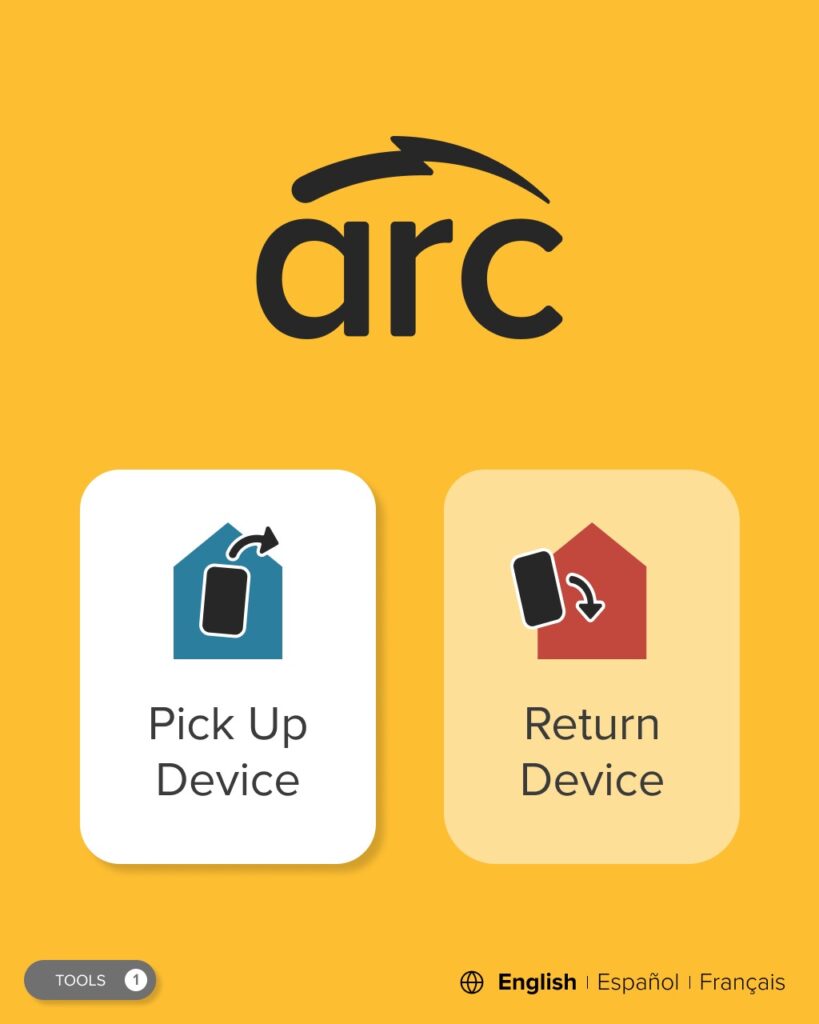
To improve accessibility, Spanish is now available across both the ARC Kiosk and ARC Client Portal.
On the ARC Kiosk
Team members can now view kiosk screens in:
- English
- French
- Spanish
To change the language, simply select your preferred option in the bottom-right corner of the Kiosk Home Screen.
On the ARC Client Portal
The Client Portal now supports the same three languages. Users can select their preferred language using the drop-down menu in the top-right corner of the portal. The browser will remember the last selected language (though it’s not tied to a specific user account), and language preferences can be changed from any page.
This update helps ensure every team member can confidently interact with ARC—no matter their language preference.
New Return Restriction Configuration: Prevent Device Drift
ARC now offers an optional return restriction that ensures devices are returned to the same kiosk group they were checked out from—helping prevent device drift in multi-site environments.
Why it matters:
This update enforces correct returns regardless of who returns the device, keeps inventory where it belongs, and provides clear on-screen guidance if a return is attempted at the wrong kiosk.
Good to know:
The feature is fully customizable and won’t affect existing settings. ARC’s Client Success team can help determine if it’s right for your location.
Same-Name Users? ARC Has You Covered
Managing large teams often means managing duplicate names—and ARC now makes this easier and safer than ever.
What’s improved
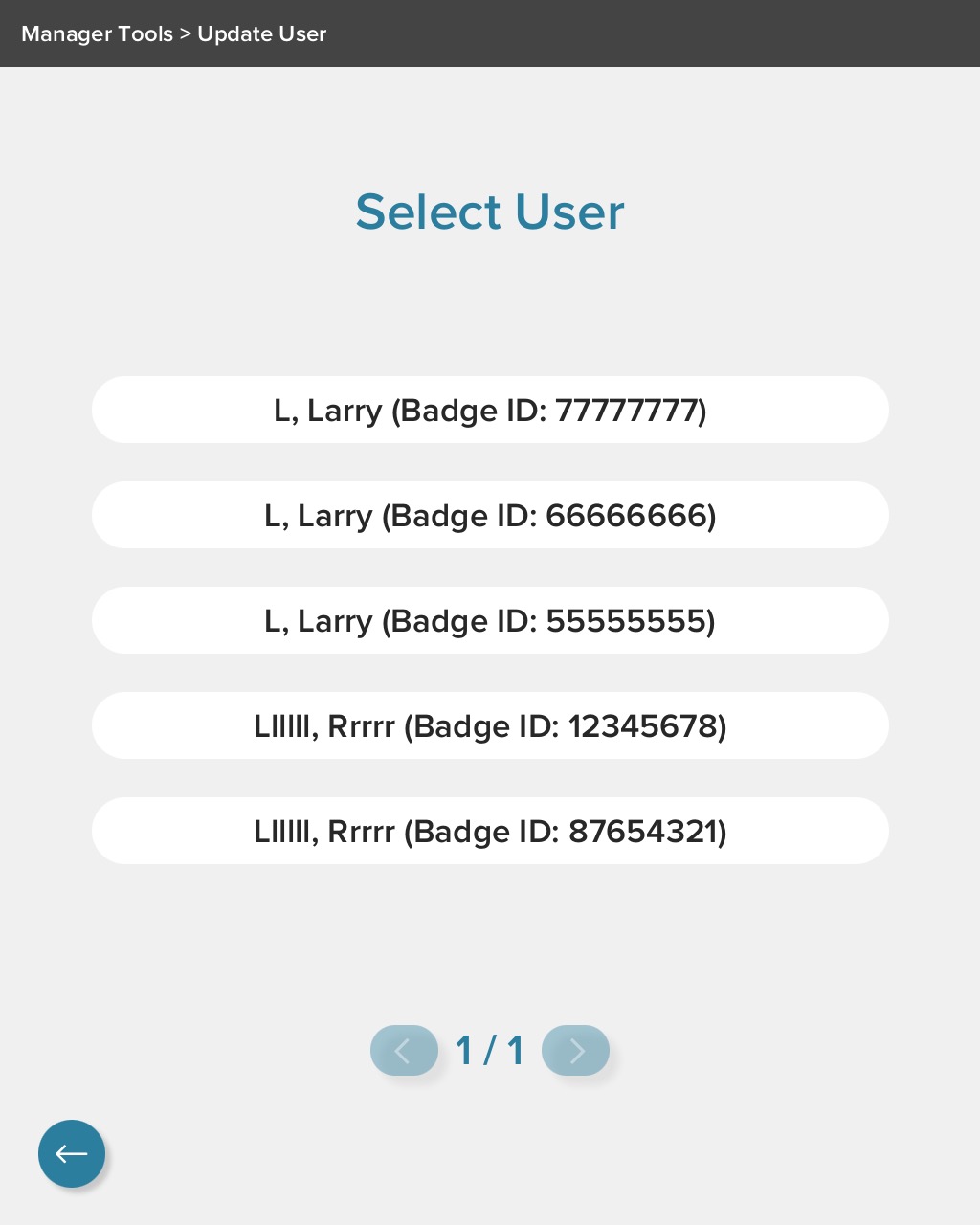
- ARC now supports activating multiple team members with the same name
- When duplicates exist at the same location, Badge ID is displayed to clearly differentiate users
- This ensures accurate identification without confusion
Activation safeguards
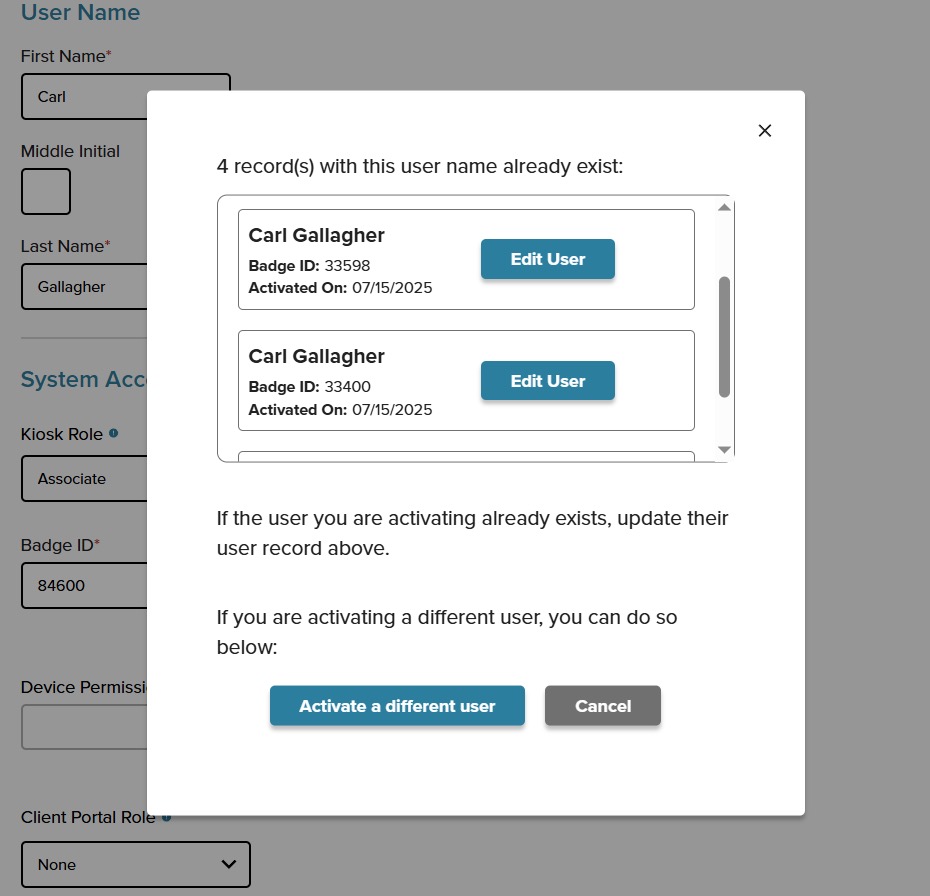
- Team members with identical names must be activated in the ARC Client Portal (not at the kiosk) as a safeguard.
- If a duplicate name is detected, the kiosk prompts managers to complete activation in the portal.
- ARC also guides managers to update an existing user instead of creating a duplicate.
The result: smoother onboarding, fewer errors, and cleaner user data.
Smarter User Imports: Clear Errors, Less Guesswork
We’ve overhauled the User Import experience to make troubleshooting faster and more transparent.
What’s new
- Clear explanations for why specific rows fail to import
- Actionable guidance on how to fix issues
- A downloadable PDF error summary, so you can review and resolve problems later if you’re short on time
This update removes the guesswork from bulk user management and helps teams stay productive—even when imports aren’t perfect.
User Roster Update: Badge ID Front and Center
To further support accurate user management, the User Roster has been updated to include Badge ID as a visible column.
This makes it easier for managers to:
- Quickly locate a user’s Badge ID
- Distinguish between team members with similar or identical names
- Confidently manage activations, updates, and troubleshooting
Looking Ahead
These updates are all part of ARC’s ongoing commitment to building smarter, more flexible device management tools—designed around real-world workflows and operational challenges.
If you have questions about any of these features or want help enabling them, your Client Success team is always here to help. And as always, keep an eye out—there’s more coming soon.
The post ARC, Upgraded: New Features, Smarter Controls, and Better Ways to Work first appeared on ARC.
]]>The post Exploring the ARC Client Portal: A Strategic Value-Add for Enterprise Device Management first appeared on ARC.
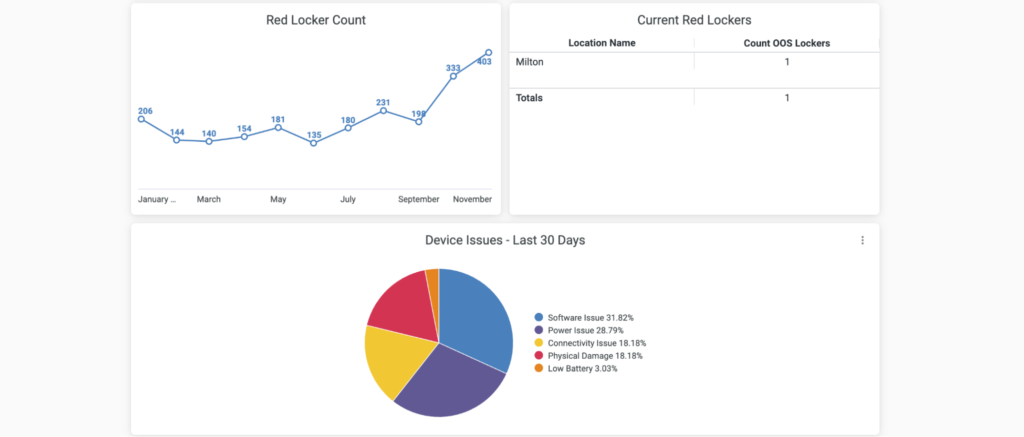
]]>In today’s fast-moving enterprise environment, device management isn’t just about keeping devices charged — it’s about visibility, efficiency, and accountability. The ARC Client Portal provides a centralized hub for reporting, dashboards, and fleet oversight, helping organizations manage shared device fleets more effectively.
What is the Client Portal?
ARC’s Client Portal consolidates operational controls and performance data in a single web-based dashboard. Administrators, operations teams, and store managers can:
- Track device usage (checked out, charging, overdue)
- Monitor device health (physical damage, software issues)
- Access fleet-wide metrics (overstock, shrink, peak checkout times)
- Set alerts for timely action (unreturned or damaged devices)
It provides a clear view of fleet operations and acts as a command center to optimize device usage.
Reporting & Analytics
Key capabilities include:
1. Device Status & Utilization
- Real-time breakdown of devices in use vs. idle
- Overdue, missing, or returns
- Trends such as peak pick up and return times
2. Device Issue Trends
- Track recurring device problems and employee-reported issues
- Identify devices or team members that may require attention or retraining
3. Fleet Inventory & Shrinkage Metrics
- Monitor loss and shrinkage indicators
- Evaluate overstock and unused devices, allowing for device load-balancing across locations
4. Dashboard Views & Alerts
- Fleet-wide and location-level dashboards
- Alerts for critical issues
- Drill-down from fleet → location → device
5. Integration & Data Export
- Export or share data across business systems
- Integrate user rosters with existing HR systems
Why It’s a Value-Add
ARC modernizes device management from end to end — securing, charging, and tracking devices to ensure they’re ready for every shift. Our Client Portal delivers operational and strategic benefits:
Real-Time Visibility
Quickly identify issues like uncharged or unreturned devices. Employees can report damage immediately, keeping the fleet healthy and minimizing surprises.
Operational Efficiency
Reduce time spent tracking missing devices, auditing inventory, or managing downtime. ARC clients report up to 84% reduction in device-management time.
Reduced Waste & Leaner Inventory
Optimize fleet size to avoid idle devices and unnecessary replacements, improving ROI.
Data-Driven Decisions & Accountability
Track checkout patterns, balance fleets across sites, and ensure tasks are completed on time. Alerts and reports make accountability straightforward.
Integration with Technical Systems
Connect charging technology, self-service checkout, multiple networks, and error-handling logic so data isn’t siloed.
Better Shift Readiness
Devices are consistently available, charged, and tracked, resulting in smoother operations and higher frontline productivity.
Best Practices & Tips for Maximizing the Portal
- Define Key Metrics: Focus on KPIs like overdue devices, locker tasks, and performance scorecard.
- Set Roles & Access Levels: Managers get location-specific dashboards; enterprise views are for senior ops/IT.
- Configure Alerts Wisely: Prioritize high-impact triggers to prevent alert fatigue.
- Link Alerts to Action: Feed alerts into repair, ticketing, or workflow systems.
- Review Trends: Spot recurring patterns and optimize operations.
- Adjust Inventory Based on Insights: Reassign underused devices or reduce overstock.
- Train Managers: Ensure frontline leaders understand dashboards and can respond effectively.
- Quarterly Reviews: Use data to guide fleet strategy and lifecycle planning.
Final Takeaway
The ARC Client Portal transforms device management from reactive troubleshooting to proactive optimization. By leveraging its insights, organizations can reduce shrink, cut overstock, boost productivity, and ensure devices are ready, healthy, and in the right hands. More than just a reporting tool, it’s a strategic asset for unlocking operational and financial value.
The post Exploring the ARC Client Portal: A Strategic Value-Add for Enterprise Device Management first appeared on ARC.
]]>The post ARC’s Journey: Reinventing Device Management from Innovation to Enterprise Impact first appeared on ARC.
]]>As we reflect on these successes, we are reaffirming our commitment to our mission: Minimize Device Waste. Maximize Worker Productivity. Make Life Easier
From Charging Phones to Powering Productivity: The Story Behind ARC
When ChargeItSpot launched in 2012, our goal was to keep consumers connected by offering secure phone‑charging kiosks in retail and public venues. Over the subsequent decade, we became known for designing intelligent, durable kiosks that addressed a widespread everyday need. What we hadn’t anticipated was how that consumer-tech expertise would evolve into a transformative enterprise offering—leveraging our patented charging technology—designed to support frontline teams with unprecedented efficiency and accountability
Fast forward to late 2021, when we introduced ARC (Asset Recharge Center): a device‑management platform that combines secure smart lockers with an intelligent client reporting dashboard. Built specifically for back-of-house needs in the distribution, grocery, retail sectors, and more, ARC has revolutionized the way companies store, charge, track, and manage their mobile devices—bringing it all together in one optimized system.
Why the shift?
Through conversations with some of the world’s largest retailers and logistics providers, we discovered a surprisingly widespread and costly problem: companies were struggling to manage their fleets of enterprise mobile devices once they were deployed in the field. Devices would regularly go missing, run out of battery, or require manual intervention from already-busy managers. The result? Lost productivity, frustrated teams, and significant financial waste.
We saw an opportunity to apply our decade of experience in kiosk-based device management to a new, underserved need. The result was ARC—a product that ensures devices are always available, fully charged, and assigned to the right team member.
ARC’s Unique Advantage
ARC was designed to create 1-to-1 accountability between employees and their assigned devices, reducing shrink, downtime, and manager headaches. Our clients have seen measurable gains in operational efficiency, device longevity, and team productivity.
Built to work across brands and environments, ARC is compatible with devices from major manufacturers like Zebra, Honeywell, Apple, and Verifone—making it an easy addition to any device fleet.
Today, ARC is in use across the country in warehouses and retail stores—including a chainwide rollout at all 600 Sam’s Club locations, all Walmart Canada stores, and every distribution center operated by Lululemon, among others.
A Legacy of Innovation
ARC stands on the shoulders of a decade-long track record in secure device kiosk design. We’ve taken everything we’ve learned—our patented hardware and integrated software, real-world deployment experience, and deep technical knowledge—and focused it on solving one of the most overlooked problems in enterprise operations.
As demand for ARC continues to grow, we remain focused on helping businesses unlock more value from their frontline technology—by making sure every device is ready when and where it’s needed most.
ARC’s Milestones
- March 2021- ChargeItSpot team began work on initial development of ARC prototype
- September 2021-
- October 2021- Early client pilots – LaunchedARC with leading brands. For example, Comoto Holdings, where device shrink dropped to 0%, manager time spent on device tasks fell by 97%, and device swap issues declined by 67%. Read the ARC launch story.
- Jan 2022- ARC’s tradeshow debut at NRF
- March 2022 – Unveiled upgraded ARC unit at MODEX Supply Chain Show, less than a year after starting the design process—garnering strong validation from the market
- Late 2022 – Awarded the A’Design Bronze Award for the elegant, human‑centered hardware design featuring a 17″ touchscreen and modular 48‑locker configuration.
- June 2023- Increased power delivery capabilities developed to support additional devices and increase device utilization
- July 2023– Launched Live Reposting dashboards empowering ARC clients with data-driven insights to optimize device performance
- January 2025- Sunset ChargeIt kiosk product
- May 2025- Awarded the 2025 RetailTech Breakthrough Award for Store Management System of the Year
- ARC grew from 20 states in 2023 to 46 states in 2025—a 130% increase in just two years.
These milestones chart ARC’s evolution from concept to award‑winning design to a global device‑management platform revolutionizing retail and logistics.
Want to learn more about ARC and whether it’s the right fit for your organization? Let’s talk. Get in touch now to learn how ARC can revolutionize the management of your device fleet, freeing up your resources to focus on what matters most.
The post ARC’s Journey: Reinventing Device Management from Innovation to Enterprise Impact first appeared on ARC.
]]>