The post Origins of H Street – A festival at the crossroads of culture and change appeared first on 101.
]]>Every September, twelve blocks of H Street corridor are shut down to cars and open to everything else — performances and DJ booths, fry bread and fashion racks, kids breakdancing next to grandmothers selling incense. It’s easy to mistake it for just a party. But this stretch of Northeast Washington was once a stretch of boarded-up storefronts, gutted by the 1968 riots for the better part of three decades. The festival that now draws 160,000 people a year didn’t start as a celebration, it started as a refusal to let the block disappear.
What began as a handful of neighbors and shop owners organizing under the Community-Business Action Coalition in the wake of the riots has grown into one of D.C.’s largest single-day festivals, expanding from a 500-person block party into a twelve-block, fifteen-stage production, now draws 160,000 people each year. The H Street festival was created by seeing a need and filling it. Anwar Saleem is a native Washingtonian, grew up at 8th and H Street NE saw that need and made a plan that 21 years later is still impacting the H street community. The motivation to transform the corridor began when Saleem witnessed the aftermath of the 1968 riots as a child.
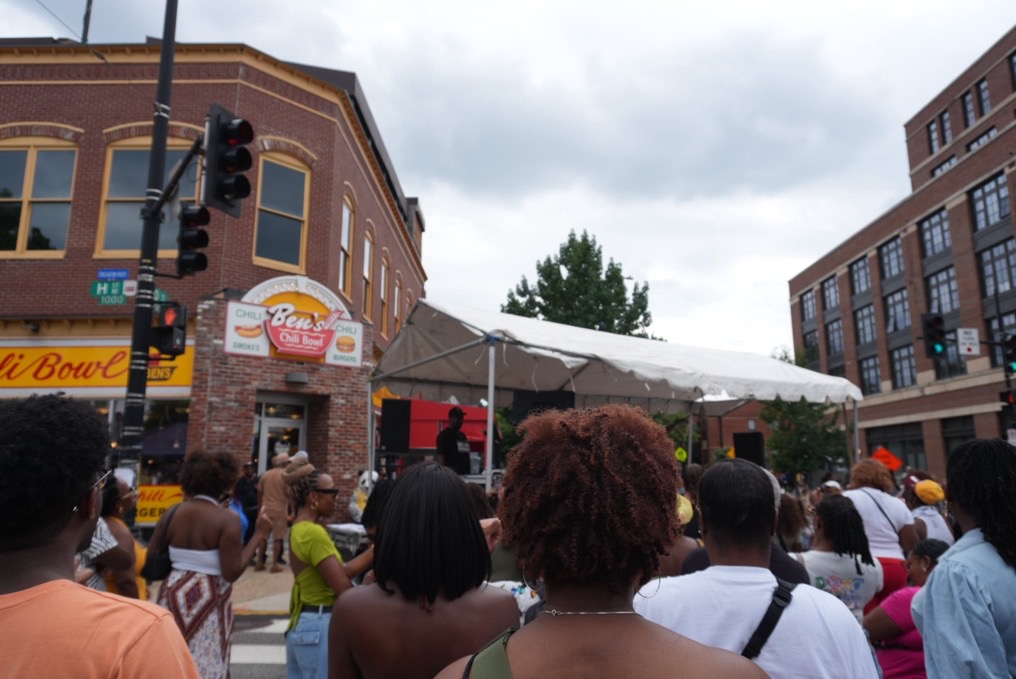
Yet 50 years later, 75% building vacancy and fire damage are still visible inr a corridor people avoided unless they “knew somebody.” So Saleem turned to community meetings, then the H Street Community Development Corporation, then the district government pushing for an actual revitalization plan. Anwar became Executive Director of H Street and Main Street Inc. after creating the H Street festival to bring more awareness and advocate for African American businesses and City services for H street years after the riots.
After working with some government officials like Anthony Williams and Marrion Barry, there was a turning point for H street. Then the block party started to expand and now the festival is the entire H street corridor. When talking with Anwar Saleem, he expressed how H street became the Mecca for African Americans to really shop. Because for him and other community members say the festival is the experience of growing up in DC.
“My experience in fashion, my experience dealing with hair, my experience in dance, my experience in so many different things and music and all. And that’s why people say the H Street Festival is authentically DC., Saleem explained.
The different experiences also make H street festival an enjoyable atmosphere for both families, couples and kids of all ages. From the food to the vendors to music and the creative performances, it captives the culture and community of H Street and DC. The festival’s pull runs deeper than any single stage or vendor row. Alona Wartofsky, a first time attendee sees the same instinct at work that drives D.C.’s home-grown go-go scene. “H Street Festival is all about the community, and go-go is all about the community, and both of them really show the power of community in Washington,” she said.

That same thread runs through Eddie Van’s connection to the corridor. Van’s family has been part of H Street’s business row since 1985, when his father and uncle launched Universal Madness, believed to be D.C.’s first Black-owned streetwear brand. For Van, the festival is where that legacy meets the present: “It’s beautiful to see we connected with the people through the music, and the culture just is dope.”
That sense of connection extends from the vendors and legacy business owners to the crowd itself. Makaylen Smith, DC resident said she’s drawn to how openly people show up as themselves. “So, you can tell a lot of people are definitely branding themselves to bring themselves out here and show up. I just like that everybody comes out and makes a community out of this,” she said. Nearly six decades after the riots that first devastated the corridor, and more than two decades after Saleem’s first 500-person block party, the H Street Festival has become exactly what he set out to build: proof that a neighborhood once left for dead can still call its own people home.
The post Origins of H Street – A festival at the crossroads of culture and change appeared first on 101.
]]>The post Unseen Influence: The Dark Money Surge in 2026 Digital Ads appeared first on 101.
]]>
For both sides of the political aisle, 2026 is a consequential midterm cycle. These midterm elections decide for the rest of President Donald Trump’s presidency, whether the House and the Senate remain in a Republican majority or if the Democratic Party can take over both branches of Congress.
The Republican Party wants to remain in congressional leadership to continue to uphold the president’s agenda, which has been highly controversial as he is at a historically low presidential approval rating of 38%. Many Americans, especially due to the fallout from the Iran War, are suffering as the prices of gas are at an all-time high, and the prices of groceries, utilities and rent have skyrocketed. The cost of living has not gone down, which was a campaign promise of the president and Republicans across the nation in 2024. Democrats, this midterm cycle, are fighting to improve the lives of the American people, some with more progressive ideas and some having more moderate plans, but the fight against President Trump and the Republicans is the unifying message on the Democratic side.
So it’s absolutely fair to say that both the Republican and Democratic parties are taking this midterm cycle seriously. So what are each party planning to do in order to ensure their party is victorious in November?
They are spending over a billion dollars in “dark money,” with a lot of that money going to online digital political advertising.
But what is “dark money”? It is political spending funded by anonymous or undisclosed sources. And there is a large electoral impact in dark money spending. These sources, which could be nonprofit organizations, corporations, labor unions and wealthy individuals, fund millions of dollars in a variety of different aspects of politics, such as voter mobilization, television ads and digital campaigns, that oppose or support political candidates.
In the 2026 midterm elections, there is a clear rise in dark money funding in digital political advertising, which could have an impact on how social media and internet consumers vote, but that’s the point. The point is to influence public opinion, mobilize and excite voters to turn out for their specific candidate, and negatively affect the turnout for their opponent. Reporting shows that a significant amount of dark money spending moved into digital platforms, not just traditional broadcast television.
So what can people see from these dark money-funded digital political ads?
They are coming in a variety of different ways. There are a lot of policy- and issue-based digital ads, meaning the ad is not just saying to support or oppose a specific candidate, but addressing the policies of a political candidate. But normally in opposition to a political candidate’s specific policy, for example, housing policy or healthcare policy. The ad is basically used to scare people out of voting for a specific candidate. Even though this is identical to a campaign commercial, legally, the donors do not have to reveal their identity.
There is a loophole when it comes to social media influencers, as dark money groups pay online influencers to support and endorse their candidates on their digital platforms, but disguise it like the funding is coming from digital strategy firms or subvendors. These payments are practically undetectable because subvendor purchases do not have to be reported by federal campaigns.
In the last few weeks of a race, nonprofits are creating temporary “pop-up” super PACs to buy a ton of digital political ads, which creates an additional loophole that allows the nonprofits leeway to not reveal that they are the donors until after the midterms.
There are political organizations, such as the Ohio Legislative Black Caucus Foundation (OLBCF), that recognize the impact of dark money in their communities.
“The effect is corrosive. It breeds distrust; it makes people feel their vote does not matter, and it drives the very disengagement we are fighting,” Shayla Davis, president and CEO of the Ohio Legislative Black Caucus Foundation, said. “As a former state representative and vice chair of the Ohio Elections Commission, I have seen this from both sides, the chamber where laws are written and the commission that enforces them, and I know how hard this is to police after the fact. By the time a complaint is filed, people have already voted, and the damage is done. And in a moment when enforcement is weak and even duly elected officials abuse their power by lying without consequence, it becomes very hard for an ordinary voter to know what is true.”
There are many voters who oppose the heavy influence of money in politics, specifically its influence on digital platforms and the lack of transparency.
Cameron Phillips, a politically engaged law student at the University of Akron, expressed frustration with dark money funding social media influencers.
“I think it’s very dishonest and disingenuous,” said Phillips. “I feel like if you’re going to take money from political campaigns, stand on it, instead of trying to subtly push this narrative onto the people that watch you. I think that would very much cause me to lose a lot of trust in them. I feel like that would be the case for anybody.”
President Davis and the OLBCF are actively focusing on prevention of the negative influence of dark money in politics.
“Our research found that roughly 603,000 Black Ohioans step back from our midterm elections, and this manufactured noise is part of the reason,” said President Davis. “We counter it by meeting people with the truth where they already are. Our Civic AF, All Facts series explains plainly how the Ohio government works and what our vote actually touches, with no spin. We invest in trusted local messengers, because trust is built person to person, not ad to ad. And through our Voter’s Voice work, we partner with trusted organizations in the neighborhoods who listen first, so people know we are accountable to them, not to an anonymous donor.”
Because of the rise of dark money, specifically this mid- term cycle, lawmakers proposed legislation called the DISCLOSE Act of 2026, which will end “dark money” influence in U.S. elections by legislating that if there is an organization donating a significant amount of money, specifically over $10,000, to a political campaign, that information has to be publicly disclosed. This would also be the same for social media influencers who are paid by dark money groups; it would be officially considered political spending that needs to be transparently relayed to digital consumers.
If the DISCLOSE Act of 2026 passes, there will be a drastic change in our politics for years to come, as political funding will be more candid to the American public. It will be revealed to American voters which megadonors are funding and influencing digital political advertising, so there will be a lot more transparency in our politics, especially during critical election cycles when both sides of the aisle have a lot to gain or a lot to lose. Voters should have a right to know the billionaires who are impacting political campaigns in their state.
If the DISCLOSE Act of 2026 does not pass, dark money is only going to have a greater impact in future elections. If over a billion dollars was spent in this midterm cycle, we can anticipate a larger influence in the 2028 presidential election and beyond. Voters are going to continue going to the ballot box without knowing who is financially influencing the constant political attack ads of their candidates in their state and without knowing that the social media influencers they watch are being paid by political campaigns to influence them.
President Davis believes that the passage of the DISCLOSE Act of 2026 will take away the ability for these anonymous donors to hide in future election cycles.
“If the DISCLOSE Act required major donors to be named, voters could finally consider the source, and fearmongering loses much of its power in the light,” said President Davis. “For grassroots organizers, disclosure would be a game changer. We are almost always out-spent by anonymous money, so knowing who is funding the opposition lets us follow that money, tell the real story, and hold the powerful accountable to the very communities they are trying to influence.”
Phillips would also like to see the DISCLOSE Act of 2026 pass in Congress.
“I think that every single candidate or campaign should have a duty to disclose to the American public where their funding is coming from, who their biggest funders are,” Phillips argued. “I think that would allow me to have more trust in the Democratic process. I think it would hold people more accountable and make people more trustworthy if they were forced to disclose any of their major donors.”
Overall, money has affected politics for years, but if nothing is done legislatively, dark money will continue to leave voters in the dark.
The post Unseen Influence: The Dark Money Surge in 2026 Digital Ads appeared first on 101.
]]>The post Encore or Income? Why Older Black Music Legends Keep Touring appeared first on 101.
]]>For decades touring has been the heartbeat of the music industry. Legacy R&B and soul artists touring for one simple reason — it’s both love and leverage. But stepping back onto the stage can mean more than another paycheck. The result is a live-music economy where nostalgia and necessity are almost impossible to separate.
For most catalog acts now in their 60s, 70s and beyond, streaming pays fractions of a cent between $0.003 and $0.005 per stream on Spotify. While a night on stage can bring in real money from $10,000 to $50,000 as a baseline and let them reconnect with die-hard fans one more time.
Lionel Richie is back in arenas in 2026, trading verses with Earth, Wind & Fire on a run of shows built around “Hello,” “All Night Long” and other five-decade-old staples. He’s far from alone.
Patti LaBelle, Stephanie Mills, Gladys Knight and Chaka Khan have all shared stages.
As the artists grow older and begin weighing family, health and quality of life against the spotlight, the question may no longer be whether they need to tour or love to tour—but how long can they continue doing both on their own terms.The financial backdrop helps explain why.
For most artists, streaming simply doesn’t generate enough income to live on, and per-stream payouts from major platforms remain tiny fractions of a cent. That math pushes artists of every generation toward the road and the merch table, but it hits legacy acts differently — their catalogs are deep, their brand recognition is built-in, and promoters know an arena full of people in their 50s and 60s will pay a premium for the real thing.
Even after splits with promoters and co-headlining acts, an artist like Richie still takes home a meaningful share that compounds across dozens of dates. On top of songwriting royalties and licensing income from decades-old hits still used in film, TV and ads. But framing it purely as a money grab misses something artists themselves keep saying: touring late in a career is also physically and emotionally loaded in a way younger performers don’t experience.
Farewell runs tend to sell better precisely because they’re advertised as endings — demand and prices climb once fans realize a run of shows is winding down — and some veteran performers say they’re choosing venues and set lists based on sentiment as much as income.
For Black legacy artists, there’s an added layer — many built their catalogs in an era of exploitative recording contracts that left little residual income, making the tour circuit one of the great few places where their name still translates directly into cash decades later. A generation of Black musical icons is monetizing its legacy the only way the current industry rewards it — live, in person, one more time — while also genuinely savoring a connection with audiences that streaming numbers can’t replicate.
So, do artists like Lionel Richie love to tour or need the money? Two have merged. Whether that’s inspiring or bittersweet may depend less on the artist than on how the music business chooses to pay them next.
The post Encore or Income? Why Older Black Music Legends Keep Touring appeared first on 101.
]]>The post From Tupac to Kendrick: The Evolution of Rap Beef appeared first on 101.
]]>Rap beef has always been a part of hip-hop, from heated diss tracks to rivalries that have dominated headlines. As social media and streaming develop it has changed the ways artists are able to interact with fans, making rap beef more instant and easier for audiences to follow in real time. Examining how rap beef has evolved from Tupac v. The Notorious B.I.G to Kendrick Lamar v. Drake shows how rap beef has evolved over time.
The beef between Tupac and The Notorious B.I.G also known as Biggie, is labeled as one of the biggest rap beefs of all time because it featured a West v. East Coast battle. Before the beef Tupac and Biggie became friends in 1993 and on Oct. 24,1993 they even performed together at Madison Square Garden in New York.
The friendship all took a turn on Nov. 30,1994 when he was robbed and shot at Quad Studios in Time Square. In an interview with VIBE Magazine he infers that the robbery and shooting was a set up by Andre Harell, Sean “Puffy” Combs, and Biggie.
On Feb. 21, 1995, Biggie dropped “Who Shot Ya?” which was perceived by Tupac as a diss to his shooting that happened a few months prior. This song escalated the situation, creating the West Coast vs East Coast divide. On the West Coast, Tupac was backed by his label Death Row Records and the co-founder Suge Knight along with other West Coast artists. While on the East Coast, Biggie was backed by his label Bad Boy Records, his manager Sean “Puffy” Combs and other East Coast artists.
On Sept. 7. 1996 the beef ended tragically when Tupac was killed in a drive by shooting in Las Vegas. A few months later on Mar. 9, 1997 Biggie was killed in Los Angeles in a drive by shooting. This beef transformed the way rap beef is viewed, expanding the beef beyond local rivalries to national competition. Kendrick Lamar and Drake’s beef shows how these tensions show up in modern time with social media as a tool to connect with the audience first hand.
The beef between Kendrick Lamar and Drake started off very similar to Tupac and Biggie’s beef, they weren’t always enemies. Early in both the rappers careers they both were featured on each other’s albums. In 2011 Kendrick Lamar was featured on Drake’s “Take Care” album on the song “Buried Alive Interlude.” Then in 2012 Drake was featured on Kendrick Lamar’s album “good kid, m.A.A.d city” on the iconic song “Poetic Justice.” From 2013 to 2016 this is when tensions started to rise as they both were establishing themselves as prominent rappers.During this era nothing revolutionary occurred from the jabs at each other.
The turning point in this beef was during Oct. 2023 when Drake dropped his album “For All The Dogs” which featured a song called “First Person Shooter” featuring J.Cole. During the song J.Cole says “ Love when they argue the hardest MC, Is it K-Dot, Is it Aubrey, Or me?” J.Cole then proceeds to say “We the big three like we started a league.” This lyric sparked the rap battle.
In Mar. 2024 Metro Boomin & Future dropped “WE DON’T TRUST YOU”, the album featured a song with Kendrick Lamar titled “Like That.” In the song Lamar says “Motherf–k the big three,n–a, it’s just big me.” During his verse he continued to make jabs at Drake and Cole.
After “Like That” dropped, Drake and Kendrick began dropping back to back diss tracks about each other. The turning point in the rap beef was on May 3, 2024 when Drake dropped his third diss track “Family Matters.” In the song Drake also disses his other opps like Metro Boomin and Future.
On May 4, 2024 Kendrick replied with his diss track “meet the grahams.” Between both of the artist dis tracks the common theme of family was the main topic of the beef. Less than 24 hours after “meet the grahams” dropped Lamar also dropped “Not Like Us.” This song highlighted many alleged issues that Lamar claims Drake has. Lamar says “Certified Lover Boy, Certified pedophiles.” Claiming that Drake is an alleged pedophile.
Despite Drake trying to clear up rumors that were stated in “Not Like Us” the internet chose their winner. The song spent 3 weeks at number one on the Billboard Hot 100 chart. In Sept. 2024 Lamar was announced to be the 2025 Super Bowl Halftime Show performer. In Feb. 2025 “Not Like Us”, won 5 Grammy Awards. Throughout the beef social media helped fuel the beef by providing extra information, creating memes, and amplifying the overall audience.
Social media’s intersection into rap beef has evolved the culture by allowing the audience to participate in real time.
Rap beef is about more than who has the better diss, it’s about who can shape the culture with their diss.
The post From Tupac to Kendrick: The Evolution of Rap Beef appeared first on 101.
]]>The post Power at the Polls: A Student’s Guide to Key Senate Races This Midterm Cycle appeared first on 101.
]]>A College Student’s Rundown to Key Senate Races This Midterm Cycle
It is incredibly important for young Black college students to be engaged in our political process and participate in our democracy. To vote is to actively make your voice heard and to ensure that your elected officials are representing you and your community in the best way possible. If you don’t vote, you did not participate in advocating for policies that best serve you and others, such as student loan forgiveness or healthcare reform.
If you live in a key battleground state, such as Georgia or Ohio, those races will determine whether Democrats take back Congress or if Republicans remain in power. Here is a guide for you to follow the key Senate races this midterm cycle. If you live in one of these states or in any state across the nation, make sure you vote this November or apply for an absentee ballot to vote by mail. If you go to Vote.org, you are able to register to vote, apply for an absentee ballot and learn the election laws of your state.
Alaska: Dan Sullivan vs. Mary Peltola and Others
Republican Sen. Dan Sullivan is running for reelection against a competitive challenger in Democrat Mary Peltola. They are both running against two other candidates who advanced to the general election, as Alaska’s primary, which places candidates of all parties in the same primary race, advances the top four candidates to the general election. Those other candidates are Daniel J. Sullivan (yes, he has the same name as the senator) and Gerald Heikes. But Peltola is the main opponent for Sen. Sullivan.
| Policy | Sen. Dan Sullivan (R) | Mary Peltola (D) |
| Economy | Free-market energy expansion and resource-development deregulation. | Pro-energy Alaska populism with local resource safeguards and consumer protections. |
| Healthcare | Repeal-and-replace ACA reforms and free-market healthcare choice. | Protected Medicaid expansion, public option access and extended subsidies. |
| Social Issues | Traditional constitutional originalism and conservative social values. | Bipartisan Alaskan libertarianism: gun rights protection and pro-choice. |
| Higher Education & Student Debt | Opposition to market-driven tuition solutions and federal debt forgiveness. | Expanded federal student grant support and targeted debt relief. |
Maine: Susan Collins vs. Troy Jackson
Republican Sen. Susan Collins is running for reelection against Democrat Troy Jackson. This race has gained a lot of attention, as the original Democratic nominee Graham Platner, a progressive who was backed by Sen. Bernie Sanders and Sen. Elizabeth Warren, had a campaign plagued with controversies, with an eventual allegation of sexual assault leading him to drop out of the race. A special Democratic convention was held in the aftermath, and the delegates selected logger and former candidate for governor, Troy Jackson. This unique circumstance leads many to wonder if Sen. Collins will pull off a victory again.
| Policy | Sen. Susan Collins (R) | Troy Jackson (D) |
| Economy | Moderate fiscal conservatism and support for targeted federal funding investments. | Blue-collar, populist protectionism with working-class tax relief and support for labor unions. |
| Healthcare | Market-focused stability, bipartisan ACA preservation and rural care expansion. | Aggressive Big Pharma price-cutting, state-level public options and universal single-payer access. |
| Social Issues | Centrist institutionalism, moderately pro-choice and pro-LGBTQ+ protections. | Pro-gun rights and pro-choice Democratic populism tailored to rural Maine. |
| Higher Education & Student Debt | Targeted interest rate caps and grant expansion, with opposition to broad executive debt cancellation. | Workforce-housing debt relief, state-backed debt forgiveness programs and expanded free community college. |
Texas: Ken Paxton vs. James Talarico
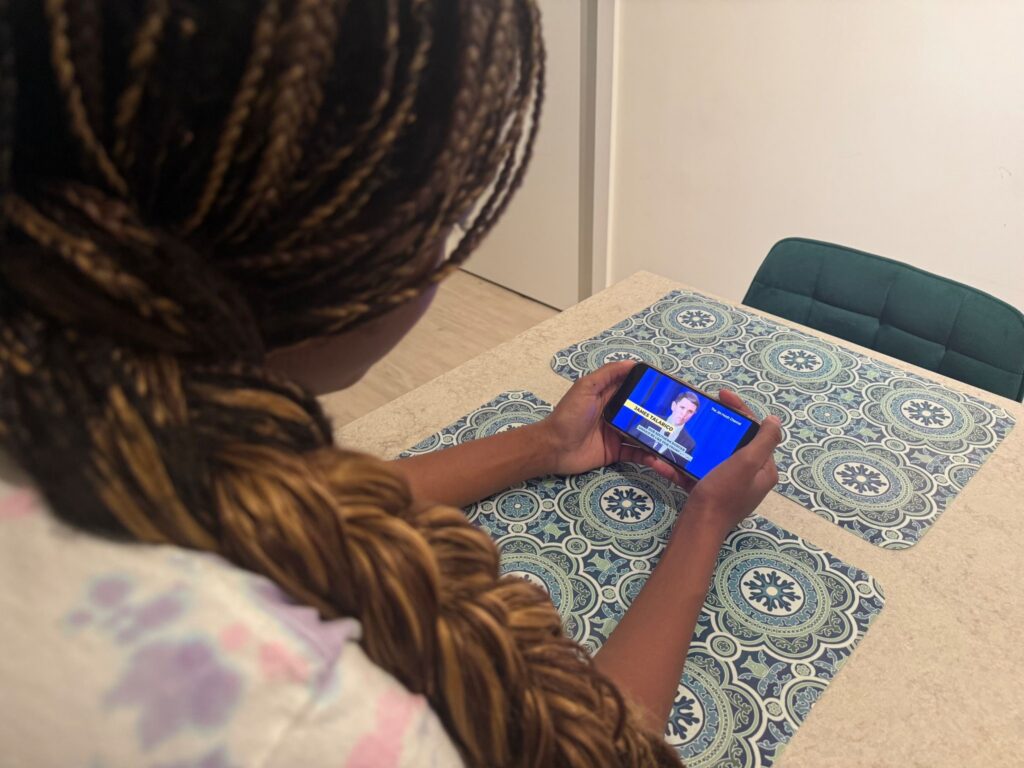
Democratic Texas state Rep. James Talarico is facing Republican Attorney General Ken Paxton, a Trump-backed candidate. Talarico and the Democratic Party hope this is the moment to turn the red state blue this midterm cycle. Paxton has also been plagued with personal scandals, mainly involving his family life and marriage, but President Trump still endorsed him over incumbent Sen. John Cornyn. Talarico faced Rep. Jasmine Crockett in the Democratic primary and came out victorious.
| Policy | Ken Paxton (R) | James Talarico (D) |
| Economy | Anti-federal economic nationalism, unrestrained free-market deregulation and aggressive corporate tax incentives. | Corporate tax accountability, working-class wealth redistribution and living-wage workforce investments. |
| Healthcare | State-level free-market health deregulation, strict federal healthcare mandate resistance and complete ACA dismantling. | Aggressive prescription drug price caps, state-funded Medicaid expansion and universal healthcare access. |
| Social Issues | Aggressive anti-transgender enforcement, strict Christian conservative traditionalism and total abortion prohibition. | Inclusive Christian social justice, pro-LGBTQ+ civil rights protection and reproductive freedom advocacy. |
| Higher Education & Student Debt | Unconditional opposition to loan forgiveness, market-based borrower accountability and legal battles against federal cancellation. | Expanded public grant funding, comprehensive state-level debt relief and tuition-free public higher education. |
Michigan: Mike Rogers vs. Abdul El-Sayed
Democrat Dr. Abdul El-Sayed will face former Republican Rep. Mike Rogers. Fueled by grassroots organizing, El-Sayed, a progressive candidate backed by Sen. Bernie Sanders and Rep. Alexandria Ocasio-Cortez, narrowly won the Democratic primary against Rep. Haley Stevens, a moderate Democrat who was heavily backed by corporate and AIPAC money. Rogers ran unopposed in the Republican primary; therefore, he had multiple months prior to El-Sayed to prioritize the general election. Due to being a progressive, many wonder if El-Sayed will be able to win in a state like Michigan against a known Republican candidate.
| Policy | Mike Rogers (R) | Dr. Abdul El-Sayed (D) |
| Economy | Domestic energy production, free-market deregulation and supply-chain reshoring. | Corporate wealth taxation, progressive economic justice and a Green New Deal workforce transition. |
| Healthcare | Association health plan expansion, ACA repeal and replace, and free-market competition. | Aggressive prescription drug price regulation and Medicare for All single-payer access. |
| Social Issues | Constitutional originalism, strict border enforcement and traditional social conservatism. | Broad civil liberties protection, reproductive freedom advocacy and LGBTQ+ equality. |
| Higher Education & Student Debt | Reliance on market-driven repayment models and total opposition to broad federal debt cancellation. | Universal tuition-free public higher education and complete federal student debt cancellation. |
Ohio: Jon Husted vs. Sherrod Brown
Republican Sen. Jon Husted is running for reelection against former Democratic Sen. Sherrod Brown, who lost his reelection bid in 2024 to Sen. Bernie Moreno. Brown is considered a strong opponent to Husted, as he has always maintained his image as a working-class man and still has name recognition in the state. There is still a battle ahead for Democrats, as President Trump won Ohio by 10 points in 2024 and the state has backed Republicans in the last three presidential elections. But Brown only lost by 4 points in 2024, in a state where Trump won by a large margin, which makes his chances of winning not impossible.
| Policy | Sen. Jon Husted (R) | Sherrod Brown (D) |
| Economy | Business-led job creation, free-market deregulation and strategic technology sector investment. | Worker-first tax incentives, fair trade policies and pro-union “Dignity of Work” protectionism. |
| Healthcare | Lower health-insurance burdens for businesses, market-based competition and regulatory reduction. | Aggressive Big Pharma price caps, expanded ACA subsidies and lowering Medicare eligibility ages. |
| Social Issues | Constitutional originalism, traditional conservative values and strict law enforcement support. | Codification of abortion rights, labor movement advocacy and progressive civil rights defense. |
| Higher Education & Student Debt | Career-tech workforce pathways, opposition to broad federal debt forgiveness and tuition transparency. | Expanded Pell Grants, lower federal student loan interest rates and targeted debt relief. |
North Carolina: Michael Whatley vs. Roy Cooper
Former Republican National Committee Chairman Michael Whatley is running against former Democratic Gov. Roy Cooper in an incredibly competitive race. This Senate race is probably the best chance for the Democratic Party to flip a Republican seat to a Democratic one, as Cooper is a well-known and previously electable Democrat in a state that tends to vote Republican. However, this is Whatley’s first time running for political office, as he has worked for Republican politicians, including former President George W. Bush. Voters will determine if Cooper will win after almost 20 years without Democratic representation in the Senate for North Carolina.
| Policy | Michael Whatley (R) | Roy Cooper (D) |
| Economy | Corporate tax cuts, domestic energy promotion and conservative deregulation. | Clean energy workforce investment, infrastructure modernization and public-private job creation. |
| Healthcare | Association health plan expansion, free-market competition and reduction of federal mandates. | Bipartisan Medicaid expansion, rural hospital protection and lower prescription drug costs. |
| Social Issues | Traditional conservative values, strict election integrity enforcement and religious freedom protections. | LGBTQ+ nondiscrimination protections, public school advocacy and reproductive rights defense. |
| Higher Education & Student Debt | Strong opposition to executive student loan forgiveness and strict borrower accountability. | Increased public university affordability, state tuition assistance expansion and targeted debt cancellation. |
Iowa: Ashley Hinson vs. Josh Turek
Republican Rep. Ashley Hinson and Democratic state Rep. Josh Turek are battling in Iowa for the Senate seat, which has also become a competitive seat that has leaned to the right in the last few years. Republicans have been incredibly supportive of Hinson, as she promised if elected to the Senate that she would be a “top ally” to the president. Turek’s goal is to flip this Senate seat in Iowa blue, but he also vows to work with President Trump if elected, as he has a record of working across the aisle.
| Policy | Ashley Hinson (R) | Josh Turek (D) |
| Economy | Middle-class tax cuts, fiscal restraint and regulatory reduction for family farms and small businesses. | Disability workforce inclusion, living-wage job creation and working-class economic empowerment. |
| Healthcare | Expanded rural healthcare access, increased price transparency and market-based care solutions. | Accessible mental healthcare services, expanded Medicaid coverage and lowered out-of-pocket medical costs. |
| Social Issues | Strict law enforcement support, traditional family values and pro-life advocacy. | Disability rights activism, inclusive civil rights advocacy and reproductive freedom protection. |
| Higher Education & Student Debt | Emphasis on vocational-technical career training and firm opposition to taxpayer-funded debt cancellation. | Expanded state grant support for higher education, lower interest rates and targeted debt relief programs. |
New Hampshire: John Sununu vs. Chris Pappas
There is an open Senate seat in New Hampshire, with former Republican Sen. John Sununu facing Democratic Rep. Chris Pappas. The seat is currently held by Democratic Sen. Jeanne Shaheen, who previously won against Sununu, who was the incumbent at the time. Pappas is a current member of the Problem Solvers Caucus, which is bipartisan, and he prides himself on being an independent voice in Washington. Republicans often don’t win in New Hampshire, as the state hasn’t elected a Republican for president since 2000 and hasn’t elected a Republican senator since 2010.
| Policy | John Sununu (R) | Chris Pappas (D) |
| Economy | Fiscal conservatism, reduced federal spending burdens and middle-class tax suppression. | Local infrastructure investments, small business growth and pragmatic middle-class tax relief. |
| Healthcare | Bipartisan mental health reform, free-market health competition and lower coverage costs. | Expanded ACA protection, lower prescription drug prices and strengthened rural care networks. |
| Social Issues | Centrist civil liberties, moderate constitutional originalism and personal privacy protection. | Bipartisan pragmatism, LGBTQ+ equality protections and pro-choice advocacy. |
| Higher Education & Student Debt | Favoring market-driven debt solutions, fiscal accountability and opposition to federal loan cancellation. | Expanded Pell Grants, tuition-free community college and targeted loan forgiveness for public service careers. |
The post Power at the Polls: A Student’s Guide to Key Senate Races This Midterm Cycle appeared first on 101.
]]>The post The Decline in Black Television: Rise of Reboots & Spin-offs appeared first on 101.
]]>
For an industry that is always searching for the “Next Big Thing” Hollywood has been spending some time looking to the past.
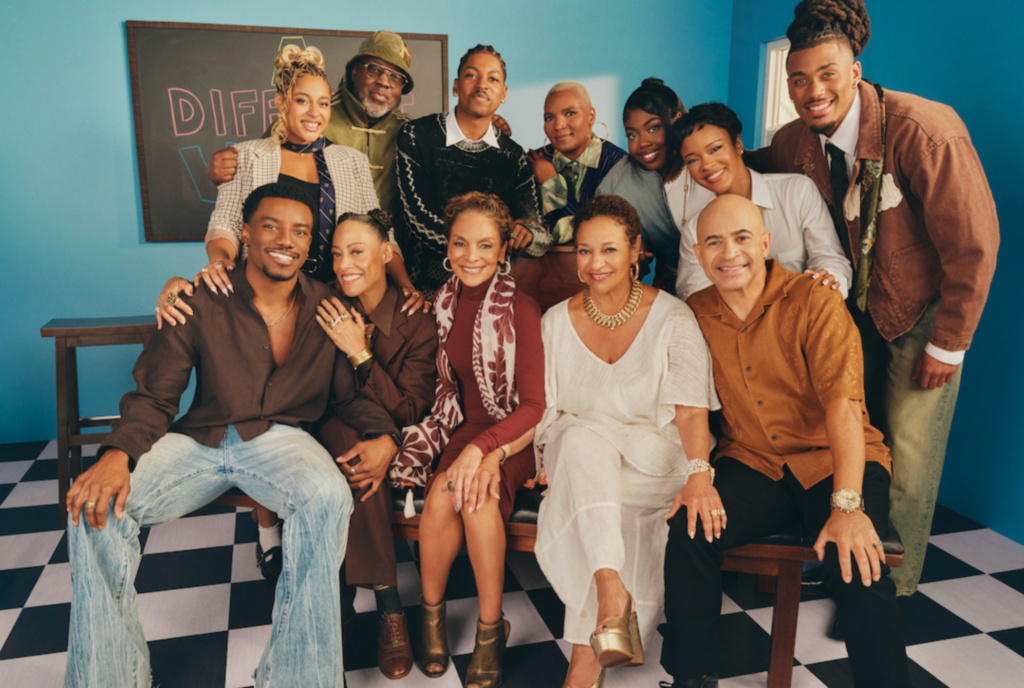
Some of Black television’s most iconic worlds are returning completely reimagined for a new generation. “A Different World’s” Hillman College is returning to the screens on September 24, 2026 on Netflix as a sequel. “The Fresh Prince of Bel-Air” came back to screens in 2022 with its reboot “Bel-Air.” Peacock just announced “Bel-Air” will have a spin-off series titled “Hilary.”
This trend reflects a broader pattern within media companies and what Black television stories they choose to develop. The pattern raises the question: Why is Hollywood looking to the past to create new shows instead of focusing on original concepts?
Hollywood’s resurgence of familiar Black TV worlds like “A Different World” and “The Fresh Prince of Bel-Air” through reboots, reimaginings, and spin-offs display the lack of original stories being greenlit. Comparing the original shows with their modern versions will provide a side by side look into the way the industry views Black television. Is the nostalgia from the original shows inhibiting the progression for new modern day stories?
“A Different World” (1987) was created as a spin-off for “The Cosby Show.” The show changed the way Black people were viewed and viewed themselves on television. “A Different World” was set at a fictional HBCU, Hillman College, which served as representation for what it was like to attend an all Black college.
The show tackled cultural niches, social, and political issues that were relevant for the time. “A Different World” (2026) is set to take place on Hillman’s campus focusing on a new generation of the original cast’s children. The main characters of the show are Dwayne Wayne and Whitley Gilbert’s youngest daughter. “A Different World” (1987) is very culturally significant; so much so that the show’s themes are still relatable today. The return of Hillman raises a larger question about what television gains from a story that has already been told. Almost 40 years later, the series has the opportunity to go beyond already produced experiences to teach, challenge, and examine what college life is like today. Taking away nostalgia as a factor; why does this story need to be told?
“The Fresh Prince of Bel-Air” premiered in 1990 starring Will Smith. The show primarily explored the connection between class and race and how it’s depicted in America. The show displayed a range of humor and vulnerability expressed in their characters. The show was different because it explored the intersectionality of race and class at a larger scale rather than just depicting a wealthy black family. They used the character Will’s perspective to show the differences of growing up in Philadelphia vs. Bel-Air. “Bel-Air” premiered in 2022 on Peacock and served as a reimagining and reboot of “The Fresh Prince of Bel-Air.” The reboot used the original characters but gave them all new stories while keeping some character aspects from the original the same. Like the original, the reboot explored the intersectionality of race and class. They added aspects of sexual identity in the reboot to adapt to modern themes. “Bel-Air” also featured a crime/drug aspect that “The Fresh Prince of Bel-Air” didn’t have. If the new story is different enough to stand alone then why does it need the old story’s name? What does this say about the industry’s willingness to create original shows?
On August 25, 2026, Peacock announced that a “Bel-Air” spin-off called “Hillary” is in development. The show will center around Coco Jones’ version of Hillary Banks. This is yet another extension of “The Fresh Prince of Bel-Air.” The premise of the show is to give Hillary a life outside of her family yet the show itself is reliant on the audience from “Bel-Air.” Each project is creating a new storyline while still depending on the audience of the previous show
This pattern isn’t unique to the franchises of “A Different World” and “The Fresh Prince of Bel-Air”; it’s reflective of what’s happening to the production of Black stories in the industry. Issa Rae provides an industry perspective on what it’s like to develop an original show in today’s landscape with her 2026 interview with The Wrap.
Rae talks about the industry’s decrease in willingness to invest in original projects.“Hollywood has gotten a bit lazier in their discovery.” According to Rae, the reason why there is a lack of original ideas being produced is because the industry would have to search for them. She also says “It’s been disheartening to see kinda Hollywood not make the extra effort to discover other voices outside what’s already been risen to the top.” Reboots, reimagings, and spin-offs already have established audiences that the shows feed off of. With this logic, it’s much more safe for the industry to bet on something that has already been done than to try something new. The question is where does this leave completely original concepts? Rae offers up the suggestions for creators to use different social media platforms to kickstart their careers.
Does relying on familiar stories mean Hollywood isn’t being creative? Reboots, reimagings, and spin-offs can offer new story lines, writers, actors, and producers. This can also give creators the opportunities to explore different storylines. For example, “Bel-Air” is a completely new concept with the baseline of an original story. The issue isn’t whether the industry can create new stories from old concepts, but whether these types of stories are being prioritized over completely original concepts. Reboots can produce original storytelling, but the growing presence raises questions about which kind of stories the industry would consider worth the risk?
As the industry becomes more reliant on familiar stories, the next generation of creators offer their insight into what the industry will look like for them. Jordan Gray, a sophomore Film & Television major, Business Administration minor, from Louisville Kentucky explains why pitching original Black stories can still offer challenges.
“Pitching black shows is very difficult especially when they are not written for a white audience.”Gray uses shows like “Black-ish” as an example for what she believes are shows about Black people written for a white audience. “Dre’s voiceovers each episode provide a lesson but it’s clear the lessons are not targeted towards Black audiences.” Gray raises another question: when original Black shows are made, who are they made for? This speaks to the type of stories being greenlit, even when they are original are they even for us?
Original Black stories aren’t completely gone from our screens, but the fact that they still exist doesn’t completely erase the industry’s pattern of returning to familiar storylines and television worlds. Shows like “Insecure” and “Forever” are testaments that original Black shows are being produced with Black people in mind as their audience. The issue isn’t that originality is completely gone but that the sense of familiarity with a fanbase can provide an advantage that original concepts don’t have. What will the nature of the next Black television classic look like?
The post The Decline in Black Television: Rise of Reboots & Spin-offs appeared first on 101.
]]>The post Spectacle Over Substance: How Political Debates on Mainstream and Digital Media Are Fueling Division appeared first on 101.
]]>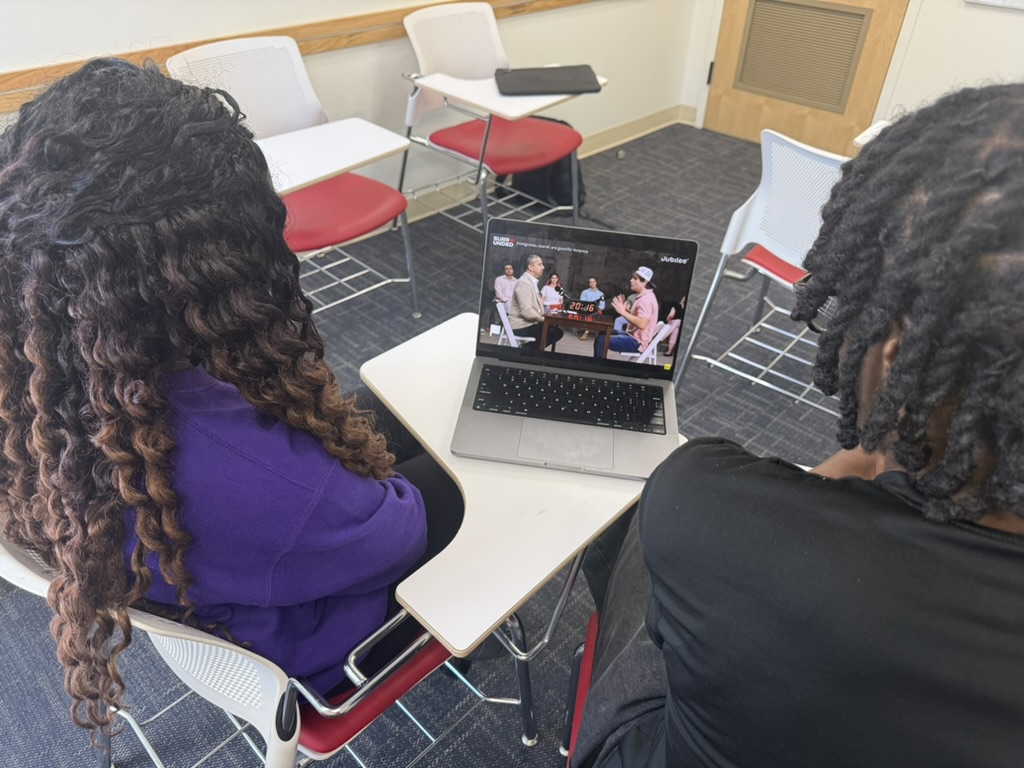
A spectacle. Sensationalizing. Focused on an agenda. Misinformation. Dangerous. All words that consumers of both mainstream media and digital platforms have used to describe the political debates of this era. Viral clips from the popular YouTube channel Jubilee and one of CNN’s most viewed shows on primetime, “Newsnight with Abby Phillip,” can take over our social media feeds, especially for those who are high consumers of this content.
Both Jubilee’s hit online shows,”Surrounded” and “Middle Ground,” and CNN’s “Newsnight with Abby Phillip,” center around political debates with individuals from different ideologies facing each other in a spirited, but often heated, dialogue. But are these debate formats contributing more to our country’s division, specifically when you platform extremist views and hate speech, or are they creating a space for empathy and understanding of one another by eliminating our silos?
Jason Lee of Jubilee and Abby Phillip are saying something entirely different from numerous consumers of this media.
There are numerous examples of controversial episodes on Jubilee. For instance, Jubilee’s “Surrounded,” and its infamous first episode with conservative activist Charlie Kirk where he debated 20 “woke” college students.
He argued that “[Black people] were actually better in the 1940s. It was bad. It was evil. But what happened? Something changed. They committed less crimes.”
Another example is the highly controversial episode, Mehdi Hasan, who founded the media company Zeteo, vs. 20 far-right Republicans episodes, when someone proudly said to Hasan that they were a fascist and “I, frankly, don’t care being called a Nazi at all.”
In Jubilee’s “Middle Ground,” Myron Gaines, a podcast host, was in the episode “fit” people debating “fat” people, where he said that if he were the president of the United States, he would put all fat people in concentration camps.
All of these encounters were viewed by millions of people on YouTube, and easy to assume millions more viewed viral clips on social media. Kirk’s “Surrounded” episode has 44 million views, Hasan’s “Surrounded” episode has 17 million views, and Gaines’ “Middle Ground” episode has 11 million views. In all of these examples, Jubilee is platforming extremism and hate speech.
“[Jubilee] gives a platform to divisive viewpoints… When you platform this, you legitimize what they believe in,” Moriah Gethers, a student at Howard University, argued. “A lot of the comments that they say or that they believe are usually backed by incorrect facts, and a lot of it can also be categorized into hate speech. It gives them a platform to legitimize as ‘yeah this is valid opinion’ and while it is an opinion, where do you cross that line when it becomes hate speech towards someone’s identity or someone’s human rights?”
Elijah Williams, another Howard University student, argued that Jubilee’s priorities seem to be more focused on the entertainment factor than actually bridging the divide, as the ultimate goal is to make a profit.
“Jubilee is thinking like any business or company would, ‘who can we put on our show to get people to tune in?’ It doesn’t matter how outrageous or how wrong people’s beliefs are, but I personally feel Jubilee’s mission is less about politics and more about ‘how can we make good TV?’,” Williams said. “[Jubilee] is willing to bring in all sorts of people that are spewing hatred, spewing racism, prejudice… The only thing they really care about is how many views they are getting and who’s tuning in.”
Elijah Spencer, a Howard University student who did competitive debate in high school, stressed that platforming anti-intellectual rhetoric along with hate speech is incredibly harmful for marginalized communities.
“They’re not there to actually engage in intellectual ideas,” Spencer noted. “Just because they have that opinion doesn’t mean that they should be platformed because they can be extremely dangerous to promote ideas that aren’t founded in reality. [And] I don’t think that these situations create empathy. I think they create more animosity, especially when you’re Hasan, who is a man of Muslim faith, and putting him in an environment with people who actively want him dead. I think that is extremely dangerous.”
Spencer argues that Jubilee fails to create empathy, the digital media organization’s founder, Jason Lee, has frequently expressed that their goal is to “provoke understanding and create human connection.”
In an interview on “Offline with Jon Favreau,” Lee said that their strategy is like “chocolate-covered broccoli,” using an attention-grabbing format to deliver substantive political discourse. But even acknowledging that they use attention-grabbing formats, Lee promised that Jubilee’s ultimate goal is not to be viral or benefit from profit, but they want to provide space for dialogue.
Lee also stressed that having someone on your platform does not mean that you are validating their views, and Jubilee has learned from controversial episodes, such as Mehdi Hasan’s, and didn’t invite many of the participants back on for future episodes.
CNN has turned several Republican and Democratic strategists, former White House officials, and former political campaign staffers into media stars over the years as hired contracted political commentators, such as Ana Navarro, Ashley Allison, Shermichael Singleton and Van Jones.
But the one who has gained the most attention online and praise from the political right is Scott Jennings, a former Bush White House official who has become one of President Trump’s strongest defenders in the media. There have been numerous viral clips of Jennings and other MAGA Republicans that CNN brings on the air debating the liberal panelists on the network’s popular primetime show “CNN Newsnight with Abby Phillip,” with the majority of the time turning into a screaming match and people talking over each other.
“I definitely believe [that CNN] is prioritizing the ratings, because conflict and controversy sells,” stated Jimmy Gilmore, an adult who stopped watching CNN in recent years. “There should be less people trying to push their own personal agendas, let’s not make it personal. Let’s make it about the American people… It’s too much misinformation… and there should be honesty within the messaging.”
Jennifer Clawson, an adult who primarily watches independent media, has an issue with those who identify as MAGA Republicans appearing on mainstream news networks.
“When news outlets have people from the Trump administration or MAGA people in general who didn’t even work in the administration, those news outlets are kind of turning their backs on truth,” Clawson argued. “Because they’re dealing with people to whom facts never mattered and people who just make up things as they go along… so you can’t get any real political substance out of that. I expect more from a broadcast network… they should not be falling to the lowest common denominator because they don’t need to give every crazy person a platform.”
Dionne Jones, an adult who is disillusioned by the current state of political debates, stresses that there is a legitimate other side, but not one that expresses extremist ideology.
“So a legitimate other side is grounded in evidence, is grounded in democratic values, and to me, a genuine policy disagreement,” Jones said. “For example, the differing views on taxation, healthcare models or regulatory approaches. Harmful rhetoric on the other hand, targets people’s identities and spreads this information. So the distinction lies in whether the viewpoint contributes to democratic problem solving or is it going to just undermine the safety and dignity of marginalized groups. So journalism has a responsibility to elevate diverse perspectives without amplifying narratives that endanger people.”
Abby Phillip has defended having MAGA Republicans on her show, arguing on “The Breakfast Club” that you can’t ignore a huge part of the American electorate who supports President Trump, and says that being unaware of what conservatives think is not helpful.
However, many viewers have these concerns when watching political debates, as they believe it’s rarely grounded in fact, and more about expressing harmful remarks that impact the Black community. Drama might make a clip or video go viral, but these kinds of discourse definitely have an impact on the political landscape.
“So when news prioritizes understanding over spectacle, it strengthens the public’s ability to make informed decisions. If people can prioritize understanding over the drama, I think the news and society would be better,” said Jones
The post Spectacle Over Substance: How Political Debates on Mainstream and Digital Media Are Fueling Division appeared first on 101.
]]>The post 101 Magazine’s Spring 2026 Issue: Soundwaves appeared first on 101.
]]>Hey loves! My name is Tanaija Kee, and I am a senior journalism major with a minor in Spanish from California. It is an honor to contribute to 101 Magazine and be part of a team committed to telling meaningful, culturally rich stories.
This spring, 101 Magazine proudly presents our Spring 2026 issue, “Soundwaves.”
This issue is rooted in a central idea: understanding where music comes from. Soundwaves explores the origins of sound—tracing music back to the communities, cultures, and histories that shaped it. From genres born out of struggle and resilience to sounds created in celebration and joy, this issue highlights the foundations of music as we know it today.
Our writers take you on a journey through the roots of different musical styles, examining not only how they began but how they have evolved over time. These stories center on the people, places, and moments that gave music its voice, emphasizing that every beat carries history.
Through in-depth reporting and multimedia storytelling, our team worked to connect the past with the present, showing how the origins of music continue to influence today’s soundscape.
We hope that as you explore Soundwaves, you gain a deeper appreciation for the histories behind the music you hear every day.
Lastly, thank you for your continued support of 101 Magazine. We are proud to share this issue with you and hope you enjoy it as much as we enjoyed creating it.
Editor-In-Chief: Tanaija Kee
Managing Editor: Morgan Knight
Creative Director: Briana Outlaw
The post 101 Magazine’s Spring 2026 Issue: Soundwaves appeared first on 101.
]]>The post The Myth of the Howard Pipeline: Students Navigate Unequal Paths Into the Music Industry appeared first on 101.
]]>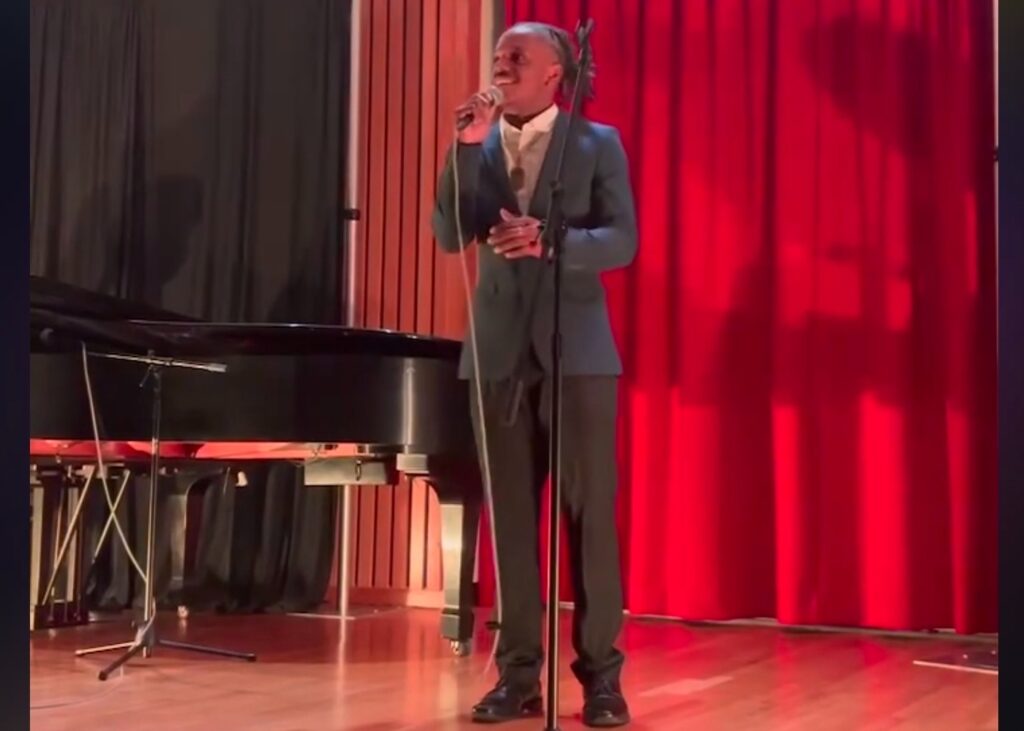
Nabee Samad performs a jazz standard as part of his vocal training at Howard University. (Tanaija Kee// 101 Magazine)
For many years now, Howard University has been seen as a launchpad where talent is nurtured and careers are created. However, for students these days who are working hard to become musical successes, the reality is that getting one’s foot in the door in the music industry is not as easy as landing a 9-to-5.
For Nabee Samad and Ana Milistis, both Howard University students, entry into the music industry follows two distinct paths. Although the institution provides education and community, the lives of these young singers make it clear that many obstacles determine access to opportunity and success.
According to the Bureau of Labor Statistics, a music career remains a highly competitive field, with many more musicians than job opportunities. Reports from the Recording Industry Association of America further confirm growth in the music production and distribution sectors, leading to increased competition among new artists.
Valerie Eichelberger, Associate Professor of Howard University’s Department of Music, said students will be successful in the field if they establish professionalism while studying.
“They must have the discipline to practice regularly, develop their voice or instrument, and be performance-ready so they can have successful auditions. Once they are known in the industry, they will be called upon more frequently.”
Nabee Samad wasn’t someone who joined school with prearranged industry connections. Samad’s first experience with music recording took place when he was seventeen, in a homemade studio during the pandemic, relying on instinct and confidence.
That confidence shifted quickly.
“Singing into a mic is different from singing out loud, you’re gonna hear yourself scratching places that you ain’t hear. You never knew your voice was scratching… your ego gets checked,” said Samad.
Samad performs “Moanin’” by Lambert, Hendricks & Ross, reflecting his jazz training. (Tanaija Kee// 101 Magazine)
What followed was a steep learning curve. Music became less about natural ability and more about technical understanding—learning chords, training his ear, and practicing consistently.
“I had a naive perspective towards music,” he said. “It’s a lot more to it than you would have expected.”
While at Howard, he received structure in the classroom and gained experience performing through his ensembles. However, when it came down to actually entering the industry, there seemed to be a disconnect.
“In a sense, they get you prepared for performances, but they don’t necessarily put you out there unless you’re probably like one of the best students,” said Samad.
Without consistent access to larger opportunities, Samad has relied on smaller gigs, either with the help of friends or by self-producing his music.
“The sooner I get my music out, the sooner people can listen to it,” he said. “Then hopefully, sooner or later, I’ll pop up.”
Nabee Samad performs an original song he wrote in his first year. (Tanaija Kee// 101 Magazine)
In contrast to the experience at Howard University, students Samad and Milistis had prior exposure to their fields of interest. Although Milistis’ first experiences with music were in a religious context, her participation in the Duke Ellington School of the Arts in Washington, D.C. changed the course of her development.
“Most of that came from going to Duke Ellington,” she said. “Our department chair had a lot of connections, so that opened up a lot of opportunities.”
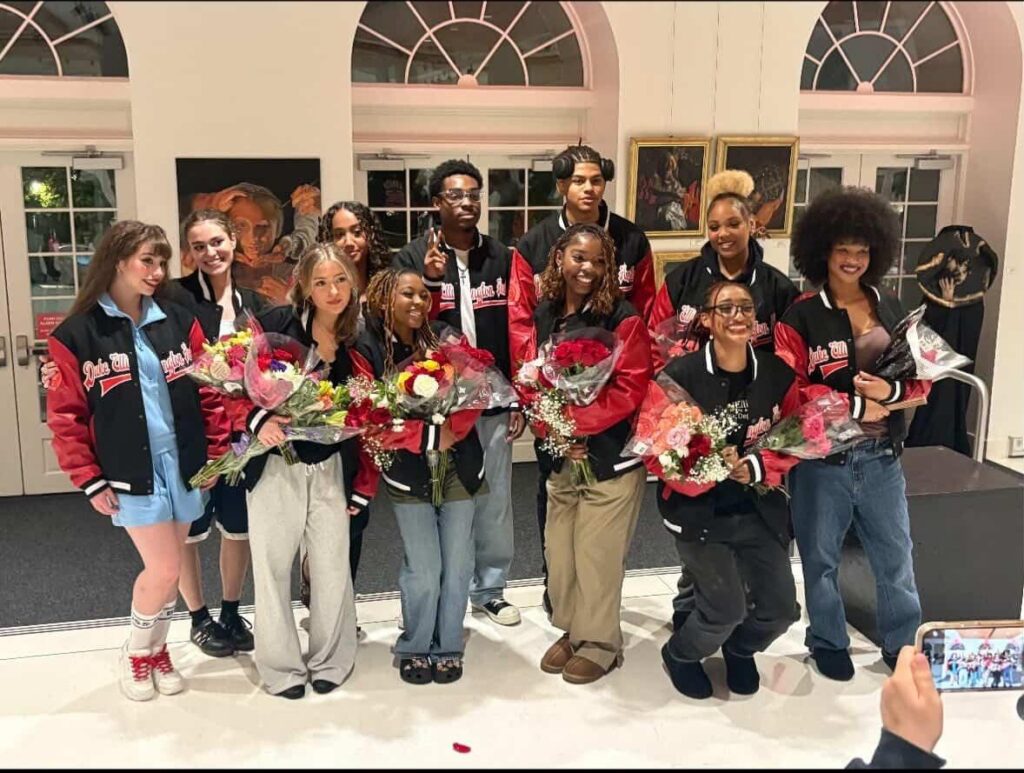
Ana Milistis performs with her senior vocal class from the Duke Ellington School of the Arts. (Tanaija Kee// 101 Magazine)
Having started along this path even before joining the university, Milistis is now preparing for an internship at NPR as an audio engineer and live sound technician.
“I’m working on learning how to run a radio station and mix live audio,” she said. “I have a summer internship at NPR here in D.C., so I want to be prepared and confident going into it.”
Ana Milistis performs while continuing to develop her vocal and technical skills. (Tanaija Kee// 101 Magazine)
She credits Howard with helping her further expand her network.
“Howard has helped me a lot with building connections, especially with other young Black artists,” she said.
Still, her progress reflects a key difference: she is building on access that existed before college, not starting from scratch. The difference between those students and others is that while some have talent, others bring experience and preparation even before coming to Howard University. This gap reflects a bigger truth regarding how the business works.
According to Chris Royal, Doctor of Musical Arts (D.M.A.) and Associate Professor of music at Howard University, students entering the field must understand the difference between the music industry and the broader entertainment industry, which can have different expectations regarding performance, presentation, and visibility.
“Jazz, Classical and other such music is primarily music performance. The entertainment industry may use music, film or anything, but often visuals are most important. In fact, one doesn’t have to actually perform music to be a music performer in the entertainment business, ” he said.
That distinction, he suggests, shapes how students are evaluated and what opportunities become available to them.
“Students need to consider the industry not by name but by expectations. Entertainers are worried about weight gain and actual skills. The music industry certainly cares about the presentation, but much has moved closer to entertainment as many performers look better on stage than how they actually sound,” he said.
The contrast between experiences highlights a broader issue within the idea of a “pipeline.” Both students are talented. Both are putting in the work.
Samad points to connections as the defining factor.
“Through your connections, you can learn a lot of things that your talent won’t get you,” he said.
Milistis sees it differently.
“I think talent is what leads to connections,” she said. “If you’re really strong in what you do, people will notice.”
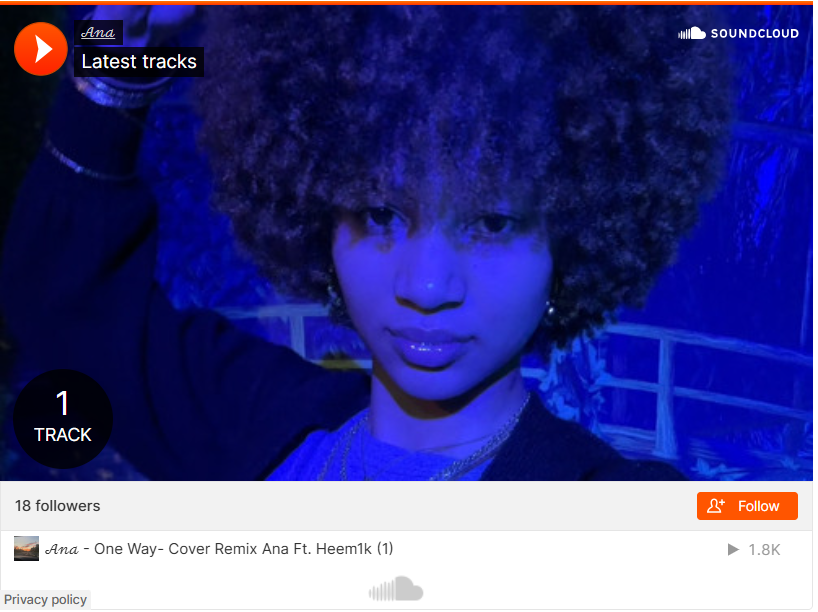
The two provided their views on the industry, noting that it depends on preparation, exposure, and opportunity, which not all students have. The concept of a pipeline through which students can move from classroom success to the music industry is well established—there are steps to take to progress from the classroom into the business.
This kind of pipeline works for Samad and Milistis—and some other Howard University students—but for others, the reality is more complicated. Some have established connections based on their history, while others are only beginning to break into the field and have to learn not only how to make music but also how to enter an industry that doesn’t necessarily afford equal entry.
A pipeline exists at Howard University; however, for some students, it’s not a clear pathway; it is something they have to find, build, or fight their way into.
The post The Myth of the Howard Pipeline: Students Navigate Unequal Paths Into the Music Industry appeared first on 101.
]]>The post Why Project Hail Mary is the Highest-Grossing Hollywood Film This Year so Far appeared first on 101.
]]>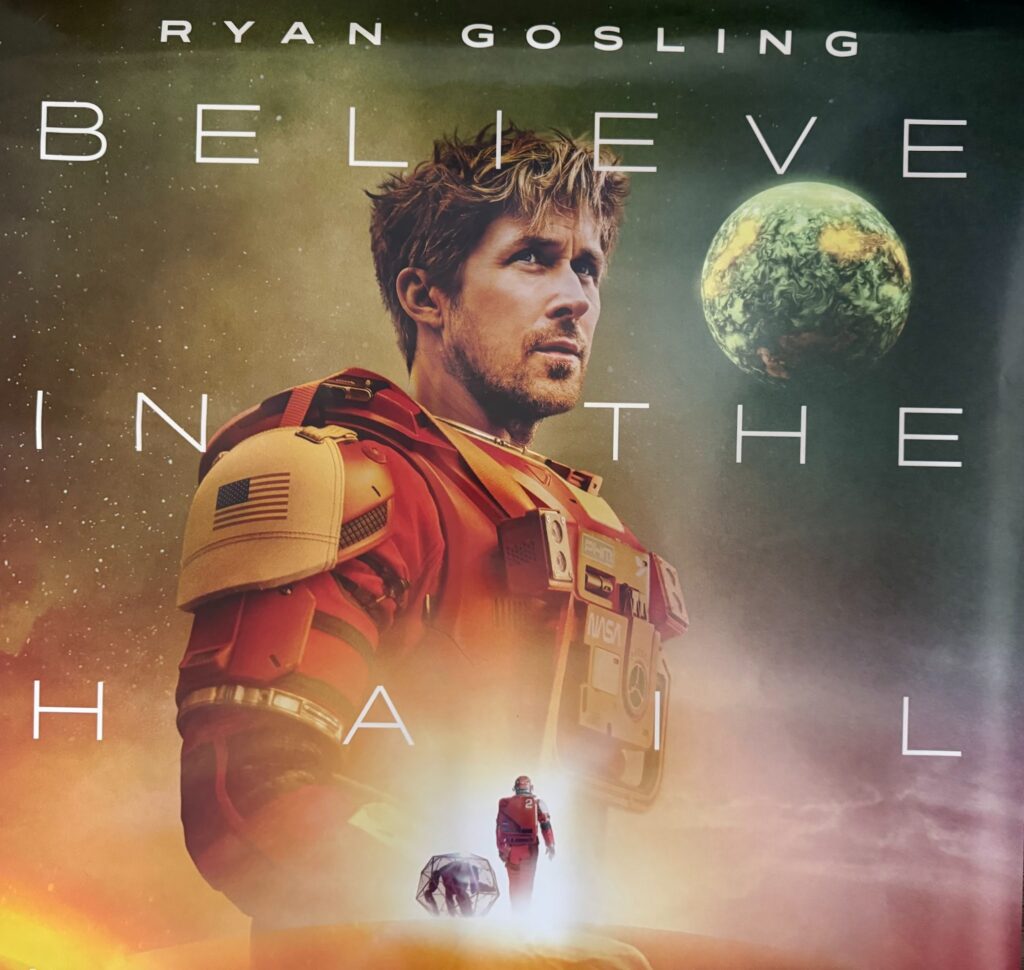
Official movie poster for Project Hail Mary (Sydney Goitia-Doran/101 Mag)
Sci-fi book-to-movie adaptations often either boom or bust, with films like “A Wrinkle in Time” and the “Divergent” Series earning harsh criticism from book-lovers while franchises like “The Hunger Games” and “Dune” made great waves beyond the pages. This year, Project Hail Mary is the highest-grossing Hollywood film of 2026, proving once again that when done well, sci-fi adaptations are the way to film-lovers’ hearts.
Brought to life by directors Phil Lord and Chris Miller, the story follows Dr. Ryland Grace, a once-outcast scientist who has become a middle school science teacher, played by Ryan Gosling. When he awakes from a coma in outer space with parts of his memory missing, he must piece together who he is and his mission.
The story alternates between the present, where Grace is on the ship, and his past on Earth, slowly revealing how he ended up there. The camera angles and use of music, sound and silent moments are intentional and unique in this film, with rotations in zero-gravity and deafening silence during space walks, immersing viewers in the scenes. The colors in the film are vibrant; audiences who recommended seeing this movie on the biggest screen possible made the right call, with jaw-dropping “Oppenheimer”-like moments.
Fans of Gosling will not be surprised to see the film is littered with comedy, reminiscent of the sarcasm and over-the-top drama he displayed in his roles in “Barbie” and “Crazy, Stupid, Love.” However, in more tender moments, he reveals an emotional, complex side of his character, which ties the storyline together.
A main focus of the film is Gosling’s encounter with an alien he names “Rocky” and the friendship he forms with it. They learn to communicate without understanding each other, and eventually come to care for each other to the point of being willing to sacrifice their lives for one another. The simple trope of unlikely colleagues-turned-friends has been done countless times, but the film manages to make it feel new and tug at the heartstrings.
The use of Harry Styles’ song “Sign of the Times” is an example of what film adaptations can bring to a story that books can’t always do. Sandra Hüller, who plays Eva Stratt, sings it during karaoke before the team goes on a space mission that will certainly end in death. The passion in her voice and the lyrics match their situation and feelings almost perfectly. It was enough to make several people cry in the theater and inspire several edits on TikTok.
At times, it felt like the film was attempting to do too much. It was a comedy; a journey of self-discovery; commentary on government response to humanity-threatening issues like climate change; a story about friendship and learning to communicate with someone whose language you do not understand; and an action-packed sci-fi thriller.
A casualty of this was the ending, which perfectly tied everything in a bow. Grace saves the world and his friend, and has the option of staying with Rocky or returning to Earth. Audiences familiar with Christopher Nolan’s ambiguous endings or the heartbreak of the Marvel Cinematic Universe may feel this movie’s struggle, dilemmas and all of its impossibilities might have felt more impactful with a more realistic ending.
The film holds a 95% rating on Rotten Tomatoes, has rave reviews on Letterboxd and has become Amazon MGM’s highest-grossing movie ever — earning over $300.8 million worldwide and $164.3 million domestically in just two weeks.
The divergent storylines did not distract from the central themes of trust, hope, and what is worth living and dying for. That’s exactly what people need right now, which explains its success.
The post Why Project Hail Mary is the Highest-Grossing Hollywood Film This Year so Far appeared first on 101.
]]>