This is where the funding speed of the actual deposit becomes an important factor in merchants’ decision-making. While the benefits of same-day or next-day deposits may not be immediately apparent as anything other than obvious, the actual cost of instant or same-day deposits is not as clear.
The actual speed of the deposit itself is the key factor in merchants’ decision-making; while the benefits may seem obvious, the true cost of instant or same-day deposits is not as clear.
What Funding Speed Actually Means

When a customer pays for a transaction, money does not simply go into the merchant’s bank account. There are several backend processes before money is actually transferred into the account.
Firstly, there is authorization, in which the customer’s bank verifies that there are sufficient funds for the transaction. Then, there is batching, where all transactions are bundled together before they are sent for settlement. Finally, there is a settlement in which money is actually transferred to the merchant’s account.
Next-day funding occurs when all these processes are complete within a single night. This means money will be available in the merchant account the very next day. With same-day funding, funds are transferred into the merchant account on the same day. At a glance, the difference between these two may seem negligible. However, in terms of operations, these hours can make a significant difference.
Why Faster Funding Appeals to Merchants
Next-day funding means the process is completed overnight, with funds available the next day. On the other hand, same-day funding means that this process is completed on the same day, depending on the cutoff times. It might not seem like a big difference, just a few hours. But to a business, this might make a difference.
The Hidden Cost of Funding Speed

What is often overlooked, however, is that there is, in fact, a cost attached to this. Payment processors, for instance, do not offer same-day funding as a standard service. It is an optional service with an added cost.
The costs can vary from one processor to another. Some charge a small percentage per transaction, while others charge a flat daily rate. While these costs may seem trivial, over time they can add up, even for high-transaction-volume businesses.
This is when we can see the trade-off. While same-day funding can improve cash flow, it can also erode profit margins. The sooner the cash is made available, the more it can cost to access it. Next-day funding, on the other hand, is often included as a standard service. While it is not as attractive as same-day funding, it does save merchants from paying an additional fee to access funds.
Cash Flow vs Cost: Finding the Balance
The decision to opt for same-day funding rather than next-day funding is therefore based on cash flow needs relative to cost efficiency. While some businesses might have enough cash reserves to withstand an additional day of funding, others might need to reinvest revenue as soon as possible.
The question is how to find an equilibrium. The merchant has to consider how essential it is to access funds as quickly as possible for day-to-day business. While analyzing cash flow patterns, it is possible to determine if it is essential to access funds quickly, as opposed to it being a luxury, to make sure that business needs are met.
Industry-Specific Considerations
The benefits of faster funding can be substantial, depending on the nature of the business. For retail businesses with high inventory turnover, same-day deposits may be useful. Restaurants and hotels may need daily cash flow to cover expenses such as food and personnel. On the other hand, businesses such as services may be able to get by with next-day deposits if they operate on a regular billing cycle.
Some businesses may only need faster deposits during peak periods. The nature of the business dictates the operations. Therefore, understanding your business model in terms of generating and utilizing income helps in assessing the benefits of faster deposits. The benefits may be minimal if they only add unnecessary costs.
Impact on Financial Planning

Funding speed plays a significant role in how businesses plan and manage their finances. With next-day funding, businesses can be sure of a consistent and predictable deposit schedule. This can be very effective in helping businesses better plan their finances. This can go a long way in helping businesses maintain financial discipline.
With same-day funding, there is a lot of flexibility. This can affect how businesses plan and manage their finances. With immediate access to funds, businesses can spend more. This can make businesses too dependent on daily deposits. Although there are benefits, there are also negative aspects.
Businesses have to plan their financial strategy based on how quickly their funds are deposited. With a clear plan for managing income and expenses, businesses can make effective use of fast deposits without becoming too dependent on them.
Risk and Processing Considerations
Faster funding is not just about time; it also entails additional risk management for the payment provider. To ensure same-day deposits, the payment provider may implement additional risk management measures. This may involve restrictions on transactions or types of businesses. Not all transactions may be eligible for faster funding. This may result in inconsistencies in deposit amounts.
Businesses must understand these factors to avoid unexpected delays. Faster funding may also mean more accurate transaction management. This is because there may be financial implications for errors or disputes. With these factors in mind, businesses can be aware of the complexities of faster deposits and ensure their operations remain efficient.
Customer Experience and Operations

While the impact of funding speed is mainly felt in business operations, it can also affect customers. The business can continue to provide a smooth supply of goods or services, ultimately enhancing the customer experience.
However, the business mustn’t compromise the customer experience by increasing the overall price or reducing the discount. The business should maintain the perfect balance between smooth operations and customer experience. Smooth operations should not affect the overall customer experience, including the price or discount. With faster access to funds, the business can enhance customer service, ultimately strengthening customer relationships.
When Same-Day Funding Makes Sense
This facility would be most useful to businesses that need cash flow the most. Businesses with high daily expenses, such as purchasing inventory, would benefit from the facility. Additionally, this facility would be useful in times of high growth or demand. Merchants would be able to reinvest their earnings quickly. Businesses that experience frequent cash shortages would benefit from this facility.
They would not need to borrow money in such times. The cost of the facility would be justified by the benefits it provides. However, this facility must be used only in specific scenarios, not as a general practice. Merchants must use this facility only in specific scenarios where immediate access to funds is critical.
When Next-Day Funding Is Enough
For some businesses, receiving funds the next day may be a viable option. This is especially true for businesses with stable cash flow and those that can budget expenses in advance. For them, it will not make much difference if they have to wait a day longer for the funds.
This will help the business save on the additional costs incurred for faster funding. It will also help them maintain better financial discipline in the business. For some businesses, receiving funds the next day may be a viable option, as they are more concerned with long-term stability than liquidity.
A Hybrid Approach to Funding Speed
Many businesses find that the solution is not necessarily choosing between same-day and next-day funding, but rather finding a balance between the two. This is what is referred to as a hybrid solution. The hybrid solution is useful to merchants, as it allows them to use same-day funding when needed, while at other times, next-day funding is used to keep costs under control and promote profitability.
The hybrid solution ensures merchants do not overspend on same-day funding when it is not required. It also ensures better cash flow control, as it is based on meeting business needs. The hybrid solution is useful to merchants, as it optimizes financial and business performance without overspending on same-day funding.
Evaluating the True Cost Over Time
The cost of faster funding is usually not properly estimated since it is not high per transaction. Therefore, merchants should be able to analyze costs on a monthly or yearly basis, not per transaction. This will allow them to better understand how much is being spent to achieve the convenience of faster deposits.
By comparing this cost with the actual benefits obtained, it will be possible to determine whether the cost is justified. At times, merchants might be surprised to learn that the cost is much higher than the benefits obtained. Therefore, by regularly evaluating this cost, merchants can make smarter funding decisions and avoid costly mistakes that could affect profitability.
Adapting Funding Strategy as Business Grows
Businesses’ cash flow patterns and financial requirements shift as they expand. A finance plan that is effective for a small business might not be appropriate for a larger one. Faster funding may be necessary in the beginning to support everyday operations and manage limited financial reserves.
Businesses may move away from immediate payments and toward more affordable solutions as income rises and financial stability improves. Managing increased transaction volumes and more intricate financial planning are only two of the new difficulties that come with growth.
Businesses can maintain their efficiency and competitiveness by modifying their funding methods to reflect these developments. Maintaining a balance between cost and convenience can be achieved by routinely evaluating funding possibilities and making necessary adjustments. Businesses can adapt without being constrained by a payment structure that no longer works for them, thanks to a flexible strategy.
Conclusion
While same-day and next-day funding each has unique benefits, neither is always superior to the other. A company’s cash flow, expenses, and overall financial plan will determine the best option. Faster funding enables immediate access to funds, which in some circumstances can boost operations and ease financial strain. It does, however, come with a price that needs to be carefully considered over time.
Even if it takes a little longer, next-day funding is stable and economical, so many companies with steady cash flow may use it. Merchants can design a system that supports both immediate demands and long-term success by understanding the trade-offs and effectively leveraging funding options. Ultimately, the goal is not just to receive funds quickly, but to use them wisely to strengthen the business and ensure sustainable growth.
FAQs
What is same-day funding?
It allows merchants to receive payment deposits on the same day transactions are processed.
Is same-day funding more expensive?
Yes, it usually involves additional fees compared to standard next-day funding.
Who benefits most from faster funding?
Businesses with tight cash flow or high daily expenses benefit the most.
Can merchants switch between funding types?
Yes, many providers offer flexible or hybrid approaches tailored to business needs.
Is next-day funding reliable?
Yes, it is the standard option and provides consistent, cost-effective deposit timing.





The problem for the majority of merchants is that these contracts aren’t always drafted with their long-term interests in mind. It is difficult to compare processors on an equal basis because many of them are riddled with ambiguous language, automatically renewing clauses, exorbitant early termination fees, hidden surcharges, and confusing pricing models.
As the demand for digital payments increases, so does the importance of aligning with a payment processor focused on simplifying transactions with clear, sustainable, and business-friendly terms. Knowing what to look for—and what to avoid—can make all the difference in protecting your bottom line and scaling your business successfully.
The Illusion of Simplicity

The initial terms of many payment processing agreements are simple, even friendly. They may offer exclusive promotional terms, low rates, or simple onboarding. However, behind those attractive curtains, merchants are frequently caught off guard by complex fee structures, commitment clauses, and price adjustments. Teaser rates, which are incredibly low transaction fees that only apply to a particular kind of card or customer, are one of the most prevalent scams.
You might find that your effective rate is significantly higher than stated once your real-world transactions start. Additionally, some agreements include services like analytics dashboards and loyalty programs that you may never use, bundling them into your monthly fees. These seemingly “value-added” services can add unnecessary weight to your cost structure.
Automatic Renewals and Tricky Termination Clauses

The auto-renewal clause is one of the riskiest features in contracts for payment processing. These clauses are frequently written so that the merchant is still obligated to the terms of the contract unless they provide written notice of cancellation well in advance of the term’s expiration, sometimes up to 90 days beforehand. If you miss that window, you might be stuck there for a year or longer.
Early termination fees (ETFs) can be substantial and non-negotiable, even if you wish to cancel after the original term. Certain contracts even contain liquidated damages clauses, which can result in expenses exceeding thousands of dollars since they determine your penalty by the processor’s estimated lost revenue. Business owners should carefully review termination language and ask for changes to such terms to avoid falling into this trap.
Opaque Pricing Models and Fee Inflation
There are several models for pricing in payment processing, but not all of them benefit the merchant in the same way. Although flat-rate pricing may seem simple, it could lead to overpayment if your company accepts a lot of low-cost debit cards. Although it takes more work to monitor and understand, interchange-plus pricing is frequently more transparent.
Certain providers employ tiered pricing, classifying transactions into nebulous “qualified,” “mid-qualified,” and “non-qualified” buckets—categories that are subject to sudden changes. Even worse, certain agreements permit processors to increase fees with little warning or to employ “pass-through” fees, which may boost the processor’s margins while apparently reflecting increases from banks or card networks. These cost increases have the potential to subtly reduce your profitability over time.
Lengthy Commitments and Exit Restrictions
Some contracts bind merchants to exclusive relationships for extended periods of time—three to five years is not unusual—in addition to the high termination costs. You might not have much of a choice without facing consequences if service quality deteriorates or your company’s requirements change during that time.
Additionally, some processors place technical or procedural hurdles in your way, such as retaining control of equipment, withholding settlement funds, or creating vague “breach of agreement” conditions that enable them to cancel your account without warning. This lack of mutual flexibility places the merchant at a significant disadvantage and creates ongoing dependency that may be hard to escape.
The Importance of Clear Communication Channels

The part of payment processing agreements that specifies how and when the provider and the merchant communicate is another frequently disregarded feature. For example, does your processor need to tell you directly if they decide to increase your monthly fees, or can they just post the change online? How are you informed in the event of a compliance issue, and how long does it take to fix?
Merchants are exposed to last-minute problems and are not given the chance to address issues before they escalate into lost revenue or service interruptions when contracts lack clarity in these areas. Give preference to processors who guarantee openness and incorporate communication into the service model, not only during onboarding but also throughout the relationship.
Reading Between the Lines of Equipment Leases

A lot of payment processors include “free” terminals or point-of-sale systems in their contracts. However, those gadgets frequently have long-term leases that are distinct from your primary contract. Over time, these leases might force you to pay much more than the device’s market value, and you might be left with incompatible hardware if you decide to switch processors.
Even worse, some processors retain ownership of the equipment and charge return or replacement fees. Always ask for a full breakdown of equipment-related costs and make sure they are part of the main agreement—or better yet, purchase your hardware outright.
Understanding Reserve Requirements
Certain processors include provisions that allow them to create a reserve account, which is essentially holding a portion of your money as security. Increased chargebacks, risks associated with your business model, or an arbitrary assessment of your financial situation could all cause this.
Contracts that grant processors complete discretion with little justification can be risky, even though reserves are not intrinsically unfair. Your daily liquidity may be impacted by their ability to hold sizable amounts of working capital with little warning or explicit release schedules. If your processor has reserve clauses, make sure the terms outline how and when reserves will be released as, well as the circumstances under which they are created.
Evaluating Exit Clauses and Auto-Renewals Carefully

The fine print related to termination clauses and auto-renewals is one of the least talked about but most damaging elements of a payment processing agreement. When they learn that terminating a contract early could result in significant cancellation fees, which can occasionally equal the cost of the entire contract period, many business owners are taken by surprise.
Others are not aware that if they don’t cancel their agreement within a specific window, usually 30 to 90 days before the anniversary date, it will automatically renew for another full term. Many agreements contain these mechanisms, and they are frequently written in ways that make them difficult to identify. Because of this, it’s crucial to read and understand all of the terms related to the length of the contract and its termination.
Ask for clarification or suggest changes if anything seems vague or constraining. It is much simpler to negotiate better terms up front than to try to contest them after you have signed. Companies should always budget for flexibility, and if the processor is no longer meeting your needs, a good agreement will allow you to leave without incurring financial penalties. For startups, seasonal businesses, and quickly expanding operations that might need to make quick adjustments, flexibility is especially important.
Red Flags to Watch in a Payment Processing Agreement
- Early Termination Fees: The processor is not sure you’ll want to stay if they demand hefty penalties for ending the contract early.
- Auto-Renewal Traps: You may be locked into a contract for years without warning if it renews covertly and without a clear opt-out window.
- Vague Fee Structures: Keep an eye out for terms that allow them to raise rates abruptly, such as “subject to change” or “market-based adjustments.”
- Non-Cancelable Equipment Leases: Contracts that combine hardware and non-cancelable leases should be avoided, as you may still be responsible for payments even if you change providers.
- Lack of Chargeback Transparency: Expect difficulties when disputes emerge if chargeback procedures and related fees are not well defined.
- Uncertain Support Policies: You’ll probably be on your own when there are technical difficulties if the contract makes no mention of customer service availability or accountability.
- Bundled Value-Add Services You Didn’t Ask For: Features like PCI compliance tools or fraud protection might be mandatory—at an extra cost.
Conclusion: Building Long-Term Processing Relationships Wisely
Processing payments is an essential part of your cash flow and customer experience; it’s not just a back-end task. While fast onboarding and flashy features may be tempting, the true value lies in the terms you agree to when you sign. Examine each clause carefully, paying particular attention to those relating to service commitments, early termination, fee structures, and contract length.
Inquire, object to vague or biased language, and ensure that your processor sees you as a collaborator rather than merely a source of transactions. You can set up your company for long-term success and financial stability in the constantly changing payment ecosystem by putting an emphasis on support, flexibility, and clarity.
]]>Today’s business landscape is more connected, fast-paced, and customer-focused than ever before. Whether you run a boutique, own a small restaurant, or operate a service-based company, one thing is certain—your payment processing system needs to be quick, secure, and cost-effective.
That’s exactly what Blue Card Payments delivers. From their easy-to-use POS systems and terminals for businesses to their reputation as a free credit card terminal provider, Blue Card Payments makes it simple to accept all forms of payments while keeping your costs low.
If you’re looking for a payment partner who understands small businesses and offers top-tier service without high fees or confusing contracts, read on. This article explores the full range of Blue Card Payments Solutions designed to help you succeed.
Why Blue Card Payments Solutions Are Right for You
Not all payment processors are created equal. Some lock you into long-term contracts. Others hit you with hidden fees. But Blue Card Payments Solutions take a different route—one that’s focused on flexibility, transparency, and genuine business support.
With a wide variety of services tailored for entrepreneurs and small business owners, Blue Card Payments empowers you to:
- Accept payments anytime, anywhere
- Avoid unnecessary hardware fees
- Reduce per-transaction costs
- Access expert support and advanced analytics
Whether you’re processing five transactions a day or five hundred, they provide solutions that scale with your growth.
POS Systems and Terminals for Businesses: Reliable, Modern, and Easy to Use
At the heart of most transactions lies the Point of Sale (POS) system. Blue Card Payments offers POS systems and terminals for businesses that are powerful, yet simple to operate.
Here’s what you get:
- Touchscreen terminals with intuitive layouts
- Real-time sales tracking and inventory management
- Compatibility with chip cards, swipes, and contactless payments
- Connection to printers, scanners, and customer displays
These systems are built for reliability during high-traffic hours, while also supporting features that help manage and grow your business beyond just sales.
Whether you run a restaurant, salon, or auto repair shop, Blue Card Payments has a POS solution that fits your environment and enhances the customer checkout experience.
Free Credit Card Terminal Provider: No Upfront Equipment Costs
Many business owners delay upgrading their payment hardware due to the high cost of terminals. That’s why Blue Card Payments proudly operates as a free credit card terminal provider.
Eligible merchants receive cutting-edge credit card machines without any up-front costs. That includes:
- EMV chip-compatible terminals
- NFC-enabled readers for Apple Pay and Google Pay
- Touchscreen displays and receipt printing options
You can start accepting credit and debit card payments right away—without breaking the bank. This is an especially valuable perk for new businesses or those switching from another processor.
Low-Fee Card Payment Provider: Transparent Pricing That Saves You Money
One of the most frustrating aspects of working with traditional processors is unclear pricing. Blue Card Payments changes the game by operating as a low-fee card payment provider, offering transparent rates and zero hidden costs.
Here’s how their pricing model works:
- Competitive interchange-plus rates
- No monthly minimums
- No long-term lock-in contracts
- Flat-rate and custom pricing options available
Whether you process hundreds of transactions a day or just a few, the savings add up quickly. Lower fees mean higher margins—and that’s something every business owner can appreciate.
Merchant Services by Blue Card Payments: Beyond Payment Processing
While payment handling is their core offering, merchant services by Blue Card Payments go well beyond swipes and taps. Their full-service approach supports the entire financial and operational workflow of your business.
Included services:
- Chargeback monitoring and resolution
- 24/7 customer service and technical support
- PCI compliance support and data encryption
- Business performance dashboards and insights
You get the tools to not only manage transactions but also detect fraud, review performance, and make informed decisions based on real data.
Credit Card Processing for Small Businesses: Simple, Secure, and Scalable
If you’re running a small business, you need solutions that are straightforward, affordable, and easy to implement. That’s why credit card processing for small businesses is a cornerstone of Blue Card Payments’ service model.
Top features include:
- Fast and frictionless onboarding
- Integration with most POS hardware
- Mobile payment acceptance
- Seamless support for in-person, online, or phone-based payments
Many small business owners praise Blue Card Payments for how easy it is to switch providers and get started. With no setup delays and minimal paperwork, you can be up and running in no time.
How Different Industries Use Blue Card Payments
Blue Card Payments serves a wide range of industries, tailoring their solutions to suit specific operational needs:
Food and Beverage
Restaurants, coffee shops, and food trucks use their fast terminals to keep lines moving and manage daily cash flow with real-time reporting.
Retail Stores
POS systems help manage inventory, track customer purchases, and run promotions—all from a central interface.
Beauty and Wellness
Salons, spas, and wellness centers benefit from tip functionality, appointment scheduling integration, and customer history tools.
Automotive Services
Mechanics and repair shops use mobile terminals for invoicing and secure payment collection, improving convenience for both staff and customers.
No matter your field, Blue Card Payments provides the technology and support to keep your operations smooth and efficient.
Real Stories: What Business Owners Are Saying
“We were paying over $500 a month in fees before we switched. Blue Card Payments cut that nearly in half, and the free terminal helped us upgrade our checkout experience without any upfront cost.”
— Jenna H., Retail Store Owner
“We needed a provider that offered mobile payments for events. Blue Card Payments gave us a great rate and helped set us up with NFC readers at no cost. Super smooth.”
— Omar K., Event Vendor
“I love the reporting tools. Now I can see which days and times are busiest and adjust staff scheduling accordingly. That insight alone has improved our bottom line.”
— Marcus T., Café Owner
These testimonials show how Blue Card Payments doesn’t just process payments—they make businesses better.
Easy Onboarding and Integration
Getting started with Blue Card Payments is refreshingly easy:
- Consultation – Speak with a payment specialist who will tailor a solution to your needs.
- Approval – Receive account approval, often within 24-48 hours.
- Terminal Setup – Get your free credit card terminal delivered and ready to go.
- Start Accepting Payments – With full support, you’ll be up and running quickly.
- Monitor and Grow – Use your dashboard to track, learn, and optimize.
Everything is designed to minimize effort on your end while maximizing results.
Summary: Why Choose Blue Card Payments?
Let’s recap the key reasons to consider Blue Card Payments as your go-to merchant service provider:
 Affordable credit card processing for small businesses
- No-cost equipment from a free credit card terminal provider
- Advanced POS systems and terminals for businesses
- Honest, easy-to-understand pricing from a low-fee card payment provider
- Helpful and secure merchant services by Blue Card Payments
- Versatile, industry-specific tools across retail, service, hospitality, and more
It’s a complete package designed for real business owners who want reliable service without overpaying or overcomplicating things.
Final Thoughts: Your Business, Backed by Blue Card Payments
When it comes to payment processing, there are a lot of choices—but few offer the value, simplicity, and dedication that Blue Card Payments does. From their robust POS systems and terminals for businesses to their transparent pricing and ongoing support, they help you build a foundation for growth.
If you’re ready to save money, simplify your checkout process, and work with a provider that puts your business first, then Blue Card Payments is ready for you.
]]>Today’s business environment demands speed, security, and simplicity when it comes to handling payments. Whether you run a café, retail shop, or service-based business, your payment system can directly affect customer satisfaction and operational efficiency.
Enter Blue Card Payments—a trusted name for providing reliable credit card processing for small businesses, cutting-edge POS systems and terminals for businesses, and no-cost equipment as a free credit card terminal provider.
In this article, we explore how Blue Card Payments Solutions help businesses process payments affordably, securely, and efficiently—all while receiving industry-leading support.
Blue Card Payments Solutions: What Makes Them Different?
Blue Card Payments Solutions are built for business owners who want straightforward, cost-effective tools for accepting payments. They understand that you don’t want to be locked into complicated contracts, saddled with surprise fees, or overwhelmed by technical setups.
Their approach is centered around:
- Streamlined merchant onboarding
- Transparent pricing models
- Personalized support
- Tools for growth and analysis
With their support, businesses of all sizes—from startups to established shops—can enjoy the advantages of enterprise-level payment technology without the complexity or price tag.
The Power of POS Systems and Terminals for Businesses
Modern businesses rely heavily on their point-of-sale systems—not just for payments, but also for managing daily operations. Blue Card Payments provides POS systems and terminals for businesses that are intuitive, fast, and adaptable.
These systems allow you to:
- Accept chip, swipe, and contactless payments
- Track sales and generate performance reports
- Manage inventory in real-time
- Create customer profiles for repeat buyers
- Integrate with accounting tools
Whether you’re operating a boutique or a restaurant, their POS hardware and software can be tailored to fit your workflow and customer experience goals.
Free Credit Card Terminal Provider: A Big Value for Small Businesses
Many payment companies charge upfront fees for terminals, but Blue Card Payments believes that cost should never be a barrier to efficiency. As a free credit card terminal provider, they equip qualified businesses with advanced payment hardware at no cost.
You’ll receive:
- EMV chip card readers
- NFC-enabled terminals (for contactless payments)
- Receipt printers and accessories
- Tech support and training
This generous offer allows new and growing businesses to get started quickly without a large investment. For many small businesses, this feature alone is a game-changer.
Why Being a Low-Fee Card Payment Provider Matters
High transaction fees can quietly drain profits—especially for small or seasonal businesses. As a low-fee card payment provider, Blue Card Payments offers affordable rates that keep more money in your hands.
Their pricing is:
- Transparent (no hidden fees)
- Competitive with industry benchmarks
- Based on interchange-plus structures for clarity
- Predictable month-to-month
With this kind of model, you can scale your business without worrying about surprise charges cutting into your bottom line.
Merchant Services by Blue Card Payments: More Than Just Processing
At Blue Card Payments, it’s not just about swiping a card. Their merchant services are designed to help businesses grow and manage risk. From setup to daily operations and beyond, their support goes far beyond transactions.
Merchant Services by Blue Card Payments Include:
- Dispute management and chargeback prevention
- 24/7 customer support
- Transaction tracking dashboards
- Mobile payment options
- PCI compliance guidance
These services give you confidence and control over your payments, ensuring your business runs smoothly and securely.
Credit Card Processing for Small Businesses: Tailored and Trusted
Every small business is unique, but one thing they all need is efficient, cost-effective card processing. Blue Card Payments specializes in credit card processing for small businesses, with solutions that are flexible and scalable.
Benefits for small businesses:
- Quick approvals for new accounts
- Seamless integration with current systems
- Access to mobile and countertop terminals
- Accept all major card brands with ease
With Blue Card Payments, small businesses get the same professional-grade tools used by large enterprises—without the complexity or cost.
Industry Spotlight: How Different Businesses Benefit
Let’s take a look at how Blue Card Payments caters to a range of industries:
Retail Shops
- Manage inventory and customer rewards
- Accept contactless payments quickly
- Use detailed reporting to plan sales
Restaurants
- Take orders and payments tableside
- Split bills and manage tips
- Speed up service during peak hours
Service Providers
- Use mobile POS for on-site jobs
- Send digital receipts and invoices
- Schedule repeat billing for subscriptions
Health & Wellness Clinics
- Process HSA/FSA cards securely
- Store customer profiles for recurring visits
- Manage appointments and deposits
Their systems are versatile, so regardless of your field, you’ll have tools that fit your workflow.
Blue Card Payments Setup: Getting Started is Easy
One of the most appreciated aspects of working with Blue Card Payments is their simplified setup process. Here’s how it typically works:
- Initial Consultation – Discuss your business type, volume, and needs with a payments expert.
- Custom Quote – Get a clear and fair breakdown of your expected costs.
- Terminal Delivery – Receive your free credit card terminal pre-configured.
- Training and Go Live – Learn how to use your system with help from their team.
- Ongoing Support – Reach out anytime for tech help, upgrades, or account questions.
Keyword Recap: What You Get with Blue Card Payments
Let’s summarize what makes this provider stand out:
- Blue Card Payments Solutions offer smart, cost-effective ways to process payments.
- Their POS Systems and Terminals for Businesses are modern, intuitive, and reliable.
- As a Free Credit Card Terminal Provider, they reduce upfront costs for merchants.
- With a focus on transparency, they operate as a Low-Fee Card Payment Provider.
- Their Merchant Services by Blue Card Payments include support, analytics, and risk management.
- They specialize in Credit Card Processing for Small Businesses, offering easy setup and long-term value.
Final Thoughts: Partner with a Provider That Works as Hard as You Do
In today’s competitive landscape, your business needs more than just a way to accept cards—it needs a complete payment solution. Blue Card Payments delivers on that promise with affordable tools, no-nonsense pricing, and unmatched customer care.
Whether you’re opening your doors for the first time or looking to cut costs and simplify operations, Blue Card Payments is the partner you can count on. Their mission is clear: help small businesses grow by making payment processing easier and more profitable.
]]>Accepting payments isn’t just a function of doing business—it’s the foundation of customer experience and operational success. Whether you run a bustling retail shop, a mobile food truck, or a growing service business, having the right tools to accept payments matters.
That’s why Blue Card Payments exists. With a mission to support small and medium-sized businesses, they provide top-tier POS Systems and Terminals for Businesses, offer free terminals, and operate as a Low-Fee Card Payment Provider.
This article explores the benefits of working with Blue Card Payments, the services they offer, and how you can get started easily.
Blue Card Payments Solutions: Simple, Smart, Reliable
Blue Card Payments Solutions are designed to remove the guesswork from payment processing. Whether you’re accepting credit cards, debit cards, or contactless payments, they offer everything needed to complete transactions quickly, securely, and affordably.
Their key solutions include:
- Smart and modern POS Systems and Terminals for Businesses
- Free credit card terminals for eligible businesses
- Transparent, low-fee pricing for all merchants
- Ongoing merchant support and education
These services combine to create a one-stop-shop for all your payment processing needs—especially if you’re looking to cut costs without sacrificing quality.
POS Systems and Terminals for Businesses: Powerful Tools Made Easy
Let’s face it—no one wants to deal with clunky, outdated terminals or confusing software. That’s why Blue Card Payments provides streamlined, easy-to-use POS Systems and Terminals for Businesses that deliver on performance and simplicity.
Their POS systems are ideal for:
- Retail stores
- Restaurants
- Health and wellness clinics
- Auto shops
- Mobile vendors
Features include:
- Touchscreen interface
- Real-time reporting
- Sales tax calculations
- Inventory management
- Customer database tracking
This means you’re not just processing payments—you’re managing your business more efficiently.
Free Credit Card Terminal Provider: Eliminate Start-Up Costs
When starting or expanding a business, saving on upfront costs can make a huge difference. As a Free Credit Card Terminal Provider, Blue Card Payments helps eliminate a major expense.
Their free terminal program gives you access to:
- EMV-enabled chip readers
- NFC/contactless functionality (Apple Pay, Google Pay)
- Receipt printers
- Modern software with real-time updates
This offer is perfect for small businesses looking to offer flexible, fast payment options without investing thousands in hardware.
Low-Fee Card Payment Provider: Keep More of Your Money
Credit card processing fees can eat into your profit margins if you’re not careful. Many providers charge a confusing mix of hidden fees, cancellation penalties, or high per-transaction costs.
Blue Card Payments takes the opposite approach. As a Low-Fee Card Payment Provider, they pride themselves on:
- Transparent pricing
- Competitive interchange-plus rates
- No long-term contracts
- No monthly minimums or surprise charges
This clarity makes it easier for small business owners to plan, grow, and feel in control of their financial operations.
Credit Card Processing for Small Businesses: Designed with You in Mind
Running a small business often means wearing multiple hats—and that includes handling payments, accounting, customer service, and more. That’s why Credit Card Processing for Small Businesses from Blue Card Payments is intentionally straightforward and reliable.
Benefits for small businesses include:
- Fast and easy setup
- Personalized support from onboarding to scaling
- Secure transactions with PCI compliance
- Support for all major cards and payment types
Whether you’re a one-person business or a team of ten, Blue Card Payments offers solutions that are right-sized for your needs.
Merchant Services by Blue Card Payments: More Than Just Processing
Blue Card Payments doesn’t stop at hardware and payment handling. They also provide powerful business support through Merchant Services by Blue Card Payments.
These services include:
- 24/7 customer support
- Dispute and chargeback assistance
- Access to sales and financial reports
- Fraud prevention tools
- Integration with accounting and eCommerce platforms
With these services, you can focus on running your business while they handle the complexity behind the scenes.
Use Cases: Real Businesses, Real Results
Let’s explore how Blue Card Payments helps everyday businesses thrive:
Boutique Retailer
A fashion boutique used Blue Card’s free terminal offer to upgrade from an outdated machine. With new reporting tools and a modern interface, they cut checkout time in half and started tracking inventory with ease.
Mobile Coffee Cart
A mobile barista used Blue Card Payments’ low-fee processing to offer contactless tap payments at local events. The system helped increase customer satisfaction—and daily revenue.
Local Auto Repair Shop
After switching from a high-fee provider, this business saved over $400/month using Blue Card Payments. Their new POS system also helped them track customer history and service invoices.
Why Businesses Choose Blue Card Payments
There are many reasons why Blue Card Payments is a top choice for thousands of business owners across the country:
- Affordability: Low transaction fees and no equipment costs.
- Flexibility: Scalable solutions that grow with your business.
- Technology: Modern, easy-to-use POS and terminals.
- Support: Merchant-first approach with real human support.
- Transparency: No hidden fees or confusing contracts.
These qualities help business owners not only accept payments—but do so confidently.
Getting Started Is Easier Than You Think
Interested in working with Blue Card Payments? Here’s how simple it is:
- Contact: Reach out for a free consultation and quote.
- Approval: Get approved quickly, usually within a day or two.
- Setup: Receive your free credit card terminal and start accepting payments.
- Grow: Take advantage of tools and reports to help your business thrive.
There’s no complicated paperwork, and setup can often be completed in a single afternoon.
What Makes Blue Card Payments Unique?
In a sea of payment processors, Blue Card Payments continues to stand out for several reasons:
- Free equipment for qualifying merchants
- Low rates with no lock-in contracts
- Merchant-focused tools and services
- Solutions tailored to each industry
- Highly-rated customer service
With consistent performance, strong reliability, and positive reviews, Blue Card Payments is more than a vendor—it’s a partner for your long-term growth.
Conclusion: A Better Way to Do Business
As a business owner, you need solutions that are reliable, affordable, and easy to use. Blue Card Payments checks every box—from advanced POS Systems and Terminals for Businesses, to being a Free Credit Card Terminal Provider, to offering robust Merchant Services by Blue Card Payments.
They specialize in Credit Card Processing for Small Businesses, ensuring every merchant—regardless of size—can benefit from secure, low-fee payment processing.
Choosing Blue Card Payments means choosing transparency, value, and support. If you’re ready to grow, simplify your operations, and save money along the way, it’s time to make the switch.
]]>Running a successful business today means more than offering great products or services. You also need reliable, secure, and affordable payment processing solutions. That’s where Blue Card Payments shines. Specializing in cutting-edge technology and exceptional customer service, this provider is trusted by thousands of businesses across the U.S.
From POS Systems and Terminals for Businesses to being a Free Credit Card Terminal Provider, Blue Card Payments focuses on supporting small businesses with tools that make payment handling simple and efficient.
Why Payment Processing Matters More Than Ever
In a digital-first world, customers expect flexible payment options. Whether it’s paying via EMV chip, contactless tap, or traditional swipe, businesses must be ready. Payment processing isn’t just a back-end operation anymore—it’s a customer experience.
This is where Blue Card Payments steps in with powerful solutions. Their suite of services, including Blue Card Payments Solutions, offers merchants everything from terminal hardware to 24/7 support, ensuring your business never skips a beat.
Blue Card Payments Solutions: A Closer Look
Blue Card Payments Solutions are designed to cover every aspect of the merchant experience. Whether you’re opening your first store or scaling up to multiple locations, their technology and services grow with you.
What’s Included:
- Modern POS terminals
- Mobile payment options
- Secure credit card processing
- Seamless integrations with existing business tools
Thanks to their easy onboarding process and transparent pricing, businesses can start accepting payments quickly—with confidence.
POS Systems and Terminals for Businesses
Every business needs a POS system that works just as hard as its staff. Blue Card Payments provides modern POS Systems and Terminals for Businesses of all sizes and industries. Whether you run a retail shop, restaurant, salon, or medical office, they have tailored solutions.
Benefits of Their POS Systems:
- User-friendly touch interfaces
- Quick checkout and order management
- Built-in inventory and customer tracking
- Secure, PCI-compliant software
With such systems in place, you not only improve efficiency but also deliver a better experience to your customers.
Free Credit Card Terminal Provider: Save More, Earn More
One standout feature of Blue Card Payments is being a Free Credit Card Terminal Provider. Starting a business often involves significant costs, and Blue Card Payments helps reduce that burden by providing the terminal at no charge.
This includes both countertop and mobile terminals—helping brick-and-mortar stores as well as mobile vendors like food trucks or pop-up shops. With no equipment cost, you can reinvest savings into your business growth.
Low-Fee Card Payment Provider: Keep Your Profits
Processing fees can eat into profits, especially for small businesses. That’s why choosing a Low-Fee Card Payment Provider is crucial.
Blue Card Payments stands out with:
- Transparent, low-fee pricing
- No hidden charges
- Interchange-plus options
- Free quotes and rate comparisons
With a clear cost structure, you’ll always know what you’re paying—and why. This helps businesses like yours plan and scale effectively without financial surprises.
Merchant Services by Blue Card Payments
The real strength of Blue Card Payments lies in its full range of merchant support. Merchant Services by Blue Card Payments go beyond simple card processing. They offer:
- Real-time sales reporting
- Business intelligence tools
- Dedicated support teams
- Fraud protection and chargeback support
With these merchant services, Blue Card Payments becomes more than a provider—it becomes a business partner.
Credit Card Processing for Small Businesses: Built to Empower
Small businesses often find themselves paying higher processing rates or facing limited service options. Not with Blue Card Payments. Their Credit Card Processing for Small Businesses is:
- Affordable
- Scalable
- Easy to set up
- Backed by expert support
Whether you process five or 5,000 transactions per day, their systems are built to handle it smoothly.
Who Should Use Blue Card Payments?
The flexibility and affordability of Blue Card Payments make it an ideal choice for:
- Restaurants and cafes
- Retail stores and boutiques
- Auto repair shops
- Beauty salons and spas
- Professional services like law firms and dental clinics
- Mobile businesses such as event vendors or delivery services
Any small business that wants to accept credit card payments efficiently should consider Blue Card Payments as their go-to solution.
Getting Started Is Easy
Starting with Blue Card Payments is simple. The process usually includes:
- Consultation: A payment expert helps you identify the right solution.
- Application Approval: Fast approval gets you up and running quickly.
- Hardware Setup: Receive your free credit card terminal and training.
- Go Live: Start processing payments with confidence and ease.
When comparing payment service providers, here’s where Blue Card Payments truly excels:
What Makes Blue Card Payments Different?
- Dedicated support: U.S.-based customer service team available 24/7
- Customization: Solutions are tailored to each business
- Security: PCI-compliant systems with advanced fraud prevention
- Scalability: Flexible for startups and growing businesses alike
Add in their strong reputation for customer satisfaction and you’ve got a provider that checks every box.
Key Services in Summary
Let’s recap the top offerings:
- Blue Card Payments Solutions deliver a full suite of tools for payment management.
- Their POS Systems and Terminals for Businesses are modern, fast, and easy to use.
- As a Free Credit Card Terminal Provider, they eliminate startup hardware costs.
- Businesses benefit from a Low-Fee Card Payment Provider model with no surprises.
- Merchant Services by Blue Card Payments include analytics, support, and security.
- They specialize in Credit Card Processing for Small Businesses to ensure everyone has access to reliable tools.
Each service is designed to help businesses operate more efficiently and grow with confidence.
Final Thoughts: Your Payment Partner for the Long Run
Choosing a payment processor isn’t just a financial decision—it’s a strategic one. Blue Card Payments combines affordability, innovation, and trust into one seamless offering. From their free hardware to merchant-friendly policies, they make it easy for businesses to thrive in a competitive market.
Whether you’re looking to upgrade your POS systems, reduce fees, or get expert support, Blue Card Payments has you covered. It’s time to make the switch and simplify your payment processing once and for all.
]]>In today’s fast-paced digital economy, businesses require efficient, secure, and cost-effective payment solutions to thrive. Blue Card Payments stands out as a leading provider, offering a suite of services designed to meet the diverse needs of small to medium-sized enterprises. From advanced POS systems to low-fee credit card processing, Blue Card Payments delivers tailored solutions that streamline operations and enhance customer satisfaction.
Understanding Blue Card Payments Solutions
Blue Card Payments Solutions encompass a range of services aimed at simplifying the payment process for businesses. Their offerings include state-of-the-art POS systems and terminals, free credit card terminals, and low-fee card payment processing. By integrating these services, businesses can ensure seamless transactions, improved cash flow, and enhanced customer experiences.
POS Systems and Terminals for Businesses
Point-of-Sale (POS) systems are crucial for modern businesses, enabling efficient transaction processing and inventory management. Blue Card Payments provides advanced POS systems and terminals tailored to various business needs. Whether you’re running a retail store, a restaurant, or an e-commerce platform, their POS solutions offer:
- User-friendly interfaces for quick transactions
- Real-time inventory tracking
- Integration with accounting software
- Secure payment processing
By leveraging these POS systems and terminals for businesses, companies can enhance operational efficiency and customer satisfaction.
Free Credit Card Terminal Provider
Investing in payment hardware can be a significant expense for small businesses. Recognizing this, Blue Card Payments offers free credit card terminals to its clients. This initiative ensures that businesses, regardless of size, have access to the necessary tools for accepting card payments without the burden of upfront costs. These terminals are equipped with the latest technology, supporting various payment methods, including chip, swipe, and contactless transactions.
Low-Fee Card Payment Provider
Transaction fees can accumulate quickly, impacting a business’s bottom line. Blue Card Payments positions itself as a low-fee card payment provider, offering competitive rates that help businesses save on processing costs. Their transparent pricing model ensures no hidden charges, allowing businesses to forecast expenses accurately and maintain profitability.
Merchant Services by Blue Card Payments
Beyond payment processing, Blue Card Payments offers comprehensive merchant services designed to support business growth. These services include:
- Customized payment solutions
- 24/7 customer support
- Fraud prevention and security measures
- Detailed reporting and analytics
By utilizing merchant services by Blue Card Payments, businesses can streamline operations, reduce risks, and make informed decisions based on real-time data.
Credit Card Processing for Small Businesses
Small businesses often face challenges in securing affordable and reliable credit card processing services. Blue Card Payments addresses this by offering tailored solutions that cater specifically to the needs of small enterprises. Their credit card processing for small businesses includes:
- Quick and easy setup
- Low transaction fees
- Integration with existing POS systems
- Support for various payment methods
These services empower small businesses to compete effectively in the market by providing customers with convenient payment options.
Advantages of Choosing Blue Card Payments
Partnering with Blue Card Payments offers numerous benefits:
- Cost Savings: With free credit card terminals and low transaction fees, businesses can significantly reduce operational costs.
- Enhanced Efficiency: Advanced POS systems streamline the checkout process, reducing wait times and improving customer satisfaction.
- Scalability: Blue Card Payments Solutions are designed to grow with your business, accommodating increasing transaction volumes and expanding operations.
- Security: Robust security measures protect sensitive customer data, ensuring compliance with industry standards.
Implementing Blue Card Payments in Your Business
Integrating Blue Card Payments into your operations is a straightforward process:
- Consultation: Engage with their team to assess your business needs and identify suitable solutions.
- Setup: Receive and install the free credit card terminal and POS system, with guidance from their support team.
- Training: Undergo training to familiarize your staff with the new systems.
- Go Live: Begin processing transactions efficiently and securely.
This seamless implementation ensures minimal disruption to your business operations.
Testimonials from Satisfied Clients
Many businesses have experienced significant improvements after partnering with Blue Card Payments:
- “Switching to Blue Card Payments was one of the best business decisions we made. The free terminal offer and modern POS systems helped us boost checkout speed and customer satisfaction.” – David Lin, Owner, Lin’s Retail Mart
- “Blue Card Payments transformed the way we handle customer transactions. Their solutions are seamless, and their support team is incredibly responsive.” – Angela Monroe, Operations Manager, Lakeside Café
These testimonials underscore the positive impact of Blue Card Payments Solutions on business performance.
Staying Ahead with Blue Card Payments
In an ever-evolving market, staying competitive requires adaptability and innovation. Blue Card Payments continuously updates its services to incorporate the latest technological advancements, ensuring that businesses have access to cutting-edge payment solutions. By choosing Blue Card Payments, you’re not just selecting a service provider; you’re partnering with a company committed to your long-term success.
Conclusion
Blue Card Payments offers a comprehensive suite of services designed to meet the diverse needs of modern businesses. From providing free credit card terminals to offering low-fee card payment processing, their solutions are tailored to enhance efficiency, reduce costs, and improve customer satisfaction. By leveraging POS systems and terminals for businesses, merchant services by Blue Card Payments, and credit card processing for small businesses, companies can position themselves for sustained growth and success.
]]>
The days of swiping cards or paying in cash are rapidly coming to an end. Contactless payments are replacing them with faster, cleaner and more secure ways to pay.
Driving this revolution is NFC (Near Field Communications). This technology allows devices to transmit information wirelessly when they are a few centimeters apart like tapping your phone or card at one of those terminals.
The pandemic fast-tracked this transition. Consumers made safety a priority and businesses raced to install touch-free payment systems. This payment system is now not merely convenient but essential. Let’s learn more about it and why companies need to accept this and how to start payment processing with contactless payment options.
What Are Contactless Payments?
With contactless payments, customers are able to tap their card or smartphone on a payment terminal to pay in a much less time-consuming way than swiping, inserting or signing. The transactions are made using a card with near-field communication technology (NFC), or a mobile wallet such as Apple Pay, Google Pay or Samsung Pay.
Whether that means a tap of a smartwatch or a wave of your smartphone, the point is the same: speed, convenience, and cleanliness.
Contactless systems use short range wireless communication. When you bring an NFC-equipped device near a payment reader, encrypted data is passed from device to reader almost instantaneously to validate the transaction.
For purchases under a certain threshold, no PIN or signature is required, and the transaction finishes more quickly.
Behind the scenes, security measures such as tokenization and dynamic authentication safeguard your sensitive payment data to make sure every purchase is secure from fraud. So this how contactless payments work.
Understanding NFC Technology
NFC (Near Field Communication) is a short-range wireless communication technology. Using radio frequency identification (RFID), it allows two devices to transfer data even when they’re millimeters away. This allows payment terminals and devices such as phones or cards to communicate in a secure and instant manner.
NFC is supported by most of today’s smartphones, smartwatches or contactless credit/debit cards. iPhones and Android phones, as well as wearables like Fitbit or Apple Watch, have NFC chips inserted intop them, so you’re all set for mobile wallet payments.
NFC vs. Other Contactless Tech (QR Codes, Bluetooth)
QR codes and Bluetooth are contactless payments as well, but NFC has several advantages:
- Speed: NFC is usually much faster (often under a second) than scanning QR codes then loading an app.
- Precision: NFC reduces potential for human error. The perception of QR codes requires the camera to be focused and for the right light to shine upon the QR code or you can get a failed scan.
- User Experience: NFC is seamless, that is tap and go. With bluetooth, pairing is needed, and QR uses an app interaction.
Pros of NFC:
- Lightning-fast payments
- Protected and encrypted
- No WiFi, no internet connection necessary
Cons of NFC:
- Needs NFC-compatible hardware
- Costs fractionally more to develop than QR code readers
When compared to QR and Bluetooth, NFC’s a lot faster, cleaner and more intuitive—perfect for busy businesses.
Why Contactless Payments Is Essential for Modern Businesses?
Let us understand why contact payments through NFC is gaining traction and why is it a necessity for modern businesses:

Increased Consumer Demand
The use of mobile wallet usage is on the rise and an increasing number of consumers are expecting to be able to pay with their phones or smartwatches. Touch screens and PIN pads have been out since COVID came in; touch-free payment is no longer a luxury, it’s a necessity.
Faster Transactions = More Revenue
NFC makes checkout almost instantaneous. No fumbling with money, or waiting for the card to process. For retailers, that equates to shorter lines, faster customer churn, and more money during peak times.
Enhanced Customer Experience
NFC or contactless payments delivers a frictionless experience. It is convenient to tap a device. Hence, this convenience enhances user satisfaction, promotes repeat visits, and strengthens brand attachment.
Future-Proofing Your Business
NFC isn’t just about today, it’s about staying relevant tomorrow. Digital loyalty programs, e-receipts and more are now all possible using NFC terminals. Firms embracing NFC now will gain a sustained advantage and deploy infrastructure ready for the next generation of commerce.
Real-World Applications and Industry Examples
NFC is not only a trend, rather it’s being implemented around the world for more efficient and convenient payments, and to make customer experiences superior from payment to renting a bike. Businesses are making contactless payments work in the real world, from retail counters to gyms.
Retail
Retail is among the first segments to adopt NFC-based POS terminals. Such systems allow customers to tap their cards or smartphones to pay immediately, reducing wait times and improving the in-store experience.
It also results in higher conversion rates within physical stores as POS terminals support NFC. Customers are more likely to finish transactions if they don’t have to wait in long lines or pay with cash.
This integration not just improves the transactions, but increases the customer satisfaction as well. Retailers can also embrace a modern experience by providing a seamless, tap-and-go checkout, motivating buyers to return.
Hospitality and Restaurants
Restaurants and hospitality settings are also turning to tap-to-pay or contactless payments to provide safer and faster service. Cafes or meal trucks have terminals which accept touchless payments and can take the payment directly from their customers so there is no need for them to use devices or handle physical receipts.
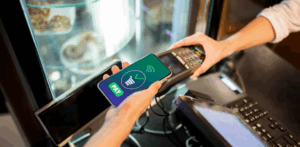
Customers can now pay, check digital menus and collect loyalty points at many fast-casual chains — all in one swipe of the phone. Mobile NFC readers are ideal for food trucks and pop-up restaurants on the go, and it guarantees customers have the fastest and easiest experience possible.
Loyalty apps integrated with NFC payments also let frequent diners accrue points, redeem rewards, and receive personalized offers, increasing engagement and retention.
Healthcare and Fitness
Contactless payments is already a game-changer in clinics, and wellness centers. Patients can quickly check in, pay bills or access digital receipts without touching screens or handling paperwork, resulting in better hygiene and efficiency.
Now, fitness centers and gyms accept NFC wearables for payments and access control. Members can tap their smartwatch to check into the gym, purchase a protein shake or register for a class. This seamless experience reduces the need for cards and cash, so you can enjoy hassle-free fitness experience.
These tools can also assist businesses in keeping an eye on member activity, extending custom promotions and collecting feedback..
Security and Compliance With Contactless Payments Using NFC
When businesses start using NFC, the most common question is about security. The good news? NFC technology is not only quick, but it’s secure, too.
NFC payments use secure tokenization and encryption standards. When a customer makes a tap-to-pay payment, the actual card number is never sent. The system, instead, generates a single token per transaction, so that if harvested data is stolen, it is worthless.

NFC doesn’t involve swiping cards or entering PINs, but it also doesn’t require physical contact. This minimizes the risk of skimming and keyboard spying, forms of fraud that are problematic in a traditional environment. And all the mobile wallets need biometric authentication (fingerprint or face scan) before you can authorize a payment which is another layer of protection.
In conclusion, contactless payments are more secure than cash and magnetic stripe cards, which make it a safe bet for both retailers and consumers.
PCI Compliance and Privacy
To receive contactless payments, businesses need to be compliant with the Payment Card Industry Data Security Standard (PCI DSS) — the regulation that aims to protect the secure handling of credit card information. Luckily you will find that the majority of NFC terminals in at present are designed to satisfy these standards provided out of the box.
NFC is also far superior in data privacy. EMV chip cards protect data by using encryption, but are not contactless and can be more prone to tampering or wear and tear.
NFC, however, cuts down on exposure by minimizing direct touches and is engineered to prevent the storage or reuse of card data. This is good from a privacy perspective and for consumer trust.
For businesses, being compliant and secure with NFC is no harder or more complicated and it offers the potential to greatly reduce both liability and fraud risk.
Barriers to Adoption and How to Overcome Them
Adopting NFC contactless payments is a smart move, but many businesses hesitate. Let’s look at the common roadblocks and how to navigate them.
Common Business Concerns
The cost of upgrading POS systems is a top concern. Some business owners worry about investing in new hardware or software, especially in smaller shops or tight-margin industries.
Another issue is staff training. Employees may be unfamiliar with contactless systems, causing friction during the transition. Additionally, some older customers resist new payment methods, preferring traditional cash or card transactions.
These concerns are valid, but the solutions are practical — and often cost-effective.
Affordable Ways to Integrate NFC
You don’t need a full tech overhaul. Many cloud-based POS systems now include NFC by default. These platforms are scalable, affordable, and easy to install.

Alternatively, many payment service providers offer NFC-enabled terminals on a subscription or rental basis. These terminals often come with built-in security features, mobile compatibility, and minimal setup.
With the right partner, your business can integrate NFC payment solutions without breaking the bank.
Steps to Implement Contactless Payments in Your Business
Evaluate Your Current Payment Setup
Start by reviewing your current hardware and software. Does your terminal support NFC? Is your POS system up to date? Identify what needs upgrading or replacing.
Choose an NFC-Enabled POS System
Look for systems that support Apple Pay, Google Pay, and contactless cards. Choose providers that offer:
- Tokenization for security
- Integration with loyalty programs
- Easy reporting and analytics
Recommended providers include Square, Stripe, Clover, and Toast (for restaurants) to start receiving contactless payments.
Train Your Staff and Educate Customers
Your staff needs to feel confident using the new system. Provide quick onboarding sessions, and use signage or screen prompts to guide customers during checkout.
Digital notifications or in-store announcements can encourage customers to try contactless for the first time.
Conclusion
NFC contactless payments aren’t a future trend — they’re a present-day expectation. With rising mobile wallet adoption, faster checkouts, and better customer satisfaction, businesses that embrace NFC stay competitive and future-ready.
Whether you’re in retail, fitness, hospitality, or healthcare, the benefits are clear: faster transactions, safer exchanges, and happier customers.
Now’s the time to act. Start integrating NFC technology into your payment process and give your business the modern edge it deserves.
Frequently Asked Questions
- Is NFC better than QR codes for payments?
Yes. NFC is faster, more secure, and offers a smoother user experience than QR codes, which require camera access and additional steps. - Do I need a new terminal to accept NFC payments?
Often, yes but many modern POS systems come NFC-enabled or can be upgraded affordably. - Are NFC payments secure?
Absolutely. They use tokenization and encryption, making them safer than traditional magnetic stripe cards. - Will my older customers understand how to use NFC?
Most mobile wallets are intuitive. Provide simple prompts and signage, and offer guidance if needed. - Can NFC be integrated with loyalty programs?
Yes. Many systems allow you to sync payments with loyalty apps, enabling faster rewards and personalized offers.