The post Retatrutide Dosages: All about Doses, Schedules & Safety appeared first on Balance My Hormones.
]]>However, in clinical trials, multiple doses of retatrutide ranging from 1 to 12 mg have been studied. The maximum weight loss (approx. 28%/average of 70.3 lbs) was observed with 12 mg of retatrutide over a period of 80 weeks.
This article explains retatrutide dosages, including maximum, minimum, and maintenance doses used in clinical trials. We also talk about how retatrutide may be used for weight loss and what its reported side effects are.
What dosages does retatrutide come in?
Retatrutide is going through late-stage clinical trials and has not been approved by any regulatory agency in the world, including the Medicines and Healthcare products Regulatory Agency (MHRA) in the UK. So, it basically has no official dosages available as of now.
In the Phase 3 TRIUMPH programme, five dosages – 2 mg, 4 mg, 6 mg, 9 mg, and 12 mg – were given to participants once weekly by subcutaneous injection.
Starting dose of retatrutide for weight loss
In Phase 3 trials, participants typically began at 2 mg per week (low initiation dose). Low dosage was selected to assist their bodies build tolerance gradually.
Retatrutide maintenance dosage for weight loss
Maintenance dosage is usually used when you hit or near your weight loss goal to help you keep the weight off. For retatrutide, maintenance doses studied were 4 mg, 9 mg, or 12 mg weekly in Phase 3 trials. Participants started at a lower dose, gradually increased it to the target dose and then stayed on it as a maintenance dose.
Higher maintenance doses produced more impressive weight loss results compared to lower doses.
Retatrutide maximum dosage for weight loss
The maximum studied dose is 12 mg weekly (highest regimen used in trials).
Remember that research is ongoing, and no retatrutide dose is officially approved yet. If the drug is approved, this will likely be labelled maximum dose.
Retatrutide clinical trial dose results for weight loss
Phase 2 trial results
In a 48-week Phase 2 trial published in The New England Journal of Medicine in 2023, researchers evaluated retatrutide in 338 adults with obesity or overweight and at least one weight-related condition.
The following results were reported in the article:
|
Dose |
Average weight loss compared to starting body weight |
|
1 mg |
−8.7% |
|
4 mg |
−17.1% |
|
8 mg |
−22.8% |
| 12 mg |
−24.2% |
| Placebo |
−2.1% |
Phase 3 trial (TRIUMPH-1) results
In Phase 3 TRIUMPH-1 trial, a total of 2339 participants with obesity or overweight and weight-related complications (like knee osteoarthritis) were evaluated for 80 weeks.
In September 2026, the results were published in The New England Journal of Medicine:
|
Dose |
Average weight loss |
|
4 mg |
−17.6% |
|
9 mg |
−23.7% |
|
12 mg |
−25.0% |
| Placebo |
−3.9% |
Phase 3 trial (TRIUMPH-2) results
The TRIUMPH-2 trial, published in The Lancet in October 2026, studied 1,152 adults with obesity or overweight and type 2 diabetes. Participants received retatrutide at 4 mg, 9 mg, or 12 mg doses, or a placebo, for 80 weeks.
| Dose |
Average weight loss |
|
4 mg |
−11.9% |
|
9 mg |
−16.8% |
|
12 mg |
−18.8% |
|
Placebo group |
−5.1% |
Retatrutide dosage schedule/chart
There is no official retatrutide dosing schedule yet, but we will explain its potential schedule based on how it has been used in clinical trials.
Retatrutide is used once per week. After 4 weeks, its dose is escalated to help the body adjust to the medication and potentially reduce gastrointestinal side effects. Individuals usually reach their target dose by week 17.
Retatrutide doses are slightly different in different trials. For instance, in Phase 2, an 8 mg retatrutide dosage was used while in Phase 3 it was replaced by 6 mg and 9 mg retatrutide.
In Phase 3 trials, this was the retatrutide’s dose escalation schedule. After approval, the schedule may remain the same or be revised based on further clinical evidence and regulatory guidance.
|
Treatment week |
Dose |
About |
|
Weeks 1–4 |
2 mg once weekly |
Starting dose. |
|
Weeks 5–8 |
4 mg once weekly | First escalation dose, or maintenance dose for some individuals based on their specific needs. |
| Weeks 9–12 | 6 mg once weekly |
Intermediate escalation step |
|
Weeks 13–16 |
9 mg once weekly | Target dose for some individuals, or maintenance dose for some individuals based on their specific needs. |
| Week 17 onward | 12 mg once weekly |
Highest target dose for some individuals, or maintenance dose for some individuals based on their specific needs. |
Retatrutide dose timing
In trials, retatrutide is administered once weekly. It should be taken on the same day each week, and it is best to keep the timing consistent as well.
If you have missed a dose and remember that within four days, take the missed dose and then continue with your regular schedule. Skip the missed injections if it is more than four days.
Never take two doses to make up for the missed one.
The above guidelines apply to tirzepatide, another once-weekly weight-loss injection. Since it is a licensed medication, it has official instructions for missed doses. Similar instructions may be recommended for retatrutide if it is approved.
Why is retatrutide dose increased gradually?
Retatrutide doses are increased gradually through a process called dose titration. This means starting at a lower dose to check your body’s tolerability and increasing it gradually until your doctor finds the target dose that works for you.
Starting at lower doses also helps reduce the risk of potential side effects that are noticed to be dose-dependent.
How does retatrutide work?
Retatrutide mimics three hormones and binds to their receptors to trigger specific effects that support weight loss. These hormones and the responses they trigger include:
- GIP: It helps reduce fat buildup, enhance satiation and stimulate post-meal insulin release.
- GLP-1: It slows stomach emptying, increases the feeling of fullness and reduces appetite.
- Glucagon: It may increase energy expenditure and promote fat metabolism.
Retatrutide stands out from other weight loss injections because it targets three hormone receptors at the same time.
How to take retatrutide for weight management?
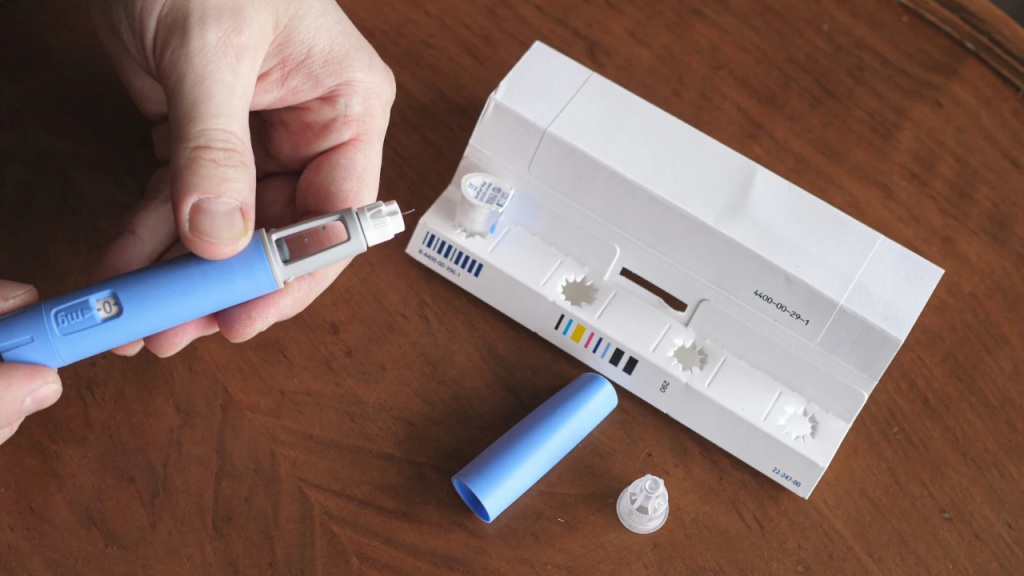
There is no official retatrutide administration process yet. But since it is a weekly weight loss injection, its administration process may likely be similar to other licensed weekly weight loss injections.
Here is how retatrutide might be taken (if it gets approved):
- Choose your injection day and stick to it as you will have to take injection on the same day every week.
- Wash your hands to prevent injection site infection risk.
- Clean the injection site with an alcohol swab. Subcutaneous injections like retatrutide are administered in abdomen, thigh, or upper arm.
- Prepare the injection and inject it straight into the skin at a 90 degrees angle.
- Dispose of needle or pen in an appropriate sharps disposal container.
Retatrutide side effects reported in trials
Retatrutides is documented as a well-tolerated medication. However, it can still cause some side effects in some individuals. These side effects are more common at higher doses and may occur more frequently after gradual dose escalation. They often improve over time as the body adjusts to the medication.
Common reported side effects of retatrutide are:
- Gastrointestinal-related (such as nausea, vomiting, constipation, diarrhea)
- Mild fatigue
- Heart rate increase
- Skin burning, tingling or sensitivity
Wrapping it up
Retatrutide is a once weekly subcutaneous injection that targets three different hormone receptors in the body. However, it is still undergoing clinical trials. Therefore, no official retatrutide dosage is available so far.
According to the dosing schedules tested in clinical trials, 2 mg is the starting dose while 12 mg is the maximum dose of retatrutide for obesity treatment. 12 mg produces more significant weight loss compared to lower doses.
Like other medications, retatrutide also causes side effects whose severity and frequency varies depending on the dose.
Retatrutide is an effective drug but it is still being investigated. If you are looking for an approved weight loss treatment, consider licensed medications like Mounjaro. These medicines also produce good results and have been properly reviewed by regulatory agencies.
Contact us today to book appointment with qualified healthcare professionals. Find out which licensed weight reduction solutions are available and start your weight loss journey on time.
FAQs about retatrutide peptide dosage
How often to take retatrutide?
In trials, a retatrutide injection is given once per week.
Can I lose weight on retatrutide starting dose?
Yes, you can. Authorised clinical trials have shown that retatrutide can help reduce body weight, although the amount of weight lost varies by dose.
Can I start on 4mg of retatrutide?
Starting retatrutide on your own is not recommended, as it is an investigational drug, not an approved one. However, if we consider Phase 3 clinical trial data of retatrutide, the starting dose is 2 mg, increasing to 4 mg after 4 weeks.
Does retatrutide cause hair loss?
No, it does not directly cause hair loss. According to the available data, hair loss has not been reported as a side effect of retatrutide.
Does retatrutide make you tired?
Retatrutide may make you tired. Phase 2 trial results showed that approximately 7% of participants receiving retatrutide experienced fatigue.
What is the difference between retatrutide and tirzepatide?
The key difference between these two medications is that:
Tirzepatide (Mounjaro) is a dual agonist, meaning it activates two receptors – Glucose-Dependent Insulinotropic Polypeptide (GIP) and GLP-1 (Glucagon-Like Peptide-1).
Retatrutide is a triple agonist as it activates three receptors – GLP-1, GIP and glucagon receptors.
Another important distinction is that tirzepatide is an approved weight loss treatment in the UK while retatrutide is not an approved treatment yet.
When will retatrutide be available in the UK?
No official launch date for retatrutide has been accounted in the UK. However, it is expected to be available privately by the end of 2027 or early 2028.
Unregulated retatrutide products sold online are unsafe as none of them is tested, verified, or approved. Hence, everyone should stay clear of them.
How is retatrutide dose escalated?
In trials, each retatrutide dose is escalated every 4 weeks. This helps body to adapt gradually to higher doses of once-weekly injection.
How much retatrutide should I take?
Retatrutide is an investigational product, so taking it on your own without medical supervision is highly discouraged. Instead, you should consider its licensed alternatives like Mounjaro that healthcare providers prescribe to suitable candidates for meaningful weight loss.
References
Bellido, V., le Roux, C.W., Ekinci, E.I., Bjornstad, P., Frias, J.P., Giblin, K., Eyde, S., Park, S.Y., Ferro, J., Johnson, C. and Taylor, A., 2026. Retatrutide in adults with obesity and type 2 diabetes (TRIUMPH-2): a double-blind, parallel-group, randomised, placebo-controlled, phase 3 trial. The Lancet.
Matheus, M.H.L., Câmara², L.C., Mattoso, S.O., dos Santos Pereira, S.I., de Aguiar, D.R. and Khan, Z., 2026. Efficacy and Safety of High-Dose Retatrutide in Adults with Obesity and Type 2 Diabetes: A Systematic Review and Bayesian Meta-Analysis. SN Comprehensive Clinical Medicine, 8(1), p.349.
Jastreboff, A.M., Kaplan, L.M., Davies, M.J., Wilding, J.P., Ahmad, N.N., Murray, M., Du, Y., Makarova, N., Giblin, K., Schloot, N.C. and Wang, Y., 2026. Retatrutide, a triple hormone receptor agonist, for treatment of obesity. N Engl J Med.
The post Retatrutide Dosages: All about Doses, Schedules & Safety appeared first on Balance My Hormones.
]]>The post Where to Buy Retatrutide in the UK? appeared first on Balance My Hormones.
]]>Quick facts about retatrutide:
Manufacturer: Eli Lilly
Availability in the UK: Unavailable for public use
UK launch date: Not confirmed yet
Clinical trial status: Phase 3 trials ongoing
Drug status: Investigational medication
Read the article to learn everything you need to know about retatrutide availability, prescription, licensed alternatives, and more.
Is retatrutide available in the UK?
Retatrutide is not yet available for public use in the UK or elsewhere, as its manufacturer is still testing and evaluating it through clinical trials.
It does not yet have marketing authorisation from the MHRA. Therefore, it cannot be routinely prescribed by the NHS or private clinics or dispensed by GPhC-registered pharmacies here.
Access to retatrutide is limited to eligible participants in clinical trials. Still, participation does not guarantee that you will receive retatrutide, as these trials include placebo groups as well.
Why hasn’t retatrutide been approved in the UK yet?
Retatrutide has not been approved yet because it is still being tested through Phase 3 trials, named the TRIUMPH programme. These trials involve larger groups of participants and help researchers understand retatrutide’s long-term safety, efficacy, and other effects in humans.
If these large-scale trials are completed and show positive results, Eli Lilly will then submit the scientific data to MHRA.
The MHRA is the official agency that regulates all medicines in the UK. It will review the data before deciding whether to give retatrutide a marketing authorisation or not. It may also request further information before making its decision.
Until this process is completed and authorisation is granted, retatrutide cannot be marketed in the UK.
When will retatrutide be available in the UK?
There is no confirmed launch date for retatrutide in the UK yet. Its availability will depend on the results of ongoing clinical trials and subsequent regulatory approval.
The expected timeline
Eli Lilly plans to submit an application for retatrutide’s US approval in the first quarter of 2027. The company has not announced a UK submission date, so we cannot tell exactly when it will become available here.
Various TRIUMPH programme trials show promising results. If it continues this way, Eli Lilly may submit an application to the MHRA in 2027, following its submission to the FDA. So, 2028 or later could be a possible timeframe for UK availability, with NHS access following later.
Retatrutide clinical trials, results and the latest news
Results from Eli Lilly’s retatrutide clinical trials have been published in The New England Journal of Medicine and The Lancet.
TRIUMPH-1 (obesity/overweight without type 2 diabetes patient group): In this Phase 3 trial, participants received retatrutide or placebo for 80 weeks. Average weight loss was 17.6% with 4 mg, 23.7% with 9 mg, and 25.0% with 12 mg, compared with 3.9% with placebo.
TRIUMPH-2 (obesity/overweight and type 2 diabetes patient group): Published on 29 September 2026, the trial reported that, at 80 weeks, participants taking the 12 mg dose lost an average of 20.8% of their body weight. They also experienced substantial blood sugar reduction.
TRIUMPH-4 (obesity/overweight and knee osteoarthritis patients group): This Phase 3 study investigated weight loss and knee osteoarthritis symptoms. Participants experienced up to a 75.8% reduction in WOMAC pain and 28.7% weight reduction with a 12 mg retatrutide dose.
Further clinical studies are examining retatrutide in different patient groups and its potential effects on health outcomes. Their results will show whether its potential benefits extend beyond weight loss to conditions such as cardiovascular disease, chronic kidney diseases, chronic low back pain and metabolic dysfunction-associated steatotic liver disease (MASLD).
Can you join a retatrutide trial in the UK?
There are specific criteria for participating in a retatrutide clinical trial. If you meet these eligibility criteria, you may be able to join the trial. You can check current opportunities through Be Part of Research and review each trial’s requirements before applying.
Are retatrutide pens sold online reliable?
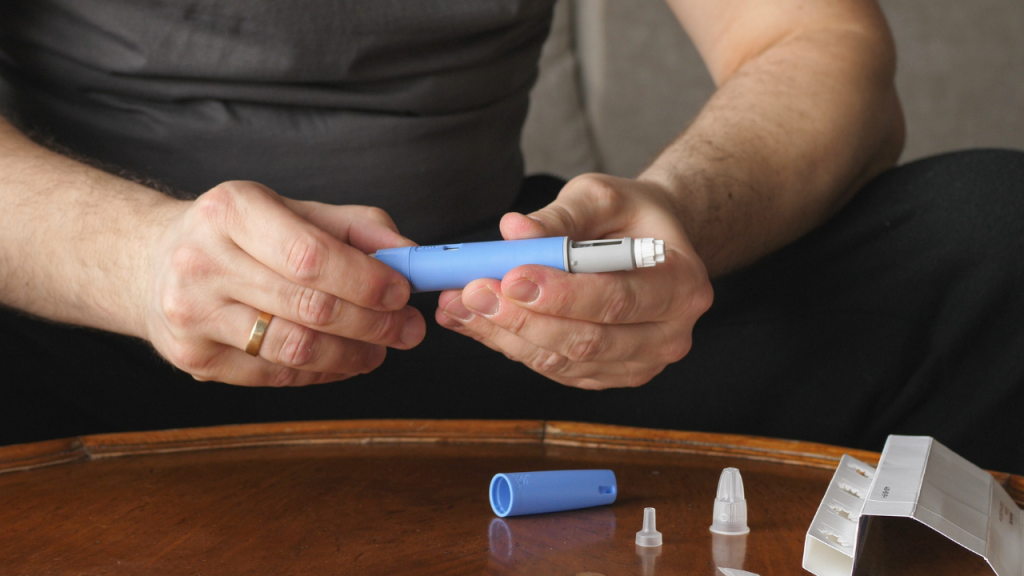
Hundreds of websites and social media accounts are selling retatrutide online despite the lack of approval for use in the UK. Many of them are selling these products with the labels “research chemical; not for human consumption” but they are still targeting people looking for weight loss medication.
The truth is online retatrutide’s manufacturers are not affiliated with Eli Lilly – the original developer of retatrutide. Online retatrutide pens have not been tested for safety, ingredients, and quality by any regulator. So, if you take them, you never know what you are actually consuming.
Warning: Risks of buying retatrutide online
Purchasing retatrutide from online sellers has many life-threatening risks, including:
Wrong dose: Unlicensed retatrutide is not medically tested for quality, so you never know what retatrutide dose you are actually getting (if any).
Incorrect ingredients: Online retatrutide pens have been found to contain unidentified peptides.
No clinical oversight: Retatrutide is not a side-effect-free medicine. Consuming it without medical supervision means complications like pancreatitis or severe hypoglycaemia are not managed promptly and dose is not adjusted based on your needs.
What are the best licensed weight loss alternatives to retatrutide?
If you are looking for a weight management medication in the UK, here are the best licensed treatment options you can consider.
GLP-1 receptor agonists: Wegovy (semaglutide) is an MHRA-approved weight loss medication you can get from UK pharmacy with a prescription or NHS specialist services.
Dual agonists: With the ability to cause up to 15% to 22.5% weight loss, Mounjaro (tirzepatide) is the most effective licensed weight loss medication available in the UK. It is a dual agonist, meaning it targets two hormone receptors – GLP-1 and GIP.
| Medication | Wegovy | Mounjaro | Retatrutide |
| Active ingredient | Semaglutide | Tirzepatide | Retatrutide |
| Type of medication | GLP-1 receptor agonist | Dual GIP/GLP-1 receptor agonist | Triple GIP/GLP-1/glucagon receptor agonist |
| UK approval | Approved, regulated medicine | Approved, regulated medicine | Not approved yet |
| Average weight loss in trials | Up to 14.9% | Up to 22.5% | Up to 28.3% |
Summary
Retatrutide is a triple agonist, meaning it targets three hormone receptors, i.e., glucose-dependent insulinotropic polypeptide (GIP), glucagon-like peptide-1 (GIP-1) and glucagon receptors to help control hunger and cause weight loss. It has shown up tp 28.3% average weight loss in clinical trials, exceeding results reported for currently licensed options for weight loss.
Retatrutide is still going through the trial phase, so it is currently unavailable for human use in the UK and the entire world. Hence, no doctor can legally prescribe it until it gets marketing authorisation.
People looking for licensed weight loss solutions should consider UK-approved options like Mounjaro. They are backed by clinical evidence and can be prescribed legally to eligible patients with ongoing monitoring and medical supervision.
Book a consultation with us today to learn more about approved weight reduction options available in the UK.
FAQs about retatrutide availability in the UK
Is retatrutide FDA approved?
No, retatrutide has not been approved by the FDA or any other regulatory authorities, as of 2026.
Is retatrutide illegal in the UK?
Selling or prescribing retatrutide is illegal in the UK because it is an investigational drug that the MHRA or NICE has not approved for any medical use.
How to get a retatrutide prescription?
You cannot get a legal retatrutide prescription in the UK or anywhere in the world. Currently, the only legal way to access it is through eligible clinical trials, where participants may receive either retatrutide or a placebo.
Can doctors prescribe retatrutide?
No, doctors or any qualified healthcare professional cannot prescribe retatrutide as of yet.
Can you buy retatrutide on the NHS?
No, currently, retatrutide is not available on the NHS.
Is buying retatrutide online safe?
Buying retatrutide is very unsafe because products sold through these websites contain incorrect doses, bacterial growth, harmful ingredients, or even no retatrutide at all.
Where to buy Retatrutide online?
You will find many online sellers providing retatrutide. None of them is an authorised source for retatrutide. Therefore, it is best to stay away from them and instead look for safer options like Mounjaro that is approved and produces great results.
Is retatrutide available on the black market?
Yes, the news says it is available through unregulated black markets. Buying it from there poses serious risks.
Why are websites selling retatrutide if it is not approved?
Various online platforms are selling products labelled as retatrutide because of the hype surrounding it. These products have not been assessed for safety, quality, and efficacy by any regulator.
References
Bellido, V., le Roux, C.W., Ekinci, E.I., Bjornstad, P., Frias, J.P., Giblin, K., Eyde, S., Park, S.Y., Ferro, J., Johnson, C. and Taylor, A., 2026. Retatrutide in adults with obesity and type 2 diabetes (TRIUMPH-2): a double-blind, parallel-group, randomised, placebo-controlled, phase 3 trial. The Lancet.
Bajaj, H.S., Welch, M., Shah, P., Luna, E., Jaouimaa, F.Z., Liu, B., Liu, R., Chen, Y., Patel, H. and Bartee, A., 2026. Efficacy and safety of retatrutide, a GIP, GLP-1, and glucagon receptor agonist, in people with type 2 diabetes and inadequate glycaemic control with diet and exercise (TRANSCEND-T2D-1): a double-blind, randomised, phase 3 trial. The Lancet, 407(10546), pp.2402-2413.
Jastreboff, A.M., Kaplan, L.M., Davies, M.J., Wilding, J.P., Ahmad, N.N., Murray, M., Du, Y., Makarova, N., Giblin, K., Schloot, N.C. and Wang, Y., 2026. Retatrutide, a triple hormone receptor agonist, for treatment of obesity. N Engl J Med.
https://investor.lilly.com/node/54981
The post Where to Buy Retatrutide in the UK? appeared first on Balance My Hormones.
]]>The post Why Is My Workout Recovery Taking Longer Than It Used To? appeared first on Balance My Hormones.
]]>Poor nutrition, dehydration, overtraining, age-related muscle loss and hormonal changes can all affect how well your body recovers after exercise.
In this article, we will look at the common causes of slow recovery after workouts and what you can do about them.
What are the causes of slow muscle recovery?
Enlisted below are the common reasons why you might be experiencing slower recovery.
Lack of sleep
Sleep helps activate body’s repair mechanisms, trigger muscle protein synthesis and maintain hormonal balance. Its long-term deprivation can interfere with all these processes.
Experts agree that even one night of significant sleep loss can reduce protein synthesis and worsen recovery.
Stress
Chronic psychological stress has been shown to slow strength recovery and increase fatigue/soreness. It increases cortisol hormone levels, muscle tension and body inflammation. Additionally, it reduces blood flow to muscle tissues that require healing.
Poor diet
Active adults generally have higher nutritional needs than less active people because of increased demand for active recovery. Calorie deficits or low-carb intake can slow recovery. Without sufficient amino acids, muscle fiber repair gets impaired.
Not drinking enough water
Data show that athletes lose 0.5 to 3 L of water per hour through sweating. Dehydration can impair physical performance and make it harder to recover between workouts.
Research also indicates that dehydration can reduce muscle strength by 5.5% and anaerobic power by 5.8%.
Overtraining
Overtraining means increasing exercise intensity and frequency without giving your body enough time to recover before the next workout. This physical exertion can cause exercise-induced stress and increase risk of muscle strains, joint pain and other injuries.
Age-related muscle loss
Your muscle tissue changes with age and ageing naturally slows recovery.
According to research, around 3% to 8% of muscle mass decreases per decade after the age of 30. So, this gradual loss of muscle mass can affect strength and gradually increase recovery time after exercise.
Hormonal changes
Hormonal fluctuations due to age or medical issues can also slow down your recovery.
Testosterone declines 1 to 2% per year after the age of 30 in men. Lower testosterone is associated with reduced muscle mass and strength. This can make recovery from exercise more challenging and hinder progress in the gym.

Can low testosterone affect workout recovery?
Yes, low testosterone can negatively influence your recovery.
Testosterone is an anabolic (muscle-building) hormone. So, naturally, it directly impacts muscle repair, hypertrophy and strength. What’s more, it also promotes muscle protein synthesis and satellite cells (muscle stem cells) activation.
So, if your testosterone is abnormally low (due to hypogonadism, unhealthy lifestyle, etc.), you may notice poorer recovery and strength gains. However, mild age-related T decline alone does not always cause obvious symptoms.
Should I get my testosterone levels checked?
You should consider testosterone testing if you have consistent and multiple symptoms of low T, especially sexual ones.
Guidelines from the BSSM emphasise that isolated symptoms, such as fatigue, are non-specific. Therefore, testing should be considered when there is a combination of symptoms and signs that are consistent with testosterone deficiency.
Will TRT improve workout recovery?
Testosterone replacement therapy (TRT) may improve your workout recovery if you have testosterone deficiency.
TRT involves providing body with testosterone hormone that it is unable to produce on its own. So, when serum testosterone levels are restored through TRT, many men may experience improvements in symptoms, including slow muscle recovery.
A 2026 review looked specifically at TRT in musculoskeletal recovery, rehabilitation and sports medicine. It included 25 studies and found clinical evidence that testosterone can support muscle adaptation, tissue repair and recovery in low T men.
However, the benefits of TRT can vary from person to person depending on your overall health and other factors.
Caution: TRT is a medical therapy for diagnosed hypogonadism. It is not approved as a general muscle-recovery aid for men with normal testosterone levels. Misusing TRT can have severe risks. One should never rely on it as a quick fix for slow recovery unless they have confirmed hypogonadism and their doctor recommends it.
How to speed up muscle recovery after a workout?
The following practical tips can support muscle recovery, help heal exercise-induced muscle damage faster and speed up recovery period:
- Get adequate sleep: Your body carries out important repair processes during sleep. Consistently getting enough sleep gives your muscles the time they need to recover between workouts.
- Take carbohydrates: Muscle glycogen is the local fuel your muscles burn during a workout. So, consume enough complex carbohydrates to replenish your glycogen stores and aid recovery.
- Improve your training schedule: Avoid training the same muscle groups hard on consecutive days. Build rest days into your training schedule, especially after intense workouts.
- Stay active: Gentle walking or low-intensity exercise can help you stay active while sore muscles recover. This can be useful when dealing with delayed onset muscle soreness (DOMS).
- Eat enough protein: Consuming protein is very effective in exercise recovery. According to the BHF, eating protein within 60 minutes of exercise may be most effective, particularly after longer training sessions.
- Use heat and cold therapy: Try cold and heat therapies smartly, as they can help reduce pain and relieve soreness.
- Consider compression therapy: Compression garments may help with perceived soreness and some aspects of short-term recovery if they suit you.
Conclusion
Intense exercise without adequate rest, nutrition and recovery can increase muscle fatigue and extend your muscle recovery time. Whether you are doing strength training, high intensity exercise or a challenging workout, your body needs enough time to repair muscle damage, restore energy stores and rebuild muscles.
A good post workout recovery routine can help you recover faster. Adequate protein, healthy fats, quality sleep and light exercise can all support the healing process. Depending on your needs, hot and cold therapy, massage or compression therapy may also help increase blood flow to damaged muscle tissue and decrease muscle soreness.
Low T can be one of the many causes of slow muscle recovery in men. It leads to other physical, sexual and mental health changes as well, which are among the symptoms your doctor considers when checking for testosterone deficiency. TRT may help hypogonadal men recover their testosterone levels and improve associated symptoms, including slow recovery.
Contact us today to learn what your testosterone levels are and whether TRT is the right choice for you.
References
Morán-Navarro, R., Pérez, C.E., Mora-Rodríguez, R., de la Cruz-Sánchez, E., González-Badillo, J.J., Sánchez-Medina, L. and Pallarés, J.G., 2017. Time course of recovery following resistance training leading or not to failure. European journal of applied physiology, 117(12), pp.2387-2399.
Hackett, G., Kirby, M., Rees, R.W., Jones, T.H., Muneer, A., Livingston, M., Ossei-Gerning, N., David, J., Foster, J., Kalra, P.A. and Ramachandran, S., 2023. The British Society for Sexual Medicine guidelines on male adult testosterone deficiency, with statements for practice. The world journal of men’s health, 41(3), p.508.
Volpi, E., Nazemi, R. and Fujita, S., 2004. Muscle tissue changes with aging. Current opinion in clinical nutrition and metabolic care, 7(4), p.405.
Morán-Navarro, R., Pérez, C.E., Mora-Rodríguez, R., de la Cruz-Sánchez, E., González-Badillo, J.J., Sánchez-Medina, L. and Pallarés, J.G., 2017. Time course of recovery following resistance training leading or not to failure. European journal of applied physiology, 117(12), pp.2387-2399.
The post Why Is My Workout Recovery Taking Longer Than It Used To? appeared first on Balance My Hormones.
]]>The post Testosterone for Men: Symptoms, Levels, Testing & Treatment appeared first on Balance My Hormones.
]]>Testosterone levels increase significantly during puberty and reach adult levels by late puberty.
Research indicates that these levels start declining by around 1% per annum after the age of 30 in men. This gradual decline is a natural part of ageing and does not automatically result in health problems.
Testosterone deficiency, on the other hand, can cause physical and psychological symptoms in men. It is diagnosed through a complete medical evaluation and testosterone tests.
Mild low T signs can sometimes be managed through healthy lifestyle changes, while other cases may require treatments like testosterone therapy.
Read this article to learn everything about testosterone for men, including its roles, levels, testing, treatments, and more.
What is testosterone?
Testosterone is an androgen hormone that belongs to the class of steroid hormones.
Both men and women produce testosterone throughout their lives. However, its synthetic forms are also available which are used to treat hypogonadism, breast cancer, and some other medical conditions.
Where is testosterone produced in men?
More than 95% of testosterone in men is produced by the testes, while the adrenal glands produce a small amount of the remainder.
Your body’s hypothalamic-pituitary-gonadal axis (HPG axis) regulates circulating testosterone levels. The hypothalamus (a part of the brain) releases gonadotropin-releasing hormone (GnRH) that stimulates the pituitary gland to release luteinizing hormone (LH). LH then activates Leydig cells in the testes to release testosterone.
Total testosterone vs free testosterone
The amount of testosterone present in your blood serum is called total testosterone.
Approximately 98% of the total testosterone is bound to carrier proteins, such as sex hormone-binding globulin (SHBG) and albumin. This protein-bound testosterone is biologically inactive and unavailable for use.
Only 1% to 2% of the total testosterone is freely available to body tissues; hence, it is called free testosterone.
What does testosterone do for men?
During puberty, testosterone is responsible for male secondary sexual characteristics that turn a boy into a man. These include:
- Increase in height
- Broadening of shoulders
- Development of pubic hair
- Deepening of voice
- Development of Adam’s apple
- Facial and body hair growth
However, testosterone’s role does not just end with puberty. It continues to play multiple roles in men throughout adulthood, contributing to:
- Regulating sex drive
- Supporting sperm production
- Maintaining normal red blood cell production
- Building and preserving muscle mass
- Supporting bone density
- Impacting energy levels and mood
- Influencing some cognitive functions
What is the average testosterone level for a male?
According to NHS laboratory guidance, normal testosterone levels in adult men range range 6–27 nmol/L.
Some experts consider 8–12 nmol/L a borderline range or a grey zone where testosterone deficiency could be present if persistent symptoms are also reported.
However, reference ranges can vary between labs because of differences in population, testing methods and equipment.
What is hypogonadism or low testosterone?
Hypogonadism, also called gonadal deficiency or low serum testosterone, is a condition where your body fails to produce enough testosterone. It can be present at birth or develop later in life.
Hypogonadism has the following types:
Primary hypogonadism: It is when your testes do not produce testosterone despite getting signals from the brain. It is also known as primary testicular failure.
Secondary hypogonadism: It is when either the hypothalamus or pituitary gland does not produce hormone required to stimulate the testes.
Eugonadotropic hypogonadism: This occurs when testosterone is low but LH and FSH levels remain normal. It can occur with functional conditions such as obesity and metabolic health problems.
Late-onset hypogonadism: It is the age-related reduction in testosterone levels in older men. It is also known as andropause. Late-onset hypogonadism affects about 2.1% of men aged 40–79, although prevalence can reach 30% in specific populations.
What are the symptoms of low testosterone in men?
Three most common signs of low testosterone, according to some studies, are:
- Erectile dysfunction (ED)
- Loss of early morning erections
- Low sexual desire (low libido) or sexual dysfunction
Men with androgen deficiency can experience more non-specific symptoms, including:
- Muscle loss
- Decreased bone density (osteoporosis) or low-trauma fractures
- Infertility
- Abnormal breast growth
- Weight gain
- Hot flashes and night sweats
- Body hair loss
- Fatigue
- Irritability or mood swings
- Depressive symptoms
- Diminished cognitive function
The severity and range of these symptoms can vary from person to person based on their age and how low their testosterone levels are.
What causes low testosterone?
Low testosterone levels can have congenital or acquired causes. Some of the main causes of testosterone deficiency include:
- Genetic conditions (Klinefelter syndrome, Kallmann syndrome, etc.)
- Brain tumour
- Head injury
- Testicular injury
- Long-term steroid use
- Obesity
- Diabetes
- Sleep apnoea
- Cancer treatment
- Undescended testicles
- Iron overload
- Infections like mumps orchitis
- Autoimmune disorders
Other factors like emotional stress, excessive alcohol consumption and poor sleep can contribute to a temporary reduction in testosterone levels.
How to tell if you have low testosterone?
The first signs of low testosterone may include physical and psychological changes. However, these symptoms can be present in adult men with normal testosterone levels and can result from many other conditions, so they cannot confirm low T on their own.
You will need a testosterone blood test to see what your testosterone levels are like. Your doctor will consider your symptoms and may run other tests to confirm the diagnosis.
How do you test testosterone levels?
Testosterone levels are found through a testosterone blood test.
The BSSM guidelines state that testosterone should be measured in the morning, preferably between 7:00 and 11:00 a.m. while fasting. If the first result is low, the test should be repeated after preferably 4 weeks because testosterone secretion is pulsatile and a single measurement can be misleading.
If total testosterone levels and symptoms do not match, free testosterone can also be checked using SHBG.
At Balance My Hormones, we provide specialist hormone testing and medically supervised, tailored treatment for men with testosterone deficiency.
Can you increase testosterone naturally?
Testosterone levels may go up to some extent naturally when lifestyle habits are negatively influencing them. Proven natural ways of increasing testosterone include:
- Regular exercise and weightlifting
- Managing stress and cortisol levels
- Good quality sleep
- Controlling alcohol intake
- Maintaining healthy vitamin D levels
- Having a nutritious, well-rounded diet
But if the cause is more serious and natural methods do not work, medical treatment may be the next best option.
What is testosterone replacement therapy (TRT)?
Testosterone replacement therapy, abbreviated as TRT, uses testosterone medications to restore testosterone levels in men with confirmed hypogonadism.
Testosterone is a prescription-only medication that is prescribed by qualified doctors after proper medical evaluation and testing.
Testosterone comes in various forms, including testosterone injections, gels, creams, skin patches, and more.
Your doctor chooses the form and dose based on your testosterone levels, symptoms, and other health factors.
Testosterone injections vs creams
Testosterone injections and creams (or gels) are among the most commonly used forms of testosterone treatment.
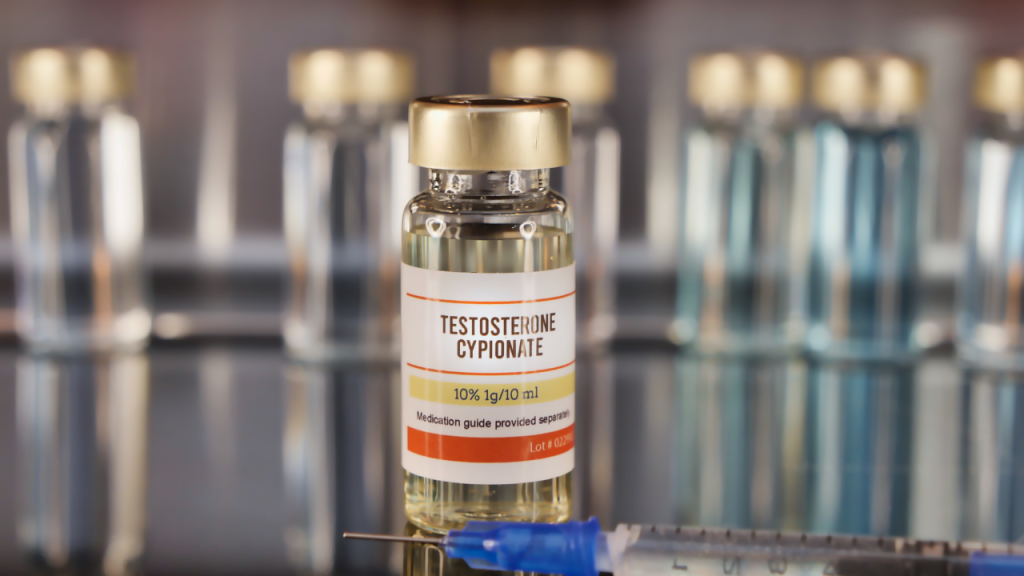
Testosterone injections put the medication directly into the muscle or, with some products, under the skin. Common forms include testosterone cypionate, testosterone enanthate, testosterone propionate and testosterone undecanoate.
Contrarily, testosterone creams are applied directly to the skin daily, from where testosterone gets absorbed into the bloodstream.
The choice between testosterone injections and topical options depends on treatment response, convenience, lifestyle, tolerability, cost and patient preference.
All TRT methods, including injections and creams, require follow-up blood tests to ensure your testosterone is within the desired range and to monitor treatment safety.
What are the potential benefits of testosterone therapy?
According to medical experts and numerous clinical studies, testosterone therapy may provide the following benefits:
- Improve sexual desire
- Improve sexual function
- Favourable changes in body composition
- More lean muscle mass (muscle strength) and less body fat
- Improve bone mineral density
- Better mood and overall sense of well-being
- Diabetes regulation
- Improve erectile function
It is worth noting that TRT can improve overall quality of life but its results can vary from person to person.
What are the risks and side effects of TRT?
TRT can cause some side effects that may become more prominent if T levels rise too much or the treatment is not properly monitored. These include:
- Reduction in fertility (low sperm count)
- Testicular shrinkage
- High red blood cell count
- Fluid retention
- Breast enlargement
- Oily skin
TRT can also increase the risk of blood clots in some men. In the TRAVERSE trial (the largest study to date of TRT), TRT did not raise the overall risk of major cardiovascular events.
Some studies demonstrate TRT’s beneficial effects on certain cardiovascular risk factors.
However, some risks cannot be ruled out, particularly in men with existing heart problems hence regular TRT monitoring should be done.
TRT may also increase prostate-specific antigen in some men, particularly during the first year of the treatment. This is why PSA may be monitored during TRT, especially in men at increased risk of prostate disease.
Does TRT affect fertility?
Yes, TRT affects fertility over time. When you take exogenous (external) testosterone, it suppresses body’s own testosterone production and sperm production and, in some cases, stops it completely.
So, men planning to have children must talk to their doctor about their family plans before starting TRT.
Some treatments like hCG can he used in combination with testosterone therapy to help maintain fertility while you are on TRT.
Is testosterone good for you?
Testosterone treatment is beneficial for men with confirmed testosterone deficiency, but it should not be used simply for general ageing, performance enhancement, muscle building or to boost testosterone when levels are already normal.
Even for low T men, TRT is not always the right choice because the underlying cause may be reversible and treatment carries potential risks such as prostate-related concerns.
Your doctor will consider your testosterone levels, symptoms, and possible risks to decide whether you are the right TRT candidate.
How Balance My Hormones can help
When low testosterone is affecting your health, getting the right diagnosis is the first step. At Balance My Hormones, we take a thorough approach to testosterone testing, treatment and ongoing support to help low T men take control of their health.
Our doctor-led TRT clinic offers everything you need to manage low testosterone in one place. From at-home and comprehensive blood testing to expert consultations, personalised TRT treatment and ongoing monitoring.
If you are experiencing symptoms of low T and want proper medical advice, speak to our professionals today. We will guide you through each step and tailor your treatment around your individual needs.
FAQs about testosterone for men
Does low testosterone cause erectile dysfunction (ED)?
Low testosterone can cause erectile dysfunction but it is not always the underlying cause. According to researchers, 1 in 3 ED men have low testosterone.
Can low testosterone cause weight gain?
Yes, low levels of testosterone can contribute to weight gain, directly or indirectly, by altering body composition, reducing muscle mass, increasing body fat and potentially lowering energy levels and physical activity.
Can low testosterone cause tiredness?
Yes, it can. Tiredness and fatigue are common symptoms of low testosterone.
Can you test your testosterone levels at home?
You can get your testosterone levels checked with the help of at-home testosterone test kits. These kits usually involve collecting a small blood sample and sending it to a lab for testing.
Can I take testosterone if my levels are normal?
Testosterone is a prescription-only medication approved for men with confirmed low T. Taking it with normal testosterone levels can lower your natural testosterone production and cause serious health risks.
Can I get TRT in the UK?
You can get TRT in the UK if you have hypogonadism and your doctor considers you a suitable candidate for treatment.
Where to get testosterone replacement therapy?
TRT is available through the NHS and licensed private clinics across the UK. NHS has strict eligibility criteria while private clinics offer more flexibility.
What happens when a man takes testosterone?
When you take testosterone, your serum testosterone levels rise and low T symptoms may improve over time. Regular blood tests are required to check your new testosterone levels and monitor treatment response.
Is TRT for life?
Not necessarily in every situation. It may be lifelong if the cause of hypogonadism is a permanent problem. Otherwise, it can be reviewed and potentially stopped if testosterone production recovers.
References
Rojas-Zambrano, J.G., Rojas-Zambrano, A.R., Rojas-Zambrano, A.F., Barahona-Cueva, G.E., Rojas-Zambrano, A. and Rojas-Zambrano Sr, A.F., 2025. Benefits of testosterone hormone in the human body: A systematic review. Cureus, 17(2).
Bhasin, S., Lincoff, A.M., Nissen, S.E., Wannemuehler, K., McDonnell, M.E., Peters, A.L., Khan, N., Snabes, M.C., Li, X., Li, G. and Buhr, K., 2024. Effect of testosterone on progression from prediabetes to diabetes in men with hypogonadism: a substudy of the TRAVERSE randomized clinical trial. JAMA Internal Medicine, 184(4), pp.353-362.
Ide, H., 2023. The impact of testosterone in men’s health. Endocrine Journal, 70(7), pp.655-662.
Lincoff, A.M., Bhasin, S., Flevaris, P., Mitchell, L.M., Basaria, S., Boden, W.E., Cunningham, G.R., Granger, C.B., Khera, M., Thompson Jr, I.M. and Wang, Q., 2023. Cardiovascular safety of testosterone-replacement therapy. New England Journal of Medicine, 389(2), pp.107-117.
The post Testosterone for Men: Symptoms, Levels, Testing & Treatment appeared first on Balance My Hormones.
]]>The post Why Don’t I Feel Like Myself Anymore? Signs of Hormonal Changes appeared first on Balance My Hormones.
]]>There can be many reasons for these signs, including major life transitions, stress, poor sleep, mental health changes and even hormonal imbalances.
Hormonal changes are often overlooked in men, yet they can have a noticeable impact on how you feel, think, and function day to day. For men, testosterone, thyroid, cortisol, and insulin are among the key hormones worth considering when unexplained changes persist.
When hormone levels fluctuate, the changes may be subtle at first and easy to mistake for stress, ageing or simply being run down.
Symptoms of hormonal imbalance in men
Here are the common signs that indicate your hormones could be changing and making you feel off.
Persistent fatigue
You feel exhausted and tired most of the day, even after what seemed like a good night’s sleep. Coffee may get you through the morning, but the tiredness keeps coming back.
Low thyroid hormone levels and testosterone hormone imbalance may cause this issue.
Lack of motivation
You don’t feel like doing much, even when you know there are things you need to get done. Finding the energy to take basic actions feels harder than it used to. You may judge yourself for being lazy which only adds more to the stress.
Major life changes and rising stress levels can make this experience more deeply unsettling.
Brain fog
Your brain constantly feels foggy and unclear. You start a conversation but forget what you were talking about in the middle of the sentence. Your focus and concentration levels have declined significantly, so simple tasks take much longer now.
Mood changes or increased irritability
You may notice more frequent mood swings, feel unusually irritable, or find yourself dealing with periods of high anxiety levels or depression.
Hot flashes
You may experience sudden feelings of heat or sweating, sometimes waking up with night sweats. In adult men, hot flashes can occur with testosterone deficiency (hypogonadism) according to the EAU, although they can also have other causes.
Hormonal changes can trigger similar symptoms in many women during major hormonal transitions, including changes during the menstrual cycle, pregnancy and the menopause transition.
Low sex drive
Another common sign of male sex hormone testosterone deficiency is low libido. You may notice that sex simply crosses your mind less often.
Erectile dysfunction (ED)
You may have started experiencing erection problems that were not an issue for you before. ED can have many causes but it can occur alongside testosterone deficiency, particularly when your sex drive has also decreased.
Unexplained weight changes
Your diet and your physical activity level are the same yet you are noticing weight gain or weight loss.
Skin and hair changes
You may notice a hormonal acne breakout, skin dryness or hyperpigmentation that keeps getting worse. Your hair growth cycle may also disrupt, causing hair loss.
How do I know if my symptoms are hormone related?
Hormone-related symptoms are often continuous and may occur in a pattern, rather than appearing as one isolated change.
They are confirmed through a proper medical evaluation. Your doctor will review your signs and medical history. If they suspect a hormonal issue, they will run hormone blood tests, like a testosterone blood test, to confirm your hormone levels.
How can changing testosterone levels affect how you feel?
Testosterone is popularly known as a reproductive hormone but its role extends far beyond sexual health.
It can interact with brain pathways involved in emotional regulation. Besides that, it can also affect mood, sleep, cognitive function, motivation and physical performance – all of these can shape how you feel mentally and physically.
When should I make an appointment?
You should consider speaking to a healthcare provider if:
- Your symptoms persist and keep getting worse with the passage of time.
- Your go to coping techniques are also not working so well lately.
- You are finding it difficult to manage your symptoms on your own.
What tests should I get done?
Your doctor will decide which tests to perform after a thorough evaluation. Common tests that may be performed if a hormonal issue is suspected in men include:
- Total testosterone
- SHBG and free testosterone, when appropriate
- LH and FSH to help identify the cause of low testosterone
- TSH and free T4 to assess thyroid function
Other tests may be recommended based on your individual case.
Depending on your symptoms, your doctor may also investigate how the endocrine system is functioning, including whether the pituitary gland or adrenal gland could be involved.
What happens after testing?
Your doctor will start a medical treatment plan only if needed, based on your test results and overall health.
For confirmed low levels of testosterone, testosterone replacement therapy (TRT) may be prescribed to suitable candidates. It involves administering testosterone to replace the hormone your body is not producing in sufficient amounts.
TRT comes in different forms such as testosterone injections, skin patches, gels and pills. Each form of this hormone replacement therapy has its own pros and cons.
Could testosterone replacement therapy help you feel like yourself again?
TRT can help manage persistent symptoms of low testosterone, including the feeling of “not feeling like yourself”, but its effects can vary between individuals.
A 2024 TestES evidence review included 35 trials involving 5,601 randomised participants, with individual participant data available from 17 trials involving 3,431 participants.
It found that testosterone replacement therapy improved sexual function and quality of life in almost all patient subgroups studied.
Whether TRT can help you feel more like yourself depends on whether low testosterone is actually contributing to your symptoms and how you respond to treatment.
Although TRT is an effective treatment but it’s not suitable for all. Discuss your options with your healthcare professional before choosing one.
Conclusion
Many factors can affect the human body and its normal bodily processes, from changes in stress levels and sleep patterns to shifts in certain hormones.
Hormonal fluctuations produce mental and physical signs, such as persistent fatigue, low sex drive, skin problems, poor concentration and more.
If these symptoms persist and worsen over time, speak to a doctor to find out what may be causing them.
Hormonal conditions are diagnosed through a proper medical assessment and blood tests when required.
If testosterone deficiency is confirmed, appropriate treatment may help improve the symptoms affecting how you feel.
References
Cruickshank, M., Hudson, J., Hernández, R., Aceves-Martins, M., Quinton, R., Gillies, K., Aucott, L.S., Kennedy, C., Manson, P., Oliver, N. and Wu, F., 2024. The effects and safety of testosterone replacement therapy for men with hypogonadism: the TestES evidence synthesis and economic evaluation. Health Technology Assessment (Winchester, England), 28(43), p.1.
Liu, P.Y. and Reddy, R.T., 2022. Sleep, testosterone and cortisol balance, and ageing men. Reviews in Endocrine and Metabolic Disorders, 23(6), pp.1323-1339.
The post Why Don’t I Feel Like Myself Anymore? Signs of Hormonal Changes appeared first on Balance My Hormones.
]]>The post Why Do I Feel Tired Every Afternoon? Causes of Low Energy in Men appeared first on Balance My Hormones.
]]>Your mind feels foggy and your body feels drained even after taking a break or having lunch. Getting through the rest of the day feels like a real struggle.
If that’s how you feel every afternoon, worry not; you are not alone.
An afternoon slump is a common dip in energy that can happen as part of your body’s natural circadian rhythm. Its intensity, however, can vary based on individual factors.
For someone with a healthy lifestyle, it may feel like a minor blip in energy. But with unhealthy habits or an underlying health issue, the crash can feel like a truck hit you.
This article explains the top reasons why you may be feeling tired every afternoon. We also mention how to fix low energy in men effectively.
Why am I so fatigued every afternoon?
You have a disrupted circadian rhythm.
Circadian rhythm is your body’s internal 24-hour clock that regulates wakefulness, sleep, hormone release, and more.
Research confirms that the post-lunch dip is a natural phenomenon driven by our internal clock. So, it is normal to feel sleepy and less alert during early afternoon hours.
But if your circadian rhythm is disturbed due to night shifts or an irregular sleep schedule, afternoon fatigue can become more pronounced.
Your choice of food is making things worse.
Research shows that your meal size and composition can influence post-meal sleepiness.
A calorie-rich lunch high in refined carbohydrates causes a quick rise in blood glucose, followed by a drop as glucose is cleared from the bloodstream. That quick rise and fall in glucose levels can make you feel low on energy.
Similarly, some studies show that certain food components (like tryptophan amino acid) may promote serotonin hormone production, which could induce sleepiness.
You did not have enough sleep last night.
Most adults need at least 7 hours of slumber each night to support healthy daytime functioning. When you consistently cut your sleep short, daytime sleepiness, fatigue, and brain fog can catch up with you.
Sleep loss can also change your appetite and food choices.
A randomised trial found that sleep restriction increased hunger, fatigue, and the desire for snacks. If poor sleep pushes you toward sugary foods, those choices may further negatively impact your energy levels.
You are not drinking enough water.
Dehydration can make your natural midday dip worse by reducing your blood volume and making energy production processes less efficient.
Research suggests that losing as little as 1–3% of body weight through fluid loss can increase tiredness.
You are exercising too much or too little.
Excessive exercise can deplete your muscle’s glycogen stores (energy source) and lead to a midday energy dip. This effect is more prominent if you don’t take care of your body’s post-exercise nutritional needs and rest requirement.
In contrast, a sedentary lifestyle can weaken your muscles and stamina, reducing your overall energy level.
You have a hormonal imbalance or an underlying medical condition.
Hormones are the chemical messengers that your body produces in a specific amount to meet its needs. Their imbalance can impact different body processes. For example, low testosterone can contribute to persistent fatigue, muscle weakness, and low motivation.
Similarly, certain health problems can also make the afternoon energy crisis feel more intense.
Medical issues that can contribute to afternoon tiredness or even chronic fatigue include:
- Hypothyroidism
- Hypogonadism
- Diabetes
- Iron deficiency
- Vitamin D deficiency
- Digestive disorders
- Eating disorders
- Sleep apnea
- Insomnia
- Anxiety, depression, or other similar mental health issues
- Certain medications
If you have a healthy lifestyle yet your severe fatigue is not going away, it is best to talk to a medical professional to identify the actual cause.

How to stop feeling tired in the afternoon?
Here are the best practical tips that can help you avoid afternoon slump to some extent.
- Step away from your work desk and take a little refreshing break.
- Eat a balanced lunch. Avoid sugary snacks, processed foods, and heavy meal. Instead, have lean protein and complex carbs.
- Wake your body up with sunlight exposure.
- Reset your daily schedule. Use your high-energy hours for demanding work and save your lower-energy hours for tasks that require less mental effort.
- Take a 30 to 40 minutes long nap.
- Stay hydrated.
- Prioritise your sleep over doom scrolling.
- Maintain a healthy weight.
- Exercise regularly to boost hormones that increase energy.
Seek treatment if lifestyle changes like healthy diet, regular exercise and good sleep quality don’t help you fight tiredness.
What blood tests may be considered for low energy?
Low energy is mostly a result of poor lifestyle habits, such as little to no sunlight exposure, low physical activity level, poor diet, and lack of sleep.
If your energy problem is because of your lifestyle, testing may not be necessary if your energy improves after making healthy lifestyle changes.
But if you suspect an underlying health issue, your doctor may recommend a few blood tests.
Depending on your symptoms and medical history, these may include tests for thyroid function, blood glucose, iron levels, or certain hormones.
If low testosterone is suspected, testosterone blood tests can help determine whether your symptoms are related to hypogonadism (low T).
General afternoon slump vs low testosterone
The key difference is that a normal afternoon slump is usually time-specific, while low energy caused by testosterone deficiency persists beyond the afternoon.
Low testosterone can cause fatigue symptoms alongside many other symptoms, such as:
- Lack of motivation
- Irritability or low mood
- Hot flushes
- Brain fog
- Decrease in muscle mass
- Low sex drive
- Loss of bone density
A testosterone blood test is required to confirm testosterone deficiency. If low T is diagnosed through a proper medical evaluation, your doctor may suggest testosterone replacement therapy (TRT).
Testosterone is prescribed to men with confirmed testosterone deficiency when the potential benefits outweigh the risks and there are no contraindications to treatment. It may help low T men boost energy levels and improve overall quality of life.
Conclusion
Afternoon tiredness is a natural phenomenon but some lifestyle factors and medical health issues can intensify it.
If you are experiencing fatigue, observe your lifestyle closely to identify what could be contributing to it. Poor sleep, low water intake, poor diet, stress, alcohol consumption, and inactivity are some of its main lifestyle related contributing factors.
Sometimes, having very low energy consistently despite having a healthy lifestyle can indicate underlying health conditions such as low testosterone or iron deficiency.
Instead of relying on guesswork, consider reliable testing to confirm the true cause of unexplained fatigue. Talk to a healthcare provider today to determine whether testing or evaluation is required in your case.
References
Lv, W., Finlayson, G. and Dando, R., 2018. Sleep, food cravings and taste. Appetite, 125, pp.210-216.
Monk, T.H., 2005. The post-lunch dip in performance. Clinics in sports medicine, 24(2), pp.e15-e23.
Cohen, J., Nassau, D.E., Patel, P. and Ramasamy, R., 2020. Low testosterone in adolescents & young adults. Frontiers in endocrinology, 10, p.916.
The post Why Do I Feel Tired Every Afternoon? Causes of Low Energy in Men appeared first on Balance My Hormones.
]]>The post Do GLP-1 Weight Loss Drugs Increase Testosterone Levels? appeared first on Balance My Hormones.
]]>For millions of men, low testosterone is discussed as a hormonal problem. Increasingly, however, researchers are looking at the metabolic health behind it.
Obesity, insulin resistance and type 2 diabetes are all associated with lower testosterone levels. This means that, for some men, low testosterone isn’t necessarily a problem occurring in isolation. It can be part of a much wider metabolic picture.
That has made the rapid growth of GLP-1 weight-loss drugs particularly interesting.
Originally developed to treat type 2 diabetes, GLP-1 receptor agonists are now widely used in obesity treatment. Drugs in this broader field include semaglutide, the active ingredient in Ozempic and Wegovy, and liraglutide, sold as Saxenda and Victoza.
Now researchers are asking another question: what happens to testosterone when men taking these drugs lose substantial amounts of weight and improve their metabolic health?
The early results are intriguing.
What does the research say about GLP-1 drugs and testosterone?
A 2025 systematic review and meta-analysis published in BMC Urology brought together the available evidence on GLP-1 receptor agonists and testosterone.
Researchers initially identified 1,129 articles. After screening them, only four studies met the criteria for inclusion in the final analysis.
Combined, these provided data for 219 patients before GLP-1 treatment and 216 following treatment. The average age was 47.2 years.
The researchers found a statistically significant increase in total testosterone following GLP-1 receptor agonist treatment. Bioavailable testosterone also increased significantly.
At the same time, HbA1c — a key measure of long-term blood glucose control — fell significantly.
The authors concluded that the findings point towards possible “dual metabolic and endocrine benefits” from GLP-1 therapy.
That’s potentially important. It suggests that the benefits associated with these drugs may extend beyond weight and blood sugar into hormonal health.
But there is a catch.
Free testosterone did not change significantly in the analysis, and neither did sex hormone-binding globulin (SHBG). There was also considerable variation between the studies.
So this isn’t evidence that Ozempic or Wegovy should suddenly be prescribed as testosterone treatments. Far from it.
It does, however, give researchers a compelling reason to investigate the relationship further.
Why does obesity lower testosterone?
To understand why GLP-1 drugs might affect testosterone, you first need to look at the relationship between body fat and male hormones.
Obesity is strongly associated with reduced testosterone levels. Excess body fat can affect insulin sensitivity, inflammation and the hormonal signals connecting the brain and testes.
Fat tissue also contains an enzyme called aromatase, which converts testosterone into oestrogen.
In some men, the result is obesity-related functional hypogonadism — low testosterone associated with obesity rather than permanent failure of the testes.
The word “functional” is important.
It means the hormonal problem may, at least in some cases, be reversible.
Lose enough weight, improve insulin sensitivity and reduce the metabolic disruption associated with obesity, and testosterone production may begin to recover.
That makes GLP-1 medications interesting for a reason that has relatively little to do with testosterone replacement itself.
They may be addressing one of the underlying causes of the hormonal imbalance and underlying problem.
A trial comparing liraglutide with testosterone produced surprising results
One of the most interesting studies was carried out by endocrinologist Mojca Jensterle and colleagues.
The researchers studied 30 men with obesity-associated functional hypogonadism who had not responded sufficiently to lifestyle measures.
The men had an average BMI of 41.2 and were randomly assigned to receive either the GLP-1 drug liraglutide or testosterone replacement therapy (TRT) for 16 weeks.
Testosterone increased in both groups.
Men receiving TRT experienced an average increase in total testosterone of 5.9 nmol/L. Those taking liraglutide saw an increase of 2.6 nmol/L.
On the surface, TRT therefore produced the larger testosterone increase.
But look at what happened to body weight.
The men taking liraglutide lost an average 7.9 kg during the 16 weeks.
Those receiving testosterone lost just 0.9 kg.
There was another notable difference.
Luteinising hormone (LH) and follicle-stimulating hormone (FSH) increased significantly in the liraglutide group. These hormones form part of the signalling system that stimulates the testes.
The researchers ultimately concluded that liraglutide was “superior to TRT in improving an overall health benefit” in these men after lifestyle measures had failed.
That doesn’t mean liraglutide is a better treatment for every man with low testosterone. But it illustrates an important distinction.
Testosterone therapy gives the body testosterone, whereas GLP-1 medication seems to improve testosterone levels as a side-effect of reducing body fat.
Weight-loss treatment may, in certain men with obesity-related hypogonadism, help remove some of the conditions suppressing the body’s own hormonal system.
What about GLP-1 drugs and male fertility?
This may be an even more interesting area of research.
In 2023, Sandro La Vignera and colleagues published a study involving 110 men aged between 18 and 35 with metabolic hypogonadism.
Different groups received gonadotropin therapy, liraglutide or transdermal testosterone over four months.
The researchers reported significant improvements among the men receiving liraglutide, including higher total testosterone and SHBG levels.
They also found improvements in conventional sperm parameters and erectile function.
The researchers described their results as demonstrating, for the first time, the potential efficacy of liraglutide in men with metabolic hypogonadism.
That’s particularly interesting when fertility matters.
Traditional testosterone replacement can suppress LH and FSH, reducing the signals required for sperm production. That’s why men who are trying to conceive need to discuss fertility with their doctor before starting TRT.
A treatment that improves metabolic health while allowing the body’s reproductive axis to function normally could therefore offer a very different therapeutic approach.
But again, the research remains early.
Does semaglutide increase testosterone?
This is where some online discussion gets ahead of the evidence.
It would be premature to say that semaglutide — or Ozempic specifically — has been proven to boost testosterone.
Much of the earlier clinical research in the meta-analysis involved liraglutide, not semaglutide. Three of the four studies included in the 2025 analysis used liraglutide, while another used exenatide.
The broader hypothesis is nevertheless plausible: if GLP-1-based treatment produces significant weight loss and improves insulin resistance, men whose testosterone has been suppressed by obesity may experience an improvement in their hormonal profile.
Whether GLP-1 drugs also have direct effects on the male reproductive hormonal system remains an open research question.
So are GLP-1 drugs a treatment for low testosterone?
Not currently, and TRT has more research behind it as a better solution for restoring natural testosterone levels.
The 2025 meta-analysis itself highlights the limitations of the evidence.
Only four studies were eligible for inclusion, and there was very high statistical heterogeneity for some outcomes. For total testosterone, heterogeneity reached 97%, meaning the results differed substantially between studies.
The authors called for “robust randomized controlled trials with larger cohorts and longer follow-up.”
That’s an important sentence to remember amid some of the more enthusiastic claims appearing online.
We have a signal.
We don’t yet have a definitive answer.
The bigger story may not be about “boosting” testosterone at all
Perhaps the most interesting part of this research is the way it changes the question.
Instead of asking, “How can we raise testosterone?”, clinicians may increasingly need to ask, “Why is this man’s testosterone low in the first place?”
For a man with permanent testicular or pituitary dysfunction, losing weight isn’t going to magically solve the underlying condition.
But obesity-related functional hypogonadism is different.
If metabolic dysfunction is contributing to low testosterone, treating that dysfunction may allow testosterone levels to recover naturally.
That’s why the relationship between GLP-1 drugs and testosterone deserves further attention.
These medications shouldn’t be thought of as testosterone boosters, and the current evidence certainly doesn’t justify taking a GLP-1 drug solely to increase testosterone.
But the early research points towards something potentially more significant.
For some men with obesity, improving metabolic health and losing substantial weight may help restore a hormonal system that wasn’t permanently broken — it was being suppressed by the metabolic environment around it.
As larger studies of semaglutide and other GLP-1-based therapies emerge, we’ll get a clearer picture of just how important that effect might be.
For now, the evidence suggests an intriguing connection between weight loss, metabolic health and testosterone — and one that could eventually influence how obesity-related low testosterone is treated.
Frequently Asked Questions
Do GLP-1 drugs increase testosterone?
Research suggests GLP-1 receptor agonist treatment may be associated with increases in total and bioavailable testosterone in some men, particularly those with obesity or metabolic dysfunction. However, the evidence remains limited and GLP-1 drugs are not currently approved specifically as treatments for low testosterone.
Does Ozempic increase testosterone in men?
There is not yet enough evidence to say that Ozempic itself directly increases testosterone. Research suggests that GLP-1-based treatment and the resulting weight loss and metabolic improvements may help testosterone levels recover in some men with obesity-related functional hypogonadism.
Can losing weight increase testosterone?
Yes. Weight loss has been associated with improved testosterone levels in men with obesity. This is one reason researchers believe some of the testosterone improvements observed during GLP-1 treatment may be related to weight loss and improved insulin sensitivity.
Can GLP-1 drugs improve male fertility?
Early studies have reported improvements in reproductive hormones and some sperm parameters, but there is not yet enough evidence to conclude that GLP-1 drugs are fertility treatments. Men taking testosterone or GLP-1 medications who are trying to conceive should discuss their treatment with an appropriately qualified clinician.
References
Orra SH, Martinez JVN, Porto BC, et al. Effect of GLP-1 agonists on testosterone levels: a systematic review and meta-analysis. BMC Urology. 2025;25:311. doi:10.1186/s12894-025-02005-0.
Jensterle M, Podbregar A, Goricar K, Gregoric N, Janez A. Effects of liraglutide on obesity-associated functional hypogonadism in men. Endocrine Connections. 2019;8(3):195–202. doi:10.1530/EC-18-0514.
La Vignera S, Condorelli RA, Calogero AE, Cannarella R, Aversa A. Sexual and Reproductive Outcomes in Obese Fertile Men with Functional Hypogonadism after Treatment with Liraglutide: Preliminary Results. Journal of Clinical Medicine. 2023;12(2):672. doi:10.3390/jcm12020672.
The post Do GLP-1 Weight Loss Drugs Increase Testosterone Levels? appeared first on Balance My Hormones.
]]>The post Why Have I Lost My Drive & Motivation? Common Causes in Men appeared first on Balance My Hormones.
]]>If that sounds familiar, it may not simply be a matter of being lazy or having an “off” day.
A noticeable drop in motivation and drive can have several causes in men, such as lack of purpose, burnout, depression, and low testosterone.
Read the article to learn what factors cause low motivation and drive in men. We have also outlined effective methods to help you address this problem.
Common causes of low motivation & drive in men
Enlisted below are the top reasons men lose motivation and drive.
No purpose or direction in life
Your purpose or “why” behind every task gives you direction, motivation, and strength to deal with hardships. But when this “why” is absent or not strong enough, work, routine, and even simple tasks feel pointless and weigh heavily on you.
There is no real sense of reward at the end of any task, so you stop having much to look forward to.
Burnout
Burnout can cause low motivation because prolonged stress and mental exhaustion can affect the brain chemistry involved in motivation and reward. Over time, activities may feel less rewarding, while even everyday tasks can seem to require more effort.
Sleep depravation
At the end of each day, sleep acts as a reset button that helps the brain flush out toxins, repair itself, and get ready for the next day. When you regularly cut that recovery short, tasks can feel more mentally demanding and you find it harder to invest effort in them.
Make sure you get enough sleep (at least 8 hours each night) to fully recharge your mind, body, and soul for the next day.
Overstimulation and comfort
The modern environment we live in today is constantly working against us. Easy distractions and instant rewards that require little to no effort are everywhere you look.
Many men, especially young healthy men, have become accustomed to quick stimulation. They now find it harder to stay engaged and motivated towards goals that take real effort.
Depression
Lack of motivation and drive is one of the main symptoms of clinical depression. People experiencing depression seem to have no mental and physical energy required to do basic daily tasks.
Depression is not simply a psychological state. It has the potential to change brain structure, hormone levels, and neurochemical balance. Together, these effects can add to the loss of motivation and low mood.
Speak to a mental health professional if you think you have depression symptoms.
Low testosterone
Research indicates that testosterone is linked to ambition, competitiveness, confidence, and motivation in men. Low testosterone levels may dampen these traits.
Men with low testosterone may feel less driven to pursue goals or take on challenges. Other low T signs that can add to this include:
- Low mood
- Low energy levels
- Trouble concentrating
- Brain fog
- Reduced self-confidence/low self-esteem
Thyroid problems
Thyroid hormones regulate many different functions in the body, including metabolic rate, energy levels, and brain growth.
Low thyroid hormone levels, a condition called hypothyroidism, can cause your motivation and drive to slump. Other symptoms of hypothyroidism that can further affect motivation include:
- Decreased alertness
- Slowing of thought
- Low mood
- Low concentration
- Brain fog
- Fatigue
Hormone imbalance due to abnormal thyroid function can be diagnosed with the help of hormone blood tests.

How to restore your drive & motivation?
Motivation levels can influence your work performance, personal relationships, and health in so many different ways. That is why maintaining motivation matters far beyond simply getting things done.
Here is how you can improve your drive:
Lifestyle improvement
Making positive lifestyle changes can have a positive impact on your overall personality, including your mood, motivation, and energy levels. Here are a few effective methods you should consider to raise motivation:
- When feeling overwhelmed, write down your thoughts on a piece of paper to clean up the mental mess.
- Consider 7 to 8 hours of consistent sleep as important as breathing and eating.
- Replace junk food and ultra-processed eatables with healthy alternatives. Make healthy diet your lifestyle. Include adequate protein, whole carbs, and healthy fats to all your meals.
- Exercise regularly, even if it is just a walk.
- Learn healthy coping skills like deep breathing, meditation, mindfulness, and talking to someone you trust to support cognitive function.
- Set realistic goals and celebrate small wins.
- Do not hesitate to seek support when daily life feels overwhelming.
Medical treatment
Sometimes lifestyle changes can help improve motivation. But when they are not enough, you should get medical assistance to feel like yourself again.
Here is how you can improve drive if lifestyle changes are not helping:
Talk to a healthcare provider: Sharing all your concerns with a doctor can be a reliable starting point for figuring out what is behind your motivation problems.
Get a blood test done: Get a clear picture of your hormonal shifts through comprehensive testing to determine if hormones are causing these symptoms.
Start a treatment: Start prescribed treatment to treat the specific issue and work toward restoring your normal drive.
Can TRT help improve my motivation & drive?
For men with clinically low testosterone, yes, TRT can be effective in getting their motivation back.
Testosterone replacement therapy (TRT) involves administering supplemental testosterone to increase serum testosterone levels in men with abnormally low T.
When testosterone levels return to the normal range, many men report improvements in their low T symptoms.
Available evidence shows that TRT may help men with low testosterone production:
- Improve good mood and positive emotions
- Reduce mood changes and negative thoughts
- Boost motivation
- Increase mental clarity
- Gain self-confidence
- Improve mental well-being
- Increase concentration
- Decrease anxiety
Men who actually have a low testosterone level (you can check your T levels through a testosterone blood test) should talk to hormone specialists. They can make a medical diagnosis and prescribe a suitable treatment plan for hormonal balance.
What to do next
Men can face persistent lack of motivation due to multiple reasons, such as:
- Chronic stress
- Poor sleep quality
- Certain mental health conditions conditions depression
- Hormonal imbalances
- Testosterone deficiency
- Nutritional deficiencies
Persistently low motivation can take a toll on your everyday life. You can lose your connection with everything around you, even your own self.
Do not let reduced motivation take away from the life you value. Take charge of your personal life and take the necessary steps to get your drive back.
Start by making some healthy lifestyle changes to gain motivation. If they don’t make a difference, consider seeing a doctor. Explain everything you have been dealing with from A to Z so they can work out the right next steps.
If low T turns out to be the problem, which is a common concern among men, ask your doctor about ways to raise your testosterone levels. They may suggest TRT. Before starting, though, make sure you understand both potential benefits and risks of the therapy.
References
Zitzmann, M., 2020. Testosterone, mood, behaviour and quality of life. Andrology, 8(6), pp.1598-1605.
Saad, F., Aversa, A., Isidori, A.M., Zafalon, L., Zitzmann, M. and Gooren, L., 2011. Onset of effects of testosterone treatment and time span until maximum effects are achieved. European journal of endocrinology, 165(5), pp.675-685.
The post Why Have I Lost My Drive & Motivation? Common Causes in Men appeared first on Balance My Hormones.
]]>The post Why Am I So Irritable Lately? Understanding Mood Swings in Men appeared first on Balance My Hormones.
]]>Traditionally, mood swings are dismissed as a “women’s thing,” but in reality men experience them too. Science tells us guys go through emotional ups and downs just like anyone else.
Most often, men experience mood swings due to everyday pressure, poor sleep, ongoing stress, or a disturbed routine. But if your mood changes have become more frequent and they are getting out of control, this may mean something deeper is going on.
In this article, we will talk about mood changes in men in detail, including the main causes behind mood swings and practical steps you can take to take control of your mood again.
What are the symptoms of mood swings in men?
Mood swings in men often mean sudden or extreme emotional shifts, sometimes without an obvious trigger. Here are common signs of mood changes that many men experience:
- Irritability
- Hypersensitivity
- Anger
- Sadness
- Frustration
- Restlessness
- Anxiousness
- Depressive thoughts
- Low self-confidence
- Fluctuation in energy levels
- Impatience
- Withdrawal
- Sleep disturbances
- Cognitive issues (lack of focus, brain fog and racing thoughts)
The term irritable male syndrome (IMS) is sometimes used to describe this pattern of mood changes.
Seek medical assistance if your moodiness becomes out of control or severe.
Top 10 causes of mood swings in males
1. Life transitions
Some major shifts in your daily routine or roles, such as going through a divorce, losing a loved one, or changing jobs, force a person to change their habits. This can feel stressful and overwhelming and contribute to mood changes, even if it is because of a good change.
2. Stress and pressure
Work or relationship stress, grief or anxiety can cause frequent mood ups and downs.
3. Poor sleep
Studies suggest that lack of sleep can increase negative emotions while simultaneously decreasing good emotions. It can also make simple tasks feel tough, further aggravating frustration and irritability.
Sleeping well can help return the mood back to normal.
4. Certain medications
Unwanted changes in mood can be a potential side effect of some medications, such as blood pressure drugs, hormone therapy, anabolic steroids, and corticosteroids.
If you are experiencing extreme mood changes that you think may be caused by a medication, don’t stop taking it on your own. Speak to your healthcare provider, who can advise whether a different medication may be more suitable.
5. Substance use
Tobacco, marijuana and alcohol consumption can change your brain chemicals that control mood. This can lead to emotional highs and lows.
Quitting them can also cause grumpiness and mood swings for a while.
6. Testosterone decline
Men experience a gradual decline in testosterone levels as they age. Studies show that low testosterone can result in irritability and mood changes. Other low T symptoms like low sex drive and cognitive decline can further exacerbate this effect.
However, it is worth noting that age-related testosterone reduction does not mean every man will develop these symptoms. Many experience no noticeable problems at all.
7. Thyroid issues
Overactive thyroid, a condition named hyperthyroidism, can make thyroid gland produce more hormones than required. One of its many affects is getting angry over small things or sudden mood swings.

8. Mental health disorders
Sometimes, abrupt mood changes can be the result of mental health conditions, such as:
- Male depression
- Anxiety
- Bipolar disorder
- Attention-deficit/hyperactivity disorder (ADHD)
- Post-traumatic stress disorder (PTSD)
If mood changes come with persistent low mood, loss of interest or other depression symptoms, speak to a mental health professional.
9. Neurological conditions
Brain disorders, such as Alzheimer’s disease, brain tumour, normal pressure hydrocephalus, and traumatic brain injury can all impact your mood and emotions.
Because of these conditions, the areas of the brain responsible for emotion control can become temporarily or permanently affected, which may lead to changes in behaviour.
10. Abnormal blood sugar levels
Research indicates that both high and low glucose levels can make a person feel confused, irritable and not like themselves.
How to control mood swings?
Pinpointing the root cause of your behavioral change is the first thing you need to do to improve your mood swings.
Mood changes can affect your daily life, physical health and overall well-being. For most men, making healthy lifestyle changes can produce a significantly positive impact on their overall mood and mental health. Some examples of effective healthy lifestyle habits include:
- Make regular exercise your best friend as regular physical activity can support your mental health and help feel more balanced.
- Find healthy coping mechanisms to manage day to day stress.
- Learn to express your emotions as healthy emotional expression can help process difficult feelings rather than bottling them up.
- Prioritise sleep over doomscrolling.
For those who have mood problems due a medical issue like hormonal imbalance, speaking to a healthcare provider can help find the right way forward.
Hormone therapy may work for people with low testosterone and other hormonal problems. Similarly, managing sugar levels may be effective for most people with sugar problems.
Start with positive lifestyle changes for moderate mood issues. Go see a health professional or a GP if the lifestyle modifications do not work or if you have extreme mood swings.
Does low testosterone cause mood swings in men?
Testosterone is a vital male hormone that is linked to emotional regulation and emotional stability. Its low levels can cause behavioral problems in some men. High testosterone levels can also produce similar effects.
However, these symptoms can be related to lifestyle factors and some mental health problems, making it difficult to diagnose the hidden cause.
Talk to an endocrinologist if you suspect you are experiencing hormonal fluctuations.
Signs your mood changes may be due to low testosterone
If low testosterone is behind your mood changes, you may notice other symptoms alongside increased irritability. These include:
- Low sex drive
- Erectile dysfunction
- Loss of muscle mass
- Bone weakness
- Fatigue, tiredness or low energy
- Loss of self-confidence
- Difficulty concentrating or brain fog
Diagnosis requires both typical symptoms and a confirmed low morning total testosterone level on two occasions. Testosterone levels are checked through simple testosterone blood tests.
If symptoms persist or worsen, a clinician’s evaluation is advised. They may prescribe hormone therapy if you are the right candidate.
Testosterone replacement therapy (TRT) comes with both potential pros and cons. Discuss them with your doctor in detail before choosing it for managing low T.
Summing it up
Almost every person experiences mood swings for multiple reasons, including a life phase (adulthood, old age, etc.), mental health problem, high stress hormone, low testosterone, lack of sleep, etc.
In most cases, they improve on their own with the improvement of the lifestyle. But if they still persist, this may indicate an underlying condition is causing mood problems.
For mood swings due to low T, TRT may help restore your testosterone hormone levels and improve associated symptoms. Talk to our health professional today to determine if testosterone is the culprit behind your mood swings. Find the right way to address this problem.
References
Cohane, G.H., 2005. The Irritable Male Syndrome: Managing the 4 Key Causes of Depression and Aggression. International Journal of Men’s Health, 4(1), p.94.
Jung, H.J. and Shin, H.S., 2016. Effect of testosterone replacement therapy on cognitive performance and depression in men with testosterone deficiency syndrome. The world journal of men’s health, 34(3), p.194.
The post Why Am I So Irritable Lately? Understanding Mood Swings in Men appeared first on Balance My Hormones.
]]>The post What Causes Brain Fog in Men? Signs, Symptoms & Solutions appeared first on Balance My Hormones.
]]>Nearly all men experience mental muddiness at some point in their lives due to lifestyle factors, including poor sleep and excessive screen time. However, some health problems like hormonal imbalance, diabetes, and autoimmune diseases can also cause it.
Brain fog is a temporary problem in most cases but if it persists, it may be a sign of an underlying health condition that needs medical attention.
What are the symptoms of brain fog?
Brain fog is subjective and can present differently from one person to another. People experiencing brain fog often report the following signs:
- Difficulty finding the right words
- Trouble holding conversations
- Absent-mindedness
- A sense of confusion
- Slower thinking
- Problem staying focused and difficulty concentrating
- Inability to retain new information
- Difficulty making decisions and plans
- Overwhelmed by simple routine tasks
- Mental fatigue and tiredness
- Impaired mental clarity
- Taking more time than usual to process information
What does brain fog feel like?
Brain fog can make you feel spaced out or like your brain has become ‘clouded.’
You go to a room and forget the reason. You unlock your phone to do something and then forget why you picked it up in the first place. You don’t remember what you ate yesterday or even for breakfast. During a conversation, you suddenly lose your train of thought.
You feel like your brain is running in slow motion. Things that once felt effortless now feel overwhelming.
What causes brain fog in men?
Brain fog in men may result from one or a combination of the following factors.
Lifestyle factors
Lack of sleep
Sleep deprivation is one of the leading causes of brain fog. Your brain needs time to get rid of mental clutter and recharge. When you don’t give it enough time to do so, it starts lagging and performing poorly.
Chronic stress
Prolonged exposure to stress hormones (cortisol) can interfere with cognitive function.
Smoking or vaping
Various studies show that vaping and smoking can negatively impact mental clarity, memory, and attention.
Drinking excessive alcohol
Heavy drinking can affect how brain chemicals work and can also lead to brain damage in men.
High screen time
Growing evidence suggests that prolonged screen time is associated with thinning of the cerebral cortex, a brain region responsible for memory, attention, and other cognitive functions.
Hormonal imbalances
Low testosterone
Research suggests that testosterone influences brain structure, neurotransmitter systems, and the activity of brain regions involved in memory, attention and cognition.
Men with low testosterone are more likely to report poor concentration, memory problems, mood changes, and reduced mental clarity.
Thyroid hormone issues
Both overactive and underactive thyroid disorders can impact focus, memory, and other cognitive functions in men.
Medical conditions
Mental cloudiness can be a symptom of some diseases, such as:
- Cancer
- Diabetes
- Hepatitis
- Kidney dysfunction
- HIV
- Long COVID-19
- Chronic fatigue syndrome
- Mental health conditions like anxiety and depression
- Sleep apnoea
- Chronic insomnia
- Autoimmune conditions (fibromyalgia, lupus, and multiple sclerosis)
- Neurodivergent conditions (ADHD and autism)
- Nutritional deficiencies (vitamin B12, vitamin D, iron)
Certain medications
Some medicines can also slow down brain activity and lead to brain fog. These include:
- Cancer treatment: Data reveals that around 75% of cancer survivors experience ‘chemo fog’ after chemotherapy.
- Pain relievers and sleep aids
- Anti-anxiety drugs
How to treat brain fog in men?
Temporary brain fog often goes away on its own with simple lifestyle habits. However, long-term brain fog, which is often the result of an underlying condition, may improve with the improvement of its root cause.
For instance, brain fog caused by vitamin B12 deficiency often improves after correcting the deficiency.
Similarly, if testosterone deficiency is making your brain foggy, restoring testosterone levels may help improve concentration, mental clarity, and overall cognitive function.
In short, there is no one-size-fits-all treatment for brain fog. You should work on pinpointing the source of the problem. Once it has been identified, the right treatment can be started.
Other practical tips to fix brain fog
Short-term brain fog can usually be cleared with simple habits that support brain function. Healthy habits that can help fix brain fog include:
- Get at least 7 hours of good quality sleep each night.
- Manage stress through meditation, yoga, breathing exercises, a walk in nature, and other relaxation techniques.
- Stay hydrated.
- Reduce your screen time. Replace it with reading, walking, or other offline activities.
- Simple cognitive strategies, such as using reminders and to-do lists, can make everyday tasks easier.
- Take short breaks between overwhelming tasks to prevent mental exhaustion and energy crashes.
- Avoid excessive caffeine consumption.
- Exercise regularly. Research shows regular exercise is linked to improved cognitive performance.
- Mental stimulation through puzzles or learning new skills may help keep your brain active.
How to diagnose brain fog caused by hormonal imbalance?
Hormone blood test is a common tool doctors use to determine if your brain fog symptoms are related to hormonal imbalance.
Your doctor will also consider your cognitive symptoms, medical history, and, if necessary, run more tests before making a diagnosis.
When to see a doctor
In most cases, brain fog lasts for a few hours to a few days and eventually improves on its own. But if it persists for weeks or longer and impacts different aspects of your daily life negatively, consult a healthcare provider.
Your doctor will evaluate your symptoms and overall health to make a diagnosis and prescribe a suitable treatment plan.
Final thoughts
Men can experience brain fog due to inconsistent sleep, low testosterone levels, high stress levels, low blood sugar levels, autoimmune disorders, and medications.
Brain fog can make your mind feel clouded, confused, slower, and exhausted. While experiencing it once in a blue moon is common but if it persists longer than usual or keeps coming back, you should discuss the matter with your physician. Persistent brain fog is usually a sign of an underlying problem that requires attention.
Low testosterone levels in men can disrupt memory, concentration, and other similar cognitive abilities. Restoring testosterone levels through hormone therapy may assist getting rid of associated symptoms.
Contact us today to discuss your testosterone hormone-related concerns and find reliable solutions.
References
Denno, P., Zhao, S., Husain, M. and Hampshire, A., 2025. Defining brain fog across medical conditions. Trends in Neurosciences, 48(5), pp.330-348.
Haywood, D., Rossell, S.L. and Hart, N.H., 2025. Cutting through the fog: recognising brain fog as a significant public health concern. BMC Public Health, 25(1), p.1230.
Yeap, B.B. and Flicker, L., 2022. Testosterone, cognitive decline and dementia in ageing men. Reviews in Endocrine and Metabolic Disorders, 23(6), pp.1243-1257.
The post What Causes Brain Fog in Men? Signs, Symptoms & Solutions appeared first on Balance My Hormones.
]]>