The post Dive into our 2026 Mid-Year Reports appeared first on Blue Alliance.
]]>

The post Dive into our 2026 Mid-Year Reports appeared first on Blue Alliance.
]]>The post Mapping where new corals settle: a Master’s study from the Pemba Channel appeared first on Blue Alliance.
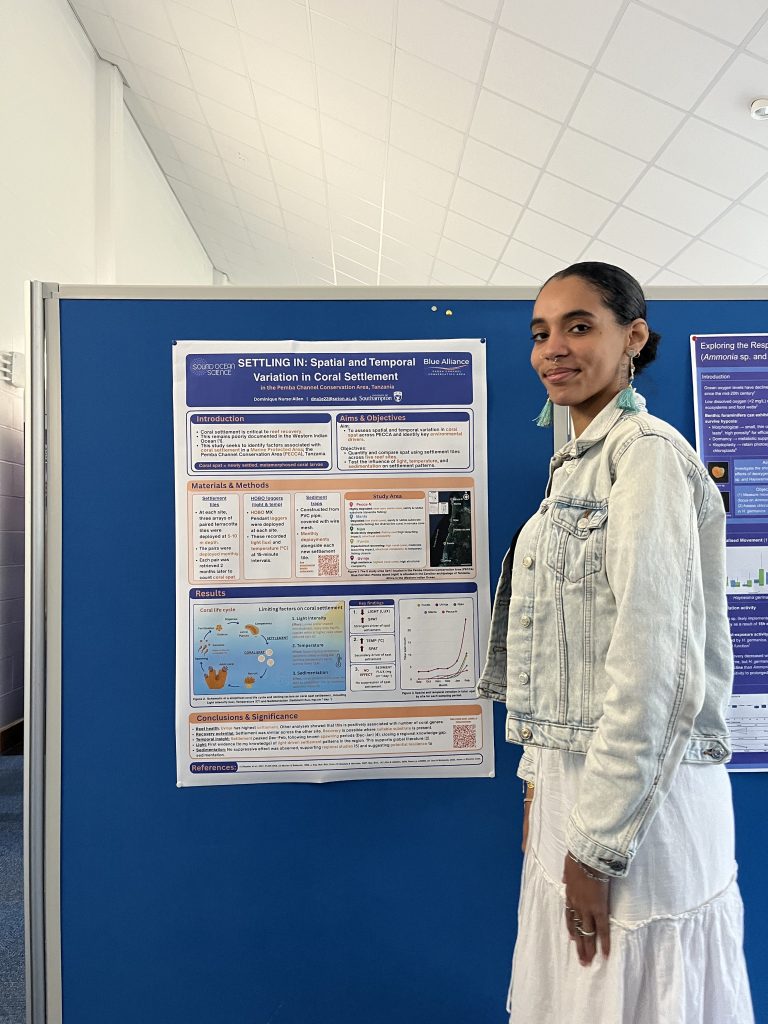
]]>Dominique’s thesis, Environmental and benthic drivers of coral recruitment in the Pemba Channel Conservation Area (PECCA), Tanzania, was completed for a Master of Marine Biology with Oceanography at University of Southampton, supervised by Dr Cecilia D’Angelo.
The study draws on the first eight months (July 2025 – February 2026) of an ongoing monitoring programme run by Blue Alliance PECCA and Sound Ocean Science in the PECCA Blue Corridor, the northern section of the conservation area that Blue Alliance has co-managed with the Ministry of Blue Economy and Fisheries since August 2023.
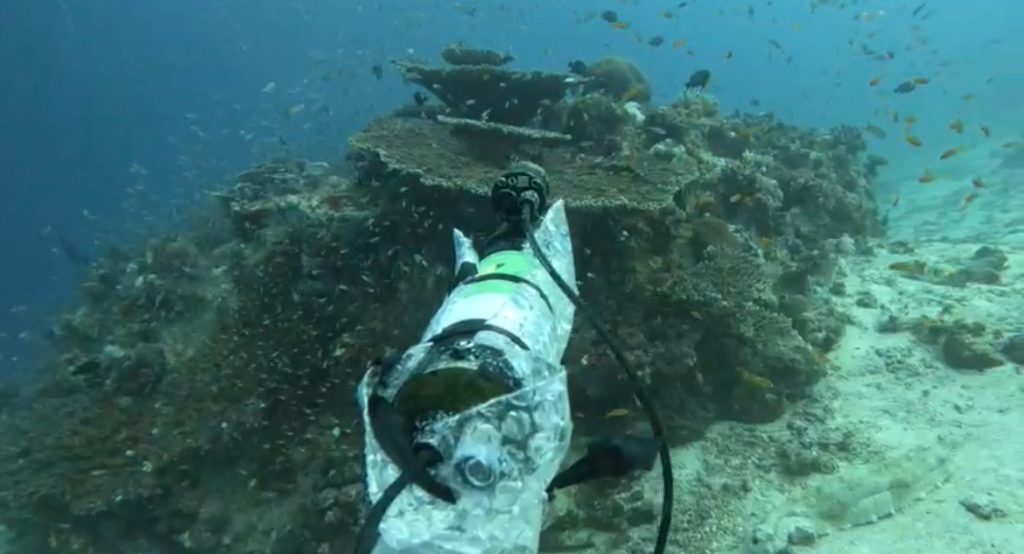
At five shallow reef sites (Pecca-N, Manta, Njao, Fundo and Uvinje), the field team deployed:
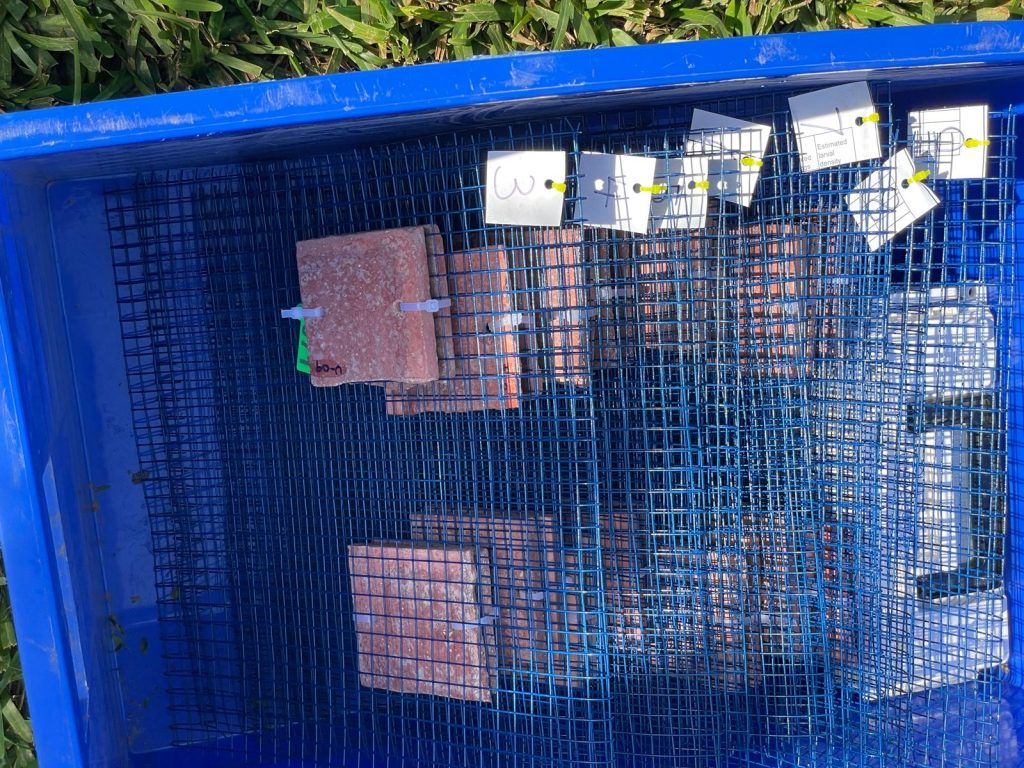
- 15 arrays of terracotta settlement tiles, retrieved every two months and examined under a microscope for newly settled corals (spat)
- Sediment traps, collected monthly
- Loggers recording temperature and light every 15 minutes
Dominique analysed the tile communities, coral spat counts and environmental data to identify what drives settlement across the corridor.
What she found
- Uvinje, the southernmost site, had significantly higher spat density than the northernmost site and was the only site where corals were settling from the start of monitoring in September 2025. Other sites recorded no settlement until December 2025 or later.
- Settlement peaked at all five sites in February 2026. Water temperature rose from an average of 26.5°C to 28.0°C over the study, and the peak coincided with the northeast monsoon, when weaker currents and eddies in the Pemba Channel are thought to retain larvae locally.
- Of the factors measured, lower ambient light was the strongest predictor of settlement. On the tiles themselves, the most settlement occurred on the outer face of downward-facing tiles, a partly shaded surface that still receives water flow.
- Sediment levels varied widely, peaking at Pecca-N in January, but did not suppress settlement at current levels. The thesis recommends continued monitoring, as sediment can still affect the longer-term survival of young corals.
- Corals settled even at Pecca-N, which lost almost all its coral cover and bears the scars of past dynamite fishing.
How this informs management
The findings point to the southern Blue Corridor as the area with the strongest current recruitment potential, and to Uvinje as a priority for enhanced protection and monitoring. At degraded rubble sites such as Pecca-N, the thesis notes that unstable substrate, rather than a lack of larvae, can limit recovery, making rubble stabilisation a possible intervention to explore.
The results are preliminary. They cover eight months, and the full 18-month dataset will show whether these patterns hold at least across seasons.
Research such as this is invaluable and allows us to make informed management decisions. Thank you for your dedication, Dominique and congratulations on a stand out thesis!

“Regenerating the ocean at Scale – For People and Nature.”
The post Mapping where new corals settle: a Master’s study from the Pemba Channel appeared first on Blue Alliance.
]]>The post US$7M Deployed in the Blue Economy in Indonesia, the Philippines and Tanzania appeared first on Blue Alliance.
]]>Blue Alliance has put US$7 million to work in the blue economy across Indonesia, the Philippines and Tanzania, including US$3.5 million in debt. The investment backs six social enterprises that create jobs for coastal communities and generate revenue to fund large Marine Protected Areas (MPAs) around them.
Why Blue Alliance invests in businesses
Governments delegate the management of large MPAs to Blue Alliance. We then build businesses in and around these areas, to support the livelihoods of local fishers and improve the long-term sustainability of the MPAs. Each enterprise is a stand-alone entity, with Blue Alliance as sole or majority owner, and its net revenue is reinvested in MPA management.
What the investment backs
- Community-based aquaculture. Sea cucumber and mangrove crab farming. Including hatcheries, processing facilities and community sea farms. Farming contracts let communities take part without upfront investment.
- Low-impact ecotourism. This includes eco-cruises, the UW room and Coral Reef Safari expeditions.
- Traceable octopus. A supply chain designed to reduce the capture of undersized and female octopus while creating new livelihoods for reef fishers.
- Blue carbon. Mangrove conservation.
Since 2024, these enterprises have generated US$1.5 million in revenue.
Audited results
Blue Alliance’s 2025 results were independently audited and certified by CNRS:
- 32,772 coastal community members with improved livelihoods or food security
- 400 full-time equivalent jobs across MPAs and reef-positive businesses
- Commercial fish biomass up 12.2% on average across the portfolio, and up 23.3% in the core Banggai monitoring area
Conservation built to pay its own way
The goal is MPAs that sustain themselves without depending on donor funding. In Indonesia, dividends from reef-positive businesses are projected to reach US$1.7 million per year by 2034. That would cover the estimated US$1.4 million annual cost of managing 3,4m hectares MPAs under our stewardship (eq. to 1.5% world coral reefs).
“Regenerating the ocean at Scale – For People and Nature.”
The post US$7M Deployed in the Blue Economy in Indonesia, the Philippines and Tanzania appeared first on Blue Alliance.
]]>The post Ocean, Our Global Ally appeared first on Blue Alliance.
]]>The post Catalytic Blue Finance: Building the Financial Architecture for Scaling Ocean Investment appeared first on Blue Alliance.
]]>The post Angie Brathwaite: How Blue Alliance Manages Marine Protected Areas appeared first on Blue Alliance.
]]>The post Francis Tagnong: Connecting the Science and the People appeared first on Blue Alliance.
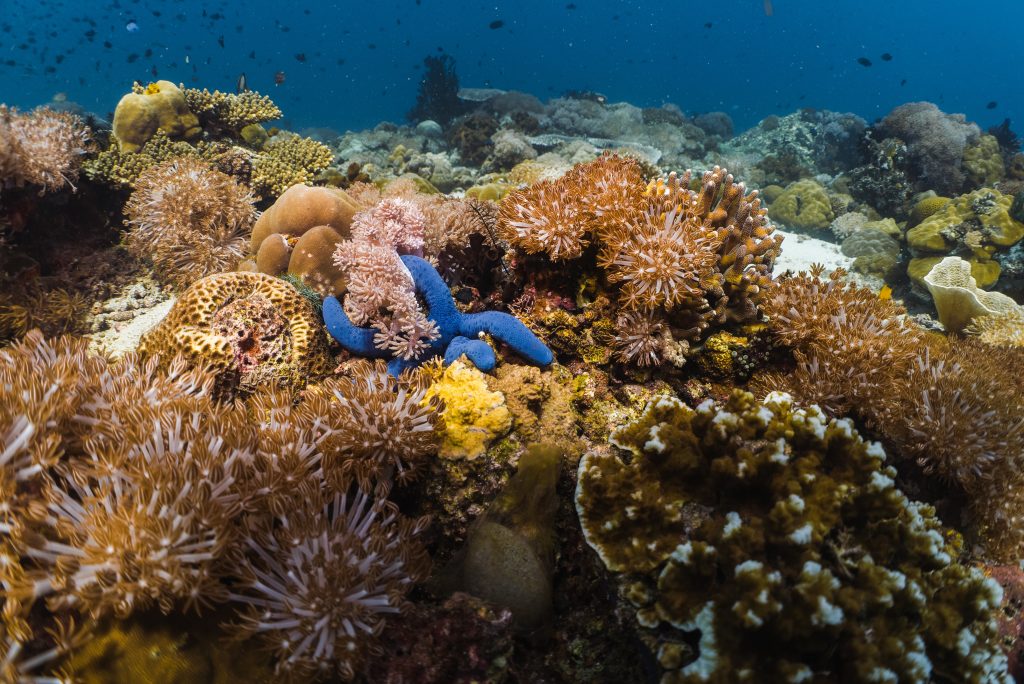
]]>Francis has spent years working with coral and sponge specimens and has dived to mesophotic depths for research. Still, in that stillness, he feels like a beginner.
“The ocean is both completely familiar and completely unknown to me,” he says. “Every time I’m underwater, there’s still this feeling that there’s so much more that I don’t understand.”
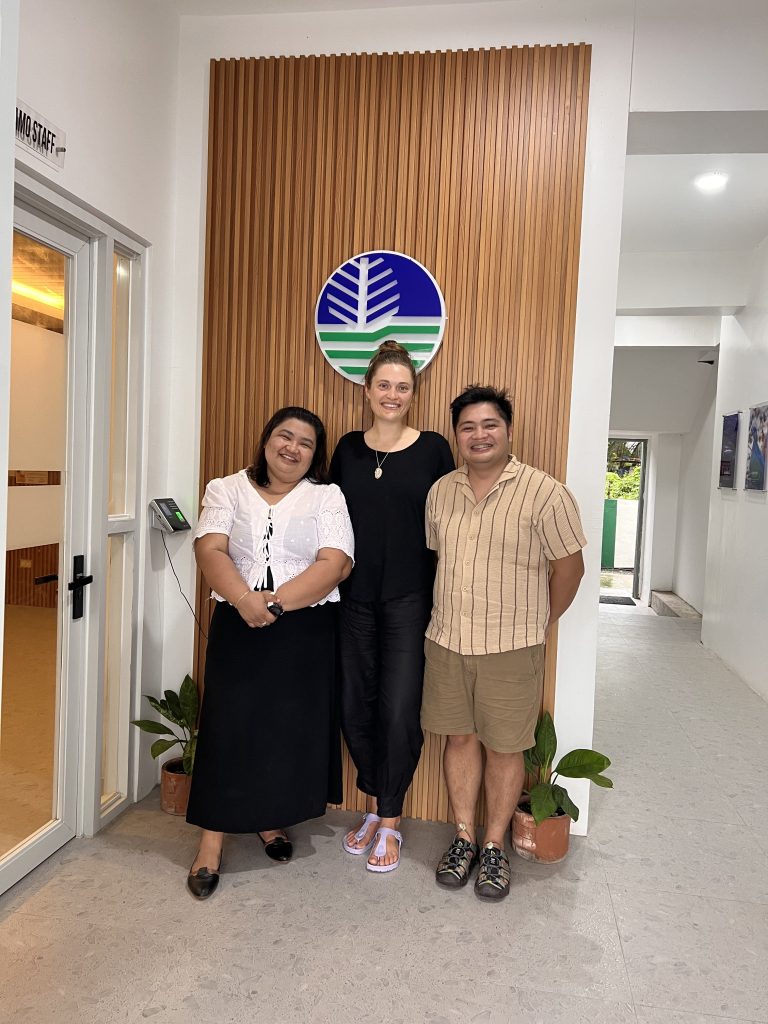
Today, Francis is the Advocacy and Communications Officer for Blue Alliance Philippines in Puerto Galera. The municipality sits at the southern entrance to the Verde Island Passage, one of the most biodiverse marine corridors on the planet, where Blue Alliance supports the management of the local Marine Protected Area (MPA) Network. For Francis, the deeper he has gone into marine conservation, the clearer one lesson has become.
“Loving the ocean is the easy part. The hard part is getting other people to love it too, and that is the part of my work I value most.”
Two Toolkits
Francis’s path was not a straight line, but looking back, each step set up the next. He studied Fisheries at the University of the Philippines, which gave him his grounding in marine science and his first real exposure to coastal communities and the realities of fisheries. Alongside his degree, he threw himself into student organisations, student governance, and external environmental groups. Without realising it, he was building a second toolkit: communication, leadership, and the ability to work with all kinds of people.
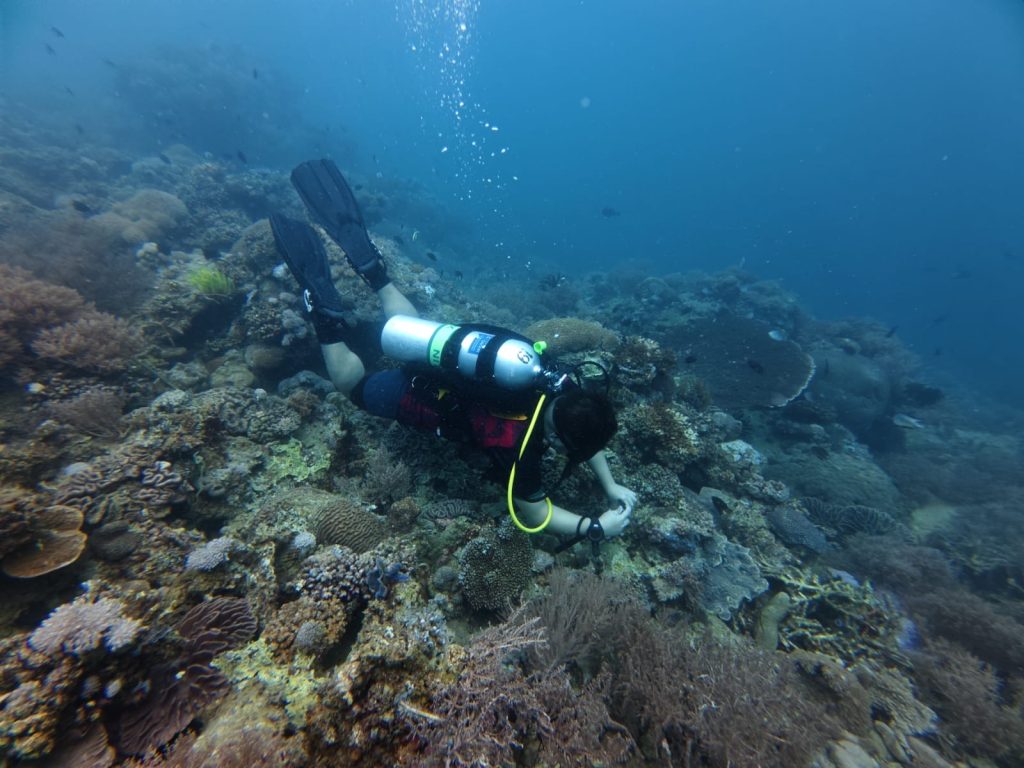
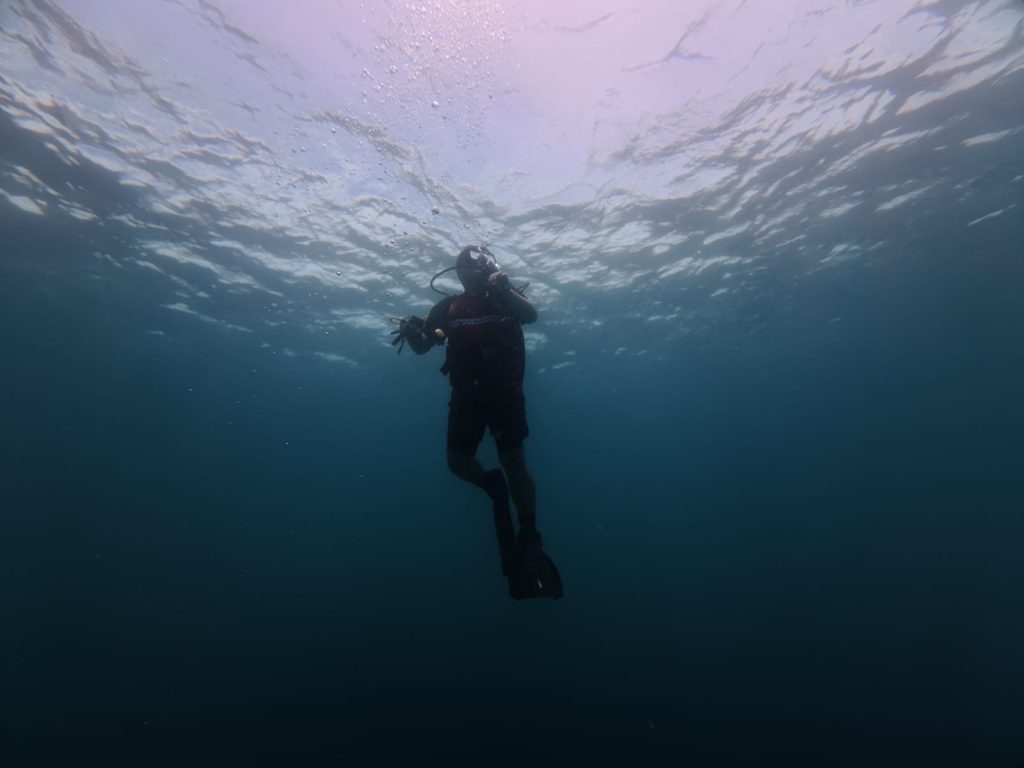
After graduating, he became a research associate at the UP Marine Science Institute, carrying out molecular work on coral and sponge specimens, analysing sequence data, and collecting samples in the field. That fieldwork took him beyond 30 metres at sites across the Philippines, including Bohol, Batangas, Pangasinan, and Apo Reef Natural Park. At that depth, the light turns blue and dim, colours fade, and the surface feels very far away. There is no room for wandering. Time and equipment are managed carefully, and every sample collected is destined for the laboratory.
Francis loved the work with one moment sticking with him to this day:
“I remember sitting with a finished dataset, thinking: this is real, this matters, and almost nobody who needs to know it will ever read it.”
A paper can describe exactly what is happening to a reef. The harder question is how that knowledge reaches the communities living beside it, the policymakers who govern it, and the people whose choices shape it. That gap between knowing and doing is what drew him to Blue Alliance.
“It did not feel like leaving science behind. It felt like putting the two halves of my background to work together.”

More Than a Line on a Map
On paper, Francis works in communications and advocacy. In practice, he is also a translator, a project coordinator, and, as he puts it, “sometimes the person who figures out how to get twelve people to agree on a date.”
His favourite part of the job is giving BlueTalks at partner resorts in Puerto Galera, where he speaks with guests, resort staff, and other stakeholders about MPAs: why they exist, why they matter, and how responsible tourism keeps these places healthy.
“Many people arrive thinking an MPA is a line on a map or a list of things they are not allowed to do. I want them to leave seeing it as a tool for protecting marine ecosystems and the communities and livelihoods that depend on them.”
Each talk is shaped for its audience, whether children, adults, or dive professionals. None of them is a one-way lecture. Someone at the back will raise a hand with a question he did not plan for: whether the reef they have been diving all week is really protected, or why the rules are the way they are. Those questions, and the occasional misconception, tell him how people actually see marine conservation.

No Typical Day
Coffee comes first, always. After that, a day might mean messages, partner check-ins, project timelines, or communications materials. Other days focus on the field and the projects behind it: coordinating monitoring for a coral growth project with an international academic institution, organising logistics for a locally led event, and following up with stakeholders across government, communities, donors, civil society, academia, and the tourism sector.
“I can spend a morning helping write technical project documents and an evening talking about MPAs with resort guests. It is a strange mix, but it keeps the work interesting.”
Francis also helps track Blue Alliance’s metrics, documenting progress and outcomes across its activities. The experience has sharpened his view of the work: conservation is not only about doing, but about being able to measure what has been done.
The Moment It Lands
Francis is proudest when something technical and abstract becomes real to another person. Explained in technical terms, MPAs can sound like paperwork. Explained well, they become something people care about.
“You can see the moment it lands: a nod, a pause, someone leaning over to whisper to the person next to them. Above all, I feel proudest when people ask question after question.”
Translator and Connector
Conservation brings together people who want very different things. A scientist may care most about the quality of a dataset. A government agency may focus on enforcement. A donor wants measurable outcomes. A resort thinks about its guests and its business. A fisher thinks first about livelihood and access to resources.
“Each of them is right from where they stand, and that is exactly what makes it hard.”
Rather than pushing a single viewpoint, Francis works to understand what matters to each group and to find where their interests overlap. In his talks, that means connecting MPAs to what an audience already knows and values: diving, the condition of the reef, the guest experience, or the long-term future of the place a business depends on. His science background keeps him accurate; his communications experience makes the science something people can engage with.
Fieldwork taught him adaptability, too. “On the harder days, I remind myself that a single conversation that shifts how someone thinks is still progress.”
Looking Ahead
For 2027, Francis wants to make Blue Alliance’s work more tangible, showing not only that activities took place, but that something changed because of them. Counting activities and people reached tells only part of the story, and he has begun teaching himself how to measure shifts in behaviour and livelihoods.
One question guides him: “How do we move from telling people that MPAs are important to helping them truly understand their value, and eventually become advocates themselves?”
His hope is to one day hear a resort guest give the talk themselves, somewhere else. It is a fitting ambition for someone whose work sits where science, communications, tourism, and conservation meet, and whose role is to help people see the ocean not only as something to enjoy, but as something worth protecting, in line with Blue Alliance’s mission: Regenerating the ocean at scale, for people and nature.

“Regenerating the ocean at Scale – For People and Nature.”
The post Francis Tagnong: Connecting the Science and the People appeared first on Blue Alliance.
]]>The post A new partnership with Gadjah Mada University appeared first on Blue Alliance.
]]>The post Philanthropy 2.0: What would it take to finance ocean conservation differently? appeared first on Blue Alliance.
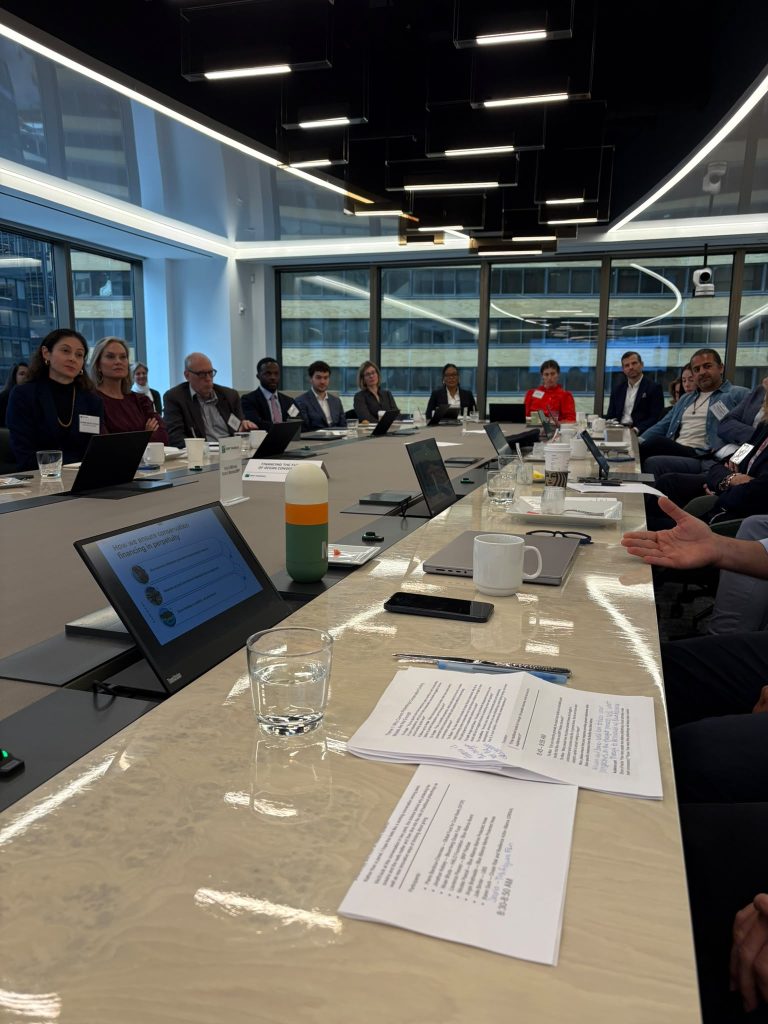
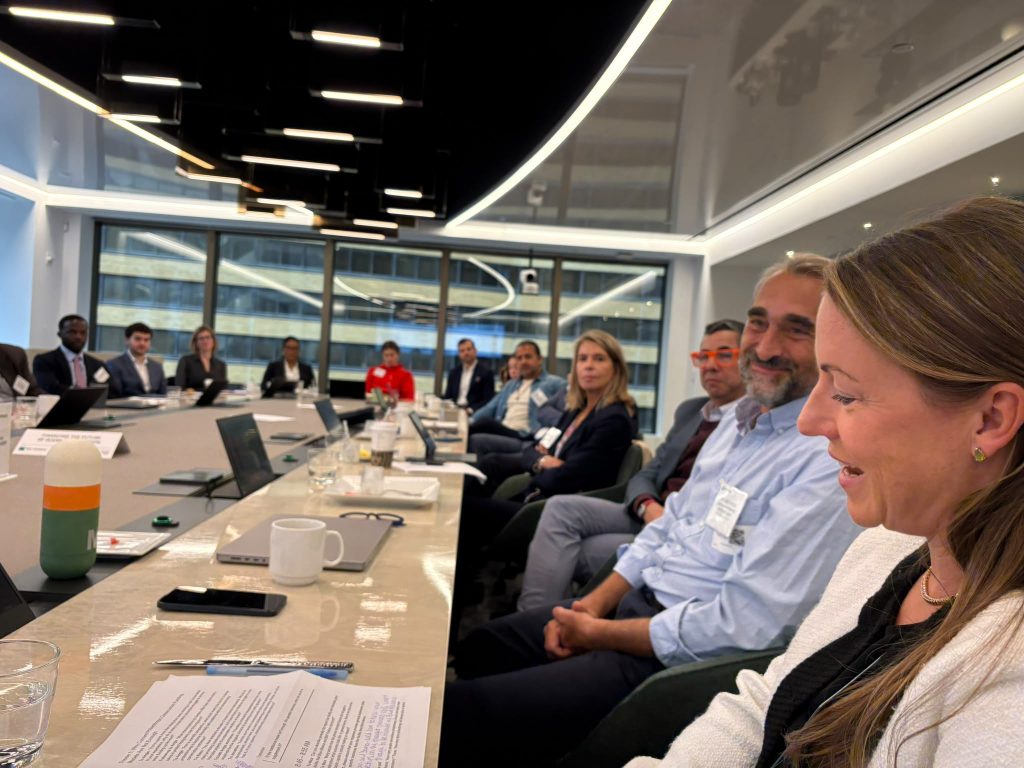
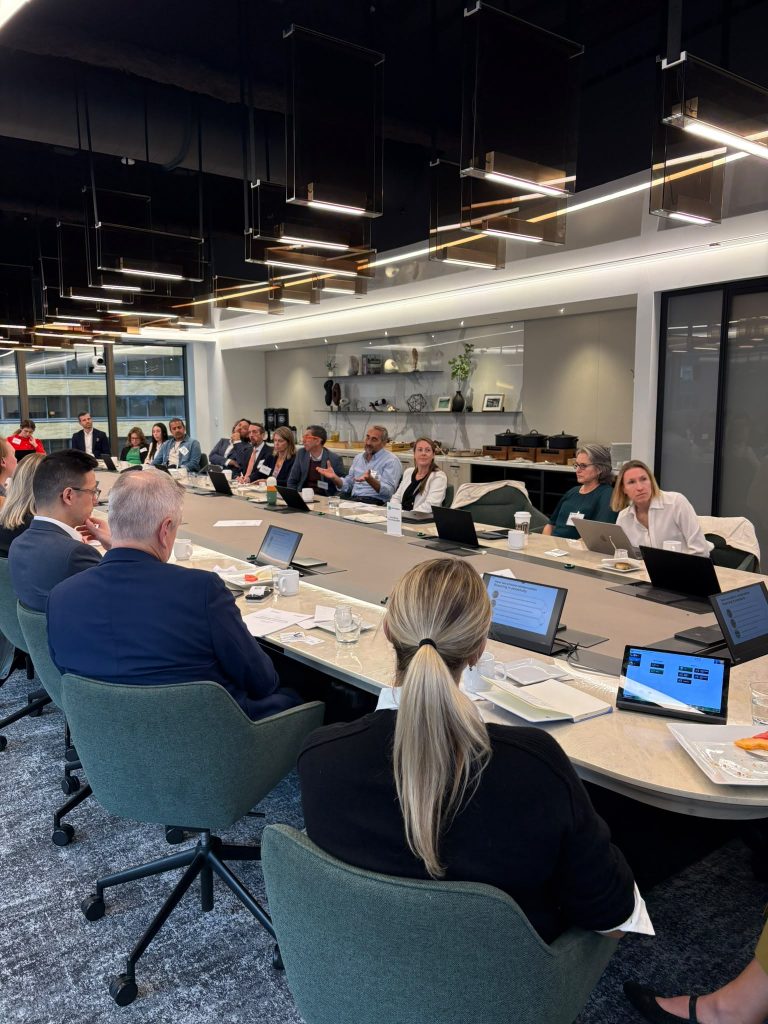
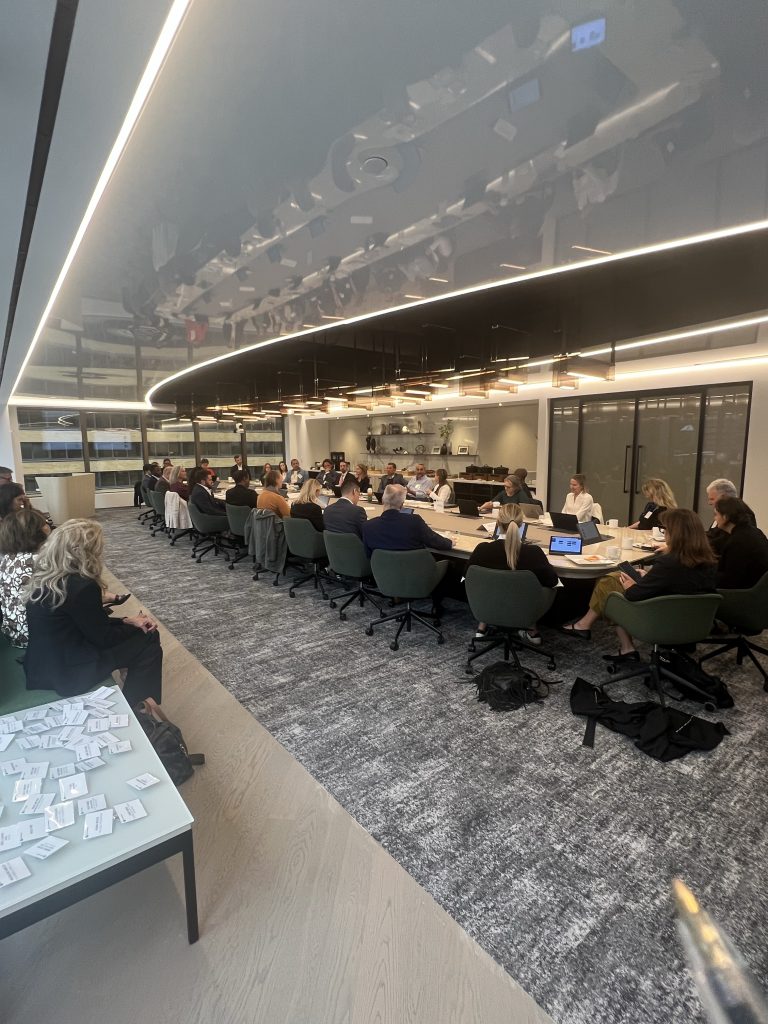
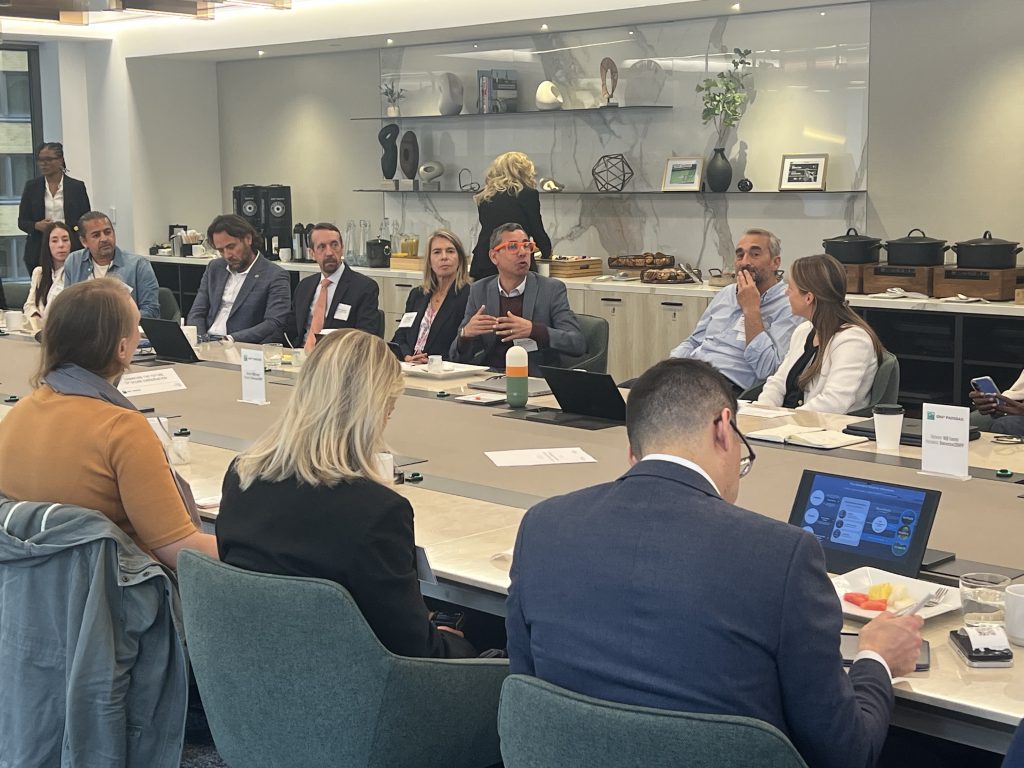
]]>Moderated by Julie Binder of UBS Optimus Foundation, the discussion used Blue Alliance’s own financing mechanism as a live case study. Our model combines blended finance with community-based social enterprises, owned by a nonprofit, that generate revenue for conservation. Profits from these businesses, which include community-based aquaculture, sustainable fishing, and ecotourism, are reinvested in managing Marine Protected Areas (MPAs).
Four messages stood out from the conversation.
1. Coral reefs need lasting protection, at scale, today
Climate change is the greatest long-term threat to coral reefs. The Intergovernmental Panel on Climate Change (IPCC) projects that 70–90% of warm-water coral reefs will be lost if global warming reaches 1.5°C.
Reefs also face local pressures that can be addressed now. Pierre Bardoux-Chesneau of the Global Fund for Coral Reefs pointed to overfishing and unmanaged tourism as examples. Effective protection can reduce these pressures and improve the chances that reefs withstand the changes ahead.
The challenge is making that protection last beyond short funding cycles, and taking what works to scale.
2. Communities need a real stake in conservation
Protection only works when the people who live alongside reefs support it. As Dario Soto Abril of the Trafigura Foundation put it: “If the community isn’t behind it, it isn’t going to work.”
Speakers agreed that communities should do more than benefit from conservation. They need to participate in the economic value that healthy ecosystems create, through local enterprise, livelihoods and access to markets with real demand.
3. Philanthropy can take the early risk, but it cannot act alone
Philanthropy has a distinct role as a first mover. As Jonathan Kelsey of the Bloomberg Ocean Fund noted: “Philanthropy has been there in that role of first movers taking some of the early risks and supporting new approaches.”
That early risk-taking allows new models to be tested and developed. But as those models mature, they need different forms and sizes of capital. Grants, refundable grants and patient impact loans each play a role. Equity and commercial investment may also have a place, although equity has not yet been tested in Blue Alliance’s community-based model.
Karen Sack of the Ocean Risk and Resilience Action Alliance (ORRAA) summed up the task ahead: “We’ve got to capitalise, we’ve got to replicate for scale.”
4. Demonstrating impact unlocks the next layer of capital
Laurence Pessez of BNP Paribas highlighted the importance of measuring biodiversity, social and economic outcomes. Credible evidence of progress builds the confidence other investors need to participate.
This also requires respecting the pace of conservation. Ecological recovery and community enterprises take time to demonstrate results, often longer than conventional grant or investment cycles allow. Patient capital, committed over years rather than months, is what carries models through the stage where they are being developed, tested and proven.
Finance as a means, not an end
Across the discussion, one idea connected these themes. As Nicolas Pascal, Blue Alliance’s Executive Director, put it: “Finance is the means, not the end.”
The goal is healthy coral reefs, thriving coastal communities and sustainable blue economies. Finance matters because it can make those outcomes possible and durable. No single organisation or source of capital can achieve this alone. It requires philanthropy, finance, governments, science, and communities working together around models that can last.
Thank you
We are grateful to our speakers Karen Sack (ORRAA), Pierre Bardoux-Chesneau (Global Fund for Coral Reefs), Jonathan Kelsey (Bloomberg Ocean Fund), Nivan Bhuta (Halo Foundation), Laurence Pessez (BNP Paribas) and Dario Soto Abril (Trafigura Foundation), alongside Blue Alliance’s Nicolas Pascal and Angie Brathwaite. Thank you to Julie Binder of UBS Optimus Foundation for moderating, and to BNP Paribas for hosting.
The conversation continues. If you would like to learn more about Blue Alliance’s financing model or explore partnership opportunities, please get in touch.
“Regenerating the ocean at Scale – For People and Nature.”
The post Philanthropy 2.0: What would it take to finance ocean conservation differently? appeared first on Blue Alliance.
]]>The post The Ocean Protection Gap Report 2026 appeared first on Blue Alliance.
]]>