The post Blog Series: From Great Clinician to Great Supervisor appeared first on Different Roads to Learning Blog.
]]>
Part 1: Why Great Clinicians Can Struggle as Supervisors
by: Cheryl Davis, PhD, BCBA-D, Dana Reinecke, PhD, BCBA-D
Clinical expertise does not automatically translate into supervisory expertise. Supervisors need explicit instruction, modeling, practice, feedback, and ongoing support, just like the clinicians they supervise.
In behavior-analytic organizations, a familiar career progression unfolds: a clinician demonstrates strong technical skills, good judgment, reliability, and knowledge of applied behavior analysis, and the next logical step is promotion into a supervisory role. On the surface, the transition makes perfect sense. Who better to supervise others than someone who is already highly competent at the work? The problem is that being an excellent clinician and being an effective supervisor require different repertoires.
Consider what we ask supervisors to do. A supervisor must:
- Establish clear, reasonable performance expectations
- Observe staff behavior
- Identify skill and performance deficits
- Teach new skills
- Reinforce effective performance
- Deliver corrective feedback
- Evaluate whether that feedback worked
- Occasionally navigate uncomfortable conversations about performance.
Supervisors must also learn when to change their own behavior when their current approach is not producing the desired outcome.
The behavior-analytic literature increasingly recognizes that effective supervision requires more than technical competence alone. LeBlanc et al. (2020), for example, emphasized the importance of developing both technical supervisory skills and the interpersonal repertoires necessary to build meaningful and effective supervisory relationships.
Research examining performance feedback similarly suggests that supervisors need proficiency in both technical and nontechnical skills, and that many behavior analysts report receiving insufficient explicit training in how to provide feedback effectively (Fraidlin, 2023). This distinction matters as organizations can easily misinterpret supervisory difficulties as personality problems: She isn’t assertive enough. He doesn’t like confrontation. She just isn’t a natural leader.
A behavioral perspective gives us a more useful way to look at the problem. Instead of asking whether someone “has what it takes” to supervise, we can ask: What does effective supervisory behavior look like, and has this person had sufficient instruction, modeling, rehearsal, feedback, and reinforcement to develop it?
Recognizing supervision as a distinct set of teachable skills is an important first step, but recognition alone is not enough. In the next installment of this series, we’ll explore why new supervisors need structured training, not simply a new title and a list of expectations.
Part 1 References
Fraidlin, A., Van Stratton, J. E., McElroy, A., & Aljadeff, E. (2023). Peer feedback: Recommendations for behavior analysts’ training and supervision. Behavior Analysis in Practice, 16, 696–708. https://doi.org/10.1007/s40617-022-00761-1
LeBlanc, L. A., Sellers, T. P., & Ala’i, S. (2020). Building and sustaining meaningful and effective relationships as a supervisor and mentor. Sloan Publishing.
Author Bios
Cheryl Davis, PhD, BCBA-D (Creator)
Cheryl Davis obtained her doctoral degree from Endicott College in Applied Behavior Analysis. She received a Masters of Science Degree in Intensive Special Education from Simmons College in Boston, MA after attending The University of Connecticut where she received a bachelor’s degree in Human Development. With over 25 years of experience working with children and families with autism, developmental disabilities, and related disorders, Cheryl specializes in working with individuals with ASD and developmental disabilities, online teaching, active responding and skill acquisition. She has had experience as a teacher, job coach, home therapist, residential supervisor, public school consultant, staff trainer and professor. Cheryl has extensive experience in developing training topics for both parents and teaching staff. She has provided professional development trainings to over two thousand teaching staff and enjoys providing services internationally.
Dana Reinecke, PhD, BCBA-D (Creator)
Dana Reinecke is a doctoral level Board-Certified Behavior Analyst (BCBA-D) and a New York State Licensed Behavior Analyst (LBA) and New York State Licensed Psychologist. Dana has worked extensively in higher education in faculty and leadership roles and as a consultant, trainer, and clinician in various settings. She has presented original research and workshops on the treatment of autism and applications of ABA at regional, national, and international conferences. She has published her research in peer-reviewed journals, written chapters in published books, and co-edited books on ABA and autism. Dana has been actively involved in the New York State Association for Behavior Analysis (NYSABA), previously serving on the Board of Directors as Secretary, President, and conference chair.
The post Blog Series: From Great Clinician to Great Supervisor appeared first on Different Roads to Learning Blog.
]]>The post Share Your Thoughts, Win a Free eBook! appeared first on Different Roads to Learning Blog.
]]>
By Sam Blanco, PhD, LBA, BCBA-D
I am excited to share that we are building a resource to help BCBAs with the challenges of insurance billing. The ABA Billing Made Easy eBook will be coming out this fall.
Many BCBAs struggle with billing rules and documentation with insurance. It can feel like you’re suddenly speaking a different language, one that was not included in any of your coursework or on the BCBA exam. You are a BCBA, but suddenly you are being treated as a healthcare provider. There are billing codes, highly specific requirements for session notes, and consistent discussion about medical necessity.
I wanted to put together this resource after spending the past nine years providing services through insurance, reviewing audits, following changes to insurance requirements, and training other BCBAs on how to maintain compliance.
The goal of this resource is to provide clarity, and ultimately to give you back your valuable time and reduce your stress.
Before we finalize details, though, we want to hear from you! We want to know which topics you need guidance on, which topics you already have experience with, and what additional topics you want to see that we haven’t added yet. The current list is:
- Definitions of the billing code
- Questions to ask your agency/company prior to conducting your first sessions
- How to address potential barriers to implementing code correctly
- How to best utilize these codes if providing services via telehealth
- How the Ethics Code applies to each code
- Best Practices for each code
Please take two minutes to fill out this brief survey so we can better meet your needs. Survey participants who enter their email addresses on the survey form will be entered to win a free copy of the eBook.
Thank you for your contribution! We’re excited to share this resource with you!
About the Author
Sam has been working with children with autism for 25 years. She loves working with new BCBAs and students pursuing their BCBAs. She is the Chief Clinical Officer at BK Behavior.
The post Share Your Thoughts, Win a Free eBook! appeared first on Different Roads to Learning Blog.
]]>The post Working with Parents as a BCBA appeared first on Different Roads to Learning Blog.
]]>
By Sam Blanco, PhD, LBA, BCBA-D
I’ve been working with families with autism for over 25 years, and have witnessed firsthand the major shifts in provision of ABA services. We’re living in a time where far more families have access to services, but as the services have become more available the human connection seems to have gotten lost.
I’d like to take a little time to consider how you can approach your work as a BCBA given the very real barriers in place to building strong connections with parents and caregivers. Whether you’re working in a center where parents drop their kids off for services, working to provide in-person parent training once every week through in-home services, or trying to build a rapport via telehealth, there are strategies you can put in place to address the challenges discussed above.
- Start off with a clear explanation of expectations. You need buy-in from the parents and caregivers to engage with parent sessions. Discuss with them their role in the provision of services. And ask them about why they sought out ABA services in the first place. It can be useful to create your own simple parent contract that you go over and sign together about everyone’s expectations and roles.
- Understand your parents. What are their priorities? Their values? Their concerns? An open dialogue should be occurring in which parents can share concerns about potential interventions as well as ideas they may have. Some ideas for structuring this might include, introductory parent surveys about their expectations and wishes for surveys, having parents write a mission statement about their overall goal for services, or sitting down to align on priorities for all the skills they may want to focus on.
- Identify where you and the parents align. You need to ensure you and the parents are on the same page about expectations across the board, as well as treatment priorities. By now, you’re probably seeing that all of this is about communication communication communication. When you’re discussing an intervention, you should be checking for alignment on the goal itself, prompting, the timing of interventions, settings for interventions, and reinforcers. Be detailed!
- Lead your team with intention. Think beyond insurance requirements and IEPs. Considering the values and priorities of the parents, what do you need to focus on for each session. Be clear about the goal of each session. It’s not simply a parent training session or supervision session. There should be one or more goals you can clearly define and understand how you intend to achieve those goals in each session.
- Check in. Once you have established expectations and alignment, check in on a regular basis (monthly or quarterly) about expectations, priorities, values, and concerns.
About the Author
Sam has been working with children with autism for 25 years. She loves working with new BCBAs and students pursuing their BCBAs. She is the Chief Clinical Officer at BK Behavior.
The post Working with Parents as a BCBA appeared first on Different Roads to Learning Blog.
]]>The post Introducing: Socially Savvy Second Edition! appeared first on Different Roads to Learning Blog.
]]>
By James T. Ellis, PhD, BCBA-D and Christine Almeida, MSEd, EdS, BCBA
Image by Chessie Almeida
Hi! Hello! Welcome to the Socially Savvy Second Edition!
Almost 20 years ago, we (Christine and Jim) decided to develop a social-skills assessment, which eventually became Socially Savvy. At the time, we were working together as BCBAs with 3- to 5-year-olds in a public preschool program. Thanks to Christine’s creativity and “let’s just do it” attitude, and Jim’s methodical, sometimes perfectionist approach, the project took about five years. Actually, closer to eight—but who’s counting?
With the support and guidance of Julie Azuma and the incredible team at Different Roads to Learning, it all came together. Socially Savvy has always been something we are incredibly proud of.
When we finally finished, we had poured so much time and thought into every detail that our immediate reaction was, “That’s it. Let’s never write anything again.” And yet, here we are—with the second edition of Socially Savvy just published.
So what could have possibly compelled us to take this on again?
Even after completing the first edition, we both found ourselves constantly noticing new ideas—teaching methods, activities, games—and quietly collecting them. We agreed we wouldn’t revisit such a large project unless we truly had meaningful new material. Over time, that material grew: new games (check), a more efficient way of grouping children (check), updated recommendations for books and practical tips for teachers (check).
But none of those alone would have been enough to bring us back to the drawing board.
What truly motivated us was the evolution of the field—particularly its growing embrace of neurodiversity. That shift prompted us to take a deeper, more critical look at our original work. Had it held up? What needed to change?
We felt strongly that Socially Savvy needed to more clearly reflect a neurodiversity-affirming perspective—not just in the language we use when working with autistic individuals, but also in what we target and how we approach teaching. This meant going through the manual line by line—updating approaches, incorporating new strategies, and removing practices that no longer align with feedback from autistic individuals and the broader community. Our goal was for our work to be a partnership, with autistic voices helping to lead the way. We hope this second edition reflects that commitment.
We recently asked a colleague what she was most looking forward to in the new edition—admittedly a big ask, since she hasn’t seen it yet. She generously shared:
“I am really looking forward to the release of the second edition of Socially Savvy. It sounds like this update truly aligns with the direction the field has been moving—especially the emphasis on neurodiversity-affirming supports and more naturalistic, engaging teaching strategies. Tools like visual supports and interactive games can make a big difference in generalization and motivation, particularly in group-based social skills work.”
We’re proud of this second edition, and we hope it delivers on expectations like these. More than anything, we’re excited to hear from you. So many of you have shared feedback and encouragement over the years, and we truly value it. We look forward to hearing your thoughts once again.
About the Authors
James T. Ellis, Ph.D., BCBA-D
James (Jim) Ellis earned his Ph.D. in Clinical Psychology from West Virginia University and is a licensed psychologist and board-certified behavior analyst. For over 30 years, Dr. Ellis has provided services for children with autism spectrum disorders and their families. In 2008, he helped found the Step by Step School for Children with Autism in Guyana, South America and in 2012, he founded Step by Step Behavioral Solutions, through which he provided consultation and therapeutic support to individuals with autism spectrum disorders and their families. Currently, Dr. Ellis works in a public school, supervising a group of behavior analysts and overseeing programming for autistic students. Dr. Ellis has written articles for professional journals and presented at local, regional, national, and international levels on topics including play intervention, providing effective consultative services, and supporting children’s social skills development.
Christine Almeida, Ms.Ed., Ed.S., BCBA
Christine Almeida earned her M.S.Ed. in Special Education and Ed.S in Behavioral Education from Simmons College in Boston. Ms. Almeida is a practicing board-certified behavior analyst in the Boston area who has worked in both private and public schools. She currently provides oversight of services for young children with autism spectrum disorders for a public school. Ms. Almeida has presented workshops at the local, regional, and national levels on the subjects of educational assessment, play intervention, and social skills.
The post Introducing: Socially Savvy Second Edition! appeared first on Different Roads to Learning Blog.
]]>The post Making Time for Reviewing Data appeared first on Different Roads to Learning Blog.
]]>
By Sam Blanco, PhD, LBA, BCBA-D
There’s a famous quote from W. Edwards Deming that says “Without data, you’re just another person with an opinion.” While Deming wasn’t a behavior analyst, this statement aligns closely with how BCBAs approach their work.
Most BCBAs will report how much they love data. But as workloads for BCBAs continue to increase, it’s unfortunate that some BCBAs aren’t looking at their client’s data more than once a month, and some aren’t looking until the authorization period ends after 3 to 6 months. It’s true that the system has drastically increased the response effort to review graphs weekly, but BCBAs are ultimately responsible for adapting their behavior in sessions in order to ensure they are completing those consistent reviews.
Our Ethics Code requires that we provide effective services, and a key component of this is ensuring our decisions are driven by data, not by opinion. If you’re feeling rushed and have a big caseload, there are some practical changes you can make to your day-to-day routines to help embed daily data review in your practice. These might include:
- Ten minutes prior to a supervision session, select five targets to review. Look at the data, and then focus on those targets during the session.
- Ask your clinical director if there are specific prompts within your data collection platform to help you organize data review better. For example, some platforms will have a visual indicator if data should be reviewed, while more sophisticated platforms might have flags or ways to sort out targets in which progress is not being made.
- Organize a system with your behavior technicians so they can tell you in advance of supervision sessions what targets they would flag.
- If your client has Behavior Treatment Modification hours (97155) or Treatment Planning hours (97151) utilize that time weekly to review data and make treatment modifications. This is what these hours are for!
Remember, we are collecting all this data for the purpose of making treatment decisions. This data is crucial to our work, and it is meant to inform our plans and ensure we are providing effective services. Here are some considerations to keep in mind as you review data:
- For any targets that have been mastered, move them to Mastered. If you keep mastered targets in Acquisition, you will lose out on having an accurate understanding of your client’s general rate of acquisition.
- For any mastered targets, add in additional targets if necessary. This will give you a more accurate picture of your client’s general rate of acquisition, and also improve variety and continued growth!
- If you see a target that has not been mastered after several weeks (or after a time longer than the client’s general rate of acquisition), consider possible changes, such as changes to the prompt level, the materials, or the need for mastering prerequisite skills. Adjust to what the data is telling you.
- For any targets you’re uncertain about, run them as-written with the client on your own. Then observe your BT to ensure they are running the program with procedural fidelity.
- Identify if there are any targets without data. You will need to review with your BT to understand barriers to implementing the target.
- If you see that an increase in challenging behaviors occurs during specific targets, evaluate what changes you may need to make. Again, adjust to what the data is telling you.
This isn’t a comprehensive checklist, but it’s a good start. Ultimately, reviewing all data should be a weekly practice for each client you work with. Otherwise, we’re not providing the full scope of behavior analytic services our learners rely on to make meaningful progress.
About the Author
Sam has been working with children with autism for 25 years. She loves working with new BCBAs and students pursuing their BCBAs. She is the Chief Clinical Officer at BK Behavior.
The post Making Time for Reviewing Data appeared first on Different Roads to Learning Blog.
]]>The post No Filter Cafe: Review by Julie Azuma appeared first on Different Roads to Learning Blog.
]]>
Dear Friends,
I never write for our blogs but I wanted to share this glimmer of hope.
This weekend, an acquaintance of a friend of a friend asked me to view a French film called “No Filter Café” at a Socially Relevant Film Festival in NYC.
It’s a film in French about 5 young men diagnosed with severe autism. Professionals in the autism field were hoping to build a future for young adults in this pilot program. The film depicts teaching all facets of food and restaurant preparation. It examines the journey to create a café in the middle of Paris run by autistic individuals. It took one-on-one staff and experts in the food industry 2 years to build the café and prepare the young men for employment. There was much repetition and lots of practice.
The Café Program itself was inspired by Laurence Melloul Piou who is the Director of IME Cour de Venise – Autisme en Ile de France. The film is directed and produced by Galaad Hemsi and Coralie Van Rietschoten. Galaad is a parent of a young, non verbal ASD child.
I hope some of you will be able to view this inspiring film with subtitles to see how much hope we can hold for our severely impaired students. I saw token boards, reward times, positive reinforcement, and lots of skill building.
I was moved to tears, seeing profoundly autistic people reaching their potential and learning to enjoy their work. There was hope, lots of hope, in this film.
There are many programs at many of our schools and we’d love to hear what you are doing to get our students ready for employment, both supportive and independent.
Let’s stay connected!
Julie
Learn More
Learn more about the Socially Relevant Film Festival through Film Freeway.
Synopsis
Élie, Gabriel, Raphaël, Steeve, and Saïd are five teenagers with autism. While their paths would typically lead them to medicalized institutions, isolated from the world, an innovative project is reshaping these predetermined trajectories. Over several years, these young people will take part in a training program to learn culinary skills, plate presentation, order taking, and table service, all the way to running a real café in the heart of Paris.
Point of view
We often talk about inclusion for people with disabilities. But what about autistic individuals with severe challenges? There are still far too few initiatives truly dedicated to them. Their daily lives are often met with barriers, too easily summed up in one phrase: “It’s impossible.” A phrase that parents and professionals hear all too often. And yet, their differences shouldn’t exclude them, they belong in our shared world, bringing their own unique value to it. These individuals are a full part of our society, and it’s time to envision true inclusion, one that leaves no one behind. That’s exactly what’s happening at Notre Café: a unique community restaurant where young people from the IME Cour de Venise gradually learn the codes of working life in a setting tailored to their needs. For several years, we followed them from their very first class to the realization of a project that, not long ago, many would have called impossible.
The post No Filter Cafe: Review by Julie Azuma appeared first on Different Roads to Learning Blog.
]]>The post Helping Children Notice Internal Cues appeared first on Different Roads to Learning Blog.
]]>
By Dr. Darren O’Reilly, Chartered Psychologist and Founder of AuDHD Psychiatry
In the first part of this series, we looked at why emotional regulation is harder for children with ADHD and how big feelings can seem to appear suddenly. This section builds on that by focusing on the early internal cues that emotions are rising, and how you can help your child notice what is happening in their body before those feelings spill over.
What Internal Cues Look Like
Internal cues are the signals inside the body that show a feeling is building. They can include changes in breathing, heart rate, muscle tension, or how a child experiences sound, light, or touch.
They are different from external triggers such as a noisy classroom or a sudden change of plan. The trigger is what happens around the child. The internal cue is what happens inside the child in response. Many children with ADHD move quickly from one moment to the next and do not pause to notice these signals.
One parent described her son this way: “He goes from fine to furious in seconds.” When they slowed things down together, they noticed that his hands tightened into fists and his breathing sped up just before he exploded. For families who are also wondering whether big emotional reactions and strong sensory responses might relate to autism as well as ADHD, a free autism test for children can sometimes be a gentle way to reflect on patterns before speaking with a professional.
Common internal cues include:
- fast or shallow breathing
- tight shoulders, jaw, or hands
- “wobbly” or tight feeling in the stomach
- sounds, lights, or touch suddenly feel “too much”
Why ADHD Makes Noticing Harder
Emotional regulation depends on attention, memory, and the ability to pause before responding. These are areas where children with ADHD often need extra support. They may react before they have processed what happened or before they can find the right words.
Children with ADHD also tend to focus strongly on what is happening around them and find it harder to tune in to what is happening inside. Emotions rise quickly, leaving less time to notice early signals.
Contributing factors include:
- fast emotional reactions that leave little time to pause
- attention pulled to the environment rather than the body
- difficulty remembering to “check in” when stressed
- internal cues that change quickly or feel hard to describe
Triggers and Situations to Watch For
Children may not yet be able to name what their body feels like, but you may notice that certain situations almost always lead to big feelings. A child might seem fine until homework starts, then quickly become restless or tearful. Another might manage a noisy birthday party but come home and collapse in tears.
Common triggers and situations include:
- just before or during transitions, such as leaving the house or stopping a favorite activity
- loud or busy spaces
- unclear or multi-step instructions
- rushed routines or unexpected changes to plans
Practical Ways Parents Can Support Noticing Internal Cues
Simple routines at home can help children learn to notice what is happening inside their bodies. Calm moments create space to practice this skill before emotions run high. Modeling is a helpful first step. You might say, “My shoulders feel tight, I think I need a small break,” or “My heart is beating fast, I am going to take a few slow breaths.”
Gentle prompts can then help children practice noticing for themselves. Questions such as “What does your tummy feel like right now?” or “Do your hands feel calm or fizzy?” give children words for their experiences. Visual supports, like a simple body outline or feelings thermometer, can make this easier. When children do notice and share a body signal, specific praise helps reinforce the skill.
Helpful strategies include:
- modeling your own internal cues out loud in everyday situations
- asking simple, choice-based questions about how the body feels
- using tools such as body maps, color scales, or feelings thermometers
- praising and gently reviewing early efforts to notice and share internal cues
More in this series
Read Part 1, Why Emotional Regulation is Difficult in ADHD
Be sure to watch for the next installment of this series, where we’ll talk about:
- Using external tools to make emotions easier to understand
- ABA alignment: using structured visual supports, consistent routines, and predictable cues that reduce ambiguity and increase successful responding.
About the Author
Dr Darren O’Reilly is a Chartered Psychologist and Founder of AuDHD Psychiatry. He writes about ADHD and autism with a focus on clear, practical guidance for families and adults.
The post Helping Children Notice Internal Cues appeared first on Different Roads to Learning Blog.
]]>The post Why Emotional Regulation is Difficult in ADHD appeared first on Different Roads to Learning Blog.
]]>
By Dr. Darren O’Reilly
Many people notice traits like difficulty focusing, sensory sensitivities, or social challenges and wonder: Is this ADHD or autism? These two neurodevelopmental conditions often overlap, yet they affect thinking, attention, and communication in distinct ways.
The main difference between ADHD and autism lies in how each influences focus and social interaction. ADHD primarily affects attention, impulse control, and time management, while autism (or autism spectrum disorder) relates more to social communication, routine, and sensory processing. Still, the boundaries can blur, making professional assessment crucial for an accurate diagnosis.
Understanding these differences helps adults and families seek the right support, whether through ADHD assessments or autism evaluations. In this blog series, we’ll explore how ADHD and autism compare, where they overlap, and how recognizing their unique traits can lead to better self-understanding and tailored care.
What emotional regulation difficulties look like
Children with ADHD often experience emotional outburts that come on quickly and settle slowly. This can make ordinary moments feel intense, especially when a task feels confusing or when the environment becomes overwhelming.
Parents may notice behaviors like sudden frustration, tearfulness, shouting, or a child walking away to escape a situation that feels too big.
These reactions are signs that the child has reached their limit. For example, a child may burst into tears when a game ends unexpectedly, yell during homework when the instructions feel unclear, or shut down when a sibling interrupts their play.
Common behaviors include:
- quick shifts from calm to upset
- raised voice or tearfulness
- walking away or withdrawing
- repeating the same concern
Why ADHD makes emotional regulation harder
Emotional regulation depends on attention, memory, and the ability to pause before responding. These are areas where children with ADHD often need extra support. They may react before they have processed what happened or before they can find the right words.
Strategies they practiced earlier can be hard to recall once emotions rise. For parents trying to better understand these patterns, reading this guide to ADHD symptoms in girls can help explain why challenges with focus and emotional regulation are often overlooked in daily life.
Contributing factors include:
- fast emotional reactions
- difficulty pausing before responding
- trouble remembering coping steps
- feeling overwhelmed by multi step tasks
Triggers and environmental factors to watch for
Strong emotional reactions often follow repeating patterns. Rushed routines, loud environments, unclear instructions, or sudden transitions can make regulation harder. Many parents notice that reactions happen in predictable moments.
For example, a child might become upset when asked to stop a favorite activity, struggle in busy supermarkets, or feel overwhelmed if the morning routine changes without warning. Tracking what happens before the reaction can help parents adjust the environment to reduce stress.
Common triggers and environmental factors include:
- loud or busy spaces
- unclear or multi-step instructions
- rushed transitions
- unexpected changes to plans
Practical ways parents can support regulation
Simple adjustments at home can make emotional moments easier to manage. Clear routines, short instructions, and predictable transitions help create a sense of safety. Practicing calming steps during relaxed moments makes them easier to remember when emotions rise.
Visual reminders or simple phrases like I need a minute can give a child a way to pause before reacting. Families often find improvements when they break homework into smaller parts, give a short pause before moving to the next activity, or offer a gentle heads up before leaving places like the playground.
Helpful coping strategies for kids with ADHD include:
- breaking tasks into smaller steps
- offering short pauses during challenges
- giving advance notice before transitions
- reviewing triggers together after the moment has passed
More in this series
Be sure to read Part 2 of this series, Helping Children Notice Internal Cues, where we’ll talk about:
- How to help learners notice internal cues
- ABA alignment: breaking skills into components, modelling, prompting, and reinforcing early identification of body signals and sensory cues
About the Author
Dr Darren O’Reilly is a Chartered Psychologist and Founder of AuDHD Psychiatry. He writes about ADHD and autism with a focus on clear, practical guidance for families and adults.
The post Why Emotional Regulation is Difficult in ADHD appeared first on Different Roads to Learning Blog.
]]>The post How Can We Prepare Our Child with Autism for Holiday Celebrations? appeared first on Different Roads to Learning Blog.
]]>
This week’s article comes to us from Ashley Inoa, M.A., BCBA, LBA-NJ, Graham Behavior Services. To learn more about ASAT, please visit their website at www.asatonline.org. You can also sign up for ASAT’s free newsletter, Science in Autism Treatment, and like them on Facebook!
Photograph by August de Richelieu (www.pexels.com)
As the parent of a child with autism, the holiday season can often feel daunting: breaks or changes in schedules, large gatherings of people, even special foods and clothing. Are there strategies you might be able to share to best prepare my child, and myself, for this season?
This is a great question and a very common one, regardless of whether the holiday is religious or secular, and it cuts across all faith traditions. Although the holidays are a joyful time for families to come together, we understand how uniquely challenging they can be for families with a member on the autism spectrum. Crowded gatherings, changes in routine, and unpredictable events may be difficult for individuals with autism to navigate. With a bit of preparation and thoughtful planning, though, the holidays can be a positive and enjoyable experience for everyone.
What does the planning and preparation look like? This can look different for every family. And since we know it can be overwhelming to scour the internet for reliable answers and assistance, we’ve gathered practical strategies in one place to help you and your family navigate the holiday season with greater ease and confidence.
Reflect on Past Holidays/Experiences to Plan Ahead
A simple first step is reflection. Take a moment and revisit previous holiday seasons and family gatherings. What worked well for your child? What did not work so well? What caused stress for you? For your child? By identifying patterns, triggers, and “rough patches”—like which environments were too loud, which activities and traditions were enjoyed, or which transitions were tricky—you will be better positioned to anticipate challenges, build on successes, and create a more inclusive and joyful experience for your child.
Build Skills
Whether you celebrate Hanukkah, Eid, Christmas, Thanksgiving, Diwali, Kwanzaa, or New Year’s Eve, there may be different parts to your holiday gathering, such as giving gifts, mealtimes, specific family members, or religious traditions. Practice behaviors that may be expected during the holidays, including things like waiting, saying thank you, and holiday specific greetings (e.g., “Merry Christmas, “Eid Mubarak,” “Happy Diwali,” and “Chag Pesach Sameach”). Set up scenarios so your child can rehearse these interactions. For example, have everyone in your family pretend to open a gift and make a comment, and have your child practice waiting for different lengths of time. Practicing for these scenarios may help your child know what to expect and set them up for success! Preparing children with autism for holiday traditions can make celebrations more inclusive and joyful. Some additional skills and activities—both religious and cultural that you may consider targeting in advance include, passing foods to a family member at the table, learning a song, handling religious items respectfully, lighting a candle (e.g., Advent, Hanukkah, Diwali), wearing a certain clothing item or religious garb, conducting a short reading, reciting or repeating a short blessing or phrase, listening quietly when someone else does a reading, joining in call-and-response ritual, and becoming familiar with religious images and iconography.
Preparation and ample practice can help ensure that all family members participate as fully as possible in the festivities. Consider the ways your child could participate meaningfully and then teach them skills, if necessary, to support their participation. This could include teaching your child the words to songs that will be sung or the responses needed for a call-and-response ritual. It may be important to ensure that your child understands how to handle religious items respectfully or be comfortable wearing specific items of clothing. Perhaps your child could give a short reading or recite a short blessing. Practice might be needed to light candles or to listen quietly during parts of a meal, family tradition, or a religious service. The prep work takes time, but could result in a family celebration that includes everyone. Some other skills to consider could be greeting guests and taking coats, bringing guests something to eat or drink, setting the table, clearing the table, washing dishes, and even announcing when it’s time for a group activity like, “Time for dessert,” “Let’s open the presents,” or “We’re going to break the wishbone!”
Prepare for Your Gathering
Before a gathering, try to prepare and orient your child to the experience. The holidays are already so different from your day-to-day routines, and not knowing what to expect can be overwhelming and/or difficult for an individual with autism. This can potentially lead to sensory overload, dysregulation, increased anxiety, tantrums, or other behaviors. Let’s review how you can get ahead of these situations.
Holidays usually mean seeing family or friends that you don’t typically see often. Having pictures of people who will be there, or of locations you will be going to, can help an individual with autism know what to expect and may ease anxiety. If discussing future events causes them anxiety, consider sharing these images on the day of the gathering.
Pictures can also be used to create a visual schedule of the events for the day. This can help individuals understand what to anticipate and make changes in their routine easier. Many families like yours already use some type of visual schedule, so this may not be unfamiliar to you. You can use a whiteboard, printed pictures, typed or handwritten words, or even a visual schedule that works for what you need. Visual schedules are particularly helpful as they can “provide clarity and structure that verbal instructions often lack” (Parker, 2025), but you can use whatever will make your family member feel the most at ease when talking about and moving through their day. Bringing the schedule with you will also be helpful if there are several parts to your day!
When making your schedule of events for your holiday gathering, provide as much detail as possible. Share the names of the people you will visit instead of just saying you are visiting relatives. Rather than saying, “We will sing songs,” try “We will sing songs with Grandma and Grandpa in the den” to specify the location and people involved. The more specific the information, the better. Embedding details into your preparation will help your child have a better idea of what to expect and hopefully make them feel more at ease throughout the day.
Communicate with the Host
Another key part of traveling for holiday gatherings is communicating with your host. If you are spending the holiday at someone else’s home, have a quick conversation with the host beforehand. Let them know that your family member might need flexibility with mealtime or a quiet spot to decompress if things become overstimulating. A little communication goes a long way, and most hosts are understanding and eager to help everyone feel comfortable. This is also a great way to have a game plan for overstimulation. Large gatherings and lively conversations can sometimes overwhelm individuals with autism. Plan for how to handle things if your family member starts to feel overstimulated. Set up a designated quiet area where they can retreat if they need a break. Whether it’s a guest bedroom, a cozy corner, sitting outside on the deck (weather permitting), or even the car if you are visiting family. Having a safe, quiet space to unwind can help keep everyone calm.
Include Your Child with Autism in Planning Efforts
Empower your child by fully involving them in the decision-making process if possible. Whenever there are choices to be made—big or small—invite their input. For example, ask what snacks they would like to have, what items they would like to bring, or even what music to listen to on the way to an event. These small decisions can give your child a sense of control in a day that might feel out of the ordinary. If your child enjoys novelty, consider offering new items that you have saved for them to choose from as well.
Maintain Consistency Where Possible
Needing to have consistency in their day-to-day routines is sometimes an important aspect of an individual with autism’s life. Consistency can simplify things and provide stability (Murray, 2022). During the holidays, there may be many parts of your day that will be out of the ordinary, unusual, or even unexpected, which can cause an individual with autism to feel stressed or have heightened anxiety (Staff, 2024). Keeping parts of your day unchanged by the holiday gathering can help set everyone up for success!
One way to maintain some level of consistency is to follow your usual routines. Holidays can be hectic, so try to keep some routines consistent. Many individuals with autism thrive on routine, so choose what to change carefully and stick with familiar patterns where possible. This can mean not rushing through your morning routine, trying to plan naps or rest time for their usual times, or even bringing pajamas to a later gathering to get children prepared for the night. Build these into any schedules you make. For example, highlighting that even though you’ll be away from home during dinner time, lunch will still be at home with their chosen food in their preferred seat.
Another way to maintain some consistency is to pack essentials for comfort if you are traveling. Everyone has things that make them feel more comfortable when they are away from home! Make sure to bring any comfort items your family member may need, such as a favorite toy or blanket, or a sensory item like noise-canceling headphones.
You can also have preferred foods available. If your family member is a particular eater, bring familiar foods they enjoy. This can encourage them to sit at the table with the family during mealtime, even if the location is different. You may also consider serving your child a regular, comforting meal earlier in the day. That way, they have had a chance to eat something filling, and you don’t have to worry if they are not interested in new or unfamiliar foods. A well-fed child will likely be in a better mood for the festivities! Holiday gatherings can also involve long periods between meals, so bringing snacks that your family member enjoys can be a lifesaver! Pack a few balanced snacks, like trail mix, apples with peanut butter, or a favorite granola bar, to keep them satisfied and happy throughout the day. You know your child best, so pack snacks that you are sure they will eat. This is also a great opportunity to involve them in the decision-making!
Around the Table
At many holiday gatherings or celebrations, mealtime is not only about eating, it is also the main event! Along with bringing preferred foods, consider what other aspects of mealtimes you may need to plan for or be mindful of.
One thing to consider is the length of a meal. Some holiday meals can last longer than a typical meal on an average day. Consider building in movement breaks, like going to a nearby park or for a walk in the yard, or even reassuring them that it is okay to be done with the meal before everyone else is. Practicing beforehand at home can also be a great way to expose your child to those new expectations. For example, you can help your child practice sitting for varying lengths of time, using utensils if they prefer to use their hands while eating, or even let them try a bit of the food that will be served, all in a stress-free environment (ABA Centers NJ, 2024).
Another thing to consider is avoiding food-related pressure. Many holiday gatherings are just one day, so if your family member does not want to eat anything from the holiday table, that is okay! As mentioned earlier, you can always bring comfort foods, so everyone is able to enjoy time together at the table. If you are hosting an event, you can ask ahead of time if there are any foods they would like to have included and try to involve them in food prep if they are interested – washing potatoes or mixing salad can be fun and give them a role in the meal. Keeping a relaxed attitude about food helps make the day more enjoyable for everyone.
Making New Memories
A final thing to consider is to focus on traditions beyond food. Holiday meals often involve dishes that are not part of a child’s usual diet, which can be overwhelming for individuals sensitive to new foods. Instead of making food the central focus, create other traditions that your family can look forward to. Watching the Thanksgiving Parade on TV, playing a holiday-specific game, making a snowman, or creating homemade decorations are all ways to celebrate the holidays without putting pressure on eating.
By preparing ahead, you can create an autism-friendly holiday gathering that everyone will enjoy. If your family member is receiving ABA therapy, your BCBA and team can also be a great resource in helping prepare for these joyous but out of routine occasions. Remember, your holiday gatherings do not need to be “perfect” to be meaningful. This year, let go of any expectations for a traditional holiday and embrace the moments of connection, the small traditions, the joyful memories to be made, and the joy that comes from spending time together. A little preparation goes a long way in helping create a holiday that’s enjoyable for every family member. Happy Holidays!
References
ABA Centers NJ (2024, November 26). 4 Ways to prepare your child with ASD for holiday meals. ABA Centers NJ. https://www.abacentersnj.com/blog/child-with-asd-and-holiday-meals/
Murray, F. (2022, April 27). Understanding how routines can help autistic people.Thinking Person’s Guide to Autism. https://thinkingautismguide.com/2022/04/understanding-how-routines-can-help-autistic-people.html
Parker, E. (2025, February 20). The benefits of visual schedules for children’s executive functioning. Bierman Autism Centers. https://www.biermanautism.com/resources/blog/visualschedules/
Staff. (2024, July 15). Importance of consistency in autism. Golden Care Therapy. https://goldencaretherapy.com/blogs-importance-of-consistency-in-autism/
Reference for this article:
Inoa, A. (2025). Clinical Corner: How can we prepare our child with autism and family for holidays? Science in Autism Treatment, 22(11).
About the Author
Ashley Inoa, M.A., BCBA, LBA-NJ received a Graduate Certificate in Applied Behavior Analysis from the University of Northern Colorado in 2019. After receiving her Master’s in Forensic Psychology, she began as a behavior therapist in 2017, and quickly fell in love with ABA. She has since worked in home, school, and clinic settings, working with a wide range of individuals from each. She obtained her BCBA certification in 2022, and is currently working in school districts as a consulting BCBA, as well as continues to work in the home as a supervising BCBA with Graham Behavior Services.
The post How Can We Prepare Our Child with Autism for Holiday Celebrations? appeared first on Different Roads to Learning Blog.
]]>The post 5 Steps to Emotion Identification (And Why It Matters) appeared first on Different Roads to Learning Blog.
]]>
By Nahoma Presberg, MS BCBA NYS-LBA
If you’ve ever reviewed an ABA treatment plan, you’ve probably seen a program about emotion identification…and for good reason! Understanding our emotions and the emotions of other people is an incredibly important aspect of navigating the world around us. But not all emotion ID programming is created equal. Let’s talk a little bit about the specific benefits that emotion identification can serve when navigating stressful situations and how to make your programming specifically address these elements.
- In order to identify your emotions, you first have to pause and assess what’s going on for you. By doing this, have to step outside of the feeling long enough to observe it. This step is the first step to regulating those emotions! Remember– emotions are value neutral. It’s important to let people label a wide variety of emotions without judgement. We can be quick to redirect or focus more on positive emotions but practice facing more challenging emotions without judgement.
- When you can effectively name what you’re feeling, it gives the people around you more information about how to help you. Labeling emotions can be a first step in accessing co-regulation.
- Once we’ve placed a label on our emotion, we can start to assess the strategies we might need to take to regulate it. We can map emotions onto various coping strategies so that once you label your emotions, you can quickly assess for what to do next.
- Learning to identify your emotions is also the first step in building resilience skills. As we mentioned before, in order to label an emotion, we have to step out of it for a moment. This can also be a helpful moment in identifying and remembering that feelings are temporary. It is a lot easier to cope with a difficult emotion knowing that it will end. Sometimes in stressful situations it can feel like the things we are experiencing are going to last forever. Once we label it and take a step back, we are more able to remind ourselves that this isn’t true.
- Accurately identifying how you’re feeling also helps people to make better decisions. Since we make so many decisions based on feelings, when we are clear about how we’re feeling, we are less likely to make impulsive choices that we are later going to regret once that emotion settles down.
Remember, when teaching emotion identification skills, keep the utility at the forefront of your mind. Build in mindfulness and compassion into the process. It’s difficult to face negative emotions but getting comfortable with being uncomfortable is a super power that will support our clients for the long-haul.
About the Author
Nahoma Presberg, MS BCBA NYS-LBA, is a Board Certified Behavior Analyst. Nahoma obtained their master’s degree at the University of Rochester in Human Development. They have been working with clients in their homes for the past 6 years but has over a decade of experience supporting children with developmental disabilities. Nahoma is passionate about neurodiversity affirming care and thoughtful programming that helps every client thrive.
For more information about Nahoma, you can visit their website at https://www.nahomapresberg.com/.
The post 5 Steps to Emotion Identification (And Why It Matters) appeared first on Different Roads to Learning Blog.
]]>The post How Can I Explain Autism to My Child, Family, and Friends? appeared first on Different Roads to Learning Blog.
]]>
This week’s article comes to us from Ash (Ashleigh) O’Connor, MEd (ABA), BCBA, CBA, BSP, Clinical Director and founder, Mosaic Early Intervention, and Executive Director David Celiberti, PhD, BCBA-D, Association for Science in Autism Treatment. To learn more about ASAT, please visit their website at www.asatonline.org. You can also sign up for ASAT’s free newsletter, Science in Autism Treatment, and like them on Facebook!
I am the parent of a newly diagnosed boy with ASD. He is my third child and is verbal, presents with some behavioral challenges along with many neat qualities as well. How can I explain autism to friends and family and ultimately to my son?
| Note: This installment of ASAT’s Clinical Corner column has been adapted from an article authored by Ashleigh O’Connor and can be found here. |
Thank you for asking this question, as it’s an important inquiry with many layers. If you’ve recently learned that your child has autism spectrum disorder (ASD), you may be experiencing a mix of emotions, wondering about the significance of this new diagnosis, what it might involve, and how to explain autism to your child and his siblings. When presented with the task of explaining the diagnosis to others, you might find yourself worrying about the best timing for sharing it with your child, family, and friends.
In this article, we will explore some concerns commonly shared by parents during this phase (Crane et al., 2012) and provide guidance drawn from our experience in supporting families through this transition. As you will read, cultivating empathy, promoting open communication, learning from trusted sources, and building a strong support network for both you and your child can be beneficial. It could also serve as common threads that run through how you approach the when, how, and why in your conversations about autism. Our aim is to provide practical advice and strategies to help you navigate the diagnosis effectively. You will also find links to a wide array of ASAT’s resources below that will help you learn more about autism.
Process the Diagnosis Yourself First if Necessary
Receiving an ASD diagnosis for your child can be unexpected and overwhelming. One of the initial steps you can take is to allow yourself some time for the news to settle in before discussing it broadly with others. Coming to terms with the diagnosis may involve various actions, such as seeking accurate, high-quality information and resources to gain a deeper understanding of what it entails. Consulting with a healthcare specialist knowledgeable about autism and evidence-based practices can provide valuable guidance. In addition, make space for processing your emotions, which could include sharing your feelings and thoughts with a close family member, friend, counsellor, or another parent of a child with ASD. For some parents, engaging in activities like walks or other stress-relief techniques can help manage this newly learned information. Deciding when — or if — to share the diagnosis is a highly personal choice that can differ from one family to another, depending on individual circumstances. Take the time you need.
Understand the Basics of ASD
Before sharing the diagnosis with family and friends, it may be helpful to develop a greater understanding of ASD. This includes learning about common areas of difficulty, such as social and communication challenges, repetitive behaviors, and sensory sensitivities. It’s also important to recognize that certain situations or environmental factors—often referred to as “triggers”—can lead to distress or behavioral responses in children with autism. Understanding what these triggers may be, if any, can help in anticipating and managing them effectively. In addition, it’s valuable to learn about strategies that support children with autism in developing essential coping and communication skills and overcoming obstacles, become a discerning consumer amid the wide range of treatment options (many of which, unfortunately, lack scientific support), and become familiar with the roles of different professionals on a multidisciplinary team.
At this stage, you may not have all the details about how the diagnosis specifically impacts your child now and in the future. However, developing a general understanding of ASD will be foundational to talking about autism with others. One of the most important things to share is that ASD manifests differently in every individual, with significant variations in symptoms and severity. Sharing this point sets the stage for discussing your son’s unique experience.
Share Information Specific to Your Son’s ASD Diagnosis
Once you feel more knowledgeable about ASD, you will be better positioned to discuss how ASD specifically affects your son. This discussion can include highlighting his strengths, discussing areas where he may face challenges, and celebrating his individuality. For example, you might explain how certain triggers, sensory sensitivities, or communication difficulties impact his daily life, while also sharing his unique talents or interests. Striking that balance is key.
As you learn more about the specialized support that would be beneficial to your son, such as early intervention services, applied behavior analysis, speech therapy, or occupational therapy, you can talk with loved ones about these services and resources. Sharing recommendations from your healthcare practitioner or other trusted sources can also help family and friends better understand autism and how they can support you and your son. It is important to keep in mind that you need not share everything in a single conversation, nor does everyone you speak with about your child’s diagnosis need in-depth information.
Share Suggested Ways to Interact with Your Son
When discussing your child’s diagnosis with others, it would be helpful to share information about meaningful and effective ways to interact with your son. This explanation might include important information about his routines, goals, and what you are working on, as well as his interests and strengths. Suggestions on how to establish rapport could also be very helpful.
In some instances, you may also like to mention any dos and don’ts when it comes to interacting with your son (e.g., he may find physical contact aversive until he becomes more comfortable; he loves everything related to jungle animals; loud noise scares him, including gum chewing; and bring your sneakers, he loves soccer). Of course, as will be discussed later in this article, the suggestions and examples provided would vary from person to person (e.g., grandma, next-door neighbor, sibling). Again, think of these as a series of small conversations. We have no doubt that your son has many wonderful qualities, so be sure to help others see that as well.
Explaining Autism to Your Son
Your question, albeit brief, brings up several points to consider. Although we do not know your son in depth or his age, you noted that he has some verbal language skills. When discussing ASD with your child, the approach may vary depending on his age, abilities, and overall level of understanding. A great way to begin is by balancing the conversation by incorporating positive aspects of his diagnosis. Highlight unique traits and strengths that make him special. You can also share stories to illustrate his uniqueness, mentioning that these traits are common in individuals with ASD. If you, as a parent or caregiver, also have ASD, sharing your positive experiences can be helpful for your child’s understanding. It’s all about framing the autism diagnosis in a positive way so he doesn’t feel fearful or concerned. It’s important to gently introduce the areas where your child might need extra support. You can explain that he may need help from various specialists and providers, which can make him feel more comfortable with the idea.
The timing for discussing the ASD diagnosis with your child depends on various factors, such as his age, readiness to comprehend the diagnosis, self-awareness, and other individual personality traits. In the case of a young child, you might opt to wait until they’re older and better equipped to comprehend it. Alternatively, you might choose to introduce the topic in a simplified and more limited way, focusing on clear and recurring behaviors, like difficulty sharing or staying calm when upset, that your child can easily recognize in themselves. Understanding ASD may require multiple conversations, as your child may have many questions. It’s advisable to explore resources to gain a solid understanding of the basics so that you can effectively share this information with your child if needed. Hopefully, trusted professionals will also be available to support you and address any questions you may have.
What and how to tell your son about autism is deeply personal. Here are a few things you might like to consider when discussing the diagnosis with him:
- Start with the basics, emphasizing how your son’s autism manifests and that there is help available, particularly if those services and supports are already in place.
- Use positive language in a relaxed and warm tone so that your son has a more positive experience, not just around the content but also the flow of the conversation. For example, instead of using words like ‘deficit’ or ‘lacking,’ you could say ‘challenge’ or ‘rough patch.’ It may be helpful for your son to hear that you, too, experience things that are hard (like meeting new people or a fear of dogs).
- Highlight the positive aspects or traits, whether it’s simply pointing them out, telling a story, or providing an example of his strengths. In a related vein, it would be fine to share some of your own unique qualities as well.
- As mentioned above, describe what help or services you may seek out for your child, so they understand there will be extra support on hand. Frame this help with hopefulness and with a reminder that the providers are on his side (e.g., “Miss Amy, your OT, is like a coach who knows a lot about helping kids learn to write. Just like your older sister has to go to soccer practice three days a week, practice writing also helps you as well.”).
- Reading children’s books can also be a valuable way to explain what ASD is and how it can affect different children. It offers a unique approach to helping your child understand this new information. As mentioned in our introduction, you will find many helpful resources hyperlinked below.
- You may like to discuss other people that you know who have autism, or even some famous celebrities. When talking about other individuals with autism, it may be helpful to emphasize that no two individuals with autism are the same.
- Some parents might say things like the diagnosis makes the child a little bit like a superhero, highlighting the positives of their diagnosis rather than the challenges, while also emphasizing that even a superhero can run into some rough patches.
- Invite questions and check in for understanding. Clarify any messages that may not have landed as you intended and revisit at a later time as needed.
Who Tells/Where to Tell
You may want to tell your child about their diagnosis when they are at home or somewhere familiar, so they feel comfortable. It’s best to choose a time when you are both relaxed and calm. Creating a comfortable and safe environment for the conversation will help your child feel more confident in hearing about their diagnosis.
As a parent, you might choose to be the one to inform your child, or you could involve one of your providers in the discussion. The benefit of having a professional present is their expertise, which allows them to address any questions that may arise and offer additional information as needed. Ultimately, the decision should be based on what you believe will be most effective for your son.
Who Else Needs to Know
You mentioned that you have at least two other children and we encourage you to think carefully about how you talk about autism with them as well as about autism in their presence. Keep in mind that your phone conversations are often in earshot of siblings who may pick up on some of your concerns and worries. We want to share a quick and related story. The second author’s grandmother passed away in his home when he was five years old. He overheard his mother tell other family members and neighbors that the grandmother died after having prunes for lunch. For a few years, he harbored a fear that prunes were the cause of his grandmother’s death and frequently hid them from his father, and even on a few occasions threw out the box of prunes behind his parents’ backs. The takeaway is that the narratives you share with others may be easily overheard and misunderstood or misperceived by other children in the home. Aside from talking with your other children directly about autism, we also encourage you to ask them what they may already think about autism (if that term is familiar to them) or if they have any questions. Lastly, consider if the siblings may misuse some of the information shared (e.g., bring it up during conflicts with your son, overshare with others).
If your child is at daycare or school, you may wish to discuss the diagnosis with their educator or teacher to determine if any changes need to be made to accommodate their learning. Although we do not know the age of your son, for older children in particular, discussing who may need to know about their diagnosis is important for several reasons. First and foremost, it empowers the child to have agency over their own story and fosters a sense of control in a situation that may otherwise feel overwhelming. Additionally, by respecting their opinion and preferences, you build trust and open communication channels, allowing them to express their fears or concerns about potential negative reactions from peers. This consideration ensures that the child’s emotional well-being and self-esteem are protected, ultimately contributing to a more positive and supportive environment.
In one of the first author’s early professional experiences, a parent mentioned their child’s diagnosis to another parent in front of the child and their peers. The child became upset and asked their parent not to share their diagnosis with anyone else. In this instance, it was essential that everyone respect the child’s choice and continue to support them as they navigated their diagnosis. Doing so gave them control over who to share this information with and when.
Conclusion
Navigating your son’s autism diagnosis is a journey that comes with many unique challenges, but also opportunities for resilience and connection. Please remember that how you and your family choose to talk about ASD is deeply personal and evolves over time—there is no single “right” way to proceed. As you move forward, please peruse both our resources and those of other trusted organizations and forge connections with professionals and other parents who understand and support your path. By equipping yourself with knowledge, fostering empathy, and cultivating a strong support network, you are taking important steps toward empowering both yourself and your son to better experience and navigate the chapters that lie ahead.
Reference cited above:
Crane, L., Liu, L., Davies, J., & Pellicano, E. (2021). Autistic parents’ view and experiences of talking about autism with their autistic children. Autism, 25(4) 1161-1167. https://doi.org/10.1177/1362361320981317
Reference for this article:
O’Connor, A., & Celiberti, D. (2025). Clinical Corner: How can I explain autism to my child, family, and friends? Science in Autism Treatment, (22)6.
About the Authors
Ash (Ashleigh) O’Connor, MEd (ABA), BCBA, CBA, BSP is the Clinical Director and founder of Mosaic Early Intervention, a Sydney, Australia-based service that provides individualised, evidence-based support for young children with developmental delays and disabilities. Mosaic is known for its warm, neurodiversity-affirming approach and its commitment to compassionate, ethical care that helps children thrive in their everyday environments. Ash’s passion for supporting children and families began early in life and led her to study Speech and Hearing Sciences at Macquarie University, followed by a Graduate Diploma in Autism Studies (Griffith University) and a Master of Education in Applied Behaviour Analysis (Monash University). She is a Board Certified Behaviour Analyst (BCBA), Certified Behaviour Analyst (CBA) through ABA Australia, and a registered Behaviour Support Practitioner. After years of commuting across Sydney to deliver therapy, Ash founded Mosaic in the Sutherland Shire to meet the growing need for accessible, high-quality services in her local community. What began as a solo practice has grown into a thriving team of 25 professionals, many of whom Ash has supported to become board certified behaviour analysts themselves. Ash is deeply committed to neurodiversity, family-centred care, and strengths-based practice. She believes in helping children grow through meaningful, everyday experiences, and in fostering workplaces that prioritise the wellbeing and ongoing development of clinicians. At the heart of her work is a belief in ethical practice, collaboration, and making a genuine difference in the lives of the children and families she supports.
David Celiberti, PhD, BCBA-D, is the Executive Director of ASAT and Past-President, a role he served from 2006 to 2012. He is the Editor of ASAT’s monthly publication, Science in Autism Treatment. He received his PhD in clinical psychology from Rutgers University in 1993 and his certification in behavior analysis in 2000. Dr. Celiberti has served on a number of advisory boards and special interest groups in the field of autism, applied behavior analysis (ABA), and early childhood education. He works in private practice and provides consultation to public and private schools and agencies in underserved areas. He has authored several articles in professional journals and presents frequently at regional, national, and international conferences. In prior positions, Dr. Celiberti taught courses related to ABA at both undergraduate and graduate levels, supervised individuals pursuing BCBA certifications, and conducted research in the areas of ABA, family intervention, and autism.
The post How Can I Explain Autism to My Child, Family, and Friends? appeared first on Different Roads to Learning Blog.
]]>The post In Defense of Small Talk appeared first on Different Roads to Learning Blog.
]]>
By Nahoma Presberg, MS BCBA NYS-LBA
For such a seemingly simple thing, small talk is quite complex. It serves a number of social functions that facilitate relationship development. Good small talk is a skill that comes naturally to some and not naturally to others. For people for whom small talk does not come naturally, it can feel foreign, awkward, and stressful. But the good news is we can teach small talk skills much like we teach anything else.
In order to teach it well, we need to get specific about the purpose of small talk. So let’s get clear about what small talk is and what it isn’t.
What small talk is: a social ice breaker in search of common interest, a professional networking tool, an emotional regulation tool as an opening to a more serious conversation.
What small talk is not: a relationship substitute, universal, efficient communication, or authentic self-expression.
Keeping these things in mind is important when we develop programming to support teaching small talk.
How To Teach Small Talk Skills
Start out by doing a little bit of self-reflection. Identify some ways that small talk serves you well in your life, and think about when it’s felt difficult or uncomfortable. Have a conversation with your client about your experiences with small talk, what it is, and some reasons to learn about it. Work together with your client to identify some goals related to small talk that will have immediate and positive benefits in their life.
Let’s say you’re working with a high school student who just moved to a new school. They’ll need some small talk skills to be able to start to make friends at school. In this case, small talk conversation topics can (and probably should) include some of your client’s interests. This will be a way for them to quickly find people who have things in common as a building block for friendship. Help your client identify some things they like to do and what they like to talk about. Then build a list of questions that they can ask in a conversation related to these topics. Bingo! You’re already doing small talk.
Practice and Adaptation
But good small talk is nuanced, right? It requires reading social cues, understanding the social context of the environment, recognizing emotions in others, thinking on your feet, just to name a few.
As you’re practicing concrete small talk skills with your client, work together to identify other aspects of this skill that they’re struggling with. You may be able to observe some challenges and your client might be able to tell you a bit about what’s feeling uncomfortable. These insights will help to identify additional goals you can work on to continue to shape the skill.
Learning small talk can be an awkward process. But it can also be really silly and fun! Let your programming be fluid and meet the needs of the environment and the learner, and remember that we’re all learning new things about this skill all the time.
About the Author
Nahoma Presberg, MS BCBA NYS-LBA, is a Board Certified Behavior Analyst. Nahoma obtained their master’s degree at the University of Rochester in Human Development. They have been working with clients in their homes for the past 6 years but has over a decade of experience supporting children with developmental disabilities. Nahoma is passionate about neurodiversity affirming care and thoughtful programming that helps every client thrive.
For more information about Nahoma, you can visit their website at https://www.nahomapresberg.com/.
The post In Defense of Small Talk appeared first on Different Roads to Learning Blog.
]]>The post Using the MOTAS and MOTAS-EL with Insurance Companies appeared first on Different Roads to Learning Blog.
]]>
By Anika Hoybjerg, PhD, EdS, BCBA-D, LBA and Casey Barron, BCBA, LBA
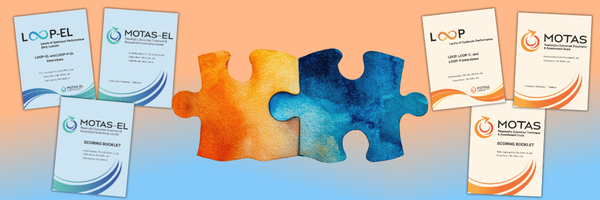
We’ve previously shared a blog about how to work with insurance companies and advocate for medical necessity in ABA. Here, let’s take a closer look at how you can work with insurance companies when using our newest assessment, the MOTAS and the MOTAS-EL.
For many clinicians working in Applied Behavior Analysis, submitting treatment plans and reporting client progress is a large part of the job. Navigating insurance requirements and aligning goals with the criteria set by payors can be a daunting task. With the Meaningful Outcomes Treatment and Assessment Scale (MOTAS) and the Meaningful Outcomes Treatment and Assessment Scale – Early Learner (MOTAS-EL) being newer assessments, many practitioners are asking about the approval of utilizing these assessments in submitting treatment plans to insurance companies. Up to this point, the MOTAS has been submitted to several insurance companies and treatment plans have been approved.
While we cannot guarantee that insurance will accept a particular assessment, several different strategies have been used to gain approval, including understanding medical necessity, providing justification for treatment, aligning goals with the DSM-5 criteria for autism, and pairing the MOTAS with other ABA assessments.
Understanding “Medical Necessity” and Core Characteristics
In many cases, insurance companies approve treatment plans based on whether they are deemed “medically necessary” and if the goals selected relate to the core deficits of autism, as described in the Diagnostic and Statistical Manual of Mental Disorders (DSM-5). The MOTAS and MOTAS-EL were intentionally designed to align with these core characteristics, making them excellent tools for establishing medical necessity in treatment plans. The entirety of the DSM-5 criteria for Autism Spectrum Disorder (ASD) has been printed, with special permission from the American Psychiatric Association (APA), in the MOTAS and MOTAS-EL. This allows practitioners to be familiar with the characteristics of autism and align treatment goals to address the needs of their clients.
Pairing MOTAS with Other ABA Assessments
Because the MOTAS is still gaining recognition, pairing it with assessments used in ABA practice and already accepted by insurance companies may be a practical strategy. Some commonly approved assessments include:
- VB-MAPP (Verbal Behavior Milestones Assessment and Placement Program)
- ABLLS-R (Assessment of Basic Language and Learning Skills-Revised)
- AFLS (Assessment of Functional Living Skills)
- EFL (Essentials for Living)
- Vineland Adaptive Behavior Scales
- PEAK Relational Training System
A clinician may complete one of these more commonly recognized assessments, and select 1-3 domains from the MOTAS/MOTAS-EL to supplement these goals, and only score the applicable domains and subdomains. Alternatively, the clinician may find the MOTAS/MOTAS-EL goals are more appropriate for their learner and complete several MOTAS/MOTAS-EL domains and largely feature MOTAS/MOTAS-EL goals in their treatment plan, but also complete an assessment grid for a more commonly recognized assessment. These techniques have been successful when submitting to payors.
Payors may also request a rationale or justification for using the MOTAS/MOTAS-EL as the skills assessment. Highlighting features of the MOTAS/MOTAS-EL that align with medical necessity and the core characteristics will help individuals unfamiliar with the assessments learn how they can be useful. Some of these features include skill domains relevant to the core characteristics of autism (including social behavior, perspective taking, relationships, transitions, and communication), scoring that tracks progress across multiple environments to evaluate for generalization and maintenance, and an accompanying interview for caregivers to help guide treatment and ensure they are part of treatment from the onset of services and continually throughout.
By incorporating the MOTAS alongside one or more of these assessments used in ABA, practitioners can highlight how the MOTAS addresses gaps in traditional assessments, particularly in Self-Awareness, Relationships, Perspective Taking, and Flexibility—areas that are crucial for meaningful skill acquisition and which directly address core characteristics of autism in ways that are medically necessary.
Writing a Strong Treatment Plan Using the MOTAS/MOTAS-EL for Insurance Approval
Here is a summary of things to consider when writing a treatment plan using the MOTAS/MOTAS-EL when submitting to an insurance company.
- Identify the Core Deficits: Use the MOTAS/MOTAS-EL to link goals directly to the DSM-5 criteria for ASD. Clearly state how each goal addresses deficits in social communication (expressive and receptive communication, social communication and interactions) , restrictive and repetitive behaviors (including rigidity in routines), or adaptive functioning.
- Include Results for Selected Domains: Present MOTAS/MOTAS-EL results and if necessary, do them alongside other assessments that the insurance company will recognize to strengthen the case for medical necessity.
- Describe Functional Impact: Demonstrate how the proposed interventions will decrease interfering behaviors and improve daily living, social participation, and overall independence.
- Use Objective Data: Since the MOTAS/MOTAS-EL both feature a consistent 0-5 rating scale, this data-driven approach can illustrate progress and justify continued treatment.
- Align Goals with Insurance Terminology: Use language that directly ties the need for treatment to medical necessity, emphasizing how therapy will address impairments that limit functioning in home, school, or community settings.
Further Reading
Learn more about the MOTAS:
- Introducing the Meaningful Outcomes Treatment and Assessment Scale
- Using the MOTAS and LOOP: Selecting Meaningful Goals
- Why the MOTAS Was Created
About the Authors
Anika Hoybjerg, PhD, EdS, BCBA-D, LBA
Dr. Hoybjerg is the CEO, founder, and owner of Autism & Behavioral Intervention (ABI) (a clinic-based ABA center in Draper, UT), ABA Education Center, and Integrity Billing. In addition to founding and leading these companies, Anika has worked in public schools and in private sectors with children and families for over 20 years. Anika is a Doctoral level Board Certified Behavior Analyst (BCBA-D) and a Licensed School Psychologist. Anika has a Bachelor’s degree in Human Development, a Master’s Degree in Curriculum and Instruction with an Emphasis in Autism, a Master’s degree in Human Exceptionality, an Ed.S in School Psychology, and a Ph.D. in Applied Behavior Analysis. Anika is currently pursuing a Master’s degree in Neuroscience and Trauma. Anika has presented at regional, national, and international conferences on a variety of topics relating to kindness in ABA services, autism, collaboration, and assessments.
Casey Barron, BCBA, LBA
Casey is a practicing Board Certified Behavior Analyst in Salt Lake City, Utah. She has been working in ABA since early 2015, spending several years first working as an RBT then as a BCBA in academic, home, and clinical settings. In addition to her work as a practicing BCBA, Casey works as the clinical director of an ABA center that has supported hundreds of children and where she oversees and trains staff members and future BCBAs. Since becoming a BCBA, Casey has presented at regional and international conferences on case studies from her own clinical practice.
Celia Heyman, PhD, BCBA-D
Dr. Celia Heyman is a lead consultant at FTF Behavioral Consulting where she consults with schools and clinics on the implementation of the Practical Functional Assessment and Skill-Based Treatment. Celia is also a core faculty at Capella University’s graduate Applied Behavior Analysis program. Celia was a guest editor on the special issue covering compassion for the Behavior Analysis in Practice. Celia currently serves on the Development Committee of the B.F. Skinner Foundation and is the Student Activities Chairperson for the World Behavior Analysis Day Alliance. She has presented in national and international conferences on topics addressing interfering behaviors, emerging learning instruction, and supervision.
The post Using the MOTAS and MOTAS-EL with Insurance Companies appeared first on Different Roads to Learning Blog.
]]>The post Working with Insurance Companies: How to Advocate for Medical Necessity in ABA appeared first on Different Roads to Learning Blog.
]]>
By Ashleigh Evans, MS, BCBA
In the early 2000s, advocacy efforts pushed forward a medical model of ABA. This model gained momentum as states began passing autism insurance mandates. In 2014, the Centers for Medicare & Medicaid Services (CMS) published a bulletin clarifying that Medicaid programs must provide autism services under the Early and Periodic Screening, Diagnostic, and Treatment (EPSDT) program. This set in motion plans across all 50 states for Medicaid programs to provide ABA and other services to Medicaid recipients. As of today, every US state also has insurance mandates requiring ABA therapy coverage, fully integrating ABA into the healthcare system.
The shift to a medical model of Applied Behavior Analysis (ABA) has brought benefits to the field, including increased access to care. However, with it also came increased treatment plan scrutiny from payors. Most payors now require BCBAs to demonstrate that a client meets medical necessity to authorize services. Let’s explore the concept of medical necessity and consider how clinicians can advocate for their learners.
What is Medical Necessity in ABA?
Medical necessity is a concept used within the healthcare field. It refers to treatment that is necessary to diagnose, treat, cure, or alleviate symptoms of a particular condition. When we look at medical necessity in ABA, we have to consider whether the therapy modality and specific individualized goals will realistically help relieve the symptoms of autism that are interfering with the learner’s quality of life.
Each payor has different medical necessity criteria. Generally speaking, to determine medical necessity, funders consider the type of care, frequency and duration, location where care will be provided, whether the treatment is research-backed, and whether it would be considered effective for the individual patient.
How to Demonstrate Medical Necessity
Behavior analysts are responsible for advocating for their clients–this includes advocating for medical necessity to enable their learners to receive medically necessary care. Here are some recommendations for navigating this requirement.
1. Understand the payor’s medical necessity criterion.
First, make sure you understand each payor’s criteria for medical necessity. Most major insurance providers publish medical necessity guidelines online under their Behavioral Health or Medical Policies. You can also access medical necessity criteria in your provider manual. If you can’t locate medical necessity criteria, reach out to your provider rep for guidance.
- Ensure up-to-date diagnostic assessments.
One component of medical necessity is typically a recent autism diagnosis. Most payors require comprehensive diagnostic evaluations every 3-5 years to verify the individual’s diagnosis. Keep an eye on the dates of diagnostic assessments and inform your clients when they’ll need a reassessment soon. Many providers have lengthy waitlists, so try to be proactive in urging families to get these scheduled.
Tip: If your client is due for a reauthorization but is overdue for a diagnostic re-evaluation, encourage the family to at least get it scheduled before you submit the authorization request. Many funders will recognize that diagnosticians have schedules that book out for months or even years, so the client may not be able to access a re-evaluation by the required date, but they at least want to see that it’s scheduled. - Conduct insurance-approved assessments at least every 6 months.
Make sure you have an updated and accurate assessment on file. Certain payors only accept specific assessment tools, so be sure to verify which assessments are accepted by the funder.
- Add a rationale for each goal.
In your treatment plan, add a justification for each treatment goal. This justification should tie back to the diagnostic criteria of autism spectrum disorder (ASD). In other words, specifically, how will targeting the goal alleviate the symptoms of ASD? Per the DSM-5, diagnostic criteria for autism include:
A. Persistent deficits in social communication and social interaction across multiple contexts, as manifested by the following, currently or by history (examples are illustrative, not exhaustive, see text):
- Deficits in social-emotional reciprocity, ranging, for example, from abnormal social approach and failure of normal back-and-forth conversation; to reduced sharing of interests, emotions, or affect; to failure to initiate or respond to social interactions.
- Deficits in nonverbal communicative behaviors used for social interaction, ranging, for example, from poorly integrated verbal and nonverbal communication; to abnormalities in eye contact and body language or deficits in understanding and use of gestures; to a total lack of facial expressions and nonverbal communication.
- Deficits in developing, maintaining, and understanding relationships, ranging, for example, from difficulties adjusting behavior to suit various social contexts; to difficulties in sharing imaginative play or in making friends; to absence of interest in peers.
B. Restricted, repetitive patterns of behavior, interests, or activities, as manifested by at least two of the following, currently or by history (examples are illustrative, not exhaustive; see text):
- Stereotyped or repetitive motor movements, use of objects, or speech (e.g., simple motor stereotypies, lining up toys or flipping objects, echolalia, idiosyncratic phrases).
- Insistence on sameness, inflexible adherence to routines, or ritualized patterns or verbal nonverbal behavior (e.g., extreme distress at small changes, difficulties with transitions, rigid thinking patterns, greeting rituals, need to take same route or eat food every day).
- Highly restricted, fixated interests that are abnormal in intensity or focus (e.g, strong attachment to or preoccupation with unusual objects, excessively circumscribed or perseverative interest).
- Hyper- or hyporeactivity to sensory input or unusual interests in sensory aspects of the environment (e.g., apparent indifference to pain/temperature, adverse response to specific sounds or textures, excessive smelling or touching of objects, visual fascination with lights or movement).
Here’s an example of a justification statement for an ABA treatment goal:
Goal: Client will independently mand for preferred items in 80% of opportunities, across 10 consecutive sessions, by 10/09/2025.
Rationale: To remediate the deficits in social communication that limit the client’s ability to get their needs and wants met.
5. Make sure the hours you’re requesting match the learner’s needs.
Lastly, ensure the hours of ABA you are requesting match the learner’s needs. If the individual has minimal needs or if you aren’t effective in communicating the full scale of their needs within the treatment plan, the funder may deem that services at the requested level are not medically necessary. Consider the whole picture of the learner’s abilities, needs, other services, and school supports to determine clinical need.
Main Takeaways
Behavior analysts are responsible for advocating for their clients’ best interests. While navigating the complexities of insurance and Medicaid can be challenging, it can be done effectively. Take time to understand each payor’s criteria and create a comprehensive treatment plan that directly addresses the funder’s requirements for demonstrating medical necessity.
About the Author
Ashleigh Evans, MS, BCBA, is a Board Certified Behavior Analyst. She has been practicing in the behavior analysis field for over 13 years and opened her own independent practice in early 2022. Her experience has been vast across different age groups, diagnoses, and needs. She is passionate about improving the field through education, reformative action, and better supervisory practices, leading her to create content and resources for families and ABA professionals which can be found on her website, www.abaresourcecenter.com
The post Working with Insurance Companies: How to Advocate for Medical Necessity in ABA appeared first on Different Roads to Learning Blog.
]]>The post The Benefits of Tablet Learning and Discrete Trial Training for Students with Autism appeared first on Different Roads to Learning Blog.
]]>
By Patrick Faga, MS, Creator of the FirstWork App
Tablets have become common tools in education, but their impact in special education, especially within the framework of Applied Behavior Analysis (ABA), deserves special attention. For many students—particularly those with autism—tablets can offer lightning-fast feedback that is both immediate and consistent. When someone taps a tablet, it registers the input in as little as 1 to 10 milliseconds, faster than the human eye can detect. That kind of speed, paired with the tablet’s reliable response, can make a world of difference for learners who depend on quick reinforcement to build new skills.
A Brief Recap of DTT/DTI
Discrete Trial Training (DTT), also known as Discrete Trial Instruction (DTI), is a highly structured teaching method often used in ABA therapy. It typically involves three main steps: a clear, concise instruction or question (the “discriminative stimulus”), the learner’s response, and an immediate consequence—either positive reinforcement for correct answers or gentle correction for errors. Because it focuses on repeated practice and immediate feedback, DTT has been particularly effective for children with autism and other developmental disabilities. However, the success of DTT hinges on providing quick and predictable responses to each learner action.
Why Faster, More Consistent Feedback Matters
Research published in the Journal of Applied Behavior Analysis highlights the importance of minimizing the delay between a learner’s action and the educator’s response. The less time between response and consequence, the more robust the learning connection becomes. Yet in busy classrooms or therapy sessions, even well-trained professionals can experience natural variations in how quickly or consistently they deliver feedback. Human factors—like fatigue, changes in tone of voice, or distractions—can cause slight delays that might interrupt the smooth flow of reinforcement.
Tablets bypass many of these challenges. The moment a learner taps the screen, an on-screen prompt or sound can tell them right away if they’re correct or if they should try again. That instantaneous feedback helps learners form stronger associations between their response and the outcome, reinforcing correct behavior and guiding error correction more effectively.
Benefits for Learners with Autism
Many individuals with autism thrive on consistency and predictability. Knowing exactly what will happen when they touch the screen can reduce anxiety, encourage engagement, and help them persist with challenging tasks. A tablet’s consistent, automated feedback is less likely to vary because of human mood or environment, making it an invaluable tool for reinforcing positive behaviors or prompting self-correction. Over time, learners often show increased independence and confidence when they can anticipate the same quick response every time.
Generalization Through Digital Presentation
Another major advantage of digital DTT/DTI is the built-in capacity to present multiple examples or “exemplars” of a single concept. Generalization—being able to apply a skill across different settings, stimuli, or people—is a critical goal in ABA and special education. When using a tablet, it’s easy to display various images or sounds in rapid succession, exposing learners to different contexts without having to gather real-life objects or shuffle through physical flashcards. This variety helps learners transfer what they’ve mastered to the broader world, ensuring the skill doesn’t remain “locked” in a single context.
Keeping it Simple for Teachers and Therapists
Of course, the human element remains essential. Educators and therapists are still the guiding force, shaping each learner’s progress and providing the warmth, understanding, and personal connection no device can replicate. However, certain digital platforms strive to make it easier for professionals to leverage tablets in DTT/DTI. One such example is FirstWork, which offers a wide range of images and straightforward data-tracking features, streamlining session prep and progress monitoring. By automating some of the rote tasks—like collecting response times and instantly providing feedback—tools like FirstWork allow educators to focus on what really matters: helping learners succeed.
In short, tablets represent a powerful ally in delivering more immediate, consistent feedback in DTT/DTI programs. Their speed, reliability, and versatility in presenting varied content help learners, including those with autism, stay engaged and acquire skills that transfer smoothly into everyday life. When paired with thoughtful strategies and a caring educator, tablet-based DTT can turn each tap of the screen into a stepping stone toward independence and growth.
References
American Psychiatric Association. (2013). Diagnostic and Statistical Manual of Mental Disorders (5th ed.).
Criterion B2 for Autism Spectrum Disorder lists “insistence on sameness, inflexible adherence to routines, or ritualized patterns of verbal or non-verbal behavior”—underscoring a clinical preference for predictable, consistent environments.
Goris, J., Brass, M., Cambier, C., Delplanque, J., Wiersema, J. R., & Braem, S. (2020). The relation between preference for predictability and autistic traits. Autism Research, 13(7), 1144-1154.PubMed
This empirical study found that higher autistic-trait scores correlate with stronger preferences for predictable music, images, and reward schedules, providing experimental evidence for a drive toward predictability.
About the Author
Patrick Faga, MS, is a behavior scientist and technologist. Patrick obtained his masters in Behavior and Decision science from the University of Pennsylvania. He has experience as an ABA technician, working directly with learners on the spectrum. Patrick’s passion is applying science based principles into technology systems to create new avenues for learning and skill development.
The post The Benefits of Tablet Learning and Discrete Trial Training for Students with Autism appeared first on Different Roads to Learning Blog.
]]>The post Introducing New Interests appeared first on Different Roads to Learning Blog.
]]>
By Nahoma Presberg, MS BCBA NYS-LBA
Behavior analysis can support the improvement of an individual’s quality of life in a wide variety of ways. We can teach language and functional skills as well as help clients find replacements and alternatives for unsafe behaviors. We can also help clients develop a wider repertoire of leisure skills that can support the enjoyment of free time and broader access to the world around them.
There’s no better feeling than when you can see someone getting more comfortable and curious to explore and try new things. Introducing new interests really has the power to change someone’s life in a meaningful way. However, this task can be extremely complex and requires a lot of intentionality from the therapists.
So, what are some things to keep in mind when you’re working with a client on developing new interests?
- Be patient. Familiarity often leads to enjoyment. When we’re more comfortable with an activity, it’s easier to relax into it and have it be a true leisure skill. One of the characteristics of autism is preferring to stay within routines and familiarity. This means that it can be difficult to try new things. It may evoke feelings of anxiety or nervousness in our clients (and probably ourselves too!) Take your time, it will be worth it.
- Abandon expectations. There are endless things that people find interesting in this world. Some are more popular, while others might be more niche. While we know that shared interests can help facilitate social skills and make developing friendships easier, it’s important that we listen to our clients about what is genuinely interesting. From there, we can help them tap into various social communities that share these interests. The same can’t be said in reverse order.
- Get creative. You never know what’s going to click. Get comfortable exploring the process with your client and have fun with it!
- Respect autonomy. New interests is a great opportunity to let your learner take the lead more than they might get to otherwise. This is an opportunity to understand how they approach things and what gets them excited.
- Get curious. You never know what might work!
- Be careful about what you’re reinforcing: When you’re introducing new activities, materials, etc. towards the intent of supporting the development of new interests, it can be easy to want to reinforce compliance behaviors or task completion behaviors. However, finding new interests is often about the process and we want to make sure that we’re reinforcing willingness to try, flexibility, curiosity and other behaviors that support the client’s ability to engage with you. Remember, it’s about the process and the process should be fun!
About the Author
Nahoma Presberg, MS BCBA NYS-LBA, is a Board Certified Behavior Analyst. Nahoma obtained their master’s degree at the University of Rochester in Human Development. They have been working with clients in their homes for the past 6 years but has over a decade of experience supporting children with developmental disabilities. Nahoma is passionate about neurodiversity affirming care and thoughtful programming that helps every client thrive.
For more information about Nahoma, you can visit their website at https://www.nahomapresberg.com/.
The post Introducing New Interests appeared first on Different Roads to Learning Blog.
]]>The post Setting Goals that are Realistic, Functional, and Meaningful appeared first on Different Roads to Learning Blog.
]]>
By Dana Reinecke, BCBA-D, LBA. Originally posted by Different Roads on January 25, 2018
Many people set goals for themselves throughout the year, and parents often think about their goals for their children. In setting goals for a child with a disability, there are a few important considerations that will improve the likelihood of the child’s success, as well as the parent’s satisfaction.
It’s usually a good idea to start with big picture goals, and then narrow them down. You might start by asking yourself what your ultimate goal for your child is, and then where you would like to see him or her in 5 years. Then, what would you like to be accomplished in this coming year?
Let’s say your big picture goal is for your son to have a happy social life. Your 5-year goal might then be for him to have at least 3 friends that he sees on a regular basis. Your goal might be to get him involved in an after-school club on a regular basis.
To take another example, your big picture goal might be for your daughter to communicate effectively with other people. Your 5-year goal might be for her to have conversational exchanges with other people in the absence of prompts or augmentative communication. And your goal for this year might be for her to ask for what she wants when she wants it (to “mand” for desired objects).
Starting with the big picture goal and thinking about the 5-year goal can help parents to maintain their focus. If you start with small goals and build up, you might find yourself building in the wrong direction. Most importantly, keeping the big picture and 5-year goals in mind help to keep your more immediate goals functional and meaningful. When time and resources are precious, you want to make sure that you use them only to address goals that are going to help your child to attain his or her best, most important possible outcomes.
A second consideration in setting year-long goals is how realistic they are. No one knows your child better than you, as his or her parent, but even parents can have difficulty gauging just where their child may wind up after a year. Many factors can impact the success of any goal, including the interventions available and other, unexpected barriers or supports that may arise. It can be helpful to break year-long goals down even further into smaller steps, which will be easier to predict and monitor.
So, for the son who you want to see be more social, consider breaking the goal of joining an afterschool club down into its parts, each of which will be easier and faster for him to accomplish than the whole: investigate the clubs that are available, discuss his top two choices with a guidance counselor, attend the first meeting, etc. Each of these smaller goals can be measured and celebrated, helping to keep momentum and motivation towards the bigger year-long and further aspirations. Similarly, the daughter who is working on communication can achieve smaller goals by learning to mand using prompts as earlier goals, and then continuing to mand independently as prompts are faded.
Finally, each of the smaller goals set for the year should be measured so that progress can be tracked. Seeing progress is not only motivating and exciting, but can help to guide when to advance to the next set of goals. Measurement is also important for identifying when progress is not happening as quickly as desired, so that the supports and strategies in place can be updated for better success.
About The Author
Dana Reinecke is a doctoral level Board-Certified Behavior Analyst (BCBA-D) and a New York State Licensed Behavior Analyst (LBA). Dana is an Assistant Professor and Department Chair of the Department of Special Education and Literacy at Long Island University Post. Dana provides training and consultation to school districts, private schools, agencies, and families for individuals with disabilities. She has presented original research and workshops on the treatment of autism and applications of ABA at regional, national, and international conferences. She has published her research in peer-reviewed journals, written chapters in published books, and co-edited books on ABA and autism. Current areas of research include use of technology to support students with and without disabilities, self-management training of college students with disabilities, and online teaching strategies for effective college and graduate education. Dana is actively involved in the New York State Association for Behavior Analysis (NYSABA), and served as President from 2017-2018.
The post Setting Goals that are Realistic, Functional, and Meaningful appeared first on Different Roads to Learning Blog.
]]>The post What Autism Awareness and Acceptance Should Be About appeared first on Different Roads to Learning Blog.
]]>
This week’s article comes to us from Executive Director David Celiberti, PhD, BCBA-D, Association for Science in Autism Treatment. To learn more about ASAT, please visit their website at www.asatonline.org. You can also sign up for ASAT’s free newsletter, Science in Autism Treatment, and like them on Facebook!
April is Autism Awareness and Acceptance Month. Infinity symbols, puzzle pieces, and calls to light it up blue will appear on thousands of social media pages and billboards, and the media will give greater attention to autism. Further awareness is wonderful, as detection and diagnosis are necessary first steps to accessing critical help in the forms of treatment, information, and support. With well over 500 treatments from which to choose, parents and caregivers of children with autism need guidance, tools, and accurate information to empower them to make the best possible choices for their children as these choices will undoubtedly have a profound impact on both their current quality of life and their children’s future and potential.
When I first entered the field over 35 years ago, autism was considered a rare condition and a low incidence disability. When people asked what I did for a living, they often misheard me and thought I said that I worked with “artistic” children. I received that response a lot. Clearly, autism spectrum disorder (ASD) is no longer the rare diagnosis that it once was. With the incidence of one in 36 children, so many of our own families, neighbors, and co-workers are touched by autism. In fact, the sheer numbers have heightened awareness of autism in and of themselves. This broader awareness is essential: it promotes early detection, and with early detection, we hope for a relatively clearer course toward effective intervention and ultimately better outcomes.
Sadly, however, early detection of autism alone does not provide a seamless path to intervention. Furthermore, families whose children are diagnosed with autism are still not able to access the most effective science-based treatments available expeditiously. Instead, families are often distracted by scores of pseudoscientific treatments until they arrive at the most effective interventions supported by peer-reviewed research to address the complexities of autism. Furthermore, other barriers such as lack of providers in their area and long waiting lists may lead families to consider a pseudoscientific treatment if accessing it is quicker or easier.
We must do better! “Autism Awareness” should involve more than just detection and diagnosis. “Autism Acceptance” should involve more than just tolerance or simply advocating for inclusion in the absence of any investment or commitment. At the Association for Science in Autism Treatment (ASAT), it has always been our hope that the conversation around autism awareness and acceptance would be broadened to focus on directly addressing the obstacles that separate individuals with autism from receiving effective, science-based intervention, to receiving the supports that are needed (across the lifespan), to ensuring that they are just not invited but truly welcomed at the table, and on combatting the misinformation that distracts individuals with autism, families, caregivers, and teachers from accessing accurate information. And this important work is needed year-round, not just during the month of April when it is popular and easy to signal support for the autism community.
Below I offer you 12 perspectives about what “Autism Awareness and Acceptance” should be about, along with several ways ASAT can assist families and providers alike in navigating the complex maze of autism treatment options. Please know that there are many voices in the autism community, comprising providers, family members, and autistic individuals. While my points are meant to foster discussion and understanding, these priorities may not resonate with everyone and are certainly not exhaustive. I encourage others to share their priorities as well. It is important to acknowledge and respect the diverse perspectives within the neurodiversity community.
1. “Autism Awareness and Acceptance” must recognize that the spectrum of autism is wide and that if you know one person with autism, you only know one person with autism.
In recent years, the autism community has witnessed and benefited from the rising voices of individuals who identify as autistic and who have expressed an array of views on their lived experiences. Although some have been diagnosed later in life and did not receive autism intervention or special education services and accommodations, many have shared both positive and negative accounts of what it was like to access services when they were younger. Among the many lessons to be learned is the importance of fully including the person with autism in goal selection and intervention choices and any and all decisions in between (as well as to carefully consider how we are empowering autistic individuals to have agency and an authentic voice when communicating their wants and needs in the first place). These important conversations have been insightful, transformational, and, at times, unsettling as we own our missteps and generate a path forward. Many professionals have shared shifts in preconceived notions, priorities, and perspectives. We do better when we truly listen.
Respect for divergent views is the soil in which the autism community can grow so that every person with autism can obtain the experiences and help needed to live their best lives. Some light it up red, some light it up blue, some say a person with autism, some say autistic person and it is all OK. While considering and respecting these preferences is important, there is also other important work to be done. All this work will be more achievable if there is more compassion and less judgement.
Another important lesson is that given the tremendous diversity we see in individuals with autism, with respect to strengths, challenges, and needs, no one individual has the experience and authority to speak for all, particularly when we are considering individuals with ASD who require 24/7 support and supervision. Many parents have shared views that their children with more significant needs are being overlooked (e.g., Ursitti, 2022 and as reflected in my interview with Eileen Lamb). We must do all we can to meet the needs of the members of the autism community with the most intensive and enduring needs. While every voice is important, we have to be mindful that one voice should not eclipse another.
2. “Autism Awareness and Acceptance” must include a differentiation of effective treatments that are scientifically validated from the plethora of “therapies” and “cures” lacking scientific support. Such distinction is critical.
Autism treatment is a billion-dollar industry. For the majority of the 500+ available interventions, science is overlooked in favor of pseudoscience, marketed using heart-wrenching testimonials, anecdotes, and video montages. These interventions are often bolstered with poorly crafted and misleading surveys that masquerade as legitimate scientific research. Many interventions boast inaccurate and even outrageous claims that are touted as evidence of effectiveness. Marketing of these so-called “therapies” and “cures” is unambiguously aggressive in nature and can be so overwhelming that it drowns out accurate information for those parents desperate to help their children access the very best treatment. We are in a time when the word for any experience can be placed before the word “therapy” and pushed forth as a “bona fide treatment” (e.g., Legos, llamas, bleach, sand, magnets, lavender oil, surfing, and even Shakespeare, to name but a few examples). Think about how confusing that may be for many consumers.
For most other medical conditions, a medical provider who disregards a proven intervention in favor of using a “fringe” treatment may be sued for malpractice! Sadly, such safeguards are not well established for autism treatment. We do no favors for children with autism, their families, and those responsible for providing needed services when we not only ignore junk science but allow it to proliferate by failing to counter baseless claims. Families deserve better. Individuals with autism deserve better.
Visit our website to learn more about the scientific support behind various autism treatments, the relevance of peer-reviewed research, the pitfalls of testimonials, as well as many other articles related to becoming a savvy consumer.
3. “Autism Awareness and Acceptance” must recognize our collective responsibility to make sound choices.
As adults, voters, consumers, providers, and parents, choice underlies all our decisions. We have a right to make these decisions, even poorly; however, when we hold the futures of individuals with autism in our hands, decision-making power comes with tremendous responsibility – a responsibility that should never be taken lightly. There are numerous “decision-makers” whose choices have profound implications for children and adults with autism – not just autistic individuals but their parents, siblings, teachers, treatment providers, administrators, program coordinators, and taxpayers.
- Individuals and their family members must exercise caution to make the best possible choice when sorting through autism treatment options, particularly since many providers do not make the path to effective treatment clear and simple. ASAT has offered many articles that speak to this challenge including this one on how to explain choices that are being made to other family members and how to stand for science on social media.
- Scientists need to take responsibility in making their findings about an intervention’s effectiveness clear, unambiguous, and devoid of exaggeration. Efforts should be made to promote replication, clarify which segment of the autism population would benefit from the intervention, articulate directions for needed future research, and to participate in peer review to the fullest extent (rather than bypass it altogether). Lastly, they should take steps to include those on the spectrum with the highest needs as well as from marginalized communities who are often excluded from research.
- Administrators and program leaders need to take responsibility for identifying internal and external training opportunities that further their staff’s competence with evidence-based practice. Additionally, they should make sure their staff receives the support needed to sustain these efforts and to continually engage in data-based decision-making when both selecting and monitoring. Decision makers must be savvy and selective in their choice of training for their staff and not fall prey to gimmicks, splashy sales pitches, or fads.
- Providers must select procedures that are based on published research, adhere to their discipline’s code of ethics about evidence-based practices, and maintain a commitment to ensure that parents and to the extent possible autistic individuals have truly been given the opportunity to provide informed consent. In short, if there is no scientific evidence to support an intervention that one is using, the professional is ethically obligated to inform consumers of this lack of evidence. In addition, providers should aspire to hire the right kind of people. Those employees must have integrity, compassion, a strong work ethic, the right attitude, and a thirst to always improve their repertoire of skills.
There are far too many individuals with autism who do not have access to effective treatment, receive ineffective treatment, or are subjected to treatments that are, in fact, dangerous. Every minute of ineffective intervention is one less minute spent accessing effective intervention. Every dollar spent on an intervention that does not work, takes a dollar away from an intervention that does work. Choices made have profound implications; therefore, the importance of choosing wisely cannot be overstated. Such choices should be informed by science and guided by data.
Please see our webpage for parents and a special section on becoming a savvy consumer which includes over a dozen articles in our “Is There Science Behind That” series. In this special section, you will also find an article on questions to ask marketers/providers so you can make sure that the individual with autism in your life is receiving science-based treatment, as well as questions that you can ask yourself.
You can also read more about the three phases of inquiry about particular interventions and their associated questions and considerations in the Road Less Traveled: Charting a Clear Course for Autism Treatment.
Phase I: Exploring the viability and merit of a particular treatment approach.
Phase II: Assessing the appropriateness of an intervention under the supervision and guidance of a specific service provider for a specific individual with autism.
Phase III: Monitoring the implementation of the treatment and evaluating effectiveness.
The questions listed for each phase not only can guide decision making but may occasion conversations that can lead to stronger collaborations and better outcomes.
4. “Autism Awareness and Acceptance” efforts must alert and remind the community that available information on the internet (and actual information from providers) varies greatly in accuracy, and, in fact, may be completely wrong. This point cannot be overstated.
As we know, not all information on the Internet is reliable and accurate and this is worrisome when you are looking to that information to make important decisions that can impact you and a loved one. You have probably heard the term, caveat emptor (“Let the buyer beware”). Consumers must also practice caveat lector (“Let the reader beware”). Often, internet information is deemed equivalent in relevance, importance, and validity to research published in peer-reviewed scientific journals, but it is not. Testimonials and uncontrolled studies from so-called researchers can lead parents astray and be a tremendous source of distraction.
Parents of newly diagnosed children may be particularly vulnerable. They need to know the red flags to avoid and learn how to evaluate research. Our library of articles highlights scientific concepts and methods as they relate to potential autism interventions, with the goal of providing families, educators, and clinicians with the information they need in order to be savvy consumers of marketed treatment products and therapies. We also published an article that showcases position statements about specific treatments such as Facilitated Communication and cannabis to name a few.
5. “Autism Awareness and Acceptance” must include solid reporting by journalists and other members of the media community who embrace their role as “public educators” and who are committed to spreading accurate information.
There are scores of “miracle cures” and “breakthroughs” for autism that receive widespread media attention (e.g., print and online news outlets, radio and television programs), even if these treatments have not been shown to be beneficial through peer-reviewed, published research. Unfortunately, effective treatments may receive less media coverage because their providers often focus more on outcomes than on garnering media attention. Things are not likely to improve in terms of access to effective treatment for the autism community without more accurate and abundant representations of autism treatment in the media.
The media has a responsibility to scrutinize sensational claims related to a proposed treatment and to be knowledgeable enough to report on those treatments with healthy skepticism and objectivity. Such scrutiny can be accomplished by members of the media asking important questions such as:
- Who am I interviewing for this story, and what are their qualifications? What do they stand to gain from this interview?
- Are there any published research articles documenting the efficacy of the intervention method featured in my article? If not, should I proceed with this story?
- What are the benefits touted by those who provide this intervention? What does this look like? How does it improve the quality of life for the person with autism? Their family?
- Is there any evidence of harm associated with this intervention? What are the risks?
- What are the costs? How is this paid for?
- What kind of education, training, and supervision do treatment providers need to have before implementing the intervention?
- Would my final article encourage false hope or suggest unrealistic benefits?
If you are interested in other questions to be considered when approaching a potential story, please review this article.
To support accuracy in the media, ASAT has developed a webpage for journalists. For examples of accurate and inaccurate reporting, please learn more about our Media Corner campaign, review resources about science journalism, read about the relationship between journalism ethics and autism treatment, and peruse our bank of archived letters. You will find that some of these letters showcase and celebrate accurate media representations whereas others highlight concerns about inaccurate representations.
6. “Autism Awareness and Acceptance” must recognize the critical need for newly diagnosed children to access effective treatment as soon as possible. We know that early intervention makes a huge difference.
For many conditions, such as Lyme disease and breast cancer, awareness is essential because awareness promotes detection, and with detection comes relatively clear paths toward well-established and evidence-based treatments. Optimal prognoses are often associated with early detection. Within a few short weeks of proper diagnosis, individuals have the opportunity to receive the best treatment that science has to offer. If their conditions are not detected early, access to such treatments is delayed and their conditions may worsen.
With autism, the story is very different as detection is not the “be all and end all.” There may be long delays between initial detection and diagnosis. Unfortunately, even at the time of diagnosis, many children with autism are not accessing the best that science has to offer, and their families are bombarded with solicitations to partake in any number of the 500+ autism treatments, most of which do not have an iota of scientific support.
While individuals with autism learn and progress across their lifespan, it is widely understood that the earlier intervention begins, the greater the potential for an optimal outcome. Learning more about the research basis for early intervention is crucial. It is also important to remember the limited window of time there is to prepare children for the “least restrictive setting” once they enter the school system.
The fact that resources allocated early can save a tremendous number of resources over an individual’s lifespan does not always enter the conversation when evaluating costs and benefits. These conversations must change. These long-term savings should become an integral part of the discussion about the appropriateness of intensive early intervention. Children’s futures hang in the balance and providing them with an effective early intervention experience can lead them towards better outcomes. Please see the following articles on the ASAT website:
- Early detection and intervention
- Teaching an 18 month old
- Parent participation in home-based intervention
- What to expect from a quality ABA program
- Empowering caregivers for successful collaboration
- Expanding interests
- Explaining decisions to use science-based treatment
- Discussing concerns with family members
- What is involved in an early intensive ABA program for autism
- Some language considerations when working with bilingual families
- A review of Promoting Functional Communication within the Home
- A review of Responsible and Responsive Parenting in Autism: Between Now and Dreams
We also recently published an annotated list of ASAT articles that might be of interest to parents of newly diagnosed children, as well as an annotated list of other websites.
7. “Autism Awareness and Acceptance” should also instill hope for a better tomorrow for those individuals who are not part of the “best outcome” group.
With the right treatment and preparation for adolescence and adulthood, all individuals with autism demonstrate improvement, and many go on to lead happy and fulfilling lives. Much of the conversation about treatment, however, focuses on “best outcomes” and this is often defined as entering “mainstreamed” education settings or losing the diagnosis of autism altogether. This point may delegitimize the significant progress made by most individuals with autism, whose outcomes may be different, but are no less important and meaningful. I am very grateful for the advocacy of parents and professionals (e.g., Profound Autism Alliance and the National Council on Severe Autism) who are advancing the visibility of those with profound autism, a term that is sorely needed.
We know, for example, with intensive intervention based on applied behavior analysis (ABA), individuals with autism learn to live and work in the community, access faith communities, fully participate in routine healthcare, enjoy a range of recreational pursuits including a commitment to fitness and water safety, become independent in their self-care needs, have meaningful relationships, and are active, contributing members of their communities. The relevance of such gains must be recognized as a significant benefit of effective treatment and are important conversations to have, particularly at a time when some vocal bloggers are viciously maligning any and all treatment efforts as abusive, immoral, or otherwise unethical. This maligning includes the denigration of parents who only want to help their children realize their fullest potential with an joyful quality of life.
Autism awareness should also include a celebration of a broad array of outcomes as was touched upon in our recent interviews with Eileen Lamb and Catherine Maurice, author of Let Me Hear Your Voice, as well as editor of a number of other titles. Please also visit our Perspectives page which shares the views of some parents such as Judith Ursitti and highlights success stories of young people with autism, who are not necessarily in the best outcome group, carving out sustainable vocational experiences.
8. “Autism Awareness and Acceptance” must mandate accountability from all treatment providers regardless of discipline.
Accountability involves a shared commitment to objectively defined targets, data collection, and respect for the scientific method. It is every provider’s responsibility to objectively measure outcomes. No one should get a pass on accountability. No one is excused from defining their target and objectively measuring progress. No one should get away with implementing their intervention carelessly, without accountability, and in a non-transparent manner. No one should be permitted to boast claims that they cannot demonstrate through data. Yet, many providers, not just those who provide pseudoscientific interventions, but those who provide evidence-based treatment of poor quality, are capable of boasting unsupported claims.
Providers using interventions that lack scientific support have an ethical obligation to share this fact with consumers, and to exercise caution in making claims about outcomes. Far too often, applications of interventions that lack any scientific support are carried out in a manner devoid of transparency and objective measures to substantiate claims of the treatment’s success. This lack of transparency must also not be tolerated. Providers must make sound, scientifically-validated decisions, and recommendations. Please visit our website for more information about ethics and evidence-based practice (including this book review of Practical Ethics for Effective Treatment of Autism Spectrum Disorders). Please see Principles # 1 and # 2 of the Ethical Code for Occupational Therapists, Principle of Ethics I, Rule M and Principle of Ethics II, Rule A of the ASHA Code of Ethics, Section 2.04 of the Ethical Principles of Psychologists and Code of Conduct, and Section 2 of the Professional and Ethical Compliance Code for Behavior Analysts. We also published this paper exploring the nexus of journalism ethics and autism treatment.
9. “Autism Awareness and Acceptance” must involve recognition that an abundance of clinical research already exists, and this body of research matters.
In the world of autism intervention, peer-reviewed research, which should guide and inform treatment efforts, is too often disregarded or ignored altogether. Imagine a world in which it was deemed acceptable for mainstream cancer providers to treat childhood leukemia with methods they preferred without any consideration of already published research as if did not even exist. Sadly, that is the reality of autism treatment, as many providers use their personally preferred methods, what comes easy for them, often divorced from scientific support and then often carried out without any objective means to assess benefit (e.g., objective data collection).
If treatment providers and consumers are interested in published research on diverse topics such as improving conversation skills, promoting academic skills, eliminating self-injurious behavior, increasing food repertoires, or developing a tolerance for healthcare procedures, they can find it (see this helpful article for strategies on conducting a literature review and accessing article databases). Sadly, these peer-reviewed studies are often not accessed by treatment providers and caregivers. Thousands of researchers and experts in their fields have published their findings in peer-reviewed journals that can guide autism treatment, yet their findings are often overshadowed by media representations and clever and splashy marketing that put sensationalism about the “next big thing” in autism treatment over objective scientific research. Please visit our website often to read our ever-increasing number of research synopses, a vast library of treatment summaries, and our growing library of Science Corner articles.
10. “Autism Awareness and Acceptance” should help us identify and overcome the barriers that families and individuals with autism face even within their own communities.
Not every child with autism is invited to birthday parties. Not every faith community welcomes families of children with autism. Not every school provides meaningful contact between students with autism and their typically developing peers. Not every community provides recreational and other important social opportunities for individuals with autism. Not every child has access to timely evaluation and intervention, particularly children of color, those who live in rural or economically disenfranchised communities, and those who live in countries where access is not adequately supported by legislation, mandates, provider pools, and resources necessary for proper care. It is crucial that our efforts in raising autism awareness and acceptance not only highlight these disparities but also advocate for the changes needed to create a more inclusive and supportive world for all individuals with autism, no matter where they fall on the spectrum.
Like all families, those with children with autism want to be able to live comfortably and fully within their communities. Living comfortably and fully may mean simply going to the park, enjoying play dates, attending religious services, accessing routine medical care, going to the movies with friends, or eating at a restaurant with their family. Unfortunately, many families are not able to access these activities because the community is not sufficiently informed or prepared to include individuals with autism within these settings. In some cases, the children are not taught how to manage these situations well due to ineffective treatments. As a result, families of individuals with autism are often isolated, particularly as children age. This lack of opportunity is both a function of misinformation about autism and the lack of awareness about the successful efforts of those who have overcome such barriers. With one in 36 children being diagnosed, every facet of society should become aware of the support necessary for individuals with autism to succeed within their communities. Increasing awareness could involve accessing information about success stories, receiving education and training, and open dialogue with individuals and families about what could be helpful. It would be prudent if every facet of society evaluated what they are doing to support individuals with autism, what they are not doing, and what they could be doing differently, particularly to address the ethnic and racial disparities that are sadly so prevalent.
The autism community will be better served if we all made a commitment to the following notion: We want to be more accepting today than we were yesterday, but not as much as we will be tomorrow.
11. “Autism Awareness and Acceptance” is needed worldwide. In many countries, families of individuals with autism face incredible challenges and barriers.
As a US-based organization, we recognize the many benefits that exist here in our country. These include, although are not limited to, well-established special education laws, the lion’s share of Board-Certified Behavior Analysts (BCBAs), providers from other disciplines who are committed to science-based practice, and a long history of the conversation about best practices. This is in contrast to the experience of families of children with autism residing in many other countries. These families are often offered outdated therapies such as psychoanalysis, have very limited resources, face stigma and rejection within their communities, may encounter a professional community that has low expectations about what may be possible and lack the support of laws mandating even adequate treatment and education. Providers eager to learn and use best practices will face limited education and training opportunities, a dearth of accessible supervisors, and struggle to access supporting professional networks. In some countries, the social and economic conditions may be so poor that autism treatment is relegated to being a lower priority which in many cases means receiving no services at all. We recently published this article about how our resources can support the efforts of international behavior analysts and are heartened with the growth and development of international credentialling bodies (e.g., International Behavior Analysis Organization® and Qualified Applied Behavior Analysis Credentialing Board).
We believe that knowledge is power and that a global community of savvy and informed consumers can help shape the landscape of effective intervention. Please note that we have flyers about our website and our monthly publication, Science in Autism Treatment, in 24 languages including Arabic, Armenian, Bangla, Bulgarian, Brazilian Portuguese, French, French Canadian, German, Hebrew, Hindi, Italian, Japanese, Malay, Mandarin, Polish, Russian, Serbian, Spanish, Swahili, Swedish, Tagalog, Telugu, Turkish, Urdu, and Vietnamese. If you are interested in distributing our translated materials, please write to us at info@asatonline.org.
At the bottom of every page on our website, we make it easy to disseminate our content through a variety of social media platforms. Please also note the Google language translation option in the upper right-hand corner of our webpage.
12. “Autism Awareness and Acceptance” should be about the reality that the hundreds of thousands of children with autism will become hundreds of thousands of young adults with autism; unfortunately, we remain woefully ill-prepared to meet their needs.
When children with autism become adults (at the age of twenty-one in the U.S.), funding for services drastically changes. As a result, there are very few quality programs for adults with autism. We are facing a crisis in the field, with a scarcity of services for adults with autism and the absence of a clear strategy for closing the gap between the ever-increasing need, and an unprepared body of available resources. Quality evidence-based services for individuals with autism must continue into the adult years. Research indicates that interventions such as applied behavior analysis (ABA) can effectively help adolescents and adults with autism continue to work toward their fullest potential. The conversation about “cure” often delegitimizes and derails important conversations about how we can help individuals with autism live and work independently, develop meaningful relationships, reduce challenging behaviors that may limit opportunities, access faith communities, and enjoy the array of recreational pursuits that are available locally. Those are crucial conversations to have so that all members of the autism community can have lives which bring joy, independence, and purpose. A huge part of this conversation must be to plan for and engage in all of the smaller conversations about how we are truly preparing young people with autism for decades of life as an adult by harnessing strengths, considering cultural, linguistic, and community factors, and maximizing assent.
At ASAT, we have broadened our scope so that we can be a part of this important and essential dialogue and have written extensively about that commitment. In response to the needs of families of older children and adults, we are also continuing to add to our webpage that addresses lifespan topics, Here, one can learn about maximizing employment opportunities, strategies to support older learners, and transitioning to adulthood.
We are expanding our collection of clinical corner articles on lifespan topics and research synopses that include adolescent and adult participants with autism. Finally, we have written about this topic extensively within Media Watch. Please see the following examples of some of our letters related to lifespan topics:
- ASAT Responds to abc.news.go.com’s “How A Child With Autism Became ‘His Own Man’ After Treatment”
- ASAT Responds to Psychologytoday.com’s “Making Severe Autism Visible”
- ASAT Responds to NBC News Dateline’s “On the Brink”
- ASAT Responds to ABC.net.au’s “Hope for autistic teens: How Applied Behaviour Analysis helped Ian Rogerson’s son Jack overturn bleak prognosis”
- ASAT Responds to FoxPhilly.com’s “Parents Of Autistic Children Worry What Life Will Bring When They’re Adults”
- ASAT Responds to Portland Press-Herald’s “Graduating to an Uncertain Fate”
- ASAT Responds to MSNBC’s “1 in 3 autistic young adults lack jobs education”
I hope these 12 calls to action have furthered your appreciation of the complexities and nuances surrounding autism awareness. We all play a role in advancing science, bettering the lives of individuals with autism, and helping their families and supporters become skilled and savvy consumers. Embrace that role with an eye toward identifying what additional steps you can take to become a contributor to important discussions and an even bigger part of the solution. There is much more important work to be done to promote access to science-based treatment, to improve outcomes, to promote access, to ensure data-based decision-making, and to essentially keep science at the forefront of every conversation about autism treatment.
For more information on how to join ASAT and be part of the solution, please subscribe to Science in Autism Treatment, visit our website, and follow us on Facebook. Learn more about how to become a sponsor, volunteer, or extern. Or you can support our work by making a donation. Join us in making a difference in our global autism community!
Reference for this article:
Celiberti, D. (2025). What autism awareness should be about. Science in Autism Treatment, 22(4).
About the Author
David Celiberti, PhD, BCBA-D, is the Executive Director of ASAT and Past-President, a role he served from 2006 to 2012. He is the Editor of ASAT’s monthly publication, Science in Autism Treatment. He received his PhD in clinical psychology from Rutgers University in 1993 and his certification in behavior analysis in 2000. Dr. Celiberti has served on a number of advisory boards and special interest groups in the field of autism, applied behavior analysis (ABA), and early childhood education. He works in private practice and provides consultation to public and private schools and agencies in underserved areas. He has authored several articles in professional journals and presents frequently at regional, national, and international conferences. In prior positions, Dr. Celiberti taught courses related to ABA at both undergraduate and graduate levels, supervised individuals pursuing BCBA certifications, and conducted research in the areas of ABA, family intervention, and autism.
The post What Autism Awareness and Acceptance Should Be About appeared first on Different Roads to Learning Blog.
]]>The post How Can ABA Providers Empower Caregivers for Successful Collaboration? appeared first on Different Roads to Learning Blog.
]]>
This month’s ASAT feature comes to us from Juliana Oliveira, PhD, BCBA-D, Munroe-Meyer Institute, University of Nebraska Medical Center. To learn more about ASAT, please visit their website at www.asatonline.org. You can also sign up for ASAT’s free newsletter, Science in Autism Treatment, and like them on Facebook!
Question: I’m a BCBA working in a home-based program for school-aged children. I know caregiver involvement is integral to a program’s success; however, I’m having a difficult time not only getting caregiver buy-in but also learning how to best support and coach the caregivers I work with. Any guidance would be helpful.
You raise an important question, and you are most certainly not the only provider to go through situations related to caregiver buy-in and support. Families play a central role in creating their children’s social world and have the most intimate knowledge of both their children and the environments in which they will thrive and grow. Therefore, considering how to effectively support and empower families through the intervention process is key to a successful collaboration.
Building a Strong Caregiver-Provider Rapport
One of the definitions of “buy-in” is the “agreement to support a decision” (Merriam-Webster, 2013). Supporting a decision, or engaging in behaviors aligned with a decision, implies that engaging in those behaviors might lead to short-, medium- or long-term reinforcement. If caregivers do not support a decision, the first thing to reflect on is “Do they believe their family will gain something from this treatment in the near- or long-term future?” This reflection may arise when you are starting a new relationship with a family or when a current relationship with a caregiver is not going as expected. In the first few meetings with caregivers, providers tend to focus on the client’s current skill level and the challenges the client might be facing. However, it is also important to consider skills, challenges, goals, and barriers related to the family (Taylor & Fisher, 2010). A strong relationship between a caregiver and a provider can be achieved through demonstrations of genuine interest in and empathy for the caregiver, respect for each family’s ethnic and cultural background, knowledge about the family’s strengths, routines and preferences, and effective communication (McGrath, 2005). Here are a few questions that can be asked when getting to know a family or when trying to reestablish rapport with a family that has been already receiving services:
- “What do you hope to gain from our time together?”
- “What went well in your relationship with prior providers? Can you share anything that could have made it better?”
- “What skills would you like to see your child develop over the next 6 months? What is your top priority or concern?”
- “What are the activities that you enjoy doing the most with your child? The least?”
- “What are some fun aspects of daily life with your child? The most frustrating?”
- “What worries do you have about beginning our work together?”
- “How much time do you usually spend with your child every day?”
The questions above and other questions related to the treatment plan, goals, or strategies being taught should be part of a continuous assessment of caregivers’ engagement throughout treatment (see Walkup, 2012) for a further discussion on encouraging parent participation in home-based services. Additionally, the caregiver should be encouraged to speak openly and honestly about issues and/or past experiences that are important to them. The service provider can facilitate an open dialogue on these topics by asking open-ended questions, listening attentively without interruption (making eye contact, nodding), reflecting on key aspects of what the caregiver says (e.g., “It sounds like you are worried that Maria can’t express herself”), and building on their responses (e.g., “It must feel hard. It seems like you are looking for alternatives on how to best help her”). See Rohrer et al. (2021) for a more comprehensive discussion on compassionate interactions.
Modify Your Role as an Authority Figure
As behavior analysts, we receive intensive training on selecting meaningful goals, designing procedures, and solving potential teaching procedure barriers. However, we receive less training on how to establish a collaborative relationship with caregivers and how to recognize the caregiver’s expertise in their family (LeBlanc et al., 2020). Barnett et al. (2014) conducted a study on types of therapist coaching and found that therapists’ responsive coaching (e.g., praise to parents) was a partial mediator of change in parenting behavior; whereas directive coaching (e.g., commands) did not relate to change. These results indicate that using a collaborative, rather than directive approach, may help facilitate meaningful caregiver behavior change.
Thus, instead of behaving as the authority figure with all the answers, or as the “provider-as-expert,” research suggests that it may be important to move towards a “shared-expertise” model, in which behavior analysts serve as collaboration partners. In other words, we are the “experts” in the intervention, but the caregiver is the “expert” on their child. See some differences between the authority figure and the collaboration partner in Table 1.
Table 1. Examples of an authority figure versus a collaboration partner
| Authority figure/expert | Collaboration partner |
| Identify the child’s needs as you have defined them based on your assessment. Example: “One of the skills we will work on is imitation, as Maria did not demonstrate this skill during the initial assessment.” | Identify the family’s goals for their child and their assessment of their child’s strengths and needs, as well as strengths and recommended areas of intervention focused on in the individualized family assessment process. Example: “Based on the initial assessment and based on what we observed together while playing with Maria, it seems like imitation is an important skill for Maria to work on. Let’s work together on establishing imitation goals to work on at home.” |
| Direct caregivers on what do to at home and when to do it. Example: “Here are the imitation targets you will work on: clap hands, wave, and blow a kiss. You can work on these targets during bath time and when singing songs together.” | Discuss with the family what they could do at home, how the therapist can better support them, and what routines would work best for the targeted skills. Example: “What routines do you think you could use imitation in? Let’s discuss targets that would make sense at home. Let’s also discuss what materials we have available at home that we could use to work on this goal.” |
As you can already probably tell based on the previous examples, integrating shared decision-making into your practice might help you move away from an authority figure role and better establish rapport with the family you are serving. Shared decision-making encourages the caregiver to play an active role in decisions about assessment and treatment.
Examples:
- The caregiver takes an active role in gathering information on the child’s current skills and selecting meaningful goals.
- The caregiver and service provider brainstorm on available activities and materials that will be part of the teaching set.
- The service provider and caregiver discuss how to break down long-term goals into short-term achievements.
By employing these strategies – aligning with the family’s values, treatment goals, and procedures – the service provider is setting the stage for successful treatment.
Supporting and Coaching Caregivers
At the beginning of each coaching session, the service provider should schedule a time to check in or conduct a brief reflection with the caregiver (Rogers et al., 2021). Check-ins can be relatively brief (e.g., 5 minutes). During this time, the provider should ask how the caregiver found the use of the strategies from the previous session. This check-in time is also a good opportunity to problem-solve potential challenges, such as limited time to implement the technique and potential difficulties in implementing the technique at home. An initial check-in is a good opportunity to recognize the caregiver’s and child’s strengths, efforts, and successes. Some examples of questions to ask caregivers during this time include:
- “How did you feel about using this strategy during these last few days?”
- “What do you think went well when trying to implement the strategy?”
- “Were there any barriers when trying to implement the strategy?”
- “I’m so impressed you were able to implement the strategy in this way [describe how they implemented it].”
- “I’m so glad to hear that Maria responded in this way [describe how Maria responded to it].”
Describe and Discuss the Technique
After the check-in, describe the technique the caregiver will be implementing, provide a rationale for using the technique, and describe examples of the technique, relating it to the family’s routine. It is important that the caregiver actively participates in this process and can ask questions and bring examples from their daily life.
Examples:
- “The technique we will be working on today is…”
- “The importance of this technique is that…”
- “Here are some ways we can implement this technique that align with your daily routine and resources…”
- “This technique will help Maria make progress on the following goals…”
- “Do you have any questions about it?”
- “Now it’s your turn to tell me what the technique is that we will be working on today. Would you be able to describe it?”
- “Can you tell me some examples of how we could use this technique with Maria?”
- “Does this technique align with your long-term goals for Maria and your family?”
Demonstrate or Model the Technique During Direct Work with the Child
The next step is to briefly demonstrate the technique with the child. While using the technique, narrate what you are doing and how the technique is affecting the child’s behavior in the moment. It is important to note that at this stage, the provider should not outshine the caregiver while modeling the technique with the child. The caregiver should feel empowered and motivated to employ the technique, instead of feeling frustrated or intimidated by the provider.
The provider works on mand training with Maria (i.e., teaching Maria to make requests). While creating mand opportunities, the provider provides an echoic prompt. Maria echoes, and the provider immediately delivers the preferred item to Maria. While modeling to the caregiver, the provider says, “It seems like Maria really wants to play with the puppy, so let me hold it for a few seconds out of her reach while she can still see it. Now she is looking at it and reaching for it. Let’s try this… ‘DOG.’ Wow! Did you see that? Maria repeated, ‘DOG!’” The provider immediately delivers the dog to her after that. “And that’s how we will practice requests together. She is a rock star!”
Live Coaching with Caregivers
When caregivers understand the technique by providing examples related to their child and identifying the technique when implemented by the provider, they can move on to practicing the techniques. If the caregiver seems initially hesitant to participate, you could conduct more role-plays or intersperse practice between you and the caregiver. It is important that the caregiver understands that their involvement and practice is an important part of each session’s routine.
- The caregiver says, “I still don’t think I’m ready. She responded so well to you. I’m not sure I can do it…” The provider says, “I understand the hesitation. I’ve been using this strategy with different kids, but please remember, you are the expert on your kid! I have a suggestion… What if we take turns? I will create one request opportunity, and you create another request opportunity. Does that sound good?”
Feedback
A crucial component of live coaching includes feedback. Several strategies for providing effective feedback are outlined in the literature (e.g., Ingersoll & Dvortcsak, 2010; Simonian & Brand, 2022). Parents are likely to require a higher level of direct feedback early in the implementation of treatment. However, it is important to remember that rapport plays an important role when receiving corrective feedback. Make sure to provide more positive feedback early in the treatment and wait to provide constructive comments until a rapport is established, so caregivers feel comfortable and safe during coaching sessions.
See Table 2 for examples of different types of feedback you could implement while live coaching the caregiver (Bruinsma et al. 2020).
Table 2. Types of feedback
| Type of feedback | Definition | Example |
| Give behavior-specific feedback. | Feedback should be specific, clear, and related to the caregiver and child during that moment. | “When you held the duck, waited for the reaching response from Maria, and said ‘DUCK’, Maria immediately said ‘DUCK’. This was a great way to create a request opportunity”. |
| Give behavior-focused feedback. | Focus each session on a single or a small number of techniques. | “When you held the duck, waited for the reaching response from Maria, and said ‘DUCK’, Maria immediately said ‘DUCK’. I love how you were able to quickly identify the indicating response and provided an immediate prompt.” |
| Use positive examples of the correct application of techniques. | Provide caregivers with positive examples of the correct uses of the technique. | “Good job following her reaching response!” “You are being very immediate in providing positive reinforcement!” “Awesome holding the duck in front of her to assess motivation!” |
| Use corrective feedback when needed. | The use of corrective feedback is important to ensure integrity. | “Maria seems to have lost interest in the duck. Rather than continuing to try to play with the duck, let’s see what she shows interest in next.” |
Sometimes you will have to provide succinct feedback while the caregiver is implementing the technique. However, the caregiver might benefit from more elaborate or reflective feedback. If that’s the case, make sure to provide more in-depth feedback after the practice is done.
Final Thoughts
Caregiver coaching is a process that certainly requires technical skills but also a variety of soft social skills (Rohrer et al., 2021). Each family has different values, preferences, abilities, goals, and obstacles. Getting to know the family and establishing a strong, trusting relationship with the caregiver are critical to a successful collaboration. Shared decision-making and switching from the provider as the “expert figure” to a collaborative partner will provide a strong foundation from which to start successful coaching sessions.
References
Barnett, M. L., Niec, L. N., & Acevedo-Polakovich, I. D. (2014). Assessing the key to effective coaching in caregiver-child interaction therapy: The therapist caregiver-interaction coding system. Journal of Psychopathology and Behavioral Assessment, 36(2), 211-223.
Bruinsma, Y. E., Minjarez, M. B., Schreibman, L., & Stahmer, A. C. (2020). Naturalistic developmental behavioral interventions for autism spectrum disorder. Brookes Publishing Company.
LeBlanc, L. A., Taylor, B. A. & Marchese, N. V. (2020). The training experiences of behavior analysts: Compassionate care and therapeutic relationships with caregivers. Behavior Analysis in Practice, 13, 387–393.
McGrath, J. M. (2005). Partnerships with families: A foundation to support them in difficult times. The Journal of Perinatal and Neonatal Nursing, 19(2), 94-96.
Merriam-Webster. (2003). Litmus test. In Merriam-Webster’s collegiate dictionary (11th ed., p. 727).
Rohrer, J. L., Marshall, K. B., Suzio, C., & Weiss, M. J. (2021). Soft skills: The case for compassionate approaches or how behavior analysis keeps finding its heart. Behavior Analysis in Practice, 14(4), 1135–1143. 10.1007/s40617-021-00563-x
Rogers, S. J., Vismara, L. A., & Dawson, G. (2021). Coaching caregivers of young children with autism: Promoting connection, communication, and learning. Guilford Publications.
Simonian, M. J., & Brand, D. (2022). Assessing the efficacy of and preference for positive and corrective feedback. Journal of Applied Behavior Analysis, 55(3), 727-745.
Taylor, B. A., & Fisher, J. (2010). Three important things to consider when starting intervention for a child diagnosed with autism. Behavior Analysis in Practice, 3, 52-53.
Reference for this article:
Oliveira, J. (2025). Clinical Corner: How can ABA providers empower caregivers for successful collaboration? Science in Autism Treatment, 22(3).
About the Author
Juliana Oliveira, PhD, BCBA-D, is an assistant professor at the Integrated Center for autism spectrum disorders (iCASD), at the University of Nebraska Medical Center (UNMC) Munroe-Meyer Institute (MMI). She obtained her bachelor’s degree in psychology at the Federal University of Para (UFPA) in Brazil, and her M.S. degree in Experimental Behavior Analysis also at UFPA. Juliana conducted research on conditional discriminations with Cebus apella monkeys, stimulus-stimulus pairing procedures to induce vocalization with children diagnosed with autism, and caregiver training for toddlers and children diagnosed with autism. Later, she moved to Texas and obtained her doctorate at Texas Christian University (TCU). During that time, Juliana worked on a series of studies that evaluated the efficiency and other potential benefits of equivalence-based instruction, while remotely consulting families back in Brazil. In her current position, Juliana is providing ABA services to dyads and small groups of children diagnosed with autism. She is also interested in assessing different teaching procedures to teach verbal behavior and to assess the emergence of different verbal operants. She loves eating shrimp (any kind of shrimp!) and loves to go to the beach.
The post How Can ABA Providers Empower Caregivers for Successful Collaboration? appeared first on Different Roads to Learning Blog.
]]>The post Ensuring Client Dignity appeared first on Different Roads to Learning Blog.
]]>
By Jeridith Lord, LCPC, BCBA
Dignity can be described as being worthy of honor and respect. By simply existing, we are all worthy of being treated with dignity. Yet, how do we ensure that we are treating others (especially our learners) with dignity?
1. The BACB code of ethics (2020) can help guide clinicians (and parents!) as they prioritize ensuring dignity, offering several themes that may be useful in day-to-day interactions. First, there should be an emphasis on respecting autonomy and choice. This may look like providing multiple options for snacks, meals, playtime, books, and more! There may be times that choice is not possible (such as when safety is concerned), but choice should be prioritized whenever possible. Learners should also be respected if they decide that they do not want these choices.
2. Dignity is humanizing. Professionals should be cognizant of the language that they use to describe their learner’s behaviors. Person-first language stresses the importance of seeing the person before their diagnosis. There is no such thing as a bad kid. Instead, we should view these learners as people who sometimes engage in challenging behaviors and those behaviors should be the focus instead of associating it with their morality (Friman, 2021).
3. All interventions should emphasize the least restrictive option before moving to the most restrictive option. An example may look like encouraging a learner to wash their hands with a verbal prompt before escalating to physical guidance. There are some exceptions to this rule, especially when safety is concerned. However, in a safe environment, least restrictive interventions promote autonomy, thereby promoting dignity.
4. Clinicians should strive to be culturally sensitive and humble. Incorporating the learner’s background encourages their participation and collaboration. It also ensures that the families’ values align with treatment goals. These values will be different depending on the family, so it is important to include them when considering the impact of culture. This may be difficult for clinicians who work with families who come from different cultural backgrounds, so additional supervision and education is encouraged. We can never learn too much!
5. Ensuring dignity means fostering a supportive and caring environment. A supportive and caring environment begins with emphasizing positive reinforcement and celebrating successes. Building confidence in the learner contributes to the development of independence which is essential for the cultivation of dignity. This also looks like acknowledging the learner’s individual needs, emotions, and methods of self-expression. Our uniqueness is what makes us, us and our learners are no different.
Prioritizing these strategies can help guide clinicians (and parents!) in their pursuit of promoting and ensuring dignity. While it is our job to protect, guide, and instruct our learners, it is equally as important to build them up to become their own person. As their own person, they are entitled to dignity as much as everyone else and we should strive to support that in every interaction we have.
References
Behavior Analyst Certification Board: (2020). Ethics code for behavior analysts. Littleton, CO: Author.
Friman, P. C. (2021). There is no such thing as a bad boy: The circumstances view of problem behavior. Journal of Applied Behavior Analysis, 54(2), 636–653. https://doi.org/10.1002/jaba.816
About the Author
Jeridith Lord is a practicing clinical counselor and a Board Certified Behavior Analyst. Her passions include research in trauma-informed care and compassionate care. She has been fortunate enough to present internationally on topics such as compassionate care in first responders, behavioral training for first responders, adherence to ethical guidelines, traumatic impact and mental health collaboration, and advocacy for domestic violence and sexual assault survivors. Jeridith is a third-year PhD student and an adjunct professor at Endicott College and Southern New Hampshire University.
The post Ensuring Client Dignity appeared first on Different Roads to Learning Blog.
]]>The post Setting Expectations in Various ABA Settings appeared first on Different Roads to Learning Blog.
]]>
By Alicia Marshall, MAT, BCBA LBS
One of the most appealing aspects of entering the field of Applied Behavior Analysis (ABA) is that analysts and technicians have the opportunity to work in a variety of settings. It is common for these ABA practitioners to accept jobs with organizations that allow their employees to work in multiple settings such as clinic-based therapy, school-based therapy, and in-home therapy. Furthermore, clinicians have the opportunity to implement strategies and build skills among various settings during their sessions. BCBAs and behavior technicians working in schools may have the ability to work with clinicians in multiple settings, such as the special education classroom, general education classroom, cafeteria, music class, and recess all in one day. Additionally, BCBAs and other clinicians working in a traditional clinical setting are often responsible for generalizing skills and training all key stakeholders. This variability and flexibility often comes with challenges and increased responsibilities.
Understanding Behavior Contrast
An important concept to consider when entering the field is the concept of behavior contrast. Behavior contrast is a side effect of reinforcement of punishment procedures implemented in one setting that causes a behavior change in another setting where the same contingencies are not in place. For example, if a reinforcement procedure is used in the school setting to increase functional communication, but the same procedures and strategies are not used at home, the clinicians and family are likely to see an increase in the functional communication in school and a possible contrast of decreased functional communication at home. In order to avoid the effects of behavior contrast, it is important that clinicians properly and thoroughly train all key stakeholders and implement treatment with fidelity.
Best practice would suggest that all key stakeholders undergo Behavior Skills Training (BST).
What is BST?
The basics of BST include having the lead clinician, most likely a BCBA, provide thorough verbal and written instructions followed by modeling the behavior in a role play or re life scenario. The trainee, key stakeholder, would then reverse roles with the trainer and demonstrate the skill being taught in a role play or real life scenario. The trainer would then provide timely and effective feedback to the trainee. The implementation of BST is essential to ensure that treatment fidelity is high. The higher the treatment fidelity, the more likely there is likely to be progress with the student or client.
Preparing for Generalization
Another key component to assure that expectations are met in a variety of settings is to include plans for generalization as soon as treatment begins. A common misstep of some practitioners is only discussing behavior plans for the treatment setting and forgetting to consider other settings until mastery criteria is obtained in that initial setting . BCBAs should account for generalization into other settings on the onset of treatment. When a BCBA begins to create a behavior, he/she should consider types of reinforcement available in all settings. The behavior plan will not be effective if potential motivators are available in one setting, but not another. During initial planning, it is also important to plan for fading of reinforcement. When starting to develop a behavior plan, it may be necessary for the stakeholders to offer a dense schedule of reinforcement. However, over time a BCBA should plan to teach learners to retain skills without the need of continuous reinforcement. This strategy can include providing access to preferred activities and items less frequently, or generalizing reinforcement to other intrinsic, or “natural”, motivators.
The field of Applied Behavior Analysis has many challenges. Clinicians, families, and other key stakeholders have to collaborate effectively in order to generalize reinforcers, skill acquisition, and assist with behavior reduction in all of the settings the learner will be a part of. Many Behavior Analysts and other clinicians must also start planning for effective collaboration and transition of services amongst settings from the onset of beginning services. While these challenges can be stressful, having the opportunity to work with learners in many different environments and measuring progress leads to a rewarding career and success for all stakeholders involved.
About the Author
Alicia Marshall, MAT, BCBA LBS, started out as a Special Education teacher and made the switch over to full-time BCBA 5 years ago. Alicia received her BCBA coursework at Rutgers and currently works as a Director of Behavioral Health in the Greater Philadelphia area. Alicia is passionate about making learning fun for all stakeholders and to encourage educators to focus on socially significant goals and compassionate care.
When Alicia is not disseminating the science of ABA, she can be found on the beaches of the Jersey Shore (and occasionally Hawaii) with her husband and two dogs.
The post Setting Expectations in Various ABA Settings appeared first on Different Roads to Learning Blog.
]]>The post Securing Assent in ABA Therapy appeared first on Different Roads to Learning Blog.
]]>
By Ashleigh Evans, MS, BCBA
Have you ever been in an uncomfortable situation? Were you able to freely leave or voice your concerns and have them respected? Imagine being unable to communicate your discomfort or disagreement with the situation while being forced to stay. That is the reality many autistic children experience in school, therapy, and other areas of their lives. Gaining assent is critical to allow our learners to have a voice in their treatment. Let’s explore what assent is and consider some strategies to establish assent-based care.
Assent Versus Consent: What is the Difference?
First up–what distinguishes assent from consent? Consent is a term that refers to a client (if legally capable) or their parent or legal guardian agreeing to a treatment based on a comprehensive understanding of the intervention’s purpose, benefits, and risks. To provide consent, one must be legally capable of making these decisions. Children (and many adults with special needs) cannot legally provide consent.
Assent, on the other hand, is not a legal term. Assent refers to the client demonstrating signs of agreement or willingness to participate in treatment. Even if they cannot legally approve or deny therapies, every learner can express their preferences and willingness to engage in therapeutic activities.
What is the Significance of Assent?
Acknowledging and respecting assent and assent withdrawal demonstrates an upholding of client dignity, one of the four core principles outlined in the Ethics Code for Behavior Analysts. Gaining client assent in ABA is one component of what many refer to as “Today’s ABA,” a more compassionate approach to behavioral treatment. In the most recent update to the Ethics Code, assent is included as an ethical requirement, under section 2.11. Therefore, behavior analysts should not only understand what assent is but also actively empower their learners through assent-based practices. By doing so, they can create an environment where clients feel safe, valued, and motivated to learn.
What are the Signs of Assent and Assent Withdrawal?
Behavior Technicians and Behavior Analysts should watch for indications of assent and assent withdrawal. Signs of assent may be vocal, such as the learner making affirmative statements (e.g., “I’m having fun!”). They may also be non-vocal, such as eagerly approaching the therapist and actively engaging in activities.
Signs that your learner is providing assent include:
- Smiling and/or laughing
- Cooperating with learning activities
- Making approval statements, such as “I want to keep doing X” and “I love this!”
- Actively engaging in therapy activities
- Eagerly approaching the therapist
- Requesting to repeat activities
- Staying in the therapy space
Assent can be withheld or withdrawn at any time. Assent withdrawal refers to the indications that the learner does not approve of the treatment methods being utilized or goals being targeted. Signs of assent withdrawal may be both vocal, such as protesting (e.g., “no!”) and non-vocal, such as running away.
Signs of assent withdrawal include:
- Turning away or pulling away from learning activities
- Pushing away teaching stimuli
- Eloping from the therapist or therapy space
- Aggression, self-injurious behavior, property destruction, or other harmful behaviors
- Crying, screaming, or vocally protesting
- Dropping or flopping to the floor
- Avoiding the therapist
- Frowning
How Can You Implement Assent-Based Learning in ABA Therapy?
Gaining and maintaining assent is a complex, ongoing process that requires careful observation, flexibility, and respect for the client’s autonomy. Here are a few key strategies you can use to promote assent-based ABA therapy with your learners.
- Prioritize Choices
Empower your learners with choices to foster engagement and promote autonomy. Offer choices in activities, reinforcers, stimuli, location of sessions, and even the structure and order of programs or activities. While the client may not be able to make choices regarding every aspect of therapy, prioritize offering choices whenever possible. - Teach & Reinforce Self-Advocacy
Encourage your learners to communicate their needs, preferences, and boundaries. Regardless of their communication abilities or mode of communication, support them in developing critical self-advocacy skills, such as requesting a break and expressing discomfort.
- Make Therapy Fun
Therapy doesn’t have to feel like work. While there are bound to be goals that are challenging and tasks that aren’t the most preferred, there are countless ways to ensure therapy remains enjoyable and motivating. Regularly conduct preference assessments to ensure you are continuously enriching the environment with preferred items and activities. - Honor Assent Withdrawal
Respect your learner’s right to withdraw assent. This is essential for fostering trust.
- Analyze & Address the Reasons for Assent Withdrawal
When a client withdraws assent, that doesn’t mean the therapy session simply ends or the therapist allows them to do what they want for the remainder of the session. The therapist must analyze the situation to identify the reason(s) for assent withdrawal. They may need to modify various aspects of the learning environment, treatment modality, or goals to regain their learner’s assent. Here are a few things to consider:
- Has the therapist and client successfully paired? Does the therapist continuously focus on maintaining a positive rapport?
- Is the teaching style aversive to the client? (e.g., overly structured and repetitive when the learner may prefer a more naturalistic approach)
- Are the tasks too difficult? Are prerequisite skills missing? Is additional prompting necessary?
- Are the tasks too easy and monotonous?
- Is prompting aversive? (e.g., full physical when the learner does not like to be touched)
- Are there sensory sensitivities that may be making the learner uncomfortable?
- Are the learner’s preferences being accounted for and prioritized?
Beyond Compliance: The Power of Assent
While compliance has historically been a central focus of ABA therapy, the shift toward “today’s ABA” has redefined the field. True progress is about more than simply complying. It’s about trust, active engagement, and meaningful participation. By embracing assent-based practices, behavior analysts can empower their learners to play an active part in their therapeutic journey.
About the Author
Ashleigh Evans, MS, BCBA, is a Board Certified Behavior Analyst. She has been practicing in the behavior analysis field for over 13 years and opened her own independent practice in early 2022. Her experience has been vast across different age groups, diagnoses, and needs. She is passionate about improving the field through education, reformative action, and better supervisory practices, leading her to create content and resources for families and ABA professionals which can be found on her website, www.abaresourcecenter.com
The post Securing Assent in ABA Therapy appeared first on Different Roads to Learning Blog.
]]>The post Putting Together an ABA Curriculum appeared first on Different Roads to Learning Blog.
]]>
By Nahoma Presberg, MS BCBA NYS-LBA
What do you do in ABA therapy, anyways? You might get this question a lot as a BCBA, and for good reason! ABA is a powerful technology that can be used to teach so many skills and reduce a wide variety of interfering behaviors. The possibilities are endless!
So how do we figure out what we should be teaching?
Assessment
The assessment process is (obviously) extremely important for putting together a curriculum. During the assessment process, we’re looking to get an understanding of:
- The learner’s skills
- The family’s concerns
- The reasons they’re seeking ABA services
- Perspectives from other providers
You may also want to take a look at my post about how to pick a social skills assessment.
Scheduling
Next we need to consider the schedule of services. Is the family looking for comprehensive services which may be as many as 20 or 30 hours a week? Or maybe they’re looking for therapy to focus on one specific concern.
Working with Insurance
Depending on your state, if you are providing ABA services covered by health insurance, there may be more specific rules about the kinds of goals that they will cover. Typically, these rules indicate that the goals must all be related to reducing the symptoms of autism. While this is a rather loaded statement, ultimately this means that goals must be related to the core deficits of autism, i.e. restricted and repetitive patterns of behavior or communication deficits.
Incorporating Family Preferences
One of the most important metrics of our therapy is social validity. Social validity addresses the extent to which the therapy makes a meaningful difference in our client’s and stakeholder’s lives. Families and clients have a lot of insight into what would make the biggest difference in their lives. For example, the family might have a tradition of going to the beach every summer but our client struggles with managing the different routines of a vacation schedule. We may choose to work on supporting the preparation and flexibilities skills required for our client to be able to successfully participate in vacation with the rest of the family.
Our Role as Advocates
In our role as advocates, sometimes it is our job to help families understand more about autism or what is realistic to expect of their child at different points in their development. ABA therapy (particularly parent training) can be an important opportunity to teach families about autism in ways that might help them make their home more accommodating for their child or understand about what additional environmental supports might be needed.
Next Steps
Once you’ve compiled all this information, you’ll probably have a long list of skills you want to work on. You might need to prioritize and think about certain goals as “core” priorities, and other as supporting goals. There can often be a sense of urgency when looking at all of the things you want to teach but remember that slow and steady wins the race. It’s ok to prioritize just a few key goals that are really going to help your client the most and expand from there when they’re ready.
About the Author
Nahoma Presberg, MS BCBA NYS-LBA, is a Board Certified Behavior Analyst. Nahoma obtained their master’s degree at the University of Rochester in Human Development. They have been working with clients in their homes for the past 6 years but has over a decade of experience supporting children with developmental disabilities. Nahoma is passionate about neurodiversity affirming care and thoughtful programming that helps every client thrive.
For more information about Nahoma, you can visit their website at https://www.nahomapresberg.com/.
The post Putting Together an ABA Curriculum appeared first on Different Roads to Learning Blog.
]]>The post Treatment Summary: Peer Modeling appeared first on Different Roads to Learning Blog.
]]>
This month’s ASAT feature comes to us from Julie Ashkenazi, MS, BCBA, Synthesis Behavior, and Lisa Tereshko, PhD, BCBA-D, Endicott College. To learn more about ASAT, please visit their website at www.asatonline.org. You can also sign up for ASAT’s free newsletter, Science in Autism Treatment, and like them on Facebook!
Description
A father shows his adolescent child how to start a lawn mower. A tennis instructor shows a student how to serve. An older sibling shows their younger sibling how to flip a pancake. These are everyday examples of modeling. Modeling is an instructional procedure in which an individual proficient in a task, the model (e.g., a teacher, parent, or an interventionist), demonstrates the task for another person (e.g., student, child) who observes and subsequently attempts to copy the model’s performance (Cooper et al., 2020).
Modeling is a type of assistance that increases the likelihood of a correct response (Noell et al., 2021). It is helpful when other prompts, such as verbal (e.g., vocally saying, “Turn on the water”) or physical prompts (e.g., gently placing one’s hand on the learner’s hand to support them in turning on the water), are ineffective. It can be especially beneficial when teaching complex tasks (Noell et al., 2021), such as tying shoelaces, cooking a meal, or shaving. Modeling can also help individuals learn more naturalistically by observing others, which can be extremely useful when learning other skills across contexts and throughout the life span. Perhaps most importantly, modeling is an everyday procedure that all people are likely to encounter in multiple settings and contexts. Consequently, exposing learners to modeling (as an instructional approach) may help prepare them to imitate the actions of others when naturally experiencing unfamiliar or new contexts as they grow older.
Modeling can be a useful teaching strategy because it embeds an interactive learning opportunity when the learner is required to copy the model’s actions. It also enables the learner to observe the positive results of their actions by providing reinforcement opportunities, which, in turn, foster new skill development (DiSalvo & Oswald, 2002). For example, when a younger sibling (the learner) observes an older sibling (the model) flipping a pancake, the learner acquires cooking skills and is provided with an opportunity for reinforcement by enjoying a perfectly cooked pancake they then make themselves.
Peer modeling is unique because peers serve as models instead of professionals or caregivers. This type of modeling is appealing because it widens the range of people an individual can learn from. While peer modeling can be implemented in a range of settings (Athamanah & Cushing, 2019; Blew et al., 1985), it is particularly well-suited for school settings due to easy access to peers. In schools, peer modeling creates an opportunity for target skills to be developed more naturally (Athamanah & Cushing, 2019) and facilitates interactions with typically developing students. These increased interactions can help foster acceptance, social skills, play skills, and friendships (Chang & Locke, 2016). These benefits are notable, as they could help address concerns often shared by autistics educated in inclusive school settings, such as feelings of loneliness and lack of inclusion or acceptance within the class structure (Locke et al., 2012). Additionally, the benefits extend to the peer models, as they gain leadership skills, enhance self-efficacy, and enjoy positive interactions with their peers with disabilities (Chen, 2024).
Research Summary
Modeling is an established evidence-based intervention for autistic individuals (Hume et al., 2020; National Autism Center, 2015). Research shows that peer modeling, a specific type of modeling, is effective for teaching autistic individuals a variety of skills, including receptive labeling (Charlop et al., 1983), discrimination of colors, shapes, and prepositions (Egel et al., 1981), as well as making purchases, checking out library books, and crossing the street (Blew et al., 1985). Moreover, the results of these studies demonstrated that peer modeling could benefit autistics in inclusive classroom settings, with Charlop et al., (1983) reporting increased social behavior as a positive side effect of the intervention.
Recent studies have used peer modeling to support a variety of populations with different skills, including teaching adults to make lifestyle changes to improve health and manage chronic pain (Schweier et al., 2014), improving vegetable consumption in preschool children (Staiano et al., 2016), and increasing physical activity among inactive women in the workplace (Rowland et al., 2018).
In the context of autism intervention, peer modeling is often combined with other procedures such as rewarding appropriate responses (Sira & Fryling, 2012) or additional prompts (Chen, 2024). Kourassanis-Velasquez and Jones (2019) found that peer modeling combined with prompting and reinforcement increased responding and initiating bids for attention during game play for three children with Pervasive Developmental Disorder-Not Otherwise Specified (PDD-NOS), a diagnosis now classified under autism spectrum disorder (ASD; Autism Speaks, n.d.). Although the results revealed performance was generalized to novel peers, it was inconsistent after the intervention ended; however, the study included only one follow-up check, which limits understanding of long-term performance outcomes. Despite this, both parents and peer models rated the intervention positively. More recently, Chen (2024) used peer modeling with prompts and reinforcement to increase two autistic students’ (aged seven and nine) performance on tasks, such as packing a school bag, putting on a school bag, picking up trash, and lining up for dismissal. Results indicated that participants found peer support helpful, and all peer models indicated they would like to support other students in the future.
Additionally, modeling is a component of Behavioral Skills Training (BST), an intervention package with strong empirical support that also includes instructions, rehearsal, and feedback (Noell et al., 2021). There are numerous examples of interventions that integrate peer modeling with BST (Brady et al., 2016; Chambers & Radley, 2019; Covey & Alber-Morgan, 2021). Covey and colleagues (2021) increased interactive play with children with moderate to severe disabilities using peer modeling, BST, and task analyses. In the weeks following intervention, one participant showed a slight decrease in the trained skill, while the other three demonstrated additional increases in interactive play. Although participant satisfaction was not measured, peer models rated the intervention highly and felt they could engage better with peers with disabilities following the study.
Peer modeling can also be extended to older learners. Athamanah and Cushing (2019) increased independent engagement in vocational tasks and social interactions with autistic participants aged 14-18 using peer modeling as part of a work-based training. During the intervention, peers modeled how to perform tasks, ask questions, and make comments. They also used a variety of prompting strategies, including providing verbal, gestural, or hand guidance, to help facilitate independent participant performance, which led to increases in performance accuracy. Unfortunately, the transfer of skills to other settings and individuals and retention of the skills over time were not assessed due to time constraints of the study.
Recommendations
The research in this review shows that peer modeling is strongly supported by the evidence. This aligns with The National Autism Center’s National Standards Project (Phase 2) and Hume et al. (2021), which both established modeling as an evidence-based intervention for autistic individuals. Peer modeling can be used with learners of different ages to teach various skills (Covey & Alber-Morgan, 2021) and foster acceptance within inclusive educational settings (Chang & Locke, 2016). For modeling to be effective, it seems clear that learners must have two prerequisite skills: the ability to attend to the model and imitation skills (Noell et al., 2021). Therefore, the team directly working with an individual should guide treatment decisions to determine if it is an appropriate intervention for that individual.
Continued research is required to further enhance our understanding of peer modeling. One area needing further investigation includes the extent to which peer characteristics (e.g., age, gender) influence the impact of modeling for autistic individuals. Another item for further research is the generalization across settings and people and maintenance across time of the skills learned through peer modeling. Furthermore, though the benefits are many, it remains essential not only to ensure assent from the autistic learners but also from the peers modeling the desired behaviors. Finally, more research is needed on the satisfaction and preference of the individual learning through peer modeling.
Peer modeling offers significant benefits not only to autistic learners and those with developmental disabilities, but also to the peers who serve as models. These benefits include making friendships, promoting a sense of community, fostering personal growth, patience, and empathy, acquiring new skills, experiencing a sense of reward, and developing more positive attitudes toward individuals with disabilities (Travers et al., 2023). Given its advantages for learners and peers, peer modeling is both evidence-based and compatible with the movements toward building more compassionate and inclusive learning environments.
Systematic Reviews and Task Forces
Chang, Y. C., & Locke, J. (2016). A systematic review of peer-mediated interventions for children with autism spectrum disorder. Research in Autism Spectrum Disorders, 27, 1-10. https://doi.org/10.1016/j.rasd.2016.03.010
Hume, K., Steinbrenner, J. R., Odom, S. L., Morin, K. L., Nowell, S. W., Tomaszewski, B., Szendrey, S., McIntyre, N. S., Yücesoy-Özkan, S., & Savage, M. N. (2021). Evidence-based practices for children, youth, and young adults with autism: Third generation review. Journal of Autism and Developmental Disorders 51, 4013-4031. https://doi.org/10.1007/s10803-020-04844-2
National Autism Center. (2015). Findings and conclusions: National Standards Project, Phase 2. Author.
Selected Scientific Studies
Athamanah, L. S., & Cushing, L. S. (2019). Implementing a peer-mediated intervention in a work-based learning setting for students with autism spectrum disorders. Education and Training in Autism and Developmental Disabilities, 54(2), 196-210. https://www.jstor.org/stable/26663977
Blew, P. A., Schwartz, I. S., & Luce, S. C. (1985). Teaching functional community skills to autistic children using nonhandicapped peer tutors. Journal of Applied Behavior Analysis, 18(4), 337-342. https://doi.org/10.1901/jaba.1985.18-337
Brady, M. P., Honsberger, C., Cadette, J., & Honsberger, T. (2016). Effects of a peer-mediated literacy based behavioral intervention on the acquisition and maintenance of daily living skills in adolescents with autism. Education and Training in Autism and Developmental Disabilities, 51(2), 122-131. https://www.jstor.org/stable/24827542
Chambers, C., & Radley, K.C. (2019). Training soccer skills to adolescents with autism spectrum disorder via peer-mediated behavioral skills training. Behavior Analysis in Practice, 13(2), 454-461. https://doi.org/10.1007/s40617-019-00381-2
Charlop, M. H., Schreibman, L., & Tryon, A. S. (1983). Learning through observation: The effects of peer modeling on acquisition and generalization in autistic children. Journal of Abnormal Child Psychology, 11(3), 355-366. https://doi.org/10.1007/BF00914244
Chen Y. L. (2024). Implementation of a peer-mediated intervention to teach behavioral expectations for two students on autism spectrum and a student with ADHD in an inclusive elementary classroom in Taiwan. Journal of Autism and Developmental Disorders, 54(3), 852-870. https://doi.org/10.1007/s10803-022-05873-9
Covey, A., Li, T., & Alber-Morgan, S. R. (2021). Using behavioral skills training to teach peer models: Effects on interactive play for students with moderate to severe disabilities. Education & Treatment of Children, 44(1), 19-30. https://doi.org/10.1007/s43494-020-00034-y
DiSalvo, C. A., & Oswald, D. P. (2002). Peer-mediated interventions to increase the social interaction of children with autism: Consideration of peer expectancies. Focus on Autism and Other Developmental Disabilities, 17(4), 198-207. https://doi.org/10.1177/10883576020170040201
Egel, A. L., Richman, G. S., & Koegel, R. L. (1981). Normal peer models and autistic children’s learning. Journal of Applied Behavior Analysis, 14(1), 3-12. https://doi.org/10.1901/jaba.1981.14-3
Locke, J., Rotheram-Fuller, E., & Kasari, C. (2012). Exploring the social impact of being a typical peer model for included children with autism spectrum disorder. Journal of Autism and Developmental Disorders, 42(9), 1895-1905. https://doi.org/10.1007/s10803-011-1437-0
Kourassanis-Velasquez, J., & Jones, E. A. (2019). Increasing joint attention in children with autism and their peers. Behavior Analysis in Practice, 12(1), 78-94. https://doi.org/10.1007/s40617-018-0228-x
Rowland, S. A., Berg, K. E., Kupzyk, K. A., Pullen, C. H., Cohen, M. Z., Schulz, P. S., & Yates, B. C. (2018). Feasibility and effect of a peer modeling workplace physical activity intervention for women. Workplace Health & Safety, 66(9), 428-436. https://doi.org/10.1177/2165079917753690
Schweier, R., Romppel, M., Richter, C., Hoberg, E., Hahmann, H., Scherwinski, I., Kosmützky, G., & Grande, G. (2014). A web-based peer-modeling intervention aimed at lifestyle changes in patients with coronary heart disease and chronic back pain: Sequential controlled trial. Journal of Internet Medical Research, 16(7), e177. https://doi.org/10.2196/jmir.3434
Sira, B. K., & Fryling, M. J. (2012). Using peer modeling and differential reinforcement in the treatment of food selectivity. Education and Treatment of Children, 35(1), 91-100. http://www.jstor.org/stable/42900147
Staiano, A. E., Marker, A. M., Frelier, J. M., Hsia, D. S., & Martin, C. K. (2016). Influence of screen-based peer modeling on preschool children’s vegetable consumption and preferences. Journal of Nutrition Education and Behavior, 48(5), 331-335.e1. https://doi.org/10.1016/j.jneb.2016.02.005
Travers, H. E., Carter, E. W., Picard, E. T., & Hauptman, L. (2023). It “goes both ways”: The impact of peer-mediated interventions on peers. Inclusion, 11(3), 162-178. https://doi.org/10.1352/2326-6988-11.3.162
Other References
Autism Speaks. (n.d.). What is PDD-NOS? https://www.autismspeaks.org/pervasive-developmental-disorder-pdd-nos
Cooper, J. O., Heron, T. E., & Heward, W. L. (2020). Applied behavior analysis (3rd ed.). Pearson.
Noell G. H., Call N. A., Ardoin S. P., & Miller, S. J. (2021). Building complex repertoires from discrete behaviors. In W. W. Fisher, C. C. Piazza, & H. S. Roane (Eds.), Handbook of applied behavior analysis (2nd ed., pp. 252-269). Guildford Press.
Citation for this article
Ashkenazi, J., & Tereshko, L. (2025). A treatment summary of peer modeling. Science in Autism Treatment, (22)2.
About the Authors
Julie Ashkenazi, M.S., BCBA, LBA is the founder of Synthesis Behavior, a California-based behavior analytic consultancy, and an Adjunct Assistant Instructor in the Department of Behavior Analysis at the University of North Texas. She is also a co-manager of Shaping Change, a research community dedicated to advancing equitable and inclusive practices in behavior analysis. A former creative director, Julie holds a B.A. from Dominican University. She pursued a career in applied behavior analysis after a loved one received an autism diagnosis, earning an M.S. in Applied Behavior Analysis from Endicott College, where she completed her studies with a concentration in autism. An advocate for neurodiversity-affirming practices, Julie is passionate about supporting learners of all ages through meaningful programs that enhance quality of life. In line with this advocacy, her areas of interest include ethics, service quality, and parent collaboration.
Dr. Lisa Tereshko, Ph.D., BCBA-D, LABA is the Assistant Dean of Research for the Institute of Applied Behavioral Science at Endicott College. Lisa has over 20 years of experience working with individuals with autism and other behavioral disorders in schools, homes, and residential settings. Her research interests include: the effectiveness and efficiency of functional analyses, ethical and compassionate feeding interventions, increasing cultural competency in higher education, and identifying best pedagogical practices within higher education in which she has published peer-reviewed articles, books, and chapters. She has presented locally, nationally, and internationally on many topics, serves on committees at BABAT and at ASAT, and is on the editorial board of Behavior Analysis in Practice.
The post Treatment Summary: Peer Modeling appeared first on Different Roads to Learning Blog.
]]>The post Implementing the Intervention… Even When Things are Going Well appeared first on Different Roads to Learning Blog.
]]>
By Sam Blanco, PhD, LBA, BCBA, Originally Posted October 11, 2018
Recently I was working with a parent who was using a Time Timer with her son to help him recognize when it was time to get ready for bed. Our plan was to start the timer every night while he was engaged in an activity, show him the timer and have him repeat how many minutes left, then have him tell his mom when the timer went off. For the first couple of weeks, this plan worked beautifully. The boy could see the time elapsing, brought the timer to his mother when it went off, and then started the process to get ready for bed without engaging in tantrum behaviors.
I went in for a parent training session after a month of the intervention and the boy’s mother informed me the timer just wasn’t working any more. As we started talking, I realized that the mother had drifted from our original plan in a way that is quite common. As her son experienced success, she used the timer less frequently. Then, if he was struggling, she would introduce the timer. In effect, she started only using the timer when he was misbehaving, instead of using it as a consistent tool to help him with the bedtime routine.
This type of procedural drift (when there is an unintentional or unplanned change in the procedure outlined for the intervention) is very common for parents, teachers, and ABA therapists. It’s important to understand this type of drift so it can be corrected when it occurs.
Here are a few things to remember when implementing an intervention
• First, any intervention should include a clear plan for fading the intervention. In the example above, the Time Timer was an appropriate tool for this particular child, who was only four years old. But we don’t want him to rely on the timer for the duration of childhood! A plan should include how to fade the intervention with specific steps and specific requirements for mastery.
• The use of the Time Timer is considered an antecedent intervention. This means that we are implementing a change in the environment prior to any problem behaviors to help the child contact reinforcement and experience success. Antecedent interventions should be implemented consistently as part of a routine, not ONLY when a problem behavior occurs. If it is only implemented when the problem behavior occurs, it is no longer an antecedent intervention.
• If we implement a tool (like the Time Timer) only when problem behavior occurs, it’s possible the tool will become aversive to the child and possibly result in an increased magnitude of the problem behavior.
• Consider using tools for the people implementing to intervention to remind them of the specific steps. For example, you might create a video model and instruct the parent (or other adult implementing the intervention) to watch it every couple days. Or you might post the steps in a clear space to be reviewed regularly.
• Finally, we have to remember that a couple of good days in a row without any instances of problem behavior does not mean that the problem is solved. This is why the first step outlined above is so important. We want to teach the child replacement behaviors and give them lots of opportunities to be successful with it.
Ultimately, we were able to re-implement the procedure with this parent and see more continued success with this particular case. We also decided to post the steps to the intervention on the back of the Time Timer for easy review on a daily basis.
However, in some cases, you might have to create an entirely new intervention using different tools. The goal is to be clear about the steps of the intervention, and to maintain those steps when implementing the intervention.
About the Author
SAM BLANCO, PhD, LBA, BCBA
Sam is an ABA provider for students ages 3-15 in NYC. Working in education for twelve years with students with Autism Spectrum Disorders and other developmental delays, Sam utilizes strategies for achieving a multitude of academic, behavior, and social goals. She is also an assistant professor in the ABA program at The Sage Colleges.
The post Implementing the Intervention… Even When Things are Going Well appeared first on Different Roads to Learning Blog.
]]>The post Why the MOTAS Was Created appeared first on Different Roads to Learning Blog.
]]>
By Anika Hoybjerg, PhD, EdS, BCBA-D, LBA and Casey Barron, BCBA, LBA
MOTAS Creation
Applied Behavior Analysis (ABA) therapy is an evidence-based practice commonly used when working with individuals who are on the autism spectrum. In ABA treatment, criterion referenced assessments are often used to assess current skills levels, develop goals to acquire new skills, and measure progress.
These assessments are useful tools in providing a structure on what skills to teach individuals, however there are certain gaps that have been observed that inspired the creation of the Meaningful Outcomes Treatment and Assessment Scale (MOTAS) and companion Levels of Optimum Performance (LOOP) interviews. These include aligning treatment goals with parent and family priorities, comprehensive care across the lifespan, and inclusion of teaching skills to increase flexibility that are a barrier to learning.
Parent Priorities
An important aspect of providing treatment to individuals with autism and related disabilities is to collaborate with parents, caregivers, and others who know and love the person. This includes incorporating their goals, values, and feedback into treatment. Understanding what barriers are preventing an individual from participating in desired hobbies, gaining friends, being with family during important moments or events, or participating in education and extracurricular activities are crucial to developing a comprehensive care plan that meets the needs of the individual and their loved ones who are supporting them. Having a structured interview and record of parent, caregiver, and client preferences, goals, and thoughts was one of the motivations when creating the MOTAS.
Additionally, in the time the authors have spent working with families, a pattern emerged when having discussions about goals for the future of their families. It was observed that some of the most important skills families wanted to work on were not part of current assessments. Goals such as going into novel locations for family events, tolerating unexpected changes in daily routines, understanding their siblings’ perspectives, establishing and maintaining relationships, and so many other skills were not addressed in a comprehensive way.
While this does not prevent professionals from addressing these skills in treatment, it can make it difficult to demonstrate progress when updating assessments. Demonstrating progress through increasing scores on skill assessments is often a recognized metric by insurance companies who are responsible for approving and paying for treatment.
Flexibility
Despite one of the core characteristics of autism being restricted and repetitive behavior, this is not comprehensively addressed in existing assessments. Restricted and repetitive behavior is useful in many regards, however for some individuals, disruptions to changes in routine may cause distress, and for some may lead to instances of maladaptive behavior. Lack of inclusion on assessment does not prevent individuals from working on these skills, however it may result in difficulty demonstrating progress for payors, and rigidity and inflexibility may be a barrier to acquiring other skills.
While respecting routines and rituals is important, there are also times when teaching flexibility is important. The goal of working on flexibility is to help individuals gently bend without breaking or inducing trauma. Life is unpredictable, and developing flexibility helps one to navigate many situations with ease and comfort. Flexibility is usually required when things don’t go as expected, routines change, and we are required to adapt to these unexpected changes.
Meeting the Needs of a Variety of Individuals
Several commonly used assessments are widely used in the field of ABA to address early language skills, guide treatment according to early developmental milestones, and prepare individuals for living alone in some environments. However, gaps were noticed when attempting to select goals and develop treatment plans for individuals who are seeking to establish and maintain relationships, developing perspective taking skills, working on advocating for themselves, and are learning to adapt to unexpected changes in their day. The MOTAS includes skills related to each of these domains, and several others. The skills within each domain can be taught to individuals with varying communication styles, and facilitate functional, independent, and meaningful skills into adulthood.
Further Reading
Introducing the Meaningful Outcomes Treatment and Assessment Scale
Using the MOTAS and LOOP: Selecting Meaningful Goals
About the Authors
Anika Hoybjerg, PhD, EdS, BCBA-D, LBA
Dr. Hoybjerg is the CEO, founder, and owner of Autism & Behavioral Intervention (ABI) (a clinic-based ABA center in Draper, UT), ABA Education Center, and Integrity Billing. In addition to founding and leading these companies, Anika has worked in public schools and in private sectors with children and families for over 20 years. Anika is a Doctoral level Board Certified Behavior Analyst (BCBA-D) and a Licensed School Psychologist. Anika has a Bachelor’s degree in Human Development, a Master’s Degree in Curriculum and Instruction with an Emphasis in Autism, a Master’s degree in Human Exceptionality, an Ed.S in School Psychology, and a Ph.D. in Applied Behavior Analysis. Anika is currently pursuing a Master’s degree in Neuroscience and Trauma. Anika has presented at regional, national, and international conferences on a variety of topics relating to kindness in ABA services, autism, collaboration, and assessments.
Casey Barron, BCBA, LBA
Casey is a practicing Board Certified Behavior Analyst in Salt Lake City, Utah. She has been working in ABA since early 2015, spending several years first working as an RBT then as a BCBA in academic, home, and clinical settings. In addition to her work as a practicing BCBA, Casey works as the clinical director of an ABA center that has supported hundreds of children and where she oversees and trains staff members and future BCBAs. Since becoming a BCBA, Casey has presented at regional and international conferences on case studies from her own clinical practice.
The post Why the MOTAS Was Created appeared first on Different Roads to Learning Blog.
]]>The post Using the MOTAS and LOOP: Selecting Meaningful Goals appeared first on Different Roads to Learning Blog.
]]>
Author Anika Hoybjerg discusses the importance of selecting meaningful goals.
By Anika Hoybjerg, PhD, EdS, BCBA-D, LBA and Casey Barron, BCBA, LBA
As professionals in applied behavior analysis and related fields, it is our greatest privilege to work with those in our care. We have a responsibility to use our time, resources, knowledge, and skills to provide the most meaningful outcomes possible for our clients. Oftentimes, decisions about care are made solely by professionals based on an individual’s diagnosis, assessments, and characteristics of behavior. However, while the professionals in these fields have expertise regarding behavior, they are not the ones who are impacted by the treatment they provide day to day or over the years. In the article “I Can Identify Saturn But I Can’t Brush My Teeth,” Ayres and colleagues (2011) discussed the importance of clinicians selecting meaningful goals that have a significant influence on their client’s independence and quality of life.
Assessments are tools that can help guide and shape what skills are worked on during treatment, but they should not be used to mold individuals to fit the criteria of all the skills listed within it. Assessments are not just about mastering goals; it is about using a tool to develop and implement a plan to help individuals lead a satisfying life with steady improvements over time. Professionals should strive to truly know their clients, their strengths, and the areas of need that will help support their growth. Goals addressed during treatment are selected because they are necessary, important, functional, and lead to meaningful outcomes for the individual and their family. Attempting to determine what skills are most important and will have the greatest impact can be a difficult task. Areas of importance can be done by interviewing and involving clients and stakeholders, collaborating with other professionals, building on an individual’s strengths and interests, building on skills that will lead to increased quality of life or independence, and giving the individual access to more opportunities that are enjoyable and preferred.

Author Casey Barron shares an example of how selecting more meaningful goals increases client buy-in
As mentioned above, one method for selecting meaningful goals may include interviewing and collaborating with the client you are working with (when appropriate), interviewing parents and caregivers, and collaborating with other professionals who work with the client. The Levels of Optimum Performance (LOOP) interviews are structured interviews that can be used to interview each of these stakeholders. The LOOP has questions related to the 20 domains of The Meaningful Outcomes Treatment and Assessment Scales (MOTAS), and provides a scale for the interviewee to rank how important it is to work on each domain. The information and scores from these interviews can be utilized to select treatment domains, allowing a professional to assess further in these domains and determine which skills are needed to help the individual achieve this goal.
Another important consideration when selecting meaningful goals is to take into account your learner’s current strengths, interests, and goals. This can be applied across a variety of teaching domains. For example, if you are teaching an individual to label animals and they love looking at books with mythical creatures, include labeling dragons, unicorns, and trolls into their program. This gives the individual a way to label things they are interested in and may give them ways to communicate and connect with others. There is time to work on building other common language skills, however focusing on what is important to the client should also be a priority.
Additionally, skills that allow for an individual to gain independence is a highly important component of providing treatment. Determining what independence looks like for an individual is going to be highly individualized and may change over time. For individuals who may be living with family members into adulthood, making their own meals, dressing themselves, participating in community activities, and engaging in interactions with family members may be some of the most important domains to work on. In contrast, individuals who may leave the home and live with roommates and have a job may work on skills related to gaining employment, time management, and perspective-taking skills. Independence may look different for each person, but by collaborating with clients, families, and professionals, setting high expectations, teaching in compassionate ways, problem-solving, and continuing to push the client to grow, we can aid these individuals in becoming more self-reliant.
Finally, it is important to consider goals that are going to give individuals opportunities to access activities, interactions, and people that they enjoy. Teaching communication, social skills, leisure activities, and community skills should not be taught only for them to accompany others on their errands or activities, but they should also be taught so the individual can participate in their preferred hobbies, spend time with others they care about in a variety of settings, and participate in other desired activities.
Additional Reading
See our recent blog, Introducing the Meaningful Outcomes Treatment and Assessment Scale
About the Authors
Anika Hoybjerg, PhD, EdS, BCBA-D, LBA
Dr. Hoybjerg is the CEO, founder, and owner of Autism & Behavioral Intervention (ABI) (a clinic-based ABA center in Draper, UT), ABA Education Center, and Integrity Billing. In addition to founding and leading these companies, Anika has worked in public schools and in private sectors with children and families for over 20 years. Anika is a Doctoral level Board Certified Behavior Analyst (BCBA-D) and a Licensed School Psychologist. Anika has a Bachelor’s degree in Human Development, a Master’s Degree in Curriculum and Instruction with an Emphasis in Autism, a Master’s degree in Human Exceptionality, an Ed.S in School Psychology, and a Ph.D. in Applied Behavior Analysis. Anika is currently pursuing a Master’s degree in Neuroscience and Trauma. Anika has presented at regional, national, and international conferences on a variety of topics relating to kindness in ABA services, autism, collaboration, and assessments.
Casey Barron, BCBA, LBA
Casey is a practicing Board Certified Behavior Analyst in Salt Lake City, Utah. She has been working in ABA since early 2015, spending several years first working as an RBT then as a BCBA in academic, home, and clinical settings. In addition to her work as a practicing BCBA, Casey works as the clinical director of an ABA center that has supported hundreds of children and where she oversees and trains staff members and future BCBAs. Since becoming a BCBA, Casey has presented at regional and international conferences on case studies from her own clinical practice.
The post Using the MOTAS and LOOP: Selecting Meaningful Goals appeared first on Different Roads to Learning Blog.
]]>The post The Importance of Symbolic Play in Early Childhood appeared first on Different Roads to Learning Blog.
]]>
By Stephanny Freeman, PhD, Kristen Hayashida, MEd, BCBA, and Dr. Tanya Paparella, originally posted by Different Roads to Learning, September 7, 2017
Most adults think of toy play as a natural part of childhood. When my daughter was born, we were showered with plush animals, tea sets, and dress up clothes for her to use in play. But what happens when the child does not find toy play to be natural?
Many children on the autism spectrum use toys non-functionally or repetitively. When I ask parents of children with ASD to tell me about their child’s play they often say “he doesn’t know how to use toys appropriately!” They then tell me about how the child may spin the wheels on the car while staring at the rotating objects. They tell me about the specific scripts the child uses to carry out a routine with their toys and subsequent tantrums if the routine is disrupted. Parents notice how this deficit in play impacts their ability to engage with peers or occupy their free time appropriately.
Symbolic play occurs when the child uses objects or actions to represent other objects or actions. For example, a child using a doll as their baby and rocking the doll to sleep is an act of symbolic play. The doll is not alive, but the child is representing a baby. This skill is a core deficit in children with ASD. This means that they do not “naturally” or “easily” acquire the ability to use toys to represent other things. Development of symbolic play is crucial in early development and is tied to numerous subsequent skills:
Language
Symbolic play is highly correlated to language development. This means that the better the child’s ability to play representationally, the better the child’s language skills. There is also emerging evidence to support symbolic play as having a causal relationship to language.
Social Development
As neurotypical children continue their learning about symbolic play and through symbolic play, children with ASD often struggle to relate to their peers and understand their play schemes. Some children with ASD may only engage peers in physical play (instead of symbolic play) or they may end up playing alone using their familiar play scripts.
Perspective-taking
Symbolic play allows the child early opportunities to take on the perspective of another being. If a child pretends to be a pirate, they being to talk and think of things a pirate might want/do. This early practice with perspective-taking allows the child to use this skill when interacting with peers and adults.
Meta-cognition and Problem Solving Skills
Meta-cognition is the ability to think about one’s own thinking. This is an essential skill when solving problems and planning one’s time. During play kids plan, organize and cognitively process through obstacles and mishaps with their toys.
Emotional Development
Through symbolic play, children can practice expressing emotion through the scenes they create. There is also some evidence suggesting that this early practice contributes to emotion understanding and empathy.
Clearly, children need play for growth and development. However, for children with ASD the development of symbolic play may be difficult and, even thought of as WORK!
Given the numerous skills that come out of symbolic play, we urge parents of children with ASD to consider the importance of toy play. Dedicate time and effort to engage your child in symbolic play. It is usually not easy at first! It might have been decades since you picked up an action figure and used him to fight off bad guys, but practice with your child.
Parents know that it is part of their job to help their child learn to read and do basic math. They would not let their child escape those tasks because they are hard. Please consider PLAY to be just as important and necessary for the child’s development. Even if it is work at first, insist the child play with you and in time, improvements may come not only in toy play but also in so many other key areas of development.
References
Jarrold, C., Boucher, J., & Smith, P. (1993). Symbolic play in autism: A review. Journal of Autism and Developmental Disorders, 23(2), 281-307.
Ungerer, J.A. & Sigman, M. (1981). Symbolic play and language comprehension in autistic children. Journal of the American Academy of Child Psychiatry, 20, 318-337.
About the Authors
Dr. Stephanny Freeman is a clinical professor at UCLA, a licensed clinical psychologist, and Co-Directs the Early Childhood Partial Hospitalization Program (ECPHP). For 20 years, she has educated children with ASD and other exceptionalities as a teacher, studied interventions for social emotional development, and designed curriculum and behavior plans in school and clinic settings.
Kristen Hayashida is a Board Certified Behavior Analyst at the UCLA Early Childhood Partial Hospitalization Program (ECPHP). For the last 10 years she has served as a therapist, researcher and educator of children and families living with autism spectrum disorder through the treatment of problem behavior.
Dr. Tanya Paparella is a specialist in the field of autism having spent more than 20 years in intervention and research in autism. She is an Associate Clinical Professor in the Division of Child Psychiatry at UCLA, a licensed clinical psychologist, and Co-Director of UCLA’s Early Childhood Partial Hospitalization Program (ECPHP), an internationally recognized model treatment program for young children on the autism spectrum.
The post The Importance of Symbolic Play in Early Childhood appeared first on Different Roads to Learning Blog.
]]>The post Introducing the Meaningful Outcomes Treatment and Assessment Scale appeared first on Different Roads to Learning Blog.
]]>
-Authors Casey Barron and Anika Hoybjerg introduce the MOTAS.
By Anika Hoybjerg, PhD, EdS, BCBA-D, LBA and Casey Barron, BCBA, LBA
When working with individuals with autism or other related disabilities, it is common to use an assessment to measure current skill levels against typical developmental norms, or to measure skill acquisition over periods of time. There are several assessments that are commonly used, some of which are The Verbal Behavior Milestones Assessment and Placement Program (VB-MAPP), The Assessment of Basic Language and Learning Skills (ABLLS), The Assessment of Functional Living Skills (AFLS), and Essentials for Living (EFL).
These assessments have paved the way for individuals to receive individualized treatment, give a starting place of where to begin teaching, and record progress over time.
However, while useful, these guides are not comprehensive across the lifespan, and are often used when it is no longer age or developmentally appropriate. Additionally, the scoring within these assessments (with the exception of EFL) does not account for generalization and maintenance of skills, which can make it difficult to accurately measure an individual’s true progress. The Meaningful Outcomes Treatment and Assessment Scale (MOTAS) was designed with some of these limitations in mind and seeks to address these needs.
Meaningful Outcomes Beyond Early Intervention
The MOTAS is appropriate for individuals ranging from age 5 through adulthood. It contains nearly 1,200 goals across 20 domains to comprehensively address skills that an individual needs to communicate wants and needs, gain independence, increase quality of life, build relationships, gain employment, and pursue opportunities of their choosing. The skills and domains were selected intentionally to ensure that any time spent on goals from this assessment would lead to increased opportunities for the individual. To ensure that no goal or domain is worked on to just “check a box” or fill a grid, a “Meaningful Outcome” has been provided for each domain and subdomain in the assessment, describing why that specific set of skills is important, and what can be gained by working on and addressing those skills.
Domains are comprehensive in covering skills for an individual who is just starting to learn these skills, and become progressively more complex. Additionally, nearly every domain includes goals related to safety, problem-solving, and flexibility.
Unique, Easy-to-Use Scoring
In addition to comprehensive skills and domains, the MOTAS has a unique scoring system that measures whether an individual has gained independence in a skill, whether they have generalized the skill to multiple environments and multiple people, and whether they have maintained the skill over time. The scoring system is easy to use while still offering a comprehensive look at the client’s progress:
0 – Not applicable
1 – Pre-skill: Has not yet demonstrated the skill
2 – Prompted: Completes the skill with prompts
3 – Independent: Independently engages in the skill without prompting
4 – Generalized: Completes the skill with multiple people and in multiple environments
5 – Maintained: Completes the skill without daily teaching and instruction, while also maintaining generalization of the skill (i.e., it is truly mastered)
Focus on Individualized Care
The MOTAS should be completely individualized to the person you are working with. This is highlighted in the instructions and throughout the assessment. Structured interviews were created to be used with the MOTAS in order to create a treatment plan that is unique to the client, and meets the needs of the client, family, caregivers, and other professionals. These interviews are called the Levels of Optimum Performance (LOOP) Interviews. Three versions of this interview are included in each booklet. One interview is designed to be used for caregivers, another with other professionals who work with the individual (such as an occupational therapist or a speech-language pathologist), and the third interview is designed to be used with the client themselves (the LOOP-C). The LOOP-C was designed in collaboration with multiple autistic individuals. They provided feedback and insight on the phrasing of questions, whether questions should be included or omitted, and provided suggestions on how to conduct the interview in a way that is comfortable for the individual being interviewed.
Working with the DSM-5 and Insurance
Another defining feature of the MOTAS is the inclusion of the diagnostic criteria for Autism Spectrum Disorder from the Diagnostic and Statistical Manual of Mental Disorders- Fifth Edition (DSM-5). Professionals who provide services to individuals with autism may be required to submit authorizations and treatment plans to insurance companies, many of which require that treatment goals align with the diagnostic criteria for autism. By providing this criteria within the assessment, professionals can be sure to align goals with this criteria, saving time for both the professional and the payor.
As with any assessment, implementers hold an incredible responsibility in selecting the appropriate assessment for their client. Using the MOTAS is not simply about gathering data or observing behaviors; it’s about understanding the unique way to meet an individual’s needs, how their future is shaped, and increasing opportunities for independence.
About the Authors
Anika Hoybjerg, PhD, EdS, BCBA-D, LBA
Dr. Hoybjerg is the CEO, founder, and owner of Autism & Behavioral Intervention (ABI) (a clinic-based ABA center in Draper, UT), ABA Education Center, and Integrity Billing. In addition to founding and leading these companies, Anika has worked in public schools and in private sectors with children and families for over 20 years. Anika is a Doctoral level Board Certified Behavior Analyst (BCBA-D) and a Licensed School Psychologist. Anika has a Bachelor’s degree in Human Development, a Master’s Degree in Curriculum and Instruction with an Emphasis in Autism, a Master’s degree in Human Exceptionality, an Ed.S in School Psychology, and a Ph.D. in Applied Behavior Analysis. Anika is currently pursuing a Master’s degree in Neuroscience and Trauma. Anika has presented at regional, national, and international conferences on a variety of topics relating to kindness in ABA services, autism, collaboration, and assessments.
Casey Barron, BCBA, LBA
Casey is a practicing Board Certified Behavior Analyst in Salt Lake City, Utah. She has been working in ABA since early 2015, spending several years first working as an RBT then as a BCBA in academic, home, and clinical settings. In addition to her work as a practicing BCBA, Casey works as the clinical director of an ABA center that has supported hundreds of children and where she oversees and trains staff members and future BCBAs. Since becoming a BCBA, Casey has presented at regional and international conferences on case studies from her own clinical practice.
The post Introducing the Meaningful Outcomes Treatment and Assessment Scale appeared first on Different Roads to Learning Blog.
]]>The post Changing the Landscape of Vocational Training for Learners with Autism: The Salad Shoppe appeared first on Different Roads to Learning Blog.
]]>
By: Different Roads to Learning, Originally published February 14, 2019
Unemployment rates in the autism community are alarming, but the number of individuals entering the workforce only continues to grow. This presents an overwhelming challenge for special educators tasked with preparing learners for what is often an uncertain future. Vocational training is essential as learners with autism approach the transition to adulthood. With this in mind, Nassau Suffolk Services for Autism (NSSA) introduced The Salad Shoppe in the fall of 2017.
The curriculum was developed by Kathryn Reres and Rebecca Chi, devoted special educators determined to ensure dignified and purposeful futures for the eight young adult students in their classroom. The focus was to create a program that would provide functional tasks for each learner based on their individual skills, interests and IEP goals. The result was an innovative vocational training curriculum that highlights the strengths of each participant, introduces new skills into their everyday lives and serves as a profitable social enterprise.
The Salad Shoppe model requires multiple steps to be taken over the course of two days, including: Tracking and counting money, taking inventory, creating shopping lists, purchasing, food preparation, converting a customer’s order form to food assembly, delivery and clean up. This comprehensive list ensures that every learner has the opportunity to perform a task that is meaningful and functional to them. (The staff at NSSA are reaping the benefits too! Fresh, healthy, personally-delivered lunches each week have been a huge hit.)
In partnership with Different Roads to Learning, the creative teachers who designed The Salad Shoppe for NSSA are sharing their expertise with special educators everywhere. The published curriculum will allow teachers to implement The Salad Shoppe in a way that will best function for the learners they serve. Now more than ever, there is a crucial need to provide young adults with autism with the tools they will need to take on the competitive workforce. The Salad Shoppe is a cutting-edge curriculum that has opened new doors for educators, learners and parents and will continue to change the landscape of vocational training.
Developed by Kathryn Reres & Rebecca Chi, with illustrations by Brian Mannion, in partnership with NSSA and Different Roads to Learning
The post Changing the Landscape of Vocational Training for Learners with Autism: The Salad Shoppe appeared first on Different Roads to Learning Blog.
]]>