Polynucleotides are highly purified DNA molecules extracted from fish. These molecules play a critical role in skin rejuvenation by targeting fibroblasts, the cells responsible for producing collagen and maintaining the skin’s structural integrity i.e. the skin’s firm structure.
As we age, collagen declines, and we notice fine lines and wrinkles. Polynucleotides stimulate the fibroblasts to produce more collagen, leading to firmer, smoother skin without deep lines.
What are polynucleotide injectables?
Polynucleotide injectables are composed of long chains of nucleotides, which are the building blocks of DNA. These injectables are designed to promote skin regeneration, hydration, and healing by stimulating the skin’s natural repair processes. They are often used in mesotherapy and bio-revitalisation skin treatments, where small amounts are injected into the dermis.
How do polynucleotide injectables work?
Stimulate collagen and elastin production
Polynucleotides encourage the production of collagen and elastin, two key proteins that keep the skin firm, elastic, and youthful. This helps to reduce fine lines and wrinkles, leading to smoother skin.Improve skin hydration
The injectables attract and retain moisture, leading to increased hydration in the deeper layers of the skin. This results in plumper, more radiant skin.Enhance cell regeneration
Polynucleotides help accelerate the skin’s healing process, making them ideal for treating damaged skin, scars, or sun damage. They also improve skin texture and tone over time.Reduce inflammation
These injectables possess anti-inflammatory properties, making them effective for calming irritated or inflamed skin, which is useful in treating conditions like acne or post-inflammatory hyperpigmentation.
Benefits of polynucleotide injectables
They have become a popular choice in aesthetic medicine, especially for aesthetic treatments, anti-ageing treatments and skin rejuvenation. Their benefits include:
Anti-ageing: Reduces wrinkles, fine lines, and sagging skin.
Hydration: Deeply hydrates the skin, improving its texture and glow.
Rejuvenation: Stimulates regeneration for healthier, more youthful skin.
Scar treatment: Promotes healing of acne scars or surgical scars.
Skin elasticity: Enhances firmness and elasticity, particularly in the neck, face, and hands.
Treatment process
Consultation: We will assess your skin’s needs and create a treatment plan.
Injection: Small amounts of the polynucleotide solution are injected into targeted areas using very fine needles. The process is usually quick and may take 20-30 minutes, depending on the area being treated.
Recovery: There may be slight swelling, redness, or bruising post-treatment, but this typically subsides within a few days.
Cost – £275 to have the treatment with Katie and £375 to have the treatment with Jan. Course packages are also available.
Results and maintenance:
Initial effects: Most people notice improved skin texture and hydration within 1-2 weeks after the first treatment.
Long-term benefits: For more pronounced effects, 2-3 sessions spaced about 2-4 weeks apart may be recommended. Results typically last 6-12 months, after which maintenance sessions may be required.
Where can polynucleotides be used?
Around the eyes – Polynucleotides can be injected around the eye area to help improve the appearance of dark circles, wrinkles and crepey skin. It can be injected close to the eye and over the eyelids to help with skin laxity.
Midface and jawline – High-concentration polynucleotides can be used along the jawline and midface for contouring and skin tightening, as well as improving skin tone and elasticity. Further benefits include bio-stimulation, faster healing and tissue improvement (as a post-surgery treatment), protects against free radicals and cellular damage.
On the neck, decolletage and hands – Polynucleotides can used to combat signs of aging, wrinkles and crepey skin in these visible areas.
Head and facial hair – They can also be used to stimulate hair growth for the scalp, beard and moustache.
Polynucleotide injectables can be combined with other non-surgical treatments like microneedling, PRP (platelet-rich plasma), laser therapy or skin tightening devices (e.g., RF or ultrasound-based therapies) to enhance the overall results of neck rejuvenation.
Polynucleotide treatments can help improve skin hydration, firmness, and texture, but they are not a “miracle cure.” While celebrity endorsements can make these treatments sound magical, it’s essential to consult with an expert (such as Blemish Clinic) who can assess your skin and recommend an evidence-backed approach tailored to your skin health and your goals. They are often part of a broader skincare regimen rather than a standalone solution.
Polynucleotide treatments FAQs
What are Polynucleotides?
Polynucleotides are molecules derived from DNA that are safe for the body and don’t trigger immune responses. In aesthetic medicine, they are valued for their ability to repair tissues, activate fibroblasts, and boost collagen production, helping with skin regeneration.
Whose DNA is being used in Polynucleotide treatments?
This is a common question! The DNA comes from salmon. Interestingly, salmon DNA closely resembles human DNA in structure. Importantly, only small fragments of DNA are used, and they go through rigorous purification processes, leaving no physical residue. Even individuals allergic to fish can safely use these treatments, as studies show no allergic reactions. Additionally, the salmon are not harmed to extract the DNA.
What is the difference between Polynucleotides and skin booster injections?
Polynucleotides provide hydration, stimulate skin regeneration, activate fibroblasts, and enhance collagen production. Skin boosters, while excellent for hydration and skin plumping, don’t encourage long-term regeneration and are more temporary in their effects.
How is the Polynucleotide procedure performed?
Polynucleotides are injected into the skin through tiny, precise micro-injections. These minimally invasive procedures are carried out by highly trained professionals, ensuring both comfort and effective results.
Is the Polynucleotide treatment painful?
The treatment itself is generally not very painful. A numbing cream is applied beforehand, and fine needles are used to minimize discomfort. Some people might feel mild discomfort, depending on their sensitivity.
How long do the results of Polynucleotide treatments last?
Results typically last between 6 and 12 months after initial treatment, depending on factors such as the individual’s age and specific skin concerns being treated.
Can Polynucleotides be combined with other aesthetic procedures?
Yes, Polynucleotide treatments work well alongside most aesthetic procedures. Combining them can enhance overall results, offering a comprehensive approach to skin rejuvenation.
Polynucleotide treatment vs. Botox
Polynucleotide (PN) and Botox are popular injectable treatments with unique benefits. PN enhances skin elasticity, hydration, and texture, promoting natural rejuvenation with minimal side effects, making it ideal for sensitive skin. Often combined with dermal fillers or hyaluronic acid, it offers comprehensive revitalization. Botox effectively reduces dynamic wrinkles like crow’s feet, providing results for 3-6 months, though minor side effects like localized pain can occur. The choice depends on whether hydration or wrinkle reduction is the primary goal.
]]>Leaving a senior Clinical/Management position within Salford Royal NHS Trust over 20 years ago to pursue a career in Clinical Research it was this role that led Jan into the field of Aesthetic Medicine.
“I have had such an exciting career with many twists and turns. However, this has motivated me to be one of the longest and most experienced professionals in the Aesthetic Industry today.”
Jan Birch, Owner / Aesthetic Nurse

“Whilst undertaking research into a new medical device to treat Skin Cancer, we noticed the rejuvenating effects the treatment had, on not only diseased skin, but also healthy skin. This (by default) led me into the world of aesthetic medicine.I then worked with Dr Sean Lanigan at the Skin Hospital in Birmingham to undertake a clinical study on facial rejuvenation using Omnilux Light Therapy. This was the first Light Emitting Diode (LED) to get a medical license in the UK for a variety of medical indications.We were at the forefront of the ‘new generation aesthetic medicine back then’. This research has since enabled many companies to produce new products and opened so much more in the ‘Aesthetic Market’ today.”
Jan Birch, Owner / Aesthetic Nurse
Jan’s years of medical research have been published in several clinical papers in this area, and she has undertaken research on many other Dermatological conditions. Her role has enabled her to travel and work with some of the most eminent dermatologists in the world, lecturing in her speciality and presenting at many aesthetic conferences internationally. She has been fortunate to have had the opportunity to be trained and mentored by some of the most respected cosmetic doctors globally. One of those doctors being Dr Kwon – one of the most famous Cosmetic Doctors in Korea.
“My extensive training from some of the very best cosmetic doctors in the world has enabled me to have a rounded view of the cosmetic industry.”
Jan Birch, Owner / Aesthetic Nurse
When working in South Africa, Jan loved the accessibility of private dermatology and holistic skin centres combined and decided to replicate the concept of a private multi-centred clinic incorporating Dermatology, Skin and Aesthetics.
Fast forward to 2004 when Jan first opened the doors of Blemish Clinic which very quickly became the leading supplier of Dermatology and Laser Services to Northwest Pennine, Manchester Central and Manchester North. This enabled Jan to become a KOL (key opinion leader) for several aesthetic companies including Bioform, who originally supplied Radiesse, Fiziomed, EuroMedical Systems, who were the distributors of Neostrata and Juvederm and also SonfiAventis (Sculptra).
In 2007, Jan’s aesthetic work was featured in the Daily Mail, Daily Mirror and other key magazines whilst working for a company called Fziomed. Lots of Jan’s work has also been published in European and trade industry journals.
Jan has campaigned for safety in the Aesthetic Industry for many years and has been on both TV and Radio to discuss its importance.
“The Aesthetic industry is not a fad but a medical speciality. If done well it can help and support many people to feel good about themselves.”
Jan Birch, Owner / Aesthetic Nurse
Despite Jan’s experience, knowledge and training in aesthetics, Jan describes herself as “a person that never stands still and continues to diversify and develop my skills to ensure my patients obtain the most up-to-date treatments.” Taking a keen interest in Anatomy, Jan seeks the most advanced training to fully understand how different products work underneath the layers of the skin and in conjunction with the muscles and tissues of the face and neck.
Alongside her own development and treating her patients who trust and support her, Jan also finds sharing her knowledge to support and develop other professionals, extremely rewarding. Having Blemish Clinic as a centre of excellence allows Jan to invite professionals in to spend time with her and shadow her methods – “I find giving people confidence and empowering them to reach their full potential, very rewarding.”
New techniques and innovation are what elevate Jan today and keep her passion alive. She has a loyal patient database and ensures they receive the most up-to-date and innovative products. Safety and efficacy are at the forefront of her mind and because of her scientific background, she can ensure her patients get the best!!
]]>Private GP clinics have gained popularity in recent years, offering an alternative to the traditional public healthcare system. These services allow patients to receive medical care on their terms, often with shorter waiting times and more personalised attention. For those reasons, amongst many others, it was important to us to add Private Medical Services to our clinic.
What are Private GP Services?
Private GP services are healthcare offerings provided by general practitioners who operate outside the public health system. Patients can access these services by paying a fee, which can vary depending on the length and the complexity of the service. Our GPs offer a range of services, including general consultations, health screenings, vaccinations, and referrals to specialists.
Benefits of seeing a Private Doctor
Reduced Waiting Times – One of the most significant advantages of private medical services is the reduced delay for appointments, allowing patients to receive timely care.
Extended Consultation Times – Our private GPs allocate longer appointment slots compared to their NHS counterparts. This enables a more thorough discussion of health concerns and allows for better patient-doctor rapport.
Personalised Care – Patients experience a more personalised approach to healthcare in private settings. With smaller patient lists, our private GPs can focus more on individual patient needs and preferences.
Comprehensive Services – Our private medical services offer a wide range of healthcare options, from routine check-ups to specialised tests and procedures that may not be readily available through the public NHS service.
Flexibility – Private GP practices can offer flexible hours, making it easier for patients to schedule appointments that fit their busy lives.
Considerations of Private Healthcare
How Can Personalised Care Impact Your Health?
Personalised care can have a profound impact on your health by providing tailored healthcare services that address individual needs. When you book an appointment with an NHS GP or a private general practitioner, you can expect a focus on your specific needs. One of the key benefits of a private GP is the extended appointment times, allowing for thorough discussions about your health and medication options. This continuity of care can lead to better health outcomes, as your private doctor gets to know your medical history and lifestyle choices.
Furthermore, private GP clinics are often designed for fast access to health services, eliminating long wait times common in the NHS system. If you need to see a doctor quickly, the availability of private medical appointments can provide peace of mind. Services for treatment, such as blood tests and preventive screenings, can also be arranged swiftly. Please note that personalised care not only improves immediate health but also fosters a proactive approach to your long-term wellness.
Is a Private Doctor Worth the Investment?
When considering whether a private doctor is worth the investment, many factors come into play. One significant advantage is the accessibility of swift services. Private services offer shorter waiting times for appointments, allowing patients to receive timely medical attention. This can be crucial for those with busy schedules or urgent health concerns.
Additionally, the personalised care provided by private GP can enhance the patient experience. A private service that prioritises individual attention, results in more thorough consultations and tailored treatment plans.
Choosing the Right Private GP
What Should You Look for in a Private GP?
Experience is a crucial factor when selecting a private GP. Always look for a doctor who has a solid background in general practice and relevant specialities. Their experience will ensure they can effectively address your concerns. Each of our GPs has a wealth of experience and prioritises their ongoing learning to ensure they are up to date with the latest advice and treatments.
Another important aspect is availability. Our general practitioners offer regular clinics to accommodate your schedule and significantly enhance your accessibility to care.
Lastly, ensure your private GP has good communication skills. A doctor who listens attentively and explains medical issues clearly will foster a more productive patient-doctor relationship, making you feel more comfortable discussing your health concerns.
How Do Private GPs Handle Referrals and Follow-ups?
Our private general practitioners manage referrals and follow-ups with a streamlined approach, ensuring patients receive timely and effective care. When your private GP identifies the need for specialised treatment or further investigation, they will initiate a referral, often choosing reputable specialists based on the patient’s specific needs. This process typically involves a detailed letter outlining the patient’s medical history and the reasons for the referral, allowing the specialist to prepare adequately for your appointment.
After the referral, the private GP remains actively involved in the patient’s care through follow-ups. They schedule return visits to discuss the outcomes of the specialist’s findings if necessary and for any subsequent treatment plans. This continuity of care is crucial, as it helps in monitoring the patient’s progress and addressing any concerns that may arise during the treatment process. Ultimately, our private general practitioners aim to provide a comprehensive healthcare experience that prioritises their patient’s well-being.
Conclusion
What Are the Key Takeaways for Choosing a Private GP?
Choosing the right GP requires careful consideration of several key factors to ensure you receive the best possible care. First, assess the qualifications and experience of the practitioner. Look for qualified doctors with relevant specialities aligned with your health concerns.
Additionally, evaluate the accessibility of the clinic. A conveniently located practice or the ability to carry out online consultations can make it easier to attend appointments and access necessary follow-ups.
How Can You Get Started with a Private GP?
Access to our services is fast and easy. Simply call the clinic Monday to Friday 9am to 5pm on 01706 822689 and one of our friendly team will arrange a time that suits you. If you prefer, you can book via our website here.
You can also learn more about our private GPs and the services they offer by visiting https://blemishclinic.co.uk/private-gp-appointment/
]]>Dealing with acne can feel like an endless battle. You might find yourself trying countless skincare products, following complex skincare routines, and still waking up to new breakouts. It can be frustrating, disheartening, and, at times, overwhelming.
But what if we told you that understanding the root causes of acne could be your game-changer? Acne isn’t just a surface-level issue; it often reflects what’s happening inside your body. Hormones, diet, stress, and even sleep patterns can play a significant role in stubborn spots, persistent pimples and painful pustules or cysts.
In this blog, we’ll take a look at the real culprits behind acne and explore effective science-backed treatments to tackle it head-on. We’re here to arm you with the knowledge and tools you need for clearer, healthier skin. Say goodbye to the endless cycle of trial and error—it’s time to get to the root of the problem and reclaim your skin’s natural glow.
So let’s begin by looking at what acne is and why we get it…
Acne is a common skin condition that affects most teenagers, so it’s often seen as an adolescent issue. However, it can persist well into adulthood. Genetics play a significant role too; if your parents had acne, you might have a genetic predisposition to it as well. This condition can affect both men and women intermittently for many years, taking a toll on self-confidence at any age. If you suffer from acne, remember: you are certainly not alone.
Acne manifests through blackheads and whiteheads, collectively known as comedones. These occur due to the overstimulation of the sebaceous glands. When acne-causing bacteria proliferate, sufferers can develop red, raised, pus-filled spots called pustules—the typical acne spot—or small, raised bumps under the skin known as papules.
More severe forms of acne can develop into cysts or nodules, which carry the risk of permanent scarring. While acne most commonly appears on the face, particularly on the cheeks and forehead, it can also affect the neck, chest, and back.
Hormones and their role in acne breakouts
The sebaceous glands in our skin, nestled next to hair follicles, produce oil or sebum to keep our skin and hair lubricated. However, these glands are highly sensitive to hormones, especially in people with acne. Even normal hormone levels can trigger these glands to produce excessive oil, leading to greasy skin.
Simultaneously, the pores’ lining thickens, preventing dead skin cells from shedding properly. This results in a buildup of sebum and dead skin cells, clogging the skin and forming blackheads and whiteheads. The black colour of blackheads isn’t due to dirt but rather the exposure of the clog’s contents to the air.
Now, what are the different types of acne and how do they present themselves?
Mild acne is classified as having fewer than 20 whiteheads or blackheads, fewer than 15 inflamed bumps, or fewer than 30 total lesions. For this type, over-the-counter topical medications are typically recommended, with noticeable improvements expected within about eight weeks.
Moderate acne includes 20 to 100 whiteheads or blackheads, 15 to 50 inflamed bumps, or 30 to 125 total lesions. Dermatologists often suggest prescription medications for moderate to severe cases. Improvement can take several weeks, and it’s common for acne to initially worsen before getting better.
Acne Conglobata is a severe form of acne characterized by multiple interconnected inflamed nodules under the skin. It can appear on the neck, chest, arms, and buttocks, often leading to scarring. This form of acne is more common in males and can be triggered by steroid or testosterone use. Prompt treatment by a dermatologist is crucial to manage this condition.
Acne Mechanica, caused by friction, heat, and pressure on the skin, often results from wearing athletic gear like helmets or caps. Sometimes referred to as “sports-related acne,” it is frequently seen in athletes. Preventative measures such as wearing absorbent material under sports equipment and showering immediately after exercise can help.
Severe Nodulocystic Acne is characterized by numerous inflamed cysts and nodules, which can turn deep red or purple and cause scarring. Immediate treatment by a dermatologist is essential to minimize scarring. In some cases, doctors may inject corticosteroids directly into nodules and cysts to reduce their size and painful inflammation.
Understanding these different types of acne and their treatments can help you navigate the path to clearer skin. Whether you’re dealing with mild blackheads or severe cystic acne, the right approach can make all the difference.
Now you’re a little bit closer towards identifying your acne, let’s consider the reasons why you might have it.
Hormones: The Main Culprit
One of the primary reasons for acne is hormonal fluctuations. During puberty, the body undergoes significant hormonal changes that can cause sebaceous glands to produce more oil or sebum. This excess oil can clog pores, leading to acne. These changes aren’t just limited to teenagers; they can also affect adults, particularly women during menstrual cycles, pregnancy, or menopause.
Genetics: Family Ties
If your parents had acne, there’s a higher chance you might experience it too. Genetics play a significant role in how your skin behaves, including how much oil your sebaceous glands produce and how prone you are to inflammation and clogged pores.
Bacteria: The Unseen Enemy
Our skin is home to various bacteria, including Cutibacterium acnes (formerly known as Propionibacterium acnes). Normally harmless, this bacteria can thrive in the oily environment of clogged pores, leading to inflammation and the formation of pimples, pustules, and cysts.
Lifestyle Factors: Diet and Stress
What you eat and your stress levels can also influence acne. Diets high in refined sugars and dairy can trigger breakouts in some people. Stress increases the production of cortisol, a hormone that can exacerbate acne by increasing oil production and inflammation.
External Factors: Skincare and Environment
Using the wrong skincare products can clog skin and worsen acne. Look for non-comedogenic products that have this effect. Environmental factors, such as pollution and humidity, can also contribute to acne by increasing oil production and clogging skin with dirt and grime.
Understanding Acne Mechanica
Acne mechanica is caused by friction, heat, and pressure on the skin, often from athletic gear like helmets or tight clothing. This is common in athletes but can be managed by wearing breathable fabrics and showering immediately after sweating.
Medications and Health Conditions
Certain medications, including steroids and hormonal treatments, can cause acne as a side effect. Additionally, underlying causes and health conditions such as polycystic ovary syndrome (PCOS) can also lead to breakouts due to hormonal imbalances.
With all of these answers in mind – what are some of the best-proven solutions for acne treatment?
Medical Grade Skincare
Explanation: Medical grade skincare products are formulated with higher concentrations of active ingredients compared to over-the-counter products. These products are designed to penetrate deeper into the skin, targeting specific skin concerns such as acne more effectively.
How They Help: Medical grade skincare can include potent ingredients like retinoids, salicylic acid, and benzoyl peroxide that help unclog pores, reduce inflammation, and kill acne-causing bacteria. Because of their higher efficacy, they can deliver faster and more noticeable results, making them a powerful option for treating persistent acne.
Medical Skin Peels
Explanation: Medical skin peels, also known as chemical peels, involve applying a chemical solution to the skin to exfoliate and remove the top layers. This process reveals fresher, clearer skin underneath.
How They Help: By removing the outer layers of skin, medical skin peels can help unclog pores and reduce the appearance of acne scars. They also promote cell turnover, which helps in preventing future breakouts. Peels containing salicylic acid or glycolic acid are particularly effective in treating acne-prone skin.
Antibiotic Treatment
Explanation: Antibiotic treatment for acne typically involves topical or oral antibiotics that reduce bacteria and inflammation on the skin.
How They Help: Antibiotics like clindamycin or lymecycline work by decreasing the number of acne-causing bacteria (Cutibacterium acnes) and reducing inflammation. This helps to clear up existing acne lesions and prevent new ones from forming. However, they are usually prescribed for short-term use to avoid antibiotic resistance.
Roaccutane (Isotretinoin)
Explanation: Roaccutane, also known as isotretinoin, is a powerful oral medication used to treat severe acne that hasn’t responded to other treatments.
How It Helps: Isotretinoin works by drastically reducing the size and activity of sebaceous glands, thus significantly decreasing oil production. It also helps prevent clogged pores and reduces inflammation. Because of its potency, Roaccutane can lead to long-term remission of acne, but it requires careful monitoring due to potential side effects.
Photodynamic Therapy (PDT)
Explanation: Photodynamic therapy involves applying a photosensitizing agent to the skin, which is then activated by a specific wavelength of light.
How It Helps: PDT targets and destroys acne-causing bacteria and reduces sebaceous gland activity, leading to less oil production. This dual action helps clear up acne and prevent future breakouts. PDT can also improve skin texture and reduce the appearance of acne scars.
Glycoala PDT
Explanation: Glycoala PDT is a specific type of photodynamic therapy that uses a gel containing a photosensitizing agent called 5-aminolevulinic acid (ALA). Combined with light at a specific wavelength (Red Light) 633nm, this combination of treatments burns off protoporphyrin IX (PPIX) which is highly toxic and creates a Photodynamic response to kill the acne bacteria. The unique GlycoAla gel penetrates into the skin much quicker than other photosensitisers due to its nano-technology and encapsulated glycosphere.
How It Helps to: When activated by light, the ALA gel targets sebaceous glands and acne-causing bacteria, reducing oil production and inflammation, treating acne at its roots. This treatment can lead to significant improvement in acne with minimal downtime. Additionally, Glycoala PDT can enhance skin tone and texture, providing a comprehensive approach to acne management.
But wait, are you really qualified to self-diagnose?
The answer is NO, here’s why only a Dermatologist can diagnose and recommend the right acne treatment for you.
Accurate diagnosis is crucial for effective acne treatment. If you are dealing with acne, an experienced dermatologist will diagnose you by examining the breakouts on your skin.
During the examination, they will identify the type of acne you have and where it is located on your skin. Different forms require different forms of treatment.
Sometimes, what appears to be acne may not actually be that. Perioral dermatitis and folliculitis, a skin infection, are both conditions which can be confused with acne. A dermatologist will be able to provide an accurate diagnosis and develop a treatment plan that is specifically tailored to your needs.
Ready for clear skin?
At Blemish Clinic, we take pride in being a Centre of Excellence for acne and providing a wide variety of treatments to help manage and improve your skin, giving you back control. Jan Birch, the owner of Blemish Clinic and a Dermatology Specialist Consultant Nurse, has a special interest in all aspects of acne treatment.
Our in-clinic treatments include topical creams, effective skincare programs, medical facials, skin peels, IPL therapy, antibiotics, phototherapy with blue and red LED lights, and GlycoAla PDT – a photodynamic therapy using a sensitizing cream alongside light. Additionally, we offer a Roaccutane Service for severe acne that has not responded to traditional treatments.
In addition to receiving treatments at the clinic, there are several at-home options available under medical supervision to help improve and control acne, such as the use of medical-grade skincare products and portable phototherapy devices.
Our acne treatment centre partners with medical companies to assist in product development, ensuring that sufferers have access to the latest advanced technologies for managing their condition. With numerous misconceptions surrounding the causes and treatment of acne, our goal is to provide you with the knowledge needed to address your skin concerns early on to prevent potential long-term consequences like scarring.
Conclusion – there is no need to keep struggling with acne. A speedy diagnosis along with an effective treatment plan, will help you to get control of your skin and feel great again! Book a Dermatology Consultation here now.
]]>Jan has many years of experience in the Aesthetics industry and is well-known within the field, which is why she gets to complete the highest level of training with some of the best anatomists in the world!
Spread out over a couple of days, Jan received hands-on training for a new anti-wrinkle injection, which demonstrated how the placement of the product can affect the tissues and ligaments of the face and neck.
Working on a human body, Jan was able to dissect the face and neck to compare the placement of the injection in relation to the positioning and movement underneath the skin.
Trained by leading professors and doctors of anatomy – Dr Jeff Downie MD, Dr David Eccleston MB, Chb, BCAM and Prof Sebastian Cotofana MD, PhD, PhD and Gbolahan Oladiran PhD.
How exciting to know that an Aesthetics Injector with such a wealth of knowledge and expertise in the field of Aesthetics is on our doorstep in Lancashire!
If you are looking for someone to administer your lip filler, cheek filler, trough filler, temple filler or anti-wrinkle injection, then there really is no one within the area that we can honestly say carries the same level of expertise.
You can book a consultation with Jan via our website blemishclinic.co.uk or by calling the clinic Monday to Friday 9am till 5pm on 01706 822 689.
Blemish Clinic, 40 Market Street, Edenfield, Ramsbottom, Lancashire. BL0 0JN.
]]>We are excited to be offering Polynucleotides as our latest advanced aesthetic treatment here in clinic.
Polynucleotides are a regenerative medicine that has been around for many years and are now the latest revolutionary tools in aesthetics that work on a cellular level to repair tissue and boost skin quality.
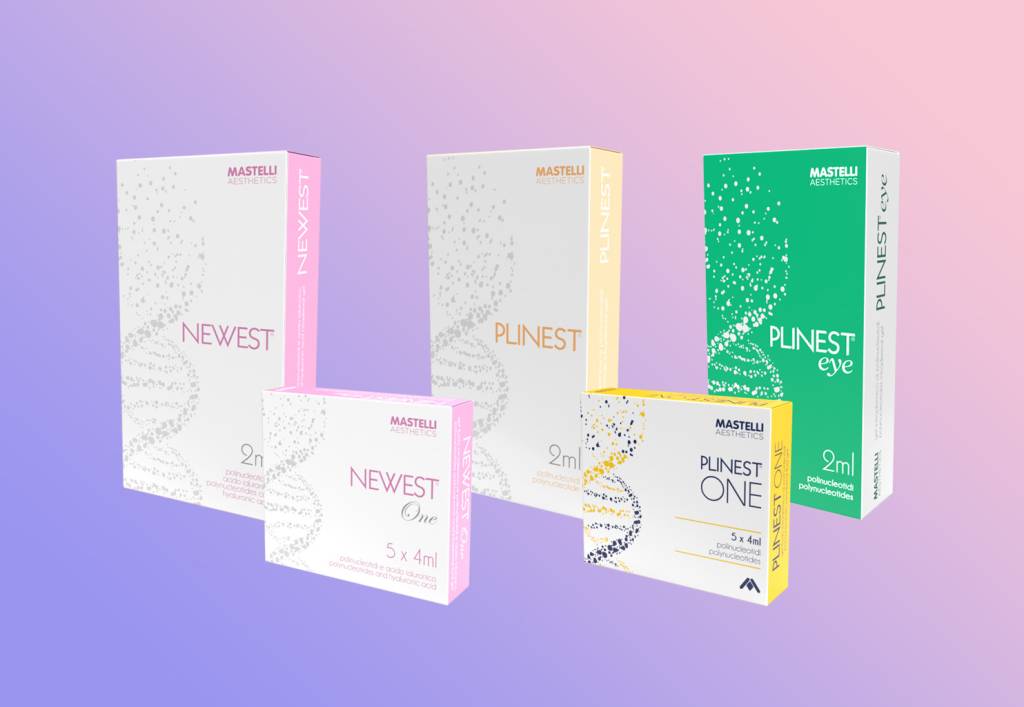
In the form of polymerised polynucleotide-based injectable gels, polynucleotides work by stimulating fibroblasts which encourage cell turnover, improve elasticity, boost collagen production and hydrate skin – thanks to powerful wound-healing polymers.
Polynucleotides also calm inflammation and rebalance melanocyte activity to create an even and refreshed skin tone.
We use a selection of Polynucleotides in clinic which are suitable for all skin types, that can treat:.
• Fine lines
• Acne scarring
• Dark under-eye circles
• Skin laxity
• Poor tone and texture
They can also rejuvenate:
• Scalp
• Neck
• Décolletage
• Inner arms
• Thighs
• Knees
• Intimate area
Results show that Polynucleotides, used in combination with other aesthetic treatments such as Dermal Fillers and Anti-Wrinkle Injections, give an overall better skin quality and rejuvenated effect from a deeper level that lasts.
As this is a regenerative medicine naturally derived from salmon & trout gonads, this more holistic approach to anti-ageing promotes healing, hydration and the natural stimulation of collagen and elastin – resulting in speedier healing, better skin quality and a longer-lasting rejuvenated effect.
We recommend 3- 4 treatments at 2-3 week intervals, in between other aesthetic treatments for improved results.
To speak with Jan regarding Polynucleotides and how they can help with your skin quality and health, book a consultation via our online booking system here.
]]>So, what are thread veins, exactly? Thread veins – also known as spider veins or the medical term telangiectasia – are small, thin, visible blood vessels that typically appear close to the surface of the skin. Very small ones are red, then as they get bigger, the colours change through purple and then green. They can look like fine lines, webs, or branches.
Thread veins are most commonly found on the legs or face, but they can appear in other areas as well. Contrary to the popular belief, thread veins can develop at any age. While they become more common as people get older, younger individuals can also be affected if they have a genetic predisposition.
What causes thread veins?
Thread veins are very small blood vessels within the living layer of the skin (the dermis) that have become dilated and visible. This dilation causes these spider veins to become visible on the skin. Some common causes and risk factors include:
1. Genetics
The number one cause is usually a family history of thread veins or varicose veins.
2. Aging
Veins weaken with age, and skin becomes thinner, making veins more visible.
3. Hormonal changes
Pregnancy, menopause, or birth control pills can influence vein health.
4. Sun exposure
UV rays can damage the skin and veins, especially on the face.
5. Prolonged standing or sitting
This can increase pressure in the veins, particularly in the legs.
6. Obesity
Excess weight adds pressure on veins.
7. Injury or trauma
Direct injuries to the skin can cause spider veins in localised areas.
Best treatments for thread veins or spider veins
Treating thread veins is usually straightforward, and most people see good results with minimally invasive procedures. However, the effectiveness of treatment depends on the size, location, and severity of the veins. Multiple treatments may be necessary to reduce or eliminate the appearance of thread veins. Here are some thread vein removal options offered at Blemish Clinic:
1. Sclerotherapy
This is one of the most common thread vein removal options, particularly on the legs. A solution (usually a salt solution or a special chemical) is injected directly into the vein, which causes the vein to scar and collapse. Over time, the vein is absorbed by the body and fades. It’s a minimally invasive procedure that doesn’t usually require anaesthesia. While sclerotherapy often yields visible improvements within a few weeks, full results may require multiple sessions over several months.
o Best for: Leg veins.
o Downtime: Minimal, but compression stockings may be needed for a few days after.
o Effectiveness: Often requires multiple treatments for full results.
2. Laser Therapy
Laser therapy involves the use of strong bursts of light aimed at the spider veins, causing them to fade and disappear. This treatment works best for smaller veins and veins on the face. Newer laser technologies can target the spider vein without damaging the surrounding skin. Even though the results of the laser treatment are often quickly evident, in some cases of larger spider veins, it may take up to three months for the full results to be seen.
o Best for: Small facial thread veins or those in sensitive areas.
o Downtime: Minimal to none, but temporary redness or swelling may occur.
o Effectiveness: May require several sessions.
3. Intense Pulsed Light (IPL) Therapy
Similar to laser therapy, IPL uses broad-spectrum light to target the blood vessels. This treatment is often used for larger areas or for people with fair skin. IPL is especially effective for facial spider veins and can also improve overall skin texture by stimulating collagen production. Normally, only a few sessions of thread vein removal treatment are needed with the Intense Pulsed Light device to reduce the redness and visibility of the thread or spider veins.
o Best for: Facial thread veins and large areas.
o Downtime: Minimal; can cause slight discomfort during the procedure.
o Effectiveness: May require multiple treatments.
How do you stop getting thread veins?
Lifestyle changes can help prevent or manage the development of thread or spider veins and underlying vein conditions like varicose veins. While lifestyle alone may not completely eliminate thread veins, it can improve circulation and reduce the risk of new veins forming. Incorporating these lifestyle habits and self-care tips can help minimise the appearance of thread veins and reduce the likelihood of more serious vein conditions such as varicose veins forming in the future.
Here are some ways lifestyle can make a difference:
1. Exercise regularly
• Physical activity, especially exercises like walking, swimming, or cycling, promotes good circulation and helps prevent blood from pooling in the veins.
• Strengthening leg muscles also supports healthy blood flow in the veins.
2. Maintain a healthy weight
• Excess weight puts additional pressure on your veins, particularly in the legs. Maintaining a healthy weight reduces this pressure and lowers the risk of developing thread veins or worsening existing ones.
3. Avoid prolonged sitting or standing
• Sitting or standing for long periods can lead to poor circulation and increased pressure in the leg veins. If you must stand or sit for long stretches, try to move around or stretch your legs frequently to keep blood flowing.
4. Wear compression stockings
• Compression stockings help improve blood flow by providing gentle pressure that supports vein function. They’re especially helpful if you’re on your feet for long periods, you’re prone to developing thread veins or already suffering from more serious varicose veins.
5. Elevate your legs
• Elevating your legs above heart level for short periods throughout the day can help improve circulation and reduce pressure on the veins. This is particularly important in case of suffering from painful varicose veins most commonly occurring in legs.
6. Eat a balanced diet
• A diet rich in fibre, antioxidants, and low in sodium can help maintain healthy blood vessels. Fiber helps prevent constipation, which can put pressure on veins, while antioxidants support vein health. Reducing salt intake helps minimise water retention and swelling.
7. Avoid high heels and tight clothing
• High heels can restrict calf muscle movement, reducing circulation in the legs. Opt for lower-heeled shoes to allow the muscles to work properly. Additionally, avoid tight clothing around the waist or legs, as it can restrict blood flow.
8. Protect your skin from the sun
• Excessive sun exposure can damage skin and veins, particularly on the face, making thread veins more likely to develop. Wearing sunscreen can protect your skin and help prevent the appearance of veins.
Can thread or spider veins lead to varicose veins?
Many patients who come to us about their thread veins do so as a cosmetic concern, but thread veins can sometimes indicate underlying conditions. In many cases, thread or spider veins may be linked to hidden varicose veins, which are larger, deeper veins that can feed the smaller, visible veins on the surface. If left untreated, these underlying varicose veins could lead to more serious issues like swelling, pain, or even venous insufficiency. It’s important to explore the causes of thread veins with a medical professional, especially if they cause discomfort, pain, or swelling. They may recommend diagnostic tests like an ultrasound to identify any deeper vein problems.
If you’re concerned about thread veins, consider consulting a specialist at Blemish Clinic to explore your options and receive personalized advice on the best thread vein removal treatment for you.
]]>
Blemish Clinic, a leading provider of dermatology, aesthetic, skin and wellbeing services, is thrilled to announce the celebration of its 20th anniversary. Over the past two decades, the clinic has become a trusted name in the industry, providing cutting-edge treatments, personalised patient care, and a commitment to helping individuals look and feel their best.
It’s incredible to see how much has been accomplished since the company was founded in 2004 by Jan Birch, an award-winning and highly respected nurse known for her expertise in dermatology and aesthetic medicine. Starting out with Dr Paul Griffiths, they quickly made an impact, initially serving the Bury community as a private dermatology provider to help manage NHS waiting lists. Within just a year, they expanded their services across the Northwest Pennines, supporting a growing demand for dermatology care.
Jan remains deeply committed to serving the local community, continuing her support for the NHS through her clinic, which offers private GP services and a wide range of women’s health care. Her dedication to making high-quality healthcare accessible is evident in the ongoing impact of her work in the community.
The clinic has now established itself as a premier destination, offering a wide range of services, including dermatology services, minor surgery, mole checking, injectables, medical facials, skincare treatments and laser treatments.
“We’re incredibly proud of what we’ve achieved over the past 20 years, but it’s our patients who inspire us every day to keep doing what we do,” said Jan, founder and MD of Blemish Clinic. “We started with a simple mission: to provide high-quality services in a welcoming and professional environment. Over the years, we’ve expanded, innovated, and most importantly, built lasting relationships with our patients. We couldn’t have achieved this without their trust and support.”
A Legacy of Innovation and Care
Over the years, Blemish Clinic has consistently been at the forefront of innovation. With the latest technology, state-of-the-art treatments, and a team of highly skilled professionals, the clinic has become known for its patient-centric approach and exceptional results.
Jan has always been committed to clinical research and has developed the protocols over the last eight years for a novel product called GlycoALA which treats both extensive photo damage and acne.
“The industry has evolved tremendously over the last 20 years,” said Jan Birch. “We’ve embraced new treatments, techniques and technology while staying true to our commitment to enhancing people’s natural beauty and giving people their confidence back. As we look to the future, we’re excited to continue providing our patients with the best that aesthetics and dermatology have to offer.
“This 20th anniversary is a proud moment for our entire team,” and we wouldn’t be where we are today without their commitment and dedication.
Looking Forward
In light of the recent horror stories around unregulated, invasive cosmetic treatments, Blemish Clinic is committed to offering everyone access to safe treatments in its CQC registered clinic. They plan to add even more services to their offering, with a focus on wellbeing and ensuring access to professional medical advice for all. The 20th anniversary celebration serves as a testament to the clinic’s enduring success and dedication to helping patients.
]]>The dual benefits of this treatment make it an excellent choice of treatment for cosmetic and anti-ageing concerns while also providing solutions to health conditions such as migraine relief and excessive sweating.
Life is too short to feel uncomfortable in your skin, so let’s explore how Botulinum Toxin Treatment can give you that confidence boost you’ve been looking for and improve your quality of life.
What is Botulinum Toxin?
Surprisingly and unknowingly to many, Botulinum Toxin is a toxin that temporarily paralyses the muscles by blocking chemical signals to the nerves that control the muscles.
Botulinum toxin (Botox) injections may be used for cosmetic use on the upper and lower face, while they are also used for medical conditions such as the treatment of chronic migraines and sweating in the underarms, face, scalp, hands and feet.
Cosmetic Benefits Of Botulinum Injections
When it comes to injections for cosmetic benefits, botulinum toxin type A injections are used for their anti-wrinkle properties and can treat several different areas such as:
Upper Face
Anti-wrinkle injections, also referred to as botox treatment can help to paralyse the muscles, reducing movement and therefore reducing the appearance of wrinkles around your forehead, crow’s feet and frown lines. The reduction of wrinkles gives a softer and more youthful appearance.
You can expect it to take up to 2 weeks to see the full results, and often a 2-week top-up of Botox may be required. Once full results have been achieved, they can last anywhere between 3-6 months.
Lower Face
Botox injections to the lower face can be used for jawline contouring, chin dimpling neck wrinkles and lip or smoker lines.
Just like anti-wrinkle injections to the upper face, they cause muscle paralysis leaving the area looking smoother and more youthful. The effect of botulinum toxin can again take 2 weeks to see results. The expected duration of these results can also last for around 3-6 months.
Health Benefits Of Botulinum Injections
When it comes to the health benefits that can be treated with botulinum, it is botulinum toxin type B which can be used to treat muscle spasms, migraines and sweat concerns.
Migraine Relief
The use of botulinum can often help sufferers of migraines by carrying out several injections under the skin or into the muscles. These injections include in and around the head of the forehead, above the ears, and into the neck. It’s not clear why Botox is effective in reducing migraines, however, it’s thought that it works by blocking chemicals called neurotransmitters that carry pain signals from within your brain offering migraine relief.
The results from the treatment can be expected to last for approximately 3 months, with repeat treatments being recommended 4 times a year if this treatment successfully reduces the discomfort felt and the number of migraines experienced.
Excessive Sweating (Hyperhidrosis)
Hyperhidrosis can affect the underarms, face and scalp, as well as the hands and feet, and is relatively common in both men and women.
If you have tried different treatment options to stop excess sweating, such as oral medications and strong deodorants, botulinum toxin injections can aid in reducing the amount of sweat produced.
The treatment areas include underarms, face, scalp, hands, and feet. The treatment works by blocking the signals to the nervous system to supply the sweat glands.
Safety & Side Effects Of Botulinum Toxin Use
When it comes to safety and any serious side effects, you must ensure that you follow all advice given before and after the treatment.
The use of botulinum toxin type A to treat facial lines and wrinkles is well researched with multiple published, independent clinical studies reporting that treatment is safe with minimal side effects.
There will be little to no discomfort or downtime following treatment. Some side effects include slight redness, swelling, or bruising where the botox is injected, but in most cases, this will fade within a day.
There is a risk that you will experience something called ptosis, that can affect the upper eyelid or eyebrow, causing a droop downwards. Patients are screened and dosed accordingly to avoid this happening.
Rarely you may experience a headache, feel sick, or experience muscle pain or weakness after treatment.
With an injection of botulinum toxin type b for medical issues, there have been reports that some migraine sufferers may experience several headaches in the first month, with a reduction in the following months.
All patients receiving treatment with botulinum toxin will be made aware of the signs and symptoms of toxin spread, such as muscle weakness and breathing difficulties, and advised to seek medical advice immediately if this is the case.
The Consultation Process
Before any injections are performed, you’ll attend an initial consultation to assess your areas of concern and your suitability for treatment. This will be an opportunity to ask any questions you may have, discuss your medical history, complete a facial analysis, discuss any possible side effects and get a realistic understanding of the results you can expect to receive.
This minimally invasive treatment is not known as a particularly painful treatment. Before the botulinum toxin is injected, your practitioner will mark the areas which will be the injection sites and an anaesthetic cream will be applied. After around 20 minutes the area should be significantly numbed and your injections will be able to be completed comfortably.
Results aren’t noticeable immediately after treatment and it can take up to 72 hours for the toxin to begin working.
After two weeks, depending on your treatment and the results that you have currently received, you may receive a top-up treatment in these areas.
Depending on the problem being treated, the effect may last 3 to 4 months. To maintain the effect, you’ll likely need regular follow-up injections spaced at least three months apart.
Recovery Time & Aftercare Tips
Following your procedure, it is advised to refrain from touching, massaging, or rubbing the injection site or treated regions for 24 hours. Additionally, it is recommended to remain in an upright position for at least 4 hours post-injection to prevent the toxin from spreading to untreated areas.
Frequently Asked Questions
How long do results last?
With a dose of botulinum toxin, you can expect your results to last anywhere from between 3-6 months as each individual takes to the toxin differently.
How often do you need treatments?
If you would be looking to maintain the after-effects of your treatment, depending on your area, it is recommended that you attend for repeated injections around every 3 months.
Is it painful?
When it comes to the pain level and discomfort of this procedure, you’ll be pleased to know that this treatment is not regarded as a painful procedure. Your treatment areas will have an anaesthetic cream applied before any injections happen, and we also use ultra-fine needles to deliver the injections. The injections are usually accompanied by a very small sting, as with any injection.
How much do Anti-Wrinkle Treatment / Botulinum Toxin Injections cost?
Prices for this treatment vary due to the different treatment areas and different treatment requirements. Therefore it’s best to get in touch to discuss your requirements. Prices start from £196.
Have We Found The Treatment For You?
The benefits of botulinum toxin injections for anti-ageing and health are brilliant. It is a minimally invasive and relatively painless solution to health issues and cosmetics concerns.
Ready to rejuvenate your appearance or find relief from migraines and excessive sweating? Book your consultation today and start your journey towards a new you. Contact us at 01706 822689 or book your consultation online now.
]]>Social Media Hype and Consumer Safety
The allure of novelty often leads consumers to embrace the latest trends showcased on social media platforms. However, it’s essential to approach these trends with a critical eye, especially when it comes to products like Lemon Bottle. While the promise of quick results may be enticing, the lack of comprehensive testing and clinical trials raises red flags regarding consumer safety.
Limited Clinical Evidence and Safety
Concerns arise regarding the scarcity of robust clinical evidence supporting the safety and efficacy of Lemon Bottle. Despite claims of being ‘100% safe,’ the absence of verifiable data and certification leaves consumers in the dark about potential risks. Without thorough research, it’s challenging for consumers to make informed decisions about the treatment’s suitability for their needs.
LemonBottle – Questionable Ingredients and Effectiveness
A closer examination of Lemon Bottle’s ingredients reveals skepticism among experts. While touted as a blend of natural components and modern science, the absence of key fat-dissolving agents raises doubts about its effectiveness. Additionally, the purported fat metabolism activators lack scientific validation, casting further doubt on the product’s claims.
Transparency Issues
The lack of transparency surrounding Lemon Bottle adds to the uncertainty surrounding its safety and efficacy. Despite its popularity on social media platforms, the product’s website fails to provide essential information such as a comprehensive ingredient list and credible scientific evidence. This lack of transparency hinders consumers’ ability to make informed decisions about the treatment.
Accessibility and Self-administration Risks
Another cause for concern is the accessibility of Lemon Bottle to the general public at a low price point. While affordability may be appealing, the absence of regulatory oversight and professional guidance poses risks to consumer safety. Encouraging self-administration of fat-loss treatments without proper medical supervision can lead to adverse health outcomes.
Is The Lemon Bottle Trend Safe – Conclusion: Proceeding with Caution
In conclusion, it’s essential for consumers to approach trendy beauty treatments like Lemon Bottle with caution. Rather than blindly following social media trends, consumers should prioritize thorough research and consult qualified medical professionals before undergoing any cosmetic procedure. At Blemish Clinic, we prioritize consumer safety and encourage our clients to make informed decisions about their aesthetic treatments. Remember, while beauty trends may come and go, your health and safety should always remain a top priority.
]]>