One of the most important Northern Virginia moving tips concerns truck restrictions. Moving trucks aren’t simply allowed on every road in the Washington, DC, area. If you’re inside the Beltway, be aware of these numerous truck restrictions—especially if you rent a moving truck.
If you’re trying to get from Arlington to Great Falls, for example, you can’t just hop on the GW Parkway with your moving truck. You’ll have to take a roundabout way.
Why Are These Restrictions in Place?

The vast majority of truck restrictions are based on weight and specific road. The exact weight maximum depends on several features of the truck, which include the number of axles on the vehicle and the distance between the first axle and extreme rear axle. For more specific information about this, contact your Northern Virginia moving company. A reputable Northern Virginia mover should be aware of current truck weight restrictions and comply with those regulations.
What Does This Mean for My Move?

Many people understandably get frustrated or worried when their moving trucks don’t show up when expected. However, delays are often a result of these truck-specific restrictions.
Say, for example, you’re moving from Rosslyn, VA to Great Falls, VA. You’re going to jump in your car and will likely take the GW Parkway. The whole trip shouldn’t take longer than thirty to forty-five minutes. Your DC movers, however, can’t take the Parkway. Their truck will have to take Lee Highway or back roads to make it to the destination, which could take upwards of an hour and a half.
This does not mean your moving company is slow or late. It means the driver is complying with all legal and safety regulations and only driving on the roads available to trucks of that size.
Expect a moving truck to take upwards of three times as long as it would take in a car. If it’s outside that window and your truck still hasn’t arrived, feel free to call your moving company and see if something has gone awry.
What Major Roads Are Permissible for Trucks?
While this is not in any way a comprehensive list, here are the major roads trucks can (and cannot) use in Northern Virginia.
Acceptable Roads:
- Interstate 395
- Lee Highway
Off-Limits Roads:
- Route 66
- Route 50
- George Washington Memorial Parkway
Parking Permits
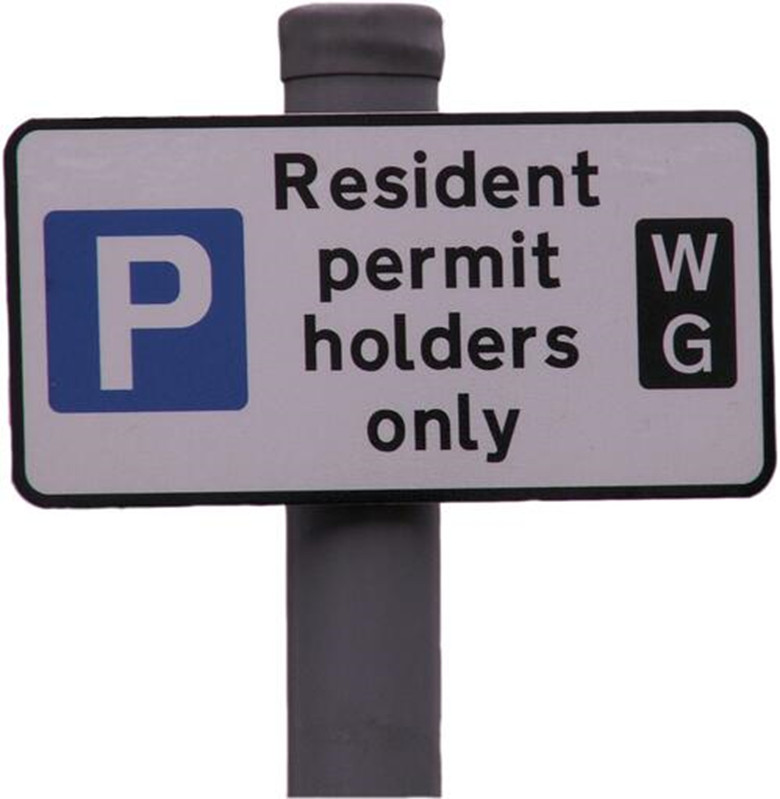
Be aware also that parking permits for the moving truck can be required in areas such as Arlington and Alexandria (especially Old Town). In areas such as these with older, more historic homes, street parking is often the only option, and there are many narrow alleys where trucks simply won’t fit and can’t go. Therefore, you’ll need to secure parking permits for moving vehicles to park legally in front of the home.
Plan the Route

Especially if you’re renting a truck yourself, you should know not only what roads are legally restricted but which ones are merely a good idea to avoid. For example, south on 95 during a Friday, weekend, or summer is going to be slow going. Similarly, avoid west on 66.
If you are working with a moving company, know that your movers will likely avoid these roads as well.
What to Expect
Given all the factors of restricted roads, traffic, and parking issues, expect a move in Northern Virginia to take approximately six to eight hours. Movers tend to send enough people to start a job around 9:00 a.m. and finish that job by no later than 5:00 p.m.
For more information about Northern Virginia moving tips, please contact a representative of Fairfax mover All Star Movers, a professional Northern Virginia moving company for 30 years.
]]>No two moves are ever the same. Every home poses different challenges, and every collection of possessions requires slightly different packing or loading techniques. Given that, one of the largest determining factors in how your move operates is where you are located.
]]>How to Have Success with Large Home Moves
Treat a Large Home Move Like Any Other Move

Obviously, there are going to be more logistics, difficulties, and hurdles to overcome for a large home move than one-bedroom apartment moving, but the principles for success are actually the same. If you can keep everything organized and avoid becoming overwhelmed by all the things you have to do, you won’t be fretting about moving a large house. You’ll just be on to the next thing on your detailed moving checklist.
Leave Yourself Time (Plenty of Time!)

Of all the moving mistakes you can make, leaving your large home move to the last minute is perhaps the biggest. A large home is just that—large—and you need to leave yourself adequate time to get every part of this move done.
While a large home doesn’t necessarily mean lots of items, there certainly tends to be a strong correlation. If you know you have lots of stuff to move from your expansive home, you really can’t start this packing and moving process early enough!
Start by packing all those items you can live without, such as home décor. You obviously want to keep these possessions, but you can also do without them for several weeks. If you can pack these kinds of time-consuming extras long beforehand, you’ll be well on your way to having enough time to pack everything else.
Assess Your Home and Possessions

Again, just because you have a large home doesn’t mean you’ll have a difficult move. If you keep your home relatively sparse of bulky furniture, your house might not even pose any particular problems.
Every move is different because every house, house layout, and collection of personal possessions are different. Before you start to panic or make elaborate plans to accommodate your move, go through and seriously assess what difficulties your home might present. Qualified estimators can help you determine this while performing in-home moving estimates.
Organization Is Essential

Perhaps the biggest difference between a standard move and a large home move is the level of organization required. As the square footage and sheer amount of stuff multiplies, that organization can become more difficult, but one easy way to combat this is by working with an experienced large home mover.
These professional movers will have the experience and know-how to be effective and efficient. When a moving crew has come up against something again and again, they learn how to deal with it—and moving homes with lots of square footage is no exception.
To keep everything maximally organized, also consider a move coordinator in addition to a foreman. This person will keep everything moving smoothly and keep you, the homeowner, updated about progress. With such a large undertaking, you simply can’t be everywhere at once to answer questions. A well-informed, experienced move coordinator can help alleviate that pressure.
Best Moving Tips: Have Realistic Time Expectations

A large home with 6,000 to 7,000 square feet of space simply isn’t going to be a quick job—even with professional, experienced movers. In fact, it’s likely to take multiple days. If you were only planning on a single day with your moving company, that is probably an unrealistic expectation.
Moving Day Tips: Coordinate Everyone’s Schedule

If you’re moving into a larger home, you’re likely ordering furniture or other items to fill those extra rooms. If that’s the case, make sure you don’t have your furniture delivered on moving day. The last thing you want is your movers and your delivery people getting in each other’s way. Schedule any deliveries for a day or two after you know for certain the move will be over. (Again, have realistic expectations about how many days this process will take so you can schedule accordingly.)
The same goes for contractors, painters, or anyone else who you’ll need to schedule shortly after your move.
Helpful Moving Tips: Have a Floor Plan

If you have a lot of furniture and other items to coordinate, you’re definitely going to want a thorough, detailed floor plan of the new home. This will allow you to decide exactly where everything is going to go before your movers even show up.
Best Packing Tips: Take Extra Care

Luxury homes usually go hand in hand with luxury items. Whether you’re doing the packing yourself or you’re leaving it to your movers, even more care needs to be taken with both packing and moving to protect those high-end items. Marble, for example, can crack if twisted during transport, so you or your movers need to be aware of that when packing.
When the value of the home is very high, movers also need to be extremely careful about not dinging floors, doors, or hallways. It can be a bigger financial burden to fix those issues than in older, less pricy homes.
Pick the Right Moving Crew

You need professionalism and attention to detail when a large job is required. The crew should come prepared with professional moving equipment to accommodate your large items, and you should be able to verbally communicate with everyone on that crew.
]]>Commercial Moving: Tips and Tricks to Minimize the Headache
Tip #1: Get—and Stay—Organized During Your Commercial Move with an Office Moving Checklist

Organization is the single biggest factor that contributes to the success of your move, and an office move checklist can help you accomplish that. It will include what you need to do as well as when you need to do that thing. It should also include helpful moving tips, such as organizing and labeling everything as it comes out of the filing cabinets. That way, putting everything back will be seamless.
If you forego a checklist and leave everything to the last minute, it’s sure to slow down your move, make the relocation cut into more business days, and ultimately hurt your bottom line. After all, every minute you’re moving, you’re not working—and that means lost revenue.
Tip #2: Inform Your Employees about Their Roles and Responsibilities during Office Moves

Your employees should know exactly what they are (and aren’t) responsible for when it comes to the move. For example, this saves them from worrying about moving communal spaces when that will be handled by your office moving company.
Note, if employees have important or sensitive paperwork they need daily, it’s probably best for them to move these kinds of documents themselves. That way, they always know where they are.
Don’t forget to tell employees the moving timeline well in advance so that everyone has an opportunity to get what needs to be done accomplished. Remember, your employees still need to handle their day-to-day job-related activities, and you must give them adequate time to complete all that on top of moving duties.
Tip #3: Include Cleaners and Other Services in Your Office Move Plan
Everything that requires a third party before the move day arrives should be scheduled well in advance. This includes cancellation of various utilities (phone, Internet, lights, etc.) as well as hiring cleaners to get your old office space ready to be vacated on time. If it’s your responsibility, don’t forget to also hire cleaners for the new office location.
Tip #4: Contact the Building Engineer Well in Advance

Building engineers can give you all the pertinent information about moving in that particular building. They can help you gain access to the elevators or loading docks, let you into the building during off hours, and inform you and your commercial moving company about what you can and can’t do in relation to your upcoming move. It’s often necessary (not just advised) to coordinate with your building engineer.
Tip #5: Have New Furniture Delivered Prior to Moving In

You definitely don’t want your furniture delivery people getting in the way of your office movers, so make sure to schedule that delivery for another day than move day. Having this delivery done before employees arrive at the new location would be ideal. That way, everyone can get back to work as quickly as possible.
Tip #6: Arrange for Vendors to Move Their Printers, Copiers, and Other Machinery

If you have particularly intricate machinery (printers, copiers, etc.), an office mover will likely tell you it’s safer and better for the vendor of that machine to perform the move. Movers, after all, aren’t printer experts. If transporting the device is going to necessitate disassembly or any specialized knowledge, it’s probably safer and ultimately cheaper to go with a specifically qualified party.
Tip #7: Have a Contingency Plan if the Move Doesn’t Go Smoothly
When office moving, a lot of things can potentially go wrong. You can do whatever possible to minimize that chance, but unexpected things can always crop up. If something does derail the move temporarily, have a plan in place to keep your workers productive until the new office is ready. For example, people can telecommute for those days or otherwise work remotely.
Tip #8: Update Your Contact Information across the Board

Your new business address should appear first and foremost on your website. This is where clients are most likely to check for information, and if you have an appointment, the last thing you want is that client going to the wrong address! Within a few weeks, make sure to also update letterheads, business cards, and anything else containing your contact details.
]]>Moving an Office? Everything You Need to Know about Building Engineers
Do You Need to Coordinate with the Engineer before Your Commercial Move?

Yes! Talking to this individual before your move is not just recommended; it’s required. You must discuss what you can and cannot do with the building manager long before your commercial moving company ever even shows up.
This shouldn’t be a chore, though, because it’s greatly beneficial for you to have this conversation. If the engineer has been at the building for any amount of time, it’s very likely he or she has had to coordinate many moves and successfully navigate those with numerous office movers. That kind of firsthand experience can really help you and your commercial mover tackle this job without a hitch.
Must the Engineer Be Present during the Move?
Again, yes. Often commercial moving occurs after set business hours, and you need this individual there to perform important tasks, such as letting you and your movers into the building, directing you toward loading docks, and troubleshooting maintenance issues (broken elevators, for example).
Remember, you will need to coordinate with the engineer at your old building as well as your new building. That means any questions or processes you go over with one building manager will have to be done a second time for the other building.
What about Payment?

Your company will be liable to pay this building manager for his or her time. Office moving is often outside business hours and on that engineer’s personal time, so you are the one financially liable for that payment.
Also, while it’s not required, it’s certainly nice moving etiquette to provide a tip as well. After all, you are going to be sharing a building with this person for a potentially long time. It would be nice to show your appreciation and start that professional relationship on the right foot.
What Should You Discuss?

You must coordinate and discuss a variety of issues with the building manager.
- Policies regarding what your office moving company must do to protect the floors, elevators, walls, and more. This involves what kind of material must be put down and where in the building.
- How to gain access to the building outside of office hours (early, late, weekends, or holidays—whichever the move happens to fall on).
- Parking issues for both your commercial movers and anyone from the office who is participating in the move. This includes whether spots need to be reserved, which your building manager can tell you.
- How to reserve the loading dock.
- Information regarding contractors, utilities, wiring (phone, Internet), and other set-up necessities in your early days in the new office.
Essentially this manager is your point of contact throughout the move. Most will even have compiled written documents that you and your office mover can go over together in order to ensure everyone is on the same page and nothing important is left off your office moving checklist!
For more information about an office move plan and what role a building manager plays in that, please feel free to contact a representative of All Star Movers, a commercial movers company since 1977.
]]>What Do Fairfax Movers Charge for a Local Move?
Is My Local Move in Fairfax Actually Local?

The first thing to keep in mind is that a move within the state of Virginia needs to be thirty miles or less to be considered local. (Even if you cross state lines but stay under that thirty-mile limit, you are still technically undertaking a local relocation.)
Anything more than thirty miles becomes a different category of move and is then regulated by tariffs. Rather than being charged hourly, which is the most common practice for moving companies in Northern Virginia, these moves are subject to both weight and mileage. The category of move you need will certainly impact your final cost.
How Much Does It Cost to Move: It Depends on House Size and Number of Possessions

A Fairfax residential move depends largely on a number of key factors, and those include both the size of your home and the number of possessions you have. As you might expect, the more items you have, the longer the move will take, and the more expensive that move will be. Therefore, even a very small apartment that’s packed with possessions could take a very long time to move and result in lots of billable hours, while a sprawling house could be filled with next to nothing.
Typically, though, there tends to be a strong correlation between house size and possessions. The following, therefore, are extremely rough guidelines to help you ballpark how much to expect a Fairfax moving company to charge:
- 5,000 square foot home: $4,000 (six to eight crew members working for eight to twelve hours)
- 3,000 square foot home: $1,800 to $2,200
These numbers assume your Northern VA movers are charging per person on the moving crew per hour, which is fairly standard practice.
Factors You Can Control: Organization and Packing

While some aspects of the moving price are simply out of your control, a few key tactics can seriously affect that final number.
- Be organized. Your movers are on the clock from minute one, so make sure you’re 100 percent ready to go as soon as they enter your house. This means packing, reserving elevators if necessary, and so on. The more organized you can be and the more work you can do before those movers even show up, the less hours you’ll be accountable for.
- Pack yourself. If you can make the time, packing yourself is one huge way to cut down on expenses. Having your movers in Northern Virginia pack for you can run approximately 75 to 80 percent of the move cost itself. (Half that cost is labor, and the rest is packing supplies.)
Factors You Can’t Control: Housing Layout
Anything that slows your movers down will end up translating to a greater cost for you, and unfortunately there are aspects of any given move you can’t control. If, for example, your movers need to navigate stairs, narrow hallways, narrow doorways, side-loading garages, or the like, that’s simply going to take some additional time. Even poor weather conditions can slow everyone down.
The best you can do is plan and budget accordingly. Discuss your options and layout with a moving estimator when he or she comes to perform the in-home moving estimate to make sure you know what’s reasonable to expect.
If you can do anything to make your moving day quicker for your crew, such as getting everything out of your garage first, do this before those movers even arrive.
Fairfax County versus Fairfax City
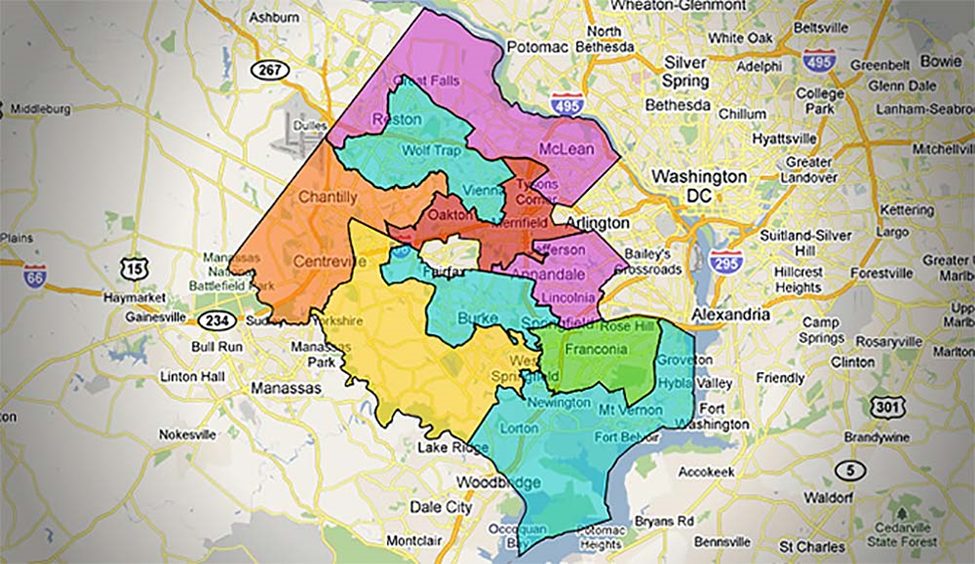
When you’re discussing details with moving companies in Northern VA, you want those companies to have the experience and local know-how to make your move as seamless as possible. In particular, make sure they have specific knowledge of your geographic region.
For example, Fairfax County and the city of Fairfax are too different things. The county is one of the largest and most affluent in Northern Virginia, and it constitutes about half that area. Fairfax is just one city within the larger county. If your mover is caught off guard by this, think long and hard about whether they are the best option to undertake this local job.
For more information about moving company pricing in Fairfax, Virginia, please feel free to contact a representative of All Star Movers, Northern Virginia movers since 1977.

Topics: Moving Tips, Moving in Northern Virginia, Local Moving, Residential Moving, Moving in Fairfax Virginia
Written by Michael Rhodes
]]>Best Moving Tips for Safely Transporting Unexpectedly Difficult Items
The following items might seem easy to throw in a moving truck, but any one of them could seriously slow down your move or otherwise throw a wrench in your moving plans.
1. Moving a pool table.
Pool tables aren’t that tricky to disassemble, but putting them back together correctly can be a real headache! Some movers don’t even attempt to move them, so check with your moving crew before you even start the relocation.
2. Moving a piano.
From small upright pianos to large uprights to baby grands, pianos take serious time to move. Piano moving also requires some skill and expertise. Not only are they heavy and large but they also contain small, delicate, fragile pieces too. Always make sure your movers are using the right equipment. That is, they should definitely have a piano board available for this job.
As with any difficult-to-move item, assess whether you still really want it at the next home. If your piano just sits and collects dust, maybe this move is the excuse you need to finally sell, donate, or gift it.
As a side note, a piano move does not include the tuning that must occur afterward. Any piano should be checked and adjusted by a professional piano expert to get it back up and running.
3. Moving king-size mattresses.
Mattresses are part of just about every move, but king-size mattresses can pose problems for movers. They are heavy and awkward—especially down stairs or around corners—and can take significantly more time than smaller mattresses.
4. Moving a fish tank.
Knowing how to move a fish tank properly and safely is not as intuitive as it seems. It’s a multistep process that should be done by professionals or attempted alone only if you have the experience and know-how.
5. Moving fitness equipment.
Whether you’re looking into moving a treadmill or an entire gym set, exercise equipment tends to be a time-consuming process after all the necessary disassembly and reassembly. Be aware that treadmills take a particularly long time.
6. Moving a hot tub.
This process involves a specific set of steps and particular expertise. If you’re unsure, don’t guess. Improper moving technique could do damage to your hot tub or the surrounding area of your old home, which you could then be liable to fix.
7. Moving large artwork.
Small pictures can be simple enough to move, but large artwork can be tricky. Make sure to do the following:
- Use plenty of cushioning and packing material.
- Determine where the value lies and pack accordingly. (What’s valuable: the frame, the art itself, or both?)
- Label the box as fragile so the movers (or you) know to be careful.
- Depending on the value and size, consider a custom crate for transport. (Ask your movers about this option.)
8. Moving tabletops (marble or glass).
If twisted, marble can very easily snap. Tabletops made from either glass or marble should be crated to mitigate damage in a bouncy moving truck.
9. Moving large potted plants.
Large plants often take multiple people to move, so plan accordingly. If the pot is very heavy, consider moving the plant several weeks before into a lighter plastic container. Then transport this in your own vehicle. More control over the temperature diminishes the likelihood of the plants wilting or dying during the move.
When Moving Difficult Items, Ask Yourself: Move or Sell?

Some items are going to be so heavy or labor-intensive that it might not even be worth moving them. Remember, if you’re working with a local moving company, you’re very likely getting billed by the hour. If it takes your movers a long time to move something, it very quickly can become more expensive to move than to simply replace.
Don’t forget to also factor in external factors when doing these kinds of calculations. If your move necessitates a lot of stairs, elevators, or other time-intensive obstacles, it can up that moving cost. Even factors such as bad weather can slow down a move—and make it more expensive.
Go with Professional Movers
Because these items are cumbersome, heavy, or otherwise difficult to move, you definitely want to be working with professional, experienced movers. Movers are experts at these kinds of tasks, and you can avoid the headache and hassle (not to mention the possibility of injuring yourself or doing costly damage to your new or old home) by going with one of your local movers.
For more information about items that are difficult or time-intensive to move or for general moving tips, please feel free to contact a representative of All Star Movers, an established Fairfax moving company.
]]>Best Moving Tips: Everything You Need to Know about How to Move Fish Tanks Safely
The Proper Steps for Moving Fish Tanks
1. Do the prep work before moving a fish tank.
Don’t just start to drain your aquarium without the proper forethought. Planning is essential in this process.
Make sure you have the following before you start anything:
- Several large buckets (roughly five-gallon buckets).
- Fish net.
- Siphon hose.
- Sturdy cardboard boxes, bubble wrap, and packing paper.
Also, scout out a favorable place for the fish tank in the new home. This will ensure there is a proper place, and it means you can set up that fish tank and allow for acclimation right away.
2. Siphon some water from the fish tank into your prepared buckets.
It’s best to fill them about two-thirds full. Overfilling can lead to spilling during transport.
3. Catch the fish carefully.
With your net, carefully catch each fish in the tank and place it in the bucket. Use common sense regarding whether there are too many fish in one bucket. If you own a lot of fish, you very well might need multiple buckets. Check behind any decorative features in the tank. You don’t want to accidentally miss a fish!
Secure the lids on the buckets, poking small holes to ensure the flow of fresh air. (This is especially important if the fish will be in the bucket for a long time.)
4. Remove everything else in the fish tank.
This includes rocks, castles, ferns, pumps, hoses, lights, filters, and so on. Dry them, wrap them carefully (depending on fragility), and pack them in the best moving boxes for the job.
Anything like sand or gravel can be dumped in a spare bucket to be put back in the aquarium later.
5. Drain any remaining water from the fish tank.
Fish tanks tend to be fragile, so you want all the water gone before attempting a move.
6. Prepare the aquarium for transport.
This is one of the most important steps, and it needs to be done carefully to prevent breakage.
- Wrap the entire tank in bubble wrap.
- Tape that secure.
- Wrap the entire tank in a moving blanket or furniture pad.
- Place the tank in the moving truck—on as flat of a surface as you can find.
7. Unload the fish tank and set it up.
You always want to minimize how long your fish are out of their natural environment, so unload that fish tank off the truck first. Put it up in its new location at the new house, making sure the area is sturdy and conducive to healthy fish (the right amount of sunlight and so on).
Put the sand, gravel, decorative features, pumps, and anything else you removed back in the tank.
Fill the tank with the water reserved in your five-gallon buckets.
8. Reintroduce the fish.
Catch each fish (in the bucket) and place it back in the tank. Place the remaining water from the buckets into the tank, and, if necessary, fill the tank to full with dechlorinated tap water.
9. Don’t turn that heater on yet!
Wait several hours before turning any heaters on. The water temperature should equalize to room temperature before turning on the heater.
10. Check on your fish periodically after moving an aquarium.
Keep a watchful eye on your fish regularly after the move. If you notice any odd behavior, consult a local fish expert or knowledgeable pet store employee to find a solution.
Special Moving Considerations for Freshwater Fish

Freshwater fish are particularly sensitive to environmental changes and can even fail to thrive or eat after a stressful move. This should play into your decision-making process for whether you actually want to move that particular fish tank or not.
Because you can minimize the impact on your fish by minimizing how long they are displaced, always make sure to make your fish tank the last thing you move out of the old house and the first thing you set up at the new home.
Especially if you have to undertake a long distance move and are concerned your fish simply won’t survive the disruption, you have a few last-ditch options:
- Give the fish away to a friend.
- After working out an agreement with the new homeowner, leave the fish and aquarium behind.
Feeling Overwhelmed by How to Move a Fish Tank? Consider Professional Moving Companies

Especially if your fish tank system is quite large or elaborate, you might want to consider hiring professional movers for this job. Moving aquariums entails a lot of steps, and missing one could put your fish in jeopardy. Just as you’d trust movers to do specialty work such as moving a grandfather clock, you also want professionals handling your aquarium if you don’t feel equipped.
If you do go the way of moving companies, make sure to go with experienced movers who’ve done this kind of work before. The last thing you want is a company working by trial and error when moving an aquarium that’s meant for your precious pets.
]]>5 Moving Mistakes That Can Cost You Time and Money
Mistake #1: Failing to Choose from Reputable Moving Companies

This is perhaps the biggest mistake anyone can make. Failing to choose a reputable moving company can have tremendous impact on how much you end up paying for your move—and that doesn’t just mean financially.
Yes, bad moving companies can overcharge. They can be disorganized. They can break your stuff. They can be downright dishonest and take a moving deposit without completing the job or fail to honor a claim they legally should.
However, beyond the money, bad moving companies can cause less quantifiable problems. From damaging or destroying sentimental items during transport to overbooking and causing you to scramble and readjust your schedule at the last minute, disreputable movers can make your moving day exponentially—and needlessly—more stressful.
To determine which of your local moving companies are the best, do some (or all) of the following:
- Get recommendations from friends or family.
- Read online reviews.
- Ascertain if they have a strong web presence.
- Choose a company that agrees to an in-home moving estimate. (Avoid companies that insist on phone moving estimates alone.)
Mistake #2: Waiting to Book Your Local Move until the Last Minute
Reliable moving companies book up quickly. As anyone who has ever had to move knows, it’s hard to find a good mover, so word tends to spread quickly about the reliable ones.
You might not have total control over your move date, but as soon as you do have a solid date in mind, book the local movers of your choice.
Remember, good movers can make all the difference—financially and otherwise—so it’s important to be as proactive in this process as possible.
Note, if you have to change your move date unexpectedly, make sure to contact your movers as soon as you know. This gives that company time to accommodate. However, they might already be booked for your amended move date, so you’ll need to book a new company—and, again, the more time you allow, the higher quality moving company you’re likely to book.
Mistake #3: Not Knowing How to Pack for a Move

There are a lot of potential moving mistakes under the umbrella of packing.
A few of the biggest problem areas include the following:
- Not using the proper packing materials, such as strong, uniform moving boxes.
- Not filling the boxes full enough with personal items or filling in the cracks with packing supplies. (This can lead to crushed boxes or shifting and breakage during the move.)
- Not properly labeling your moving boxes.
- Not allowing yourself enough time to pack, meaning you’re not ready when your movers show up. Remember, packing always takes longer than you think, and not being ready to go when your movers show up means you’re paying for lots of extra billable hours.
Mistake #4: Not Choosing Local Movers for Your Local Moving

As covered, you want a reliable moving company, but it’s also imperative to choose movers with local knowledge. For example, if you live in the Alexandria, Virginia, region you’ll want to choose Alexandria VA movers because they will know the congested areas to avoid, where street parking is allowed, what streets allow moving trucks, and so on. Choosing a national line or a company that simply doesn’t know your geographic region can spell disaster for any move.
Mistake #5: Not Knowing What’s Required of You before the Move Even Happens

Just because you’re hiring movers (even the most reliable movers) doesn’t mean there aren’t certain things you need to take care of yourself before move day. For example, if you are apartment moving, you will need to clear the move with your apartment manager. That might mean reserving the elevator, stairs, or special parking spots for the moving trucks.
All these kinds of details are the responsibility of the homeowner. However, if you’re working with knowledgeable, helpful movers, they will be able to tell you what you need to handle versus what the moving crew will tackle for you.
For more information about moving mistakes to avoid or the best moving tips for a smooth move day, please feel free to contact a representative of All Star Movers, Fairfax, VA movers since 1977.

Topics: Moving Tips, Moving Estimate, Local Moving, Residential Moving, Moving Mistakes
Written by Michael Rhodes
]]>Movers Should Always Be Especially Careful of Your Walls and Floors
Make Sure You Choose from Reputable Moving Companies

When you start the selection process to choose your local moving company, you should put a high premium on that company’s experience. The more experience they have with moving, the more likely that company is to be reputable.
Before agreeing to work with any movers, ask what kind of system they have in place to protect floors and walls during a move. If they can’t answer to your satisfaction or don’t seem to even have a plan for such protection, consider choosing another local option.
Avoid Local Moving Companies that Seem Too Cheap

If something seems too good to be true, it usually is—and this holds true for moving companies too. If you jump at the lowest price, you might very well end up paying for it in the long run. This can come in the form of all the hassle and headache that comes with inexperienced or unprofessional movers, or it can come as actual dollars and cents, if those movers do real damage to either your old or new home.
As a general rule, you want to get three moving estimates. This will help you better gauge what your local movers are charging, and it lets you easily throw out any moving estimate that’s too far above or below what seems to be industry standard.
How Movers Should Protect Walls during a Move
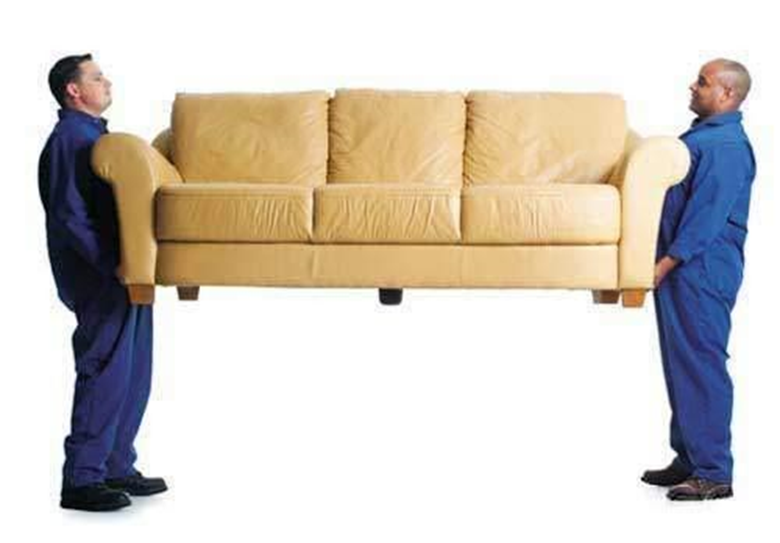
Unfortunately, there isn’t too much movers can do to specifically protect walls—except to be as careful as possible. Experienced movers know that if an area is too tight to safely move, damage is likely to occur, and they will find any possible way to move through a different area. This might require them to disassemble furniture before attempting the narrow stairwell or hallway. (Remember, if your movers disassemble something, they should assemble furniture back the way it was.)
If there are no alternate routes and the movers realize the couch (or anything else) is going to inevitably rub against the wall, communication is the biggest factor to success. Movers should always communicate the potential consequences of what they’re doing and ensure you’re completely informed and comfortable with everything that’s happening.
When moving to the new location, you should also listen to the guidance of your movers. If they say a couch is too big to fit through a certain area, consider placing it in a different location, such as a basement.
How Movers Should Protect Hardwood Floors from Damage

One of the easiest things to damage during a move is hardwood flooring. Hardwood floors can become scratched if anything heavy or jagged is dragged across them, and they can become visibly dented if anything heavy or pointed is dropped directly on them.
That’s why it’s so important to make sure your movers are going to utilize furniture pads during the course of your move. A furniture pad is such an easy, quick thing for your movers to use, but failing to do so could cause some very expensive and very problematic damages—especially to your flooring.
Movers should also be prepared to protect doorways with door jamb pads, if they think it will be a tight fit for furniture coming in and out.
Protect High-Traffic Spots throughout the Home during the Move

Another simple way for movers to protect your home is by putting down mats in high-traffic areas, such as the foyer. If it’s a place that people are going to be walking in and out of repeatedly throughout the move, something as simple as a thin mat could go a long way in protecting those areas.
Especially if it’s raining, snowy, muddy, or otherwise wet, movers should be especially conscious of putting mats down or even walking around the house in socks. Whether on hardwood or freshly shampooed carpets, this courtesy can save you a lot of extra cleanup after the moving crew has left.
Specialty Situations: Apartments and Homeowner Associations

If you’re apartment moving, check with your building to see if you’re required to protect the walls of your freight elevator or shared elevators. Many movers can provide these protectors, but remember, they will be on the clock when they’re putting them in place. If you know you need to protect these elevators, this is something to discuss during the moving estimate to help ensure those movers can give you the most accurate quote possible.
Some homeowner associations (HOAs) require movers to put down sheets of thin Masonite for extra home protection. Movers won’t automatically bring this, however, so before move day, make sure to ask your HOA and then inform your movers if this precaution is necessary.
Protection Your Moving Company Should Avoid

When securing and protecting anything in your home, make sure your movers avoid adhesive materials. These items can leave residue or even permanent marks on floors or walls, and it can result in just as much work to clean and remedy than actual damage from dropped, dragged, or bumped items.
Movers should also avoid putting down paper when protecting high-traffic areas. Paper tears easily and increases the likelihood of people tripping or falling and hurting themselves or damaging your items.
For more information about what movers should do to protect your home during a move, please feel free to contact a representative of All Star Movers, experienced and reputable Fairfax movers.
Topics: Moving Tips, Important Moving Tips, Local Moving, Avoid Home Damage