Submission Guidelines and Suggestions
We’re always looking for ways to celebrate our incredible public lands so we’ve decided to kick off a social media campaign highlighting some of these places. We need your help! We’re calling them Postcards from Public Lands and we’d like to feature your short video on our Instagram and Facebook channels.
When you’re out exploring a national, state, or local park, historic site, wildlife refuge, forest, BLM land or other public land or waterway, take a moment and shoot a short, 30 second video talking about why you cherish that landscape. It doesn’t need to be elaborate—it just needs to convey something special about the place you’re visiting.
Tips for shooting the video
- Please shoot it vertically
- Have someone else hold your phone if possible
- The phone should be within 10 feet for good audio and be sheltered from the wind
- Try to stand in good, even lighting
- Speak with energy and enthusiasm!
Suggestions for Your Public Lands Postcard
It should be easy and fun to do. Here are a few ideas about what to say, but remember to keep it to 30 seconds or less:
- Why this place is special to you
- How this place makes you feel
- Fun fact about this place
- Cool wildlife or plant life that you’ve seen
- Why you wanted to share this place with your kids/spouse/friend
- A particular conservation need at this place
- Mental health benefits from your adventure
- Why public lands matter to you
If possible, send a few still photos of the place that we can edit into your video. Alternatively, if you took a great trip this year but didn’t shoot a video, record a 30 second audio clip about the place and then email us a dozen photos we can use to cover your audio track.
Please send your materials to ourpubliclands@nwf.org (or write to us if you have questions). In return, we’ll mail you a cool “Public Lands Lover” sticker for your water bottle.
Want some examples? Here’s one that was shot at the Garden of the Gods in Colorado, or this one from Rocky Mountain National Park.
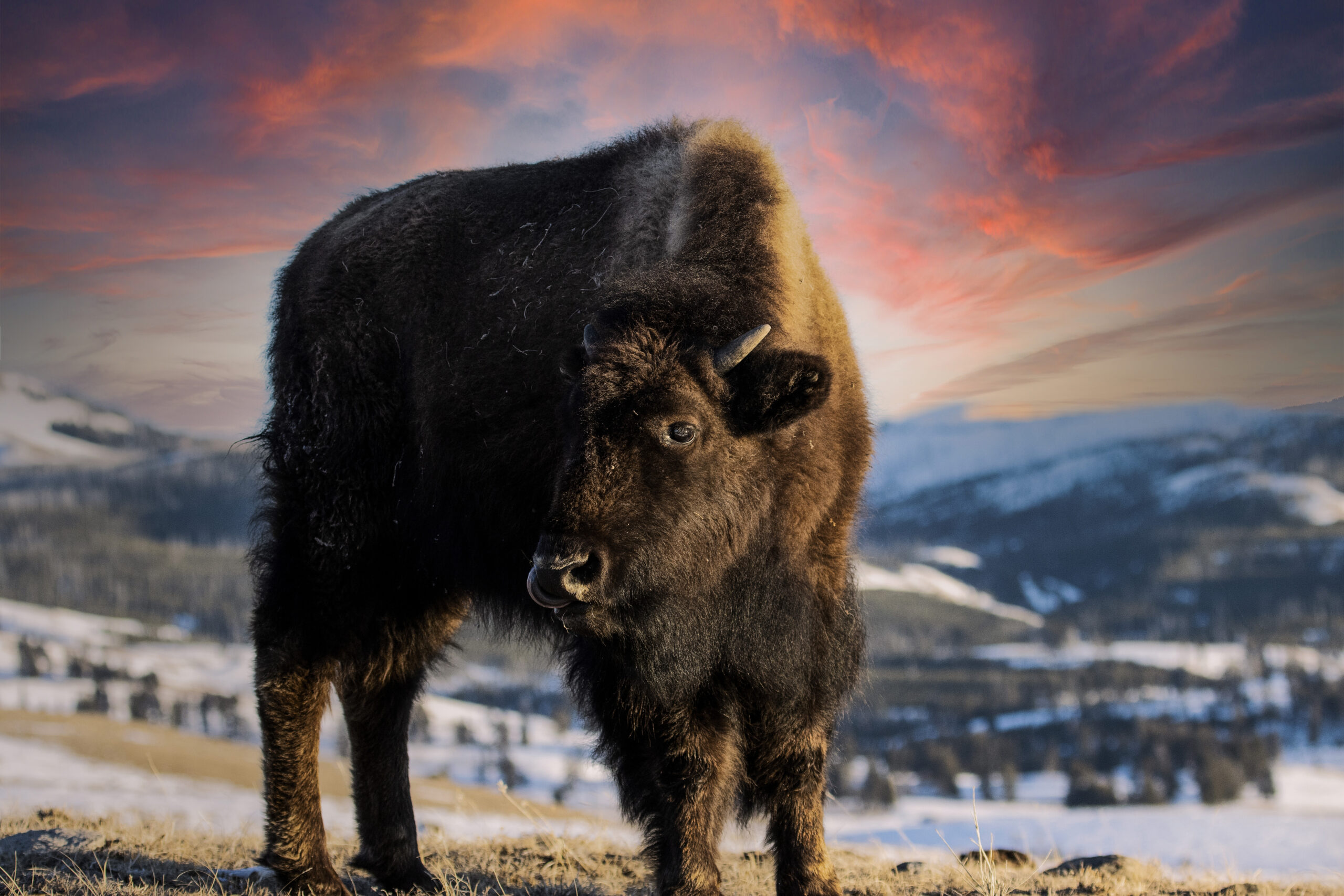
Why Public Lands Matter
Most people think of national parks when they think of public lands—and those certainly contain some of the most spectacular landscapes in the nation. But public lands include national and state forests, wildlife refuges, state and local parks, recreation areas, national conservation areas and monuments, wilderness areas, wild and scenic rivers and so much more. (For a concise description of some of these national areas, check out this summary from the Department of the Interior).
Connecting with Nature
Visiting our nation’s public lands can be a terrific way to connect with nature. Thousands of species of wildlife and fish live in these very diverse areas, including polar bears in the Arctic National Wildlife Refuge, desert bighorn sheep in Joshua Tree National Park, sperm whales in the Northeast Canyons and Seamounts Marine National Monument, and more than 245 species of birds at the Ding Darling National Wildlife Refuge.
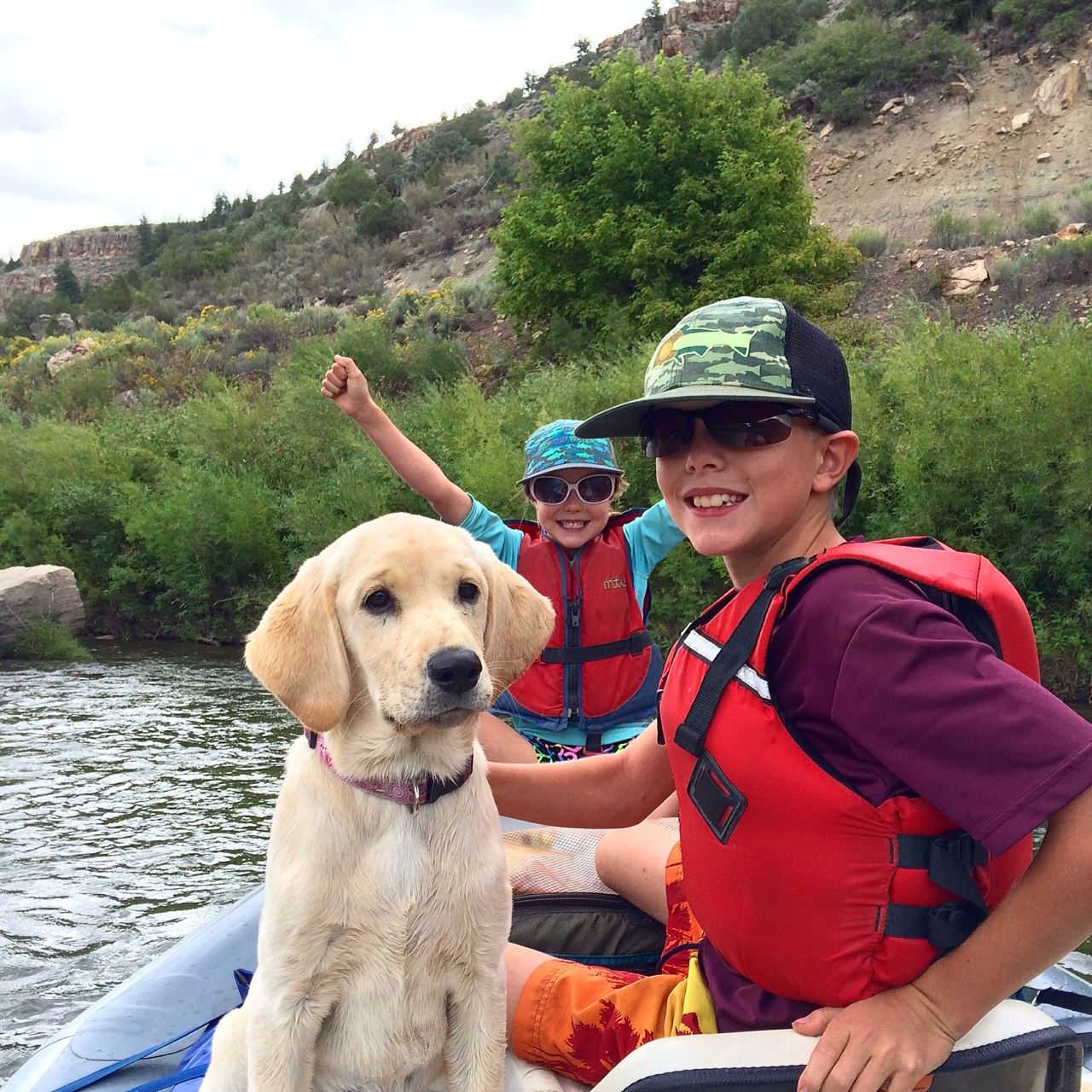
Endless Opportunities for Recreation
In addition to wildlife watching, these areas offer so many opportunities for outdoor recreation, including camping, hiking, cycling, rafting, skiing, paddling, horseback riding, hunting, and fishing. Whew! The options are endless.
All of us on the Public Lands Team at National Wildlife Federation try to spend every spare minute exploring these vast landscapes and we want to encourage others to do so, too. We look forward to seeing the amazing places you’ve explored!
Have you been following our wins for wildlife this year? Test your knowledge!
We appreciate everything you have done with us this year, and we have big plans for 2019. Please consider making a donation to help save wildlife in the year ahead.
Tell the world you love wildlife! Use the button below to add our “Thankful for Wildlife” frame to your Facebook profile picture.

Want to brush up your knowledge on wildlife wins from 2018? Start with these blog posts:
- Gratitude for Gulf Restoration
- Soaring Sustainability: Historic Flight on Low Carbon Jet Fuel
- Habitats Can Help Reach a Million Pollinator Gardens!
- Offshore Wind Power: A Clean Energy Victory for Wildlife!
- Call to Action for Red Wolves: We Cannot Turn Our Backs on a Native Species
- Buffalo Unites Us
But together, we can change this! On April 29th, the People’s Climate March in Washington, D.C., will send an important message to our leaders in Congress and the Environmental Protection Agency: Take real action to fight pollution that changes our climate, and protect clean air, water and land. And we’re making sure, with your help, that wildlife are represented in that march.
Join the Virtual Wildlife Climate March
We’re using social media – which our leaders pay attention to – to draw attention to the plight of wildlife struggling with pollution and climate change. Just post your message on your favorite social media channels with the hashtag #WildlifeClimateMarch, and we’ll do the rest.
How to Participate
1. POST ON FACEBOOK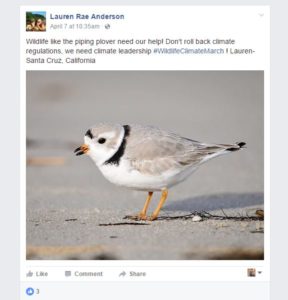
- Submit a photo to our Wildlife Climate March Facebook event page of an image of your favorite species or wild place.
- In one sentence, tell us why it’s important that our leaders stand up to address climate pollution and protect wildlife and habitat.
- Make sure to add your first name to the post as well your city and state so we know which members of Congress to send your message to!
- Also, please be sure to include the hashtag #WildlifeClimateMarch in your post!
- Here’s an example:
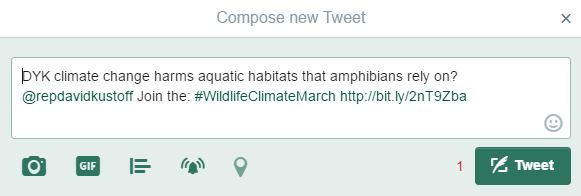
2. SEND A TWEET
- Write a tweet highlighting how climate is impacting wildlife you care about and upload a picture to go with it.
- Be sure to include the hashtag #WildlifeClimateMarch in your tweet so we can re-tweet all of your amazing tweets and collect them for delivery to Congress and the Environmental Protection Agency!
- Add the twitter handle for your member of Congress. Here’s a list of the Twitter handles.
3. FORWARD THIS INFORMATION TO A FRIEND!
Share this post to your own social media timeline. If you’re not on Facebook, you can email this blog post to friends who are! Help us spread the word and send Congress and the EPA hundreds of messages!
4. MARCH!
Find the closest climate march to you (or start organizing one yourself!), and get out there to lend your support for the need to confront climate change around the world.
Your messages will be delivered to members of Congress and the Environmental Protection Agency so they know you care about the impact hotter temperatures, withering drought and severe storms have on wildlife. And we’ll select some of the best messages to carry during the march.
Wildlife in Trouble Due To Climate Change
Many of you already know the stories of moose suffering from ticks due to warmer winters, polar bears unable to hunt due to a lack of sea ice in the arctic, and sea turtles losing nesting habitat on the beach from rising sea levels. Below are more examples how climate pollution hurts wildlife throughout our Nation.
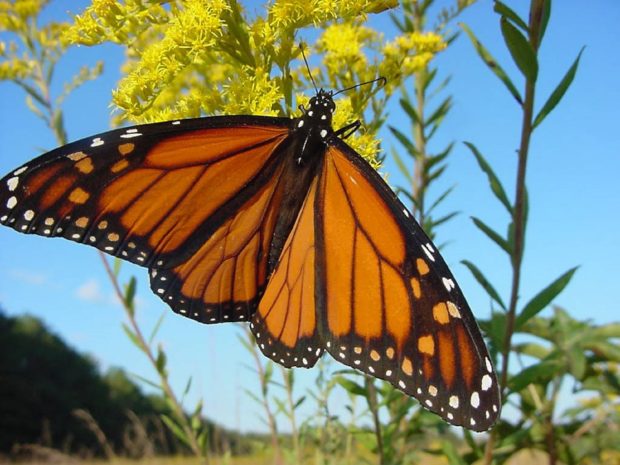
MONARCH BUTTERFLY
While our changing climate is responsible for severe weather and extreme drought, it is also responsible for the gradual change in North American landscapes — a creeping threat that puts species like the monarch butterfly at risk. Monarchs depend on temperature changes to signal when they should start their annual migration, and warmer temperatures in the North mean that the species may start its migration south up to six weeks late. This leads to butterflies freezing as they pass through the Midwest on their way south to Mexico. Researchers and scientists estimate that only a fraction of the population remains — in recent years, monarchs have decreased by 90 percent in North America since peak populations in the mid-90’s.
Suggested Tweet: Monarchs butterflies have declined 90%. @(CONGRESS MEMBER HANDLE) DYK climate changes hurts wildlife! #WildlifeClimateMarch http://bit.ly/2nT9Zba
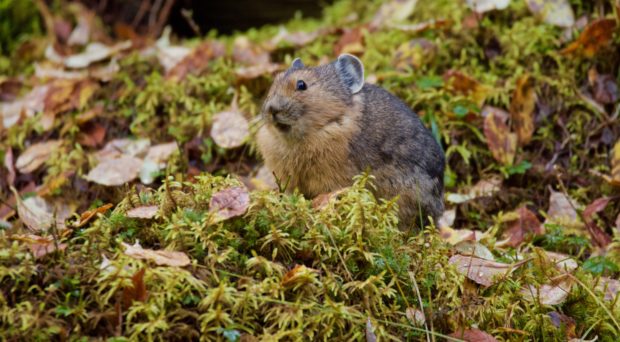
AMERICAN PIKA
The American pika, which live in the highest ranges of the Rocky Mountains, are particularly sensitive to small changes in their environments. When temperatures exceed approximately 70 degrees, American pikas can die within hours if they cannot escape the heat. Pikas were only found in 11 of 29 sites where they once lived in northeastern California and in the Great Basin, stretching from Utah’s Wasatch Mountains in the east to the Sierra Nevada and Cascade mountains in the west. The population is down about 44 percent compared to historical records.
Suggested Tweet: If we don’t get serious on climate change, @(CONGRESS MEMBER HANDLE), pikas may run out of places to go. #WildlifeClimateMarch http://bit.ly/2nT9Zba
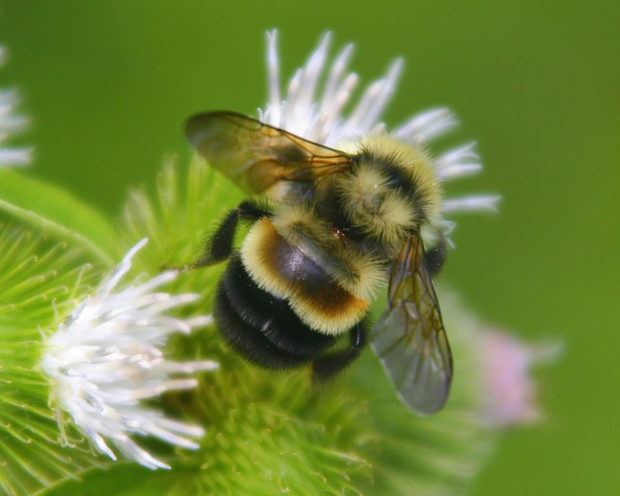
RUSTY-PATCHED BUMBLE BEE
The United States has an amazing diversity of native bees, with more than 4,000 species identified. However, native bees, and bumble bees in particular, are in decline. The rusty-patched bumble bee, one of over 47 native bumble bee species in North America, has declined dramatically and can now only be found in five of the 20 states where it once ranged. Climate change harms bumble bees through increased temperature and precipitation extremes, increased drought, early snow melt and late frost events. These impacts can cause disease and fewer flowering plants, which lead to widespread decline in bee populations.
Suggested Tweet: Native bees declined dramatically due to climate change. How will you help @(CONGRESS MEMBER HANDLE) #WildlifeClimateMarch http://bit.ly/2nT9Zba
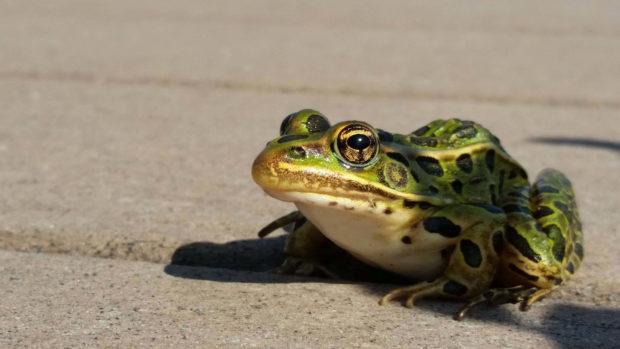
NORTHERN LEOPARD FROGS
Drought and changes in water temperature have negatively impacted the aquatic habitats of these unique frogs. Today, Northern leopard frogs have disappeared from, or become rare, across much of their western range, and have nearly disappeared from the Greater Yellowstone ecosystem. Today, approximately 42 percent of amphibian species (frogs, toads, salamanders) are threatened or declining in the US.
Suggested Tweet: DYK climate change harms aquatic habitats that amphibians rely on? @(CONGRESS MEMBER HANDLE) Join the: #WildlifeClimateMarch http://bit.ly/2nT9Zba
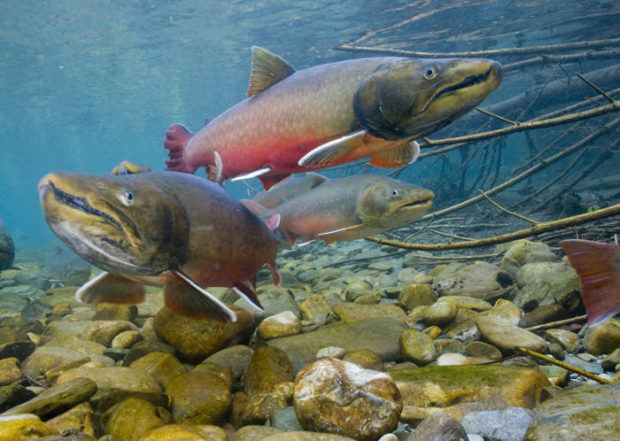
BULL TROUT
Researchers have found that in native bull trout, genetic diversity (which is critical for species to adapt to a warming world) is lowest where stream temperatures are warmest and winter flooding is highest. The bull trout has declined greatly in the contiguous 48 states, with remaining populations primarily small, fragmented and isolated. In Montana, a team of researchers is trying to save this iconic fish by moving them to cooler streams and rivers at higher elevations, but this fish is still struggling along with many other native trout species. Trout habitat is projected to decline almost 50 percent in the western United States by 2080 due to climate change impacts, and more than 40 percent of freshwater fish species are at risk in North America.
Suggested Tweet: Climate change = water too hot for bull trout & others. How will you help @(CONGRESS MEMBER HANDLE)? #WildlifeClimateMarch http://bit.ly/2nT9Zba
Join the Virtual Wildlife Climate March
JOIN THE MARCH: Tell Congress to address climate pollution and protect wildlife and habitat.
Not on Facebook or Twitter? Email your climate message and photo to alerts@nwa.org
January 2014
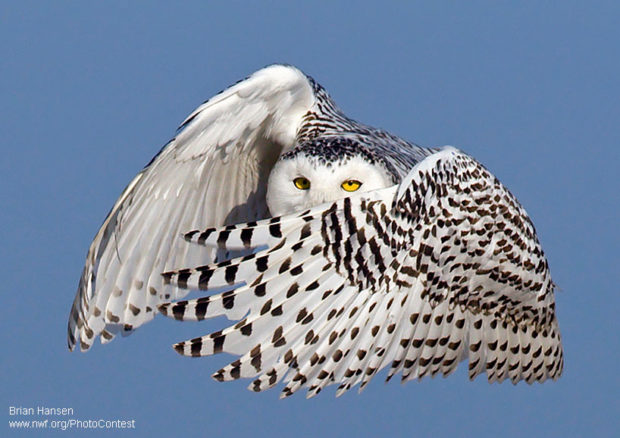
The year began with a huge snowy owl irruption. We shared that Arctic owls survive subzero temperatures — and can show up in unexpected places as a result.
February 2014
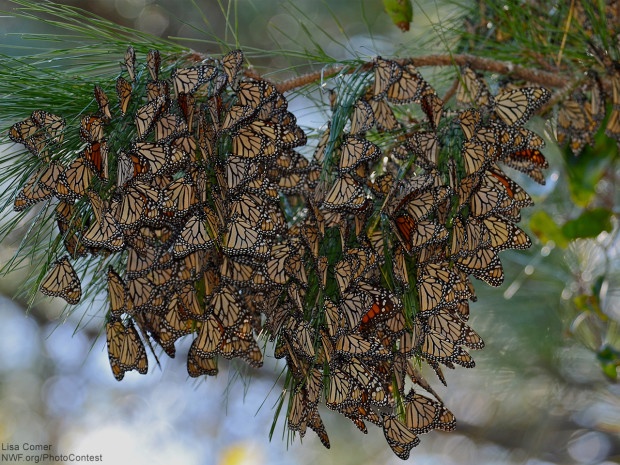
New data showed that the yearly winter migration of monarchs was once again dwindling. Experts pointed to three major reasons for the decline: changes in weather and climate, illegal deforestation, and midwestern agriculture. Additionally, the post offered ideas on how to help monarchs in your backyard.
March 2014
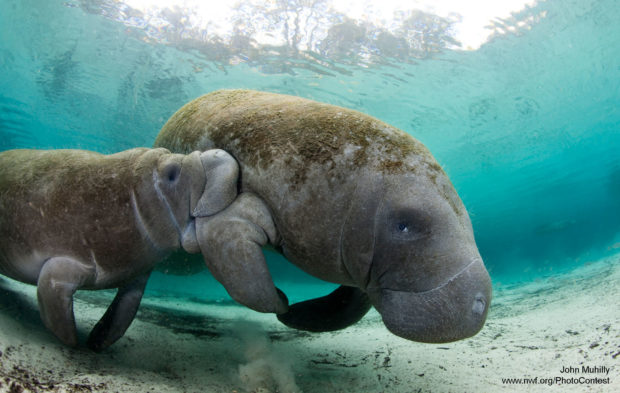
This post described the strong appetites of manatees. Although they only eat plants, manatees can eat more than 100 pounds per day!
April 2014
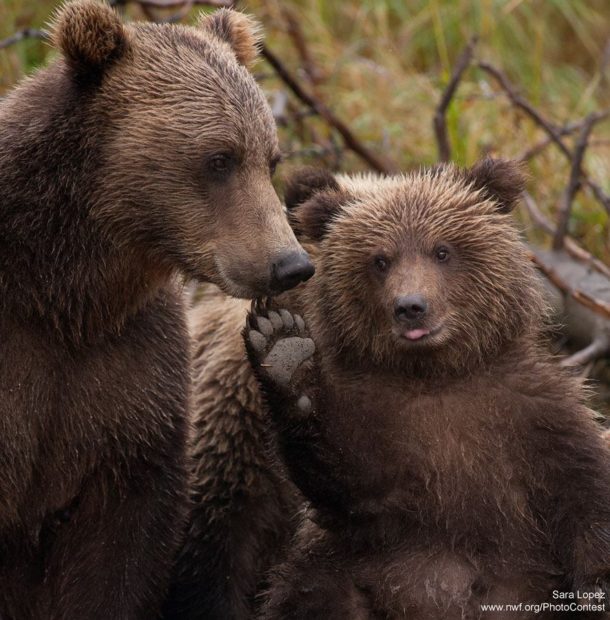
This was one of our wildlife photos of the week titled, “Raise Your Paw.”
May 2014
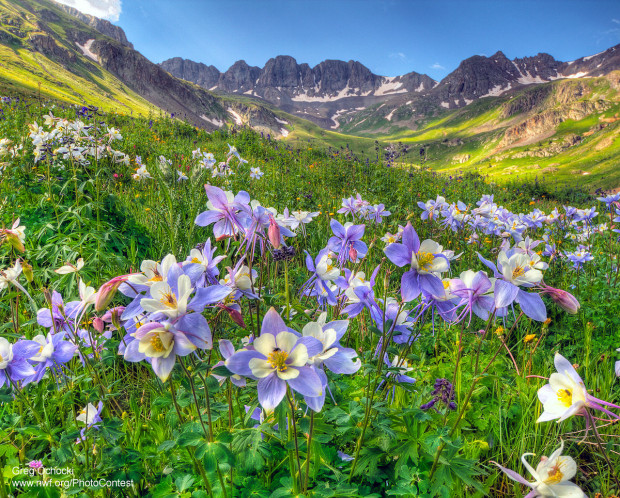
This was a photo we used to kick off National Wildflower Week. We shared advice on how to bring the beauty of the wilderness to your yard, while helping wildlife, with native plants.
June 2014
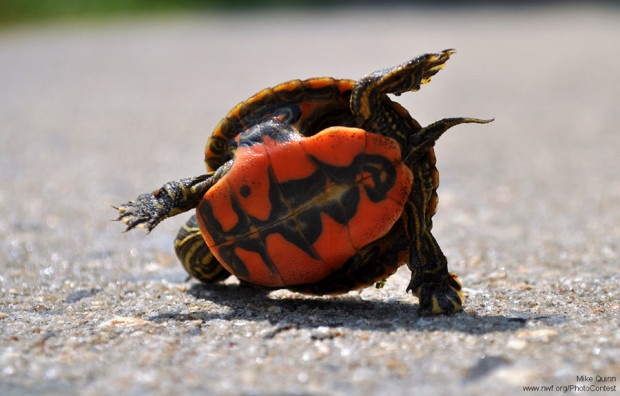
We shared this photo as part of a collection of 21 photos of wildlife in action, a way to introduce folks to our annual National Wildlife Photo Contest.
July 2014
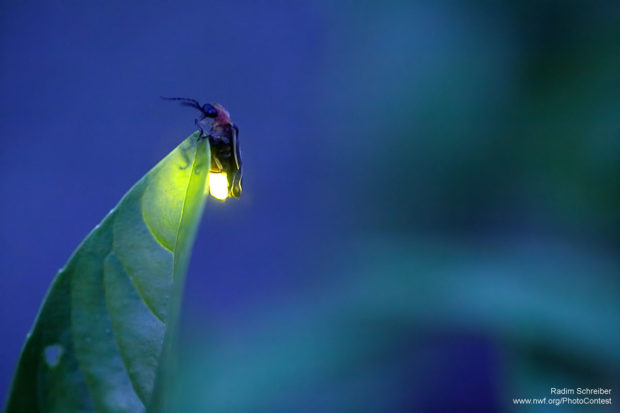
With summer in full swing, fireflies were illuminating night skies across the country. We shared that bioluminescence in fireflies is nearly 100% efficient, meaning that little energy is wasted to produce their light. By contrast, an incandescent light bulb is only 10% efficient — 90% of the energy is lost as heat.
August 2014
We professed that “we’re into cougars” in honor of World Cat Day. You might be, too, after you read the mountain lion facts we shared.
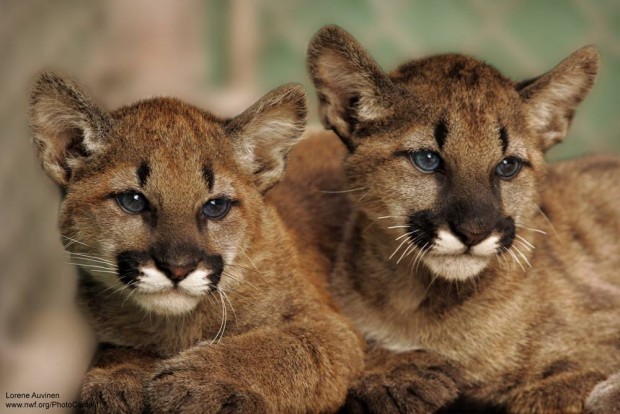
September 2014
As we entered the fall season, this post explained the science behind brilliant autumn leaves, and why they fall.
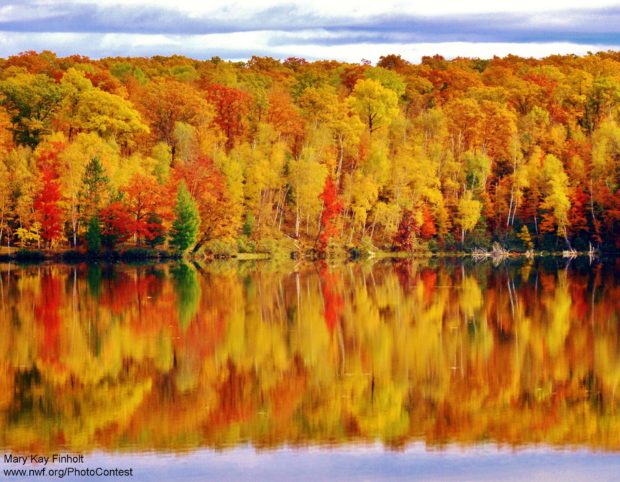
October 2014
We wished everyone a Happy Halloween and to consider recycling their pumpkins for wildlife with these tips.
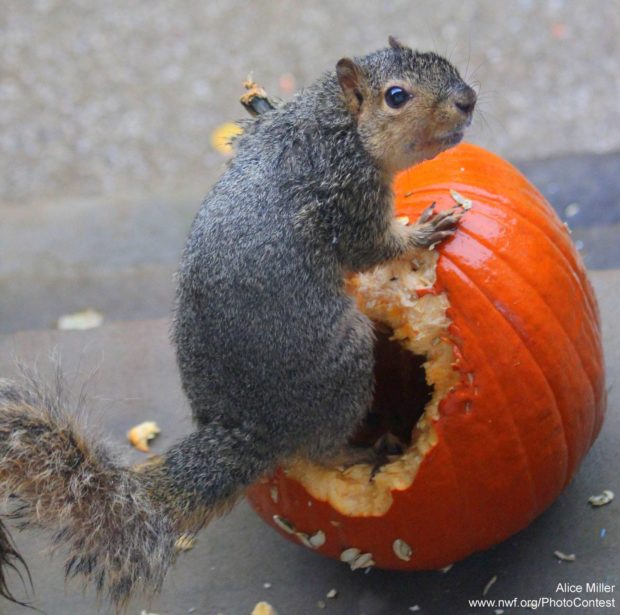
November 2014
Our post in honor of Thanksgiving read, “Hope everyone enjoys their time with friends & loved ones!”
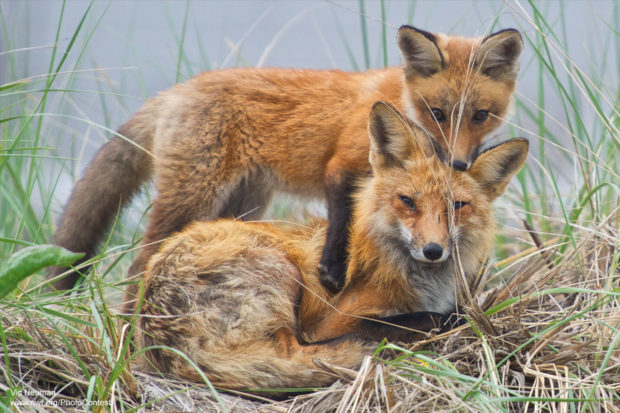
December 2014
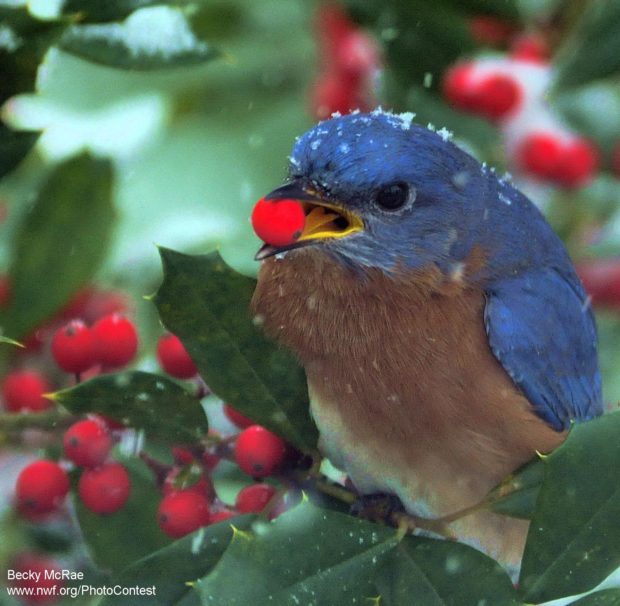
We wished our community a “Happy Holly-days” and shared that berries from native plants help birds weather the long, cold winter. And, as it turns out, hollies are among the best winter berry plants.
Top 5 Photos from Twitter in 2014
Happy Mother's Day! Give your mom a bear hug today. pic.twitter.com/7JQga8YOiK
— National Wildlife Federation (@NWF) May 11, 2014
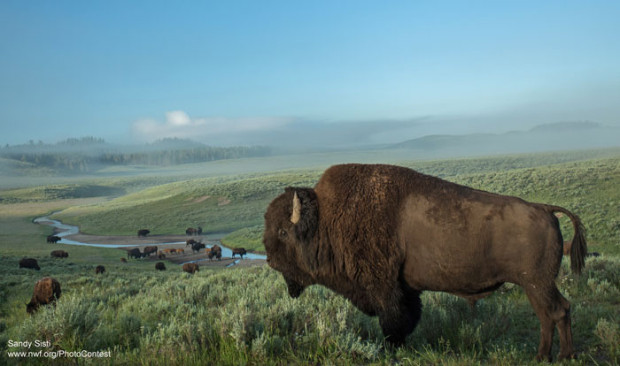
Bison help other wildlife thrive in winter by digging through the snow & exposing vegetation. http://t.co/j0xGphjcKt pic.twitter.com/il0CPPkxvx
— National Wildlife Federation (@NWF) January 27, 2014
It's International Migratory #BirdDay! Here are 10 ways to help declining migratory birds: http://t.co/VwWONNs4uB pic.twitter.com/niG9pXnw8h
— National Wildlife Federation (@NWF) May 10, 2014
A baby porcupine is called a porcupette. pic.twitter.com/b5lTYMyrPT
— National Wildlife Federation (@NWF) June 26, 2014
Today is Penguin Awareness Day! Test your penguin & Antarctica knowledge with this crossword: http://t.co/qTO4mbQU2F pic.twitter.com/sMmqhBd7pG
— National Wildlife Federation (@NWF) January 20, 2014
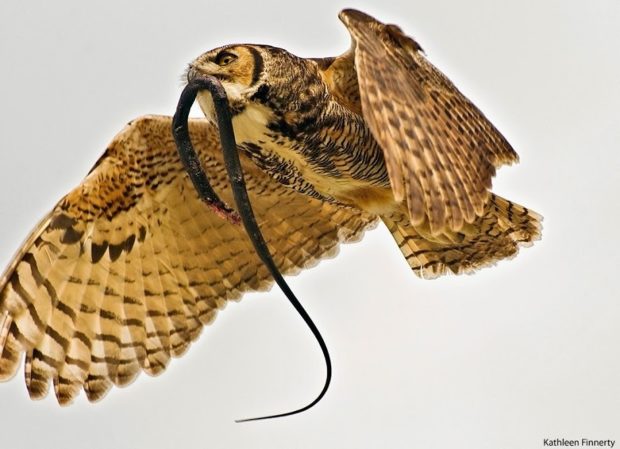
As we continued our Wildlife Selfies series on Instagram, this great horned owl was the most popular of the year.
Google+
We shared that great horned owls feed on practically any living thing, including frogs, scorpions, squirrels, ducks & bats. This post from February was the most popular on Google+ in 2014.
This year was the 50th Anniversary of the Wilderness Act. We shared that it all began with 9 million acres in 1964, and now protects 109 million acres of wildlands. This post to celebrate the birthday of the Wilderness Act was the most liked on LinkedIn for the year.
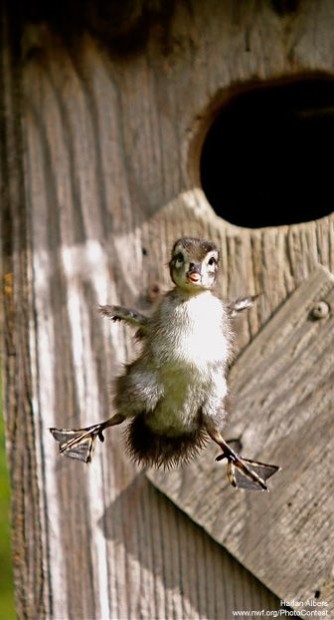
The most re-pinned photo in 2014 is of this adorable wood duckling jumping from its nest box. The pin linked back to a blog about wood ducks and some of their fascinating behaviors, explaining that there is no reason to worry when ducklings jump, because they bounce!
Looking for More?
We’d love to have you join our social communities! They’re great places to share photos and articles & connect with others who care about the well-being of wildlife. Follow us on Facebook, Twitter, Pinterest, Instagram and more to stay up to date on the latest wildlife news and for gorgeous nature photography.
 If you’re looking to be more connected and informed, we’d love to have you become a member. You’ll receive the award-winning National Wildlife magazine and a monthly newsletter. And, of course, your contribution will help us protect wildlife.
Thank you to all those photographers who have generously donated your photos to NWF, we wouldn’t be able to communicate as effectively or broadly without your wonderful images. You truly impact the work we do to protect wildlife!
#11: May 22, 2013
World Biodiversity Day – enough said. The focus was on the importance of water for all life on Earth. We offered our community these tips to cultivate diversity in your backyard with native plants.
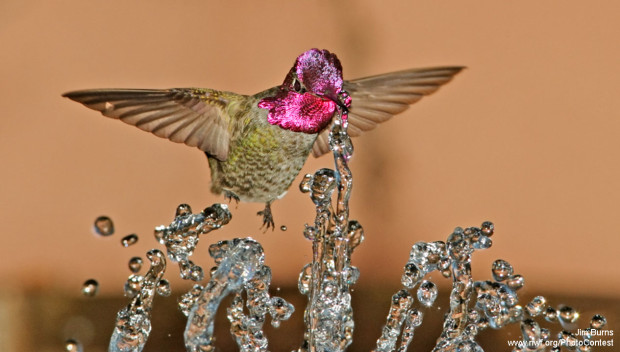
#10: December 14, 2013
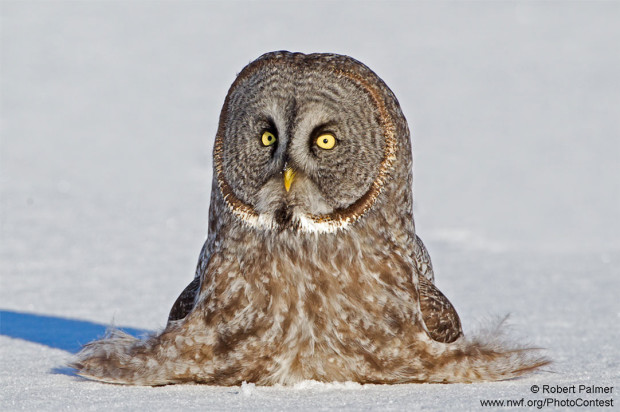
#9: November 4, 2013
This post was to call attention to plans in New England that would pump 300,000 barrels per day of toxic tar sands through critical moose habitat. We hoped to inspire supporters to send a message to the U.S. State Department, urging them to stop the Northeast tar sands pipeline.
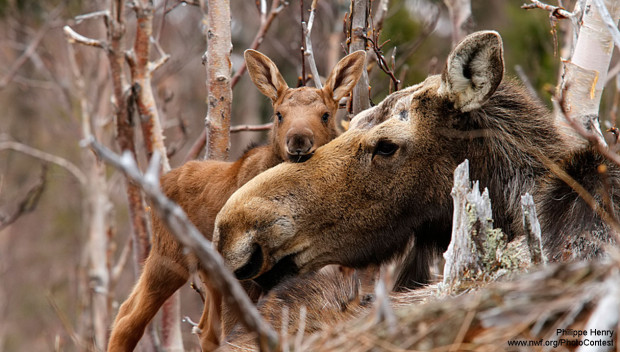
#8: July 24, 2013

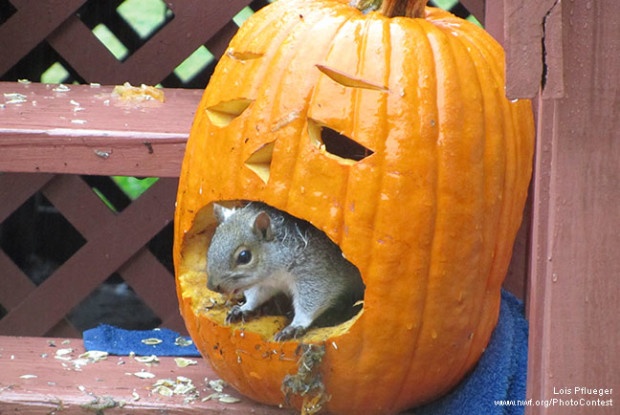
#7: October 31, 2013
This photo was to wish everyone a happy and safe Halloween.
#6: December 21, 2013
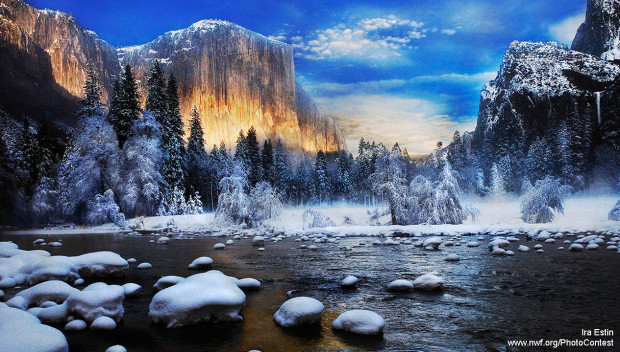
We wished everyone a happy first day of winter with these gorgeous photos of winter wonderlands.
#5: May 23, 2013
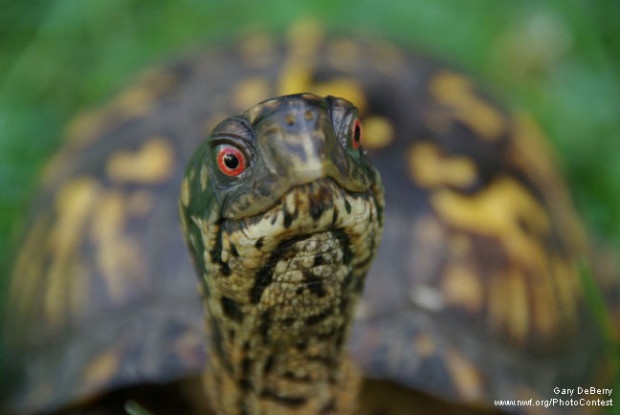
This post was on World Turtle Day. We offered our community tips on how to make your backyard turtle friendly.
#4: December 20, 2013
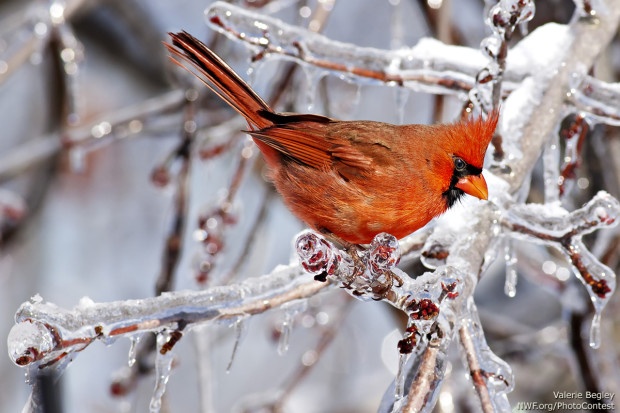
This post read, “‘Tis the season for cardinals in the snow. Merry Friday.”
#3: December 4, 2013
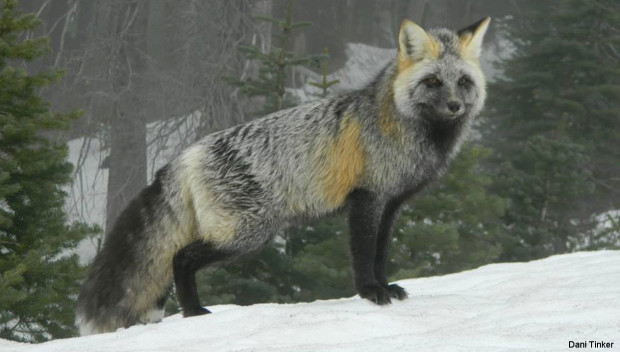
We posted this cascade red fox photo following the Thanksgiving weekend. It was spotted at Mount Rainier National Park, sporting this unique coat. The mixed charcoal and reddish coloration is typical of the red fox population in the park. We asked our supporters to share their fox photos on our Timeline for our “Fox Tales” community album.
#2: July 16, 2013
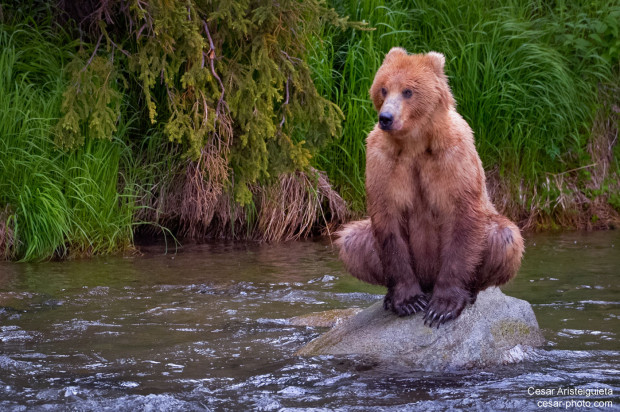
This was one of our wildlife photos of the week, titled “Zen Grizzly.”
#1: April 16, 2013
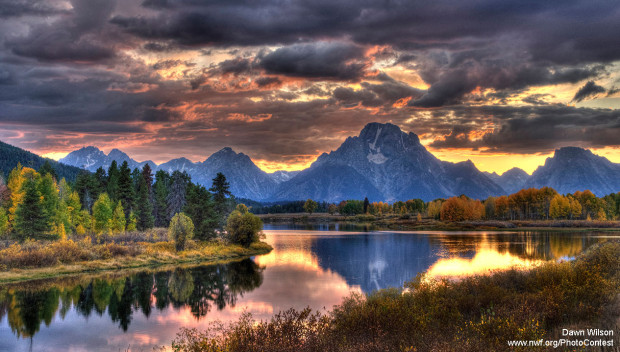
Following a tough day for our country, we asked our community to remember in the midst of tragedy to seek peace and balance in the beauty of the natural world.
Most Popular Community Album: Wildlife in Trees
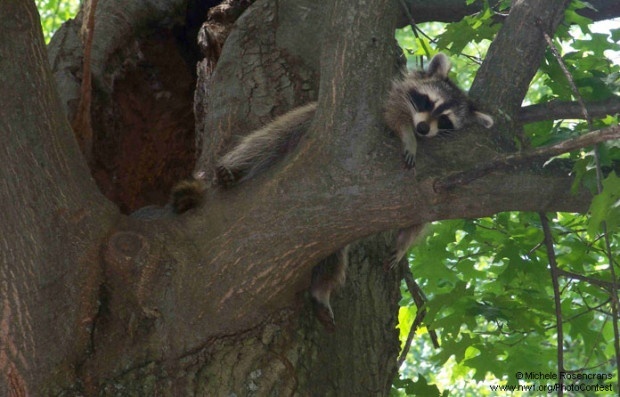
This past year, we’ve had a number of fantastic community albums on Facebook. We ask our community to share specific types of photos on our Timeline, and then we compile them into an album. Our Facebook community enjoyed our “Wildlife in Trees” album for National Wildlife Week the best. There are nearly 300 photos in the album from our supporters!
This is Amazing, How Do I Get More?
Funny you should ask. First, we’d love to have you join our Facebook community. You can post photos and articles on our Timeline to share & connect with others who care about the well-being of wildlife. Follow us on Facebook, Twitter, Pinterest and more to stay up to date on the latest news and for more brilliant wildlife photos.
If you’re looking to be more connected and informed, we’d love to have you become a member. You’ll receive the award-winning National Wildlife magazine and a monthly newsletter. And, of course, your contribution will help us protect wildlife.
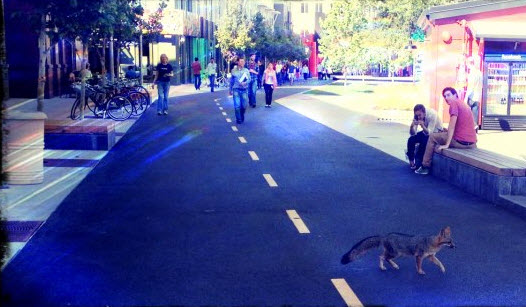
Perhaps sensing the “friendly” nature of Facebook’s business, a family of foxes chose to raise their young in the Zen garden on the campus, and as a result added approximately 2,500 proud, adoptive parents to their skulk (yes, that really is the proper term for a group of foxes). The new family members? The entire staff at Facebook.
Following the antics of the adorable parents and their three pups on the FB Fox page provides a daily dose of cuteness, but even more heartwarming for me is observing how the employees have become caretakers to these animals. Wildlife in urban areas—and especially in the middle of a busy company office park—are often treated as pests and removed or killed. Instead, Facebook embraced having these wild creatures trotting along Hacker Road and lounging outside office windows.
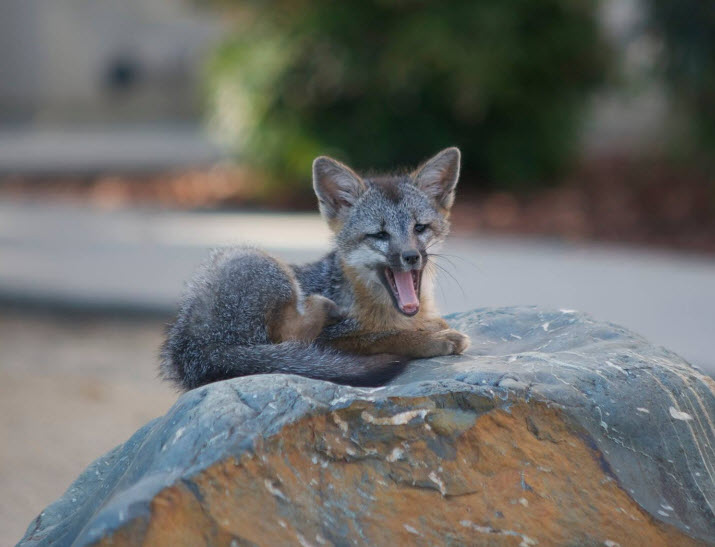
In order to ensure the foxes remained safe and healthy, the facilities management team worked with local wildlife services and contacted researcher Bill Leikam (aka The Fox Guy), who gave a presentation to the staff. But the Facebook employees themselves took the extra steps needed to guarantee the wild creatures stayed wild and that this experience didn’t deteriorate into a petting zoo or the foxes receiving handouts from the ice cream stand.
Alexis Smith, a Facebook marketing team member who started the FB Fox page, also felt inspired by the staff rallying around the foxes:
“I loved how the foxes brought everyone together—that people cared that the animals made their home on our campus and that they merited respect from everyone.”
As is evident from the motto of the FB Fox page itself, “Please honor the MPK Fox—no chasing or feeding—just mutual respect.” Staff posted signs in the Zen garden asking people to keep their distance. An employee recently shared a photo of one of the foxes resting under his automobile, and warned, “Before you drive off, please check if there is a fox under or near your car.” Not the usual job duties that accompany working for a high tech firm, but these employees have embraced it.
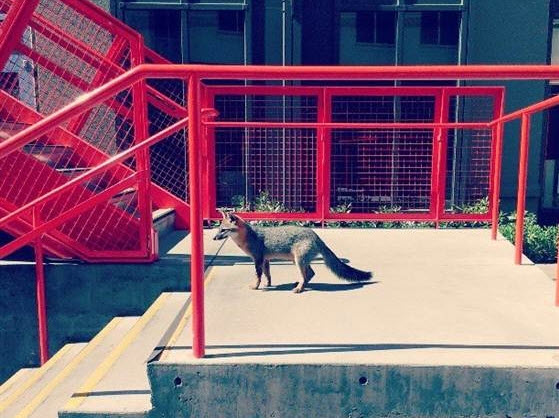
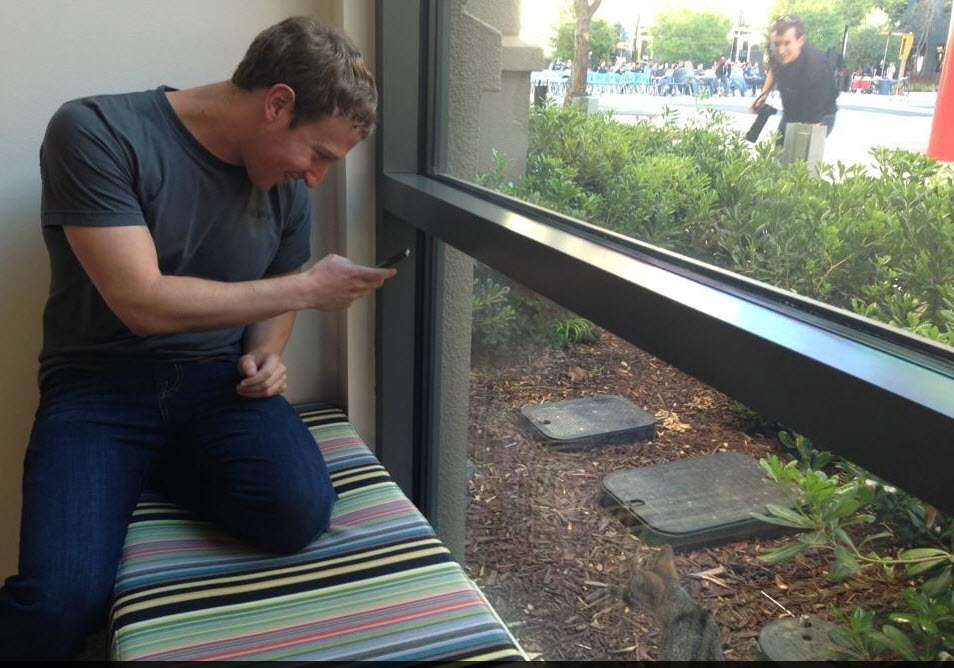
The first sighting of the mother fox occurred right outside Facebook Founder and CEO Mark Zuckerberg’s office window—these foxes certainly know the right people to “friend.” Zuckerberg took a personal interest in the foxes, and his liking the FB Fox page resulted in thousands of followers being added in just hours. To date, over 17,000 people from all over the world tune in to see the latest adventures of the fox family—some from as far away as Pakistan and Afghanistan—and Alexis avidly shares the latest photo encounters and observations from the employees. For Alexis, her favorite fox moment came when she first viewed the pups, and the pictures demonstrate how easily it is to become smitten with these three “foxeteers” from observing them wrestle in the garden, chase each other’s tails, or nurse from mom on a public walkway.

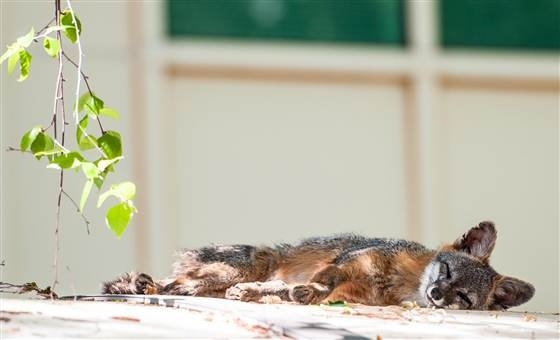
Although the foxes have vacated their den now that the pups have grown, they have not left the campus entirely and regular sightings continue. Followers can take comfort in knowing that they will probably reuse the den for breeding next year, as researcher Bill Leikam points out. “Once the pups are gone from the area in which they were born, that particular territory is then available for the adults to return to their traditional den and have their new litter raised in familiar territory.”
When they return to raise a new family, the foxes will be pleased to note their choice of a home is now Ranger Rick approved! When I visited the campus last week, I presented Facebook with the National Wildlife Federation’s official Certified Wildlife Habitat® designation—they had certainly earned it by being fox-friendly. Alexis Smith, who grew up reading Ranger Rick magazine and inherited a love of the natural world from her parents, appreciated receiving the certification. “I was always extremely excited whenever a new Ranger Rick arrived in the mailbox.”
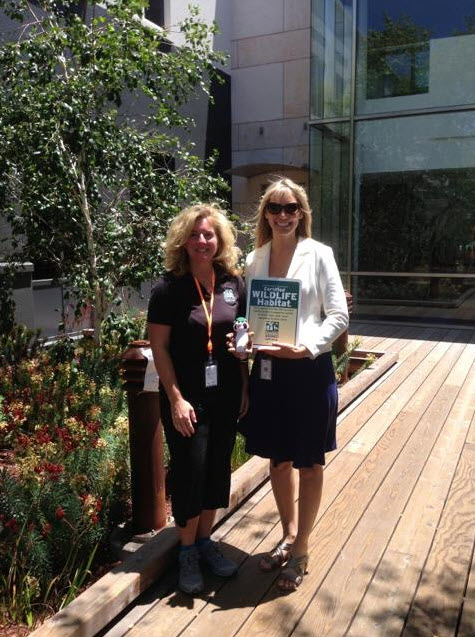
NWF’s Naturalist David Mizewkski, who oversees the Certified Habitat program, thinks the company and its employees have set a great example for what people can do for wildlife. “The Facebook foxes are a perfect symbol of the fact that the natural world isn’t just in faraway, exotic places. It’s all around us, sometimes literally right outside our doors. Good stewardship of wildlife habitat in our cities and towns means that all it takes to have amazing animal encounters is to simply get outdoors.”
The new sign is already on display in the Community Garden, a favorite hangout for the foxes. Our thanks to Facebook and their employees for lending wildlife a helping hand!
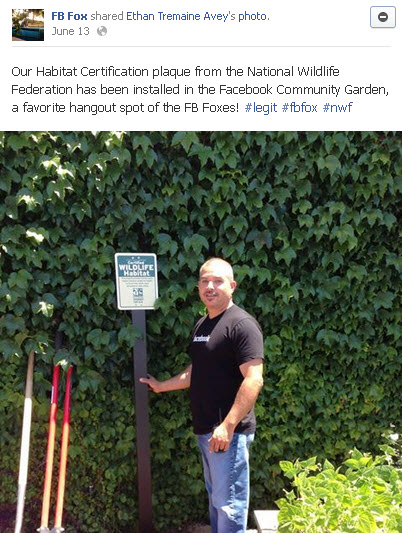
UPDATE JUNE 28:
The National Wildlife Federation made Facebook founder Mark Zuckerberg “happy!” He shared today on his Facebook page that “It makes me happy that we got our campus certified as an official wildlife habitat.” I think it’s wonderful that even busy, genius, internet entrepreneurs take the time to watch wildlife. Thanks, Mark, for you and your employees showing how wildlife and people can coexist in an urban environment-and for all those adorable fox photos on FB Fox!
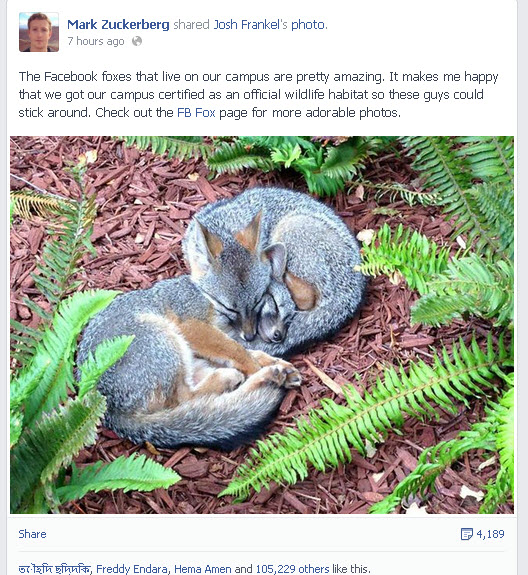
Want to make a difference for wildlife in your yard, schoolyard, church, business, neighborhood, or community? Check out the National Wildlife Federation Garden for Wildlife website or Facebook page.
Follow NWF California on Facebook for more great wildlife stories and photos from across the Golden State!

This Thursday, we celebrate the 40th anniversary of the Clean Water Act. This landmark act has ensured, and will continue to ensure, that America’s waters are fishable, swimmable, and drinkable. Since its inception, the Clean Water Act has logged numerous successes: it has prevented pollution by providing assistance to publicly-owned wastewater treatment facilities, and maintaining the integrity of wetlands.
**Help us celebrate this milestone and tell everyone how important clean water is to you!**
 Facebook: This week change you profile picture to the image below and share it with your friends. Remind people that October, 18th we celebrate four decades of the Clean Water Act and the historic results this keystone legislation has achieved: healthier water to drink; cleaner streams, rivers and lakes in which to swim, fish and play; and dramatically lower rates of natural wetland loss.
Twitter: Tweet a message showing your support for clean water. Feel free to use some of the samples we have provided below or create your own.
* When tweeting be sure to use #CleanWaterAct.
- For 40 years the #CleanWaterAct has protected America’s waters and ensured that they are fishable, drinkable, and swimmable. Thank you!
- 79% of Sportsmen favor restoring Clean Water Act protections http://bit.ly/Sj5ez9 #CleanWaterAct
- For 40 years, @EPAgov has worked to restore #CleanWater and protect the #CleanWaterAct. Let’s keep it that way.
- The Chesapeake Bay is one of the most extraordinary places in America. Let’s protect the #CleanWaterAct
- The #CleanWaterAct, has doubled the water safe for swimming & fishing. Let’s keep working to #ProtectCleanWater
- 73% of Republicans favor restoring Clean Water Act protections to wetlands and waterways. http://bit.ly/Sj5ez9 #CleanWater
- Sportsmen – regardless of political party – favor restoring Clean Water Act protections to wetlands and waterways http://bit.ly/Sj5ez9
- The Great Lakes are the largest system of surface freshwater on earth, they deserve adequate protection. Protect the #CleanWaterAct
- The #CleanWaterAct is under assault from the biggest polluters around. @WhiteHouse, we’re with you to #ProtectCleanWater
- 117 million Americans whose drinking water is at risk count on @WhiteHouse @USACE_HQ and @EPAgov to continue to protect the #CleanWaterAct
Hashtags:
- Always use #CleanWaterAct in your tweets.
- Whenever possible make sure @MittRomney, @BarackObama or @WhiteHouse are included in your tweets. Where appropriate use @EPAgov, @LisaPJackson, or @USACE_HQ (many local Army Corps Districts have their own Twitter handles)
- Other hash tags to consider using, in addition to #CleanWaterAct (space permitting): #ProtectCleanWater, #DrinkingWater, #CleanWater
- Please tweet this at least once: “For 40 years the #CleanWaterAct has protected America’s waters and ensured that they are fishable, drinkable, and swimmable. Thank you!“
Links to include as needed:
- The Clean Water Framework: http://1.usa.gov/vsLD7d
- EPA Waters of the US page: http://1.usa.gov/uMJFr1
- EPA’s Clean Water Act 40th Anniversary page: http://1.usa.gov/OHnXd7
- The NY Times on EPA Guidance: http://nyti.ms/rCotHy
- The NY Times on Dirty Water Bills in Congress: http://nyti.ms/uPpQGa
- NWF on clean Water: http://bit.ly/gSiLGg
- Clean Water Action background on fixing the Clean Water Act: http://bit.ly/ugk8DB
- NRDC on clean waterL: http://bit.ly/trwbL8
- Environment America on restoring the Clean Water Act: http://bit.ly/tB6PM9
- LCV on clean water: http://bit.ly/vnHXLw
*Follow us (@NWFCleanH2O) and other organizations working to protect America’s waters!*
 If you care about clean water and would like future generations to have fishable, swimmable and drinkable waters, take action and help restore clean water today!
#Squirrels4Good are everywhere – can you help me help @NWF reach 10K mentions & I'll give $10K? http://t.co/cVF02UD5
— craig newmark (@craignewmark) May 1, 2012
Craig’s Pledge:
“Here’s the deal, for each time someone uses the hashtag, #Squirrels4Good on Twitter or on my Facebook page or NWF’s facebook page, I’ll give $1 to the National Wildlife Federation up to $5K. I will also donate $1 for each new follower I get over the next couple of weeks.”
To celebrate #Squirrels4Good, here are a few things that make squirrels happy and set them free:
To Stop and Smell the Roses

A Nap in the Park

Ice Cream Cones
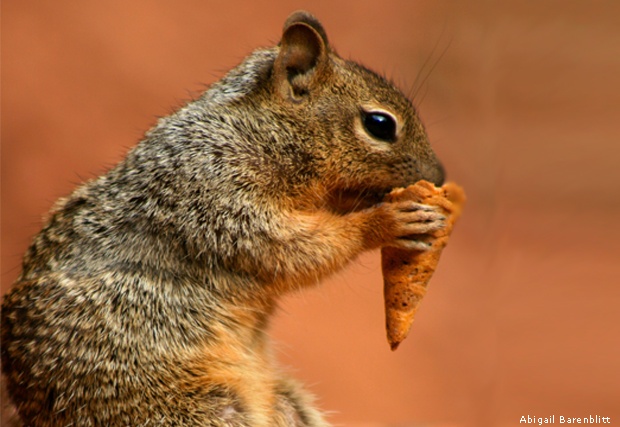
The Perfect Photo

The Last Cookie in the Cookie Jar

To Watch Funny Cat Videos

A Mid-Afternoon Stretch (and Snack)

To Squeak Up for What They Believe In!

How You Can Celebrate Squirrels
- Tweet using #Squirrels4Good or post about squirrels on NWF or Craig Newmark’s Facebook page.
- Share and re-pin your favorite squirrel photos on Pinterest
- Turn your garden into a squirrel-friendly Certified Wildlife Habitat with NWF
 You’ve emailed. You’ve called. You’ve written Letters to the Editor to your local papers. You’ve turned out for hearings and rallies. Now, your voice is needed again to protect wildlife from the dirty and dangerous Keystone XL tar sands oil pipeline by spreading the word on Facebook.
It’s easy: simply “like” this image to spread the message far and wide that we’re counting on President Obama to stand strong and reject this disaster in the making.
President Obama has said he will reject the Keystone XL pipeline permit, but Big Oil has responded by threatening “huge political consequences,” and some members of Congress have been scheming to fast-track this dangerous project.
The President must make a decision by February 21st–but we’re hearing an announcement could come much sooner than that.
Thanks to wildlife advocates like you, there has been a huge surge of national opposition to the Keystone XL. Now, more than ever, the President needs to know that Americans like you support him in standing strong against Big Oil and rejecting this disaster in the making.
Whooping cranes are one of the most critically endangered birds in the world, with only several hundred left in the wild.
Now, they could be placed in further peril by the Keystone XL pipeline, which would carry tar sands oil through the same narrow migratory corridor that the cranes use each spring–putting the rivers, marshes, wetlands and streams on which they rely at risk of a toxic oil spill.
In addition, the Keystone XL pipeline would drive a massive expansion of Canada’s tar sands operations which are destroying enormous swaths of important habitat, producing lake-sized reservoirs of toxic waste, and worsening the devastating effects of global warming.
 Help stop the next oil disaster for wildlife by showing President Obama that Americans don’t want the Keystone XL oil pipeline.
 Right now, our nation’s most important conservation laws — including the Endangered Species Act, Clean Water Act, and Clean Air Act — are under attack in the federal budget bill (also known as the Continuing Resolution) that Congress is expected to vote on this week.
That’s why we’re asking YOU to spread the word far and wide that cuts to our bedrock conservation programs are unacceptable.
Below is a list of facts about how wildlife and wild places depend on conservation programs. Please help us SPREAD THE WORD throughout the week by tweeting and posting these facts to your facebook wall:
The endangered Hawaiian monk seal needs conservation programs to aid in its recovery. #ContinuingResolution
Tweet it! | Post to Facebook.
Don’t let congressional budget cuts mean aloha (goodbye) for HI’s endangered species. #ContinuingResolution
Tweet it! | Post to Facebook.
If it weren’t for the Endangered Species Act, bald eagles would have disappeared years ago. #ContinuingResolution
Tweet it! | Post to Facebook.
San Francisco Bay supports more than 500 species of wildlife and depends on conservation funding. #ContinuingResolution
Tweet it! | Post to Facebook.
Restoring Clean Water Act protections for small streams and wetlands is vital for fish, wildlife. #ContinuingResolution
Tweet it! | Post to Facebook.
Great Blue Herons and many other birds rely on protected wetlands for their survival. #ContinuingResolution
Tweet it! | Post to Facebook.
Even as the icy habitat of polar bears melts, Congress wants to take away key protections. #ContinuingResolution
Tweet it! | Post to Facebook.
The Land and Water Conservation Fund has conserved important elk habitat in the Rockies. #ContinuingResolution
Tweet it! | Post to Facebook.
Fed. budget bill would allow 20 mil. acres of wetlands to be opened to polluters, developers.#ContinuingResolution
Tweet it! | Post to Facebook.
At risk: the State and Tribal Wildlife Grants Program, which prevents wildlife from becoming endangered.#ContinuingResolution
Tweet it! | Post to Facebook.
Proposed restrictions on the EPA would make it harder to keep Florida waters clean. #ContinuingResolution
Tweet it! | Post to Facebook.
Great Lakes endangered piping plover depends on funding to protect their breeding habitats. #ContinuingResolution
Tweet it! | Post to Facebook.
Chesapeake Bay budget cuts would affect the 1 mil. swans, geese and ducks that migrate there.#ContinuingResolution
Tweet it! | Post to Facebook.
Recovery of 21 Puget Sound threatened or endangered species depends on EPA funds.#ContinuingResolution
Tweet it! | Post to Facebook.
Chinook salmon are at less than 10% of their historic levels in Puget Sound river systems.#ContinuingResolution
Tweet it! | Post to Facebook.
PA Game Commission is using federal funding to protect more than 30,000 bats. #ContinuingResolution
Tweet it! | Post to Facebook.
Fed. budget bill could cut funding for research on bats and white-nose syndrome. #ContinuingResolution
Tweet it! | Post to Facebook.
Without federal funding, the now-common peregrine falcon would be extinct.#ContinuingResolution
Tweet it! | Post to Facebook.
In the US, fewer than 100 ocelots exist — conservation laws are needed for their survival.#ContinuingResolution
Tweet it! | Post to Facebook.
There are 21 endangered butterfly species in the U.S. — resources are needed to protect them. #ContinuingResolution
Tweet it! | Post to Facebook.