The answers were wonderfully inconsistent.
“This is beautiful.”
“What a lush tropical landscape.”
“Is my room ready?”
And, of course, “Bula.”
After years of welcoming people to Savusavu, we shouldn’t have expected one answer. People arrive for all sorts of reasons and notice different things. Some immediately gaze across the bay to the mountains, others are taking photographs before their bags have made it to their room, and a few are (understandably) more interested in finding their bure and having a rest.
What is more interesting, though, is what people talk about when they leave.
Yes, they remember the snorkelling, the diving, the waterfalls and the sunsets. But after years of conversations with guests at Daku Resort, we’ve noticed that people rarely talk about just one thing.
They simply say they liked the way Savusavu felt.
And we know that people return to Savusavu for its slower pace, the friendliness of the people and the feeling that there is always a little more left to discover.
Savusavu Is a Little Different
Savusavu can come as something of a surprise, not least because it is smaller and less developed than some people expect.
There are no large resorts here and almost no crowds. You don’t feel as though someone is trying to entertain you every minute of the day. Instead, you can spend a morning snorkelling, have lunch in town and then head up the Hibiscus Highway simply because someone told you the drive was worth doing.
Savusavu still has a slight sense of adventure about it. Roads become gravel, signs can be easy to miss, and a waterfall walk after a spell of tropical weather may involve a guide clearing back the undergrowth.
These are never inconveniences, they just become part of the story guests tell when they return to Daku.
The Best Parts of a Day Are Not Always Planned
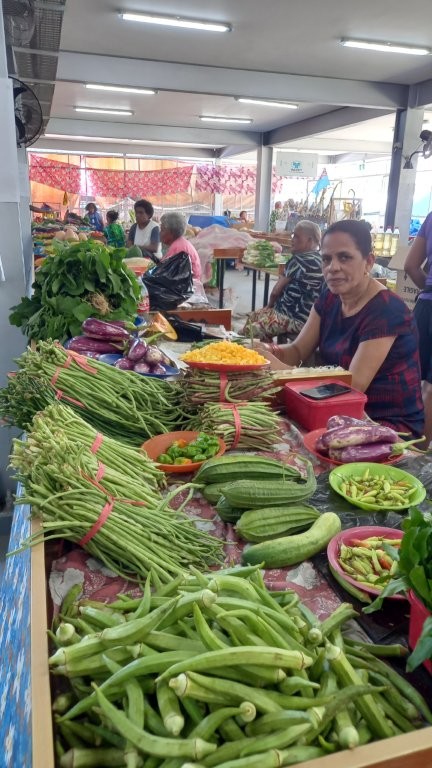
We often ask guests over breakfast what they did the day before. A couple of people might have spent the day diving, while those at the next table drove towards Natewa Bay. Another guest may have gone into town for half an hour and somehow spent most of the afternoon there after visiting the market, stopping for an ice cream and getting into conversation with someone they had just met.
The thing that surprises visitors most is how easily you can meet someone, start chatting and find yourself invited in for a drink or even a meal. There’s no great ceremony and no expectation attached. It’s simply part of the friendliness people encounter in Savusavu.
The Fijian “Bula!” helps. One member of staff said the thing they hope never changes is the way a simple “Bula!” can turn strangers into friends.
Somewhere Along the Way, People Learn Your Name
When we asked what visitors often don’t notice until their third day, one answer stood out: by then, the staff know them by their first name.
The resort is relaxed and informal, and the team naturally gets to know people. For us, that’s the best description of Fijian hospitality we could hope for.
People Slow Down Without Really Meaning To
Most guests arrive with plans. They know which days they want to snorkel, when they’re going to visit the hot springs and which direction they want to explore. We’re always happy to help, although we’ve also learnt that those plans tend to become a little more flexible after a few days as new ideas crop up, or people decide to just do less.
Even the photographs are flexible. Twenty-five years ago, guests arrived with cameras. Now everyone has a smartphone and, judging by the number of photos we see being taken, cocktails remain an extremely important subject.
Then there are the sunsets. At around six o’clock, depending on the time of year, people suddenly start appearing with phones in hand. Everyone becomes a photographer and the sky puts on a magnificent performance.
You Start Noticing the Little Things
There are the obvious Savusavu views, particularly the mountains across the bay from Daku. Guests photograph them constantly.
After a few days, though, people start noticing other things.
The geckos, for example. Tiny little creatures which chirp extraordinarily loudly just like a bird – and are brilliant at catching mosquitoes. They become part of the memory of being here.
Daku Is Part of Savusavu, Not Separate From It
Guests often mention Daku’s relaxed and informal nature.
The resort overlooks Savusavu Bay and is close enough to town that guests can head in for coffee, visit the market or spend an afternoon exploring, then return when they’re ready.
Guests joining the art and yoga retreats hosted through Paradise Courses often settle into the same rhythm. They come to paint, learn or practise yoga, but the experience inevitably becomes mixed with the wider life of Savusavu.
That’s how we think it should be. Daku has never been about arriving at a resort and shutting the rest of Fiji outside the gate. Savusavu is too interesting for that.
Why Do People Return to Savusavu?
We asked our team what they hope never changes about Savusavu.
One said the easy access to the ocean. Another said the way “Bula!” instantly turns strangers into friends. Someone else simply said, “The people.”
That’s the real answer.
People may first arrive noticing the lush landscape, the mountains across the bay or the view from the front deck of the main bure. By the time they leave, they are saying goodbye to the person who served their breakfast, asking the receptionist to pass on a message to someone they met during the week, or promising the Daku team that they’ll be back.
That’s what changes during a stay in Savusavu. You arrive noticing the view, but by the time you leave, it’s usually the people you’re saying goodbye to.
]]>They might expect the answer to be like all the other Fiji destinations: snorkelling, beaches, boat trips and time by the pool.
And yep, Savusavu has all of those things.
But what surprises many visitors is how different it feels from the Fiji they imagined.
A lot of people have already spent time elsewhere in Fiji. They’ve seen Denarau, visited the Coral Coast, or been to Pacific Harbour.
Savusavu appeals because it offers something different. There’s less polish, but more space, and the realisation that you are experiencing a real place rather than a destination built entirely around tourism.
There is also a wonderful sense of adventure. Roads sometimes turn into dirt tracks. Waterfalls are not always signposted. Some of the best snorkelling spots require a boat ride and a local guide who knows where to go.
Part of the fun is figuring it all out!
Located on Vanua Levu, Fiji’s northern island, Savusavu appeals to travellers who enjoy exploring at their own pace and discovering places that still feel under the radar.
For many visitors, that becomes exactly the reason they return.
Start With the Water
Savusavu is located in a sheltered bay, so it makes sense to begin there.
Snorkelling Around Savusavu Bay
Snorkelling is a fantastic experience in Savusavu.
The reefs around the bay are colourful, accessible, and surprisingly uncrowded. Morning trips are usually best when the sea is at its calmest, and you can go out to fabulous coral gardens where tropical fish glide through the reef and large clams, spiky urchins and gentle featherstars sit among soft corals.
Depending on where you go, you’re likely to see:
- Parrotfish and many different species of wrasse
- Butterflyfish and angelfish
- Clams and invertebrates
- Soft corals and gorgonian fans
- Magnificent branching hard corals
- Schools of reef fish
- Occasional turtles and, if you’re lucky, reef sharks further out
The water in the bay is usually calm, which makes snorkelling easy, even for visitors who do not spend a lot of time in the ocean.
Diving Namena, Rainbow Reef and Local Sites
Savusavu has earned a strong reputation among divers.
Local operators access sites including:
- Alice in Wonderland
- Dreadlocks
- Lighthouse
- Shark Alley
- Nuggets
- Dreamhouse
Namena Marine Reserve, one of Fiji’s best-known marine areas, is on the north-west side of the bay, while Rainbow Reef, with its colourful soft corals and dramatic underwater landscapes, is an easy day trip at the western end of the island.
Explore Beyond the Coast
Within a relatively short drive, the scenery changes completely and rainforest hills begin replacing the coast.
Visit the Savusavu Hot Springs
The Savusavu Hot Springs sit in the centre of town, and they really are hot!
The springs bubble up strongly at temperatures of 99°C. Locals often use them to cook cassava, fish and even cakes, using the water as a boiling pot.
Just to be clear, swimming or bathing is off limits.
There’s a fascinating set of information boards at the site, telling you about the geology of the springs and the entire area.
Waterfalls, Rainforest and Village Roads
Head inland and Savusavu becomes greener, hillier, and quieter.
Waterfall trips often combine:
- Light walks
- Swimming holes
- Scenic drives
- Village visits
- Rainforest views
The roads themselves become part of the experience. Fruit stalls appear unexpectedly, offering papaya or coconuts, villages sit between steep green hills, and many visitors find themselves stopping more often than planned simply because the scenery keeps changing.
Discover Natewa Bay
Around 35 minutes from Savusavu lies Natewa Bay, the largest bay in the South Pacific.
Its pristine waters are still largely undiscovered by international tourism.
Visitors come here for diving and snorkelling with Ocean Ventures Fiji, birdlife, nature excursions and coastal scenery. It is also home to the rare silktail. You’ll remember the drive itself just as much as the destination.
Spend Time in Town
The town itself is compact and easy to explore on foot.
Markets, Cafes and Harbour Life
You’ll find the central produce market, small cafes, bakeries, handicraft shops and views across the harbour. It isn’t a town packed with attractions, and that’s part of its appeal.
You might stop for an ice cream, browse the market, sit by the foreshore watching boats move around the bay, or find yourself chatting with someone who is happy to tell you about life in Savusavu.
It is a place where people still have time for a conversation.
Visit the Savusavu Yacht Club
At the Savusavu Yacht Club, a quick drink can easily turn into the rest of the afternoon.
On any given day, you’ll find local yachties, visiting sailors halfway through a Pacific crossing, and travellers swapping stories while looking out across the harbour. The atmosphere is casual, welcoming, and entirely unpretentious.
As the afternoon light softens and the boats begin returning to the bay, it becomes one of the best places in town to sit and watch the world go by.
Choose Your Adventures – Fast or Slow
Savusavu encourages people to slow down. The harbour views, the warm evenings, or simply the fact that there are fewer distractions than in larger tourist centres all help you settle into a gentler rhythm within a day or two of arriving.
Join a Fiji Yoga Retreat
That makes it a wonderful setting for yoga retreats.
Paradise Courses hosts regular yoga retreats at Daku Resort, bringing teachers and small groups together for immersive weeks that combine yoga, relaxation, good company, and time exploring the wider region. Retreat guests often comment on how quickly they stop looking at their phones and start paying attention to everything else around them.
You can view upcoming retreats here:
View upcoming Fiji yoga retreats
Enjoy an Art Retreat or Creative Workshop
It’s also a favourite destination for artists.
The harbour changes colour throughout the day. Rain clouds move across the hills and disappear again. Fishing boats drift across the bay, while village roads, markets and tropical gardens provide endless inspiration.
Paradise Courses regularly hosts art retreats at Daku Resort, bringing tutors and painters from Australia and New Zealand together for a workshop wrapped up in a holiday.
View upcoming Fiji art retreats
You do not need to be an experienced artist either. Most of the teachers welcome beginners, and you can always check with us if you have any doubts.
Where to Stay While Exploring Savusavu
Another thing that makes Savusavu different is that many visitors do not spend all day inside their resort. They use it as a base.
A morning snorkelling trip might be followed by lunch in town, an afternoon waterfall drive, and perhaps a drink overlooking the harbour before dinner.
Daku Resort suits this style of travel particularly well.
Overlooking Savusavu Bay, it sits close enough to town for exploring while still feeling peaceful and removed from it.
Daku feels connected to Savusavu rather than separated from it. You can spend the morning exploring, wander into town for lunch, and still be back watching the bay from your balcony before the afternoon is over.
Why Savusavu Stays With People
Savusavu wins people over moment by moment, gradually and completely.
A visitor stops for a coffee and ends up talking with someone for twenty minutes. A drive to a waterfall turns into an afternoon exploring village roads. A snorkelling trip becomes the highlight of the holiday, until the next day brings something even better.
People remember the friendliness of the town, the feeling of space, the lack of crowds, and the freedom to explore without rushing from one attraction to the next.
Some return for diving.
Others come back for yoga retreats, painting holidays, sailing, or simply because they enjoyed how life felt while they were here.
Savusavu is not trying to be Fiji’s busiest destination.
It doesn’t need to be.
]]>It appeals especially to second-time visitors who want to explore beyond the main tourist hubs while still enjoying boutique accommodation, warm hospitality, and easy access to nature.
If you are considering Savusavu for your next Fiji trip, this guide covers everything you need to know before you go.
Where Is Savusavu?
Savusavu is located on the south coast of Vanua Levu, Fiji’s northern island. All international visitors arrive in Nadi on Fiji’s main island of Viti Levu. Savusavu is on the northern island of Vanua Levu and offers a noticeably less commercialised and more spacious environment.
Vanua Levu is greener, quieter, and less densely developed than Viti Levu. Savusavu itself wraps around a sheltered bay, historically known as a safe anchorage for yachts and sailing vessels. Today, it retains that laid-back harbour town character.
How to Get to Savusavu
Most visitors reach Savusavu via a short domestic flight after arriving in Fiji.
Step 1: Arrive in Fiji
International flights from Australia, New Zealand, the United States, and other countries typically arrive into Nadi International Airport.
Step 2: Domestic Flight to Savusavu
From Nadi, you take a domestic flight to Savusavu Airport. The flight takes around 55 minutes. You can also fly into Labasa on the northern coast of Vanua Levu. From there, it is a beautiful scenic drive over the mountains to Savusavu. It takes about 90 minutes, and you can pick up a taxi at the airport.
Total travel time from:
- Australia: typically 6 to 9 hours including connection
- New Zealand: typically 5 to 8 hours including connection
- US West Coast: typically 12 to 16 hours including connection
What Is Savusavu Known For?
- Natural Hot Springs
Located right in town, Savusavu’s geothermal activity creates bubbling mud pools and steaming vents. It is one of the few places in Fiji where you can see hot springs at sea level. - Snorkelling and Coral Reefs
The surrounding reefs are vibrant and relatively uncrowded. Coral gardens, tropical fish, and clear water make snorkelling a highlight for many visitors. - Diving
The diving in Savusavu Bay is fantastic, offering dive sites like Alice in Wonderland, Dreadlocks, Lighthouse, Shark Alley, and many more. Just across the bay is the world-famous Namena Marine Reserve. Nearby Natewa Bay, just 35 minutes’ drive from Savusavu, has a rich offering of virtually unknown reefs. On the eastern end of the island, you can access the famed Rainbow Reef system, known for colourful soft corals and diverse marine life. Divers often choose Savusavu as a base for exploring these sites. - Sailing and Yachting
Savusavu Bay is a recognised safe harbour, attracting international cruising yachts. There are three marinas, and the Savusavu Yacht Club is a central meeting point in town where visitors and locals enjoy a drink looking out over the harbour. - Waterfalls and Rainforest
The interior of Vanua Levu offers lush landscapes, waterfalls, and village communities that remain deeply connected to traditional Fijian culture. - Meeting the Locals
Savusavu retains a genuine small-town feel. Local markets, roadside stalls, and community events provide visitors with opportunities to engage with everyday Fijian life. - Authentic Village Life
The surrounding villages welcome visitors by arrangement, and many put on a thrilling display of the traditional meke dance.
Best Things to Do in Savusavu
Savusavu is not about large theme parks or nightlife. It is about nature, exploration, creativity, and slowing down. Many visitors use their accommodation as a base, heading out each day to experience a different side of the region before returning to relax by the water in the evening.
Snorkelling
Many operators run guided snorkelling trips to nearby reefs, where vibrant coral gardens and tropical fish are easily accessible. Calm waters and uncrowded sites make it suitable for beginners as well as experienced snorkellers.
Diving
Dive operators cater to both certified divers and those wanting to learn.
Visit the Hot Springs
The Savusavu Hot Springs are located right in town and are part of daily local life. Steam rises from the ground, and it is common to see root vegetables cooking in natural geothermal heat.
Explore Waterfalls and Rainforest
Inland excursions reveal lush hills, waterfalls, and traditional village communities. A half-day trip can combine light hiking with cultural insights and panoramic views.
Fiji Yoga Retreats in a Natural Setting
Savusavu’s peaceful environment lends itself naturally to yoga and mindful movement. Morning sessions overlooking the bay or evening practice as the light softens across the water create an atmosphere that feels unhurried and restorative. Daku Resort runs regular Fiji yoga retreats throughout the year, while other travellers incorporate informal practice into their stay.
Painting and Creative Inspiration
The landscape around Savusavu, with rainforest-covered hills, traditional fishing boats in the harbour, and coral-fringed shoreline, provides strong visual inspiration. Creative retreats and small art workshops are hosted at Daku Resort, and many visitors bring sketchbooks or cameras to capture the colours and textures of daily life.
Relax and Unwind
For many travellers, the highlight is simply having time. Time to read, swim, walk into town, join a yoga class, take a painting workshop, or sit quietly by the water. Savusavu rewards those who appreciate a slower pace and the freedom to explore at their own rhythm.
Read more about Things to do in Savusavu.
Best Time to Visit Savusavu
Savusavu has a tropical climate year-round.
Dry Season (May to October)
- Slightly cooler temperatures
- Lower humidity
- Generally more stable weather
- Popular with Australian and New Zealand visitors during winter
Wet Season (November to April)
- Warmer temperatures
- Higher humidity
- Occasional heavy rainfall
- Lush landscapes and fewer visitors
Cyclone season typically falls between November and April, though direct impacts are not constant. Travel insurance is always a good idea when visiting a tropical destination, regardless of the time of year.
Sea temperatures remain warm throughout the year, making swimming and snorkelling comfortable and enjoyable in any season.
How Many Days Do You Need in Savusavu?
A minimum of three days allows you to:
- Settle in
- Explore the town
- Enjoy snorkelling or a waterfall visit
Five to seven days is ideal for:
- Multiple water activities
- Relaxation time
- A day trip inland
- Cultural experiences
Because Savusavu encourages a slower pace, many visitors find themselves extending their stay.
Is Savusavu Worth Visiting?
Savusavu is particularly worthwhile if you:
- Prefer quieter, more chilled-out destinations
- Have already visited Fiji’s main tourist areas
- Enjoy nature-based activities
- Value authenticity over high-end luxury
- Want space and fewer crowds
If you are seeking large-scale entertainment complexes or nightlife, other parts of Fiji may be more suitable. Savusavu’s appeal lies in its understated charm.
Who Is Savusavu Best Suited For?
Savusavu often suits:
- Couples seeking a relaxed getaway
- Mature travellers looking for a second Fiji experience
- Yoga lovers wanting a unique and peaceful destination
- Travellers on an arts-focused experience
- Retreat groups and small creative gatherings
- Independent travellers who enjoy exploring beyond resort walls
Because Savusavu is less commercialised, it tends to attract visitors comfortable with a more low-key and genuine experience.
Where to Stay in Savusavu
Savusavu offers a range of accommodation styles, each suited to different travel preferences and budgets. Choosing the right place to stay depends on what kind of experience you are looking for.
Luxury Private Villas and High-End Retreats
Some properties focus on all-inclusive, high-privacy experiences with expansive villas, personalised service, and curated activity programmes. These are typically positioned at the premium end of the market and suit travellers seeking exclusivity.
Boutique Resorts by the Water
Boutique properties around Savusavu Bay offer a balance between comfort, flexibility, and access to activities. These are often smaller in scale, allowing guests to use the resort as a base for exploring snorkelling sites, waterfalls, village visits, and boat trips.
Self-Catering and Holiday Rentals
Independent villas and private homes are available for travellers who prefer more autonomy. These can work well for longer stays or families wanting kitchen facilities.
Mid-Market, Flexible Stays
For travellers who want comfort without a fully packaged luxury experience, mid-market resorts offer an appealing option. These properties typically combine easy access to the ocean, organised activities, and the freedom to explore beyond the resort grounds.
Daku Resort fits within this category, providing a relaxed setting overlooking Savusavu Bay, flexible accommodation styles including both rooms within the resort and self-catering houses and villas, and easy access to Savusavu town and surrounding attractions.
Frequently Asked Questions About Savusavu
Is Savusavu safe?
Savusavu is generally considered safe for visitors. As with any destination, basic travel precautions are advisable.
Do you need a car?
A car can be helpful for exploring independently, though many resorts assist with transfers and tours.
Is Savusavu suitable for first-time Fiji visitors?
Absolutely. Savusavu provides a genuine and less commercialised introduction to Fiji. It is ideal for travellers who value nature, culture, and space over large resort developments. Many guests return again and again after discovering it for the first time.
Are there restaurants in town?
Yes. Savusavu has several local restaurants and cafes, as well as dining options within resorts.
Is there good internet?
Connectivity has improved in recent years, though speeds may not match large urban centres.
What currency is used?
Fiji uses the Fijian dollar (FJD). Credit cards are accepted in many establishments, but some smaller vendors may prefer cash.
Final Thoughts
Savusavu is not Fiji’s most advertised destination, and that is part of its appeal. It offers a quieter, more immersive experience for travellers willing to take one extra step in their journey.
For those seeking coral reefs, rainforest landscapes, geothermal activity, and a slower pace of life, Savusavu presents a compelling alternative to Fiji’s busier resort zones.
If you are planning a visit, take time to consider what kind of experience you want. Savusavu rewards curiosity, patience, and an openness to exploring beyond the usual path.
]]>