 This blog has been dormant for a while, and that’s been due to time constraints. I’m bringing it back online. More on that later.
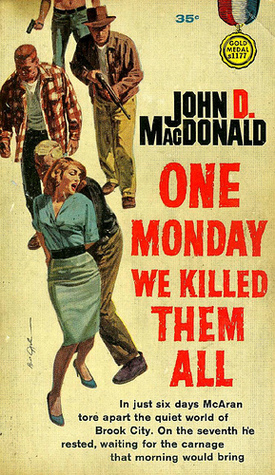
Today, July 24, is the birthday of John D. MacDonald (1916-1986). MacDonald wrote for the pulps and transitioned to paperbacks when the pulps died. (I wish someone would collect all his science fiction.) For today’s birthday post, I want to look at One Monday We Killed Them All.
Dwight McAran beat a girl to death and went to prison for it. He’s about to get out. Dwight is Fenn Hillyer’s brother-in-law. Fenn is a cop. They don’t get along.
Dwight’s sister Meg, Fenn’s wife, thinks Dwight has made some bad but is basically a good person. He just needs the police and powerful businessman whose daughter Dwight killed to get off his back and give him a chance. She’s said he can stay with her and Fenn and everything will eventually be fine.
She couldn’t be more wrong.
Do you think Fenn’s family life is about to get…complicated?

John D. MacDonald
Dwight is a bad man. And he’s had a few years in prison to think about how he wants to get revenge on the whole town of Brook City. Set on the flatlands next to the hills in a state in the Midwest, this one has class conflict, corruption, prison breaks, and lots of tension.
Fenn knows Dwight is a career criminal. He wants Dwight gone. But Dwight served his entire sentence. He is a free man. And Meg, well, she refuses to hear anything negative about her brother. Her loyalty to her brother and her husband will be tested. She’s going to make some very bad decisions where Dwight is concerned, decisions she’ll come to regret.
One Monday We Killed Them All is John D. MacDonald at his best. I hadn’t read this one before, but it will definitely go into the rotation.
As to why I’m reviving this blog, it has everything to do with John D. MacDonald.
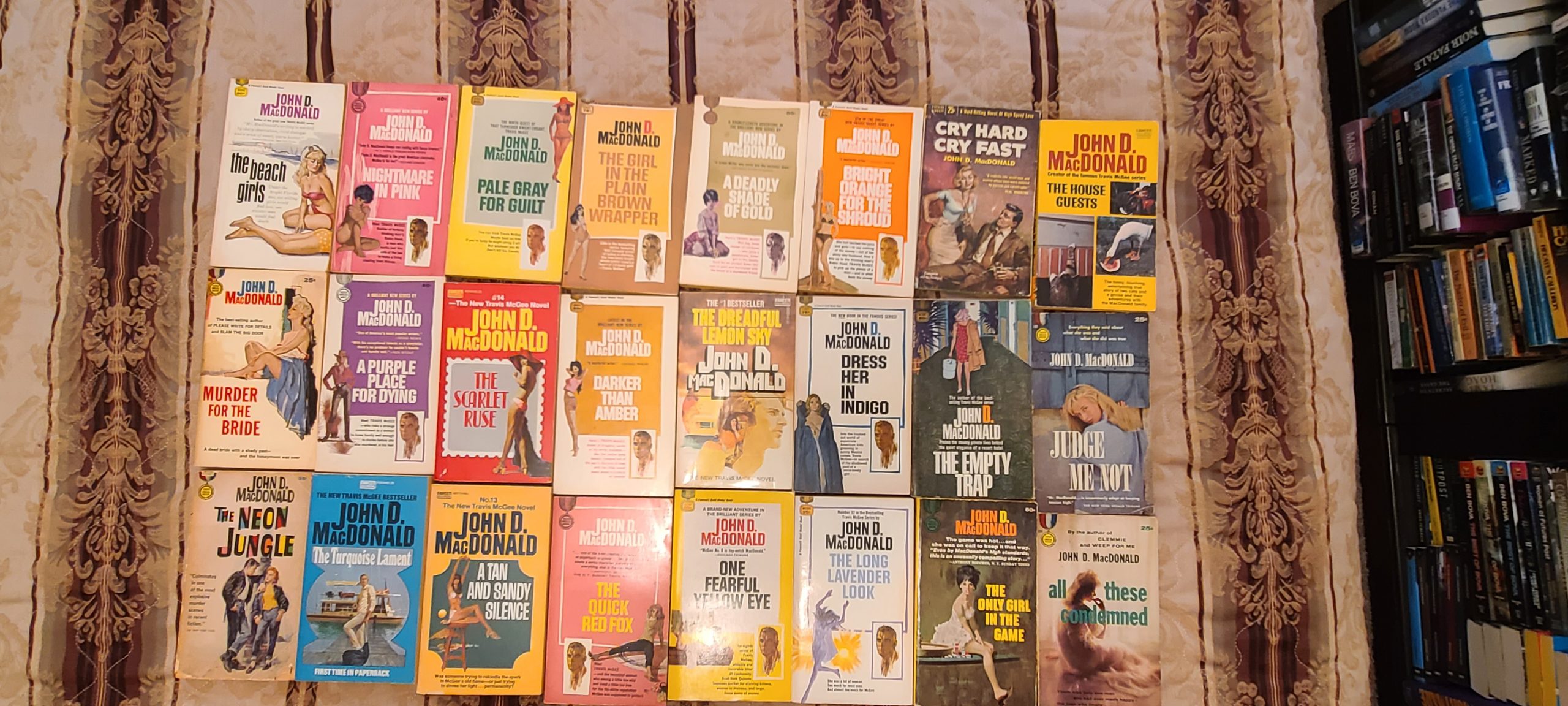 Not too long ago, 18 months give or take, a national chain that sells used books, music, and games opened here. Early on they bought a bunch of vintage paperbacks that had belonged to a gentleman who had recently passed. They put them on an endcap with prices in the $8-10 range. While there were westerns and science fiction in the mix, most of the titles were crime novels. There were more John D. MacDonald than all others put together.
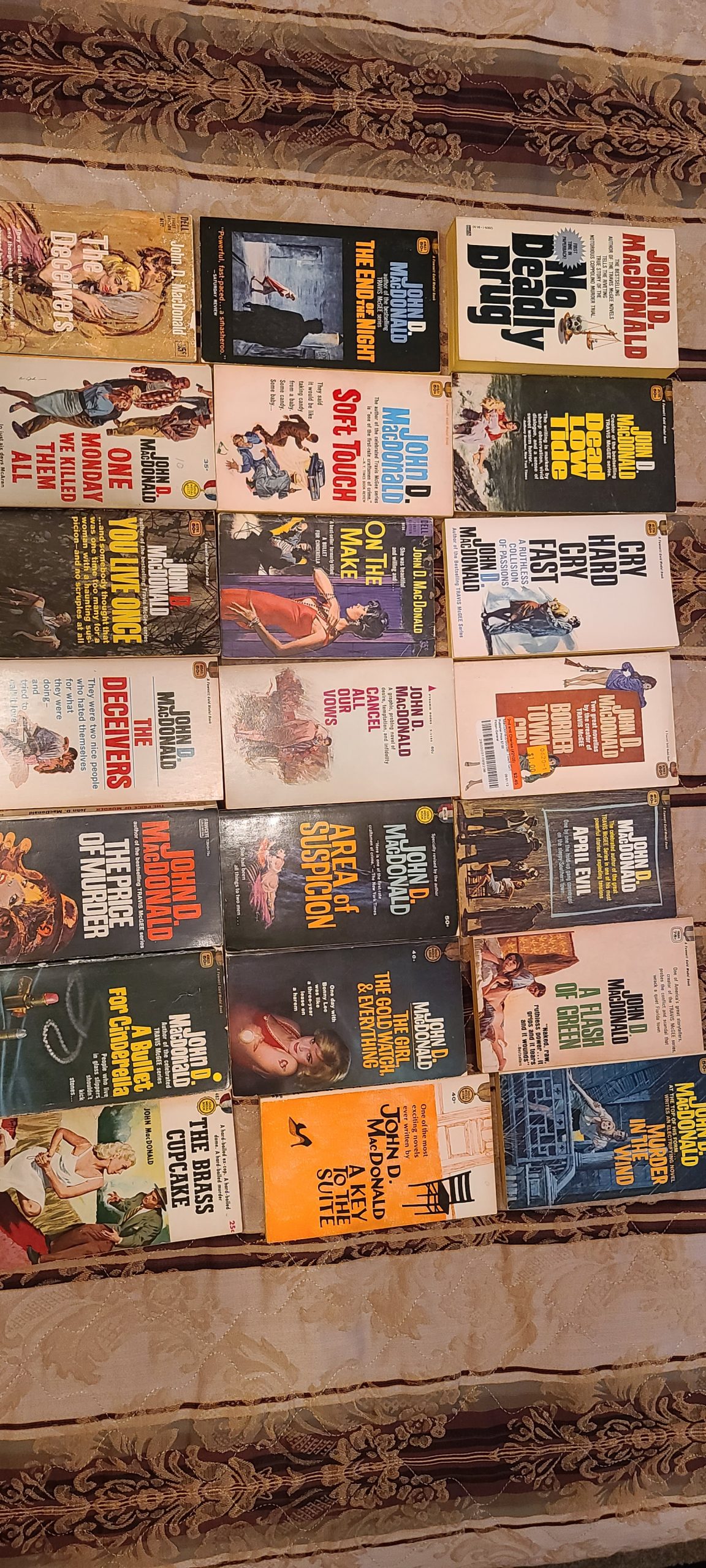 Recently they had been putting a few out front in the dollar bin as part of an inventory reduction sale. Seems corporate wasn’t happy about the endcap being used for a bunch of old books that weren’t selling. Then they started putting two for one stickers on them, with the price still a dollar.
I swung by regularly, but I was able to convince the manager to give me a call when they decided to clear off the endcap. I would buy as many as I wanted and help them clear space if they would let me have them for a dollar. She did.
Have I mentioned that I am desperately in need of shelf space?
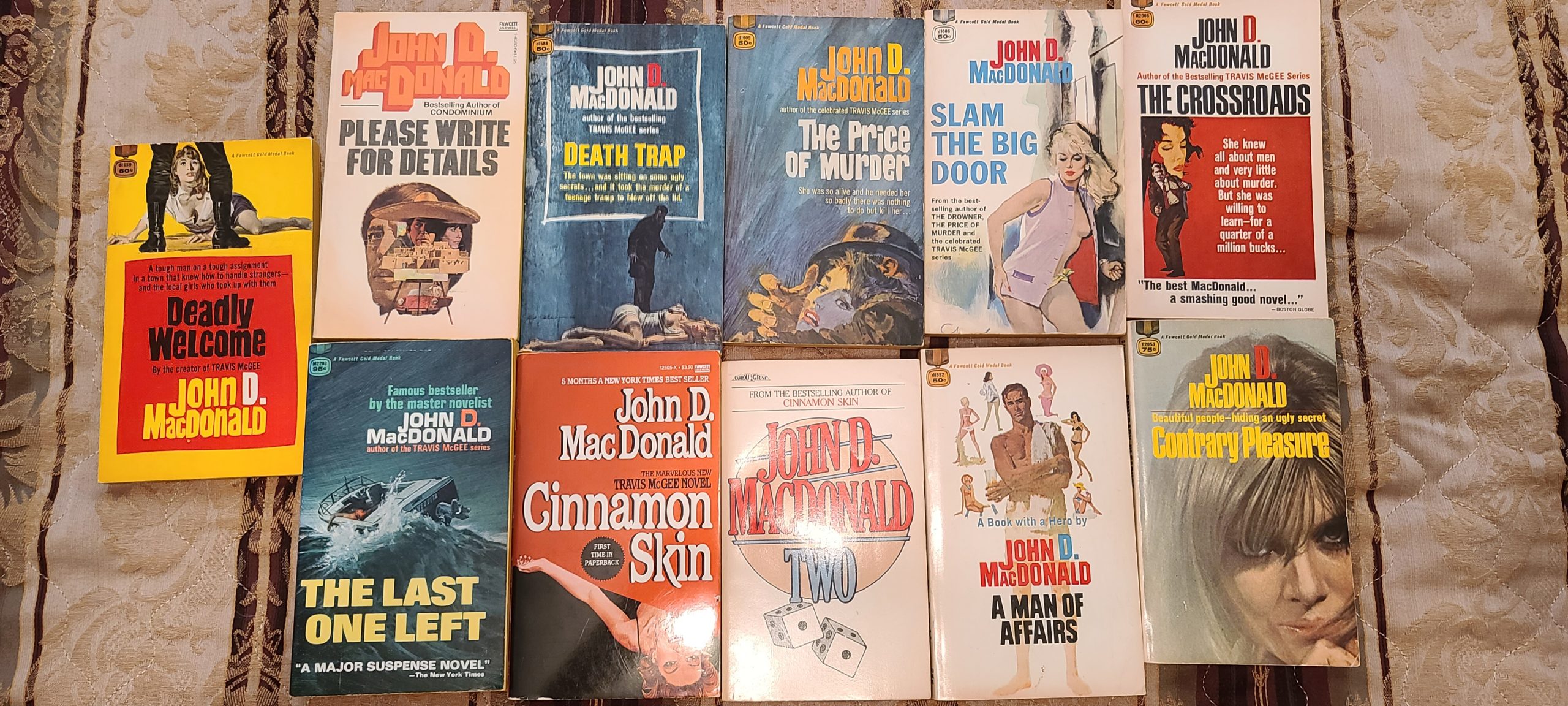 The pictures are of the John D. MacDonald titles I picked up. (Click to enlarge.) There were some Lawrence Block titles and a handful of Donald E. Westlake’s Parker novels written under his Richard Stark pen name. I’ve got some of these books, and all of the Travis McGee titles are duplicates. I didn’t bother with trying to make a list of what I had. I just took advantage of the opportunity.
I’m not going to turn this into a John D. MacDonald blog, but since I’m going to be reading quite a bit of his work in the future, I decided to reinvigorate this blog. I’ll read and review some of the other titles I picked as well as others that strike my fancy.
]]>
John D. MacDonald was born on this date, July 24, in 1916. I’ve written about him before (see here, here, and here).
Although he’s probably best remembered today as the author of the Travis McGee series of men’s adventure thrillers, MacDonald learned his chops in the pulps, albeit during the tail end of the pulp era.
MacDonald’s work is lean and crisp, whether it’s a Travis McGee novel, a stand-alone thriller, or one of his few (but excellent) science fiction tales. His work is worth seeking out. And while some of the attitudes expressed may seem dated to anyone who thinks literature began sometime after the year 2000, there’s plenty of philosophy integrated into the action to raise his work above that of pulp hackwork. This is literature, and deserves to be kept in print.
]]>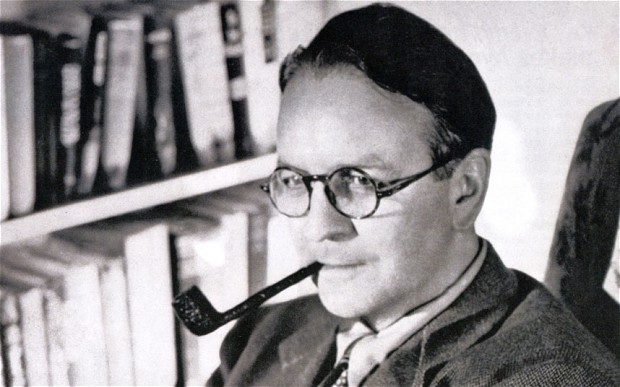 Mystery writer Raymond Chandler was born on this date in 1888. Chandler was, of course, the creator of private eye Phillip Marlowe.
Chandler, along with Dashiell Hammett, were the two writers most responsible for developing the noir school of detective writing. Chandler’s influence is still felt today.
Times and tastes have changed since the 1930s and 1940s, when most of Chandler’s work was published, and in some circles he’s fallen out of favor with those who feel that people from the past should have the same enlightened views as those of today.
I’m not one of those folks. I can take the good with the bad. After all, I’m a big boy and am capable of seeing through eyes not my own.
Chandler’s short fiction was recently collected in hardcovers in Raymond Chandler: Collected Stories. (Unfortunately there is no ebook.) Check it out. There was no one who wrote quite like Chandler.
]]>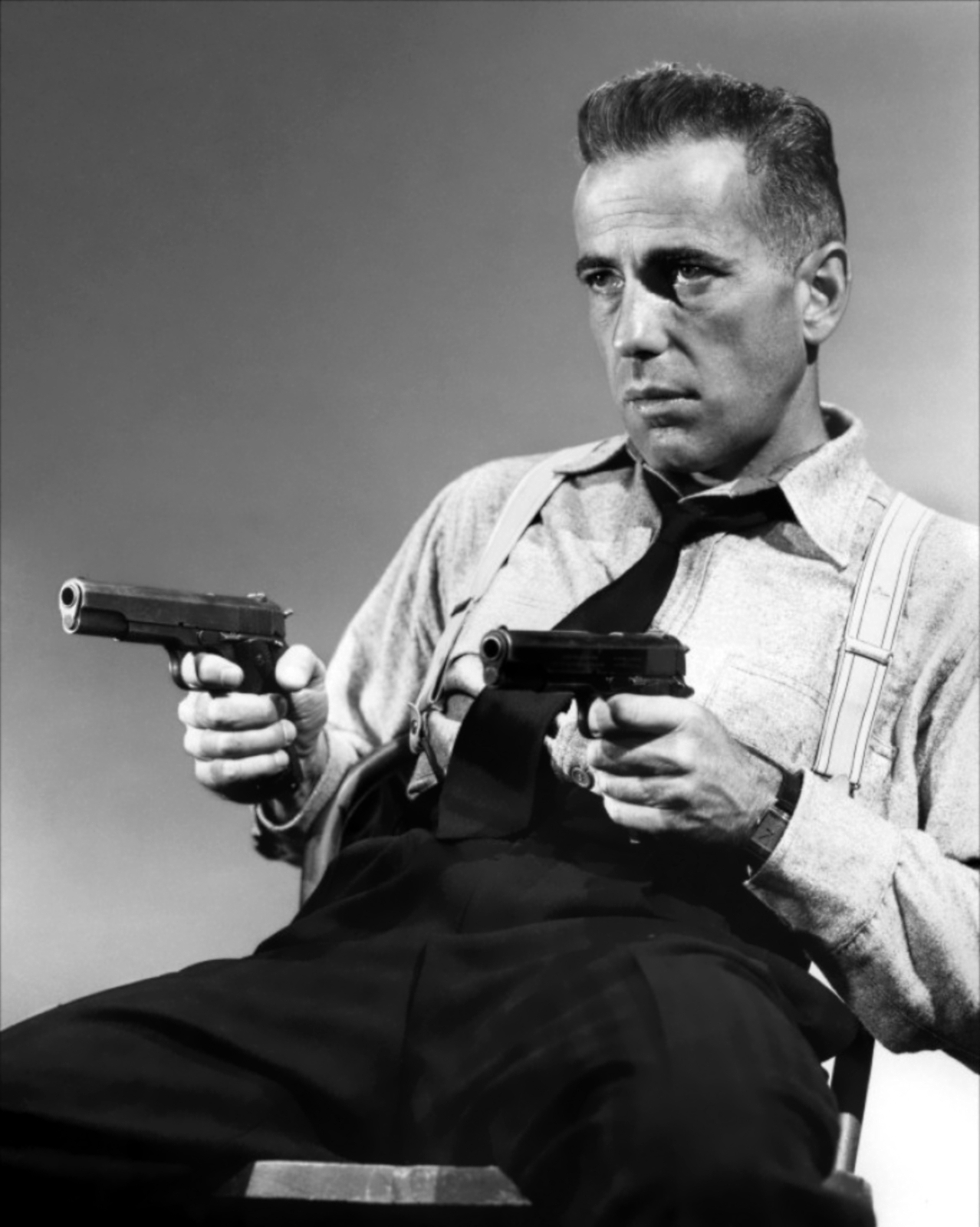 Humphrey Bogart was born on Christmas Day 1899. He passed away from esophageal cancer on January 14, 1957.
Although he made his name starring in now classic films such as Casablanca (still my favorite), Key Largo, The Maltese Falcon, and The Big Sleep, he started out playing hoodlums in many of his early films. It’s the tough-guy characters he played, both good guys and villains, for which he is best remembered today.
In spite of his reputation as a star of gangster films and film noir, Bogart starred in a number of other roles. He was married to Lauren Bacall. They met on the set of To Have and Have Not. He was 44, and she was 19. It was her first and his fourth marriage, and would last until Bogey’s death.
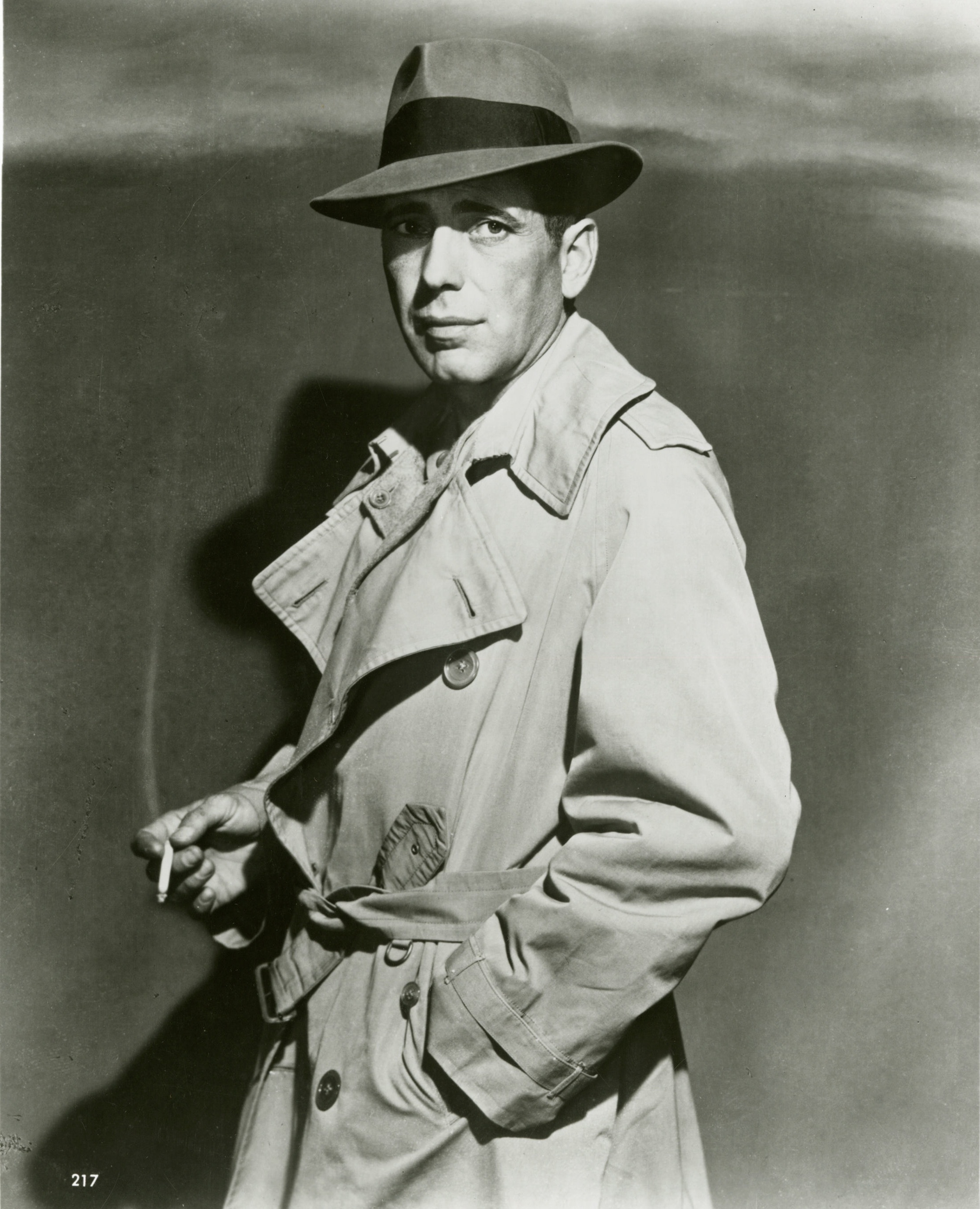 Take a moment from your holiday celebrations and raise a glass to his memory. Bogey’s films are worth watching, even as many acclaimed pictures made by other actors during his lifetime have faded into obscurity.
Here’s a classic scene between Bogart and Bacall from To Have and Have Not:
]]>
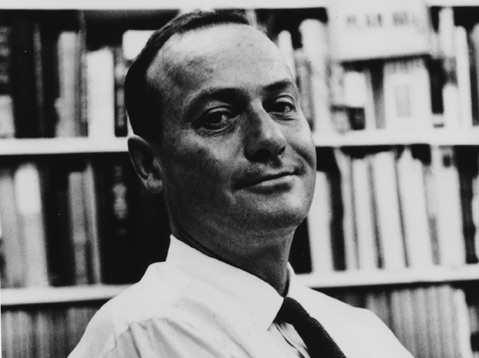 Kenneth Millar, who wrote under the pen name Ross MacDonald, was born today (December 13) in 1915. He passed away in 1983.
MacDonald is best remembered as the creator of the Los Angeles based private investigator Lew Archer, although he also wrote stand-alone novels as well. His early work was somewhat derivative of Raymond Chandler, but he soon established his own take on the lone investigator.
MacDonald has been on my radar a long time. I read the Lew Archer novel The Galton Case when I was in graduate school. I liked it enough to pick up copies of his books when I came across them in second hand shops. Over the last few months, I’ve been dipping into The Archer Files, the collected Lew Archer short fiction.
I’m hoping to read more PI fiction next year, and MacDonald will definitely be in the rotation.
]]>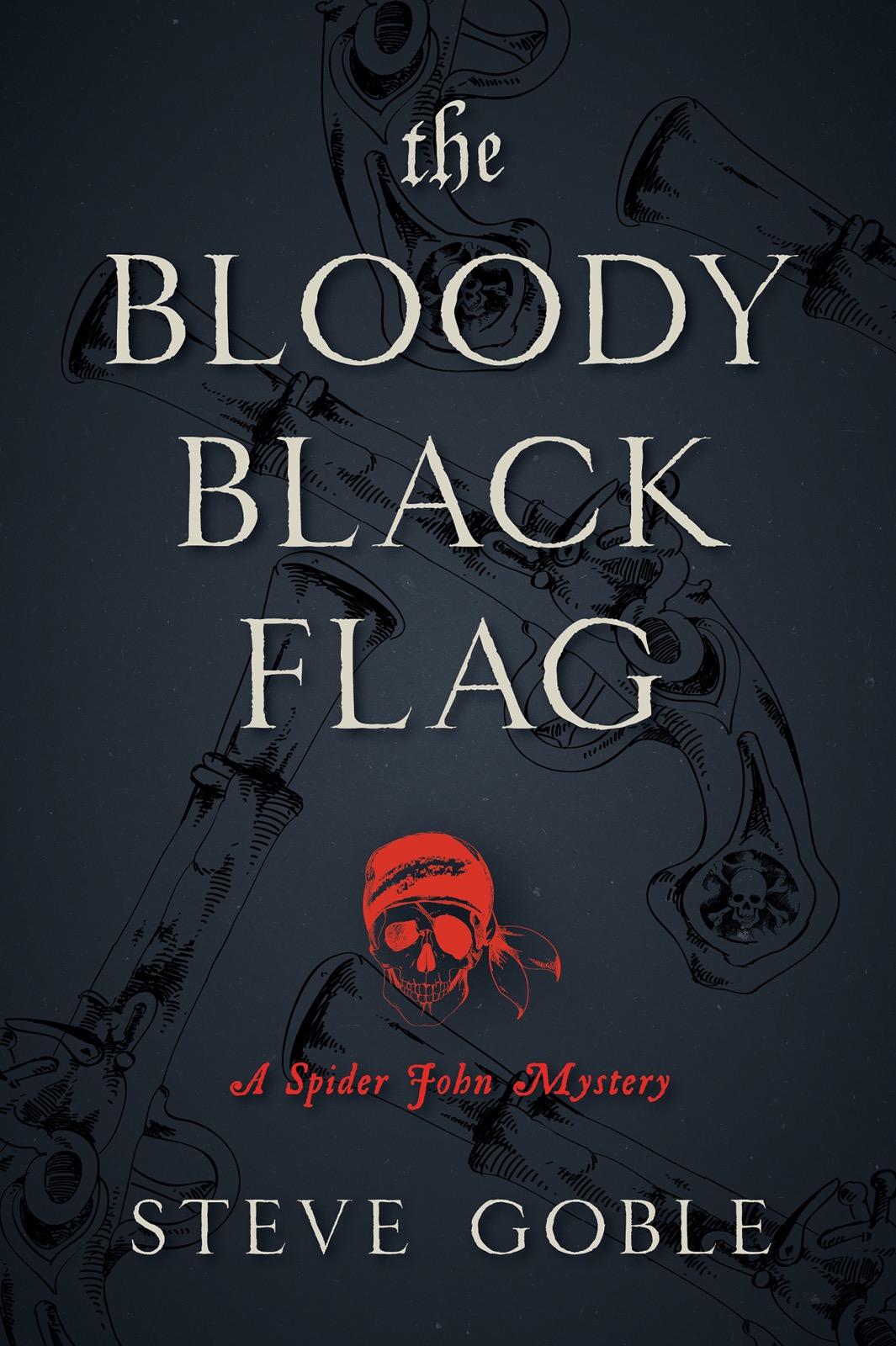 The Bloody Black Flag
Steve Goble
Seventh Street Books
Trade Paper $15.99
ebook $9.99
The Bloody Black Flag is Steve Goble’s debut novel, and it’s definitely worth a read. It’s a historical mystery set onboard a pirate vessel in 1722. I covered the historical adventure aspect of the novel in my review over at Adventures Fantastic. Since this is a mystery and crime blog, I’ll look at the mystery component of the novel here.
The story starts out with Spider John and his friend Ezra joining the pirate crew of the Plymouth Dream. They had attempted to start an honest life on land, but they were recognized. Being wanted pirates, they decided to go back on the account and head to sea.
Spider and Ezra both had women in their families who were accused of witchcraft. Remember, this was 1722. The Salem witch trials were fresh in people’s minds. One of the crew recognizes Ezra and accuses him of being bad luck because of this. Later that night Ezra is found dead. At first glance it appears he had fallen and hit his head in a drunken stupor. The problem with this idea is that Spider knows Ezra didn’t drink. His friend was murdered.
Spider swears he’ll find the person who killed Ezra and return the favor. First he’s got to stay alive himself. Because he was Ezra’s friend, the rest of the crew don’t have much to do with him. Spider was hired as the ship’s carpenter. He uses that position to investigate. As carpenter, he needs to regularly inspect the ship for rot, leaks, and things that need repair.
In the meantime, the situation onboard go from bad to worse. The captain has obtained a small object of great value he intends to sell to a French agent in Jamaica. On the way, the object disappears. This complicates Spider’s investigation. So does the British Navy vessel that keeps following them. So does the madness of some of the captain’s actions. Things aren’t easy for Spider.
The Bloody Black Flag is a nearly seamless blend of whodunit and piratical adventure. There is no shortage of suspects. A few of the pirates, like Spider John, were honest men who were pressed into service when their ships were captured. But most are cruel, profane cutthroats. The noble pirate of Hollywood is absent here. That’s a good thing.
The mystery is well-constructed. The clues were all there. Yes, I missed some. When you read this one, pay attention to the details.
I preordered this book. I’ll preorder the next one in the series as well. I thoroughly enjoyed both the pirates and the mystery in The Bloody Black Flag. So will you. Check it out.
Seventh Street Books has been putting out some really good and creative mysteries for the last five years and wracked up an impressive number of award nominations (and wins) in that short time. Time constraints have prevented me from keeping up with all their titles. The Bloody Black Flag is a great place to discover what a fantastic line of mysteries they have.
]]>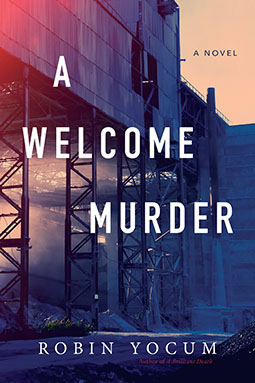 A Welcome Murder
Robin Yocum
Seventh Street Books
Trade Paperback $15.99 US/$17.99 CAN
Ebook $9.99 US/$11.99 CAN
Robin Yocum’s A Brillian Death was probably my favorite book last year. He returns with another tale of murder in set in a rustbelt Ohio town. A Brilliant Death was a coming of age story wrapped in a murder mystery. As such, the profanity and sexual content were pretty minimal; its content would not be inappropriate for younger readers. This one deals with what happens when the dreams of youth and high school turn to disappointment and death. The content in A Welcome Murder is much more raw than that of A Brilliant Death and may not be appropriate for readers under twenty-one eighteen.
The books are both well written, with compelling stories that knocked all other reading commitments aside, but they are told in such different ways that I was quite impressed with Yocum’s versatility and range. Permit me to elaborate.
The story is told through the eyes of five different characters in the town of Steubenville, Ohio. First there’s Johnny Earl, the former hometown sports hero, just released from prison after blowing a major league baseball career by selling drugs. He’s in town for a couple of days, trying to duck his former high school girlfriend, Dena Marie, while he gets back on his feet. Dena Maire was the proverbial cheerleader with the comic book body and rampaging libido, and she still thinks she and Johnny will get married. The fact that she’s now married to a former classmate with the nickname of “Smoochie” doesn’t seem to faze her.
The problem isn’t simply that the former high school buddy turned FBI informant, Rayce, the guy who turned Johnny in, has been found dead. It’s that they had a very public physical altercation just a few days before. There is no shortage of suspects, including Smoochie, who got his butt kicked when he confronted Rayce over the affair he was having with Dena Maire. (That Dena Marie, she sure gets around.) Johnny is the front runner, however.
The sheriff investigating the murder is Francis Roberson. He played football in high school with Johnny. Francis is a former FBI agent, and although he had nothing to do with Johnny’s drug arrest, he’s a good man who intends to make a thorough investigation. Aiding him, in her own way, is his wife Allison, who is also the dispatcher for the sheriff’s department. They met when she was working at the FBI Academy, and she resents that they’ve moved back to Steubenville. Francis has political ambitions. Allison sees them as her ticket out of this burg. So she’s doing what she thinks is best to accomplish this, including holding her knowledge of Francis’s indiscretion with Dena Marie over his head. (I told you Dena Marie gets around.)
So Johnny, Dena Marie, Smoochie, Francis, and Allison are the viewpoint characters, and they have some very different viewpoints, especially the two married couples. The way Yocum balances the different perspectives is impressive.
So is the humor. This is a pretty grim and dark book, with at least one unlikeable character (YMMV). I had an urge to take a shower after Dena Marie’s first chapter, which is a compliment. It takes a good writer to elicit that type of reaction. Youcm leavens the darkness with some screwball humor worthy of a Cary Grant movie. I especially like Johnny’s reaction when his former cellmate, a white supremacist with ambitions of forming his own nation in Montana, shows up at his bail hearing to collect some money he thinks Johnny has stashed away somewhere. It’s not easy to make me laugh out loud, but I did more than once.
I mentioned there are five characters with different viewpoints. I could as easily said five characters with secrets. Each of them has something they’re trying to hide. The clues are placed naturally, so that when the reader gets to certain revelations, rather than feel cheated the reaction is “Oh, of course. I should have seen that.” Pay attention to the details. They’ll be important.
A Welcome Murder was a compelling story I found hard to put down. I’d like to thank Seventh Street Books for the review copy.
]]>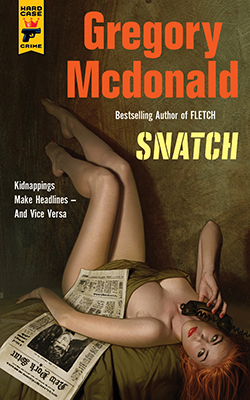 Snatched
Gregory Mcdonald
in Snatch
Hard Case Crime
Trade Paper $12.95 US $17.50 CAN
ebook $7.99
Snatched is the first of two kidnapping novels by the late Gregory Mcdonald in the latest omnibus from Hard Case Crime, Snatch.
It’s a…What’s that?…No, that’s not what the book is about. Try to keep your mind out of the gutter….Yes, I have to admit you do have a point. I can see how putting a picture of a voluptuous redhead wearing only a sheet and the corner of a newspaper on the cover of a book entitled Snatch might be a bit misleading…May I continue?…Thank you.
As I was saying…what was I saying? Oh, yes. This isn’t a dark noir novel, but it’s not exactly a light humorous novel either. Here’s the setup.
Arturo Rinaldi is the ambassador for some small kingdom in the Middle East. He’s putting together a resolution to bring before the UN regarding oil in the Persian Gulf. Snatched was published in 1980, so the Oil Crisis of the 1970s is very much at the forefront of the story.
Rinaldi’s eight-year old son Toby is supposed to be flying to California from New York to meet his mother, already there for a tennis camp, for a bit of vacation. Only he never arrives. He’s kidnapped along the way. The King puts his best man on the case, a former mercenary who is the head of his country’s intelligence operations in the US, a colonel Turnbull. Only Turnbull has a secret he’s hiding that very much involves Rinaldi.
This is one of those stories where nothing works out for the kidnappers. Toby, while not cut from the same cloth as Red Chief in the famous O. Henry story, is more than capable of taking care of himself. Fortunately, his mother isn’t very good at following directions, either.
I read this one over the weekend, finishing it a little while ago. I needed the break from the fantasy and horror I’ve been reading and trying to write. Snatched was the perfect break. Mcdonald set the tension in the opening chapter using mostly dialogue, then twisted the plot in several different directions, peopling his story with a diverse and interesting cast of characters, making even the most minor folks seem fully fleshed. In fact, the dialogue is what carried the story to a large degree.
There was tension, but the story wasn’t too dark. There was humor in a number of places, often of the gentle satire variety. I especially liked how he turned the kidnapper, Spike, from a total creep to a sympathetic figure.
I was aware of Gregory Mcdonald in the 80s and 90s, when his Fletch series was on the bestseller lists, but I never read him before now. I was too busy reading the other two mystery writers with similar last names, John D. MacDonald and Ross MacDonald.
Like I said, Snatched is the first of two novels in Snatch. The second is Safekeeping, which concerns a kidnapping in WWII London. I’ll definitely be reading it.
]]>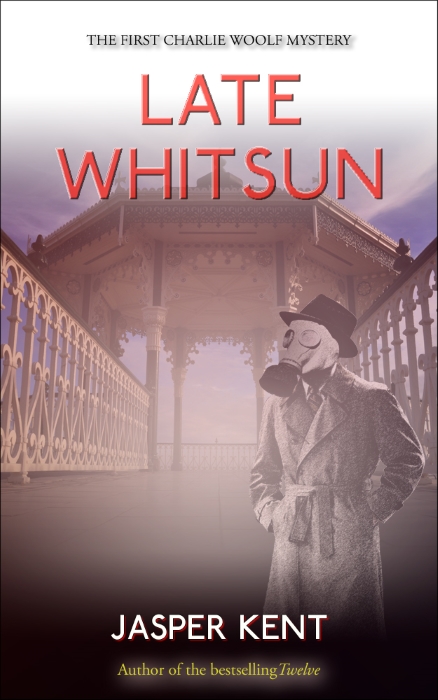 Late Whitsun
Jasper Kent
paperback $9.99
ebook $2.99
I really liked the first three volumes of Jasper Kent’s The Danilov Quintet, which I consider to be a thinking man’s vampire hunter. The last two volumes haven’t been published in the US, so I’ve not read them yet. Emphasis on “yet”. You can read my reviews here, here, and here.
With Late Whitsun, Kent turns his attention to the historical mystery. Set in Brighton in 1938, the novel concerns Charlie Woolf. He’s a sometimes private investigator who earns a meager living by making sketches for the tourists.
When he’s approached by his former partner, Alan O’Connor, and asked to act as a courier, it’s a chance to earn some easy money. All he has to do is take an envelope to London and give it to a man by a certain bench in a certain park at a certain time.
Of course it’s not that easy. The envelope contains incriminating photos. The man he meets is wearing a gas mask. And when Charlie returns home, there’s a surprise waiting for him in his apartment.
And those are all of the details you’re going to get. There are several nice twists in this one. Charlie is an interesting narrator, one whose past and hangups are more hinted at than shown. This makes him intriguing. Kent doesn’t infodump Charlie’s backstory on us, but feeds us tidbits, making us want more. I particularly liked the part where Charlie has a lunch appointment with his mother but has to question a prostitute who is a witness; so he takes her to lunch and lets his mother think she’s his new girlfriend. His mother, or course, wants him to find “a nice girl.”
I found Late Whitsun to be a satisfying mystery. The setting was familiar enough that I didn’t have work too hard to get into it, but it was still exotic enough to be interesting. Brighton, in case you don’t know, is a seaside resort town. (It’s also where Jasper Kent is from, and while I found the amount of detail a good thing, a bit more explanation of the geography for those of us who aren’t familiar with it would have been nice. But I quibble.)
The spectre of WWII hovered over the book at times. That was one aspect of the gas mask angle, a couple of conversations about a government plan to distribute gas masks to British citizens in the event of war. And the government, or at least the government agent who shows up, expected there to be war. But that wasn’t the only reason for the gas masks. There are others, and not just because meeting a man you don’t know in a park at night to discover he’s wearing a gas mask is just plain creepy (in a good way for the reader, if not the person meeting the man in the gas mask).
I like a twisty tale, especially one full of mystery. Late Whitsun certainly meets that standard. Highly recommended. There are two more novels in this series slated to appear in the near future, and I’m looking forward to them.
]]>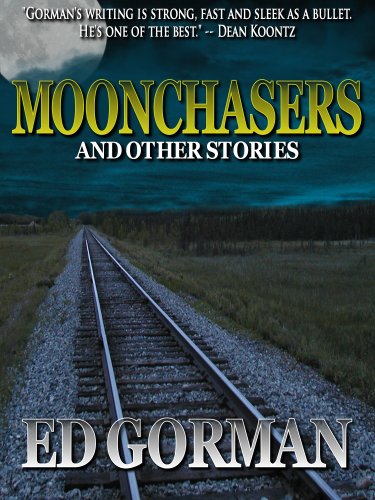 Moonchasers and Other Stories
Ed Gorman
ebook $3.99
This isn’t a review of the whole book, just the short novel that’s the title story. I’ll read the rest of the stories throughout the autumn and into the Christmas holidays. We lost Ed Gorman this past weekend, or at least that’s when the news of his passing became public. As of this writing, I’ve not seen formal obituary with the exact date of death.
I’ve had a print copy of Moonchasers for years, but I’ve only read a few of the stories in it and none recently. So after hearing of Ed’s passing, I wanted to read some of his work. I chose Moonchasers because I had always wanted to read it. It was the perfect story for the mood I was in.
On the surface it’s a crime story, but it’s really more than that. It’s a love story to the 1950s, a tribute to the detective novels and films and science fiction magazines of the time, a coming of age story, and more. It’s Literature.
The story concerns Tom, our narrator, and his best friend Barney. They’re 15 years old, live in a small Iowa town, and are bored. So one summer night they break into an abandoned warehouse on the edge of town to see what’s there. What they find is a wounded bank robber with a satchel of stolen loot. Rather than turning him in, they help him by bringing him food and medicine.
Unfortunately, they aren’t able to do this without coming to the attention of the local bully on the police force. This sets off a chain of events that will cause Tom to make some hard decisions, decisions that will cost him something. In other words, he’s about to have to grow up.
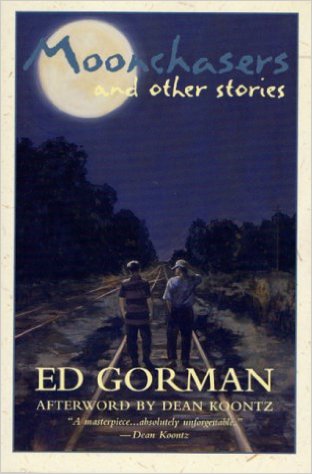 The first person narration gives the story its voice, which I think is one of best things about it. Tom is a likeable but flawed protagonist. There’s a depth of characterization here that you don’t usually see in the average crime story. There’s also a sense of time and place permeating the story. If I channel my inner English teacher, I can almost see Tom’s character arc as a metaphor for the passing of youth and the lost idealism of the 50s, at least as the 50s are often portrayed in the media.
All of Gorman’s strengths are on full display here. The lean prose that pulls you along; the characters you can’t help caring about, even the bad guys; the well constructed crime story; scenes in which the tension mounts. This short novel is an excellent introduction to Ed Gorman’s work. If you’ve not read Gorman, start here.
]]>