


Question: I see references of “hl/ha” in wine notes. What does that mean?
You might also like:
 |
 |
 |

Wine properties evolve over time due to many factors including changes in ownership and different winemakers invoking their own wine style. Also, vineyard vines mature as they age, often yielding less fruit but with greater intensity, or they may be younger if recently replanted. All that together and more with the variability of each vintage usually makes for an interesting wine tasting vertical. This is especially true where there has been a dramatic change in the style at a property such as Chateau Pavie in Saint Emilion since 1998 under the direction of Chantal & Gerard Perse. They invested heavily in the cellars and about 90 acres of south facing vineyards, with vines planted 60% Merlot, 30% Cabernet Franc, and 10% Cabernet Sauvignon. They also moved to a deeper, richer, more powerful style of Pavie – a favourite of Robert Parker. Ian Mottershead spoke well about the château’s background for this venerable Saint-Émilion property. Alexandre Valette purchased Chateau Pavie in 1943 and it passed within the family to his grandson Jean-Paul Valette in 1957. Jean-Paul managed the Estate for about 40 years until the 1998 purchase, producing lighter wines with more elegance and underrated terroir definition. Your scribe visited Jean-Paul several times during the seventies and eighties and always enjoyed going with him into his unique limestone cellar caves at the top of the sloping property to fetch an old bottle for tasting. Fond memories.
On October 20, 2026 La Commanderie de Bordeaux Vancouver held a historic dinner/tasting of nine vintages at the fine dining restaurant newly named Five Sails by Alex Kim (the new co-owner and talented Executive Chef). We started with exquisite canapes of bite-sized Yellowtail & King Crab paired with NV DELAMOTTE BRUT CHAMPAGNE an old house founded in 1760 and now owned by the Laurent-Perrier Group since 1988. It’s a dependable, solid blend from top vineyards, featuring 55% Chardonnay for elegant structure, 35% Pinot Noir for depth of fruit body, and 10% Meunier for open aromatics with roundness, aged 3 years sur lie with around 7 g/l dosage. We finished with 2012 CHATEAU CLIMENS BARSAC, which was 100% Sémillon but offered lighter-bodied, elegant, yet intense flavours.
The main event featured nine vintages of Chateau Pavie, presented in three flights from youngest to oldest:
2014 CHATEAU PAVIE SAINT-EMILION: The youngest example a blend of 60/22/18 of Merlot/Cabernet Franc/Cabernet Sauvignon. Dark, deep, and excellent; it has big fruit-expressive aromas with full, rich, smooth polished textures. Ripe but structured shows rounding tannins and a touch of licorice. Impressive. No rush.
2008 CHATEAU PAVIE SAINT-EMILION: In this cooler year Merlot in the blend at 70% with 20% Cabernet Franc & 10% Cabernet Sauvignon, aged 18 months in 65% new oak at 14.5% ABV. Showing bottle variation, it had a bit paler edge with intense fresh cherry notes, more acidity (lower pH) and firm tannins. Stylish, with more St. Emilion delicacy definition and herbaceous rosemary coffee-chocolate flavours. It was enjoyable now and really shone brightly with an outstanding Pine Mushroom course.
2004 CHATEAU PAVIE SAINT-EMILION: Dark but subdued on the nose with lighter cherry-plum preserves on the palate; full and rich but rather one dimensional. Seems lush, softer, and modern. Likeable style. Andrew MacNeil commented that the first flight comprised three difficult vintages yet all “have strong aromas of big blackberry fruit with resolving tannins”. First Group favourite votes were quite evenly divided.
2003 CHATEAU PAVIE SAINT-EMILION: What a surprise! I just tasted this at the 2003 horizontal linked here on October 12 where it disappointed. I later learned that bottle had been cooked by the very hot Arizona sun. Storage of older wines can be key. This one is dark, open, with cooler fruit that is not overripe and it doesn’t show the 14.9% ABV on the bouquet. In fact the textbook St. Emilion signature entry impresses with juicy perfumed flavours and none of the Port/Zin notes, though it shows drier tannins on the finish. It is amazing to see such differences between two bottles of the same wine.
2001 CHATEAU PAVIE SAINT-EMILION: Deep with a paler rim but initially very smoky indeed. It cleared somewhat in the glass, revealing big, luscious, tannin-integrated maturing fruit. Christine Collison’s favourite of the Second flight and also the Group favourite.
2000 CHATEAU PAVIE SAINT-EMILION: The rich extract of 2000 warranted an early 100 point score from Robert Parker. First use of their now standard “Eleanor or Alienor” bottle shape, which is high-shouldered with a deep punt. Attractive black cherries and dark chocolate notes are more exotic. Christine Collison commented on “smaller berries providing more concentration”. I enjoyed the smooth supple seductive textures on entry and the overall complexity of this one paired with a superbly cooked duck breast
1999 CHATEAU PAVIE SAINT-EMILION: Good colour but less deep and less ripe. Open aromatics with cocoa and tapenade are enchanting. Lighter year shows. John Clerides stated “lean and angular side but likes the leather”. Refreshed the palate nicely with the fatty short rib Wagyu (which seemed more Kobe-like marbled).
1998 CHATEAU PAVIE SAINT-EMILION: Dense deep dark right to the rim. Great Right Bank vintage shows. I like the concentrated balance and complexity here. Full, round, and delicious, and it will continue to evolve. John Clerides admired the “structure and purity with layers of flavours – but almost prefers the 1999 styling”. The 1998 was made by Alain Reynaud of Pomerol fame. This 1998 was the third flight’s favourite and Wine of the Night.
1983 CHATEAU PAVIE SAINT-EMILION: Only vintage shown that was produced by Jean-Paul Valette. Bottle variation resulted in a smaller pour. Mature and very light pale red showing briary earthy notes. John Clerides “quite liked it with the leathery, chocolate style.” Lots of members liked it even though it was quite dry because it showed some terroir. Developed in the glass. A little weak in this vintage IMHO.
POSTSCRIPT: As 1983 was the only example of the earlier style, your scribe decided to follow-up with two more examples and a ringer. These provided a more complete truer picture of the Chateau Pavie character from 1958 to 2014 – over a 56 year span – from two quite different regimes:
1975 CHATEAU PAVIE SAINT-EMILION: Fairly good red appearance for a 50+-year-old wine—deeper and brighter than the 1983. Initially on decanting and immediately pouring at a cool temperature a quite wet cellar smell was noticeable. As it warmed and aired it cleared to a more terroir-driven St. Emilion textbook with herbal, “sous bois”, and plummy notes. OK
1958 CHATEAU PAVIE SAINT-EMILION: Amazingly clear and bright nearing 70 years old. Shipped by Mahler Besse and bought with a BCLDB sticker on release. Stored well. Intriguing bouquet of mushrooms and delicate flavors on the palate that enticed. It has lost fruit and is quite dry now, but it was a remarkable refreshing balanced lower alcohol wine paired with long slow cooked local BC lamb shoulder & vegetables. What an educational classic showing! Those old Bordeaux continue to surprise you with their longevity. Hope the current style at Chateau Pavie will last as full of life as this one did.
1975 CHATEAU CANON SAINT-EMILION: The ringer was a St. Emilion star on the limestone plateau overlooking the Village. Darker and with much more remaining fruit than the 1975 Pavie. Sings better now for the Right Bank 1975s improved reputation as the thick grape skins and early unyielding tannins have mellowed into something complex and delicious.
Quod Erat Demonstrandum QED.


You might also like:
 |
 |
 |
]]>

Question: I collect wine so thank you for your detailed very informative Blog notes on so many fine older wines. You are also my Chablis guru. I have been disappointed that some recent Chablis vintages lack zest. Would you please give me a couple of your current buying tips?
Answer: I appreciate your kind supportive comments. Many wine experts are out there but I have long experience and try to be straightforward and totally unbiased about my preferences and concerns. Yes it is becoming more difficult to buy classic Chablis. I attended an excellent Chablis Masterclass in Vancouver on October 13 conducted by Sean Nelson for #PureChablis @VinsdeChablis. Most of the wines were from the 2023 vintage and what struck me was that they were all very round and soft. In July and August, there was nearly 5 times the rain (167mm) in 2023 compared to 2022 (35mm). This increased the potassium in the soil and the grapes (especially the skins), raising the pH levels in the wines and lowering the resulting acidity. Hopefully many producers are trying to lessen this newer problem of rising pH. Here are 3 main factors I am presently relying on for my own Chablis purchases:
1. Study and know the Chablis you are buying, considering the soils, sun exposure, and specific vineyard conditions for that vintage. Some good 2024 Chablis are available, but generally, buying 2024 Chablis is difficult. It will be even more so for the upcoming 2025 & 2026 vintages. Choose wisely.
2. Look for producers who are trying to limit potassium and preserve natural tartaric acid. No malolactic fermentation may now be a good thing. The knowledgeable Louis Gimmonet of Domaine Long-Depaquit has been at the forefront of tackling this problem. They are focusing on faster removal of the grape skins from the juice and fermenting at even cooler temperatures to maintain the tartness and vibrant freshness traditionally found in Chablis. At the recent tasting the 2025 Petit Chablis Blanc Cailloux Pascal Bouchard (joined Maison Albert Bichot /Domaine Long-Depaquit in 2015), which is on Portlandian subsoil (not special Kimmeridgean) and aged on fine lees in stainless steel showed better fresh fruit liveliness than 2023. Well done.
3. Focus on older vines which are surviving the current hot conditions better than the younger vines. On my last visit to Chablis, Christian Moreau told me that the Guy Moreau cuvee of old vines in Vaillons planted by his father in 1933, is thriving with the first full crops in 2022 and 2023. Last week I purchased a case of 2024 Chablis 1er Cru Les Lys from Daniel Dampt. I usually buy their classy 1er cru Cote de Léchet in most vintages, but in 2024, I preferred Les Lys (a sub-climat within Vaillons) because it has northern exposure and is their oldest parcel (over 60 years old), offering lower yields, denser concentration, and higher acidity. Chablis is changing.
Hope these tips help you wisely acquire the classic Chablis you desire. Enjoy.
You might also like:
 |
 |
 |

Top Pinot Noir wines are so popular and seem to get more expensive daily. Burgundy Grand Cru & Premier Cru wines are at onerous price levels for the average wine consumer. Your scribe often fields questions on his recommendations for a good quality value Pinot Noir. Many countries now produce excellent Pinot Noirs competing for that demand but I tip my hat to Cono Sur in Chile for being at the forefront. My experience with Cono Sur dates back 30 years to when they released their first vintage of 20 Barrels 1996 Pinot Noir after studying how to craft an ultra-premium Pinot Noir in Chile. This was followed in 2003 by the first vintage of their flagship icon Ocio Pinot Noir. Cono Sur pioneered a distinct style by combining “New World” ripe fruit from the cool-climate Casablanca Valley (now shifted to the coastal San Antonio Valley) with “Old World” traditional winemaking methods, featuring a twist: an open-top, wide, rectangle-shaped 6,500-Litre maceration/fermenting tank used for foot-stomping the grapes. Their mission statement sums it up pretty accurately:
“Ocio is the purest expression of delicacy. A wine that elevates Pinot Noir to its highest form, capturing the elegance, depth, and character of this noble variety in its refined state. Sourced from the San Antonia Valley, where cool coastal winds and oceanic influence shape the vines. Ocio reflects a singular terroir and refined character. Burgundian in inspiration, yet innately New World in spirit, Ocio is the result of a unique collaboration between a Chilean winemaker and a Burgundian consultant; a union of philosophies expressed through a wine of silky texture, vibrant acidity, and deep minerality. Finesse, complexity, and contemplation. The pinnacle of Cono Sur’s pursuit of excellence in Pinot Noir.”
I was invited to join the Canadian team of judges for the 2010 Chilean Wine Awards in Santiago and visited Cono Sur. I spent time with winemaker Matias Rios at the winery in January 2010 and was blown away by his smart, conscientious dedication to producing top quality Pinot Noir. Everything was done by hand using sorting tables and small open tanks. They have 3 cellars for production including a special one for their top-end wines: 20 Barrels and Ocio. At the Awards ceremony each judge was required to give a lecture on wine and my choice was easy: The QPV of Quality, Price, Value of Chilean Pinot Noir as shown by Cono Sur. I stated how relatively easy it was to grow and make good wine from Cabernet Sauvignon and other varieties but Pinot Noir required much more work in both the vineyard and the cellars to be successful. However, even then I encouraged the Chilean wine producers to persevere through the time and difficulties required to produce a world-class Pinot Noir. I recommended they follow Cono Sur’s lead for future success, as global competition for Pinot Noir is limited and expensive compared to their QPV and the market demand is strong. Satisfying to see this all coming to fruition.
On October 6, 2026 Matias Rios visited Vancouver for a trade seminar on Ocio. It was inspiring to see him again and to learn that everything remained the same in their unique production of “Different By Nature” Pinot Noir. The night before in preparation I opened and tasted a bottle of 2009 Ocio (14.5% ABV) and was impressed by the wine’s depth of deep fruit, aged complexity, rich, mellow tertiary cherry preserves and rounded textures. It also had the deepest punt of any bottle produced, which collected the sediment so well. The winery focuses on sustainability, even using bicycles instead of automobiles, but it’s ironic that they still use very heavy glass bottles.
The seminar included an informative video presentation showing the vineyards 5 km from the Pacific Ocean with iron rich soils containing key ferric oxide for structure in their Pinot Noirs. The cellars for Ocio remain the same with no modern changes. Hand harvest, selection table, cold maceration before fermentation—they still don’t press the grapes but foot-crush them, which is amazing. Excellent work. The tasting featured three vintages of Ocio all with cork closures:
2019 CONO SUR OCIO PINOT NOIR (3 Litre): Exciting format with enough wine produced in this size for an upcoming market release. It will stay young and fresh longer in this double magnum. Presently, big, ripe, magical black cherries are jumping out of the glass with exuberance. Robust with sous-bois and impressively already round and delicious showing cinnamon notes. It should develop well with time as it is loaded with deep classy fruit.
2021 CONO SUR OCIO PINOT NOIR: This was created for the first time in collaboration with Martin Prieur from Domaine Jacques Prieur. Cooler year resulted in a lighter more delicate French red Burgundy styling with elegant, balanced cherry fruit. It has a perceptible oaky, earthy character with subtle raspberries but is still very young at 14% ABV. Stats show a pH of 3.22 and acidity at 6.09. The wine was aged 14 months in 70% French oak barrels and 30% larger oak vats before bottling in July 2022. Patience is needed to integrate all the structural elements.
2022 CONO SUR OCIO PINOT NOIR: A warmer year with more fog produced a riper Pinot Noir fruit than the 2021. Martin Prieur is working again with Mattias Rios as joint winemakers for the second year. Amazing vibrant freshness complements the bolder fruit statement in the aromas. Impressive, clean, creamy, rich flavours, yet with good acidity lift. Label says 14% ABV, but it tastes slightly more alcoholic than the 2021. Still at a reasonable level. Aged for 14 months in a combination of French oak barrels and larger oak vats. Layered with a touch of blackberry and savoury tannins. This vintage is refined and shows encouraging future potential with cellaring.
IMHO Ocio is an outstanding Pinot Noir with an enticing QPR that is flying under the radar. Check out a bottle at your local wine shop. If you are tasting these current vintages Mattias recommends opening the bottle at least one hour or more ahead and giving the wine some airing. Enjoy.


You might also like:
 |
 |
 |
]]>

Question: I heard an Aussie guy at a tasting talking about Cleanskin wines. What are those?
 |
 |
 |

We certainly learned in Vancouver about the unique hot 2003 red Bordeaux vintage. Many wine tastings have monitored their progression since the initial release when they all arrived with an abundance of very ripe fruit. The Right Bank often showed big impressive more alcoholic low-acidity examples that have not stood the test of time as well as the better-structured, more balanced wines from the clay subsoils of St. Estèphe and Pauillac. Our horizontal tasting at 10 years of age, linked here July 28, 2013, includes seven insightful responses from knowledgeable others. An Ask Sid feature from May 13, 2015 linked here highlights the excellent 2003 Duhart-Milon as did two 2003 horizontals conducted with my close late friend Bill Blatch (who died February 2025) for Les Chevaliers des Vins de France, linked here on October 5, 2015. It’s amazing that Duhart-Milon won both horizontals but no First Growths were in those tastings to provide a better challenge. It’s interesting to compare the weather conditions of 2003 with better-produced, more current vintages like 2022 (link June 19, 2023) and 2018 to 2020 (link September 11, 2023).
On October 6, 2026 our Group of Eight Vancouver held Event #146 a tasting-dinner at Blue Water Cafe of nine 2003 Bordeaux including Duhart-Milon and two First Growths of Lafite and Latour. Could this be a more definitive assessment of the 2003 red Bordeaux vintage? We commenced with a treat: 2008 PIPER-HEIDSIECK “RARE” BRUT a special Cuvee blend from 11 highly rated villages, composed of 70% Chardonnay & 30% Pinot Noir disgorged in June 2022 after nearly 14 years on the lees. This really outstanding year for Champagne bubbles is one of only 11 vintages declared for Rare over the last 40 years, making it very special indeed. Your scribe tasted a bottle of this 2008 last year but remember it being rather spiced toast-nutty, rich, and more evolved than the one tonight. Here, it was vibrantly fresh, though a bit too cold when served. It warmed and aired to a surprisingly outstanding future potential, with perfect acidity cutting through the higher dosage around 8 g/l. Admire the tension with balance and complex flavours of this beauty. It paired superbly with the rillettes starter. We finished with 1997 CHATEAU CLIMENS BARSAC a 100% Semillon of deep copper colour forwardly showing a syrupy lush orange zest-pineapple sweetness matched to the Apple-Gouda cheese dessert. Here are a few comments on the nine 2003 red Bordeaux tasted in two flights:
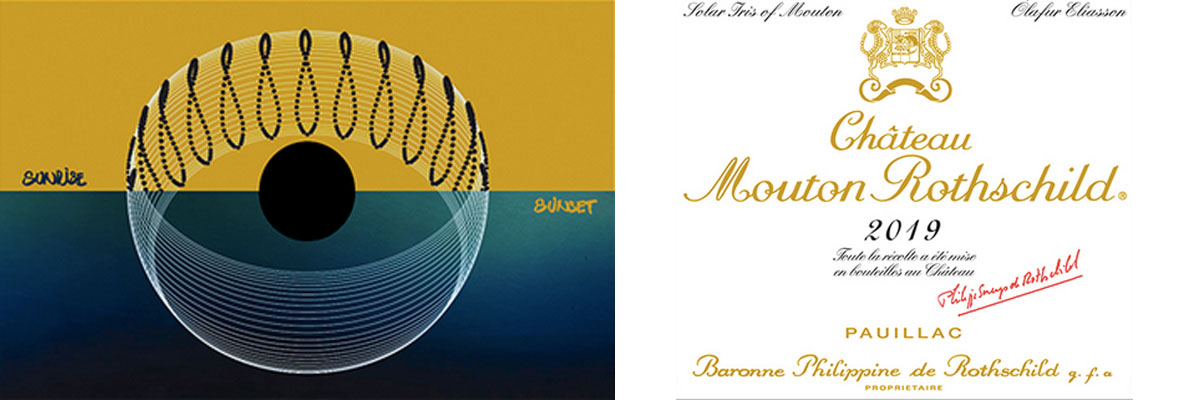
2003 CHATEAU PAVIE, SAINT-EMILION: This wine was controversial upon release, receiving accolades as rich and powerful from Robert Parker, contrasted by Jancis Robinson’s less enthusiastic reaction to its overripe style. Now 20+ years later some critics feel it has aged well with concentration and lush textures while others feel this 14.9% “ripe Zin” is tiring. The wine was very dark and open with tertiary preserved fruits but I felt it was falling apart and was not a fan. Alvin Nirenberg thinks, “The Right Bank is not as good as the Left Bank, and this top wine shows it here”. Commanderie de Bordeaux Vancouver has a Pavie vertical coming up October 20 of nine wines made by Gerard Perse (including this 2003) since his 1998 Château purchase, so we will learn more shortly. Stay tuned.
2003 CHATEAU GRAND-PUY-LACOSTE, PAUILLAC: A favourite Pauillac of mine but the hot conditions of 2003 don’t really fit its classical structured style. I owned a case of this but this is my last bottle. Palest rim with a lighter simpler bouquet, showing some medicinal notes yet again. Recommend drinking it now.
2003 CHATEAU DUHART-MILON, PAUILLAC: High anticipation built from earlier wonderful experiences with this wine. Served warmer than the others, which didn’t help and it was slightly less clean. It improved in the glass, showing rich, sweet Pauillac fruit tempered by the Lafite trademark restraint. Low yields of 33hl/ha increase the intensity and though not the best bottle, it this time has more subdued lovely cedar, lead pencil, and crème de cassis flavours at 13% ABV. The depth and class are there.
2003 CHATEAU LEOVILLE POYFERRE, SAINT-JULIEN: Very dark and stylish. A success for the Cuvalier family this vintage, showing rich, ripe, roasty, rounded cool black currant fruit at 13.5% ABV. Delicious but both Alvin and Nick Wright stated it was “simpler” and “with less middle depth to the softer St. Julien fruit” than Duhart-Milon. Group feeling was that all the first flight wines were “ready to drink”.
2003 CHATEAU PICHON LONGUEVILLE COMTESSE DE LALANDE, PAUILLAC: Old style with 65% Cabernet Sauvignon, 31% Merlot, and 4% Petit Verdot but no Cabernet Franc (high at 12% in 2011 and typical 5% in 2022). Deep and ripe with figs, prunes, chocolate, and cinnamon. It lacked the usual grip of the May de Lencquesaing style (the Château sold to Louis Roederer in 2007) but was softer. A bit soupy, but attractive now. Ready to enjoy.
2003 CHATEAU DUCRU-BEAUCAILLOU, SAINT-JULIEN: Small production in 2003, using a high 80% Cabernet Sauvignon & 20% Merlot selectively picked September 15-25. Dark pure and fresh for a 2003 with lots of concentrated fruit; the 90% new oak is now nicely integrated. I liked the minerality, freshness, and intense, balanced flavours of spiced licorice. Complex and intriguing with lovely silky textures. Well done and underrated.
2003 CHATEAU MONTROSE, SAINT-ESTEPHE: This was the fourth Second Growth in a row in our tasting. The usual powerful often austere character of this Chateau is present—like in 1990. However, the clay soils retaining needed moisture really helped this St. Estephe in 2003. It definitely shows length and more early stylish cohesion, helped by the high 34% Merlot (62% Cabernet Sauvignon, 3% Cabernet Franc, and 1% Petit Verdot) and a reasonable 13% ABV. This suggests a bright future for the hot years presently being experienced in Bordeaux during this decade.
2003 CHATEAU LAFITE ROTHSCHILD, PAUILLAC: It was fantastic to finish up with the two First Growth stars of 2003 both of which have wine critics awarding perfect 100 point scores. This shows depth of colour but is less open at first on the nose than expected. Full, opulent, and more powerful than usual for Lafite; rounded textures impress at low alcohol 12.7% ABV from high 86% Cabernet Sauvignon 9% Merlot, 3% Cabernet Franc, and 2% Petit Verdot macerated for 22 days. It has that signature Lafite restraint but a subtle complexity that grows in the glass with airing, warming, and time. You wouldn’t guess the 2003 vintage if you tasted this blind. Outstanding in its unique complex Lafite style!
2003 CHATEAU LATOUR, PAUILLAC: Another winner from the respected manager Frederic Engerer with 81% Cabernet Sauvignon, 18% Merlot, and 1% Petit Verdot using 6% Press wine. The old vines from the unique Enclos terroir with a clay subsoil really work magnificently here. Harvested September 22-30 with ripe grapes and concentrated juice in this 13% ABV wine. The usual plum signature is slightly stewy in a good way with added explosive creme de cassis, licorice, and mocha seductive flavours. Higher 3.8 pH means less acidity, resulting in a softer more seductive Latour vintage – or as Engerer says the “sexy” one. Nonetheless you have to admire the grace and majesty this Latour shows to advantage. Another outstanding 2003 in its own exceptional Latour style. Most difficult to choose a favourite! My conclusion is that 2003 is a variable vintage with highs and lows. These last two are very high indeed!


You might also like:
 |
 |
 |

Question: There was very hot, dry weather all over Europe during 2026. I am wondering what the buzz is regarding the Burgundy red wine harvest results. Any thoughts?
Answer: A record setting early harvest in Burgundy due to the hot Summer high temperatures and drought conditions. A smaller crop with inconsistent bunches of grapes – some green and some overripe making selection important. Yesterday I attended a wine seminar in Vancouver conducted by Laurent Drouhin of Maison Joseph Drouhin who advised that their 2026 Burgundy harvest started on August 18. Laurent was bullish on the early quality shown by their 2026 reds, noting fresh, bright, balanced intense juice. He stated that since the 2020 vintage, although 2021 & 2024 were “nightmare” conditions, the better than expected 2023 (with abundant yields) & the current 2026 are looking good and will surprise consumers with their quality. I asked about any concerns about the shorter hang time for the Pinot Noir grapes in 2026. Laurent wasn’t that concerned and felt the key was the balance of all the elements: sugar, acidity, phenolics, tannins, and alcohol. Will be interesting to monitor how this 2026 vintage for red Burgundy works out. Stay tuned.
You might also like:
 |
 |
 |

Les Dames d’Escoffier, British Columbia is a non-profit organization of women leaders in the food, beverage, and hospitality industry dedicated to philanthropy, mentorship, and education. They are part of the worldwide International society founded in 1976 and have been a major force in BC since 1992, setting an excellence standard for over 30 years. They do outstanding work in the community through scholarships, educational programs, and the fundraising Dames Dine Around among other initiatives. Check out their website at lesdames.ca for more details. All the members are very talented and some of them prepared and served an outstanding dinner benefitting their endeavours on September 21, 2026. Your scribe and his better half were fortunate guests to this La Belle Brigade’s Les Dames Dinner.
The Menu was a tour-de-force progression of exquisitely tasty dishes, well chosen to pair superbly with exceptional fine wines. The presentation of each course was a work of culinary art showing an amazing standard of excellence that was highly praised. You can see the photos posted with this Blog. Many thanks indeed!
Here are a few brief comments on the wines’ performance:
2015 DOM PERIGNON CHAMPAGNE: This prestige Cuvee is always outstanding – and expensive. This vintage was hot but the attention to detail resulted in a ripe, rounded delicious young DP of 51% Pinot Noir & 49% Chardonnay with 4.5 g/l dosage. It is fresh charming, and drinkable earlier than cooler years, but it will still develop and age with more complexity.
2022 CHASSAGNE-MONTRACHET ALEX MOREAU: This young Chardonnay had a somewhat restrained reductive nose that developed in the glass as it warmed and aired. It has lovely, precise citrus energy and minerality for an AC Chassagne from this talented new generation vigneron taking over the long time family Estate from his father Bernard Moreau. One to watch.
2015 CORTON-CHARLEMAGNE GRAND CRU LOUIS JADOT EN MAGNUM: What a treat to have white Burgundy from a Magnum. Hot vintage picked at the beginning of the second week of September shows ripe lemon zest notes, appearing full, austerely young and intense in this format. It is rich, round, and powerful but could benefit from crisper acidity. Wonderful now and for some years to come.
2006 CLOS DE TART GRAND CRU: A long time favourite wine of mine, often noted on this blog; the latest update is linked here on May 20, 2024 with a reference to a vertical tasting on December 12, 2016 (which didn’t include the 2006). The 2006 is generally a fruit-forward, approachable vintage but under the previous ownership of Mommessin and regisseur Sylvain Pitiot, it produced a richer, riper, more opulent wine than the norm. It is drinking beautifully balanced now, with dense silky textures and the classy 100% new oak is perfectly integrated. What a remarkable matching with the earthy wild mushroom tart.
2005 CHATEAU LYNCH-BAGES, PAUILLAC EN MAGNUM: Another fav with helpful links here on September 14, 2026 and July 20, 2015. At 20+ years, this blend of 72% Cabernet Sauvignon, 15% Cabernet Franc, and 13% Merlot with 80% new oak is drinking on a wonderful juicy plateau of enjoyment but still so fresh in Magnum. Textbook signature Pauillac styling with the cigar box/cassis notes.
1986 CHATEAU DUCRU-BEAUCAILLOU, SAINT-JULIEN: I’ve steadily followed this Chateau since 1970. Many posts exist, including the link here from the December 8, 2025 vertical tasting where the 1986 showed TCA. The two bottles served at the Les Dames dinner were from our cellar and showed cleanly, performing magnificently as St. Julien with cedar notes. Mature at 40 years, it is still vibrant and balanced with firm tannins now softening to yield smooth, complex flavours.


1983 CHATEAU PALMER, MARGAUX: I know this property so well and still cherish the 1970, 1966, and especially the 1961 of this brilliant elegant wine. Check out the details at the December 21, 2021 link here and referenced January 16, 2017 too. This 1983 is fantastic showing all the dimensions of a very fine complex Palmer still so young in Magnum. The 1983 is often preferred over the 1989 but I slightly give the nod to the plush layers of sweeter riper fruit in the 1989. Both are majestic and reaching the legendary status of the three older ones mentioned earlier. This 1983’s spicy, flowery bouquet and seamless texture are hard to beat. Wonderful.
1955 MOSCATEL DE SETUBAL SUPERIOR JOSE MARIA DA FONSECA: A rare fortified wine from Portugal, only 150 bottles were produced. Made from 100% Moscatel/Moscatel Graudo at 18% ABV, it shows a golden-green look with unbelievable freshness for 70+ years of age. What structure. Hard to believe I tasted the historic 1900 at 100 during the millennium celebrations and still have one bottle left aging. You need to try this rather unknown special dessert treat. Other worldly pleasure.
1963 GRAHAM VINTAGE PORT: A classic year at 60+ but its high-quality, jammy house style is hard to fully appreciate against the sweeter more vibrantly acidic freshness of the 1955 Setubal. Vintage Port must be enjoyed on its own.
You might also like:
 |
 |
 |

Question: I am a Chef who just heard about a stimulating gathering of Chefs in British Columbia. Please provide more information and contact details. Thanx.
Answer: Yes, there is the unique COOKSCAMP an annual multi-day industry gathering hosted by the Chefs’ Table Society of British Columbia (CTS) for culinary professionals to connect, learn, and innovate. Its purpose is to modernize the hospitality and restaurant industry by showcasing the tools needed to be successful and resilient in ever-changing and challenging times. COOKSCAMP is anchored by seminars, real-time demonstrations and practical workshops that focus on the real-world aspects of a cook’s life. From expert guidance on butchery, to farm-to-table agriculture, to spirited presentations and round table discussions on mental health, this event helps steer the future of these industries. The entire itinerary is structured by working cooks for working cooks. The latest one was held September 16-18, 2026 at North Arm Farm in Pemberton B.C. (near Whistler). Check cookscamp.ca for more detailed information. You can also find a wealth of interesting culinary information from Chef Robert Belcham our esteemed Founder of CooksCamp on his Facebook and Instagram (@robertbelcham1) accounts. Hope you can attend next year in September 2027. Please help us promote this amazing COOKSCAMP endeavour with your hospitality connections in your locations. Thanks.
You might also like:
 |
 |
 |

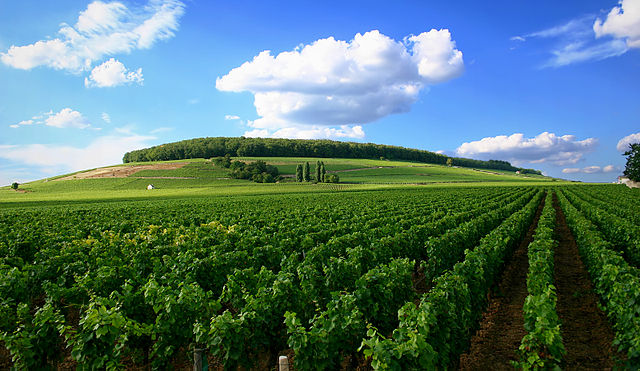
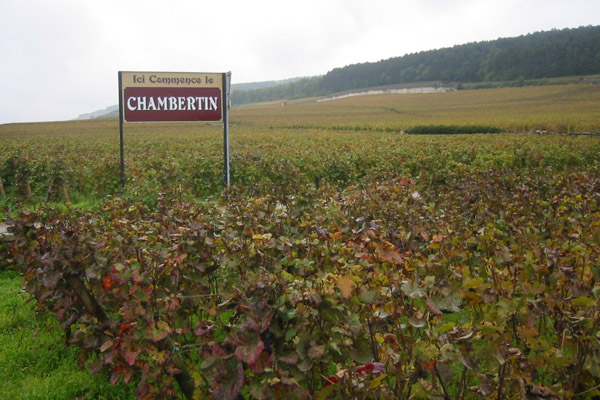
The Group of Eight Vancouver held another educational and delightful dinner on September 15 at Blue Water Cafe comparing two outstanding neighbouring Grand Crus: Chambertin Clos de Beze and Chambertin. Significant interest exists in these special vineyards whose wines are now among the most expensive red Burgundies. This interest was highlighted in a previous Clos de Beze Faiveley vertical tasting featuring insightful vintage comments by Erwan Faiveley on January 16, 2023 (linked here). Our group organizer Ian Mottershead has been an astute long time collector of Domaine Rousseau (a major holder of vineyards in both regions – see attached chart). Rousseau wines were featured on your blog on June 22, 2015 (linked here) explaining their detailed vineyard characteristics. Clos de Bèze is slightly larger at 15.4 hectares, further north next to Mazis. It is situated more on a slope with finer topsoil over limestone, allowing for better drainage, which helps in wetter years. Clos de Beze has a reputation for earlier, subtle, delicate, spicy perfumes with a lot of flavour finesse. Chambertin is smaller at 12.9 hectares, further south next to Latricières, on deeper clay-limestone soils with cooler breezes, which helps in hotter years, being sterner, less forward early on but more densely structured and powerful. Both need 20-35 years of cellaring to show their best complexity. Comparing the two vineyards side by side at a tasting was hopefully a remarkable opportunity to ascertain their unique differences.
Our starter of local wild Chinook Gravlax paired well with the dependable DOM PERIGNON MILLESIME 2012 BRUT CHAMPAGNE a blend of 51% Pinot Noir & 49% Chardonnay with 8+ years on lees and 5g/l dosage. Cellarmaster Vincent Chaperon admired the consistency of his wide selection of vineyards and grapes for the 2012 blend, which obtained delicate roundness with a balancing acidity from Chardonnay and firm dense structured fruit from Pinot Noir. The 2012 has energy and explosive harmony similar to the now creamy 1990. No rush. We finished with 2005 CHATEAU RIEUSSEC, SAUTERNES harvested September 23 to October 27 blended with 90% Semillon, 8% Sauvignon Blanc, and 2% Muscadelle. Lovely intense sweet wine with botrytis well matched with the dessert flavours of figgy honey toffee Canadian blue cheese – made by the monks in Quebec.
CHAMBERTIN-CLOS DE BEZE GRAND CRU FLIGHT:
2011 MAISON BOUCHARD PERE ET FILS: Arrived a bit too cold, with a lighter red paling rim. It opened nicely on the nose as it warmed and aired, revealing enticing, stylish fruit with a touch of Oriental spice. Amazing length for the cooler 2011 vintage, which produced less ripe fruit and was not from Domaine vines. Surprise of the Night.
2008 MAISON JOSEPH DROUHIN: It has a reddish-tawny look, suggesting maturity. Dramatic earthy tertiary aromatics are coming together with elegance but there is an acid edge & tougher tannin grip characteristic of the vintage. It showed more of the 2008 vintage styling than the hoped-for Clos de Bèze definition, but it is still young even though it looks older. Expect it will round out better with a few years.
2005 DOMAINE DROUHIN-LAROZE: Very dark deep young colour with a depth of interesting aromas at 20+ years. The ripe, rich, concentrated spiced fruit resulted from the excellent 2005 vintage conditions but it was also well made. Blair Curtis declared an aversion to the new oak (believing 20-30% new oak was used). I like its balance and potential for further complexity development. Fred Withers stated this was his favourite wine in the Clos de Bèze flight.
1989 DOMAINE LOUIS JADOT: Medium red with good depth. For me, it had the best bouquet complexity in this flight with complex maturing tertiary notes. Jacques Lardiere made excellent, underrated wines for Jadot in 1989. One of an original vintage trio: 1988 was too tannic, 1989 charming and some lighter being over-cropped, and 1990 perhaps too big bodied with less finesse. Which red Burgundy vintage is best of those today? This 1989 certainly has charm and is my fav of the Clos de Beze. David Kester agrees.
1987 DOMAINE FAIVELEY: Lower fill with ullage, but it had a bright red colour. It was unfiltered and bottled by hand in a difficult vintage. Francois Faiveley always produced structured wines with more acidity and tannins in an austere style suited for long keeping. This was the best showing ever for this now fragrant stylish Pinot, especially considering I owned a case of 12 bottles and drank them all too early because I worried about the lack of fruit. Francois knew patience was required and nearing 40 years even this ullaged bottle is coming around with simpler spicy Clos de Beze styling. In summary, the five Clos de Bèze vintages from five producers were all very good but I expected a little more. Nick Wright felt they had less power than he expected. Perhaps we needed some top current vintages plus examples from the nineties for a fairer comparison with the Chambertin flight. Including a Chambertin Clos de Beze from Domaine Armand Rousseau would have shown the differences to be closer than we experienced and better. Still the charm of the 1989 Louis Jadot and the potential of the 2005 Drouhin-Laroze impressed me.
CHAMBERTIN GRAND CRU FLIGHT:
2009 DOMAINE CAMUS PERE ET FILS: Old school producer with the third-largest holdings in Chambertin. It was a good start to this flight, featuring wonderful ripe fruit helped by the opulent classy style of the 2009 vintage. It seems to have better cooler balanced fruit than I expected, along with impactful enticing young aromas. It has less weight on the mid-palate, but this wine has a superb future with cellaring—or it can even be enjoyed now. Chambertin has power and more class.
1999 DOMAINE ARMAND ROUSSEAU: Darkest with amazing slow thick tears of glycerin viscosity streaming down the inside of the wine glass. Admire the deep classy aromas of young intense plums, cherries and sous-bois. A clear extra dimension of this enormous, powerful, rich, structured, balanced majesty was apparent here. It’s starting to integrate and be approachable but it will improve in complexity with more cellaring. Decanter gave both the ’99 & ’98 100 points and they are certainly high quality but for me not perfect. This wine is closest to a high nineties score and will probably reach 99 or even 100 as it evolves. Group winner. Clearly the Wine of the Night. A true treasure!
1998 DOMAINE ARMAND ROUSSEAU: Mid colour with good depth. More open and forward than the 1999 on the nose with a burnt licorice note and dense taste. It is leaner with more acidity, showing less balance, and the taste is a tad less graceful, almost disjointed today. A lesser early austere vintage is apparent, showing intensity but less refinement and finesse without the concentration of ripe fruit found in the 1999. Still an excellent beautiful Chambertin indeed but I rate it in the mid nineties. It is evolving faster to be ready to enjoy much earlier than the 1999 (or 1996).
1996 DOMAINE ARMAND ROUSSEAU: Palest rim of the three, but it is aging well. Open wonderful floral bouquet taking on tertiary development with mocha plus herbal minty chocolate. It still has noticeable acidity with some velvety textures on entry more integrated than the 1998, but it is drier with less full ripe perfection than the 1999. It shows the Chambertin terroir well. It’s on a delightful plateau of enjoyment now at 30, but it will continue at this level for a long time. A joy. Another Rousseau winner of high rating.
In summary the Chambertin flight sang beautifully with power, suggesting it is a far better region for depth than Clos de Beze. However, this was not the ultimate comparison. We need to have several of the same vintages of Domaine Armand Rousseau from both Clos de Bèze and Chambertin to conduct a definitive comparative tasting next time.


You might also like:
 |
 |
 |