The post Commercial Carpet Installation NYC: Tips for High-Traffic Areas first appeared on 212 Carpet - Professional Commercial Carpet, Tile and Flooring Installations.
The post Commercial Carpet Installation NYC: Tips for High-Traffic Areas appeared first on 212 Carpet - Professional Commercial Carpet, Tile and Flooring Installations.
]]>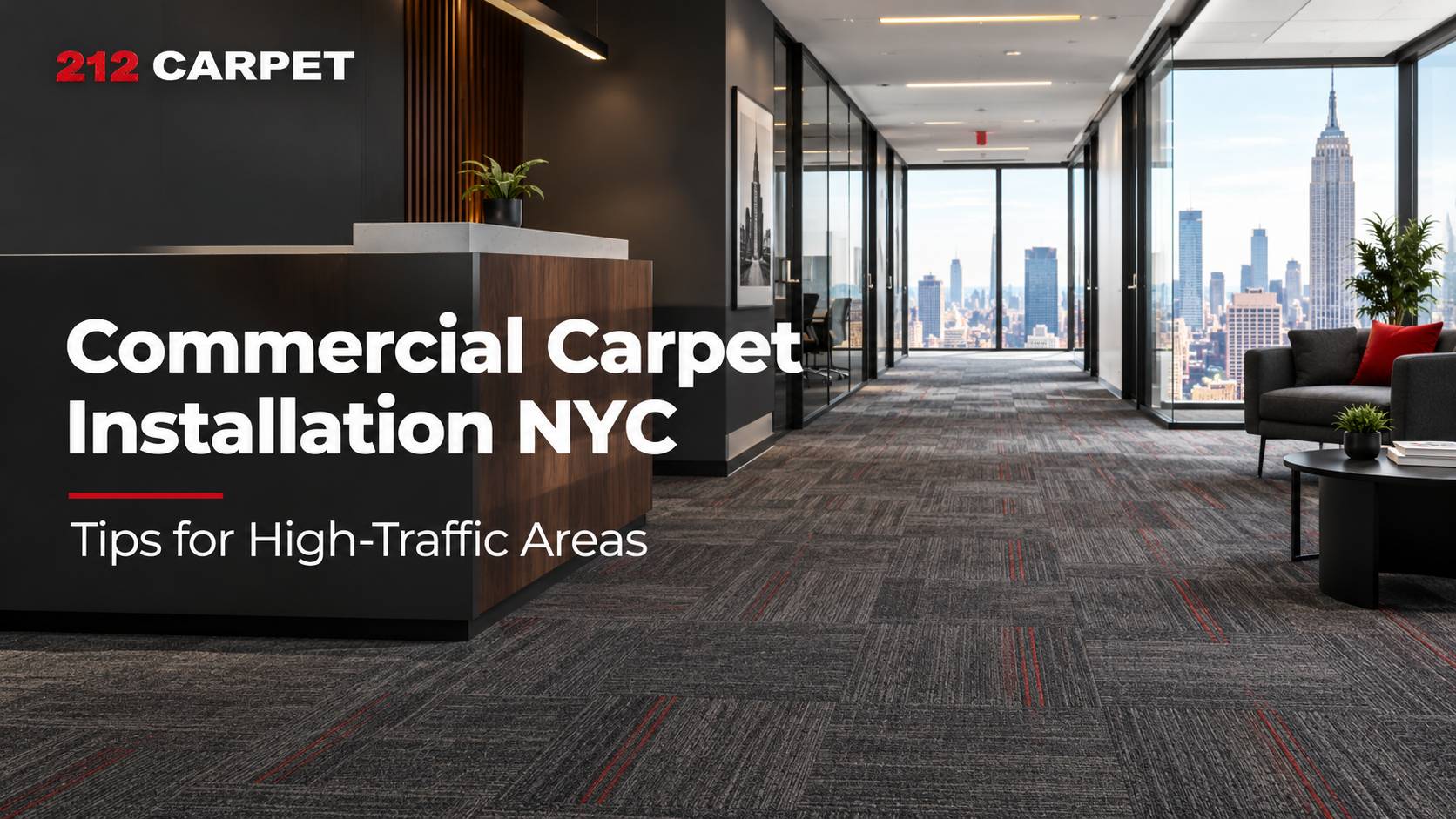
Selecting the right carpet for a commercial property is an important decision, particularly in areas that experience heavy foot traffic. Offices, retail stores, hotels, and other business environments require flooring that can with stand daily use while maintaining a clean and professional appearance. The right carpet can improve comfort, reduce noise, and contribute to the overall design of a workspace.
For businesses in New York City, commercial carpet installation NYC involves more than choosing an attractive flooring material. Factors such as durability, maintenance, subfloor preparation, and installation methods must also be considered. Understanding these requirements can help property owners make informed decisions and achieve better long-term results.
Why Choose Commercial Carpet for High-Traffic Areas?
Commercial carpet is designed to meet the demands of busy environments where flooring is exposed to regular movement and everyday wear. It is available in various materials, textures, and patterns, allowing businesses to select products that meet both practical and aesthetic requirements.
Key Benefits of Commercial Carpet
- Durability: Commercial carpet is available in materials and constructions designed to with stand frequent foot traffic.
- Noise Reduction: Carpet absorbs some of the sound produced by footsteps and daily activities, creating a quieter environment.
- Comfort: Compared with many hard flooring surfaces, carpet provides a softer and more comfortable walking experience.
- Design Flexibility: A wide selection of colours, patterns, and textures makes it easier to complement different commercial interiors.
- Maintenance Options: Certain carpet types, particularly carpet tiles, allow individual sections to be replaced when damaged.
These advantages make commercial carpet a suitable option for businesses seeking a balance between appearance, comfort, and functionality.
What to Consider When Choosing Commercial Carpet
Choosing suitable commercial carpet requires careful consideration of the material, construction, expected foot traffic, and maintenance requirements. Evaluating these factors before installation can help businesses select flooring that meets their specific needs.
Material Quality
The material used in commercial carpet influences its durability, appearance, and cleaning requirements. Several materials are commonly considered for commercial applications.
- Nylon: Nylon is known for its resilience and ability to recover from compression, making it a popular option for areas with regular foot traffic.
- Polypropylene (Olefin): This material offers moisture resistance and affordability, although its suitability depends on the intended application and product specifications.
- Polyester: Polyester is available in a variety of colours and textures. It may be appropriate for selected commercial spaces where its performance characteristics meet the project’s requirements.
When selecting carpet, businesses should consider the manufacturer’s specifications, expected usage, and long-term maintenance needs.
Carpet Construction
Carpet construction affects both appearance and performance. Understanding the main types can help property owners identify a suitable option.
- Loop Pile: This construction features loops of yarn that create a textured surface. It is commonly considered for commercial environments because of its practical design.
- Cut Pile: Cut pile carpet has exposed yarn ends that create a softer surface. Its suitability depends on the level of foot traffic and the product’s construction.
- Cut and Loop: This style combines different yarn heights or textures to produce decorative patterns.
- Carpet Tiles: These modular sections offer flexibility in design and make it possible to replace individual tiles rather than the entire carpeted area.
The final selection should reflect the building’s daily activities, appearance requirements, and maintenance arrangements.
Backing and Underlayment
Carpet backing contributes to the stability and performance of the flooring system. Depending on the selected carpet, the installation may require a particular adhesive, underlayment, or other supporting materials.
The subfloor must also be properly prepared before installation. It should meet the manufacturer’s requirements for cleanliness, dryness, and surface flatness. Addressing existing damage or moisture problems can help prevent installation difficulties and premature flooring failure.
Maintenance Requirements
Commercial carpet should be selected according to the cleaning resources and maintenance schedule available to the business. Areas exposed to dirt, spills, and frequent movement may benefit from suitable patterns and products with appropriate stain-resistance properties.
Regular vacuuming, entrance mats, and prompt treatment of spills can help maintain the carpet’s appearance. Businesses should also follow the manufacturer’s cleaning recommendations to avoid damaging the fibres or backing.
Expert Tips for Commercial Carpet Installation
The quality of installation plays an important role in determining how well commercial carpet performs over time. Even a suitable product may develop problems if the subfloor is poorly prepared or the installation method is inappropriate.
Prepare the Subfloor Properly
A clean, dry, and sufficiently level subfloor provides a suitable foundation for carpet installation. Existing adhesive, loose material, cracks, and moisture issues should be assessed before the work begins.
Where necessary, the surface should be repaired or levelled according to the flooring manufacturer’s requirements. Proper preparation helps reduce the risk of uneven surfaces, adhesive failure, and visible defects after installation.
Select an Appropriate Installation Method
The installation method should match the carpet type, subfloor conditions, and intended use of the space.
- Direct Glue-Down: The carpet is attached directly to the prepared subfloor using a suitable adhesive. This method can be appropriate for commercial areas where stability is important.
Carpet Tile Installation: Individual tiles are installed according to the manufacturer’s instructions. This approach offers flexibility in layout and can simplify localised repairs. - Stretch-In Installation: The carpet is secured over suitable padding using a compatible fastening system. Its use depends on the product specifications and the requirements of the commercial environment.
Consulting a professional installer can help determine which method is appropriate for the project.
Ensure Accurate Seaming and Trimming
Precise measurements and careful alignment are essential for achieving a consistent finish. Poorly joined seams or incorrectly trimmed edges can affect the appearance and durability of the carpet.
Professional installers should follow the manufacturer’s guidelines to ensure that seams, edges, and patterns are aligned correctly. Attention to these details helps produce a neat and professional result.
Follow Installation Conditions
Some carpet products and installation materials require specific temperature, humidity, or acclimation conditions. These requirements should be checked before installation begins.
Following the manufacturer’s instructions can help reduce installation-related problems and support the expected performance of the flooring system.
Hire Experienced Professionals
Commercial flooring projects often involve large installation areas, furniture, restricted building access, and specific operating schedules. An experienced commercial carpet installer in NYC can assess these requirements and coordinate the work accordingly.
Professional installation also helps ensure that appropriate materials, preparation techniques, and installation methods are used throughout the project.
Best Practices for Maintaining Commercial Carpet
Once the carpet has been installed, regular maintenance is essential for preserving its appearance and extending its useful life. A consistent cleaning routine can also help businesses manage ongoing flooring costs.
Establish a Regular Cleaning Routine
Frequent vacuuming removes loose dirt and debris before they become embedded in the carpet fibres. Periodic deep cleaning may also be necessary, depending on the level of use and the manufacturer’s recommendations.
Protect Entrance Areas
Dirt and moisture are often carried into buildings through entrances. Placing suitable mats near doorways can help reduce the amount of debris reaching the carpeted areas. These mats should be cleaned regularly to remain effective.
Replace Damaged Carpet Tiles
One advantage of carpet tiles is the ability to replace individual sections when they become damaged or heavily stained. Keeping compatible replacement tiles available can make future repairs more convenient and help maintain a consistent appearance.
Treat Spills Promptly
Spills should be addressed as soon as possible to reduce the likelihood of permanent staining. Cleaning products should be appropriate for the carpet material, and excessive moisture should be avoided when it could affect the backing or adhesive.
Inspect High-Traffic Areas Regularly
Routine inspections can help identify loose seams, damaged tiles, discolouration, and other signs of wear. Taking action early may prevent minor issues from developing into more extensive repairs.
Conclusion: Choosing Commercial Carpet Installation in NYC
Selecting the right commercial carpet requires careful planning and an understanding of the property’s practical requirements. Material quality, carpet construction, installation techniques, and maintenance arrangements all influence the final result.
For businesses planning commercial flooring projects, 212 Carpet provides Commercial Flooring Installation Services to help clients explore suitable flooring options for their properties. From commercial carpet to carpet tiles and other flooring materials, the company offers solutions for a variety of commercial environments.
Whether you are renovating an office, updating a retail space, or improving a larger commercial property, choosing appropriate materials and professional installation can contribute to a more comfortable and presentable workplace.
The post Commercial Carpet Installation NYC: Tips for High-Traffic Areas first appeared on 212 Carpet - Professional Commercial Carpet, Tile and Flooring Installations.
The post Commercial Carpet Installation NYC: Tips for High-Traffic Areas appeared first on 212 Carpet - Professional Commercial Carpet, Tile and Flooring Installations.
]]>The post Commercial Flooring Companies in New York: How to Choose the Right One first appeared on 212 Carpet - Professional Commercial Carpet, Tile and Flooring Installations.
The post Commercial Flooring Companies in New York: How to Choose the Right One appeared first on 212 Carpet - Professional Commercial Carpet, Tile and Flooring Installations.
]]>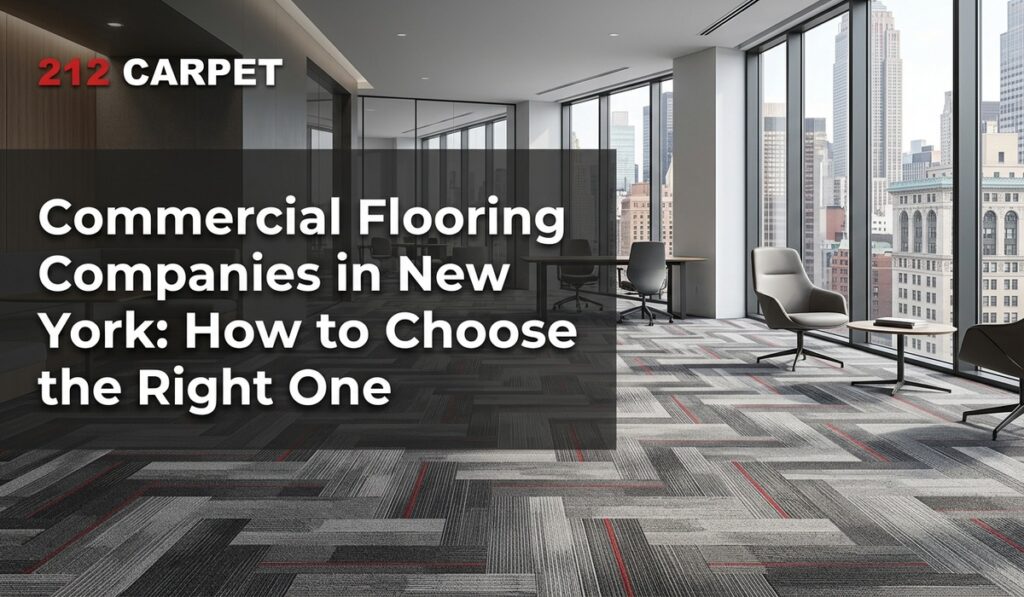
The best commercial flooring companies in New York are licensed, insured, and experienced with NYC building rules, tight schedules, and busy buildings. Look for a team that offers after-hours installation, handles subfloor prep, gives written quotes, and shows proof of past commercial projects. Whether you need commercial flooring installation NYC for an office, shop, restaurant, or clinic, this guide explains how to choose the right company, what affects cost, and which common mistakes to avoid.
What Does a Commercial Flooring Company Actually Do?
A commercial flooring company does more than lay a new surface. A good one handles the whole job from start to finish.
- Site measurement and floor assessment
- Moisture and subfloor testing
- Removal of old flooring
- Leveling and surface preparation
- Installation of the new floor
- Cleanup, walkthrough, and care instructions
Commercial work is different from home work. Floors face heavy foot traffic, rolling carts, furniture, and daily cleaning. The materials and methods must be built for that.
Who Are the Best Commercial Flooring Companies in New York?
There is no single “best” for every project. The right company depends on your space, budget, timeline, and flooring type.
Instead of picking by ads or rankings alone, judge each company on proof:
- Commercial portfolio: Real photos of offices, stores, or medical spaces, not just homes
- Licenses and insurance: General liability and workers’ compensation
- Local experience: Knowledge of NYC buildings, co-ops, and landlord rules
- Reviews: Recent, detailed feedback on Google and other platforms
- Clear communication: Fast replies and a written scope of work
If a company cannot show these, keep looking.
Why Hire a Specialized Commercial Flooring Company? (7 Key Reasons)
This is where experience matters most. Here is what a specialist brings that a general handyman or residential installer often cannot.
1. They understand NYC building rules
New York buildings have strict requirements. Many landlords and property managers require proof of insurance, a certificate of insurance (COI) naming the building as additional insured, and approved work hours. A specialist handles this paperwork routinely, so your project is not delayed at the lobby door.
2. They work around your business hours
Downtime costs money. Experienced NYC installers often schedule night or weekend work so your team or customers are not disturbed. They also know how to plan around freight elevator bookings, loading dock limits, and tight street access, which are daily realities in Manhattan.
3. They test the subfloor first
Most floor failures start below the surface. Moisture in concrete is a leading cause of lifting vinyl, bubbling adhesive, and mold. Professionals test moisture levels before installation, often using industry methods such as ASTM F2170 (in-situ relative humidity testing), and then follow the manufacturer’s limits. Skipping this step can void a warranty.
4. They match the floor to the space
A floor that works in a law office may fail in a restaurant kitchen. Specialists choose materials based on traffic, spills, noise, and cleaning needs. For example:
- Carpet tile: Good for offices; easy to replace one tile at a time
- Luxury vinyl tile (LVT): Durable, water-resistant, and looks like wood or stone
- Epoxy: Strong for warehouses, kitchens, and garages
- Polished concrete: Long-lasting and low maintenance
- Rubber: Common for gyms because it absorbs impact
5. They help you meet safety and code requirements
Slips and falls are a serious workplace risk. Safety organizations such as OSHA and the National Safety Council consistently list slips, trips, and falls among the leading causes of workplace injuries. The right slip-resistant surface helps reduce that risk. Commercial installers also know about fire-performance ratings for flooring in corridors and exits, and about ADA accessibility needs such as smooth transitions and proper thresholds.
6. They protect your long-term budget
Cheap installation often costs more later. As a general guide, quality commercial floors can last about 10 to 20 years or more when installed and maintained correctly, depending on the material. A poor install can fail in a fraction of that time. Hiring skilled installers once is usually cheaper than paying for repairs and replacements.
7. They offer warranties and accountability
Reputable companies stand behind their work. Many manufacturers only honor warranties when a qualified installer follows their rules. A licensed company gives you someone to call if something goes wrong.
How Much Does Commercial Flooring Installation Cost in NYC?
Prices vary widely, so treat these as rough ranges and always get written quotes. New York labor and access costs are usually higher than the national average.
Common cost factors:
- Flooring material and quality
- Total square footage
- Condition of the subfloor
- Removal of old flooring
- Floor level and elevator access
- After-hours or rush work
- Building requirements, such as insurance and union rules
Typical installed ranges you may see in the market (estimates only):
- Carpet tile: about $4 to $10 per sq. ft.
- Luxury vinyl tile: about $4 to $12 per sq. ft.
- Epoxy flooring: about $5 to $12 per sq. ft.
- Polished concrete: about $3 to $12 per sq. ft.
A larger or more complex project can fall outside these ranges. Ask for an itemized quote so you can see exactly what you are paying for.
What Types of Commercial Flooring Work Best in NYC?
Here is a quick guide by business type:
- Offices: Carpet tile or LVT for comfort and noise control
- Retail stores: LVT or polished concrete for a clean, modern look
- Restaurants: Slip-resistant tile or epoxy that handles spills
- Medical and healthcare: Seamless vinyl or rubber that is easy to disinfect
- Warehouses: Epoxy-coated or sealed concrete for heavy loads
- Gyms: Rubber flooring for impact and sound reduction
How to Choose a Commercial Flooring Contractor: Step by Step
- Define your needs. Know your space size, traffic level, and timeline.
- Shortlist 3 to 5 companies. Check websites, reviews, and project photos.
- Verify credentials. Ask for license and insurance documents.
- Request a site visit. A real estimate needs someone to see the floor.
- Compare written quotes. Look at scope, materials, and timelines, not just price.
- Ask about prep and warranty. Make sure subfloor work and guarantees are included.
- Check references. Call or read about similar past projects.
Questions to Ask Before You Hire
- Have you completed projects similar to mine in NYC?
- Do you provide a certificate of insurance for my building?
- Can you work nights or weekends?
- How do you test and prepare the subfloor?
- What warranty do you offer on materials and labor?
- Who will be on site, and who is the project manager?
Common Mistakes to Avoid
- Choosing only the lowest price
- Skipping moisture testing
- Ignoring building rules until the last minute
- Picking a floor for looks without considering traffic
- Not planning for downtime or delivery access
- Failing to get the scope in writing
What to Expect During Installation
A well-run project usually follows this order: site visit and quote, material selection, scheduling, old floor removal, subfloor repair, installation, and a final walkthrough. Timelines depend on size and flooring type. A small office may take a few days, while larger spaces take longer. Your installer should give you a clear schedule before work begins.
Why Local Experience Matters
New York is not like other cities. Tight access, strict building managers, and fast deadlines are normal. Among the commercial flooring companies in New York, the ones that stand out are those that work in the five boroughs every week and already know how to handle these challenges. That experience is hard to fake and easy to spot when you ask the right questions.
Frequently Asked Questions
1. How do I find a reliable commercial flooring contractor in NYC?
Check licenses, insurance, commercial project photos, and recent reviews. Request a site visit and a written quote before you decide.
2. How long does commercial flooring installation in NYC take?
Small spaces can take a few days. Larger or more complex projects can take several weeks, depending on prep work and flooring type.
3. Can flooring be installed after business hours?
Yes. Many NYC contractors offer night and weekend installation to reduce downtime and meet building access rules.
4. What is the most durable commercial flooring?
Polished concrete, epoxy, and high-quality commercial vinyl are very durable. The best choice depends on your traffic and use.
5. Is commercial flooring more expensive than residential?
Usually, yes. It uses heavier-duty materials, needs more prep, and often involves building requirements and special scheduling.
Conclusion
Choosing among commercial flooring companies in New York comes down to proof, planning, and communication. Look for real commercial experience, clear quotes, and a team that understands NYC buildings. Done right, your floor will look good, stay safe, and last for years.
Ready to start? Contact 212 Carpet for a free consultation and a clear, written estimate for your next project.
The post Commercial Flooring Companies in New York: How to Choose the Right One first appeared on 212 Carpet - Professional Commercial Carpet, Tile and Flooring Installations.
The post Commercial Flooring Companies in New York: How to Choose the Right One appeared first on 212 Carpet - Professional Commercial Carpet, Tile and Flooring Installations.
]]>The post Transforming Spaces: The Art of Commercial Carpet Installations in NYC first appeared on 212 Carpet - Professional Commercial Carpet, Tile and Flooring Installations.
The post Transforming Spaces: The Art of Commercial Carpet Installations in NYC appeared first on 212 Carpet - Professional Commercial Carpet, Tile and Flooring Installations.
]]>
In the bustling city of New York, where businesses thrive and spaces constantly evolve, the importance of a well-designed commercial environment cannot be overstated. One key element that often goes unnoticed yet plays a vital role in the aesthetic and functionality of a space is the flooring. At 212Carpet, we specialize in transforming commercial spaces through expert carpet installations, offering a blend of style, durability, and comfort.
Why Choose Commercial Carpet?
Commercial carpets are more than just a floor covering; they are a strategic investment in your business environment. Unlike residential carpets, commercial carpets are designed to withstand heavy foot traffic, resist stains, and maintain their appearance over time. They provide a professional look that enhances the overall ambiance of your workspace, making it inviting for clients and comfortable for employees.
Our Expertise in NYC
With nearly two decades of experience, 212Carpet has become a trusted name in commercial carpet installations across NYC and Long Island. Our team of licensed, certified, and insured installers ensures precision and quality in every project, whether it’s a small office or a large government building. We understand the unique challenges of working in NYC’s diverse environments and are equipped to handle projects of any size and complexity.
Product Range and Customization

We carry a comprehensive range of products from major manufacturers like Shaw, Mohawk, and Milliken. Whether you’re looking for carpet tiles, broadloom, or custom designs, we offer a variety of options to suit your specific needs and budget. Our price match guarantee ensures you receive the best value for your investment.
Sustainability and Innovation
At 212Carpet, we are committed to sustainability and innovation. We offer eco-friendly options that help reduce environmental impact without compromising on quality or aesthetics. Our team stays updated with the latest trends and technologies in flooring to provide solutions that are both modern and sustainable.
Conclusion
Choosing the right flooring is crucial for creating a productive and appealing commercial space. At 212Carpet, we take pride in delivering exceptional carpet installation services that meet the unique needs of businesses in NYC. Contact us today to learn how we can help transform your space with our expert flooring solutions.
The post Transforming Spaces: The Art of Commercial Carpet Installations in NYC first appeared on 212 Carpet - Professional Commercial Carpet, Tile and Flooring Installations.
The post Transforming Spaces: The Art of Commercial Carpet Installations in NYC appeared first on 212 Carpet - Professional Commercial Carpet, Tile and Flooring Installations.
]]>The post Understanding the Difference: LVT vs. VCT Flooring Materials first appeared on 212 Carpet - Professional Commercial Carpet, Tile and Flooring Installations.
The post Understanding the Difference: LVT vs. VCT Flooring Materials appeared first on 212 Carpet - Professional Commercial Carpet, Tile and Flooring Installations.
]]>
When it comes to choosing the right flooring for commercial spaces, the options can be overwhelming. Among the popular choices are Luxury Vinyl Tile (LVT) and Vinyl Composition Tile (VCT). Both offer unique benefits, but understanding their differences can help you make an informed decision that best suits your needs. Let’s delve into the characteristics, advantages, and ideal applications for both LVT and VCT flooring.
Luxury Vinyl Tile (LVT)

LVT is a high-end vinyl flooring option that mimics the look of natural materials like wood or stone. It’s known for its versatility, durability, and aesthetic appeal. LVT is constructed with multiple layers, including a protective top layer that resists scratches and stains, making it ideal for high-traffic areas.
Advantages
- Aesthetic Appeal: LVT offers a wide range of designs and textures, providing a realistic appearance of natural materials.
- Durability: With its wear-resistant top layer, LVT is built to withstand heavy foot traffic and maintain its appearance over time.
- Comfort: LVT is softer underfoot compared to traditional tiles, offering a more comfortable walking experience.
- Water Resistance: Ideal for areas prone to moisture, LVT is highly resistant to water and spills.
Ideal Applications
LVT is perfect for commercial spaces like offices, retail stores, and healthcare facilities where aesthetics and durability are key considerations.
Vinyl Composition Tile (VCT)

VCT is a cost-effective flooring option commonly used in commercial settings. It is composed of natural limestone, fillers, and a thermoplastic binder, offering a durable and economical flooring solution.
Advantages
- Cost-Effective: VCT is generally more affordable than LVT, making it a budget-friendly option for large installations.
- Durability: Known for its strength, VCT can handle heavy traffic and is often used in schools, hospitals, and supermarkets.
- Easy Maintenance: VCT requires regular maintenance, such as stripping and waxing, to maintain its appearance, but it is relatively easy to clean.
Ideal Applications
VCT is well-suited for high-traffic areas where cost and durability are primary concerns, such as educational institutions, healthcare facilities, and industrial settings.
Conclusion
Choosing between LVT and VCT depends on your specific needs, budget, and the environment where the flooring will be installed. LVT offers superior aesthetics and comfort, making it suitable for spaces where design is a priority. On the other hand, VCT provides a durable and cost-effective solution for areas with heavy foot traffic. At 212Carpet, we offer both LVT and VCT options to meet the diverse needs of our clients. Contact us to learn more about how we can help you choose the perfect flooring for your commercial space.
The post Understanding the Difference: LVT vs. VCT Flooring Materials first appeared on 212 Carpet - Professional Commercial Carpet, Tile and Flooring Installations.
The post Understanding the Difference: LVT vs. VCT Flooring Materials appeared first on 212 Carpet - Professional Commercial Carpet, Tile and Flooring Installations.
]]>