Bufo Toads, as known as Cane or Marine Toads, are an invasive species found through many areas of Central and South Florida. Originally from Central and South America, they are considered an ecological pest as they are indiscriminate eaters, often eating native wildlife from other frogs to small mammals and birds. Sometimes, they can even be found eating from or in food bowls kept for outside pets.
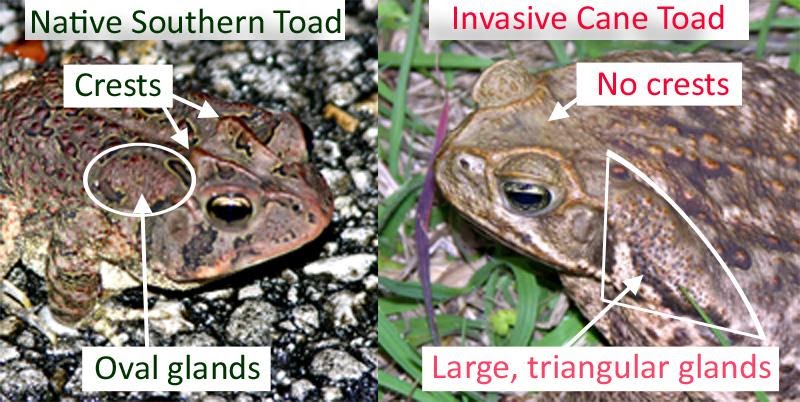
Adult toads usually range from 4-6 inches but can reach up to 10 inches. All native frog species are = 4 inches. They are grey/tan to dark brown in color with dark spots and warts. The poison glands, aka paratoid glands, appear as a raised triangular area on the shoulder region. In native toads, like the Southern Toad, it is an oval/round shape. Also, Southern Toads have 2 crests on the head, between the eyes. This is not present in Bufo Toads.
Bufo toads do not shoot the toxin. It is present on the skin and is often release in large amounts when the toad is attacked. Therefore, you must come in direct contact with the toad or occasionally a surface that the toad has rubbed on, to become exposed to the toxin. The toxin itself is irritating to mucous membranes (the inside of the mouth, nose, eyes/eyelid, digestive tract in general) and leads to more systemic signs (body-wide) as it absorbed across those membranes.
Symptoms typically appear within in minutes and up to 30 minutes after exposure and consist of:
Prompt medical attention is important as symptoms can be fatal if left untreated. Initial treatment involves limiting toxin absorption and removal (decontamination). As the toxin is thick and sticky, it is recommended to wipe out the pet’s mouth with a wet cloth multiple times and rinsing it out between wipes. Attention needs to be paid to make sure you are swabbing out the roof of the mouth, tongue, gums/teeth, cheeks, and back of mouth if possible.
DO NOT PLACES HANDS OR FINGERS IN THE MOUTH OF THE PET THAT IS HAVING SEIZURES/CONVULSIONS. DO NOT FLUSH THE MOUTH OUT WITH THE HOSE, ESPECIALLY IF THE PET IS VOMITING OR HAVING NEUROLOGIC SYMPTOMS, AS THIS CAN LEAD TO ASPIRATION PNEUMONIA (inhaling of the water/drool/vomit and all the bacteria/toxins/irritating substances into the lungs).
There is no specific cure or treatment for Bufo Toad toxicity. After decontamination, treatment revolves around general stabilization and specific symptoms. Many pets with mild symptoms can go home <12 hours after initial stabilization and treatment. Pets with more severe symptoms, especially those with underlying health conditions, may need to be hospitalized for several days and still need outpatient monitoring for several days after discharge from the hospital.
IF YOUR PET IS SHOWING SIGNS CONSISTENT BUFO TOAD TOXICITY, YOU NEED TO SEEK IMMEDIATE MEDICAL ATTENTION. If you are not certain if your pet was exposed, it’s better to be safe than sorry, and have your pet seen.
Information continued within this article was provided by Department of Wildlife Ecology and Conservation, UF Wildlife – Johnson Lab: https://ufwildlife.ifas.ufl.edu/frogs/canetoad.shtml . Last updated May 2020.
Additional resources can be found at:
Florida Fish & Wildlife Conservation Commission: https://myfwc.com/wildlifehabitats/profiles/amphibians/cane-toad/
Veterinary Specialty Hospital: https://www.vshpalmbeach.com/bufo-toad-poisoning/
Town of Palm Beach: Dealing with Bufo Toads: https://www.townofpalmbeach.com/946/Dealing-with-Cane-Bufo-Toads
Capture & Humane Euthanasia of Invasive Pets: https://www.youtube.com/watch?v=JCZlSVbOkWU
Read more at ABCDE Animal
]]>
Many times, we are not expecting to add a new cat to the family and sometimes we are. Sometimes, it is love at first site when we lock eyes during an adoption event at a local pet store or shelter. And other times, they wander onto our doorstep and choose us to be their new family. Introducing a new cat to the home can be a lot easier with a little planning and preparation. It is important to have everything you need ahead of time. Make sure that you have appropriate toys, scratching post/objects, litter and litterboxes, preventatives, food, etc. The following steps will help make the adjustment go a lot smoother.
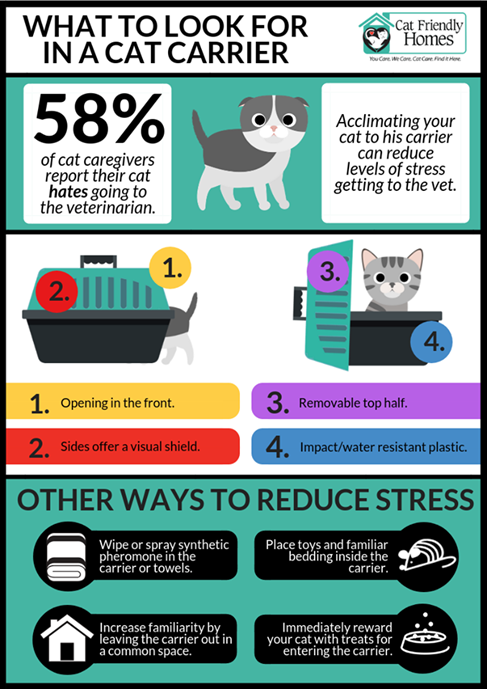
It is important for cats to have some type of carrier to transport them to their new home and to and from veterinary visits. A cat can be easily startled and jump from your arms or struggle to get away. The last thing you want is for your new cat to get loose in the parking lot or near a busy street. Have a soft crate pad or towel lining the carrier. You can sprinkle catnip or treats as well as spritz Feli-way calming pheromone on the towel to make the carrier more inviting. Have another blanket or towel to drape over the top and sides of the carrier when traveling in the car can make them feel safer and less stressed by everything whizzing past their view. You can also spray Feli-way or Catnip spray on this towel as well. Also, now that it is summer, it is Hurricane Season! Already having a pet carrier that your cat is familiar with will make emergency evacuations less stressful. In a separate blog, we will discuss how to familiarize your cat to the carrier and going to and from the vet.
Already having the items at home and set up will also make it easier for your new cat to get acclimated versus adding new elements multiple times to the new home for the new cat. If there are other pets in the household, introductions should also be made gradually and never forced. Pets get many of their social cues from smells. When possible, bring home a baby blanket or towel that has the new cat’s scent on it for your pets to get used to and vice versa for the new cat to get used your existing pets. New pets should be kept separate from existing pets for at least 1 week when possible as it is possible for them to have been exposed to upper respiratory pathogens when at the shelters and rescues. It is important to have hiding spots at different heights in the home as this helps them feel safe and provide them with areas that they can escape to when they feel threatened. Multi-level cat trees with cubbies are great safe spots.
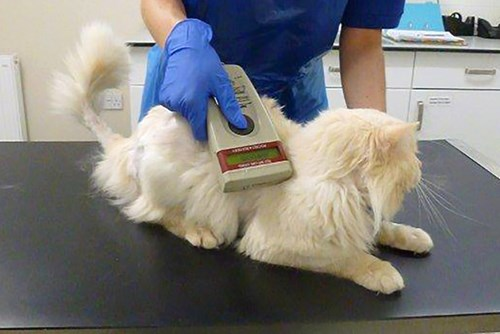
Your cat should also have some form of identification should he/she ever get loose or lost. A collar with a tag is fine. However, many cat collars are “break-away” collars, meaning should the collar get caught on anything, it will “break-away” from the cat when it tugs/pulls itself free. A microchip is a permanent form of identification. It is placed under the skin, often at the time they are spayed or neutered, with a unique number associated with it when read using a special scanner. This number is then used to look up the owner’s information. It is important that if your cat was implanted with a microchip prior to adoption that either the adoption group/rescue register the cat with your current information, or they provide you with the information necessary to register your information with the microchip company. Once updated, only the owner listed will be able to update or change the information. It is important to contact the microchip company when you have a change in contact phone number or address.
Read more at ABCDE Animal
]]>
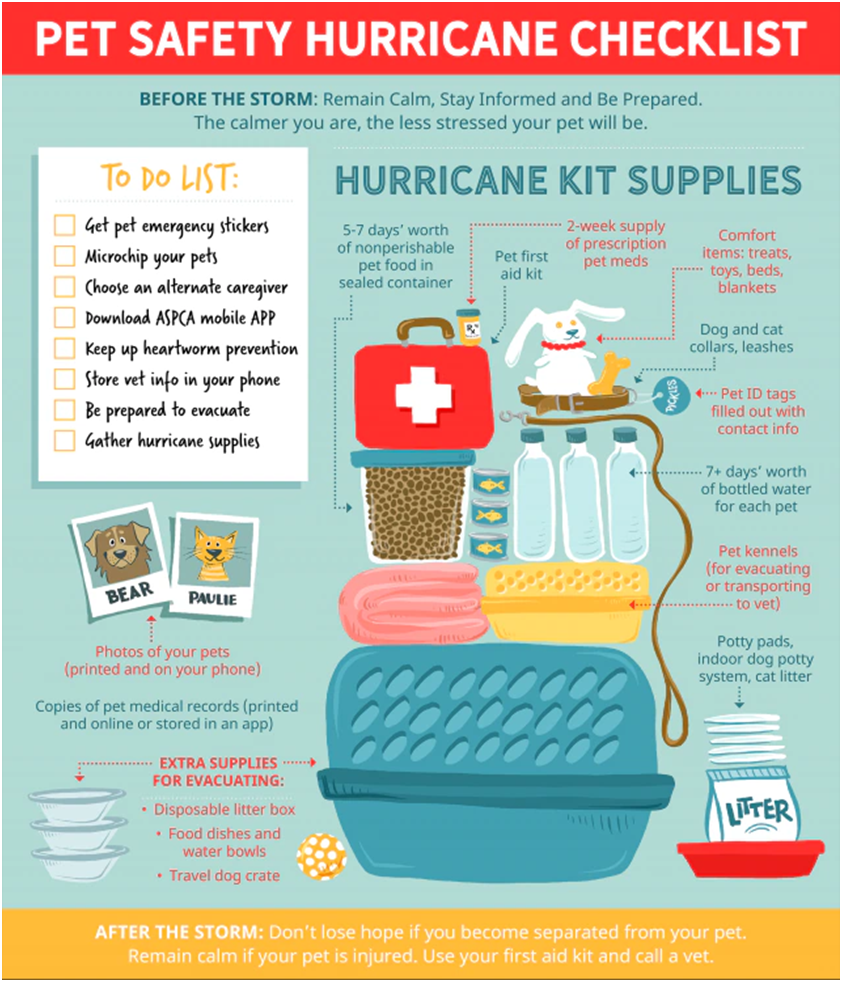
In addition to having a plan and emergency kit for your pet, identification is key in getting your pet reunited with you in case you get separated. Collars with i.d. tags are helpful. However, sometimes pets do get free of their collars or information may become unreadable on the tags. Microchip implantation provides a permanent identification that will not fade overtime or get separated from your pet. Make sure that you update the information associated with microchip anytime you move or change your phone number. Many pets that have been adopted from shelters or rescues already have a microchip and are usually registered at the time of adoption, or the information necessary to register them has been included in your adoption paperwork. If you are not sure whether your pet is microchipped or would like to get your pet microchipped, contact your veterinarian.
ABCDE Animal Clinic will be hosting microchip clinics during the summer. Contact the clinic at 561-622-7370 for a list of dates and times.
Check out the links below for useful information:
CDC Pet Disaster Preparedness Kit Webpage
FL Division of Emergency Management: Have A Pet Plan
PetsWelcome – Search for pet-friendly lodging and shelters in your area. All information is subject to changes. Please verify with the facility ahead of time.
Palm Beach County Emergency Management – The PBC Pet-Friendly shelter is a last resort option and does require pre-registration. However, pre-registration does not guarantee you and your pet a spot.
Read more at ABCDE Animal
]]>