Sheikh Ali Salman is the leader of Al-Wefaq National Islamic Society, the largest political group in the country. He was arrested in December 2014 and in June 2015, a criminal court sentenced him to four years in prison on a litany of charges including inciting hatred against the regime. In his initial trial, the court acquitted him on the more serious charge of inciting revolution.
The prosecution appealed his acquittal, and on 30 May 2016 the higher appeals court changed its previous decision, convicting him of inciting revolution and increasing his sentence to nine years. Specifically, the court sentenced him to 7 years on the three charges of “inciting change of the regime,” “inciting hatred against a sector of society,” “inciting criminal activities,” and sentenced him to 2 years on a fourth charge of “insulting a statutory body.” This decision came on the day former Foreign Secretary Philip Hammond visited Bahrain and met with the country’s King, where he publicly praised Bahrain’s”commitment to continuing reforms”. The Court of Cassation ordered today’s retrial of the appeal in October 2016, which reconfirmed the May 2016 judgement.
The United Nation Working Group on Arbitrary Detention (WGAD) declared Sheikh Salman was arbitrarily detained by the Bahraini government. The decision, which cites both free expression and due process concerns, requests that the Bahraini government release Sheikh Salman immediately, and provide him with an enforceable right to compensation against the government.
Al Wefaq is the largest political party in the country and won over 60% of the vote in the 2010 General Election, winning 18 of 40 seats, and which was recently dissolved by the Bahraini government. Al Wefaq’s 18 MPs resigned from the largely powerless National Assembly in protest of the Bahraini government’s violent response to Arab Spring protests in 2011, and subsequently participated in reconciliation dialogues with the government. However, these dialogues collapsed in 2014, and Al Wefaq’s opposition bloc chose to boycott that year’s general election, the first after the Arab Spring. Sheikh Ali Salman’s arrest came just a month after the November 2014 elections.
The Bahraini Ministry of Justice ordered the dissolution of Al-Wefaq following court proceedings in June 2016. The society’s accounts have been frozen and physical property repossessed. In September, the government announced it would liquidate Al-Wefaq’s property at auction, but has yet to carry out these measures.
In addition to Al-Wefaq and Sheikh Ali Salman, the Bahraini government has targeted additional opposition political figures and societies. Fadhel Abbas, the Secretary-General of Al-Wahdawi, is serving a 3-year prison sentence for calling the Saudi war in Yemen, in which Bahrain is a belligerent, unconstitutional. The National Democratic Action Society – Wa’ad – has been under threat, with their leader banned from travel and repeatedly subject to police questioning in the past year. Ebrahim Sharif, the former Secretary General of Wa’ad, served 4 years in prison following his arrest, torture and prosecution by military court in 2011; he served another year in prison after he called for sustained peaceful opposition in July 2015, and was charged again in November 2015 after he criticised Prince Charles of the United Kingdom’s visit to Bahrain. These latest charges were dropped following pressure from the United Kingdom.
The government has subjected major political leaders to repeated judicial harassment since before 2011. Among those currently imprisoned are most members of the “Bahrain 13” – a group of high-profile political leaders and activists, including Hassan Mushaima, leader of the Haq Movement. Like Ebrahim Sharif, an original member of the Bahrain 13, authorities arrested, tortured, and prosecuted these activists on politically-motivated charges. A military court convicted the Bahrain 13 in 2011, and a civil appeals courts upheld the sentences in 2012.
International Context
The court’s decision to sentence Sheikh Ali Salman to 9 years in prison comes days after two major security conferences held in Bahrain. Last week, UK Prime Minister Theresa May was in Bahrain for the Gulf Cooperation Council (GCC) Leaders Summit. She did not raise human rights concerns in her speech, instead telling GCC leaders: “I want to leave no-one in any doubt about the scale of my ambition or the extent of my determination to establish the strongest possible trading relationships between the UK and the Gulf.”
UK Foreign Secretary Boris Johnson was also in Bahrain for a separate security forum, the Manama Dialogue, during which he declared that “Britain is back from East of Suez”, alluding to the UK’s colonial past in Bahrain. He also failed to address human rights.
Additionally, US Secretary of Defense Ash Carter also travelled to the Manama Dialogue and met with Bahrain’s King Hamad last week. While the US has previously called for Sheikh Ali Salman’s release, the Secretary of Defense does not appear to have raised the case during his visit.
The Bahraini government is empowered by its allies’ continued silence in the face of escalating repression. The penal code criminalises free expression by setting punishments for, among other ‘crimes’, “insulting statutory bodies”, “insulting the King” and “insulting the flag of Bahrain” – legislation that the authorities have used to restrict nearly all independent activities relating to politics, civil society, and human rights.
NGO Condemnation
Bahrain has violated Sheikh Ali Salman’s freedom from arbitrary detention, right to a fair trial, and right to political participation, as defined under articles 2, 9 and 11 of the Universal Declaration of Human Rights (UDHR) and articles 9, 14, 25 and 26 of the International Covenant on Civil and Political Rights (ICCPR).
We, the undersigned, condemn this upheld sentence and call on Bahrain to:
- Release Sheikh Ali Salman immediately, dropping all charges
- Reverse the decision to dissolve Al-Wefaq
- Halt the harassment of political and civil society figures in Bahrain
- Release all political prisoners
We call on Bahrain’s allies, the United Kingdom and United States to:
- Condemn Sheikh Ali Salman’s unfair trial and call for his release
- Call for the release of all political prisoners
- Use political leverage to the benefit of human rights in Bahrain
Signed,
Americans for Democracy & Human Rights in Bahrain
Bahrain Institute for Rights and Democracy
European Centre for Democracy and Human Rights
]]>
We, the undersigned, condemn the imprisonment of Fadhel Abbas for exercising his right to free expression and call on the Government of Bahrain to ensure his immediate release.
On 26 March 2015, the Government of Bahrain arrested Abbas for public statements made by the al-Wahdawi Political Society condemning the Saudi Arabia-led military coalition in Yemen. Authorities claimed that such statements “attempted to exploit the situation through division.” Abbas’ trial before the High Criminal Court commenced on 27 April 2015, and the court issued its final verdict on 28 June 2015, sentencing Abbas to five years in prison on charges of “spreading false information.” Abbas appealed the sentence, and his first appellate trial took place on 11 October 2015. The authorities did not allow him to be present.
“The Bahraini government’s decision to arrest and imprison Fadhel Abbas for public statements about the humanitarian crisis in Yemen is a clear violation of his rights to freedom of speech,” said ADHRB Executive Director Husain Abdulla. “The peaceful expression of criticism or political opinion is a criminal act in Bahrain, and the authorities continue to demonstrate that they will systematically target anyone who speaks out against government abuses.”
Abbas is just one of many political activists, human rights defenders, and religious leaders prosecuted by the Government of Bahrain for voicing their opinion. In June 2016, Bahraini authorities arrested human rights defender and president of the Bahrain Center for Human Rights (BCHR) Nabeel Rajab for tweets. Authorities charged Rajab with “disseminating false rumors in a time of war,” “insulting a neighboring country,” and “insulting a statutory body” under articles 133, 215 and 216 of the penal code. The charges, which could garner a 15-year prison sentence, stem from tweets in which he criticized the Saudi-led intervention in Yemen and documented systematic torture in Bahrain’s Jau Prison. After the New York Times published an editorial by Rajab in September, the authorities brought an additional charge of “undermining the prestige of the state” that could add another year to Rajab’s sentence. Rajab’s next hearing will be on 31 October 2016, when the court could sentence him to up to 15 years in prison.
The Government of Bahrain has also prosecuted the leaders of other political societies on charges related to free expression. In December 2014, Bahraini authorities arrested Sheikh Ali Salman, Secretary-General of the now-dissolved Al-Wefaq Political Society, for delivering speeches in which he peacefully criticized the government. Courts originally sentenced Sheikh Ali Salman to four years in prison. However, in May 2016, following the prosecution’s appeal, judges reversed Sheikh Ali Salman’s previous acquittal on a charge of attempting to “overthrow” the government. Finding him guilty on the previously-acquitted charge, the court increased his total prison sentence to nine years. On 17 October, the Court of Cassation ordered a retrial for Sheikh Ali Salman on the same charges. Over the summer 2016, the Government of Bahrain closed Al-Wefaq Political Society and auctioned off the organization’s assets.
Bahraini authorities have also targeted former Secretary-General of Waad Political Society, Ebrahim Sharif. Authorities have repeatedly arrested Sharif on charges that violate his right to free expression. Most recently, Bahraini officials arrested Sharif on 12 July 2015 for charges related solely to a speech in which he peacefully criticized the government. A court sentenced him to one year in prison. That arrest came just three weeks after Sharif had served time for a previous sentence stemming from his involvement in the 2011 pro-democracy movement. Though Sharif completed his one-year term and is now out of prison, the prosecution is reportedly seeking to appeal in order to increase the original sentence, in a move mirroring the increased sentence against Sheikh Ali Salman. Sharif’s next hearing is scheduled for 7 November 2016.
The charges against Fadhel Abbas, Nabeel Rajab, Sheikh Ali Salman, and Ebrahim Sharif violate their rights to free expression under the International Covenant on Civil and Political Rights (ICCPR), a treaty to which Bahrain acceded in 2006. Under Article 19 of the ICCPR, “everyone shall have the right to freedom of expression… regardless of frontiers, either orally, in writing or in print, in the form of art, or through any other media of [their] choice.” Additionally, Recommendation 1722(h) of the Bahrain Independent Commission of Inquiry (BICI), whose proposed reforms King Hamad bin Isa al-Khalifa claims have been fully implemented, calls on the Government of Bahrain to drop charges and commute sentences of all persons convicted of crimes related to free speech. On the contrary, the government continues to punish activists and human rights defenders for exercising their basic human rights to free expression, assembly, and association.
The undersigned organizations call on the Government of Bahrain to:
- Immediately release Fadhel Abbas, Nabeel Rajab, and Sheikh Ali Salman, and drop all charges against them, as they violate the right to freedom of expression;
- End the judicial harassment of Ebrahim Sharif for charges that violate his rights to freedom of expression;
- Release all prisoners of conscience who are currently imprisoned for charges related to their free expression, assembly, and association.
Signed,
Americans for Democracy & Human Rights in Bahrain (ADHRB)
Bahrain Center for Human Rights (BCHR)
Bahrain Institute for Rights & Democracy (BIRD)
European Center for Democracy & Human Rights (ECDHR)
]]>
Rajab, the president of the Bahrain Center for Human Rights (BCHR), is facing multiple charges of “disseminating false rumors in time of war”, “insulting a neighboring country” and “insulting a statutory body” under articles 133, 215 and 216 of the penal code. These are in relation to remarks he tweeted and retweeted on Twitter in 2015 about the humanitarian crisis caused by the Saudi-led war in Yemen – with Saudi Arabia the “insulted” country – and documenting torture in Bahrain’s Jau prison. The charges collectively carry up to 15 years in prison.
In September, Bahrain’s prosecution brought new charges against him for “undermining the prestige of the state” after the New York Times published Rajab’s opinion piece, Letter from a Bahraini Jail. This charge could add another year to his sentence.
In his letter, Rajab wrote: “No one has been properly held to account for systematic abuses that have affected thousands.” The BCHR estimates there are approximately 4000 political prisoners in the country. Rajab also asked: “Is this the kind of ally America wants? The kind that punishes its people for thinking, that prevents its citizens from exercising their basic rights?”
The US has called for Rajab’s release “full stop”, and the EU’s top human rights official yesterday expressed his “hope” for Rajab’s release. Present at Rajab’s trial today was a representative of the EU delegation to Saudi Arabia, and representatives of the Italian, Spanish, UK and US embassies in Bahrain.
According to Rajab’s lawyer, the sentencing was scheduled to occur today. Rajab attended, despite being in poor condition following surgery on 3 October, and the judge was expected to render the judgement. But instead, the judge stated that the court had taken note of the request submitted today by Rajab’s lawyers requesting his medical reports, and the court would adjourn the case to 31 October. It is not usual for the court to mention such a request for medical reports had been made, and there was no clear reason to the defence team as to why the court referred to it.
Rajab’s lawyer states there is no link between the adjournment and their request for the medical reports. The court had denied previous requests for Rajab’s medical documents, because the Ministry of Interior and Public Prosecution state that he had been provided with all required are since his detention began. The court thus denied Rajab access to his own records. The defence team submitted their latest request today morning. The court did not clarify whether it had accepted or rejected the request, nor did it clarify whether there are medical reports in the case file.
In September, the UN High Commissioner for Human Rights used his opening statement at the 33rd session of the Human Rights Council to warn Bahrain: “The past decade has demonstrated repeatedly and with punishing clarity exactly how disastrous the outcomes can be when a Government attempts to smash the voices of its people, instead of serving them.” Today’s sentencing is yet another case of the Bahraini government attempting to smash those voices.
Bahraini forces arbitrarily arrested Rajab on 13 June 2015, the opening day of the UN Human Rights Council’s 32nd Session. His arrest coincided with travel bans on activists, the forced exile of Zainab Al-Khawaja under threat of rearrest, and the dissolution of the Al Wefaq political society.
Following his June arrest, courts prosecuted Rajab for the two charges first brought against him in April 2015, with a new third charge of “insulting a neighbouring country” – Saudi Arabia. Tweets used as evidence against Rajab, seen by BIRD, BCHR and ADHRB, include documentation of torture and retweets of Amnesty International, Human Rights Watch and Index on Censorship.
Police placed Rajab in solitary confinement for the majority of his pre-trial detention. After 15 days in solitary, on 28 June 2016 Rajab required urgent medical attention after losing a significant amount of weight, developing an irregular heartbeat and developing immune system deficiencies due to poor prison conditions. Authorities transferred Rajab back to police custody the following day.
Rajab’s prosecution is the latest in a series of repressive actions that have led to the dissolution of political societies, imprisonment of protestors and religious clerics, and curtailment of activists’ free movement.
The right to freedom of expression is protected under article 19 of the Universal Declaration of Human Rights and article 19 of the International Covenant on Civil and Political Rights, the latter of which Bahrain acceded to in 2006. Nabeel Rajab’s prosecution and sentencing represents a clear violation of this right.
We, the undersigned, condemn this flagrant violation of the rights to freedom of expression.
We call on the Government of Bahrain to:
- Release immediately Nabeel Rajab and all other prisoners of conscience
- Drop all outstanding charges against persons being prosecuted for exercising their freedom of expression
- Repeal articles 133, 215 and 216 of the penal code, and all other penal code articles which violate the right to free expression.
We call on the governments of the United Kingdom and United States, and the European Union to:
- Condemn immediately the ongoing prosecution of Nabeel Rajab
- Act towards securing Rajab’s release from detention, as well as of all other prisoners of conscience.
Americans for Democracy & Human Rights in Bahrain (ADHRB)
Bahrain Center for Human Rights (BCHR)
Bahrain Institute for Rights and Democracy (BIRD)
European Centre for Democracy and Human Rights (ECDHR)
]]>Rajab appeared before the court on charges of “insulting a statutory body”, “insulting a neighboring country”, and “disseminating false rumors in time of war”. These are in relation to remarks he tweeted and retweeted on his Twitter handler in 2015 about credible allegation of torture at Jau prison and the Saudi-led war in Yemen. He may face more than 10 years in prison if convicted, for which he was already detained from 2 April to 13 July 2015. Despite the charges having first been made over a year ago, today’s court hearing was Rajab’s first for this case.
Since his arrest on 13 June 2016 on separate charges, Rajab has been detained in solitary confinement with no contact with other prisoners and in very poor conditions. He is currently being detained at West Riffa police station. He is being denied the minimum standards of the treatment of prisoners, which has been the cause for deterioration of his health, including the loss of 8 kgs since his arrest.
Rajab’s lawyer states that he is being subjected to harassment in detention. His right to privacy is not respected during visits: all visits are under close monitoring by two police officers, who sit close to the family. Concerns over his deteriorating health is growing. His family, who saw him today, say he looked pale and seemed to have lost more weight since their last visit on 5 July.
On 28 June 2016, after two weeks in solitary confinement, Rajab’s health deteriorated and he was transferred by ambulance to the Coronary Care Unit (CCU) in Bahrain Defense Hospital after he suffered from irregular heartbeats. On 29 June 2016, the authorities transported Rajab back to the police station although his health was reportedly still unstable. Rajab suffers from additional illnesses that are only worsened due to his detention conditions. His blood tests have shown that he suffers from a urinary tract infection and low mononucleosis, and he’s awaiting the results of more blood tests. Rajab needs to have two different surgical operations, to treat gallstones and an enlarged gallbladder. He also suffers from enlarged prostate. There is a high risk of further deterioration of his physical and mental health due to prolonged periods of solitary detention.
On 13 June 2016, the authorities arrested Rajab and charged him with “publishing and broadcasting false news that undermines the prestige of the state.” These charges were brought against him in relation to three televised interviews in 2015 and 2016 in which he mainly discussed the human rights situation and violations committed by Bahraini security forces. It’s not clear if Bahrain government plans to move forward with another trial on these charges, which are separate from the current trial.
The arrest of Rajab was widely condemned in June by international human rights bodies and governments, including United Nations Secretary-General Ban Ki-moon who said that “such actions by the State authorities could potentially damage the human rights situation in the country.” In addition the United States, France and Germany have raised concerns.
The Office of the UN High Commissioner issued a statement mentioning the case of Rajab and other recent alarming issues in Bahrain, while the Human Rights Commission of the US Congress expressed concern about Rajab’s health during detention. Most recently, in July, members of the European Parliament demanded the release of Rajab in their open letter addressed to High Representative of the European Union for Foreign Affairs and Security Policy. The European Parliament reiterated its demands for the release of Rajab and its condemnation of the widespread campaign against human rights and political activists in Bahrain.
We, the undersigned, calls on the international community to press further for Rajab’s basic human rights to be respected, including to protect his health, and to publicly and clearly call for his immediate and unconditional release; and for an end to the government of Bahrain’s reprisals against human rights defenders.
For more information on Nabeel Rajab, please visit this page, and for any further developments on his case please visit this page as it is regularly updated with the latest information.
Signed:
- Bahrain Center for Human Rights
- Bahrain Institute for Rights and Democracy
- Americans for Democracy & Human Rights in Bahrain
- European Center for Democracy and Human Rights
- Justice Human Rights Organisation
28 June 2016 – Human rights defender Nabeel Rajab has been rushed to Bahrain’s military hospital after suffering unprecedented heart problems after 15 days of solitary confinement. The UN’s top expert on torture, Juan Mendez, has previously said that solitary confinement for long durations “can amount to torture.”
According to his family, Nabeel Rajab is suffering an irregular heartbeat. He is currently at the Coronary Care Unit at the Bahrain Defence Force Hospital.
Sumaya Rajab, Nabeel Rajab’s wife: “We raised our extreme worries about the effects isolated detention would have on Nabeel’s health and we were ignored. Nabeel never suffered heart problems before. My husband is a human rights defender and does not deserve this treatment.”
Sayed Ahmed Alwadaei, Director of Advocacy, Bahrain Institute for Rights and Democracy: “The Government of Bahrain arrested Nabeel Rajab and jeopardised his mental and physical health solely because he expressed his opinions, documented torture in prison and criticised the human cost of the war in Yemen. Bahrain has criminalised compassion and human decency.”
Nabeel Rajab faces up to 13 years imprisonment on charges related to his free speech. His first court date is set for 12 July. For further information, click here.
]]>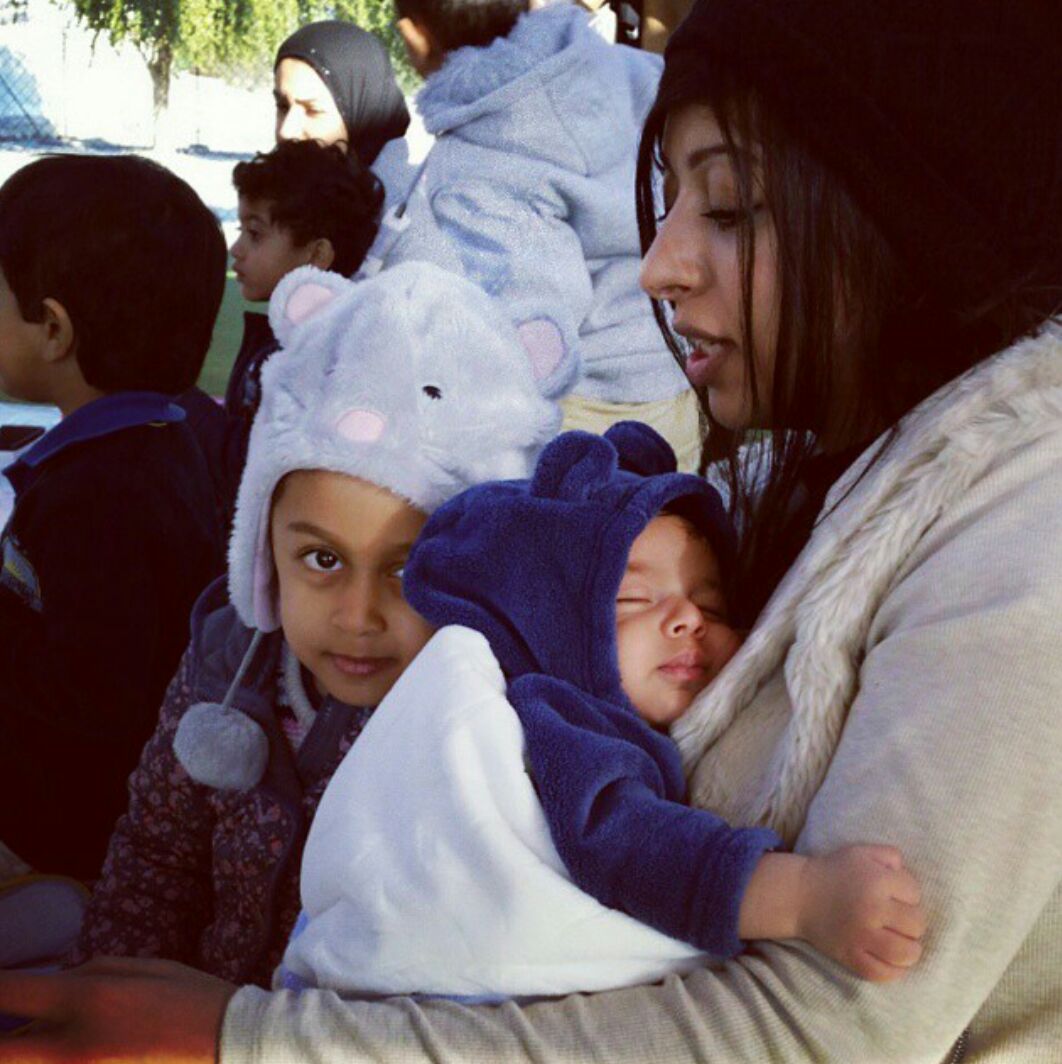 14 March 2016 – Bahraini security forces today raided the house of human rights activist Zainab al-Khawaja and arrested her with her 15 months old son. The undersigned NGOs condemn in the strongest terms the arrest of Zainab and her son over charges merely related to her activism and exercise of free expression.
On 14 March 2016, at 3:45 P.M., security forces raided the house of Zainab al-Khawaja’s in-laws’ house asking for her. When they did not find her, they raided Zainab’s apartment where she was arrested with her 15 months old son, Abdulhadi. She was then taken to Al-Hoora police station. Her family were informed that she will be transferred for a medical checkup before transporting her to Isa Town women’s prison.
Zainab was sentenced to a total of three years and one months in prison and BHD 3,000 fine over several charges related to her exercise of freedom of expression and her peaceful dissent against the Bahraini government. On 2 February 2016, the court of appeal upheld a 9 months prison sentence against Zainab for trying to visit her father, human rights defender Abdulhadi al-Khawaja in Jau Prison when he was on hunger strike in August 2014. In December 2015, the court amended a prison sentence against Zainab to one year and four months instead of three years and three months on charges related to tearing up a picture of the King and allegedly insulting a public officer during a peaceful protest in Bahrain. In October 2015, the court reduced her sentence to one year in prison instead of three years over the same charge of insulting the Kings.
Zainab AlKhawaja has been previously detained several times since 2011 for various periods, and has had over 13 cases brought against her at Bahrain courts. At one time she spent over 12 months in prison between February 2013 to February 2014 serving multiple sentences on different charges related to her human rights work and exercise of freedom of expression and freedom of assembly. She has previously suffered from ill-treatment and poor prison conditions during her previous detention.
Zainab was determined to exercise her right to free expression, she tweeted: “Ripping his picture is a first step to let him know that we are not afraid, that we are determined to gain our rights, to live as free ppl Bahrain.” Bahraini authorities targeting and prosecution of human rights activists is a part of a wider crackdown against whoever exercises their freedom of expression in Bahrain, including journalists, bloggers, social media activists, and opposition figures. Bahrain has failed to uphold its international commitments and continues to violates its people’s fundamental rights.
Zainab’s family believe the arrest was timed as a retaliatory act against her sister, Maryam Al-Khawaja, Co-Director of the Gulf Center 4 Human Rights and former Acting President of the Bahrain Center for Human Rights. Maryam Al-Khawaja recently attended the 31st Session of the UN Human Rights Council, and in February attended the FIFA presidential elections in Zurich, Switzerland, which saw the Bahraini candidate Sheikh Salman Al Khalifa lose, in part due to human rights allegations related to the February 2011 “Arab Spring” events.
We, the undersigned, therefore call on the Government of Bahrain to:
- Immediately and unconditionally release Zainab al-Khawaja and her son;
- Immediately and unconditionally drop all charges against Zainab related to freedom of expression; and
- End the systematic targeting of individuals for exercising their right to peaceful freedom of expression.
Signed:
- Americans for Democracy & Human Rights in Bahrain
- Bahrain Center for Human Rights
- Bahrain Institute for Rights and Democracy
- Justice Human Rights Organization
- European Centre for Democracy and Human Rights
23 فبراير 2016 – في السنوات الخمس الماضية و منذ انتفاضة “الربيع العربي” التي بدأت في 14 فبراير عام 2011، برزت بكثرة أحكام التجريد من الجنسية باعتبارها واحدة من الطرق الأكثر إثارة للقلق و تستخدم لإسكات المعارضين. وكانت أولى هذه العمليات في نوفمبر عام 2012 عندما ألغى وزير الداخلية 31 جنسية لنشطاء من المعارضة و نواب سابقين و أعضاء من المجتمع المدني. فأصبح العديد منهم عديمي الجنسية، و صدر حكم بترحيل عشرة منهم في عام 2014.
منذ ذلك الحين، تم رسميا تمكين قوى وزير الداخلية و المحاكم الجنائية لتجريد المواطنة من المواطنين تحت تعديلات يوليو 2014 على قانون الجنسية عام 1963. يمكن تجريد الأشخاص من الجنسية لتشكيلهم تهديدات أمنية و إذا وجدوا “مذنبين” بتهم تتعلق بالإرهاب. يعتمد نظام المحاكمة غير العادل في البحرين اعتمادا كبيرا على الاعترافات، مما يفسح المجال للتعذيب الذي لا تزال ممارسته منهجية في البلاد.
في الإجمال، تمّ تجريد 260 شخصا من جنسيتهم، 208 منهم فقدوا جنسيتهم فقط في عام 2015 و أضحت غالبيتهم من عديمي الجنسية. فلا يتمكنون من تجديد بطاقات الهوية الوطنية، و لا يستطيعون العمل قانونيّاً و لا التسجيل في المستشفيات. كذلك لا يستطيعون تجديد المعلومات المصرفية، وربما يكونون في خطر فقدان السكن الذي وفرته لهم الحكومة. و في عام 2014، تم العثور على عشرة من البحرينيين الذين تم تجريدهم من الجنسية في عام 2012 بتهمة الإقامة غير الشرعية وأمروا بمغادرة البلاد.
في عام 2014، مارست المحاكم الجنائية القوى الجديدة عدة مرات و أصبحت العقوبة أمرا شائعا في عام 2015. ألغت المحاكم الجنائية الأولى والرابعة جنسيات 134 متهما في عشر قضايا جنائية. أكبر حالة كانت في 11 يونيو عام 2015 بحيث تمّ تجريد 56 شخصا من الجنسية. شهد شهر نوفمبر عام 2015 اعنف نشاط للمحكمة مع أربع قضايا منفصلة حيث تمّ تجريد 31 شخصا من الجنسية و حكم أيضا على خمسة أشخاص مجرّدين من الجنسية بالموت.
في يناير عام 2015، مارس وزير الداخلية صلاحياته مرة أخرى بحيث سحب الجنسية من 72 شخصاً. يبقى هذا العمل فريد من نوعه حتى الآن، فجرّد ما يقارب ال50 فرداً من أفراد المجتمع المدني في البحرين من جنسيتهم و كثيراً منهم تمّ نفيهم، و شمل هذا العدد نشطاء حقوق الإنسان و صحفيين و ناشطين سياسيين و شخصيات دينية. أما الباقين، ما يقارب ال20 شخصاً، فهم مشتبه بهم لإنتمائهم لتنظيم القاعدة و الدولة الإسلامية في العراق وسوريا. إن الرسالة التي ترسلها الحكومة مقلقة للغاية، ففي البحرين يتساوى الناشطون مع الإرهابيون.
يدين معهد البحرين للحقوق والديمقراطية بشدة الممارسات الغير عادلة لإلغاء الجنسية من قبل وزير الداخلية والمحاكم، و خاصة في الحالات التي لا يملك فيها الأشخاص سوى جنسية واحدة. تجريد الأشخاص المحكوم عليهم بالإعدام من الجنسية هو أمرٌ مثير للدهشة، لا سيّما عندما يوجد خطر معقول يشير إلى تعرض الأفراد للتعذيب. ندعو حكومة البحرين إلى تعديل قوانين المواطنة و مكافحة الإرهاب التي تسمح بالتجريد من الجنسية، و إلى تعزيز الرقابة المسؤولة عن هذه العملية و إعادة الجنسية لجميع الأشخاص الذين سحبت منهم جنسيتهم لأسباب سياسية.
بمناسبة الذكرى الخامسة لإحتجاجات 14 فبراير 2011، يقوم معهد البحرين للحقوق والديمقراطية بنشر الوثائق عن الأشخاص المجرّدين من الجنسية. توجد أدناه معلومات عن الأشخاص الذين تم تجريدهم من الجنسية و الأحكام الصادرة بحقهم.
إقرأ الوثائق المرفقة التي تتضمن المزيد من المعلومات حول كل حالة على حدة و حول الأشخاص المتورطين.
إقرأ ملاحظات المدير التنفيذي عن هذه الممارسات.
رسم بياني: الخطوات الخمس لسحب الجنسية في البحرين.
رسم بياني: الجدول الزمني للجنسيات المسحوبة.
31 ديسمبر 2015: قضية جنائية
| الرقم | الإسم الكامل | الحكم |
| 1 | حسين عبدالله خليل إبراهيم | إعدام |
| 2 | أحمد عيسى عبدالحسين حسين | مؤبد |
| 3 | محسن إبراهيم علي ال ماجد | مؤبد |
| 4 | أحمد محمد أحمد فلاح | مؤبد |
| 5 | جاسم محمد راشد خليل إبراهيم | مؤبد |
| 6 | محمد حسن محمد محفوظ | مؤبد |
| 7 | محمد عبدالله محمد كاظم | مؤبد |
| 8 | جعفر عبدالله جعفر ال ضيف | مؤبد |
| 9 | محمد عبدالله جعفر ال ضيف | مؤبد |
| 10 | حسين محمد أحمد فلاح | مؤبد |
| 11 | مجتبى محمد إبراهيم الماجد | مؤبد |
| 12 | محمد عقيل إبراهيم الماجد | مؤبد |
| 13 | حسن إبراهيم علي مكي | مؤبد |
| 14 | محمد سعيد أحمد حسن سليم | مؤبد |
| 15 | محمد صالح حسن مكي | مؤبد |
| 16 | أحمد محمد عبدالله محمد | مؤبد |
| 17 | علي إبراهيم كاظم إبراهيم | مؤبد |
| 18 | عبدالله ناصر محمد عبد الوهاب | مؤبد |
| 19 | محمد حبيب هلال أحمد يوسف | مؤبد |
| 20 | أحمد محمد حبيب محمد | مؤبد |
| 21 | علي محمد حبيب محمد | مؤبد |
| 22 | محمد جعفر محمد الدمستاني | مؤبد |
| 23 | محمد حبيب عبدالعزيز محمد | مؤبد |
29 ديسمبر 2015: قضية جنائية
| الرقم | الإسم الكامل | الحكم |
| 24 | غير معروف | 5 |
| 25 | غير معروف | 10 |
| الرقم | الإسم الكامل | الحكم |
| 26 | محمد جواد صباح عبدالمحسن | 15 |
| 27 | حسن صباح عبدالمحسن محمد | 15 |
| 28 | السيد علي نزار علوي حسن | 15 |
| 29 | محمد جواد إبراهيم علي | 10 |
| 30 | حسين هلال أحمد الزاكي | 10 |
| 31 | علي عبدالشهيد علي يوسف السنكيس | 10 |
| 32 | حسن أحمد كاظم حسن | 10 |
| 33 | السيد محمد سلمان مهدي محسن الموسوي | 10 |
| 34 | السيد أحمد سلمان مهدي محسن الموسوي | 10 |
| 35 | حسن محمد علي الزاكي | 10 |
| 36 | محمد إبراهيم ملا أحمد | 10 |
| 37 | جاسم يعقوب يوسف محمد | 10 |
| 38 | جاسم موسى جعفر | 10 |
9 نوفمبر 2015: قضية جنائية
| الرقم | الإسم الكامل | الحكم |
| 51 | جعفر جاسم ماجد حبيب | 10 |
| 52 | إبراهيم محمد الفرهود | 10 |
5 نوفمبر 2015: قضية جنائية
| الرقم | الإسم الكامل | الحكم |
| 53 | أحمد السيد حسين شرف | مؤبد |
| 54 | علي عبدالحسين علي أحمد | مؤبد |
| 55 | فاضل عباس علي عيسى | مؤبد |
| 56 | صادق خليل إبراهيم الحايكي | مؤبد |
| 57 | جاسم أحمد عبدالله | مؤبد |
| الرقم | الإسم الكامل | الحكم |
| 58 | حبيب عبدالله علي | مؤبد |
| 59 | احمد جعفر محمد | 10 |
| 60 | صادق عبدالله عيسى الغسرة | 15 |
| 61 | احمد محمد صالح العرب | مؤبد |
| 62 | السيد مصطفى أمين إبراهيم إسماعيل | 15 |
| 63 | جميل محمد حسين الجمري | مؤبد |
| 64 | علي عبدالأمير علي حسن خميس | 15 |
| 65 | كاظم عبدالله جعفر كاظم | 15 |
| 66 | حسن عبدالله عيسى عبدالله الغسرة | 15 |
| 67 | وائل محمد حسين محمد أحمد | 15 |
| 68 | حسين جعفر علي فتيل | 15 |
| 69 | حسين علي حسين أحمد | 15 |
| 70 | علي عبدالوحيد إبراهيم خليل بورويس | 15 |
| 71 | جعفر حسين محمد عيسى ادم | 15 |
| 72 | محمود محمد علي موسى | 15 |
| 73 | ياسين عبدالوحيد يوسف ادرس الغانمي | مؤبد |
| 74 | ماجد محمد جاسم أحمد الدلال | 10 |
| 75 | حبيب علي حبيب العلاوي | 10 |
| 76 | ياسر عبدالله عيسى عبدالله الغسرة | 10 |
| 77 | ايمن عبدالله عيسى الغسرة | 10 |
| 78 | مصطفى علي جعفر محمد جعفر الجمري | 10 |
| 79 | حسين جعفر عبدالرضا جعفر محمد | 10 |
| 80 | جواد عبدالله العرب | 15 |
| 81 | علي طاهر جعفر الشميمي | 10 |
| 82 | علي أحمد إبراهيم هارون | 10 |
| 83 | حسين مهدي حسين سعيد | 10 |
| 84 | علي مهدي حسن سعيد | 10 |
| 85 | مجتبى جعفر علي أحمد فتيل | 10 |
| 86 | أحمد عبدالله علي ملا العرب | 10 |
| 87 | حسين عيسى محمد ادم | 10 |
| 88 | عمار حسين محمد عيسى ادم | 10 |
| 89 | حسين عبدالجميل حسين علي عبدالرسول | 10 |
| 90 | جعفر محمد جاسم الدلال | 15 |
| 91 | ياسين محمد جاسم الدلال | 10 |
| 92 | حسن محمد حسين علي | 10 |
| 93 | حسين علي محمد فردان | 10 |
| 94 | حسين علي بشر | 10 |
| 95 | طاهر محمد حبيب الغانمي | 10 |
| 96 | جابر محمد طاهر حبيب الغانمي | 10 |
| 97 | إبراهيم محمد طاهر حبيب | 10 |
| 98 | صادق جعفر علي حسين العصفور | 15 |
| 99 | علي محمد سلمان محمد | 15 |
| 100 | حسين أحمد محسن علي | 15 |
| 101 | أحمد محمد صالح جاسم | 15 |
| 102 | علي أحمد محسن علي | 15 |
| 103 | محمد جعفر عبدالله حسن | 15 |
| 104 | محمد جعفر عبدالرحمن منصور الكاظم | 15 |
| 105 | جعفر محمد جعفر محمد صالح | 15 |
| 106 | صالح جعفر كاظم يوسف كاظم | 10 |
| 107 | السيد علي امين إبراهيم إسماعيل | 15 |
| 108 | عيسى عبدالله عيسى السرح | 10 |
| 109 | علي محمد جعفر | 10 |
| 110 | صادق حسين نعمة إبراهيم | 10 |
| 111 | صادق مكي جاسم محمد جاسم | 10 |
| 112 | محمد عبدالله إبراهيم عباس حسن | 10 |
| 113 | علي جلال جعفر علي أحمد | 3 |
29 أبريل 2015: قضية العكر
| الرقم | الإسم الكامل | الحكم |
| 114 | سلمان عيسى علي | إعدام |
| 115 | عيسى موسى عبدالله | مؤبد |
| 116 | علي مكي علي | مؤبد |
| 117 | عبدالله عبدالجليل عبدالله | مؤبد |
| 118 | عبدالهادي علي حسن | مؤبد |
| 119 | يوسف عبدالله النطعي | مؤبد |
| 120 | عبدالأمير حسن رضي | مؤبد |
| 121 | حسن عبدالله حبيب | مؤبد |
| 122 | جعفر عبدالأمير جعفر | 10 |
| 123 | جعفر يوسف أحمد | 10 |
| 124 | حسين عبداللطيف منصور | 10 |
| 125 | حسن أحمد محمد | 10 |
| الرقم | الإسم الكامل | الحكم |
| 126 | هاني احمد مرهون | 15 |
| 127 | إبراهيم احمد | 15 |
| 128 | أحمد نعيم احمد | 15 |
| الرقم | الإسم الكامل | الحكم |
| 129 | علي عبدالشهيد السنكيس | إعدام |
| 130 | سامي ميرزا مشيمع | إعدام |
| 131 | عباس جميل طاهر محمد السميع | إعدام |
| 132 | أحمد جعفر محمد | مؤبد |
| 133 | علي جميل طاهر محمد السميع | مؤبد |
| 134 | طاهر يوسف أحمد محمد السميع | مؤبد |
| 135 | حسين أحمد راشد خليل | مؤبد |
| 136 | رضا ميرزا مشيمع | مؤبد |
| الرقم | الإسم الكامل |
| 137 | الشيخ محمد حسن علي حسين (خوجسته) |
| 138 | فرحات خورشيد افراح خورشيد |
| 139 | مسعود ميرزا جعفر جهرمي |
| 140 | حسين خيرالله محمد محمدي |
| 141 | علي اسفنديار خداد محمد |
| 142 | صفاء الضوي العدوي |
| 143 | السيد أحمد مصطفى محمد الوداعي |
| 144 | السيد قاسم مجيد رمضان علوي |
| 145 | إبراهيم علي إبراهيم العراد |
| 146 | إبراهيم علي حسن المدهون |
| 147 | إسحاق فهيم إسحاق عبدالرحمن |
| 148 | أحمد جعفر محمد علي |
| 149 | أحمد راشد حميد الجابري |
| 150 | أحمد رضا ماشاء الله شكيب |
| 151 | أحمد محمد علي صالح |
| 152 | أيوب محمد مصطفى المرباطي |
| 153 | تركي مبارك عبدالله البنعلي |
| 154 | جعفر احمد حسن العال |
| 155 | جعفر احمد عبدالله سلمان |
| 156 | جعفر يحيى علي حسين |
| 157 | حبيب عبدالله حسن الجمري |
| 158 | حسن احمد عبدالله سليمان |
| 159 | حسن عبدالله عيسى الغسرة |
| 160 | حسن عبدالنبي حسن علي |
| 161 | حسن علي محمد جمعة سلطان |
| 162 | حسين جاسم أحمد الحداد |
| 163 | حسين يوسف محمد جاسم |
| 164 | حمد مبارك جمعة حبيب |
| 165 | خالد محمد عبدالله علي المناعي |
| 166 | دعيج خليفة عبدالله الذوادي |
| 167 | راشد احمد راشد الراشد |
| 168 | سامي احمد حمد عبدالله المناعي |
| 169 | سلمان إبراهيم محمد علي |
| 170 | سلمان عبدالله درويش عبدالله |
| 171 | سلمان عليان تركي العشبان |
| 172 | صابر علي احمد السلاطنة |
| 173 | ظافر صالح علي صالح |
| 174 | عبادة عادل حسن حمد |
| 175 | عباس حسن علي بوصفوان |
| 176 | عبدالأمير جعفر راشد العرادي |
| 177 | عبدالعزيز نزار علي الجودر |
| 178 | عبدالغني عيسى علي الخنجر |
| 179 | عبدالله إبراهيم احمد الصالح |
| 180 | عبدالله عبدالرحيم عبدالله فخرو |
| 181 | عقيل احمد علي محفوظ |
| 182 | عقيل جعفر احمد رضي |
| 183 | علي احمد علي عبدالله الديري |
| 184 | علي حسن عبدالرحمن فخرو |
| 185 | علي حسن عبدالله عبدالإمام |
| 186 | علي مبارك عبدالله البنعلي |
| 187 | علي محمود جعفر الخراز |
| 188 | عمار احمد علي صقر العطاوي |
| 189 | عمر جاسم محمد بوزبون |
| 190 | عمر عبدالله محمد علي القحطاني |
| 191 | عيسى عبدالله عيسى السرح |
| 192 | كريم عيسى علي المحروس |
| 193 | ماهر عثمان صالح عبادي |
| 194 | محمد علي احمد التل |
| 195 | محمد عيسى يوسف صقر البنعلي |
| 196 | محمد مبارك عبدالله البنعلي |
| 197 | محمود ناصر جمعة مشيمع |
| 198 | مرتضى مجيد رمضان السندي |
| 199 | مهند يوسف حسين الهرمي |
| 200 | ميثم عمران حسين الجمري |
| 201 | ميرزا محمد علي رمضان |
| 202 | ناجي علي ناجي قاسم الرقيمي |
| 203 | نواف محمد احمد سيف |
| 204 | ياسر عبدالحسين علي الصايغ |
| 205 | ياسر عبدالله عيسى الغسرة |
| 206 | يحيى علي يحيى الحديد |
| 207 | يوسف احمد حمد عبدالله المناعي |
| 208 | يوسف عمران جاسم عمران |
| الرقم | الإسم الكامل | الحكم |
| 209 | محمد عبدالأمير عباس حسن | 10 |
| 210 | أحمد يوسف جاسم أحمد | 10 |
| 211 | سلمان عيسى علي سلمان | 10 |
| الرقم | الإسم الكامل | الحكم |
| 212 | جاسم أحمد عبدالله أحمد | مؤبد |
| 213 | حسين أحمد طاهر عبدالوهاب | مؤبد |
| 214 | السيد علي شبر شرف شبر | مؤبد |
| 215 | عقيل عبدالرسول محمد أحمد | مؤبد |
| 216 | حسين مهدي محمد إبراهيم | مؤبد |
| 217 | علي صباح عبدالمحسن محمد | مؤبد |
| 218 | السيد جعفر شبر شرف شبر | مؤبد |
| 219 | عبدالمحسن صباح عبدالمحسن محمد | مؤبد |
| 220 | محمد جواد صباح عبدالمحسن | مؤبد |
| الرقم | الإسم الكامل | الحكم |
| 221 | حامد جعفر محمد | 15 |
| 222 | نضال علي محمد عيسى | 15 |
| 223 | علي رياض حميد علي صنقور | 15 |
| 224 | حسين جاسم عيسى البناء | 22 |
| 225 | السيد هاشم رضي حسن ماجد | 7 |
| 226 | محمد عباس إبراهيم مهدي | 7 |
| 227 | علي حسن ادم قاهر | 7 |
| 228 | علي أحمد العصفور | 7 |
| 229 | جلال علي محمد علي | 7 |
| الرقم | الإسم الكامل |
| 230 | سعيد الشهابي |
| 231 | إبراهيم غلوم كريمي |
| 232 | جعفر أحمد الحسابي |
| 233 | علي حسن مشيمع |
| 234 | عبدالرؤوف الشهابي |
| 235 | موسى عبدعلي محمد |
| 236 | عباس عبدالعزيز عمران |
| 237 | محمد محمود الخراز |
| 238 | قاسم بدر هاشم |
| 239 | حسن امير اكبر صادق |
| 240 | السيد محمد علي الموسوي |
| 241 | عبدالهادي عبدالرسول احمد |
| 242 | علوي سعيد سيد شرف |
| 243 | حسين عبدالشهيد حبيل |
| 244 | حسين ميرزا عبدالباقي |
| 245 | خالد حميد منصور |
| 246 | كمال احمد علي |
| 247 | غلام خيرالله محمدي |
| 248 | محمد إبراهيم حسين فتحي |
| 249 | السيد عبدالنبي الموسوي |
| 250 | تيمور عبدالله جمعة كريمي |
| 251 | محمد رضا مرطضى عابد |
| 252 | حبيب درويش غلوم |
| 253 | إبراهيم غلوم عباس |
| 254 | مريم السيد إبراهيم |
| 255 | عبدالأمير إبراهيم الموسوي |
| 256 | ايراهيم خليل غلوم |
| 257 | إسماعيل خليل غلوم |
| 258 | عدنان احمد علي |
| 259 | جواد فيروز غلوم |
| 260 | جلال فيروز غلوم |
Today’s verdict comes in retaliation against a peaceful political speech on 10 July 2015 at the annual commemoration of Hussam al-Haddad, a 16-year-old peaceful protester killed by security forces in 2012. In his speech, Sharif reiterated his peaceful calls for reform, an end to discrimination in the country, and for the opposition to continue its peaceful movement as the only means to effect real change within and produce true dialogue with the government.
The Ministry of Interior re-arrested Sharif on 12 July 2015, just three weeks after his early release from prison, on charges of “inciting to change the country’s political regime, and publicly inciting hatred and contempt against the regime.” Today, the court found Sharif guilty of inciting hatred against the regime and sentenced him to one year. It acquitted Sharif of inciting the change of regime.
“Ebrahim Sharif’s sentencing for a political speech is a slap in the face for Bahrain’s allies who have tried to claim that Bahrain has taken steps toward reconciliation and human rights reform,” said Hugh Ali, Executive Director of the Justice Human Rights Organization (JHRO). “His imprisonment for purely free speech charges shows that the government has no interest in upholding its international human right obligations.”
This is not the first time Ebrahim Sharif, the former secretary-general of the secular opposition National Democratic Action Society (Wa’ad), has been targeted by the Bahraini government for his free speech. In 2011, in the midst of Bahrain’s pro-democracy uprising, Bahrain’s security forces arrested and tortured Sharif, holding him in solitary confinement for 56 days without access to a lawyer or his family. In June 2011, a military tribunal sentenced Sharif to five years in prison on charges almost identical to those that the court tried him of today.
The United Kingdom stated in October 2015 that they “continue to monitor” Ebrahim Sharif’s case. In July 2015, following his arrest, the Foreign & Commonwealth Office stated that they urge Bahrain to ensure due process is followed.
“The UK needs to step up their rhetoric because due process is a meaningless call,” said Sayed Ahmed Alwadaei, Director of Advocacy at the Bahrain Institute for Rights and Democracy (BIRD). “Sharif should not be prosecuted for his peaceful speech. The case should have been thrown out of court and Bahrain should be shamed for these authoritarian moves. It is that simple.”
The US Department of State cited Sharif’s early release in June 2015 by royal pardon, after serving four years and three months, as a key example of Bahrain’s “meaningful progress” on human rights reform that led to the partial resumption of arms sales that same month. Following his re-arrest, however, the State Department has publicly expressed concern over his case and formally called for his release, most recently in commemoration of the fifth anniversary of Bahrain’s pro-democracy uprising.
“While the United States has been consistent on calling for Ebrahim Sharif’s release, it, along with the UK and the rest of the international community must do more to back up this rhetoric to end the never-ending merry-go-around of Bahrain’s jailing of opposition leaders,” said Husain Abdulla, Executive Director of Americans for Democracy & Human Rights in Bahrain (ADHRB). “Bahrain’s allies must stay true to their own rhetoric: there can be no real dialogue or national reconciliation in Bahrain while any of the political opposition’s leadership sits in jail, let alone the more than 3,000 others who languish in arbitrary detention on politically-motivated charges.”
Signed,
- Americans for Democracy & Human Rights in Bahrain (ADHRB)
- Bahrain Center for Human Rights (BCHR)
- Bahrain Institute for Rights and Democracy (BIRD)
- European Centre for Democracy & Human Rights (ECDHR)
- Justice Human Rights Organization (JHRO)
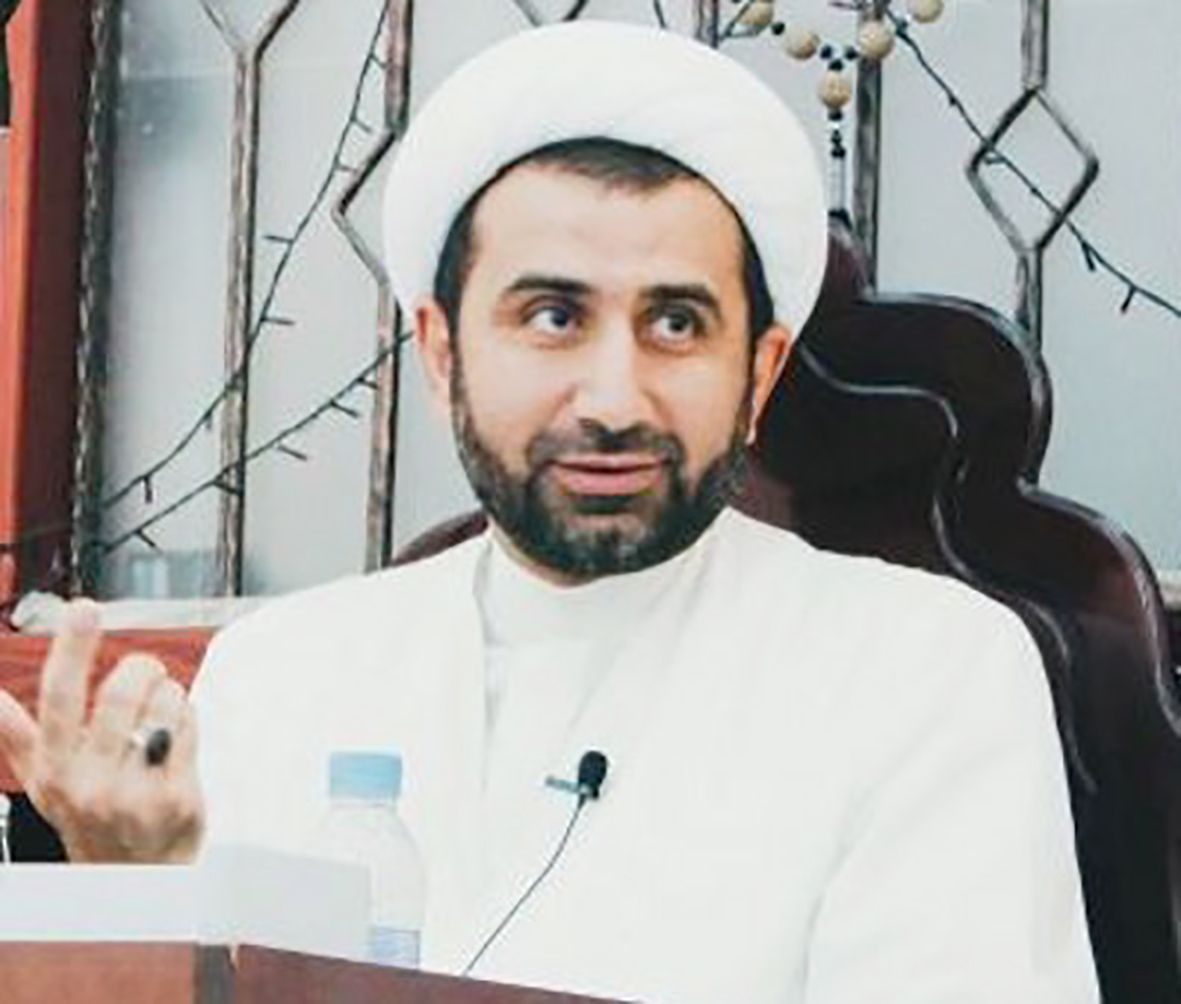 22 February 2016 – The Bahraini authorities deported Sheikh Mohammed Hasan Ali Husain (Khojasta) following the court of appeal’s decision. Sheikh Khojasta is one of the more than 100 Bahrainis whose citizenship was revoked by a Ministry of Interior’s’ administrative decision. The Bahrain Center for Human Rights (BCHR), the European Centre for Democracy and Human Rights (ECDHR), Bahrain Institute for Rights and Democracy (BIRD) and Justice Human Rights Organization (JHRO) and Americans for Democracy and Human Rights in Bahrain (ADHRB) strongly condemn the deportation of Sheikh Khojasta and express deep concern over the imminent deportation of other Bahrainis who have been arbitrarily denaturalized by the Government of Bahrain.
In January 2015, the Bahraini authorities issued an administrative decision revoking the citizenship of Sheikh Khojasta and 71 other Bahrainis. Many of those thus denaturalized were members of civil society, including human rights activists, journalists, political exiles, and religious and opposition figures. In its statement, the Ministry of Interior cited revoking their citizenship as a punishment for allegedly committing “illegal acts,” including, among others, “defaming the image of the state, inciting against the state and spreading false news to hinder the rules of the constitution,” as well as “defaming brotherly countries.” None of those individuals were charged or brought to court for these allegations.
Shortly after the decision, Sheikh Khojasta was summoned to the criminal court and charged with “illegal residency.” In May 2015, the court ordered his deportation and fined him BHD100; the court of appeals upheld the deportation order on 18 February 2016. On 21 February, Bahrain’s Directorate of Immigration, Passport, and Citizenship summoned Sheikh Khojasta to inform him that he was under arrest and that the execution of his sentence was imminent. He was later deported from Bahrain to Lebanon.
This is not the first time that the Government has arbitrarily exiled Shia leaders. Similarly, in 2014, the Bahraini authorities forcibly deported another Shia cleric, Sheikh Hussein Najati. Sheikh Najati had his citizenship rescinded by an administrative decision in 2014. Currently, at least ten stateless Bahrainis are at risk of deportation by the Bahraini authorities.
In 2014, the Government of Bahrain amended its citizenship and anti-terrorism laws to allow for the denaturalization of persons convicted of terrorism-related offenses, broadly defined in Bahrain to include activities protected by the international human rights of free expression and assembly. In August 2014, a Bahraini court issued the first denaturalization sentence, revoking the citizenship of eight individuals. Since then, Bahraini authorities have revoked the citizenship of a total of 260 Bahraini citizens, either through administrative decisions or by court order. In the majority of these cases, defendants were subjected to torture and subjected to significant violations of their rights to due process and fair trial.
The majority of those stripped of citizenship have also been rendered stateless. Stateless persons have no recognised rights in Bahrain, and their ability to obtain and retain housing, employment, legal representation, banking facilities and medical aid are all severely constricted. Bahrain has breached article 15 of the Universal Declaration for Human Rights, which protects the right to a nationality and states that “no one shall be arbitrarily deprived of his nationality.”
We, the undersigned NGOs, consider the acts of citizenship revocation and the deportation of Sheikh Khojasta to be a tool of intimidation used by the government of Bahrain to silence dissent and further restrict the exercise of free expression and assembly.
We therefore call on the government of Bahrain to immediately:
- Allow Sheikh Mohammed Khojasta to return to Bahrain;
- Reinstate the nationality of all those whose citizenship was arbitrarily revoked on politically-motivated grounds since 2011, including that of Sheikh Mohammed Khojasta; and
- Accede to the 1954 Convention relating to the Status of Stateless Persons and to the 1961 Convention on the Reduction of Statelessness.
8 February 2016 – In the five years since the ‘Arab Spring’ uprising, which began on 14 February 2011, the stripping of citizenship has emerged as one of the most disturbing methods used to silence dissent. The first exercise of this power was in November 2012, when the Minister of Interior revoked the nationality of 31 opposition activists, ex-MPs and members of civil society. Many of them were rendered stateless, and in 2014 ten of them were ordered for deportation.
Since then, the Minister of Interior’s powers have been formalised and the criminal courts have also been empowered to strip citizenship, under July 2014 amendments to the 1963 Citizenship Law. Persons can be stripped of citizenship for being security threats and if found “guilty” on terrorism charges. Bahrain’s unfair trial system, which relies heavily on confessions, lends itself to torture, the practice of which remains systematic.
In all, 260 persons have had their citizenship stripped. 208 of them lost their citizenship in 2015 alone. The majority of them will have been rendered stateless. Those made stateless can no longer renew their national ID cards. They cannot be legally employed, or registered in hospitals. They cannot renew their banking information and may be at risk of losing government-provided housing. Ten of the Bahrainis stripped of citizenship in 2012 were found guilty of illegal residency in 2014 and ordered to leave the country.
In 2014, the criminal courts exercised their new powers a few times, but it was in 2015 that the punishment became a common occurrence. The first and fourth criminal courts revoked the nationalities of 134 defendants in ten criminal cases. The largest such case, on 11 June 2015, saw 56 persons stripped of citizenship. November 2015 witnessed the heaviest court activity, with four separate case in which 31 persons were stripped of citizenship. Five persons stripped of citizenship were also sentenced to death.
In January 2015, the Minister of Interior exercised his powers again and revoked the nationality of 72 people. This remains the single largest act of its kind to date. Approximately 50 of those stripped of citizenship were from Bahrain’s civil society, many of them exiles, and included human rights activists, journalists, political activists and religious figures. Sending a deeply troubling message, the remainder, approximately 20 individuals, are known or suspected members of Al Qaeda and the Islamic State in Iraq and Syria. To the Government of Bahrain, peaceful civil society is equated to terrorism.
BIRD strongly condemns all unfair exercise of the revocation of nationality, by both the Minister of Interior and the courts, and especially in cases where persons are rendered stateless. The stripping of citizenship of persons sentenced to death is particularly shocking, especially where there is reasonable risk that the individuals were tortured. We call on the Government of Bahrain to amend the Citizenship and Anti-Terrorism laws which allow the stripping of citizenship, to strengthen accountable oversight over such a process, and to reinstate the nationality of all persons rendered non-Bahraini for political reasons.
To mark the 5th anniversary of the 14 February 2011 protests, BIRD is publishing our documentation on the persons stripped of citizenship. Below is every person known to have been stripped of citizenship, their case, and their sentences.
Read the accompanying documentation, which features further information on each particular case and the persons involved.
Read our Director of Advocacy’s opinion on the practice.
Infographic: 5 Step Guide to Revoking Citizenship in Bahrain
Infographic: Timeline of Revoked Citizenships
31 December 2015: Demistan Case
| No. | Full Name | Sentence |
| 1 | Hussein Abdulla Khalil Ebrahim | Death |
| 2 | Ahmed Isa Abdulhussein Hussein | Life |
| 3 | Mohsin Ebrahim Ali Al-Majed | Life |
| 4 | Ahmed Mohammad Ahmed Fallah | Life |
| 5 | Jassem Mohammad Rashed Khalil Ebrahim | Life |
| 6 | Mohammad Hassan Mohammad Mahfooz | Life |
| 7 | Mohammad Abdullah Mohammad Kathem | Life |
| 8 | Jafar Abdullah Jafar Al-Dhaif | Life |
| 9 | Mohammad Abdullah Jafar Al-Dhaif | Life |
| 10 | Hussain Mohammad Ahmed Fallah | Life |
| 11 | Mujtaba Aqeel Ebrahim Al-Majed | Life |
| 12 | Mohammad Aqeel Ebrahim Al-Majed | Life |
| 13 | Hassan Ebrahim Ali Makki | Life |
| 14 | Mohammad Saeed Ahmed Hassan Salim | Life |
| 15 | Mohammad Saleh Hassan Makki | Life |
| 16 | Ahmed Mohammad Abdullah Mohammad | Life |
| 17 | Ali Ebrahim Kathem Ebrahim | Life |
| 18 | Abdulla Nasser Mohammad Abdulwahhab | Life |
| 19 | Mohammad Habib Hilal Ahmed Yousif | Life |
| 20 | Ahmed Mohammad Habib Mohammad | Life |
| 21 | Ali Mohammad Habib Mohammad | Life |
| 22 | Mohammad Jafar Mohammad Al-Demistani | Life |
| 23 | Mohammad Habib Abdulaziz Mohammad | Life |
29 December 2015: Criminal Case
| No. | Full Name | Sentence |
| 24 | Name Unknown | 5 |
| 25 | Name Unknown | 10 |
23 November 2015: Criminal Case
| No. | Full Name | Sentence |
| 26 | Mohammad Jawad Sabah Abdulmohsin | 15 |
| 27 | Hassan Sabah Abdulmohsin Mohammad | 15 |
| 28 | Sayed Ali Nezar Alawi Hassan | 15 |
| 29 | Mohammad Jawad Ebrahim Ali | 10 |
| 30 | Hussain Hilal Ahmen Al-Zaki | 10 |
| 31 | Ali Abdulshaheed Ali Yousif Al-Singace | 10 |
| 32 | Hassan Ahmed Kathem Hassan | 10 |
| 33 | Sayed Mohammad Salman Mahdi Mohsin Al-Musawi | 10 |
| 34 | Sayed Ahmed Salman Mahdi Mohsin Al-Musawi | 10 |
| 35 | Hassan Mohammad Ali Al-Zaki | 10 |
| 36 | Mohammad Ebrahim Mulla Ahmed | 10 |
| 37 | Jassem Yaqoub Yousef Mohammad | 10 |
| 38 | Jassem Mousa Jafar | 10 |
15 November 2015: Criminal Case
| No. | Full Name | Sentence |
| 39 | Hassan Sabah Abdul Mohsin | Life |
| 40 | Jafar Ali Matooq | Life |
| 41 | Ahmed Matooq Ebrahim | Life |
| 42 | Ahmed Saeed | Life |
| 43 | Sayed Alawi Taleb | Life |
| 44 | Sayed Mohammad Saeed | Life |
| 45 | Sayed Mahdi Sayed Hayder | Life |
| 46 | Rida Khalil Jafar | Life |
| 47 | Hassan Idris | Life |
| 48 | Ali Abdulamir | Life |
| 49 | Hussein Zaki Al-Madoob | Life |
| 50 | Sayed Mahdi Hussain Ni’ma | Life |
9 November 2015: Criminal Case
| No. | Full Name | Sentence |
| 51 | Jafar Jassim Majid Habib | 10 |
| 52 | Ebrahim Mohammad Al-Farhood | 10 |
5 November 2015: Criminal Case
| No. | Full Name | Sentence |
| 53 | Ahmed Al Sayed Hussein Sharaf | Life |
| 54 | Ali Abdul Hussein Ali Ahmed | Life |
| 55 | Fadhel Abbas Ali Isa | Life |
| 56 | Sadiq Khalil Ebrahim Al-Hayaki | Life |
| 57 | Jassim Ahmed Abdullah | Life |
11 June 2015: Bani Jamra Case
| No. | Full Name | Sentence |
| 58 | Habib Abdulla Ali | Life |
| 59 | Ahmad Jafar Mohammad | 10 |
| 60 | Sadiq Abdulla Isa Abdulla Al-Ghusra | 15 |
| 61 | Ahmed Mohammad Saleh Al-Arab | Life |
| 62 | Sayed Mustafa Amin Ebrahim Ismael | 15 |
| 63 | Jameel Mohammad Hussain Al-Jamri | Life |
| 64 | Ali Abdulamir Ali Hassan Khamis | 15 |
| 65 | Kathim Abdulla Jafar Kathim | 15 |
| 66 | Hassan Abdulla Isa Abdulla Al-Ghusra | 15 |
| 67 | Wa’il Mohammad Hussein Mohammad Ahmed | 15 |
| 68 | Hussain Jafar Ali Fateel | 15 |
| 69 | Hussain Ali Hussain Ahmed | 15 |
| 70 | Ali Abdulwahid Ebrahim Khalil Parweez | 15 |
| 71 | Jafar Hussain Mohammad Isa Adam | 15 |
| 72 | Mahmud Mohammad Ali Musa | 15 |
| 73 | Yassin Abdulwahid Yousif Idris Al-Ghanimi | Life |
| 74 | Majid Mohammad Jassim Ahmed Al-Dilal | 10 |
| 75 | Habib Ali Habib Allawi | 10 |
| 76 | Yasser Abdulla Isa Abdulla Al-Ghusra | 10 |
| 77 | Ayman Abdulla Isa Abdulla Al-Ghusra | 10 |
| 78 | Mustafa Ali Jafar Mohammad Jafar Al-Jamri | 10 |
| 79 | Hussain Jafar Abdulrida Jafar Mohammad | 10 |
| 80 | Jawad Abdulla Al-Arab | 15 |
| 81 | Ali Taher Jafar Al-Shamimi | 10 |
| 82 | Ali Ahmed Ebrahim Ali Haroun | 10 |
| 83 | Hussein Mahdi Hassan Saeed | 10 |
| 84 | Ali Mahdi Hassan Saeed | 10 |
| 85 | Mujtaba Jafar Ali Ahmed Fateel | 10 |
| 86 | Ahmed Abdulla Ali Mulla Al-Arab | 10 |
| 87 | Hussain Isa Mohammad Adam | 10 |
| 88 | Ammar Hussein Mohammad Isa Adam | 10 |
| 89 | Hussein Abduljameel Hussein Ali Abdulrasool | 10 |
| 90 | Jafar Mohammad Jassim Al-Dalal | 15 |
| 91 | Yassin Mohammad Jassim Al-Dalal | 10 |
| 92 | Hassan Mohammad Hussein Ali | 10 |
| 93 | Hussein Ali Mohammad Fardan | 10 |
| 94 | Hussain Ali Bashar | 10 |
| 95 | Taher Mohammad Habib Al-Ghanimi | 10 |
| 96 | Jaber Mohammad Taher Habib Al-Ghanimi | 10 |
| 97 | Ebrahim Mohammad Taher Habib | 10 |
| 98 | Sadiq Jafar Ali Hussain Al-Asfoor | 15 |
| 99 | Ali Mohammad Salman Mohammad | 15 |
| 100 | Hussain Ahmed Mohsin Ali | 15 |
| 101 | Ahmed Mohammad Saleh Jassim | 15 |
| 102 | Ali Ahmed Mohsin Ali | 15 |
| 103 | Mohammad Jafar Abdulla Hassan | 15 |
| 104 | Mohammad Jafar Abdulrahman Mansoor Al-Kathim | 15 |
| 105 | Jafar Mohammad Jafar Mohammad Saleh | 15 |
| 106 | Saleh Jafar Kathim Yousif Kathim | 10 |
| 107 | Sayed Ali Amin Ibrahim Ismail | 15 |
| 108 | Isa Abdulla Isa Al-Sarah | 10 |
| 109 | Ali Mohammad Jafar | 10 |
| 110 | Sadiq Hussain Ni’ma Ebrahim | 10 |
| 111 | Sadiq Maki Jassim Mohammad Jassim | 10 |
| 112 | Mohammad Abdullah Ebrahim Abbas Hassan | 10 |
| 113 | Ali Jalal Jafar Ali Ahmed | 13 |
29 April 2015: Ekir Case
| No. | Full Name | Sentence |
| 114 | Salman Isa Ali | Death |
| 115 | Isa Musa Abdulla | Life |
| 116 | Ali Maki Ali | Life |
| 117 | Abdulla Abduljalil Abdulla | Life |
| 118 | Abdulhadi Ali Hassan | Life |
| 119 | Yousif Abdulla Al-Natay | Life |
| 120 | Abdulamir Hassan Radi | Life |
| 121 | Hassan Abdulla Habib | Life |
| 122 | Jafar Abdulamir Jafar | 10 |
| 123 | Jafar Yousif Ahmad | 10 |
| 124 | Hussain Abdullatif Mansoor | 10 |
| 125 | Hassan Ahmed Mohammad | 10 |
23 April 2015: Sanabis Case
| No. | Full Name | Sentence |
| 126 | Hani Ahmed Marhoon | 15 |
| 127 | Ibrahim Ahmed | 15 |
| 128 | Ahmed Naim Ahmed | 15 |
26 February 2015: Daih Case
| No. | Full Name | Sentence |
| 129 | Ali Abdulshaheed Al-Singace | Death |
| 130 | Sami Mirza Mushaima | Death |
| 131 | Abbas Jamil Taher Mohammad Al-Sameea | Death |
| 132 | Ahmed Jaffar Mohammad | Life |
| 133 | Ali Jameel Taher Mohammad Al-Sameea | Life |
| 134 | Taher Yousif Ahmed Mohammad Al-Sameea | Life |
| 135 | Hussain Ahmed Rashed Khalil | Life |
| 136 | Rida Mirza Mushaima | Life |
31 January 2015: Ministerial Order
| No. | Full Name |
| 137 | Mohammed Hassan Ali Hussain |
| 138 | Farahat Khursheed Afrah Khursheed |
| 139 | Masood Mirza Jaffar Jahrami |
| 140 | Hussain Khairallah Mohammed Mahdi |
| 141 | Ali Asfandiyar Khadad Mohammed |
| 142 | Safa Al Dhawi Al-Adawi |
| 143 | Sayed Ahmed Mustafa Mohammed Al-Wadai |
| 144 | Sayed Qassim Majeed Ramadan Alawi |
| 145 | Ibrahim Ali Ibrahim Al-Aradi |
| 146 | Ibrahim Ali Hassan Al-Madhoon |
| 147 | Ishaq Faheem Ishaq Abdulrahman |
| 148 | Ahmed Jaffar Mohammed Ali |
| 149 | Ahmed Rashid Hameed Al-Jabri |
| 150 | Ahmed Ridha Mashaallah Shakeeb |
| 151 | Ahmed Mohammed Ali Saleh |
| 152 | Ayoub Mohammed Mustafa Al-Murbati |
| 153 | Turki Mubarak Abdullah Al-Binali |
| 154 | Jaffar Ahmed Hassan Al-Aal |
| 155 | Jaffar Ahmed Abdullah Salman |
| 156 | Jaffar Yahya Ali Hussain |
| 157 | Habib Abdullah Hussain Al-Jamri |
| 158 | Hassan Ahmed Abdullah Sulaiman |
| 159 | Hassan Abdullah Isa Al-Ghasra |
| 160 | Hassan Abdulnabi Hassan Ali |
| 161 | Hassan Ali Mohammed Juma Sultan |
| 162 | Hussain Jassim Ahmed Al-Hadad |
| 163 | Hussain Yousif Mohammed Jassim |
| 164 | Hamad Mubarak Juma Habib |
| 165 | Khalid Mohammed Abdullah Ali Al-Mannai |
| 166 | Daij Khalifa Abdullah Al-Thawadi |
| 167 | Rashid Ahmed Rashid Al-Rashid |
| 168 | Sami Ahmed Hamad Al-Mannai |
| 169 | Salman Ibrahim Mohammed Ali |
| 170 | Salman Abdullah Darweesh Abdullah |
| 171 | Salman Alyan Turki Al-Ashban |
| 172 | Saber Ali Ahmed Al-Salatna |
| 173 | Dhafer Salah Ali Saleh |
| 174 | Obada Adel Hassan Hamad |
| 175 | Abbas Hassan Ali Abusafwan |
| 176 | Abdulamir Jaffar Rashid Al-Aradi |
| 177 | Abdulaziz Nazar Ali Al-Jowder |
| 178 | Abdulghani Isa Ali Al-Khanjar |
| 179 | Abdullah Ibrahim Ahmed Al-Saleh |
| 180 | Abdullah Abdulrahim Abdullah Fakhro |
| 181 | Aqeel Ahmed Ali Mahfoodh |
| 182 | Aqeel Jaffar Ahmed Ridha |
| 183 | Ali Ahmed Ali Abdullah Al-Dairi |
| 184 | Ali Hassan Abdulrahman Fakhro |
| 185 | Ali Hassan Abdullah Abdulimam |
| 186 | Ali Mubarak Abdullah Al-Binali |
| 187 | Ali Mahmood Jaffar Al-Kharaz |
| 188 | Ammar Ahmed Ali Saqer Al-Atawi |
| 189 | Omar Jassim Mohammed Buzaboon |
| 190 | Omar Abdullah Mohammed Ali Al-Qahtani |
| 191 | Isa Abdullah Isa Al Sarh |
| 192 | Kareem Isa Ali Al Mahroos |
| 193 | Maher Othman Saleh Abadi |
| 194 | Mohammed Ali Ahmed Al-Tal |
| 195 | Mohammed Isa Yousif Saqar Al-Binali |
| 196 | Mohammed Mubarak Abdullah Al-Binali |
| 197 | Mahmood Nasser Juma Mushaima |
| 198 | Murtadha Majeed Ramadan Al-Sindi |
| 199 | Muhanad Yousif Hussain Al-Harmi |
| 200 | Maytham Omran Hussain Al-Jamri |
| 201 | Mirza Mohammed Ali Ramadan |
| 202 | Naji Ali Naji Qassim Al-Ruqaimi |
| 203 | Nawaf Mohammed Ahmed Saif |
| 204 | Yasser Abdulhussain Ali Al-Sayegh |
| 205 | Yasser Abdullah Isa Al-Ghusra |
| 206 | Yahya Ali Yahya Al-Hadid |
| 207 | Yousif Ahmed Hamad Abdullah Al-Mannai |
| 208 | Yousif Omran Jassim Omran |
20 November 2014: Ekir Case
| No. | Full Name | Sentence |
| 209 | Mohammad Abdulamir Abbas Hassan | 10 |
| 210 | Ahmed Yousif Jassem Ahmed | 10 |
| 211 | Salman Isa Ali Salman | 10 |
29 September 2014: Qarya Case
| No. | Full Name | Sentence |
| 212 | Jassem Ahmed Abdulla Ahmed | Life |
| 213 | Hussein Ahmed Taher Abdulwahhab | Life |
| 214 | Sayed Ali Shubur Sharaf Shubur | Life |
| 215 | Aqeel Abdulrasool Mohammad Ahmed | Life |
| 216 | Hussein Mahdi Mohammad Ebrahim | Life |
| 217 | Ali Sabah Abdulmohsin Mohammad | Life |
| 218 | Sayed Jafar Shubur Sharaf Shubur | Life |
| 219 | Abdulmohsin Sabah Abdulmohsin Mohammad | Life |
| 220 | Mohammad Jawad Sabah Abdulmohsin | Life |
6 August 2014: Criminal Case
| No. | Full Name | Sentence |
| 221 | Hamid Jafar Mohammad | 15 |
| 222 | Nedal Ali Mohammad Isa | 15 |
| 223 | Ali Riyad Hameed Ali Sanqoor | 15 |
| 224 | Hussein Jassem Isa Al-Bana’ | 22 |
| 225 | Sayed Hashem Radi Hassan Majed | 7 |
| 226 | Mohammad Abbas Ebrahim Mahdi | 7 |
| 227 | Ali Hassan Adam Qahir | 7 |
| 228 | Ali Ahmed Al-Asfoor | 7 |
| 229 | Jalal Ali Mohammad Ali | 7 |
6 November 2012: Ministerial Order
| No. | Full Name |
| 230 | Saeed Al-Shehabi |
| 231 | Ebrahim Ghuloom Karimi |
| 232 | Jafar Ahmed Al-Hasabi |
| 233 | Ali Hassan Mushaima |
| 234 | Abdulraouf Al-Shehabi |
| 235 | Mousa Abdali Mohammad |
| 236 | Abbas Abdulaziz Omran |
| 237 | Mohammad Mahmoud Al-Kharraz |
| 238 | Qasim Badr Hashem |
| 239 | Hassan Amir Akbar Sadiq |
| 240 | Sayed Mohammad Ali Al-Mousawi |
| 241 | Abdulhadi Abdulrasoul Ahmed |
| 242 | Alawi Saeed Sayed Sharaf |
| 243 | Hussain Abdulshaheed Hubail |
| 244 | Husain Mirza Abdulbaqi |
| 245 | Khalid Hameed Mansour |
| 246 | Kamal Ahmed Ali |
| 247 | Ghulam Khairallah Mohammadi |
| 248 | Mohammad Ebrahim Hussain Fathi |
| 249 | Sayed Abdulnabi Al Mousawi |
| 250 | Taymour Abdulla Jumaa Karimi |
| 251 | Mohammed Ridha Mortadha Abed |
| 252 | Habeeb Darweesh Ghuloom |
| 253 | Ebrahim Ghuloom Abbas |
| 254 | Mariam Sayyed Ebrahim |
| 255 | Abdulamir Ebrahim Al-Mousawi |
| 256 | Ebrahim Khalil Ghuloom |
| 257 | Ismail Khalil Ghuloom |
| 258 | Adnan Ahmed Ali |
| 259 | Jawad Fairooz Ghuloom |
| 260 | Jalal Fairooz Ghuloom |