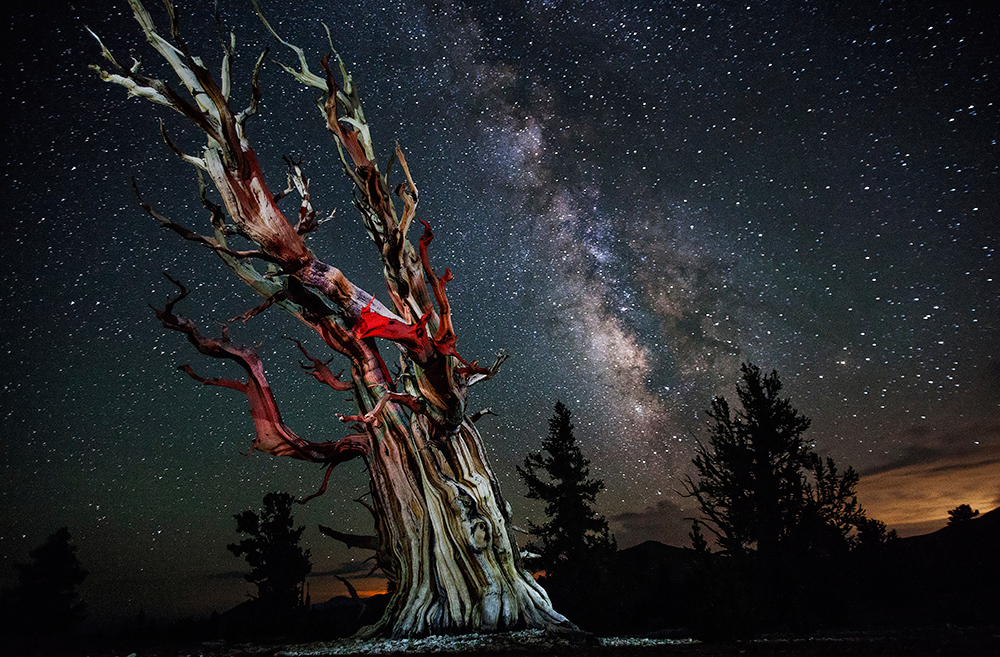
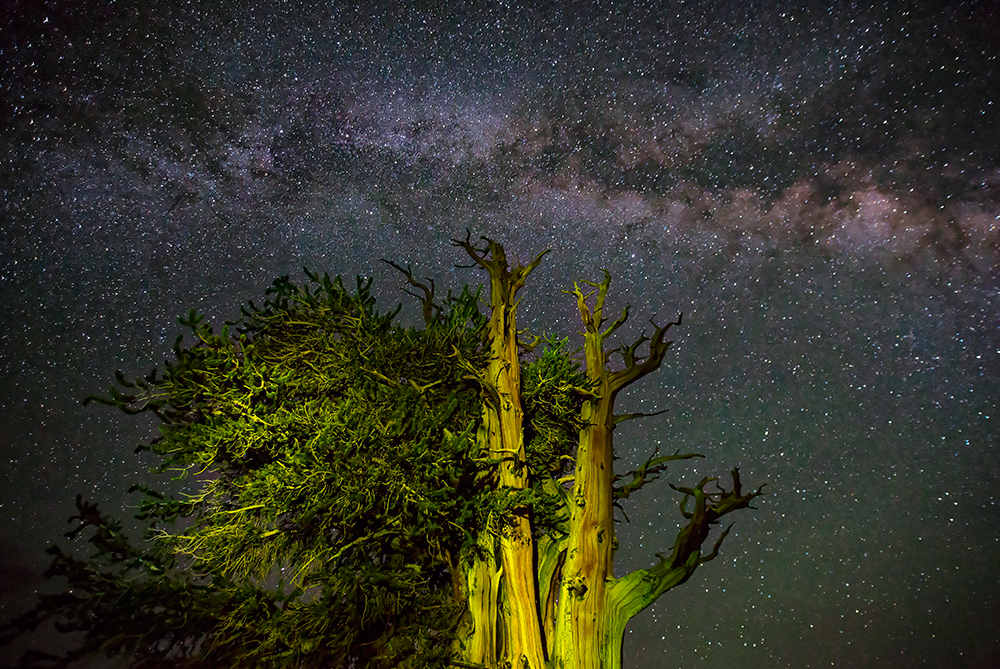
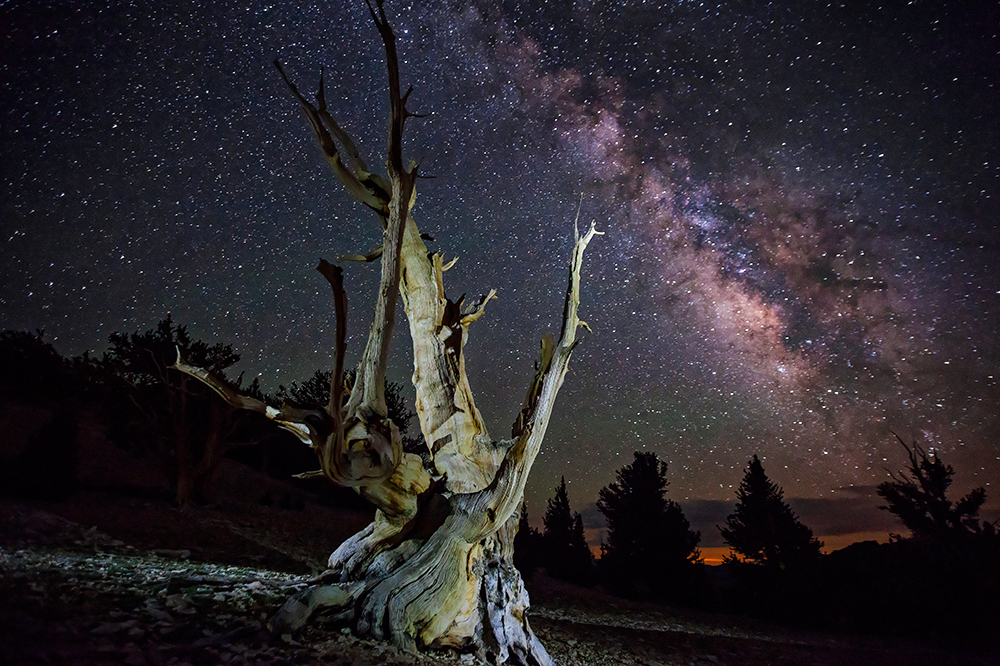
The other bonus is that these trees sit at high elevation with one of the darkest night skies in California.
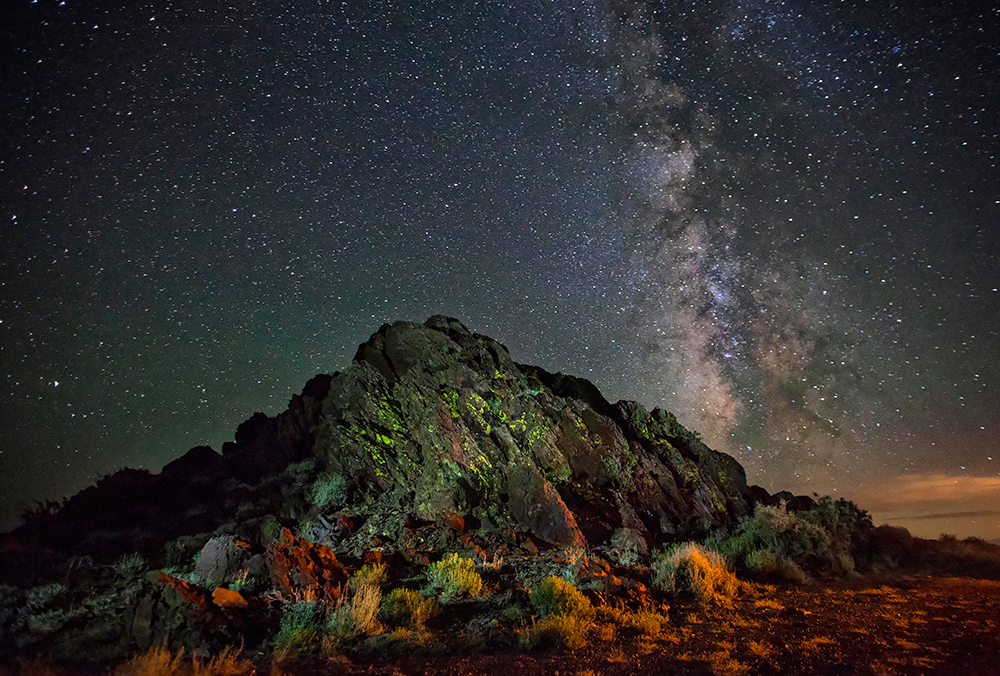
This past weekend, I took the trek up to the forest with fellow photographer Stuart Palley to get shots of the trees (both dead and alive) under a bright Milky Way night sky. I was amazed at how clear the night sky was and just how well the Milky Way showed up on the camera. With the help of an LED flashlight to light the trees and some advance scouting work during the day, we were able to get some pretty neat shots of the trees and surrounding area.
]]>
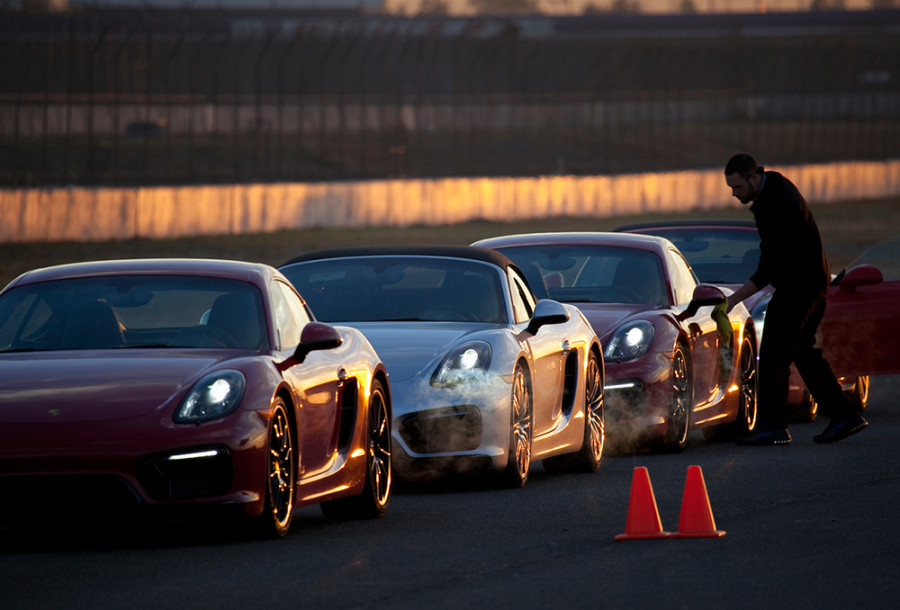
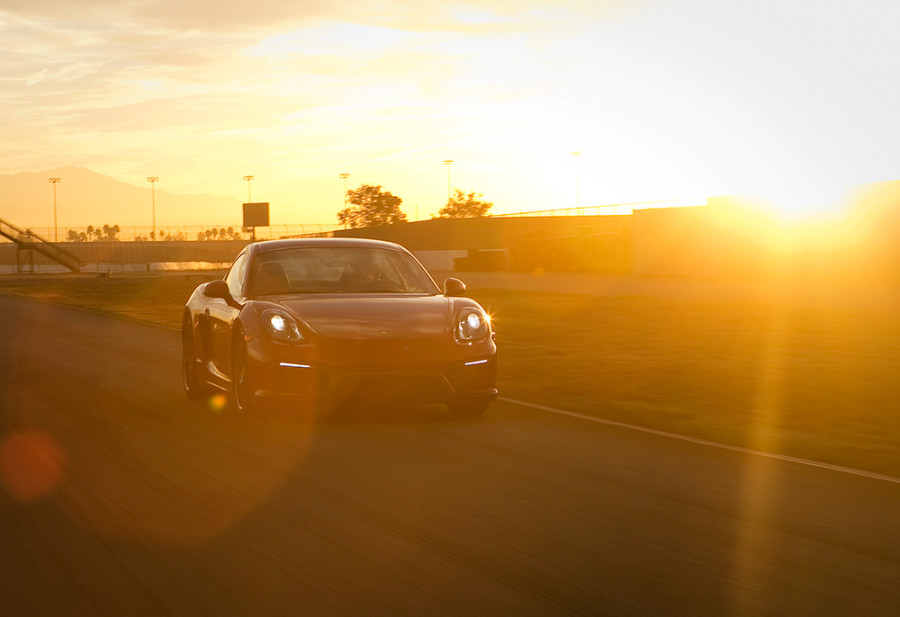
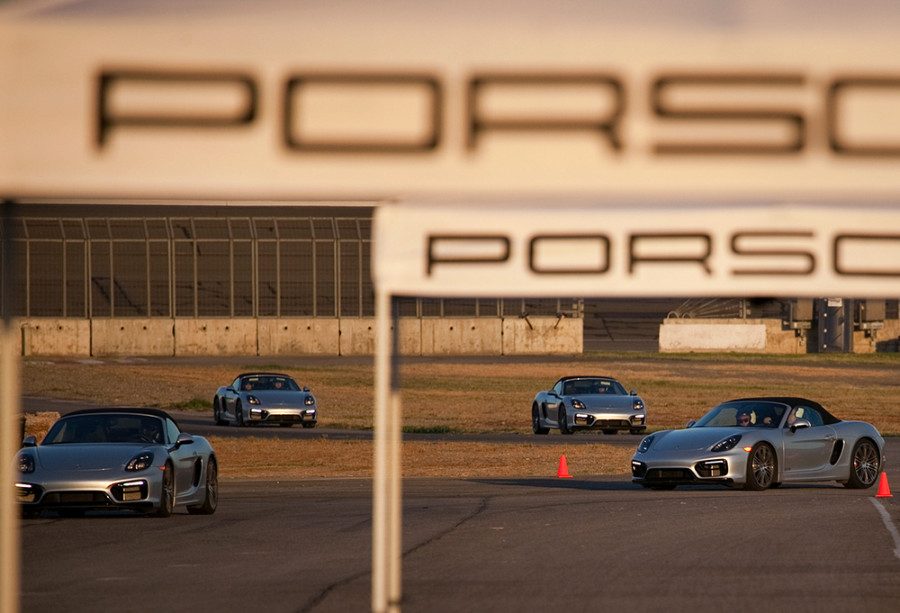
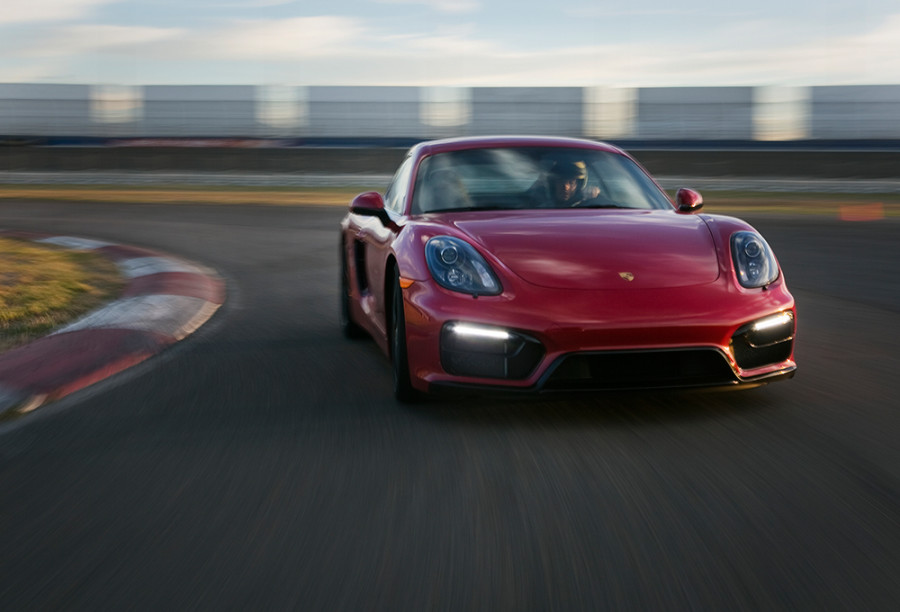
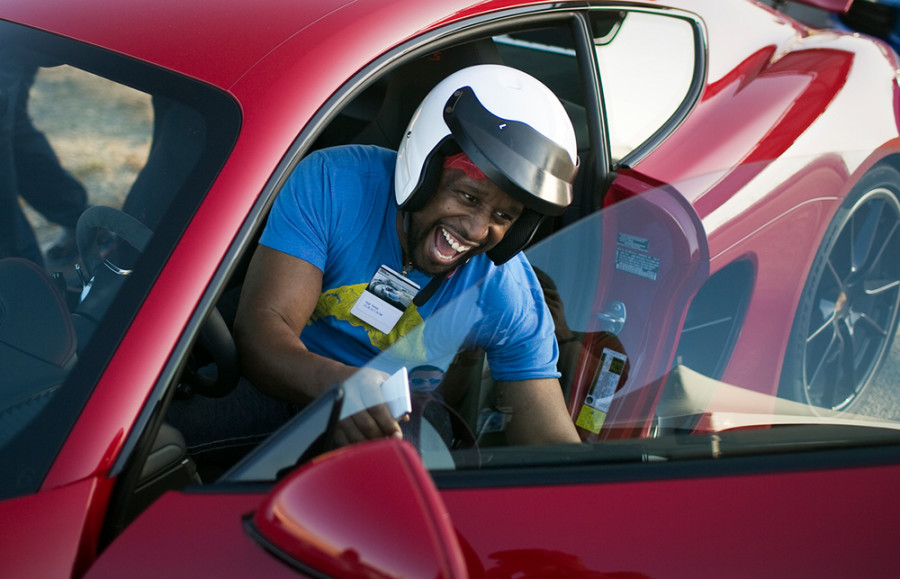
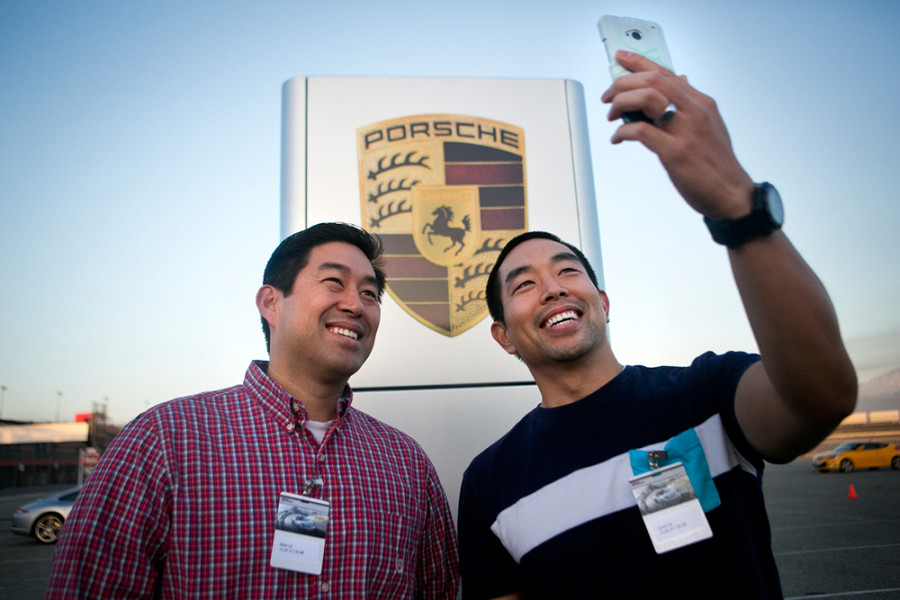
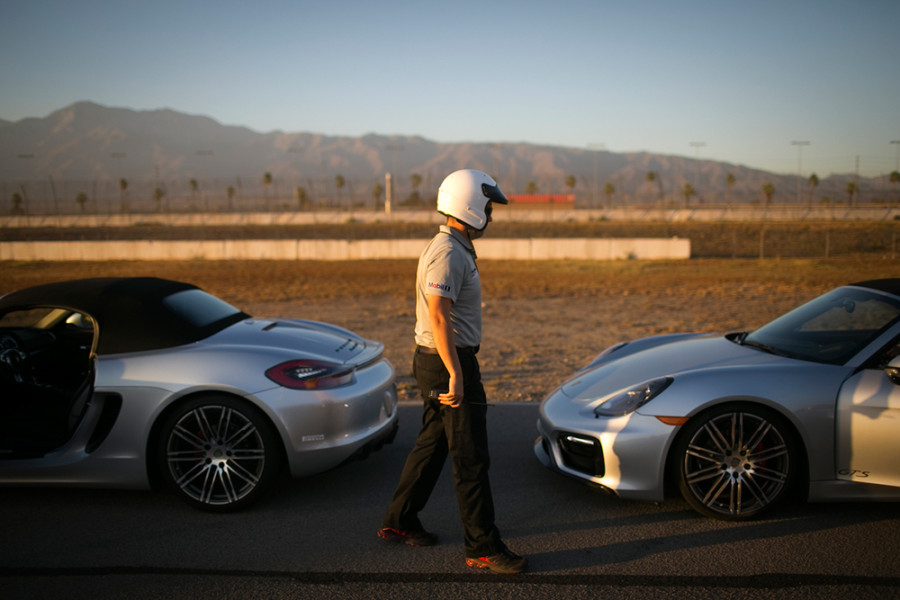
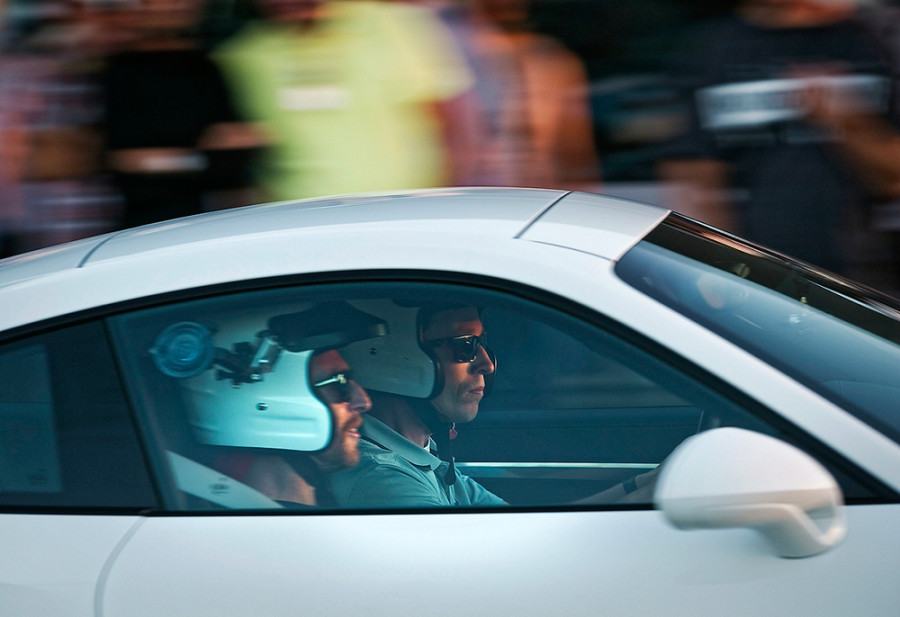
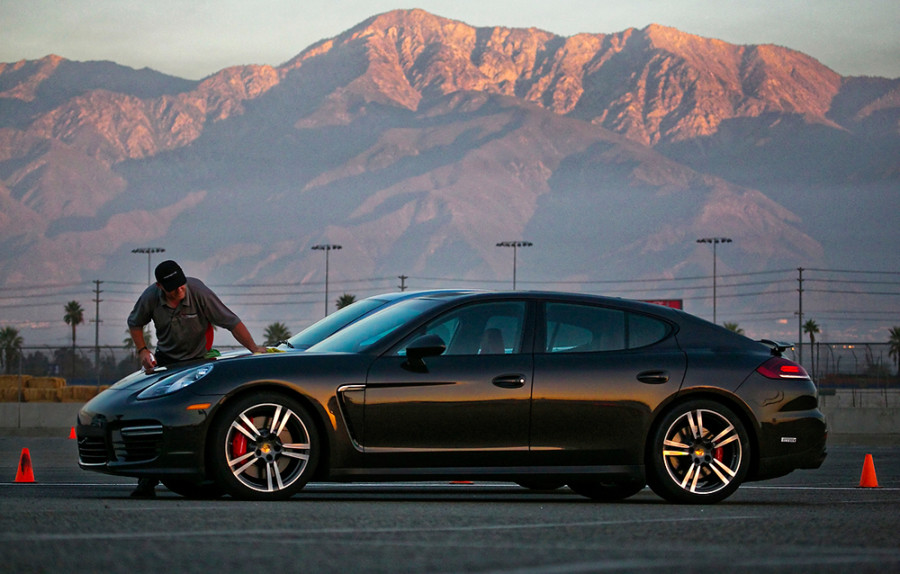
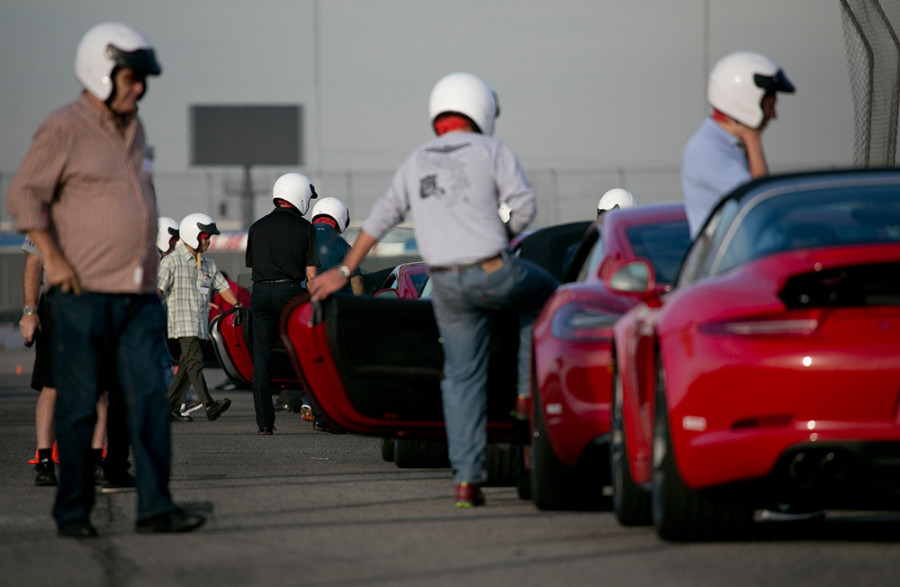
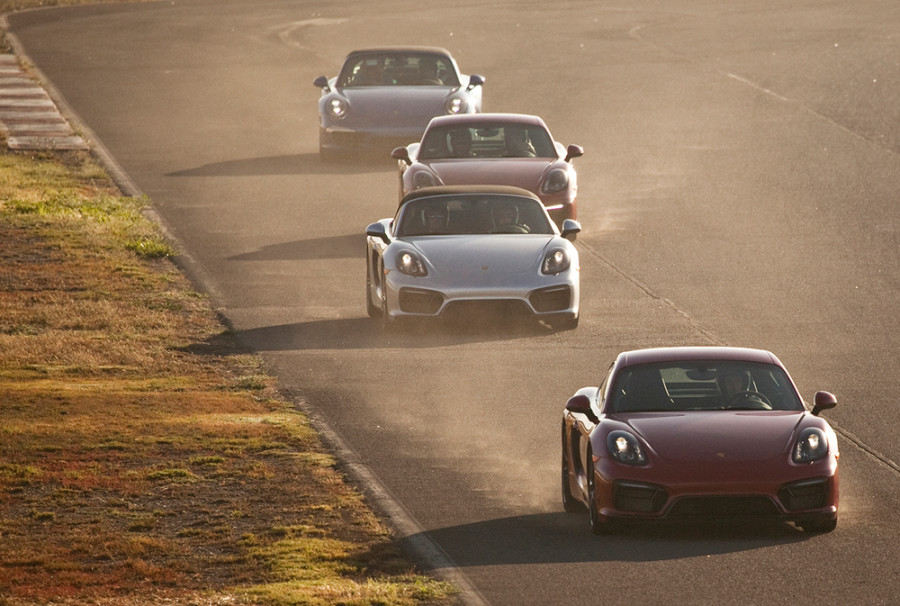
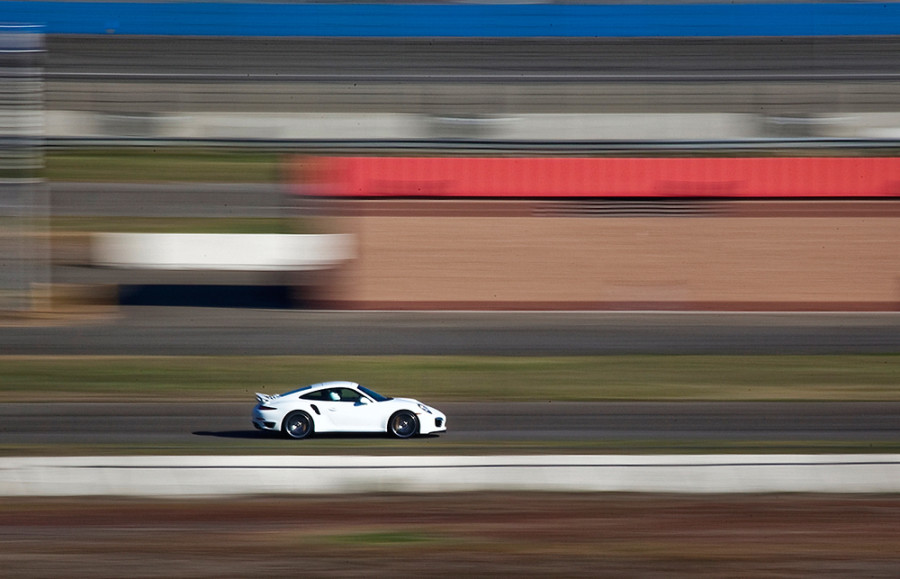
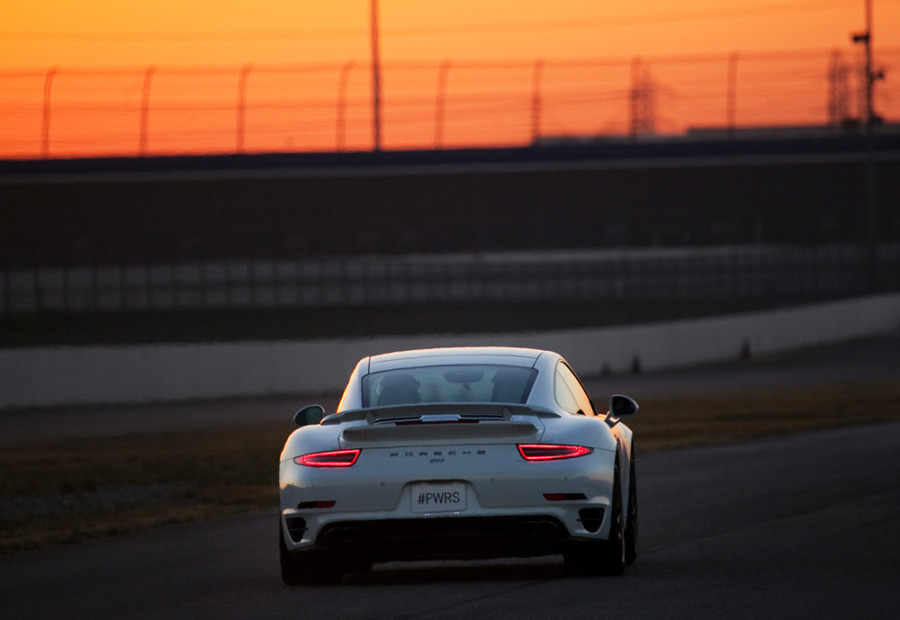
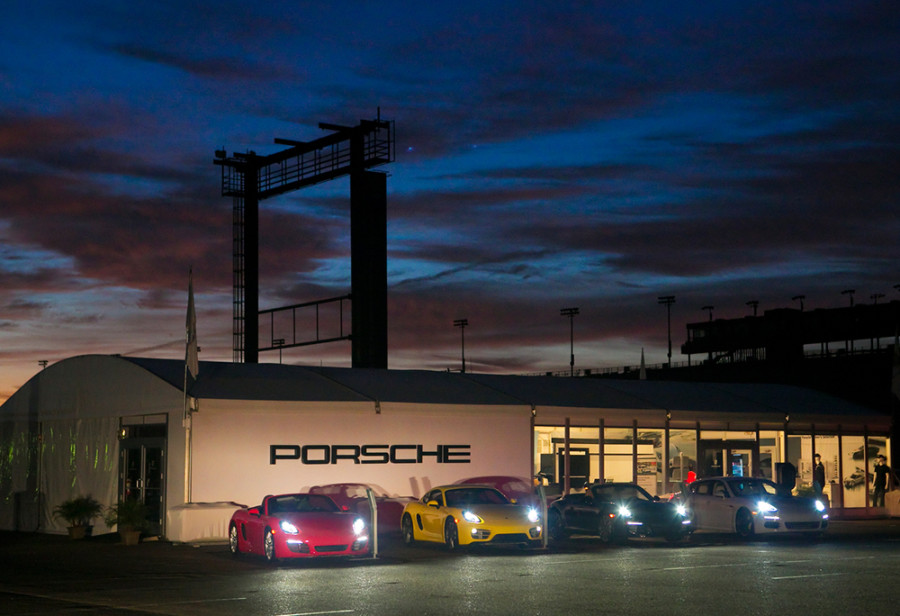
Participants in this event get to take some of Porsche’s best vehicles out on a professional track at speeds you would normally never be able to hit on normal roads (at least legally). That included getting to drive the 911 Targa 4s, Cayman GTS (my personal favorite), and a Boxster GTS at 120mph around the track. The event was topped off by taking hot laps in a Porsche 911 Turbo with a professional driver at speeds of around 140mph.
My assignment was to simply capture “the excitement, scale and access that you can only get at the Porsche World Roadshow.”
Needless to say, it was a fun experience and should Porsche ever decide to leave a Cayman GTS in my driveway, I wouldn’t complain.
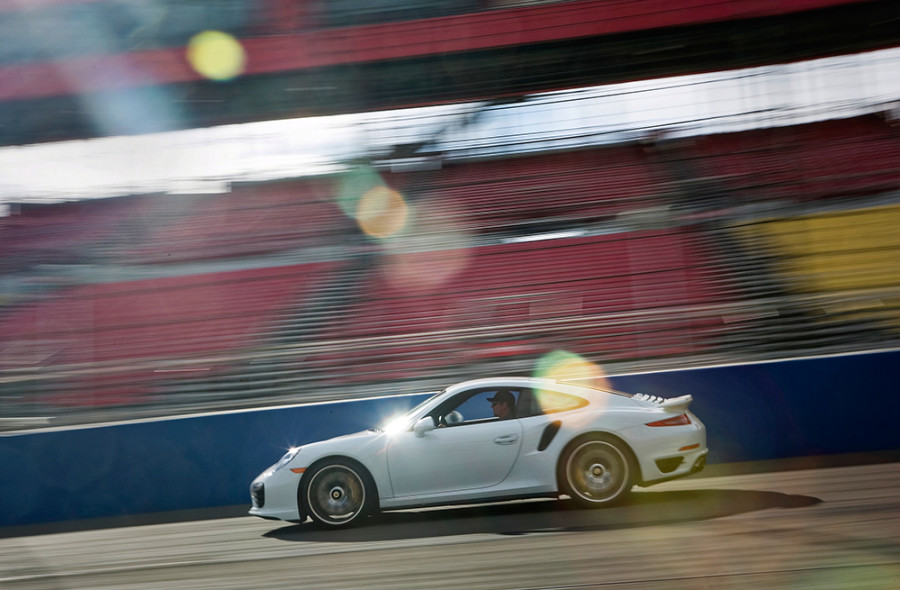
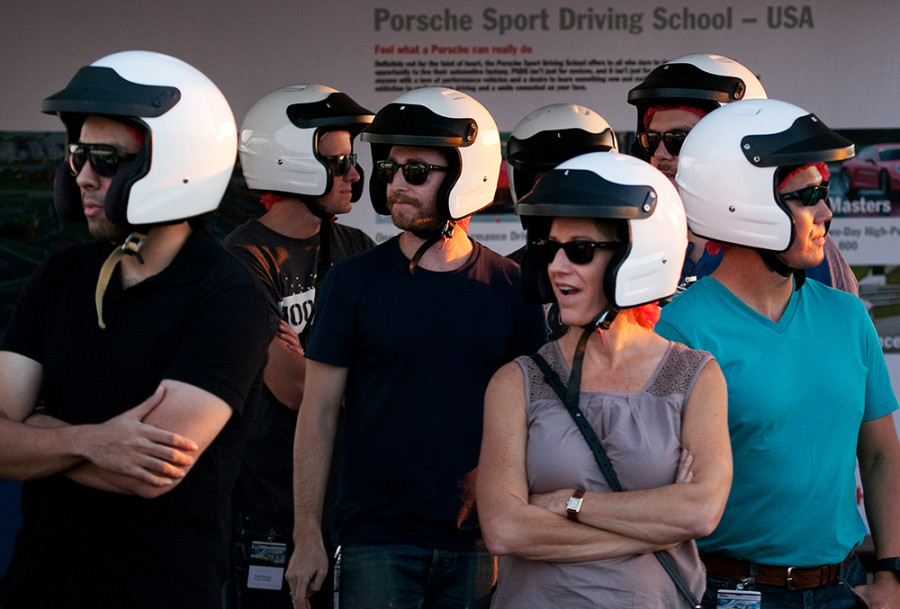
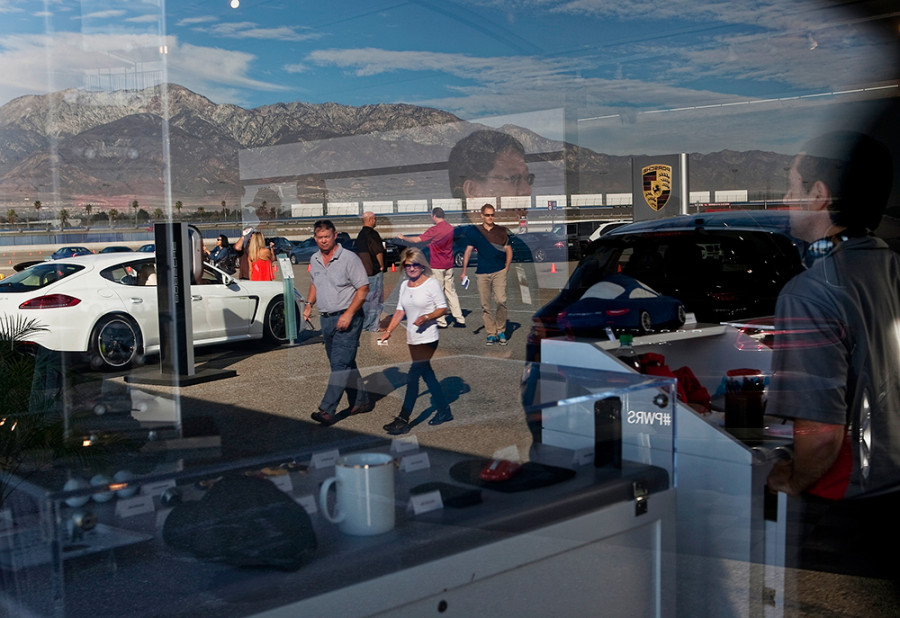
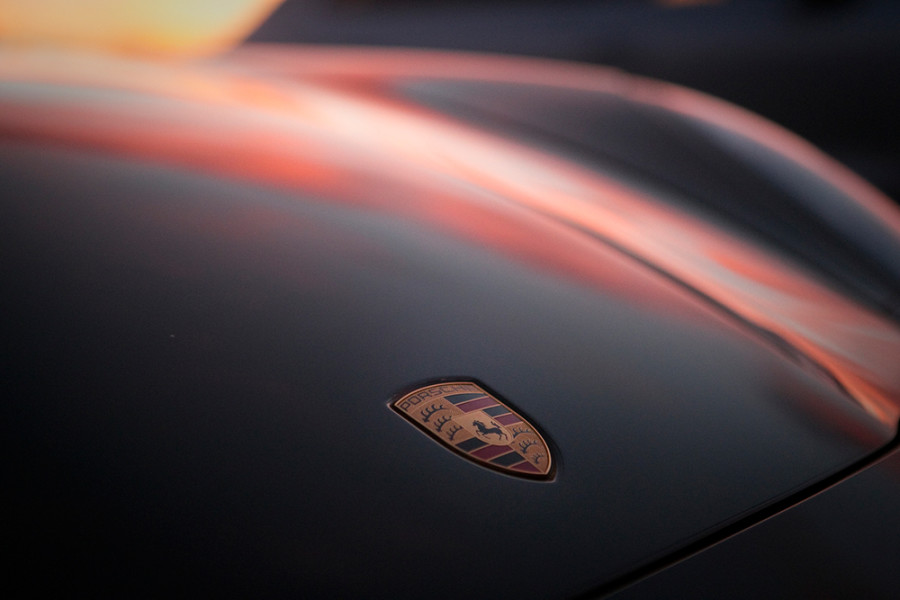
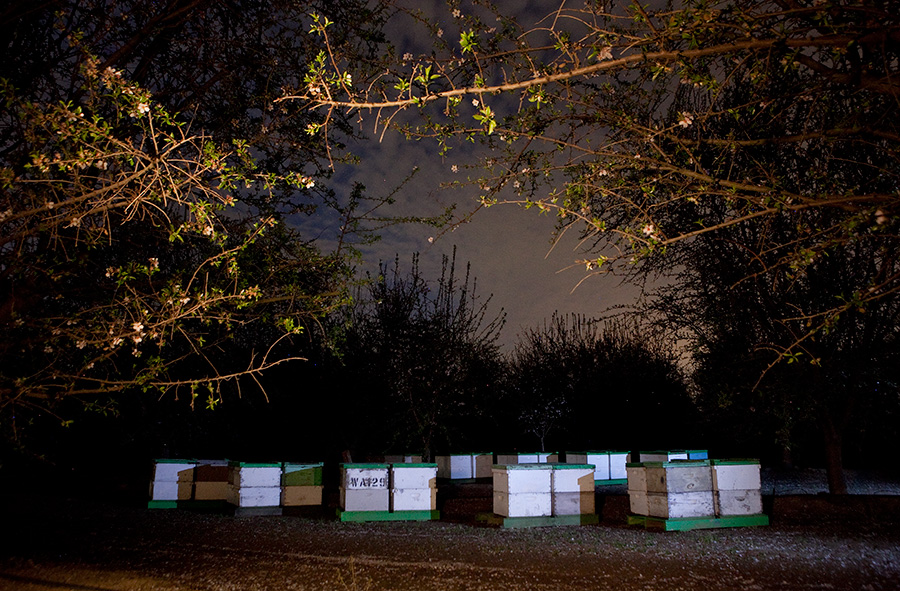
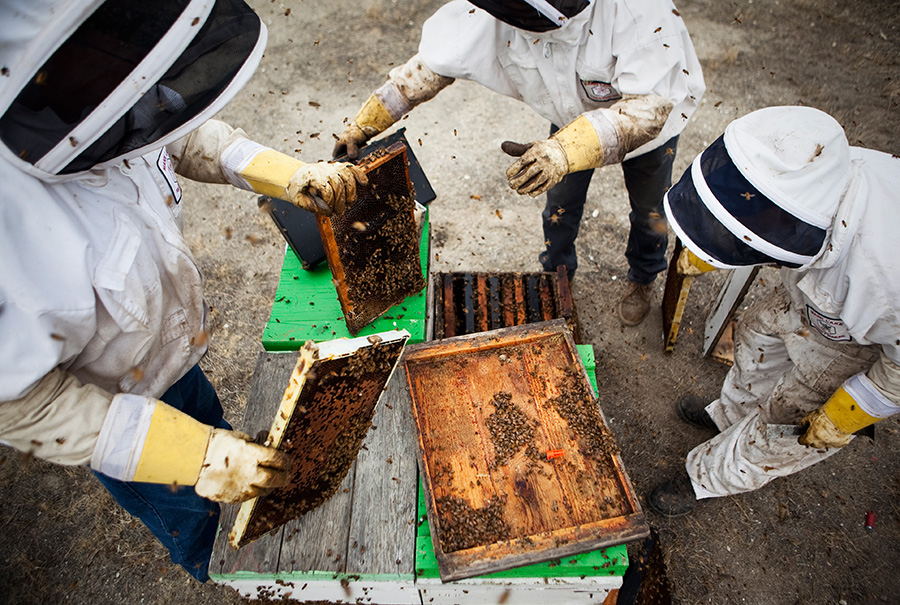
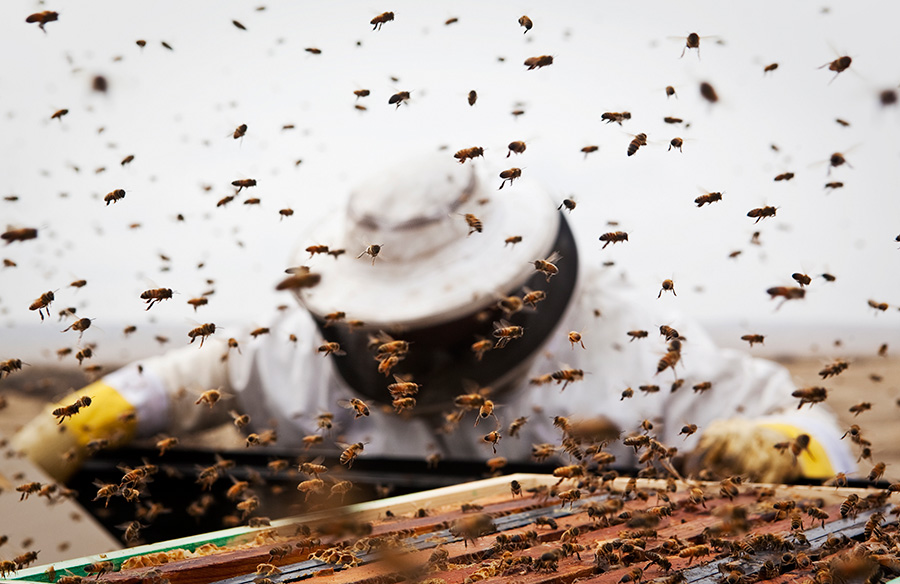
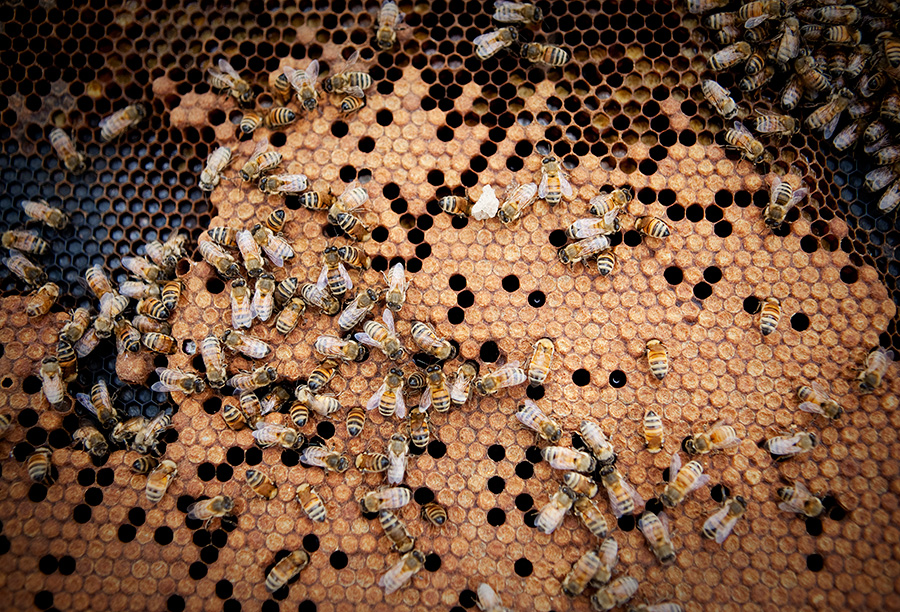
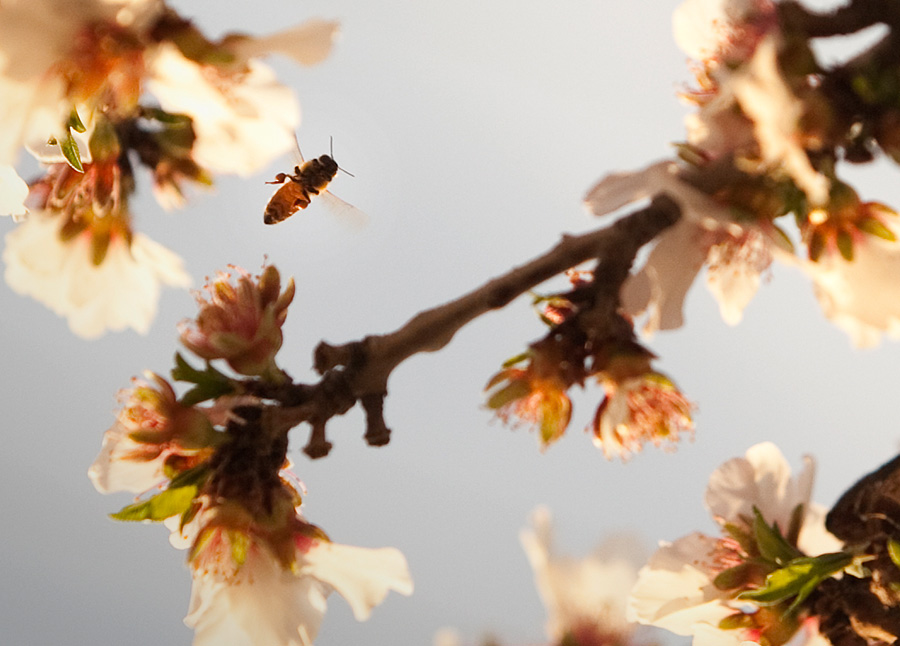
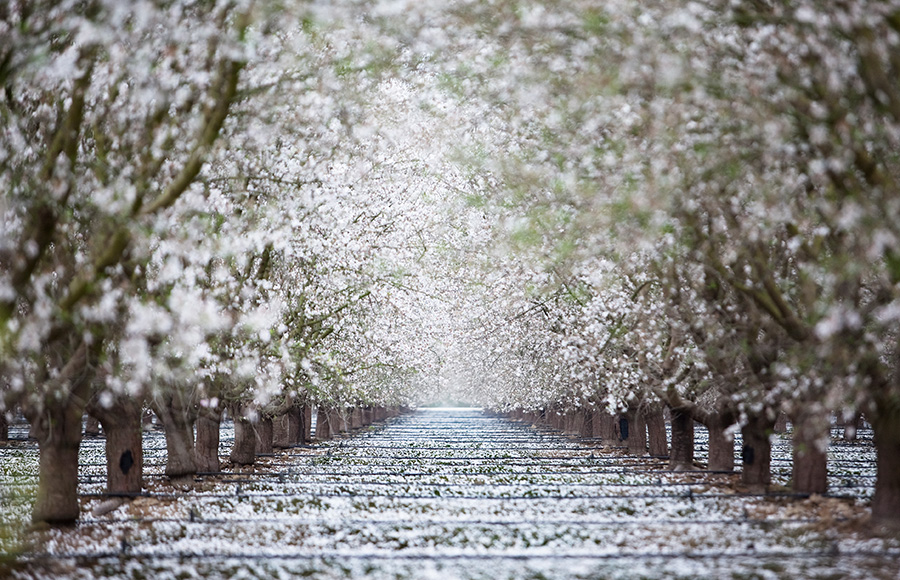
Unbeknownst to me, each spring, one of the largest honeybee pollination events in the entire world occurs in Bakersfield as millions of bees are used to pollinate the thousands upon thousands of acres of almond trees in the Central Valley. If a bloom on an almond tree does not get pollinated, you don’t get an almond. To make that pollination more efficient and effective, farmers rent beehives to place in their groves.
I’ll let a quote from the accompanying article on Weather.com sum it up better:
“In the California Central Valley, farmers have planted 800,000 acres of almond orchards. Every year, beekeepers bring millions of beehives from across the country to pollinate the almond trees. But with the bees come bee thieves…
It may be a surprise to some, but most of the money in commercial beekeeping doesn’t come from honey production – it comes from pollination rental fees. The bees collect pollen and nectar, the plants become pollinated, the farmers get better yields and the beekeepers get paid. While different crops rely on bees for pollination in different ways, one plant requires lots of bees: the almond tree. Together, expanding almond orchards and a lack of bees have helped make beekeeping a profitable profession – and attracted thieves.”
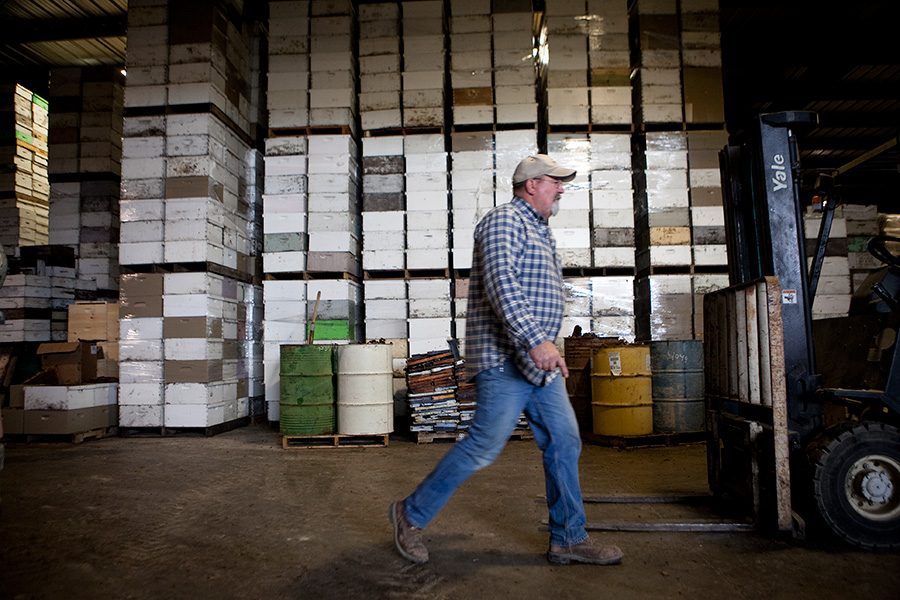
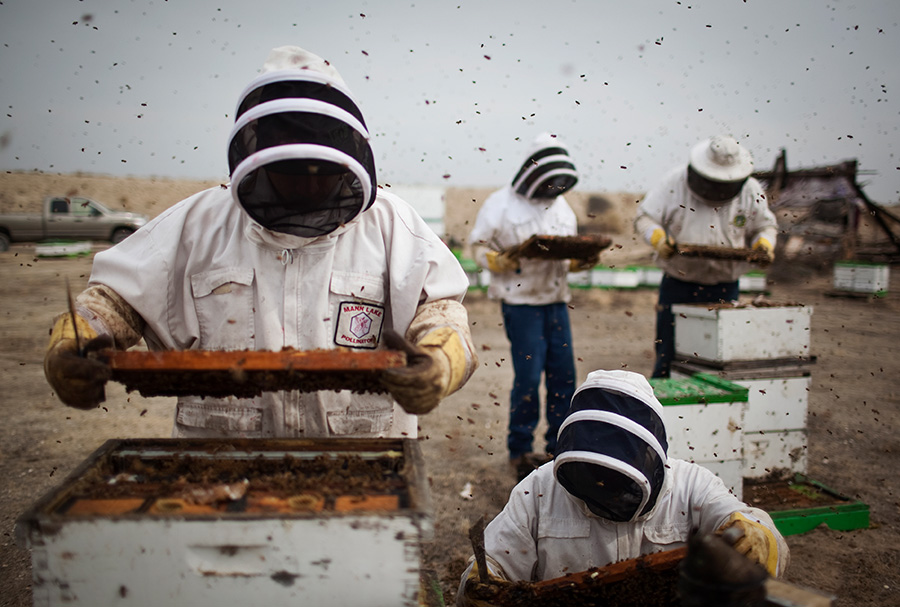
Having transitioned into a full-time video job, it was refreshing for me to get back to still photography and have the entire day to work on a photo story. The writer and I focused on one beekeeper — Joe Romance — and his business of providing bees to the almond farmers in Bakersfield. We watched as they branded their bee boxes (the only real way to mark the hives as yours) and followed Romance into the fields where his employees worked with the hives.
With healthy fear of angry swarms of bees, I was definitely a bit nervous at first about shooting this assignment. However, I was surprised when I drove home that evening without a single sting on me.
Now that the embargo/exclusivity period is over for these photos, I wanted to share a few here on the blog:
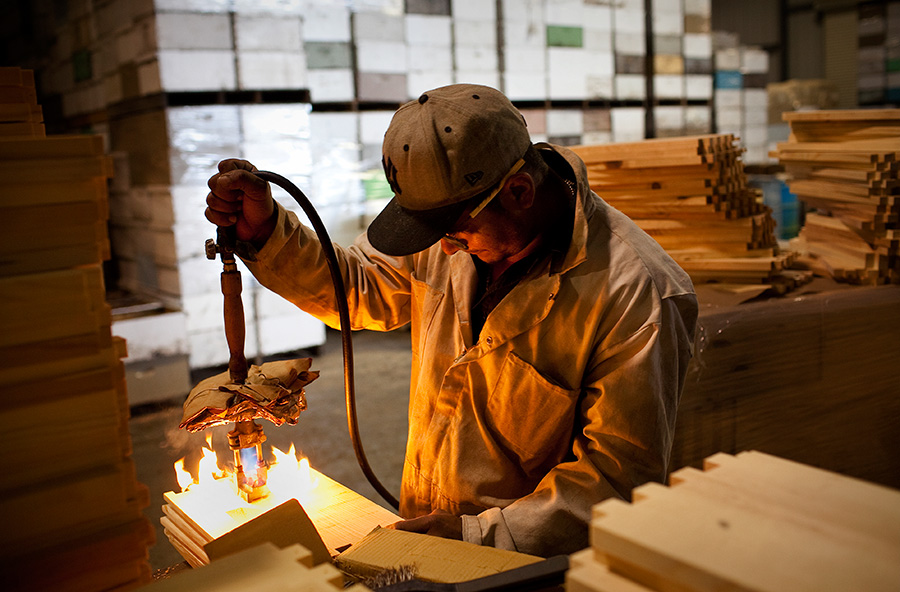
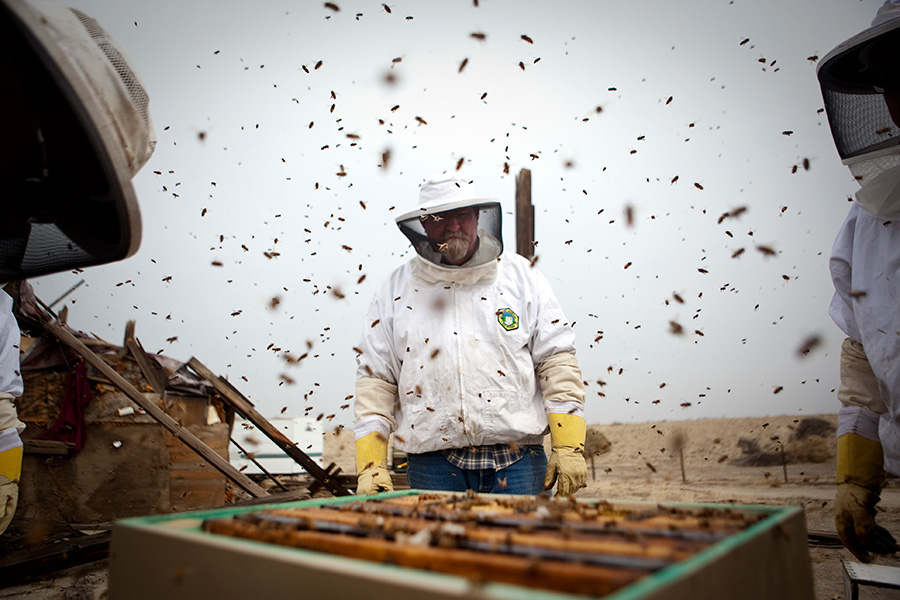
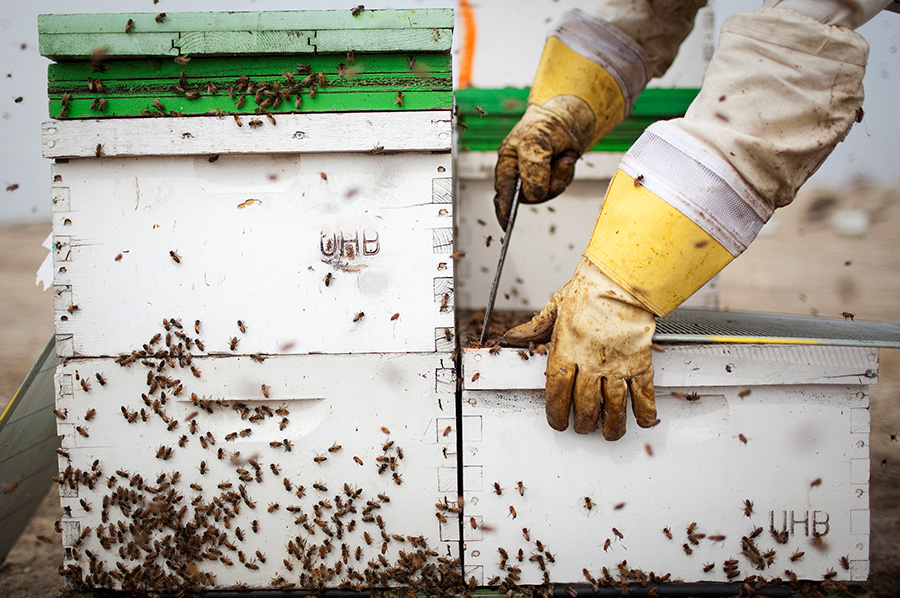
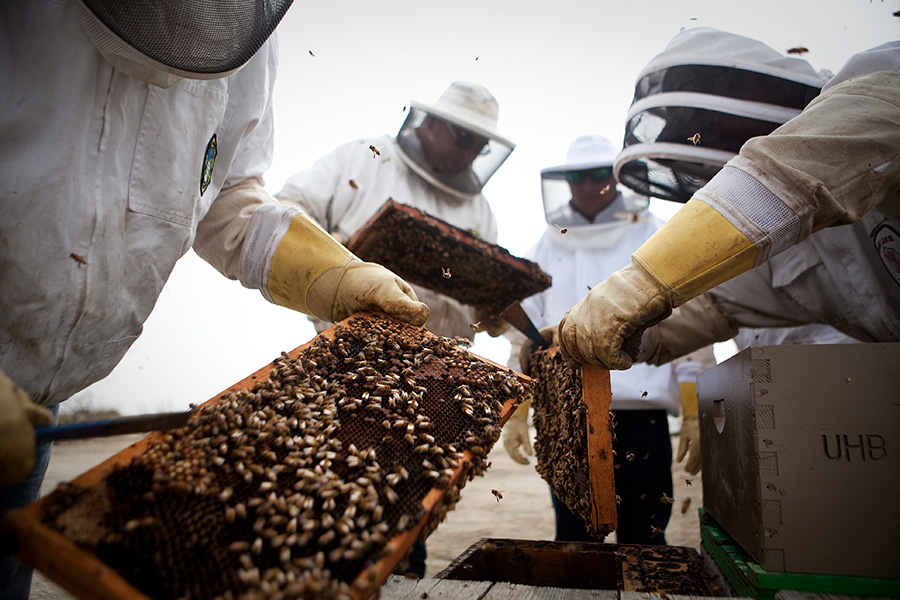
]]>
The following photos are just some of the people, places and random desert findings that we encountered along the way:


 “People think there is no life in the desert,” said longtime Bombay Beach resident Deno, who lives next to the Salton Sea. “There is plenty of life in the desert.”


]]>
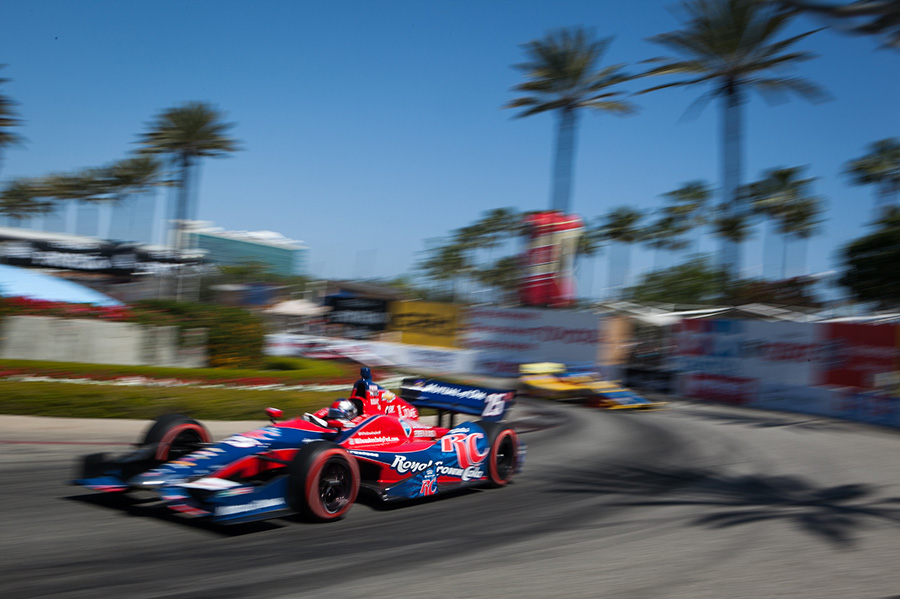
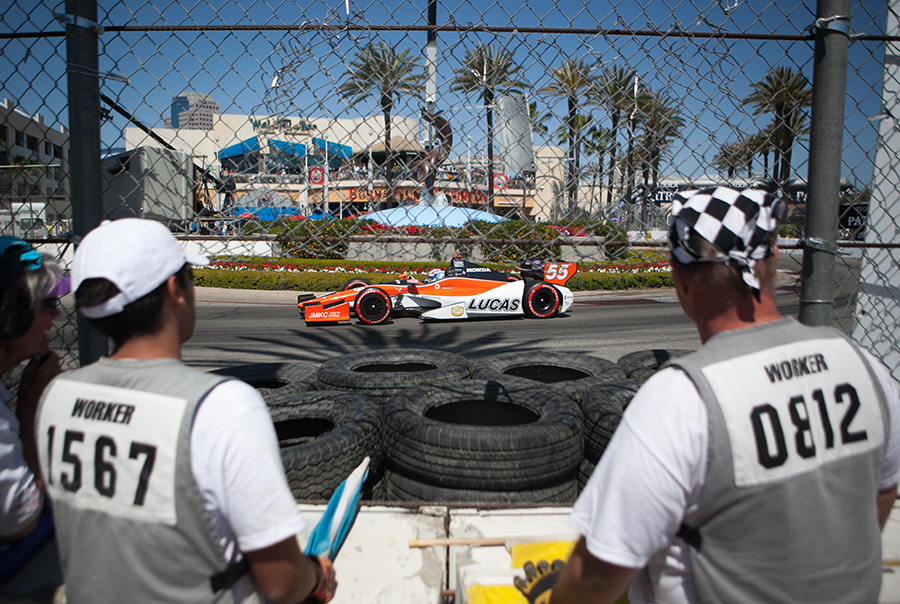
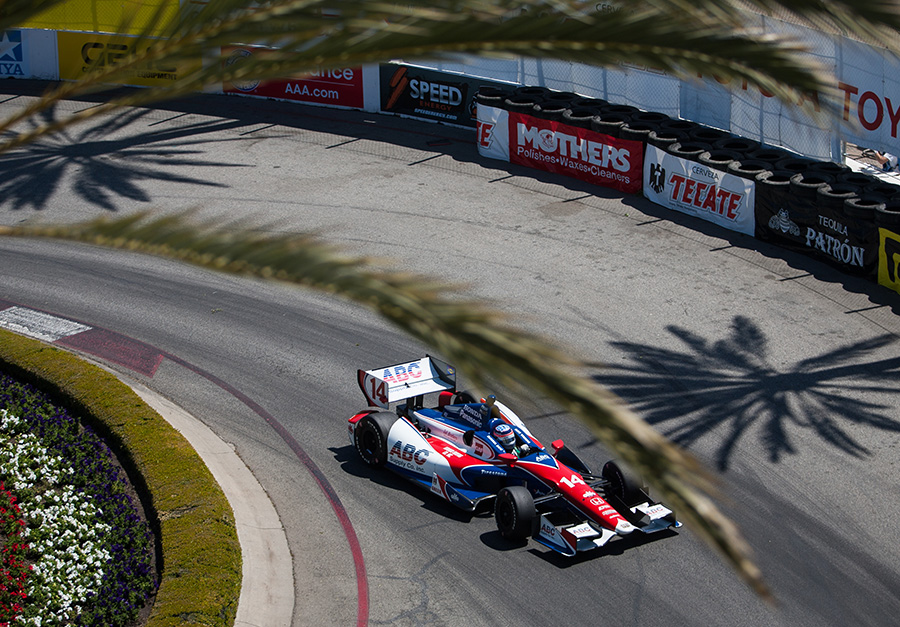
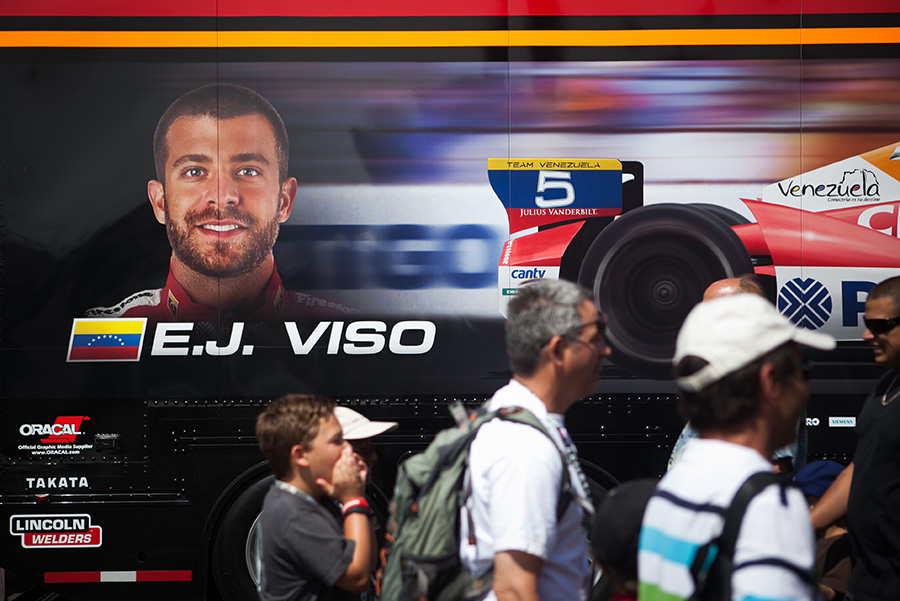
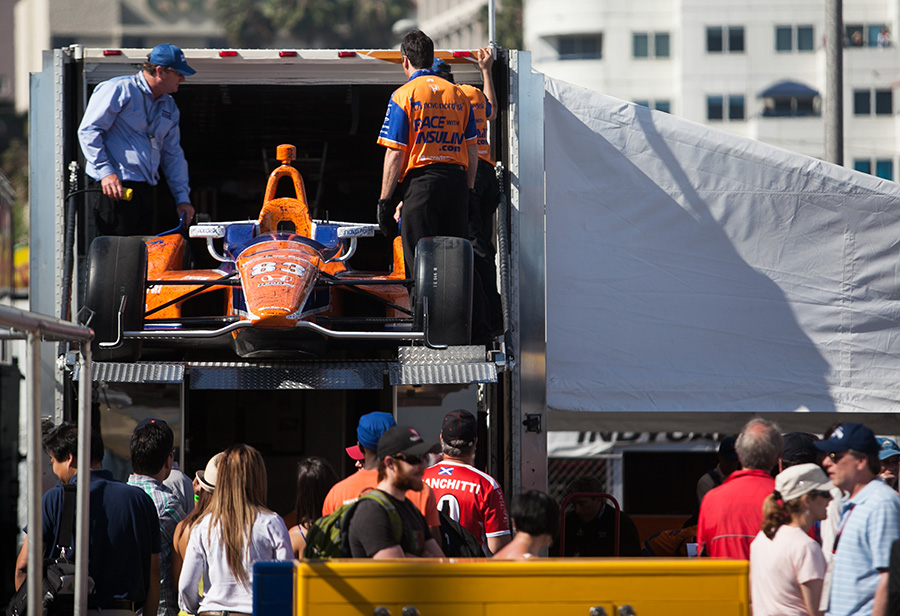
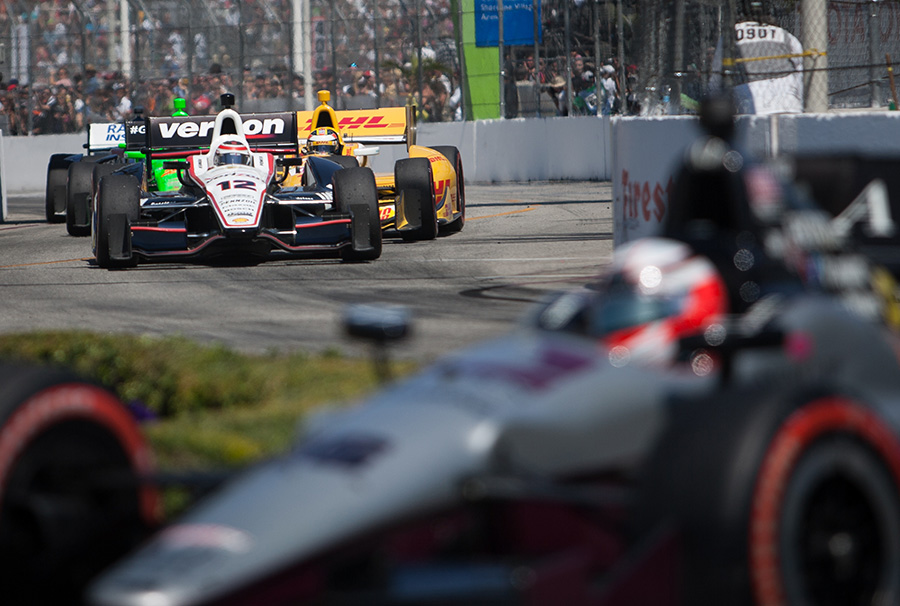
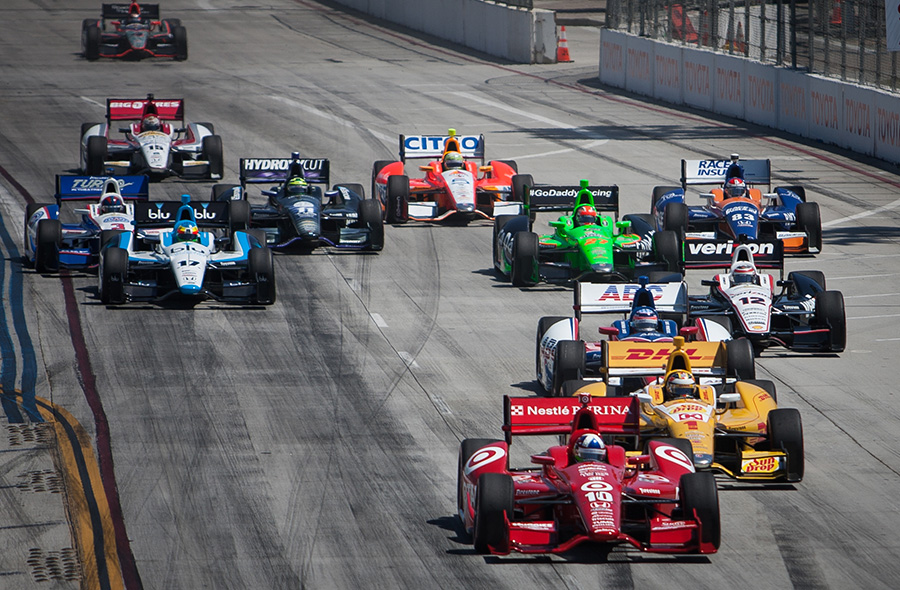
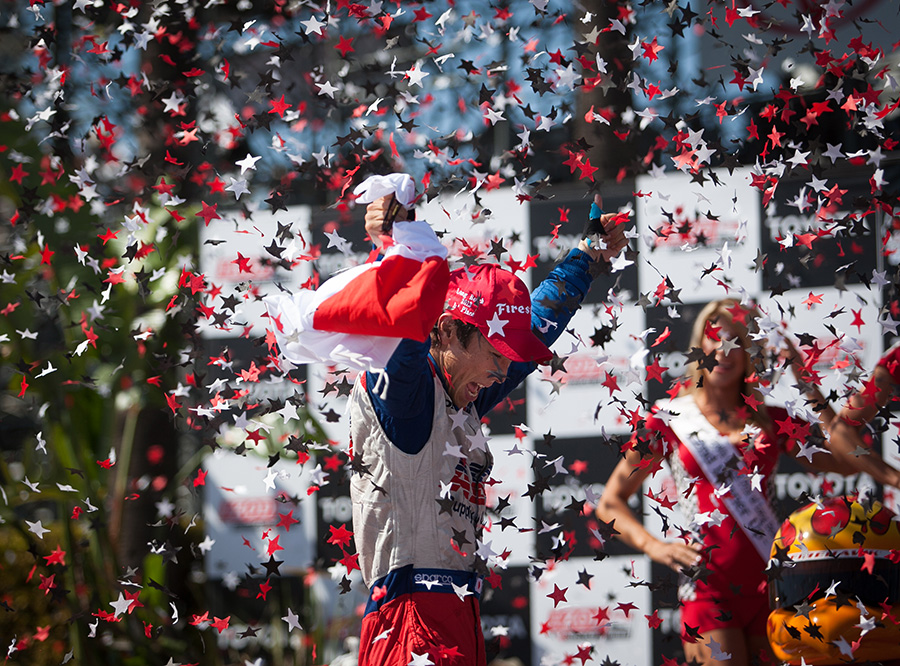
I found the hardest part of shooting motorsports is getting different angles and not getting stuck in one place on the track. That means running all around the 2-mile circuit spanning multiple city blocks, pushing through crowds, getting lost and finding ways to cross the track, jousting with the 200 other photographers and learning the sometimes crazy restrictions placed on the photographers. I found myself shooting at one far end of the track and then rushing back to the complete opposite end to shoot celebrations.
The other challenge was somehow showing that these cars were going 200 mph and not just cruising by. I liked what I got, but hope the tricks I learned Sunday will help shoot next year’s race.
]]>
I started following it as it rolled off of LAX property early Friday morning around 2:00 a.m. and didn’t really stop from there. In all, it was about 50 hours of work in 2.5 days when you factor in all the wait time and early arrivals to get ahead of the shuttle to stake out positions. It was exciting and worth it though.
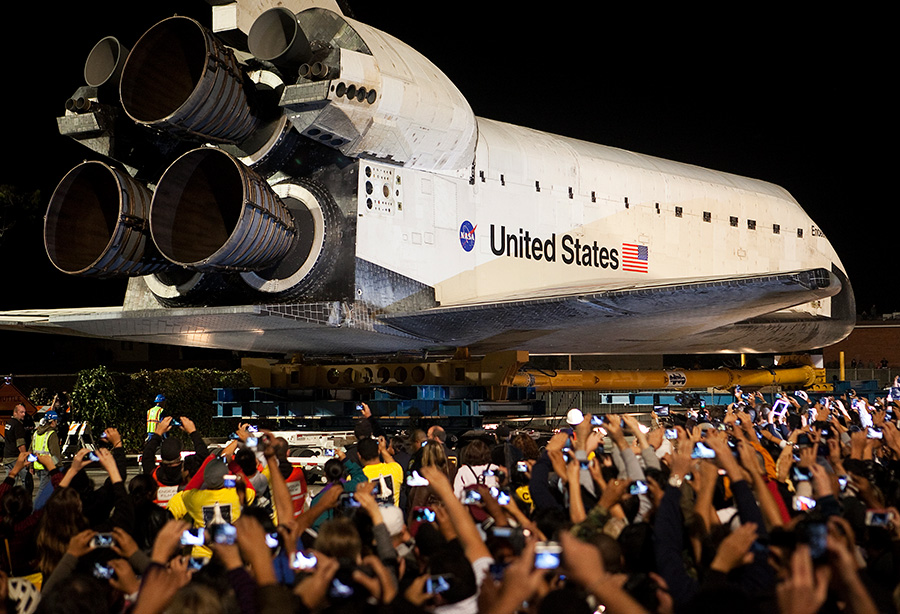
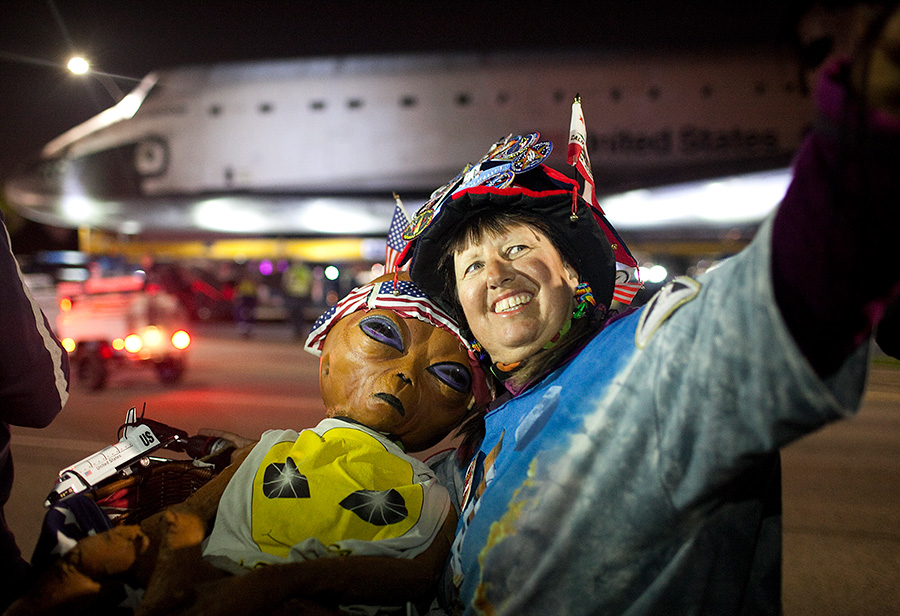
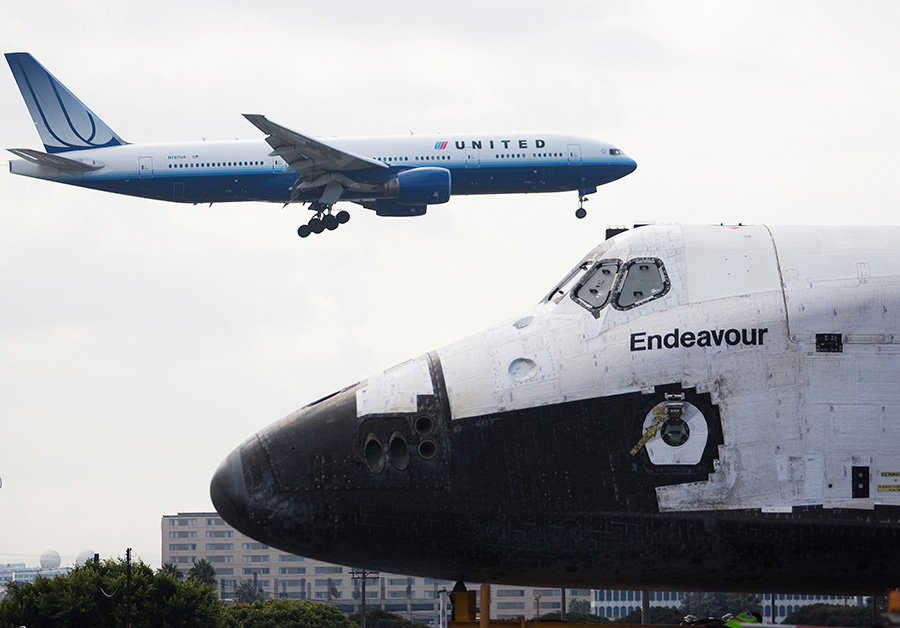
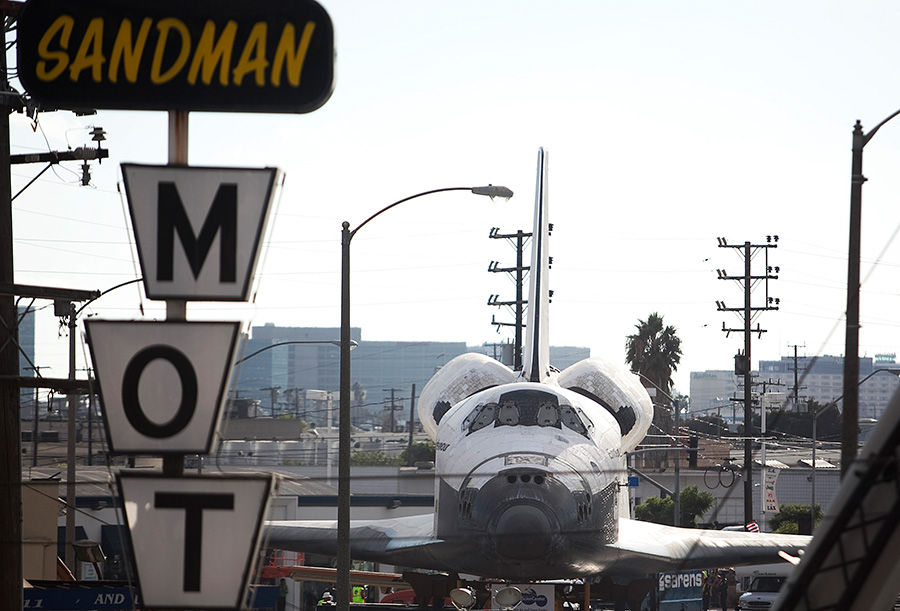
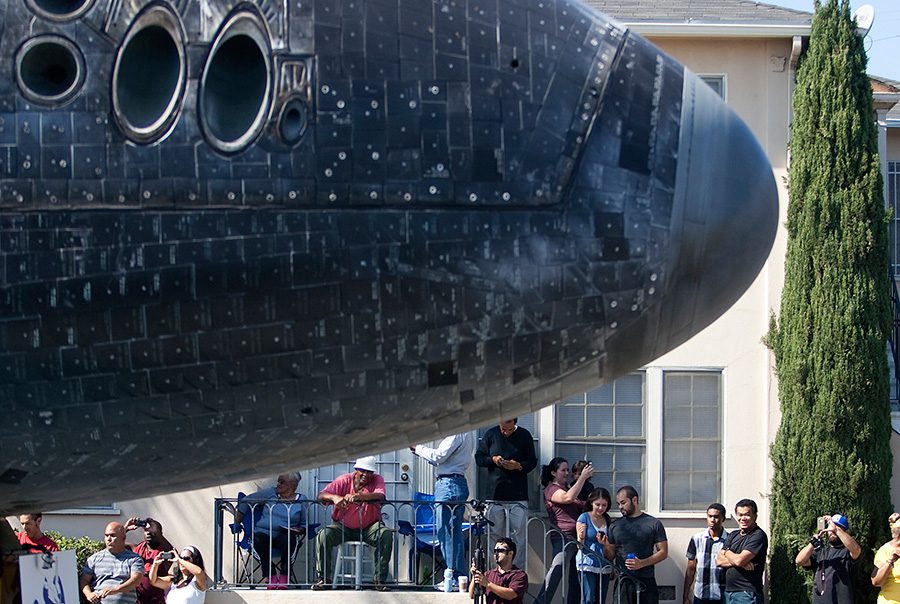
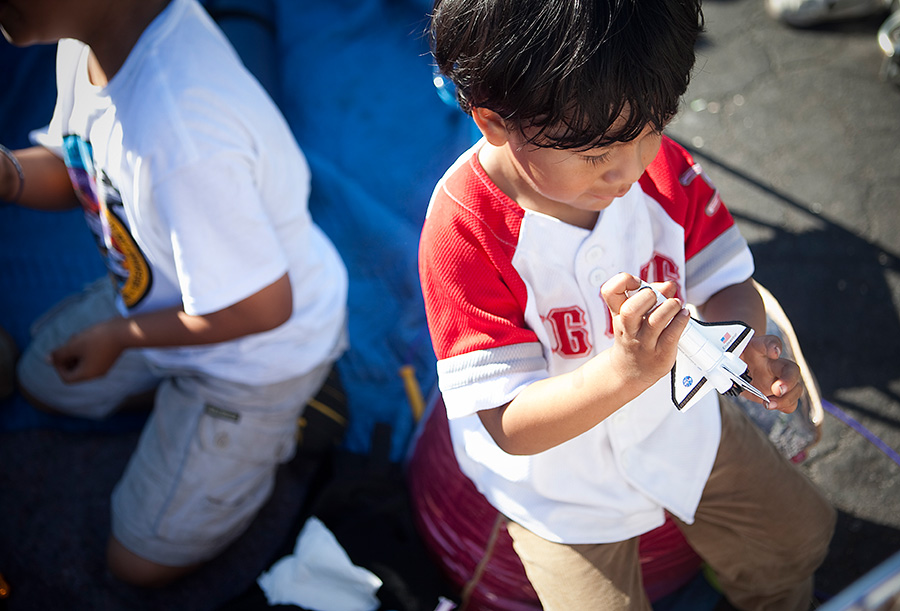
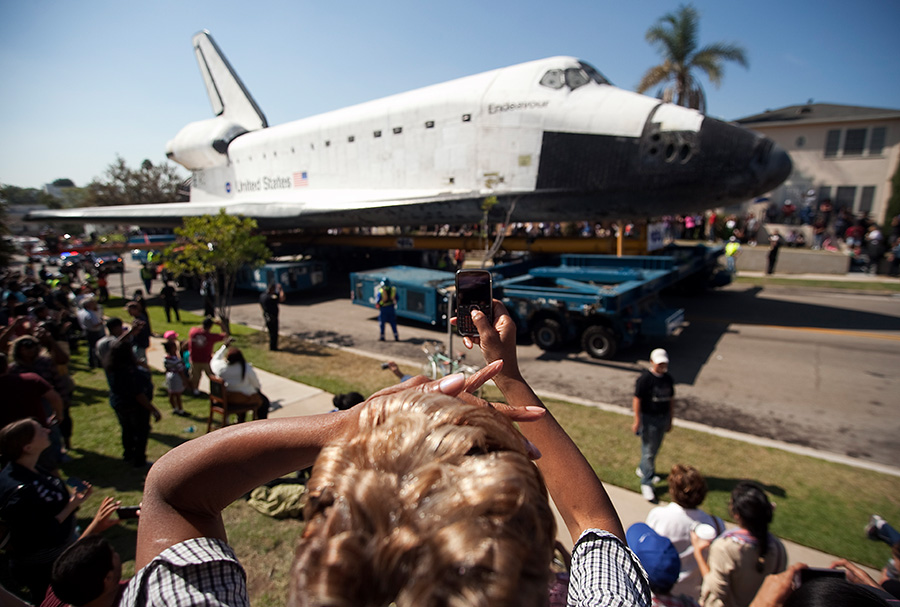
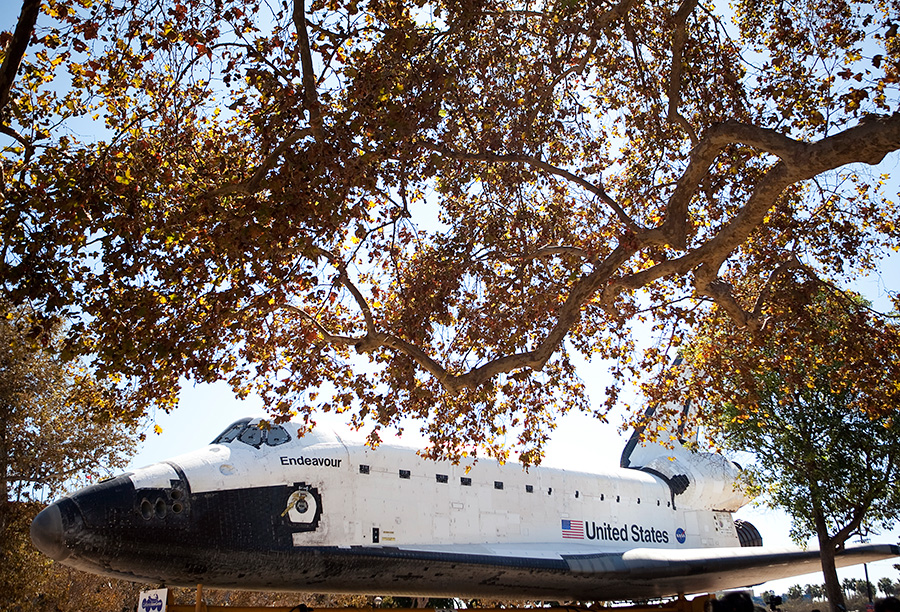
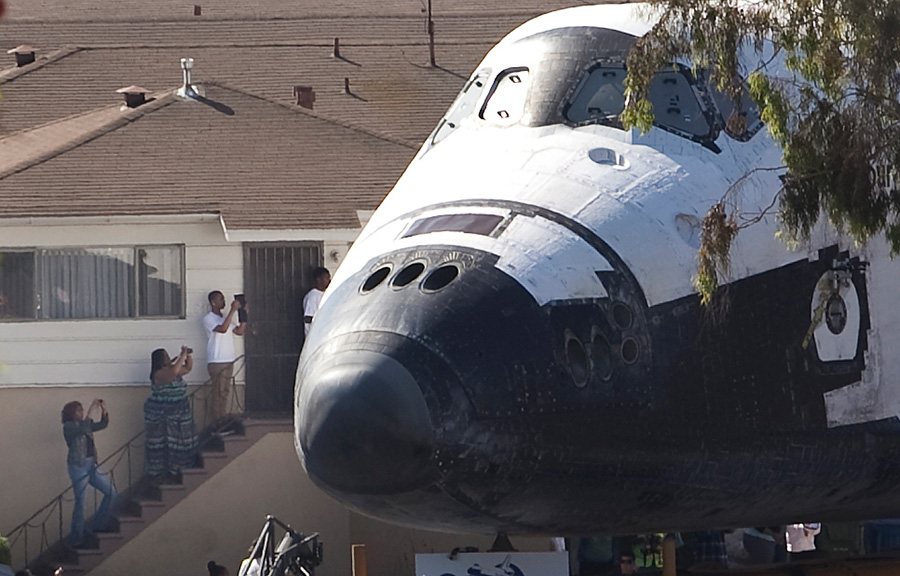
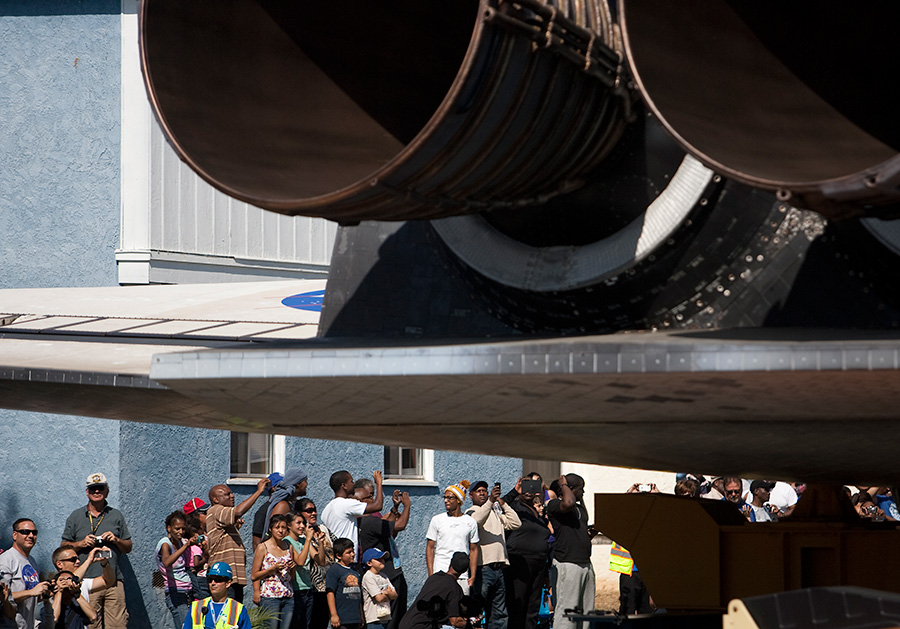
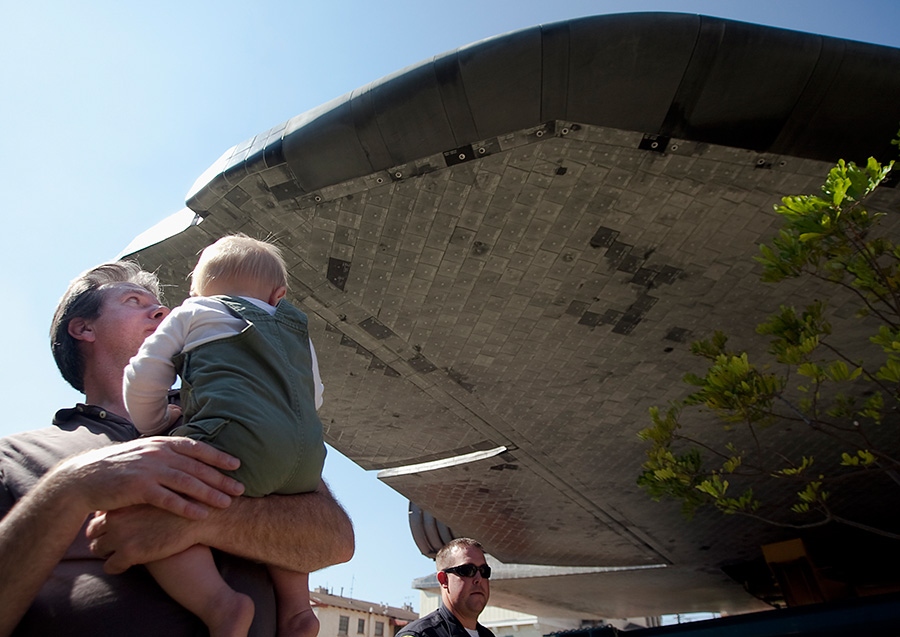
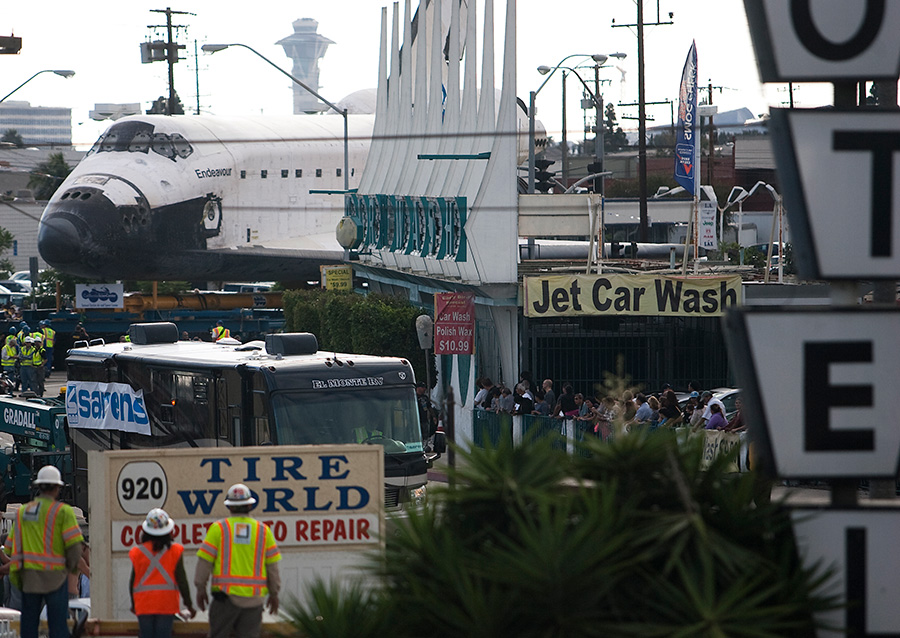
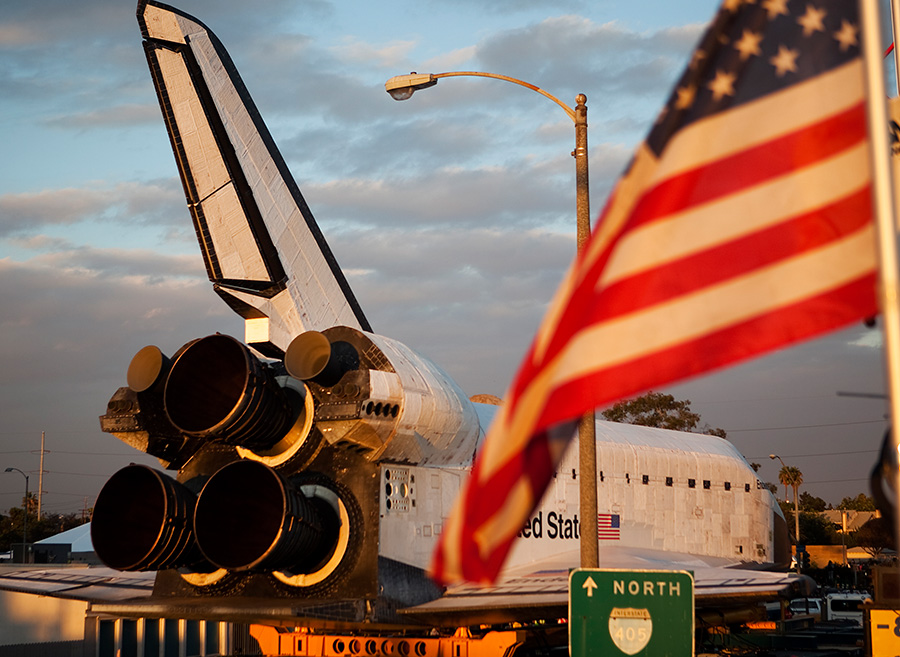
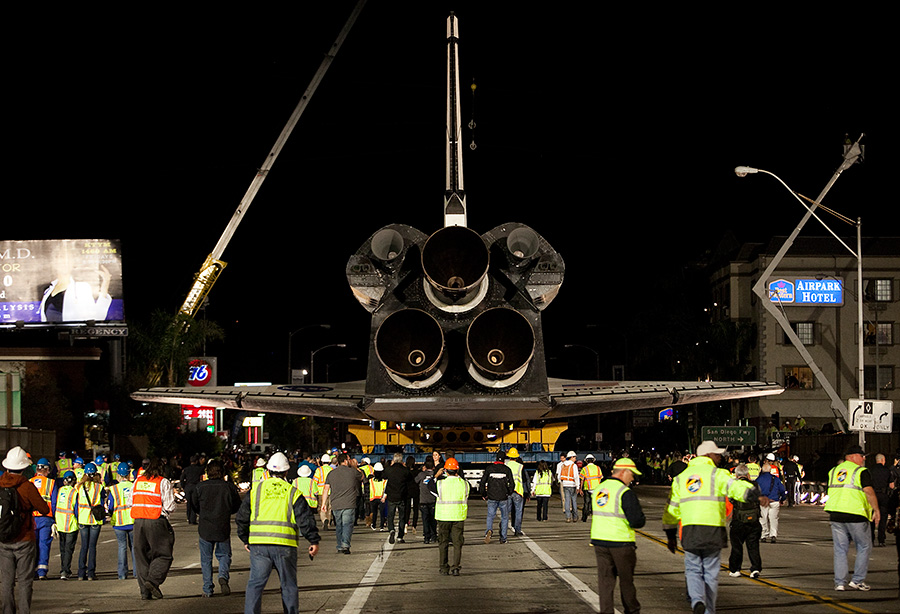
Space shuttle Endeavour made a tedious 12-mile crawl through city streets this weekend from Los Angeles International Airport to the California Science Center near the USC campus.
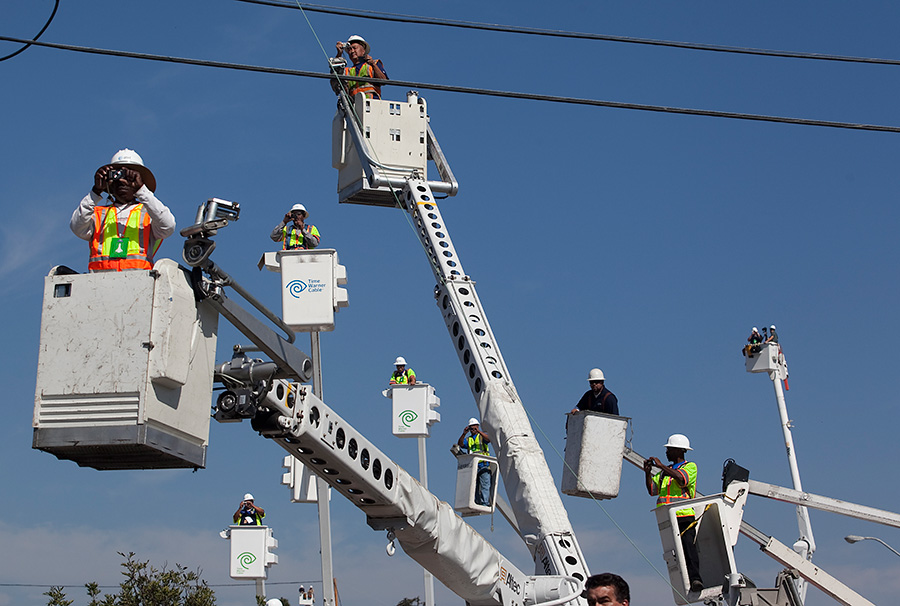
With a 78-foot wing span and a tail height of more than 50 feet, you can imagine how measured and coordinated everything had to be. Trees had to be cut down, utility poles removed, power lines raised and large metal plates placed on the streets to keep the 300,000 pounds of weight from crushing the infrastructure underneath. On the narrowest parts of the route, the shuttle’s wing tips came within a credit card’s width of street poles and trees.
Yet, despite this, the shuttle arrived at its new home Sunday without a single scratch.
Officials told us that more than 1 million people turned out at some point during the trek to catch a glimpse of what they called a “once-ever” opportunity. The shuttle was the biggest celebrity in Los Angeles.
To demonstrate that, at one point along the route, actors Robert De Niro and Luke Wilson were standing about 20 feet from us as the shuttle approached a narrow section along Crenshaw Drive. I looked over to a group of people I was standing with and said, “Hey, isn’t that Robert De Niro?” A few of them looked over for a second, said “ooooh, yeah, it is…” then turned straight back to the shuttle and continued taking photos with their cell phones.
Tell me another time when no one would care that Robert De Niro was standing in their front yard. That is how amazing the experience was for so many people.
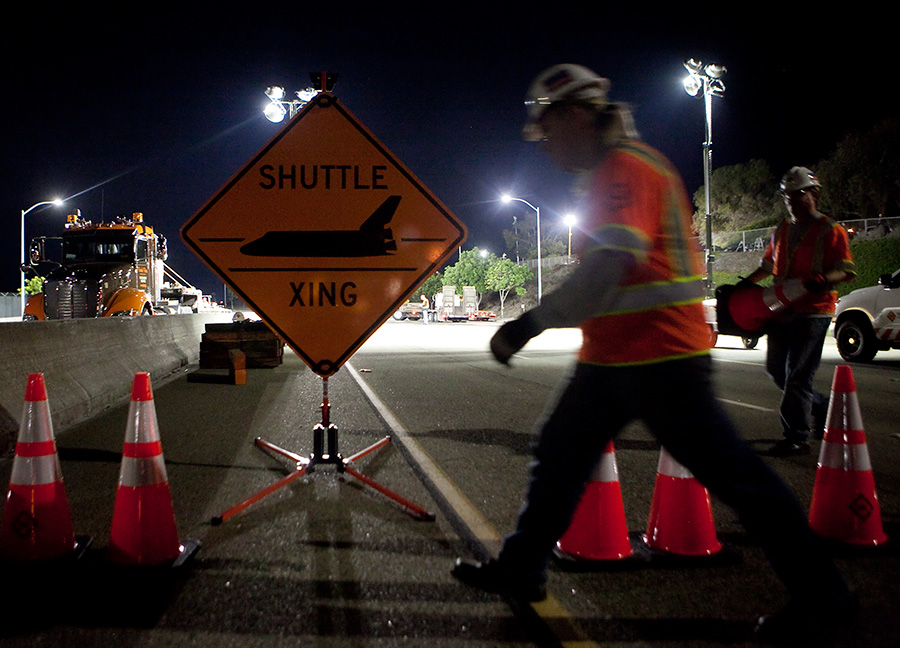
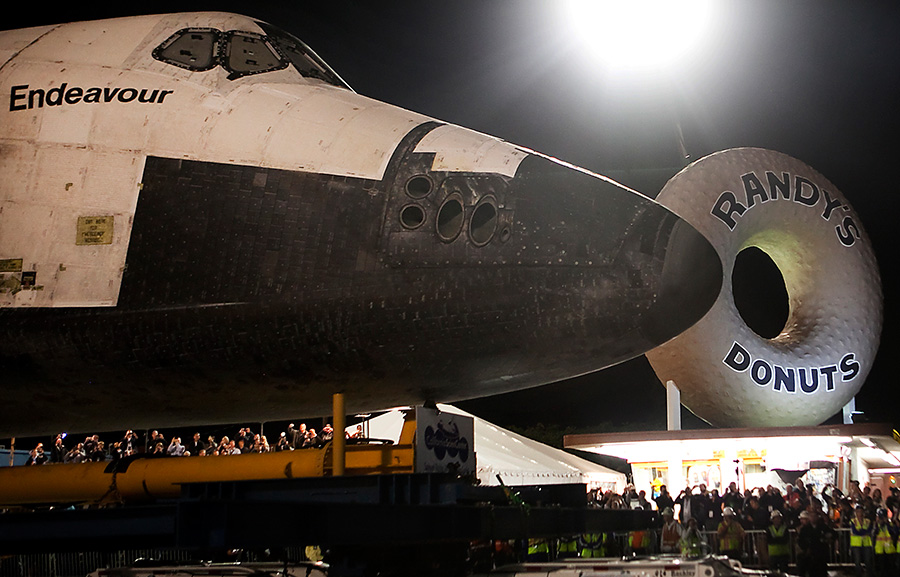
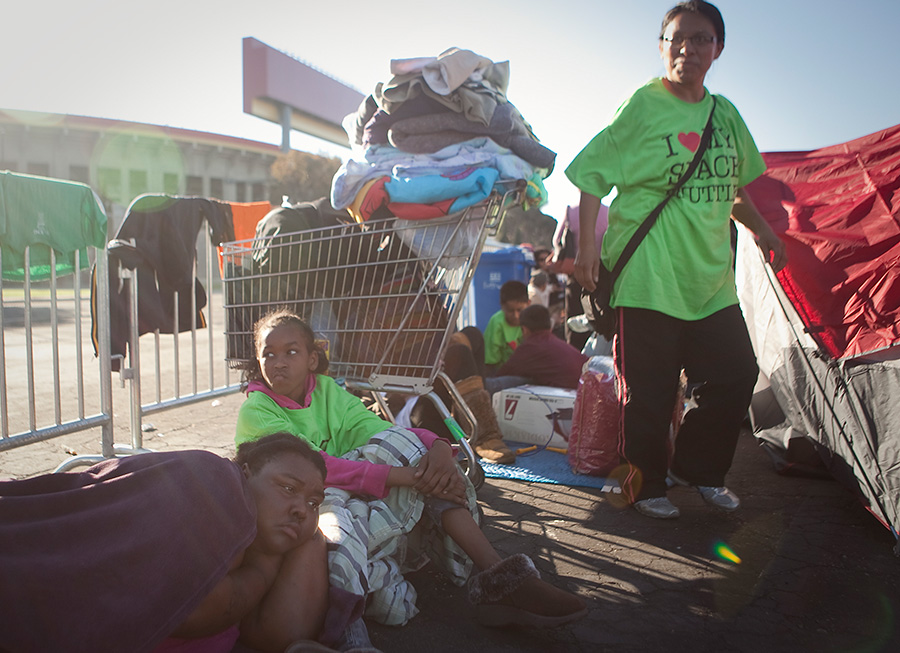
I spent the whole weekend photographing the spectacle and it thankfully didn’t live up to its name. Because nobody really cared about it this year, it was challenging trying to get unique photos of anything besides workers working on a bridge. The challenge was getting a unique angle on everything and escaping the media viewing platform area. Here is what I came up with:


I got to shoot the shuttle from the tarmac at LAX and arrived at around 4 a.m. to stake out a spot. The shuttle didn’t land until close to 1 p.m., so it was a lot of sitting around waiting, but totally worth it. Here are a few of my favorites:


The first photo was taken while transiting through Detroit Metro Airport’s McNamara Terminal and the second during a rain storm at Times Square in New York City.

