Advertise with Googlier.com 1080 Science https://1080science.co.nz/1080-index/ Scientific findings on 1080 poison use in New Zealand Sat, 26 Sep 2026 09:28:05 +0000 en hourly 1 https://wordpress.org/?v=7.1.2 https://1080science.co.nz/wp-content/uploads/2025/02/cropped-1080-Science-32x32.webp 1080 Science https://1080science.co.nz/1080-index/ 32 32 A critique of the research used to justify kea poisoning https://1080science.co.nz/a-critique-of-the-research-used-to-justify-kea-poisoning/ Sat, 26 Sep 2026 08:16:05 +0000 https://1080science.co.nz/?p=4978 J.C. Pollard, 30 August 2026. A critique of the radiotelemetry, nest monitoring and 2018 nest-survival study used to justify aerial 1080 poisoning of kea.

The post A critique of the research used to justify kea poisoning appeared first on 1080 Science.

]]>
.avia-image-container.av-l2jopltb-c8cfb720ca8c85f3593ac042b9ba77a4 img.avia_image{ box-shadow:none; } .avia-image-container.av-l2jopltb-c8cfb720ca8c85f3593ac042b9ba77a4 .av-image-caption-overlay-center{ color:#ffffff; }

Dr Jo PollardReview, 30 August 2026, of the research used to justify kea poisoning. J.C. Pollard (BSc (Hons), PhD).

Dr Jo Pollard (BSc (Hons), PhD)

A critique of the research used to justify kea poisoning

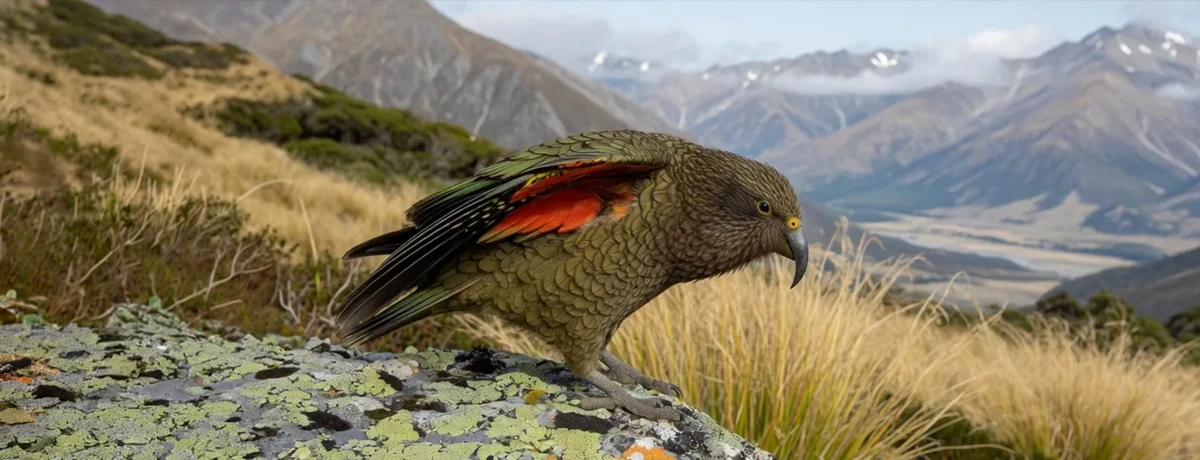
Kea (Nestor notabilis) have Absolute Protection under the Wildlife Act 1953. This review examines the research used to claim that aerial poisoning with 1080 benefits them. The references, appendices and the addendum on the history of kea and people, written by the late Bill Benfield, are in the PDF.

Download the full review (PDF)

Background

The number of kea (Nestor notabilis) remaining in NZ is unknown. Estimates as low as 1000 have been made since 1986 (1, 2). The kea’s official threat status has been worsening and reached Endangered in 2017 (2, 3). Declines and disappearances of kea have been very noticeable in the north and east alpine areas of the South Island (4). Kea have Absolute Protection under the Wildlife Act (1953), meaning it is illegal to kill or capture them or interfere with their nests (5).

A major cause of kea mortality, for decades, has been poisonous food bait distributed by aircraft to control unwanted mammals. Deaths of kea following aerial poisoning with 1080 (sodium monofluoroacetate) were noted in 1963 (6). Monitoring began in 2008 at Fox Glacier, where 7 of 17 kea were poisoned, indicating that 41% of the local kea had died (7). Recorded poisoning rates include: in 2020, 50% at Matukituki (8), also 50% at the remote Wet Jacket Peninsula (9); and in 2022, 22% at Arthurs Pass and 29% west of the pass at Otira-Taipo (10).

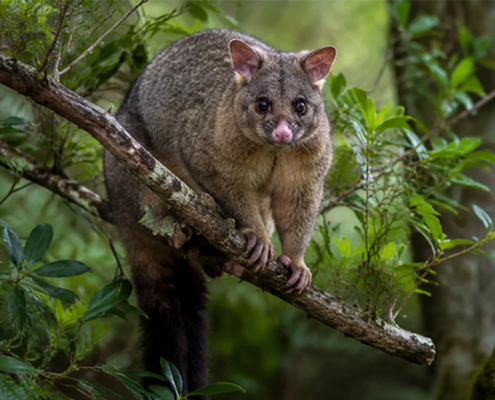
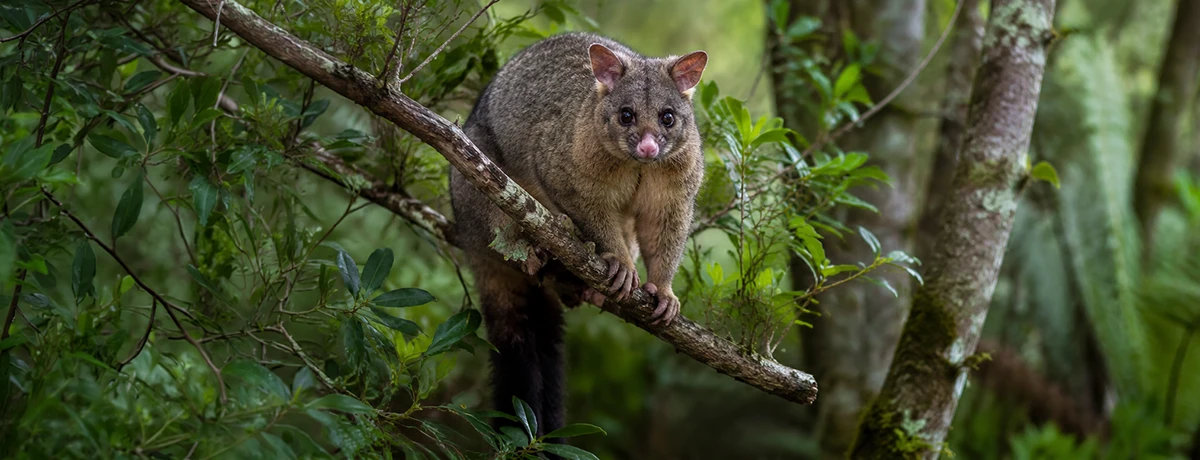
NZ’s Department of Conservation (DOC) claims that kea populations benefit from poisoning, because it kills nest predators: “Without pest control, typically about 60% of kea nests fail – mostly due to being preyed on by stoats or possums, and in some areas, feral cats” (11). The following three brief sections examine the evidence for this claim. Further details are provided in the Appendices. Lastly, the Addendum provides more on the history between kea and humans (written by the late Bill Benfield).

1. Radiotelemetry

Radiotelemetry is the basis of DOC’s, and charity (Kea Conservation Trust, KCT), studies on kea. The birds are caught and have a long-term backpack harness carrying a transmitter attached to them (335 kea reported by DOC up to 2021 (4); the KCT accounts for many more (12); animal control company Zero Invasive Predators is also now using the devices (13)).

In birds generally, those wearing backpack harnesses and transmitters are much more likely to die (14), e.g. annual survival rates of nearly 90% were found in falcons that managed to shed their backpacks compared to around 50% in birds that did not (15). Wearing telemetry equipment was found to affect most aspects of a bird’s life, and markedly increased energy expenditure (14). In the flightless takahe, this was attributed to heat loss, and the risk to alpine birds was pointed out: they may have little scope to forage more in winter to compensate (16). In pigeons (17) and ibises (18), flying was more difficult. Another effect of adding this equipment to birds, in general, is a marked decrease in nesting (14).

Reports from DOC’s use of this equipment on birds in general include: deaths through capture and handling stress, aspergillosis (a fungal disease brought on by capture and stress), hypothermia, entanglement and predation; loss of body condition; lack of breeding; and disappearances (Appendix I); plus injuries from long-term wear (19).

The only sign of consideration from the people using them, of effects of putting harnesses on kea, appears to be a feasibility study on GPS monitoring (20). Casual observations were made on 14 newly harnessed birds (mostly) recaptured after a median of 11 days. Although no negative effects were reported, it was noted the birds responded by trying to remove the harnesses (20).

Bird researchers were asked to consider whether their radio telemetry studies are worthwhile if they collect biased data from disadvantaged birds, which are being harmed as well (14).

2. Nest monitoring

Using the transmitter-wearing kea, low-flying aeroplanes, ground searches and playing recorded kea calls, DOC and KCT have been finding kea nests to monitor (196 reported by DOC from 1992 up to 2023 (2); many more by KCT (12, 21)). Humans have been climbing into the nest cavities, handling chicks (measuring, taking blood and feather samples, applying leg rings, putting telemetry gear on older ones), adding cameras in and outside nests and revisiting frequently (Appendix II, (12)).

The above manipulations are in direct conflict with collecting meaningful data on threats to kea, and the kea’s breeding opportunities. In the U.K. it is illegal to interfere at all with the nests or young of rare birds because of the high risk of causing failure (22). Even brief desertion can leave eggs cooling or chicks vulnerable, and the sights, noises and scents created and left behind (e.g. cameras) attract curious and opportunistic animals (23, 24, 25). A nest researcher in NZ observed that stoats were following her around (25). Disturbing older chicks can cause them to leave the nest early, when survival is poor (26). Using bird calls to find nesting adults is also condemned due to the distraction it causes (27). Aircraft are known to disturb breeding birds and were banned by DOC from the air space above nesting terns (28); they are likely to distract kea (29). Leg bands also harmed kea: “The large number of band injuries were caused not by the band being put on improperly but because a band prevents normal swelling of the leg, following a foot injury” (29).

Studies on kea at Arthurs Pass by J.R. Jackson in the 1950s–60s revealed the nests were worked on for years by the hen, then used for a lifetime. Nesting began in midwinter: “July: Heavy falls of snow cover much ground and Keas feed in the forest and on the forest floor. First eggs laid … October: Peak of laying. Adults very shy and quiet” (30). Jackson found that upset parent birds, other kea, gulls and falcons were all threats to eggs and chicks (31). Not rats, stoats or possums: “During the last hundred years Keas have shared their environment with rats Rattus spp. and stoats Mustela erminea. I have found no evidence of these animals affecting Keas … Twice I have found a dead possum Trichosurus vulpecula within five yards of a Kea nest. The opossum frequently chooses holes similar to a kea nest as a den and perhaps these two opossums prospected the Kea nests” (29).

In 1999 (32) and 2004 (33), DOC’s G. Elliott and J. Kemp confirmed Jackson’s assessment of a very low risk of predation at kea nests. Later, Kemp (with funding from the Animal Health Board (AHB), now OSPRI, a significant user of aerial poison to control bovine tuberculosis), began approving of ongoing poisoning of kea “to kill nest predators”, despite the very poor evidence he had (Appendix III). Even cats, noted as invading Arthurs Pass National Park from about 2015 onwards, left the nesting (but not the other) kea alone. Again, kea were put in harnesses with telemetry gear to see whether the cats would catch them: “This project aims to substantiate the importance of feral cats as a driver of native species declines for ground dwelling1 birds in eastern forests” (34). It could be suggested that this study was unashamedly biased research and therefore has little merit, but it is another clear example of a poor method being used and placing endangered species at significant risk. Records from decades of kea nest monitoring repeatedly show great disruption: abandonment, disappearances, and unexplained deaths, and yet little evidence of predation by mammals (Appendix II, (12)). An Official Information Act query to DOC in 2026 drew the reply that over the many years a total of 8 instances of predation of these disadvantaged kea had been caught on in-nest cameras, involving a rat, a possum, and six stoats (35).

3. The experiment: Kemp et al., 2018

DOC’s kea review (2) and website (36) cite Kemp et al. (2018) (37) as the evidence that predator control increases kea nest survival. This study of kea nests, stoats and rodents in an area that was poisoned (Okarito) and one that was not (Fox-Paringa) ran from 2008–2013, and a final report was produced in 2015 (38, Appendix IV). Truncated (2009–2012), modelled data was used in the 2018 publication (in the New Zealand Journal of Ecology (37)).

The scientific rigor of the study was poor – the monitoring predisposed kea to trouble – but also, bias was clear from the outset, with Kemp stating in his 2011 Milestone Report to the AHB, “For nest survival in the treated area to be significantly higher at the p<0.05 level, then about 80% of the nests need to fledge at South Okarito during the 2011 season following aerial 1080 treatment. This is within the realms of possibility” (39). There was no replication (an attempt was abandoned), there was non-random assignment of treatment to area (the AHB intended to poison Okarito), and the observers were open to bias because they knew of the treatment (38, Appendix IV).

The results from the study (preliminary in Table 1 of the PDF; final in Table 2 below and Appendix IV; published as truncated modelled data by Kemp et al., 2018 (37)) are the evidence used to back the claim (2, 36) that kea nest survival benefits from poisoning. (Neither of DOC’s other measures of kea productivity in the study (nest initiation and fledglings per nest) were considered to show any effect of the poisoning treatment.) The number of kea poisoned was not mentioned; in North Okarito, seven of nine monitored kea were killed (78% (41)).

Table 1, results to 2012 from the Milestone Report to the AHB (Kemp, 2012 (40)), is an image taken from that report and is in the PDF. It carries the source document’s Official Information Act release mark, so the figures are best read there. It gives survival of kea nest contents through regular monitoring in two areas, one (Okarito) poisoned in 2011.

Table 2. Final results to 2013: survival of kea nest contents throughout regular monitoring, in two areas, one (Okarito) poisoned in 2011. See Table 3, Appendix IV (Kemp et al., 2015 (38)), for full details.

Site Season No. nests observed No. nests reared a chick
Okarito 2008 3 3
Okarito 2009 5 2
Okarito 2010 7 3
Okarito poisoned 2011 9 9
Okarito 2012 7 5
Okarito 2013 4 3
Fox-Paringa 2010 7 3
Fox-Paringa 2011 6 3
Fox-Paringa 2012 7 0
Fox-Paringa 2013 5 1

Why the poisoning is repeated

The rodent graphs from the 2015 report (38, Appendix IV) show why aerial 1080 is spread repeatedly: a large rise in mouse numbers occurred within three months, followed by steeply increasing rats, then stoats (truncated from the 2018 paper). This pattern, involving a large rat irruption, is a standard response to broadcasting 1080, fuelled by the resources left unused by dead animals (42–45). Poisoning then needs to be repeated frequently to control the rats (46).

Conclusions

There is no scientifically obtained evidence that supports poisoning kea to improve their reproduction. Studies have found remarkably little evidence of nest predation by mammals, given the opportunities created by monitoring.

Due to the unknown, but likely precarious state of the species, an urgent halt to killing, capture and all interference2 is strongly indicated. The kea’s Absolute Protection status is not being acknowledged. Neither is its vulnerability to weather conditions, and starvation, which was the biggest natural killer of kea in Jackson’s studies (25):

“In the autumn as nesting finishes adult Keas may die, as they go into moult, perhaps in poor condition. The greatest mortality for all Keas is June to September when food is most scarce … tables show the large loss of Keas in their first year, especially soon after banding. Some of these Keas were inexperienced, recently fledged Keas. Others were banded and died in the spring when there is a large moving population, spurred by hunger …”

“The bad Season – October 1957–May 1958 … in each month the rainfall was greatly above average, especially from October to March, probably the significant months for the Kea … December was the worst month … There were frequent storms … This period caused a great reduction in the Kea population. Perhaps it was reduced to two thirds normal … Chicks were found dead in their nests, eating of eggs was first noticed, and many parent Keas disappeared. Usual foods failed … That summer there was little nectar, and the following winter few berries. Starvation was the immediate cause of death of many Keas that summer” (25).

Numbered references for the statements above are in the PDF, followed by Appendix I (DOC staff on telemetry), Appendix II (nest-monitoring records), Appendix III (internal reports on kea predation), Appendix IV (the 2015 Okarito report, released under the Official Information Act), and the addendum by the late Bill Benfield.

1 This plan and the published results (4) repeatedly refer to kea as “ground dwelling”. However: “Young leaves and buds of forest trees form the main food of Keas. At all seasons they spend much time in the tree tops (at Arthurs Pass in mountain beech) steadily and slowly picking buds …” (30).

2 Includes KCT: decades of blood sampling for lead; genetic sampling (500 samples taken); bait aversion trials. ZIP: bait aversion trials; communal feeding (which alters behavior and creates a disease transmission risk).

Related reading on this site

Latest 1080 Science Press Releases

The post A critique of the research used to justify kea poisoning appeared first on 1080 Science.

]]>
Report on killing wildlife to control bovine tuberculosis in New Zealand https://1080science.co.nz/report-on-killing-wildlife-to-control-bovine-tuberculosis-in-new-zealand/ Sat, 26 Sep 2026 07:50:31 +0000 https://1080science.co.nz/?p=4971 December 2025 report by J. Pollard on possum-focused control of bovine tuberculosis in New Zealand, with recommendations on independent review, surveillance methods and policy.

The post Report on killing wildlife to control bovine tuberculosis in New Zealand appeared first on 1080 Science.

]]>
.avia-image-container.av-l2jopltb-007cf6180356d1b264bf23258a2bc288 img.avia_image{ box-shadow:none; } .avia-image-container.av-l2jopltb-007cf6180356d1b264bf23258a2bc288 .av-image-caption-overlay-center{ color:#ffffff; }

Dr Jo PollardReport, December 2025, on bovine tuberculosis in New Zealand. Convenor of the investigating group: Mr G. Guenole. Author: J. Pollard (BSc (Hons), PhD).

Dr Jo Pollard (BSc (Hons), PhD)

Report on killing wildlife to control bovine tuberculosis in New Zealand

In 2024/5 a group with longstanding concerns about bovine tuberculosis management in New Zealand examined the possum-focused policy. The group comprised an ecologist, a dairy farmer, a veterinary pathologist, a zoologist, a former New Zealand Forest Service employee, a former regional councillor, a professional trapper and two hunters. This page carries their summary and recommendations. The full report, including the evidence, tables, references and appendices, is in the PDF.

Download the full report (PDF)

Summary and recommendations

Since the 1970’s, New Zealand (NZ) taxpayers and farmers have been paying for the lethal control of introduced Australian brushtail possums (Trichosurus vulpecula), claimed to be the main wildlife reservoir of bovine tuberculosis (Mycobacterium bovis (Tb)) and vector of the disease to cattle and deer on farms.

Possum control includes wide scale aerial poisoning campaigns with negative effects including animal suffering, deaths of native wildlife, an enduring risk to dogs in carcasses, and increasing rodent populations.

In 2025, NZ’s livestock have been internationally (World Organisation for Animal Health) qualified as Tb free for over 10 years. Nevertheless the country is facing years of poisoning in pursuit of complete Tb eradication, which may not be feasible through targeting possums due to its widespread presence in a range of mammalian wildlife.

The Tb control strategy’s focus on killing possums has been criticised on both veterinary and economic grounds, and predictions from its underlying mathematical modelling, based on assumptions and sparse data, may be incorrect.

Review, transparency, measurement and an evidential, science-based strategy are needed. Consideration of Tb management techniques used in other countries such as France, which has a similar situation to NZ, is advised.

Recommendations

1. Independent reviews

  • Costs, benefits and risks of attempting bovine Tb eradication in NZ wildlife.
  • Epidemiological examination of OSPRI-funded Landcare Research studies on bovine Tb in wildlife in Westland.
  • All government and government-funded reports and data on bovine Tb in farmed cattle and deer, and wildlife, to be made available for public review.

2. Methodology

  • PCR testing and/or other improved techniques to be used in Tb surveillance.
  • Bovine Tb lesions reported in slaughtered livestock to be differentiated, quantified and reported as either infectious or inert and the source herds followed up and managed accordingly.
  • The prevalence of bovine Tb to be surveyed in all mammalian wildlife.

3. Policy

  • Strong support for farm-based management of bovine Tb, including recognition of the importance of animal welfare such as nutrition and shelter, and environmental contamination.
  • Change the Biosecurity Act to require direct epidemiological evidence that bovine Tb exists in targeted wildlife in an area before control is applied.
  • Legislation to address bovine Tb biosecurity in killed wild and feral animals, including pigs and deer.
  • Humane, science-based wild animal surveillance and control, managed and assisted by all stakeholders.

What the full report covers

  • Introduction
  • The focus on possums
  • Current issues: poor quantification, poor control over risk factors, and the feasibility of eradicating Tb from wildlife
  • Alternative management, including the approach used in France
  • References
  • Appendix 1. History of possum-focused control of bovine Tb in New Zealand, with its own references

Related reading on this site

Latest 1080 Science Press Releases

The post Report on killing wildlife to control bovine tuberculosis in New Zealand appeared first on 1080 Science.

]]>
Towards Ethical and Effective Conservation of New Zealand’s Natural Heritage https://1080science.co.nz/towards-ethical-and-effective-conservation-of-new-zealands-natural-heritage/ Sat, 26 Sep 2026 07:12:07 +0000 https://1080science.co.nz/?p=4944 Peer-reviewed paper by Joanna C. Pollard in the journal Conservation, 3 September 2025, on shifting New Zealand conservation from aerial poisoning to targeted, humane management.

The post Towards Ethical and Effective Conservation of New Zealand’s Natural Heritage appeared first on 1080 Science.

]]>
.avia-image-container.av-l2jopltb-9058a1d201e11195c12b9edc0ff9f754 img.avia_image{ box-shadow:none; } .avia-image-container.av-l2jopltb-9058a1d201e11195c12b9edc0ff9f754 .av-image-caption-overlay-center{ color:#ffffff; }

Dr Jo PollardPeer-reviewed paper. Joanna C. Pollard, Conservation 2025, volume 5, issue 3, article 47. Published online 3 September 2025.

Dr Jo Pollard (BSc (Hons), PhD)

Towards Ethical and Effective Conservation of New Zealand’s Natural Heritage

This is the international, peer-reviewed account of the case for changing New Zealand conservation management. The journal version is the citation of record. The abstract below is reproduced unchanged.

Pollard, J.C. Towards Ethical and Effective Conservation of New Zealand’s Natural Heritage. Conservation 2025, 5(3), 47.
https://doi.org/10.3390/conservation5030047

Read the full paper  |  Download the journal PDF

In brief

The paper examines seventy years of aerial poisoning aimed at possums and rats, and the increase in intensity, frequency and scale being trialled under Predator Free 2050. It sets out the case for a shift to targeted, monitored and more humane management, with remote monitoring and self-resetting kill traps among the tools, and with all relevant stakeholders involved, in order to protect what remains of New Zealand’s natural heritage.

Abstract

Major human impacts on New Zealand’s ecology began about 800 years ago with immigration firstly from Polynesia, then Europe starting a few centuries later. The humans cleared habitat, hunted species to extinction, and introduced biota, including plants, birds, fish, invertebrates, and mammals. Over the last 70 years, government-funded campaigns have been waged against some of the introduced mammals that became considered harmful to native biota. These campaigns spread poisonous food baits from aircraft to kill and suppress target animals (mainly brushtail possums (Trichosurus vulpecula) and rats (Rattus spp.)) over large areas. Increased intensity, frequency, and scale of poisoning are being trialled under a new conservation strategy (Predator Free 2050) to eradicate several mammalian species. The present study investigates the opportunity for a paradigm shift in conservation, emphasizing the rationales for transitioning from spreading of pesticides to a more targeted approach. NZ’s poison- and predator-focused ecological management has been criticized internationally as cruel and unnecessary, while independent NZ ecologists have called for, and outlined, a new system of conservation management based on ecological knowledge, which embraces all threats to native biota. A central tenet of proposed new methods is the engagement of all relevant stakeholders. Efficient management tools include remote monitoring, and smart, self-resetting kill traps for targeted small mammal control. Ecology-driven, commercially sound, targeted, monitored, relatively humane management can be implemented to protect the remnants of NZ’s natural heritage.

This abstract is reproduced unchanged from the published paper. The paper is available under the Creative Commons Attribution 4.0 International licence (CC BY 4.0). Cite the author, the journal and the DOI above. No changes have been made to the abstract.

Related reading on this site

Tony Orman reported on this paper for the Council of Outdoor Recreation Associations of New Zealand: Conservation scientist urges a change from aerial 1080 poison to a new enlightened programme (25 September 2025).

Latest 1080 Science Press Releases

The post Towards Ethical and Effective Conservation of New Zealand’s Natural Heritage appeared first on 1080 Science.

]]>
Hunters and Conservation https://1080science.co.nz/hunter-led-conservation-new-zealand-ecological-perspective/ Sat, 08 Aug 2026 10:49:28 +0000 https://1080science.co.nz/?p=4933 New Zealand’s ecology has been profoundly altered by human settlement, habitat loss and introduced species. This article argues that effective conservation must begin with protecting habitat, understanding ecological relationships and using evidence-based management. It also examines the growing role of hunters in practical conservation, including wildlife monitoring, population management, track maintenance, pest control and the sustainable use of wild animal resources.

The post Hunters and Conservation appeared first on 1080 Science.

]]>
.avia-image-container.av-l2jopltb-d4f3ea43a03f467a50900b2c687680a9 img.avia_image{ box-shadow:none; } .avia-image-container.av-l2jopltb-d4f3ea43a03f467a50900b2c687680a9 .av-image-caption-overlay-center{ color:#ffffff; }

Dr Jo PollardScientific reviewer Dr Jo Pollard discusses the involvement of hunters in conserving what’s left of New Zealand’s original species.

Dr Jo Pollard (BSc (Hons), PhD)

Hunters and Conservation

Ecological perspective

New Zealand has one of the highest ratios of introduced species to native species in the world. Introductions and other dramatic changes began less than 1000 years ago.

NZ’s terrestrial ecology had evolved in isolation from other land, for 85 million years, and without mammals. Animals such as birds (wrens) and insects (weta) occupied the usual rodent role; birds filled the role of large grazing/browsing herbivores; the large predators were birds including the largest eagle ever to have existed (Haast’s eagle (Hieraaetus moorei), with a wingspan of nearly 3 metres.

Human arrival from Polynesia in 1280 CE brought competition, predation and habitat change. For instance the Pacific rat the kiore (Rattus exulans) accompanied the humans and likely played a major role in extinctions of birds, insects, lizards and frogs, and may have changed forest makeup by eating seeds. Large herbivores such as the Moa (Order Dinornithiformes), occupying the shoreline to the alpine zone, were rapidly hunted to extinction by humans. Avian predators died off with them. Habitat was cleared on a large scale, initially by fire.

European settlers brought many species, and the clearing of habitat for timber, farms and settlements. In 1840, when NZ became a British colony, much of the eastern South Island and approximately one-third of the North Island had been converted from forest to grassland, fernland, or shrubland.

Immigration of species to NZ is ongoing. For example, recent self-introductions of birds include the royal spoonbill (Platalea regia, first seen breeding 1949) and the barn owl (Tyto alba, first breeding 2008). These species are officially considered native.

Need for habitat

NZ ecologists consider that to save native species, preservation of habitat is vital:

“conservation of species is conservation of habitats … ‘The continued survival of the full genetic heritage of any species is not possible outside the habitat to which it has become adapted as the result of long evolutionary processes’ … ”

– Dr Carolyn King, 1984, quoting Dr Christoph Imboden (international bird conservationist)

“The hardy species are the ones that have survived on the main islands for at least a hundred years in company with the whole range of predators and other habitat changes, and therefore are able to come to some sort of terms with them …What conditions do they require? Simply to be left alone in their natural habitat, and enough of it …”

– King, 1984.

For the less hardy, endangered species, King notes that conservation of habitat on its own is not sufficient – they also need informed management.

Evidence-based prioritisation of areas to protect using spatial data and a conservation prioritisation tool (Zonation) was demonstrated by NZ ecologist Dr John Leathwick and his colleagues (2023). King & Forsyth (2021) consider management tiers need to include highest priority areas, outside of which “the ancient, pre-human environment has been replaced by a new world,” where management might follow “… some wise principle of co-existence between man and nature, even if it has to be a modified kind of man and a modified kind of nature” (quoting ecologist Charles Elton).

The role of hunters

Thoughtful, knowledgeable management of NZ’s remaining native species is required. It must recognise that human intervention with nature often has unexpected and adverse effects.

Fortunately, hunters have long seen the need for careful stewardship of public land and some (e.g. Fiordland Wapiti Foundation, Sika Foundation, NZDA branches), have taken that on, knowledgeably, skilfully and resourcefully – managing deer and other animals as well as maintaining tracks and huts – enabled by volunteers, collaboration and some granted funds.

In a land far changed from pre-human times, hunters have been providing pragmatic wildlife management that hasn’t cost the public anything, and does not place native biota at risk.

For policy makers, the relevance of hunter involvement lies in outcomes. These can be organised, transparent, and measurable against ecological indicators.

What Hunters Already Contribute:

· Introduced herbivore control

· Trapping to protect threatened species

· Track and hut maintenance

· Field data and biological sampling

· Zero direct cost to the taxpayer

· Social giveback – Foodbanks

· Health and wellbeing for participants

Example

In 2003 the Fiordland Wapiti Foundation (FWF) assumed management of 190,000 ha of Fiordland National Park (a daunting place for many humans to even step foot in) having promised the government it would manage the area’s wapiti (Cervus canadensis) herd at low density, minimising their impacts on Fiordland’s biodiversity. Twenty-three years later the FWF is accommodating the needs of recreational hunters, WARO (commercial game animal recovery operations), the Game Animal Council (GAC), the Department of Conservation (DOC), conservation groups, the Southland community and the public.

The FWF’s primary focus is a low impact of wapiti on vegetation (monitored by DOC), through keeping numbers low, retaining a high quality hunting herd. Measurements on harvested deer are used to inform science-based management, with independent scientific consultation. The Foundation also: maintains tracks and huts so that access is retained; traps rats and stoats to protect endangered whio (Hymenolaimus malacorhynchos, blue duck) (in keeping with DOC’s management elsewhere); collects hunter observations on rare birds; represents hunters and their interests (in submissions, presentations, meetings); and supplies grateful humans with venison (it began the Venison to Foodbank movement, donating 18 tonnes of wild venison to Foodbank during Covid and continuing to donate thousands of kilograms since then. This social project has been taken up by other deer hunter groups across New Zealand.)

Potential

The Game Animal Council promotes and supports hunter-led (and commercial hunting opportunities in) conservation. It will soon be presenting survey results that describe the current contribution of hunters to harvesting wild animals and conservation.

Enabling environmental care are many “silver bullet” technologies available off the shelf, that have transformed efficiency of mammal control – self resetting traps, smart traps, camera traps, and thermal imaging. A simple bait station (enviroMate100TM) dispenses lure at programmed times and can be used to assess small mammal population numbers, or to lure them to traps, or to feed them poison – e.g. fast-acting cyanide, of low risk to the next consumers in the food chain.

Strengths of ground-based mammal control include flexibility with technique, intensity and targets; ability to use dogs to locate targets; humane killing; safety to native biota; and the ability to collect samples to inform wildlife management.

New technologies enable smart decisions based on intelligent data collection. For example, stable isotope analysis on tissue (such as fur, or collagen) reveals the diet of an animal. RAT (rapid antigen) tests can be used in surveillance for Bovine tuberculosis (Mycobacterium bovis, Tb) infection in wildlife4, as can serology testing (on blood samples taken under winter conditions).

A natural path

Environmental stewardship centred around hunting follows the natural course of predation, and outcomes can be monitored. Major contributions are: managing effects of introduced animals; minimising negative impacts of management on non-target species, and animal welfare; and utilising animal resources.

Increased uptake and support for hunter-based conservation can help put an end to large, expensive, risky, Government schemes (widescale poisoning, species eradication, genetic modification). A helpful new focus for the government, to conserve what’s left of NZ’s original biota, would be protecting habitat and learning about its ecology.

For references:

See Pollard, J. “Towards Ethical and Effective Conservation of New Zealand’s Natural Heritage”Conservation 2025, 5(3), 47;
https://doi.org/10.3390/conservation5030047

Naturalised species, i.e. self-replicating

See King, C. Immigrant Killers. Oxford Univ. Press, Auckland, 1984; Peltzer, D. et al. J. Roy. Soc. N.Z. 2019, 49, 412-439; Leathwick, J. & Byrom, A. N.Z. J. Ecol.,2023, 47, 1-15; Linklater, W. & Steer, J. Conserv. Lett. 2018, 11:e12593.

e.g. CervidTB STAT-PAK, for use in deer

Latest 1080 Science Press Releases

The post Hunters and Conservation appeared first on 1080 Science.

]]>
Managing Wild Animal Populations Without the Cruelty of 1080 https://1080science.co.nz/managing-wild-animal-populations-without-the-cruelty-of-1080/ Sat, 08 Aug 2026 08:58:35 +0000 https://1080science.co.nz/?p=4915 Scientist Dr Pollard calls for an end to the use of 1080 poison and a shift toward humane, science-based management of wild animal populations. She argues that targeted hunting, ecological monitoring and treating introduced animals as valuable resources can provide a more humane approach to conservation.

The post Managing Wild Animal Populations Without the Cruelty of 1080 appeared first on 1080 Science.

]]>
.avia-image-container.av-msk47psc-529a25ff161fac5a07b5319ec0d22000 img.avia_image{ box-shadow:none; } .avia-image-container.av-msk47psc-529a25ff161fac5a07b5319ec0d22000 .av-image-caption-overlay-center{ color:#ffffff; }

Managing Wild Animal Populations Without the Cruelty of 1080

 “Possums are way smarter than dogs” claimed my dog-loving friend, “way smarter”. He then told of his utter heartbreak when, as a laboratory technician, he was asked to kill all the possums he knew so well, when a research programme ended.

Animal psychologists found that possums’ (Latin name Trichosurus vulpecula) learning ability scores were “comparable with, if not superior to, those reported in earlier studies for some rodents, carnivores, and primates.”

So there is no question of possums’ abilities to suffer, after eating the 1080-poisoned food baits that are used to kill them (as used for the last 70 years), spread aerially across vast landscapes.

Observations of poisoned possums include:

 “retching … vomiting … incoordinated [sic] … intermittent myoclonic spasms … repeated episodes of tremors, leg paddling … [sometimes] this activity increased in duration and severity so that it resembled a grand mal seizure … possums were sometimes propelled into the air or along the floor by these movements … Five lethally dosed possums vocalised during spasms, tremors or seizures. In two of these animals, it was loud and prolonged or repetitive during an episode.”

Imagine the horrors inflicted then witnessed by animal technicians (likely to be animal lovers) at Landcare’s facility at Lincoln, where 1376 wild-caught possums were taken for 1080 dose rate experiments, during the years 1990 to 1997. Offspring were euthanized, and most of the adults were held captive until they were accustomed to the conditions. In the experiments, the time to death after being fed the poison varied from 5-97 hours, with one possum on a low dose taking four days to die.

But, being told that possums are super-smart is unlikely to make New Zealanders dwell on their suffering. The story that possums must be killed is very deeply instilled.

The Trauma of Death by 1080

The suffering of 1080-poisoned dogs however is intolerable to those who have witnessed it. Owners remain traumatised. The dogs scream, howl, run blindly, bite at their stomach, urinate and defecate uncontrollably, convulse, vomit, froth at the mouth, vomit blood and have violent stretching seizures. A pest controller described how his dog that had been left tied up, having (apparently) earlier eaten a rabbit carcass in a 1080-poisoned area, was found dead with no teeth left. The dog had attacked everything in its vicinity, making matchwood of the kennel and ring-barking a nearby pine tree from the ground up.

Dogs are frequent accidental victims of aerial poisoning, and are at risk outside poison zones (e.g. from carcasses washed onto beaches). 1080 remains indefinitely in dried carcasses – creating a permanent risk across previously dog-friendly areas.

Dogs have been used in 1080 experiments in NZ: “the Wallaceville Animal Research Station has carried out many trials on the toxicity to various animals and on the secondary poisoning effects on dogs …” (NZ Science Review, 1959).

The story written by NZ’s Parliamentary Commissioner for the Environment in 2011, a foundational document supporting the use of aerial 1080, claimed against scientific evidence that 1080 had been rated as moderately humane.

In fact, if 1080 is the best tool in the box, as is often claimed by a Department of Conservation hell bent on destroying mammalian wildlife, that box should be very carefully, deeply, buried and sealed, along with the ideas behind its use.

The Best Way

The best tools for conservation are:

Firstly, saving enough habitat.

Secondly, knowledge, gained from careful, scientific ecological review and monitoring.

Thirdly, skilled hunters carrying out ecologically informed, targeted, humane, culling of wild animals. Our ancestors brought new animals to NZ and some of them need predators. It’s that simple, and the animals are resources:

Deer, possums and rabbits have all been used in large numbers in successful industries and their harvest supports communities.

Introduced predators can be helpful, e.g. mustelids help suppress mice, rats, possums, hares and rabbits.

Hunter groups (e.g. the Fiordland Wapiti Foundation and the Sika Foundation) have been carrying out a broad range of conservation work: managing introduced mammals (donating harvested venison to charity), maintaining tracks and huts, monitoring endangered birds and training recruits. Volunteers are doing this work.

The following is a quick comparison of aerial poison (“the best tool in the box”) and hunter-based management, of wild mammal populations.

Wild Mammal Management

Aerial 1080 poison Hunters
Assumptions – that poisoning is needed (e.g.  for anticipated effects of beech mast; or because area hasn’t been poisoned for a while) Monitoring – flora and fauna for effects of animals; animal numbers and health
Widescale killing of target and non-target animals Ecologically informed, monitored removal of target animals mimics predation (keeping numbers down, removing sick and old)
Many hours of suffering, across the animal kingdom Instant death possible, minimized suffering (skilled operators), target animals only
Widescale, broad spectrum  poison contamination (e.g. bait dust and fragments, leaching, runoff, in food chains), and persistence (e.g. carcasses,  dry places) No poison spread
Stoats prey-switching to birds (after rats are poisoned off) No sudden removal of rats; hunters’ targets can include stoats and rats
Empty forest creates a void that rats breed up in, endangering rare animals No sudden widescale, indiscriminate killing of animals. Rat plagues unlikely
Kills native animals – genetic loss Native animals at low risk
$ millions per 1080 poisoning Volunteers, with business and charitable support, plus donation of meat to communities
Predator targeted, anti-introduced animals mindset Environment and community-based mindset, recognizing the strong influence of grazers in NZ’s original ecology

Note: Further reading: Towards ethical and effective conservation of New Zealand’s natural heritage https://www.mdpi.com/2673-7159/5/3/47

Jo Pollard (BSc (Hons), PhD) is a scientific reviewer and author of “Towards Ethical and Effective Conservation of New Zealand’s Natural Heritage”  Conservation 2025, 5(3), 47 – and author of information website 1080science.co.nz

Latest 1080 Science Press Releases

Luxons Wildlife Policy

The post Managing Wild Animal Populations Without the Cruelty of 1080 appeared first on 1080 Science.

]]>
DOC Response to OIA Request on 1080 Poison Use and Karoro Deaths https://1080science.co.nz/doc-response-to-oia-request-on-1080-poison-use-and-karoro-deaths/ Sun, 12 Jan 2025 04:10:30 +0000 https://1080science.co.nz/?p=4877 Tragedy: 550 black-backed gulls accidentally poisoned in Ōkārito, West Coast during predator elimination project. DOC acknowledges the incident and commits to improving future risk assessments.

The post DOC Response to OIA Request on 1080 Poison Use and Karoro Deaths appeared first on 1080 Science.

]]>
.avia-image-container.av-m5t3sqz1-40a6ac1efffa2a1bbb263b8aa53d0aa0 img.avia_image{ box-shadow:none; } .avia-image-container.av-m5t3sqz1-40a6ac1efffa2a1bbb263b8aa53d0aa0 .av-image-caption-overlay-center{ color:#ffffff; }

DOC Response to OIA Request on 1080 Poison Use and Karoro Deaths

Official Information Act (OIA) Summary

The Department of Conservation (DOC) responded to an Official Information Act request regarding 1080 poison use and the deaths of karoro (black-backed gulls) in South Okarito. The deaths followed a predator elimination operation by Zero Invasive Predators (ZIP). At least 550 karoro were killed. DOC and ZIP were unaware of the large colony.

Read the full OIA below

The post DOC Response to OIA Request on 1080 Poison Use and Karoro Deaths appeared first on 1080 Science.

]]>
Reforming Resource Management in New Zealand: A Call for Balanced Governance https://1080science.co.nz/reforming-resource-management-in-new-zealand-a-call-for-balanced-governance/ Sun, 12 Jan 2025 02:58:36 +0000 https://1080science.co.nz/?p=4867 This report explores the challenges of balancing conservation and economic development under New Zealand's Resource Management Act. It outlines proposed reforms to ensure transparent governance and better management of Crown lands for the benefit of all New Zealanders.

The post Reforming Resource Management in New Zealand: A Call for Balanced Governance appeared first on 1080 Science.

]]>
.avia-image-container.av-m5t7lnwi-7f01ab4d76f08f8f71b20476bbc50b8f img.avia_image{ box-shadow:none; } .avia-image-container.av-m5t7lnwi-7f01ab4d76f08f8f71b20476bbc50b8f .av-image-caption-overlay-center{ color:#ffffff; }

Reforming Resource Management in New Zealand: A Call for Balanced Governance

Summary

The document, prepared by the former Centre for Resource Management Studies, explores the evolution of New Zealand’s land and natural resource governance since the reforms of 1987. It critiques the current framework, where DoC manages nearly half the landmass with a sole focus on conservation, leading to economic and administrative inefficiencies. Recommendations include separating conservation advocacy from operations, establishing a balanced advisory framework for government decisions, and revising the RMA to align conservation with economic development. This report aims to foster a governance model that serves the interests of all New Zealanders.

Read the full report from the former Centre for Resource Management Studies

The post Reforming Resource Management in New Zealand: A Call for Balanced Governance appeared first on 1080 Science.

]]>
In-depth Response: Independent Scientist, Jo Pollard, Debunks OSPRI’s Claim that a 10-Year Study Proves Forests Remain Vibrant Despite 1080 Poison Usage! https://1080science.co.nz/independent-scientist-jo-pollard-responds-to-ospris-article-claiming-a-10-year-study-shows-forests-do-not-fall-silent-from-1080-poison/ Tue, 19 Sep 2023 00:01:12 +0000 https://1080science.co.nz/?p=4754 According to OSPRI, the organisation responsible for controlling bovine Tb, 10 years of research have demonstrated “that 1080 can be used to control pests without harming native birds” (Media release, 1/8/23).

The post In-depth Response: Independent Scientist, Jo Pollard, Debunks OSPRI’s Claim that a 10-Year Study Proves Forests Remain Vibrant Despite 1080 Poison Usage! appeared first on 1080 Science.

]]>
.avia-image-container.av-l2jopltb-b5c2140fd2a94fe96588f7cdd5204b96 img.avia_image{ box-shadow:none; } .avia-image-container.av-l2jopltb-b5c2140fd2a94fe96588f7cdd5204b96 .av-image-caption-overlay-center{ color:#ffffff; }

In-depth Response: Independent Scientist, Jo Pollard, Debunks OSPRI’s Claim that a 10-Year Study Proves Forests Remain Vibrant Despite 1080 Poison Usage!

Dr Jo PollardPublished in the Council of Outdoor Recreation Associations of NZ Inc, (CORANZ), August 2023
Original Article: https://coranz.org.nz/ospris-1080-research-cause-for-concern/

Dr Jo Pollard (BSc (Hons), PhD)

According to OSPRI, the organisation responsible for controlling bovine Tb, 10 years of research have demonstrated “that 1080 can be used to control pests without harming native birds” (Media release, 1/8/23).

OSPRI was bolstering support for its long-standing, industrial-scale poisoning “across millions of hectares of remote bush around the country,” to kill possums (which OSPRI accuses of giving Tb to livestock).

As usual, OSPRI’s claims and aims don’t fit with the research.

“10-year study”

The “10-year study” was largely a mix of MSc and PhD projects at Victoria University.  For each student, a 1080 poison project was just one part of their research.

The students’ projects were on birds and invertebrates, mostly in native forests in the lower North Island, which were being poisoned by OSPRI. These animals were likely to eat the poisonous food baits, as well as being at risk as the poison spread into the surrounding area and up food chains.

Sadly, how, where and when the projects were carried out all held them back. Ultimately they failed to shed much light on the effects of poisoning.

Setback 1: How poisoning was studied 

Three of the projects studied birds, using automated sound recordings. There was enormous potential to learn from this what went on among birds after poisoning.

But the recorded sound was used just to document whether or not a type of bird was heard. Finding a bird in a sound sample after poisoning meant very little. The students noted that survivors might call a lot, e.g. for missing mates or family, or sorting out new territories, or they might call more because the rats had gone. In fact, students Asher Cook (2017) and Roald Bomans (2018) both found a bird species whose individuals seemed to have increased their calling in the weeks after poisoning.

Nyree Fea’s (2018) bird studies encompassed many months after poisoning. Again, nothing much could be deduced from her simple call/no call data. She noted that an increase in individual calling could result from a growing predator population thinning out the birds.

So – bird calls were still heard after poisoning, but that was not evidence that all was well.

Setback 2: Where poisoning was studied

Even before the tragedy of how data was collected, were the places chosen to research the effects of poison. They had mostly been poisoned before, even the “unpoisoned” experimental control areas, making an effective evaluation impossible. For instance, previous poisonings might have culled out vulnerable species, and were likely to have left the areas grappling with invasive, fast-breeding animals.

Failure 3: When poisoning was studied

No student studied immediately before and after poisoning, the time when an effect would be most expected. The bird records weren’t looked at by Cook until 7 days after poisoning, Bomans waited 1-2 weeks and Fea waited 1.5 years.

Invertebrate studies by Olive Vergara Parra (2018) didn’t start until November, after poisoning in August. She commented that earlier studies would have been better if looking for negative effects, “For example, monitoring detritivore abundance weeks before and weeks after the application of aerial 1080.”

Limited sampling 

In addition to the above problems, the research was only at student project level. There was little chance of doing enough sampling to isolate effects of poisoning on the presence of animals, given the number of strong influences on their whereabouts such as vegetation, aspect, altitude, weather, time of day and season.

Rats

As if there wasn’t enough for the students to cope with, rat numbers rose to very high levels during the studies, described by Vergara Parra (2018): “reaching over 90% tracking rate in the Remutaka by July 2015. In the Aorangi … tracking rates were back to pre-1080 level six months after 1080 operation”.

Fea (2018) suggested that the particularly high rat numbers seen in the Remutaka Forest might have been due to the combined effects of the poisoning (which had left resources for the fast-breeding rats to exploit) and masting vegetation (which had also provided abundant food).

Results

The graphs of the students’ bird call and invertebrate measurements were highly variable:  some things seemed to have increased, some decreased, some stayed the same and some were all over the place.

The students did find that the rat plagues negatively impacted on some types of birds (Fea, 2018) and invertebrates (Vergara Parra, 2018; Thomas Hewitt, 2021). Discussing her finding that “ground weta suffered negative effects from mesopredator release of rats after a decrease in possums by aerial 1080 application in Aorangi Forest”, Vergara Parra (2018) gently pointed out that 1080 spreading had been associated with boom and bust cycles in rats and mice which may be more harmful to native species than leaving the forests alone.

Overall

In summary, the students’ research was pilot-trial level. Attempts to monitor poisoning effects were stymied by sub-standard methods. Highly variable and concerning results were found. OSPRI has done itself little credit in using these results to promote its mass poisoning programme.

Latest 1080 Science Press Releases

The post In-depth Response: Independent Scientist, Jo Pollard, Debunks OSPRI’s Claim that a 10-Year Study Proves Forests Remain Vibrant Despite 1080 Poison Usage! appeared first on 1080 Science.

]]>
Luxon’s Policy on Wildlife https://1080science.co.nz/luxons-policy-on-wildlife/ Mon, 18 Sep 2023 23:19:44 +0000 https://1080science.co.nz/?p=4743 The National Party openly admits that its new policy to manage wild pigs and selected other animals as game, not pests, aims to win hunters’ votes.

The post Luxon’s Policy on Wildlife appeared first on 1080 Science.

]]>
.avia-image-container.av-l2jopltb-0edccbb1903126ba934da4e5b405c871 img.avia_image{ box-shadow:none; } .avia-image-container.av-l2jopltb-0edccbb1903126ba934da4e5b405c871 .av-image-caption-overlay-center{ color:#ffffff; }
Luxons Wildlife Policy

Luxon’s Policy on Wildlife

Dr Jo PollardPublished in the Christchurch Press,  August 2023
Dr Jo Pollard (BSc (Hons), PhD)

The National Party openly admits that its new policy to manage wild pigs and selected other animals as game, not pests, aims to win hunters’ votes.

Luxons-Wildlife-Policy

Hunting (harvesting) to control animal populations is natural. But labelling “game” and “pests” and managing them differently for political reasons isn’t. A strategy for animal control based on ecology would make more sense.

New policy could encourage responsible animal control: monitored, science-based, targeted, humane, uses locals, makes products, economically sound. That could replace the massive use of broad spectrum poisons and the groups that spread them (DoC, TbFree, OSPRI, ZIP, pest control by Regional Councils). MFE could take over conservation, and MPI could take over Tb (Mycobacterium bovis) control (it already manages Mycoplasma bovis).

Hopefully Luxon’s statement “we’ll continue to develop it over time” means that National’s new policy will mature into something really useful.

Latest 1080 Science Press Releases

The post Luxon’s Policy on Wildlife appeared first on 1080 Science.

]]>
DoC’s Poisoning is Illegal – the Ulva Island Example https://1080science.co.nz/docs-poisoning-is-illegal-the-ulva-island-example/ Sun, 30 Jul 2023 04:23:15 +0000 https://1080science.co.nz/?p=4839 Scientist Dr. Jo Pollard says DOC’s actions are negligent since previous DOC poisoning drops on the island, had devastating effects with several native bird species being slashed in numbers.

The post DoC’s Poisoning is Illegal – the Ulva Island Example appeared first on 1080 Science.

]]>
.avia-image-container.av-l2jopltb-1b1ba090389dfb5997e22171dc9fb2bd img.avia_image{ box-shadow:none; } .avia-image-container.av-l2jopltb-1b1ba090389dfb5997e22171dc9fb2bd .av-image-caption-overlay-center{ color:#ffffff; }

DoC’s Poisoning is Illegal – the Ulva Island Example

Dr Jo PollardPublished in the Council of Outdoor Recreation Associations of NZ Inc,  June 2023
Original article: https://coranz.org.nz/docs-poisoning-is-illegal-the-ulva-island-example/

Dr Jo Pollard (BSc (Hons), PhD)

DOC’s is due to topdress Ulva Island near Stewart Island with the deadly brodifacoum poison aiming to kill rats. Scientist Dr. Jo Pollard says DOC’s actions are negligent since previous DOC poisoning drops on the island had devastating effects with several native bird species being slashed in numbers. Dr. Pollard’s paper quoting scientific research,  details compelling arguments about the environmental damage, particularly to native birds that will occur through direct or indirect secondary poisoning.

The NZ government’s Department of Conservation (DoC) is planning to poison 269 ha Ulva Island, near Stewart Island, next month (July, 2023). Food baits poisoned with brodifacoum will be spread by helicopter across the island and its nearby rock stacks.

DoC is aiming to kill Norway rats (Rattus norvegicus).

The last time DoC poisoned Ulva Island, in 2011, devastating effects were recorded. Professor Ian Jamieson from Otago University had been carrying out a long-term study on a population of Stewart Island robins (Petroica australis rakiura). A third of them were killed in the poisoning (Masuda & Jamieson, 2013). The killing went on – months later, dead nestlings were found, apparently poisoned by invertebrates fed to them by their parents (Masuda et al., 2013).

The robins and other precious native birds had been introduced to Ulva Island after it had been declared “rat free” in 1997. The rats had been killed off using a network of bait stations, plus traps and poisoned maize. For many years afterwards, traps and bait stations were used to control invading rats, with about one caught per year, mainly in the wharf area (DoC, 2011).

Then in 2010, four rats were caught in the May/June trapping, followed by 70 rats in January/February 2011. At this, DoC shut the traps, then spent months planning aerial poisoning, which was eventually carried out in August and September (DoC, 2011).

Prof. Jamieson was no doubt suffering during 2011 – not only his robins but rare gems such as the semi-flightless saddleback had been put on the island, and DoC’s management was putting them in great peril. Firstly, rats – invasive, fast breeding, opportunistic feeders – were being allowed to multiply exponentially. Having no experience with predators, the naive native birds might be exceptionally vulnerable. And the whole place was to be poisoned. But there could be no arguing – DoC was a major funder of Jamieson’s and his university’s research.

Terrible effects of aerial brodifacoum poisoning on birds can only be expected. DoC has a solid history of avoiding monitoring poisoning impacts (Brown et al., 2015, Lethwick & Byrom, 2023; Whiting-O’Keefe & Whiting-O’Keefe, unpubl.). Nevertheless, recorded bird death tolls from aerial brodifacoum include 65% of robins, 35% of saddlebacks, 98 % of weka and 20% of kaka (DoC, 2011); over 2400 birds at Macquarie Island (Parks & Wildlife, 2014); and 26 species of birds at Rat Island, Alaska (Ebbert & Burek-Huntington, 2010).

Brodifacoum doesn’t just kill birds and rats. Aerial poisoning of Fregate Island, Seychelles, was thought to have caused declines in two land snail species, one becoming endangered and the other probably extinct, leading to brodifacoum being labelled as a molluscicide (Gerlach, 2005). Poisoned baits killed Telfair’s skinks on Round Island, Mauritius (Hore & Hare, 2006). Due to its high toxicity to freshwater crustacean Daphnia magna, brodifacoum is rated highly toxic to aquatic organisms (USEPA, 1998).

DoC is legally required to preserve natural resources, defined under the Conservation Act (1987) as “plants and animals of all kinds, systems of interacting living organisms, and their environment.” Also, under the National Parks Act 1980, unique ecological systems “must be preserved as far as possible in their natural state.” (Ulva Island is part of Rakiura National Park.)

Ulva Island’s ecology is diverse and distinct, as demonstrated in a study of invertebrates living in ground litter, which found 62 different species, in communities that differed from the mainland (Michel et al., 2008). But DoC is happy to ignore ecology, as demonstrated profoundly when manager Brent Beaven claimed that poisoning of Ulva Island’s seven streams was OK because his fish traps, put in 2 of the streams, had “only caught freshwater crayfish” (Beaven, 2011). There are hundreds of animals in freshwater communities! (See www.biodiversity.govt.nz.)

Brodifacoum is persistent – staying for years in food chains, soil and sediment (Weldon et al., 2011). It is also very cruel – poisoned mammals undergo severe suffering lasting days to weeks (Beausoliel et al., 2010).

In contrast to DoC’s aerial poisoning is the rational approach: immediately reinstating ground control of the rats. The small size of the island, easy topography and existing control network all make for success. Norway rats prefer to live near water, in underground nests, which are connected by pathways scented with urine trails. So detector dogs and fumigation will be helpful.

Recently, high profile scientists have reviewed and trashed DoC’s wildlife management as being unscientific (Leathwick & Byrom, 2023; Margodt, 2022). (Byrom was a leading ecologist for Landcare; Margodt’s review was for the Jane Goodall Institute.) These reviews join previous work demonstrating the same thing (Brown et al., 2015, Pollard 2016; 2017; Whiting-Okeefe & Whiting O’Keefe, unpubl.). In the words of the psychiatrist visiting Fawlty Towers, “There’s enough material there for an entire conference!”

DoC’s actions need to be challenged legally, urgently.

References

Beausoliel, N., Fisher, P., Warburton, B., Mellor, D. 2010. How humane are our pest control tools? (09-11326). MAF Biosecurity New Zealand Technical Paper no: 2011/01. 149 pp.

Beaven, B., 2011. Statement of Evidence, Resource Consent hearing, Environment Southland.

Brown, K., Elliott, G., Innes, J. & Kemp, J., 2015. Ship rat, stoat and possum control on mainland New Zealand. An overview of techniques, successes and challenges. Department of Conservation report. 40 pp.

DoC, 2011. Application for a Resource Consent. Environment Southland File No. D036-091. 80 pp.

Gerlach, J. 2005. The impact of rodent eradication on the larger invertebrates of Fregate island, Seycelles. Phelsuma 13: 44-54.

Hoare, J.M. Hare, K.M. 2006. The impact of brodifacoum on non-target wildlife: gaps in knowledge. New Zealand Journal of Ecology 30 (2): 157-167.

Leathwick, J.R., Byrom, A.E., 2023. The rise and rise of predator control: a panacea, or a distraction from conservation goals? New Zealand Journal of Ecology 47 (1): 3515.

Margodt, K., 2022. The Ethical Cost of Predator Free New Zealand 2050: Suffering in the name of Conservation. Jane Goodall Institute. https://irp.cdn-website.com/6a5baeec/files/uploaded/The%20Ethical%20Cost%20of%20Predator%20Free%20New%20Zealand%202050%20%28Koen%20Margodt%29.pdf

Masuda, B.M., Jamieson, I.G., 2013. Response of a reintroduced bird population to a rat reinvasion and eradication. New Zealand Journal of Ecology 37 (2): 224-231.

Masuda, B.M., Fisher, P., Jamieson, I.G., 2014. Anticoagulant rodenticide brodifacoum detected in dead nestlings of an insectivorous passerine. New Zealand Journal of Ecology 38 (1): 110-115.

Michel, P., White, H., Dickinson, K., Barratt, B., Fitzgerald, M., Johns, P., Nunn, J., Eyles, A., Barker, G., Andrew, I. 2008. Invertebrate survey of coastal habitats and podocarp forest on Ulva Island, Stewart Island, New Zealand. New Zealand Journal of Zoology 35: 335-349.

Parks and Wildlife Service, 2014. Evaluation Report: Macquarie Island Pest Eradication Project, August, 2014. Department of Primary Industries, Parks, Water and Environment. Hobart Tasmania.

Pollard, J., 2016. Aerial 1080 poisoning in New Zealand: Reasons for concern. Researchgate 2016: Reasons for concern

Pollard, J., 2017. Response to the Department of Conservation’s reply to “Aerial 1080 poisoning in New Zealand: reasons for concern” Researchgate 2017: Reply to DoC

United States Environmental Protection Agency (USEPA). 1998. Reregistration eligibility decision (RED) rodenticide cluster. Prevention, Pesticides and Toxic Substances (7508W). EPA738-R-98-007.

Weldon, G., Fairweather, A., Fisher, P. 2011. Broadifacoum. A review of current knowledge. Department of Conservation Pesticide Information Reviews Series Dme No. DOCDM-25436. 73pp.

Whiting-O’Keefe, Q., Whiting-O’Keefe, P., unpublished. Aerial monofluoroacetate in New Zealand’s Forests: An appraisal of the scientific evidence. https://1080science.co.nz/wp-content/uploads/2016/06/Whiting-Okeefe-2.pdf
Latest 1080 Science Press Releases

The post DoC’s Poisoning is Illegal – the Ulva Island Example appeared first on 1080 Science.

]]>