The post Tu guía completa: cómo postularte para ser conductor de Amazon Flex en EE. UU. y empezar a ganar dinero first appeared on Animals Breeds.
]]>Esta guía ofrece información clara y práctica para quienes estén interesados en el trabajo de reparto por encargo y quieran entender en qué consiste conducir con Amazon Flex.
Personas de todo el mundo investigan sobre Amazon Flex, pero el proceso que abordamos aquí cubre específicamente los requisitos y pasos para Estados Unidos. Si tienes curiosidad por complementar tus ingresos en la economía colaborativa, seguir leyendo podría serte útil.
¿El objetivo? Brindar información comprensible para ayudar a las personas a evaluar si este trabajo de conducción tan particular se adapta a sus necesidades.
¿Qué es Amazon Flex y quién puede inscribirse?
Amazon Flex es un programa en el que los conductores utilizan sus propios vehículos para entregar paquetes de Amazon.
Las personas pueden crear sus propios horarios y seleccionar bloques de entregas que se ajusten a su disponibilidad. Es ideal para quienes buscan oportunidades de ingresos flexibles que puedan combinar con otros compromisos.

Para calificar, los solicitantes deben cumplir con algunos requisitos básicos. El programa está disponible para quienes reúnan condiciones específicas de edad, licencia y tipo de vehículo que exige Amazon.
A muchas personas les atrae la independencia que ofrece, aunque la naturaleza variable de este tipo de trabajo no es adecuada para todos.
Criterios de Elegibilidad para Conductores de Amazon Flex
- Tener al menos 21 años de edad
- Poseer una licencia de conducir válida de EE. UU.
- Contar con un vehículo de tamaño mediano o grande (sedán, SUV, camioneta)
- Disponer de un teléfono inteligente (iOS o Android) compatible con la app de Amazon Flex
- Presentar la documentación requerida durante la solicitud
Es necesario cumplir con estos requisitos antes de iniciar cualquier proceso de postulación. No todas las personas serán aceptadas automáticamente, ya que la elegibilidad también puede depender de la demanda en cada ciudad.
¿Por qué considerar Amazon Flex? Beneficios y realidades
Para muchos, la mayor ventaja es la flexibilidad. Los conductores pueden elegir los bloques de entrega y trabajar según su propio horario.
Las ganancias se pagan rápidamente, por lo general dos veces por semana, y el trabajo es independiente. Muchas personas valoran la oportunidad de gestionar su propio ritmo de trabajo sin supervisión directa.
Ahora bien, las ganancias pueden variar según la demanda local, el volumen de entregas y la competencia entre conductores.
Cada experiencia con el programa puede ser algo diferente y la carga de trabajo puede ser impredecible en ocasiones.
Paso a paso: cómo postularte para ser conductor de Amazon Flex en Estados Unidos
Crea una cuenta de Amazon
Para comenzar, se necesita una cuenta personal de Amazon. Si aún no tienes una, es necesario crearla en Amazon.com. Esta cuenta será tu identidad para iniciar sesión más adelante en la plataforma Flex.
Descarga e instala la app de Amazon Flex
La app de Amazon Flex está disponible para iOS y Android. Debes descargarla directamente desde la tienda de aplicaciones de tu sistema operativo. La instalación de la app es el siguiente paso clave, ya que todas las acciones de solicitud y futuros repartos se gestionan a través de esta herramienta.
Completa el formulario de solicitud en línea
Dentro de la aplicación, los usuarios ingresan detalles como nombre, información de contacto, ciudad de preferencia e información del vehículo. Algunas secciones pueden solicitar la carga de documentación o la verificación de una licencia de conducir de EE. UU. para cumplir con las regulaciones estatales.
Consentimiento para una Verificación de Antecedentes
Los solicitantes deberán autorizar a Amazon para realizar una verificación de antecedentes. Este es un procedimiento estándar en los trabajos de la economía colaborativa y puede incluir una revisión del historial de conducción, revisión de antecedentes penales y verificación de identidad. El proceso puede tomar varios días o más, dependiendo de la ubicación y la velocidad de verificación.
Verifica las oportunidades de entrega disponibles
Después de completar los pasos de la solicitud, la aplicación notificará a los usuarios si hay turnos disponibles en el área seleccionada. Algunas personas pueden encontrarse en una lista de espera según la demanda del mercado, así que la paciencia puede ser importante.
Participa en un Módulo Introductorio
Una vez que seas aceptado, los nuevos conductores revisan el material básico de capacitación en la aplicación. El contenido educativo abarca el manejo seguro de paquetes, las expectativas de entrega y las mejores prácticas de atención al cliente. Es obligatorio completar estos módulos de aprendizaje antes de recibir ofertas de entrega.
Comienza a Reservar Bloques de Entrega
Después de recibir la aprobación completa y completar el proceso de incorporación, los usuarios pueden programar sus propios turnos, o "bloques", a través de la aplicación. En este punto, están oficialmente listos para comenzar a trabajar como conductores de Amazon Flex. Las ganancias se mostrarán por cada turno.
Comprendiendo el proceso de entregas de Amazon Flex
Los turnos de entrega, también conocidos como bloques, suelen durar entre dos y cuatro horas. Los conductores recogen los paquetes en una central de Amazon o en un punto de recogida designado. La aplicación guía cada paso, desde el escaneo de los paquetes hasta la navegación de la ruta.
Las entregas pueden variar e incluyen tanto paquetes estándar de Prime como comestibles u otros productos locales. La mayoría de las rutas están diseñadas para completarse dentro del tiempo asignado, con actualizaciones en tiempo real de Amazon cuando sea necesario.
Ganancias y Costos Potenciales
Las ganancias como conductor de Amazon Flex se calculan por bloque o turno, no por cada paquete entregado. La tarifa anunciada puede variar entre $18 y $25 por hora, aunque los ingresos reales pueden fluctuar por diversas razones.
Los gastos relacionados son responsabilidad del conductor. Ejemplos de estos gastos incluyen combustible, mantenimiento del vehículo, datos móviles y seguro de auto. De manera realista, el salario neto que se lleva el conductor se ve afectado por el costo de mantener el vehículo y cumplir con las rutas asignadas.
Factores que influyen en las ganancias
- Hora del día (los periodos pico suelen pagar más)
- Demanda según la ubicación
- Tipo de entrega (por ejemplo, los productos frescos pueden tener tarifas distintas)
- Distancia entre paradas
Algunos repartidores comentan que obtienen mayores ingresos en zonas urbanas densas, donde hay una demanda frecuente de entregas. Otros encuentran el trabajo más esporádico en áreas rurales o suburbanas. Existe la posibilidad de obtener bonos e incentivos, pero esto no es igual en todas partes.
Consideraciones Legales y Fiscales Importantes
Los conductores de Amazon Flex son considerados contratistas independientes, no empleados. Esto significa que los trabajadores son responsables de llevar un registro de sus ingresos, ahorrar para los impuestos y cumplir con las leyes locales relacionadas con el trabajo por cuenta propia o la operación de pequeños negocios.
Declarar los impuestos sobre los ingresos de Flex es obligatorio. Amazon emite los formularios correspondientes por las ganancias, pero corresponde al conductor declarar todos los ingresos y los gastos relacionados. Consultar a un asesor fiscal puede ser útil. El seguro es otro aspecto a revisar: no todas las pólizas de auto cubren la conducción para entregas, así que es recomendable revisarlo con anticipación.
Soporte, recursos y cómo empezar
Amazon ofrece una sección de ayuda muy completa en su sitio web oficial y dentro de la aplicación Flex, donde responde a las dudas más comunes de los conductores. Los nuevos solicitantes pueden consultar actualizaciones sobre disponibilidad, tiempos de espera en la solicitud y otras preguntas frecuentes en la página oficial de Amazon Flex.
Si la solicitud es aprobada, lo recomendable es reservar el primer turno y revisar las pautas básicas de seguridad para comenzar. Además, la aplicación ofrece soporte para cualquier inconveniente técnico u operativo.
Conclusión: ¿Es Amazon Flex adecuado para ti?
Muchas personas consideran Amazon Flex por su horario flexible, el potencial de ingresos justos y el proceso de incorporación sencillo. Puede ser una opción sólida para quienes buscan trabajos temporales, cuentan con un vehículo confiable y prefieren empleos independientes. Aunque algunos pueden encontrar desafiante la demanda impredecible y los gastos asociados, otros disfrutan bastante de la autonomía que ofrece.
Si crees que puedes cumplir con todos los requisitos, Amazon Flex podría brindarte un ingreso extra constante sin un horario laboral rígido. Para conocer las oportunidades disponibles y comenzar el proceso de solicitud, visita la página oficial de registro de Amazon Flex, donde encontrarás instrucciones y requisitos actualizados.
The post Tu guía completa: cómo postularte para ser conductor de Amazon Flex en EE. UU. y empezar a ganar dinero first appeared on Animals Breeds.
]]>The post Guide étape par étape : Comment postuler chez Deliveroo en France – Un accès rapide à un revenu flexible first appeared on Animals Breeds.
]]>Cet article s’adresse à toute personne curieuse de savoir comment postuler en tant que livreur, et de ce que le processus implique réellement en France.
Ce guide structuré explique les exigences, la procédure officielle, ainsi que ce à quoi s’attendre lors des débuts.
Que vous soyez étudiant, à la recherche d’un emploi, ou simplement intéressé par un revenu complémentaire, connaître les démarches rend l’aventure un peu moins impressionnante et peut-être plus accessible. Voyons ce qu’il faut pour devenir partenaire de livraison Deliveroo en France.
Pourquoi envisager la livraison de repas avec Deliveroo en France ?
Le secteur de la livraison de repas en France a connu une forte croissance—et cette tendance se poursuit.
Devenir livreur pour Deliveroo séduit souvent les personnes qui apprécient la liberté dans la gestion de leur emploi du temps ainsi que la possibilité d’un revenu régulier, même s’il s’agit d’un complément.
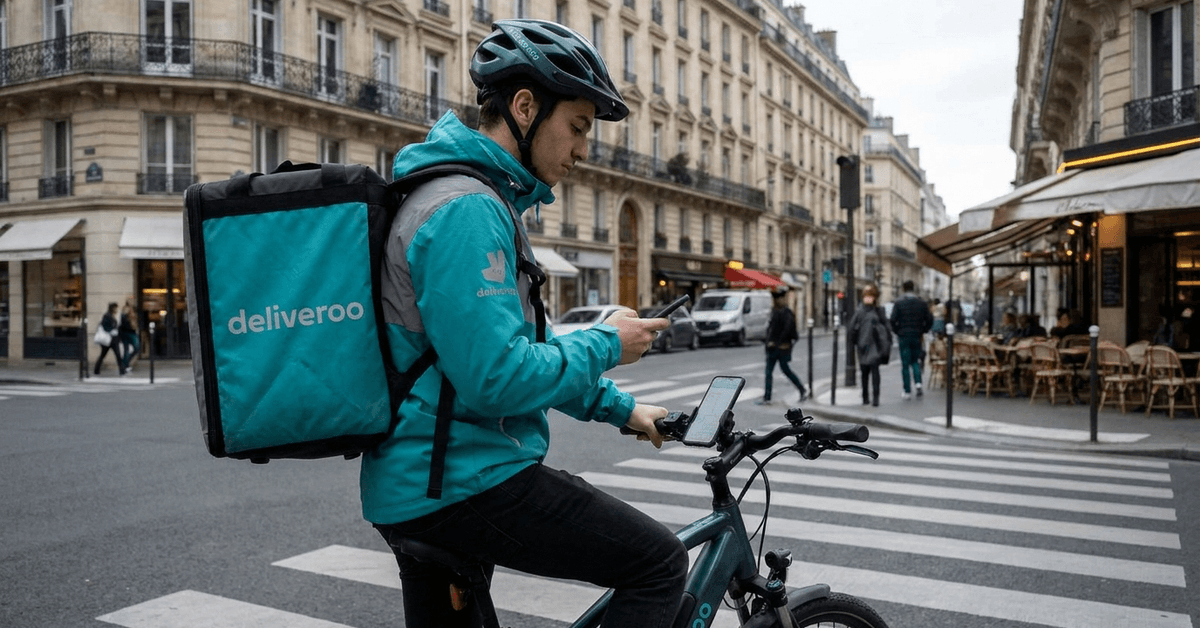
Popularité et forte demande
Dans les grandes villes françaises, comme Paris, Lyon ou Marseille, la demande pour la restauration à domicile reste soutenue. Deliveroo met chaque jour en relation d'innombrables clients avec des restaurants locaux, ce qui fait que de nouveaux coursiers sont régulièrement accueillis.
Flexibilité et équilibre vie professionnelle-vie privée
Ce poste offre une flexibilité que les emplois traditionnels n’ont pas toujours. Les personnes qui jonglent avec des études, un autre travail ou du temps en famille peuvent trouver la livraison particulièrement adaptée, puisqu’elle permet de choisir ses propres horaires. Bien entendu, les périodes de forte demande offrent généralement plus d’opportunités.
Gains et incitations
Certains livreurs bénéficient d'une rémunération attractive, parfois augmentée grâce à des primes lorsqu'ils effectuent des livraisons pendant les périodes de forte demande ou par mauvais temps. Les paiements sont effectués chaque semaine, ce qui permet d'accéder rapidement à ses gains. Les tarifs peuvent varier d'une ville à l'autre.
Conditions de base pour s’inscrire sur Deliveroo en France
Remplir les critères essentiels de Deliveroo facilite la procédure d'inscription. La plateforme impose certains standards afin de se conformer à la législation locale et d’assurer un service fiable.
- Âge : Vous devez avoir au moins 18 ans.
- Statut légal : Un droit de travail valide en France est nécessaire : citoyenneté européenne ou titre de séjour.
- Véhicule : Un moyen de transport adapté est requis : vélo, scooter ou voiture. Les vélos et trottinettes électriques sont de plus en plus appréciés.
- Smartphone : Accès à un smartphone moderne (iOS ou Android) avec connexion Internet, pour gérer les commandes et la navigation.
- Immatriculation SIRET : Le statut d’auto-entrepreneur (micro-entrepreneur) est habituellement demandé avant de commencer les livraisons. L’inscription se fait via les sites officiels du gouvernement français.
Documents nécessaires pour l’inscription
Une bonne préparation facilite grandement le processus de candidature. Avant de commencer votre inscription, il est conseillé de rassembler plusieurs documents.
- Pièce d’identité en cours de validité (passeport ou carte d’identité française)
- Justificatif de domicile en France
- Documents d’immatriculation du véhicule (si vous utilisez un véhicule motorisé)
- Justificatif du droit au travail (pour les personnes hors UE, titre de séjour ou permis de travail en cours de validité)
- Photo récente pour votre profil
- Numéro SIRET (preuve de votre statut de micro-entrepreneur)
Comprendre le statut de micro-entrepreneur (auto-entrepreneur)
Les livreurs Deliveroo en France exercent en tant qu’indépendants, et non comme salariés. Cela signifie qu’il est indispensable de s’inscrire en tant que micro-entrepreneur—appelé localement auto-entrepreneur—pour facturer et être en conformité avec la législation.
Cette démarche d’inscription s’effectue via les plateformes officielles du gouvernement français, comme autoentrepreneur.urssaf.fr. L’obtention de votre SIRET peut prendre quelques jours, mais la plupart des démarches se font en ligne, même si vous n’êtes pas familier avec l’administration française.
Comment postuler en ligne : la procédure officielle Deliveroo
La candidature chez Deliveroo en France se fait entièrement en ligne. Suivre attentivement la procédure augmente vos chances d’être intégré rapidement. Voici un aperçu des principales étapes que les candidats suivent généralement.
1. Créez votre compte
Commencez par vous rendre sur la page officielle de candidature Deliveroo. Saisissez quelques informations personnelles et choisissez votre ville de livraison préférée. Il est important de choisir correctement votre zone, car la couverture et la demande varient selon les régions.
2. Soumettez les documents requis
Le portail en ligne vous demandera de télécharger les documents nécessaires : pièce d’identité, justificatif de domicile, papiers du véhicule (le cas échéant) et votre attestation SIRET. Les images doivent être nettes et récentes afin d’éviter tout retard.
3. Regardez les vidéos de formation et de sécurité
Deliveroo propose de courts modules de formation sur les responsabilités, la sécurité et le comportement professionnel des livreurs. Il est généralement obligatoire de valider ces étapes, et il se peut qu’on vous demande ensuite de passer un test simple ou de confirmer votre compréhension.
4. Attendez la vérification et l'approbation
L’équipe d’assistance Deliveroo examine vos informations et documents. Le délai d’approbation peut varier en fonction de votre localisation et de la complétude de votre dossier. Vous recevrez généralement les notifications par e-mail.
5. Obtenez votre équipement
Une fois votre candidature approuvée, vous recevrez des instructions pour commander votre matériel officiel de livraison — comme des sacs aux couleurs de la marque et des équipements réfléchissants. Dans certaines villes, des événements de remise sont possibles, ou bien le matériel peut vous être envoyé à domicile moyennant des frais déductibles.
Démarrer avec les livraisons
Une fois votre inscription validée, l’application Deliveroo vous donne accès à votre tableau de bord coursier. Vous pouvez gérer vos créneaux de façon flexible. Les commandes apparaîtront pendant les horaires que vous avez choisis, vous permettant d’adapter votre activité à votre emploi du temps ou à vos disponibilités.
Les paiements sont généralement effectués chaque semaine. Votre rémunération est versée sur votre compte bancaire français. Le suivi des performances vous aide à surveiller vos gains, et les fonctionnalités disponibles dans l’application permettent d’analyser les courses terminées ainsi que les évaluations.
Responsabilités légales et fiscales des livreurs en France
Exercer en tant que micro-entrepreneur implique certaines obligations en France. Il est indispensable de déclarer vos revenus auprès des autorités compétentes et de régler les cotisations sociales prévues par la loi française. Le cadre légal peut légèrement varier si vous dépassez certains seuils de chiffre d'affaires ou utilisez des véhicules spécifiques.
Les livreurs Deliveroo peuvent généralement bénéficier de la sécurité sociale française en s’inscrivant auprès de l’URSSAF. Maîtriser les notions de base de la gestion de compte—comme la déclaration trimestrielle et la mise de côté pour les impôts—aide à éviter les mauvaises surprises. Vous trouverez ces informations sur le portail officiel Service Public.
Conseils pour optimiser votre expérience de travail
Certains coursiers estiment qu’augmenter le nombre de commandes par heure est la clé d’un meilleur revenu. Il est souvent utile de connaître les zones fréquentées de votre ville et de viser les créneaux où la demande des clients est la plus forte. Les conditions météorologiques, les jours fériés et les événements locaux ont généralement un impact sur le volume de commandes.
Prendre soin de votre véhicule, respecter le code de la route (surtout avec les trottinettes électriques et les vélos) et maintenir une communication courtoise avec les clients peuvent parfois améliorer votre réputation et augmenter vos pourboires. Les petits détails ne sont pas forcément évidents au départ, mais ils font la différence avec le temps.
Livraison durable : Sensibilisation environnementale et sociale
De plus en plus de livreurs en France prennent en compte leur impact environnemental. Par exemple, les vélos et scooters électriques sont souvent privilégiés pour leurs émissions réduites.
Les politiques urbaines pourraient continuer à encourager cette tendance, et les clients apprécient de plus en plus les choix éco-responsables.
Certains livreurs partagent que participer à ce modèle de travail flexible leur apporte un sentiment d'autonomie et d'implication dans l'économie moderne. Cependant, comme beaucoup d'emplois, il offre à la fois liberté et responsabilité.
Conclusion : Vos prochaines étapes avec Deliveroo en France
Le secteur de la livraison de repas en France ne cesse de croître, tout comme la demande de coursiers motivés. Commencer avec Deliveroo peut offrir une grande liberté dans l’organisation de votre emploi du temps, un potentiel de revenus équitable, ainsi que l’occasion de découvrir différents quartiers—voire même de créer de nouveaux liens sociaux.
Le processus de candidature, bien que structuré, reste assez simple avec un peu de préparation. Il est important de bien gérer vos démarches administratives et de respecter vos obligations légales, mais la possibilité de choisir vos horaires ou de compléter vos revenus est bien réelle. C’est d’ailleurs sans doute ce qui pousse tant de personnes à se lancer.
Si vous pensez que ce métier est fait pour vous, vous trouverez plus d’informations et le formulaire d’inscription sur la page officielle d’inscription coursier Deliveroo France.
The post Guide étape par étape : Comment postuler chez Deliveroo en France – Un accès rapide à un revenu flexible first appeared on Animals Breeds.
]]>The post Secure Your Spot: How to Apply for Food Delivery Jobs in France Easily first appeared on Animals Breeds.
]]>This article outlines how to search, qualify, and succeed with food delivery jobs in France , with clear steps to maximize your opportunity.
Why Choose Food Delivery Jobs in France?
Like much of Europe, France has seen a surge in demand for meal delivery to homes and offices.
The ease of working hours, straightforward entry, and citywide opportunities attract many applicants. For those seeking flexibility, it's perhaps one of the most accommodating fields.
Flexible Work, Local Demand
Major cities such as Paris, Lyon, or Bordeaux witness high volumes of orders, especially during evenings and weekends. Deliveries extend across different neighborhoods, giving couriers freedom to select zones that suit them best.

No Specific Educational Requirement
Contrary to several job sectors, there is rarely a strict education prerequisite. Most platforms prioritize punctuality, reliability, and knowledge of local routes over academic qualifications.
Competitive Income and Bonuses
Apart from base delivery fees, couriers often receive tips and timely bonuses. Incentive programs, especially during peak hours, can substantially boost overall payouts. It's not always predictable—but can be quite rewarding.
Main Platforms for Food Delivery Jobs in France
Companies providing food delivery in France vary by city but generally include international and local brands. Each platform follows distinct hiring protocols, though requirements are largely similar.
Deliveroo
Deliveroo is popular in urban centers and offers a reliable app interface. Applicants need a smartphone and a bike, scooter, or car for transportation. Official sign-up is performed at Deliveroo Rider Application France.
Uber Eats
Uber Eats has coverage in most French cities and suburbs. Their platform prioritizes flexibility, allowing couriers to start and stop shifts as they wish. The Uber Eats France Courier Application contains requirements and onboarding instructions.
Just Eat
Just Eat operates in select cities and recruits both contractors and direct employees. Candidates can browse available openings through their localized website or application portal.
Eligibility and Requirements in France
While some differences exist across regions, most French food delivery jobs have core requirements. These ensure customer safety and efficient service, yet the process remains accessible for most applicants.
Legal Residency and Age
Candidates must hold the legal right to work in France, whether as an EU citizen, French national, or with proper work permits. Minimum age is generally 18, sometimes with proof required.
Vehicle Type and Licensing
Most delivery companies accept bicycles, scooters, and cars. For scooters or cars, a valid driving license and insurance documentation are mandatory. Bike users should consider safety equipment like helmets.
Smartphone and App Familiarity
All major platforms rely on mobile apps for task allocation and GPS tracking. Comfort with using a smartphone and understanding basic navigation can be critical to success.
Background Checks
Some services conduct simple background checks. This might include proof of identity, legal status, and in some cases, a clean driving record if using a motor vehicle for deliveries.
Step-by-Step: How to Apply for Food Delivery Jobs in France
1. Research Platforms and Regions
Identifying which services operate in your city—such as Paris, Marseille, or Lille—helps streamline the process. Reviews from other couriers may provide useful perspectives.
2. Prepare Documents
Applicants typically need ID, driving license (if using motor vehicles), insurance, and address proof. For foreigners, residency permits and any required visas should be up to date and ready for upload.
3. Complete the Online Application
Application portals guide candidates through personal information, document uploads, and vehicle type selection. It's common to have to verify information by email or SMS before progressing.
4. Attend Brief Training or Orientation
Some companies offer digital onboarding sessions or in-person meetings, covering work procedures and expectations. This may include safety tips, equipment use, and platform etiquette.
5. Activate Your Account
After approval, most platforms authorize your account, allowing you to receive delivery requests. Some require an additional app download or provision of uniform or insulated bags.
Tips for Success as a Food Delivery Courier in France
Understanding Local Neighborhoods
Familiarity with local streets and shortcuts can reduce delivery times. Many couriers use a combination of GPS and personal knowledge, which can be particularly helpful in dense urban areas.
Adhering to French Road Safety Standards
Following traffic rules and wearing required safety gear lowers risk while making deliveries. France’s regulations benefit both couriers and the broader community.
Maximizing Earnings During Peak Times
Late evenings, weekends, and festive periods see order surges and extra incentives. Picking shifts during these windows could lead to higher pay, though the pace may be brisker.
Caring for Equipment
Well-maintained vehicles and insulated bags safeguard food quality and reduce stress during deliveries. Many companies offer support or discounted gear for new couriers as well.
Legal and Tax Considerations for French Couriers
Registration as Micro-Entrepreneur
Self-employed couriers must register as micro-entrepreneurs to be tax compliant. The French government provides straightforward guidelines on official sites like autoentrepreneur.urssaf.fr.
Declaring Income
Payouts from food delivery work should be declared annually, regardless of amount. Failure to do so can result in penalties or additional scrutiny.
Social Security Contributions
Registered micro-entrepreneurs in France contribute a percentage of income towards social security. This ensures couriers can access healthcare and other public services like any self-employed individual.
Conclusion: Starting Your Food Delivery Career in France
Delivering food in France offers practical work and unique flexibility. For those looking to balance other responsibilities, a courier job may fit almost seamlessly into their schedule. While requirements can seem daunting initially, the process itself is intentionally accessible—most platforms want new applicants and streamline their recruitment journey.
Anyone interested in immediate application may start directly via the Uber Eats France Official Application or Deliveroo's dedicated portal. Exploring food delivery could become the stepping stone to stable earnings and, perhaps, open doors to further opportunities in the service sector across France’s vibrant cities.
The post Secure Your Spot: How to Apply for Food Delivery Jobs in France Easily first appeared on Animals Breeds.
]]>The post A Step-by-Step Guide: How to Apply for Low Physical Demand Jobs Worldwide for Greater Work-Life Balance first appeared on Animals Breeds.
]]>For many—whether managing health needs or preferring less physically strenuous work—the demand for these opportunities remains high.
This article is crafted for job seekers worldwide aiming to find, prepare for, and successfully apply to low physical demand positions.
The following sections highlight practical ideas, making the process approachable and realistic for a range of backgrounds. Readers can expect to gain insights, as well as actionable paths, toward securing roles with greater work-life balance.
What Defines a Low Physical Demand Job?
Low physical demand jobs generally involve limited manual labor and minimal repetitive movement. Unlike traditional physically intensive roles, these positions tend to be office-based, remote, or technical in nature.

Examples often include administrative support, customer service, data entry, editing, research, IT support, and other roles that typically require a computer rather than prolonged standing or lifting. The essential quality here is less physical strain—an aspect valued by many around the world.
Why Seek Low Physical Demand Work?
Pursuing these jobs can be a strategic decision for those addressing health limitations, aging professionals, students juggling studies, or anyone pursuing a better work-life mix. These positions often allow for flexible scheduling and reduced risk of injury.
Another major benefit is that these jobs tend to be less location-dependant. In the current era of remote work growth, many low-exertion roles can be performed from anywhere with an internet connection, broadening opportunity globally.
Top Examples of Low Physical Demand Jobs
Administrative and Clerical Roles
Positions like administrative assistant, virtual receptionist, and document management specialist fall in this category. They offer structured routines and clear expectations, often with options for remote engagement.
Customer Support and Call Centers
Customer service representatives, technical support agents, and order processors typically work via phone or chat, allowing for seated, low-exertion work environments with global employers.
Writing, Editing, and Content Management
Writers, proofreaders, transcriptionists, and editors can work flexibly and independently. These jobs prioritize accuracy and communication rather than physical effort.
Technology and IT Roles
Many IT support jobs, data analysts, or programmers interact with technology more than people, making them highly accessible for applicants from worldwide backgrounds.
Education and Tutoring (Remote)
Online tutors, language coaches, and curriculum designers support learners via computer, reducing the need for movement or commuting entirely.
How to Identify Low Physical Demand Positions
When searching online platforms, adding keywords such as "remote," "non-physical," or "desk job" alongside the preferred industry can surface relevant openings. Official job boards like Indeed are a consistent starting point.
Examining job descriptions carefully is crucial. Look for clear details regarding physical requirements, such as "sedentary work environment," "remote eligible," or "minimal lifting required." These indicators suggest a role involves low physical effort.
Key Steps to Apply for Low Physical Demand Jobs
Update and Optimize Your Resume
Highlight experience and skills relevant to the role, such as digital proficiency, communication, or administration. Tailoring the document to show adaptability and reliability gives a stronger impression.
Craft a Focused Cover Letter
Concise, personalized cover letters can stand out. Connecting your motivations to seek low physical demand roles, while mentioning your preparation for remote or desk-based work, often resonates with employers.
Register with Reliable Job Platforms
Signing up with global job boards increases your reach. Popular platforms include Glassdoor and LinkedIn, which allow filtering by remote or part-time, supporting accessible job seeking for all backgrounds.
Prepare for Virtual Interviews
Many hiring processes now involve video or phone interviews. Practicing common questions and ensuring tech setup ahead of time can build confidence and reduce stress.
Watch for Genuine Job Offers
Avoiding suspicious openings is wise. Official company websites, well-known aggregators, and government-backed portals usually offer verified listings and increased safety.
Common Requirements for Low Physical Demand Roles
Most often, these positions ask for solid communication skills, technical or digital literacy, and time management. Some may require relevant degrees or certificates, while others value previous related experience.
Background checks and language proficiency might also arise, particularly for positions involving sensitive data or international interaction. Being transparent about abilities helps strengthen candidacy.
Where to Find Low Physical Demand Jobs
Global Job Portals
Major international platforms, such as LinkedIn and Indeed, routinely post roles suitable for worldwide applicants. Filtering by “remote" or "flexible schedule" gives access to low physical demand listings.
Company Career Pages
Many organizations share official job vacancies on their own sites, minimizing the risk of fake opportunities. Checking direct sources regularly helps to spot relevant postings early.
Best Practices When Applying
Ensuring all application documents are free from errors and formatted clearly demonstrates attention to detail. Customizing each submission, even slightly, can sometimes make the difference in highly competitive markets.
Staying organized with a spreadsheet or contact list may help, given the volume of openings out there globally. Tracking application status, deadlines, and responses can streamline progress.
Tips to Succeed in Low Physical Demand Jobs
Optimize Your Work Environment
Setting up an ergonomic workspace—whether from home or on-site—may improve comfort and efficiency. Good lighting and supportive seating are simple but effective adjustments.
Develop Digital and Communication Skills
Since technology underpins many of these jobs, refreshing digital know-how and remote communication etiquette adds value. Familiarity with standard software tools is a frequent plus.
Build a Work Routine
Regular schedules help maintain productivity. Even in flexible jobs, timing tasks and taking measured breaks contribute to sustained performance and well-being.
Legal, Tax, and Local Considerations
Understanding employment laws—such as work permits, tax responsibilities, or benefits—is important. These factors can vary widely country to country, especially for global remote jobs.
It's practical to consult official government sources or trusted professionals for specific requirements in your area. Staying informed shields you from unforeseen problems down the road.
Direct Application CTA
To explore and apply for verified low physical demand jobs worldwide, visit the official job search page at Indeed’s Remote Jobs. Here, users can filter for positions by interest, skill, and global location.
Conclusion: Embracing Accessible Opportunities for Everyone
Low physical demand jobs open doors for people with varied needs, priorities, and backgrounds. Finding and securing these positions requires patience, diligence, and a little research.
Over time, I’ve seen how flexible, comfortable work environments can truly support both professional growth and personal well-being. Whether you’re returning to work, switching careers, or just looking for more balance, there’s a world of accessible roles ready and waiting.
The post A Step-by-Step Guide: How to Apply for Low Physical Demand Jobs Worldwide for Greater Work-Life Balance first appeared on Animals Breeds.
]]>The post Step-by-Step Guide: Deliveroo Delivery Application Process in France – Fast Entry to Flexible Income first appeared on Animals Breeds.
]]>This article is tailored for anyone curious about how to apply for a courier role and what the process truly involves in France.
This structured guide explains requirements, the official process, and what to expect when starting out.
Whether you're a student, job-seeker, or just considering side earnings, getting familiar with the steps makes everything slightly less intimidating and, perhaps, more realistic. Let's see what it takes to become a Deliveroo delivery partner in France.
Why Consider Deliveroo Food Delivery in France?
The food delivery sector in France has grown sharply—and that momentum hasn't slowed.
Choosing to deliver for Deliveroo often appeals to people valuing scheduling freedom and the prospect of a steady income, even if it's supplemental.
Popularity and High Demand
Urban centers across France, including Paris, Lyon, and Marseille, show sustained demand for at-home dining. Deliveroo connects countless customers with local restaurants every day, so new couriers are frequently welcomed onboard.
Flexibility and Work-Life Balance
The role offers flexibility that traditional jobs may not. Those juggling studies, another job, or family time might find couriering suitable since it allows picking your own hours. Of course, peak demand hours often yield more opportunities.
Earnings and Incentives
Some couriers enjoy competitive pay, boosted at times by incentives for completing deliveries during peak periods or poor weather. Payouts are handled weekly, providing relatively quick access to earnings. Rates can vary from city to city.
Basic Requirements to Apply for Deliveroo in France
Meeting Deliveroo's essential requirements makes the process smoother. The platform maintains some standards to comply with both local regulations and the need for reliable service.
- Age: You must be at least 18 years old.
- Legal Status: A valid right to work in France, such as EU citizenship or residency permit, is needed.
- Vehicle: A suitable mode of transport: this could be a bicycle, scooter, or car. Electric scooters and bikes have become increasingly popular.
- Smartphone: Access to a modern smartphone (iOS or Android) with Internet for order management and navigation.
- SIRET registration: Self-employed (micro-entrepreneur) status is usually required before starting deliveries. Registration is done via French government portals.
Documents Needed for Registration
Preparation is key to easing the application process. Before starting your application, it's suggested to have several documents on hand.
- Valid identity document (passport or French ID card)
- Proof of address in France
- Vehicle registration documents (if using a motorized vehicle)
- Proof of right to work (for non-EU citizens, a valid residency or work permit)
- Recent photograph for your profile
- SIRET number (proof of your micro-entrepreneur status)
Understanding the Micro-Entrepreneur (Auto-Entrepreneur) Status
Deliveroo couriers in France operate as independent contractors, not employees. This means registering as a micro-entrepreneur—locally called auto-entrepreneur—is essential for invoicing and compliance purposes.
This registration process is managed via official French government platforms like autoentrepreneur.urssaf.fr . It may take a few days to obtain your SIRET , but most tasks can be handled online, even if you’re unfamiliar with French administration.
How to Apply Online: The Official Deliveroo Process
Applying to Deliveroo in France is completed online. Following the procedure carefully increases the chance of a swift onboarding. Here’s an overview of the main steps applicants generally follow.
1. Create Your Account
Begin by visiting Deliveroo’s official application page. Enter some personal data and select your preferred delivery city. Choosing a location is important as coverage and demand differ by region.
2. Submit Required Documents
The online portal will prompt you to upload necessary documents: ID, proof of address, vehicle paperwork (if relevant), and your SIRET certificate. The images should be clear and recent to prevent delays.
3. Watch Training and Safety Videos
Deliveroo includes brief training modules on couriers’ responsibilities, safety, and professional conduct. Completing these steps is typically mandatory, and they might later request a simple test or confirmation of your understanding.
4. Await Verification and Approval
The Deliveroo support team reviews your details and documents. The wait time for approval might vary, depending on your location and application completeness. Notifications are usually sent via email.
5. Get Your Equipment
Once approved, you’ll receive instructions to order your official delivery gear—like branded bags and reflective gear. In some cities, pick-up events are possible, or gear can be shipped to your address for a deductible fee.
Getting Started with Deliveries
Following approval, the Deliveroo app gives access to your courier dashboard. Shifts can be managed flexibly. Orders will appear during your chosen windows, allowing the workflow to fit your routine or availability.
Payouts are generally handled weekly. Payment arrives in your French bank account. Monitoring performance helps track earnings, and available features in the app allow analysis of completed orders and reviews.
Legal and Tax Responsibilities for Couriers in France
Operating as a micro-entrepreneur comes with certain obligations in France. It’s expected that you declare your income to the relevant authorities and pay social charges as required under French law. The legal framework may differ slightly if you cross certain revenue thresholds or use specific vehicles.
Deliveroo couriers can usually access French social security by registering with URSSAF. Understanding basic account management—such as quarterly reporting and saving for taxes—prevents future surprises. Information on this is available on the official Service Public portal.
Tips for Optimizing Your Work Experience
Some couriers find maximizing orders per hour is the key to better income. It often helps to know hotspot areas in your city, and to target shifts with higher customer demand. Weather conditions, national holidays, and local events tend to affect order flow.
Taking care of your vehicle, monitoring road regulations (especially with e-scooters and bikes), and keeping communication polite with customers sometimes boosts reputation and tips. Small details might not be obvious at first, but they accumulate over time.
Sustainable Delivery: Environmental and Social Awareness
More couriers in France now consider their environmental impact. For instance, electric bikes and scooters are frequently chosen for their lower emissions.
Urban policies may continue to encourage that trend—and customers increasingly appreciate eco-responsible choices.
Some riders share that participating in this flexible work model gives a sense of autonomy and involvement in the modern economy. However, like many jobs, it brings both freedom and responsibility.
Conclusion: Your Next Steps with Deliveroo in France
France's food delivery industry continues to expand, and so does demand for motivated couriers. Starting with Deliveroo can offer scheduling freedom, fair earning potential, and exposure to different neighborhoods—sometimes even a new sense of community.
The application path, while structured, is fairly clear with a little preparation. Staying on top of both your paperwork and legal responsibilities is important, but the opportunity to shape your own hours or add extra income is real. Perhaps that’s one reason so many people give it a try.
If the process seems right for you, more information and the application form can be found on the official Deliveroo France courier signup page.
The post Step-by-Step Guide: Deliveroo Delivery Application Process in France – Fast Entry to Flexible Income first appeared on Animals Breeds.
]]>The post Your Complete Guide: How to Apply to Be an Amazon Flex Driver in the US and Start Earning first appeared on Animals Breeds.
]]>This guide shares clear, practical information for those interested in gig delivery work and wanting to understand what it means to drive with Amazon Flex.
Applicants worldwide research Amazon Flex, but the process discussed here specifically covers the requirements and steps for the United States. If you’re curious about supplementing your income in the gig economy, reading on could be worthwhile.
The goal? To provide understandable information to help people evaluate if this unique driving role is a good fit for their needs.
What Is Amazon Flex and Who Can Apply?
Amazon Flex is a program where drivers use their own vehicles to deliver Amazon packages.
People can create their own schedules and pick up delivery blocks that fit their availability. It attracts those seeking flexible earning opportunities alongside other commitments.
Applicants need to meet some basic criteria to qualify. The program is open to individuals who meet specific age, licensing, and vehicle requirements set by Amazon.
Some people find the independence appealing, though the variable nature of gig work may not suit everyone.
Eligibility Criteria for Amazon Flex Drivers
- Must be at least 21 years old
- Hold a valid U.S. driver’s license
- Have access to a midsize or larger vehicle (sedans, SUVs, vans)
- Own a smartphone (iOS or Android) compatible with the Amazon Flex app
- Provide required documentation during application
Meeting these requirements is necessary before beginning any application steps. Not everyone will be automatically accepted, as eligibility can also depend on demand in a given city.
Why Consider Amazon Flex? Benefits and Realities
For many, the biggest draw is flexibility. Drivers are able to choose delivery blocks and work according to their personal schedules.
Earnings are paid quickly, typically twice per week, and the work is independent. People may appreciate the opportunity to manage their own workflow without direct supervision.
That said, earnings can fluctuate due to local demand, delivery volume, and competition among drivers.
Each experience with the program may be a bit different and the workload can be unpredictable at times.
Step-by-Step: How to Apply to Be an Amazon Flex Driver in the US
Create an Amazon Account
To start, a personal Amazon account is required. If someone doesn’t already have one, it’s necessary to create an account at Amazon.com. This becomes the identity for logging into the Flex platform later on.
Download and Install the Amazon Flex App
The Amazon Flex app is available for iOS or Android. It’s downloaded directly from the operating system’s app marketplace. App installation is the next key step since all application actions and future delivery work happen through this tool.
Complete the Online Application Form
Within the app, users enter details such as name, contact information, preferred city, and vehicle information. Some sections may request uploading documentation or verifying a U.S. driver’s license to meet state regulations.
Consent to a Background Check
Applicants will need to authorize Amazon to perform a background check. This is a standard part of gig economy roles and may include a driving history review, criminal background screening, and identity verification. The process can take several days or more, depending on location and verification speed.
Check for Available Delivery Opportunities
After completing application steps, the app will notify users if there are shifts open in their chosen area. Some people might experience a waitlist depending on market demand, so patience can be important.
Attend an Introductory Module
Once accepted, new drivers review basic training material in the app. The educational content covers safe package handling, delivery expectations, and customer service best practices. Completion of these learning modules is required before receiving delivery offers.
Begin Booking Delivery Blocks
After full approval and onboarding, users can schedule themselves for available shifts, or "blocks," through the app. At this point, they are officially ready to begin working as Amazon Flex drivers. Earnings will be displayed per shift.
Understanding the Amazon Flex Delivery Process
Delivery shifts, also known as blocks, typically range from two to four hours. Drivers pick up packages from a central Amazon facility or designated pickup location. The app guides each step, from scanning parcels to route navigation.
Deliveries vary and can include standard Prime packages as well as groceries or other local offerings. Most routes are designed to be completed within the designated time frame, with real-time updates from Amazon as needed.
Potential Earnings and Costs
Earnings as an Amazon Flex driver are calculated per block or shift, not per package delivered. The advertised rate may range from $18 to $25 per hour, although actual income can fluctuate for several reasons.
Related expenses are the responsibility of the driver. Examples include fuel, vehicle maintenance, mobile data, and auto insurance. Realistically, net take-home pay is affected by the cost of maintaining a vehicle and completing the required routes.
Factors That Influence Earnings
- Time of day (peak periods often pay more)
- Location-based demand
- Type of delivery (e.g., fresh groceries may have different rates)
- Distance between stops
Some drivers report higher income in dense urban areas with frequent delivery needs. Others find the work more sporadic in rural or suburban regions. The potential for bonuses and incentives exists but will not be the same everywhere.
Important Legal and Tax Considerations
Amazon Flex drivers are considered independent contractors, not employees. This means workers are responsible for tracking income, saving for taxes, and complying with local laws related to self-employment or small business operation.
Filing taxes on Flex income is a must. Amazon issues appropriate forms for earnings, but it is up to the driver to declare all revenue and related expenses. Consulting a tax advisor may help. Insurance is another area to check: not every auto policy covers delivery driving, so reviewing this in advance is sensible.
Support, Resources, and How to Get Started
Amazon maintains a robust help section on its official website and within the Flex app, addressing common driver concerns. New applicants can find updates regarding availability, application wait times, and other FAQs at the official Amazon Flex page.
If the application is approved, booking a first shift and reviewing basic safety guidelines is the recommended way to begin. Support is provided through the app for any technical or operational issues as well.
Conclusion: Is Amazon Flex Right for You?
Many people look to Amazon Flex for its adaptable schedule, fair earning potential, and straightforward onboarding. It can be a solid option for those who want gig work, have a reliable vehicle, and prefer independent jobs. While some may find the unpredictable demand and expenses challenging, others quite enjoy the autonomy it delivers.
If all requirements sound manageable, Amazon Flex could provide a steady stream of extra income without a rigid work schedule. To explore current opportunities and start the application process, visit the official Amazon Flex sign-up page for the most accurate, up-to-date instructions and eligibility checks.
The post Your Complete Guide: How to Apply to Be an Amazon Flex Driver in the US and Start Earning first appeared on Animals Breeds.
]]>The post How to Apply for a Free Government Phone with Food Stamps: Worldwide Eligibility & Step-By-Step Guide first appeared on Animals Breeds.
]]>If you’re receiving food stamps or their equivalent in your country, you might be entitled to a free government phone , depending on local laws and providers.
This article is ideal for anyone seeking information about applying for such a government initiative.
Whether you’re in the United States or exploring options internationally, making sense of this benefit can improve your daily life, job prospects, and personal security. By learning about the various programs available, you may find a helpful resource you didn’t know existed.
Understanding Free Government Phone Programs
Many countries have introduced programs aimed at improving digital inclusion for citizens with lower incomes.
These programs typically partner with telecommunications companies to distribute free or subsidized phones and services.
In most places, eligibility is linked to participation in public assistance initiatives like food stamps, the Supplemental Nutrition Assistance Program (SNAP) in the US, or other social welfare systems.

The idea is straightforward: no one should be left behind in a fast-advancing digital world.
A basic phone can mean easier access to medical help, employment opportunities, or simply staying connected with loved ones.
The application process may look different depending on where you live, but the overarching goals remain consistent worldwide.
Who Qualifies for a Free Government Phone?
The main deciding factor is low-income status, commonly proven by enrollment in state or federal food assistance programs. Other social assistance—like Medicaid, SSI, or specific housing benefits—may also count.
Some places go even further, recognizing recipients of family benefits, disability support, or unemployment assistance as well. Still, satisfying the income threshold tied to food stamps is among the most direct routes in most regions.
A person doesn’t automatically receive a phone when they enroll in food stamp programs. Instead, there’s usually a separate application process.
It’s important to confirm local details, as terminology and requirements can differ across the globe. For instance, SNAP is specific to the USA, while other countries have their own systems and names for assistance programs.
United States: The Lifeline Program
In the US, the most prominent initiative is the Lifeline Program , managed by the Federal Communications Commission (FCC).
If you’re receiving SNAP benefits (formerly known as food stamps), you might qualify for a free phone and monthly plan. Documentation, such as a program benefits letter or EBT card, is usually needed for proof.
Other Countries’ Approaches
Elsewhere, some countries offer similar services—though coverage and technology can vary. For example, in the UK, social tariff plans aim to provide affordable connectivity.
Australia and India have explored state or telecom-led schemes for distributing subsidized mobile devices. If you’re not in the US, checking with local authorities or telecommunications companies is your best bet for specifics.
Step-By-Step Guide to Applying with Food Stamps
While details will always depend on your country, the general path for applying is mostly the same. Knowing the steps helps avoid common mistakes and saves time.
1. Confirm Eligibility with Social Assistance Documents
Start by making sure your food assistance enrollment is active and that your paperwork is up-to-date.
Recent letters, cards, or eligibility documents are vital. Check if other benefits could also make you eligible. Applying is generally easier with valid, recent proof of support.
2. Research Official Providers in Your Region
Not all mobile companies participate in government phone programs. It’s best to use official agency sites or trusted telecom brands to confirm legitimate offers.
In the US, the Lifeline Support official website provides a list of approved companies by state and region.
3. Gather Personal and Eligibility Documents
Typically, you need at least one form of ID, proof of address, and proof of food stamp participation.
Some countries want copies, others require originals or certified proof. Double-check exactly what is needed to avoid delays during application review.
4. Fill Out the Application Online or In Person
Many providers offer web applications, which speed up the process. Some regions may direct you to local offices. Make sure you enter personal details correctly and attach all necessary documentation. Errors or omissions could slow down approval.
5. Submit & Track Your Application
Once you submit, providers usually confirm receipt and share details about the review timeline. In some areas, status tracking is available online. Keep any reference numbers or emails from the process for your records—these can be helpful if you need to follow up or resolve questions.
6. Phone Approval and Activation
If approved, the provider will send instructions for picking up or receiving your phone. Activation is typically straightforward and may even come pre-configured for instant use. Expect further steps if your country requires device registration or data plan selection.
Common Features of Free Government Phones
Free phones are usually basic smartphones, not the latest flagship models. Still, they provide access to essential calls, texts, and internet—even if data limits apply.
Some plans focus on call minutes, while others put more weight on basic browsing. A few regions allow device upgrades over time, but that’s not standard.
What you get will depend on contractual agreements between your government’s overseeing authority and participating telecom firms. Wi-Fi compatibility and emergency features are generally included. It’s important to manage expectations—these phones provide fundamental communication tools, not luxury extras.
Documents Typically Needed for Application
- Valid photo ID (passport, national ID, or driver’s license)
- Proof of food assistance (official benefit letter, EBT/SNAP card)
- Proof of residence (utility bill, lease agreement, tax statement)
- Any supporting documents showing participation in other qualifying government aid programs
In some areas, schools or non-profit organizations can also help with documentation or provide guidance for people facing language barriers or disabilities.
Potential Drawbacks and Things to Consider
While benefits are appealing, several limitations exist. For one, device options may be limited and data plans modest.
Some providers may restrict call areas or cap monthly usage. Reapplication is sometimes needed annually to prove ongoing eligibility—the process can be tedious if documents are lost or assistance status changes.
One more factor is privacy. To use these government-offered programs, you often need to consent to sharing some personal data with providers.
That said, official programs are regulated to protect sensitive information, but a certain amount of caution is never wrong. Scams do appear occasionally, so using only reputable applications channels is critical.
Applying Online: The Official Way
When applying online, it’s safer to use the verified portal for your country. In the United States, applicants can review eligibility and submit documentation through the official Lifeline Support website.
International readers should browse government websites or contact their national telecom regulator for a list of approved providers.
Remember, application approval never comes with upfront fees or requests for sensitive information before you’re accepted. Any site that asks for payment or personal passwords without cause should be avoided.
To get started or review your options, you may explore the official Lifeline program page for up-to-date application info as a reliable US reference.
Conclusion: Empowering Communication with Support Programs
Applying for a free government phone with food stamps can make an everyday difference. It’s about staying connected, looking after family, and seeking new opportunities—often with just a few key documents and steps.
Programs worldwide aim to ease digital divides, but they do require careful, honest applications and a bit of patience. By following official guidance and staying aware of local resources, you can access a simple service that has a meaningful impact.
For more details or to begin the application, visit the official Lifeline Support site or consult your national regulator for verified local resources.
The post How to Apply for a Free Government Phone with Food Stamps: Worldwide Eligibility & Step-By-Step Guide first appeared on Animals Breeds.
]]>The post How to Apply for a PNC Personal Loan Online: A Step-by-Step Guide for Hassle-Free Borrowing first appeared on Animals Breeds.
]]>The bank also runs a hard credit inquiry when you apply. There is no soft-pull prequalification option. So checking your rate means putting a mark on your credit report, even if PNC's offer turns out to be uncompetitive.
This article is for the person who already has a PNC checking account, lives in one of the 27 eligible states, and wants to know exactly what the online application looks like before committing to that hard pull.
PNC Personal Loan Rates, Amounts, and Terms in 2026
PNC's unsecured personal installment loan ranges from $1,000 to $35,000 with repayment terms of 6 to 60 months and a maximum APR of 24.99%.
No origination fee. No prepayment penalty. Those two line items do matter, because a lender like Upgrade charges origination fees between 1.85% and 9.99%, which gets deducted from your loan proceeds before you see the money.

How the 0.25% Autopay Discount Works
PNC knocks 0.25 percentage points off your APR if you set up automated payments from a PNC checking account. But the timing is strict.
You have to enroll in autopay at loan closing. Not a week later. Not after your first payment. At closing. If you miss that window, PNC's rate disclosure page states the discount does not apply retroactively.
On a $20,000 loan over 48 months, 0.25% saves roughly $100 to $130 in total interest. Small, but free money if you time it right.
Why Rates Change by ZIP Code
PNC prices its loans partly by geography. Two applicants with identical credit scores, identical incomes, and identical loan amounts can receive different APRs based on where they live.
I think this ZIP-code pricing model at PNC makes rate-shopping harder than it needs to be, because you cannot compare PNC's rate to a competitor's until you've already taken the hard inquiry.
Lenders like SoFi and LightStream let you prequalify with a soft pull first.
Which States Can You Get a PNC Personal Loan In?
PNC's personal installment loan is available in 27 states plus Washington, D.C.: AL, AZ, CO, CT, DC, DE, FL, GA, IL, IN, KY, MA, MD, MI, MO, NC, NJ, NM, NY, OH, PA, SC, TN, TX, VA, WI, and WV.
Four of those states carry extra restrictions: MA, NY, CT, and TN. PNC does not specify the restrictions publicly. If you live in one of those four, call 1-877-225-5762 before applying to confirm eligibility.
That means roughly half the U.S. population cannot apply at all. Have you ever started filling out a loan application only to find out at the end that your state isn't covered?
Step-by-Step PNC Online Loan Application
The online application takes about 15 to 20 minutes if your documents are ready. The catch is that PNC requires you to have an online banking profile before you can start.
Open a PNC Checking Account First
You cannot apply for a PNC personal loan online without an existing PNC checking account enrolled in online banking. If you don't have one, you'll need to open one and wait for account verification before the loan application becomes available.
This adds days to a process that competitors handle in a single sitting. LightStream, for example, funds same-day loans to applicants who already bank elsewhere.
Documents You Need Ready
Gather these before starting the form:
- Social Security number
- Government-issued photo ID (driver's license or passport)
- Proof of income: recent pay stubs, W-2s, or tax returns
- Monthly debt obligations: rent, car payment, existing loan balances
- PNC checking account number
Filling Out the Application
The form asks for personal information, employment details, income sources, and the loan amount you want.
Double-check your employer's name and address. Typos in employment history are one of the most common reasons PNC flags an application for manual review, which adds business days to the timeline.
What Happens After You Submit
PNC may return a preliminary decision within minutes, or it may take one to two business days. If additional documents are needed, PNC sends email requests.
Check your spam folder. Multiple borrowers on Bankrate and WalletHub reviews report that PNC's document-request emails sometimes route to spam or promotions tabs in Gmail.
PNC's Loan Offer: Reading the Fine Print
If approved, PNC presents an offer showing your fixed interest rate, monthly payment, and total repayment cost over the loan's life.
The advertised "starting at" rate on PNC's marketing pages includes the 0.25% autopay discount and applies to the most qualified applicants.
Your offered rate will almost certainly be higher unless your credit score is above 750 and your debt-to-income ratio is low.
What PNC Won't Let You Use the Money For
PNC explicitly prohibits using personal loan funds for post-secondary education expenses or student loan refinancing. If either of those is your goal, PNC's application page redirects you to pnconcampus.com.
This restriction eliminates a common use case that lenders like SoFi and Earnest actively serve.
Is PNC's No-Fee Structure Really the Best Deal?
I would push back on the common assumption that zero origination fees automatically make PNC cheaper than fee-charging competitors.
A lender like Upgrade might charge a 4.99% origination fee on a $15,000 loan but offer a 2% lower APR. Over 36 months, the lower rate saves more than the $748 upfront fee costs.
| Feature | PNC | SoFi | LightStream |
|---|---|---|---|
| Loan amounts | $1,000–$35,000 | $5,000–$100,000 | $5,000–$100,000 |
| Origination fee | None | None | None |
| Prequalification | No (hard pull) | Yes (soft pull) | No (hard pull) |
| Autopay discount | 0.25% | 0.25% | 0.50% |
| State availability | 27 states + DC | All 50 states | All 50 states |
SoFi and LightStream both charge zero origination fees, offer higher maximums, and are available nationwide. PNC's edge is its low $1,000 minimum for small borrowers.
Boosting Your Approval Odds Before Applying
The hard-pull-only model means you want to be as prepared as possible before submitting.
Check Your Credit Report for Errors
Pull your free reports from AnnualCreditReport.com. Dispute inaccuracies before applying. A single incorrect late-payment record can drop your score 50 to 100 points.
Lower Your Credit Utilization
Pay down revolving balances to get your credit utilization below 30%. Below 10% is better. PNC weighs debt-to-income ratio heavily, and high card balances inflate that number.
Consider Adding a Co-Borrower
PNC allows co-applicants. If your credit is borderline, a co-borrower with stronger credit can help you qualify for a lower rate. Both applicants become equally responsible for repayment.
Questions People Ask About PNC Personal Loans Online
A few things people search for that the main application page doesn't spell out clearly.
- Q: Does PNC do a hard or soft credit check for personal loans?
PNC runs a hard credit inquiry when you apply. There is no prequalification or soft-pull option as of 2026. This means every application leaves a mark on your credit report, which can temporarily lower your score by a few points. - Q: How fast does PNC fund a personal loan after approval?
Funding typically takes a few business days after you e-sign your loan documents. PNC deposits directly into your checking account. Delays are common during high-volume periods like January and tax season. - Q: Can you pay off a PNC personal loan early without a penalty?
Yes. PNC charges no prepayment penalty. Paying early reduces total interest. If you get a bonus or tax refund, you can throw it at the principal without any extra fee. - Q: What credit score do you need for a PNC personal loan?
PNC does not publish a minimum credit score. Third-party reviews from WalletHub and Bankrate suggest applicants with scores of 660 and above have the best chances. Applicants below 660 may still qualify if income and debt-to-income ratios are strong. - Q: Can you use a PNC personal loan for a wedding or vacation?
Yes. PNC allows most lawful personal uses. The two exceptions are post-secondary education expenses and student loan refinancing. Weddings, vacations, medical bills, and home repairs all qualify.
Conclusion
PNC's online personal loan works best for existing customers who need $35,000 or less and live in an eligible state. The no-fee structure and low minimum are real advantages for smaller loans.
But the hard pull, geographic limits, and $35,000 ceiling make it worth comparing SoFi or LightStream before committing. Run the numbers on total repayment cost, not just the origination fee line.
The post How to Apply for a PNC Personal Loan Online: A Step-by-Step Guide for Hassle-Free Borrowing first appeared on Animals Breeds.
]]>The post A Complete Guide: Applying for the PayPal Mastercard Online and Accessing Flexible Spending first appeared on Animals Breeds.
]]>That 1.5% rate used to be 2%. PayPal cut it in May 2024, and the card lost its edge for general spending overnight.
This article is for the person who already has a PayPal account, shops online regularly, and wants to know whether this card is worth the hard inquiry on their credit report.
Does the PayPal Cashback Mastercard Still Accept Applications in 2026?
The PayPal Cashback Mastercard is the only PayPal-branded credit card currently open to new applicants. Applications for the PayPal Extras Mastercard are no longer being accepted. If you see articles comparing both cards, that comparison is outdated.
PayPal Extras vs. Cashback: One Card Is Dead
You can apply for other PayPal credit products like the PayPal Cashback Mastercard, which offers cash back rewards.
The Extras card used a points-based system with categories for gas and dining. That program still runs for existing holders, but no new accounts are being issued.

You may only have either the PayPal Cashback Mastercard or the PayPal Extras Mastercard account. So if you hold an old Extras card and want to switch, you would need to close it first.
The eBay Extras Mastercard Is Gone Too
The eBay Extras Mastercard is no longer part of PayPal's credit products as of March 24, 2026, and has either been closed or converted to a Synchrony Mastercard.
What the 3% and 1.5% Cashback Rates Look Like in Practice
The PayPal Cashback Mastercard earns 3% cash back when you pay through PayPal at checkout and 1.5% on all other purchases. The card has no annual fee and no minimum for cash back redemption.
The 3% Rate Has a Catch You Should Size Up
The 3% rewards rate only applies when you use PayPal checkout. If a store accepts Mastercard but does not offer PayPal as a payment option, you earn 1.5%. And a lot of physical retail falls into that bucket.
I think the math gets uncomfortable for anyone spending less than $500 per month through PayPal checkout. At that level, you earn $15 per month at 3%.
A flat 2% card like the Citi Double Cash would earn $10 on the same spend but $20 on a total of $1,000 across all purchases. The gap closes fast.
Authorized Users Get Locked Out of the Best Rate
Authorized users cannot earn the 3% rewards rate because their cards can't be added to a PayPal account. Every purchase an authorized user makes earns 1.5%, period.
If you planned to add a partner or family member to share the 3% rate, that plan falls apart immediately. Nobody talks about this.
How to Apply for the PayPal Cashback Mastercard Step by Step
The application runs through PayPal's website and takes about five minutes. Synchrony Bank issues the card and handles the credit decision.
The process works like this:
- Log in to your PayPal account and look for the credit card section under your wallet
- Choose the PayPal Cashback Mastercard and click the application link
- Fill in your personal details: name, address, Social Security number, annual income
- Consent to the credit check and submit
If you're declined, the application itself does not affect your credit score. A hard inquiry only posts if you are approved.
What Synchrony Bank Looks For
Synchrony runs a standard credit evaluation. You need a U.S. address, a verified PayPal account, and a credit history that meets their threshold. The card targets applicants with fair to good credit.
A few things that slow down approvals: mismatched addresses between PayPal and your credit file, unresolved PayPal account limitations, and thin credit files. Fix those before you apply.
APR and Fee Breakdown for 2026
The costs matter more than the rewards if you carry a balance. The regular purchase APR is 18.49%, 30.24%, or 33.24% variable, depending on creditworthiness.
| Fee Type | Amount |
|---|---|
| Annual fee | $0 |
| Regular APR | 18.49% to 33.24% variable |
| Cash advance APR | 33.24% variable |
| Cash advance fee | $10 or 5%, whichever is greater |
| Foreign transaction fee | 3% |
| Late fee | Up to $40 |
| Penalty APR | 34.24% variable |
The penalty APR of 34.24% kicks in after a missed payment. Once that rate activates, it applies to your existing balance too.
The Foreign Transaction Fee Eats Your Rewards
A 3% foreign transaction fee on a card that earns 3% cash back means you break even on international PayPal purchases. And you lose money on every international purchase that earns the 1.5% rate.
I would skip this card entirely for international spending. A no-foreign-fee card like the Capital One SavorOne wipes the floor with it on overseas transactions.
How Reward Redemption Works on This Card
Redeeming cash back requires a PayPal account in good standing. There is no minimum redemption amount, and rewards don't expire as long as your account remains open.
Your options for getting cash back out:
- Transfer to your PayPal balance
- Send to a linked bank account
- Move to a linked debit card
You need a PayPal Balance account to use redeemed rewards directly in your PayPal balance. If you don't have one set up, your only option is sending rewards to your bank or debit card.
Rewards Post Faster Than Most Cards
Earned rewards become available for redemption about three days after an eligible purchase. That is quicker than many competitors, which wait for the monthly statement cycle.
Who Should Skip This Card
Every review recommends this card for "PayPal users." I think that framing is too broad.
If you aren't a frequent PayPal user, you may find a higher rewards rate with other cards. The 1.5% flat rate on non-PayPal spending is below the 2% you can get from the Citi Double Cash or Wells Fargo Active Cash.
When the Card Makes Sense
You should apply if you regularly spend $500 or more per month through PayPal checkout and you want a no-fee card with instant reward access. The 3% rate on uncapped PayPal purchases is hard to beat in that specific scenario.
When It Doesn't
If your PayPal spending is occasional and most of your purchases happen in stores or on sites that don't support PayPal checkout, the 1.5% rate is the rate you will live with. And 1.5% is not competitive in 2026.
Questions People Ask About the PayPal Mastercard Application
A few things come up repeatedly when people look into this card.
- Q: Does applying for the PayPal Mastercard hurt my credit score?
If you're declined, there is no impact to your credit score. Approval triggers a hard inquiry through Synchrony Bank, which may lower your score by a few points temporarily. - Q: Can I use the PayPal Mastercard outside the United States?
The card works anywhere Mastercard is accepted internationally. But the 3% foreign transaction fee means every overseas purchase costs you as much as you earn in rewards, or more. - Q: How long does it take to get the physical card after approval?
Physical cards typically arrive within 7 to 10 business days. Some approved applicants receive a digital card number right away for immediate online purchases. - Q: Can I hold both a PayPal Extras and a PayPal Cashback Mastercard?
No. You may only have one type of PayPal Mastercard account. To switch from Extras to Cashback, you need to close the Extras account first. - Q: What credit score do I need to get approved?
Synchrony Bank does not publish a minimum score. The card targets applicants with fair to good credit, and approval depends on your full credit profile, not a single number.
Conclusion
The PayPal Cashback Mastercard rewards heavy PayPal users at a rate few no-fee cards can match. The 3% disappears the moment you step outside PayPal checkout, and that 1.5% floor is ordinary.
Size up how much you spend through PayPal before you apply, because that number decides whether this card works for you or just sits in your wallet.
The post A Complete Guide: Applying for the PayPal Mastercard Online and Accessing Flexible Spending first appeared on Animals Breeds.
]]>The post A Practical Guide to Getting the PayPal Mastercard in the US – Flexible Credit Access Explained first appeared on Animals Breeds.
]]>But Synchrony Bank, the issuer behind this card, runs variable APRs as high as 33.24% on regular purchases. Carry a balance for two months and your 3% reward disappears into interest charges.
This guide is for the online shopper who already uses PayPal at checkout two or three times a week and wants to know if this card is worth the hard pull on their credit report.
What the PayPal Cashback Mastercard Costs You
The PayPal Cashback Mastercard is a no-annual-fee credit card issued by Synchrony Bank that earns 3% cash back on PayPal checkout purchases and 1.5% on all other purchases.
No annual fee sounds great until you look at the APR tiers. Synchrony assigns one of three rates based on your credit profile: 18.49%, 30.24%, or 33.24% variable. There is no introductory 0% APR period on purchases or balance transfers.

Cash Advance and Penalty Rates
Cash advances carry a 33.24% variable APR plus a fee of $10 or 5% of the advance, whichever is greater. Miss a payment? The penalty APR jumps to 34.24% variable. A late fee of up to $40 gets tacked on separately.
Foreign Transaction Fee
The card charges a 3% foreign transaction fee. If you travel outside the US or buy from international merchants, that 3% fee cancels out your 3% PayPal reward completely.
Who Synchrony Bank Approves (and Rejects)
Synchrony Bank does not publish a minimum credit score, but cardholder data from Crediful suggests most approved applicants carry a score of 700 or higher. The average reported score among approved cardholders sits around 687, with 763 being the most common.
I would skip this card if my score were below 670. The gap between 680 and 700 matters more for an open-loop Synchrony product than it does for their store-branded cards like Lowe's or Amazon.
Your Synchrony History Matters
A negative history with any Synchrony product can sink this application regardless of your current score. Synchrony issues hundreds of store cards. If you ever defaulted on a TJX, Gap, or Sam's Club Synchrony card, that record follows you here.
What Synchrony Looks at Besides Your Score
Credit score is one input. Synchrony also reviews:
- Credit utilization: existing card balances above 30% of your limits raise flags
- Income: enough to cover the credit line they would assign
- Recent hard inquiries: applying for several cards at once lowers your odds
- Payment history: a late payment in the last 12 months creates friction even at 720+
Step-by-Step PayPal Mastercard Application Process
The application runs through PayPal's site or app, not through Synchrony directly. The entire process takes about five minutes if your information is ready.
Match Your PayPal Profile to Your Credit File
Log into your PayPal account and verify that your legal name, home address, and phone number match what appears on your credit report. Mismatches between PayPal and your credit file cause unnecessary delays and manual reviews.
Find the Application Page
Open PayPal's Credit and Cards section inside your wallet. Some accounts show a pre-approval offer on the dashboard. If you do not see one, the application link sits in the PayPal Wallet menu under credit options.
Submit and Wait for the Hard Pull
The form asks for your legal name, Social Security Number, annual income, and employment status.
Once you submit, Synchrony runs a hard credit inquiry. Approval responses arrive within a minute for most applicants. If Synchrony flags something, expect a request for additional verification.
One detail worth knowing: a declined application does not trigger a hard pull. Only approved applications result in the hard inquiry hitting your credit report.
Virtual Card vs. Physical Card: Timing and Limits
An approved application generates a virtual card number almost immediately. You can start using it for online purchases within minutes.
The physical Mastercard arrives by mail within 7 to 10 business days. Until it arrives, in-store purchases are not possible unless the merchant accepts PayPal or contactless payments through your phone.
If You Get Denied
Synchrony sends a written explanation of the denial reason. Common causes include thin credit files, recent delinquencies, or too many recent applications.
Most sources suggest waiting at least 30 days before reapplying, and only after addressing the specific issue flagged.
Is the 3% Cash Back Rate Worth It?
I think the 3% PayPal rate is strong for a no-annual-fee card, but the 1.5% flat rate on non-PayPal purchases falls short compared to the Citi Double Cash card's effective 2% or the Wells Fargo Active Cash card's flat 2%.
The real question is: what percentage of your spending goes through PayPal checkout?
If PayPal handles 60% or more of your monthly online spending, the blended return beats most flat-rate competitors. If you use PayPal once a month for an eBay purchase, this card earns less than a plain 2% card would.
Where Rewards Land
Cash back deposits into your PayPal balance, not as a statement credit. You need a PayPal Balance account (formerly PayPal Cash Plus) to hold the funds there. Without that account type, rewards can only transfer to a linked bank account or debit card.
There is no minimum redemption threshold. Redeem any amount, any time.
| Feature | PayPal Cashback Mastercard | Citi Double Cash | Chase Freedom Flex |
|---|---|---|---|
| Annual Fee | $0 | $0 | $0 |
| Flat Cash Back Rate | 1.5% | 2% | 1% (5% rotating categories) |
| Top Rate | 3% via PayPal | 2% flat | 5% on quarterly categories |
| Intro APR | None | 0% for 18 months on BT | 0% for 15 months on purchases |
| Foreign Transaction Fee | 3% | None | 3% |
The Citi Double Cash offers a higher baseline and an intro balance transfer APR, which makes it the better card if you do not use PayPal frequently.
PayPal Mastercard vs. PayPal Credit: Two Different Products
The PayPal Cashback Mastercard and PayPal Credit are both issued by Synchrony Bank, but they solve different problems. The Mastercard is a physical rewards card. PayPal Credit is a digital line of credit that exists only inside your PayPal account.
PayPal Credit's current variable APR for new accounts sits at 29.64% as of July 2026. It offers a 6-month "no interest" promo on purchases of $99 or more, but that promotion uses deferred interest.
Miss the payoff deadline by even a few dollars and interest charges accumulate retroactively from the original purchase date at the full 29.64%.
I would avoid PayPal Credit for any purchase I could not pay off within the 6-month window. The deferred interest structure punishes partial payments harder than a standard APR card does.
Questions People Ask About the PayPal Cashback Mastercard
A few things come up repeatedly when people research this card.
- Q: Can I add an authorized user to the PayPal Cashback Mastercard?
You can add authorized users, but their cards cannot currently be linked to a separate PayPal account. So authorized users earn the 1.5% flat rate, not the 3% PayPal checkout rate. - Q: Does the PayPal Cashback Mastercard report to credit bureaus?
Synchrony Bank reports your payment history, balance, and credit limit to Equifax, Experian, and TransUnion monthly. On-time payments help build your credit file over time. - Q: Can I apply for the PayPal Mastercard without a PayPal account?
No. A valid US PayPal account in good standing is required before you can access the application. You cannot apply through Synchrony Bank's site directly. - Q: Does the 3% rate apply to PayPal Pay Later purchases?
The 3% rate applies when you select the PayPal Cashback Mastercard as your payment method at PayPal checkout. Pay Later and PayPal Credit are separate financing products that do not earn the 3% reward. - Q: Is there a signup bonus for the PayPal Cashback Mastercard?
PayPal has occasionally offered $50 bonuses for approved applicants through targeted offers inside the PayPal app. These promotions are not always available and vary by account eligibility.
Conclusion
The PayPal Cashback Mastercard makes sense for a specific kind of shopper: someone who already runs most purchases through PayPal.
For everyone else, the 1.5% flat rate loses to cards that pay 2% everywhere without conditions. Check your last three months of PayPal checkout history before applying. That spending pattern tells you more than any review can.
The post A Practical Guide to Getting the PayPal Mastercard in the US – Flexible Credit Access Explained first appeared on Animals Breeds.
]]>