Advertise with Googlier.comDr. Christina Hibbert
https://www.drchristinahibbert.com
Overcome Challenges, Become Your Best Self, and Flourish as a Woman and Mother.Wed, 14 Oct 2026 13:09:29 +0000en-US
hourly
1 https://wordpress.org/?v=7.1.3https://www.drchristinahibbert.com/wp-content/uploads/2025/07/cropped-Christi_H_Logo-32x32.pngDr. Christina Hibbert
https://www.drchristinahibbert.com
3232The Breast Cancer Emotional Survival Guide: What No One Tells You About Healing Your Whole Self
https://www.drchristinahibbert.com/breast-cancer-emotional-survival-guide/
https://www.drchristinahibbert.com/breast-cancer-emotional-survival-guide/#respondTue, 01 Sep 2026 00:22:51 +0000https://www.drchristinahibbert.com/?p=11780Breast cancer isn't only a physical illness — it's a whole-person experience, and for many of us it's trauma. A clinical psychologist and survivor on the emotional effects nobody warns you about, and how whole-person healing actually begins.
]]>There are so many things nobody tells you when you’re diagnosed with breast cancer.
They tell you what kind of cancer you have. They tell you the stage. They tell you what treatments you’ll need, what medications you’ll take, what surgeries you might have, and what your odds are.
They tell you how they’re going to treat your body.
But what about the rest of you?
What about your mind that suddenly can’t stop thinking about dying?
What about the grief that comes with losing breasts, hair, fertility, hormones, health, sexuality, confidence, safety—or simply the person you were before cancer entered your life?
What about your marriage, your children, your friendships, your work, your faith, your identity?
What about the trauma?
Because that’s the thing I wish someone had told me on day one:
Breast cancer isn’t only a physical illness. It is a whole-person experience. And for many of us, it is trauma.
I know this from both sides now.
I’m Dr. Christina Hibbert, a clinical psychologist specializing in loss/grief, trauma, women’s mental health, self-worth, and personal growth. I’m also a breast cancer survivor.
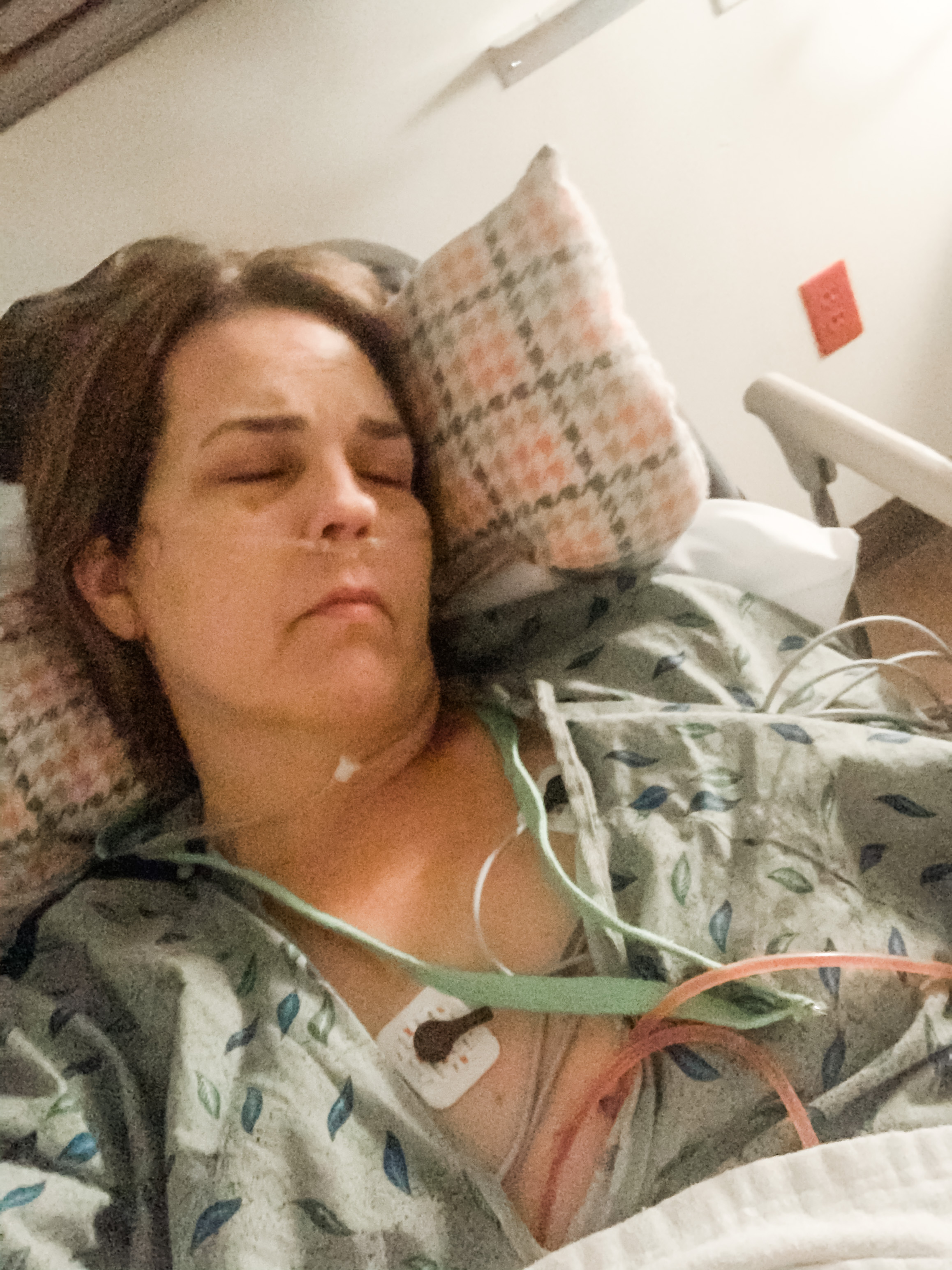
On July 17, 2019, at age 44, I was diagnosed with Stage 1 triple-negative invasive ductal carcinoma. I also learned I was BRCA1 positive. One week later, I underwent a nipple-sparing double mastectomy.
Then came chemotherapy. Carboplatin and Taxotere. Infections. Failed reconstruction. More surgeries. Surgical menopause. Chronic illness. Complications I never could have anticipated.
Seventeen surgeries later now, I can tell you this with certainty:
Treating cancer and healing from cancer are not the same thing.
Trauma isn’t only what happened to you. It’s also what happened inside of you because of what happened to you.
I can still remember the day of my diagnosis with startling clarity. The phone call. The words. The feeling that somehow, within a matter of seconds, I had gone from being a regular person living a regular life to a person with cancer.
There was before cancer–B.C. And suddenly there was after diagnosis–A.D. That’s how trauma works.It divides time.
There are things from those early days I can still see, hear, and feel in my body. The flowered gown I wore for my biopsy. The click, click, click of the biopsy needle. Certain smells. Certain rooms. Certain dates.
Then came treatment—which can be traumatic in its own right. A double mastectomy isn’t simply “breast surgery.” It is an amputation. I use that word intentionally now because nobody used it with me. Chemotherapy is trauma to the body. Repeated surgeries are trauma. Infections are trauma. Losing your ovaries and uterus and being thrown overnight into medical menopause is trauma. Watching your body change over and over again without your permission can be trauma.
And somewhere along the way, my breast surgeon said something I have never forgotten: “We can cut out the cancer. But we can’t cut out the trauma.”
That sentence stayed with me. In many ways, it became the heart of Reluctant Warrior. Because we can remove a tumor. We can remove breasts. We can complete chemotherapy. We can reconstruct a body. But none of those things automatically heals what happened to the person living inside that body.
So if you’re having nightmares…
If medical appointments suddenly make you panic…
If a smell takes you right back to the infusion center…
If your cancerversary arrives and your body seems to know what month it is before your brain does…
If you feel hypervigilant about every ache, lump, pain, or strange symptom…
Long before I had cancer, I taught what I call the 5 Realms of Health. I believed in this model as a psychologist. Then cancer made me live it.
We are not only physical beings. We are whole beings, and our health exists across five interconnected areas:
The 5 Realms of Health — physical, mental, emotional, social and spiritual. They overlap, they influence one another, and all five of them are you.
Physical health includes your body, pain, sleep, hormones, energy, strength, illness, and physical capacity.
Mental health includes your thoughts, beliefs, attention, concentration, memory, and the meaning you make of what’s happening to you.
Emotional health includes fear, grief, anger, anxiety, sadness, numbness, guilt, relief—and sometimes ten emotions at once.
Social health includes your marriage or partnership, children, family, friendships, work, community, and the ways illness changes how you relate to other people.
Spiritual health includes faith, meaning, purpose, identity, values, and those enormous questions cancer has a way of forcing us to ask.
Cancer didn’t affect one of these realms for me. It affected all five. And they affected one another.
When my body continued to struggle years after cancer treatment ended, it affected my emotions, my relationships, my mental health, and yes, sometimes even my faith.
When I wouldn’t let myself fully feel my grief, my body felt it anyway. At one point I was clenching my jaw so intensely that I was living daily with significant pain.
When my physical health declined, my social world became smaller. When I could no longer work and serve and show up the way I once had, it affected my identity and sense of purpose.
This is why I believe so strongly that cancer care has to become whole-person care. Oncology necessarily focuses on the physical realm: How do we get rid of this cancer? Of course that must be the priority. But you are not a tumor. You are a whole person. And cancer happened to the whole of you.
The Emotional Effects of Breast Cancer Nobody Warned Me About
Before cancer, I had spent decades as a psychologist helping people understand trauma, grief, depression, anxiety, identity, and loss. And still, I wasn’t prepared.
The death of assumptions I didn’t even realize I had about my future.
The death of the version of myself who had never had cancer.
I wasn’t prepared for the identity crisis.
Who am I now?
Who am I if I can’t do what I used to do?
Who am I in this body?
Who am I after breasts and ovaries and hormones and surgeries and scars?
Who am I when everybody else seems ready for me to become “the old Christi” again—and I know she isn’t coming back?
I wasn’t prepared for the anger, either.
Anger that I even got cancer in the first place.
Anger at my body.
Anger at all that happened.
Anger when people said things like, “At least they caught it early,” or “Just be grateful you’re alive.”
Anger watching other people simply go on living their lives when mine had been completely blown apart.
And as a psychologist, I knew anger is often the emotion standing guard over something more vulnerable.
Fear.
Grief.
Helplessness.
Pain.
I also wasn’t prepared for the numbness.
Sometimes I felt everything.
Sometimes I felt nothing.
Both were part of surviving.
Then there was scanxiety. Cancerversaries. Survivor guilt. Fear of recurrence. Fear of every strange new symptom.
And perhaps one of the hardest things of all: feeling lonely while surrounded by people who love you. Because people can love you deeply and still not fully understand where you’ve been.
Why Might You Feel Worse AFTER Breast Cancer Treatment Ends?
This was one of the biggest surprises for me. During treatment, you have a job: Survive. Get to the appointment. Have the surgery. Show up for chemo. Take the medication. Manage the side effects. Get through today. Then tomorrow. Then the next day.
People are checking on you. Meals arrive. Doctors are watching you. There’s a schedule and a plan and a next step.
And then one day someone says: “You’re done!” Everyone celebrates. And you think, Wait. I’m done? Because you don’t feel done. Your body may not feel done. Your nervous system definitely may not feel done. And emotionally, you might just be getting started.
I remember attending a “survivorship class” and thinking, essentially, But what about all of THIS?
What about the trauma?
What about grief?
What about sex and marriage and identity and fear?
What about learning to trust your body again?
What about the impact this has had on my husband and kids and family?
What about trying to return to a life that no longer fits because you are no longer the person who left it?
One has a treatment plan. The other doesn’t. One may have an end date. The other unfolds on its own timeline.
And sometimes, the physical part doesn’t end either.
What If Cancer Treatment Ends but You’re Still Sick?
This became another chapter of my story I never expected.
Years after cancer treatment, I was still struggling physically. Exhaustion. Rashes. Severe GI disturbances. Dizziness. Shaking. Heart-rate issues. Strange reactions. Symptoms that didn’t make sense.
For far too long, many of those symptoms were attributed to chemotherapy or the aftermath of cancer treatment. Except that wasn’t the whole story.
Eventually, after years of searching, advocating, asking questions, seeing specialists, and refusing to accept that this was simply how I had to live now, I was diagnosed with POTS, MCAS, and hypermobile Ehlers-Danlos syndrome (hEDS).
Cancer didn’t cause every health problem I have. But my post-cancer story did not end when cancer treatment did. Seven years later, I am still dealing with chronic illness, physical limitations, medical appointments, new diagnoses, and the grief that comes when the body you keep hoping will “get better” keeps asking something different of you.
That has taught me another important distinction: Healing is not the same thing as cure.
You can be healing even when your body is still sick.
You can be healing with metastatic cancer.
You can be healing during treatment.
You can be healing while living with permanent effects from treatment.
You can be healing with chronic illness.
Healing doesn’t require a perfect ending.
What If You’re Still Struggling Years After Cancer?
This is the woman I especially want to reach–the one still struggling years later. Maybe you’re three years out. Five years. Seven years. Even ten.
Everyone around you thinks cancer was something that happened a long time ago. Maybe even you think you should be over it by now.
But some part of you isn’t.
I understand.
Seven years after my diagnosis, I am still not back to the clinical practice I once had. My body cannot do many of the things I used to ask it to do without thinking. I have had to grieve that. And then grieve it again.
That’s another thing I’ve learned: grief isn’t a checklist. You don’t complete the stages and graduate. Especially when the losses keep on coming. Grief comes in waves. So does healing.
One of the most important shifts for me has been this: “I am not broken, but wounded. I need not fixing, but healing.”
There is a huge difference between broken and wounded. Broken makes me feel defective. Wounded acknowledges that something happened. Something hurt. Something changed. And wounds need care. They need time. They need attention. Sometimes they reopen. Sometimes they leave scars. But they can heal.
So How Do We Actually Begin to Heal?
We FEEL–”Freely Experience Emotion with Love.”
This is one of the simplest concepts I teach and one of the hardest things to actually do, because most of us are incredibly good at not feeling.
I certainly was. I wore the pink cape. I wore the Wonder Woman costume. I wore the “I Got This” shirt. I smiled for every one of my chemo pictures. I became the warrior everyone needed me to be.
And you know what? I don’t regret it. Sometimes we need armor. Sometimes we need survival mode. Sometimes we need to say, I’ve got this, because it gets us through the next five minutes.
The problem comes when we never take the armor off.
Eventually, I had to stop performing strength long enough to actually feel what cancer had done to me.
I had to let myself be afraid.
I had to let myself be furious.
I had to grieve.
I had to admit when I felt jealous of people whose bodies simply worked.
I had to acknowledge the depression, anxiety, PTSD, exhaustion, loneliness, and loss.
And I had to learn something I had spent years teaching other people: Feeling is healing.
When an emotion comes, try naming it. Not simply, “I feel bad, “ but rather, “What is it?”
This is anger.
This is grief.
This is fear.
This is loneliness.
Notice where you feel it in your body. Let yourself experience it instead of immediately pushing it away, judging it, fixing it, spiritualizing it, or telling yourself why you shouldn’t feel it.
Remind yourself: This is an emotion. I can feel this. It will move.
Then get curious about what is underneath it. And give it somewhere to go.
Write.
Cry.
Talk.
Pray.
Move your body if you can.
Scream in the car. I’m a fan.
Talk with someone who actually gets it.
You don’t have to process your entire cancer experience today. You just have to stop telling yourself you aren’t allowed to feel what you feel.
Please Don’t Try to Heal Alone
One of my own tendencies during the hardest times has been to pull away.
I don’t want to burden anyone.
I don’t want to need too much.
I don’t want people to worry.
I don’t want to explain something they probably won’t understand anyway.
But isolation rarely helps us heal. We need people. Not every person, but the right people.
The friend who lets you cry without trying to cheer you up.
The spouse who learns that listening is sometimes more useful than fixing.
The therapist who understands cancer trauma.
The doctor who believes you when you say something still isn’t right.
The survivor who can simply say, “Me too.”
Healing requires a team, too.
You Are Allowed to Become Someone New
Perhaps the greatest surprise of my cancer experience is that healing has not meant getting back to who I was.
For a long time, I think that’s what I wanted. I wanted my body back. My energy back. My work back. My confidence back. My life back.
I wanted ME back.
But eventually I had to ask a different question: What if healing isn’t about going back? What if there is no going back? What if the work is learning how to integrate everything that has happened into the person I am becoming?
Cancer changed me.
Chronic illness continues to change me.
Loss has changed me.
Trauma has changed me.
Motherhood has changed me.
Love has changed me.
Healing has changed me.
I did not choose most of those changes. But I can choose what I do with them.
That is what I mean by integration. Not pretending cancer was a gift. Not being grateful for suffering. Not finding some shiny silver lining so the story becomes easier for everyone else to hear.
Integration means being able to say:
This happened to me.
It affected me.
It changed me.
And I am still here.
A Gentle Reminder
I am a clinical psychologist, but I am not your psychologist, and nothing I share here is intended to replace medical or mental health care from professionals who know you and your individual circumstances.
Think of this as companionship. It’s the conversation I wish someone had had with me when I was diagnosed—and again when treatment ended, and again when I was still struggling years later.
Take what helps. Leave what doesn’t. And if you are struggling emotionally, please reach out and build your team. You were never meant to do cancer—or healing—alone.
Most of all, remember:
You are not broken. You are wounded.
And there is a world of difference. You do not need fixing. You need healing.
And healing is possible—even when life doesn’t return to what it was before. Maybe especially then.
Dr. Christina Hibbert is a clinical psychologist, speaker, mother of six, breast cancer survivor, and author of Reluctant Warrior: A Breast Cancer Memoir & Emotional Survival Guide (October 2026). Drawing from her experience as both a women’s mental health & trauma psychologist and a patient navigating breast cancer, 17 surgeries, and chronic illness, she writes about what it really takes to heal the whole self—physically, mentally, emotionally, socially, and spiritually.
Frequently Asked Questions
What are the emotional effects of breast cancer?
Breast cancer can affect far more than mood. Survivors may experience trauma symptoms, grief, anxiety, depression, fear of recurrence, anger, numbness, guilt, identity changes, relationship struggles, body-image concerns, loneliness, and difficulty trusting their bodies again.
And sometimes these struggles become more noticeable after treatment ends, when the focus shifts from surviving cancer to figuring out how to live after it.
Is breast cancer trauma?
For many people, yes. A cancer diagnosis can overwhelm our sense of safety and our ability to cope, and invasive treatments, surgeries, complications, medical emergencies, and fear of death or recurrence can compound that trauma.
As my breast surgeon told me, “We can cut out the cancer. But we can’t cut out the trauma.”
Treating the disease does not automatically treat what the experience did to your nervous system, emotions, relationships, or sense of self.
What are the 5 Realms of Health?
The 5 Realms of Health are physical, mental, emotional, social, and spiritual health.
These realms constantly interact with one another, which is why I believe whole-person healing matters so much after cancer. Cancer may begin in the physical body, but its effects rarely stay there.
Why do I feel worse emotionally now that breast cancer treatment is over?
During active treatment, most of your energy is devoted to surviving. You have appointments, procedures, medications, schedules, and a clear next step.
When treatment ends, that structure suddenly disappears. At the same time, friends and family may assume you’re “better” and begin returning to their normal lives.
That can be exactly when your mind and body finally have enough space to begin processing what happened.
You’re not going backward.
You may finally be processing what you couldn’t process while you were busy surviving.
Can I heal if I still have cancer or chronic illness?
Absolutely.
This distinction matters deeply to me: Healing and cure are not the same thing.
Healing can happen physically, mentally, emotionally, socially, and spiritually even when disease remains, symptoms continue, or the body has been permanently changed.
You do not have to wait until your body is “fixed” to begin healing your whole self.
]]>https://www.drchristinahibbert.com/breast-cancer-emotional-survival-guide/feed/0Breast Cancer Grief: Grieving Without a Death
https://www.drchristinahibbert.com/breast-cancer-grief/
https://www.drchristinahibbert.com/breast-cancer-grief/#respondThu, 06 Aug 2026 17:39:10 +0000https://www.drchristinahibbert.com/?p=11378Grief isn't only for death. A clinical psychologist and breast cancer survivor on grieving your body, your certainty, and the life you thought you'd have.
If you have been diagnosed with breast cancer and you find yourself weeping in the car for no reason you can name, or flat and far away in the waiting room, or carrying a heaviness that feels exactly like mourning even though no one has died, you are not confused and you are not overreacting. You are grieving. Grief is what happens in us when we lose something we love, and a cancer diagnosis is not one loss. It is a cascade of them: your body, your certainty, your plans, your sense that the future is a safe place to stand.
I am Dr. Christina Hibbert. I am a clinical psychologist who has spent my career studying grief and loss — and I am a breast cancer survivor, diagnosed at forty-four with triple-negative breast cancer and the BRCA1 genetic mutation. I have sat in both chairs. And the first thing I want to say to you is this: it feels like grief because it is grief. You do not need permission to call it that. But if you have been waiting for someone to hand you that permission, let it be me.
And you are not unusual in this. One study of women with early-stage breast cancer found that 82.5% experienced symptoms of post-traumatic stress. Grief and trauma travel together after a diagnosis, and most women are never told to expect either one. I wrote about that side of it in Breast Cancer and PTSD: They Cut Out the Cancer, But Not the Trauma.
Can you grieve when nobody has died?
You can. You do. Every day, all over the world, people grieve losses that no funeral marks.
We are taught, culturally, that grief belongs to death. That it comes with casseroles and cards and a week off work and a socially agreed-upon reason to fall apart. So when the grief arrives without a death attached to it, we don’t recognize it. We think something is wrong with us. We think we are being dramatic, or ungrateful, or weak. We think: I should be relieved. They caught it early. Why do I feel like this?
Here is what I know from twenty-five years of clinical work and from my own diagnosis: grief is not about death. Grief is about attachment. We grieve what we loved and cannot keep. That includes people. It also includes bodies, futures, roles, capacities, identities, and the particular quiet luxury of assuming you will be here in ten years without ever having had to think about it.
I first learned grief young. My youngest sister, Miki, died of a Wilm’s tumor when she was eight and I was eighteen. My sister Shannon died at thirty-one. Those losses are why I became a psychologist. They are why I studied grief before grief ever came for my own body. And still — still — I did not recognize what was happening to me in the weeks after my diagnosis until I said it out loud on my back porch swing.
I sat there in the in-between, after the biopsy and hearing the diagnosis and before the surgery and chaos that was about to begin, in that terrible suspended place where you know and you don’t yet know what it will mean. And I remember thinking, almost with surprise: This feels like grief.
It was. It had been all along.
Why does a cancer diagnosis feel like mourning before anything is even gone?
Because you are grieving forward. This is called “anticipatory grief,” and it is one of the least talked about and most disorienting parts of a diagnosis.
Anticipatory grief is the mourning that begins before the loss arrives. It is your heart doing in advance what it knows it will have to do later. When you are told you have breast cancer, you have not yet had the surgery. You have not yet lost your hair, your breasts, your fertility, your job, your energy, your sense of safety. But you can see them from where you are standing. And your body and your heart begin to mourn them immediately, while your calendar is still full of appointments and your friends are still saying, “you’ve got this.”
This is why the time between diagnosis and treatment is so often the worst stretch. There is nothing to “do” yet. There is only knowing. People around you are gathering information and making plans and staying busy, and you are sitting in the in-between, grieving a life you technically still have.
If that is where you are today — still waiting, still deciding, still in the awful hush before it begins — please hear this: nothing is wrong with you. Your grief is not premature. It is on time.
That stretch deserves its own space, because so many women tell me they thought they were losing their minds during those weeks when in fact they were simply, ordinarily, grieving.
What are you actually grieving after breast cancer?
More than you have probably let yourself count.
This is the exercise I would ask you to do if you were sitting across from me in a therapy session, and it is one of the exercises in Reluctant Warrior: “Name the losses.” Not to wallow. To stop asking your heart to grieve something it has never been allowed to name.
Most women I talk with are grieving some version of these:
The body you had. Not the body in a magazine — the specific body you lived in, the one that fit your clothes and held your children and belonged to you without your having to negotiate for it. A double mastectomy is not cosmetic. It is an amputation. I say that plainly because nobody said it plainly to me.
The certainty. Before cancer, I made plans for the following spring without once wondering whether I would be there for it. After, every ache is a question. Every scan is a held breath. That loss of assumed safety is real and it is permanent, and it deserves to be mourned rather than managed.
The self you were. Your competence, your energy, your role in your family, the version of you who could work full days and show up and never think about it. I still, years later, am not back to seeing clients the way I once did. That is a loss. I have been grieving it.
Your hormones, your fertility, your timeline. I had a hysterectomy at forty-four and was thrown into surgical menopause overnight. There was no gentle onramp, no years of adjusting. One day I had a body that worked one way and the next day I didn’t.
Relationships and roles. Some people show up in ways that undo you. Others disappear. Both change things.
Time. Whole seasons of your life you will not get back, spent in waiting rooms and recovery.
And for some of you — the assumption of survivorship itself. If you are Stage IV, if you are living with metastatic disease, your grief is not for a chapter that closed. It is ongoing, and it is not a stage you will pass through on your way to a tidy ending. I will not pretend otherwise, and I will not write past you.
None of these losses come with a casserole. Nobody sends a card when you lose your certainty. That is exactly why they are so hard to grieve — and exactly why naming them matters so much.
How do you let grief actually move through you?
You let it move. That’s the whole thing. Grief doesn’t ask to be fixed; it asks to be felt.
I know how unsatisfying that sounds when you are the one drowning. So here is the method I developed and use myself, and which appears in the book. I call it TEARS.
T — Talk about it. Over and over, as long as you need to, to anyone who can hear it without trying to fix you. Grief needs a witness. It does not get old to your own heart just because it has gotten old to somebody else’s ears.
E — Exercise. Move your body and pour the grief into each movement. Grief is physical. It lives in a clenched jaw and locked shoulders and a chest that won’t open. Give it somewhere to go. (Move within whatever your body can do right now — if that is a slow walk to the mailbox, that counts.)
A — Artistic expression. Paint, sing, arrange flowers, build something, make a playlist. Creativity reaches grief that words can’t get to.
R — Record it. Write it down. Voice memo it. Get it out of the loop it’s running in your head and onto something outside of you.
S — Sob. Let yourself feel every feeling. Scream in the car if you need to, or in the closet, or underwater in the pool where no one can hear you. I have done all three. Tears truly are healing.
I want to be honest about what TEARS is and isn’t. It is not a five-step program that ends with you being finished. It is five doors. Some days one is open and the rest are locked. Use the one that opens. You don’t have to finish. Just start.
Why does the grief come back years later?
Because healing isn’t linear, and your body keeps its own calendar.
This is the part that blindsides people. You get through treatment. You do the work. You have a good stretch — months, even years — and then one ordinary morning you wake up at 3 a.m. aching and restless and you cannot figure out why, until you look at the date.
My body has done this to me every July. The date arrives and my body remembers before my mind does. I wrote about my sixth cancerversary and how much it felt like a death anniversary — because in a way it is one. Something did die. The before-version of me. I split my life, now, into B.C. and A.D. — Before Cancer and After Diagnosis — and the woman on the other side of that line is someone I still miss sometimes.
Grief that returns is not grief that failed. Anniversary reactions, scan anxiety, the wave that arrives in the grocery store four years out — these are not signs you’ve backslid. They’re signs you loved your life and lost part of it. I’ve written about anniversary grief in the context of losing my sister in 17 Years Without My Sister: Dealing with Death Anniversaries & Grief, and everything I said there applies here too.
What does healing look like, if not “getting over it”?
It looks like integration, not restoration.
I want to be careful here, because this is where most cancer writing goes wrong. It gets to this point and starts talking about gratitude and silver linings and how cancer was a gift. I am not going to do that to you.
I never wanted to be a warrior. I have been ambivalent about what “warrior” even means from the beginning, which is precisely why I titled the book Reluctant Warrior.
What I will tell you is what I actually found, which is smaller and truer than a silver lining. As I wrote in the book:
“Healing isn’t about getting your old life back. It’s about learning how to live courageously and wholeheartedly in the one you have now.”
— Dr. Christina Hibbert, Reluctant Warrior: A Memoir & Breast Cancer Emotional Survival Guide
Not the old life. The one you have now. That is a smaller promise than most cancer books make, and it is the only one I can make honestly. It also means you are allowed to miss who you were while you are learning to live as who you are — not one feeling replacing the other on some appropriate schedule, but both, held at once, for as long as you need to hold them.
And grief — real, unhurried, witnessed grief — is not the obstacle to that. It’s the road.
A Gentle Reminder
I am a psychologist, but I am not your psychologist, and nothing here is a substitute for a therapist, an oncologist, or a care team who knows your particular body and your particular story. If your grief has become something heavier — if you can’t get out of bed, if you’re not safe, if the darkness has stopped moving — please reach out to a professional. Please don’t ride this in the singles line.
And if today all you can manage is to say the words this feels like grief out loud in your own kitchen, that is enough. That is where I started too.
Say it with me: “This feels like grief.” Because it is.
Dr. Christina Hibbert is a clinical psychologist, speaker, mother of six, and the author of Reluctant Warrior: A Memoir & Breast Cancer Emotional Survival Guide (October 2026).
Is it normal to grieve after a cancer diagnosis when no one has died?
Yes. Grief is the natural response to loss of any kind, not only to death. A breast cancer diagnosis involves multiple simultaneous losses — of your body, your health, your certainty about the future, your identity, and often your roles at work and at home. Grieving these is normal and healthy. What is not helpful is being told you shouldn’t feel this way because you’re “lucky they caught it early.”
What is anticipatory grief, and how long does it last?
Anticipatory grief is mourning that begins before a loss actually happens — for example, grieving your breasts, your fertility, or your energy in the weeks between diagnosis and treatment. It often peaks in the waiting period, when there is nothing to do but know. It doesn’t follow a fixed timeline, and it doesn’t mean you’ll grieve less later. It means your heart started early.
Why do I feel worse now that treatment is over?
Because during treatment your whole system is in survival mode, focused on getting through. When the appointments stop, the adrenaline drops and everything you postponed feeling arrives at once — often just as the people around you are congratulating you for being “done.” Surviving cancer and recovering from it are two very different things. This crash is extremely common and it is not a sign that you are failing.
How do I know if this is grief or depression?
Grief tends to come in waves and remains connected to the losses you’re mourning; you can still feel moments of connection, humor, and relief between the waves. Depression is more constant and flattening, often accompanied by persistent hopelessness, worthlessness, an inability to function, or thoughts of not wanting to be here. The two can also coexist. If you’re unsure, or if you’re not safe, please talk to a mental health professional — that’s a question worth asking out loud rather than deciding alone.
Does grief after breast cancer ever end?
It changes rather than ends. Most survivors find the acute intensity softens, while anniversary dates, scans, and unexpected reminders can still bring waves years later. That is not a failure of healing. Healing after cancer isn’t about getting your old life back or returning to who you were — it’s about integrating what happened and learning to live fully in the life you have now. You’re allowed to miss who you were and welcome who you’re becoming at the same time.
]]>https://www.drchristinahibbert.com/breast-cancer-grief/feed/0Surviving Breast Cancer Is Not the Same as Recovering From It
https://www.drchristinahibbert.com/surviving-breast-cancer-recovering-from-it/
https://www.drchristinahibbert.com/surviving-breast-cancer-recovering-from-it/#respondSun, 02 Aug 2026 00:10:50 +0000https://www.drchristinahibbert.com/?p=11266They tell you you're done. Then the hard part begins. A clinical psychologist and breast cancer survivor on why recovery is its own race — and what actually helps.
That’s the word they use. Done. As if there were a finish line, and I had crossed it, and the crowd was cheering, and now I could go home and pick my life back up exactly where I set it down.
I remember waiting to feel relieved. Everyone around me seemed to be exhaling. The hard part was over, they said. You beat it, they said. Aren’t you so glad?
And I stood there in my own body — scarred, numb in places, exhausted in a way sleep didn’t touch — and thought: why do I feel worse now than I did in the middle of it?
If you are somewhere in that strange, quiet after, I want you to hear this before anything else. You are not doing cancer wrong.
The finish line is the starting line of a different race
Surviving cancer and recovering from it are two very different things.
Surviving is what happens in the hospital. It’s measurable. There are scans and margins and counts, and people in scrubs who tell you what comes next. It is brutal, and it is terrifying, and it is also, in a strange way, structured. Someone hands you a schedule. You show up.
Recovery has no schedule. Nobody hands you anything. The appointments thin out, the meal trains stop, the texts slow down, and you are left alone in a body you no longer recognize, with a mind that keeps replaying things you’d rather not replay.
Nobody told me that the finish line is just the starting line for a completely different race.
And here is the part that surprised me most, as a psychologist who has spent her career studying grief and trauma: I did not see it coming either. I had all the language. I had the training. And I still stood in my kitchen months after treatment ended, wondering what was wrong with me.
Nothing was wrong with me. Something had happened to me.
Say it with me: this is trauma
We can cut out the cancer. But we can’t cut out the trauma.
My breast surgeon said that to me, and I have carried it ever since, because it named something no one else would.
A cancer diagnosis doesn’t hit like a single blow. It hits like a portal. You walk through it and everything on the other side is different — your body, your sense of safety, your relationship to time, your understanding of what can happen to you. There is a version of your life that is Before Cancer, B.C., and a version that is After Diagnosis, A.D., and there is no walking back through that door.
Not because naming it fixes it. Because naming it stops you from adding shame on top of it.
Grief, even without a death
I sat on my back porch swing, in the in-between — after the diagnosis, before the surgery — and the words that arrived weren’t fear or anger. They sounded like this: “this feels like grief.”
I know grief. I lost my little sister Miki when I was eighteen and she was eight. I lost my closest sister, Shannon, when she was 31 and I was 32. Grief and I are old, unwilling acquaintances. So when it turned up again, I recognized its face.
But this grief had no funeral. No one brought a casserole. Because what I was grieving hadn’t died — it was my body as I’d known it, my sense of being someone healthy, my assumption that I had time, the future I had quietly planned. Those are real losses. They deserve real grief.
If you are grieving and you can’t point to a death, you are not being dramatic. You are being accurate.
What actually helped
I want to be careful here, because I am not going to hand you a five-step plan for getting over something you don’t get over. Healing isn’t linear, and I’m still discovering much of this myself.
When the anger came, I named it out loud — this is the anger, and it feels hot and red and fiery. I let it fill my body instead of clamping it down. I reminded myself: this is just an emotion. You are okay. You can handle this. And then, having let it move through, I could lean back far enough to see that it was not me. It was weather passing through.
The alternative is what I did for a long time, which was to put on the mask. I wore the pink cape. I smiled in the chemo photos. I wore inspiration like armor, and it got me through, and I don’t regret it.
But it wasn’t the same as healing.
Feeling is healing. That’s not a slogan. It’s the mechanism.
A Gentle Reminder
If you are months or years past your last treatment and still tender, still tired, still wondering why this is harder than everyone promised — you are not behind. You are not ungrateful. You are not doing this wrong.
You are not broken. You are wounded. And wounds can heal.
You are allowed to miss who you were. And you are allowed to welcome who you’ve become. Both can be true.
You don’t have to figure this out today. You don’t have to finish. Just start — and please, don’t ride this roller coaster in the singles line. Tell one person the true answer the next time they ask how you’re doing.
I wrote a whole book about this part — the after.
Reluctant Warrior: A Memoir & Breast Cancer Emotional Survival Guide comes out October 5, 2026. Add your name below for book updates, early access, and first word when it’s available.
About the author
Dr. Christina Hibbert is a clinical psychologist, speaker, mother of six, and the author of Reluctant Warrior: A Memoir & Breast Cancer Emotional Survival Guide.
This piece is companionship and lived experience, not medical or psychological advice. If you’re struggling, please reach out to a physician or therapist who knows your history.
]]>https://www.drchristinahibbert.com/surviving-breast-cancer-recovering-from-it/feed/0Breast Reconstruction Awareness, 6 Years & 15 Surgeries Later: What I’ve Learned
https://www.drchristinahibbert.com/breast-reconstruction-awareness-6-years-15-surgeries-later-what-ive-learned/
https://www.drchristinahibbert.com/breast-reconstruction-awareness-6-years-15-surgeries-later-what-ive-learned/#respondWed, 15 Oct 2025 23:26:23 +0000http://drchristinahibbert-devrida.test/?p=9131Six years and 15 surgeries after her breast cancer diagnosis, Dr. Christina Hibbert shares her honest story of breast reconstruction—the complications, the lessons, and what it really means to heal after mastectomy.
]]>By Dr. Christina Hibbert Updated for BRA Day 2025 – Breast Reconstruction Awareness Day
Six Years, Fifteen Surgeries, and a Lifetime of Lessons
When I was first diagnosed with breast cancer in July 2019, I thought reconstruction would be the easy part—the finish line after the shock, the chemo, the mastectomy. It seemed simple enough: double mastectomy, expanders, implants, done.
Little did I know that I would one day count 15 surgeries—a looping, painful, bewildering, and ultimately clarifying journey through infection, rejection, implant illness, hernias, mesh removal, and finally, a hard-won kind of peace with my body that I’m just beginning to comprehend.
I write this now, six years later, not from the place of someone “done” with cancer, but as a woman who has been rebuilding herself—physically, emotionally, and spiritually—again and again.
What BRA Day Really Means
You might not have heard of Breast Reconstruction Awareness (BRA) Day before. It began as an effort by the American Society of Plastic Surgeons and The Plastic Surgery Foundation to “educate, engage, and empower women to make the decision that is best for them following a diagnosis of breast cancer.”
Their reminder that “the breast cancer loop remains open until a woman is informed of her reconstruction options” has always resonated deeply with me.
Because for six years, I’ve lived inside that loop—a cycle of de-construction and reconstruction that has taught me just how incomplete the “standard” conversation around reconstruction can be.
The Timeline of Reconstruction: My Fifteen Surgeries
I often wish I had seen a story like mine when I was newly diagnosed. Maybe I wouldn’t have felt so alone when everything kept going wrong.
1. July 24, 2019 — Double Mastectomy with Expander Placement
One week after diagnosis. I was still in shock. My surgeon, Dr. Beth Dupree, performed a nipple-sparing mastectomy with expanders placed immediately.
2-3. September 12, 2019 — Exchange to Implants + Full Hysterectomy
I thought I could “get it all done” at once due to my BRCA1 mutation. I woke up believing the worst was over.
4-5. September–December 2019 — Multiple Infections and Implant Removals
Staph infection → right implant removed. Chemo weakened my system & caused infection → left implant removed. By Christmas 2019, I was flat, scarred, and exhausted.
6. March 2020–Kidney Stones.
Chemo left me with kidney stones which I had removed right as COVID began.
7–9. May–June 2020 — Re-Attempt with Expanders and Implants
We tried again. Within days, another infection. Antibiotic beads, emergency surgery, IV antibiotics. Miraculously, we saved one implant—but my body was telling me, no more foreign devices.
10. September 18, 2020 — DIEP Flap Reconstruction
A nine-hour microsurgery transferring tissue from my abdomen to create new breasts. The most complex surgery yet—but it felt like a step toward wholeness.
11. September 19, 2020 — Emergency Surgery for Post-Op Bleeding
A drain burst; my abdomen filled with blood. Back to the OR within 24 hours.
12. September 25, 2020 — Emergency Hernia Repair
One week later, an ambulance ride to Scottsdale. My intestines had shifted through the incision. Another surgery, another hospital stay. I woke to find they’d placed hernia mesh in me. I’d just gotten my implants out for making me sick!
13. 2020 — Fat Grafting to “Fix” DIEP Breast Reconstruction
An “easier” surgery, and I thought it would be my last.
14. 2022 — Hernia Mesh Removal
The mesh used to repair my hernia caused intense pain, inflammation, and rejection. More surgery followed to remove the mesh and repair the abdominal damage using skin from my back.
15. 2023 — Abdominal Repair
Procedure to repair tissue damage, tighten skin used in abdominal repair, reduce scar tissue, and restore mobility. Each surgery left new scars—and new lessons in surrender.
Breast cancer and treatment broke me down to nothing. And Breast Reconstruction didn’t just rebuild my chest; it forced me to rebuild my identity, my expectations, and my relationship with my body.
I no longer see my scars as evidence of something broken; they are maps of survival.
But that acceptance wasn’t instant. There were years I felt angry—betrayed by my body, misunderstood by doctors, alienated from a culture that praises “bouncing back.”
Even now, with chronic illness layered on top of cancer recovery, I still wrestle with pain and fatigue. Yet, I’ve learned that healing isn’t about returning to who I was—it’s about growing into who I am now.
What I’ve Learned (And What I Hope You Know Too)
1. You Deserve a Choice
To reconstruct or not is your decision—and yours alone. It’s okay to say no to implants. It’s okay to stay flat. It’s okay to change your mind halfway through. Every woman should be presented with all viable options from the start—implants, expanders, flap procedures, or no reconstruction at all.
2. Information Is Empowerment
The breast cancer loop stays open until you’re fully informed. Ask questions. Research procedures. Talk to other survivors. I wish I’d known earlier about DIEP flap, about mesh complications, about the potential for Breast Implant Illness. When we know better, we choose better—for our unique bodies.
3. Sometimes the Right Choice Emerges Through Hard Lessons
I wouldn’t wish my infections or implant failures on anyone. But those painful experiences revealed the truth my body already knew: I needed a natural reconstruction. Sometimes, clarity only comes through trial, error, and surrender.
4. No Two Journeys Are the Same
Even with the same procedure, every woman heals differently. Some will recover quickly and move on. Others, like me, will face years of complications and unexpected diagnoses like POTS, MCAS, and EDS. There is no “right” way to reconstruct. There is only your way.
5. Healing Takes Time—and Tenderness
Breast reconstruction isn’t an event; it’s a long process of grieving, rebuilding, and integrating. Be gentle with yourself. Rest. Let your body lead. The emotional and physical healing are inseparable—both require patience, compassion, and faith.
6 Years and 15 surgeries later…
I no longer see reconstruction as something that happened to me. It’s something I lived through—and continue to live with.
My reconstructed body is not a replacement for what I lost; it’s a testament to how deeply I’ve learned to love the woman I’m becoming
If you’re walking your own path through diagnosis, treatment, or reconstruction, I created this guide to help you heal emotionally while navigating the medical and physical realities of breast cancer.
I’m working on a book I hope will be helpful, too. You can subscribe for updates and early access below.
You’re not alone in this. We may each heal differently—but we can grow through what we go through, together.
]]>https://www.drchristinahibbert.com/breast-reconstruction-awareness-6-years-15-surgeries-later-what-ive-learned/feed/0Living with POTS: Life & Coping with Postural Orthostatic Tachycardia Syndrome
https://www.drchristinahibbert.com/living-with-pots-life-coping-with-postural-orthostatic-tachycardia-syndrome/
https://www.drchristinahibbert.com/living-with-pots-life-coping-with-postural-orthostatic-tachycardia-syndrome/#commentsThu, 04 Sep 2025 23:31:22 +0000http://drchristinahibbert-devrida.test/?p=9062What is living with POTS like? What is POTS? What are the symptoms? How do I cope? Dr. Christina HIbbert shares her life with POTS & coping strategies.
]]>Living with POTS: What It Is, How It Feels, and How I Cope
I’ve been living with POTS—Postural Orthostatic Tachycardia Syndrome—for a few years now. For me, it was set off by breast cancer treatments including chemotherapy and 15 total surgeries.
I’d been telling my doctors I didn’t feel right for months and years after my treatment had supposedly “ended”. I had over thirty various symptoms, including chronic infections and nausea, gastrointestinal issues so severe they landed me at the Mayo Clinic, extreme fatigue, brain fog, and dizziness.
I kept saying, “This feels like more than just breast cancer recovery.” But doctor after doctor told me, “It’s probably just chemo,” or, “It’s menopause,” or, “It’s from the trauma of all the surgeries.” And while some of that might have been true, none of it explained the daily reality I was living in.
I was surprised. But I also felt relief. It explained so much—Why I felt so “off.”Why my body wasn’t bouncing back.Why I was always dizzy, nauseous, shaky, and drained.Why I just didn’t feel like me anymore.
Immediately after my biggest reconstruction surgery (9 hours long)–DIEP Flap. Done during COVID, so no visitors.
She also told me something I think more people need to hear: “You likely had a predisposition to POTS, but it wasn’t triggered and set off until you experienced all the trauma of all your breast cancer treatment and surgeries. That’s often how it shows up—after something big.”
I was 44 when I was diagnosed with breast cancer and 47 when I was finally diagnosed with POTS. Most people are diagnosed with POTS in their teens or twenties. But that doesn’t mean older adults don’t have it—it just means we’re more likely to be misdiagnosed, ignored, or told it’s “just stress.”
Looking back, it makes sense. I probably always had EDS, but it didn’t fully affect me until cancer treatment pushed my body past its limit. The chemo, medications, breast implants, hernia mesh, internal sutures, drains—all of it— triggered my mast cells. And the repeated trauma of 15 surgeries and the aftermath? That’s what set off the POTS.
And I’ll be honest—this diagnosis has been really hard for me to accept.
I love movement. I thrive when I’m active. I love walking, Pilates, hiking, yoga… just being upright and alive. I was a “go-getter” before–always engaged in some kind of meaningful work or activity. I literally wrote my third book on exercise and mental health!
And now?
I spend much of the day sitting, reclining, or lying down with my feet up.I pace myself carefully and do activities with moderation. I take breaks constantly.I’ve had to grieve the loss of what used to come so easily.
But I’ve also learned to adapt.There are ways to cope and ways to live more fully—even with a chronic condition like POTS.That’s what this post is about.
What Is POTS?
Postural Orthostatic Tachycardia Syndrome is a form of dysautonomia—an autonomic nervous system disorder—that affects circulation and heart rate. When you stand up, your blood pools in your lower body, and your heart has to work overtime to keep blood flowing to your brain. That can cause symptoms like:
Lightheadedness or dizziness (especially when standing)
Rapid heartbeat
Fatigue
Nausea
Brain fog
Shakiness or tremors
Exercise intolerance
Heat intolerance
Shortness of breath
Feeling like you might faint (or actually fainting)
For me, it’s a combination of dizziness, nausea, weakness, brain fog, and fatigue that makes it hard to do the simplest things—like having a conversation while standing or even sitting up through church services.
How Do You Know If You Have POTS?
If you feel worse when standing and better when lying down…If you get dizzy, faint, or your heart pounds after doing simple things…If you are sensitive to heat, the sun, or exercise…. If your body crashes after activity and you feel like your nervous system is in constant overdrive—you might want to look into POTS.
I created a free POTS Diagnosis Guide to help others like me who are struggling to understand what’s going on and how to get answers. You can grab it here or comment “diagnosis” on Instagram and I’ll DM it to you.
Get the “How to Get Diagnosed with POTS & MCAS” Guide, FREE, here…
POTS doesn’t go away, but there are ways to make life more livable. Some days I still feel like I’m chasing stability, but I’ve learned to adapt. Here are some of the tools I use:
I drink 90-120 oz of water a day with electrolyte packets or other high-sodium mixes to help retain fluids and increase blood volume. My fave brand is LMNT, because it’s one of the highest in sodium that I’ve found, plus I love the taste. (Shop here)
2. Salt, Salt, and More Salt
Many people with POTS need 3,000–10,000 mg of sodium a day. (Talk to your doctor about your personal needs.) Since I don’t usually get enough in my diet, I take salt tablets or use high salt electrolyte mixes as needed. (Shop here)
3. Compression
I wear compression leggings or thigh-high socks, especially on days when I’ll be upright more. The compression helps push blood back toward the heart and brain. When it comes to compression, the thighs or abdomen are important to target, too, so I use abdominal binders or compression shorts some days, too. (Shop here)
4. Cooling Strategies
Heat makes POTS worse. I use fans, cooling towels, and stay in the shade whenever I can. I also plan errands or walks for early morning or evening when it’s cooler.(Shop here)
5. Modified Exercise
Traditional workouts are often too much. I do reformer Pilates (where I can lie down), short walks, gentle yoga, or even stretching on the floor. Movement helps, but overexertion makes it worse—so it’s a balance.
6. Listening to My Body
This one took me the longest to learn. I sit down mid-conversation. I cancel plans if I feel off. I leave early, lie down, close my eyes, and pause when I need to. I used to feel guilty about this. Now I know—it’s survival.
7. Pacing & Accommodations
I’ve learned to adjust how I do almost everything—like ordering groceries instead of shopping in person. I pace my energy throughout the day and ask for help when I need it. It’s not easy, but it keeps me going.
8. Support + Validation
Having POTS can feel invisible and lonely. Surrounding myself with people who get it—or at least try to—is everything. And sharing about it helps others understand what I go through every day.
living with Pots is not easy
It’s a constant dance between pushing myself and pulling back. But I’ve learned to meet my body where it is—and to trust that even on the nauseous, swollen, or dizzy days, I am still healing, still strong, and still worthy.
]]>https://www.drchristinahibbert.com/living-with-pots-life-coping-with-postural-orthostatic-tachycardia-syndrome/feed/3Empty Nest After Cancer: Coping with Change, Loss and Chronic Illness
https://www.drchristinahibbert.com/empty-nest-after-cancer-coping-with-change-loss-and-chronic-illness/
https://www.drchristinahibbert.com/empty-nest-after-cancer-coping-with-change-loss-and-chronic-illness/#respondWed, 03 Sep 2025 00:11:48 +0000http://drchristinahibbert-devrida.test/?p=9072As a mom and cancer survivor, facing the empty nest feels different—grief, growth, and chronic illness shape how I let go and find myself again.
I actually surprised myself by how big the feelings were, as I sobbed the entire four-hour drive home, listening to Taylor Swift sing “Never Grow Up” and Jason Mraz sing “93 Million Miles.”
I wasn’t sobbing because I thought I’d lost my son forever, or because I was heading home to an empty house. Far from it—I still had five children at home, ages 6–17! When I wrote about it on my blog back then, people commented, “Live it up! You can do whatever you want now!” I replied, “I’ve still got five kids at home. I’m far from living it up!”
I realized even then that I wasn’t sobbing for any of those reasons; I was sobbing because I knew that things were changing forever.
And change, they did.
Bringing Sydney home to meet her siblings made us feel like a complete family.
Watching Them Leave, One by One
Once one flies the nest, the others are sure to follow. And they did, one by one—our second son the next year, and then every two years, our third son leaving for a mission to Fiji (oh, how my mama heart hurt for that one!), our fourth son off to college, and our older daughter leaving to become a dolphin trainer at SeaWorld!
Then, for four years, we had only one child at home. It was strange. Quiet. We suddenly had way too much food after years of bulk shopping to feed an army of teenagers. We adjusted.
But this time is different.
The Empty Nest After Cancer
This is my youngest, and when she leaves, the nest is officially empty. I know I’m not the first mother to feel this, and I won’t be the last. But my circumstances make it heavier.
Mother’s Day 2020, just after my 8th surgery. A huge blessing of COVID? ALL 6 of my kids came home.
The Mom I Used to Be
My youngest, Sydney, was only 11 when I was diagnosed. She grew up with a mom constantly in surgery, sick from chemo, exhausted from recovery, fighting chronic illness.
She never knew the mom who was up before dawn every day to exercise and then read scriptures, pray, and drive the kids to seminary before high school. She’ll never know that mom, because cancer made sure that part of me didn’t survive.
I feel jipped.
There, I said it.
Survivors aren’t supposed to feel that way—we’re supposed to feel grateful just to be alive.
For me, “cancer free” doesn’t exist. With triple-negative breast cancer and the BRCA1 mutation, there is only No Evidence of Disease, one appointment and one scan at a time, forever. My oncologist, dermatologist, gastroenterologist, breast surgeon—they’re all part of my permanent rotation.
There is no going back. There is only “BC”–Before Cancer (and I’ll never be that person again), and “AD”, After Diagnosis.
Chronic Illness and Empty Nesting
On top of cancer, I live daily with chronic illness: POTS, MCAS,EDS, Chronic Idiopathic Constipation, Sjogren’s Syndrome, and more. Each makes even the basics—standing, bathing, thinking, working, even pooping—a challenge.
That’s part of why this empty nest hurts so much.
Cancer and illness jipped me of the chance to fully mother my kids while they were still kids. I couldn’t move my 4th son into his dorm when he left, because I’d just had a double mastectomy. I wasn’t there for my daughters the way I wanted to be as they finished junior high and high school.
Now, as I face an empty house, I also face the reality that I’m not living the life I once imagined for this season.
I thought I’d be traveling with my husband, building my career, enjoying freedom.
Instead, I’m still not seeing clients as a psychologist, I struggle to be upright, have to use wheelchairs in airports, rest more days than not, and spend more time recovering from anything I do than actually doing.
So yes, my daughter is in her dorm now. She’s happy, and I couldn’t be happier for her!
AND…I bawled for over an hour on the drive from Flagstaff, AZ to Provo, UT–before we even dropped her off! I bawled into my pillow, trying to be as quiet as possible.
But my daughter texted me asking, “What’s wrong?”
“I’m just sad,” I told her. “I’m excited for you. And I’m sad. I’ll miss you. And I’m going home to an empty house, and it’s just a lot of loss and grief.”
My husband told her, “Mom’s just feeling it all right now. It’s okay for us to let her be sad.” I appreciated that.
My daughter let me cry, even singing to her favorite songs as I sobbed into my pillow.
And she took a couple videos of me for posterity’s sake (and for our family group chat, where the other kids got a good laugh but also understood).
But when one of my favorite songs–The Indigo Girls’ “Power of Two”–came on, I couldn’t hold it in anymore as they sang, “And if we ever leave a legacy it’s that we loved each other well.” We have. We still will. And the sobs became audible…
AND I pulled out my journal and began to write out how I was feeling. It helped.
I eventually stopped, and I even sang along with Sydney, and we all enjoyed our trip.
And…I’ll probably bawl when I get home to our too-quiet house.
It’s bittersweet…
I still feel jipped, and I’m giving myself permission to say so, and to feel it.
But I’m also reminding myself: this is a transition. It will take time. It will take therapy (I’ve started my own again). It will take letting myself feel all the feelings.
Still, I believe there is hope. I’ve felt that hope even as we’ve settled Sydney into her dorm, even as I’ve imagined what it will be like once I’m home again (tomorrow!).
I feel hopeful that maybe breast cancer really can and will be “no evidence of disease”–for months or even years to come.
I feel hopeful that maybe I’ll keep finding ways to feel better and better even living with my chronic illnesses, and that maybe I CAN do some of the things I’d always envisioned for me at this point in my life, again…someday.
I feel hopeful that I have space for rediscovery. For finding out “Who am I now?” again. Space to write, to heal, and to grow.
Because if cancer taught me anything, it’s that I always get back up. I always stand and fight and try again. I always seek learning through my trials and change. And I always, always, choose to grow.
Comment below & tell us about your Empty Nest feelings and experiences.
How has cancer, chronic, or mental illness, or loss, impacted your emotions as a mom?
What helps you?
SUBSCRIBE for exclusive access to and updates on my new book, “Reluctant Warrior: A Breast Cancer Emotional Survival Guide” & to join my newsletter!
]]>https://www.drchristinahibbert.com/empty-nest-after-cancer-coping-with-change-loss-and-chronic-illness/feed/0Empty Nest Grief and Growth: 10 Lessons for Parents Letting Go
https://www.drchristinahibbert.com/empty-nest-grief-and-growth-10-lessons-for-parents-letting-go/
https://www.drchristinahibbert.com/empty-nest-grief-and-growth-10-lessons-for-parents-letting-go/#commentsTue, 02 Sep 2025 23:48:57 +0000http://drchristinahibbert-devrida.test/?p=9081Discover 10 lessons on empty nest grief and growth—how to cope, let go, and embrace parenting transitions with love, loss, and resilience.
It’s tough! The grief is real. And you, my friend, are not alone.
Launching our children
My oldest child was officially away at college. After weeks of shopping, packing, and trying to teach him every last-minute skill I could think of, we’d moved him into his dorm. I hugged him tightly, then got in the car and drove four hours home—bawling the entire way.
I’d heard of moms crying when dropping their “babies” off at college, but honestly, I never thought that would be me. I’d been mentally preparing for months—reminding myself time was short and soaking up the little moments. I thought I was ready.
But the truth? Though I was mentally prepared, I was not emotionally prepared.
How could I have been? How can we ever fully prepare for the moments in parenting when we have to let go?
The truth is, we can’t know what it will feel like until we’re standing in the middle of it, living it.
Our first family-of-8 Christmas picture, just one month after Shannon and 3 months after Rob had died.
Parenting, Loss, and Letting Go
Five days after dropping my son at college, the tears had slowed, but the emotions had lingered. And I realized something important: these moments aren’t just about milestones. They’re about loss.
Parenting is full of “letting go” moments:
when they stop nursing
when they start preschool or kindergarten
when they distance themselves as teens
when they leave for college
when they marry
when they have children of their own
Each one is beautiful and exciting—and each one is also loss. And loss is hard.
10 Lessons on Letting Go as Children (and We) Grow
This week I launched my youngest off to college, and my husband and I became official “empty-nesters”. This has brought a whole new world of emotions, especially after dealing for the past 6 years with breast cancer and now trying to live with chronic illness. I wrote about it here.
I still don’t have it all figured out, but there are some truths I’ve discovered—lessons that can help us through the many transitions of parenthood.
1. Seek support—you’re not alone.
On the drive home from dropping my oldest, I posted a tear-streaked selfie on Facebook. I felt ridiculous, sobbing over something so natural, but I wanted support. And the comments helped me realize I wasn’t the only one who cried all the way home. It’s ok, and even helpful, to reach out and ask for support, especially from those who’ve been in your shoes and “get it.”
2. Give yourself time and space.
Everyone had opinions: “Don’t be sad, this is good for him!” or “Now you’ll have more time for work!” But I still had five kids at home, and I wasn’t sad in the way people assumed—I was just feeling. It took time to sort through what this transition actually meant for me, and that’s just how it works. We need as long as we need to feel all we need to feel, so we can move forward and heal.
3. FEEL what you feel.
At first, I couldn’t even name my emotions. No thoughts, just pure tears. Eventually, I realized the best thing I could do was FEEL—Freely Experience Emotion with Love. I’ve done the same after dropping my last. I told myself, “It’s okay if you feel depressed or grief-stricken for a while.” I give myself permission to sit with whatever feelings come.
4. Recognize this is grief.
I know now that what we’re experiencing feels exactly like grief—heartache, heaviness, exhaustion. And that’s because launching children is a loss, and grief is the natural response to loss. This kind of grieving without a death can happen in many life transitions, including the losses and changes that come with breast cancer. We can not only acknowledge our grief, but actively deal with the grief. (This article might help.)
5. Change is hard, even when it’s good.
This wasn’t just about my son or daughter leaving; it was about family life changing forever. Since my oldest left, it’s been an 11 year process of everything changing, and that’s how it’s supposed to be. We’ve had a wedding, a grandbaby, and so many comings and goings over the years–and it’s just going to keep happening. It’s important to recognize that even when the change is good, it can still be hard—and painful.
Summer 2024, with our grown children, plus son’s fiance, and new daughter in law!
6. Actively choose to let go.
When I’ve dropped my kids, as I drove away, I prayed: “He/she’s Yours now, Lord. Be with him/her when I cannot.” It’s tough to let go. But it’s also a choice. We choose to let it go, oever and over, as many times as we need. Letting go has been both heartbreaking and freeing.
7. Learn to live in the paradox.
I felt joy and pride right alongside deep sorrow. I felt excitement for them, even as I felt sadness for me. Parenting is full of these paradoxes, and learning to hold both is part of the journey.
8. Appreciate the “good-hard.”
Life has given me plenty of “bad-hard”—loss,trauma, illness, cancer, grief. So I remind myself that this kind of “hard” is actually good. Letting go means they’re growing, and that’s what we want for our children.
9. Don’t minimize your loss.
Just because someone else has faced a “bigger” hardship doesn’t mean your pain isn’t real. Every loss is valid. AND…every loss must be grieved. Acknowledge your losses, and then, let yourself grieve them.
10. Remember: when we let them go, we grow too.
Every time our kids grow, we have the chance to grow right along with them. I often have said, “Parenting is the perfect soil for personal growth.” It’s true. We can learn so much as we parent, love, and launch our children. That’s what family is all about—stretching, changing, and loving through the process.
Parenting is tough
Letting go is one of the hardest parts of parenting. It comes in many forms, and none of us are ever fully prepared. But when we allow ourselves to grieve, to feel, and to grow, we can find beauty even in the hardest transitions.
Have you had to “let go” with your child lately?
What did it feel like for you?
What lessons have you learned about parenting, loss, and letting go?
Share in the comments—I’d love to hear your experience.
Subscribe, below, to get updates on my new book, Reluctant Warrior, and join my newsletter list!
]]>https://www.drchristinahibbert.com/empty-nest-grief-and-growth-10-lessons-for-parents-letting-go/feed/1My 6-Year Cancerversary Feels Like a Death Anniversary—And the Death Is Me
https://www.drchristinahibbert.com/my-6-year-cancerversary-feels-like-a-death-anniversary-and-the-death-is-me/
https://www.drchristinahibbert.com/my-6-year-cancerversary-feels-like-a-death-anniversary-and-the-death-is-me/#respondFri, 18 Jul 2025 00:57:35 +0000https://www.drchristinahibbert.com/?p=9042Today is my six-year breast cancerversary. For me, this means that six years ago today I heard the words, “I’m sorry. It is cancer.” I didn’t write this to be helpful or inspiring or educational. I wrote it because it’s what’s true. I’m sharing it here not because I’m looking for comfort, but because I […]
It’s not pretty. It’s not tied with a bow. But it’s honest.
Journal Entry – 7.17.25 – My Six-Year Cancerversary
I’ve already slept in till 8:20, fallen back asleep until 10, and now, I’m bawling. I think I have a lot more to do.
It feels like a death anniversary. It feels sad, overwhelming, exhausting. It feels like grief, sadness, pain, loss.
When I first woke at 8:30, I woke to a picture of OJ at the top of Humphreys. He’d climbed it in just under two hours like he was hoping to, so he could get $500 from his friends for a bet. He sent a picture to the family chat, and the replies started rolling in—cheering him on, telling him he’s insane and amazing and the GOAT.
And it just made me feel… so unseen, misunderstood, alone, unappreciated. Terribly sad and hurt.
I’m happy for him. I am.And—did he have to do that today of all days?And—did he have to completely not get how I feel, sitting in bed at home?And—did he have to then share his greatness with all of our children?
He just called, and I told him: “Wow, congrats.”
And then, “And did you forget what day it is for me?”
He said he didn’t, but I told him, “You don’t understand. You’re the person closest to me who’s been with me through it all, and you don’t get it at all.”
If OJ doesn’t get it, how could I ever expect that anyone else would?
It feels so lonely. And I’m crying once more.
He’s off to celebrate with his buddy by getting a gluten-free breakfast, and he says maybe he’ll bring me a scone.
I am exhausted, depleted, so tired of having to rally each time.
I just want to be able to go to Pilates, or for a walk, or to church, or to our addiction recovery group, or to write, or even read, without having to rally, without feeling sick. I have to rally just to exist each day in any way other than as a lump in my bed.
It took: my body, my health, my safety, my innocence, my youth, my hormones, my autonomic nervous system regulation.
My cardiovascular health, my abilities, my talents, my exercise and coping tools, my hair and my brain and my capability to achieve.
It took my standing and sitting and walking and traveling, my friends and family, my work and career, my money and time and purpose!!
It has taken so much!And it keeps on taking!!
My spring.My summer.My 4th of July.My visiting my kids or going to the beach this year.Any sense of feeling “well.”And my confidence.And any thought that I might live a long and healthy life doing what I love.And even my dreams and ability to fulfill them.It’s taken the last years of parenting my kids and being the mom I was before. It’s taken my last years of being young.
And it’s left me with fear and grief and pain and illness and so much uncertainty and confusion and frustration.It’s left me facing my own mortality over and over and over, and with anxiety and depression and PTSD, the trauma and loss that keeps resurfacing and surfacing in rounds like waves in a lake that keeps crashing big and rough, etc.
It’s left me with missing out, with feeling left out and behind, and with POTS, MCAS, EDS and chronic idiopathic constipation, with a completely amputated, rearranged, and altered body with not-so-working functioning.
It’s left me lost and wondering, “Who even am I now?” and knowing I can never be who I was, who I loved being, before.
It’s left me utterly depleted, exhausted on every level and in every way. I’ve given it my absolute all, and it keeps on taking—and giving, in all the worst ways.
That is the honest truth I feel deep in my tired bones today.
No gratitude that I’m “cancer-free”—because am I?
I certainly am not free of cancer.
I really don’t think I ever will be.
Love,Me
Closing Note:I don’t have a tidy way to wrap this up. Sometimes all we can do is speak the truth and let it land where it needs to. If you’re still here reading, thank you for witnessing mine.
]]>https://www.drchristinahibbert.com/my-6-year-cancerversary-feels-like-a-death-anniversary-and-the-death-is-me/feed/0How to Get Diagnosed with POTS and Mast Cell Activation Syndrome (MCAS)
https://www.drchristinahibbert.com/how-to-get-diagnosed-with-pots-and-mast-cell-activation-syndrome-mcas/
https://www.drchristinahibbert.com/how-to-get-diagnosed-with-pots-and-mast-cell-activation-syndrome-mcas/#commentsThu, 17 Jul 2025 13:02:55 +0000https://www.drchristinahibbert.com/?p=84How to Get Diagnosed with POTS and Mast Cell Activation Syndrome (MCAS) When I first heard the words POTS and Mast Cell Activation Syndrome (MCAS), I had no idea what they meant, let alone how they related to me. I was already knee-deep in recovery from breast cancer, 15 surgeries, and countless complications, including infections from […]
How to Get Diagnosed with POTS and Mast Cell Activation Syndrome (MCAS)
When I first heard the words POTS and Mast Cell Activation Syndrome (MCAS), I had no idea what they meant, let alone how they related to me.
I was already knee-deep in recovery from breast cancer, 15 surgeries, and countless complications, including infections from my breast reconstruction, breast implant illness, and eventually, hernia mesh rejection.
I knew something deeper was going on—but no one seemed to know what.
DIEP Flap reconstruction, Sept 18, 2020, my 10th surgery in 14 months. My breast implants made me sick, so I had to start reconstruction over.
It wasn’t until a dear friend, a DNP who specializes in chronic illnesses like POTS & MCAS, reached out and said, “Christi, I think you might have Mast Cell Activation Syndrome,” that the pieces finally began to fall into place.
If you’re reading this, you’re likely in that confusing, exhausting in-between space—knowing something’s wrong, but unsure how to get answers.
This guide is for you.
What Are POTS and MCAS?
POTS (Postural Orthostatic Tachycardia Syndrome) is a type of dysautonomia that causes your heart rate to increase dramatically when you stand. You might feel lightheaded, shaky, brain-fogged, fatigued, or even faint.
MCAS (Mast Cell Activation Syndrome) happens when your mast cells release too many inflammatory chemicals like histamine, prostaglandins, and cytokines—even without a true allergic trigger. This can lead to symptoms across every body system: rashes, GI distress, flushing, itching, headaches, low blood pressure, and more.
These are invisible illnesses that often go misdiagnosed or completely missed. But they’re real. And they’re treatable—once you know what you’re dealing with.
]]>https://www.drchristinahibbert.com/how-to-get-diagnosed-with-pots-and-mast-cell-activation-syndrome-mcas/feed/1How to Get Diagnosed with Hypermobile Ehlers Danlos Syndrome (hEDS): A Guide
https://www.drchristinahibbert.com/how-to-get-diagnosed-with-hypermobile-ehlers-danlos-syndrome-heds-a-guide/
https://www.drchristinahibbert.com/how-to-get-diagnosed-with-hypermobile-ehlers-danlos-syndrome-heds-a-guide/#commentsThu, 17 Jul 2025 13:02:35 +0000https://www.drchristinahibbert.com/?p=83For years, I didn't know why I felt like my body was falling apart—until I heard the words Hypermobile Ehlers-Danlos Syndrome. If you're wondering whether hEDS might explain your symptoms too, I created this guide for you.
“Is This EDS?” My Journey to Diagnosis & A Guide to Help You Find Yours
I’ve always been fairly flexible. I was a dancer as a child. I also struggled with knee and heel problems and had to wear special ballet shoes with pads on them.
I threw out my back in eighth grade, just before what would have been my first Pom Line routine for a basketball game. I was home in bed, unable to move for over a week.
I didn’t think much of it, but now I realize: that’s not normal for a child.
What I didn’t know then—and what I wouldn’t fully understand until I was well into adulthood—was that these injuries were a clue.
A clue to the chronic joint pain I’d later experience.A clue to the fatigue, the GI issues, and the anxiety that came on full force through and after breast cancer treatment.A clue to the way that treatment was making my body seem to fall apart, little by little.
For me, the diagnosis came after breast cancer. After 15 surgeries. After finally sitting down with specialists who started asking the right questions—about why I’d had six hernias since starting breast cancer treatment, about my chronic fatigue and headaches, about the joint pain, about the “weird” symptoms I’d been told were “just the aftereffects of chemo”.
In the ER exactly one week after my 9 hour DIEP Flap surgery, told I had a hernia and my “intestines were everywhere”. Emergency abdominal surgery (again) the next day.
That’s when I heard the words: Hypermobile Ehlers-Danlos Syndrome (hEDS).
I’d never heard of it before. It explained so much, especially when I was also diagnosed with Mast Cell Activation Syndrome (MCAS) & POTS–together called the “Terrible Trifecta”. I’d never heard of that either, and it didn’t sound like a good thing. But it did explain the thirty plus symptoms I’d been having for so many months and years.
It was a relief.It was overwhelming.And it was just the beginning.
My mother, a fellow BRCA1 genetic mutation carrier and 3 time breast cancer survivor, later learned that she also has the “Terrible Trifecta.”
And last year, I took my youngest daughter to a geneticist who did the evaluation described below. She was also diagnosed with hEDS, and later, with MCAS & POTS.
If you’re wondering whether you or someone you love might have hEDS, I want to offer something I wish I’d had years ago: a clear, simple guide to the diagnostic process.
This isn’t just about checking off symptoms. It’s about being seen. Being believed. And finally putting the pieces of your health puzzle together.
Getting diagnosed with hEDS isn’t easy. Many of us are told for years that “nothing is wrong.” We’re misdiagnosed, dismissed, or treated for symptoms without ever naming the source.
But I’m here to say: you’re not making this up. Your pain is real. Your experiences matter. And there is a name for it.
This guide won’t diagnose you—but it can give you the knowledge and confidence to seek the care you deserve.
Download the Free Guide:
If this resonates with you, share it with someone who might need it. Subscribe to my newsletter.
And please know—you are not alone on this journey. I see you. I hear you. And I’m walking this road too.
With love and hope,Dr. Christina Hibbert
Tell us about your experience with getting an hEDS diagnosis in the comments, below.


 Get My Free Guide: The Breast Cancer Emotional Survival Guide
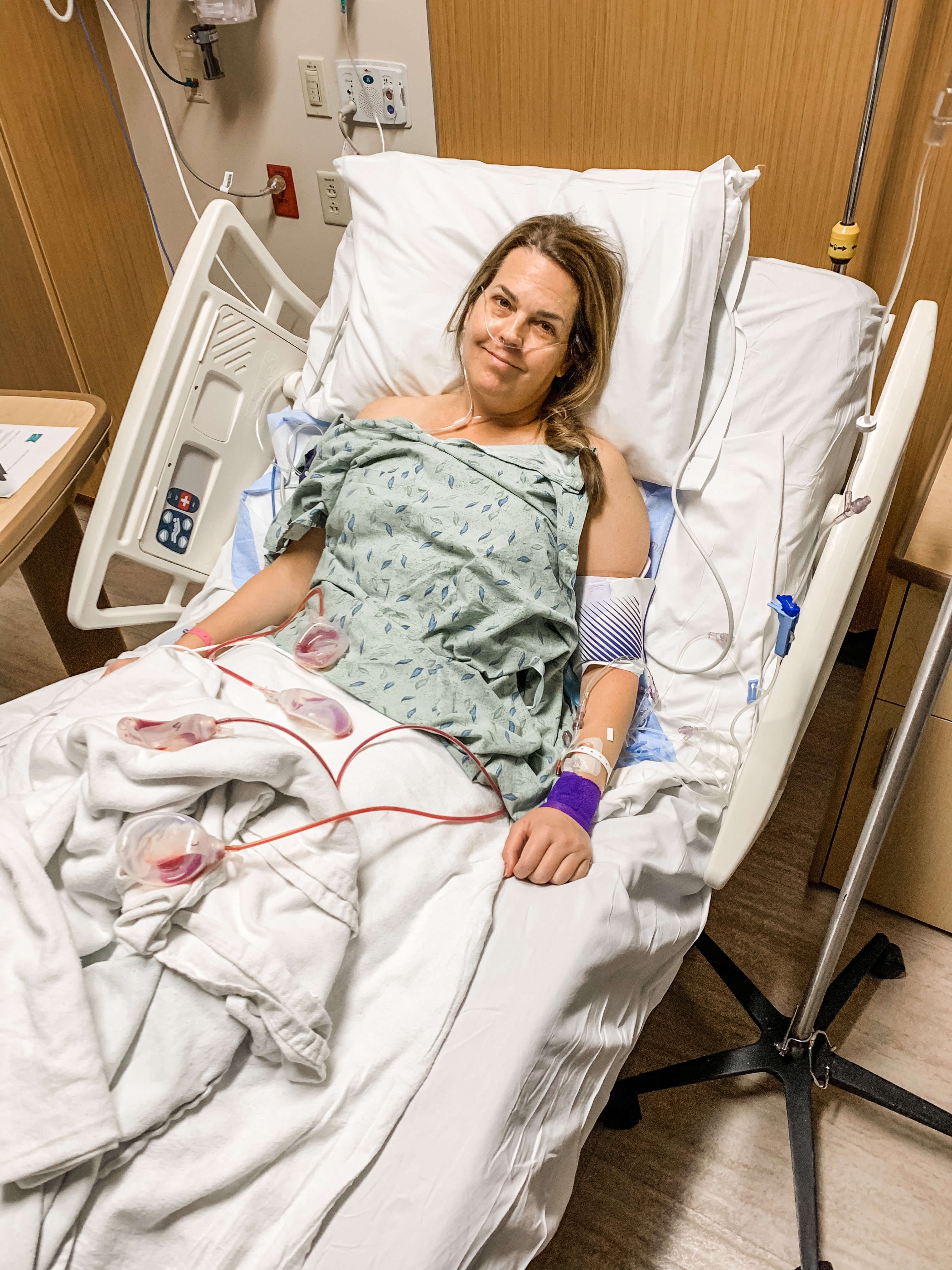


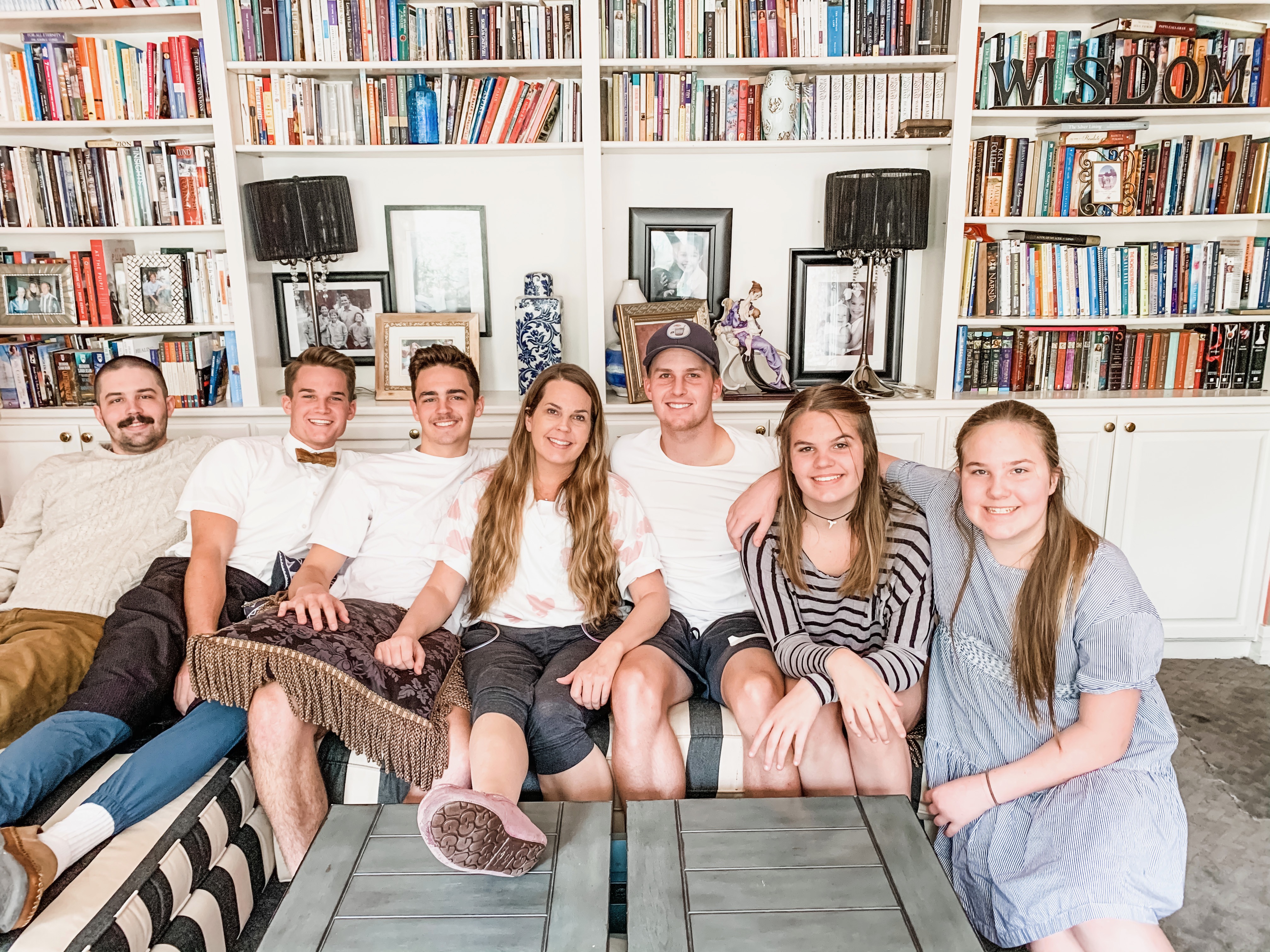

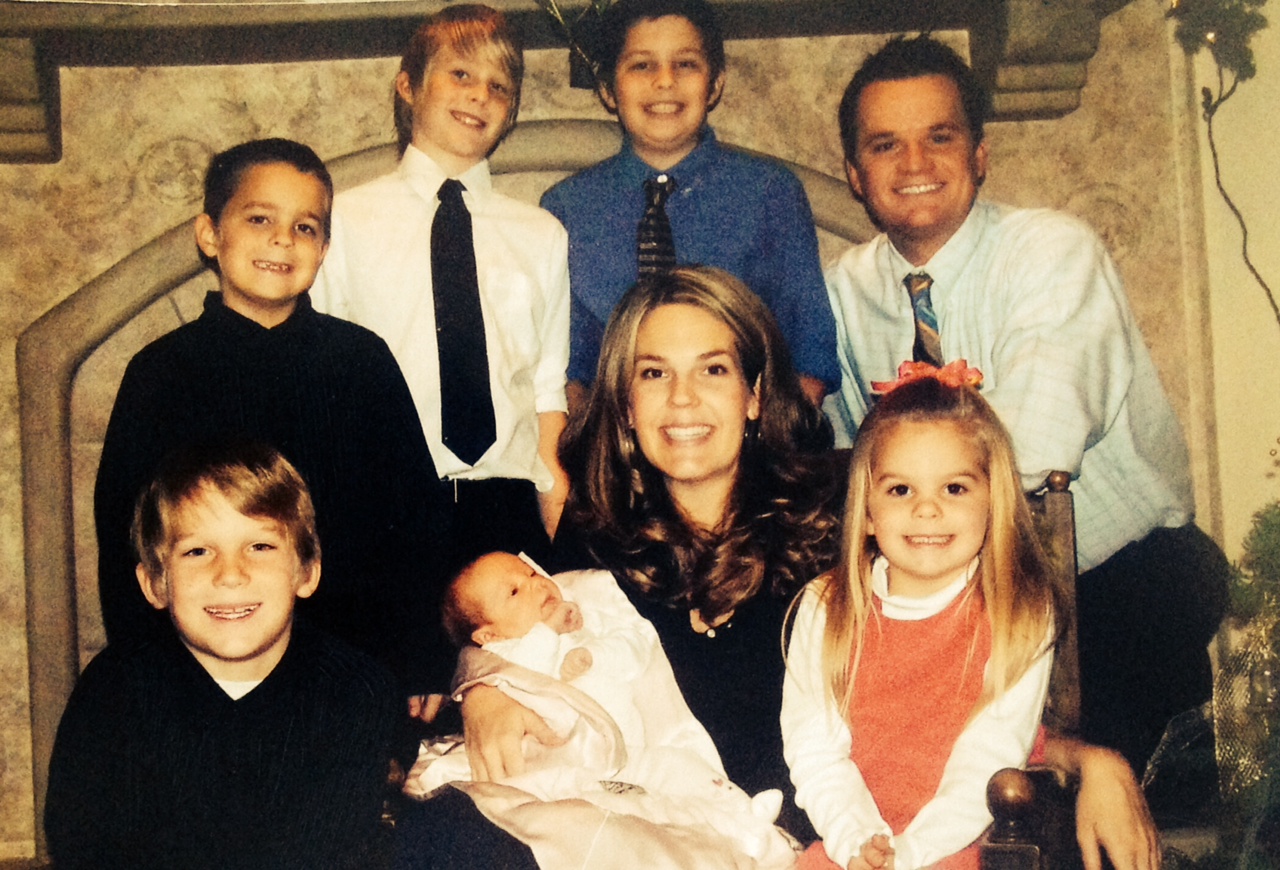


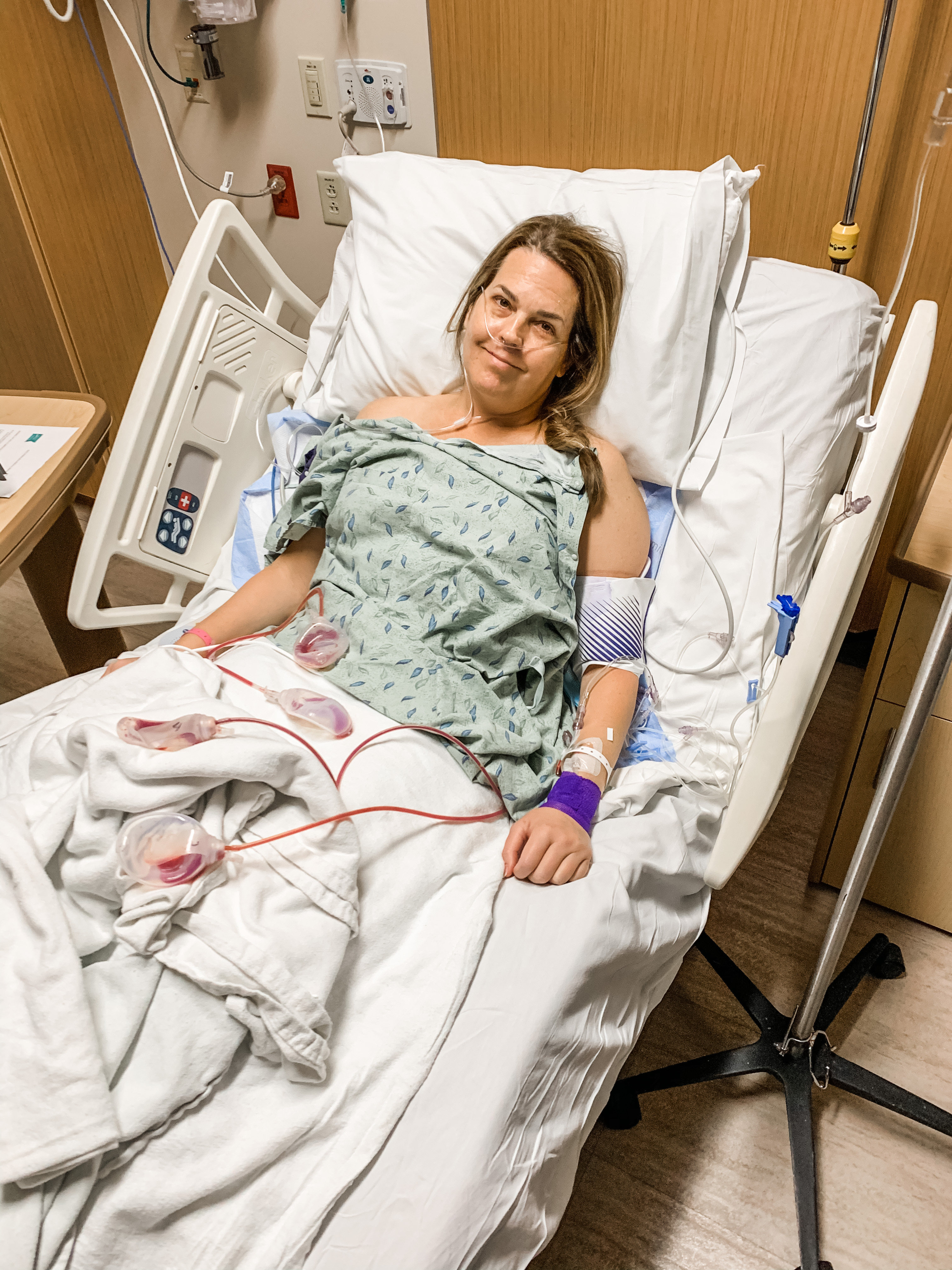
 Get the full diagnosis guide, below, as a free download when you subscribe
 Tip: Social media and support groups often have great doctor recs.
 Free Download: Diagnosis Guide PDF