The post AI Should Make People Better, Not Redundant appeared first on Business News Wales.
]]>We shouldn’t use AI to make humans redundant. We should use it to make them better.
Barclays’ decision to cut around 5,000 jobs this year, as it looks to use technology including AI to reduce costs and improve returns, is another sign of how quickly the workplace is changing.
The temptation for businesses is obvious. If AI can do something faster, more cheaply or at greater scale than a person, why wouldn’t you use it?
But I think we’re asking the wrong question.
The question shouldn’t be what jobs can AI replace, we should really be asking what our people could achieve if AI gave them more time.
At Hello Starling, that’s the approach we’ve taken. We’re not anti-AI, there are plenty of things it is very good at, and we’d be missing a trick if we didn’t utilise it.
We use AI to work with large datasets, tidy spreadsheets, sort large amounts of qualitative information and help structure complex results and insights. We use meeting notes on conference calls, and we use it to search for information and summarise things when we need to get to the useful bit quickly.
What we don’t use it for is the stuff that makes us good at what we do.
We don’t use it to create our media plans. We don’t use it to write our articles, website copy or social posts. We don’t use it to replace the strategic thinking, experience and creativity that our clients come to us for.
Ultimately, that’s because we don’t think those things should be outsourced to a machine.
We know that a lot of time, businesses will argue that the efficiency AI can offer makes the decision to replace people with it stand firm, but I think it’s important to recognise that efficiency isn’t the same as capability. There is nothing wrong with looking for efficiencies. Every good business should.
The problem comes when we confuse removing inefficient work with removing the people who have the capability to do the important work.
If AI can save someone three hours tidying a spreadsheet, fantastic. Give them those three hours back. If it can find a piece of information in seconds that would previously have taken someone an hour to locate, brilliant.
But what happens to the time you’ve created? That’s where businesses have a choice.
You can look at those efficiencies and say we don’t need as many people anymore, or we could see it as we’ve given our people more time to think, create, learn, develop and grow the business.
The risk is in assuming that every piece of human work handed to AI is simply an efficiency gain, when in reality, doing the work is how we learn.
Someone at entry level doesn’t develop judgement simply by reading the answer to a difficult problem. They develop it by working through the problem themselves. They research, make mistakes, and challenge assumptions, and that’s how experience is built.
If we gradually remove those opportunities because a machine can produce an answer instantly, we shouldn’t be surprised if people eventually have less experience to draw on.
An even bigger question for businesses is what happens if lots of companies make similar decisions at the same time, reducing roles because AI can perform parts of them. We could end up with a significant loss of experience and expertise across entire industries.
And what happens if, a few years from now, we discover that we need more human expertise than we thought? You can’t manufacture ten years of experience overnight.
You can’t instantly rebuild a generation of people who have learned how to solve problems, make decisions and exercise judgement in the real world.
That is the part of the AI debate that we all need to take much more seriously.
We spend a lot of time talking about whether AI is capable of replacing humans. Perhaps we should spend a little more time asking whether humans will still be capable of doing the work once we’ve stopped practising the things AI used to do.
None of this means businesses should ignore AI. We should use it to take away repetitive work, make sense of large amounts of information and help people work more efficiently.
At Hello Starling, we’re comfortable with AI doing the things that help us get to the interesting work more quickly. We’re much less comfortable with it doing the interesting work for us.
Our strategic thinking, experience and creativity aren’t inefficiencies that need to be removed. They’re the reason our clients hire us.
So perhaps the mindset businesses need to take into the next phase of AI is a simple one.
Don’t start by asking how many people can be replaced; instead, start by asking what could our people do if we removed the work that gets in their way?
The future of work shouldn’t be humans versus AI. It should be humans with AI, using machines for what they’re good at while protecting and developing the qualities that make humans valuable in the first place.
Because the greatest risk isn’t necessarily that AI becomes too capable, it might be that we become less capable because we stopped doing the thinking ourselves.
The post AI Should Make People Better, Not Redundant appeared first on Business News Wales.
]]>The post UK Budget 2026: Key Announcements and What They Mean for Wales appeared first on Business News Wales.
]]>
The UK Government has unveiled a series of measures covering business rates, employment costs, energy bills, taxation and investment, alongside plans to give English mayors greater control over locally generated tax revenues.
Chancellor John Healey’s first Budget under Prime Minister Andy Burnham includes measures intended to reduce household costs, support high streets, improve industrial competitiveness and encourage business investment.
For Welsh businesses, the announcements present a combination of opportunities and challenges. While UK-wide measures on wages, taxation and industrial support will have direct implications, changes to business rates and regional funding in England raise questions about how Wales will respond.
Business News Wales examines the principal announcements and their potential implications for the Welsh economy.
Business Rates Relief for Retail, Hospitality and Leisure
The Chancellor announced an increase in the Small Business Rates Relief threshold for eligible retail, hospitality and leisure properties in England, from £12,000 to £18,000 in rateable value, with tapered support extending to £21,000.
The Treasury estimates that approximately 70,000 additional properties will no longer pay business rates. Further measures include a two-year real-terms freeze for qualifying businesses and additional support for pubs and live music venues.
What This Means for Wales
Business rates are devolved, meaning these changes will not automatically apply to Welsh businesses. The Welsh Government has already announced plans for a permanent 30% reduction in rates bills for eligible hospitality and leisure properties with rateable values below £51,000 from April 2027, subject to Senedd approval.
Attention will now turn to whether Welsh ministers introduce further measures following the UK Budget.
Greater Tax-Raising Powers for English Mayors
One of the Budget’s potentially significant long-term announcements is a roadmap towards greater fiscal devolution in England.
The UK Government intends to move towards 100% local retention of business rates by the end of the decade. From April 2027, mayoral authorities will receive a share of business rates revenues, with a 20% share announced as part of the reforms.
From April 2028, mayors will also begin receiving a share of income tax receipts, creating a stronger connection between local economic activity and the funding available for regional development.
The reforms are intended to give local leaders greater financial incentives to encourage investment, commercial development and economic growth
What This Means for Wales
The changes raise questions about whether Wales could face a competitive disadvantage when attracting major investment. Welsh business rates are generally pooled and redistributed, although special retention arrangements exist for Freeports and Investment Zones.
If English regions can retain more of the revenues generated by new developments, they may have greater flexibility to support infrastructure and regeneration projects.
The Welsh Government could face increasing pressure to consider whether its existing arrangements provide comparable investment incentives.
National Living Wage to Rise
The National Living Wage will increase by 3.9% to £13.21 an hour from April 2027.
The increase will provide additional income for eligible workers but will also raise employment costs for businesses paying staff at or close to the statutory minimum.
Labour-intensive industries, including hospitality, retail and social care, will need to assess the impact on payroll expenditure and wider wage structures.
What This Means for Wales
The increase applies across the UK and will directly affect Welsh employers. Businesses operating with relatively high staffing costs may face additional financial pressures, particularly where increases cannot easily be passed on to customers.
Employers will need to factor the new rates into recruitment, pricing and workforce planning for 2027.
Industrial Electricity Costs to Be Reduced
The government has announced further support for electricity-intensive businesses through the British Industrial Competitiveness Scheme, scheduled to begin in April 2027.
More than 10,000 eligible businesses across the UK could benefit from electricity bill reductions of up to 25%.
The initiative is intended to improve the competitiveness of British industry by reducing the gap between domestic industrial electricity prices and those faced by international competitors.
What This Means for Wales
The announcement could be particularly relevant to Wales’s manufacturing and industrial sectors, including steel, advanced materials, engineering and associated supply chains.
Lower electricity costs could support investment and competitiveness, although individual businesses will need to establish whether they qualify and how much support they can receive.
Additional Support for Household Energy Bills
The Budget includes further measures intended to reduce household energy costs.
The temporary reduction in VAT on electricity bills has been extended until July 2027, while changes to gas standing charges are intended to reduce fixed charges for millions of households.
A new £100 energy payment will also be provided to approximately 20 million households in council tax bands A to D.
What This Means for Wales
Measures applying across Great Britain could provide financial relief to Welsh households, although eligibility and actual savings will vary. Lower household energy costs could also support consumer spending, which would be relevant to businesses in retail, hospitality and other consumer-facing sectors.
Tax Changes for Banks, Entrepreneurs and Online Businesses
The Chancellor announced an increase in the Bank Corporation Tax Surcharge from 3% to 6% for 15 months, beginning in January 2027.
The Budget also includes changes to taxation affecting entrepreneurs, investment incentives and online marketplaces.
The Income Tax Trading Allowance will increase from £1,000 to £3,000 from April 2027, while online marketplaces will face strengthened responsibilities for collecting VAT on qualifying transactions.
The government is also introducing measures intended to encourage investment in innovative and growing businesses.
What This Means for Wales
These measures will affect Welsh businesses according to their activities and tax arrangements. The higher trading allowance could benefit some smaller traders, while changes to investment reliefs may influence entrepreneurs and growing companies.
Online retailers and marketplace sellers will need to review the practical implications of the VAT changes.
Investment, Artificial Intelligence and Business Growth
The Budget includes additional investment in artificial intelligence, industrial innovation and business finance.
Funding is being directed towards AI security, technological capability and adoption, alongside support for strategic industries and innovation.
The government has also outlined measures to increase investment capacity through institutions including the National Wealth Fund and British Business Bank.
The intention is to encourage business expansion, support new technologies and improve access to finance for growing companies.
What This Means for Wales
Wales has established strengths in advanced manufacturing, compound semiconductors, research and digital technology. These programmes could provide opportunities for Welsh businesses and universities, particularly where investment supports commercialisation and industrial adoption.
The extent of the benefits will depend on eligibility, funding allocation and access to the relevant programmes.
Housing, Construction and Infrastructure
The government has announced further measures intended to support housing delivery, regeneration and infrastructure development.
These include an additional £1.5 billion for social and affordable housing programmes and changes intended to make more development sites available.
The Budget also includes measures designed to encourage construction activity and improve the delivery of new homes.
What This Means for Wales
Housing policy and planning are substantially devolved, meaning some measures will apply specifically to England. Welsh construction businesses could nevertheless benefit from wider UK investment and supply-chain opportunities.
The Welsh Government will determine how any relevant consequential funding is allocated, while decisions on housing delivery and planning arrangements remain important to the sector.
Transport and Regional Investment in Wales
The Budget includes specific funding announcements relevant to Welsh infrastructure and regional economic development.
These include £30 million towards progressing Cardiff Parkway railway station, £11 million for the replacement of the Port Talbot Aberavon Bridge and £2.5 million to support the expansion of the M-SParc science park on Anglesey.
The announcements are intended to improve connectivity, support commercial development and strengthen innovation infrastructure, with some projects subject to further business case approval.
What This Means for Wales
These investments could support local economic development and create opportunities for businesses involved in construction, engineering and related supply chains. Their longer-term impact will depend on delivery timetables, additional investment and the extent to which projects unlock commercial activity.
Fuel Duty and Transport Costs
The Chancellor has extended the existing 5p reduction in fuel duty and deferred a planned increase until July 2027.
The decision maintains temporary support for motorists and businesses facing fuel costs.
What This Means for Wales
The extension will be relevant to Welsh logistics operators, transport businesses, tradespeople and companies dependent on road travel. It may provide some short-term cost certainty, although wider operating expenses and future fuel duty decisions will remain important for business planning.
What Happens Next for Wales?
The Welsh Government is expected to publish its Draft Budget for 2027–28 on 17 November, providing further clarity on devolved spending priorities and business rates arrangements.
While many UK-wide measures will apply directly to Welsh businesses, decisions on devolved taxation, regional development and the allocation of additional funding will rest with Welsh ministers.
The expansion of fiscal devolution in England could become an increasingly important issue, particularly if mayoral authorities gain greater flexibility to retain and reinvest tax revenues generated by economic growth.
For Wales, the central challenge will be ensuring that businesses can access investment opportunities, remain competitive on operating costs and benefit from infrastructure and innovation programmes.
The coming weeks will therefore be important in establishing how the UK Budget’s announcements translate into practical support for Welsh businesses and the wider economy.
The post UK Budget 2026: Key Announcements and What They Mean for Wales appeared first on Business News Wales.
]]>The post Budget 2026 – £30 Million to Fund the Next Stage of Cardiff Parkway Railway Station appeared first on Business News Wales.
]]>
The UK Government has committed an additional £30 million to advance Cardiff Parkway railway station, with Transport for Wales set to play a leading role in delivering the project alongside Network Rail and both governments.
The funding, announced by Chancellor John Healey in the 2026 Budget, will support the next stage of the proposed station east of St Mellons, Cardiff, as part of wider efforts to improve transport connectivity and stimulate economic growth along the M4 corridor.
The announcement represents another significant development for the long-planned railway station, which has secured planning permission but has yet to begin construction.
Cardiff Parkway is designed as a four-platform station on the South Wales Main Line, providing connections between Cardiff, Newport and destinations further afield. The development is also intended to support a major new business district at Hendre Lakes, with the potential to attract employers and investment to eastern Cardiff.
The station was originally estimated to cost around £120 million, although the project is now undergoing a review of its costs and delivery arrangements.
Its initial financing model relied on private investment, supported by anticipated long-term revenues from station leasing and car parking. However, the project has since moved towards a funding arrangement involving the UK Government, Welsh Government and private investors.
The latest £30 million allocation provides a further public funding commitment, although the final cost of the station and the contributions expected from each partner remain to be confirmed.
The adjoining business park is being developed by Cardiff Parkway Developments Limited, a company principally backed by Investec and the Roberts family, in which the Welsh Government holds a minority stake.
The wider Hendre Lakes scheme has previously been promoted as a development with the potential to support approximately 6,000 jobs, although its eventual economic impact will depend on commercial investment, occupier demand and the pace of development.
The station is also linked to the wider programme of transport improvements recommended by the South East Wales Transport Commission, chaired by Lord Burns, following the Welsh Government’s decision not to proceed with the proposed M4 relief road around Newport.
Those recommendations placed greater emphasis on improving rail services, developing new stations and providing alternatives to car journeys along the heavily used Cardiff–Newport corridor.
Cardiff Parkway’s location near the M4 is intended to strengthen access to employment opportunities while providing a public transport alternative for commuters and businesses travelling across the region.
The project has also attracted scrutiny over its environmental impact, with the station and associated development planned on greenfield land at Hendre Lakes.
With planning approval in place and further UK Government funding now committed, attention will turn to completing the cost review, agreeing the remaining financial contributions and establishing a construction timetable.
For businesses across South East Wales, the key question is when the new station can move from an approved development into operational infrastructure capable of supporting the wider commercial ambitions for Hendre Lakes.
The post Budget 2026 – £30 Million to Fund the Next Stage of Cardiff Parkway Railway Station appeared first on Business News Wales.
]]>The post BUDGET 2026 – £2.5 Million to Expand the M-SParc Science Park in Anglesey appeared first on Business News Wales.
]]>
M-SParc (Menai Science Park), Bangor University’s Science Park, has welcomed a significant investment from the UK Government to support the next phase of development at its growing innovation campus as part of the Autumn Statement.
The strategic investment will support the fit-out of Egni, M-SParc’s second building, including its dedicated STEM Centre, strengthening M-SParc’s capacity to support the industry, innovation and the growth of small and medium-sized enterprises (SMEs).
Located within the Anglesey Freeport, the investment will strengthen the region’s innovation infrastructure, providing businesses with the facilities and support needed to grow, develop new technologies and create high-quality employment opportunities.
The funding will also support the development of a dedicated STEM centre within Egni, inspiring young people to explore opportunities in science, technology, engineering and mathematics and helping develop the future skills pipeline for North Wales.
Pryderi ap Rhisiart, Managing Director of M-SParc, said:
“This is fantastic news for innovative businesses, young people & M-SParc and a significant vote of confidence in our ambitions for North Wales. We’re extremely grateful to the UK Government for recognising the opportunity to invest in innovation, businesses and skills here on in north Wales.
“As we look forward to opening Egni, our second building, in summer 2027, this investment allows us to look even further ahead to the development of a third building on our site.
“Our ambition is to create the space, facilities and support that businesses need to innovate, grow and succeed. With the opportunities presented by the Freeport and major regional developments, we have a real chance to build something special here.
“Crucially, this investment is also about the next generation. By developing a dedicated STEM centre, we can inspire young people and help ensure that the skills and opportunities created by investment in our region benefit our communities for decades to come.”
Professor Edmund Burke, Vice-Chancellor of Bangor University, said:
“This investment will contribute towards North Wales’ capacity for innovation, entrepreneurship and skills development at a pivotal time for the region.
“By supporting the growth of M-SParc and creating new opportunities for businesses and young people, it will help ensure North Wales is well placed to benefit from emerging opportunities in areas such as energy, advanced technologies and the Anglesey Freeport.
“The long-term success of our region depends on connecting talent, research and enterprise, and this investment will play an important role in achieving that ambition.”
Stephen Kinnock, Secretary of State for Wales, said:
“This UK Government funding is an investment in the skills and infrastructure that are needed to create more high-quality jobs on Anglesey.
“M-SParc is already established as a place where research and business come together to drive economic growth. This £2.5 million investment from the UK Government will push that further, building on the opportunities provided by the Anglesey Freeport and our record £2.5bn investment in nuclear.”
Supporting the Next Phase of Growth
The Egni building is scheduled to open in summer 2027 thanks to support through the North Wales Growth Deal – Ambition North Wales, the Welsh Government and the Anglesey Freeport programme, providing new facilities for businesses, researchers and innovators working across key growth sectors.
The proposed third building will provide additional space for industry, including specialist workshop facilities to support advanced manufacturing, clean energy technologies and innovation.
Together, these developments will further establish M-SParc as a focal point for business growth, research collaboration and skills development in North Wales.
Businesses interested in exploring opportunities to grow, innovate or establish a presence at M-SParc and within the Anglesey Freeport are encouraged to contact the M-SParc team by emailing site@m-sparc.com.
The post BUDGET 2026 – £2.5 Million to Expand the M-SParc Science Park in Anglesey appeared first on Business News Wales.
]]>The post Business Leaders React to UK Budget 2026 appeared first on Business News Wales.
]]>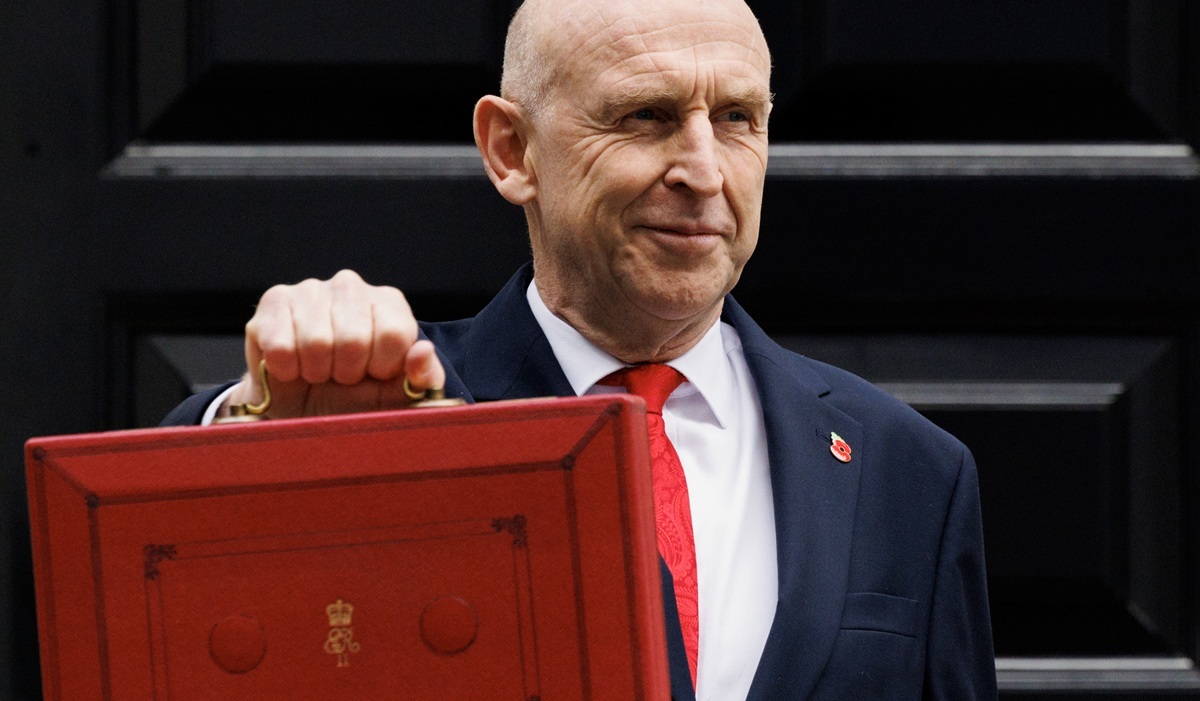
Business leaders from across Wales have been sharing their reactions to the UK Government’s 2026 Budget, assessing what the Chancellor’s announcements could mean for investment, employment, business costs and future economic growth.
With measures covering taxation, business rates, energy costs and regional investment, attention is turning to how the changes will affect Welsh companies and the wider economy.
Business News Wales brings together views from across the business community on the opportunities, challenges and priorities emerging from the Budget.
Rain Newton-Smith, CBI Chief Executive, said:
“Our economy faces big global challenges, and the government has set out big ambitions to boost prosperity – today’s Budget does not meet the scale of that ambition. On the face of it, this Budget lacks the bold moves that would have made it easier for firms to invest, hire and grow.
“Fiscal discipline matters, and the Chancellor is charting a path through difficult circumstances. At a time of exceptional geopolitical pressures, using some fiscal headroom to absorb genuine short-term shocks is preferable to loading additional permanent costs onto business and weakening investment.
“Slowing the convergence of youth rates with the National Living Wage is a sensible move in face of the NEETs crisis and current labour market pressures. But the Chancellor could have gone further. Reducing the cost of hiring by increasing the employer NICs threshold would have given firms more space to create entry-level jobs and boost employment.
“Relief for business rates for retail, hospitality and leisure firms will be welcomed but misses the chance to deliver the wholesale reform to the system we desperately need.
“Financial Services firms in the UK already face a higher tax burden than those based overseas. The surcharge makes the UK less attractive to investors, and ultimately the cost will be paid by ordinary people through higher borrowing costs. The banking levy must be time-limited and the government must work with the sector on how to keep the UK ahead in a global competition.
“Households will be grateful for some relief on energy bills, but there is nothing concrete to provide breathing space for the vast majority of businesses who are already dealing with energy bills a third higher than their European counterparts, and with prices due to escalate further next year. Pledged future action to help business energy costs must be followed through in the government’s upcoming 10-year plan.
“It’s reassuring to see the government sticking to the corporation tax roadmap, and providing support for start-ups that nurtures innovative businesses to scale and grow in the UK is important for our long-term growth. More funding through the British Business Bank is a welcome step that can help unlock private investment, giving growing firms the backing they need to invest, innovate and create jobs.”
Dr Edward Thomas Jones, Senior Lecturer in Economics, Bangor University
“The Budget provides some immediate relief, but the latest economic forecasts show just how difficult the outlook has become. With inflation expected to average 3.4 per cent next year and economic growth forecast at just 1 per cent, households and businesses will continue to face considerable financial pressure.
“The increase in the National Living Wage to £13.21 is particularly important for Wales, where a higher proportion of workers earn at or close to the minimum wage. While this will help support household incomes, it will also increase costs for businesses already struggling with higher energy prices and weaker demand.
“The additional £450 million for the Welsh Government will provide some welcome support, although inflation will reduce its purchasing power. The longer-term investment announcements also offer opportunities, but the challenge for Wales remains turning that investment into more productive businesses, stronger economic growth and better-paid employment.”
Joshua Miles, Head of FSB Wales
“This Budget should have been an opportunity to give small businesses the support they need to cope with rising costs and economic uncertainty. Instead, many firms in Wales are still waiting for meaningful help with the everyday pressures holding back investment, growth and job creation.
“The Welsh Government must now use Budget consequentials, including those arising from business rates changes in England, to increase the Small Business Rates Relief threshold in Wales.
“Expanding eligibility for relief would bring more small firms into scope for support, giving them vital breathing space.
“This is a clear opportunity for the Welsh Government to back small businesses and create the conditions that help entrepreneurs start, sustain, scale and succeed.”
Lianne Richards, Membership Director WalesMembership, Make UK
“The Autumn Budget presented an opportunity to demonstrate real ambition for the future of British and Welsh manufacturing. While there are measures to welcome, particularly around investment, defence (UK), and infrastructure; I had hoped to see a more substantial response to the challenges affecting industrial competitiveness.
“We cannot overlook the decline in manufacturing employment in Wales. This is a concerning trend, and without meaningful improvements in the conditions facing manufacturers, we risk further job losses, lost investment, and the erosion of industrial capability.
“Across Wales, I meet businesses with ambitions to expand, invest in technology, and create skilled employment. The ambition is already there within industry; what we need is an economic environment that gives manufacturers the confidence to act on it.
“We rightly focus on attracting new investment, but we must be equally ambitious about retaining and expanding the manufacturing capability we already have. Once specialist skills, production capacity and established supply chains are lost, rebuilding them is far from straightforward.
“The question now is whether the measures announced will genuinely influence investment decisions. We need to see progress on industrial energy costs, infrastructure, skills, and access to finance, supported by clear delivery plans and measurable outcomes.
“We had an opportunity to match the ambition of our manufacturers with an equally ambitious economic response; my concern is that the gap between the two remains.”
John Cullen, President of Chambers Wales SESWM comments on today’s budget:
“The 3.9% increase in the National Minimum Wage will present an unwelcome challenge for many smaller businesses. While larger organisations may be better placed to absorb rising employment costs, smaller employers could well be facing difficult decisions about recruitment and job creation following today’s announcement.
“In contrast, the increase in Business Rates Relief from £12k to £18k should offer some welcome breathing space for sectors such as hospitality, which continue to face significant pressures.
“For the start-up community, Healey’s proposed Founder’s Relief could be a significant step forward, with the potential for additional funding available for entrepreneurs in their first year of trading. Alongside improvements to the Enterprise Management Incentives (EMI) scheme, which should help growing businesses attract and retain talent, these measures have the potential to support entrepreneurship and growth across Wales which is encouraging to see.
“Ultimately, while there are positive takeaways in supporting growth and entrepreneurship, these are in stark contrast to the immediate pressures facing Welsh businesses, many of which are already operating on tight margins and will find it increasingly difficult to absorb rising costs while continuing to invest, recruit and grow.”
Laura Doel, General Secretary of TUC Cymru said:
“Times are tough for working people across Wales. With cost-of-living pressures continuing to bite it is right that the UK Government has taken steps to alleviate those challenges with targeted support on energy bills. We hope this is just the beginning of what should be a relentless focus on living standards.
“Additional funding for Welsh public services is always welcomed and it is now incumbent upon the Welsh Government to use that additional headroom to do the right thing. They must give public sector workers the pay rises they deserve, and use the powers they have to reduce the cost of living for people in Wales.”
Lloyd Powell, Head of ACCA Cymru/Wales
“ACCA’s latest survey suggested a modest uptick in business confidence; it was important for the Chancellor to strike the right tone and build on this emerging optimism.
“We had urged the Chancellor to focus on tax simplification, reduce unnecessary compliance costs, improve HMRC services and make better use of professionally qualified accountants and tax agents. Although there was more funding for HMRC’s tax recovery work, we didn’t see hoped-for investment in improving HMRC’s services.
“While there was a raft of tax changes announced, there was little sign of tax simplification – quite the opposite, while fiscal drag remains. Proposals for more regular payments to manage self-employed income tax liabilities represent a significant change and potential burden for many small businesses.
“Whilst the funding for Welsh projects is to be welcomed, a large amount of the focus and the announcements related to England, and therefore additional funding will be due to the Welsh Government through the Barnett Formula.
“Businesses in Wales will now hope the Welsh Government remains alert to fragile business optimism, by doing what it can to support businesses when it publishes its draft 27/28 budget in mid-November.”
David Chapman, Executive Director of UKHospitality Cymru, said:
“It’s a welcome and positive step to see the Government recognise some of the challenges facing hospitality, but today’s measures do not go far enough to significantly reduce the tax burden the sector faces.
“With support confirmed on business rates for hospitality in England, the Welsh Government now has the opportunity to use the additional funding to go further and bring additional business rate support for the sector in Wales.
“We need much deeper and wider support to allow growth, investment and employment opportunities and a VAT cut to 10% remains the single biggest act of support the UK Government could deliver to the industry across the UK.”
Haydn Thomas, CEO of Cornerstone Finance Group.
“This was a broadly underwhelming Budget with little in there which will cheer the SME owner – the foundation of the UK economy. Nor does it seem to have delivered anything of any real significance for the mortgage sector.
“Support for start-ups by young founders and for female founders is to be welcomed, but there wasn’t much to be celebrated by established businesses. The Chancellor reduced the threshold for business asset disposal relief in capital gains tax from £1 million to £500,000, a move which will be seen as a disincentive to entrepreneurial risk-taking and success.
“The increase in the bank levy was lower than had been anticipated and should have little to no impact overall, including no impact on lending appetite or on mortgage rates. If it does it will be very disappointing, as banks shouldn’t be pricing in this tax rise to mortgage rates.
“In fact we could see more impact on banks as a result of the announced 2% tax rise on income from savings, as investors may look to move their savings away from traditional savings products into riskier investments such as stocks and shares ISAs.
“In terms of the mortgage sector, there were several minor changes which will support with cost of living, such as the £100 energy payment for households in council tax bands A to D in England. Taken together, the measures announced will help affordability to a small extent.
“But the good news was countered by more punitive measures. The reversal of plans to cut the annual cash ISA allowance from £20,000 to £12,000 is to be welcomed, but the tax rise on income from savings is not good news for anyone saving for a deposit outside of an ISA.
“The new scheme to support first-time buyers in England is also good news – but it would have far more impact if it were not restricted to new-builds. There is housing stock stuck in rental markets with landlords trying to dispose of them, and first-time buyers would be natural purchasers of such properties. If the new support package extended to such properties it could help to unblock a key bottleneck in the housing market.”
David Hourican, Interim Chief Executive, British Business Bank
“Today’s measures announced by the Chancellor are a significant boost to the Bank’s firepower, enabling us to unlock more finance for smaller businesses, innovative scale-ups and strategically important sectors across the UK. This increased capacity will help more ambitious businesses start, scale and stay in the UK, driving economic growth and creating jobs across the country.”
Lauren Caley, Senior Policy Officer for Crisis Cymru
“There is much for England to welcome in today’s UK Budget, particularly on making progress against the pledge to end rough sleeping. Sadly, however, today makes clear that the freeze on housing benefit will continue across the UK.
“The decision to keep housing benefit frozen will undoubtedly hinder efforts by the Welsh Government to reduce homelessness. Incoming changes intended to strengthen homelessness prevention in Wales will face additional challenges while housing benefit remains out of pace with the real cost of renting privately.
“Re-aligning housing benefit so that it covers at least the lowest 30% of rents would protect people in Wales, and across the UK, from the impossible choice of keeping a roof over their head or paying for life’s other essentials.
“Today’s Budget evidenced the Prime Minister’s commitment to delivering social homes at scale and pace in England. We encourage the Welsh Government to echo this in their upcoming Welsh budget, to realise their pledge of delivering 20,000 social homes in this Senedd term. Next month, they have the same opportunity as Andy Burnham: to demonstrate that social housing is a genuine priority backed by meaningful investment.”
Pete Dockar, Chief Commercial Officer at Principality Building Society
“We welcome the Chancellor’s decision to reverse the proposed limit on Cash ISAs, in response to calls from the sector. This is good news for savers, giving people continued choice and flexibility over how they build their financial security. Cash ISAs are a trusted and practical way for millions of people to save tax-free, whether that’s towards saving for their first home, preparing for retirement or building a financial cushion, Cash ISAs have an important role to play.”
Kristy Maloney, Head of Savings, Monmouthshire Building Society
“This is positive news for savers. Reducing the annual Cash ISA allowance could have had a significant impact on customers who value the simplicity, security and tax-free benefits that Cash ISAs provide. For many customers, particularly those who are cautious about investment risk, Cash ISAs are an accessible and well-understood way to build their savings. Stocks and Shares ISAs can play an important role for those comfortable with investment risk, but they won’t be the right choice for everyone.
“Reversing the decision protects customer choice and allows people to save in the way that is right for their personal circumstances. It is also positive for building societies, as savings deposits provide an important source of funding that enables societies like ours to support home ownership through mortgage lending and invest in the communities we serve.”
Ann Watson MBE, CEO of Enginuity Group:
“The Chancellor was correct to recognise the significant pressures facing businesses. Our most recent Snapshot Survey revealed that 80% of engineering and manufacturing SMEs faced pressure to raise prices due to increasing labour and raw material costs.
“The number of SMEs in the sector under pressure to raise prices due to energy costs had also more than doubled since the previous survey. The Chancellor’s actions to reduce energy costs facing employers is therefore certainly a welcome step. However, greater emphasis must now be placed on reducing the wider costs SMEs face, so they are able to create more jobs and invest increasing amounts in training the next generation.
“Over the coming months, we look forward to greater clarity on the Government’s commitment to tackling youth unemployment. Right across the UK, many young people are struggling to find pathways into work. Meanwhile, around two-thirds of engineering and manufacturing SMEs say they are not running at full capacity.
“If Alan Milburn’s final recommendations are to create more workplace opportunities for young people, government policy must also support SMEs to offer more workplace opportunities. Policymakers should explore targeted financial incentives to directly encourage greater employer investment in skills and training, offsetting those costs that currently hold employers back.”
Rachel Bedgood, CEO of CBS
“Businesses are being asked to invest, recruit and grow, but every additional employee represents a significant financial commitment. For smaller employers in particular, recruitment decisions are influenced by much more than whether there’s demand for their services. Employment costs, uncertainty and the resources needed to bring someone into a business all play a part. If the Budget is intended to encourage growth, the Chancellor needs to consider what will actually give employers the confidence to take on more staff. I don’t think this Budget has really moved that dial.”
Ravi Anand, founder of Ignite Funding Partners
“The Chancellor’s promise to back growth delivered very little. Instead, we got tinkering at the edges, plus an uncertain outcome from handing control of tax receipts to local mayors.
The cut in business rates will help many hospitality businesses, and the new Founders’ Relief is welcome, but halving Business Asset Disposal Relief takes back much of that benefit. Backing AI initiatives and data centres, and cutting regulation, are token gestures, not a growth strategy.
No rise in CGT or other headline taxes is a relief, but overall, this was a lost opportunity for Labour to show it truly understands the challenges businesses face.”
Chris Barlow, Partner at MHA, comments:
“Government support for Rolls-Royce’s engine development is a welcome signal of its ambition to reindustrialise Britain. But high-profile investment must be matched by measures that help manufacturers across the UK.
“Lower employer National Insurance contributions, further action on energy costs and practical support for workforce development would make a real difference. A tax credit for manufacturers working with schools and colleges could help build the skills pipeline, while easing trading friction with Europe, the US and China should also be a priority.
“Backing major projects matters, but reindustrialisation also depends on making it easier for manufacturers of every size to invest, compete and grow.”
The post Business Leaders React to UK Budget 2026 appeared first on Business News Wales.
]]>The post Wales’ Biggest Private Businesses Grow Turnover in Every Sector appeared first on Business News Wales.
]]>A new report from leading business and financial advisor Grant Thornton UK has revealed that turnover grew year on year in every sector comprising Wales’ 100 largest privately owned businesses, with EBITDA (Earnings Before Interest, Taxes, Depreciation, and Amortisation) falling in just two of the six sectors: manufacturing and industrial, and private healthcare. Wales LTD 2026, now in its second edition, covers both South and North Wales for the first time.
Across the Top 100, construction and real estate led the way, growing earnings by 49.2% on turnover growth of just 6% and without taking on more staff. Technology, media and telecommunications saw earnings jump 184.1%, although that comes from just four companies.
Manufacturing and industrial remains the biggest earner of the six sectors, at £443 million. Turnover rose 7.8% and the sector employed 9.5% more people, although earnings fell 11.1%. Private healthcare showed a similar pattern, with turnover up 11.2% and earnings down 7.8%.
Consumer, the largest sector comprising 34 of the Top 100 companies, grew more steadily. Turnover rose 2.8% to £7 billion and EBITDA rose 7.9% to £307 million. The sector also employs 43,221 people, more than half of all jobs in the Top 100.
Cardiff has the most Top 100 companies, with 17, followed by Swansea, while Deeside and Newport have the most turnover, driven by construction and manufacturing.
Iceland Foods, Sinclair Motor Holdings and Wales & West Gas Networks (Holdings) are the three largest businesses by turnover. Arra Distribution and Fareham Associates lead a separate ranking of the 25 fastest-growing, measured by three-year EBITDA growth. Nine of those 25 are also in the Top 100, so fast growth is not confined to smaller businesses.
The report also looks at overseas-owned businesses. The 25 largest subsidiaries in Wales turn over £9.1 billion between them, with owners in 13 countries and territories, led by Patagonia Holdco 3 (trading as Huws Gray), GE Aircraft Engine Services and Ipsen Biopharm.
Gareth Morgan, Chief Financial Officer at Shaw Healthcare, said:
“Being named among the top 20 companies in Grant Thornton’s Wales’ Top 100 is a proud moment for Shaw healthcare. As an employee-owned business, our success belongs to the people who deliver outstanding care every day. This recognition reflects their commitment and the important contribution they make to Wales’ economy and communities.”
Jamie Roberts, Partner in Corporate Finance Advisory at Grant Thornton UK, said:
“It has been an impressive 12 months for Wales’ largest private businesses particularly in light of the challenges presented by the domestic and global business environment Working closely and in partnership with our clients, we witness daily the quality of the management teams driving this success as well as the level of dedication and initiative demonstrated by the talent across these businesses. The financial, operational and impact related success of the organisations featured in our report are in no small way a biproduct of this quality and application. It is a privilege to feature them in our 2026 Wales LTD report”.”
Rhian Owen, Partner in Audit at Grant Thornton UK, added:
“It’s encouraging that manufacturers kept taking on people in a year where topline earnings weren’t growing. That suggests businesses that are confident about what comes next and are backing themselves. We’re also seeing fast growth at real scale. Nine of the 25 fastest-growing businesses on our list are also among Wales’ 100 largest.”
Wales LTD 2026 is part of Grant Thornton UK’s annual series of analysis on privately owned businesses and their contribution to the UK economy.
The post Wales’ Biggest Private Businesses Grow Turnover in Every Sector appeared first on Business News Wales.
]]>The post Nine in Ten Businesses in Wales Are Hiring Young People, and Plan to Recruit More appeared first on Business News Wales.
]]>Of the companies in Wales that hired early careers talent in the past 12 months, 90% expect to recruit more over the next year. Almost three quarters (73%) said that their recruitment of early careers talent had already increased compared with the past 12 months.
Even among those that didn’t recruit early careers talent in the last year, 58% say they would do so if they felt able.
Which factors would increase employer confidence to invest in early careers talent?
When asked what factors would most increase their confidence to invest specifically in early careers talent, employers in Wales highlighted access to training and support.
Almost a quarter (24%) cited simpler apprenticeship or training schemes, while the same proportion pointed to more relevant local training provision.
More than one in five (22%) identified access to free work-readiness or employability skills programmes for new hires, while the same proportion wanted better information on available support. Meanwhile, 18% identified better access to suitable candidates.
Businesses confident on funding skills investment
This confidence extends to the wider skills investment picture where more than four in five Welsh businesses (83%) are confident they can secure the capital required to invest in training, apprenticeships or new hires over the next one to three years.
On the types of skills businesses need, customer service and relationship management (35%) was the most cited by Welsh businesses, followed by AI and automation skills (33%) and financial management (29%).
This suggests that the future workforce challenge is about developing a mix of people-facing, commercial and emerging technology skills.
Internal upskilling drives workforce development strategy
When it comes to addressing anticipated skills gaps, Welsh businesses are taking a practical approach, with internal training and upskilling of existing staff the most common response at 52%. Three in ten (30%) also plan to recruit more early careers talent.
This research comes after Lloyds announced an investment of £100m in future skills in August as it expanded its support for young people.
Nathan Morgan, Area Director for Wales at Lloyds, said:
“Businesses in Wales are clearly keen to invest in young people, and it’s encouraging to see that so many of those who are already recruiting early careers talent are planning to continue over the next year.
“What stands out is the importance of making that investment as straightforward as possible. Employers are looking for simpler training routes, relevant local provision and clearer information on the support available to them.
“With businesses also looking ahead to a changing mix of skills, from customer service and financial management through to AI and automation, continuing to invest in both new and existing talent will be important to supporting growth across Wales.”
More than half (52%) of UK businesses have recruited early careers talent in the past year, with the North East leading on recruiting early careers talent at 70% followed by Scotland (66%) and the North West (60%).
Of the companies that hired early careers talent in the past 12 months, 89% expect to recruit more over the next year. That figure rises among South East and London businesses to 97% and 96% respectively.
Even among those that didn’t recruit early careers talent in the last year, 56% say they would do so if they felt able. That figure increases to 75% in Scotland and 71% in London.
Four in five businesses (80%) are confident they can secure the capital required to invest in training, apprenticeships or new hires over the next one to three years. The UK figure compares to the top three nations and regions: 89% in Scotland, 87% in Yorkshire & Humber and 85% in the West Midlands.
On the types of skills that businesses need, customer service and relationship management (33%) was the most cited by businesses, followed by AI and automation (26%) and digital and data (23%).
Amanda Murphy, CEO for Lloyds Business and Commercial Banking, said:
“Businesses are not simply hiring for today, they are investing in the people who will shape their future. The strength of employers’ appetite for early careers talent is encouraging, but ambition needs to be matched by better access to candidates, clearer routes into training and the confidence to keep investing.
“Technology will continue to transform how businesses operate, and the findings are a powerful reminder that customer facing skills still matter. The ability to understand customers, build trust and manage relationships will help set the best businesses apart.
“Closing the gap between ambition and action will be a joint effort between businesses, government, communities and education providers. By helping businesses find the right people and develop the skills they need, we can build a stronger pipeline of talent and support growth across the UK.”
The post Nine in Ten Businesses in Wales Are Hiring Young People, and Plan to Recruit More appeared first on Business News Wales.
]]>The post Grid Connections and Infrastructure Investment Take Centre Stage at Future Energy Wales appeared first on Business News Wales.
]]>Taking place at ICC Wales on 3–4 November, the conference will examine how improvements to electricity grid connections, strategic energy planning and investment in ports and industry could help accelerate renewable energy development and create new economic opportunities across Wales.
Organised by RenewableUK Cymru, the event comes at an important time for the Welsh energy sector, with new political priorities and growing attention on how renewable energy can support economic growth, strengthen energy security and attract investment.
While Wales has significant renewable energy resources and opportunities across a range of technologies, delivering new projects depends on more than securing development sites and investment. The availability of grid connections, supporting infrastructure and coordinated planning will play an important role in determining how quickly projects can progress.
These challenges will form part of the discussions at Future Energy Wales, which is expected to attract around 500 delegates, more than 90 speakers and up to 35 exhibitors from across the energy industry.
A key area of focus will also be the Strategic Spatial Energy Plan and how a more coordinated approach to energy infrastructure could help developers, network operators, investors and policymakers make decisions about future projects.
Julian Leslie, Director of Strategic Spatial Energy Planning at the National Energy System Operator (NESO), is among the confirmed speakers, bringing a national infrastructure planning perspective to the conference.
Investment in Welsh ports and industrial infrastructure will also feature prominently. With renewable energy developments creating potential opportunities for manufacturing, engineering, construction and associated services, the conference will explore how Wales can position its businesses to benefit from future investment.
The discussions will extend beyond energy generation to consider how infrastructure development can support a stronger domestic supply chain and create opportunities for businesses operating across different parts of the Welsh economy.
The programme also includes contributions from Adam Price MS, Welsh Cabinet Minister for Enterprise, Connectivity and Energy, Michael Shanks MP, Minister of State at the Department for Energy Security and Net Zero, and Gus Jaspert, Managing Director of The Crown Estate.
Their participation will bring together perspectives on Welsh and UK energy priorities, infrastructure development and the investment environment needed to support the sector’s ambitions.
Alongside the main conference programme, specialist workshops will examine public engagement, environmental considerations and how renewable energy projects can be communicated more effectively to communities and stakeholders.
For Welsh businesses, the conference will provide an opportunity to understand where future renewable energy investment could create commercial opportunities, while contributing to discussions about the infrastructure and policy decisions needed to support delivery.
Future Energy Wales 2026 takes place at ICC Wales, Newport, on 3–4 November. Further information and registration details are available through the Future Energy Wales website.
The post Grid Connections and Infrastructure Investment Take Centre Stage at Future Energy Wales appeared first on Business News Wales.
]]>The post Hedyn Reports Strong First Year as Merger Lays Foundations for Growth appeared first on Business News Wales.
]]>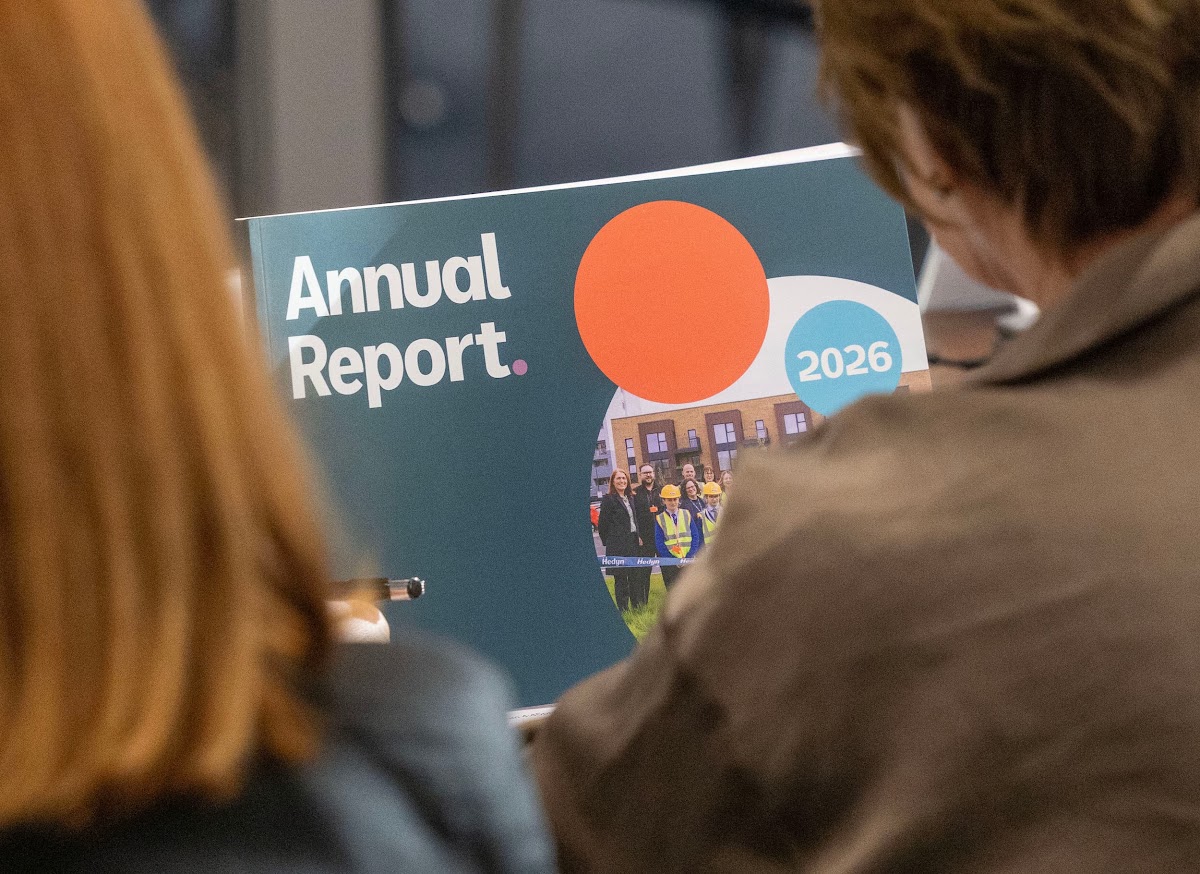
Housing association Hedyn has reported a strong first year, with £105.2 million in turnover, 231 new homes completed and a development pipeline of more than 1,600 homes, as it publishes its first Annual Report and Financial Statements.
Formed in April 2025 following the merger of Newport City Homes and Melin Homes, Hedyn has brought together the strengths, expertise and resources of two established housing associations to create greater capacity to invest in homes, improve services and support communities across south-east Wales.
Its 2025/26 financial results show turnover of £105.2 million, an annual surplus of £8.7 million and total assets of more than £818 million, providing a solid financial foundation for future investment and growth.
The organisation also reported a reinvestment rate of 10.1%, reflecting its focus on maintaining and improving existing homes alongside delivering new housing.
The results follow Hedyn’s recent Green/Green regulatory judgement from the Welsh Government, recognising that the organisation meets the regulatory standards for governance and financial viability.
Together, the financial results and regulatory judgement provide a strong platform for Hedyn’s ambitions to increase housing supply and deliver better outcomes for residents.
During the year, Hedyn completed 231 new homes, with a further 472 under construction and 1,634 in its development pipeline. The pipeline represents the equivalent of more than 11% of its existing housing portfolio, demonstrating the scale of its ambitions to help meet the growing demand for affordable homes across the region.
Beyond housing delivery, the report highlights progress in bringing together services, teams and digital systems to create a more joined-up and consistent experience for residents.
Through its Buzz and Consultative Panel, Hedyn is involving residents earlier in decisions, using their feedback alongside better data and technology to improve services and get things right first time.
The report also demonstrates how Hedyn’s combined resources and partnerships are supporting wider social and economic opportunities in its communities.
During the year, more than £114,000 was reinvested in community benefits, while over £553,000 in funding was leveraged through partnerships to support initiatives shaped around local priorities.
In Newport, the first phase of the Ringland regeneration programme has delivered 38 new homes and 12 commercial units, helping to revitalise the neighbourhood. Working alongside Lovell, Newport City Council, Cardiff Capital Region and the Welsh Government, the wider programme is combining investment in housing with opportunities for local businesses and the community.
Elsewhere, a partnership with Reality Theatre has helped residents at Westgate Court, a scheme for older people, build confidence and connections through creative workshops, culminating in a performance they developed themselves.
Together, the projects demonstrate Hedyn’s approach to regeneration, recognising that investment in housing can create wider opportunities and lasting benefits for communities.
Paula Kennedy, Chief Executive of Hedyn, said:
“Bringing two organisations together was about becoming stronger, and building the financial resilience, expertise and capacity to achieve more for our residents and communities.
“One year on, we’re beginning to see the benefits of that decision. We’ve established strong financial foundations, delivered 231 new homes and have more than 1,600 in our development pipeline.
“But financial strength only matters if we put it to good use. For us, that means investing in homes people can afford, improving the services residents rely on and working with communities to create opportunities that make a lasting difference.
“Behind every new home is a family finding somewhere to build their future. Behind every investment in our communities is an opportunity for people to thrive.
“We’ve made important progress in our first year, but we know there’s more to do. We’re continuing to listen to residents, empower our colleagues and improve the way we work so we can deliver the reliable, personalised services people expect.
“Our first year has been about laying strong foundations. Now we’re focused on what comes next, using our combined strengths to deliver more homes, better services and connected communities where everyone can live well.”
Looking ahead, Hedyn will continue to focus on increasing the supply of affordable homes, investing in existing properties and improving the services residents rely on.
With a substantial development programme, a focus on financial resilience and a commitment to working more efficiently and collaboratively, the organisation is looking ahead to the next phase of its growth.
The post Hedyn Reports Strong First Year as Merger Lays Foundations for Growth appeared first on Business News Wales.
]]>The post Purpose-Built Indoor Golf Venue Opens in Caerphilly With Development Bank Backing appeared first on Business News Wales.
]]>
A new purpose-built indoor golf venue supported by the Development Bank of Wales is set to open in Caerphilly.
PIN SIM GOLF, based at Afon Court, secured a micro loan of £25,000 from the Development Bank’s Wales Flexible Investment Fund to support the purchase of specialist equipment and provide working capital.
Created specifically for golfers by local entrepreneur Craig Hughes, PIN SIM GOLF offers year-round practise, virtual rounds and competitions in three simulator bays. These include a flagship dual-handed bay using Foresight Sports technology and two additional bays for players of all abilities. Along with the support from the Development Bank, Craig has also invested around £80,000 in setting up the new business, much of which was built from scratch.
Craig has taken a hands-on role throughout, from designing the venue to carrying out much of the fit-out himself, including selecting and installing the new golf simulators.
For Craig, the venture brings together his long-standing passion for golf and technology. He said:
“I’ve used golf simulator technology personally for more than 10 years and have followed developments in simulators and software throughout that time. That experience has shaped PIN SIM GOLF. We’ve created a proper indoor golf experience for Caerphilly, not just somewhere to hit balls at a screen.
“We want to create a premium venue where golfers, beginners, juniors, families, societies and groups can practise, play, compete and enjoy the game all year round. Longer term, I’d like PIN SIM GOLF to become a genuine local golf community, with leagues, club nights and group events.
“The Development Bank offered a competitive funding solution, and the process was smooth from start to finish. Their support has been a valuable part of the wider investment we’ve made to getting PIN SIM GOLF ready to open.”
The business has already generated strong interest from golfers across the region, with enquiries relating to memberships, leagues and events received ahead of opening. Craig has also been engaging with local golf clubs, societies and golfing groups keen to make use of the new facility.
Claire Vokes, Senior Investment Executive with the Development Bank of Wales, said:
“PIN SIM Golf is bringing a new leisure and sporting experience to Caerphilly while creating a space where golfers, clubs, societies and businesses can come together throughout the year.
“Craig has combined specialist knowledge, technical expertise and a genuine passion for the game to create a business that fills a gap in the local market and gives golfers access to a high-quality indoor facility closer to home.”
Financed by Welsh Government, the £500 million Wales Flexible Investment Fund supports Welsh businesses with terms of up to 15 years. Loans, mezzanine finance, and equity investments are available from £25,000 to £10 million.
For more information, visit developmentbank.wales
The post Purpose-Built Indoor Golf Venue Opens in Caerphilly With Development Bank Backing appeared first on Business News Wales.
]]>