Neurosurgery does not stop teaching us when training ends, and neurosurgeons never stop learning. In a new five-part series, Graham McMahon, MD, MMSc, President and CEO of the Accreditation Council for Continuing Medical Education (ACCME), examines how experienced surgeons continue to learn, reflect and cultivate mastery throughout their careers.
In this first article, McMahon examines how artificial intelligence can help neurosurgeons navigate an ever-growing body of knowledge, identify gaps in their understanding and develop more focused learning around real clinical questions.
Be sure to listen to the companion Neurosurgery Podcast episode featuring McMahon, where he expands on the ideas behind the series.
Article 1
Dr. Chen had always taken pride in staying current. Journals arrived regularly in his inbox, and he attended at least one major neurosurgical meeting every year. Yet when a rare spinal tumor appeared on his clinic schedule one morning, he realized how difficult it had become to keep up with the pace of change in the literature.
Within minutes, he opened an AI assistant and asked a series of questions. What were the most recent developments in management of this tumor type? Were there new data comparing operative approaches? What were the key controversies emerging in the field?
The responses were not definitive answers. But they helped him quickly orient himself, identifying key studies, areas of disagreement and several questions worth exploring more deeply before seeing the patient. What he had discovered was not a shortcut to thinking. It was something more useful. A new way to organize his learning.
For most of modern medicine, the challenge for clinicians has been access to information. Today the challenge is different. Neurosurgeons are surrounded by more information than ever before. New devices, evolving techniques, expanding evidence and ever-growing literature compete for attention.
The real difficulty is not finding information. It is deciding what matters for the decisions we face in practice.
Artificial intelligence tools may offer a surprisingly useful way to navigate this challenge. Used thoughtfully, they can function less as authorities and more as learning partners, helping clinicians identify gaps in their understanding, explore emerging evidence and build targeted learning pathways around real clinical questions.
One of the most practical roles for AI is as a content curator. When faced with an unfamiliar or evolving topic, a surgeon can quickly ask an AI tool to summarize recent developments, identify key trials or outline areas of ongoing debate. Rather than spending hours sorting through search results, the clinician can rapidly develop an overview of the landscape before diving deeper into primary sources. The immediacy of content aligned with a patient’s needs makes learning especially powerful.
AI can also function as a learning pathway engineer. The most effective learning for experienced clinicians is often driven by real clinical questions. Preparing for an unfamiliar case, examining an unusual complication or revisiting a difficult decision can all become opportunities for focused learning.
AI tools can help generate reading lists, highlight contrasting viewpoints and map out the key considerations surrounding a clinical problem.
Of course, these tools must be used carefully. AI systems can produce confident but inaccurate statements, compress nuance in the literature or rely on outdated information. The decisiveness of the recommendation can feel seductive. However, to minimize the risk of deskilling, these outputs are best used as starting points for exploration rather than definitive authorities. Responsible clinicians will continue to verify important claims through primary sources and established guidelines.
When used in this way, AI can help transform the rhythm of professional learning. Instead of relying primarily on periodic conferences or journal reading, neurosurgeons can develop a form of just-in-time education that responds directly to the questions arising from their own patients and cases.
The next time you prepare for an unfamiliar case, try asking an AI assistant three questions: What has changed recently in the literature? What are the major areas of disagreement? What questions should I be asking before I see this patient?
The surgeons who benefit most from these tools will not be those looking for quick answers. They will be those who use them to ask better questions.
Reference
Chew KS, Durning SJ, van Merrienboer JJG. Teaching metacognition in clinical decision making using a checklist approach. Medical Education. 2016. https://pmc.ncbi.nlm.nih.gov/articles/PMC5165179/

News to me.
Up until recently I had believed—naively, perhaps—that the contents of my neck were my business, my surgeon’s business and maybe God’s business if He was feeling supervisory that day. But it turns out there is another interested party in the matter of my cervical vertebrae: an insurance company headquartered somewhere far away from my neck.
Aetna has taken a position.
My surgeon recommended a PEEK cage implant. It is a small, very modern and very exact device designed to hold two vertebrae apart in a perfect lordotic position while bone grows between them after removal of this God-awful bone spur. The PEEK implant is precisely engineered, measured and consistent. It’s the sort of thing that looks like it came out of a spaceship toolbox.
But Aetna has studied the situation very carefully—from what I assume is a cubicle—and determined that what I actually need is a chunk of cadaver bone.
My story is not a metaphor. We are talking about an actual bone. From a person who used to have it. He or she is now dead. I would like to pause here to acknowledge the generosity of the deceased. Truly admirable. But it still seems strange that a corporation has decided the deceased’s now unemployed bone is the correct interior decorating choice for my cervical spine.
My surgeon explained it politely. Surgeons are polite when they have to explain things that make no earthly sense.
“The insurance company didn’t approve the implant,” he said with a resigned shrug. He clearly has been through such a denial before. He looked pathetically powerless. I believe the term is learned helplessness.
But the entire approval process is still new and fascinating to me, mostly because it’s my body. The process is also beguiling because the insurance company will not be present during my surgery. They will not be holding the scalpel. They will not be the ones trying to get my vertebrae to behave themselves. They will not even be in the room unless they plan to dial in via speakerphone. And we all know they won’t do that. We all know they don’t really care about me. They only care about making sure that I send in my premium payment on time, or they won’t pay for darn thing. Not even the cadaver bone.
Yet Aetna still has opinions about what goes inside my neck. Apparently, the folks at Aetna believe the cadaver bone is perfectly adequate. After all, Aetna’s medical advisory group (who seemingly are a group of spine surgeons who no longer perform any spine surgery) say the fancy implant has not been proven “more effective.” What does that mean? I can also say that airplanes have not been proven more effective than walking, because both eventually get you somewhere.
The implant my surgeon recommended is made of PEEK—polyetheretherketone. That’s a word so advanced it sounds like a secret code word astronauts use when they’re bored.
The material is engineered to behave like bone. It’s strong, consistent, sterile and designed specifically for the job. It doesn’t crack because it had a bad day in 1974. It doesn’t come with mysterious life stories, like a history of venereal diseases from youthful years of unbridled freedom. Or tuberculosis. In the world of spine, PEEK has been used for the last two to three decades. But still Aetna calls it, “experimental and not medically necessary” and so they won’t pay for it. After a quarter century of use, can anything be still called experimental? Maybe they really mean “expensive and not medically as needed as saving money.”
But the cadaver bone has advantages too, I suppose. It’s nostalgic. Vintage. Organic. Low carbon footprint. It’s like recycling…kind of. Why put bones in the ground when you can put them in my neck? Perhaps Aetna is simply committed to traditional craftsmanship. Maybe somewhere in their policy manual there’s a romantic paragraph about how modern medicine has lost touch with the artisanal roots of spinal surgery. Conceivably they imagine surgeons standing around a wooden workbench selecting the finest heirloom vertebral timber. “Ah yes,” the old surgeons might say with their smocks on. “This one right here pairs beautifully with the cervical spine.” Imagine that sentence uttered with a strong Scottish accent.
My beleaguered surgeon mentioned to me that every other commercial insurer and even Medicare would approve the implant. Apparently, Aetna stands alone in its conviction that what my neck truly needs is a souvenir from the bone bank. It might be time for me to switch insurances. But I cannot wait 10 years for Medicare eligibility. My arm hurts too much. What month is open enrollment?
So here I am with a painful numb arm, a bone spur and a denial. Aetna has me over a barrel. The surgeon recommended implant versus insurance approved one puts me in an interesting philosophical situation.
When an insurance company denies a surgeon recommended implant and approves a cadaver graft instead, they are doing something quite extraordinary: they are deciding what materials are allowed to exist inside my body. I am no longer part of that decision because my employer’s choice in commercial carrier. What are the chances?
Making that decision is a bold hobby for an accounting department. I can only imagine the meeting where this decision was made. A long conference table. The scent of burnt coffee. Some donuts. Folks cutting those donuts in half thinking they are being healthy. A PowerPoint slide entitled “Neck Stuff.” Someone raises their hand. “What if we just made the patient use a bone from a dead person?”
Another person nods thoughtfully as they finish the half donut.
“Yes, excellent. That will save us a lot of money!”
And thus, my spinal destiny was determined right then and there.
My surgeon, who actually went to medical school, completed a residency and then a fellowship finds this slightly odd. He mentioned that implants like the one he recommended are widely used and engineered for predictable outcomes. But predictability may not be as exciting as cadaver roulette.
Every cadaver bone is unique, I’m told. Some are perfect. Some are brittle. Some crack. Some come from donors who probably never imagined they would one day be participating in my cervical fusion.
“Will it work?” I asked my surgeon. “Most of the time,” he told me. “What about the other time?” I asked. “Sometimes the bone can dissolve like a lifesaver in your mouth,” he said. “Then what?” I ask. “Then we do it over again with PEEK, which won’t dissolve,” he said. I looked at him and then he looked at me. Then we just looked at each other for a long time.
So here I am, waiting for surgery with killer arm pain, contemplating the fact that somewhere out there is an Aetna policy stating what parts of other people are acceptable substitutes for modern medical devices so an insurance company can save a lot of money. Or just pay out a huge bonus for their CEO. ($18 million in 2024.)
What a curious system. The people who know the most about spines recommend one thing. The people who know the most about insurance spreadsheets recommend another. Guess who wins. I suppose I should be grateful. At least Aetna hasn’t started choosing my breakfast cereal yet.
Though given enough time, I suspect they will. For now, Aetna has decided that my neck requires a small piece of someone who is no longer using it.
And maybe that’s fine. Maybe it will work perfectly. Maybe the bone will fuse and my spine will behave and we will all live happily ever after. But I can’t help noticing something strange about the arrangement. The surgeon will operate. The cadaver will donate. My arm pain will go away. I will recover (I hope!) And Aetna—having successfully chosen the contents of my neck—will move on to deciding what goes in someone else’s. And writing bonus checks for their CEO with contributions from my on time premium payments. Unless I switch insurances.
What month is open enrollment again?
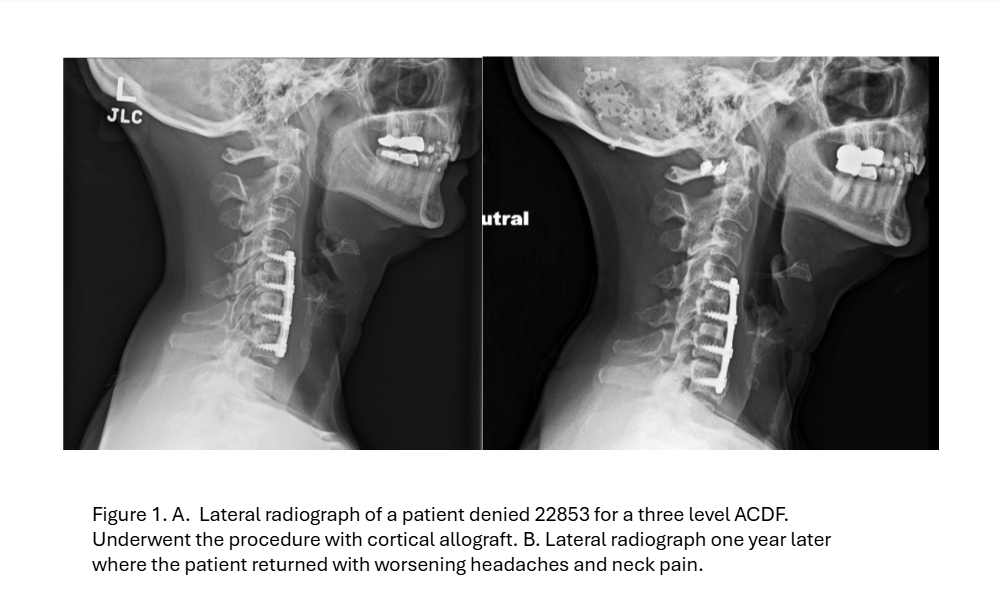
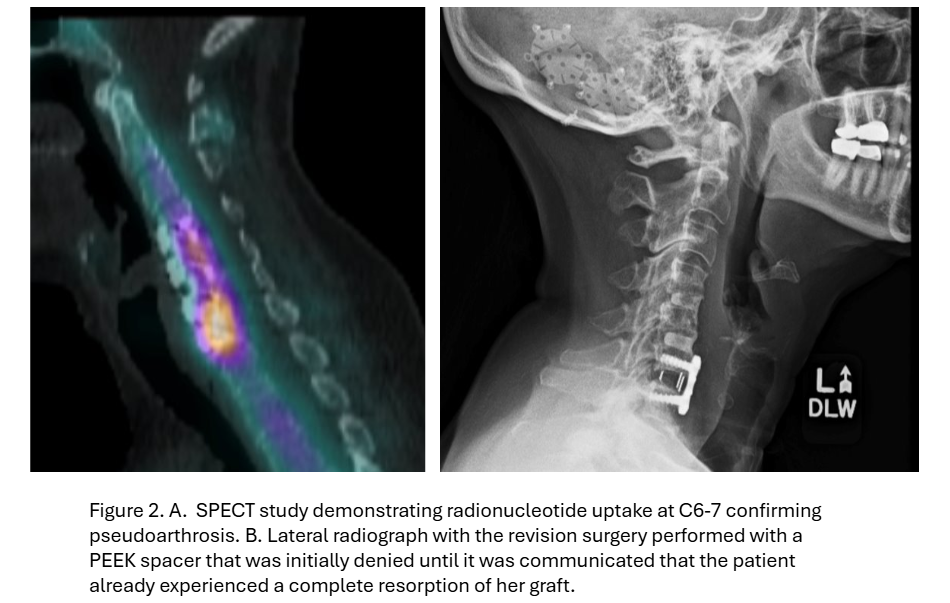
However, there is a reality in today’s version of medicine that adds a third party to the patient-physician relationship. Healthcare insurers are increasingly intruding in the care of our patients. Though insurance companies have an important role in promoting responsible resource utilization, insurance coverage policies are increasingly overriding surgeon judgment and shared clinical decision making by mandating what devices and implants should or should not be used. By doing so, insurers cross a nebulous line from supporting patient care to dictating medical practice. As insurance-driven medical decision making perpetuates throughout the United States, the patient-physician relationship takes a secondary role, leaving the door open to unfavorable and avoidable patient outcomes. A recent case involving cervical spine surgery highlights the significant patient safety risks that can arise when misguided coverage policies prevent surgeons from carrying out a surgical plan they believe is most appropriate for their patient.
A Preventable Revision Surgery
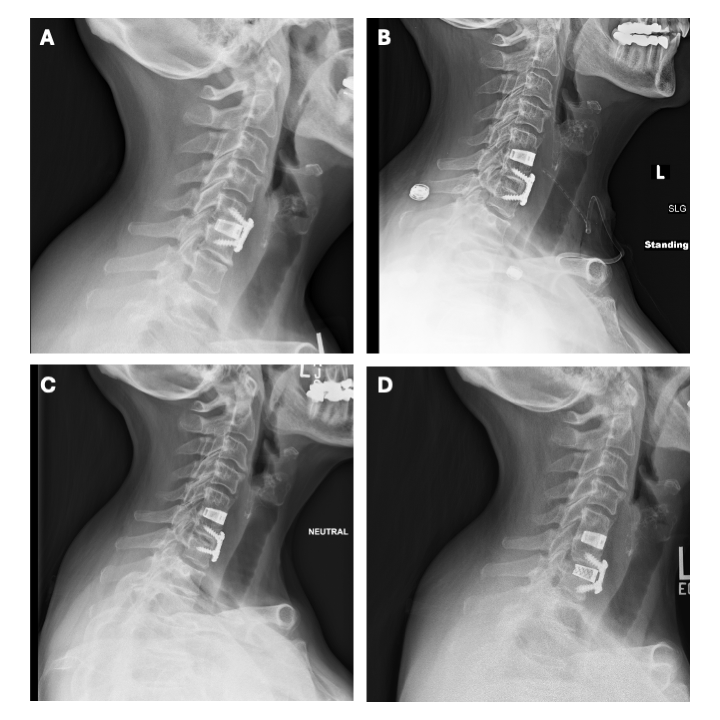
Consider the patient in figure 1 who had a prior C5-6 anterior cervical discectomy and fusion (ACDF) several years prior with a titanium interbody spacer. Years later, the patient developed adjacent segment disease at C6-7, a common problem in which degeneration develops at the level next to a prior fusion. The surgeon recommended a titanium interbody spacer again, which is not an experimental device or an unproven concept. Interbody devices have been used in cervical spine surgery for a quarter century to restore disc height, maintain alignment, provide structural support and facilitate fusion. However, the patient’s insurer would not cover the planned biomechanical interbody device. The surgery would only be approved if structural cadaveric allograft was used instead.
Faced with the choice of delaying treatment or proceeding with a less desirable option, the patient underwent surgery using the insurer-mandated allograft. Within three months, the structural graft resorbed and lost the structural integrity needed to maintain the fusion construct. The patient required revision surgery. Ultimately, the patient received the titanium interbody spacer that the surgeon recommended from the start. This is a narrative of a pseudoarthrosis is not simply a story about a failed graft. It is a story about a patient undergoing an avoidable second operation because a coverage policy overrode individualized medical judgment.
This case poses a fundamental question: Who should make surgical decisions for patients, the treating surgeon, or the insurance company?
Insurance companies seek to verify that technologies provide meaningful clinical value before agreeing to reimburse for them. However, coverage policies often lag behind contemporary clinical practice and may fail to account for evolving evidence, advances in implant design and individual patient factors. When rigid policies prohibit surgeons from selecting implants they believe are medically appropriate, patients may become the unintended victims of insurer decision-making. Surgical decision-making is nuanced and depends upon numerous patient-specific factors that cannot be captured by broad administrative policies. It is the surgeon’s holistic evaluation of the patient, review of imaging studies, careful consideration of risk factors and extensive discussion of treatment options with the patient that make them the most qualified person to determine the appropriate implant. One-size-fits-all mandates remove surgeon discretion and experience at the cost of patient outcomes.
Modern interbody spacers have become widely adopted in cervical fusion procedures and have proven to provide immediate structural support, resist collapse and resorption and can facilitate fusion through porous designs that encourage bone growth. Their use has been shown to be safe and yield similar, and in many cases, superior outcomes compared to cadaveric allografts [1-4]. Thus, their indications should be primarily dictated by the surgeons themselves as they abide by practicing evidence-based medicine.
When surgical decision-making is taken away from surgeons in instances like these, the consequences of such coverage restrictions extend beyond individual patients. Revision spine surgery is substantially more expensive, often requiring longer operative time, greater resource utilization, more complex postoperative care and increased risk of complications [5, 6]. Prior studies have demonstrated that pseudarthrosis and construct failure remain major drivers of revision ACDF surgery, as in the insurer directed care presented above [7].
Moreover, coverage policies that force the hands of surgeons in using implants and devices they would not otherwise select create a troubling ethical dilemma. The aforementioned patient-physician relationship is essential. How could a surgeon proceed with implantation of an inferior or inappropriate alternative device while knowing the best option is available but simply not covered? When insurers deny coverage, surgeons are forced to practice second-best medicine that is driven by the insurance companies’ financial outcomes, rather than standard of care medicine that is focused on patient outcomes. This troubling reality highlights a compromise driven by reimbursement policy rather than medical judgment.
A recent multi-society position statement, endorsed by the leading organizations in spine surgery, concluded that interbody biomechanical devices should be recognized as medically necessary and reimbursable in anterior cervical fusion procedures. The statement emphasizes that patient safety is best served when surgeons and patients can jointly select among structural autograft, allograft and biomechanical devices based on the patient’s individual needs, preferences and the recommendation of the treating surgeon.[8] That is the standard that should guide coverage policy.
The pseudoarthrosis case herein is just one example of many demonstrating more than a story about a failed allograft. It illustrates a broader systemic issue in which administrative policies can supersede patient-specific medical decision-making. The result was entirely predictable: a patient underwent an avoidable second operation to receive the exact implant that had originally been recommended. Patient safety should remain at the pinnacle of any policy. Insurers should embody that same principle by creating coverage policies that reflect current clinical evidence and allow sufficient flexibility for surgeon-directed, patient-specific treatment decisions. Standard of care is not determined by an insurer’s coverage policy. Standard of care is determined by evidence-based practices driven by physicians as they seek to serve and tirelessly advocate for their patients. Standard of care is not about “surgeon preference” or increasing surgeon reimbursements. Standard of care is about doing the right thing for our patients. Medicine should not be practiced by an insurer behind a computer. Instead, we should practice medicine with the patient-physician relationship as our North Star. That relationship is, after all, the utmost foundation of medical practice.
References
1. Kim CH, et al. Which interbody device minimized nonunion, subsidence, and revision surgery after anterior cervical discectomy and fusion? Journal of Neurosurgery: Spine. 2024.
2. D’Antonio N, et al. Structural allograft versus PEEK and titanium alloy cages: pseudarthrosis and outcomes after ACDF. Asian Spine Journal. 2023.
3. Jain A, et al. Structural Allograft Versus Mechanical Interbody Devices Augmented With Osteobiologics for ACDF: A Systematic Review. Global Spine Journal. 2024.
4. Mayer F, et al. Radiological and Clinical Outcomes after ACDF Using a 3D-Printed Titanium Cage. Brain Sciences. 2022.
5. Yee, T. J., Swong, K., & Park, P. (2020). Complications of anterior cervical spine surgery: a systematic review of the literature. Journal of spine surgery, 6(1), 302.
6. Pennington, Z., Mehta, V. A., Lubelski, D., Elliott, C., Miller, J. A., Benzel, E. C., & Mroz, T. E. (2020). Quality of life and cost implications of pseudarthrosis after anterior cervical discectomy and fusion and its subsequent revision surgery. World neurosurgery, 133, e592-e599.
7. Menon N, et al. Structural Allograft Versus Synthetic Interbody Cage for ACDF: Analysis of Revision Surgery and Outcomes. Neurospine. 2020.
8. Position Statement on Insurance Coverage for Interbody Biomechanical Devices (CPT 22853) in Cervical Spine Arthrodesis. Endorsed by the American Association of Neurological Surgeons, Congress of Neurological Surgeons, AANS/CNS Section on Disorders of the Spine and Peripheral Nerves, American Academy of Orthopaedic Surgeons, Cervical Spine Research Society, International Society for the Advancement of Spine Surgery, North American Spine Society, Scoliosis Research Society, and Society for Minimally Invasive Spine Surgery.
Figure 1 Legend
A- Postoperative X-ray of the cervical spine following the patient’s initial surgery at C5-6 in 2021 utilizing a titanium interbody. B- Immediate postoperative X-ray after surgical revision and C6-7 ACDF in 2024 with the use of allograft. C- 3-month postoperative X-ray revealing allograft resorption and construct failure at C6-7. D- Postoperative X-ray following surgical revision and conversion to the originally proposed titanium interbody device at C6-7.
This is a structural bottleneck choking off the neuroeconomy, the new era of growth and human potential driven by AI-powered neuroscience. If intelligence is left fragmented, clinicians miss out on the opportunity to lead, leaving technology and life sciences companies without access to the validated, clinician-led datasets, and driving up the cost and time-to-market for new innovations that could transform brain health at scale.
The evolution of AI and machine learning have created new, structured ways to organize insights, using the enormous amount of data generated through patient care to build smarter tools capable of recognizing patterns at scale. But it is not enough to take advantage of technology. We, the human experts, must become active stewards of the neuroeconomy. Because neurological intelligence reflects human identity, its organization must be led by those who understand its clinical weight.
What neurosurgery needs is a governing entity that fosters shared intelligence, establishes ethical and clinical guidelines for AI usage and ensures that data gathered through patient care is stewarded responsibly.
The Confluence of Data and Care
Neurosurgery AI tools are helping answer the call of clinicians advocating for better organization of knowledge, which is only more important now that technology provides for an ever-increasing volume of data. For example, high-resolution MRI and CT scans used for pre-operative imaging result in massive DICOM files. Inter-operative data has expanded to include electrophysiological monitoring, surgical video and neuro-navigation coordinates. After surgery, still more data is gathered in the form of ICU telemetry, pathology reports, genomic sequencing of tumors and patient-reported outcome measures.
Under the current system, the vast majority of this data is siloed; but it is now possible, through AI, to not only compile data but generate new insights. By synthesizing these disparate streams, AI can identify complex correlations and longitudinal trends that escape manual human review, effectively transforming raw physiological inputs into actionable clinical roadmaps. The brain’s sheer complexity means that AI is particularly well-suited to unearthing its subtle patterns, including which interventions work for some patients and not others, pulling from large experience, emotion and behavior datasets.
Safeguarding Medical Trust
It’s critical that clinical experts be at the helm of this new technology. While the tech industry is instrumental to building the next-generation tools that enable discovery and improve care, only a clinician understands their true value for patients. For example, a tech-driven model might determine that a certain surgical approach is more efficient based on operative times, while a clinical-led body would recognize that the same approach increases the risk of long-term neurological deficits.
Quantitative insights must be guided by clinical expertise in order to distinguish which patterns are significant and useful as the neuroeconomy becomes integral to the broader innovation economy. This ensures that clinicians remain at the forefront as technology enables new and more powerful computational models of the brain, larger datasets and new device platforms spanning multiple sectors, including brain health, neurologic care, cognitive enhancement, mental health innovation and neuro technology.
In addition to shaping the way insights are interpreted, clinicians must also have an avenue for keeping patient care, not investors or the market, as the focus of shared intelligence. Neurosurgical data is perhaps the most intimate data a human generates, involving brain mapping, cognitive function and personality-altering interventions, and pooling high-fidelity data may increase the risk of sophisticated AI re-identifying patients, leading to unforeseen ethical dilemmas in insurance. Governance must be handled by those who are professionally and ethically accountable for patient privacy, not just those who are technically capable of encryption.
Fostering Shared Intelligence
The emerging neuroeconomy represents a transition from a collection of brilliant, but isolated, practitioners into a unified network of shared wisdom that facilitates conversation with government, big tech, investors and insurance payers. By aligning the clinical precision of academic centers with the regulatory frameworks of government and the scalability of big tech, a governing body ensures that shared intelligence becomes a structured reality rather than a theoretical goal. This move allows the neurosurgical community to transcend its own borders, integrating fragmented data silos into a living body of knowledge that drives global policy, commercial innovation and the collective mastery of the field.
This collaborative approach is also essential for standardizing how we interpret neurological signals at scale, creating universal guidelines that big tech and regulators can rely on. Without a clinician-led body to shape governance and validation pathways, we risk a landscape where market-driven AI tools are disconnected from the nuanced reality of the operating room. By serving as the primary architects of these standards, clinicians ensure that these innovations align with clinical truths and prioritize long-term patient outcomes over purely technical or market-driven metrics.
Ultimately, this is about shaping the future of our profession and patient care. By guiding the ethical and clinical frameworks of AI usage alongside policymakers and tech developers, we ensure that the intelligence of the next generation remains firmly rooted in the values of patient care. It is a commitment to a future where the neuroeconomy serves to amplify the surgeon’s expertise and value, ensuring that every patient benefits from the totality of our integrated, global experience.
The Foundation for Digital Neurosurgery builds the frameworks that safely transform neural insights into shared intelligence, with neurosurgeons at the center. Launched in partnership with AANS with broad support across organized neurosurgery, the Foundation establishes the clinical governance and ethical standards that allow neurological learning to compound over time and across institutions. Learn more about the Foundation here.
]]>Recognizing this gap, a multidisciplinary group led by pediatric neurosurgeons pursued a state-level legislative strategy to mandate folic acid fortification of CMF. Alabama and California, working in parallel, served as the pilot states for this effort. The initiative combined public health evidence, culturally informed community engagement and targeted legislative advocacy to address a structural inequity in preventive care.
Central to this effort was the creation of a task force that engaged Hispanic community leaders, families, advocacy organizations and food industry stakeholders through bilingual outreach. These conversations clarified the central role of CMF in daily nutrition, identified cultural considerations critical to policy acceptance and helped ensure that legislation would be both effective and culturally responsive. In parallel, fortification scientists and policy experts were consulted to ensure that proposed legislation aligned with existing federal standards, food manufacturing processes and established safety data.
With this foundation, legislation was drafted and a legislative sponsor secured through direct engagement and education. In June 2025, Alabama House Bill 384 (HB384), mandating folic acid fortification of corn masa flour and tortilla products sold in the state, was signed into law.
Alabama’s success established a replicable legislative and advocacy model that leverages physician leadership, community partnership and scientific rigor to address health disparities. Importantly, this work did not end with passage of a single bill. Pediatric neurosurgeons are now, through the new Corn Masa Taskforce, leading a coordinated, multistate expansion effort aimed at scaling this model nationally.
Active legislation or legislative development, led by our colleagues in pediatric neurosurgery is currently underway in multiple states. In Florida, efforts are being led by Dr. Hassan Akbari and Myron Rolle. In Georgia, Dr. Jacob Lepard is spearheading legislative engagement. I have been working in Oklahoma where a bill is currently in committee. In Texas, Dr. Trey McLugage and Dr. Laila Mohammad are advancing efforts tailored to their state’s legislative landscape. These initiatives are supported by a growing national task force that includes food fortification experts, industry partners, community organizations and advocacy groups, with pediatric neurosurgeons serving as conveners and physician-advocates.
Collectively, these state-based efforts aim to promote either nationwide CMF fortification policy or industry-wide voluntary adoption incentivized by state legislation. Modeling studies suggest that widespread CMF fortification could prevent up to 120 NTD cases annually in the Hispanic community alone, with associated reductions of up to $100 million in annual health care spending, not including broader societal and family impacts.
This work highlights the expanding role of pediatric neurosurgeons beyond the operating room: as advocates, policy leaders and public health partners. By addressing preventable causes of lifelong neurologic disability through evidence-based legislation, pediatric neurosurgeons are helping redefine the profession’s role in advancing health equity and primary prevention. The success of Alabama HB384 demonstrates that physician-led, community-centered legislative action can meaningfully reduce disparities and improve outcomes for vulnerable populations nationwide.
]]>Born in Ludhiana, India, and raised in Queens, New York, and later Fort Lauderdale, Florida, Dr. Grewal’s life was marked early by energy, curiosity and determination that would later characterize his surgical career. His academic path reflected precocity and discipline. He entered a highly competitive combined undergraduate and medical pathway through Xavier University and the University of Cincinnati, earning his Bachelor of Science in Biology before completing his medical degree. He then matched at his first-choice program, the Mayo Clinic in Jacksonville, Florida, where he became one of the earliest residents in a newly established neurosurgery residency. As part of that inaugural cohort, he helped shape the culture of the program. He subsequently pursued fellowship training in surgical epilepsy at Mayo Clinic in Rochester, Minnesota, followed by stereotactic and functional neurosurgery training at Mayo Clinic in Florida.
Dr. Grewal joined the faculty at Mayo Clinic in Florida during the height of the COVID pandemic, immediately assuming substantial clinical and academic responsibilities. Board certified in 2023, he rose rapidly to leadership roles, serving as Director of Epilepsy and Movement Disorders and as Associate Program Director of the neurosurgery residency. Even early in his faculty career, he was widely regarded as being on an accelerated path toward full professorship.
His clinical focus encompassed epilepsy and movement disorders, where he brought meticulous technique and thoughtful judgment to complex surgical cases. His research portfolio was expansive and forward-looking. As a principal investigator and collaborator on multiple national clinical trials, he advanced deep brain stimulation for stroke recovery, stem cell–based therapies for Parkinson’s disease and the application of artificial intelligence to identify seizure patterns and neurophysiologic signatures. He authored more than 100 peer-reviewed publications and contributed extensively to neurosurgical textbooks. In 2025, he began formal graduate study in artificial intelligence in health care, reflecting his conviction that the future of neurosurgery would be shaped by data science and technological integration.
Education was central to his professional identity. As Associate Program Director, he held residents to high standards while offering unwavering support. Trainees describe an attending who was exacting in the operating room yet generous with his time outside it—someone who answered late-night questions, advocated for junior colleagues and insisted that technical excellence must be paired with compassion. He directed advanced courses, lectured nationally and internationally and remained active in organized neurosurgery, including the American Association of Neurological Surgeons, the Congress of Neurological Surgeons, the American Society for Stereotactic and Functional Neurosurgery and the North American Neuromodulation Society. His service included participation in guideline development, advocacy efforts and national scientific program committees.
Dr. Grewal was deeply devoted to his wife, Angela, whom he met as a teenager at Xavier University. Together they created a home filled with energy and warmth, raising three young children – Neal, Aria and Ryan – who were the center of his world.
Neurosurgery advances through the work of dedicated individuals, but it is sustained by character. Dr. Sanjeet S. Grewal embodied both. His legacy endures in the patients he treated, the trainees he shaped, the research he propelled forward and the family who carries his light. His passing leaves a profound void in functional neurosurgery, in academic medicine and in the lives of all who called him colleague or friend.
Dario J. Englot, MD, PhD
Vanderbilt University Medical Center
]]>Decisions made in Congress, federal agencies, state legislatures and by private insurers have direct and often immediate consequences for patients with neurological disease. Prior authorization requirements can delay urgent surgeries. Inadequate reimbursement that fails to keep pace with medical inflation threatens the sustainability of complex, high-acuity services. Workforce policies and training standards influence whether communities will have access to neurosurgical care in the years ahead. Organizational leadership in advocacy means ensuring that clinical expertise, data, and an understanding of the real-world consequences for patients and families inform these decisions.
The AANS has demonstrated this leadership over decades through sustained investment in a comprehensive advocacy infrastructure. The AANS/CNS Washington Committee, which recently celebrated its 50th anniversary, stands as a testament to the profession’s long-standing commitment to constructive engagement with policymakers and thoughtful federal health policy leadership. NeurosurgeryPAC, which recently marked its 20th anniversary, reinforces the importance of ensuring neurosurgery has a credible, bipartisan and consistent voice in the political process. NeurosurgeryPAC’s mission is simple: support candidates for federal office who support neurosurgeons. Complementing these efforts, the AANS/CNS Council of State Neurosurgical Societies coordinates advocacy at the state level, where many practice-defining decisions are made. Together, these entities enable neurosurgery to lead proactively rather than respond reactively.
Current advocacy priorities reflect both patient needs and the evolving realities of practice.
Reforming Prior Authorization. The AANS is working tirelessly to rein in abusive insurance company tactics, particularly prior authorization processes that delay medically necessary care and disrupt treatment pathways. The Washington Committee has been leading the charge in advancing regulations and legislation to reform prior authorization in the Medicare Advantage (MA) Program, collaborating with the Regulatory Relief Coalition on this initiative. The U.S. Department of Health and Human Services has implemented regulations to streamline prior authorization in MA, Medicaid, and other plans it regulates. Additionally, with 65 co-sponsors in the U.S. Senate and 249 in the House of Representatives, momentum is building in Congress to pass the Improving Seniors’ Timely Access to Care Act (S. 1816/H.R. 2514). This legislation would curb excessive prior authorization requirements in MA by streamlining approvals, increasing transparency and ensuring seniors receive medically necessary care without harmful delays.
Sustaining Neurosurgical Practices. The AANS continues to advocate for reform of the Medicare physician payment system to better reflect rising practice costs and medical inflation. We are working to advance legislation that reflects organized medicine’s principles for reform. Leading the way with our coalition partners, including the Alliance of Specialty Medicine, the AANS has endorsed H.R. 6160, the Strengthening Medicare for Patients and Providers Act, which would provide an annual inflationary update for Medicare physician payment tied to the Medicare Economic Index. In addition, the AANS is leading efforts to ensure that health plans appropriately reimburse neurosurgeons for out-of-network care, including support for the No Surprises Act Enforcement Act (S. 2420/H.R. 4710). Finally, consolidation in the health care system has resulted in less competition, fewer choices and higher health care costs. To ensure that neurosurgeons have a full range of practice options, the AANS has been working with Physician-Led Healthcare for America to advance policies that improve competition in health care, including efforts to repeal Section 6001 of the Affordable Care Act, which would allow neurosurgeons to own hospitals and help sustain viable private practices.
Funding Research and Education. Equally critical, the AANS champions expanded federal research funding to drive innovation and advance cures for neurological disease — ensuring tomorrow’s breakthroughs build on today’s discoveries. Our own Neurosurgery Research & Education Foundation (NREF) is a key partner in augmenting scarce research dollars. Indeed, approximately 30% of NREF grantees also receive funding from the National Institutes of Health, and since NREF’s inception, this has translated into more than $350 million in funding. Addressing physician workforce shortages and ensuring the profession remains in the driver’s seat in setting residency training standards are also central priorities that directly affect access to care, quality and patient safety. Partnering with the Association of American Medical Colleges and the GME Advocacy Coalition, the AANS has backed the Resident Physician Shortage Reduction Act (S. 2439/H.R. 4731), which would provide funding for an additional 14,000 Medicare-supported residency positions and help ensure the country has enough physicians — including neurosurgeons — to meet patients’ needs.
Through advocacy, AANS recognizes that leadership extends well beyond the operating room. By shaping the systems that govern care delivery, advocacy protects neurosurgeons’ ability to provide timely, lifesaving and life-changing care — today and for generations to come. Please join the AANS on this advocacy journey by contributing to NeurosurgeryPAC each year and adding your voice to the public policy process. Together, we can make a difference.
******************
For more information, visit https://www.aans.org/advocacy/
]]>Advocacy in neurosurgery takes many forms, spanning institutional, national and international levels. At its core, effective advocacy aims to raise awareness of neurosurgical disparities, mobilize resources, inform policy and foster sustainable partnerships. U.S.-affiliated institutions, for example, have increasingly contributed to global neurosurgery scholarship, generating evidence that highlights gaps in access, workforce distribution and infrastructure. Our recent work in bibliometric analyses demonstrate that U.S.-authored publications in global neurosurgery have grown steadily over the past decade, reflecting broader engagement in advocacy-oriented research, education and capacity-building initiatives. These outputs not only quantify disparities but also provide actionable insights for strategic investment and collaboration, informing both local stakeholders and international policy makers.
A key dimension of advocacy is addressing geographic inequities. Data indicates that scholarly engagement remains concentrated in a limited number of LMIC and LIC settings, with countries only a handful of the 75 LMIC/LIC countries represented. While focused partnerships enable deep collaboration and long-term capacity building, underrepresented regions risk being overlooked. Advocacy efforts, therefore, must highlight these inequities, encourage a more diversified distribution of partnerships and support the development of sustainable neurosurgical systems in underserved areas. Mechanisms for achieving this include consortia-based collaborations, targeted mentorship programs and initiatives that explicitly map and address gaps in geographic representation.
Thematic and subspecialty focus represents another critical advocacy lever. Pediatric neurosurgery and traumatic brain injury (TBI) dominate the global neurosurgery literature, reflecting both the high disease burden and philanthropic attention these areas attract. While these focus areas are justified by their immediate health impact, broader advocacy is needed to ensure other neurosurgical domains—such as cerebrovascular, functional and epilepsy surgery—receive attention and resources. Highlighting underrepresented subspecialties is essential for guiding policy, directing funding and building comprehensive neurosurgical capacity, thereby ensuring that advocacy promotes equitable health outcomes across the full spectrum of neurological disease.
Institutional leadership and research capacity are equally central to global advocacy. Analyses reveal that a small number of academic centers produce a disproportionate share of publications, often benefiting from established networks, dedicated global health divisions and access to funding streams. Advocacy at this level involves promoting cross-institutional collaboration, sharing mentorship resources and expanding funding opportunities for emerging programs. Such measures not only democratize scholarly engagement but also enhance research infrastructure, innovation and the translation of evidence into practice, aligning closely with SDG 9. Virtual platforms and networks have already demonstrated success in broadening participation, connecting institutions and amplifying collective advocacy efforts.
A further dimension of global neurosurgical advocacy lies in policy engagement and guideline development. Publications that quantify disparities, evaluate workforce distribution and assess system-level needs provide the evidence base for high-level advocacy targeting ministries of health, professional societies and international organizations. By presenting data on both needs and impact, neurosurgical advocacy can influence national surgical planning, resource allocation and the integration of neurosurgical services into broader health systems. These efforts are particularly crucial in LMIC and LIC, where policy guidance, funding and infrastructure investments are often limited.
Finally, global advocacy in neurosurgery is strengthened through reciprocal and cross-national collaborations. Partnerships with high-income countries, while not driven by capacity-building imperatives, contribute to knowledge exchange, multicenter research and the dissemination of best practices. Such collaborations enhance the scientific rigor of global neurosurgical research, accelerate innovation and inform policy and clinical guidelines worldwide. Advocacy that emphasizes these bidirectional benefits encourages HIC institutions to take a proactive, responsible role in supporting equitable neurosurgical development globally.
In essence, global advocacy in neurosurgery is multifaceted, spanning research, policy, education and partnership development. Effective advocacy leverages data to highlight disparities, mobilize resources, guide investments and build sustainable capacity. By strategically addressing geographic inequities, thematic gaps and institutional imbalances, neurosurgeons can advance health equity, strengthen research and infrastructure and promote a more resilient and inclusive global neurosurgical ecosystem. Furthermore, frameworks developed through U.S.-affiliated scholarship and other high-income countries can serve as models to assess the existing engagement, identify opportunities and contribute meaningfully to collaboration across the globe. Ultimately, sustained, evidence-based advocacy is essential for realizing the vision of universal access to safe, timely and affordable neurosurgical care.
References
- https://datahelpdesk.worldbank.org/knowledgebase/articles/906519-world-bank-country-and-lending-groups. Accessed December 19, 2025
- Neurosurgery and Global Health. Germano IM (Editor), Springer Nature 2022
Luis Tumialán, MD, FAANS, examines Section 6001 of the Affordable Care Act in his KevinMD.com article, “The Flaw in the ACA’s Physician Ownership Ban.” He explores how restrictions on physician-owned hospitals have impacted competition, cost and patient access — and calls for thoughtful reform to strengthen healthcare delivery.
“The most expensive piece of medical equipment is a doctor’s pen. And, as a rule, hospital executives don’t own the pen caps. Doctors do.” Dr. Atul Gawande, an endocrine surgeon practicing at Brigham’s Women and Children Hospital in Boston, Massachusetts, wrote those words in the June 1, 2009, edition of the New Yorker in an article entitled, “The Cost Conundrum.” In that article, Dr. Gawande compared health care expenditures in McAllen, Texas, to its neighbor 800 miles up the road in El Paso, Texas. He found that Medicare expenditures in McAllen were $15,000 per enrollee, nearly twice the national average. Gawande could not attribute the rate of obesity, diabetes, and alcohol use to the differential because the town of El Paso had essentially the same demographic but only spent $7,504 per Medicare enrollee. After distilling out the various components of malpractice, defensive medicine, and demographics, Gawande made the conclusion that the differential between McAllen and El Paso, Texas, could only be explained by physician ownership of the main hospital in McAllen. Physician ownership of hospitals, writes Gawande, “gives physicians an unholy temptation to overorder.”
Timing is everything. Gawande’s article landed at a time when our country was in the throes of the debate over the Affordable Care Act in 2009. A White House staffer placed “The Cost Conundrum” into the hands of President Obama and it dramatically affected his thinking. In fact, Mr. Obama cited it while meeting with a group of Democratic senators. Senator Ron Wyden, Democrat of Oregon, describes the president putting the article in front of a group of senators and pointing to it stating, “This is what we’ve got to fix.”
There were several narratives in “The Cost Conundrum,” but the one that crystallized in the mind of lawmakers created a narrative that the skyrocketing cost of health care was due to physician ownership of hospitals. Mr. Obama’s “fix” was to eliminate physician hospital ownership which would, by his thinking, rein in health care spending at long last. After all, if federal law eliminated McAllen environments and created more Mayo Clinic type settings, concludes Gawande, health care coverage would be more affordable and accessible. A powerful message, in perfect pitch, at an ideal time. The American Hospital Association readily embraced the idea and, with physicians eliminated from hospital ownership, enthusiastically endorsed the ACA. Thus, lawmakers readily scribbled Section 6001 into the Affordable Care Act. A prohibition of physicians from owning hospitals was now the law of the land.
One problem: the data were incomplete. I am not questioning the data Gawande provided for McAllen, Texas. I am questioning whether lawmakers should determine a national policy based on data solely from a single small town in Texas. The United States health care sector is a complex landscape with considerable demographic and regional differences. To surmise that the health care practices conducted in McAllen, Texas, would be representative of the United States health care sector as a whole would be a tenuous argument to make.
A broader analysis of hospital data leads the objective mind to a completely different conclusion than what Gawande resolves in his “Cost Conundrum.” In an analysis of the grandfathered 250 physician-owned hospitals in the United States, CMS found that nine of the top 10 performing hospitals for quality, access, and cost were physician-owned. Further analysis of over 5,000 public and for-profit compared to physician-owned identified that 48 of the top 100 were physician-owned. The logical conclusion is that Gawande’s findings in McAllen’s physician-owned hospital cannot be extrapolated to the rest of the country. If anything, the data leads the rational mind to conclude that if quality, cost, and access are priorities, physician ownership should be expanded not curtailed.
But for 15 years, we have run the experiment of excluding physicians from hospital ownership, so we might as well look at the results. The data is unequivocal: costs have not decreased, nor has access to health care demonstrably increased. The law of unintended consequences has also brought unforeseen changes to the health care landscape.
History is replete of the unintended consequences of introducing a predator to control a rodent population. The introduction of the small Indian mongoose in Hawaii to protect sugar cane crops from rats resulted in devastating consequences for the native Hawaiian ecosystem. With an environment free from competition, the mongoose preyed more on native species than the rats in the sugar cane fields and nearly obliterated the local fauna while causing significant ecological disruption. Section 6001 accomplished exactly the same. Elimination of competition from physicians fostered an environment ripe for hospital consolidation. Vertical integration led to hospital acquisition of physician practices leading to higher prices without improvement in quality. Hamstrung physicians responded in kind with abandoning private practice for hospital employment in droves. In the aftermath of the ACA, a significant shift has occurred in physicians opting to become employed. In 2012, 53.2 percent of physicians were owners of their practices. In 2022, that number plummeted to 44 percent, a trend that continues. The absence of control in their professional lives is a leading contributor to physician burnout, compounding the current physician workforce shortage. Section 6001 of the ACA is making the private practice physician an endangered species.
The $4.9 trillion health care sector of the U.S. economy is exceedingly complex and byzantine. Oversimplification has its perils. Attributing skyrocketing costs of health care to physician ownership of hospitals is a tragic example of oversimplification in a complex system. The assumptions were flawed from the outset. The past 15 years and our current socioeconomic landscape have invalidated all the assumptions made in 2010 regarding physician hospital ownership. But what makes matters worse are the unintended consequences. Section 6001 of the ACA has proven to decrease competition and increase cost without necessarily increasing quality. Our current state is the categorical antithesis of the promises assured to Americans with the ACA.
The time has come to run a new experiment. Not a seismic shift, but instead a subtle incremental change. Repeal Section 6001. Empower the physician. Create competition. Align incentives. After all, we are the doctors. We still own the pen caps. And hospital administrators don’t. But for the health care of the future to improve, we need to be part of hospital ownership too.
]]>In this cross-posted commentary originally published in Forbes, Richard Menger, MD, MPA, examines a question patients and physicians alike are asking: Why does modern medical care feel so rushed?
Drawing on his dual background as a neurosurgeon and political scientist, Dr. Menger breaks down the structural forces shaping today’s clinic experience — from physician workforce shortages and hospital consolidation to Medicare reimbursement models that prioritize volume over complexity. He explains how policies tied to work RVUs, E&M coding and centralized scheduling directly affect the time physicians can spend with patients, particularly those with complex neurosurgical needs.
This piece underscores why advocacy matters. The pressures described are not the result of individual physician choices, but of federal policy decisions that influence access, quality and sustainability of neurosurgical care. Understanding these dynamics is essential as AANS continues to engage lawmakers on workforce reform, fair reimbursement and protecting physician autonomy.
]]>