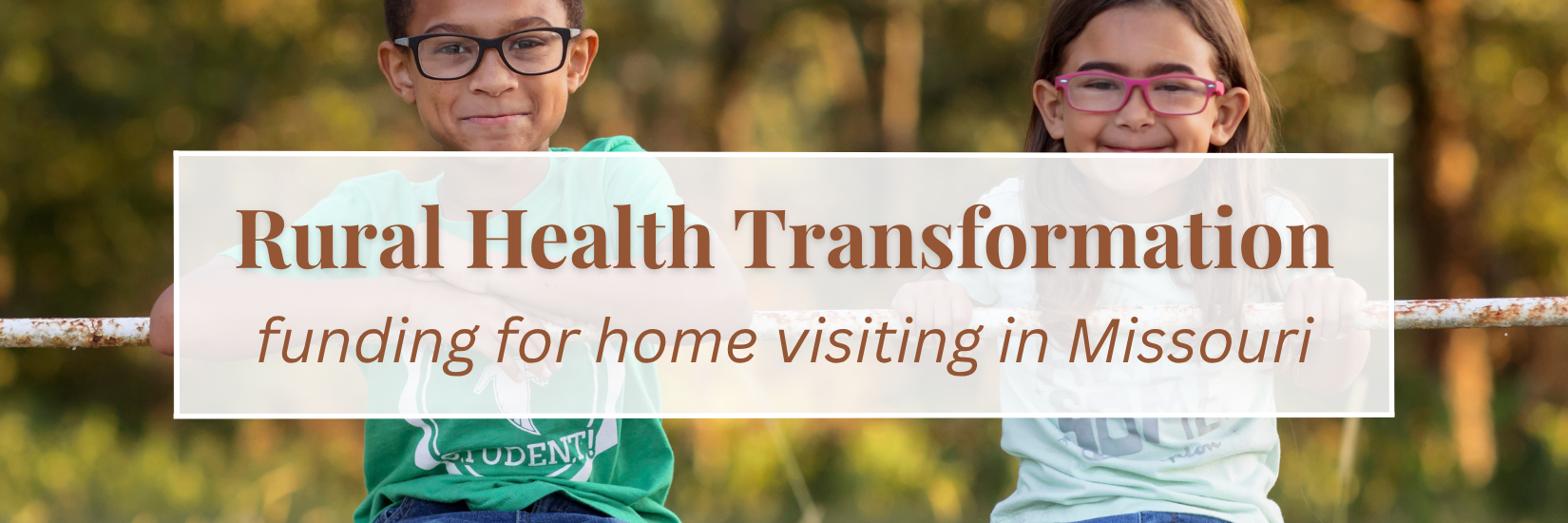
Request for Proposals Available Through August 23, 2026!
The Missouri Children’s Trust Fund (CTF) is pleased to announce the total availability of $588,000 annually to support agencies in initiating and implementing Rural Health Transformation (RHT) home visiting. This funding comes from the Rural Health Transformation Program, administered by the Department of Social Services, MO HealthNet Division. The inclusion of home visiting in the Rural Health Transformation Program’s spending plan reflects our state’s ongoing commitment to home visiting as a strategy to improve maternal and child health.
Grantees will have the option to renew their contracts annually for up to 4 additional years, subject to performance and funding availability. Funding will allow up to $100,000 for model fees and training costs for new nurse-based home visitors and up to $488,000 for the expansion of nurse-based home visiting.
Eligible home visiting programs must currently be implementing, or working toward implementing, an evidence-based, HomVEE-approved model and be able to demonstrate fidelity to the model. All services must be provided by nurses. Services must be an expansion and cannot supplant current funding. Additional eligibility requirements are outlined in the Request for Proposals (linked below).
For more information regarding this funding, eligibility, and the application process and requirements, please check out CTF’s Funding Opportunities page, review the full Request for Proposals and plan on attending the Informational Meeting on July 8, 2026 from 9 a.m. to 10 a.m.
The application period for this funding opportunity closes by the end of the day on August 23, 2026. Applications submitted after the deadline will not be considered. Completed applications must be emailed to melinda.kirsch@oa.mo.gov.
|
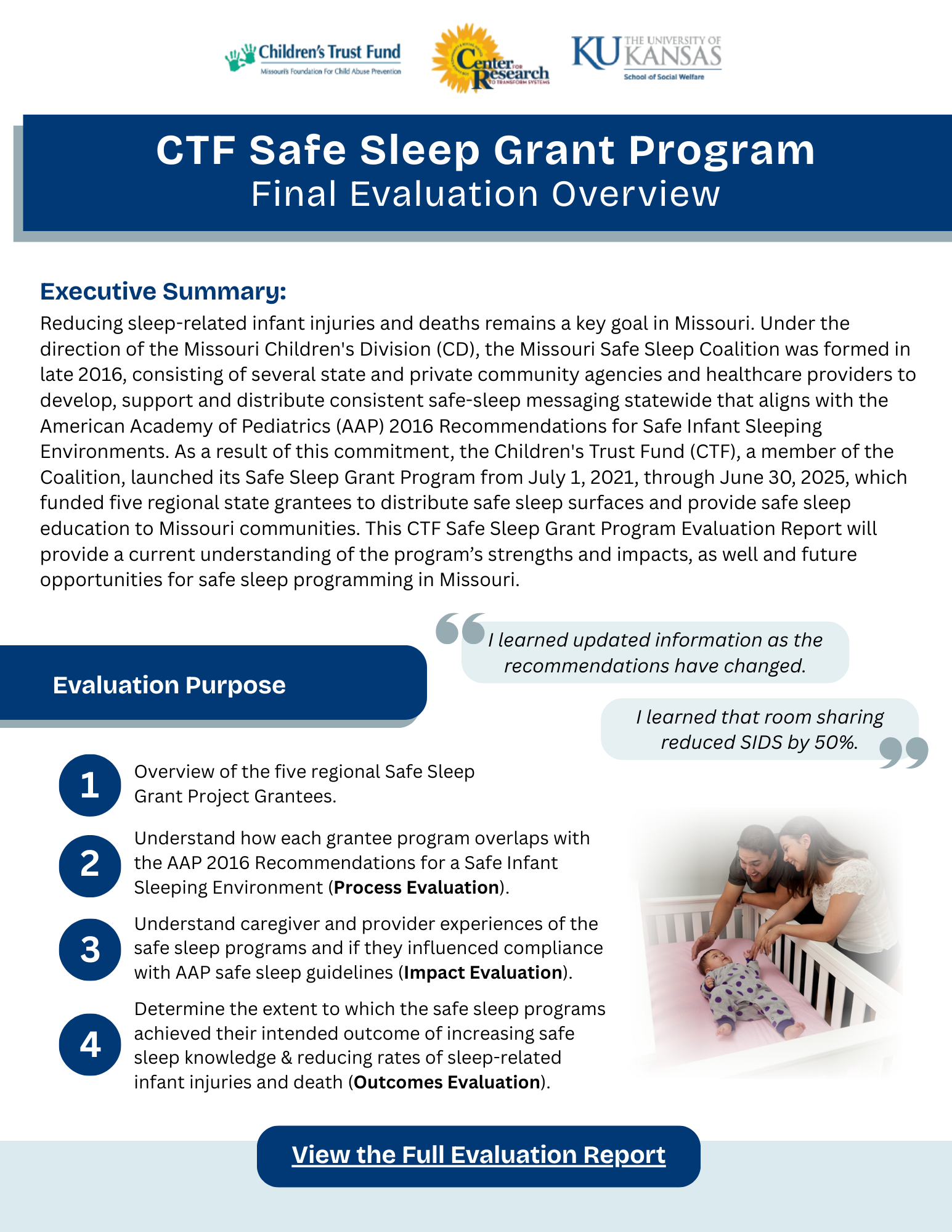
The CTF Safe Sleep Grant Program Evaluation was conducted in collaboration and on behalf of the Missouri Children’s Trust Fund (CTF) by the University of Kansas School of Social Welfare (KUSSW). This document was made possible through the support, collaboration, and hard work of the five regional grantees who designed safe sleep programs for their communities to help educate caregivers, community members and providers and reduce the risk of sleep-related infant injury and deaths. Their participation in data collection, willingness to share insights and program challenges, and ongoing service to families were essential to understanding the impact of this work.
In Missouri, reducing sleep-related infant injuries and deaths remains a key state goal. Under the direction of the Missouri Department of Social Services (DSS), Children’s Division (CD) the Missouri Safe Sleep Coalition was formed in late 2016 consisting of several state and private community agencies and health care providers to develop, support and distribute consistent safe-sleep messaging statewide that aligns with the American Academy of Pediatrics (AAP) 2016 Recommendations for Safe Infant Sleeping Environments.
As a result of this commitment, Children’s Trust Fund (CTF), a member of the Coalition, launched its Safe Sleep Grant Program from July 1, 2021, through June 30, 2025, which funded five regional state grantees to distribute safe sleep surfaces and provide safe sleep education to Missouri communities. This CTF Safe Sleep Grant Program Evaluation Report will provide a current understanding of the strengths and impacts of the Safe Sleep Grant Program and future opportunities for safe sleep programming in Missouri.
You can view:

CTF is excited to present you with our Fiscal Year 2025 Annual Report, with Fiscal Year 2026 Grant Overview, and our Fiscal Year 2026 State Plan Letter. Fiscal Year 2025 was a momentous and hard year for the Children’s Trust Fund. After years of working to build a home visiting system, we began administering the majority of the state’s evidence-based home visiting funding on July 1.
We worked to make this a reality because we believe we are uniquely positioned to take home visiting to a level never seen before in Missouri. Our goal is to have the best home visiting system in the nation. We want to scale home visiting services to a point where we are able to see population impacts on child abuse and neglect, and maternal and child health.
Equally important, we want to honor the agencies that do this work by continuously adapting our processes so that everything we do is rooted in their needs. To put it simply, we want to make it easier for home visiting agencies and home visitors to do their jobs. Our work is in service to these agencies and the families they serve.
We hold ourselves to high standards because our mission requires it. When we do our job well, community-based organizations have what they need to provide high-quality services to vulnerable families. Supporting vulnerable families can change and save the lives of children.
We commit to continuously elevating your work and reach because the children of Missouri deserve nothing less. Thank you for being a part of our team and helping us to support families to raise children in safe, stable and nurturing environments. Imagine what the world will be like if we are able to do this!

The Children’s Trust Fund approves $400,000 in immediate funding to reduce food insecurity for Missouri children and families affected by the federal government shutdown
JEFFERSON CITY, Mo. — In response to the effects of the federal government shutdown on SNAP benefits in Missouri, the Children’s Trust Fund (CTF) and its Board of Directors approved $400,000 in additional funding on Friday to assist Missouri communities and families facing food insecurity.
CTF will donate $100,000 to Feeding Missouri, to be distributed to six regional food banks in the state, specifically for the purchase of infant formula and baby food. Food banks traditionally carry low inventories of formula, and infants and babies are particularly vulnerable to food insecurity.
CTF also approved a $300,000 increase in contracts for the Missouri Parenting Partnership Home Visiting Program, allowing these agencies to purchase formula and food for the families they currently serve.
“The Children’s Trust Fund is deeply concerned about the safety and well-being of Missouri children,” said CTF Executive Director, Emily van Schenkhof. “We are very hopeful that the shutdown will end soon, but Missouri families and children need food now.”
For many Missourians, the inability to access SNAP benefits means significantly less food in the household. Of the 667,000 individuals in Missouri who receive SNAP benefits, forty percent are children. Food insecurity in low-income households is associated with an increased risk of child abuse and neglect.
“Child abuse is preventable when families have the resources to meet their children’s most basic needs—like food, shelter, and stability,” said CTF Board Chair, Cherisse Thibaut. “The stress and fear that come with food insecurity can make it impossible to provide the safe environment every child deserves. CTF is making this investment to support families and prevent abuse before it happens – that is our mission.”
The Children’s Trust Fund is Missouri’s foundation for child abuse prevention. The primary function of CTF is to fund child abuse and neglect prevention programs throughout the state, with an emphasis on home visiting and child sexual abuse prevention. To learn more about the Children’s Trust Fund, please visit ctf4kids.org.
For more information from the Missouri Department of Social Services (DSS) about the federal government shutdown and its impacts on SNAP benefits, visit mydss.mo.gov/federal-shutdown-impacts.
Cindy O’Laughlin sworn in as Senate President Pro Tem, highlights support for Missouri children and families —
The Missouri General Assembly convened on January 8, 2025 to mark the beginning of a hopeful legislative session for Missouri kids and families. On January 13, Missouri swore in Governor Mike Kehoe, who served as lieutenant governor under Mike Parson since 2018.
Senator Cindy O’Laughlin (R-Shelbina) is also making history this session:
“I stand before you today as the first woman to ever be elected president pro tem of the Missouri Senate,” O’Laughlin said during her inaugural speech on Wednesday’s Senate floor.
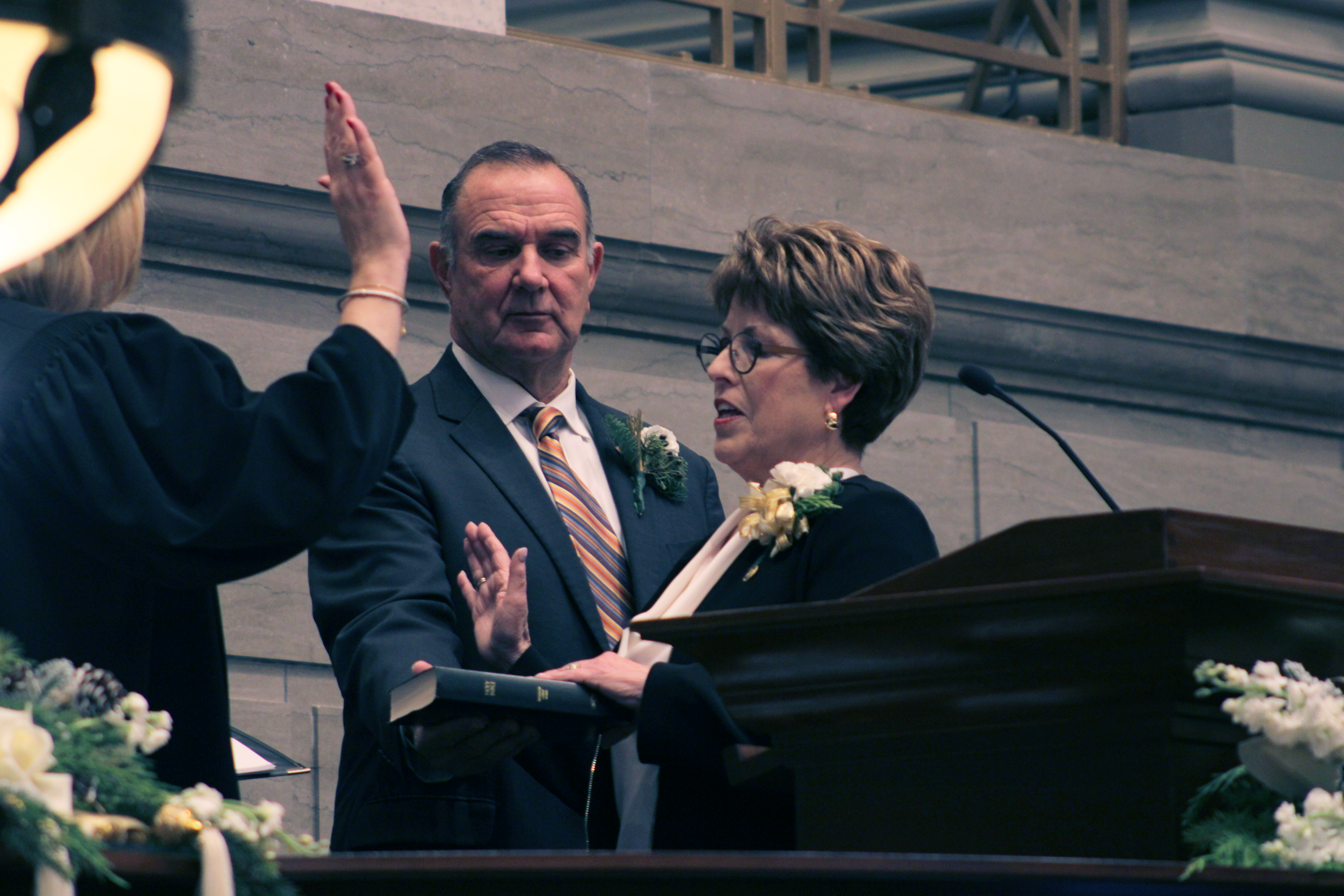
O’Laughlin outlined lofty goals for the 2025 Legislative Session with a focus on children and families, including an effective child welfare system and high-quality education, and upholding the family values of hard work, responsibility, and dedication, which she says make Missouri great.
“We must support strong, healthy families; maintain access to quality education; ensure safe neighborhoods and set high expectations for the next generation,” O’Laughlin said. “We must remind the next generation of mothers and fathers that they are special, that their goals matter…”
In addition to her role as a Missouri Senator, Cindy O’Laughlin serves on the Missouri Children’s Trust Fund’s Board of
Directors. The Children’s Trust Fund, established in 1983, is Missouri’s foundation for child abuse and neglect prevention. It is a quasi-governmental agency that reaps the benefits and security of being a state agency while holding 501(c)(3) non-profit status.
The Children’s Trust Fund works with state partners and community-based organizations to prevent child abuse. One of those partners is Missouri’s Children’s Division, housed within the larger Department of Social Services. Both Children’s Division and the Department of Social Services will face leadership and appointment changes in 2025.
“Our system must become more compassionate, more hands-on and more local,” O’Laughlin said. “And, more purposeful! Removing children [from their homes] cannot remain our default response to family crisis.”
According to its caseload counter, the Department of Social Services reports that Missouri currently has about 11,300 children in foster care today, a slow but steady decline from its peak of 14,265 in 2021. Of the substantiated abuse reports in 2023, more than 50% of incidents were determined to involve neglect, followed by sexual abuse in 29% of reports and physical abuse in 25% (Child Abuse and Neglect Annual Report Fiscal Year 2023).
“Too often, instead of addressing the root causes of poverty and addiction, we criminalize them,” O’Laughlin said. “As a result, [children] are seized from their families, almost guaranteeing additional trauma and harm… families in turmoil do not need to be raided, they need to be supported…”
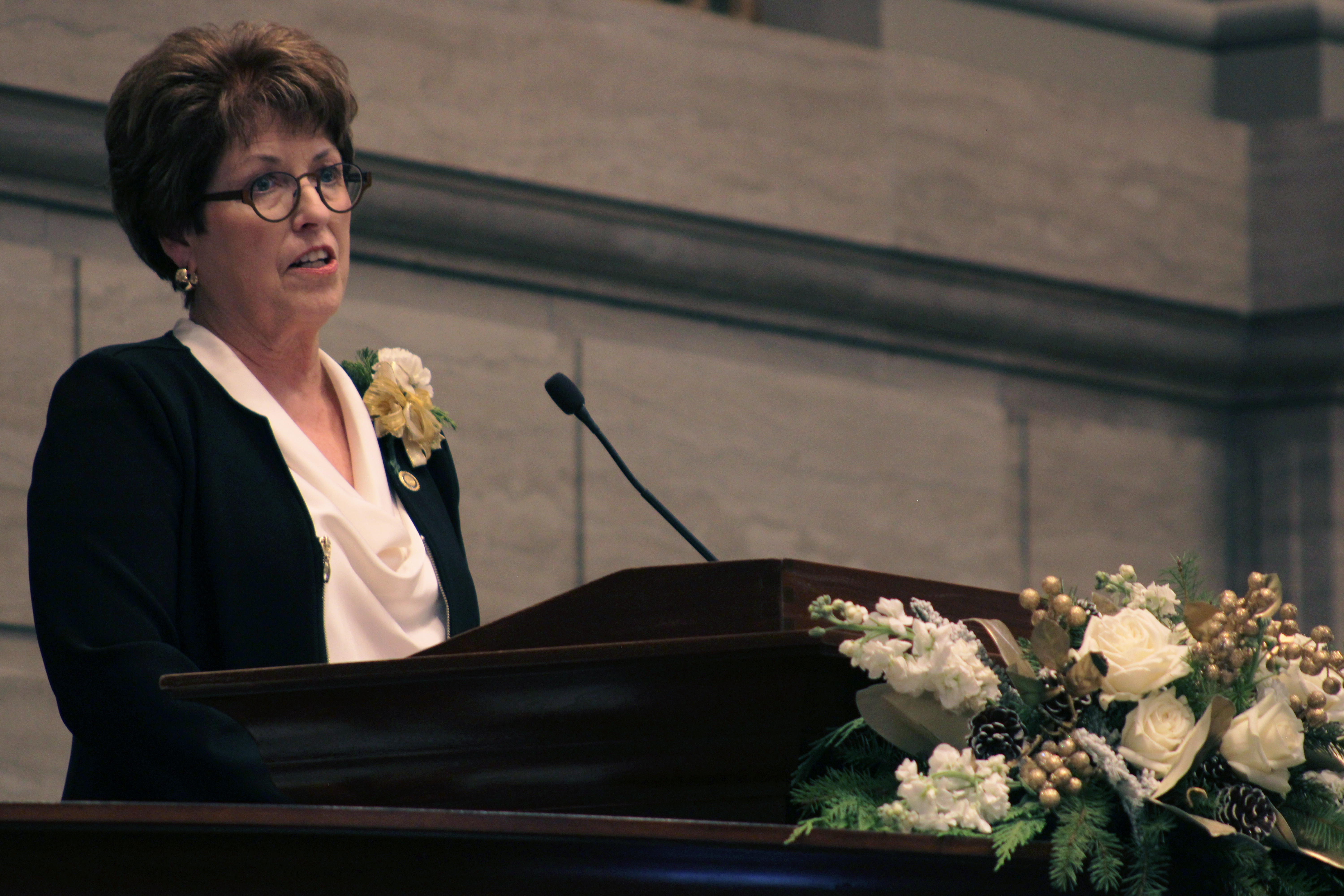
The Children’s Trust Fund is excited to work with its Board of Directors, the General Assembly and Children’s Division in 2025 to improve the lives and outcomes of our children.
“These children deserve secure, loving homes whether with foster families, relatives or other kinship support,” O’Laughlin said. “We must not subject innocent children to cycles of harm.”
In December 2023, Missouri’s Department of Elementary and Secondary Education’s (DESE’s) Office of Childhood acquired the Child Care Subsidy Payment Program from the Missouri Department of Social Services to help ease a department already overloaded by social programs and services. When DESE acquired the management of this program, they contracted with a new software provider through vendors Carahsoft, MTX and World Wide Technologies, which were supposed to streamline the payment process for providers.
Instead, providers across the state say they are in crisis.
Learn more from the Missouri Independent | July 5, 2024: “Payment backlog leaves Missouri child care providers desperate, on the brink of closing.“
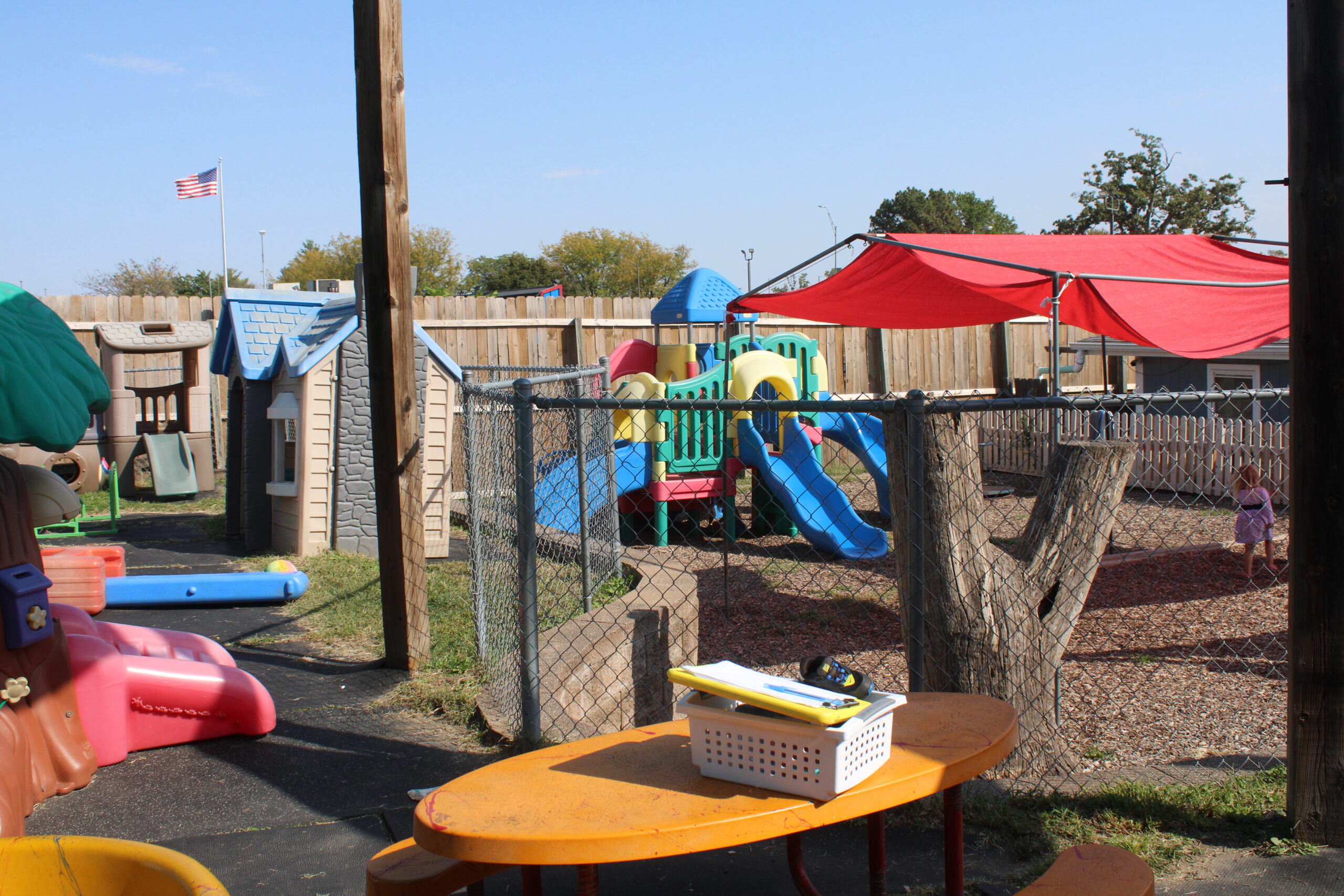
Since DESE’s acquisition of the child care subsidy program, many Missouri providers have indicated they are in crisis — some have closed their doors or no longer accept families receiving the subsidy. Others have drained savings or taken out tens of thousands of dollars in loans to make ends meet in the short-term with the hopes that issues will soon be resolved.
For the first half of the year after the DESE acquisition, providers say they saw little to no subsidy payments coming through. Now, although current payments are general processing, they are often hundreds or thousands of dollars short, and providers are still not receiving the thousands of dollars they are owed in backpay from December through around August when payments were not processing.
This negatively impacts not only providers and businesses but thousands of Missouri children and families who are already facing poverty.
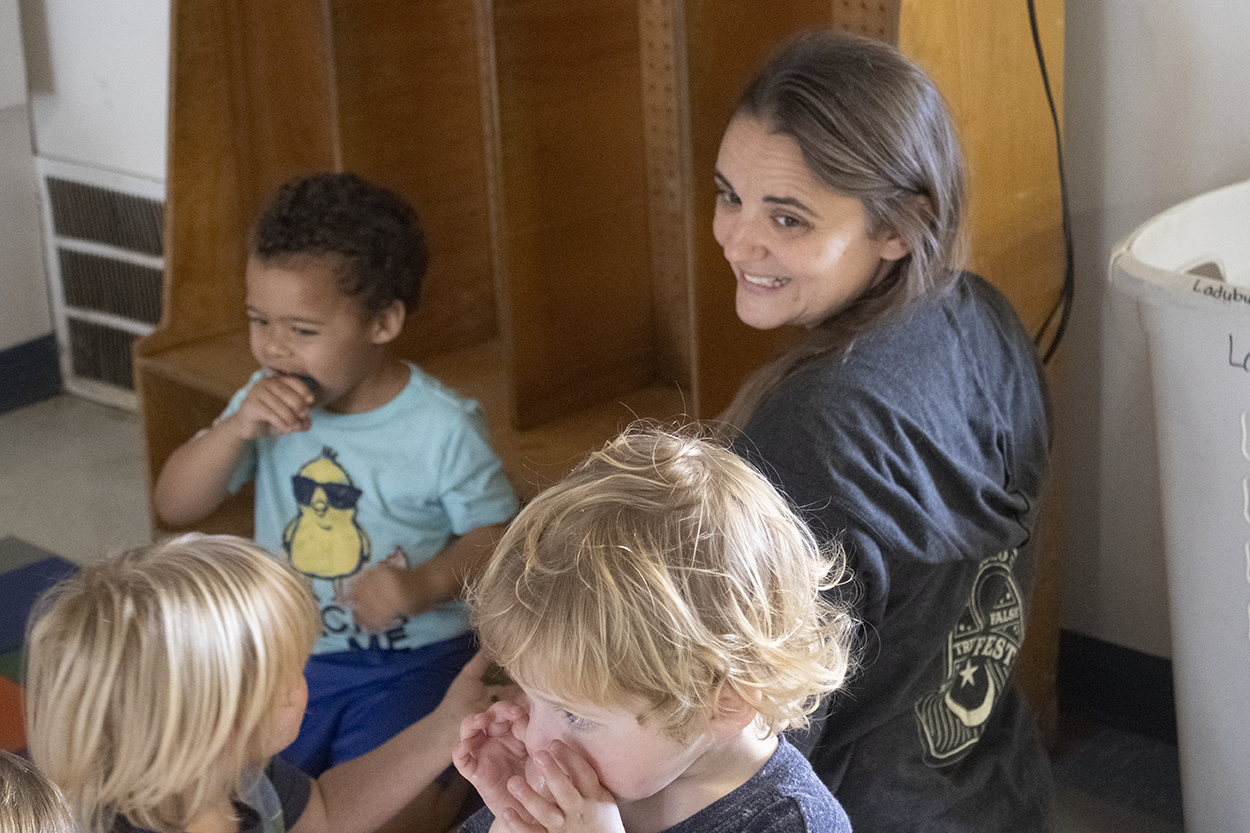
Gabby, at Turn the Page Child Development Center is one of those providers…
Since January 2023, Gabby has co-run Turn the Page Child Development Center in Columbia, Missouri with her business partner and friend, Melissa. Although Gabby has run the center for about a year and a half, she has worked there since 2016. The center stayed open through most of the pandemic under “bare-bones” operations and came out mostly unscathed. During this time, Gabby and Melissa started taking on the role of co-Directors. She said the issue they are facing with these subsidy payments is the biggest crisis they have faced.
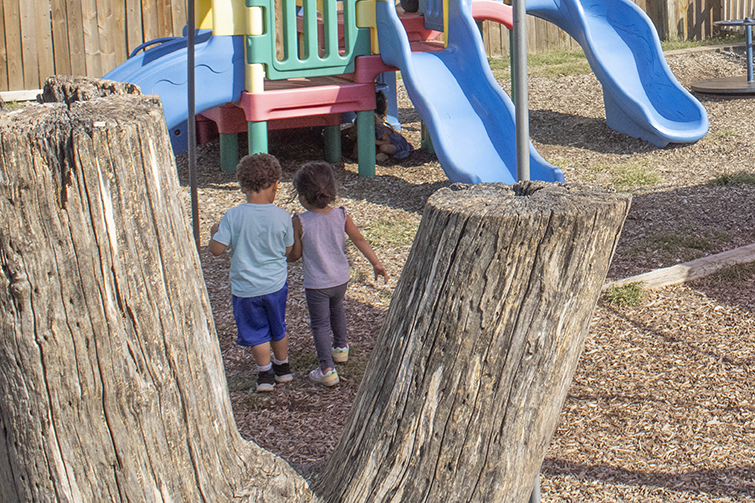
Although Gabby, along with many other providers, says things are starting to improve, she says her center is only a missed payment or two away from closing their doors. At the beginning of the year, the center spent nearly $50,000 in loans in order to pay staff and the bills to keep the center open and running. They had hoped the subsidy issues would resolve quickly and the loans would be repaid.
Now, almost a year later, the backlog has still not been paid.
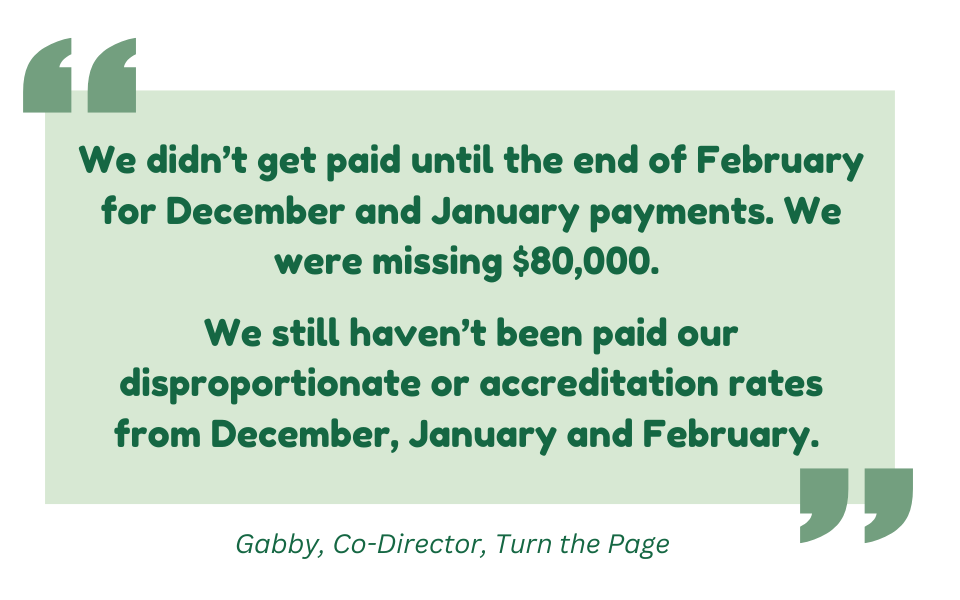
For Gabby, one of the biggest stressors she faces is not even the backpay. DESE will often overpay or underpay her subsidies, leading to hours-long battles with customer service. “If you don’t call at 8 a.m. when they open, it’ll be a really long wait,” she says.
One time, the center was overpaid by $16,000 due to invoices accidentally being paid multiple times. When Gabby was able to get ahold of customer service the following Monday morning, the payment had already been sent to SAMII, the State of Missouri’s payment processing software, and it could not be corrected.
She later received a bill for the $16,000 overcharge despite still being owed much more than the cost of the overpayment. She was told she could dispute it, set up a 12-month payment plan or it must be paid in full within 90 days. If she failed to comply, it would be garnished from her other payments.
“It would literally drain my bank account,” Gabby said. “And I still have to, you know, pay my bills, and pay rent, and pay my employees… All because they couldn’t stop the payment.”
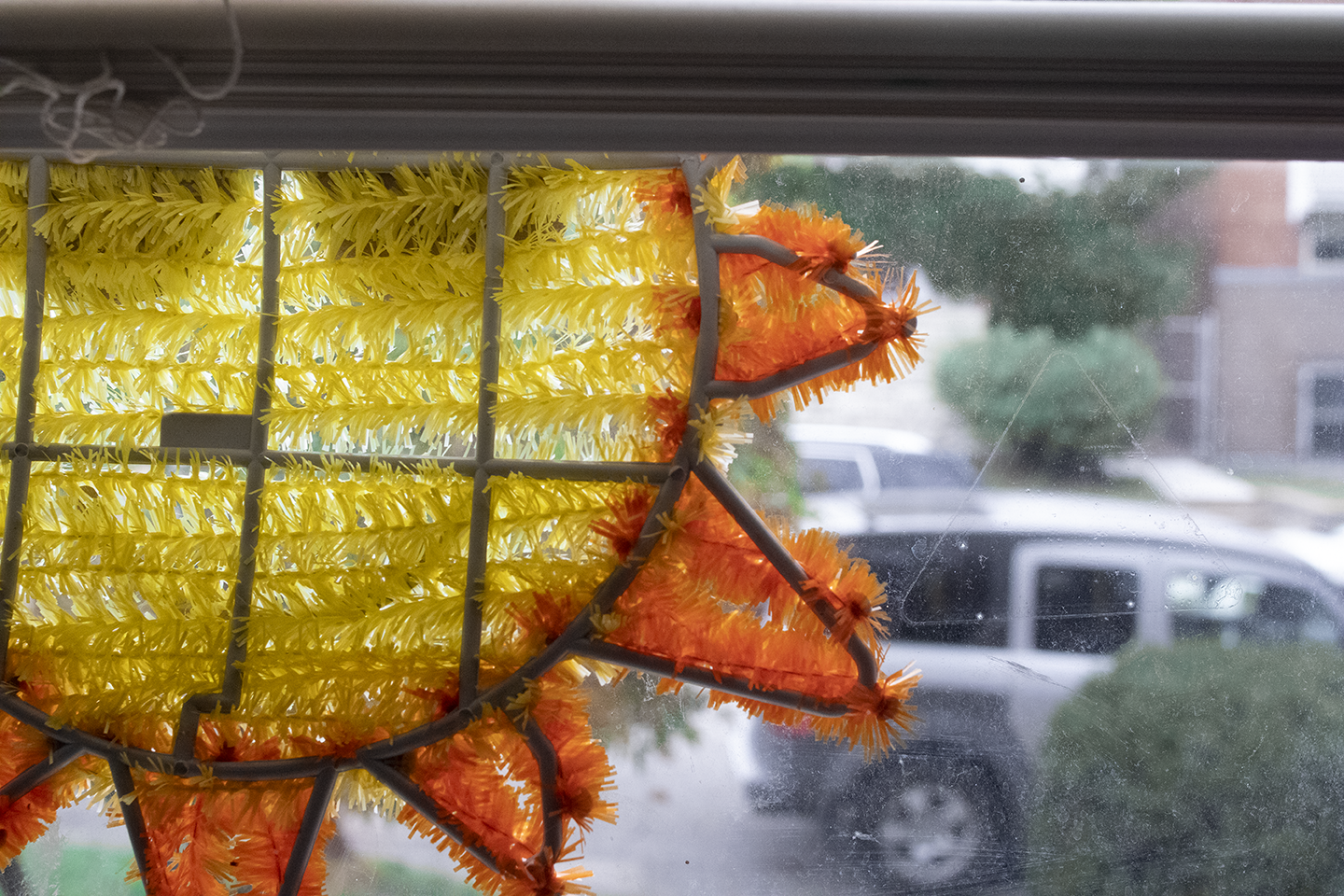
At Round-About Childcare, Miss Jennifer relies almost entirely on subsidy payments.
Miss Jennifer, “Miss Jay,” runs an in-home daycare West of Downtown St. Louis with her partner, Miss Frieda. They have been providing services to low-income, mostly Black, families for nearly two decades. Miss Frieda is more than just Miss Jennifer’s colleague—she is family. Miss Frieda might not be related to Miss Jennifer by blood, but she is her sister.
On a cool, sunny day in September, I walked across the street to the redbrick home in which she runs her day care. The two pillars of the front porch awning are decorated like yellow crayons and a yellow and orange sun was displayed at the window. I rang the doorbell and waited for a couple minutes before calling Miss Jennifer, hoping I wasn’t being stood up.
When she answered her phone and warmly welcomed me inside, she explained that her building experiences trouble with technology and WiFi, which leads to trouble not only with the doorbell that is supposed to connect to her phone but with families receiving subsidy being able to sign in using the Samsung tablet provided by the State of Missouri. If families are unable to sign in, Miss Jennifer won’t receive subsidy payment for those days and hours, and the family could be dropped.
Miss Jennifer wishes she could submit the old-school paperwork like she used to.
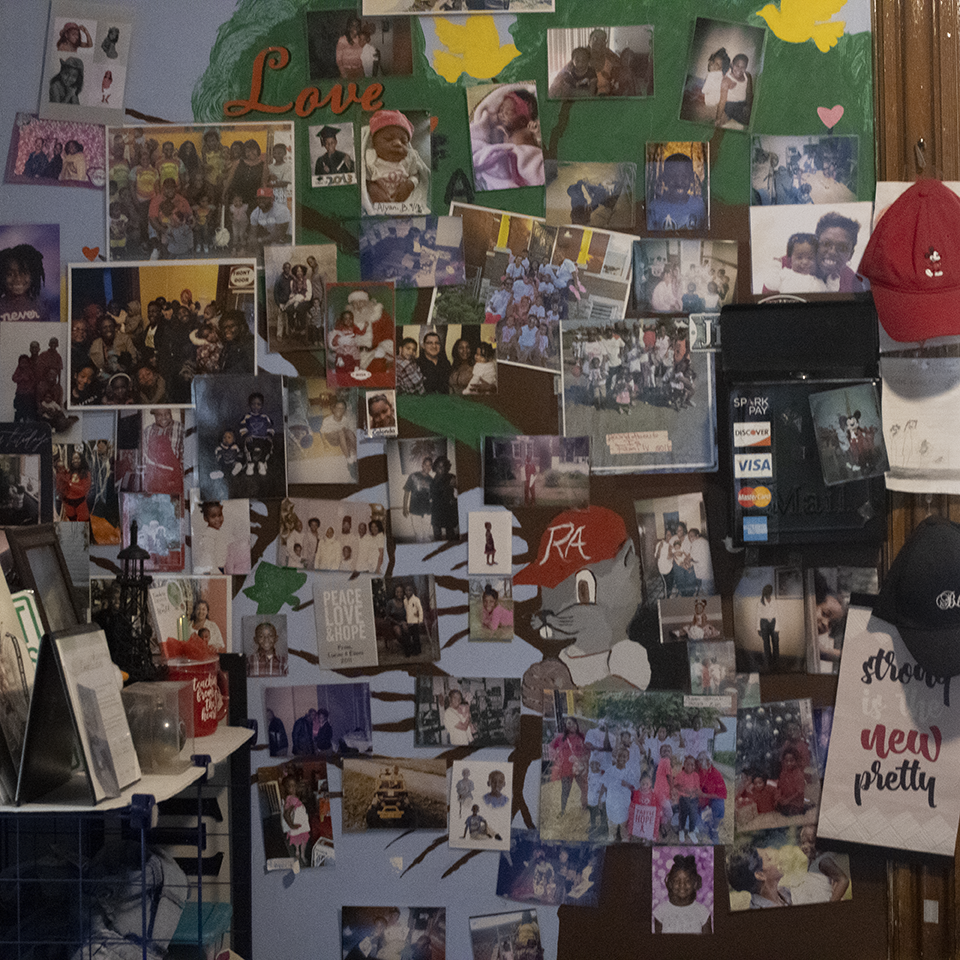
Miss Jennifer’s walls are filled with photos and artwork of the children she has cared for over the years. In one photo, she is standing next to a young man in a cap and gown who is proudly displaying a beautiful smile and a diploma. In another, she is posed among a group of teens in matching t-shirts for a local event.
“I’ve had baby showers here; I’ve had birthday parties here,” Miss Jennifer said. “I went and witnessed one of my parents get married and signed that I was a witness. . . that was an honor for me. I dressed up and I went! It’s amazing. My job goes further than being a provider here.”
She takes in kids as early as 5 a.m. and sometimes stays past 7 p.m. She attends professional development opportunities and workshops through agencies like WEPOWER St. Louis. She has even gone to doctor’s appointments with parents to provide support and offer a second set of ears.
“Most of the kids that I’ve watched in my time, I watched from the time they are six weeks old,” she says. “That’s too much history. I can’t turn my back on these kids.”
“They’ve still got work to do.”
Although Miss Jennifer has recently started receiving payments for the kids she has now, she, like many others, says she is still owed thousands of dollars in unprocessed payments from prior months.
“Until there is a true solution,” she says, “we are in jeopardy. If there’s no guarantee we’ll get paid, there’s no guarantee for me either.”
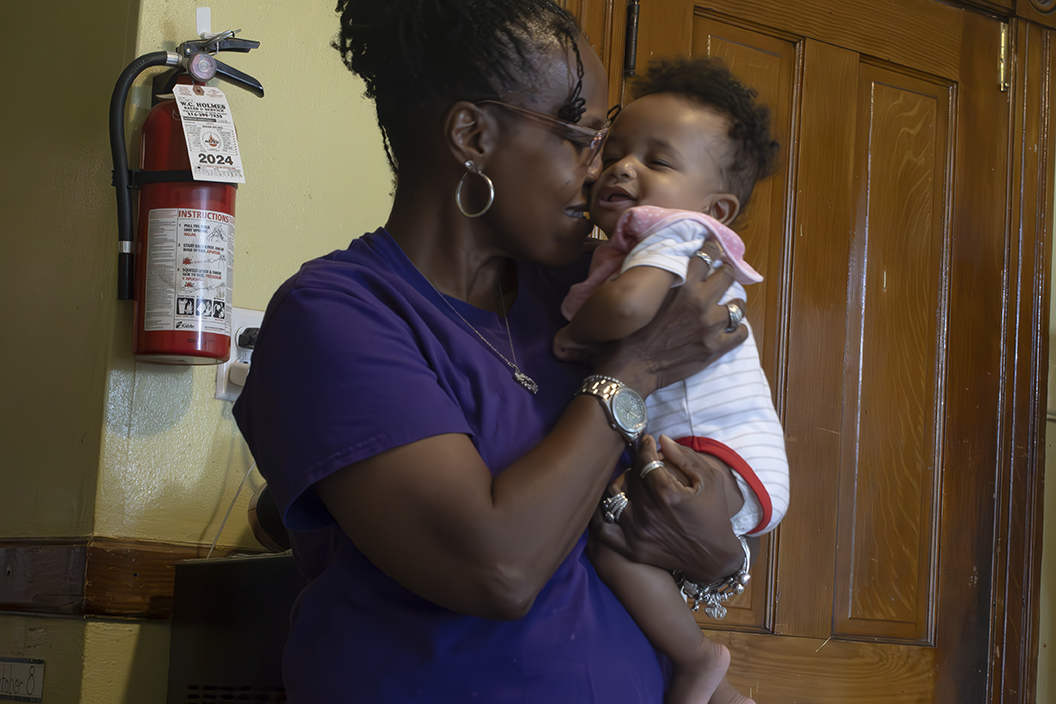
“More than a file folder.”
Running her own business, Miss Jennifer has the freedom to be active in the lives of the children and families she serves and determine how her daycare will run. Aside from getting invited to weddings, baby showers and birthdays, she says “[parents] call me when something happens to the kid and they want me to come to the hospital . . . If my kids don’t come, I’m going to call . . . If one of my parents goes out of town and I don’t hear from them, I’m going to call . . . That’s the kind of relationship I have with my families.”
However, with that freedom and empowerment comes a different set of problems and responsibilities, including long days, mortgage payments, and being taken less seriously than centers. “It’s a struggle,” she said.
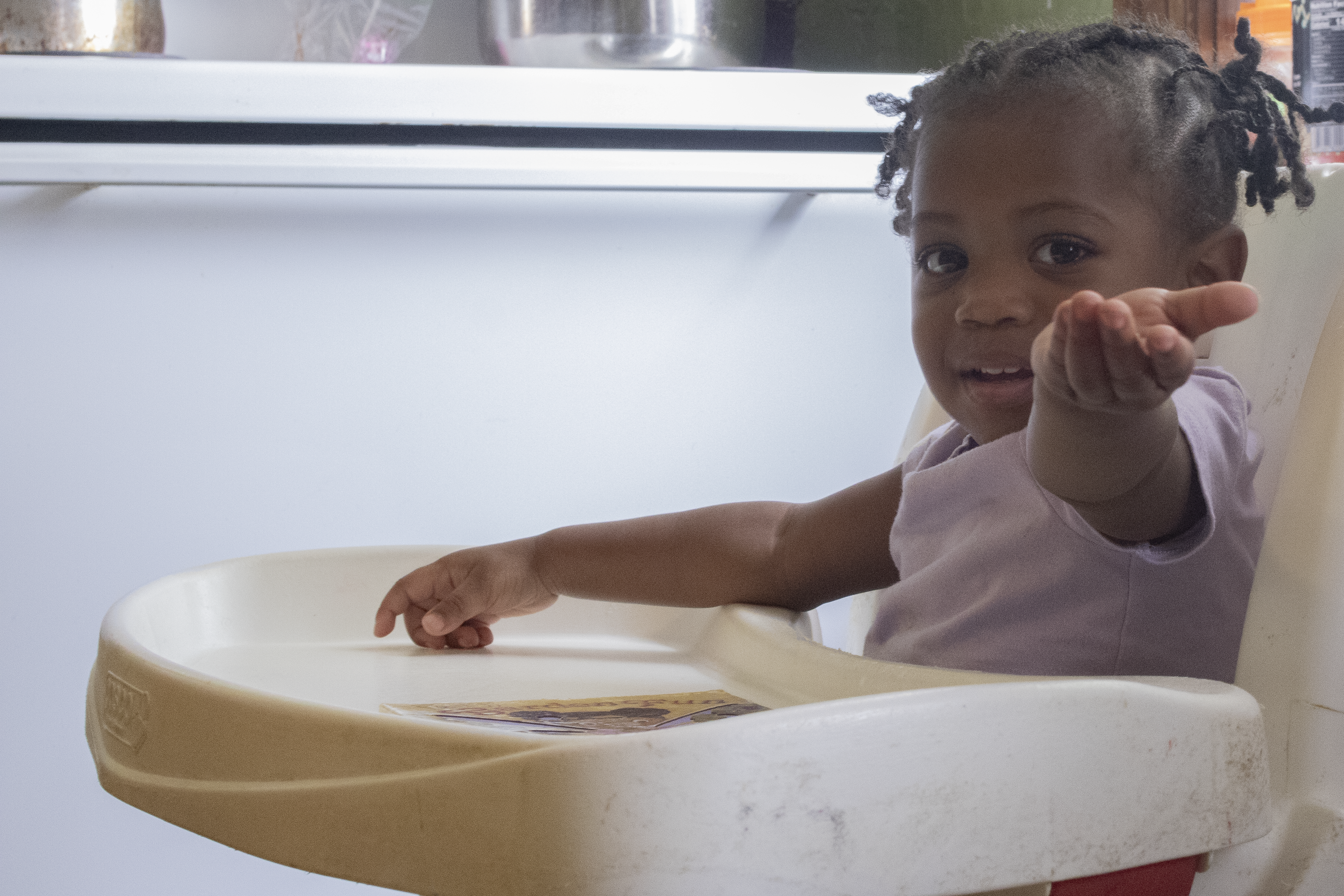
“We’re still here.”
Ultimately, Jennifer says she hopes that those in positions to make decisions about this crisis in Missouri remember that there are real people on the ground who are not being paid for their service.
“We have to eat; we have to take care of kids every day, regardless of whether you pay us or not,” she said. “We’re still here. Treat us the way you would want to be treated when it comes to being paid for work that you do . . . Don’t throw us to the side like we’re nothing.”
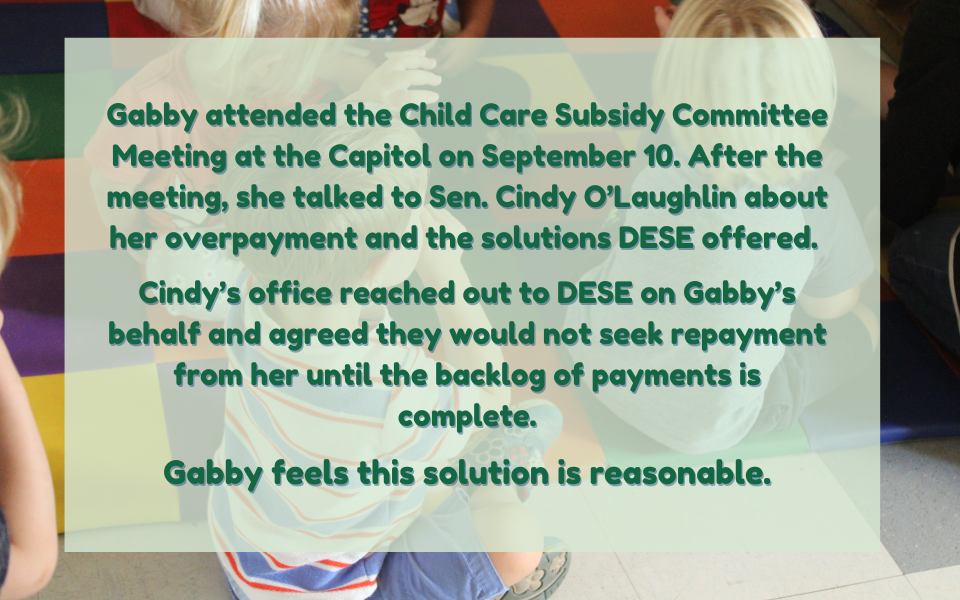
During September Child Care Subsidy Committee Hearings, DESE spokesperson Pam Thomas promised that state subsidy payments would be caught up by the end of October. The Missouri Independent reported on Tuesday, October 22 that Thomas told the State Board of Education that child care providers receiving subsidy can expect another five weeks of delays due to “missing data.”
Review the Missouri Independent’s reporting | Missouri won’t meet deadline for clearing months-long backlog of child care subsidies • Missouri Independent
The Child Care Subsidy Program uses federal dollars from the Child Care Development Block Grant, funneled through DESE, to pay providers the child care costs of low-income families and children in foster care. Families who qualify must apply for the state to directly pay a child care provider for part or all of the costs of care.
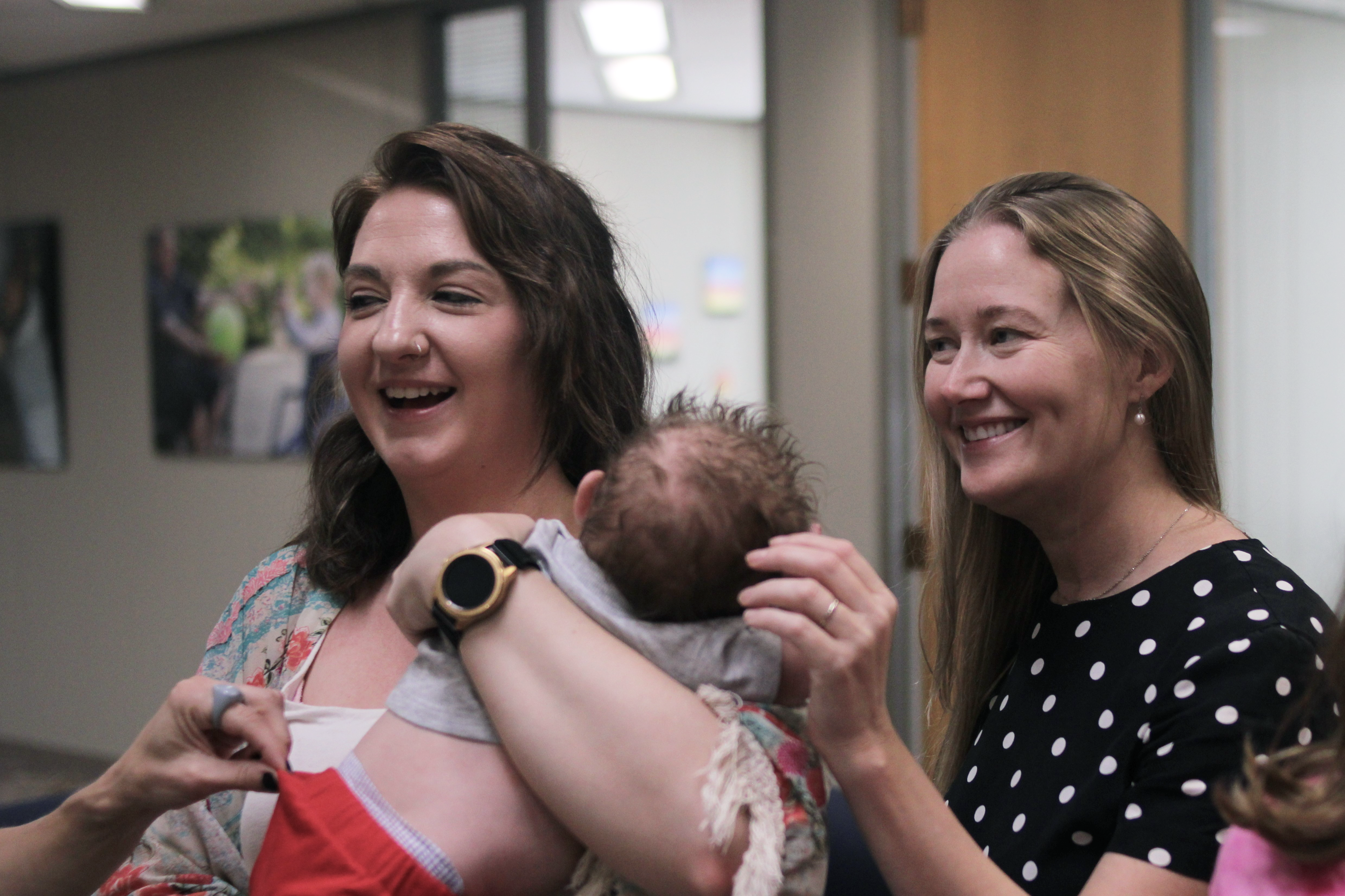
At the end of July, CTF had a day of family fun at the office with a few very special guests — Bashie, Rosie and Baby Rowan.
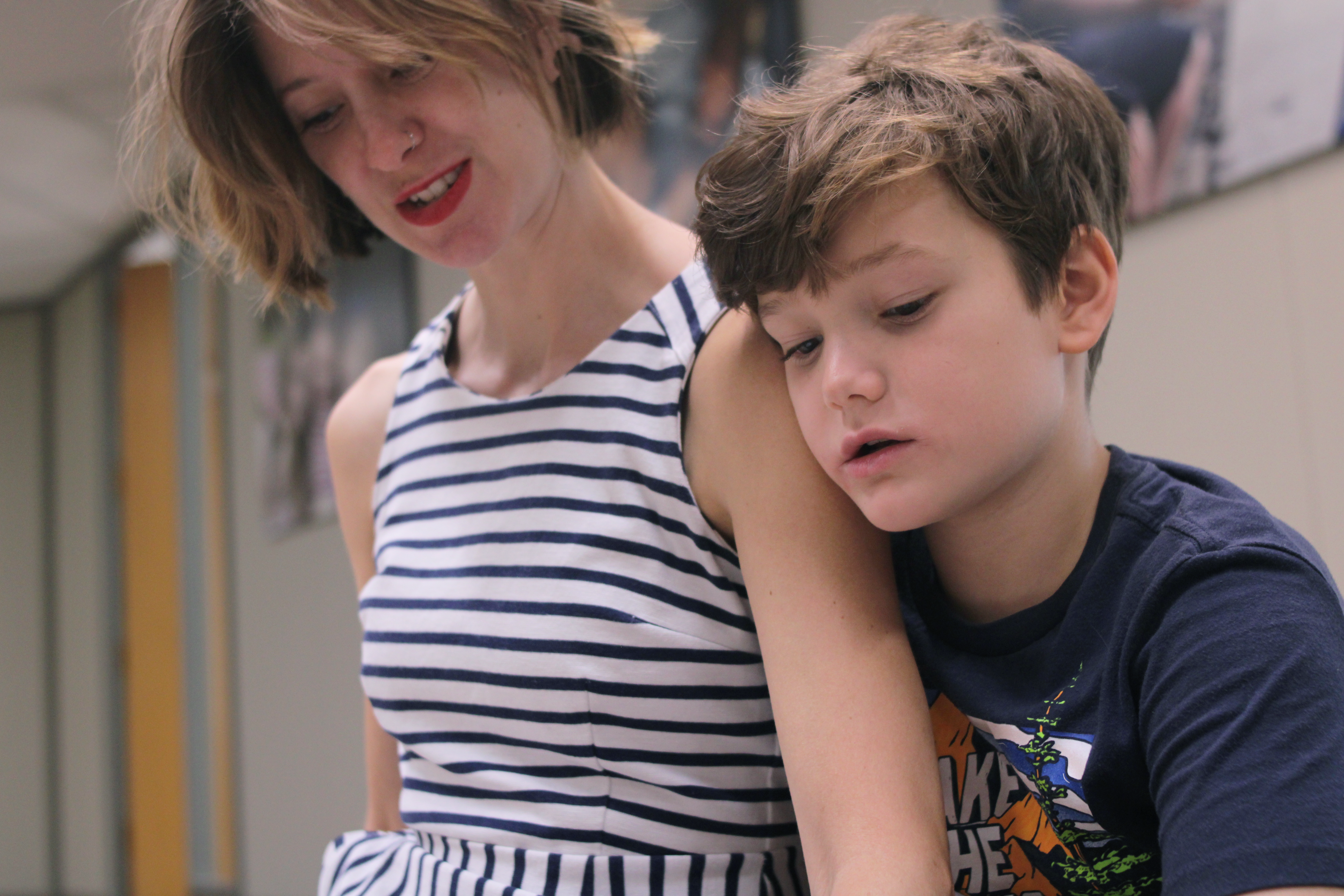
Bashie, 8, is the youngest son of CTF Program Director, Jeni Sommerfeld.
Bashie is a creative, ingenuitive kid who has been known to enjoy video games, building circuits, and learning magic tricks.

Elisabeth “Rosie,” 11, is the youngest daughter of CTF Executive Director, Emily van Schenkhof.
Rosie is a talented artist with an active imagination. She enjoys drawing and creating art, exploring new places, and baking.

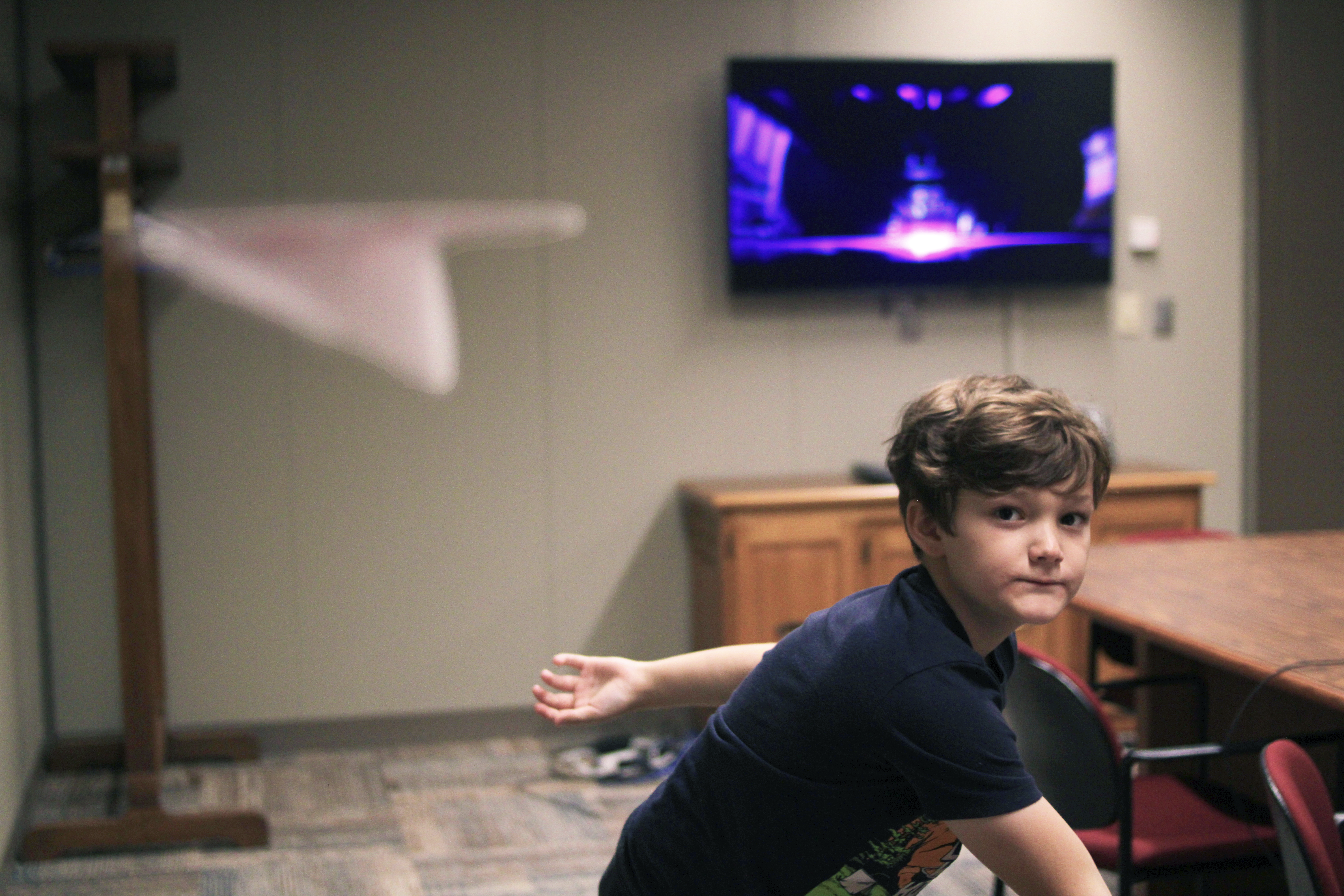
The pair were quick friends. They warmed up to each other with a few activities, including watching Lego Batman, making (and testing out) paper airplanes, and coloring.
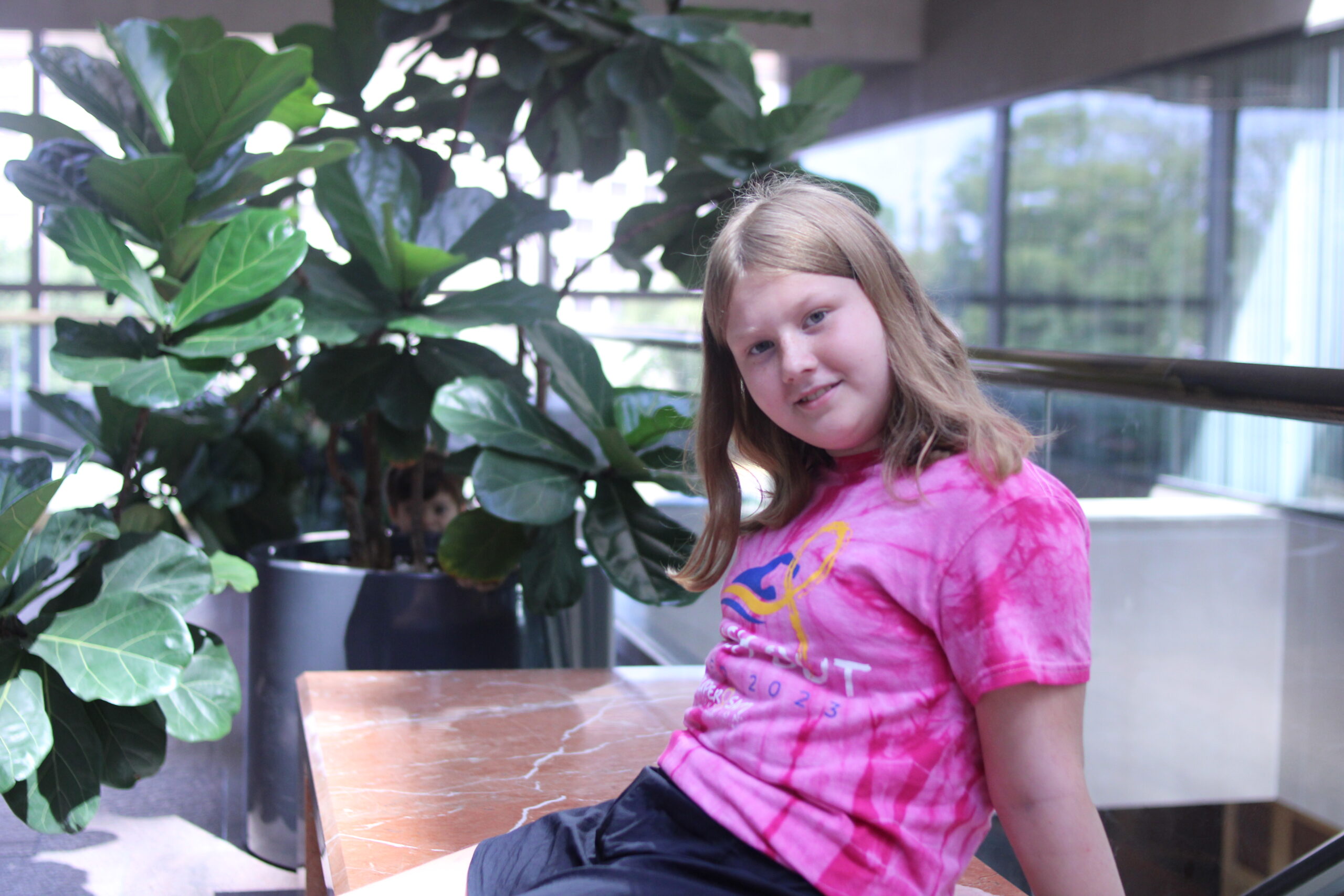

A bit later, the pair went on a tour of the Harry S Truman State Office Building. Rosie was full of great ideas for photos and Bashie’s silly side started coming out.
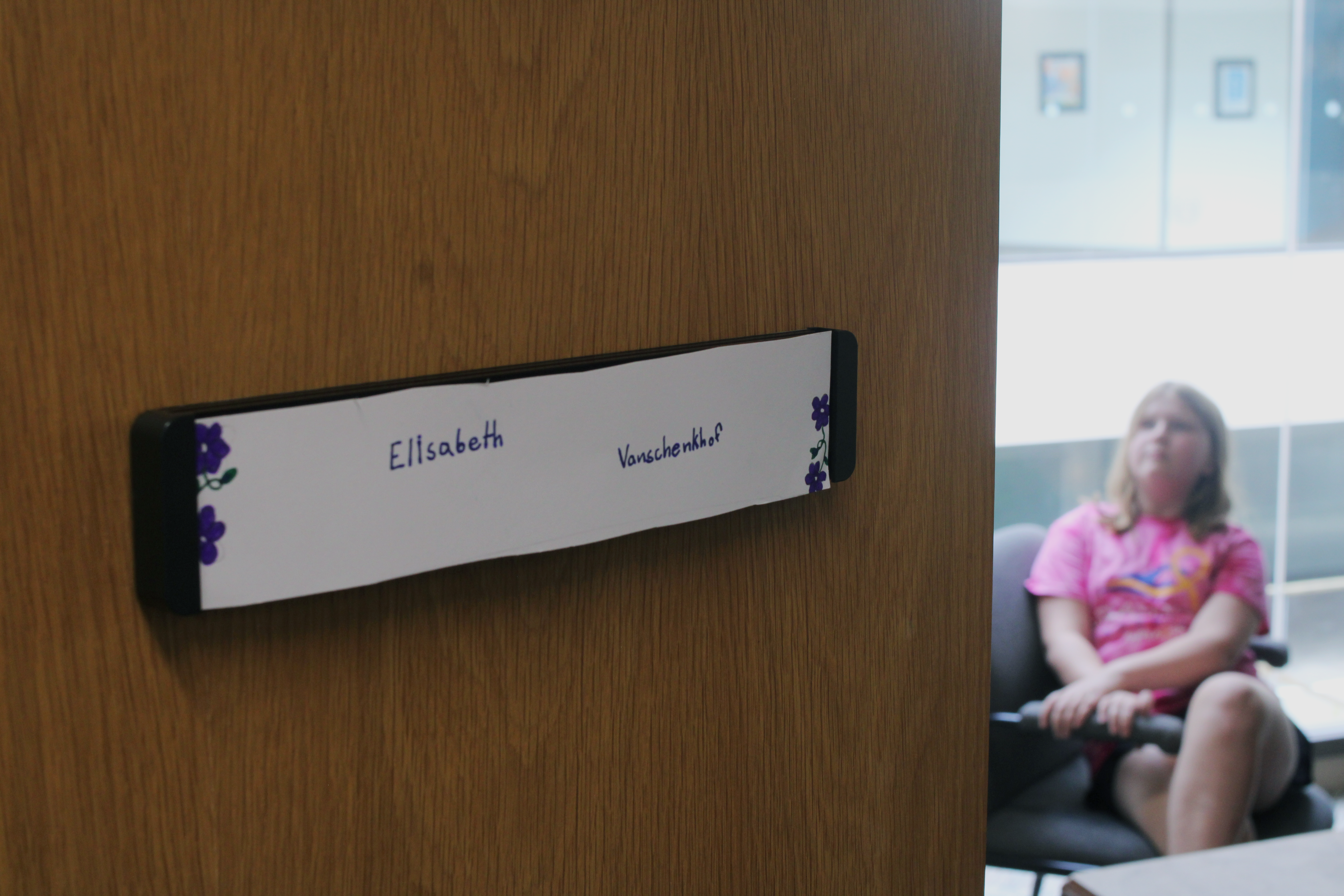
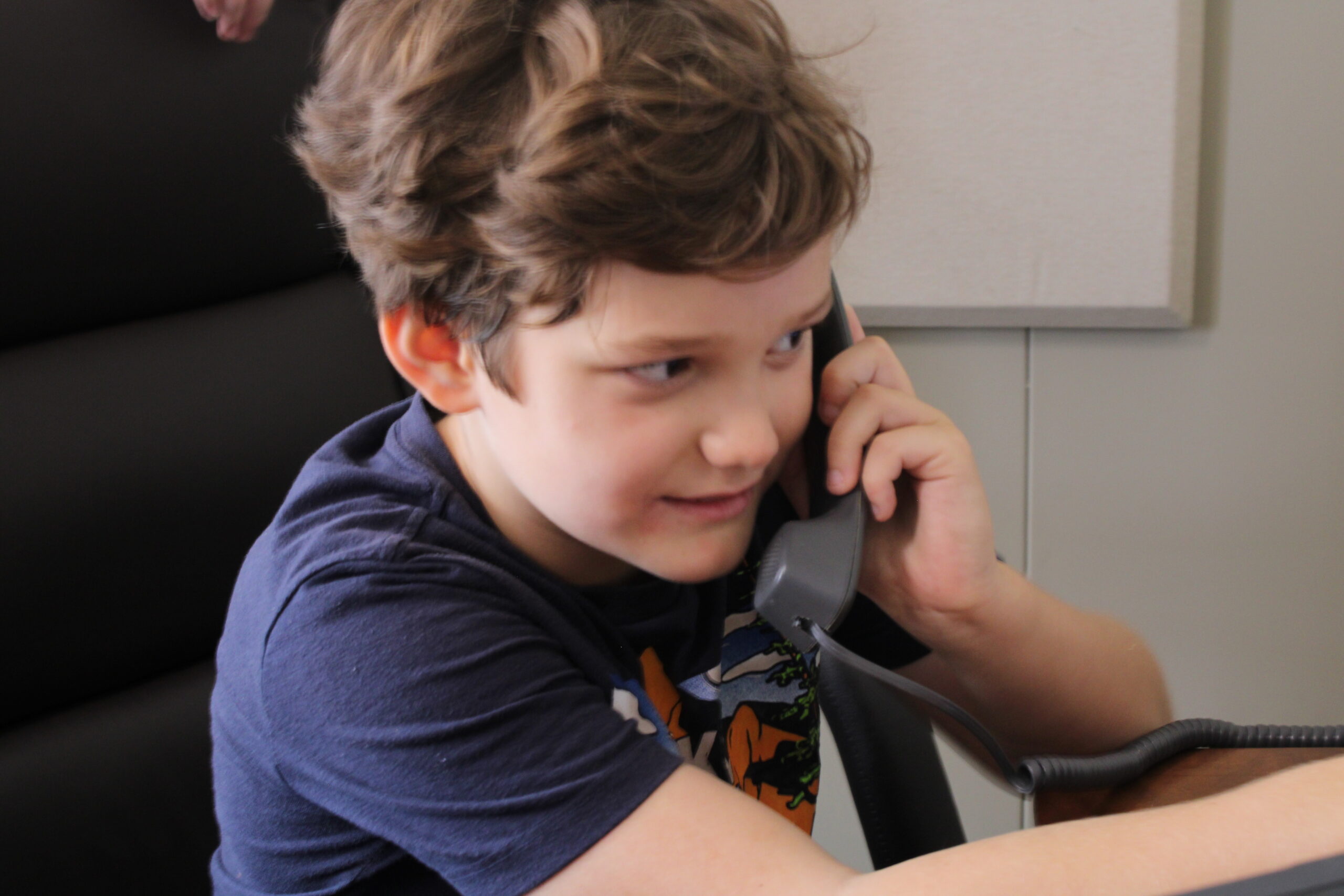
After lunch, the re-energized pair spent some more time in the conference room watching Minions 2, building a fort, and coloring some more. They also put their energy to use by practicing their office etiquette skills.
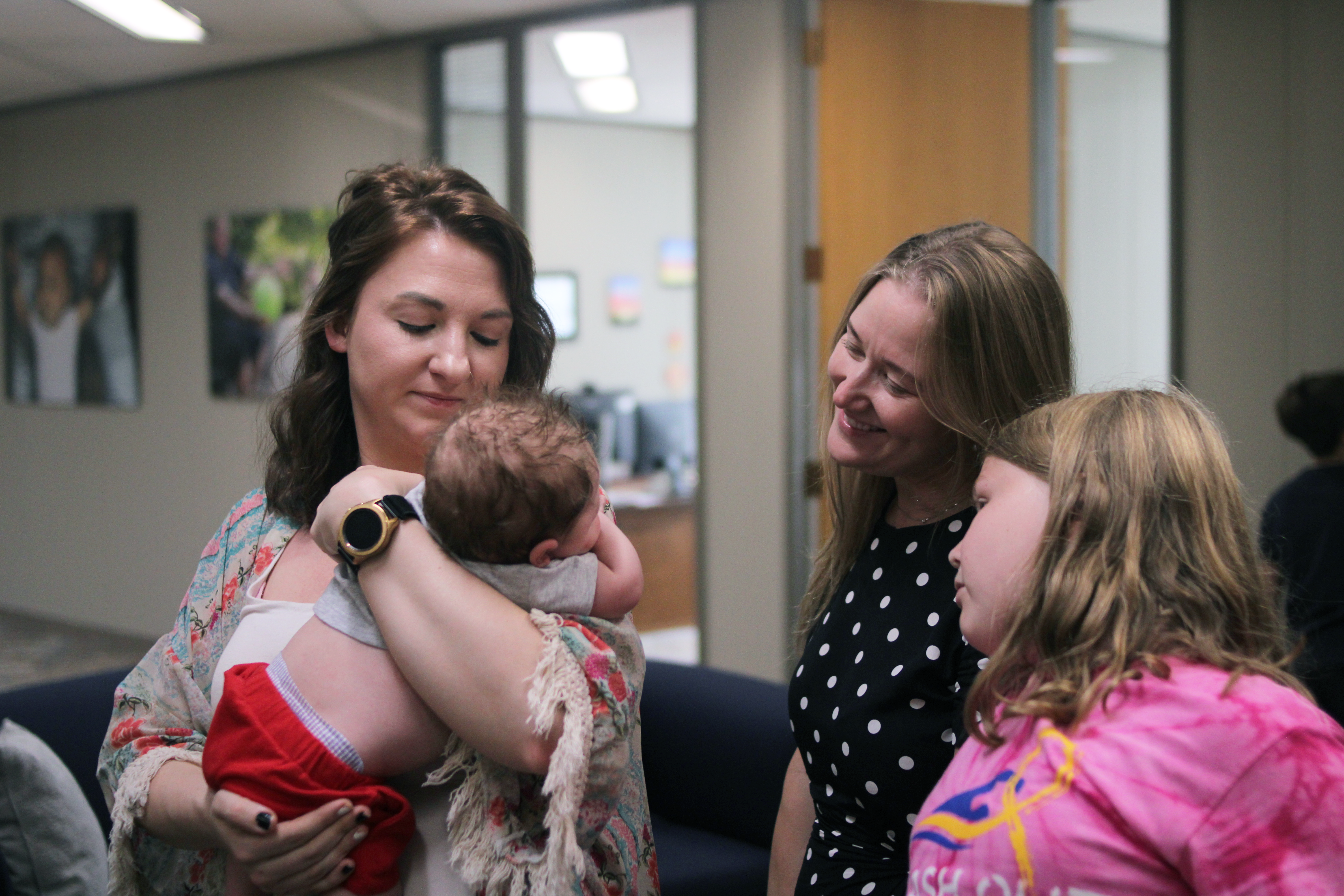
Later in the afternoon, another small guest stopped by the office to say, “hi” — Baby Rowan!
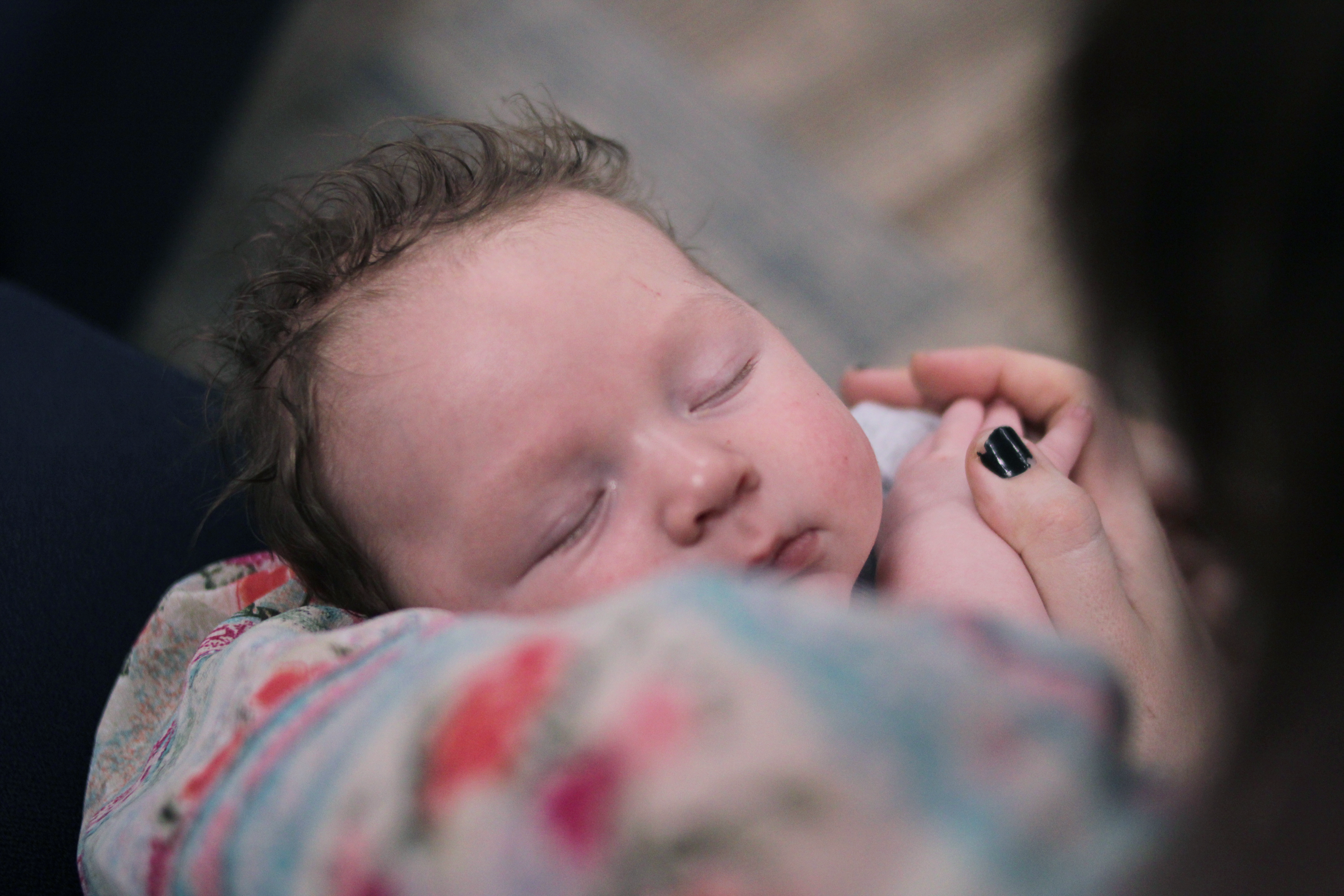
Baby Rowan is the firstborn son of CTF Administrative Assistant, Nicole Dunmire.
Baby Rowan is the newest member of the CTF family! He enjoys dancing and playing all night, filling his belly all day, and fussing as soon as he gets home from an adventure.
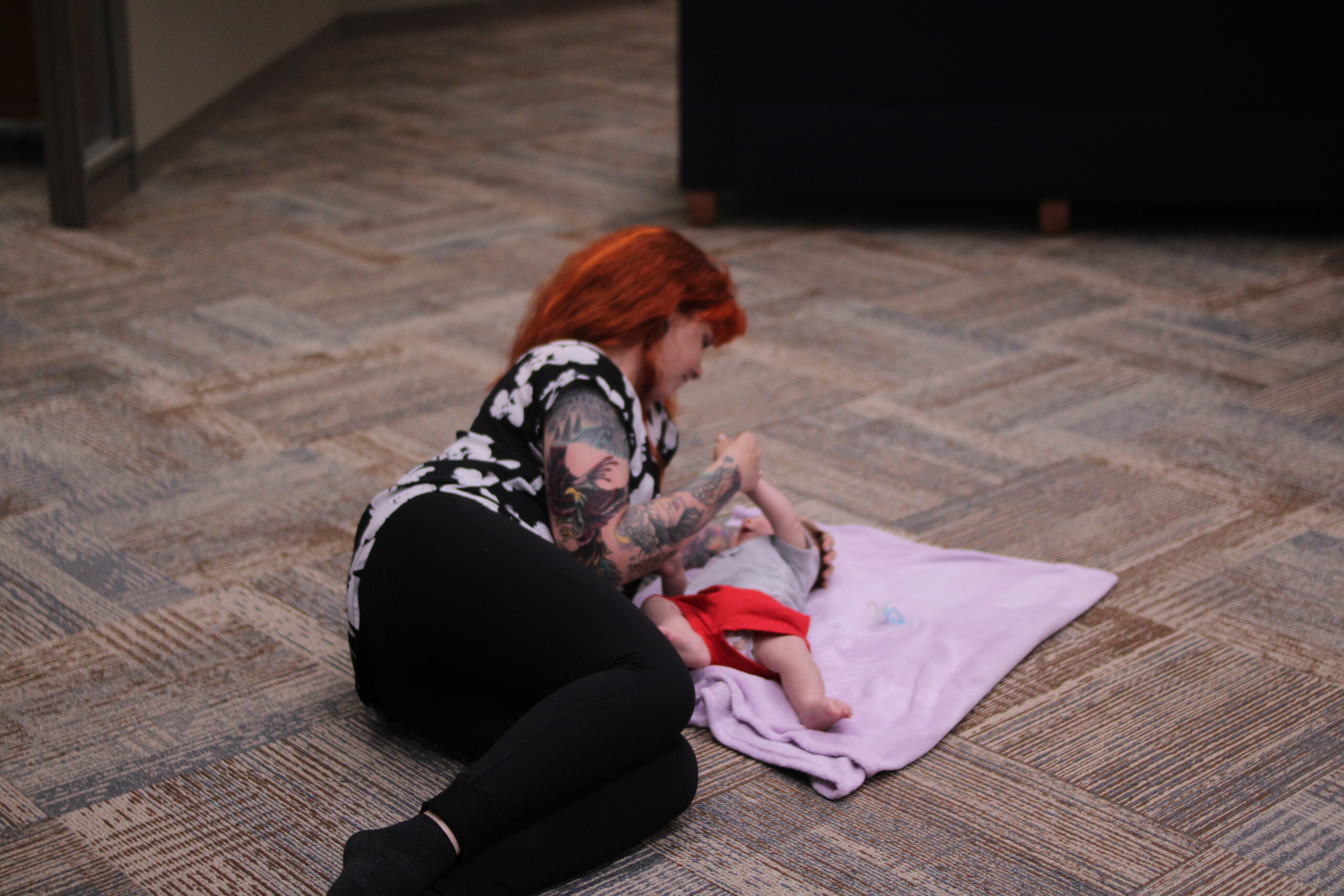
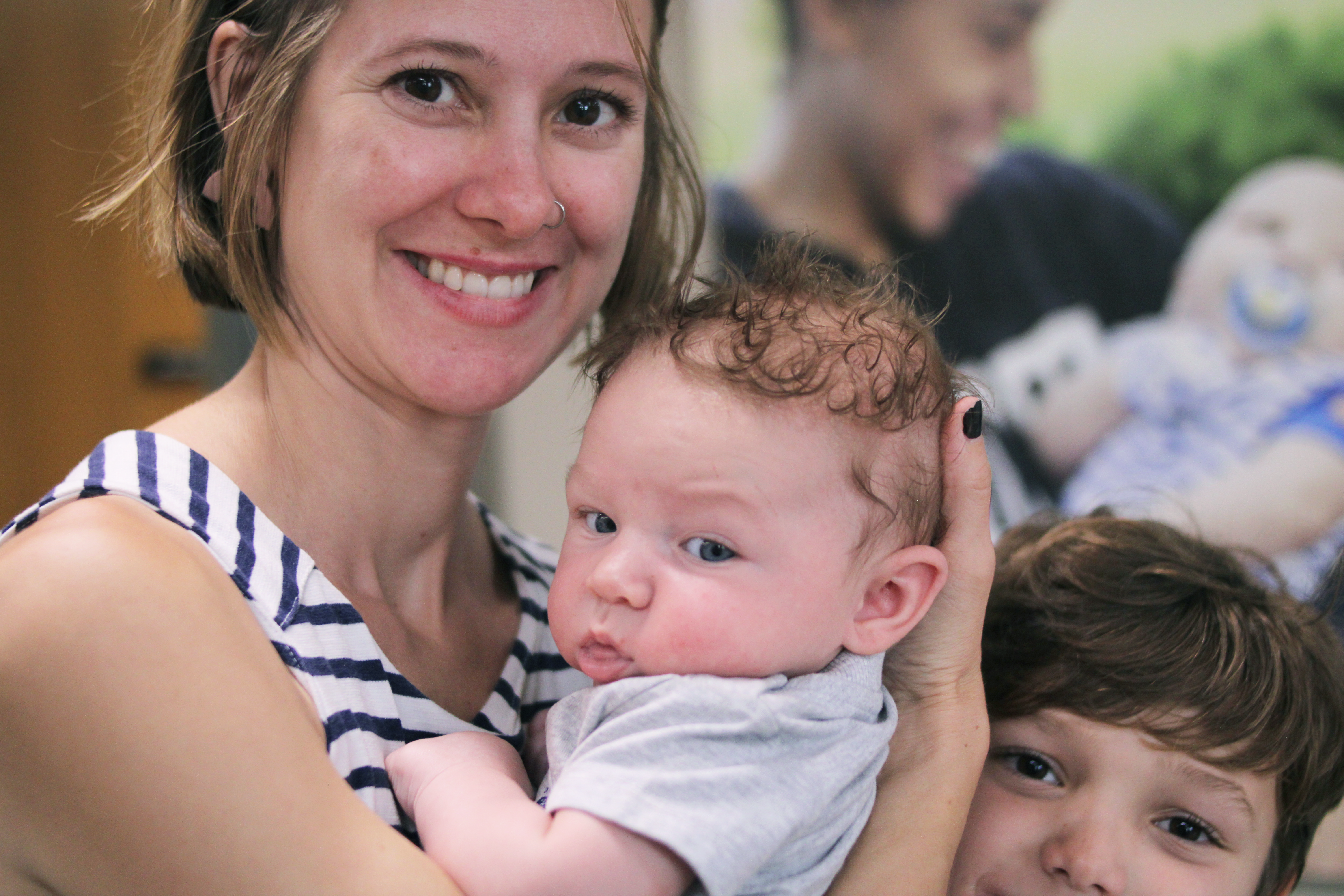
Baby Rowan helped us get some work done and stay on task!
He’s a great colleague and a huge helper!
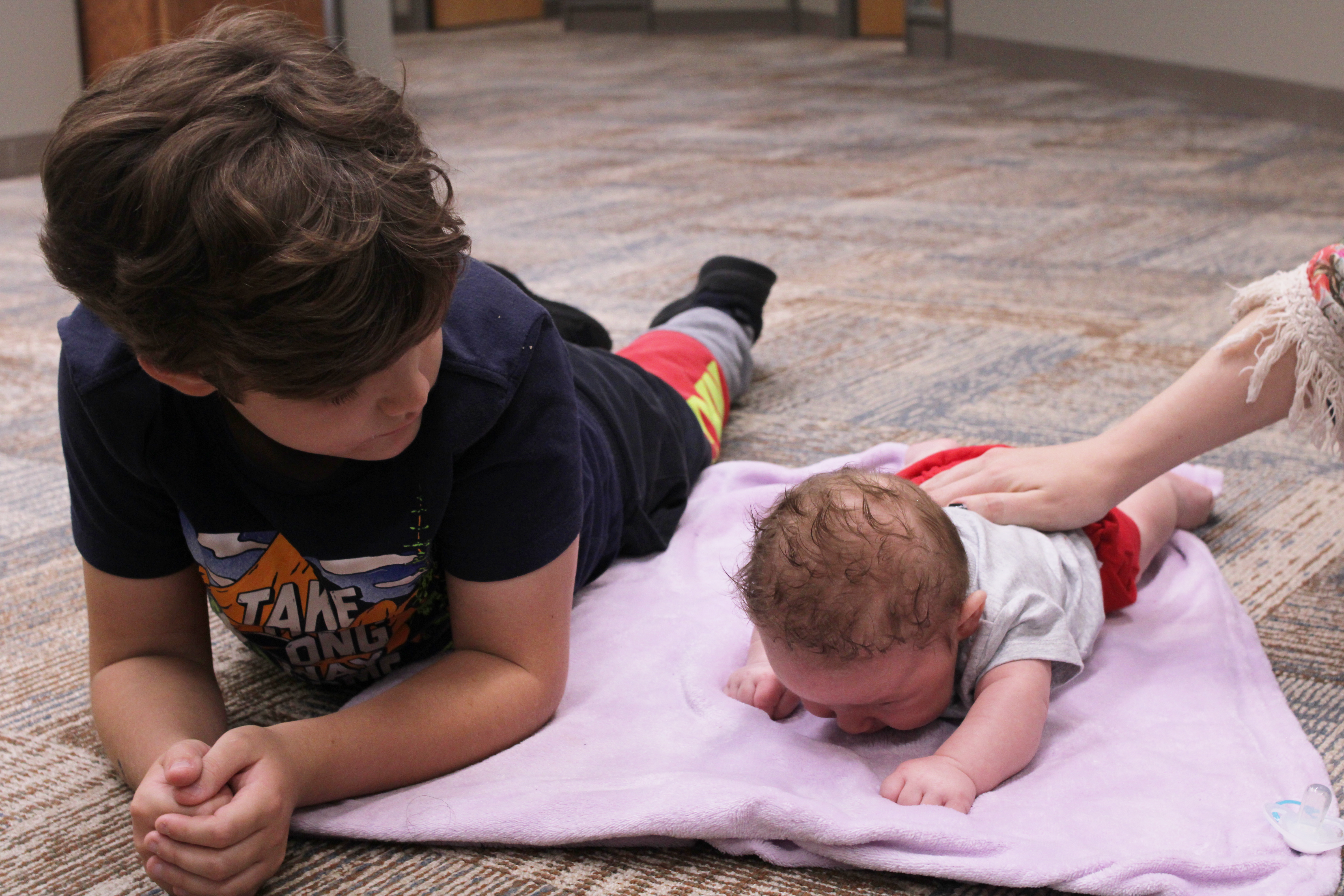
In fact, Baby Rowan was such a big help that we wanted to return the favor. So, we all helped him out with one of his important daily tasks — TUMMY TIME!
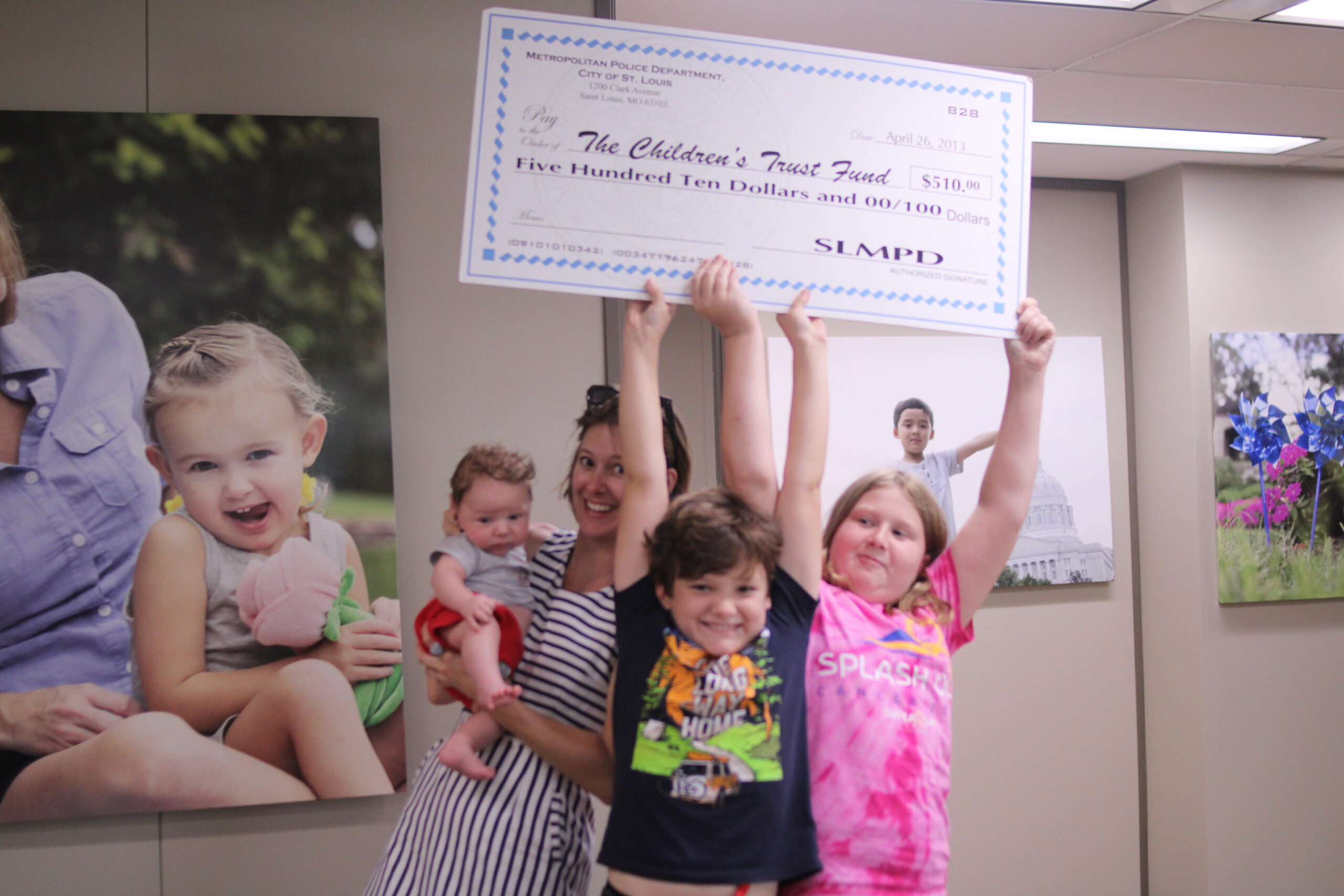
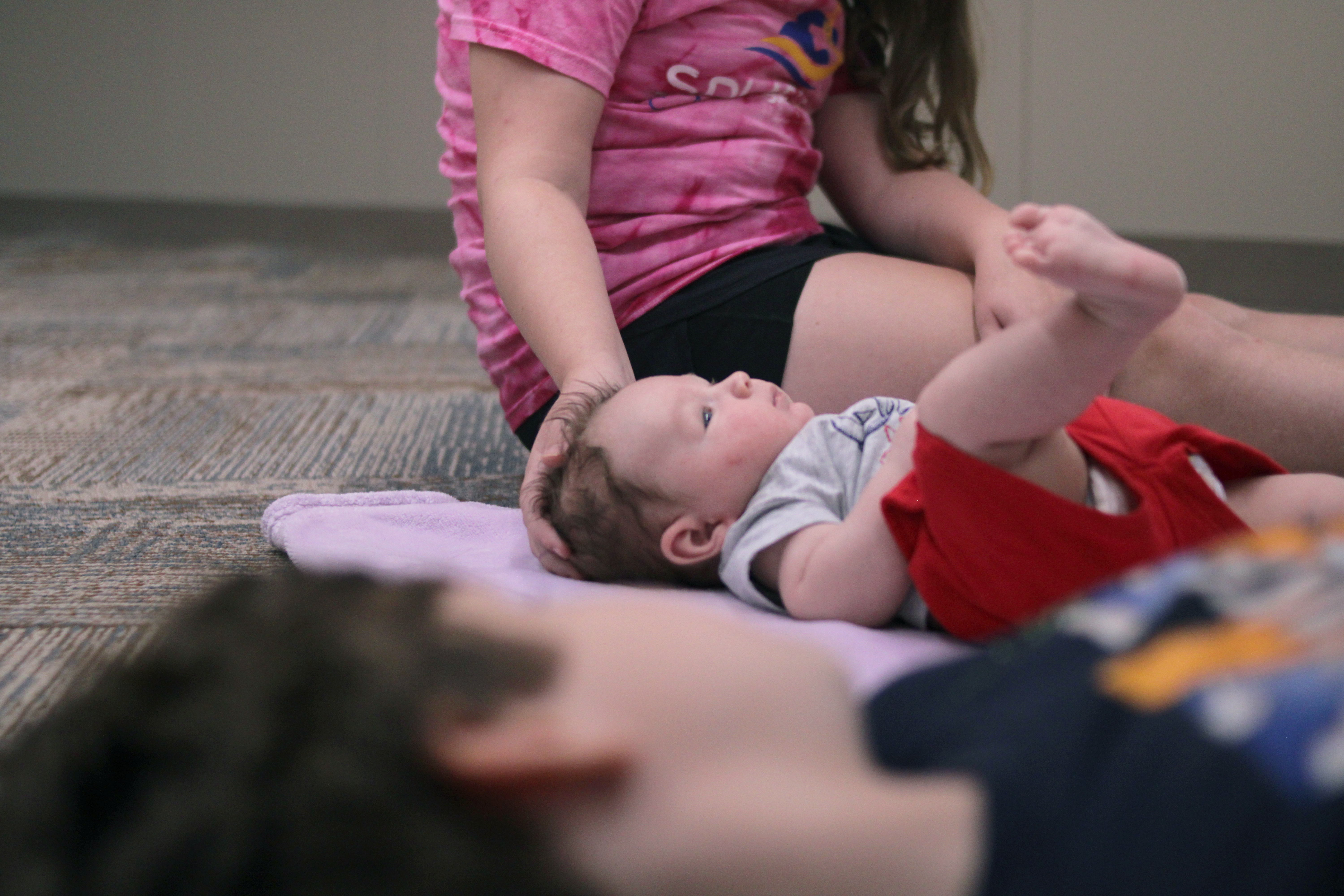
A very special ‘Thank You’ to Rosie, Bashie, and Rowan for such a special, joyful day at CTF!
In early 2024, CTF staff members Bryanna Barber and Jennifer Sommerfeld visited the Southeast Missouri Network Against Sexual Violence (SEMO-NASV) to see the Green Bear Project in action! The Green Bear Project and its companion SAFE Program is a preK-12 school-based sexual abuse prevention program that helps students as early as pre-kindergarten learn what is safe and what to do if something unsafe happens to them. Older youth and high schoolers will learn more about safe dating, dating & domestic violence and what to do if they want to seek help for themselves, a friend or a family member.
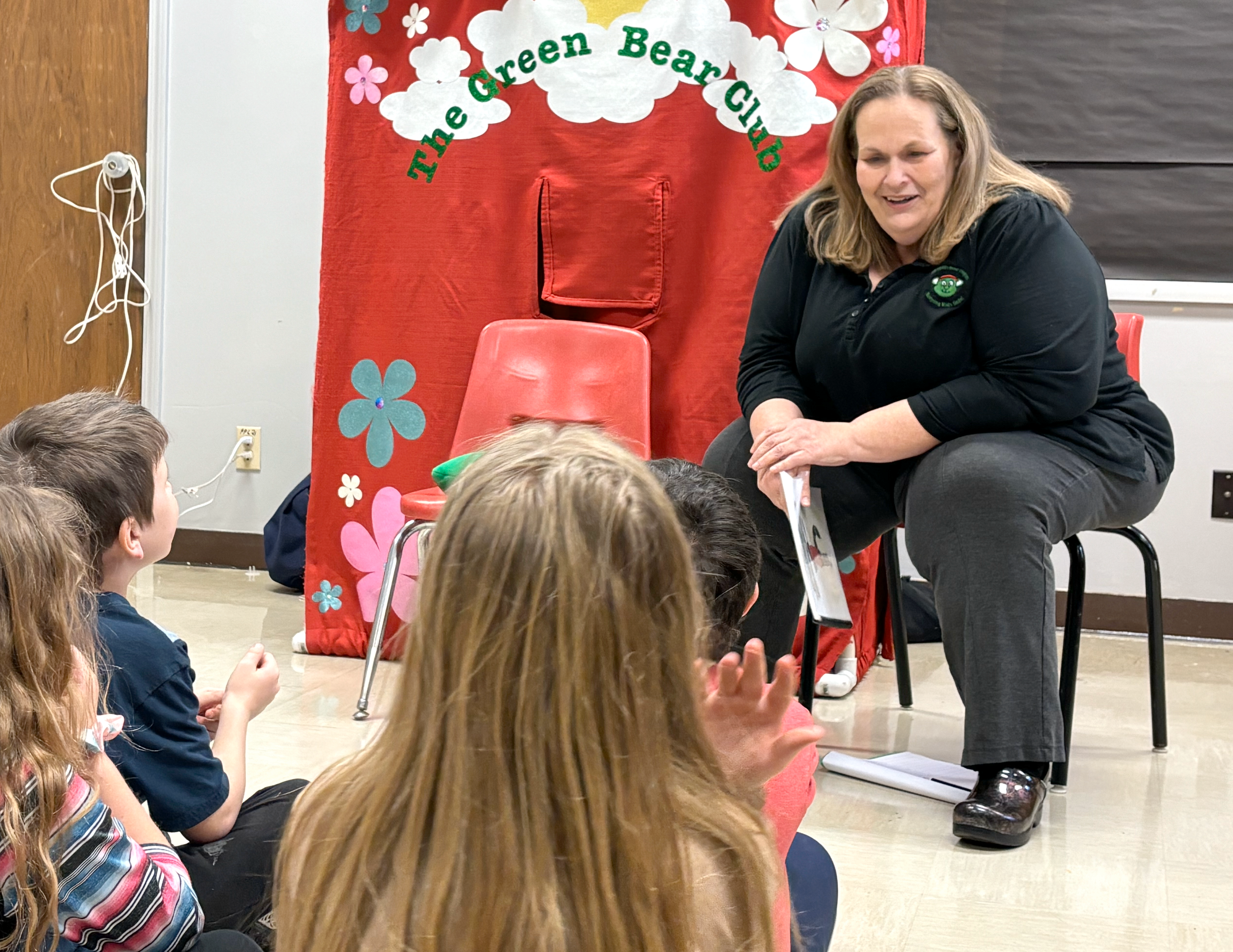
Who is Leasa Stone?
Leasa Stone is a nurse, child advocate, and former foster parent. During her time as a foster parent, Leasa cared for about 24 children. She was inspired to start the Green Bear Project in Southeast Missouri around 2000. She says, “There was nothing out there” at that time. “SEMO-NASV had just started in our area, and I didn’t even know about it until I started researching child sexual abuse.”
“So many of my foster children were sexually abused, but not one perpetrator was convicted of the crime. Almost all of those children blamed themselves for being sexually abused, even the younger ones.”

Green Bear’s Inspiration — Baby Tylen
While in Leasa’s care, Tylen required surgery for inner ear issues. Before surgery, Leasa took him to pick out a toy from the store. Among an isle full of stuffed animals, Tylen picked out a plain, light green bear with a big, green bow. He named his new friend Green Bear.
When Tylen and his siblings were re-unified with their biological parents, Green Bear was accidentally left behind. Although his parents promised to return to pick up the rest of the belongings, including Green Bear, it was never done.
In September 2000, 2-year-old Tylen Haneline was tragically killed by his biological parents soon after arriving home from his foster home with Leasa. It wasn’t long after Tylen’s death that Leasa found Green Bear in the back of a closet. She knew something needed to be done.
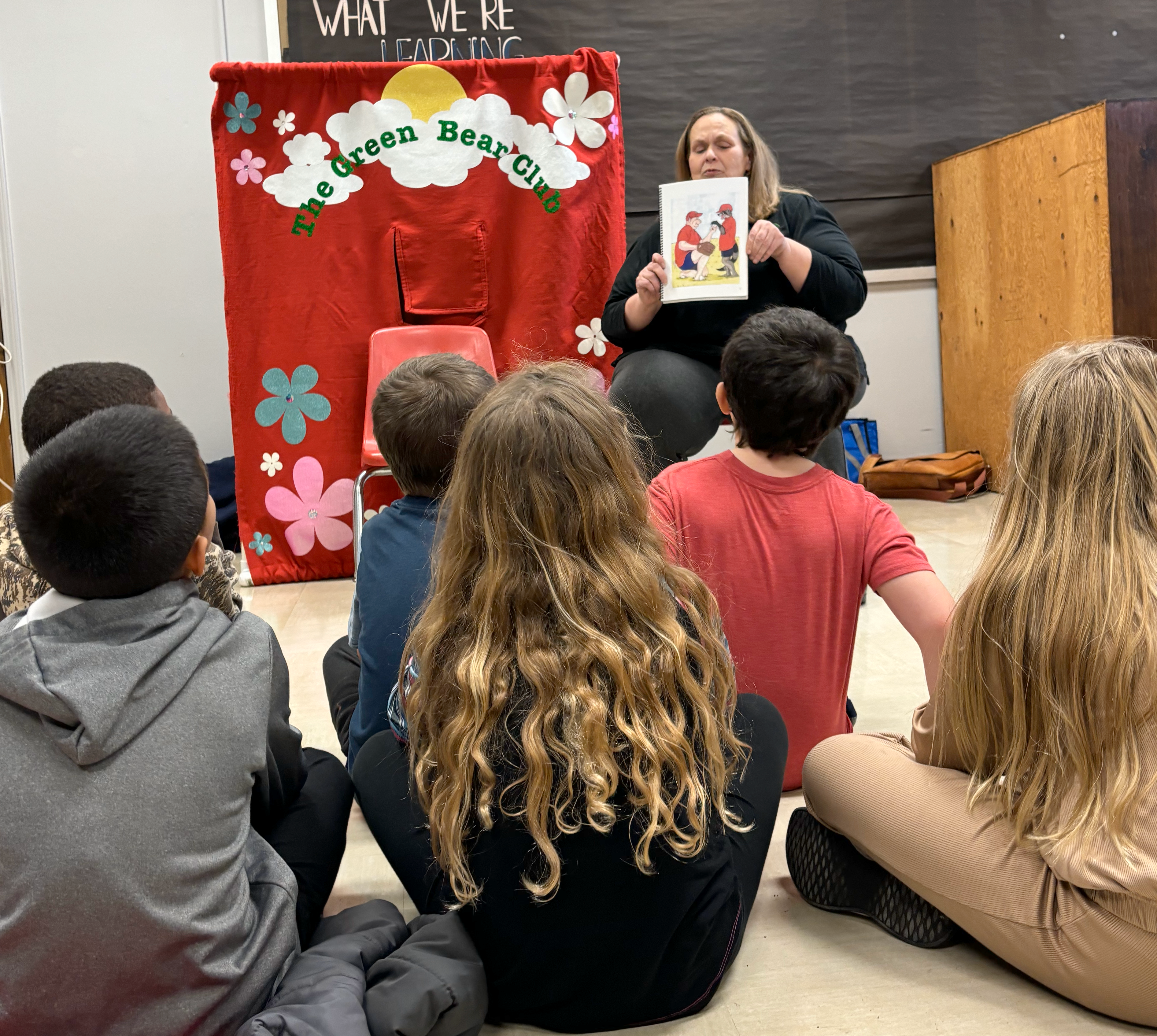
Why sexual abuse prevention?
“Although Tylen died due to physical abuse, I saw how sexual abuse affected most of my foster children. I was a foster parent for many years before I started The Green Bear Project. During that time, I had approximately 24 foster children. Of those foster children, 20 of them were sexually abused. Only one of the children was placed in care due to sexual abuse; the others were placed in my home for various other abusive situations.”
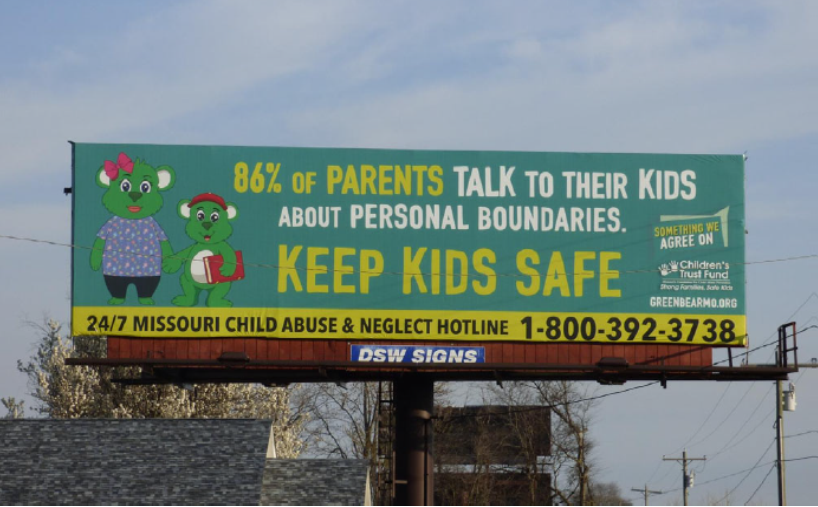
SEMO-NASV and Green Bear have collaborated with CTF to construct billboards informing parents there is something we agree on and guiding them to our website. I truly believe collaboration is key.
It is not a competition. We should all be working together to help children.

“When adults in our area think of sexual abuse/assault prevention education, they think of SEMO-NASV and The Green Bear Project and feel the topic can be discussed openly, rather than behind closed doors. . . The Green Bear Program was created to teach kids who have been sexually abused that the abuse was not their fault.”
In Fiscal Year 2024, CTF began a new strategic plan, which acknowledges that we had, perhaps, become too targeted in how we award funding. While we still believe in a targeted funding approach, we realized and received feedback that this approach does not allow us to support innovative ideas or approaches that show promise outside of our targeted areas.
As a result of feedback and discussions, CTF and its Board of Directors are excited to announce the following FY25 Responsive Funding Opportunity Grantees:
- St. Louis Crisis Nursery
- Fathers & Families Support Center
- Community Partnership of Rolla
- Patch of Chillicothe
- Mattie Rhodes Center
Learn more about CTF’s strategic plan in the Fiscal Year 2024 State Plan Letter.
Despite record-breaking filibusters, a record-low number of bills being passed, and zero conference committees (Kids Win Missouri) during the 2024 Legislative Session, there were still wins for kids and families when the session adjourned on May 17. In the FY 2025 budget, the legislature increased the child care subsidy rate from the 58th percentile of the current market rate survey to the 100th percentile for infants and toddlers and the 65th percentile for preschool and school-age children.
This means child care providers will get state reimbursement for providing child care to low-income families, which gives more low-income families access to workforce opportunities and child care they may be otherwise unable to afford.
Despite this win, it remains unclear whether decreased funding in the approved fiscal-year 2025 budget— a $23.4 million reduction from current funding — is sufficient to cover these obligations and how funds will be distributed across an expansive network of counties and child care providers. Some in child advocacy anticipate state departments requesting more money later in the year to fund the demand.
Despite concerns, CTF maintains that this is a move in the right direction for the state’s child care landscape and indicates there is a desire to make child care more accessible and affordable in Missouri.