The post Olympus Pen F : Writing postcards appeared first on Pierre Killmayer.
]]>
On how to get half creative again
My appeal for photography has been consistently low the past few months. Last Christmas, like every year, I took part of the migration that leaves Paris empty in winter. On the road to Southern France, it came to mind that I forgot to take a film camera for vacation. To my surprise, I was not even mad or angry. Just a little sad.
After a marathon of heavy meals, and a cure of Champagne and delicious wines, the whole family packed for a trip to the Pyrenees mountains. I came to my father, a little guilty. I asked him to lend me any camera he owned in his collection. I would use it during our time in the mountains, hoping the novelty of an unusual camera would force my creativity. I would -of course- give it back before going back to Paris, with the rest of the herd. The idea surprised him. Or maybe it was the idea I did not necessarily want the jewels of his collection, but simply something new.
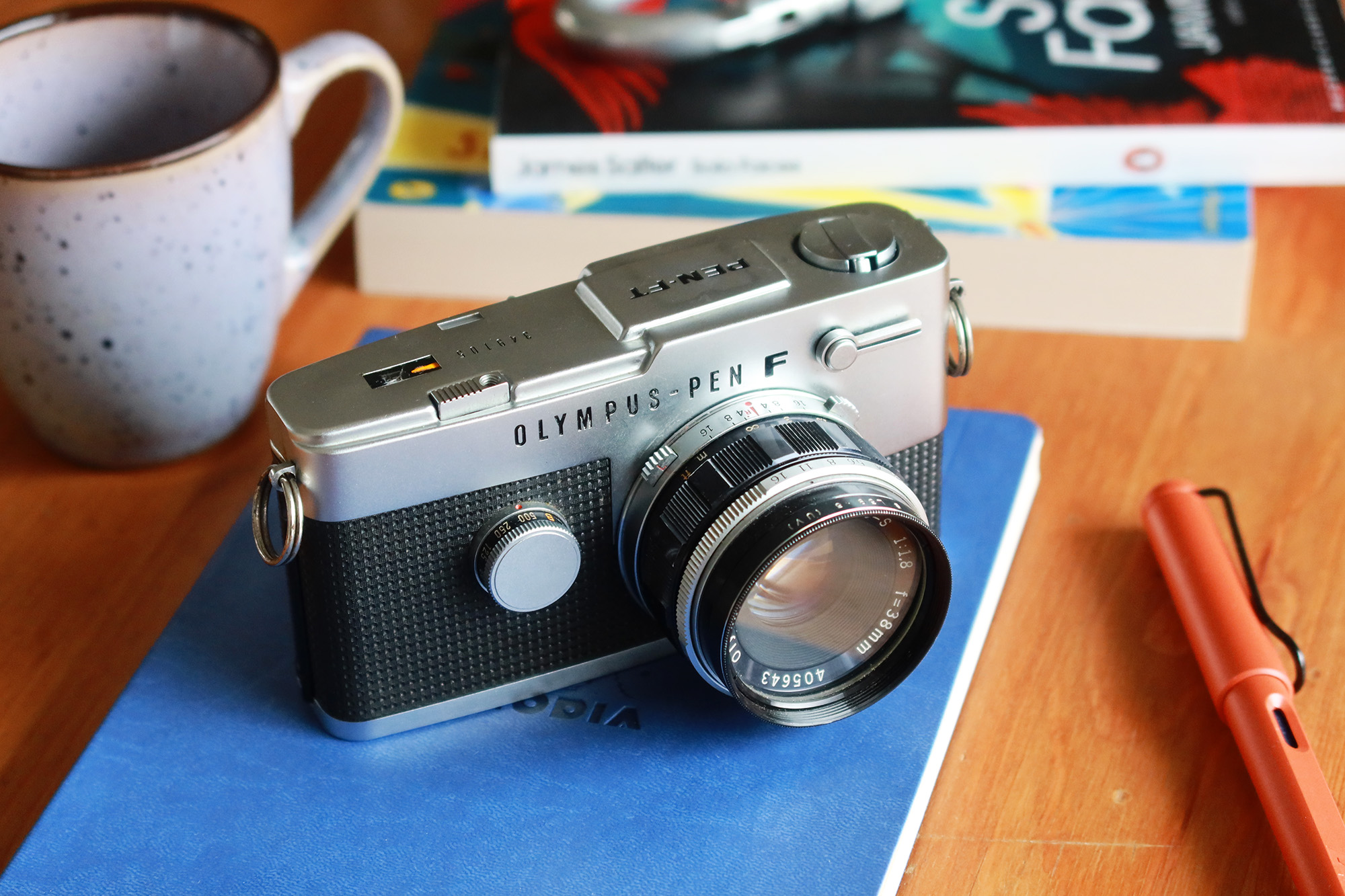
He dug for a long time in boxes, exhuming Pentacons, Rolleiflexes and Leicas. He casually set them aside, like Aladdin looking for the most precious item in his luxurious cave. With a victorious “Ah!” he finally put an Olympus Pen F in my hands. And here it was, the quintessence of half frame cameras.
For those unaware of the half frame trend coming back (i.e Kodak Hektar H35 that came up a few years ago), a half frame camera takes 18x24mm instead of the standardized 24x35mm. This way, a regular roll of film contains 72 pictures rather than the classic 36. One consequence is that the framing is vertical. And this simple fact opens so many possibilities.
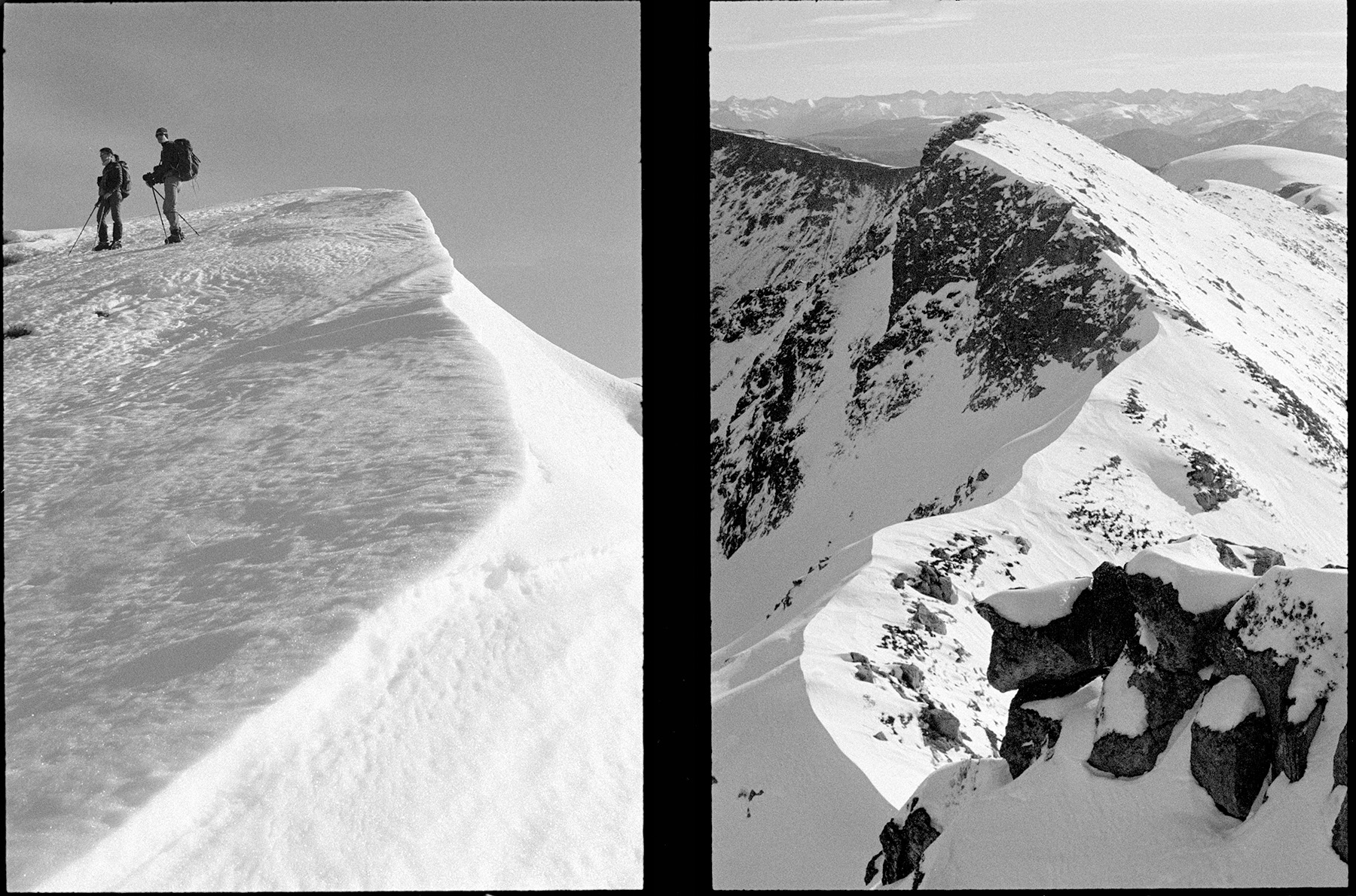
24x36mm scan of the Pen FT, showing the potential to work with dyptics.
Nowadays, the standard photo format is adapted to screens, becoming bigger and bigger on portable devices, but nearly always vertical. After a century of landscape format domination, smartphone photography forced the average photographer to reconsider the way he framed his photos. Perhaps it is a reason why half-frame cameras are back in fashion. Personally, vertical framing had the same effect as the first time I shot medium format. The process of composing is totally shaken up. My vision had to stop bypassing the automatic step of mind-framing, and think for every single shot. And guess what? I absolutely loved it.
To be completely honest, There is one downside: to be able to finish a roll of film. I guarantee you will forget what you shot when you process your negative weeks – or months? – after.
The Olympus Pen F
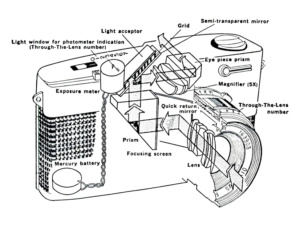
I will be unusually brief about the camera. Simply because the Pen F was the best half-frame camera ever manufactured. There is a flood of cheaper Pens such as the EE or D. But none get even close to the Pen F. One reason being the Pen F is a REFLEX camera. You read that right. This tiny – and beautiful- camera is a full reflex, with a vertical mirror. The downside of zone focusing with such a small frame was then solved. The mechanical complexity of the Pen F astonishes me. To fit a mirror and two prisms in such a cluttered space surely gave headaches to the engineers and the designer Yoshihisa Maitani in 1963. It was impossible to fit a regular shutter system. The team had to design a specific rotary shutter made of extremely light titanium to be able to achieve speeds up to 1/500th of a second. If you want to know more, Mike Eckman wrote a perfect article about its history. If you don’t, it is fine; just remember this camera is a mechanical piece of art!
I did only use the regular 38mm f1.8 Zuiko lens, that was the standard lens when the Pen came out. I have no complaints. It is designed to cover half a frame, it is bright, it is sharp. It WILL make you forget your print is not from a full frame camera.
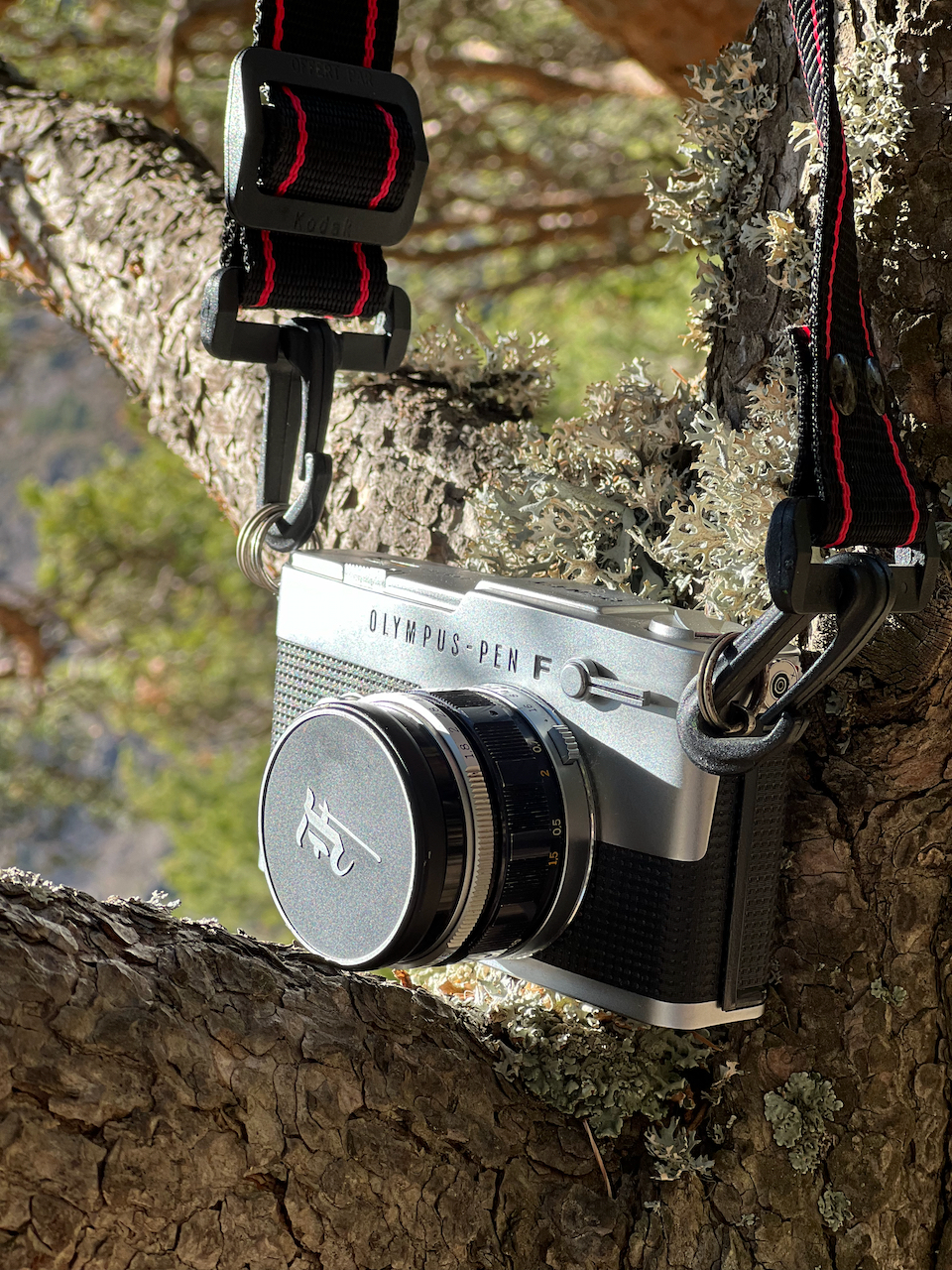
Olympus Pen F : Tiny frames and big pictures
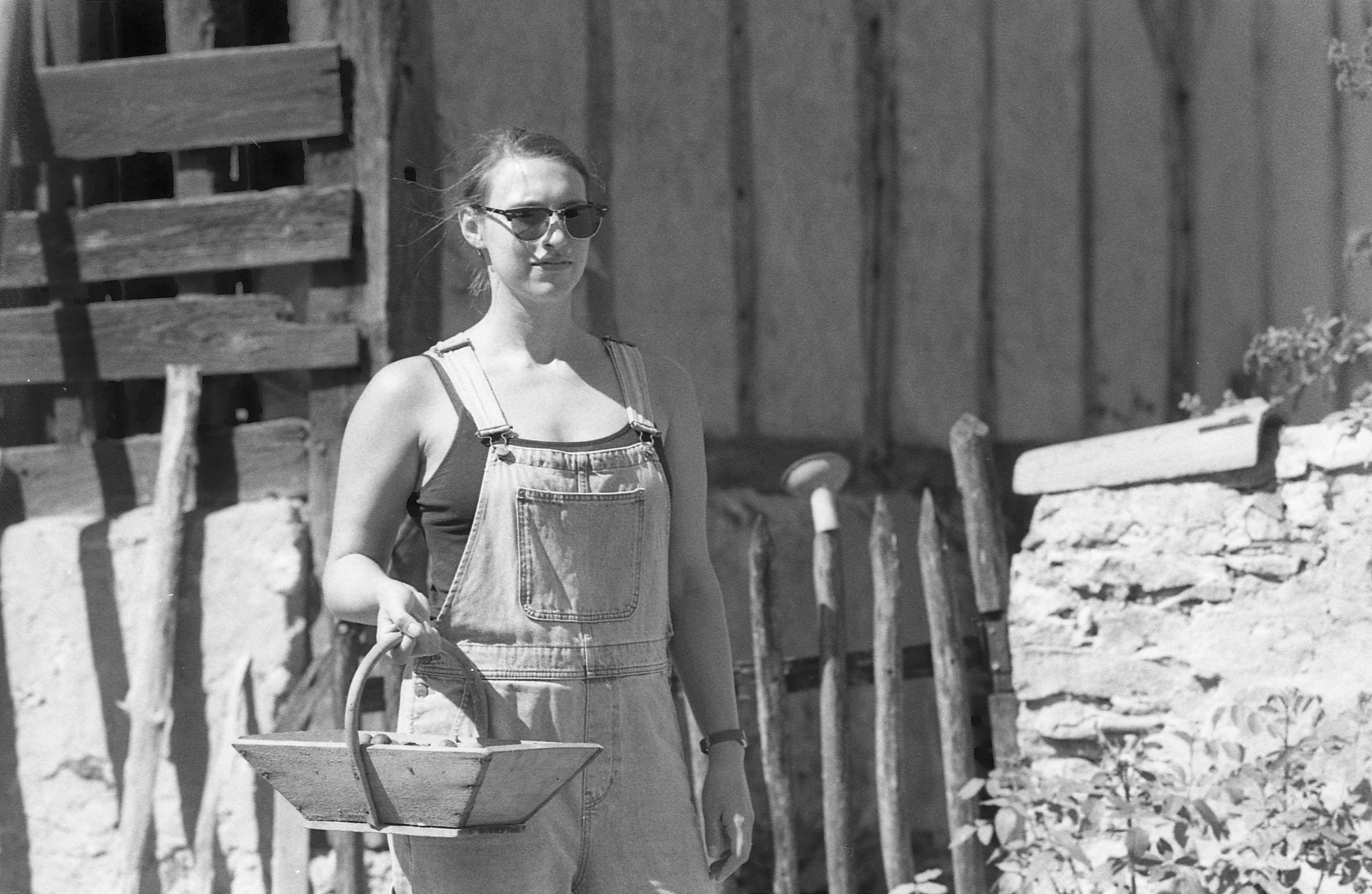
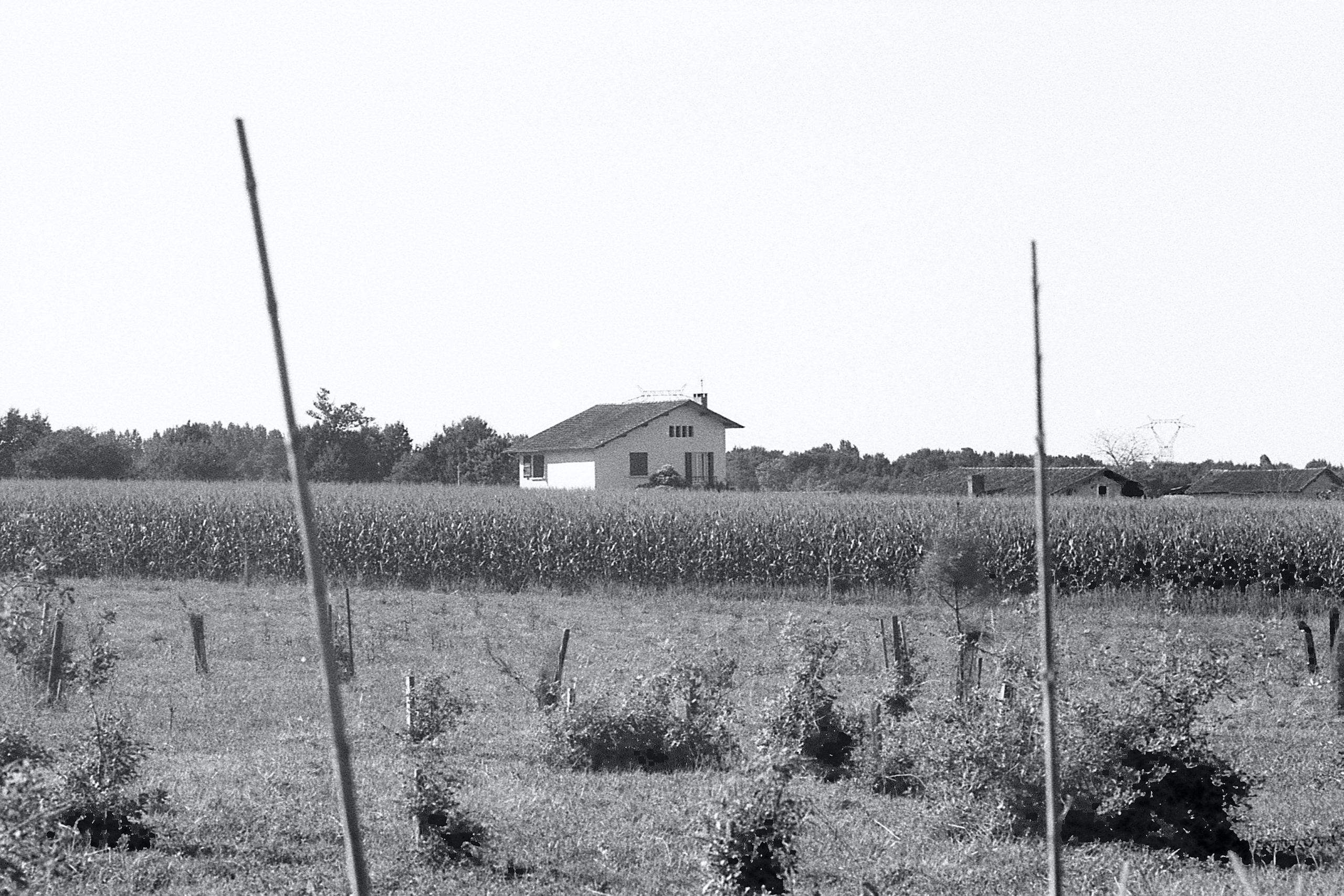
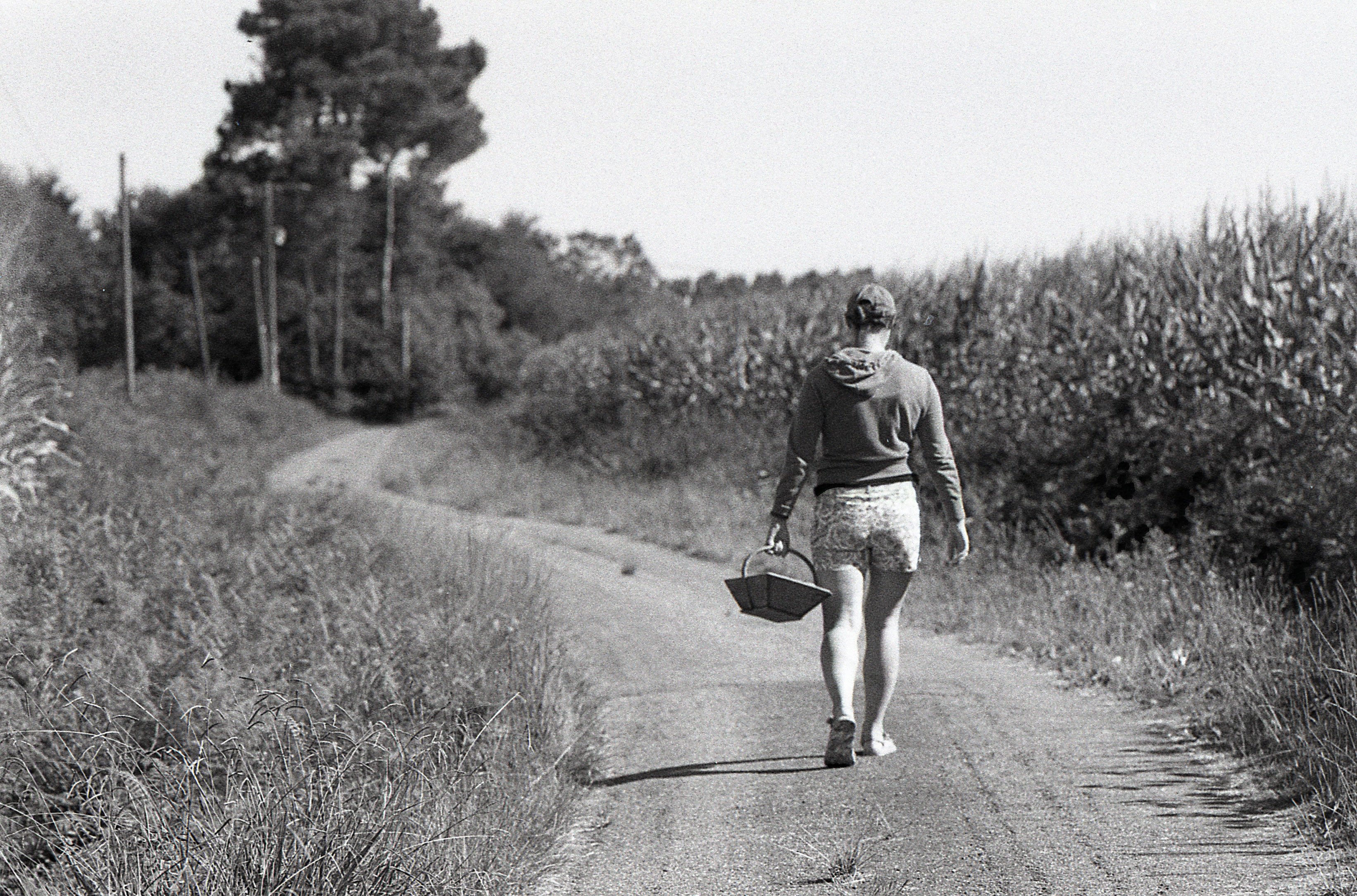
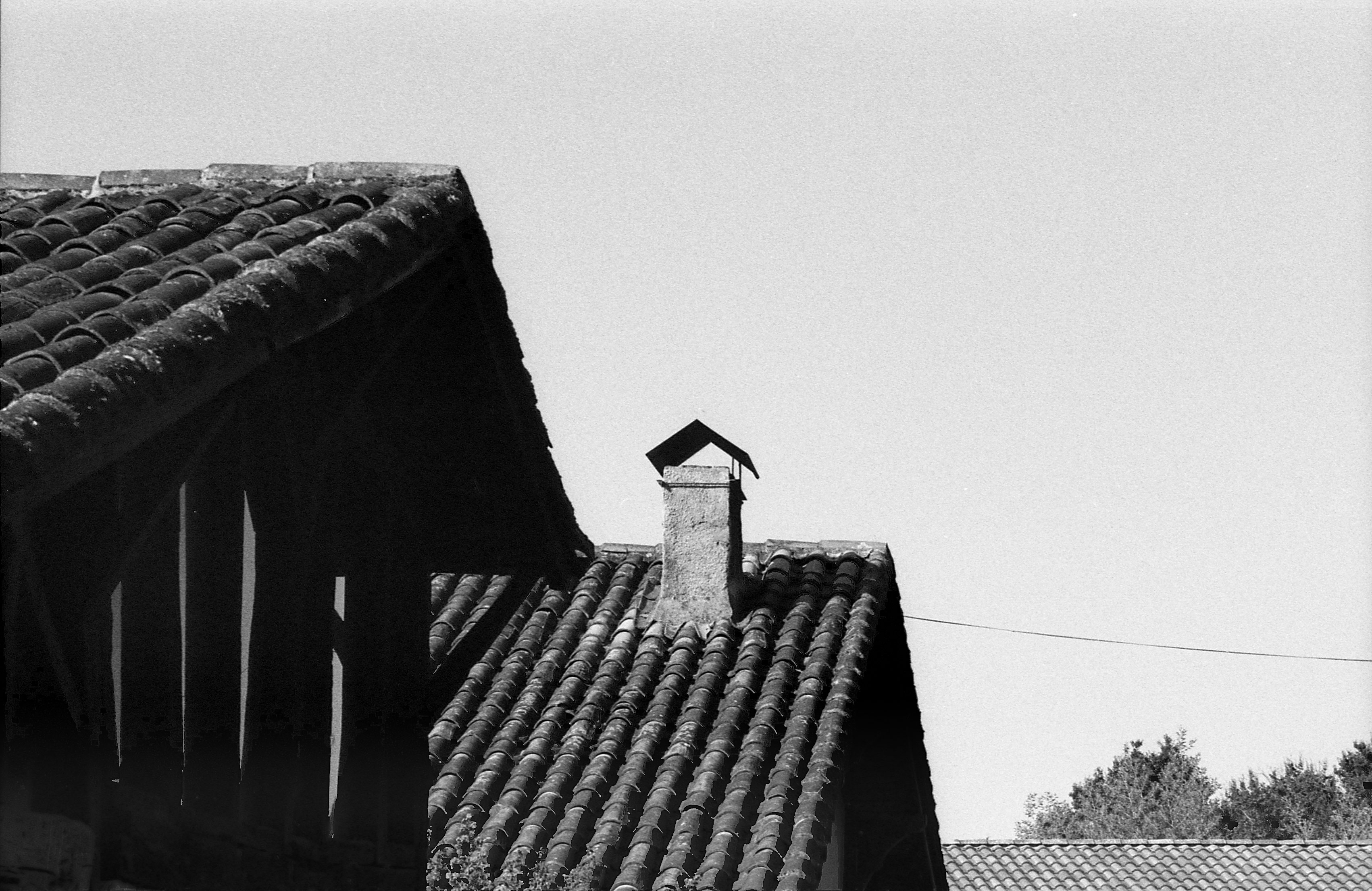
I only shot one roll of film with the Olympus Pen F. However, what a long film it was… Here are some of the results, either scanned on their own, or by dyptics, in their original 24x36mm format.
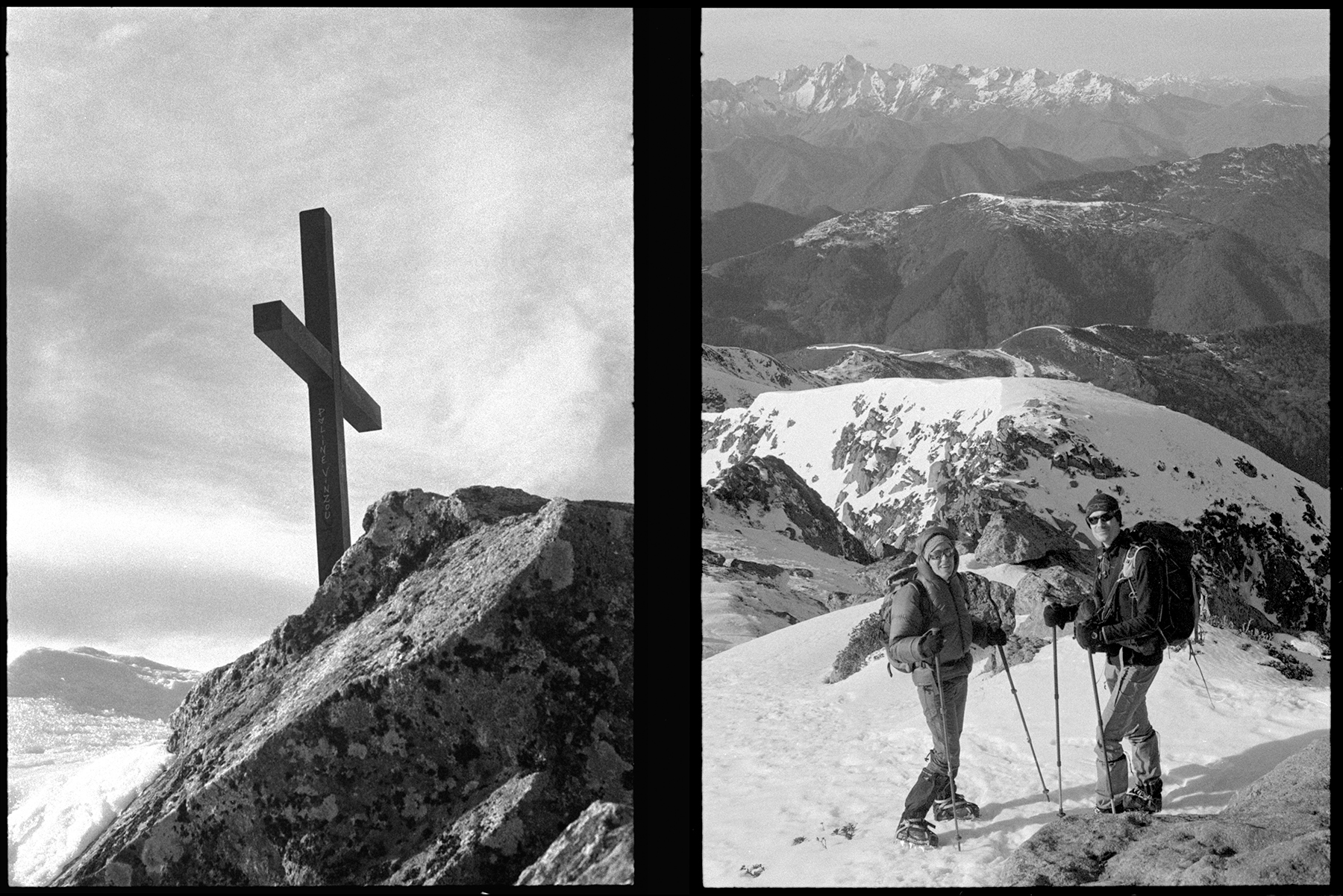
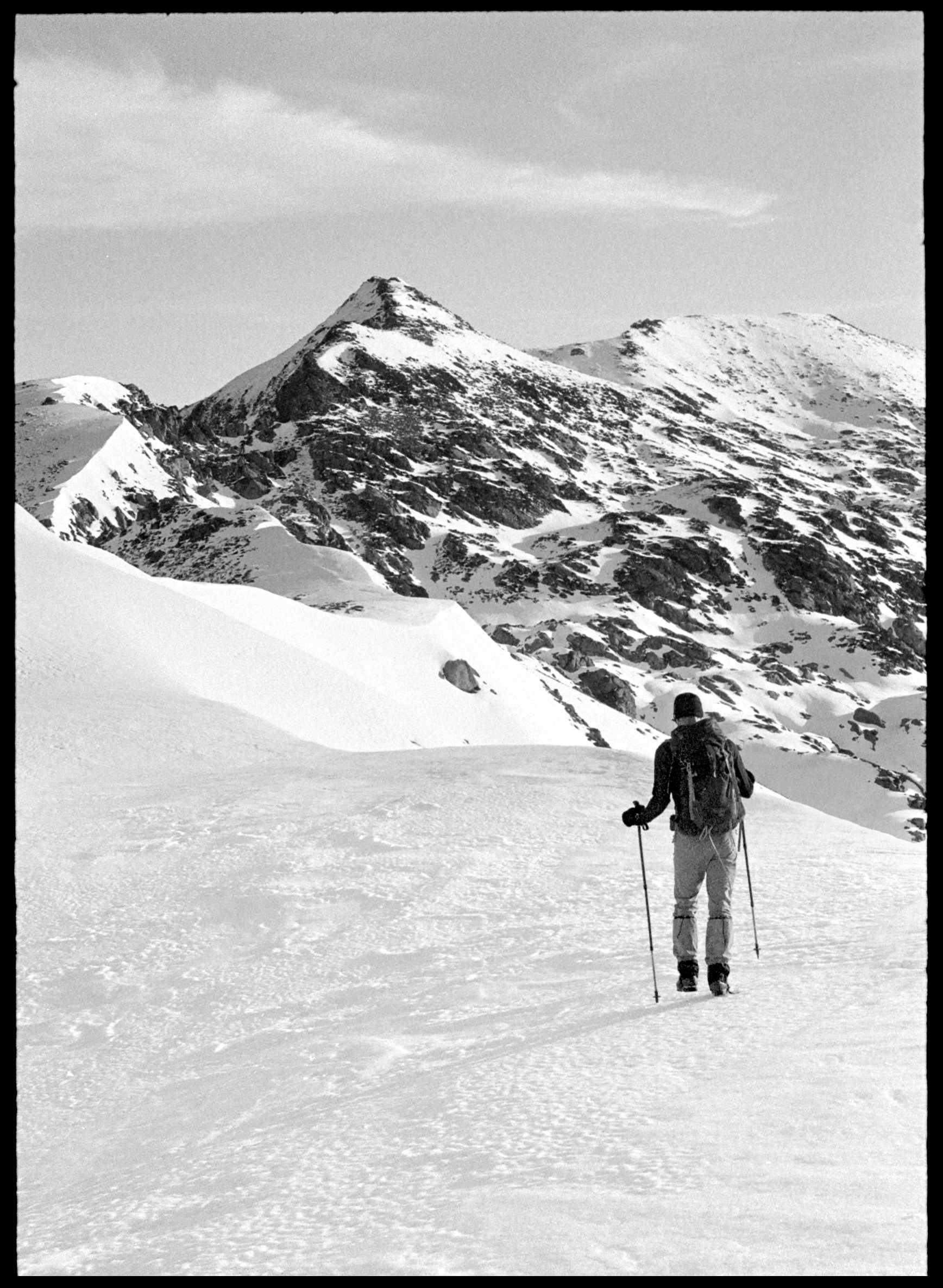
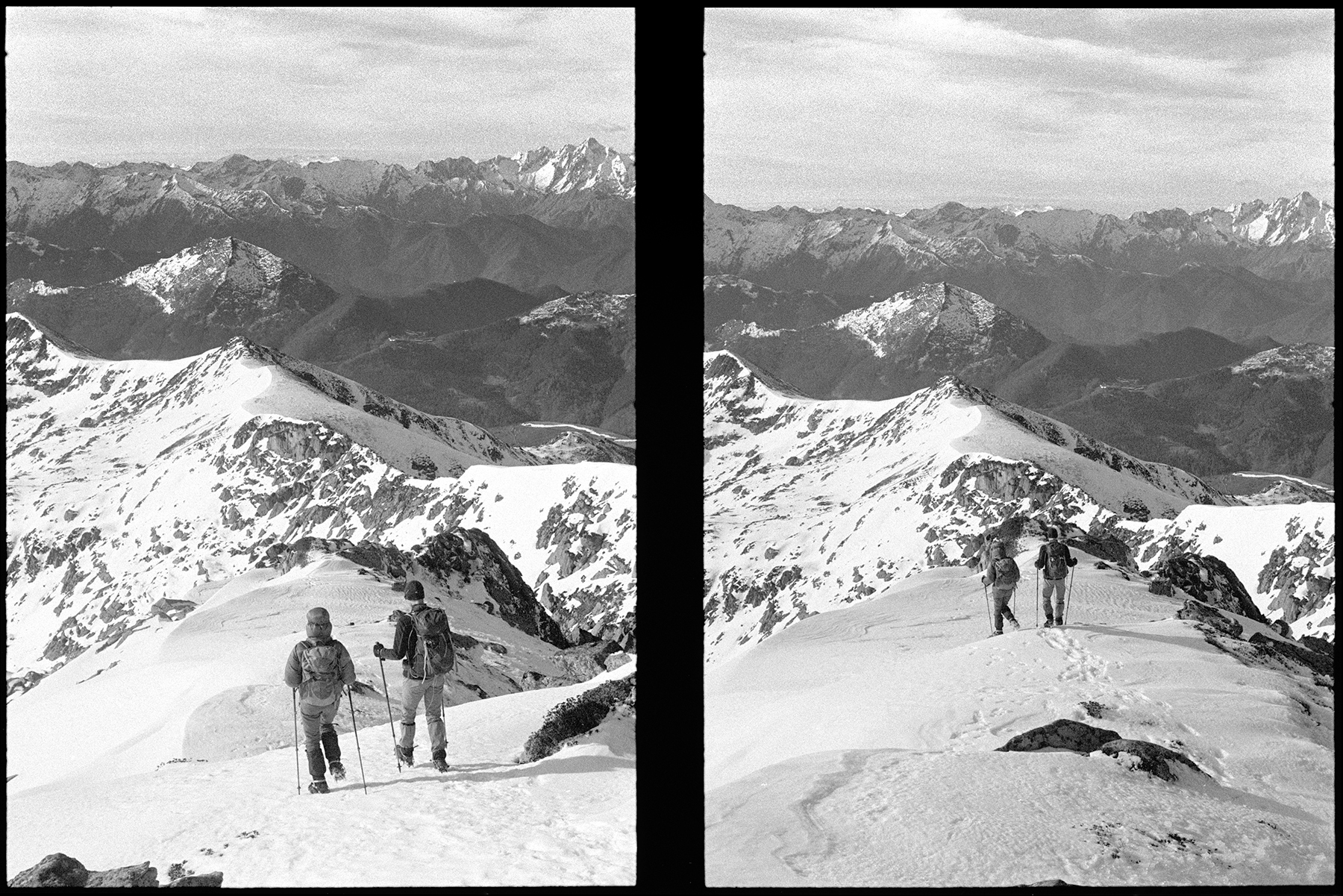
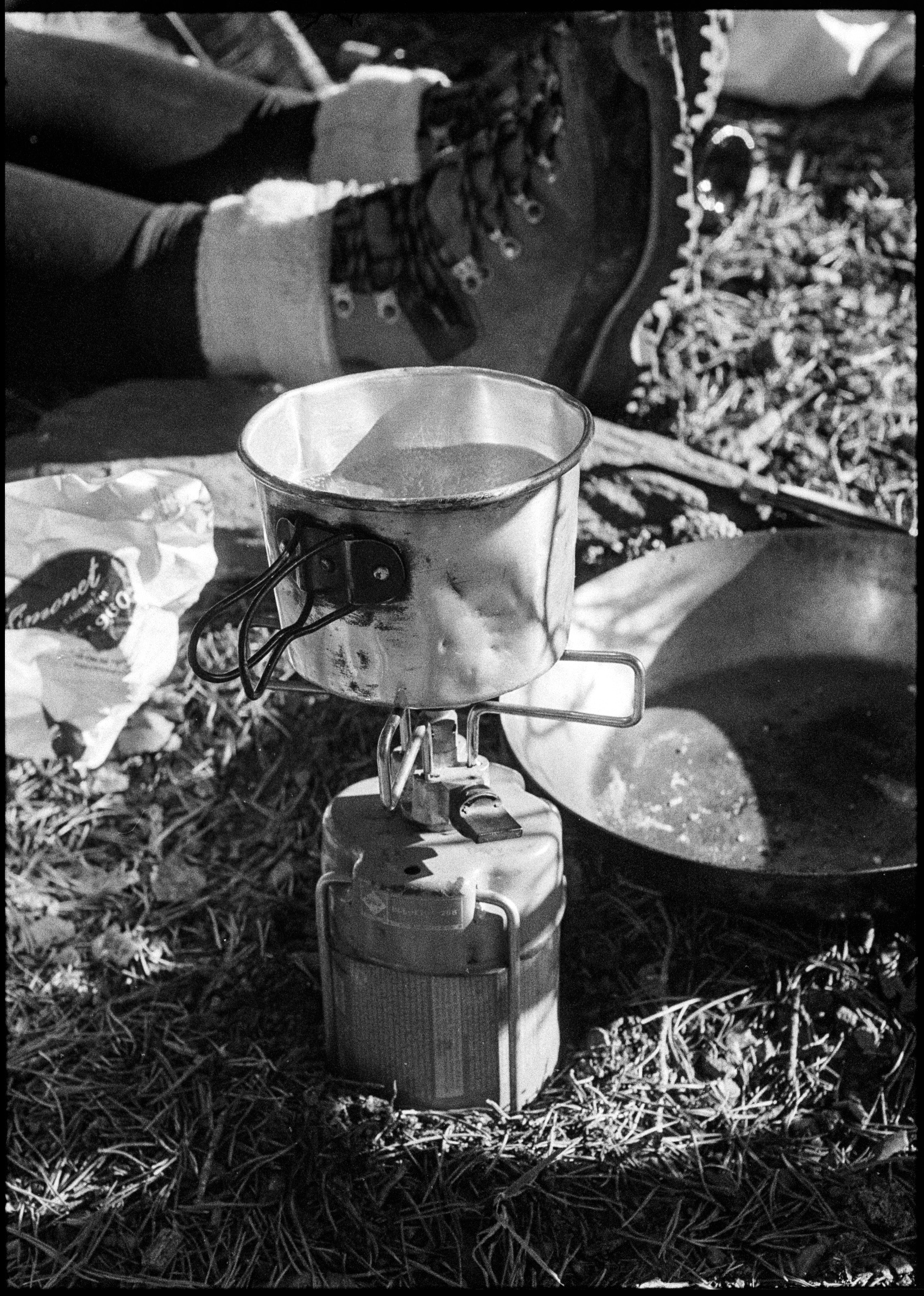
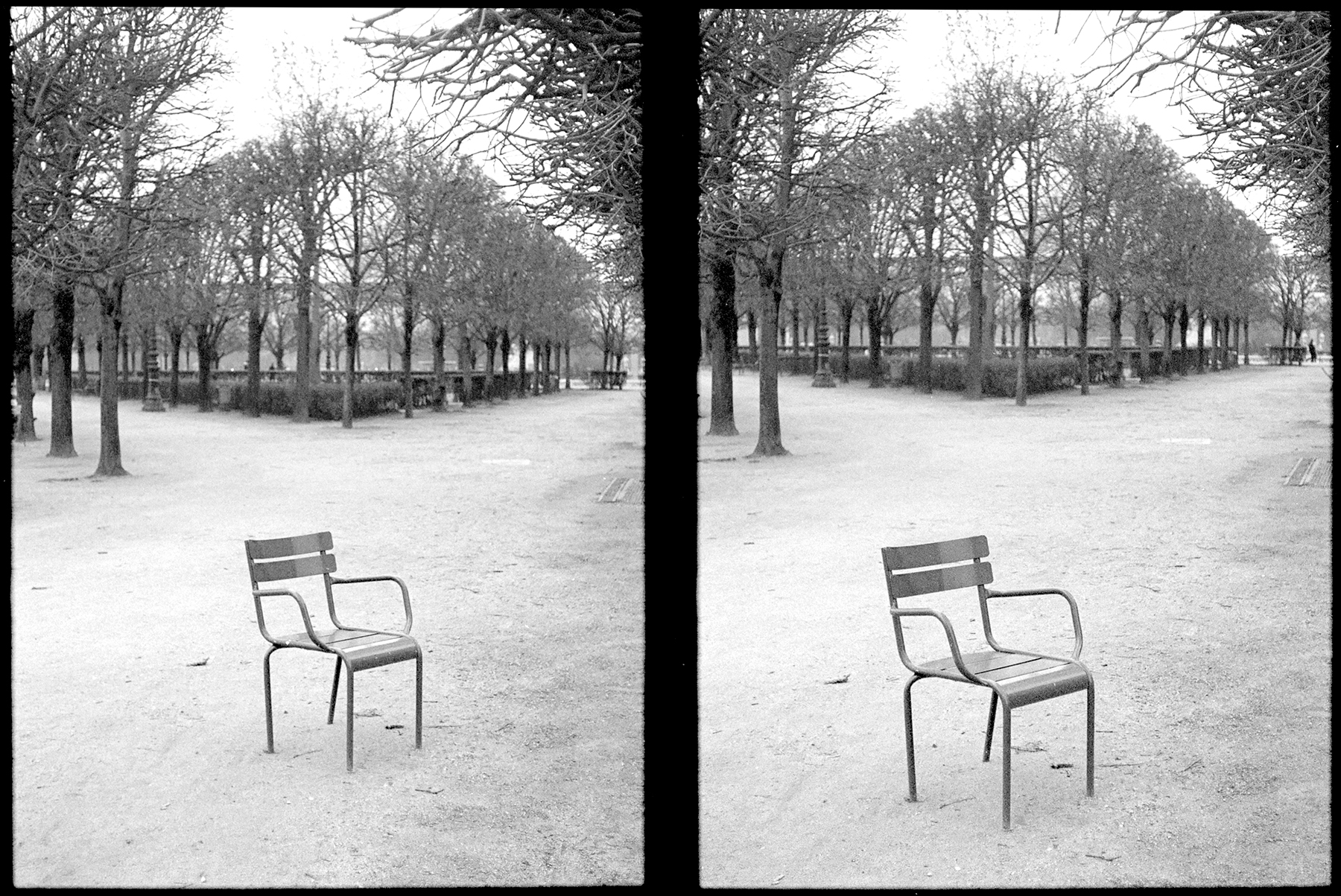
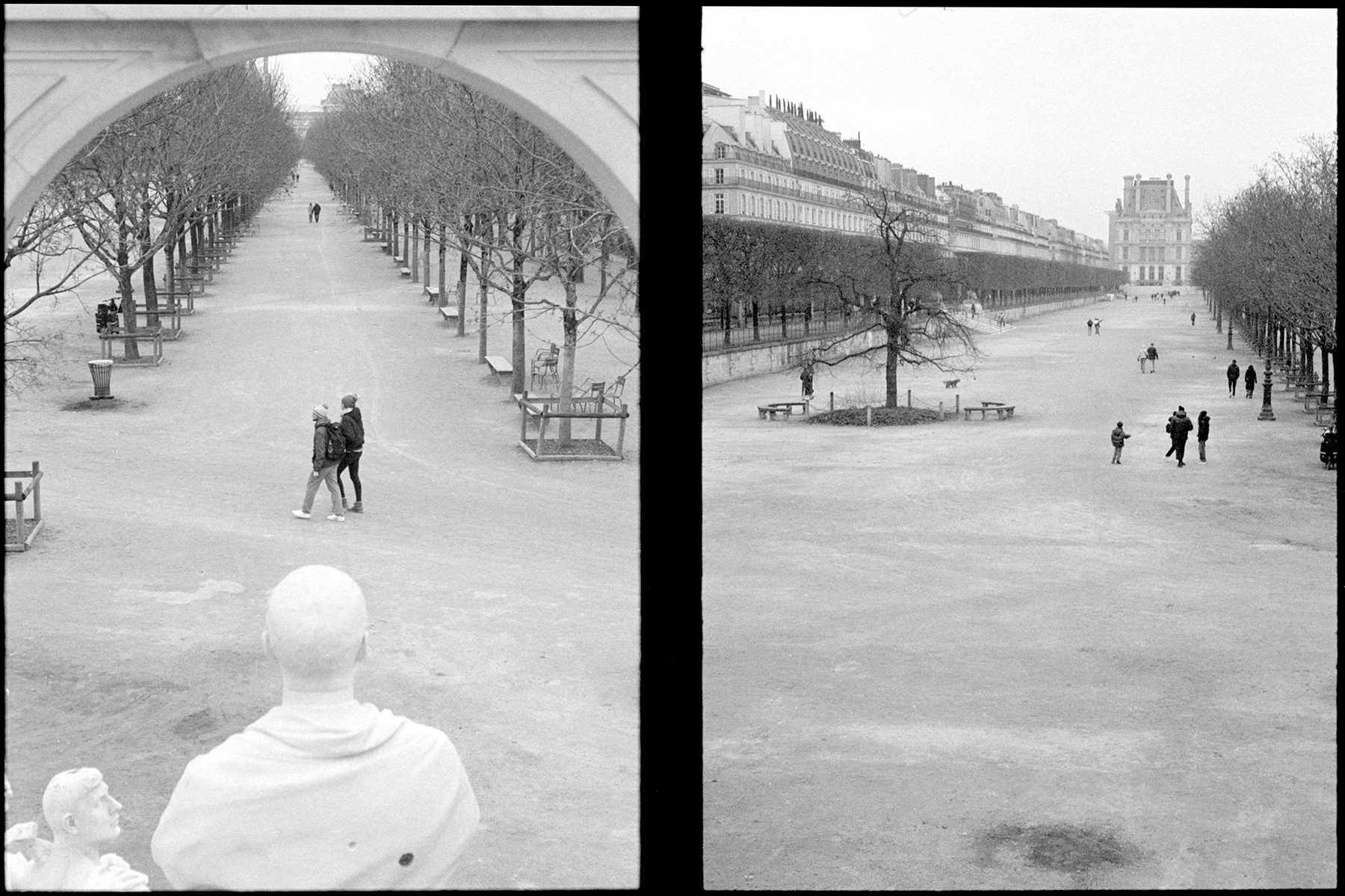
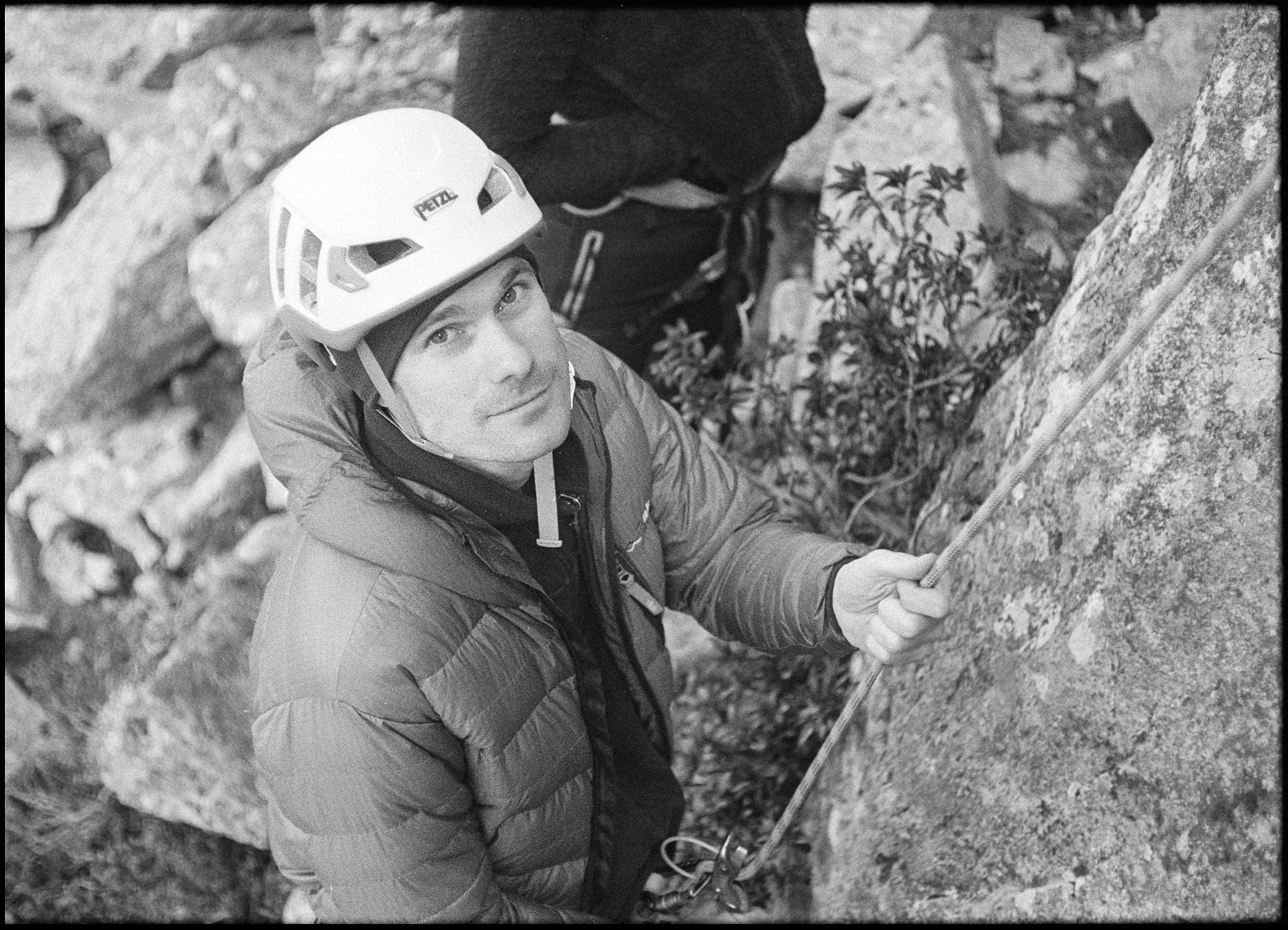
Shot on Rollei RPX100, developed in D-76 1+3
Giving it back to people we love
I have to admit I was quite pleased with the result of that roll of film. Moreover, I would say I was getting fond of this little camera. But everything good has an end, and I told my father I would give the camera back after vacation. I wanted to find a way to thank him and everybody involved in the mountain trip. I wanted them to go home, after spending New Years Eve out there; and feel they were back; maybe tired but full of happy memories. And what better feeling is there than opening the mailbox and find a -not so- fresh postcards from loved ones? I HAD to make postcards.
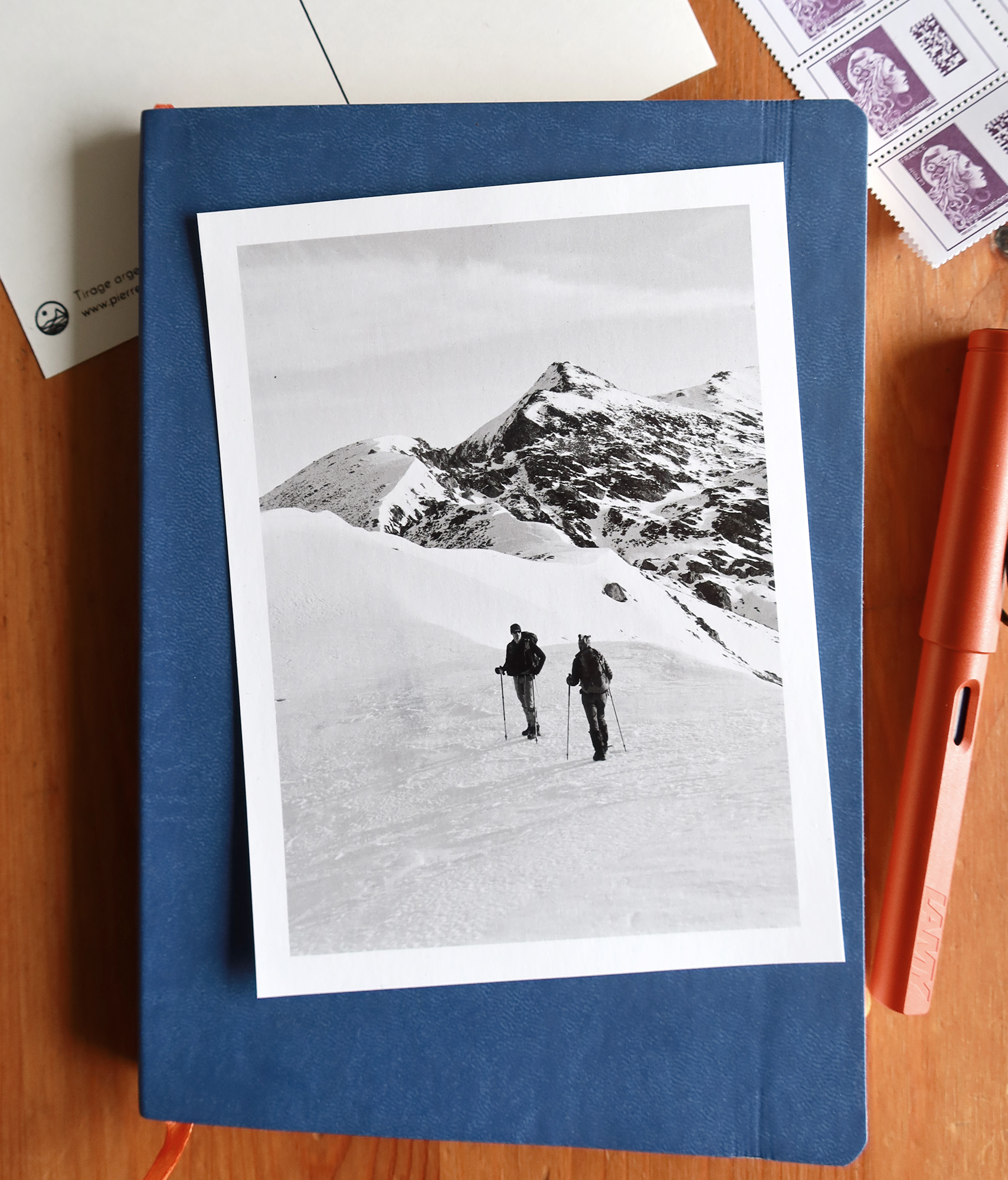
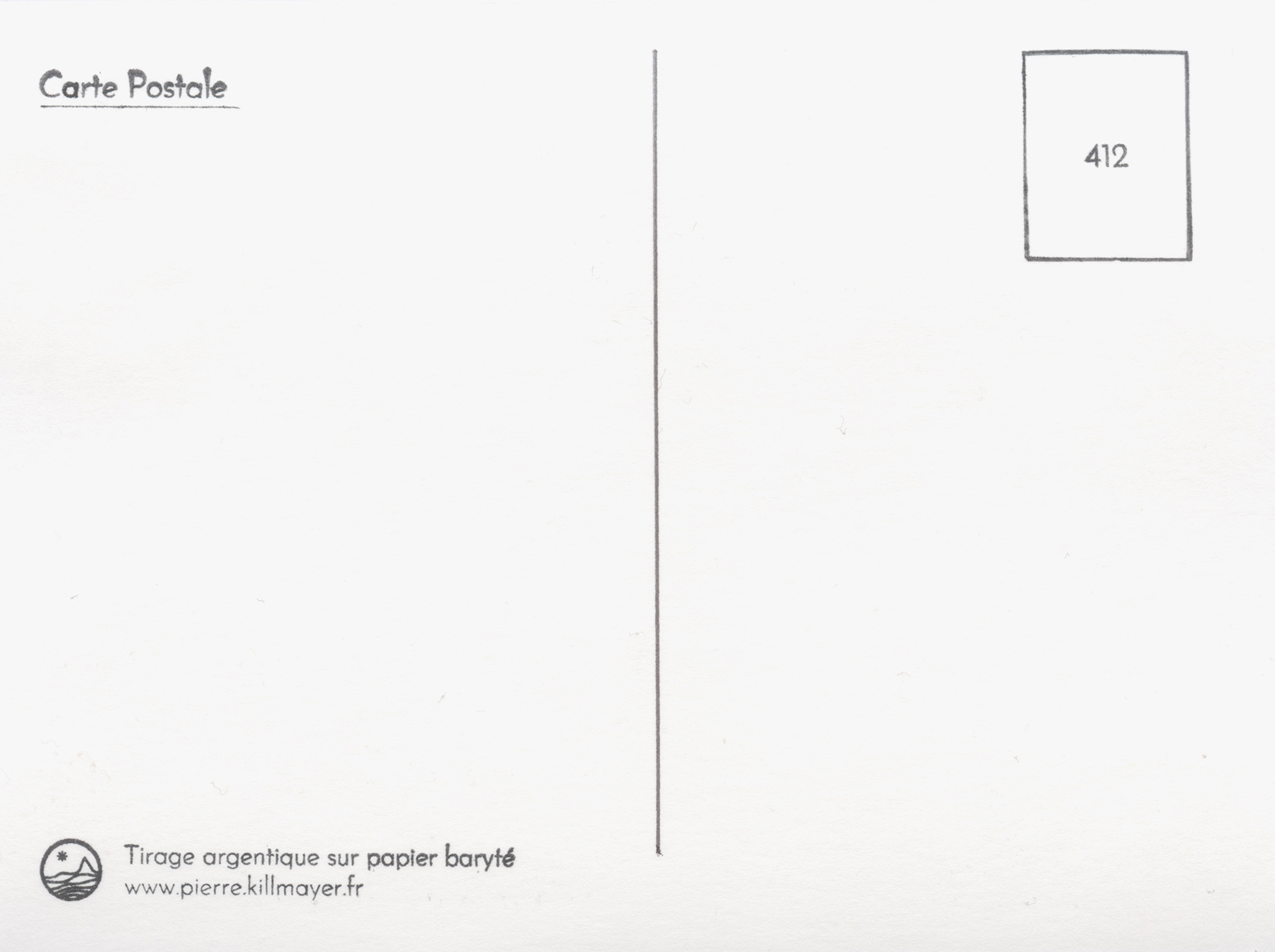
To be honest, postcards are an obsession of mine. You can check my quarantine attempt here. I printed the pictures on fiber-based paper, dried them the best I could on the bathtub glass door, and stamped the back. It was nice to get my pen – not the camera this time – and write a few words. Empty, too short probably, like most postcards. But who really cares about what is written on a postcard? It is the effort put into the task, the thought, the care in selecting the perfect postcards that touches us. The physical object we hold in a hand – the other hand probably holding the keys of the apartment – briefly brings up memories, happiness, and reinforces the bond we have with the same people that held the same object a few days before. Just for these few seconds, it is worth the whole process.
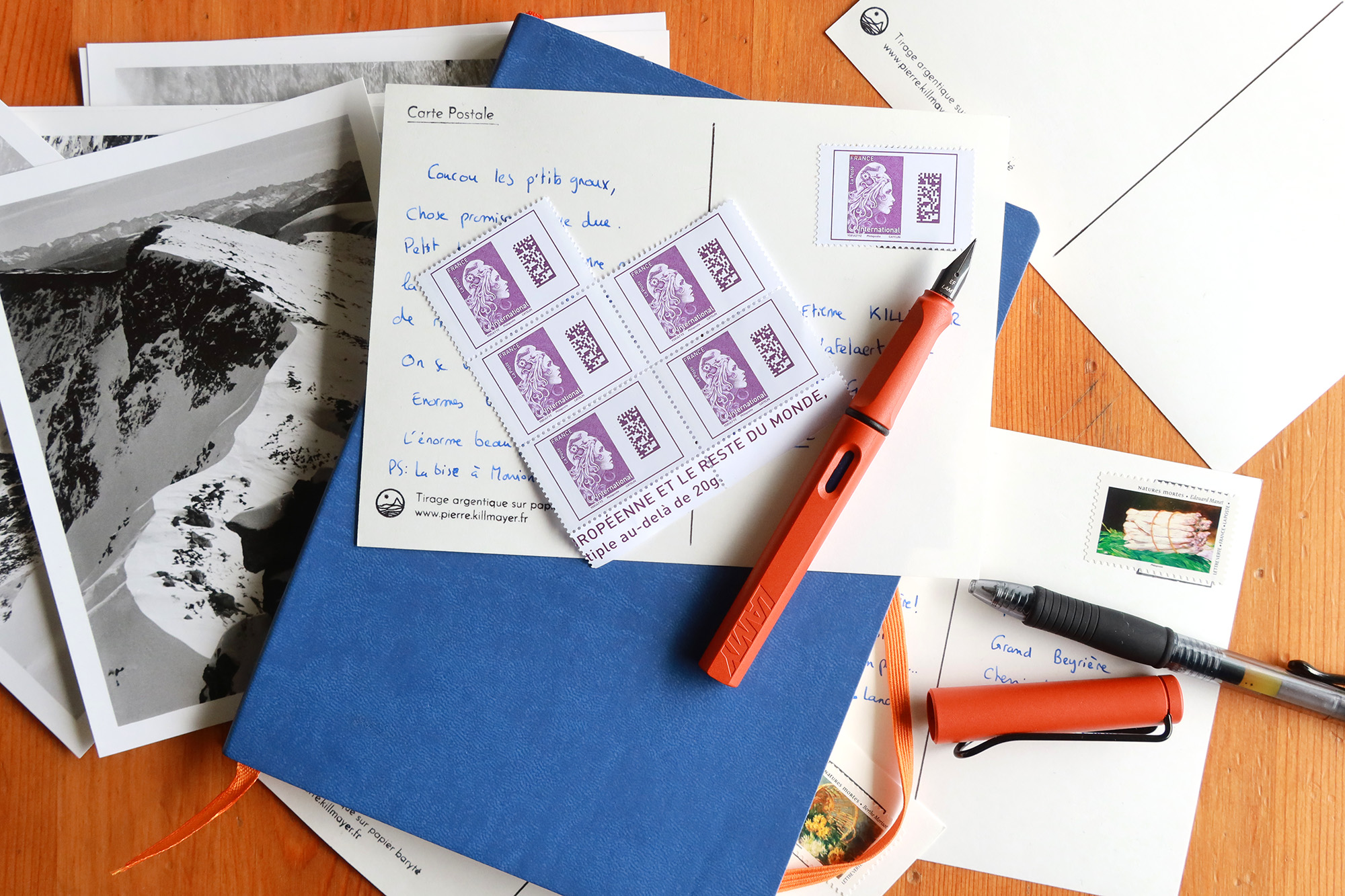
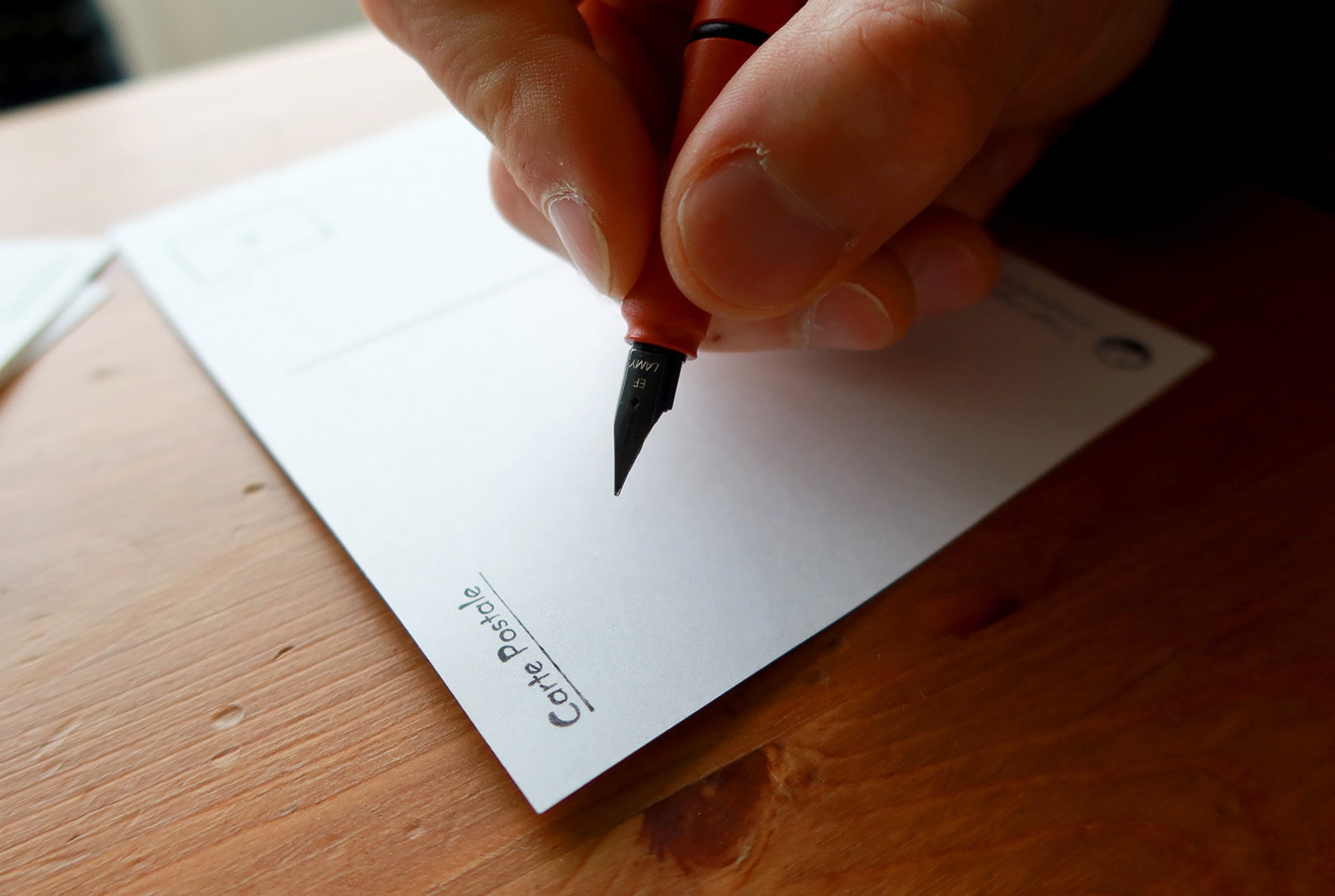
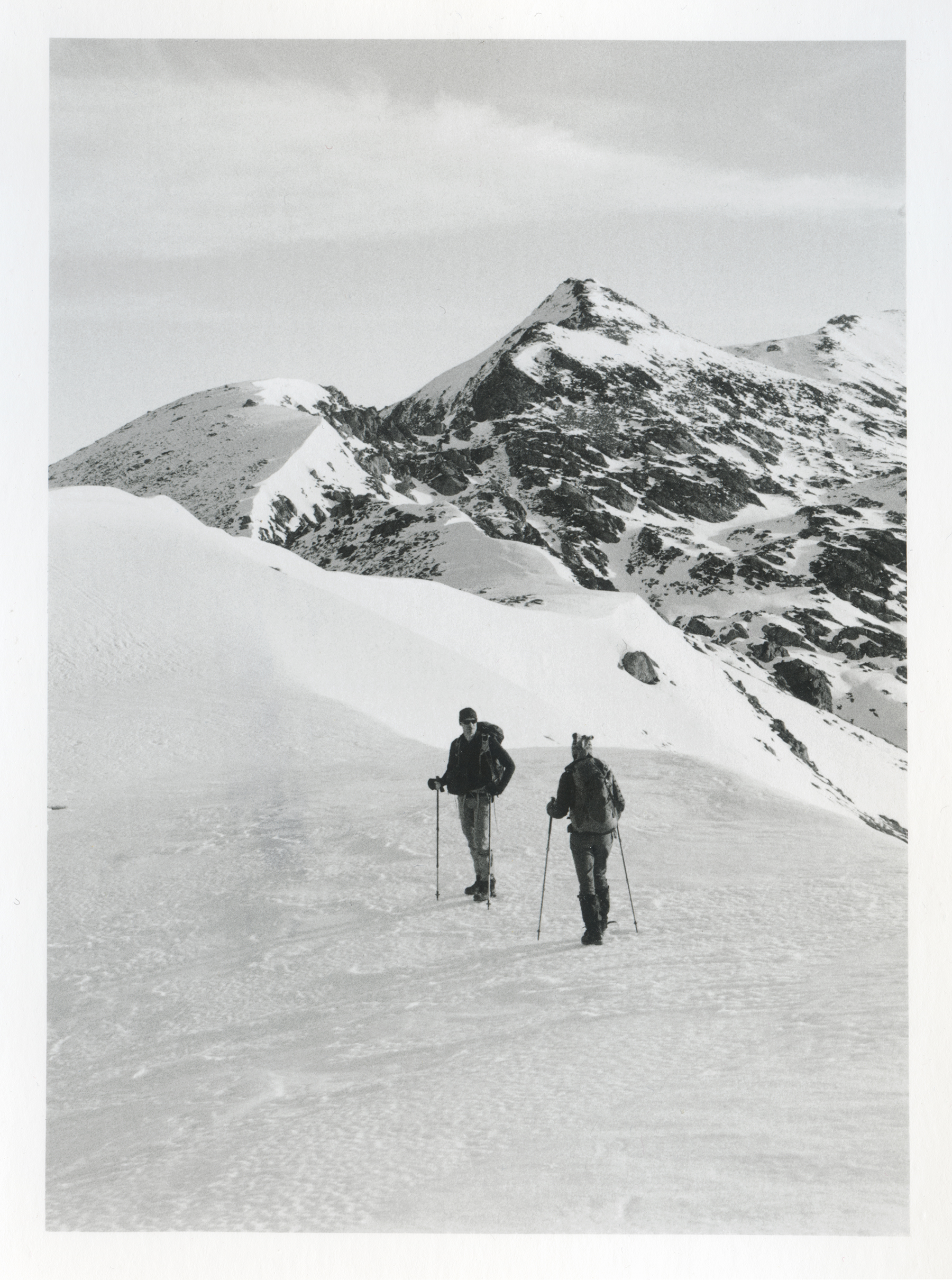
Here is a scan of the print, using the Intrepid Enlarger and Foma Fomabrom 111 Brillant 13×18 paper.
If you followed all the way down here, you might have guessed… I never gave the camera back to my father. Maybe next time?
See you all next holiday!
The post Olympus Pen F : Writing postcards appeared first on Pierre Killmayer.
]]>The post Trocadéro appeared first on Pierre Killmayer.
]]>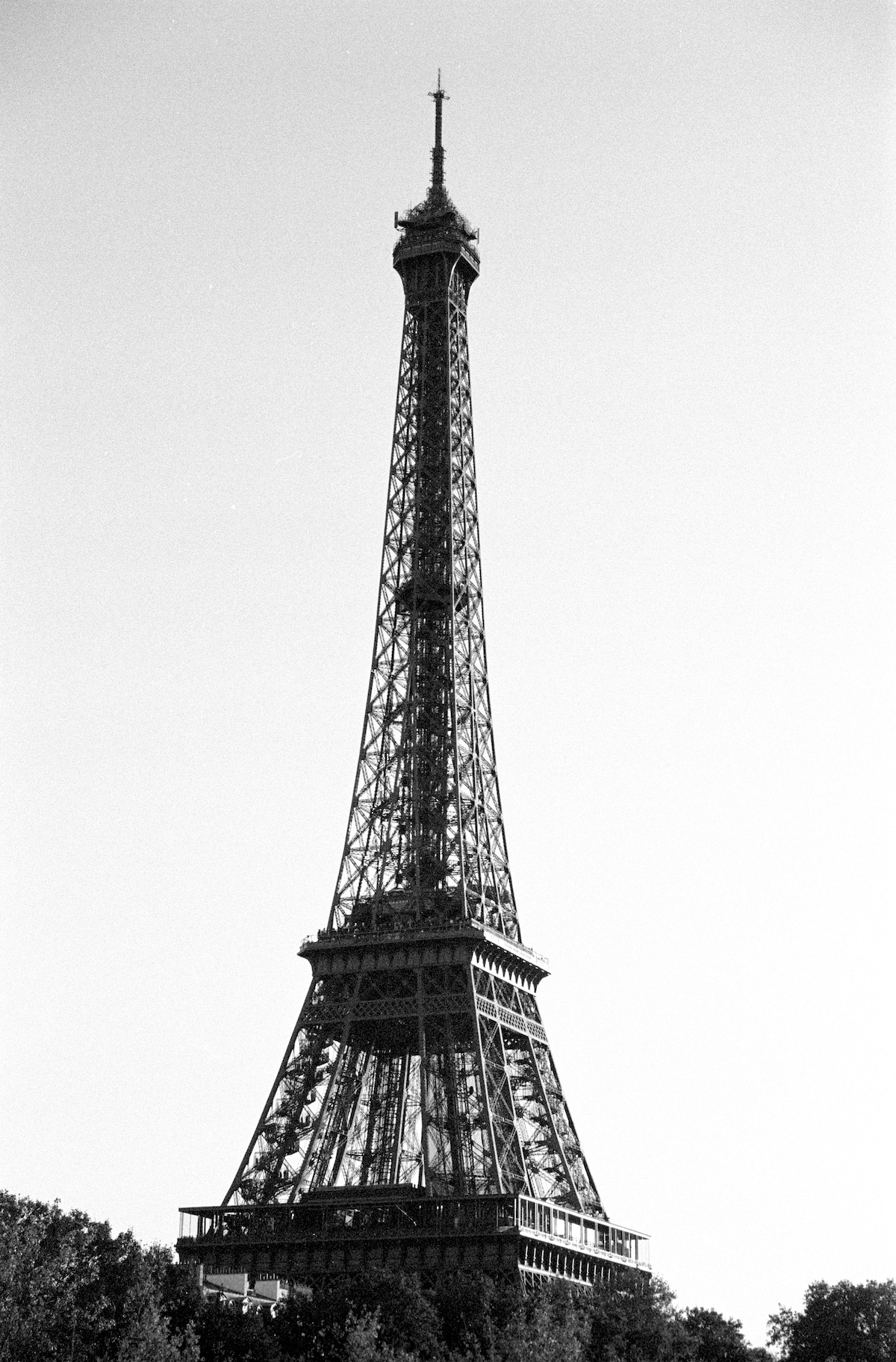
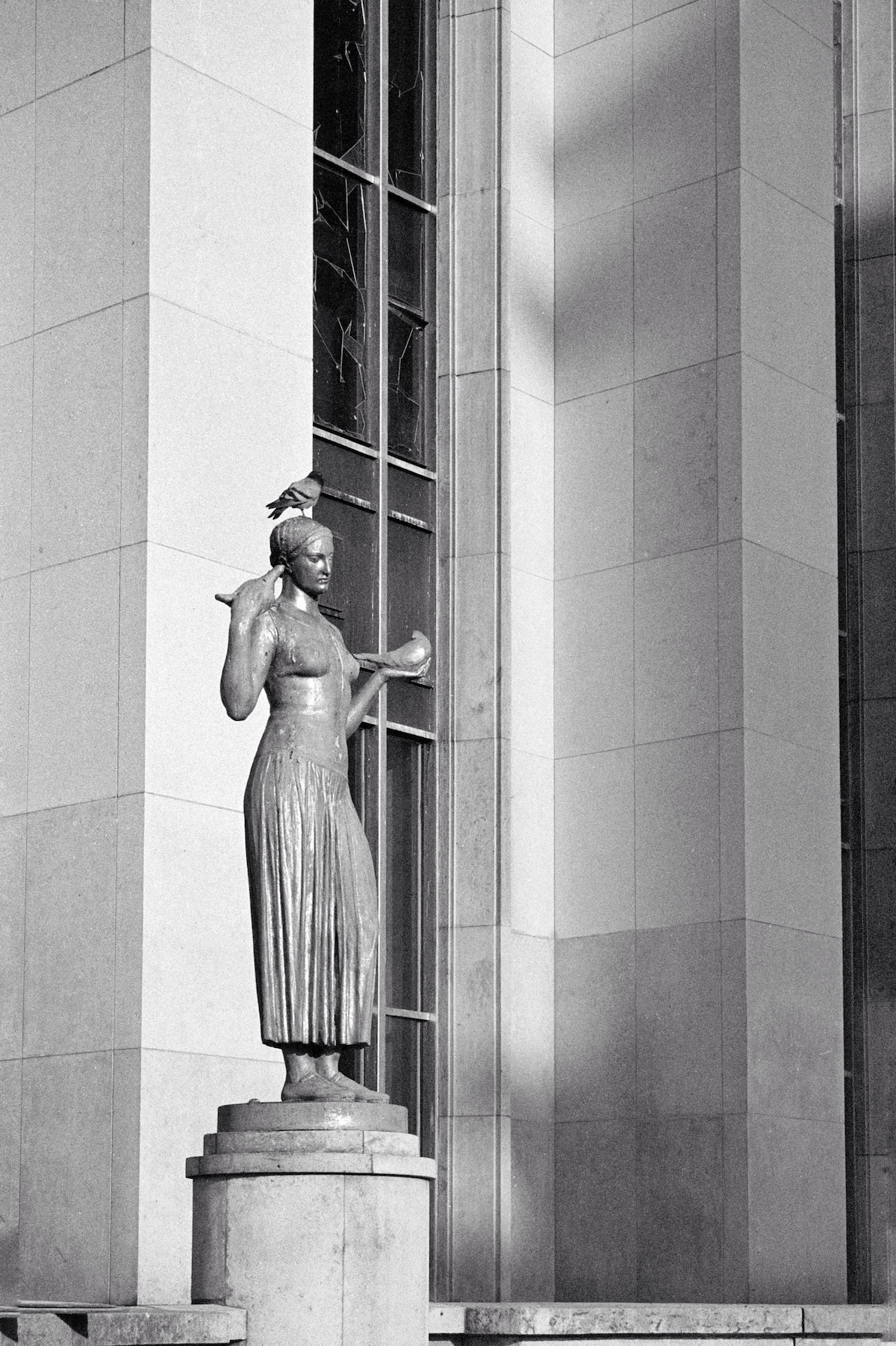
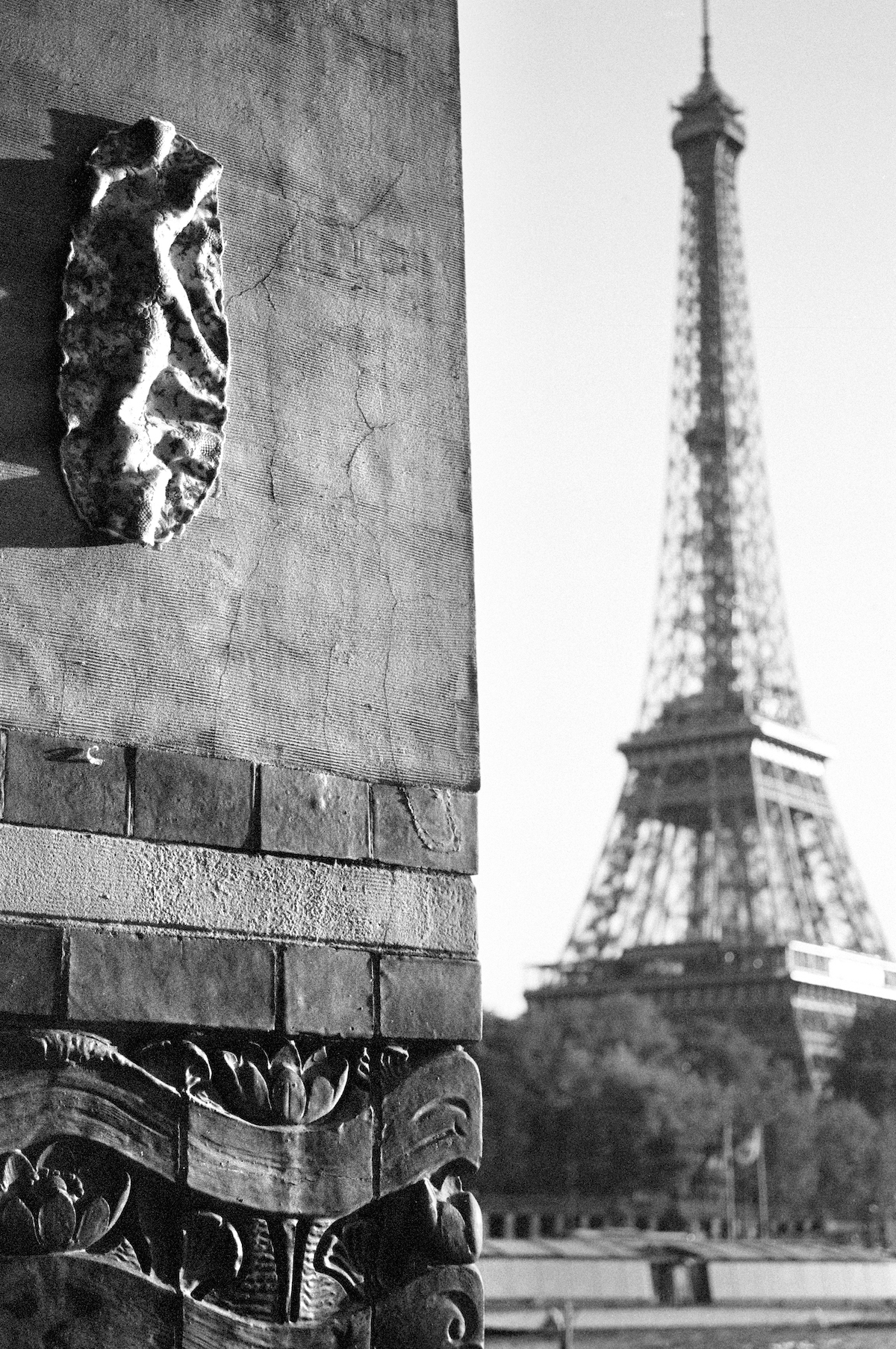
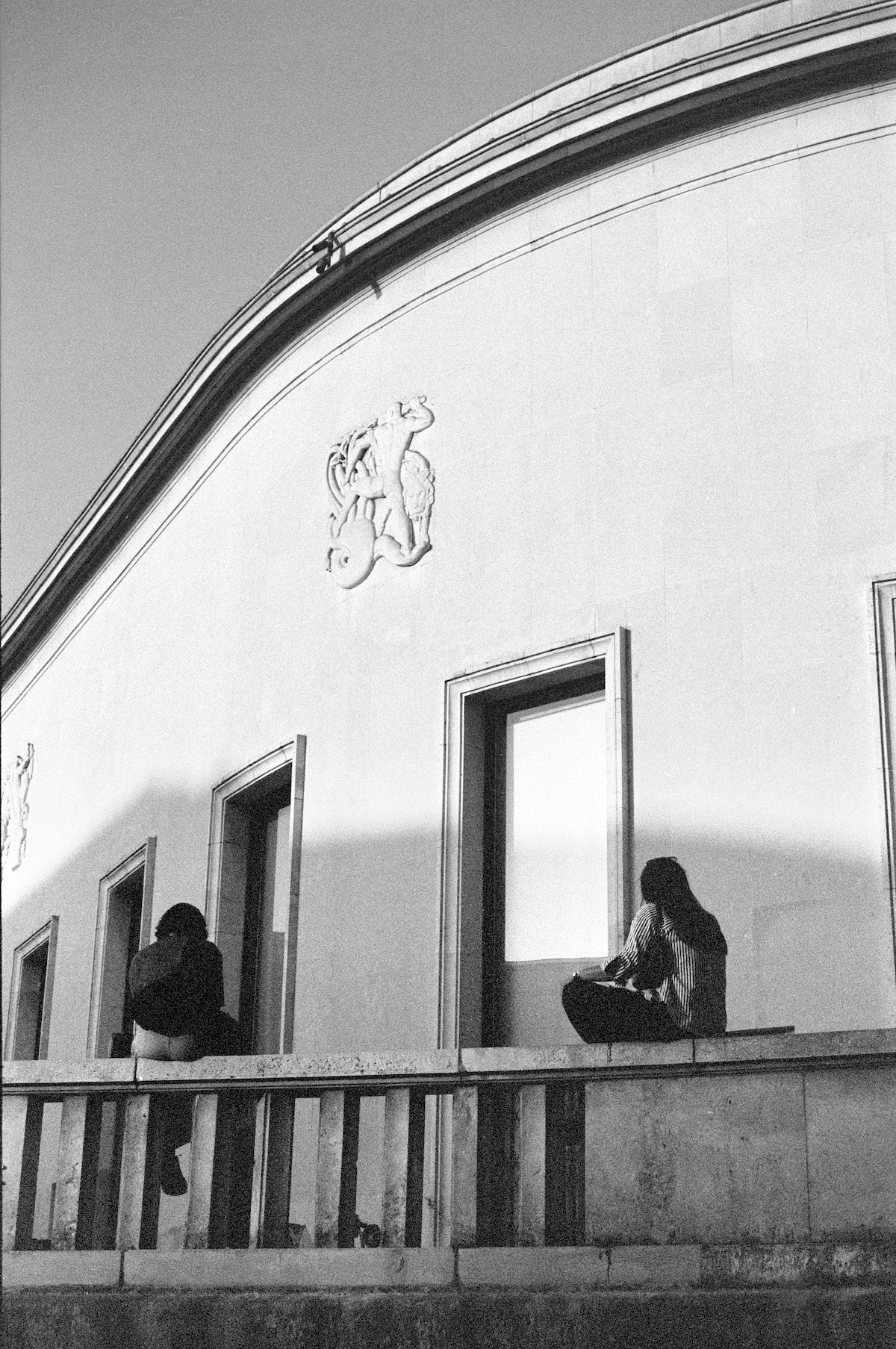
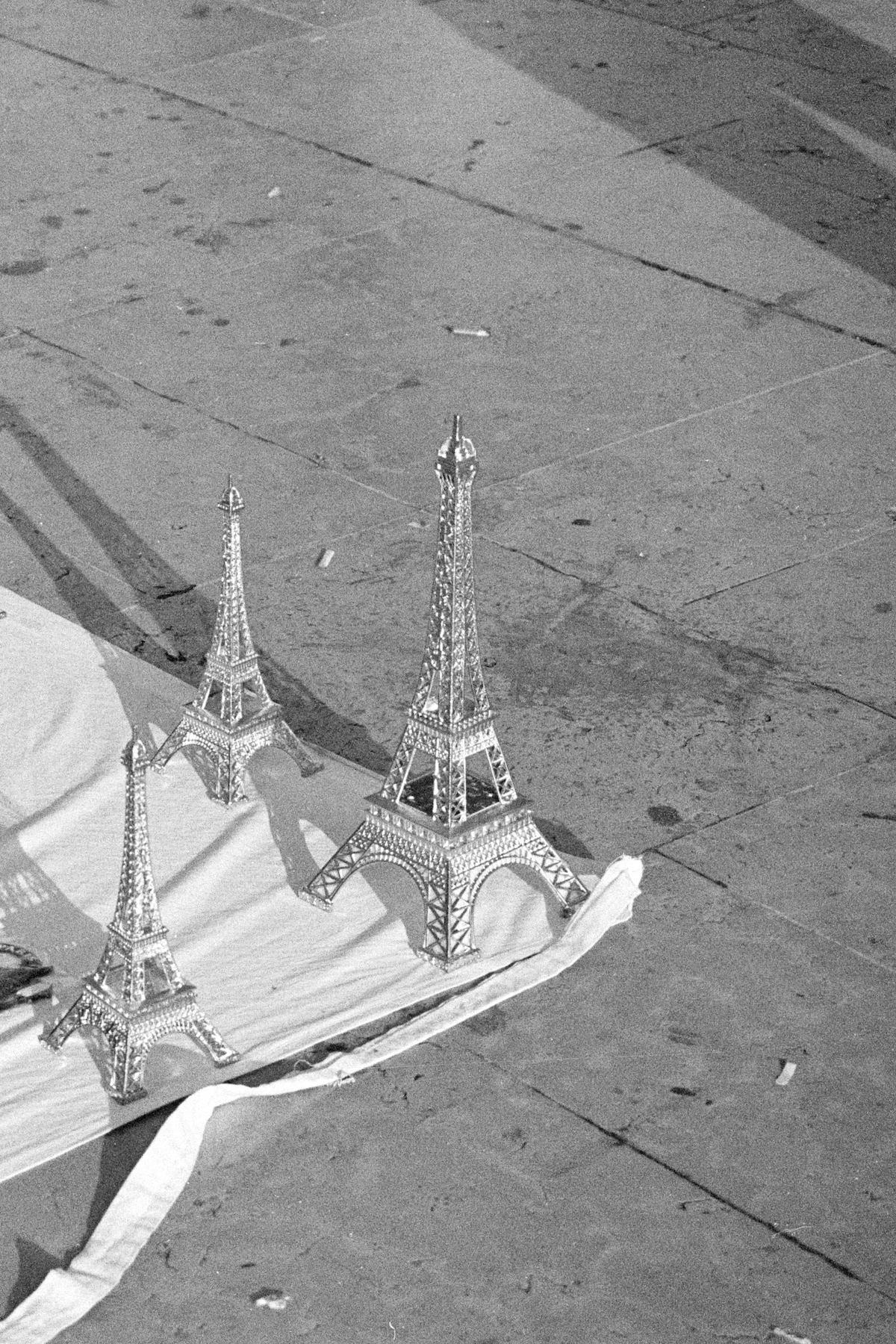
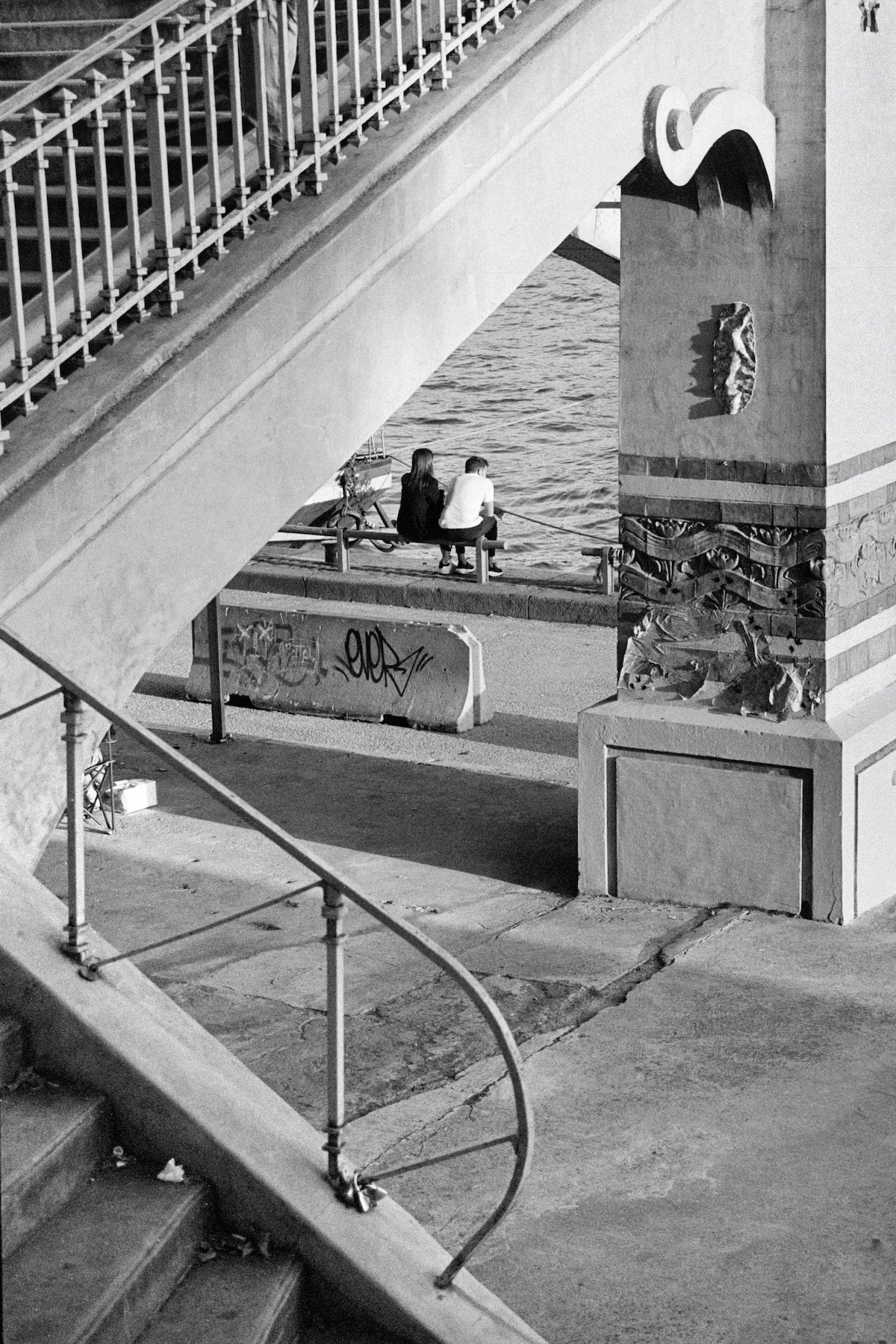
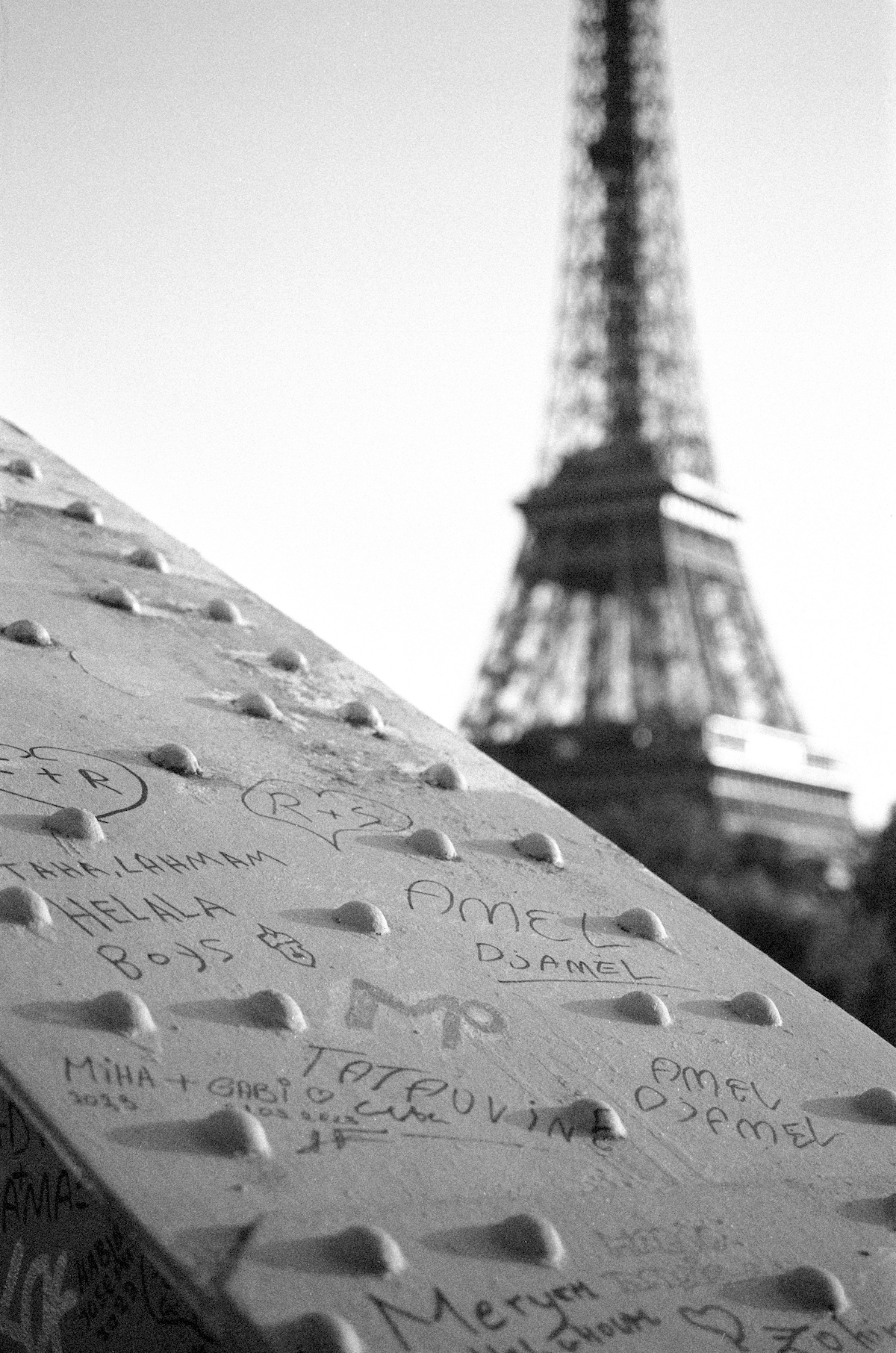
Photos taken in October 2023. Camera: Nikon F4 and Jupiter 50. Film: Kentmere 100. Processed in D-76. Scans are from the negatives.
The post Trocadéro appeared first on Pierre Killmayer.
]]>The post Minox 35 appeared first on Pierre Killmayer.
]]>
Minox 35: Size does not matter
When I was in high school, my father brought me a funny camera from his travels to Ukraine. It was a Kiev 35A, an almost perfect copy of the Minox 35 GT. It was manufactured by Arsenal in Kiev, along amazing lenses and copies; but this is a whole other article.
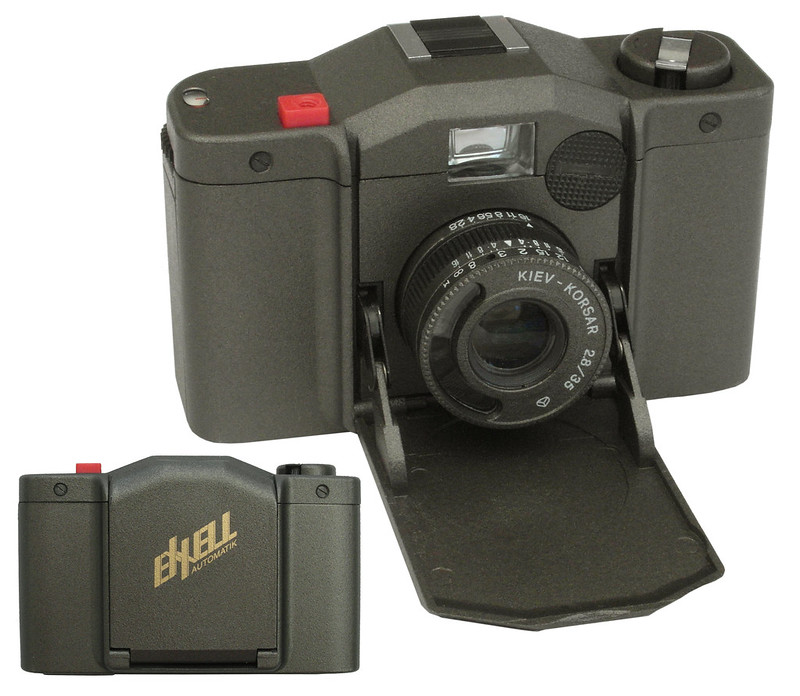
At that time, I did not know what a Minox 35 was, and couldn’t care less: I took many great photos with the Kiev. The camera was a perfect size, was easy to shoot, and the results were more than OK. I carried this tiny friend in my pocket for two years, and I truly loved it. I even made a website about it, since it did not seem to exist on the internet (remember, this was an eternity ago). But then, it stopped working, and I tried everything to revive my loyal friend. It cost around $5 in 2006, I then obtained another one and equally lead it to its death. That was it. I hid my sadness and moved on to more “serious” cameras.
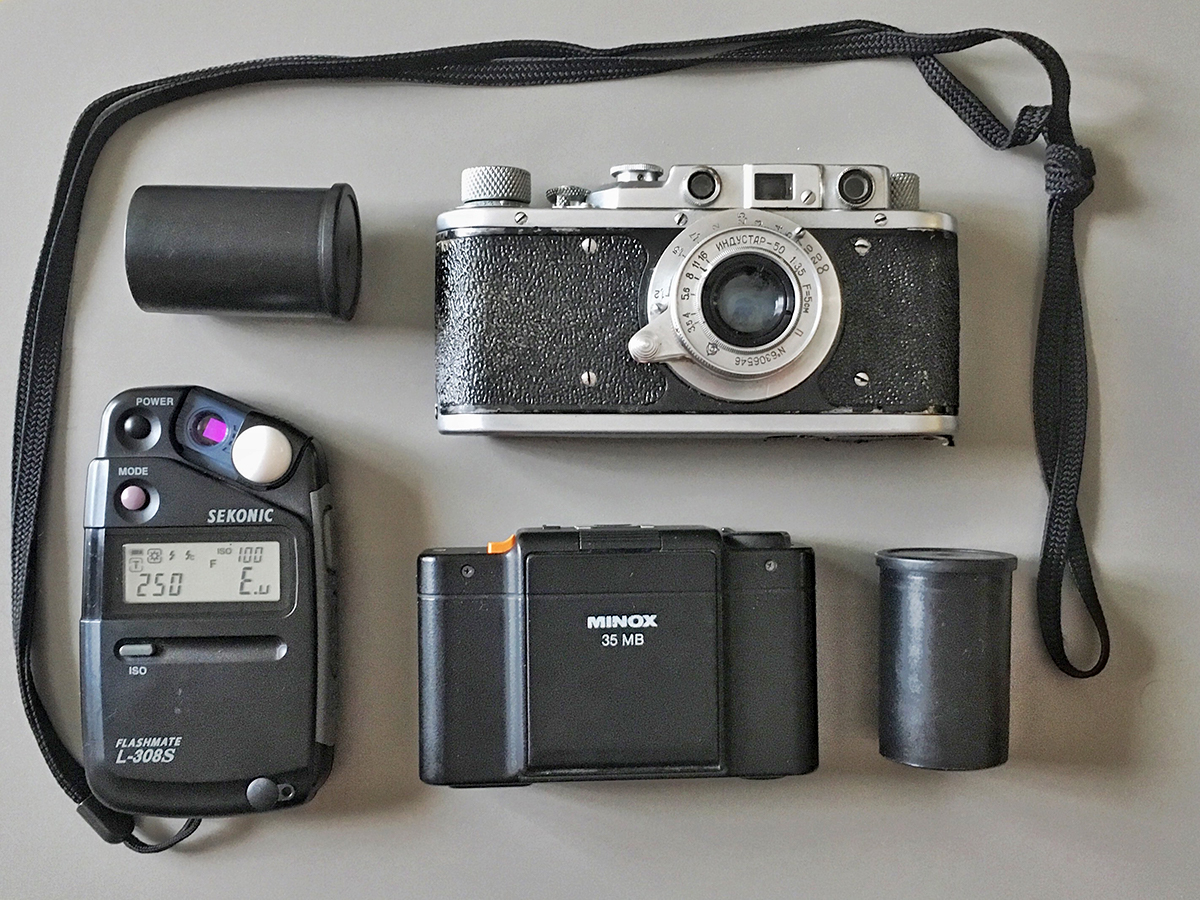
The story was, however, far from being over. In 2015, I decided to purchase a real Minox 35. I missed the versatility and packability of my late Kiev 35. I fell in love with it as soon as I received it. So much that I bought another one for my girlfriend, who never used it – I used it instead. They are – were ? – still cheap cameras and the optics are outstanding for their size.
The story
Minox, the original spy camera
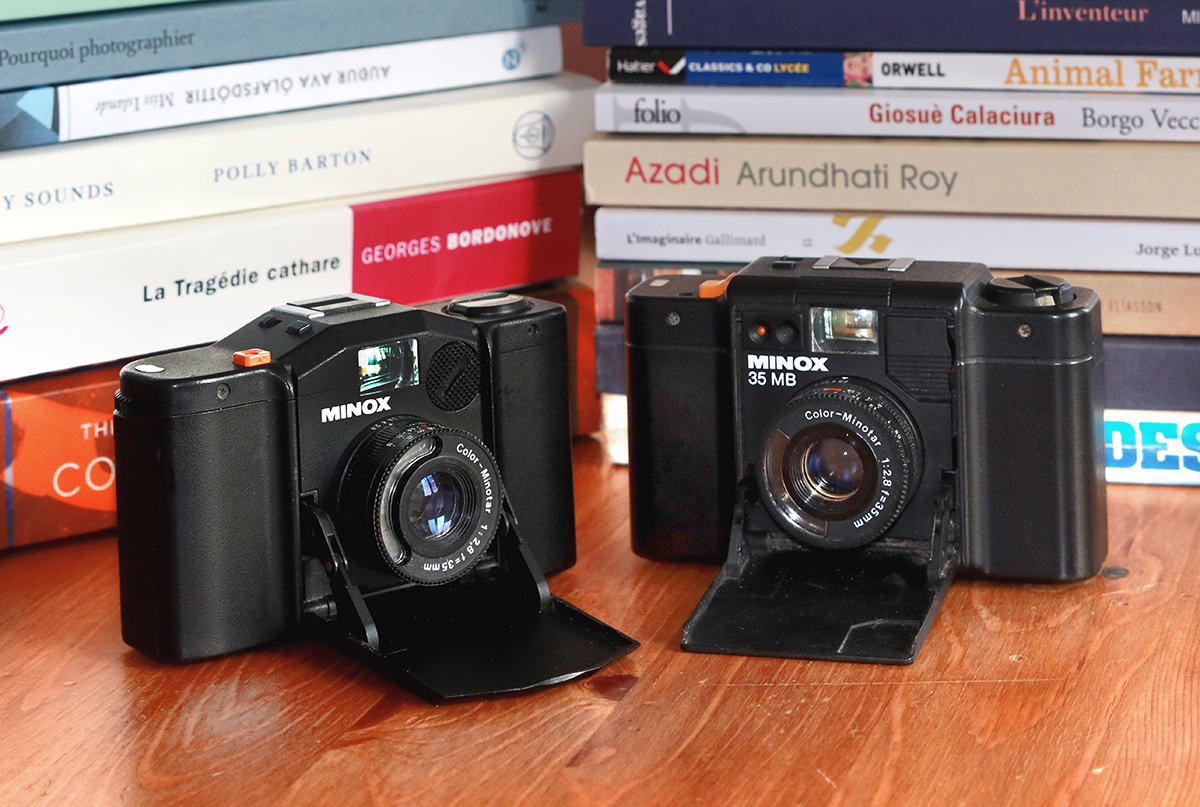
To make it simple, when Minox came out with the Minox 35 in 1974, it was the smallest 35mm film camera in the world.
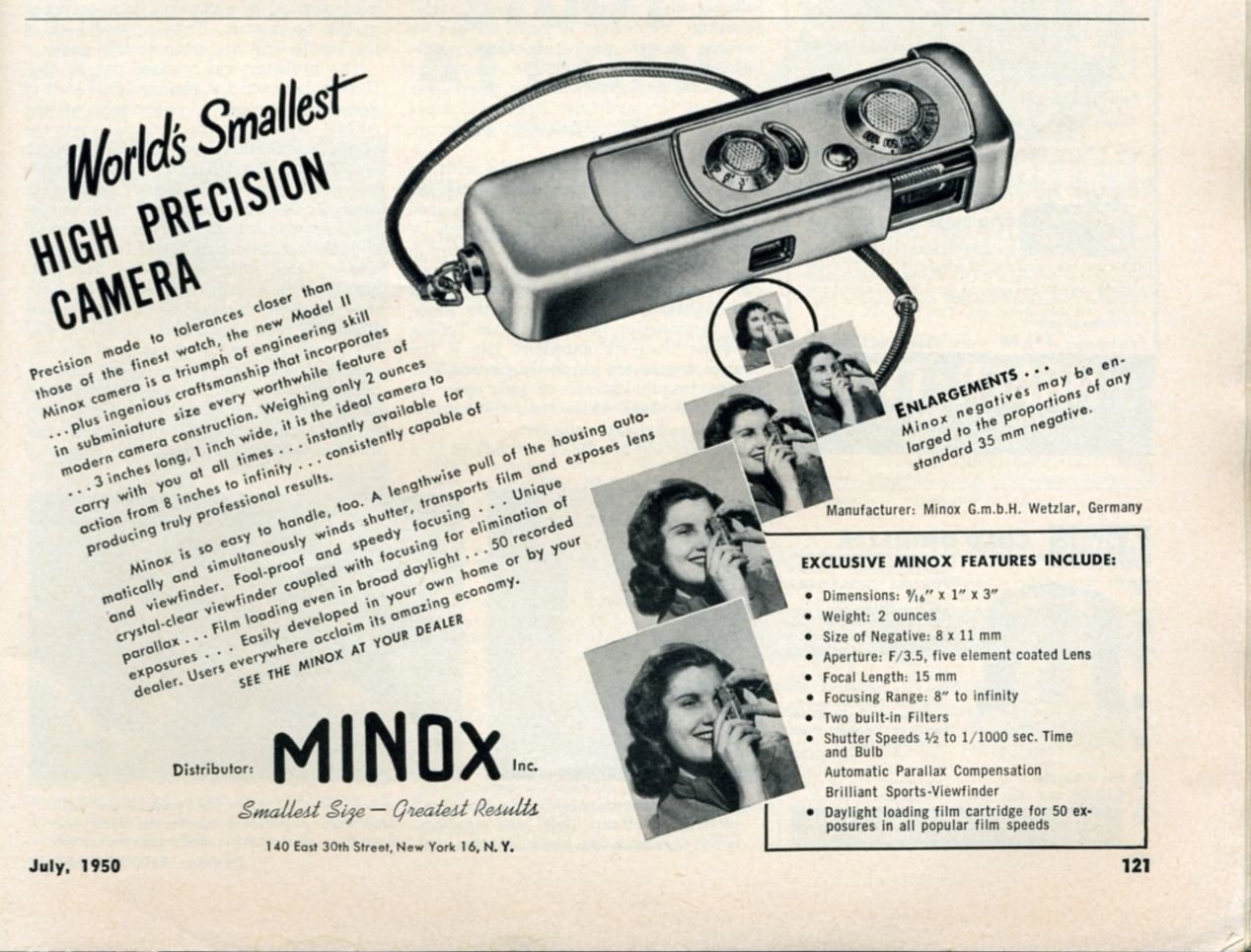
But it was not the first compact camera that Minox manufactured. The famous Minox spy camera from 1936 started the adventure. Using 110 film, totally silent, the insanely small camera could be easily hidden anywhere. It was manufactured for a long time in Riga, Latvia, and even though no spy agency stated they used their cameras – duh – the mystery behind it contributed to its success.
Minox 35 : for photo lover spies
As for the Minox 35, well, there is not much information about it. It was there to steal the world record for smallest camera from Rollei, and it did. But when photographers realized its size did not jeopardize ease of use nor optical quality, it became a decent success: the manufacturing only stopped in 1998.
This success is due to how simple it is to use. It is built in glass fibre reinforced plastic, making it super light. A drawbridge style lens cover protects the lens. The lens is a 35 mm focal length f/2.8 four-element, three-group Tessar-type Minotar/Minoxar lens. It is DAMN sharp, believe me. It exclusively works in aperture priority exposure mode and the focusing is 100% manual, you need to practice your distance estimation skills!
As for batteries, it uses PX27 type batteries, but I fit 4 widely available LR 43 type button batteries, rolled in paper and it does the trick.
Rebirth with an easy fix : Minox 35 shutter problem
But then, as I had a Minox 35 in my pocket at all time, it began to act up. As I was pulling the roll of film from the developing tank, I started to notice blank shots. At first, there were only a few, but the contamination went on. Even though I was trying to convince myself it must have come from the photographer – this is how bad my self esteem is – I had to face the terrible reality: I could not trust my camera. And a camera without trust is like an annoying uncle. Always nice and fun, but out of nowhere comes a non-politically correct take that embarasses you forever. You know what I’m talking about.
I started to avoid my uncle, uh, my camera and it got eventually stored away.
As I was looking for a compact and easy to use camera, my ageing brain suggested me the shameful Minox 35. I decided to stop whining and act. I then looked for a way to fix it. Found out this problem was actually a shutter misfire, and a lot of people complained about it. After trying several operations, I found THE solution, in this Flickr thread. Please read it if you have the same shutter problem.
Long story short, unscrewing the two screws circled in blue and sliding the whole bracket up or down will adjust the lever shutter. By doing so, you will make sure the lever goes to the end and actually triggers. You can then screw tightly, and voilà !
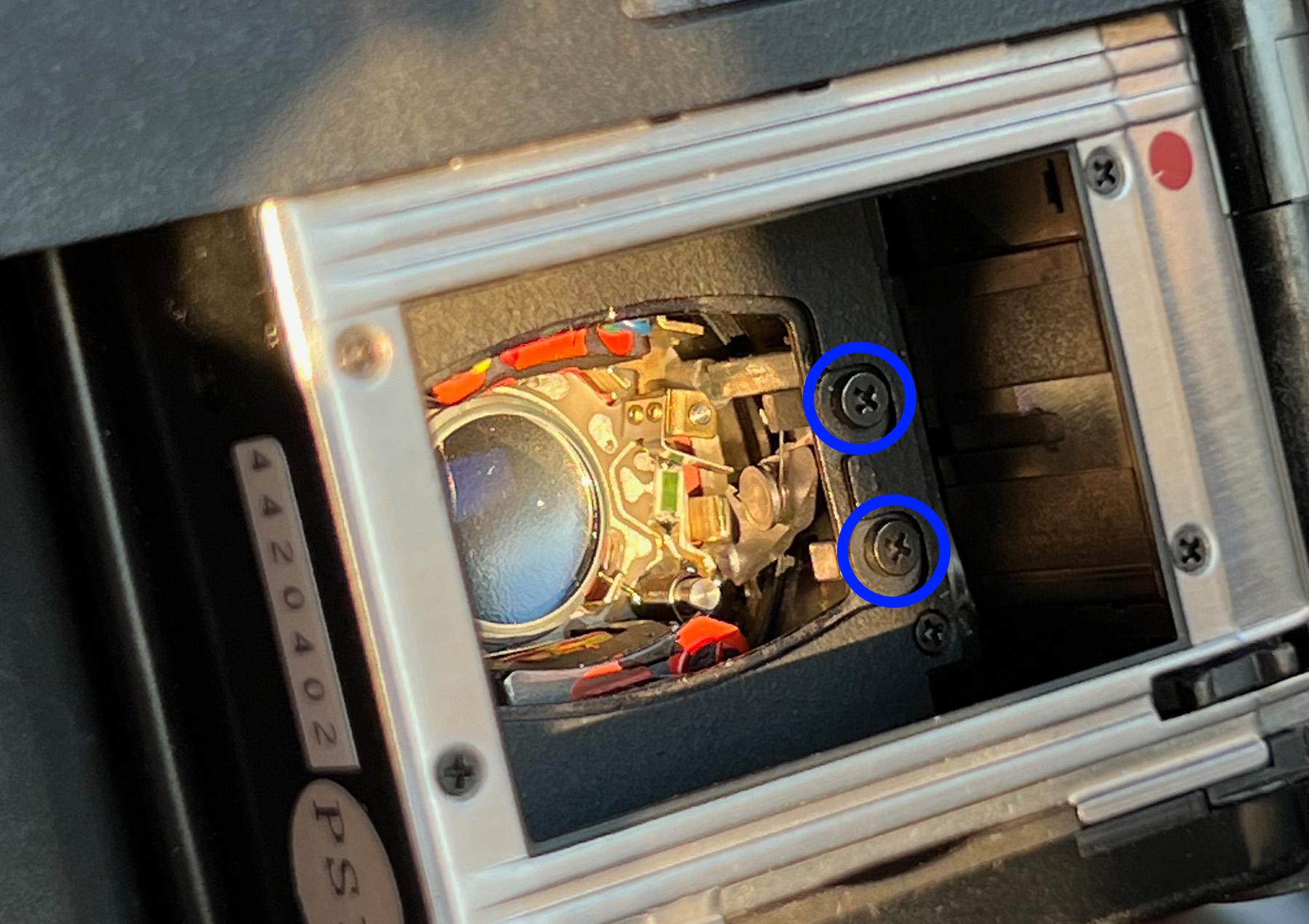
The shutter system will be different on Minox 35 MB, Minox 35 GT, or other Minox 35, but the lever bracket will work in a similar way. Since then, I had zero problems and the Minox is back in my pocket.
I did not fix my problematic uncle but I have a working camera. What about you?
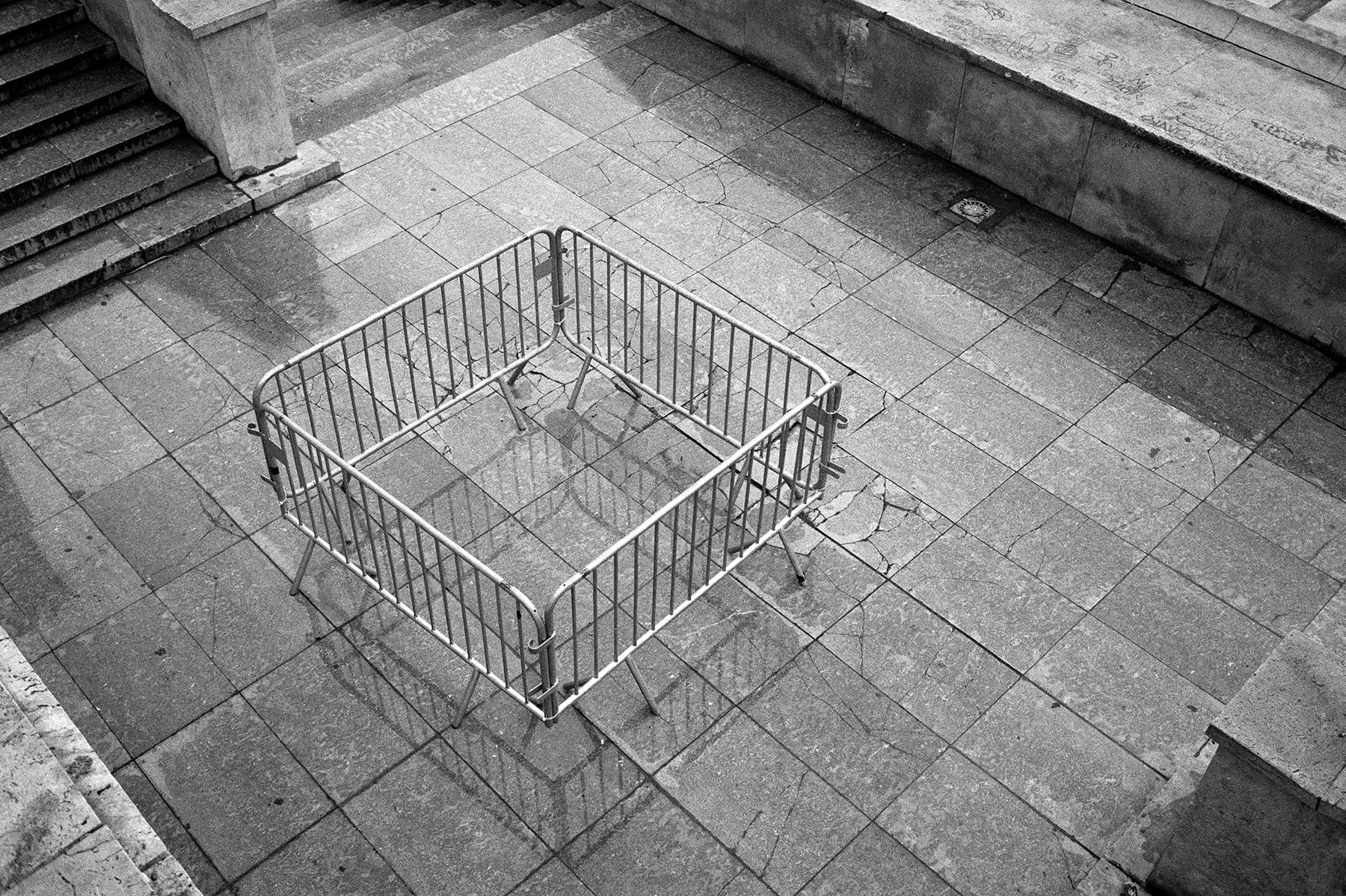
Well, you got it by now: I highly recommend having one of these, even as a backup camera!
What about some pictures?
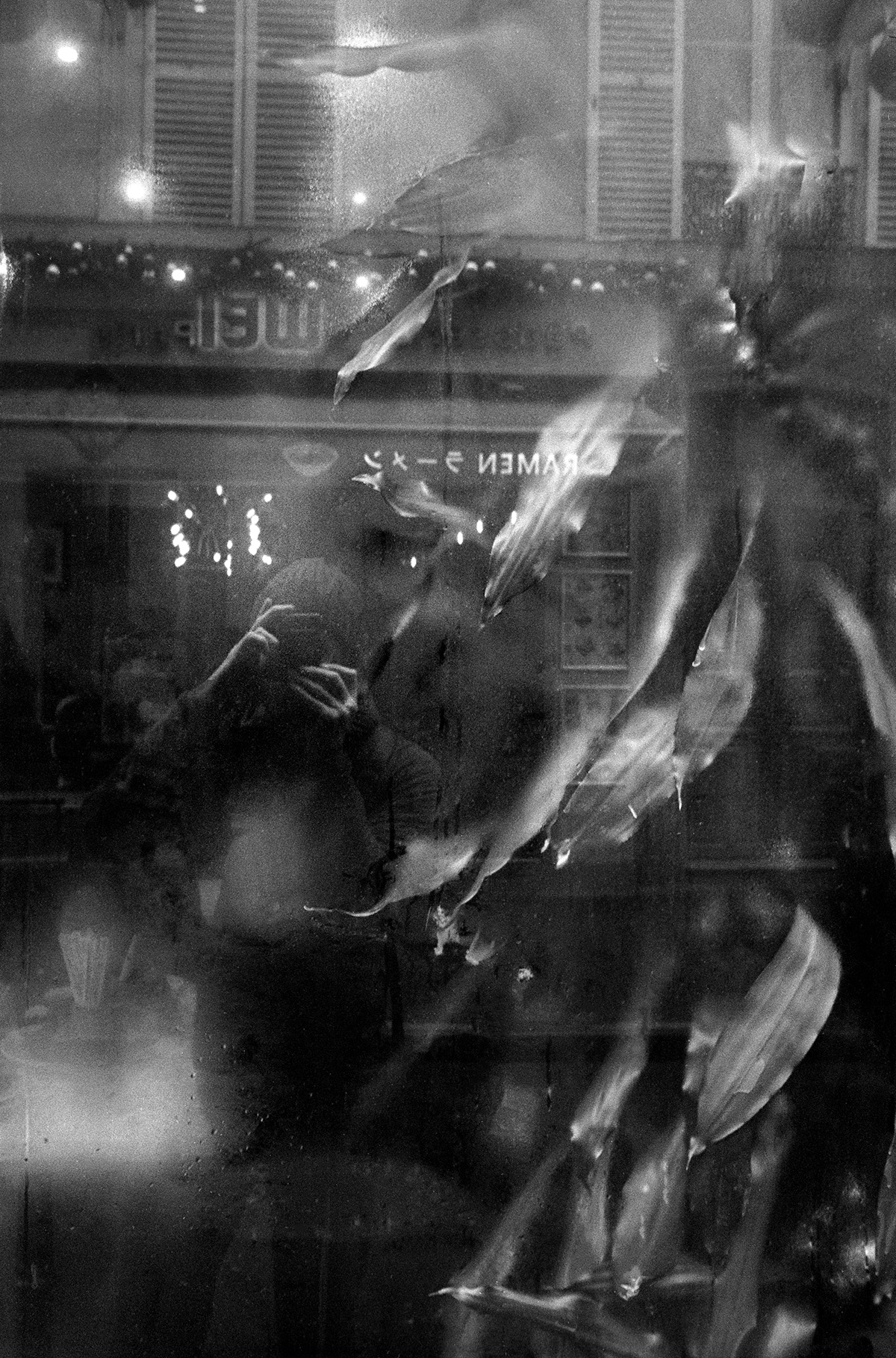
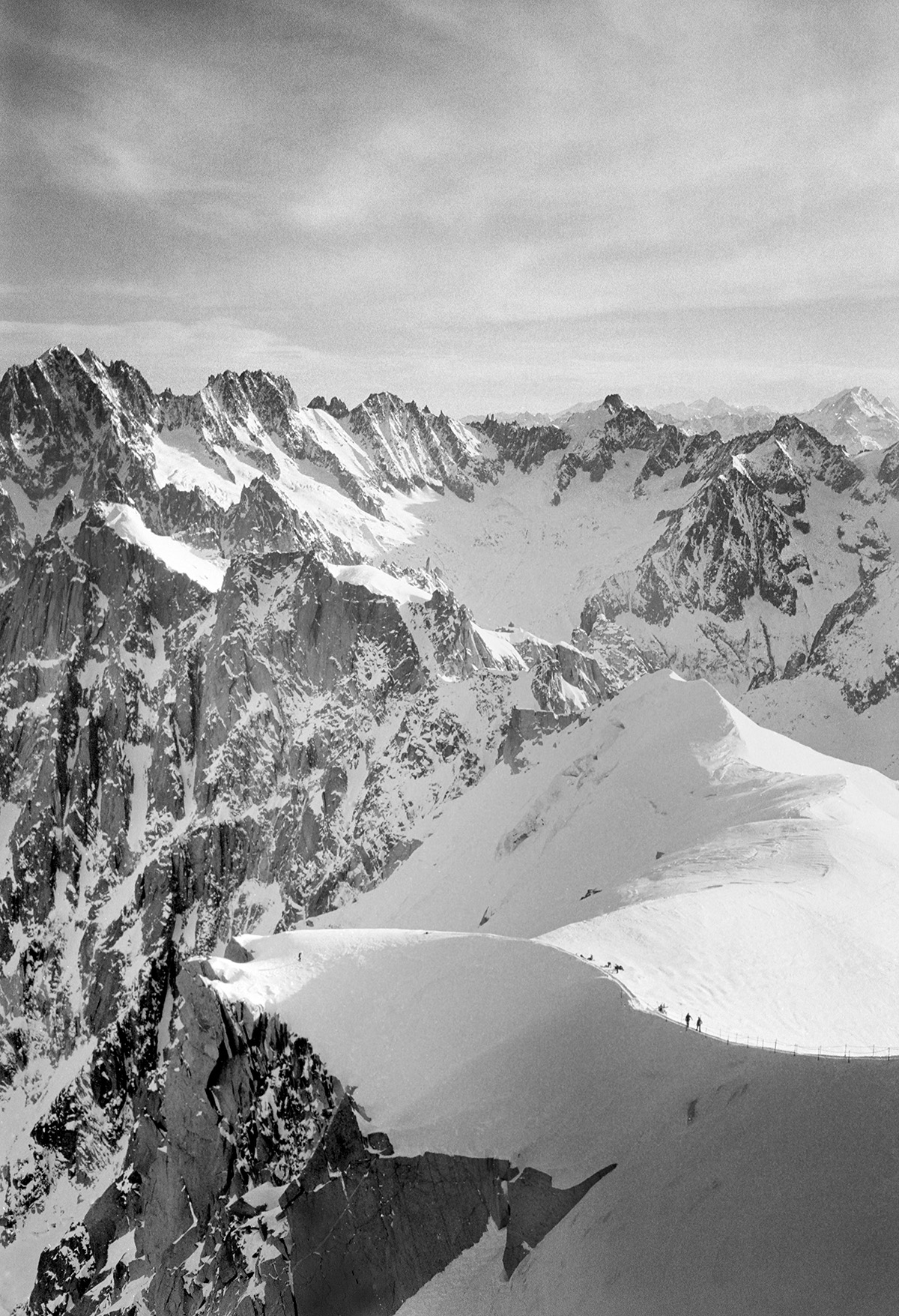
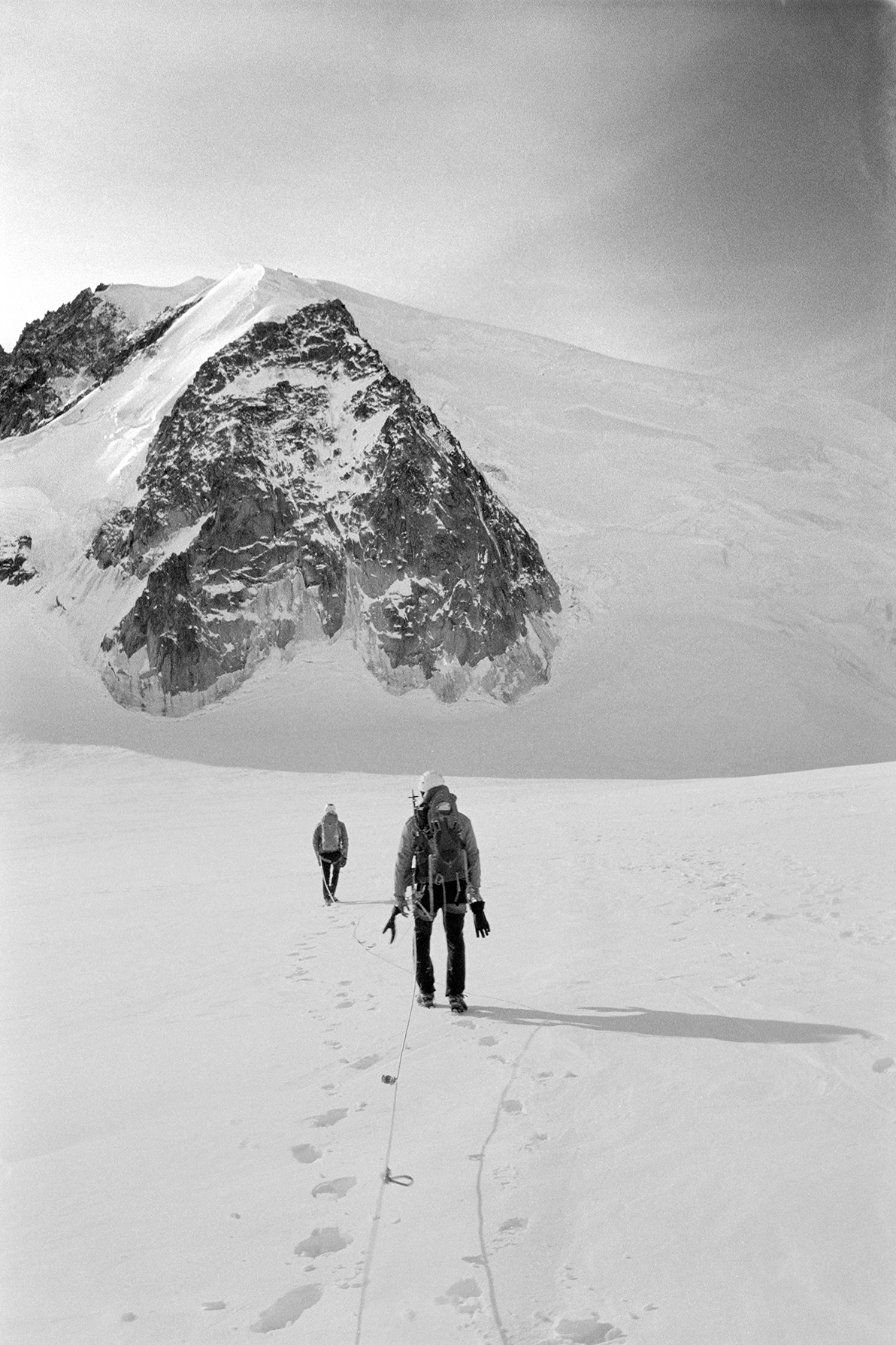
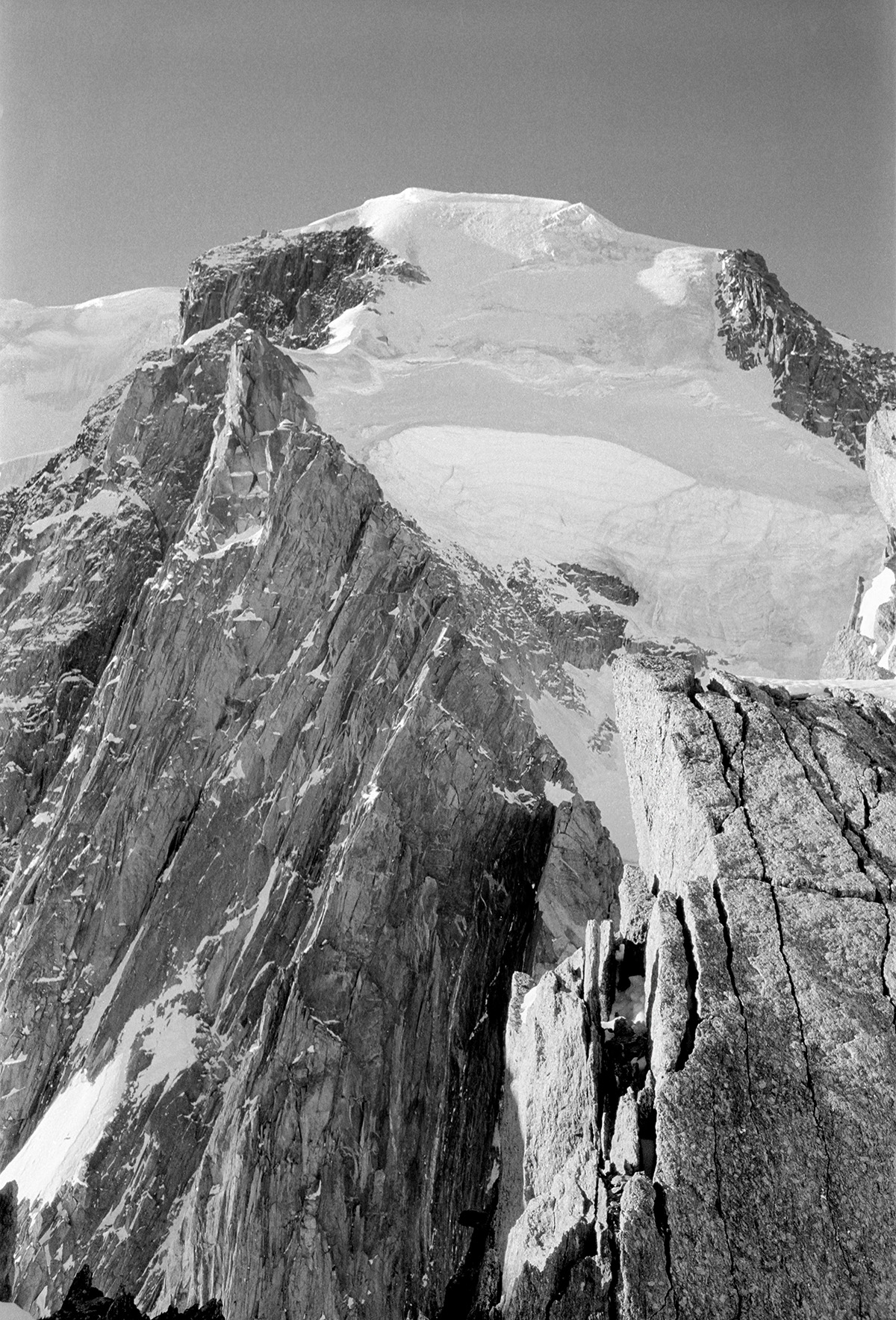
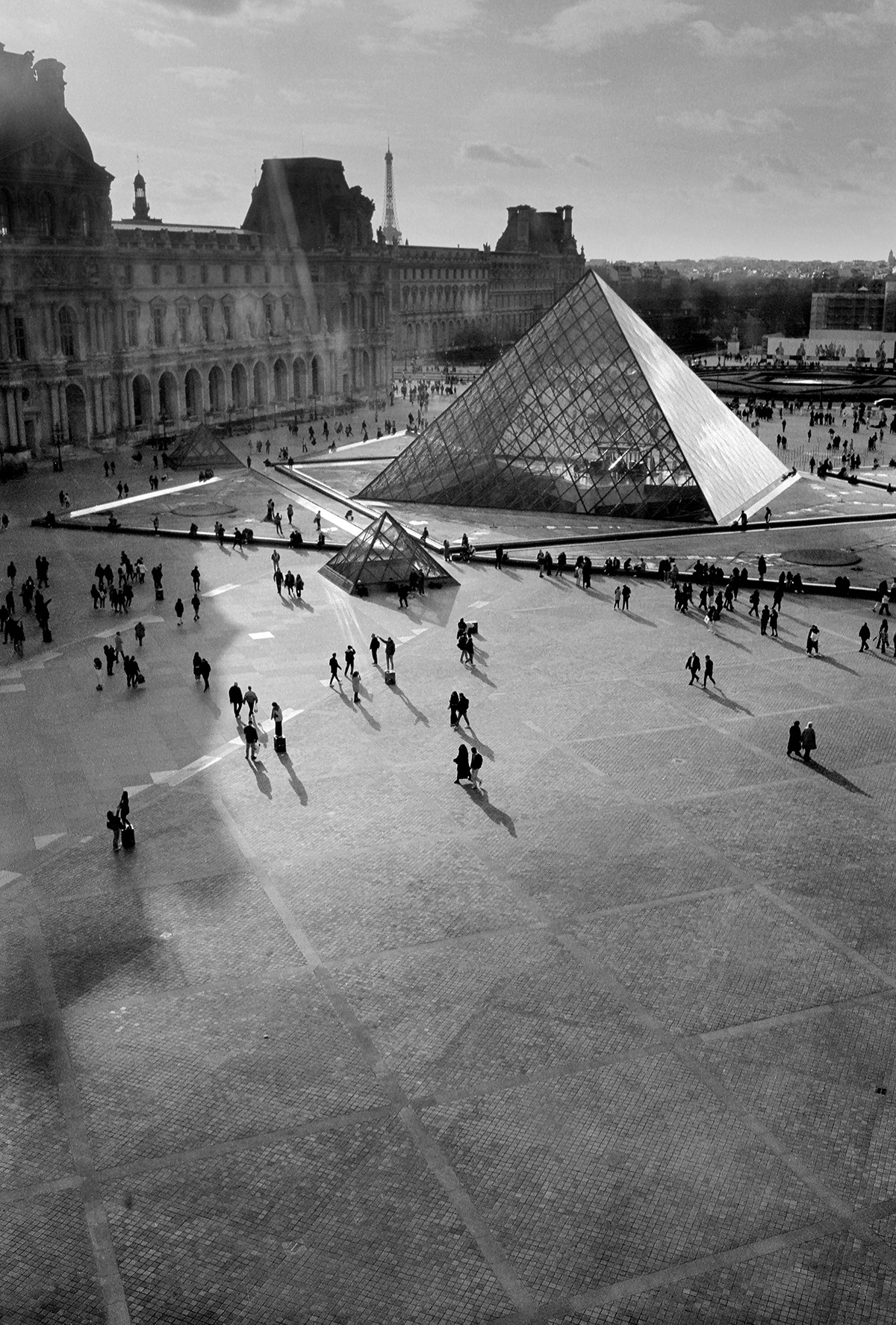
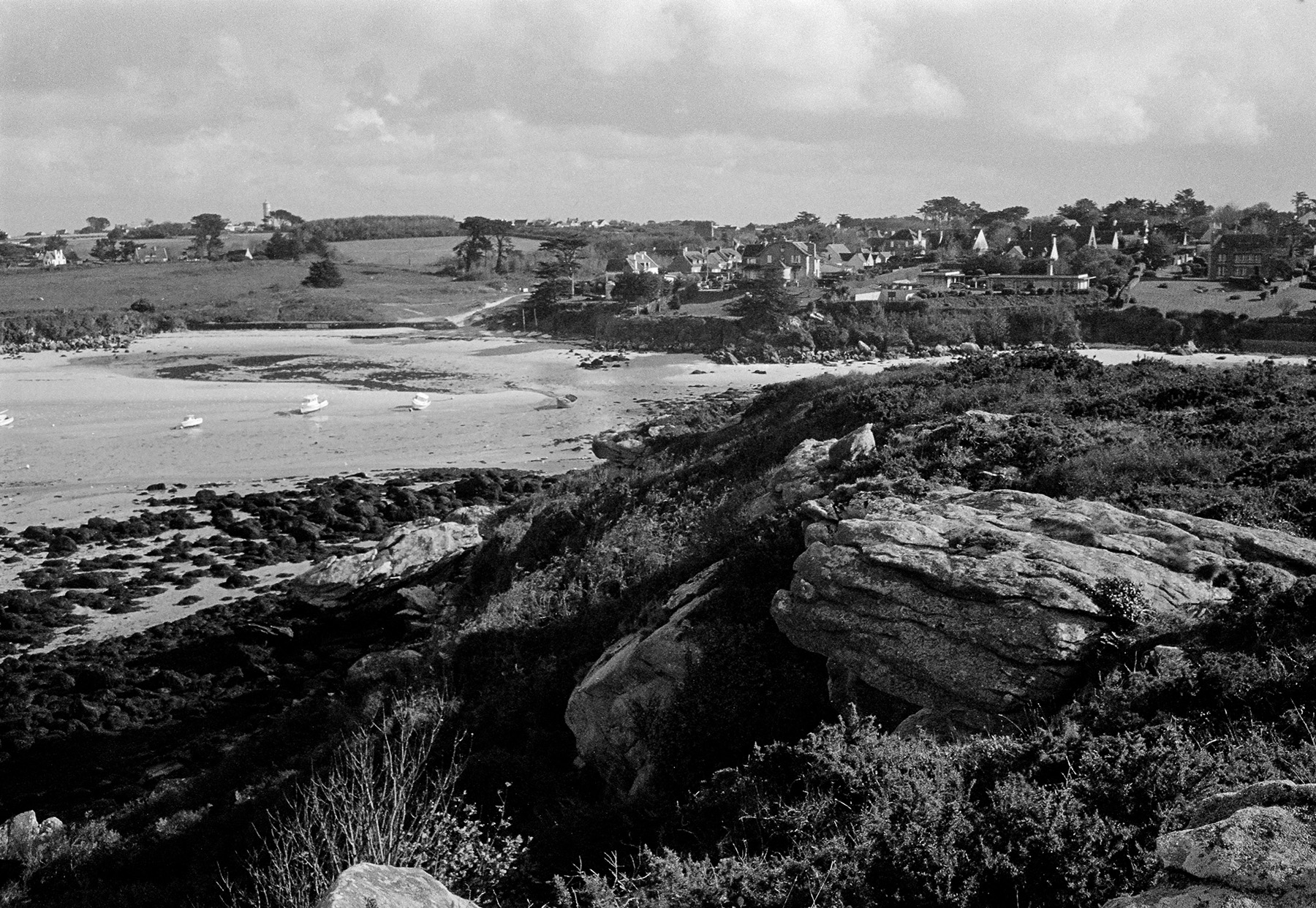
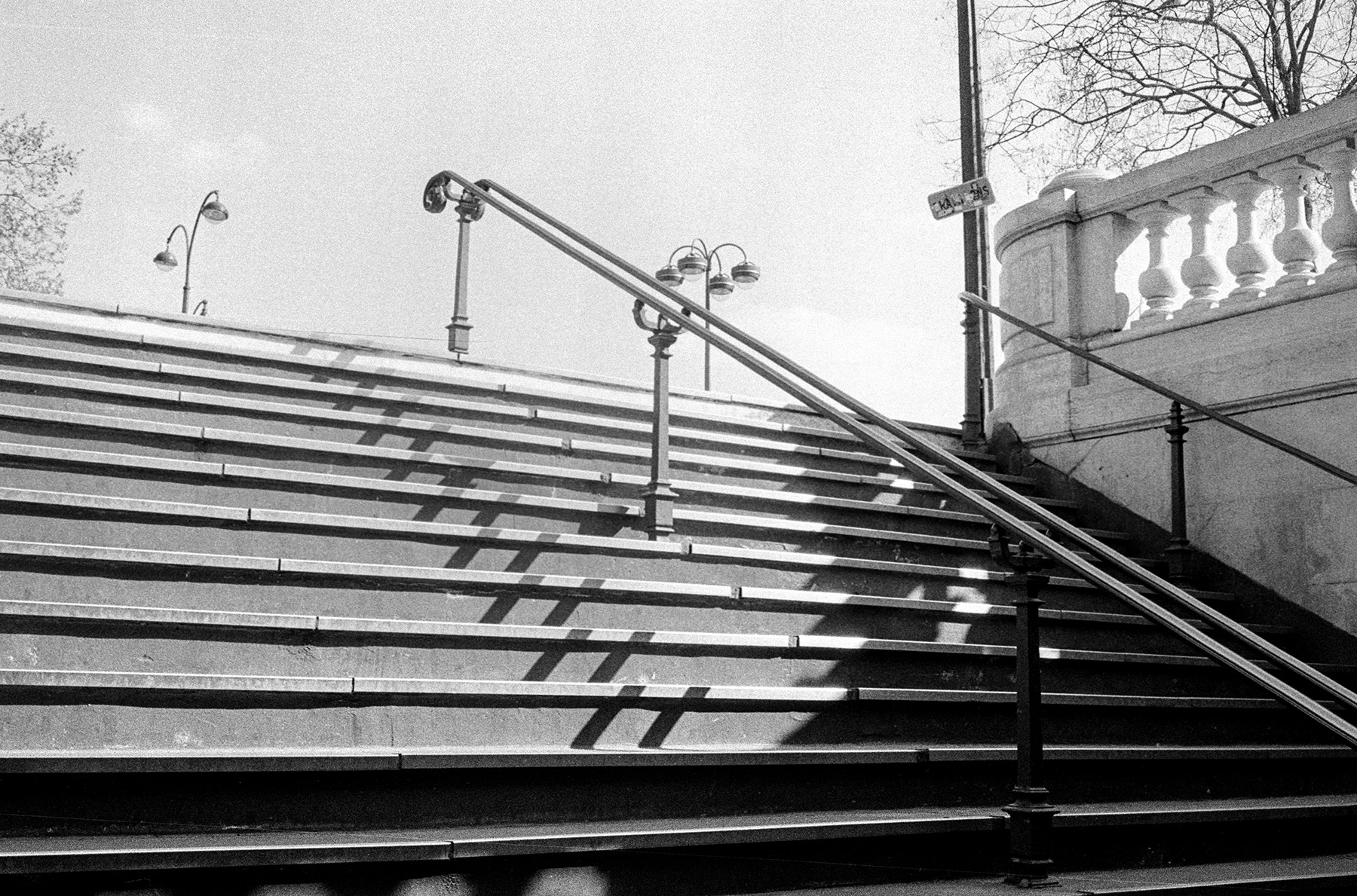
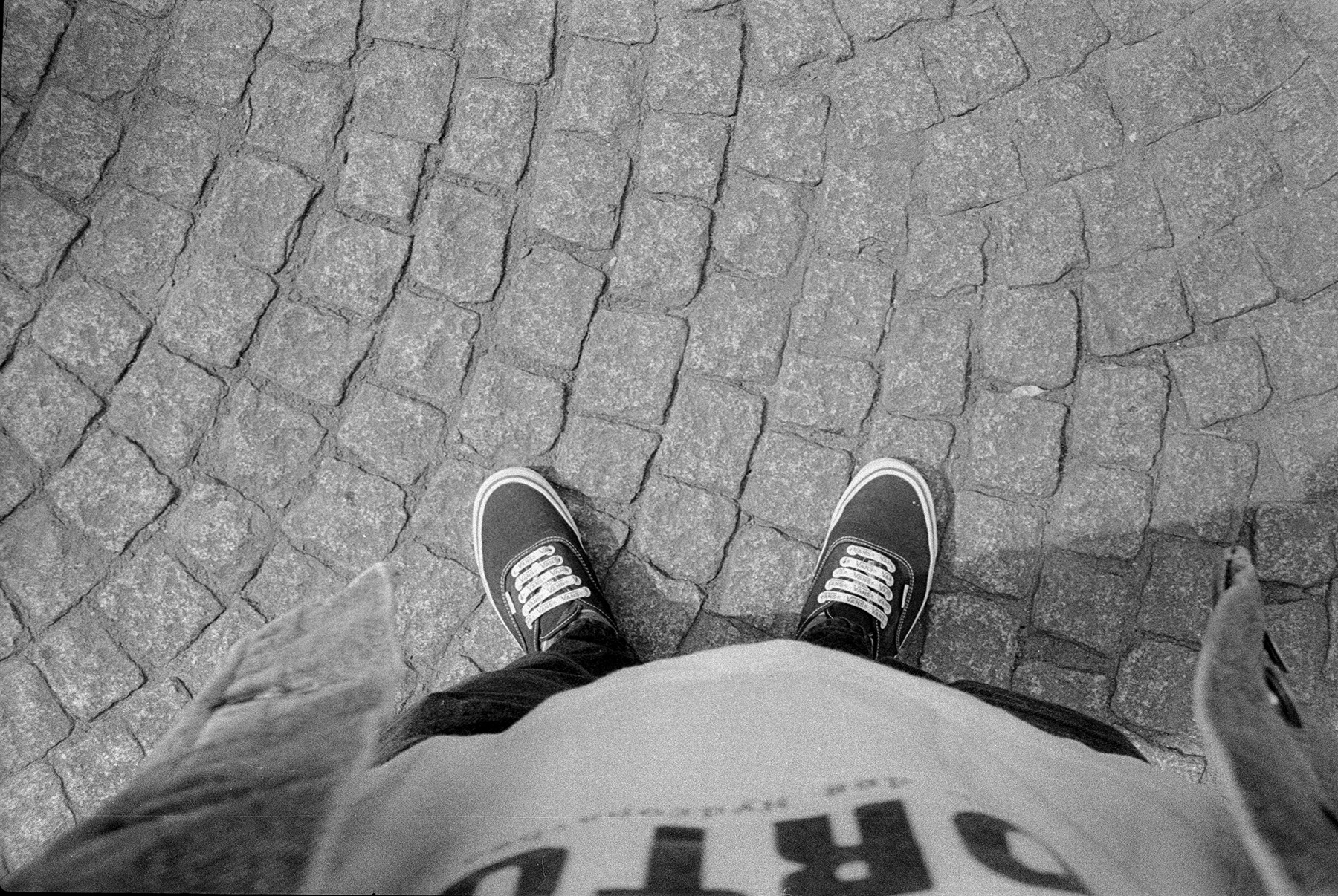
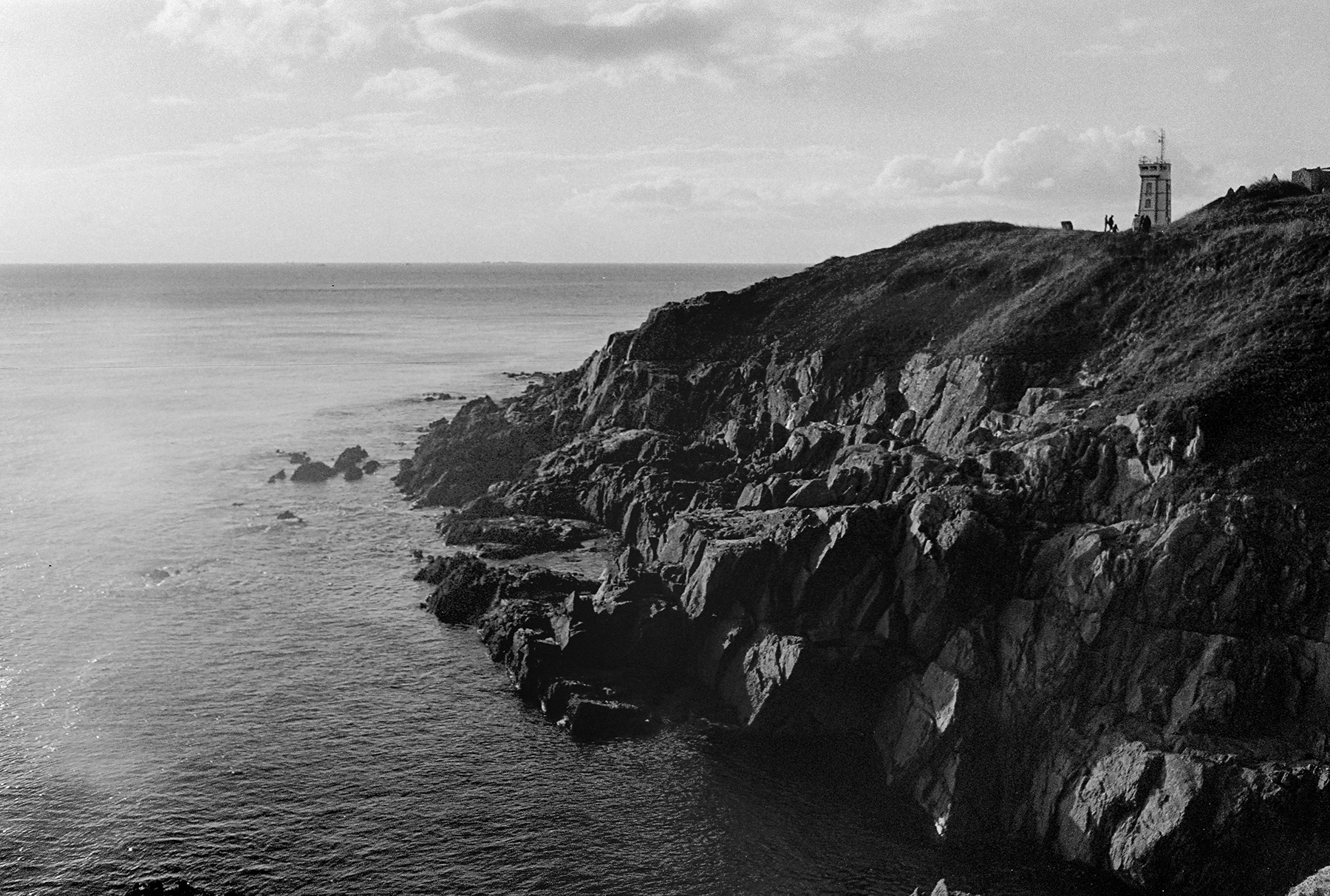
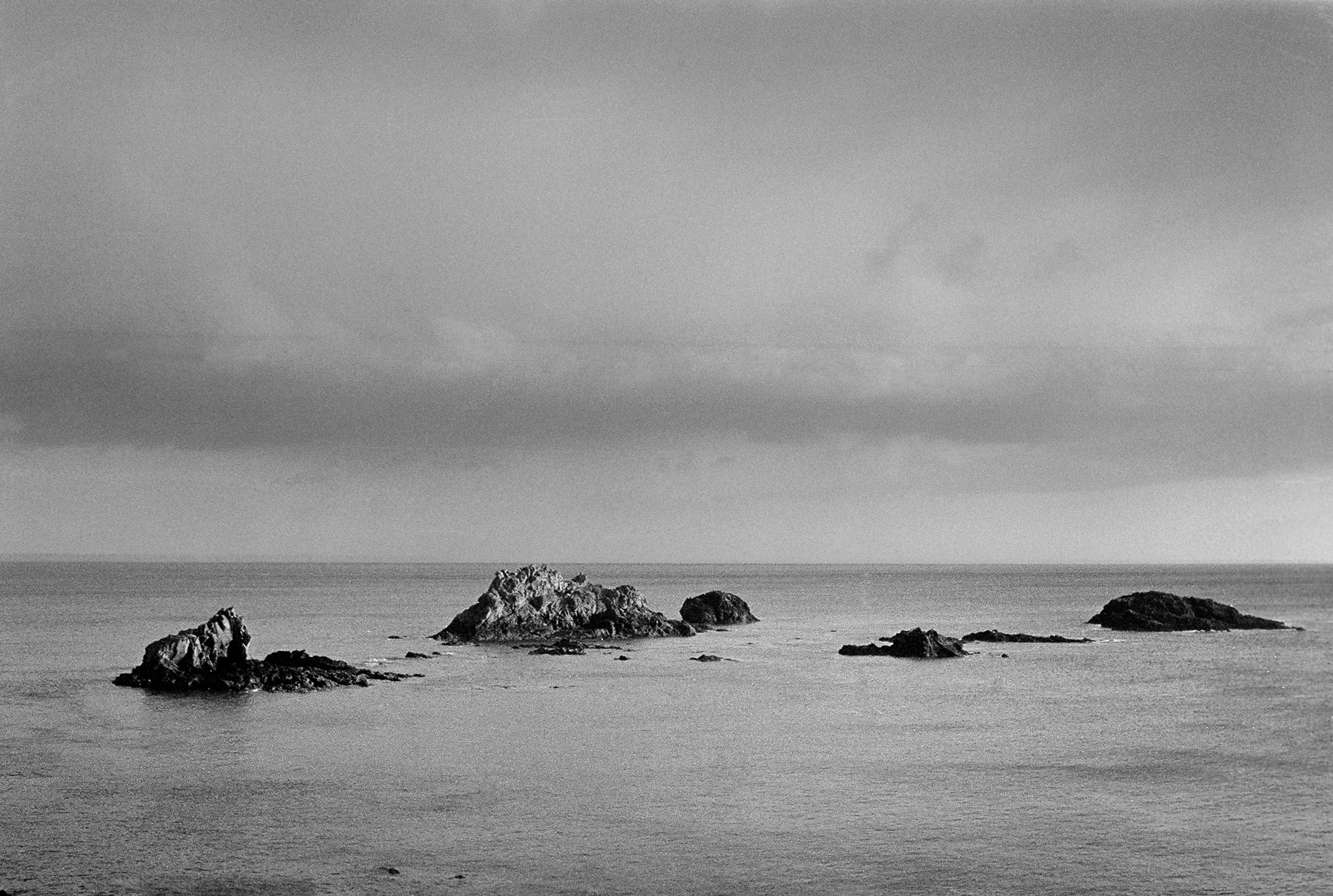
Photos taken with a Minox 35 MB, on various films (Kodak TMAX100 for the mountains ones, Rollei RPX100 for the others), processed in D-76 at 1+3 dilution, scanned with a Reflecta RPS10M
The post Minox 35 appeared first on Pierre Killmayer.
]]>The post Underexposing XP2 on an Ilford disposable camera appeared first on Pierre Killmayer.
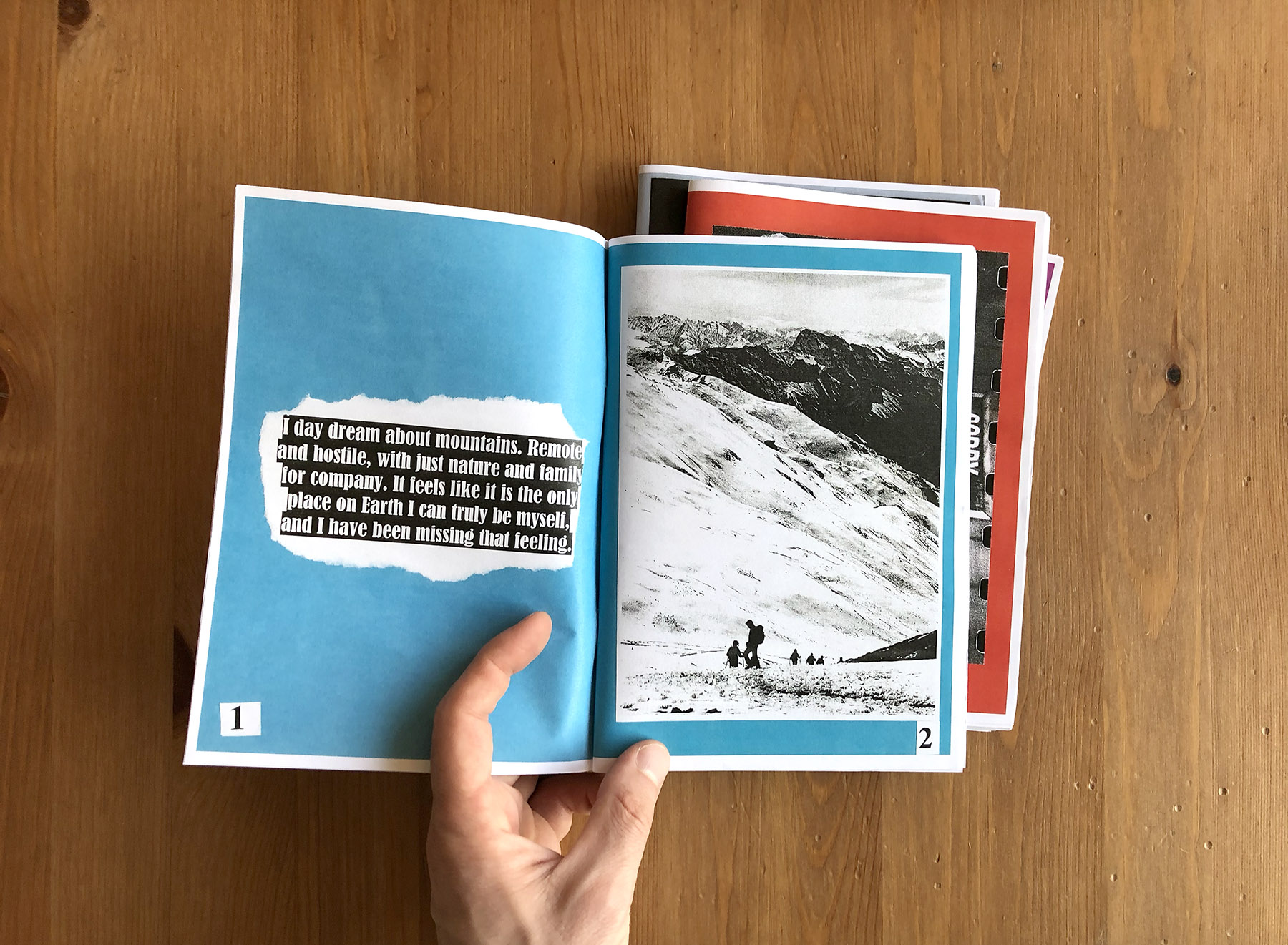
]]>Quarantine hit in March 2020. Not long after, I started to contribute to an analog photography zine launched by a few dedicated Twitter users: The Quarantine Zine. Every month, the team picked a theme. Anybody could submit a photo and a caption. Those contributing received a printed version by mail. Holding this physical object that gathered points of view from all over the world helped me get through lockdown. We were all in the same boat.
Besides, it is a great use of Twitter and the Internet in general. It shows how dedicated the online analog photography community is. I cannot thank Daniel Tim and Dan K enough. They started this whole adventure, and got me onboard.
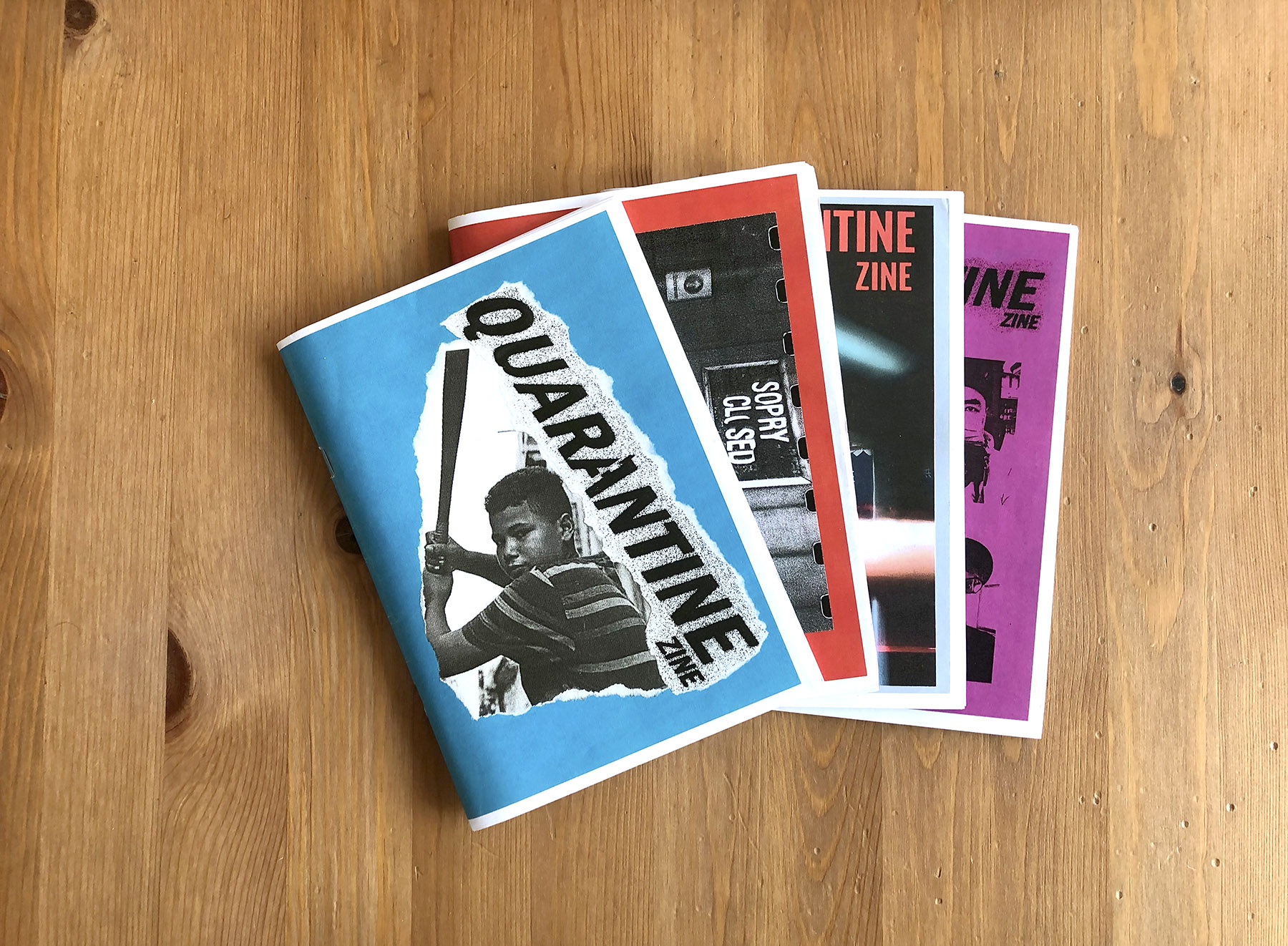
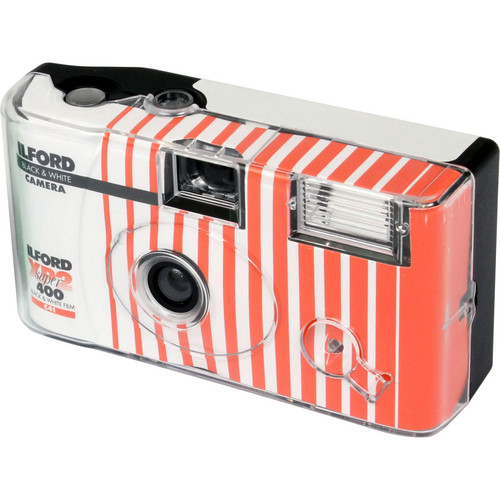
In November 2020, after a marathon of lockdowns, I received a Twitter notification. I had been picked out of the Quarantine Zine community and won a giveaway prize from CameraFilmPhoto, a great photo lab and store from Hong Kong. The gift consisted of an Advent calendar, containing a new film or accessory to discover every 2-3 days. Needless to say, the prize is a magnificent idea, and I am still wondering how other stores did not get ahold of the concept. Anyway, one of the little doors contained a Ilford disposable camera. It was loaded with Ilford XP2 Super 400, a black and white film designed to be processed in C41. After the Nikon F4 in the last article, or my beloved Hasselblad, it sounded fun to try a disposable camera. At least it prevents me from boring you with technical details as I usually do. One speed, one aperture, no focusing, one flash and that is all there is to say.
A rainy January day
It was the end of January. Debilitated by the too familiar walls of our small Parisian apartment, we decided to go for a hike in the forest, despite the icy rain. The little disposable was sitting on a shelf, untouched, probably jealous of the attention I was giving to its peers. I shoved it in my backpack. However, I forgot one major detail: there is only one shutter speed, made for sunny days, and the weather promised very little light. The film would come out underexposed by a lot, and oh boy, it did… That was not super clever of me: the negatives are so light it’s hard to see any image. Nevertheless, it gives the series a grainy look that matches the mystic atmosphere of the dark and misty woods.
The results
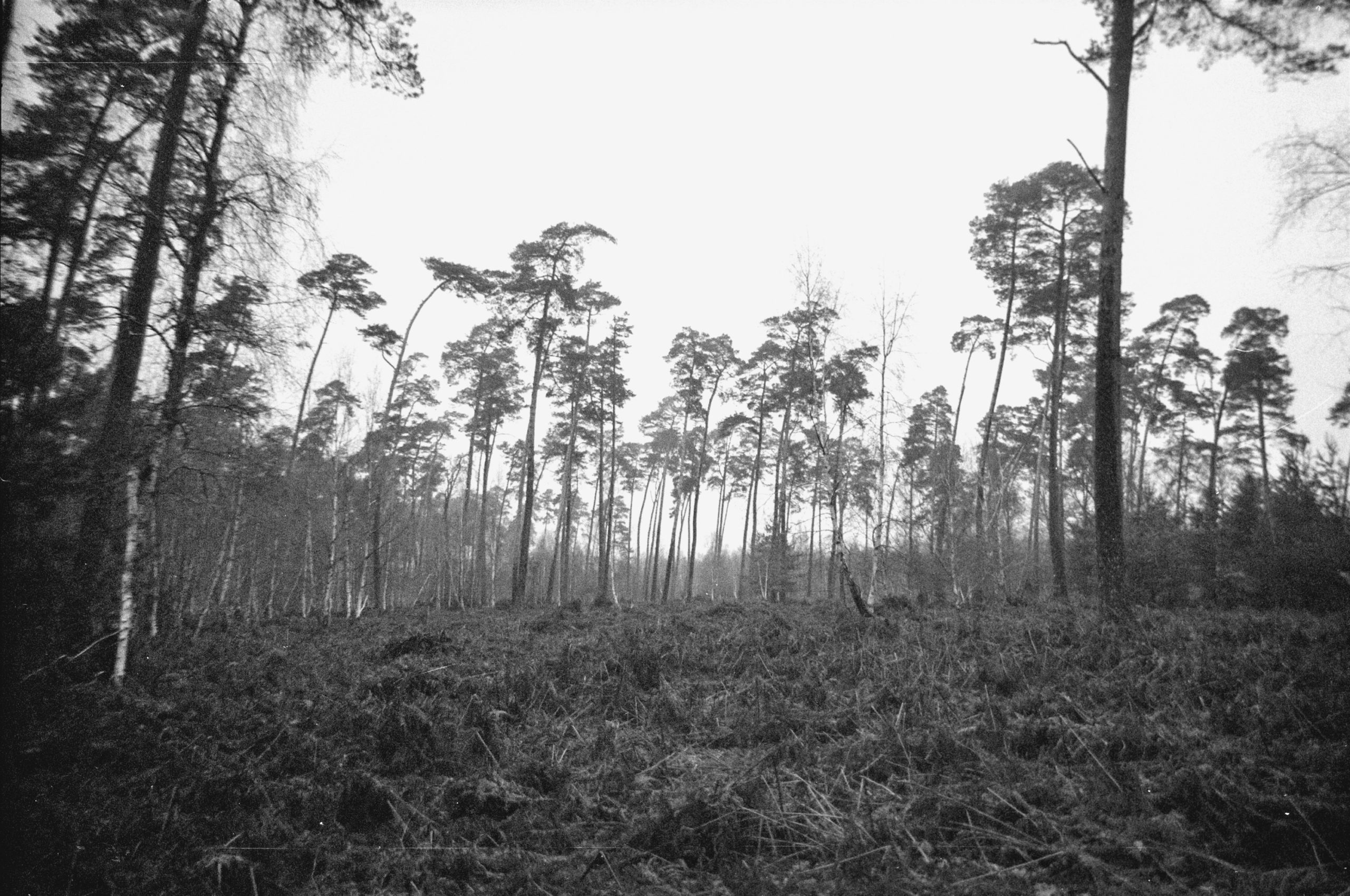

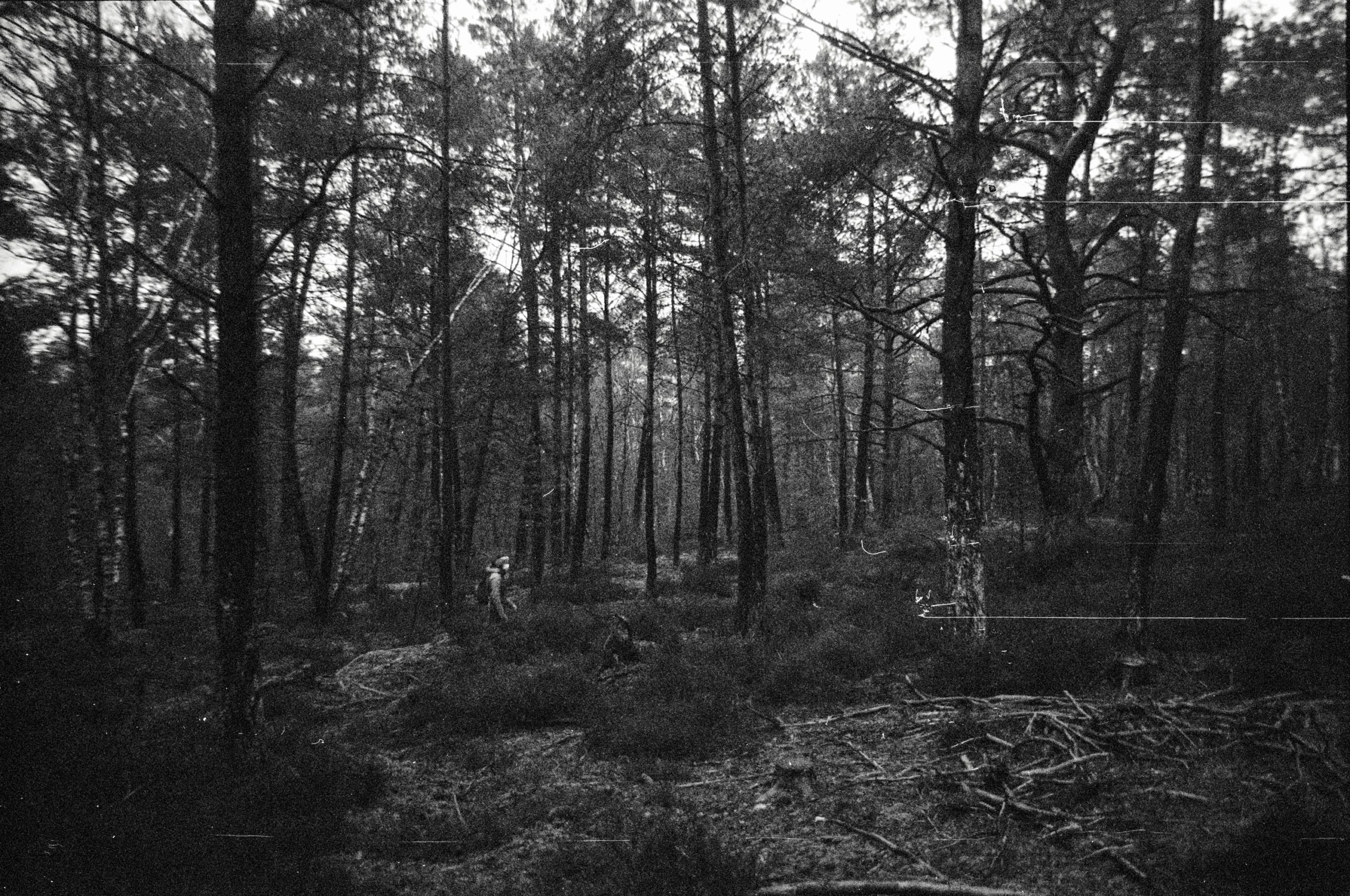
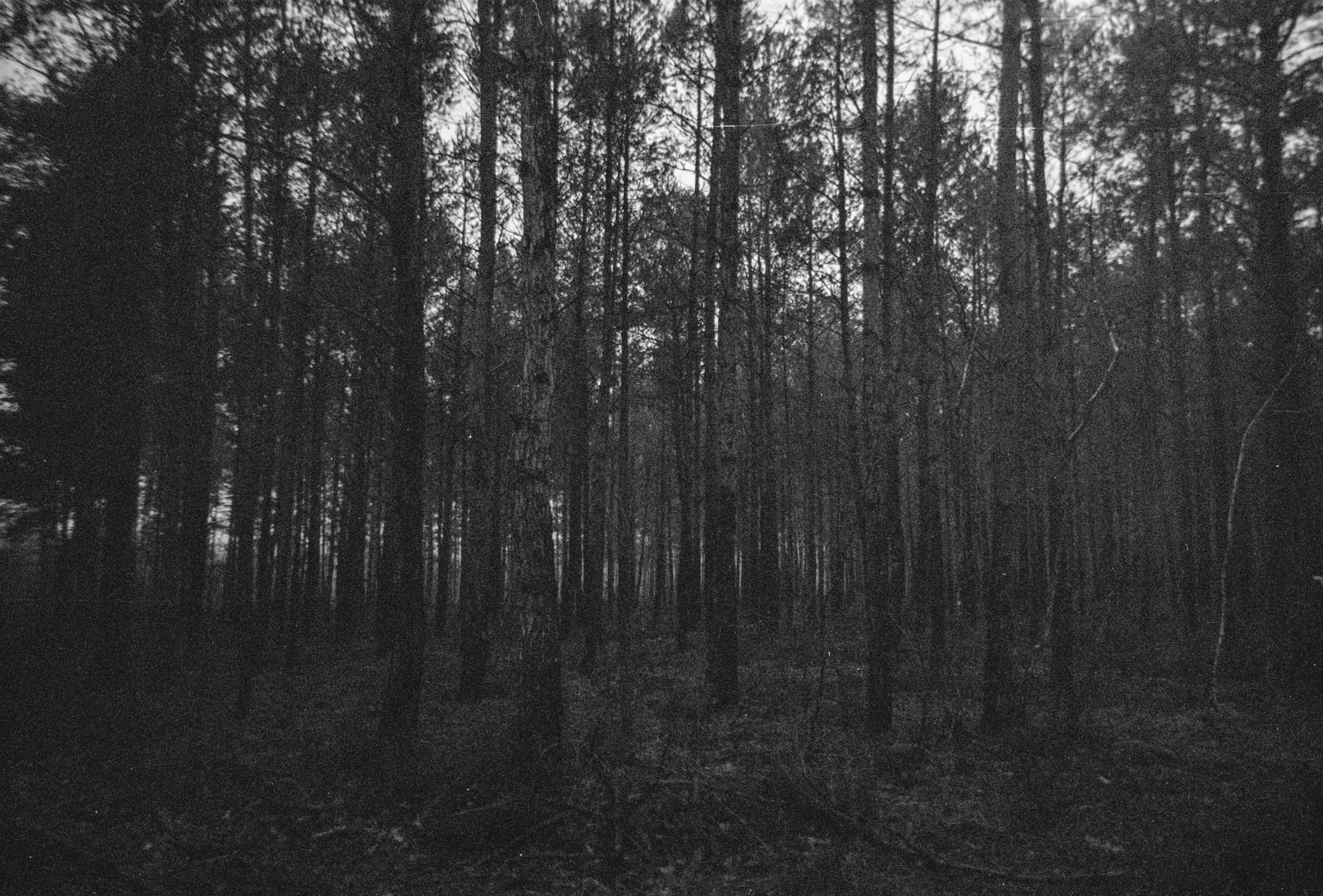
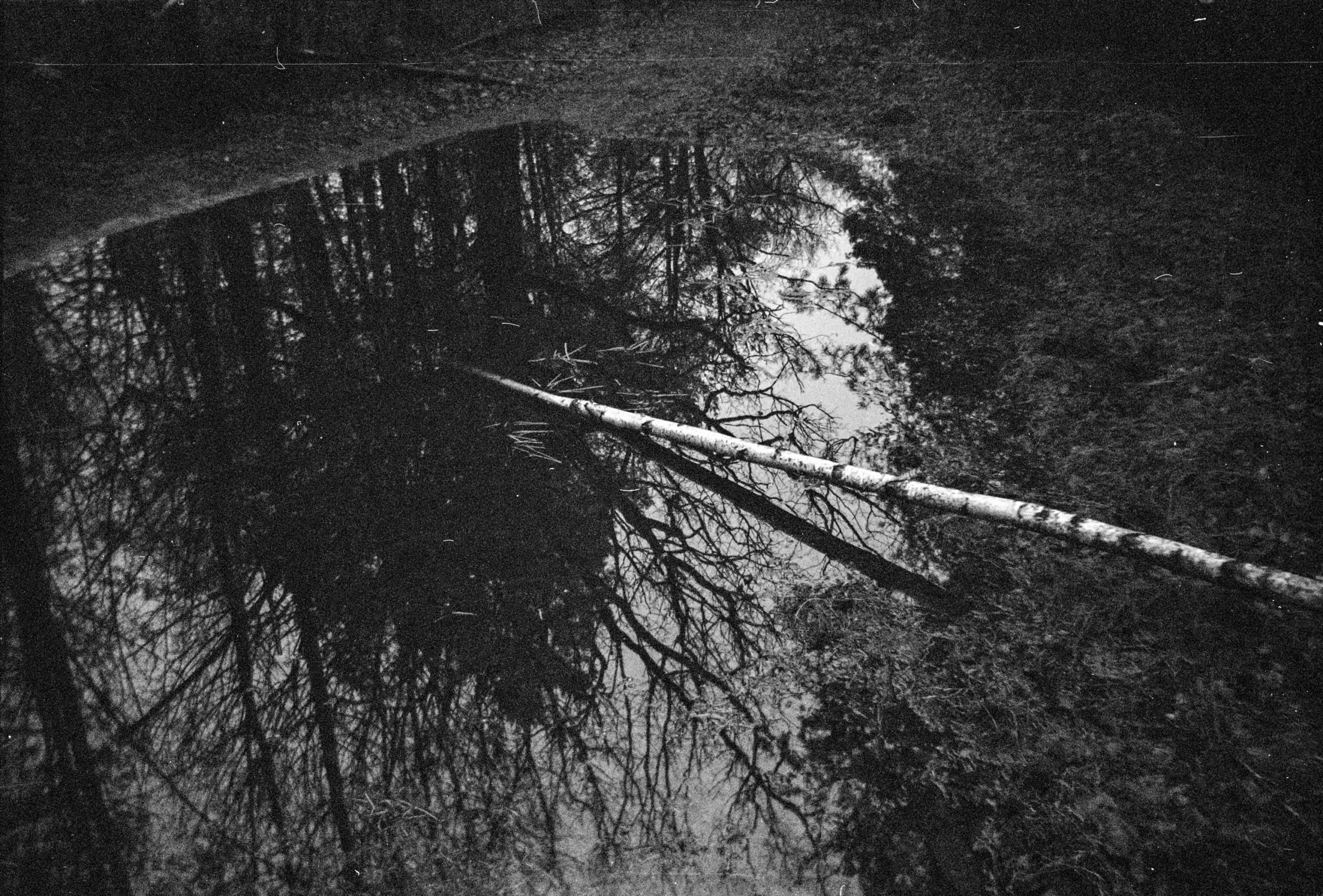
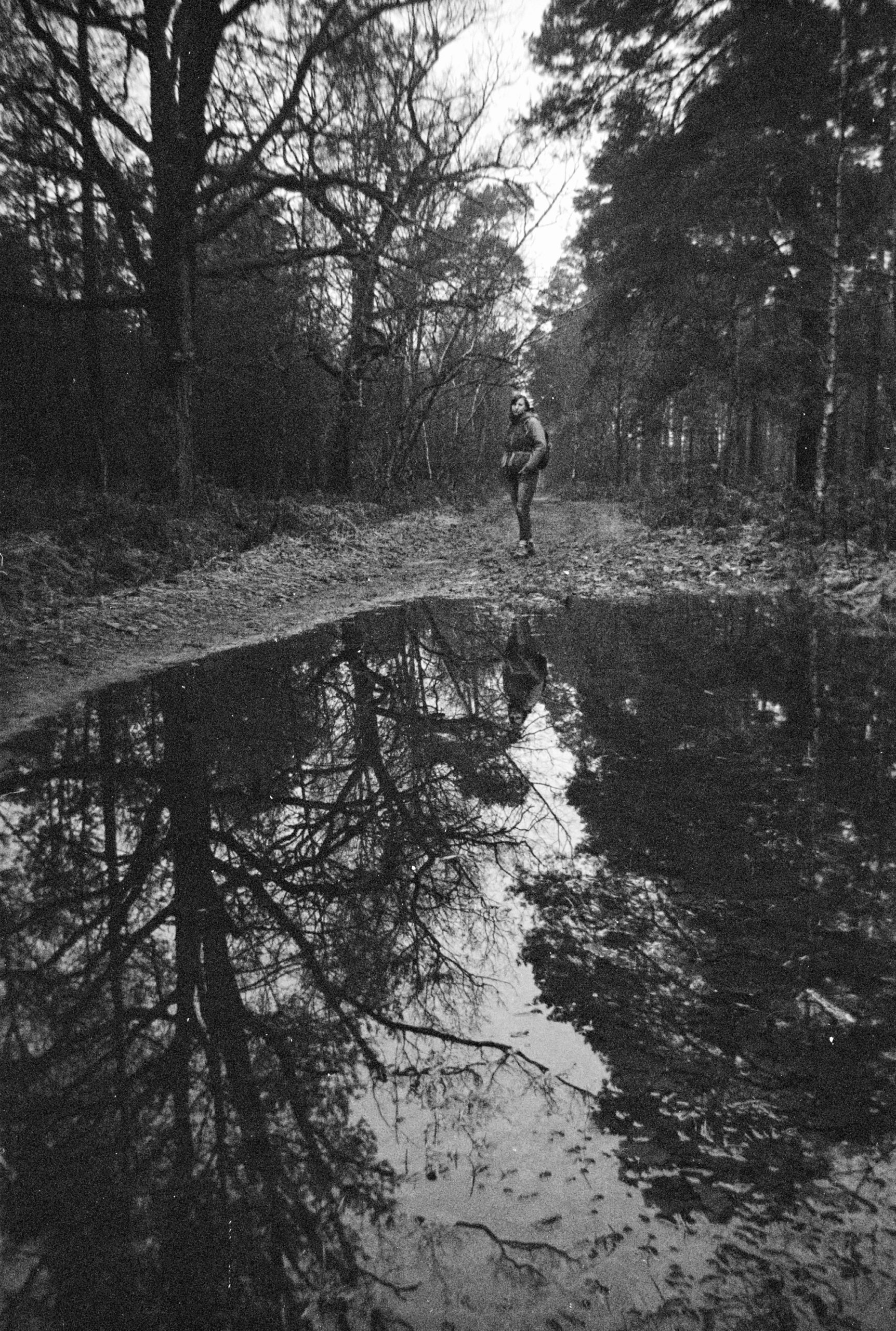
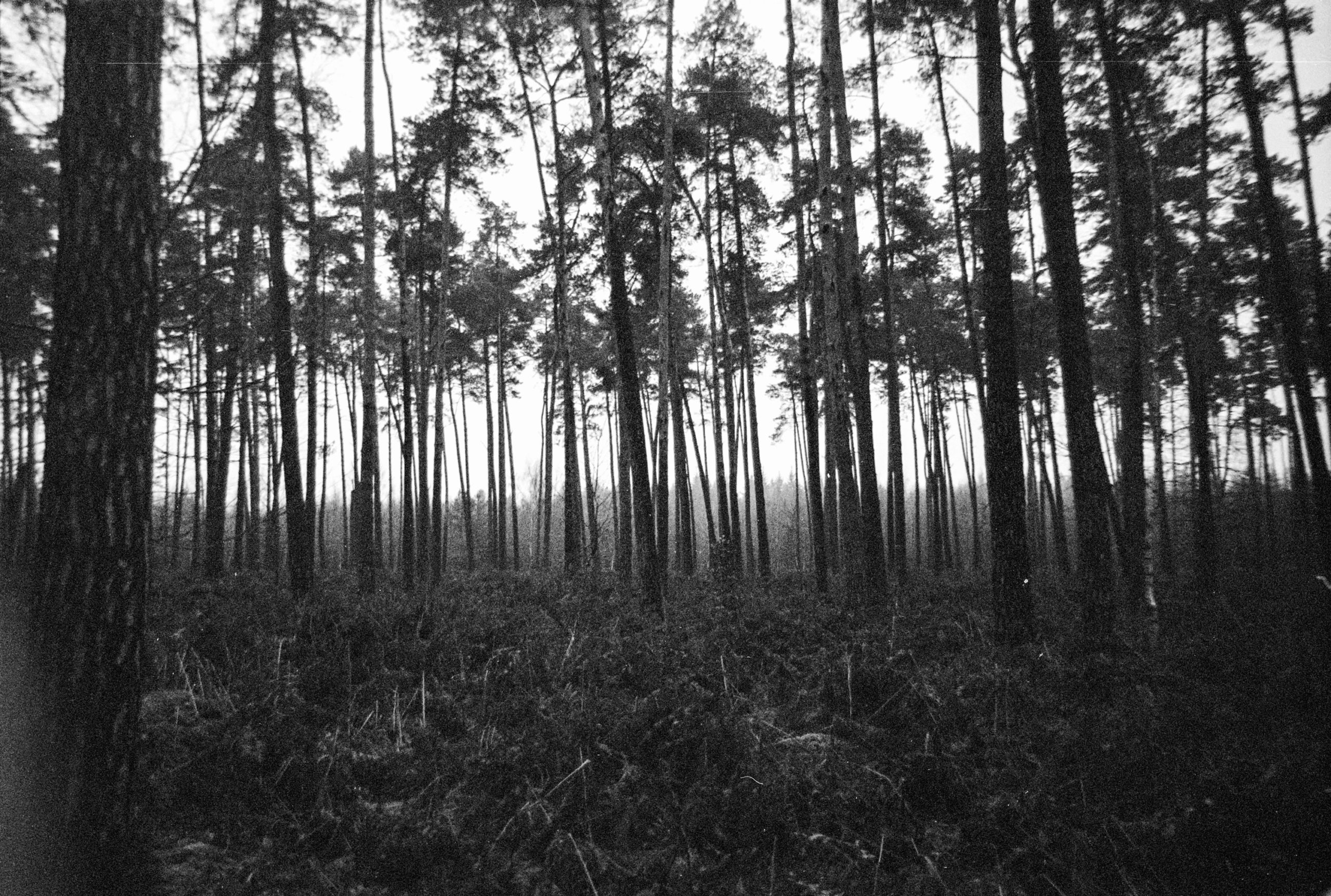
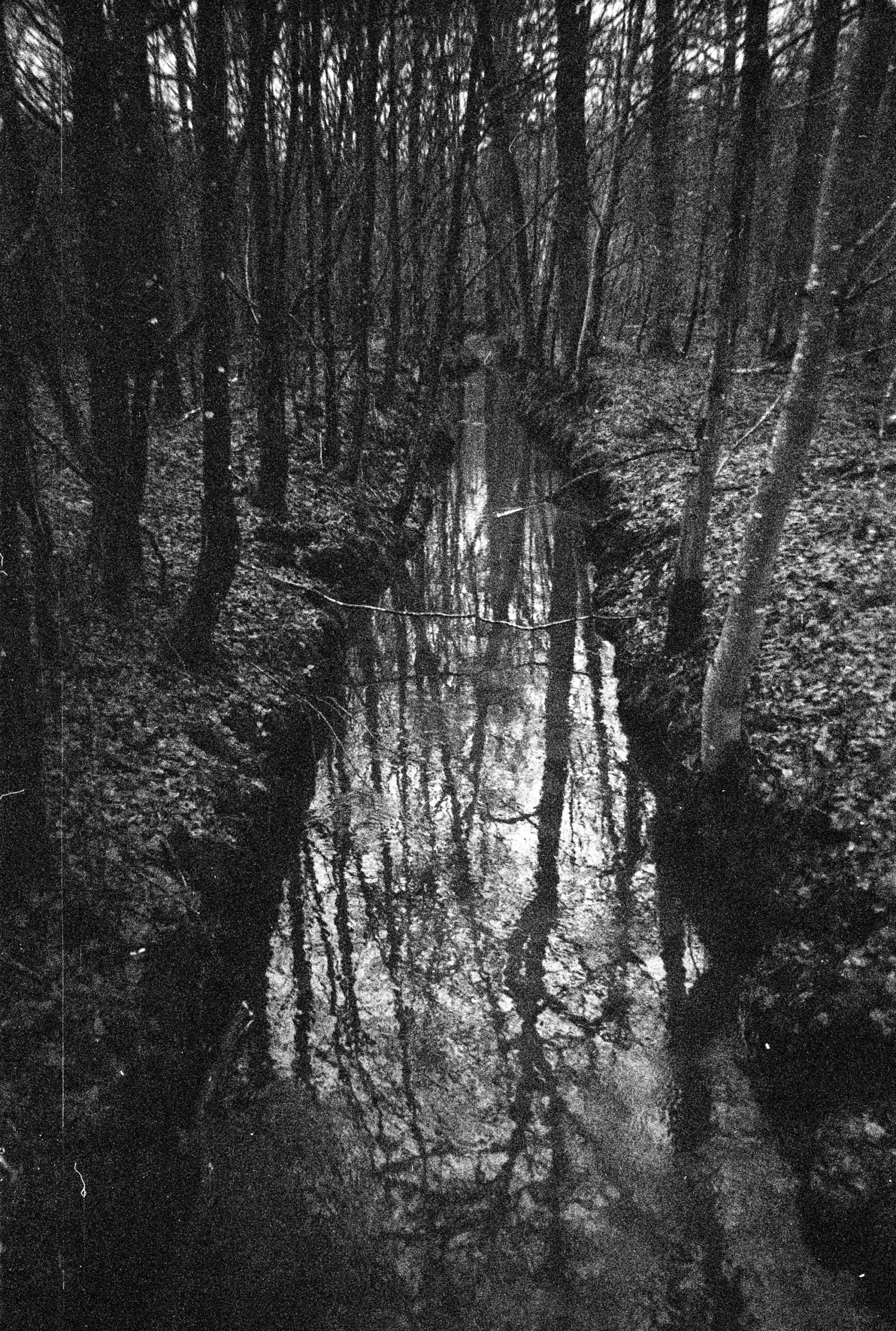
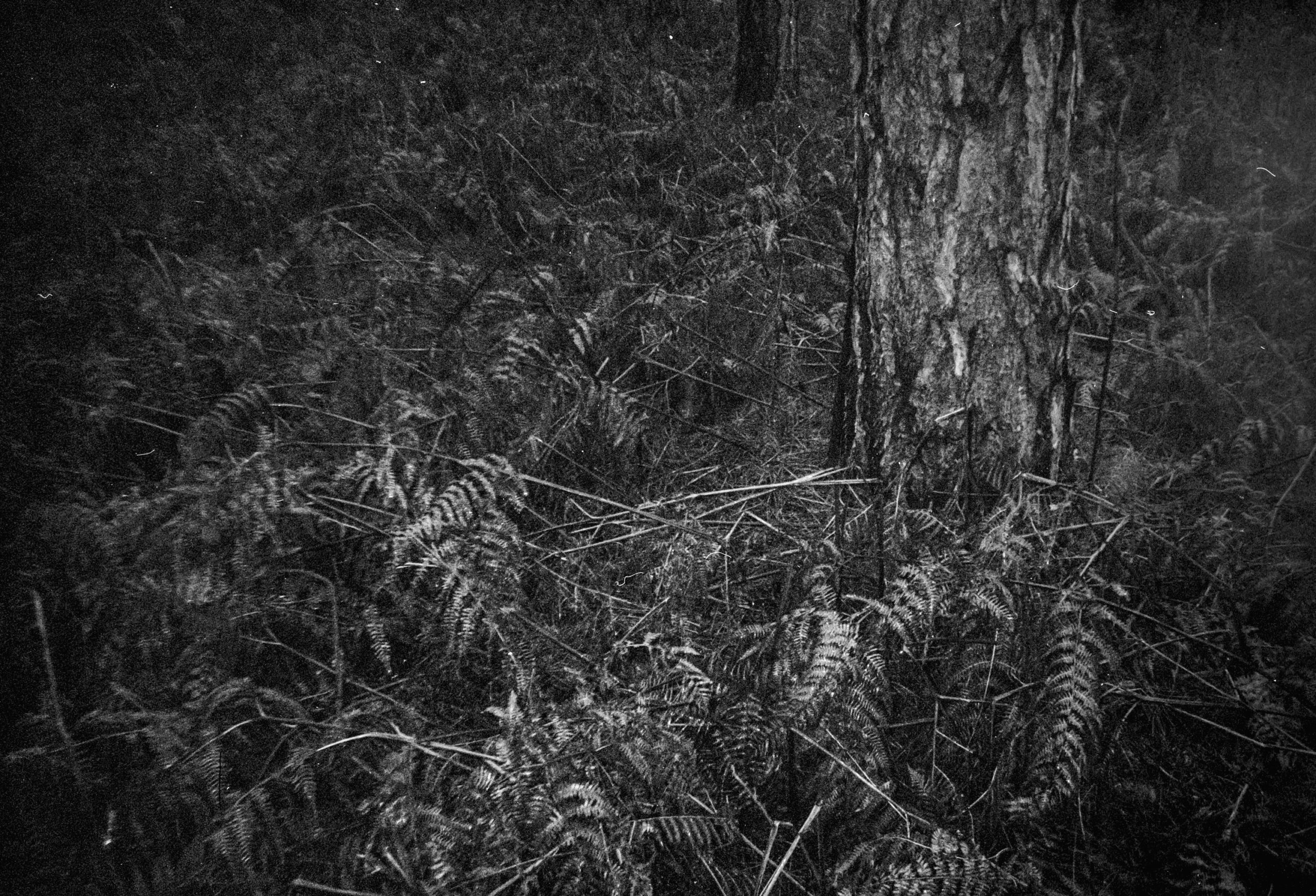
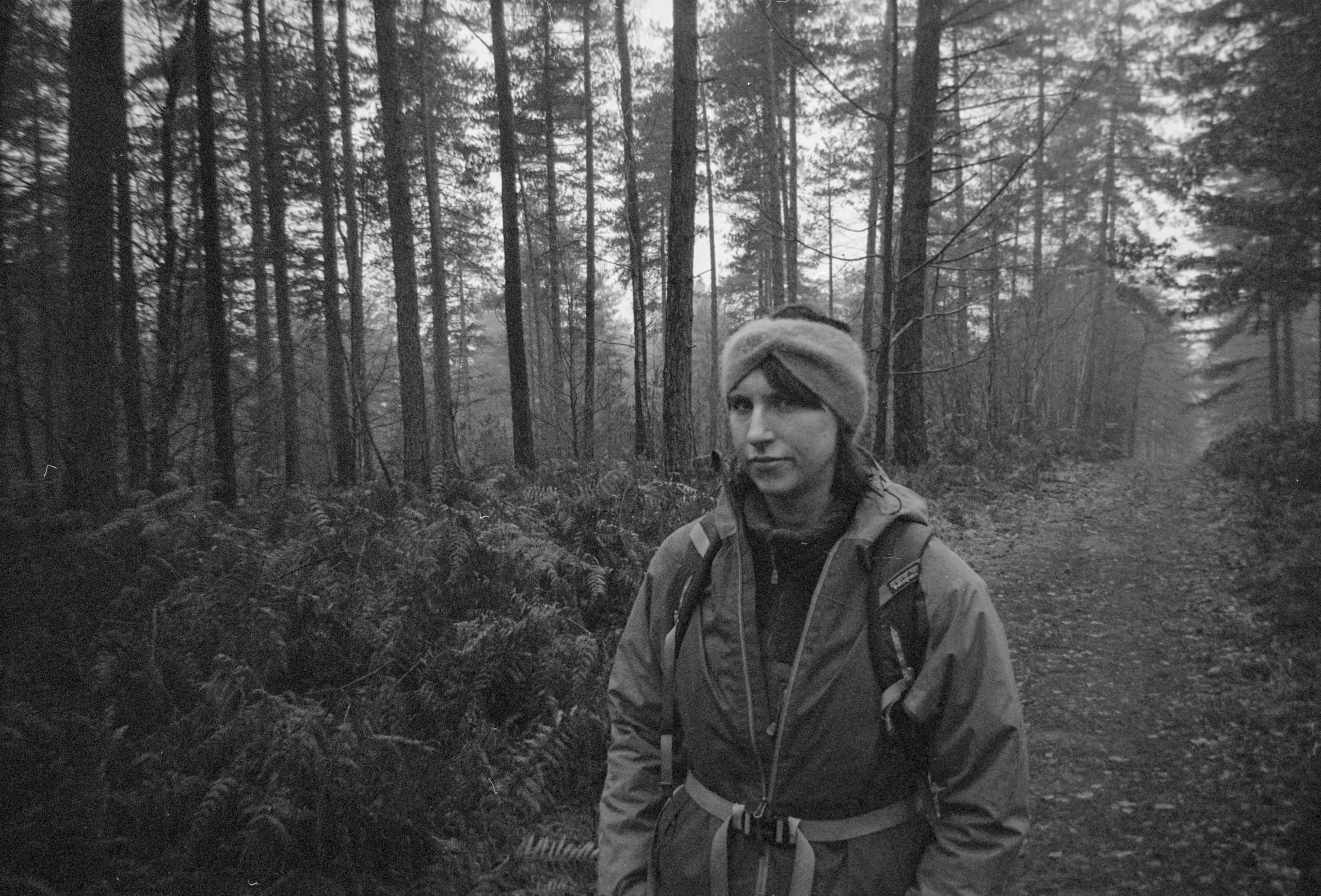
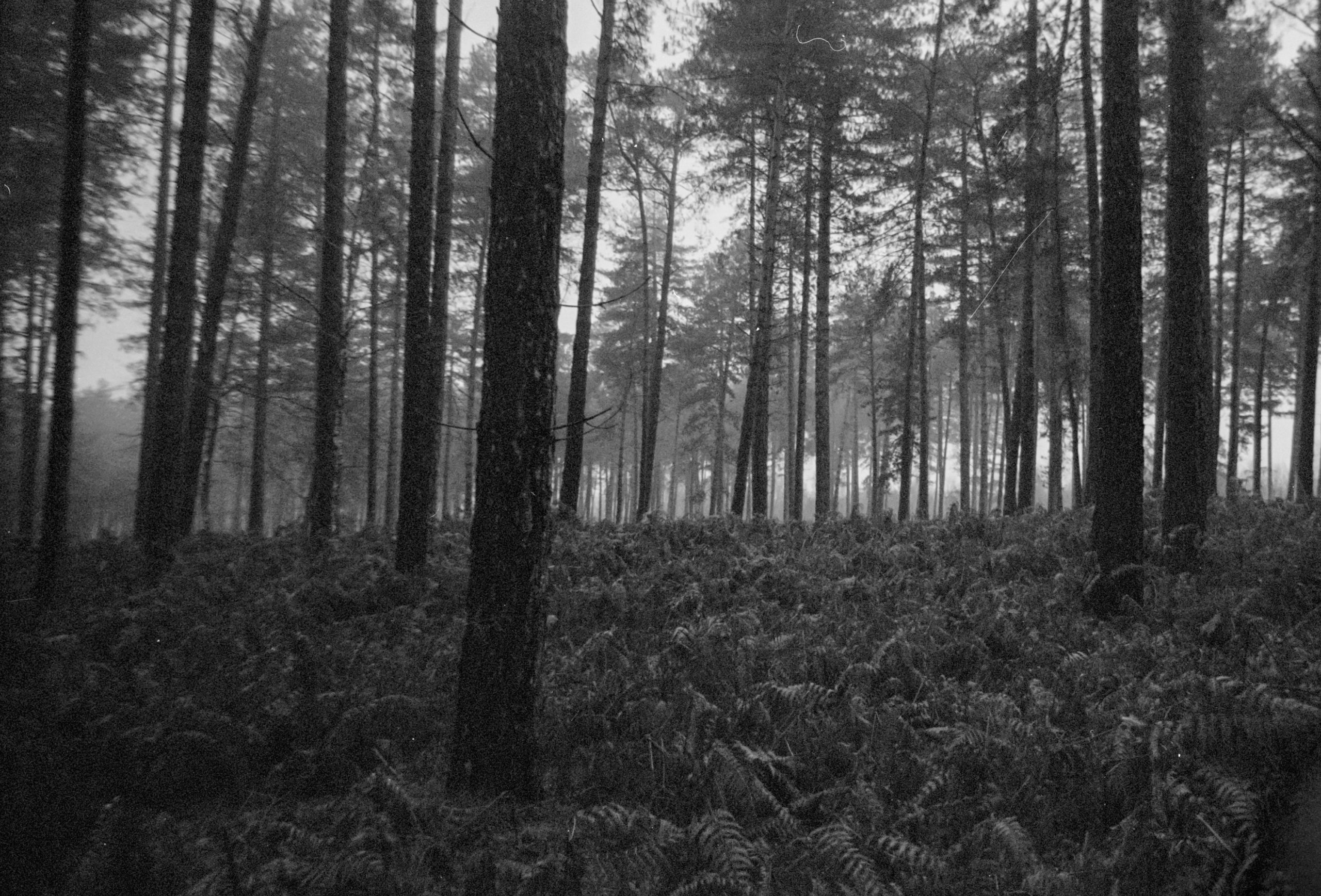
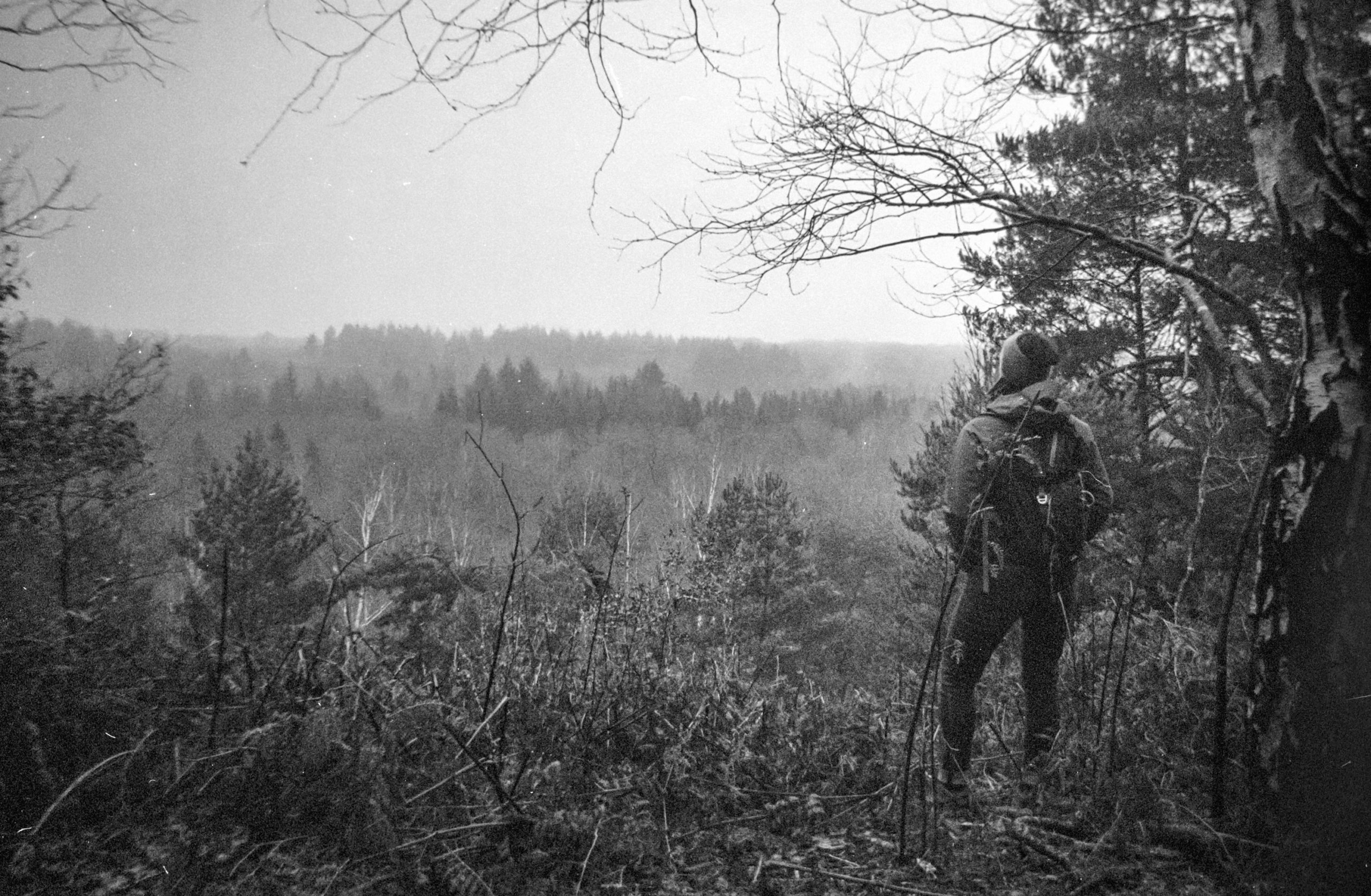
Photos taken in January 2021 using an Ilford XP2 Super 400 disposable camera
The post Underexposing XP2 on an Ilford disposable camera appeared first on Pierre Killmayer.
]]>The post Quarantine Postcards appeared first on Pierre Killmayer.
]]>
Dear parents…
It is Easter time. We had planned to go to the mountains to celebrate my mother’s birthday. The whole family would have reunited once again from France and Belgium at the Franco-Spanish border, like a seasonal migration. We would have gone on a hike, along a winding path, protected from the sun by the mountain pine trees. A picnic in the grass, and a nice bottle of Rioja wine would have wrapped us in a gentle torpor, reading a book in the shade or napping in a feeling of sheer happiness.
The Coronavirus outbreak put a stop to that perspective, and we are confined in our small Paris apartment, without a yard, or even a balcony. Days have gone by and my phone started to remind me it was time to leave for Easter vacation. And then, instead of the rolling landscape I was supposed to see, I took a long look around me. This sofa, this table, this bed: the apartment actually became the so-desired scenery from my vacation.
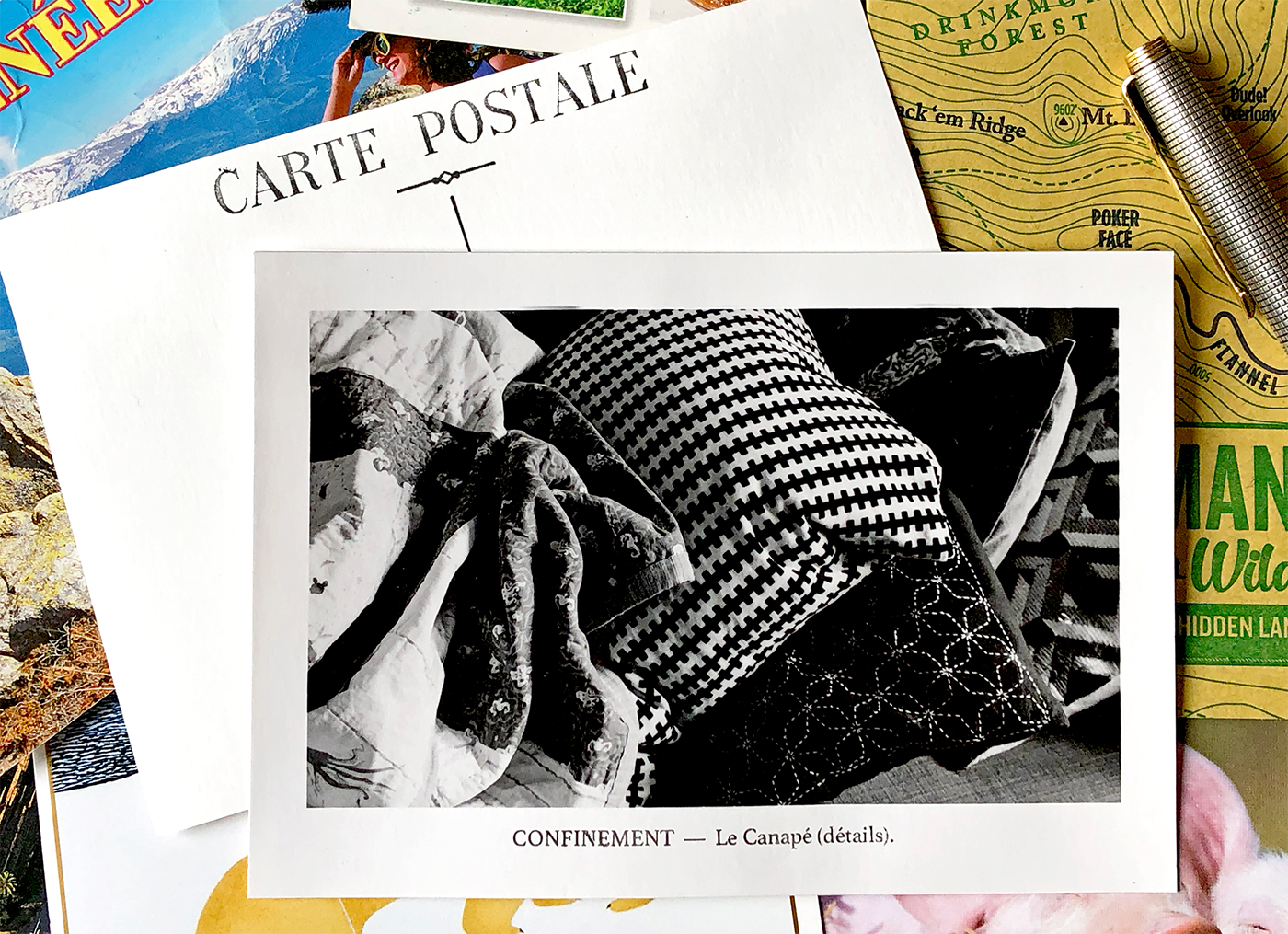
I decided to tell everybody I was on vacation. And, when you think about it, is there any better vacation symbol than a postcard?
It was obvious that I had to make my own postcards, wasn’t it?
The postcards process
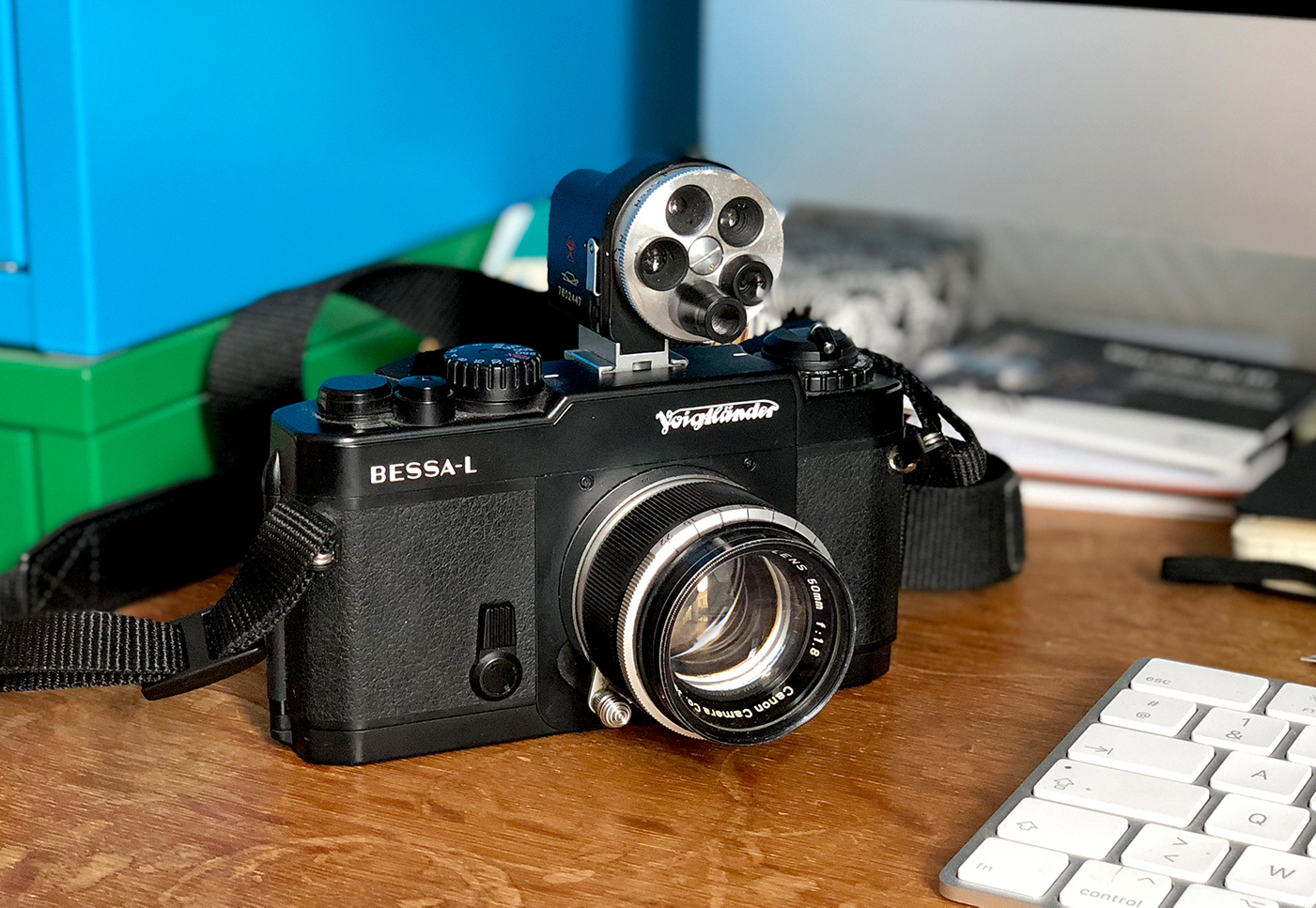
First, I needed material for the postcards. I had a loaded film in my Voigtlander Bessa L, and took random pictures of the apartment. Most of them were taken using a Canon 50mm f:1.8 lens. I then processed the film (Ilford FP4, in D76 1+3).
Once the photo lab was set up in the bathroom, I printed them on fiber-based paper (you can see them being washed in the image below), and dried them taped to the wall tiles. If you have a better way of preventing the prints from shriveling like dead leaves, please share it. I still have to press them in a book for a week. Fiber-based paper was an obvious choice since you can write on them with a regular pen (and on both faces).
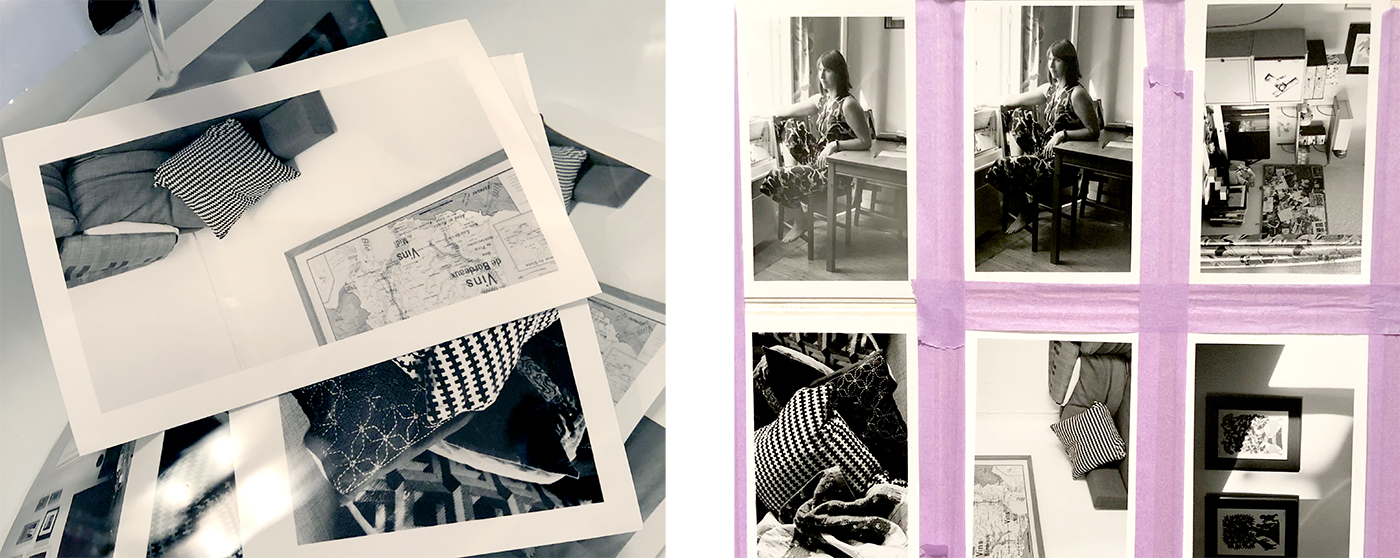
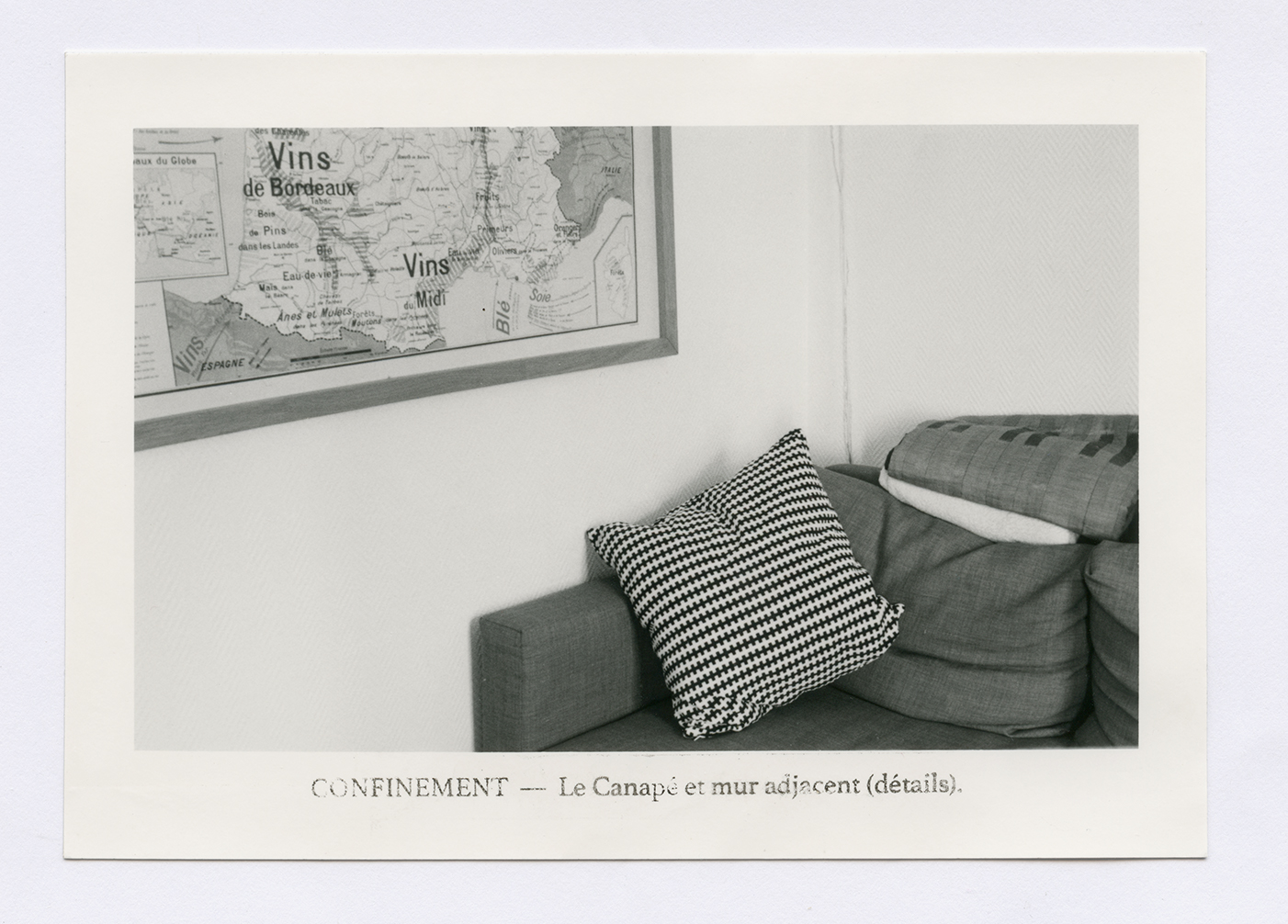
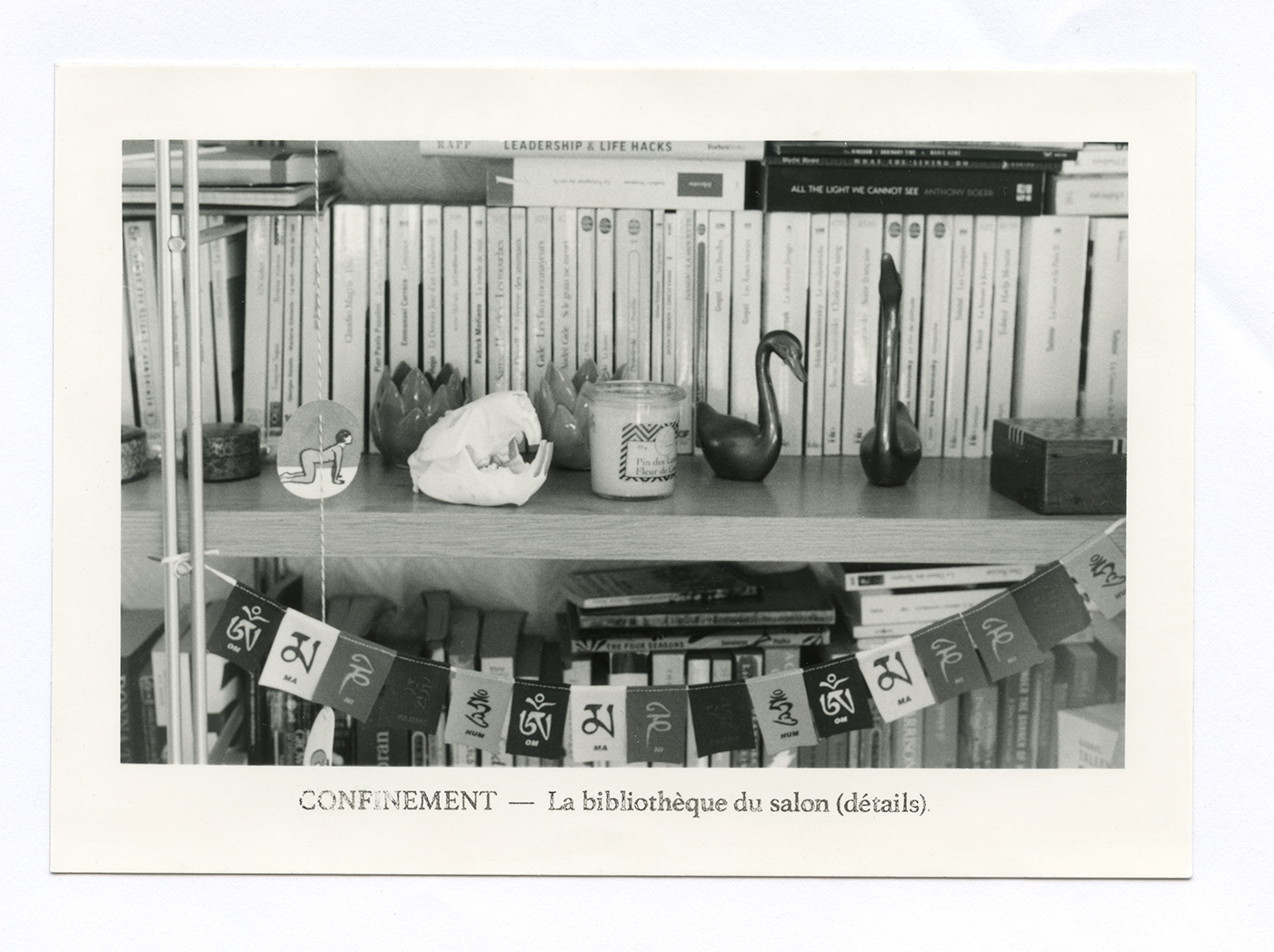
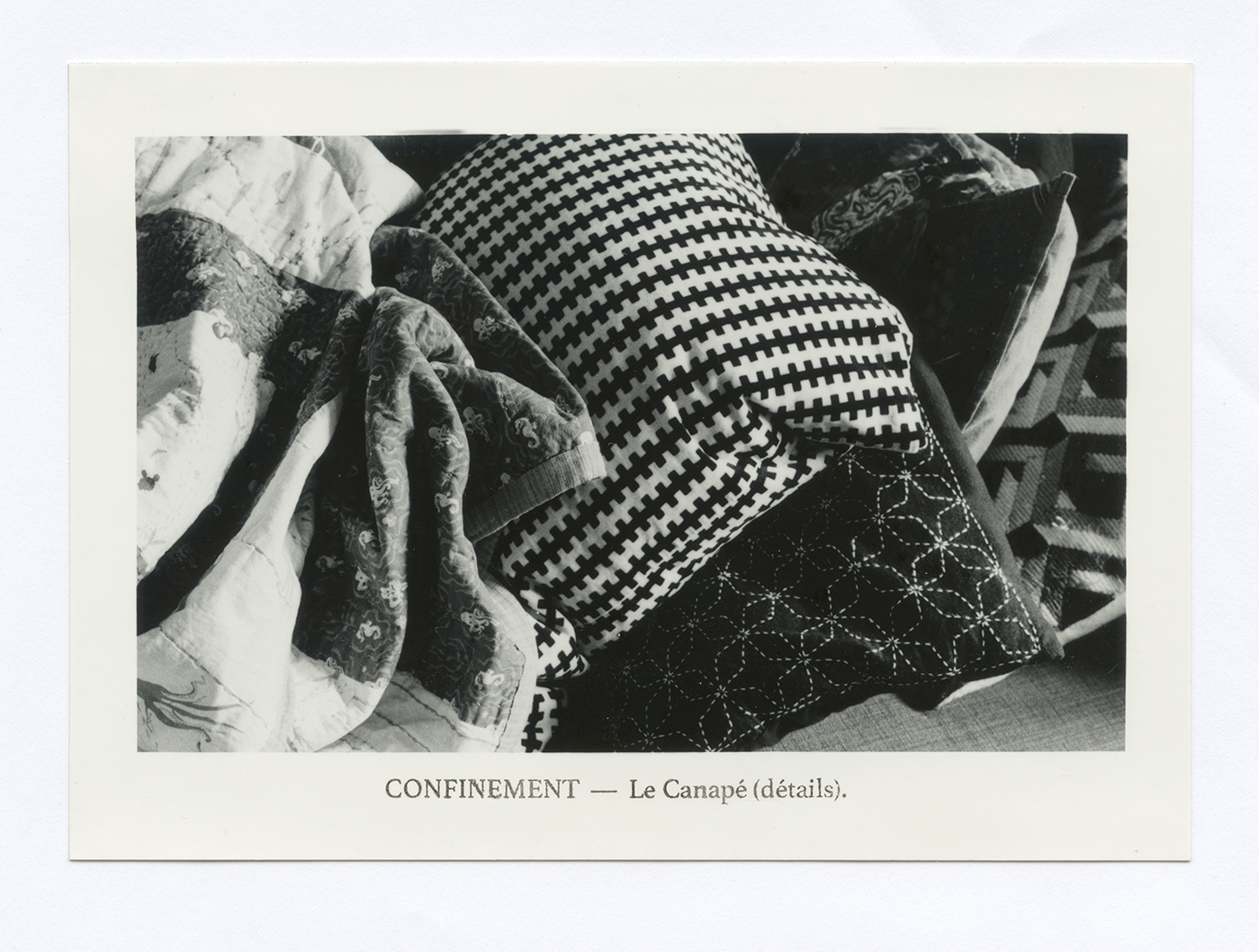
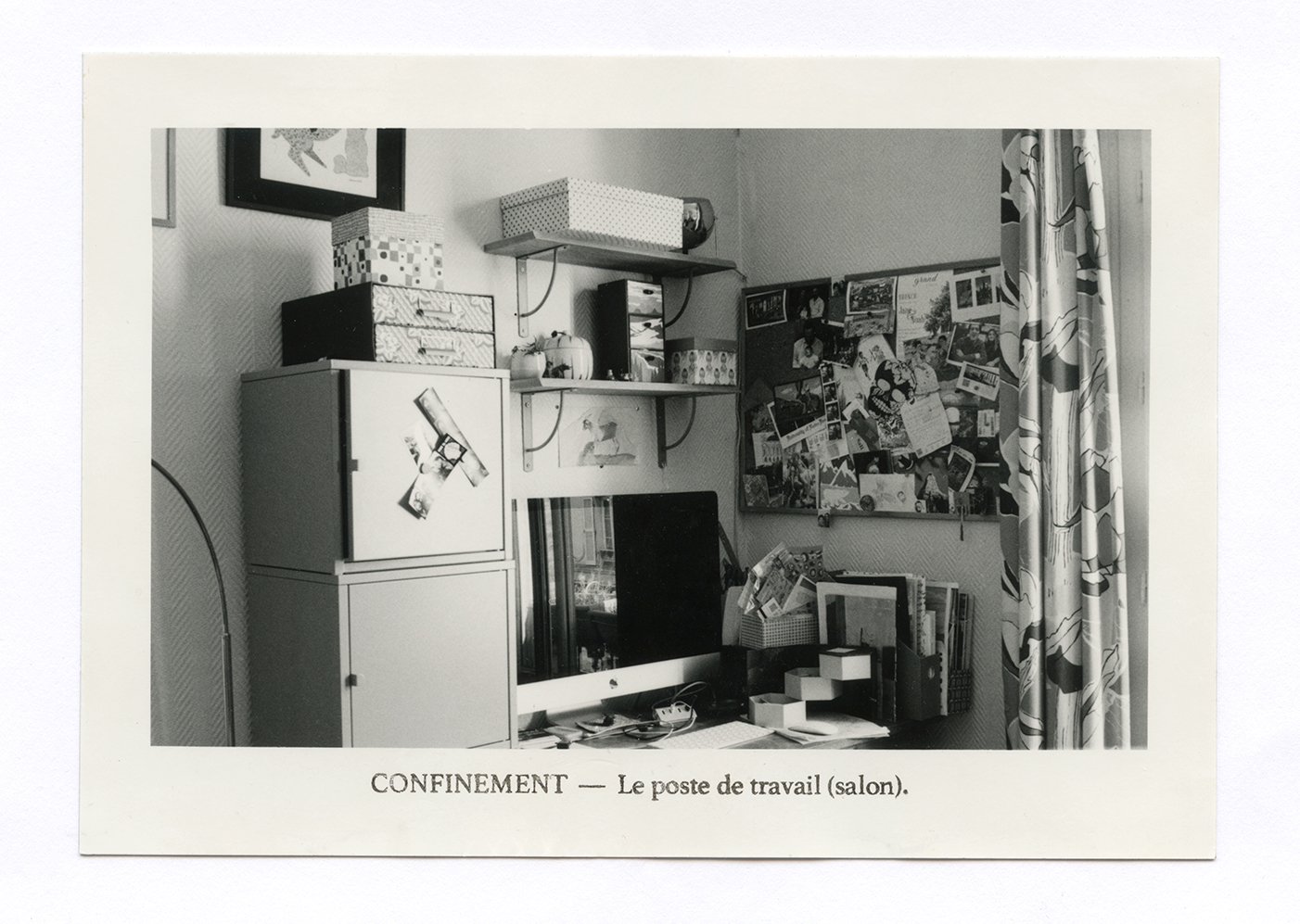
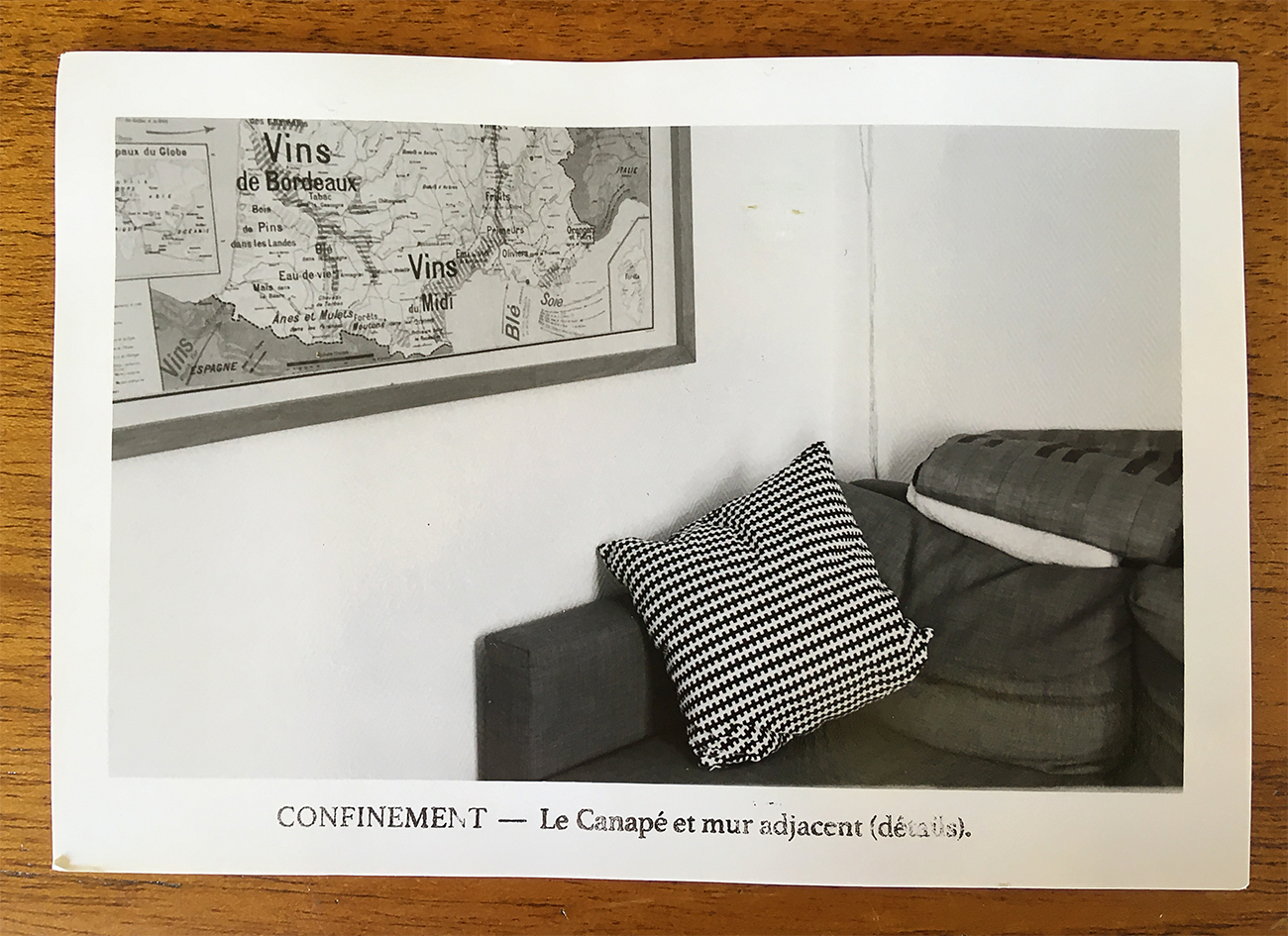
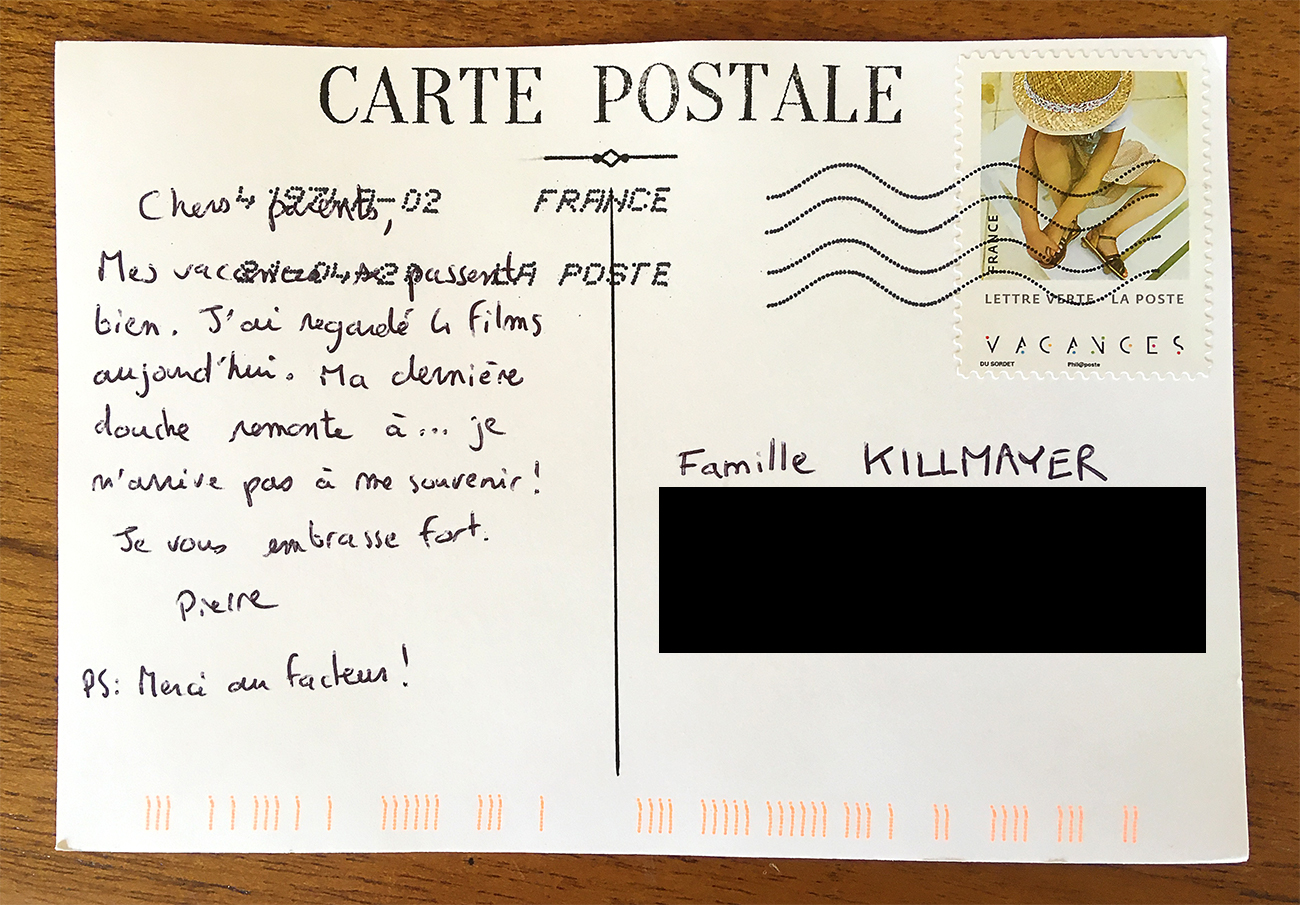
The tricky part was finding a way to get the legend under the photo, like a vintage postcard. After considering a few options, I decided to go and print them on a sheet of paper with a laser printer. I then transferred the print on the photograph with acetone. For the back, I used a custom made stamp I ordered a while ago, when I was working on another postcard project, and voilà!
Time to write
I now have to write and send my babies. They display an incredible vacation I had, without which I never have taken the time to go through a photo project. How is YOUR vacation going?
CONFINEMENT – Sofa and adjacent wall (detail)
CONFINEMENT – Living room bookshelf (detail)

CONFINEMENT – Sofa (detail)

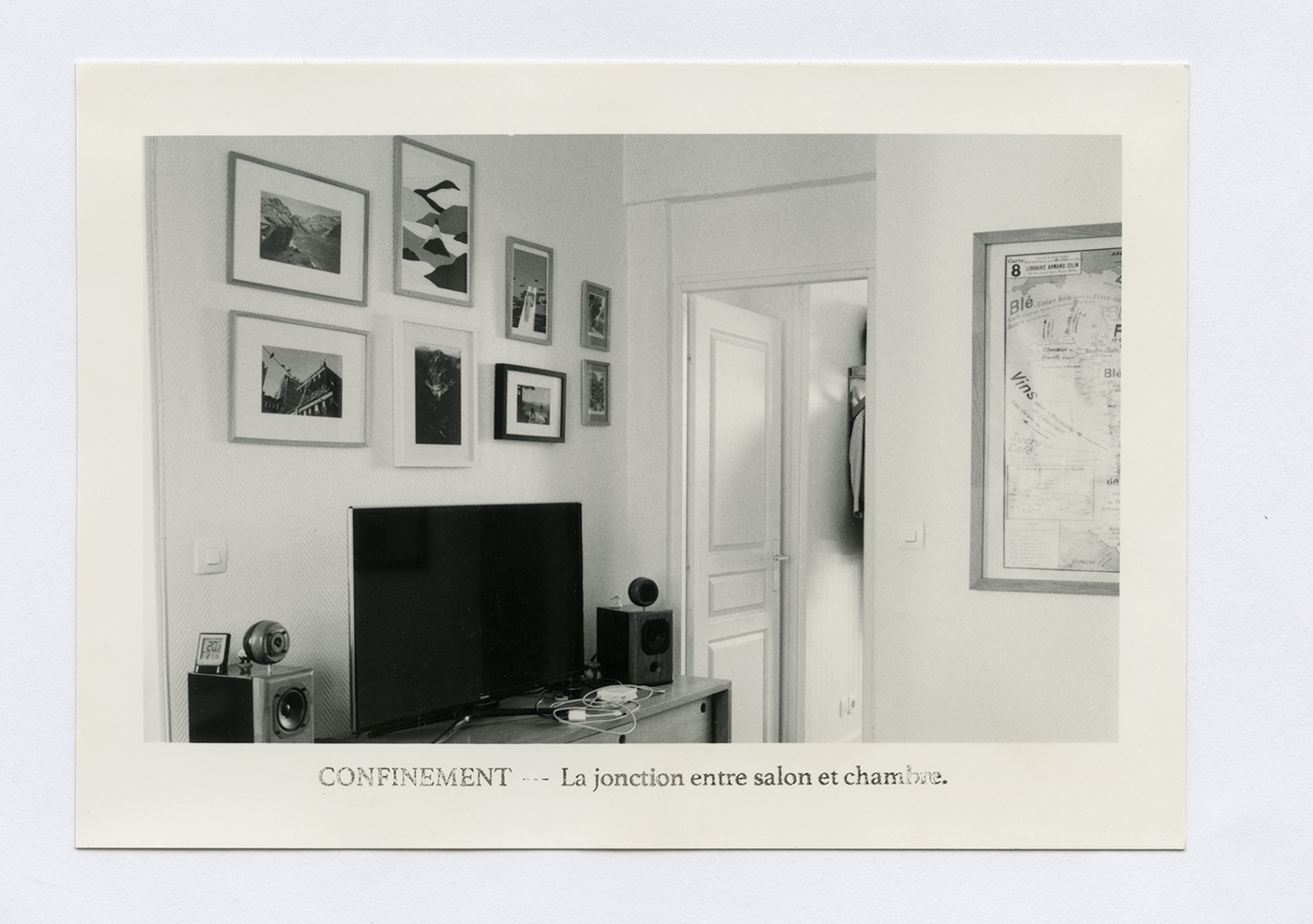
CONFINEMENT – Junction between living room and bedroom
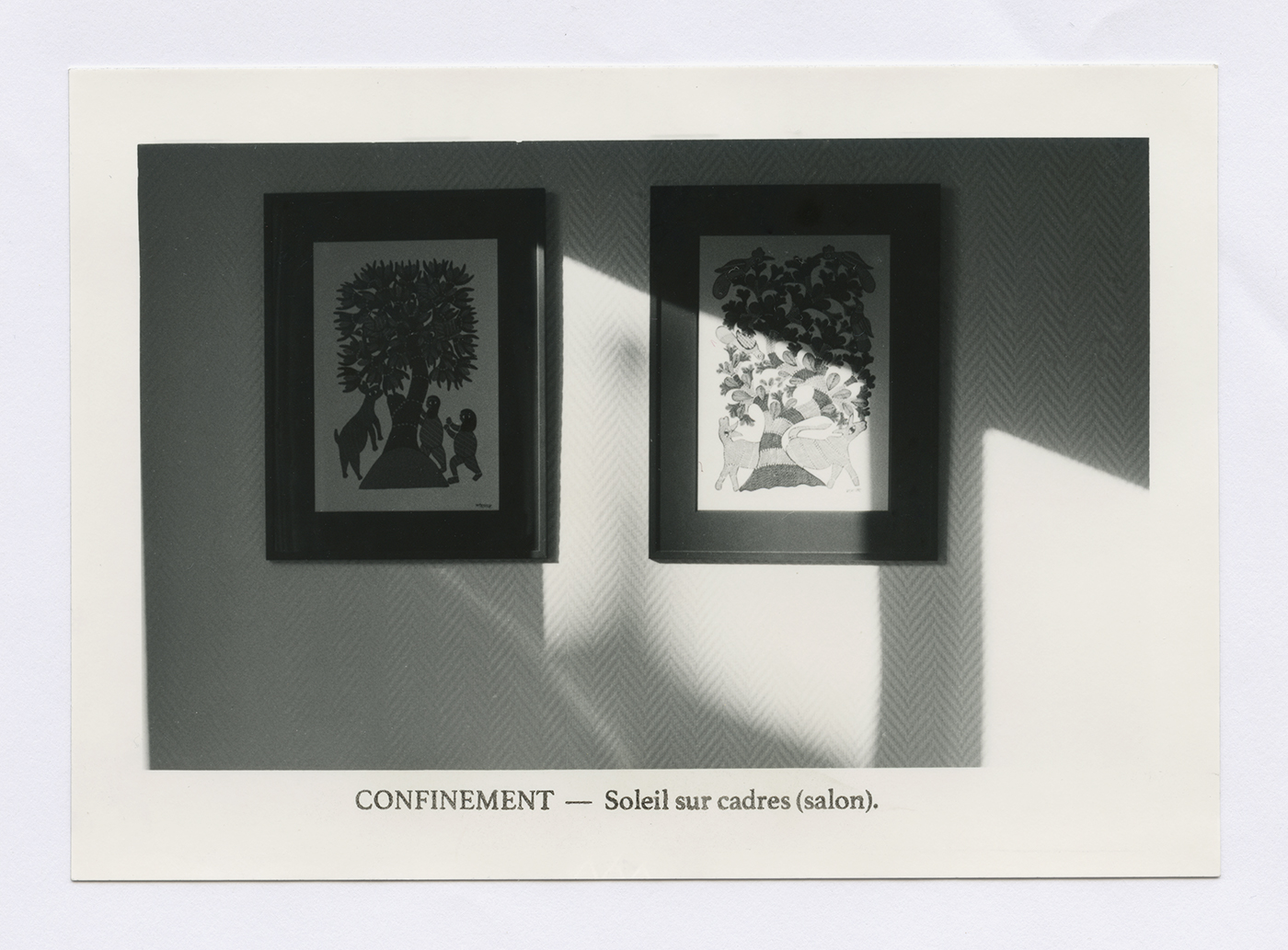
CONFINEMENT – Sun on frames (living room)
CONFINEMENT – Workspace (living room)
CONFINEMENT – Arielle at the window (living room)
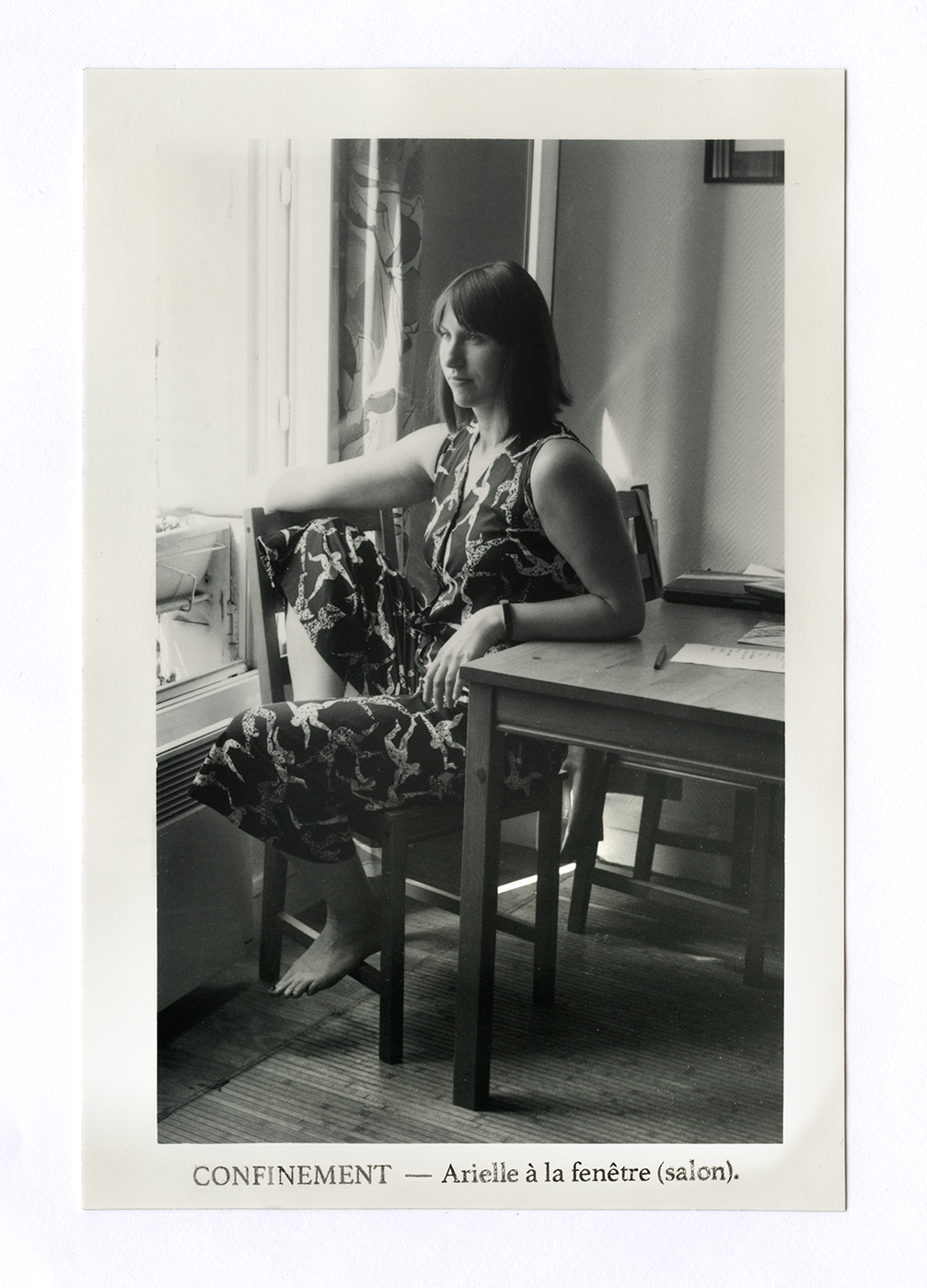
Photos shot with a Voigtlander Bessa L and Canon 50mm f:1.8 lens on Ilford FP4 film and processed in D76 1+3 dilution. Printed on Adox MCC 110 fiber-based paper, legends from a laser print acetone transfer.
EDIT : Postcards were sent and arrived at their destination!
The post Quarantine Postcards appeared first on Pierre Killmayer.
]]>The post A cup of PC-TEA appeared first on Pierre Killmayer.
]]>
Four years ago, I drafted a post about PC-TEA, a pretty confidential developer created by Pat Gainier that I tried to reproduce from his website. Since then, I used it several times, mainly for contact sheets, and forgot about it. Lately, I have been once again researching a cheap, reliable, and more eco-friendly developer than the Pyrocat HD that I use on a regular basis.
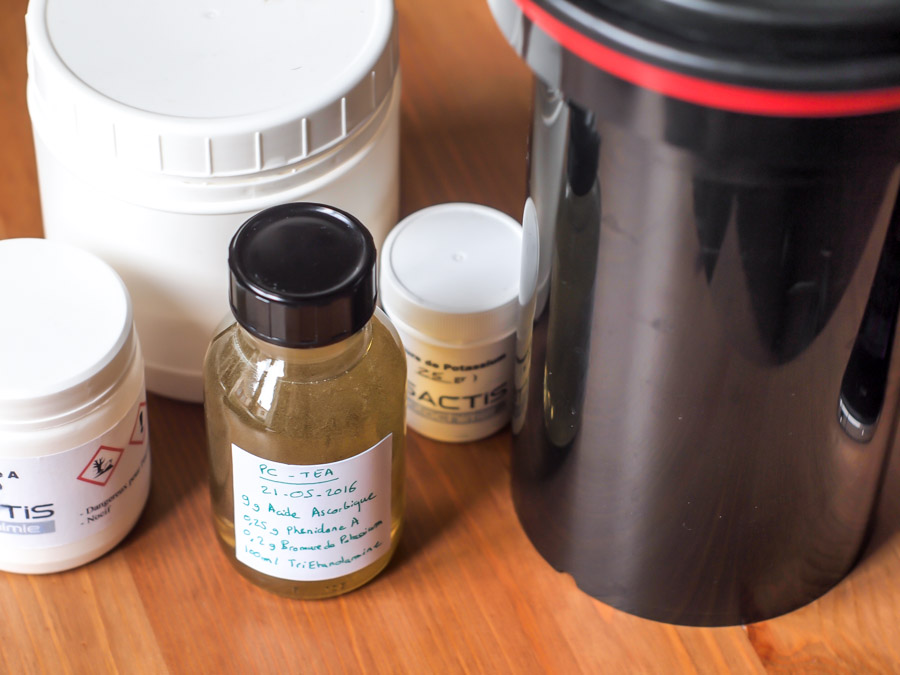
In my lab gear, I dug up a little glass bottle I made in 2016, nearly full. I decided to test my luck and give it a try on an entire roll of film.
How does it work?
OK. Before going any further, you do need to know how a developer works. I do not want to go too deep into the details but it still might be painful for those of you who do not care about chemistry that much — you can skip this part —.
For the rest, get into your lab coats and hold on to your butts, we are going for it.

The photographic developers acts in a reduction–oxidation reaction (redox).
Every developer on the market contains at least three active parts (and an optional extra one):
- A developing agent, usually a phenol: The developing agent is what will actually paint your photo, by transforming the latent image into metallic silver. In most developers, the developing/reducing agent is from the hydroquinone family (like in ID-11) or metol.
- An activator: by reacting, the reaction changes the developer pH. If that pH is too low (too acidic), the developing agent gets oxidised and the reaction slowly stops. The developing agent needs a basic solution in order the reaction to be completed. That is why a developer always has a basic compound in the mix. It usually is sodium carbonate, or sodium hydroxide.
- A anti-oxidation agent, which will prevent the aerial oxidation, especially from the storage duration.
- An anti-fog agent: Optional. It allows the developer not to contaminate empty areas during long development times. It usually is Potassium bromide.
OK you can relax, that is all you need to know about developers! If you want to see a fun experiment, you can check out my Caffenol article, about making a developer out of washing soda, coffee and vitamin C!
So why make a new developer?
The all-star developing agent is Hydroquinone. It gives great results. The problem is that Hydroquinone it is a mutagen and may even cause cancer. Most phenols are dangerous anyway. The developing agent in my to-go developer is Pyrocatechol, which is highly volatile and even classified as a poison.
The developing agent in PC-TEA is much nicer: It is based on phenidone and ascorbic acid (vitamin C). Phenidone has a low toxicity and does not cause skin irritation (only toxic if ingested). And vitamin C, well, you know already (oranges, peppers, broccoli, all the good stuff). The only issue with these two compounds is that they oxidize REALLY fast and are therefore pretty sensitive to oxygen (and that is why you should drink your orange juice FAST before it all disappears — this post is not affiliated with Minute Maid—).
The other great aspect of PC-TEA is, as its name might state, it uses TEA. TEA is not the nice Darjeeling you are thinking about, but another name for triethanolamine, which is a harmless chemical used in A LOT of beauty and medical products. It emulsifies creams and shampoos and adjusts and buffers the pH. This is exactly where it gets interesting. Unlike water, TEA by itself is a basic solution that keeps the phenidone and the vitamin C from oxidizing. It basically plays both roles of the activator and the saving agent.
TEA therefore allows to have a virtually infinite shelf life, and this article proves it. Four years after making the solution, it still works perfectly!
The recipe for a perfect cup of PC-TEA
Get into the kitchen, it is time to cook!
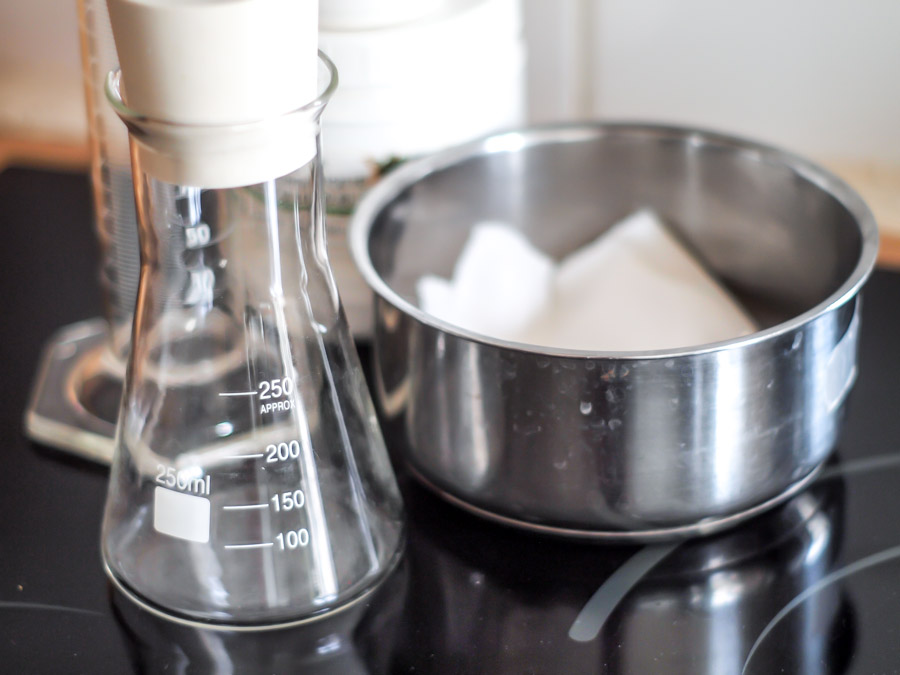
Here is the Recipe for a perfect cup of PC-TEA
| Ingredient | Role | Quantity |
|---|---|---|
| TEA | Activator, protects against aerial oxidation | 100 ml |
| Ascorbic Acid | Developing agent | 9 g |
| Phenidone A | Developing agent | 0.25 g |
| Potassium Bromide | Anti-fog | 0.2 g |
The goal is to heat the TEA at about 250°F (120°C), adding the ascorbic acid and bromide and stir until it is completely dissolved, which, believe me, can take quite a long time.
By the time the ascorbic acid has dissolved, the temperature of the solution should have dropped to below 150°F (65°C). It is then time to add the phenidone and stir again until dissolved.
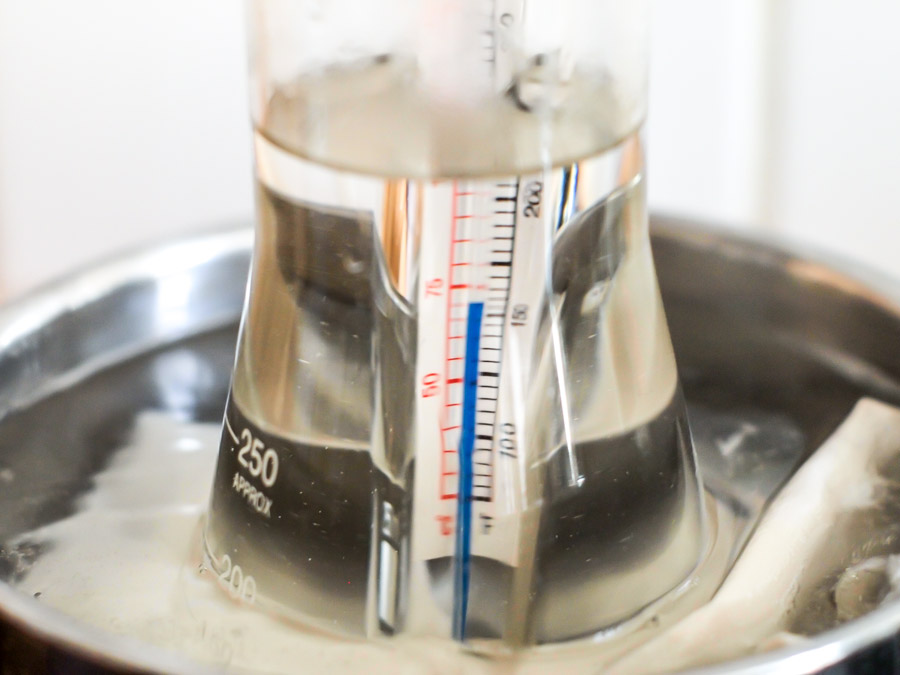
The key of the recipe is constant stirring. It is exhausting. It feels like the powders never properly dissolve. When done, the color can be yellow to light brown. This is due to the high temperatures and does not affect the recipe. After a few years, the solution gets darker and darker (like a nice tea, get it?), due to the slow oxidation that the TEA cannot contain. So far, I did not see time adjustments and continue to use it as new.
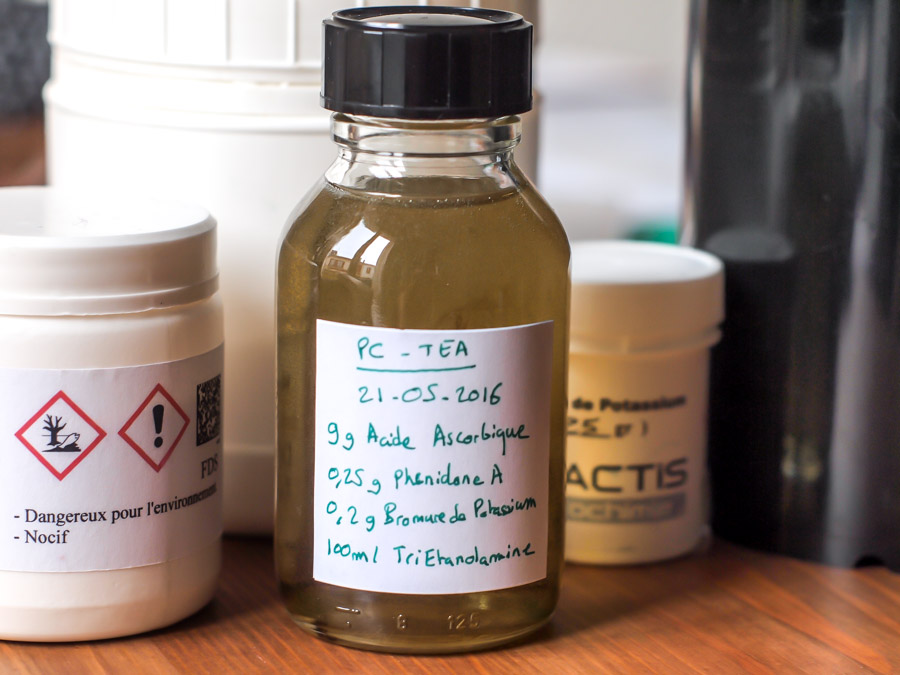
The usual development times are around 10 minutes.
For use, dilute it either 1:50 or 1:100 with water.
Yes, you read correctly. 1:100. That soup sure is cheap!
In a word, you have a relatively low toxicity developer, that keeps forever and does not cost anything per roll of film. What else could you possibly want?
STILL NOT CONVINCED?
Here are some pictures taken in 2018, and processed in PC-TEA. I will post more as soon as I get back to my lab.

Shot on Nikon FE in August 2018, on Ilford HP5+ and processed in PC-TEA
The post A cup of PC-TEA appeared first on Pierre Killmayer.
]]>The post Nikon F4: The 1988 workhorse appeared first on Pierre Killmayer.
]]>
Nikon F4: heavy duty
In 2019, my grand father passed away.
Back at my parents’ house, my father set all the cameras my grandfather owned on a table. From Leicas to Rolleiflex, the selection was quite remarkable.
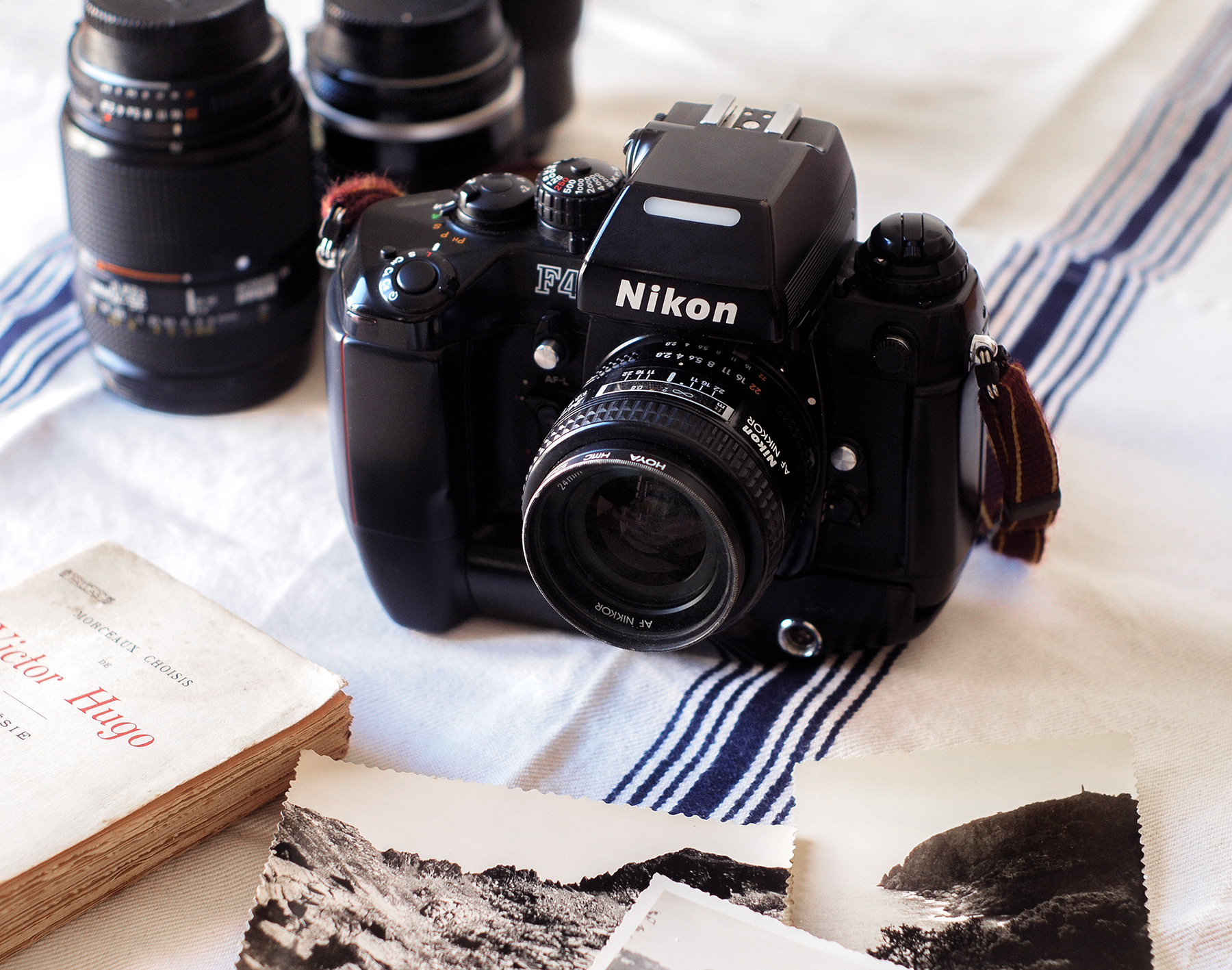
At the end of the table throned a bulky monster: the Nikon F4. I immediately developed an aversion for the beast. It looked — and felt — heavy, complicated to use, and at the opposite of what I seek lately in photography: discretion.
What struck me the most is the lack of confidence in myself when I took the camera in hand. All these knobs and controls were totally foreign to a regular Nikon user. Out of frustration, I told my father the Nikon F4 was simply unusable: I could not picture myself (unintended pun) carrying that load on a mountain trek, or even for a Parisian photographic stroll.
Then, a few weeks later, when I saw the beast again, it reminded me of my grandfather, who always carried it wherever he was. He used to take pictures of my brother, my sister and me as we were growing. I remember being intimidated by his “big professional camera”… and his sleeveless fishing jacket, with a lens in nearly every pocket.
I decided to give it a shot and took the whole camera bag, full of lenses, flashes and manuals, and took it back to Paris (Sorry, left the vest). And then… I fell in love.
The story
1988. The Russians were leaving Afghanistan, the war was over, at least for the time being. Rick Astley came out with a new song: Never Gonna Give You Up, and Bruce Willis saved hostages in Die Hard. Most importantly, I was one year old, pretty happy the world was moving so fast around me.
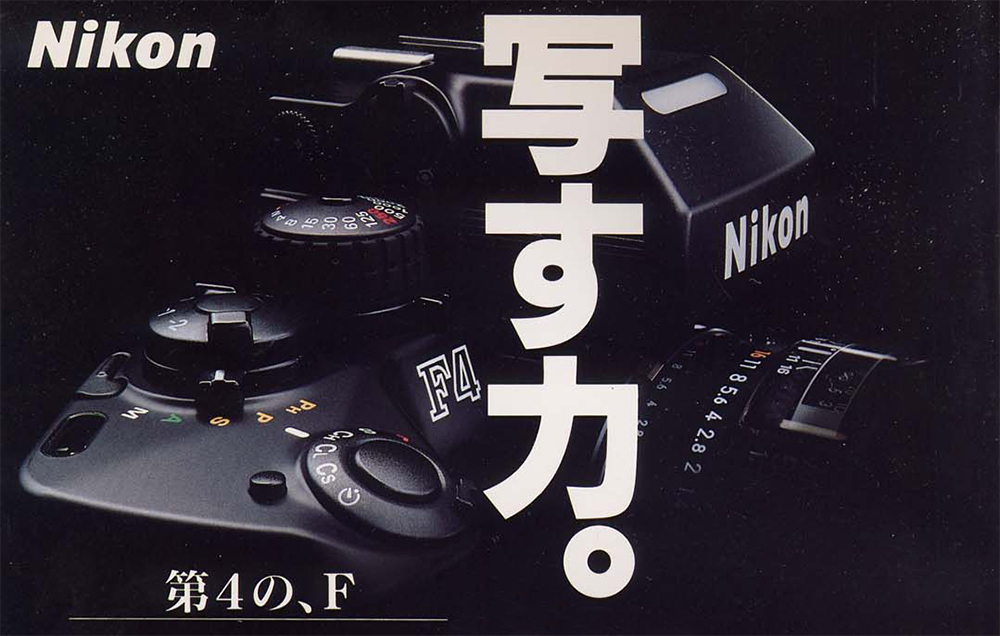
That year, the Nikon F4 came out, replacing the legendary Nikon F3, as the ultimate professional camera.
The F4 was, by far, the biggest innovation ever made by Nikon. It is different from the F3 on every level. Let’s remember it was the first professional camera to embed autofocus. Mine is a F4S, which means it comes with a motor that can shoot a film in a few seconds. Please do not do that, except if you have money and film to waste.
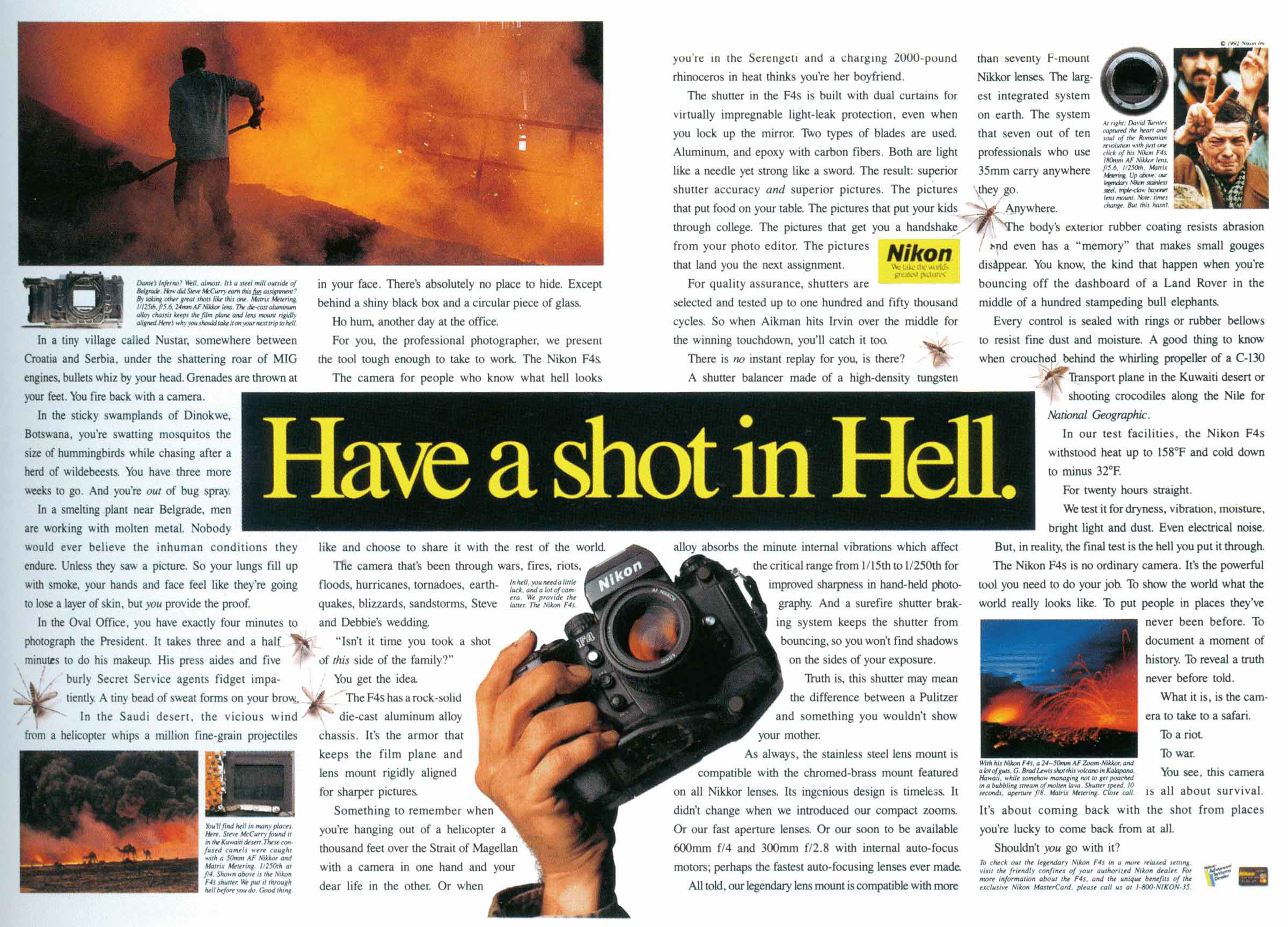
The F4 is designed like a tank. Plastic is not welcome on that bad boy. Every knob is fully waterproof. The environmental testing Nikon has performed on that camera is just out of this world: roasted at 70°C (158°F) for 20 hours, then frozen at -40°C (-32°F) for 20 hours. Brutal temperature variations from -20°C (-4°F) to +60°C (+140°F) and back for 64 hours. Full humidity, and then dryness… With no impact whatsoever on the operational performance. I wonder if even the plastic of a Nikon D6 would withstand these conditions (any Nikon fan around?).
Nikon knew they produced a virtually indestructible camera, and they advertised it in that way. Here is an ad in the “Popular Photography Magazine” from January 1993 : “Have a shot in hell” seems appropriate. To know more about the technical specs, you can visit the excellent Ken Rockwell website.
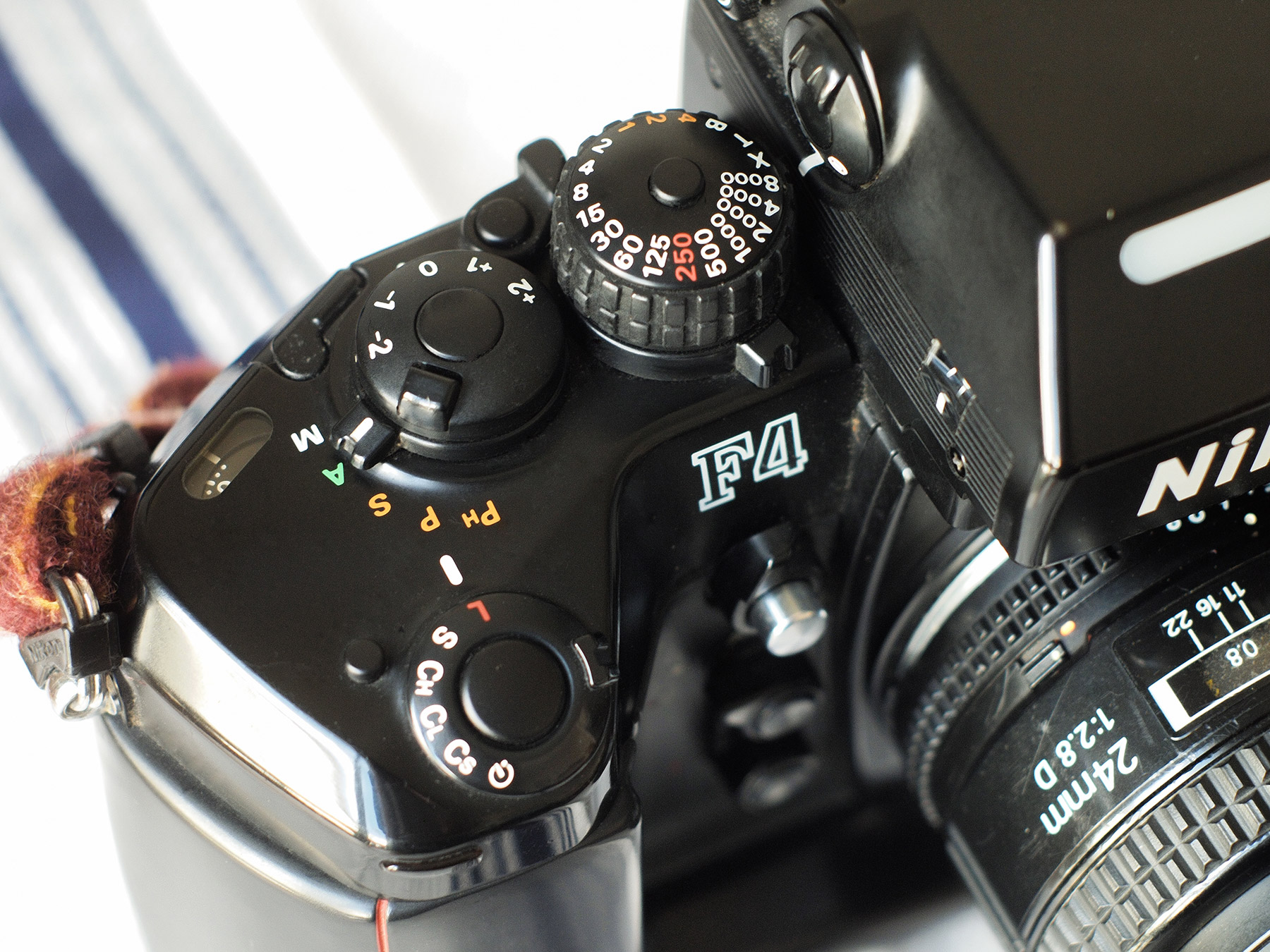
Some say the F4 introduced the modern controls we have on digital cameras. It probably introduced them but — thank God — it got simpler and simpler over the years. The abundance of knobs is crazy. You can virtually set every parameter on that camera. Powerful, but intimidating. I had to read the manual to understand how it work. Yes, READ A MANUAL. IN 2020. That how overwhelming it is.
The tank is definitely a tank, and it weighs like one. When traveling, you need to decide wether you prefer your clothes or your Nikon.
My F4 weighs 2.2 kg (4.9 Lbs) with this 1975 80-200m f4.5 lens! The weight is comparable to an adult Chichuahua, or 4.5 iPads.
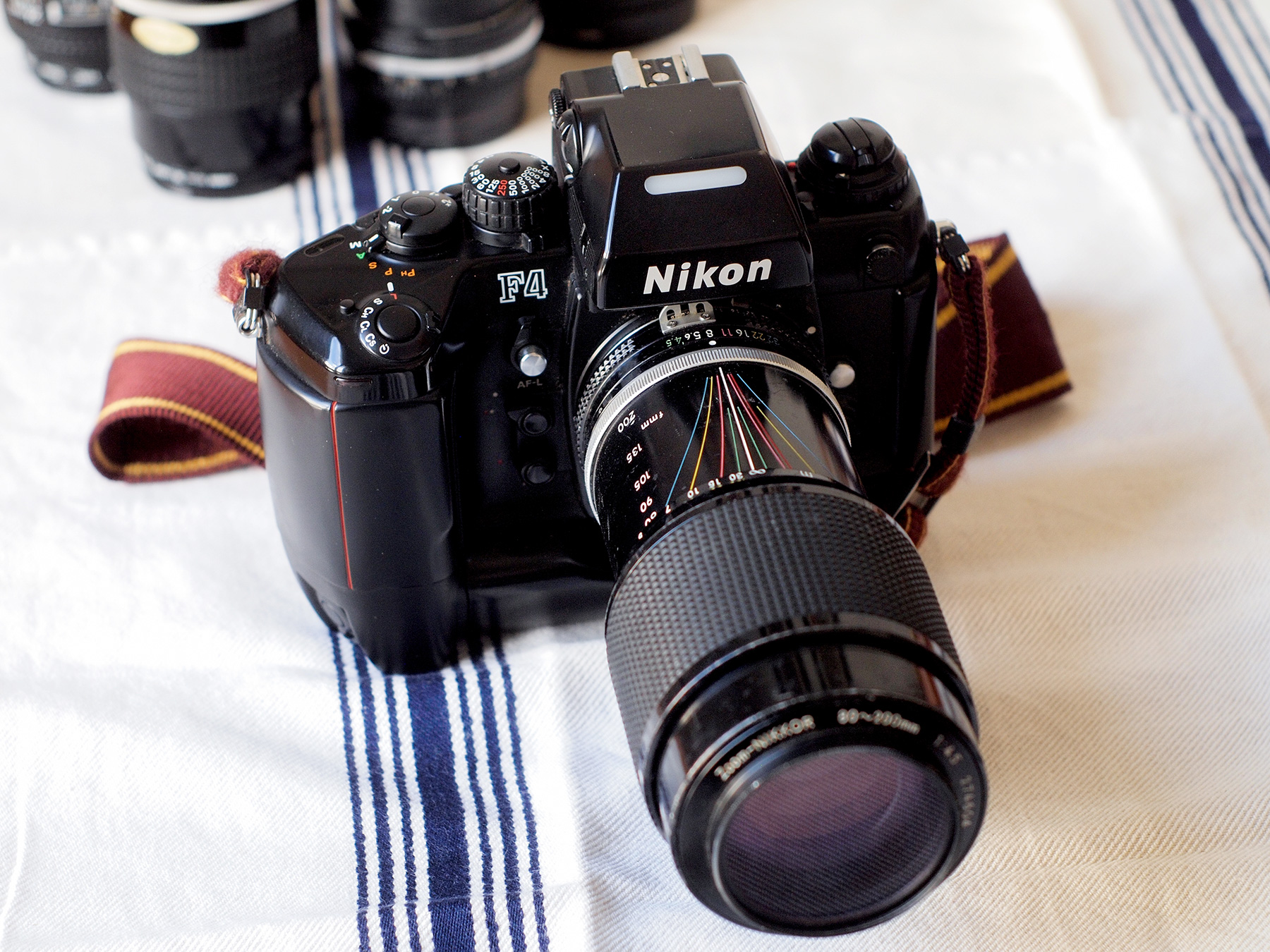
Despite its weight and look, I adopted the Nikon F4.
Using it feels like taking your Ferrari to the farmer’s market a block away: totally unnecessary, but satisfying. The fact it can do anything is soothing: It is probably more reliable than me. Its clunkiness makes it endearing. Come here Nikon F4, I understand you.
What about some pictures?
I took the Nikon F4 for a test drive on a cloudy February weekend. I might say I appreciated shooting with it, and the Nikkor lenses are still sharp. I will definitely use it when the next war breaks out.
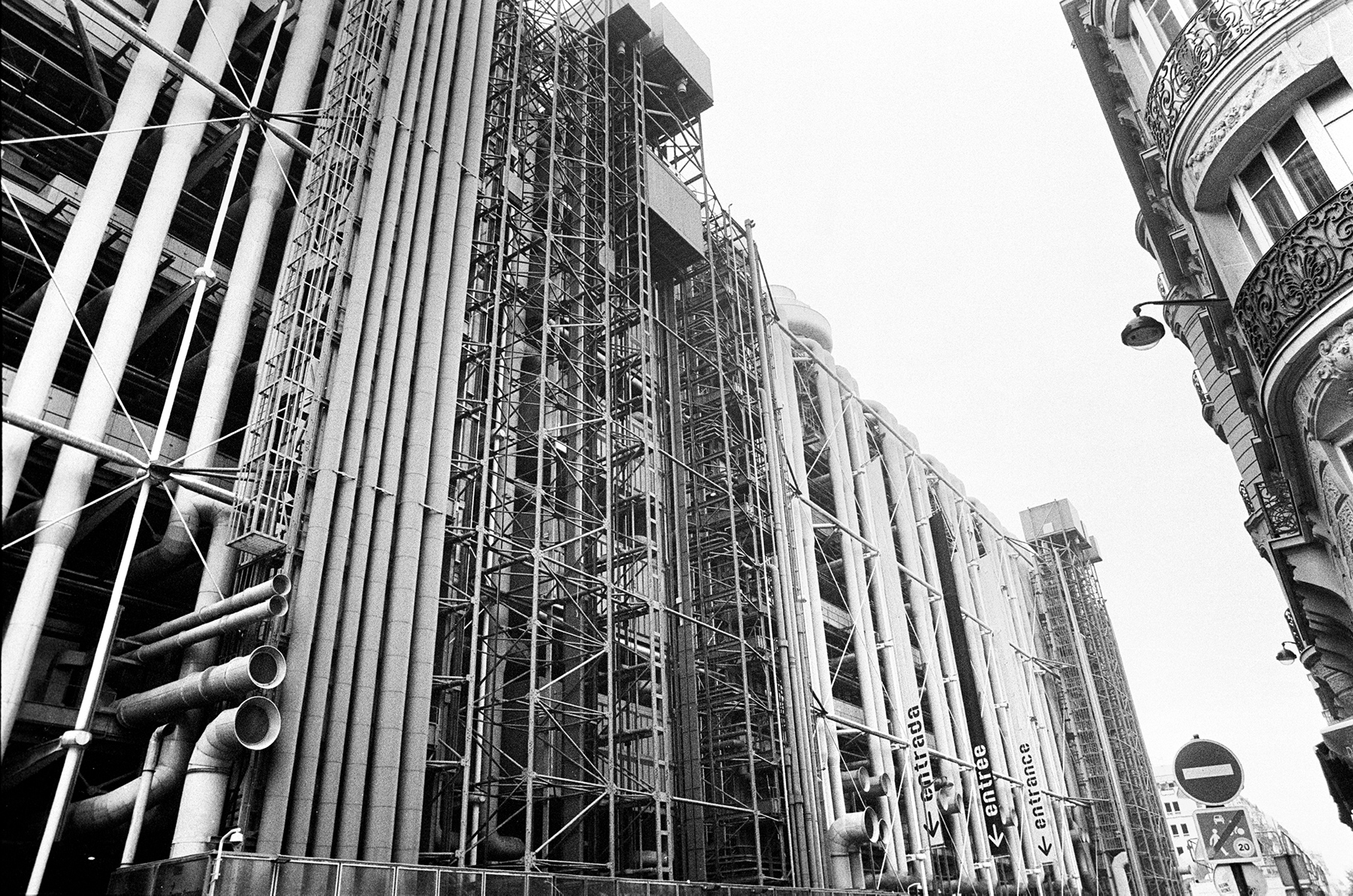
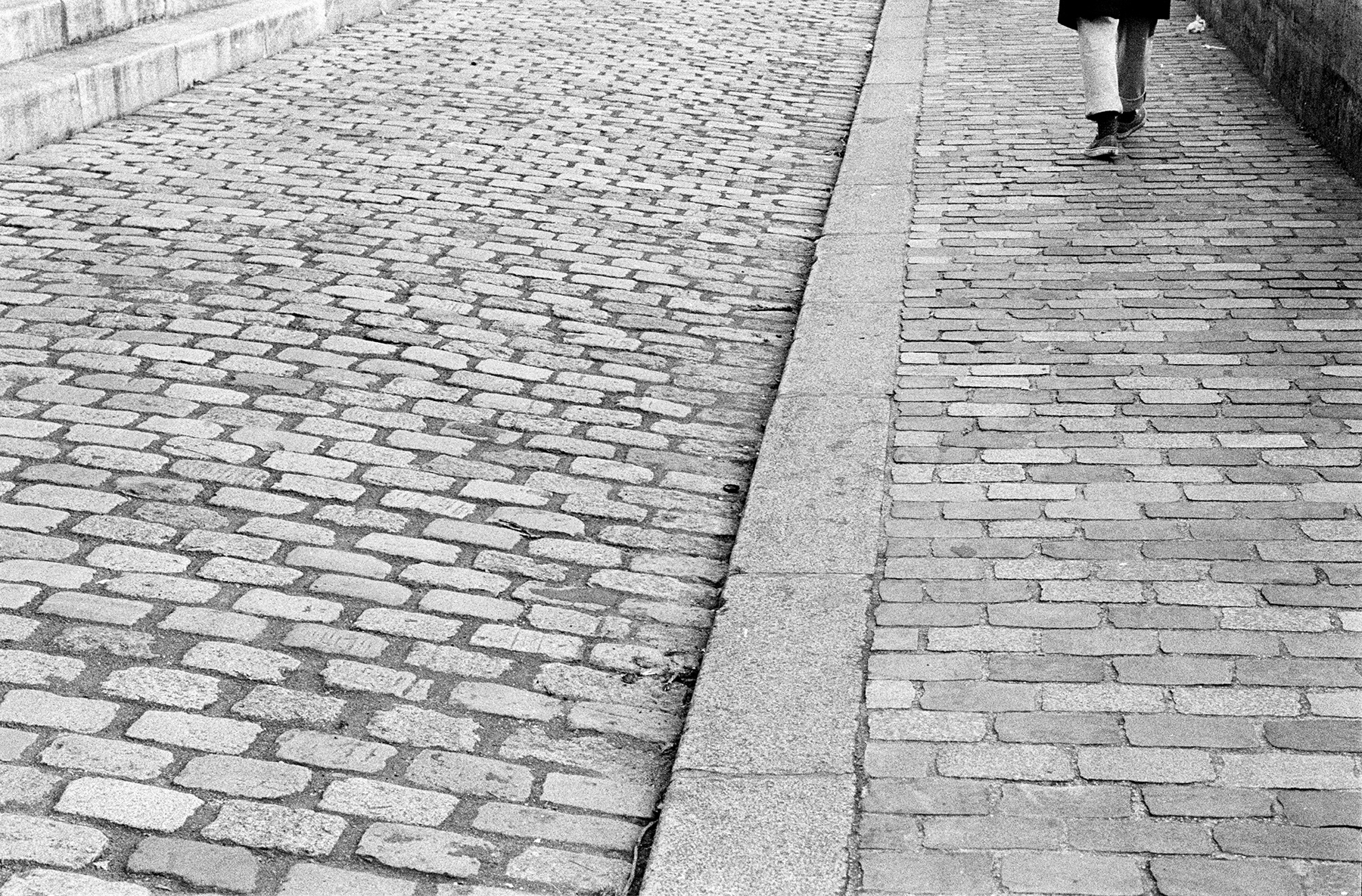
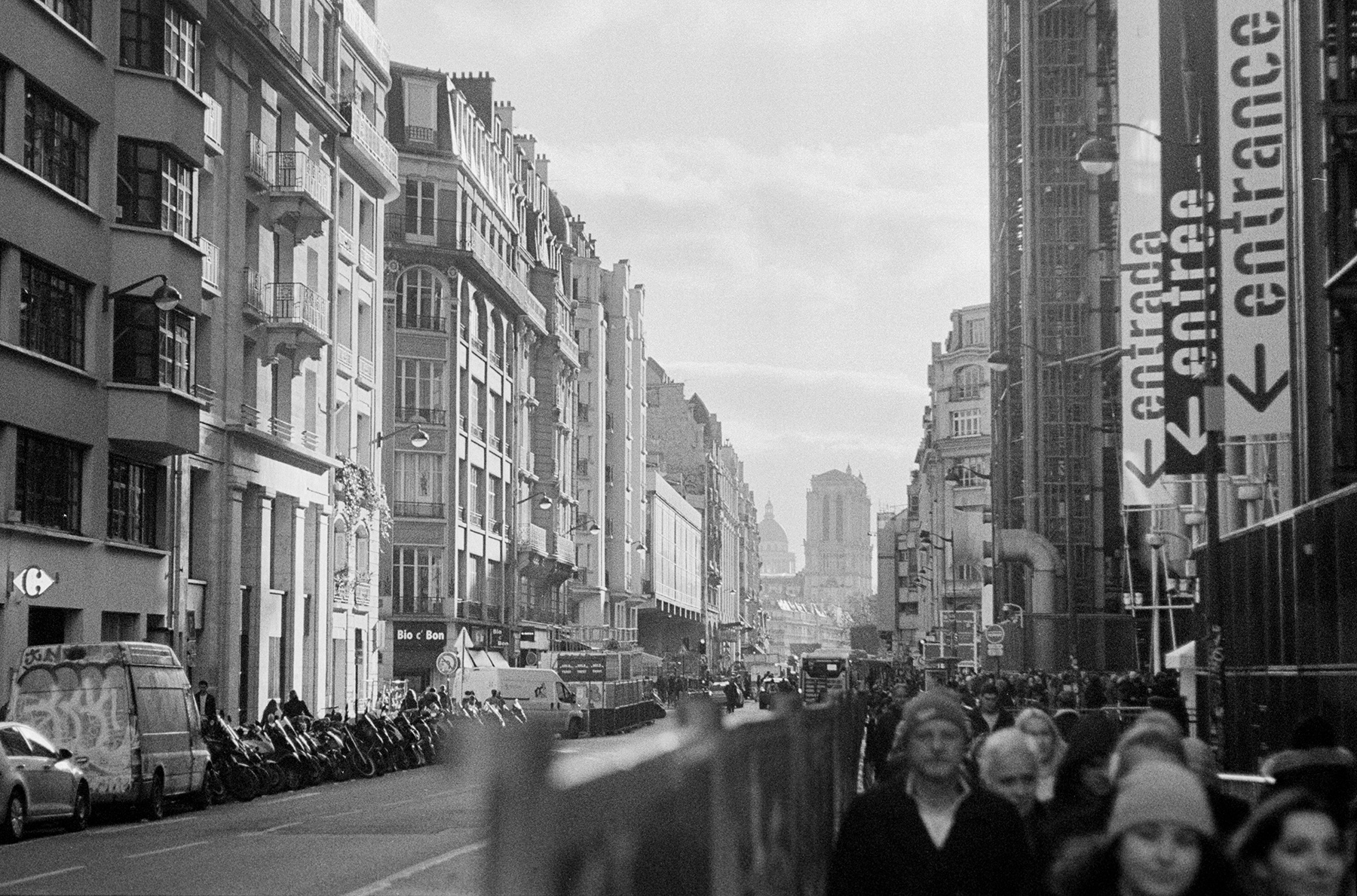
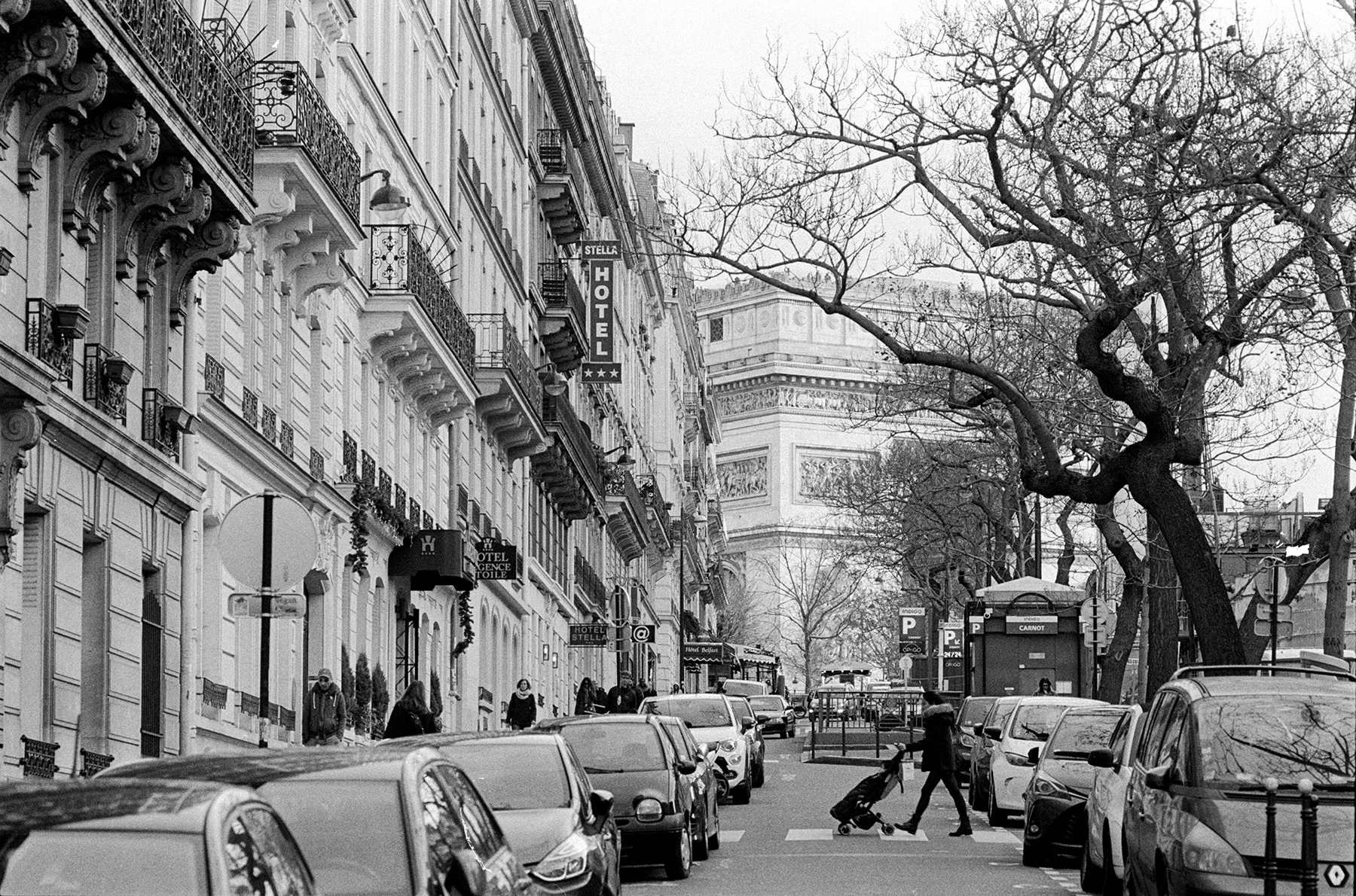
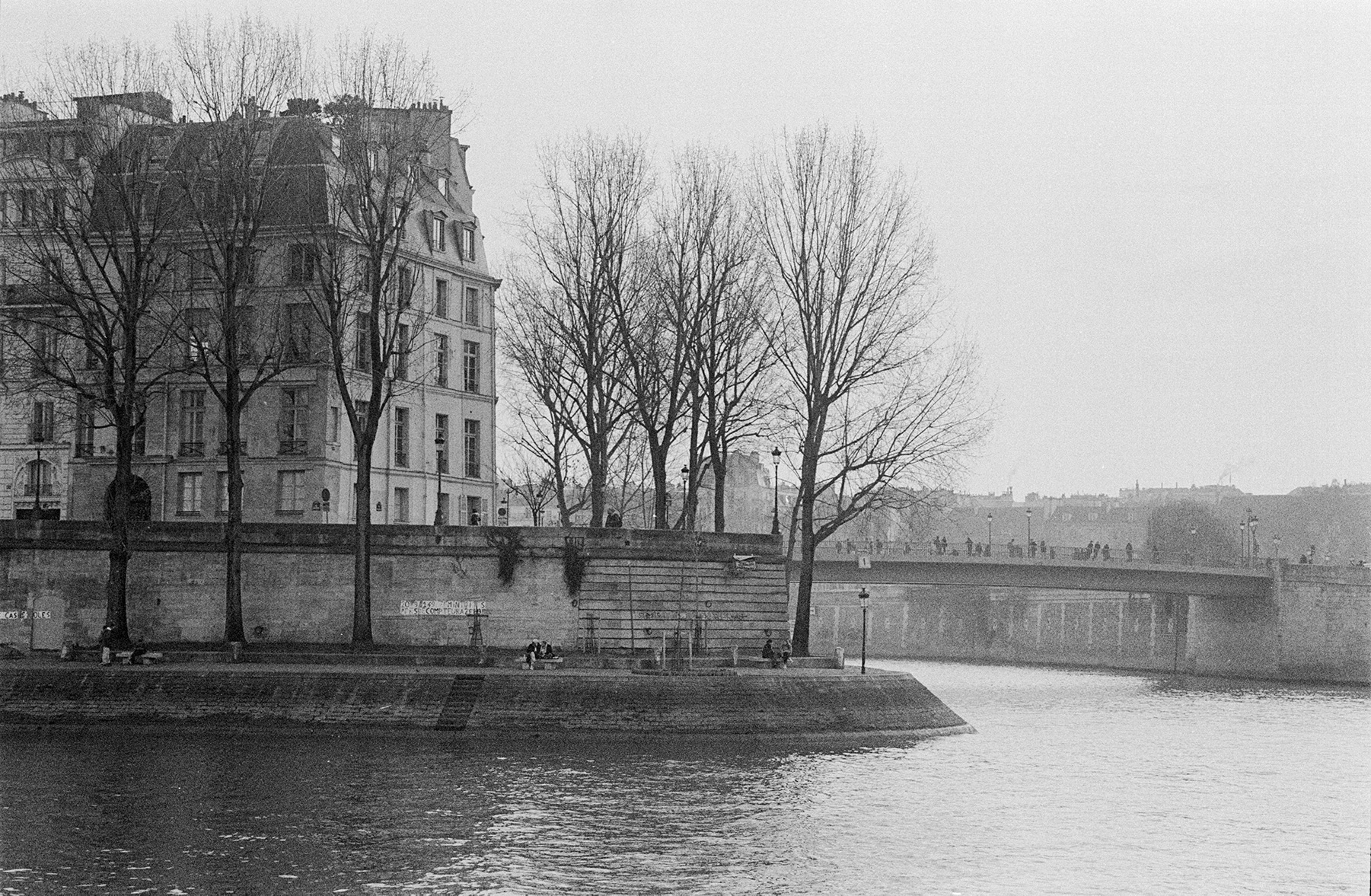
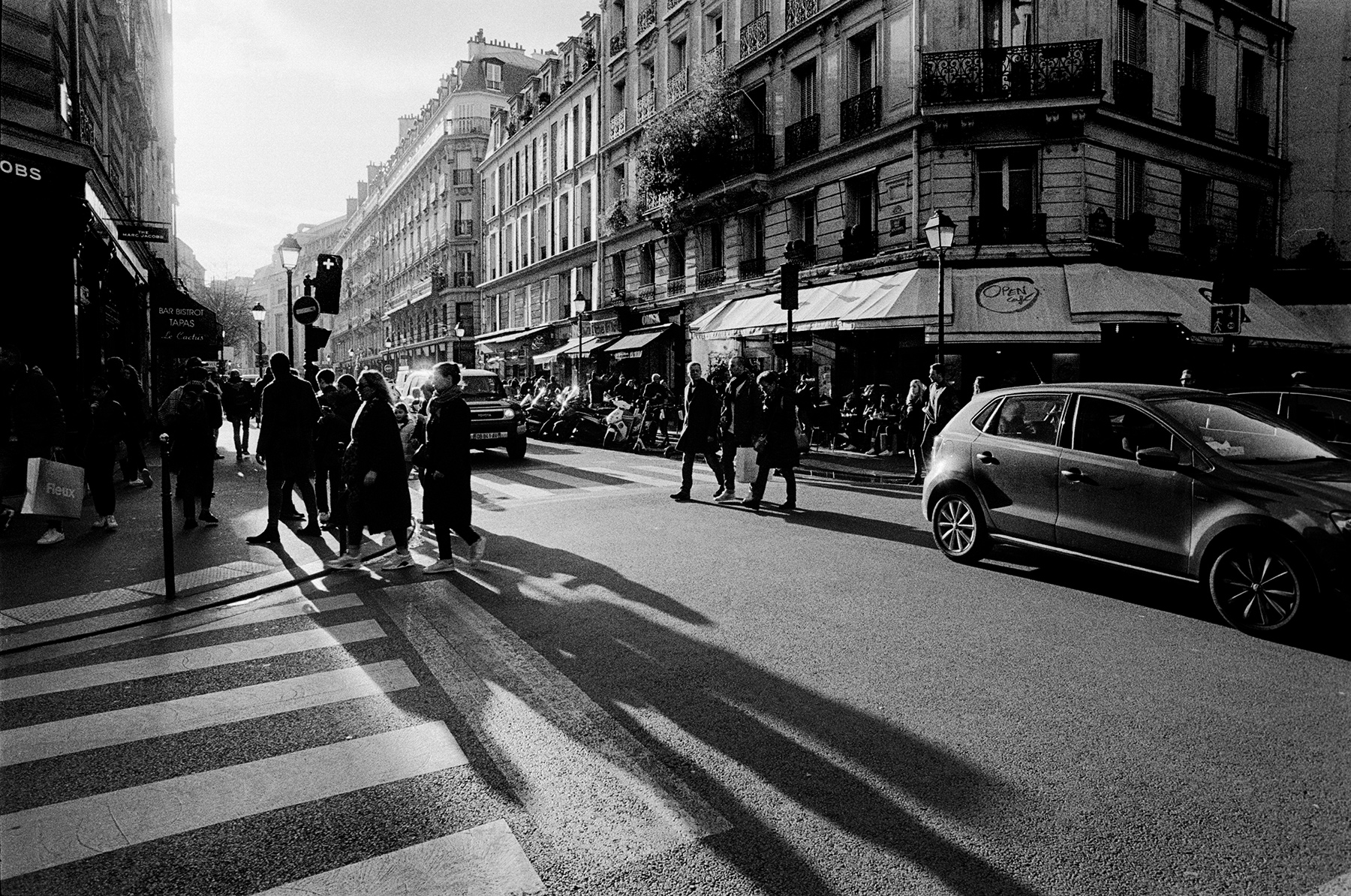
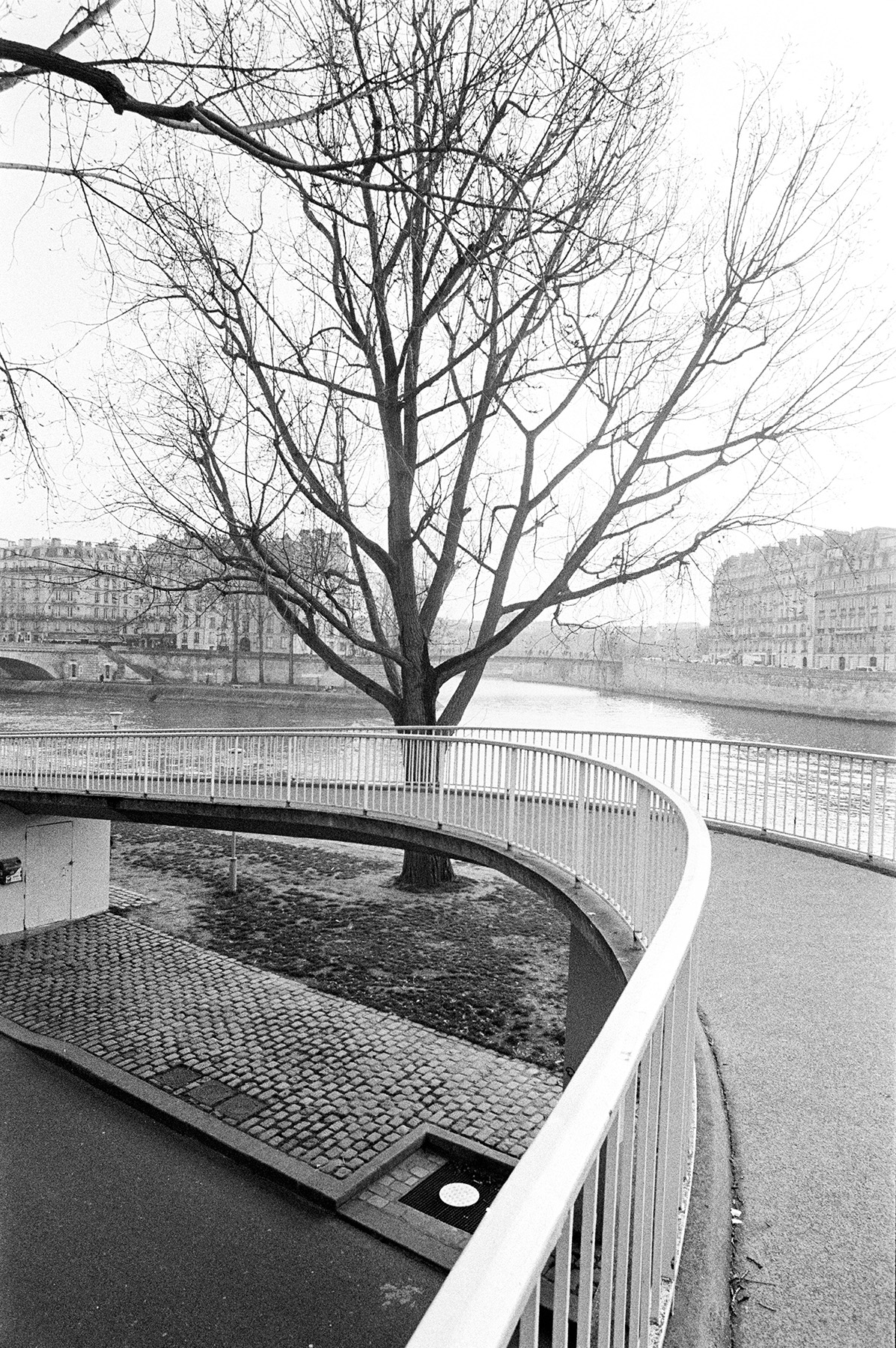
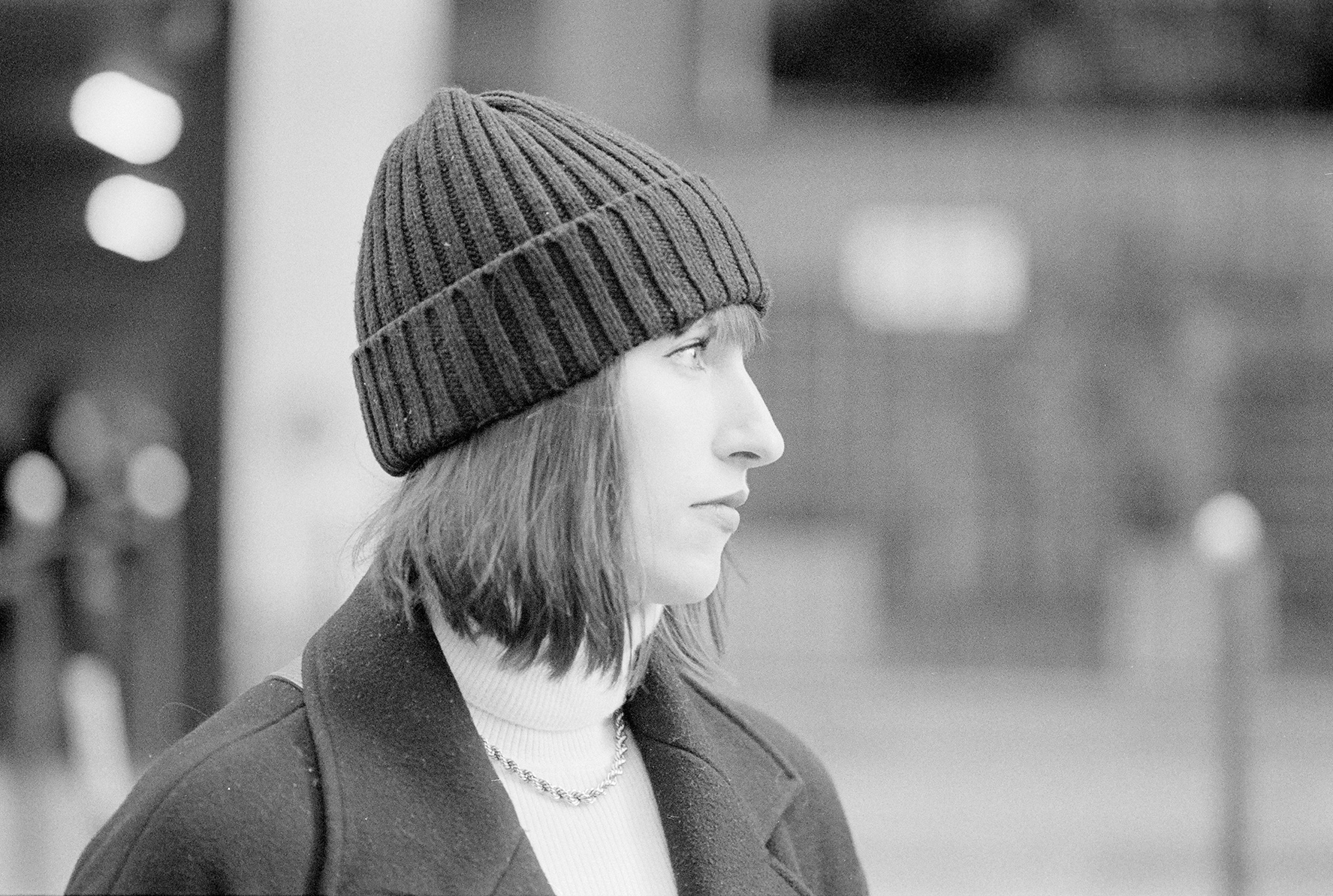
Photos taken in February 2020 in Paris. Lenses: Nikkor 24mm, 105mm, 80-200mm. Film: Shot on Ilford FP4 and processed in ID-11 (1+3)
The post Nikon F4: The 1988 workhorse appeared first on Pierre Killmayer.
]]>The post Blog: 5 years of experimentation appeared first on Pierre Killmayer.
]]>
5 years already!
5 years ago, I started a blog. My first post what about the Minox 35. What better homage is there than using a photograph taken by this very camera last year to celebrate this birthday?
Since 2015, I have been experimenting new chemicals, repairing old cameras and testing new films and paper. Thanks to you and your support, I have been able to express myself and share my vision.
This is what film photography is about: experimenting, overcoming established rules and building a personal creative process.
Thank you again and see you soon with more projects!
The post Blog: 5 years of experimentation appeared first on Pierre Killmayer.
]]>The post A weekend in Bangkok appeared first on Pierre Killmayer.
]]>It was back in India, on a Monday in February. We were just back from Malaysia, and not even two hours after arriving at work, already depressed by a long week ahead, we impulsively booked plane tickets to Thailand for the next weekend. A direct flight landing in Bangkok on Saturday around 5am and leaving at 8pm on Sunday. A short and intense time that was used wisely for a fun and hot weekend. As usual, I carried around my Voigtlanter Bessa and brought back with me one exposed roll of film, which sat quietly in the camera until last week.
…for 14 shots
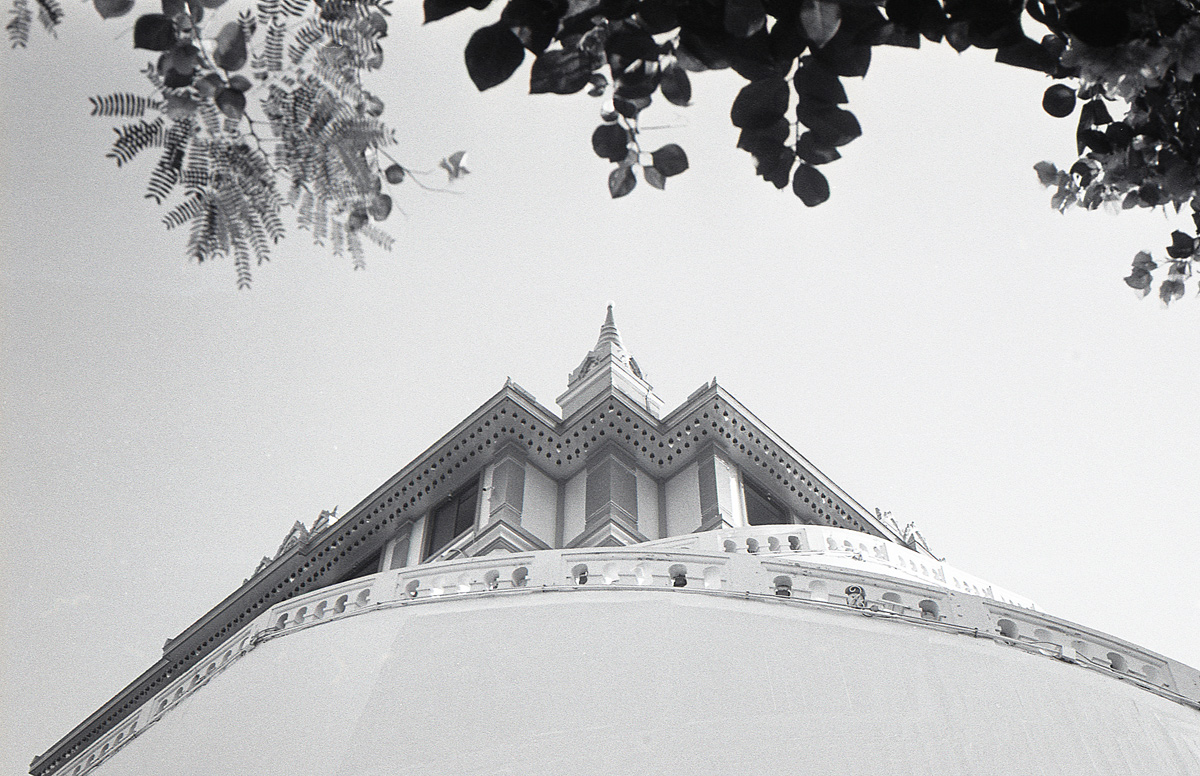
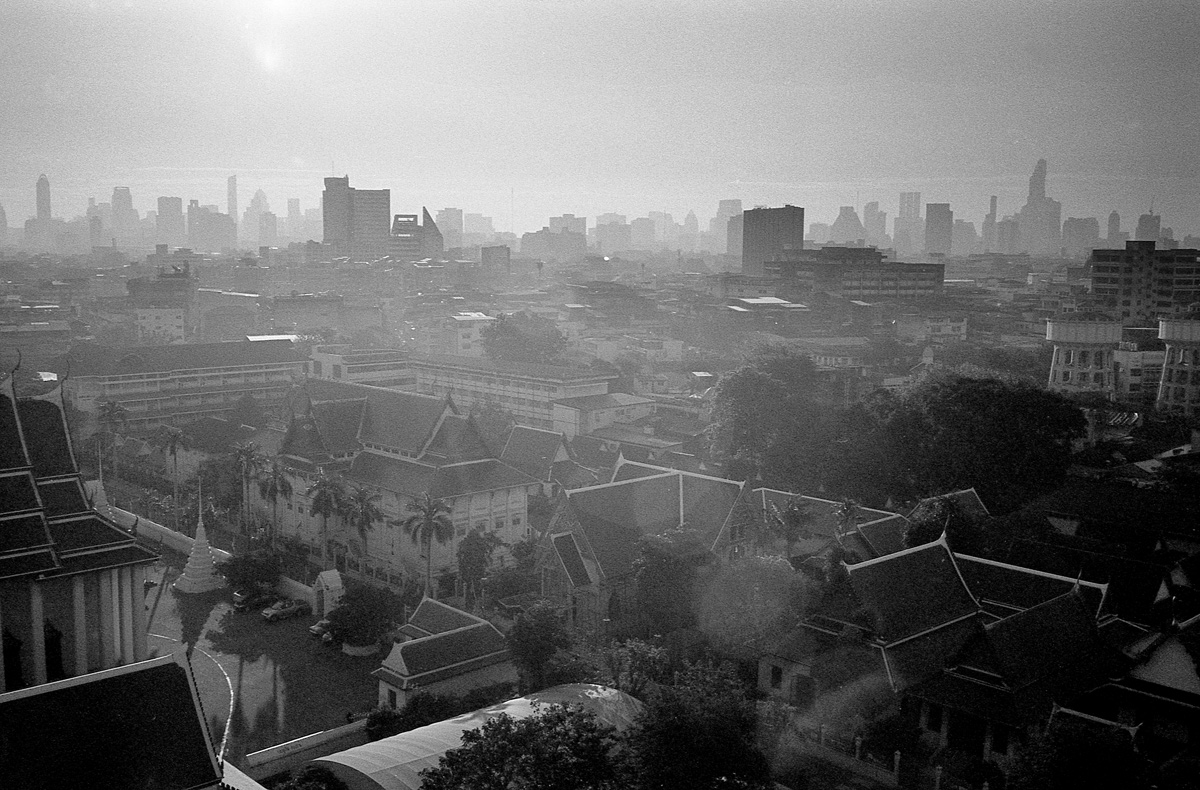
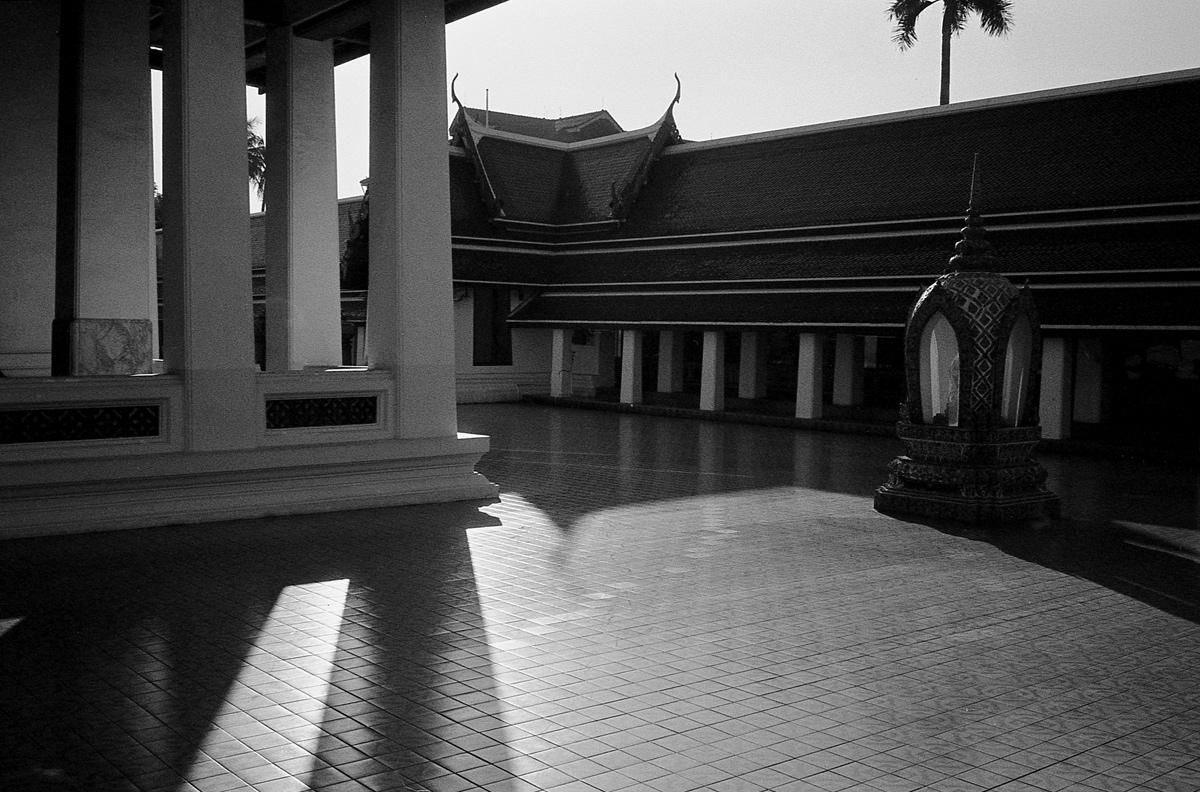
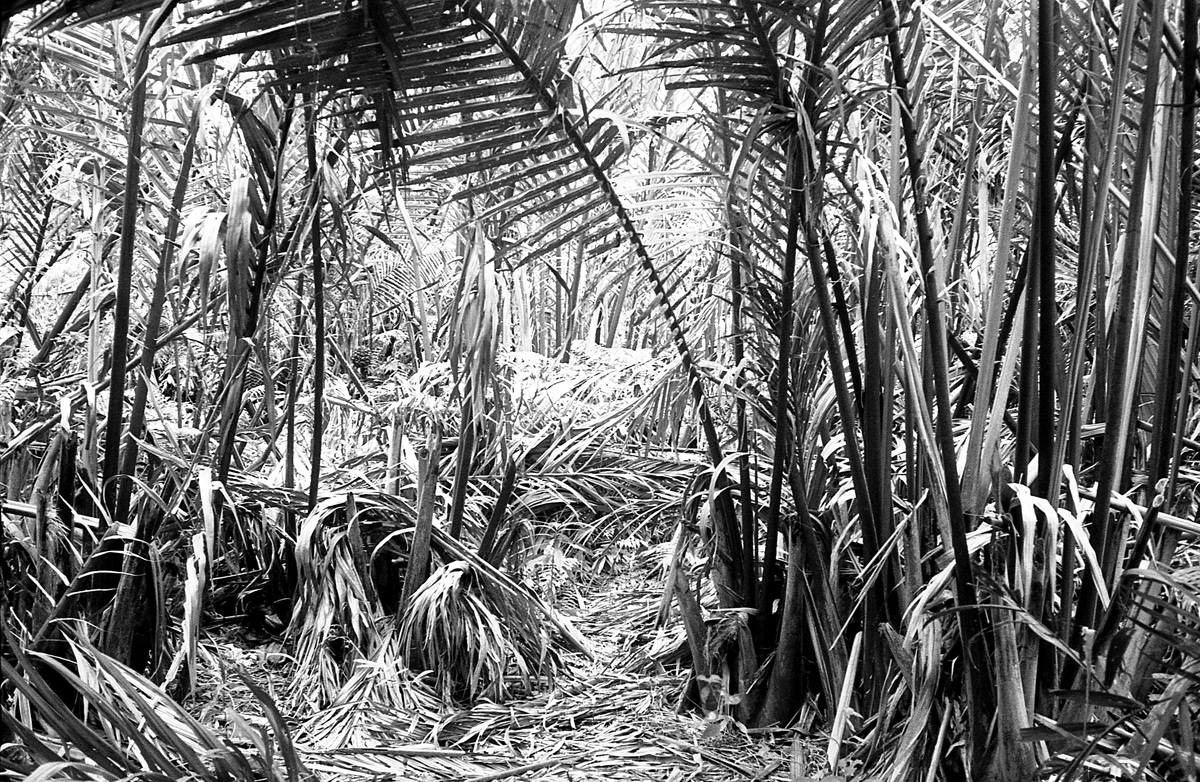
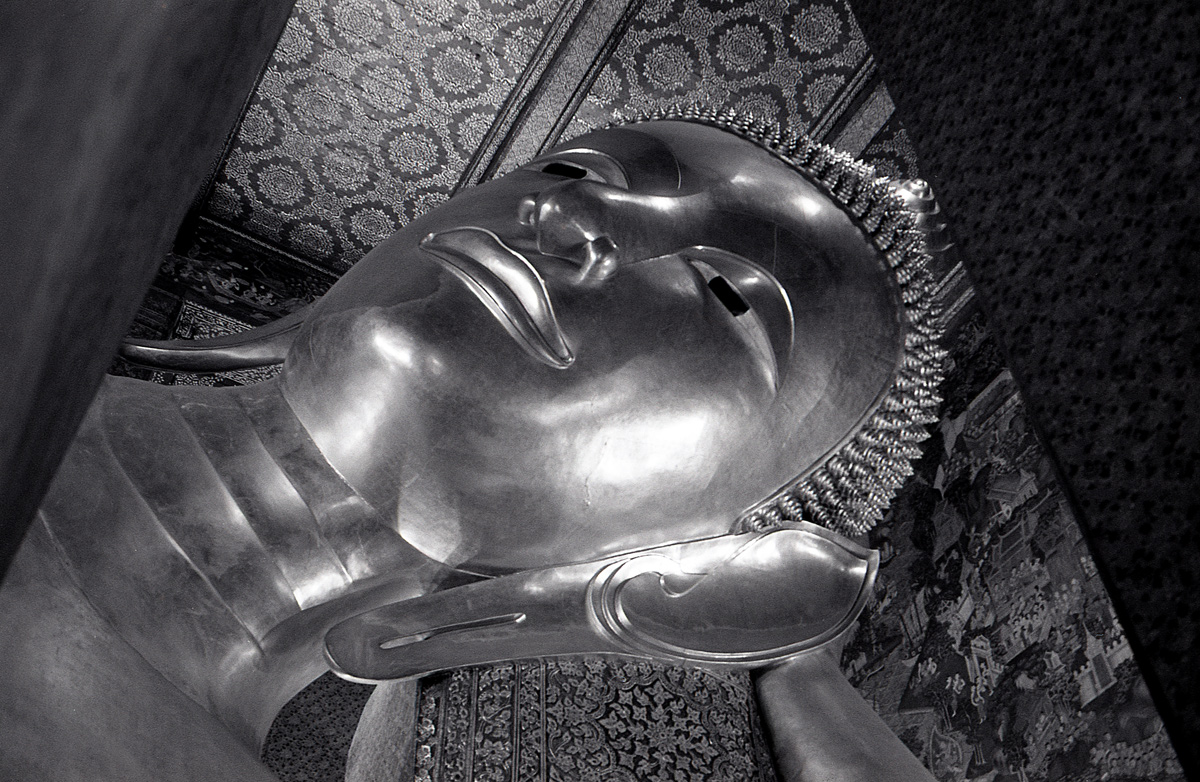
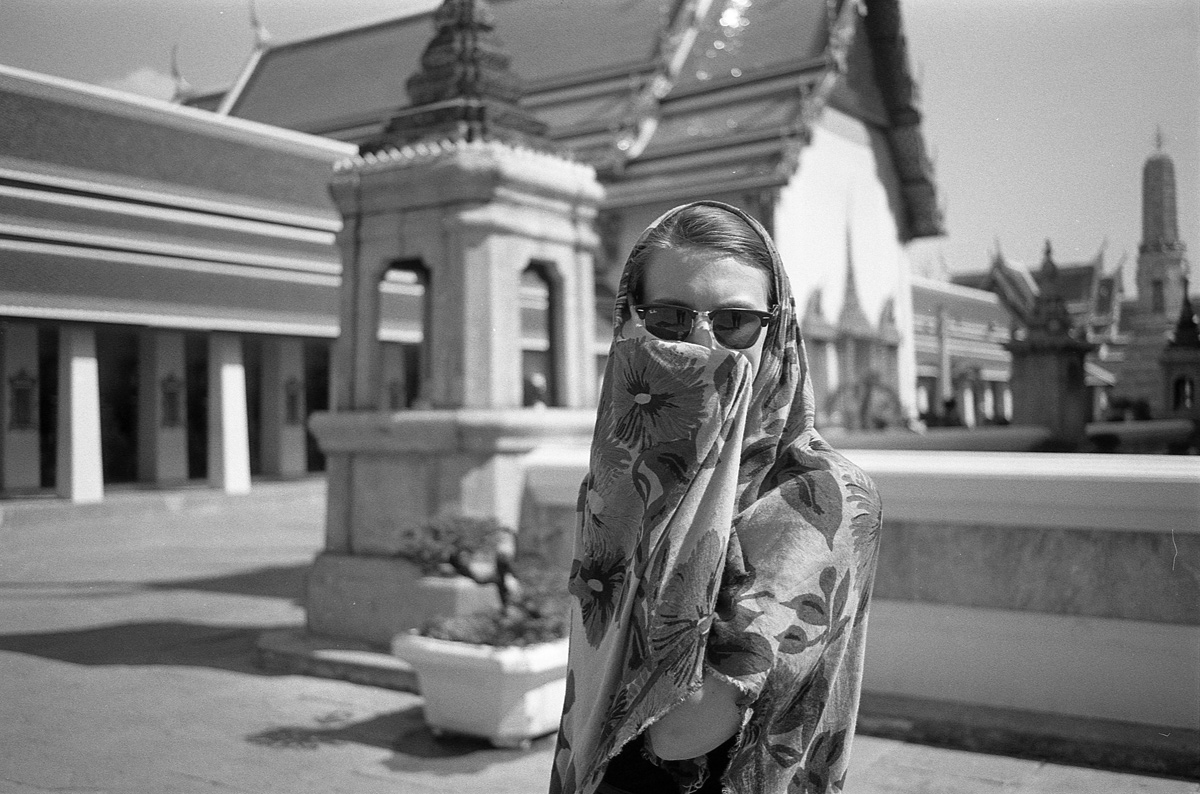
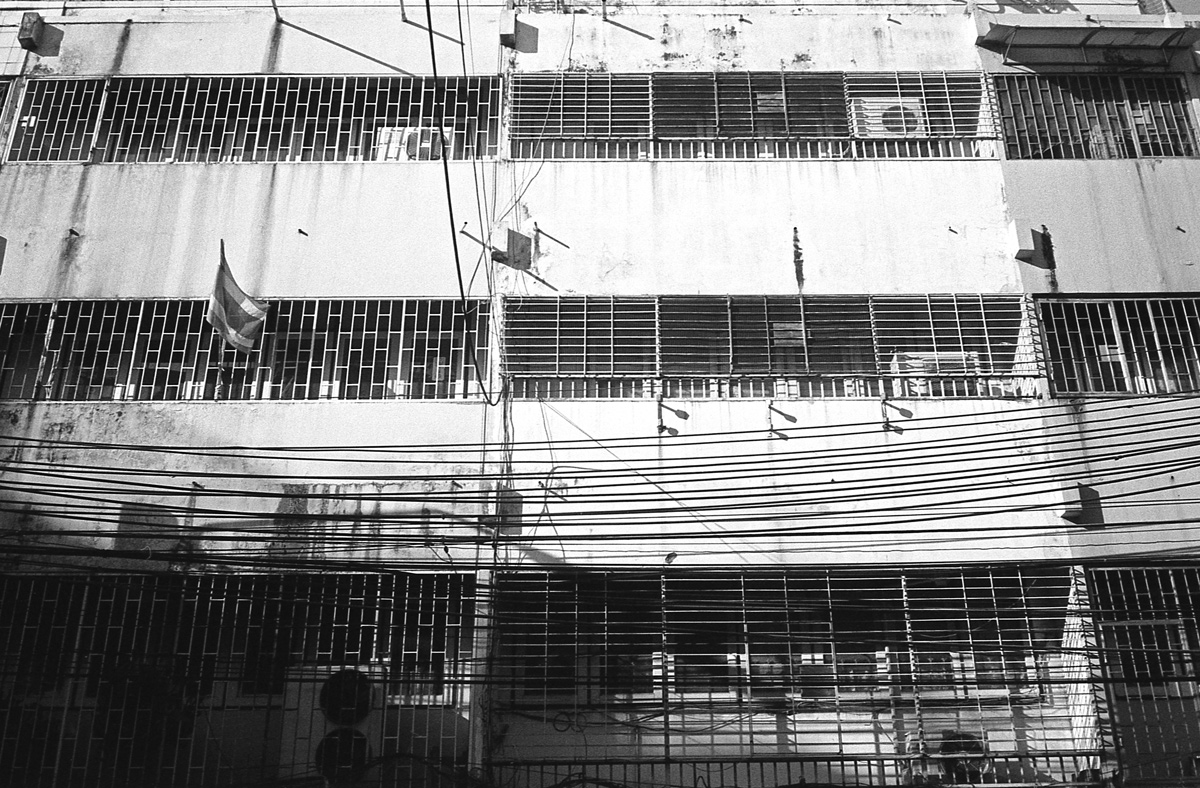
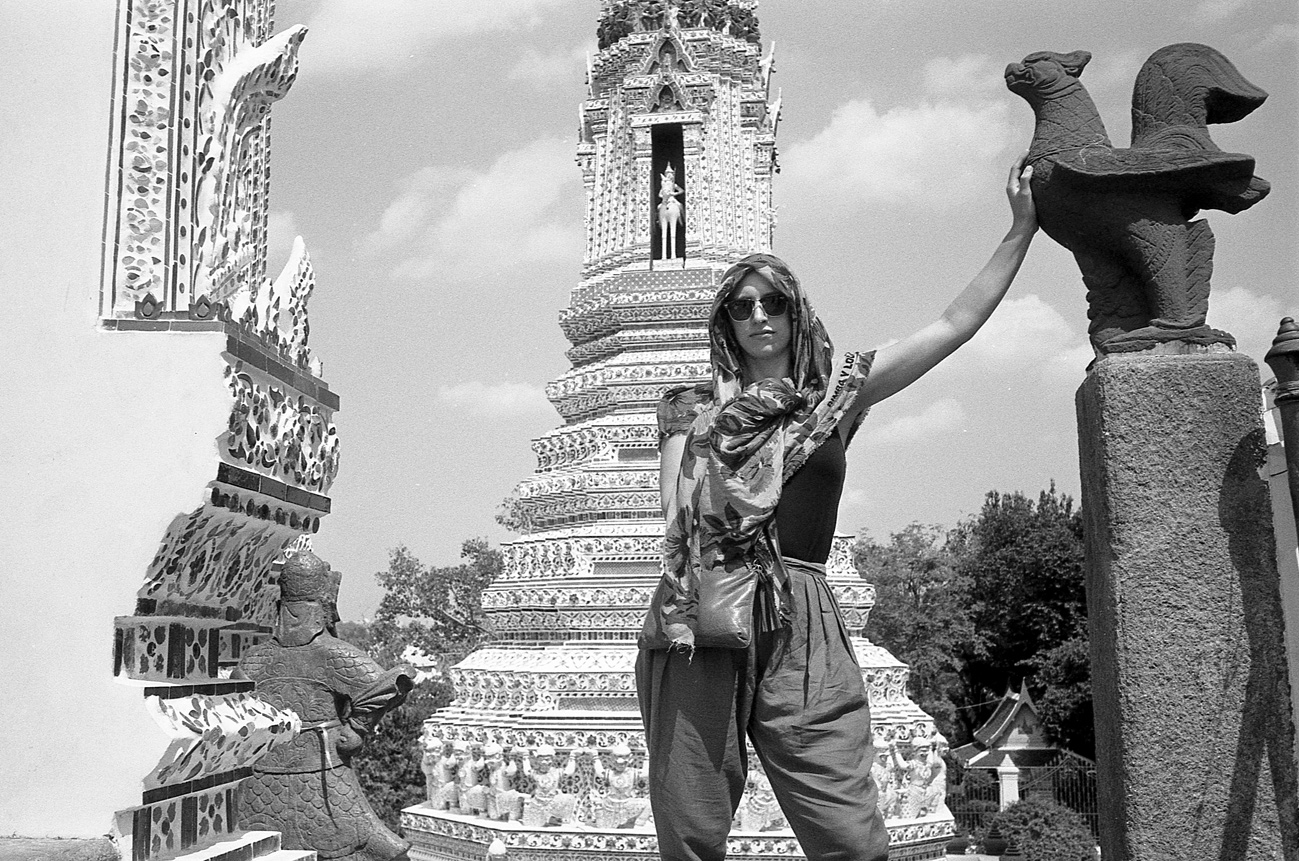
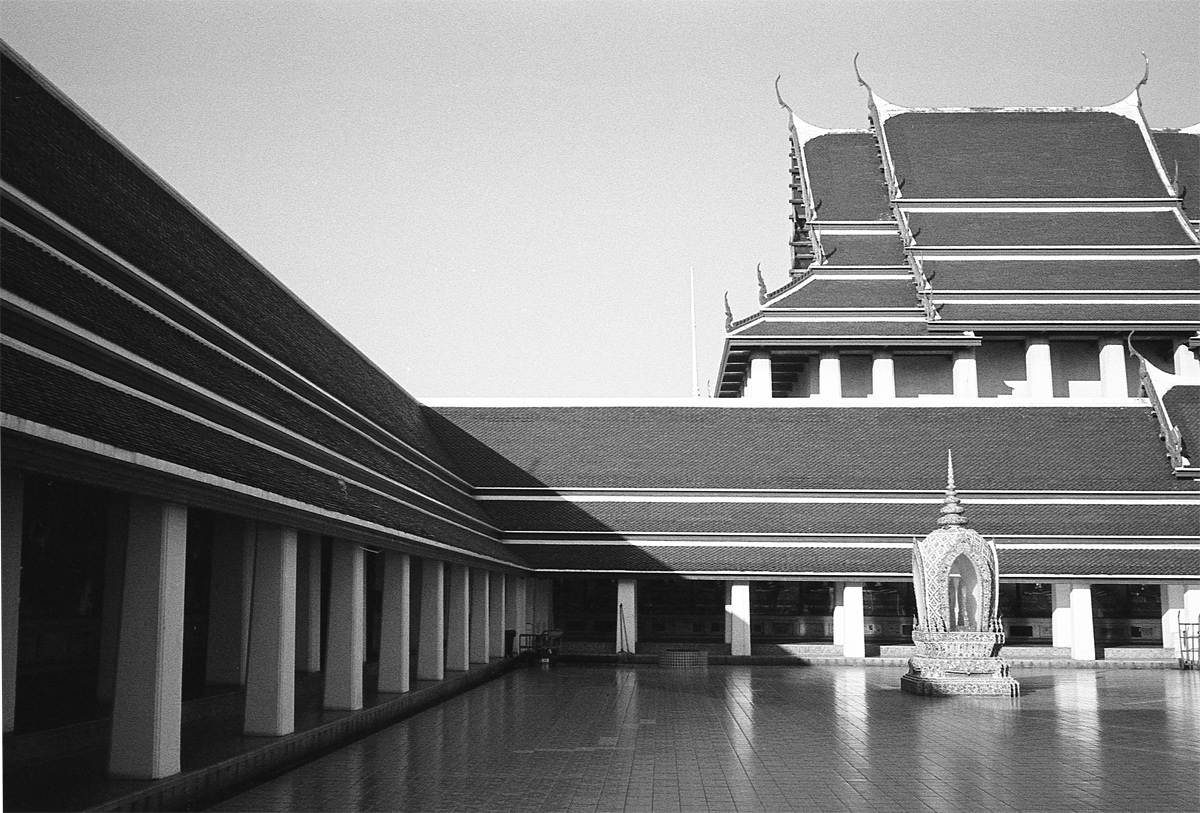
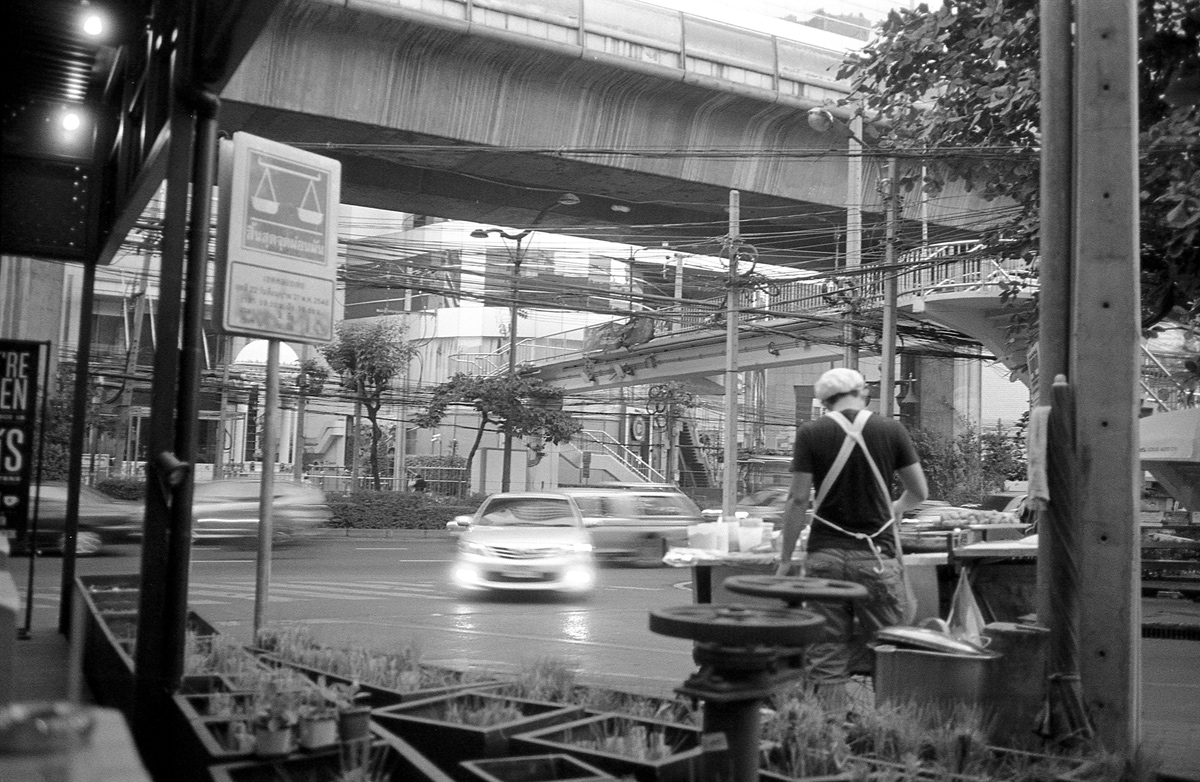
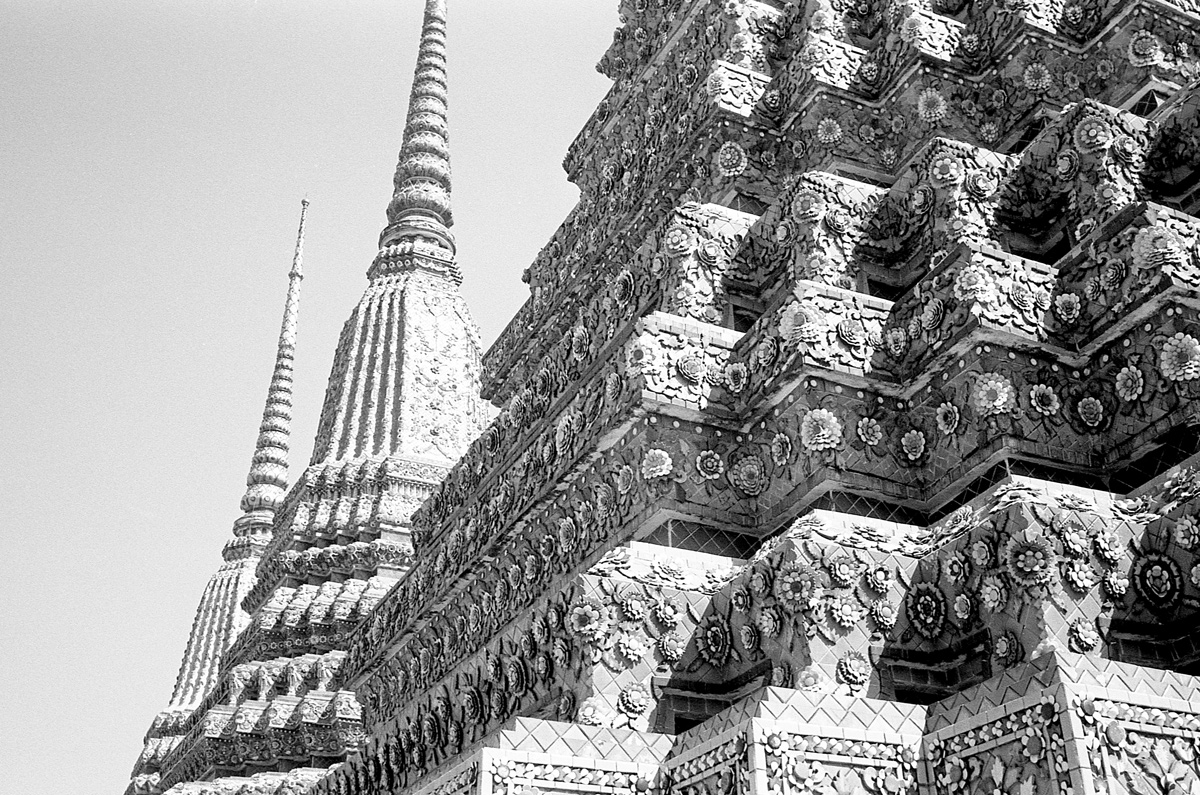
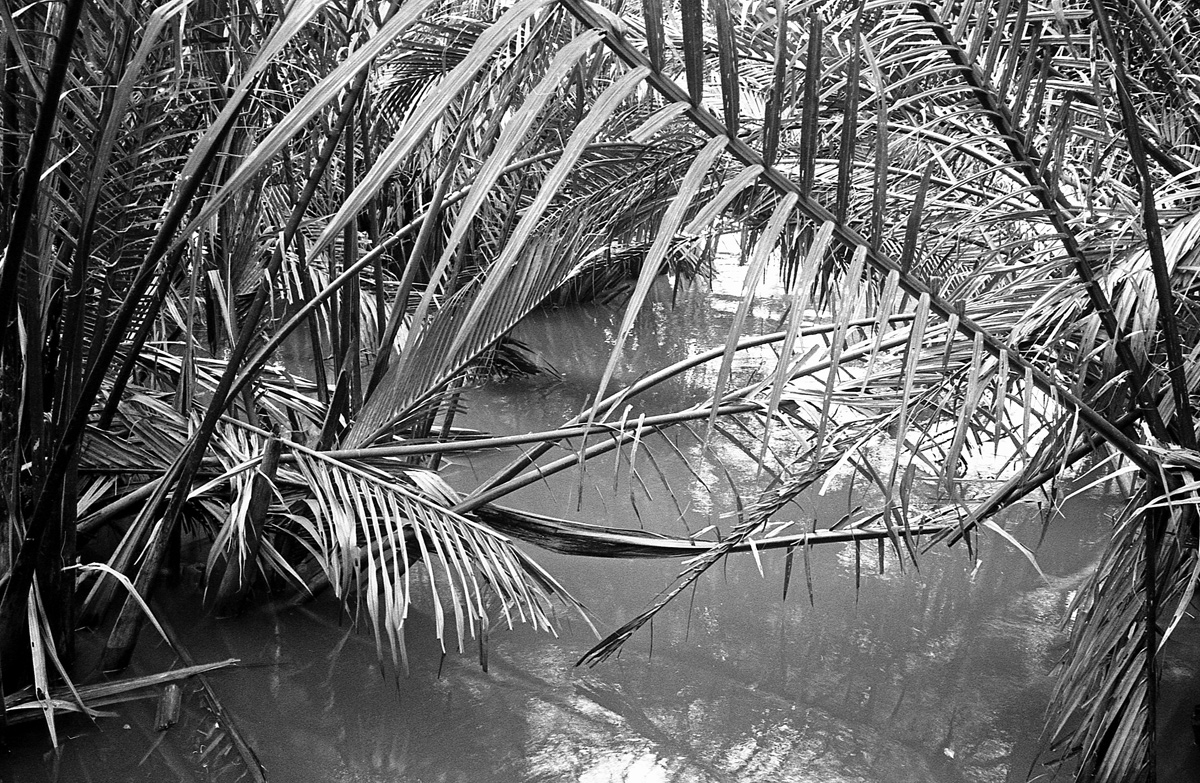
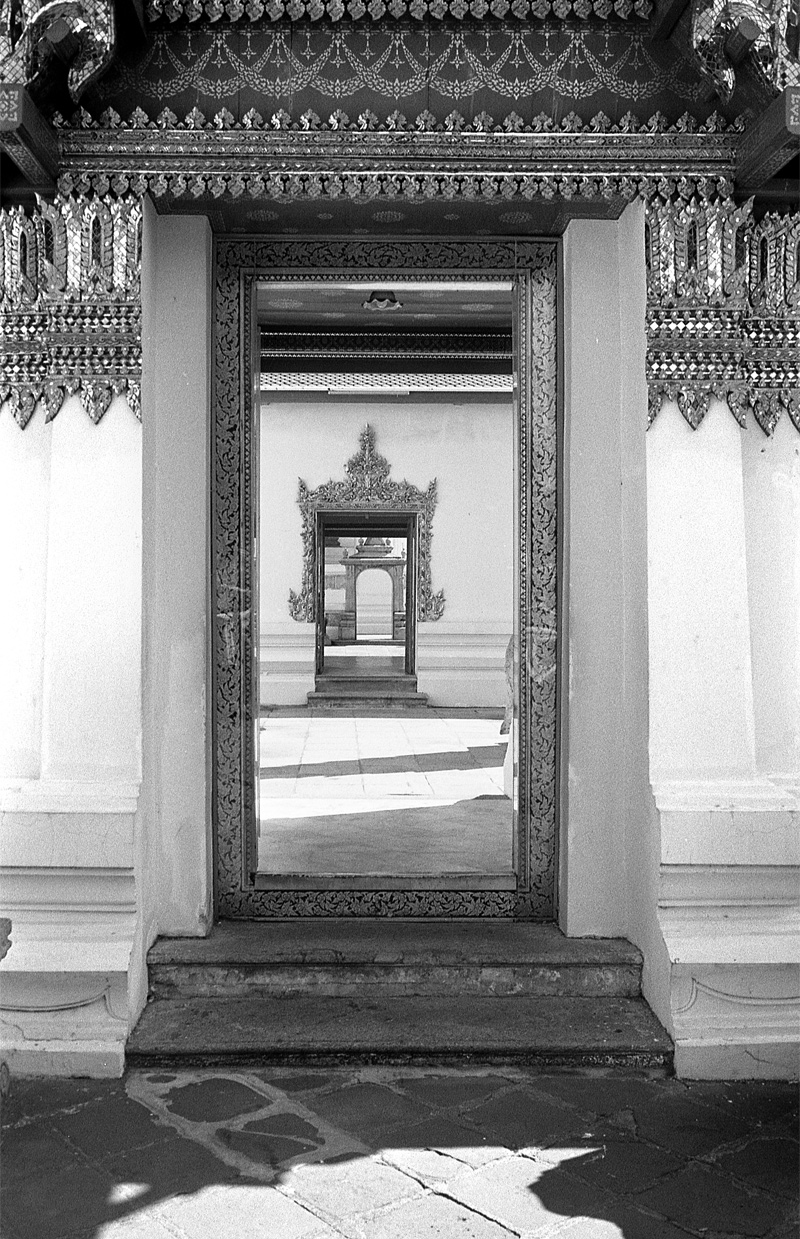
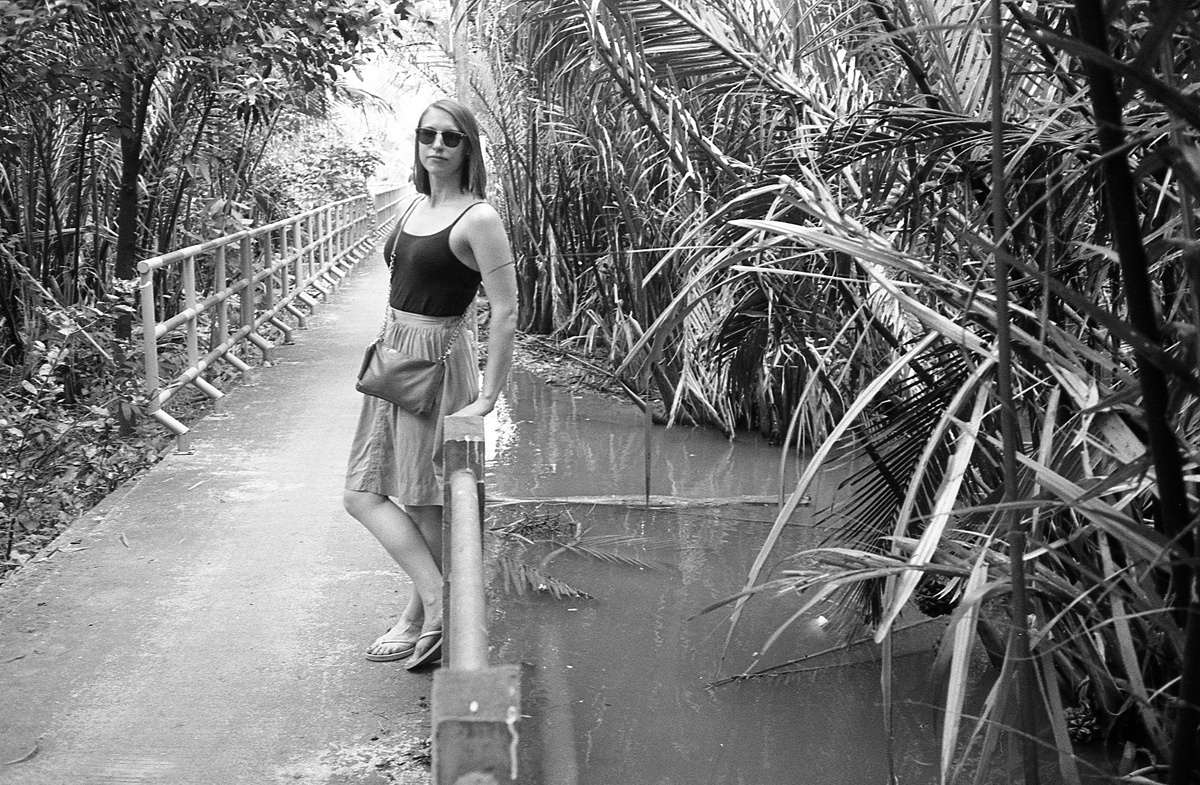
Photos taken in February 2017 in and around Bangkok, Thaïland. Camera: Voigtlander Bessa R with Color-Skopar 35mm and Jupiter 50. Film: Maco direct Rollei RPX 100. Processed in Pyrocat HD. Scans are from the negatives.
The post A weekend in Bangkok appeared first on Pierre Killmayer.
]]>The post Printing India in the bathroom appeared first on Pierre Killmayer.
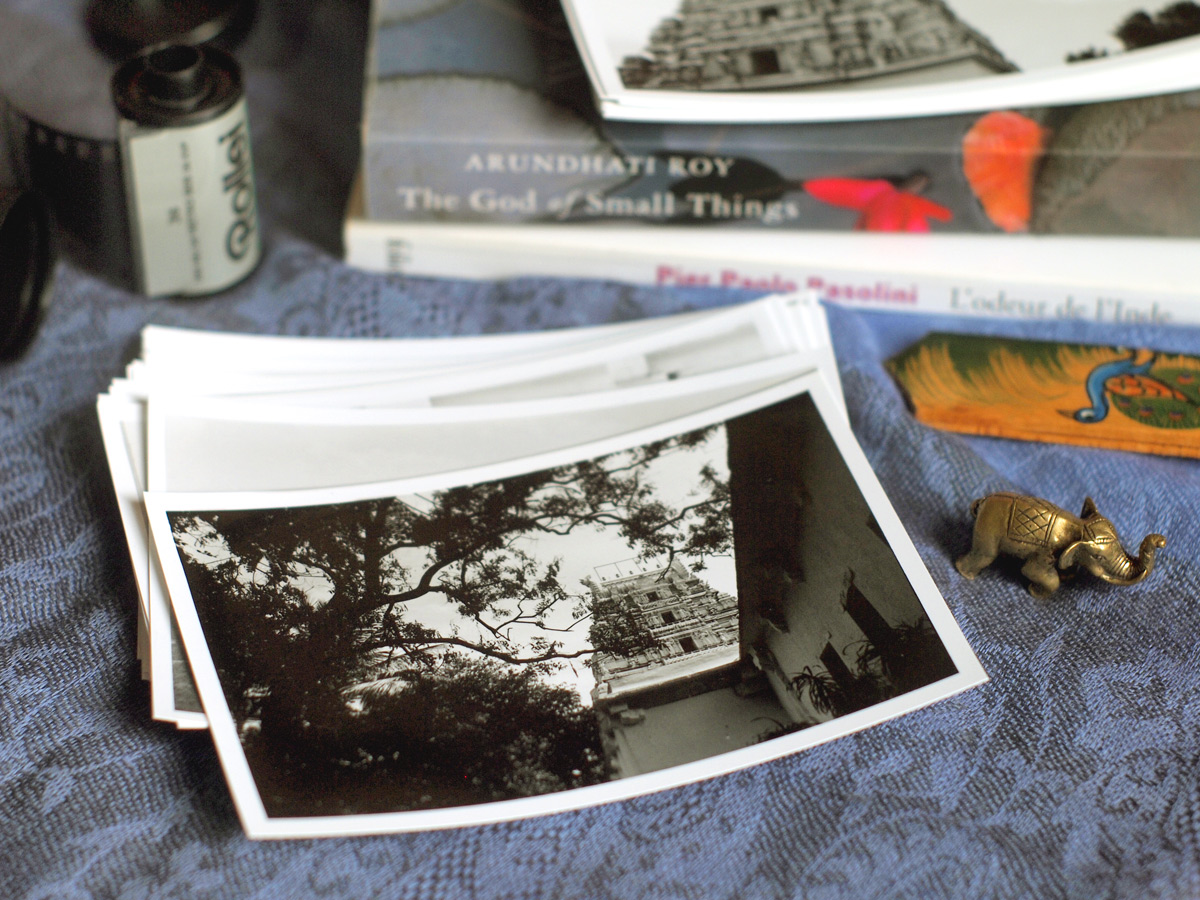
]]>
Back to reality
After the other weekend, and the gratifying experience I described in the previous post of printing in a professional darkroom, I was quite done with spending hours on my knees in my bathroom. However, considering the terrible weather, I decided to still give it a try, at least for a few prints. The first shots in the developer bath came out pretty decently so I decided to push the effort. I ended up printing two entire rolls of film from India. I even ran out of clothespins to hang the photos to dry.
A stack of small prints
I worked using half of 6 cm x 9 cm Adox MCP 310 paper sheets in order to make a photo album, so they are small prints. I still enjoyed the pretty crisp outcome from Ilford HP5 and FP4 on Adox paper.
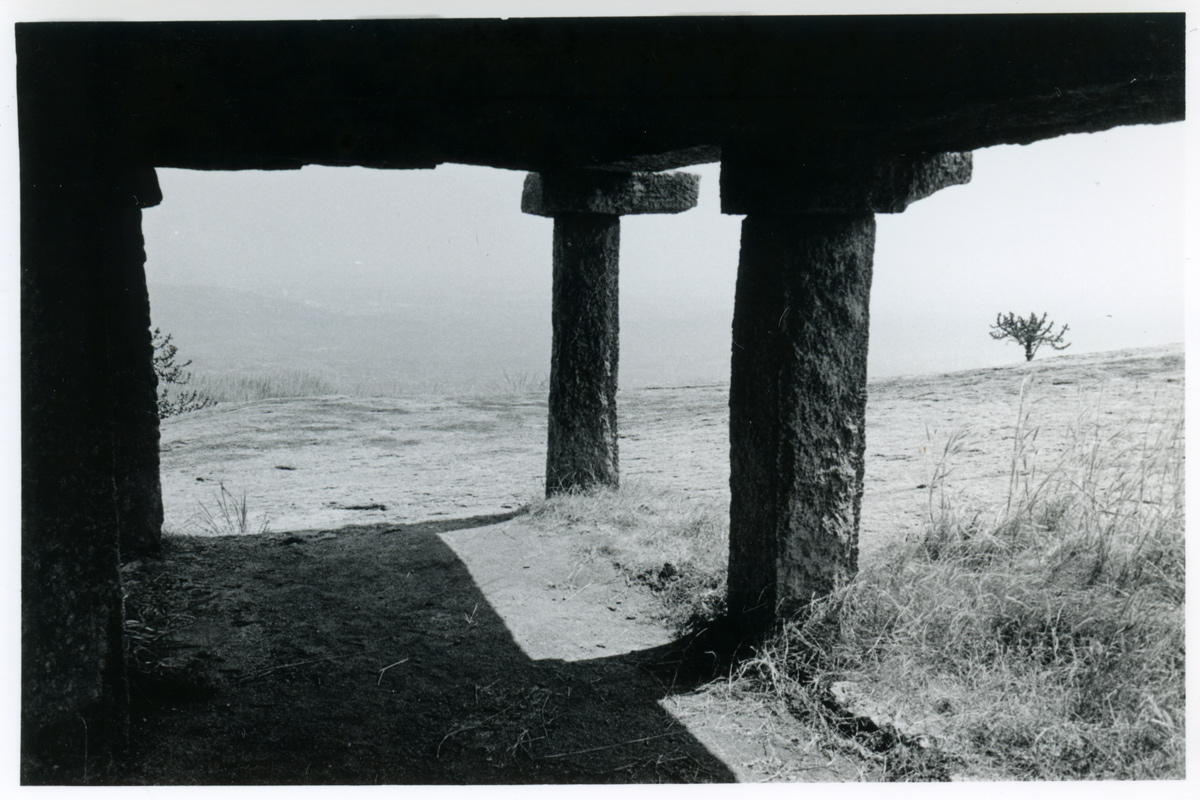
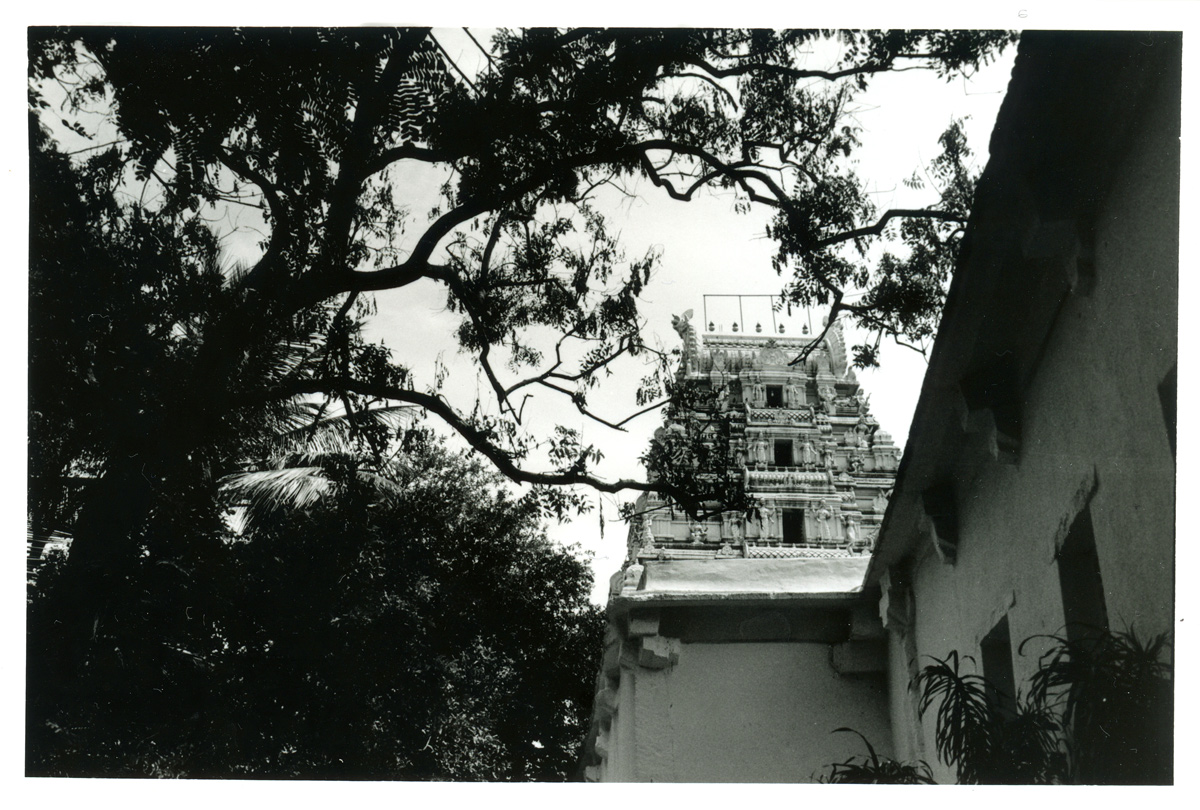

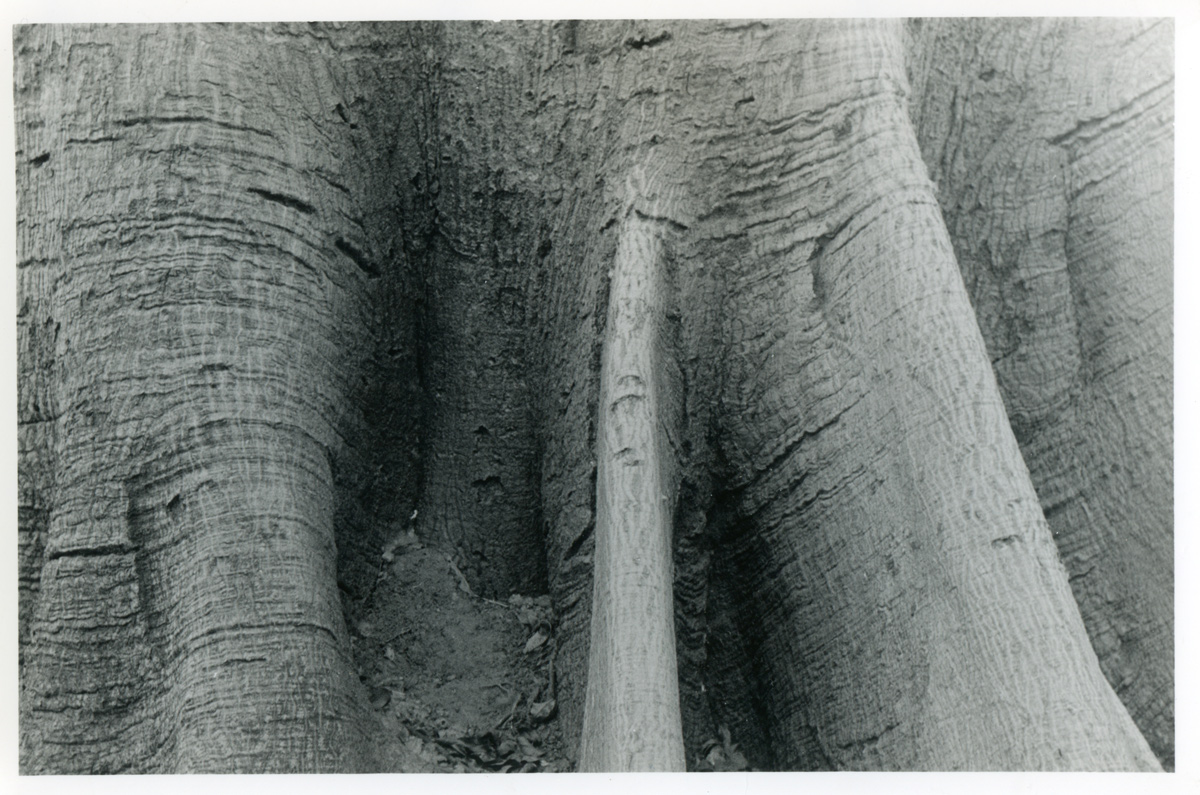
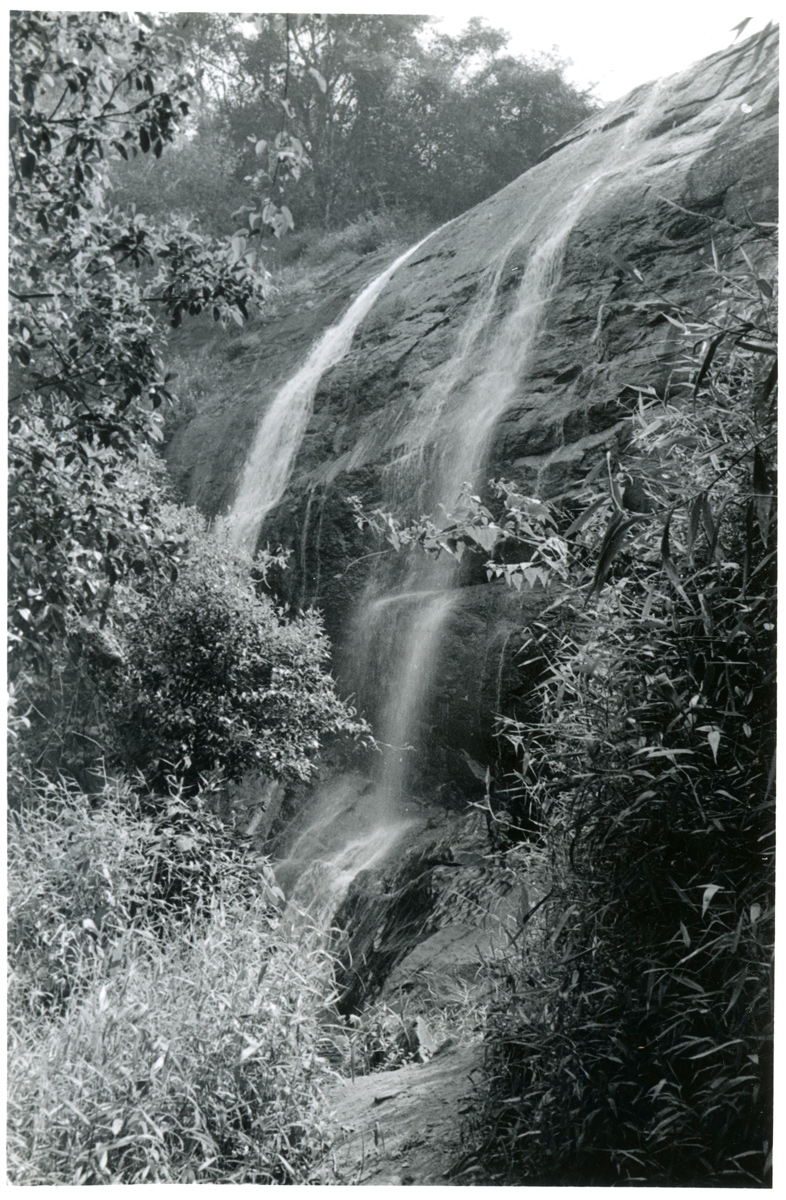
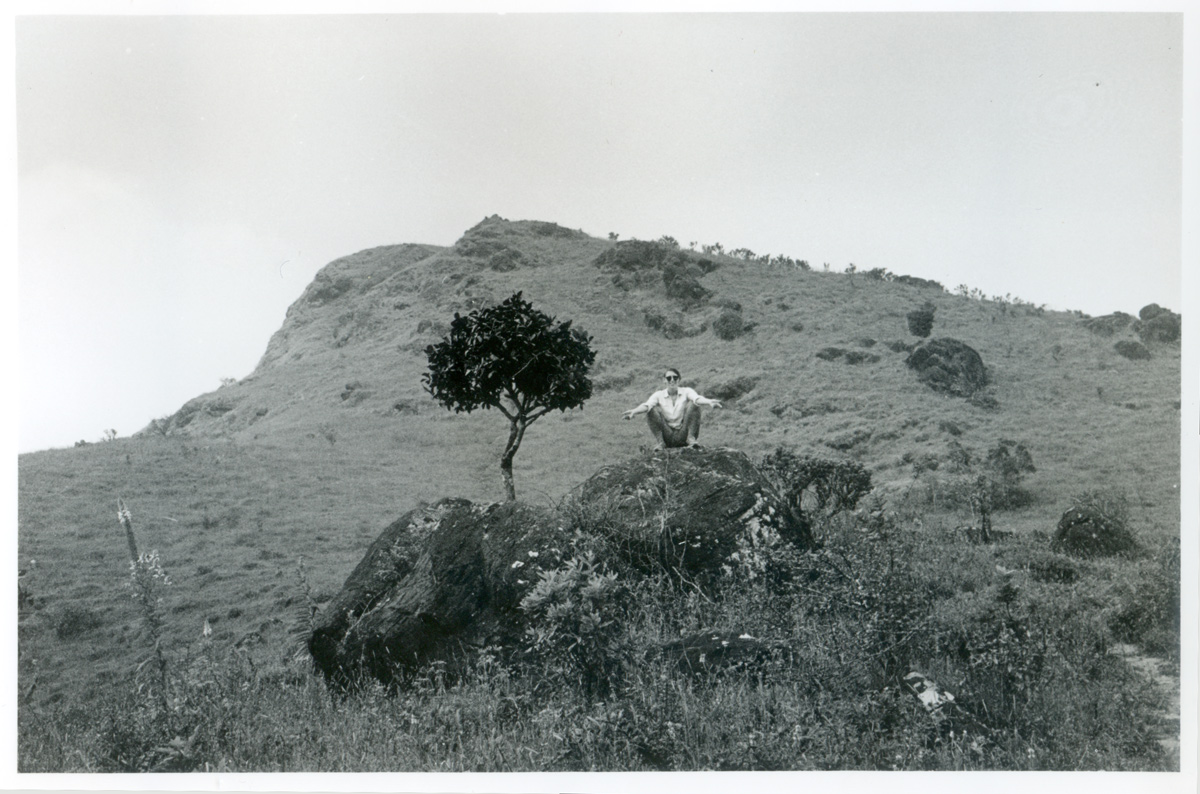
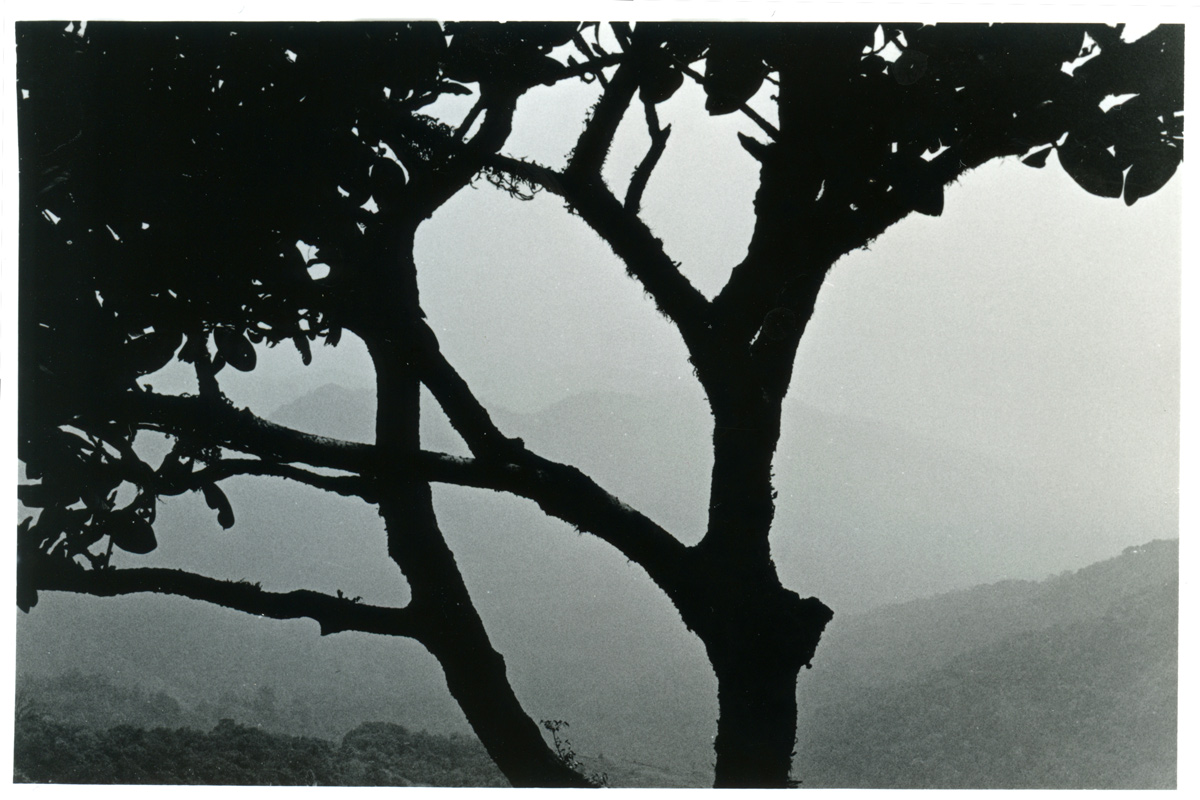
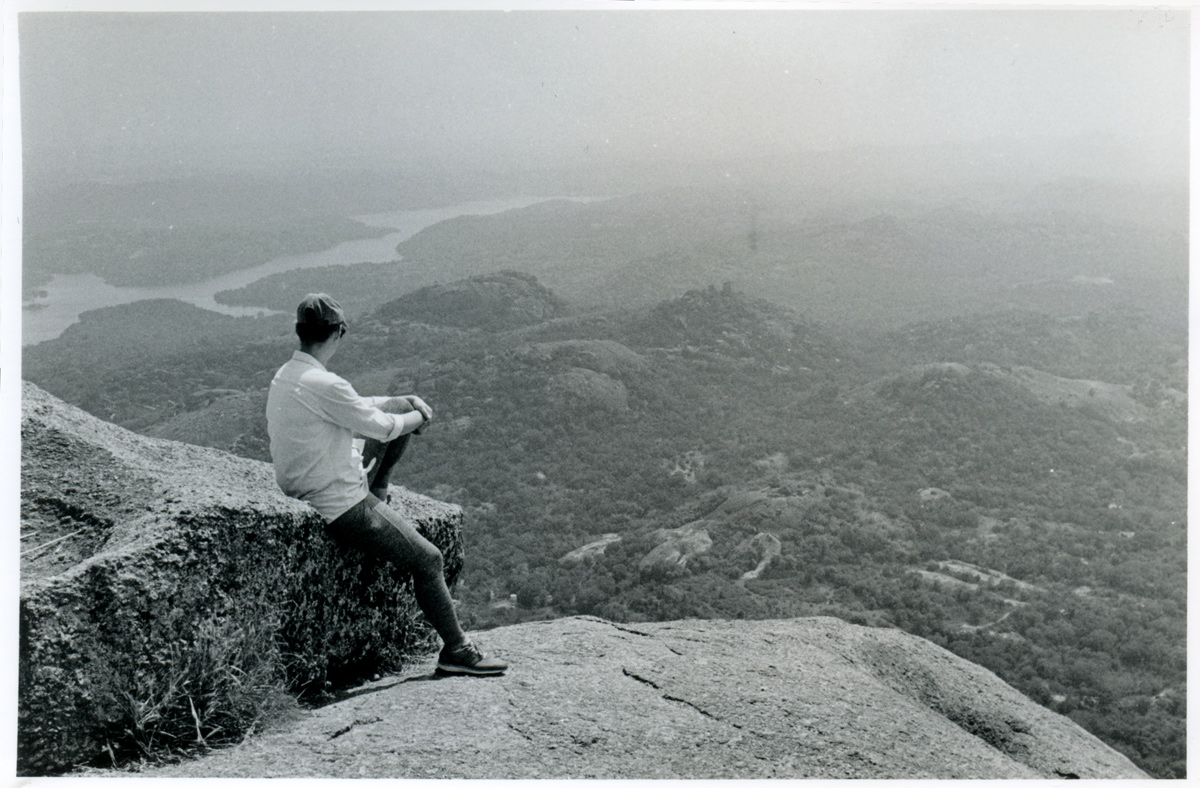
Photos taken in 2016 in Karnataka, India. Camera: Voigtlander Bessa R with Color-Skopar 35mm. Film: Ilford FP4 and HP5. Processed in Pyrocat HD. Prints are made on 9 x 6 cm Adox 310 MCP paper from Maco direct. Scans are from the prints with original framing and white border.
The post Printing India in the bathroom appeared first on Pierre Killmayer.
]]>