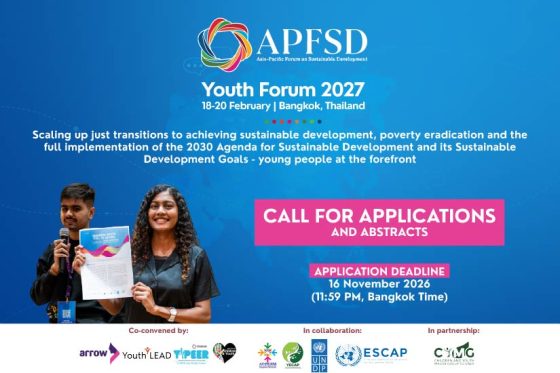
APFSD Youth Forum 2027: An opportunity for young people in all their diversity to engage in-person and online for the sustainable development goals (SDG) follow-up and review in Asia and the Pacific✨✨
CLICK HERE TO APPLY TO THE APFSD YOUTH FORUM 2027
The Asia-Pacific Forum on Sustainable Development (APFSD) is an annual, inclusive, intergovernmental forum to support the follow-up and review of progress on the 2030 Agenda for Sustainable Development and the Sustainable Development Goals (SDGs) at the regional level.
Continue reading Call for Applications: APFSD Youth Forum 2027 at ARROW.
]]>
CLICK HERE TO APPLY TO THE APFSD YOUTH FORUM 2027
The Asia-Pacific Forum on Sustainable Development (APFSD) is an annual, inclusive, intergovernmental forum to support the follow-up and review of progress on the 2030 Agenda for Sustainable Development and the Sustainable Development Goals (SDGs) at the regional level.
This regional platform aims to inform, empower, and support Asia-Pacific countries (especially least-developed countries, landlocked developing countries, and small island developing states) in their efforts to achieve the 17 SDGs and their targets set out by the 2030 Agenda by identifying regional trends and sharing best practices and lessons learned.
The Forum convenes United Nations system bodies, Member States, international organisations, civil society, and other stakeholders whose reflections feed into and inform the ECOSOC Youth Forum as well as the High-level Political Forum (HLPF) 2027 in New York, which reviews sustainable development progress at the global level.
Introduction to the APFSD Youth Forum 2027 
The Asia-Pacific Forum on Sustainable Development (APFSD) Youth Forum is an annual convening that brings together young people from across Asia and the Pacific to discuss and deliberate on sustainable development issues.
The forum aims to ensure young people’s voices and realities are included in setting the regional agenda on sustainable development, empower young people through meaningful interactions and conversations with various stakeholders, and approach the sustainable development agenda with an intersectional, youth, human rights, and justice lens.
The Asian-Pacific Resource and Research Centre for Women (ARROW) and the regional co-convenors, Youth LEAD, and YPEER Asia Pacific Center have been organising the annual APFSD Youth Forum since 2017. From 2022, we have been joined by regional youth networks, such as Major Group for Children and Youth and Children and Youth Major Group to UNEP. United Nations Development Programme (UNDP), and Youth Empowerment in Climate Action Platform (YECAP) have also joined in 2025. The APFSD Youth Forum is also done in collaboration with the United Nations Economic and Social Commission for Asia and the Pacific (UN ESCAP).
The APFSD Youth Forum engages young people in the age group of 13-30 years from across Asia and the Pacific region to develop National, Sub-Regional and Regional Youth Call to Action.
The goals under review at APFSD 2027 and HLPF 2027 are listed below.
- SDG 4 (Quality Education)
- SDG 10 (Reduced Inequalities)
- SDG 12 (Responsible Consumption and Production)
- SDG 15 (Life on Land)
- SDG 17 (Partnerships for the Goals) with a focus on emerging trends
The APFSD Youth Forum will focus on the review of gaps and challenges of the SDGs, along with three additional crosscutting goals:
- SDG 13 (Climate Action)
- SDG 3 (Good Health and Well-Being)
- SDG 5 (Gender Equality)
APFSD Youth Forum 2027 Theme
The theme for the 2027 edition of the Youth Forum is “Scaling up just transitions to achieving sustainable development, poverty eradication and the full implementation of the 2030 Agenda for Sustainable Development and its Sustainable Development Goals – young people at the forefront.”
APFSD Youth Forum 2027 Objectives
The APFSD Youth Forum 2027 aims to:
- To ensure adolescents’ and young people’s voices, realities and perspectives are meaningfully included in setting, transforming and implementing the regional agenda on sustainable development, with specific reference to the intergovernmental APFSD 2027 and HLPF 2027.
- To sustain the dedicated youth convening space and discuss SDG implementation with focus on the theme “Scaling up just transitions to achieving sustainable development, poverty eradication and the full implementation of the 2030 Agenda for Sustainable Development and its Sustainable Development Goals – young people at the forefront.”
- To assess the progress, gaps, and challenges in the implementation of SDGs slated for review in 2027, including SDGs 3, 4, 5, 10, 12, 13, 15 and 17, from adolescents and young people’s perspective, while addressing structural and systemic barriers to young people’s inclusion in sustainable development.
- To contribute to the Voluntary National Review (VNR) process from a youth perspective.
- To develop the Youth Call to Actions at regional, sub-regional and national levels.
- To provide a platform for National Alliance on APFSD to share the national Call to Action for incorporation into the APFSD Regional Youth Call to Action.
Call for Abstracts
We are looking forward to your abstracts submissions relevant to the goals under review. Please note that the abstracts submissions are not limited to research, but can also include programme implementation on the ground, initiatives focused on young people, and initiatives led by young people.
Additionally, those who apply to the Call for Abstracts MUST apply to the general Call for Applications as well.
Young people are encouraged to apply and share their work on the ground.
Guideline for Abstract Submission
Please click here to read the Abstract Submission Guideline.
Click here to submit your abstract.
What next after the APFSD Youth Forum 2027?
The APFSD Youth Forum 2027 will build on the outcomes and recommendations of the Tenth South And South-West Asia Subregional Forum on Sustainable Development 2026, and other relevant national, sub-regional and regional youth-led processes. A structured review and consolidation process will be undertaken to identify continuing priorities, emerging issues and recommendations requiring further regional advocacy.
Youth-led organisations and representatives involved in these processes will be encouraged to contribute to the development and validation of the APFSD Youth Call to Action 2027, strengthening continuity, collective ownership and accountability across youth-led sustainable development processes.
The APFSD Youth Call to Action 2027 will feed into the APFSD Intergovernmental Forum 2027, the HLPF 2027, the ECOSOC Youth Forum 2027, and other key processes such as the 2027 UN Climate Change Conference (COP 32), the UN Water Conference 2027, and the ECOSOC review process in the lead-up to the SDG Summit 2027.
The Youth Call to Action will also contribute to national-level follow-up and review with governments in respective countries. We also aim to ensure young people’s representation and active participation in all these identified forums, and the inclusion of young people’s asks and recommendations in all.
 Eligibility criteria
- Between the age of 13-30 years (Birth date on or after 21 February 1997).
- From Asia and the Pacific region.
- Progressive and believes in human rights-based approaches.
- Demonstrate unique strengths in the application that is relevant to SDGs under review as part of 14th APFSD.
- Show understanding of SDGs at the country, regional or global level.
- Individuals from marginalised/socially excluded groups, communities and applications from far to reach places will be prioritised to ensure diversity and inclusion in participation at the APFSD Youth Forum.
- Considerations will also be given to the individuals who have been part of previous APFSD Youth Forums and the sub-regional forums and have contributed to previous APFSD Call to Action OR have attended the intergovernmental APFSD in the past.
 Deadline
16 November, 2026 (11:59 PM, Bangkok time).
Important Notes
- The APFSD Youth Forum 2027 will be conducted in English.
- Please mention if you require interpretation services in the application form. Conveners of the Youth Forum will try to accommodate your request to the best of our ability.
- If you are below 18 and you are selected to participate in the Youth Forum, you will be requested to provide consent from your parent/guardian in the later process.
Have questions? Reach out to us
If you have any questions, reach out to us at apfsdyouthforum@arrow.org.my.
Do not miss
]]>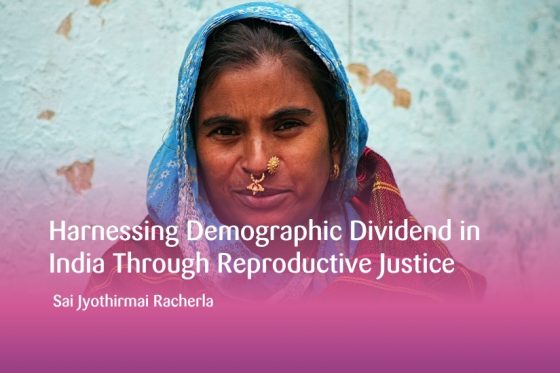
When philanthropy, academicians, and civil society organisations, including women and youth organisations gathered on 26 August 2026 on the sidelines of the AVPN Conference 2026 for a multistakeholder roundtable, the event delivered an urgent call for investments in reproductive health rights and justice of women and young people in all their diversity, especially those who are vulnerable, excluded and marginalised to realise the demographic dividend in India in its entirety.
Continue reading Harnessing Demographic Dividend in India Through Reproductive Justice at ARROW.
]]>We present to you Sai’s statement from the “Harnessing the Demographic Dividend: Transformative Solutions Anchored in Reproductive Justice” roundtable, co-organised by the Asian-Pacific Resource and Research Centre for Women (ARROW), the IPAS Development Foundation (IDF), and the Kaleidoscope Collective – Championing Reproductive Justice Centered Health Systems.
————————
Good evening, everyone, and thank you for being here. We welcome you all on behalf of ARROW, IDF, New Delhi, and the Kaleidoscope Collective. The Collective is operational in India and Nepal in Asia and Benin and Kenya in Africa. It focuses on health systems strengthening for access to comprehensive sexual and reproductive health services for all, especially young people and women in all their diversity.
We have gathered here today at a critical point in time. With less than five years left for us to achieve the Agenda 2030 for Sustainable Development, countries in Asia and the Pacific region look to meet none of the 17 Sustainable Development Goals (SDG). While the case of India presents a slightly optimistic picture compared to that of the region, much needs to be done.
Where India Stands on the Sustainable Development Goals
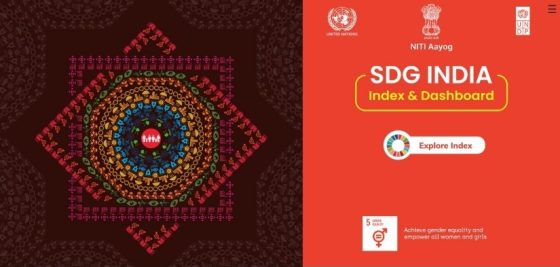
The NITI Aayog’s SDG India Index flags SDG 5 (Gender Equality) as an area needing significant effort, with key gaps in adolescent pregnancy, child marriage, and female labour force participation rates. All three are crucial to harnessing the demographic dividend India currently enjoys.
We understand demographic dividend as the economic growth potential from shifts in a population’s age structure — specifically when the working-age share (aged 15–64) outweigh the non-working-age share. While this dynamic can be debated, today we focus on harnessing the demographic dividend anchored in enabling conditions, such as reproductive rights and justice for India.
Read more: ARROW for Change – Reproductive Justice: Recalibrating the SRHR Agenda
The Numbers Behind the Demographic Dividend in India
We definitely have the opportunity of demographic dividend in numbers:
- India’s young people in the age group of 15 to 29 make up about 27% to 29% of India’s total population, totalling roughly 371 to 420 million.
- Women in all their diversity in the age group of 15-49 years make up about 25% of India’s total population, totalling roughly 389 million individuals.
Yet in the context of adolescent pregnancies, child marriages, poor access to reproductive health services, especially amongst those left far behind as a result of intersectional marginalisation, and exclusion a question lingers. Are our women and young people able to realise their full sustainable development potential?
The solutions to harness the demographic dividend in India call for fundamental shifts in gender equality, sexual and reproductive health policies and their effective implementation at the systems level at scale, anchored in reproductive justice.
The ICPD Programme of Action and the SDGs
This is not a new argument. In Cairo in 1994, 179 governments signed the Programme of Action that continues to anchor global consensus. That historic document made a very specific claim: “right to development is itself a human right”, that the human person — not GDP — is its central subject, and that ensuring women’s including young people’s ability to control their own fertility is the cornerstone of population and sustainable development policies.
More than thirty years since the ICPD rights-based framing in 1994, we are seeing a narrowing of reproductive rights and justice implementation. As we move towards the 2030 timeline of realising the SDGs in India, we must bring back the principles of the ICPD Programme of Action, into the national policies and frameworks and ensure its implementation at scale, especially within public health systems levels.
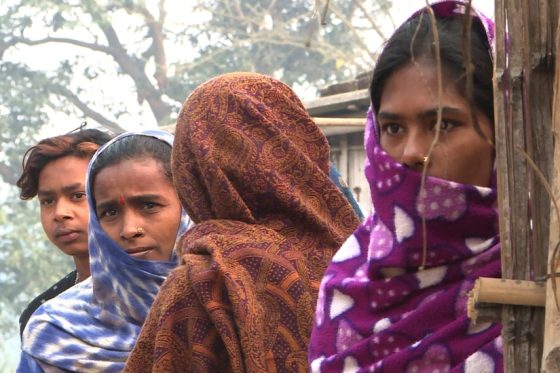
The ICPD Programme of Action doesn’t ask us to choose between reproductive rights, gender equality, and development. It says the opposite: that development is a human right, that the human person is its central subject, and that women’s and young people control over their own fertility is a cornerstone of achieving it.
Reimagining Investments and Strengthening Existing Systems
Business as usual is no longer an option; it is a guarantee of failure. Tonight, we will assess and reimagine the pathways of harnessing the demographic dividend in India for sustainable development anchored in reproductive health, rights and justice.
We will urgently reimagine:
- Where we invest resources to ensure women and young people in all their diversity can exercise their agency, their reproductive autonomy and realise their full sustainable development potential.
- How we strengthen existing systems to deliver on reproductive health, rights and justice for sustainable development.
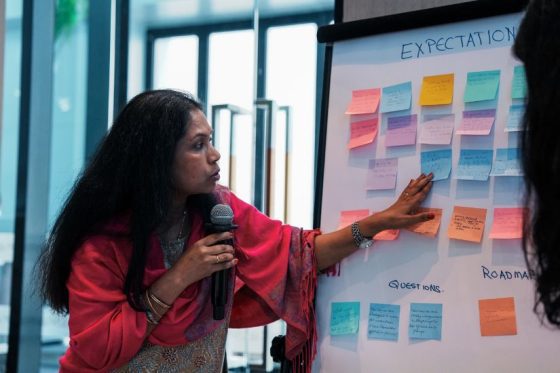
The adoption of the Belém Gender Action Plan (GAP) at the 30th session of the United Nations Climate Change Conference (COP30) marked a new milestone for gender-responsive climate action.
]]>But the Belém GAP’s success will depend on how countries implement it across diverse regional, national and local contexts.
To identify how implementation could take shape in Asia, women’s rights organisations, women-led organisations, Indigenous Peoples, organisations of persons with disabilities, youth leaders and development partners came together to co-design a regional road map that will serve as a practical guide for implementing the Belém GAP through 2034 and related climate commitments, outlining concrete actions that countries can adapt to their own contexts.
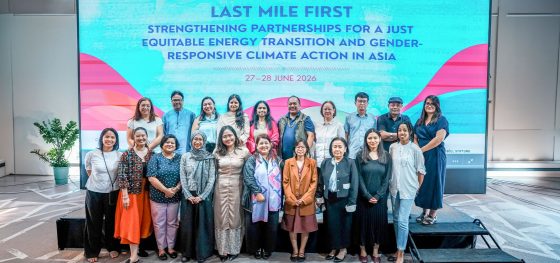
Communities must shape climate decisions
A clear message emerged from the dialogue. Climate action is more effective when it is shaped by the people living its realities.
“Climate action cannot continue with a top-down approach. It must begin from the front lines, where the communities most affected are already leading solutions,” said Robie Halip, Executive Director of the Right Energy Partnership with Indigenous Peoples (REP). “Women, Indigenous Peoples, youth, persons with disabilities and other at-risk communities must be recognised as rights holders, knowledge holders and decision-makers from the start.”
Indigenous Peoples likewise emphasised that respecting their right to determine their own development priorities and that drawing on their knowledge and leadership leads to a more effective and just climate action. They noted that these principles are already recognised across international climate commitments, including the Just Transition Work Programme, and should be reflected in the implementation of the Belém GAP.
Pratima Gurung, President of the National Indigenous Disabled Women Association Nepal (NIDWAN), also highlighted that “persons with disabilities are at greater risks during disasters and are two to four times more likely to die, yet remain excluded from climate and disaster planning.”
To strengthen meaningful engagement, participants proposed formal seats for civil society and rights holders in national planning ministries and stronger mechanisms to connect communities with national decision-making.
Breaking down silos
Participants also emphasised that climate action cannot sit within environment ministries alone. They called for stronger coordination across ministries responsible for climate, disaster risk reduction, health and education, alongside better links between national, subnational and local implementation.
Participants agreed that climate finance should better support the organisations and communities already leading adaptation efforts. Recommendations included making funding more accessible, transparent, long-term, flexible and accountable, with dedicated resources for front-line organisations and communities that often face barriers to accessing finance.
Participants proposed monitoring systems that combine scientific research with Indigenous and traditional knowledge, while ensuring Indigenous Peoples retain ownership and control over how their knowledge is collected and used. They also called for stronger gender-responsive and community-led accountability systems to track progress and ensure implementation of the Belém GAP and broader climate commitments.
A road map through 2034
The workshop marked the start of a co-design process. Following further consultations and validation with stakeholders across the region, the road map is expected to be launched in the first quarter of 2027 at the Asia-Pacific Forum on Sustainable Development.
“Through this road map, we envision women in all their diversity leading climate action and having access to the financing needed to turn commitments into action,” said Sai Racherla, Deputy Executive Director of Asian-Pacific Resource and Research Centre for Women (ARROW).
The workshop was followed by a partnership dialogue between civil society organisations and development partners, providing an opportunity for participants to present locally led climate initiatives and explore opportunities for future collaboration and resourcing.
The workshop and dialogue was co-organised by were convened under the EmPower: Women for Climate-Resilient Societies programme, implemented by UN Women and the UN Environment Programme (UNEP) with support from the Governments of Germany, New Zealand, Sweden and Switzerland, and co-organised with ARROW, REP, the Asia Indigenous Peoples Network on Extractive Industries and Energy, the Asia Pacific Regional CSO Engagement Mechanism, and Heinrich Boll Stiftung Southeast Asia.
]]>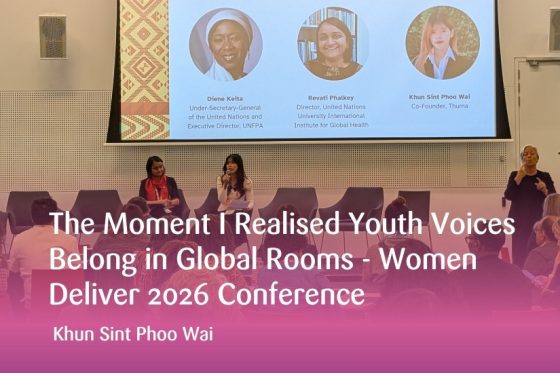
By Khun Sint Phoo Wai
There are moments in life that feel too surreal to process in real time.
]]>There are moments in life that feel too surreal to process in real time.
Women Deliver 2026 Conference (WD2026) was one of them.
When I first arrived in Melbourne, I thought I was coming to learn. I expected to sit in rooms filled with experts, policymakers, ministers, and global leaders, take notes, absorb knowledge, and quietly grow from the experience.
Instead, the Asian-Pacific Resource and Research Centre for Women (ARROW) and Women Deliver transformed the way I see leadership, advocacy, and even myself.
My highlights from the Women Deliver 2026 Conference
Over the course of the conference, I participated in numerous sessions, discussions, and high-level dialogues hosted by global organisations working at the forefront of gender equality, youth leadership, and sexual and reproductive health and rights (SRHR). I listened to conversations that challenged existing power structures and explored what meaningful inclusion truly looks like in practice.
I had the opportunity to hear from influential global figures including Justin Trudeau, former Prime Minister of Canada; Jacinda Ardern and Helen Clark, former Prime Ministers of New Zealand; Julia Gillard, former Prime Minister of Australia; and Amina J. Mohammed, Deputy Secretary-General of the United Nations (UN). Their discussions on leadership, gender equality, political participation, and the future of global cooperation offered powerful insights into the responsibilities that come with influence and decision-making.
Yet the most impactful lesson I learned did not come from listening. It came from speaking. I am deeply grateful that I got invited to participate as a panelist in the session titled, “Reclaiming Power and Transforming Lives: Inclusive Data as a Tool for Resistance and Disruption.”
Even now, writing these words feels unreal
My younger self would genuinely be confused. How did I go from being a girl constantly navigating uncertainty, pressure, and survival mode to opening a global discussion before a room filled with world leaders, UN representatives, policymakers, researchers, and advocates I deeply admire?
I remember looking at the speaker lineup and feeling intimidated. Beside my name were individuals whose work had shaped international conversations for years. Among them were senior leaders from UNFPA, global health experts, and advocates whose publications and speeches I had followed long before I ever imagined sharing a stage with them. I was one of the youngest people in that room. The truth is, I arrived at the session with one goal: breathe, deliver my remarks, and hopefully avoid embarrassing myself.
But something happened that I never expected. When I finished speaking, people stood up.
A standing ovation.
For a moment, I genuinely did not know how to react. The applause itself was meaningful, but what stayed with me afterward was what it represented. It was not a validation of perfection. It was recognition that lived experiences matter. Too often, young people, especially those from conflict-affected communities, developing countries, or marginalised backgrounds, are invited into global spaces only after decisions have already been made. We are asked to share our stories, but not always trusted with shaping solutions.
That moment reminded me that our experiences are not supplementary to policy discussions. They are essential to them.
As a Myanmar youth advocate, I carried more than my own story into that room. I carried the realities of young people navigating political instability, shrinking civic space, educational barriers, and uncertainty about the future. I carried the voices of those who are rarely represented in international decision-making spaces despite being directly impacted by those decisions.
Women Deliver 2026 reinforced something I have been learning over the years: meaningful youth participation is not about giving young people a seat in the room for representation alone. It is about recognising that young people are already leading, already organising, already creating solutions, and already contributing valuable expertise.
The Power of Solidarity at the Women Deliver 2026 Conference
Whether I was speaking with advocates from Latin America, Africa, the Pacific, Southeast Asia, or Europe, I kept hearing different versions of the same message: our struggles may look different, but they are deeply connected.
Across borders, communities are fighting for dignity, equality, bodily autonomy, representation, and justice. And across borders, young people continue to be at the center of that work. I left Women Deliver with new knowledge, new friendships, and a stronger sense of responsibility.
Not because I stood on a stage. But because I was reminded that leadership is not about titles, status, or proximity to power. Leadership is choosing to speak when silence is easier. It is choosing to represent your community when the weight feels heavy. It is choosing to keep going even when you are unsure whether your voice is enough. Women Deliver 2026 reminded me that sometimes the rooms that intimidate us the most are the rooms we are meant to be in. And sometimes the girl who was simply trying to survive grows into someone capable of helping shape conversations that reach far beyond herself. For that lesson, and for every person who made this journey possible, I will remain endlessly grateful.
Do not Miss:
]]>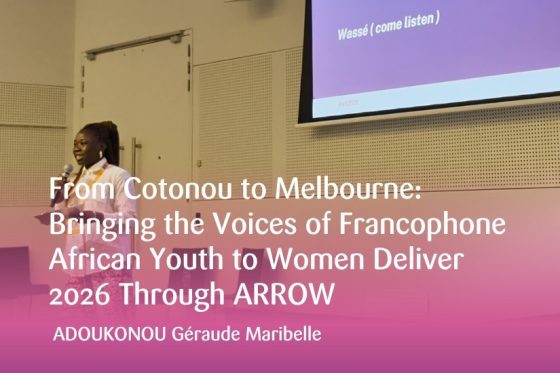
Living History in Narrm
By ADOUKONOU Géraude Maribelle
From 27-30 April 2026, I had the privilege of attending the Women Deliver 2026 Conference (WD2026) in Melbourne (Narrm), on the unceded lands of the Wurundjeri Woi Wurrung people.
]]>By ADOUKONOU Géraude Maribelle
From 27-30 April 2026, I had the privilege of attending the Women Deliver 2026 Conference (WD2026) in Melbourne (Narrm), on the unceded lands of the Wurundjeri Woi Wurrung people. It was a historic moment: for the very first time, the world’s largest gathering for gender equality was hosted in the Pacific region. The energy of more than 6,000 activists, policymakers, and youth leaders from 180 countries was simply electric. I left deeply transformed, carrying with me a renewed vision of our collective struggle.
This historic opportunity would not have been possible without the unwavering support and trust of the Asian-Pacific Resource and Research Centre for Women (ARROW) and COJAS-Benin. By sponsoring our participation, ARROW and COJAS demonstrated that international solidarity knows no borders and that the leadership of young people from Francophone Africa and the Global South deserves to be placed at the center of global decision-making.
What If Talking About Access to Safe Abortion Was Already a Political Act?
On Tuesday, April 28, 2026, from 2:00 PM to 3:30 PM, in Room 204, the official side event of the Safe Abortion Advocacy Initiative – A Global Engagement from the South (SAIGE) took place under the title: “Advocating for Power: Transforming Narratives for a Transformed Abortion Landscape.”
In this high-level space dedicated to storytelling and advocacy strategies, I had the honor of presenting and defending the Wassé Project.
Faced with the alarming realities in Benin where ‘three out of four abortions are performed under unsafe conditions’ according to the ODAS Center, and where approximately 15% of maternal deaths are linked to unsafe abortion according to the Ministry of Health. I highlighted an essential truth: even the most progressive law is not enough when fear, stigma, and shame continue to drive women into secrecy and unsafe practices.
It is within this context that Wassé was born as part of our collective feminist response: a digital brigade and a multilingual podcast series bringing together lawyers, medical professionals, and psychologists. The objective is clear: to occupy digital spaces with reliable information, challenge harmful taboos, and place dignity, safety, and women’s rights back at the center of public discourse.
Beyond presenting the project, this moment marked an important milestone: the official introduction of Wassé within an international advocacy space where narratives shape social and political change. The project captured the attention of the jury and was selected among the six award-winning initiatives, confirming the relevance and innovation of solutions led by young people from the Global South in global conversations on women’s rights and health.
But beyond the project itself, the real challenge was personal.
This pitch represented a moment of tremendous intensity for me. Standing on stage before an international audience of activists, decision-makers, and experts required much more than mastering the content. It meant carrying a voice, embodying a message, and accepting the responsibility of telling stories and realities that are too often overlooked.
The days leading up to the presentation were filled with preparation, rehearsals, and constant pressure to make every word count, every piece of data meaningful, and every idea powerful enough to convey the urgency of the situation.
By the time I took the stage, I was no longer simply defending a project. I was speaking for real stories, real lives, and critical issues of health, dignity, and social justice.
This experience transformed the way I approach advocacy. It reminded me that speaking out is a political act, that courage is built in the moment, and that international spaces must be occupied with conviction especially when representing communities whose voices are too often marginalized.
For me, this will remain one of the most formative moments of the conference, both professionally and personally.
Women Deliver 2026 Conference Was More Than What Happened on Stage
While Wassé’s pitch was undoubtedly one of the most memorable moments of my experience at Women Deliver 2026 Conference, WD2026 began long before the official opening ceremony.
On 26 and 27 April, I had the opportunity to participate in two pre-conferences that enriched my reflections and strengthened my commitment to human rights and gender justice.
The first, titled “United for Action: Global Solidarity to End FGM/C,” brought together activists, survivors, civil society organisations, and institutional partners committed to ending Female Genital Mutilation/Cutting (FGM/C).
This gathering served as a powerful reminder of a reality that continues to affect millions of girls and women around the world. Behind the statistics are lives disrupted, childhoods stolen, lasting physical and psychological trauma, serious health complications sometimes irreversible and, in some cases, preventable deaths.
But beyond the numbers are our sisters, daughters, friends, and communities. People whose fundamental rights continue to be violated in the name of deeply rooted social norms. This pre-conference underscored the urgency of strengthening collective action, transnational solidarity, and community-based strategies to bring this harmful practice to an end once and for all.
The second pre-conference, “Queers Deliver: Building the Future of Inclusive Global Feminist Gatherings,” gave me the opportunity to engage in essential discussions on inclusion, diversity, and the place of LGBTQIA+ people within global feminist spaces.
The conversations highlighted the growing challenges faced by many communities around the world. As anti-rights movements gain momentum, hard-won achievements come under threat, and restrictive legislation is introduced in several countries particularly across Africa the need to build inclusive and united movements has never been more urgent.
This gathering also reaffirmed that human rights are not divisible. Defending the rights of women, girls, and marginalized communities requires collective resistance against all forms of exclusion, discrimination, and violence.
These two days of pre-conferences set the tone for Women Deliver 2026. They reminded me that our struggles are deeply interconnected. Whether addressing female genital mutilation, sexual and reproductive health and rights, LGBTQIA+ inclusion, or resistance to anti-rights movements, we are ultimately confronting the same challenge: building a world where every person can live freely, with dignity, and in safety.
More Than Connections: A Global Community in Motion for Human Rights, Gender Equality, and Inclusion
From April 28 to 30, Women Deliver 2026 truly came into its own. With more than 6,000 participants from nearly 180 countries, the conference served as a vibrant space for dialogue, learning, and collective action.
Networking played a central role throughout the event. People from Africa, Asia, the Pacific, Europe, North America, Latin America, and the Caribbean came together around a shared ambition: advancing human rights, gender equality, and social justice.
Through countless conversations, we built connections, shared experiences, challenged perspectives, and discovered realities that, while different in context, were often shaped by the same underlying challenges. These exchanges reinforced an essential truth: our struggles may be local in how they manifest, but they are deeply global in their implications.
One of the moments that particularly stood out to me was the opportunity to collaborate with Nikita Kathayat from Nepal during the session titled “Equitable Access for Youth to Sexual, Reproductive, and Mental Health: Rethinking Funding Towards Integrated Models.” The experience was both enriching and inspiring. Discussions focused on the challenges young people face in accessing quality sexual, reproductive, and mental health services, as well as the need to rethink funding mechanisms in order to provide more integrated and responsive solutions.
I also had the privilege of moderating this discussion alongside Nikita Kathayat from Nepal and Ibula Melchie Bwanga from the Democratic Republic of the Congo, with the support and guidance of Shiwa from ARROW. This experience demonstrated that young people are no longer simply invited to participate in conversations that affect them, instead they are helping to design them, facilitate them, and propose concrete solutions. Our expertise, grounded in lived experience, is an indispensable resource for building policies and programs that are truly effective.
For me, one of the most powerful lessons I take away from Women Deliver 2026 Conference is that young people no longer need permission to occupy decision-making spaces. They are creating those spaces, transforming them, and bringing forward tangible solutions. Whether in mental health, sexual and reproductive rights, climate justice, gender equality, or civic participation, young people continue to demonstrate their ability to imagine, build, and implement meaningful responses to the challenges of our time.
I am leaving Narrm with far more than business cards or new contacts. I leave with a global community, promising collaborations, invaluable lessons, and the certainty that change happens when people from diverse backgrounds come together around a shared vision of justice, dignity, and equality.
From Cotonou to Melbourne, this experience has strengthened my conviction that the voices of young people from Francophone Africa belong in global spaces. Not only to participate in the conversations, but also to influence them, enrich them, and help shape the solutions of tomorrow.
Do not Miss:
The Moment I Realised Youth Voices Belong in Global Rooms – Women Deliver 2026 Conference
]]>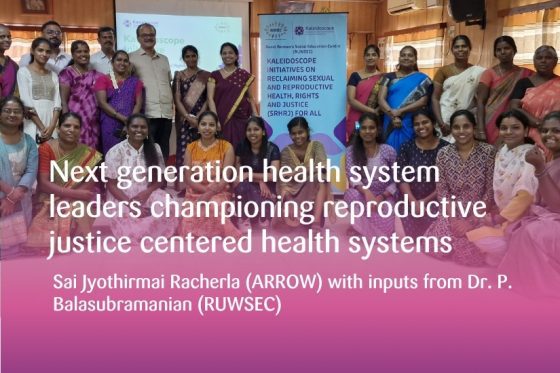
The RUWSEC experience through implementing the Kaleidoscope initiative
By Sai Jyothirmai Racherla (ARROW) with inputs from Dr.
By Sai Jyothirmai Racherla (ARROW) with inputs from Dr. P. Balasubramanian (RUWSEC)
Nisha, a RURAL WOMEN’S SOCIAL EDUCATION CENTRE (RUWSEC), youth volunteer from Kanchipuram district, Narapakam panchayat, has a clear vision of how through her leadership, the health system stakeholders in her village panchayat, will deliver comprehensive sexual and reproductive health information and services for women and adolescent girls in all their diversity. Nisha is one of the many passionate youth leaders who gathered at the training organized by RUWSEC, 6-7 June 2026 in Chennai.
Tamil Nadu and the Kaleidoscope Collective
It was a fulfilling experience to witness the leadership of young people in the training in Chennai, as part of the Kaleidoscope: Reclaiming Sexual and Reproductive , Health, Rights , and Justice (Kaleidoscope) Collective. Kaleidoscope initiative in Tamil Nadu is being implemented in 6 districts – Chengalpattu, Dharmapuri, Kanchipuram, Perambalur, Theni and Thoothukkudi, directly contributing to the broader kaleidoscope initiative vision of women and adolescent girls transforming their local health systems, which have failed and excluded them, into systems that are shaped by and for them, and are accountable to them.
In the larger universe, the Kaleidoscope initiative is a collective of 17 transnational feminist organizations in the Global South working towards health systems strengthening for sexual and reproductive health and rights and justice (SRHRJ) particularly safe abortion rooted in Asia and Africa, specifically in India, Nepal, Benin and Kenya.
Reproductive Health Challenges and Progress in Tamil Nadu
Coming back to the Tamil Nadu, India, where the initiative is being implemented, the state has a fairly good socio- economic, and health including reproductive health profile. Accordingly, to the recent report published by RUWSEC, Tamil Nadu projects a per capita income is `2.78 lakh in 2022-23 fiscal year, which is 1.6 times the overall India average. Tamil Nadu has also seen a significant decline in poverty rates in the recent years, including the multidimensionally poor reduced from 36.5% in 2005-06 to 1.4% in 2022-23.[i]
The state’s Maternal Mortality Ratio (MMR), as reported by the Sample Registration System (SRS), has declined from 97 per 100,000 live births in 2007-09 to 35 per 100,000 births in 2021-23. The total fertility rate in the state is at 1.6 (Urban) and 1.8 (Rural) children per woman,[ii] The contraceptive prevalence rate (CPR) (modern methods) in Tamil Nadu has increased from 53% during 2015-16 (NFHS-4) to 65% during 2023-24 (NFHS-6).[iii] All these socio-economic, and health including reproductive health profile indicators point to the pattern,
- Tamil Nadu is consistently outperforming the Indian national average across key health, demographic, and socioeconomic indicators.
- The data patterns also point to comparatively poorer socio-economic, health including reproductive health indicators in rural geographies consistently.
- Improvements in reproductive health outcomes of women and adolescent girls in all their diversity have direct linkages with economic justice dimensions of their lives and vice-versa.
Despite this progress, the state of Tamil Nadu, can do more. According to NFHS-6 (2023-24), women aged 20-24 years married before attaining the legal minimum age of 18 years is at 9.2% (Urban) and 11.5% (Rural), and women ( technically adolescents) aged 15-19 years who were already mothers or pregnant at the time of survey (%) remained high at 2.4% (urban) and 4.6% (rural). This data patterns point to the fact that adolescent pregnancy averages despite improvements, remain high posing a major public health crisis, in Tamil Nadu. The various consequences of adolescent pregnancies including the highest probability of their dying or enduring lifetime complications are well documented.
In absolute numbers, across India, adolescent pregnancies remain high. The year 2019 saw 8.6 million pregnant adolescent girls in India, with rural and socioeconomically disadvantaged adolescent girls bearing the brunt.[iv] These numbers are not small, and point to a major public health crisis, a gender and reproductive justice crises, across India, with some deep questions that we need to ask?
- On the overall, can India’s Viksit Bharat vision 2047, be realized in a context of poor adolescent socio-economic and sexual and reproductive health and rights ?
- Can adolescent girls especially from marginalized and rural backgrounds who bear the brunt of adolescent pregnancies come out of cycles of intergenerational poverty?
- Can our society tolerate children giving birth to children?
- Can we justify poor and marginalized young women and women spending catastrophic amounts on basic SRHR services simply because these services are inadequately available in public health facilities?
A recent research on trends in teenage pregnancy in Tamil Nadu (2019-2024), emphasizes that there is a need for greater emphasis on school-based sex education, behavioural change communication, and community participation.[v] What is also needed is universal access to quality, safe, adolescent friendly sexual and reproductive health information and services within public health systems.
Driving Change: RUWSEC and Kaleidoscope
The training of youth champions and leaders, by RUWSEC, is the step forward, in terms of making health systems accountable to women and adolescent girls in all their diversity. The youth champions, are training themselves to work with and also be part of local government-mandated committees (Health committees at the public health facilities, and School Management committees in the government schools).
As ways forward, government initiatives such as the Rashtriya Kishor Swasthya Karyakram (RKSK), and Adolescent Friendly Health Services (AFHS) and clinics, Adolescent Reproductive and Sexual Health (ARSH) Strategy, all need to actively engage adolescents, young people within the programmes as active leaders and system stakeholders. This will ensure long-term alignment of all system stakeholders including adolescents to a common reproductive justice centered health systems agenda that addresses the root causes of reproductive health and rights inequities at scale contributing to overall reproductive health and well-being of women and adolescent girls in all their diversity.
Reference
[i] Data accessed from Government of Tamil Nadu, State Planning Commission. (2025). Economic Survey of Tamil Nadu 2024–25. https://www.thehindu.com/ news/resources/69325492-Full-Document-ofTamil-Nadu-first-Economic-Survey-2025.pdf dated 14/06/2026
[ii] Data accessed from https://www.mohfw- dohfw.gov.in/static/uploads/2026/05/111ff4a13ca36b5cabb7f94aec5bb0ce.pdf dated 12.06.2026
[iii] Data accessed from the National Family Health Survey (NFHS-6) , dated 13.06.2026
[iv] Data accessed from https://iiphs.ac.in/teenage-pregnancy-can-a-child-raise-a-child/ dated 10.06.2026
[v] Vijaykumar R, Nirmalson J. Trends of teenage pregnancy in Tamil Nadu (2019-2024). Tamil Nadu Journal of Public Health and Medical Research, Vol4,Issue4,October-December 2024
]]>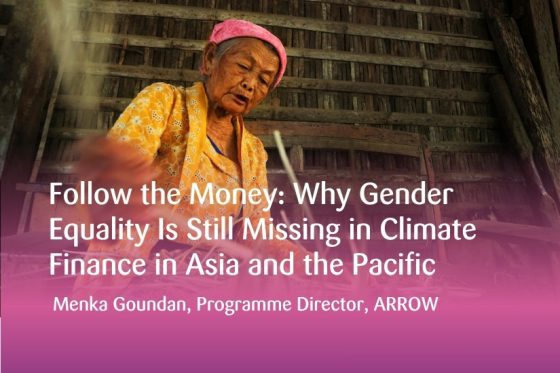
An analysis of the Belém Gender Action Plan, climate finance, and why gender-responsive climate action remains underfunded across Asia and the Pacific.
]]>By Menka Goundan, Programme Director, Asian-Pacific Resource & Research Centre for Women
At Climate Week 3, the UNFCCC convened its dialogue on financing the Belém Gender Action Plan (GAP). The framing was familiar: how do we mobilise resources, strengthen capacity, and accelerate implementation (UNFCCC, 2026a)? But beneath this technical language lies a harder truth, one that the women’s movements across Asia and the Pacific have been naming for years:
Climate finance is not failing because there isn’t enough money. It is failing because power shapes where money goes, who controls it, and whose lives are valued.
The Belém GAP (2026–2034) arrives at a moment when gender equality is widely acknowledged in climate discourse, yet it remains structurally underfunded and politically diluted. This blog does not ask whether the GAP is a step forward. It asks a more uncomfortable question:
Will it actually change anything on the ground?
The Promise of Belém and Its Limits
The Belém Gender Action Plan, adopted at COP30, is ambitious on paper. It outlines 27 activities and 98 deliverables across governance, finance, participation, and accountability (UNFCCC, 2025a; UNFCCC, 2025b). It explicitly recognises:
- Intersectionality
- Women’s leadership
- The need for gender-responsive climate finance
- The importance of data and accountability systems
This matters because advocates fought hard for this language over decades: from the Lima Work Programme to the enhanced GAP. But here is the tension: The GAP is politically progressive, yet it is being implemented through systems that are not. Climate finance institutions such as the Green Climate Fund and the Global Environment Facility remain structured around risk, scale, and returns, not justice (OECD, 2023; GCF, 2024). So the question becomes: can a gender-just agenda survive within systems that were never designed for it?
Follow the Money: Where Gender Falls Apart
The UNFCCC dialogue highlighted familiar barriers: limited capacity, lack of awareness, and weak coordination (UNFCCC, 2026a). These are real, but they are not the root cause. The deeper issues are:
-
Climate Finance Rewards Scale, Not Equity
Large infrastructure projects, such as those in renewable energy, transport, and mitigation, dominate funding portfolios. These projects are easier to quantify, de-risk, and justify. Meanwhile, investments in care systems, community health, gender-based violence prevention, and local adaptation strategies are seen as “soft,” difficult to measure, and therefore less fundable (UN Women, 2023; OECD, 2023).
What gets funded reflects what is valued. And right now, gender-responsive priorities are still treated as secondary.
-
Access Is Structured to Exclude
To access major climate funds, organisations must navigate complex accreditation processes, fiduciary standards, and reporting requirements. For grassroots and local organisations across Asia and the Pacific, this is not just difficult; it is often impossible. Even “direct access” mechanisms remain mediated through national or international intermediaries (UNFCCC, 2026a; GCF, 2024). Those closest to the problem are the furthest from the money.
-
Gender Becomes a Checkbox
Gender mainstreaming has, in many cases, become procedural gender action plans attached to projects, gender indicators added at the reporting stage, and consultations conducted without real influence. This creates the appearance of progress without redistributing power (UNDP, 2022; Women and Gender Constituency, 2025).
Asia-Pacific: A Region Carrying the Burden and the Solutions
Asia and the Pacific is among the most climate-affected regions globally. It is also a region where gender movements have long developed sophisticated, intersectional approaches to resilience. Across the region, women lead community-based adaptation in Bangladesh and the Philippines (ADB, 2022); Pacific Island women are advancing climate justice frameworks rooted in Indigenous knowledge (SPC, 2023); and women’s organizations are linking climate change with sexual and reproductive health and rights (SRHR), migration, and labour (ARROW, 2021). Yet these approaches remain underfunded because they do not fit dominant funding models. They are long-term, not project-bound; relational, not purely technical; and justice-oriented, not profit-oriented. Hence, they remain marginal despite their effectiveness.
What Feminist Climate Finance Actually Requires
From ARROW’s perspective, the issue is not how to “add gender” to climate finance. It is about transforming climate finance.
-
Fund Social Protection and Reproductive Health as Climate Infrastructure
Care work, health systems, and bodily autonomy are not peripheral issues; they are the foundation of resilience. Climate impacts heighten care burdens, maternal health risks, and exposure to gender-based violence. Yet these remain largely invisible within climate finance flows (UNFPA, 2023; WHO, 2023). A gender-responsive approach would treat care as infrastructure, not charity.
-
Shift Power, Not Just Participation
Women’s participation is often celebrated, but participation without power changes little. To shift this rhetoric, we need decision-making authority for diverse, gender-inclusive actors, direct funding for grassroots organisations, and co-design of funding criteria. This is what intentional redistribution of power looks like.
-
Fund Movements, Not Just Projects
Short-term, project-based funding undermines sustained change. Organisations advancing gender-responsive climate action need core, flexible funding, long-term investment, and support for movement-building. Without these supports, gender-responsive climate action remains fragmented.
-
Redefine Accountability
Current accountability systems prioritize donors over communities. A gender-responsive approach would incorporate community-defined indicators, participatory monitoring, and transparency in funding flows. Accountability must flow downward, not only upward.
The Risk We Don’t Talk About: Co-optation
There is a growing risk that “gender-responsive climate finance” becomes a widely used label, rarely transformative. We are already seeing financial instruments branded as gender-responsive with minimal impact, private-sector-led initiatives framed as empowerment, and gender language integrated without structural change. This is how systems absorb critique by adopting its language while maintaining its logic. The Belém GAP could suffer the same fate unless it is actively contested. Not in its mid-term or end-term evaluation, but starting now, in its first year of implementation.
Where Change Is Still Possible
Despite these risks, opportunities remain:
- Strengthening National Gender and Climate Change Focal Points (UNFCCC, 2025b)
- Reforming funding criteria within major climate funds (GCF, 2024)
- Building regional alliances, such as the Gender Responsive Climate Action in Asia and the Pacific: Community of Practice, to influence policy and finance.
Asia and the Pacific networks are already doing this by bridging global frameworks and local realities.
The Real Question
The Belém Gender Action Plan is not the end of the story; it is a test! Not of whether gender can be integrated into climate policy, but of whether climate governance can be reshaped to advance justice. Ultimately, this is not about gender. It is about whose lives are made visible, whose knowledge counts, and whose futures are financed.
Conclusion: Finance Is Power
Climate finance is often discussed in numbers: billions, trillions, gaps. But finance is not just money. It is power, the power to decide which solutions matter, who leads, and what futures are possible. In Asia and the Pacific, gender-responsive climate action is not a niche agenda. It is a necessary one. As reflected in the work of ARROW, the challenge is not simply to access climate finance. It is to change what climate finance is for.
References
- UNFCCC (2026a). Financing implementation of the Belém Gender Action Plan
- UNFCCC (2026b). Climate finance dialogue outcomes
- UNFCCC (2025a). Belém Gender Action Plan overview
- UNFCCC (2025b). Gender in the intergovernmental process
- OECD (2023). Climate Finance and Gender Equality
- Green Climate Fund (2024). Gender Policy
- Global Environment Facility (2023). Gender Equality Policy
- UN Women (2023). Gender and Climate Finance
- UNDP (2022). Gender Mainstreaming in Climate Action
- Women and Gender Constituency (2025). COP30 Outcome Statement
- Asian Development Bank (2022). Gender and Climate Change in Asia-Pacific
- Pacific Community (SPC) (2023). Pacific Women and Climate Action
- ARROW (2021). Gender, Climate and SRHR in Asia-Pacific
- UNFPA (2023). Climate Change and SRHR
- WHO (2023). Climate Change and Health
- GCF Independent Evaluation Unit (2023). Access to Climate Finance
- UNFCCC Standing Committee on Finance (2024). Climate Finance Flows
- CARE International (2023). Gender-Just Climate Finance
- Oxfam (2023). Climate Finance Shadow Report
- World Bank (2023). Gender and Climate Development Report
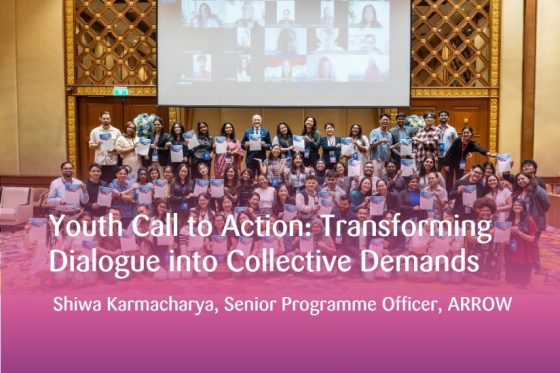
Shiwa Karmacharya, Senior Programme Officer, ARROW
The Youth Call to Action is a vital document as young people from across Asia and the Pacific come together ahead of the Asia-Pacific Forum on Sustainable Development (APFSD) to reflect on the progress, gaps, and challenges in the implementation of the 2030 Agenda for Sustainable Development.
Continue reading Youth Call to Action: Transforming Dialogue into Collective Demands at ARROW.
]]>The Youth Call to Action is a vital document as young people from across Asia and the Pacific come together ahead of the Asia-Pacific Forum on Sustainable Development (APFSD) to reflect on the progress, gaps, and challenges in the implementation of the 2030 Agenda for Sustainable Development. These discussions, held during the three-day APFSD Youth Forum, are translated into concrete advocacy tools: the Regional, National, and Sub-Regional Youth Calls to Action (CTA).
A Collaborative Process for Youth-Led Advocacy
The APFSD Youth Forum’s Youth Call to Action is the result of a collaborative process that brings together youth leaders from diverse backgrounds across the region. Participants include representatives of youth-led and youth-serving organisations, feminist groups, social entrepreneurs, activists, students, and grassroots changemakers. Through dialogue and collective reflection, they articulate a shared vision for advancing sustainable development with focus on young people in Asia and the Pacific.
At the APFSD Youth Forum 2026, young people developed recommendations related to the Sustainable Development Goals (SDGs) under review this year:
- SDG 6 (Clean Water and Sanitation)
- SDG 7 (Affordable and Clean Energy)
- SDG 9 (Industry, Innovation and Infrastructure)
- SDG 11 (Sustainable Cities and Communities)
- SDG 17 (Partnerships for the Goals).
Their recommendations highlight the realities faced by young people in their communities while proposing practical solutions to accelerate progress on the SDGs.
The Drafting Process: From Discussion to Documentation
The process of drafting the Youth Call to Action (CTA) begins with the formation of a CTA Working Group, composed of youth leaders and co-conveners who coordinate the overall drafting process. The working group facilitates discussions during the forum, gathers key insights from sessions, and compiles recommendations emerging from participants. The group is primarily responsible for drafting and finalising the Asia-Pacific Regional Youth Call to Action, ensuring that it reflects the shared priorities and collective demands voiced during the forum.
Alongside the regional CTA, country-level and sub-regional CTAs are developed by country facilitators and participants at the Forum. These documents highlight national perspectives, policy gaps, and recommendations tailored to specific country contexts. This approach allows the CTA process to capture both regional priorities and country-specific realities, strengthening the relevance of the recommendations.
Bridging Regional Priorities with National Contexts
Country facilitators play a crucial role in the development of national CTAs. Facilitators are selected from among country representatives based on their interest, and leadership potential, as reflected in their initial applications. Once selected, they are oriented on the CTA drafting process and supported in facilitating discussions among participants from their respective countries.
This structure helps ensure that national CTAs reflect a broad range of youth perspectives while maintaining alignment with the regional process. For many participants, this also becomes an opportunity to connect their local advocacy efforts with wider regional conversations on sustainable development.
In 2026, the process resulted in the development of 18 country and sub-regional CTAs alongside one Regional Youth Call to Action. These CTAs included contributions from youth across Bangladesh, Bhutan, East Asia, Japan, India, Indonesia, Myanmar, the Philippines, Pakistan, Sri Lanka, Vietnam, Singapore, Central Asia, the Pacific, Maldives, and Malaysia.
Altogether, the Youth Call to Action documents captured the voices and perspectives of 705 young people from 38 countries across Asia and the Pacific who participated in the Youth Forum both in-person and online. The recommendations reflect a wide range of lived experiences, highlighting how global development challenges intersect with local realities.
Strategic Influence in Global Policy Spaces
The Youth Call to Action is a strategic advocacy tool designed to carry youth perspectives into national, regional and global policy spaces. By translating dialogue into clear and actionable recommendations, the CTA provides governments, UN agencies, and other stakeholders with concrete solutions for advancing the SDGs.
The recommendations developed through the CTA feed directly into youth advocacy efforts at the APFSD intergovernmental forum, as well as other global platforms such as the High-Level Political Forum (HLPF) and the ECOSOC Youth Forum. They also contribute to broader UN processes, including the ECOSOC review cycle leading up to the SDG Summit in 2027.
Ultimately, the Youth Call to Action demonstrates that youth participation in policy processes is not only about representation, it is about influence. By consolidating youth perspectives into a collective document, the CTA ensures that the priorities, concerns, and solutions put forward by young people are visible within key policy discussions. It demonstrates how dialogue among young people can evolve into coordinated advocacy that pushes for more inclusive, accountable, and sustainable development pathways for the region.
]]>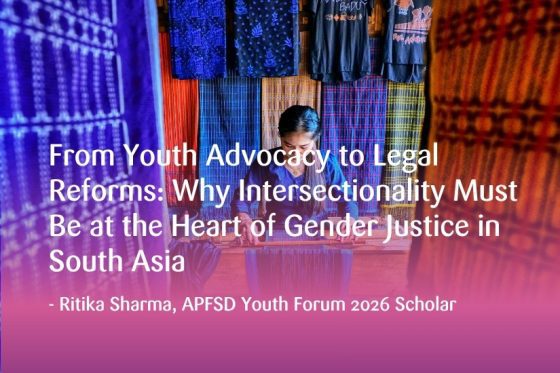
Ritika Sharma, APFSD Youth Forum 2026 Scholar
A few weeks before the Asia-Pacific Forum on Sustainable Development (APFSD) 2026 and the APFSD Youth Forum 2026, a news piece from Haryana, India, stayed with me.
]]>A few weeks before the Asia-Pacific Forum on Sustainable Development (APFSD) 2026 and the APFSD Youth Forum 2026, a news piece from Haryana, India, stayed with me. A woman went through eleven pregnancies before giving birth to a son, and his birth became a huge celebration for the family and the village. This also finally ended the taunts she had faced from people in her village for not having a son.
It is a reminder that behind gender equality are the ground realities where gender discrimination is layered with poverty, social pressure, and structural inequalities. In my research and public engagements, I have always encountered moments when I realised that the real question is not if gender equality is being discussed, but if it is being discussed deeply enough. Intersectionality is one such lens that helps us dive into the depths of the issue and understand all layers of discrimination.
As a participant in the APFSD Youth Forum 2026 and the following Feminist Forum, I had the opportunity to contribute to discussions around Sustainable Development Goals (SDG) 6, 7, 9, and 11.
-
SDG 6: Clean Water and Sanitation
-
SDG 7: Affordable and Clean Energy
-
SDG 9: Industry, Innovation and Infrastructure
-
SDG 11: Sustainable Cities and Communities
During the Youth Forum, I was involved in drafting India’s National Youth Call to Action 2026 and at the Feminist Forum, I primarily contributed to discussions around SDG 11 (Sustainable Cities and Communities), engaging in the issues around safety and inclusion.
This experience was especially meaningful as the collective effort of young advocates ensured that our drafts and contributions reflected the ground realities and grassroots perspectives. For me, this meant consistently bringing intersectionality into the conversations as a necessary lens for understanding why some women remain far more vulnerable to violence and exclusion than others.
Defining Intersectionality in the South Asian Context
“Intersectionality” is a term coined by the American advocate Kimberlé Crenshaw to point out how gender and race are two intertwined factors that lead to layered discrimination. Intersectionality is neither solely an academic concept nor limited only to racism. In South Asia, especially, gender intersects with caste, class, religion, disability, place of birth, migration status, and conflict. For instance,
- A woman living in an urban area may face gender discrimination.
- A Dalit woman may face gender discrimination and casteism.
- A refugee woman may face gender discrimination and legal invisibility.
- A disabled woman may face gender discrimination and structural and judicial ignorance.
When one or more of these identities intersect, inequalities in accessing justice multiply, thereby making it essential to include these in our policy and justice frameworks.
Research realities
In April last year, together with my team, I published a research report, “Intersectionality and Sexual Violence in South Asia”, analysing legal and policy gaps in the intersection of gender with caste, disability, ethnicity, religion and socio-economic status in sexual violence cases.
Our study, based on case analysis, clearly highlighted that there are structural impediments that prevent women with intersectional identities from accessing justice. In India, there are several intersectional factors that affect women, the dominant being caste and disability. In Bangladesh, Nepal, Pakistan and Sri Lanka, factors such as religion, ethnicity, poverty, and conflict exposure lead to greater vulnerability.
Legal Gaps: Intersectionality and Sexual Violence in South Asia
A particularly important example from India is the Supreme Court’s decision in the Patan Jamal Vali v State of Andhra Pradesh (2021) case, which recognised the concept of intersectionality in the context of sexual violence. While this is one case, it reflects the challenge within judicial approaches to intersectionality. The case involved the rape of a visually impaired Dalit woman, highlighting how gender, caste, and disability can combine and lead to heightened vulnerability. The Court observed,
“When the identity of a woman intersects with, inter alia, her caste, class, religion, disability and sexual orientation, she may face violence and discrimination due to two or more grounds… it becomes imperative to use an intersectional lens to evaluate how multiple sources of oppression operate cumulatively to produce a specific experience of subordination for a blind Scheduled Caste woman” (para 12).
This recognition was important because Indian courts have rarely looked into the intersectionality aspect before.
However, the case also illustrates a broader problem. While the Court impressively acknowledged intersectionality, it ultimately set aside the conviction under the Scheduled Castes and Scheduled Tribes (Prevention of Atrocities) Act (a legislation that aims at preventing caste-based discrimination and violence in India) due to evidentiary limitations, even while affirming the rape conviction under the Penal Law. In addition to this, the disability-related legal provision was not invoked at all.
Key Lessons for Implementing SDG 5 in South Asia
SDG 5 aims to achieve gender equality. However, gender equality cannot be achieved through gender-neutral solutions. If policies assume all women face the same barriers, they would only help those already closest to opportunity or those who are already in a privileged position, while leaving the most marginalised behind. Intersectionality reminds us that equality is achieved when those at the margins are included. My research across South Asia suggests three important lessons.
First, there are patterns of violence which often reflect existing hierarchies owing to the different backgrounds, rather than random acts. Understanding this helps shift focus from individual incidents to systematic failures.
Second, although several necessary legal protections exist across South Asian countries, implementation gaps persist because of social norms and stereotypes, which include judicial stereotyping and administrative/policy stereotyping.
Third, there is an urgent need for reforms in order to achieve gender equality in its true essence. There must be better judicial training and intersection-sensitive investigations and procedures, which means that the justice frameworks need to be transformed to incorporate an intersectional lens.
Without these changes, intersectionality will only remain symbolic rather than transformative.
SDG 5 and the Way Forward
For me, the APFSD and the APFSD Youth Forum was not just a conference, it was a reminder of why I entered this field. What made it particularly meaningful for me was seeing how advocacy and research spaces can reinforce each other. I saw how youth advocates coming from different parts of the Asia and Pacific region were bringing intersectional issues to the forefront with their own unique experiences. One of the most encouraging aspects of APFSD was seeing that many youth participants were already working at the grassroots level and understood these intersectional complexities intuitively.
It reaffirmed that policy spaces and research spaces must speak to each other. It also endorses that legal reform must take into account the grassroots experiences, and sustainable development must include those who are most often excluded. This also brings me back to where I began.
Stories like the woman in Haryana remind us that gender inequality is rarely about gender alone. It is also about the social structures that surround women’s lives and the unique realities they experience owing to their different intersectional identities. Therefore, intersectionality must not be treated as an optional analytical tool. Without it, policies risk exclusion, legal systems risk serving only the privileged, and true gender equality becomes unachievable. When it comes to SDG 5, intersectionality must be at the heart of how we design laws, policies, and advocacy.
Do not miss
]]>
Bekaiym Egemkulova, APFSD Youth Forum 2026 Scholar
Growing up in the Kyrgyz Republic, I observed how weak infrastructure limits opportunities for many communities.
Continue reading Architecting a Just Digital Future: Reflections from the APFSD 2026 at ARROW.
]]>Growing up in the Kyrgyz Republic, I observed how weak infrastructure limits opportunities for many communities. In a landlocked and mountainous country, the gap between national development policies and everyday realities in rural areas often remains large. These gaps affect access to services, economic participation, and basic rights, particularly for marginalised groups.
Addressing these barriers requires rethinking how development systems are designed. This perspective shaped my academic and professional path. I moved from studying economic theory to working in technology as a Data Science and DevOps fellow. My aim has been to contribute to digital systems that reflect inclusion from the start.
As Central Asia undergoes rapid digital transformation, technical design decisions will influence whose voices, languages, and needs are represented. These ideas shaped my participation in the APFSD Youth Forum 2026. I also joined the 13th Asia-Pacific Forum on Sustainable Development (APFSD) in Bangkok, where I served as the sub-regional facilitator for Central Asia.
The Intersection of Infrastructure Design and Gender Equality
At the United Nations Conference Centre, my contribution focused on Sustainable Development Goal 9 on Industry, Innovation, and Infrastructure. Infrastructure policies are often framed as gender neutral. Yet research shows that design choices frequently overlook the realities of women’s lives.
Across Central Asia, women perform nearly four times more unpaid care work than men. Transport systems are often designed around a single daily commute between home and work. In practice, many women make multiple shorter trips related to caregiving responsibilities. When infrastructure planning ignores these patterns, women face greater time burdens and reduced access to formal employment. Safety also reflects historical design biases. Studies show that vehicle safety systems developed primarily around male body data increase the risk of injury for women in traffic accidents. These examples illustrate how infrastructure design affects gender equality in tangible ways.
Digital Transformation and the Risks of Algorithmic Bias
The digital transformation of economies raises similar concerns. During the Forum, I highlighted the growing “AI data gap” affecting Central Asia. Languages from the region account for less than 0.1 percent of datasets used to train many global artificial intelligence models. When languages and cultural contexts remain absent from training data, digital systems struggle to serve those populations accurately. This issue extends to financial and human resource (HR) technologies as well. Some algorithmic credit or HR hiring models penalise applicants whose work histories include career interruptions related to caregiving. Without careful oversight, automated systems risk reinforcing existing inequalities.
Participating in the APFSD reinforced an important lesson – effective policy requires both technical knowledge and an understanding of social realities. During the Forum, I had the opportunity to brief the President of United Nations Economic and Social Council (ECOSOC), His Excellency Mr. Lok Bahadur Thapa of Nepal. As representatives of two landlocked and mountainous countries, we discussed the importance of including youth perspectives in development planning. Young professionals across the region are ready to contribute not only as beneficiaries of development programs but also as policy participants and technical specialists. Our Regional Youth Call to Action from the APFSD Youth Forum 2026 reflects this perspective. The document recommends gender impact assessments for infrastructure projects, stronger investment in digital inclusion, and national Artificial Intelligence (AI) strategies that protect linguistic diversity. It also calls for youth advisory councils within technical ministries to support more inclusive policy development.
Architecting Equity into Future Systems
Conversations in Bangkok highlighted the need for greater representation of women and young professionals in technical fields. Engineers, data scientists, financial experts, and public administrators all play a role in shaping development outcomes. When diverse perspectives participate in these sectors, public systems reflect a wider range of social realities. As preparations continue toward the 2027 SDG Summit, the challenge for governments and institutions in Asia and the Pacific is clear – infrastructure and digital technologies must support inclusive development across diverse societies. Building systems with equity in mind from the start will help ensure that the benefits of technological progress reach all communities.
]]>