Understanding the Beat
The beat is the regular pulse that listeners may tap their feet or clap their hands to while listening. It provides a foundation for the music and helps performers stay coordinated. Some songs have a steady, predictable beat that makes them easy to follow. Others use changing patterns or subtle accents that create a more complex listening experience.
Even when listeners cannot identify the beat consciously, they may still respond to it physically. Tempo describes how fast or slow that pulse moves. A faster tempo can create a sense of urgency or excitement, while a slower tempo may feel calm, reflective, or dramatic. However, tempo alone does not determine a song’s mood.
Instruments, dynamics, harmony, and lyrics also influence how music is perceived.
Exploring Rhythm Patterns
Rhythm is more than the basic beat. It includes the arrangement of sounds and silences around that pulse. A drummer might play a simple pattern, while a guitarist adds offbeat accents or a singer places words in unexpected spaces. These differences help distinguish musical styles.
A steady four-beat pattern may be common in many pop and rock songs, while other genres may use syncopation, layered percussion, or distinctive rhythmic cycles. Syncopation occurs when emphasis falls on unexpected parts of a rhythm. It can make a song feel playful, energetic, or surprising because the accents do not always land where a listener expects them.
Why Rhythm Affects Emotion
Rhythm influences the physical energy of music. Strong, regular beats can encourage movement, while sparse rhythms with long pauses may create suspense or space for reflection. Filmmakers and composers often use rhythm to support a scene’s emotional direction.
Rapid percussion may accompany an action sequence, while a slow, restrained pattern can help create tension or sadness. Personal experience matters, too. A rhythm that feels uplifting to one listener may remind another of a meaningful event or a familiar cultural tradition.
Rhythm in Everyday Listening
You do not need formal musical training to notice rhythm. Try listening to a favorite song and tapping along with its main pulse. Then focus on the percussion, bass line, or vocal phrasing.
You may discover that different layers follow distinct patterns while still working together. Musicians can use this awareness to improve timing and coordination. Casual listeners can use it to appreciate why certain songs feel especially danceable or memorable.
Conclusion
Rhythm gives music much of its movement, structure, and energy. From the basic beat to complex patterns and unexpected accents, rhythmic choices shape how a song feels and how listeners respond. Paying closer attention to rhythm can reveal details that make familiar music sound new again.
]]>The Energy of a Shared Space
Live music brings performers and listeners together in one environment. The audience may clap, sing along, dance, or respond to changes in the performance. These reactions can influence the atmosphere and make the event feel different from listening alone.
A small acoustic performance may feel intimate because the audience can observe subtle expressions and instrument details. A large concert may create a powerful sense of scale through lighting, amplified sound, and the collective excitement of thousands of people. The venue also matters. A theater, outdoor festival, small club, and community hall each shape how music is heard and experienced.
The Performance Can Change Each Time
A recording usually preserves a particular performance, while live musicians can adjust arrangements, tempos, transitions, and improvisations. A singer might extend a note, a guitarist may introduce a solo, or a band might change the ending of a familiar song. These variations give concerts an element of unpredictability.
Technical difficulties or mistakes can sometimes happen, too, but skilled performers often adapt and continue. For audiences, knowing that a moment is happening only once can make the experience feel special.
Seeing the Musicians at Work
Live performances allow listeners to observe how music is created. They can watch a drummer maintain the beat, a keyboard player coordinate different sounds, or vocalists communicate through gestures and eye contact. These details may deepen appreciation for the skill and preparation behind a performance.
They can also help aspiring musicians learn by observing timing, stage presence, and collaboration. Even a simple performance with minimal equipment can reveal the care and practice involved in making music.
Discovering New Artists Live
Concerts and music festivals can introduce audiences to performers they might not otherwise hear. Opening acts, local bands, and emerging artists often share stages with more established musicians. Hearing a song live may encourage listeners to explore an artist’s recordings afterward.
The reverse can also happen: discovering a performer online may inspire someone to attend a concert. Smaller venues can be especially valuable for discovering music within a local community.
Making the Most of a Concert
A little preparation can improve the experience. Check venue rules, transportation options, event timing, and accessibility information before leaving. Consider bringing only permitted essentials and protecting your hearing when sound levels are high.
It is also worth balancing photos and videos with being present. Recording a few moments can be meaningful, but watching the entire show through a screen may make it harder to enjoy the performance directly.
Conclusion
Live music combines sound, human interaction, visual performance, and shared emotion. Its small variations and spontaneous moments make each event distinct. Whether the venue is a neighborhood café or a major festival, attending a live performance can deepen a listener’s connection with music.
]]>How the Brain Processes Rhythm
Check these out:
Detecting Patterns
The brain is highly responsive to repeating patterns. A regular beat provides a predictable structure that allows listeners to anticipate when the next sound may occur. This anticipation can make rhythmic music feel engaging.
Connecting Sound and Movement
The brain coordinates information from hearing with systems responsible for movement. This helps explain why people can naturally synchronize actions with a beat.
Musicians and dancers develop this ability through repeated practice.
Rhythm and Human Activity
See below:
Walking and Movement
 People can naturally adjust their movements to an external rhythm. Music with a steady beat can therefore influence how someone walks, exercises, or performs repeated movements.
Group Synchronization
Rhythm can also encourage groups of people to coordinate movements. Clapping, dancing, marching, and other shared activities demonstrate how sound can influence collective behavior.
Why Rhythm Feels Different
Not everyone responds to the same rhythm in the same way. Musical culture, personal preference, familiarity, and individual experiences can influence how a person perceives and responds to music.
Different rhythms can therefore produce different reactions among listeners.
Conclusion
Rhythm connects music with the science of hearing, prediction, and movement. The brain recognizes patterns and can coordinate auditory information with physical actions, helping explain why a strong beat can make people want to move. Music demonstrates how closely the human brain connects sound with physical experience.
]]>An Understanding of Basic Rhythm
Here are some important details showing the basics of rhythm:
Rhythm is the basis for creating musical movement.
Rhythm is the pattern of sounds and silences through time. The length of the sounds and the character of a piece is determined by patterns of different combinations of long and short sounds. The use of steady patterns can lend a sense of calm and predictability to a song. While faster or more intricate patterns can inject excitement and energy. The differences enable musicians to create the feeling of a piece.
Why is Rhythm Important to Musicians?
The following are the importance of rhythm:
1-It helps performers stay together.
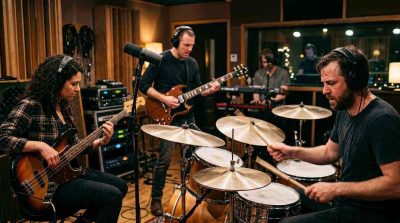 Rhythm is used as a structure to enable the musicians to synchronise their play.
2-It promotes creativity.
The freedom enables artists to evolve their personal tonal style and to be inspired by existing musical genres.
]]>Music is structured, moving and alive because of rhythm.

Large urban centers rely on coordinated sanitation systems to manage waste, protect public health, and maintain livable environments. The World Health Organization emphasizes that urban hygiene systems are a core pillar of disease prevention, especially in densely populated cities where waste accumulation can escalate quickly without structured intervention. In such settings, timing and repetition matter as much as physical infrastructure.
Urban cleanliness in Makkah reflects this principle through organized maintenance networks supported by municipal planning and specialized service providers. A Cleaning company in Mecca (شركة تنظيف بمكة) operates within this broader ecosystem, where scheduled cleaning routes, workforce rotation, and environmental monitoring align to ensure continuity. Rather than isolated actions, sanitation becomes a coordinated system shaped by rhythm, repetition, and spatial awareness.
Musical Structure as a Lens for Urban Sanitation
Music depends on structure. Rhythm, tempo, and repetition allow separate sounds to become a coherent composition. Urban cleaning systems operate in a similar way, especially in cities with high population density and constant movement. Streets, public squares, and residential zones require cleaning cycles that follow predictable patterns, much like measures in a musical score.
Experts in urban planning often describe city systems as “compositional,” where different services interact in layers. Waste collection, street washing, and public facility maintenance must align without overlapping or leaving gaps. In this sense, sanitation teams act like sections of an orchestra. Each group has a defined role, yet the outcome depends on coordination. A delay in one “instrument,” such as delayed waste pickup, can disrupt the entire urban rhythm.
Research in environmental management published through organizations such as the United Nations Human Settlements Programme (UN-Habitat) highlights that structured municipal services reduce environmental risks and improve urban efficiency. These findings reinforce the idea that repetition and timing are not just logistical tools, but essential components of system stability.
Routine-based Coordination in Large-scale Sanitation Systems
Routine is often viewed as simple repetition, but in large cities it becomes a planning mechanism. Scheduled cleaning routes ensure that different districts receive attention based on population density, seasonal activity, and peak movement hours. This reduces inefficiency and prevents the accumulation of waste in high-traffic areas.
In Makkah, where population density can fluctuate significantly during pilgrimage periods, sanitation systems must adapt without losing structure. Data from municipal service studies indicate that cities with flexible but scheduled cleaning frameworks maintain higher environmental consistency during peak population surges. These systems rely on predictive planning rather than reactive response.
Waste management teams, street sanitation units, and facility maintenance crews operate on staggered cycles. This layering effect resembles counterpoint in music, where multiple rhythms coexist without conflict. When well designed, the result is not visible effort but visible cleanliness, a stable urban environment that feels naturally maintained rather than constantly repaired.
These structured systems also reduce operational strain. Instead of overwhelming teams with unpredictable demands, scheduling distributes workload evenly across time and geography. Public health researchers from institutions such as the Centers for Disease Control and Prevention (CDC) note that consistent sanitation practices significantly reduce the spread of environmentally transmitted illnesses in dense urban settings.
Dialectical Tension Between Order and Complexity
Urban sanitation exists between two opposing forces: the need for strict order and the unpredictability of human activity. Markets, transport hubs, and residential zones do not behave uniformly, yet they must still be maintained under a unified system. This tension mirrors a dialectical relationship, where structure and disorder continuously shape each other.
On one side, rigid scheduling ensures predictability. Without it, waste accumulation would become inconsistent and difficult to manage. On the other side, cities are dynamic. Events, weather changes, and population shifts constantly disrupt planned routines. Effective sanitation systems resolve this tension by building flexibility into structured frameworks. Discussions around the connection between sound, focus, and cleaning efficiency also reflect how rhythm and environmental patterns can influence productivity in organized maintenance work.
This balance is where the musical analogy becomes especially relevant. A composition follows a score, but skilled musicians adjust timing, intensity, and emphasis based on context. Similarly, urban cleaning teams follow schedules while adapting to real-world conditions. The system remains structured, yet responsive.
In Makkah, this approach becomes particularly important due to the city’s unique rhythms of movement and gathering. Public cleanliness is maintained not through a single action, but through continuous coordination across multiple layers of service. The result is a system that behaves less like a sequence of tasks and more like a living composition.
Conclusion: Rhythm as a Planning Tool for Public Systems
When viewed through the lens of rhythm, urban sanitation becomes more than operational maintenance. It becomes a structured pattern of care that evolves with the city’s daily and seasonal cycles. The idea of rhythm helps explain why scheduling, repetition, and coordination are so central to effective public services.
In large environments such as Makkah, where movement is constant and population density shifts throughout the year, structured cleaning schedules provide stability. Municipal waste management teams and environmental maintenance services function as part of a wider system that depends on timing as much as technique.
Ultimately, the concept of rhythm reveals that urban cleanliness is not a static goal but an ongoing composition. Each scheduled route, each coordinated effort, contributes to a broader pattern of order. When these elements align, cities achieve a form of balance where sanitation is not only maintained but continuously composed through disciplined routine and adaptive coordination.
]]>Less Layers Means Big Impact
Minimalist production removes redundant aspects in order to emphasize essential sounds. This enables the vocals and key instruments to be more pronounced. The outcome is a clearer and more focused listening experience. The simplicity helps to increase the emotional appeal to many producers.
Sound Design: The Power of Silence
Silence is an important part of minimalist music production. Strategic pauses bring suspense and anticipation in a song. These breaks make every sound more deliberate and purposeful. This trick adds not too much depth to the mix.
Streaming Culture and Short Attention Spans
In the contemporary world, listeners tend to listen to music that attracts attention fast. The use of minimalist beats gives an instant effect without being overly complicated. This is why they are perfect to stream on platforms and snippets of social media. Consequently, producers are changing their styles.
Minimalism: An Influencer Genre
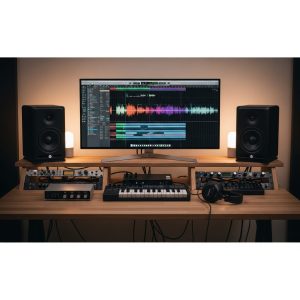
Minimalist production does not belong to a genre. It is manifested in hip-hop, electronic, pop, and even acoustic music. This flexibility enables the artists to be experimental and, at the same time, clear. The trend has been shaping the development of music in all genres.
End Notes
Minimal beats are transforming the music of the modern world. Focusing on the basics, producers produce more interesting and catchy songs. This is a dynamic shift in the tastes of listeners in the digital era. In the future, simplicity is probably going to continue being a potent music production tool.
]]>Between Bedrooms and Streaming Platforms

Professional-quality music no longer requires the artist to use costly studios. DAWs and plugins have become strong enough to be used at home. This availability means that musicians can publish tracks through streaming services.
The Aesthetic DIY Sound
This homespun style appeals to the listeners who want to hear the truth. Lo-fi sound, ambient sound, and bare production are now stylistic decisions. These factors contribute to the current specialization of indie music.
The songs that are popular for a short time are usually determined by the viral trends.
This dynamic has changed the music discovery and consumption process.
Collaboration Without Borders
The Internet tools enable artists to work together around the world in real time. The fusion of styles by musicians of other cultures is not difficult. This has resulted in new genre-blending and new sonic experiments. Consequently, indie music keeps on challenging the artistic frontiers.
End Notes
The bedroom producers are changing the concept of making and sharing music. The industry has become more inclusive and diverse courtesy of its influence. With the ongoing advancement of technology, there are more artists who are going to come out of the unorthodox areas. The future of indie music is even more intimate, international, and creative.
]]>Just as musicians rely on musical notation to guide their performance, professional cleaning teams rely on standardized procedures to ensure water storage systems remain clean, hygienic, and safe.
Understanding the Structure behind Music

Music is rarely created randomly. Behind every performance is a carefully designed structure that musicians must learn to interpret. Music notes tell performers which pitch to play, how long to hold it, and how it fits into the overall rhythm of a composition.
A musician who can read notes understands the importance of timing, accuracy, and sequence.
Playing the wrong note or missing a beat can disrupt the harmony of the entire piece. That is why musicians spend years practicing how to read and follow musical scores precisely.
Professional Cleaning as a Systematic Process
Professional cleaning services in Makkah operate using similarly structured systems. Tasks such as water tank sanitation are not simply about washing surfaces or removing dirt. Instead, they require a series of well-defined procedures designed to ensure water storage systems remain safe for everyday use.
Technicians follow a sequence of steps that guide the entire cleaning process. Steps involved should be done in the right order. Skipping or rushing part of the process can compromise the effectiveness of the cleaning.
Just as a musician cannot skip measures in a musical score without affecting the performance, sanitation teams must follow each stage carefully to achieve proper results.
Precision and Timing can’t be Underscored
Timing and precision are central elements in both music and sanitation work. In music, tempo determines how quickly or slowly a piece is played. Musicians must stay synchronized with one another to maintain harmony and rhythm.
Similarly, certain cleaning procedures require precise timing. Disinfecting agents must remain on surfaces for specific durations to effectively eliminate bacteria and microorganisms. Attention to detail is therefore essential. A professional sanitation team must monitor every step of the process, ensuring that equipment is used properly and safety standards are maintained.
Harmony through Coordination
In orchestral music, harmony occurs when different instruments play together in balance. Each musician contributes a part that complements others, creating a cohesive performance.
Professional cleaning teams rely on a similar kind of coordination. Different technicians may handle inspection, cleaning, equipment operation, and sanitation treatments. When each team member performs their role correctly, the entire process functions smoothly. The result is a properly maintained water storage system that supports the health and safety of homes, businesses, and public facilities.
Following the Right Instructions for Quality Results
In music, written notation allows performers to recreate complex compositions with precision and beauty. In sanitation services, standardized procedures guide technicians through the steps required to maintain safe and hygienic water storage systems. Both fields demonstrate the value of discipline, practice, and attention to detail. Musicians study their scores to produce harmonious performances, while cleaning professionals follow systematic processes to ensure water quality remains safe for everyday use.
Ultimately, whether reading musical notes or following technical procedures, when the right instructions are carefully followed, the outcome is reliable, balanced, and built to last.
]]> Instagram plays a major role in how music reaches new listeners today. Many people discover new artists through short videos, live clips, and shared posts. If you create music, Instagram can help you grow an audience without a big budget. The key is to use the platform with intention and consistency. Growth does not happen overnight, but steady effort leads to real results. This guide explains practical ways on how to increase Instagram followers (source: 인스타 팔로워 늘리는 법) as a music creator. Every tip here is simple and easy to apply.
Why Instagram Matters for Music Creators
Instagram is built for sound and visuals. This makes it a strong match for music content. Short videos allow listeners to hear your style within seconds. Stories and posts let you show your personality behind the music. Fans often follow artists they feel connected to, not just artists with good songs.
Many users scroll Instagram daily. This gives musicians repeated chances to appear in front of new people. Hashtags, shares, and recommendations help push your content beyond your current followers. Even small accounts can grow if content connects with the right audience.
Instagram also supports direct interaction. Comments, messages, and live sessions help build trust. When people feel noticed, they are more likely to follow and stay. This relationship is important for long term growth.
Content Strategies That Attract Real Followers
Your content should highlight your music first. Short performance clips work well. These can be live sessions, studio recordings, or casual playthroughs. Keep videos clear and focused. Let the sound lead the post.
Reels are one of the strongest tools on Instagram right now. Short music reels often reach people who do not follow you yet. Use trending formats but keep your style. Do not copy others exactly. Original content performs better over time.
Posting behind the scenes content also helps. Show songwriting moments, practice sessions, or gear setup. These posts feel personal and real. Fans like seeing the work behind the final song.
Consistency matters more than frequency. Posting three to four times a week is enough. Choose days and times you can maintain. Sudden gaps in posting slow down growth.
Captions should be clear and simple. Ask questions when possible. Invite people to comment or share. Engagement helps Instagram push your content to more users.
Hashtags still matter. Use music related hashtags that match your style and genre. Avoid overly broad tags. Smaller, focused hashtags often bring better engagement.
Engagement Habits That Support Steady Growth
Growing followers is not only about posting. Interaction plays a big role. Spend time engaging with similar artists and music fans. Like and comment on posts that feel genuine. Avoid generic comments. Thoughtful interaction gets noticed.
Reply to comments on your posts. This shows you value your audience. Quick replies increase trust and visibility. Instagram favors accounts that interact often.
Stories are useful for daily presence. You do not need polished content here. Simple updates, polls, or music snippets work well. Stories keep your profile active even on days without posts.
Collaborations also help growth. Working with other musicians introduces your profile to new listeners. This can be done through duets, shared reels, or shout outs. Choose collaborators with similar audiences.
Live sessions are powerful for connection. Even short live streams can boost visibility. Play a song, answer questions, or talk about upcoming projects. Lives help followers feel closer to you.
Avoid buying followers. Fake growth hurts engagement. Instagram can limit reach for accounts with low interaction rates. Real followers bring real support.
]]>
Ninety years after the invention of the silent cinema, which by itself was an artistic symbiosis of music and film, the art of motion pictures and sound has reached the heights of an independent art form.
Music still plays an essential role, but the rhythm and flow of cinema have artistic primacy. As independent as the art of motion pictures and sound has become, melody still plays a prominent role, and the whole is greater than the sum of the parts.
Platforms such as 123Movies free movies online have unexpectedly become mirrors reflecting how music-driven cinema continues to evolve in accessibility, creativity, and global reach.
The Decline of ‘Theatrically’ and ‘Easily’ Attainable
Alongside the development of sophisticated technologies, the world has witnessed the underlying establishment of an entire civilization. More intelligent civilizations rely on the sound of music with motion pictures.
These motion picture masterpieces, when combined with sound, transcend the confines of the theater and form the foundation of these independent artworks.
Instead of being confined to the style of silent cinema, these masterpieces of motion pictures geared to the sound of music, coupled with sound, form the structure of these independent artworks.
The world of classical and modern motion pictures ideally synchronized with music has become an ocean of inspiration for emerging filmmakers. It serves to systematize complex notions of rhythm, timing, and storytelling, which often go hand-in-hand with the art of cinema.
Textbooks fail to explain these notions, but the silent cinema serves as a perfect reference for the principles of rhythm.
The Digital Influence on Sound Design and Storytelling
The availability of worldwide content has compelled directors and composers to shift their focus and approach. A movie is never only viewed. It is also listened to. Storytelling has now integrated the skillful weaving of background music, ambient sounds, and vocal tracks.
Through digital distribution, even independent creators can now experiment with music-led narratives without the need for support from a major studio.
Numerous creators acknowledge the role of online platforms in understanding and remixing aged cinematic practices. The process of crafting a new blueprint for sound-centric cinema involves the study of how various genres employ sound, from the suspenseful silence of thrillers to the blaring crescendos of concert films.
ALSO READ: 5 Powerful Ways Music Elevates the Impact of Sports Broadcasts
Democratizing Musical Storytelling
The proliferation of digital films has removed the gatekeepers to musical storytelling. Emerging artists are uninterested in personal self-expression and sound.
They are blending in innovative ways to create new forms of short music films. In some cases, streaming platforms, though unofficial, have surprising outcomes in getting this new artistic work to the world.
This access fosters a new ecosystem. Filmmakers work with musicians, editors, and sound engineers. It demonstrates that music-driven cinema is more than entertainment. It offers insights into the creative potential of the medium.
Potential Developments in Film and Sound
The constant evolution of cinema is most likely going to integrate watching a film and a concert into a single immersive experience. Concepts like immersive storytelling, spatial audio, and immersive experiences are changing the definition of ‘listening to a movie.’
Film and music will ignite the imagination of a generation with digital access as they create, not from sound, but from the very absence of silence.
The fusion of film and music is a sheer testimony to art’s most monumental collaborations. Although the medium of transmission may alter, the very core of the art will always be emotion, rhythm, and imagination, which will always resonate with every single person.
]]>