To celebrate the momentum building across the University, President and Vice-Chancellor Lesley Rigg, senior leaders and special guests will deliver an update to the Brock community on Thursday, Oct. 8 from 2 to 3 p.m. in the Goodman Atrium.
“Our faculty, staff, students and partners are driving initiatives that strengthen the University today while opening new possibilities for how we teach, learn, conduct research and contribute to the communities we serve,” says Rigg. “I look forward to recognizing and celebrating our success.”
All members of the Brock community are invited to attend the Oct. 8 event and are asked to RSVP through ExperienceBU by Monday, Oct. 5.
For any inquiries, please contact president@brocku.ca
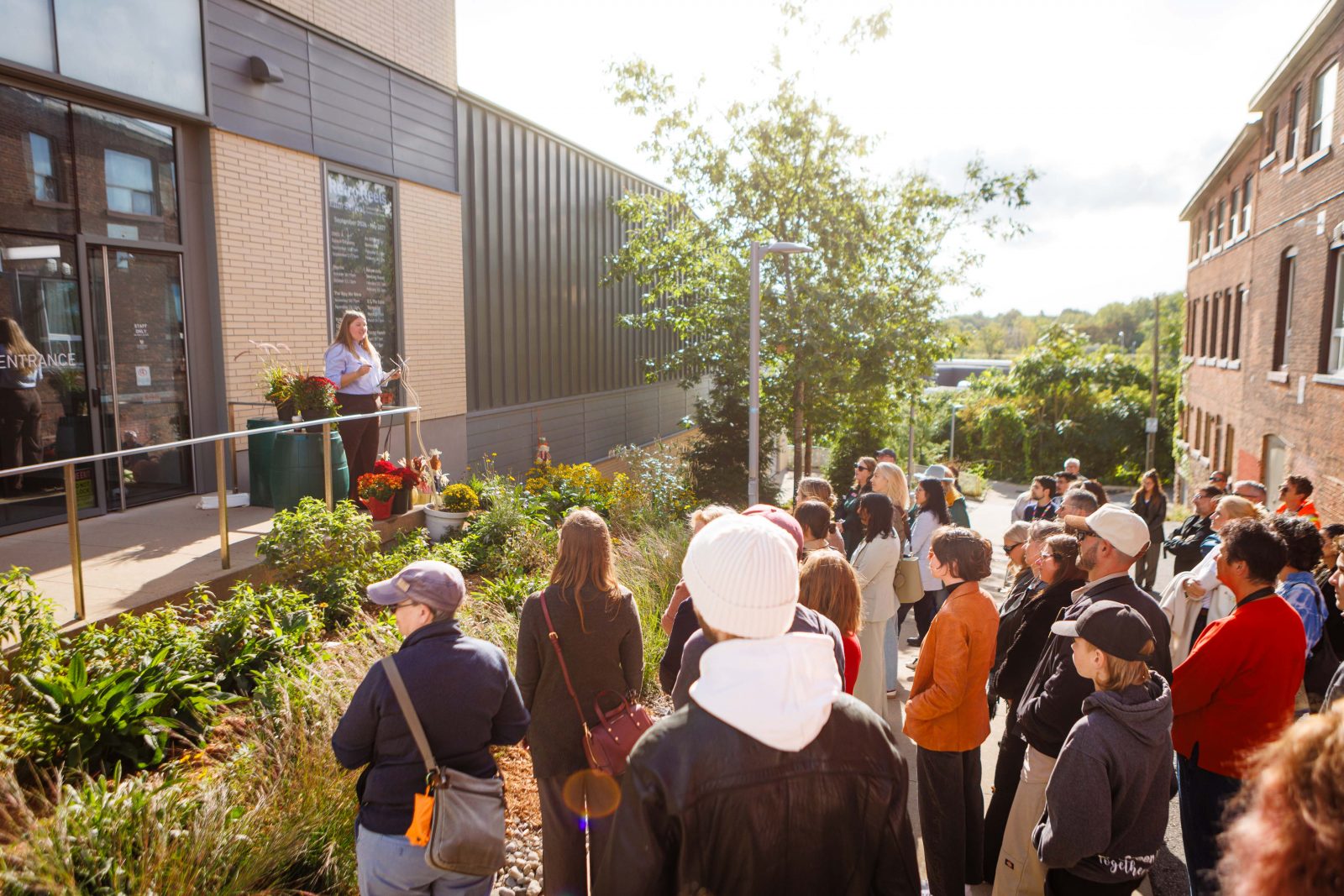
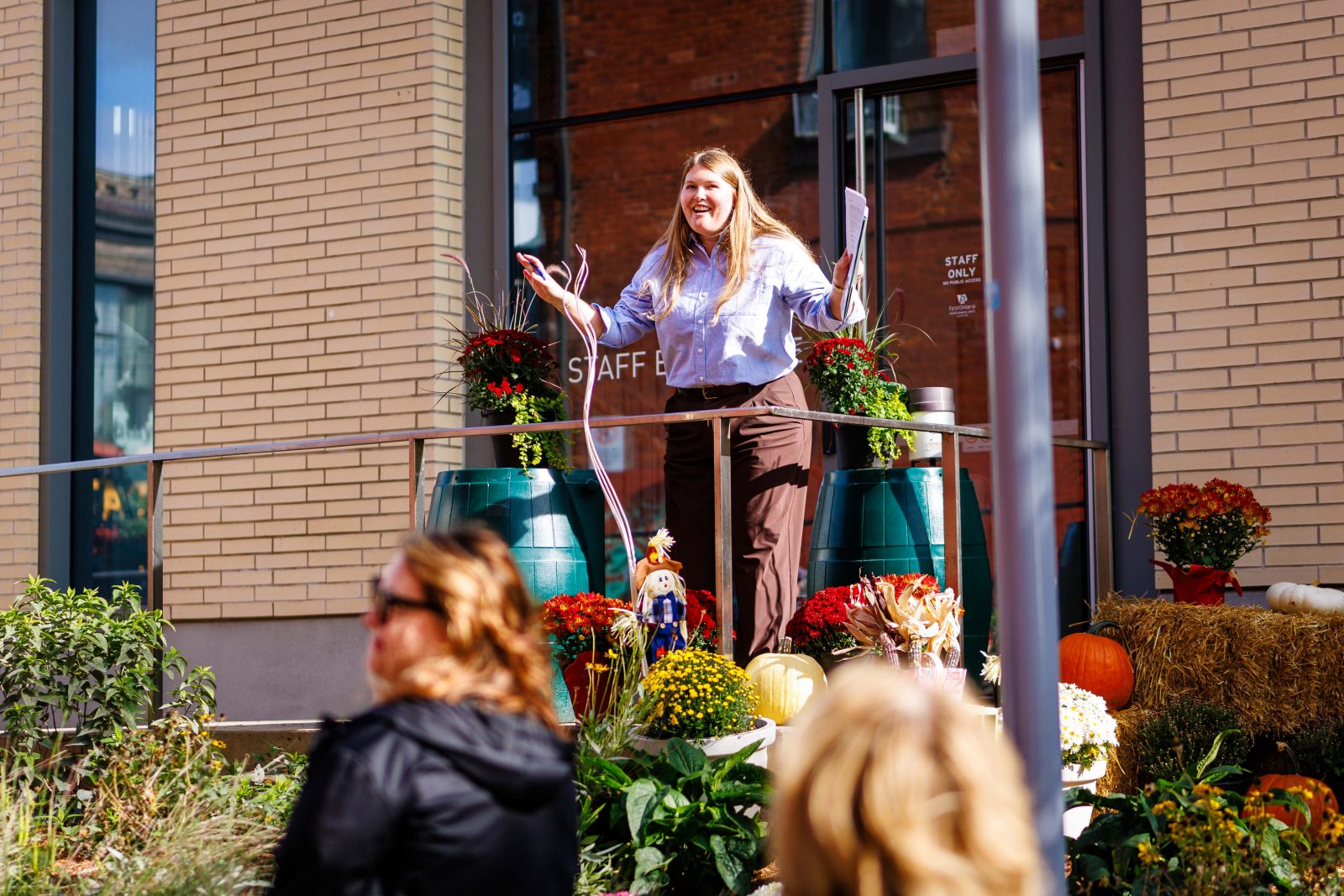
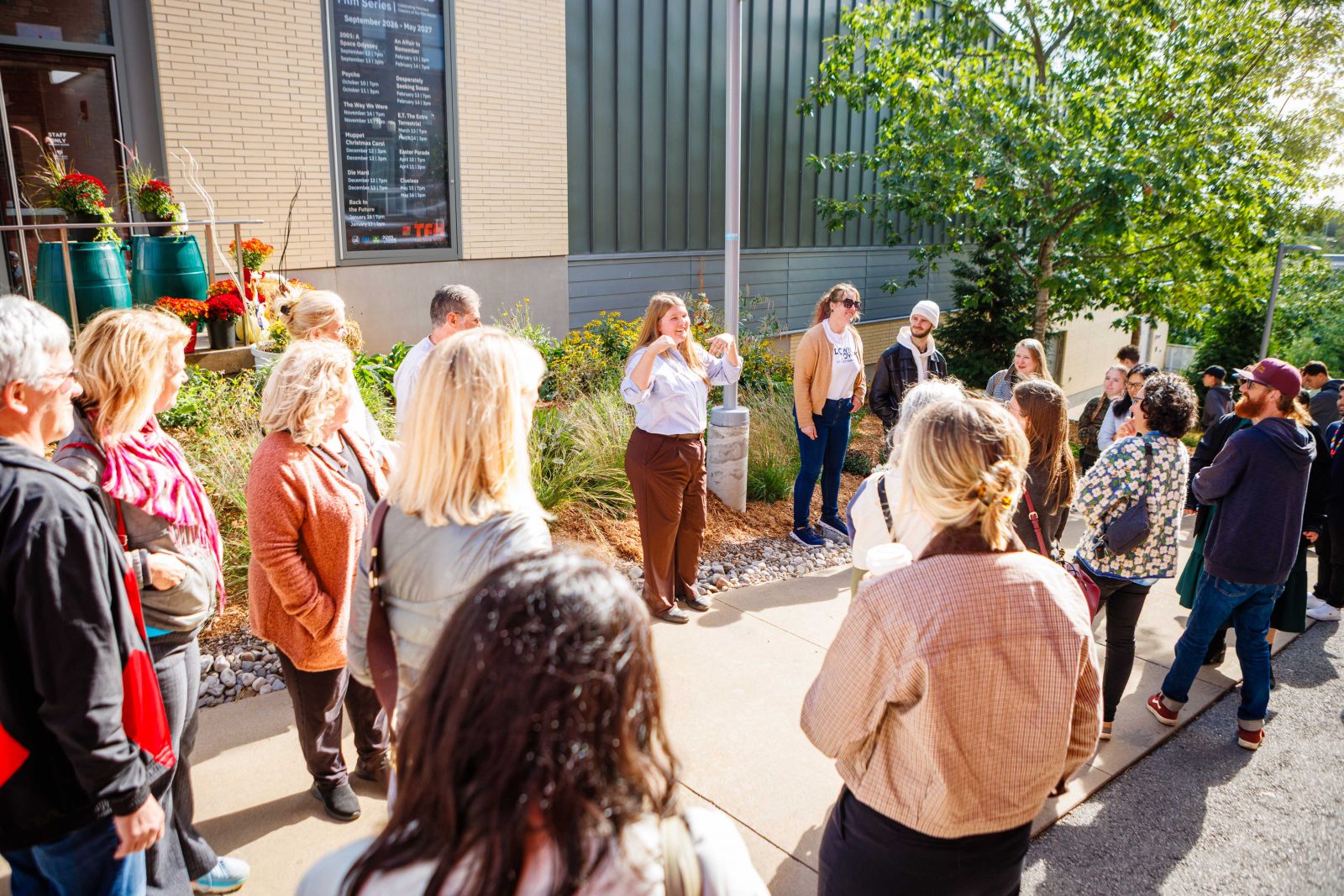
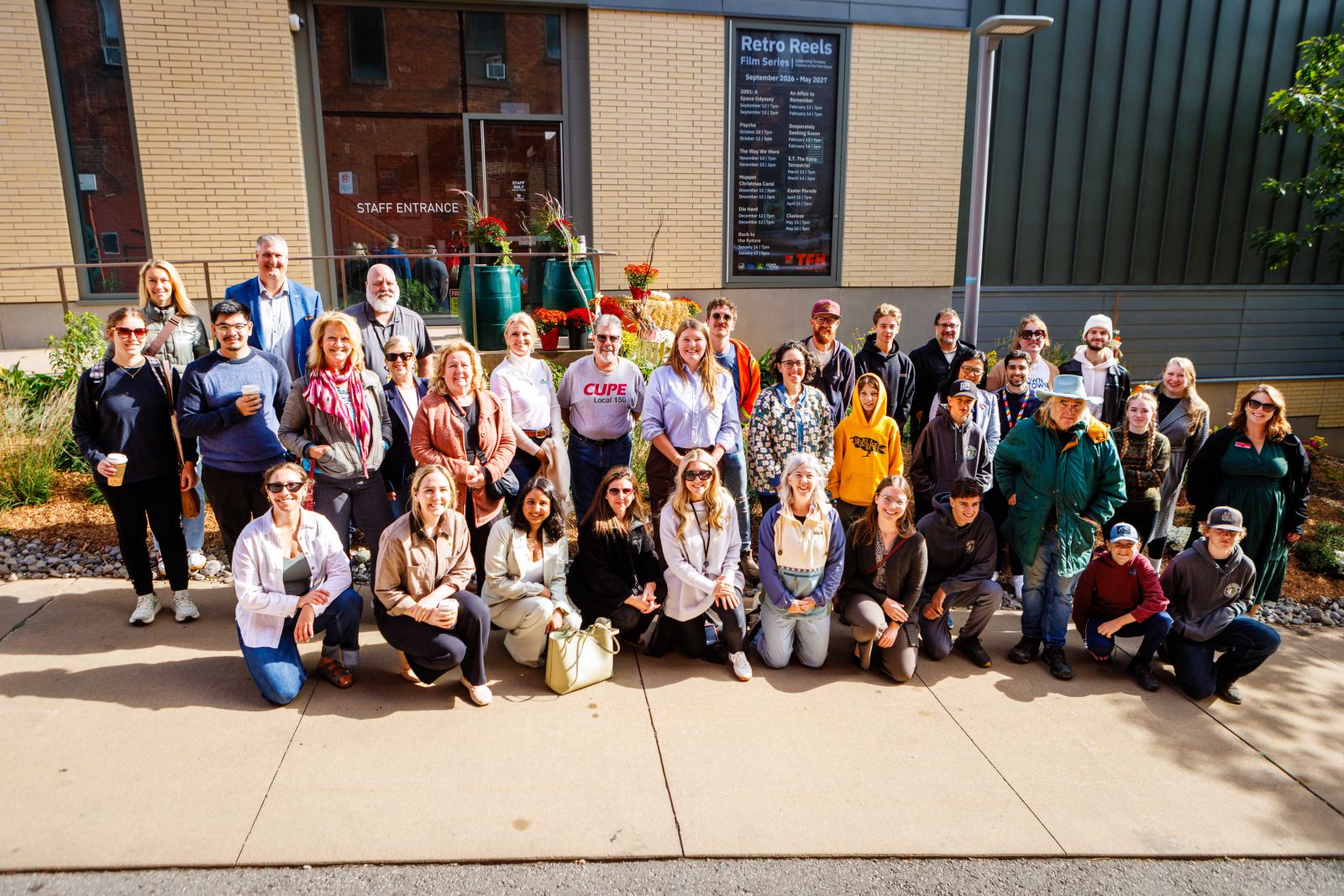
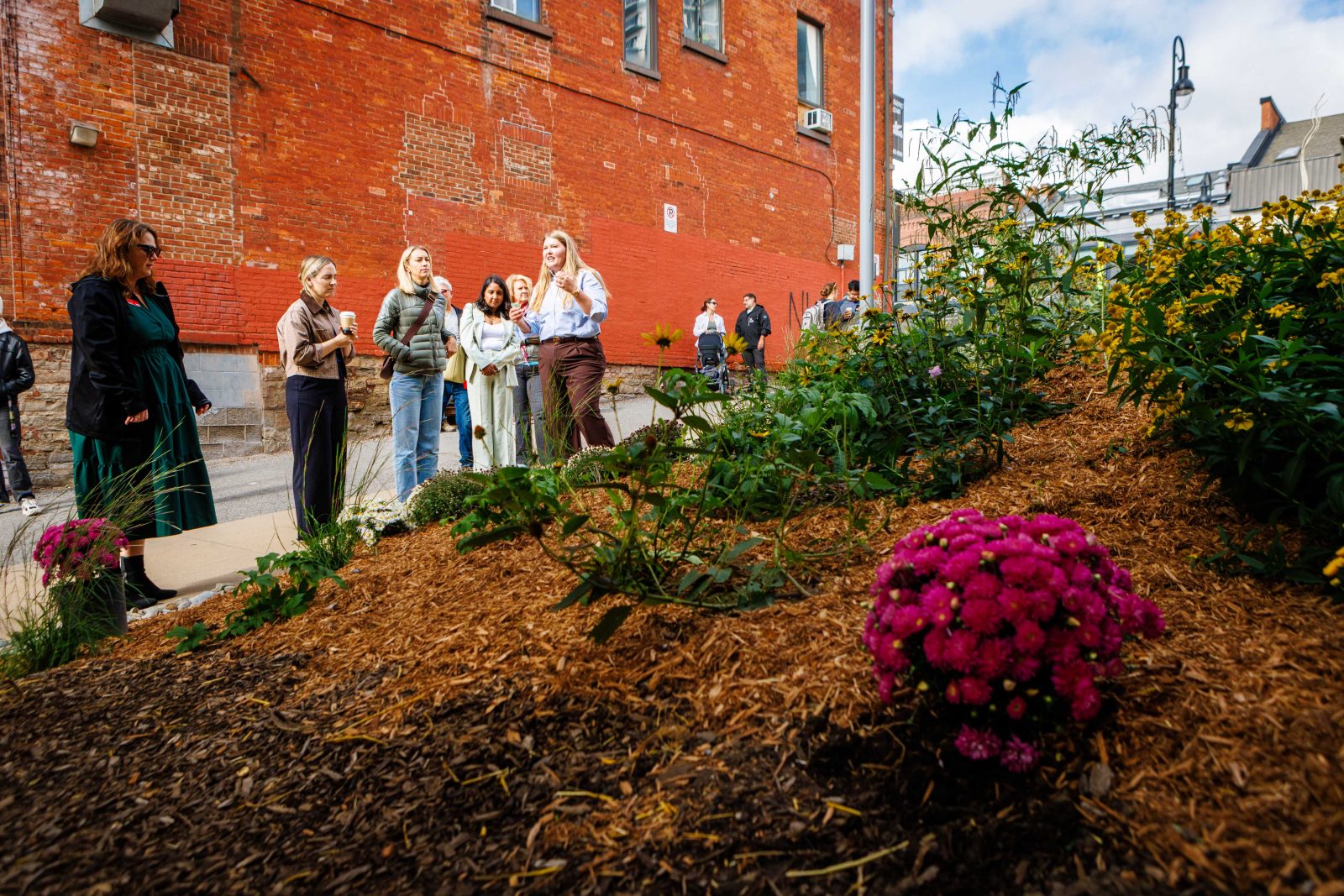
]]>The Brock Earth Sciences master’s student gathered with University and community partners to celebrate the official launch of her rain garden study during a public event at the FirstOntario Performing Arts Centre (PAC) on Tuesday, Sept. 22.
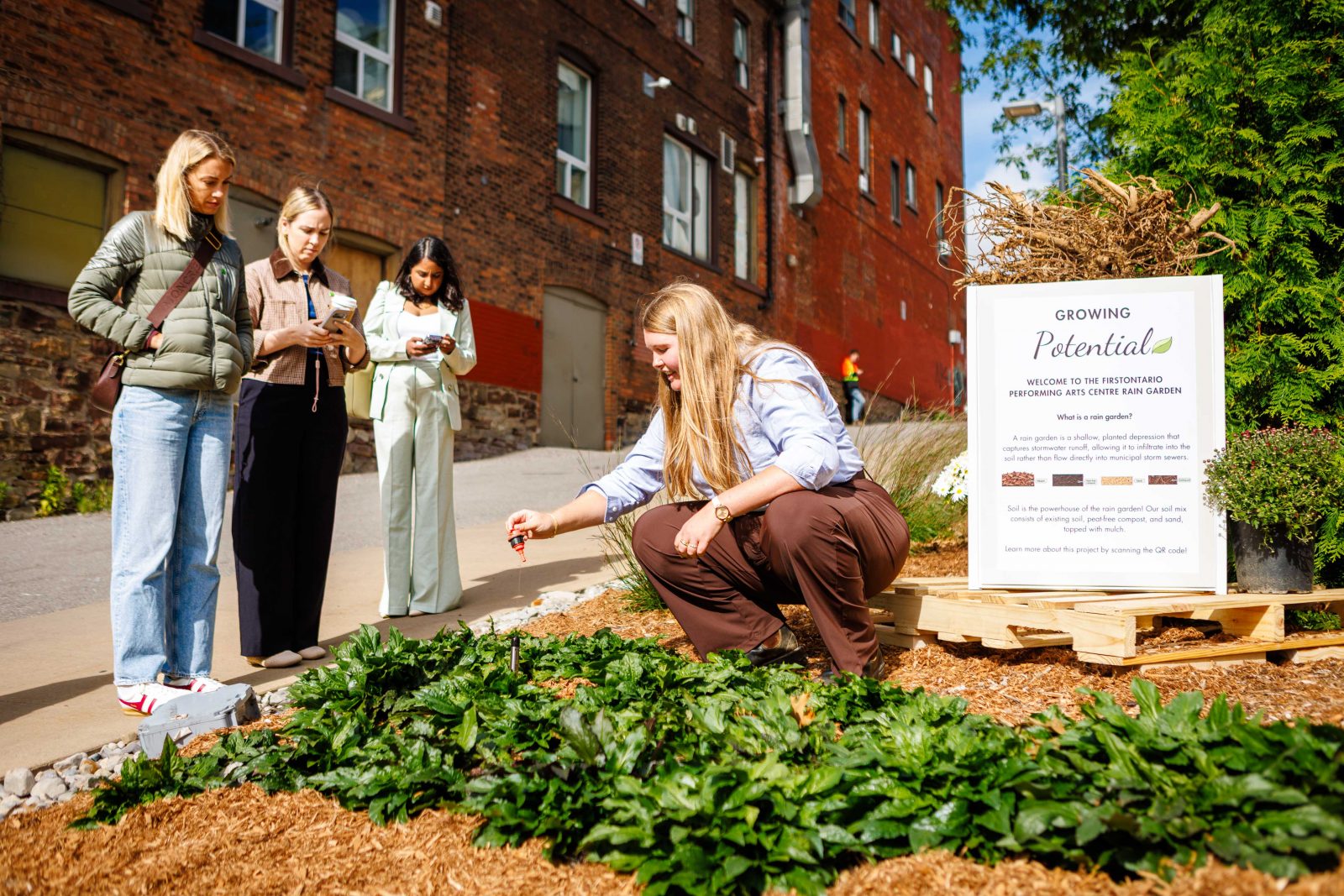
Rain gardens are shallow, vegetated depressions designed to capture stormwater runoff, giving water more time and space to infiltrate into the soil rather than immediately entering storm sewer systems. Through Taylor’s project, rain gardens have been created on City of St. Catharines property, including the PAC, as well as at Silver Spire Church in downtown St. Catharines.
In addition to a ribbon-cutting ceremony to mark the opening of the green spaces, the event also unveiled Potential, an art installation created by Taylor in collaboration with volunteers from Brock’s Department of Earth Sciences Landscape Hydrology and Restoration Group, Niagara Green Herons and Taylor’s husband, Dorian Cannon.
Potential uses a recovered root ball and painted soil profile to reveal the layers usually hidden beneath a rain garden.
“The piece explores the tension between opportunity and unintended consequences,” says Taylor. “It’s a reflection of a lesson applying to environmental work: interventions require careful observation and a willingness to adapt.”
A QR code incorporated into Potential allows visitors to learn about the rain garden project and complete a brief survey to help the research team understand public awareness and perceptions of rain gardens.
Under the supervision of Assistant Professor of Earth Sciences Kelly Biagi, Taylor is monitoring rainfall, infiltration, soil moisture, water movement, soil and water chemistry and vegetation establishment under real-world conditions at the rain gardens installed downtown.
“Rain gardens have tremendous potential as a nature-based approach to stormwater management, but we need to better understand how they perform under real-world conditions,” Biagi says. “Lindsay’s research is helping bridge that gap by generating the field-based evidence municipalities need to make informed decisions about green infrastructure. This project also demonstrates what can be achieved when university research and community partnerships come together.”
The project has been supported by Niagara Community Foundation (NCF) and TD Friends of the Environment Foundation, whose funding helped make installation of the rain gardens possible.
“Today is a beautiful expression of what happens when the community comes together. This summer taught us that flooding impacts us all and so the research will inform municipalities on how to prevent what happened this summer from ever hopefully happening again,” says Bryan Rose, NCF’s Executive Director.
“As many of us know, intense rainfall and flooding have become a growing concern in communities across the region. These events can affect homes, businesses and public spaces, creating real challenges for residents,” says Pallvi Arora, Branch Manager for the TD branch on Queen Street, St. Catharines. “What makes this project so exciting is that it brings together community partners, research and volunteers to explore practical, nature-based solutions that can help manage stormwater and build more resilient neighbourhoods. We are especially encouraged that the research from this project may provide valuable insights that can help inform future stormwater management approaches for residents and communities beyond St. Catharines.”
Alongside Brock researchers, students and the University’s Facilities Management and Machine Shop teams, the project has also garnered support from the City of St. Catharines, 1st St. Catharines Girl Guides, Meridian Centre, Niagara Artists Centre, Niagara College, Niagara Green Herons, Off Campus Niagara, Silver Spire Church, St. Catharines Downtown Association, the PAC and Walker Industries.
The project has already uncovered an important lesson for Taylor.
“We don’t always have to wait for somebody else to begin,” she says. “We can also look at the place immediately in front of us and ask: What can we do here? Potential exists within us, too — in our curiosity, our willingness to care, our courage to begin and our responsibility to consider what our actions might set in motion.”
Anyone over the age of 18 is invited to participate in data collection for Virtual Water Futures, a 15-minute experience that allows viewers to observe the park as it is today and then, using augmented reality (AR), see what the area might look like in the future as climate change causes rising lake levels and more frequent storm surges.
Baird, Professor and Director of Brock University’s Environmental Sustainability Research Centre (ESRC), says the goal is to understand whether AR can encourage climate action now by “bringing the future to the present.”
“Climate impacts happen in the future, but we need to take action now, and that’s a really challenging space for people to be in psychologically — most of us know things are going to happen that will be deeply unpleasant and really challenge the places we love in ways that are not desirable,” she says. “We focused this AR work on Lakeside Park specifically because it’s such an iconic place in St. Catharines, on the shore of Lake Ontario.”
In addition to ESRC researchers, students and affiliates, the team also includes hydroclimatologist Scott Steinschneider from Cornell University and collaborators from several community partners, including the City of St. Catharines.
Olivia Groff, Climate Change Adaptation Coordinator with the City of St. Catharines, is among those working with the team and says she is eager to see the results of the study.
“The use of augmented reality to help demonstrate possible climate scenarios and associated impacts to our own Lakeside Park here in St. Catharines is quite unique,” Groff says. “Flooding events have occurred in the park before, which may be familiar to survey participants, while the added layers and highlighted features of the AR future scenarios hopefully resonate with them.”
Master of Sustainability student Alicia Rauth (BA ’25) will be using the data to support her thesis research into how people recognize changes in their local environment and whether those insights inspire them to become more involved in community-based natural resource management.
She says research participants acknowledged that their perspectives on flooding scenarios had likely changed following the severe storms and significant flooding that led the City of St. Catharines to declare a State of Emergency in August.
“We had already been out collecting data about a month prior to the flooding,” Rauth says. “We had a lot of participants verbally express that had they answered our survey before the flooding, their answers would not be the same.”
While the AR scenarios developed for the study are more focused on the longer-term impacts of repeated flooding events from lake storm surge than on extreme rainfall events like those of the past summer, Baird says it will be interesting to analyze the data collected before and after the events that had such a serious impact on participants, as well as their friends and neighbours.
Baird, who holds a Canada Research Chair in Human Dimensions of Water Resources and Water Resilience, also looks forward to seeing AR’s potential as a tool in support of sustainability measures.
“We’re hoping that this is a starting point for something much larger,” she says. “And we hope that augmented reality, if we show that it’s effective, can be implemented in other situations and applied more broadly for the same purpose in various locations.”
People are invited to visit Lakeside Park before the end of September to take part in the research.
The project is supported by the Social Sciences and Humanities Research Council, which is funded by the Government of Canada, as part of Baird’s 2025 Insight Grant “Building Empathy for Sustainable Water Futures.”
“It’s known to many Indigenous peoples as the Creator’s Game or the Medicine Game. It is a sacred gift with deep cultural, spiritual and healing significance,” says Austin, the Indigenous Health and Wellness Navigation Coordinator at Brock’s Hadiya’dagénhahs First Nations, Métis and Inuit Student Centre.
Developed by First Nations people across Turtle Island, Austin says lacrosse – North America’s oldest team sport – has brought communities together for hundreds of years through ceremony and healing, restoring balance by helping to uplift spirits and resolve conflicts.
“It’s a living tradition that continues to support cultural continuity, resilience, holistic wellness and the revitalization of Indigenous knowledge and practice,” says Austin.
The Brock community will have the opportunity to learn more about the game, including how to play it, at the Lacrosse FUNdamentals workshop on Friday, Sept. 25 from noon to 2 p.m.
Workshop facilitator Bronson Rowsell, a Peer Assistant at Hadiya’dagénhahs, says the afternoon will begin with a conversation about the significance of lacrosse.
“It’s the only game on two feet that comes from no one. It comes from the Creator, not a human being,” he says.
Hosted by Brock Sports and Recreation and Hadiya’dagénhahs, the event is open to all skills level. In the past, participants have ranged from those who have never touched a stick before to people who have played recreationally or at an elite level.
A member of Brock Men’s lacrosse team, Rowsell shares his love for the game through the workshop, helping others to learn the basics such as stickhandling, passing and throwing and the rules of the game.
“Everyone gets a feel for what it is like to play lacrosse,” Rowsell says. “We just try to do it at a level where everyone understands. They can go to a game and be like ‘I know a little about this, how awesome.’ For others, it’s about being able to hold a stick and have a little bit of fun.”
Participants will be able to familiarize themselves with the sport ahead of a pair of Every Child Matters lacrosse games against Toronto’s Varsity Blues, hosted by Hadiya’dagénhahs and Brock Sports on Wednesday, Sept. 30 to mark the National Day for Truth and Reconciliation.
“It really is fun when you know what’s happening and you understand the game. You enjoy it a lot better,” says Rowsell.
The Brock Women’s lacrosse team will play at 4:30 p.m. and the Men’s lacrosse team will take to the field at 7 p.m. Taking place at Alumni Field, both games will feature drummers, dancers, an opening address followed by a land acknowledgement and the raising of the Every Child Matters Flag on the field. Attendees are encouraged to wear orange shirts in honour of Orange Shirt Day.
Orange shirts are available for purchase in the Campus Store, with a portion of proceeds going to Hadiya’dagénhahs, and will be sold at Alumni Field during the games.
Admission for both games is free.
]]>Her own Brock journey took 17 years to complete while she worked full time and raised a young family. She would eventually earn three degrees from the University, build a career at Brock, enter municipal politics and move into senior leadership roles, all while becoming a passionate advocate for other women.
Through it all, her belief in the value of education remained constant.
“You can lose a job, but no one can ever take away your education,” Huson says. “That is your superpower.”
Huson has been recognized with the 2026 Brock University Alumni Association Distinguished Alumni Award, which celebrates graduates who have made significant contributions through their careers and service to their communities.
She says the recognition is especially meaningful because Brock has been part of so many chapters in her life.
Huson first came to the University as an undergraduate student, completing a bachelor’s degree with double majors in Political Science and Business before going on to earn a master’s in Political Science specializing in public policy and an MBA with a concentration in marketing.
She also spent 15 years working at Brock, including as Manager of Curriculum Management, Policy and Outreach.
“Those experiences have taught me adaptability, helped me develop skills to navigate change, build relationships, take risks, and have the ability to be curious and learn constantly.”
That willingness to work hard, commit to a goal and continue learning led Huson to public office.
In 2018, she was elected Regional Councillor for Pelham, becoming the first woman to represent the municipality at Niagara Region. She went on to chair the Region’s Planning and Economic Development Committee for six years and served four terms on the Federation of Canadian Municipalities Board of Directors.
Huson’s experience in politics also showed her how much work is still needed to empower women as leaders and decision-makers. In response, she helped establish Niagara Region’s first Women’s Advisory Committee, expanded the Seat at the Table initiative and later founded Equal Voice Niagara, helping women and diverse candidates learn more about public office and see themselves in those roles.
Today, Huson is Head of Corporate Affairs at Conservation Halton, continuing a career that has moved between education, government, community service and organizational leadership.
Looking back, she has come to see detours in her path as opportunities for growth. Her willingness to keep learning started at Brock and has never really stopped. That message of flexibility and resilience is one she hopes future Badgers and fellow Brock graduates will take to heart.
“Some of life’s most important opportunities arrive disguised as uncertainty. The moments that shaped me most began when I chose to raise my hand, put my name forward or say yes to something outside of my comfort zone,” she says. “You don’t have to have everything figured out. Growth often begins the moment we step beyond our comfort zone and give ourselves permission to try something new. That’s when we often discover that we’re capable of far more than we ever imagined.”
Nominations for the 2027 Brock University Alumni Association Awards can be submitted through the Brock University Alumni Awards website.
The Niagara Community Observatory (NCO) will host Niagara Elections 2026: Changes and Challenges, a free public event featuring municipal politics expert David Siegel and a panel discussion moderated by NCO Director Kyle Rich, on Monday, Oct. 5 from 7 to 9 p.m. at Brock’s main campus.
Because the Ontario government’s recent changes to regional governance will take effect after the fall election, Rich says the NCO event is an opportune time for voters to learn what the changes could mean for them.
“By hosting a non-partisan event on campus, we hope to engage with community members who want to feel better equipped when making their choices at the ballot box,” says Rich.
Siegel, NCO founder and Professor Emeritus of Political Science, will speak to the upcoming changes in regional governance structures and the impacts of those changes on local residents.
Following that, Professor of Political Science and former NCO Director Charles Conteh and NCO Research Associate Joanne Heritz will speak to economic development and housing respectively, two key topics on the minds of voters.
Associate Professor of Recreation and Leisure Studies Martha Barnes will be joined by Sarah Ane, Acting Chief Executive Officer of Parks and Recreation Ontario, to discuss issues in the parks and recreation sector. Public health, another key voting concern, will also be up for discussion.
The event will be accompanied by the publication of a series of fact sheets that will document key trends related to these issues in Niagara. Time will be allotted for questions from the audience, and light refreshments will be served. Paid parking is available. Those interested in attending are asked to register in advance.
]]>Microsoft is retiring the use of short message service (SMS) messages and voice (phone) calls for MFA on Feb. 1, 2027. SMS and voice MFA will no longer be available for signing into Brock applications that require MFA after this date.
Beginning Thursday, Oct. 1, users who rely on SMS or voice MFA will be prompted to download and register the Microsoft Authenticator app when signing into Microsoft tools administered by Brock.
“If you currently use text messages or phone calls to verify your identity, we encourage you to set up the Microsoft Authenticator app well before February to avoid any disruption to your access,” says Associate Vice-President of Information Technology Services Anthony Betts.
For step-by-step instructions on adding the app, please see the Adding-the-Microsoft-Authenticator-App guide.
If you are a staff or faculty member who is unable to use the app, Information Technology Services (ITS) can provide a physical token for MFA.
If assistance is needed to activate the app, a physical token is required or any issues arise, please contact the ITS Help Desk at 905-688-5550 x4357 or ithelp@brocku.ca
]]>The funding is part of the province’s broader $1.7-billion investment in 70,000 new post-secondary seats supporting in-demand careers across Ontario.
“Our province’s greatest strength is our highly skilled workforce — and those workers are trained at our world-class colleges and universities,” said Nolan Quinn, Minister of Colleges, Universities, Research Excellence and Security. “This investment is supporting the largest seat expansion in Ontario in more than a decade and will ensure more students have the opportunity to train for good-paying careers that protect and strengthen our communities, industries and province.”
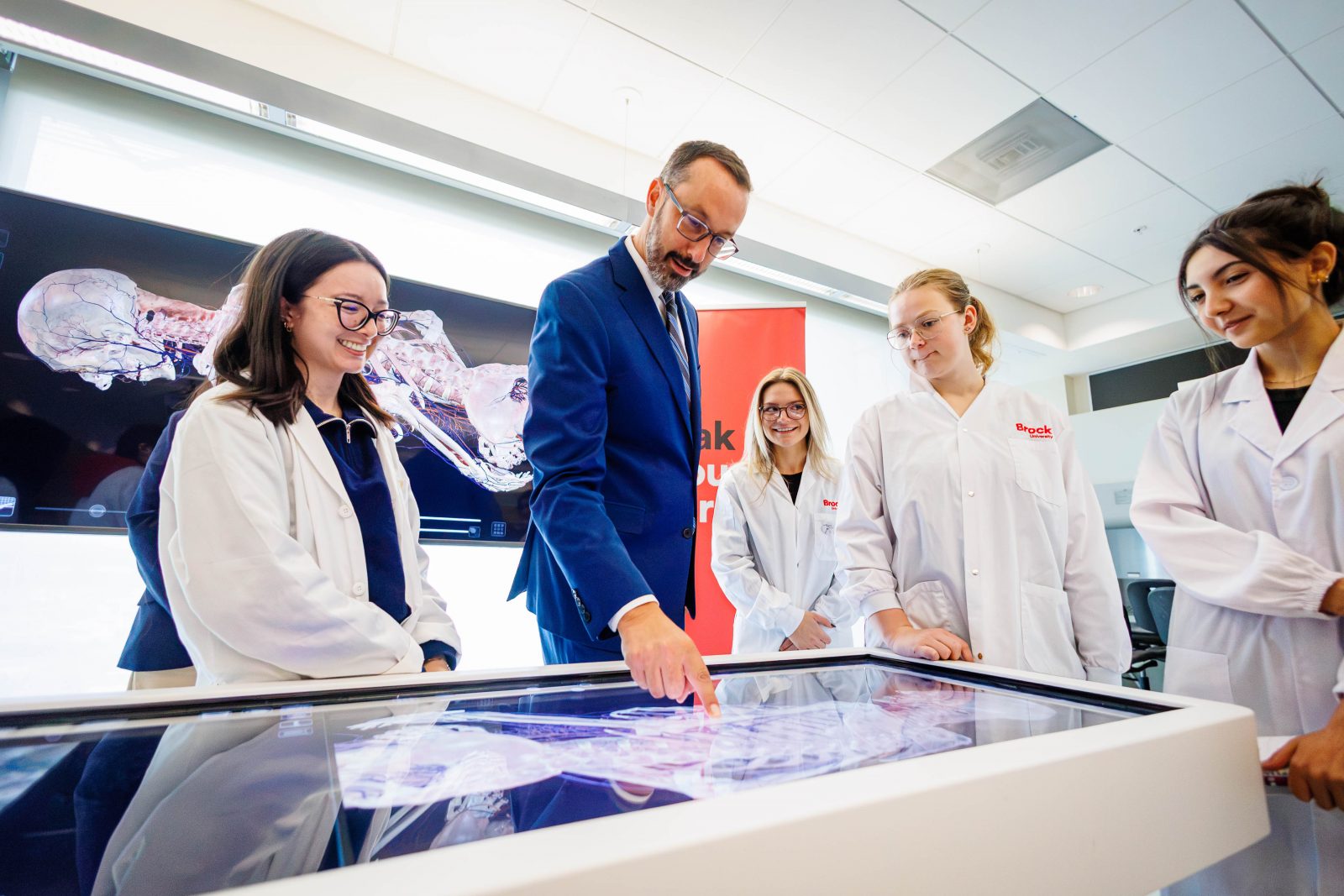
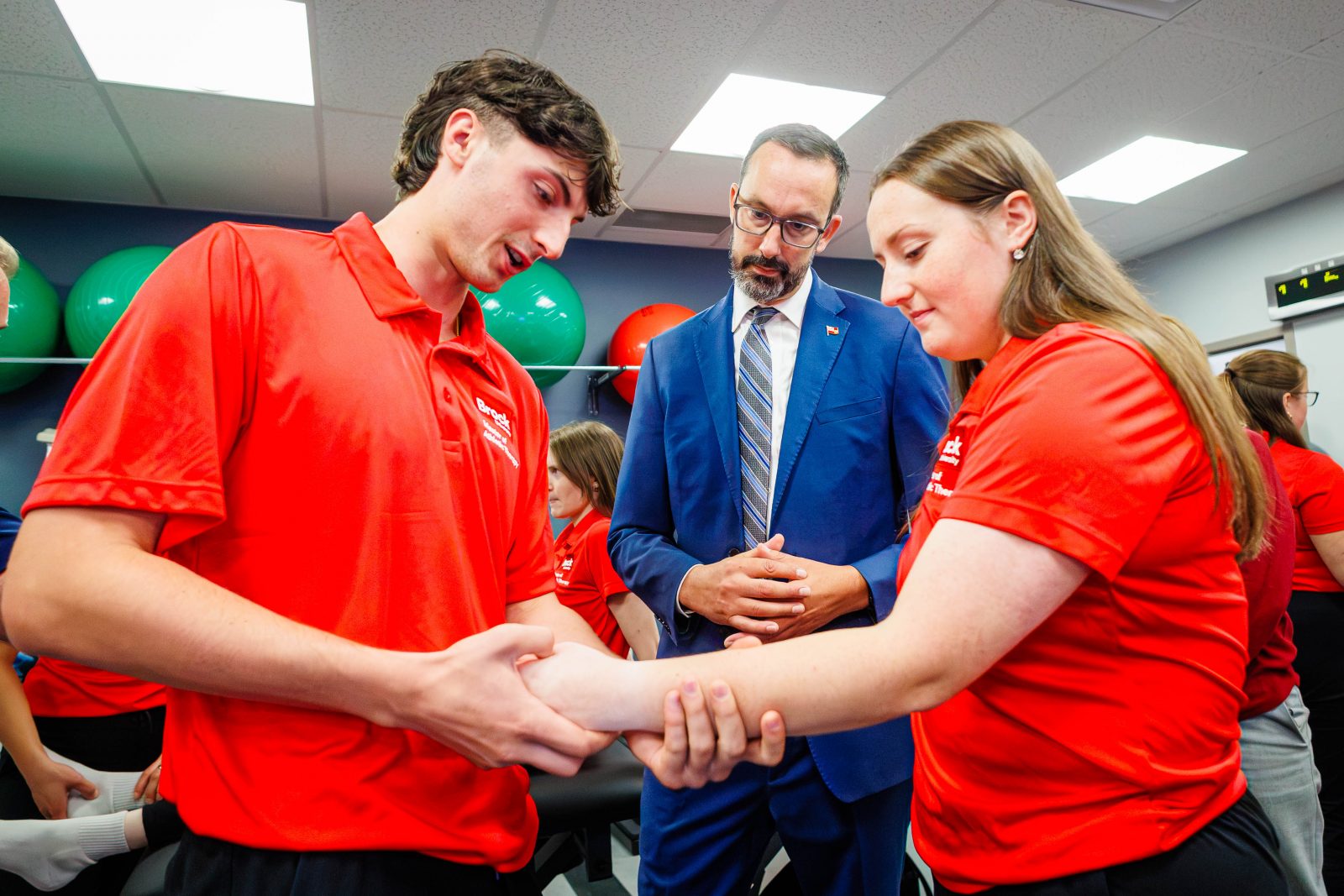
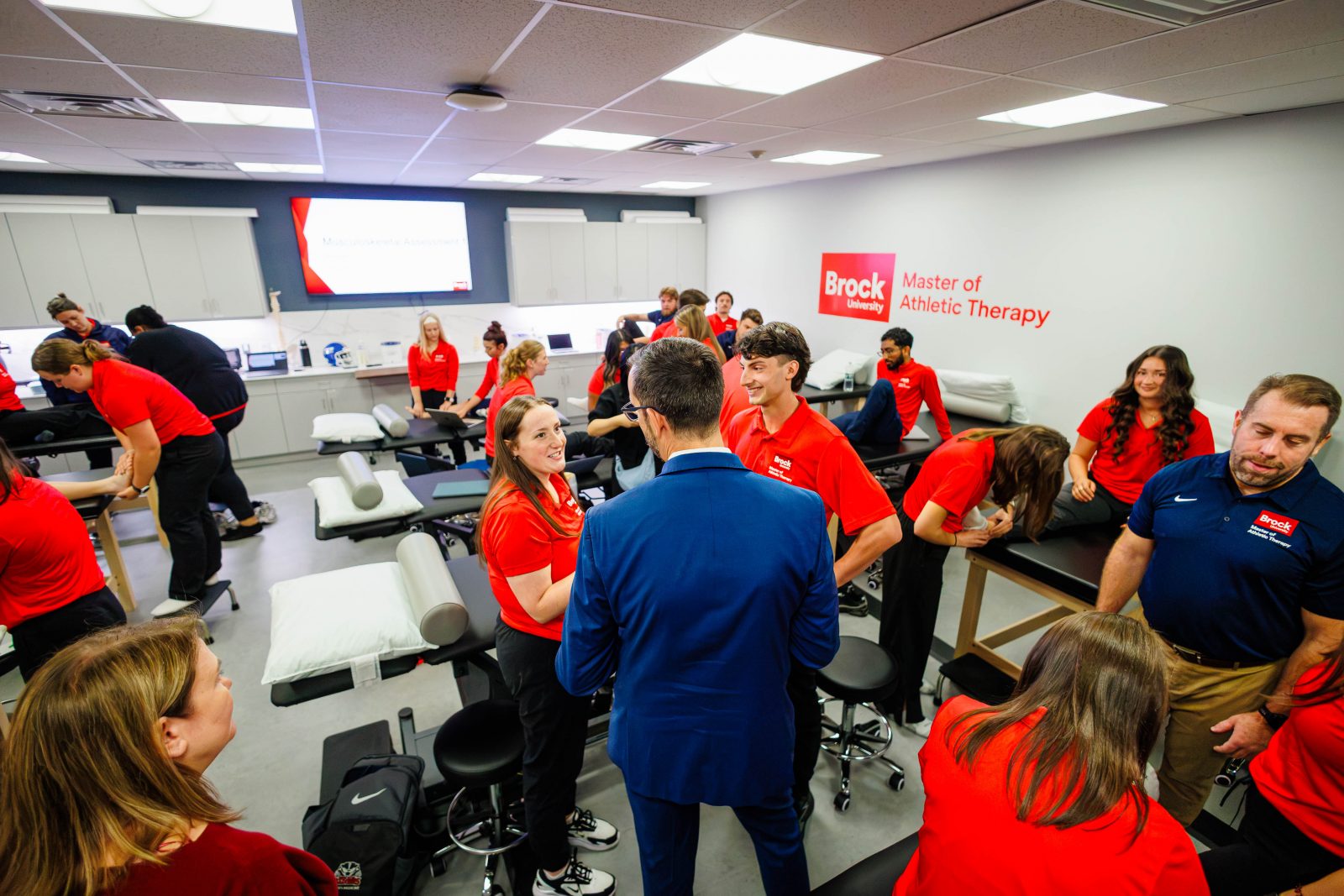
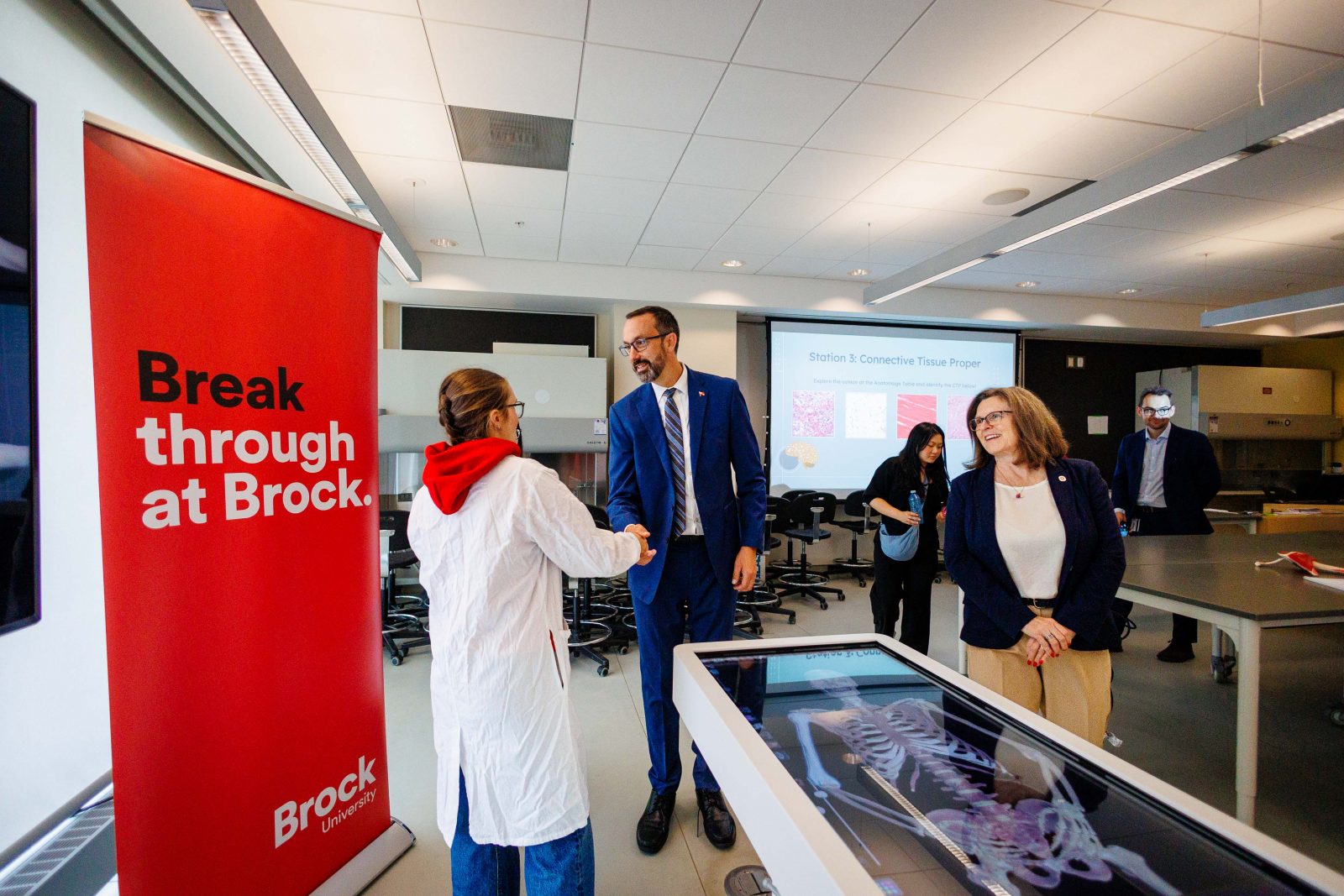
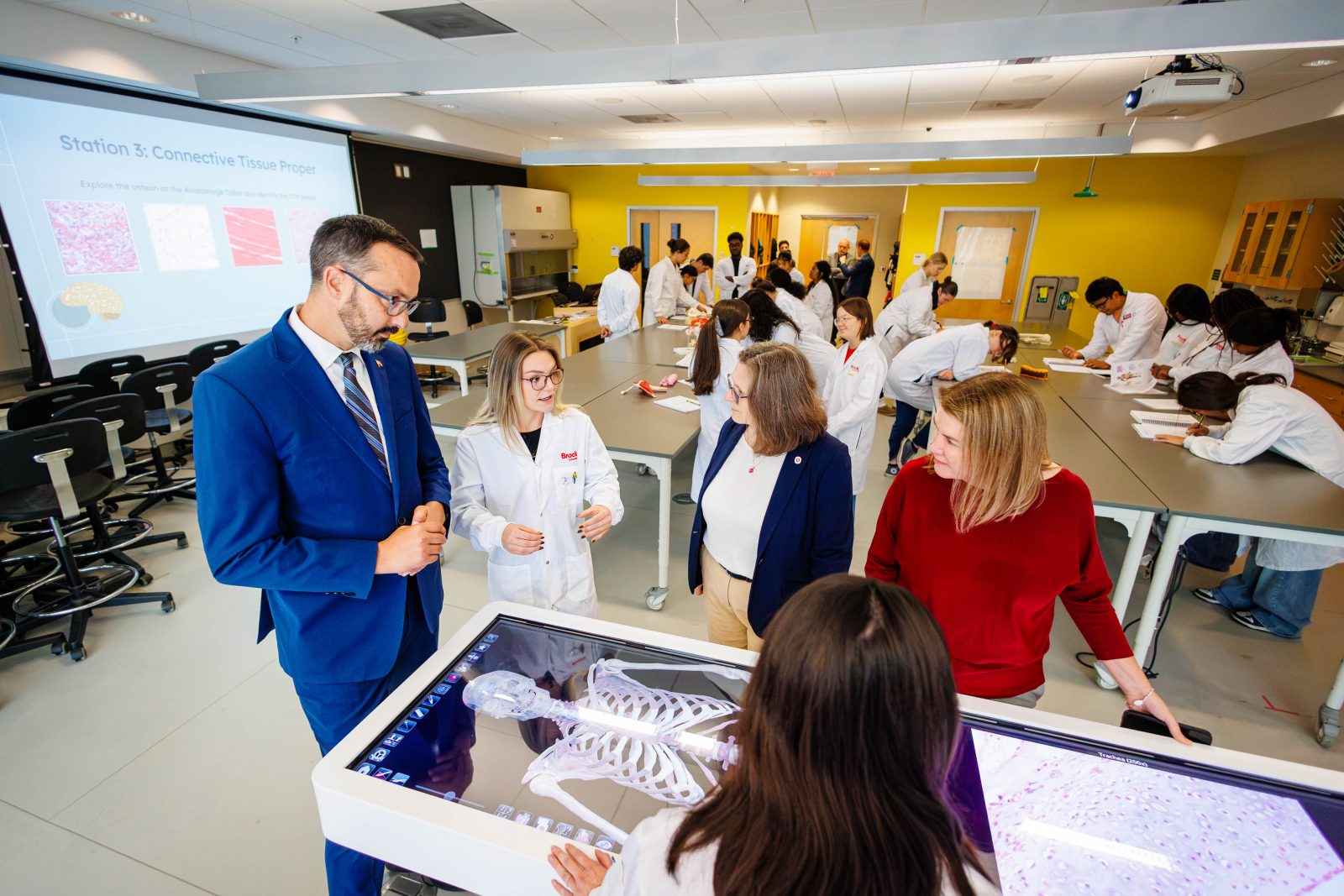
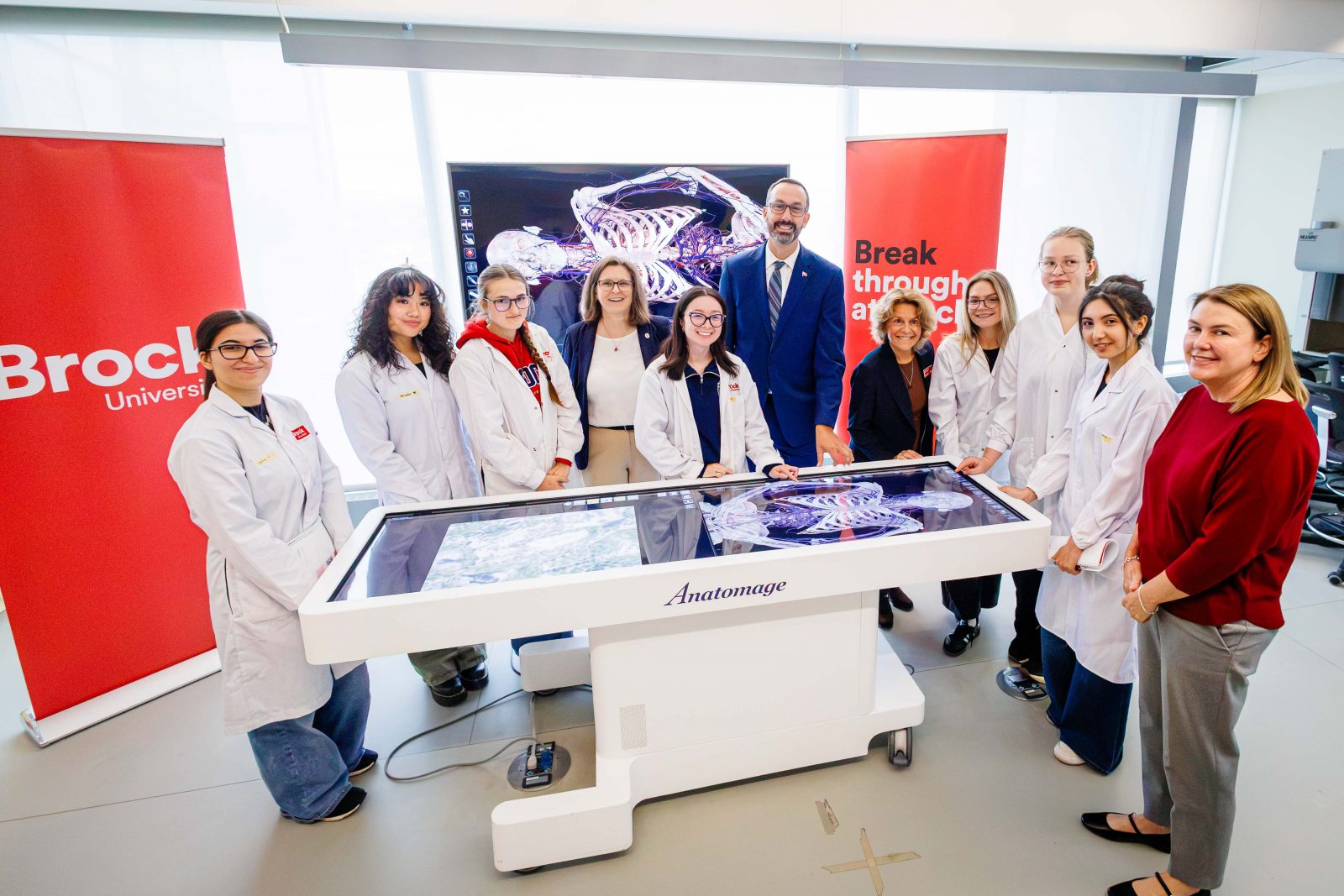
Minister Quinn shared news of the Brock allocation while touring the University’s main campus on Monday, Sept. 21. Joined by Brock senior leaders, the Minister engaged with students in the University’s musculoskeletal assessment and human systems anatomy labs, taking in demonstrations and learning about the innovative techniques that are preparing students to have an immediate impact in the workforce upon graduation.
“From the shores of Lake Ontario, Brock University applauds the Ontario government’s investment in new post-secondary seats that enables us to strategically grow our STEM and applied health programs to develop world-class graduates that serve local community and regional workforce needs and fill in-demand careers,” said Lesley Rigg, the University’s President and Vice-Chancellor. “This investment comes at an important time in helping the province stand up to Protect Ontario in building a highly skilled workforce and enhancing Brock’s capacity to drive economic growth and prosperity in Niagara and beyond.”
Brock’s funding — which will support 1,183 seats for STEM programs, 801 for health programs and 581 for education programs — is the result of a call for proposals launched after Ontario announced allocation of the first 30,000 post-secondary seats in May 2026.
Colleges and universities worked with their local communities and industries to identify programs that will prepare students for in-demand jobs and meet regional labour market needs. Ontario evaluated proposals based on institutional capacity, local industry needs and student demand to ensure the greatest impact on workforce development and economic growth.
In addition to seats at Brock, the region saw support from the province with 1,021 new seats announced at Niagara College, totalling $76 million in funding between the two institutions.
“This increase in high-demand post-secondary seats at Brock University and Niagara College will help prepare students in our region for the jobs of tomorrow,” said Sam Oosterhoff, Member of Provincial Parliament for Niagara West.
“This unprecedented investment of $76 million in our region is part of the largest seat expansion in the province in more than a decade and will help protect Ontario by training the next generation of leaders in science, technology, engineering and math — as well as health care and the skilled trades — as they enter the workforce.”
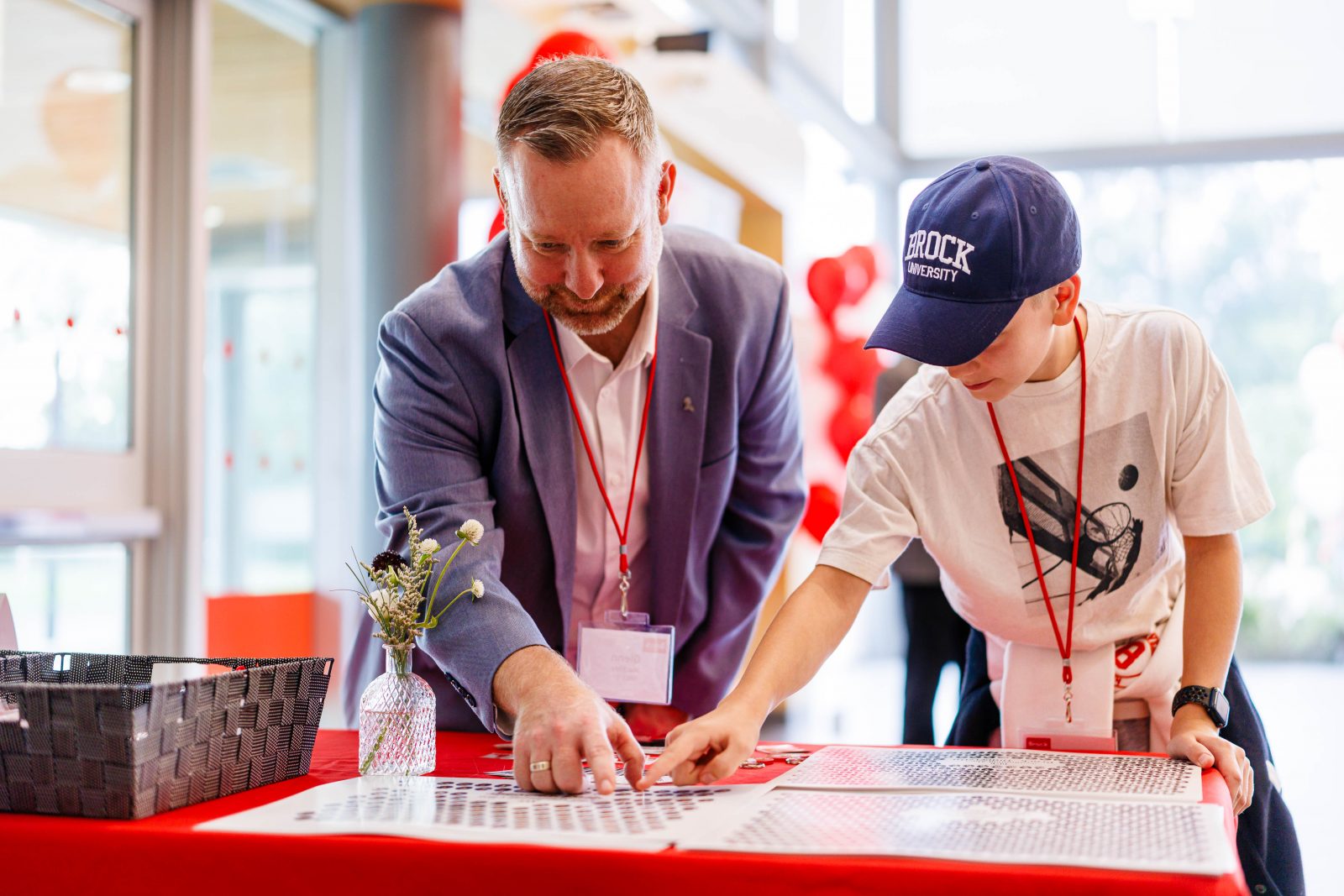
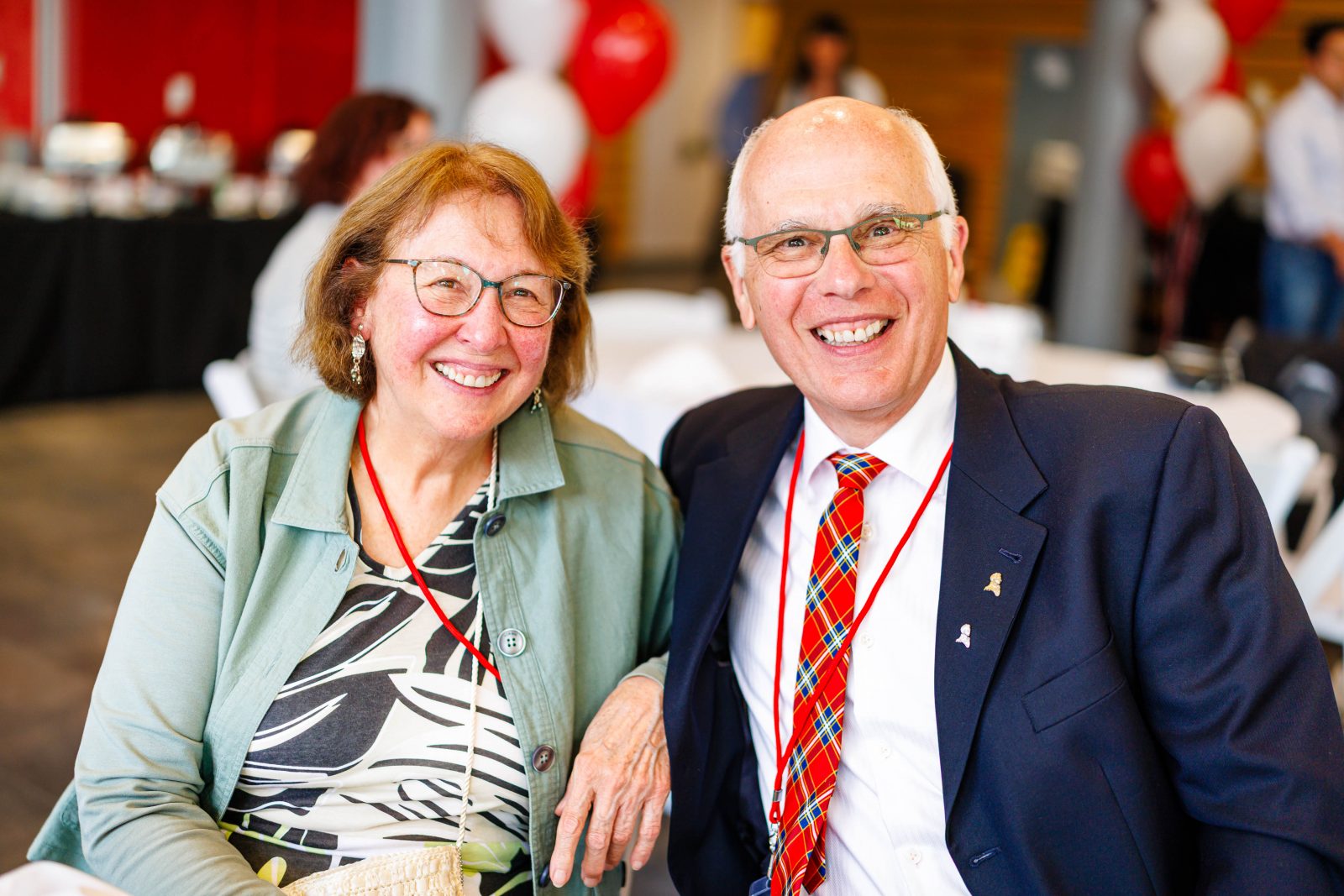
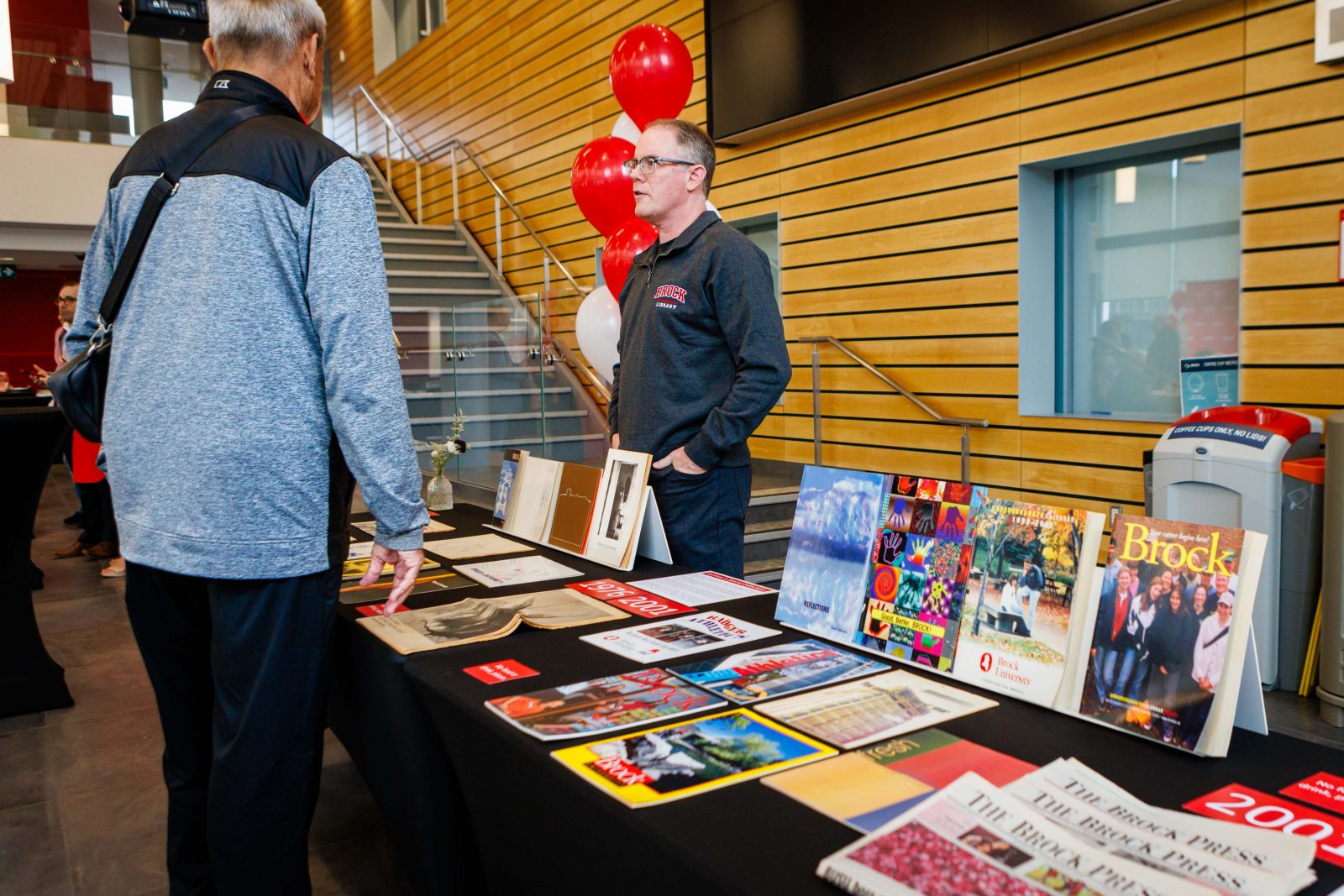
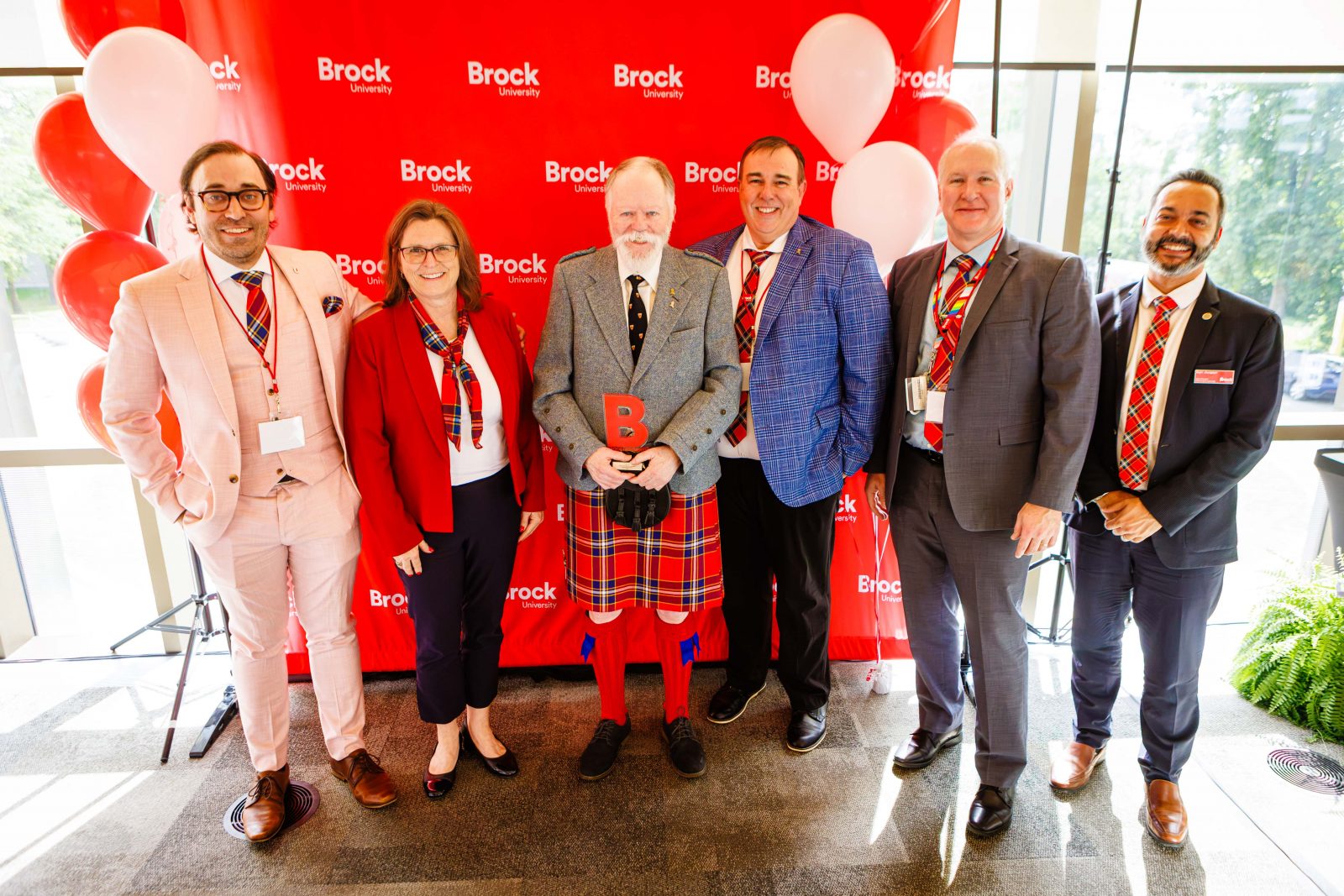
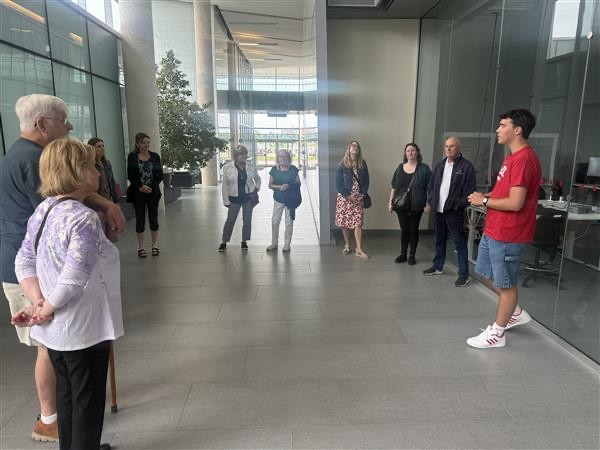
During the University’s 2026 Homecoming celebrations, which took place Sept. 18 to 20, alumni and their guests enjoyed signature events such as the annual Steel Blade Classic hockey game, which saw the men’s hockey team defeat the Guelph Gryphons 5-1, a 25- and 50-year reunion and an Alumni Recognition Reception honouring 10 exceptional graduates. Attendees also explored a family fun zone and participated in campus tours.
“Homecoming is a celebration of the lifelong connection our alumni share with Brock and with one another. Whether returning for a milestone reunion, reconnecting with former classmates or creating new memories with family and friends, the weekend highlights the pride, relationships and sense of belonging that make the Brock community so special,” said Kim Post, Director of Alumni Relations.




]]>
Brock is working with Niagara Region Public Health to actively investigate reports of students experiencing gastrointestinal symptoms.
The health and well-being of campus community members is Brock’s top priority, and the University has increased the frequency of cleaning and disinfecting of high-touch points on campus.
Public Health is collecting information about symptoms, timing and pattern of illness and laboratory testing results. At this time, laboratory results are not available to confirm the specific organism causing these illnesses, although a viral illness is considered the most likely cause.
Anyone experiencing gastrointestinal symptoms such as diarrhea, vomiting, nausea, stomach cramps, fever or chills is advised to stay home, drink fluids and avoid contact with others.
To help prevent spread, wash hands thoroughly with soap and water, avoid preparing food for others and do not return to work, school or group programs until symptom-free for at least 48 hours. Seek medical care if symptoms are severe or persistent or if there are signs of dehydration.
Individuals who are feeling unwell are encouraged to contact Niagara Region Public Health at inspect@niagararegion.ca
Please include: full name, date of birth, residence building and room number, phone number, symptoms and any other details you can provide.
If you require immediate medical attention, after-hours care is available through community walk-in clinics, online and telephone support.
]]>