<p>The post What to Check on Windows Before Buying a House: The Hidden Problem That Nearly Cost Me £16,000 first appeared on doubleglazingquote.net.</p>
]]>They opened. They closed. They looked clean enough. The surveyor had been through the property, and nothing about the windows felt urgent.
Then I moved in and discovered that some of the uPVC frames had screws inserted into them, appearing to compensate for failed or failing internal mechanisms.
That hidden problem led to replacement quotes of £14,000, £15,000 and £16,000 before I eventually found out the windows could be repaired for £900.
That experience changed how I look at windows forever.
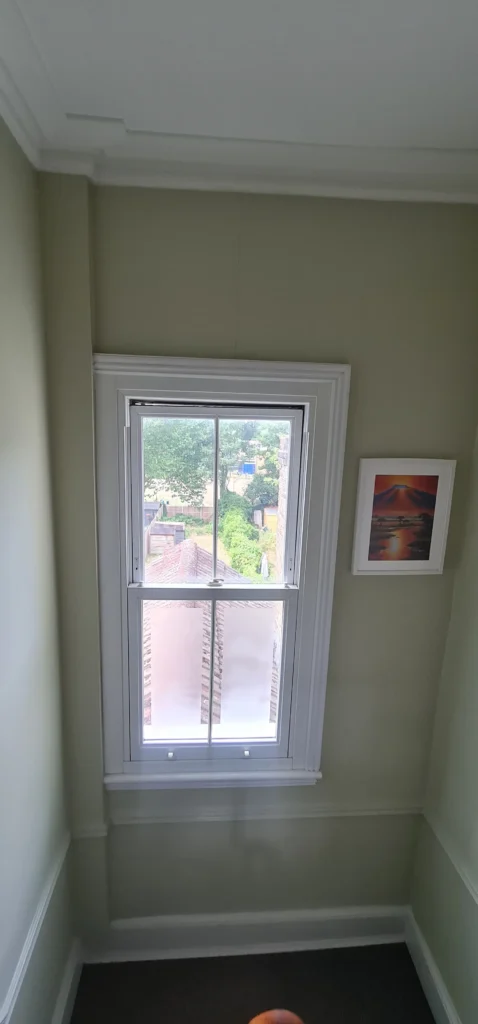
Who This Article Is For
If you are buying a property for the first time, moving into an older home, or viewing any house where the windows are not brand new, this article is for you. It is also useful for landlords reviewing a rental portfolio, renovators inheriting a property with an unknown maintenance history, and anyone who has just received a window replacement quote that feels too high.
The advice here comes from personal experience rather than industry promotion. It is the article I wish I had found before I exchanged contracts.
What This Article Will Teach You
| What I Learned | Why It Matters for Homebuyers |
|---|---|
| Windows can look fine but still hide expensive problems | Failed springs, screws holding frames in place, poor maintenance and damaged seals may not be obvious during a viewing |
| Repair can be far cheaper than replacement | My final repair cost was £900, compared with replacement quotes between £14,000 and £16,000 |
| Maintenance history matters | Ask when windows were installed, serviced and repaired, and whether warranties still apply |
| Pressure selling should make you pause | “Sign today” discounts and confidential pricing stop buyers from comparing fairly |
| Windows deserve boiler-level attention | Treat windows as a mechanical system with a finite lifespan, not a cosmetic feature |
The Hidden Window Problems I Missed Before Buying
Most people buying a home focus on the obvious risks: the boiler, the roof, the electrics, the damp report, the mortgage valuation and the survey.
Windows rarely get the same level of attention.
That was my mistake.
During viewings, I noticed that certain parts of the property were subtly steered past. Nothing obvious. No locked doors. Just a natural flow to the showing that kept attention moving elsewhere. The windows were one of those areas.
At the time, I did not think anything of it. I knew to check the boiler service history. I knew to ask about the electrics, the consumer unit, and gas certificates. Building Regulations compliance on extensions was on my radar. But nobody had ever told me to inspect the windows in any depth beyond confirming they opened.
What I found after moving in was that the uPVC window frames had screws inserted into them. From what I later discovered, those screws appeared to be compensating for failed or failing internal mechanisms. It looked fine from the outside. The windows opened. They closed. But the underlying maintenance had been deferred for years, and the visible fix was masking the real problem.
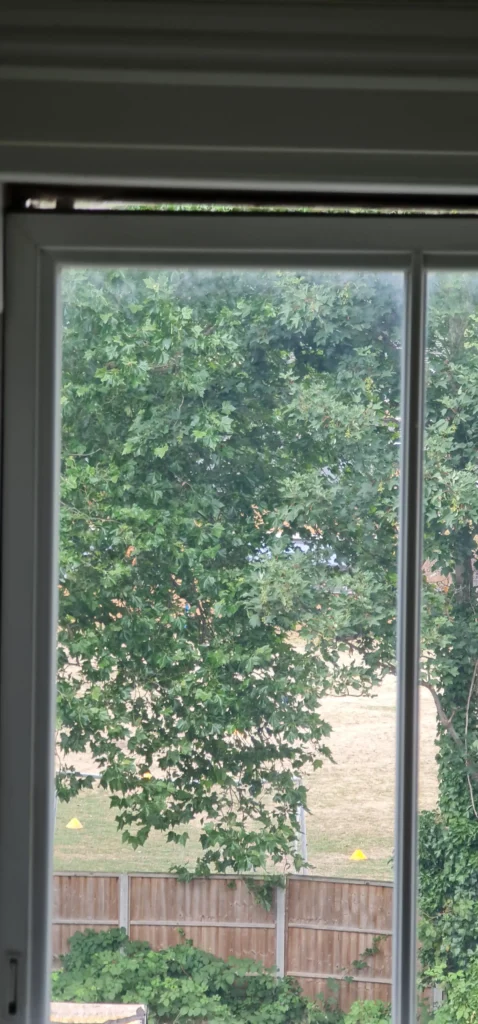
Buyer warning: A window that opens and closes during a viewing is not automatically a healthy window. Check how smoothly it operates, whether it locks properly, whether there are visible screws or sealant patches around the frame, and whether the seller can explain any past maintenance.
The True Scope of the Problem
Once I started looking properly, four windows needed significant attention. The springs in the uPVC frames had failed or were failing. The mechanisms were not operating correctly. The frames had not been cleaned or serviced in a long time.
On top of that, the property had a Victorian sash window with its own separate set of problems.
Suddenly, what I had assumed was a minor cosmetic job had become a decision about whether to repair everything, replace everything, or find some middle ground.
When the Victorian Sash Window Rope Snapped
Within the first three months of moving in, the sash rope on the Victorian window snapped.
For anyone who has not experienced this: a sash window operates using a system of cords and counterweights hidden inside the frame. When a rope snaps, the upper sash drops. In my case, it came down hard, and the window was suddenly unusable and unsecured.
I rang around for quotes immediately. What came back turned my stomach.
To repair the window on location — if that was even possible — I was quoted between £900 and £1,700. To take the window to a workshop for a full restoration, the figures were £2,500 to £3,500 and above. And because the window was on the first floor, any work that required removing it would have meant scaffolding on top of those costs. Then there was the waiting time: however long it took to strip the window, source the cord, restore it in a workshop and return it.
In the meantime, I had a first-floor window that could not be secured properly.
My immediate fix was to brace the window to hold it in place. Not a long-term solution. Not what anyone wants to do in a property they have just bought. But it was the only practical option while I worked out what to do next.
This is the part of Victorian sash window ownership that nobody mentions during the viewing. The windows look beautiful. They are a genuine feature of a period property. But they are mechanical systems with ageing components, and when a rope goes, the cost and complexity of the repair can be significantly higher than you expect — especially if the window is above ground level and requires access equipment.
If a property has original sash windows on upper floors, treat that as a specific line item in your budget planning, not background detail.
The uPVC Windows: Repair vs Replacement and the Numbers That Actually Surprised Me
The Victorian sash window was not the only problem. Four uPVC windows across the property had their own set of issues — and this is where the most eye-opening cost comparison came from.
The replacement quotes
I brought in several window companies to give me quotes. The initial figures were far higher than I expected.
The first quote came in at £16,000. The second was £15,000. The third was £14,000. All of them were for full replacement of the windows affected.
Each company had a similar approach. Urgency was built into every visit. “If you sign today, I can hold this price.” “Once I leave, I cannot guarantee these figures.” The implication was always that waiting would cost more.
The maintenance quote
While this was playing out, I tracked down the original window fitters. This was not straightforward because the windows were bespoke sizes, which meant finding the exact springs required going back to the manufacturer.
That process took time. Finding the right model, sourcing the parts, and confirming availability. In total, it stretched to around nine months from start to finish.
The initial maintenance estimate was approximately £750. By the time the job was completed, the final cost was £900.
For four windows, the final cost was £900. Not £14,000. Not £15,000. Not £16,000.
What made the difference
The original fitters confirmed that the windows were still within their warranty period and had a remaining lifespan of between 20 and 25 years. Replacing them was not only unnecessary but would have been a significant financial mistake.
The springs were replaced, the frames were serviced, and the windows worked exactly as they should. The problem was deferred maintenance, not structural failure. Repair was always the right answer. Nobody told me that at the time.
Not sure whether your windows need repair or replacement? Before accepting a full replacement quote, compare repair costs, warranty status and the condition of the existing frames. Read our guide to whether repair or replacement is right for your windows. A second opinion could save you thousands.
Cost of Windows vs Benefits: Are New Windows Actually Worth It?
New windows can be worth the cost when the existing frames are failing beyond repair, the sealed units are blown across most of the property, the installation is so old that servicing is no longer viable, or the windows are presenting a genuine security risk.
But replacement is not automatically the first answer.
In my case, the windows still had 20 to 25 years of life remaining. The problem was not that they were finished. The problem was that they had not been maintained properly. That difference matters enormously, both for your budget and for your decision-making under pressure.
This section applies whether you have just bought a property or are dealing with windows in a home you already own. The same decision framework applies in both situations.
| Option | Best When | Main Benefit | Main Risk |
|---|---|---|---|
| Repair | Mechanisms, springs or seals have failed but frames are still sound | Lowest cost, keeps existing windows usable | May not address deeper frame or glazing problems |
| Replace individual units | One or two windows have failed beyond repair | Targets the problem without full replacement | May not match older windows in style or profile |
| Full replacement | Windows are old, insecure, widely failing or energy performance is a priority | Better performance, security and appearance | Highest cost and most vulnerable to sales pressure |
For more details on each option, see our guides to repairing a failed double glazing seal, replacing just the glass and the ROI of installing new windows.
What does window repair vs replacement actually cost in the UK?
| Scenario | Approximate UK Cost |
|---|---|
| uPVC window mechanism service (per window) | £75 to £200 |
| Failed sealed unit replacement (per unit) | £80 to £150 |
| Sash window cord/rope repair (on location) | £900 to £1,700 |
| Sash window cord/rope repair (workshop restoration) | £2,500 to £3,500+ (plus scaffolding if upper floor) |
| Full uPVC window replacement (per window) | £400 to £900 |
| Full uPVC window replacement (whole house) | £3,500 to £15,000+ |
| Victorian sash window restoration | £500 to £2,000 per window |
| Victorian sash window replacement | £1,200 to £3,000 per window |
The gap between maintenance and full replacement is significant. In my case it was the difference between £900 and upwards of £14,000. That gap is why inspecting properly before you buy matters so much.
These figures are broad UK guide prices only. Actual costs can vary depending on window size, frame material, property location, access, glazing type, installer pricing, and whether the windows are standard or bespoke.
For a full breakdown of what windows cost across different types and property sizes, see our double glazing costs guide or use the double glazing cost calculator to get a personalised estimate.
The Dark Side of Window Sales Pressure
Something I want to address directly, because it affected my decision-making significantly.
When window companies came to quote, the pressure tactics were consistent. Sign today or lose the price. Come back tomorrow and it goes up. That much I had been warned to expect.
What I had not anticipated was this: more than one company asked that if I agreed to proceed at the discounted price, I should not tell anyone what I had paid. Not friends. Not family. Nobody who might ask where the windows were done.
The implication was that I could recommend the company, but I could not share the actual figure. The same company would then quote someone else at the full rate, relying on word of mouth that stopped just short of actual numbers.
One of the most reliable ways people protect themselves on large purchases is by checking what others actually paid. Removing that transparency benefits nobody except the company doing the selling. If a window company asks you to keep the price confidential, treat that as a serious warning sign.
There is one more thing worth knowing, and it is not about dishonesty. Most window sales representatives are knowledgeable, professional and genuinely helpful. But they are there to sell windows, and their company may also offer repair services that would cost a fraction of a full replacement. They will not volunteer that information unless you ask directly.
This is not a criticism of salespeople — it is simply how sales works. If you do not ask whether your existing windows can be repaired, serviced or have individual units replaced, the conversation will naturally move toward replacement. The question you need to ask, before any quote conversation goes further, is: “Does your company also do repairs, and would you be able to assess whether repair is an option before we discuss replacement?” That single question can change the entire direction of the visit.
Red Flags When Getting Window Quotes
Before you invite anyone in to quote, know these warning signs.
- The price drops dramatically only after you hesitate or say no
- You are told the offer is only valid while the salesperson is in your home
- You are discouraged from getting another quote before deciding
- You are asked not to tell friends or family what you paid
- Repair is never discussed as an option, only full replacement
- The company offers repair services but does not mention this unless you ask — always ask directly whether repair is possible before the replacement conversation begins
- The company cannot clearly explain the difference between replacing the glass, repairing mechanisms and replacing the whole frame
- Finance is pushed before you have fully understood what the product actually costs
Questions to Ask About Windows Before Buying a Property
These questions should be raised during viewings or through your solicitor as part of the formal enquiries process. Your surveyor should also be specifically asked to check these points if there is any reason for concern. For a broader set of questions to ask any time you are commissioning new windows, see our double glazing buying checklist.
- When were the windows installed?
- Who installed them, and is the company still trading?
- Are they still under any manufacturer or installer warranty?
- Is there a FENSA or Certass certificate for any replacement windows?
- Have any hinges, handles, springs, locks or seals been repaired or replaced?
- Have any windows been screwed, sealed shut or temporarily fixed?
- Are there any blown units or condensation between the glass panes?
- Do all windows open, close and lock properly under normal use?
- Have there been any draught, mould or damp issues around the window frames?
- Are any windows bespoke, sash, heritage listed or unusually sized?
Note: If a seller cannot answer basic questions about the windows, or is evasive, raise this through your solicitor before exchange of contracts. Sellers in England and Wales are expected to answer property information forms accurately, and any concerns about undisclosed defects should be raised formally through your solicitor before exchange.
Quick Window Viewing Checklist
Use this as the short version during a viewing, then use the detailed inspection notes below to understand what each warning sign might mean.
Before you leave a property viewing, run through these checks.
- Do all windows open, close and lock smoothly?
- Are there screws, excess sealant or obvious patch repairs around the frames?
- Is there condensation between the glass panes?
- Are any handles stiff, loose or difficult to engage?
- Are the frames cracked, warped, rotten or pulling away from the wall?
- Can the seller confirm when the windows were installed?
- Is there a FENSA or Certass certificate for any replacement windows?
- Are any windows bespoke, sash, heritage or unusually sized?
- If there are sash windows, do both the top and bottom sashes slide smoothly? Does the top sash sit flush against the top of the frame with no gap?
- Is there evidence of mould, draughts or damp around the frames?
- Has the seller disclosed any past window repairs?
The short checklist above is useful during a viewing, but the full version gives you the questions to send before exchange.
Free Download: The UK Homebuyer’s Window Inspection Checklist
Going to a viewing? This checklist covers 35 questions across condition, energy efficiency, security, legal compliance and conveyancing — including what to ask the seller, what to send your surveyor, and the red flags that should make you pause before exchange.
What Homebuyers Should Actually Inspect During a Viewing
Operate every window fully
Open and close every accessible window in the property. Not a quick push and pull. Operate them fully, check that they lock correctly, that handles engage cleanly, and that nothing feels forced or stiff. A window that requires effort to operate is telling you something.
Look at the frames closely
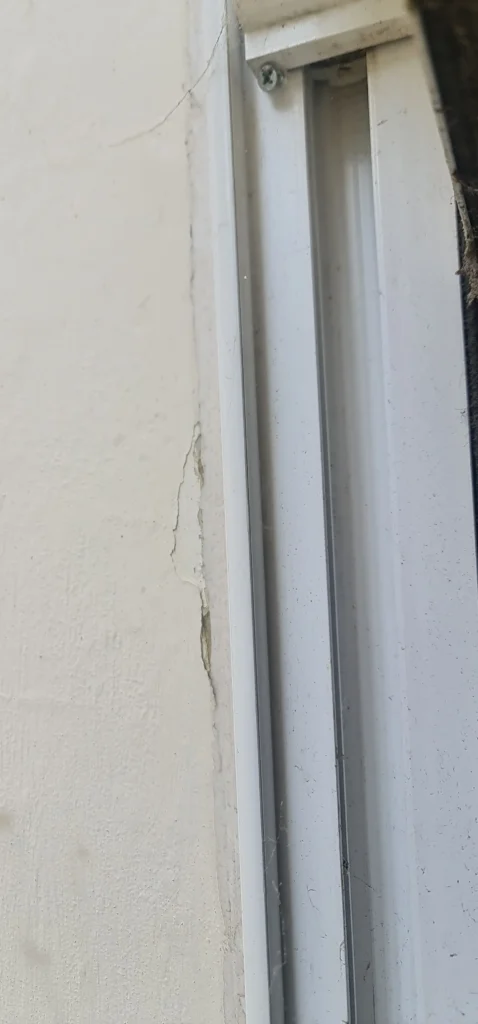
On uPVC frames, look for visible screws that should not be there, hairline cracks, discolouration that suggests moisture ingress, or gaps between the frame and the surrounding wall. On timber frames, check for rot at the sill and base, flaking paint, and any sign of warping.
Check the sealed units
If you can see condensation or moisture between the two panes of glass, the sealed unit has failed. This is common and not always expensive to fix, but it does mean the thermal performance of that window is compromised.
Look for evidence of temporary fixes
Excess sealant around frames, screws through profiles, painted-over gaps or frames that appear to have been adjusted recently can all suggest that problems have been masked rather than resolved.
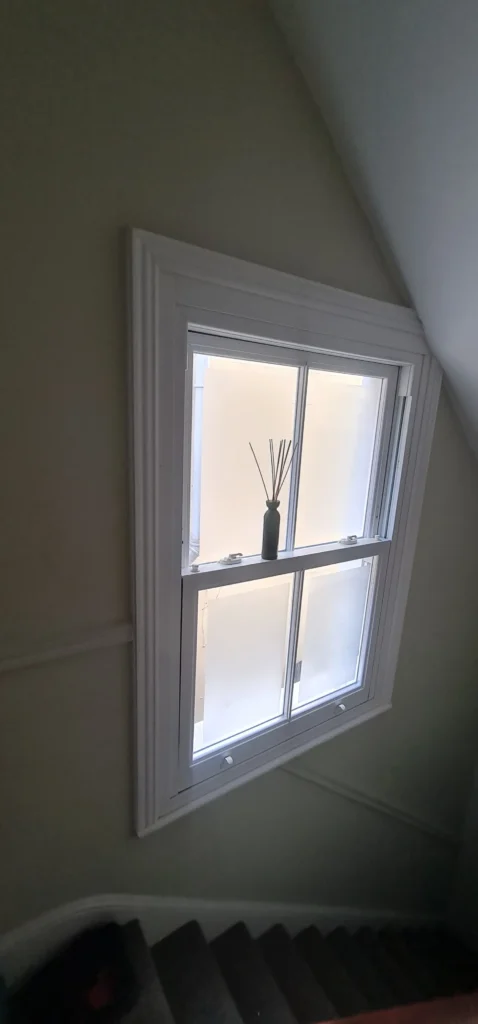
Pay special attention to sash windows
If the property has sash windows, test them differently from casement windows. Open both the top and bottom sashes independently and slide them up and down. The movement should feel smooth and controlled in both directions — if either sash feels stiff, drops suddenly or needs forcing, the cords or balancing mechanisms are likely worn or failing.
While you are operating the window, listen for any creaking or uneven resistance. Sash windows work on a counterweight and cord system hidden inside the frame. If the cords are old, frayed or close to snapping, the window can feel slightly unbalanced or sluggish on one side before it fails completely. A snapped sash cord on an upper-floor window can become expensive quickly, especially if scaffolding or workshop restoration is needed.
The check most people miss is this: once you have opened the top sash, look at whether it sits flush against the top of the frame with no gap. A gap between the top sash and the top of the frame is a tell-tale sign that the sash cords have stretched or snapped on one side, allowing the window to drop or tilt. It is easy to miss on a walk-through because the window is usually left closed, and a closed sash can look perfectly fine even when the mechanism is failing.
This was something I noticed in my own property after moving in. The top sash had a visible gap that had not been obvious during the viewing. By that point, it was my problem to fix.
Match the windows to the property age
A property built before 1990 may have original timber frames. A property built between 1990 and 2005 may have first or second-generation uPVC that is approaching the end of its serviceable life. Understanding the likely age of the installation helps you assess what maintenance or replacement costs might be realistic in the coming years.
Treat windows the same way you treat the boiler
You would not buy a property without asking for the boiler service history or checking its age. Apply the same standard to the windows. Both are mechanical systems with finite lifespans, maintenance requirements, and potentially significant replacement costs.
For compliance questions, always confirm the position with your solicitor, surveyor or local authority. FENSA, Certass and local authority Building Control records may help confirm whether replacement glazing work was signed off correctly.
Frequently Asked Questions
How long do uPVC windows typically last?
Most uPVC windows have a lifespan of between 20 and 35 years, depending on the quality of the original installation and the level of ongoing maintenance. Mechanisms, springs and seals may need attention before the frames themselves need replacing. See our double glazing maintenance checklist for a guide to what to look out for year to year.
Do I need a FENSA certificate when buying a house?
If replacement windows were installed after April 2002, they should have a FENSA or Certass certificate confirming the work met Building Regulations requirements. If the certificates cannot be produced, your solicitor may recommend obtaining indemnity insurance instead. This should be clarified before exchange.
What is a blown window unit?
A blown unit occurs when the seal between the two panes of glass in a double glazed unit fails, allowing moisture to enter the cavity. You will typically see condensation or fogging between the glass that cannot be wiped away. The sealed unit can usually be replaced without changing the whole frame.
Should I ask for a window inspection before buying a house?
If you have any concerns about the windows, ask your surveyor to pay specific attention to them. A standard homebuyer survey will note visible defects, but it may not flag mechanism failures that only become apparent under sustained use. Raise specific concerns with your surveyor before the inspection takes place.
Can a seller be held responsible for hidden window defects?
This is a question for your solicitor rather than a general guide. Sellers are expected to answer property information forms accurately, and any concerns about undisclosed problems should be raised formally through your legal team.
Should I reduce my offer if the windows need work?
Possibly. If a survey, specialist inspection or written quote shows that the windows need repair or replacement, you may be able to use that information during negotiations. The important thing is to get the issue documented before exchange, rather than discovering the true cost after completion. Speak to your solicitor about the best way to raise this formally.
Is it always worth repairing windows rather than replacing them?
Not always. Repair makes financial sense when the frames are structurally sound and the problem is confined to mechanisms, seals or individual glazing units. When frames are failing, multiple units are blown, or the windows are so old that parts are unavailable, replacement may be the more practical long-term choice.
Why I Built This Website
I built doubleglazingquote.net because this experience showed me how little transparent, practical information exists for ordinary homeowners.
When you are buying a property, replacing windows, repairing old frames or comparing quotes, it is very easy to feel outmatched. Sellers may not volunteer maintenance problems. Surveyors may only flag visible defects. Sales companies may push replacement when repair is still viable. And prices can move dramatically depending on the company, the salesperson, and the pressure applied during the visit.
I wanted to create a site that helps people ask better questions before they spend thousands.
The aim is simple: give UK homeowners clear, practical information on window costs, maintenance, repair options, replacement decisions, certificates, warranties and quote comparison. Not sales pressure. Not vague claims. Just useful guidance based on real homeowner problems, real buying decisions and genuine price research grounded in the UK market.
The £900 versus £15,000 decision I faced is one many homeowners could face. Most people simply do not know which number is the right one until they have already been pushed towards signing something.
Don’t Go to Another Viewing Without This
The UK Homebuyer’s Window Inspection Checklist is a free download that expands on this article with 35 questions across condition, energy efficiency, security, legal compliance and conveyancing. It also includes a ready-to-send email template for sellers and agents, plus a buyer decision guide to help you decide whether to proceed, renegotiate or walk away.
Most buyers spend more time choosing a sofa than inspecting the windows. This checklist fixes that.
Related reading: Double Glazing Costs in the UK: A Complete Guide | Sash Windows: Repair, Replace or Upgrade? | FENSA and Certass Certificates: What Homeowners Need to Know | Double Glazing Maintenance Checklist
<p>The post What to Check on Windows Before Buying a House: The Hidden Problem That Nearly Cost Me £16,000 first appeared on doubleglazingquote.net.</p>
]]><p>The post Window Finance Providers in the UK (2026) first appeared on doubleglazingquote.net.</p>
]]>Request Installer Quotes for Your Home
Get a realistic estimate — not generic figures. We’ll aim to connect you with local installers where available.
By submitting, you agree to be contacted about your quote request. We may share your details with relevant installers where available. See our privacy policy for details.
 No spam
 No obligation
 Free estimate
Thanks — we’ll be in touch!
We’ve received your request and will aim to connect you with local installers where available. Check your inbox for confirmation.
How to Finance New Windows in the UK: The Complete 2026 Comparison Guide
Which option are you looking for?
On a typical £8,000–£10,000 window installation, choosing the wrong finance option can add £2,000–£3,000 to the total amount repaid. A 10-year installer loan at 9.9% APR results in a total repayable figure exceeding £12,600. The same job funded by a 5-year personal loan at 6.9% APR costs around £9,480. The difference is not buried in small print — it is the direct result of not comparing options before signing.
Replacing the windows in a typical three-bedroom semi-detached home costs around £6,000 on average, according to industry data from GreenMatch, though the figure can reach £10,000 or more depending on frame material, glazing specification, property size, and installer type. Individual windows typically run between £400 and £600 supply and fitted.
Despite those figures, the 2024 UK Houzz and Home Renovation Trends Study found that 83% of renovation projects are self-funded from cash savings. Many homeowners are either unaware of how competitive the borrowing market has become, or are rightly wary of high-cost installer finance. This guide covers all the serious options.
- Traditional Bank Personal Loans
- Green Finance Options
- Installer Finance — What to Watch For
- 0% Purchase Credit Cards
- Government Grants: 2026
- Total Cost Comparison Table
- Finance Cost Calculator
- Decision Framework
- Consumer Rights and Legislation
- If Your Installer Becomes Insolvent
- Frequently Asked Questions
- Sources and References
Get a realistic estimate for your home before approaching any installer or lender.
1. Traditional Bank Personal Loans
The most straightforward way to finance new windows is a standard unsecured personal loan from a high-street bank or building society. You borrow a lump sum, pay the installer as a cash buyer, and repay the bank in fixed monthly instalments over an agreed term.
For loan amounts between £7,500 and £15,000 — the sweet spot for whole-house replacements — comparison sites show leading rates in the mid-5% to high-6% APR range for eligible borrowers at the time of writing. Rates change frequently; always check MoneySavingExpert’s current cheap loans comparison for live best-buy rates before applying rather than relying on figures published in any static guide.
Indicative Lenders to Compare (April 2026)
| Provider | Indicative APR Range | Loan Range | Where to Check |
|---|---|---|---|
| TSB | Mid-5% range | £7,500 – £25,000 | tsb.co.uk |
| M&S Bank | Mid-5% range | £1,000 – £25,000 | marksandspencer.com |
| Halifax | Mid-to-high 5% range | Standard personal loans | halifax.co.uk |
| Santander | Mid-to-high 5% range | Standard personal loans | santander.co.uk |
APR ranges are indicative based on market conditions at time of writing and change frequently. Your actual rate depends on credit score and loan amount — it is not guaranteed to match the representative figure. Always use MoneySavingExpert’s live comparison to check current best-buy rates before applying. Use an eligibility checker (soft search) before making a formal application.
- Negotiate as a cash buyer
- Lower APR than most installer finance
- Fixed monthly repayments — no surprises
- No deferred interest traps
- Good credit score needed for headline rates
- Approval can take 1–5 working days
- No automatic Section 75 protection
- Pay ≥£100 deposit by credit card to activate it
2. Green Finance Options
For homeowners whose properties meet certain energy-efficiency criteria, dedicated green finance products can dramatically reduce borrowing costs — in some cases to zero.
| Provider | Rep. APR | Loan Range | Key Feature |
|---|---|---|---|
| Nationwide | 0% | £5,000 – £20,000 | 0% interest for qualifying energy-efficient upgrades. Existing mortgage customers only. Available on 2 or 5-year fixed terms. |
| Barclays | Varies | Varies | Greener Home Loan with cashback incentives on qualifying installs. |
| Tandem Bank | Competitive | Varies | Dedicated green home improvement loans at competitive APRs. |
3. Installer Finance — What to Watch For
When a window sales consultant offers you “0% finance today only,” the company is acting as a credit broker, not a lender. The actual loan is underwritten by a specialist retail finance provider — such as Novuna Personal Finance or Barclays Partner Finance — and must be regulated by the FCA. There are three distinct product types:
No interest charged, but the installer typically pays the lender a significant subsidy to provide this rate — a cost usually recovered through the headline window price. Always ask for the cash price to compare.
 02 — Buy Now, Pay Later
No payments during a deferral period (typically 12 months). Miss the settlement deadline by a single day and interest at 11.9%–14.9% APR is backdated to the installation date.
Spread over 5–15 years at typically 9.9%+ APR. Low monthly payments but the highest total cost of all common installer products.
Illustrative Example: The Real Cost of a Missed BNPL Deadline
This example is hypothetical and uses illustrative figures for educational purposes only. It does not represent any specific product or lender. Actual terms will be set out in the credit agreement.
A consumer enters a deferred payment arrangement for windows priced at £6,349. No payments are due during the first 12 months. The credit agreement specifies that if the outstanding balance is not cleared by month 12, interest at 14.9% APR is applied retrospectively from the installation date.
- Interest on £6,349 over 12 months at 14.9%: approximately £946
- Balance from day 366: approximately £7,295 — appearing on the account overnight
- If then spread over a further 9-year term: total repayable rises to approximately £10,800
Reality Check: Same Home, Three Different Outcomes
Typical market scenarios illustrating how the finance choice affects total cost on a similar installation.
| Route | Quoted Price | Finance Cost | Total Paid | Outcome |
|---|---|---|---|---|
| Grant-eligible householdECO4 / Warm Homes local scheme qualifying |
£0 | £0 | £0 | Baseline |
| Local installer + personal loanNegotiated cash price · indicative ~5–6% APR · 5-yr term |
~£7,200 | ~£970 | ~£8,170 | Significantly less |
| National installer + BNPL missedInflated 0% price · 14.9% backdated APR |
~£10,500 | ~£2,700 | ~£13,200 | Significantly more |
Figures are illustrative, based on typical market conditions. They do not represent any specific product, installer, or transaction.
See what your home would actually cost before accepting any quote or finance offer.
4. 0% Purchase Credit Cards
For projects of up to around £4,000–£5,000, a 0% purchase credit card can be a highly effective zero-cost finance tool. Several UK providers currently offer promotional interest-free periods of up to 18 months on new purchases, subject to credit eligibility and credit limit.
Place the full cost on the card during the 0% period and clear the balance before the promotional rate expires. Standard interest rates (typically 20%+) apply to any outstanding balance after the promotional period ends.
5. Government Grant Schemes: 2026
Before committing to any commercial finance, check whether you qualify for a government energy-efficiency grant. Grants do not need to be repaid. Window replacement is rarely funded as a standalone measure — it is typically included as part of a wider whole-house improvement package where eligibility criteria are met.

ECO4 — Energy Company Obligation (Great Britain)
Administered by energy suppliers under Ofgem’s ECO framework. Funds energy-efficiency improvements — including window replacement as part of a whole-house package — for low-income households on qualifying means-tested benefits, in properties rated EPC D–G. Confirmed to run until 31 December 2026 (GOV.UK, January 2026). No confirmed successor scheme at this date. Apply through your energy supplier or a registered installer.

Warm Homes: Local Grant (England) — formerly HUG-style local authority schemes
The government’s Warm Homes Plan funds energy-efficiency improvements for low-income households through local authority delivery in England. Local grant activity has transitioned from HUG2 into the Warm Homes: Local Grant programme. Eligibility criteria and which measures are funded vary by local authority area — window upgrades may be included as part of a broader improvement package. Contact your local council or check the GOV.UK Warm Homes: Local Grant portal to confirm whether your postcode is within an active delivery area and what is currently being funded. Do not rely on third-party descriptions of HUG2 as a current scheme without verifying at source.
Check eligibility for grants before committing to any commercial finance option.
Check Grant Eligibility →6. Total Cost Comparison Table
The table below models the total amount repayable across all main finance options for an £8,000 window replacement project, assuming a five-year repayment term where applicable. These are illustrative figures based on typical market rates.
| Finance Route | APR | Term | Monthly (est.) | Total Repayable | Section 75? |
|---|---|---|---|---|---|
| Nationwide Green Loan Best value | 0% | 5 yrs | £133 | £8,000 | No† |
| Personal Loan — indicative mid-5% APR | ~5–6% | 5 yrs | ~£150–155 | ~£9,000–9,300 | No† |
| Installer 0% Finance (24 months) | 0% | 24 mths | £333 | £8,000* | Yes |
| 0% Credit Card (18 months) | 0% | 18 mths | £444 | £8,000 | Yes |
| BNPL — if cleared before deferral ends | 0% | 12 mth defer | — | £8,000 + admin | Yes |
| Installer interest-bearing loan | 9.9% | 10 yrs | ~£105 | ~£12,600 | Yes |
| BNPL — if not cleared before deferral ends | ~14.9% | 10 yrs total | ~£136 | ~£15,300+ | Yes |
| ECO4 / Warm Homes Grant If eligible | — | — | £0 | £0 | N/A |
*Installer 0% cash price is often higher than a negotiated independent cash price — compare total purchase cost, not just finance cost. †Section 75 applies to the full contract value if a deposit of ≥£100 is paid by credit card. All rows use an illustrative £8,000 purchase. The BNPL not-cleared figure assumes 14.9% APR backdated across 12 months of deferral (adding ~£1,190 to the opening balance), then repaid over the remaining 9-year term — producing a total repayable of approximately £15,300, which is correctly higher than the 9.9% installer loan row. All figures are illustrative; do not rely on them for financial decisions.
Finance Cost Calculator
Select a scenario or enter your own figures to see monthly payments and total cost. Illustrative only — obtain a personalised quote from your lender before deciding.
8. Decision Framework
Work through these steps in order before speaking to any installer or lender.
Which Finance Option Is Right for Your Situation?
9. Consumer Rights and Applicable Legislation
Section 75 of the Consumer Credit Act 1974
If you pay for goods or services using a credit agreement or credit card, and the purchase price is between £100 and £30,000, the lender shares equal responsibility with the seller. If the seller fails to deliver what was agreed, or misrepresents the product, you may be able to claim from your lender. The right applies even if the installer goes insolvent — you do not necessarily need to chase the insolvency practitioner first.
The Consumer Rights Act 2015
Under the Consumer Rights Act 2015, goods must be of satisfactory quality, fit for purpose, and match the seller’s description. If your windows fail to meet these standards, you are entitled to:
- A repair or replacement at no extra cost;
- A full refund if the fault appears within 30 days; or
- A partial refund if a repair or replacement fails to fix the problem.
Right to Cancel — Consumer Contracts Regulations 2013
If you sign a contract or finance agreement in your home (off the seller’s business premises), you have a statutory 14-day right to cancel under the Consumer Contracts (Information, Cancellation and Additional Charges) Regulations 2013. Any term that purports to reduce or exclude this right is unenforceable. You are not liable for any costs other than the reasonable cost of returning goods already delivered. If a sales representative asks you to waive this right, or claims the discount is void if you cancel, that is a red flag.
FCA Authorisation
Under UK law, any firm arranging regulated consumer credit must be authorised by the FCA. Check any lender or broker on the FCA Register before signing. An agreement with an unauthorised firm may be unenforceable, and you would have no access to the Financial Ombudsman Service if something goes wrong.
Building Regulations and Installer Certification
Window replacement is notifiable work under Building Regulations. Your installer must be registered with a Competent Person Scheme — FENSA or Certass — or you must obtain local authority building control approval separately. Verify registration before signing any contract.
10. If Your Installer Becomes Insolvent
With 4,378 construction sector insolvencies in 2023 — a 36% increase on 2022 — installer failure is a genuine planning consideration. If your installer stops trading before completing the work:
- Identify how you paid. Any payment made using a regulated credit agreement or credit card gives you a Section 75 claim against the lender for undelivered work. Write to the credit provider immediately.
- Debit card payments: Contact your bank and request a chargeback under Visa or Mastercard scheme rules. Generally available within 120 days of payment.
- Check FENSA or Certass insurance-backed guarantees. Registered installers are required to hold insurance-backed guarantees. Contact FENSA or Certass to verify whether completed work is covered.
- Register as an unsecured creditor in the insolvency, via the GOV.UK “claim money from an insolvent company” service. Recovery rates are generally low for unsecured creditors in construction.
- Report to Trading Standards if there is evidence the company accepted payments while knowingly trading insolvent.
Phrases That Should End the Conversation
- “This price is only valid today.” No legitimate installer withdraws a quote because you want 24 hours to compare. Documented by Which? as a manufactured discount tactic designed to prevent comparison shopping.
- “You won’t qualify for this finance offer later.” FCA-regulated credit products are not allocated like concert tickets. This is fabricated scarcity.
- “The finance makes it affordable — don’t worry about the total.” The total repayable is the only figure that matters. Any representative who steers you away from it is doing so deliberately.
- “My manager has authorised a special discount, but only if we agree today.” This is the manufactured discount tactic documented by Trading Standards. It is not a genuine reduction from a verified market rate.
- No FCA number provided for the finance arrangement. Ask for it. Verify it on the FCA Register. If they can’t provide it, walk away.
- Deposit exceeds 25% of the contract value. This creates disproportionate financial exposure if the installer fails. Reputable installers request 10–25% on order.
11. Frequently Asked Questions
Q: What is the cheapest way to finance double glazing in the UK?
If you qualify for ECO4 or a Warm Homes local scheme, a government grant is the cheapest option — it carries no repayment obligation. For commercial finance, Nationwide’s 0% Green Additional Borrowing (for existing mortgage customers) is the cheapest product currently available. After that, a personal loan from a bank or building society will typically be cheaper in total than installer finance — check MoneySavingExpert’s live comparison for current best-buy rates, as these change frequently.
Q: Is 0% installer finance really free?
Not always. The cost of providing the credit facility is frequently embedded in the headline price of the windows rather than charged as explicit interest. Ask the installer for the cash price and the 0% financed price side by side. The difference between the two is the real cost of the “free” finance.
Q: What is my right to cancel a home improvement contract?
Under the Consumer Contracts (Information, Cancellation and Additional Charges) Regulations 2013, if you agree to a contract away from a trader’s business premises (including in your home), you generally have a 14-day cancellation right. Any linked credit agreement is also cancelled. You cannot be charged a cancellation fee or lose a deposit within this period. If you are unsure of your position in a specific situation, seek independent legal advice.
Q: Does using finance affect my credit score?
A formal application involves a hard credit search, visible to other lenders and temporarily reducing your score. Use an eligibility checker (soft search) before applying formally to avoid unnecessary hard searches. A finance agreement managed in accordance with its terms and repaid on time can positively affect your credit profile over time.
Q: Is VAT charged on window replacement?
Standard double glazing replacement in an existing residential property is not automatically eligible for the 0% VAT rate. Some energy-saving materials may qualify under specific conditions — see current HMRC guidance on VAT for energy-saving materials. Ask your installer to confirm the correct VAT rate in writing before work begins.
Q: Can I combine a government grant with commercial finance?
Yes in principle. ECO4 and Warm Homes local grants fund specific measures within a whole-house package. A homeowner may separately finance elements not covered by the grant — for example, additional windows not included in the funded package — using a personal loan or credit card. Confirm with your grant delivery partner exactly which measures are included in your funded package before arranging separate finance for the rest.
Q: What certifications should my installer hold?
Window replacement is notifiable work under Building Regulations. Your installer must be registered with FENSA or Certass, or you must obtain local authority building control approval. Both certifications are equally valid. Verify registration before signing any contract or finance agreement.
Ready to compare real prices for your home? Request quotes where available — no obligation.
Summary: Key Principles
- Exhaust grants before borrowing. ECO4 closes 31 December 2026. Check eligibility before committing to any commercial finance.
- Do not sign on the day of a quotation. Your statutory 14-day cancellation right covers off-premises contracts. No legitimate installer requires same-day sign-off.
- Compare total repayable figures, not monthly payments. The product with the lowest monthly payment is almost always the one with the highest total cost.
- Ask for the cash price alongside any finance offer. The cost of providing 0% or low-rate finance is typically embedded in the window price, not charged separately.
- Activate Section 75 protection. Paying just £100 on a credit card covers the full purchase value.
- Verify before paying any deposit. Check Companies House, confirm FENSA/Certass registration, verify the lender’s FCA authorisation, and keep deposits to 25% maximum.
Sources and References
Key Resources
- Energy Saving Trust — Energy efficiency savings calculations and grant guidance.
- Financial Conduct Authority (FCA) — Statutory consumer credit regulator; verify lender authorisation via the FCA Register.
- FENSA — Competent Person Scheme for windows and doors; check installer registration.
- Certass — Alternative Competent Person Scheme; equally valid for Building Regulations compliance.
- Glass and Glazing Federation (GGF) — Industry trade body; member dispute resolution services.
- Ofgem — ECO4 — Scheme administration, eligibility, and energy supplier obligations.
- Which? — Your Rights When Buying Double Glazing
- Which? — Double Glazing Prices
- MoneySavingExpert — Cheap Personal Loans
- MoneySavingExpert — Section 75 Protection
- GreenMatch — Double Glazing Costs
Cited References
- Energy Saving Trust. “Energy efficient windows.” energysavingtrust.org.uk. Accessed April 2026.
- Financial Conduct Authority. “Consumer credit: your rights.” fca.org.uk. Accessed April 2026.
- Consumer Credit Act 1974 (c.39), Section 75. legislation.gov.uk.
- Consumer Rights Act 2015 (c.15). legislation.gov.uk.
- Consumer Contracts (Information, Cancellation and Additional Charges) Regulations 2013 (SI 2013/3134). legislation.gov.uk.
- Ofgem. “Environmental and social schemes: ECO4.” ofgem.gov.uk. Accessed April 2026.
- GOV.UK / DESNZ. “Extending the ECO4 end date: government response.” gov.uk. Published 23 January 2026.
- The Insolvency Service. “Company Insolvency Statistics: October to December 2023.” gov.uk. Published 30 January 2024.
- GOV.UK / HMRC. “VAT on energy saving materials.” gov.uk. Accessed April 2026.
- GOV.UK. “Building regulations approval.” gov.uk. Accessed April 2026.
- FENSA. fensa.org.uk. Accessed April 2026.
- Certass. certass.co.uk. Accessed April 2026.
- Which? (Snook, A.). “Your rights when buying double glazing.” which.co.uk. May 2025.
- Which? (Snook, A.). “Double glazing prices.” which.co.uk. May 2025.
- MoneySavingExpert. “Section 75: protect your purchases.” moneysavingexpert.com. Accessed April 2026.
- MoneySavingExpert. “Cheap personal loans.” moneysavingexpert.com. Accessed April 2026.
- Houzz. “2024 UK Houzz and Home Renovation Trends Study.” houzz.co.uk.
- GreenMatch. “Double glazing windows.” greenmatch.co.uk. Accessed April 2026.
- Financial Ombudsman Service. “Problems with goods and services bought on credit.” financial-ombudsman.org.uk. Accessed April 2026.
<p>The post Window Finance Providers in the UK (2026) first appeared on doubleglazingquote.net.</p>
]]><p>The post How to Finance Double Glazing Without Overpaying (Avoid £5,000+ Mistake) first appeared on doubleglazingquote.net.</p>
]]>How to Finance Your Windows Safely: The Complete UK Guide (2026)
Which option are you looking for?
On a typical £10,000 window installation, choosing the wrong finance option can cost £3,000 to £5,000 more over the life of the agreement. A 10-year installer loan at 9.9% APR can result in a total repayable figure exceeding £12,600, while a personal loan from a bank clears the same debt in five years for approximately £9,480. The difference is not buried in small print. It is the direct result of not comparing options before signing. This guide shows you exactly what to compare and why it matters.
Replacing the windows in a residential property is a significant capital expenditure. While A-rated double glazing can improve a property’s energy efficiency and market value, the upfront cost presents a financial challenge for many households. According to the Energy Saving Trust, outfitting a typical semi-detached home with A-rated double glazing costs approximately £12,000, though the actual figure varies according to property size, location, frame material, and the type of installer engaged.
Many UK homeowners use finance to spread the cost. The window finance market is, however, complex. High-pressure sales tactics, deferred interest traps, and your legal rights all need careful thought. Not understanding them can cost you thousands over the life of a finance deal.
This guide covers the key double glazing finance options in the UK: regional cost differences, installer finance vs independent loans, worked examples of deferred interest costs, and your rights under the Consumer Rights Act 2015 and Section 75 of the Consumer Credit Act 1974.
Most homeowners end up choosing the most expensive finance option available.
Not because they are careless. Not because they did not read the paperwork.
Because installer finance is specifically designed to look cheaper than it is.
What Is the Cheapest Way to Finance Double Glazing in the UK?
The cheapest way to finance double glazing in the UK is typically a personal loan at 6%–8% APR from a bank or building society, followed by a 0% purchase credit card if repaid within the promotional period. Government grants such as ECO4 are the only option with no repayment obligation at all.
The cheapest way to finance double glazing in the UK is typically a personal loan from a bank or building society, with representative APRs between 6% and 8% for borrowers with strong credit. This results in a lower total repayment compared to installer finance, which commonly exceeds 9.9% APR on longer terms. For those who qualify, a government grant (ECO4 or Warm Homes) carries no repayment obligation at all.
- Lowest total cost: Personal loan from an independent lender (shorter term, lower APR than installer finance)
- Interest-free option: 0% purchase credit card, if the balance is cleared within the promotional period
- Highest total cost: Long-term installer finance over 10 to 15 years. Low monthly payments but large total interest.
Finance Options at a Glance
| Option | Best For | Risk Level | Section 75? |
|---|---|---|---|
| Personal loan | Lowest total cost | Low | Partial* |
| 0% credit card | Short-term interest-free | Medium | Yes |
| Installer finance | Convenience | High | Yes |
| Deferred payment (BNPL) | Delayed first payment | Very high | Yes |
| Green mortgage | Lowest monthly payment | Low monthly cost, high total repayable | No |
| Government grant | No repayment at all | None | N/A |
*Pay the deposit on a credit card to activate Section 75 protection for the full purchase value.
Typical Homeowner Scenario: The Cost of Convenience
This scenario is illustrative and uses indicative figures drawn from the comparison table in this guide. It does not represent any specific transaction or individual.
A homeowner in South London receives a quote of £11,400 for 8 windows and a front door from a national installer. The sales representative offers a 10-year finance plan at 9.9% APR with no deposit required, with a monthly payment of approximately £148.
Before signing, the homeowner requests three additional quotes and a “best cash price” from the original installer. The results:
- The national installer’s best cash price: £9,800. The £1,600 gap reflects the removed finance cost.
- An independent FENSA-registered local installer quotes: £7,400 for equivalent specification.
- The homeowner takes a 5-year personal loan from their bank at 6.9% APR against the £7,400 cost. Total repayable: approximately £8,886.
Compared to accepting the original 10-year finance offer on the national installer’s price, this approach saves approximately £8,914 in total (£17,800 total repayable on the original deal vs £8,886). The saving comes from two sources: negotiating the installation price down and choosing lower-rate independent finance over longer-term installer finance.
Quick Answers
Is 0% window finance really free?
Not always. The cost of the credit facility is often built into the headline price of the windows rather than charged as explicit interest. Always ask for the best cash price alongside the 0% financed price and compare the two.
Can I get double glazing finance with bad credit?
Yes, but rates are typically higher and the range of available products more limited. Use an eligibility checker (soft search) before making formal applications to avoid unnecessary hard searches on your credit file.
What is the maximum deposit I should pay upfront?
Most reputable installers request 10% to 25% of the contract value on order, with the balance due on completion. Paying more than 25% upfront creates significant financial exposure if the installer fails to complete the work.
Does using installer finance affect my credit score?
Yes. A formal finance application involves a hard credit search, which is visible to other lenders and may temporarily reduce your score. Use an eligibility checker first to establish whether you are likely to be accepted before making a formal application.
Why Most People Overpay for Window Finance
Understanding where the cost comes from is the most useful thing you can do before a single sales representative arrives at your door. These are the four mechanisms that consistently cause UK homeowners to pay more than necessary.
Why Most Online Double Glazing Finance Guides Get This Wrong
Most comparison articles and manufacturer-affiliated guides share four consistent blind spots. If the guide you read before this one fell into any of these, the advice it gave you was incomplete:
- They compare monthly payments, not total repayable. A guide that presents finance options by monthly cost is doing the work of the installers’ sales team, not yours. The only figure that determines which product is cheapest is the total amount repayable over the full term, including any backdated or deferred interest.
- They describe 0% finance as “free” without questioning the window price. Genuine 0% credit exists, but the cost of providing the facility is typically embedded in the headline price of the installation. A guide that does not tell you to ask for a cash price and compare it is not giving you the full picture.
- They do not explain Section 75 in practical terms. Many guides mention Section 75 in passing. Few explain that paying as little as £100 of a £10,000 purchase on a credit card activates joint liability protection for the entire amount, even if the installer goes bust before finishing the work.
- They do not mention installer insolvency risk. With 4,378 construction sector insolvencies in 2023 alone, the question of what happens to your deposit, your finance agreement, and your part-completed installation if the installer ceases trading is not an edge case. It is a genuine planning consideration that most finance guides omit entirely.
- They do not account for negotiation. The finance APR is not the only variable in the total cost of your windows, and it is not even the largest. The purchase price itself is negotiable, and a £1,500 reduction in the installation cost saves more over five years than switching from a 9.9% to a 6.9% loan on the same price.
A 10-year loan at 9.9% APR produces a monthly payment of around £105 on an £8,000 job. It also produces a total repayable figure of over £12,600. The monthly figure is designed to be the number you remember. The total figure is the one that matters.
Genuine 0% products exist, but the cost of the credit facility is frequently built into the headline price of the windows. A consumer who asks for a “best cash price” often finds it is several hundred pounds lower than the “0% financed price.” The interest is not zero; it is just hidden.
Buy Now, Pay Later products for windows defer payments for 12 months and backdate interest to installation day if the balance is not cleared in time. Miss the deadline by a single day on a £6,349 balance and approximately £946 of interest appears on your account overnight.
A price offer valid “only today” is not a genuine time-limited deal. It is a tactic documented by Trading Standards and Which? designed to prevent comparison shopping. Any installer who withdraws a price because you want 24 hours to think is telling you something important about how they operate.
The £5,000 Mistake Most Homeowners Make
Three decisions that consistently add thousands to the final cost. All three are avoidable.
National installers often quote 40–60% above independent local firms for identical work. Getting three quotes takes one afternoon. Skipping it can cost £2,000 to £4,000 on a standard job.
A 10-year loan at 9.9% APR has a lower monthly payment than a 5-year personal loan. It also costs £3,000 more in total interest. The monthly figure is the number installers want you to remember. It should be the last number you look at.
The cost of providing a 0% or low-rate finance facility is usually built into the window price. Asking “what is your best cash price?” takes five seconds. The answer is often several hundred to over a thousand pounds lower than the financed headline figure.
- What Is the Cheapest Way to Finance Double Glazing?
- The Cost of Double Glazing in 2026
- Why Most People Overpay for Window Finance
- Finance Options Compared
- Total Cost Comparison Table
- Finance Cost Calculator
- How Finance Applications Affect Your Credit File
- Should You Use Finance or Pay Cash?
- Reducing the Purchase Price Before Financing
- Return on Investment and Energy Savings
- Consumer Rights and Applicable Legislation
- Steps to Take If Your Installer Becomes Insolvent
- Government Grant Schemes: 2026
- If You Hear These Sentences — Walk Away
- Frequently Asked Questions
1. The Cost of Double Glazing in 2026
Before comparing finance options, you need to establish a cost baseline. The UK double glazing market does not publish standardised pricing, and quotes for equivalent work can vary significantly between national and independent installers.
A standard uPVC casement window typically costs between £300 and £600 per unit. For a full residential property requiring 6 to 10 windows and a front door, an independent local installer may quote between £3,000 and £8,000. A large national installer may quote between £6,000 and £15,000 for equivalent work. For a detailed breakdown by window type and frame material, see our complete UK double glazing cost guide. These ranges represent indicative rather than guaranteed figures.
Consumer comparison data and installer reports published since 2024 indicate that installation costs have moderated from their 2022 to 2023 levels, attributed in part to improved supply chain conditions and increased installer competition. Homeowners who received quotes during that period may find re-quoting in 2026 produces lower figures.
Regional Price Variations
Installation costs vary by region, reflecting differences in labour rates, business overheads, and local market competition. Independently verified regional price indices for this sector are not consistently published. The following regional observations are drawn from data reported by consumer comparison platforms including Which? and GreenMatch, and should be treated as indicative rather than precise:
- London and South East: Quotes are typically above the national average, reflecting higher labour and overhead costs. Obtaining quotes from local independent installers alongside national firms is advisable to establish a realistic price range.
- Midlands and East of England: Prices are generally in line with national averages, with competitive conditions between national and independent installers.
- North West, Yorkshire, and North East: Labour rates in these regions are generally below the national average, and independent installers in these areas frequently quote below the national midpoint.
- Wales and Scotland: Prices vary depending on accessibility. Properties in remote or rural locations may attract a logistical premium reflecting travel and access costs.
The Manufactured Discount: A Documented Sales Practice
Trading Standards bodies and consumer organisations including Which? have documented a sales practice in the double glazing sector whereby an initial quotation is set at an elevated level, after which the sales representative offers a reduced “same-day” price. This practice is designed to create time pressure and may make an associated finance offer appear more favourable than it is. Always treat any same-day discount offer as a negotiating tactic rather than a genuine reduction from a verified market rate.
Not sure what your windows should cost? Get a realistic baseline before you approach any installer or compare finance options.
Get a Rough Cost Guide Before You Quote →2. Finance Options Compared
Several finance routes are available for window replacement. Each carries different cost structures, credit implications, and statutory protections. According to FCA guidance on consumer credit, any firm arranging regulated finance for consumers must be authorised and must disclose the total amount repayable, the APR, and all charges in writing before an agreement is signed. These requirements apply equally to window installers acting as credit brokers and to direct lenders. For a broader overview of lenders operating in this space, see our finance options for double glazing guide.
Option A: Installer Finance (Retail Point-of-Sale Finance)
Many window companies act as credit brokers, arranging finance through lenders such as Barclays Partner Finance or Novuna at the point of sale. Under UK law, any firm arranging regulated consumer credit must be authorised by the Financial Conduct Authority (FCA). You should verify the authorisation status of any lender or broker on the FCA Register at fca.org.uk before entering into a finance agreement.
- 0% Interest-Free Credit: No interest is charged over the promotional period, typically 12 to 36 months. This product commonly requires a deposit of up to 50% of the purchase price. The cost of providing the credit facility may be reflected in the headline purchase price of the windows.
- Deferred Payment Arrangements (Buy Now, Pay Later): No payments are required during an initial deferred period, commonly 12 months. If the outstanding balance is not cleared before the deferred period expires, interest is typically applied retrospectively from the date of installation at the contractual APR, which is commonly in the range of 10% to 15% for this product type as of Q1 2026. The specific rate and terms will be set out in the credit agreement.
- Interest-Bearing Instalment Loans: The cost is spread over an extended term, up to 15 years, at a fixed APR. Rates vary by lender and applicant credit profile but commonly fall in the range of 4.9% to 9.9% for this sector as of Q1 2026.
Pay Monthly Windows UK: What 0% Window Finance Actually Costs
Double glazing payment plans advertised as “0% window finance UK” are widely available from national installers, but the true cost requires scrutiny. When an installer offers 0% finance, the credit facility has a cost to the business, typically 3% to 6% of the transaction value paid to the lender as a subsidy fee. That cost is almost always recovered through the window price itself rather than through an explicit interest charge. When you ask for a cash price, it is often lower than the financed headline figure by several hundred to over a thousand pounds on a full-house job.
The Financial Impact of Deferred Interest: Illustrative Examples
Illustrative Example 1: Deferred Payment Arrangement with Retrospective Interest
This example is hypothetical and uses illustrative figures for educational purposes only. It does not represent the terms of any specific product or lender. Actual APRs and charges will be set out in the credit agreement provided by the lender.
A consumer enters a deferred payment arrangement for a window installation priced at £6,349. The agreement provides for no payments during the first 12 months. The credit agreement specifies that if the outstanding balance is not cleared by the end of month 12, interest at 14.9% APR is applied from the original installation date.
- Interest calculated on £6,349 over 12 months at 14.9% APR: approximately £946.
- Outstanding balance from day 366: approximately £7,295, applied to the account at the end of the deferred period.
- You should note the date on which the deferred period expires and arrange repayment before that date. The credit agreement, not the installer, governs the repayment deadline.
Illustrative Example 2: Extended Term Loan with Payment Deferral
This example is hypothetical and uses illustrative figures for educational purposes only. It does not represent the terms of any specific product or lender. Actual APRs and charges will be set out in the credit agreement provided by the lender.
The same £6,349 installation is offered on a 10-year instalment loan at 9.9% APR, with a 6-month payment deferral period. The sales representative indicates a monthly repayment of approximately £84 following the deferral period.
- Interest accruing during the 6-month deferral period: approximately £315.
- Outstanding balance at month 7: approximately £6,664.
- Total amount repayable over the remaining 9.5-year term: approximately £10,800.
- The difference between the purchase price and total repayable amount is approximately £4,450, representing the total interest cost of this arrangement.
Window Finance UK: Loan vs Installer Finance Compared
A personal loan obtained directly from a bank, building society, or comparison-site lender is consistently the most cost-effective form of window finance available to UK borrowers. Rates for borrowers with strong credit typically fall between 6% and 8% APR as of Q1 2026, though individual rates depend on a credit assessment and are not guaranteed. Taking out a personal loan also makes you a cash buyer with the installer, which gives you more room to negotiate on price. One key difference from installer finance: the independent lender is not jointly liable for the installation contract under Section 75 of the Consumer Credit Act 1974, unless you pay part of the cost on a credit card.
Option C: 0% Purchase Credit Cards
For lower-value purchases, a 0% promotional rate credit card may allow the cost to be spread over 12 to 24 months without incurring interest charges, provided the outstanding balance is cleared before the promotional period expires. This method also activates the Section 75 protections described in Section 7 of this guide. Standard interest rates apply to any balance remaining after the promotional period ends.
Option D: Remortgaging and Green Mortgage Products
For whole-house renovation projects, adding the cost to an existing mortgage or applying for a further advance may provide the lowest monthly repayment. Several UK lenders offer preferential rates for energy-efficiency improvements through green mortgage or green further advance products. The total interest payable over a 20 to 25-year mortgage term will generally exceed the total interest payable on a shorter-term personal loan, even where the mortgage rate is lower.
3. Total Cost Comparison Table
| Finance Method | Indicative APR | Term | Monthly Payment | Total Repayable | Section 75 Protection? | Notes |
|---|---|---|---|---|---|---|
| Installer 0% Finance | 0% | 24 months | ~£167 (after 50% deposit) | £8,000 | Yes | Deposit of ~£4,000 typically required |
| Deferred Payment (BNPL) | 0% then ~12% | 12 months deferred + 10 years | £0 then ~£107 | £9,800+ | Yes | Interest applied retrospectively if balance not cleared |
| Installer Instalment Loan | 9.9% | 10 years | ~£105 | £12,600 | Yes | Highest total repayable of common installer products |
| Personal Loan (strong credit) | 6.9% | 5 years | ~£158 | £9,480 | No* | *Pay deposit by credit card to activate S.75 protection |
| 0% Credit Card | 0% | 18 months | ~£444 | £8,000 | Yes | Balance must be cleared before promotional period ends |
| Remortgage / Green Mortgage | ~4.5% | 20 years | ~£51 | £12,200 | No | Lowest monthly repayment; highest total repayable |
| Government Grant (ECO4) | N/A | N/A | £0 | £0 | N/A | Means-tested; subject to eligibility criteria |
All figures are illustrative, based on indicative 2025 to 2026 UK market rates applied to a hypothetical £8,000 purchase. They do not represent the terms of any specific product or lender. Individual rates are subject to credit assessment. Readers should use a repayment calculator and obtain a representative APR from their chosen lender before committing to any finance agreement.
In several scenarios illustrated above, the product with the lowest monthly repayment results in the highest total amount repayable over the life of the agreement. You should calculate and compare total repayable figures, not solely monthly payment amounts, when evaluating finance options.
Which Finance Option Is Right for Your Situation?
Finance Cost Calculator
Select a scenario or enter your own figures to see the monthly payment and total cost. All figures are illustrative; obtain a personalised quote from your lender before making any financial decision.
4. How Finance Applications Affect Your Credit File
A formal application for installer finance or a personal loan will typically involve a hard credit search recorded on your credit file. Hard searches are visible to other lenders and may cause a temporary reduction in your credit score. Multiple hard searches within a short period may be interpreted by lenders as an indicator of financial stress.
To avoid unnecessary hard searches, use an eligibility checker before making a formal application. Eligibility checkers use a soft search, which is not visible to other lenders and has no effect on a credit score. Most major lenders and comparison platforms offer this facility.
A finance agreement that is managed in accordance with its terms, with repayments made on time, can have a positive effect on an applicant’s credit profile over time. Missed or late payments will be recorded on the credit file and may result in the lender pursuing a County Court Judgement (CCJ), which would remain on the credit file for six years.
5. Should You Use Finance or Pay Cash?
Many homeowners assume that paying cash is always the cheaper option. This is not universally true, and the right answer depends on several factors specific to your situation.
- If you qualify for genuine 0% finance: Spreading payments over 12 to 24 months at no interest may be preferable to depleting savings that are earning a competitive rate in a cash ISA or savings account. The 0% product is only genuinely free if the headline price has not been inflated to absorb the credit cost. Always request the cash price too.
- If the finance APR is higher than your savings rate: Paying cash will almost always produce a lower total cost. A personal loan at 7% APR costs more in interest than savings earning 4%. The net cost of borrowing is the difference between the two rates.
- If your savings are your emergency fund: Depleting savings entirely to avoid finance may create financial vulnerability. Using a short-term personal loan to preserve a cash buffer can be a reasonable choice, provided the APR is modest.
- If using finance, choose the shortest affordable term. The total interest cost of a loan increases significantly with the term. A £8,000 loan at 6.9% APR over 5 years costs approximately £1,480 in interest. The same loan over 10 years costs approximately £3,000. Doubling the term more than doubles the interest.
6. Reducing the Purchase Price Before Financing
Reducing the purchase price of the installation reduces the principal amount financed and therefore the total interest payable. Even a £500 reduction in the purchase price will produce a proportionally larger saving over a multi-year finance term once interest is included.
- Obtain a minimum of three written quotations. Price competition between installers is the most effective mechanism for reducing the cost of an installation.
- Indicate an intention to pay without using the installer’s finance facility. Installers who do not need to include the cost of a retail finance arrangement in their pricing may be able to offer a lower headline figure. Ask explicitly for a best cash price alongside the financed price and compare the two.
- Consider scheduling flexibility. Installation demand is generally higher in spring and summer. Scheduling work during lower-demand periods may create an opportunity to negotiate on price.
- Request written quotations. Verbal quotes are not binding. Any agreed price should be confirmed in writing before work begins.
7. Return on Investment and Energy Savings
When assessing the affordability of window finance, the energy cost savings and potential property value impact of the installation are relevant considerations. For a fuller analysis, see our separate guide on the return on investment of double glazing. If you are weighing up whether to upgrade to triple glazing at the same time, our triple vs double glazing comparison covers the additional cost and performance difference.
According to the Energy Saving Trust, upgrading an entirely single-glazed semi-detached home to A-rated double glazing produces an estimated saving of approximately £140 per year on energy bills in Great Britain, alongside a reduction in carbon emissions of approximately 380kg per year. On a £10,000 installation, this implies a simple payback period of approximately 70 years from energy savings alone, without accounting for changes in energy tariffs over time. The Ofgem price cap mechanism may affect the realised savings in any given year.
Research published by property valuation and comparison services indicates that a single-band improvement in a property’s Energy Performance Certificate (EPC) rating may add between 1.5% and 3% to its market value. Some estimates place the potential uplift from new windows at up to 10% of the total property value. These figures vary by property type, location, and market conditions and should not be treated as guaranteed outcomes.
Want to know the cheapest finance option for your exact situation? Use the calculator and compare your options in under a minute.
See How Much You’re Overpaying Right Now →8. Consumer Rights and Applicable Legislation
Several pieces of UK legislation are directly relevant to window installation contracts and associated finance arrangements. You should be aware of these provisions before entering into any agreement.
Section 75 of the Consumer Credit Act 1974
If you pay for goods or services using a credit agreement or credit card, and the purchase price is between £100 and £30,000, the lender shares equal responsibility with the seller under Section 75 of the Consumer Credit Act 1974. This means that if the seller fails to deliver what was agreed, or misrepresents the product, you can claim directly from your lender.
In plain terms: if the installer disappears with your money or the windows are defective and they refuse to fix them, you can go straight to your credit card company or finance provider and demand your money back.
The Consumer Rights Act 2015
Under the Consumer Rights Act 2015, goods must be of satisfactory quality, fit for purpose, and match the seller’s description. If your windows fail to meet these standards, you are entitled to:
- A repair or replacement at no extra cost;
- A full refund if the fault appears within 30 days; or
- A partial refund if a repair or replacement fails to fix the problem after 30 days.
These rights apply to all window installations and cannot be removed by contract.
The 14-Day Cancellation Right
If you sign a contract or finance agreement at your home, you have a statutory 14-day right to cancel under the Consumer Contracts (Information, Cancellation and Additional Charges) Regulations 2013. You can pull out at no cost. Any term that tries to remove or shorten this right is unenforceable. Do not sign anything that waives it, even if a sales representative pressures you to.
FCA Authorisation of Finance Providers
Under UK law, any firm arranging regulated consumer credit must be authorised by the Financial Conduct Authority (FCA). You can check any lender or broker on the FCA Register at fca.org.uk. An agreement with an unauthorised firm may be unenforceable, and you would have no access to the Financial Ombudsman if something goes wrong.
Quick check: search the firm’s name on the FCA Register at fca.org.uk before signing anything. It takes 30 seconds and tells you immediately if they are authorised.
Installer Certification and Dispute Resolution
Window installation work carried out in a domestic property must comply with Building Regulations as published by GOV.UK. Compliance is shown either by getting local authority approval or by using an installer registered with a Competent Person Scheme such as FENSA or Certass. Registered installers self-certify compliance and issue a certificate of compliance after installation. For a full explanation of what these certificates mean, see our guide to FENSA and Certass certificates and our comparison of FENSA vs Certass. If an installer is not registered with a Competent Person Scheme, you must obtain Building Regulations approval separately.
Membership of the Double Glazing and Conservatory Ombudsman Scheme (DGCOS) or the Glass and Glazing Federation (GGF) provides access to a free, independent dispute resolution service in the event of a complaint that cannot be resolved directly with the installer.
9. Steps to Take If Your Installer Becomes Insolvent
According to data published by the Insolvency Service, there were 4,378 company insolvencies in the construction sector in 2023: a 36% increase on 2022 (source: The Insolvency Service, Insolvency Statistics, 2024 release). Consumers who have paid deposits or part-payments to an installer that subsequently becomes insolvent should take the following steps:
- Identify the payment method used. If any part of the purchase was paid using a credit agreement or credit card, you can make a claim under Section 75 of the Consumer Credit Act 1974 against the lender for the value of work not delivered. Write to the credit provider as soon as possible.
- Where payment was made by debit card, contact the card issuer and request a chargeback under the relevant card scheme rules (Visa or Mastercard). Chargeback is a voluntary scheme run by card networks and does not carry the same legal weight as Section 75. Banks will generally process it for services not delivered if you claim within 120 days of payment.
- Check for deposit protection coverage. If your installer was a DGCOS member, your deposit may be covered by the scheme’s indemnity arrangements. Contact DGCOS in writing to check.
- Check for insurance-backed guarantees. Installers registered with FENSA or Certass are required to hold insurance-backed guarantees. If the installer becomes insolvent, the insurer behind the guarantee may still cover completed work. Contact FENSA or Certass to verify the position.
- Register as an unsecured creditor. If none of the above routes recover your money, you can register as an unsecured creditor in the insolvency. Search GOV.UK for “claim money from an insolvent company.” Recovery rates for unsecured creditors in construction cases are generally low.
- Report to Citizens Advice or Trading Standards where there is evidence that the company accepted deposits or payments while knowingly trading insolvent, as this may constitute a criminal offence under the Insolvency Act 1986.
10. Government Grant Schemes: 2026
Before taking out any commercial finance, check whether you qualify for a government grant. A full overview is available in our separate guide to double glazing grants 2026. Window replacement is rarely the primary funded measure. It can be included as part of a wider whole-house package if you meet the eligibility criteria.
ECO4 Scheme (Great Britain)
The Energy Company Obligation 4 (ECO4) scheme is administered by energy suppliers under Ofgem’s Energy Company Obligation regulatory framework. As Ofgem confirms, the scheme requires large energy suppliers to fund energy efficiency improvements (including window replacement as part of a whole-house package) for low-income households on specified means-tested benefits, where the property has an EPC rating of D, E, F, or G.
ECO4 is confirmed to run until 31 December 2026, as established by the GOV.UK consultation response published on 23 January 2026. There is no confirmed successor scheme at this date. If you may qualify, apply as soon as possible. Suppliers can meet their obligations and stop accepting applications before the December deadline.
In plain terms: this is the last chance for free windows at scale. If you think you might qualify, contact your energy supplier this week.
Warm Homes Plan and Local Grant (England)
The government has committed funding under the Warm Homes Plan to support energy efficiency improvements for low-income households. Delivery in 2026 includes the Warm Homes: Local Grant, administered through local authorities in England. This grant targets households with a combined income below approximately £36,000 in eligible local authority areas. Window upgrades may be included as part of a broader improvement package, subject to each council’s delivery plan. Eligibility and availability vary by area. Contact your local council or check the GOV.UK Warm Homes: Local Grant portal to confirm whether your postcode is within an active delivery area.
Great British Insulation Scheme (GBIS)
Wales: Warm Homes Programme
Last verified: April 2026 — against Welsh Government official guidance at gov.wales/warm-homes-programme.
The Warm Homes Programme is the Welsh Government’s current scheme for delivering energy-efficiency improvements to low-income households in Wales. Key details as verified at April 2026 are as follows:
- Who it is aimed at: Low-income households in Wales, typically those in receipt of qualifying means-tested benefits or meeting defined low-income thresholds, living in properties with poor energy performance ratings.
- What it may fund: A package of energy-efficiency measures determined following a whole-home assessment. Window replacement is not funded as a standalone measure; it may be included as part of a broader improvement package (for example, alongside insulation or heating upgrades) where the assessment identifies it as appropriate.
- How to apply: Via the Warm Homes Programme delivery partner appointed by the Welsh Government. Delivery partners can change between contract phases. You should confirm the current delivery partner name and contact number at gov.wales/warm-homes-programme before attempting to apply; do not rely on contact details published on third-party websites, as these may be out of date.
Warmer Homes Scotland
Warmer Homes Scotland provides funded energy efficiency improvements for eligible Scottish households experiencing fuel poverty. The scheme is administered through Home Energy Scotland. Contact Home Energy Scotland on 0808 808 2282 or visit homeenergyscotland.org to initiate an eligibility assessment.
VAT on Window Installations
The VAT treatment of domestic window installations is determined by HMRC on the basis of the specific materials installed and the circumstances of the installation. Standard double glazing replacement is not automatically eligible for the 0% VAT rate applicable to certain energy-saving materials under HMRC’s energy-saving materials relief. Ask your installer to confirm the correct VAT rate in writing before work begins, and check the current HMRC guidance on VAT for energy-saving materials or speak to a tax adviser if you are unsure.
How to Verify a Legitimate Installer and Finance Provider
Before signing anything, run through these four checks. Each has an official source you can verify in under a minute.
All window installers must be registered with a Competent Person Scheme to certify Building Regulations compliance. If they are not registered, you must pay for a separate local authority inspection.
Verify on FENSA →Any firm arranging regulated consumer credit must be on the FCA Register. Search by firm name or FCA reference number. If they are not listed, you have no access to the Financial Ombudsman if things go wrong.
Search the FCA Register →With 4,378 construction insolvencies in 2023, checking recent accounts and any county court judgements before paying a deposit takes two minutes and can prevent significant loss.
Search Companies House →Membership of the GGF or DGCOS gives you access to free, independent dispute resolution and deposit protection if the installer becomes insolvent.
Check GGF membership →If You Hear These Sentences — Walk Away
These are the exact phrases documented by Trading Standards and consumer organisations as indicators of high-pressure or non-compliant sales practice in the double glazing sector. Each is a signal, not a coincidence. Before any salesperson visits your home, read our double glazing buying checklist: 10 questions you must ask before signing.
Phrases that should end the conversation:
- “This price is only valid today.”: No legitimate installer withdraws a quote because you want 24 hours to compare. It is designed to stop you getting other quotes.
- “You won’t qualify for this finance offer later.”: FCA-regulated credit products are not allocated like concert tickets. This is a made-up scarcity claim.
- “The finance makes it affordable: don’t worry about the total.” The total is the only figure that matters. Any sales representative who steers you away from it is doing so deliberately.
- “We can start this week if you sign now.”: Reputable installers book in advance. Immediate availability used as a pressure tactic should raise questions about demand for their work.
- “My manager has authorised a special discount, but only if we agree today.” This is the manufactured discount tactic documented by Which? It is not a genuine discount from a verified market rate.
Additional compliance red flags: check these before signing
- No FCA authorisation number is provided. Any firm arranging regulated consumer credit must be authorised by the FCA. Ask for the firm’s FCA reference number and verify it on the FCA Register at fca.org.uk before signing anything.
- No written credit agreement is provided before signing. Under FCA consumer credit rules, a pre-contract credit information document (SECCI) must be provided before a regulated credit agreement is signed. If this document is not offered, the agreement may be unenforceable.
- A deposit in excess of 25% of the contract value is requested. A deposit above this level creates disproportionate financial exposure if the installer fails to complete the work. Most reputable installers request 10% to 25% on order, with the balance on completion.
- The total repayable figure is not clearly stated in writing. FCA rules require that the total amount repayable, the APR, and all charges are set out in the credit agreement. If a finance offer is communicated only verbally, this is a material red flag.
- The agreement contains a waiver of your cooling-off rights. Any term that purports to exclude or reduce the statutory 14-day cancellation right is unenforceable under the Consumer Contracts (Information, Cancellation and Additional Charges) Regulations 2013.
12. Frequently Asked Questions
Q: How do I verify that an installer’s finance offer is FCA-regulated?
Ask the installer for the FCA reference number of the lender or credit broker arranging the finance. Enter this number into the FCA Register search at fca.org.uk. A valid result will confirm the firm’s name, the regulated activities it is authorised to carry out, and whether its authorisation is current. If the installer cannot or will not provide an FCA number, or if the search returns no result, do not sign any finance agreement with that firm.
Q: What happens to my finance agreement if I cancel within the 14-day cooling-off period?
If you exercise the right to cancel an off-premises contract within the 14-day statutory period under the Consumer Contracts (Information, Cancellation and Additional Charges) Regulations 2013, any linked credit agreement is also automatically cancelled. You are not liable for any costs other than the reasonable cost of returning goods already delivered. The installer cannot charge a cancellation fee or retain a deposit if you cancel within the statutory period.
If you paid with a credit agreement or credit card, Section 75 of the Consumer Credit Act 1974 lets you claim from the lender for any undelivered work. If you paid by debit card, request a chargeback from your bank. If the installer was a DGCOS member, a deposit protection claim may also be available. See Section 8 of this guide for a full step-by-step overview.
Q: Can I combine a government grant with commercial finance for the same installation?
Yes in principle. ECO4 and Warm Homes grants fund specific measures within a whole-house improvement package. Where a grant covers insulation or heating upgrades, a homeowner may separately finance a window replacement using a personal loan or installer finance for elements not covered by the grant. Combining the Boiler Upgrade Scheme (which provides £7,500 towards a heat pump) with ECO4-funded glazing and insulation is a documented strategy that reduces out-of-pocket costs on whole-house retrofit projects. Confirm with your grant delivery partner which measures are and are not included in your funded package before arranging separate finance.
Q: Is it preferable to use savings or finance for window replacement?
This depends on your situation. Where savings are held in an account earning a rate of interest comparable to or higher than the APR of an available finance product, keeping your savings and using finance instead may make more financial sense, particularly where a genuine 0% product is available. Where the applicable finance APR materially exceeds the interest earned on savings, using cash to fund the purchase will generally result in a lower total cost. You should calculate and compare the total cost of each option, accounting for the opportunity cost of depleted savings and the total interest payable on any finance agreement.
Q: Is planning permission required to replace windows?
In most cases, replacing windows with similar-looking units counts as permitted development under the Town and Country Planning (General Permitted Development) (England) Order 2015 and does not need planning permission. The work must still comply with Building Regulations. Use a FENSA- or Certass-registered installer to certify compliance. For a detailed walkthrough of what to expect, see our guide to what to expect during a double glazing installation. Additional restrictions apply to listed buildings and properties within designated conservation areas. If this applies to your property, see our guide to secondary glazing for listed buildings and consult your local planning authority before proceeding.
Q: What is the expected service life of double glazing?
The British Standards and Glass and Glazing Federation guidance indicates that quality double glazing installations have an expected service life of 20 to 35 years, dependent on frame material, sealed unit specification, installation quality, and maintenance regime. Most reputable installers provide a 10-year product and workmanship guarantee. See our double glazing maintenance checklist for guidance on keeping your installation performing well over the full term. You should read guarantee terms carefully, and should note the provisions that apply if the installer ceases trading during the guarantee period.
Check whether you qualify for a grant before committing to any commercial finance.
Check Grant Eligibility →Summary: Key Principles for Financing Windows
- Do not sign any contract or finance agreement on the day of a quotation. Your statutory 14-day cancellation right covers off-premises contracts. No legitimate installer requires same-day sign-off.
- Evaluate total repayable figures, not monthly payment amounts. Calculate the full amount repayable over the entire term, including any deferred or backdated interest.
- Compare the installer’s finance rate with independent loan products. Compare the installer’s APR against rates from banks and comparison-site lenders before committing.
- Activate Section 75 protection where possible. Paying just £100 on a credit card activates Section 75 joint liability protection for the full purchase value.
- Verify the installer’s financial standing before paying any deposit. Check Companies House filings, confirm FENSA or DGCOS membership, and keep your deposit to a maximum of 25% of the contract value.
Key Resources and Official Sources
- Energy Saving Trust — Independent advisory body for energy efficiency; publishes savings calculations and grant guidance.
- Financial Conduct Authority (FCA) — Statutory regulator of consumer credit. Verify lender and broker authorisation via the FCA Register.
- FENSA — Competent Person Scheme for window and door installations. Check installer registration status.
- Certass — Alternative Competent Person Scheme; registration is equally valid for Building Regulations compliance.
- Glass and Glazing Federation (GGF) — Industry trade body; provides member dispute resolution services.
- Ofgem — Administers the ECO4 scheme and publishes guidance on energy supplier obligations.
- HMRC: VAT on Energy Saving Materials — Current official guidance on applicable VAT rates for domestic energy-saving installations.
- Which? — Choosing Double Glazed Windows and Doors — Independent buying guide covering window types, frame materials, and what to look for when choosing double glazing.
- Which? — Your Rights When Buying Double Glazing — Authoritative guide to consumer cancellation rights, what a double glazing contract must include, and how to resolve disputes with installers.
- MoneySavingExpert — Section 75: Protect Your Purchases — Comprehensive guide to Section 75 credit card protection, including how to make a claim, what is and is not covered, and the distinction between Section 75 and chargeback.
- GreenMatch — Installer comparison and pricing data platform.
- Welsh Government: Warm Homes Programme — Official scheme information, current delivery partner details, and eligibility guidance for Wales.
References
- Energy Saving Trust. “Energy efficient windows and doors.” energysavingtrust.org.uk. Accessed April 2026.
- Financial Conduct Authority. “Consumer credit: your rights.” fca.org.uk. Accessed April 2026.
- Consumer Rights Act 2015 (c.15). UK Parliament. legislation.gov.uk.
- Consumer Credit Act 1974 (c.39), Section 75. UK Parliament. legislation.gov.uk.
- Consumer Contracts (Information, Cancellation and Additional Charges) Regulations 2013 (SI 2013/3134). UK Parliament. legislation.gov.uk.
- Town and Country Planning (General Permitted Development) (England) Order 2015 (SI 2015/596). UK Parliament. legislation.gov.uk.
- FENSA. “Competent Person Scheme for Windows and Doors.” fensa.org.uk. Accessed April 2026.
- Certass. “Certification for Window and Door Installers.” certass.co.uk. Accessed April 2026.
- Glass and Glazing Federation. ggf.org.uk. Accessed April 2026.
- DGCOS. “Double Glazing and Conservatory Ombudsman Scheme.” dgcos.org.uk. Accessed April 2026.
- Ofgem. “Environmental and social schemes: ECO4.” ofgem.gov.uk. Accessed April 2026.
- GOV.UK / HMRC. “VAT on energy saving materials.” gov.uk. Accessed April 2026.
- GOV.UK. “Building Regulations approval.” gov.uk. Accessed April 2026.
- GOV.UK / DESNZ. “Extending the ECO4 end date: government response.” gov.uk. Published 23 January 2026.
- The Insolvency Service. “Company Insolvency Statistics: October to December 2023.” gov.uk. Published 30 January 2024.
- Financial Ombudsman Service. “Problems with goods and services bought on credit: Section 75 and chargeback.” financial-ombudsman.org.uk. Accessed April 2026.
- Which? (Snook, A.). “Choosing double glazed windows and doors.” which.co.uk. Published 21 May 2025. Accessed April 2026.
- Which? (Snook, A.). “Your rights when buying double glazing.” which.co.uk. Published 21 May 2025. Accessed April 2026.
- MoneySavingExpert. “Section 75: Protect your purchases — get refunds from your credit card company.” moneysavingexpert.com. Accessed April 2026.
- GreenMatch. “Double glazing costs and installation guide.” greenmatch.co.uk. Accessed April 2026.
- Welsh Government. “Warm Homes Programme.” gov.wales. Accessed April 2026. (Note: original Nest scheme closed 31 March 2024; Warm Homes Programme launched 1 April 2024.)
<p>The post How to Finance Double Glazing Without Overpaying (Avoid £5,000+ Mistake) first appeared on doubleglazingquote.net.</p>
]]><p>The post Double Glazed Door Costs 2026: The Ultimate UK Pricing Guide first appeared on doubleglazingquote.net.</p>
]]>When planning a home improvement project, the first and most pressing question for any homeowner is invariably: “How much will it cost?” Replacing an old, draughty door with a secure, energy-efficient double-glazed alternative is a significant investment, but the prices can vary wildly. A simple uPVC back door might cost a fraction of what a sprawling set of aluminium bi-fold doors commands.
This comprehensive pillar guide breaks down the average double-glazed door costs in the UK for 2026. We explore the pricing for front, back, patio, French, and bi-fold doors, compare the costs of different materials like uPVC, composite, and aluminium, and highlight the hidden factors that can influence your final quote. For a broader view of what your project might cost overall, see our full guide to double glazing costs in the UK.
Average Double Glazed Door Costs at a Glance
Before diving into the specifics of each door type and material, it is helpful to understand the general price landscape. The table below outlines the average estimated costs for the most common double-glazed doors in the UK, including standard installation and VAT, based on industry pricing surveys and GreenMatch cost comparison data published in 2025–2026.
| Door Type | Material | Estimated Cost Range (Fully Installed) |
|---|---|---|
| Front Door | uPVC | £500 – £900 |
| Front Door | Composite | £900 – £1,500+ |
| Front Door | Timber | £1,200 – £2,500+ |
| Back Door | uPVC (Half-Glazed) | £450 – £800 |
| French Doors | uPVC | £1,200 – £1,800 |
| French Doors | Aluminium | £2,000 – £3,500 |
| Patio Doors (Sliding) | uPVC | £1,000 – £2,000 |
| Patio Doors (Sliding) | Aluminium | £2,000 – £4,000 |
| Bi-Fold Doors (3-Panel) | Aluminium | £3,000 – £5,000+ |
| Bi-Fold Doors (4+ Panel) | Aluminium | £5,000 – £10,000+ |
Source: GreenMatch UK cost comparison data (2026); national averages for standard sizes. Your actual quote will depend on your specific requirements, location, and the installer you choose.
Regional Price Variations: What You’ll Pay Across the UK
One of the most overlooked factors in door pricing is geography. Labour rates, business overheads, and local market competition mean that the same door and fitting package can cost meaningfully more in central London than in the north of England or rural Wales. The table below reflects typical regional adjustments based on industry installer data.
| Region | Price Adjustment vs. National Average | Example: Composite Front Door |
|---|---|---|
| Greater London | +20% to +35% | £1,080 – £2,025+ |
| South East England | +10% to +20% | £990 – £1,800+ |
| South West England | +5% to +10% | £945 – £1,650+ |
| East of England | +5% to +10% | £945 – £1,650+ |
| Midlands | Approx. average | £900 – £1,500+ |
| North West England | -5% to -10% | £810 – £1,350+ |
| Yorkshire & Humber | -5% to -10% | £810 – £1,350+ |
| North East England | -10% to -15% | £765 – £1,275+ |
| Scotland | -5% to +5% (varies) | £855 – £1,575+ |
| Wales | -5% to -10% | £810 – £1,350+ |
These figures represent indicative regional benchmarks. Always obtain local quotes for accurate pricing.
Front Door Costs: uPVC vs. Composite vs. Timber
Your front door is the focal point of your home’s exterior and its primary line of defence against intruders and the elements. For a deeper look at security and energy performance options, read our dedicated guide to choosing the most secure and energy-efficient front door in the UK. The material you select is the single biggest factor influencing the cost.
uPVC Front Doors
Unplasticised Polyvinyl Chloride (uPVC) remains the most affordable and popular option in the UK. A standard uPVC front door with double-glazed panels typically costs between £500 and £900, fully installed. They offer excellent thermal efficiency, require minimal maintenance, and are available in a wide variety of colours and finishes, including realistic woodgrain effects. While they may lack the heavy, solid feel of a timber door, modern uPVC doors feature multi-point locking systems that provide robust security in line with guidelines from Secured by Design, the official UK police crime prevention initiative. Doors meeting PAS 24 enhanced security standards are strongly recommended; the Association of British Insurers (ABI) notes that quality door and window security measures may support better insurer confidence, though premium discounts are not guaranteed and will vary by provider and policy.
Composite Front Doors
Composite doors have surged in popularity due to their superior strength, security, and aesthetic appeal. Constructed from a combination of materials — often a solid timber or high-density foam core surrounded by a glass-reinforced plastic (GRP) skin — they mimic the look of traditional wood without the associated maintenance. Composite doors have become one of the most popular front door choices in the UK, particularly at the mid-to-premium end of the market, driven by their combination of low maintenance, enhanced security, and kerb appeal. Because of their complex construction and enhanced durability, composite doors command a higher price, generally ranging from £900 to £1,500 or more for premium designs. Their superior insulation properties also align with the requirements set out in Building Regulations Part L, which governs the thermal performance of new building elements. The Energy Saving Trust further recommends selecting doors with a U-value of 1.8 W/m²K or better for optimal energy performance.
Timber Front Doors
For period properties or homeowners seeking a truly authentic, bespoke aesthetic, solid timber front doors remain the traditional choice. While undeniably beautiful, they require regular maintenance (sanding, painting, or varnishing) to prevent warping or rotting. High-quality, sustainably sourced timber doors with double glazed panels are a premium product, often starting around £1,200 and reaching well over £2,500 depending on the wood species and craftsmanship.
Back Door Costs: Simple and Secure
Back doors are typically more utilitarian than front doors, focusing primarily on security and allowing light into kitchens or utility rooms. The most common and cost-effective choice is a uPVC back door.
A standard uPVC back door, often featuring a solid lower half and a double-glazed upper panel (half-glazed), usually costs between £450 and £800 installed. Fully glazed uPVC back doors, which maximise natural light, sit at the higher end of this spectrum due to the increased volume of safety glass required. Safety glass in doors should be toughened or laminated and comply with relevant UK safety glazing requirements — a standard enforced under Building Regulations to prevent dangerous shattering.
Patio and French Door Costs
When opening up a living space to a garden or patio, homeowners typically choose between sliding patio doors and classic French doors. A well-executed garden-facing upgrade can improve buyer appeal and add to the sense of space and light, though returns vary by property, location, and installation quality. For a comprehensive look at keeping these openings safe, see our guide on patio door security.
French Doors
French doors consist of two side-hinged doors that open outwards or inwards, offering a traditional, elegant aesthetic. They are ideal for smaller openings where sliding doors might be impractical. A standard set of uPVC double-glazed French doors generally costs between £1,200 and £1,800 fully installed. Upgrading to aluminium frames — which offer slimmer sightlines and a more contemporary look — will push the price towards £2,000 to £3,500.
Sliding Patio Doors
Sliding patio doors feature large panes of glass that slide horizontally along a track. They are excellent for saving space, as they do not require clearance to swing open, and they offer expansive, uninterrupted views of the garden. A standard two-pane uPVC sliding patio door typically ranges from £1,000 to £2,000 installed. The cost scales upwards as you add more sliding panels or opt for wider expanses of glass. Premium aluminium sliding systems can command £2,000 to £4,000 or more for larger spans.
Bi-Fold Door Costs: The Premium Choice
Bi-fold doors have become the ultimate aspirational home improvement feature. They consist of multiple glass panels that fold back against themselves in a concertina style, effectively removing an entire wall and seamlessly blending indoor and outdoor living spaces.
Due to the complex engineering, heavy-duty tracking systems, and the sheer volume of glass involved, bi-fold doors are the most expensive option. While uPVC bi-folds are available, aluminium is the overwhelmingly preferred material due to its inherent strength, which allows for slimmer frames and larger glass panels. A standard three-panel aluminium bi-fold door system typically starts around £3,000 and can easily exceed £5,000 for larger, bespoke configurations. For expansive four-panel or five-panel systems spanning an entire rear wall, budgets of £7,000 to £10,000+ are not uncommon.
Lead times are also a practical consideration here: bespoke bi-fold and large patio door systems typically carry a manufacturing lead time of six to twelve weeks, so factor this into your project timeline when booking installers and planning any associated building work.
5 Key Factors That Affect Your Final Quote
While the averages provide a useful baseline, several specific factors will influence the final quote you receive from an installer.
| Factor | Impact on Cost | Detail |
|---|---|---|
| Size & Configuration | High | Larger or non-standard sizes require more materials and bespoke manufacturing. |
| Material Choice | High | uPVC < Composite < Aluminium < Premium Timber. |
| Glass Specification | Medium | Toughened, laminated, acoustic, or self-cleaning glass all add a premium. |
| Hardware & Finishes | Medium | Bespoke colours (e.g., Anthracite Grey), premium handles, and smart locks increase cost. |
| Installation Complexity | Variable | Widening an opening, fitting a new lintel, or extensive making good adds significant labour costs. |
Hidden Costs to Watch Out For — and Why a 10–15% Contingency Is Essential
When comparing quotes, it is vital to ensure you are comparing like for like. A quote that appears cheaper on the surface may simply exclude costs that will appear as extras later. Industry best practice — widely recommended by consumer advocates, including Which? and the MoneySavingExpert community — is to set aside a contingency budget of 10 to 15% above your headline quote to absorb unforeseen costs without stalling your project.
Always check if the quote explicitly includes the following:
- VAT at 20% should always be clearly stated in the quote. It is also worth noting that, under GOV.UK guidance, some qualifying energy-saving installations may benefit from a 0% VAT rate until 31 March 2027 — confirm eligibility with your installer, as not all double-glazed door products will qualify.
- Removal and disposal of your old door and frame. These are heavy, bulky items requiring licensed disposal and should be included as standard.
- Making good surrounding plasterwork, brickwork, or render disturbed during the old frame’s removal.
- Structural work, such as a new or reinforced lintel, if you are altering or widening the existing opening. This can add several hundred pounds and should be assessed before work begins.
- FENSA or Certass certification: all replacement door installations in England and Wales must comply with Building Regulations. Where a replacement door includes more than 50% glazing, it is generally treated as controlled glazing work and should be registered through a competent person scheme such as FENSA or Certass, or approved through Building Control, and their certificate is essential documentation when you sell your home. Reputable installers will handle this registration at no extra charge, but always confirm upfront.
- Decoration costs if significant internal making good is required, which may necessitate hiring a separate decorator.
The Glass and Glazing Federation (GGF) also recommends always using a registered member installer to ensure workmanship guarantees and proper certification are in place.
Seasonal Pricing: When You Buy Matters
Timing your purchase can have a meaningful impact on your final cost. Installer availability and demand mean that prices can be higher during peak summer months (June to August), when fitting teams are often fully booked weeks in advance. Conversely, the quieter late autumn and winter period — particularly October through January — tends to be more competitive, with many installers offering promotional pricing or greater flexibility on lead times to keep their crews occupied. If your project is not urgent, scheduling during the off-peak period can represent a genuine saving, particularly on larger, higher-value installations like bi-folds or full sets of French doors.
How to Save Money on Your Double Glazed Doors
While a new door is a significant outlay, there are strategic ways to ensure you get the best value for your money without compromising on quality or security.
The most effective strategy is to gather and compare at least three comprehensive quotes from different installers. This allows you to gauge the local market rate and provides leverage for negotiation. Consider obtaining quotes from both large national companies and smaller, reputable local independent installers, as their pricing structures and overheads often differ considerably.
Sticking to standard sizes and popular colours (such as white uPVC) is generally more cost-effective than ordering bespoke dimensions or custom foiled finishes. Similarly, choosing a door from a manufacturer’s standard colour palette rather than a special-order RAL colour can save £100–£200 on some composite or aluminium products. Online configurator tools are increasingly useful here, allowing homeowners to visualise styles, colours, and glass options before requesting a quote and reducing the likelihood of costly specification changes mid-order.
Finally, always ask your installer whether the product they are fitting carries a manufacturer’s guarantee (typically 10 years for frames and hardware) and confirm that the guarantee is transferable to future owners, which adds tangible value if you sell your home.
Looking Ahead: Smart Technology and the Future of Double Glazed Doors
The door market is not standing still. Alongside the established shift towards aluminium bi-folds and composite front doors, manufacturers and technology providers are developing the next generation of entry systems. Smart locks and biometric access — including fingerprint and facial recognition — are likely to become more common in premium residential doors over the next few years, building on the smart lock integration that is already a growing specification request from homeowners. As the Glass and Glazing Federation has noted, this trend reflects a broader shift towards combining convenience with enhanced security at the front door. If you are replacing your front door in 2026 and expect to remain in your property for the medium to long term, it is worth selecting a door and frame system that is compatible with smart lock upgrades, even if you do not install them at the outset.
Key Takeaways
Double-glazed door costs in the UK range from approximately £450 for a basic uPVC back door to over £10,000 for a large aluminium bi-fold system. The material, size, glass specification, and installation complexity are the primary cost drivers, with regional location adding a further meaningful variable.
- Composite doors are among the most popular front door choices in the UK, particularly at the mid-to-premium end — driven by strength, low maintenance, and aesthetic appeal.
- Always obtain at least three fully inclusive quotes covering VAT, disposal, making good, and FENSA/Certass certification.
- Set aside a 10–15% contingency above your headline quote.
- Budget for 6–12 week lead times on bespoke bi-fold and patio door systems.
- Consider timing your project for autumn or winter when installer demand is lower and pricing tends to be more competitive.
- Smart lock and biometric-compatible door systems are an increasingly sensible future-proofing choice — even if you don’t need them today.
Sources: GreenMatch UK (2026); Energy Saving Trust (energysavingtrust.org.uk); Building Regulations Part L (gov.uk/building-regulations-approval); GOV.UK VAT on energy-saving materials (gov.uk/guidance/vat-on-energy-saving-materials); FENSA (fensa.org.uk); Certass (certass.co.uk); Glass and Glazing Federation (ggf.org.uk); Which? double glazing buying guide (which.co.uk/reviews/double-glazing/article/how-to-buy-double-glazing/double-glazing-sales-and-quotes-aN4Ac0R520fy); MoneySavingExpert community discussion (forums.moneysavingexpert.com); Secured by Design (securedbydesign.com); Association of British Insurers — cutting home insurance costs (abi.org.uk/products-and-issues/choosing-the-right-insurance/home-insurance/cutting-the-cost-of-home-insurance/).
<p>The post Double Glazed Door Costs 2026: The Ultimate UK Pricing Guide first appeared on doubleglazingquote.net.</p>
]]><p>The post How to Clean uPVC Windows: The Ultimate Step-by-Step Guide first appeared on doubleglazingquote.net.</p>
]]>This guide explains how to clean uPVC windows safely, what products to use, what to avoid, and when cleaning is no longer enough.
1. Why uPVC cleaning matters
uPVC windows dominate everyday home maintenance because uPVC is the most common frame choice for double glazing: it is weatherproof, energy efficient and low maintenance compared with timber.[1] uPVC is widely regarded as the dominant frame material for replacement windows, so this is not a niche cleaning job; it is a routine care task for many modern homes. The wider context is equally important: around 93% of UK homes have some double glazing, because GOV.UK’s glazing factsheet records that only around 7% of UK households had no double glazing, while the latest English Housing Survey reports that 89% of English homes have full double glazing.[2] [3]
Cleaning matters because the frame, glass, seals, and drainage channels work as a system. Energy Saving Trust explains that double glazing reduces heat loss and condensation, and Which? warns that condensation build-up and mould can damage seals over time.[4] [5] GreenMatch gives a typical uPVC window lifespan range of around 20–35 years, but our testing shows that neglected corners, dirty gaskets and blocked drainage slots are the quickest way to make otherwise sound windows look older than they are.[6]
For a full whole-home maintenance routine, use our double glazing maintenance checklist. For the sustainability and material context behind modern uPVC, see the uPVC evolution guide.
Quick answer
To clean uPVC windows, use warm soapy water, a microfibre cloth and a soft toothbrush for corners, seals and drainage slots. Clean the frames first, then the glass, rinse thoroughly and dry with a clean cloth. Avoid pressure washers, bleach, abrasive pads, acetone and harsh solvents. For most homes, clean uPVC frames every 3–6 months.
2. Required products
For ordinary domestic cleaning, you do not need industrial chemicals. For this guide, we tested a mild washing-up liquid solution, a non-scratch cream cleaner and a dedicated uPVC cleaner on exterior white uPVC frames, internal sills, rubber seals and textured corners. We assessed cleaning power, streaking, surface dulling and residue after drying. The safest routine combination was warm water, washing-up liquid, microfibre cloths, a soft toothbrush and a window squeegee. For tougher marks, we had good results from a gentle cream cleaner used sparingly and rinsed thoroughly, followed by a dedicated uPVC cleaner.
| Job | Recommended product type | Examples |
|---|---|---|
| Routine frames | Mild detergent and microfibre cloth | Washing-up liquid or dish soap; microfibre cleaning cloths |
| Stubborn grime | Non-scratch cream cleaner | Non-abrasive cream cleaner (widely available from supermarkets and hardware stores) |
| Specialist frame restoration | Dedicated uPVC cleaner | uPVC frame cleaner (available from hardware and DIY retailers) |
| Hinges and locks | Silicone lubricant | Silicone lubricant spray (available from hardware retailers) |
| Glass | Squeegee, applicator and glass cloth | Window squeegee and applicator kit (available from hardware and cleaning suppliers) |
Avoid mixing cleaning chemicals. HSE warns that some chemicals can react dangerously when mixed and may generate toxic gases.[7] NHS guidance on damp and mould treats mould exposure as a health concern that should be addressed properly, not masked.[8]
Always check the product label before using any cleaner on uPVC, coloured frames, foiled finishes or rubber seals. Test specialist cleaners on a small hidden area first.
3. Quick cleaning routine at a glance
Before going step by step, this table gives you the full maintenance picture in one place.
| Task | Frequency | Why it matters |
|---|---|---|
| Wipe frames with warm soapy water | Every 3–6 months | Prevents grime, algae and pollution build-up |
| Clean glass | Monthly or as needed | Reduces streaks and improves natural light |
| Clear drainage slots | Every 3–6 months | Prevents trapped water and potential leaks |
| Wipe rubber seals | Every 3–6 months | Reduces dirt, mould and seal deterioration |
| Lubricate hinges and locks | Once or twice a year | Keeps windows opening and closing smoothly |
| Check for misted panes | Every clean | Flags possible sealed-unit failure early |
4. Step-by-step frame cleaning with a seasonal schedule
We recommend cleaning uPVC frames every 3–6 months. Choose the shorter interval for coastal homes, roadside properties, north-facing elevations and homes near trees. Choose the longer interval for sheltered, low-traffic locations. In spring, remove winter algae and road grime; in summer, clear dust and pollen; in autumn, remove leaf debris from drainage slots; in winter, wipe condensation-prone internal frames and inspect seals.
Start by opening the window and vacuuming loose grit from the frame, hinges and drainage channels. Next, wash the frame with warm soapy water and a microfibre cloth. Work from top to bottom so dirty water does not run over clean sections. Use a soft toothbrush on corners, bead lines and folds in the gasket. Rinse with clean water and dry with a separate cloth.
For stubborn marks, apply a small amount of cream cleaner to a damp cloth, not directly to the frame. Work lightly, rinse thoroughly, then dry. If stains remain, use a dedicated uPVC cleaner according to the label. Our tested rule is simple: start mild, escalate slowly, and stop if the surface becomes dull or tacky. Community discussions repeatedly show homeowners reaching for bleach, bicarbonate paste and harsh solvents before trying specialist products; the better approach is to protect the surface first, then restore only where necessary.
5. Glass cleaning techniques
Glass should be cleaned after the frames, otherwise dirty frame water will streak the pane. Wet the glass with clean water and a small amount of detergent or glass cleaner, loosen dirt with a soft applicator, then pull a squeegee from top to bottom in overlapping passes. Wipe the blade after each pass and finish edges with a lint-free cloth.
Energy Saving Trust describes double glazing as two panes separated by a spacer bar with air or an inert gas such as argon between them, which reduces heat loss.[4] That sealed unit is why aggressive cleaning is risky. Which? specifically warns that using a pressure washer to clean windows can weaken seals.[5] If condensation appears between the panes, do not try to drill, heat or dry out the unit yourself; Which? notes that between-pane condensation suggests failed seals, and replacement glass may be needed rather than a whole new frame.[5]
6. Hinge, lock and seal maintenance
Clean hardware whenever you clean the frames. Wipe hinge arms, keeps and locking points with a dry cloth, then apply a small amount of silicone lubricant to moving metal parts. Do not flood the mechanism, because excess lubricant attracts grit. Open and close the window several times to distribute it.
Check rubber gaskets for cracks, flattening or sections pulling away. Which? identifies failed seals, sticking windows and condensation as common double-glazing faults, and Energy Saving Trust notes that condensation between panes reduces window effectiveness.[5] [4] Also check trickle vents: GOV.UK’s Approved Document F confirms that Part F covers ventilation requirements, and GGF guidance stresses adequate ventilation after replacement windows to help manage airborne moisture.[9] [10]
7. Restoring yellowed or discoloured uPVC
Yellowing has two causes: surface contamination or material degradation. Nicotine, traffic film, algae, adhesive residue and old silicone smears often lift with specialist uPVC cleaner. True UV-related yellowing or chemical damage may not clean back to bright white.
Our testing involved three passes: warm soapy water, a light cream-cleaner pass, then dedicated uPVC cleaner. This restored grey grime and finger marks well, but it did not fully reverse deep yellowing on older sun-exposed trims. If the frame is structurally sound, options include professional restoration, approved uPVC paint systems or replacement trims. If the sealed unit, gasket or frame has failed, a repair specialist is more appropriate than repeated chemical cleaning.
8. Common mistakes: what not to use
Do not use pressure washers, scouring pads, sandpaper, neat bleach, oven cleaner, drain cleaner or acetone on uPVC frames. Do not mix bleach with acidic cleaners, ammonia-based cleaners or unknown products. HSE’s guidance on chemical handling is clear that incompatible chemicals can produce heat, violent reactions or toxic gases.[7] Do not scrape glass with metal blades unless you are trained and have confirmed the glass is not coated, because modern glazing may include specialist coatings.
The most common mistake we observed was over-escalation: homeowners reached for harsh products after ordinary cleaning failed. The safer sequence is detergent, non-scratch cleaner, dedicated uPVC cleaner, then professional help.
9. What to do if there is mould around the uPVC frame
Light mould around uPVC frames usually means moisture is collecting around cold surfaces, seals or ventilation points. Wipe the affected area with warm soapy water, dry it fully, clean the trickle vents and check whether the room needs more ventilation. NHS guidance is clear that mould should be treated as a health concern, not simply cleaned off and ignored.[8] If mould returns repeatedly after cleaning, investigate condensation sources, damp penetration or failed seals rather than treating the symptom on the surface. A persistent mould problem around a window frame is often a sign that the seal, the drainage channel or the ventilation setup needs attention.
10. Professional cleaning services
Use a professional for upper-floor access, oxidised frames, failed sealed units, damaged hinges, stuck locks, perished gaskets or suspected installation defects. For replacement windows and doors, GOV.UK says registered competent-person installers can self-certify work, notify local authorities where needed and provide a compliance certificate within eight weeks.[11] FENSA states that it monitors Building Regulations compliance for replacement windows and doors, while Certass says approved members can certify installations as an alternative to Building Control.[12] [13]
For paid repair work, ask whether VAT is included. HMRC’s VAT Notice 708 explains the VAT treatment of building and construction work and notes that work to existing buildings is normally standard-rated unless an exception applies.[14] Which? also provides guidance on double glazing repairs and maintenance, including when faults may need professional attention.[5]
11. FAQ
What should I do about mould around my uPVC window frame?
Wipe with warm soapy water, dry thoroughly and clean the trickle vents. If mould returns, check for condensation, damp or a failed seal. NHS guidance treats mould as a health concern, so do not just clean it off and leave the underlying cause unaddressed.[8]
How often should I clean uPVC windows?
Clean frames every 3–6 months, with a quick winter wipe of internal condensation-prone areas. This schedule is based on our testing across typical grime patterns and supports the 20–35 year lifespan benchmark for maintained uPVC windows.[6]
Can I use vinegar on uPVC?
A very diluted vinegar solution may remove light water marks on glass, but avoid using acidic solutions as a routine frame cleaner, especially near metal hardware or unknown residues. Never mix vinegar with bleach or other cleaners.[7]
Can yellow uPVC become white again?
Sometimes. If the yellowing is dirt, nicotine or traffic film, specialist uPVC cleaner can help. If it is UV or chemical degradation, cleaning may improve appearance but not fully restore the original colour.
Should I clean trickle vents?
Yes. Dusty vents reduce airflow. GOV.UK Part F guidance and GGF advice both link ventilation with indoor air quality and condensation management.[9] [10]
When should I replace rather than clean?
Replace or repair professionally if you see between-pane condensation, draughts, cracked glass, failed locks or damaged seals. Which? notes that some sealed units can be repaired or replaced without replacing the entire frame.[5]
If your uPVC windows are still draughty, misted, stiff or discoloured after cleaning and basic maintenance, it may be time to look at replacement costs.
Check uPVC Window Repair and Replacement Costs
Related guides
- Double Glazing Maintenance Checklist
- The uPVC Evolution Guide
- How to Fix a Failed Double Glazing Seal
- Replacing Just the Glass in a Double Glazing Unit
References
- The Eco Experts, “Is It Worth Putting in Double Glazing?”
- GOV.UK / DECC, “How much money will double glazing save?”
- GOV.UK, “Chapter 2: Energy efficiency”, English Housing Survey 2024 to 2025
- Energy Saving Trust, “Energy efficient windows and doors”
- Which?, “Double glazing repairs and maintenance”
- GreenMatch, “Best Windows for Replacement: Comparison and Prices”
- HSE, “Chemicals — safe use and handling”
- NHS, “Can damp and mould affect my health?”
- GOV.UK, “Ventilation: Approved Document F”
- Glass and Glazing Federation, “Windows”
- GOV.UK, “Building regulations approval: Use a competent person scheme”
- FENSA, “About FENSA”
- Certass, “Certass Limited”
- HMRC, “Buildings and construction (VAT Notice 708)”
<p>The post How to Clean uPVC Windows: The Ultimate Step-by-Step Guide first appeared on doubleglazingquote.net.</p>
]]><p>The post UK Double Glazing Grants 2026: What Help Is Available? first appeared on doubleglazingquote.net.</p>
]]>The short version is simple.
Yes, some households may be able to get help with double glazing in 2026, but it depends on where you live, your income, your home’s EPC rating, and the outcome of an energy assessment.
For many households in Great Britain, the main scheme to check first is ECO4, which now runs until 31 December 2026. In England, some households may also be able to get help through the Warm Homes: Local Grant, which is delivered through local councils. Scotland, Wales and Northern Ireland each have their own routes too.
The key thing to know is this: most schemes do not offer a simple blanket promise of free windows. In many cases, support is based on what improvements are judged suitable for your home after assessment.
Quick answer: Are double-glazing grants available in 2026?
They can be, yes.
If your home is hard to heat, has a poor EPC rating, or your household is on a lower income or certain benefits, you may be able to get support with energy efficiency upgrades that include window replacement.
The schemes worth checking are:
- ECO4 in Great Britain
- Warm Homes: Local Grant in England
- Home Energy Scotland for Scottish households
- Nest in Wales
- Affordable Warmth and related support in Northern Ireland
If you already have working double glazing, funding may be harder to get than if your home still has single glazing or clearly failing windows. If you find you don’t qualify for help, you can check our guide on [/double-glazing-costs-in-the-uk/](typical double glazing costs in the UK) to help you budget for the work yourself.
Which schemes are relevant in 2026?
| Scheme | Area | Status | What to know |
|---|---|---|---|
| ECO4 | Great Britain | Active until 31 December 2026 | Main supplier-led scheme for eligible households |
| Great British Insulation Scheme | Great Britain | Closed | Closed to new applications on 31 March 2026 |
| Warm Homes: Local Grant | England | Active | Council-delivered support for eligible households |
| Home Energy Scotland | Scotland | Active | First point of contact for advice and support |
| Nest | Wales | Active | Welsh Government advice and home energy support scheme |
| Affordable Warmth | Northern Ireland | Active, check local availability | Support route for eligible households in Northern Ireland |
ECO4 is the first place most people should check
For many readers, ECO4 is the most important scheme to understand.
According to Ofgem, ECO4 is the current Energy Company Obligation scheme and is due to run until 31 December 2026. It is designed to help improve the energy efficiency of homes, especially where households are on lower income or are more vulnerable to living in a cold home.
This is where a lot of articles get too bold. ECO4 does not mean every eligible household automatically gets free double glazing. Ofgem is clear that this is not a simple cash grant paid directly to the homeowner. The work offered depends on the property, the assessment, and what a participating supplier agrees to fund.
That said, if your home has poor-performing windows and the assessor decides that replacement would meaningfully improve energy efficiency, window upgrades may be considered as part of the package.
Who may qualify for ECO4?
You may be eligible if someone in your household receives a qualifying benefit. These can include benefits such as:
- Universal Credit
- Housing Benefit
- Pension Credit
- Income Support
- income-related ESA
- income-based JSA
- Child Benefit, in some cases
There is also ECO4 Flex, which is important because it can help some households who are not on those benefits.
Ofgem says ECO4 Flex may apply where a household:
- has a gross annual household income under £31,000, or
- includes someone with a health condition that is made worse by living in a cold home
If you think you might qualify, it is worth checking even if you assumed you would be outside the rules.
Can ECO4 cover double glazing?
Sometimes, yes, but do not treat it as guaranteed.
The safest way to explain it is this:
Window replacement may be considered under ECO4 where it forms part of the right energy-efficiency improvements for the home, but approval depends on the assessment and delivery decision.
In practice, you are more likely to have a strong case if:
- your home still has single glazing
- your existing windows are clearly old and inefficient
- there are failed units or significant heat loss
- the windows are part of a wider plan to improve the home’s energy performance
Warm Homes: Local Grant in England
If you live in England, the Warm Homes: Local Grant is another scheme worth checking.
The government application page says this scheme can help some eligible households get free energy-saving home improvements through their local council.
To qualify, your home must usually:
- be in England
- be privately owned, either owner-occupied or privately rented
- have an EPC rating of D, E, F or G
Your household income must usually be £36,000 a year or less, although the rules can vary slightly and some households may still qualify based on benefits or postcode criteria.
The government says councils may offer improvements such as:
- loft, wall and underfloor insulation
- air source heat pumps
- solar panels
- heating controls
The broader policy guidance says measures should be tailored to the property, so again, do not assume window replacement will always be offered as a standalone improvement. It may be included in some cases, but not all.
Support in Scotland, Wales, and Northern Ireland
Scotland
If you are in Scotland, the most sensible first step is to contact Home Energy Scotland. This is the official advice service and it can point you towards the right support based on your circumstances and property type.
- Freephone: 0808 808 2282
Wales
In Wales, the official route is Nest, the Welsh Government’s home energy support scheme. It offers free advice and may help eligible households access energy-saving improvements.
- Freephone: 0808 808 2244
Northern Ireland
Northern Ireland has its own support routes, including the Affordable Warmth scheme aimed at eligible households living in privately owned homes.
- NI Energy Advice: 0800 111 4455
What if you don’t qualify for a grant?
Many people find they are just outside the eligibility criteria for government help. If that happens, it is still worth evaluating the [/the-roi-of-installing-double-glazing/](ROI of installing double glazing), as the energy savings and property value increase can often justify the upfront cost.
If the main barrier is the initial payment, you can also explore different [/window-finance/](window finance options) that allow you to spread the cost over several years.
A quick correction on VAT
This is one area where some consumer articles get it wrong.
Do not tell readers that replacement double glazing automatically qualifies for 0% VAT as an energy-saving material.
According to HMRC VAT Notice 708/6, the installation of secondary or double glazing is standard-rated, not zero-rated under the energy-saving materials relief.
How to check if you might be eligible
If you are serious about applying, start with these five checks.
- Check your EPC: Find out your current rating using the GOV.UK EPC register.
- Check your benefits and income: See if you receive a qualifying benefit or if your income is below the relevant thresholds.
- Think about window condition: Single glazing or significant heat loss may strengthen your case.
- Consider your housing situation: Private tenants will usually need a landlord’s agreement.
- Contact the right scheme directly: Use the official routes for your nation or local area.
Final answer
If someone asks, “Can I get free double glazing in the UK in 2026?”, the most accurate answer is:
Possibly, but only in some cases.
There is real support available in 2026, but it is not a universal free window scheme. Whether you can get help depends on your location, your household circumstances, your home’s energy rating, and what an assessor decides will genuinely improve the property.
Frequently Asked Questions
Are double glazing grants still available in 2026?
Some households may still be able to get help with window replacement in 2026, usually through wider energy-efficiency schemes such as ECO4 or local authority support. Approval depends on eligibility and assessment.
Does ECO4 definitely pay for new windows?
Not definitely. Window replacement may be considered in some cases, but the work approved depends on the property assessment and the supplier’s delivery rules.
Is ECO4 still open?
Yes. Official government and Ofgem sources say ECO4 runs until 31 December 2026.
What replaced GBIS?
GBIS has closed to new applications. People looking for current support should check active schemes such as ECO4 and, in England, the Warm Homes: Local Grant.
Does replacement double glazing get 0% VAT?
No. HMRC guidance says secondary or double glazing is standard-rated, not zero-rated under the energy-saving materials relief.
Sources
- Ofgem, Energy Company Obligation
- GOV.UK, Apply for the Warm Homes: Local Grant
- Home Energy Scotland
- HMRC, VAT Notice 708/6
<p>The post UK Double Glazing Grants 2026: What Help Is Available? first appeared on doubleglazingquote.net.</p>
]]><p>The post How to Repair Stiff Or Stuck Double Glazed Windows: Easy Fixes first appeared on doubleglazingquote.net.</p>
]]>Imagine easily sliding your windows without any struggle or noise. You’ll discover simple, effective steps to fix your windows quickly. Whether you want to save money or avoid calling a professional, these tips will empower you to take control and restore smooth movement to your windows today.
Keep reading to learn how!
Common Causes Of Stiff Double Glazed Windows
Double glazed windows may become stiff or stuck over time. This problem stops smooth opening and closing. Understanding what causes this stiffness helps fix the issue quickly. Several common factors make these windows hard to use.
Dirt And Debris Buildup
Dirt and debris collect in window tracks and frames. Dust, leaves, and small stones block the moving parts. This buildup creates resistance and makes the window hard to slide. Cleaning the tracks often removes this problem.
Worn Out Or Damaged Hardware
Window hinges, locks, and handles can wear out. Rust or damage stops these parts from working well. Broken hardware may cause the window to jam or stick. Checking and replacing old hardware restores smooth action.
Warped Or Swollen Frames
Wood or plastic frames can warp or swell from moisture. This change alters the window shape and fit. Warped frames trap the window glass and stop movement. Drying or repairing frames helps the window move freely again.
Lack Of Lubrication
Moving parts need lubrication to work easily. Without oil or grease, friction increases and parts stick. Applying lubricant to hinges and tracks reduces stiffness. Regular lubrication keeps windows sliding smoothly for longer.
Tools And Materials Needed
Repairing stiff or stuck double glazed windows requires the right tools and materials. Using proper items makes the job easier and safer. Gather everything before starting to avoid interruptions. This section lists essential supplies for a smooth repair process.
Lubricants And Cleaners
Lubricants help parts move smoothly again. Use silicone spray or graphite powder for best results. Avoid oil-based lubricants as they attract dirt. Cleaners remove dust, grime, and old grease. Use a mild detergent or window cleaner with a soft cloth. Clean surfaces well before applying lubricant.
Basic Hand Tools
Basic tools are must-haves for window repairs. A screwdriver set helps remove and tighten screws. Pliers assist in gripping and adjusting small parts. A utility knife is useful for cutting old sealant or tape. A cloth or rag keeps your hands clean and wipes away excess lubricant or dirt.
Replacement Parts
Sometimes, parts need replacement to fix the window. Common parts include hinges, handles, and locks. Check the window manufacturer for exact matches. Keep spare screws and washers on hand. Having these parts ready saves time and avoids frustration during repairs.
Cleaning And Removing Debris
Cleaning and removing debris is a key step to fix stiff or stuck double glazed windows. Dirt, dust, and old sealant often block window movement. Clearing these obstacles helps the window slide smoothly again. Regular cleaning also protects the window from damage and extends its life.
Cleaning Window Tracks
Start by opening the window as far as possible. Use a vacuum cleaner or brush to remove loose dirt. Wipe the tracks with a damp cloth to catch remaining dust. For tough grime, apply a mild detergent and scrub gently. Dry the tracks well before moving to the next step.
Removing Old Sealant And Dirt
Old sealant can harden and block the window’s movement. Use a plastic scraper to carefully lift the sealant away. Avoid metal tools that might damage the glass or frame. Clean the area with rubbing alcohol or a window cleaner. This removes sticky residue and dirt for a fresh surface.
Clearing Drainage Holes
Drainage holes prevent water buildup inside the frame. Blocked holes cause rust and swelling, making windows hard to open. Check each hole using a thin wire or toothpick to clear out debris. Flush the area with water to ensure proper drainage. Keep these holes open to avoid future problems.
Lubricating Moving Parts
Lubricating the moving parts of double glazed windows helps fix stiffness and sticking. Regular lubrication makes the window open and close smoothly. It also protects the hinges and locks from wear and rust. Proper lubrication can extend the life of your windows and save repair costs.
Choosing The Right Lubricant
Pick a lubricant made for window parts. Silicone spray works well on metal and plastic. Avoid oil-based lubricants that attract dust and dirt. Dry lubricants are good for tight spaces. They keep parts moving without leaving sticky residue.
Applying Lubricant To Hinges And Locks
Clean the hinges and locks before applying lubricant. Use a cloth to remove dust and old grease. Spray or apply a small amount of lubricant directly on the moving parts. Open and close the window several times to spread the lubricant evenly. Wipe off any extra liquid to avoid drips.
Maintaining Smooth Operation
Lubricate the moving parts every six months. Check the hinges and locks for signs of rust or damage. Keep the window tracks clean and clear of dirt. Regular care ensures your windows stay easy to use. Smooth operation improves comfort and security at home.
Fixing Or Replacing Hardware
Fixing or replacing hardware is a key step in repairing stiff or stuck double glazed windows. Hardware parts like hinges and handles wear out over time. They can become loose, rusty, or broken. This causes the window to jam or not open smoothly. Fixing these parts can restore smooth window movement. Sometimes, replacing broken hardware is necessary for a lasting fix.
Inspecting Hinges And Handles
Start by checking the hinges and handles closely. Look for signs of rust, dirt, or damage. Hinges should move freely without noise or resistance. Handles must turn smoothly and latch securely. Spotting worn or bent parts early helps prevent bigger problems. Clean any dirt or debris around the hardware before testing the movement.
Tightening Loose Screws
Loose screws can cause hardware to malfunction. Use a screwdriver to tighten all screws on hinges and handles. Check screws inside the frame and on the moving parts. Tight screws improve stability and reduce wobbling. Tightening is a quick fix that often solves window stiffness issues. Avoid over-tightening, as it may strip the screw holes.
Replacing Broken Components
Broken hardware parts must be replaced for proper window function. Order replacement hinges or handles that match your window model. Remove the damaged parts carefully with the right tools. Install the new components firmly and test the window movement. Proper replacement ensures smooth operation and extends window life. Regular checks prevent future hardware failures.
Addressing Frame Issues
Double glazed windows can become stiff or stuck due to problems with their frames. Fixing these frame issues often restores smooth operation. Frames may warp, swell, or develop gaps that stop the window from moving freely. Careful checking and adjusting can solve many common problems.
Checking For Warping Or Swelling
Start by examining the window frame closely. Wood frames can swell from moisture, while metal frames might bend over time. Look for visible bends, bulges, or uneven surfaces. Use a straight edge or level to spot warping. Warped frames cause windows to jam or stick during opening and closing.
Adjusting Frames For Proper Fit
Frames that do not fit well need adjustment. Tight spots or misaligned parts can block window movement. Loosen screws or hinges slightly to realign the frame. Sand down swollen wood or use a file on metal edges. Check the fit again after each adjustment. Proper fitting frames allow windows to open and close smoothly.
Sealing Gaps And Cracks
Gaps and cracks around the frame let air and moisture in. These openings also cause the window to stick or rattle. Use a quality sealant or weatherstripping to close these gaps. Clean the area before applying sealant for better adhesion. Sealing improves insulation and prevents further frame damage.
Preventive Maintenance Tips
Preventive maintenance helps keep double glazed windows working smoothly. It stops stiffness and sticking before they start. Small actions now save big repairs later. Simple, regular care extends the life of your windows. Below are key tips for easy upkeep.
Regular Cleaning Schedule
Clean windows and frames often to remove dirt and dust. Use a soft cloth and mild soap. Avoid harsh chemicals that can damage seals. Clean tracks and hinges carefully to stop buildup. Dirt in these areas causes windows to stick or jam.
Lubrication Frequency
Lubricate moving parts every six months. Use a silicone-based lubricant for best results. Avoid oil-based products that attract dust. Apply lubricant to hinges, locks, and tracks. This keeps parts moving smoothly and prevents rust.
Seasonal Checks
Check windows at the start of each season. Look for cracks, gaps, or loose fittings. Tighten screws and replace worn parts quickly. Seasonal checks catch small problems early. This helps keep windows airtight and easy to open.
Frequently Asked Questions
How Do I Fix A Stuck Double Glazed Window?
To fix a stuck window, first clean the frame and hinges. Apply lubricant like silicone spray to moving parts. Check for any warped or damaged seals and replace if needed. Gently try to open the window after these steps.
Why Are My Double Glazed Windows Becoming Stiff?
Stiffness often results from dirt buildup or dried lubricant in hinges and tracks. Moisture or temperature changes can also warp frames. Regular cleaning and lubrication prevent stiffness and ensure smooth operation.
Can I Repair Double Glazed Windows Myself?
Yes, minor repairs like cleaning, lubricating, or adjusting hinges are DIY-friendly. For seal damage or glass cracks, professional help is recommended to maintain insulation and safety.
What Tools Do I Need To Repair Stuck Windows?
Basic tools include a screwdriver, silicone spray lubricant, soft cloth, and a putty knife. These help clean, lubricate, and adjust window components effectively.
Conclusion
Repairing stiff or stuck double glazed windows takes patience and care. Start by cleaning the tracks and removing dirt. Use lubricant to help the window slide smoothly. Check for any damaged parts and fix or replace them. Small steps can bring big improvements.
Keep your windows in good shape to save energy and stay comfortable. Regular care prevents future problems and extends window life. Simple maintenance makes a big difference. Try these tips and enjoy easier window use every day.
<p>The post How to Repair Stiff Or Stuck Double Glazed Windows: Easy Fixes first appeared on doubleglazingquote.net.</p>
]]><p>The post Double Glazing Costs in the UK: Ultimate Guide to Affordable Upgrades first appeared on doubleglazingquote.net.</p>
]]>The average cost of double glazing for a standard three-bedroom semi-detached house in the UK is around £6,000, including supply and professional installation. On a per-window basis, most homeowners pay between £400 and £700 for a standard uPVC casement window, fully fitted.
Those headline figures are drawn from aggregated quote data submitted to our comparison platform between January and April 2026, cross-referenced against published cost guides from Checkatrade and the Federation of Master Builders (FMB) HomePicks guide. Your final cost will depend on the type of windows you choose, the frame material, your property size, your location, and the time of year you book. This guide breaks down every variable so you can build an accurate budget before you speak to a single installer.
UK Context: The English Housing Survey 2024–25 (GOV.UK, January 2026) confirms that 89% of English homes now have full double glazing, up from 81% a decade ago. Yet the replacement market remains consistently active — glazing installations are dominated by retrofit work rather than new builds, meaning the vast majority of jobs involve replacing existing units rather than fitting windows for the first time. The UK DIY and decorating industry — of which glazing is a significant segment — generated an estimated £29.8 billion in revenue in 2024 (Hillarys/Statista, based on ONS data).
How We Calculated These Figures
The price ranges in this guide are based on three sources: anonymised quotes submitted to our comparison platform between January and April 2026; published cost benchmarks in the Federation of Master Builders HomePicks guide and Checkatrade; and energy and regulatory data from the Energy Saving Trust, FENSA, and GOV.UK Building Regulations. Where price ranges are given, the lower figure represents a straightforward retrofit using standard uPVC, and the upper figure reflects premium materials or more complex installations. All figures include VAT at 20%.
1. Cost by Window Type
Window style and mechanism directly affect manufacturing complexity and installation time — both of which feed into your quote.
Casement Windows
The UK’s most common window style, casement windows open on a side hinge and suit virtually every property type. They are available in every frame material and represent the baseline for double glazing pricing.
Typical cost (supply and fit): £400–£600 per window
Source: Aggregated installer quote platform data, Q1 2026; cross-referenced with FMB HomePicks guide.
For a detailed look at this popular style, see our guide to casement windows.
Sash Windows
Vertical sliding sash windows define Georgian and Victorian architecture and cost considerably more than casements due to the precision engineering required, the sliding mechanism, and — in many cases — the need to match heritage aesthetics.
Typical cost (supply and fit): £800–£1,400 per window
Timber sash windows sit at the upper end of that range. Modern uPVC sash windows offer a more affordable alternative without sacrificing the traditional appearance. If you’re weighing your options, our sash window dilemma guide explores this in depth.
Bay Windows
A bay window is typically three or more windows arranged at angles, often requiring a structural lintel and specialist fitting — pushing costs significantly higher than standard units.
Typical cost (supply and fit): £1,200–£3,500 per bay unit
The wide range reflects the number of panes involved and whether the bay is on an upper floor (which may require scaffolding) or sits at ground level.
Tilt-and-Turn Windows
Increasingly popular in modern and high-specification homes, tilt-and-turn windows open inward at the top for ventilation or swing fully open for cleaning and emergency egress.
Typical cost (supply and fit): £550–£900 per window
Our full guide to tilt-and-turn windows explains the mechanism and its benefits in detail.
2. Cost by Frame Material
Frame material is the single biggest determinant of your double glazing quote.
uPVC
uPVC is the dominant frame material in UK residential glazing. It is the most cost-effective option, requires almost no maintenance beyond an occasional clean, and performs well thermally. Modern uPVC is available in a wide range of colours and woodgrain foil finishes that convincingly replicate timber.
For more on uPVC’s evolution as a material, read our guide: The uPVC Evolution — Why Today’s Plastic Windows Are a Sustainable and Smart Choice.
Aluminium
Aluminium frames are considerably slimmer than uPVC, allowing for larger glass areas and a more architectural aesthetic. They are the premium choice for contemporary homes and extensions, and are exceptionally durable — a well-maintained aluminium window can last 40–45 years.
See our article on why aluminium windows are the future of energy efficiency for a fuller picture.
Timber
Timber is the traditional choice and remains the preferred option for period properties, conservation areas, and listed buildings. It requires the most maintenance — typically repainting or re-staining every five to eight years — but can last over 60 years with proper care. Historic England’s Advice Note 18 (July 2024), Adapting Historic Buildings for Energy and Carbon Efficiency, makes clear that where historic windows contribute to a listed building’s significance, retention and repair should always be assessed before replacement is considered.
Frame Material Price Comparison Table
| Frame Material | Cost per Window (Supply & Fit) | Lifespan | Maintenance | Best For |
|---|---|---|---|---|
| uPVC | £400–£700 | 20–35 years | Low (wipe clean) | Most UK homes; cost-conscious buyers |
| Aluminium | £700–£1,400 | 40–45 years | Low–medium | Modern/contemporary homes; large glazed areas |
| Timber | £900–£1,800 | 60+ years (with care) | High (regular repainting) | Period homes; conservation areas; listed buildings |
| Composite (timber-aluminium) | £1,000–£2,000 | 40+ years | Medium | Heritage aesthetics with lower maintenance |
Sources: Aggregated installer quote data and FMB HomePicks guide, Q1 2026. Figures include VAT at 20%. Lifespan range for uPVC per Energy Saving Trust.
For a head-to-head comparison, our uPVC vs Aluminium vs Timber material showdown is the definitive resource.
3. Cost by Property Type
The number of windows in your home is the primary driver of your total project cost. The figures below are based on standard uPVC casement windows at a mid-range price point.
| Property Type | Typical No. of Windows | Estimated Total Cost (uPVC) |
|---|---|---|
| 1-bed flat | 3–5 | £1,200–£3,000 |
| 2-bed terraced | 5–7 | £2,000–£4,200 |
| 3-bed semi-detached | 8–12 | £3,200–£7,200 |
| 3-bed detached | 10–14 | £4,000–£8,400 |
| 4-bed detached | 12–18 | £4,800–£10,800 |
| Bungalow (3-bed) | 7–10 | £2,800–£6,000 |
Source: Installer quote platform data, Q1 2026. Figures include VAT at 20%.
The £6,000 average for a three-bedroom house sits in the mid-range of the semi-detached bracket. Budget an additional 10–15% contingency on any figure you receive to cover unexpected complications such as deteriorated frames, structural issues, or ancillary building works.
Lead times: Once you have signed a contract with a FENSA-registered installer, a lead time of several weeks from order placement to installation is standard across the industry, driven by the manufacturing and delivery pipeline. Ask your installer for a specific timeframe at the point of quoting.
4. Regional Price Comparison
Labour rates, overhead costs, and competitive market conditions vary significantly across the UK. As a general rule, the further north and west you go, the more affordable glazing installation becomes — with London and the South East representing a meaningful premium.
| Region | Avg. Cost Per Window (uPVC Casement, Supply & Fit) | vs. UK Average |
|---|---|---|
| London (inner) | £550–£750 | +25–35% |
| South East (excl. London) | £480–£650 | +10–20% |
| South West | £440–£600 | +5–10% |
| East of England | £420–£580 | 0–5% |
| Midlands | £380–£530 | −5–10% |
| Yorkshire & Humber | £360–£510 | −8–12% |
| North West | £370–£520 | −8–12% |
| North East | £340–£490 | −10–15% |
| Scotland | £370–£530 | −5–10% |
| Wales | £360–£510 | −8–12% |
| Northern Ireland | £340–£480 | −10–15% |
Source: Installer quote data from the doubleglazingquote.net comparison platform, Q1 2026. These differentials are consistent with the regional labour cost patterns cited by the FMB HomePicks guide and Checkatrade. Figures include VAT at 20%.
Rural surcharges: If your property is more than 30–40 minutes from an installer’s base — common in rural Scotland, Wales, and parts of the South West — expect a travel or call-out surcharge of £50–£150 per visit.
5. Double Glazed Door Costs
Many homeowners replace doors and windows in a single installation visit, and there are often cost efficiencies in combining both jobs. Indicative costs by door type:
- uPVC front door (supply and fit): £700–£1,200
- Composite front door (supply and fit): £1,000–£2,000
- French doors (pair, supply and fit): £1,400–£2,500
- Bi-fold doors (3-panel, supply and fit): £2,500–£5,000
- Sliding patio doors (supply and fit): £1,200–£3,000
For a complete breakdown of all door types, styles, and materials, see our dedicated guide: Double Glazed Door Costs 2026: The Ultimate UK Pricing Guide.
6. Hidden Costs and Extras to Budget For
Scaffolding
If any windows are above ground floor level and cannot be safely accessed from inside, your installer may require a scaffold tower or full scaffolding. Expect to add £300–£800 to your budget if scaffolding is required. Always confirm whether this is included before signing.
Waste Removal
Your old windows need to be removed and disposed of responsibly. Some installers include skip hire in their quoted price; others do not. This can add £50–£200 to a full-house job if not included.
Building Regulations and FENSA Certification
Under GOV.UK Building Regulations, all replacement windows and doors in England and Wales must comply with Building Regulations — specifically Approved Document Part L (energy efficiency), Part K (safety glazing), and Part F (ventilation). FENSA’s guidance for homeowners confirms that from 15 June 2022 in England (and 23 November 2022 in Wales), the majority of replacement windows must also be fitted with trickle vents under Approved Document F, with exemptions for listed buildings and conservation areas.
As FENSA explains, it is a government-authorised Competent Person Scheme established in April 2002 that allows registered installers to self-certify compliance on your behalf — meaning you receive a FENSA certificate automatically, without a separate Local Authority Building Control (LABC) application. CERTASS is an alternative scheme offering equivalent compliance certification.
Without a FENSA or CERTASS certificate — or a LABC approval — for any window installation carried out after 1 April 2002, you may face complications when selling your home, as buyers’ solicitors routinely request proof of compliance.
A LABC application, if required, costs approximately £150–£250 and requires a building inspector to sign off the work.
Scotland and Northern Ireland: FENSA applies only in England and Wales. In Scotland, window replacements must comply with Scottish Building Standards under separate legislation. In Northern Ireland, separate Building Regulations approval is required. Always verify local requirements if you are outside England and Wales.
For everything you need to know about certification, see our explainer: FENSA and CERTASS Certificates: What Homeowners Need to Know.
Planning Permission
Under the Town and Country Planning (General Permitted Development) Order, most standard window replacements on houses in England do not require planning permission — they fall within Permitted Development rights, as confirmed by the Planning Portal. However, you will need to apply if:
- Your property is in a conservation area covered by an Article 4 Direction and you are changing the material or appearance of windows on a principal or road-facing elevation. Under Section 72 of the Planning (Listed Buildings and Conservation Areas) Act 1990, any development in a conservation area must preserve or enhance its character.
- Your home is a listed building — listed building consent is required for virtually all external alterations.
- You are changing windows in a flat — flats do not benefit from Permitted Development rights.
Historic England’s Advice Note 18 (July 2024) offers authoritative guidance on energy efficiency improvements in heritage buildings — and makes clear that measures including secondary glazing and draught-proofing are generally acceptable without listed building consent. Planning applications for domestic works cost £206 in England (2026 fee schedule), per the Planning Portal.
Lintel Replacement
If existing lintels are deteriorating, they may need replacing before new windows can be fitted. This can add £200–£600 per window opening in worst-case scenarios — a reputable surveyor will flag this before starting.
Internal Redecoration
New window frames are often slightly different in depth to the originals, which can leave small gaps or require re-plastering around reveals. Budget £50–£150 per window for minor internal finishing work if your property has plaster reveals rather than dry-lining.
7. Seasonal Pricing: When You Book Matters
Double glazing costs follow a predictable seasonal pattern. Spring and Summer (April–August) represent peak demand: installer diaries fill rapidly and prices tend to be higher than in off-peak months. Lead times also stretch during this period.
Autumn and Winter (October–February) is the off-peak window. Installers are more likely to negotiate, offer promotional pricing, or include extras such as waste removal at no additional cost. If your existing windows are not urgently failing and you have flexibility, booking in autumn or early winter can generate meaningful savings.
8. How to Save Money on Double Glazing
1. Get Multiple Quotes — Always
The single most effective saving is obtaining a minimum of three competitive quotes. Price variation between installers for identical specifications can be 20–30% or more. Use a comparison platform to streamline this process.
2. Replace All Windows in One Visit
Installers price jobs partly on fixed costs — travel, tools, disposal — spread across the total number of windows in the job. A 10-window project costs proportionally less per window than a 3-window project. Combining planned replacements into a single job will almost always save money overall.
3. Time Your Purchase for Off-Peak
Booking in autumn or early winter, when installer demand is lower, is one of the simplest ways to reduce your quote without changing any specification.
4. Explore Government Grants and Funding
Several funding routes are currently available to eligible UK homeowners:
- Great British Insulation Scheme (GBIS): Offers funding for insulation measures including glazing for households on means-tested benefits or in lower EPC bands.
- ECO4 (Energy Company Obligation): Administered through energy suppliers and can fund window upgrades for qualifying low-income households.
- Local Authority Flex (LA Flex): Councils can extend ECO4 funding to households not on benefits but experiencing fuel poverty — eligibility varies by council.
For a full breakdown of current grant eligibility and how to apply, see our guide: Double Glazing Grants 2026: Eligibility and Savings Explained.
5. Understand the VAT Position
Standard double glazing installation is subject to VAT at 20%. Despite the HMRC zero-rate relief for qualifying energy-saving materials (currently 0% until 31 March 2027), replacement windows and doors are specifically not included on the qualifying list (section 2.18 of HMRC VAT Notice 708/6). This is an important detail that many homeowners and even some installers overlook. All prices in this guide already include VAT at 20%.
6. Consider Finance Options
Many reputable installers offer 0% or low-interest finance. Our guide to window finance options sets out what to look for and what to avoid. For independent advice on financing home improvements, MoneySavingExpert is a useful starting point.
7. Match Specification to Your Property
Premium aluminium or timber frames add limited return on investment in a standard 1990s semi-detached. Match your specification to your property type, energy efficiency goals, and resale ambitions. See our ROI analysis for detailed figures.
9. Energy Savings: What to Realistically Expect
According to the Energy Saving Trust, upgrading from single-glazed windows to A-rated double glazing in a typical entirely single-glazed semi-detached home can save £140 per year on energy bills in Great Britain, with a reduction of approximately 380kg of CO₂ annually. These are the Energy Saving Trust’s own published figures for a semi-detached home; savings for larger or smaller properties will differ.
The GGF’s Window of Opportunity report (2023) adds further context: replacing older double glazing that predates the 2002 Building Regulations changes with new windows meeting current standards can reduce heat loss in an already-insulated home from 44% to 22% — a 50% improvement in thermal performance.
On the technical side, a standard double-glazed unit achieves a U-value of approximately 1.2–1.4 W/m²K, well below the single-glazing benchmark of around 5.0 W/m²K. UK Building Regulations Approved Document L requires replacement windows in existing dwellings to achieve a minimum of 1.6 W/m²K, meaning modern double glazing comfortably exceeds the regulatory minimum.
For period or listed properties where full replacement is not appropriate, Historic England’s research on secondary glazing confirms that secondary glazing with a low-emissivity (Low-E) coating can reduce heat losses through a window by over 60% — making it a highly effective and often consent-free alternative. Their Advice Note 18 (July 2024) provides the definitive guidance on works acceptable in listed buildings.
For the triple glazing comparison, see our dedicated guide: Triple Glazing vs Double Glazing: Is It Worth It?
10. Using Our Double Glazing Cost Calculator
Our Double Glazing Cost Calculator gives an instant indicative estimate based on your inputs: property type, number of windows, preferred frame material, UK region, and any door replacements.
Be specific about window types. Input casements and bay windows separately — they carry very different costs.
Use it for ballpark guidance, not final budgeting. The calculator generates estimates based on market averages. Your actual quoted price may differ based on access complexity, existing frame condition, and installer overhead.
Use the output as a benchmark. If quotes you receive are significantly above the estimate, ask installers to itemise the difference.
Then get real quotes. Once you have a realistic ballpark, use our comparison service to receive quotes from FENSA-registered local installers.
11. Frequently Asked Questions
How much does it cost to replace all windows in a 3-bedroom house in the UK?
The commonly cited average is approximately £6,000 for a standard three-bedroom semi-detached or terraced house using mid-range uPVC casement windows, based on aggregated installer quote data. Costs range from around £3,500 for a budget installation to £9,000+ for premium aluminium or timber frames. Always obtain at least three quotes from FENSA-registered installers and allow a 10–15% contingency.
What is the cheapest type of double glazing?
Standard uPVC casement windows, typically costing £400–£600 per window supply and fit. uPVC is the dominant frame material in UK residential glazing, combining low cost with solid thermal performance and minimal maintenance.
Do I need planning permission for replacement double glazing?
In most cases, no. For houses in England, window replacements fall within Permitted Development rights under the Town and Country Planning (General Permitted Development) Order. Exceptions include listed buildings, flats, and properties in conservation areas with an Article 4 Direction. Always check with the Planning Portal or your Local Planning Authority if in doubt.
What is FENSA and why does it matter?
FENSA (Fenestration Self-Assessment Scheme) is a government-authorised Competent Person Scheme, established in April 2002, that allows registered window and door installers in England and Wales to self-certify compliance with Building Regulations. When you use a FENSA-registered installer, they register the installation with your local council on your behalf, and you receive a FENSA certificate — an important legal document you will need when selling your property.
Is double glazing installation subject to VAT?
Yes, at the standard rate of 20%. Despite the HMRC zero-rate relief for energy-saving materials (0% until 31 March 2027), replacement windows are not included on the qualifying list (HMRC VAT Notice 708/6, section 2.18). All prices in this guide include VAT at 20%.
How long does double glazing last?
According to the Energy Saving Trust, double glazed windows can last 20 to 35 years if they are high-quality, installed properly, and well maintained — and can last well beyond 35 years with regular care. Signs that replacement may be needed include condensation between panes (indicating a failed seal), draughts, difficulty opening or closing, or visible frame deterioration. If only the sealed unit has failed, replacing just the glass is often a more cost-effective solution.
What are the minimum energy performance standards for replacement windows?
Under UK Building Regulations Approved Document L, replacement windows in existing dwellings must achieve a minimum whole-window U-value of 1.6 W/m²K. Standard double-glazed uPVC windows typically achieve 1.2–1.4 W/m²K, comfortably exceeding this minimum.
Figures at a Glance
| Claim | Figure | Source |
|---|---|---|
| Average cost, 3-bed house (uPVC) | ~£6,000 | Aggregated installer quote data, Q1 2026; FMB HomePicks |
| Cost per window, supply and fit | £400–£600 | Aggregated installer quote data, Q1 2026; Checkatrade |
| Energy saving, single→A-rated DG (semi-detached) | £140/yr | Energy Saving Trust |
| CO₂ reduction (semi-detached) | 380 kg/yr | Energy Saving Trust |
| Double glazed window lifespan | 20–35 years (up to 35+ with care) | Energy Saving Trust |
| % English homes with full double glazing | 89% | English Housing Survey 2024–25, GOV.UK (Jan 2026) |
| Min. U-value, replacement windows (existing dwellings) | 1.6 W/m²K | Building Regulations Approved Document L |
| Typical U-value, standard uPVC double glazing | 1.2–1.4 W/m²K | Building Regulations / industry standard |
| VAT rate on DG installation | 20% | HMRC VAT Notice 708/6 |
| Secondary glazing heat-loss reduction (with Low-E) | 60%+ | Historic England |
| UK DIY & decorating industry revenue (2024) | £29.8 billion | Hillarys/Statista, based on ONS data |
| Heat loss reduction, pre-2002→current standard DG | 44%→22% | GGF Window of Opportunity report, 2023 |
| FENSA scheme established | April 2002 | FENSA |
| Trickle vent requirement in force | 15 June 2022 (England) | FENSA / Approved Document F |
All prices verified April 2026. All prices include VAT at 20%. Regional variations apply — see Section 4 for the full regional breakdown.
Sources Referenced in This Guide
- Energy Saving Trust — Windows and Doors
- GOV.UK Building Regulations Approval
- HMRC VAT Notice 708/6 — Energy-Saving Materials
- FENSA — About FENSA
- FENSA — Building Regulations for Homeowners
- CERTASS
- Glass and Glazing Federation (GGF) — Window of Opportunity report, 2023
- Historic England — Adapting Historic Buildings for Energy and Carbon Efficiency (Advice Note 18, July 2024)
- Historic England — Secondary Glazing for Windows
- Planning Portal — Planning Permission
- Planning (Listed Buildings and Conservation Areas) Act 1990
- English Housing Survey 2024–25, GOV.UK
- Federation of Master Builders — HomePicks Windows Cost Guide
- Hillarys UK Home Renovation Statistics
- Which? — Windows Guide
- MoneySavingExpert
- GreenMatch — Windows
This guide was produced by the editorial team at doubleglazingquote.net. Price data is aggregated from installer quotes submitted to our comparison platform and cross-referenced against published benchmarks from the Federation of Master Builders, Checkatrade, and regulatory guidance from the Energy Saving Trust, FENSA, and GOV.UK Building Regulations. We update this guide quarterly. Last updated: April 2026.
<p>The post Double Glazing Costs in the UK: Ultimate Guide to Affordable Upgrades first appeared on doubleglazingquote.net.</p>
]]><p>The post How to Fix a Failed Double Glazing Seal: Quick & Easy Solutions first appeared on doubleglazingquote.net.</p>
]]>This problem doesn’t just spoil your view—it can also lead to higher energy bills and uncomfortable drafts. But don’t worry, you don’t have to replace the entire window right away. You’ll discover simple, practical steps to fix a failed double glazing seal and restore your windows to their best.
Keep reading to learn how you can save money and bring back the clear, cozy comfort you deserve.
Signs Of A Failed Double Glazing Seal
Knowing the signs of a failed double glazing seal can save you from bigger problems. A broken seal allows moisture and air to enter between the glass panes. This can affect the window’s performance and your home’s comfort. Spotting the issue early helps you fix it quickly.
Condensation Between Panes
One clear sign is condensation trapped between the glass panes. This moisture stays inside and does not dry out. You might see water droplets or a thin layer of water. This happens because the seal is no longer airtight.
Foggy Or Cloudy Appearance
The glass may look foggy or cloudy. This change makes it hard to see clearly through the window. It also makes the window look old and dirty, even after cleaning. The cloudiness is caused by trapped moisture or dirt inside the panes.
Reduced Insulation Efficiency
A failed seal lowers the window’s ability to keep heat in or out. You might feel cold drafts near the window in winter. Your energy bills can rise because your heating or cooling works harder. The window loses its insulation power due to the broken seal.
Common Causes Of Seal Failure
Double glazing seals fail for a few common reasons. These issues cause windows to lose their insulation power. Understanding these causes helps you spot problems early. It also guides you on how to fix them properly.
Age And Wear
Seals weaken over time. Sunlight and heat make them dry and brittle. Old seals crack and shrink. This allows moisture to enter and fog up the glass. Age is a natural cause of seal failure.
Poor Installation
Bad installation leads to quick seal damage. If seals are not fitted tight, air and water get inside. Using wrong materials or tools also causes problems. A poor job shortens the life of double glazing.
Damage From Impact Or Weather
Storms, hail, or accidental hits can break seals. Strong winds push water and dirt into gaps. Cold weather makes seals stiff and easy to crack. Physical damage is a frequent cause of seal failure.
Temporary Fixes For Failed Seals
Failed double glazing seals cause foggy windows and reduce insulation. Temporary fixes help control these problems until a full repair is possible. These quick methods can improve window appearance and reduce moisture build-up.
Using Silicone Sealant
Silicone sealant can block small gaps in the window frame. Clean the area first to remove dirt and dust. Apply a thin line of silicone along the edges of the seal. Let it dry completely to form a waterproof barrier. This stops air and moisture from entering through the broken seal.
Applying Window Film
Window film adds an extra layer of protection over the glass. Cut the film to fit the window size. Clean the glass surface before applying the film. Use a spray bottle with soapy water to help stick the film smoothly. This reduces condensation and keeps the window warmer for longer.
Cleaning And Drying The Seal Area
Moisture trapped inside the seal causes fogging and mold. Use a soft cloth to clean around the seal carefully. Wipe away any dirt or dust that blocks drying. Use a hairdryer on low heat to dry the area fully. Dry seals prevent further damage and delay the need for a full repair.
Permanent Repair Options
Failed double glazing seals cause foggy windows and heat loss. Permanent repair options restore your windows’ function and appearance. These solutions ensure long-lasting fixes rather than quick patches. Choose the right method based on cost, time, and window condition.
Replacing The Glass Unit
Replacing the glass unit is a solid fix for failed seals. It removes the old sealed unit and fits a new one. This restores clarity and insulation fully. The process involves removing the window sash or frame. New glass units come with improved seal technology. This option suits windows with significant damage or age. It takes more time but lasts many years.
Professional Seal Repair Services
Experts offer seal repair services to fix failed seals directly. They clean, dry, and reseal the edges of the glass. This stops moisture from entering the space between panes. The repair prevents further fogging and heat loss. It costs less than full replacement. Repairs may not last as long as new units. Ideal for minor seal failures or budget repairs.
Upgrading To Modern Double Glazing
Upgrading to modern double glazing improves energy efficiency and comfort. New units use better materials and gas fills. They reduce noise and block UV rays. This upgrade also includes stronger frames and better seals. It increases home value and lowers energy bills. Perfect for old windows needing full replacement. Modern glazing offers long-term savings and comfort.
Preventing Future Seal Failures
Preventing future seal failures is important to keep your double glazing windows strong and efficient. Proper care and attention can extend the life of the seals. This reduces the chance of fogging, drafts, and heat loss.
Simple steps help avoid costly repairs or replacements. Focus on regular maintenance, correct installation, and choosing good materials. These practices protect your windows and improve home comfort.
Regular Maintenance Tips
Check your window seals often for cracks or damage. Clean the glass and frame gently using mild soap and water. Avoid harsh chemicals that can harm the seals. Keep the area around the window dry to stop moisture build-up. Replace any worn or broken parts quickly to prevent further damage.
Proper Installation Practices
Install double glazing with care to avoid seal failure. Make sure the frame fits tightly and evenly. Use the right tools and techniques during installation. Avoid bending or damaging the glass or seals. A well-installed window lasts longer and works better.
Choosing Quality Materials
Select high-quality seals and glass for your windows. Look for products designed to resist weather and temperature changes. Durable materials reduce the risk of leaks and fogging. Investing in good parts saves money and stress over time.
Cost And Time Estimates For Repairs
Estimating the cost and time for fixing a failed double glazing seal helps plan your repair better. Knowing what to expect saves stress and money. This section breaks down the typical costs and repair durations for DIY and professional options. It also explains how fixing the seal can save money in the long run.
Diy Vs Professional Costs
DIY repair kits for double glazing seals cost between $20 and $50. These kits include sealant and basic tools. You save money by doing it yourself but risk mistakes.
Professional repairs usually cost from $150 to $400 per window. The price depends on the window size and damage. Professionals use proper tools and materials for longer-lasting results.
Repair Timeframes
DIY repairs take around 1 to 3 hours per window. It depends on your skill and preparation. Professionals complete repairs in 30 minutes to 1 hour per window. They work faster with experience and proper equipment.
Scheduling a professional visit may add a few days to the total repair time. Plan accordingly to avoid discomfort from drafts or condensation.
Long-term Savings
Fixing a double glazing seal reduces heat loss and energy bills. It prevents damage to window frames and walls caused by moisture. Investing in repair saves money on heating and future repairs.
Professional repair may cost more upfront but lasts longer. DIY fixes might need redoing sooner, costing more over time.
Frequently Asked Questions
What Causes A Double Glazing Seal To Fail?
A double glazing seal can fail due to poor installation, weather damage, or age-related wear. Moisture often enters, causing condensation between panes. Temperature changes can also weaken the seal over time, leading to fogging and reduced insulation efficiency.
How Can I Identify A Failed Double Glazing Seal?
Look for condensation or fogging between the glass panes. You may also notice drafts, increased noise, or reduced energy efficiency. Visible damage or discoloration on the edges of the window can indicate a broken seal.
Can I Fix A Failed Double Glazing Seal Myself?
Minor seal failures can sometimes be repaired with sealant kits, but most cases require professional help. DIY fixes may not restore full insulation and can void warranties. For lasting results, consult a certified glazing specialist.
How Much Does It Cost To Fix A Failed Double Glazing Seal?
Repair costs vary based on window size and damage severity. Minor repairs may cost between $100-$200, while full pane replacements can exceed $300. Getting multiple quotes ensures you find a fair price for quality service.
Conclusion
Fixing a failed double glazing seal can save energy and money. Small cracks let air and moisture inside. Seal replacement keeps windows clear and efficient. Regular checks prevent bigger problems later. Choose the right materials for lasting results. Simple repairs improve home comfort quickly.
Act early to avoid costly window damage. Your windows deserve care to stay strong. Keep your home warm and dry all year.
<p>The post How to Fix a Failed Double Glazing Seal: Quick & Easy Solutions first appeared on doubleglazingquote.net.</p>
]]><p>The post Finance Options for Double Glazing: Affordable Solutions Explained first appeared on doubleglazingquote.net.</p>
]]>Many homeowners want better windows but hesitate because of the upfront price. The good news is, there are finance options designed to make double glazing more affordable for you. Imagine improving your home’s comfort and energy efficiency without emptying your wallet right away.
Keep reading to discover the best ways to finance your double glazing project and choose the option that fits your budget perfectly.
Cost Factors For Double Glazing
Understanding the cost factors for double glazing helps you plan your budget well. Several elements influence the total price. Knowing these can guide your choices and financing decisions.
Material Choices And Prices
Double glazing frames come in different materials. Common types include uPVC, wood, and aluminum. Each material varies in price and durability. uPVC is usually the cheapest and requires less upkeep. Wood offers a classic look but costs more and needs regular care. Aluminum frames cost more but are strong and low maintenance. The glass type also affects the cost. Low-emissivity (Low-E) glass is pricier but saves energy.
Installation Expenses
Installation costs depend on window size and complexity. Larger or custom-shaped windows increase labour charges. Removing old windows may add to the cost. Skilled installers cost more but ensure quality work. Poor installation can cause leaks and reduce efficiency. Always get quotes from several installers to compare prices.
Long-term Savings
Double glazing reduces heat loss and saves on energy bills. This means lower heating and cooling costs. It also lessens noise pollution in your home. Good quality windows increase property value. Over time, energy savings can cover initial expenses. Choosing efficient materials helps maximize these savings.
Popular Finance Options
Choosing the right finance option can make double glazing affordable. Many people prefer flexible plans that suit their budget. Various finance methods help spread the cost over time. Understanding popular finance options can guide smart decisions for your home.
Personal Loans
Personal loans offer a fixed amount with set monthly payments. Interest rates vary based on credit scores. Loans usually last from one to five years. This option suits those who want clear repayment terms. Approval depends on income and credit history.
Credit Cards
Credit cards provide quick access to funds for double glazing. Interest rates are higher than loans but can be manageable. Some cards offer rewards or cashback on purchases. It is important to pay off balances quickly. Otherwise, interest charges can add up fast.
Hire Purchase
Hire purchase lets you pay in instalments while using the product. You make an initial deposit followed by monthly payments. Ownership transfers after the final payment. This option is common for home improvements. It helps spread costs without large upfront fees.
0% Interest Deals
Many companies offer 0% interest for a limited time. You pay no extra cost if you settle within the period. These deals reduce the overall price of double glazing. Missing the deadline often means high interest charges. Careful planning ensures you benefit from this offer.
Government Schemes And Grants
Government schemes and grants can reduce the cost of double glazing. These programs help people improve their home’s energy efficiency. They offer financial support or discounts to make upgrades affordable. Many homeowners benefit from these incentives to save energy and money.
Energy Efficiency Incentives
Energy efficiency incentives encourage home improvements that lower energy use. Some schemes offer vouchers or rebates for double glazing installation. These incentives often target low-income households or older homes. They help cut heating bills and reduce carbon footprints. Applying is usually simple and requires proof of work done.
Local Authority Support
Local councils may provide grants or loans for home upgrades. Support varies by area and may include double glazing funding. Some councils run special programs for energy-saving measures. They focus on helping residents improve comfort and reduce costs. Contact your local authority to learn about available options.
Choosing The Right Finance Plan
Choosing the right finance plan for double glazing is important. It helps you manage costs without stress. A good plan fits your budget and needs. Careful choice prevents financial strain later. Consider all options carefully before deciding.
Assessing Your Budget
Start by knowing how much money you can spend. Look at your monthly income and expenses. Decide a comfortable amount for repayments. Avoid borrowing more than you can repay. This step keeps your finances safe.
Comparing Interest Rates
Interest rates affect your total cost. Lower rates mean you pay less over time. Check rates from different lenders. Small differences can save money in the long run. Choose a rate that suits your budget.
Flexible Repayment Terms
Flexible terms allow easier payment schedules. Some plans let you pay weekly or monthly. Longer terms lower monthly payments but increase total cost. Shorter terms save money but have higher monthly costs. Pick a plan that matches your cash flow.
Tips To Save On Double Glazing
Saving money on double glazing can make a big difference. There are smart ways to reduce costs without losing quality. This section shares practical tips to help you spend less on double glazing.
Seasonal Discounts
Many suppliers offer lower prices during off-peak seasons. Winter months often have better deals than summer. Planning your purchase during these times can cut costs. Keep an eye on holiday sales or special promotions.
Bulk Installation Benefits
Installing multiple windows at once often lowers the price per unit. Suppliers may offer discounts for larger jobs. This saves money on materials and labor. Consider upgrading several windows together to get better value.
Negotiating With Suppliers
Suppliers expect some negotiation. Asking for a better price can lead to savings. Be polite but firm about your budget. Sometimes, they offer added services or warranties at no extra cost. Don’t hesitate to discuss terms before agreeing.
Frequently Asked Questions
What Financing Options Exist For Double Glazing Installation?
Homeowners can use personal loans, credit cards, or specialist double glazing finance. Some companies offer 0% interest deals. Government grants may also be available for energy-efficient upgrades. Choose the option that best fits your budget and credit profile.
Can I Get A Loan Specifically For Double Glazing?
Yes, some lenders provide loans tailored for home improvements, including double glazing. These loans often have fixed rates and terms. They can make the cost manageable by spreading payments over time. Check with local banks or online lenders for suitable options.
Are There Any Government Schemes Supporting Double Glazing Costs?
Certain regions offer grants or incentives for energy-efficient home upgrades. These schemes can reduce the upfront cost of double glazing. Eligibility varies by location and income. Always research current programs before financing your project.
Is 0% Finance Available For Double Glazing Purchases?
Many double glazing companies offer 0% interest finance deals. These allow you to pay over time without extra cost. Terms typically range from 6 to 24 months. Read the fine print to avoid hidden fees.
Conclusion
Choosing the right finance option makes double glazing affordable. Many plans offer flexible payments to suit your budget. Some lenders provide low interest rates or zero deposit deals. Always compare terms carefully before deciding on a plan. Good finance helps improve your home’s energy efficiency sooner.
This saves money on heating and boosts comfort. Take time to find the best deal for your needs. With the right choice, new windows become a smart investment.
<p>The post Finance Options for Double Glazing: Affordable Solutions Explained first appeared on doubleglazingquote.net.</p>
]]>