Ever since I left Twitter, back in 2022 when the world's saddest loser bought it, I've had a fraught relationship with social media. I was pissed that I put so much time and effort into something one jerk could buy outright one day and ruin instantly, so I moved most of my posting energy to this blog and then my mastodon account.
Mastodon is my first choice because it's distributed and no single shithead can ruin it for everyone. It also lets you post up to 500 characters as well as endlessly edit your posts for typos (seriously, why is that impossible on every other social network?!).
But Mastodon has some major drawbacks like occasional cranky weirdos in your replies and a byzantine system of interlocking servers that never quite feels user-friendly to newcomers. So naturally, many of my friends went to Bluesky instead, which works a lot more like early twitter (but with a 300 character limit). It's way easier to sign up and use, and has most of the good energy Twitter had in its early days.
An ugly hack
A couple years ago, as I was bouncing between the two services, I found an app that let me post to both of them, but it was mobile-only and added a significant barrier because I could only make my posts in a (paid) app then wait as it attempted to publish to multiple networks.
Later, I found a service called "Bridgy" which basically copied all your posts on one network to the other, but it had a lot of drawbacks. One, it gave you an ugly username like mine, which was @mathowie.xoxo.zone.ap.brid.gy, which honestly just rolls off the tongue. You also couldn't log into Bluesky with your alternate account, so you couldn't edit or delete posts or reply to anyone directly. People didn't know if they should reply to this ghost profile of your other online presence, or @-mention you directly with your "real" Bluesky account.
I still enjoy the service for being able to read occasional Bluesky-only posts from friends when I'm reading in Mastodon, but it fell way short of an ideal, which is having a frictionless, fully distributed social network no matter what service people were using to read it.
Bridgy always felt like an ugly hack, so I finally decided to fix it.
A better way
In my ideal setup, I wanted to remove the mirrored bluesky version of me that I couldn't control or tweak to my liking, and I first checked to see what services are available for people in my situation. There are a handful of paid services that will take your content from one social network, log in as you automatically in another, then repost things on your behalf. You can still log in to those other accounts and control them fully, but I balked at the best option costing $30 a month just to do this one task for me.
Last night I started building my ideal version using Codex and after a couple hours of tinkering and testing, I got something I really like.
It's a bundle of python scripts that run in a Docker container on my home server, and it runs unattended, basically forever. Every couple of minutes, it checks my mastodon account and takes any new post and sends it to my Bluesky account.
If my post has images, it shrinks them to under 2Mb so the Bluesky API doesn't refuse the new post. If there are over 300 characters of text in my Mastodon post, it automatically creates a thread of two posts with the text spread across them (and checks for orphaned words/characters). If I reply to my own Mastodon posts, it gets posted to Bluesky too, as a reply to my original post. You also get a local dashboard website with your posting history so you can debug any issues.
Download my code to build your own version
Here's a generic copy of the code I'm using on my Synology server, over on my GitHub account. You can point my GitHub repo at Codex or Claude, and ask it to tweak it for your own servers and services, and run a similar version in Docker on almost anything (if you've never used Docker, ask Claude or Codex to get you up to speed on that too, it's a pretty amazing utility).
The end result
I am really stoked on this new setup and I finally feel like a full participant in Bluesky for the first time. I have my own service that does exactly what I need and I will continue tweaking it as I find any shortcomings. Also, if Bluesky is one day taken over by a shithead, I can simply pick a new destination for my Mastodon posts and keep using it.
Honestly this code not only fixed what was broken but removed all the friction from cross-posting. Since it's totally automated and does exactly what I want, I'm already posting more often to both networks as a result. I'm also having more fun interacting with people on both networks when they reply and I'm really glad I finally got this all set up and working.
My next revision to this codebase will automatically send any new blog posts I publish here to both of my social networks as well.
But that's a project for another day. Today is a day to play in social spaces.
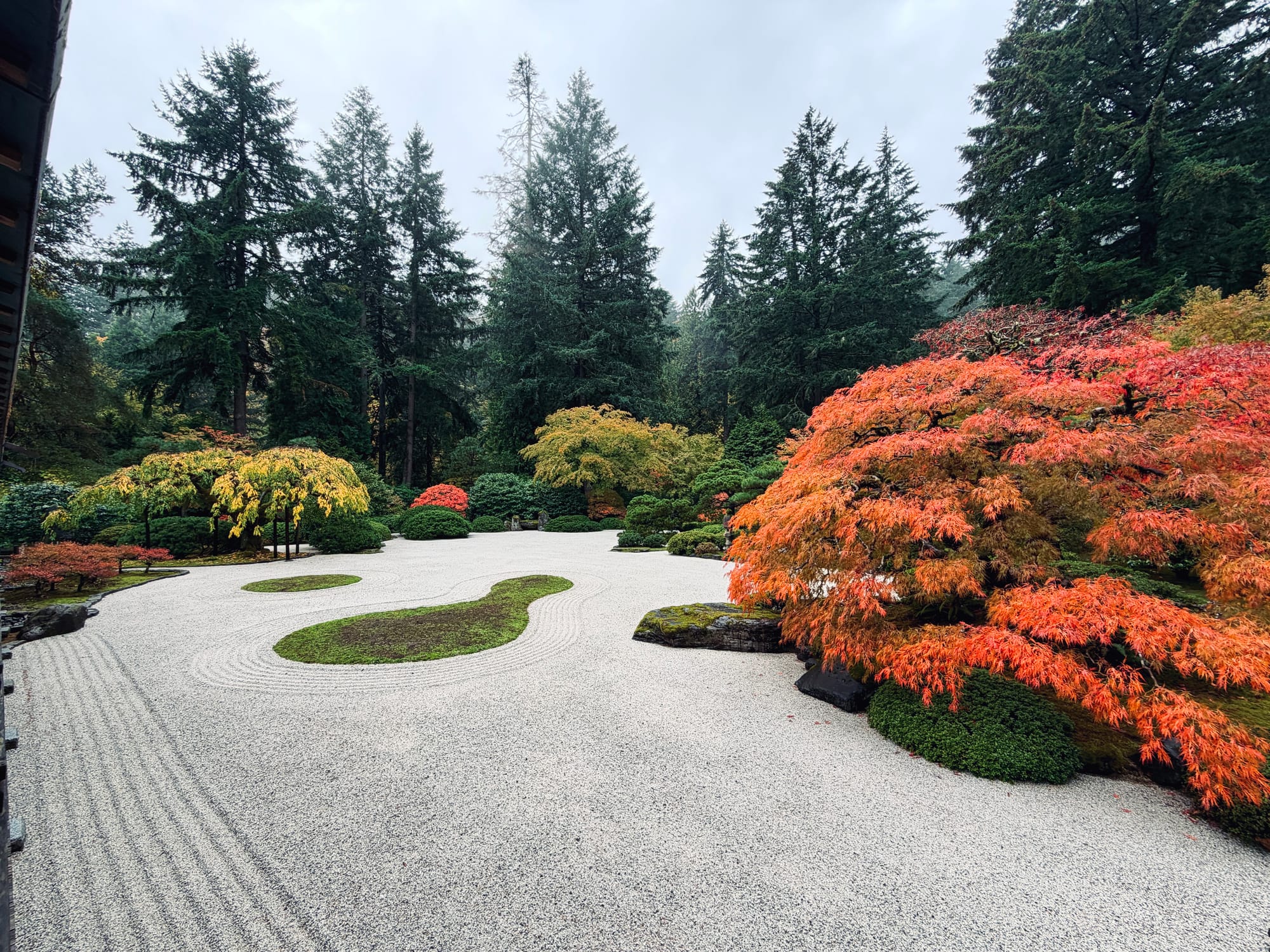
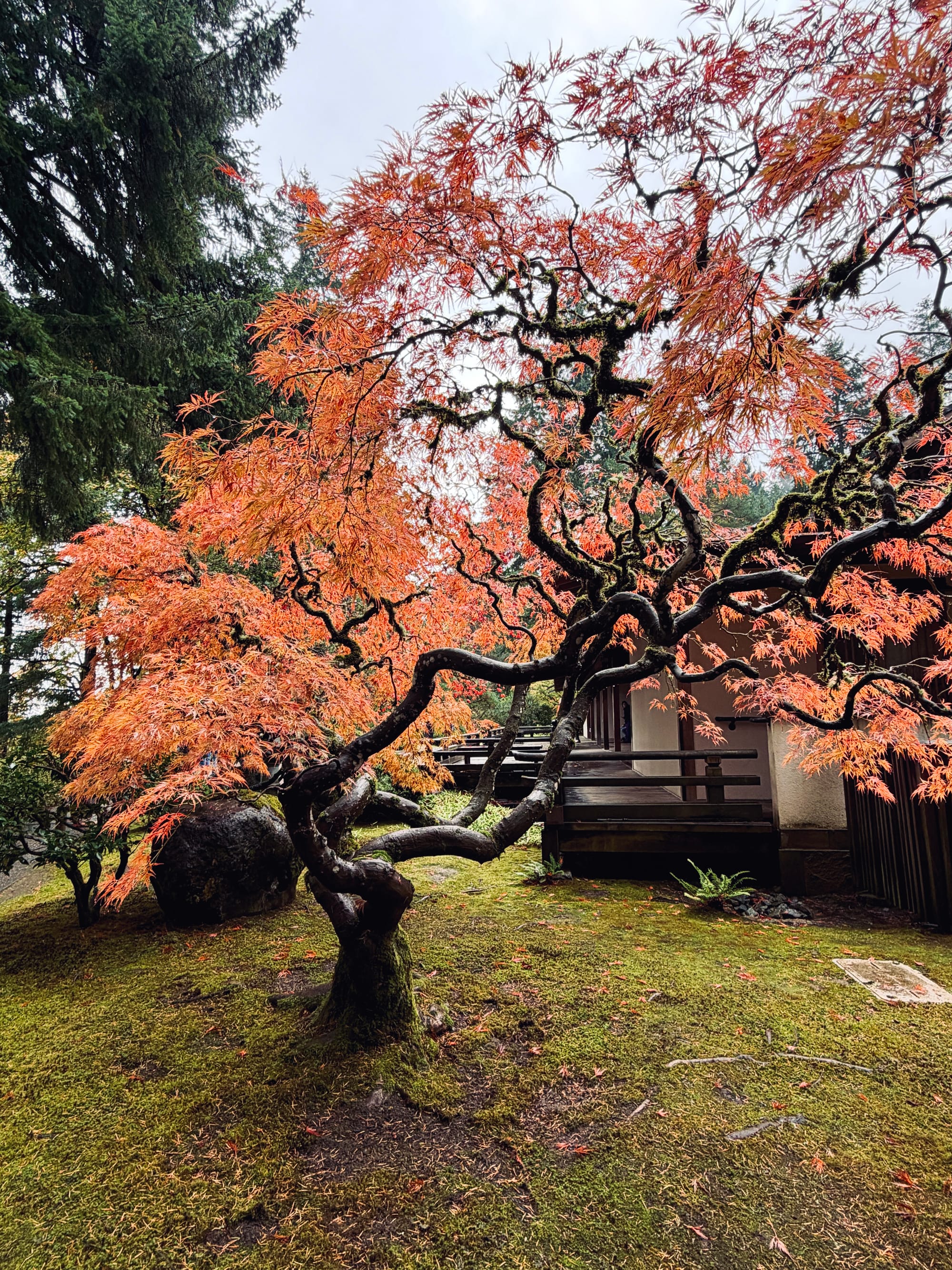
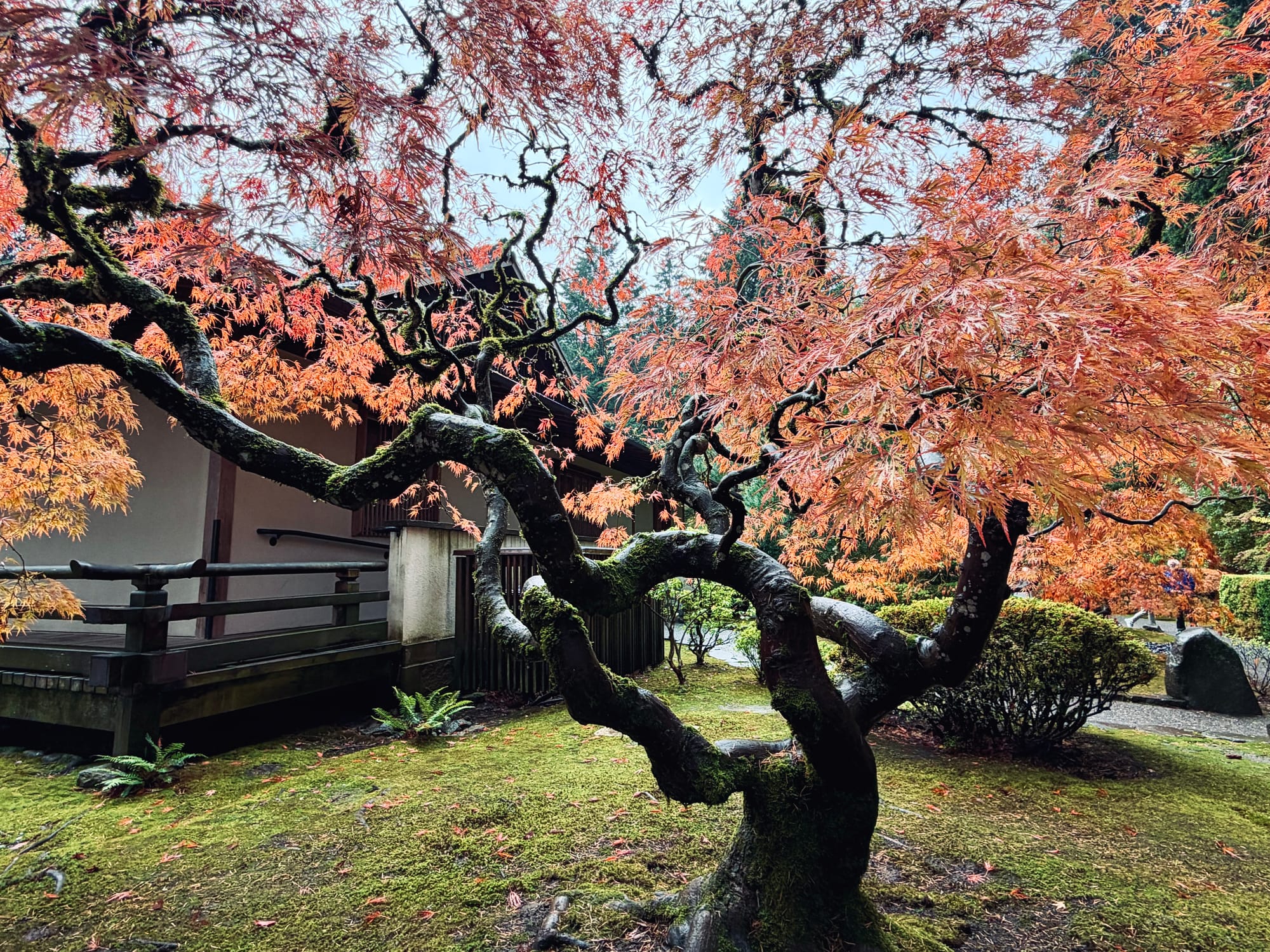
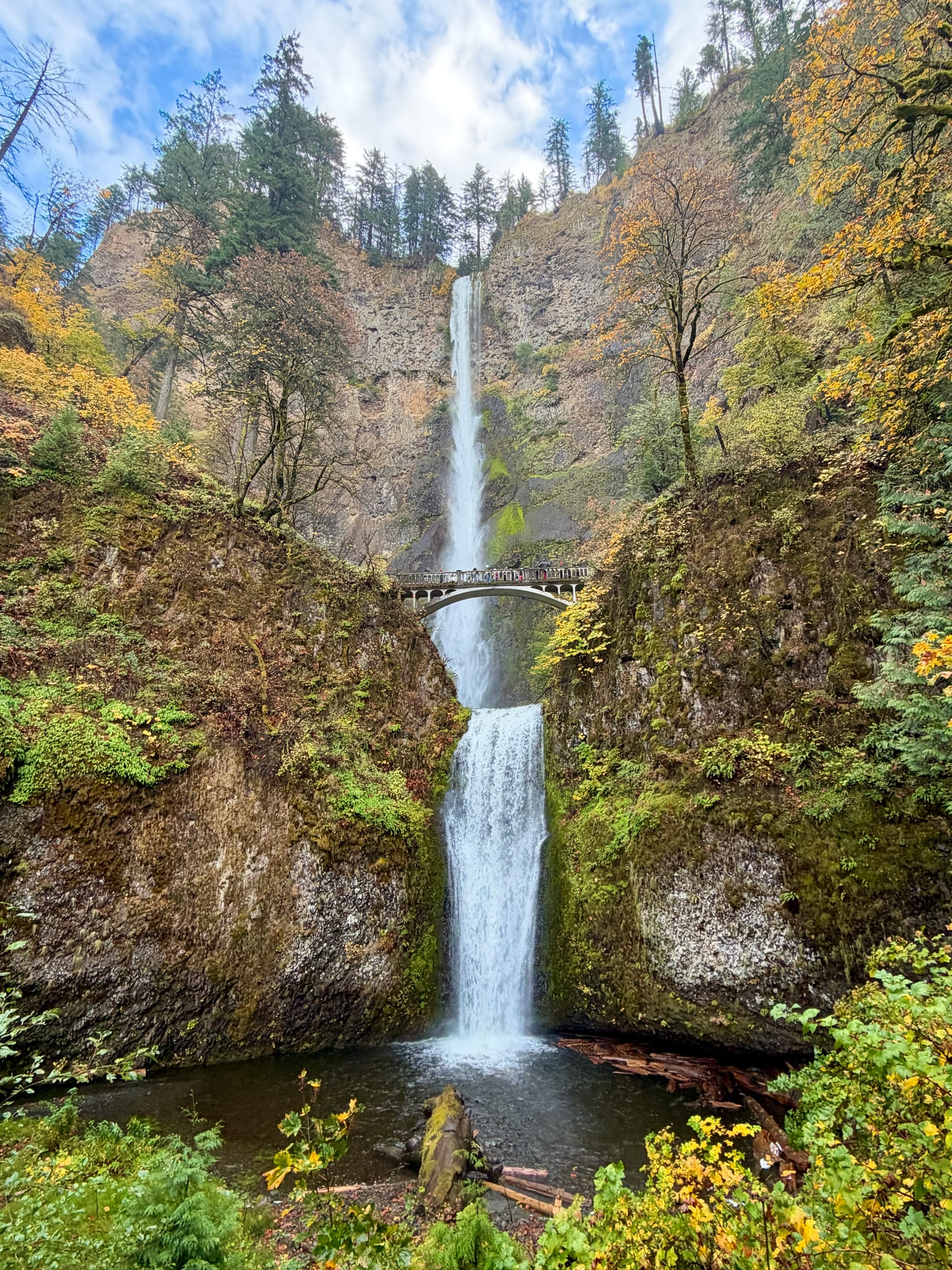
Then it was a quick jaunt after lunch over to Multnomah Falls
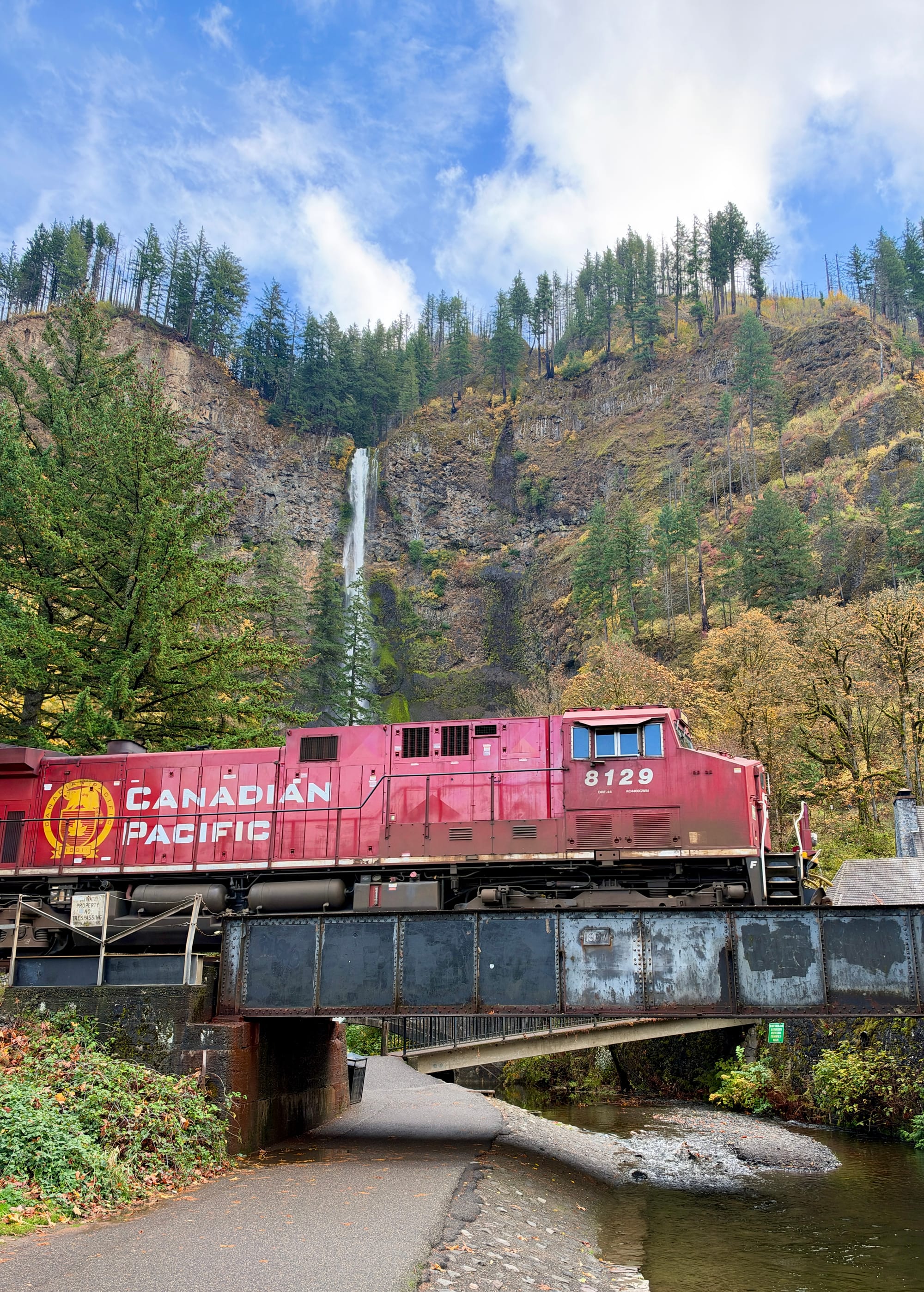
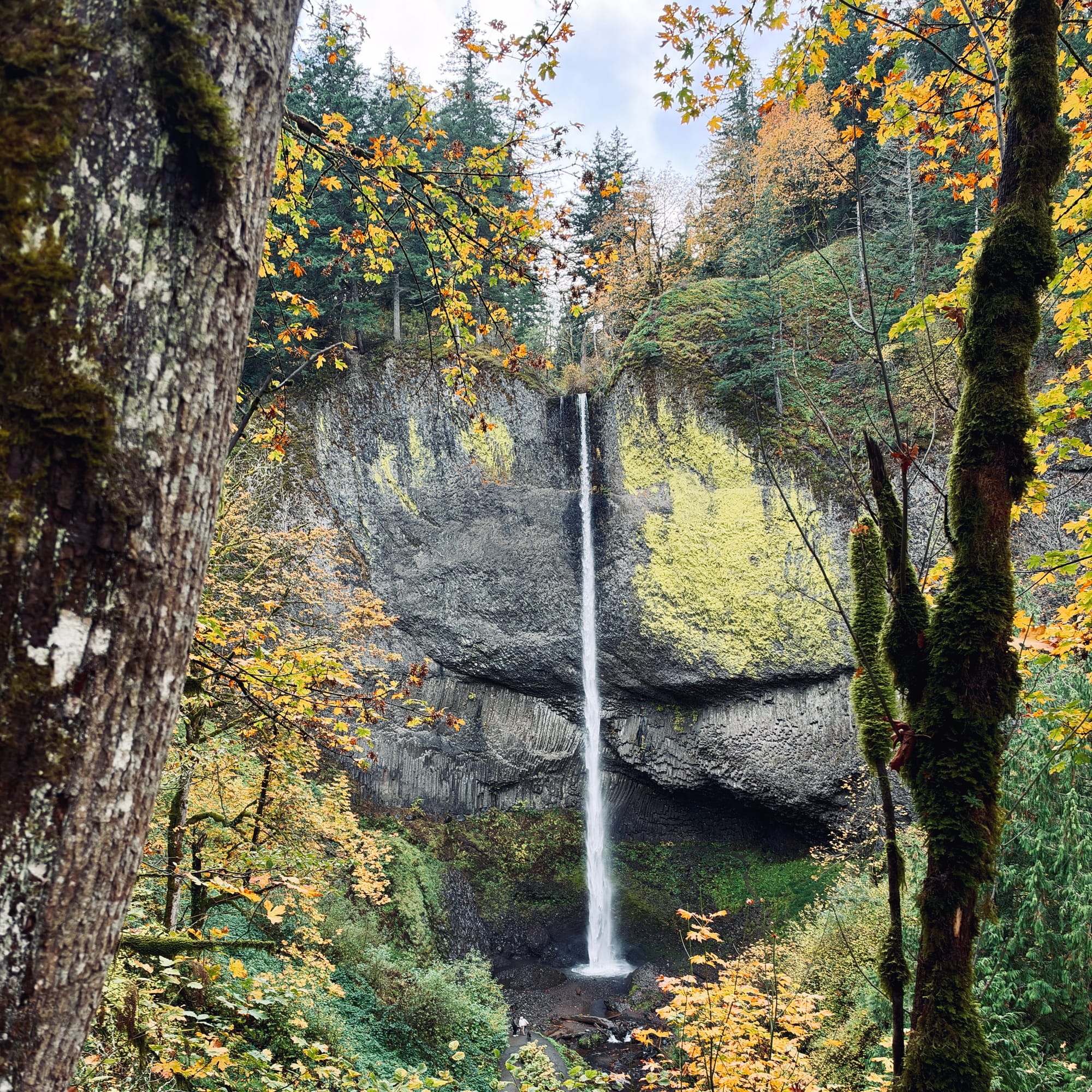
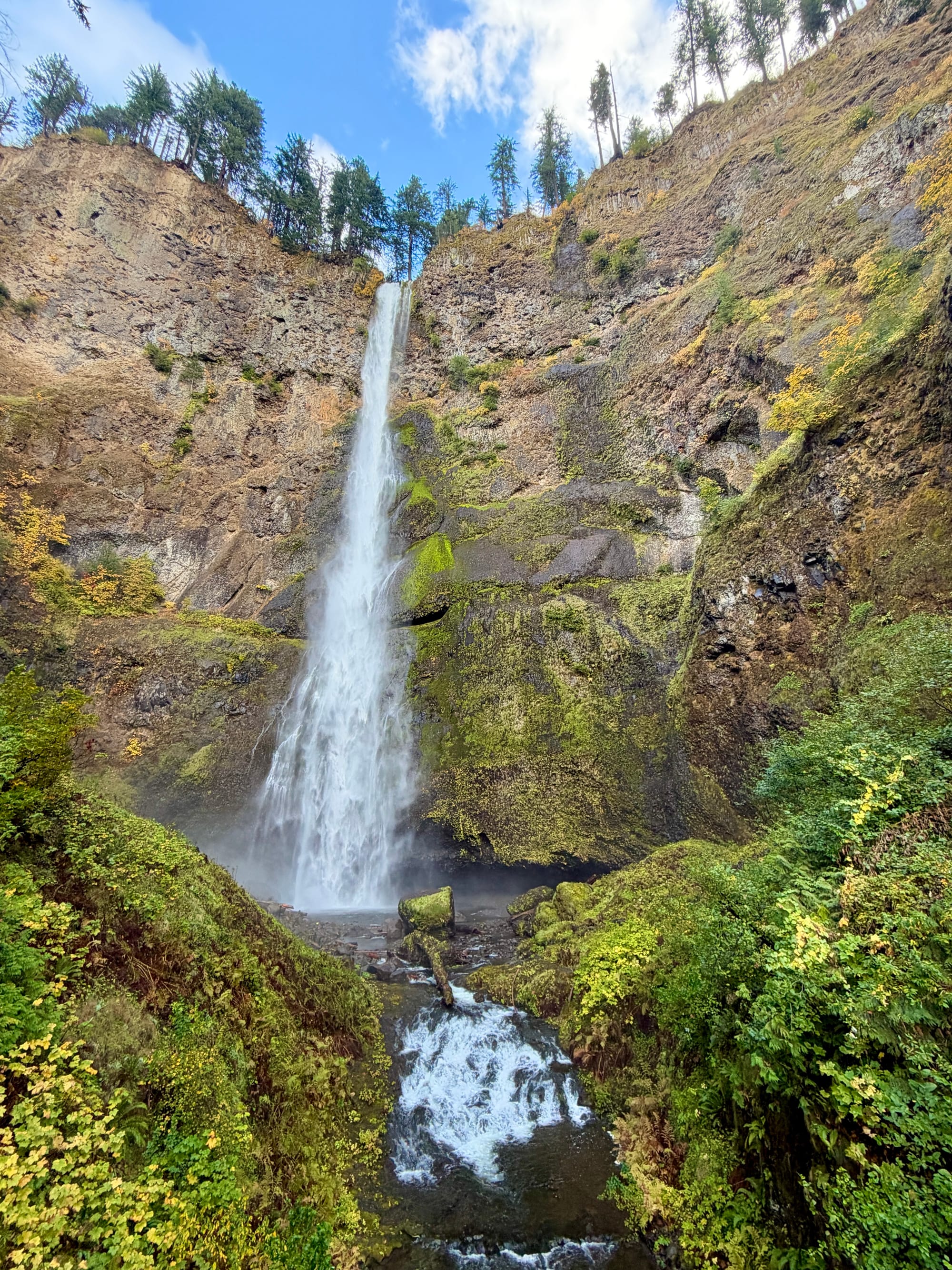
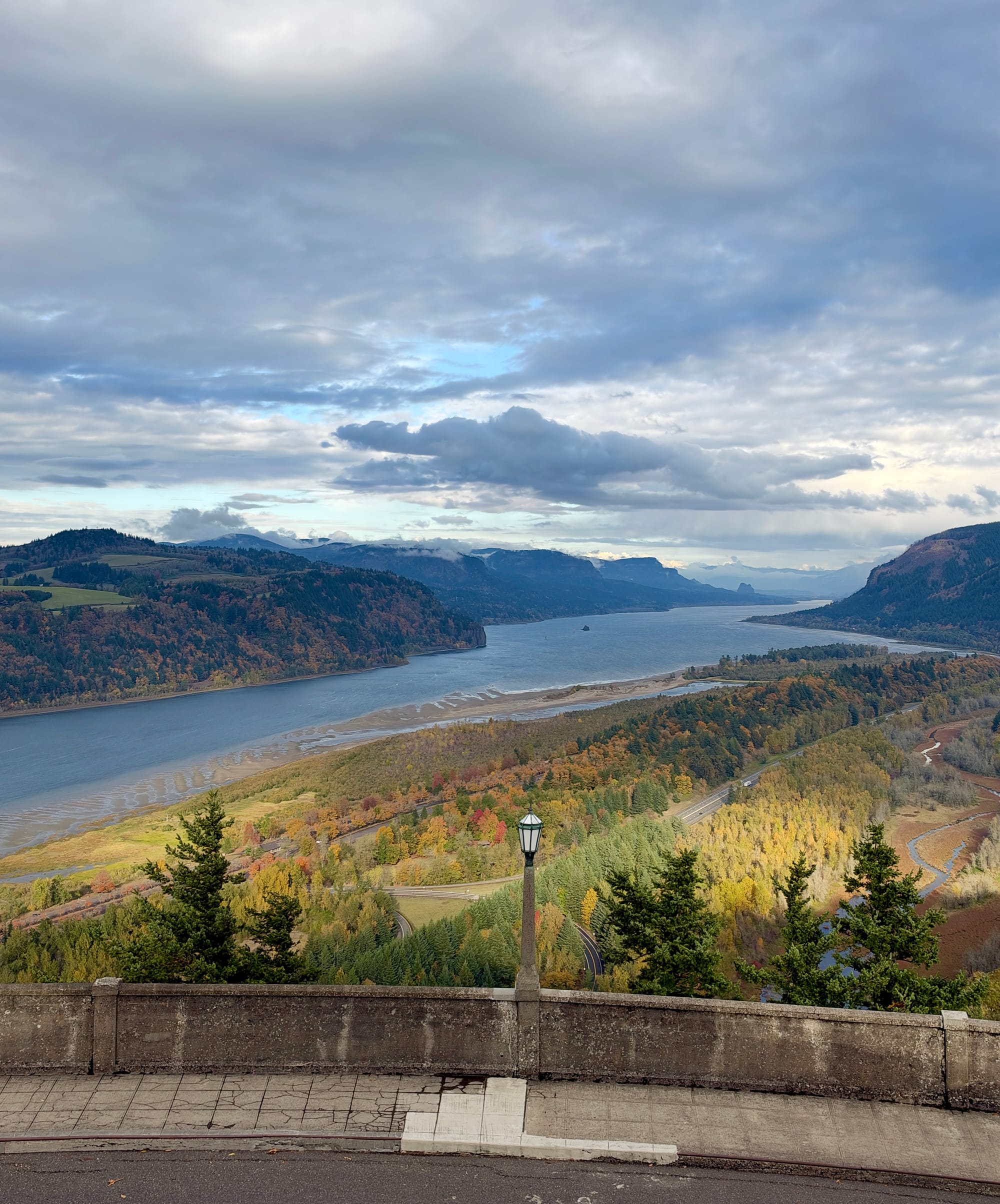
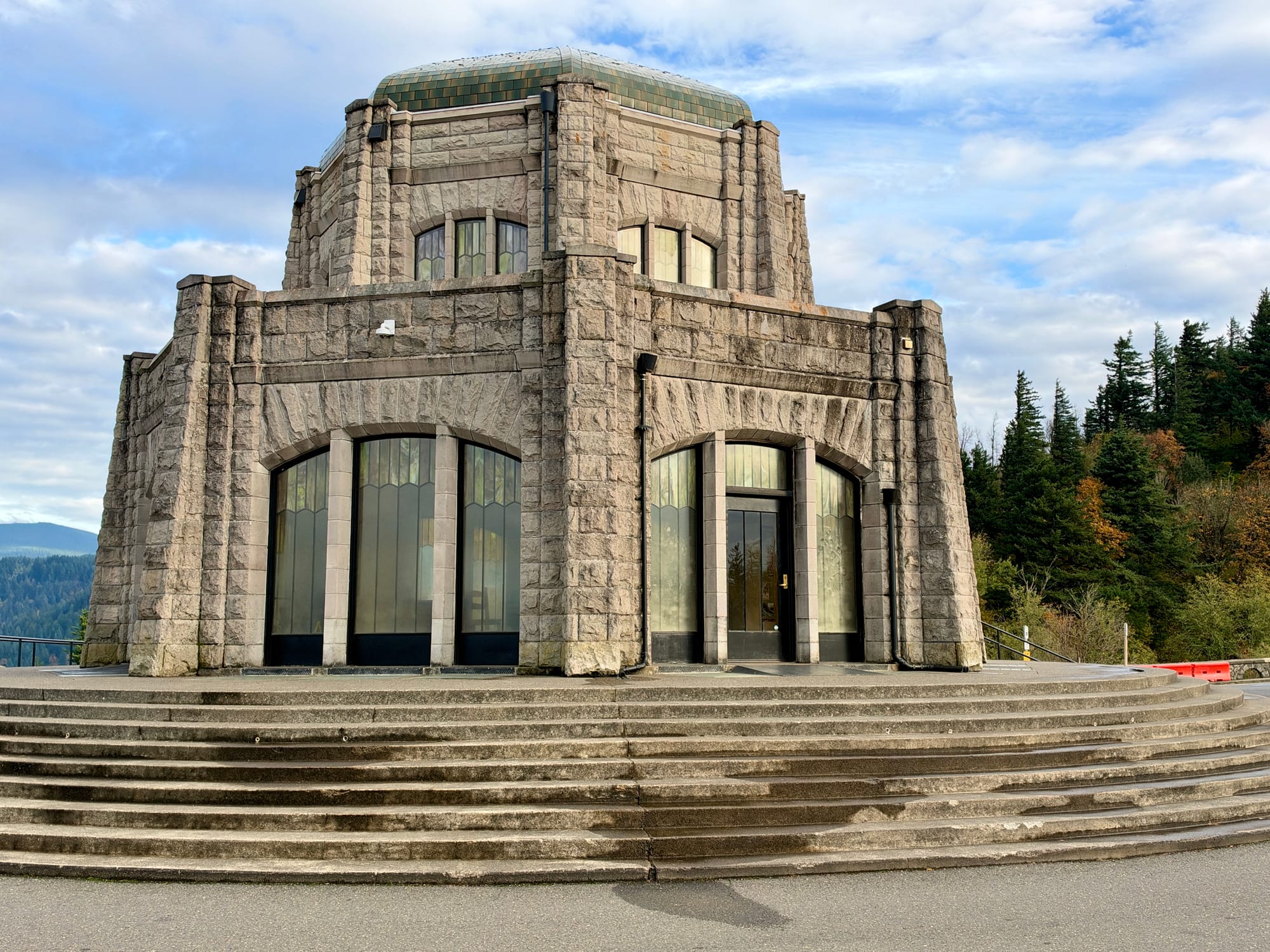
The old Columbia River Gorge road between Multnomah Falls and
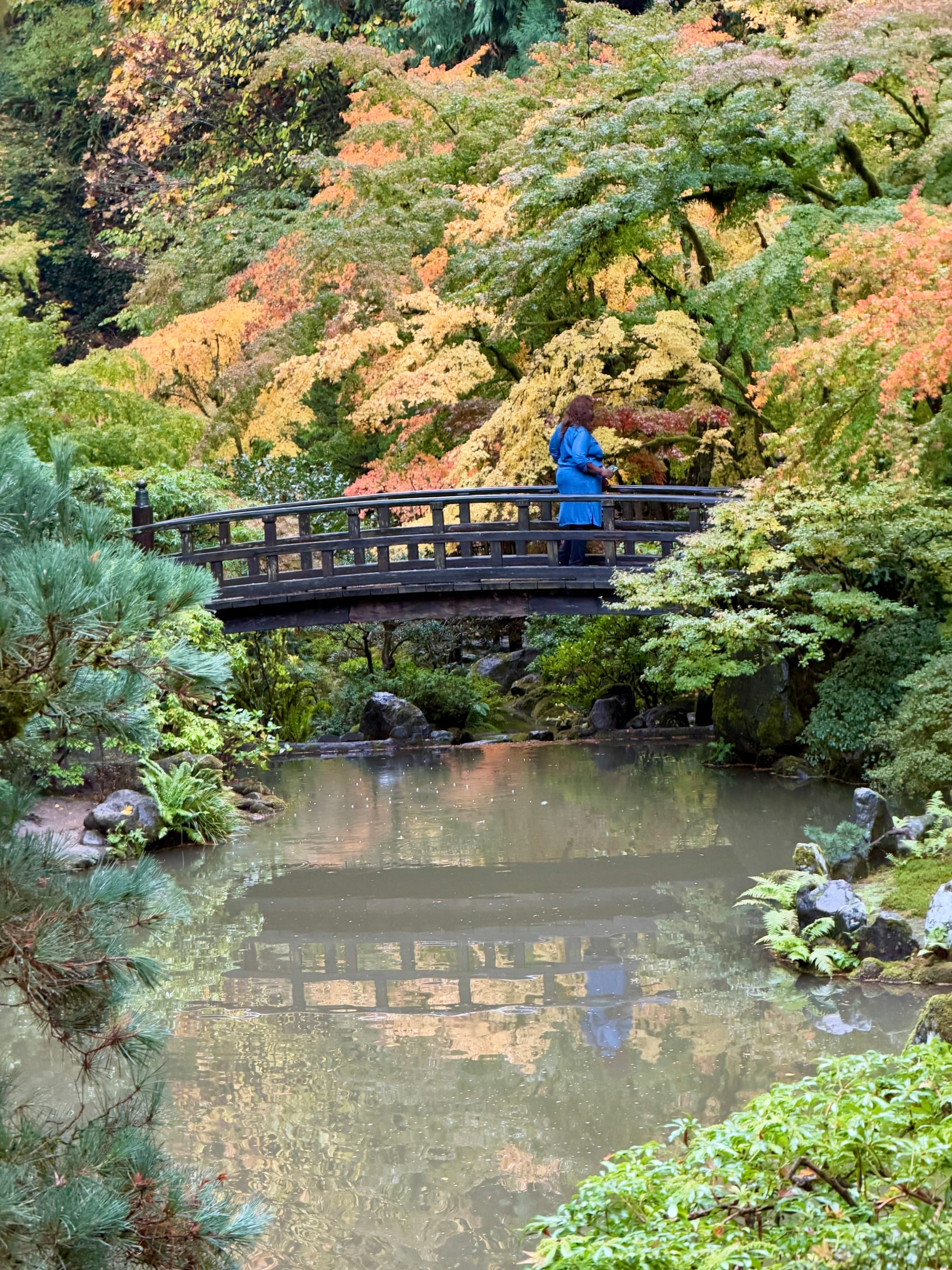
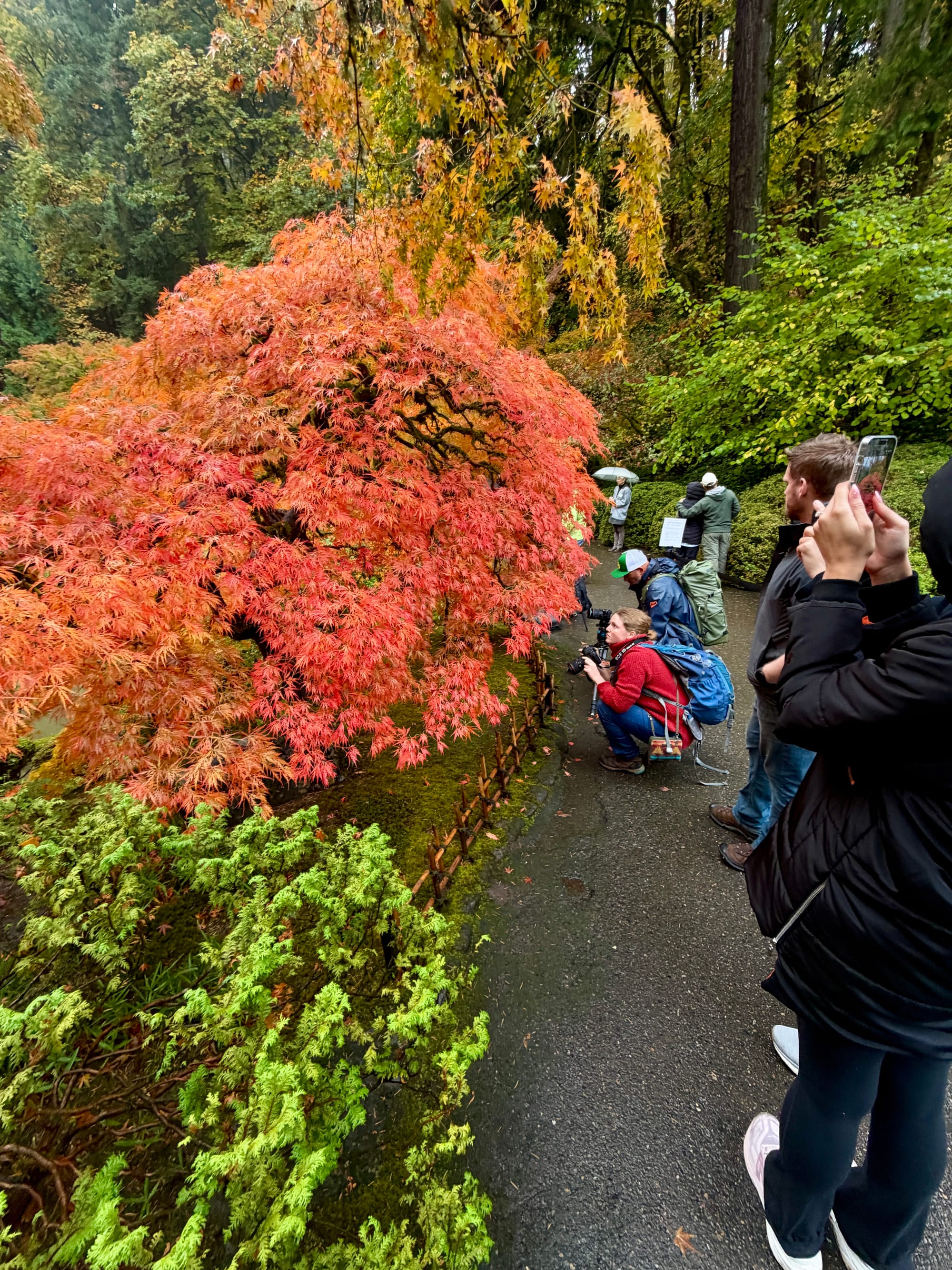
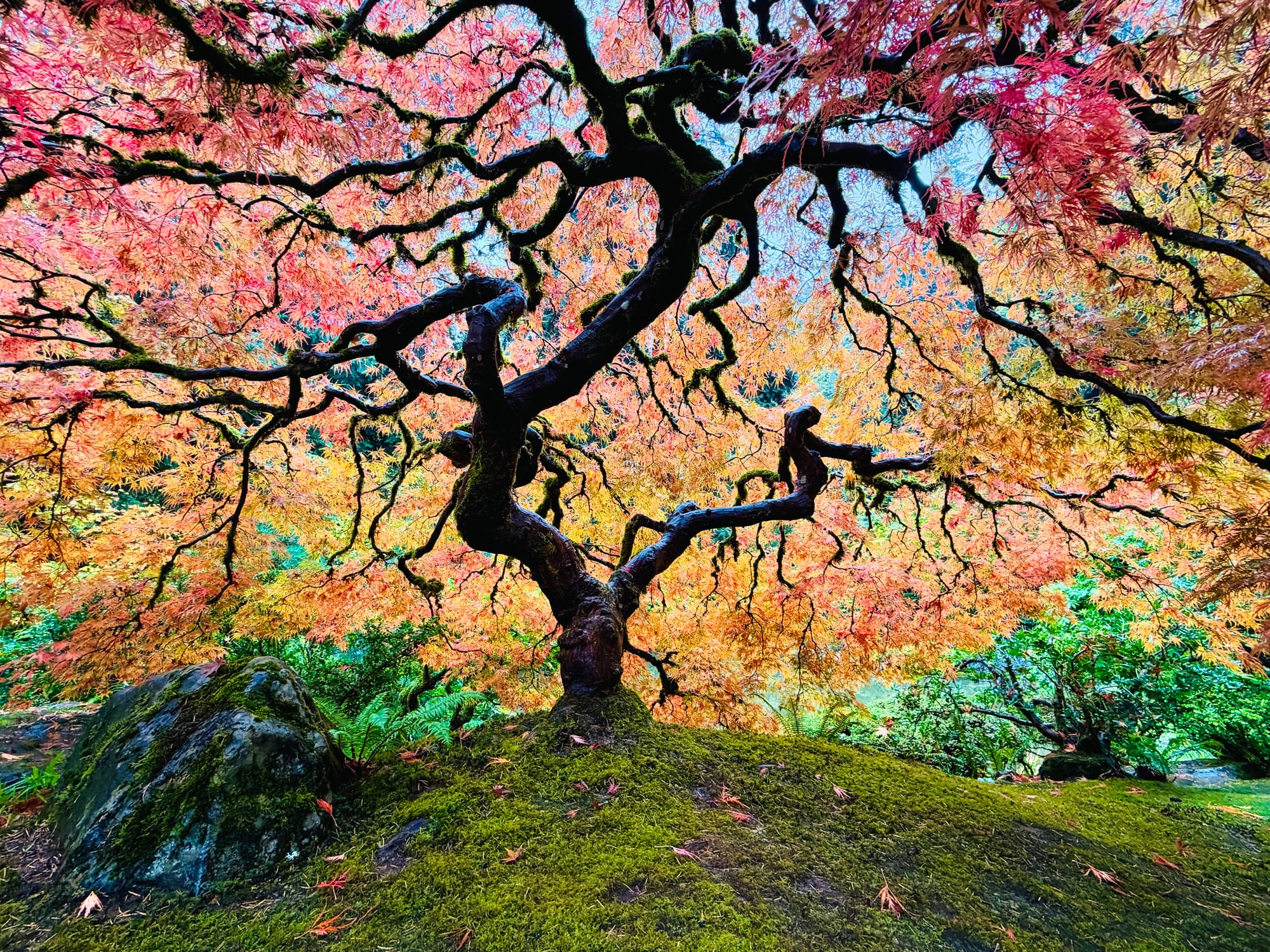
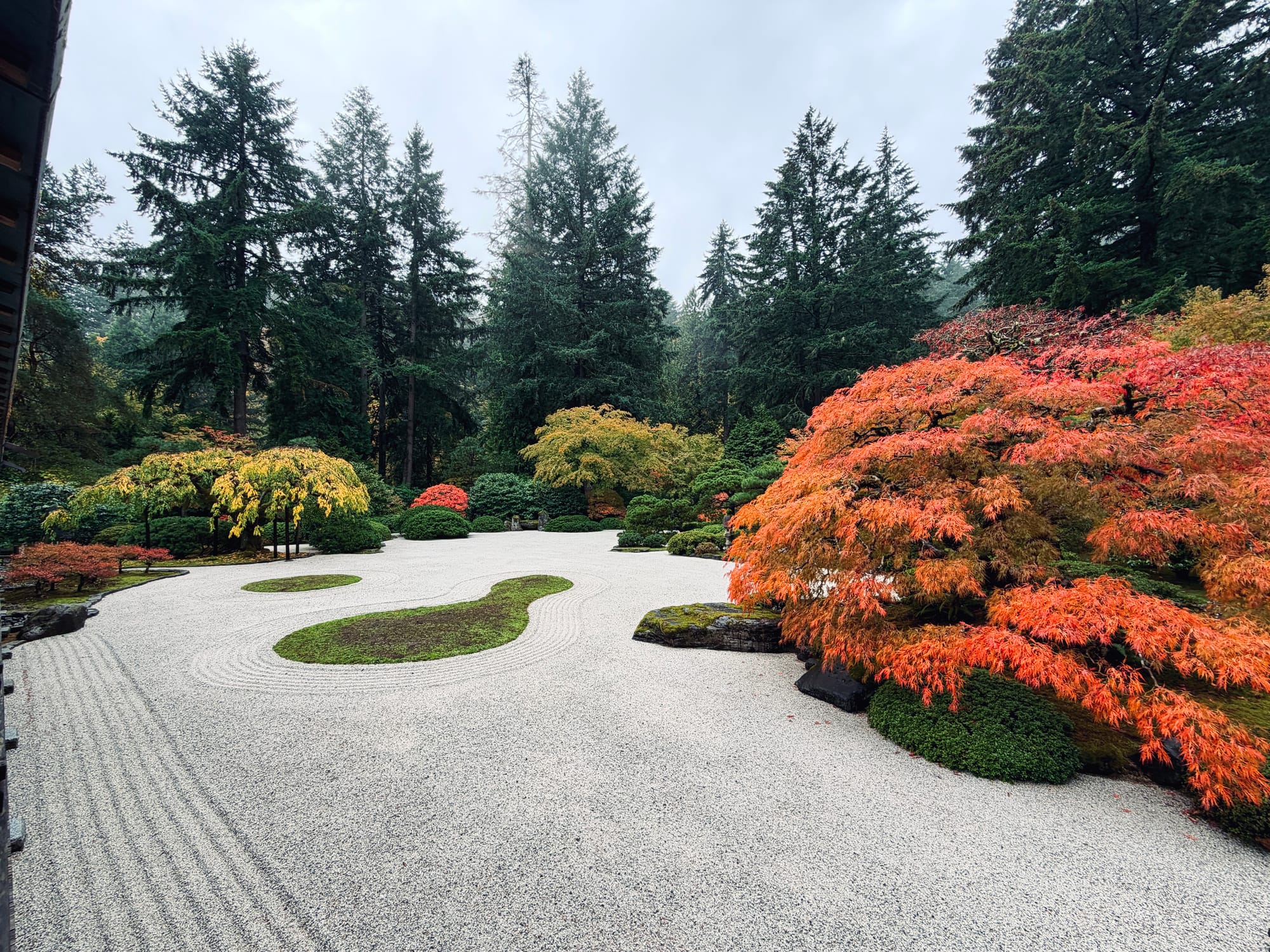
]]>I drove around Portland today looking for the last of the Fall color and wasn't disappointed. Here are a few shots from the Portland Japanese Garden.
Then it was a quick jaunt after lunch over to Multnomah Falls
The old Columbia River Gorge road between Multnomah Falls and Troutdale was incredible looking, I wish I took some photos of it because the color along the route was unforgettable.
]]>From the 1990s into the early 2010s, I always used an ergonomic keyboard hooked to a PC or Mac (Microsoft Natural Keyboards were a steady favorite). But once I started spending most of my time using a MacBook, I got used to using the flat, basic keyboards attached to Macs and when I later moved to desktop Macs, I adopted Apple's own wireless keyboards for the next decade and a half.
When they added a Touch ID sensor on the Apple Keyboard, I was instantly hooked, and got accustomed to using the sensor to unlock my Mac, buy stuff, and log in to stuff automatically. It really did feel like a magical technology.
But I disliked the flat, sterile, white plastic and aluminum keyboards and wanted something that looked cooler, could do more things, and was more comfortable.
It was a journey that took about a year and a half of experimenting but I really have come to love it and I wanted to share my setup.
Plunging into the mechanical abyss
I've always had coworkers who loved a chunky, clacky, old-school keyboard, but I didn't really get the appeal besides annoying your neighbors. Then I started trying them out a couple of years ago.
Keyboards can look and work like almost anything you can imagine so your first choices involve picking out options you prefer. There are different numbers of total keys and different layouts (both of which correspond to the size of the final keyboard), then you have to pick a height, and finally there's the whole world of custom keys and functionality.
I've tried several models from companies like Keychron, ordered custom keys off AliExpress to swap, and tried out different switch types in all of them. I built my own wrist rests out of wood and 3D printing before trying ones that came with keyboards. I went through 4 or 5 different layouts, sizes, and heights before finally settling into one that worked best for me.
I have come to love this setup
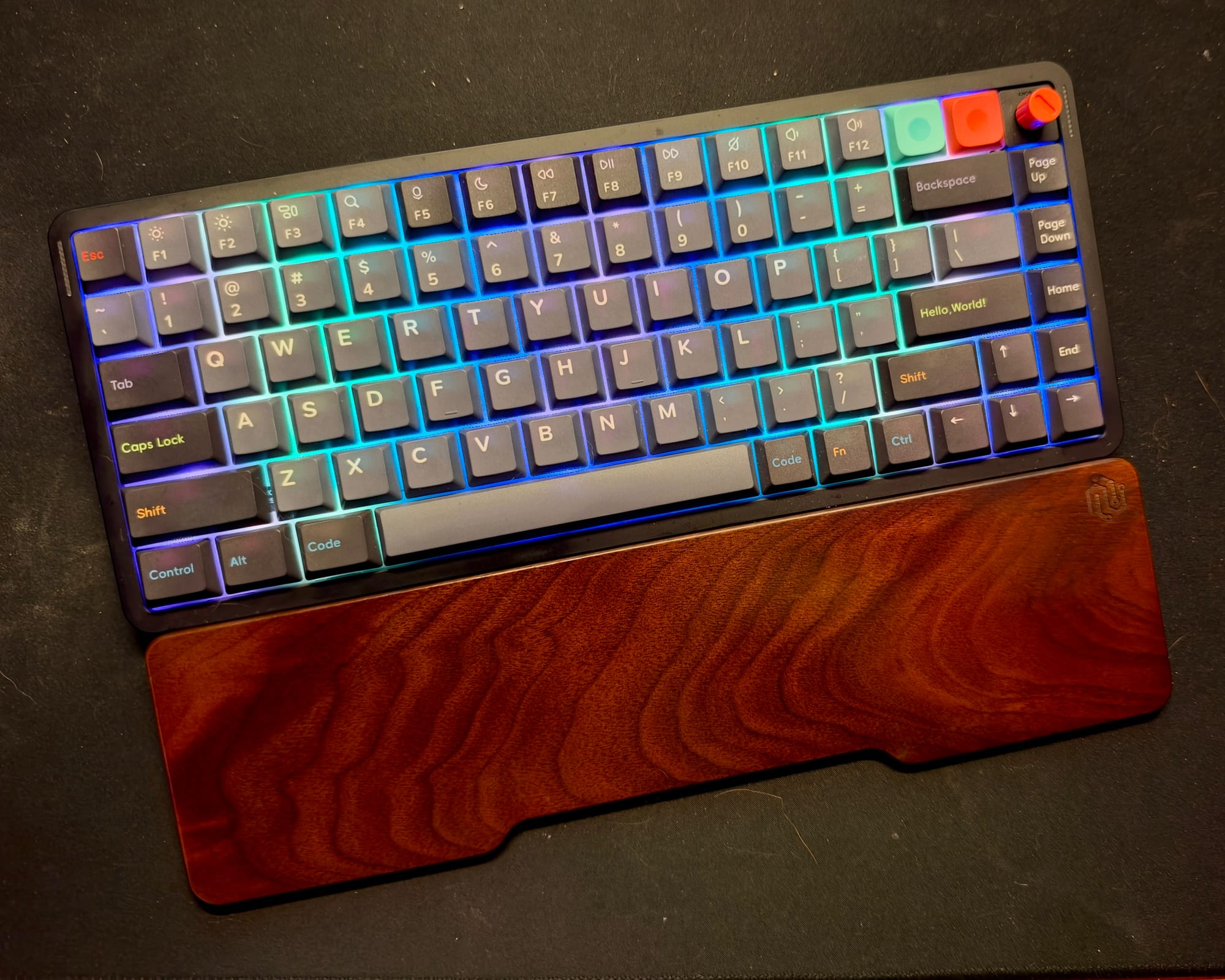
Since the start of this year I've used a NuPhy Air75 V3 in black with brown switches (gives it a medium sound). I use their Oblivion keycap set for its retro look and bought their Walnut wrist rest that fits better than anything I would have built.
It's 75% wide, has low-profile keys (not a ton of height, but more than any Apple keyboard), rainbow backlighting (that I can turn off with a single keypress), and a metal base that gives it real heft.
The wireless Bluetooth features are incredible in that I only charge it once every six months, when my Apple keyboards usually needed a monthly top-up. I honestly don't know how the battery lasts so long in a wireless keyboard, as some of my other mechanical Bluetooth keyboards would need charging once a week or they'd be dead.
My favorite feature is the spinner control in the upper right, which I have set for volume and it also lets you tap it to mute and un-mute your computer instantly.
What happens when you get rid of the fingerprint sensor?
I thought losing Apple's Touch ID would be a dealbreaker but when I found that I missed it, I came up with something as close as possible to it.
There are products you can buy to become a Mac's thumb sensor (or you can build your own), but I found something last year that works as well, takes up a smaller footprint than a big sensor, and is cheaper too.
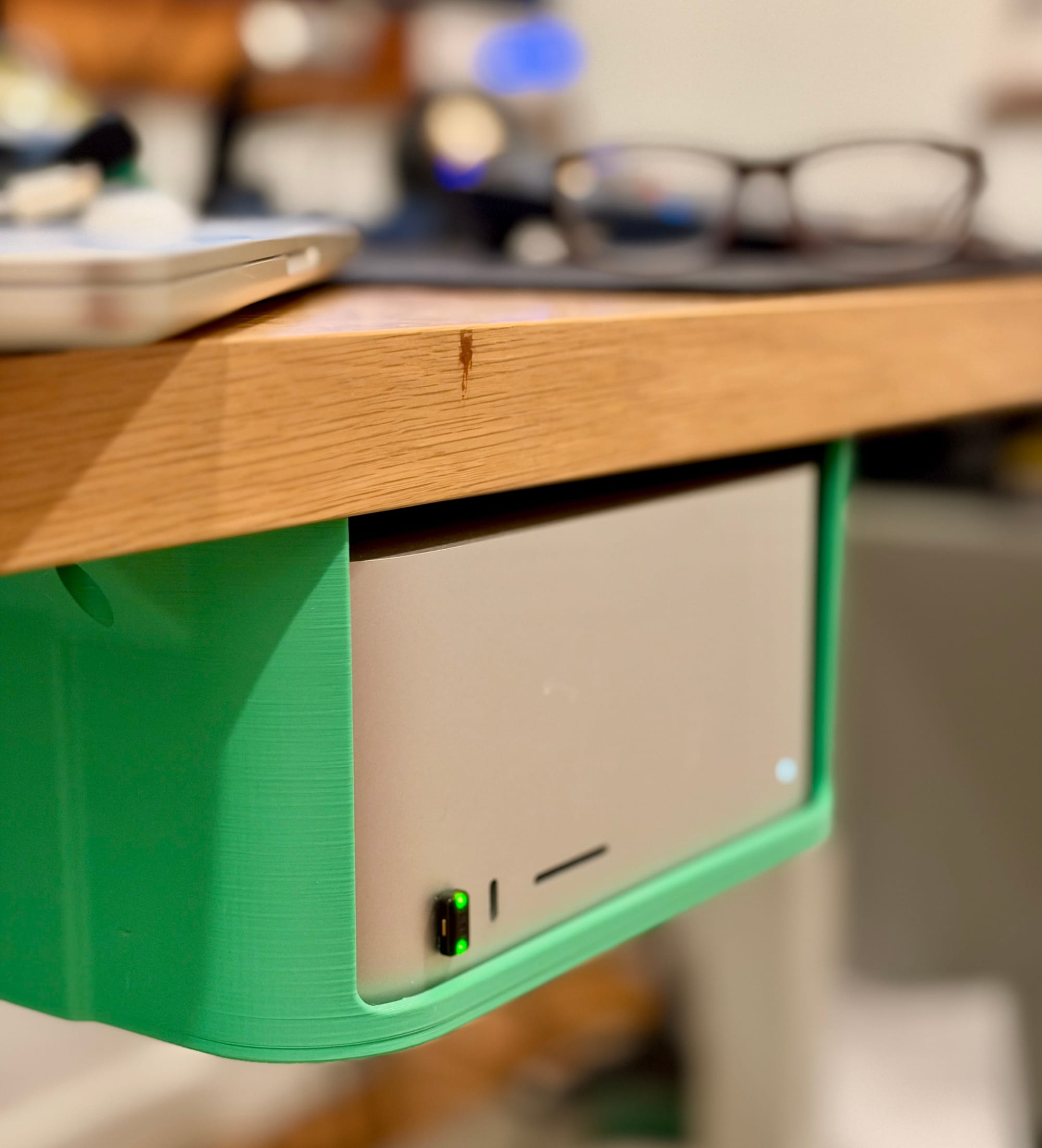
I have a YubiKey 5C Nano that is always plugged into the front of my Mac Studio. I used Yubico’s configuration app to set it up as a "static password" with an append option. This means whenever I touch my finger to the Nano, it auto-types out my Mac's password and hits enter, instantly.
Now, I can wake my Mac by tapping it to login and also use it to do anything that needs administrator access on my machine. I don't have to charge it or worry about extra cables or how much space it takes up on my desk. It's always plugged in and easy to reach and use.
Granted, the tradeoff to convenience is that anyone with physical access to my computer can tap it too to enter my password, but it's in a locked house that random people don’t have access to. I'm also not currently working for a company with security clearances that would require real biometric buttons, so it's fine for my home office.
Only real Apple keyboards support a "touch to pay" feature, so these days I still have to tap my phone or watch to complete any Apple Pay purchases on my desktop, but the YubiKey Nano can do everything else my old Apple Touch ID sensor used to do for me.
Apple makes good stuff, but sometimes you can find better options
I tend to use Apple's accessories for all my tech as I find most things they produce are simply better than any third-party products. But sometimes you can find something that ultimately works better than Apple's own hardware, does everything you need it to do, and does it with more style.
I love my gently clacky keyboard in just the right size and width, with an instant way to tap to log in, as well as gives me a way to manage my music and sound. My wrists feel better with the thicker keys and 10° raised position and I now appreciate the chunky feel and sound and can't see myself ever going back to an Apple wireless keyboard that feels like a deflated pancake whenever I have to type on someone else’s Mac.
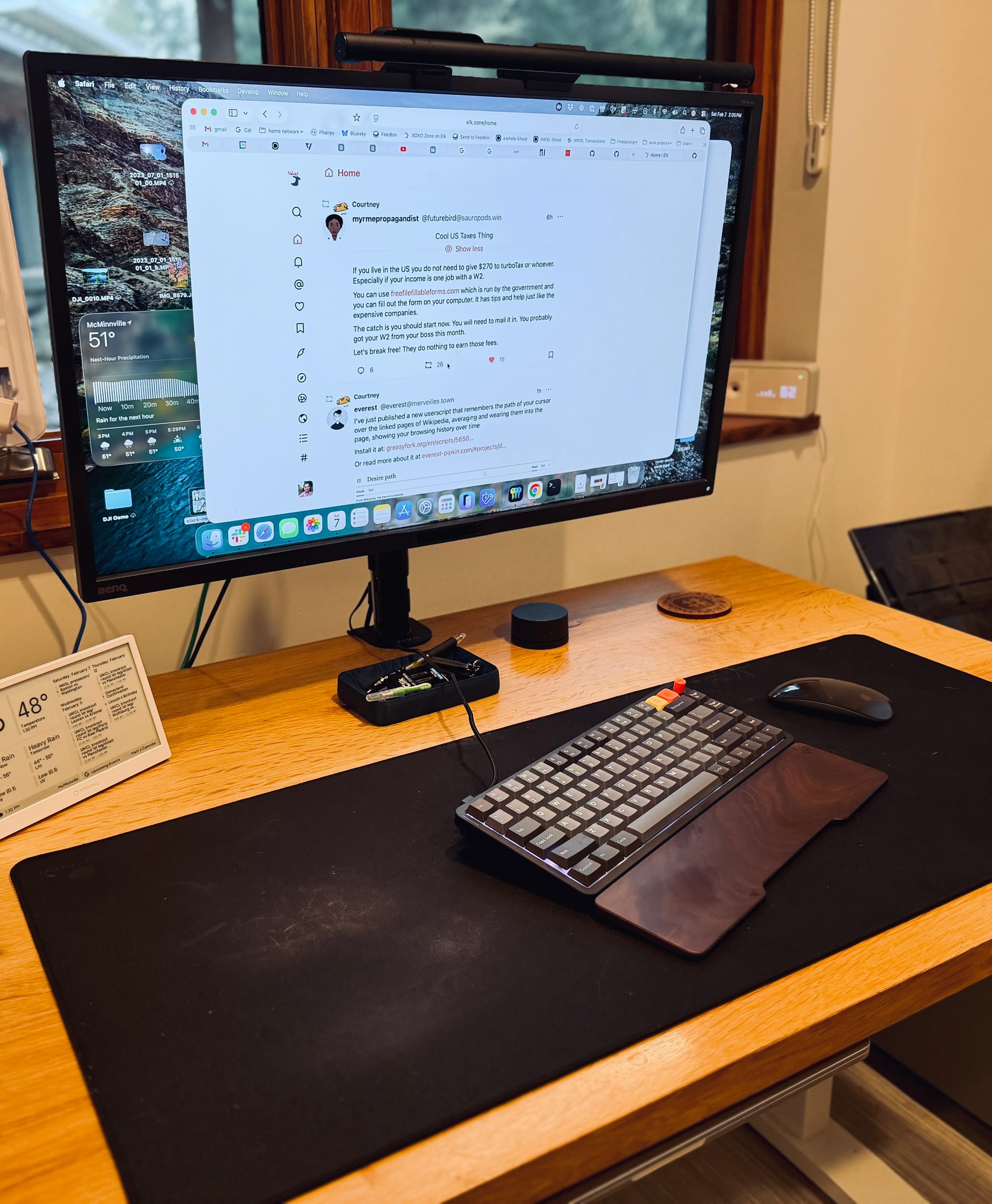
This all started when one day I just really wanted a compact, black, wireless Apple keyboard and found out they don't make one, so I tried out a bunch of different options until I found exactly what works for me.
]]>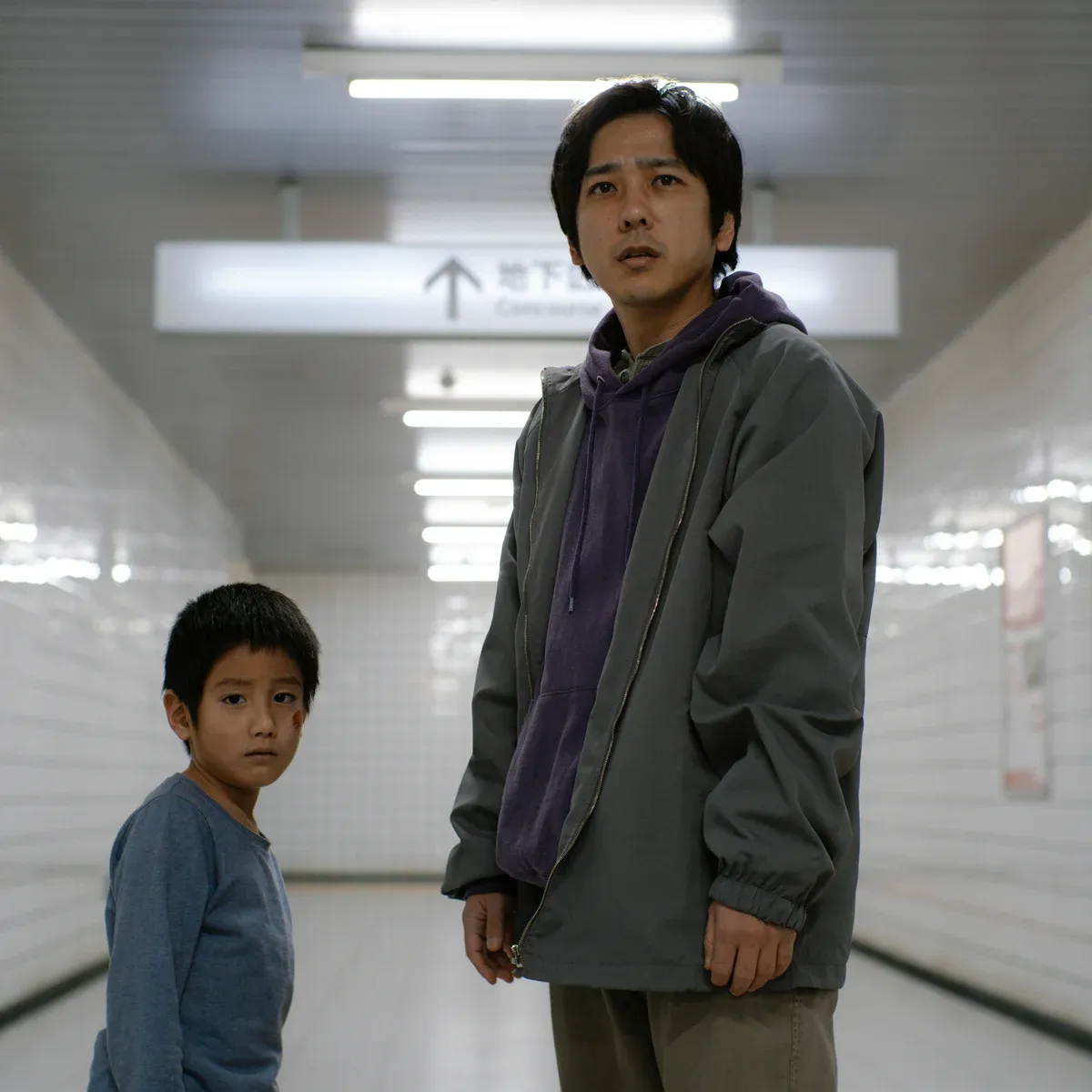
A couple nights ago, I finally sat down to watch it and I really enjoyed it. It&
]]>On a recent flight, the entertainment system had a movie I'd never heard of in its list of recent releases called Exit 8. I watched the trailer and was instantly transfixed.
A couple nights ago, I finally sat down to watch it and I really enjoyed it. It's a sci-fi/horror film about being trapped in a Japanese subway station and that's what drew me in immediately. One day in Tokyo, I spent about 30 minutes walking in circles inside the Shinjuku station, getting increasingly frustrated by all the construction that closed the paths I needed to take to get where Google Maps kept telling me to go.
I love that the entire budget for the film was barely over $1M. We all have such great cameras capable of great things in our pockets, yet most films today are $100M franchise pieces that don't excite me enough to even go to a theater. The movie also has some aspects of Edge of Tomorrow, one of my all-time favorite movies, though it's not exactly like time travel.
It's probably longer than it should be, to be honest, as tense moments are drawn out to stretch this into a 95 minute film. I'd call this movie perfect if it were about 60 minutes long (and more likely aired as something akin to a Twilight Zone episode).
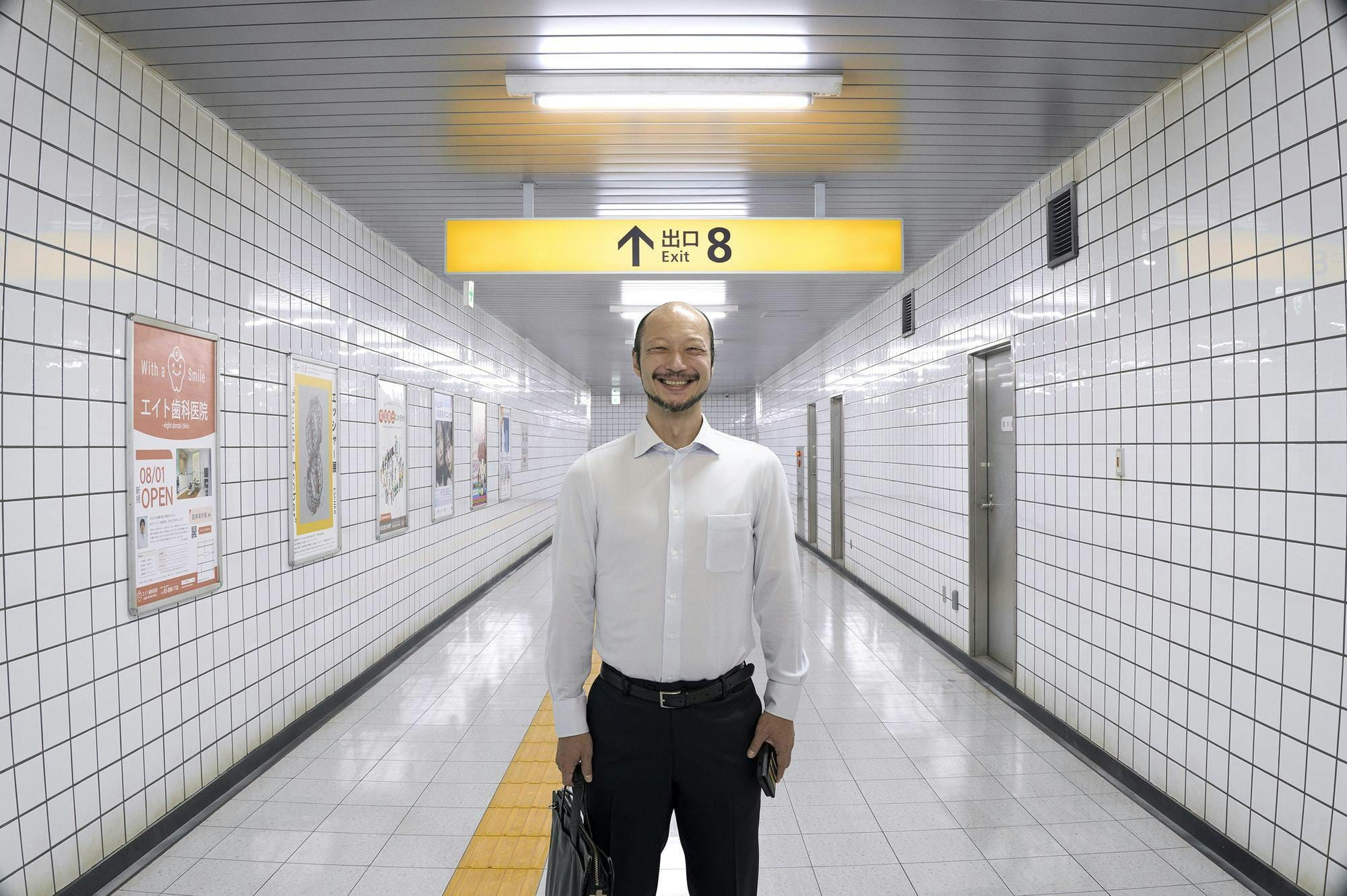
Films based on games
When I was looking up more information about this film, I found out it was based on a small indie game "The Exit 8" that came out in 2023, so I downloaded it onto my Playstation 5. Since I just saw the film, I knew the game's premise and in about 20 minutes I beat the game after a few frustrating loops where I missed some key details.
I'd suggest anyone wanting to check out either of these things to follow my lead and do the film first, then the game. If you played the game, the movie would likely seem slow as it explains game mechanics you already know. It would also spoil some surprises if you played the game first. The movie is much richer in story telling so playing the game after was really a fun little challenge to test myself in the role of the movie's main character and since it was a free game on my Playstation plus pass anyway, it didn't feel like a rip-off to complete the game in just a few minutes.
Lastly, I've seen a ton of films based on video games and they are usually pretty bad but this is a really good adaptation that takes the game as its base and really fleshes out a larger story from there. It's fair to say it might be one of the best video game adaptations to date.
Highly recommended.
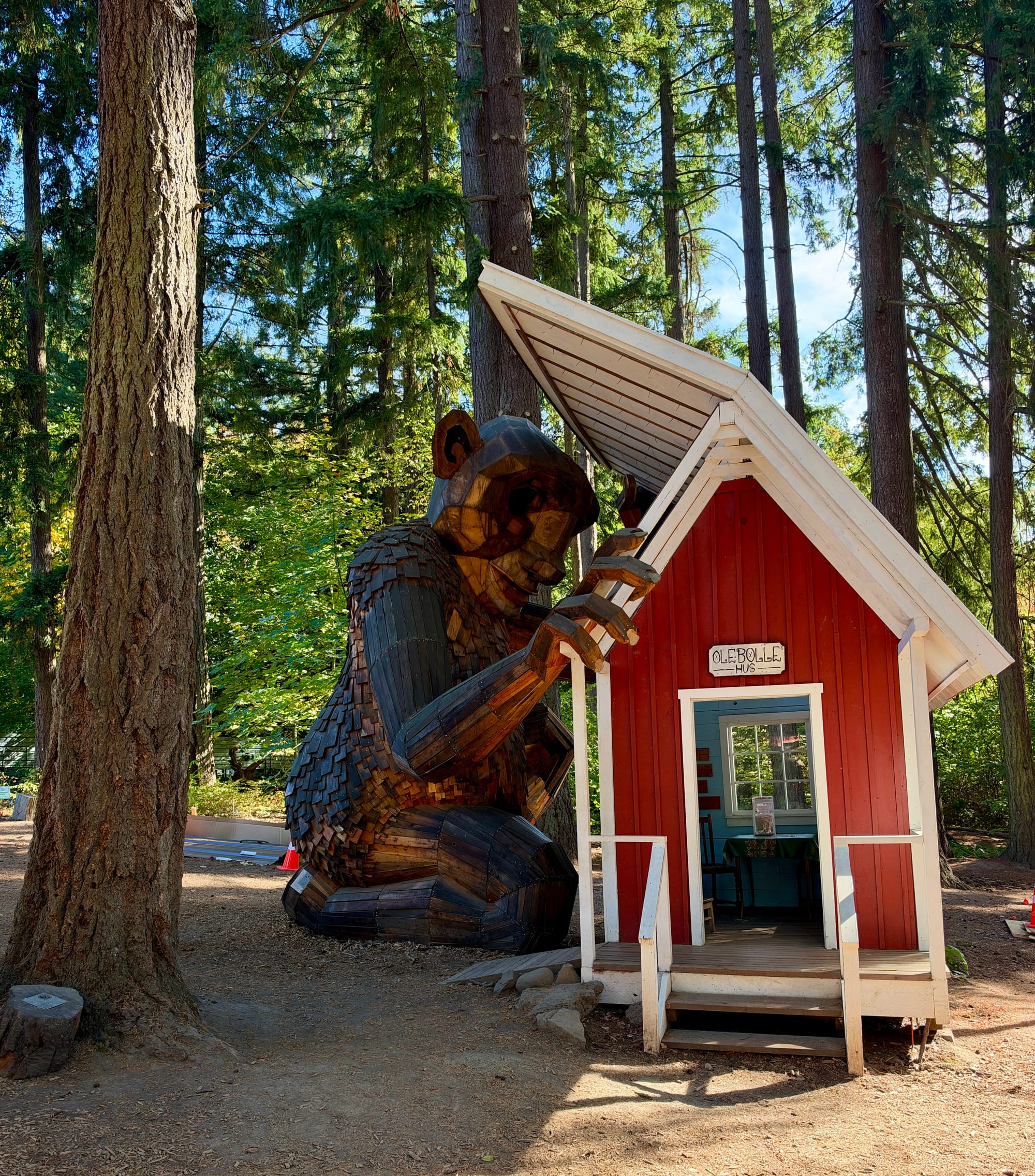
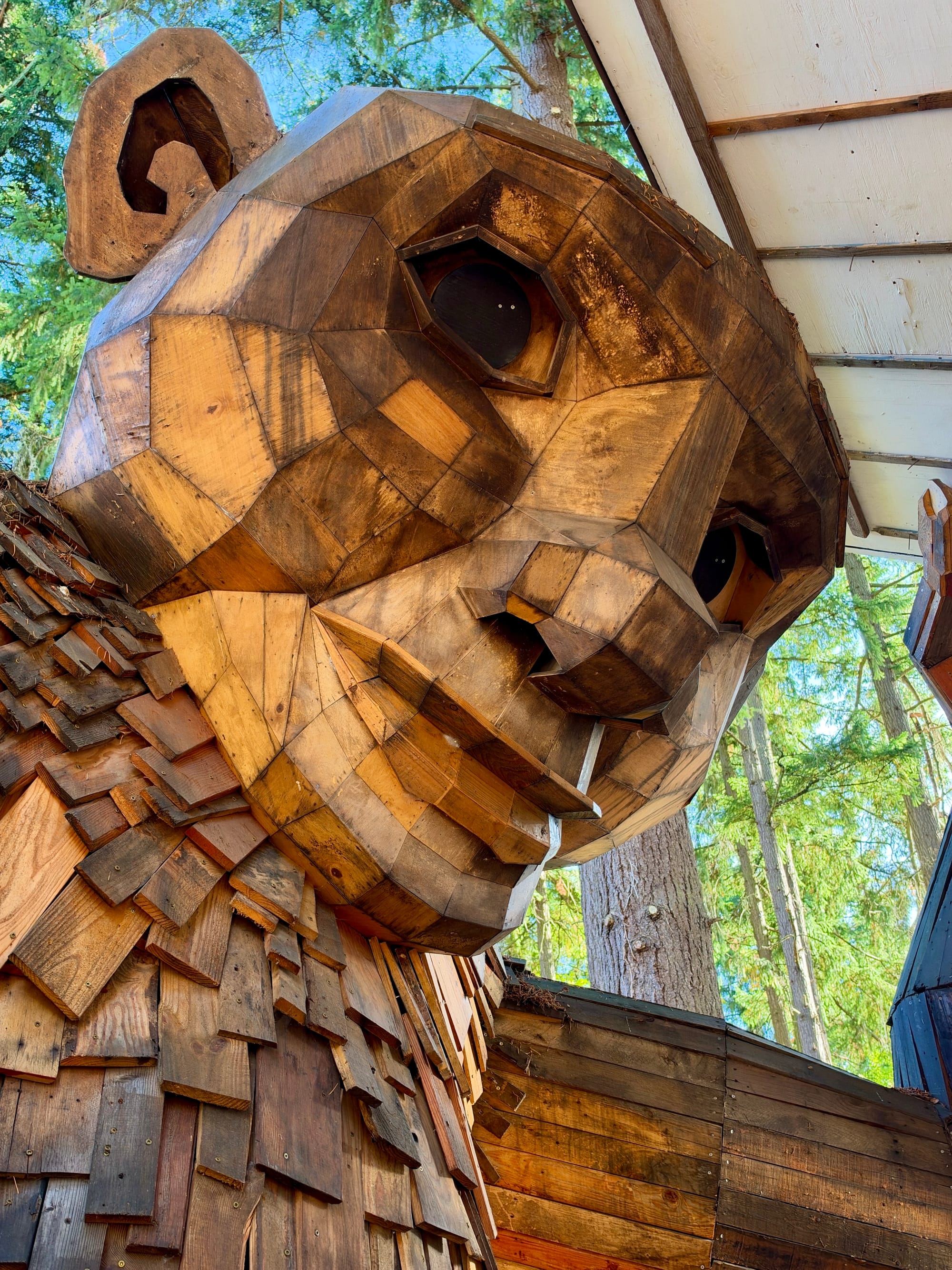
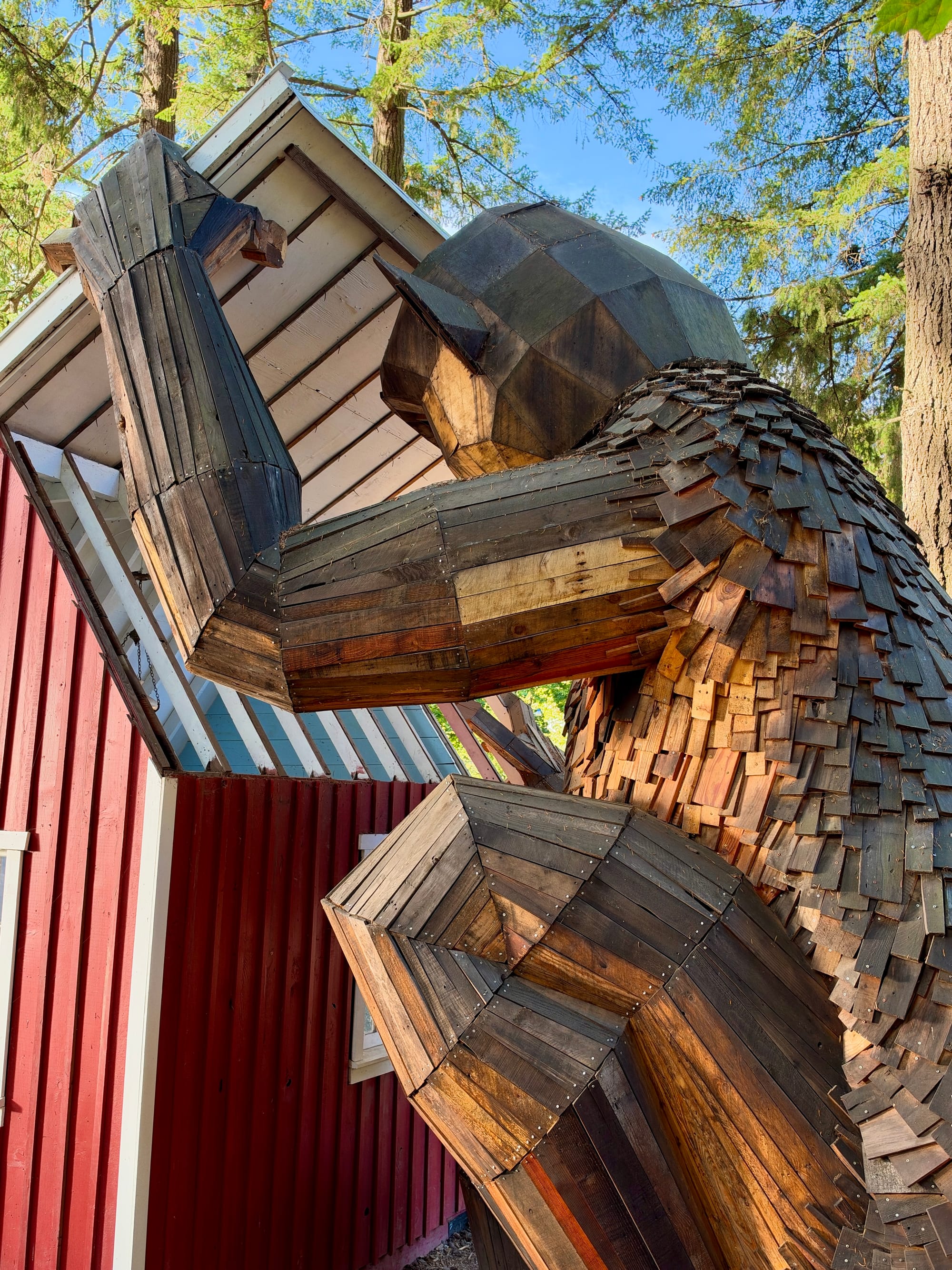
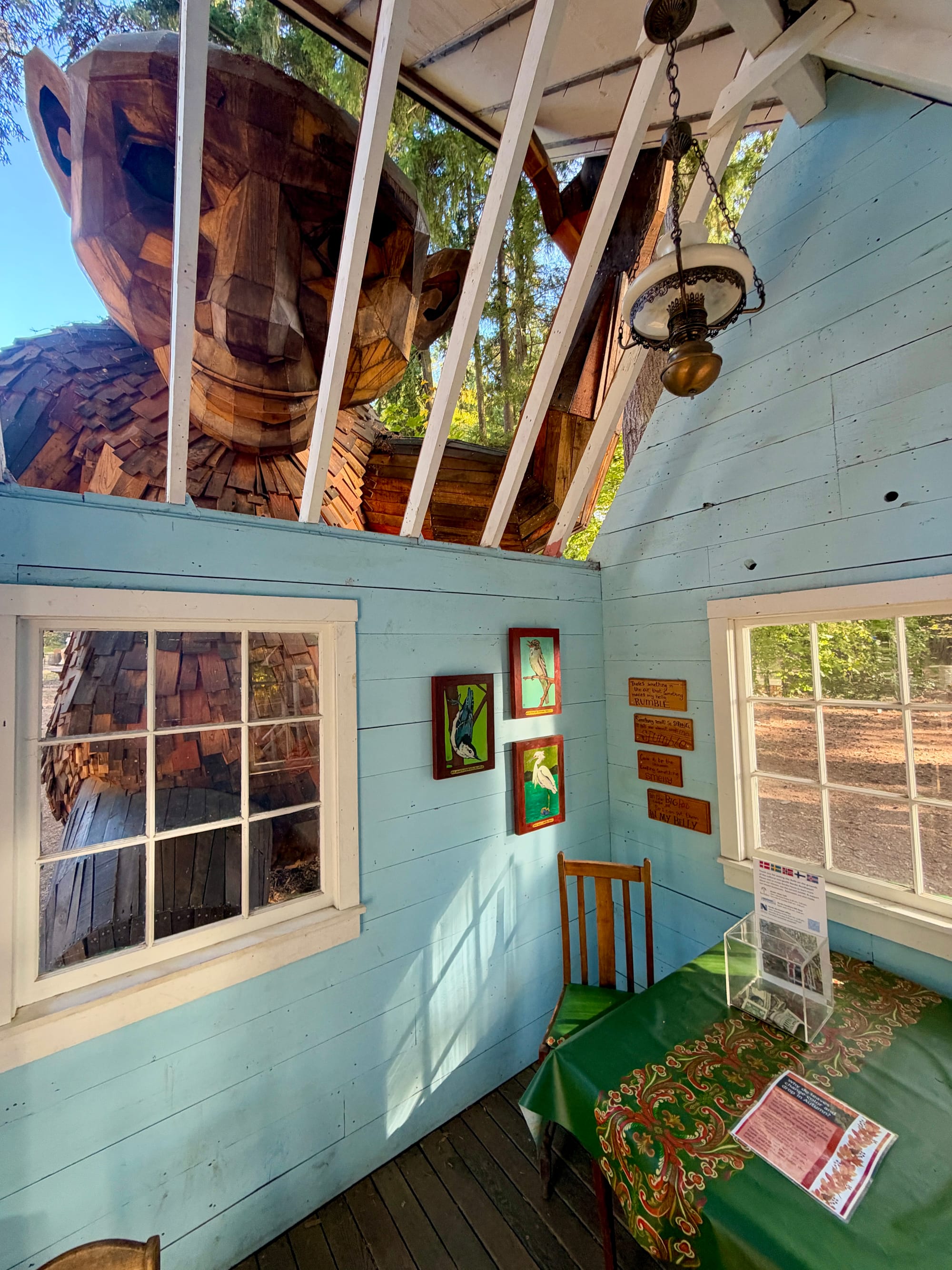
Then I headed up to the Japanese Garden to see how the
]]>Finally got around to checking out one of the Northwest Trolls, this one nearby in Oregon, with most being up in Washington state. I love how these look in person and now I want to see them all.
Then I headed up to the Japanese Garden to see how the Fall color was coming along. The famous tree looks like it already lost most of its leaves before the whole gardens have turned but here are some color highlights.
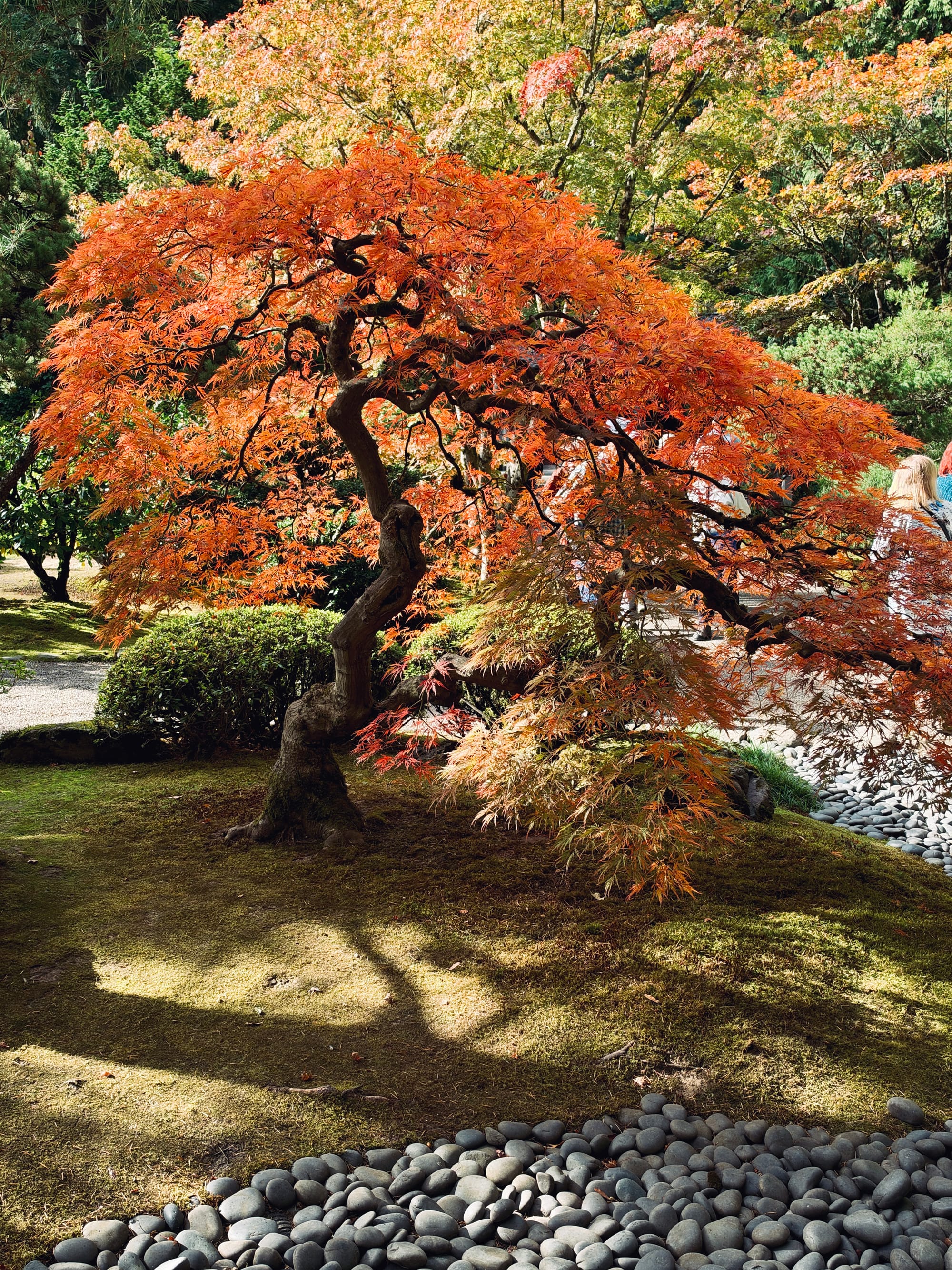
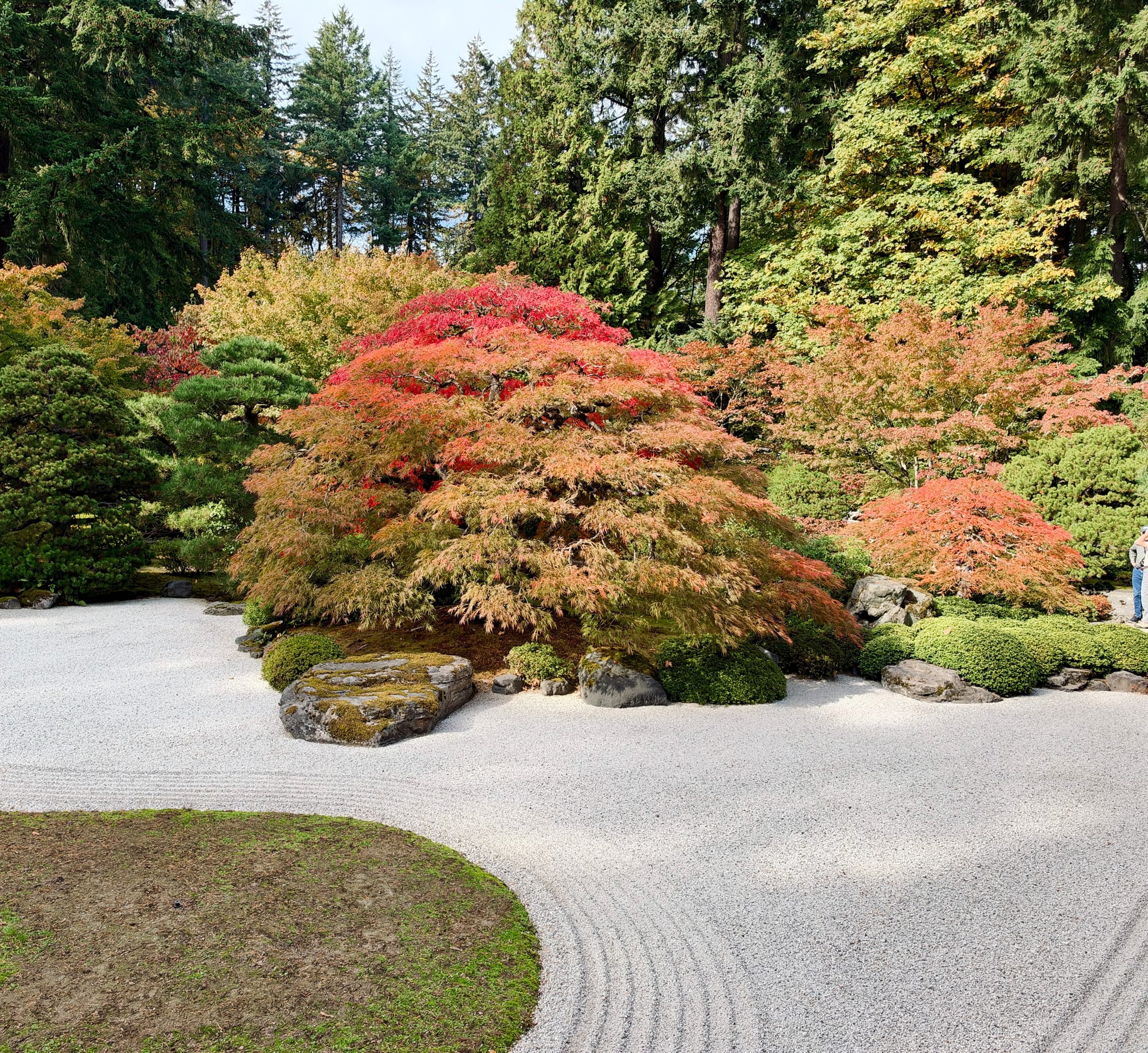
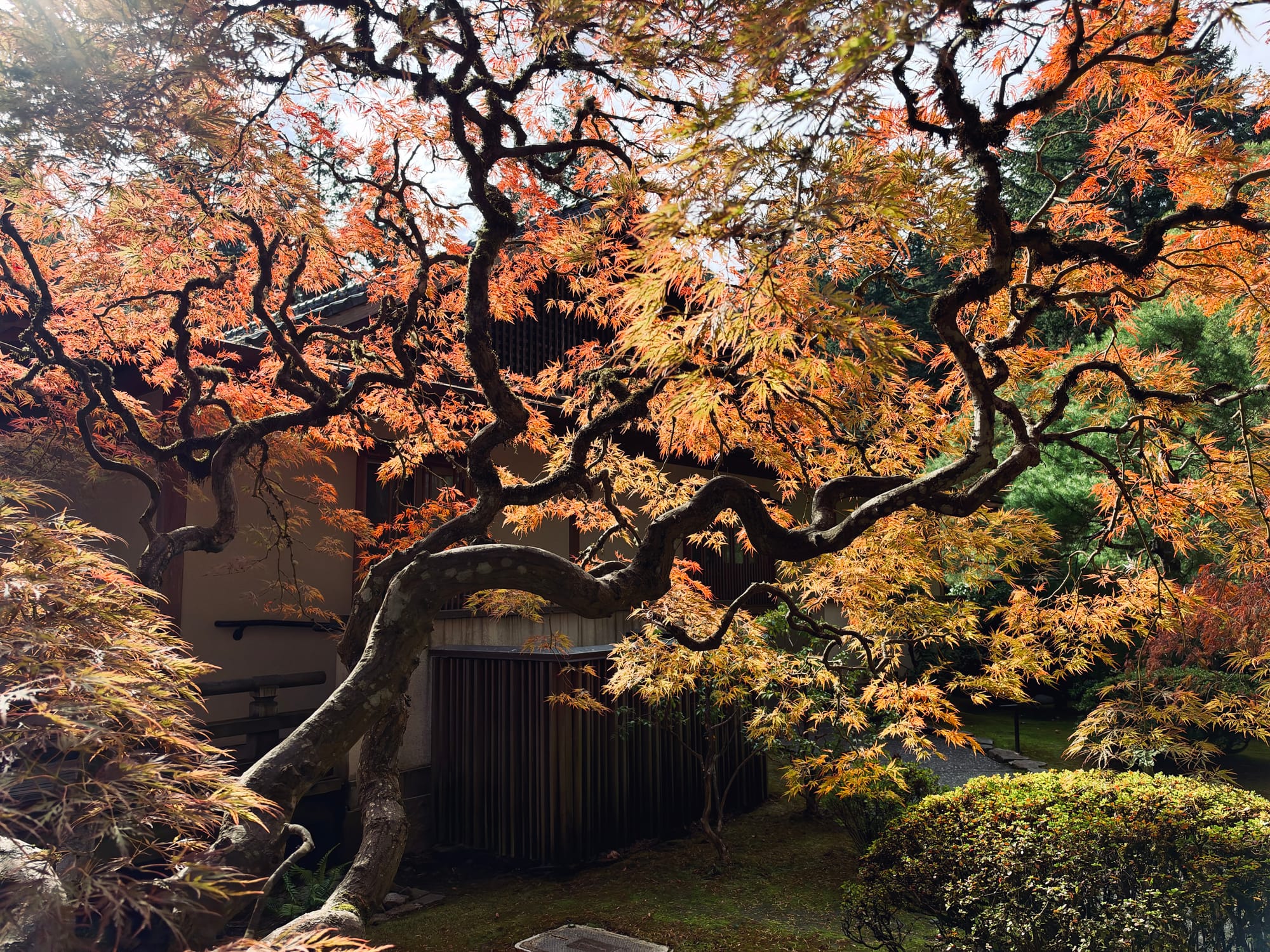
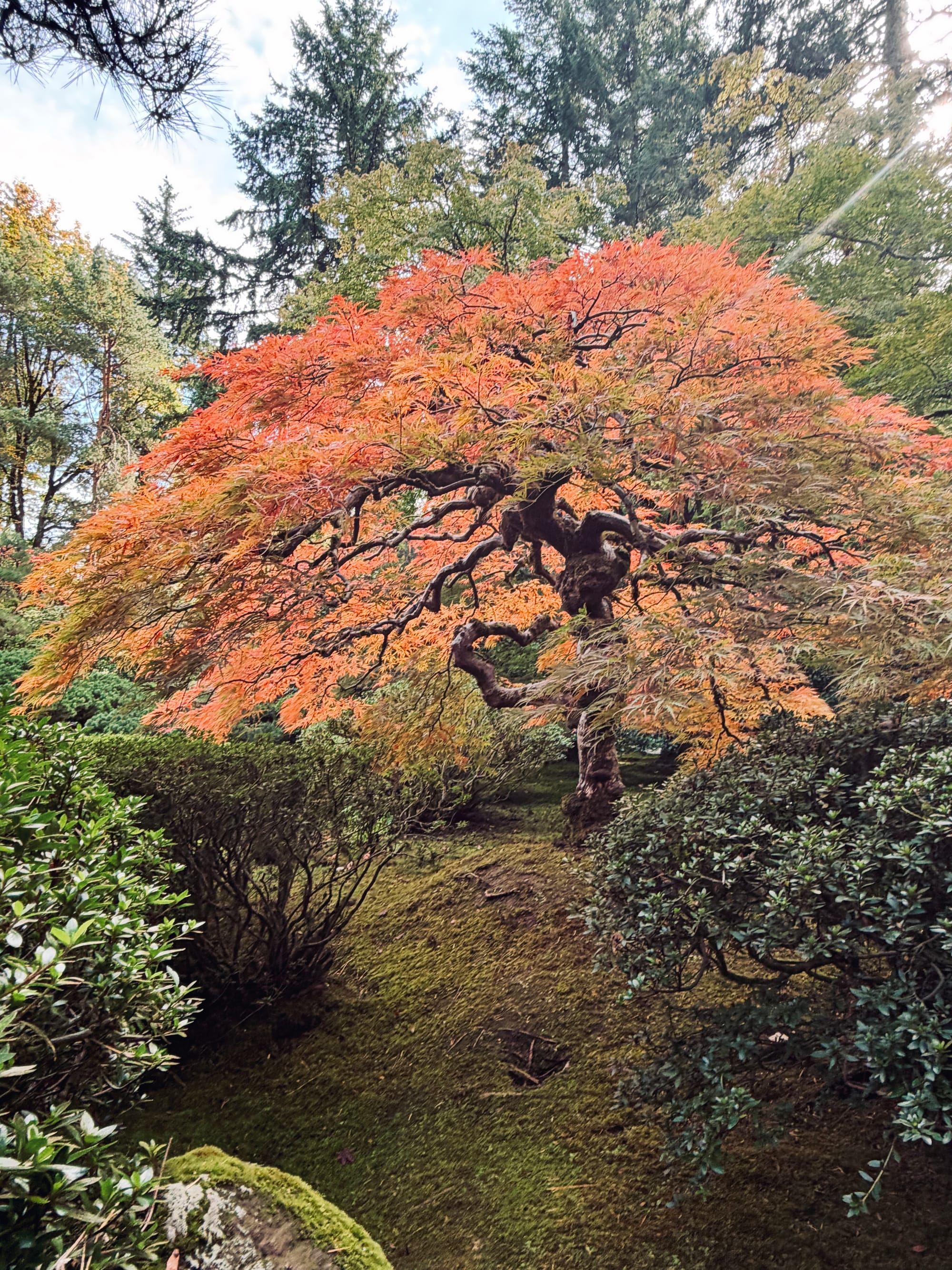
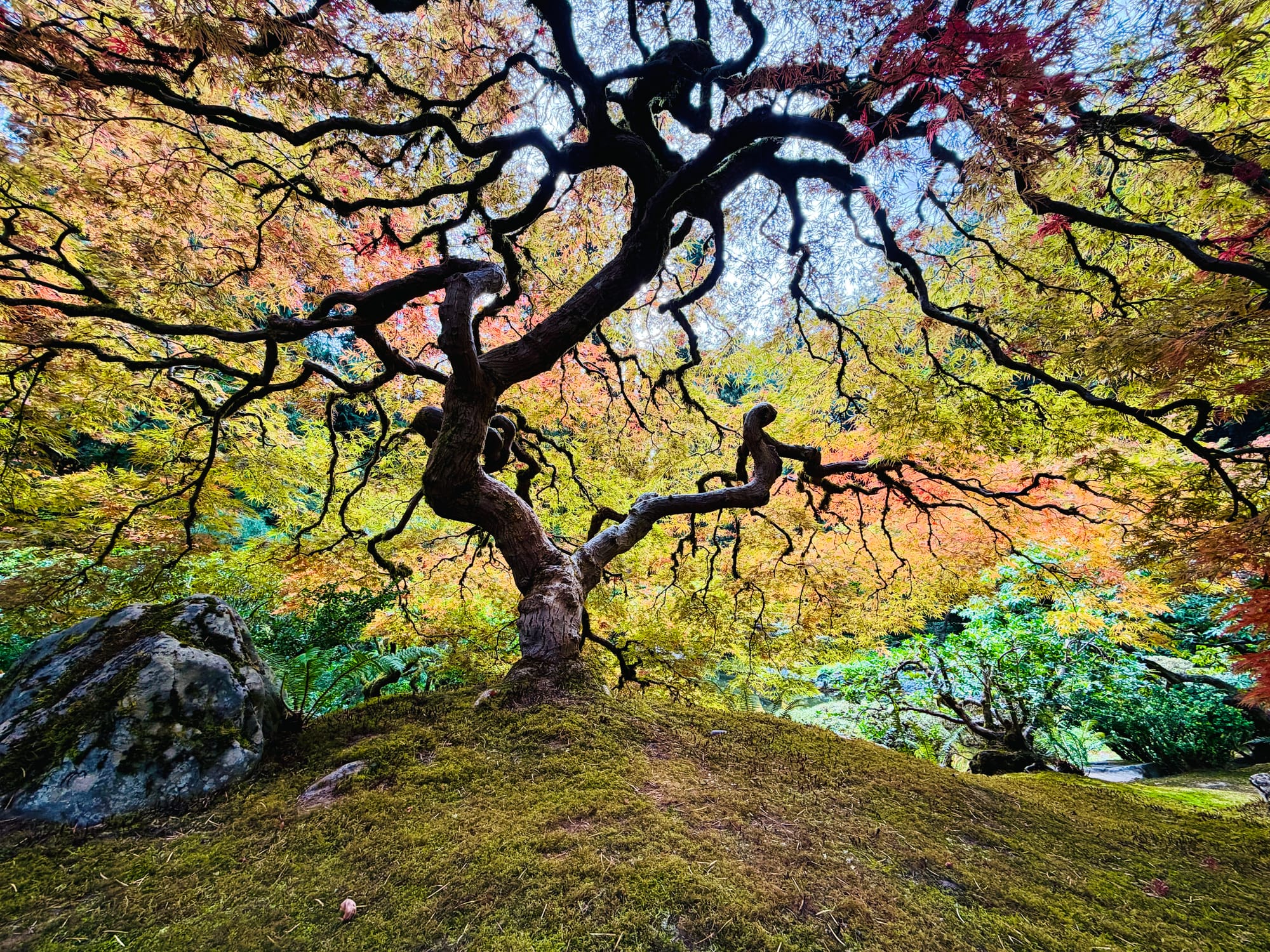
Let's recap their EV journey so far.
The Jeep Wagoneer
]]>Stellantis, the company behind car brands like Fiat, Dodge, and Jeep, has a rocky history of releasing plugin hybrids that burst into flames as well as EVs that are consistently reviewed poorly and sell in ridiculously low quantities.
Let's recap their EV journey so far.
The Jeep Wagoneer S
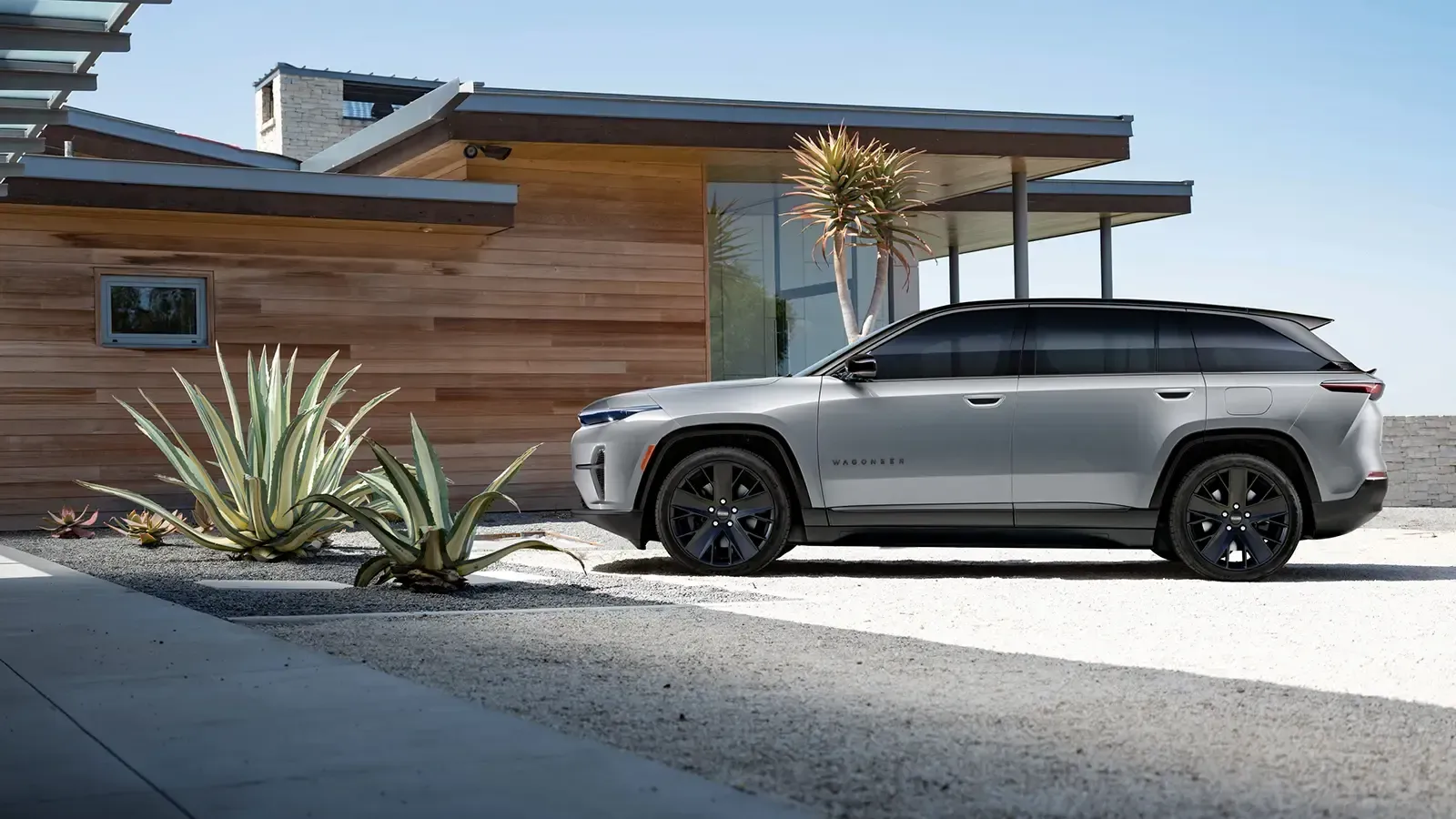
In 2024, Jeep released the Jeep Wagoneer S, a pure EV luxury SUV that was a little odd. For one thing, the Wagoneer badge had come from a classic off-road ready family hauler, but this is a 600hp pavement monster not designed to touch gravel roads. The name they chose for it is confusing because Jeep already has a relaunched Grand Wagoneer model that they've sold for a few years but it is more of a competitor to the Chevy Suburban, a family-sized luxury truck. So this Wagoneer S EV shares nothing with its namesake vehicles.
The Wagoneer S came out two years ago, and right now you can find these $72,000 luxury EVs selling for below $30k. It sold so poorly that Jeep canceled it in 2025 and there are no 2026 models.
The Dodge Charger EV
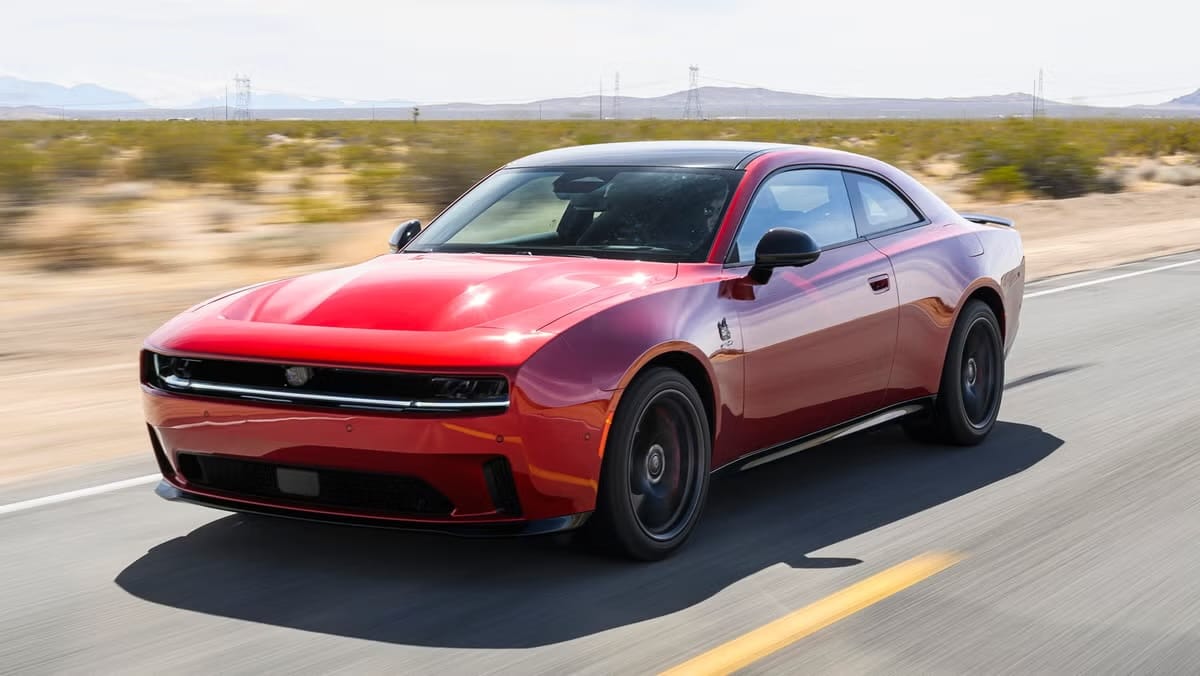
The Dodge release of an all-new Charger, their long beloved muscle car brand, as a pure EV in 2024 was a spectacular failure.
First, they tried to sell these cars to guys in America who wear their preferred internal combustion engine like a badge of honor. No amount of "but an EV has way more torque and will be faster than any gas version of this same car!" would convince them that this wasn't a "wimpy EV" that they wouldn't be caught dead in. A typical Charger customer probably makes a derogatory joke about a Toyota Prius at least once a week in their daily lives, and Dodge thought they'd buy this?
Masculinity is so tied to the Charger brand that I don't know what they were thinking when they decided to make a new version of the Charger, initially available only as an EV for their existing customer base. They could have named the car anything else so there was no confusion for their biggest fans, but they didn't.
The second biggest mistake was that they made a gas version of this car, but it didn't come out until a year later, so fans of a new Dodge Charger knew they wouldn't get the car they really wanted for a whole year. When that did come out it had a smaller engine than previous versions and that's not selling too well these days, though people are still lining up for the souped up Hellcat model.
Every review I read about the Charger EV said it felt half-heartedly rushed to market, had a dumb super loud fake exhaust speaker to sound like a gas car (who wants that?!), had no EV trip planning software in the dash (bold choice, Cotton, let's see how that works out for them), it was overpriced, and it was made for a driver that doesn't currently own (or even like) any of Dodge's cars.
On the plus side, I think it's still the only 2-door EV you can buy in America, which is kind of cool, but this car arrived on Dodge dealerships in January 2025 and less than two years later can be found gently used down to $25k (original list price was $60k).
Jeep's plugin-hybrid disaster
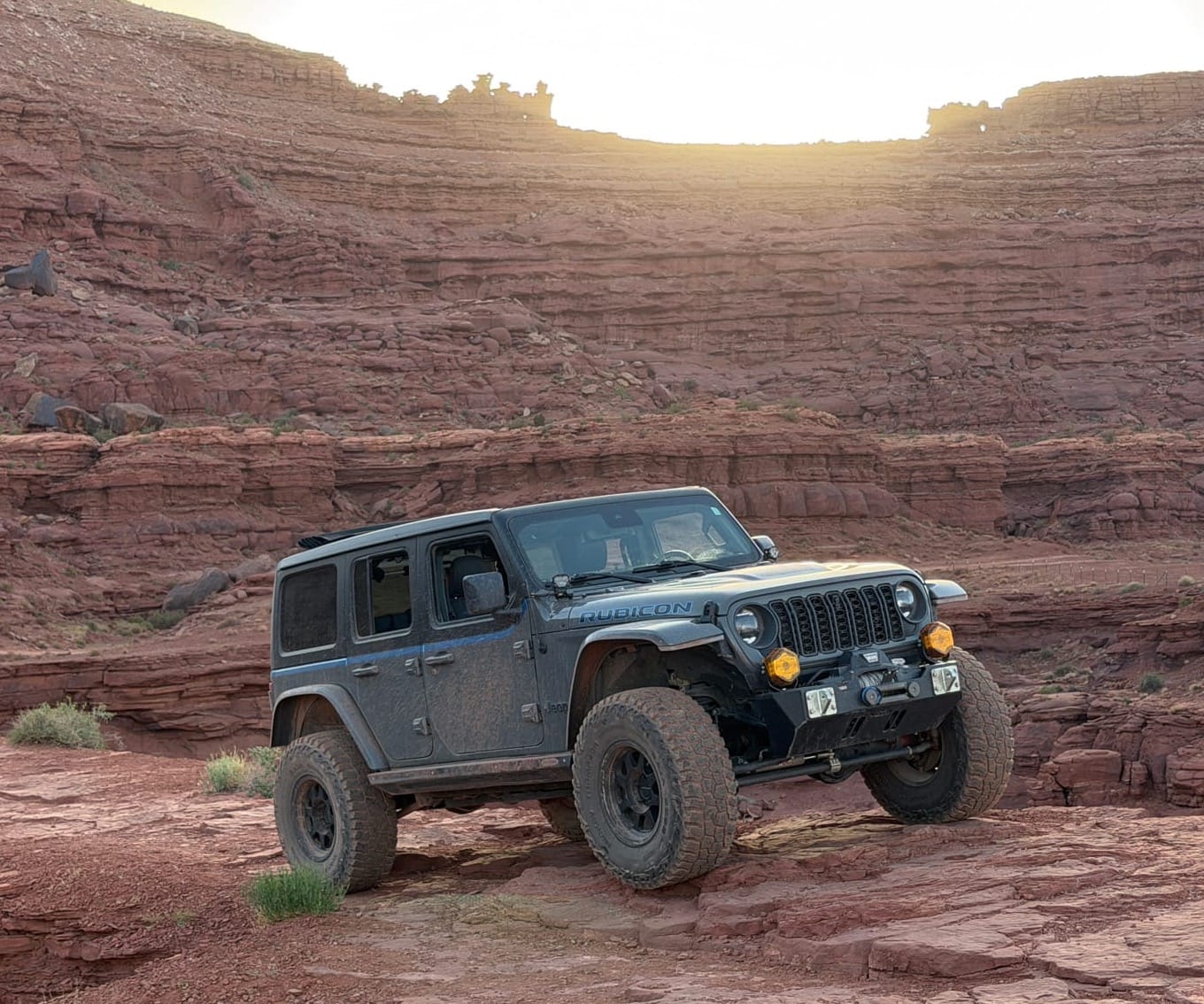
This one hits close to home because I actually own a 2022 Jeep Rubicon 4xe plugin-hybrid that I've built up into a capable off roader. I've written about its checkered history in my own garage, but the short version is my Jeep has spent weeks to months in the shop getting recalled parts replaced, including the entire battery system earlier this year.
Personally, I wanted this kind of "best of both worlds" Jeep to work, since it lets me drive it as a pure EV on errands around town, but I can also drive it to Utah (while getting 15mpg, lol) to explore trails out there. What I've found in practice is that it gets about 12-15 miles of electric range so I can run one or two errands in the city on a full charge. The added weight of batteries and all the extra wiring does hold it back off road a bit, since similar Jeeps save about 500lbs of weight over this model. The 4xe trim also limits some of the modifications I can do to it.
Jeep has had to recall the 4xe several times, including the letters I got from Jeep on two separate occasions that urged me not to park my Jeep in a garage for several months because a few dozen of them spontaneously burst into flames across the country.
Jeep's new Recon is pretty weird (and not in a good way)
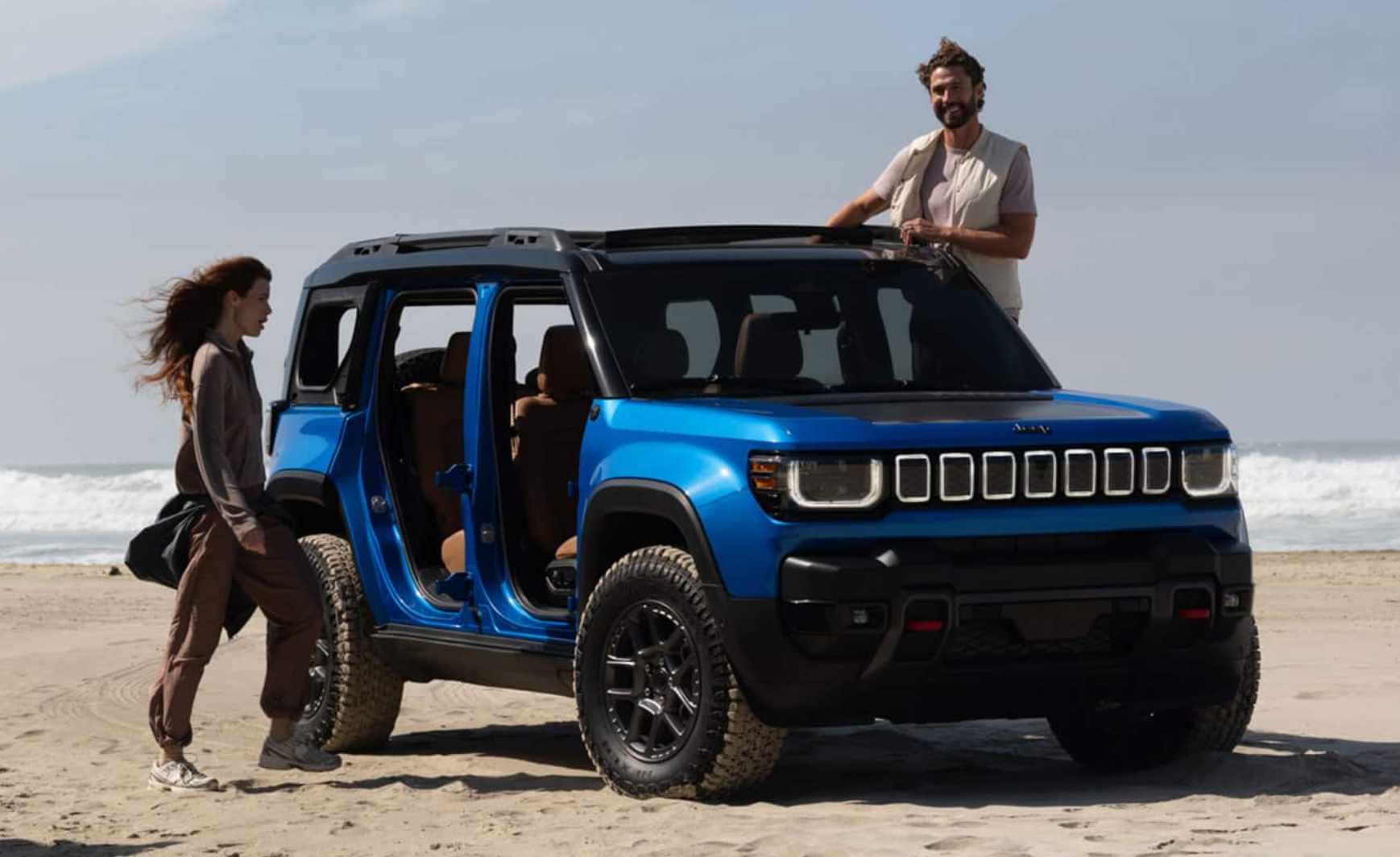
Jeep's newest off roader is the Recon. They boast about how it's "trail rated" so it can go deeper off-road than other EVs, but that's an extremely low bar. They also talk about how fast it is, with its 600hp motors, but going fast isn't really what is needed in off road capable jeeps.
The Recon EV is chunky, blocky looking, and comes with all-terrain tires. What I've found after driving thousands of miles in EVs is that tire rolling resistance and aerodynamics are some of the biggest deterrents to an efficient EV. I've watched early launch videos of Jeep enthusiasts driving the prototype Recon and even at 100% battery, the dashboard frequently shows a range of 195 miles or so.
A sub-200 mile range for a $60-70k EV is going to be a tough pill to swallow.
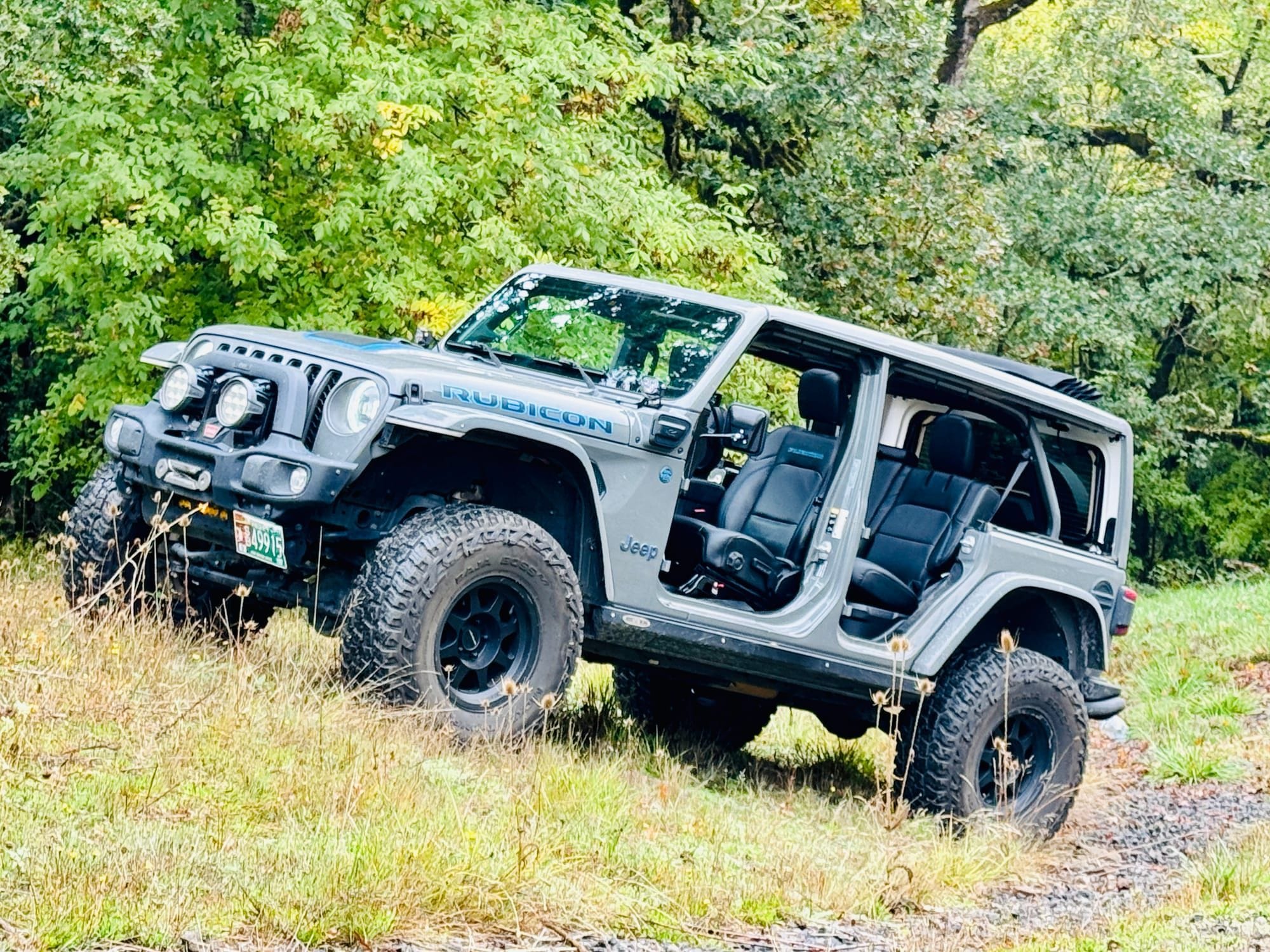
Doors off
The doors coming off is another big draw in the Recon marketing, but honestly, as someone who owns a Jeep and has taken my doors off, I only use the feature for spotting rocks on particularly gnarly terrain. I would never take a Recon on hard trails because no matter how much they protect the battery pack underneath, I wouldn't feel comfortable dragging the belly of this EV across rocks and expecting nothing bad to happen immediately after.
I get that people like a doors-off open air feeling at the beach, but the feature was originally developed for hardcore off road use, and it provides no benefit in that regard because you'd never take the Recon on trails that required that level of rock-spotting. The removable doors also make the Recon look uglier and chunkier and I would prefer to see one without them.
Market fit
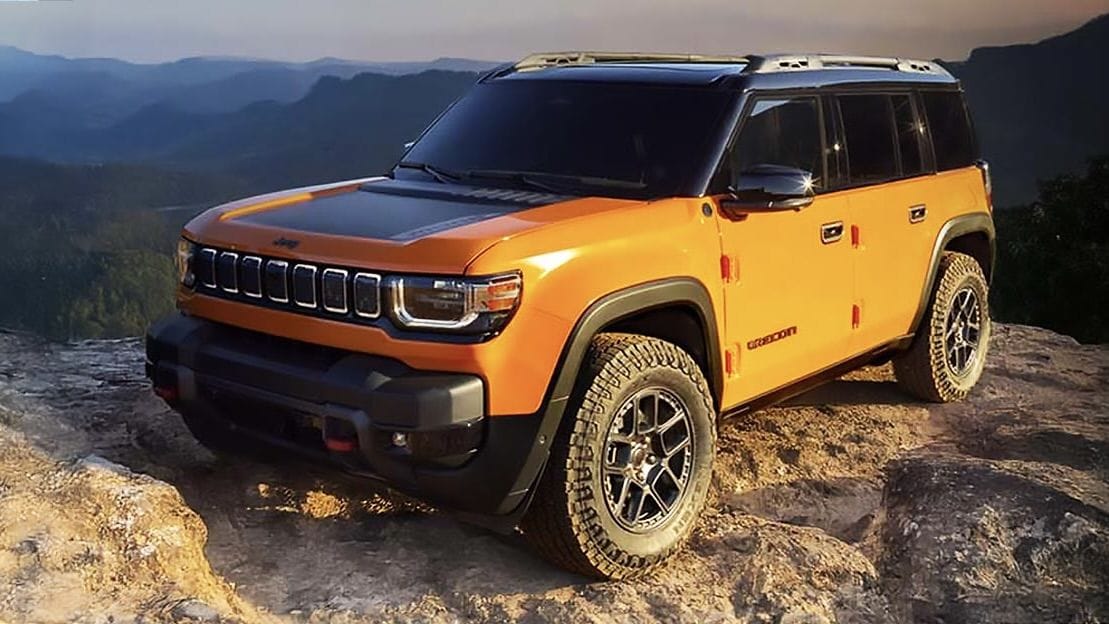
The Recon is being pushed as something close to a Jeep Wrangler in what it can do, with every photo I've seen of it being tested out in remote wilderness, on rocky trails, and fording streams.
But it's a compact SUV with a little ruggedness added. It's much closer to a Ford Bronco Sport in terms of actual off-road capabilities. It's more of a smaller version of a Toyota Highlander than a Toyota 4Runner.
Jeep keeps pushing the Recon as an adventure vehicle that can do anything and go anywhere, but as someone that has owned several EVs and now an electrified Jeep, I think its trail capabilities are way overblown and Jeep is misleading their customers. Additionally, Jeep's pursuit of adventure in the Recon takes away too much from what makes driving an EV great, like quiet, efficient, comfortable driving.
Jeep produced a new EV that can't really go too far beyond where other EVs can. Realistically, you can take a Recon on gravel roads and up mild mountain passes but given its low ground clearance I would not take this on pretty much any challenging off road trail anywhere.
The Recon also suffers from range issues more than other EVs, with an upper bound at 200 miles for their Moab version. The Recon needs recharging every 100-120 miles in real world driving and that's an issue because the places with trails where you want to explore off road are always an hour's drive or more from any town with an EV charging infrastructure.
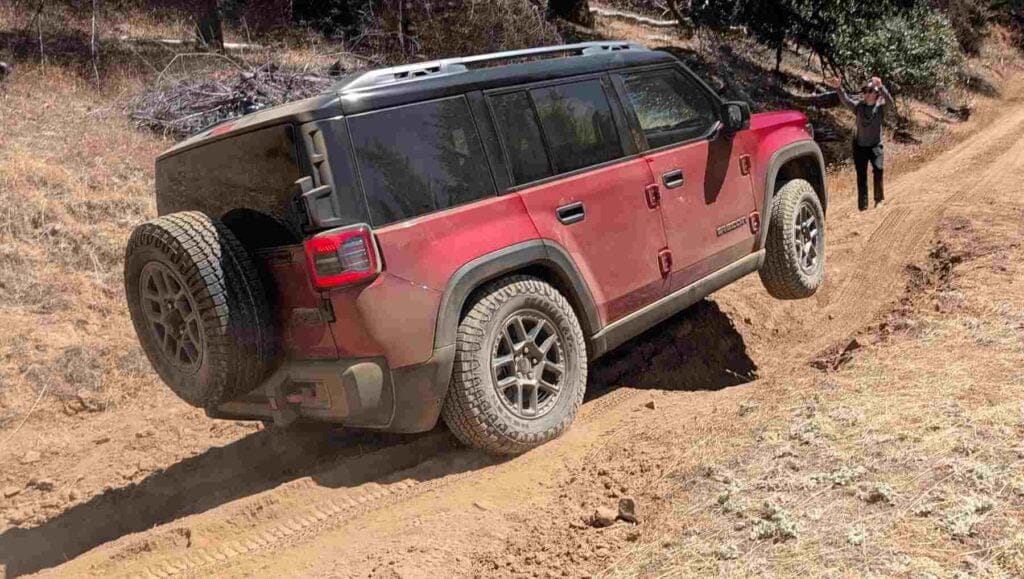
Honestly, I'm the exact target market for the Jeep Recon. I'm interested in EVs and have owned several over the past ten years. I love exploring off-road trails so much that I spent the last few years building my own Jeep dedicated to it.
This should be the perfect new vehicle for me, but:
- It's not a good EV thanks to a blocky design on chunky tires sucking much of the efficiency out of it
- It's not a good off roader because it's just slightly more capable than a Subaru Crosstrek wilderness edition.
I predict the Recon will flop like Stellantis' previous ventures into EVs.
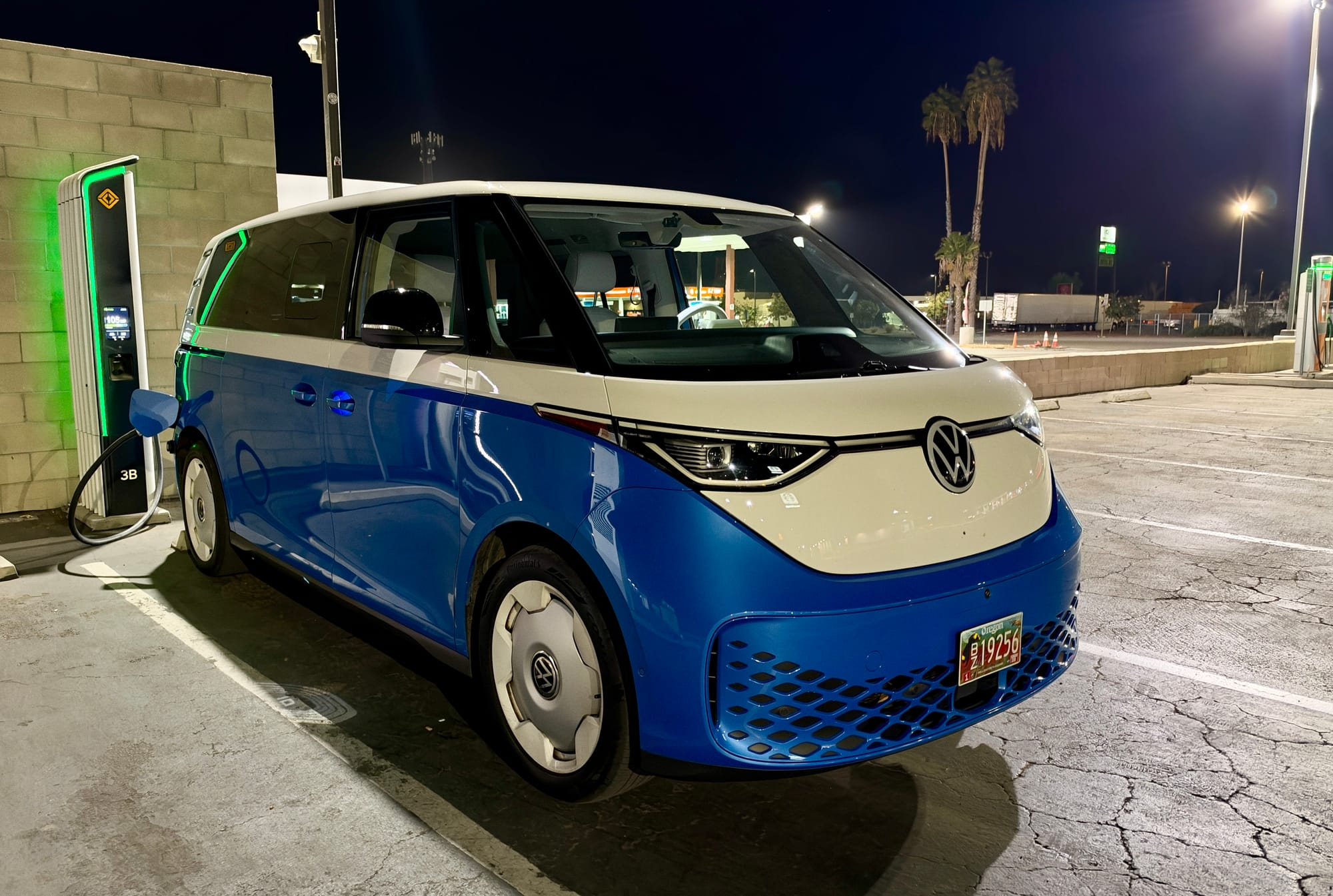
]]>A family member needed to move from Seattle down to the LA area in a hurry last week, and the best car I had to move a whole apartment's worth of stuff safe and dry was our VW ID Buzz van. But it is an EV and I wondered how it might affect a long trip as I headed out for the first leg of my journey.
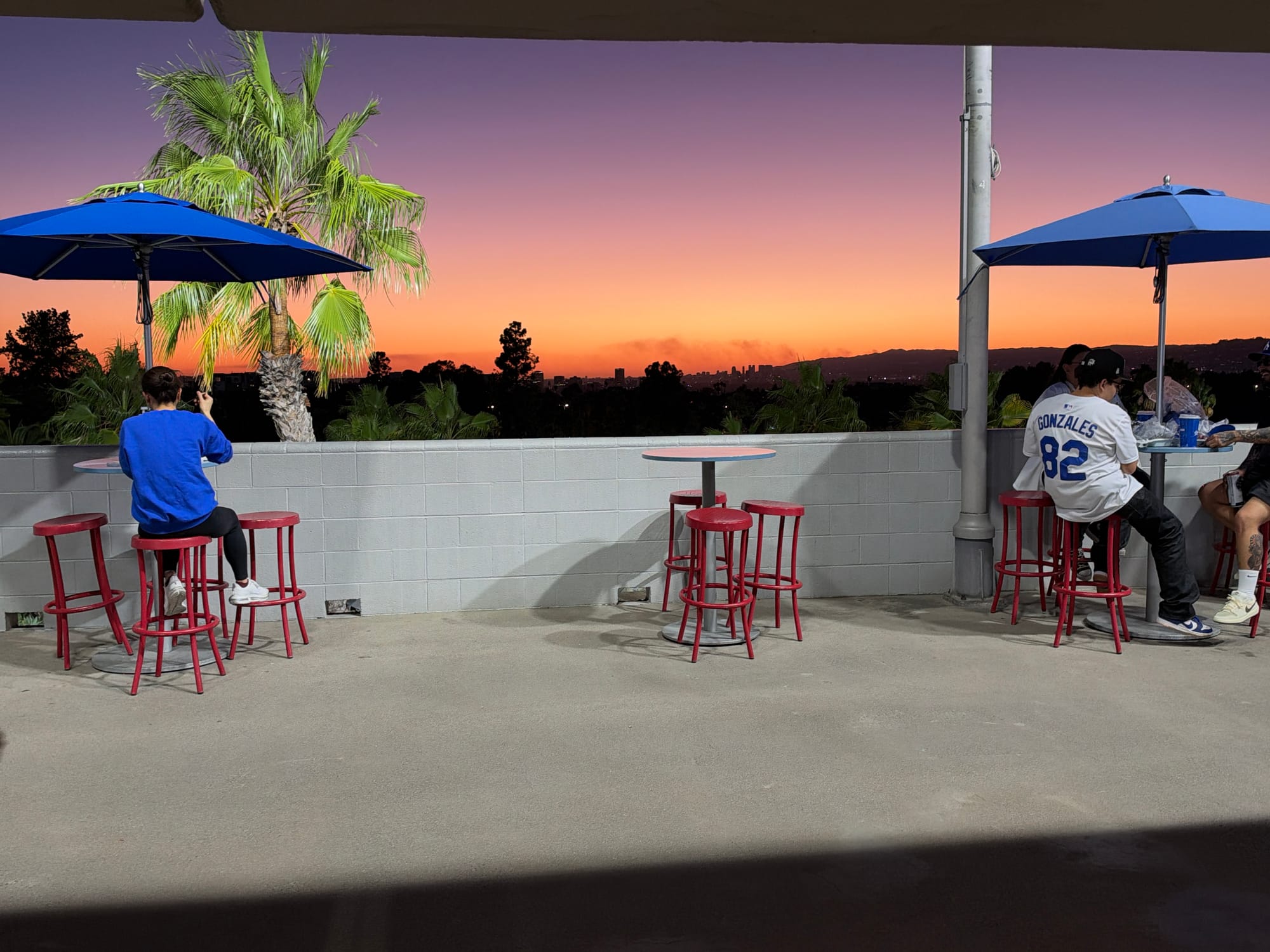
This would be my third EV road trip of over 1,000 miles (here's 1 & 2). This time, I drove around 2,600 miles, from Portland up to Seattle and back, then down to Ventura, Los Angeles, and around Pasadena before heading back to Oregon. I did it all from Monday to Friday of this week, and even had time to attend a Dodger game in LA.
The surprising cost of EV vs gasoline
In total, I charged the car 19 times during the trip using paid, level 3 chargers from Rivian, Tesla and Electrify America. Each stop, I spent about 20 minutes charging and it came to $516.45 total for the entire trip.
That may seem expensive, but if you compare it to a gas-powered minivan on a 2,600 mile trip getting 20mpg, with fuel being around $5.50/gallon currently, that same road trip would cost $715. If the van got 25mpg, the fuel costs would still exceed the EV costs at $572).
MVP of the trip: A Better Route Planner
When I first picked up the VW Buzz, I checked EV subreddits looking for good trip planning software. In the past, I would just use PlugShare or the car's built-in nav with a lot of guessing personally about how far I should go between stops (which can be quite stressful).
Everyone on reddit says ABRP (A Better Route Planner) is the best EV route planning app so I downloaded it and paid for a pro account and tried it on my first trip back to Oregon from Texas last December. I found it was not as good as the built-in VW nav because it had no idea what the live battery status was. It would wildly overestimate how far I could get between stops, and frequently gave bad advice on where to stop for a charge. It stressed me out and I nearly ran the car down to 0%, so I stopped using it.
For this trip, I wanted to give the app another try because it was tedious to use half a dozen different map and charger apps to figure out where I should stop while headed down to LA. On the plus side, I learned while researching ABRP that it could be greatly improved with the addition of a bluetooth OBD port connector, which lets the car talk to my phone, giving the app the ability to always know exactly how much battery I had left in real-time.
I bought a OBDLink CX halfway through my trip, snapped it into the Buzz, connected my phone, and suddenly ABRP really was the best app I've ever used for EV road trips.
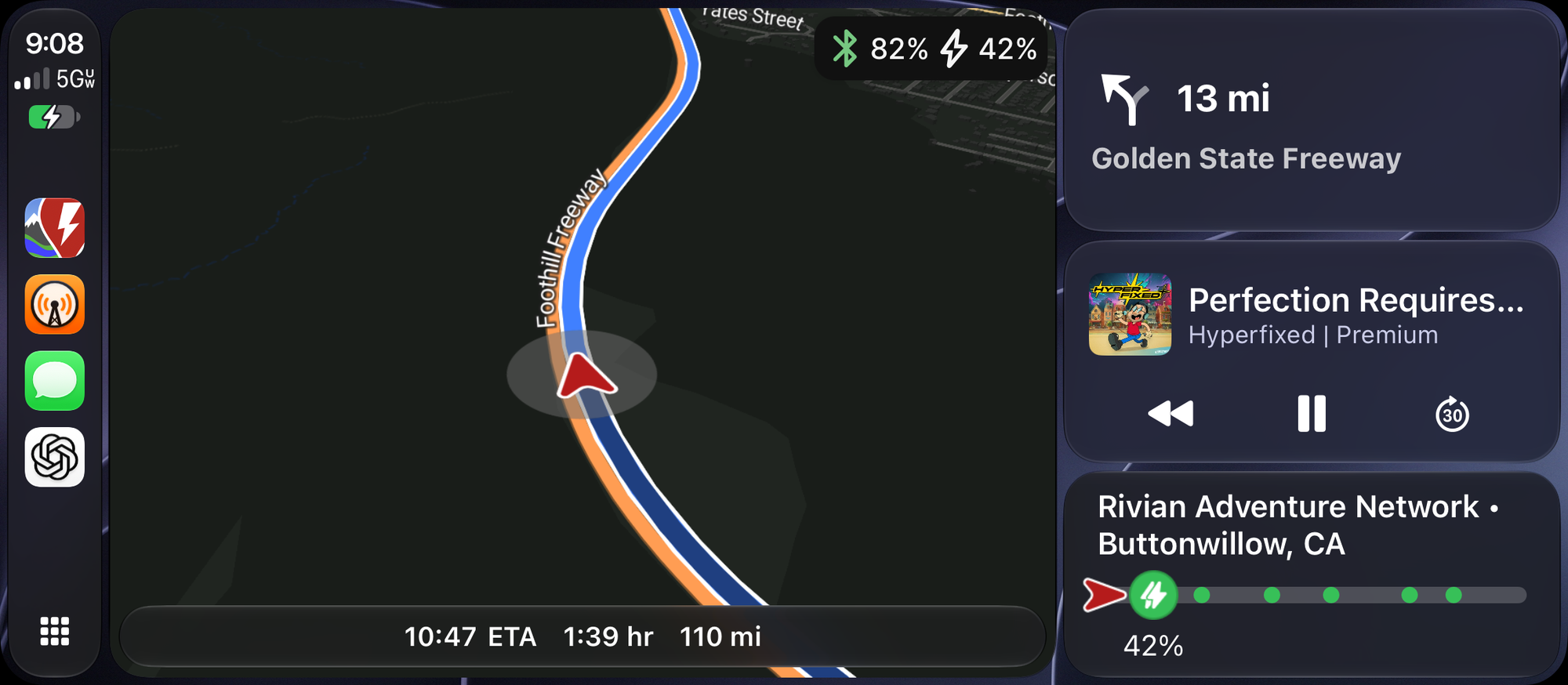
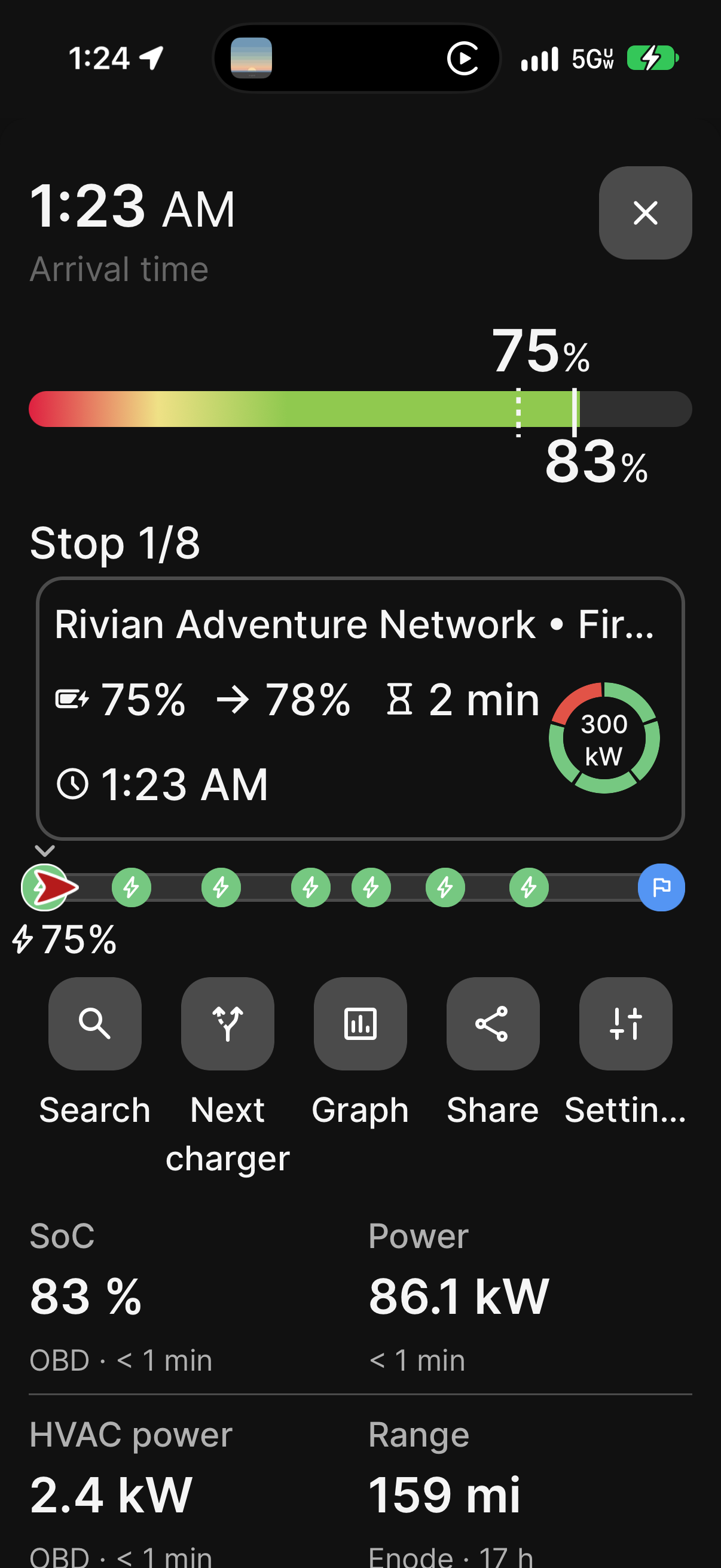
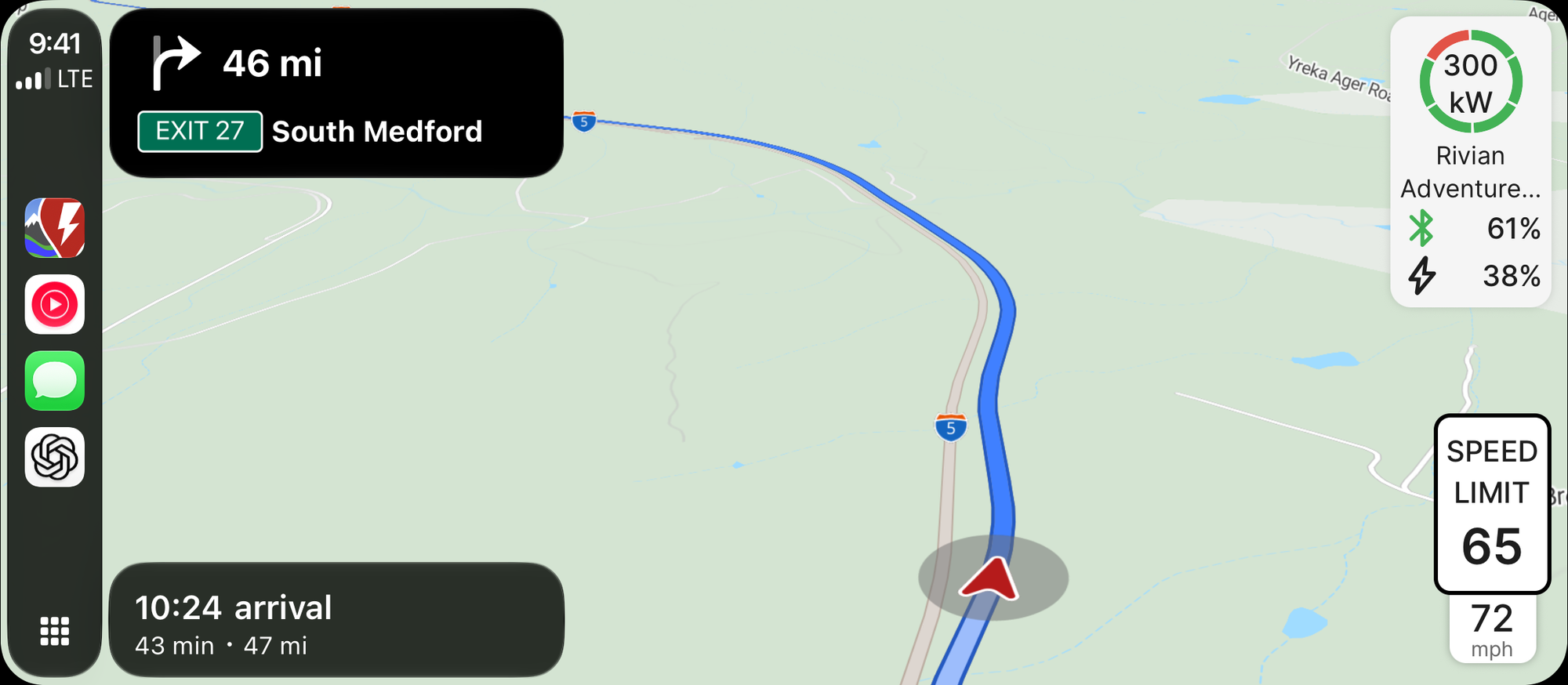
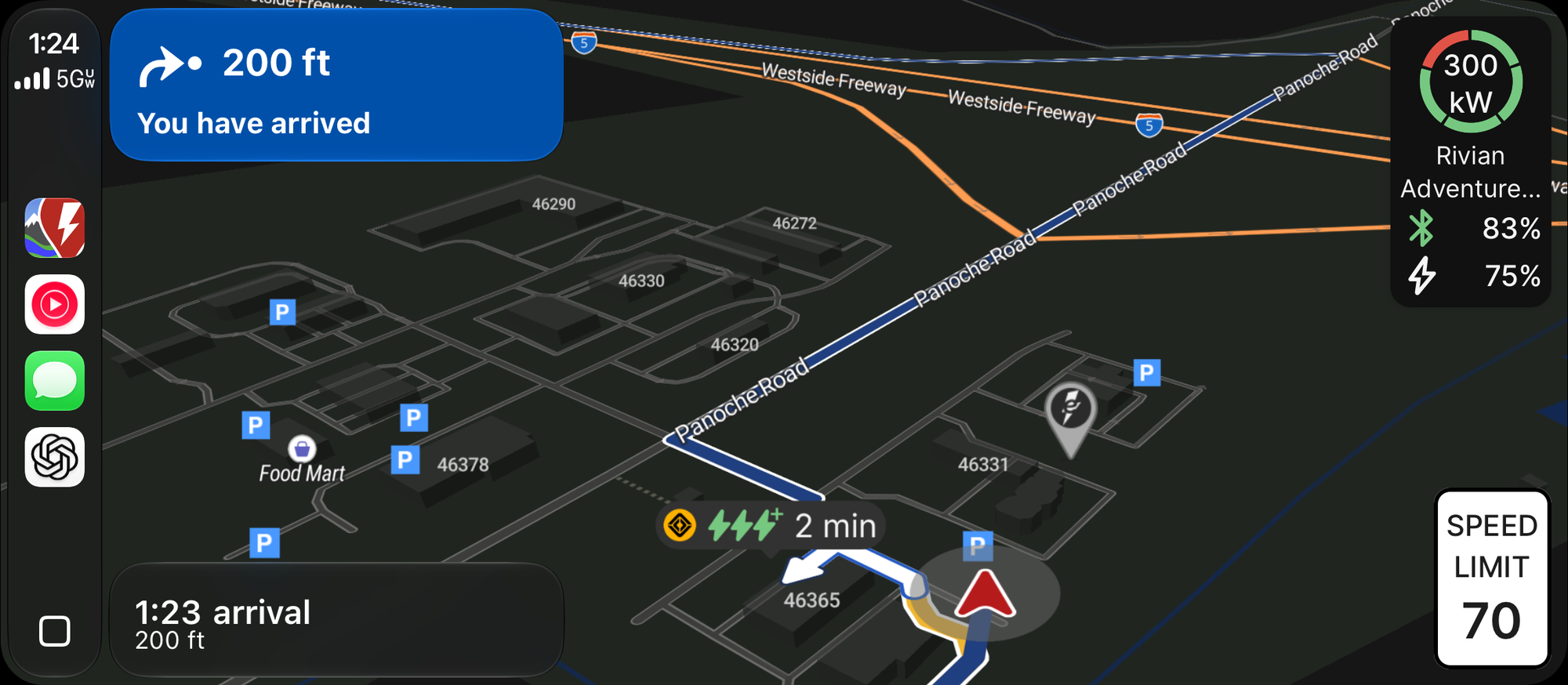
Screenshots of ABRP, the first is the compact view showing all the stops ahead, the second is how the "trip dashboard" looks on your phone, then a daytime shot of the full app in CarPlay
The data was live and tracked with the vehicle perfectly. Estimates of how much battery would be left when I got to chargers was accurate and always within a few percentage points of where it really ended up. The app accounted for elevation changes, wind speeds and wind directions in its estimates but also tweaked predictions based on how I was driving.
It was honestly a million times better than the built-in nav in the car itself. I customized it to say I preferred >200kW Rivian Network chargers, then Electrify America chargers in a pinch, and Tesla if there were no other high speed options (I dislike giving Elon Musk money and avoid doing it as much as possible). The app immediately conjured up a long list of fast chargers in good locations for the whole 950 miles home (and not a single Tesla charger was needed). I loved how it tells you how crowded a charger is at a glance, by showing you how many chargers were available and how many were taken (showing up in red) in the upper right of the map view.
ABRP natively works with some EV car batteries but if you can connect the OBD port to it via Bluetooth, you will get a perfect route planning app in any EV you drive. At this point I don’t need to use the car's built-in nav again since this is miles better. It's as good as Tesla's built-in software on their cars, which was always the gold standard for planning out long EV road trips.
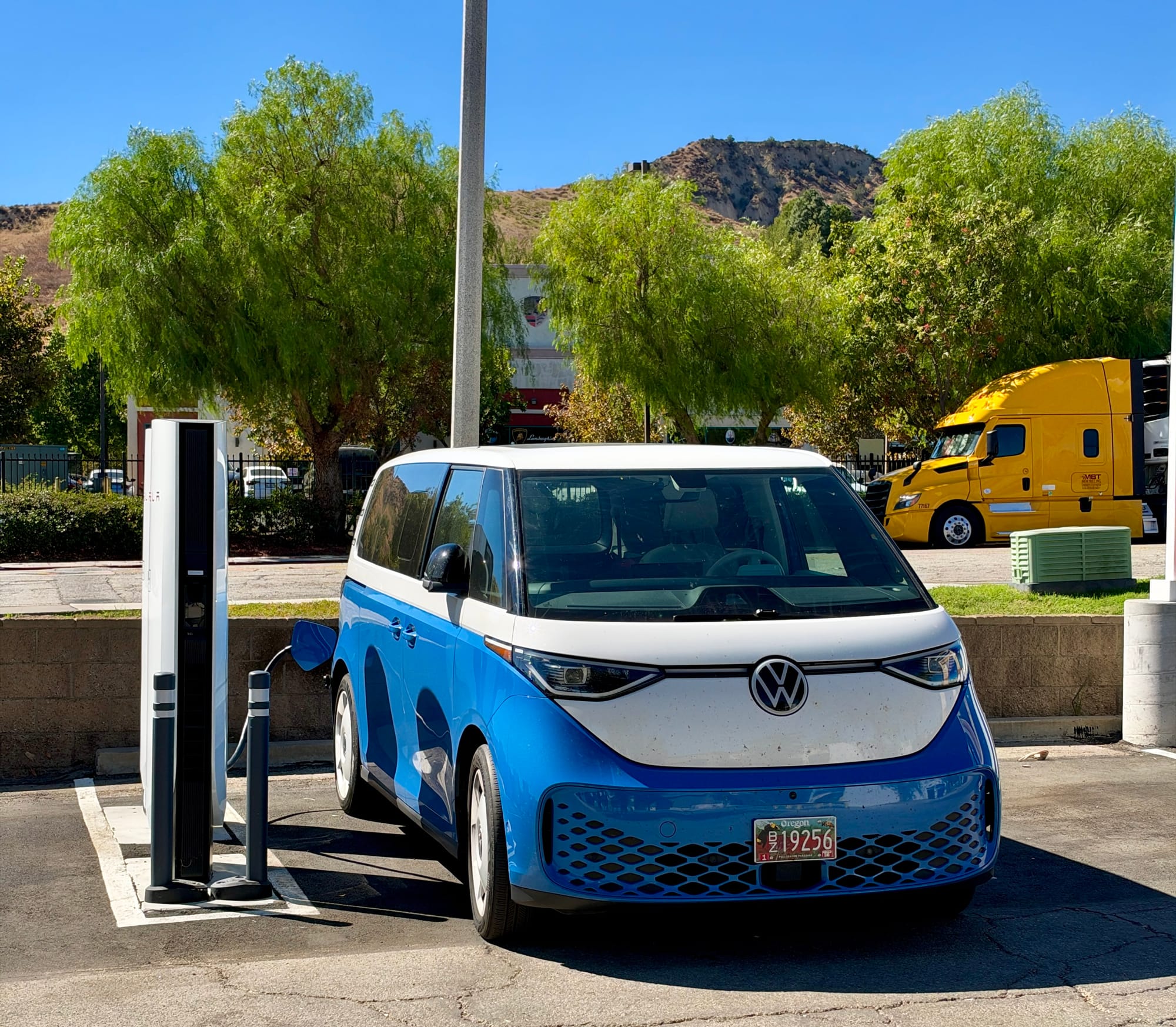
On my trip home, ABRP found fast empty Rivian chargers at almost every stop, which seemed cheaper than others. A small bummer was that Electrify America doesn't have an open API for their chargers, so ABRP couldn't tell me how crowded those charge stops were ahead of time. But given they usually only had 4 chargers total, when I did check their status in the Electrify America app, every few minutes the stops would be either totally busy or empty as people would come and go so often, making that information less useful.
In general, I really liked the Rivian and Tesla chargers because they were always close to a grocery store and several food options. There was always a place to use the restroom then get water and snacks. Electrify America's chargers were most often at a Walmart or Target, where using restrooms or getting food was a bit tougher.
Dodger season ends with a sputter and a whimper
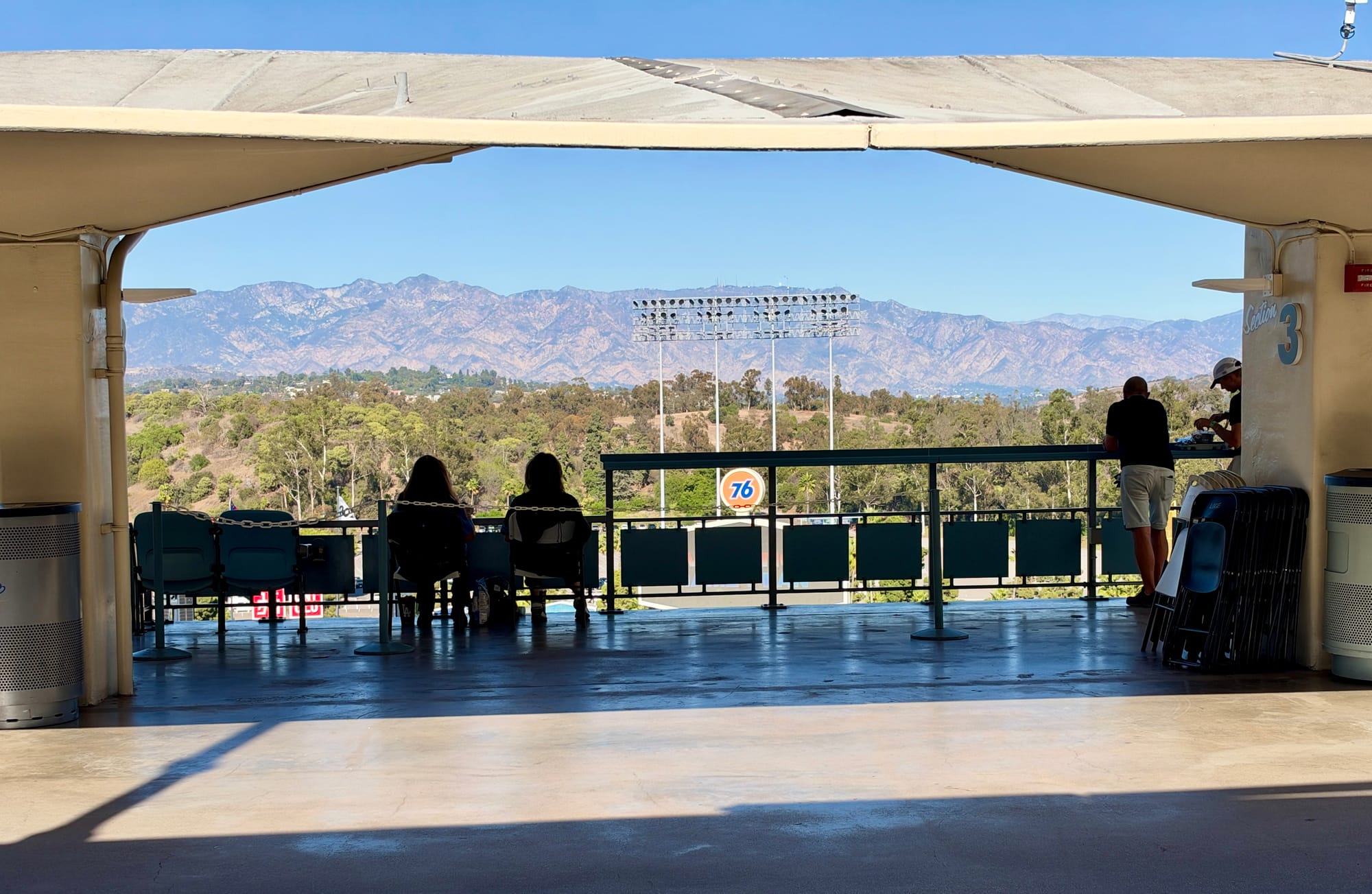
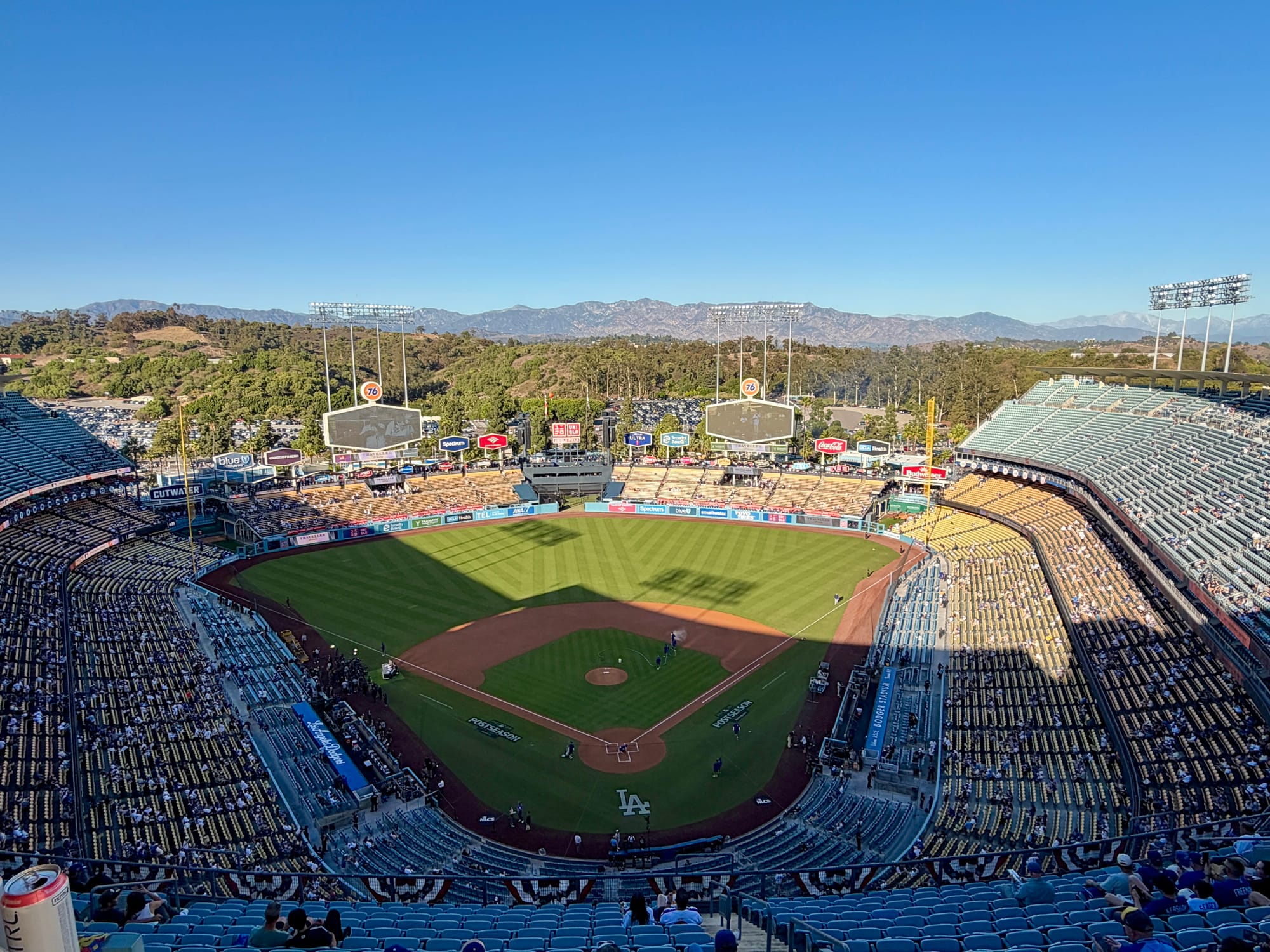
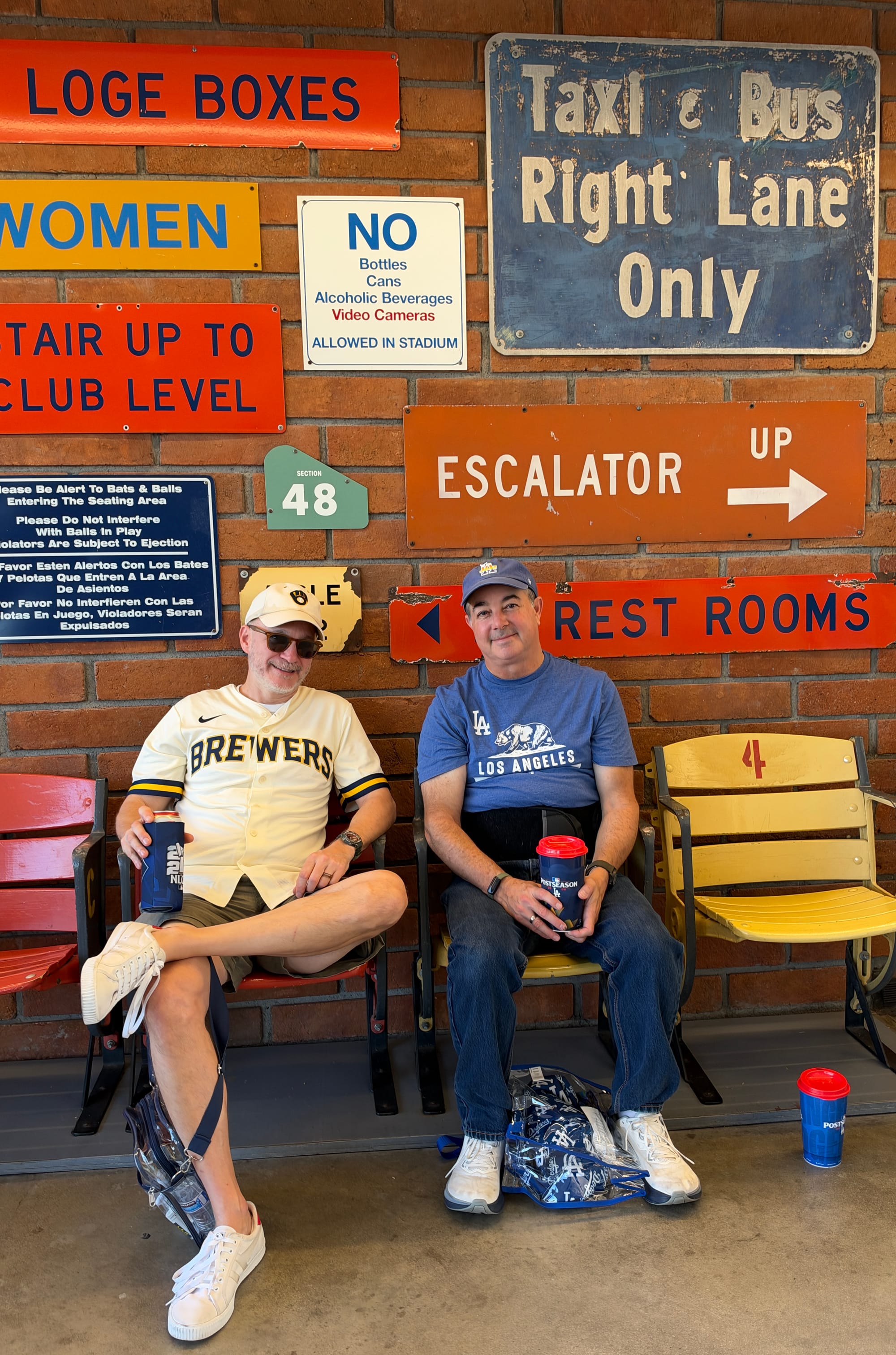
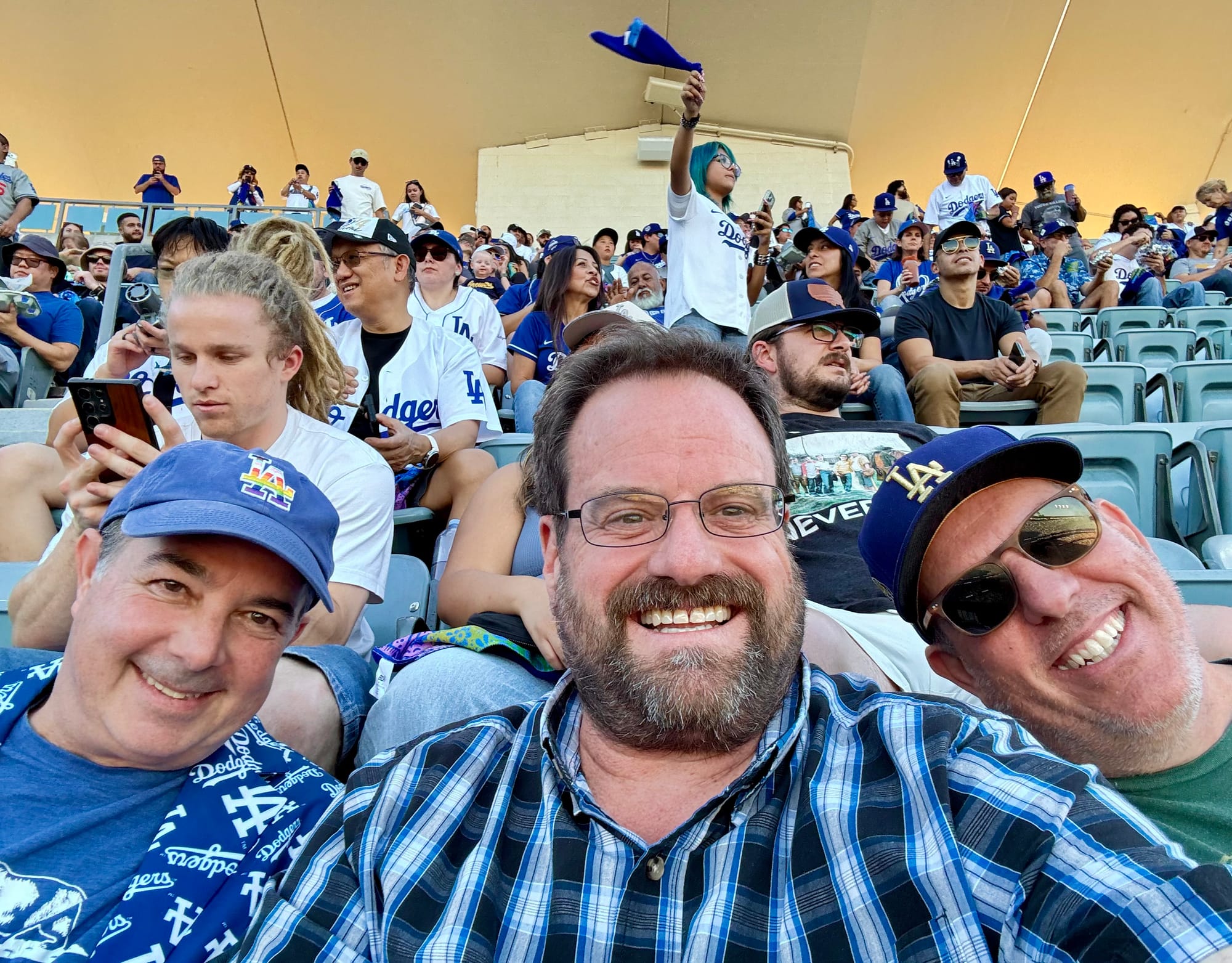
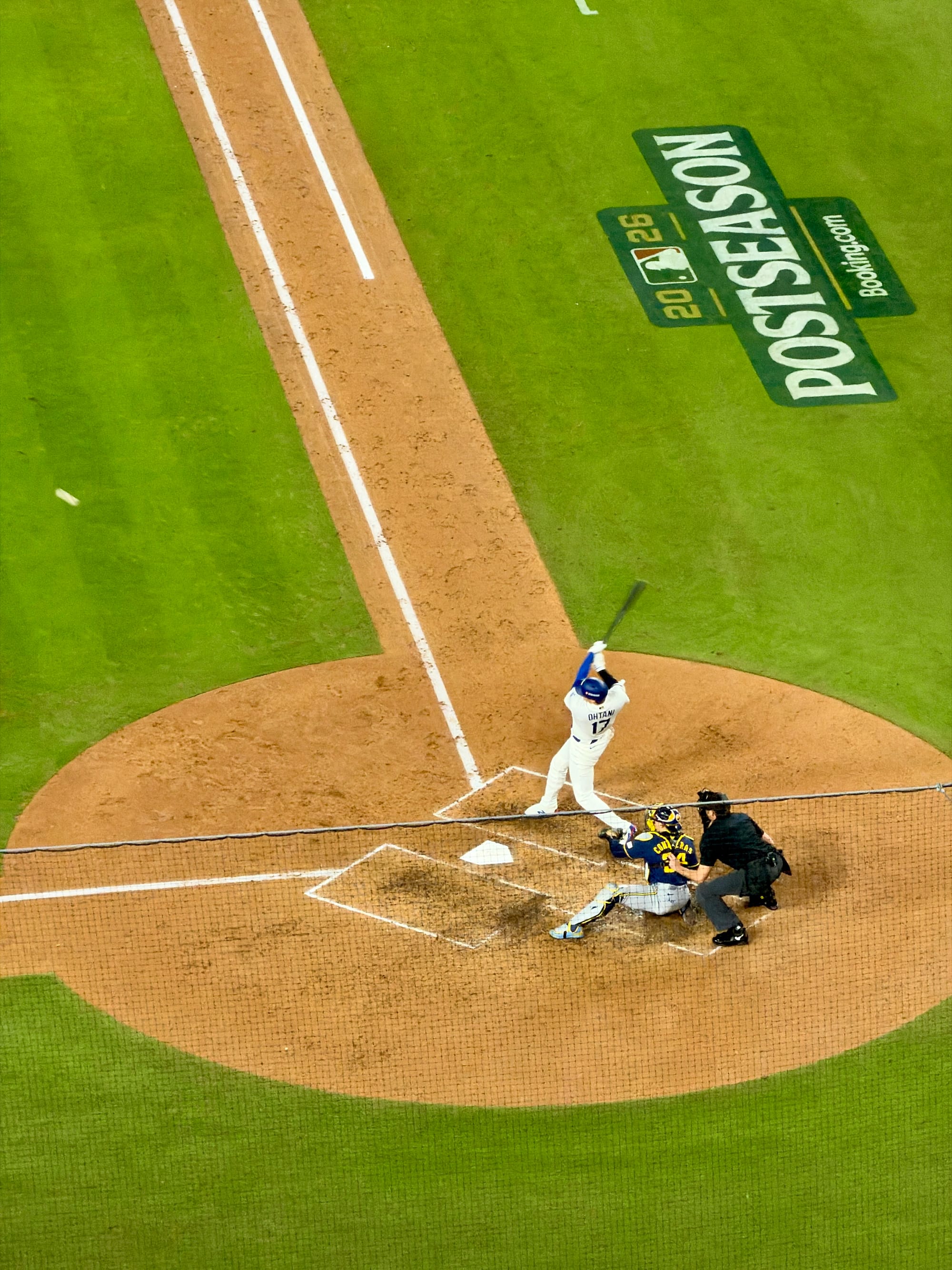

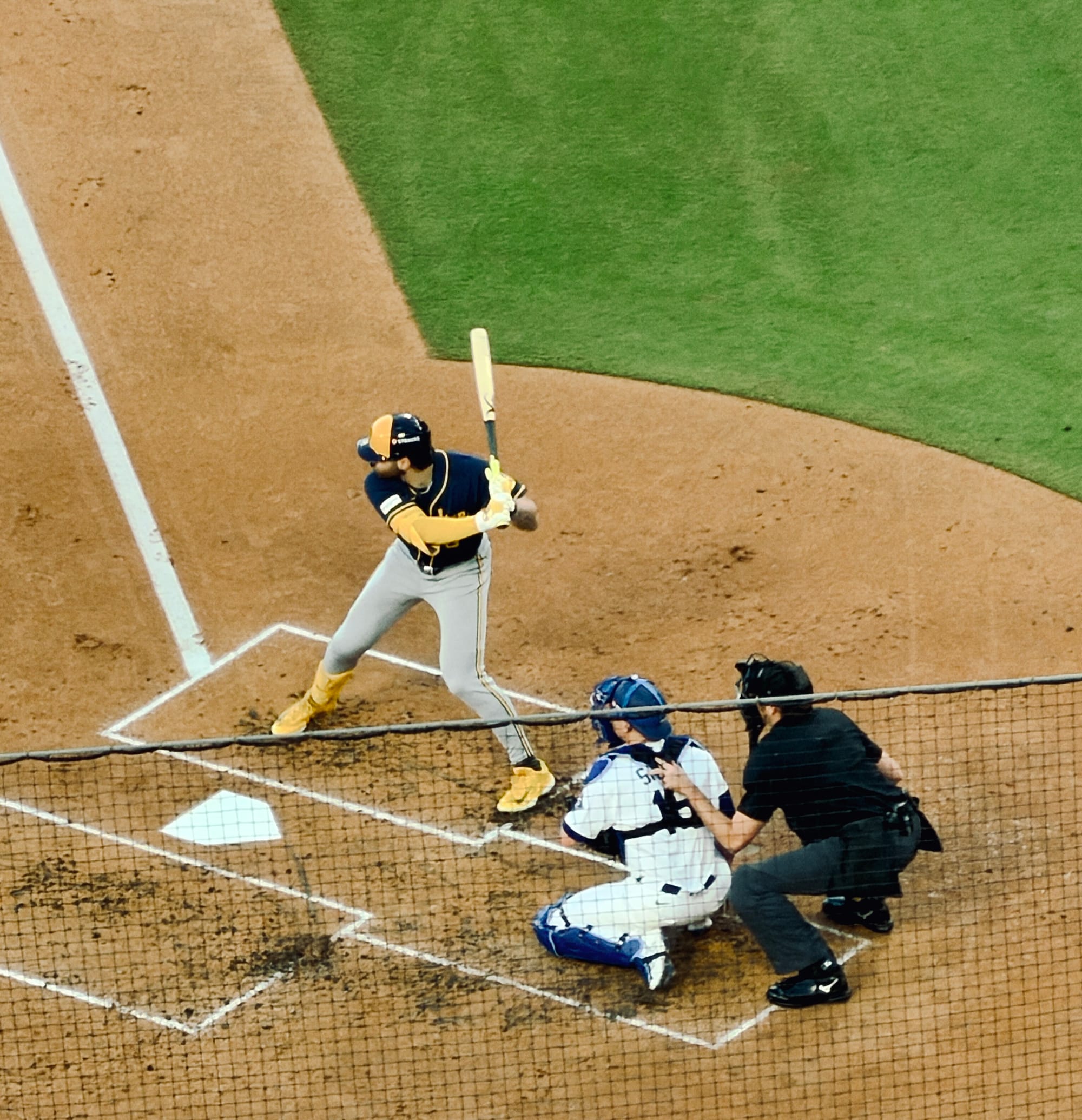
The Dodgers haven't been playing well in the postseason, as most of the team seemed exhausted, injured, or both. I didn't have high hopes for another World Series and turns out if you check SeatGeek the day before a game, ticket prices drop significantly, so Greg and Michael and I all got to attend what turned out to be the final Dodger game of the season from the cheap seats.
The Brewers played like the Dodgers of the 2024 season, steamrolling opponents with singles and doubles in late innings and they've looked unstoppable all year long. I hope they take the whole thing.
Final EV roadtrip thoughts
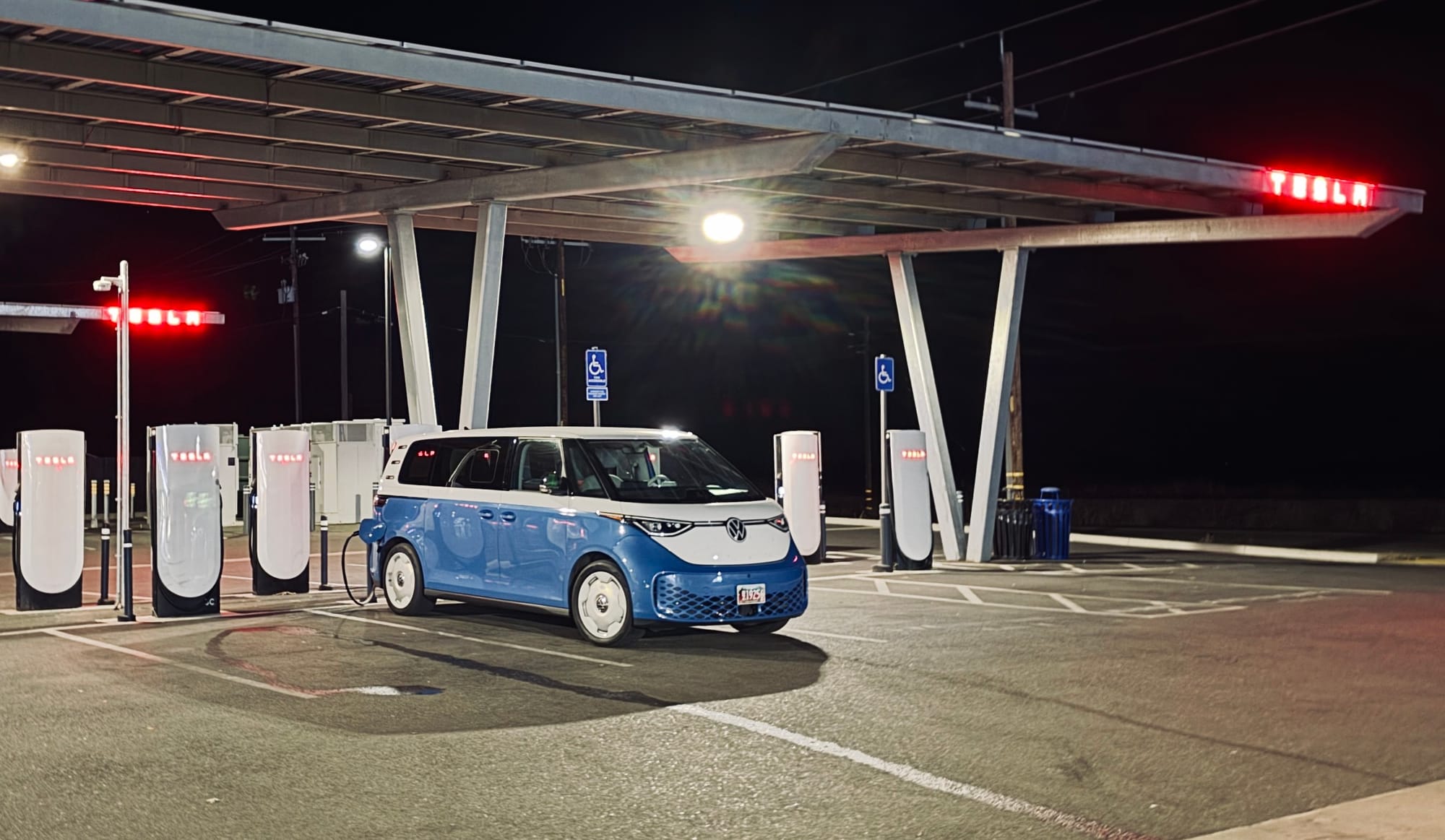
At the start of my trip, I was a little worried about taking a EV on such a long trip without prior planning, but it really turned out just fine. And given how good the ABRP app is when connected to an EV, I got perfect suggestions for stops every time and the car never got below 20% charge (the setting I picked in the app as my minimum) no matter how remote of an area I was passing through. Range anxiety is basically gone now that I have ABRP.
In general, EV road trips are fun if you're not trying to get somewhere as quick as possible. I enjoyed stopping every 150 miles or so to recharge the car and take a break for 15-20 minutes. On the trip down I always got snacks and water, on the trip back I slept each time in the back of the van. I've driven to Southern California from Oregon many times and the trip down usually takes about 14 hours, but this time that segment took about 16 hours with the extra stops.
Overall, I had a great trip. I got to help out a family member, got to push the limits of what an EV can do on a road trip, and had a good time doing it while seeing friends and family. Road trips are usually the biggest sticking point when people consider getting an EV but I can tell you that after three long trips, an EV is perfectly fine for distant travels in the US, even when you don’t extensively plan them ahead of time.
I’ve wanted to visit Japan since the 1990s but I used to think it would be too overwhelming. I worried it'd be hard to navigate, difficult to find fun stuff to do, and not easy to enjoy a new country where I had a significant language barrier to contend with.
This post is over six thousand words long and will take quite a while to read about everything I did and experienced during my week in Tokyo. Feel free to skim it, check out the photos, and bounce around wherever you like. It looks best on a desktop browser.
But about ten years ago, friends would visit and say Google Maps and a swappable SIM card made getting around Japan incredibly easy. From my own experience, translation apps are getting really good at deciphering text in real time and I know Japan is greatly expanding tourism, so for the first time a Japan trip felt possible for me.
Months ago, I asked Andy to join me on a trip but he was already planning to visit Tokyo in September and encouraged me to overlap a bit with his trip. Jason would also be living there by then and I know Leonard has lived in Tokyo for six years. It finally felt like the perfect time to book a solo trip and take the plunge since I'd have friends to meet up with.
Getting over there
I shopped for cheap flights on any carrier but eventually ended up on my hometown favorite Alaskan/Hawaiian Airlines. My premium economy seat was about $700 each way, but my dream scenario was a business class seat, but those added $5k to the ticket price, which was wild. In the weeks leading up to my trip, I would occasionally check the Alaska app and the upgrade always remained at $5k.
As I sat inside the SeaTac airport waiting for boarding, I looked at the app one last time to see how much a business-class lie-flat seat upgrade ran. With less than an hour before takeoff, it was suddenly around $1,000 and I took the offer immediately. Alaska must do some crazy dynamic pricing on the fly.
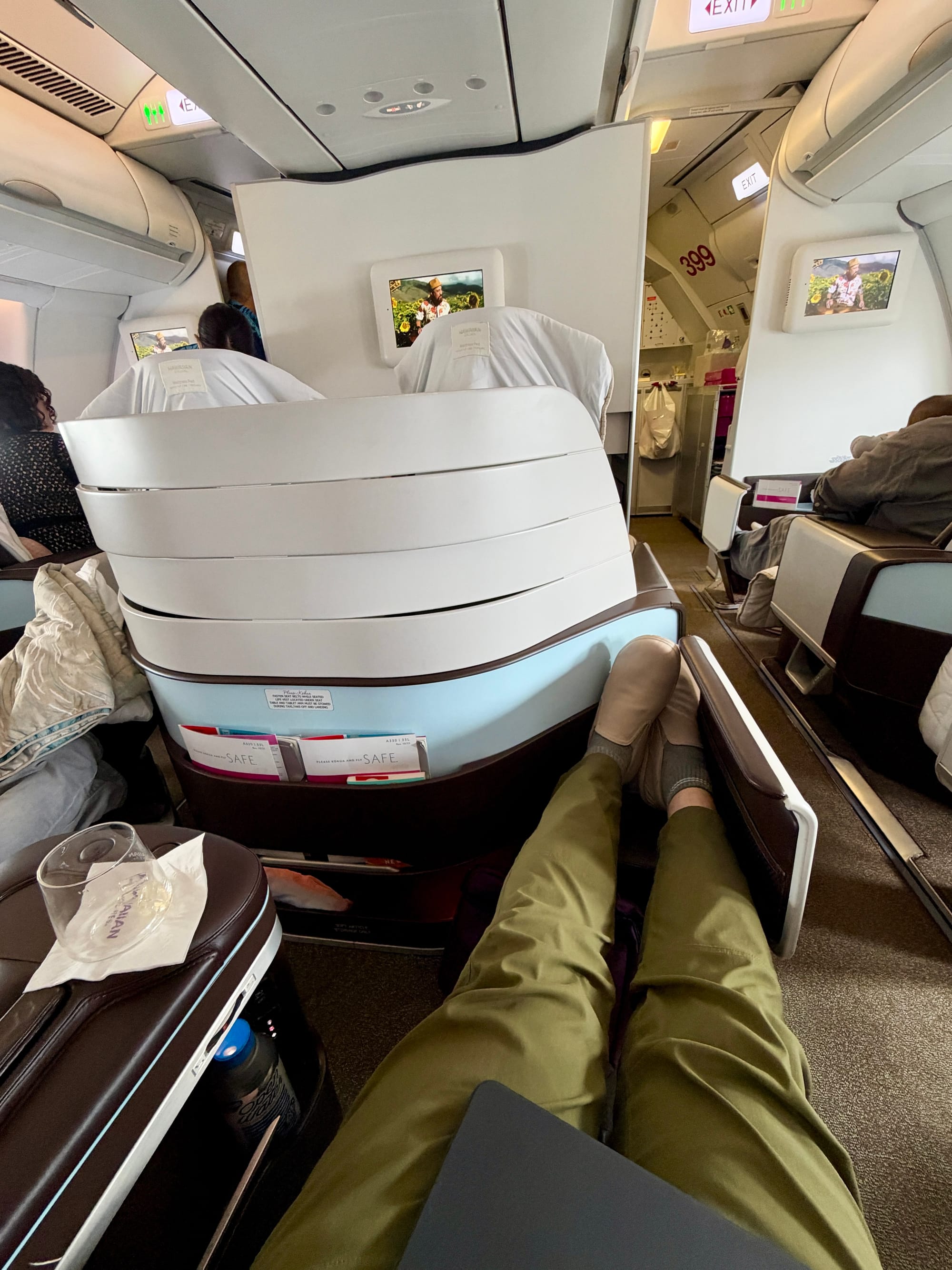
The 10-hour flight was infinitely more enjoyable because I could stretch out. The flight had free wifi, and I watched TV, movies, and YouTube on my iPad for about half the journey, I took a brief nap and enjoyed a couple great meals. I landed in Tokyo around 4pm local time feeling not too bad considering I stayed mostly awake for 24hrs straight to get used to the time change. The seat upgrade was totally worth it, especially compared to flights to Australia and New Zealand in coach.
A challenge for the first night
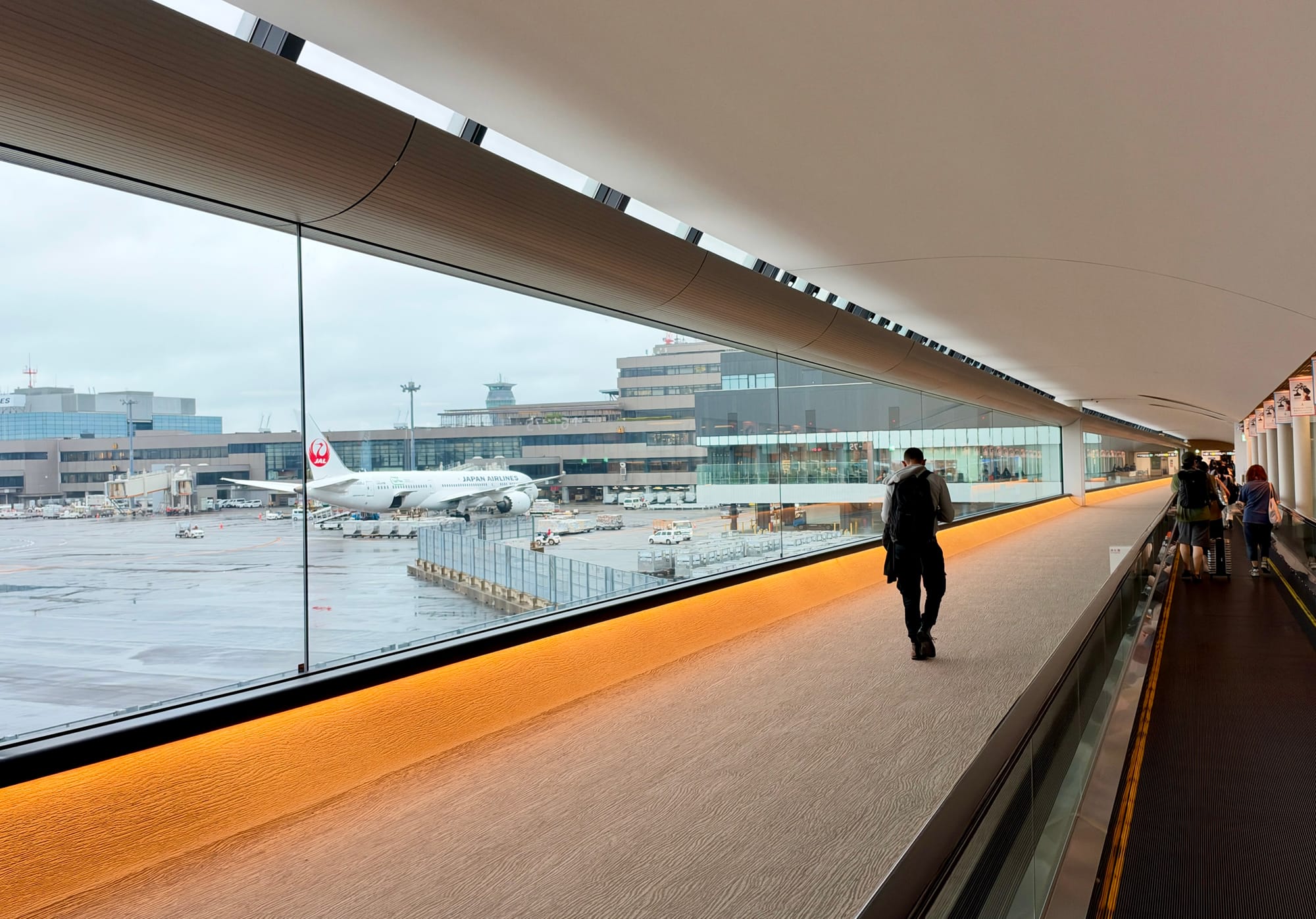
I wasn't sure how long customs would take, so I didn't reserve any airport-to-hotel transfers and instead relied on my phone's map apps to show me which trains to take the 40 miles to downtown Tokyo from Narita.
This weeklong adventure was going to start with an adventure.
Getting from the Narita Airport to my hotel in the southern part of Tokyo took three long train rides but I pre-loaded a PASMO card on my phone before landing with about $30 worth of credit and I was ready to roll. I learned a few things, like how platform names and numbers work across stations, how destinations and directions were labeled on Tokyo trains, and how to navigate transfers. I also learned about reserved vs. non-reserved train cars, where to store my bag out of everyone's way, and when it's appropriate to take an open seat (and when to give it up).
About three hours after I left the airport, I was standing in front of my hotel that occupied an entire city block, but I couldn't figure out any way in. It wasn't until I noticed a tiny building map on a wall that pointed out the single entrance, downstairs on the opposite side of the building. I made it to my room, unpacked, and showered to reset.
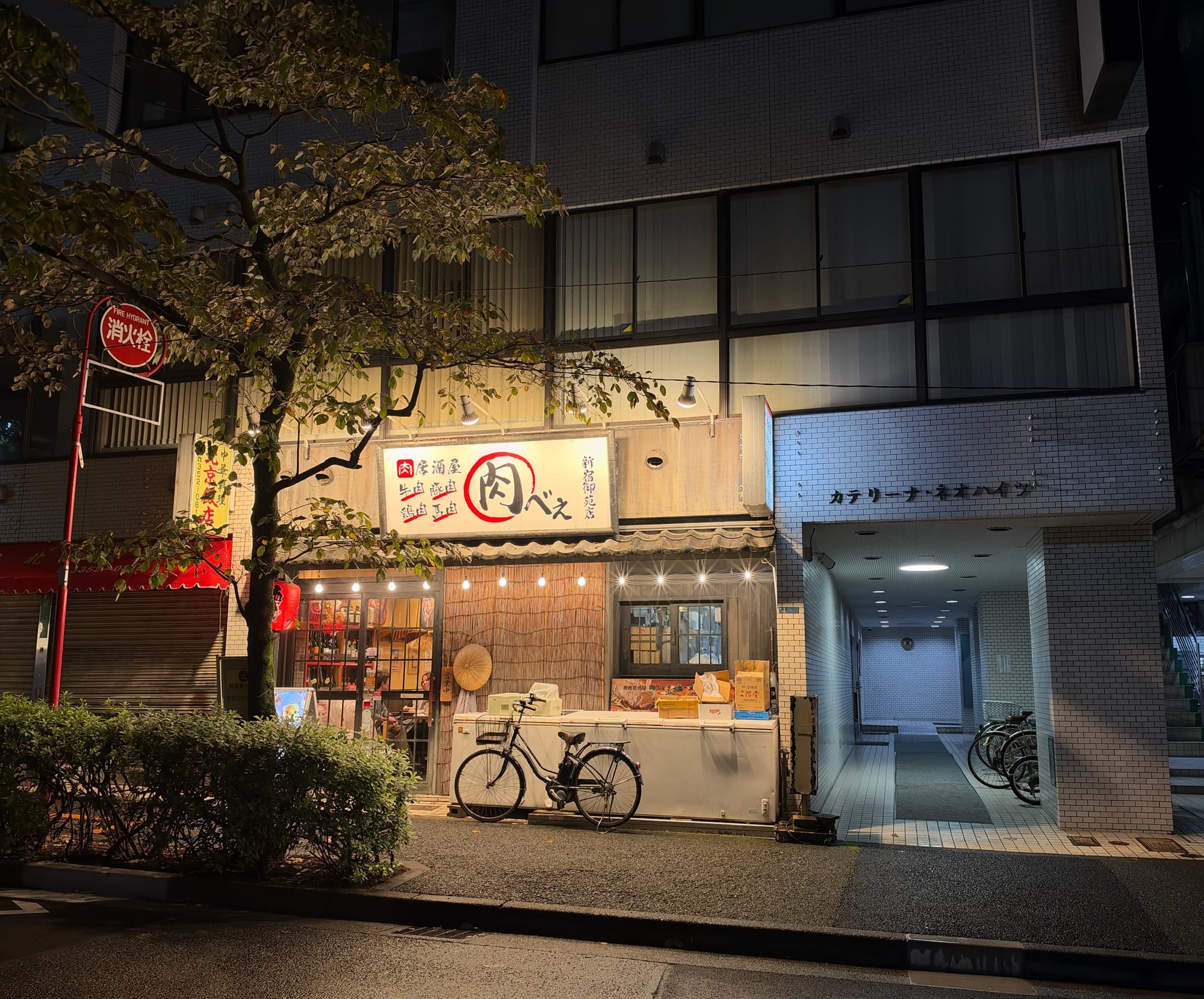
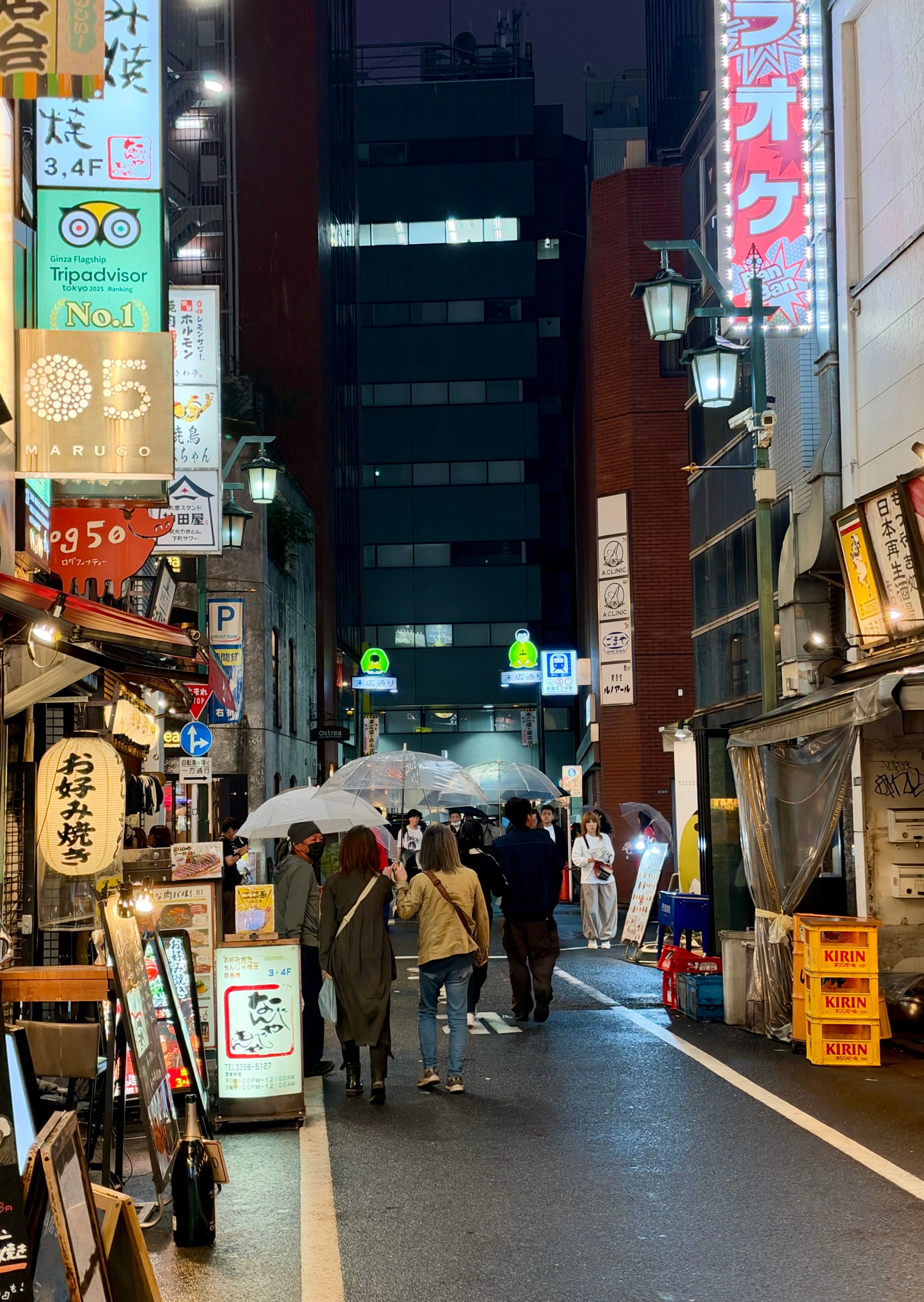
To keep myself awake until a decent sleeping hour, I jumped on a train to Shinjuku to run errands that Saturday night and touch base with Jason. This was another learning experience as I missed a stop, then got on the wrong direction train to head back, but it was enough that I learned how to not do it again.
Once I got to the correct spot, I wandered around town and marveled at the small, virtually car-free streets that were always just a block away from major roads and seemed to go off in every direction forever. Cars could drive on these, but rarely did, so the streets were filled with people walking and riding bikes quietly. It was late at night, I was walking alone, but it felt both peaceful and incredibly safe, as no one really bothers you like they do in America.
It was a first moment of real culture shock, how I could take a train several miles for just a couple bucks in a language I didn't understand and walk along people-friendly streets in the middle of the night safely. I wondered why we so rarely have anything like this in America.
My first temple
On Sunday, I had an open afternoon before a birthday dinner, so my plan was to hit up my first temple about an hour outside of town.
But before I could head out, I had to see a doctor. About once a year, one of my ears plugs up with wax and that affects my balance, my sleep, and my hearing in awful ways. Normally, I take a quick trip to a local urgent care where for about a hundred bucks they flush it out.
It was a Sunday morning, I was in Japan, and I had no idea how my American health insurance worked while abroad, so this felt like a challenge at maximum difficulty. I worried I'd lose a day to this ordeal. After a bit of research, I found a local ENT clinic open on Sunday mornings with good ratings that welcomed foreign travelers if they paid at the visit. They also had someone in the office that spoke English, which was a bonus, and their online scheduling showed there were open spots in about a half hour.
I jumped on a train to Shibuya then learned how to decipher specific floors and doors in Japanese addresses in Google Maps and how automatic doorways work in Tokyo (press the button to operate, they don't use weight sensors). I only had to wait about ten minutes in the clinic before I heard "Matthew-san?" and a doctor who happened to speak English suctioned out my ears in two minutes for $125. It was kind of remarkable how well it worked out, as the whole thing took about 45 minutes total including the train trip.
Happily hearing again, I jumped on more trains, transferred where I needed and got to the temple, which was beautiful and situated in the middle of a green and leafy suburb of Chofu.
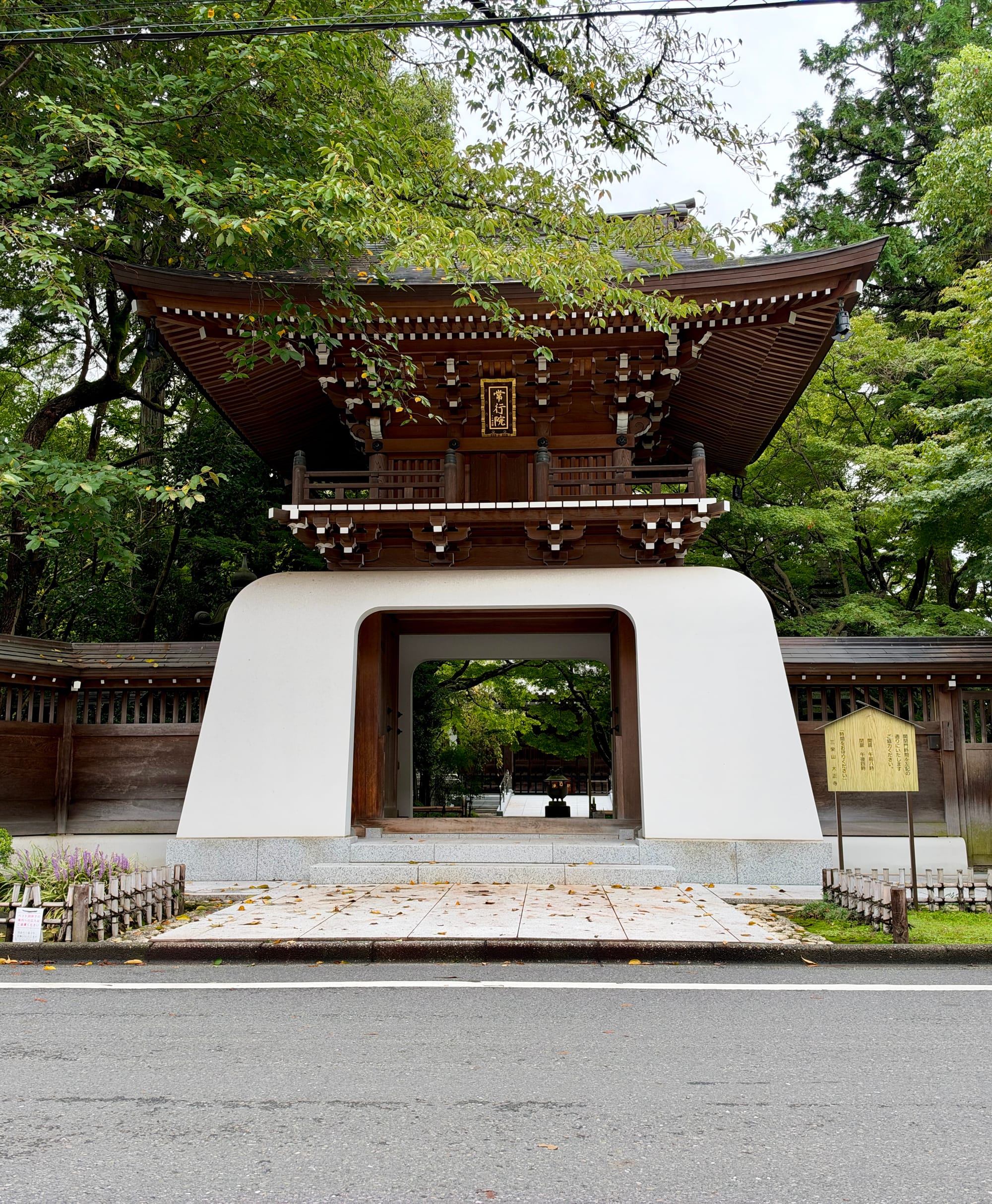
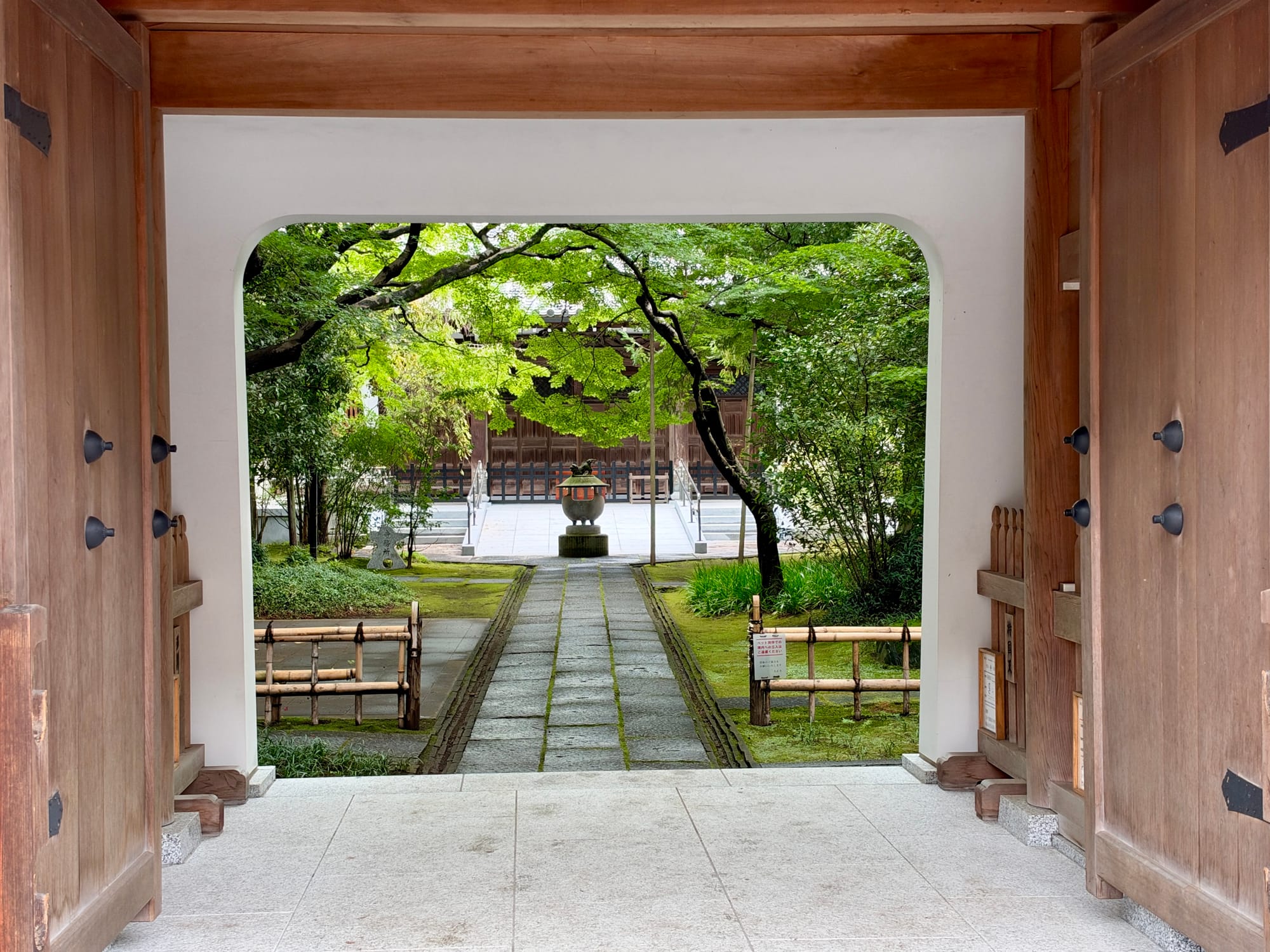
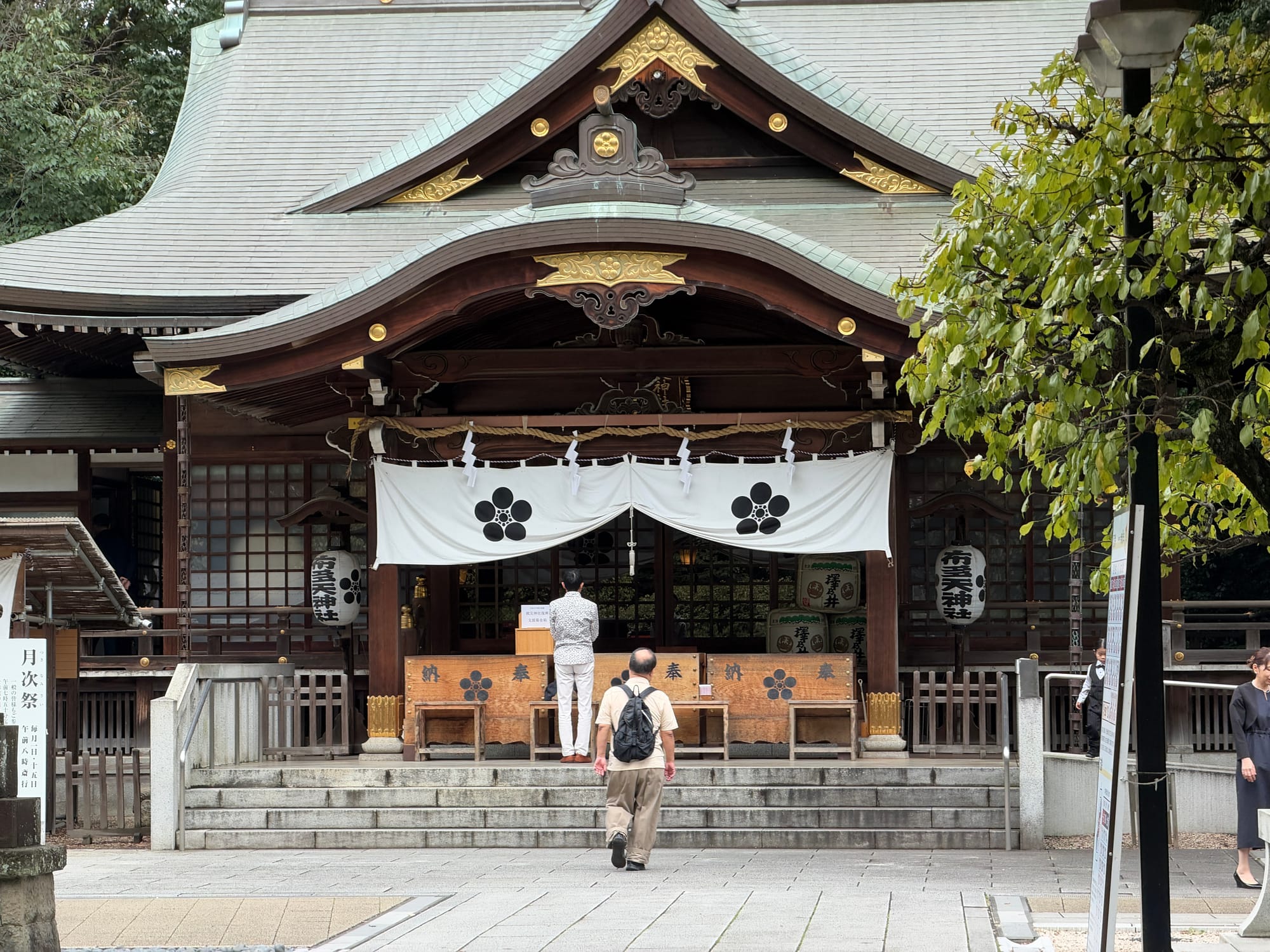
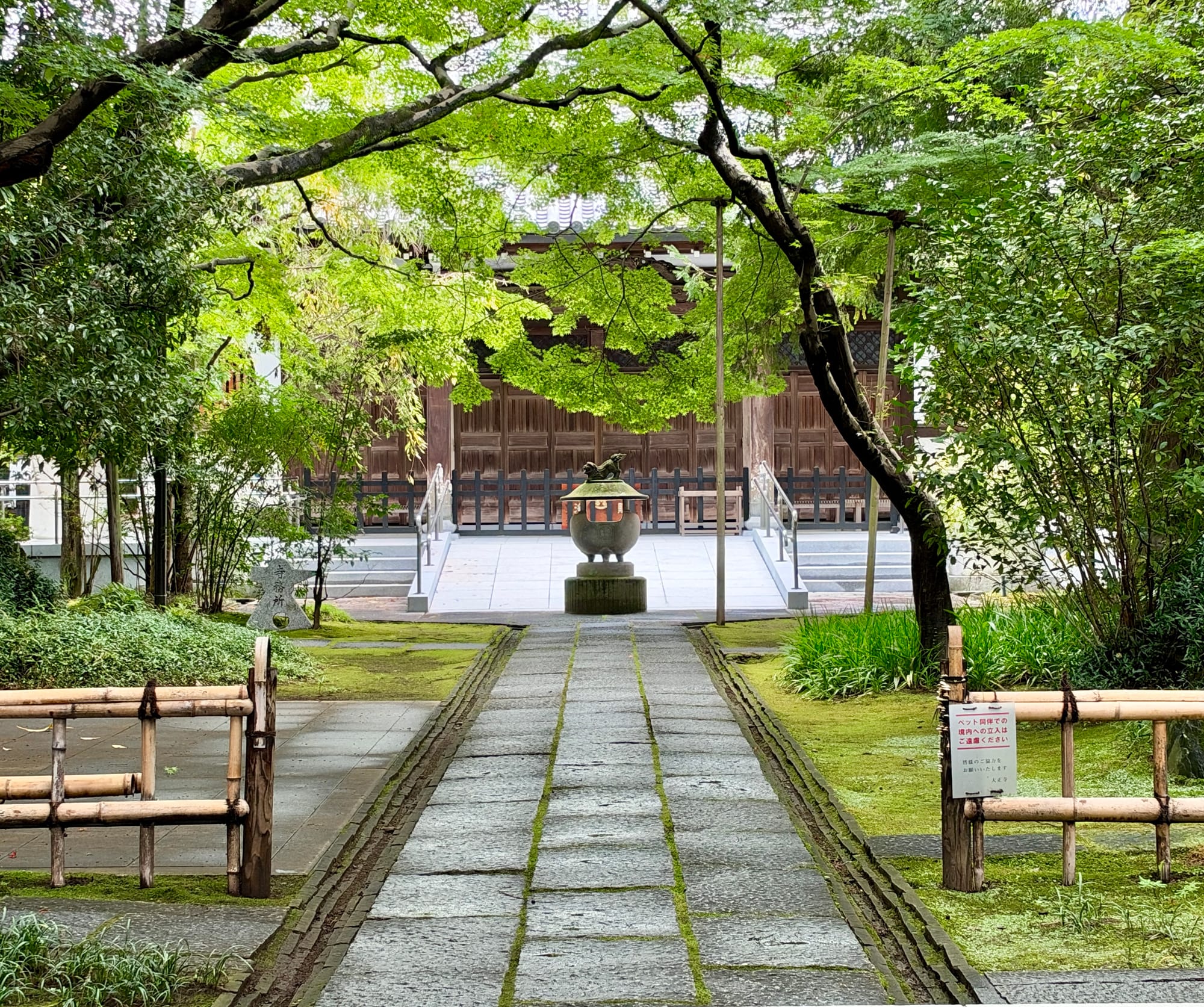
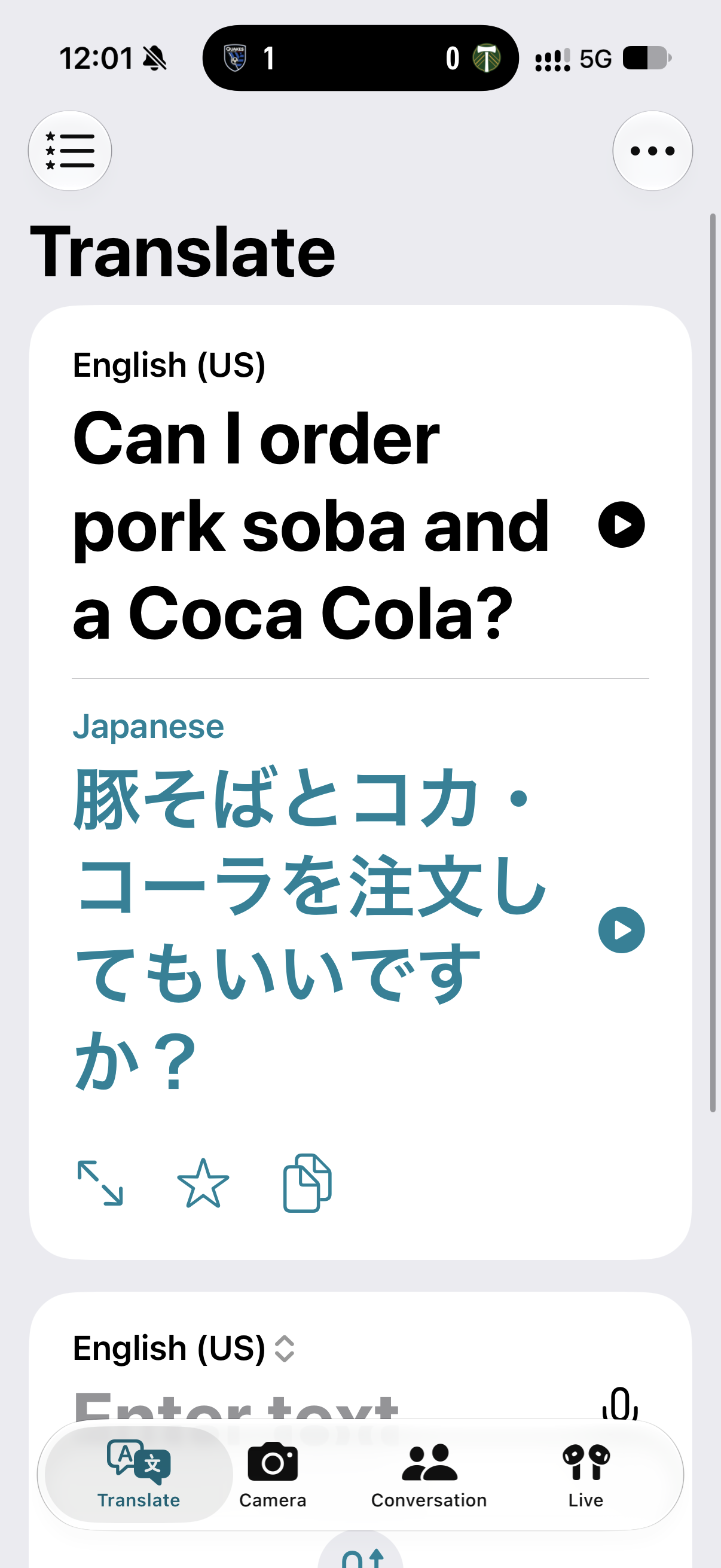
I read that the neighborhood specialized in soba noodles, so after the temple I walked down another endless pedestrian-friendly road until I spotted a good option. I went into my first restaurant where no one in the building spoke English and took a seat. I relied on Apple's Translation app to order and the server used their own translation app to give me pointers on where to get water and tea.
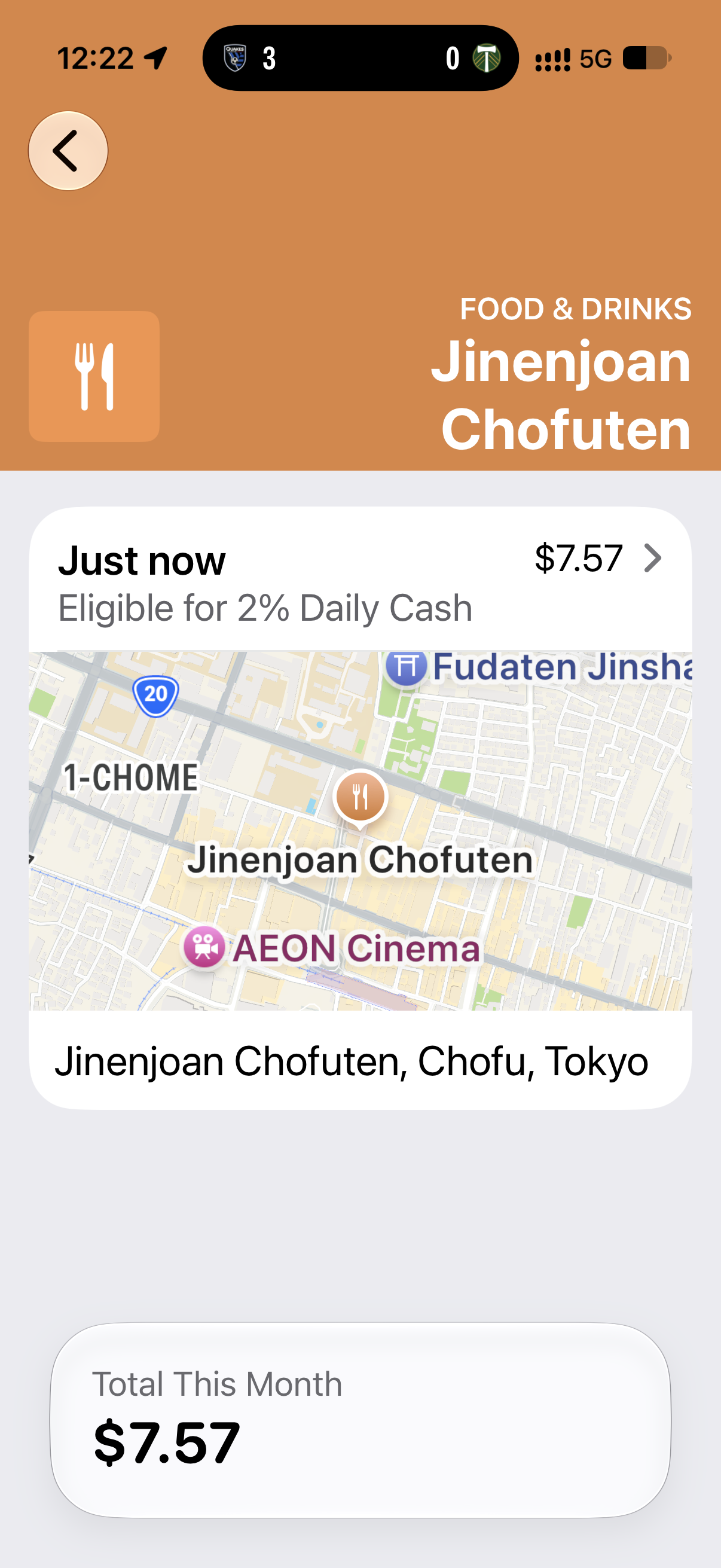
Then I learned what I'd been hearing for years, which is that food in Japan is incredibly good while also being super cheap. My freshly hand-pulled soba noodles that tasted great were less than $8 total. Remarkable.
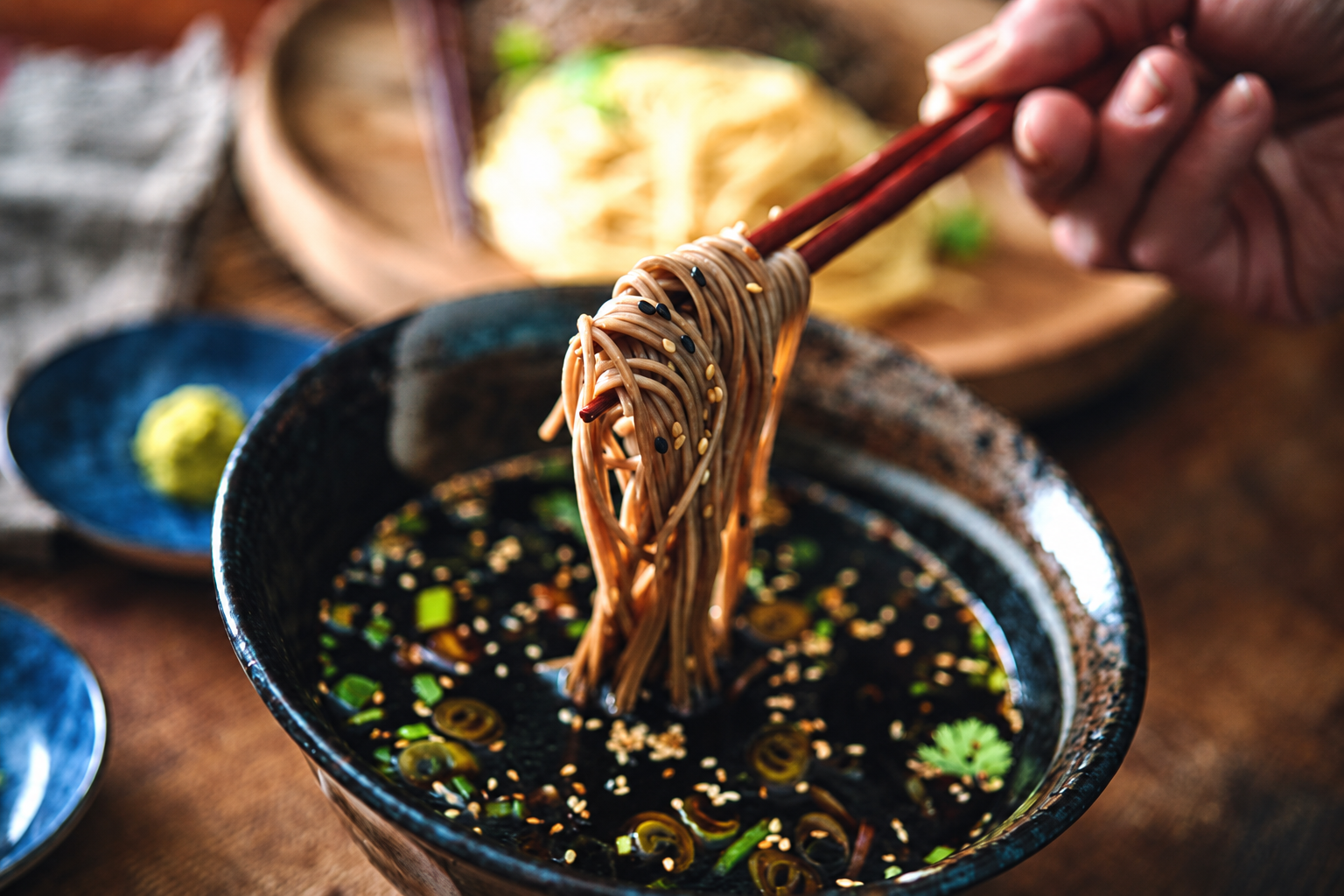
This is a stock photo from UnSplash but was pretty much exactly like what I ate
Constantly learning
Each day I pushed myself to do things that were out of my comfort zone, like take long train trips that zig-zagged the city. I learned how to use the bus system, locate stops, and figure out where to stand when a bus arrived. I learned how subway cards could be used almost anywhere to pay for almost anything. I used vending machines when I needed a bottle of water and I dropped into a 7-Eleven, Lawston, or Family Mart when I needed a (surprisingly tasty) snack. I learned how to cut through malls to get into train stations and then I learned how to find the specific exits I needed to get where I ultimately wanted to go.
These were all mundane things, but it was fun to do something new every few hours all week long.
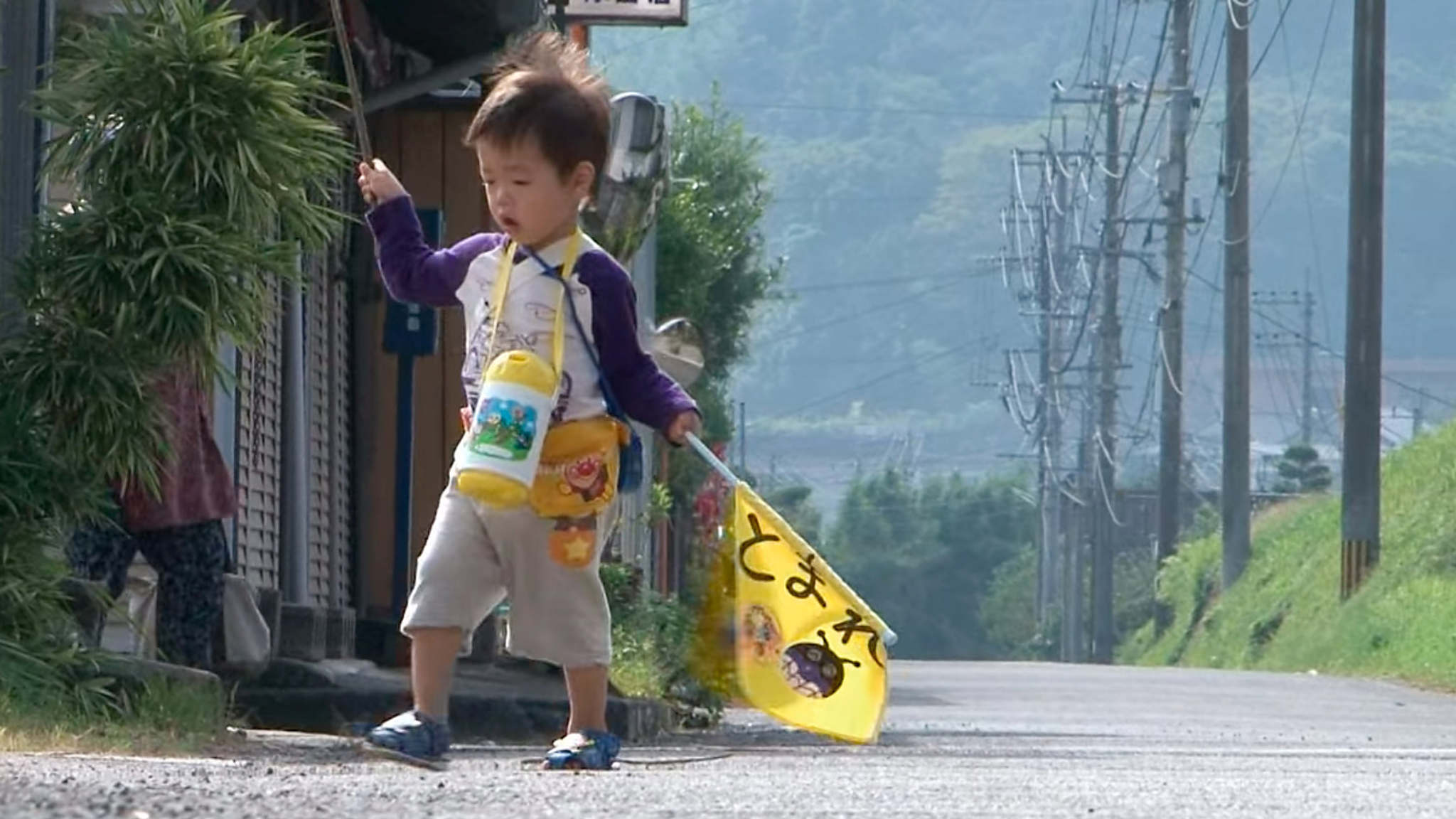
I felt like one of those little kids running errands on that old Netflix show, holding a flag to warn others I'm still learning things, like where to buy an umbrella in a downpour and how to pay for it and also how it opens and closes and also how to not be in anyone's way while you do all that.
Jason's birthday
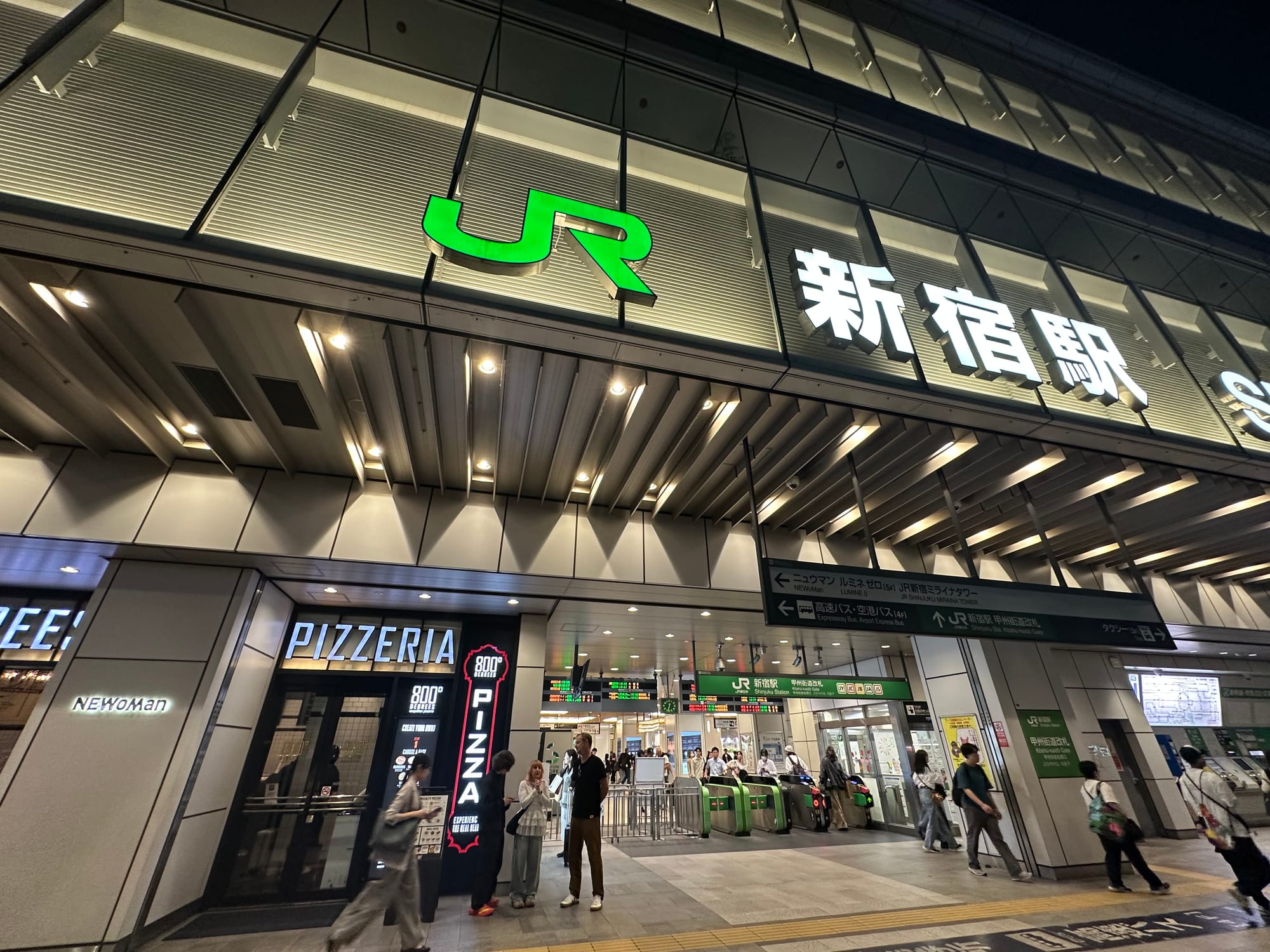
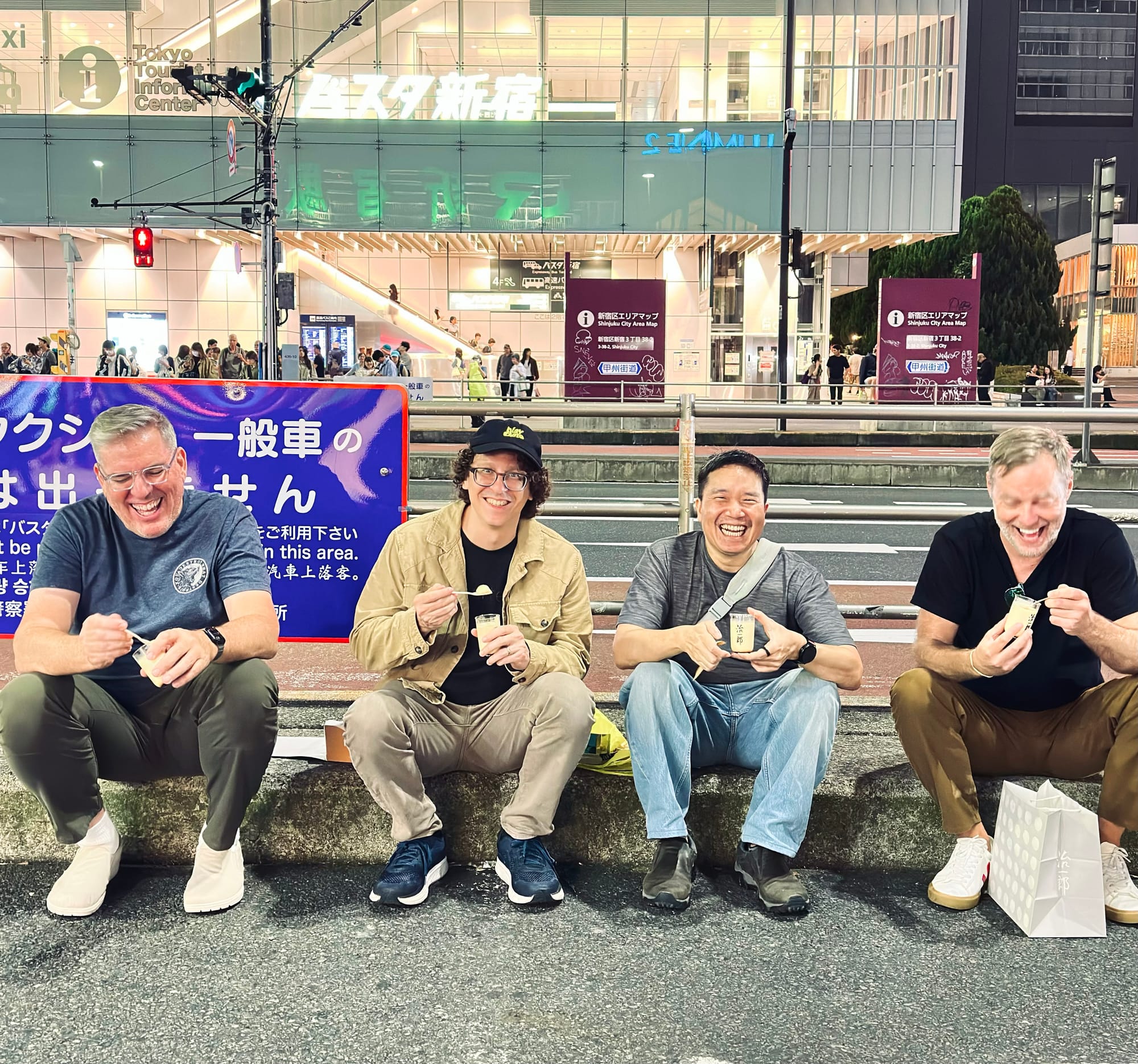
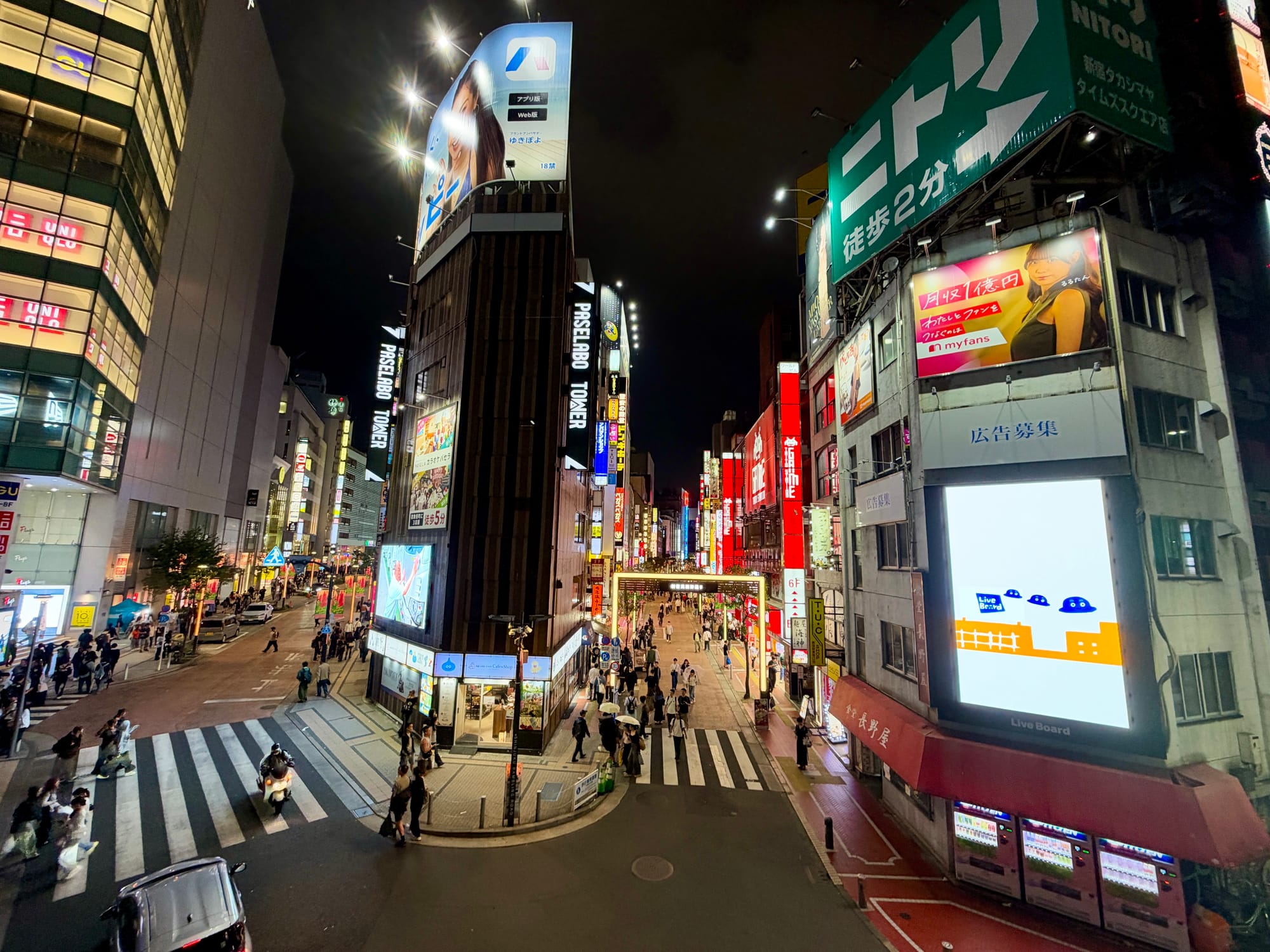
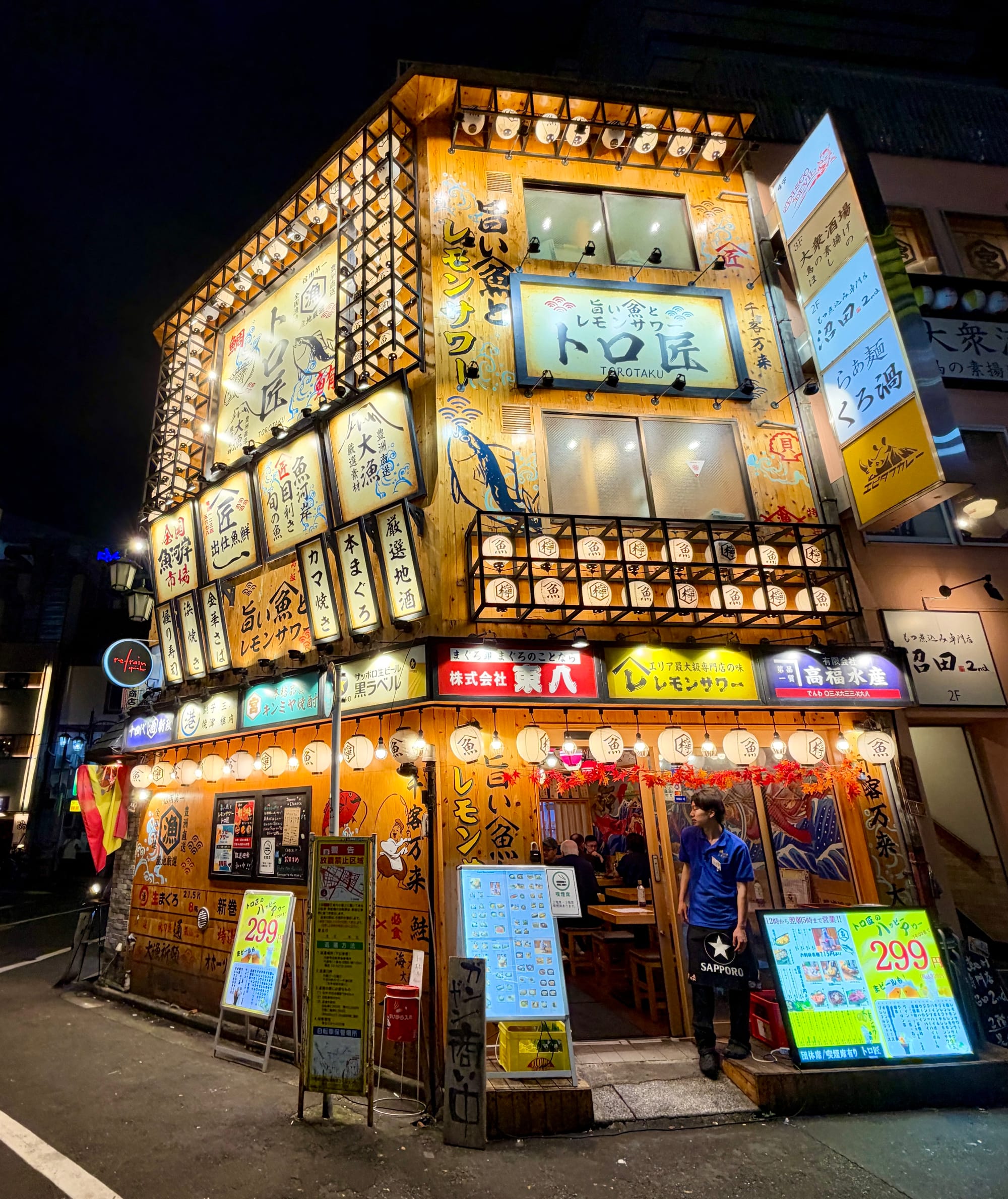
I made my way back to Shinjuku later that night for pizza at 800 Degrees. I've heard Japanese pizza was pretty good and this place nailed a Naples-style of pie. Then we hit a mall and bought a bunch of sweet treats, which we ended up eating out on the street. One of the best puddings I've ever eaten was about a dollar.
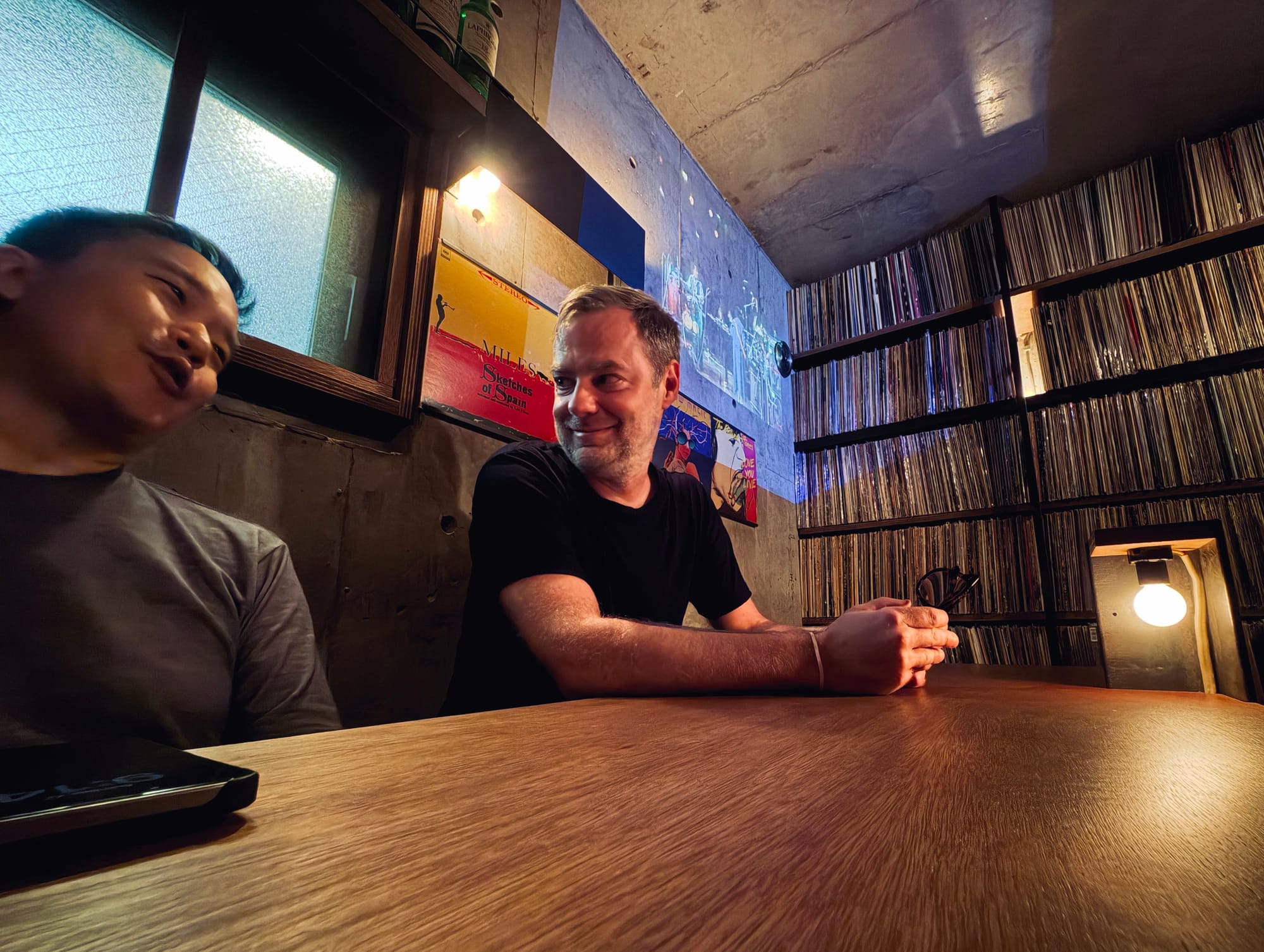
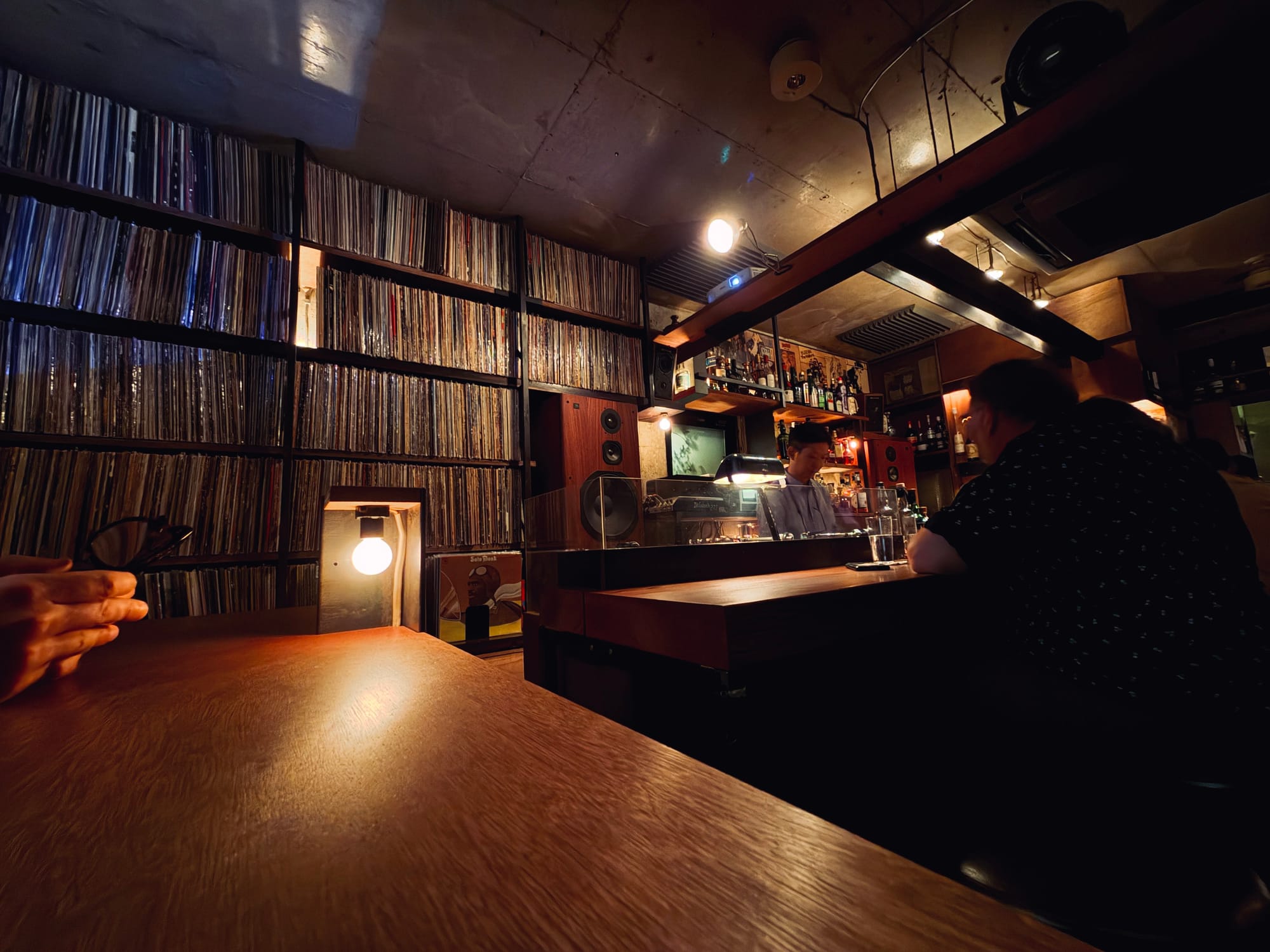
We had dozens of bars to pick from around Shinjuku, but we hit up BarRPM and it was utterly fantastic. There, a lone bartender spins classic jazz records on two turntables from the thousands of options in the bookcases behind him while serving Japanese whiskey and gin to customers. It was perfectly chill and we had a great time shooting the breeze for a couple hours while sipping. If I lived within walking distance to this bar, I would be a regular there as the vibes were immaculate.
DisneySea
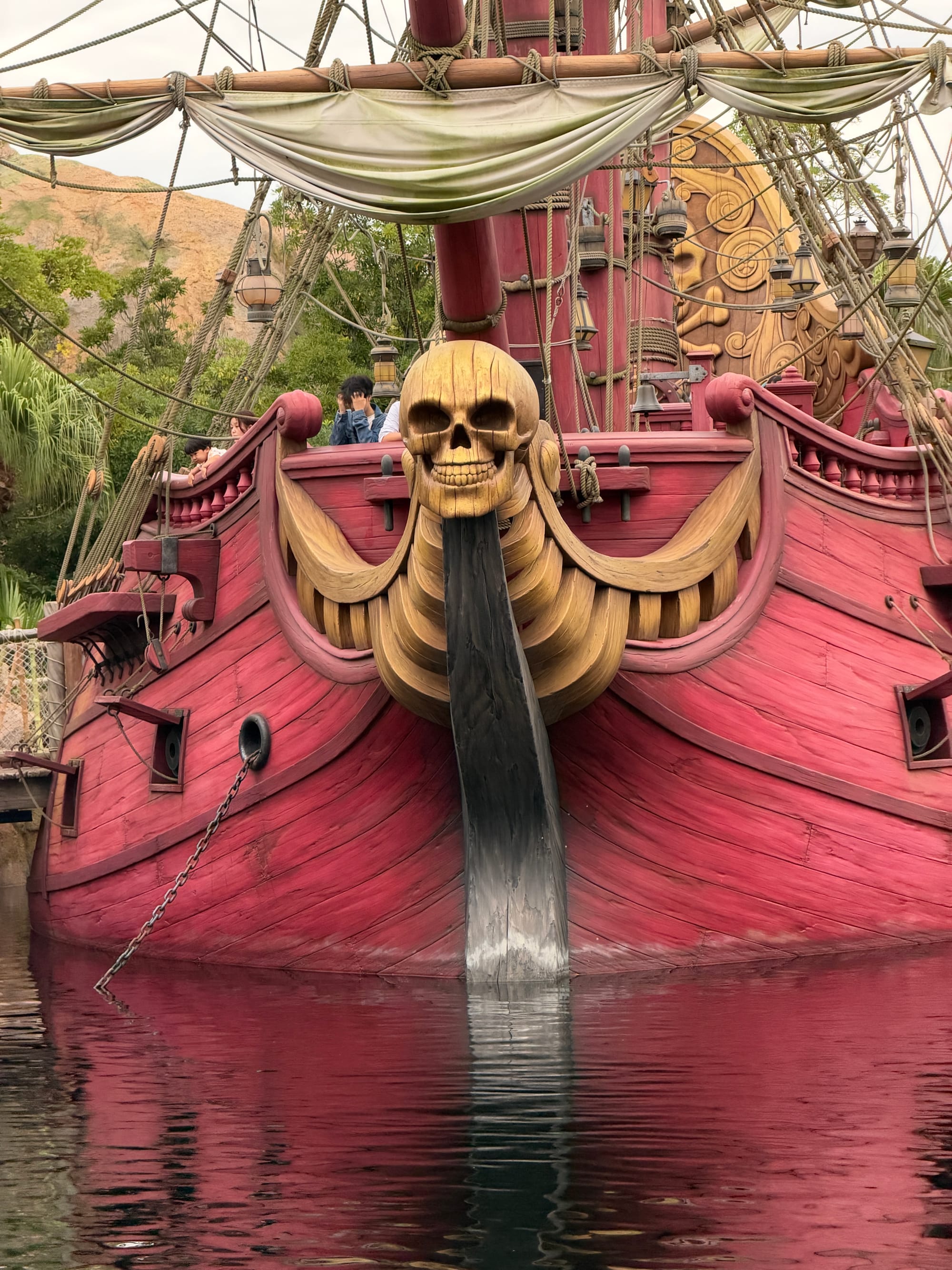
Monday was an entire day spent at DisneySea with Andy and we had a blast. I wrote about it extensively a few days ago, but it really was a dream-like place made real.
A mundane morning
It was hot and humid in Tokyo throughout my entire trip. I thought the city would have weather close to LA or San Francisco, but it felt like late summer in NYC. I was taking a couple showers a day and changing clothes each time so by Tuesday morning, I tried out my hotel's washer/dryers which were also wired up to the hotel TV so you could see how many machines were unused and you could even see when yours was done. It was like living in the future!
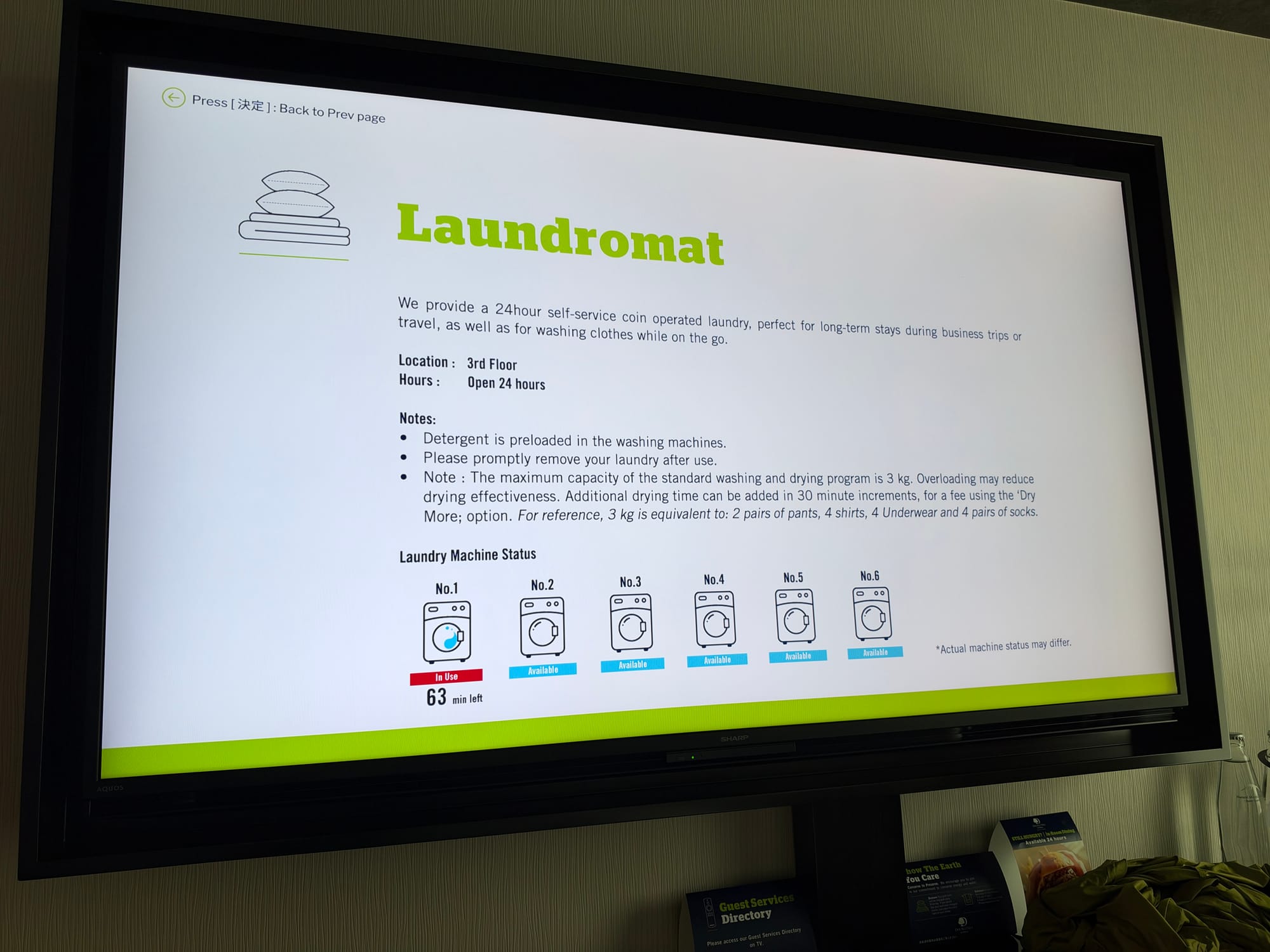
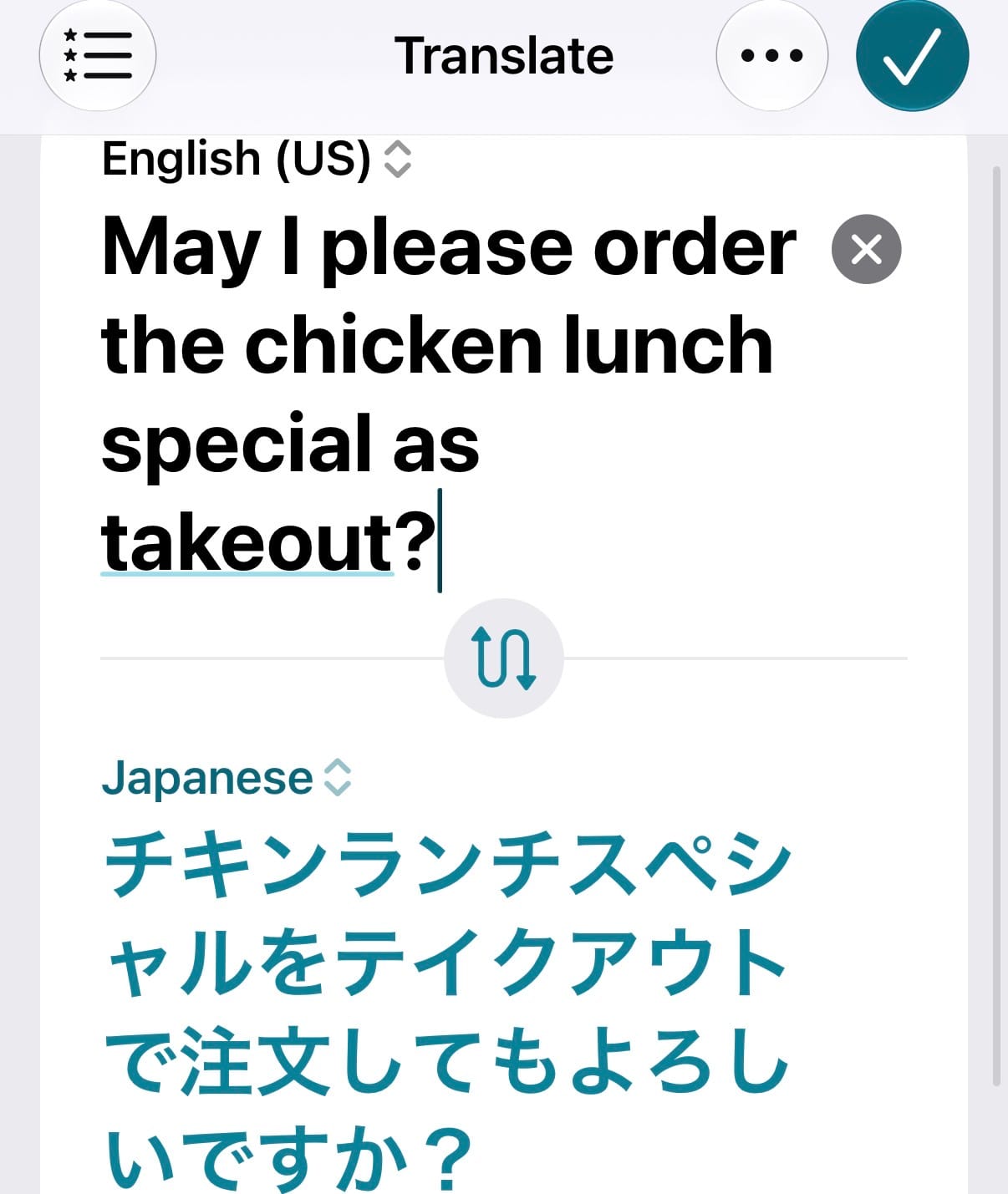
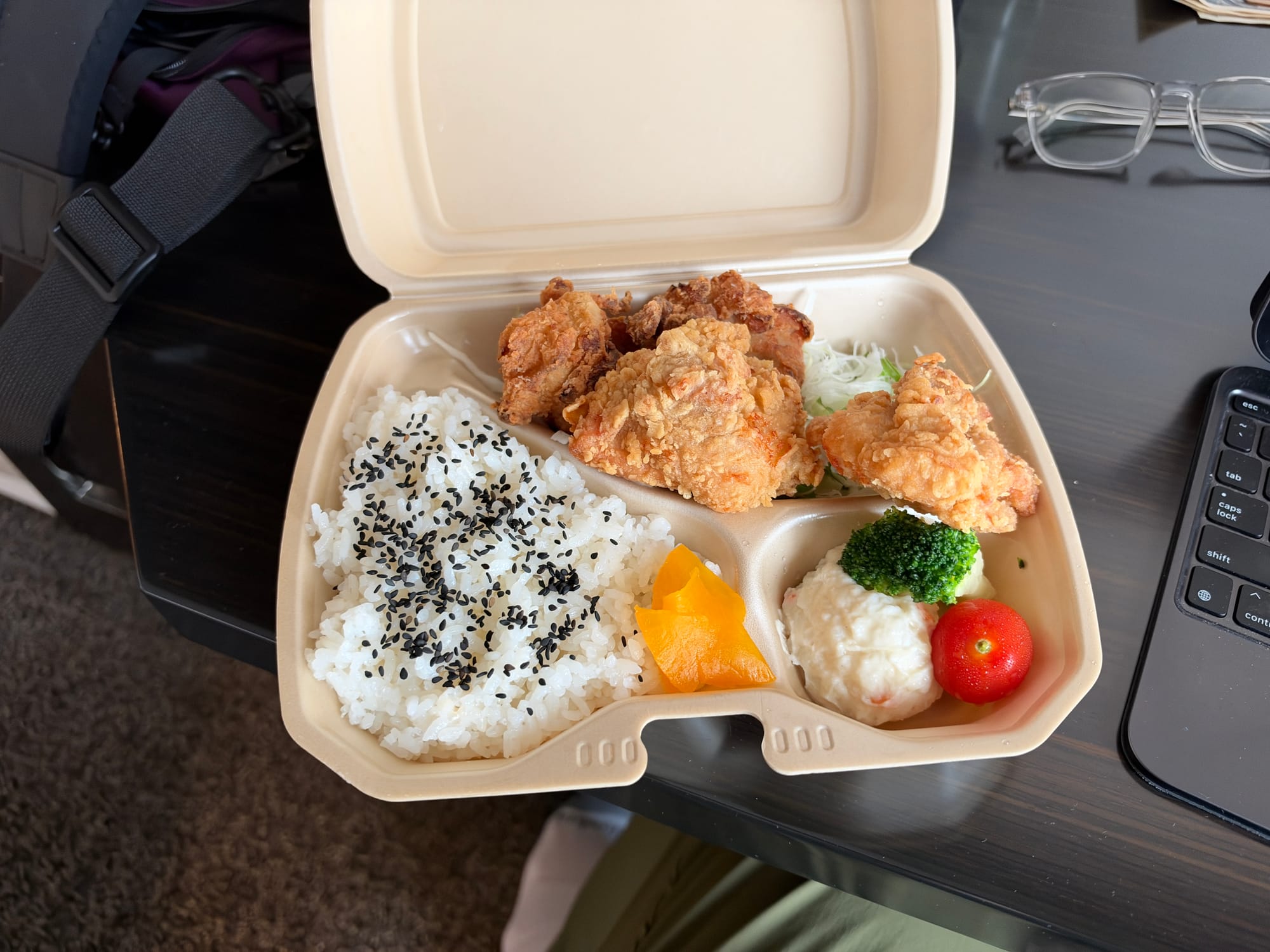
Thanks to translation apps, I grabbed some incredible karaage chicken bento next to the subway station. Honestly it was some of the best fried chicken I've ever had and the whole meal cost $5, which again, is bonkers.
A pro baseball game
Tuesday night, I bought a ticket to one of the last Japanese pro baseball games of the season, where I saw the Tokyo Giants take on the Hiroshima Carps. It was a fun experience, with 50-60 different food vendors and the famous "beer girls" with kegs on their backs running up and down the aisles selling beer to fans. The game also featured cheerleaders, scarves, and chants for every player from supporters sections. It was like a rowdy European soccer match and a MLB game combined.
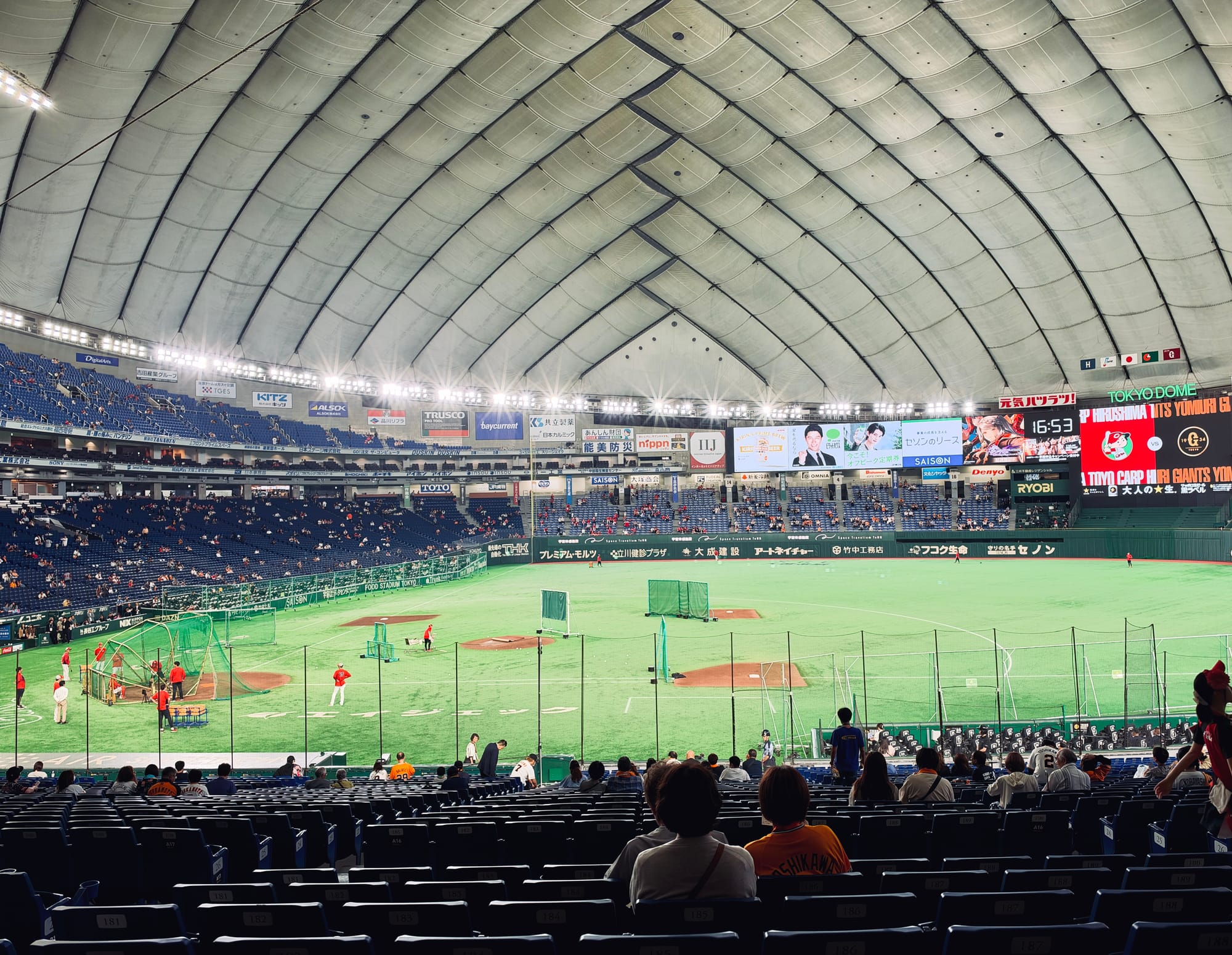
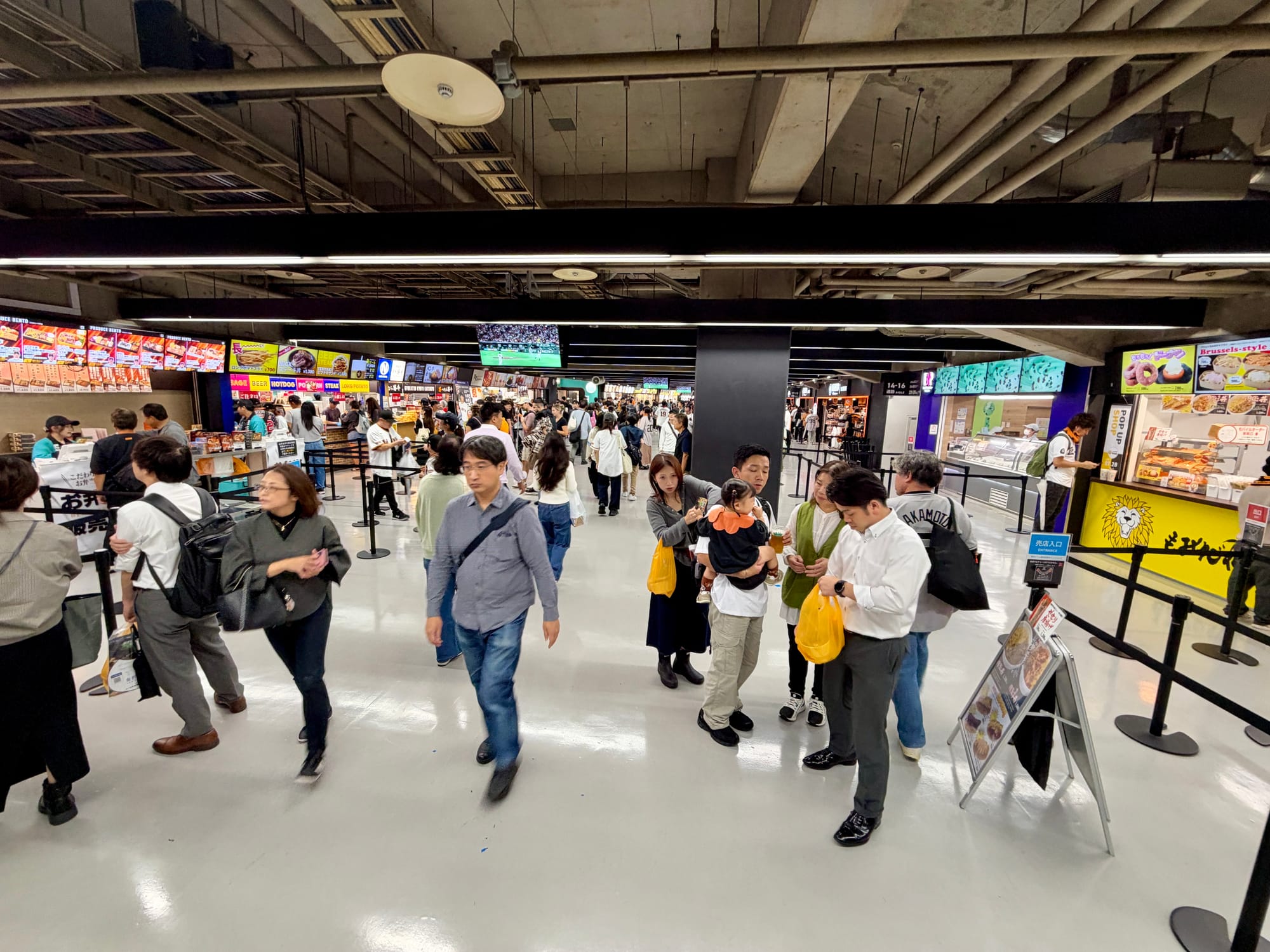
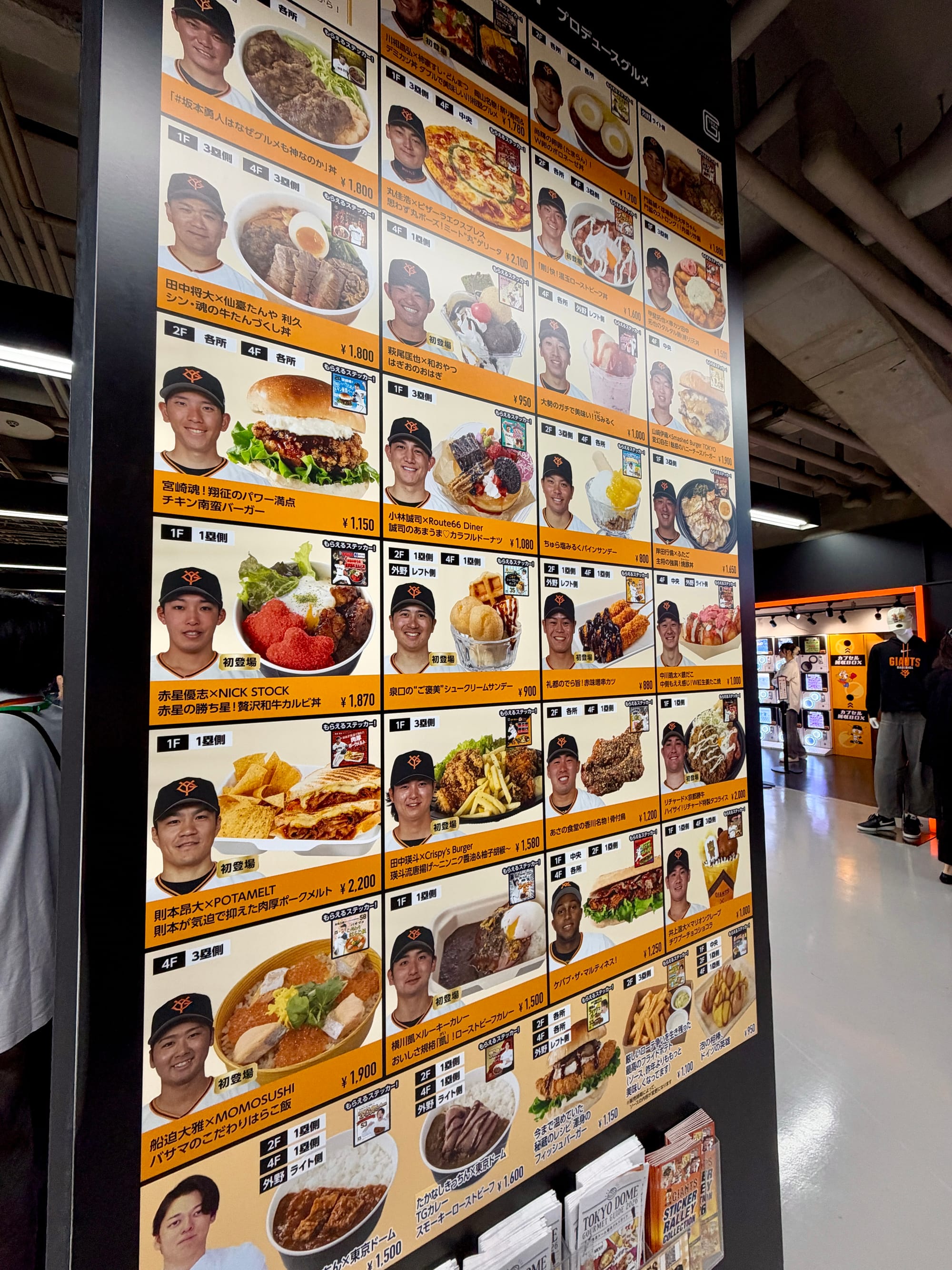
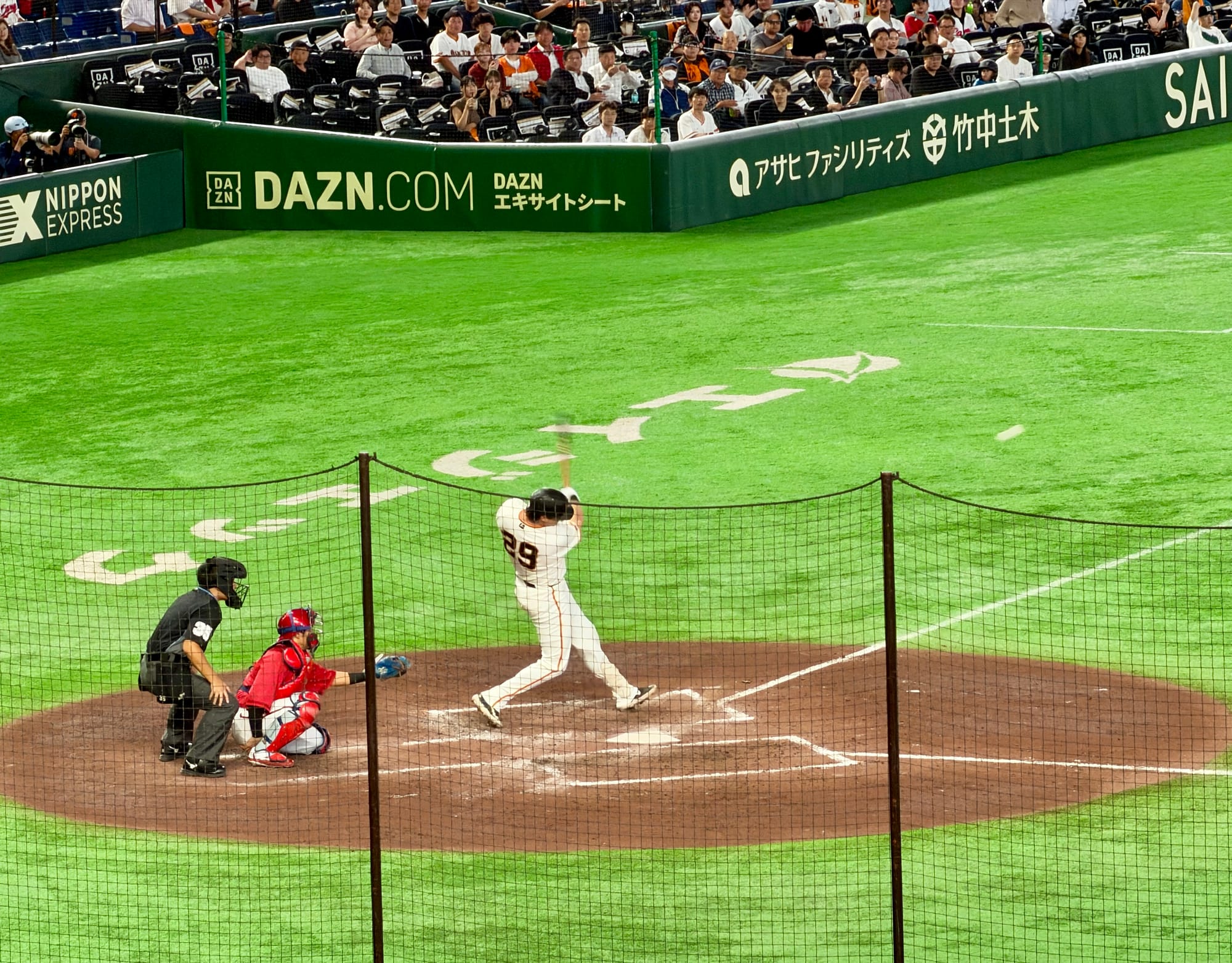
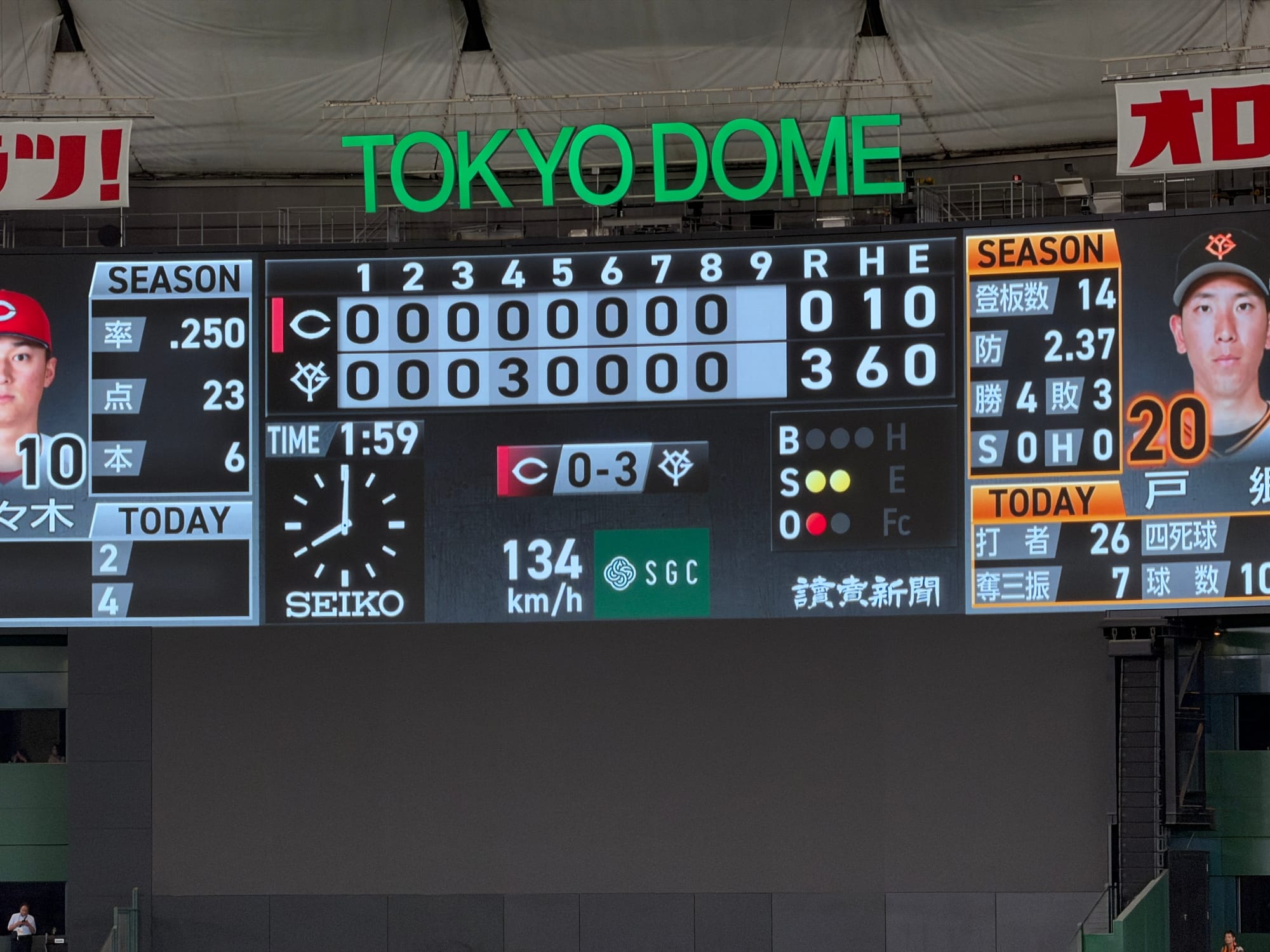
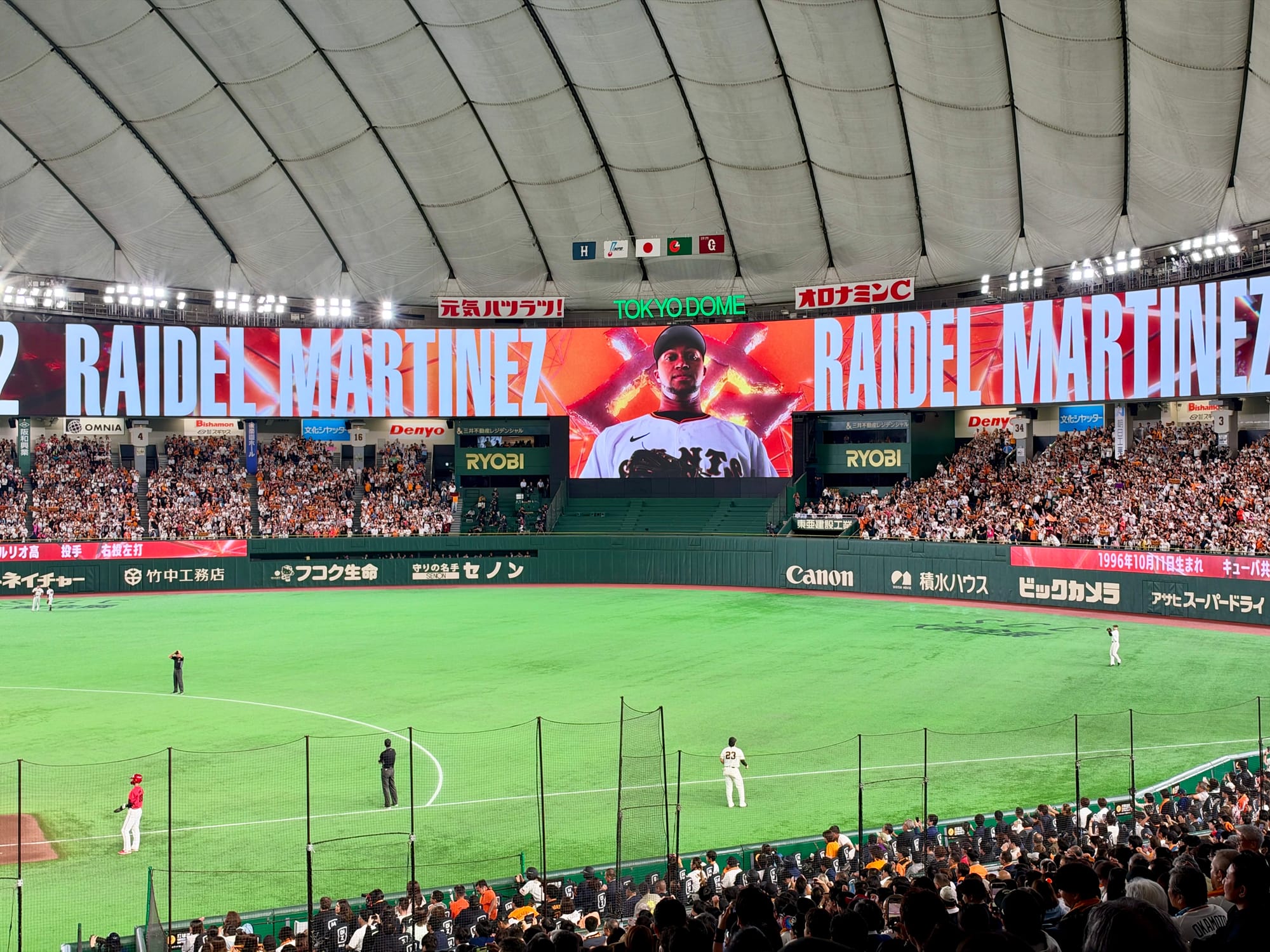
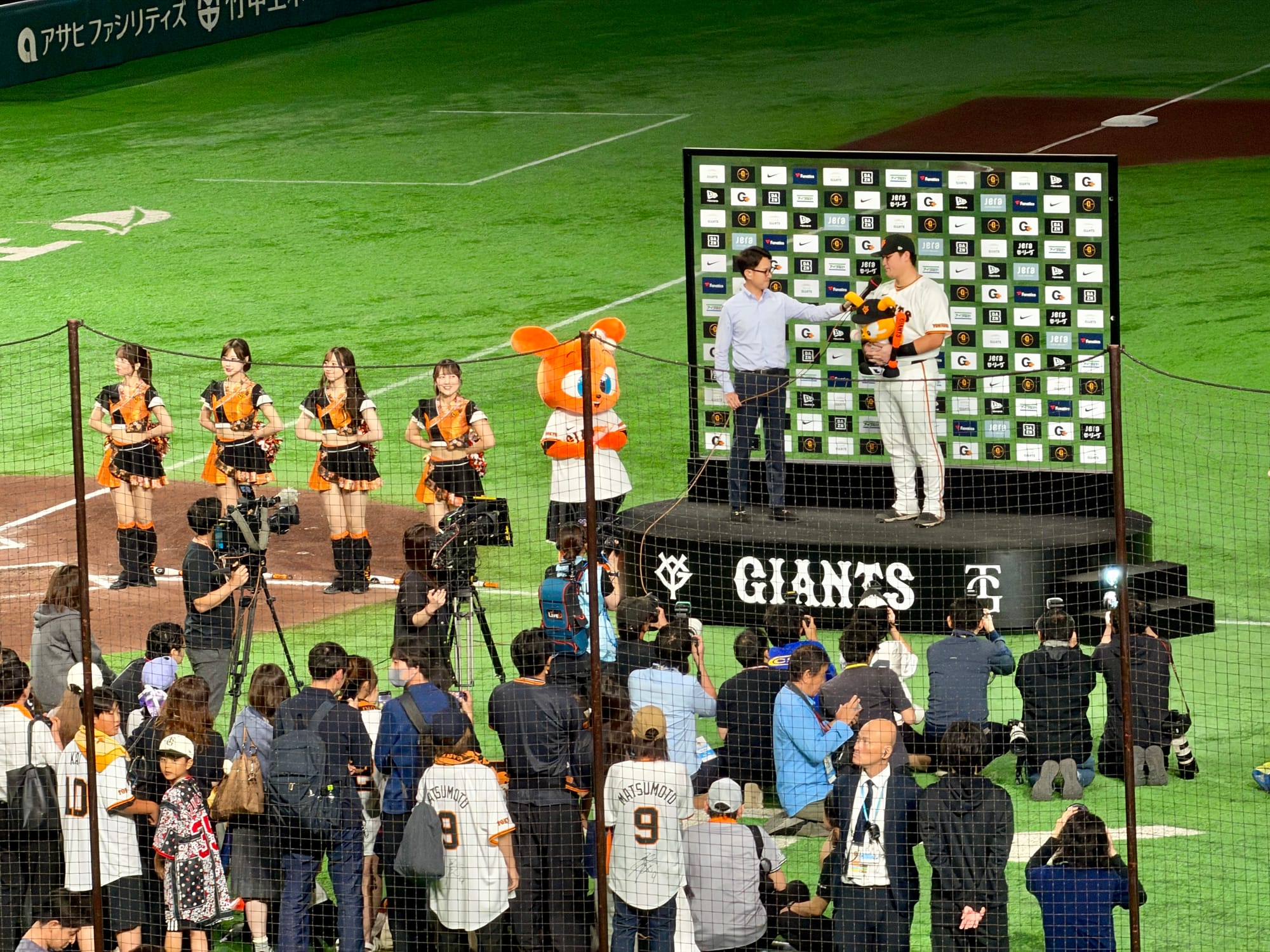
My favorite bit was the poster showing all the players and their favorite food item that you could try out too
The Giants won and the place went wild at the end. The food was better than any ballpark I've been to. I had a Philly cheesesteak, some Belgian fries, and Italian Gelato, along with a couple drinks and all that cost 30 bucks total.
It was fun to experience a familiar sport through another lens and see how other cultures comes up with their own traditions.
The Ramen Museum
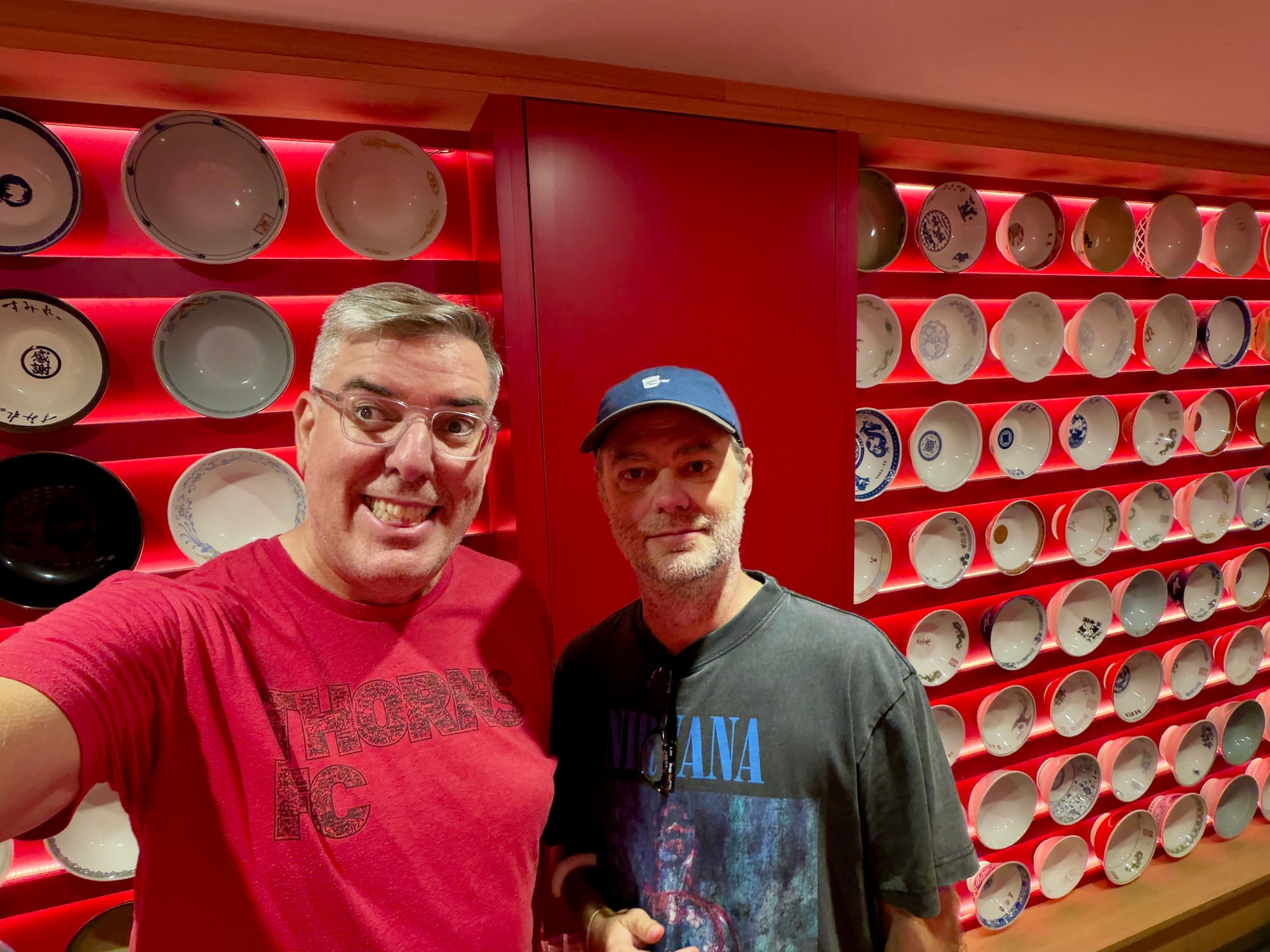
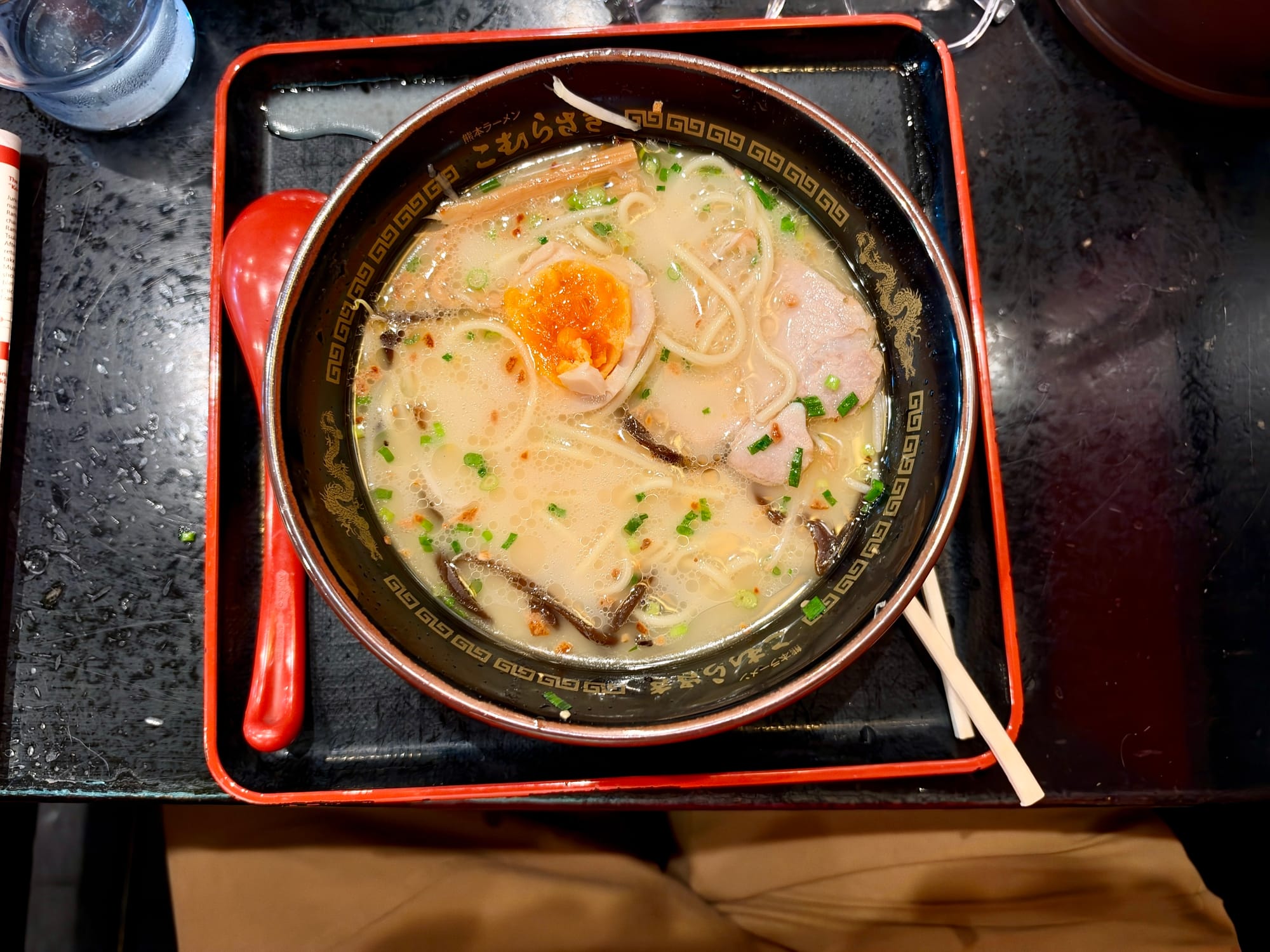
Wednesday morning, Jason and I took a 45 minute train ride out to Yokohama to visit the Ramen Museum. I've been lucky to eat a good variety of ramen in Portland at Japanese restaurants specializing in it. But I loved learning about the history in Japan. I had no idea it originated from China, or that the first instant ramen was only sold in 1958 (I thought it'd be earlier).
I was also happy to learn the inventor of instant ramen, Momofuku Ando, ended up being the guy who started the Cup Noodles empire in 1971. Most American success stories feature a businessperson stealing a good idea from an artisan and exploiting it, so it was good to hear the actual inventor of something got to enjoy the fruits of his labor.
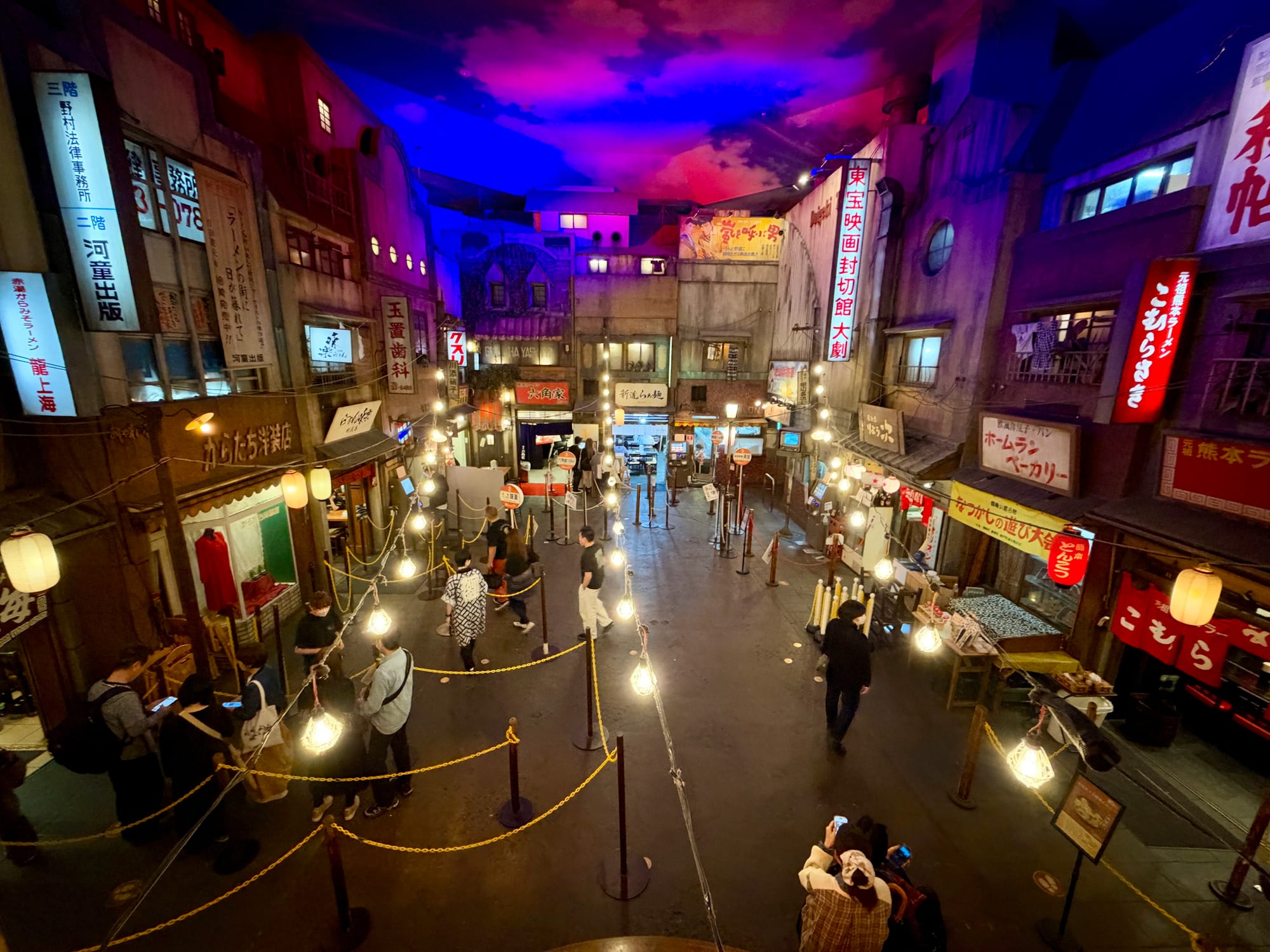
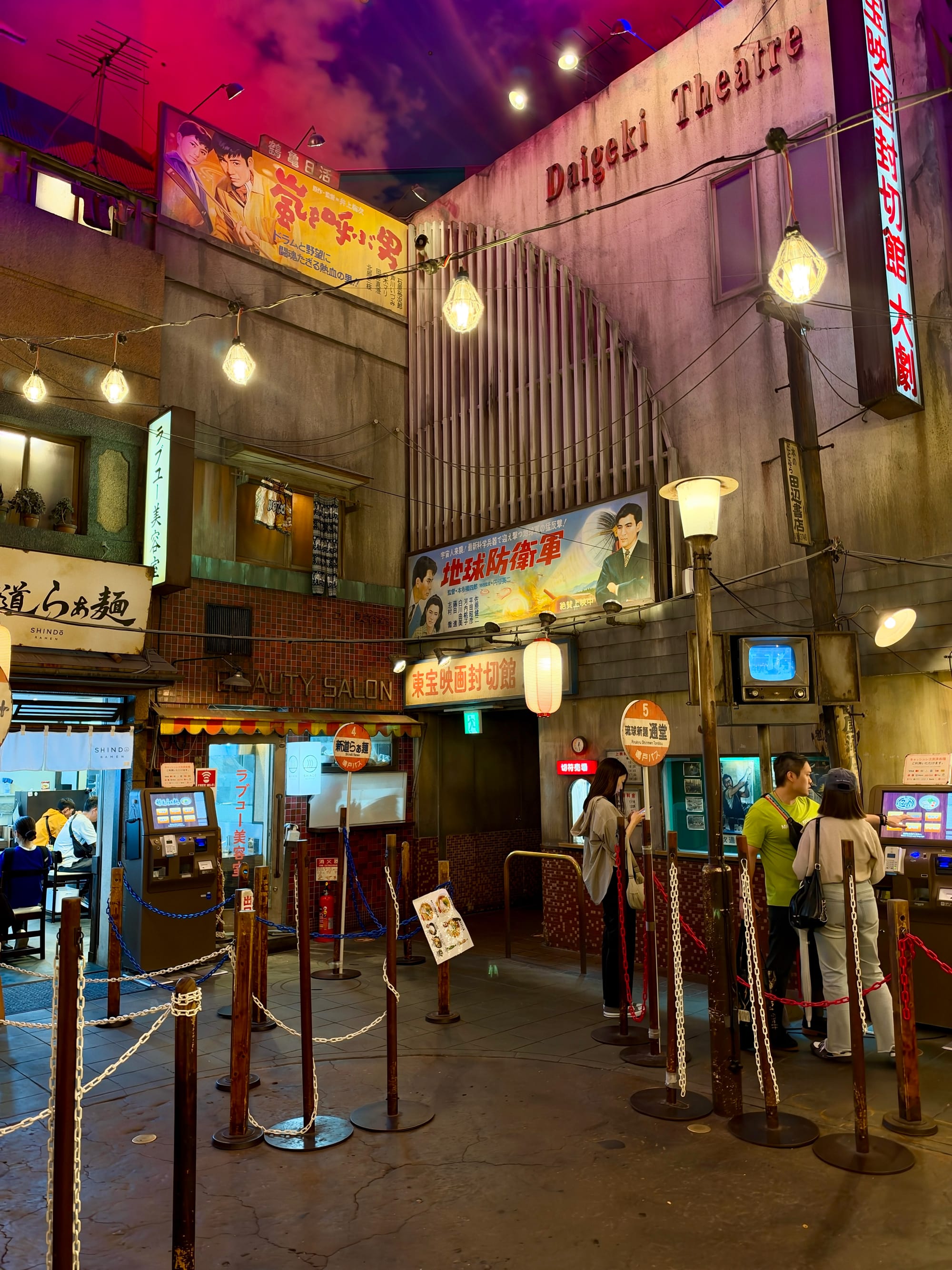
After wandering through the museum, the best part was downstairs where you can order bowls of ramen from about 12 different restaurants operating in a stylized pop-up space. We picked three different spots offering a variety of options rated on noodle thickness, broth type, and "richness" (basically, umami levels). We ate ramen from a place famous for its chicken broth, a place famous for its rich pork broth, and one that had a broth made from nori. All of them were fantastic and I would definitely revisit to try more varieties out. Even the "small" bowls of ramen were pretty big and eating three different varieties barely covered the array of options.
My favorite aspect of this place was each restaurant had their own speciality ramen but also painstakingly recreated their real restaurant interiors so you could enjoy the food in the context in which it was developed. Some places only had eight small seats and you had to wait for one to open up before being served. Each one had its own distinct vibe. The whole place was designed like a little slice of the city from a different time, and reminded me of my Meow Wolf experience in Denver a few months ago.
The Shinjuku area
It's weird but I'd never heard of the Shinjuku neighborhood before this trip. Most people in America talk about Shibuya as a hot spot in Tokyo, so I was surprised to learn Shinjuku is the single busiest train station in the world, with 3 to 5 million people passing through it each day in a city of 40 million people.
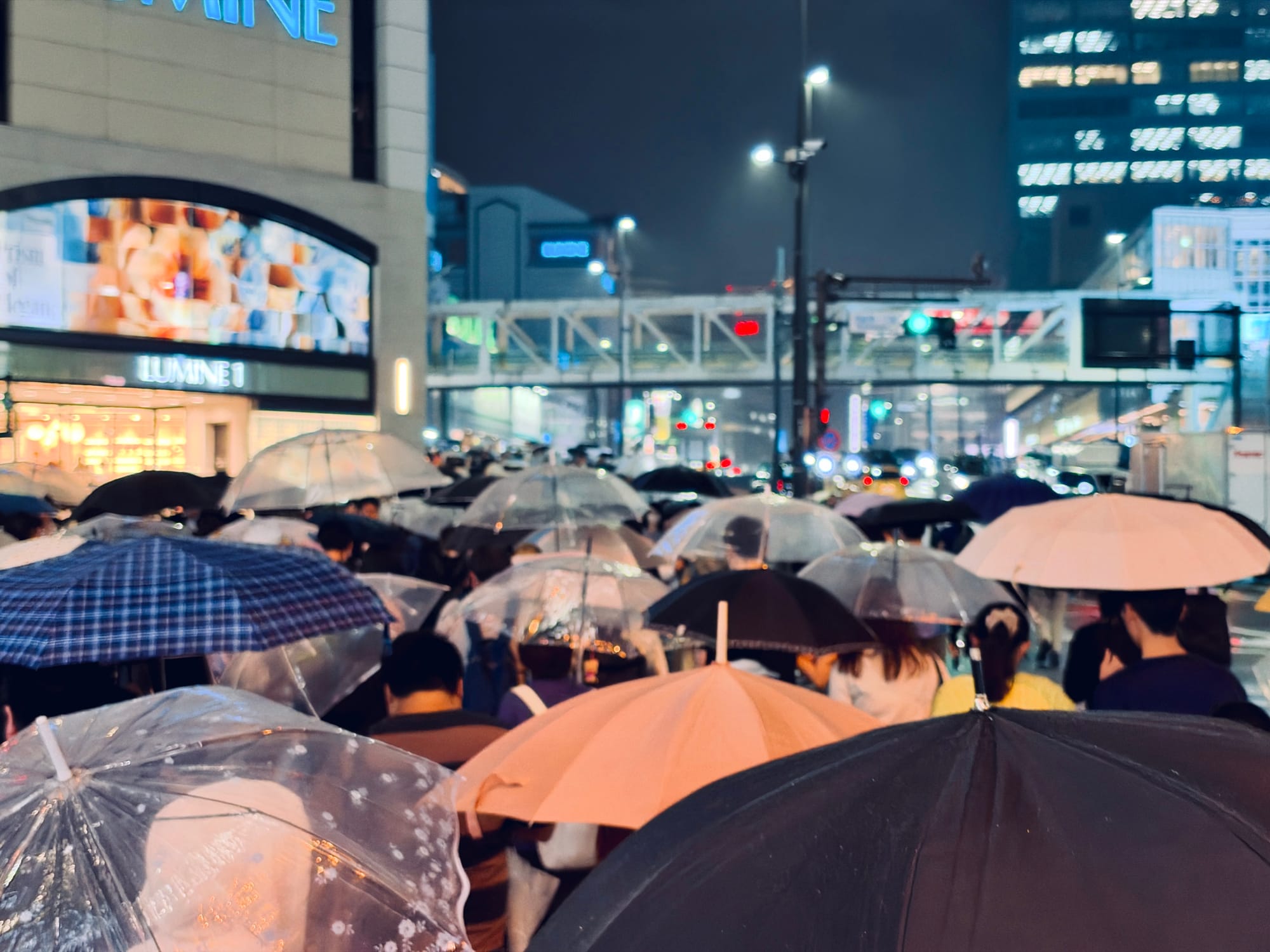
That evening I got to experience the station around 6pm, during rush hour. I was lucky to get a spot on my train from further out and by the time I got near the station, each stop had guys in white gloves physically shoving people into train cars.
Walking around Shinjuku station was an overwhelming experience, as you were literally surrounded by about a hundred thousand people all trying to get where they needed to be under the same roof. I don't think humans were ever meant to experience that many eyes and faces at once, so it was a unique experience.
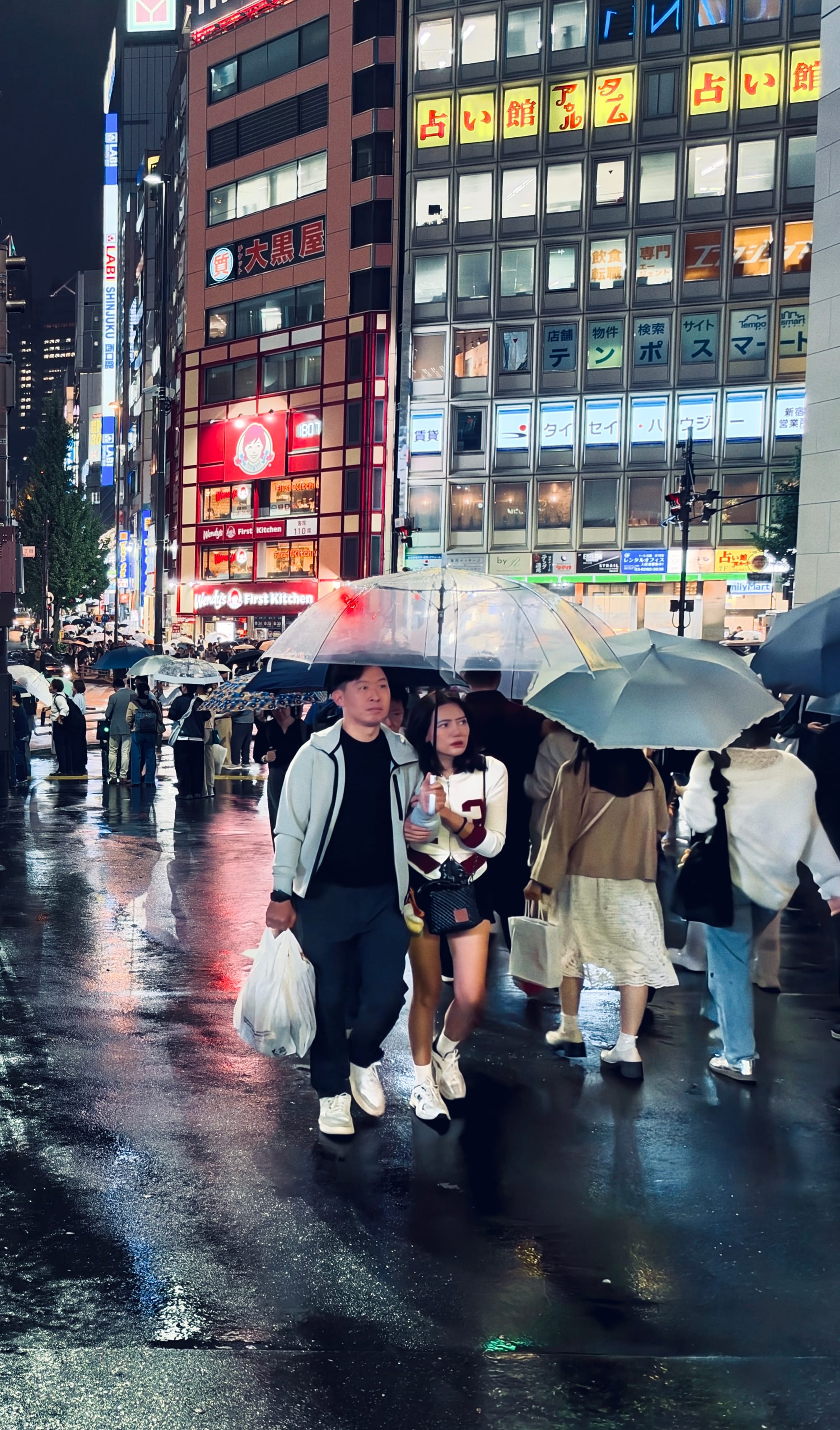
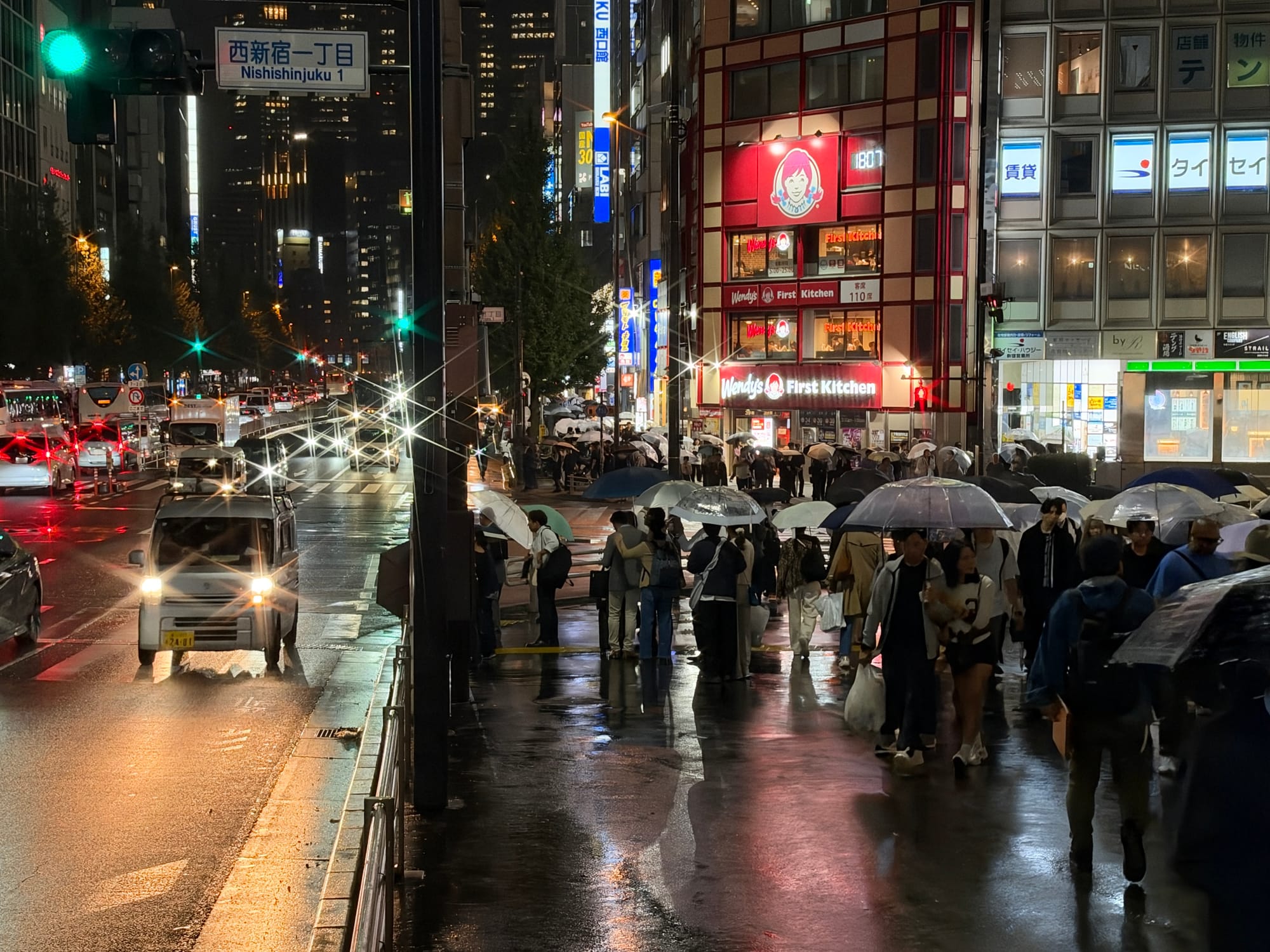
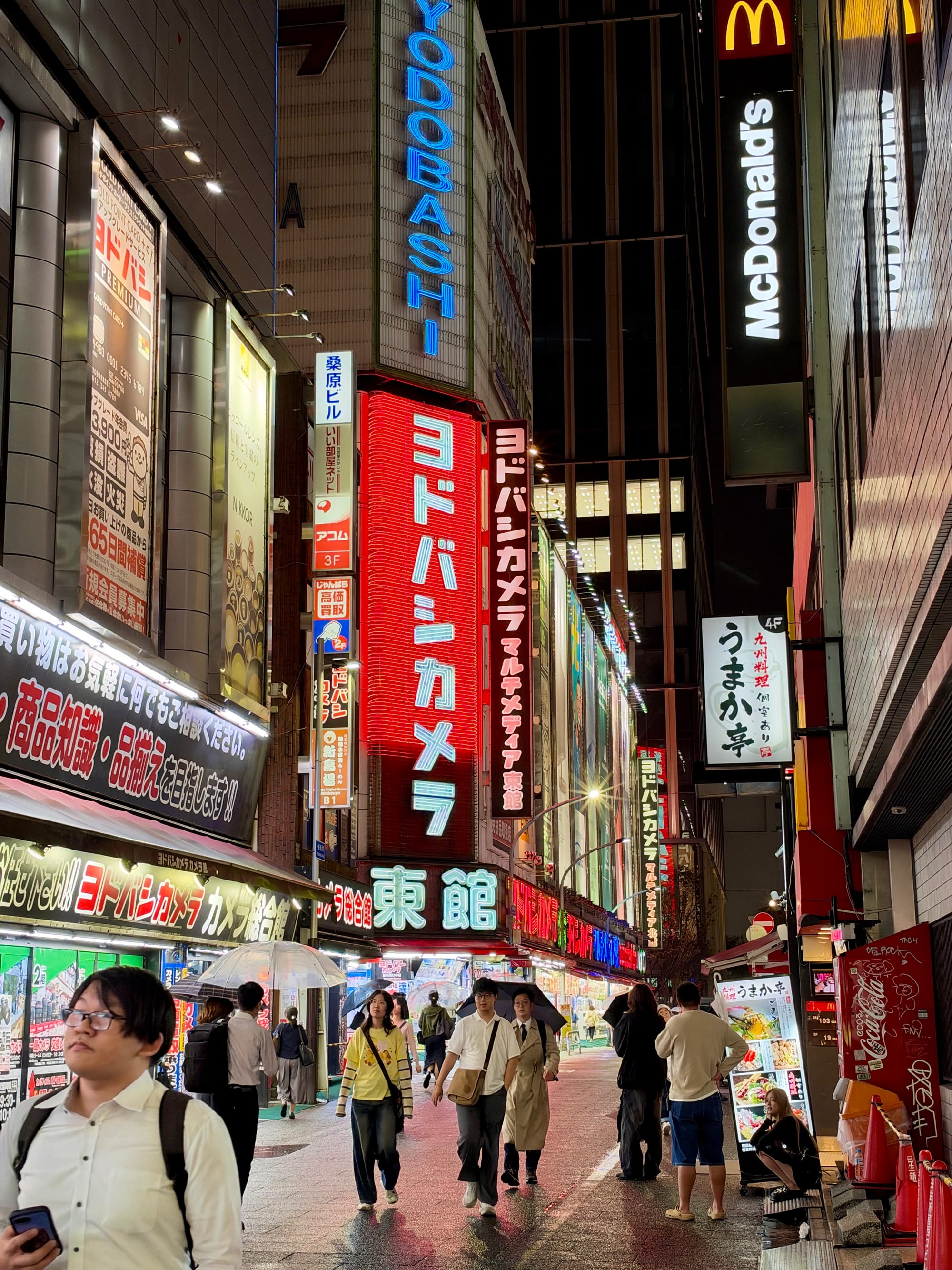
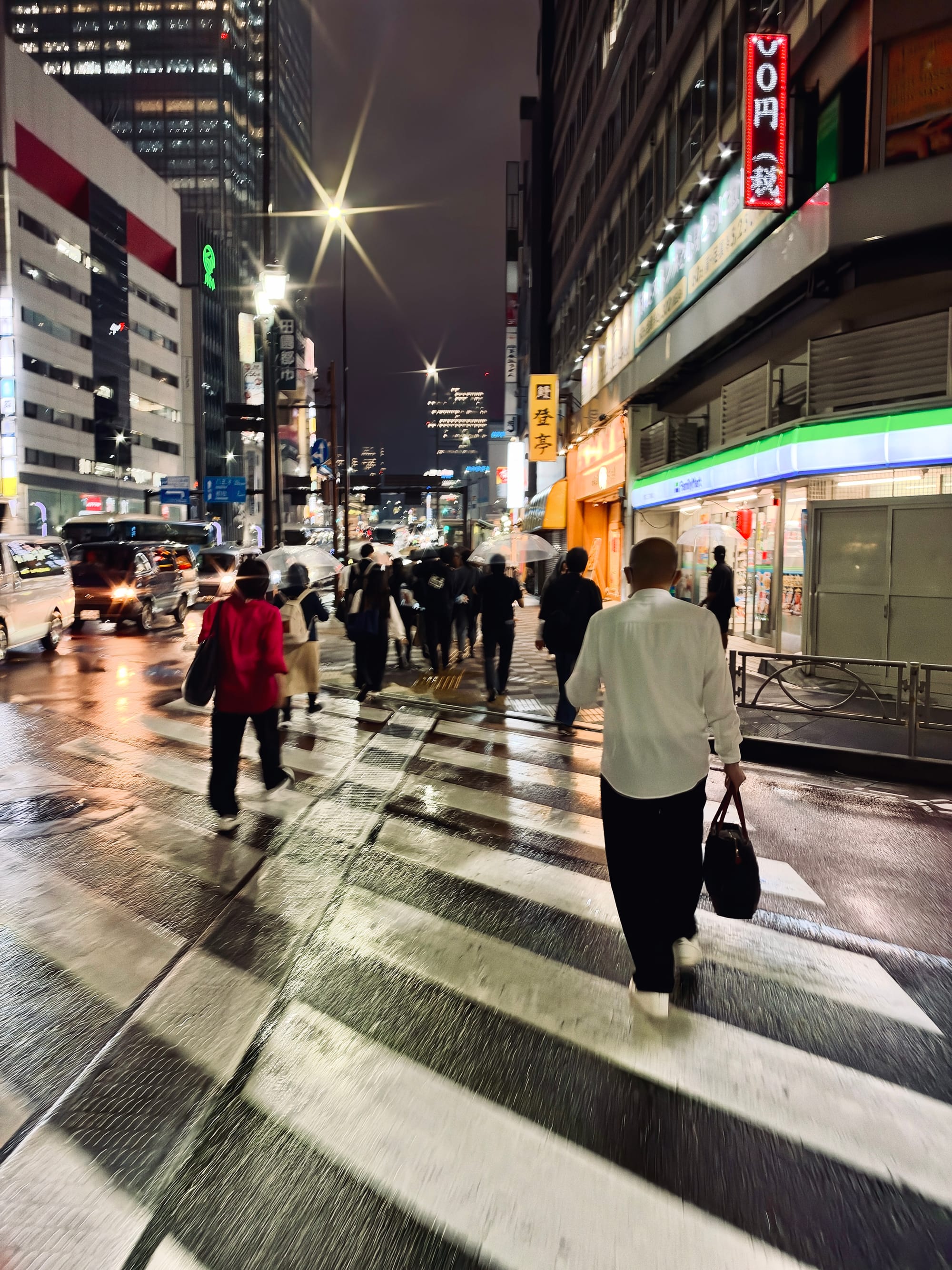
That night I visited electronics stores in the area, each overwhelmingly bright and loud and loaded with tech gadgets spanning multiple stories of tall buildings. I also went into Don Quixote's flagship store, which was similarly packed with products from top to bottom.
This little side-quest taught me that any products in high demand in the states seemed to be also sold out in Japan, as there was no one with a Fujitsu X100VI or a Playstation 5 Pro in stock to sell. Twenty years ago, I used to hear stories of Americans buying rare, underpriced bottles of famous whiskey they could sell when they got back to the US for hundreds or even thousands more than they paid in Japan. That doesn't seem to be a thing any longer, probably thanks to the internet making it easy to know what people really want in other parts of the world.
The Bonsai Museum
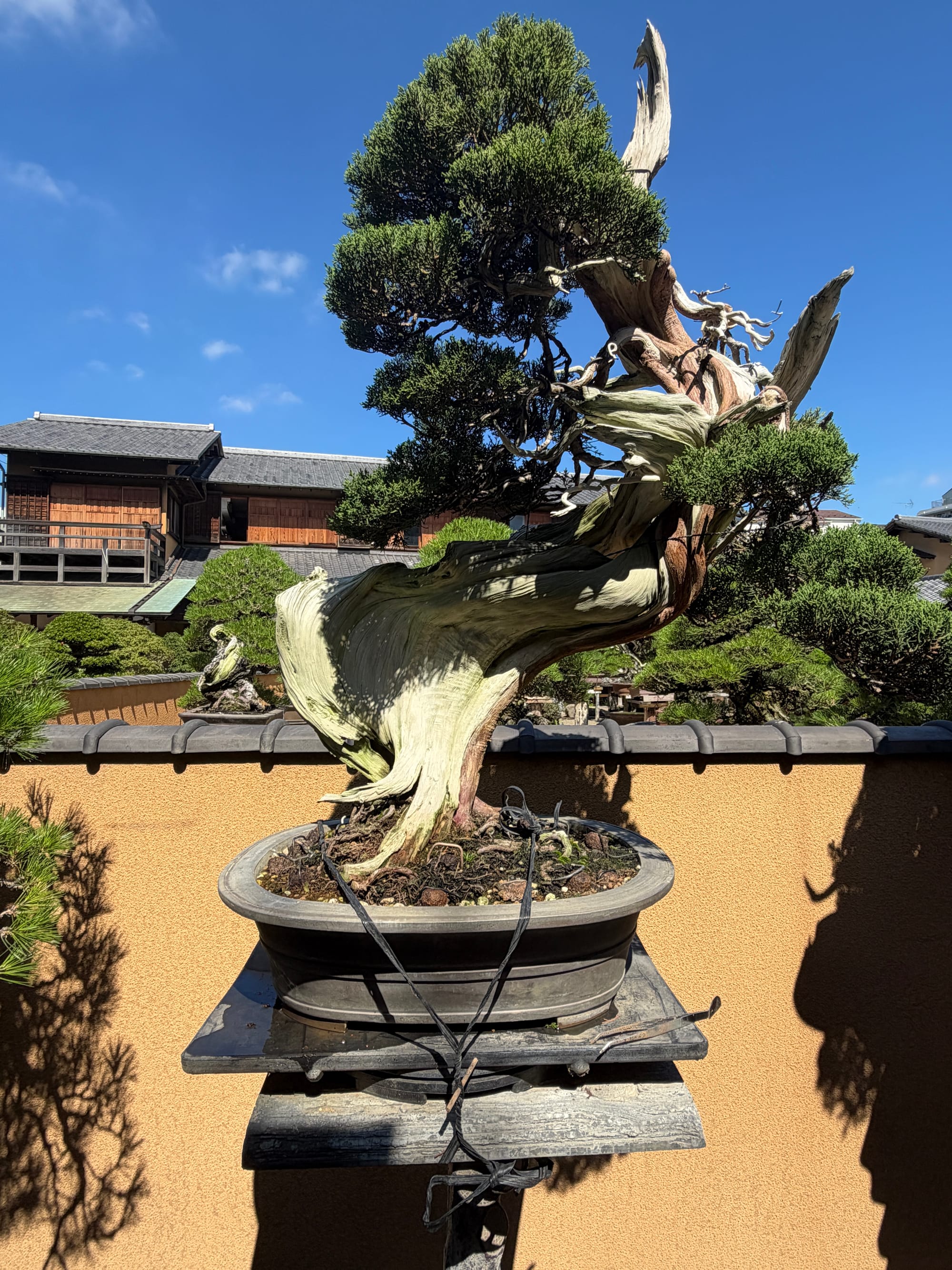

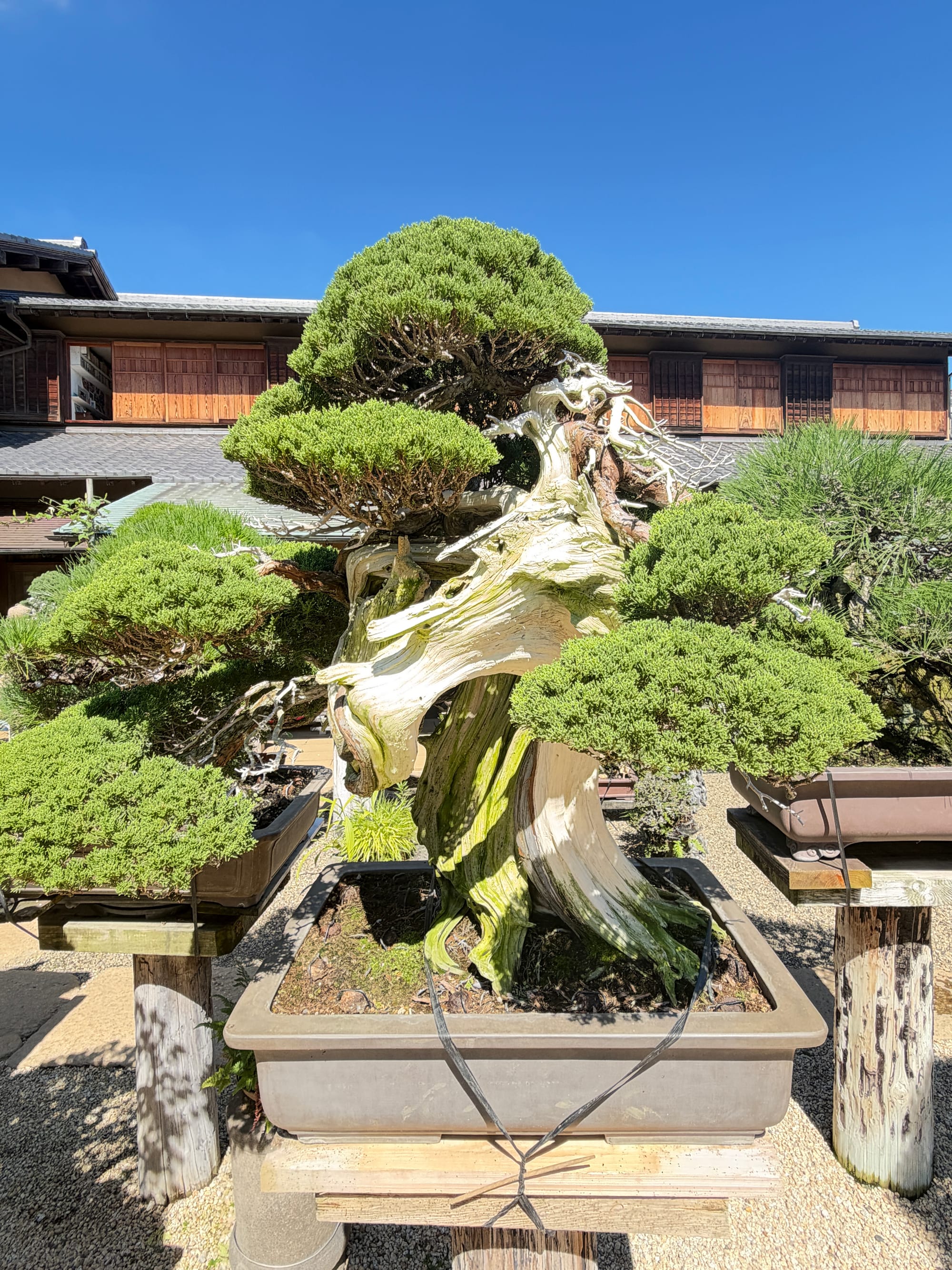
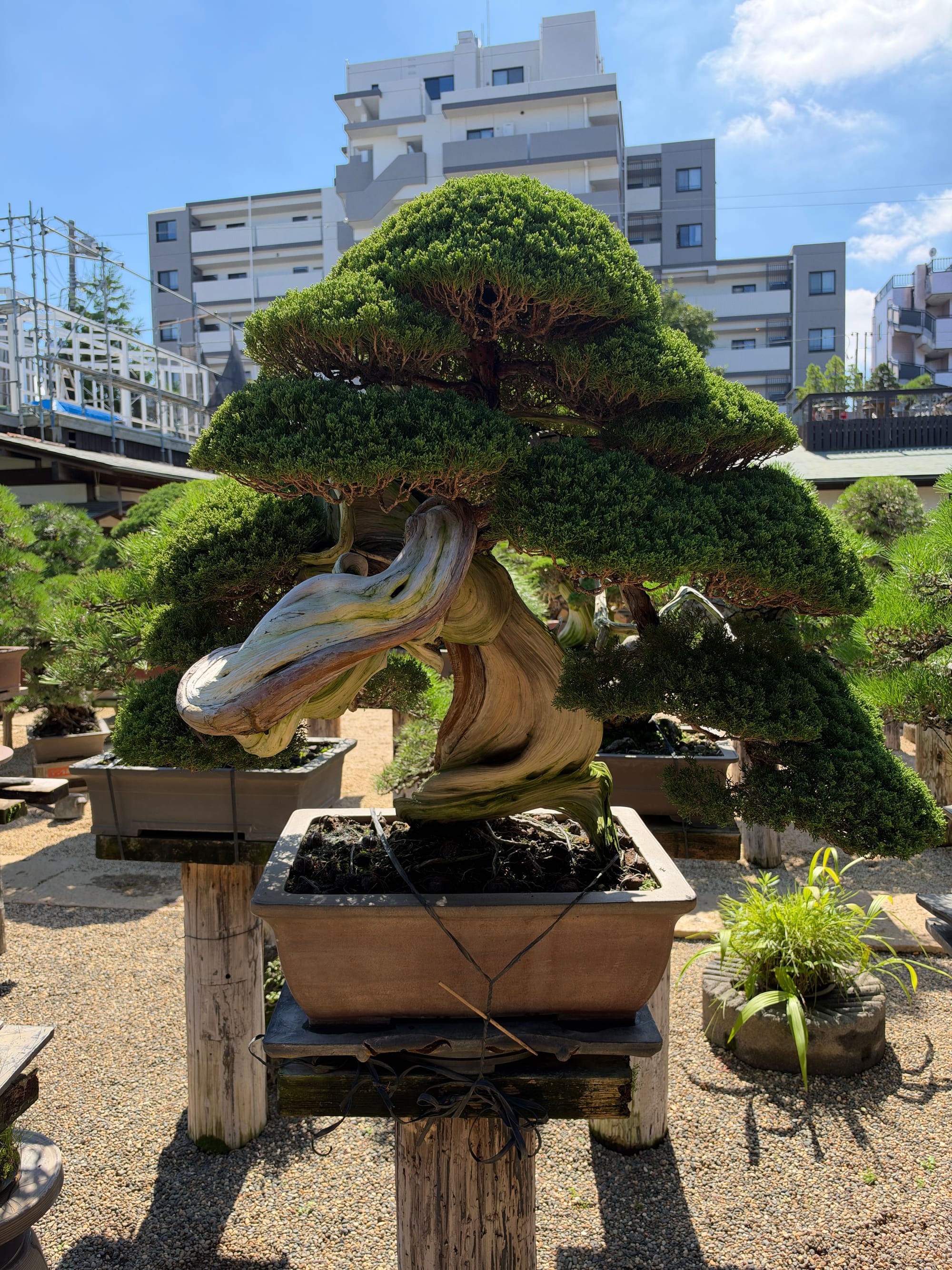
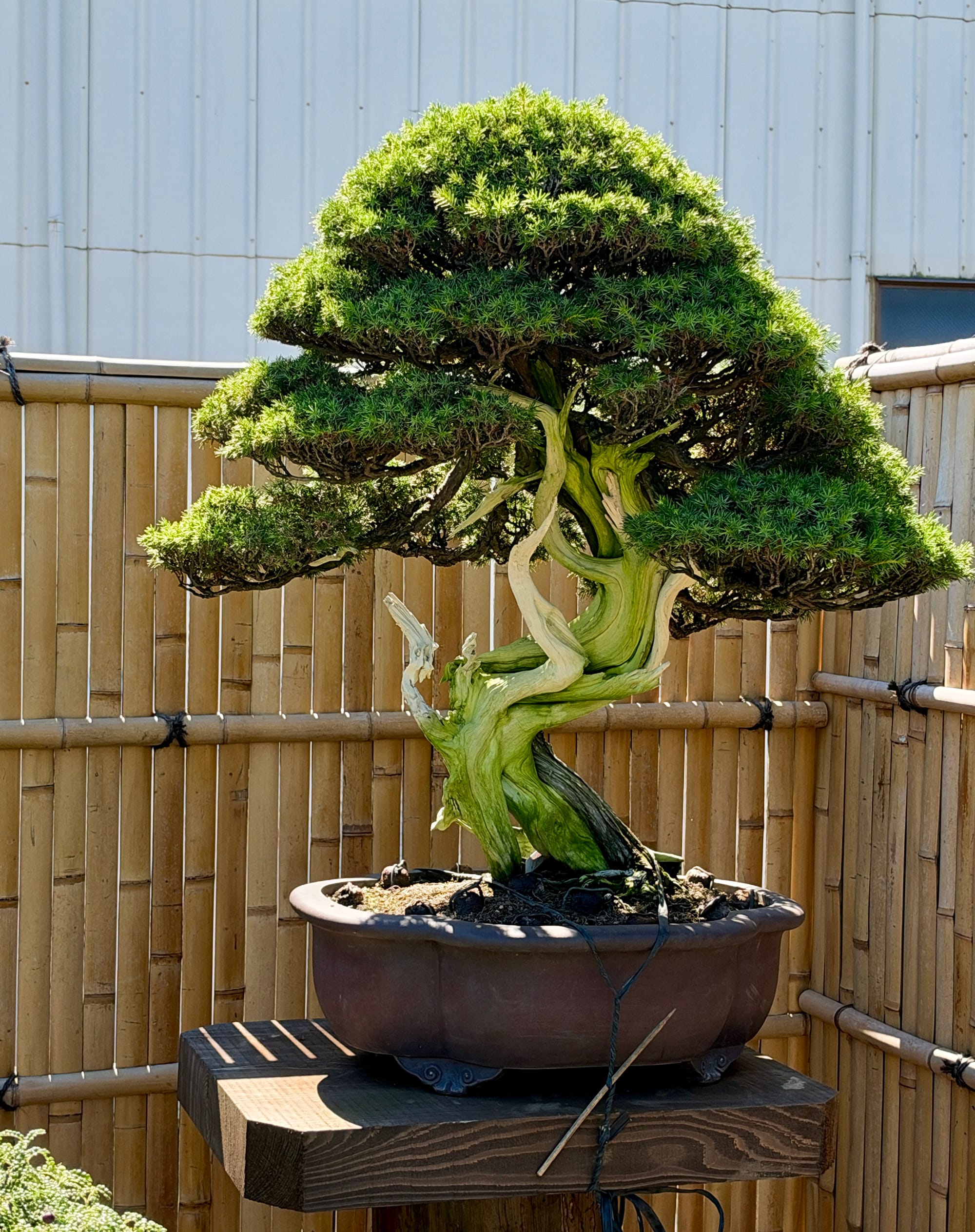
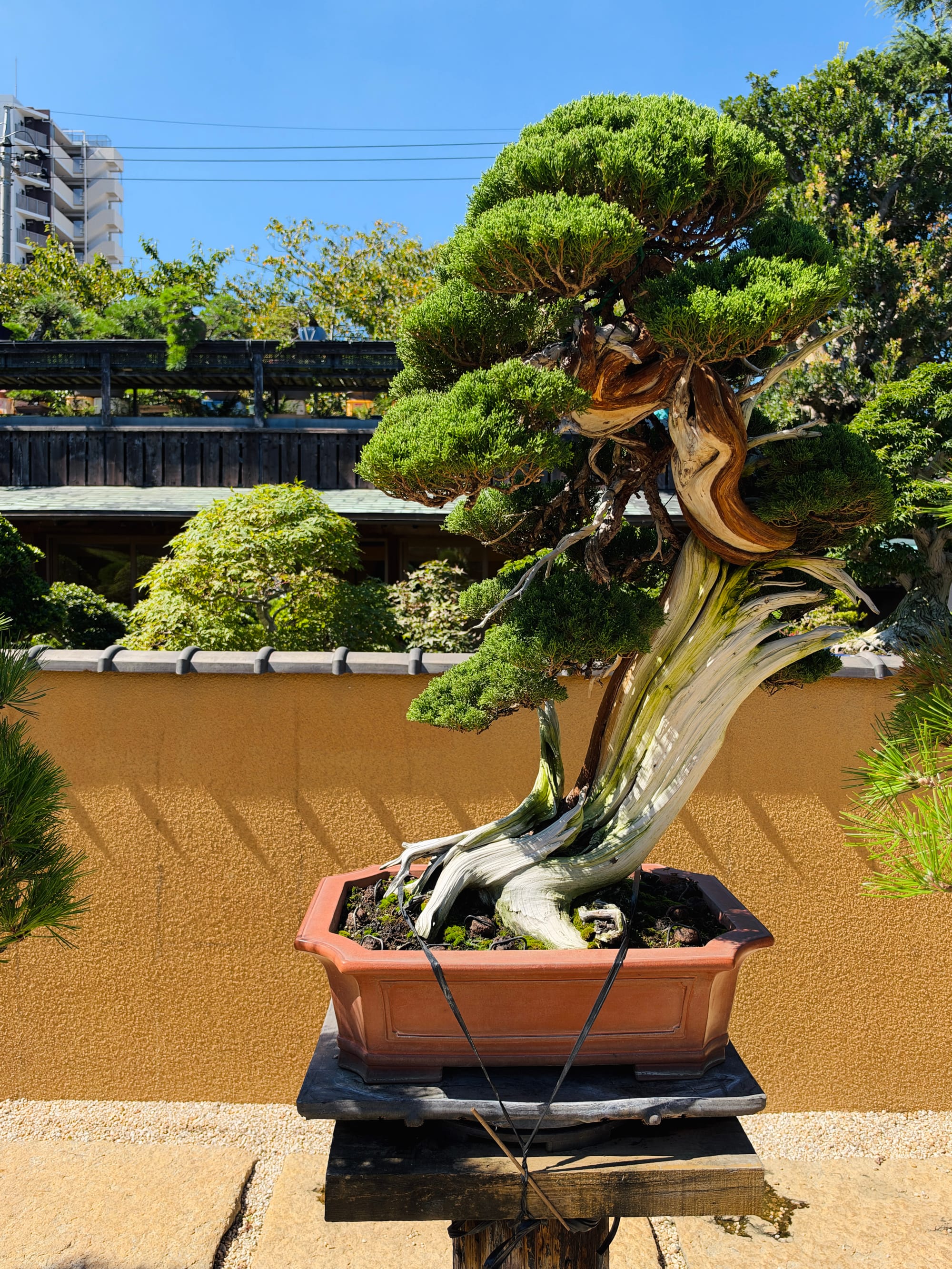
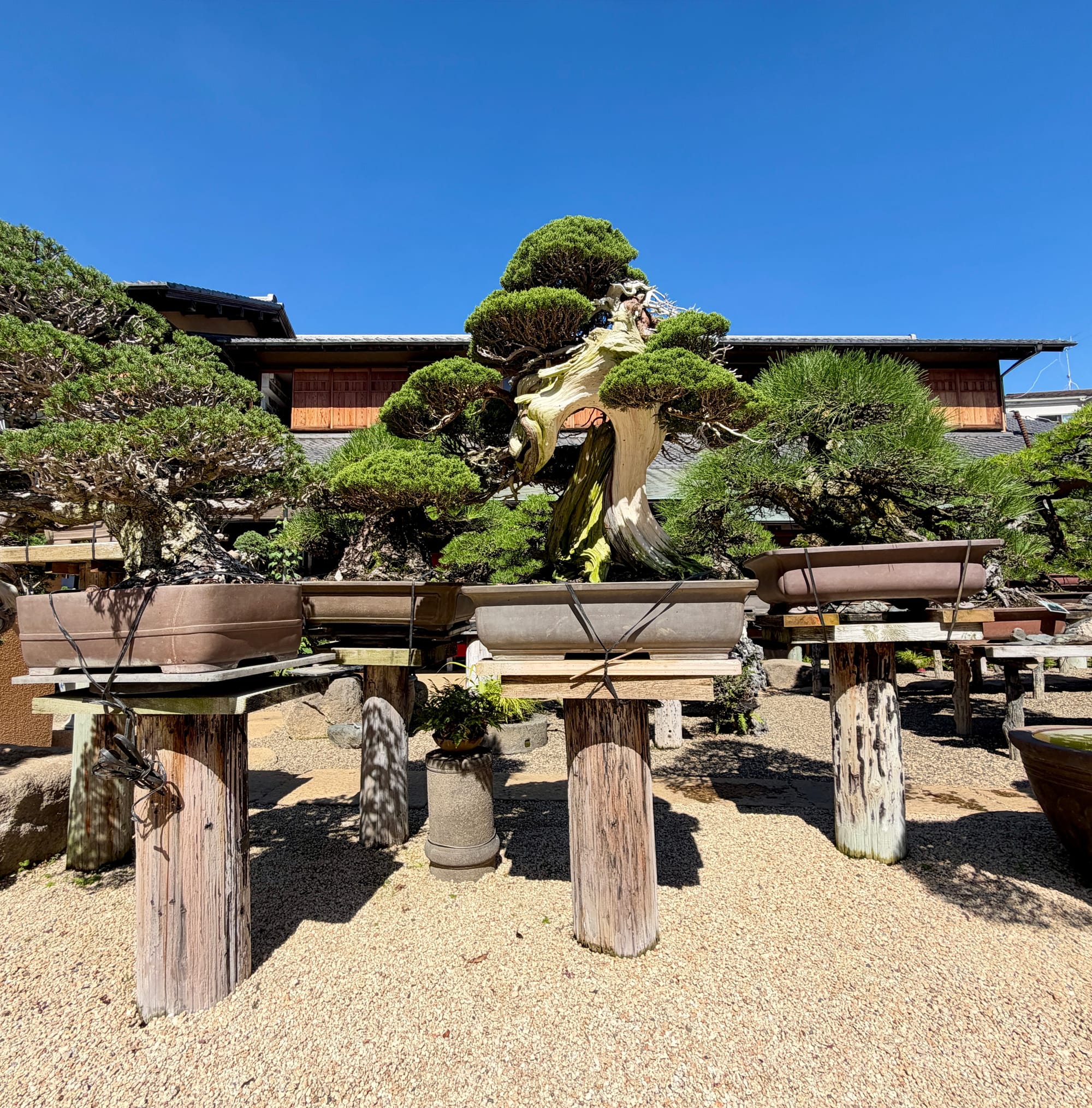
A few weeks before my trip, I attended a talk on bonsai at the Portland Japanese Garden and I've been fascinated with the art form ever since. I wanted to see "real" bonsai in Tokyo so on Thursday, I spent an hour traveling to and wandering around the Shunkaen Bonsai Museum where I was not disappointed. I know how much time and effort bonsai require and there were some really incredible examples on display here, with large trunks and tiny leaves that likely formed only after many decades of careful manipulation.
The Tokyo Metro Train Museum
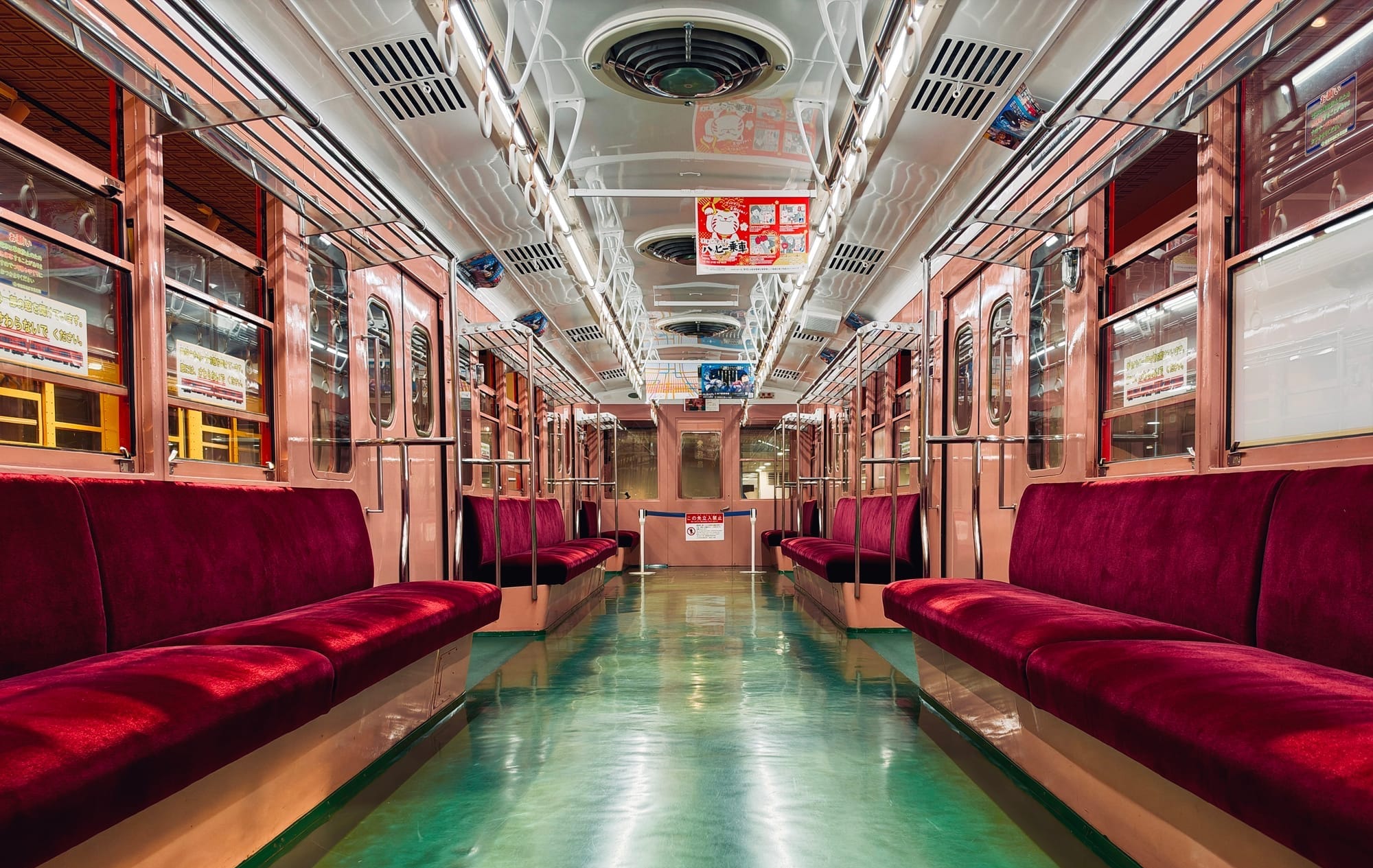
A quick bus ride from the bonsai gardens brought me to the Tokyo Metro museum where they had train cars on display you could wander through. You could even see the first actual subway car that ran in Tokyo starting in 1927, fully restored.
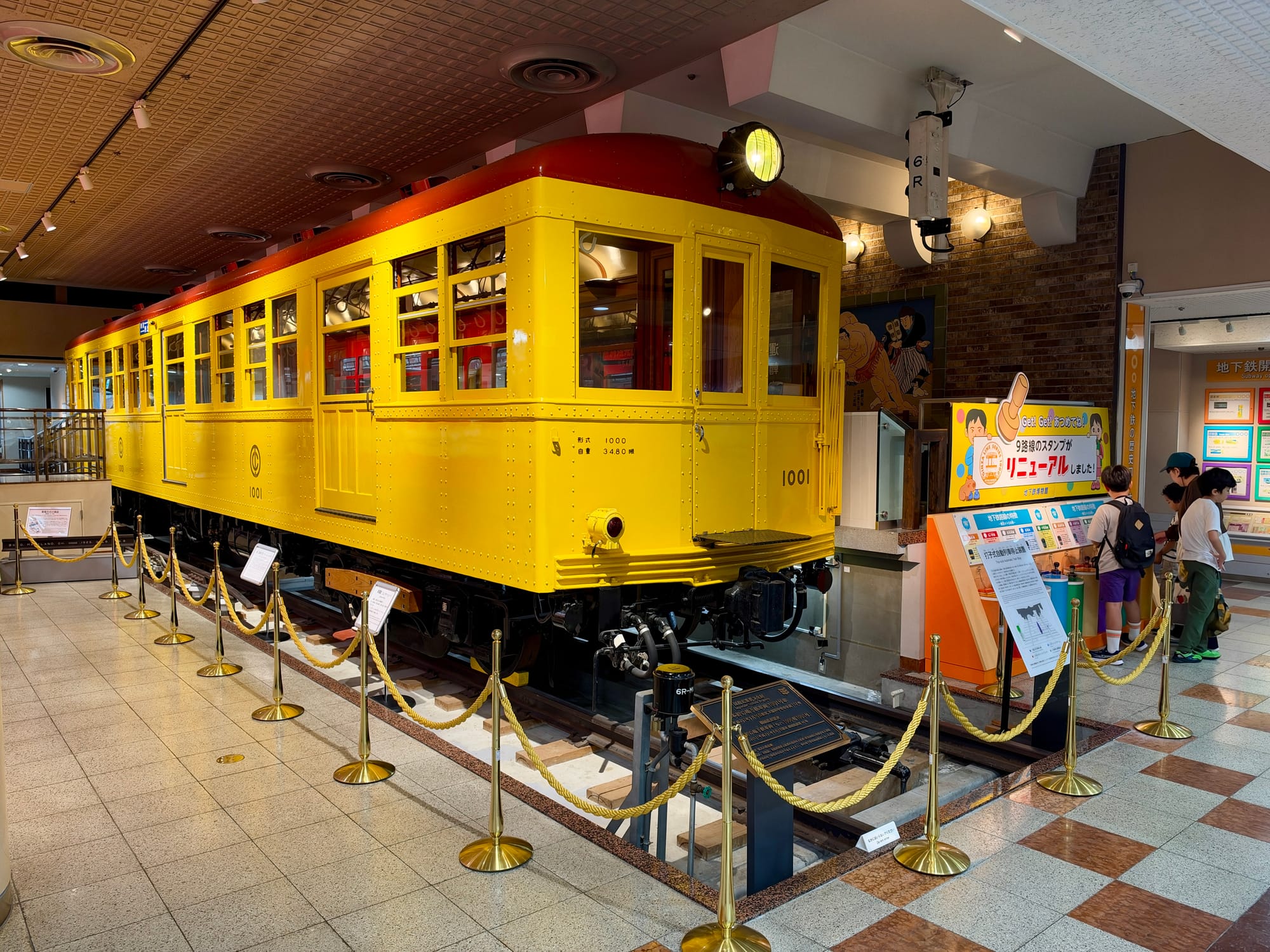
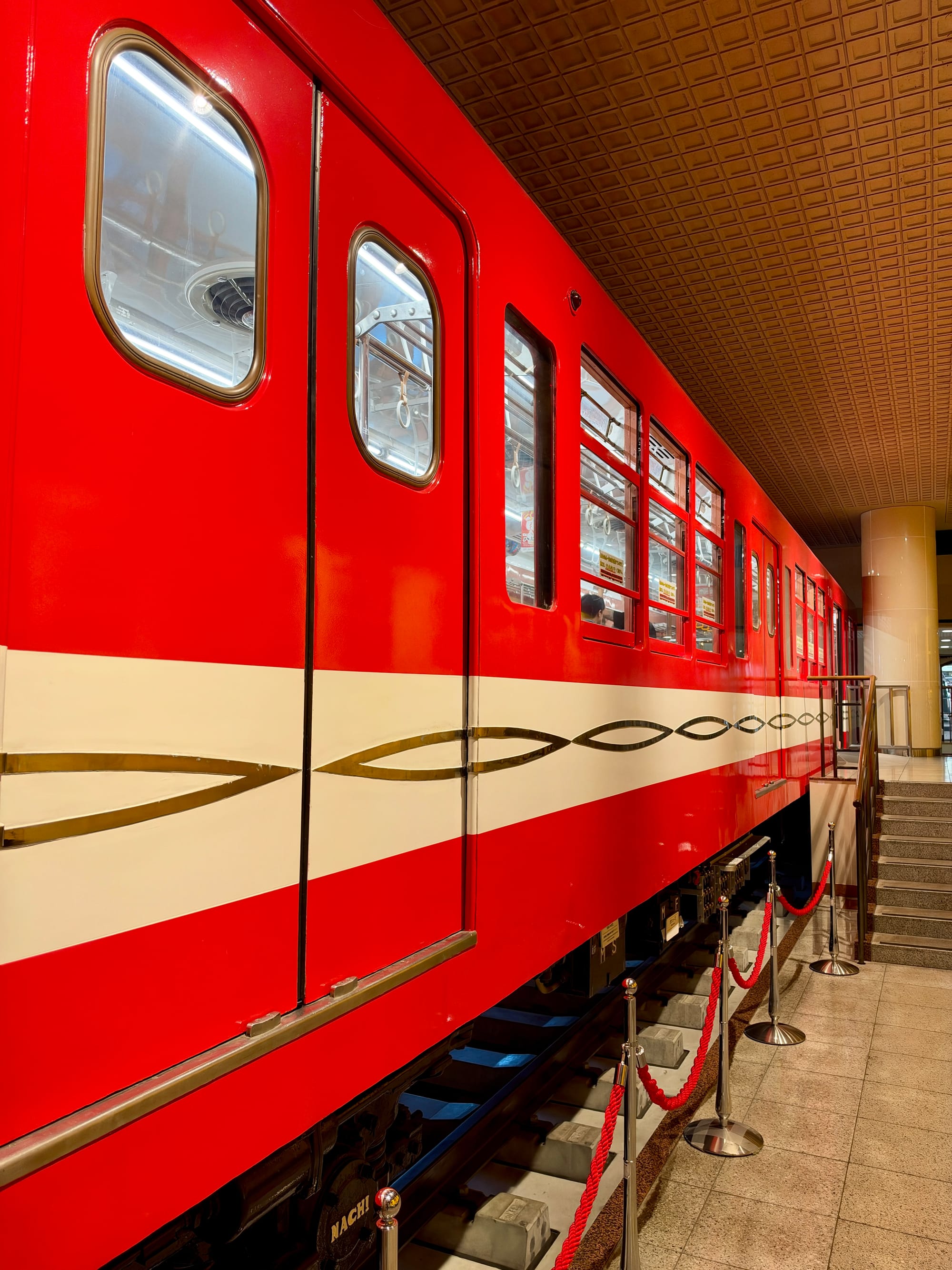
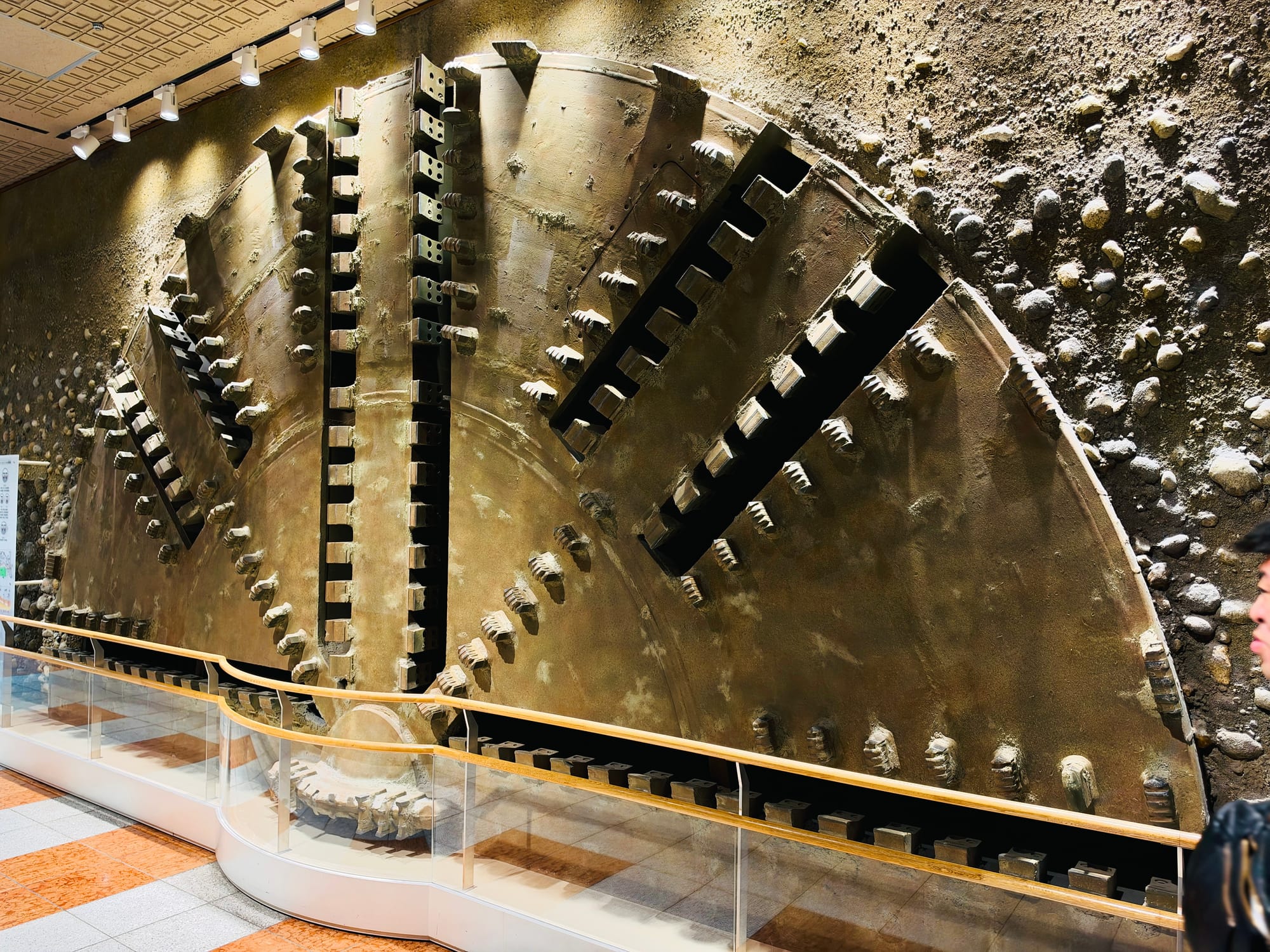
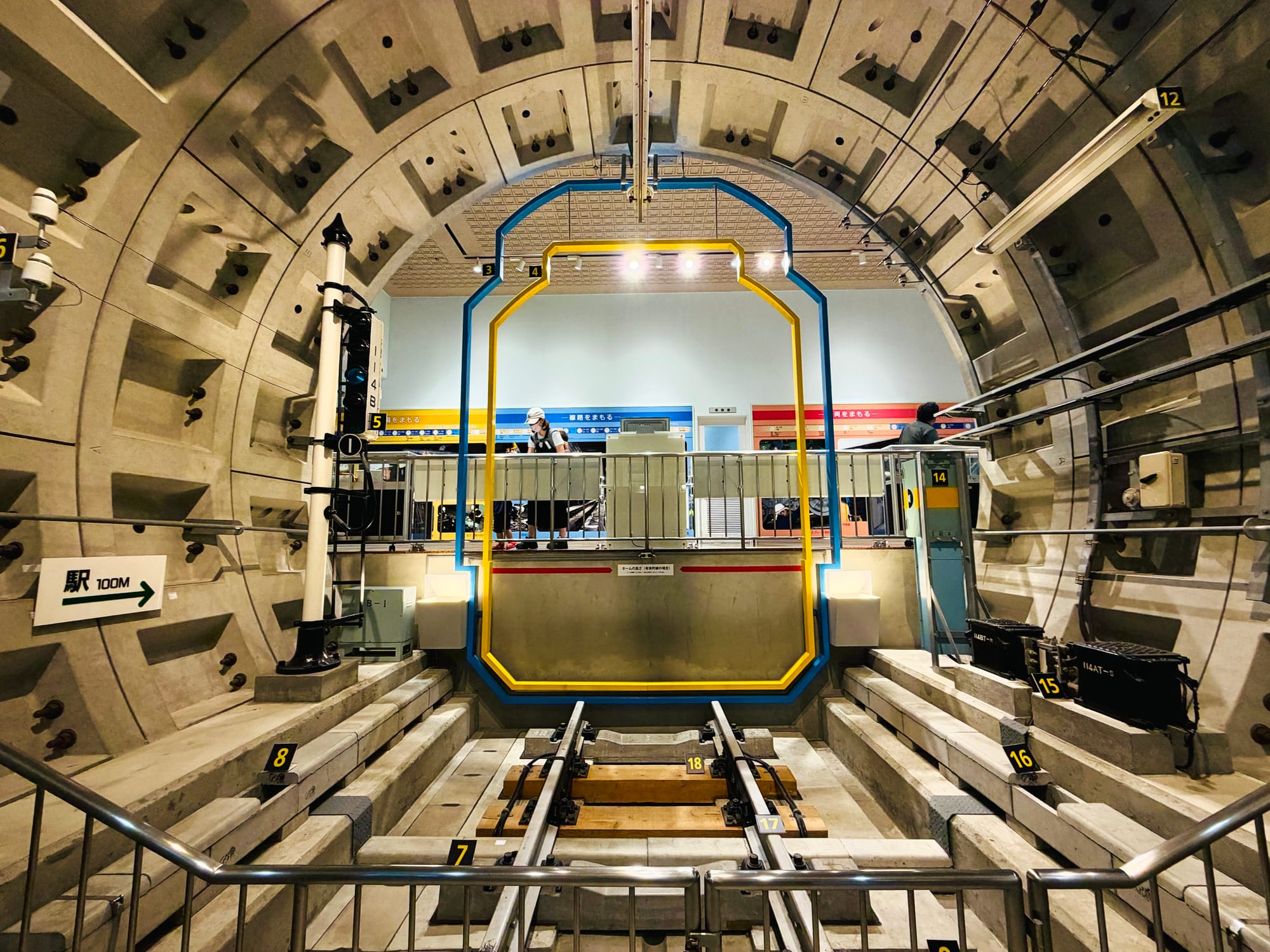
The very first Tokyo subway car, a subway from the 1950s, the boring machine they used to carve tunnels, and a full cross-section of how modern train tunnels are constructed
There were tons of displays on how they used to build tunnels and how they do it in modern times. I loved it and it gave me a new appreciation for the dozens of train lines I rode throughout the week. It's an incredible system that makes getting from one spot to almost any other tremendously easy and affordable.
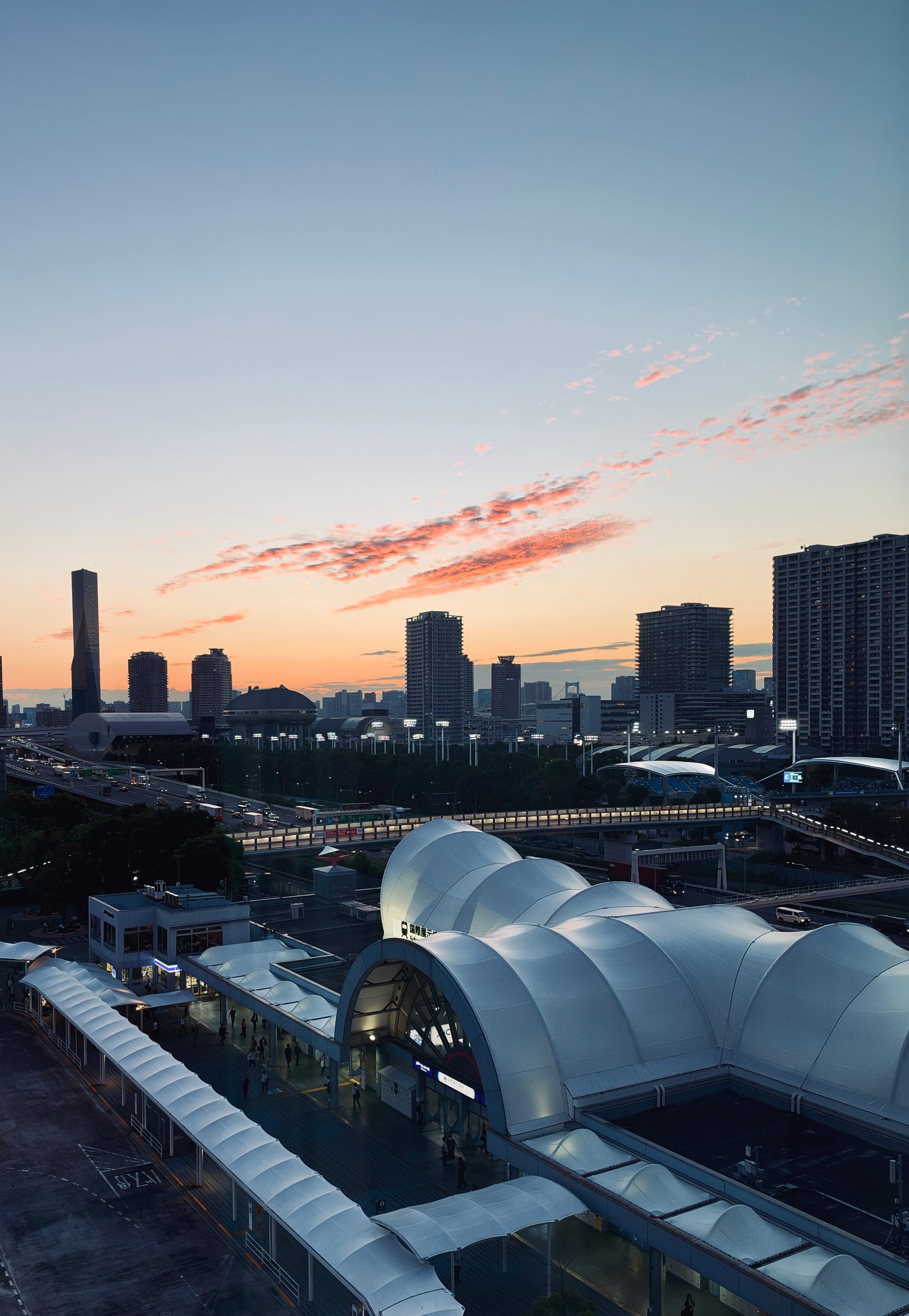
Teppanyaki
Thursday night, I met up with Leonard and friends for a teppanyaki dinner in Shibuya. I wanted to try some of the local waygu on this trip and we had a fantastic prix fixe meal with lobster.
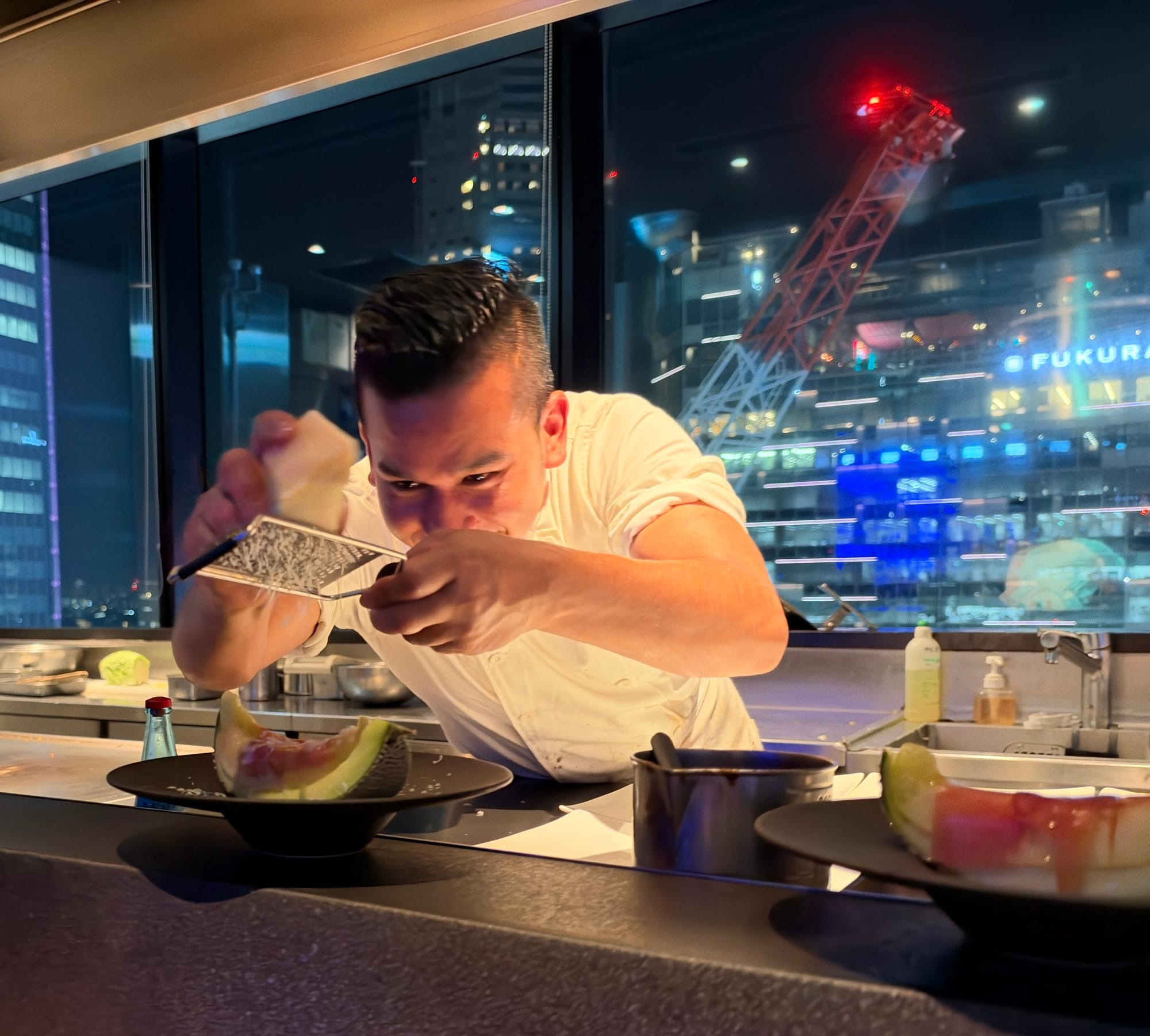
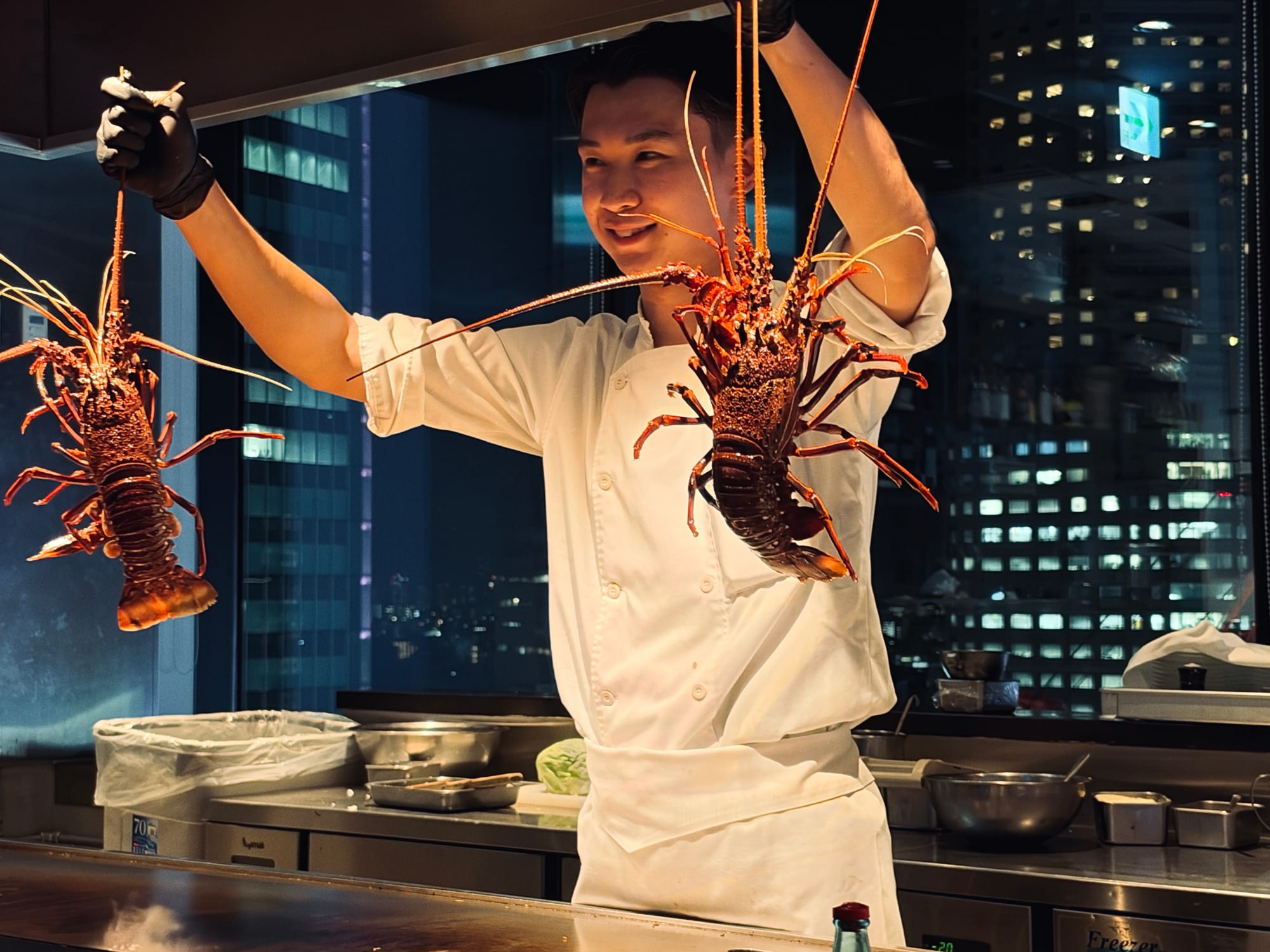
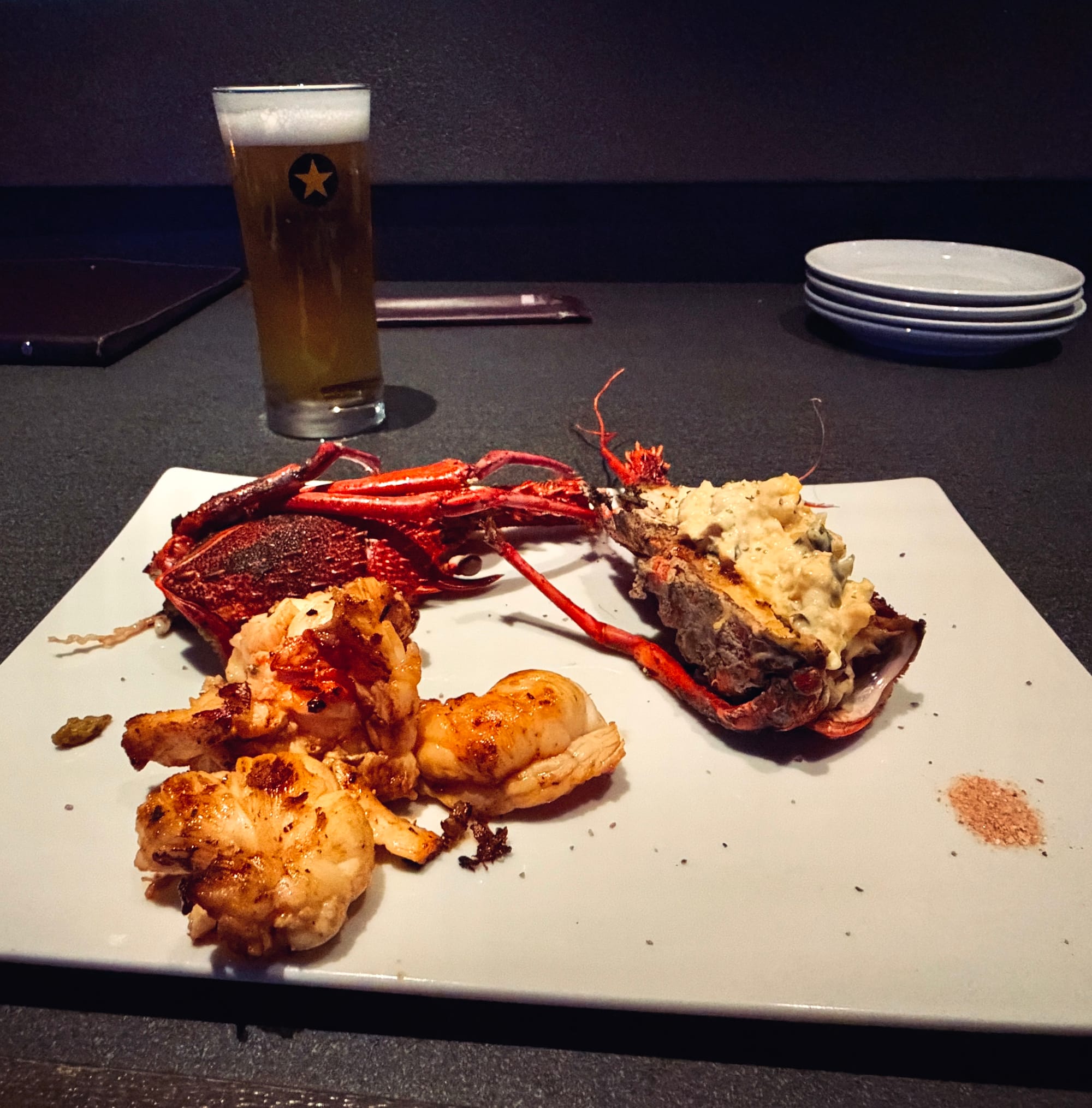
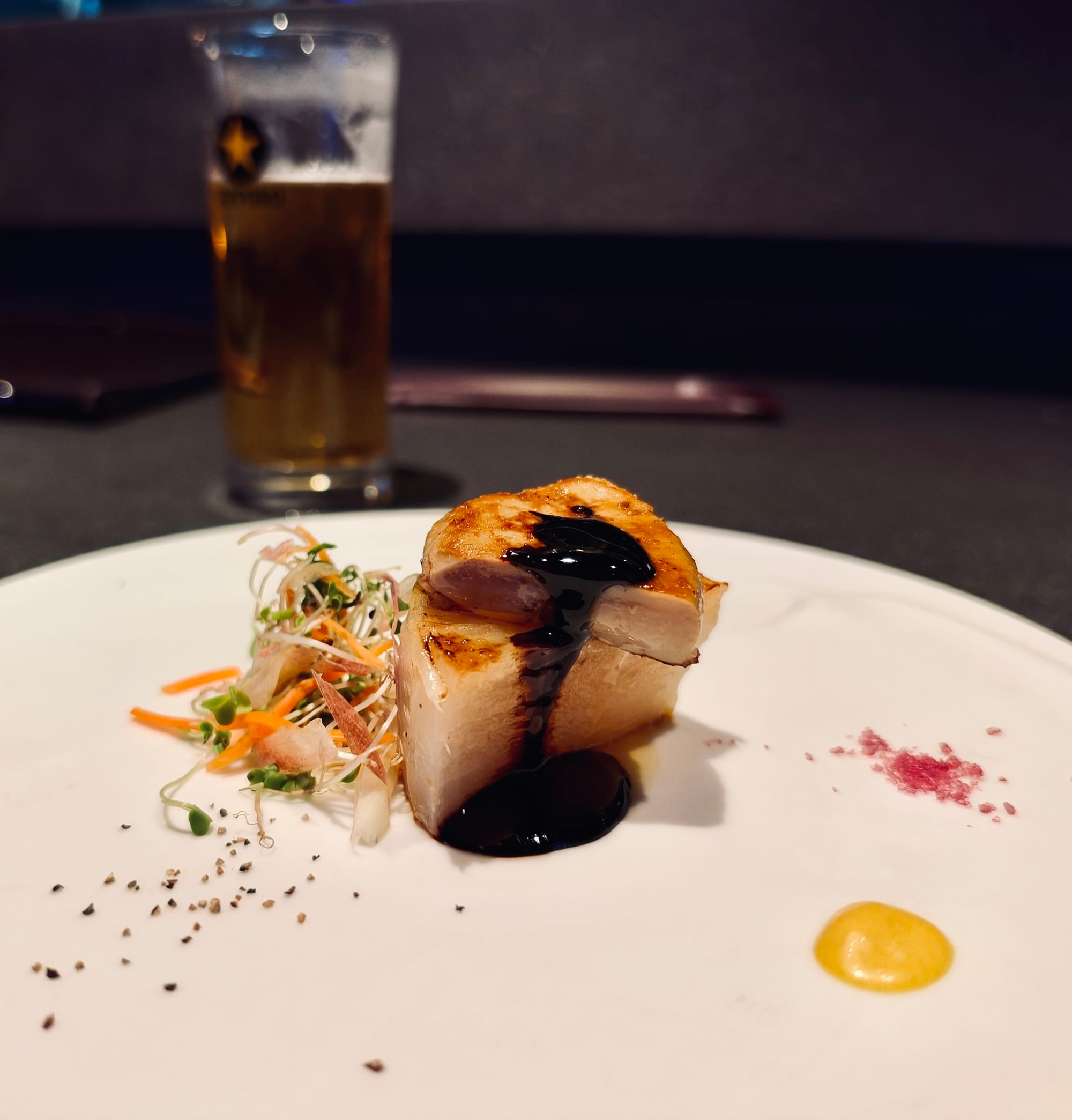
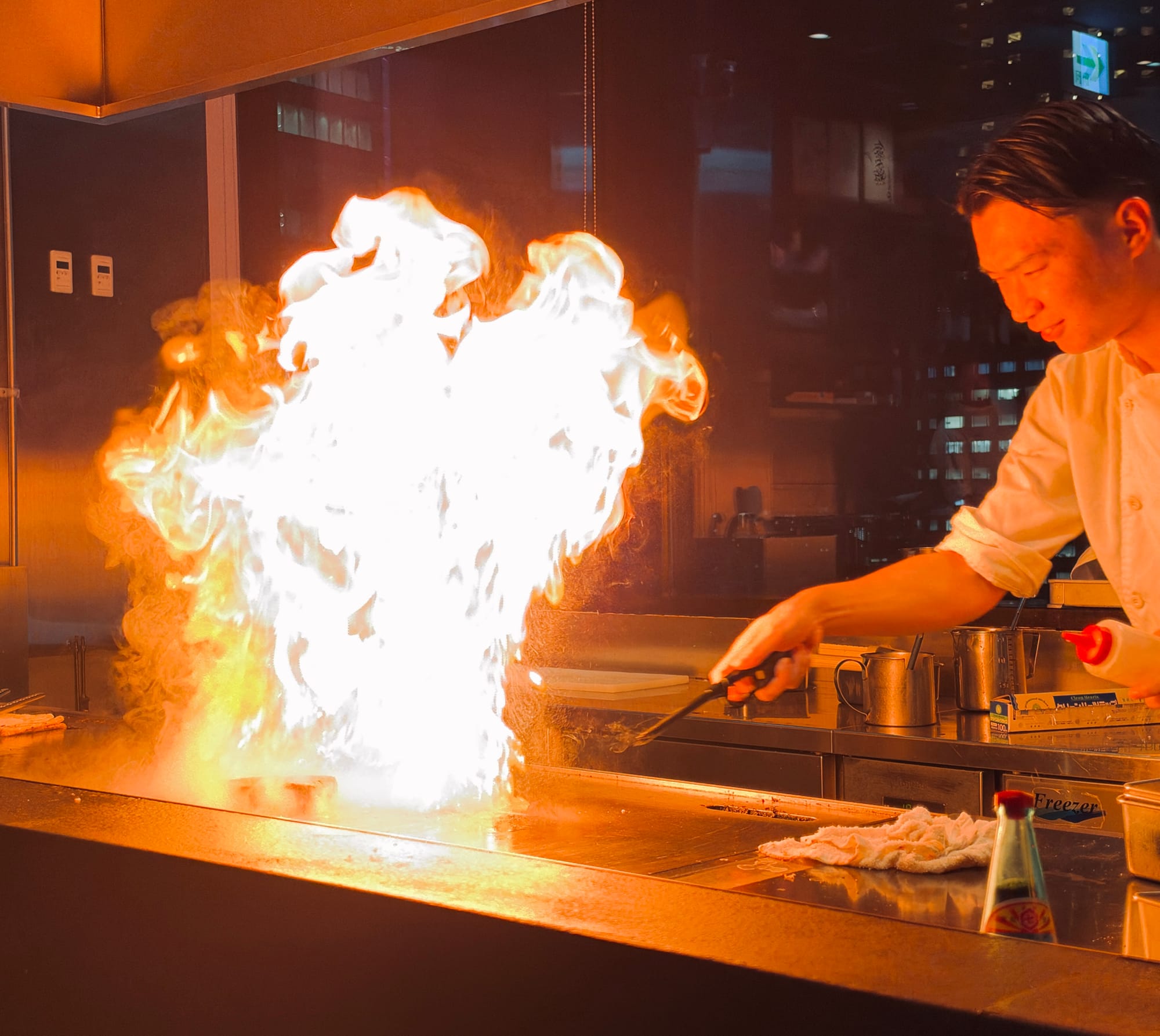
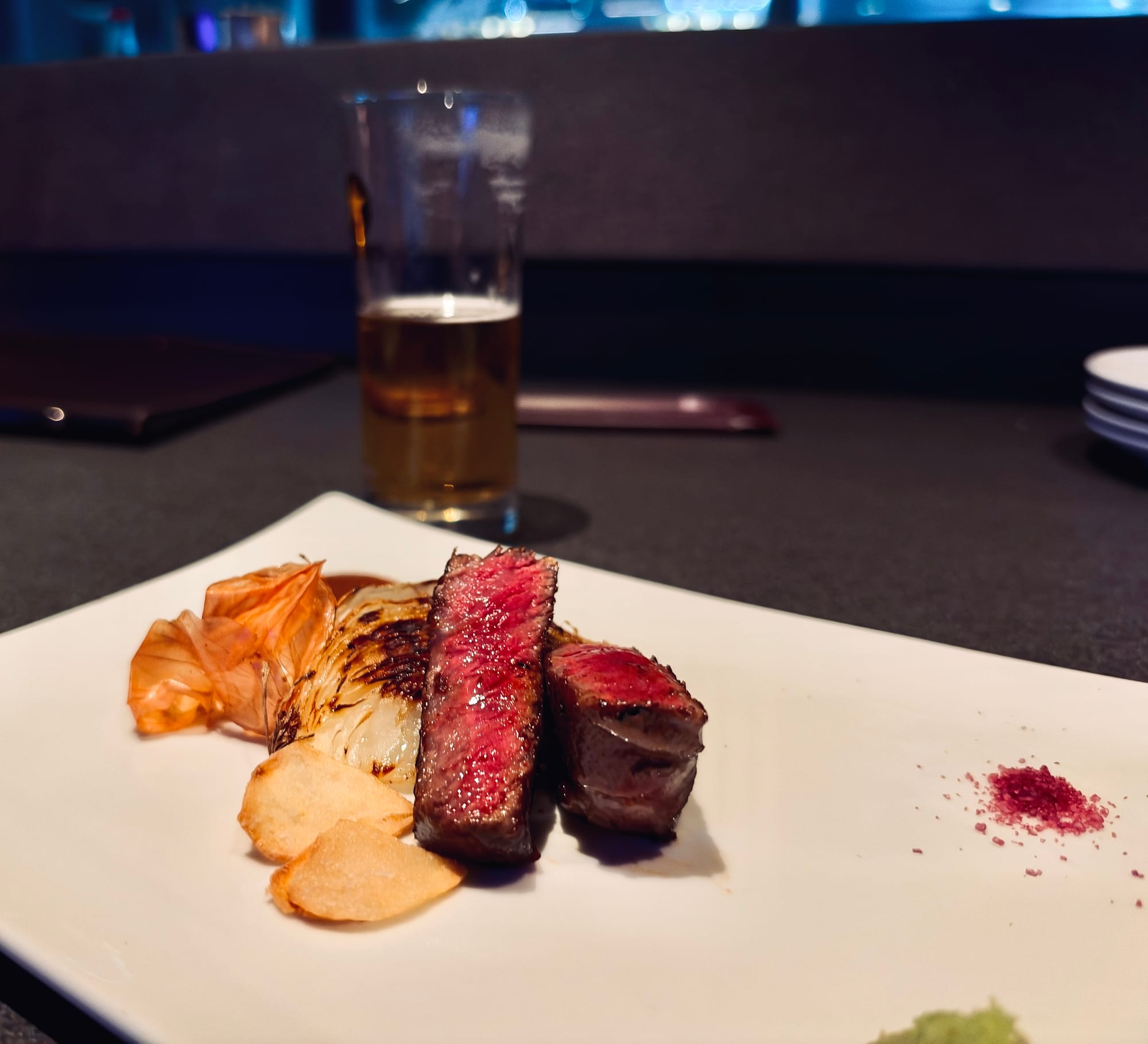
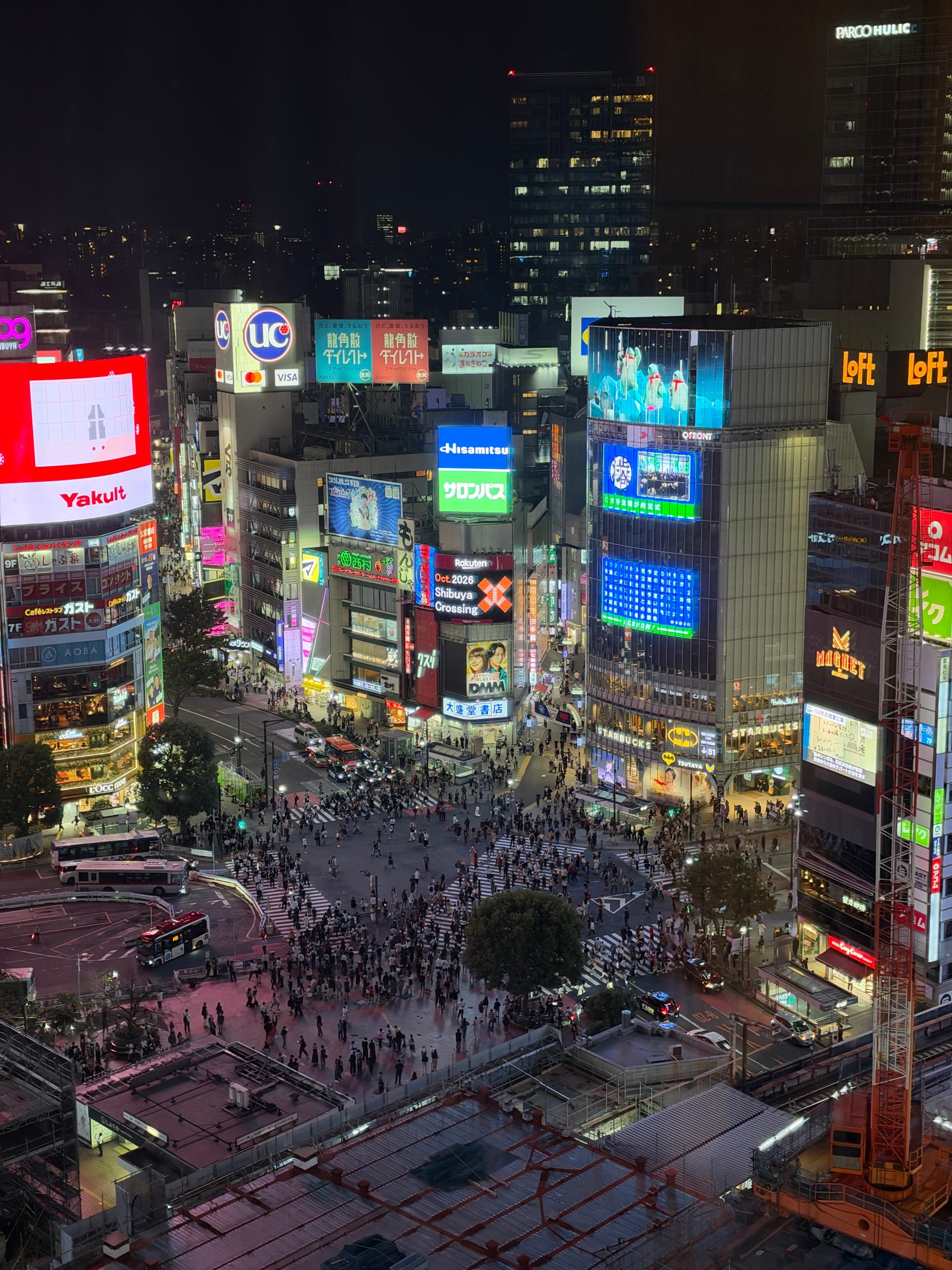
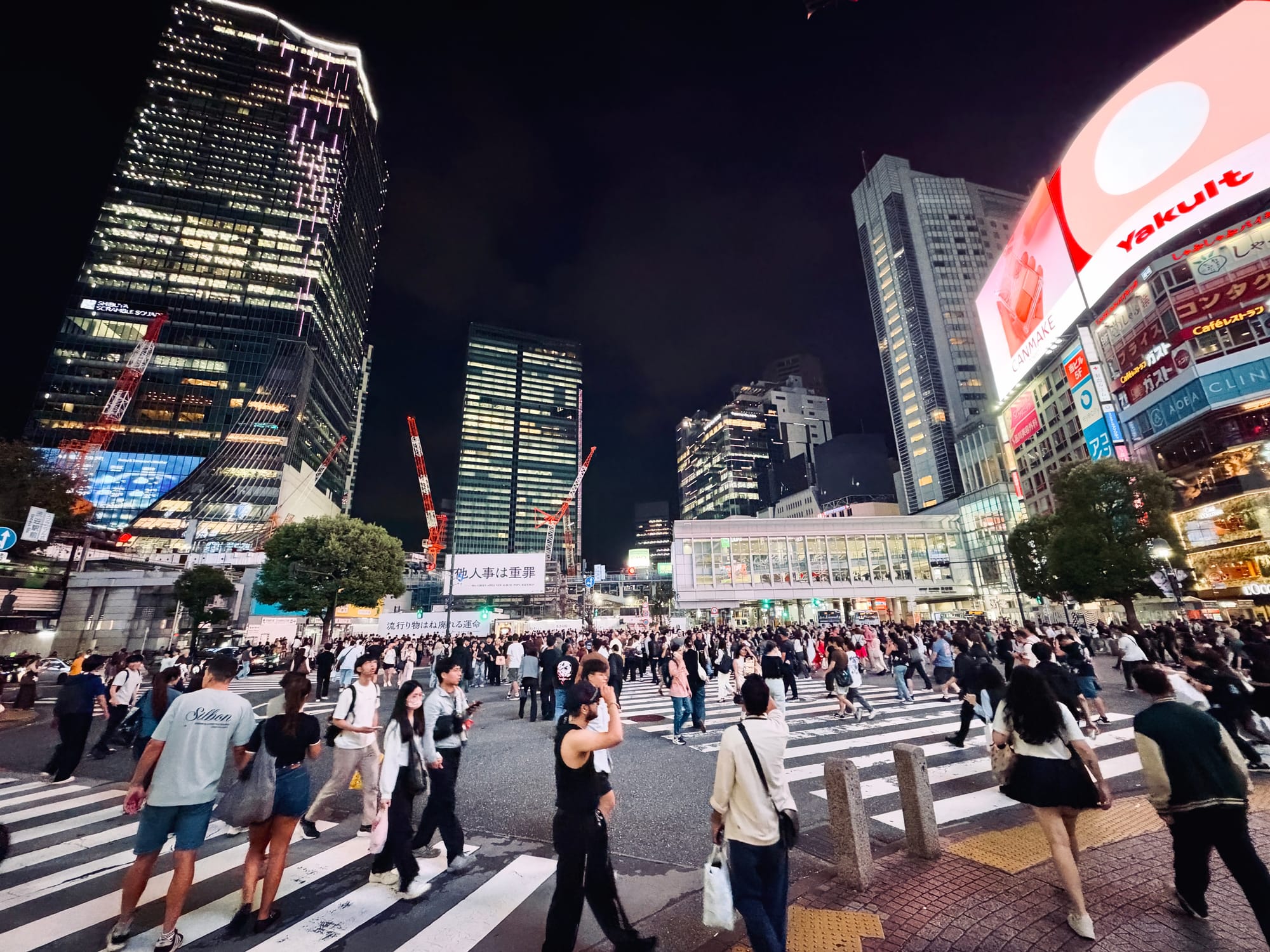
After dinner, we wandered around the famous Shibuya crossing since it was just downstairs from the restaurant.
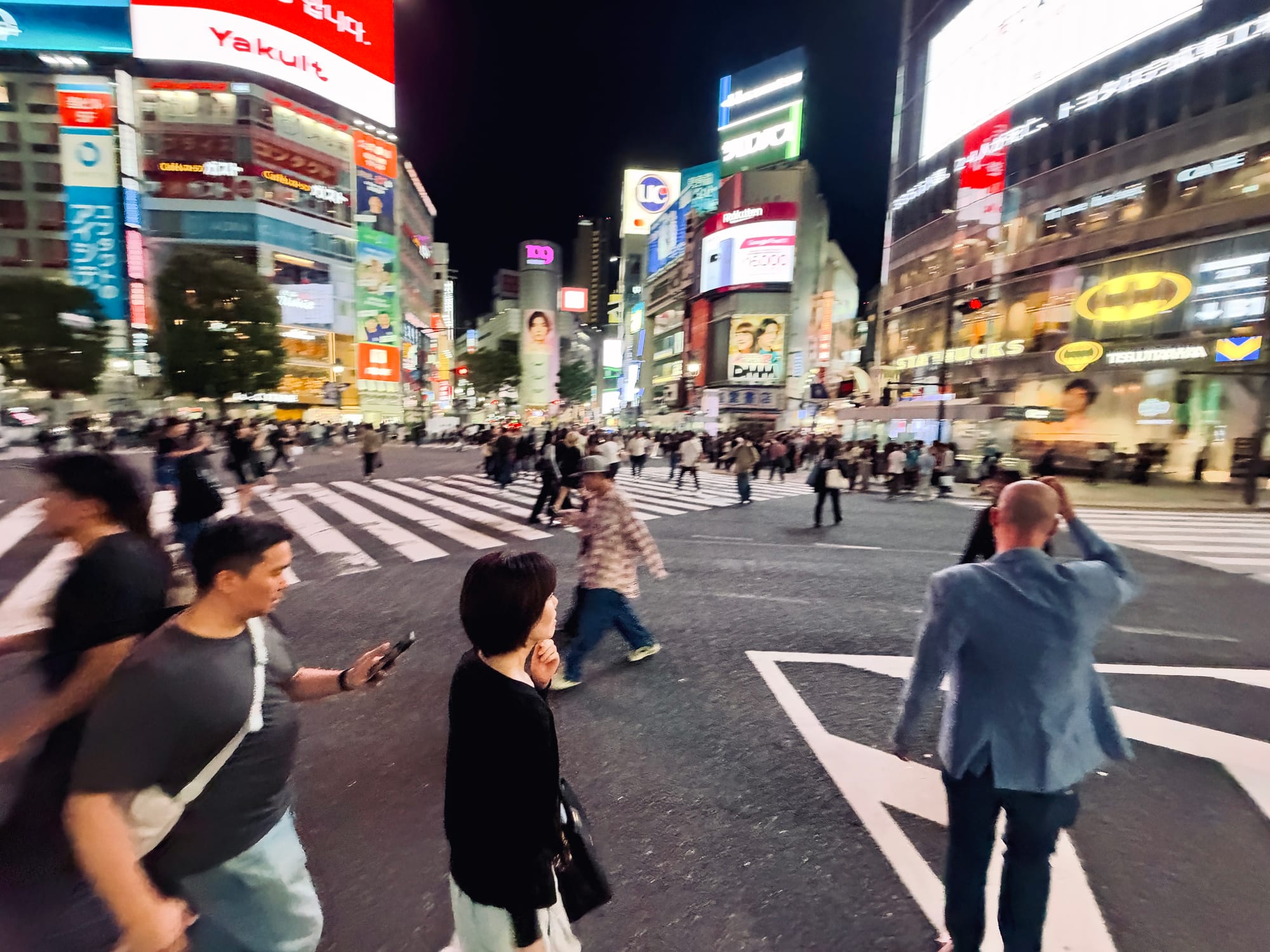
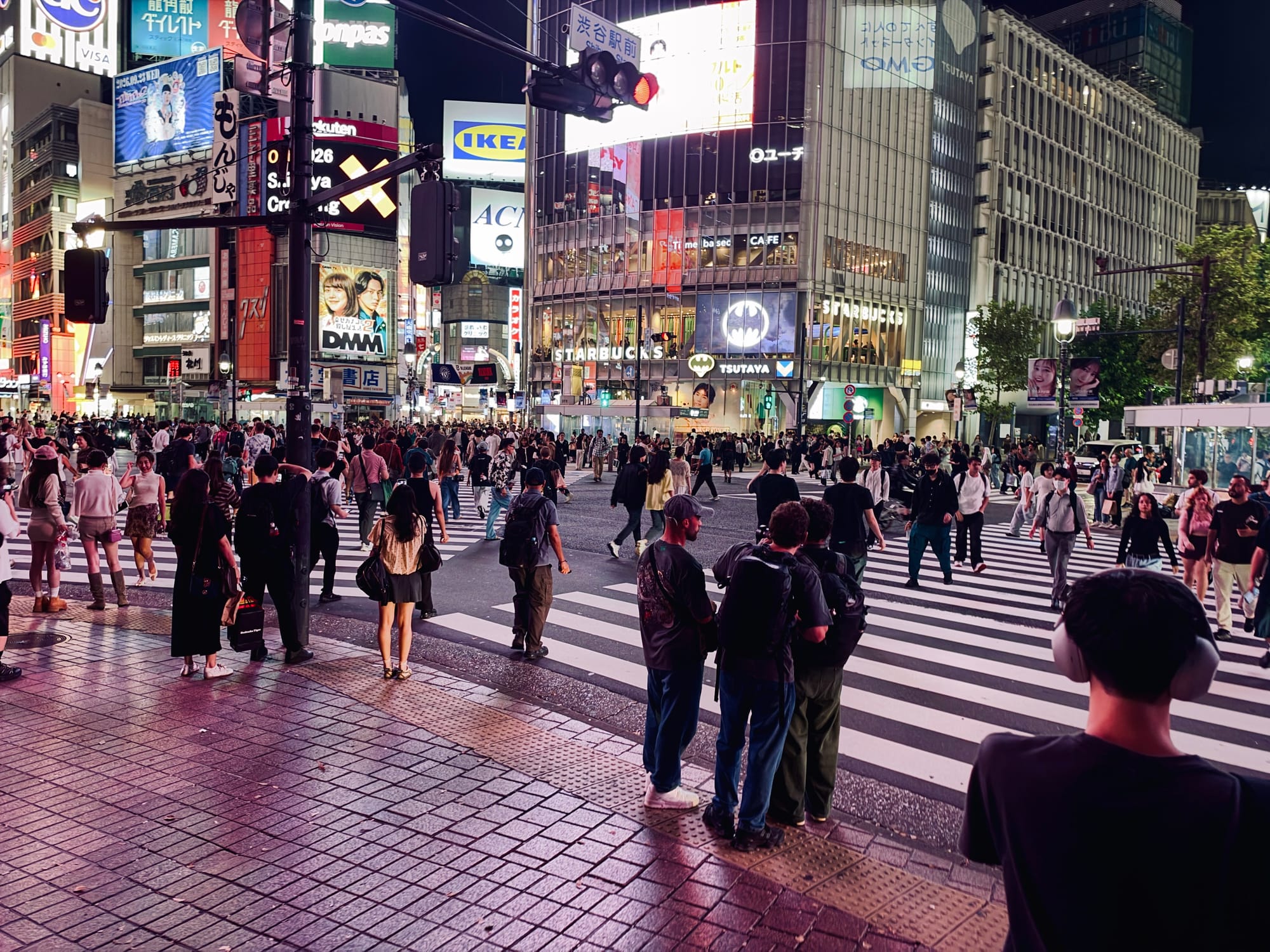
A quick trip to a night temple
Post-dinner, I wanted to visit another temple known for being lit at night where I hoped to miss crowds, but unfortunately most of the main temple buildings were dark when I was there. Still, it was a great experience to see everything on display.
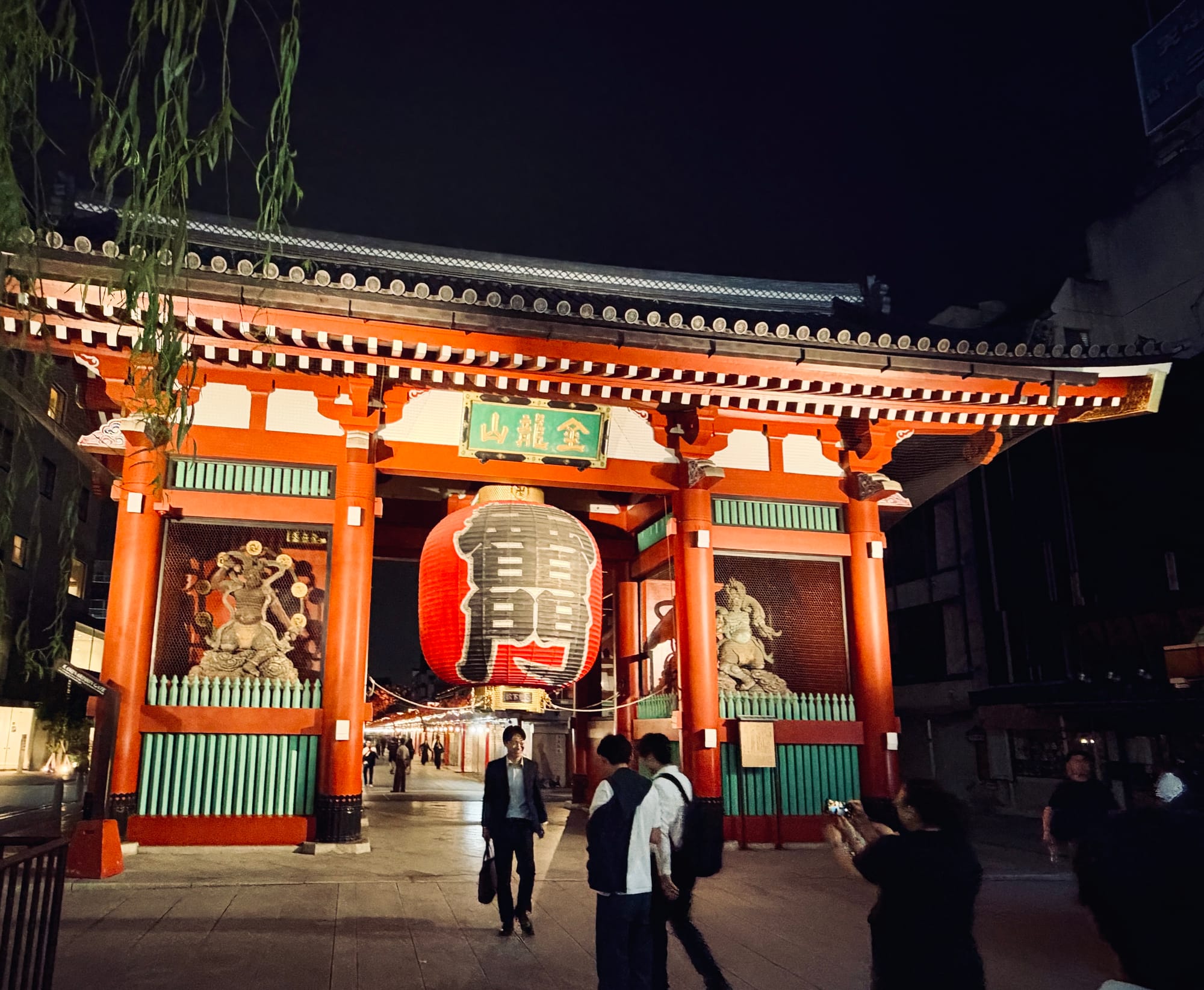
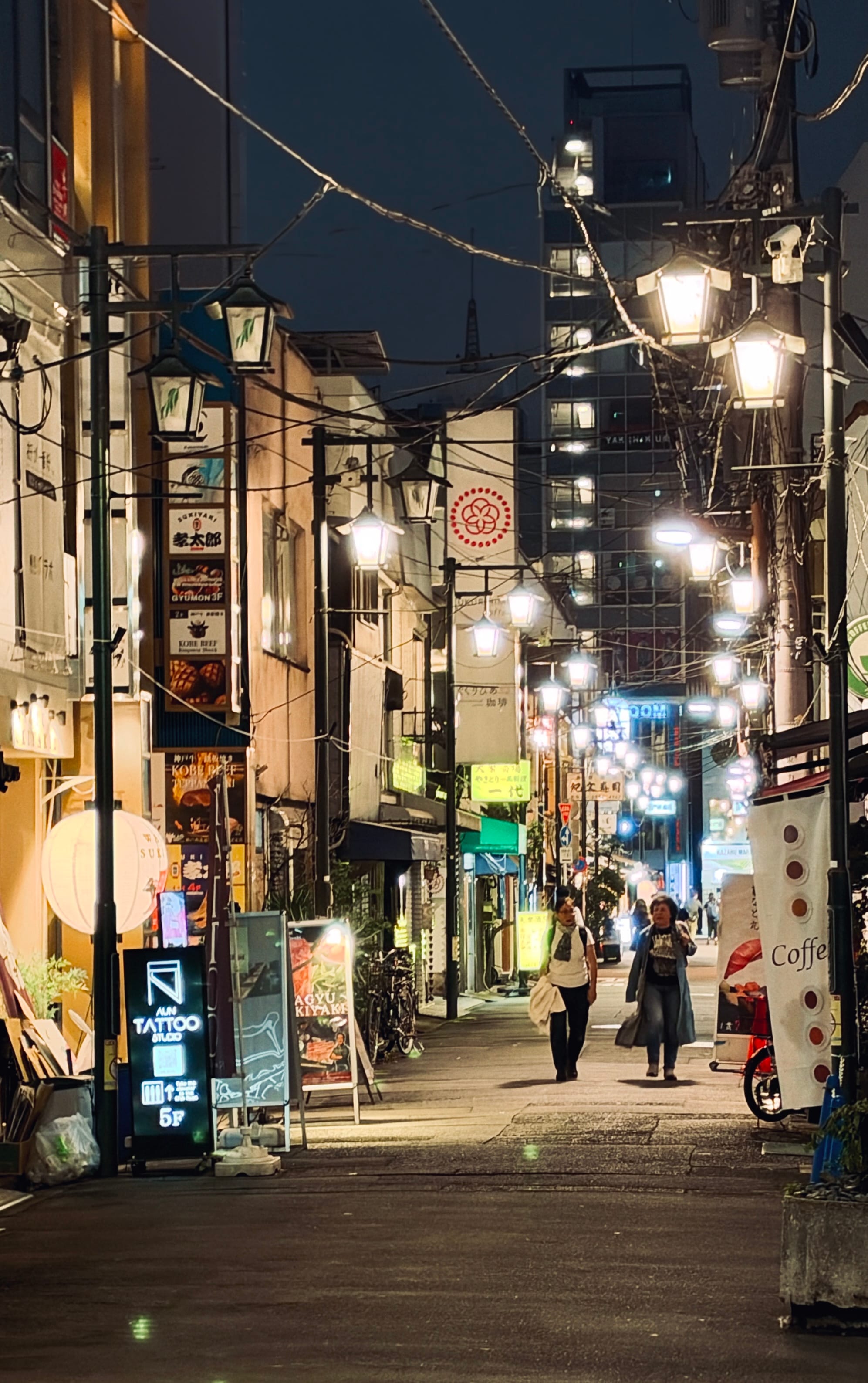
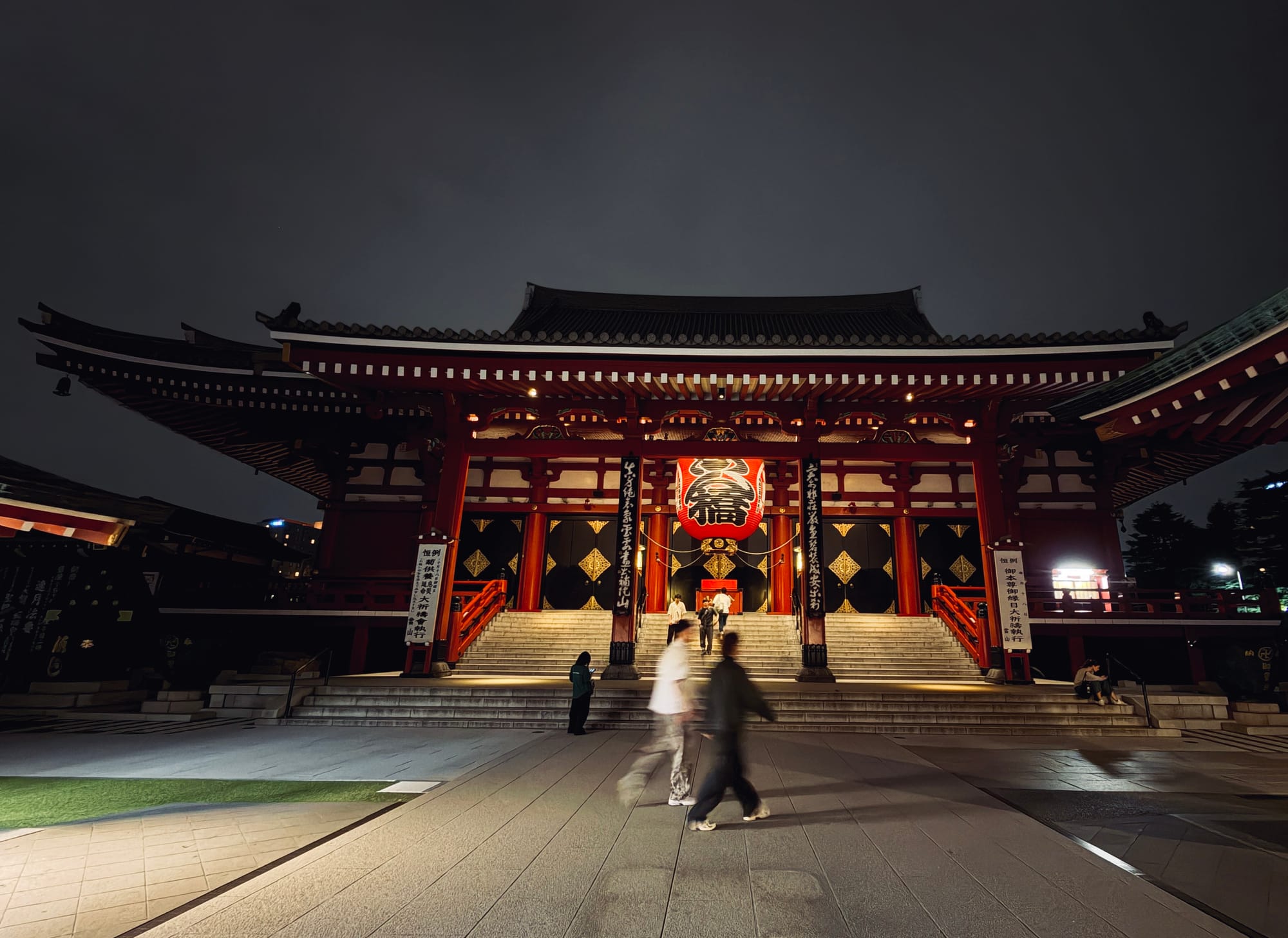
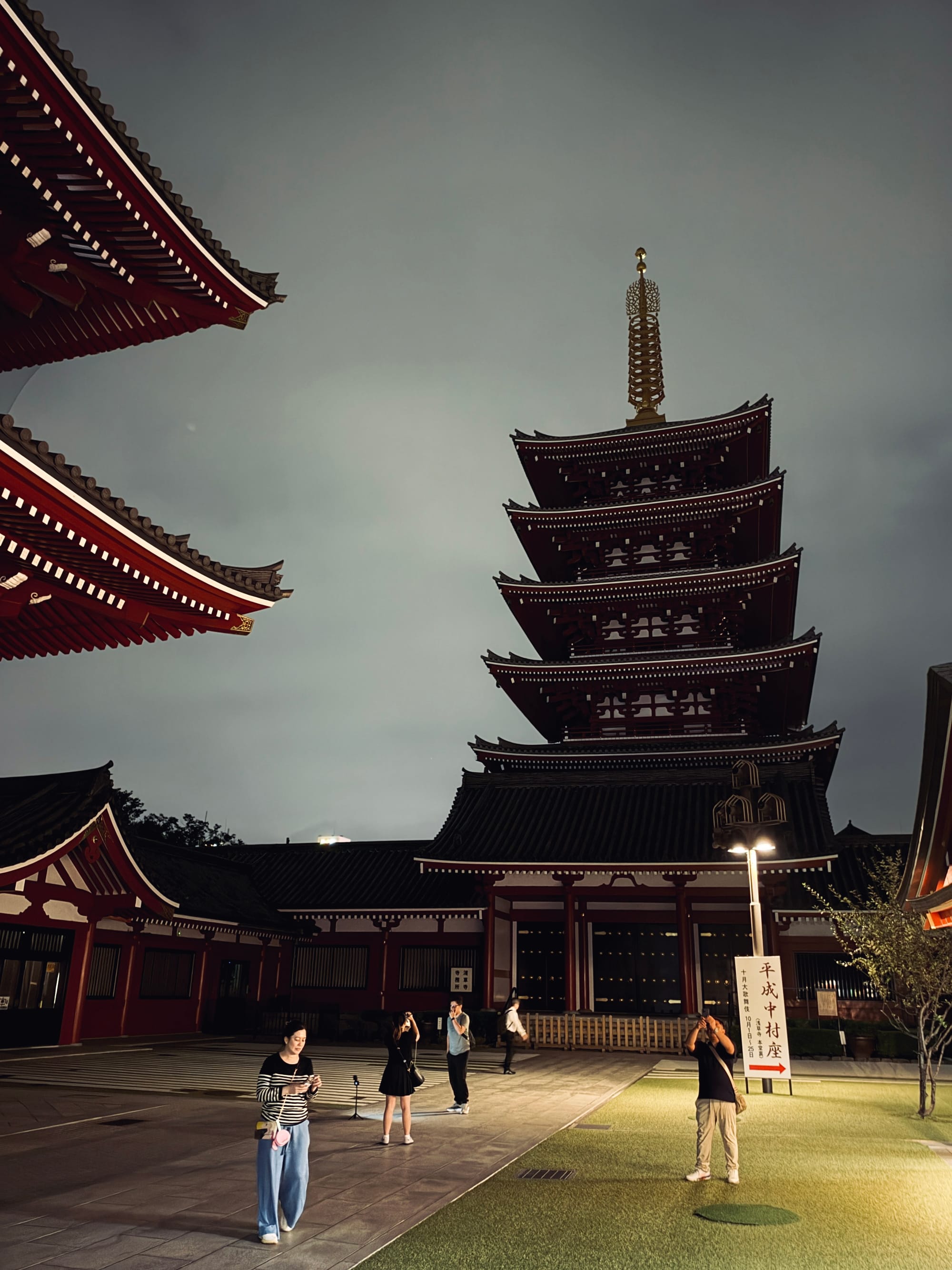
Wandering around the emperor's moat
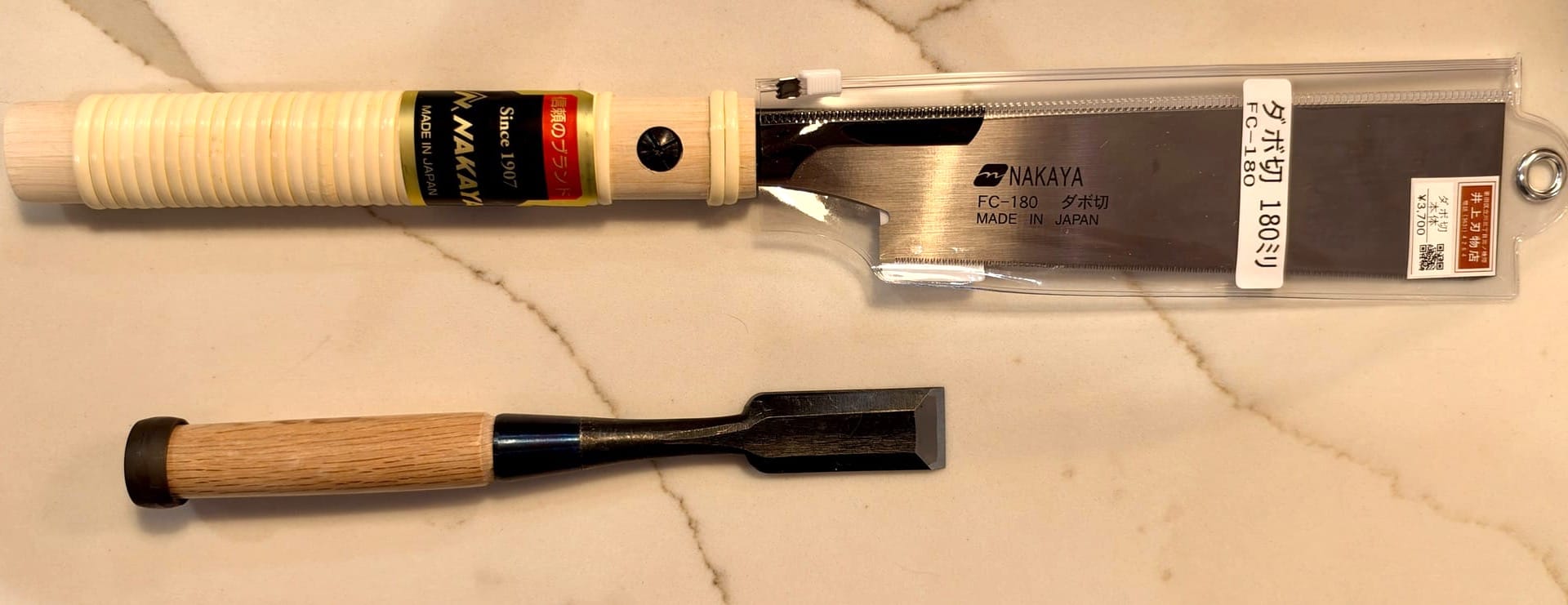
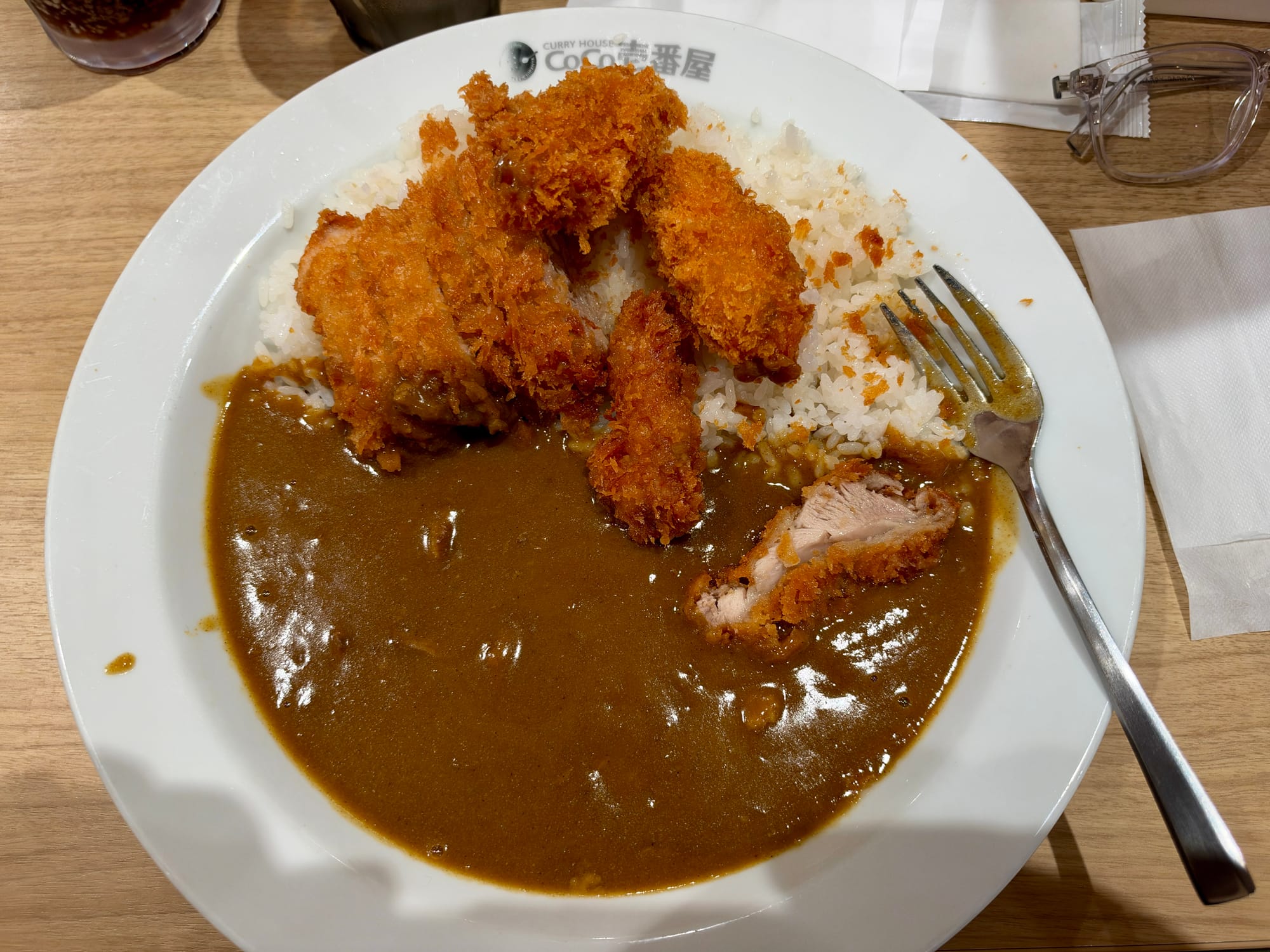
Friday morning, I ran some errands and bought a custom chisel and new trim saw from Inoue Hamono, a local woodworking shop run by a guy and his son. I got lunch at a Japanese curry chain and it did not disappoint.
I wanted to see more gardens after so I checked out the emperor's palace in the center of town, and walked a few miles around the perimeter (it was closed to outsiders and heavily guarded at every bridge, but was still beautiful).
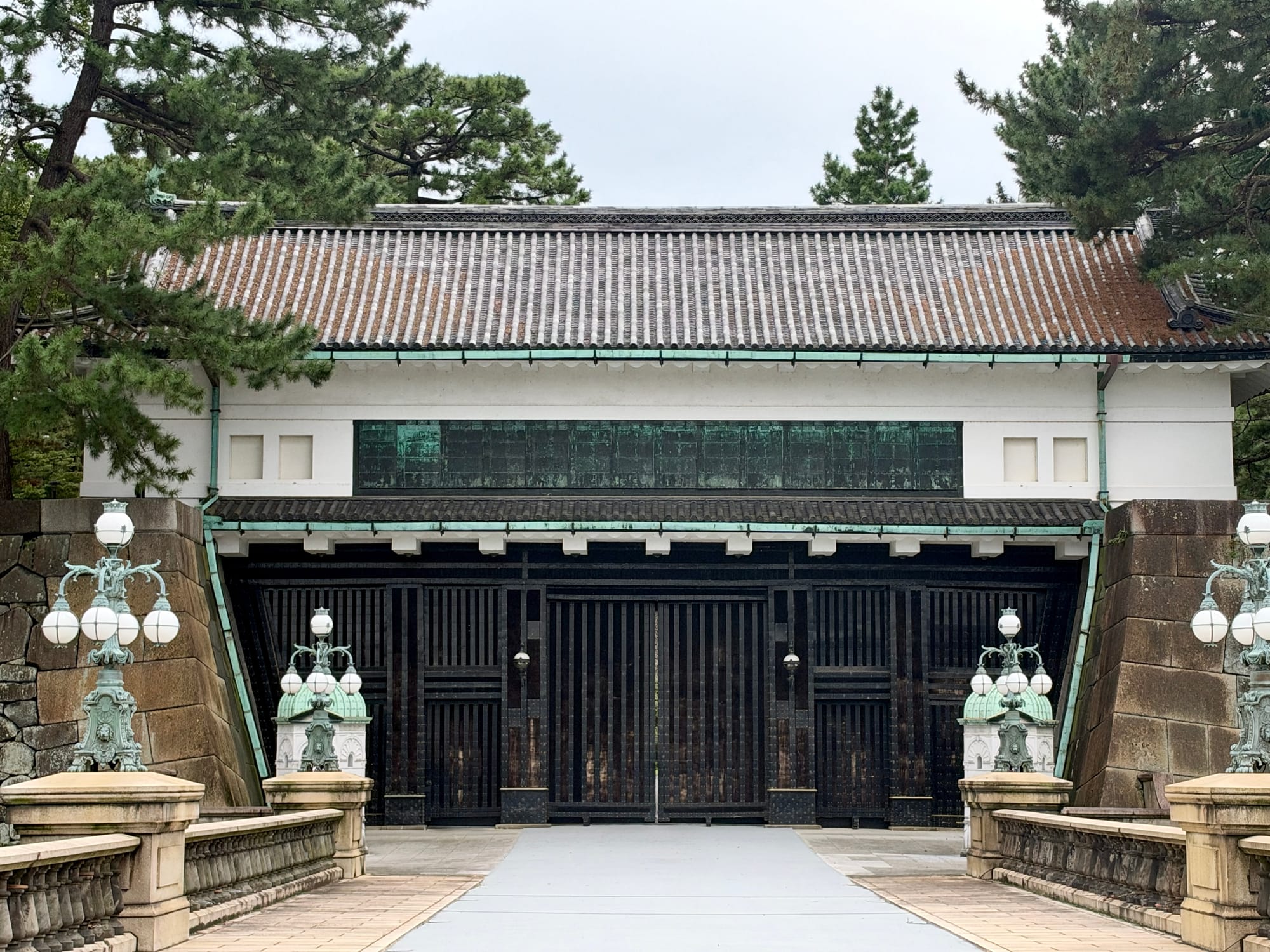
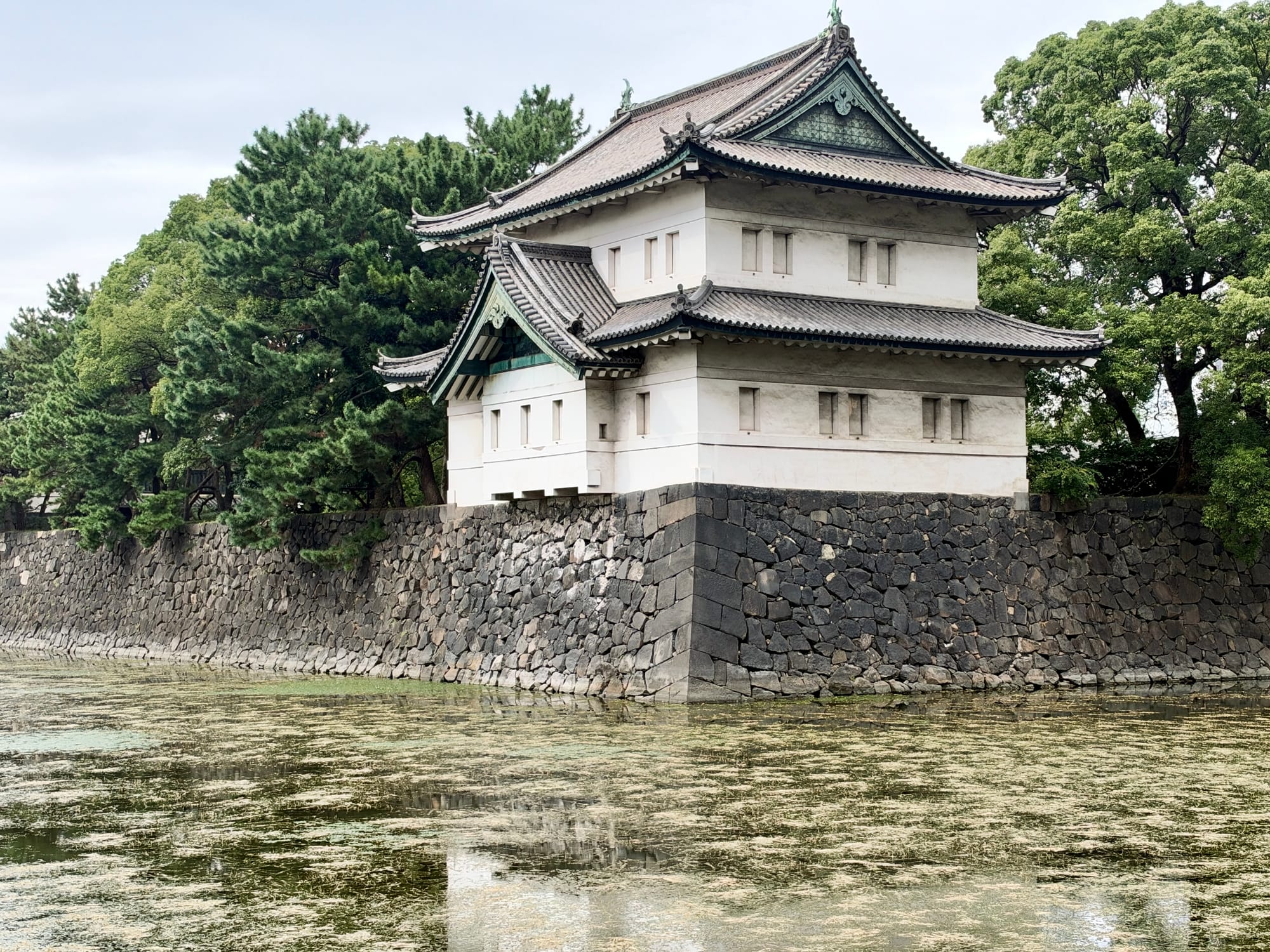
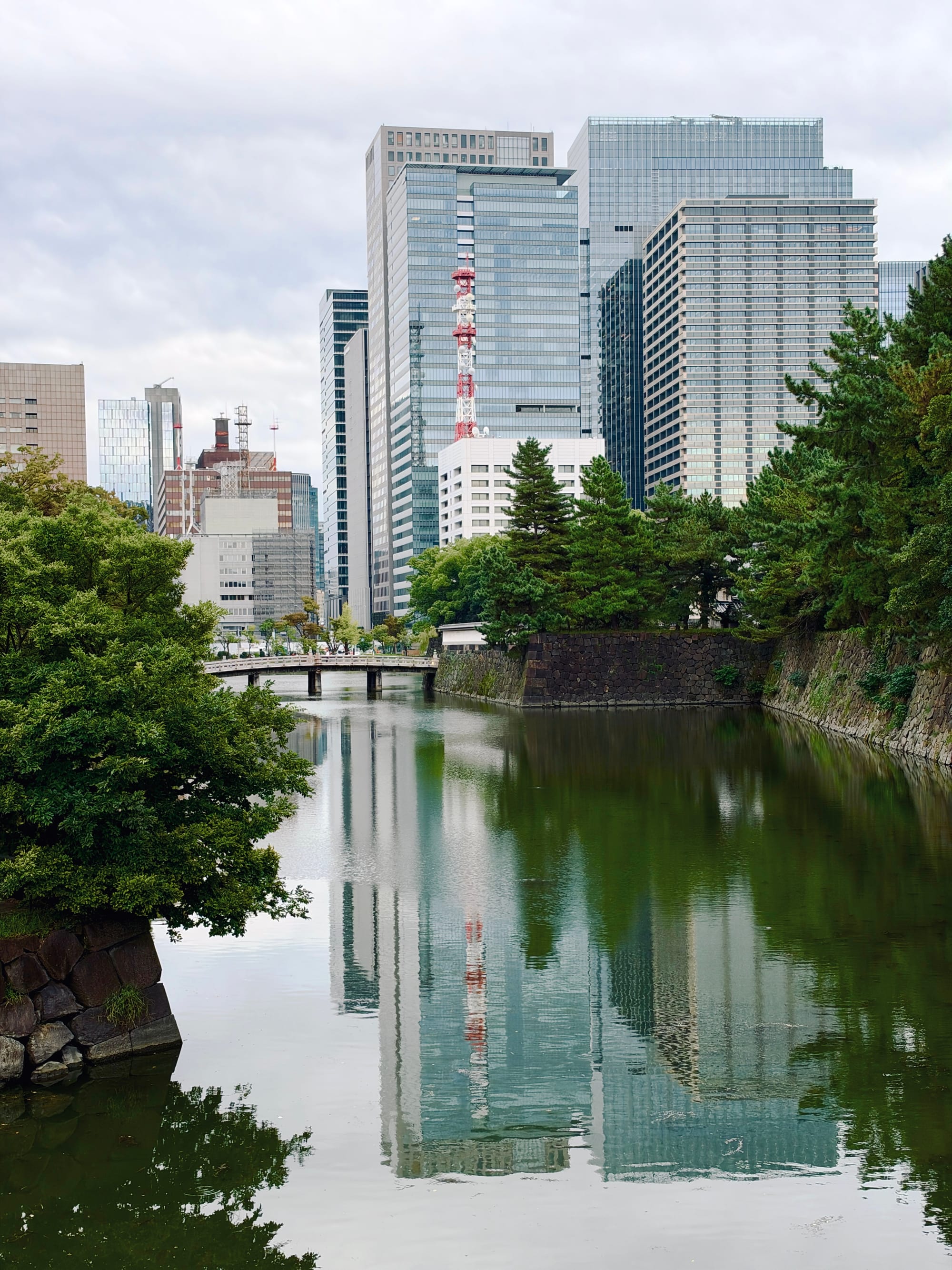
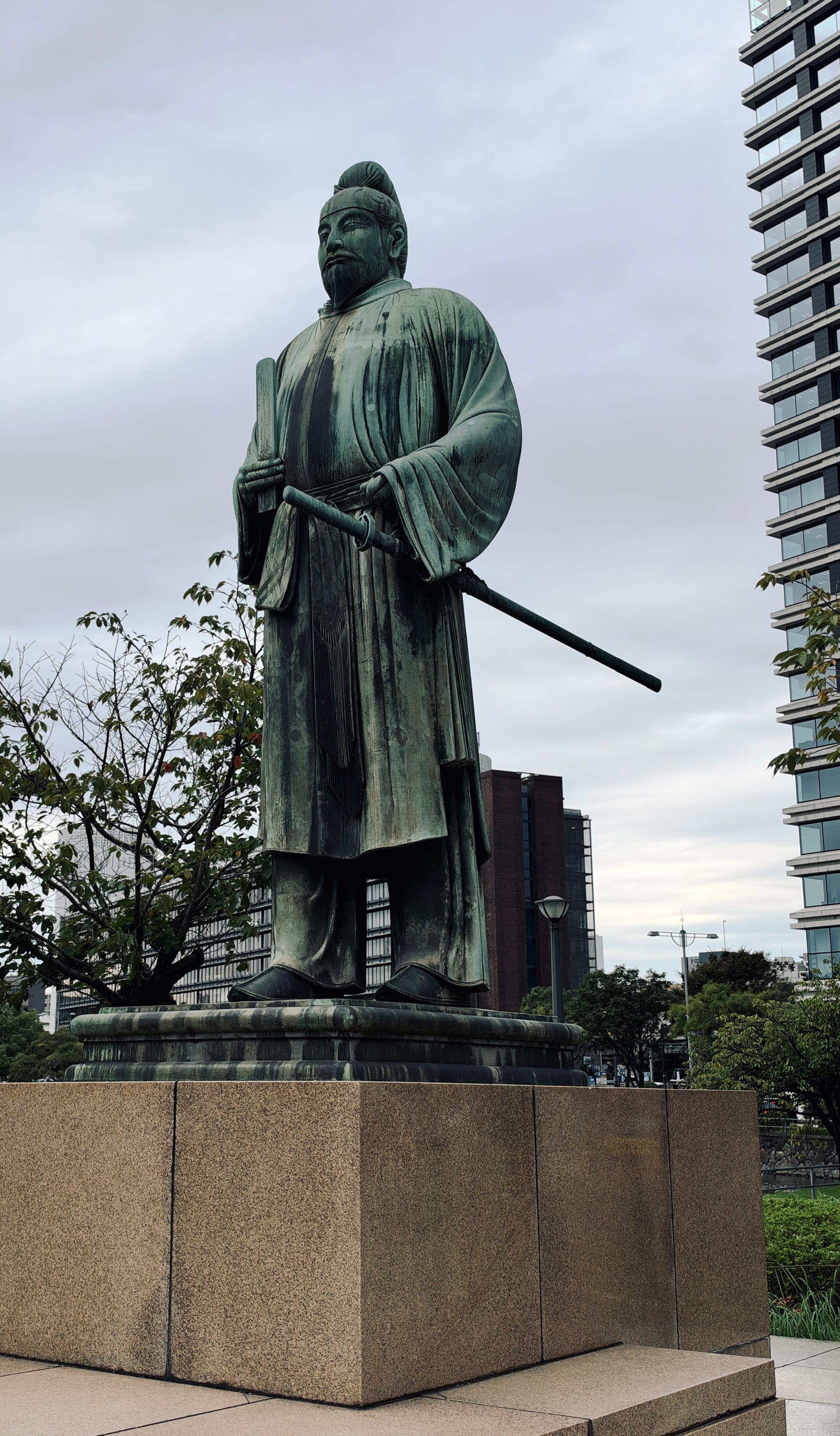
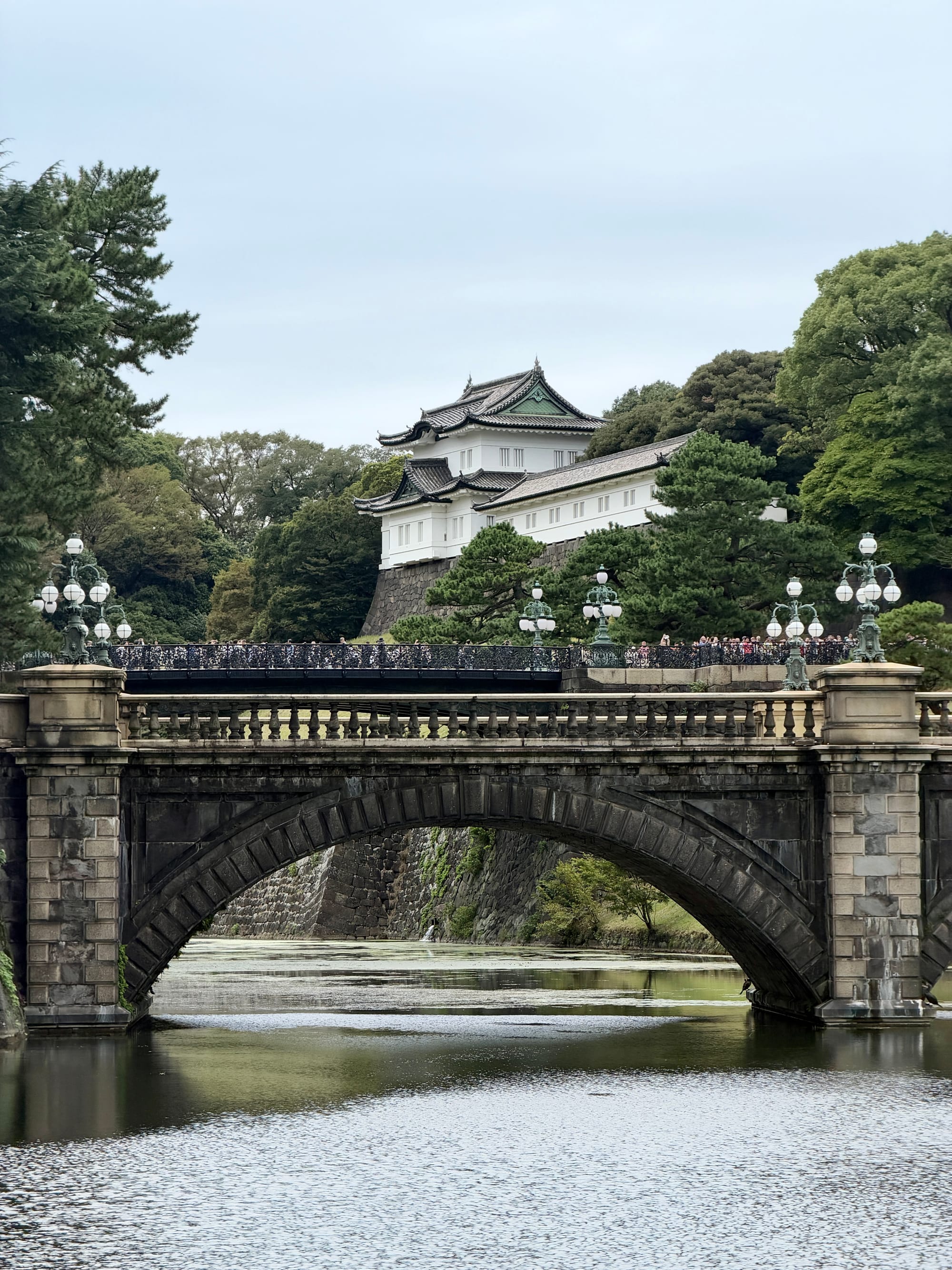
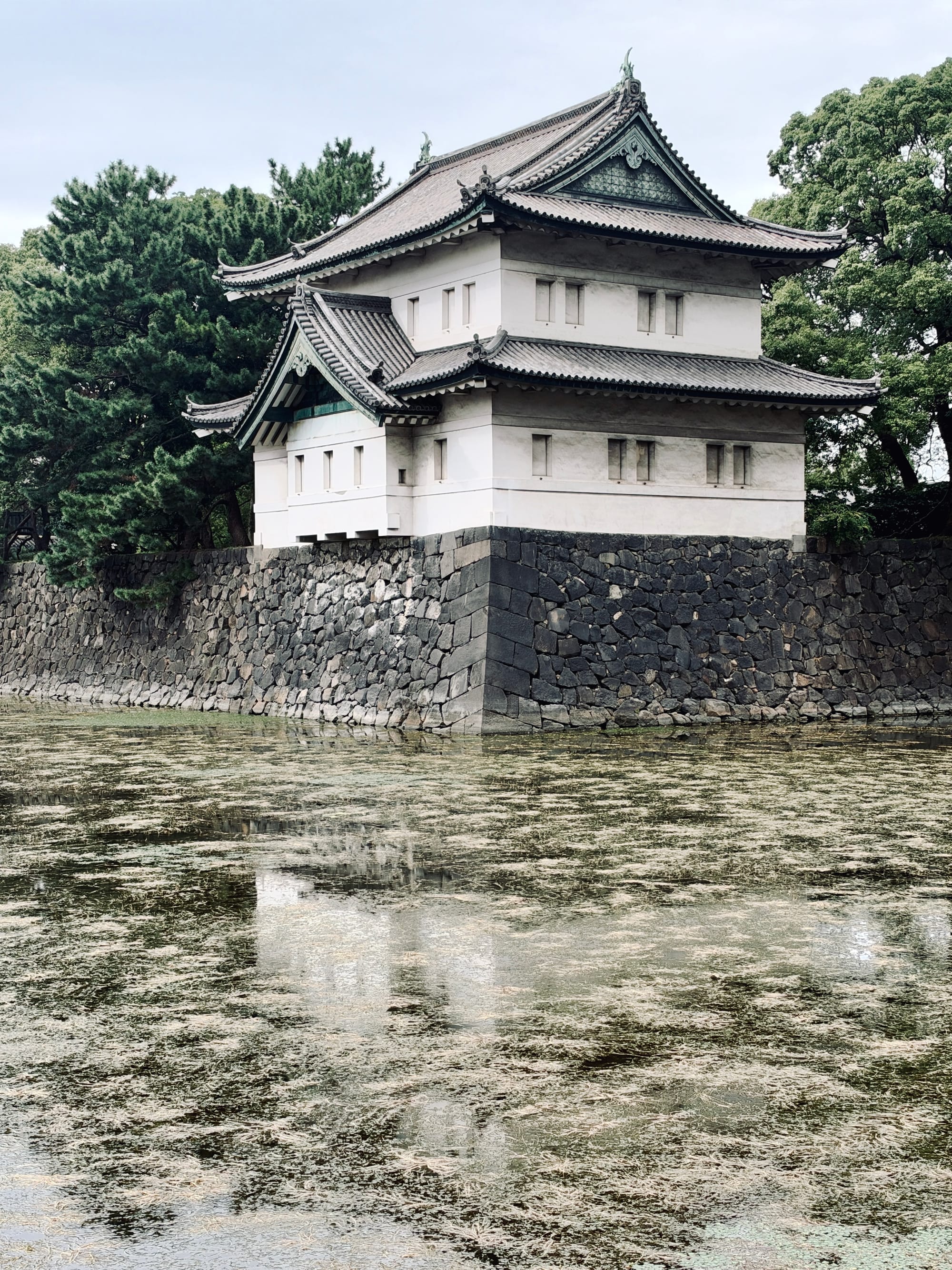
My first omakase
Earlier in the week, I went to a highly-rated conveyor belt sushi place where you ordered items from an iPad, then nigiri would slide right to your table along a belt. Even though it was kind of cheesy and from a chain restaurant, the sushi itself tasted great and after stacking a dozen plates, the total bill for two people eating a monster amount of sushi with drinks was just under $20 USD.
Gen Kanai asked if I wanted to hang out that week and I said I really wanted to try a high-end dinner knowing I'd spend most of the week eating street food. We ended up at Sushi Waku, where a chef and his assistants offer a custom tasting menu with about twenty different perfect bites. The whole place only seats about a dozen people so reservations are mandatory and it was an unforgettable night, lasting about 3 hours and running $200 per person while eating the best seafood I've ever had in my life. We ate clear fish with clear soy sauce, sea urchin, abalone, and a variety of nigiri. I normally dislike eel but it was amazing and like no other eel I’ve had before.
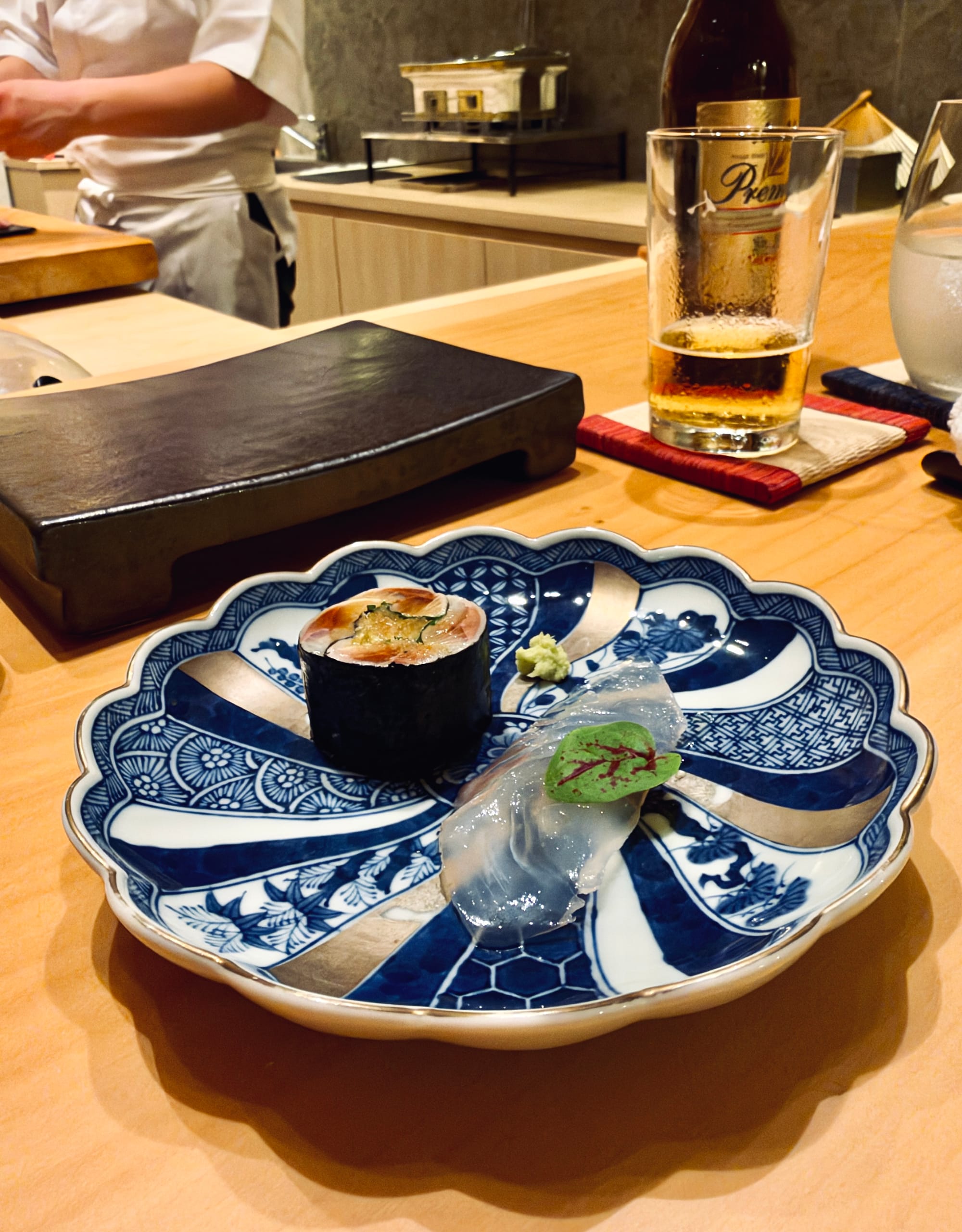
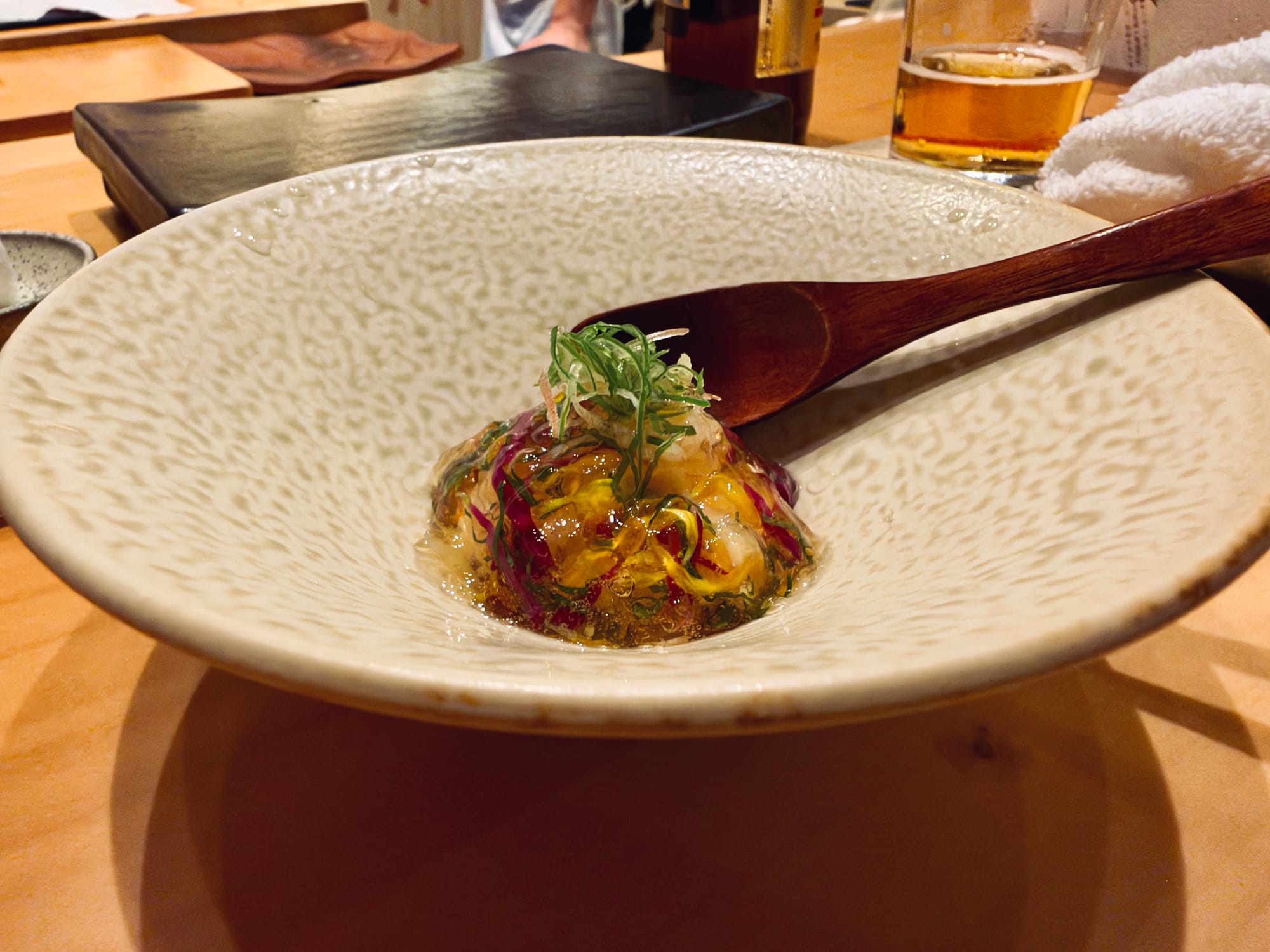
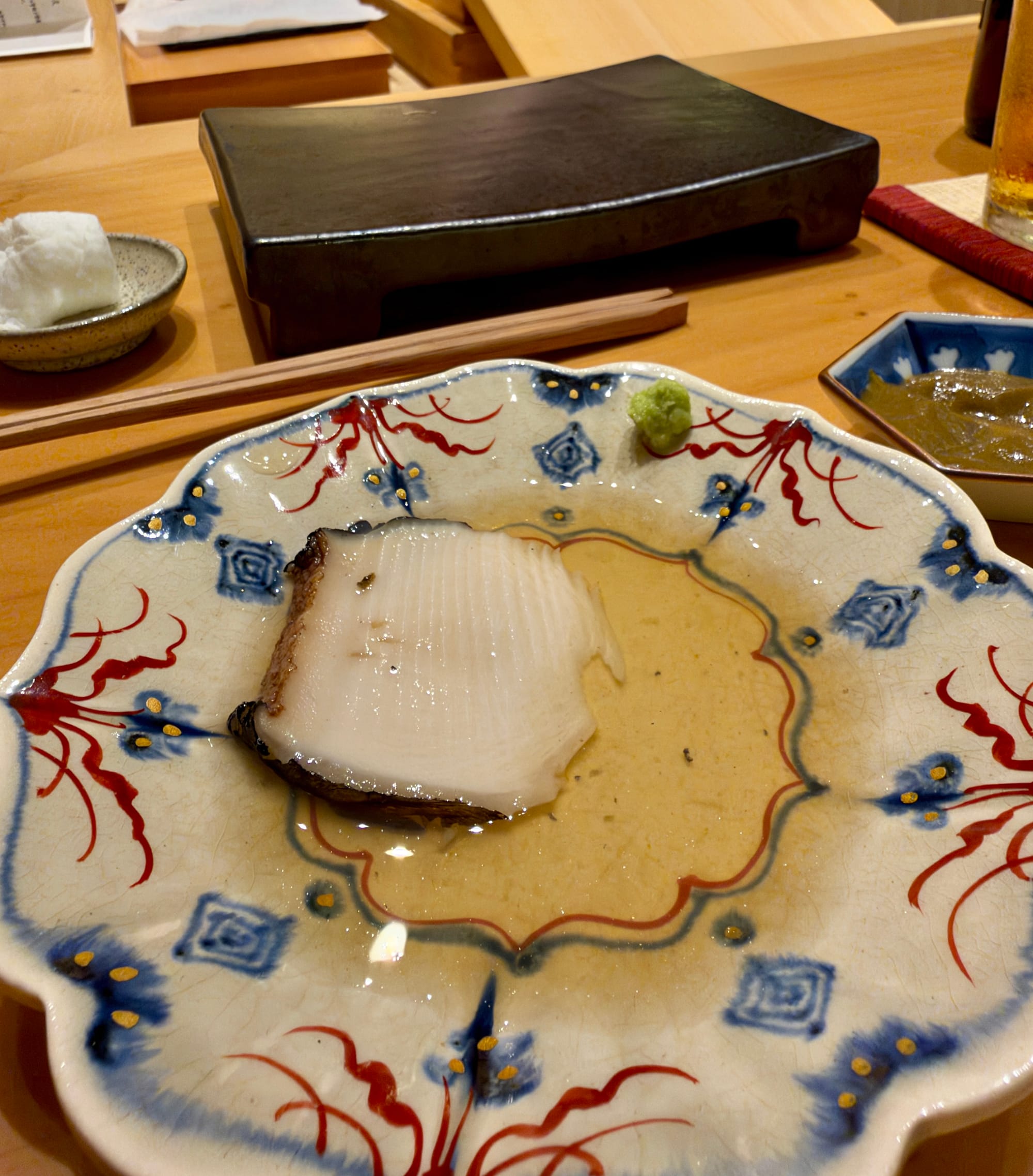
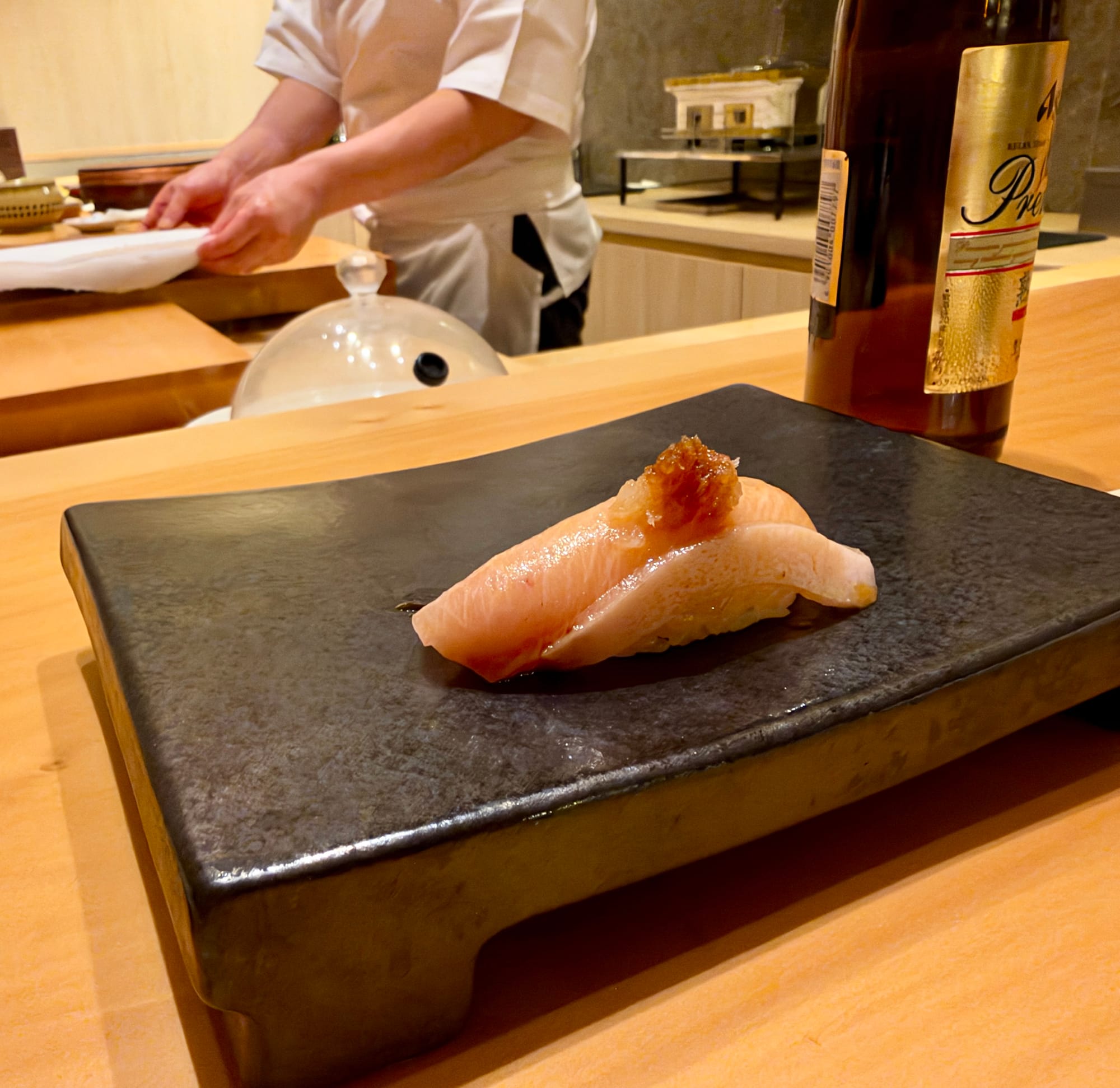
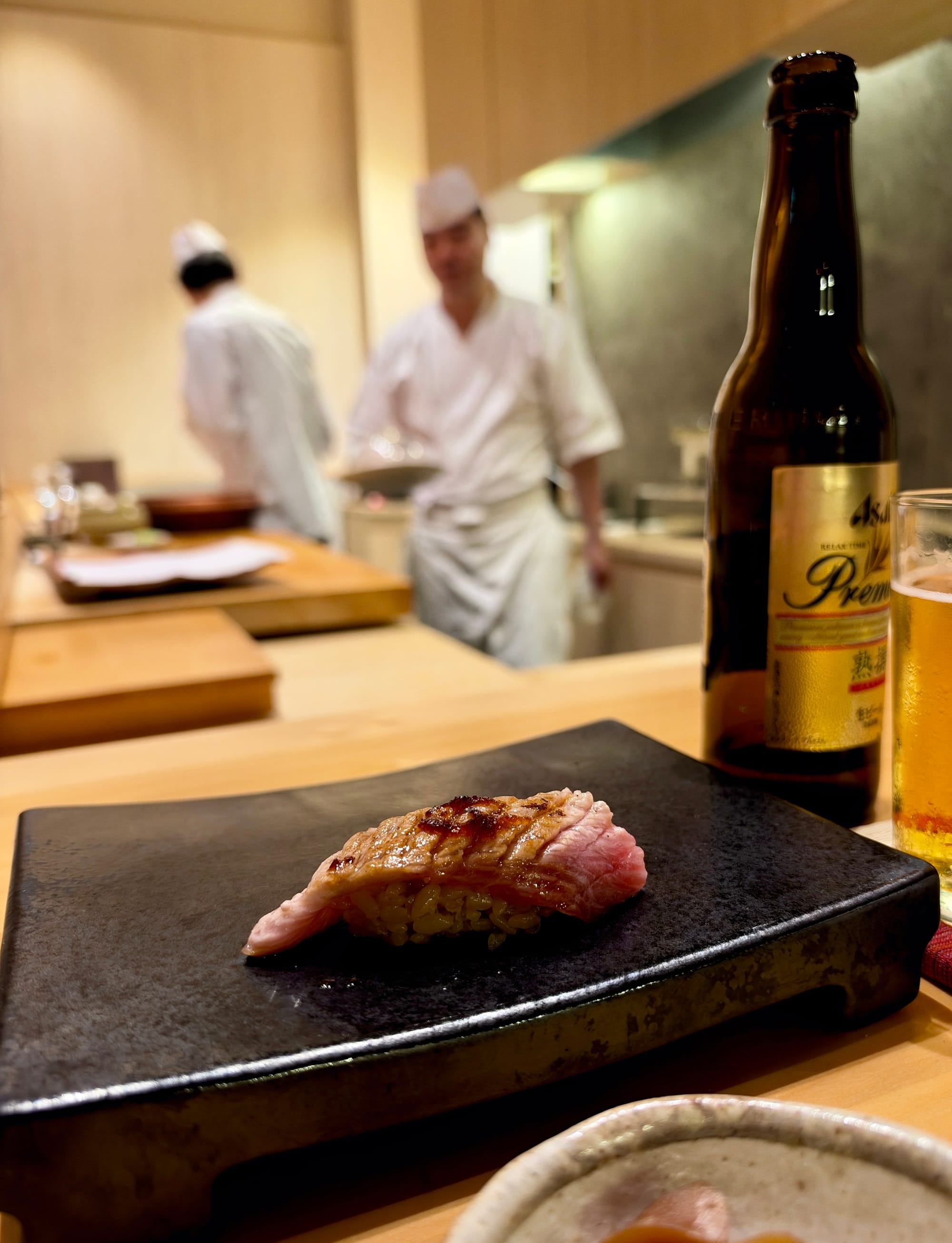
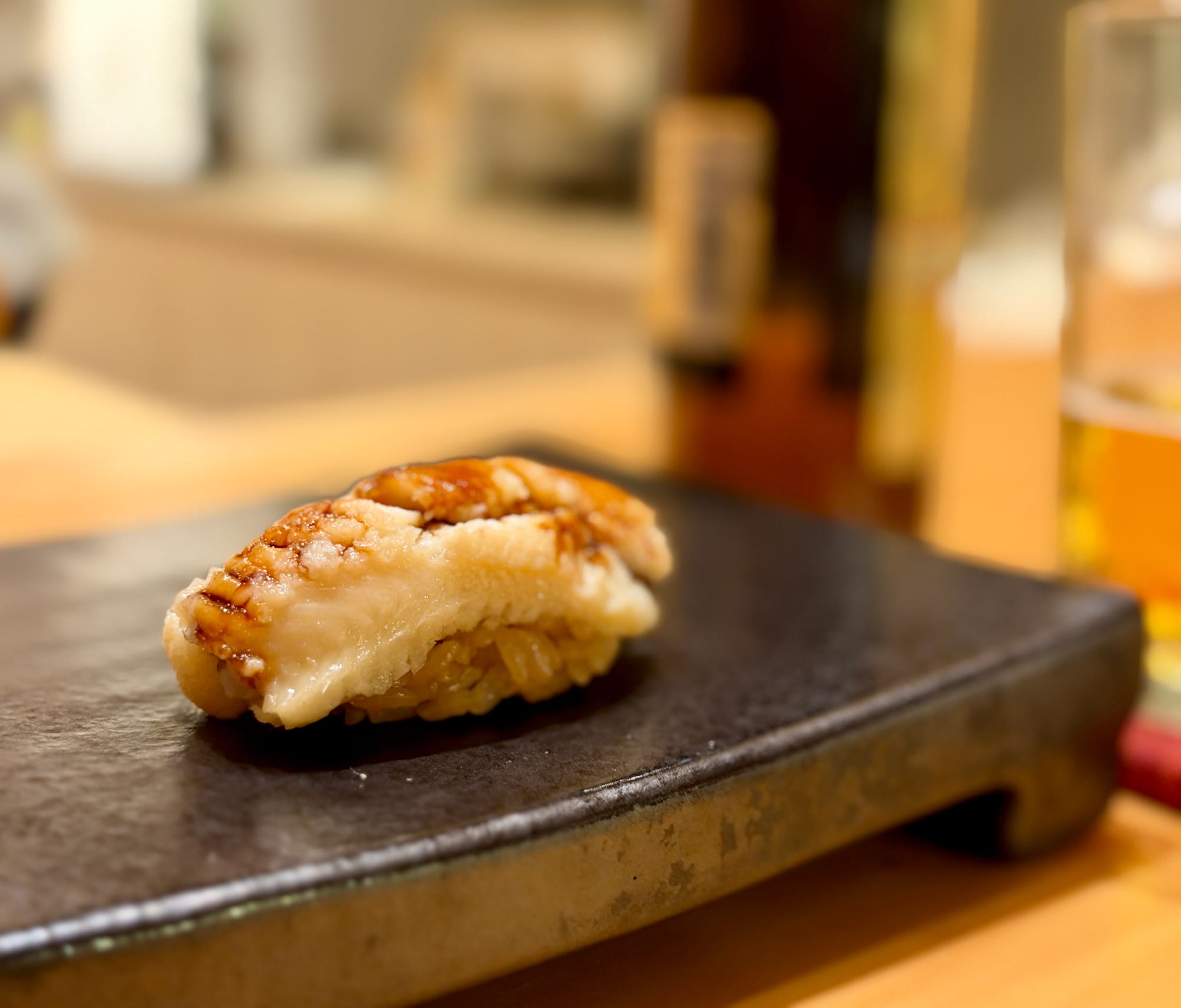
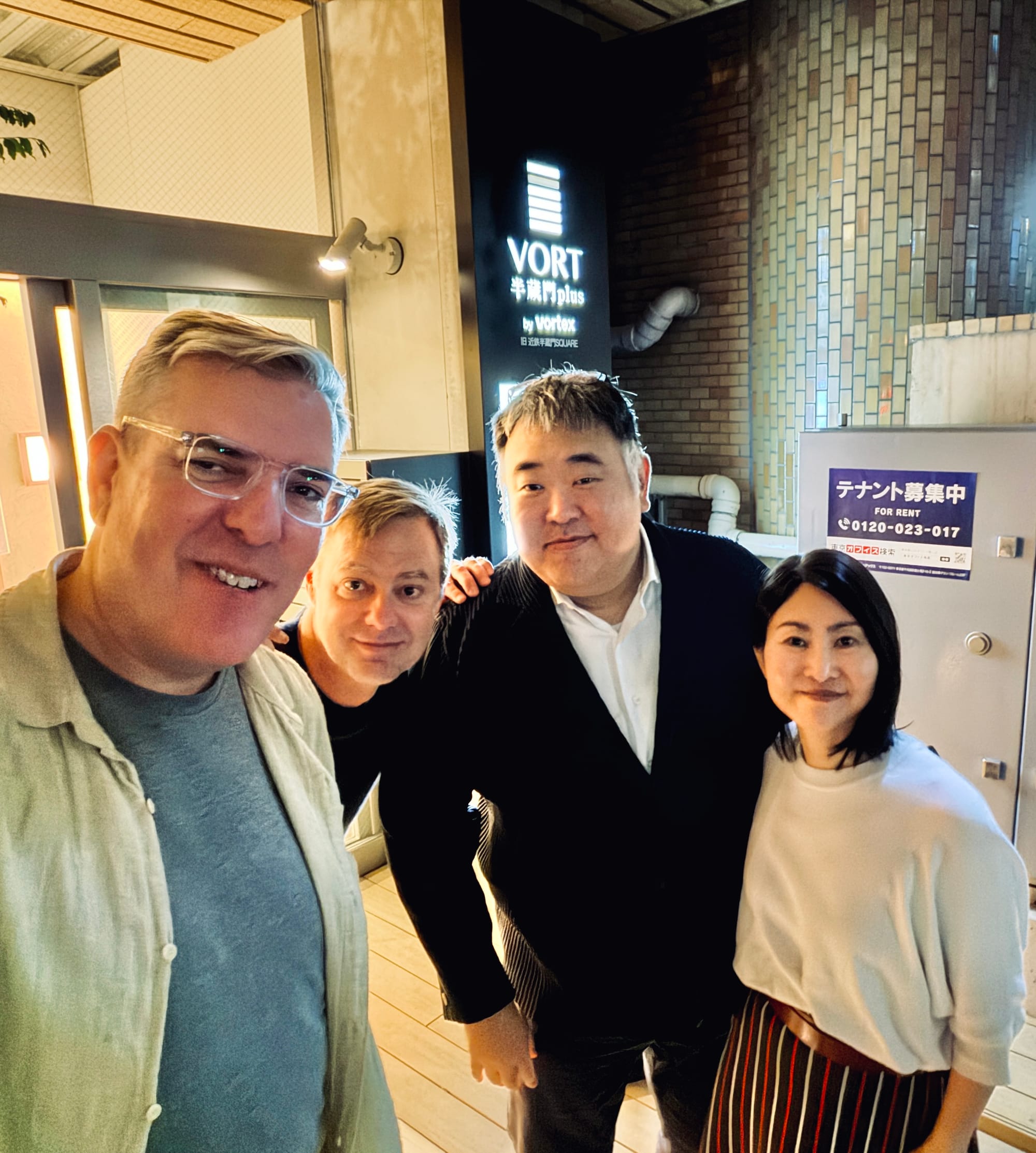
Every bite was perfectly balanced. Whenever the chef served up something like toro belly, there would be a touch of fresh ground wasabi, a squirt of key lime, and a few drops of rice wine vinegar to give an acidic punch to balance out the luxurious fatty tuna.
To say this was good is an understatement. This was mind-blowing, great sushi.
After a week of eating awesome food that was very reasonably priced, it was a nice treat to do one super high-end meal where you get to see what a master artisan working in their craft can do.
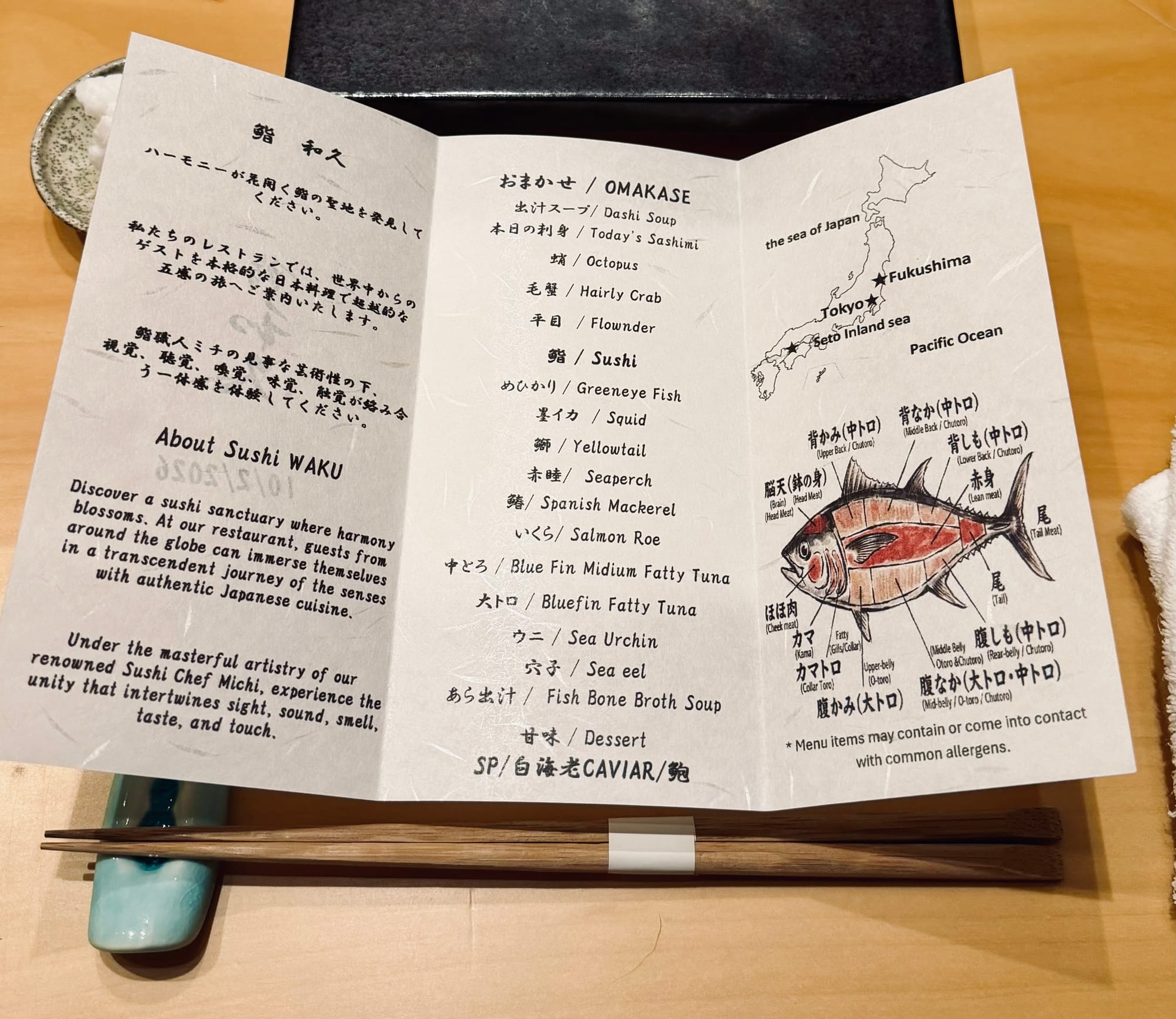
This meal was easily up there with The French Laundry in terms of taste, ambiance, and presentation, and I'll never forget it.
On Saturday, I had a late check out and early evening flight home, so I did more laundry, picked up the last of the knick-knacks I needed, and opted for a "limousine bus" that cost $20 to get all the way to the airport. It was incredibly comfortable and only took an hour from door to door.
My return flight was already upgraded to a business class lie-flat seat at no extra cost, so I got to relax in my own little space all the way home as well.
First thoughts, post-trip
I felt incredibly lucky to take this trip and experience it with friends there. I loved seeing a beautiful country and getting to enjoy another culture.
I've spent some time in England, Spain, Belgium, Italy, Australia, and New Zealand and though those places had their own ways, they felt like just slight variations from American society. Japan is the first place that truly felt different. The city was crowded but quiet, vibrant but relaxing, and overall, almost everything in day to day life felt like a breath of fresh air compared to how things are done in the US.
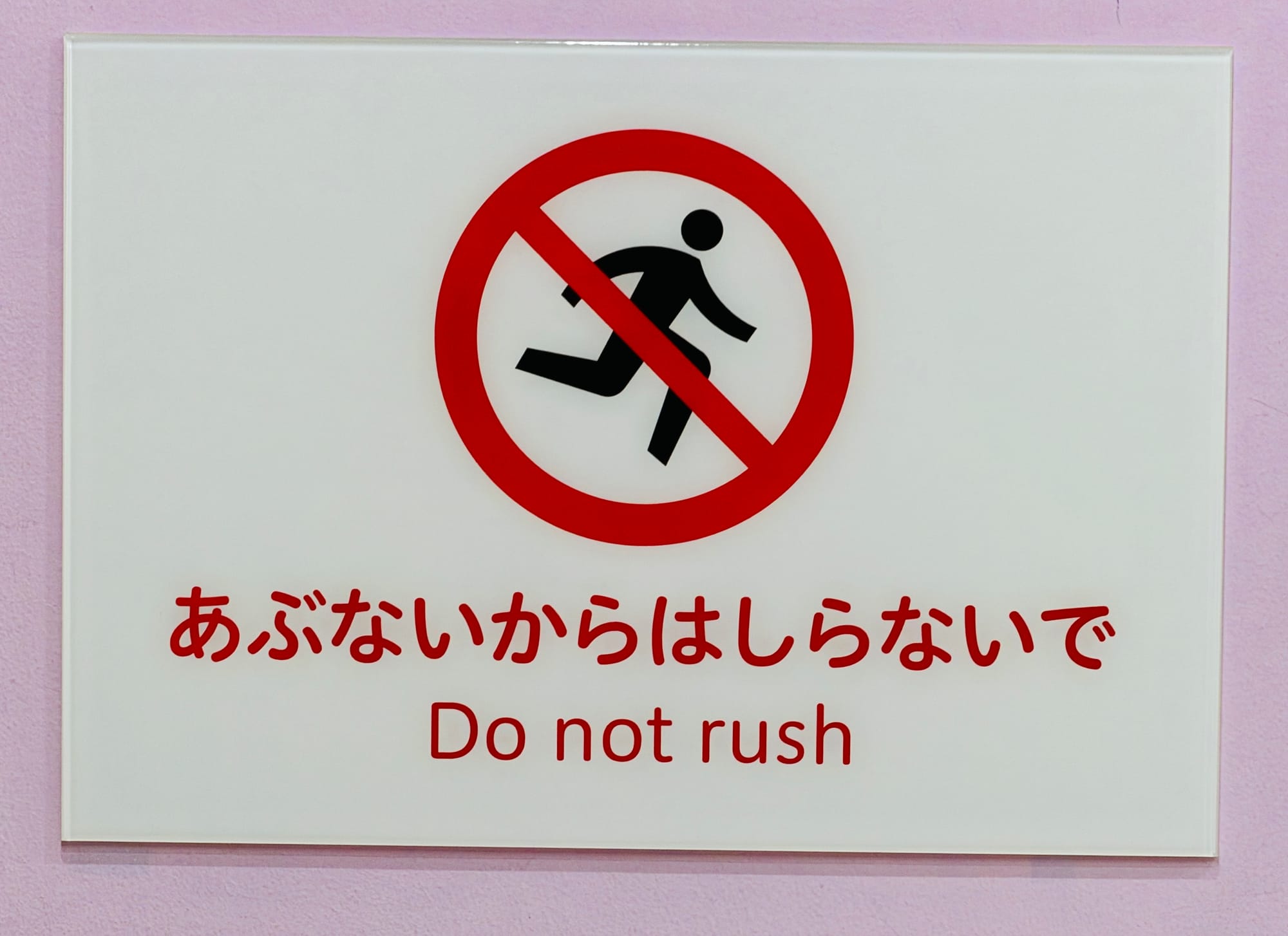
I've long heard that Japan was riddled with "hidden rules" and that people there had high expectations for etiquette from visitors, but honestly, everyone on subways and in the city behaved in much the same way I do. It felt surprisingly easy to know how to act in most situations by watching others and just being a decent person to those around you. I'm not generally a loud-mouthed American so I didn't feel like I had any trouble fitting in.
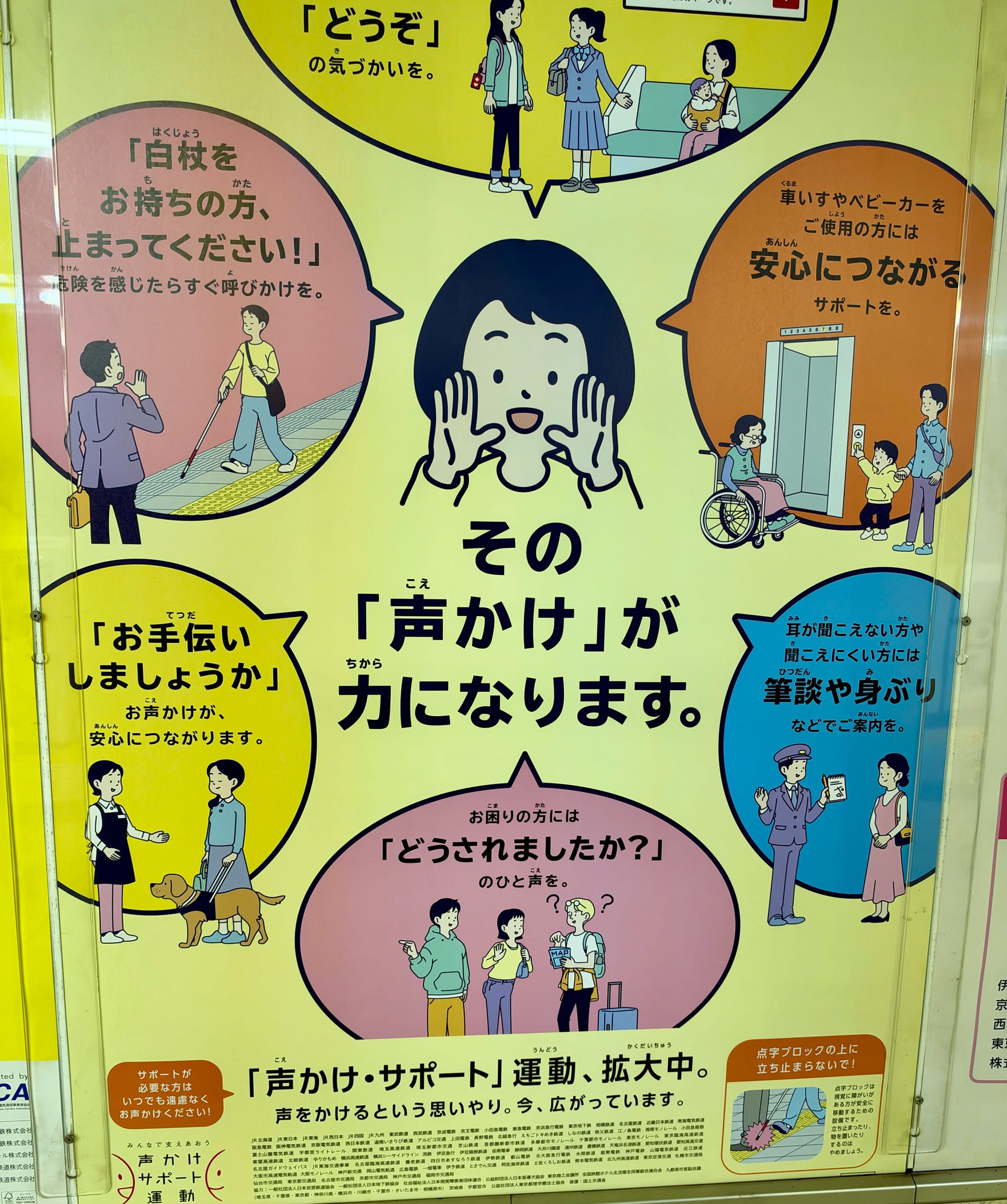
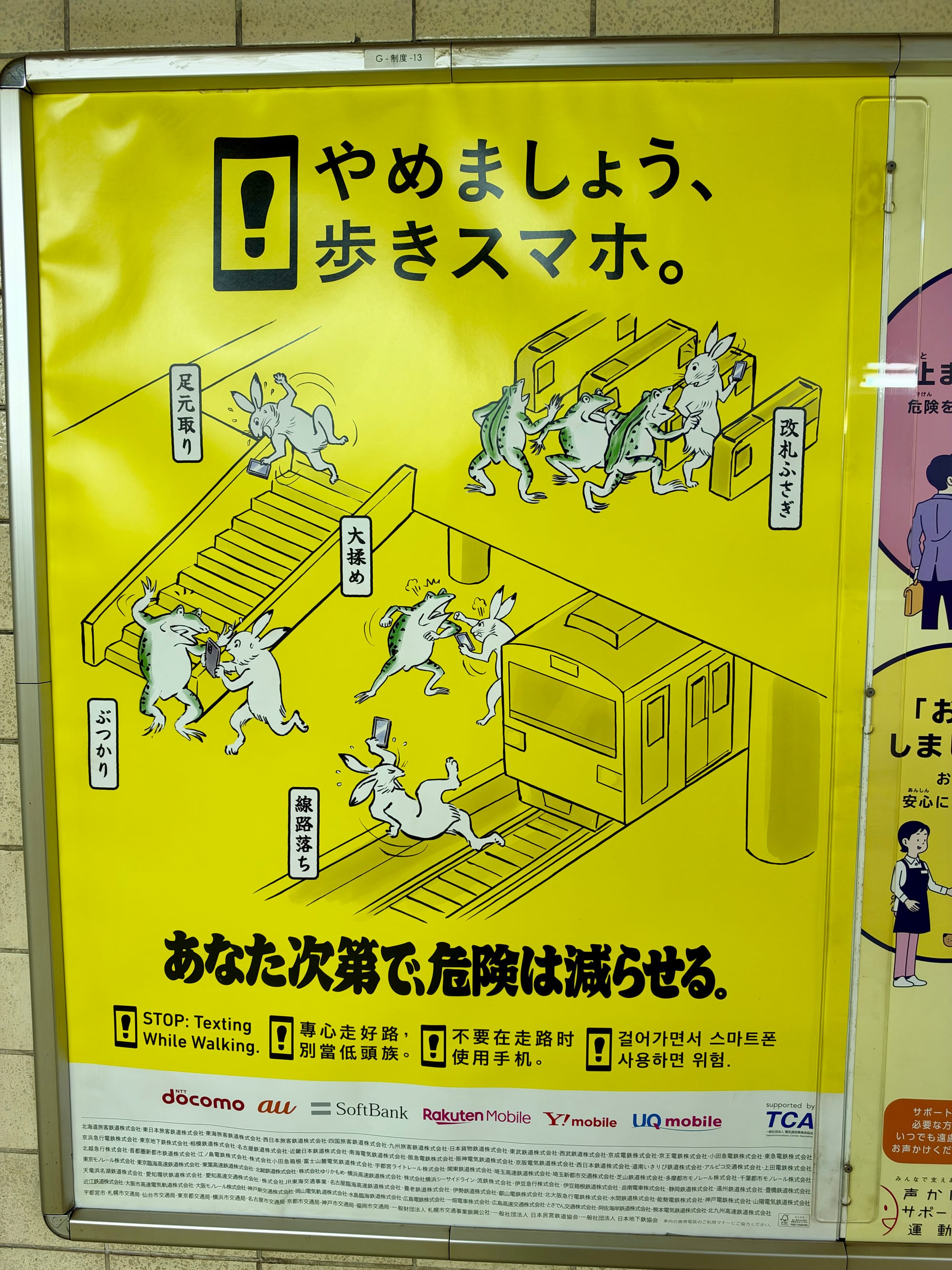
Etiquette posters, the first one says use your voice to help others, the second is all the bad things you shouldn't do in the subway
Tokyo was a dream city for an introvert. Strangers don't talk to you on subways or elevators. I felt calm and relaxed pretty much everywhere I went, and I made sure to step to the left side of escalators and always stay out of people's way in crowded spaces. I could pop headphones in and enjoy music and podcasts while criss-crossing the city experiencing unique neighborhoods on trains.
Some observations from Tokyo
I jotted down a bunch of notes over the week whenever I had an a-ha! moment. Here they are.
There is no such thing as a 5 star review in Tokyo
It was refreshing to see that everything in Google Maps was rated honestly. I even looked up Michelin-starred restaurants to see some with only a 4.2 out of five stars. The amazing omakase place I ate at was the only place I ever saw a five star average.
Leonard told me before I went that "any food place rated over 3.6 stars in Google Maps will be terrific, better than anything you can get in the US" and he was correct. It was honestly refreshing to be in a place where people speak freely about their experiences. In the US, anything less than 5 stars on a rating usually means someone gets fired if you post it, so it's rare to see people rate things honestly, and ratings systems in the US are mostly useless.
No trash cans was annoying but makes sense
Tokyo is incredibly clean everywhere, but I found it annoying that trashcans were so rare that you spend most days walking around holding a bag of trash until you get back to your hotel to dispose of it.
When I asked locals why trashcans were rare, I learned that the subway sarin attacks of the mid-90s used public trash cans as a vector, so they removed them, then everyone got used to it. It makes sense to me now and I learned to drop things where I could find a rare trash can while out and about (usually inside convenience stores).
Jaywalking is a big no no
My first night in town, I walked to a street intersection that was tiny, maybe ten feet across, but the light and my walk signal were red but there wasn't any car traffic as far as I could see in any direction. I stood there wondering why everyone walking around seemed to obey the traffic lights. A quick web search taught me jaywalking has some stiff penalties.
I never saw anyone jaywalk all week even when there was no one around, but I get that they're doing everything they can to prevent pedestrian deaths and it was easy to just follow the walk signs and wait until I was allowed to cross. The city felt incredibly safe for walking and biking, with lots of physical separation between people and cars, including walls and barriers along many sidewalks next to busy streets.
Respectful queues were a top highlight
One of my favorite aspects of Tokyo was the respectful queuing at every subway stop, at every escalator, and at every street crossing. People are in a rush, but they're not cutting anyone off or looking out for themselves like you see in the US. All the times I had to wait felt fair as everyone else had to wait as well. I loved the egalitarian nature of it all.
I loved how every subway stop had people lining up to the sides of where doors opened, so there was space for others to get out quickly before new riders funneled in.
I didn't realize how much I enjoyed line culture in Tokyo until I got to the airport for my trip home and suddenly every American on my flight was clogging the gate. I had to squeeze between dozens of people to board my flight since no one waited until their boarding group was called to stand up. Ah, well.
Construction sites have dB meters
I didn't get a photo of this but it was awesome to see little digital readouts at major construction sites, one showing the noise levels on the sidewalk, and another showing how loud construction was on the other sides of fences and walls. It reminded me of how during the early years of COVID movie houses in Japan had a CO2 monitor in every theater, with a readout screen in the lobby so you could be sure there was good ventilation happening.
Parking lots were mostly empty at various attractions
Riding on trains, I often got to see parking lots behind museums, around Disneyland, and at major attractions and the thing that stood out to me was they were usually only about 25% full in the middle of the day. That's what happens when you have a top-tier, expansive public transportation network—no one is forced to drive everywhere and so few people do that their parking lots are surprisingly empty.
The close button on an elevator actually works
There's an old joke that the "close doors" button on American elevators isn't even wired to anything and is just there to appease people into thinking they have control. I believe that because I've never been inside a hotel elevator in the US where the button did anything. In Japan, I got to experience elevators where the button closes doors immediately and it was refreshing. Any time someone stepped out or there was no one on a floor waiting, someone in an elevator would hit the button instinctively and we'd be off instantly. I loved that.
Old people will wake up sleeping people on the subway so they don’t miss their stop
I'd heard people look out for one another in Tokyo but I got to see it first-hand late one night as I was riding one of the last trains of the evening. My subway car was filled with teens that all emptied out at one station right before my hotel, and when one kid was slumped over in his seat deep asleep, an older woman walked up to him, shook his shoulders and poked him aggressively until he woke up. He took off running to catch up to the other kids and didn't miss his stop. The guy was out cold and it took a lot of nerve to get him awake, and a stranger did that.
Shorts basically don't exist
When packing, I did what I normally do when traveling outside the US and tried to dress a little nicer than I did at home. So that meant always wearing long pants and collared shirts at night for dinner. What surprised me in Tokyo was that even though it was hot and humid day and night, I didn't see a single person wearing shorts on trains or around town. When I asked a local friend about this he said "you only wear shorts in public when you go swimming" so I'm glad I didn’t pack any shorts on the trip.
Accessibility affordances seemed top-notch
As soon as I landed I noticed there were bump strips everywhere, usually marking out the best path through any subway and on many sidewalks. I later learned they're there for people with visual impairments so they know by feel which way to head as well as when to stop when the bump strips go sideways.
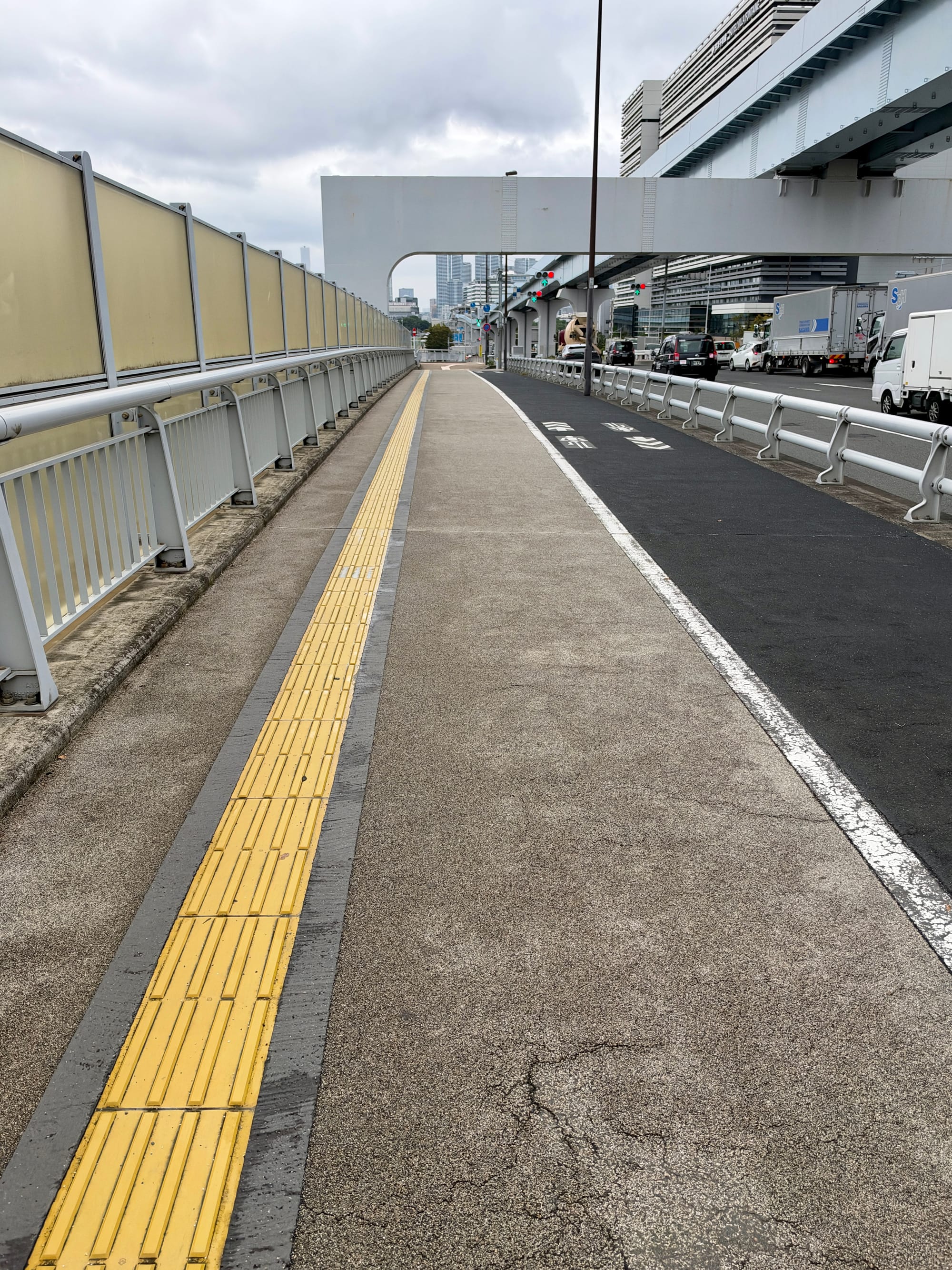
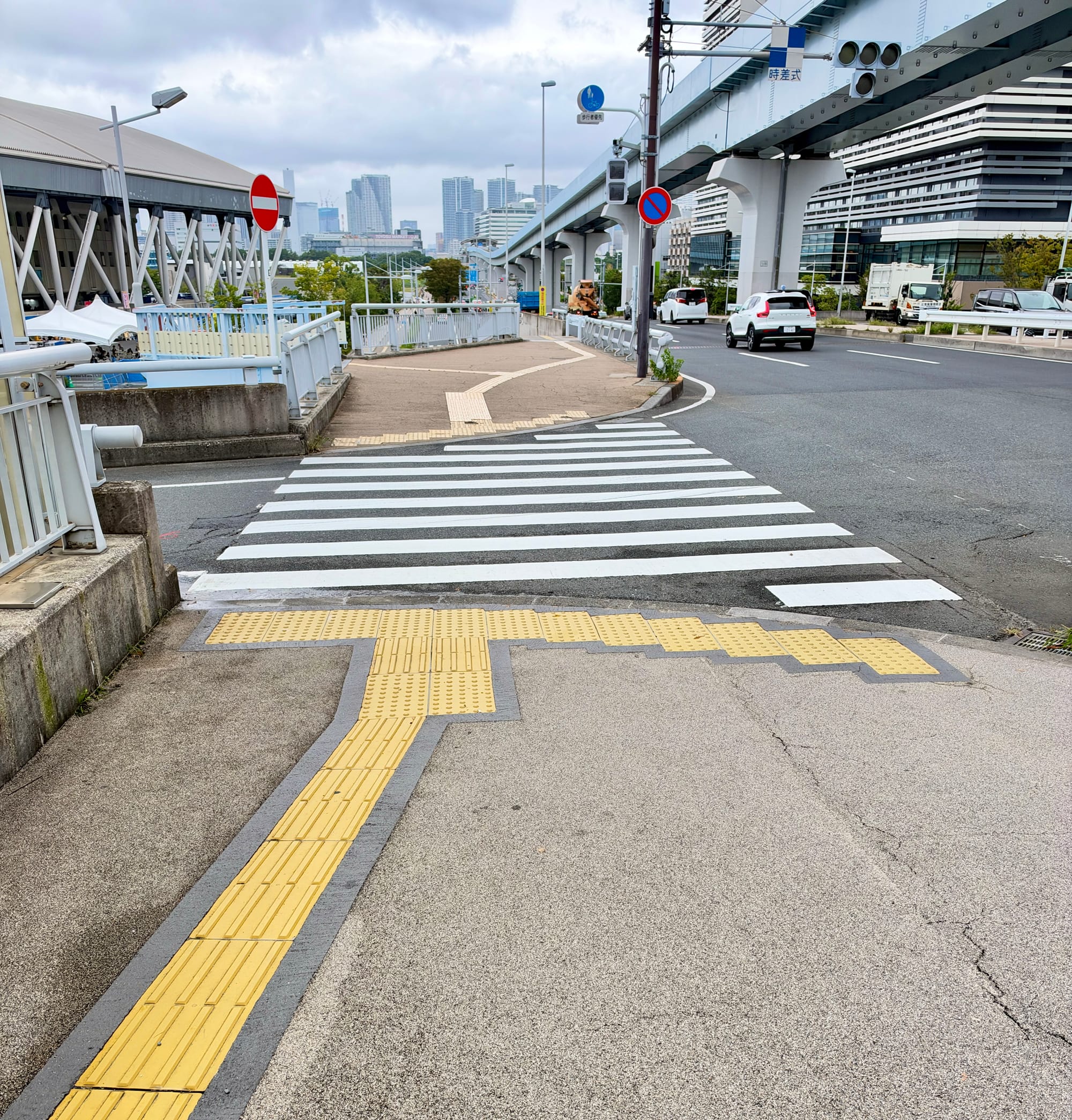
The first time I got off a subway, I heard bird chirps and worried a wild finch got into the station rafters until I saw big speakers overhead and realized when there's a transition in a subway, they use subtle audio cues to let visually impaired folks know it's time to pay for a fare or pass through turnstiles.
Mall culture is still alive there
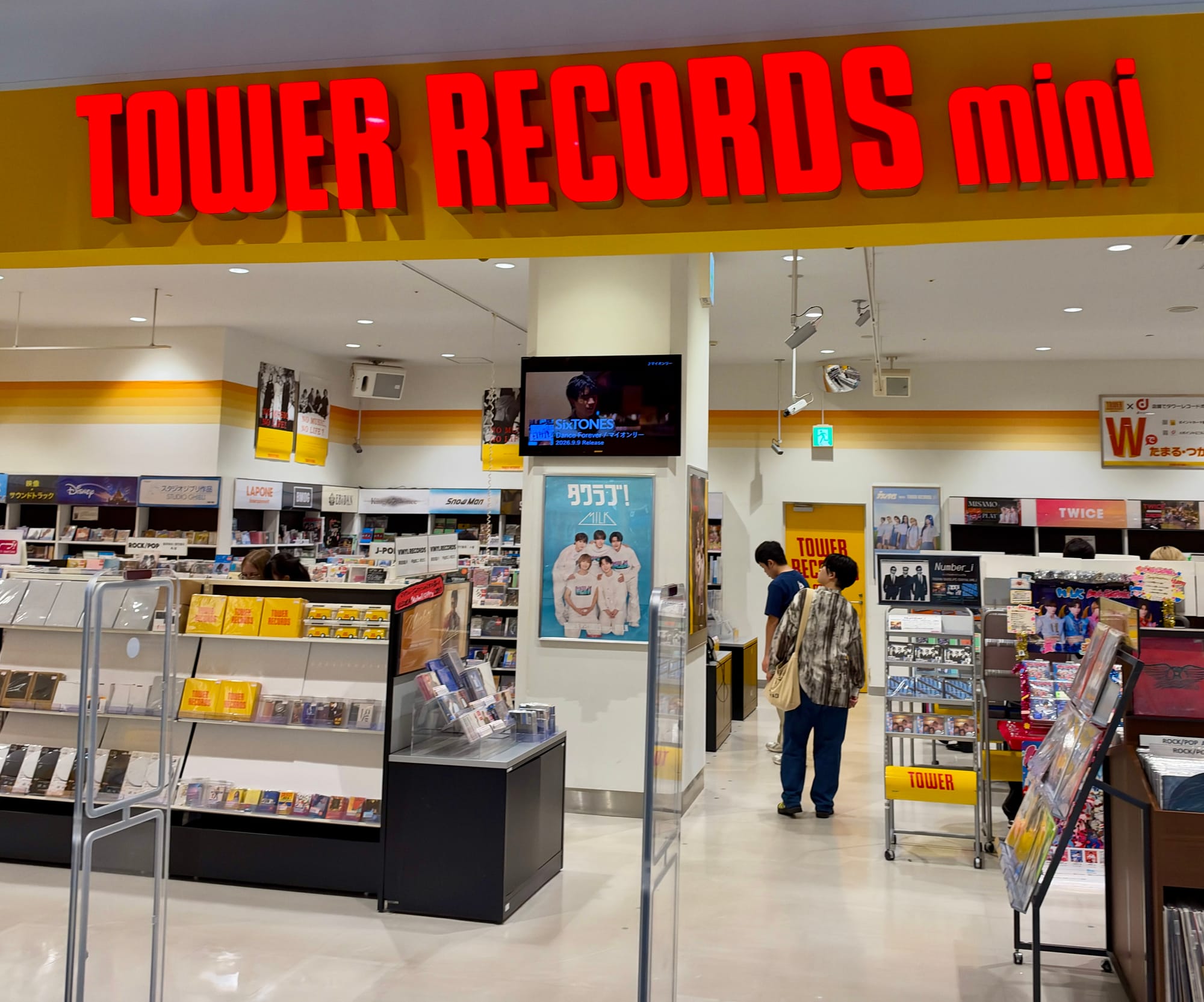
It was fun to see shopping malls still exist in Japan. At first I walked through a few malls on my way to subway stops but eventually I enjoyed cutting through the city using them and just admiring the good old days of wandering a mall and not buying anything. They always had kickass food courts too.
Everyone seems to wear black and white
I went into clothing stores like Uniqlo, GU, and MUJI and they had lots of nice clothing in various colors, but when you're on a crowded subway stop on a weekday, 99% of everyone seemed to dress in black pants and jackets with white shirts. A local friend told me it was mostly about fitting in and a general sense of not wanting to rock the boat. I boarded the subway each day in brightly-colored clothes and realized maybe most locals save those duds for weekends?
This friend also explained a general feeling of conservatism in the workforce by saying there's no word in the Japanese language that matches the term "risk" we use in English to describe ideas around entrepreneurism. Instead, the Japanese word it's most often translated to is "danger" which may explain why people seemed pretty reserved in how they dressed.
Tips for anyone considering their first trip
Here's a bunch of things I learned that made the trip go smoothly, and I'll apply these to any future trips to Japan.
Set up a long-press Siri Camera option
You can go into iOS settings and set it so when you press the camera button on an iPhone for a several seconds, the Siri Camera launches directly. This means if you see a sign you want to read, you hold down the button, take a photo as soon as it comes up, then wait a second for Siri to overlay English labels on the image. I found this shortcut made it easy to figure out what a menu or a warning on something said in just a few seconds.
Translation apps are killer
Apple and Google's translation apps are amazing and pretty much removed the language barrier as an issue throughout my trip. And while I never got my AirPods to translate in real-time like Apple ads show, being able to type some text or dictate and get an instant translation you could show someone else made interactions infinitely easier.
Get a hotel with onsite washer/dryers if you can
Tokyo was much hotter and more humid than I expected. I know most people avoid the city in summer, but I was really glad my hotel had a laundry room in the building. I also learned Japanese washer/dryer combos automatically dispense soap and if you don't overload them, the dryer part does work without needing to switch machines. The hotel machines even made you set a PIN code to lock the doors on them, which was nice.
Trains stop at midnight
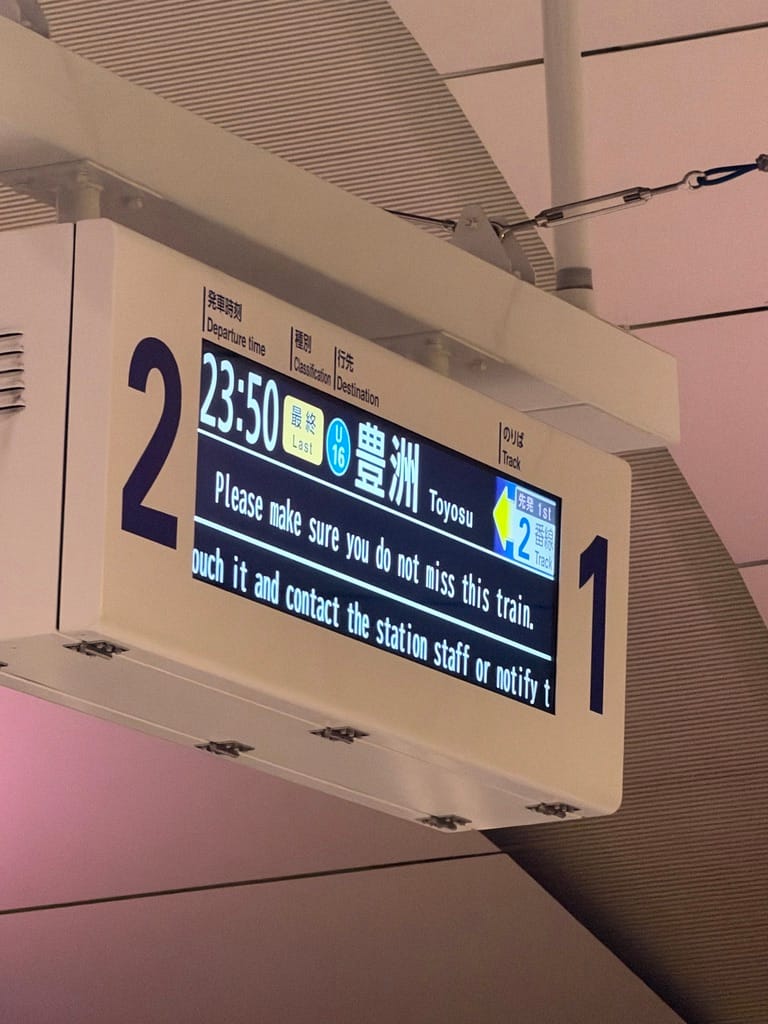
I was kind of surprised to learn the bars in Tokyo have no real closing time or last call mandated, and they stay open as long as they want, but the subway system pretty much stops cold after midnight. Much like being in London, around 11pm most nights, the stations loaded up with people heading home well before the cut-off.
I was bummed at first since it shortened my nights but as I took more trains, I saw that outside of downtown Tokyo most lines were light rail running through neighborhoods, and stopping them at midnight until 6am was a nice thing to do to let people sleep peacefully.
Get your shoe situation worked out ahead of your trip
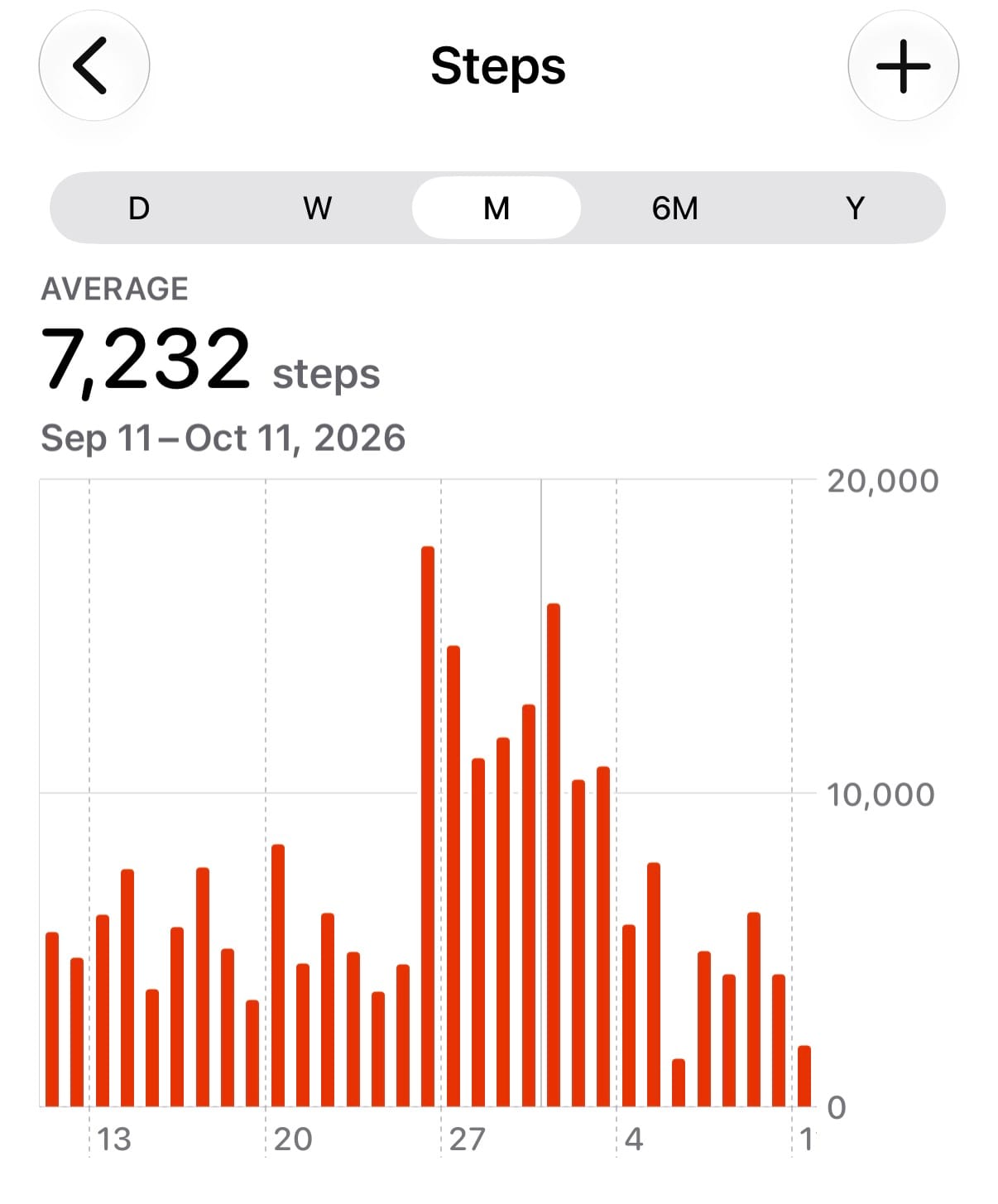
I knew I was going to walk a lot in Japan so I tried to walk my dog a couple miles each day in the lead up to the trip. I got a new set of super comfy shoes I had already owned before, put Superfeet inserts in, and broke them in for a month before my trip. Still, as you can see in the past month of my walking habits, I went from an average of 2-3k steps per day to about 10k-15k per day while in Japan. You will walk a ton because the city is so walkable. Public benches were kind of rare, so take any opportunity you can to sit down when you're out and about in Tokyo.
I should have went to an observation deck on the one sunny day I had all week
It was cloudy and rained off and on for most of my week and I only had one clear sky day and I wished I went to one of the many high observation decks in the city. Next time!
If you're on Verizon, get international coverage for about $15 (or get a cheap eSIM)
I've been to Europe before with a Verizon phone and I used to switch to local SIM cards because the international rates were so high. This time out, it only cost me $15 to add unlimited international data and texting to my existing plan, which I can cancel now that I'm back. I was going to rely on a local eSIM, and a week of unlimited overage is only about $25, but I realized I still have too many services with SMS authentication so I needed to be able to get texts on my American phone number while traveling, and Verizon's international plan was perfect for this trip.
A pocket umbrella was killer
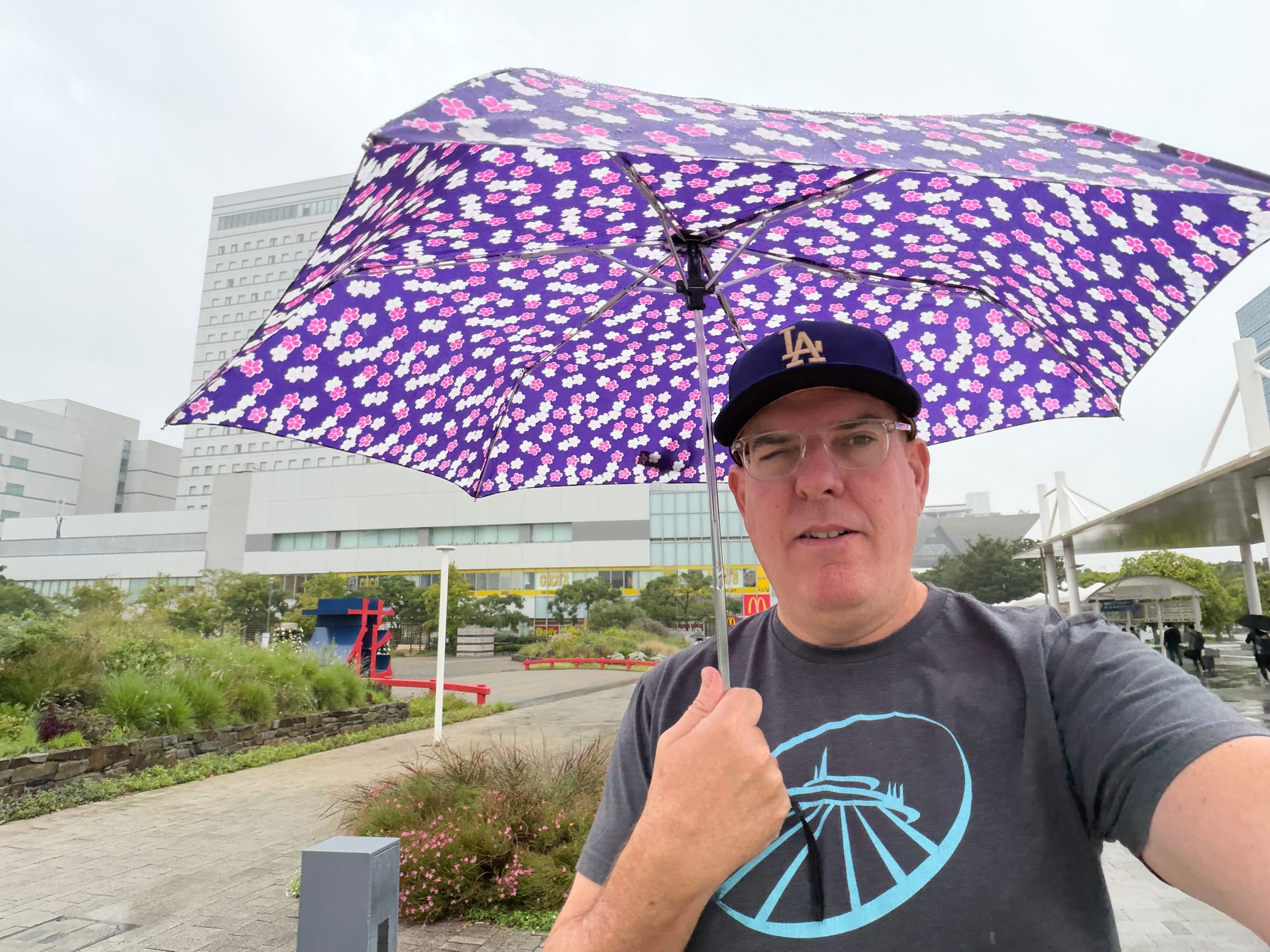
It rained a bit almost every day, and I loved the "minimum viable umbrella" I bought at a 7-Eleven for about $5 in a downpour. It folded up so small it fit in the front pockets of my pants, and when deployed was just enough to keep me dry. This will become a permanent part of my kit even when out and about in Oregon (a place where no one uses umbrellas due to stubborn pride), as I really grew to love having just enough of an umbrella on me at all times, easily stored.
Always visit a local supermarket
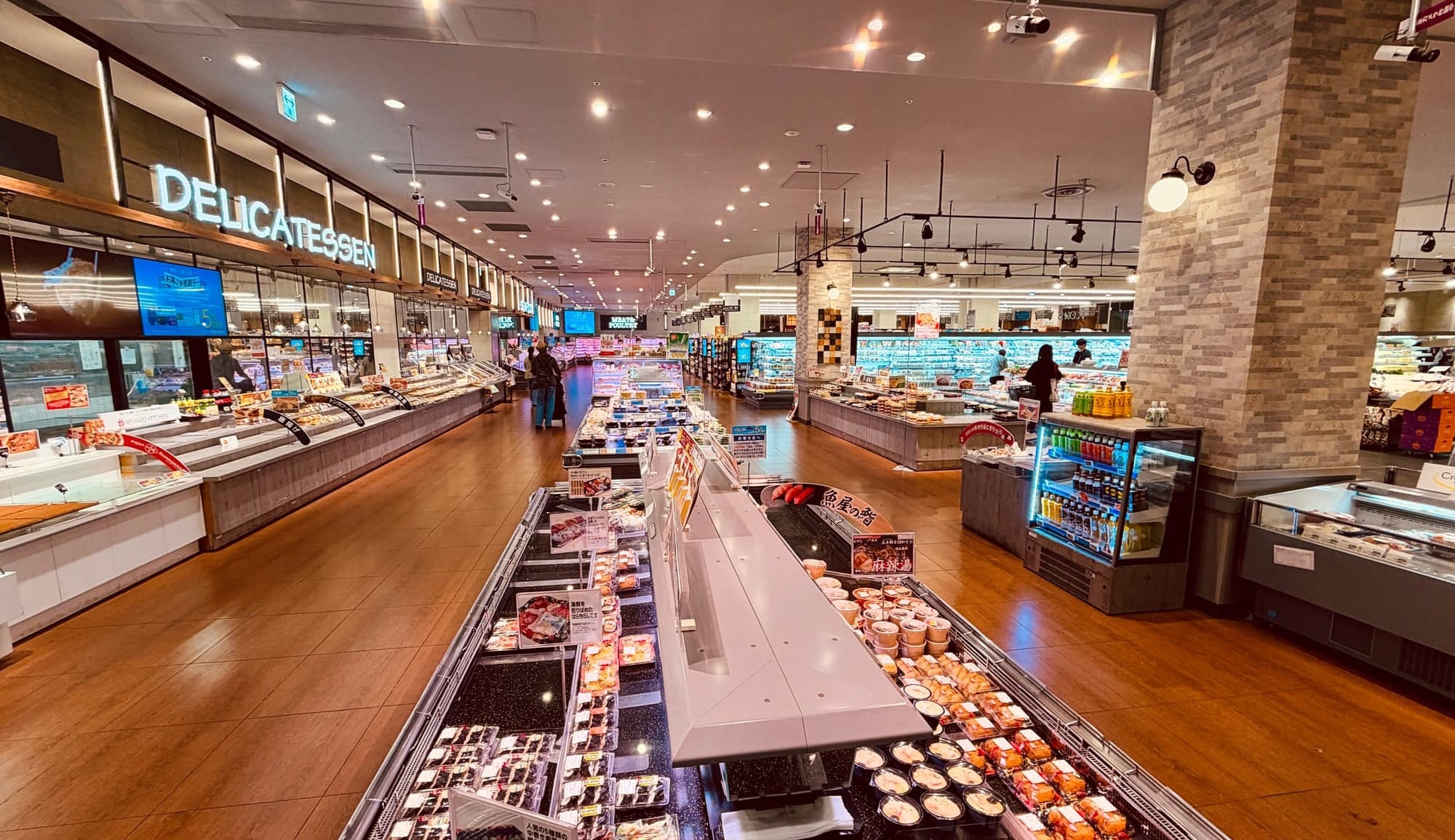
It's a good bit of advice to always visit a local supermarket whenever you're in a new country and the handful I visited in Japan did not disappoint. The meat sections looked incredible, with aisle after aisle of perfectly marbled, delicious looking beef and pork. A lot of supermarkets also had speciality areas with cheesemongers and butchers. Everything seemed high-end and very reasonably priced.
Food was universally incredible
Eating in Japan really was the highlight of the week I spent there. Everywhere I went, from fast food to chain spots to convenience stores to nicer sit down restaurants were all incredible food-wise, across the board. Food was also ridiculously cheap, mostly due to the currently favorable exchange rate with the US dollar.
Japan felt a lot like Italy where I also tried food from every corner of the country and never had a bad bite. Pretty much every single time I got something to eat, it was amazing in some way.
The limousine bus was the best way into/out of NRT airport
I really wished I booked a bus from the airport to my hotel, as it would have saved a lot of headaches and a couple hours from the moment I landed. The limo buses are easy to book online and cheap for what you get, as a full taxi ride from the airport to a downtown hotel can cost a couple hundred bucks. The trains work, but after a 10hr flight in a new place, they can feel daunting.
Google Maps was king
I usually stick with Apple Maps in the US, and I've used a couple different apps like Transit and CityMapper to get around other countries before, but I have to begrudgingly admit that after trying them all, Google Maps was head and shoulders above the rest in helpful, useful features that made sure I never got on the wrong train or got off at the wrong stop, thanks to extra labels and hints on which train car to load into. The restaurant reviews were also the most trustworthy.
The hotel you choose is not that big of a deal
In all the guides to Tokyo I read before I went, each one had advice on how to pick a specific cool neighborhood for your hotel where you would base you trip from. I stayed in a clean but boring Hilton business hotel near a convention center on the southern end of Tokyo and honestly, it really didn't matter where I slept because I started every day taking a train in different directions to get to stuff I wanted to do. I made sure my hotel was next to a train station and I used the two nearby lines to access all the other neighborhoods and places I wanted to visit.
Each day, my schedule was mostly getting out by 10am, going other places and experiencing things until the late afternoon. Then I'd head back, rest, regroup, shower, then head back out for the evening using more trains, getting back late at night. I was probably 30min away from Shibuya and Shinjuku and it was easy to zip into the center of town then head wherever I needed from there.
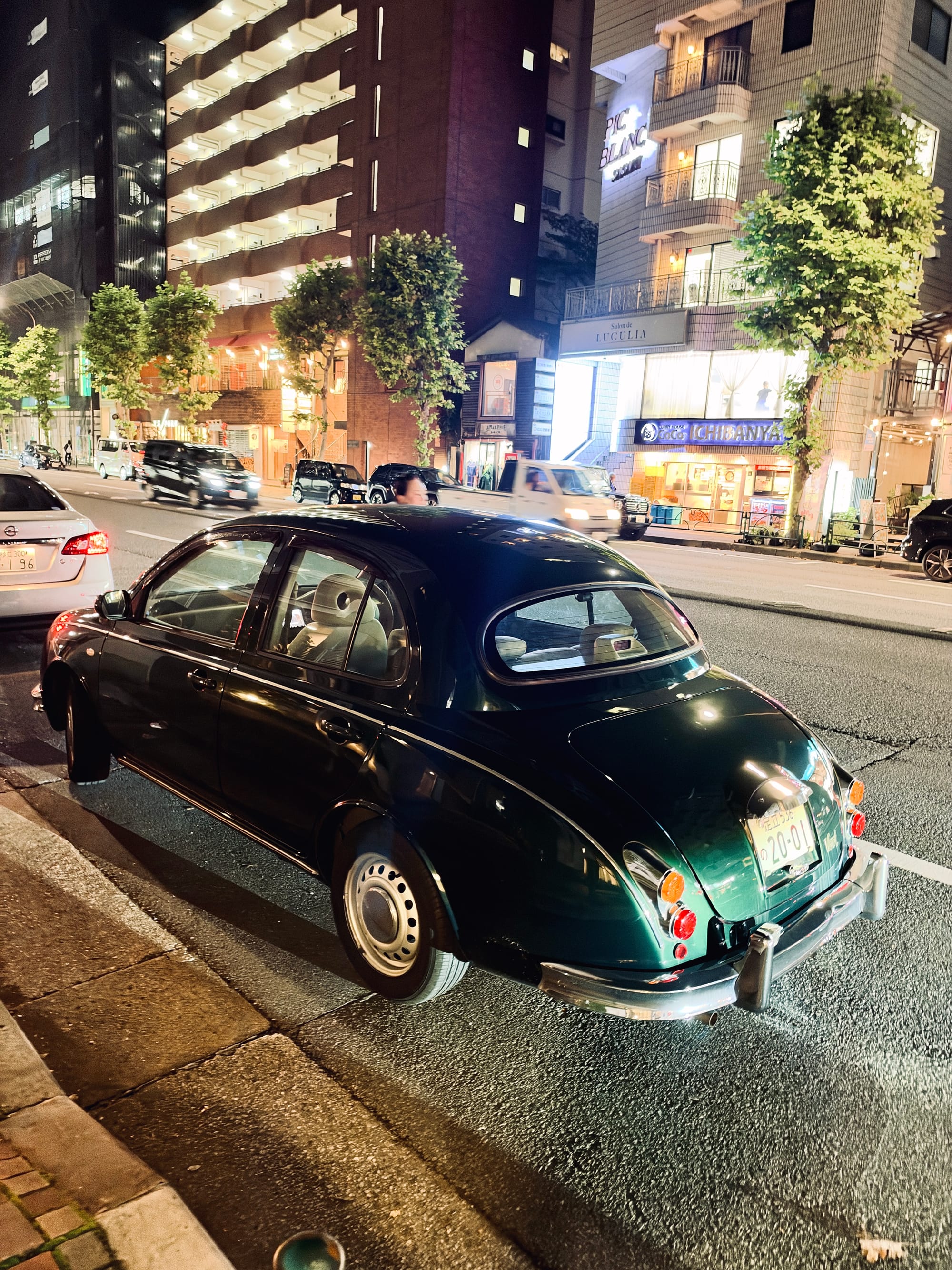
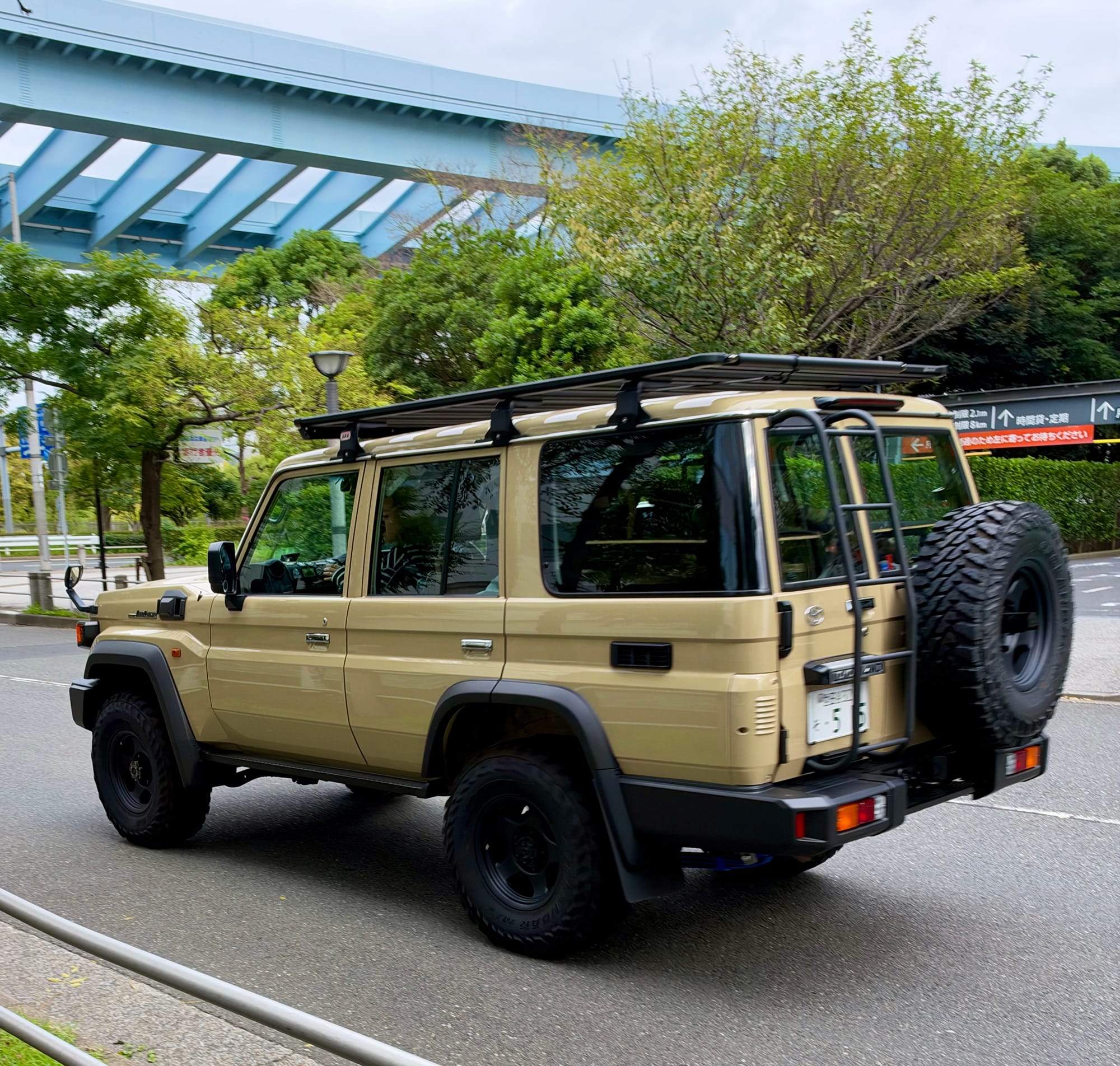
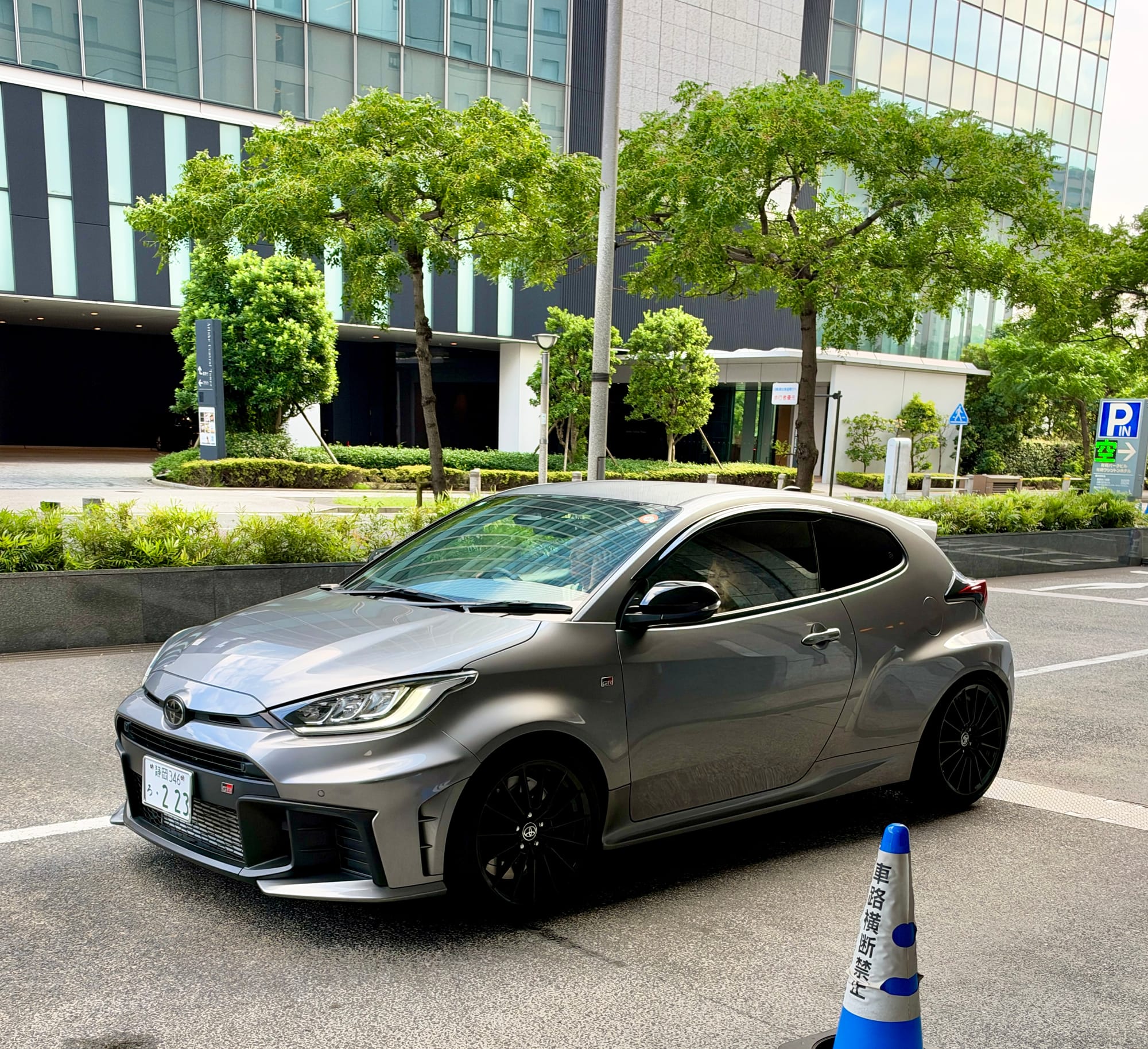
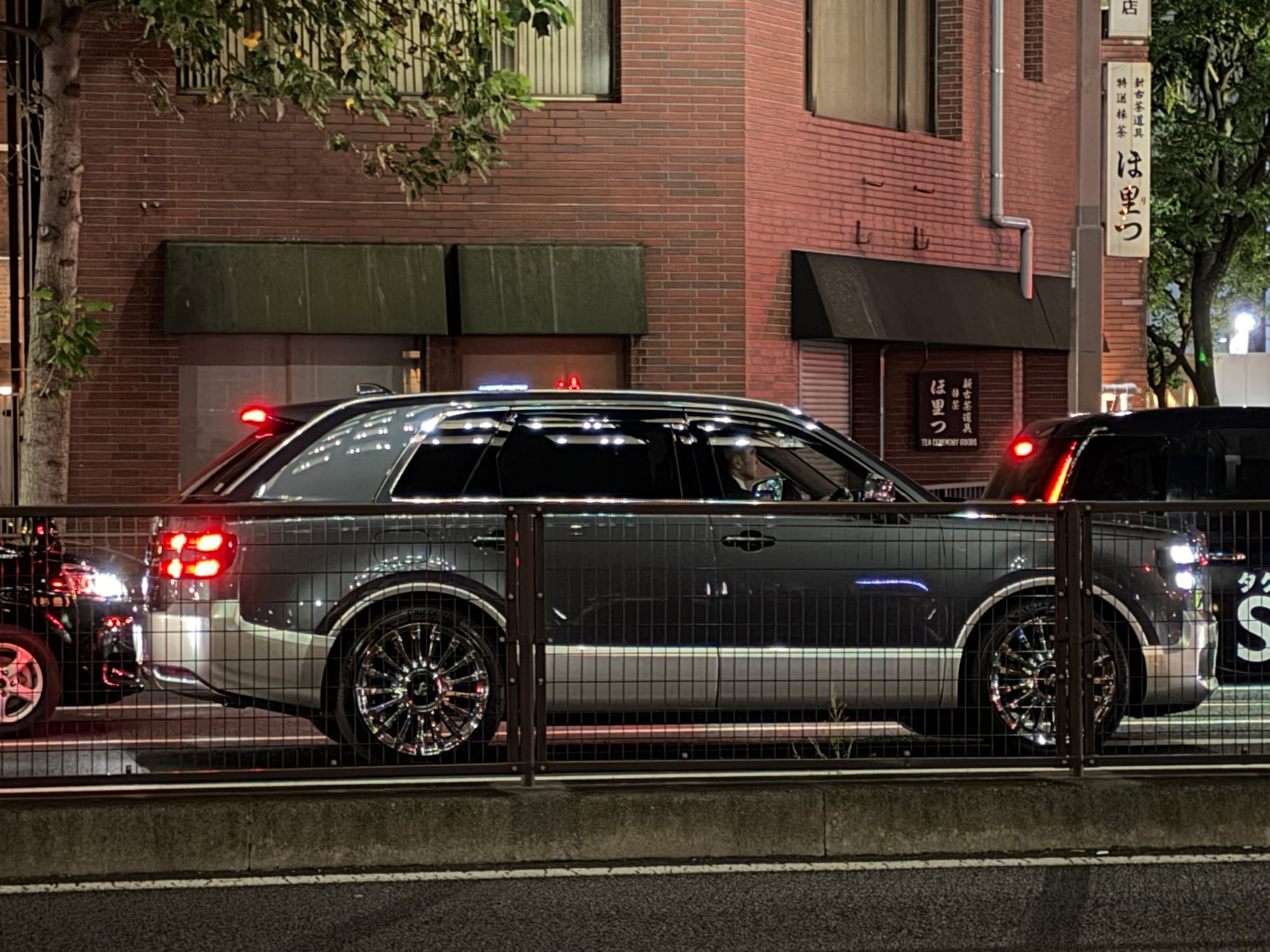
Cool cars we can't get in the USA
Final thoughts
Spending a week in Tokyo was an unforgettable experience, full stop. Even though I was just one among millions, I felt the city was way more quiet and relaxing than I expected. It was refreshing to be in a place where society puts the needs of others first instead of the general "gotta get mine!" attitude everywhere you look in the US.
I could sense there was a push-pull of how Japanese people felt around social pressure to comply with accepted standards, but I did see streaks of rebellion from time to time and I bet the balance between those two viewpoints is constantly moving back and forth.
Overall, it was eye-opening to see what happens when people try to create a more just society and it really does feel different (and much better). I know Japan has its problems with foreigners and outsiders (or even just Korea) but almost every aspect of life felt better at a baseline than what I'm used to in America. Housing/Rent is relatively cheap compared to the rest of the world, food is affordable and high quality. The healthcare system is so good people literally live longer lives in Japan than anywhere on earth. The train system was incredible and for just a couple bucks, I could be whisked away to a new neighborhood and experience another aspect of a sprawling metropolis.
This trip will definitely not be my last to Japan and I hope to make the country a regular destination to revisit every few years going forward.
I grew up
]]>I’m currently on my first ever trip to Japan and while I’m spending the week soaking up as much Japanese culture as I can, I wanted to take a one-day break into the fantasy world and see what Tokyo DisneySea was like.
I grew up about 20 minutes from the original Disneyland, which meant I got to go fairly often as a kid. As an adult, I’ve come to appreciate the experience design of the place and I try to visit the California parks about once a year, mostly to soak up the vibes more than rides.
I know the history of Tokyo Disneyland is that a company licensed park designs from Disney to build parks in Asia as a new franchise. I’d always heard DisneySea was their crowning achievement among all their parks, and that it was a blank-check, nothing-is-off-limits type of theme park, so I had high expectations going in.
I’ll kill any suspense and put my conclusion here: DisneySea totally and completely blew me away and lived up to this reputation, with every inch of the park feeling carefully designed at a level I’ve never seen anywhere else. The rest of this post explains why.
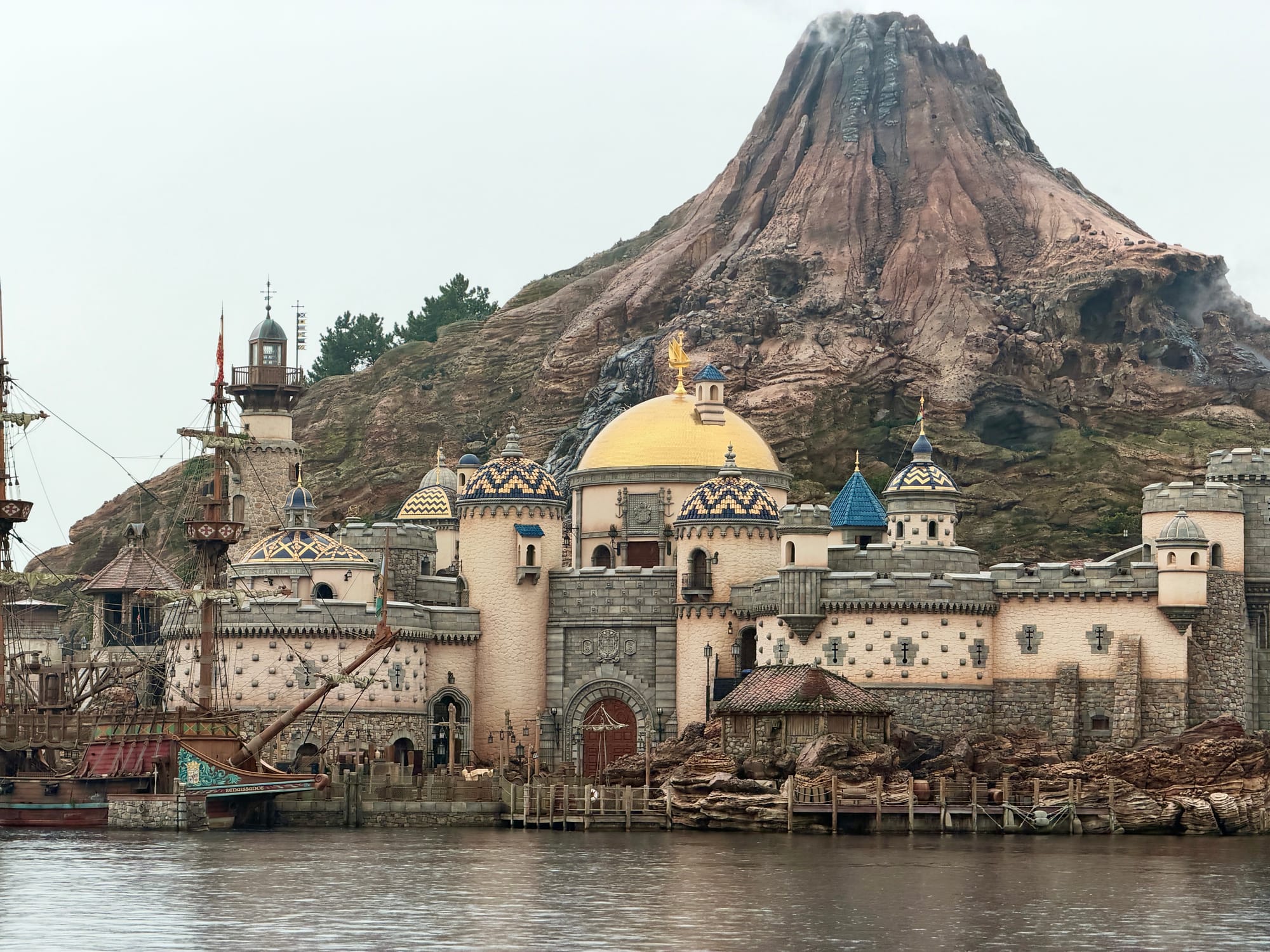
Getting there, initial impressions
It’s pretty easy to buy a pass in the Tokyo Disney app a day or two before your trip, and lucky for me I stayed in a hotel on the outskirts of Tokyo near DisneySea, making it only a 30min train trip for me. Another stroke of luck was I went on a Monday that wasn’t a holiday, so the park was only mostly full.
The park opens at 9am and people online say you should line up around 6:30am to get in first. I waited until around 9:30 to arrive, hoping to miss the initial crush, but there was a huge security checkpoint line that took about 15 minutes to get through, with a few minutes in an entry line after.
The opening scramble
The time you enter the park is important because you can’t book any Fast Passes (Disney Premier Access is what they call it these days) until you get beeped through the park’s front gates. You’ll also need to store a credit card in the app to streamline purchases, which adds another few minutes.
Everything I read online told me if I wasn’t inside the park by 9:15am I wouldn’t be able to buy a ticket to the new Frozen ride since it sells out so quickly. Thankfully for my trip on a rainy Monday, I was able to buy a pass for it around 9:45am and it gave me a ticket for 3pm.
It was funny to watch everyone go through the turnstiles but then stop, look down, and whip out their phones to try getting passes for popular rides. Immediately inside the park gates there were like a hundred “zombies” doing this (myself included) the moment they entered. The park should probably make a little area with benches to let people sit and tap for a few minutes in a little corral.
The park entry ticket was only $60USD, and I spent about another $100 on ride passes and food throughout the day. That may sound expensive but compared to California parks, this was a bargain, where normally it’s at least $150 to get in plus you spend that much on food and even more on top for ride passes. If I go to California parks once a year, spending $300-500 isnide the park on a single day can be completely normal. This being a special trip, thousands of miles away with just one day to enjoy it, I bought passes for almost every ride I could to cut my time spent in lines, allowing me to experience more rides.
One last tip: you can hold several overlapping Disney Premier Access passes but you can only purchase one pass per hour, so set a timer for 59 minutes whenever you get a new ride pass so you can grab another immediately after the limit is lifted.
Design considerations
Like I said, every inch of the park is well designed. As I strolled through the fake New York town near the entrance, every rivet on metal siding had a little rusty patina streak hand-painted below, as if from decades of rain. The interiors of ride buildings had meticulously stained and weathered wood, stuff I know from my own woodworking takes hours to artfully reproduce even at a small scale. Entire building interiors were done like this and I can’t imagine how much time and labor went into it.
DisneySea is kind of like if an obsessive gigantic person built their ultimate model railway village featuring towns from all over the world, and it just so happens to be life-sized perfection to us.
Here are some examples.
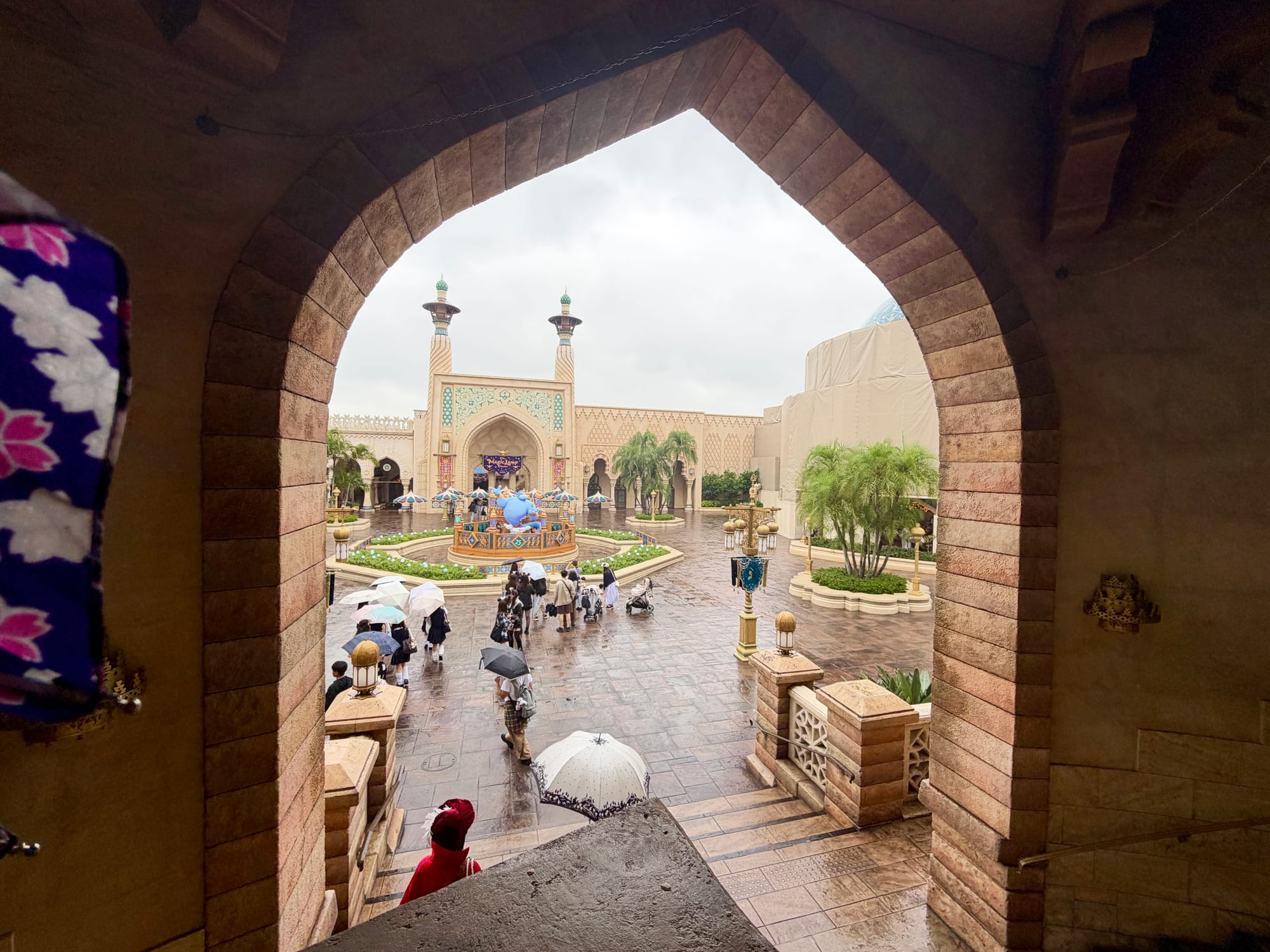
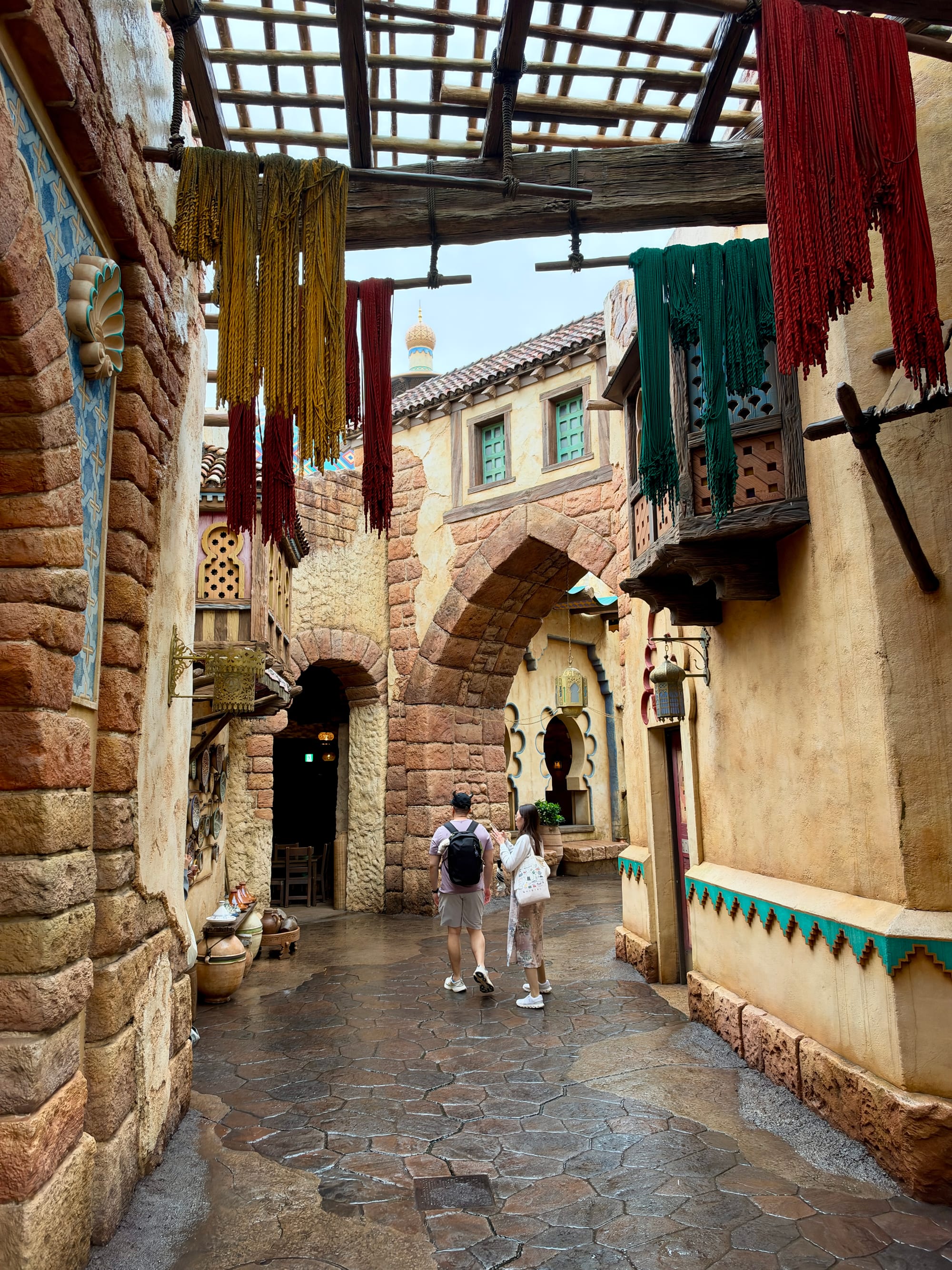
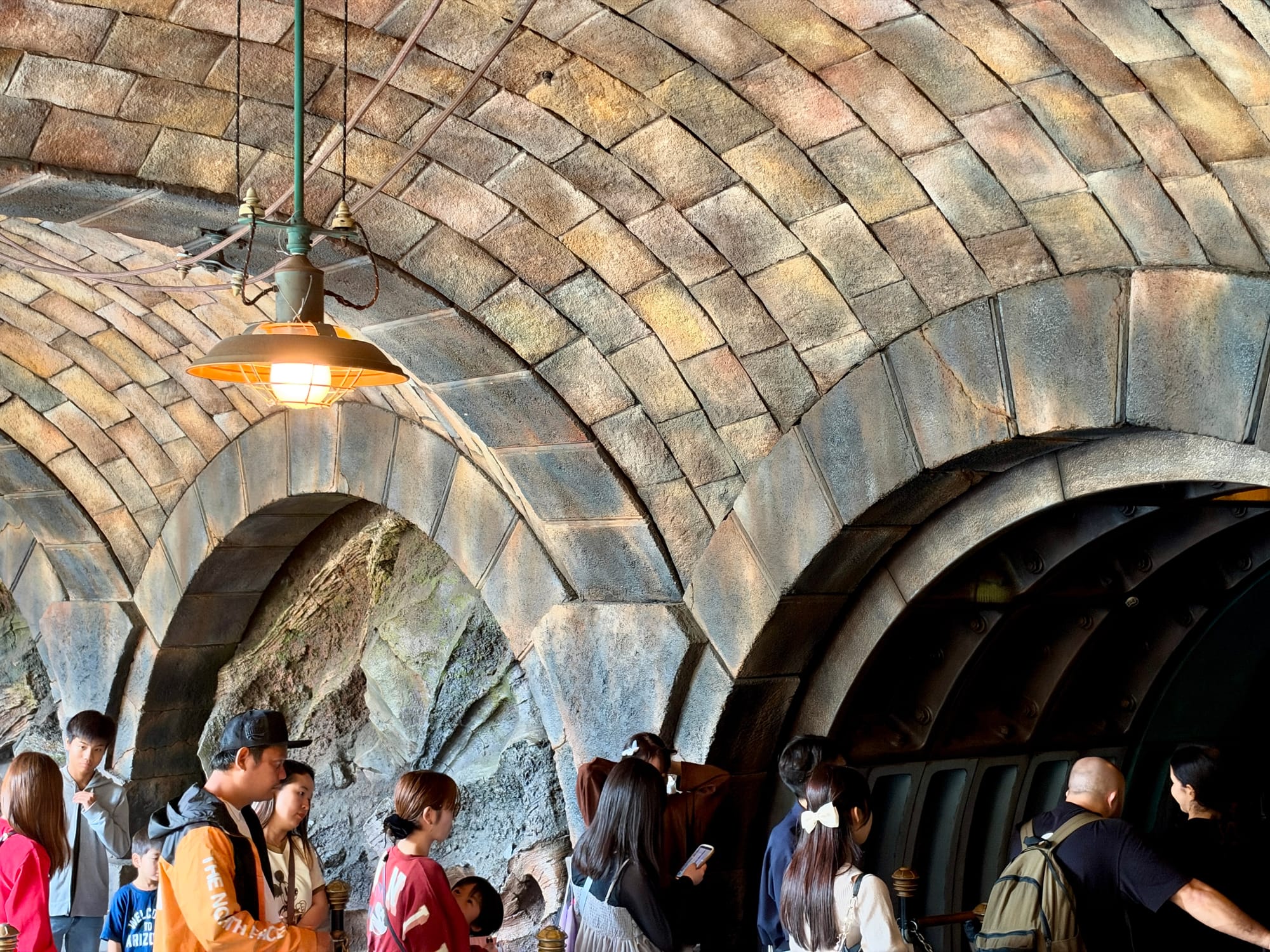
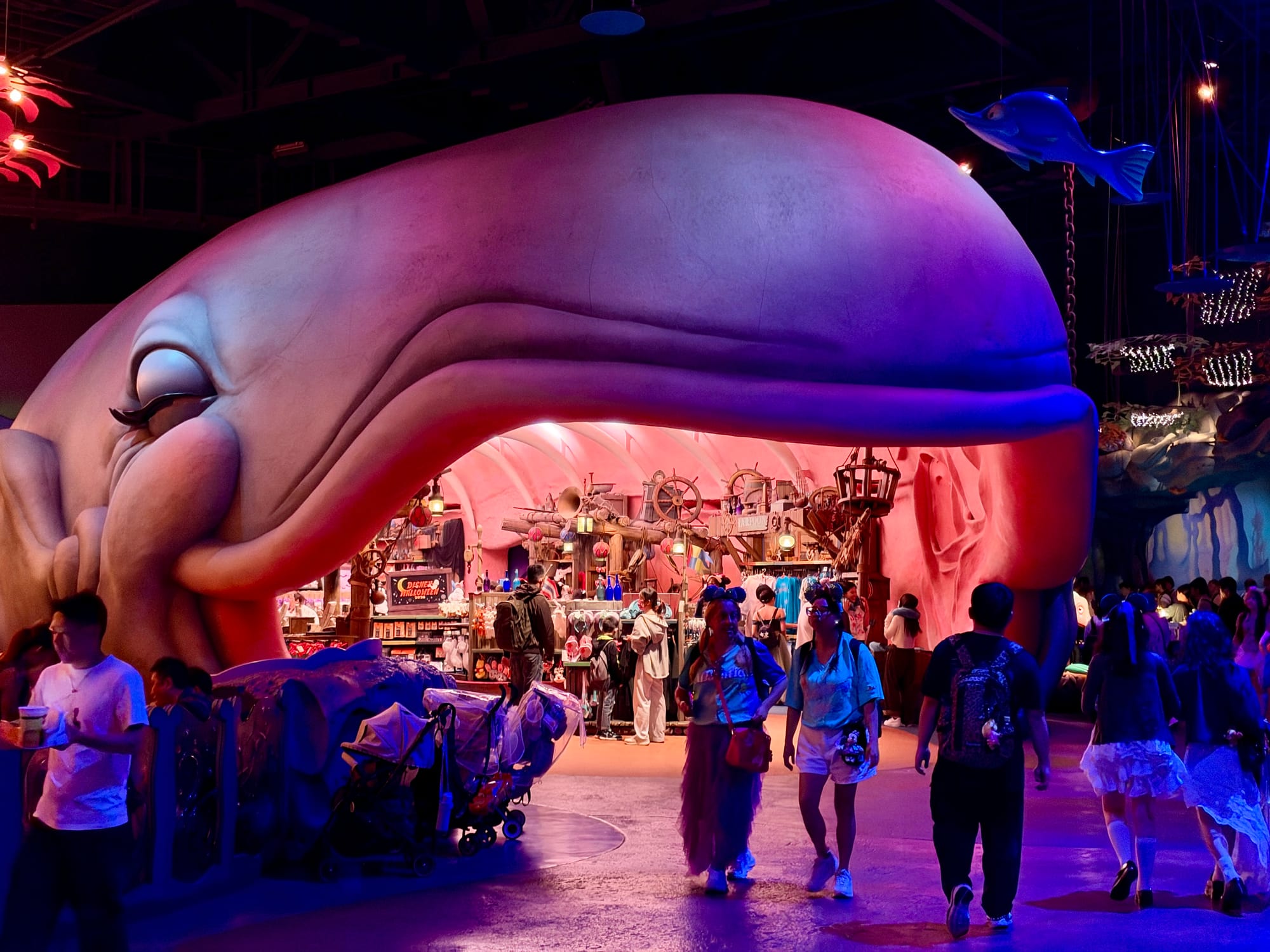
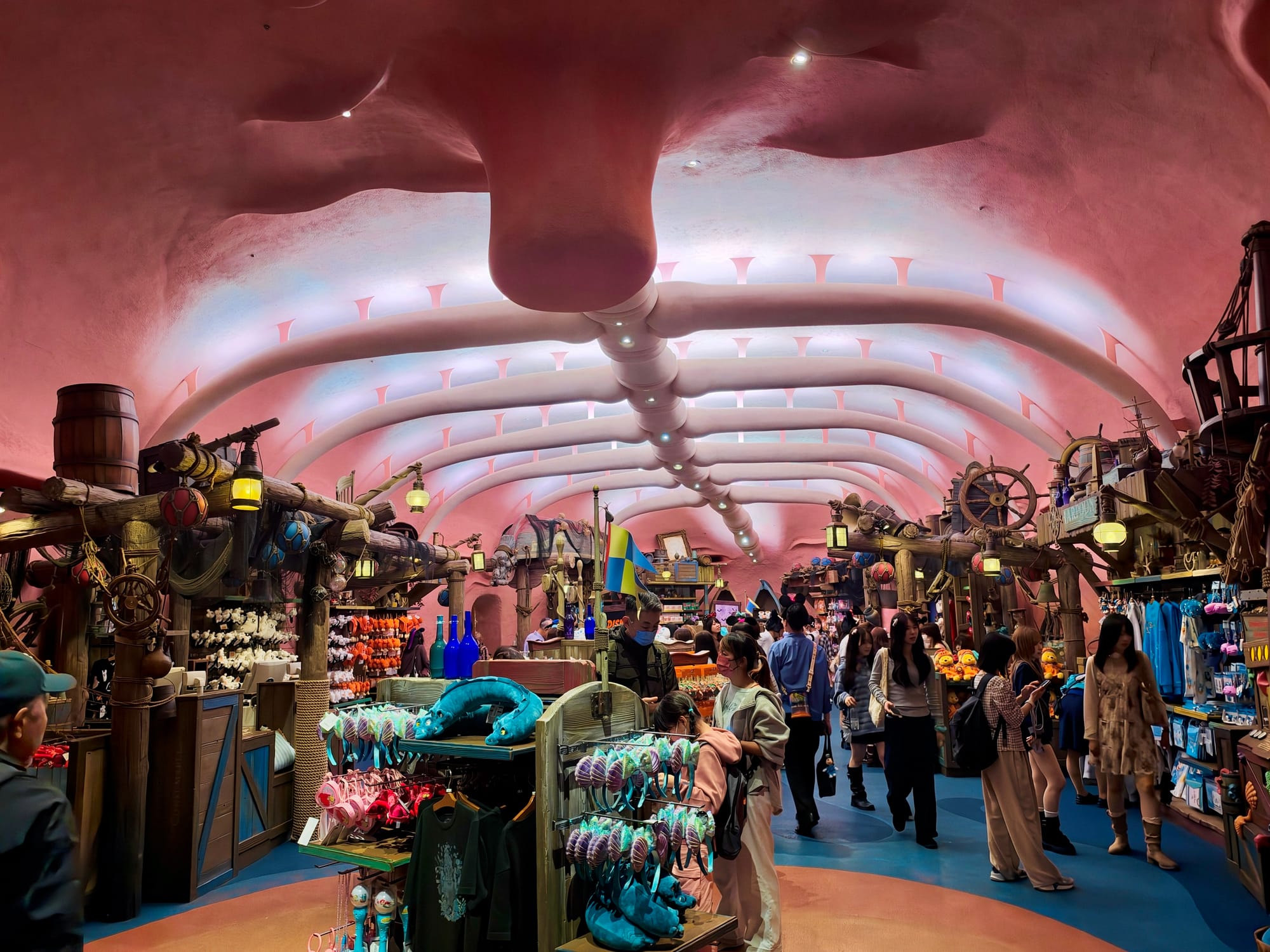
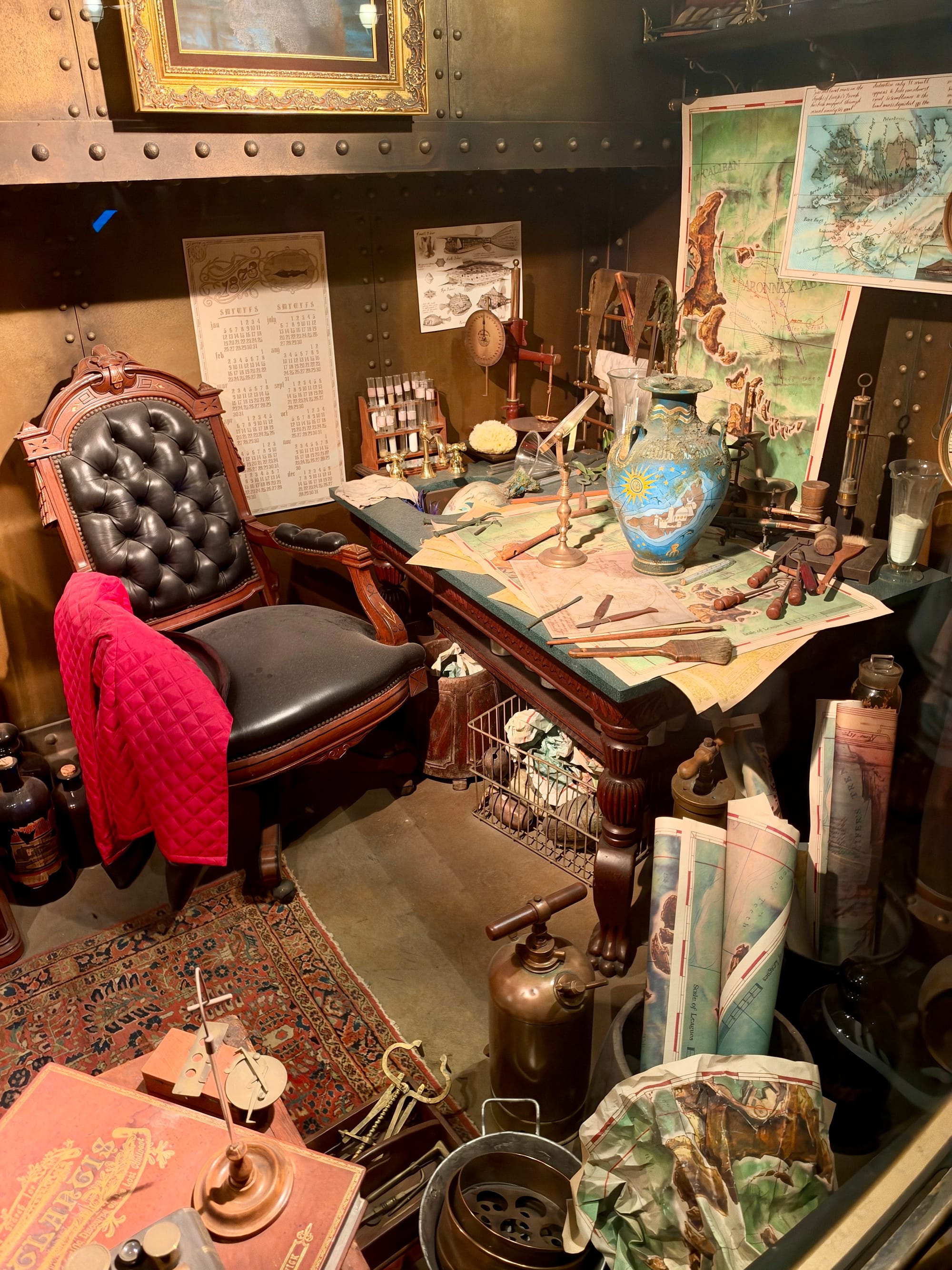
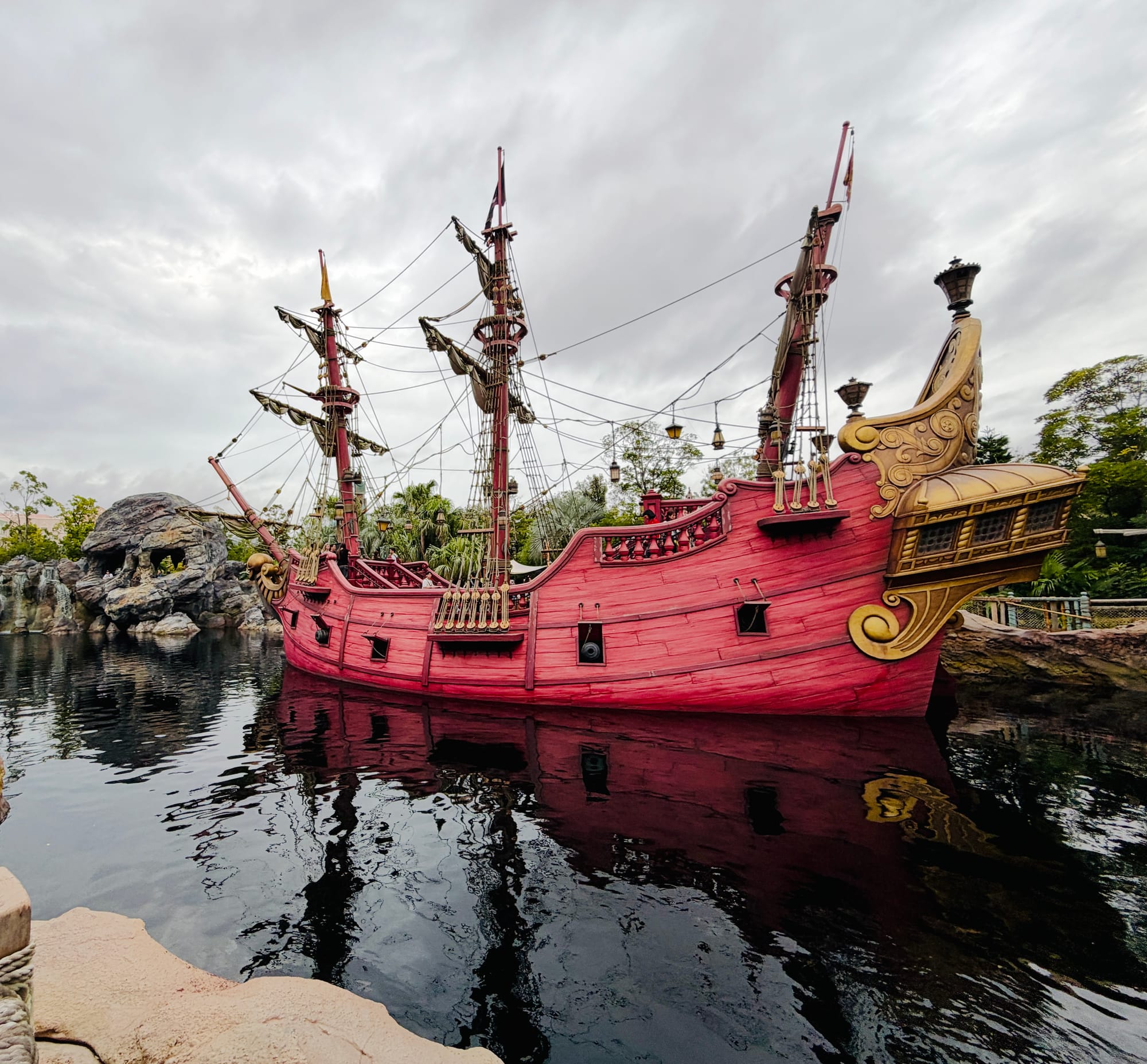
There is literally no stone left unturned. Every wall, every bit of trim, even the flooring is all considered and fits into an area’s theme. The pre-ride areas are lush with details, even something as mundane as the rooftop inside a tunnel where you queue up for a ride has perfect weathering and patina applied to look like it’s been there since Victorian times.
Ride impressions
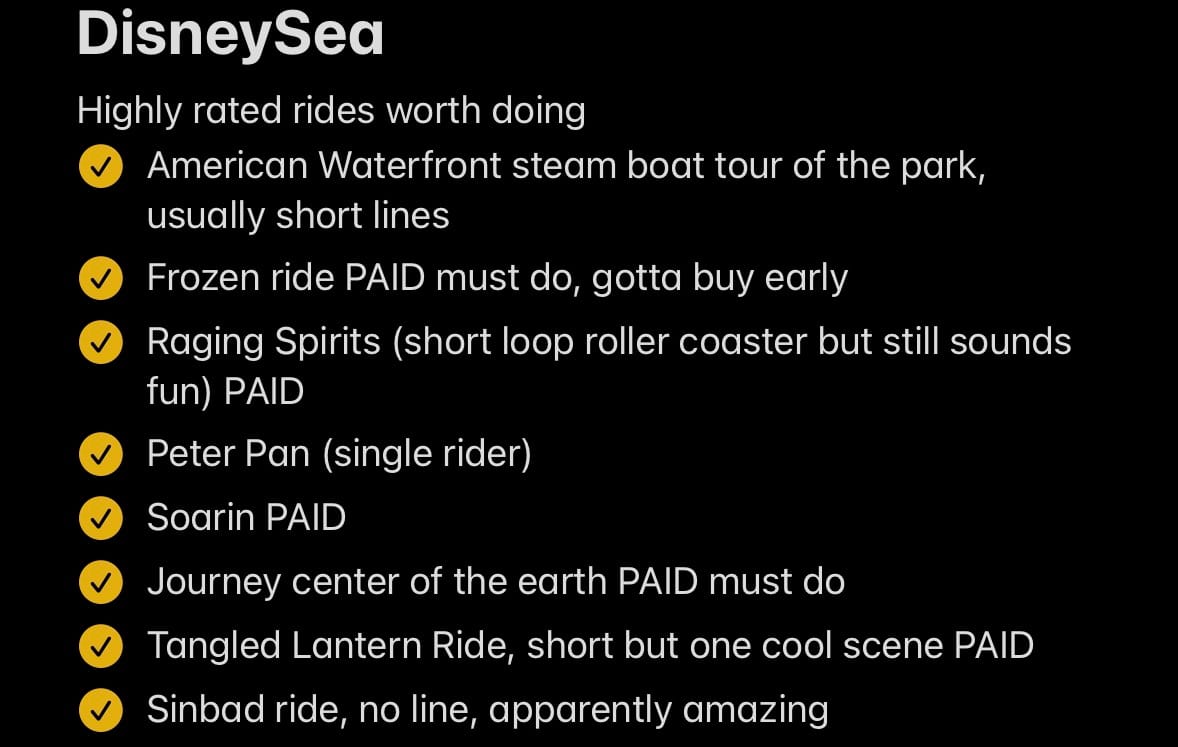
I had a wishlist of rides I wanted to try after reading a few reviews online and I was surprised that by the end of my ~10am-8pm day, I hit every single one of them. You can do the whole park in a day, though I missed out on a few walk-through attractions you usually find while wandering, since I was mostly moving from land to land to look for the rides. I barely touched the Cape Cod area and only got to see the Mexico themed spot for a moment while passing through.
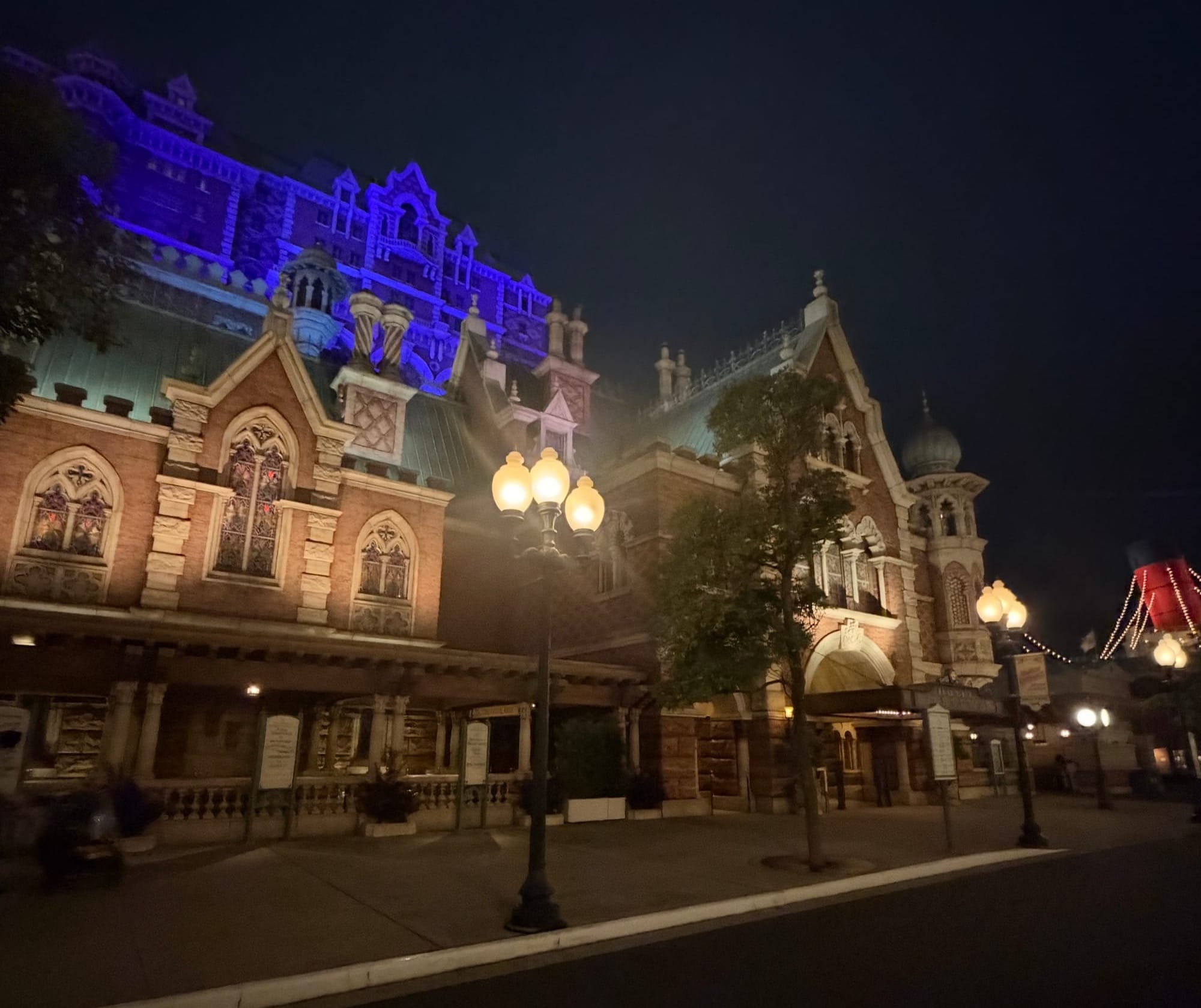
A big bummer: The best Tower of Terror ride on earth is here but was closed, and Indiana Jones was closed as well so I couldn’t do either of those to compare them to the US parks.
The rides themselves carry the deep design I saw throughout the park and had great queues. I had a fun time on every ride, but if I had to pick something to criticize, it’d be that some rides (Raging Spirits, Journey to the center of the earth, Tangled’s Lantern ride) are too short of a ride length. This stood out to me because often the queues were over two hours (I bought passes for these or used the single rider option) and while they were great rides, each felt like it was over in 60-90 seconds, much too quickly for all the time people spent waiting for it.
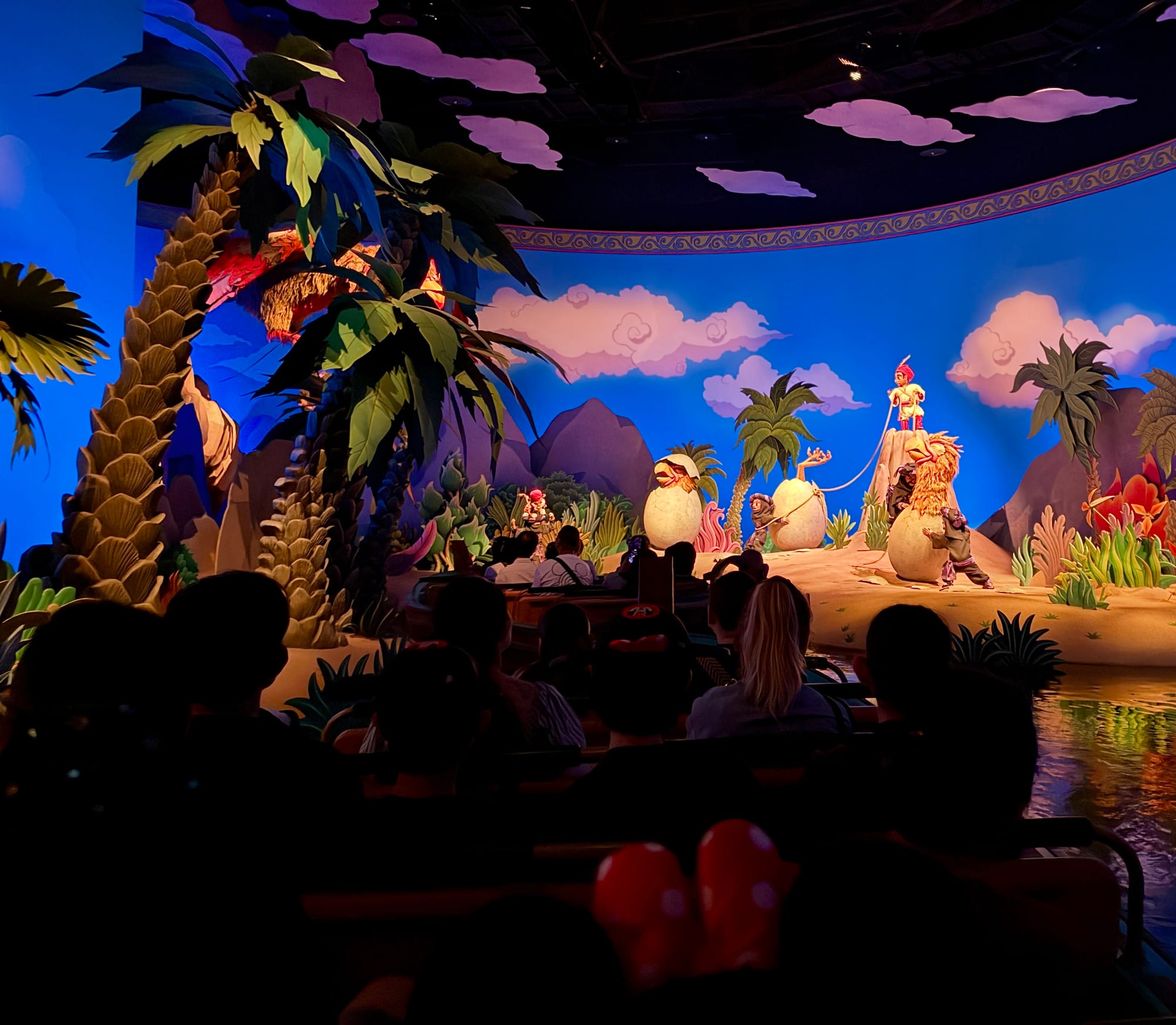
My favorite ride was an underrated one I would have skipped unless I read about how good it was, and that was the Sinbad Seven Seas ride. It had one of the shortest lines of the day and the ride itself was ridiculously long, probably on the order of 15 minutes as a boat ride. Honestly, it was everything that a modern version of It’s A Small World could be. There were hundreds of animatronics in room after room, and every single one had working eyebrows and eyes that tracked your boat while they sang tunes, with some characters having projections and special lighting too.
A couple years ago, I was on the It’s a Small World ride in Disneyland when it broke down and we were stuck for 20 minutes. I got to see up close that most of the ride has simple painted plywood backgrounds and the characters are styrofoam and move left and right and don’t do much else. Honestly it reminded me of a ride you’d see at a county fair.
I know that old ride is from the 1964 World’s Fair and people love nostalgia even when it feels dated, but DisneySea’s Sinbad ride was last revamped in 2007. Any ride at Disneyland in California could have adopted this kind of technology at any point in the last 20 years, but didn’t.
The new Frozen ride blew me away with a long, detailed story and interesting ride mechanics. It features some of the most lifelike and incredible animatronics I’ve ever seen. The ride also wasn’t pure joy and happy songs as it didn’t shy away from scenes with pain, guilt, and abandonment as themes. I thought that was a bold move.
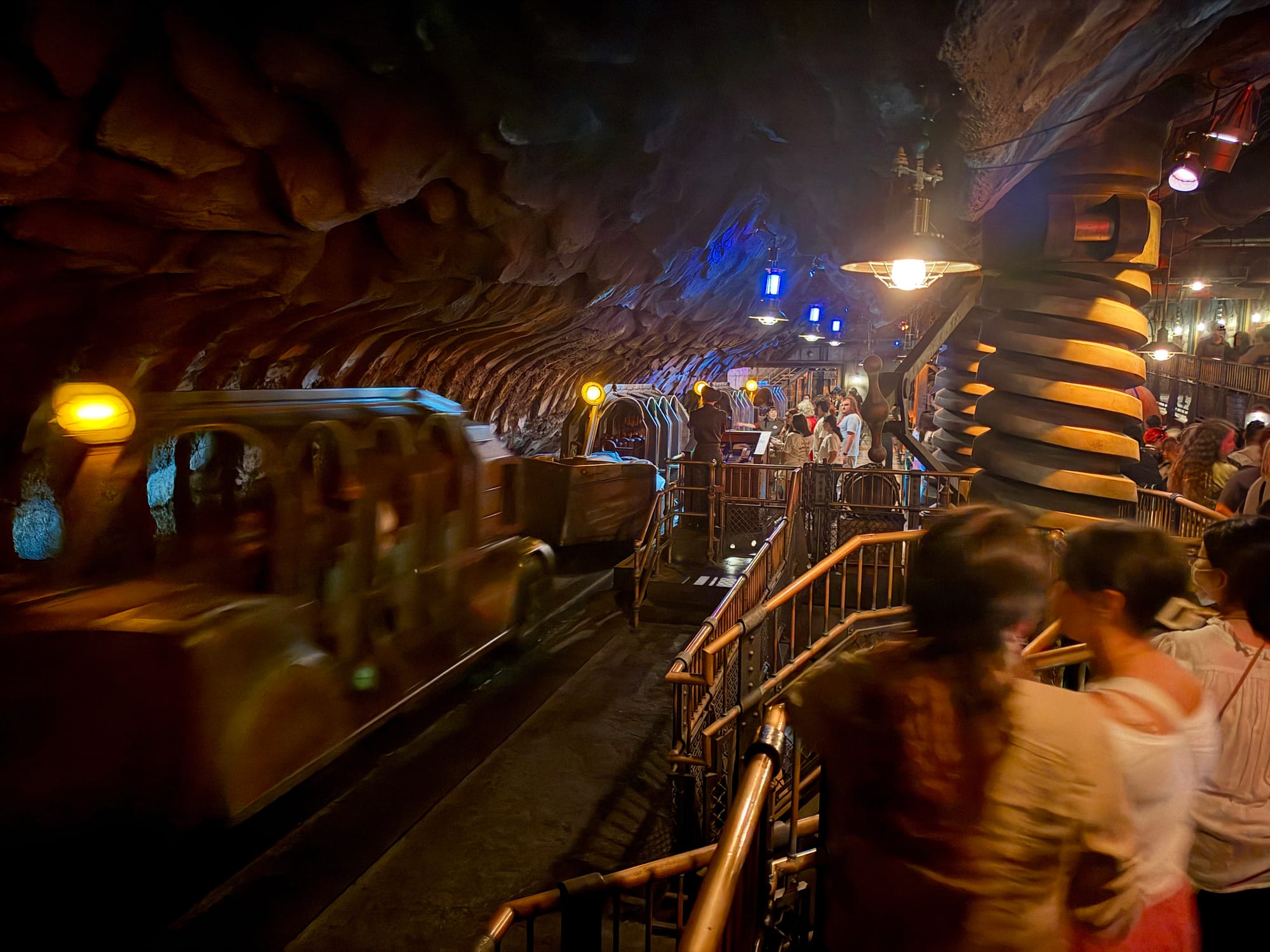
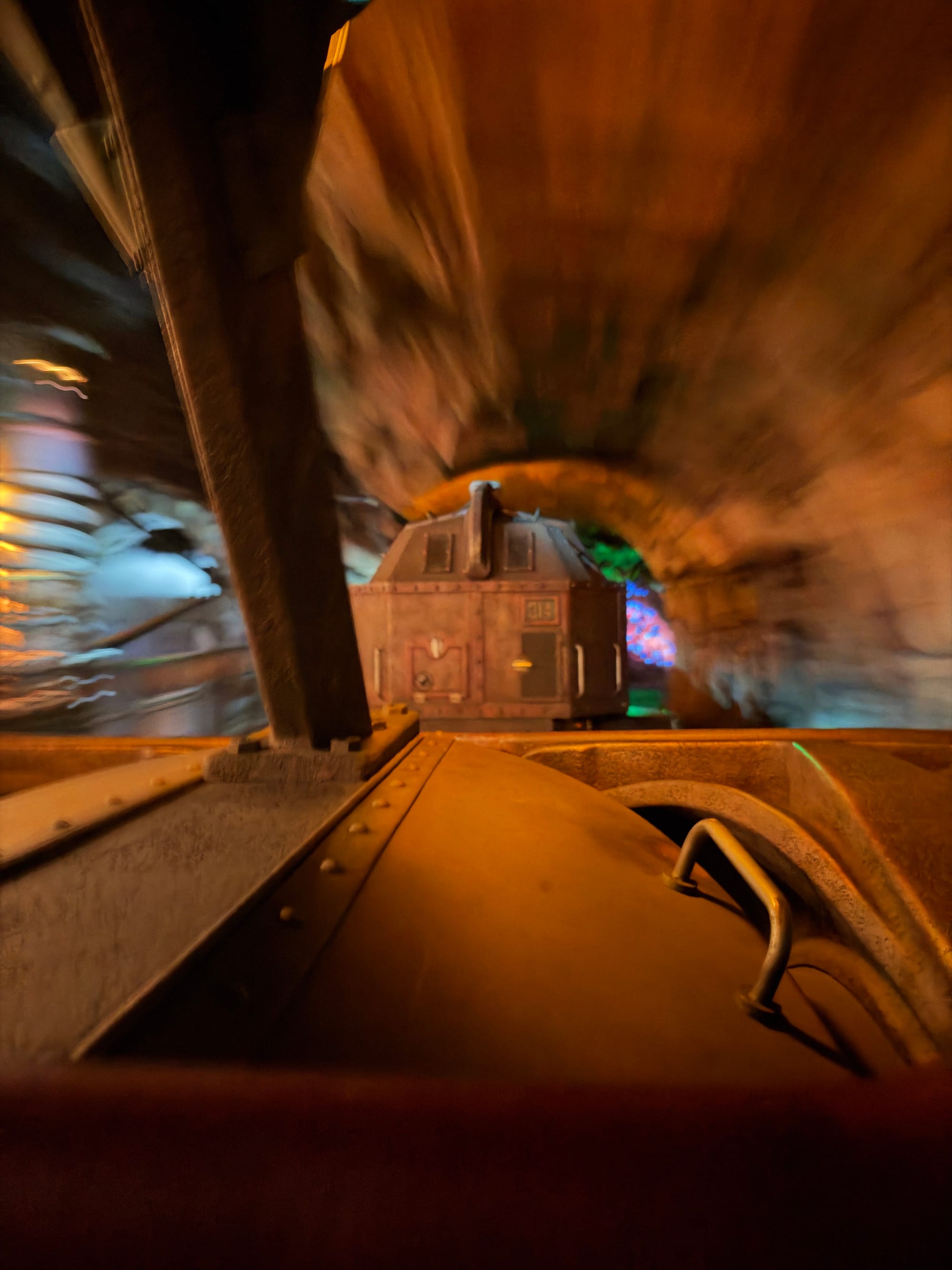
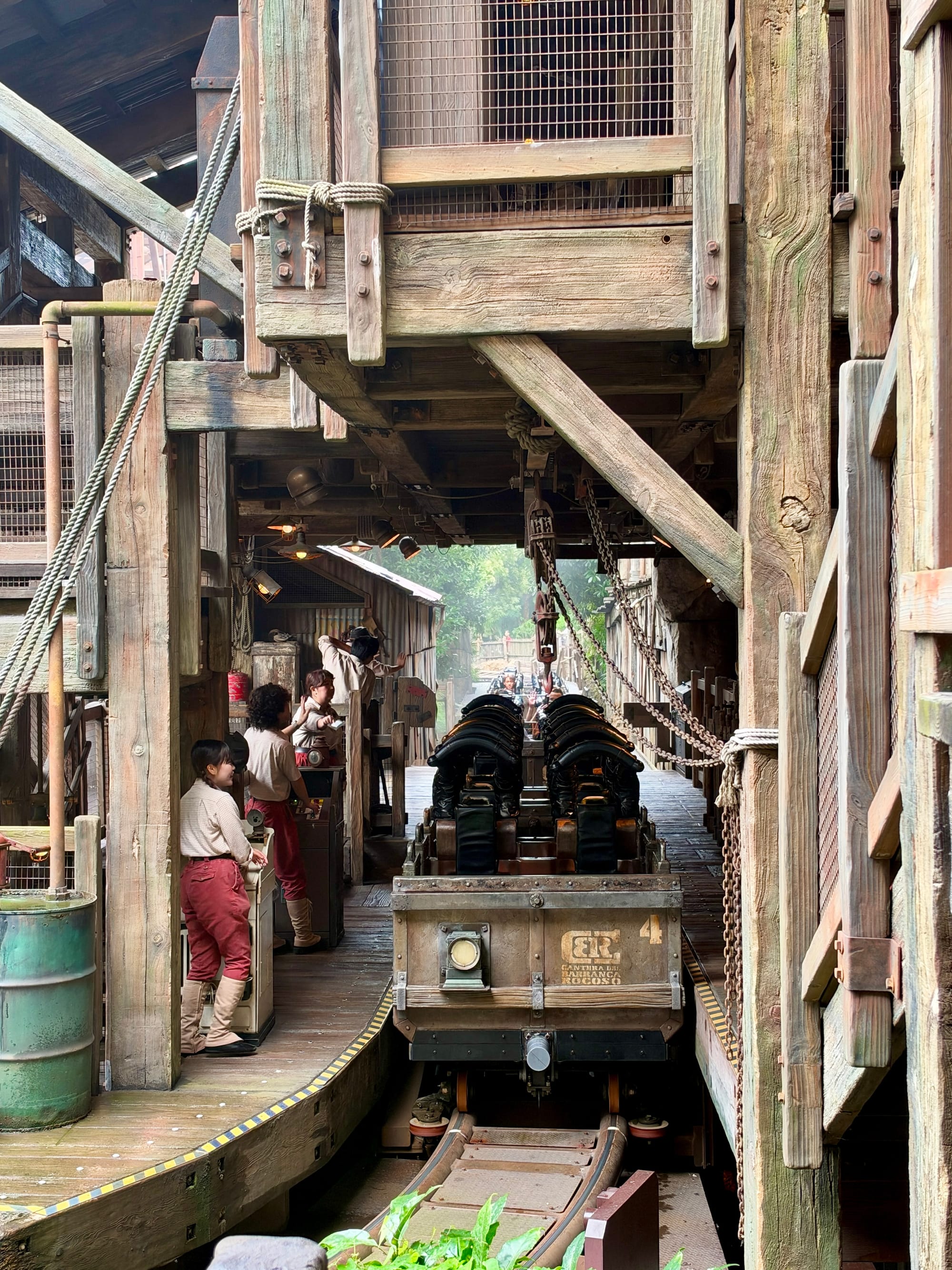
Raging Spirits, The looping roller coaster, while too short of ride, was really fun and beautifully designed with an interesting use of smoke to obscure the track before you hit big dips and bends. Journey to the Center of the Earth was a cool ride akin to the Indiana Jones rides at other parks, but with some added roller coaster elements near the end. That ride and the submarine ride were fun little Jules Verne-type stories that felt like they were designed by someone from the late 1800s who didn’t know modern science and guessed at what lives below.
The Peter Pan ride was surprisingly awesome. It was a bit like Star Tours with lots of motion simulation sync’d to video and they did a great job focusing your view so you were always looking at the screen ahead of you while flying throughout the story.
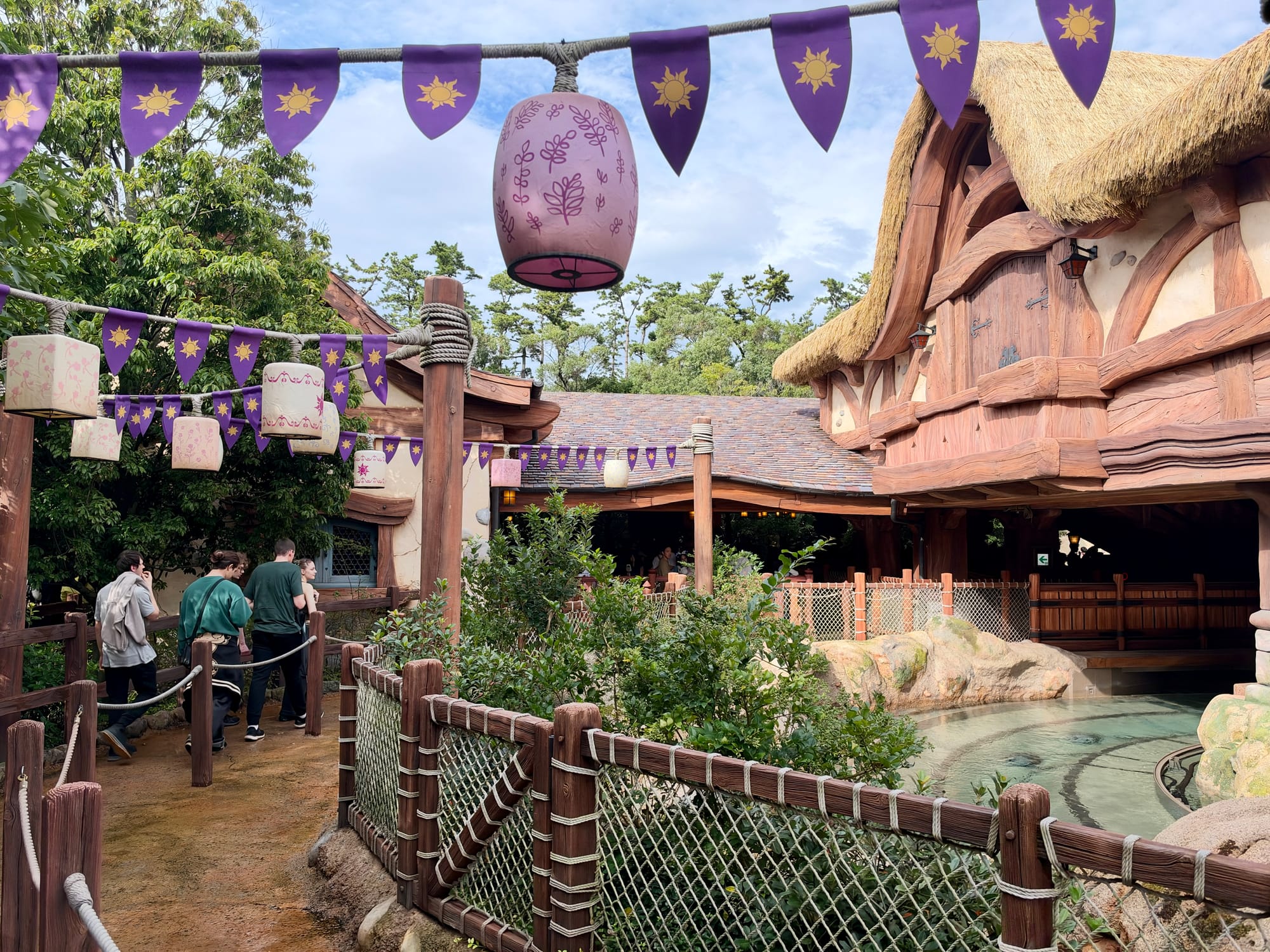
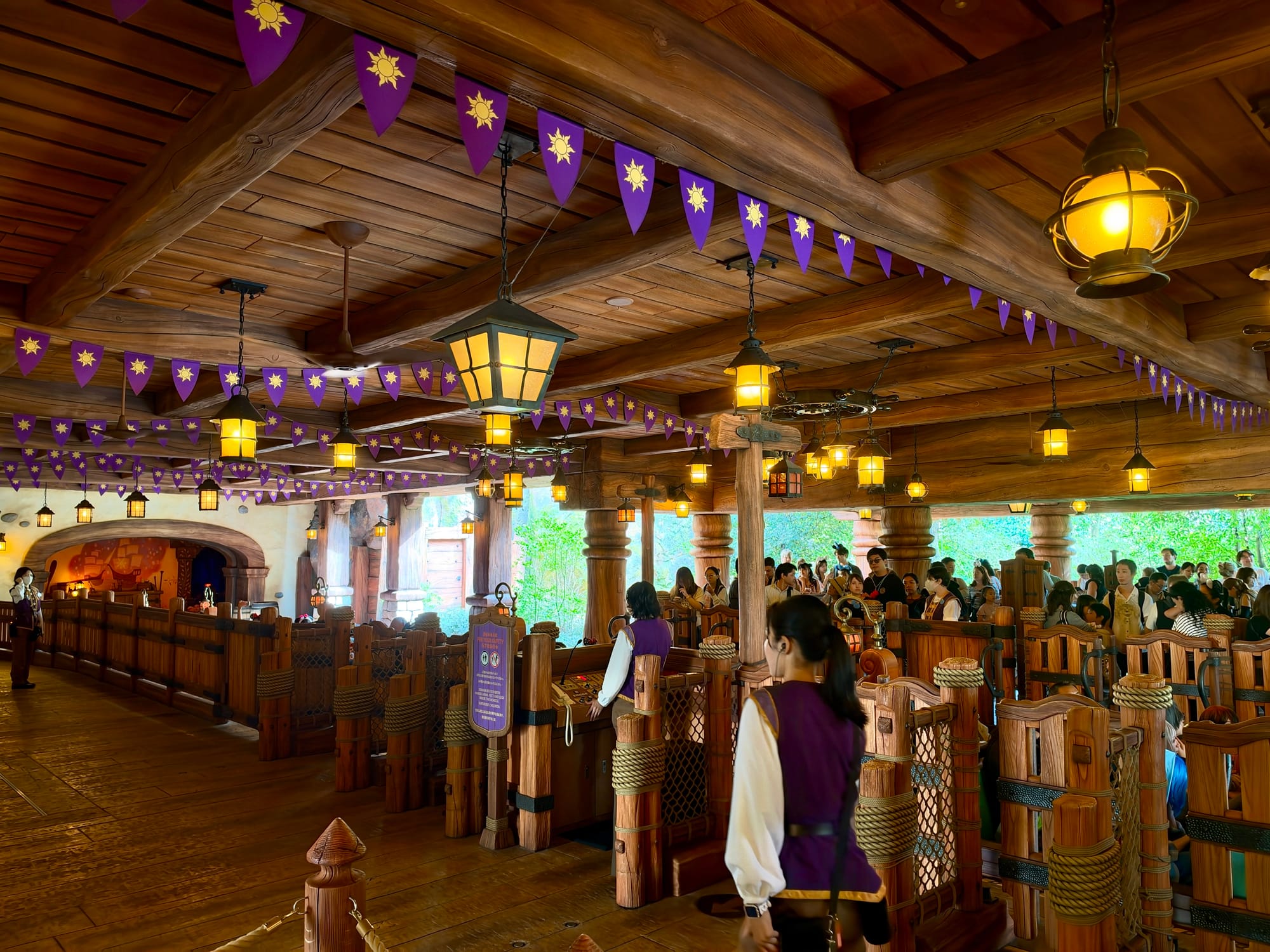
The Tangled ride queue
The Tangled Lantern ride was ridiculously short, but the final scene was worth the experience of floating through it.
Soarin’ was the same worldwide flyover film from other parks, but with a custom ending that flies over Tokyo and the DisneySea park at night. Honestly, every year that we have easy access to cheap 4K consumer drones, Soarin’ feels less impressive as a ride concept.
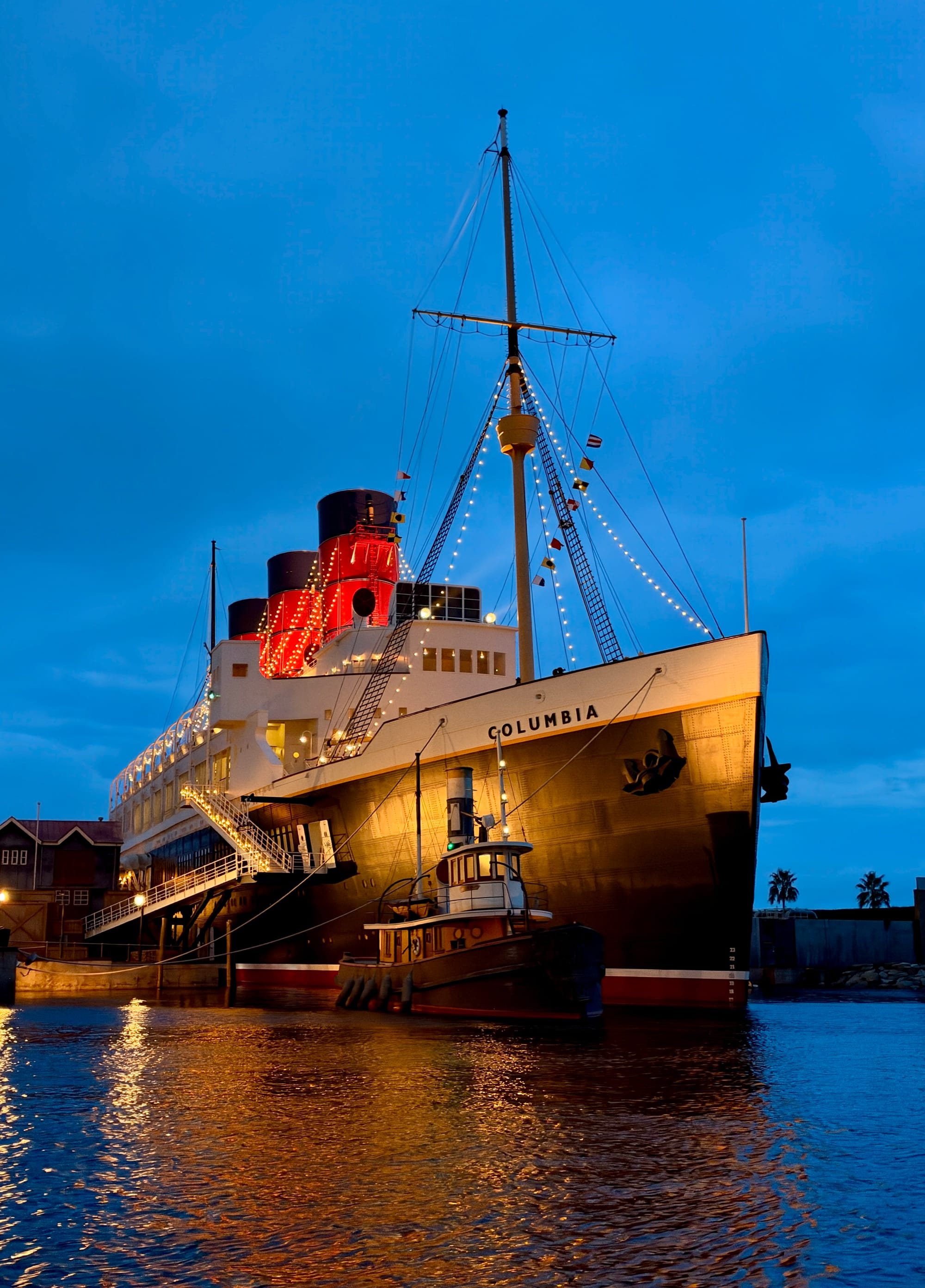
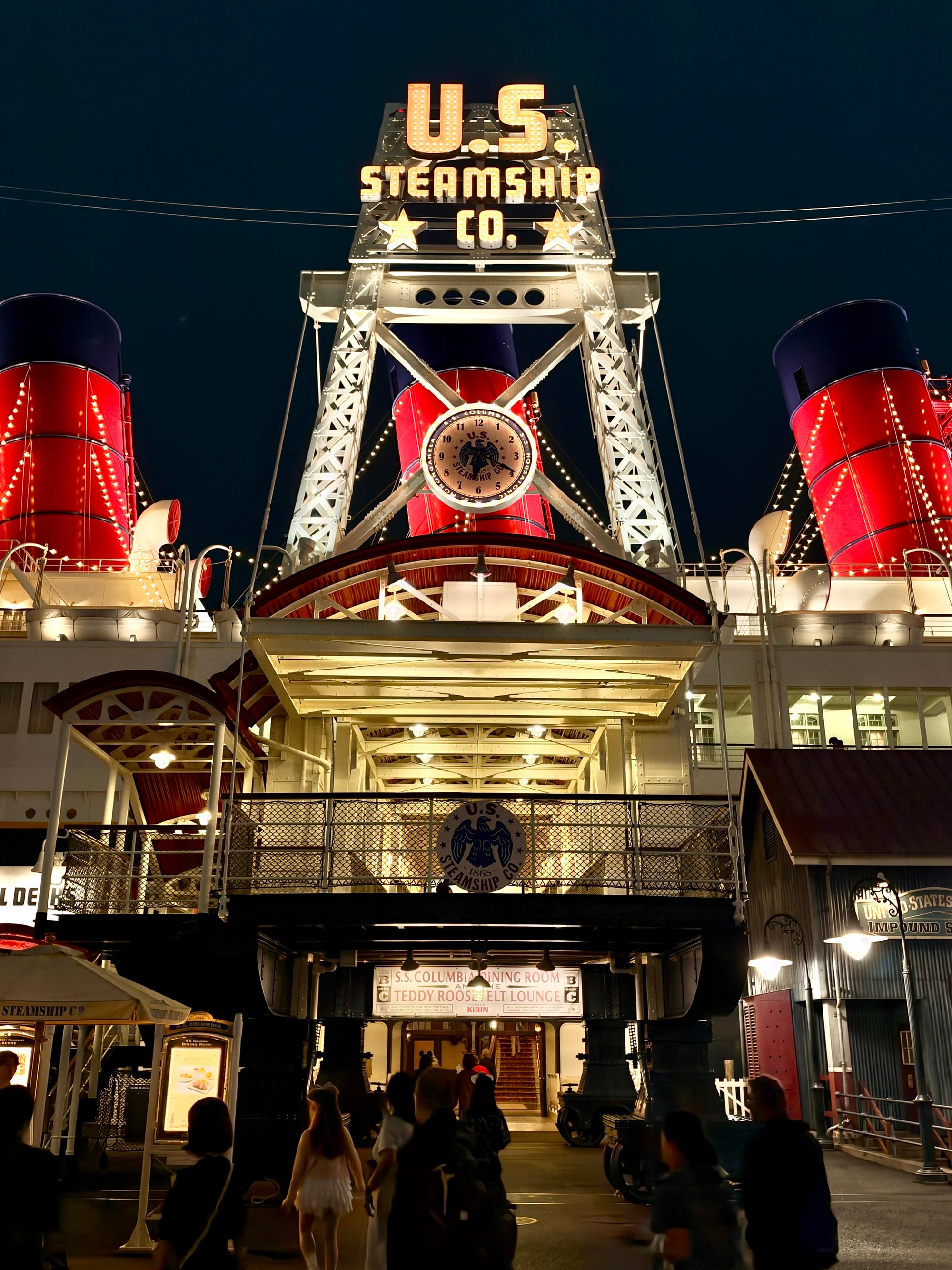
I tried all day to get onto the steam ship tour around the park, as it was often closed but I caught one of the final boats around sunset, which was a great way to see the park’s lands and watch the park transform as night fell.
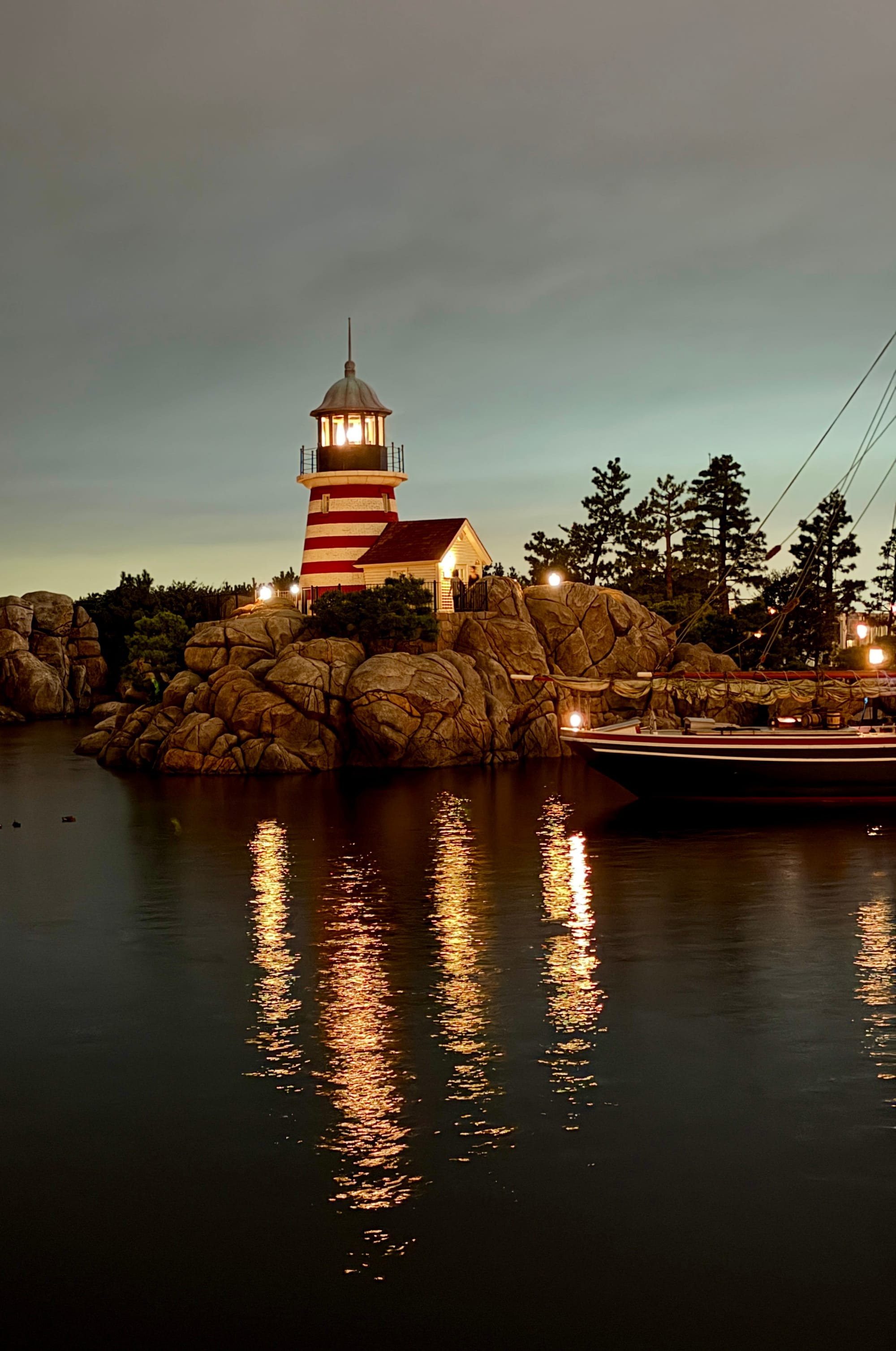
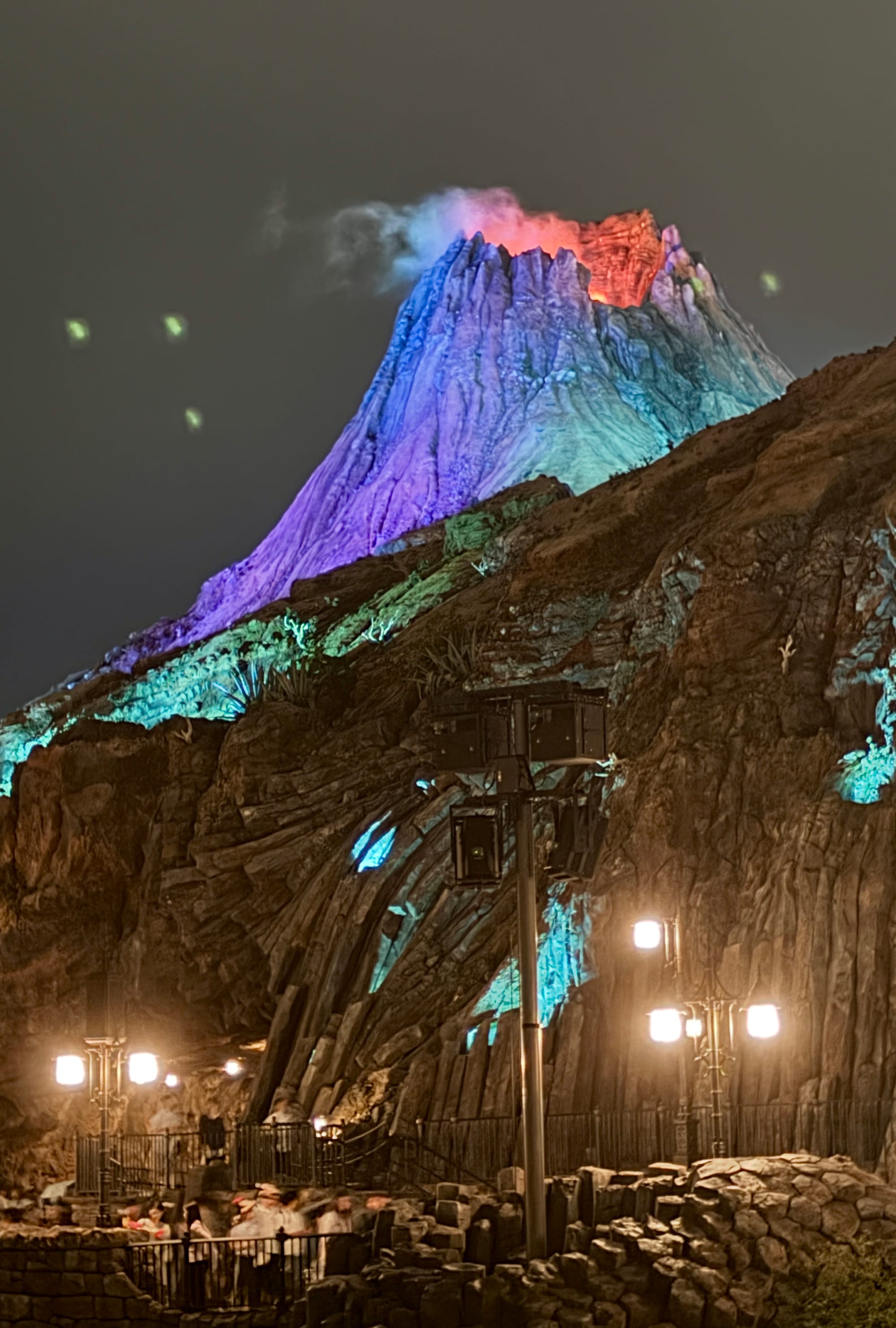
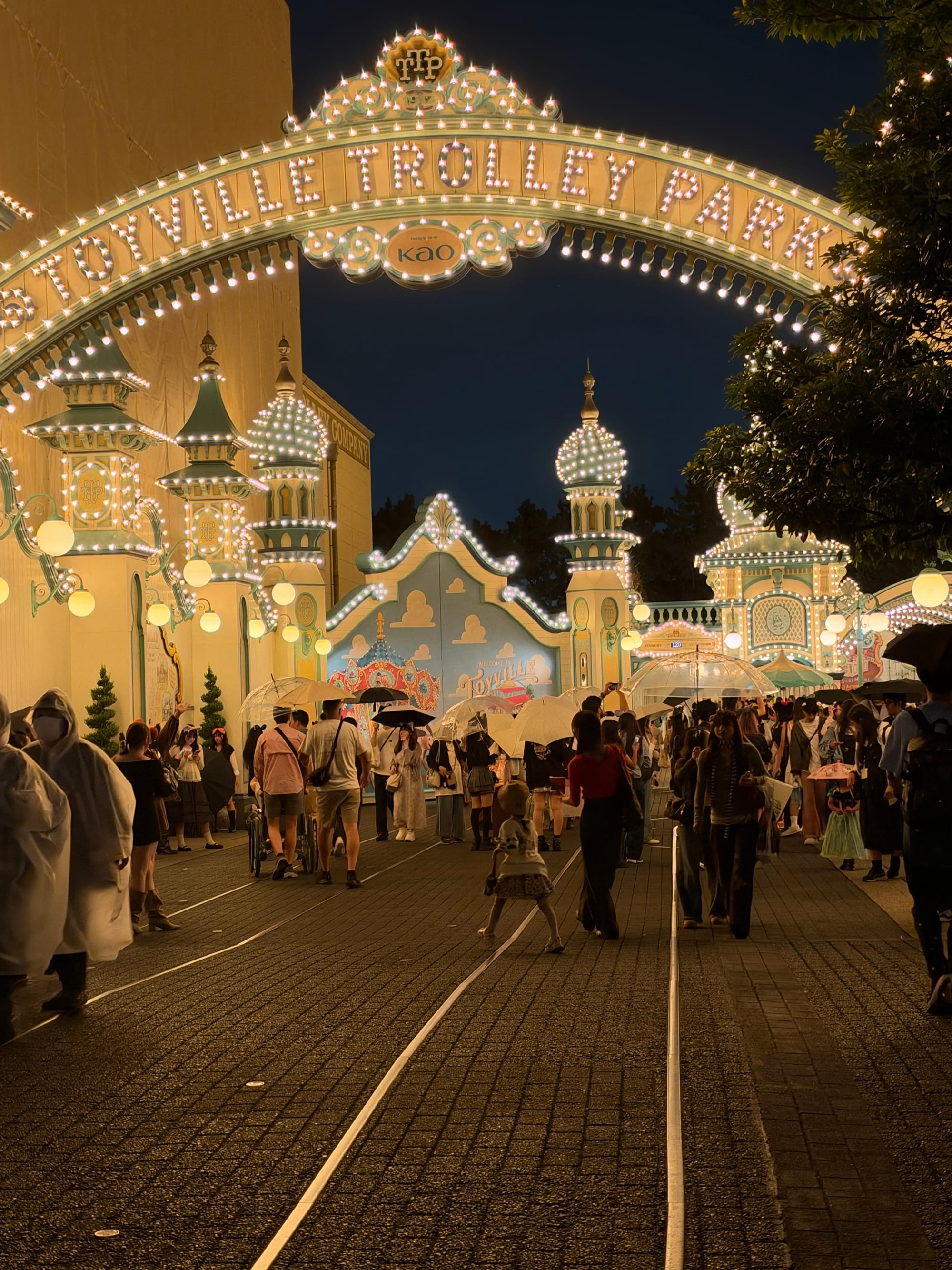
The park is REALLY good at the transition to darkness, with thoughtful, colorful lighting all over that highlights many of the best scenes in each land.
The new Frozen land
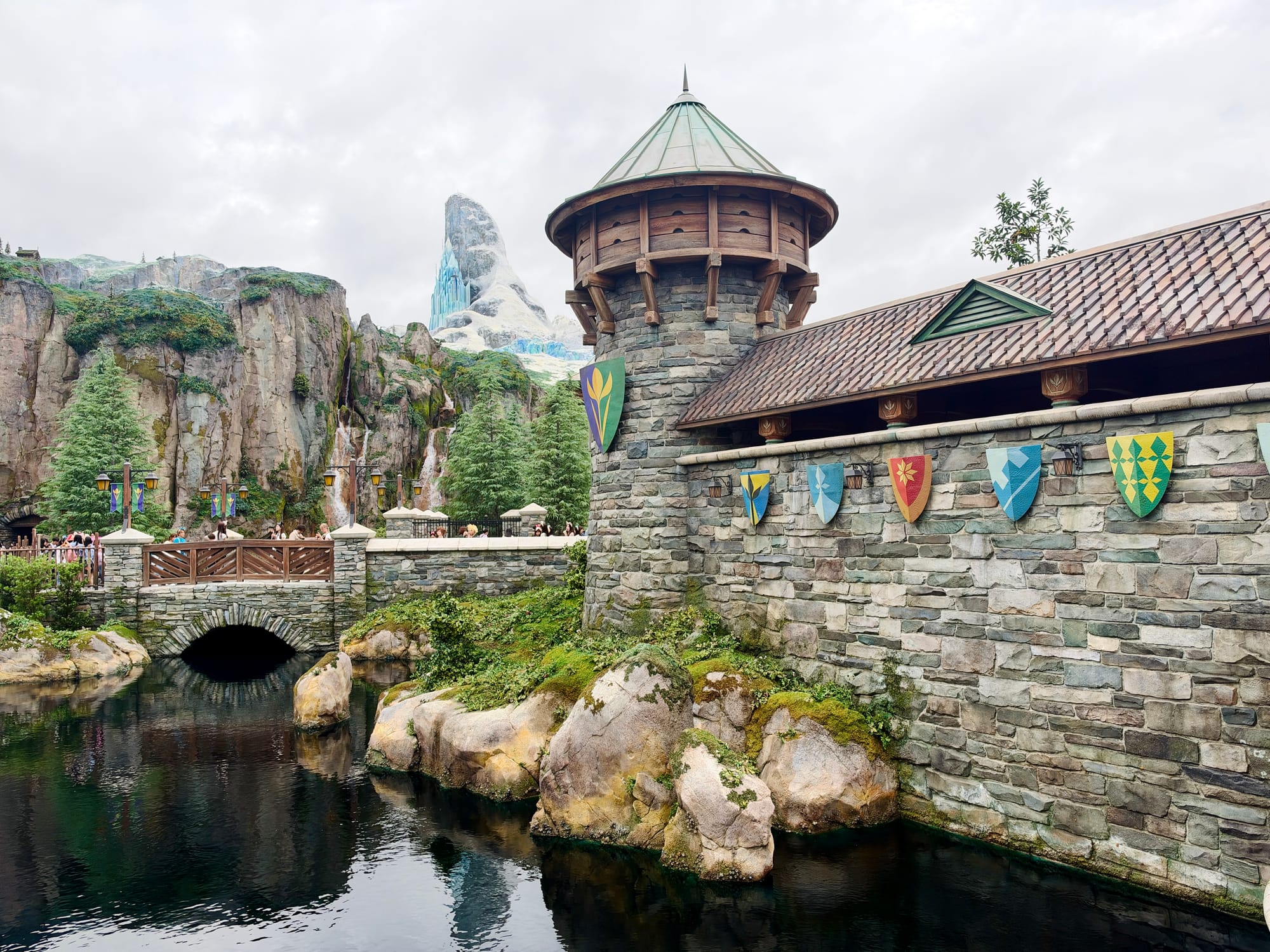
The new Frozen area of the park was incredible. It felt like it one-upped the Harry Potter lands that debuted in Universal parks about a decade ago. It was amazing to see a fake world from an animated film come to life and everything was executed to an incredibly high level.
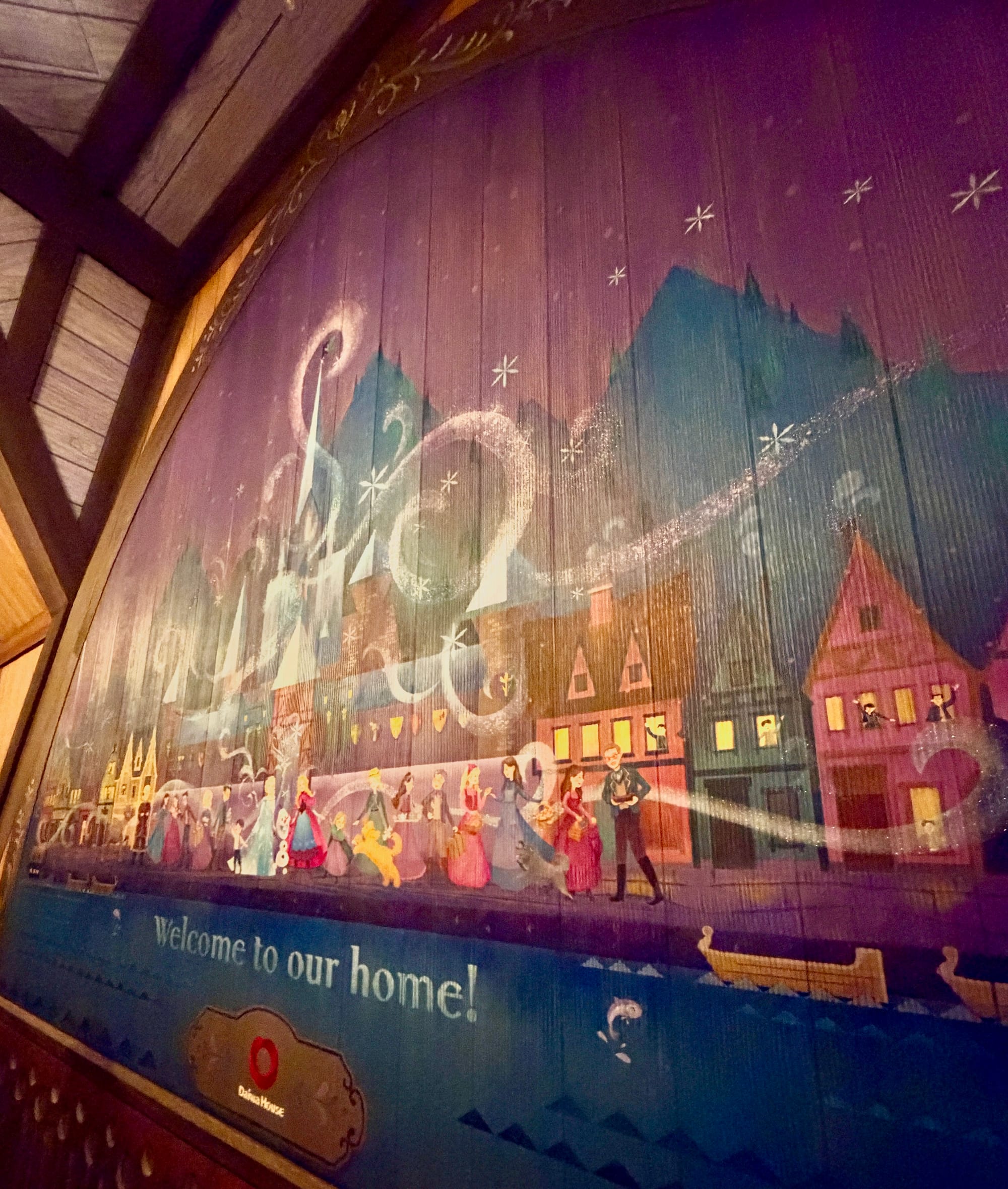
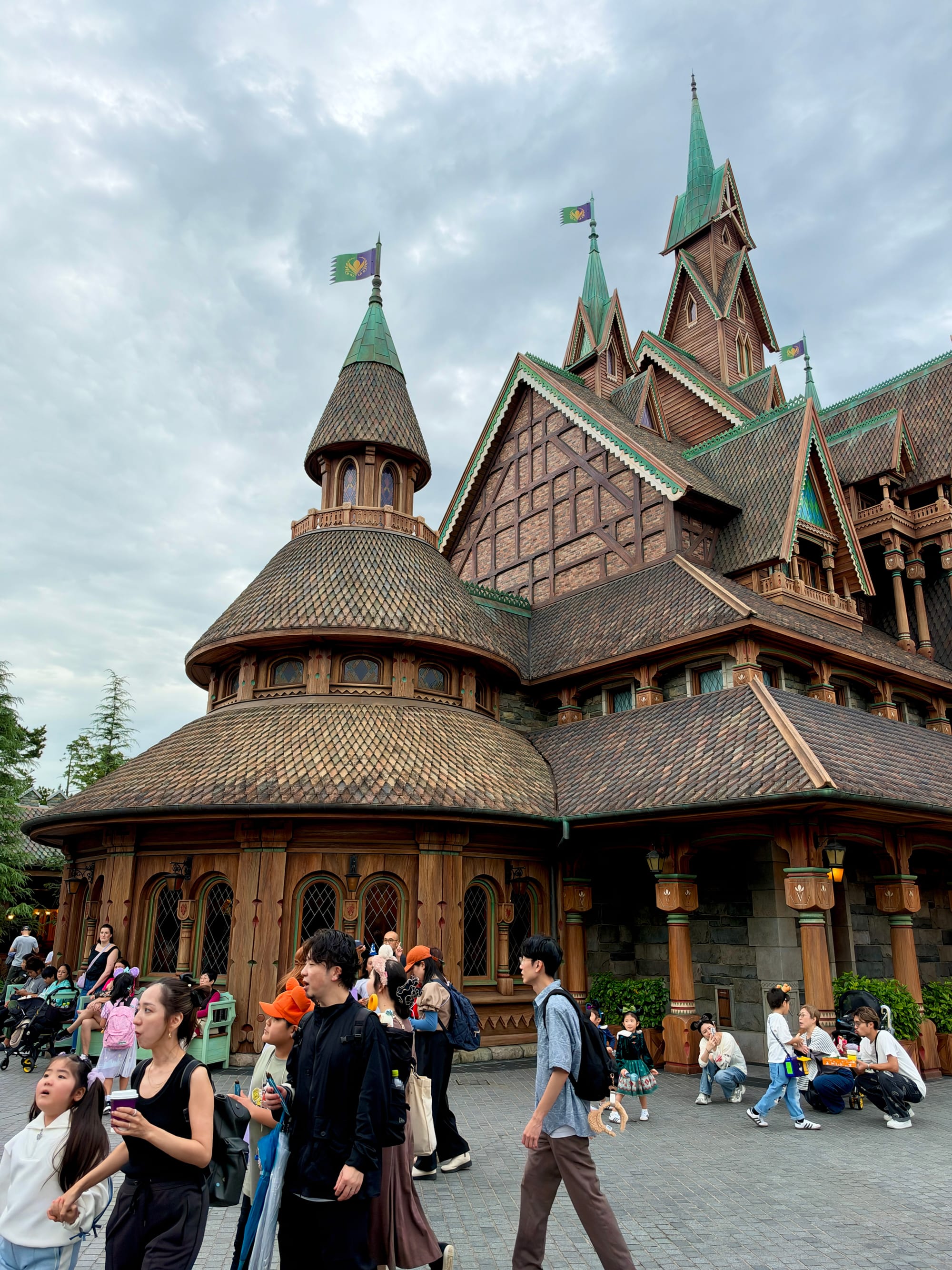
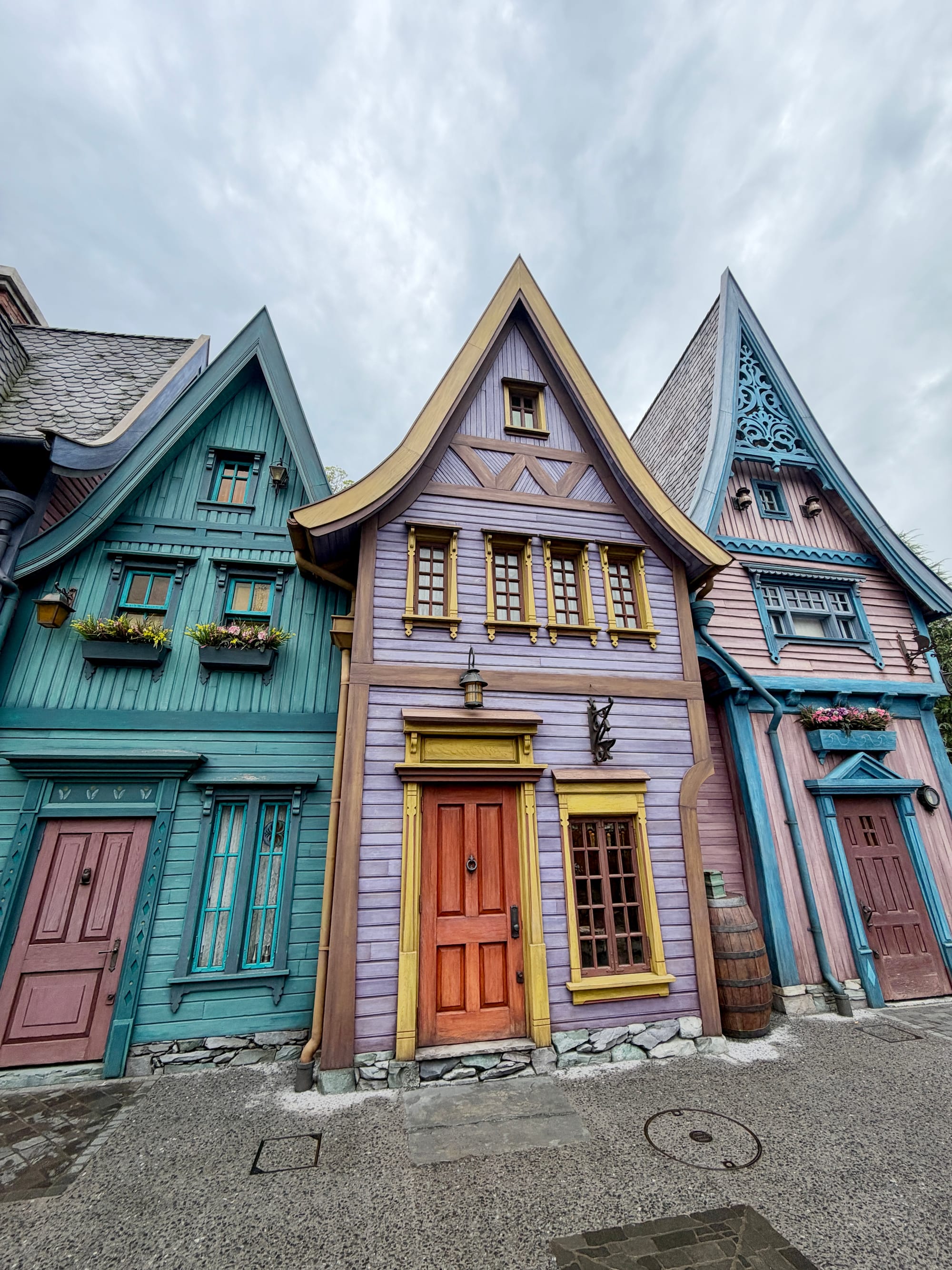
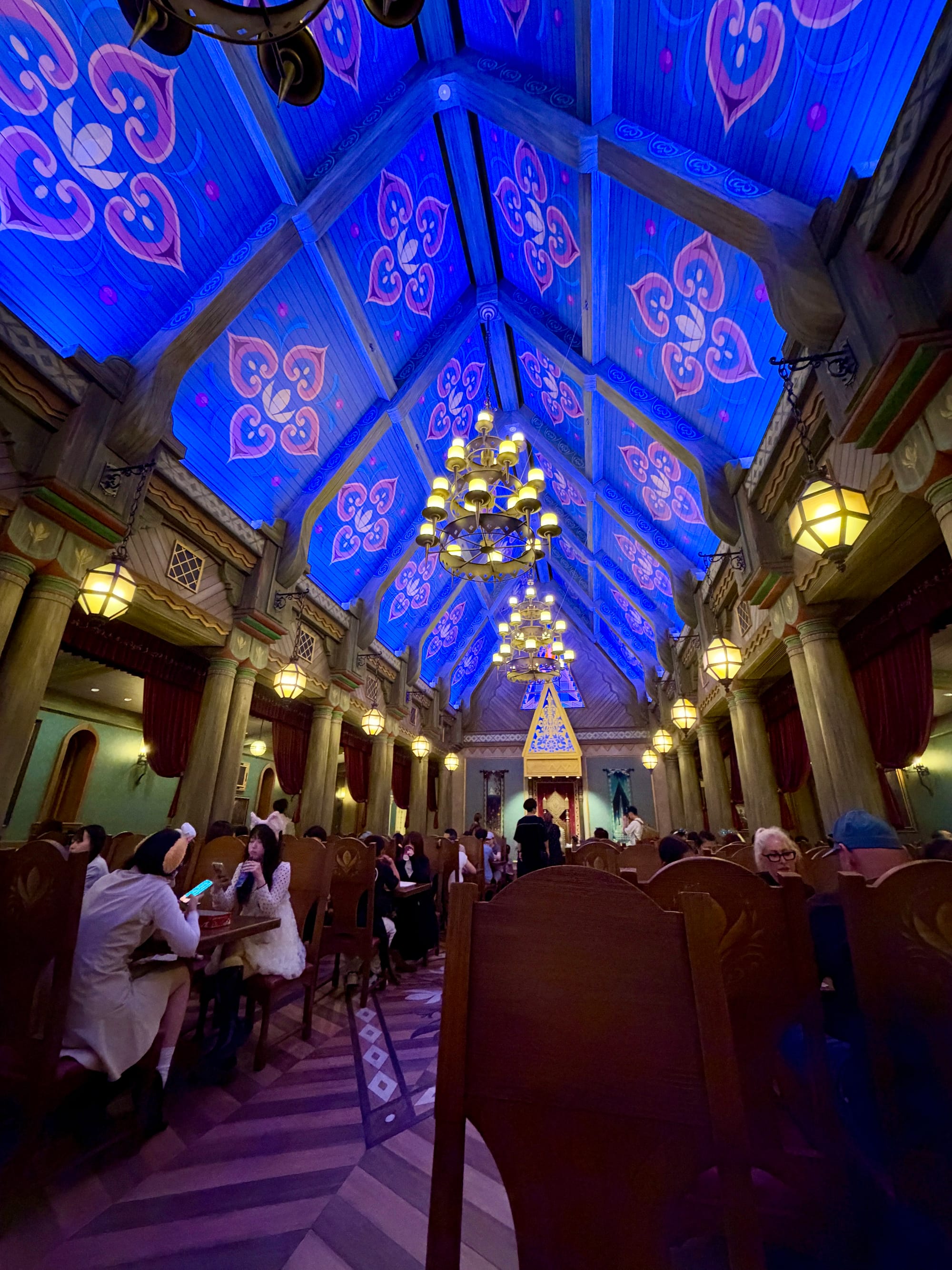
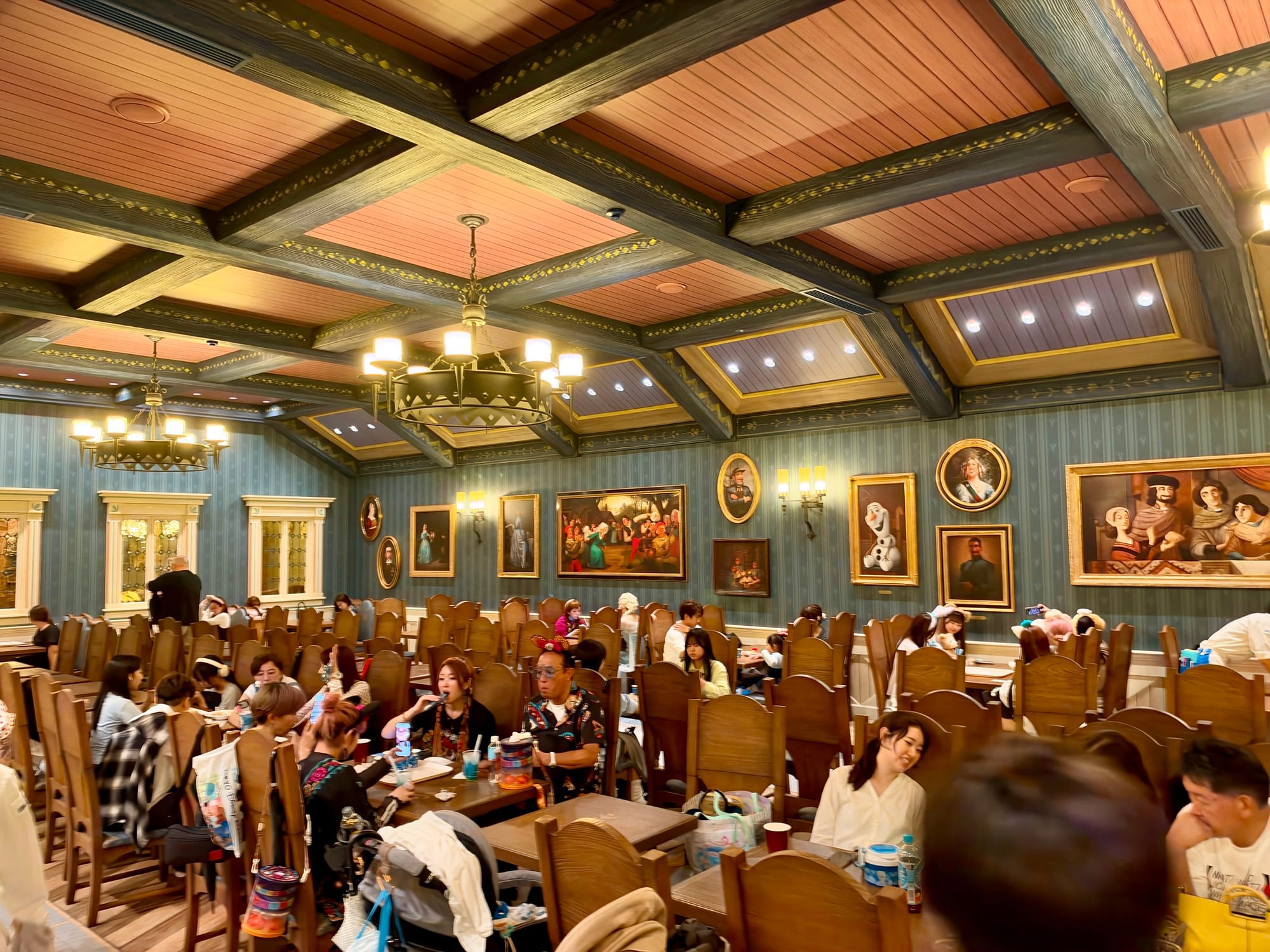
The ride was great and worth the extra cost for a pass, but what really blew me away was the themeing throughout the area. Buildings were intricate inside and out, with every beam and ceiling hand-painted to look as if it’s always been that way.
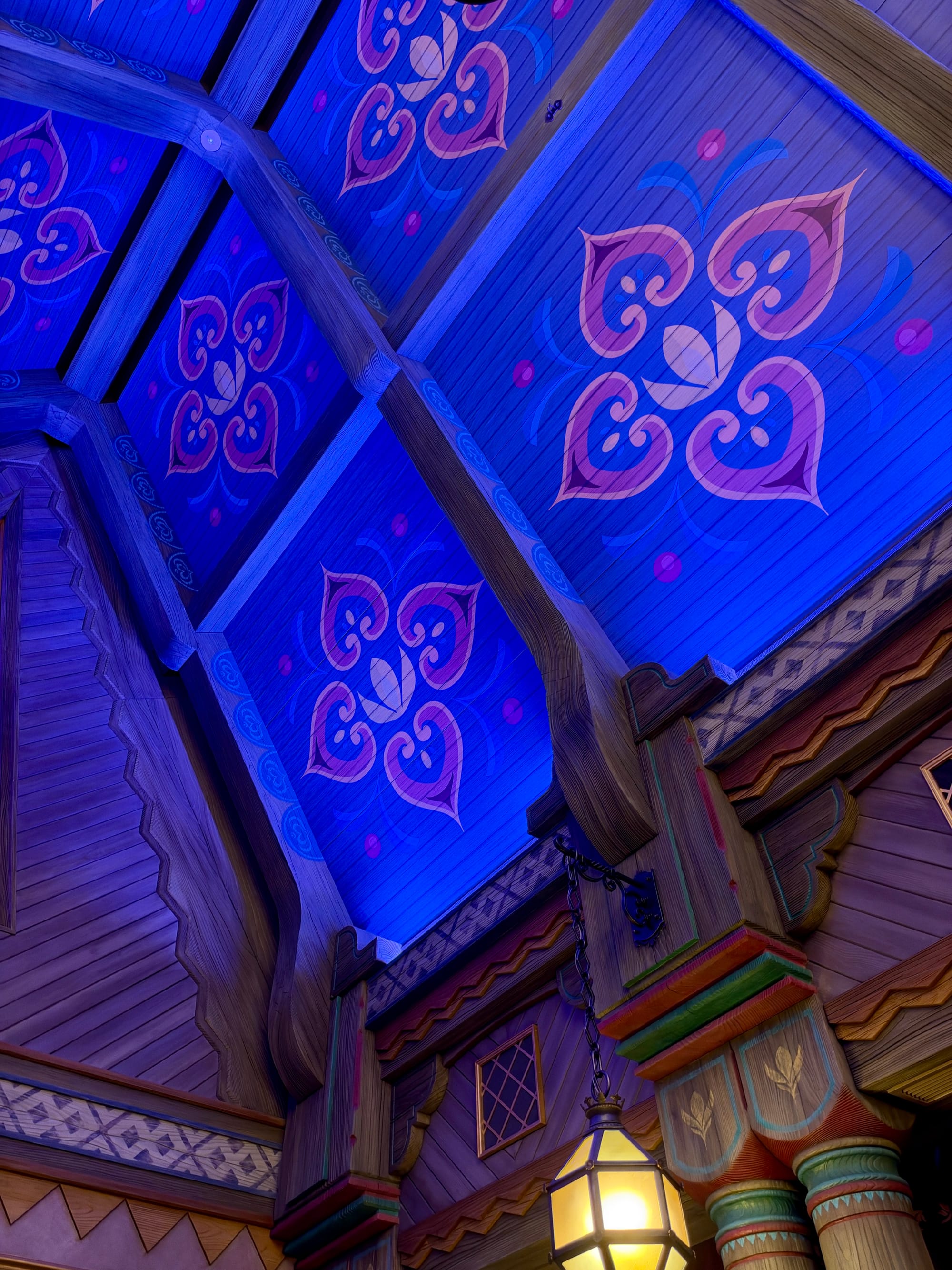
I mean, just look at this closeup of the dining area ceiling and imagine how much work having this much detail requires. It’s simply amazing.
Is there a language barrier?
I had never been to an amusement park that wasn’t primarily in English and I wondered if I would miss out or not enjoy rides when I couldn’t understand what was being said. Overall, it didn’t really affect much as the visual storytelling is so well done that you understand what’s going on even when you’re only hearing Japanese spoken.
Still, it was pretty surprising that such a high-tech company that can build cutting-edge parks doesn’t piggyback on their existing park phone app to provide multiple languages for visitors.
Case in point: there’s an incredible translation app called TheaterEars that you can use in the US to hear a Spanish language track on current films in theaters, and it syncs to the existing movie using your phone’s microphone while you’re inside a theater. When someone in a film starts to speak, you‘ll hear the intended translation perfectly timed in your own headphones.
TheaterEars has been around for over a decade so the tech is established. DisneySea could likely sell even more tickets to foreign visitors if you could pop your AirPods in, tap a button, and hear any ride audio reproduced in Portuguese or French or whatever you needed.
The few downsides
Overall I had a great time at DisneySea, and there were just a few things that felt like they could be improved.
The biggest downside to me was the park’s iOS app for Tokyo Disneyland and DisneySea. The app launches with a long boot sequence as it downloads a bunch of information in order to make it work. Even when I was on WiFi, this would take a solid minute or two before you could use the app. There was a small “skip” button to get into the app more quickly, but you would get an error message that “not all components were loaded properly” if you tried to do anything after. The app really needs to optimize for quicker loading.
The app crashed a few times on me and needed to be reloaded about once an hour (with another 2-3 minutes delay as it booted up). This got old quickly.
The map UI in the app was buggy and difficult to use for actual navigating around the park. Ride times were sometimes easy to find and other times impossible to seek out. The overall UI is weird and it was tough to look up menus at restaurants, then jump back into looking up ride closures or reserve new passes. I was constantly running into dead-ends in the app and I’d have to relaunch it to get back to a useful starting point. The US Disney park apps are way more straightforward and easier to navigate.
Another design issue: one of the best aspects of the park’s design is their controlled use of sightlines. The lands are visually separated because the horizon obscured by backdrops and brickwork and buildings so that you never accidentally see a rock or building from another land while you are inside a different land. That leads to a deeply immersive experience, but it was so effective that it made navigating the park surprisingly difficult. When I couldn’t spot anything unique on a horizon, I tended to walk in circles and get “stuck” inside a land with seemingly no way out. And since the app wasn’t so great at being a reliable map, eventually I learned to criss-cross the park by using Google Maps, which gave much more precise walking directions.
The park is situated around a few lagoons, and there are very specific bridges and ways to move from one land to another, but it was hard to know where to find those passages without an app directing you. There were several times I was stuck in the Arabian castle area, or the central volcano, and in the Little Mermaid areas and couldn’t figure a way out without checking a map. It took me all day to find the right spot for the steamer boats. Getting to the Frozen area in the back of the park was a 20 minute zig-zag between lands that reminded me of visiting IKEA with someone who works there and knows all the secret passageways to get from one end to the other quickly.
My favorite design references
I loved seeing familiar references from famous places recreated in the parks. Here are a handful of them:
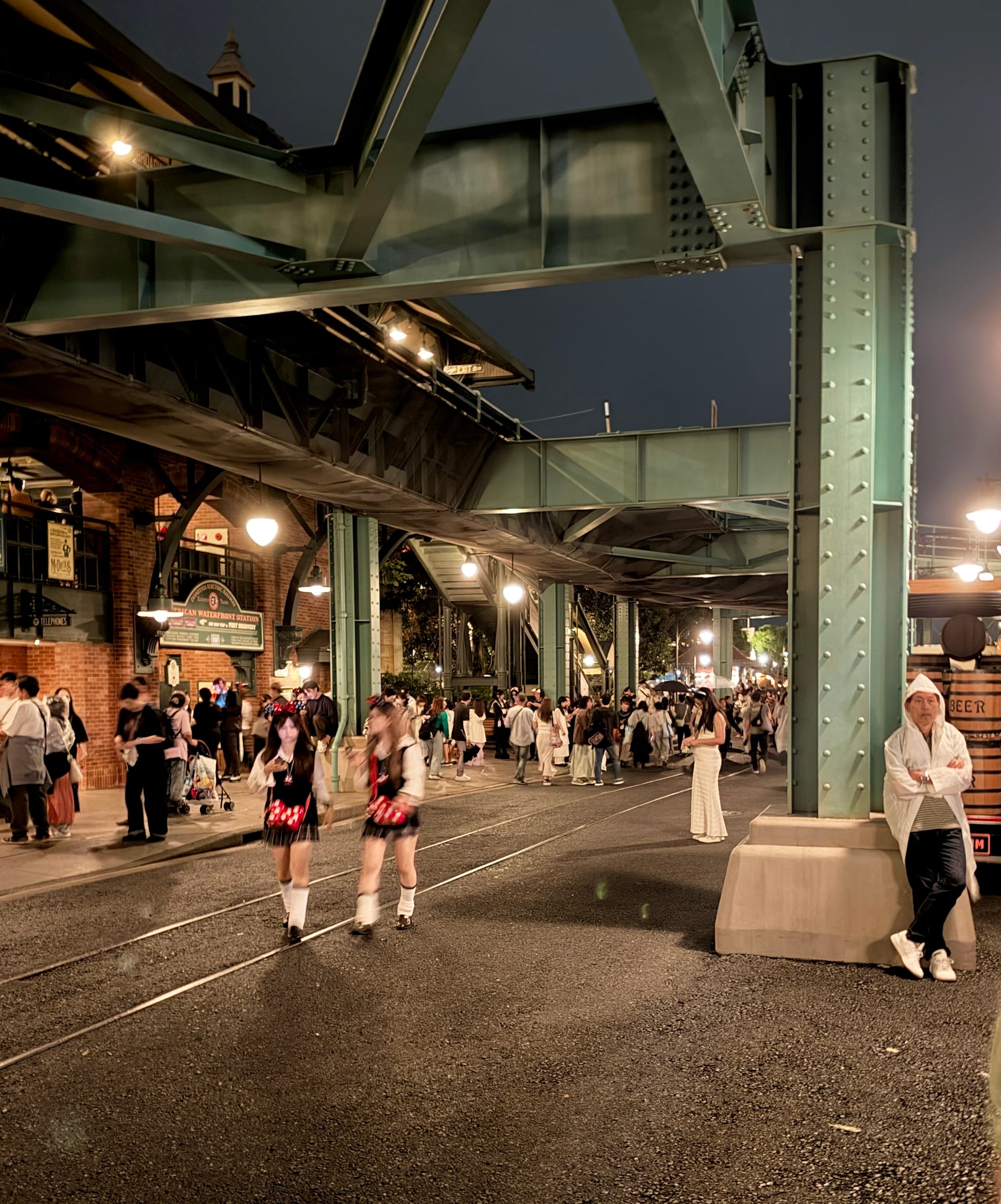
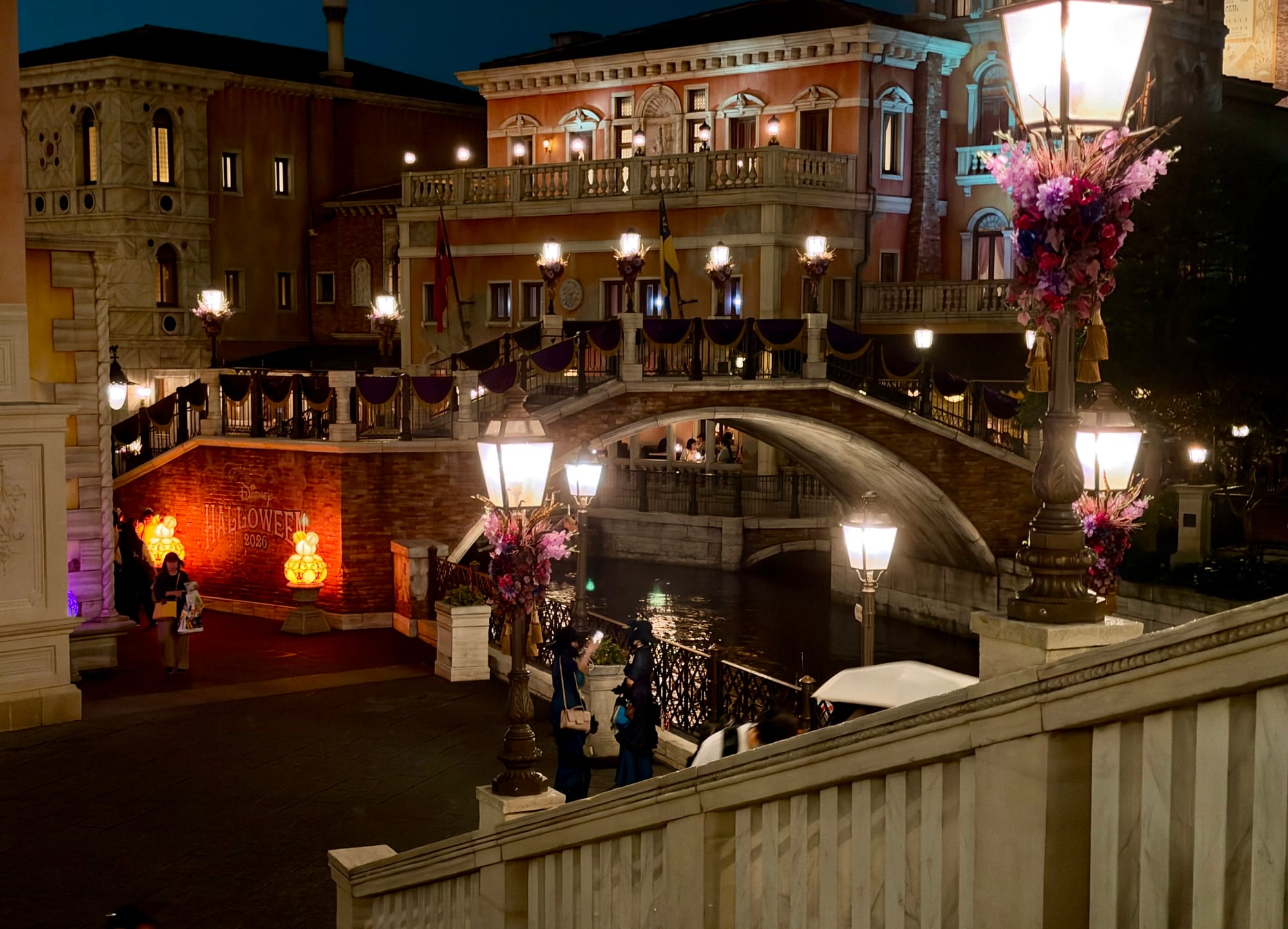
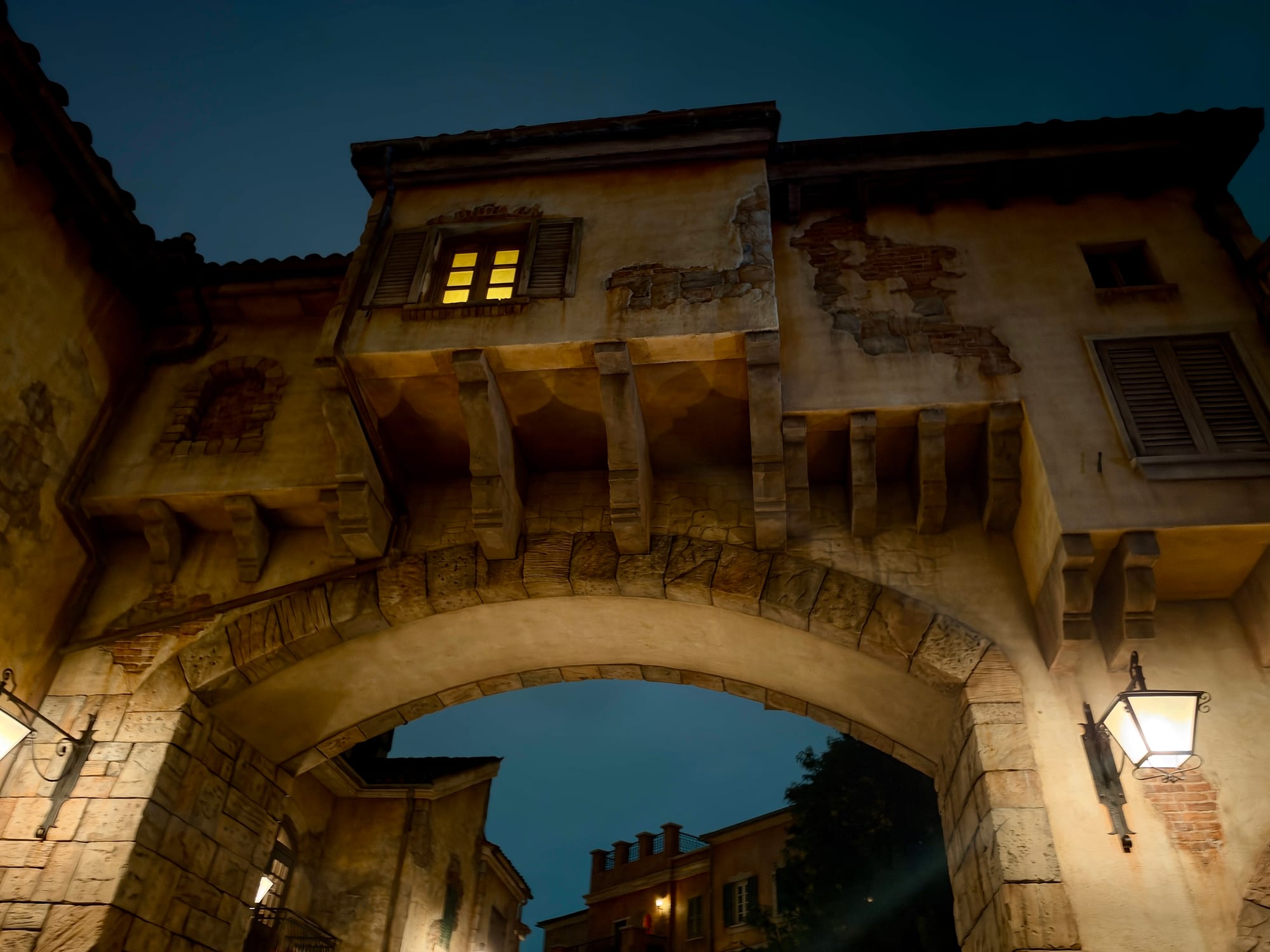
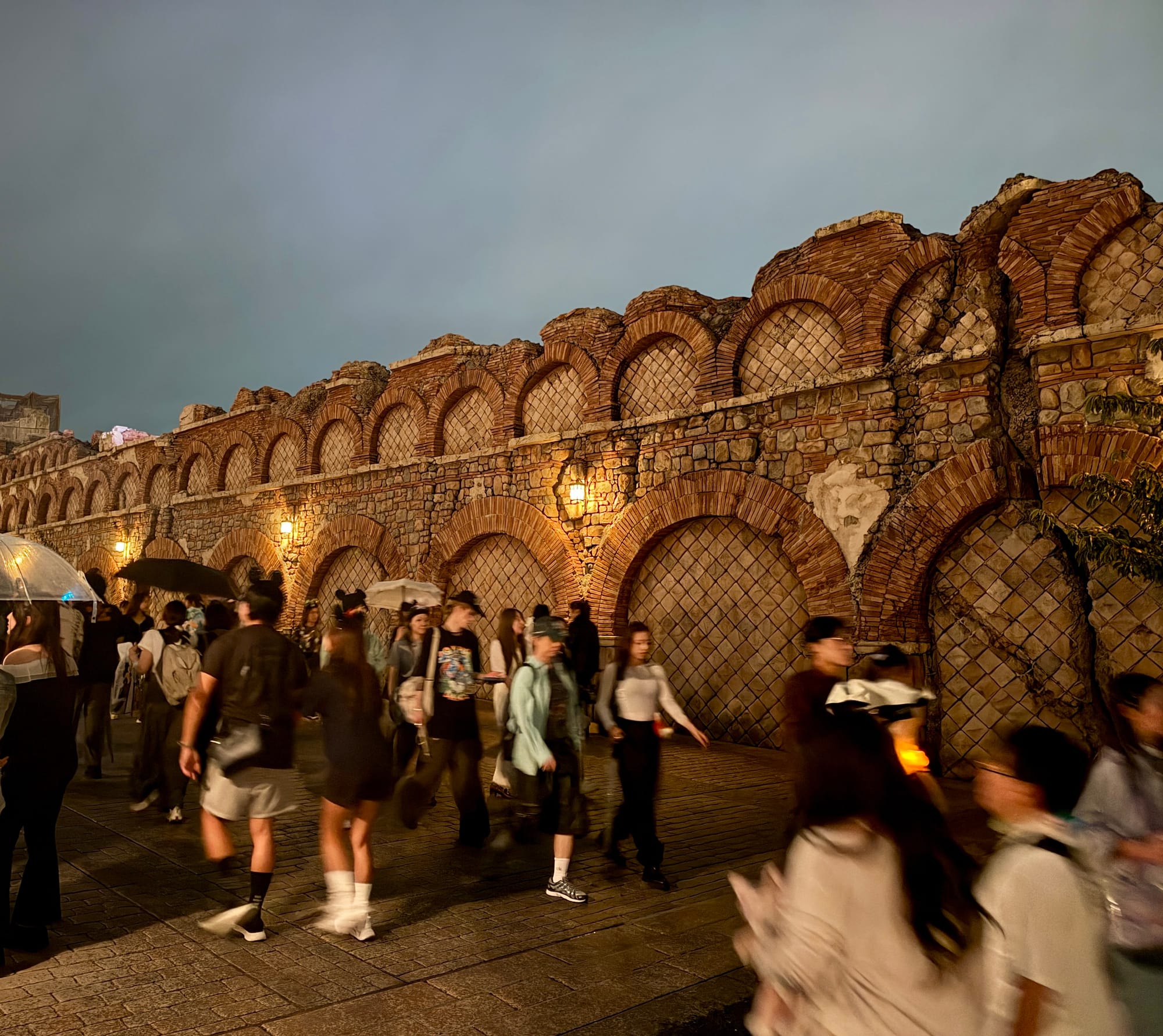
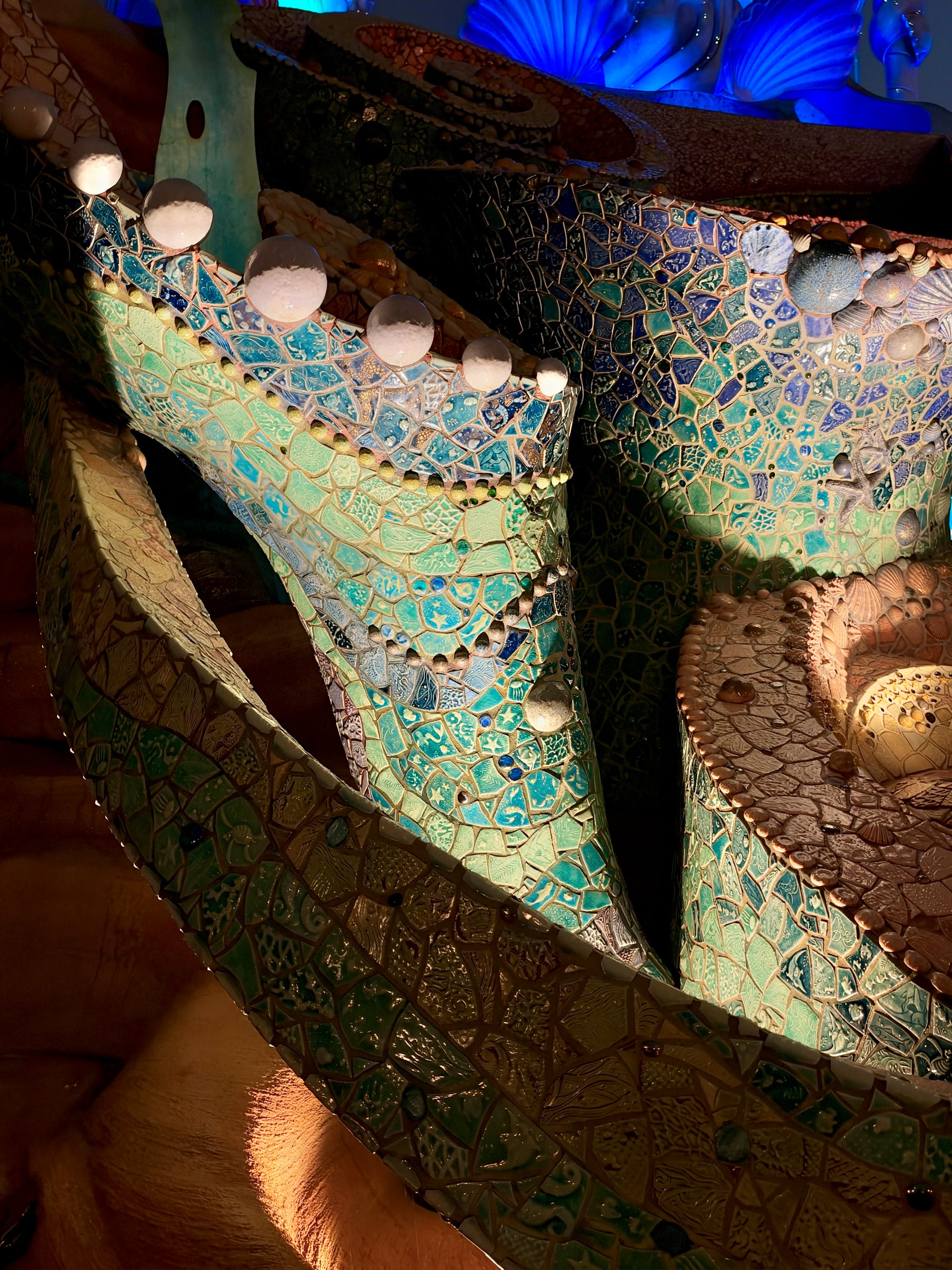
There were elevated subway structures like you’d see all over New York City, the Rialto bridge from Venice, the Ponte Vecchio over the Arno in Florence, the decaying Colosseum of Rome, and tile mosaics that reminded me of the ones in Balboa Park in San Diego (which are probably a reference to somewhere else).
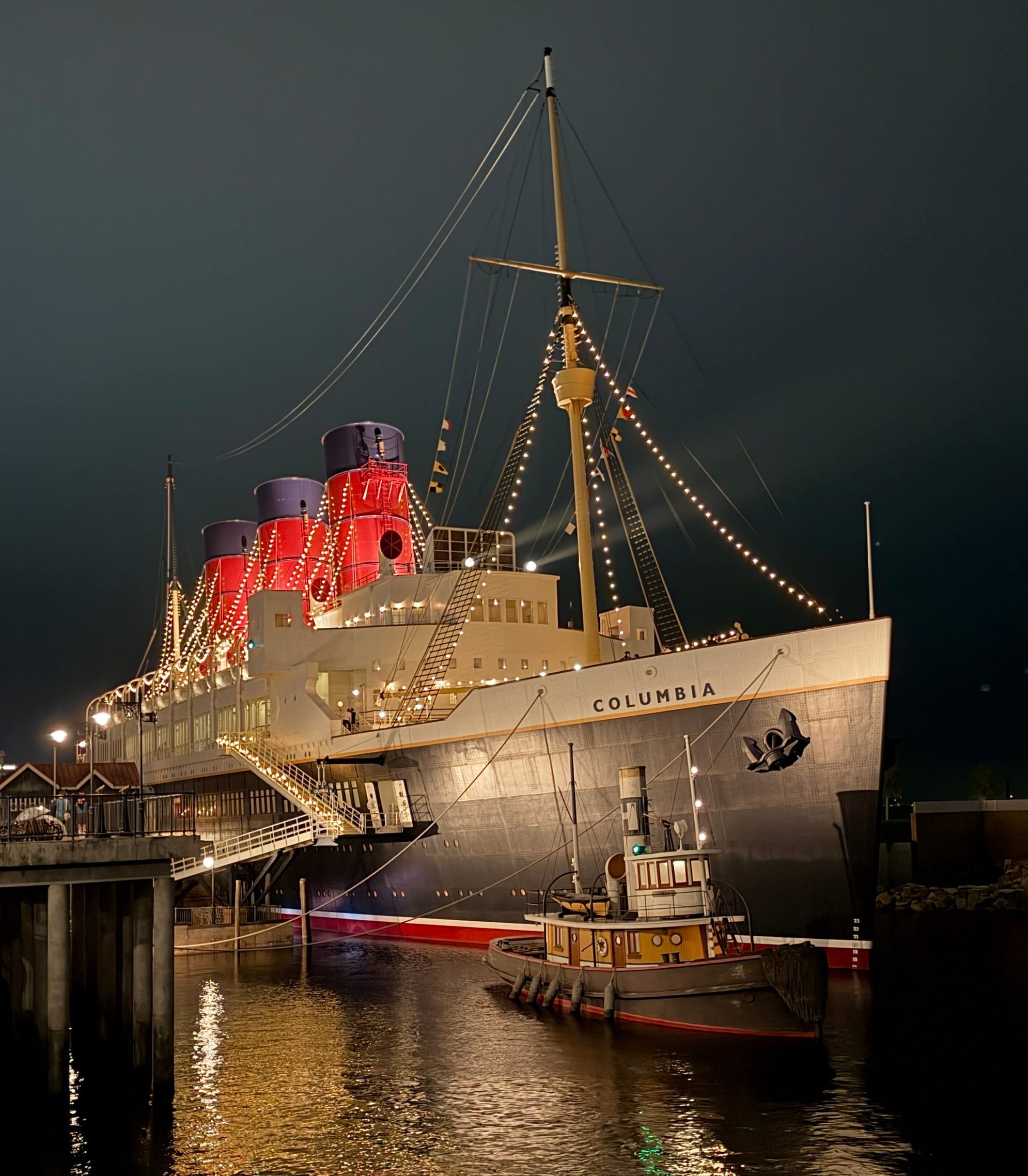
The large boat in the harbor looks like the Queen Mary for a very good reason. The history of DisneySea is that it was originally designed to be in Long Beach, California. Back in the 1980s, Disney wanted to turn Anaheim into more of an Orlando type vacation destination. I‘ve heard the original plans were: have Disneyland, buy oceanfront land in Long Beach to build DisneySea and include a real working cruise ship harbor. That way, families could see the original park, check out the new park, then jump on a Disney cruise line to Mexico or Alaska from there, the same way you can do all those things in Florida today.
I’ve heard the project was massive and Disney was low on cash in the 1980s so they shelved it, then sold the plans to the franchise company running parks in Asia, who built the park originally destined for California’s coast.
The Cosplay aspect
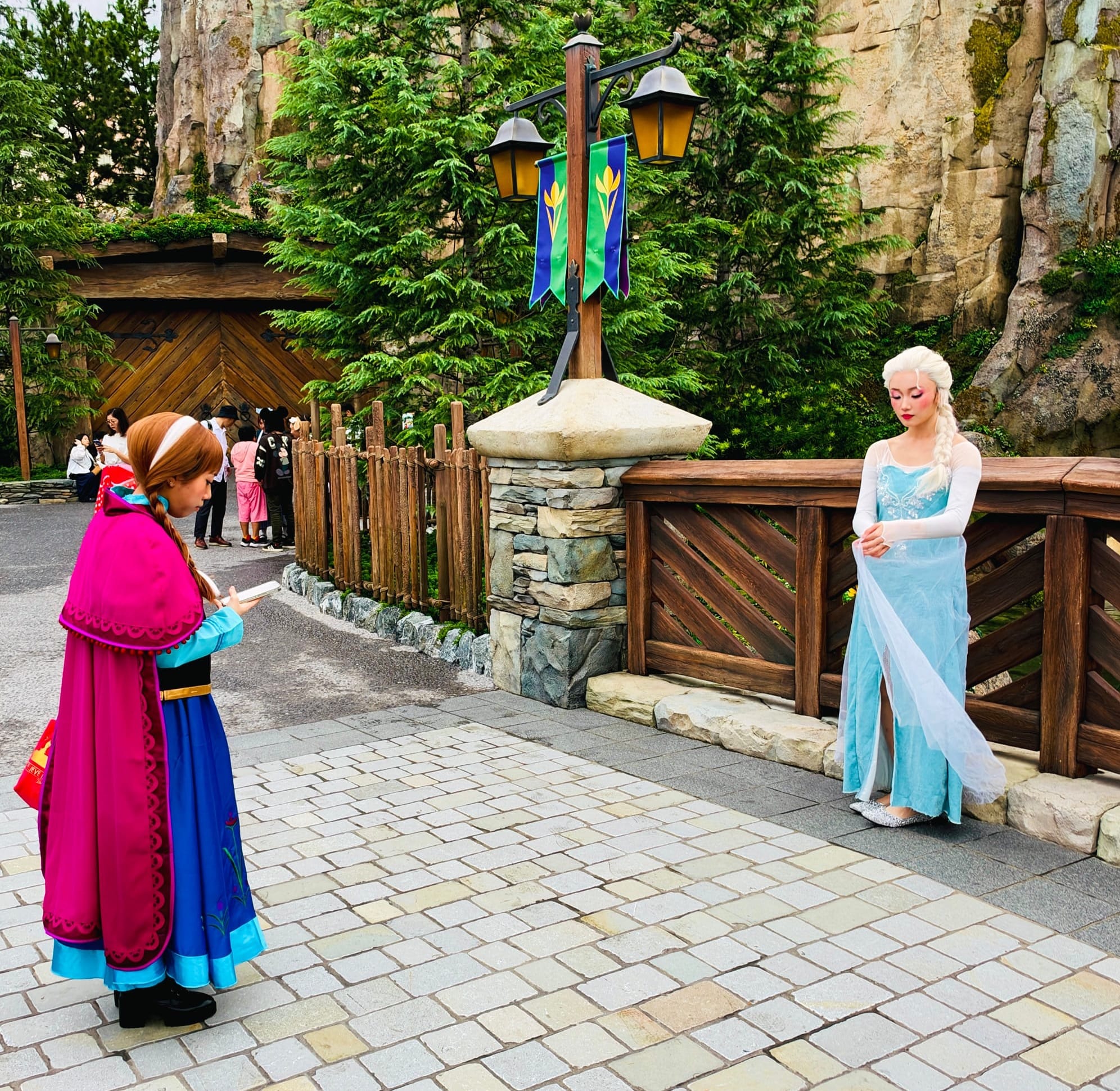
At American Disney Parks, there are strict rules that anyone over the age of 13 can’t dress up like a character, and I understand why they do it. It does get a little weird in the Star Wars land in California’s Disneyland where they seem to have relaxed those rules to the point that I often can’t tell if someone I see wearing a full Star Wars getup is an actor working for Disney or is just some guy who sewed his own elaborate robes. I could also see how it’d be confusing to parents and kids to not know who is a professional and who is not.
It’s currently the start of Halloween season at DisneySea, and the cosplay on display was incredible, with hundreds of people in the crowd dressed up as if they were attending something like San Diego’s comic con. The photo above was just one set of Anna and Elsas I saw that day, and honestly, I’d put them at middle of the road in terms of how extravagant compared to the other 20 or 30 Annas and Elsas I saw throughout the day. There were dozens and dozens of Jasmines from Aladdin all over the parks. It got to the point where me and my friends would say things like “did you see that Flynn Rider from Tangled over there?” then someone else in our group would chime in and say “that dude is maybe hitting 80% because his goatee isn’t quite right, there’s a guy whose costume is hitting around 95% perfect who I just saw walking by this area.”
There weren’t just extravagant cosplay outfits of Disney characters, as people dressed to the nines as lots of different anime characters I had to google to figure out, complete with chunky wigs and robes and all sorts of crazy boots. Given it was a hot, humid day, I was impressed at how fans showed up to the park.
Maybe the “no costumes” rule should be relaxed/removed from US parks? It seemed fine in DisneySea and was almost always clear to me who worked there and who didn’t.
The overall lasting impression
I’d heard from other theme park nerds was that this was the best designed theme park on earth, and I have to say that’s really true. I was worried they might have oversold it and I wouldn’t be impressed. If anything, people undersold how deeply thought out and designed the park really is, as I can’t imagine the amount of work, money, and time went into building this park. I heard the costs were in the billions and I believe it.
The food was also pretty great considering it’s an amusement park and that bar is normally very low. I had a ridiculously good curry in the Aladdin themed area, great meatballs in gravy in Frozen land, Oreo flavored churros, and got to sample one of the many different popcorns on offer. Whenever I was walking around and saw a long line that was unconnected to any ride, it was always people lined up for a custom flavored popcorn you could only get at that stall. It’s funny how DisneySea took the popcorn bucket collecting obsessions from other Disney parks and amped it up with custom flavors for every popcorn stall. I think there are about a dozen different popcorn flavors on offer these days inside this park.
If you’re a Disney or design nerd you won‘t be disappointed by a trip to DisneySea and I’d strongly recommend it. Due to the park layout and slight language barrier, there’s a chance you might occasionally jump on the wrong ride (as I did once) and you may wonder what the introductory safety talk is saying before you get into a ride vehicle, but you will definitely have a great time and be wowed by all the design choices in the park no matter where you look.
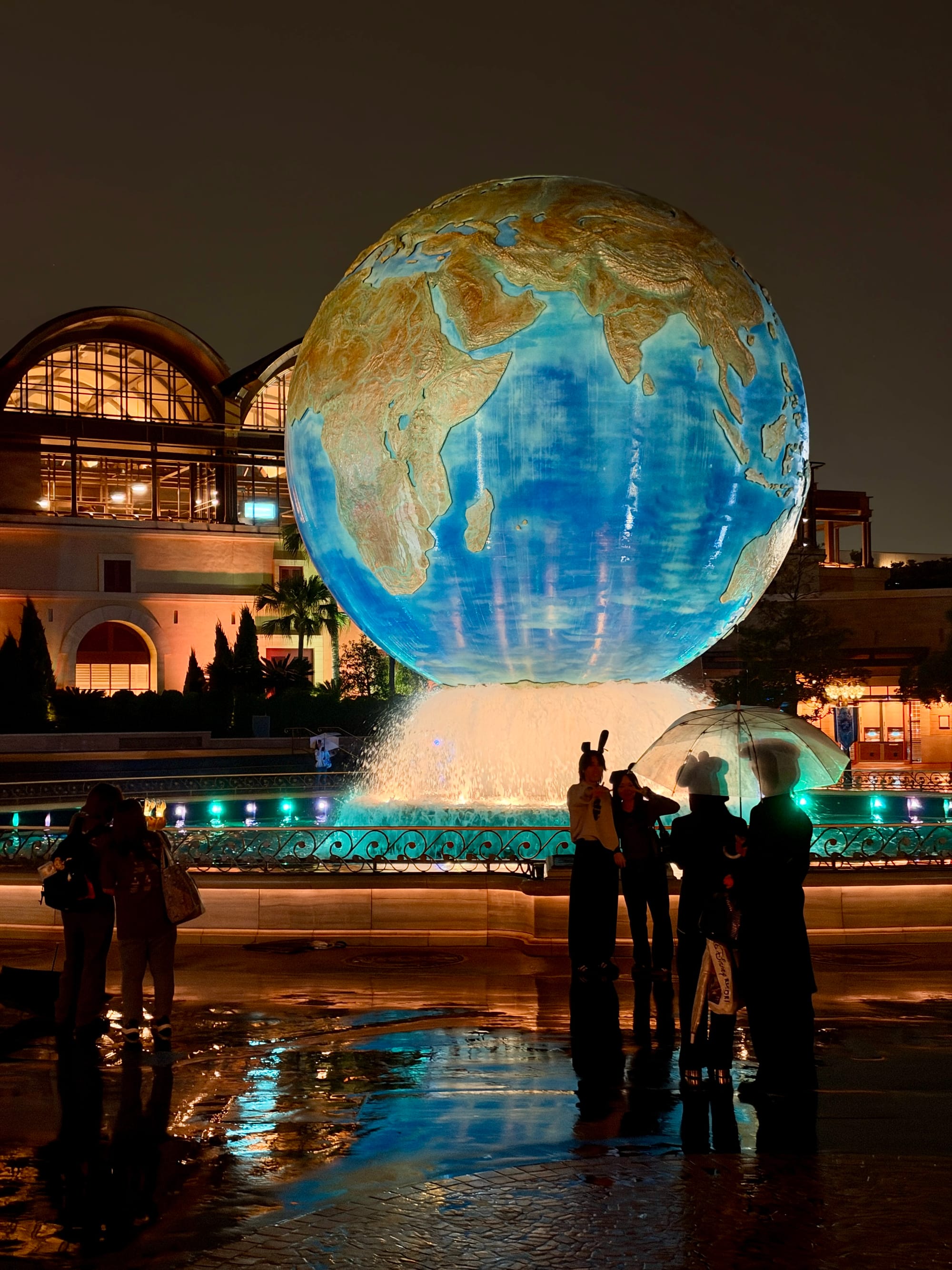
Last week I finished up a cutting board, made as a gift for a friend who just got married. I posted photos on social media and a few people asked how I did it. So here's a high-level view of the process on a new board I made this week.
Ideally, if you want to build your own cutting boards, the best way to learn is by searching YouTube for cutting board tutorials, and watching a few of them. I describe my process here but I'm skimming over details you'd see better explained in most YouTube tutorials.
First things first: figure out your ideal size
The first thing you want to do before making your own cutting board is determine what size you like to use in the kitchen. Personally, most places I've lived had a pile of pretty tiny boards that I could use to chop just one thing at a time, then I'd have to wash them to chop the next ingredient.
A few years ago, someone gifted me a much larger board, over a foot long by two feet wide and I became a huge fan because I was no longer dropping food off the sides onto my counters whenever I did something like dice a large onion. Larger boards also mean you have space to cut 2-3 different things on a board in their own areas, saving you time needed to rewash the board between each ingredient.
My woodshop tools also dictate these numbers somewhat. I like a generously sized board, but my planer only goes up to 13" in width and my drum sander can do 16" widths. So I typically glue up boards that are a maximum of about 12" wide by roughly 18" long.
Rough cut your hardwoods
Cutting boards should only be made of hardwoods, and I typically use Walnut, Maple, Sapele, and/or Cherry in various mixes. I tend to buy hardwood from a dealer that sells them as 3S (for "three sides"), which means the top and bottom of boards are flattened in a planer, and one side is squared up on a jointer, with one side left as uncut raw wood. I typically cut 18" segments of 2-3 different types of hardwood boards on a miter saw, and then take those to my table saw to slice them into strips.
Cutting different species of hardwoods down into usable lengths
You need to get all your boards the same thickness in your first glue-up, so I set my table saw to just under 2" then cut a bunch of strips out of the rough cut hardwood boards.
Arrange your ideal board on a table
When I have enough cuts to make up 12-13" of width, I turn them on their side so they're all the same height. Then I try out different layouts so it's not too symmetrical, as you'll ideally want a mix of colors and widths so the final board looks interesting and somewhat random.
This part is optional, but if I see any gaps between the boards from sawing, I take them to my tabletop jointer to put clean edges on them.
Time for a glue up
The first glue up is fairly straightforward. You take your arranged wood, turn them on the side, put a bunch of food-safe, waterproof glue on the boards (I use Titebond 3), spread it evenly, then push the boards together and line them up for clamping.
Time for the first glue up
I use metal bar clamps from Rockler that do a good job keeping things flat, then add a few more clamps to line everything up as much as possible and keep even pressure on everything. I leave the glue to dry overnight to get a solid bond.
If you're wondering if wood glue is strong enough to keep a cutting board together, I've always heard glue was stronger than the wood itself and I've found that to be true. In a few cases, I've dropped wood scraps to a concrete floor that were glued together and if they shatter, the break always happens across wood grains, and never on glued joints.
Clean things up
My favorite part is busting out a planer, with its motorized chisels, to shave the board down to a consistent height in just a few quick passes. I run the board long ways on both sides and then I have a perfectly smooth board that looks pretty great.
You could stop here, trim the ends and you'd have a nice looking edge grain board. But I prefer end grain boards, which is when you cut the boards up again, turn them on their sides, and glue it all back together, like an old butcher-block countertop.
Wood is made up of a matrix of fibers, so imagine a piece of wood is like holding a fistful of drinking straws in your hand. Using a kitchen knife on an edge grain board is like slicing across straws laying on their sides, but end grain boards are turned 90º, so you're cutting with a knife across the ends of the straws, which saves your knives from needing to be resharpened as often. End grain boards also dry out from washing quicker than edge grain boards, keeping them safer and more sanitary.
The end grain process
The next step is to cut a straight edge on the board. I use a miter gauge to cut one side of the glued up board clean, then I set my table saw to whatever final height I want my cutting board to be. I like them a little chunky and usually set it between 1 3/4 and 2 inches, then recut the board into uniform strips.
The board cut into strips, then they are turned 90º and every other one is flipped to make the final end grain pattern
Once you have the board cut into strips, turn them on edge so the end grain is up then flip every other one to get your final cutting board layout. Then you glue it up like the first time.
After the second glue up, I make a fresh cut on each side of the board with my table saw. No matter how hard I try, I never get everything perfectly lined up while glueing so I usually end up with a final board just under 12" wide by about 17" long as everything gets squared up, losing about an inch in the process.
Sanding, sanding, and more sanding
The part that every woodworker hates is all the sanding required afterwards, but I find noise canceling headphones and a podcast playing makes the tedium go by quickly. I also recently got a drum sander, which automates much of the work and time spent hand-sanding.
End grain boards can't safely go through a planer, so instead I take light passes in my drum sander with 80 grit paper until the board is nice and flat top and bottom.
The board in early stages of sanding
Using a trim router
Next up is doing some finishing work and I typically get a 1/4" or 1/8" roundover bit to take down all the sharp edges off so they're smooth to the touch. I know a lot of people like to use a router to make a "juice groove" around the cutting board, but I don't like how they reduce the cutting area of a board (and I rarely cut freshly cooked steaks on mine).
A router bit knocks down all the sharp edges and the bevel at the bottom makes it easy to lift off a counter
I like being able to quickly pick up a board so I add 45º bevel cuts on the bottom edges all around.
Back to the grind
Next comes the orbital sander, done by hand. I go over the board completely on all sides for about ten minutes with 120 grit sandpaper, then 180, 220, and then 320 grit. In the end, it's as smooth as a baby's skin.
The cutting board when it's all sanded up and the aftermath of what my clothes look like after a couple hours of sanding
The last thing you need to do is "pop the grain" by spraying your board with water, letting it dry out for a few hours, then coming back to a board that will feel rough to the touch. Doing this exposes your board's wood fibers and lets them swell from the water, but then you hit it with 220 and 320 grit sandpaper as a final pass, to make everything smooth again. This step is important because you want the board to stay smooth under real-world use, which includes washing it daily.
Popping the grain with water gives you a first glimpse of what a final finish might look like
Final steps
The last thing to do is put a food-safe finish on it then attach some feet if you want it to be really stable on a countertop. I tend to use an oil mixture called Walrus Oil, which you wipe on, leave overnight, then buff off the excess. The wood will stay sealed for about six months. If the board ever looks dried out, you can give it another light coat of Walrus Oil, or you can use food-safe beeswax to lock in an oil finish longer.
Then I put some feet on it, and I really like the look of brass feet that have a rubber o-ring underneath to grip a countertop. The shiny brass really pops against dark brown walnut wood.
A detail I added to the wedding gift board was finding an Etsy seller with a laser engraver who could make a 1" brass coin with a custom design on it. I grabbed a SVG file of a tree, put in my friends' names and the date, and a week later for about $20 I had a custom medallion shipped to my door. I used a 1" forstner bit to drill a shallow hole in the bottom of the board, then used epoxy superglue to drop it in forever.
Lessons learned, going forward
I've made half a dozen boards now and I really enjoy using the first one I made in my own kitchen. Here it is with a fresh coat of oil after six months of daily use.
I made a few boards with checkerboard patterns, but in the future I want to try making some with more variety. I plan to do chevron patterned boards next. For that design, when I cut down the wide boards initially, I'll cut a 65º angle on the strips before the first glue-up to get the intended design later on.
Final thoughts
Making your own cutting board isn't too difficult, and doesn't require a bunch of expensive tools, but having power tools does make the process faster and easier. Cutting boards mostly just require time, since the cutting and assembly is quick but each glue up adds a whole day of drying time and your final finish often needs an overnight to soak in as well. The actual woodworking part and sanding take just a handful of hours in total.
There's a reason why you see cutting boards for sale at every farmer's market these days, because it's easy enough for even beginners to do them well.
But when you make your own, you'll have something useful that you can customize however you like to prep food. You'll also have an endless stream of friends who come over and can't believe you actually made the thing you're using on the countertop.
Every couple of months I tend to
]]>These days I spend most of my time on YouTube keeping up on a ton of sports like the Vuelta a Espana bike race, Women's Pro Baseball League, the World Softball Championships, and the FIFA U20 women's soccer matches.
Every couple of months I tend to post a handful of interesting stuff I saw in the weird corners of YouTube, so here are my picks for the most interesting things I watched over the past few months.
I saw this on Mastodon, where someone called it "Solarpunk" and I loved it. A small Arizona neighborhood was tired of what little rain they got running off into sewers so they went rogue and cut curbs to capture that water and transform a neighborhood into a greener space.
There are so many places to eat in Portland that even after living in the area for over 20 years, I've barely scratched the surface of what's available. Every so often, I watch videos where people review nearby food carts and in the past, going to the same places they loved has turned out well. This video is from a guy who is visiting from LA and it gave me lots of places to check out in the future.
Southern California has been hit with massive hurricane tides over the last few weeks and I'd seen news clips of it, but watching actual surfers just point their camera at spot in Laguna Beach really captures how powerful and destructive huge surf can be.
This cooking video about three decent looking sheet pan recipes has an introduction that literally taught me things I never knew about how ovens actually work. It's basic stuff, but I never knew any of it in over 50 years on earth using ovens.
This channel is run by an engineer who goes off-roading and I love the Mythbusters-esque way he goes deep into the science of things. In this case, he looks at the aerodynamics of putting stuff on your truck and the MPG hit you might see but it includes both computer modeling and real-world data with his own results.
I had no idea 1970's van culture was still alive and well but skim around in this video and get amazed like I was that people still drive untouched 70s custom vans, but also, people are out there making new ones today.
This is a popular channel from a guy that plunges into old photographs and does some expert-level geoguessing, and this is one of his best. It's incredible how much information he can glean from a single old photo. I love how good he is at digging into seemingly minor details, and how adept he is at researching history on the fly, live and all captured on camera.
For bike nerds, there's a new tire in town that was all the talk of the recent MADE show. I pre-ordered a set and can't wait to give them a try.
I am a sucker for the "I did this cool creative project for free for a random person" genre of videos and there are tons of folks doing this, but I really love this artist's work on her murals. Her video of painting her dad's semi truck was also pretty great.
Over the Hill looks like a game made for just me. It's a bunch of casual exploring in off-road vehicles and you can play it with friends in real-time like Big Walk? I can't wait for this to hit the PS5 so I can play it.
Another highly anticipated game: Nintendo returns to something as good as Wii Sports was almost 20 years ago. I can't wait to bowl and play tennis again by waving things around in the air.
Mulaney at the Emmys last night was a real barn burner. I hope he gets an awards show hosting gig someday, but I don't know if any network would really let him be free enough for his full DGAF approach to jokes.
This is an old video from a furniture maker I love watching on YouTube these days. I made this media console myself a few weeks ago and really loved how it turned out. It's simple and takes just 2-3 sheets of half-inch plywood and just a day or two to cut and glue it all together.
A final moment of zen: I had no idea a person could spend a day surrounded by Golden Retrievers but this looks fun if I'm ever in New Hampshire and have a $100 burning a hole in my pocket.
]]>I got a window seat on the plane ride down. California looks so wild and natural from high up, until you get to the endless cities.
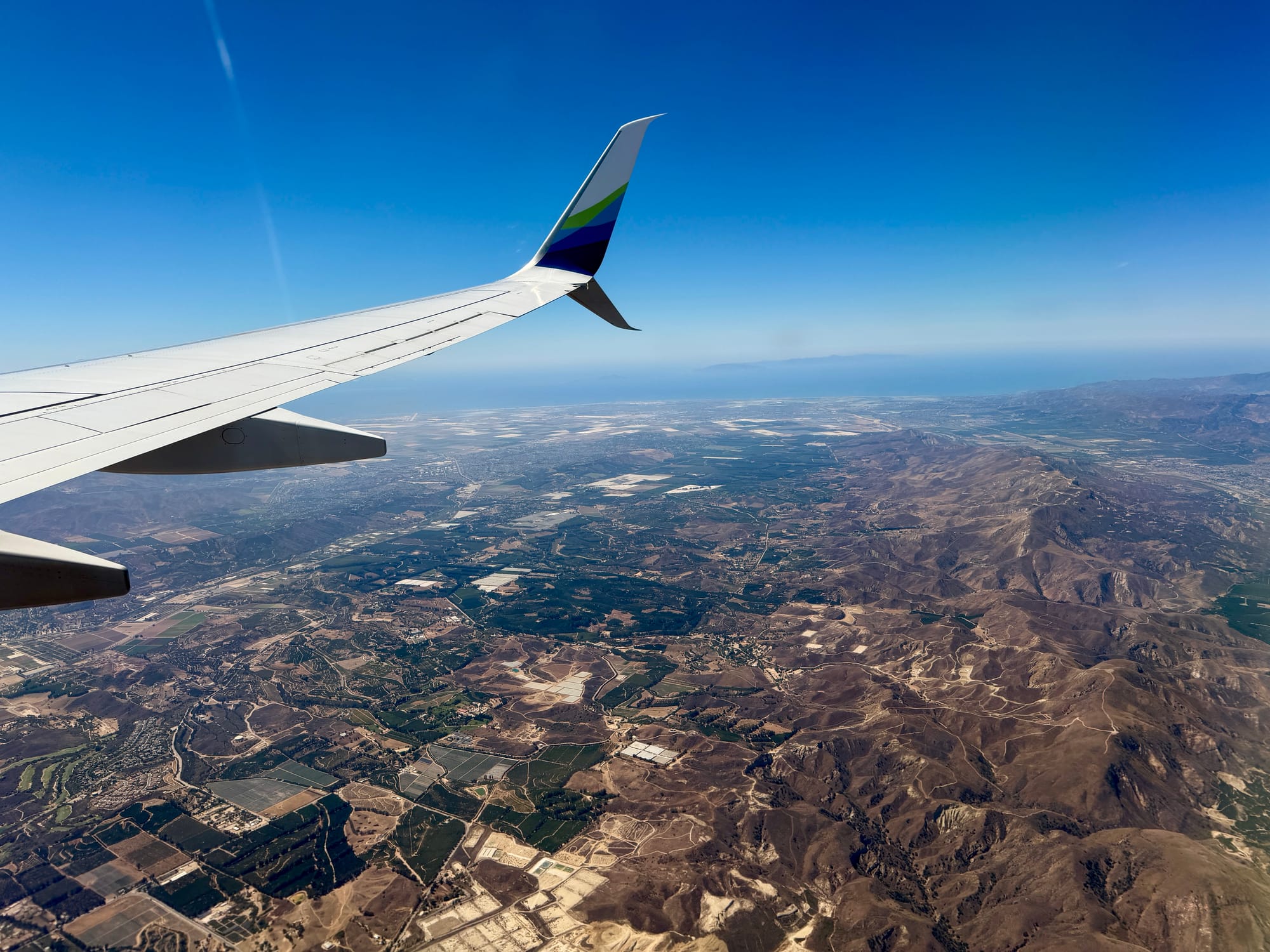
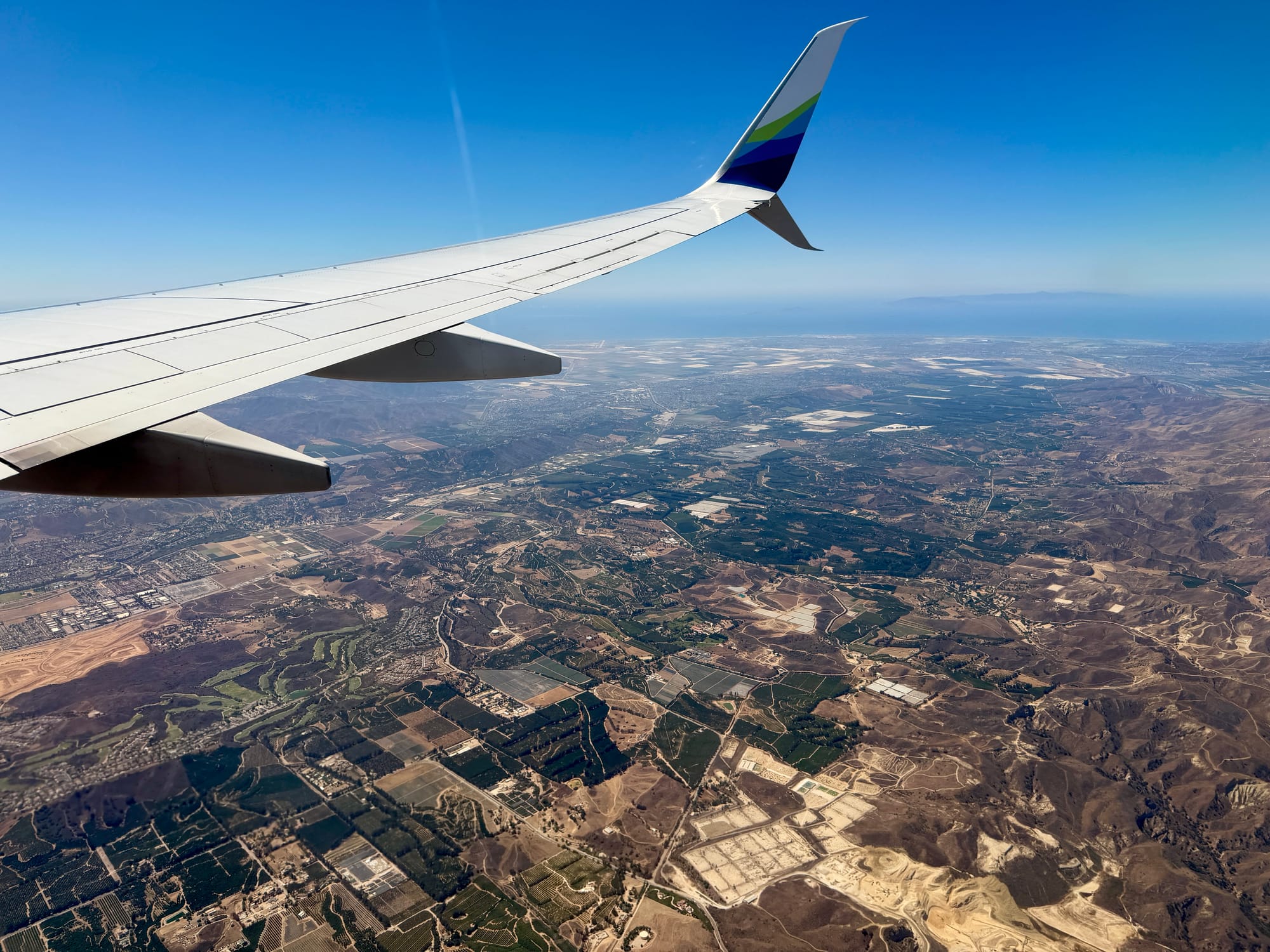
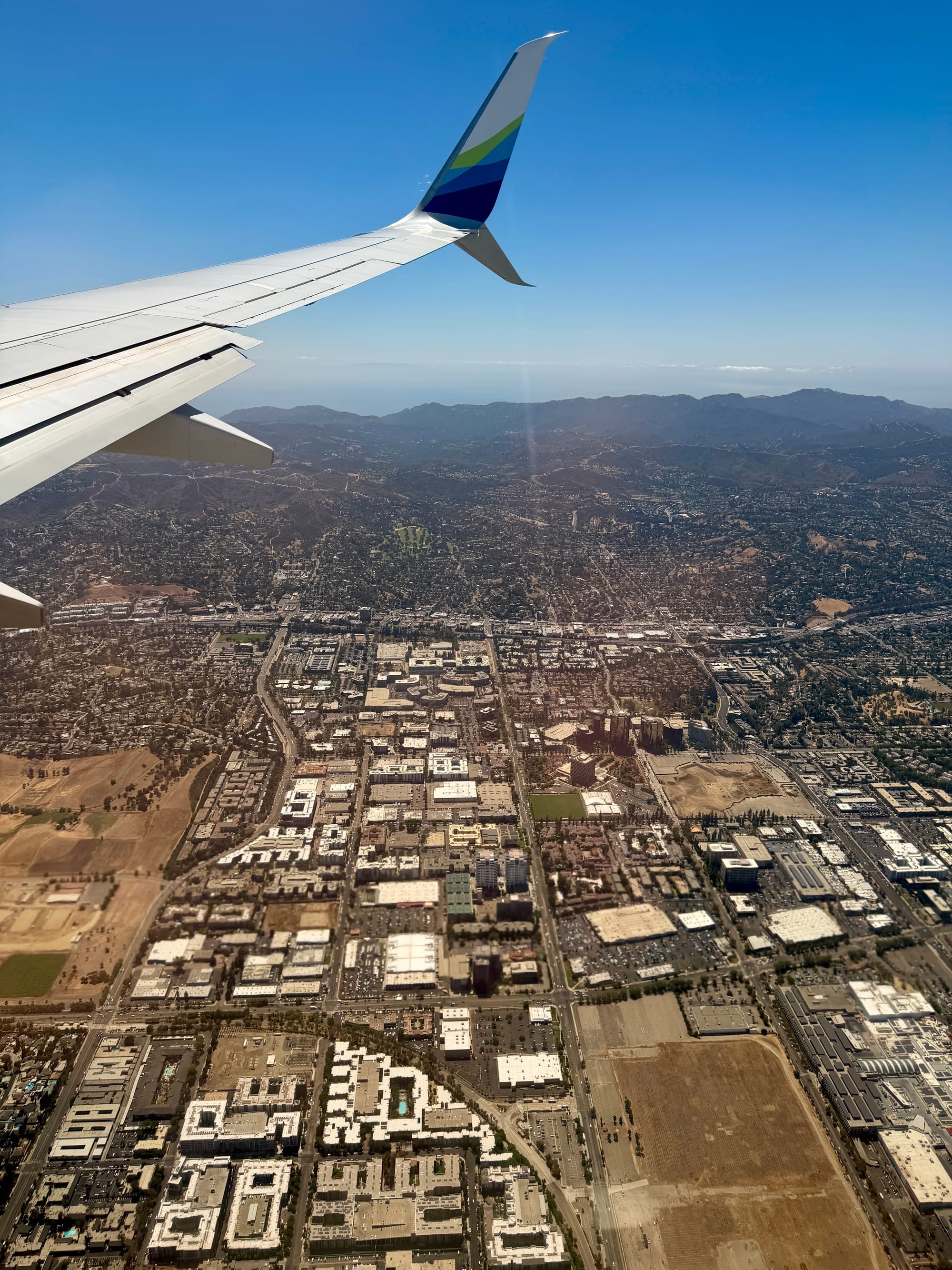
OG eats
Went to a very old In-N-
]]>Took a quick trip to LA and back to see the Dodgers play (they lost).
I got a window seat on the plane ride down. California looks so wild and natural from high up, until you get to the endless cities.
OG eats
Went to a very old In-N-Out (not the original but close behind) and the old Bob's Big Boy in Toluca Lake. Nostalgia is a hell of a drug.
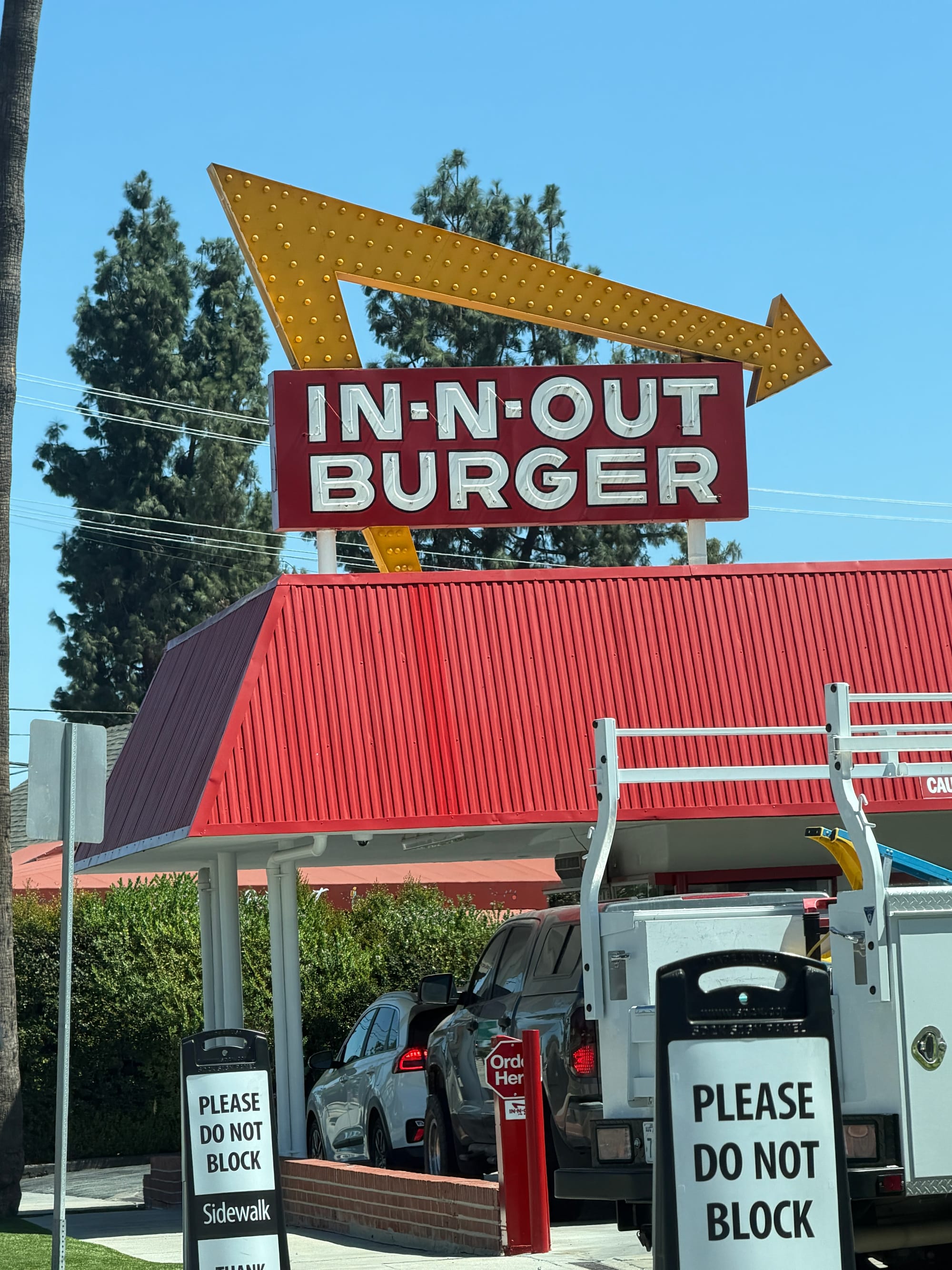
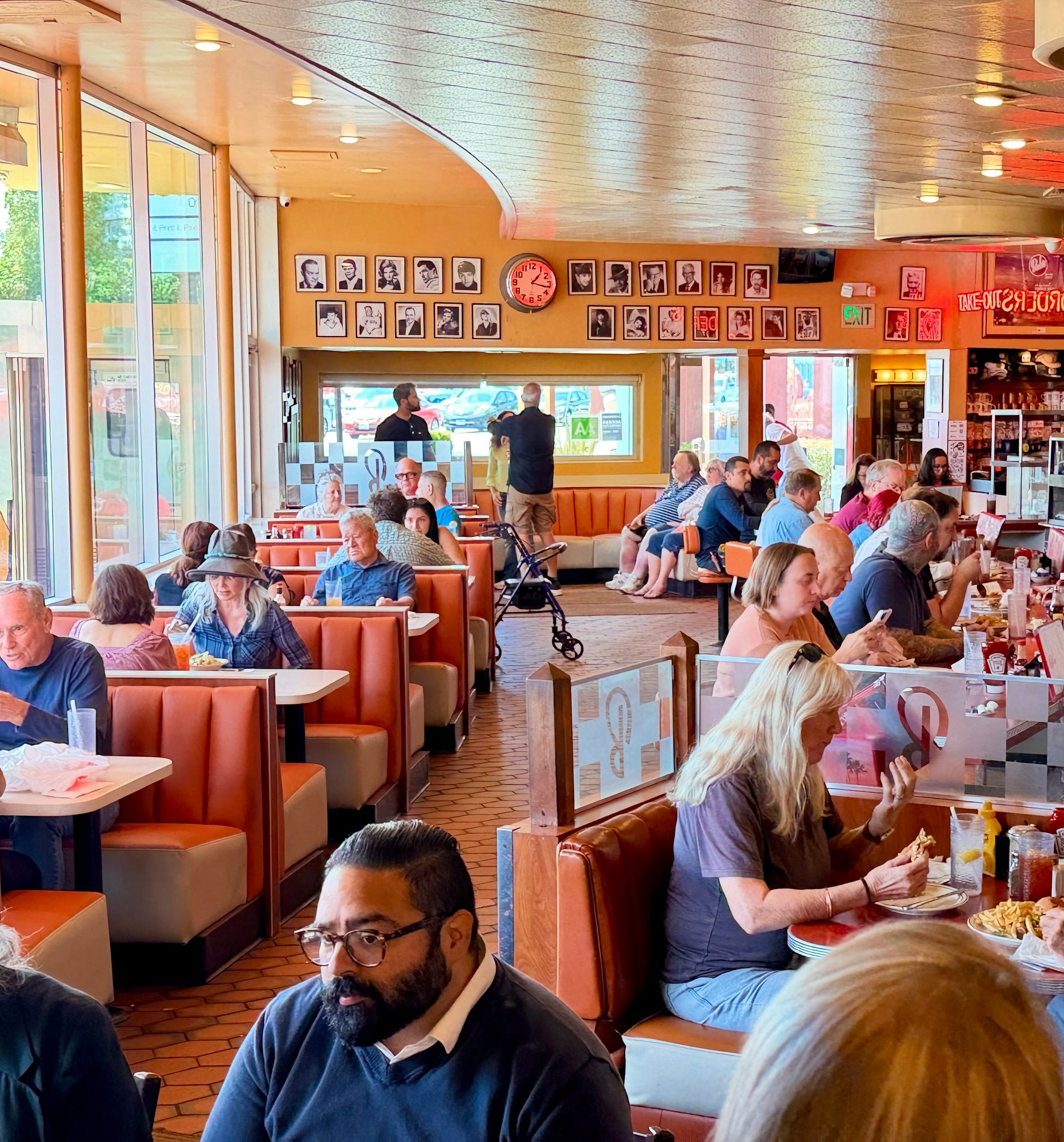
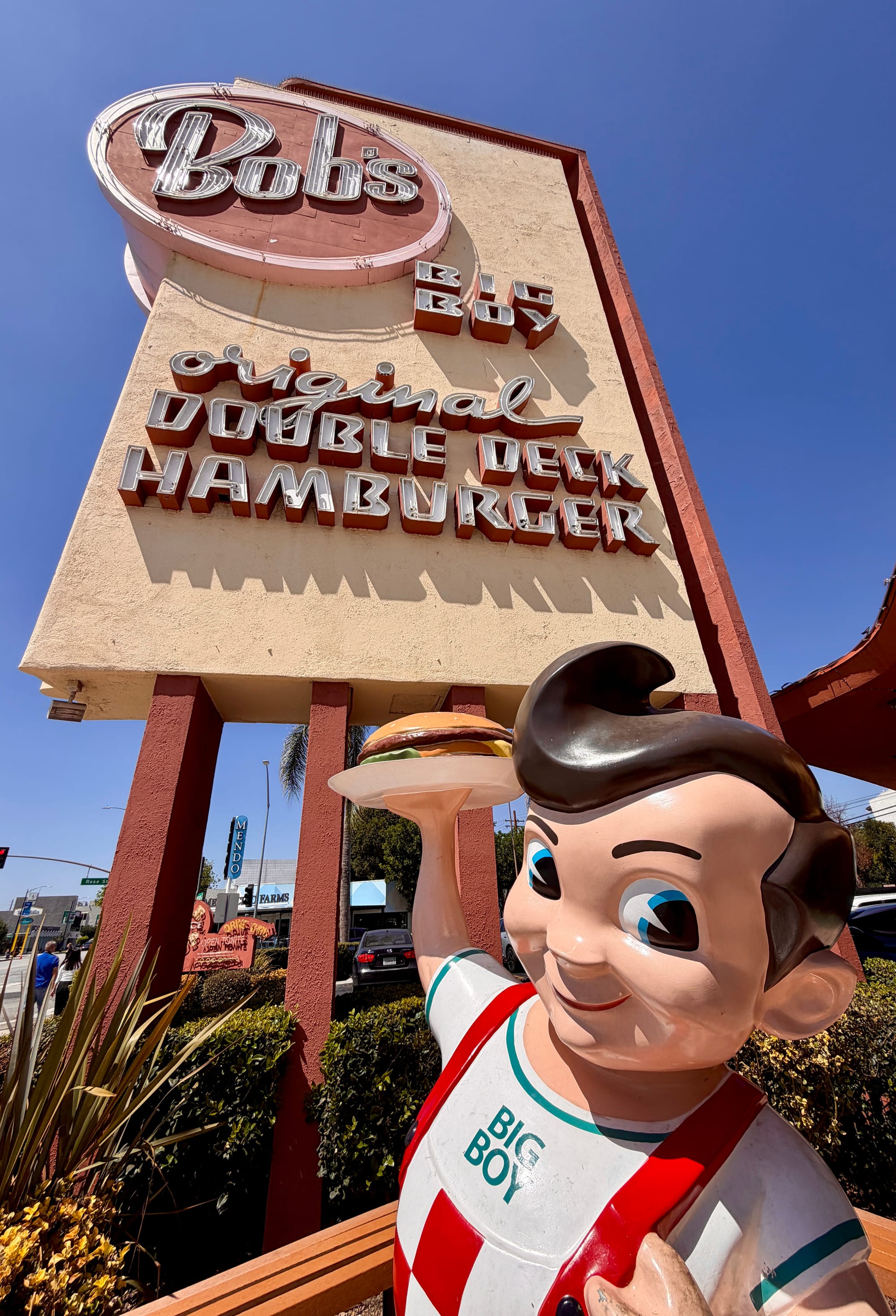
Huntington Library, Galleries, and Gardens
I've always wanted to see The Huntington in Pasadena, but despite living in California until I was 30, I never visited. I had a few hours to kill before the game, so I finally got to see it for myself.
It's basically a rich railroad guy's enormous house and grounds, with all the art and gardens he amassed throughout his life, but they keep building more galleries and greenhouses and it's really looking spectacular these days on all fronts. It was a hot day in Pasadena, but The Huntington has so many trees it was wonderful to hang out in the shade and enjoy the views.

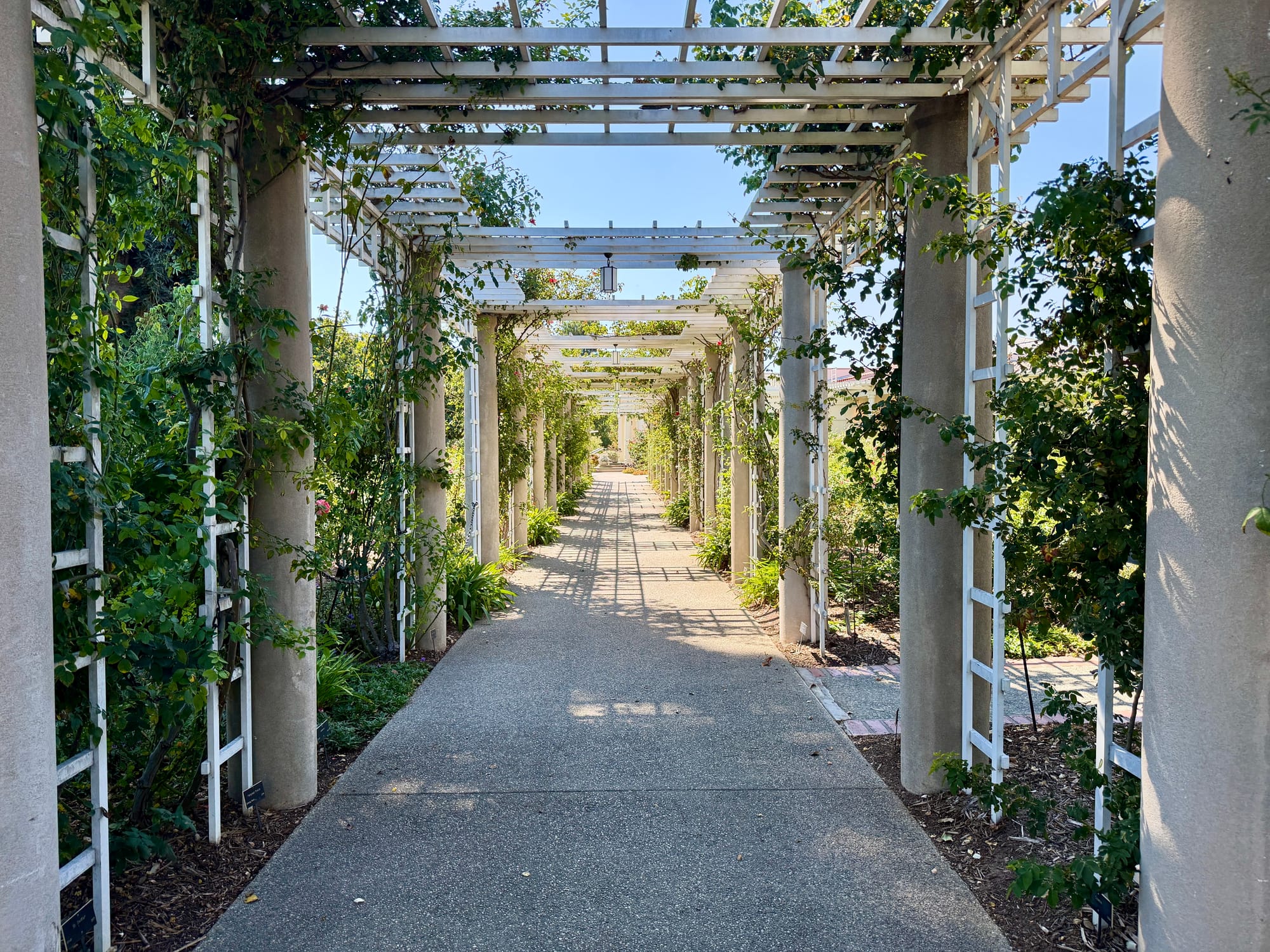
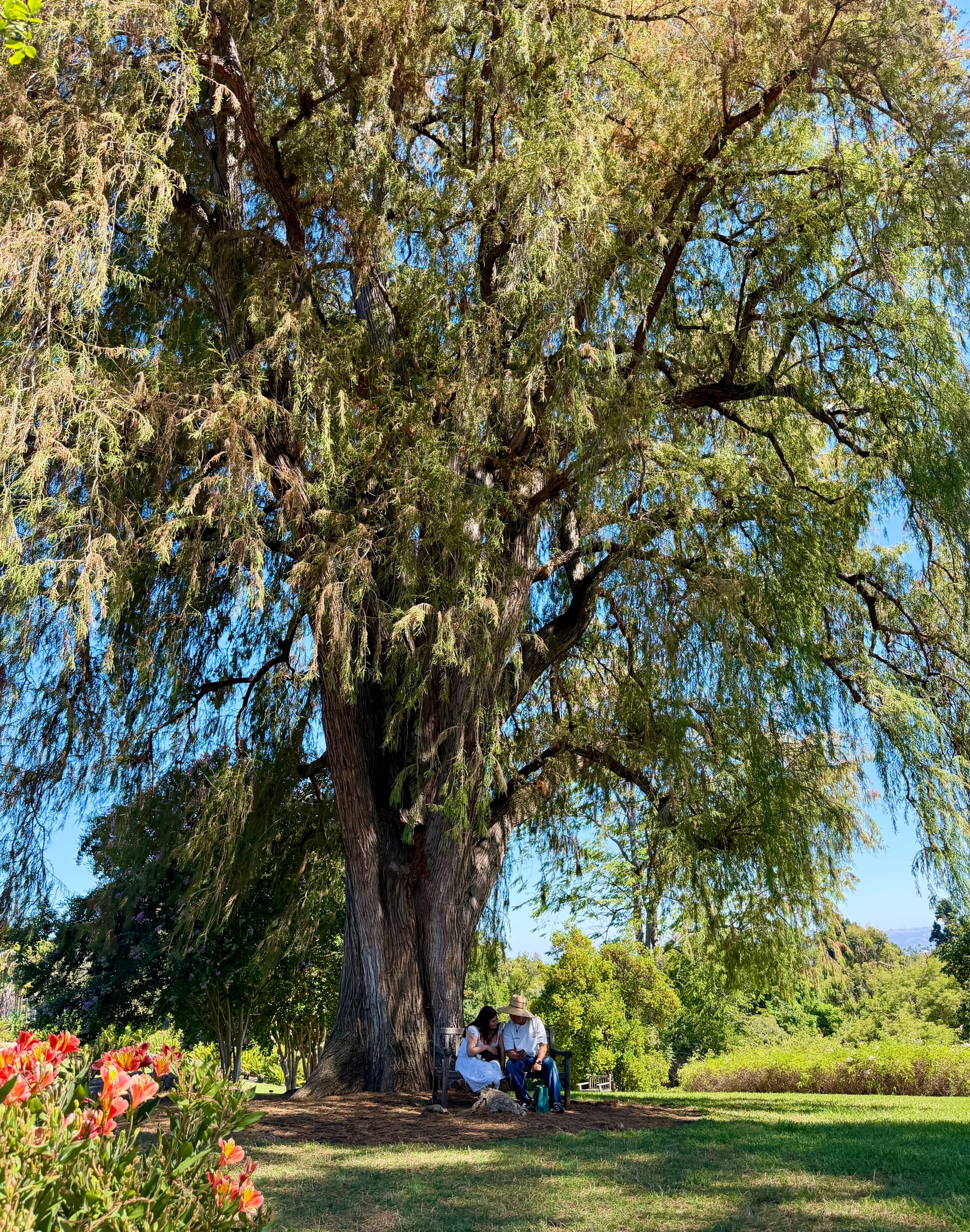
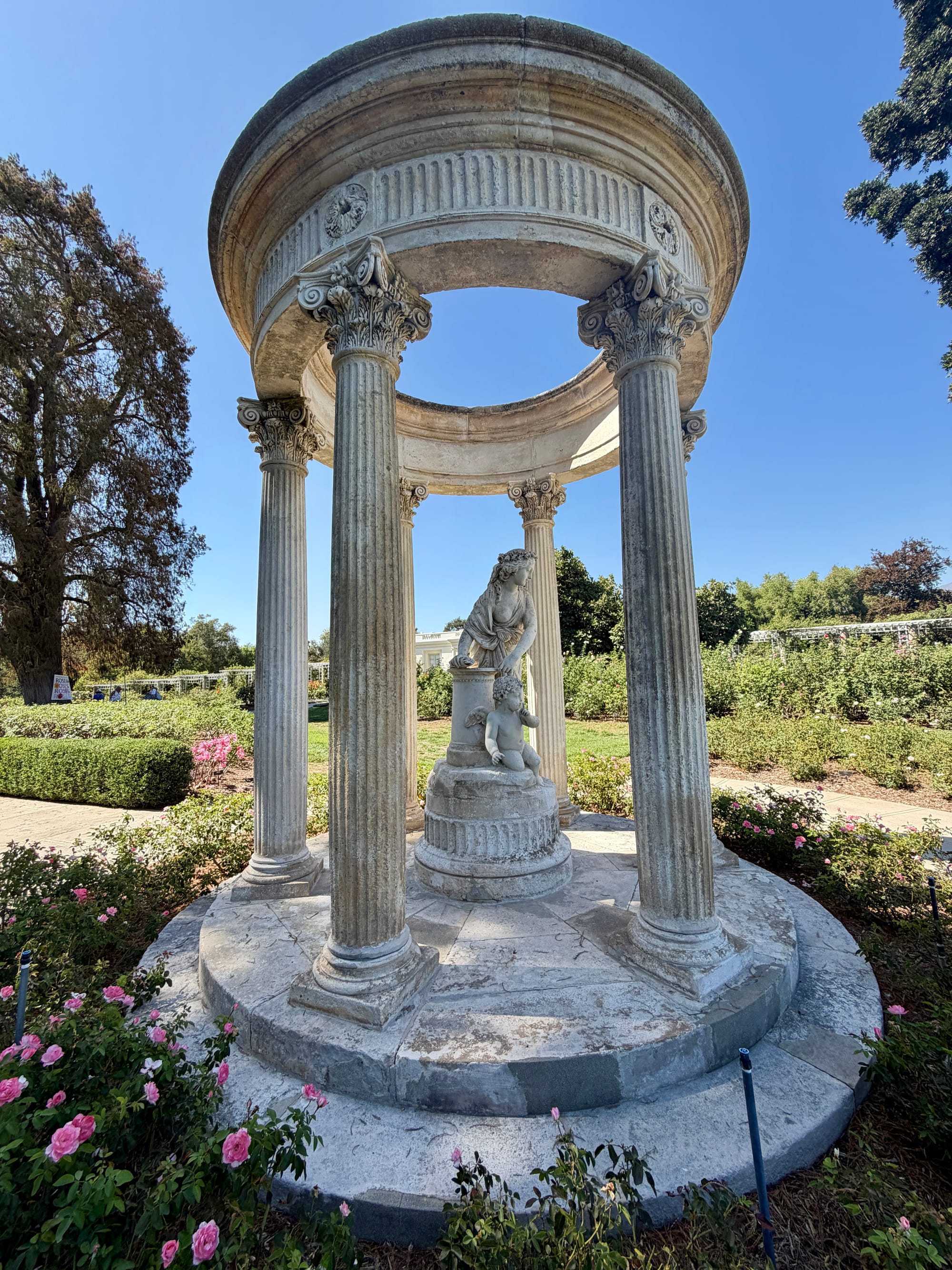
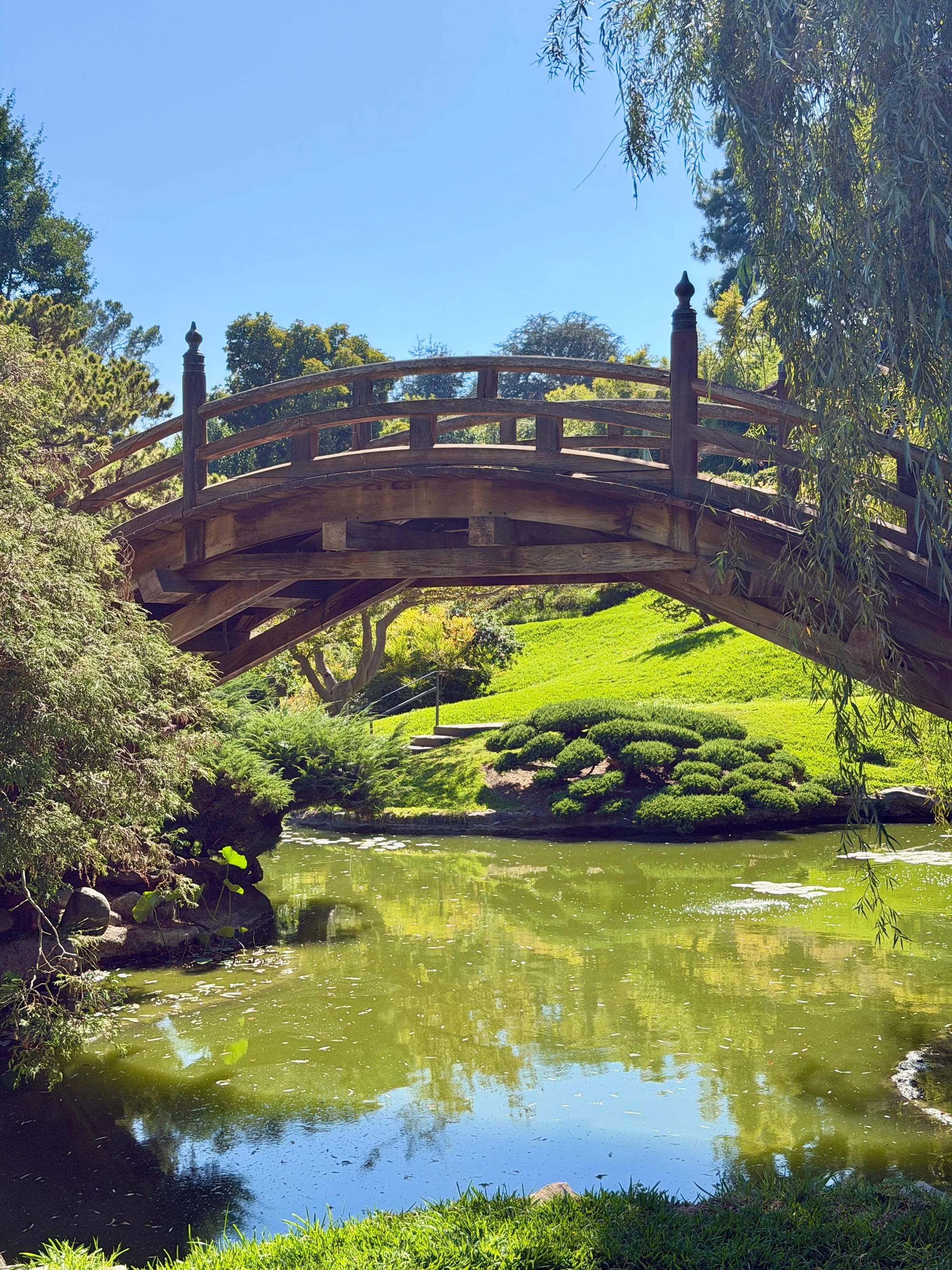
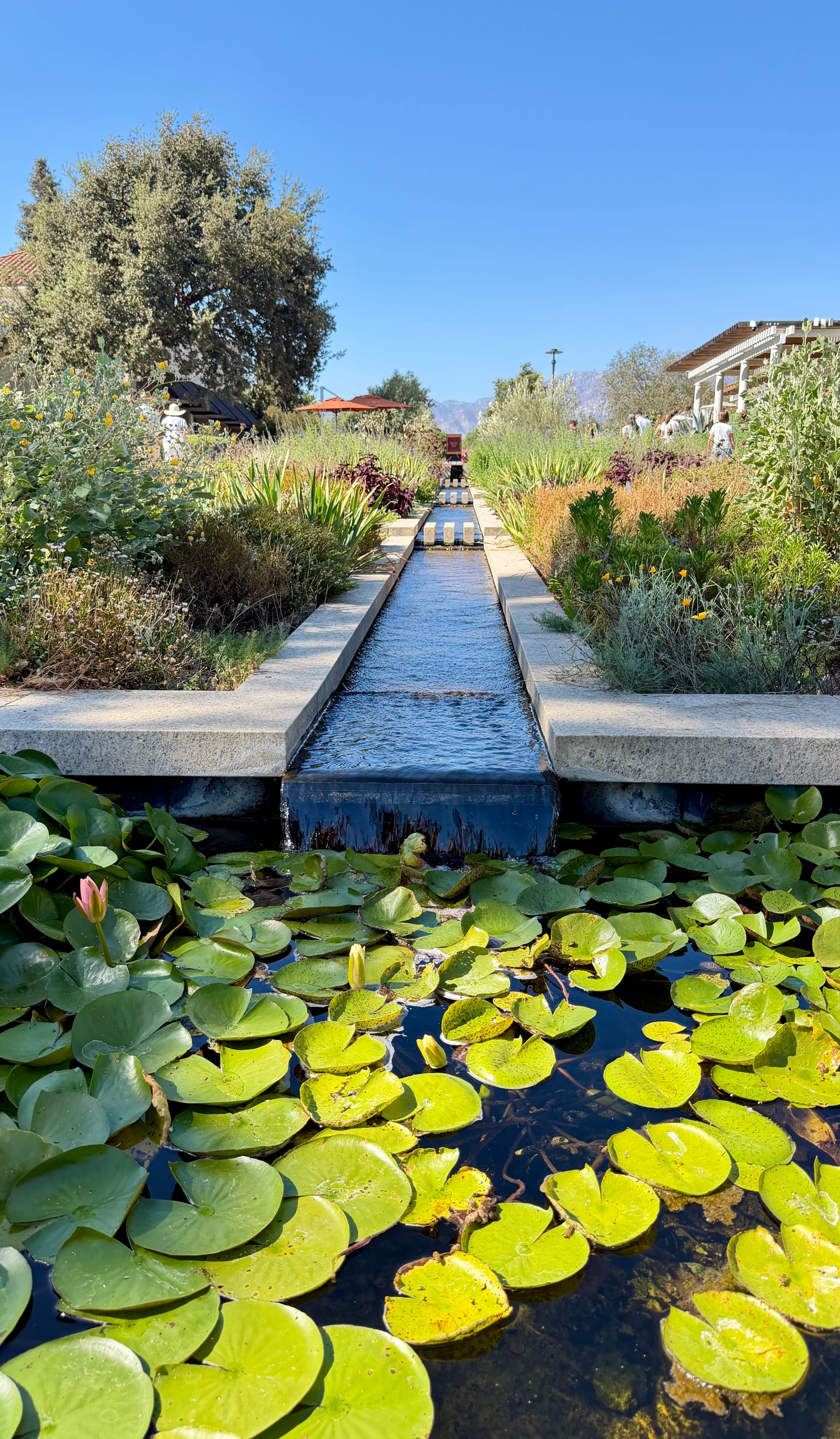
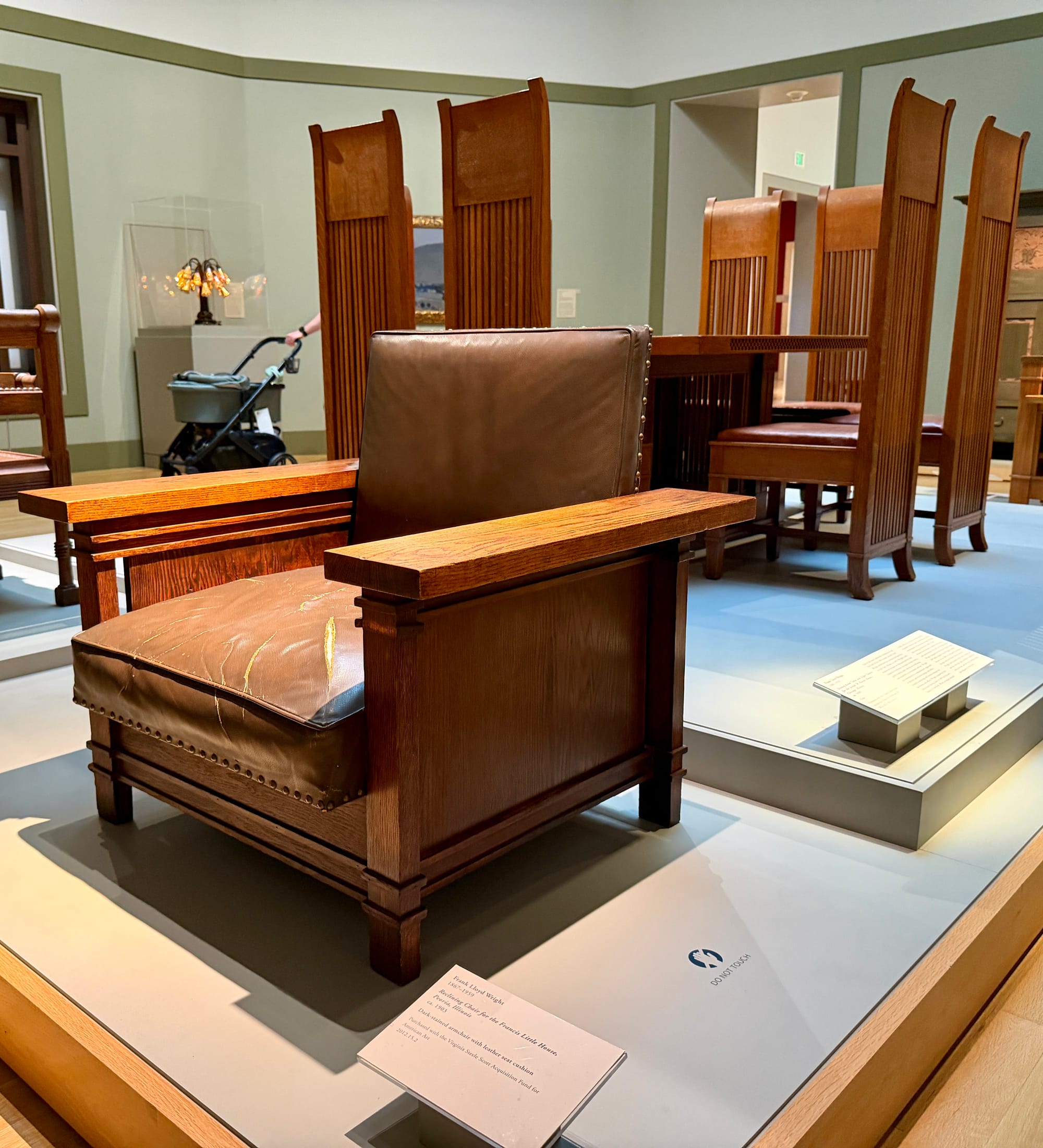
Dodgers honor Chris Taylor night
The whole trip started when I noticed the best tickets I've ever seen were selling a day before the game for a wildly low price, so I snatched them up. The game was really great from behind home plate, despite the eventual loss.



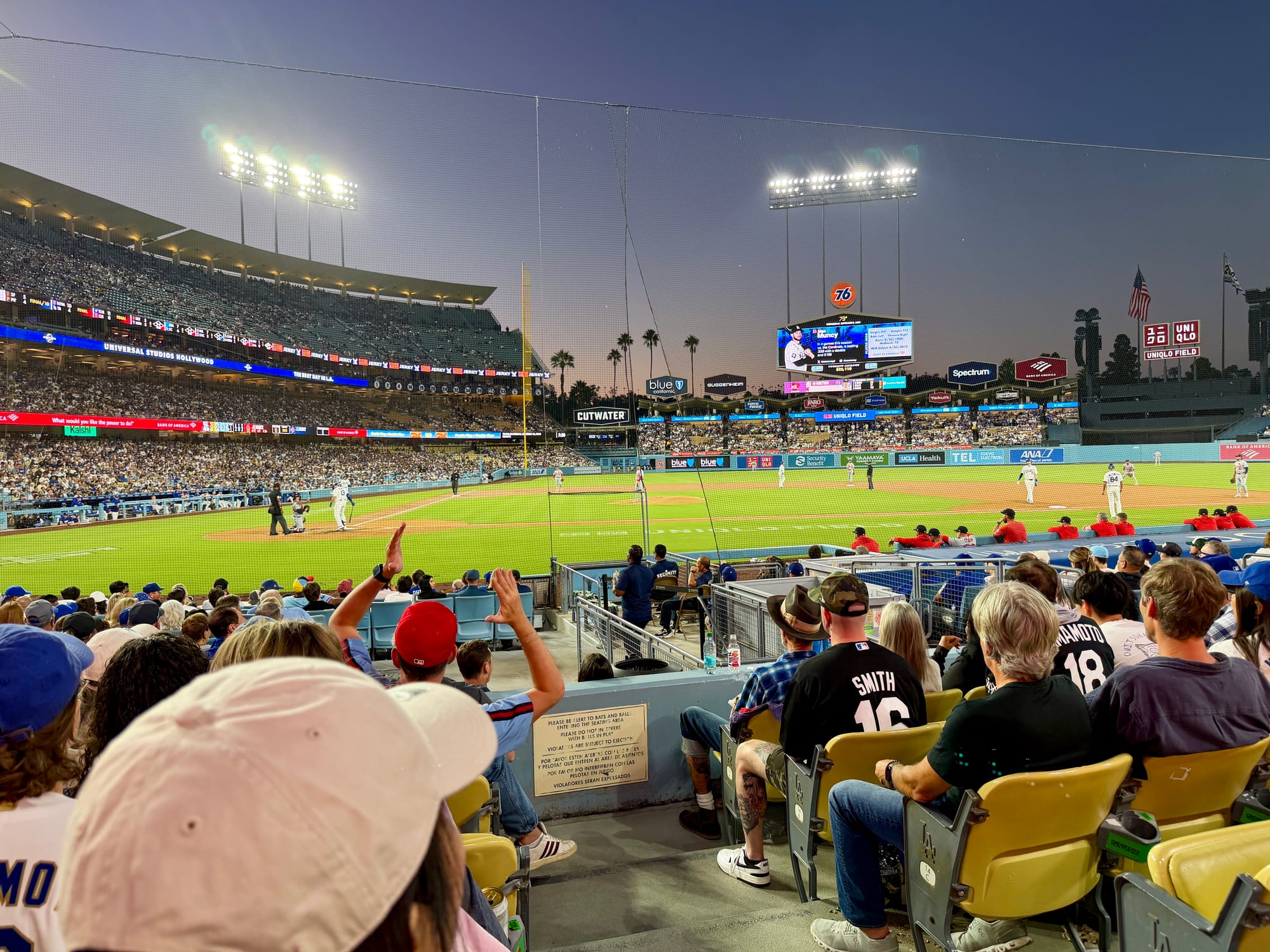

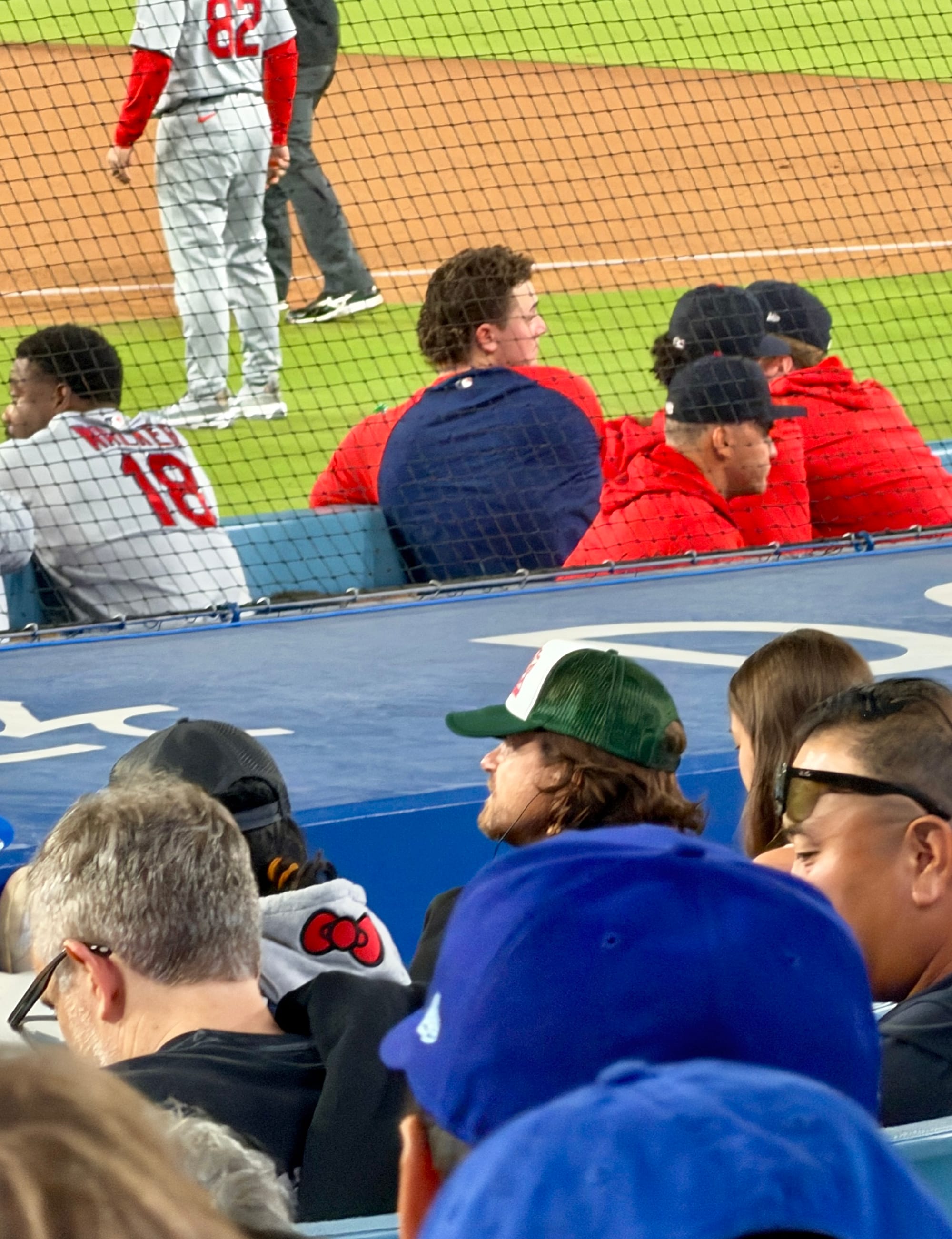
The last shot is Jason Bateman a few rows down from us
Overall, it was a great 36hr trip to LA and back. After I landed in Portland, I got to see Hannibal Buress at Rev Hall and he killed it. He's filming a new comedy special soon and his material was on point, despite being out of comedy for a while.
Labor Day wandering
I spent most of today riding in Portland, starting from OMSI, up to St. Johns, then back. I covered 25 miles, got tacos, and tried out all the great European-style bike infrastructure downtown and beyond. There are dozens of miles of newly separated and protected bike lanes that made the ride feel much safer.
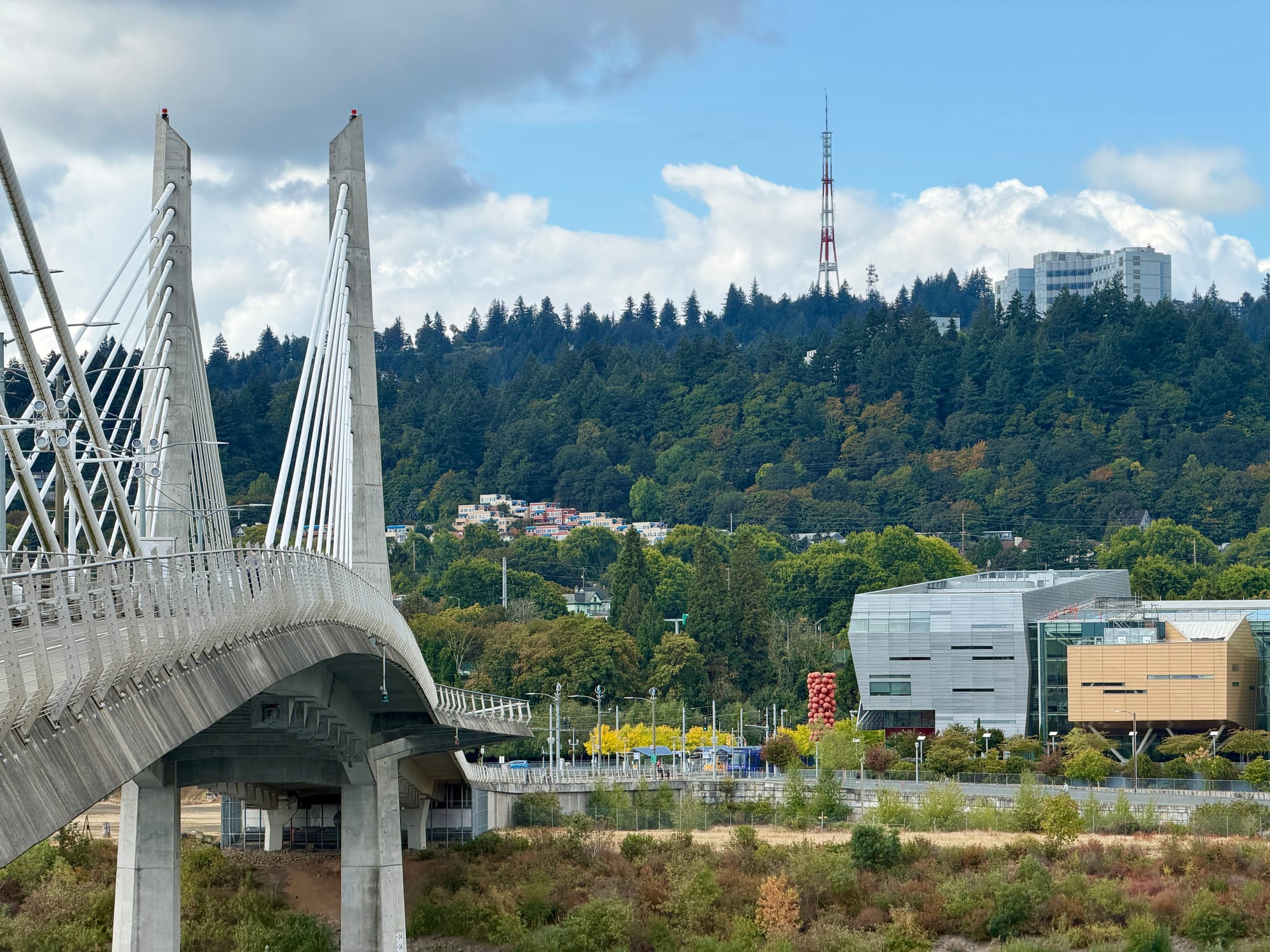
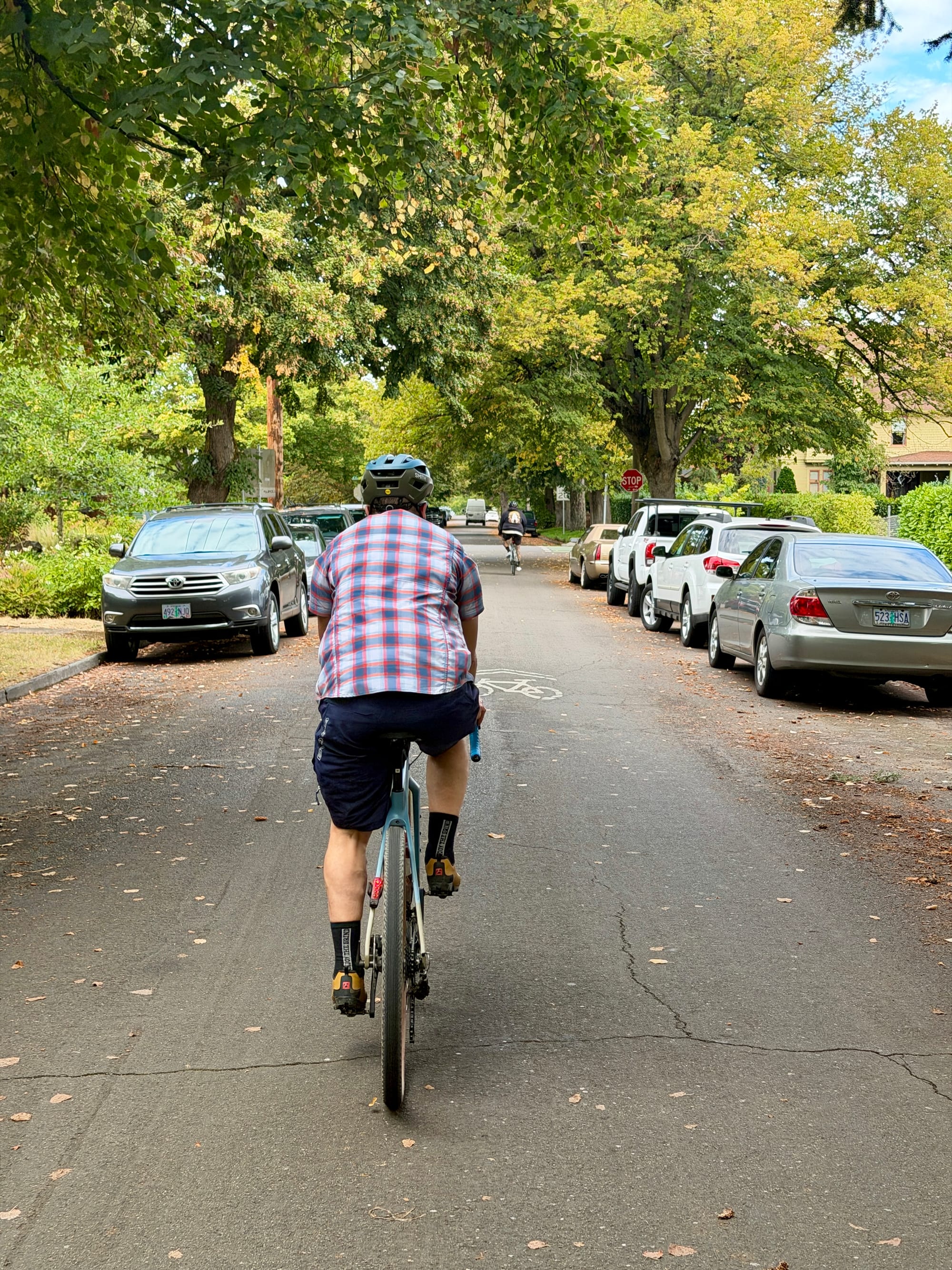
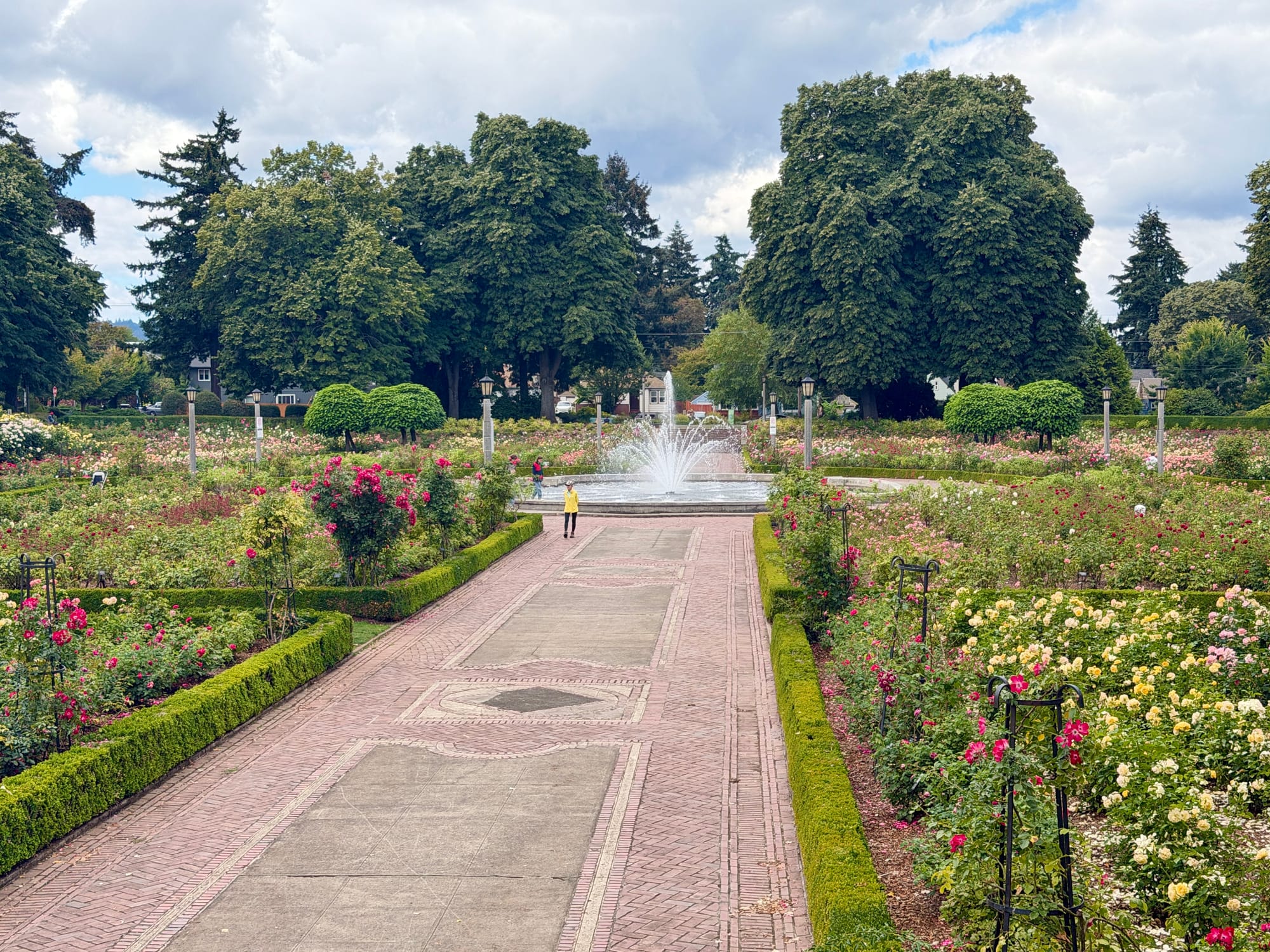
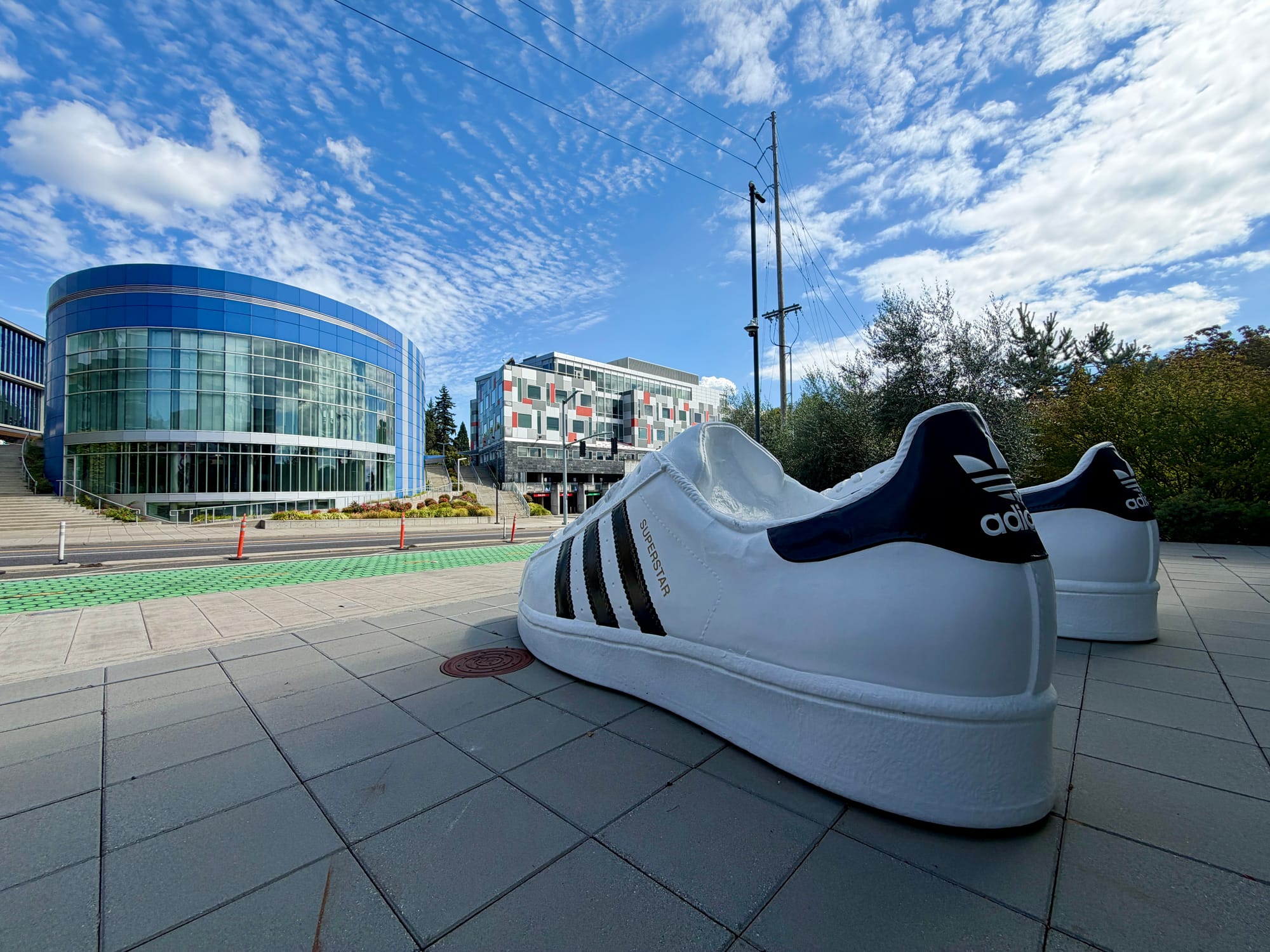
Nearly a month ago, Big Walk debuted and I wrote a quick post after having only played a beta version of it for an hour with a small group. Since then, I've played the game in a variety of groups, from just two to five people in total, and yesterday I made it to the end, and wanted to post a few thoughts. I'll try not to post any spoilers and only mention aspects of the game anyone would pick up from the first day playing it.
Group dynamics
The hardest part of the game, by far, is scheduling time to play with other people as it was intended. This is especially hard with other middle-aged folks like me where free time is short, and you have lots of work and family obligations. I imagine if I was a teen, this game would be easy-peasy to play after school with friends.
One of the cool aspects is that the challenges inside the game scale to whatever number of people you have. So if you're playing with four, the games might do stuff that requires two groups of two, or all four working with each other to do something at the exact same time. If you try the challenge with just two people, there might be a speaker and a transmitter nearby to let you talk to each other over distances so you can solve something without a third person running between you.
Game design
As I've gotten older, I've been fascinated by game design, or how game creators tweak with the common formulas around games and challenges.
This game mostly relies on audio and proximity to communicate with others, and if you're not extremely careful, you will lose people running from one spot in the game to another constantly, so you start coming up with contingency plans using the tools available. It really brought out the middle-aged dad aspects as we'd frequently have little meetings in the game to figure out where we were going next, what we were trying to do, and what to do if things went wrong. It was like a day at Disneyland with kids, all the time. Despite how that may sound, it is a fun dynamic that forces you to stick together as a group, but when you do lose someone, part of the fun is finding those lost souls later on.
The other big mechanic in the game is that there's no on-screen map. I didn't realize it until I was nearly done with the game but pretty much every kind of game I can think of that I like playing gives you a small schematic of your location and direction at all times in a lower corner of the screen. This game has none of that. You can visit a map in one location but you sorta have to memorize aspects of it or remember what points of interest are nearby something you want to discover later on to get your bearings in the game. It's easy to get lost but also you get rewarded for wandering.
There's a daytime/nighttime cycle that adds complexity and difficulty to your group, but that just means more planning on how to get around any limitations that come from it.
The puzzles in the game do a great job teaching you how to be increasingly dexterous with the few moves you have. The puzzles start easy, then get more difficult, to the point near the end you're usually figuring out how to get a group of people to communicate with each other when they can't see, hear, or sometimes even both of those things.
There's a wonderful bit of learning to communicate via gestures using your little onscreen guy, as lots of puzzles remove audio entirely, forcing your group to come up with a system of body positions to tell others which mystery item to pick. It's fun experiencing in real-time how a group of people kind of invent a new language to talk to each other, all to solve a puzzle in front of them.
The best way to play
Having played it through with just 2 people, then larger groups, I will say it's way more fun the more people you have. Each time you encounter a new puzzle challenge, having more players means better brainstorming for how to solve something. The challenges scale up as I said, and now that I've done most of them, doing them with just two people removes a lot complexity that I found more fun later on when I replayed a level with a larger group.
There is an urge to cheat when you hit the wall as a group. Sometimes, if you could just text a photo of what you see on your screen to someone else, you could finish a puzzle in seconds, but it really was satisfying to have people more ethical than me in my groups that insisted we figure everything out without touching our phones or calling each other up or yelling outside of our headphones for them to hear. I would love to see an academic paper someday on how people choose to cheat in this game, how rampant the bending of the rules are, and what ethical boundaries most players draw for themselves.
Bottom line: hella fun, and somewhat repayable
It's a great game that only costs $20, and feels like a good value for what it is: a somewhat reasonably sized yet well-designed game from an indie studio. It takes about 10-12 hours of game play to complete the main mission of the game and I usually did it in 1 hour sessions at night before bed, over a series of days and weeks. If it was a $60 AAA studio game with multiple island levels, I think it'd get old pretty quick, or feel too daunting to tackle.
I've played with three different groups of people and I can say even when I've done many of the puzzles, redoing them with a larger group a week or two later, they feel new. Aspects of the puzzles change between groups, but also I forget what each one required of the group to solve. Different groups also tend to come up with different solutions each time they tackle something. I did have to bite my tongue a few times to not spoil an ending or solution, to let friends play it out and figure things out themselves, as no one loves a person dropping spoilers that rob others of the enjoyment of discovery.
I can see that taking the game to 100% complete will be another 8-10 hours to truly nail, and it's something I might do in a small group to see if it's possible.
The game truly felt original with some new aspects I've never seen in other games, and I know they worked on it for years but I can't wait to see what else the game studio House House comes up with next.
For the past five years or so, I've gone to the MADE bike show in Portland every summer, which showcases custom bike builders, people who make related products, and suppliers for frame builders. It runs through Sunday and if you're in the area and love bikes, I would say by all means go and marvel at the sights. Here are some of my favorite things from the show.
There were dozens of one-man frame building shops with interesting designs. I loved the creative use of small tubing on this frame and fork.
No. 22 is one of my favorite new builders because they really nail the custom finishes and make a whole bike with matching fenders look well thought out. These are high end, builds that likely cost about 10 grand but they look really incredible with the integrated paint jobs.
No. 22 bikes in their booth (the featured top image is also a No. 22 bike)
Every year there's a paint trend that blows my mind and this year it was multicolored stuff that was so wild I honestly don't know how someone made it. It could have been sponges or using salts in the paint, but I think it might be hydrodipping. There were half a dozen bikes with paint schemes like this, that looked like they were hand brushed under a clear coat.
The first custom bike I ever got was built by Mike DeSalvo in Ashland, Oregon and I was stoked to see him again, this time with a flat bar gravel bike that matched his Baja bug.
Chatting with Mike, I learned this was his first car that he learned to drive in the early 1990s, which he found for sale a couple years ago and bought back. Now he's restoring it how we wished he could have back when he was a teen (so far it's got the big 1800cc bus engine in it for power and speed).
32" wheels are all the rage and personally, as much as I hate how the bike industry urges everyone to try a new wheel size every few years (along with a new bike to go with it), I am looking forward to someday having a 32" wheeled gravel bike because for tall people like me, we have to run big ugly frames and I can't wait to get a bike with a normal-looking sized frame on it with the giant wheels.
I loved this 80s looking red bike that reminded me of a Murray BMX bike from a Sears catalog and the red, white, and blue one really had a nice NASCAR vibe with the paint and the sponsor stickers.
There were vendors selling parts related to these builds with lots of custom bag makers, but I really loved the colors that Ortelib was showing off this year. I used them for touring the Oregon Coast ten years ago and loved my bags (but mine were plain black).
There was a big contingent of builders and parts suppliers from Japan, including this Sim Works booth that replicated the small shop in Tokyo by the same name with lots of shirts and parts for sale.
The MADE show is pretty fun and there are about a hundred different bikes to look at from dozens of different builders. They also feature parts suppliers for builds including metal manufacturers, which always cracks me up. You might be looking at a custom Mosaic Titanium bike and the next booth over is a steel tubing manufacturer that's talking directly to budding frame builders. It's an interesting mix of bikes built by eccentric people for specific purposes, high end bikes built for demanding clients, and then all the materials you need to custom build your own frames, all under one roof.
]]>Admittedly, I'm a huge fan of CarPlay for
]]>A couple years ago, GM made waves by saying that soon, all their new cars would be completely free of Apple's CarPlay and Android Auto support, instead opting for the "Android Automotive OS" in their cars.
Admittedly, I'm a huge fan of CarPlay for basic safety reasons and how it lets you hear or send texts without ever having to look at or touch your phone, so I was not happy to hear this news. I remember when this was first announced for Chevy EVs and when it was later expanded to all their cars in the future and the resounding response was that car buyers were PISSED.
Chevy claimed they were doing this for privacy reasons, that none of your driving or phone data would go to Apple any longer, but instead it would all go to Google (who would likely share it with General Motors, the owners of Chevy).
Chevy seemed to ignore the uproar from their fans and went ahead with it anyway, and as far as I can tell, all 2025 Chevy electric vehicles shipped with the Android Auto OS and don't interface with your phone beyond bluetooth or let you see CarPlay or AndroidAuto apps on your dash.
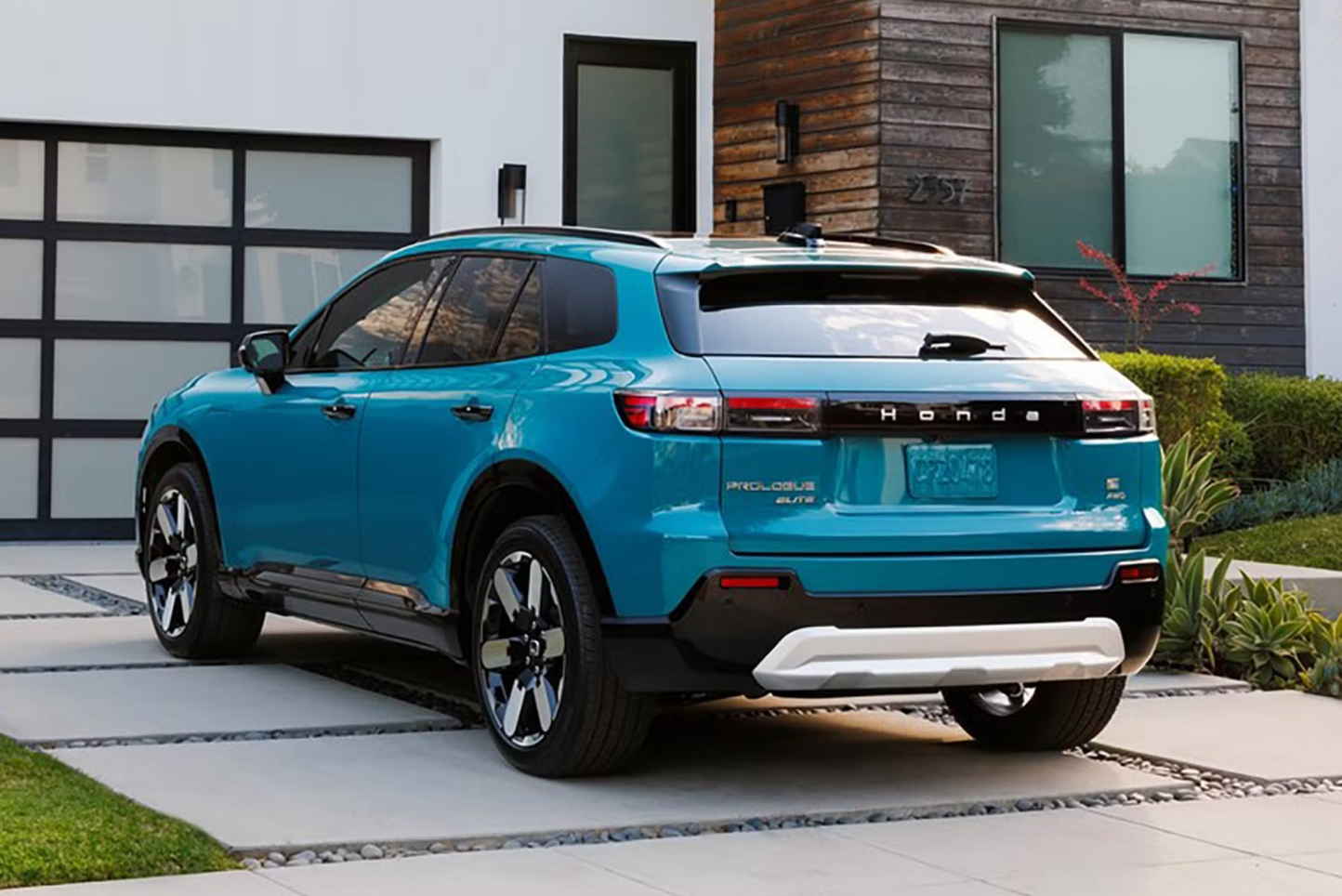
The accidental A/B test
Honda, much like Toyota and Subaru, didn't have a robust EV research and development program and kind of lagged behind their rival auto companies on selling EVs, so they partnered with other auto brands to rebadge, rebrand, and resell versions of cars made by other companies.
One case in point is the Honda Prologue EV. It's a partnership between Honda and Chevrolet, where the Prologue is basically a Chevy Blazer EV with Honda badges, slight visual differences in the sheetmetal and interior, but all the underpinnings are straight up Chevy. Even though the keys say Honda on a Prologue, it's a General Motors key design with a Honda logo over it.
But one big difference the Prologue has from the Blazer it is based on is this: it includes Apple CarPlay and Android Auto integration.
The car industry accidentally did something I've always wanted to see, which was to release basically the same car under two brands and models, with one major consumer-facing difference. It's kind of remarkable how good of a experimental design this is, since the performance and driving characteristics of both cars are identical, but drivers in one model get a major phone integration the others do not.
So how did that work out for Chevy?
You can look up actual sales numbers in GM and Honda's annual reports of sales they're required to publish to investors, and here are the results for the last 2.5 years they've both been sold in the US:
Note: The 2026 figures cover January through June and are not full-year totals.
The last column on the right is the most telling. For the years these cars were sold together, the Honda outsold the Blazer by 43%, 73%, and 166% in each time period. Today in 2026, people are buying a Honda Prologue over one and a half times more often than the Chevy Blazer EV the Prologue is based on.
Of the total number of EV sales between the two brands, here's a graph of how many sold were Hondas (orange) and how many were Chevys (blue):
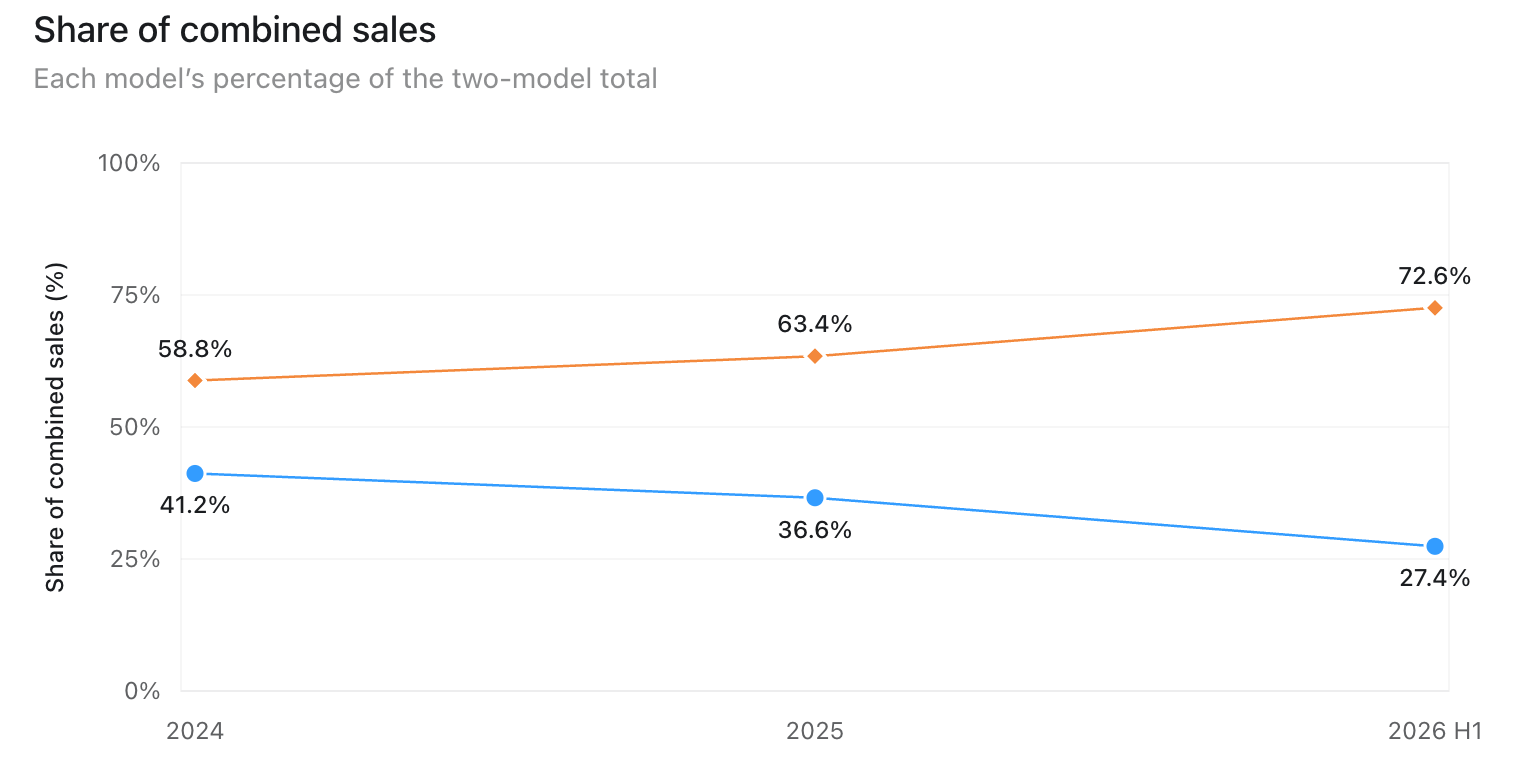
Give consumers a choice, and they'll take the best option
Drivers want more options for how they interact with their devices, and they are increasingly preferring to buy a Chevy covered in Honda badges that comes with phone integrations instead of buying the actual Chevy the Honda is based on, which lacks it.
I wonder if Chevy will ever backpedal from their choice to remove CarPlay and Android Auto? Drivers seem to be voting with their dollars on the question, and they're voting favorably in one direction on this issue.
Now that the market has spoken loud and clear, will General Motors listen?
(This post inspired by a toot my pal Pat wrote months ago that made me want to look up the latest sales figures today)
]]>