Need a customized Indochina itinerary? Contact Alo Travel Asia today!
The post What to Eat in Phan Thiet: A Local Food Guide to the Coastal City appeared first on ALO Travel Asia.
]]>Phan Thiet’s cuisine is closely connected to the sea. Fresh fish and squid appear everywhere, but what makes the local food particularly interesting is how these ingredients are transformed into simple everyday dishes — from tiny rice cakes served with fish sauce to bowls of fish cake noodles, grilled squid teeth and colourful seafood hotpot.
This is not a city where you need to seek out fine dining to eat well. Some of the most memorable flavours are found at morning markets, family-run eateries and busy roadside stalls that come alive in the late afternoon.
If you are wondering what to eat in Phan Thiet, here are some of the dishes we think are worth making time for.
What Food Is Phan Thiet Famous For?
Phan Thiet’s food reflects its identity as one of Vietnam’s long-established fishing communities. Seafood naturally plays an important role, while the region’s famous fish sauce adds another layer to its culinary character.
Yet the city is about much more than seafood restaurants.
Local favourites such as bánh căn, bánh xèo, bánh quai vạc and bánh canh chả cá are inexpensive, casual and deeply woven into everyday life. Many are best enjoyed exactly as locals eat them: sitting on a small stool, ordering a few plates at a time and letting the meal unfold slowly.
Here are the dishes we would start with.
1. Bánh Căn – One of Phan Thiet’s Essential Local Foods
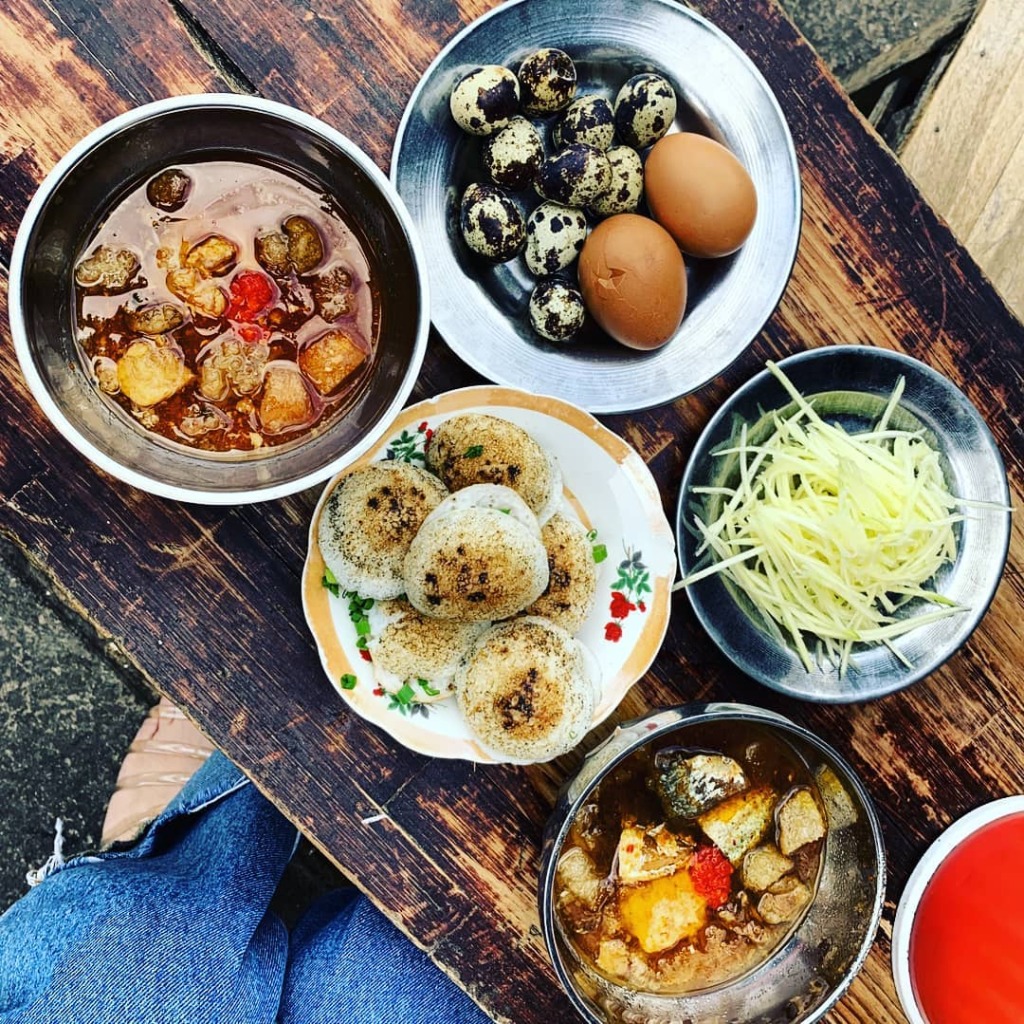
you only have time to try a few local dishes, bánh căn should be near the top of your list.
These small rice-flour cakes are cooked in round clay moulds, giving them a lightly crisp exterior while keeping the inside soft and fluffy.
But the cakes themselves are only half the story.
What makes the Phan Thiet version special is the way they are eaten. Instead of simply dipping each cake into sauce, locals often serve bánh căn alongside a flavourful bowl containing fish sauce or braised-fish broth, with combinations of xíu mại meatballs, egg, pork skin, shredded green mango and other accompaniments.
Drop the warm cakes into the bowl, allow them to absorb some of the sauce, and eat everything together.
It is messy, comforting and very Phan Thiet.
Where to try it: Small local bánh căn shops around central Phan Thiet. Bánh Căn Lân Nguyệt is one of the city’s long-established names.
Best time: Late afternoon or evening.
ALO Travel Asia tip: Don’t eat the cakes dry. Ask the staff to show you how locals combine the bánh căn with the sauce and accompaniments — it completely changes the experience.
2. Bánh Xèo Phan Thiet – Small Pancakes, Big Flavour
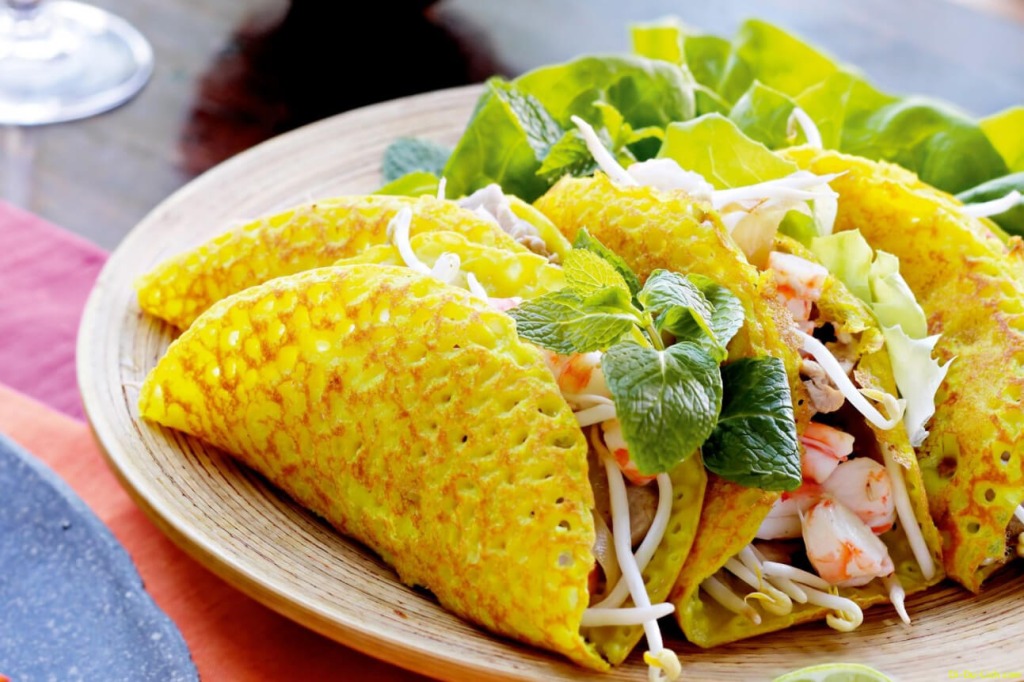
You may already know bánh xèo from other parts of Vietnam, but the Phan Thiet version deserves its own introduction.
Here, the pancakes tend to be smaller than their southern Vietnamese cousins and are commonly filled with ingredients such as shrimp, squid and pork.
The most distinctive part, however, is how they are served.
Rather than always wrapping the pancake in rice paper and herbs, one traditional Phan Thiet style places pieces of hot bánh xèo and fresh herbs directly into a bowl of dipping sauce.
The result is rich, savoury, slightly sweet and wonderfully chaotic.
Where to try it: Head towards Tuyên Quang Street, well known locally for its bánh xèo eateries. Long-running names in the area include Cây Phượng and Cây Xoài.
Best time: Late afternoon or dinner.
What to order: Start with a few bánh xèo rather than ordering too many at once — they are best eaten straight from the pan.
3. Bánh Canh Chả Cá – Fish Cake Noodle Soup
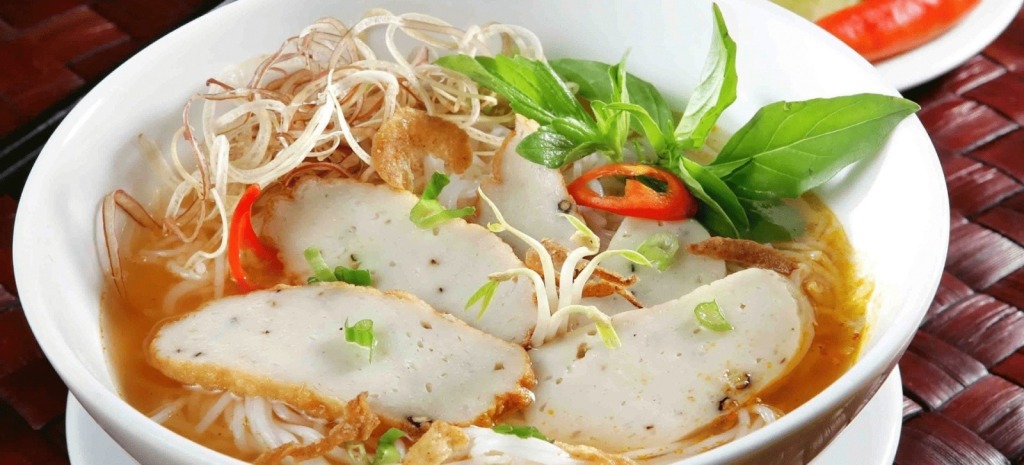
A steaming bowl of bánh canh chả cá is one of the easiest introductions to everyday Phan Thiet food.
Thick, soft noodles are served in a light fish-based broth with slices of locally made fish cake. Depending on the shop, you may find both steamed and fried fish cakes in the same bowl.
It is simple, warming and satisfying without feeling too heavy.
This is also a great dish for travelers who want to experience local food but prefer something less adventurous than seafood street snacks.
Where to try it: Local markets and family-run noodle shops throughout central Phan Thiet.
Best time: Breakfast or an early dinner.
ALO Travel Asia tip: Add chilli gradually. Local dipping sauces and condiments can carry more heat than expected.
4. Bánh Quai Vạc – Phan Thiet’s Little Transparent Dumplings
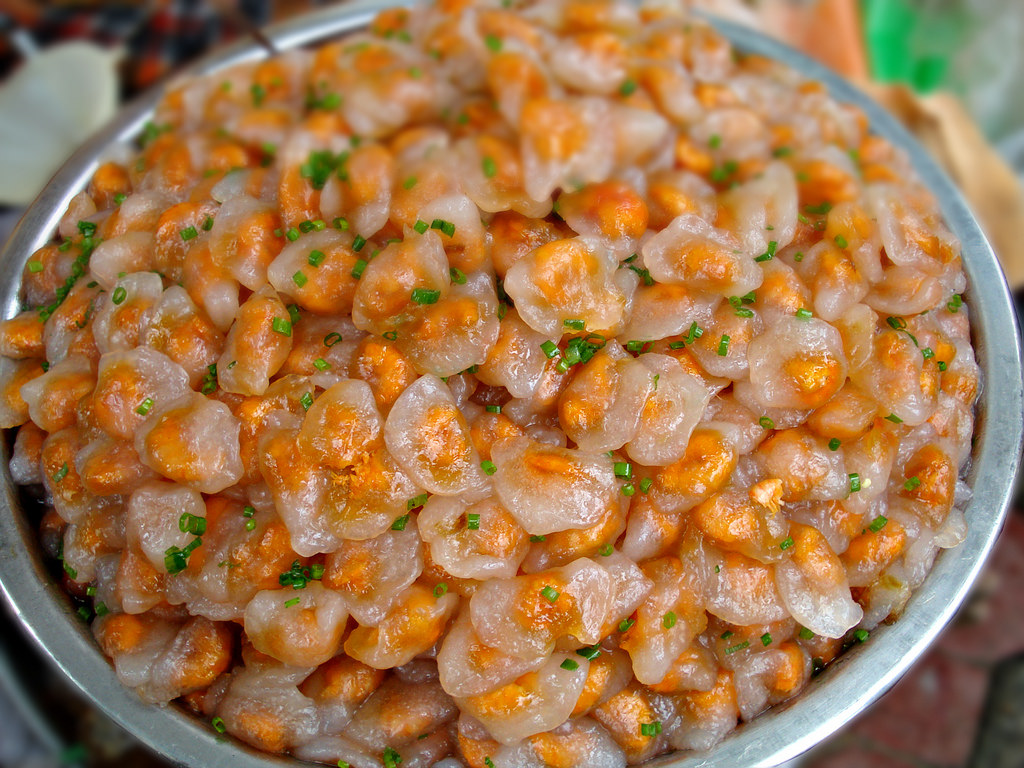
At first glance, bánh quai vạc may remind you of bánh bột lọc from Central Vietnam.
These small translucent tapioca dumplings usually contain shrimp and are topped or served with a sweet-savoury fish sauce.
The texture is the attraction: chewy on the outside, savoury inside, with the fish sauce bringing everything together.
They are inexpensive, easy to share and perfect as an afternoon snack.
You may even come across a very local combination: bánh mì filled with bánh quai vạc, finished with fish sauce and chilli.
It sounds unusual. It works.
5. Răng Mực Nướng – Grilled Squid Teeth
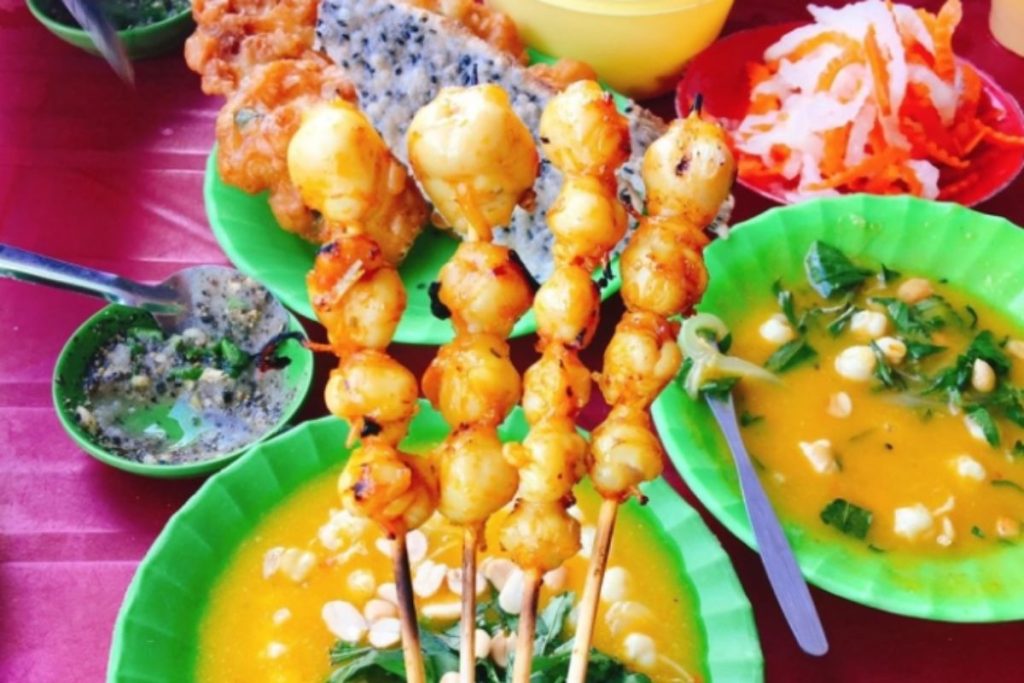
One of Phan Thiet’s more unusual street-food specialties is răng mực, commonly translated as squid teeth.
Despite the name, these are not actually teeth in the way we normally imagine them. The small round part near the squid’s mouth is removed and prepared as a snack.
Locals grill, fry, stir-fry or season them in different ways, but grilled squid teeth are perhaps the most fun introduction.
Chewy, smoky and usually served with chilli sauce and pickled vegetables, they are especially popular in the evening.
Best for: Adventurous eaters and travelers who enjoy Vietnamese street-food culture.
ALO Travel Asia tip: Order several dishes to share rather than making răng mực the entire meal.
6. Lẩu Thả – Phan Thiet’s Signature Hotpot
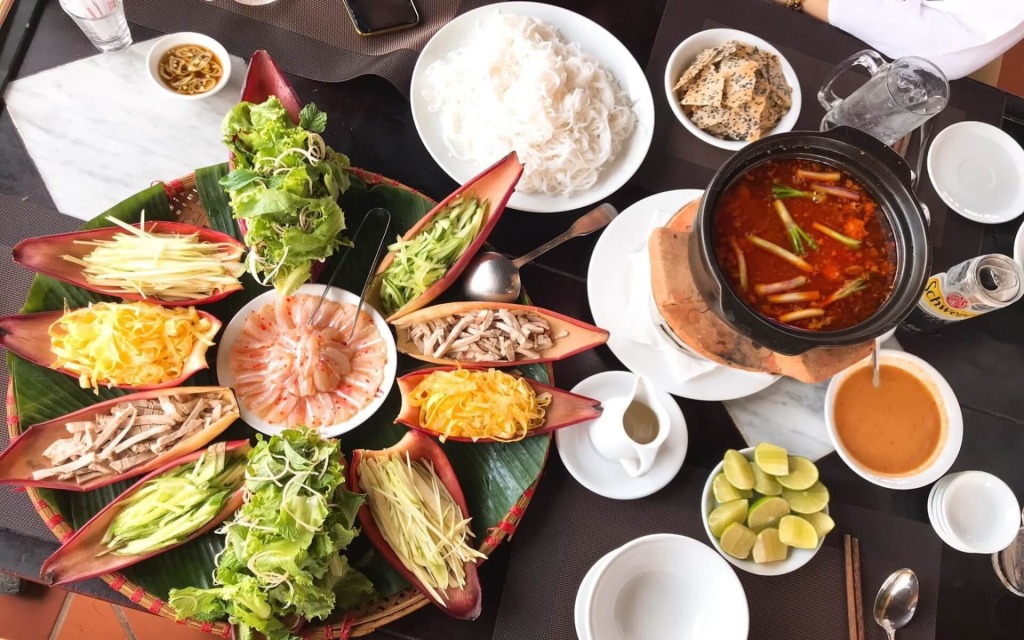
If street food represents the casual side of Phan Thiet, lẩu thả shows a more elaborate side of the city’s coastal cuisine.
This local hotpot is traditionally built around fish and a colourful selection of ingredients arranged separately before being combined at the table.
The presentation is part of the experience: fresh fish, vegetables, herbs, egg and other components are often carefully arranged before diners mix them together with noodles and broth.
Flavours balance freshness, sweetness, acidity and savouriness rather than relying on a heavy broth.
For groups or families, this is one of the most enjoyable local dishes to share.
Best for: Lunch or dinner with several people.
ALO Travel Asia tip: If you see lẩu thả on a resort or restaurant menu, ask whether it needs to be ordered in advance, particularly for a larger group.
7. Gỏi Cá Mai – Fresh Mai Fish Salad
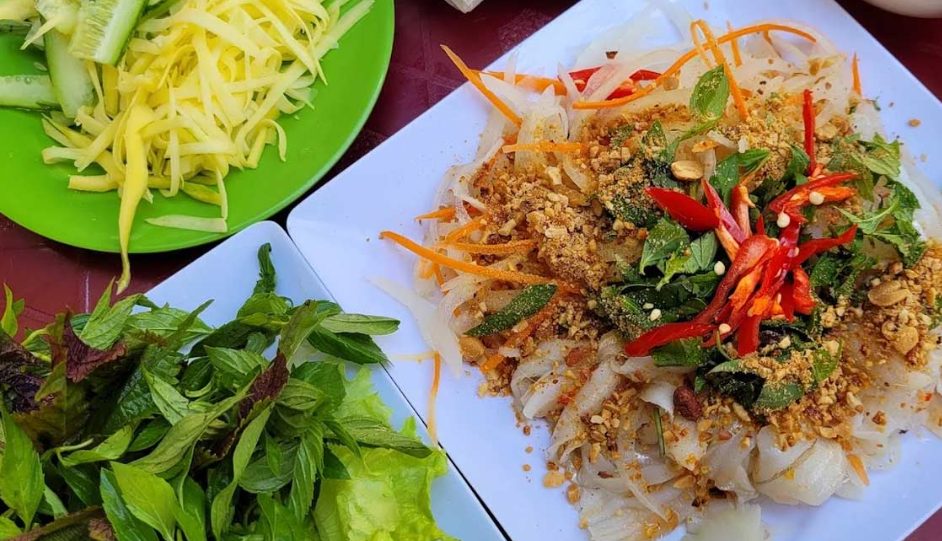
Along the coast, gỏi cá mai is another dish that reflects Phan Thiet’s relationship with the sea.
Mai fish are small and delicate. For the salad, they are prepared with herbs and other ingredients that bring freshness, acidity and texture to the dish.
Rather than eating it alone, the fish salad is often enjoyed together with herbs, rice paper and dipping sauce, creating a light but flavourful meal.
If you enjoy Vietnamese dishes such as gỏi or fresh seafood preparations, this is worth trying.
Because the dish relies heavily on fresh fish, choose a reputable restaurant with good ingredient turnover.
8. Mì Quảng Vịt – A Phan Thiet Twist You Might Not Expect
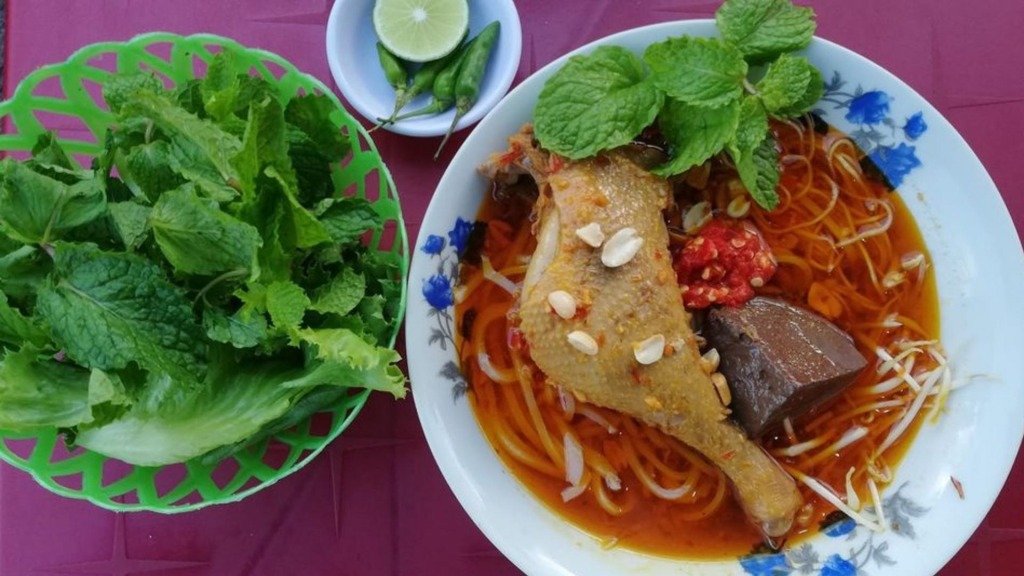
Mì Quảng is normally associated with Quang Nam and Central Vietnam, but Phan Thiet has developed its own interpretation.
One version worth looking for is mì Quảng vịt, or duck mì Quảng.
The noodles are served with duck and a richer, slightly sweeter broth than many travelers may expect from traditional Central Vietnamese mì Quảng.
It is a good reminder that Vietnamese dishes often change as they move between regions. The name may stay the same, while local tastes and ingredients reshape the dish completely.
For food-focused travelers, comparing regional versions of familiar dishes can be just as interesting as discovering an entirely new one.
9. Bánh Tráng Mắm Ruốc – A Salty, Crispy Street Snack
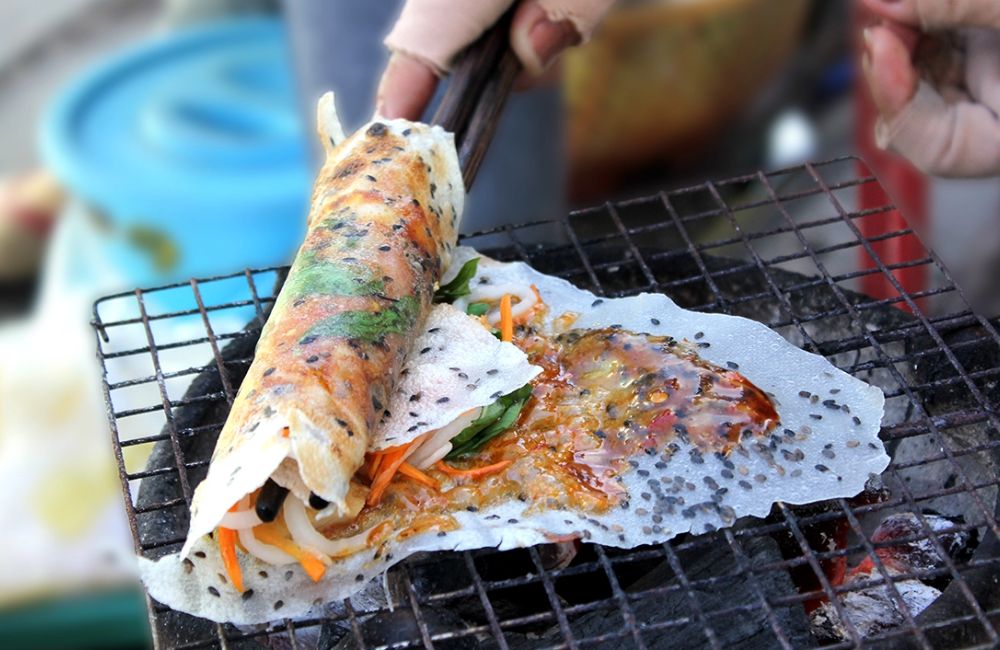
Few ingredients say Bình Thuận quite like fermented seafood flavours.
Bánh tráng mắm ruốc starts with rice paper and the distinctive salty aroma of fermented shrimp paste. Depending on the vendor, additional toppings may be added before the rice paper is grilled until crisp.
It is salty, aromatic, crunchy and unapologetically local.
You will often find it around street-food areas rather than formal restaurants.
This is one of those snacks where the smell reaches you before the stall does.
10. Fresh Seafood – Keep It Simple
Of course, you cannot talk about eating in Phan Thiet and Mui Ne without talking about seafood.
Fish, squid, prawns, scallops, clams and shellfish appear on menus throughout the coast. Depending on the season and the day’s catch, the selection can change.
Our preference is usually to keep things simple.
Grilled squid, steamed clams, scallops with spring onion oil or simply prepared fish allow the quality of the seafood to speak for itself.
For travelers, the experience can be as enjoyable as the meal: choosing seafood from the display, discussing how it should be cooked and sharing several plates at the table.
ALO Travel Asia tip: At seafood restaurants where items are priced by weight, confirm the price and approximate weight before cooking.
More Than Mui Ne: Where to Eat in Phan Thiet
One of the biggest mistakes food-loving travelers make is spending all their time eating around their Mui Ne resort.
Mui Ne and Ham Tien have plenty of seafood restaurants and convenient dining options, but if you want to explore everyday local food, make time for central Phan Thiet as well.
Central Phan Thiet
This is where we would look for bánh căn, bánh xèo, bánh canh, bánh quai vạc and other everyday specialties.
Markets and small residential streets are often more interesting than polished tourist areas when food is the priority.
Tuyen Quang Street
Known particularly for bánh xèo, this is a good area to experience the lively atmosphere of local evening dining.
Mui Ne & Ham Tien
Best for seafood dinners, beachfront restaurants and convenient meals if you are staying at a resort.
Rather than choosing one area over another, combine them: enjoy seafood by the coast, then spend another meal exploring the local flavours of Phan Thiet city.
What to Buy in Phan Thiet
Food in Phan Thiet doesn’t have to end when the trip does.
Phan Thiet Fish Sauce
Fish sauce has a long connection with Phan Thiet and remains one of the region’s best-known food products.
If you enjoy Vietnamese cooking at home, a good bottle of local fish sauce makes a meaningful souvenir.
Just remember to check your airline’s baggage rules before packing liquids.
Mực Một Nắng – Sun-Dried Squid
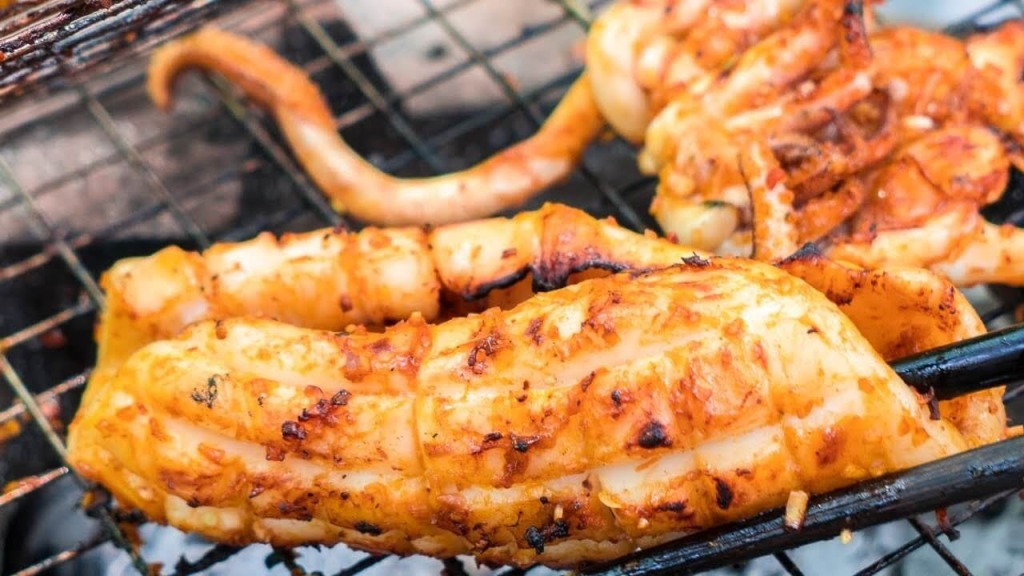
Fresh squid is dried under the sun just enough to concentrate its flavour while retaining a tender texture.
It is normally grilled before eating and makes a popular local specialty.
Because it requires appropriate storage, ask the seller how it should be packed if you plan to travel with it.
Bình Thuận Dragon Fruit
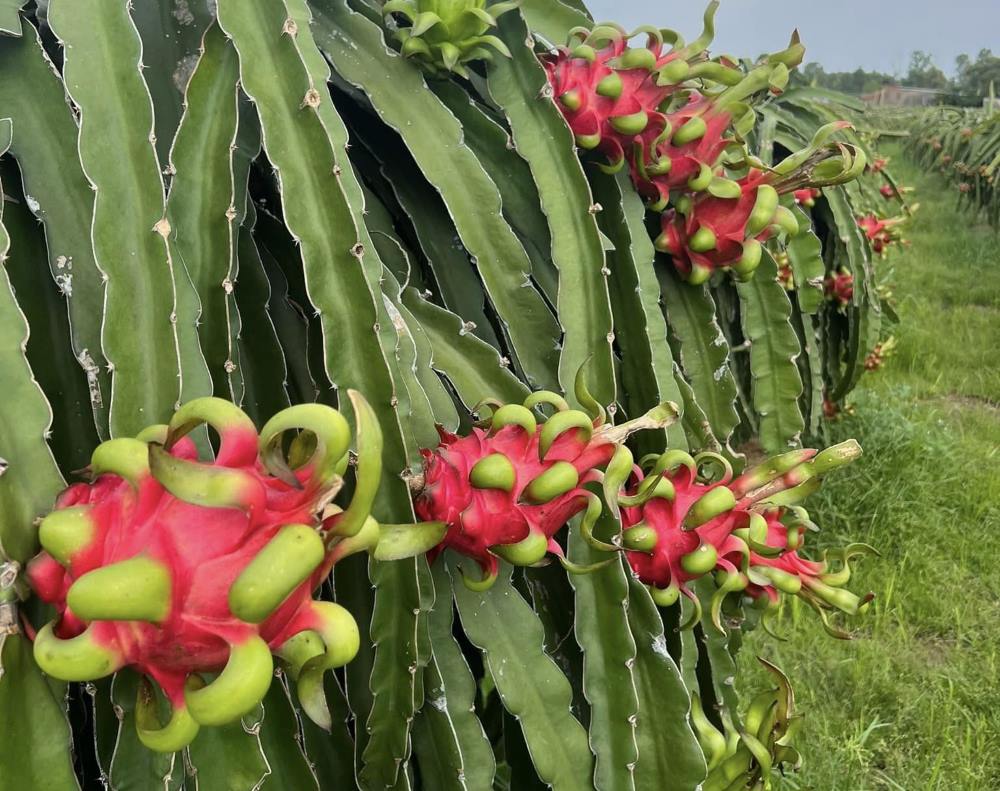
Travel outside Phan Thiet and you will soon notice rows of dragon fruit farms stretching across the countryside.
Bình Thuận is closely associated with this colourful fruit, and tasting it close to where it is grown is a simple addition to a journey through the region.
What to Eat in Phan Thiet If You Only Have One Day
If we had just one day to explore Phan Thiet through food, we would keep it simple.
Start the morning with bánh canh chả cá at a local shop.
At lunch, try fresh seafood or gỏi cá mai.
In the afternoon, look for bánh quai vạc or bánh tráng mắm ruốc as a snack.
Then make dinner the highlight: head into central Phan Thiet for bánh căn or bánh xèo, followed by grilled răng mực if you still have room.
If traveling with family or a small group, swap one of these meals for lẩu thả so everyone can share one of the region’s signature dishes.
The goal isn’t to tick every specialty off a list. It is to experience different sides of the city — morning noodles, street snacks, seafood and the lively atmosphere of local evening eateries.
Phan Thiet Food Tips for Travelers
- Go beyond the resort. Some of the most interesting local food is found in Phan Thiet city rather than along the main resort strip.
- Follow the busy stalls. A steady flow of local customers usually means fresh ingredients and quick turnover.
- Eat at local times. Some family-run shops specialise in only one dish and may close once they sell out.
- Share dishes whenever possible. Phan Thiet has too many small specialties to devote an entire meal to just one.
- Ask before ordering seafood by weight. Confirm the price, weight and cooking method first.
- Don’t be afraid of fish sauce. In Phan Thiet, the dipping sauce is often as important as the food itself.
- Experience Phan Thiet Through Its Food
For us, food is never simply an extra activity added to a journey.
It is one of the easiest ways to understand how people live.
In Phan Thiet, that might mean watching bánh căn being lifted from tiny clay moulds, sitting among local families over bánh xèo on Tuyen Quang Street, choosing seafood for dinner or learning why fish sauce has been part of the region’s identity for generations.
At ALO Travel Asia, we design tailor-made journeys around Vietnam that go beyond the major landmarks. Depending on your interests, we can weave local markets, family-run eateries, seafood experiences and regional specialties into your time in Phan Thiet and Mui Ne — while still leaving enough space to enjoy the beach.
Because sometimes the best way to understand a destination is simply to sit down and eat with it.
Frequently Asked Questions About Food in Phan Thiet
What food is Phan Thiet famous for?
Phan Thiet is particularly known for seafood and local dishes such as bánh căn, bánh xèo, bánh canh chả cá, bánh quai vạc, răng mực, gỏi cá mai and lẩu thả. The region is also famous for its fish sauce.
What is the one dish I should try in Phan Thiet?
If you only choose one casual local dish, try bánh căn Phan Thiet. The cakes themselves are simple, but the local way of eating them with sauce and various accompaniments makes the experience distinctive.
Is Phan Thiet good for seafood?
Yes. As a coastal destination with a long fishing tradition, seafood is an important part of local cuisine. Fish, squid, prawns, scallops, clams and other shellfish are widely available.
Is the food in Phan Thiet spicy?
Not necessarily. Many dishes are savoury or slightly sweet rather than strongly spicy. Chilli is often served separately, allowing you to adjust the heat yourself.
Where should I eat: Phan Thiet or Mui Ne?
Try both. Mui Ne and Ham Tien are convenient for seafood and resort dining, while central Phan Thiet is particularly rewarding for local dishes such as bánh căn, bánh xèo and bánh canh.
What food souvenirs should I buy in Phan Thiet?
Popular local products include Phan Thiet fish sauce, sun-dried squid, dragon fruit and local snacks. Check airline and destination-country restrictions before travelling internationally with seafood or liquid products.
Is Phan Thiet food suitable for vegetarians?
Traditional Phan Thiet cuisine is strongly influenced by seafood and fish sauce, so some local specialties are not naturally vegetarian. Vegetarian restaurants and meat-free dishes are available, but it is worth clearly mentioning that you do not eat fish sauce, seafood or meat when ordering.
Can I explore Phan Thiet food without a guide?
Absolutely. Many local eateries are easy to visit independently. However, having a local guide can be helpful if you want to understand how dishes are eaten, discover small family-run places and learn more about the connection between the city’s food, fishing communities and everyday life.
The post What to Eat in Phan Thiet: A Local Food Guide to the Coastal City appeared first on ALO Travel Asia.
]]>The post What to Eat in Saigon: A Local Guide to the Best Food & Restaurants appeared first on ALO Travel Asia.
]]>Officially known as Ho Chi Minh City, Saigon has always been a meeting point of people, cultures and flavours. Families arriving from Northern and Central Vietnam brought their own recipes, while Chinese, Khmer and international influences became part of the city’s culinary identity.
The result is one of Vietnam’s most exciting food cities.
You can start the morning with broken rice on a tiny plastic stool, stop for Vietnamese coffee in an old apartment building, have a bowl of noodles for lunch and finish the day at one of the city’s contemporary Michelin-starred restaurants.
For first-time visitors, however, the choices can be overwhelming.
So what should you actually eat in Saigon, and where should you try it?
Here is our local guide to some of the dishes and dining experiences worth making time for.
What Food Is Saigon Famous For?
1. Cơm Tấm – Saigon’s Iconic Broken Rice
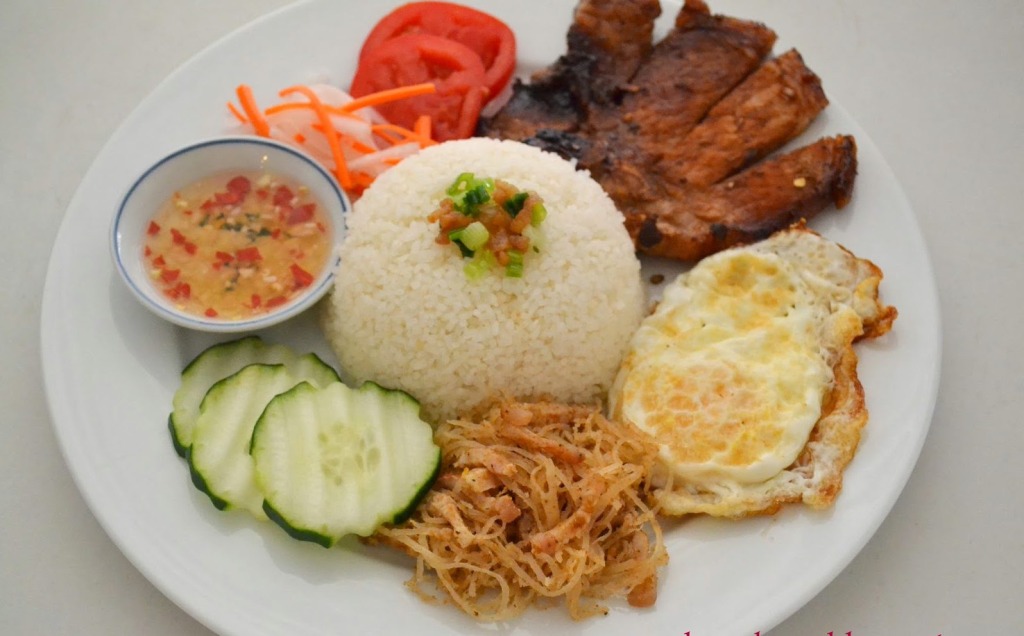
If there is one dish that feels unmistakably Saigon, it might be cơm tấm, or broken rice.
Originally a humble meal made with fractured grains of rice, cơm tấm has grown into one of Southern Vietnam’s most recognisable everyday dishes.
A typical plate comes with a charcoal-grilled pork chop, shredded pork skin, steamed egg cake, pickled vegetables and fish sauce. Add a fried egg if you’re hungry.
Where to try it: Cơm Tấm Ba Ghiền is one of the city’s best-known addresses for the dish and is recognised by the MICHELIN Guide.
ALO Travel Asia tip: Try cơm tấm for breakfast or lunch. It is everyday Saigon food at its best.
2. Phở – Try It Southern Style
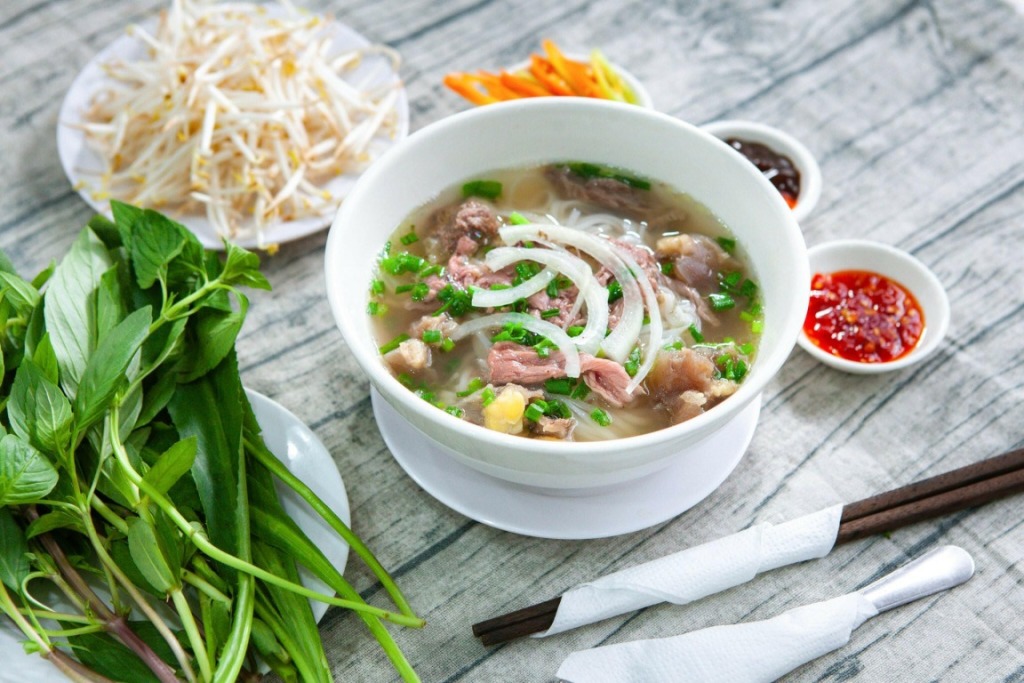
You may already know phở, but Saigon’s version has its own personality.
Southern-style phở is generally served with a generous plate of fresh herbs, bean sprouts and lime, with sauces and condiments on the table so you can adjust the bowl to your taste.
Where to try it: Phở Lệ is a long-established Saigon institution and a MICHELIN Bib Gourmand. Other Michelin-recognised local names include Phở Minh, Phở Phượng and Phở Hoàng.
What to order: Try phở tái for rare beef or phở tái nạm for a combination of rare and cooked beef.
3. Bánh Mì – The Ultimate Saigon Street Food
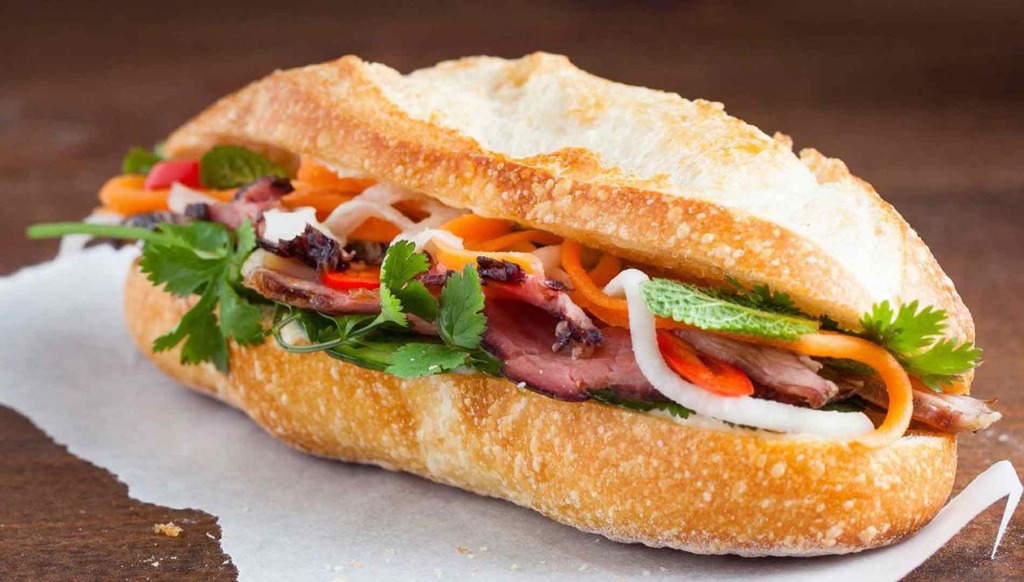
Few foods match Saigon’s personality better than bánh mì: quick, affordable, full of flavour and easy to eat almost anywhere.
A crisp baguette can be filled with pâté, Vietnamese cold cuts, meatballs or grilled meat, then balanced with cucumber, coriander, pickled vegetables and chilli.
There is no single “correct” Saigon bánh mì. Every bakery, family business and street cart seems to have its own version.
ALO Travel Asia tip: Don’t only search for the famous names you see online. A busy neighbourhood bánh mì cart surrounded by local customers can be just as rewarding.
4. Bánh Xèo – Crispy Vietnamese Pancakes
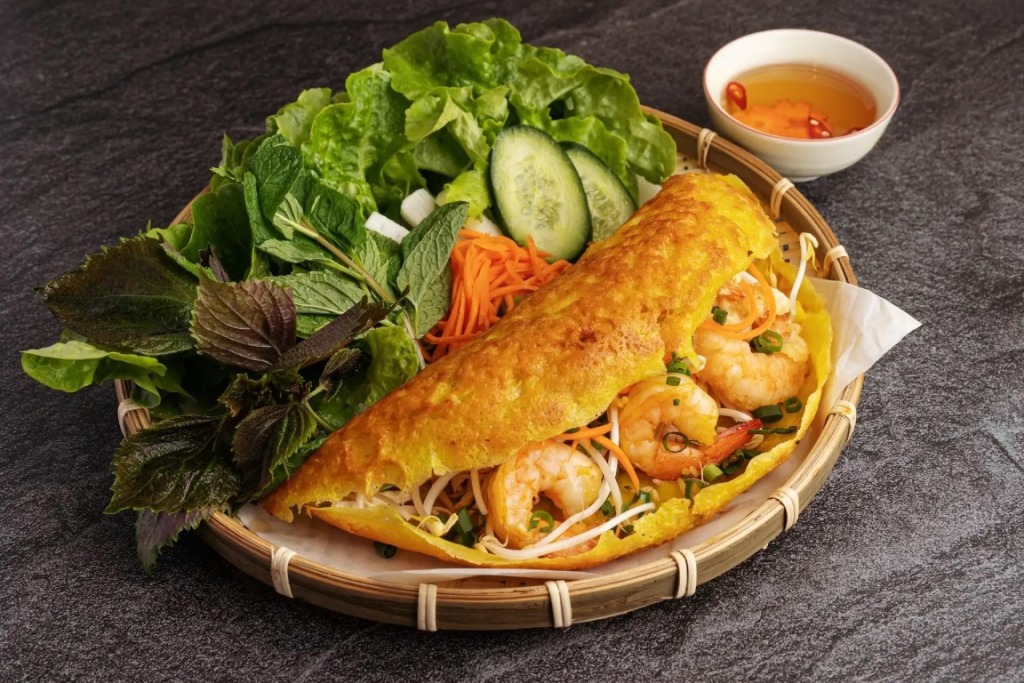
The name bánh xèo comes from the sizzling sound the batter makes when it hits the hot pan.
These thin, crispy pancakes are usually filled with pork, shrimp and bean sprouts.
The fun is in how you eat them: tear off a piece, wrap it in lettuce and fresh herbs, and dip everything into fish sauce.
Where to try it: Bánh Xèo 46A is one of Saigon’s long-established bánh xèo restaurants and a MICHELIN Bib Gourmand.
This is an especially good dish to order when travelling with family or friends because it is made for sharing.
5. Bún Riêu – Go Beyond Phở
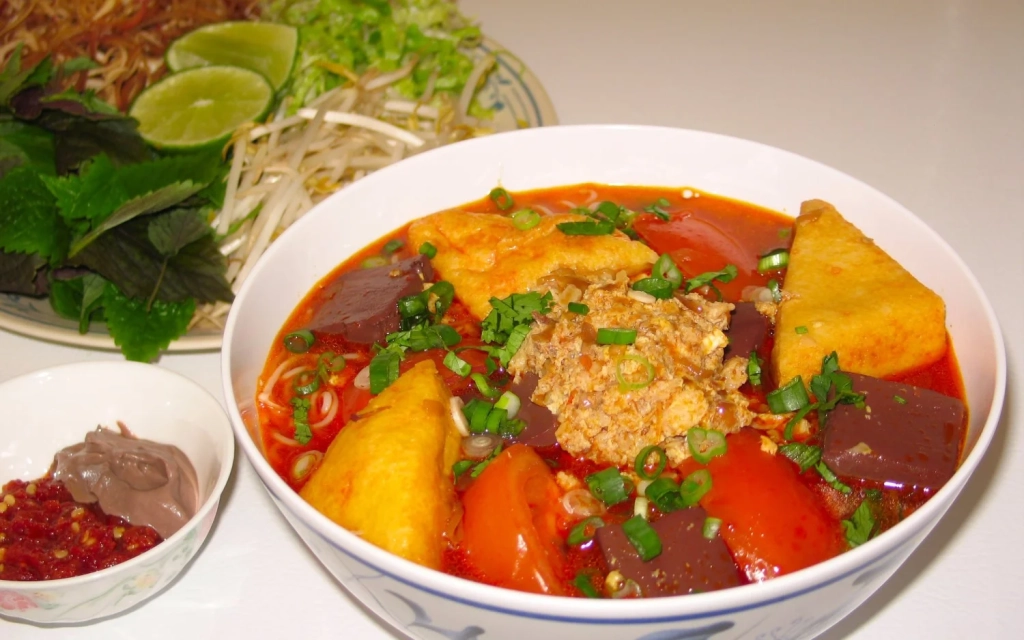
Phở receives most of the international attention, but Vietnam’s noodle culture goes much deeper.
Bún riêu combines rice noodles with a tomato-based broth, crab mixture, tofu, herbs and other ingredients depending on the restaurant.
It is savoury, slightly tangy and wonderfully comforting.
Where to try it: Bún Riêu Yến is among the affordable street-food establishments recognised by the MICHELIN Guide.
If you’ve already had your first bowl of phở, make this one of the next Vietnamese noodle soups you try.
6. Bò Kho – Vietnamese Beef Stew
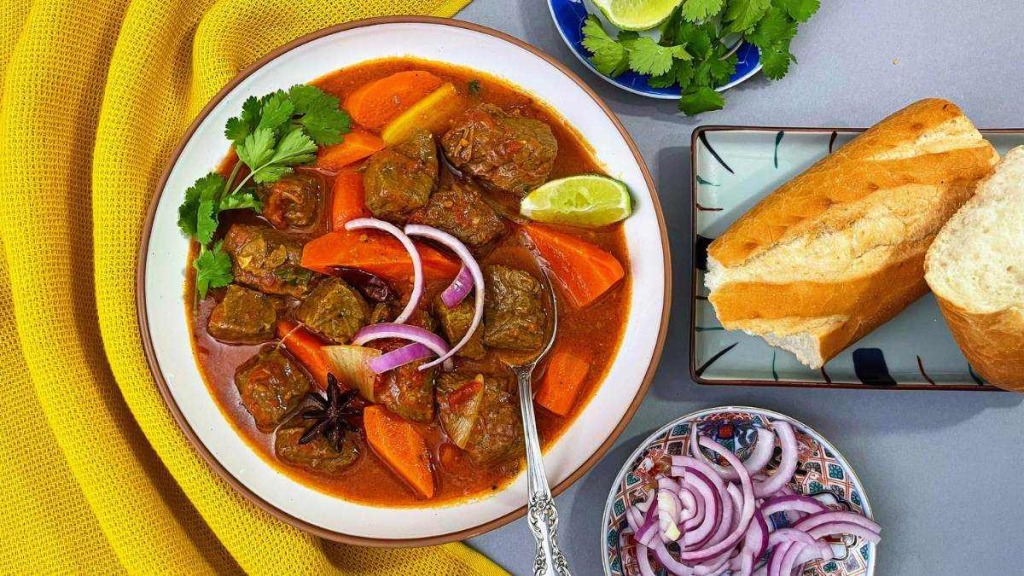
Rich, aromatic and comforting, bò kho is a Vietnamese beef stew flavoured with spices and usually served with either noodles or a crusty baguette.
If you choose the bread version, tear pieces from the baguette and use them to soak up the broth.
Where to try it: Bò Kho Gánh is another local street-food address included in the MICHELIN Guide.
And yes, eating beef stew for breakfast is perfectly acceptable in Saigon.
7. Ốc – A Very Saigon Evening
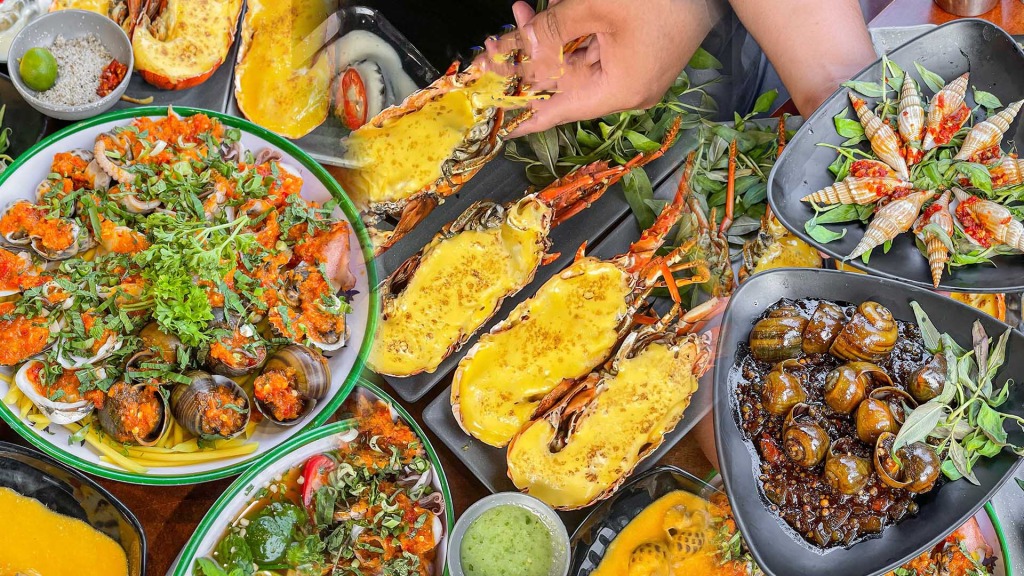
Want to experience Saigon after dark like a local? Go for ốc.
Although the word literally means snails, an ốc restaurant usually serves much more: clams, scallops, crab claws, shrimp and other seafood cooked with garlic, lemongrass, chilli, tamarind, coconut milk or salted egg.
The experience is just as important as the food.
Friends gather around small tables, order many dishes to share and stay for hours chatting over food and drinks.
Where to try it: Ốc Đào and several other local seafood restaurants are included in the MICHELIN Guide’s Ho Chi Minh City selection.
ALO Travel Asia tip: This is one food experience where going with a local can be particularly useful. The menus can be enormous, and knowing what — and how much — to order is part of the fun.
Best Local Restaurants in Saigon for Vietnamese Food
Street food is essential, but it represents only one side of Vietnamese cuisine.
For at least one meal, sit down for a traditional Vietnamese family-style dinner.
Instead of each person ordering a separate main course, several dishes are placed in the centre of the table and shared with steamed rice.
A meal might include caramelised fish or pork, stir-fried vegetables, tofu, soup and seasonal dishes.
Bếp Mẹ Ỉn
A good option for first-time visitors wanting familiar Vietnamese dishes in a comfortable setting. The restaurant is also recognised by the MICHELIN Guide.
Cục Gạch Quán
Cục Gạch Quán is one of our favourite choices for travellers wanting a slower, family-style Vietnamese meal.
The setting feels nostalgic and residential, while the menu focuses largely on traditional Vietnamese cooking.
This is a good place to experience the way Vietnamese dishes work together as a meal rather than ordering one individual dish.
Chợ Lớn – Eat Beyond District 1
Some of Saigon’s most interesting food experiences are found away from the central tourist area.
Head to Chợ Lớn, the city’s historic Chinatown, to explore a completely different side of Saigon’s culinary identity.
Generations of Chinese-Vietnamese families have shaped the area’s food culture, creating a fascinating mix of Cantonese, Teochew and Vietnamese influences.
Look for wonton noodles, roasted meats, dumplings, Chinese-style rice dishes and traditional herbal drinks.
Don’t visit Chợ Lớn only for its temples and markets. Give yourself time to eat here too.
Michelin Guide Restaurants in Saigon
One of the interesting things about Saigon today is that its food scene stretches from tiny street stalls to serious fine dining.
The MICHELIN Guide now recognises restaurants across the city, including local street-food establishments, Bib Gourmand restaurants and Michelin-starred dining.
Michelin-Starred Restaurants in Saigon
If you are celebrating a birthday, honeymoon, anniversary or simply want one special meal during your Vietnam journey, Saigon has several interesting options.
Ănăn Saigon is perhaps the best-known example of modern Vietnamese dining in the city, reinterpreting familiar Vietnamese flavours and street-food influences through contemporary techniques.
Other Michelin-starred restaurants in the city include Coco Dining, Long Trieu, Akuna, CieL and Upstairs.
The styles vary considerably — from contemporary Vietnamese and Cantonese cuisine to innovative tasting menus — so it is worth choosing based on the type of experience you enjoy rather than simply selecting a restaurant because it has a star.
ALO Travel Asia tip: Reserve Michelin-starred restaurants well in advance, particularly for Friday and Saturday evenings and during peak travel periods.
Michelin Food Without the Fine-Dining Price
One of our favourite things about the MICHELIN Guide in Vietnam is that Michelin recognition doesn’t necessarily mean an expensive dinner.
The Bib Gourmand category highlights restaurants offering particularly good food and value.
For travellers, these can sometimes be even more interesting than the fine-dining restaurants because many serve dishes Vietnamese people actually eat in everyday life.
Names worth keeping on your food list include:
- Cơm Tấm Ba Ghiền – broken rice and charcoal-grilled pork
- Phở Lệ – Southern-style beef phở
- Bánh Xèo 46A – crispy Vietnamese pancakes
- Cục Gạch Quán – traditional Vietnamese family-style food
- Chay Garden – Vietnamese vegetarian cuisine
- Hum Garden – vegetarian cuisine
The beauty of eating in Saigon is that a memorable meal doesn’t have to come with a large bill.
Best Street Food Experiences in Saigon
If you’re comfortable exploring on your own, wander through residential neighbourhoods rather than limiting yourself to the streets immediately around major attractions.
Look for busy places with lots of local customers.
Better still, spend one evening exploring the city with a local guide. A good Saigon food experience isn’t simply about being taken to five restaurants.
It should help you understand why people eat certain dishes, how neighbourhoods developed and what food tells us about the people who live there.
For us, that storytelling is what turns a meal into a travel experience.
Vegetarian Food in Saigon
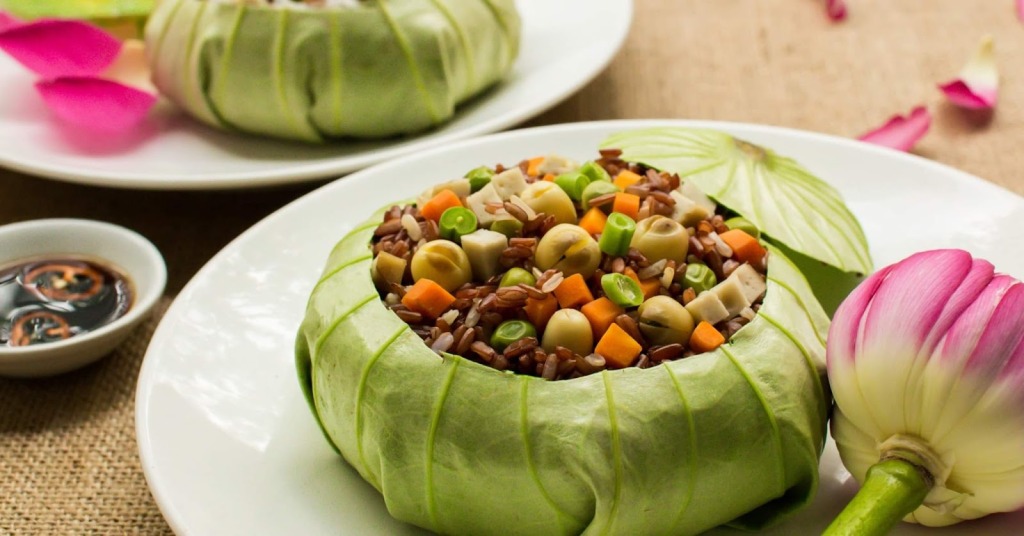
Vegetarian food — đồ chay — has deep roots in Vietnamese culture, particularly through Buddhist traditions.
Vietnamese vegetarian cooking goes far beyond replacing meat with tofu.
Mushrooms, lotus stems, banana blossom, vegetables, herbs and soy products are combined to create surprisingly complex dishes.
Chay Garden and Hum Garden are both recognised by the MICHELIN Guide and are good choices for travellers wanting a more polished introduction to Vietnamese vegetarian cuisine.
Even if you’re not vegetarian, try at least one vegetarian Vietnamese meal during your trip.
Don’t Forget Saigon Coffee
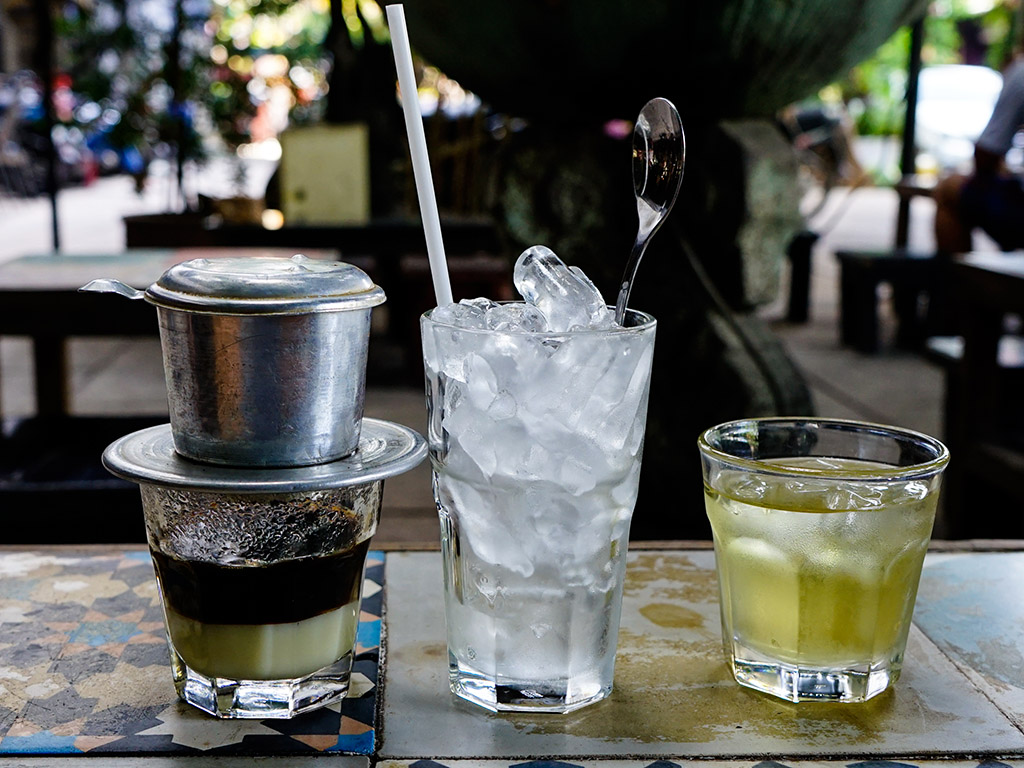
Food gets most of the attention, but coffee is part of the rhythm of everyday life in Saigon.
At least once, order a traditional cà phê sữa đá — strong Vietnamese coffee with condensed milk poured over ice.
But don’t stop there.
Saigon has everything from pavement coffee stalls and decades-old cafés to hidden coffee shops inside old apartment buildings and a rapidly growing specialty coffee scene.
Sometimes one of the best ways to experience the city is simply to order a coffee, find a seat facing the street and watch Saigon move around you.
Where to Eat in Saigon by Area
District 1 – Convenient for First-Time Visitors
If you’re staying in central Saigon, District 1 offers the easiest mix of local restaurants, cafés, contemporary Vietnamese dining and fine dining.
It’s particularly convenient for your first evening in the city when you may not want to travel far from your hotel.
District 3 & Tân Định – Local Food Close to the Centre
Head slightly outside District 1 and the atmosphere quickly becomes more residential.
This is a good area for traditional Vietnamese restaurants, neighbourhood cafés and everyday local food while remaining within easy reach of the city centre.
Chợ Lớn – Chinese-Vietnamese Food & Culture
For travellers who enjoy discovering the relationship between food, migration and history, Chợ Lớn deserves at least half a day.
Combine temples, markets and neighbourhood exploration with lunch or an early dinner.
What to Eat in Saigon If You Only Have One Day
If you only have one food-focused day in Saigon, don’t try to tick off twenty dishes.
A simple plan could look like this:
- Breakfast: Cơm tấm or phở
- Morning: Vietnamese coffee
- Lunch: Bánh xèo or bánh mì
- Afternoon: Another coffee — this is Saigon, after all
- Dinner: Vietnamese family-style restaurant
- Evening: Street food or ốc if you’re still hungry
If you would like something special, replace dinner with one of the city’s Michelin-starred restaurants.
The goal isn’t to eat as many famous dishes as possible.
It’s to experience the different ways Saigon eats.
Saigon Food Tips for First-Time Visitors
Busy restaurants and food stalls are often a good sign, as high turnover generally means ingredients are being used quickly.
For street food, favour places where food is cooked fresh and served hot.
If you have allergies or dietary restrictions, communicate them clearly. Fish sauce, shrimp paste, peanuts and other ingredients can appear in dishes where international visitors may not expect them.
For popular Michelin restaurants and fine dining, make reservations in advance.
And finally, don’t be afraid of the tiny plastic stools.
Some of the most memorable meals in Saigon don’t come with tablecloths, reservations or elaborate menus.
They simply come with very good food.
Experience Saigon Through Its Food
Saigon isn’t a city where food exists separately from everyday life.
Breakfast happens on the pavement. Coffee turns into conversation. Family recipes pass from one generation to another, while young chefs continue to reinterpret what Vietnamese cuisine can be.
For us, discovering Saigon through food isn’t simply about finding the “best restaurant”.
It’s about understanding the neighbourhoods, people and stories behind what you’re eating.
At ALO Travel Asia, we design tailor-made journeys throughout Vietnam and can incorporate local food experiences, market visits, neighbourhood discoveries, cooking experiences and restaurant recommendations into your Saigon itinerary.
Whether you want to sit on a plastic stool for a bowl of noodles, explore the flavours of Chợ Lớn, enjoy a Vietnamese family-style dinner or celebrate with a Michelin-starred meal, we can help you experience a different side of Saigon.
Sometimes the best way to understand a city is simply to sit down and eat with it.
Frequently Asked Questions About Food in Saigon
What food is Saigon most famous for?
Cơm tấm is perhaps the dish most closely associated with Saigon. Bánh mì, Southern-style phở, bánh xèo, noodle soups and the city’s enormous variety of street food are also worth exploring.
What are the must-try foods in Ho Chi Minh City?
For a first visit, start with cơm tấm, bánh mì, phở, bánh xèo and Vietnamese coffee. Then explore dishes such as bún riêu, bò kho and ốc.
Where should I eat in Saigon for the first time?
Combine different styles rather than choosing only famous restaurants. Try one neighbourhood street-food meal, one Vietnamese family-style restaurant and, if your budget allows, one contemporary or Michelin-recognised dining experience.
Are there Michelin-starred restaurants in Saigon?
Yes. Ho Chi Minh City has several Michelin-starred restaurants, including restaurants specialising in contemporary Vietnamese, innovative and Cantonese cuisine.
Are Michelin restaurants in Saigon expensive?
Not all of them. The MICHELIN Guide also includes Bib Gourmand and affordable local restaurants, so Michelin-recognised food in Saigon can range from inexpensive bowls of noodles and broken rice to sophisticated tasting menus.
Is street food in Saigon safe for tourists?
Many travellers enjoy Saigon street food throughout their stay. Choose busy vendors, favour freshly cooked food served hot and take extra care if you have allergies or a sensitive stomach.
Which area of Saigon is best for food?
District 1 is convenient for first-time visitors, while District 3 and Tân Định offer a more residential atmosphere close to the centre. Chợ Lớn is particularly interesting for Chinese-Vietnamese food and cultural history.
How many days do I need to explore Saigon’s food scene?
Two to three days gives you enough time to experience street food, Vietnamese coffee, neighbourhood restaurants and family-style dining without rushing. Food lovers could easily spend much longer.
The post What to Eat in Saigon: A Local Guide to the Best Food & Restaurants appeared first on ALO Travel Asia.
]]>The post Best Time to Visit Southeast Asia: Vietnam, Laos, Cambodia & Thailand Month-by-Month Guide appeared first on ALO Travel Asia.
]]>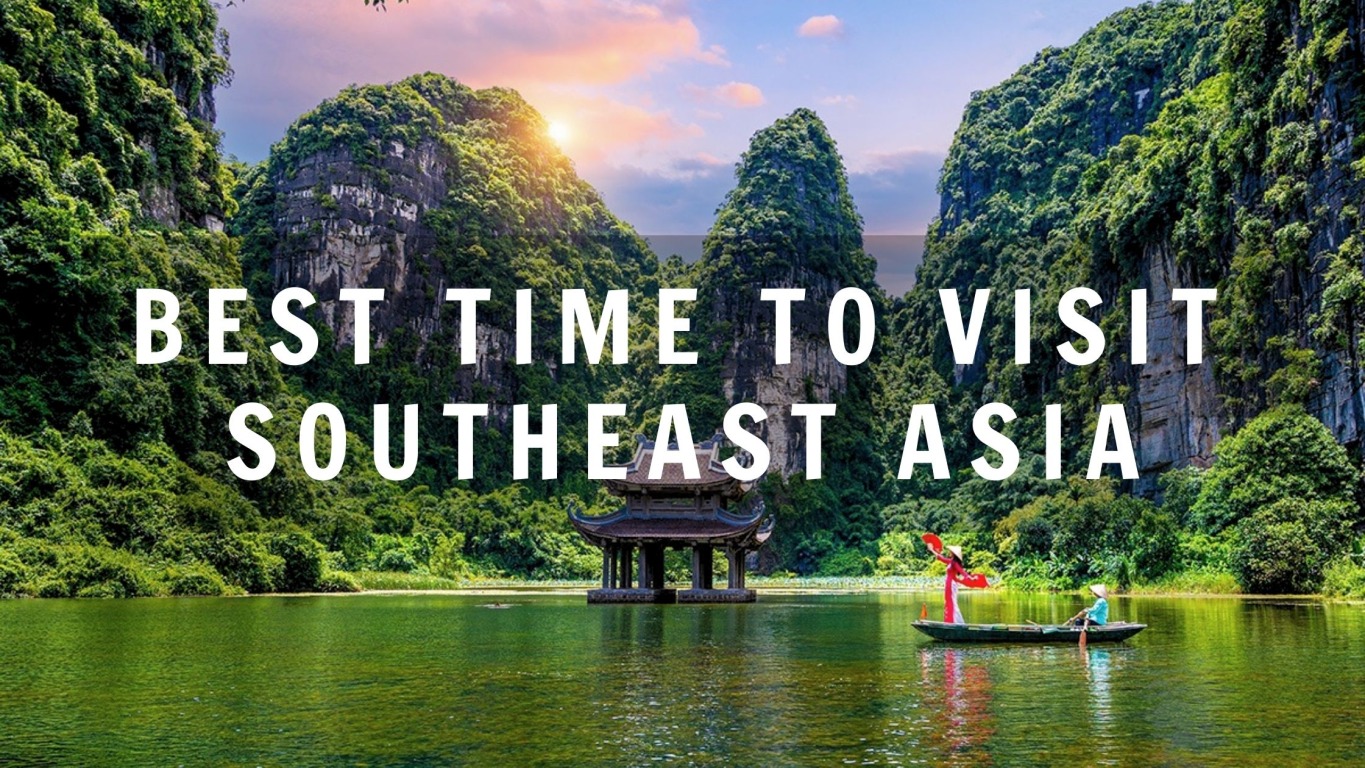
Choosing the best time to visit Southeast Asia is one of the most important decisions when planning a meaningful journey. While the region shares a tropical climate, weather patterns vary significantly by country — and even by region within the same country. A well-timed trip can mean blue skies, calm seas, and comfortable temperatures, while poor timing can lead to heavy rains, high humidity, or limited access to nature.
At ALO Travel Asia, we have been designing tailor-made journeys across Vietnam, Laos, Cambodia, and Thailand since 2009. This guide is based not only on climate data, but on years of first-hand travel experience, seasonal inspection trips, and feedback from thousands of travelers. Below, we break down the best time to visit Southeast Asia, month by month, with practical insights for each destination
Understanding Southeast Asia’s Climate
Southeast Asia generally experiences three main seasons:
-
Dry season (roughly November to April): cooler, less humid, ideal for sightseeing and beaches
-
Hot season (March to May): warmer temperatures, fewer crowds in some areas
-
Green / rainy season (May to October): lush landscapes, occasional rain, quieter travel
However, these seasons affect Vietnam, Laos, Cambodia, and Thailand differently — which is why destination-specific planning matters.
 Best Time to Visit Vietnam: A Country of Microclimates
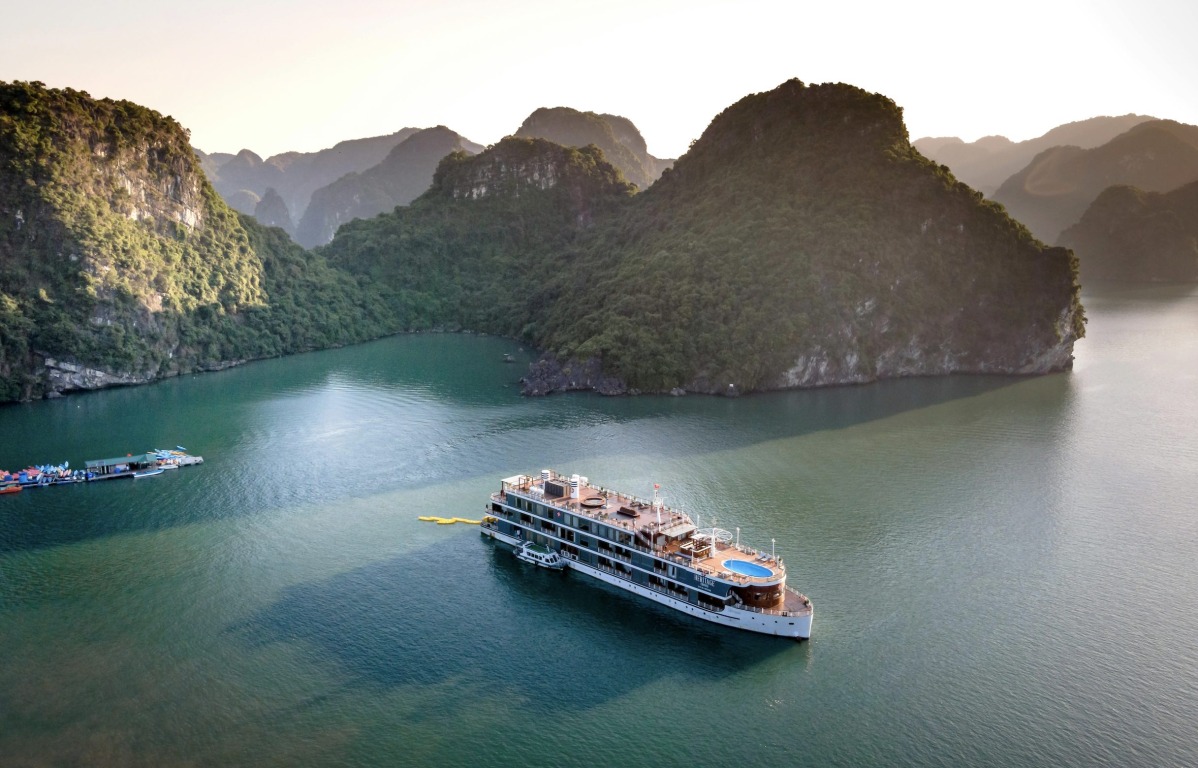
Vietnam’s long coastline and diverse geography mean there is no single “bad” time to visit Vietnam — only better regions depending on the month.
-
Northern Vietnam (Hanoi, Ha Long Bay, Sapa):
Best from October to April, with cooler temperatures and clear skies. Spring (March–April) is particularly pleasant. -
Central Vietnam (Hoi An, Da Nang, Hue):
Best from February to August. Beach conditions are excellent from March to July. -
Southern Vietnam (Ho Chi Minh City, Mekong Delta, Phu Quoc):
Best from November to April, during the dry season.
Because of these regional differences, Vietnam is one of the most flexible destinations in Southeast Asia when planned properly.
 Read our full guide:
Best Time to Visit Vietnam – Month-by-Month Breakdown
 Best Time to Visit Laos: Dry Season Calm & Green-Season Beauty
Laos has a more consistent climate than Vietnam, making it easier to plan.
-
Best time to visit Laos: November to February
Cooler temperatures, low humidity, and ideal conditions for hiking, river cruises, and temple visits. -
March to May: Warmer, but still suitable for slow travel and cultural exploration.
-
June to September (Green Season):
Landscapes are lush, waterfalls are at their best, and crowds are minimal — perfect for travelers seeking tranquility.
Laos is especially rewarding for travelers who prioritize nature, wellness, and slower pacing.
Read our full guide:
Best Time to Visit Laos – Month-by-Month Breakdown
 Best Time to Visit Cambodia: Temples, Culture & Quiet Beaches
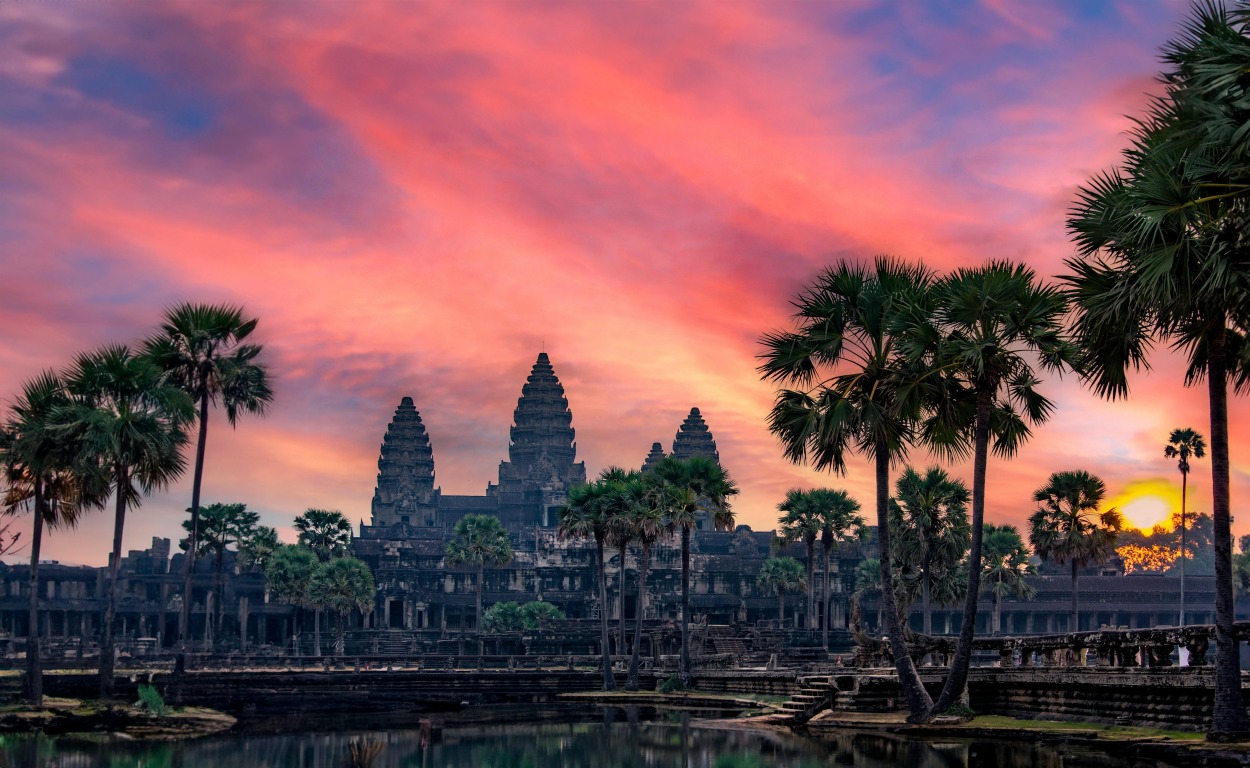
Cambodia’s weather is warm year-round, but timing affects comfort levels.
-
Best time to visit Cambodia: November to March
Dry weather and moderate temperatures make this the ideal period for Angkor temple exploration and coastal escapes. -
April to May: Hot but manageable with well-paced itineraries.
-
June to October:
Short tropical showers bring vibrant green landscapes and fewer tourists — a good option for value-focused travelers.
Cambodia remains one of Southeast Asia’s most underrated destinations during the shoulder and green seasons.
Read our full guide:
Best Time to Visit Cambodia – Month-by-Month Breakdown
 Best Time to Visit Thailand: Regional Planning Is Key
Thailand’s weather varies significantly between regions.
-
Northern Thailand (Chiang Mai, Chiang Rai):
Best from November to February, with cooler temperatures ideal for culture and nature. -
Gulf Coast (Koh Samui):
Best from January to September, as it receives less rain during summer. -
Andaman Coast (Phuket, Krabi):
Best from November to April for beaches and island hopping.
Understanding these differences allows travelers to enjoy Thailand year-round by choosing the right region.
Read our full guide:
Best Time to Visit Thailand – Month-by-Month Breakdown
Month-by-Month Overview (Quick Guide)
-
January – February: Best overall time to visit Southeast Asia
-
March – April: Warmer, good for Vietnam & Laos
-
May – June: Start of green season, quieter travel
-
July – September: Lush landscapes, fewer crowds
-
October: Shoulder season, improving weather
-
November – December: Dry season returns, peak travel begins
*Note: For broader climate patterns, you can also refer to data from the World Meteorological Organization (WMO):
How ALO Travel Asia Helps You Choose the Best Time to Visit
Weather alone does not define a great journey. When we design itineraries, we also consider:
-
Your travel pace and comfort preferences
-
Festival seasons and cultural events
-
Crowd levels and regional alternatives
-
Budget flexibility and accommodation availability
This is why every journey we create is 100% tailor-made — ensuring you experience Southeast Asia at its best, regardless of the month you travel.
Final Thoughts
The best time to visit Southeast Asia depends on where you go, how you travel, and what kind of experience you’re seeking. With thoughtful planning, Vietnam, Laos, Cambodia, and Thailand can be rewarding destinations all year round.
Written by ALO Travel Asia – Local travel specialists in Southeast Asia since 2009.
The post Best Time to Visit Southeast Asia: Vietnam, Laos, Cambodia & Thailand Month-by-Month Guide appeared first on ALO Travel Asia.
]]>The post Best Time to Visit Thailand – Month by Month Breakdown appeared first on ALO Travel Asia.
]]>
Finding the best time to visit Thailand is the first step to an unforgettable tropical getaway. If you are planning a trip to the Land of Smiles but feel unsure when to go, this guide is for you. From golden temples in the misty north to palm-fringed islands in the tropical south, Thailand is a land of contrasts – and its shifting seasons are part of the magic. Our month-by-month breakdown will help you determine the best time to visit Thailand based on your unique travel style, ensuring you experience the country at its most enchanting.
Overview of Weather in Thailand
Thailand’s weather is shaped by its tropical climate and regional geography, creating three main regions with distinct patterns: the North, Central, and South. While the country generally experiences three seasons – hot, cool, and rainy – each region dances to its own rhythm.
Northern Thailand (Chiang Mai, Chiang Rai, Pai): Characterized by a cool, dry season from November to February, perfect for trekking, festivals, and mountain escapes. From March to May, temperatures soar, especially in lowland areas. The rainy season (June to October) brings lush greenery, refreshing showers, and quieter trails.
Central Thailand (Bangkok, Ayutthaya, Kanchanaburi): Expect hot and humid weather nearly year-round, with peak heat from March to May. The cooler months (November to February) offer more pleasant days for temple hopping and exploring city life. Rain falls mainly between May and October, often in dramatic afternoon bursts.
Southern Thailand (Phuket, Krabi, Koh Samui, Koh Tao): Split by two coastlines – the Andaman Sea (west) and the Gulf of Thailand (east) – the south has a tropical monsoon climate.
- The Andaman coast (Phuket, Krabi) is best from November to April, with sunshine and calm seas. Rainy season peaks from May to October, with some resorts closing temporarily.
- The Gulf coast (Koh Samui, Koh Phangan) enjoys its driest weather from January to August, while October to December can bring heavier rain.
The beauty of Thailand’s diverse climate is that there is always a region with perfect weather, no matter when you travel. With a little planning, you can match your trip to the season that suits your dream experience – whether that is island hopping, jungle trekking, or cultural discovery.
Month-by-Month Travel Guide
January – Cool Breezes and Crystal Skies
Weather:
- Northern Thailand (Chiang Mai, Chiang Rai, Pai): Cool and dry, with daytime temperatures ranging from 15–28°C and chilly mornings that may dip below 12°C in the mountains.
- Central Thailand (Bangkok, Ayutthaya, Kanchanaburi): Warm and comfortable, with clear skies and temperatures between 23–32°C.
- Southern Thailand
- Andaman Coast (Phuket, Krabi, Koh Phi Phi): Peak dry season with sunny skies, calm seas, and highs around 30–32°C.
- Gulf Coast (Koh Samui, Koh Phangan, Koh Tao): Transitioning from the rainy season, early January may still see light showers, but conditions improve by mid-month.
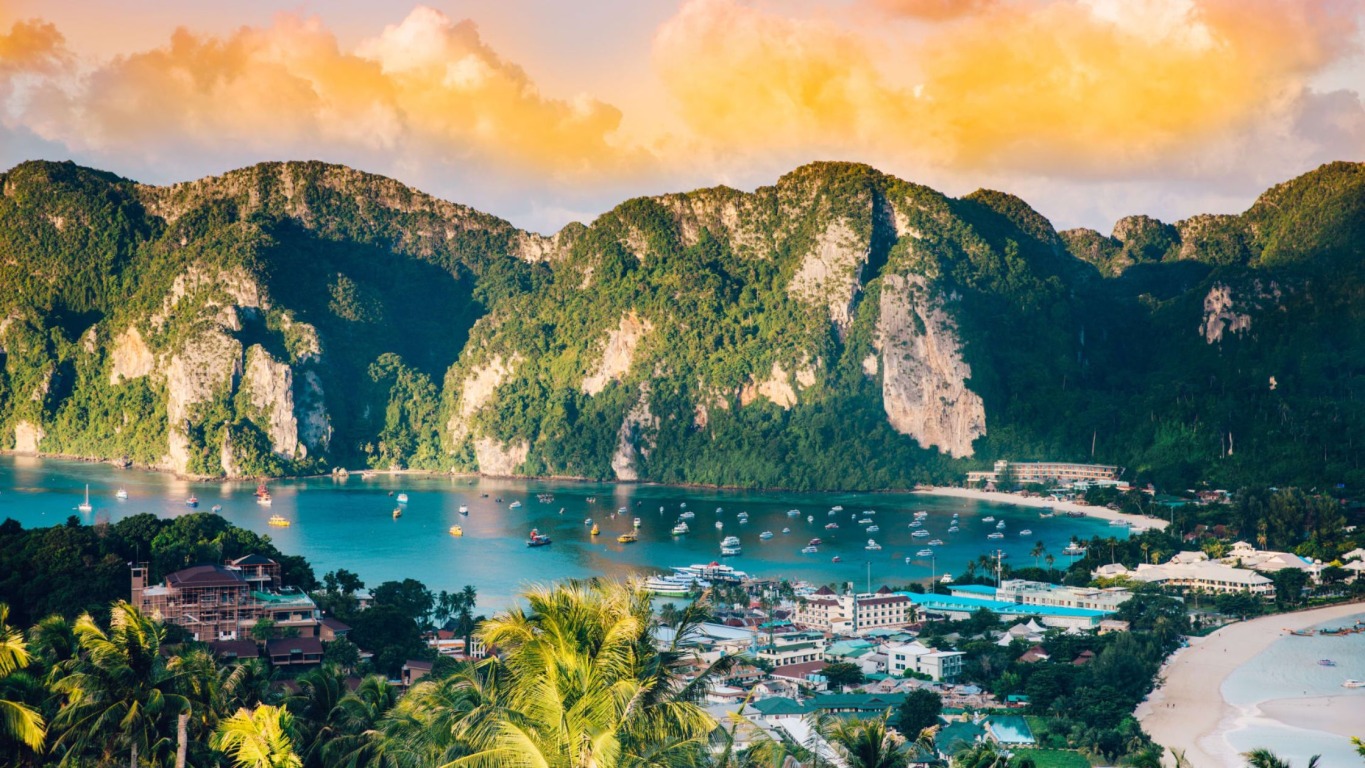
Why visit: January is widely considered the best time to visit Thailand for clear skies and calm seas. The North offers crisp mountain air and scenic trekking trails, while the Central Plains are ideal for temple-hopping and cycling through historic ruins. Down South, the beaches are sun-soaked and picture-perfect – from Andaman gems like Phi Phi to the quieter corners of Koh Lanta.
Good to know: This is peak tourist season, especially around New Year. Beaches, national parks, and major cities can be busy, so booking in advance is essential. Temperatures are pleasant throughout the country, making it an excellent time for both cultural discovery and coastal relaxation.
February – Sunshine, Festivals, and Island Hopping
Weather:
- Northern Thailand (Chiang Mai, Chiang Rai, Pai): Dry and pleasantly cool, with temperatures from 16–30°C. Mornings and evenings remain crisp, especially in the hills.
- Central Thailand (Bangkok, Ayutthaya, Kanchanaburi): Sunny and warm, averaging 25–34°C. Humidity is still manageable, perfect for city exploring.
- Southern Thailand
- Andaman Coast (Phuket, Krabi, Koh Lanta): Glorious beach weather continues, with blue skies, calm seas, and highs around 31°C.
- Gulf Coast (Koh Samui, Koh Phangan, Koh Tao): Wetter than the west coast, but conditions improve steadily throughout the month. Expect occasional showers early in the month, especially on Koh Samui.
Why visit: February is a golden time for travelers seeking sun, sea, and celebration. From lantern-lit beach nights in Krabi to hiking adventures in Chiang Mai, the country shines under dry skies. Northern Thailand celebrates Makha Bucha Day, a serene Buddhist festival marked by candlelight processions in temples.
Good to know: As it is still peak season, popular spots like Bangkok, Phuket, and Chiang Mai can get crowded. Book accommodation and internal flights early. Beach conditions are best on the Andaman Coast, while Gulf islands become more inviting later in the month.
March – Clear Skies and Cultural Charm
Weather:
- Northern Thailand (Chiang Mai, Chiang Rai, Pai): Warm and dry. Daytime temperatures climb to 32–35°C toward the end of the month, while mornings remain pleasant and comfortable.
- Central Thailand (Bangkok, Ayutthaya, Kanchanaburi): Hotter days with highs around 28–36°C. Rain is still uncommon, and skies are mostly sunny.
- Southern Thailand
- Andaman Coast (Phuket, Krabi, Koh Lanta): Excellent beach conditions continue. Days are dry, water is clear, and temperatures reach around 33°C.
- Gulf Coast (Koh Samui, Koh Phangan, Koh Tao): The rainy season starts to fade. Expect warmer, mostly dry days, especially in mid-to-late March.
Why visit: March is a wonderful month to enjoy Thailand’s mix of culture and nature. Clear skies make it perfect for island hopping, temple visits, or relaxing on the beach. Chiang Mai’s flower gardens are still in bloom, and river cruises in Bangkok offer scenic views with gentle breezes.
Good to know: March marks the end of the high season, so you can enjoy great weather with slightly fewer crowds. In northern regions, haze or smoke from agricultural burning can occur, particularly in rural areas. Check air quality if you plan outdoor activities or trekking.
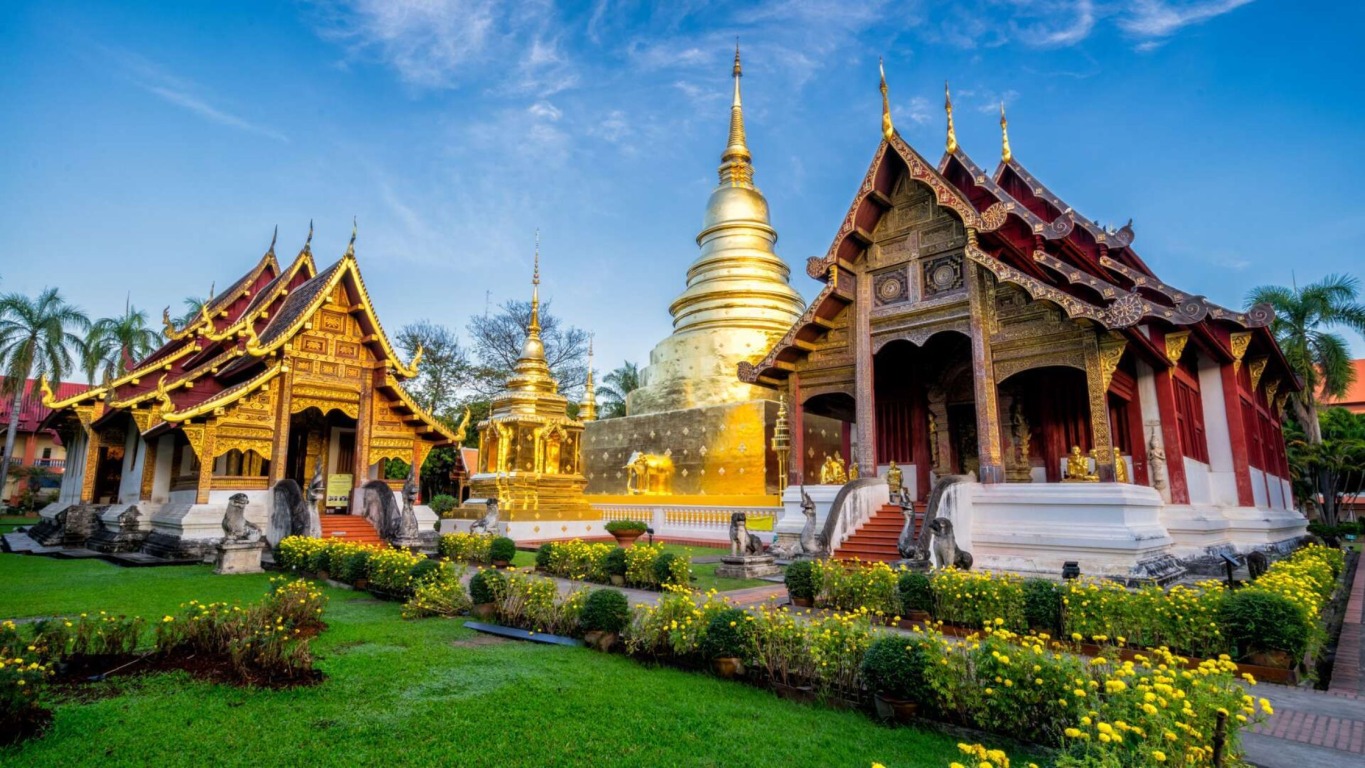
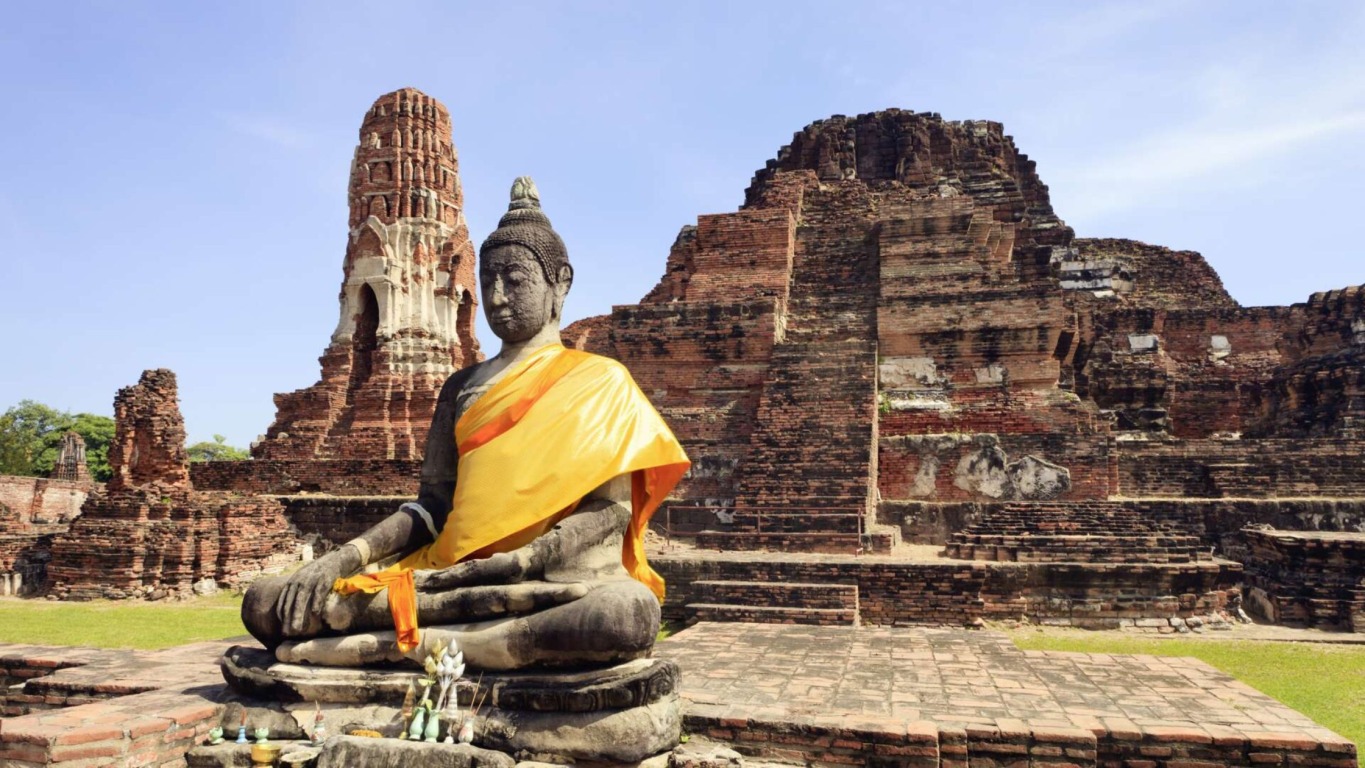
Best time to visit Thailand – Exploring Bangkok temples
April – Songkran and Sizzling Sunshine
Weather:
- Northern Thailand (Chiang Mai, Chiang Rai, Pai): Hot and dry, with temperatures reaching 36–40°C during the day. The heat can be intense, especially in cities.
- Central Thailand (Bangkok, Ayutthaya, Kanchanaburi): Scorching hot, with highs often above 37°C. Minimal rain, but humidity begins to rise.
- Southern Thailand
- Andaman Coast (Phuket, Krabi, Koh Lanta): conditions are mostly sunny early in the month, but short tropical showers and increasing humidity can appear toward late April.
- Gulf Coast (Koh Samui, Koh Phangan, Koh Tao): Mostly dry, with temperatures around 34°C. Ideal for beach lovers.
Why visit: April brings Thailand’s biggest celebration – Songkran (Thai New Year). Streets turn into playful water fights, especially in Chiang Mai and Bangkok. It is a joyful, refreshing way to cool off in the heat. Southern beaches still offer great conditions for sun-seekers and divers.
Good to know: Songkran usually runs from April 13–15, though festivities can last longer in some cities. Expect crowds, road closures, and water splashing everywhere. It is best to book accommodation early and prepare for high temperatures with sun protection and hydration.
May – The Green Season Begins
Weather:
- Northern Thailand (Chiang Mai, Chiang Rai, Pai): The first rains arrive, cooling the air slightly. Daytime temperatures hover around 30–34°C, with short but heavy showers in the afternoon or evening.
- Central Thailand (Bangkok, Ayutthaya, Kanchanaburi): Hot and humid, with highs of 33–36°C. Rain showers become more frequent but rarely last all day.
- Southern Thailand
- Andaman Coast (Phuket, Krabi, Koh Lanta): Rainy season begins, with more frequent storms and rougher seas.
- Gulf Coast (Koh Samui, Koh Phangan, Koh Tao): Still in its dry season, with sunny days and calm seas – ideal for diving and snorkeling.
Why visit: May marks the start of the low season in most parts of Thailand (except the Gulf Coast). Travelers benefit from fewer crowds, lower hotel rates, and lush green scenery in the north after the first rains. It’s also a great month for island-hopping on Koh Samui, Koh Phangan, and Koh Tao.
Good to know: While afternoon showers are common, they are usually short-lived. The Andaman Coast experiences choppier waters, so ferry schedules may be disrupted. Pack light rain gear and be flexible with travel plans.
June – Tropical Showers and Lush Landscapes
Weather:
- Northern Thailand (Chiang Mai, Chiang Rai, Pai): Rainfall increases, especially in the afternoons, bringing cooler evenings and average highs of 29–32°C. The hills turn vivid green, and waterfalls are at their most photogenic.
- Central Thailand (Bangkok, Ayutthaya, Kanchanaburi): Humid with highs of 32–34°C. Short, heavy showers are common, but mornings are often sunny.
- Southern Thailand
- Andaman Coast (Phuket, Krabi, Koh Lanta): Monsoon season continues with frequent storms and rough seas, making water activities less reliable.
- Gulf Coast (Koh Samui, Koh Phangan, Koh Tao): Best weather in the country—plenty of sunshine, light breezes, and calm waters perfect for diving.
Why visit: Nature lovers will appreciate the lush countryside and fewer tourists in the north and central regions. The Gulf Coast islands shine in June, offering clear waters and quiet beaches. Prices remain lower than the peak season.
Good to know: The Andaman side experiences high waves, so inter-island boat services may be limited. Mosquito activity increases after rain, pack repellent.
July – Green Season Adventures
Weather:
- Northern Thailand (Chiang Mai, Chiang Rai, Pai): Continued rainy season, but showers are usually brief and followed by fresh, cool air. Temperatures hover around 28–31°C. Mountain scenery is stunning with misty mornings and flowing waterfalls.
- Central Thailand (Bangkok, Ayutthaya, Kanchanaburi): Hot and humid with highs of 32–34°C. Afternoon downpours provide relief from the heat.
- Southern Thailand
- Andaman Coast (Phuket, Krabi, Koh Lanta): Frequent heavy showers, strong waves, and reduced visibility for diving.
- Gulf Coast (Koh Samui, Koh Phangan, Koh Tao): Still enjoys good weather, sunny spells, calm seas, and average highs of 30–32°C.
Why visit: July is perfect for travelers who enjoy lush, off-peak travel. The north is magical for photography with vibrant landscapes and fewer crowds. The Gulf Coast remains a beach paradise with consistent sunshine.
Good to know: Expect occasional travel disruptions on the Andaman side due to storms. National parks in the north may close certain trails for safety during heavy rains.
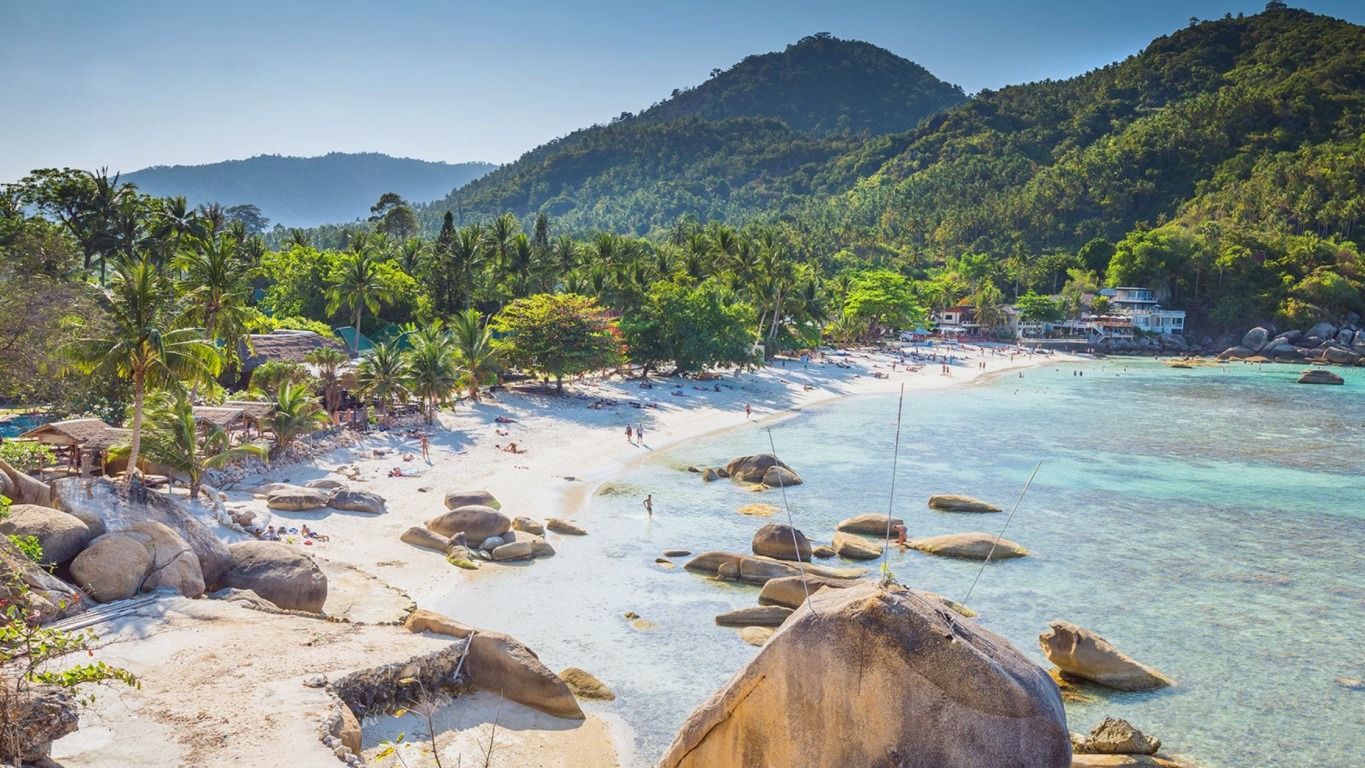
Best time to visit Thailand – Island hopping in Phuket
August – Sunshine and Showers
Weather:
- Northern Thailand (Chiang Mai, Chiang Rai, Pai): Rain continues, but showers are often short and refreshing. Countryside is vibrant with rice fields turning bright green, and temperatures average 27–30°C.
- Central Thailand (Bangkok, Ayutthaya, Kanchanaburi): Hot and humid, around 32–34°C, with occasional afternoon storms. The mix of sunshine and rain keeps the scenery lush.
- Southern Thailand
- Andaman Coast (Phuket, Krabi, Koh Lanta): Still in monsoon season with rough seas and limited boat trips.
- Gulf Coast (Koh Samui, Koh Phangan, Koh Tao): Warm, mostly sunny, and a great time for diving or beach relaxation.
Why visit: August offers a mix of sunny breaks and dramatic skies, creating beautiful landscapes for photography. The north and central regions are rich in festivals and cultural charm, while the Gulf Coast remains your best bet for classic Thai beach days.
Good to know: Travelers can enjoy lower hotel rates and quieter attractions during this off-peak period. Expect occasional flight delays due to weather, and pack light rain gear for outdoor excursions.
September – Thailand’s Wettest Month
Weather:
- Northern Thailand (Chiang Mai, Chiang Rai, Pai): Rainfall peaks this month, but showers are often brief and followed by misty, photogenic landscapes. Temperatures range from 26–30°C. The countryside is at its greenest and most peaceful.
- Central Thailand (Bangkok, Ayutthaya, Kanchanaburi): Warm and humid, around 32–34°C. Expect heavy afternoon showers that quickly clear, leaving the city fresh and bright.
- Southern Thailand
- Andaman Coast (Phuket, Krabi, Koh Lanta): Rainy season continues with rough seas and limited marine activities.
- Gulf Coast (Koh Samui, Koh Phangan, Koh Tao): Still enjoys relatively good weather with moderate sunshine and calm waters.
Why visit: September is a serene time to experience Thailand’s natural beauty without the crowds. The landscapes are lush and photogenic, local markets are lively, and cultural sites are pleasantly quiet. Perfect for slow travel and authentic local experiences.
Good to know: Rain is frequent, so keep flexible plans for outdoor activities. Hotel rates remain low, and many travelers appreciate the tranquil atmosphere before the busy season returns.
October – The Return of Sunshine
Weather:
- Northern Thailand (Chiang Mai, Chiang Rai, Pai): Rainfall decreases noticeably, with plenty of sunny days and average highs around 30°C. The air feels fresh, and rice fields glow golden before harvest season.
- Central Thailand (Bangkok, Ayutthaya, Kanchanaburi): The rainy season draws to a close. Days are warm (31–33°C) with occasional afternoon showers, while evenings start to cool down slightly.
- Southern Thailand
- Andaman Coast (Phuket, Krabi, Koh Lanta): Rains taper off toward the end of the month, signaling the start of the dry season. Seas become calmer and clearer.
- Gulf Coast (Koh Samui, Koh Phangan, Koh Tao): Rain increases as the monsoon shifts east, with occasional storms and cloudy days.
Why visit: October marks the seasonal transition, bringing brighter skies and lush post-rain scenery across much of Thailand. It is a peaceful time to visit cultural sites, enjoy countryside drives, or take early dry-season beach breaks on the Andaman side.
Good to know: The north and central regions experience fewer tourists before the peak season rush. The Gulf Coast can be unpredictable, so plan beach stays on the Andaman side for better weather.
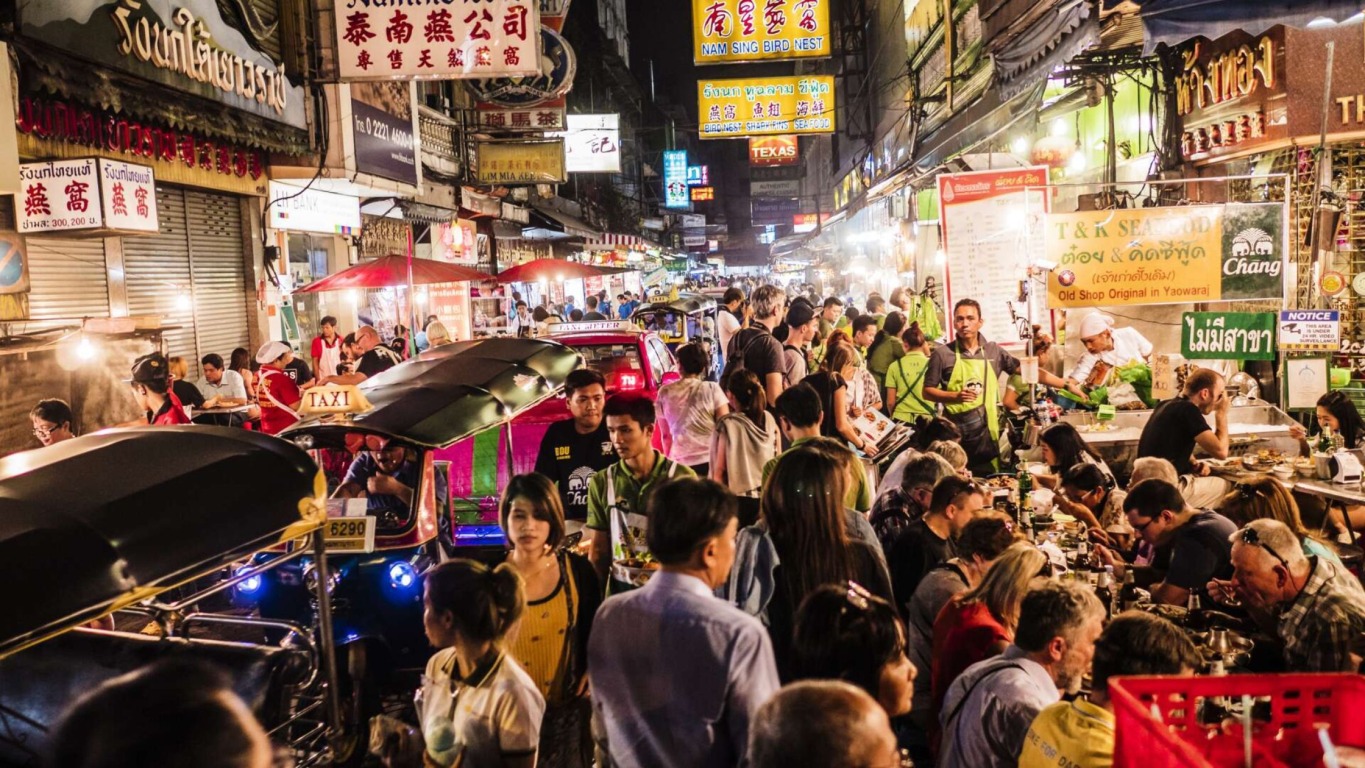
Best time to visit Thailand – Night street food in Bangkok Chinatown
November – Cool Breezes and Clear Skies
Weather:
- Northern Thailand (Chiang Mai, Chiang Rai, Pai): One of the most pleasant months of the year. Skies are clear, humidity drops, and daytime temperatures range from 25–30°C. Evenings can be cool, especially in the mountains.
- Central Thailand (Bangkok, Ayutthaya, Kanchanaburi): Dry and sunny with highs around 30–32°C. Comfortable weather makes sightseeing and outdoor activities more enjoyable.
- Southern Thailand
- Andaman Coast (Phuket, Krabi, Koh Lanta): Fully into the dry season now, with bright sunshine, calm seas, and excellent visibility for snorkeling and diving.
- Gulf Coast (Koh Samui, Koh Phangan, Koh Tao): Rainy season continues, particularly early in the month, though showers start easing toward the end.
Why visit: November is one of the best months to visit Thailand. The weather is perfect for exploring temples, trekking in the north, and relaxing on Andaman beaches. It is also festival season, with the enchanting Loy Krathong and Yi Peng lantern celebrations lighting up the skies.
Good to know: Book accommodations early, as November marks the start of Thailand’s high season. Pack a light jacket for cooler northern nights and join locals in celebrating the magical lantern festivals.
December – Peak Season and Perfect Weather
Weather:
- Northern Thailand (Chiang Mai, Chiang Rai, Pai): Cool, dry, and clear with ideal conditions for outdoor adventures. Daytime temperatures range from 24–28°C, while evenings can drop to 12–15°C, especially in the mountains.
- Central Thailand (Bangkok, Ayutthaya, Kanchanaburi): Pleasantly warm with low humidity and highs around 30–32°C. Perfect conditions for temple visits and river cruises.
- Southern Thailand
- Andaman Coast (Phuket, Krabi, Koh Lanta): Excellent weather with calm seas, clear skies, and gentle sunshine, making it prime time for beach holidays.
- Gulf Coast (Koh Samui, Koh Phangan, Koh Tao): Early December can still see rain, but by mid-month, sunny and dry conditions return, ideal for snorkeling and island-hopping.
Why visit: December offers the best weather across most of Thailand. From vibrant city explorations in Bangkok to cool mountain escapes in Chiang Mai and pristine beaches in Phuket, it is the ultimate month for travelers seeking variety and comfort.
Good to know: December is Thailand’s peak tourist season, especially over Christmas and New Year. Book flights, hotels, and tours early to secure good rates and availability. Bring a light jacket for cool evenings up north.
So, When is the Best Time to Visit Thailand?
 For dry days and sunshine: November to February brings cool, dry, and pleasant weather across most of Thailand. It is ideal for exploring Bangkok’s temples, taking river cruises, trekking in Chiang Mai, or relaxing on the beaches of Phuket and Koh Samui. Days are sunny, comfortable, and perfect for sightseeing.
 For lush landscapes and fewer crowds: May to October is the green season. Rain showers often appear in the afternoon but pass quickly, leaving behind vibrant scenery, misty mountains, and quieter tourist spots. This is a wonderful time for nature lovers, waterfall chases, and tranquil countryside experiences.
 For cultural festivals: Visit in April for Songkran, Thailand’s famous water festival, when the country comes alive with playful water fights, traditional rituals, and street celebrations. Loy Krathong (November) is another magical time to witness floating lanterns on rivers and lakes.
 For island escapes and water adventures: The best months are December to March, when seas are calm, skies are clear, and snorkeling, diving, and island-hopping conditions are ideal. The Andaman and Gulf coasts both shine under the sun.
 For off-the-beaten-path adventures: Consider the shoulder months like March or October, when you can enjoy fewer crowds, still-good weather, and more flexible travel plans. Great for temple tours, northern trekking, or combining Thailand with nearby destinations like Laos or Cambodia.
Explore More of Southeast Asia
Planning a multi-country trip? Ensure perfect weather for your entire journey by checking out our guides for neighboring destinations:
Need a customized Indochina itinerary? Contact Alo Travel Asia today!
The post Best Time to Visit Thailand – Month by Month Breakdown appeared first on ALO Travel Asia.
]]>The post Best Time to Visit Cambodia – Month by Month Breakdown appeared first on ALO Travel Asia.
]]>
The best time to visit Cambodia
Are you planning a journey to Cambodia? Picture yourself standing before the sunrise-lit towers of Angkor Wat, drifting along the serene waters of Tonlé Sap Lake, or wandering through the wild beauty of the Cardamom Mountains. Cambodia is a land where ancient wonders and raw natural charm blend seamlessly, offering a sense of discovery at every turn.
From cool, golden mornings in winter to lush green rice fields after the rains and lively festivals bursting with color, every season reveals a different side of this enchanting country. Knowing when to go will help you experience Cambodia at its most magical—whether you dream of quiet temple dawns, vibrant city streets, or remote jungle adventures.
Overview of Weather in Cambodia
Cambodia’s climate is refreshingly straightforward, shaped by two distinct seasons, making it easy to plan your trip no matter what kind of adventure you’re seeking.
- Dry Season (November to April): This is the golden window for travel with its clear blue skies, low humidity, and pleasantly warm days (typically mid-20s °C). From November through February, you’ll experience the most comfortable weather, ideal for temple runs, city strolls, and Mekong or coastal escapes
- Green Season (May to October): The southwest monsoon brings revitalizing rain, often in the form of short, dramatic afternoon showers. These rains transform the landscape into a vivid green, swell rivers and Tonlé Sap, and make rural Cambodia breathtakingly lush, albeit with higher humidity and fewer crowds.
Annual temperatures hover between 24 °C and 32 °C, with March and April bringing the most intense heat, often reaching 35 °C or higher. The coolest period lands in the December–January range, offering refreshing relief and perfect sightseeing conditions.
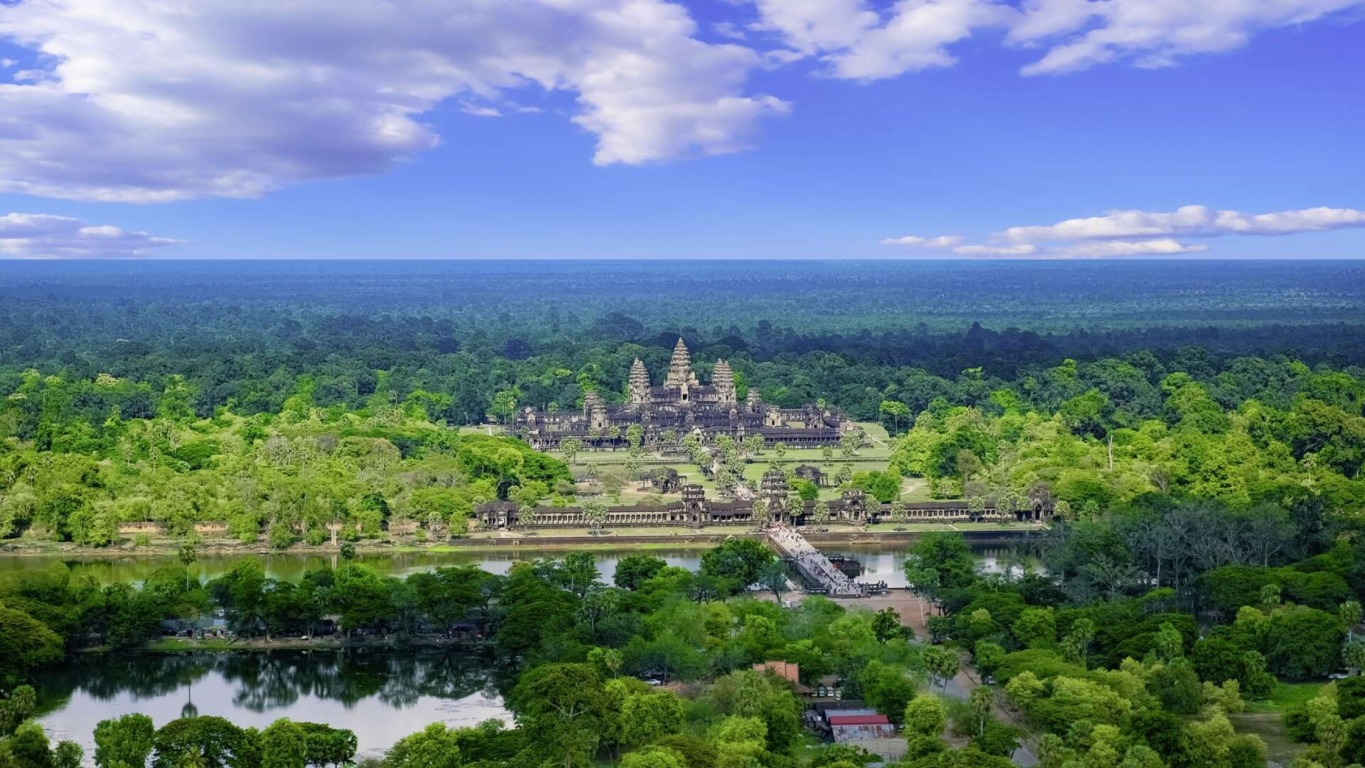
Best time to visit Cambodia – Angkor Wat
Month-by-Month Travel Guide
January – Cool Breezes & Clear Skies
Weather snapshot: January marks the peak of the dry season in Cambodia. Temperatures are pleasantly warm, ranging from 22–30 °C, with low humidity and clear blue skies. Rainfall is extremely rare, and the countryside looks crisp and golden after the earlier monsoons. This is one of the most comfortable months for travel, especially in Phnom Penh and Siem Reap.
Why visit: This is a great month for exploring Angkor Wat, cycling through the countryside, or cruising on Tonlé Sap Lake. Cool mornings and golden sunsets make temple visits extra rewarding, while city streets buzz with energy as locals return to work and school after the New Year.
Good to know:
With ideal weather, January is also high season, so expect more visitors and higher hotel rates. It is wise to book accommodation and temple guides in advance. Light layers are perfect for the day, but a light jacket may be handy for cooler evenings, especially in rural areas or by the water.
February – Golden Light & Easy Travels
Weather snapshot: February continues the dry season with warm days and plenty of sunshine. Temperatures range from 24–32 °C, slightly warmer than January but still very comfortable. Rain remains unlikely, and skies stay bright and clear. The landscapes are dry but still photogenic, especially around ancient temples and countryside paths.
Why visit: Travelers can enjoy full-day temple explorations without the discomfort of heat or rain. It is also an excellent time for boat trips on the Mekong, countryside cycling, or relaxing poolside in Phnom Penh and Siem Reap. The air is dry, and sunsets are stunning.
Good to know: As this is still peak tourist season, many popular sites like Angkor Wat can get crowded, especially in the mornings. Booking in advance is recommended for top accommodations and private guides. Bring sun protection and stay hydrated, especially if you plan to be outdoors all day.
March – Sun-soaked Adventures Begin
Weather: March marks the transition from dry to hot season. Temperatures rise, often reaching 26–35 °C, with humidity gradually building up. Rainfall is still minimal, and skies remain mostly clear. This is one of the hottest months, especially toward the end, so early starts and shaded breaks are wise.
Why visit: With fewer crowds than peak months, March offers more space to explore temples and cultural sites. The golden light is ideal for photography, especially at sunrise and sunset. It is also a great time for visiting floating villages, silk farms, and rural landscapes before the rains return.
Good to know: Expect hotter midday temperatures, so plan active sightseeing in the early morning or late afternoon. Light clothing, sunscreen, and a refillable water bottle are must-haves. Some travelers might find the heat challenging, but most activities are still accessible and enjoyable.
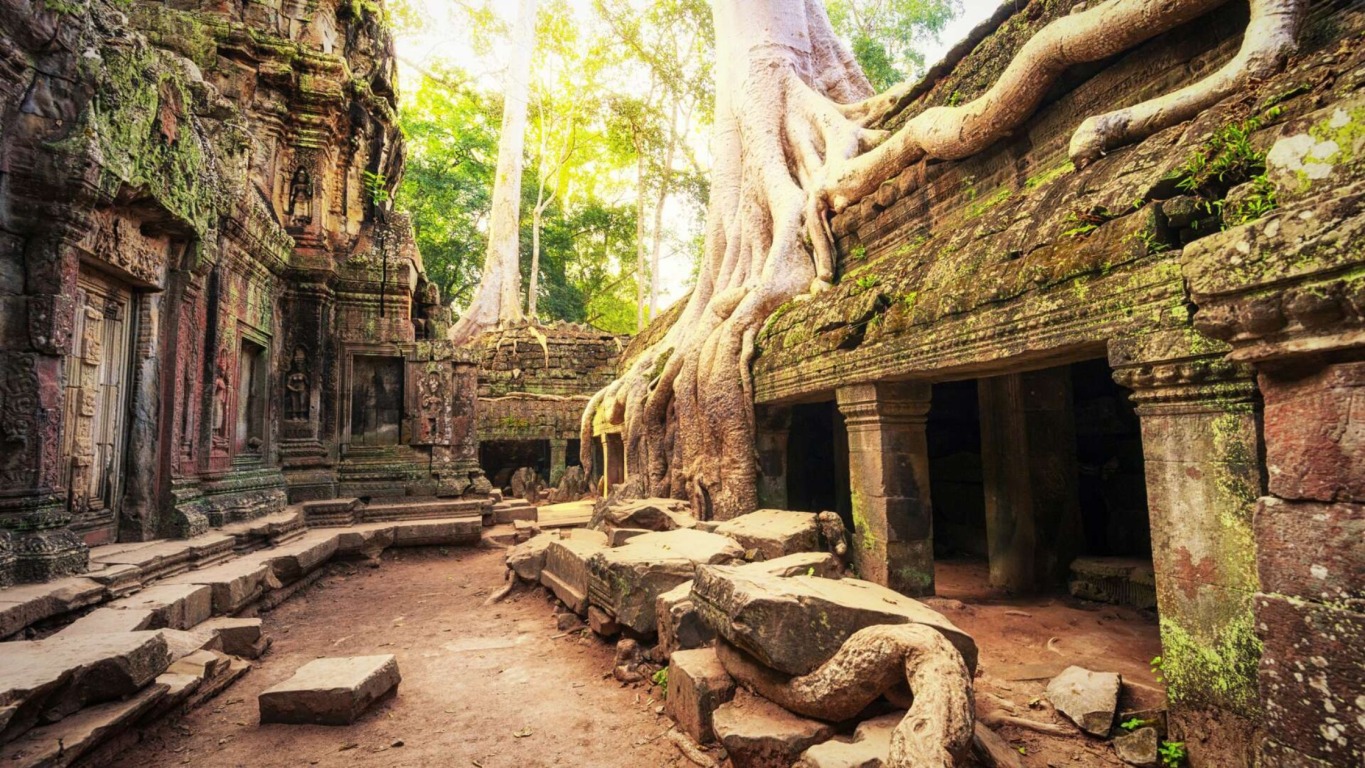
April – Khmer New Year & Tropical Heat
Weather snapshot: April is Cambodia’s hottest month, with daytime temperatures often soaring between 28–38 °C. Humidity is high, and rain is rare but may appear as brief showers near the end of the month. The intense heat marks the end of the dry season, especially noticeable in cities and lowland areas.
Why visit: April is a cultural highlight thanks to Khmer New Year (Chaul Chnam Thmey), celebrated around April 13–16. Streets come alive with traditional games, music, and joyful water fights to wash away the past year’s bad luck. It is a unique chance to experience local life and festive spirit up close.
Good to know: Khmer New Year is a public holiday, so some shops and offices may close. Book accommodations and transport early. Bring sun protection and stay hydrated, especially when sightseeing in the heat. If you enjoy festivals and local traditions, this is a magical time to visit.
May – Lush Landscapes and Quieter Temples
Weather: May marks the start of the green season in Cambodia. Temperatures remain high, averaging between 26–35°C, but brief afternoon showers begin to refresh the countryside. Humidity rises noticeably, especially in the central lowlands, though mornings are still pleasant for outdoor activities. Rainfall is more frequent in coastal and southern regions, but it rarely disrupts travel plans entirely.
Why visit: May brings a new energy to the landscapes — rice paddies glow with fresh greenery, and temple sites are often quieter. This is a lovely time for travelers seeking a more peaceful Angkor Wat experience. The occasional rain adds a moody beauty to jungle ruins and countryside views.
Good to know: The wet season does not mean constant rain. Showers are typically short and late in the day, so planning early morning excursions works well. Visitor numbers dip in May, which means better availability and attractive rates on hotels and guided tours. Be prepared with light rain gear and good walking shoes.
June – Emerald Countryside and Afternoon Showers
Weather: June continues Cambodia’s green season with temperatures between 25–34°C. Humidity remains high, and short but heavy afternoon rains become more regular, especially in Phnom Penh and the southern regions. Mornings are often dry and clear, while the countryside transforms into vibrant green with fuller rivers and rice paddies.
Why visit: June offers a lush, dramatic side of Cambodia. The landscapes are at their most photogenic, from misty mountains to blooming lotus ponds. With fewer tourists, temple visits feel more serene and personal. It is also a rewarding time for photographers and nature lovers.
Good to know: Rainfall is typically predictable and short-lived, mostly in the late afternoon. Travel remains comfortable with early starts and indoor activities planned for later in the day. Roads are still accessible, and top sites like Angkor Wat remain open and enjoyable. You may also find excellent low-season offers on accommodations.
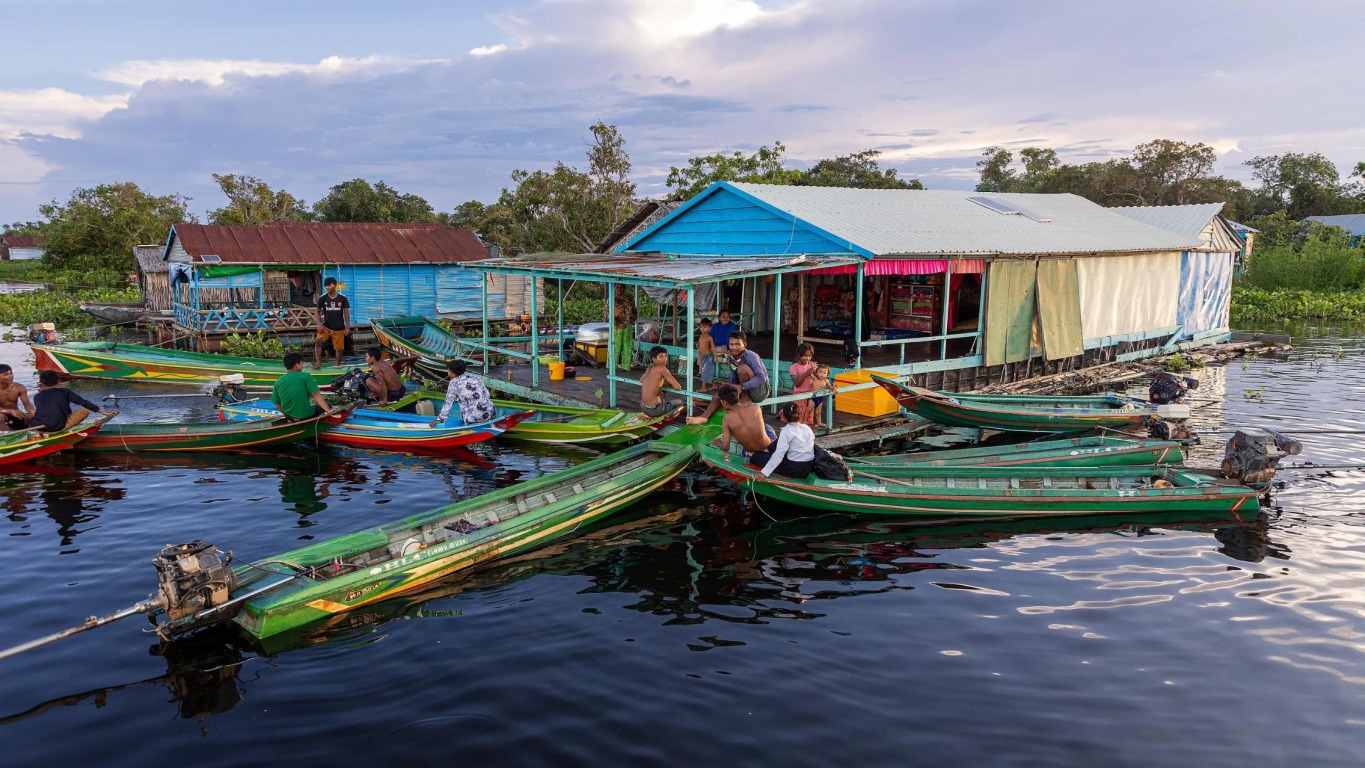
Best time to visit Cambodia – Boat trip on Tonle Sap Lake
July – Verdant Landscapes and Local Life
Weather: July brings consistent rainfall, mostly in the form of brief afternoon downpours. Temperatures range from 25–33°C, with high humidity throughout the country. The north and central regions see slightly less rain than the coast. The landscape remains beautifully green and refreshed.
Why visit: Cambodia in July is alive with color and rhythm. Lush rice paddies, lively village life, and misty temples create an atmospheric charm. This is a great month to experience Cambodia’s slower pace, away from the usual tourist crowds. Local markets, cooking classes, and cultural activities are in full swing.
Good to know: Pack light rain gear and plan sightseeing in the mornings when the weather is usually clearer. Travel delays are rare, and roads are mostly unaffected. If you are looking for peaceful temple visits, authentic interactions, and great photography, July can be surprisingly rewarding.
August – Green Season at Its Peak
Weather: August continues the monsoon pattern, with daily showers that usually arrive in the afternoon. Temperatures hover between 25–32°C, with high humidity. Despite the rains, mornings are often bright and breezy. Rural landscapes are at their most vibrant, especially in the countryside and Tonlé Sap basin.
Why visit: This is when Cambodia is at its most photogenic: lush rice fields, cascading waterfalls, and reflective temple moats. Tonlé Sap Lake is full and thriving, making it an ideal time for boat trips to floating villages. With fewer tourists, iconic sites like Angkor feel calm and personal.
Good to know: Rain rarely disrupts travel plans, but having a flexible itinerary helps. Some unpaved roads may be muddy, especially in remote areas, so check local conditions. Bring waterproof shoes and quick-dry clothes – and enjoy the country in its raw, refreshing beauty.
September – Serenity and Lush Landscapes
Weather: September marks the tail end of the monsoon, with frequent afternoon or evening showers. Days are warm and humid, averaging 25–31°C. Countryside scenes are vivid and full of life, with overflowing rivers, dense jungle, and misty mornings – a dream for photographers.
Why visit: A peaceful time to explore Cambodia without the crowds. Angkor’s ancient temples emerge from a sea of green, and wildlife is active in national parks. This is also a rewarding time to experience authentic local life, especially in rural areas where rice planting is underway.
Good to know: Some boat services may be affected by river conditions, but Tonlé Sap remains navigable. Pack an umbrella and be prepared for the occasional downpour. Discounts on accommodations and tours are common, making this a great month for value-focused travelers.
October – Festivals and Fresh Air
Weather: The rains begin to ease in October, with clearer skies and refreshing breezes. Temperatures range from 24–31°C, and humidity starts to drop. The countryside remains lush, rivers run high, and the air feels crisp, especially in the mornings and evenings.
Why visit: October brings a blend of natural beauty and vibrant tradition. It is a great time to visit Phnom Penh and Siem Reap as the cities start to come alive with festivities. The Water Festival (Bon Om Touk) in late October or early November celebrates the end of the rainy season with boat races and joyful street gatherings.
Good to know: This is a transitional month, so some rain may linger, but it is far less disruptive. The Water Festival dates vary based on the lunar calendar, so check ahead if you want to witness it. Tourist numbers start to rise, especially toward the end of the month.
November – Clear Skies and Cultural Celebrations
Weather: November marks the true start of Cambodia’s dry season. Skies are bright, humidity is lower, and average temperatures range from 22–30°C. Rain is rare, and the landscape is still beautifully green from recent monsoons, making it a visually stunning time to travel.
Why visit: With clear weather and festive spirit, November is one of the most rewarding months to visit. Witness the grand That Luang Festival in Vientiane or the colorful Water Festival celebrations in Phnom Penh and Siem Reap. It is also a great time for Angkor Wat explorations and Tonlé Sap cruises under golden light.
Good to know: This is the beginning of peak travel season, so expect more tourists and rising prices, especially around festival dates. Book accommodations and tours early. The weather is ideal for everything from temple visits to nature escapes.
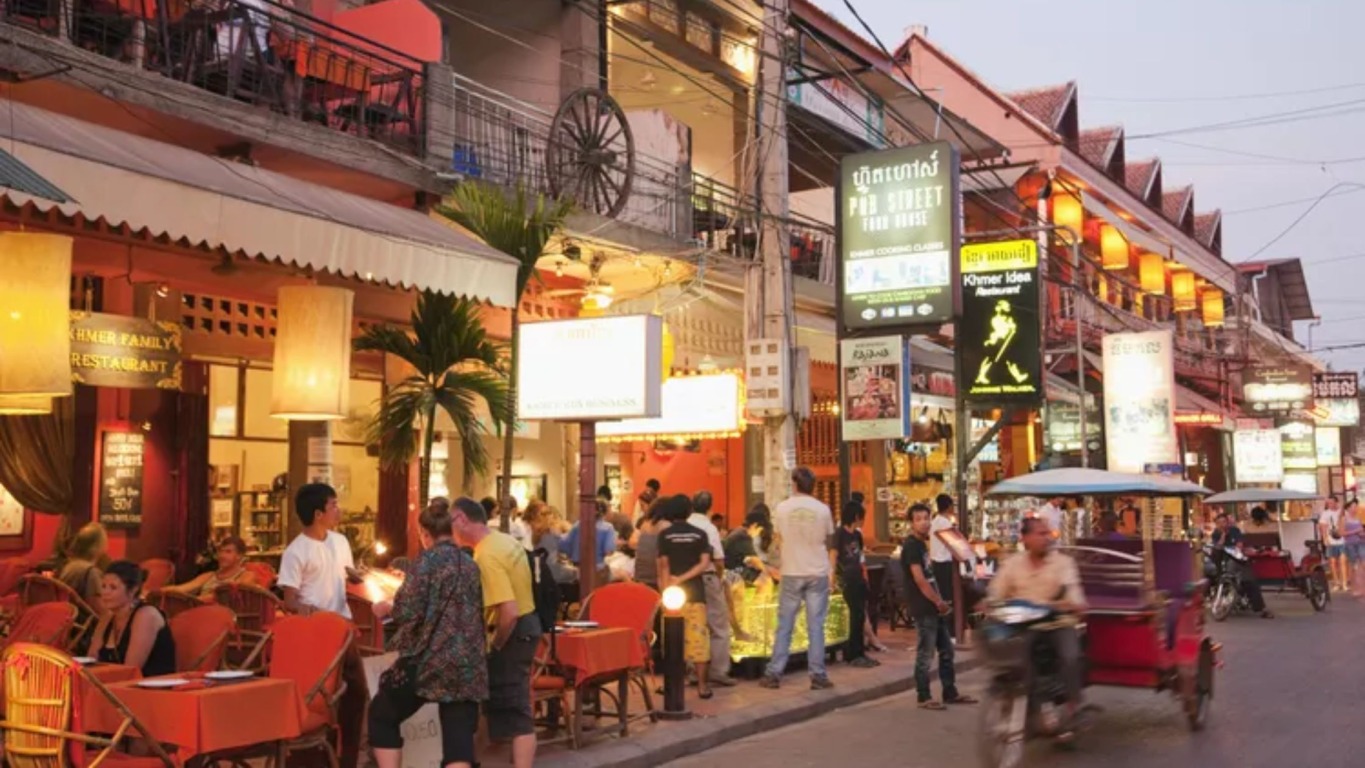
Best time to visit Cambodia – Local life in Phnom Penh
December – Cool Breezes and Festive Vibes
Weather: December is one of the most pleasant months to visit Cambodia. Temperatures are comfortable, ranging from 21–29°C, with little to no rain and clear, sunny days. Cool mornings and evenings add a refreshing touch, especially in the north and central regions.
Why visit: This is Cambodia at its most comfortable and photogenic. Angkor Wat glows under soft winter light, outdoor adventures are a joy, and the holiday spirit brings a cheerful buzz to cities like Phnom Penh and Siem Reap. Expect postcard-perfect conditions for all kinds of travel.
Good to know: As this is the heart of the peak season, popular sites can be busy, and accommodation fills up quickly. Early planning is essential for a smooth trip. Despite the crowds, the weather makes it worth it, especially for first-time visitors.
So, When is the Best Time to Visit Cambodia?
If you love dry days and sunshine: From November to March, Cambodia enjoys its most pleasant weather — dry, breezy, and not too hot. This is the perfect time to explore Angkor Wat at sunrise, take leisurely bike rides around Siem Reap, or enjoy a sunset cocktail by the riverside in Phnom Penh. Days are sunny and comfortable, making sightseeing feel effortless.
If you enjoy lush scenery and fewer tourists: May to October is Cambodia’s green season. Rain showers often come in the afternoon and quickly pass, leaving behind vibrant landscapes, cooler evenings, and a more peaceful atmosphere. Temples are surrounded by greenery, the countryside is glowing, and crowds are much thinner — ideal for photographers and mindful travelers.
If you want to experience cultural life: Visit in April for Khmer New Year, Cambodia’s biggest festival, when locals splash water, clean their homes, and celebrate with dancing and games. Pchum Ben (September–October) is another meaningful time to witness deep-rooted traditions as Cambodians honor their ancestors.
For cruises and countryside escapes: From November to early April, Tonle Sap Lake and the Mekong River are at their most inviting. This is the best time to enjoy floating villages, sunset cruises, or boat rides through peaceful floodplains and hidden wetlands near Battambang or Kratie.
If you seek off-the-beaten-path adventures: Try visiting in the shoulder months like May or October, when you can experience a bit of both worlds: good weather, fewer crowds, and lower travel costs. These are great months for temple hopping, village visits, or combining Cambodia with nearby destinations.
Ready to Experience Cambodia?
From the timeless majesty of Angkor Wat to the laid-back rhythms of riverside towns, Cambodia is a land where ancient history and heartfelt hospitality come together. Whether you wander through jungle-clad temples, cycle past golden rice fields, or cruise along the Mekong at sunset, every journey here feels personal and profound.
Each season paints Cambodia with a different brush — from cool, golden mornings in the dry season to the lush, rain-washed beauty of the green months. There is no wrong time to go, only the right time for your kind of adventure.
Let Cambodia’s sacred traditions, vibrant street life, and warm smiles welcome you. Start planning your journey and let this captivating kingdom leave a lasting mark on your heart.
Explore More of Southeast Asia
Planning a multi-country trip? Ensure perfect weather for your entire journey by checking out our guides for neighboring destinations:
Need a customized Indochina itinerary? Contact Alo Travel Asia today!
The post Best Time to Visit Cambodia – Month by Month Breakdown appeared first on ALO Travel Asia.
]]>The post Best Time to Visit Laos – Month by Month Breakdown appeared first on ALO Travel Asia.
]]>
Are you planning a trip to the enchanting country of Laos? To make the most of your journey, choosing the best time to visit Laos is crucial. Known for its rich cultural heritage and serene river valleys, this land offers unforgettable experiences whether you arrive during the crisp dry season or the vibrant green months.
This month-by-month guide will help you navigate the ideal seasons, weather patterns, and cultural highlights so you can plan your visit at the perfect time and see Laos at its most captivating.
Overview of Weather in Laos
Laos has a tropical climate shaped by the Mekong River and its mountainous terrain, offering two main seasons: a dry season from November to April and a rainy season from May to October. However, temperatures and rainfall vary noticeably between the north, central regions, and the south, giving each area its own distinct character.
- Northern Laos (Luang Prabang, Nong Khiaw, Phongsaly): Cooler and more temperate due to its higher altitude. Winters (Nov–Feb) are dry and pleasantly cool, with misty mornings and clear skies, while summers (May–Aug) are warm, humid, and lush, ideal for trekking through green hills and visiting waterfalls.
- Central Laos (Vientiane, Vang Vieng, Phonsavan): A transitional zone blending northern coolness and southern warmth. Winters are mild and sunny, great for sightseeing and river activities. Summers bring warmer days with afternoon showers, refreshing the limestone landscapes and caves around Vang Vieng.
- Southern Laos (Pakse, Bolaven Plateau, Si Phan Don): Tropical and warmer year-round, with lush lowlands and coffee-growing highlands. The dry season (Nov–Apr) is perfect for Mekong cruises and exploring the Bolaven Plateau. The rainy season (May–Oct) transforms the region, feeding spectacular waterfalls and painting the countryside in deep green.
The beauty of Laos lies in its contrasts: while the north offers crisp, cool mornings and mountain treks, the south invites slow-paced river cruises and lush scenery. No matter the season, there is always a corner of Laos ready to explore.

Month-by-Month Travel Guide
January – Crisp Air and Blue Skies
Weather:
- North (Luang Prabang, Phonsavan): Pleasantly cool (14–25°C) with clear blue skies and misty mornings over the Mekong. Perfect visibility for temple visits and mountain treks.
- Central (Vientiane): Mild and sunny (18–27°C), ideal for walking tours and river cruises.
- South (Pakse, Bolaven Plateau, Si Phan Don): Warm (20–28°C) and dry, excellent for exploring waterfalls and islands.
Why visit: January is one of the best months to visit Laos, with dry weather and comfortable temperatures across the country. It is perfect for temple-hopping in Luang Prabang, taking scenic Mekong cruises, trekking in the cool northern highlands, and enjoying sunny days in the south’s waterfalls and river islands.
Good to know: This is peak travel season, so book hotels and river cruises early, especially in Luang Prabang. Pack light layers for cool mornings and evenings in the north, and bring sunscreen for sunny afternoons. With clear skies and low humidity, this month is also excellent for photography.
February – Warm Days and Cultural Festivities
Weather:
- North (Luang Prabang, Phonsavan): Mild and dry (16–27°C) with clear skies and misty mornings along the Mekong. Ideal for sightseeing and gentle treks in the highlands.
- Central (Vientiane): Warm and sunny (20–28°C) with low humidity, perfect for riverside strolls and cycling tours.
- South (Pakse, Bolaven Plateau, Si Phan Don): Pleasantly warm (22–30°C) and dry, with bright days ideal for exploring waterfalls and relaxing by the river.
Why visit: February offers near-perfect weather for traveling throughout Laos. Enjoy temple visits in Luang Prabang, scenic Mekong cruises, and nature trips in the lush south, all under sunny skies and comfortable warmth.
Good to know: This is still peak season, so secure hotels and domestic flights early, especially in Luang Prabang. Mornings in the north can be cool, so pack light layers. Outdoor activities are best done early or late in the day to avoid midday heat.
March – Gentle Sunshine and Blossoming Nature
Weather:
- North (Luang Prabang, Phonsavan): Warmer (18–30°C) with clear skies and longer sunny days. The mountains remain pleasant for trekking, though midday heat increases.
- Central (Vientiane): Hotter (22–32°C) with dry air and plenty of sunshine, perfect for cultural tours and riverside dining.
- South (Pakse, Bolaven Plateau, Si Phan Don): Warm to hot (24–33°C), with vibrant greenery and ideal conditions for exploring waterfalls and the Mekong’s river islands.
Why visit: March is a great time for outdoor adventures, cultural sightseeing, and nature escapes before the hotter months set in. Northern Laos remains comfortable for trekking, while the south is perfect for waterfall visits and island stays.
Good to know: Temperatures rise steadily, so bring sun protection and stay hydrated during midday outings. Festival season begins soon, so keep an eye out for local celebrations and village fairs for a deeper cultural experience.
April – Hot Days and Festive Energy
Weather:
- North (Luang Prabang, Phonsavan): Very hot (22–36°C) with dry air and hazy afternoons, especially in rural areas. Mornings remain pleasant for temple visits and light treks.
- Central (Vientiane): Hot (25–37°C) and sunny, best enjoyed with slow-paced city tours or shaded riverside cafés.
- South (Pakse, Bolaven Plateau, Si Phan Don): Hot (26–38°C) but still dry, perfect for cooling off at waterfalls or enjoying breezy evenings by the river.
Why visit: April is marked by Pi Mai Lao, the Lao New Year, a vibrant water festival filled with parades, music, and joyful celebrations. It is a lively time to experience local culture and festive traditions while enjoying sunny days across the country.
Good to know: With soaring temperatures, plan sightseeing early in the morning or late in the afternoon. Pack breathable clothing and stay hydrated. Pi Mai attracts crowds, so book hotels well in advance, especially in Luang Prabang where festivities are most popular.
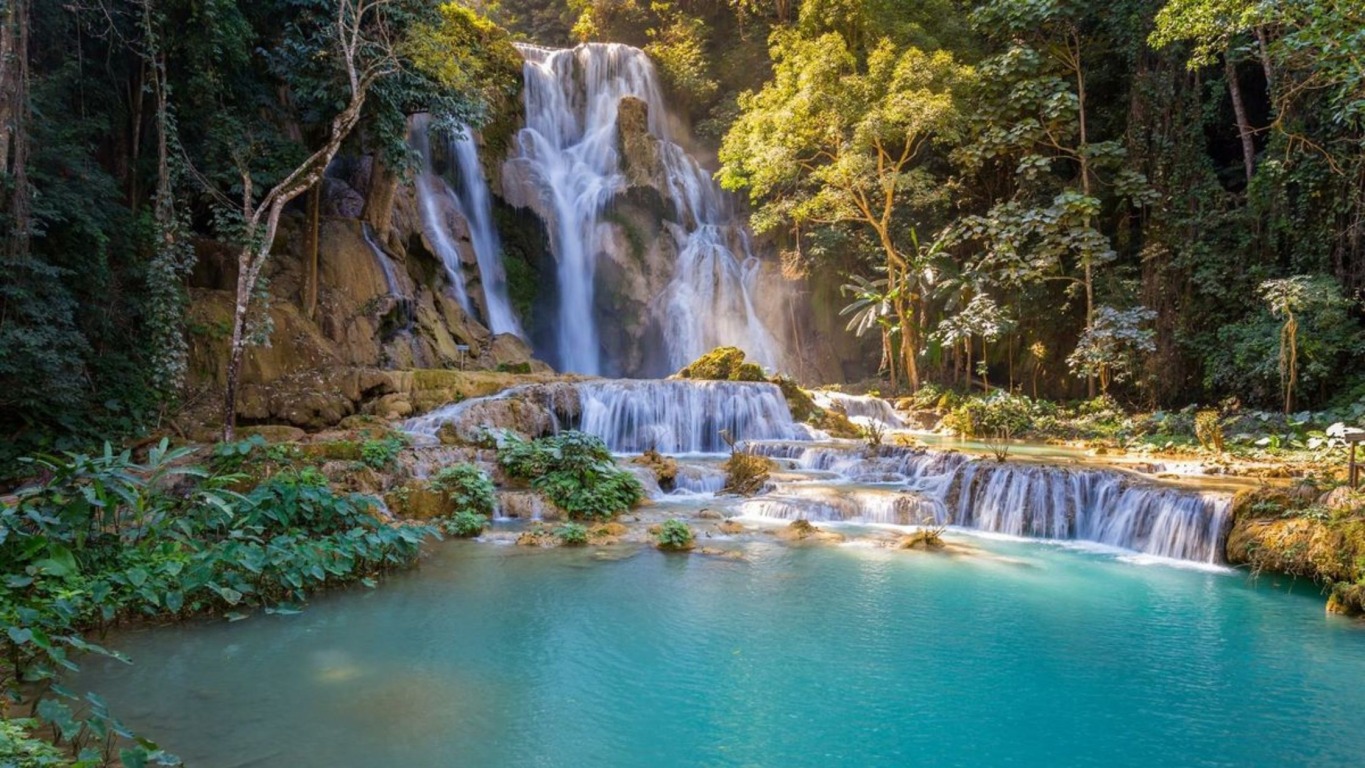
Best time to visit Laos – Kuang Si Falls in the green season
May – Green Hills and Refreshing Showers
Weather:
- North (Luang Prabang, Phonsavan): Warm (23–33°C) with the first light rains bringing freshness to the landscape. Mornings remain sunny while afternoon showers are brief.
- Central (Vientiane): Hot (25–34°C) with occasional short rain showers that cool the city and reduce dust.
- South (Pakse, Bolaven Plateau, Si Phan Don): Warm and humid (26–33°C), with more frequent showers, especially in the afternoons, rejuvenating the waterfalls and forests.
Why visit: May signals the start of the green season, when countryside rice fields and jungles turn lush and vibrant. Waterfalls flow strongly, and with fewer tourists around, it is a peaceful time to enjoy Laos’ natural beauty.
Good to know: Showers are usually brief, so carry a light rain jacket. Lower tourist numbers mean better availability and rates for hotels and tours, making it an excellent choice for off-peak travelers.
June – Lush Landscapes and Tropical Rains
Weather:
- North (Luang Prabang, Phonsavan): Warm (23–31°C) with frequent afternoon showers that bring cooler evenings and lush greenery across the mountains.
- Central (Vientiane): Humid (25–32°C) with regular short bursts of rain, often followed by sunny intervals, ideal for relaxed city sightseeing.
- South (Pakse, Bolaven Plateau, Si Phan Don): Rainier (24–30°C) with waterfalls at their most dramatic and countryside landscapes beautifully green.
Why visit: June is perfect for travelers who enjoy vibrant nature and fewer crowds. The rains refresh the air and bring out the best of Laos’ scenery, from emerald rice fields to full-flowing waterfalls. Photographers will love the vivid colors and atmospheric mist in the hills.
Good to know: Rain tends to fall in the afternoons, so plan outdoor activities in the mornings. Waterproof shoes and a light raincoat are handy, but the warm temperatures make the rain feel refreshing rather than disruptive.
July – Monsoon Beauty and Vibrant Scenery
Weather:
- North (Luang Prabang, Phonsavan): Warm (23–30°C) with steady rainfall, especially in the afternoons and evenings. The hills are blanketed in vibrant green, and mist often lingers in the mornings.
- Central (Vientiane): Humid (24–31°C) with frequent showers, though mornings often remain dry and suitable for sightseeing.
- South (Pakse, Bolaven Plateau, Si Phan Don): Wet (24–30°C) with regular rain, making waterfalls thunderously impressive and landscapes lush.
Why visit: Despite the rain, July offers breathtaking scenery, fewer tourists, and a serene pace of travel. The countryside and highlands are alive with greenery, and river cruises feel tranquil with less boat traffic.
Good to know: Heavy rains may cause minor travel delays in remote areas, so keep plans flexible. Bring waterproof gear and quick-dry clothing. With fewer visitors, you can enjoy popular sites like Kuang Si Falls or Si Phan Don in peaceful solitude.
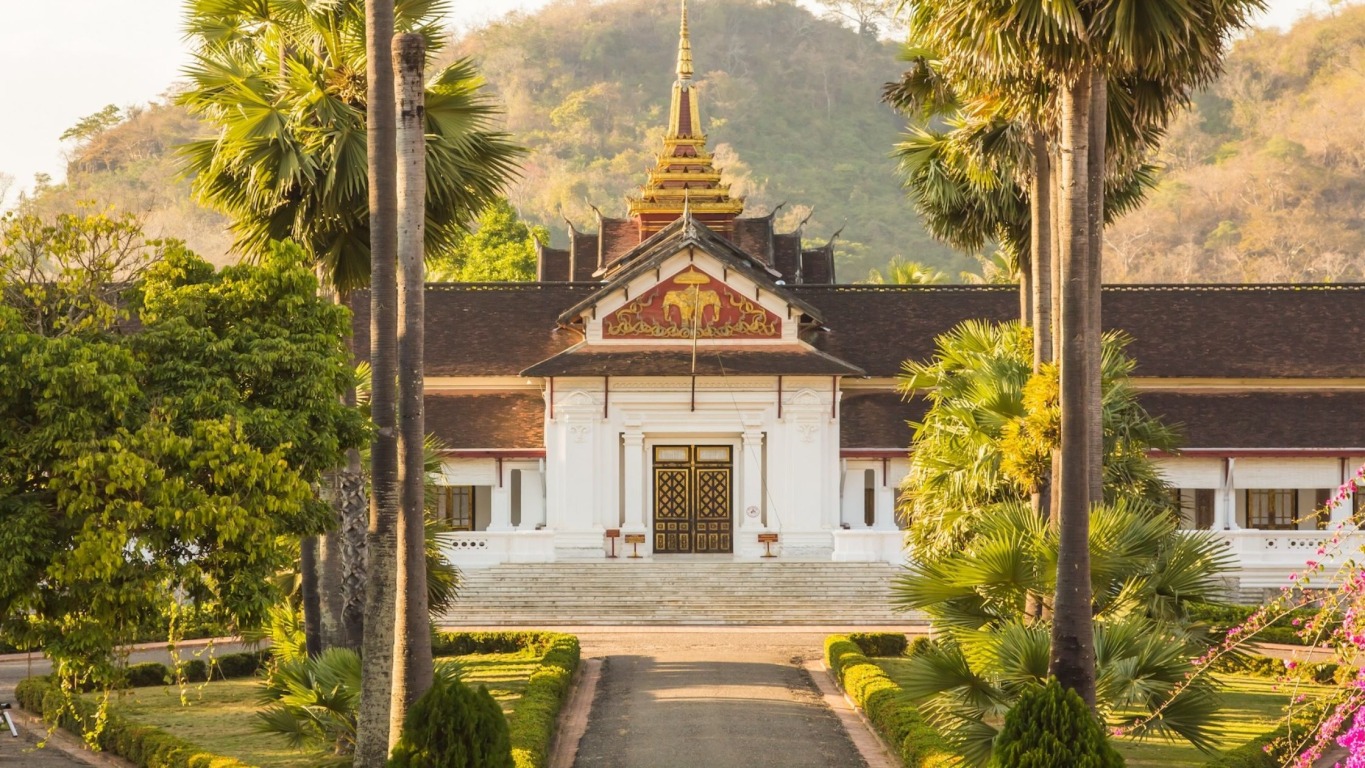
August – Rainy Retreats and Serene Rivers
Weather:
- North (Luang Prabang, Phonsavan): Warm (22–29°C) with frequent rain and misty mornings. The mountains and rice fields are at their greenest, creating stunning views.
- Central (Vientiane): Humid (24–31°C) with steady rainfall, though sunny breaks are common between showers.
- South (Pakse, Bolaven Plateau, Si Phan Don): Wet (23–29°C) with heavy rain, especially in the afternoons. Waterfalls are powerful, and the Mekong runs full and fast.
Why visit: August is perfect for travelers who love dramatic natural beauty and fewer crowds. The lush scenery is at its peak, and this is an excellent time for photography or relaxed cultural experiences like temple visits and cooking classes.
Good to know: Travel in rural areas may be slower due to wet conditions, but main tourist hubs remain accessible. Pack waterproof shoes, rain gear, and be flexible with plans. The peaceful atmosphere and fresh, rain-washed landscapes are well worth it.
September – Golden Harvests and Softer Skies
Weather:
- North (Luang Prabang, Phonsavan): Pleasant (22–30°C) with rainfall beginning to ease. Rice terraces turn golden, and the countryside is at its most picturesque.
- Central (Vientiane): Warm (24–31°C) with fewer showers, often short and light, leaving plenty of dry hours for exploring.
- South (Pakse, Bolaven Plateau, Si Phan Don): Humid (23–30°C) with rains tapering off, making it a lovely time to see waterfalls framed by lush greenery.
Why visit: September bridges the rainy and dry seasons, offering lush landscapes without the heavy downpours of previous months. Fewer tourists create a calm and relaxed travel atmosphere, perfect for exploring temples, river cruises, and scenic treks.
Good to know: Harvest season begins in rural areas, adding a cultural touch to visits in the north. Although light showers may still occur, they are brief and usually clear quickly, leaving fresh, vibrant scenery for exploration.
October – Pleasant Breezes and Bright Days
Weather:
- North (Luang Prabang, Phonsavan): Cooler (20–28°C) with clear skies and minimal rain. The air feels fresh, and views of mountains and rivers are spectacular.
- Central (Vientiane): Warm (23–30°C) and dry, ideal for city sightseeing, cycling, and riverside walks.
- South (Pakse, Bolaven Plateau, Si Phan Don): Pleasant (22–29°C) with drier days. Waterfalls remain impressive, and the Mekong offers stunning reflections at sunset.
Why visit: October marks the start of the dry season, with perfect travel conditions across Laos. Festivals like the End of Buddhist Lent and the enchanting Boat Racing Festival bring vibrant cultural experiences, particularly in Luang Prabang and Vientiane.
Good to know: This is a popular time for cultural travelers, so book accommodations early if you plan to attend festivals. Temperatures are comfortable, but pack light layers for cooler evenings in the north.
November – Dry Season and Perfect Clarity
Weather:
- North (Luang Prabang, Phonsavan): Cool and dry (18–26°C) with crisp air and bright sunshine, perfect for temple visits and scenic hikes.
- Central (Vientiane): Pleasant (22–29°C) and dry, making it ideal for city tours, river cruises, and cultural exploration.
- South (Pakse, Bolaven Plateau, Si Phan Don): Warm (22–28°C) with dry skies and full rivers, perfect for waterfall visits and island-hopping.
Why visit: November is one of the best months to experience Laos, with clear skies, comfortable temperatures, and vibrant landscapes. It is also festival season, highlighted by the spectacular That Luang Festival in Vientiane, which draws colorful processions and lively celebrations.
Good to know: As peak season kicks in, demand for hotels and tours rises, especially in Luang Prabang and Vientiane. Book well ahead and bring light layers for cooler northern evenings. This is also an excellent month for river cruises with high water levels.
December – Cool Mornings and Tranquil Views
Weather:
- North (Luang Prabang, Phonsavan): Cool and dry (14–23°C) with crisp mornings and clear blue skies, ideal for temple visits, river cruises, and outdoor hikes.
- Central (Vientiane): Mild (18–26°C) and sunny, perfect for exploring markets, cultural sites, and enjoying riverside sunsets.
- South (Pakse, Bolaven Plateau, Si Phan Don): Warm (20–28°C) with dry, pleasant weather, making it ideal for visiting waterfalls and the serene Mekong islands.
Why visit: December is one of the most comfortable months to explore Laos. The dry season brings pristine weather, festive markets, and a lively atmosphere in towns and cities. It is also the perfect time for slow-paced Mekong cruises or trekking in the cool northern highlands.
Good to know: This is peak tourist season, so advance bookings for accommodations and tours are essential, especially in Luang Prabang. Pack light layers for chilly mornings and evenings in the north, and enjoy the fresh, clear air that makes sightseeing especially delightful.
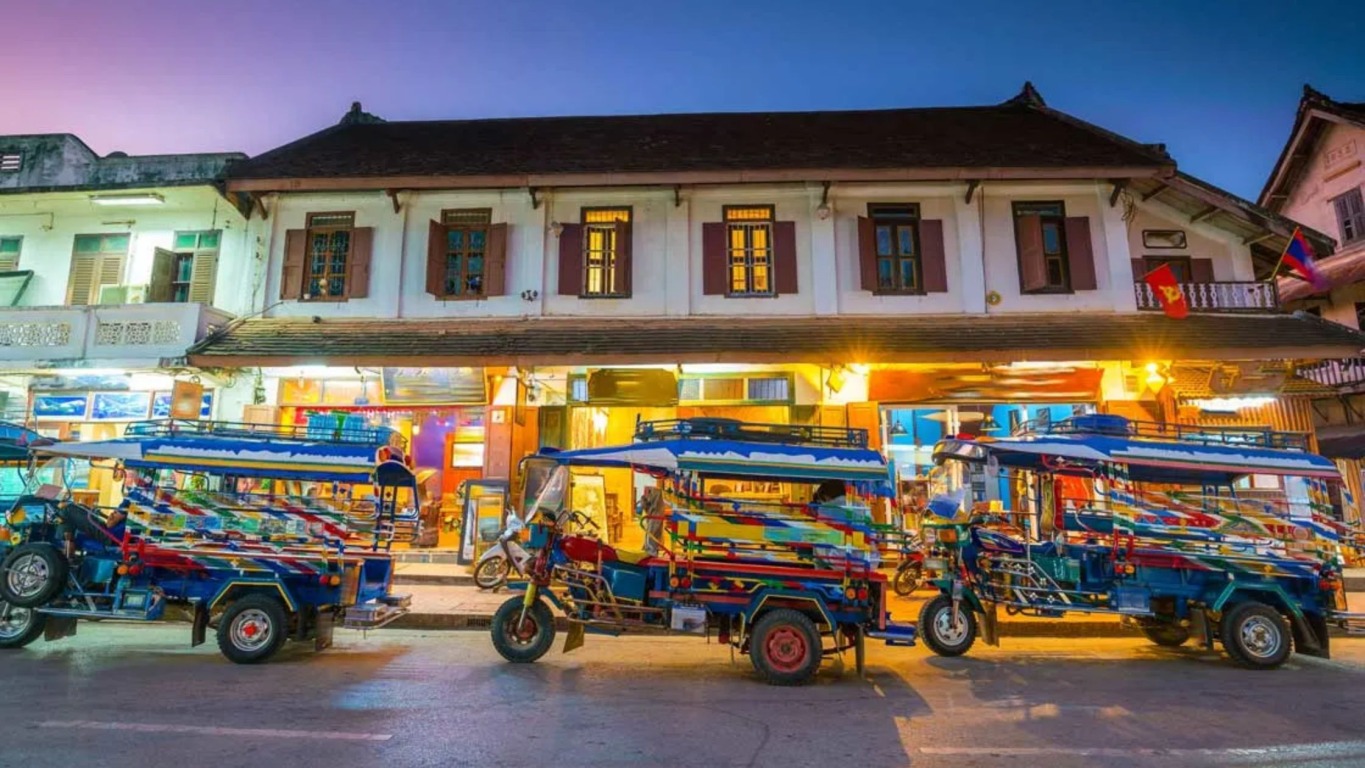
So, When is the Best Time to Visit Laos?
If you love comfortable weather and sightseeing: November to February brings cool mornings, clear skies, and dry days – ideal for temple visits in Luang Prabang, riverside walks in Vientiane, and scenic Mekong River cruises. Visibility is perfect for photography, and travel feels effortless during this season.
If you enjoy lush scenery and fewer crowds: From May to September, the green season transforms Laos into a paradise of emerald rice fields, misty hills, and roaring waterfalls. Rain showers are frequent but brief, leaving behind fresh, photogenic landscapes and a peaceful, crowd-free atmosphere.
If you want to experience cultural festivals: April bursts to life with Pi Mai Lao (Lao New Year), filled with joyful water fights, parades, and temple rituals. Other highlights include the Boat Racing Festival in October and the That Luang Festival in November in Vientiane.
For river cruises: November to early March is the best time for Mekong River cruises, with calm conditions and high water levels. Glide past remote villages, jungle-lined banks, and glowing sunsets between Luang Prabang and the Thai border in serene comfort.
 If trekking and outdoor adventures excite you: Choose October to February for cool, dry conditions in the northern highlands around Luang Prabang, Luang Namtha, and Phongsaly. Trails are comfortable, mountain views are clear, and remote hill-tribe villages are most accessible. Wet-season trekking is possible but can be muddy and challenging.
Ready to Experience Laos?
From misty mountain mornings in Luang Prabang to the slow rhythm of life along the Mekong, Laos invites you to slow down and savor its timeless charm. Whether you visit during the cool, clear months of winter or the lush, rain-kissed green season, every journey here feels intimate and unhurried.
With golden temples, vibrant festivals, and breathtaking natural beauty waiting in every corner, there is never a wrong time to go—only the perfect moment that matches your style of travel. Start planning your Laos adventure and let its gentle pace and serene landscapes capture your heart.
Start Your Journey with Alo Travel Asia
Finding the best time to visit Laos is just the beginning. Whether you want to witness the spiritual morning alms in Luang Prabang or cruise the 4,000 Islands, we are here to help. If your adventure continues across the border, don’t miss our weather guides for Vietnam and Cambodia.
The post Best Time to Visit Laos – Month by Month Breakdown appeared first on ALO Travel Asia.
]]>The post Best Time to Visit Vietnam – Month-by-Month Breakdown appeared first on ALO Travel Asia.
]]>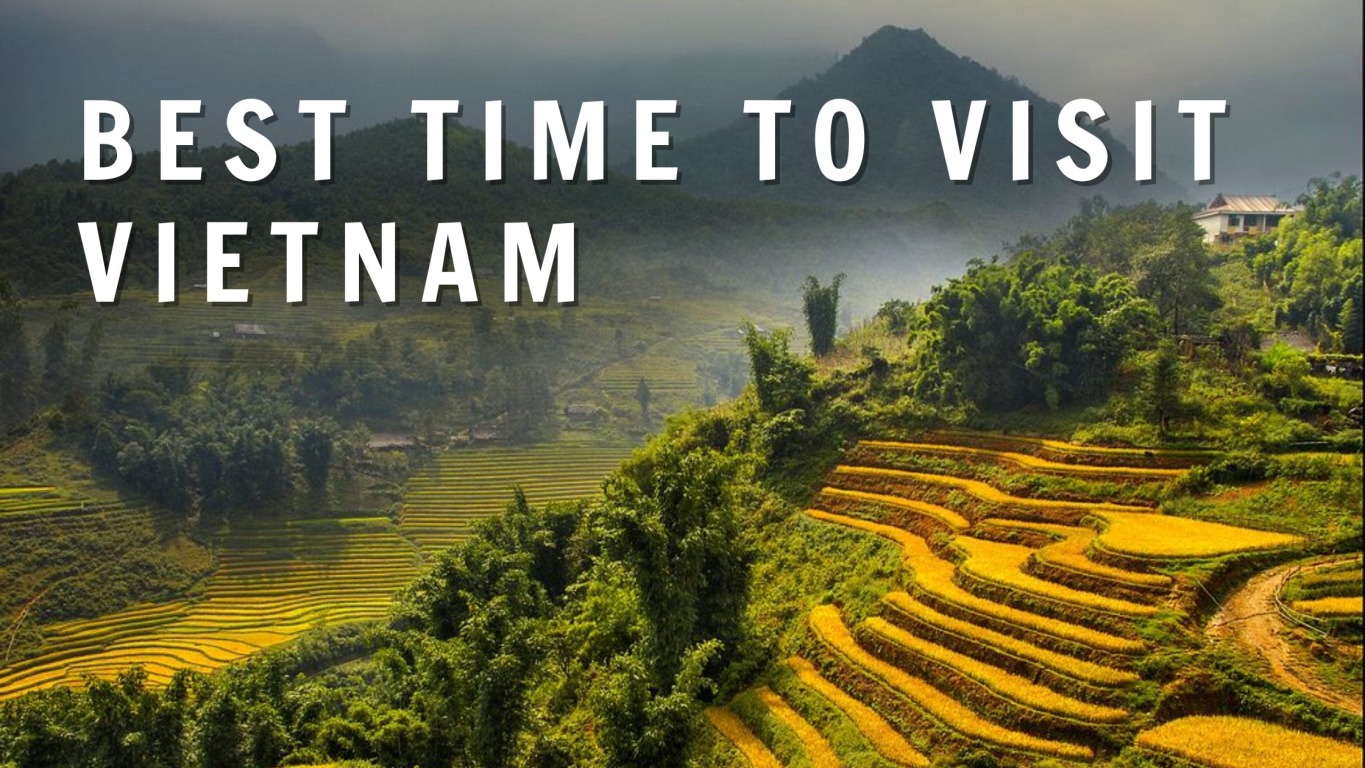
The best time to visit Vietnam for a perfect holiday
Finding the best time to visit Vietnam is the first step to an unforgettable journey. Dreaming of Vietnam but unsure when to go? With its misty northern peaks, lantern-lit towns, and sun-drenched southern shores, this is a country that feels different in every season – and that’s exactly what makes it so captivating.
Stretching over 1,600 kilometers and spanning multiple climates, Vietnam offers something special year-round: golden rice fields in autumn, balmy beach escapes in winter, vibrant festivals in spring, and lush green landscapes in summer. Our month-by-month weather guide will help you uncover the best time to visit, tailored to your interests, so you can experience Vietnam in its most breathtaking light.
Overview of weather in Vietnam
Understanding the best time to visit Vietnam starts with its climate, which is as varied as its landscapes. Thanks to the country’s long, slender shape, you will encounter three distinct weather zones as you move from north to south — each offering its own rhythm of seasons and surprises.
North Vietnam (Hanoi, Halong Bay, Sapa, Ninh Binh):
A place of four true seasons. Winters (Dec–Feb) can be misty and cold, while summers (May–Aug) are hot and humid. Spring (Mar–Apr) and autumn (Sep–Nov) bring the best balance, with crisp air, clear skies, and landscapes in bloom.
Central Vietnam (Hue, Da Nang, Hoi An, Nha Trang, Phan Thiet):
Known for its sun-drenched summers (Feb–Aug) and a rainy season from Sep to Jan. Occasional storms may roll in, especially around October, but even rainy days have a certain poetic charm, especially in Hue’s imperial gardens or Hoi An’s lantern-lit streets.
Southern Vietnam (Saigon, Mekong Delta, Phu Quoc, Con Dao):
Think tropical all year round, with two main seasons: dry (Nov–Apr) and wet (May–Oct). Even in the rainy season, showers tend to be short and refreshing, clearing the air just in time for a sunset river cruise or a street food stroll.
The beauty of Vietnam’s varied climate is this: while one region may be drenched in rain, another is basking in sunshine. With smart planning, there is always somewhere beautiful to be, no matter the month.
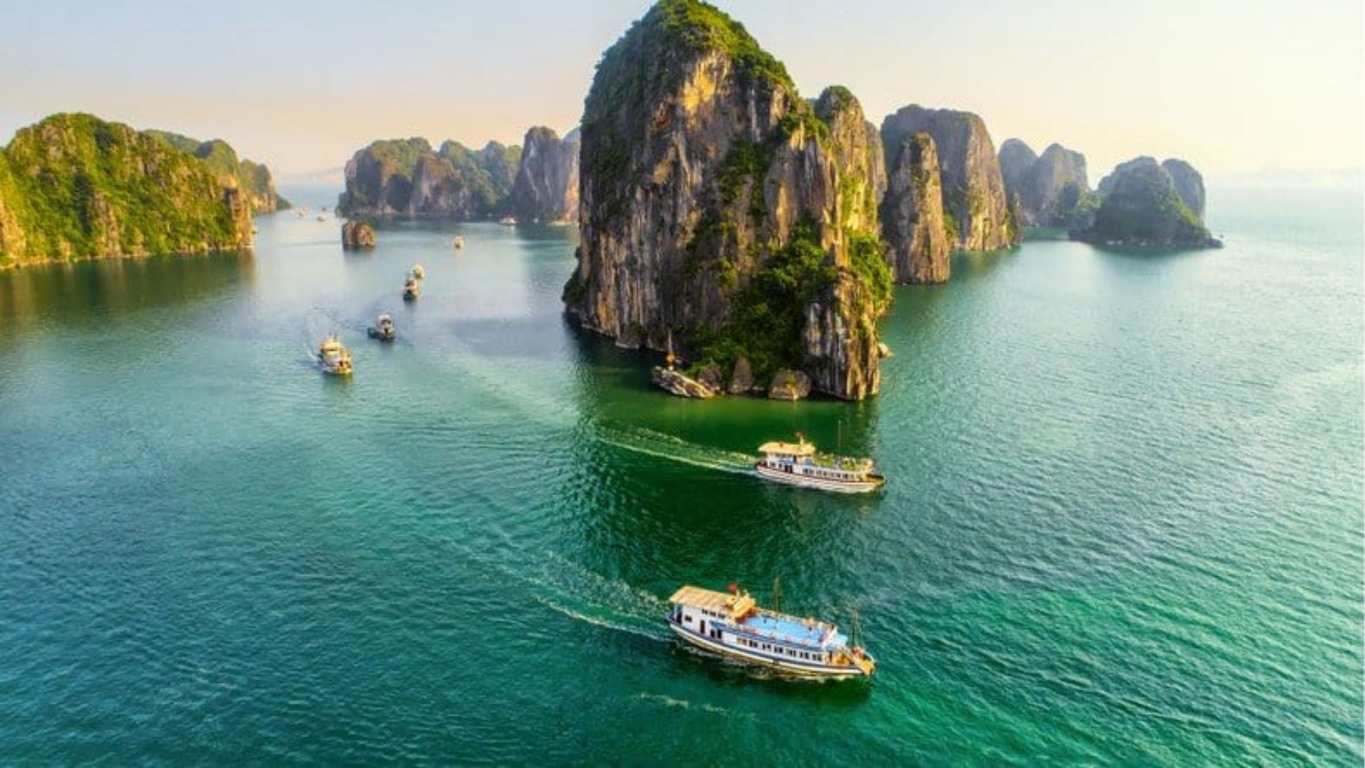
Best time to visit Vietnam – Cruising in Halong Bay
The Best Time to Visit Vietnam: A Month-by-Month Guide
January – A Fresh Start in Vietnam
Weather:
- North (Hanoi, Halong Bay, Sapa, Ninh Binh): Dry and chilly. Sapa can drop to 5°C, while Hanoi, Halong Bay, and Ninh Binh range from 12–20°C, with foggy mornings and occasional drizzle.
- Central (Hue, Da Nang, Hoi An, Nha Trang, Phan Thiet): Cooler days at 20–24°C, little rain, calm sea conditions.
- South (Saigon, Mekong Delta, Phu Quoc, Con Dao): Warm and dry, with daily highs of 28–32°C. Perfect for beach lovers and outdoor adventures.
Why visit: With fresh air and blue skies, January is perfect for exploring Hanoi’s historic streets, cruising Halong Bay, or relaxing on Phu Quoc’s beaches. It is also the season for trekking in Sapa.
Good to know: Tet (Vietnamese Lunar New Year) sometimes falls in late January. It is a joyful time filled with flowers, family reunions, and fireworks, but also means many shops close temporarily. Early planning is recommended as domestic travel peaks.
February – Spring Vibes and Tet Festivities
Weather:
- North (Hanoi, Halong Bay, Sapa, Ninh Binh): Cool and dry, with temperatures ranging from 15–23°C, while Sapa may still be quite cold. Drizzle and fog may linger, especially early in the month.
- Central (Hue, Da Nang, Hoi An, Nha Trang, Phan Thiet): Mostly dry with mild temperatures from 22–26°C. Occasional light rain in Hue and Da Nang.
- South (Saigon, Mekong Delta, Phu Quoc, Con Dao): Hot, sunny, and dry. Average highs of 28–33°C make it ideal for beach escapes and outdoor travel.
Why visit: February is a magical time to experience Tet, the Vietnamese Lunar New Year. Streets come alive with flowers, festivals, and fireworks. The weather is ideal across much of the country, especially for outdoor travel in the South.
Good to know: Tet (Vietnamese New Year) often falls in February. Cities are decorated with flowers and lights, but many shops and restaurants close during the first few days. Trains, flights, and hotels often sell out, so it is best to plan well ahead.
March – Sunshine Returns and Nature Awakens
Weather:
- North (Hanoi, Halong Bay, Sapa, Ninh Binh): Gradually warming (18–26°C). The skies clear up, mist fades, and spring flowers start blooming, especially in the mountainous north.
- Central (Hue, Da Nang, Hoi An, Nha Trang, Phan Thiet): Pleasant and mostly dry, ranging from 24–29°C. Sea conditions remain calm, making this a good time for beach relaxation and cultural exploration.
- South (Saigon, Mekong Delta, Phu Quoc, Con Dao): Dry season continues (30–35°C), perfect for cruising, cycling, or unwinding by the sea.
Why visit: March offers a beautiful blend of good weather and vibrant scenery. It is a great month for exploring Vietnam from north to south – from boat rides in Ninh Binh and lantern-lit evenings in Hoi An, to island escapes in Phu Quoc.
Good to know: With Tet holidays over, local life returns to normal. March is still shoulder season, so you can enjoy fewer crowds and easier hotel availability than in peak months. If you plan to hike in the north, pack layers as mornings and evenings can still be chilly.
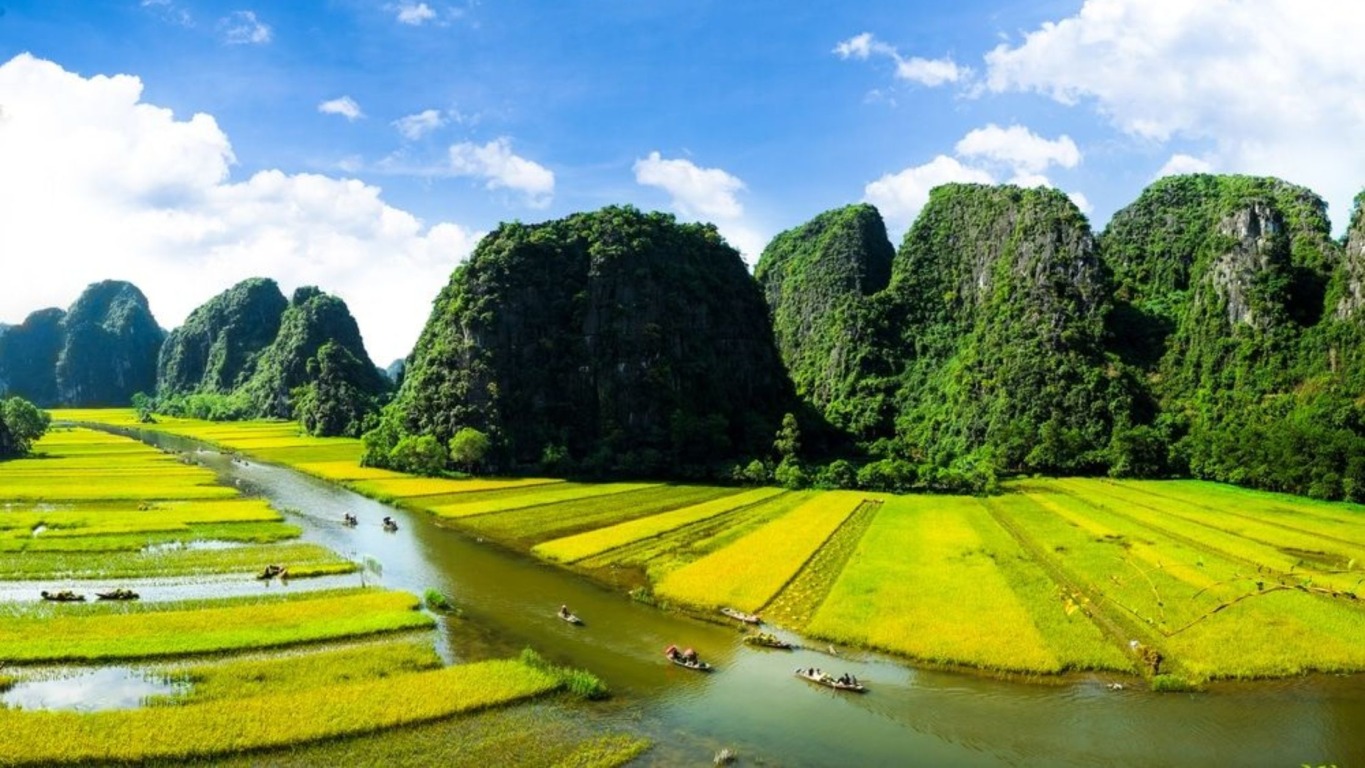
Best time to visit Vietnam – Ninh Binh boat tour
April – Golden Days Before the Summer Heat
Weather:
- North (Hanoi, Halong Bay, Sapa, Ninh Binh): Warm and dry, with temperatures from 22–30°C. Sunshine becomes more consistent, especially in Hanoi and Ninh Binh. Sapa remains pleasant, with clear skies and cool evenings.
- Central (Hue, Da Nang, Hoi An, Nha Trang, Phan Thiet): Excellent beach weather, with temperatures around 27–32°C. Rain is still minimal, and sea conditions are ideal for swimming and water activities.
- South (Saigon, Mekong Delta, Phu Quoc, Con Dao): Hot and dry, with Saigon and the Mekong Delta reaching 32–36°C.
Why visit: April is a fantastic time to explore Vietnam before the summer heat and rainy season arrive. From kayaking in Halong Bay and cycling in Ninh Binh to sunbathing in Nha Trang or snorkeling off Phu Quoc, the country offers a full range of experiences under golden skies. Nature is vibrant, and cultural sites are less crowded than during the Tet season.
Good to know: The Reunification Day holiday (April 30) and Labor Day (May 1) are national events, so local travel surges during this period. If you plan to travel at the end of the month, booking transport and accommodation early is recommended. Also, bring sunscreen and a hat, especially in the South and along the coast.
May – Lush Landscapes and the First Summer Showers
Weather:
- North (Hanoi, Halong Bay, Sapa, Ninh Binh): Hotter and more humid (26–34°C). Afternoon thunderstorms begin to appear, especially in late May, but mornings are often sunny. Mountains turn vibrant green.
- Central (Hue, Da Nang, Hoi An, Nha Trang, Phan Thiet): Generally dry and sunny, with temperatures between 28–34°C. Nha Trang and Phan Thiet are particularly good for beachgoers. Rain is still rare along the coast.
- South (Saigon, Mekong Delta, Phu Quoc, Con Dao): Transition into the rainy season begins, with temperatures around 30–35°C. Expect hot days and occasional short downpours, mostly in the afternoon or evening.
Why visit: May marks the sweet spot before Vietnam’s summer rush begins. The weather is warm and mostly dry across the country, making it ideal for beach escapes in Da Nang or Nha Trang, and scenic adventures in Sapa, while the hills are still lush and cool.
Good to know: Domestic travel begins to pick up toward the end of May as schools prepare to close for summer. Beach destinations like Phu Quoc and Hoi An may see more local families, so booking accommodation early is wise. The south starts to see occasional afternoon showers, especially in Ho Chi Minh City and the Mekong Delta.
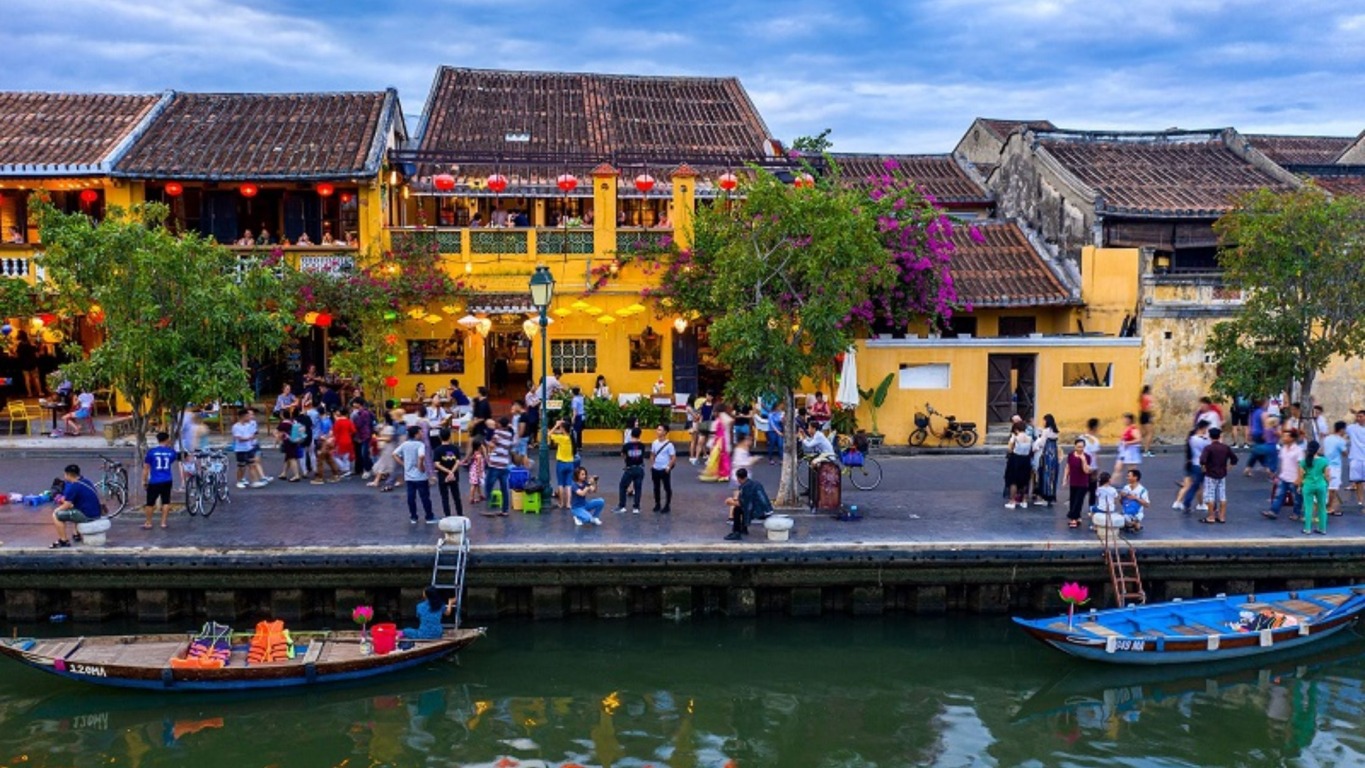
Best time to visit Vietnam – Hoi An Ancient Town
June – Green Landscapes and Tropical Rains
Weather:
- North (Hanoi, Halong Bay, Sapa, Ninh Binh): Warm to hot, with temperatures from 27–35°C. Rainfall increases, especially in the form of short afternoon showers or occasional storms. The countryside, including Sapa and Ninh Binh, is vividly green and photogenic.
- Central (Hue, Da Nang, Hoi An, Nha Trang, Phan Thiet): Dry and sunny in most areas, with temperatures ranging from 30–36°C. Central beaches are at their best, with clear skies and calm seas. Rain may begin to appear toward the end of the month in Hue.
- South (Saigon, Mekong Delta, Phu Quoc, Con Dao): The rainy season is underway, with daily highs of 29–34°C. Expect brief but heavy showers, typically in the late afternoon or evening. Mornings often remain clear and suitable for excursions.
Why visit: June brings dramatic natural beauty to Vietnam, rice fields in the north are at their greenest, waterfalls are full, and tropical fruits are abundant across the country. Central Vietnam, especially Hoi An, Nha Trang, and Quy Nhon, is ideal for a beach getaway. If you are a photographer or nature lover, this is an inspiring time to explore.
Good to know: Rain in the South usually comes in bursts, not all day, so bring a light raincoat and plan activities for mornings. Early June often sees better hotel rates and fewer domestic tourists than the peak in July and August, especially in beach destinations like Da Nang, Hoi An, and Nha Trang.
July – Summer Peaks and Lush Greenery
Weather:
- North (Hanoi, Halong Bay, Sapa, Ninh Binh): Hot and humid, with temperatures from 28–36°C. July is one of the wettest months in the north, with frequent afternoon showers and occasional storms, especially in the mountains. Sapa and the northern highlands are misty, lush, and dramatic.
- Central (Hue, Da Nang, Hoi An, Nha Trang, Phan Thiet): The sunniest region this time of year, 30–37°C, with long dry days – perfect for beach holidays and sightseeing, though midday heat can be intense.
- South (Saigon, Mekong Delta, Phu Quoc, Con Dao): Tropical rains arrive daily, mostly in short afternoon bursts. Temperatures stay around 27–33°C with high humidity.
Why visit: July is vibrant with local life and stunning scenery. In the north, terraced rice fields in areas like Mu Cang Chai and Sapa are vibrant and picturesque, offering incredible scenery for trekkers and photographers. While central Vietnam offers reliable sunshine for beach escapes and cultural visits to Hue or Hoi An.
Good to know: This is peak travel time for Vietnamese families on school break, especially in beach towns. Book early for better availability, and plan outdoor activities in the morning to avoid afternoon showers, particularly in the south.
August – Late Summer Adventures
Weather:
- North (Hanoi, Halong Bay, Sapa, Ninh Binh): Hot and humid, with temperatures from 27–35°C. Rain remains frequent, especially in the form of short, heavy showers. Sapa and the northern highlands are at their greenest, and rice terraces begin turning gold toward the end of the month.
- Central (Hue, Da Nang, Hoi An, Nha Trang, Phan Thiet): Still largely dry and sunny, with temperatures around 28–35°C. The central coast remains the best region for beach weather. Occasional showers may appear, particularly in Hue.
- South (Saigon, Mekong Delta, Phu Quoc, Con Dao): Continued rainy season, with highs from 28–33°C. Rain typically arrives in short bursts, leaving the rest of the day warm and humid.
Why visit: August offers the last burst of summer energy. Central Vietnam still shines with beach weather, while the northern mountains are beautiful for cultural and nature-based adventures like rice field walks and village visits.
Good to know: Domestic travel starts to slow down in the second half of the month as schools prepare to reopen. This means fewer crowds and more availability at hotels – especially toward the end of August. Always pack light rain gear, especially if heading south.
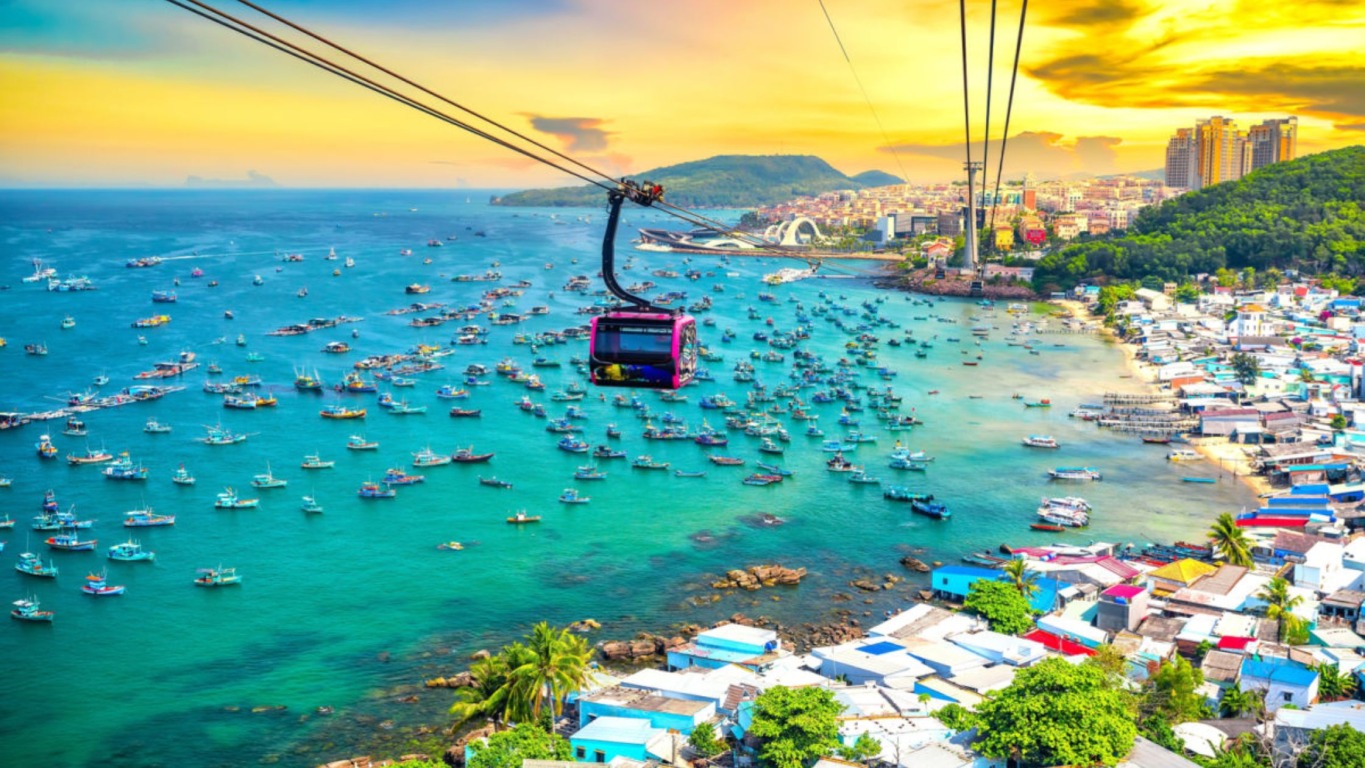
Best time to visit Vietnam – Sunset at Phu Quoc island
September – A Gentle Shift into Autumn
Weather:
- North (Hanoi, Halong Bay, Sapa, Ninh Binh): Cooler and more pleasant, with temperatures from 25–32°C. Rain begins to ease, especially later in the month. Sapa and the northwest glow with golden rice terraces.
- Central (Hue, Da Nang, Hoi An, Nha Trang, Phan Thiet): Warm and humid, 27–33°C. Rain increases in Hue and Da Nang, while Nha Trang and Mui Ne stay mostly dry.
- South (Saigon, Mekong Delta, Phu Quoc, Con Dao): Still in the rainy season, with highs of 27–32°C. Showers are often short and happen in the afternoon.
Why visit: September is perfect for visiting the north, where rice fields in Sapa, Mu Cang Chai reach peak golden color. The weather softens across the country, and popular sites are less crowded after summer.
Good to know: Mid-autumn celebrations (Tết Trung Thu) may take place this month, particularly in cities like Hanoi and Hoi An, with lion dances, colorful lanterns, and mooncakes. While some areas still see rainfall, it rarely affects full-day plans. Trekking in the north is especially popular in early September – plan ahead if you are visiting during harvest festivals.
October – Ideal Weather Returns
Weather:
- North (Hanoi, Halong Bay, Sapa, Ninh Binh): Clear and cool, with temperatures from 20–28°C. Rainfall drops sharply. Sapa enters its best trekking season, with crisp air and golden hills.
- Central (Hue, Da Nang, Hoi An, Nha Trang, Phan Thiet): Rain increases in Hue and Hoi An due to the northeast monsoon (occasional flooding possible), with temperatures ranging from 23–27°C. Nha Trang and Mui Ne remain drier, with temperatures from 26–32°C.
- South (Saigon, Mekong Delta, Phu Quoc, Con Dao): Rain starts to ease, with highs of 26–32°C. Skies begin to clear, especially later in the month.
Why visit: October brings some of the most pleasant weather of the year in the north and south. It is ideal for nature lovers, cultural explorers, and photographers. Less humidity, clear views, and vibrant street life await.
Good to know: Weather in Central Vietnam can be unpredictable, with occasional typhoons affecting areas like Hue and Hoi An. So check weather forecasts and stay flexible with travel plans.
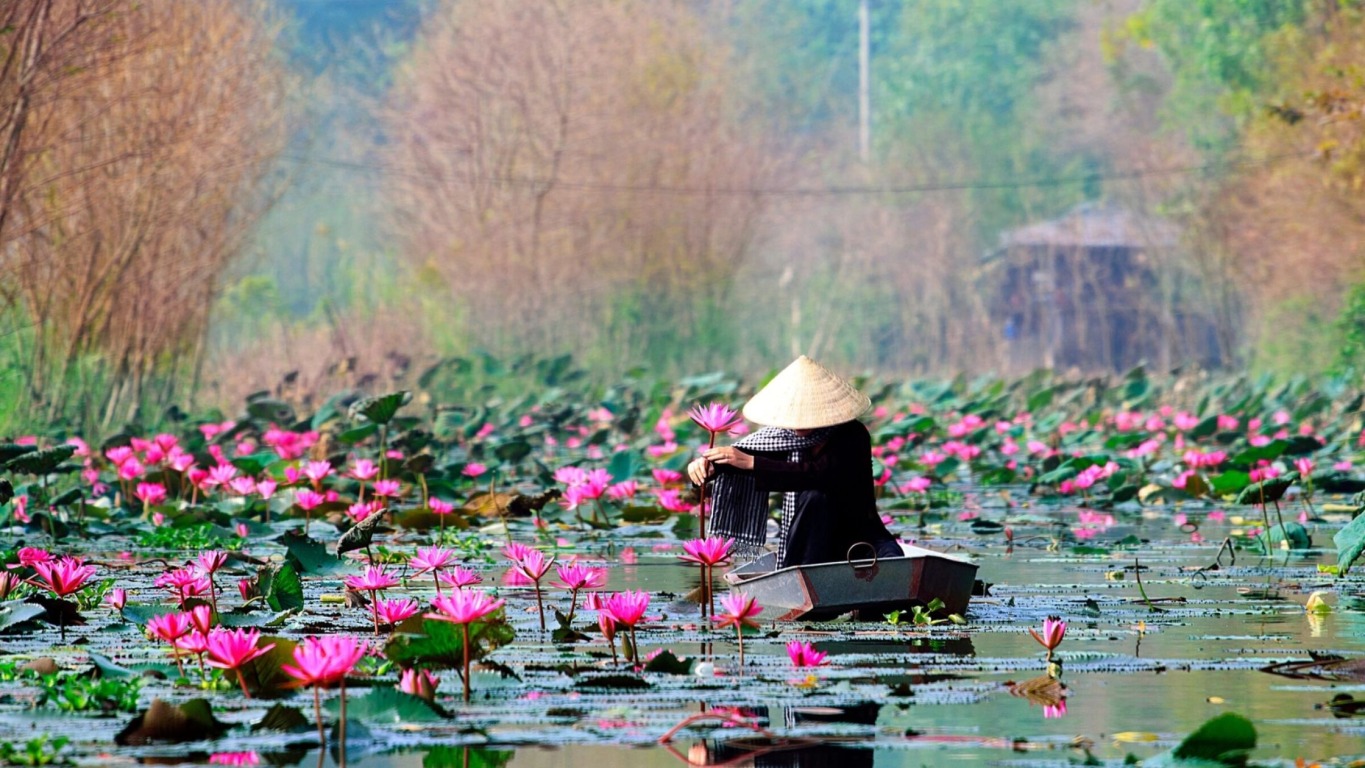
November – Clear Days and Perfect Exploring Weather
Weather:
- North (Hanoi, Halong Bay, Sapa, Ninh Binh): Cool and dry, with temperatures from 18–26°C. Clear skies and fresh air make it ideal for trekking, cruising, and countryside trips.
- Central (Hue, Da Nang, Hoi An, Nha Trang, Phan Thiet): Rain persists, especially in Hue, temperatures stay around 22–25°C, with cooler evenings. Nha Trang and Phan Thiet are drier and warmer, around 23–28°C.
- South (Saigon, Mekong Delta, Phu Quoc, Con Dao): Dry season returns, with daily highs of 27–31°C. Blue skies and low humidity make this one of the best times to visit.
Why visit: November offers some of the best travel conditions in Vietnam, especially in the north and south. From wandering Hanoi’s Old Quarter to relaxing on Phu Quoc’s beaches, the weather is just right. The Mekong Delta is vibrant and full of life after the rains.
Good to know: Central Vietnam can still see heavy showers, but this usually improves by late November. The north may feel chilly in the evenings – a light jacket is useful. This is the start of peak tourist season. Book popular accommodations and tours in advance, especially in Halong Bay, Sapa, and Phu Quoc.
December – Festive Vibes and Fresh Air
Weather:
- North (Hanoi, Halong Bay, Sapa, Ninh Binh): Dry and chilly, with temperatures from 12–22°C. Sapa can drop to 5–8°C at night. Skies are mostly clear, though fog may appear in early mornings.
- Central (Hue, Da Nang, Hoi An, Nha Trang, Phan Thiet): Rain still lingers in Hue and Hoi An, but tends to ease toward the end of the month, with temperatures ranging from 20–24°C. Nha Trang and Phan Thiet are dry and sunny.
- South (Saigon, Mekong Delta, Phu Quoc, Con Dao): At its best, warm, dry, and sunny. Temperatures range from 24–30°C. Ideal for beach trips, cruises, and outdoor activities.
Why visit: December is one of the most pleasant months to visit Vietnam, especially in the south and north. Hanoi is cool and festive, Halong Bay enjoys clear sailing conditions, and Phu Quoc offers perfect beach weather. It is a great time for combining cultural highlights with seaside relaxation.
Good to know: Year-end travel peaks across Vietnam as locals and international visitors make the most of the holiday season. Beach destinations like Phu Quoc and Con Dao are especially popular due to perfect weather and limited resort capacity. Be sure to book your accommodations and domestic flights early to secure your ideal getaway.
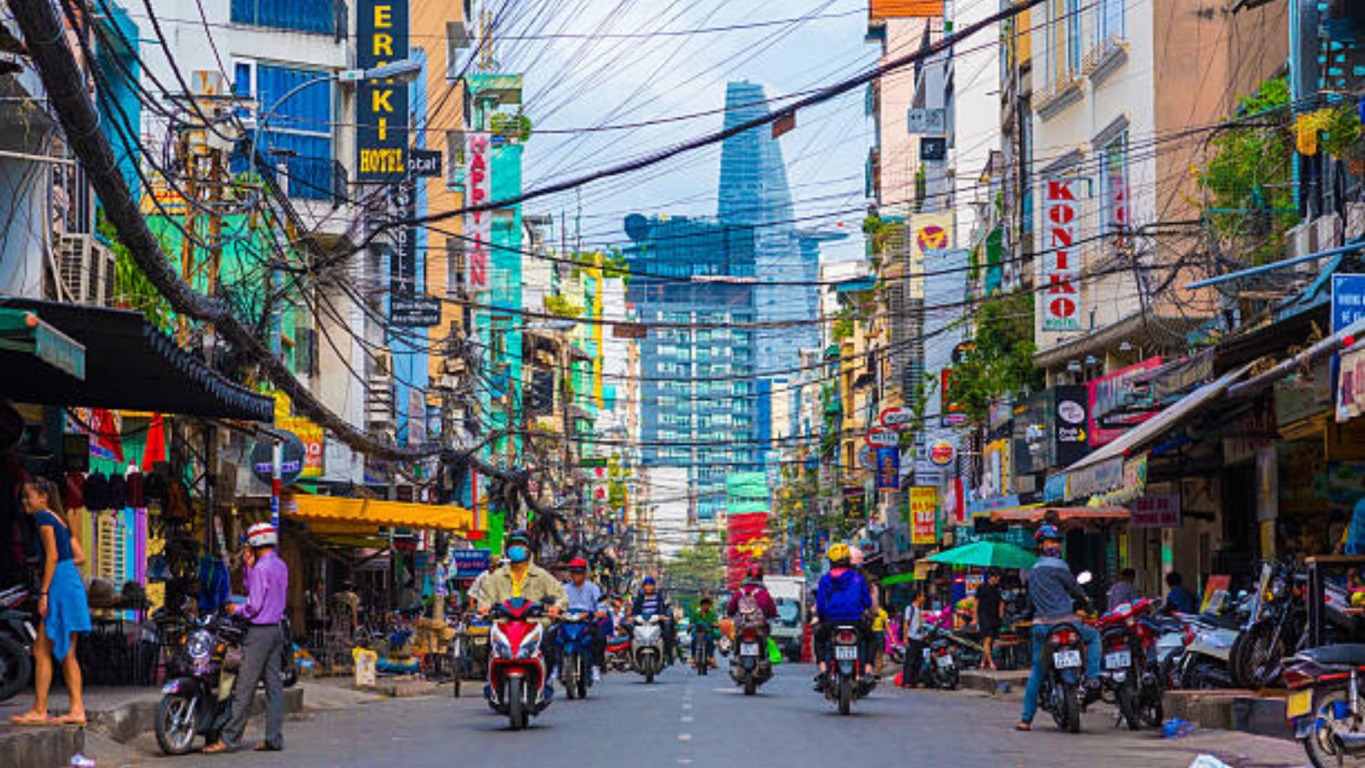
So, When Should You Visit Vietnam?
There is no single “best” time – it all depends on the kind of journey you are dreaming of. Here is how to plan your trip based on your interests:
If you love beaches and sunshine:
South & Phu Quoc: Best from November to April with warm, dry, sunny days.
Central Coast (Hoi An, Da Nang, Nha Trang): Best from March to August, when the seas are calm and skies are clear.
If you enjoy trekking or cultural experiences:
The northern highlands, like Sapa and Ha Giang, shine from March to May and September to November, with blooming spring terraces or golden autumn rice fields. For a cultural twist, January and February bring Tet and lively local festivals, though it can be colder and busier.
 If you are traveling on a budget: The low season – particularly May, June, and September – brings fewer crowds and better rates. You might catch some rain, but also lush landscapes and more intimate local encounters.
From misty mountain trails to sun-kissed shores, Vietnam offers something different in every season. No matter when you go, there is always a part of Vietnam that shines.
Explore More of Southeast Asia
Planning a multi-country trip? Ensure perfect weather for your entire journey by checking out our guides for neighboring destinations:
Need a customized Indochina itinerary? Contact Alo Travel Asia today!
The post Best Time to Visit Vietnam – Month-by-Month Breakdown appeared first on ALO Travel Asia.
]]>The post Complete guide to apply for E-visa Vietnam appeared first on ALO Travel Asia.
]]>Instructions for operating and using the functions of the electronic visa system
Step 1: Upload a portrait and biometric passport photo. After uploading the photos, the system will automatically display personal information from the passport. Users can check and update any incorrect information.
*Note: The visa applicant’s photo must be a recent 4×6 cm image in JPG or JPEG format, with a file size of less than 2MB. The photo should be a front-facing image with no hat, no glasses, in formal attire, and with a white background.
Step 2.1: The system automatically verifies the portrait and passport images. If valid, the system will automatically fill in the passport information fields. Users should review the automatically filled-in fields, then proceed to complete all required fields (marked with *), as well as any optional fields (if any).

Step 2.2: If the passport photo is invalid, the system will not allow users to submit the application.
Step 3: Confirm the declaration information and proceed.

GUIDE TO VERIFYING DECLARATION INFORMATION
Step 1: Check the entered information, including mandatory fields and other optional fields (if any).
Step 2: Enter the verification code and proceed.

GUIDE TO PAYING APPLICATION
Step 1: Check payment information.
Step 2: Agree and Proceed to Payment.

Step 3: Select payment method

Step 4: Enter credit/debit card details

Step 5: Confirm the payment terms and conditions
Step 6: Verify OTP
Step 7: Payment has been successfully processed

GUIDE TO SEARCHING APPLICATION
Step 1: Enter search information, including electronic profile ID, date of birth, and email address.
Step 2: Check profile information.

8. Important Notes
- The standard processing time for a Vietnam e-Visa is typically 3 business days. However, delays may occur due to high application volume, public holidays, or errors in the application.
To avoid any last-minute issues, it is highly advised to apply at least 3 months in advance. This allows time to correct any potential mistakes, such as typos in personal details, system errors, or unexpected government processing delays.
As part of our service, we will double-check your visa 30 days before your trip, aligning with the final tour balance payment. This step is essential to ensure that any issues can be resolved in time—a visa problem upon arrival could significantly affect your travel experience. Applying early gives you peace of mind and ensures a smooth journey.
- Public Holidays: Vietnamese embassies and immigration offices do not process visas on weekends or public holidays.
- The time for declaration and processing of documents is in the UTC+07:00 time zone
- Passport Validity: Your passport must be valid for at least six (6) months from your date of entry into Vietnam. The passport must have at least two blank pages for visa stamps.
- E-Visa Extensions: E-Visas cannot be extended. If you need a longer stay, you must exit and reapply for a new visa.
- A visa is issued for foreigners who are currently abroad and wish to enter Vietnam (not for foreigners who are currently temporary residents in Vietnam).
We hope this guide clarifies the Vietnam visa process for you. If you have any questions or need further assistance, please feel free to contact us.
Safe travels, and we look forward to welcoming you to Vietnam soon!
We can’t wait to show you the beauty of Vietnam!
Warm regards,
ALO Travel Asia
The post Complete guide to apply for E-visa Vietnam appeared first on ALO Travel Asia.
]]>The post Discover Wellness Travel in Southeast Asia in 2026: An Insightful Guide appeared first on ALO Travel Asia.
]]>As you explore wellness travel in Southeast Asia, you’ll discover a variety of experiences designed to rejuvenate your spirit. From serene yoga sessions on sun-kissed beaches to tranquil hikes through lush jungles, every moment invites you to unwind and reconnect with yourself. Immersing yourself in local cultures, whether it’s through mindful cooking classes or traditional healing practices, enhances your journey and fosters a deeper sense of well-being. This region is not just a destination; it’s an opportunity to cultivate inner peace while surrounded by breathtaking beauty.
What Wellness Travel Really Looks Like
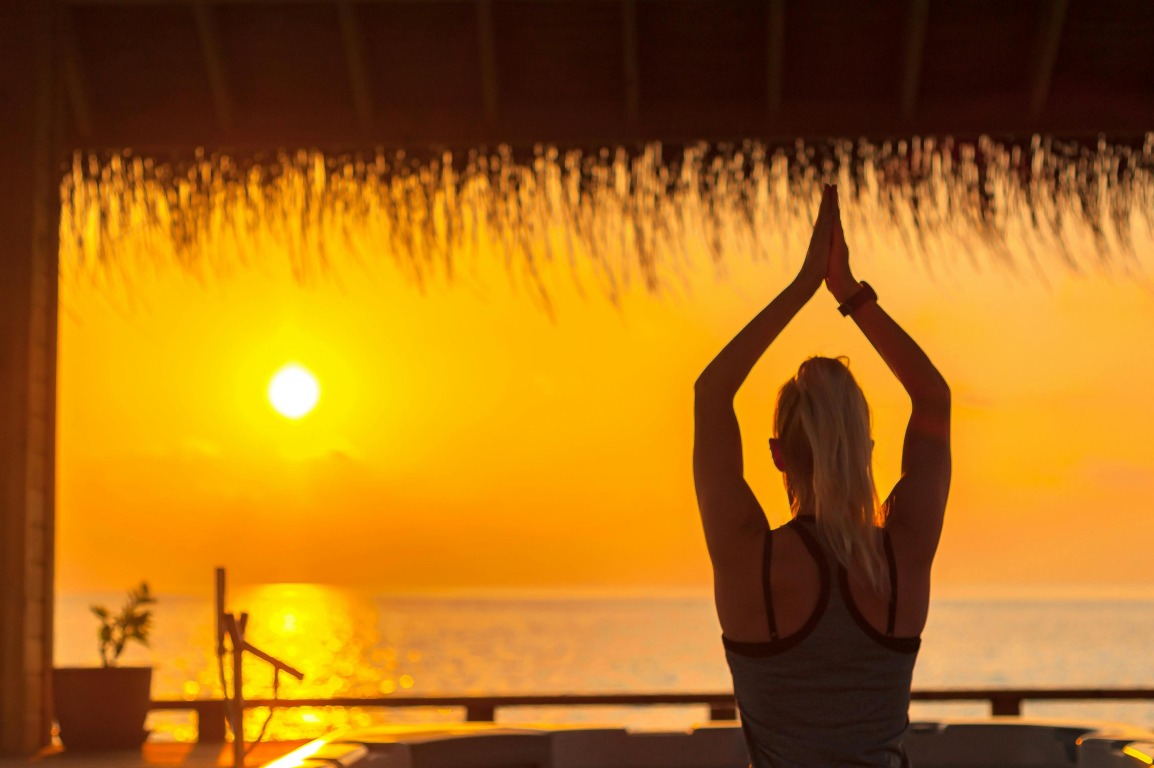
Wellness travel does not follow a strict schedule or checklist. Instead, it unfolds through simple, intentional moments that support both physical and mental well-being:
-
Waking up with natural light instead of alarms
-
Walking through villages, forests, or along quiet beaches
-
Swimming in rivers, waterfalls, or the sea
-
Eating fresh, nourishing food made with local ingredients
-
Moving the body gently — hiking, cycling, kayaking, yoga
-
Creating time to rest, reflect, and simply be present
It’s less about doing more — and more about doing what truly matters.
Why Southeast Asia Is Ideal for Wellness Travel
Nature as the Foundation of Healing
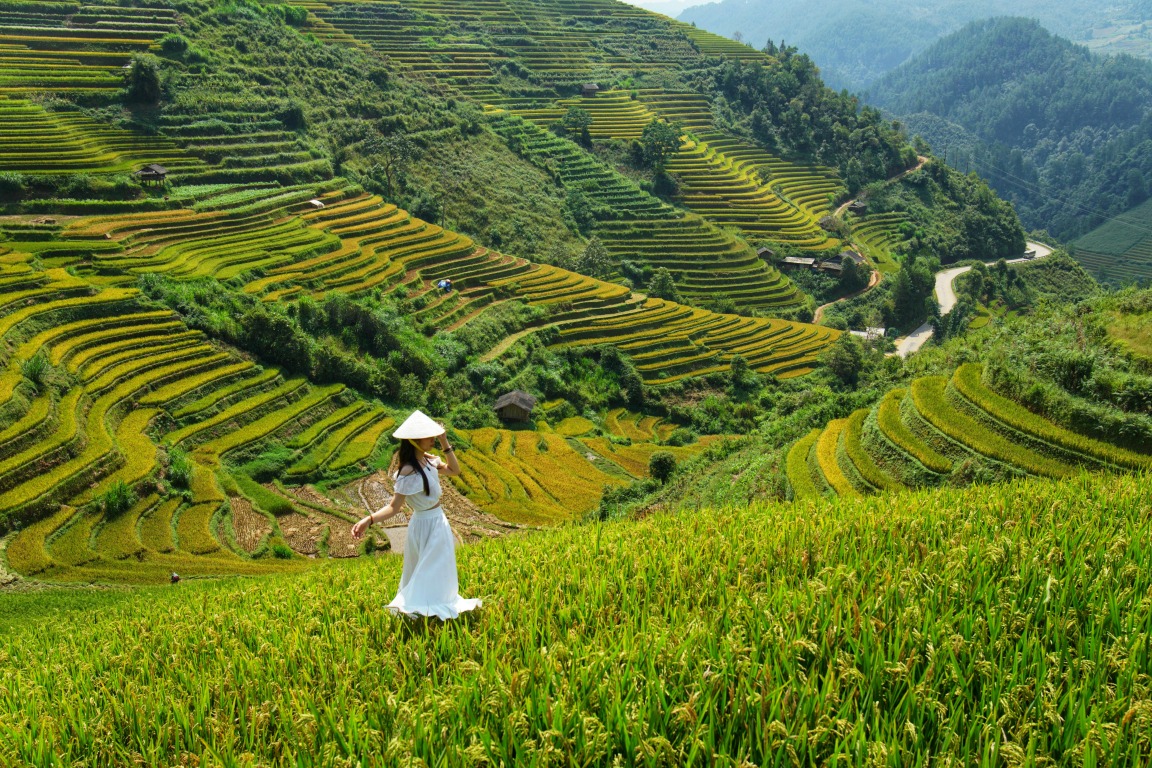
Wellness travel in Southeast Asia begins with its landscapes. Mountains, rivers, lakes, forests, and coastlines form the backdrop for everyday movement and stillness.
Many wellness experiences here happen naturally:
-
Morning walks through rice fields and small villages
-
Kayaking on calm rivers like the Mekong or Nam Song
-
Swimming in jungle waterfalls or quiet beach coves
-
Hiking forest trails at a comfortable, unhurried pace
Nature is not an attraction here — it’s part of daily life. And that’s what makes it deeply restorative.
A Slower Rhythm of Life
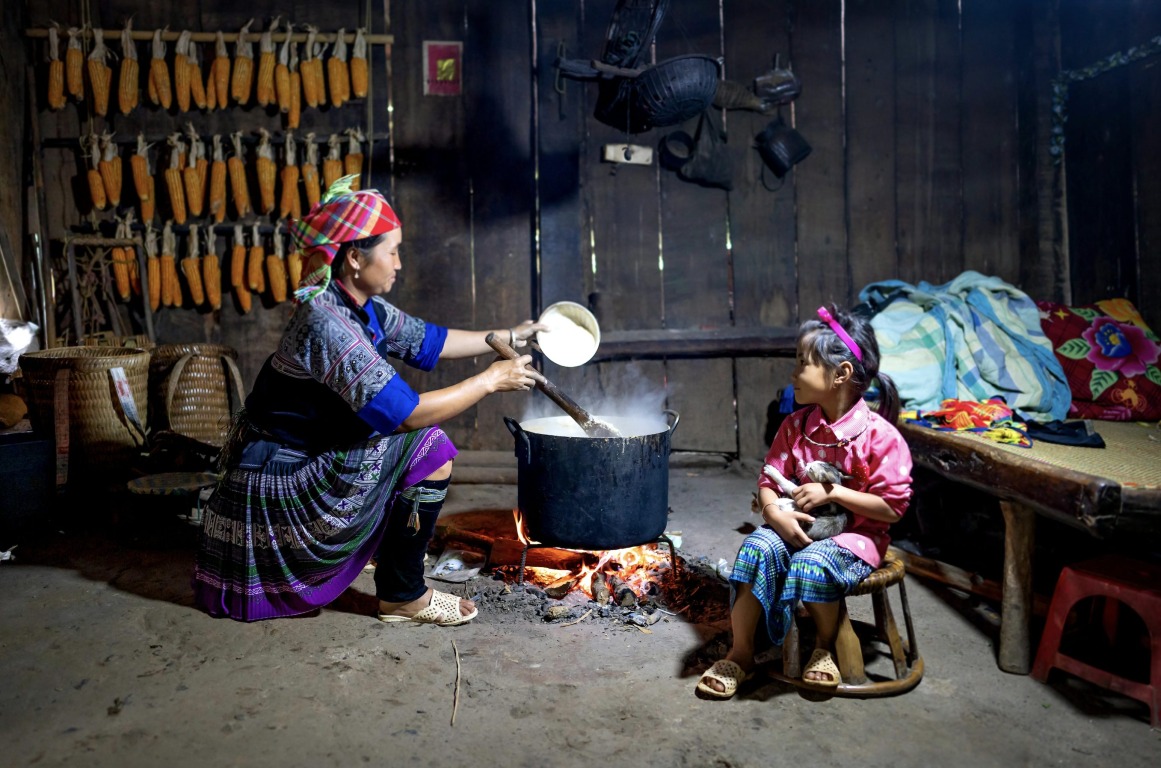
In countries like Laos, rural Vietnam, and parts of Indonesia, life moves according to natural rhythms. Meals are unhurried, afternoons are quiet, and evenings soften into reflection.
This slower pace allows travelers to slow down without forcing it. There’s no pressure to rush from one highlight to the next. Wellness emerges organically — simply by aligning with how life is lived locally.
Cultural & Spiritual Grounding
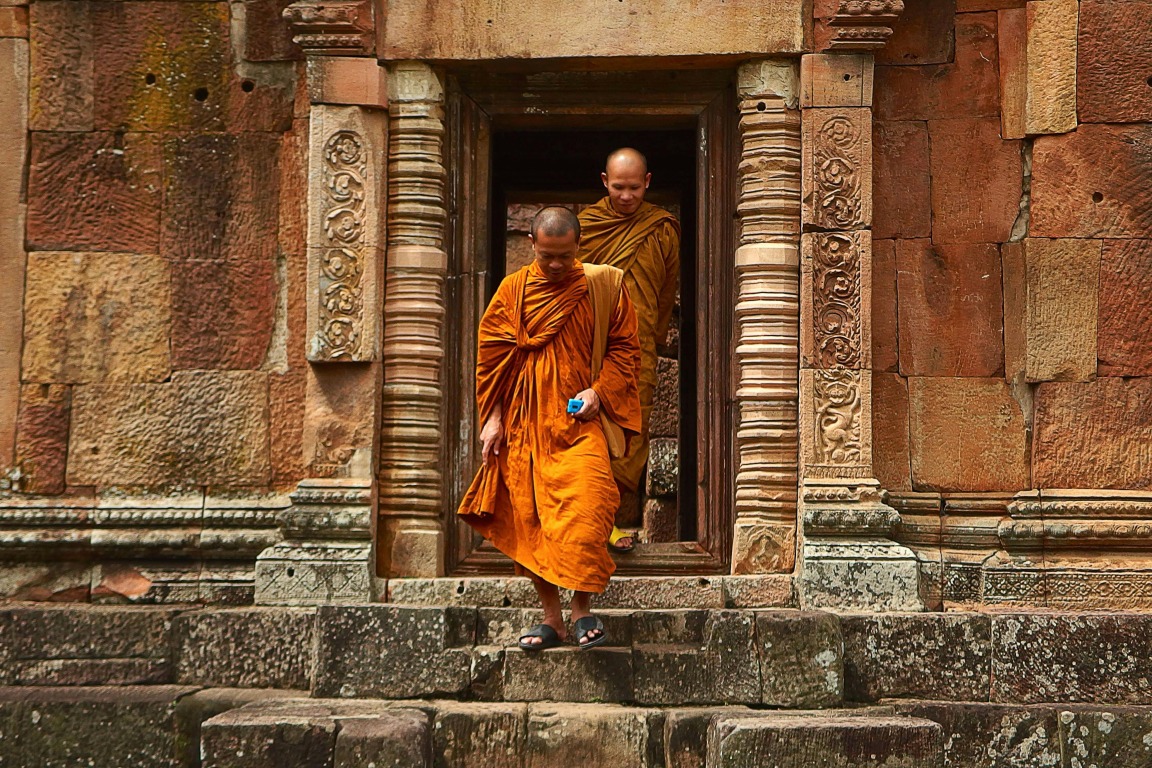
Mindfulness and balance are not imported concepts in Southeast Asia. Buddhist and spiritual traditions shape daily life — from monks collecting alms at sunrise to quiet temple rituals woven into everyday routines.
Travelers often find wellness through:
-
Respectful temple visits
-
Silent observation of daily rituals
-
Gentle meditation practices guided by environment, not instruction
These experiences create a sense of grounding that feels authentic rather than curated.
Meaningful Wellness Experiences Across Southeast Asia
Vietnam: Gentle Balance of Nature & Comfort
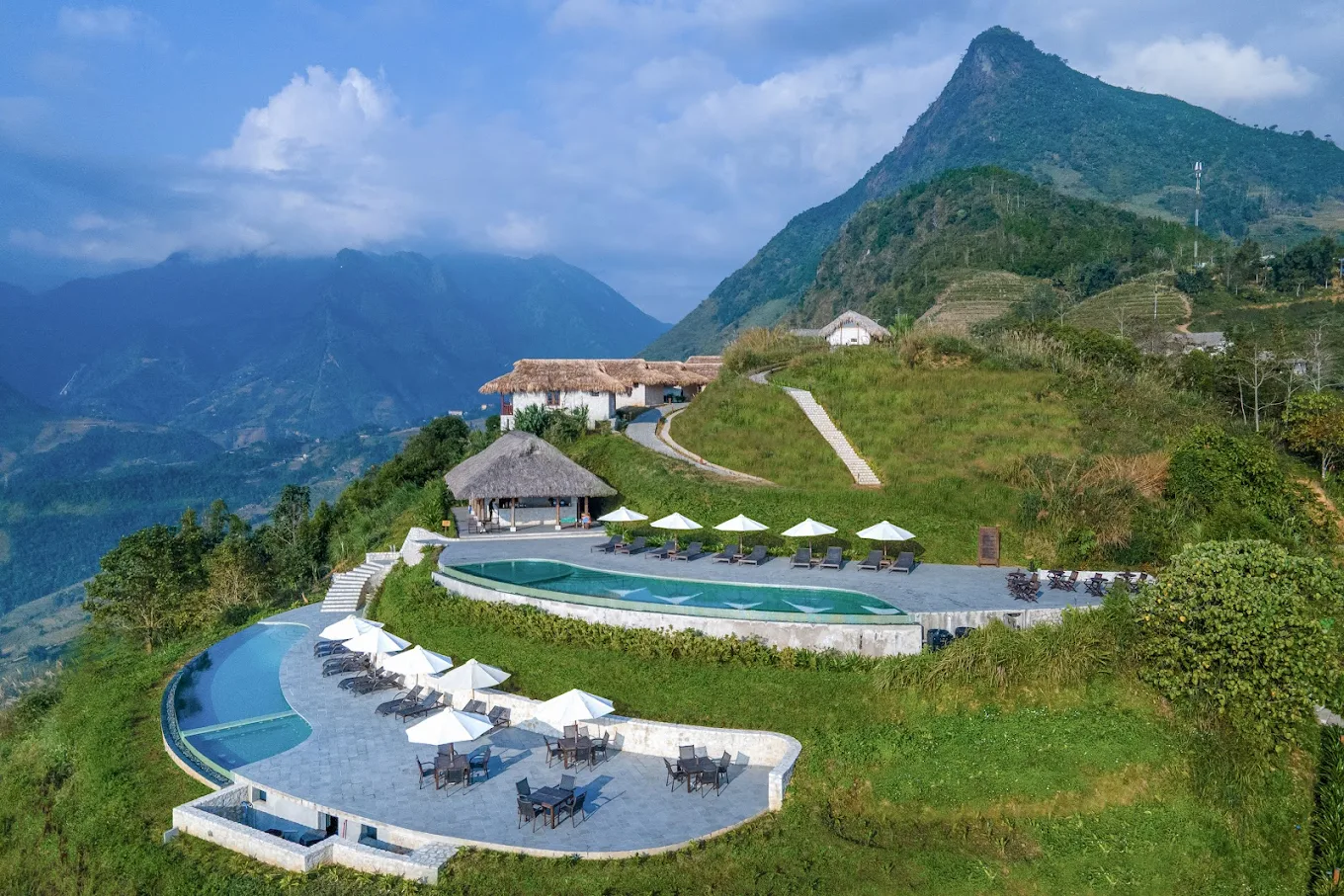 Topas Ecolodge in Sapa, Vietnam
Vietnam offers one of the most versatile wellness travel landscapes in Southeast Asia. Here, wellness is found in balance — between nature and comfort, movement and rest.
Wellness-focused experiences include:
-
Beachside yoga or meditation sessions in central and southern Vietnam
-
Soft hikes in mountain regions like Da Lat or Pu Luong
-
Cycling through countryside villages and rice fields
-
Farm-to-table meals and mindful cooking experiences
-
Nature-based resorts that blend simplicity with comfort
Vietnam is ideal for travelers who want wellness without disconnecting entirely from modern comfort.
Laos: Where Slowing Down Feels Natural
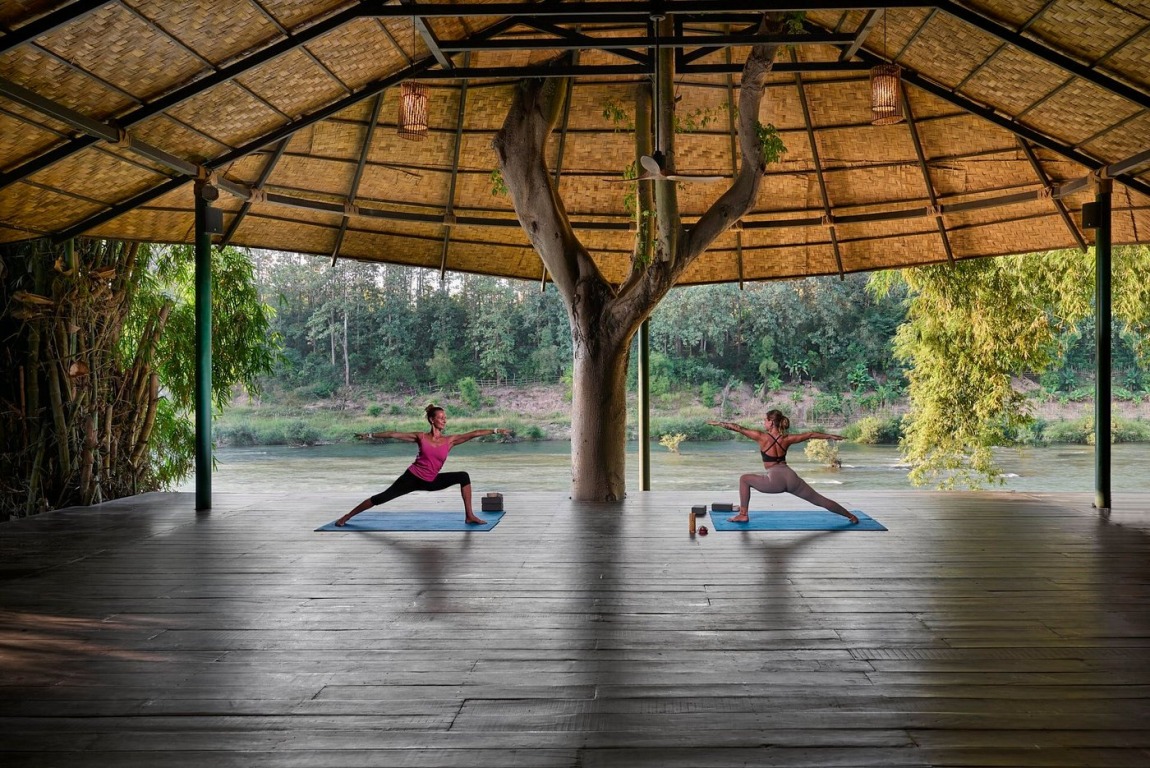 Yoga Pavilion at The Namkhan Resort, Luang Prabang
Laos is perhaps the most effortless wellness destination in Southeast Asia. Wellness here doesn’t need explanation — it’s simply how life unfolds.
Common wellness experiences include:
-
Staying in riverside or lakeside lodges
-
Kayaking or swimming in calm, open waters
-
Hiking limestone mountains around Nong Khiaw
-
Cycling quiet countryside roads without traffic
-
Spending entire afternoons reading, resting, or observing nature
In places like Luang Prabang, Nong Khiaw, and around Nam Ngum Lake, stillness is part of daily life. Wellness feels natural, not intentional.
Indonesia: Mind–Body–Spirit Connection
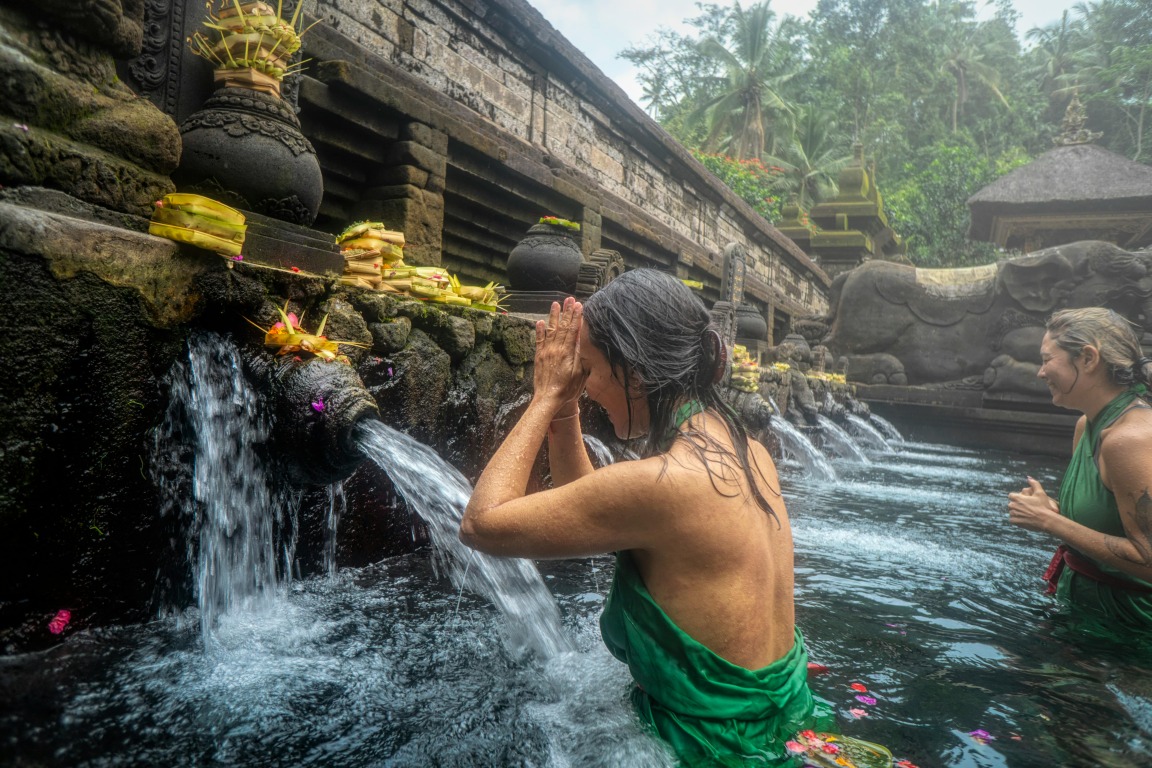 Pura Tirta Temple, Bali, Indonesia
Indonesia offers deeper immersion into structured wellness practices — when designed thoughtfully.
Experiences often include:
-
Yoga and meditation retreats set among rice fields or forests
-
Traditional healing therapies passed down through generations
-
Temple visits and mindful walking rituals
-
Conscious living programs that integrate nature and movement
Indonesia is ideal for travelers seeking a more introspective wellness journey with spiritual depth.
Thailand: Traditional Healing & Gentle Movement
 Spa service at Melati Resort, Koh Samui, Thailand
Thailand’s wellness culture is rooted in ancient traditions that emphasize balance and flow.
Wellness experiences often include:
-
Traditional Thai massage and herbal therapies
-
Forest retreats and nature stays
-
Gentle hiking and outdoor movement
-
Meditation programs guided by Buddhist principles
Thailand offers a blend of accessibility and tradition, making it suitable for first-time wellness travelers.
Wellness Is Also About Movement

Wellness travel does not mean inactivity.
Across Southeast Asia, movement becomes part of healing:
-
Hiking and trekking at a comfortable pace
-
Kayaking on rivers and lakes
-
Swimming in waterfalls and the sea
-
Cycling through rural landscapes
-
Light yoga, stretching, or meditation in nature
Movement here is not performance-based. It’s about reconnecting with the body — gently.
Who Wellness Travel Is Ideal For
Wellness travel in Southeast Asia is especially suited for:
-
Couples seeking meaningful time together
-
Mature travelers prioritizing depth over speed
-
Solo travelers in transition or reflection
-
Anyone feeling overwhelmed by fast-paced routines
This is travel for people who care about how they feel — not just where they go.
Our Approach at ALO Travel Asia
At ALO Travel Asia, wellness travel is never a fixed package.
It is always tailor-made, based on:
- Personal pace and comfort
- Preferred level of activity
- Balance between exploration and rest
- Authentic connection with nature and local culture
We believe wellness journeys should feel natural, unforced, and deeply personal — not scheduled or commercialized.
In 2026, Travel Isn’t About Escaping Life. It’s About Returning to It — Rested, Grounded, and Connected.
The post Discover Wellness Travel in Southeast Asia in 2026: An Insightful Guide appeared first on ALO Travel Asia.
]]>The post Best Beaches in Southeast Asia to Visit in 2026 appeared first on ALO Travel Asia.
]]>Southeast Asia is home to some of the world’s most beautiful beaches — from dramatic limestone coastlines to peaceful island escapes. In recent years, Vietnam has emerged as one of Asia’s most exciting beach destinations, alongside well-known favorites in Cambodia, Thailand, and Indonesia.
As a Vietnam-based travel agency, ALO Travel Asia team has personally visited and inspected many of the beaches below. We don’t recommend destinations simply because they are famous, but because our travelers consistently tell us these places deliver truly memorable experiences — whether through scenery, atmosphere, or a sense of tranquility.
Below are the best beaches in Southeast Asia to visit in 2026, starting with Vietnam — our core destination — followed by Thailand, Indonesia, and Cambodia
Vietnam – Southeast Asia’s Rising Beach Destination
While Thailand and Indonesia have long dominated global beach rankings, Vietnam has rapidly emerged as one of Southeast Asia’s most rewarding beach destinations in recent years. With over 3,000 km of coastline, Vietnam offers an impressive variety of beaches — from vibrant city shores to untouched islands and quiet coastal towns. Many of Vietnam’s beaches are now gaining international recognition while still retaining their authenticity.
My Khe Beach (Da Nang)
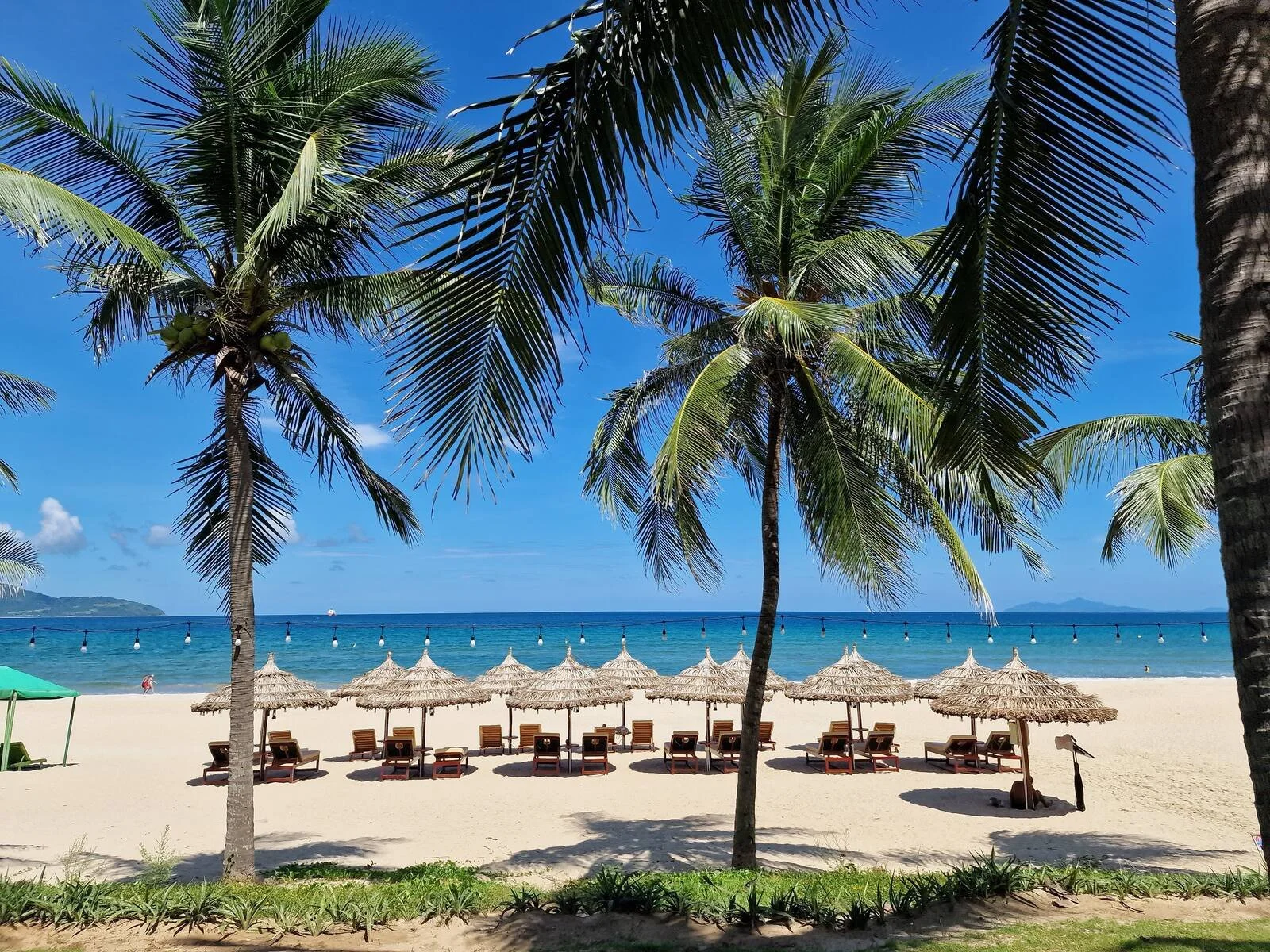 My Khe Beach, Danang
Located right in the heart of Da Nang city, well-known as best beaches in Southeast Asia, My Khe Beach stretches for several kilometers with soft sand and gentle waves. It’s one of the rare city beaches in Asia where travelers can enjoy both urban convenience and natural beauty. Clean, wide, and easily accessible, My Khe is especially beautiful at sunrise.
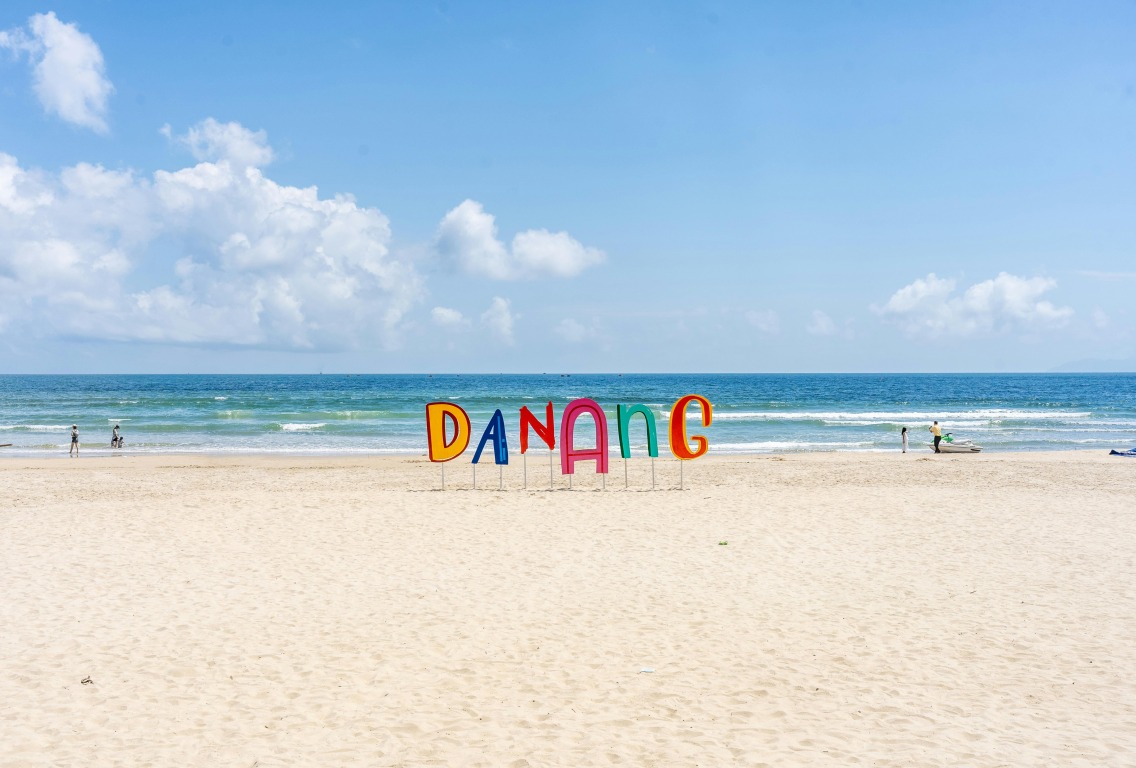 My Khe Beach, Danang
Things to do & local experiences:
-
Swimming and bodyboarding in gentle summer waves
-
Beach jogging and sunrise yoga with locals
-
Surfing lessons during peak season (May–September)
-
Evening seafood dining along the beach road
-
Easy access to Marble Mountains and Son Tra Peninsula for short hikes
An Bang Beach (Hoi An)
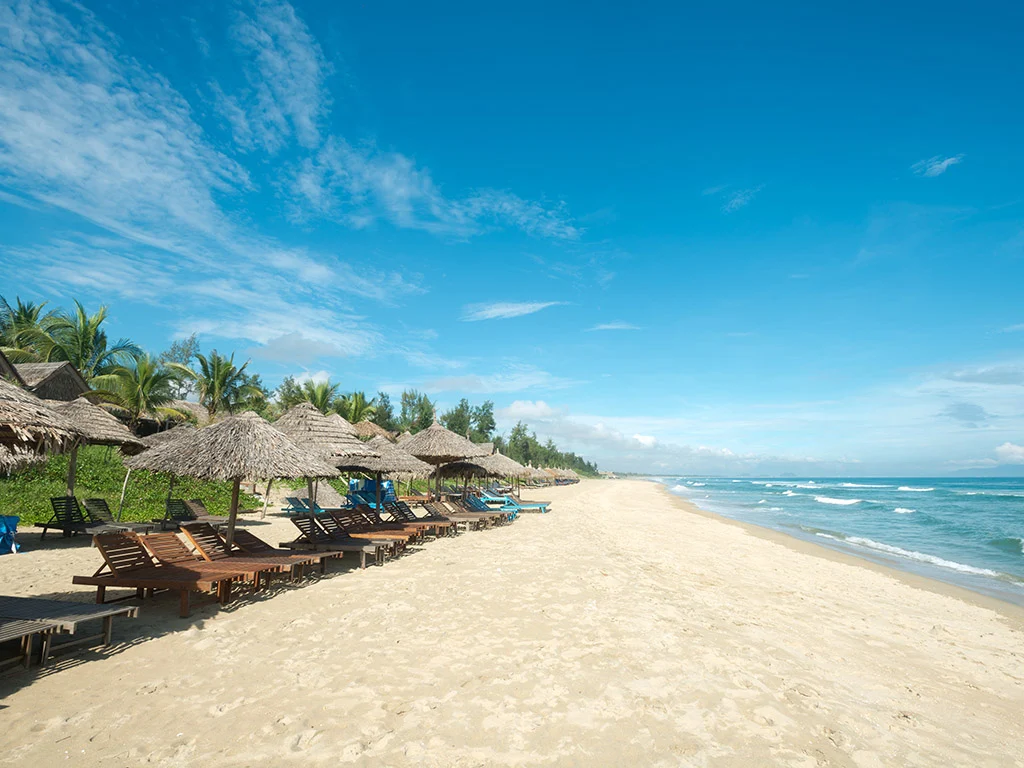 An Bang Beach, Hoi An
Just a short drive from Hoi An Ancient Town, An Bang Beach offers a relaxed and breezy atmosphere. The beach is long and uncrowded, lined with casual cafés and boutique resorts. It’s ideal for travelers who want peaceful beach time without feeling isolated from culture and town life.
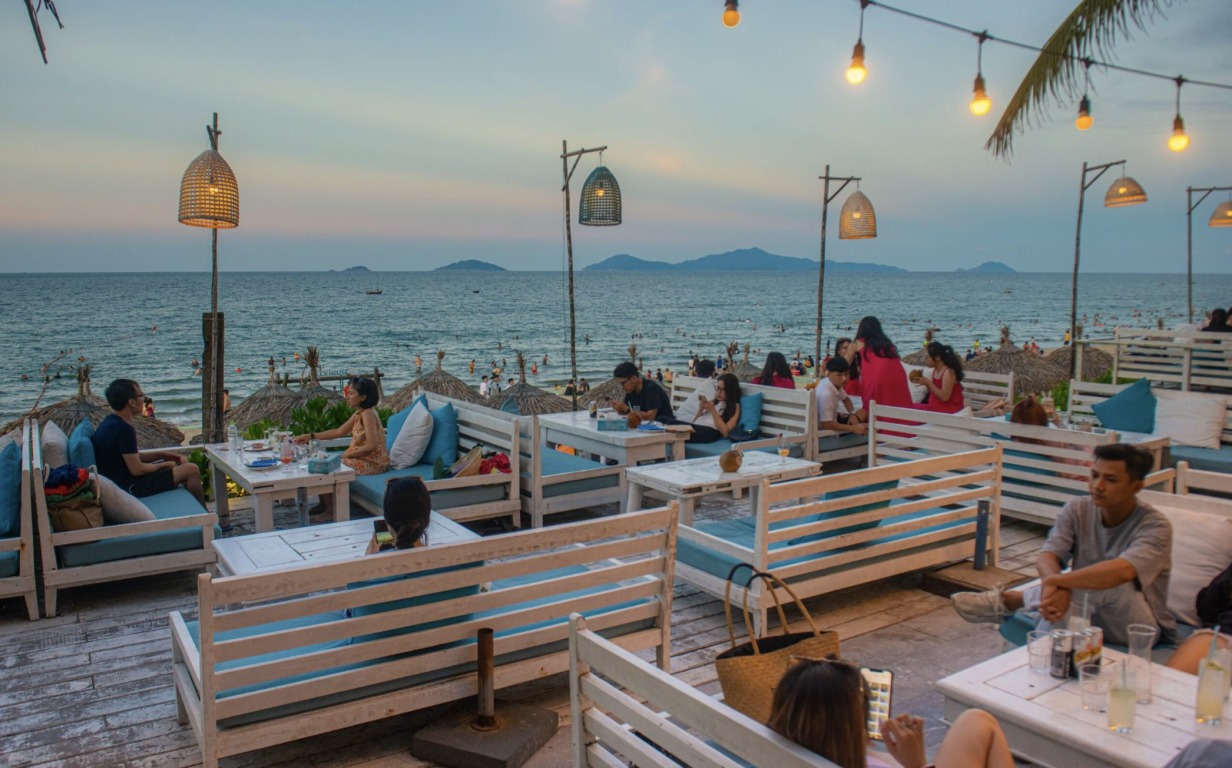 The Deck House at An Bang Beach, Hoi An
Things to do & local experiences:
-
Swimming and sunbathing in a relaxed setting
-
Cycling from Hoi An Old Town through rice fields to the beach
-
Surfing on small waves during autumn months
-
Beach cafés run by local families
-
Sunset drinks followed by lantern-lit evenings in Hoi An
Con Dao Islands (Best beach in Vietnam)
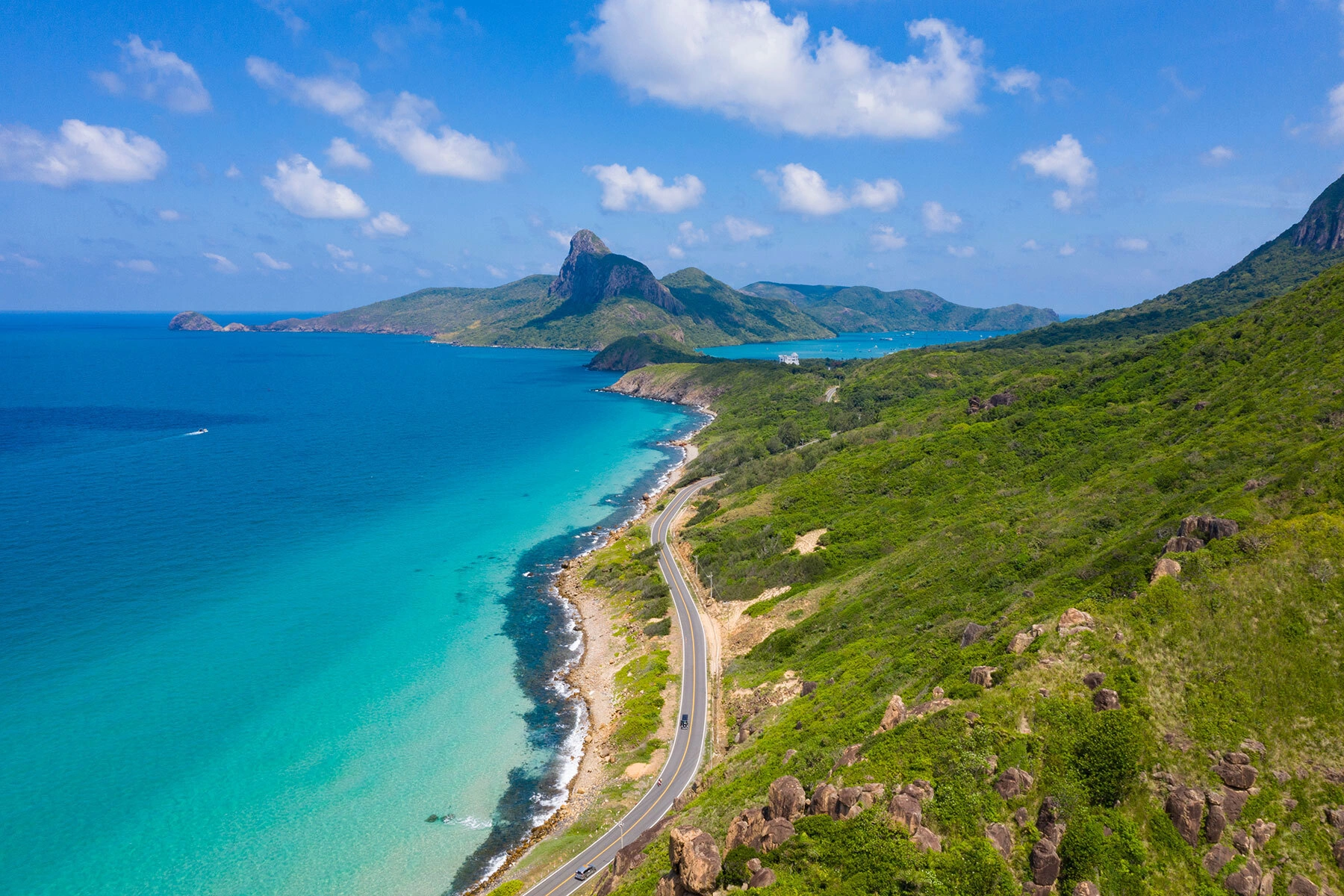
Con Dao is one of Vietnam’s most untouched island destinations. Surrounded by a marine national park, the beaches here feel wild, quiet, and naturally preserved. Known for clear waters, coral reefs, and a deep sense of calm, Con Dao is perfect for travelers seeking privacy, nature, and meaningful escapes. Known as home of the best beach in Vietnam, this island is awaiting travelers to explore in 2026.
Things to do & local experiences:
-
Snorkeling and diving among coral reefs
-
Kayaking in quiet bays
-
Forest trekking inside Con Dao National Park
-
Early morning temple visits and island walks
-
Swimming at nearly empty beaches
Sao Beach (Phu Quoc)
Bai Sao is famous for its powdery white sand and calm, shallow turquoise waters. Located on the quieter side of Phu Quoc Island, it’s particularly suitable for swimming and relaxation. The gentle curve of the shoreline creates a postcard-perfect setting.
Things to do & local experiences:
-
Easy swimming and floating in shallow waters
-
Paddleboarding and kayaking
-
Relaxed seafood lunches by the beach
-
Island-hopping to nearby islets
-
Visiting local fishing villages and pepper farms nearby
Best Time to Visit Vietnam’s Beaches
- Central Vietnam (Da Nang, Hoi An): March – August
- Southern Vietnam & Islands (Phu Quoc, Con Dao): November – April
- Read our guideline to find out the best time to visit Vietnam here.
Thailand – Iconic Landscapes & World-Famous Beaches
Thailand continues to rank among the world’s top beach destinations thanks to its dramatic limestone cliffs, turquoise waters, and excellent infrastructure. Let us help you find the best beaches in Thailand to visit in 2026.
Railay Beach (Krabi) (Best beach in Thailand)
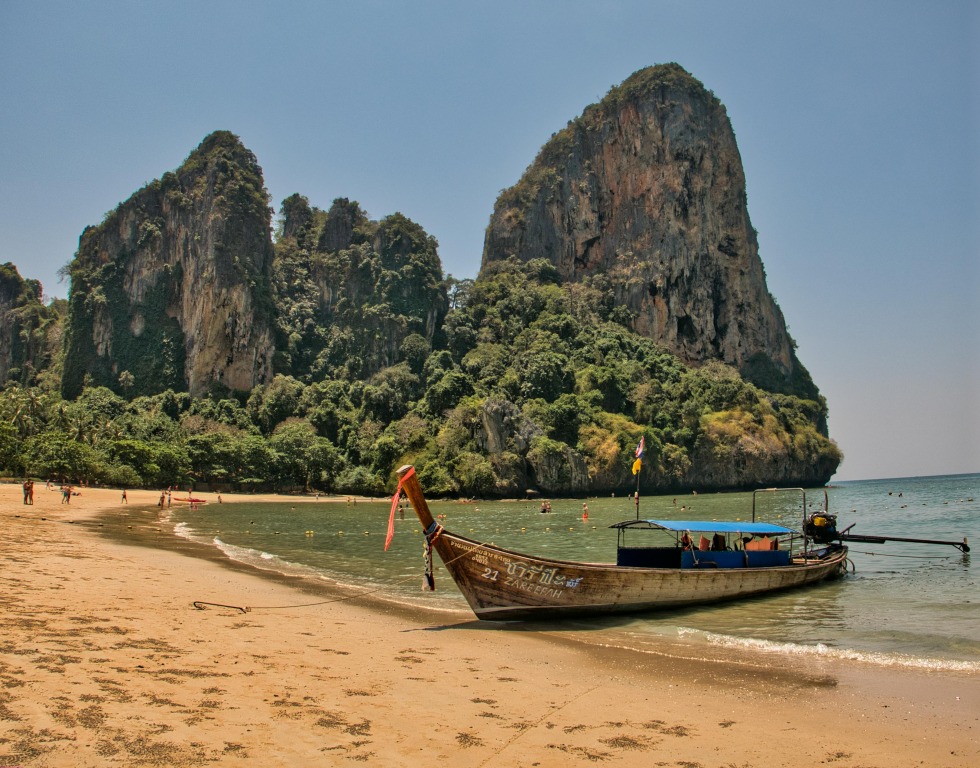
Accessible only by boat, Railay Beach feels like a secluded world surrounded by towering limestone cliffs. Compact yet incredibly scenic, it’s famous for rock climbing, kayaking, and unforgettable sunsets.
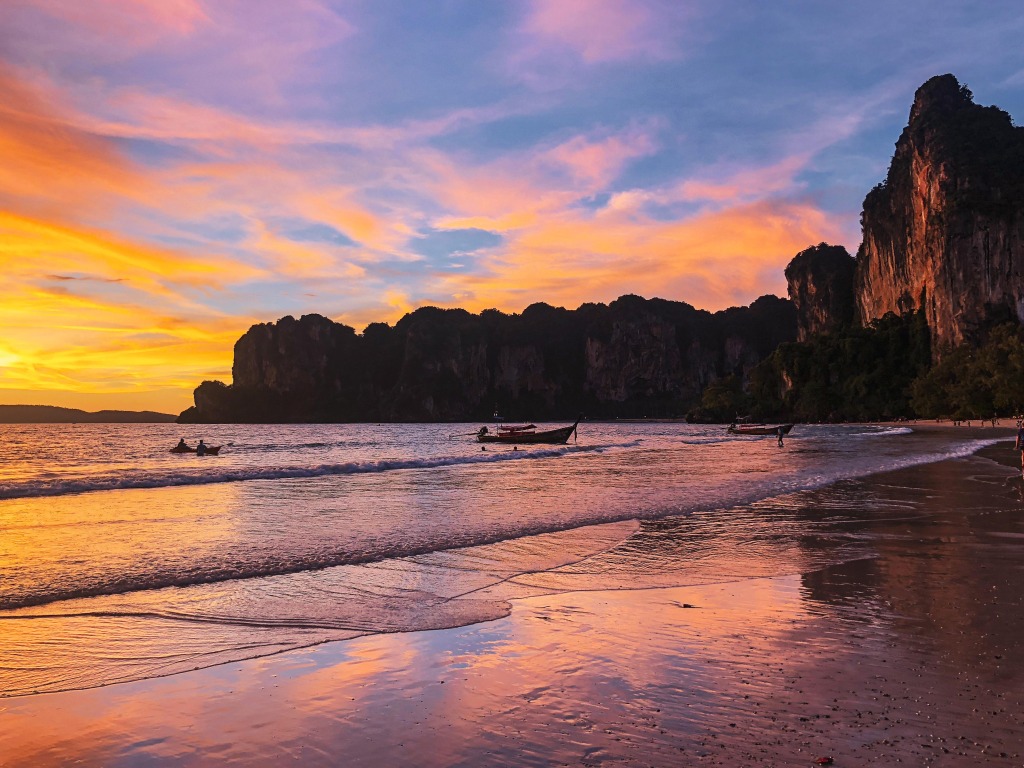
Things to do & local experiences:
-
Rock climbing on limestone cliffs (all levels)
-
Kayaking along the coastline
-
Swimming in calm turquoise bays
-
Short jungle walks to viewpoints and lagoons
-
Sunset watching from beachfront bars
Phra Nang Cave Beach (Krabi)
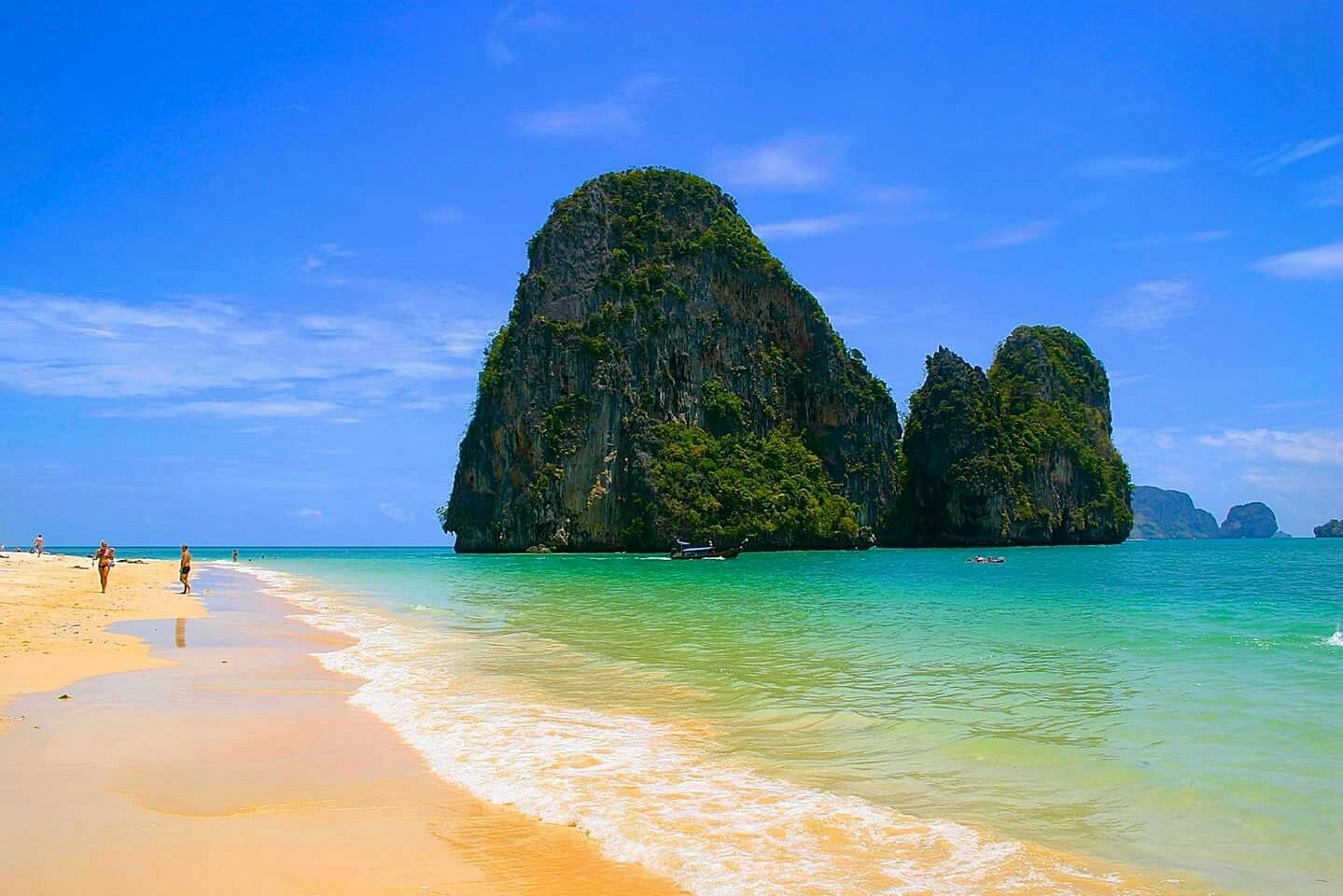
Located near Railay, Phra Nang Cave Beach combines emerald water, fine sand, and a unique cave shrine at one end. Though smaller, it’s visually striking and often ranked among the world’s most beautiful beaches.
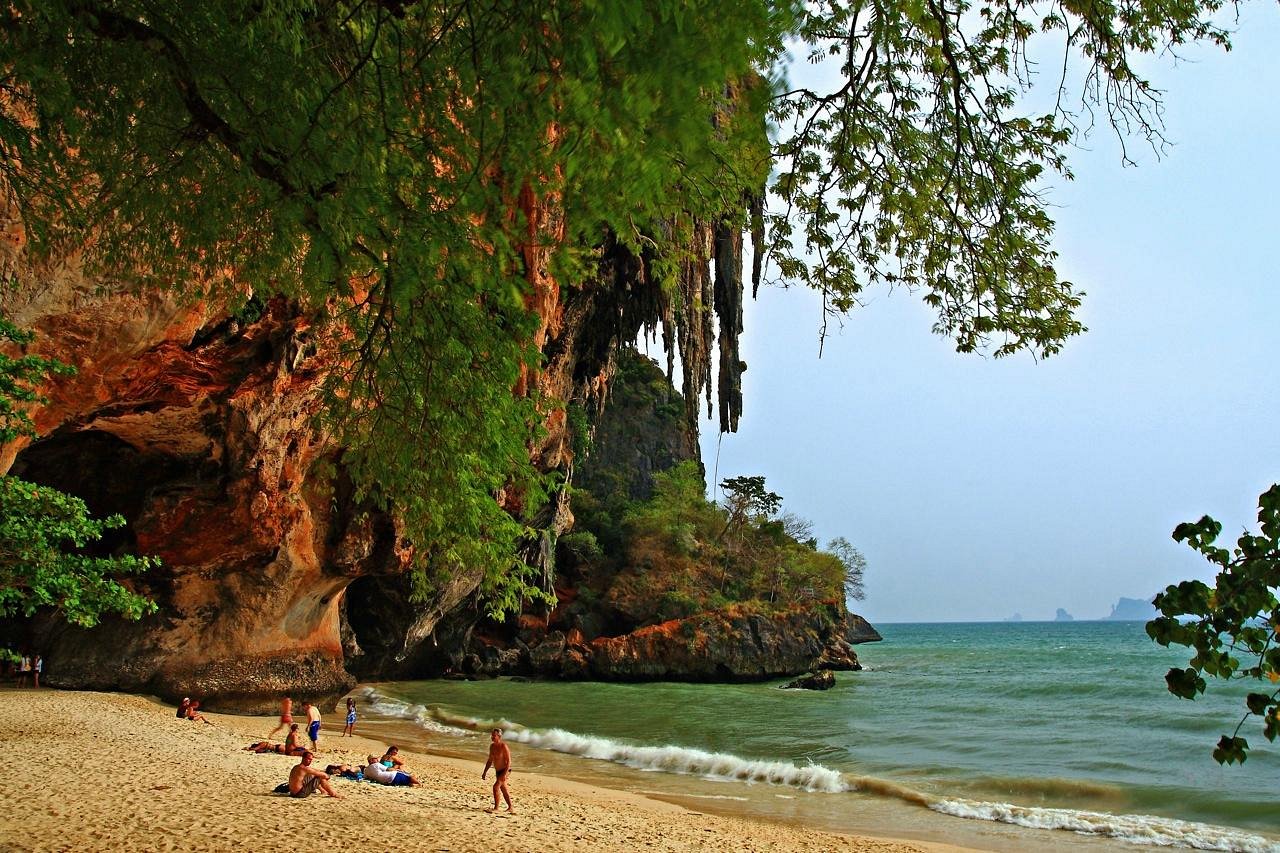
Things to do & local experiences:
-
Snorkeling near the rocks
-
Exploring the cave shrine
-
Swimming in crystal-clear water
-
Photography during golden hour
Koh Lipe – Sunrise & Pattaya Beach
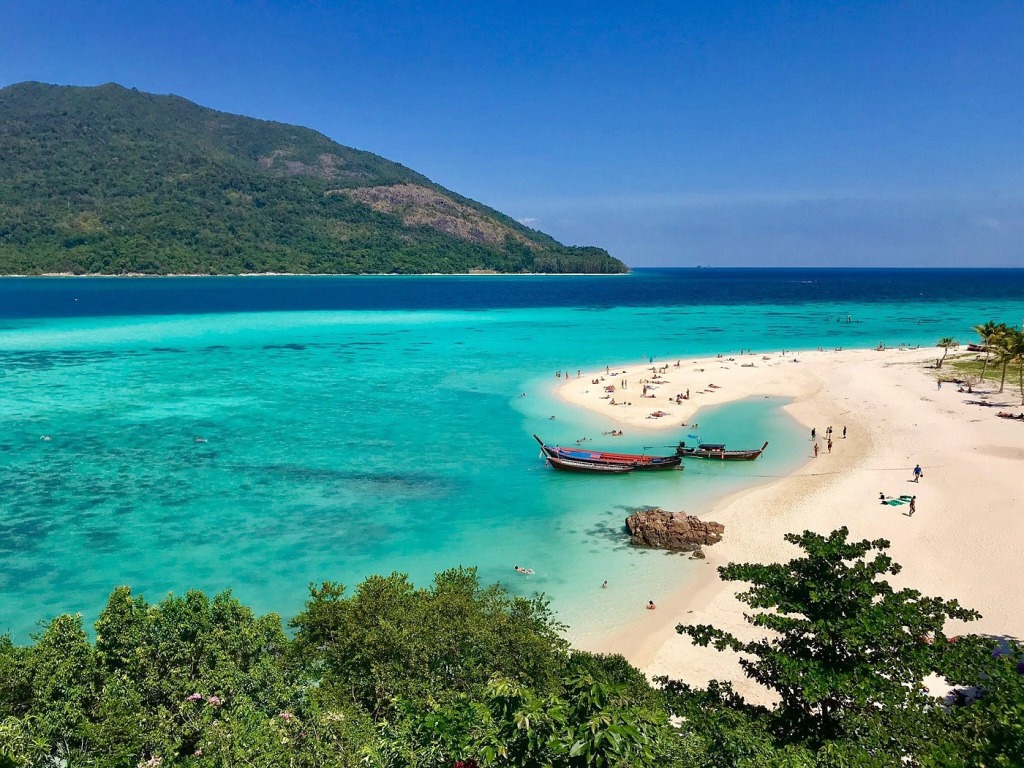
Koh Lipe is a small island near Thailand’s southern border, known for crystal-clear waters and vibrant marine life. Sunrise Beach is calm and ideal for snorkeling, while Pattaya Beach offers lively sunsets and easy access to dining and transport.
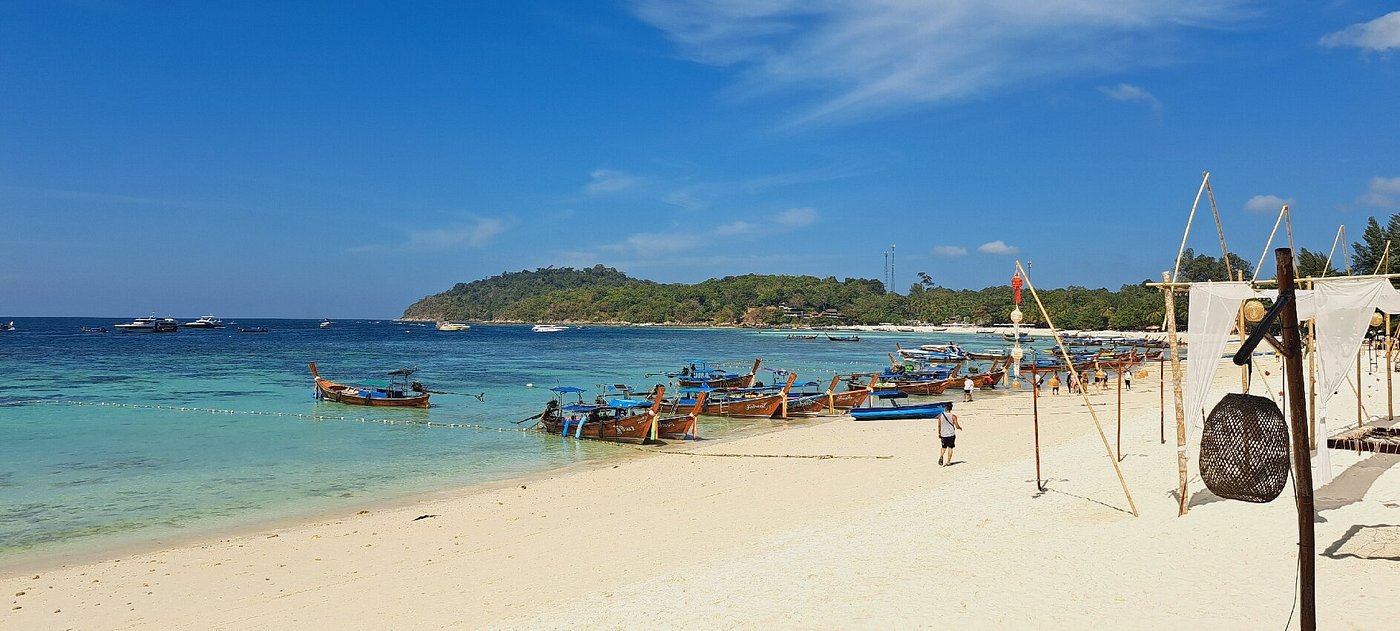
Things to do & local experiences:
-
Snorkeling directly from the beach
-
Island-hopping around Tarutao National Park
-
Sunrise swims and sunset walks
-
Local seafood dining
-
Relaxed nightlife without mass tourism
Freedom Beach (Phuket)
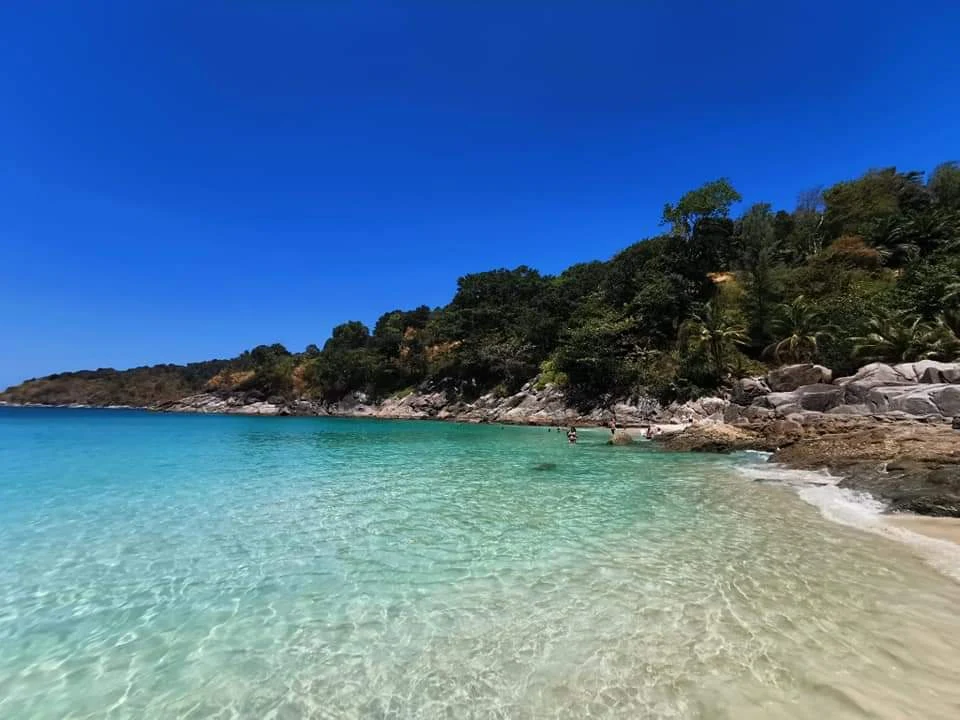
Hidden behind hills and accessible mainly by boat or a steep path, Freedom Beach is one of Phuket’s quieter escapes. With soft sand and clear water, it offers a peaceful contrast to the island’s busier areas.
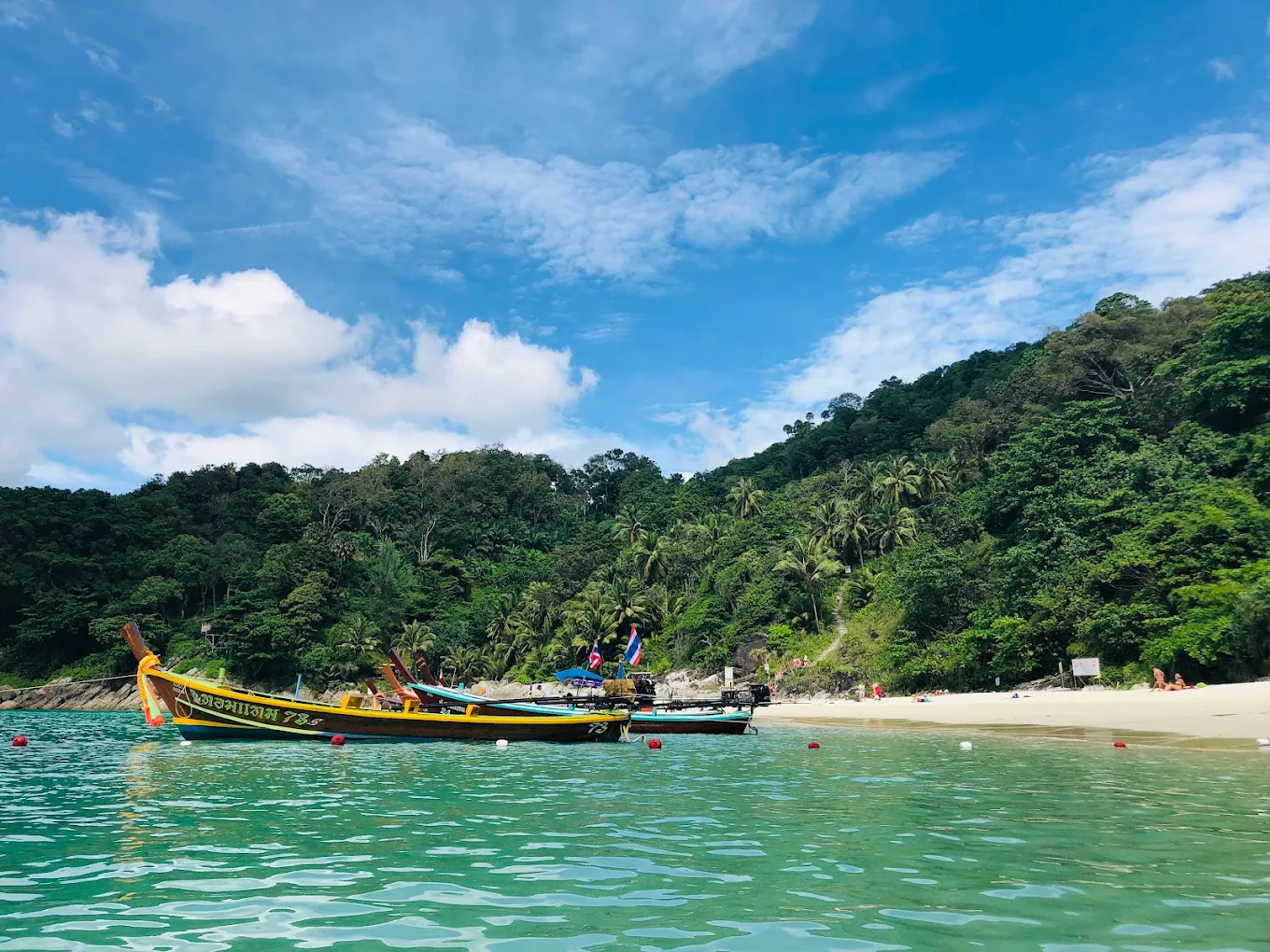
Things to do & local experiences:
-
Swimming in clear, calm water
-
Snorkeling near rocky edges
-
Beach picnics and quiet reading
-
Escaping Phuket’s busier beaches
Best Time to Visit Thailand’s Beaches
November – April. Read our guideline to find out the best time to visit Thailand here.
 Indonesia – Wild Beauty & Island Escapes
Indonesia offers some of the most visually striking beaches in the world, blending raw nature with refined hospitality and unique landscapes. Where are the best beaches in Indonesia in 2026?
Kelingking Beach (Nusa Penida) (Best beach in Indonesia)
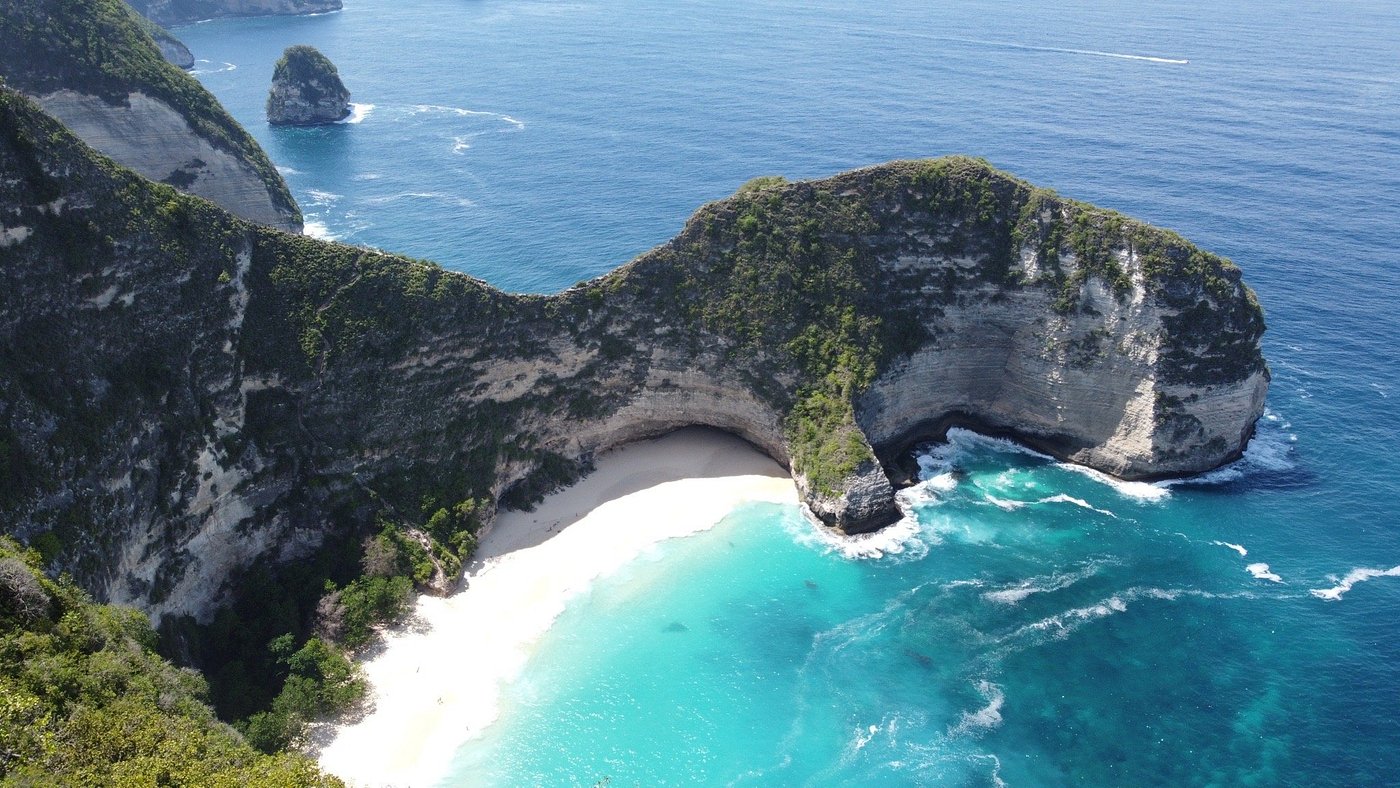
Famous for its dramatic cliff formation resembling a dinosaur, Kelingking Beach is one of Indonesia’s most photographed destinations. Located on Nusa Penida Island, it offers breathtaking views from above, while the beach below remains wild and untouched. Did you know, Kelingking Beach ranks 2nd place on TripAdvisor Travelers’ Choice Awards – Best of the Best Beaches in 2025?
Things to do & local experiences:
-
Hiking down (for fit travelers only)
-
Cliff-top photography
-
Exploring nearby temples
-
Combining with snorkel spots like Crystal Bay
Pink Beach (Komodo Island)
Pink Beach gets its rare color from microscopic coral fragments mixed into the sand. Located within Komodo National Park, it’s known for excellent snorkeling, marine biodiversity, and extraordinary natural beauty.
Things to do & local experiences:
-
Snorkeling with vibrant marine life
-
Swimming in calm, clear waters
-
Wildlife spotting during boat journeys
-
Island cruising and sunset sailing
Nusa Dua Beach (Bali)
Nusa Dua is Bali’s most polished beach destination, offering calm waters, manicured surroundings, and high-end resorts. The long, clean shoreline is ideal for travelers seeking comfort and relaxation.
Things to do & local experiences:
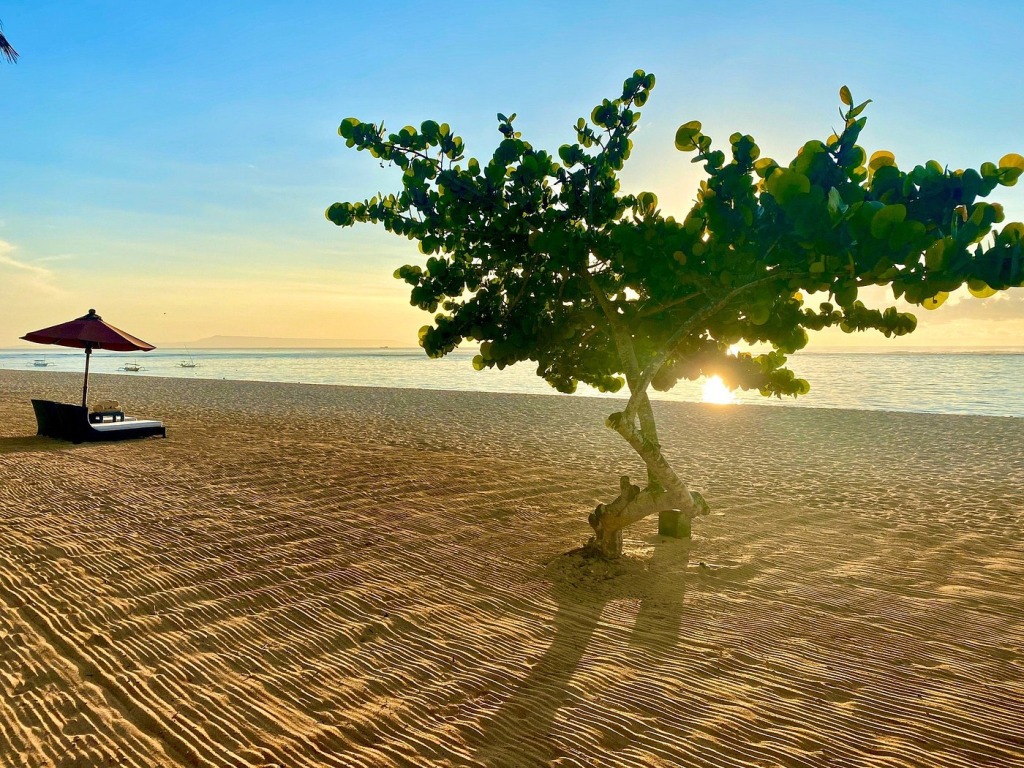
-
Swimming in protected waters
-
Cycling along the promenade
-
Water sports (jet ski, parasailing)
-
Spa and wellness retreats
Gili Air & Gili Meno
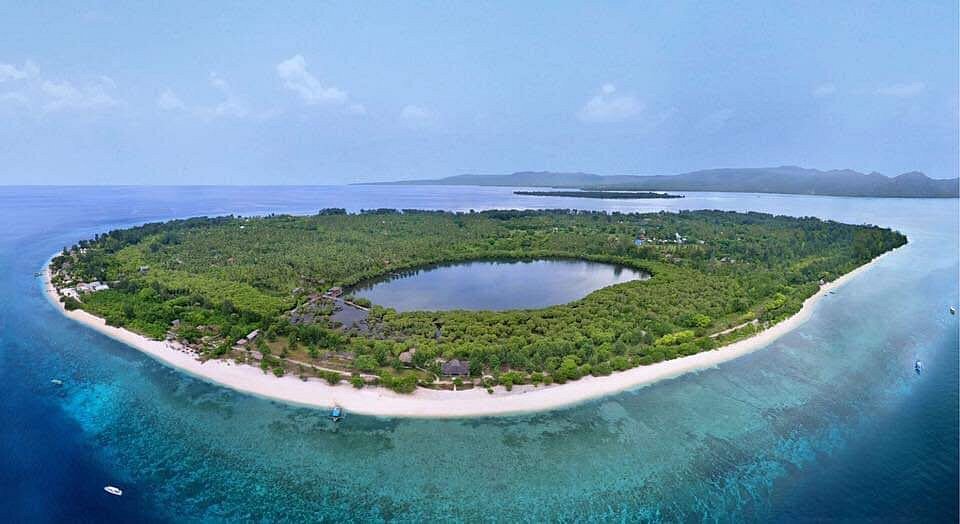
The Gili Islands are car-free and known for their relaxed island atmosphere. Gili Air offers a balance of comfort and local life, while Gili Meno is quieter and more romantic. Both are famous for snorkeling, coral reefs, and sunset views.
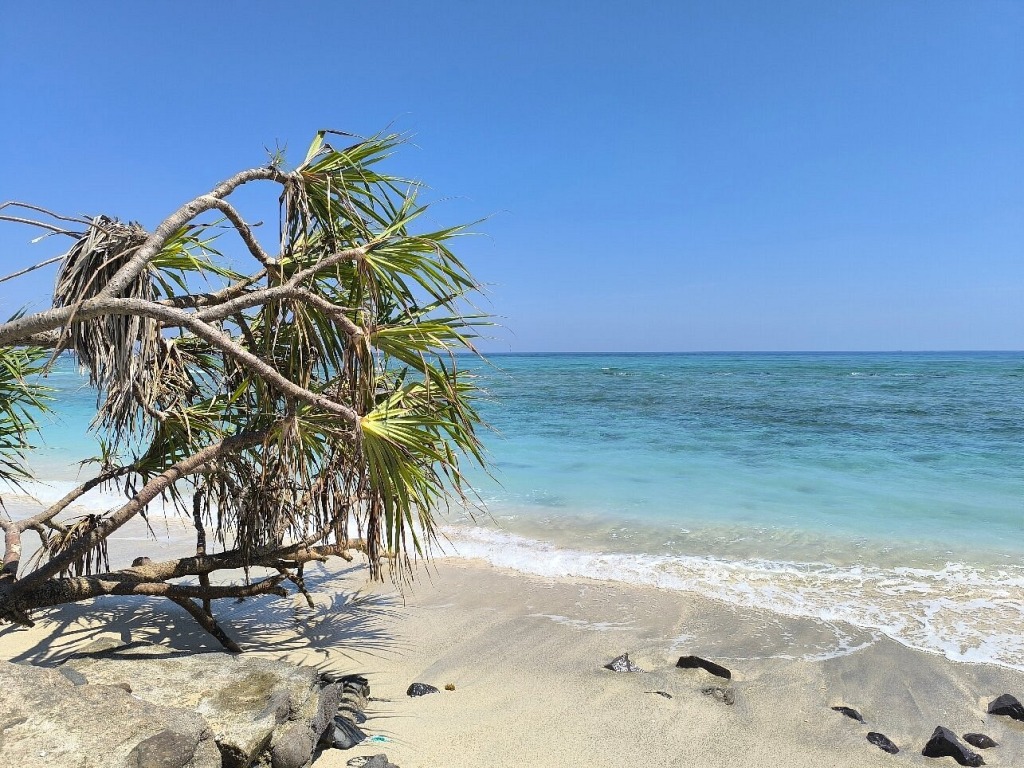
Things to do & local experiences:
-
Snorkeling with turtles
-
Sunset walks around the island
-
Yoga and meditation sessions
-
Cycling (no motorized transport)
Best Time to Visit Indonesia’s Beaches
May – October
Cambodia – Pristine & Undiscovered Shores
Cambodia remains one of Southeast Asia’s most underrated beach destinations, offering wide stretches of sand, clear waters, and minimal development — ideal for travelers who prefer slow and peaceful travel.
Long Beach (Koh Rong) (Best beach in Cambodia)
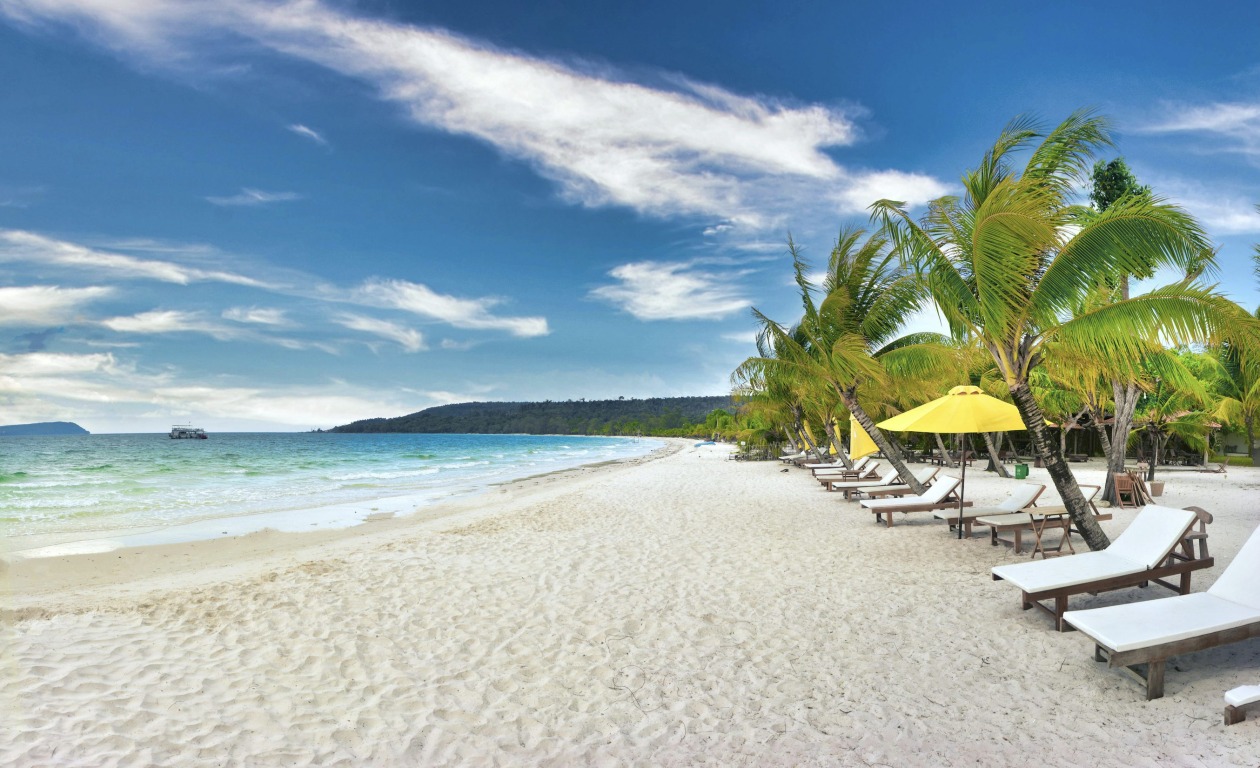
Stretching nearly 7 kilometers, Long Beach is one of Cambodia’s longest and most pristine beaches. The sand is fine and white, the water clear, and development remains limited. It’s ideal for travelers who appreciate space, silence, and uninterrupted sea views. Koh Rong is definitely the best beach in Cambodia to visit in 2026.
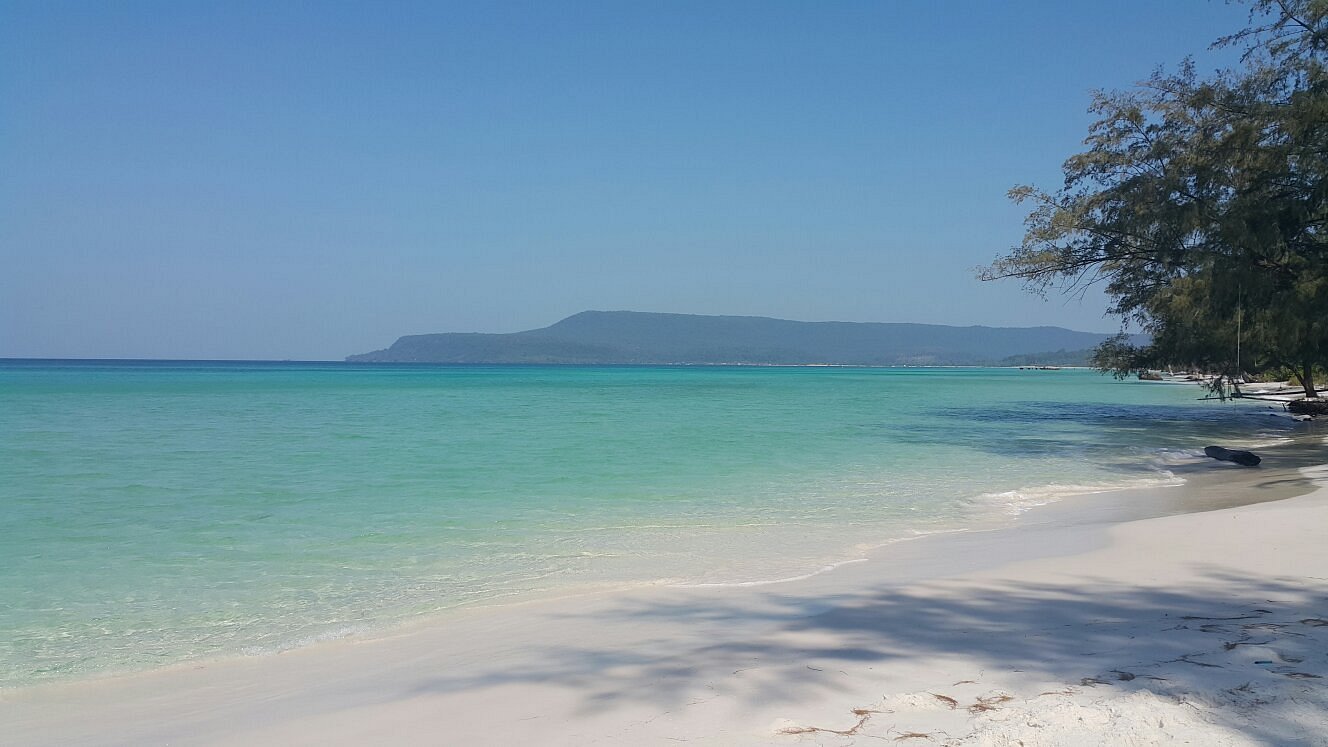
Things to do & local experiences:
-
Long swims and beach walks
-
Kayaking along the shoreline
-
Stargazing at night
-
Minimal-development island life
Sok San Beach (Koh Rong)
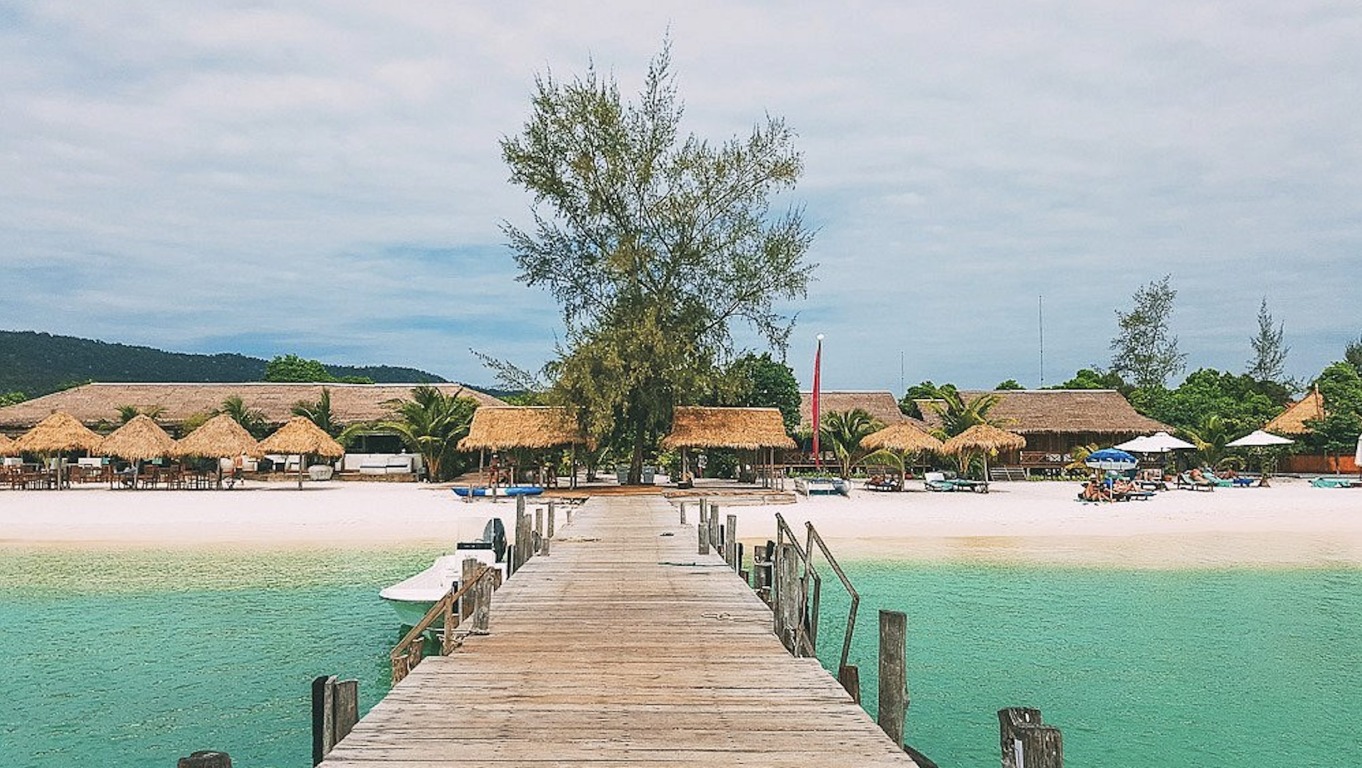
Located on the western side of Koh Rong, Sok San Beach is known for its calm waters and quiet atmosphere. Less crowded than other parts of the island, it offers a natural, laid-back environment — perfect for sunsets and slow-paced island life. Soksan is the best beach beach in Cambodia ideal for travelers who want to disconnect.
Things to do & local experiences:
-
Swimming and floating
-
Sunset photography
-
Visiting local fishing communities
-
Quiet beach days without schedules
Best Time to Visit Cambodia’s Beaches
November – April are the best months to visit the best beach in Cambodia. Read our guideline to find out the best time to visit Cambodia here.
 How to Choose the Right Beach among the best beaches in Southeast Asia for Your Trip
The best beach holiday isn’t just about rankings — it’s about timing, atmosphere, and how the destination fits into your overall journey. Some beaches are perfect for relaxation, while others shine when combined with culture, adventure, or nature.
At ALO Travel Asia, we specialize in 100% tailor-made beach holidays, combining award-winning beaches with:
- Handpicked 3–5★ accommodations
- Carefully selected local experiences
- Seamless logistics and 24/7 on-tour support
 Find Your Best Beaches in Southeast Asia in 2026
Whether you’re dreaming of Vietnam’s rising beach destinations, Cambodia’s untouched shores, Thailand’s iconic coastlines, or Indonesia’s dramatic islands, Southeast Asia offers endless possibilities.
 Thinking about your next beach holiday?
Our travel specialists would be delighted to design a journey and finding the best beaches in Southeast Asia that perfectly match your travel style, pace, and budget. Contact us here to get your prompt support 24/7.
Written by ALO Travel Asia – Local travel specialists in Southeast Asia since 2009.
The post Best Beaches in Southeast Asia to Visit in 2026 appeared first on ALO Travel Asia.
]]>The post Why Laos is the Best Place to Visit in 2026 for Slow & Meaningful Travel appeared first on ALO Travel Asia.
]]>Among the countries in Southeast Asia, Laos stands out as one of the best places to visit in 2026 for travelers seeking slow travel, nature, and genuine connection.
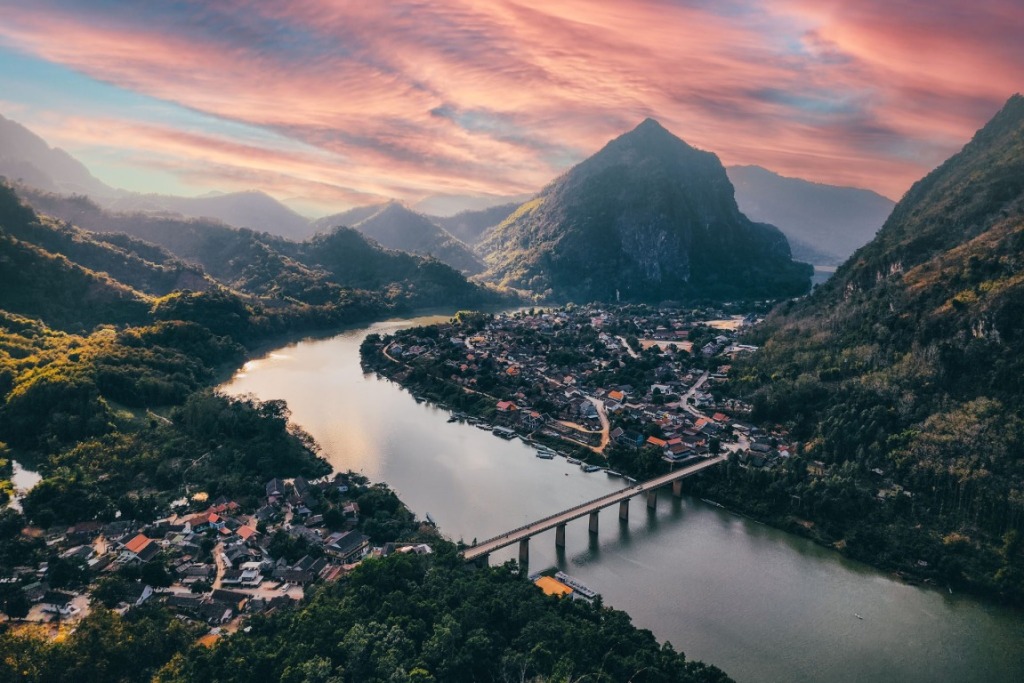 The magical view of Nong Khiaw
I didn’t expect Laos to leave such a deep impression on me. I originally planned a short trip — just over a week. Instead, I stayed nearly three weeks, drawn in by the serenity, the landscapes, and the gentle rhythm of everyday life.
What Makes Laos One of the Best Places to Visit in 2026
Untouched Landscapes & Nature Travel in Laos
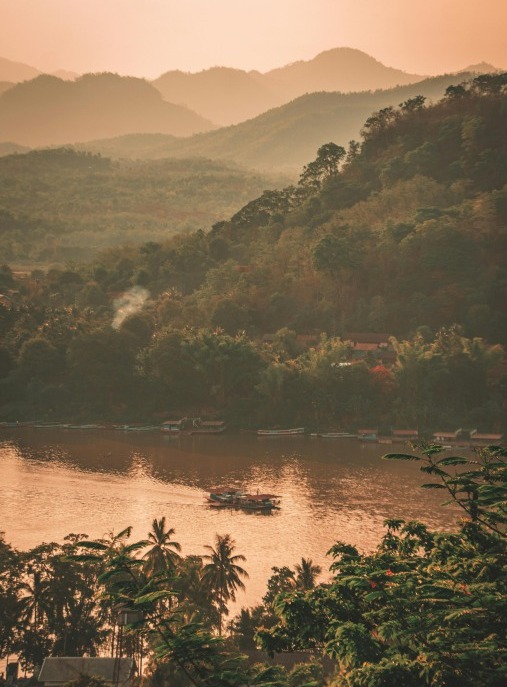
Laos remains refreshingly untouched compared to many neighboring countries. Vast mountain ranges, winding rivers, limestone cliffs, and dense forests stretch far beyond the usual tourist routes. Even in its more well-known destinations, nature feels open and unspoiled rather than curated or staged for mass tourism.
For travelers interested in nature travel in Laos, the country offers endless opportunities — hiking through quiet valleys, trekking between villages, kayaking along slow-moving rivers, and swimming in natural pools hidden deep in the jungle.
In places like Nong Khiaw, Muang Ngoi, and the Nam Ngum Lake area, mornings begin with mist-covered mountains and evenings end with absolute silence.
This sense of space — of being surrounded by nature without interruption — is one of Laos’ greatest luxuries.
Slow Travel in Laos: A Gentle Pace of Life
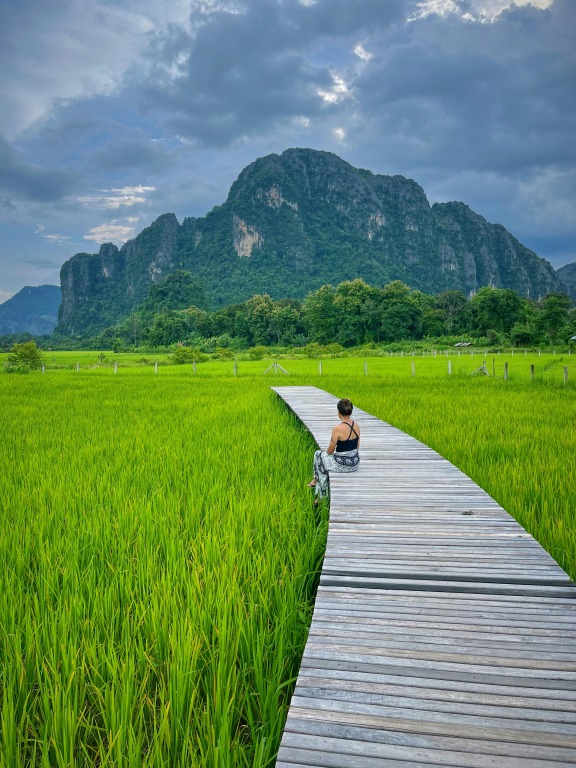
Life in Laos moves at its own rhythm. Mornings begin quietly, often with a walk along the river or a simple breakfast at a local café. Afternoons unfold slowly — time for reading, cycling through the countryside, or enjoying a long lunch without any sense of urgency. Evenings are often spent by the water, watching fishermen return home or the sunset reflect across the Mekong.
There is little pressure to rush from one attraction to the next. Many travelers find themselves doing fewer “activities” but feeling more present — spending time sitting, observing, and simply being. Whether staying in a riverside lodge, a small guesthouse, or a family-run eco-retreat, Laos encourages you to slow down naturally, without effort.
For travelers embracing slow travel in Laos, the country offers something rare: permission to pause without guilt.
Spiritual & Cultural Depth
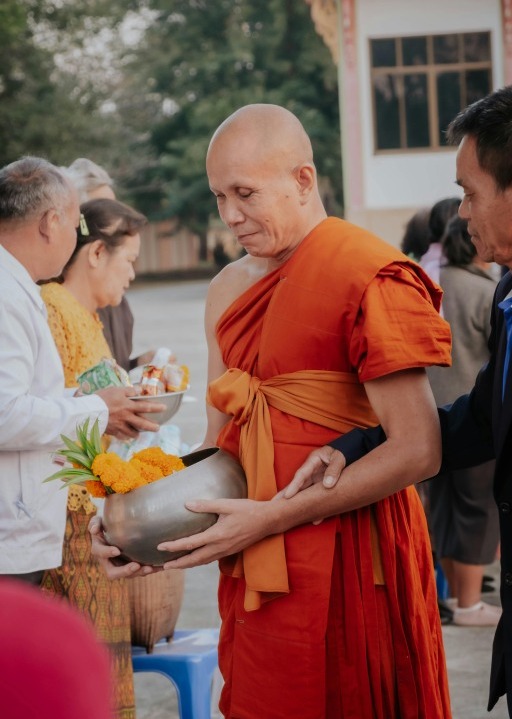
Buddhist traditions are deeply woven into everyday life in Laos. At sunrise, monks walk quietly through town collecting alms; temples appear not only as landmarks, but as living spaces where locals come to pray, reflect, and gather. In northern Laos especially, this spiritual presence creates an atmosphere of calm that feels authentic rather than ceremonial.
In Luang Prabang, visitors can join early-morning alms-giving respectfully, explore centuries-old temples tucked among trees, or simply observe daily rituals that continue unchanged. Beyond Buddhism, French colonial influence adds another cultural layer — seen in architecture, cafés, bakeries, and cuisine — particularly in Luang Prabang. Fresh baguettes, strong coffee, and colonial villas sit comfortably alongside traditional Lao homes and markets.
Rather than feeling conflicted, these influences coexist quietly, giving Laos a depth that feels lived-in and sincere — not designed for display.
Top Experiences That Define Laos
Luang Prabang & the Mekong River
For many travelers, Luang Prabang is their first introduction to Laos — and for good reason. This UNESCO-listed town, set at the meeting point of the Mekong and Nam Khan rivers, feels both intimate and timeless. Life here unfolds gently. Mornings begin with monks collecting alms, afternoons drift by in shaded cafés, and evenings are best spent watching boats pass slowly along the river.
Beyond the temples, Luang Prabang rewards unhurried exploration. The Royal Palace and National Museum offer insight into Laos’ royal past, while quiet backstreets reveal traditional wooden houses and small family-run shops. A sunset cruise along the Mekong or a short boat ride to nearby villages offers a deeper sense of place — one shaped by water, history, and daily rituals.
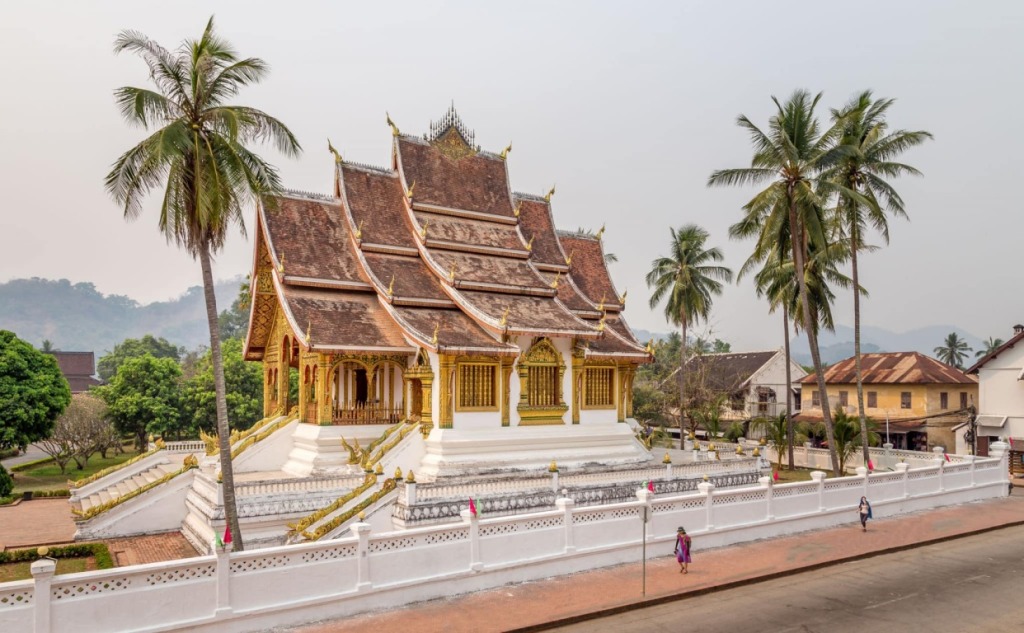 Royal Palace & National Museum in Luang Prabang
Waterfalls & Nature Escapes
If you’re looking to experience some of the most stunning laos waterfalls, Kuang Si and Tad Sae should be at the top of your list. Kuang Si’s crystal-clear turquoise pools are perfect for a refreshing swim on a hot day, while Tad Sae offers a wilder vibe, transforming beautifully with the seasonal rains. These spots are not just about the view; they encourage you to dive in and connect with nature. Whether you’re lounging by the water or exploring the surrounding area, you’ll find plenty of ways to soak up the serene atmosphere.
Beyond these well-known spots, Laos is filled with lesser-visited waterfalls and forest trails. In areas around Nong Khiaw, Muang Ngoi, and the Bolaven Plateau, waterfalls appear unexpectedly along hiking routes, often with no crowds at all. These landscapes encourage travelers to slow down, linger longer, and experience nature without an itinerary.
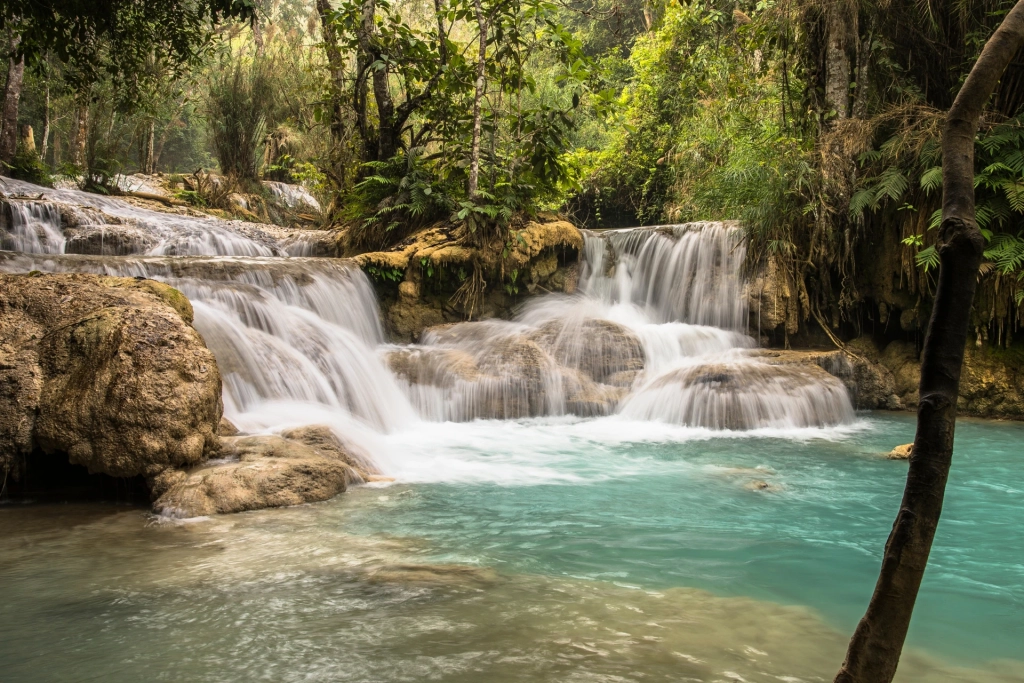 Kuangsi Waterfall – Luang Prabang
Villages & Countryside Life
Some of the most meaningful moments in Laos happen far from landmarks. Cycling through quiet countryside roads, crossing wooden bridges, or stopping in small villages offers a glimpse into daily life that feels genuine and unfiltered. Children play along dusty paths, farmers tend rice fields by hand, and simple greetings are exchanged without expectation.
In northern Laos, villages around Nong Khiaw and Muang Ngoi remain deeply connected to their surroundings. In central regions near Nam Ngum Lake, life revolves around water, fishing, and the rhythm of the seasons. These rural experiences aren’t staged — they unfold naturally, offering travelers a rare sense of connection and calm.
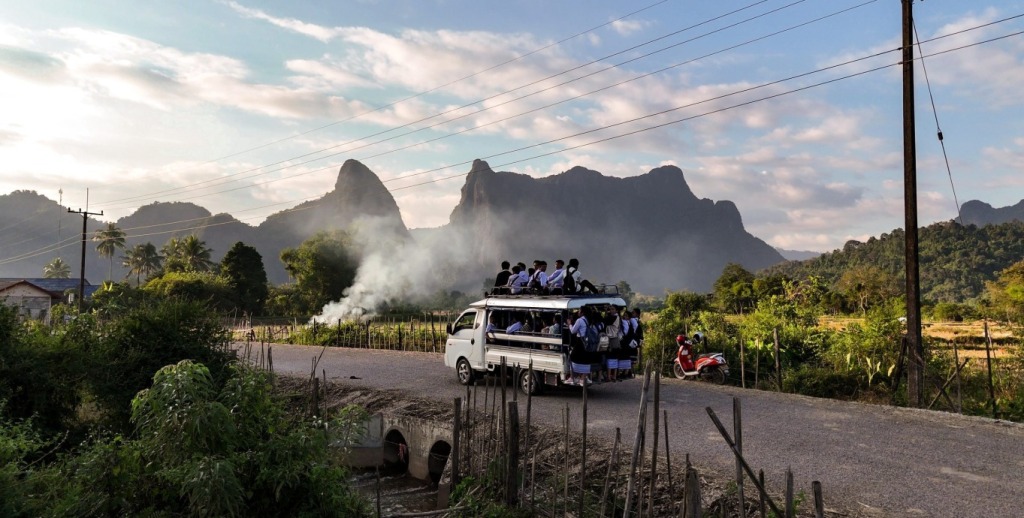 Normal daily local life in Laos
Outdoor Adventures, Gently Experienced
Laos is quietly adventurous. Hiking and trekking routes around Nong Khiaw, Luang Namtha, and Phongsaly lead through forests, karst mountains, and remote communities. Kayaking along the Nam Song or Nam Ou rivers provides a peaceful way to explore landscapes that feel largely untouched. Even cycling becomes an immersive experience here — not for speed, but for observation.
For travelers who enjoy movement balanced with rest, Laos offers endless possibilities without the pressure of extremes.
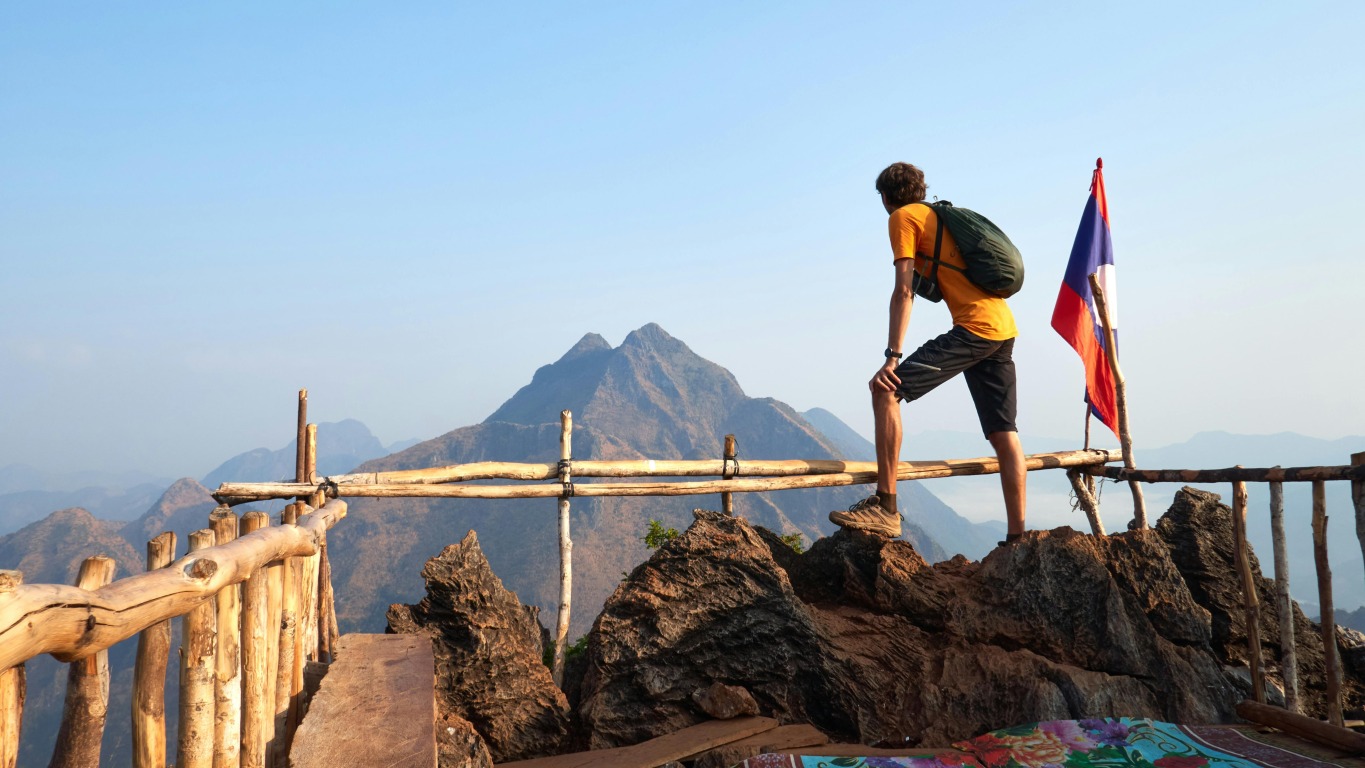 Hiking to viewpoints is a popular activity in Laos
A Destination for Active Days — and Doing Nothing
What surprised me most about Laos was the natural balance it offered — without me having to plan for it.
Some days were active and grounding. I woke up early to hike along quiet mountain trails, trekked through forest paths that opened to wide valley views, or spent hours kayaking on slow-moving rivers where the only sounds were water and birds. Cycling through countryside roads became a daily ritual — passing rice fields, wooden houses, grazing buffalo, and villagers who waved and smiled as I passed by. Even simple swims in rivers or waterfalls felt refreshing, unhurried, and deeply connected to nature.
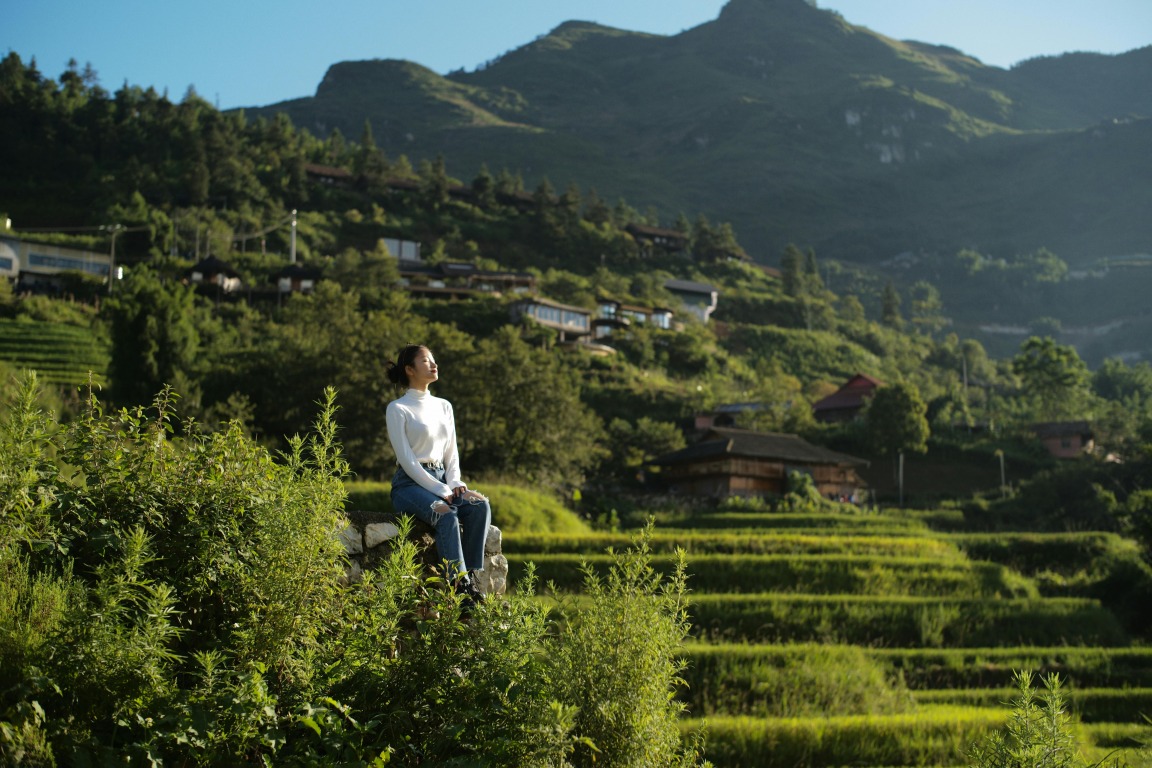 A moment to breath and enjoy the nature of Laos
Other days, I did almost nothing — and those days were just as memorable. I read by the river for hours without checking the time. I stayed at a lakeside lodge near Nam Ngum, watching the light change over the water from morning to sunset. I sat still, without an agenda, without feeling the need to “see more” or “do more.”
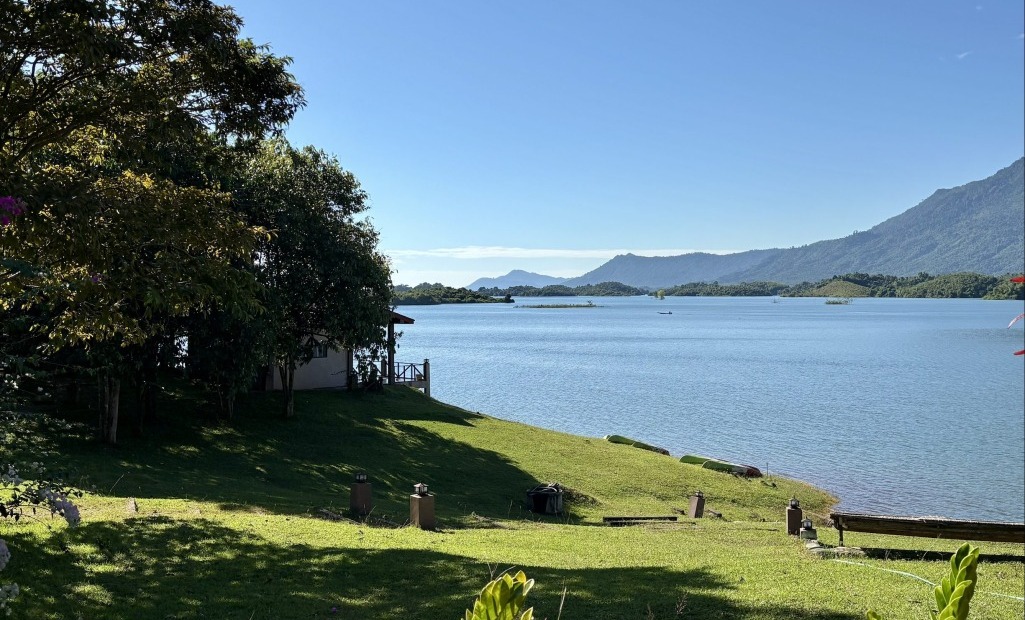 My beautiful river-front lodge at Nam Ngum Lake
In Laos, rest never felt unproductive. And activity never felt rushed. The country allows space for both — naturally, gently, and without pressure.
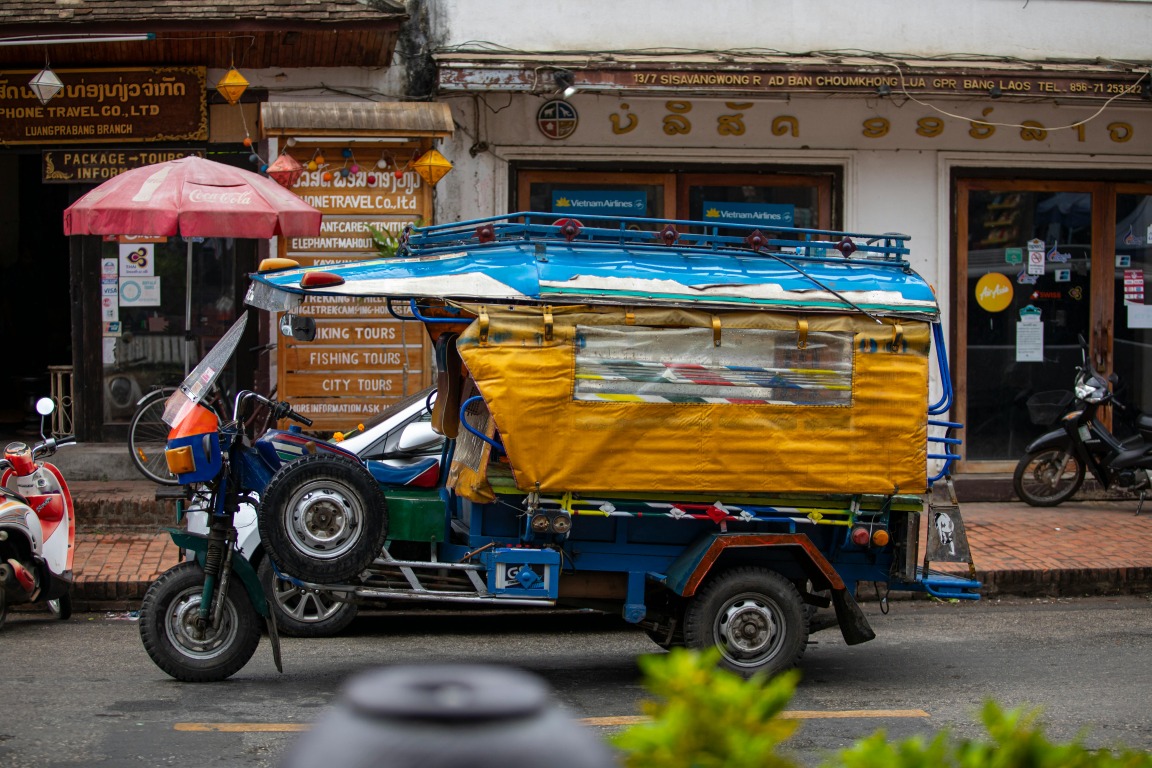 Chilling by the French quarter old streets in Luang Prabang
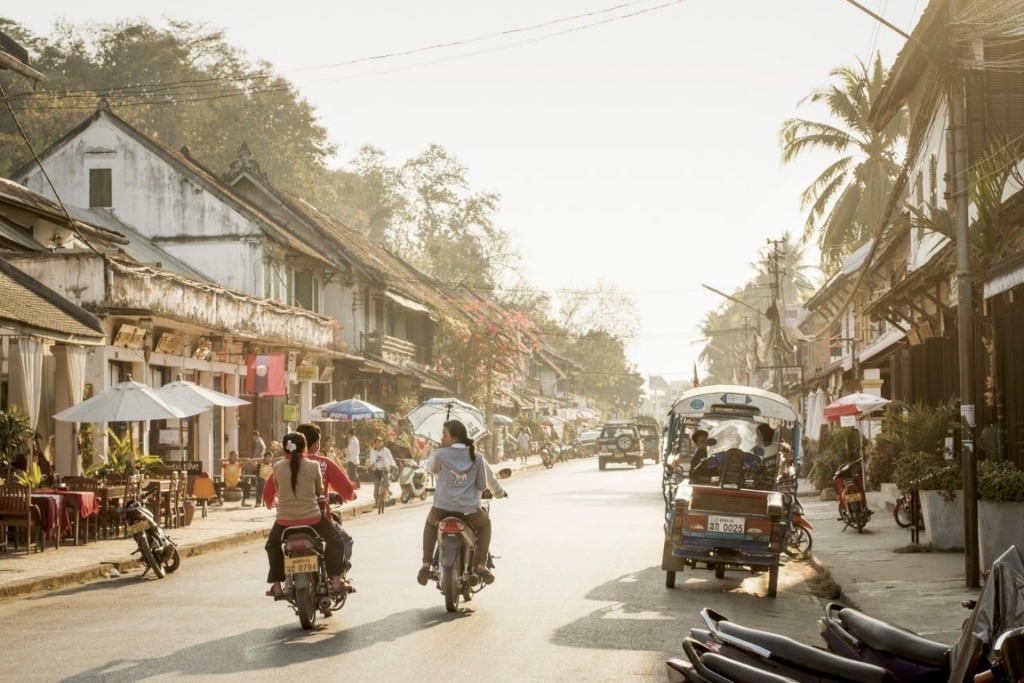 The beautiful French Quarter in Luang Prabang
Laos for Food Lovers
Laotian cuisine mirrors the country itself: understated, balanced, and deeply connected to local ingredients. Meals are often shared, built around fresh herbs, grilled meats, river fish, and seasonal vegetables. Dishes like larb, or lam, and simple curries carry subtle layers of flavor rather than bold intensity.
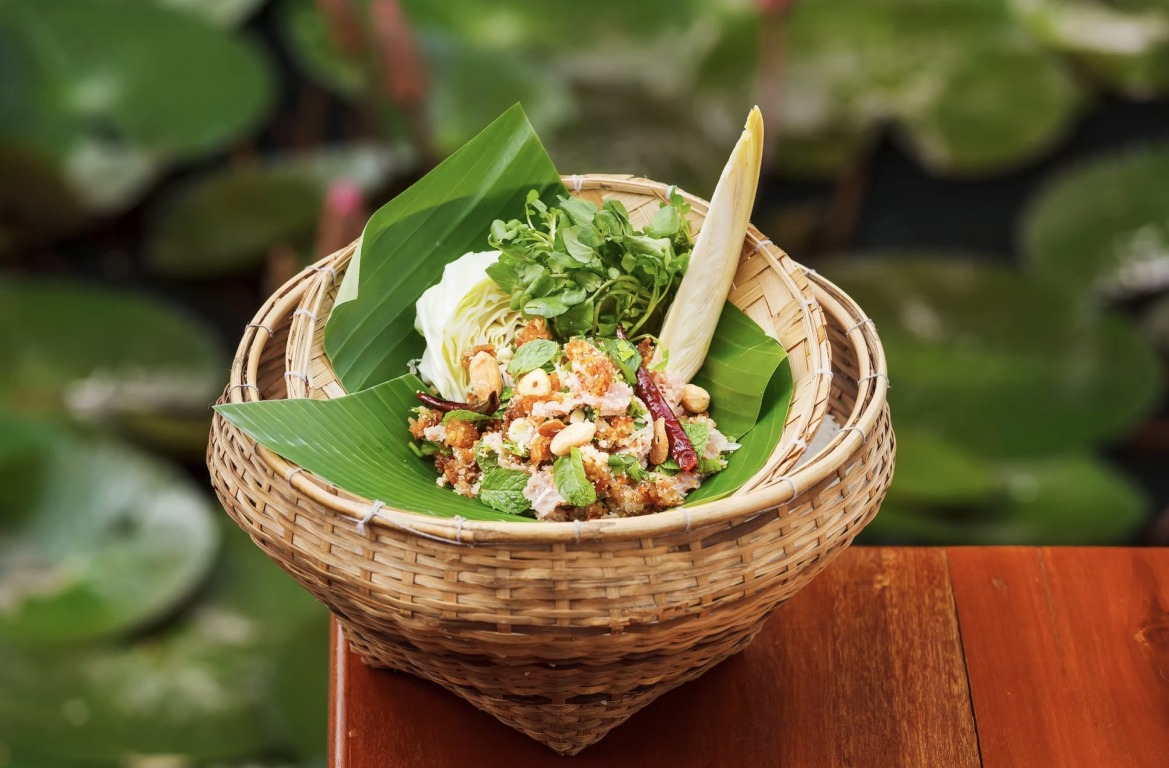 Larb – the must-try dish of Laos from Manda De Laos restaurant
French influence appears gently — in fresh baguettes, small bakeries, and riverside cafés — but never overshadows local traditions. Eating in Laos feels personal and comforting, whether at a family-run restaurant, a village market, or a quiet lodge kitchen overlooking the water.
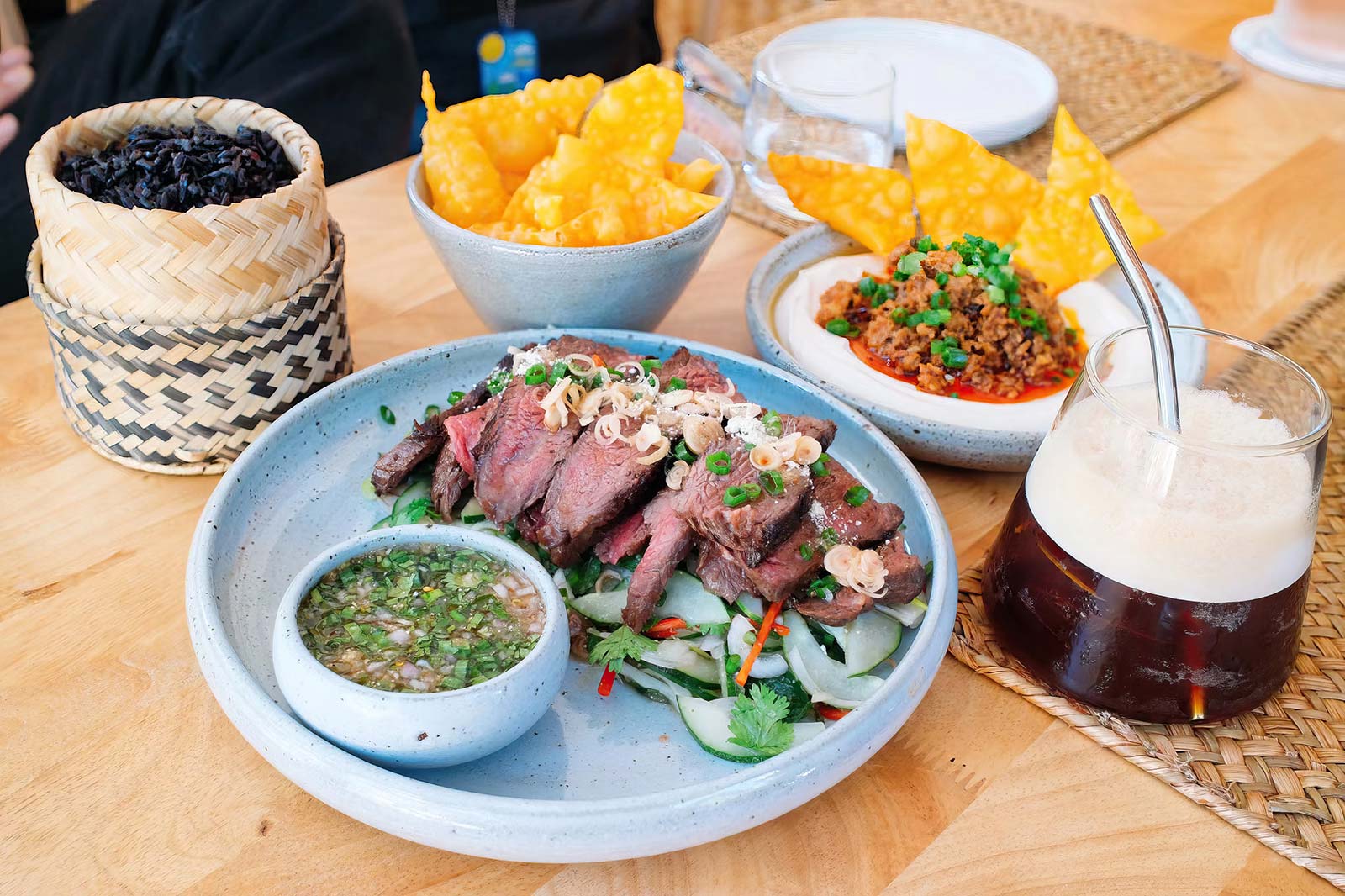 A fusion taste of traditional Laos food combined with Western influence at Lost in Bann restaurant
A Personal Note from Anh (Co-founder of ALO Travel Asia)
I went to Laos thinking it would be a short stop. Instead, I stayed nearly three weeks.
It reminded me how beautiful travel can be when we slow down — when we move our bodies, then allow ourselves to pause; when we explore, then simply sit and observe. Laos gave me that balance, and in doing so, it quietly became one of the most meaningful journeys I’ve had.
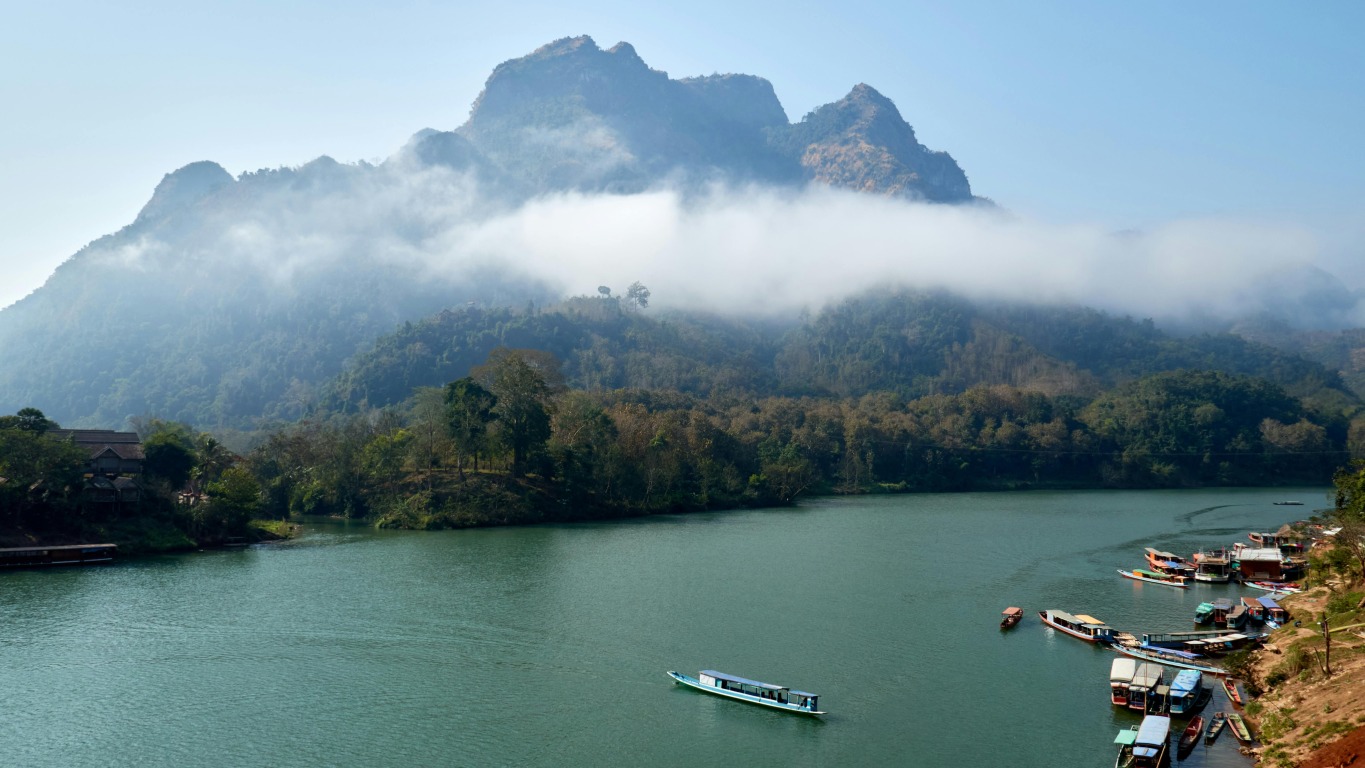 The paradise view of Nong Khiaw
If you’re looking for a place to breathe, to reconnect with nature, or simply to feel present again, Laos has a way of offering exactly that — without asking anything in return.
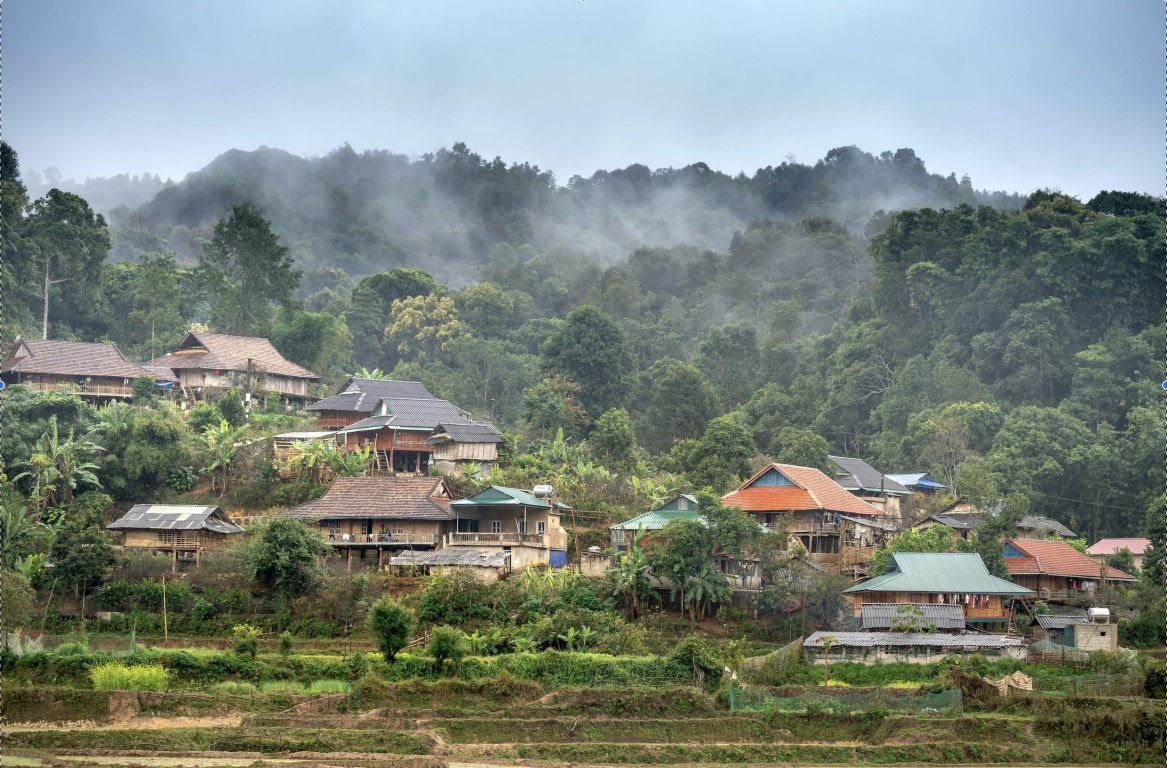 Local villages in Laos
Who Laos Is Ideal For
Laos is especially suited for:
- Couples seeking quiet connection
- Mature travelers who value depth over speed
- Wellness and slow-travel seekers
- Travelers looking for healing, reflection, and reconnection with nature
It’s not about ticking boxes — it’s about how a place makes you feel.
Our Approach at ALO Travel Asia
At ALO Travel Asia, we believe destinations like Laos should be experienced thoughtfully and responsibly. Our tailor-made journeys in Laos focus on:
- Slower pacing
- Hand-picked lodges and nature-based stays
- Meaningful local interactions
- Space for both activity and rest
Laos is not a destination to rush — and we design trips that respect its rhythm.
Sometimes, the best journeys aren’t the ones that take you far — but the ones that help you slow down!
The post Why Laos is the Best Place to Visit in 2026 for Slow & Meaningful Travel appeared first on ALO Travel Asia.
]]>The post SIM Card in Vietnam appeared first on ALO Travel Asia.
]]>Whether you’re exploring Hanoi’s Old Quarter, cruising through Ha Long Bay, or riding a motorbike in the Central Highlands, staying connected is key to a smooth and safe trip in Vietnam. From using ride-hailing apps like Grab, checking Google Maps, to keeping in touch with loved ones, having a local SIM card is both convenient and cost-effective.
This complete guide walks you through everything you need to know, whether you prefer a traditional SIM card or a modern eSIM, based on real experiences and updated travel insights.

Why Use a Local SIM Card in Vietnam?
A Vietnam Simcard is incredibly useful for travelers. While public Wi-Fi is widely available in cities like Hanoi, Da Nang, or Ho Chi Minh City, it can often be slow, unsecured, or completely unavailable in more remote areas, such as national parks, countryside towns, homestays, or even on trains.
Having your mobile data through a Simcard means you’re not dependent on finding a café or hotel with decent Wi-Fi. You can navigate unfamiliar streets with Google Maps, book a Grab, check train schedules, translate menus, stay in touch with your hotel or guide, and update family or friends all from your phone, wherever you are.
Key Advantages of a Vietnam Simcard
- Affordable Plans: Local SIM cards are extremely cost-effective. For just a few dollars, you can get generous data packages and local call credit, valid for up to 30 days — perfect for most trips.
- Strong Coverage: Vietnam has widespread 4G and growing 5G access. Viettel, the largest and most reliable carrier, provides excellent signal strength even in remote or mountainous areas.
- Reliable Access Where Wi-Fi Fails: Wi-Fi is common but often inconsistent outside major cities. A SIM card ensures stable connectivity wherever you go — whether you’re staying in a village homestay, hiking in the mountains, or on an overnight train.
- Convenience on the Go: Having mobile data means you can instantly use maps, ride-hailing apps like Grab, translation tools, booking platforms, or simply stay in touch with local services and your loved ones back home.
Simcards are widely available — at airports, telecom stores, convenience shops, or even through your hotel or travel provider — and are often pre-activated for immediate use.
Before buying, ensure your phone is unlocked and compatible with GSM networks (which include most global smartphones). Locked phones may require expensive roaming, with some providers charging up to $5 per minute for calls or offering inconsistent daily data packages.
Where to Get a SIM Card in Vietnam
 At the Airport
For most travelers, the easiest option is to buy a SIM card as soon as you land. At major international airports like Noi Bai (Hanoi), Da Nang, and Tan Son Nhat (Ho Chi Minh City), you’ll find multiple SIM card kiosks located in the arrival halls.
These airport counters are tourist-friendly: English-speaking staff will help you choose a plan, install the SIM, cut it to the right size, and activate your data package on the spot. While prices may be slightly higher than in town, the convenience is worth it — and you’re online before even leaving the terminal.
? In the City
You can also buy SIM cards at mobile carrier stores, phone shops, convenience stores, or even small roadside stalls. Just look for names like Viettel, Vinaphone, Mobifone, or Vietnamobile.
Staff in official stores may ask for your passport for registration (which is legally required). Some tourist-oriented shops might bypass the ID check, but we recommend completing the official registration to avoid potential service disruptions.
? Tip: Many hotel receptionists are happy to assist with finding and setting up a SIM card nearby.
Which Mobile Network Provider Should You Choose?
Vietnam has four main mobile network providers, each with its own strengths:
- Viettel: The largest and most reliable provider in Vietnam, with unmatched coverage. even in remote areas, highlands, and offshore islands. By 2025, Viettel ranks among the top 3 fastest mobile networks in the world, according to global speed testing firm Ookla. It’s the best option if you’re traveling outside major cities or want the most dependable signal nationwide.
- Vinaphone: A strong competitor with excellent coverage in cities, towns, and coastal areas. Vinaphone is widely used by both locals and tourists, offering good speeds and dependable service across most regions.
- Mobifone: One of the oldest providers in Vietnam, with solid coverage in urban and populated areas. Its network quality and pricing are similar to Vinaphone, though coverage may be slightly less consistent in rural zones.
- Vietnamobile: The most budget-friendly option, with very cheap data packages. However, its coverage is limited mostly to major cities and can be unreliable in less-developed areas. It’s suitable for short stays in urban centers, but not recommended for off-the-beaten-path travel.
 Best Choice for Most Travelers: Viettel or Vinaphone are your safest bets. Both offer wide nationwide coverage, fast internet speeds, and tourist-friendly SIM packages that are easy to purchase at airports, convenience stores, and official telecom shops.
The good news is that pricing is competitive across all major providers, with only minor differences in call and data rates. Just make sure your phone is unlocked and supports GSM networks before purchasing a SIM
How Much Does a Vietnam SIM Card Cost?
A prepaid tourist SIM card in Vietnam typically costs between 100,000 and 250,000 VND (approximately $4–$10 or EUR), depending on the provider, data allowance, and validity period.
Most SIMs come pre-packaged with generous data plans and optional call credits. Some are valid for 7 days, while others last up to 30 days — so it’s important to tell the vendor how long you’ll be staying and whether you need the SIM mainly for data, or also for making local calls.
Sample SIM Plans in 2025:
| Provider | Plan | Price (VND) | Data Allowance | Validity |
| Viettel | DL70 | 200,000 | 5GB per day | 30 days |
| Vinaphone | VD89 | 150,000 | 10GB total | 30 days |
| Mobifone | M120 | 120,000 | Unlimited* | 7–15 days |
*Note: “Unlimited” often refers to high-speed data up to a daily cap, after which speeds may slow.
Before you leave the store or kiosk, ask the staff to activate the SIM for you and confirm that both mobile data and call functions are working. This ensures you’re ready to go without delays or technical issues.
Also consider asking which network has the strongest coverage in the areas you’ll be visiting, especially if you’re heading to rural regions or mountainous areas.
Activating Your Vietnam SIM Card
Setting up a Vietnamese SIM card is usually quick and hassle-free. Here’s what to expect:
- Insert the SIM card into your unlocked mobile phone (most modern smartphones are compatible).
– For eSIMs, follow the activation QR code or link provided by the telecom provider.
Power on your phone and wait for the network signal to appear. - You’ll receive a welcome SMS from the mobile operator with details such as your new number, balance, and plan info.
- In some cases, you may be asked to verify your passport. This is usually handled by the seller, but occasionally you may need to send a text or confirm details manually.
 Always ask the seller to activate the SIM and check that calls and mobile data work before leaving the shop or kiosk.
How to Dial in Vietnam
Knowing the correct dialing format will help you stay connected with local services, guides, or international contacts.
Country code for Vietnam: +84
Dialing Formats:
- Cellphone to landline: 0 + Area Code + Phone Number
Example: Call a Hanoi number 38333333 → Dial 024 38333333 - Cellphone to cellphone: 09y xxx xxxx or 03y xxx xxxx
Most mobile numbers start with 09 or 03. - International calls: 00 + Country Code + Number
Example: Call Australia 123456789 → Dial 00 61 123456789
Topping Up Your SIM Card
If you run out of data or call credit, topping up is easy and available almost everywhere.
Top-Up Options:
- Scratch Cards
– Available at mini-marts, convenience stores, and mobile shops
– Scratch to reveal the code
– Dial: *100*<code># to top up - Mobile Apps
– Download the provider’s app (Vietnamese only, some support English)
– You can top up using a local bank card, or ask your hotel to help
Check Balance: Dial *101#
Calling and Messaging with Your Vietnam SIM
Most travelers rely on messaging apps like WhatsApp, Zalo, or Telegram, but having a local SIM is still essential when you need to:
- Book a car transfer or tour
- Contact your hotel or guide
- Stay reachable during emergencies
Here’s what you can expect in terms of local telecom costs:
- Local calls typically cost around 1,000 VND per minute.
- International calls usually range from 3,000 to 5,000 VND per minute, depending on the country and carrier.
- Local SMS messages cost approximately 350 VND each.
- International SMS messages are about 2,500 VND each.
? If you plan to make a lot of international calls, using data-based apps like WhatsApp, Skype, or Messenger will be much more affordable — and often more reliable.
eSIM Options for Vietnam
If your phone supports eSIM (like most newer iPhones, Google Pixels, and Samsung Galaxy models), you can skip the hassle of inserting a physical SIM altogether. An eSIM allows you to connect to a local network digitally — often before you even land in Vietnam.
Where to get one:
- At some Vietnamese airports, SIM counters (availability may vary)
- Directly from official carrier stores like Viettel or Vinaphone
- Through international providers such as Airalo, Holafly, or Nomad, which allow you to purchase and activate a plan online in minutes
Things to keep in mind:
- Not every phone model supports eSIM, so double-check compatibility first
- eSIM packages can be slightly more expensive than physical SIMs
- Some Vietnamese carriers may have limited eSIM offerings for tourists
Wi-Fi Availability in Vietnam
Free Wi-Fi is widely available across Vietnam. You’ll find it in most hotels, cafés, restaurants, shops, and even on some buses and trains. Staff are usually happy to share the password — just ask politely.
However, while convenient, public Wi-Fi isn’t always reliable. Speeds can vary greatly, connections may drop when you’re on the move, and networks are often unsecured. If you’re traveling between cities, visiting rural areas, or relying on real-time navigation and communication, a local SIM card ensures you stay connected without interruption.
Having mobile data gives you peace of mind — no need to hunt for a café just to check a map or message your hotel.
Extra Tips for Staying Connected
- Choose a SIM at the airport for a smooth arrival
- Keep your SIM packaging in case you need your number or PIN later
- Double-check that your phone is unlocked
- Save your Vietnamese number in your phone right away
- Ask vendors to activate and test your SIM on the spot
Stay Connected, Stress-Free
Having a Vietnamese SIM card makes all the difference — whether you’re arranging a tour pickup, checking directions, or translating a menu. It’s affordable, simple to set up, and enhances your travel freedom.
Planning Your Trip?
At ALO Travel Asia, we specialize in tailor-made journeys through Vietnam, Cambodia, and Laos. Our team is here to assist you with everything from detailed itineraries to local etiquette, including tipping advice based on your exact travel plans.
? Let us take care of the details. ? Contact us today for expert planning, local insight, and personalized travel support.
? Check out reviews of our tours on TripAdvisor. Your satisfaction in every aspect of your trip, including tipping practices, is our priority.
The post SIM Card in Vietnam appeared first on ALO Travel Asia.
]]>