You will find more on our archival annual issues here: 2019, 2018, 2017, 2016, 2015, 2014 and 2007-2013.
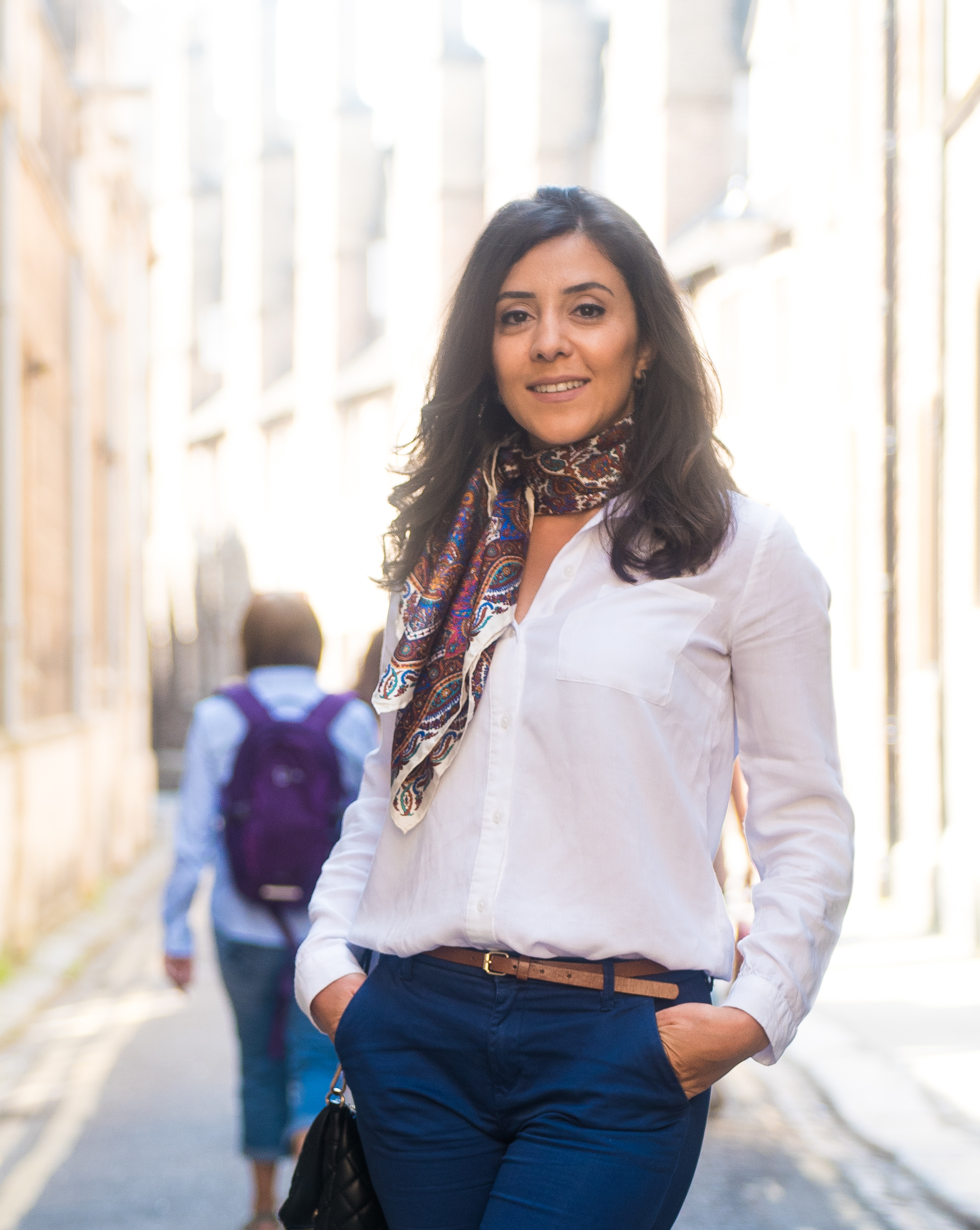
Ghina Halabi
Ghina M. Halabi is an astrophysicist and social entrepreneur, whose work lies at the intersection of science, entrepreneurship and education. During her PhD and postdoctoral work, her research was on internal structure and evolution of stars. Now, working at Cambridge Judge Business School Entrepreneurship Centre, she creates and leads impactful opportunities for scientists and academics to thrive beyond the lab. The first person to gain a PhD in astrophysics from a Lebanese university, she is a strong advocate for public engagement, particularly through storytelling. In 2018, Ghina founded She Speaks Science, a multilingual social enterprise for public engagement. Since 2020, she has been a mentor on the United Nations Space for Women Network.
Could you tell us a bit about your research?
There is hardly any region in the Universe less accessible to human investigation than stellar interiors. For more than a decade, my work probed exactly that: the interiors of stars, vital regions of our Universe and the seed to human life. My research looked at the evolution of these enigmatic objects, their interactions with their nearby companions, and the nucleosynthesis processes taking place through their lifetimes. I developed computational codes to model stellar evolution, by tracing the progression of a star’s properties throughout its life cycle and model its structure and element formation. This allowed me to predict the abundances of chemical elements on a star’s surface.
What inspired you to become an astrophysicist?
Unlike many astrophysicists who start marvelling at the mysteries of the cosmos from a very young age, I never thought I’d become one. In the small mountainous Lebanese village where I grew up, an urban legend has it that counting stars causes warts on your fingers. As any child would, I counted stars all the same but not without a creeping sense of thrill and apprehension of the curse that might befall me. The only affliction I ended up with instead is an unshakable spell of always seeking a good challenge.
Born in the 1980s in a country riddled with a raging civil war, the sounds of artillery, missiles and sonic booms were almost a daily reality. I was intrigued about flying, and as a teenager, I wanted to become a fighter pilot. However, to a 15-year-old with no role models breaking clouds, this path seemed cordoned off and even trying seemed like trespassing.
Perhaps when reality disappoints and limitations shackle one’s dreams, defiance becomes a life-affirming act. So I dismissed the thought of becoming a fighter pilot, but not the skyward dreams. I took to studying physics which seemed like a hearty challenge, then worked hard for a PhD in astrophysics. One would think it can only get easier from there. However, no one had attempted that degree in Lebanon before so there was no clear path to tread or role model to aspire to. I had to blaze that trail myself, yet another challenge I daringly accepted.
What was the motivation behind She Speaks Science?
My own experience and the barriers I faced fuel my work on broadening access so that young people don’t miss out on becoming engineers or pilots or astronauts because of lack of mentorship or role models. So I founded She Speaks Science in 2018. Our work aims to promote women and minority scientists in STEM, and create a positive STEM identity among young people.
Why is the idea of storytelling important to you?
My consultancy work in science communication made me realise that not every role model inspires, and not every outreach approach works to promote STEM. On She Speaks Science, we take a storytelling approach for three reasons:
- Stories featuring characters, change, struggle and adventure spark imagination and motivate girls and young women to explore science. Girlhood is changing, being an 11 year old these days is different from what it used to be. Girls today are individualistic and socially conscious. They have a message and want to make impact, they want to change the world. Our stories show them how through science they can do that.
- Stories help normalise failure. One factor that deters young people from pursuing a scientific career is the notion that to be a scientist, one has to be a “genius”. Our stereotypical role models seem to have enforced a normative idea of who does STEM, overlooking struggle and resilience as essential aspects of being a scientist. A study published in 2016 in the Journal of Educational Psychology finds that students who are exposed to scientists “struggle stories” recorded higher science grades and levels of motivation than those who weren’t. Thus narrating the struggle of a scientist, as a protagonist searching for the truth, is effective in normalising failure and building resilience among young explorers.
- Stories help bring about a culture change. They normalise the idea of a woman scientist to boys and young men so they come to view it as commonplace rather than exceptional.
She Speaks Science features writing in many languages, why is that important?
She Speaks Science’s readership now spans more than 180 countries across the globe. Offering our stories in five languages (English, Arabic, Spanish, German and Italian) is crucial to ensure wider accessibility and to cater for a global audience. Although the English language dominates global scientific activities and using a single international language facilitates the dissemination of scientific knowledge across national and cultural borders, the English language shouldn’t be a gatekeeper to scientific discourse. More critically, to face the threats of the coming decades humanity requires the understanding and support of science at a global scale. This makes science communication in multiple languages crucial to ensure a larger reach and effectiveness. That’s what we’re trying to do through our team of dedicated translators.
We will also soon be offering our stories in audio format, as a podcast initially, for an even wider accessibility and inclusivity.
Could you tell us a bit about your involvement in the United Nations Space for Women project?
It all started in 2017 when I was invited to the UN Headquarters in New York to participate in the Expert Meeting on Space for Women. A key theme of the meeting was to explore ways to empower women and girls, particularly in developing countries, to get into science, technology, engineering and maths (STEM), and to devise effective approaches for capacity building and development.
Inspired by the discussions and conversations during the meeting, I proposed to establish the Space for Women Network as a solution for the lack of STEM role models. The UN Office for Outer Space Affairs adopted the recommendation and established the network in 2020. I am now a mentor on this Network working with young girls across the globe from Australia to Egypt and the United States to help them pursue a degree and a career in space.
What is a development you’d really like to see within astrophysics in the next ten years?
I find the search for signals from an intelligent life in the Universe both thrilling and of profound consequences. Ancient civilizations at the times of Aristotle and Ptolemy thought that Earth was the centre of the Universe around which the Sun, stars, and planets orbited. Heliocentrism then replaced Earth with the Sun as the centre of the Universe. Then we discovered that the Sun is merely one of billion stars in an ordinary galaxy. We then realised that billions of galaxies exist, and just as many planets in our galaxy alone. What if one of those is harbouring life, not the bacterial life that we’re looking for now, but one that is smarter than we are?
If we are the only species in the Universe, it’s not only an awful waste of space, but as a satirist would reasonably argue “the Universe aimed rather low and settled for very little.” If we are not, that would challenge our own identity and put our anthropocentrism to the test.
Can you share a piece of advice you’d give to a young person interested in astrophysics?
Dare to take up space, literally and figuratively. Space is for everyone and we need the young talent and enthusiasm to get us safely to Mars and beyond.
]]>
To mark the website’s relaunch, our designers created this image representing India’s thriving science and research ecosystem, its aspiration for a young and diverse workforce, and the country’s growing focus on innovation to solve social problems.

Nature India was launched on 1 February 2008 on nature.com. In 2014, it moved to natureasia.com to align more closely with the geographical region it operates from. Now, as Nature Portfolio continues to consolidate its various global services and platforms, we return to nature.com. The look and scope of Nature India will mirror other Nature Portfolio websites, while its coverage retains a unique local slant.
As it becomes more visible and searchable on nature.com, this new platform will broaden Nature India’s reach to bring new audiences. It will also be easier for users across the world to search India-focused content, and for jobs in the region, through our global search functions. In the longer term, with the launch of more regional portals, such as Nature India, we hope nature.com users will be able to seamlessly access local content on a single platform.
Besides its award-winning content, Nature India will continue to publish news and features collections online, and in print, host outreach events, and help shape the future of Indian science and health journalism through its mentorship activities. Our blog Indigenus will continue to be hosted on this legacy blogs.nature.com platform. Readers can access the complete Nature India archives at www.natureasia.com/en/nindia/.
As always, we look forward to our readers’ feedback.
]]>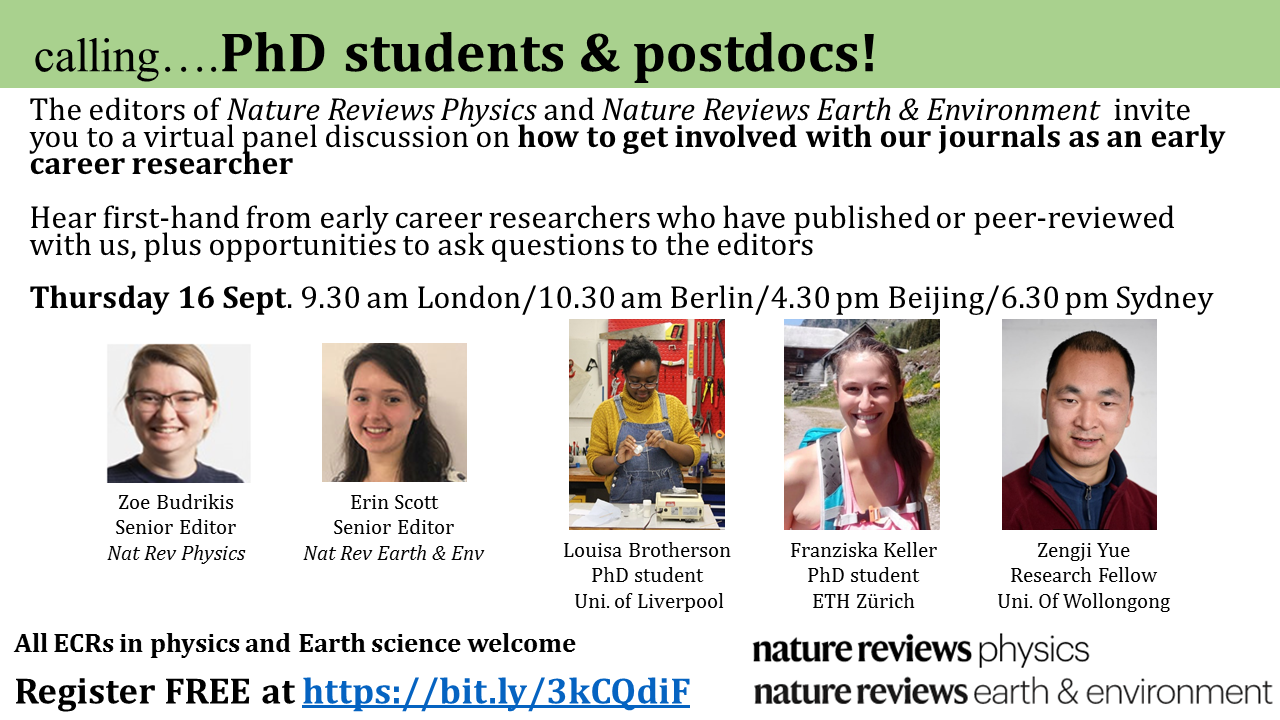
On 16 September 2021, Nature Reviews Physics and Nature Reviews Earth & Environment hosted a webinar, “How you can get involved with Nature Reviews as a PhD student/postdoc”.
The event featured panellists Louisa Brotherson (University of Liverpool), Franziska Keller (ETHZ) and Zengji Yue (University of Wollongong) alongside editors Erin Scott (Nature Reviews Earth & Environment) and Zoe Budrikis (Nature Reviews Physics).
The panel discussed topics like their experiences with writing Tools of the Trade articles and peer-reviewing as ECRs, how publishing works, and what career advice they’d give.
You can watch the recording of the event here.
]]>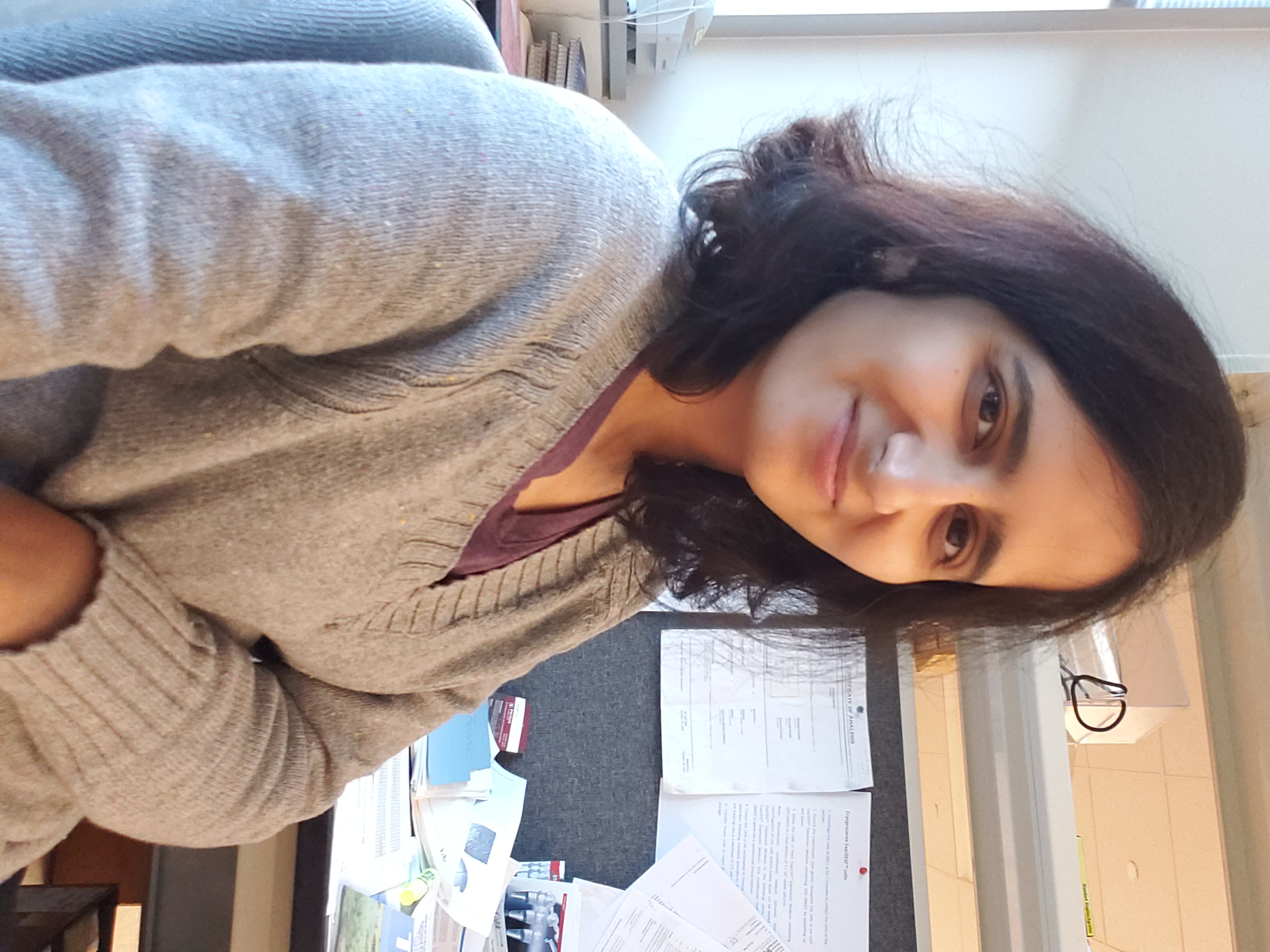
Pragati Agnihotri
My PhD was from the Central Drug Research Institute in Lucknow, India. Doing a PhD was an obvious option since I had little guidance on what jobs I could take up after a masters in biotechnology. PhD offered a decent fellowship for five years. Unlike the US, in India, no lab rotation and minimum interaction with scientists mean one has limited topics to chose from for a PhD.
I was lucky my supervisor let me study what interested me. Using limited resources, I spent the early years designing the experiment. For a structural biologist like myself, getting a protein crystal, a decent diffraction pattern, or a structure solution were considered the only cause for celebration. Later years saw me focus on data analysis and writing the paper, followed by postdoc applications. Results and publications were the only criteria for success. Life revolved around this.
However, many of us eventually chose careers beyond research. This trend was later highlighted by the Royal Society of Chemistry — only 3.5% of PhD holders get permanent research positions and a mere 0.45% make it to the level of professor.
In the US, after a PhD, scholars do myriad things beyond the conventional — they join reputed pharma companies, run their own blogs or explore entrepreneurship. Indian PhDs, however, stay in long postdocs. They realise later that despite impressive publications, it is difficult to get well-paying jobs in the land of opportunities without strong communication skills and network.
It takes years of effort, articles and career development guidance to learn the ropes of effective networking, efficient communication and tailoring one’s CV. Based on my experience, I shortlist here a few skills that might prepare future PhDs for better job opportunities.
Networking
Researchers need support from colleagues throughout their career — whether it’s for recommendations, job referrals, help for green card applications or troubleshooting experiments. During PhD, we somehow forget the importance of networking till we start our search for postdoctoral positions or for a job. In about five years of doctoral studies, we come across Principal Investigators (PIs), peers, alumni, application scientists, marketing people and multiple keynote speakers. That is one strong network to stay in contact with.
But we attend talks on specific fields. Nobody ever tells us we won’t necessarily end up working on the same topic, and that we need to know much beyond core subject areas. Also that PhD and postdoc are a transition phase and one still needs to choose a career after that.
During my PhD, I never felt the need to have an updated LinkedIn profile. The job search was frustrating because even after being an exact match in skills, there was no encouraging response.
Developing a LinkedIn network helped me improve my CV, it provided real-time vacancies and referrals. Joining professional associations and social media networks brought me in contact with people in the same boat. Though it is unreasonable to expect a job by simply networking, it provides helpful feedback. Thus, it is always beneficial to attend poster and mixer sessions, talk to speakers and stay in touch with peers.
Scientific Writing and Communication
Every PhD is a scientific writer but being proficient requires time and effort. “English needs improvement, take help of native speakers,” is a frequent reviewer’s comment on our manuscripts. Competent writing can save us long hours and improve the quality of publication. Courses and workshops on writing skills should be part of PhD coursework. There’s a lot of freely available material on EdEx, Coursera and LinkedIn Learning to improve writing. My personal favourite is “Writing in Sciences” by Dr. Kristin Sainani on Coursera.
Presentation skills are key. I have learnt there is much more to a good presentation than data and that presentation is a skill that can be learnt like all others.
Specialization/Certifications
Doctoral work is specific and rarely a perfect match with available jobs. However, there are multiple certifications that open up a plethora of career paths.
Project Management: If you are good at collaborative projects, this can be interesting. Certifications like PMP, Prince, CAPM can boost job prospects. Data is the most expensive resource. Automation of drug discovery or manufacturing is a big focus of innovative research.
Data Science: Expertise in biology and data science is a rare combination with a significant edge. If one is working on clinical samples or is interested in such jobs, certifications from CCRA, ACRP-CP, CCRC and CCDM can help find clinical jobs.
Regulatory Framework: Specialisation in regulatory affairs is an advantage for jobs in industrial and regulatory authorities such as FDA and FSSAI.
Patent Certification: Another career augmenting certification is studying patent law.
Science Writing: If one is good at conveying complex research to a range of audiences, professional writing skills and certifications are valuable additions to a PhD degree. Communication skills, mentoring experience, adaptability, critical thinking and management can take you a long way.
PhDs are experts at learning. Some direction regarding what to learn in addition to the highly specialized PhD topic is always useful. So, it’s worth broadening one’s horizon and to never stop learning.
]]>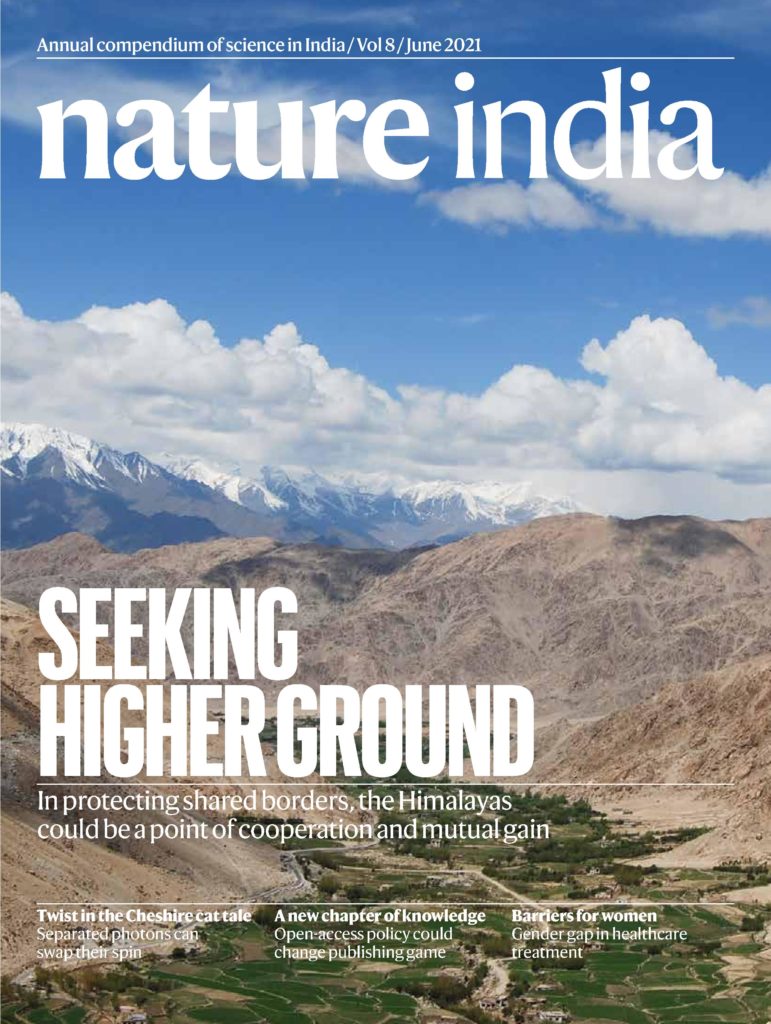
Cover image: S. Priyadarshini/ Design: Bharat Bhushan Upadhyay
2020 was defined by the global pandemic. Throughout the long, difficult year, disease and death came in tragic waves, testing the limits of healthcare systems, especially in countries with limited resources. In India, one of the worst affected countries, significant outbreaks continue in 2021.
A positive outcome, however, has been the triumph of science. In record time, scientists rushed to sequence the genome of the virus and its variants, created affordable diagnostic and treatment solutions, and produced multiple vaccine and drug candidates to control the pandemic. We have been covering the pandemic in India and the subcontinent in depth through the lens of science. Besides our regular journalistic coverage, we produced two special issues on the COVID-19 crisis in India – one on how the pandemic was affecting life in a country of 1.3 billion people, and the other on affordable engineering solutions being developed in haste by India’s scientists to confront the virus. In our quest for disseminating trusted information during a global public health emergency, the pages of Nature India were prominently filled with information on SARS-CoV-2 and COVID-19.
Meanwhile, despite challenges thrown up by a series of lockdowns and funding issues, science in other disciplines unrelated to the pandemic has continued to flourish. One criticism of scholarly science publishers and science magazines has been that their overwhelming engagement with the pandemic (public health, medicine, virology and epidemiology) has squeezed out other disciplines of science during 2020. In this annual volume, therefore, we are spotlighting Nature India’s coverage of all sciences, efforts around which quietly continued through 2020.
The biodiverse Himalayan region, straddling the borders of many countries in Asia, including India and China, offers immense potential for collaborative scientific research. However, the inhospitable terrain and geopolitical strife in the region, have created obstacles to a joined-up research climate. Our cover story tells of the growing call by researchers in the two countries to go beyond political differences and make the Himalayan region a hub for scientific collaborations. Migratory birds from across the region coming into India and the need for heronries to protect them are also highlighted in this issue.
The country is weighing the challenges and opportunities of an ambitious ‘one nation one subscription’ policy that aims to make scholarly knowledge freely accessible to everyone in the country. We analyse the merits of this proposed plan.
The pandemic is never far from the immediate consciousness of any of the world’s people, and our annual photo competition on the theme brought inspired images of this era, where masks, sanitation, immunisation, and innovative solutions to health needs are paramount, and the focus of our daily lives
The issue is free to download here. We will soon make all our previous annual volumes free to access.
We hope you enjoy reading the latest volume.
]]>Science blooms in these failures as much as it does in the glory of accepted manuscripts, grants, awards, and patents. In this blog series “My Science Failures” we will hear some straight-from-the-heart stories of these secret milestones in the lives of scientists — and learn how they turned these events on their head (or did not).
Vijay Soni, an instructor at Weill Cornell Medicine, New York, says the actual reason why science is so successful is these failures.
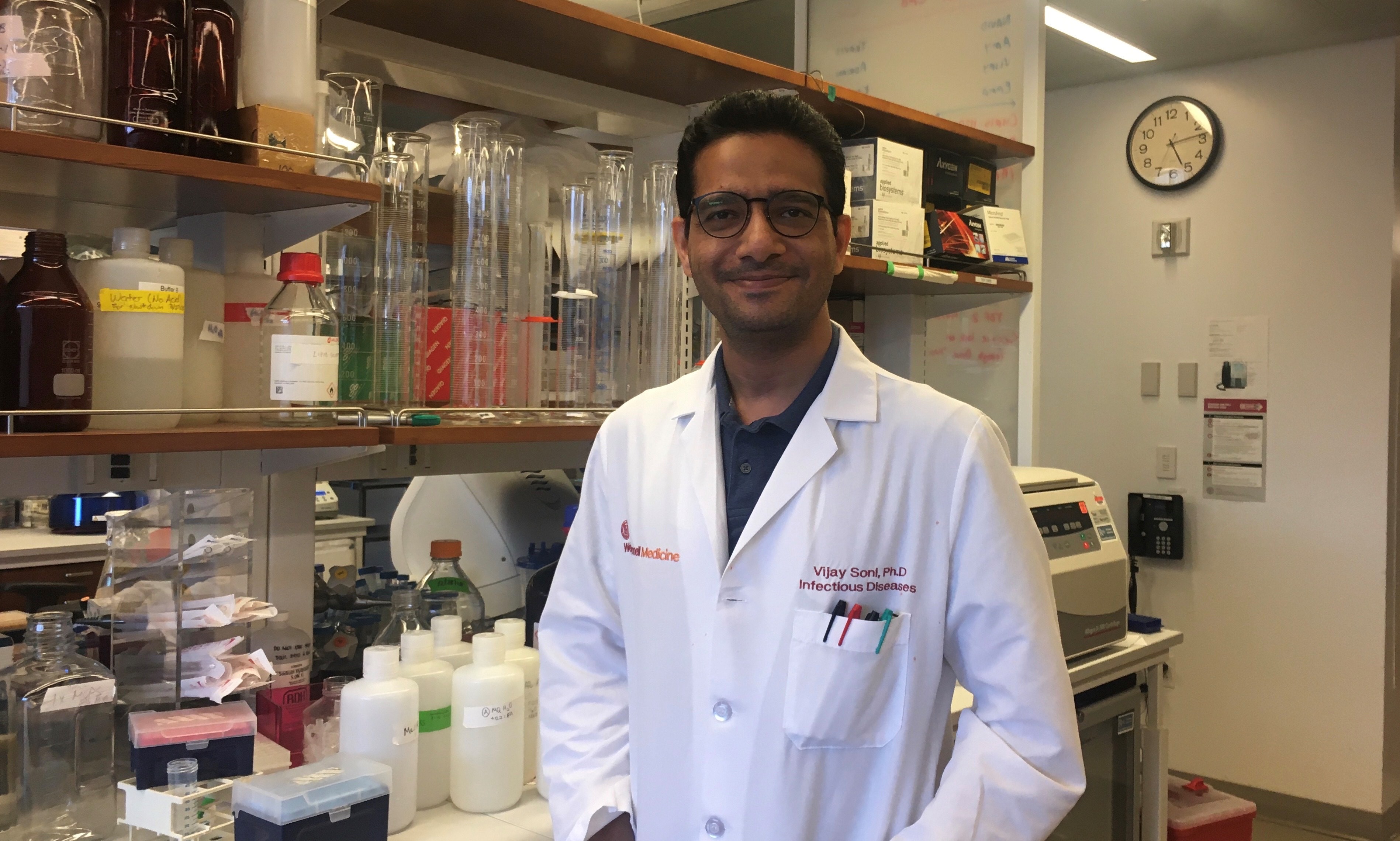
Vijay Soni
In science, we fail more often and at a rate higher than in other vocations. Hypotheses go wrong, experiments do not deliver the expected outcomes. There are contaminations, misleadingly simplistic or representative models, false-positive results, experiments without controls, rejections of manuscripts, and failed projects. The actual reason, why science is so successful, is all these failures. It is, therefore, imperative to learn the real value of mistakes.
“Failures are a sign that you are inventing,” says Elon Musk. Curiosity guides us to learn better and faster. We have been taught to attach connotations to words and are accustomed to believing that success is positive, and failures are negative. However, learnings are never black and white – they are a full rainbow. Each colour is an experience that must be enjoyed, lived, and felt.
Scientists hardly speak of false starts. There is nothing glamorous about dead and failed stories. And so there is a big chunk of knowledge that goes unreported or unpublished.
How do scientists cope with recurrent failures and grow? In my own research journey, many times I wish I knew about earlier false starts so that it didn’t have to go down an already failed path. I did not find any resource where scientists shared their wisdom from failures. Therefore, I started FailWise to offer learnings, information, opinion, and guidance around such failures. The inspiration came from Brandon Mull’s words: “Smart people learn from their mistakes, but the real sharp ones learn from the mistakes of others.”
Every scientist has a personal relationship with failures, and evolves uniquely. I have too. As a biology undergraduate, I learnt a big lesson early on when my lecturer published under his name all data from a research project I was working on to get a grant. Similarly, a lab mate presented my data without my consent or acknowledgment to get a postdoc position. Lesson I learnt: don’t disclose all your data and research to anyone. Never circulate your lab reports or critical data even among close friends.
There are more things that I learnt as a researcher:
- I studied undergraduate in a Hindi medium. I always felt it would be a problem when I go for higher studies. But I was wrong. Language is not a barrier in science but lack of knowledge is. I never stopped reading books and research articles. If you do not read background literature, maintain notes or connect the dots to frame your questions, you will likely fail. Learn to ask better questions, you will automatically be guided towards better answers.
- Once I was told that I would not have been hired if I was not from a certain lab (my master’s and undergraduate studies were from a very small state university in India). It was discouraging. But I reminded myself that people who follow their path passionately and honestly make great scientists and labs, and they may not necessarily be working in a world-class institute. No matter what your background, chase your dreams with perseverance.
- After Masters, I was working as a project assistant at a renowned institute in India. I was treated like a labourer there — never allowed to ask any question, asked to help in my principal investigator’s household work. He used foul language, forced me to work at least 12 hours every day, even on weekends. I tried hard to stay but gave up after 6 months and joined another lab. The lesson I learnt: Quit (as soon as possible) if you are not respected or treated properly. A mentor who does not provoke thought or gives you the freedom to ask questions, will likely not aid your career much. Choose your research mentor wisely. You can not do science when you have a micro-manager or a bad human for a mentor.
- During my undergraduate, I was selected for a presentation for a national-level scholarship. I researched hard for a project on neural tube defects and but I was not well prepared for the presentation. And thus I failed to get the scholarship. Lesson learnt: Bad communication or presentation skills will dampen your science. Work on them, ask for feedback from your mentor and lab mates. Do mock presentations, write notes, try recording and listening to them to improve your sentences and script.
- While I was doing Ph.D. I never explored anything beyond my lab. But during postdoc, I started attending various courses on entrepreneurship and leadership skills. This helped me start my own company (Scipreneur). Researchers seldom explore things beyond their labs. Remember, your network is your net worth. Try to participate in courses, meetings, competitions, and networking events. Use social media wisely and to your benefit. Read biographies, listen and watch good talks and podcasts. They will help you in multiple ways. Like how to manage stress and time, how to cope with failures, how to deal with relationship hurdles, and how to envision your future with a better goal? Do more informational interviews, where you ask an expert’s time to discuss how they achieved their goals.
- Entrepreneurship was always on my mind but I never explored it as I felt I lacked the skills required. I failed to start on some interesting ideas and later found that someone had worked on them successfully. It took me 6 to 7 years to realise that Ph.D. and postdoc leverage us with so many traits like leadership, mentoring, communication, negotiation, perseverance, collaboration, and entrepreneurial skills. Do not undervalue yourself. Learn to swim beyond your safe zone and against the currents. It will not only boost your confidence but also enhance your ability to cope with challenges.
- I have seen researchers working day and night but failing to achieve big. Donkey work will seldom give you great science and big breaks; smart work will. You need to polish your ideas, questions, plans and execution. Teamwork is dream work, so never hesitate to ask for help. Collaborate and discuss with peers. I also learnt to use technology in the right way to accelerate the pace of research and increase efficiency. For example, use software and languages for better and fast analysis, LinkedIn for better collaboration and learning, Evernote for writing and as a virtual notebook, simple web-based software for colony counting and standard curve plotting, and different online tools to make beautiful figures and presentations.
We cannot predict failure, but we should keep the lessons learnt imprinted in our minds. Collaborative learning and sharing help us see mistakes more positively. Failures can rewire our brains and give us the confidence to approach problems from a different angle. They force us to question our hypotheses, plans, protocols, execution, and experimental setups. The greatest thing a scientist can discover is “a novel or better question”. Give yourself permission to fail and explore.
]]>[Shankar Balasubramanian is a Herchel Smith Professor of Medicinal Chemistry in the Department of Chemistry at the University of Cambridge, a Senior Group Leader at the Cancer Research UK Cambridge Institute and a Fellow of Trinity College, Cambridge. He won the one million euro prize jointly with David Klenerman.]
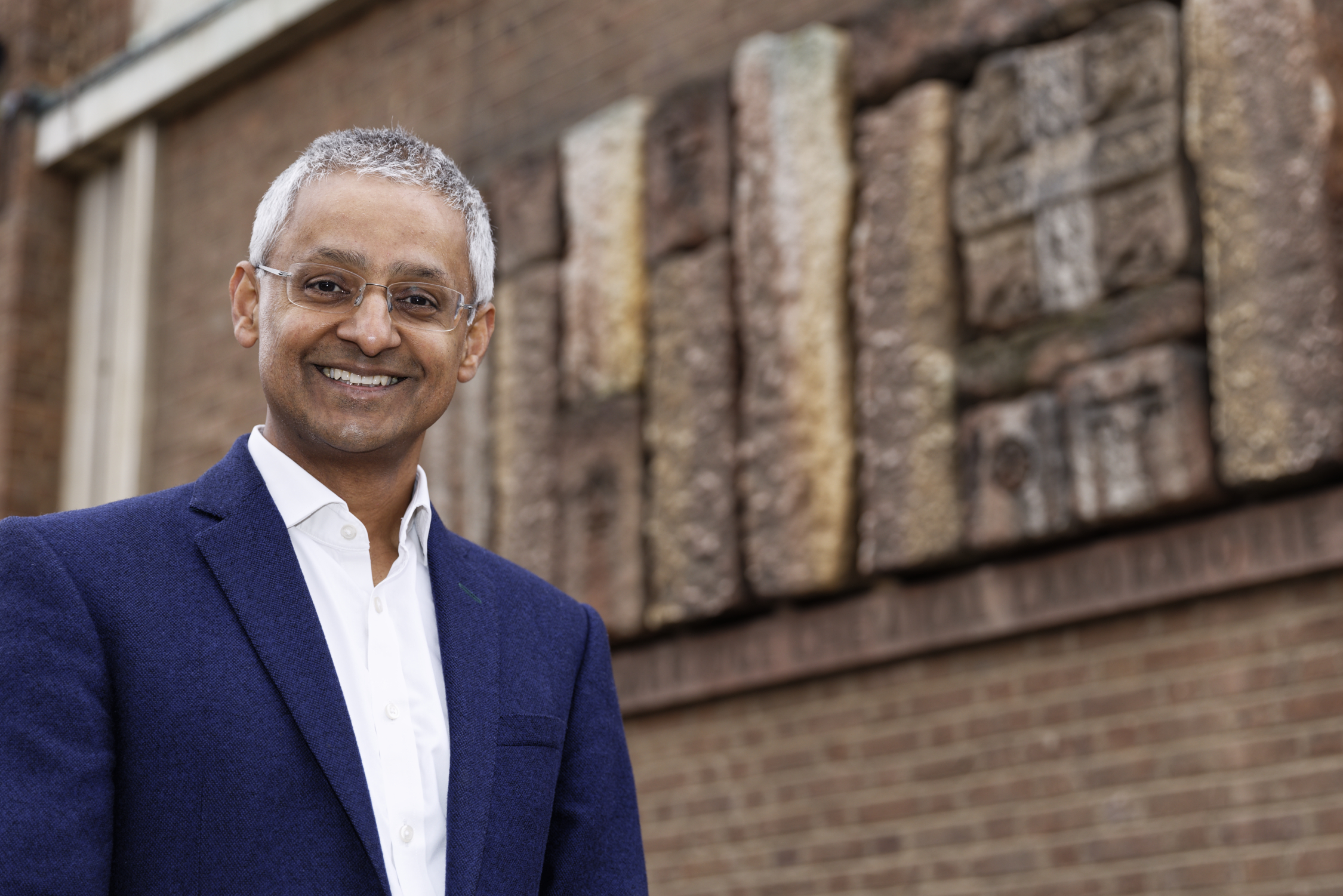
Shankar Balasubramanian{credit}University of Cambridge{/credit}
Q. Tell us about your genome sequencing technology and how it has impacted the course of the COVID-19 pandemic.
A. Prof David Klenerman and I are co-inventors of Solexa-Illumina Next Generation DNA Sequencing (NGS). The technology was fully developed at Solexa into an integrated, commercial system, then further improved by the team in Illumina. This technology has enabled fast, accurate, low-cost and large-scale genome sequencing, which is the process of determining the complete DNA sequence of an organism’s make-up.
During the pandemic, NGS has been providing an effective way to study SARS-CoV-2’s genetic make-up and help us track the viral mutations, which continues to be a great global concern. This work has also helped the creation of multiple vaccines now being administered worldwide and is critical to the creation of new vaccines against new dangerous viral strains.
Q. India is now a hotspot of coronavirus mutants. How can this technology help address problems relating to this?
A. By studying and understanding the genetic make-up of the new mutant using our technology, we can identify its potential as a new threat by knowing how it differs from the other variants. Further, I hope that our technology can be useful in sequencing the genomes of people who have had COVID and trying to get an understanding of why some people are severely affected by the disease and others are asymptomatic. This approach could identify risk factors in specific people that may also be applicable to other viruses in years to come.
Q. What other potential use does this technology have?
A. The technology has a huge transformative impact in the fields of genomics, medicine and biology. It is being applied widely in the basic research of living systems, as DNA and RNA are fundamental to cells and organisms. Aspects of living systems include genetics, the expression of genes, the structure of DNA in the nucleus and differences between cells, to name but a few.
The technology is beginning to be applied in medicine, particularly in the areas of cancer and rare diseases. The applications in medicine will grow as we sequence more human genomes allowing the idea of personalised medicine where diseases are more optimally treated by understanding the individual and the drugs that are used are designed to correct the molecular pathway that has gone in a specific person. It will also be used in agriculture to breed species with desired properties.
Over the past few years, there have been tremendous advances in cancer, both with therapy and also detection and diagnosis. Over the coming decades, the goal is to use this technology to help make some cancers become manageable diseases because they are detected sufficiently early and it’s clear what has to be done. This could also hopefully be extended to other complex diseases such as heart disease and Alzheimer’s disease.
Q. What are the challenges to personalised genomic medicine?
A. Developing an effective and efficient infrastructure for sequencing patients on a large scale and using their genetic profile to help make the decisions in regard to the prevention, diagnosis, and treatment of their disease is currently the biggest challenge.
]]>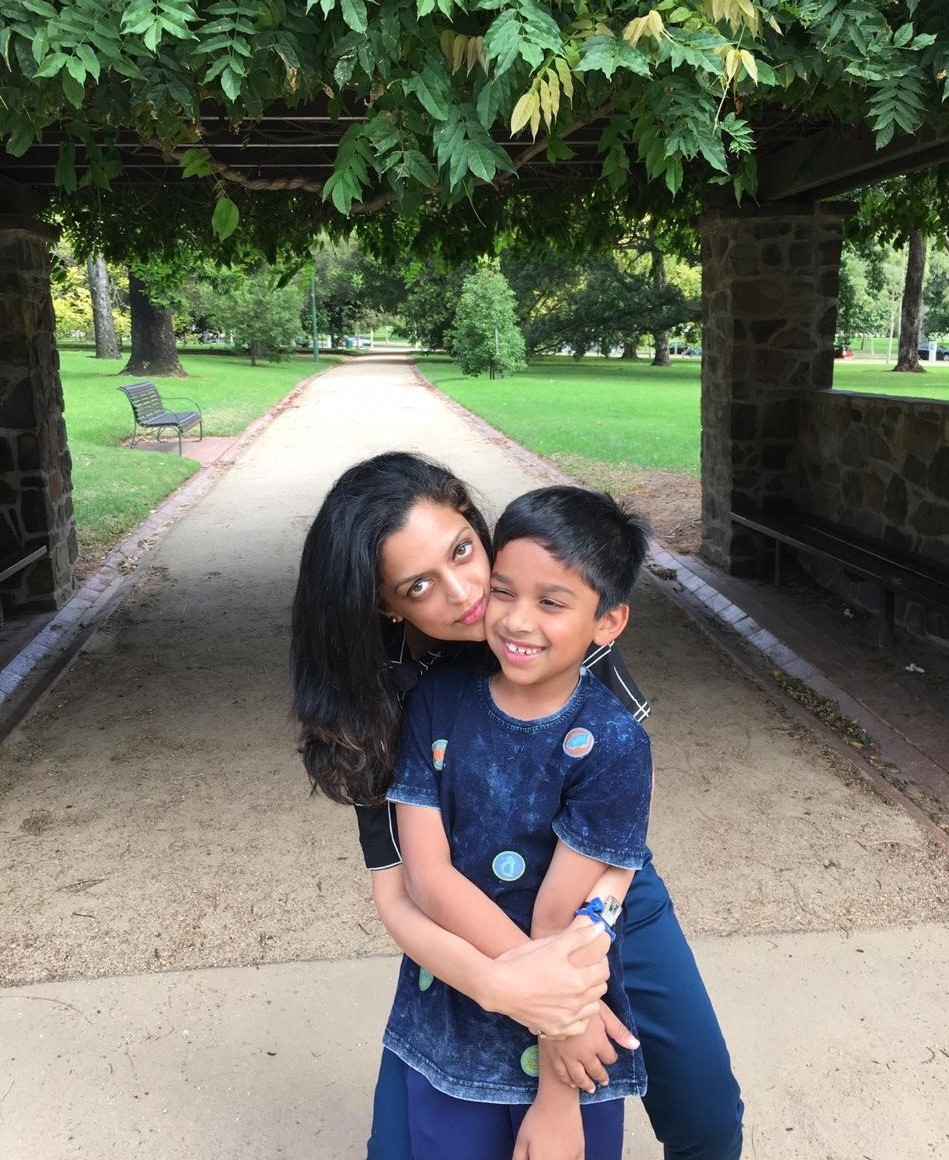
Karishma with son Abhay.
My phone pinged in the middle of the session. It was a message from my almost 10-year-old son. “Spelling mistake in slide 36. Instead of 1st you wrote ist” – the message read. I chuckled. Here I was, conducting a summer science quiz for children and their families across India, and getting instant feedback from the next room in the house. This was a heart-warming moment. It effortlessly represented how in a pandemic-stricken year, science outreach bridged my worlds as a scientist and a mother.
The pandemic forced a nation-wide lockdown in India in March 2020. It was around this time that my research colleague Snehal Kadam and I co-founded Talk to a Scientist. Schools were closed and I was giving informal science lessons to my son at home. He had so many questions – What is this virus? What is a pandemic? Why do we need to wear masks? Does the virus spread through food? As our science conversations gathered steam, I saw an opportunity in this rather distressful time to get children interested in, and excited about, science. I asked my son, “Do you think other kids your age, your friends for example, would be keen to talk to a scientist about all that is going on?” He was excited, “That would be great mom, but not just COVID, other topics as well.”
The first session of our webinar series went live on March 30, 2020, befittingly on COVID-19 for kids. Snehal and I made the visual content for the session, and I ran it by my son. He made edits and suggestions, and we got ready to roll. We expected 5 children to show up, and I was counting on my son and his cousins to be three of them. Much to our surprise and excitement, we had 75 children from across India join in. On popular demand, we started a weekly webinar for young minds.
The project has grown, and my son and I have spent hours brainstorming. For a session on medicines, he asked us to change the word ‘drug’ to ‘medicine’ on the slides. ‘Kids should not think you are talking about those kinds of ‘drugs’ that make people woozy, mom!” he said. I laughed and thought, my son is growing up. When I suggested a theme for a season, he would quickly come up with names from among my colleagues to be the guest scientists. “What about that scientist who works on peafowls, you shared a room with her in the Delhi conclave?” He has been a part of my professional life through conversations and conference books I brought back home, and now he was using it all to contribute to our outreach programme!
On the momentous occasion of us winning a grant to grow the platform, he stood near me, jumping with excitement, as I called Snehal to tell her the good news. Through weekly sessions spread over one year, he has enjoyed doing small jobs for the outreach – suggesting new features in the website, ideating for hands-on sessions with home supplies (as a parent myself, I did not want families to go out shopping for supplies in the middle of a pandemic), checking for typos in the slides, and sending flyers and posters to his school friends. For him, the ownership and importance of being a part of a national outreach programme has been thrilling. I would like to think that he will grow up to remember how it all started, with a casual conversation between us at home, and the time we spent together growing it in what was otherwise a tough year.
For me, in a year filled with professional uncertainties, pressures of working from home and home-schooling, science outreach has been a beautiful amalgam of my roles as a scientist and a mother. When the world was turning to science for answers, the scientist in me wanted to contribute to science outreach and education in the country, by sharing the process of scientific discovery and its power to transform lives and livelihoods. That I could co-create this with my son made this initiative even more special. Since the time I was a pregnant PhD student, determined to balance my life and career as a scientist and mother, I have day-dreamed scenarios where my son and I would talk about scientific advances, when he would join me on conference trips, and even imagined the possibility of us working together some day. I would like to believe that ‘Talk to a Scientist’ is the beginning of this journey.
While there have been numerous fun moments, one has been extra special. In the middle of one of the sessions, I caught my son taking a snack break in the kitchen. I looked at him questioningly, “Why are you not attending the webinar?” He replied matter-of-factly, “Your slides got a little boring mom, I will help you make better ones for next week”.
In addition to correcting typos, such no-filter feedback has been part of the deal!
]]>In December 2020, I had the pleasure to receive the 2020 Training Grant for Early Career Researchers from the journal Communications Physics. After defending my doctoral thesis in February 2020, I joined SISSA (International School for Advanced Studies, Trieste, Italy), where I am now post-doctoral researcher in the Condensed Matter section. The focus of my research is on SU(N) fermionic systems, their possible topological phases, and their possible use as quantum simulators of multiband solid-state models. This is an active research field, as ultracold-atom-based platforms illuminate the intimate physics of strongly-correlated systems, by getting rid of a number of spurious effects (like crystal defects) which are inevitably present in standard solid-state systems.
As an awardee of the ECR training grant, I decided to attend the APS March Meeting 2021, a very important conference which involved more than 11,000 different researchers from all over the world. Despite its virtual form (due to the persistent pandemic situation), attending this conference was a very positive and stimulating experience, as I had the possibility to watch tens of very interesting seminars encompassing several aspects of my current research activity. In particular, I found it useful to attend seminars focusing on experimental aspects of the topics which I investigate at the theoretical level. Even as a theoretician, I think that being up to date with experimental advances is really crucial, as one can get valuable ideas and correctly interpret the open problems.
{credit}Andrea attending the conference{/credit}
In spite of the virtual form of the conference, I managed to have a good interaction with many speakers, asking them questions and sharing ideas about common research topics. This was possible thanks to the presence of “Zoom networking rooms”, which were made available at the end of each session. Of course, they could not fully replace a good traditional coffee break, but l think that they worked well enough for this pandemic situation. Among the advantages of attending such a large meeting virtually, the online platform made switching between rooms pretty easy (compared to running down corridors in a conference centre) and every seminar was recorded and made available to the attendees to re-watch. I am very grateful to the journal Nature Communications Physics for awarding me the prize which allowed me to take part to the APS March Meeting 2021. I definitely think that this experience has been very beneficial for my career as a young researcher.
]]>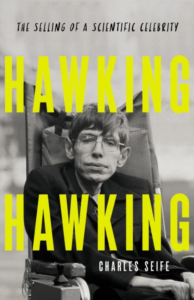 The British cosmologist Stephen Hawking (1942–2018) was probably the most recognizable scientist of the last 50 years. Many of his greatest contributions were in the study of black holes. In particular, he discovered in 1974 that black holes emit what came to be known as Hawking radiation — which shows that black holes are not truly black and appears to contradict quantum mechanics.
His public persona was forged by his popularization work, beginning with the wildly successful 1988 book A Brief History of Time and his appearances on television shows such as Star Trek: The Next Generation and The Big Bang Theory. Later, he was the subject of the 2014 biographical film A Theory of Everything.
Part of the public’s fascination with Hawking lay in his stoicism in the face of adversity. When he was 21, he was diagnosed with amyotrophic lateral sclerosis, and his doctors gave him two years to live. In the later decades of his life, he was almost completely paralyzed and spoke through a voice synthesizer, which became part of his mystique.
In the media, Hawking was often portrayed as a genius on a par with Albert Einstein or Isaac Newton, but it was an exaggeration that Hawking himself often resisted to. With his new biography, Hawking Hawking: The selling of a scientific celebrity (Basic Book, New York, US$30.00), Charles Seife wants to set the record straight.
Seife is a professor of Journalism at New York University and the author of six previous books. He has covered Hawking the researcher during his year as a reporter for Science.
Davide Castelvecchi, reporter from Nature, interviewed Seife to go behind the scenes. The following was edited for length and clarity.
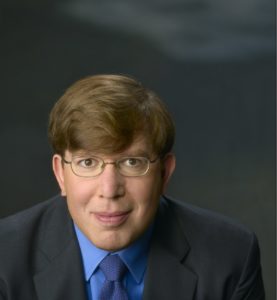
Charles Seife {credit}Sigrid Estrada{/credit}
What motivated you to write this book?
I never thought of myself as a biographer, even though my first book [Zero: Biography of a dangerous idea] was nominally a biography of a number. But when Hawking died and I saw the outpouring of grief, I was surprised by how little of it was about his science. There was more to the human than the simple picture people had. I had encountered him a few times, and I was tapped into the social circle of cosmology, so I knew how he was assessed. I decided it was worth doing a real, probing biography that got to Hawking as a human, as opposed to Hawking as a symbol.
What did you know before you started researching the book?
It was a complex picture. Perhaps the clearest event where I was watching from the inside was his 2004 announcement in Dublin that he had solved the black hole information paradox [which suggests that Hawking radiation violates quantum mechanics because it erases information from the Universe]. In speaking to people who were there, almost no one was convinced. There was this poignancy I was picking up, that you had this man who was beloved — his students really loved him, and he’d made some major contributions — but then he got up in front of people and no one bought it. People were wondering why he did it.
But for the public at large, he had this status as an oracle, and it really didn’t matter what he was talking about.
When I have covered Hawking’s later work myself — for example the 2016 ‘black hole soft hair’ paper [1] with Andrew Strominger and Malcolm Perry, a proposed solution to the black hole information paradox — I couldn’t find a tactful way to ask what Hawking’s contribution was. Was it hard for you?
It was sensitive. It’s common sense that when someone can talk at 3 words per minute, there is a limit to what he or she can contribute. Especially towards the end of his life, he wound up being oracular. With the soft hair, Strominger did seem to think that [Hawking] was definitely contributing, but it was clear that Perry and Strominger were doing the detailed work. So I don’t think that the co-authorship is misplaced, but it is also clear that he was not in the driver’s seat as he had been even ten years prior.
And yet in your book, Strominger is quite open also about those limitations. Do you think he would have been as frank while Hawking was still alive?
Probably not, although it’s matter of speculation. I’ve seen the reverse: while he was alive, some people would speak more frankly than [after he died]. For example, I was unable to get Sir Martin Rees to speak at all. He was a very close friend of Hawking.
I think in some way what I got from some of my interviews was a little bit of a sense of liberation. It now becomes less an issue of a working relationship with a fellow physics and more of a question of historical interest.
Were there other sources who were particularly forthcoming?
Yes, including many of his students. In particular, I had a very nice long epistolary discussion with Peter D’Eath [who works on classical and quantum gravity at the University of Cambridge, UK]. He exemplified a lot of what I was feeling while writing this biography: there was great admiration and yet there is a poignancy of feeling somewhat betrayal or anger of how the friendship fell apart. Marika Taylor [another former student of Hawking’s, now working on string theory and gauge-gravity duality at the University of Southampton, UK] also was incredibly forthcoming. I am really grateful to them, especially because every criticism of Hawking becomes a lightning rod and people start getting angry.
Other people absolutely refused to speak to me, including some of his antagonists, because they knew they just didn’t want to get involved in saying something about it. It’s almost like writing about Mother Theresa.
Were there surprises for you?
Yes, for example the no-boundary proposal [2] [a cosmological theory Hawking invented with James Hartle, now a professor emeritus at the University of California in Santa Barbara, which posits that time had no beginning]. My sources in the past had been kind-of universally dismissive of it. In probing a little bit further, I found a subset of cosmologists who at least think it is an interesting approach.
Do you have any favourite anecdotes you discovered in reporting for the book?
There’s just many little things you find along the way. I don’t know why I’m so fond of his time as a small boy on Majorca, where he visits the British poet Robert Graves, who has shellshock PTSD due to the First World War — and Hawking comes in with stink bombs and terrorizes Robert Graves.
Overall, after writing this book, I have a sense of the human, and I see all these little moments where he shows his humanity and the shield drops al little bit. One of my favourites is when [in 1988] an interviewer asks him whether he would give up his unusual intellectual abilities in exchange for being able to walk again. I really do think that the unguarded answer — he says “yes” — reveals a lot. And then he backtracks. [“I don’t want to be anyone else. People should be who they are”, Hawking told the interviewer.]
Everyone, even the people who knew him intimately, saw this heroic stoicism. Never any complaints, never anything but a grudging acceptance of his situation. That moment, in contrast, was so stunning, as small as it was.
Your book tells Hawking’s story in reverse, starting from his later years and going backwards in time. What made you make that choice?
I liked the idea of taking a known person, a fully formed person and chipping away at the layers. People do have their image of Stephen Hawking, so we can start with this image. And also I was very lucky because the one real difference is that science is progressive. So it doesn’t make a whole lot of sense to narrate in reverse, except I was very lucky that towards the end of his life there was a little bit of recapitulation of his earlier work in experiments. Discussing the results from LIGO [3] [the Laser Interferometer Gravitational-wave Observatory, which detected gravitational waves for the first time in 2015, and provided the most direct evidence yet for the existence and properties of black holes] allowed me to introduce his work on a basic level, so that later I could come back and explain it in more depth.
The third element was almost gimmicky: Hawking was interested in time travel. So doing the reverse time would be strangely subject-appropriate. So I think he would appreciate it. Also it avoids — a lot of biographies have a lot of anti-climax: there is a period of flourishing and then there is dying out. At the end of the book we’re seeing this young vigorous grad student who is just having a little bit of trouble walking.
[1] Hawking, S. W., Perry, M. J. & Strominger, A. Phys. Rev. Lett. 116, 231301 (2016).
[2] Hartle, J. B. & Hawking, S. W. Phys. Rev. D 28, 2960 (1983).
[3] Abbott, B. P. et al. Phys. Rev. Lett. 116, 061102 (2016).
]]>