The post The woman in the arena appeared first on Charity Matters.
]]>
Change is uncomfortable. Growth is uncomfortable. And the art of becoming? Well, that might be the most uncomfortable thing of all.
Lately, I have been thinking a lot about what it means to become. Not necessarily becoming someone new, but becoming more of the person we were meant to be. We are here to grow, learn, stretch, and challenge ourselves. Yet, somehow, we expect that process to be easy. Spoiler alert: It isn’t.
The truth is that becoming is often painful. It requires us to step outside what is comfortable and familiar. Sometimes, it even asks us to let go of the person we thought we were to discover who we might become. As I have learned over the years, most things worth doing are hard. Perhaps that is what makes them worthwhile.
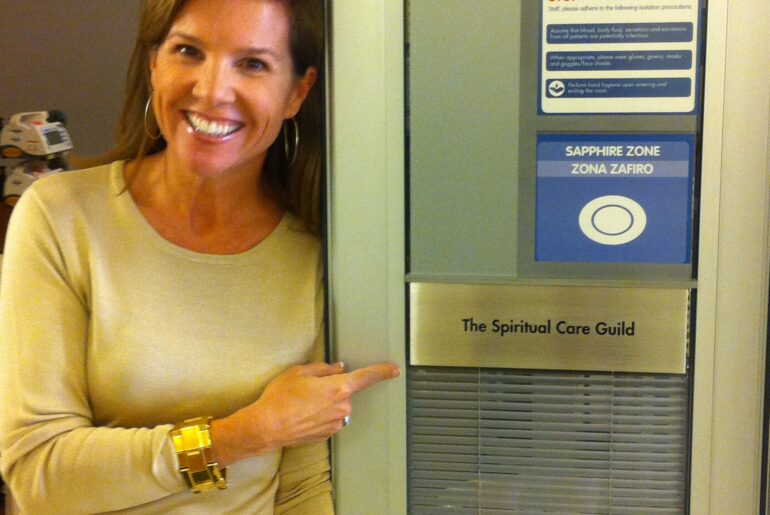
Fifteen Years of Stretching
For fifteen years, I have shown up here each week to share my thoughts, stories, and heart with you. What started as a little blog about people making a difference has become so much more. However, I can still remember how terrifying it felt to push that publish button for the first time.
Who was I to think anyone wanted to hear what I had to say?
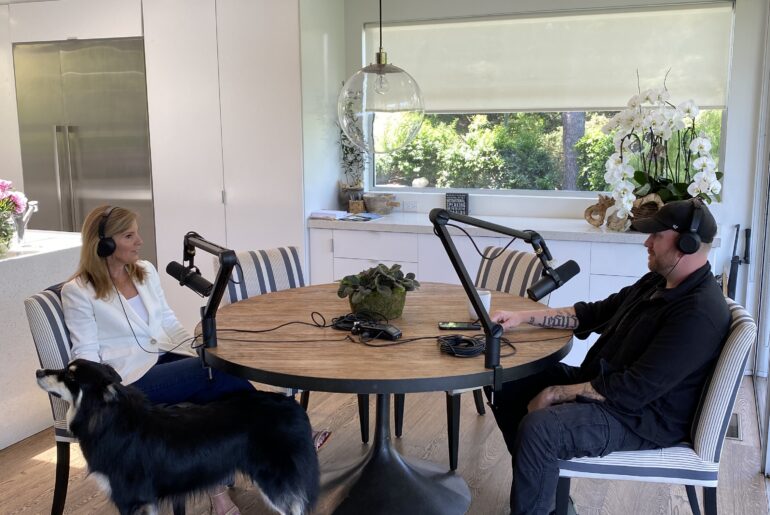
Then came the Charity Matters Podcast. Suddenly, I had to learn how to interview people, record conversations, edit audio, and share those stories with the world. Once again, I was terrified. What if I wasn’t good enough? What if nobody listened?
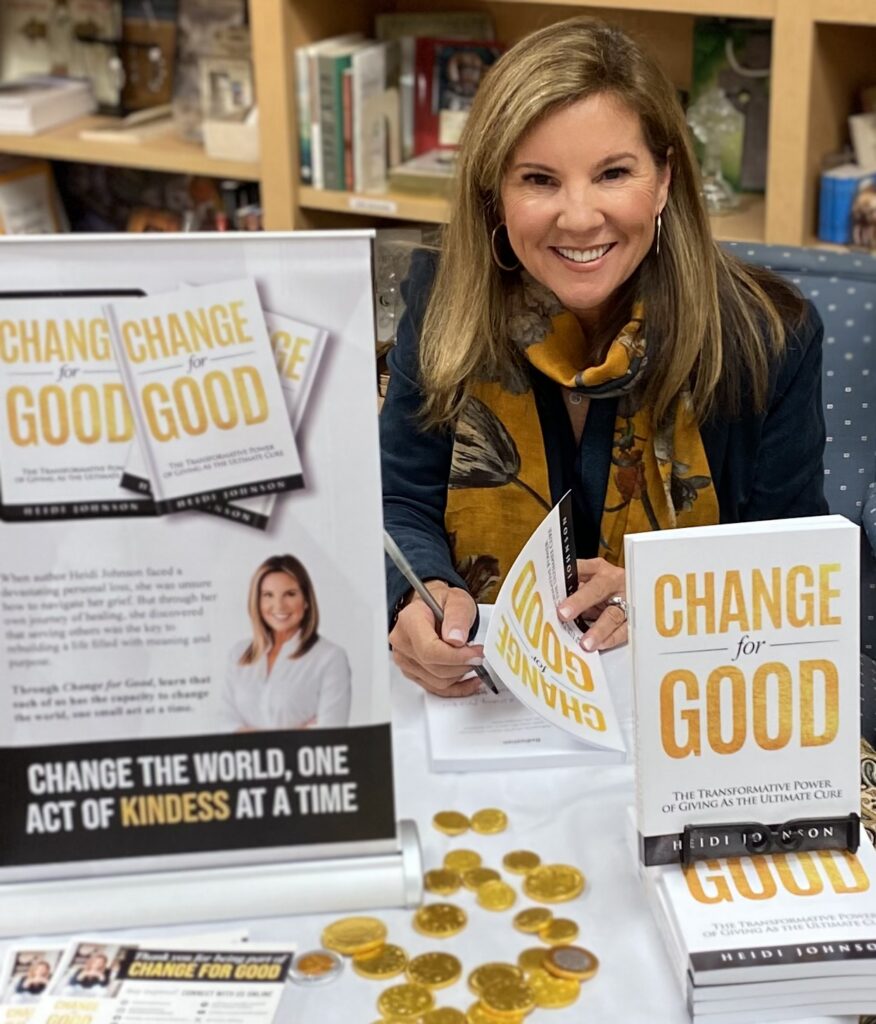
Of course, the next big leap was writing Change for Good. Putting my words into a book felt like standing naked in the middle of a crowded room. There was nowhere to hide. Every insecurity and doubt came along for the ride. Each experience made me feel vulnerable. At times, I felt like an imposter. Yet, every single one helped me grow in ways I never imagined.
None of it was easy. All of it was worth it.
The Next Scary Thing
This season of life has brought another challenge. I have been pushing myself to speak on more stages and share my message that helping is healing. My hope is to inspire more people to discover how service can change their lives for good.
Interestingly, while public speaking terrifies most people, I am relatively comfortable on a stage. Give me a microphone and an audience, and I am pretty happy.
Want to know what absolutely terrifies me? The selfie video camera. Yes, that tiny little camera on my phone sends me into a complete panic. I would rather stand in front of five hundred strangers than record myself talking into my phone for thirty seconds. Ridiculous? Probably. True? Absolutely.
For years, I have happily hidden behind the remarkable nonprofit founders whose stories I share. They are the heroes, and I am simply the storyteller. Besides, who wants to look at themselves on camera? Not me! However, I am beginning to realize that sometimes hiding behind our comfort zones is simply another way of avoiding growth.
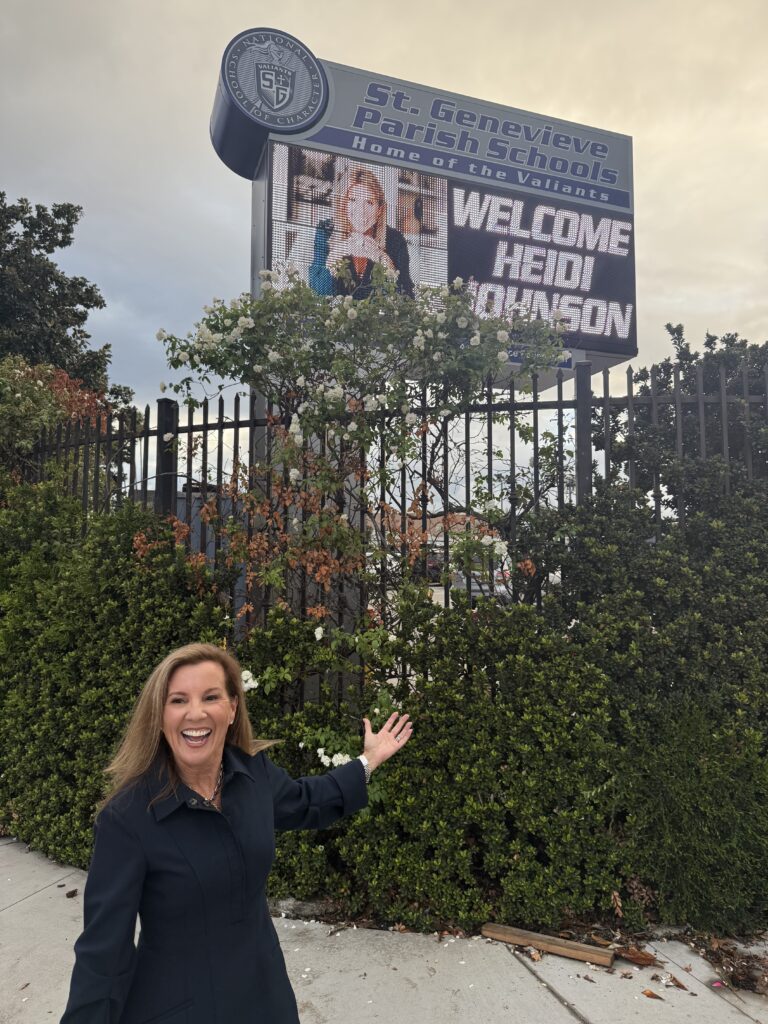
A Little Inspiration and a Lot of Fear
Recently, I watched a woman about my age on Instagram who shared something that stopped me in my tracks. Every year, she challenges herself to do one big, scary thing. This year, she is going heli-skiing. Yes, jumping out of a helicopter onto a mountain to ski. No thank you!
In addition, each month she chooses something smaller that scares her. Her goal is to keep growing, learning, and pushing herself beyond what feels comfortable.
Last month, her challenge was to post a selfie video every single day. I was in awe. Not of the helicopter or the skiing, but of her willingness to be vulnerable. Just thinking about filming myself every day made me break out in a cold sweat.
Then I had a thought. If she can do it, why can’t I? And just like that, I had my next challenge.
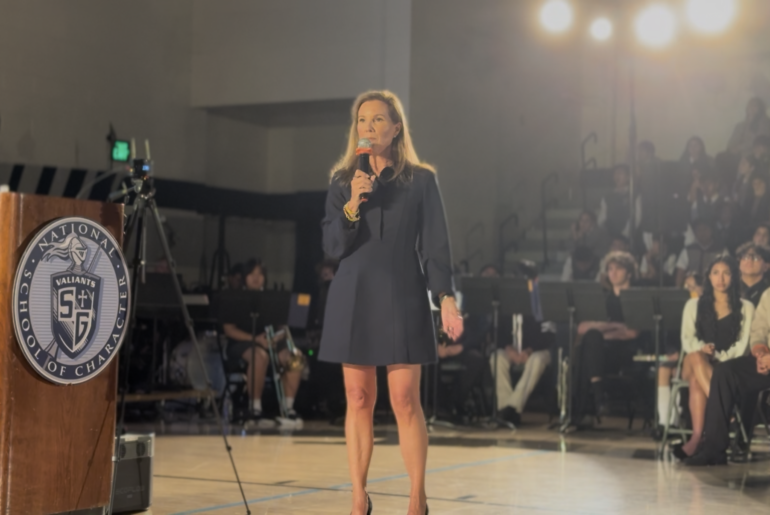
Ready or Not, Here I Come
So here we go. I am learning how to film myself, use Instagram Edits, add captions, and figure out this whole new world of video. Yikes! This should be interesting.
Of course, the technology isn’t really what scares me. It is the thought of putting myself out there to be judged, criticized, or worse, ignored. What if I look ridiculous? Or if I say something stupid? What if nobody cares?
Then I ask myself a better question. What is the worst thing that could really happen? Someone scrolls past? Someone doesn’t like my message? I make a mistake? I have survived much harder things than that.
More importantly, what if someone actually needs to hear what I have to say? What if one person discovers that helping someone else might be the very thing that helps them heal? If I believe so deeply that service changes lives, then why the heck am I letting a little camera stop me from sharing that message?
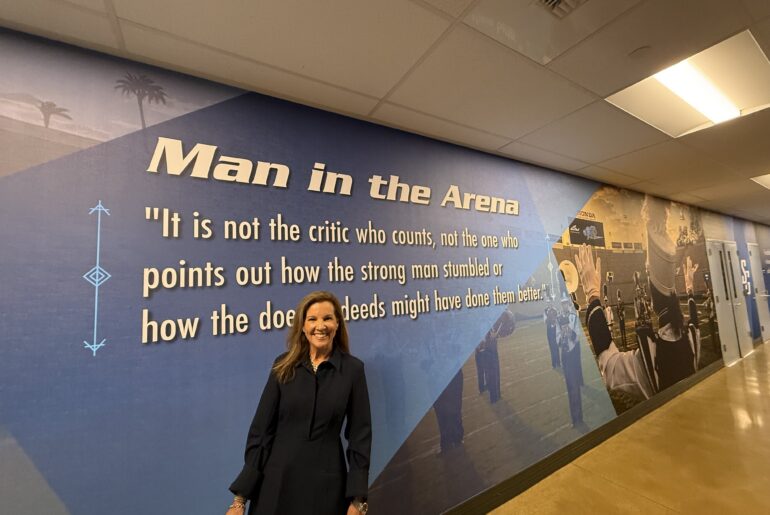
Becoming Together
Over the past few weeks, I have written a lot about time, loss, change, and what truly matters. Perhaps all of those thoughts have led me right here. Time is passing whether we choose to grow or not. We can stay comfortable, or we can use the time we have to become something more.
At sixty, I am realizing that becoming doesn’t have an expiration date. We are never too old to learn something new, make a fool of ourselves, or discover another part of who we are meant to be. So, consider this my public declaration. I am scared. I am uncomfortable. And I am doing it anyway. I am jumping all into the arena.
As Teddy Roosevelt said,” It is not the critic who counts: not the man who points out how the strong man stumbles or where the doer of deeds could have done better. The credit belongs to the man who is actually in the arena, whose face is marred by dust and sweat and blood, who strives valiantly, who errs and comes up short again and again, because there is no effort without error or shortcoming, but who knows the great enthusiasms, the great devotions, who spends himself in a worthy cause; who, at the best, knows, in the end, the triumph of high achievement, and who, at the worst, if he fails, at least he fails while daring greatly, so that his place shall never be with those cold and timid souls who knew neither victory nor defeat.”
More than anything, I am grateful for this community that has encouraged me through every chapter of becoming. After all, none of us is a finished product. We are all works in progress, learning, stumbling, stretching, and hopefully growing along the way.
Perhaps the art of becoming isn’t about arriving at who we are meant to be. Maybe it is simply having the courage to keep becoming. And how lucky are we that we get to do it together?
CHARITY MATTERS.
YOUR REFERRAL IS THE GREATEST COMPLIMENT, IF YOU ARE SO MOVED OR INSPIRED, WE WOULD LOVE YOU TO SHARE AND INSPIRE ANOTHER. If you enjoyed today’s episode, please connect with us:
- www.Charity-Matters.com
- On IG @Charitymatters
- Post a screenshot & key takeaway on your IG story and tag me @heidijohnsonoffical and @Charitymatters so we can repost you.
- Leave a positive review on Apple Podcasts
- Subscribe to new episodes each week!
Copyright © 2026 Charity Matters. This article may not be reproduced without explicit written permission; if you are not reading this in your newsreader, the site you are viewing is illegally infringing our copyright. We would be grateful if you contact us.
The post The woman in the arena appeared first on Charity Matters.
]]>The post Episode 111: Cans Can appeared first on Charity Matters.
]]>
There is something magical about October baseball. The crack of the bat, the roar of the crowd and the belief that anything can happen with one swing. So, with the World Series beginning tomorrow, I can’t think of a better way to kick off Season 11 of the Charity Matters Podcast than with a story about baseball cards, second chances and one extraordinary family who has turned both into a force for good.
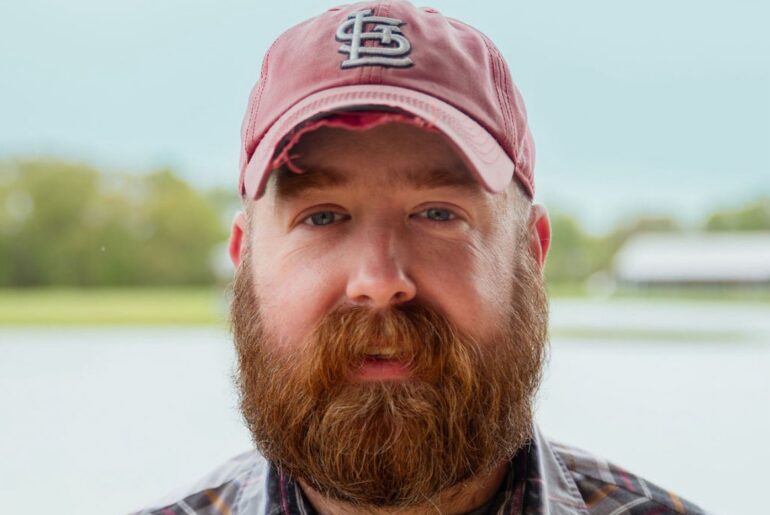
For 26 years, Greg Poole and his family have quietly served people throughout rural Southern Illinois through Cans Can Ministries. What began with a teenage boy, a collection of baseball cards and a desire to help others has grown into an organization serving thousands. Today, baseball cards help provide beds for foster children, meals for seniors, supplies for classrooms and so much more. There is even a partnership with the St. Louis Cardinals. So grab your peanuts and Cracker Jack because this season premiere has everything: baseball, family, heartbreak, hope and one remarkable reminder that sometimes life’s biggest wins begin when we simply show up for someone else.

Here are a few highlights from our conversation:
Charity Matters: Tell us a little about what Cans Can does?
Greg Poole: We are a 501(c)(3) nonprofit located in Southern Illinois. September is our birthday month, and for the last 26 years, we have evolved in a number of different ways.
Originally, we picked up a few loose community projects here and there. Eventually, we moved on to schools and helped students and teachers get the supplies they needed. Since then, we have kind of exploded in the programs we offer.
Now, we offer meal delivery for shut-ins. We provide beds for foster kids and clothing for foster children and kids in need. We just try not to say no. Social services in our area are really dwindling, so we have picked up more and more over the years. Today, we cover about 14 counties.
We also operate a fully functional sports memorabilia shop. We sell autographs, sports cards and other items, and 100% of what we sell goes to the programs we operate.
My 11-year-old daughter probably explains it best. She said, “He has the worst business plan ever. He operates a store and gives everything away.” Very simplistically, that is what we do. We exist to give everything away.
Charity Matters: What experiences did you have as a child that influenced your work?
Greg Poole: My parents were never formal about charity. It was never, “Hey, we are going to do this charitable thing.” I think it was that very Midwestern approach that if something needs to get done, it is just going to get done.
If you have a neighbor who needs something, how can we meet that need? Somebody is hungry, needs a coat or needs something. We are just going to do it.
We are not necessarily even going to talk about it. We are going to handle it in the most dignified way we can for the person we are serving, and then we move on to the next need.
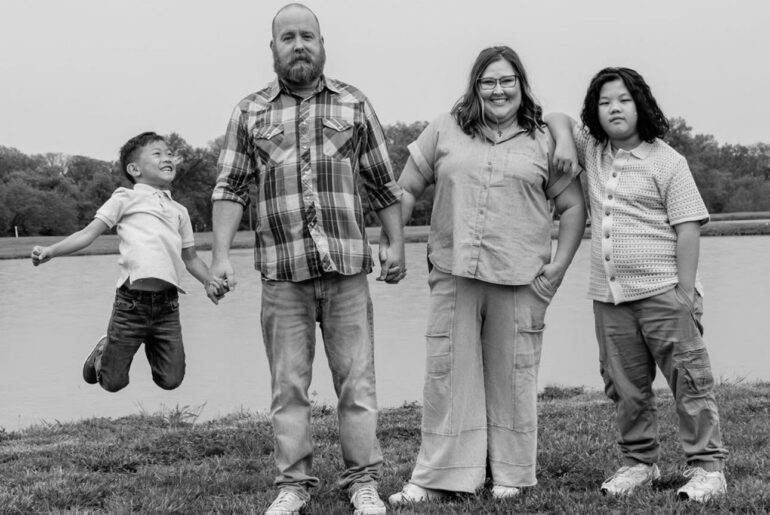
Charity Matters: What was the moment you knew you needed to act and start Cans Can?
Greg Poole: Growing up, I was a victim of sexual violence. It started relatively young. As a young kid, especially as a male, you don’t know how to talk about those things, so you internalize them. When I was 16, I finally made the decision to commit suicide.
I had always had a gigantic baseball card collection. Before I went, I wanted to do something good with those cards. I also didn’t want to leave a mess for people to clean up afterward.
In high school, I was very active in a Meals on Wheels program. I sold what cards I could, purchased food and went back to visit the people we had been serving. I dropped off those items, and what I had planned did not come to fruition.
I remember getting back into my truck and looking at some of the boxes I still had. I thought, “Well, I guess I’m here for something. This was a start. How do we build upon what is here?” Looking back, it probably was a divine moment. At the time, it was probably survival. It definitely gave me a purpose.
When you think outside yourself and realize other people are hurting in different ways, or in the same way you are, it really makes things click. I know what it is to hurt in ways I couldn’t adequately describe at 15 or 16, and sometimes even at 40.
That is why we have always said, “I don’t need to know your story to know that you need help.” If you are hurting, we are going to find a way to help you.
Charity Matters: How Did Cans Can Begin?:
Greg Poole: I never foresaw this as a charitable enterprise. At first, I simply thought, “What little more can we add to what I’m already doing?” I was very guarded about why I was doing it. I disguised it as a school service project, called it Cans Can and collected recyclables from people on top of the things I was doing behind the scenes.
Our first project was buying a set of tires for an elderly lady in our neighborhood. Then we moved on to schools. Wherever the need presented itself, we created a program to match that need.
In December 2019, we officially became a nonprofit. We signed a lease in February 2020, and then the world shut down in March. Our main source of revenue generation was gone. We had pushed all of our cards, no pun intended, into a physical location we couldn’t open. Somehow, we kept going.
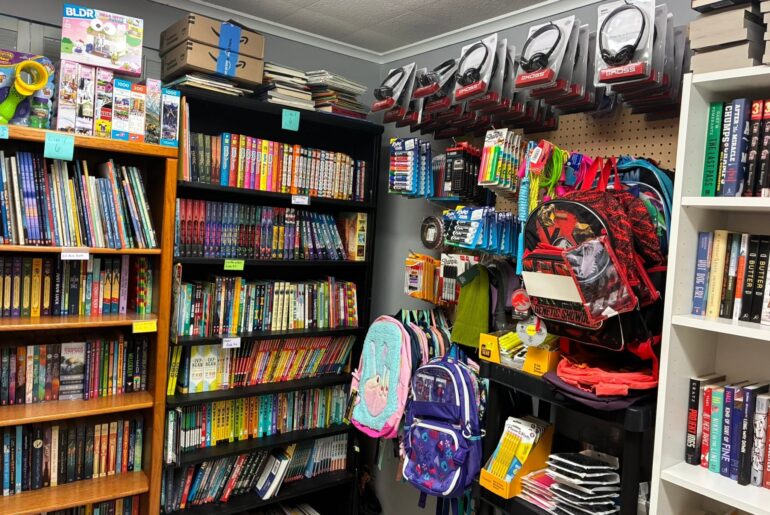
Charity Matters: What are your biggest challenges?
Greg Poole: We serve a very rural area. Our town is about 7,200 people, and now we cover about 14 counties. Sometimes people drive a couple of hours to get things from us.
We also have a model that looks funny. We are basically self-funded through our retail store. It is very freeing, but it is also wholly terrifying. When a need presents itself, our model gives us the ability to generate more revenue and plug the gap. It sounds easy when you say it like that, but somehow it has worked.
Charity Matters: What fuels you to keep doing this work?
Greg Poole: The recycled pain is definitely there. It never goes away. When I was younger, I thought maybe I could tear that part out and stuff something else in to replace it. But you never forget those feelings. I know what it feels like, and I don’t want anybody else to feel like that.
As long as we have the means to do it, we’re going to do it.
My family is also a huge part of it. My parents, my wife’s parents, my kids, everybody is involved. It never takes time away from them because it is a family activity. It is simply something we do together.
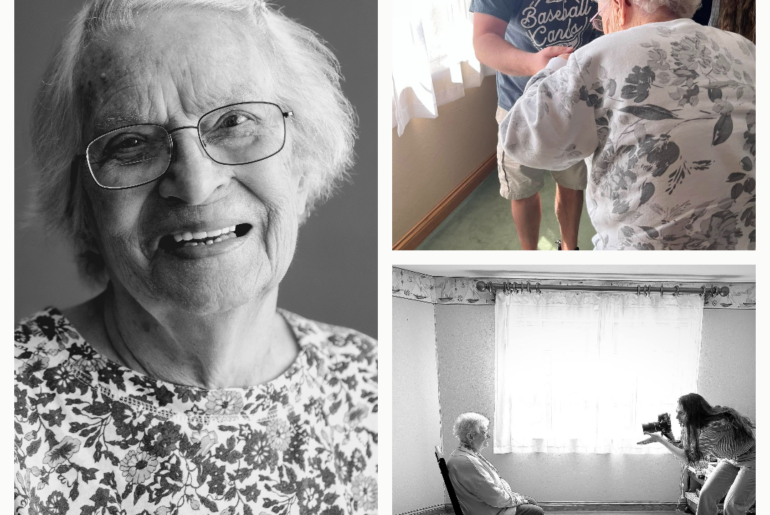
Charity Matters: When do you know you have made a difference?
Greg Poole: There are traditional metrics. This next year, we will cross about $800,000 that we have put back into our local community. Until about three years ago, we had been in around 500 classrooms. Last year alone, we did about 400. This year, we are on pace for 1,000.
But I measure success differently. We had a gentleman we serve at a local assisted living facility call me. He had cancer. I asked, “Do you need money for treatment? Do you need a ride? What can I do for you?” He said, “No. I just didn’t have anybody to tell, and I knew I could call you.”
Another gentleman was on our meal route. My father delivers the meals, and one day this man didn’t answer the door. My dad heard him hollering and discovered he had fallen in the kitchen. My dad asked why he hadn’t called the police or an ambulance. The man said, “I knew you were coming.”
Those are the ways I measure success. Everybody we serve becomes an extended member of our family. Sometimes someone simply needs a voice on the other end of the phone.
Charity Matters: If you could dream any dream for your organization, what would that be?
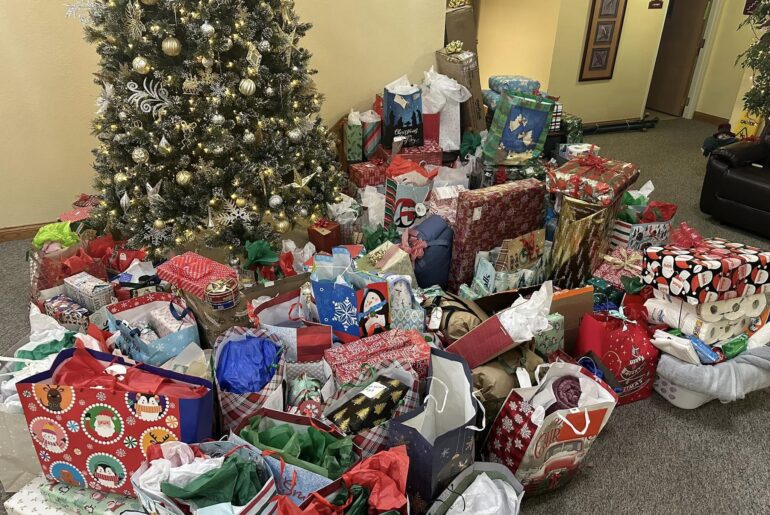
Greg Poole: We need more space. At Christmas, our shop is overrun with presents for local assisted living facilities and foster kids. We also do a lot of beds for foster children. More space would allow us to do all of that without shutting everything else down.
We would also love to create more opportunities for individuals with special needs to gain job and social skills. Recently, we partnered with the St. Louis Cardinals. A special needs class here in town makes sports card packages we call “Stadium Rips,” and the Cardinals sell them at Busch Stadium. Last year, our product was the number four selling product in the stadium.
Once people see what we do, they buy in. That is the dream: more space, more partnerships and more people becoming part of what we are doing.
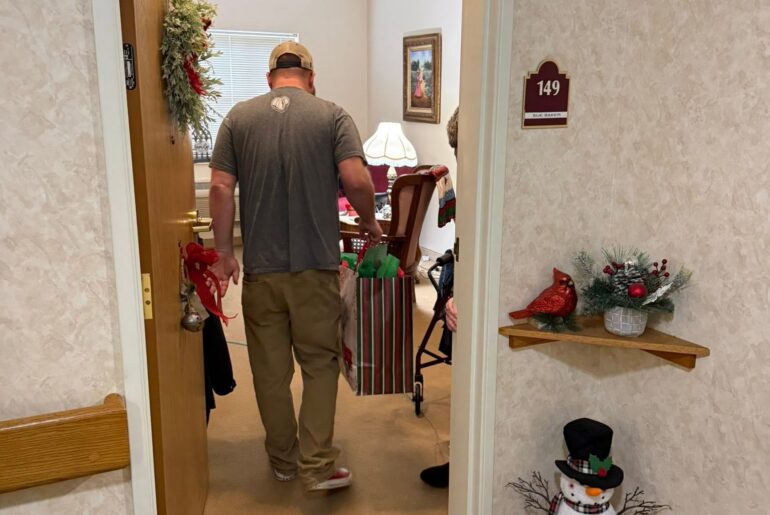
CHARITY MATTERS: FOR SOMEONE WHO FEELS INSPIRED BUT OVERWHELMED, WHERE DO THEY START?
Greg Poole: Just do something. People get caught up in serving in a big way or waiting for a big opportunity. Just do something. It could be anything.
It might seem frivolous or small from your vantage point, but you have no idea what it means to the person you are serving. Walk through that door and say, “I’m here to do something for somebody other than myself.” At that point, the possibilities become infinite.
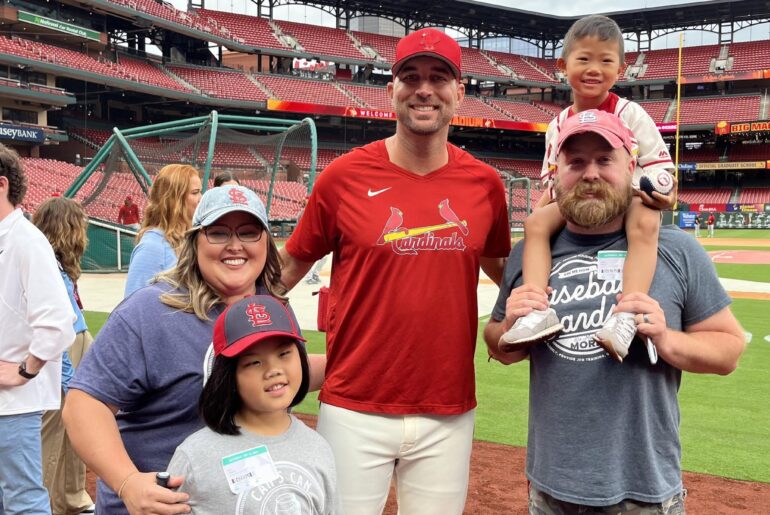
CHARITY MATTERS: WHAT HAS THIS JOURNEY TAUGHT YOU ABOUT YOURSELF, AND HOW HAS IT CHANGED YOU?
Greg Poole: If I could tell myself something 26 years ago, it would be, “Hold on. It’s going to be a bumpy ride.” I thought maybe by doing all these things I could tear the bad things out and throw them away. Instead, I learned that it is all a puzzle. It is all a piece, and it all connects.
When you are invested wholeheartedly in something, it is always going to be a part of you.
CHARITY MATTERS: IF YOU COULD GIVE OUR AUDIENCE ONE CHALLENGE THIS WEEK TO LIVE A LIFE OF SERVICE, WHAT WOULD IT BE?
Greg Poole: Look next door a little more often. If all we were concerned with was making sure our neighbors were taken care of, they would make sure their neighbors were taken care of. It starts there, and it spreads so fast.
Life is about showing up. We never know what the person on the other end is going to need. Sometimes, you just answer the phone.
CHARITY MATTERS.
PS. CHARITY MATTERS: WHERE CAN WE SUPPORT YOU?
Greg Poole: We are on Facebook, Twitter and TikTok, and we have a website where you can learn more about our story, donate or donate items.
You can also send us baseball cards and sports memorabilia. If it is something we can sell in the shop, those proceeds support our programs. If we can’t sell it, we find another use for it. We make giveaways for kids, packs for the sheriff’s department and packages for social service agencies.
We don’t leave any meat on the bone. If we don’t sell it and it doesn’t go toward a program, we give it away to kids.
YOUR REFERRAL IS THE GREATEST COMPLIMENT, IF YOU ARE SO MOVED OR INSPIRED, WE WOULD LOVE YOU TO SHARE AND INSPIRE ANOTHER. If you enjoyed today’s episode, please connect with us:
- www.Charity-Matters.com
- On IG @Charitymatters
- Post a screenshot & key takeaway on your IG story and tag me @heidijohnsonoffical and @Charitymatters so we can repost you.
- Leave a positive review on Apple Podcasts
- Subscribe to new episodes each week!
Copyright © 2026 Charity Matters. This article may not be reproduced without explicit written permission; if you are not reading this in your newsreader, the site you are viewing is illegally infringing our copyright. We would be grateful if you contact us.
The post Episode 111: Cans Can appeared first on Charity Matters.
]]>The post Making Time appeared first on Charity Matters.
]]>
Time has been on my mind a lot lately.
Perhaps it is because we recently lost two of my aunts. Maybe it is watching dear friends face serious illnesses or seeing my parents age. Whatever the reason, everything seems to be pointing me toward the clock these days. Not the clock that tells me I am late for a meeting or that I need to hurry out the door. I am thinking about the bigger clock. The one that is always ticking quietly in the background of our lives.
Time is our most precious gift. Yet, somehow, it is also the thing we seem to waste so easily. We save the good china. We save money. We save things for a special occasion. But we cannot save time.
Once it is gone, it is gone.
Where Does the Time Go?
How many times have you looked back and wondered, where did the time go? The children who were once little are suddenly grown. Parents who seemed invincible begin to slow down. Friends move, people get sick, seasons change, and somehow years pass while we are busy living our lives.
I think that is the tricky thing about time. Most of us do not intentionally waste it. Instead, it simply slips through our hands while we are doing all the things we think we need to do.
There is always another email to answer, another errand to run, another deadline to meet. We tell ourselves we will make the call tomorrow. We will plan the lunch next month. That trip can happen next year.
Until sometimes it can’t. Loss has a way of reminding us of that.
Recently, I have been reminded again and again that none of us knows how much time we have with the people we love. That realization can feel sad or frightening. However, I am trying to look at it differently.
Instead of worrying about how much time is left, perhaps the better question is: What are we doing with the time we have?
Dates With Dad
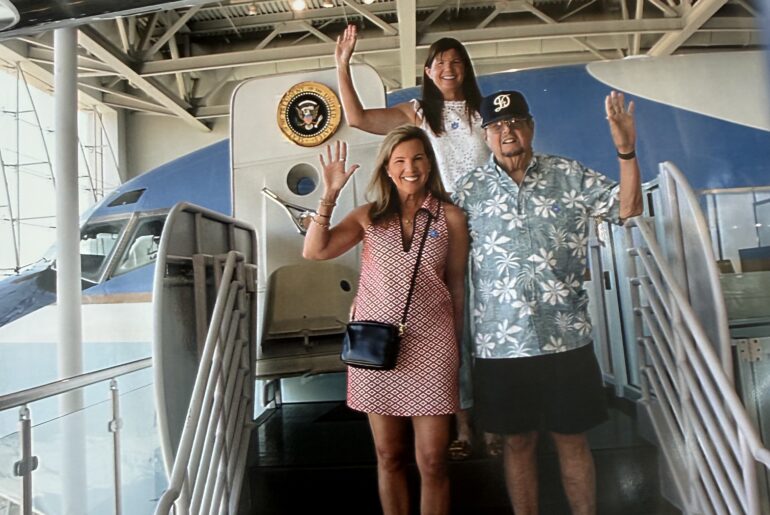
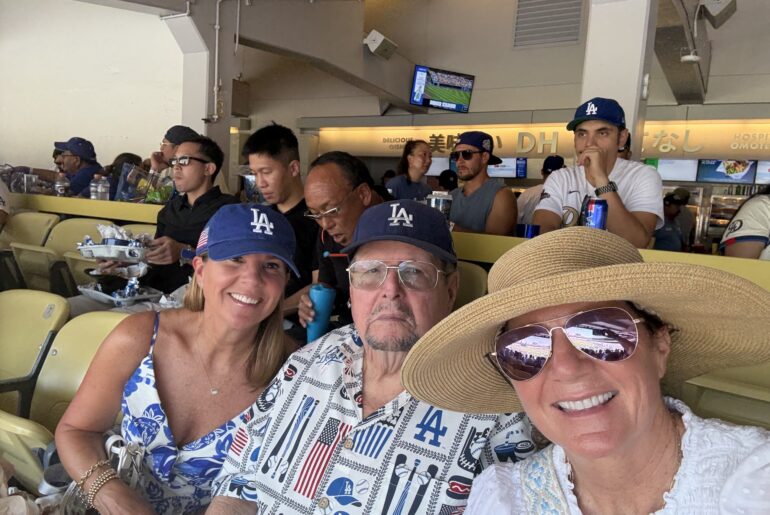
A couple of years ago, my sister and I decided to answer that question in a very simple way. We started something we called “Dates with Dad.”
Once a month, we planned a little adventure with our dad. Nothing fancy or complicated. The goal was simply to give him something to look forward to and, selfishly, to give us more time with him.
We have gone to car museums, Dodger games, the beach and the movies. We have visited family and explored new places. Along the way, we have laughed a lot, eaten plenty and heard stories from my dad’s life that we had never heard before.
Those outings have given us something I didn’t fully understand when we started. They have given us time. Not distracted time. Not a quick phone call while doing three other things. Not a rushed dinner squeezed between commitments.
Real time. The kind where you sit next to someone in the car and talk. The kind where a story begins with, “Did I ever tell you about…” and suddenly you learn something about someone you have known your entire life.
Those are the moments I treasure most.

Our Biggest Date Yet
Today, we are taking Dates with Dad to an entirely new level. We are going international!
My dad traveled all over the world for his work. Because of that, he has always associated travel with business. Airports meant meetings. Hotels meant work. His idea of a vacation has always been much simpler: give him a beach, a chair and a good book, and he is perfectly happy.
So, naturally, my sister and I decided to push his limits a little. We are taking Dad to Costa Rica. For a few days, there will be sunshine, adventure, hopefully some beautiful beaches and, most importantly, uninterrupted time together.
Will he think we are crazy? Probably. Will we drive each other a little crazy? Almost certainly.
But I also know something else. Years from now, I doubt any of us will remember the emails we didn’t answer, the errands we postponed or the work waiting for us when we returned. We will remember this trip.

Making Time
There is a difference between having time and making time. We are all given the same 24 hours each day. Yet, the people and things we say matter most often get whatever is left over. Work gets scheduled. Meetings get scheduled. Appointments go on the calendar.
The people we love? Somehow we assume they will always be there. Maybe that is the lesson the clock keeps trying to teach me. Do not wait for time to appear. Make it.
Schedule the lunch. Buy the ticket. Take the drive. Ask the questions. Listen to the stories you have heard a hundred times and pay attention as if it were the first. More importantly, tell the people you love what they mean to you while they are here to hear it.
None of this requires a trip to Costa Rica. Sometimes making time looks like sitting at the kitchen table over a cup of coffee. It can be a walk around the block, a phone call, a movie or an afternoon drive. The destination isn’t the point. The time is.
Perhaps that is why the clock has been speaking so loudly to me lately. It isn’t telling me to hurry. It is reminding me to pay attention.
So today, my sister, my dad and I are off on our biggest Date with Dad yet. We are making memories, making an adventure and, most importantly, making time. Because someday, I know we will look back on these days and realize something we already know today.
There is no greater gift we can give the people we love than our time.
CHARITY MATTERS.
YOUR REFERRAL IS THE GREATEST COMPLIMENT, IF YOU ARE SO MOVED OR INSPIRED, WE WOULD LOVE YOU TO SHARE AND INSPIRE ANOTHER. If you enjoyed today’s episode, please connect with us:
- www.Charity-Matters.com
- On IG @Charitymatters
- Post a screenshot & key takeaway on your IG story and tag me @heidijohnsonoffical and @Charitymatters so we can repost you.
- Leave a positive review on Apple Podcasts
- Subscribe to new episodes each week!
Copyright © 2026 Charity Matters. This article may not be reproduced without explicit written permission; if you are not reading this in your newsreader, the site you are viewing is illegally infringing our copyright. We would be grateful if you contact us.
The post Making Time appeared first on Charity Matters.
]]>The post Episode 110: What Season 10 Taught Me about Showing Up appeared first on Charity Matters.
]]>
Seven months ago, we launched Season 10 of the Charity Matters Podcast with our 100th episode. It was an incredible milestone. After more than one hundred conversations with remarkable humans, I thought I knew exactly what this season would bring: more inspiring stories of people who saw a need, stepped forward and decided to do something about it.
What I didn’t know was what was about to happen in my own life. Even more surprising, I didn’t realize that each person sitting across from me would give me a lesson I was going to need. Looking back, it feels as if these conversations were preparing me for what was coming.

When the Helper Needs Help
Season 10 began at an unusual moment. I had badly injured my leg skiing, torn my calf and developed a blood clot. Suddenly, I went from being someone who was always moving to someone who could barely walk. For anyone who knows me, sitting still is not exactly my superpower.
At the same time, I was preparing to walk the Camino de Santiago with girlfriends to celebrate my 60th birthday. Now, I wasn’t sure I would be able to go. Meanwhile, I was interviewing extraordinary people.

Our 100th episode featured Dave Anderson of Safe Families for Children. Dave built an organization around one powerful idea: What if a parent in crisis never had to say, “I have no one to call?”

Then I spoke with Robb Pollard of Walk With Me Brother. Robb’s journey began when he finally said three words: “I need help.” Those words landed differently because suddenly, I needed help too. I’ve always been comfortable being the helper. Receiving help was another story. Yet, this season reminded me that sometimes the helper needs help. More importantly, allowing someone to help us may be an act of generosity too.

One Step at a Time
By May, I had worked incredibly hard to recover. Still, I had only started really walking again on May 1st. The farthest I had walked before leaving for the Camino was about three miles. Our first day was nine. Then came thirteen.
I was slow. My friends weren’t. Yet, they waited for me. They adjusted their pace and walked beside me. Somewhere along the Camino, my question changed. I stopped asking, Can I do this? Instead, I began realizing that I didn’t have to do it alone.
Another guest this season, Jane Veron of The Acceleration Project, talked about simply taking the first step. We don’t need to know exactly how we’ll get there. We don’t need every answer. We simply need to begin. So I kept walking. Then, while on the Camino, I learned that my beloved Aunt Sheila was very sick.
Suddenly, the walk changed.

What Is My Life For?
There are beautiful old churches and tiny chapels everywhere along the Camino. They became places for me to stop, light candles and pray for Aunt Sheila. One of this season’s guests, Jessie Fahay of Ripple Effects Artists, had asked herself a question that kept coming back to me: “What is my life actually for?”
Not, what do I do? Not, what have I accomplished? Not, how busy am I? What is my life for?
That question hits differently when you’re turning 60. It hits differently when you’re walking mile after mile. And it really hits differently when someone you love is dying. I returned home from the Camino stronger, but also changed. Then I began walking a very different road with Aunt Sheila.

Joy and Grief
As Aunt Sheila became sicker, lessons from other Season 10 guests continued to find me. Julie Coyne of Southeast Community Foundation talked about what children need most and said simply, “See them.”
Aunt Sheila did that better than almost anyone I knew. She saw people. She listened. She was present. She made people feel that they mattered. Then there was Tammy Krause of Bags of Fun, who lost her five-year-old daughter, Gabby. Tammy understands something about grief that I am still learning:
Joy and grief can exist together. There was tremendous sadness during those final weeks with Aunt Sheila. However, there was also laughter, family, stories, gratitude and so much love. Both were true.

How Do You Measure a Life?
Aunt Sheila died on August 13th at the age of 88. Then I was asked to give her eulogy. How do you take 88 years and put them into ten minutes? How do you measure a human life?
I’ve spent fifteen years asking nonprofit founders about impact. How do you know you’ve made a difference? What will your legacy be? Suddenly, those weren’t interview questions anymore. I thought about everything Aunt Sheila had done. She had been a Sister of the Holy Child Jesus for 67 years. She was an educator, principal, therapist, missionary, advocate, sister, aunt and friend. Surely, her legacy was service.
Except I had actually asked her that question before she died. I asked Aunt Sheila what she thought her legacy was. She didn’t give me a long answer. Instead, she simply put her hands together and made the shape of a heart. Love. Of course.
For fifteen years, I’ve talked about service. I’ve interviewed hundreds of people who have dedicated their lives to helping others. I even wrote a book about it. Yet, at 60 years old, Aunt Sheila gave me perhaps the simplest answer I’ve ever received.
I thought her legacy was service. I was wrong. Service was simply the vehicle she used to distribute her love to the world.

The Lessons Were There All Along
Suddenly, I saw Season 10 differently. My guests had been telling me all along: Open your door. Build the bed. Ask for help. Help someone see. Bring joy into grief. See people. Take the first step. Walk beside someone. Show up. Then our final guest, Steve Smith of Pacer Nation, brought the season full circle. Walking.
In March, I couldn’t walk. Then I learned to walk again. I walked the Camino. My friends walked beside me. I came home and walked beside Aunt Sheila as far as I could. Finally, I ended the season talking with someone who built a community around walking and running together.
Sometimes, we think we’re building communities when those communities are actually building us. Mine certainly built me.

What Season 10 Taught Me
On September 11th, I stood in church with ten minutes of words meant to represent Aunt Sheila’s 88 years. Since then, I haven’t been able to stop thinking about one question: If someone had ten minutes to tell the story of my life, what would they say?
I don’t think they would talk about how many emails I answered, how many meetings I attended or how many things I checked off my list. They would talk about who I loved. Who I helped. Whether I listened. If I saw people or whether I showed up?
When Season 10 began, I thought I was going to spend seven months bringing you extraordinary stories about people changing the world. I did. What I didn’t know was that those people were also preparing me for what was coming in my own life.
Perhaps that is what service has been all along. Love put into action. Somewhere along the Camino, I realized that we are all walking one another home. We don’t know how long anyone’s walk will be. So love the people God puts in your life. Give them your time. See them. Let them help you. Help them. Walk beside them.
And when it matters, show up. As we close Season 10, thank you for walking alongside me.
Season 11 is coming, and I cannot wait to introduce you to another group of extraordinary humans. But first, I’ll leave you with the question I’ve been asking myself: What are you doing with the time you’ve been given?
And perhaps an even simpler one: Who needs you to show up?
CHARITY MATTERS.
YOUR REFERRAL IS THE GREATEST COMPLIMENT, IF YOU ARE SO MOVED OR INSPIRED, WE WOULD LOVE YOU TO SHARE AND INSPIRE ANOTHER. If you enjoyed today’s episode, please connect with us:
- www.Charity-Matters.com
- On IG @Charitymatters
- Post a screenshot & key takeaway on your IG story and tag me @heidijohnsonoffical and @Charitymatters so we can repost you.
- Leave a positive review on Apple Podcasts
- Subscribe to new episodes each week!
Copyright © 2026 Charity Matters. This article may not be reproduced without explicit written permission; if you are not reading this in your newsreader, the site you are viewing is illegally infringing our copyright. We would be grateful if you contact us.
The post Episode 110: What Season 10 Taught Me about Showing Up appeared first on Charity Matters.
]]>The post Making room for What Comes Next appeared first on Charity Matters.
]]>
October is here, and with it comes a new rhythm that feels different from September’s hurried return to routines. The back-to-school chaos has settled, football is in full swing, and suddenly there are pumpkins everywhere. The days are getting shorter, the evenings cooler, and fall has officially arrived.
October has always felt like a month of change.
Perhaps it is because the change is impossible to miss. The trees turn brilliant shades of gold, red and orange before eventually letting go. There is something so beautiful about that process. Nature doesn’t fight the season or try to hold onto what was. It simply changes.
Maybe there is something in that for all of us.

What a Difference a Year Makes
Last October, I wrote about a very different season in our family. Our son had just gotten married. We were still coming down from the joy of the wedding, adjusting to this wonderful new chapter and welcoming an incredible daughter into our family. A year later, what once felt like a big transition simply feels like our family.
Isn’t that how change works?
At first, something new can feel enormous. We anticipate it, worry about it, plan for it and sometimes even resist it. Then, almost without realizing it, the unfamiliar becomes familiar. The new becomes normal. Before long, we have a hard time remembering what life looked like before.
Watching our son become a husband has been one of those beautiful reminders. Our family didn’t lose anything when he got married. Instead, love simply made room for more love.
Of course, not every change arrives wrapped in joy. Some seasons ask us to let go of people, plans, dreams or versions of ourselves we thought would always be there. Those changes are harder. They stretch us in ways we never asked to be stretched.
Still, they change us.

Two Years of Change for Good
This October also marks two years since the release of my book, Change for Good. Even writing that feels a little surreal. For so long, the book was something I was working toward. I spent years writing, rewriting and wondering if anyone would ever actually read it. Then suddenly, there it was in the world.
At the time, I thought publishing the book was the destination. Two years later, I realize it was really just another beginning. Change for Good was born from my belief that service has the power to transform us. I had spent decades watching people take their pain, loss and heartbreak and turn those experiences into something that helped someone else. Again and again, I witnessed ordinary people doing extraordinary things simply because they chose to help.
I knew helping changed the person receiving the kindness. What I came to understand was how profoundly it changes the person giving it. Since the book came out, that message has continued to grow in ways I never expected. Readers have shared stories about volunteering, reconnecting with people they love and becoming more intentional about how they show up in the world. The book has led to conversations, speaking opportunities and connections with people I never would have met otherwise.
Most surprisingly, its message continues to work on me. Two years later, I am still learning how to let go, how to trust what comes next and how to turn life’s harder moments into something useful. Perhaps that is the funny thing about writing a book called Change for Good. Life continues to make sure I practice what I preach.

The Lesson of October
This year has given me plenty of opportunities to practice.
There have been joyful beginnings, difficult goodbyes, unexpected turns and moments when life looked very different from what I had imagined. Through all of it, I keep coming back to the same truth: we cannot always choose the changes that come our way, but we can choose what we do with them.
That choice matters. We can hold tightly to what was, or we can remain open to what might be. We can see every ending only as a loss, or we can leave a little room for the possibility that something new may eventually grow in that empty space. October shows us this every single year.
The trees do not seem afraid to let go. They put on one spectacular show and then release what they no longer need. There is no panic about whether another spring will come. Somehow, nature simply trusts the process. I wish I were always that good at it.

Making Room for What Comes Next
There are so many things I love about October. I love college football weekends, crisp mornings, sweaters coming out of the closet and the first real hint that the holidays are around the corner. More than anything, though, I love the reminder this month gives us.
Life is always changing.
Our children grow up and create families of their own. Dreams become reality and then evolve into something we never expected. People we love leave us. New people arrive. Careers shift. Friendships change. Our bodies change. Even our understanding of who we are continues to grow.
Perhaps our job isn’t to resist any of it. Instead, maybe our work is to pay attention. To be grateful for what was, present to what is and hopeful about what is still ahead. So, as October arrives in all of its glorious color, I am trying to take a lesson from the trees. I am holding tightly to gratitude and a little more loosely to everything else.
Because sometimes letting go isn’t the end of the story. Sometimes it is how we make room for what comes next.
CHARITY MATTERS.
YOUR REFERRAL IS THE GREATEST COMPLIMENT, IF YOU ARE SO MOVED OR INSPIRED, WE WOULD LOVE YOU TO SHARE AND INSPIRE ANOTHER. If you enjoyed today’s episode, please connect with us:
- www.Charity-Matters.com
- On IG @Charitymatters
- Post a screenshot & key takeaway on your IG story and tag me @heidijohnsonoffical and @Charitymatters so we can repost you.
- Leave a positive review on Apple Podcasts
- Subscribe to new episodes each week!
Copyright © 2026 Charity Matters. This article may not be reproduced without explicit written permission; if you are not reading this in your newsreader, the site you are viewing is illegally infringing our copyright. We would be grateful if you contact us.
The post Making room for What Comes Next appeared first on Charity Matters.
]]>The post The Gift of Showing Up appeared first on Charity Matters.
]]>
I had never had the privilege of writing a eulogy, let alone delivering one. It was one of the greatest honors of my life. It was also one of the hardest things I have ever written.
How do you take a life and condense it into ten minutes? How do you measure the impact of another human being? How do you possibly find the words to explain what one person meant to a family, a community, a school, a church, or simply to you? It is an enormous and daunting task.
What I didn’t expect was that while I was trying to measure someone else’s life, I would begin measuring my own.
How Do You Measure a Life?
My Aunt Sheila was laid to rest a little over two weeks ago. Since delivering her eulogy, I have spent a lot of time thinking about what matters. I know what you’re thinking……..Heidi, you have been talking about what matters for fifteen years.
Fair point. Yet somehow, this feels different. Writing a eulogy asks you to look at someone’s life from the outside. You search for the moments, choices, relationships and threads that defined that person. However, it is almost impossible to do that without eventually turning the mirror around and looking within your own.
The honor isn’t meant to be a measuring stick or a comparison. Still, evaluating someone else’s life from the outside has a funny way of making you evaluate your own from the inside.
What am I doing with my time? Who am I showing up for? What will the people I love remember? Those questions have stayed with me.

A Legacy of Love
For most of my life, I would have told you that Aunt Sheila’s legacy was service. She was a Sister of the Holy Child Jesus for 67 years. She was an educator, principal, therapist, pastoral minister and advocate. She served children, families, schools, survivors of sexual abuse, communities and countless people whose names I will never know. Service seemed like the obvious answer.
Near the end of her life, however, I asked her what she thought her legacy was. I told her that I thought it was service. She didn’t say a word. Instead, she lifted her hands and formed them into the shape of a heart. Love.
Of course. I had gotten it wrong. Service was simply the vehicle Aunt Sheila used to distribute her love to the world. There was another way she shared that love too. Perhaps it was even simpler. She showed up.
Again and again, she was there. She came to games, school plays, Grandparents’ Days, celebrations, difficult moments and ordinary ones. Sometimes she arrived early. Occasionally she arrived unannounced. Every once in a while, I’m not entirely sure she was actually invited. But she showed up. More importantly, she was present.
A Different Decision
About a month ago, I heard that a dear friend of mine from out of town was having a surprise 60th birthday party. Normally, my practical brain would have taken over immediately. Too far. Too expensive. Too much going on. I can’t possibly justify flying somewhere for a surprise birthday party. There would have been a dozen perfectly reasonable reasons not to go.
Then I thought about Aunt Sheila.
I had just written and delivered an entire eulogy about the importance of showing up for the people we love. How could I stand in a church and talk about her beautiful example and then not allow that example to change me? So I texted my girlfriend’s husband. “I’m coming. I’ll be there!” And I went.
The look on my friend’s face when she realized I had flown in from Los Angeles just for her party was priceless. However, the real gift wasn’t the surprise. It was the time. We have shared more than forty years of friendship. Four decades of life, laughter, change, joy, loss and memories. We were in each others weddings and have been dear friends since high school. Suddenly, spending the money and making the trip didn’t feel extravagant. Not going would have.
Showing up was a privilege and a gift, not for her but for me. In some small way, it felt like I was honoring my friend, our friendship and Aunt Sheila all at once.

The Gift of Our Time
We make hundreds of decisions every day about how to spend our time. Most of them feel small and inconsequential. Yet perhaps they aren’t. Time is one of the most precious things we have because we cannot earn more of it, save it for later or get it back once it is gone.
Where we go matters. Who we spend it with matters. Most importantly, showing up matters. When we intentionally align the gift of our time with the gift of the people we love, something changes. We become more present. Our relationships deepen. The people we love feel valued, and somehow, we do too.
Aunt Sheila understood that. Her life wasn’t extraordinary because of a résumé filled with accomplishments. It was extraordinary because of the countless people who knew she was there for them.
In the End
Someday, someone may stand up and try to condense each of our lives into ten minutes. But in the end, it really isn’t about the eulogy. It isn’t even about how many people show up at our funeral. It is about how we showed up for the people we loved while we were here. Did we make the call? Take the trip? Sit beside someone who was hurting? Celebrate the birthday? Listen when someone needed to be heard? Were we present?
Aunt Sheila taught me that service is love in action. Now I understand that showing up is too. Perhaps that is the real measure of a life. Not how much we accomplished, how busy we were or how many things we checked off our lists.
Maybe it is much simpler than that. Love the people God puts in your life. Give them your time. And when it matters, show up.
Because in the end, love is the only measure that matters.
CHARITY MATTERS.
YOUR REFERRAL IS THE GREATEST COMPLIMENT, IF YOU ARE SO MOVED OR INSPIRED, WE WOULD LOVE YOU TO SHARE AND INSPIRE ANOTHER. If you enjoyed today’s episode, please connect with us:
- www.Charity-Matters.com
- On IG @Charitymatters
- Post a screenshot & key takeaway on your IG story and tag me @heidijohnsonoffical and @Charitymatters so we can repost you.
- Leave a positive review on Apple Podcasts
- Subscribe to new episodes each week!
Copyright © 2026 Charity Matters. This article may not be reproduced without explicit written permission; if you are not reading this in your newsreader, the site you are viewing is illegally infringing our copyright. We would be grateful if you contact us.
The post The Gift of Showing Up appeared first on Charity Matters.
]]>The post From Setback to Purpose: The Remarkable Story of Hal Hargrave appeared first on Charity Matters.
]]>
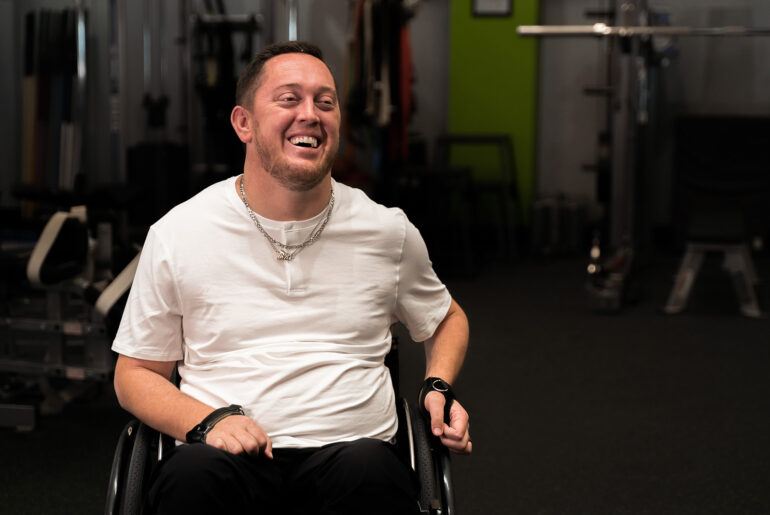
September is Spinal Cord Injury Awareness Month, and some stories are simply too powerful not to share again. Over the years, I have had the privilege of meeting hundreds of remarkable humans through Charity Matters. Each person has inspired me in a different way. However, every once in a while, someone comes along whose energy, wisdom, passion, and light stay with you long after the conversation ends. Hal Hargrave is one of those people. I first shared Hal’s story in 2021, and I have never forgotten our conversation. After a tragic accident left him paralyzed, Hal stopped asking, “Why me?” and began asking, “Why not me?” That shift changed everything. Through the Be Perfect Foundation, he transformed an unimaginable setback into a life of purpose, helping hundreds of people living with paralysis find resources, independence, community, and hope.
In honor of Spinal Cord Injury Awareness Month, it feels like the perfect time to revisit Hal’s extraordinary story. If you have read his words but never heard his voice, take a listen. His passion is better than caffeine, his perspective is contagious, and his message is one we all need from time to time. Hal reminds us that sometimes the very thing we believe will limit us becomes the thing that propels us forward. His story is about so much more than paralysis. It is about choice, purpose, hope, and what can happen when we decide to use what life gives us to serve others. Hal Hargrave is living proof.
Here are a few highlights from our conversation:
Charity Matters: Tell us a little about what the Be Perfect Foundation does?
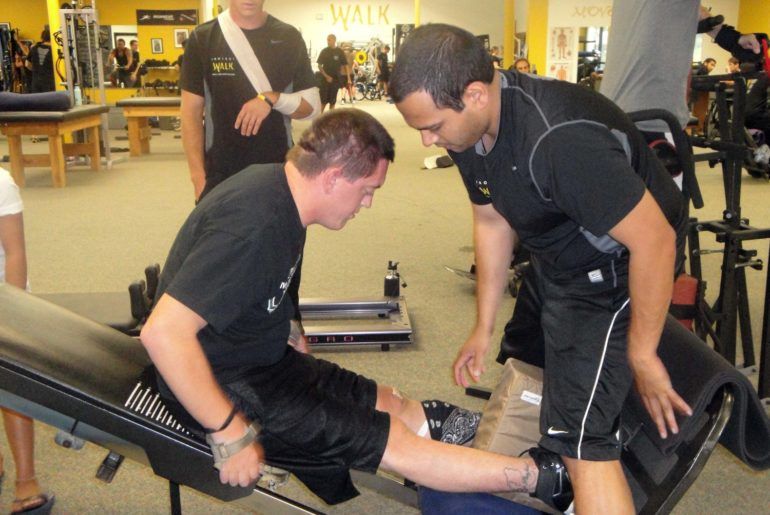
Hal Hargrave:Be Perfect Foundation–provides direct financial and emotional aid to individuals with paralysis. The foundation approves scholarships for everyday medical necessities such as; medical supplies, wheelchairs, home, and car adaptations, medical equipment, and exercise-based therapy.
Charity Matters: What was the moment you knew you needed to act and start Be Perfect Foundation?
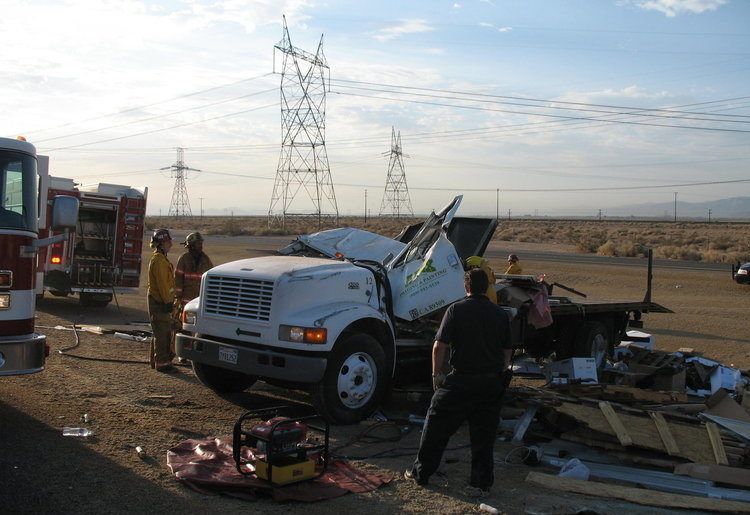
Hal Hargrave: Shortly after I got injured, I remember lying in my hospital bed and coming to the realization that with every individual that walked through my hospital room, that each individual that left my room and left the hospital took away a mindset, approach, mentality, and went about the rest of their day emotionally in a state that was directly predicated towards my mood state, mental state, and how well I was emotionally coping with my injury and circumstance.
I came to a quick realization that I could give each and every individual a positive takeaway that could set the tone of their day for the rest of their life. Finally, I came to the consensus that each and every decision that I made about how I was going to treat, talk to, and share moments with individuals was going to directly affect them either negatively or positively. I was not willing to be a part of the simple idea that I could negatively influence somebody’s life any longer.
Charity Matters: What fuels you to keep doing this work?
Hal Hargrave: I believe that this is meaningful and purposeful work. I’ve stopped asking “why me” and I’ve started asking “why not me?” Once I came to the realization that this happened “for me” and started looking through the lens that I “get to” do what I’m doing in my life. I started realizing that maybe this really is a blessing. That the life that I’m living is far bigger than just me and is for me.
Charity Matters: When do you know you have made a difference?
Hal Hargrave: I know I have made a difference in this world when others see differences in their world being realized. When other’s dreams come true, their goals are achieved, and happiness is obtained.
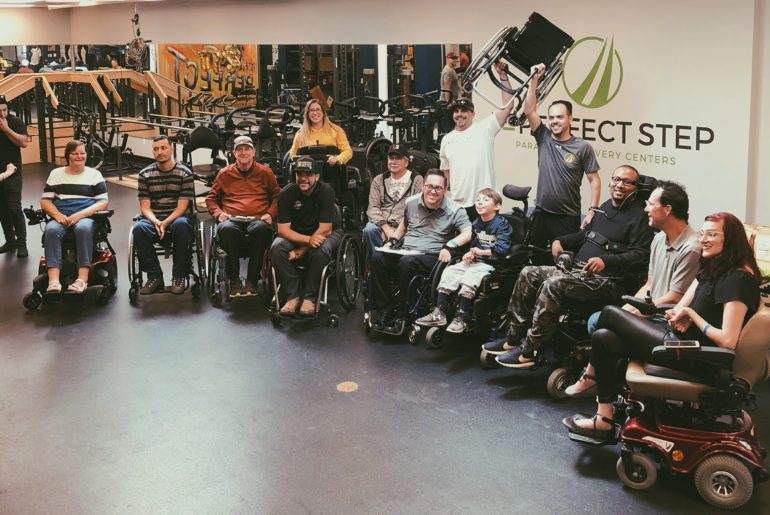
Charity Matters: Tell us what success you have had?
Hal Hargrave: The success that we’ve had over the past 14 years of a philanthropic mindset as a family and as a community has been nothing short of amazing. We have raised over $7 million for individuals suffering from paralysis. This does not include the resource of hope that we have built through being a physical, literal, and emotional resource to those who are in need.
Charity Matters: What has your impact been?
Hal Hargrave: Our impact has changed lives. Over the past 14 years $7 million and well north of 500 people and families. It has changed lives in the way that people live independently. How people live without despair any longer because they see hope and much more. The financial support that we provide to individuals to seek out therapeutic options has allowed them to achieve a healthier form of themselves. Having their health has contributed towards staying out of the hospital as well as finding a network of people that they can relate to. We provide a place where they will not give up, and emotionally being in a place where they see that their contributions to society and to others are life-changing.
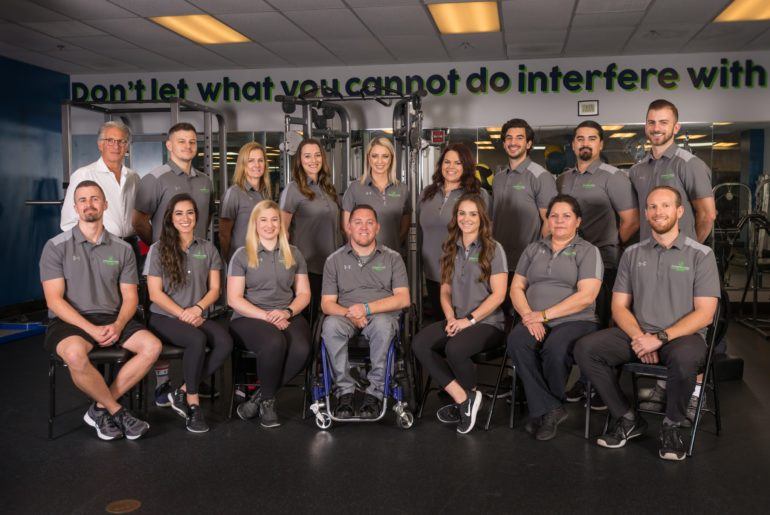
Charity Matters: If you could dream any dream for your organization, what would that be?
Hal Hargrave: My dream is for us to get to a place where we have an endowment. An endowment would ensure that we would be around for life. Ideally, if this endowment was established, we would be able to continue to provide scholarships. This foundation should be around forever.
Charity Matters: What life lessons have you learned from this experience?
Hal Hargrave: One of the major life lessons that I’ve learned from this experience is the things that we think limit us just might be the platform that we need to propel ourselves forward to actually helping create change. We always think that we have it worse. However, maybe life gave us an opportunity, not a setback.
When we start looking at life through a lens that maybe something was preventing us from something even worse happening, we start to live with the appreciation that we have a second chance. Sometimes these circumstances that put us into a deep, dark, and physically disabling place, actually are the opportunities that give us the tools that we need to create change in others’ lives. You don’t need to create change through physical activity. You can create change through intentionality, sincerity, words, and advocacy.

Charity Matters: How has this journey changed you?
Hal Hargrave: This journey has changed everything for me. I will be honest with you, 14 years ago I did not think that my life would amount to anything. I was under the impression that my physical setbacks in life would propel me into a place of a life that was meaningless, hopeless, and unfulfilled. What has happened over the past 14 years, which has not been easy, and has not been because of the lack of tenacity, trying, and getting up with purpose, has been nothing short of a dream could true.
CHARITY MATTERS.
New episodes are released every Wednesday! If you enjoyed today’s episode, please connect with us:
- www.Charity-Matters.com
- On IG @Charitymatters
- Post a screenshot & key takeaway on your IG story and tag me @heidijohnsonoffical and @Charitymatters so we can repost you.
- Leave a positive review on Apple Podcasts
- Subscribe to new episodes each week!
YOUR REFERRAL IS THE GREATEST COMPLIMENT, IF YOU ARE SO MOVED OR INSPIRED, WE WOULD LOVE YOU TO SHARE AND INSPIRE ANOTHER.
Copyright © 2021 Charity Matters. This article may not be reproduced without explicit written permission; if you are not reading this in your newsreader, the site you are viewing is illegally infringing our copyright. We would be grateful if you contact us.
The post From Setback to Purpose: The Remarkable Story of Hal Hargrave appeared first on Charity Matters.
]]>The post The Space between appeared first on Charity Matters.
]]>
Labor Day is behind us, and it is that bittersweet time of year. Summer is officially over. Pumpkin spice and Halloween candy are filling the store shelves, but it isn’t quite fall.
Everyone is officially back to school. Of course, the lucky ones started this week and not in August like so many California schools. College football is back, cozy sweaters are beginning to call our names, and yet September somehow has one foot in summer and another reaching toward fall.
September is the space between. It is that little pause between where we have been and where we are going. Perhaps that is exactly why I love it.

The Space Between
Transitions give us time to adapt and ease into change. As I have written many times before, change is often best served slowly, if possible. Most of us are not exactly wired to embrace the one thing, besides death and taxes, that we know to be true. The reality is that everything changes.
I often talk about this when I speak. Why is it that we love change in the rearview mirror but are terrified of change in front of us?
Think about it. A new haircut can feel terrifying until everyone tells you how fabulous you look. Starting a new job can keep you awake for weeks. Then, six months later, you tell everyone, “I love my new job!” A knee replacement sounds absolutely dreadful until you hear someone say, “I can’t believe I waited so long. I feel like a kid again!”
Change is scary until it isn’t. Perhaps that is why September feels like such a gift. The month gives us a minute to shift gears. Our routines return, school begins, football is back, and life starts to find its rhythm again.

Back to School
For children, however, this transition can be enormous. Do you remember the night before the first day of school? There was excitement, nerves, wondering who your teacher would be, which friends would be in your class and, of course, what you were going to wear.
As parents, we experienced the other side of that transition. New shoes, uniforms, backpacks, lunch boxes, pencils, notebooks and endless lists of school supplies somehow signaled that summer was officially over.
Yet, for millions of children, back to school brings another kind of worry. Will I have what I need? That question changes everything. A pencil seems like such a little thing until you are the only child who doesn’t have one. A backpack is just a backpack until yours is the reason you feel different from everyone else.

Supplies for Success
Last year, I had the privilege of interviewing Mindy Richenstein, founder of Supplies for Success, for the Charity Matters Podcast. Our conversation completely changed the way I thought about school supplies.
Mindy began Supplies for Success in 2002 after learning that children were starting school without the basic supplies they needed. That first year, she provided backpacks for just 68 children. Today, the organization has served more than 300,000 children nationwide.
However, what stayed with me wasn’t the number of backpacks. It was what those backpacks represented.
Mindy explained that when children arrive at school with fresh notebooks, sharpened pencils and a new backpack like their classmates, something happens. They feel included. They feel prepared. Most importantly, they walk through the school doors with dignity and confidence instead of shame or embarrassment.
A backpack isn’t simply carrying school supplies. That backpack is carrying confidence, possibility and hope.
Mindy’s story is also one of incredible resilience. After the devastating loss of her 37-year-old son, Eric, in 2020, she found a way to channel her grief into helping even more children. Eric’s Care Kits were created during the pandemic to provide art supplies and activities for children stuck at home. Once again, Mindy turned pain into purpose and found another way to serve.
You can read and listen to our full Charity Matters conversation with Mindy here: Season 9 Premiere, Episode 91: Supplies for Success.

Helpers Are Everywhere
Of course, Supplies for Success isn’t alone in this important work. Across the country, nonprofits are helping children begin school ready to learn. The Kids In Need Foundation provides essential school supplies to students and teachers in under-resourced schools. Meanwhile, Operation Homefront’s Back-to-School Brigade provides backpacks and school supplies to military children.
Each organization reminds us that helping doesn’t have to be complicated. Sometimes changing a life begins with a box of crayons. Perhaps it’s a backpack, a notebook or a package of pencils. Maybe it’s volunteering at a packing event or simply making a donation. Small acts add up.

The Space Between
Maybe that is the lesson September has for all of us. Life is full of spaces between. We stand between childhood and adulthood, one job and the next, sickness and health, loss and healing, summer and fall. Sometimes we know exactly where we are headed. Other times, we simply have to trust that the next season will come.
More importantly, back to school reminds us that not everyone enters a new season with the same tools. Sometimes the smallest act of kindness can make someone else’s transition a little easier. A backpack, a notebook, a new pair of shoes or a box of crayons might seem insignificant to us. However, to a child walking nervously through those school doors, those simple things can mean everything. They say: You are ready. You belong. We believe in you.
Perhaps that is what all of us need to hear when we find ourselves in the space between. So, here’s to September. Here’s to back to school, new beginnings and this beautiful pause between seasons. Most of all, here’s to the people who help us move from where we have been toward wherever we are meant to go next. Because none of us gets through life’s transitions alone.
How lucky we are when someone helps us carry the backpack.
CHARITY MATTERS.
YOUR REFERRAL IS THE GREATEST COMPLIMENT, IF YOU ARE SO MOVED OR INSPIRED, WE WOULD LOVE YOU TO SHARE AND INSPIRE ANOTHER. If you enjoyed today’s episode, please connect with us:
- www.Charity-Matters.com
- On IG @Charitymatters
- Post a screenshot & key takeaway on your IG story and tag me @heidijohnsonoffical and @Charitymatters so we can repost you.
- Leave a positive review on Apple Podcasts
- Subscribe to new episodes each week!
Copyright © 2026 Charity Matters. This article may not be reproduced without explicit written permission; if you are not reading this in your newsreader, the site you are viewing is illegally infringing our copyright. We would be grateful if you contact us.
The post The Space between appeared first on Charity Matters.
]]>The post Episode 109: Pacer Nation appeared first on Charity Matters.
]]>
Sometimes making a difference begins with something as simple as putting one foot in front of the other. More than three decades ago, chiropractor Steve Smith invited a group of patients to meet him at the Rose Bowl. His goal was simply to help people feel better through movement. However, something unexpected happened along the way. A running program became a community, strangers became friends, and the Pasadena Pacers grew into Pacer Nation.

What I love most about Steve’s story is that it really isn’t about running. Instead, it is about connection, kindness, service and the power of showing up for one another. His message is also beautifully simple: You don’t need to know every step before you begin. You simply need to take the first one. I think you will love this joyful and inspiring conversation.
CHARITY MATTERS: TELL US A LITTLE ABOUT WHAT THE PASADENA PACERS DOES?
Steve Smith: The Pasadena Pacers started out as the Pasadena Pacers, now Pacer Nation. Our goal is to raise the health and spirits of communities by getting people together with social exercise programs.
It started as a program from my office as a chiropractor. We thought it was a marathon training program. It turned out to be a social program. People come for the training, and they stay for the social benefits. The programs are all free and volunteer-led. We have a team of probably 35 people that helps run the organization. We’re always looking for people to volunteer with coaching, putting out water stations and doing websites.
We did a great job with diabetes, cardiovascular disease, obesity, depression and the big one, loneliness.
CHARITY MATTERS: WHAT EXPERIENCES DID YOU HAVE AS A CHILD THAT INFLUENCED YOUR WORK?
Steve Smith: Service started for me as a child. My mom was always the den mother, the person who helped out in the classroom. She did the Cub Scouts. She volunteered at Rancho Los Amigos, where we went as kids and saw people in iron lungs who had polio.
We would always help out the neighbors. We’d take out the old people’s trash cans or put the weeds away at Mrs. Irwin’s house up the street because she got too old to bend over. As a child, I think that was great training because it made me feel good.
Later, it became apparent to me that helping others is really its own reward. In some ways, I discovered early on that giving help is probably the reward in and of itself. The receiving of it is probably even less powerful than the giving of it.
My dad was a World War II vet. In those days, we considered it kind of our duty to serve in the military. So I joined the Army, served a couple of years and went to Vietnam.
It was eye-opening to go to a different country and see the kinds of hardships people have. However, in all that struggle and strife, they could still have family meals together. When a marriage happened in a village in Vietnam, the entire community would come to celebrate.
What you have, who you know or what your station in life is didn’t matter. What mattered was the community was a single thriving unit. In the middle of a war, people could find a way to be happy by getting together and supporting each other.

CHARITY MATTERS: WHAT WAS THE MOMENT YOU KNEW YOU NEEDED TO ACT AND START PACER NATION?
Steve Smith: The Pacers started out of my chiropractic office. In the ’90s, people went into offices, sat down in chairs and started looking at their computer stations. Neck and back problems were insolvable, which was great for business. However, it wasn’t great for my feeling that I was making a difference.
I had been a pretty fast runner when I was younger and had a terrible back injury. I was involved in an aviation incident where I broke my back. I didn’t run for almost a year and a half after that, and the back pain just wouldn’t go away.
I thought, “Well, I’ve settled into chronic back pain that’s not going to resolve. I’m going to start running again.” I started back slowly. Within just a few weeks, my back pain went away. I thought, “Wow, what is going on here?” Nobody ever said this could happen. In fact, the predominant wisdom of the day said that if you have any problem at all, don’t run. That turned out not to be true for me.
At the same time, I had all these patients with neck and back problems. I thought, “Well, it might work for them too.” So I invited people to meet my wife and me at the Rose Bowl. Most people said, “I’m not a runner. I’m not an athlete.” I said, “If I can get you to run very slowly for one minute, way below your ability level, could you do that?”
We had about 30 or 40 people show up. We ran for one minute and walked for five. Each week, we progressed. After ten weeks, people were starting to get fit. They were starting to have results, and they were looking forward to their Sunday morning workout.
CHARITY MATTERS: WHAT ARE YOUR BIGGEST CHALLENGES?
Steve Smith: Probably 15 years passed before we became a nonprofit. By then, money started exchanging hands, and there were advantages you could get from having a nonprofit. We decided it was time. At that point, maybe three or four hundred people were meeting each week. Five or six run clubs had also started to sprout here and there.
Interestingly, fundraising wasn’t one of our big challenges because run clubs don’t need much money. We needed a little for a website and insurance, but not much else. For fundraising, we used a simple green can where people put money. Those donations bought bagels and water. At the end of the year, if there was money left over, we threw a party.
What fascinated me about the green can was that you got to be a philanthropist if you put three dollars into it. That’s a very different experience than having to spend two or three hundred dollars a year to participate and having an expectation of exchange.
Instead, the person making that contribution gets to be generous. With one dollar in a green can, they buy generosity, kindness and giving. I thought that was the most powerful thing.

CHARITY MATTERS: WHAT FUELS YOU TO KEEP DOING THIS WORK?
Steve Smith: Eventually, nonprofit founders discover that you don’t create the community as much as the community creates you. During a run, people share their stories. They talk about challenges, victories, families and how it is at work. It’s great to get all that stuff out and have a rapid exchange of ideas and real conversation.
On Saturday morning, you’re simply dressed in a way that you’re not identifiable by what you have, what you do, where you go or what your car is. All that social veneer dissolves through the experience of running. Because of that, people connect in a way they ordinarily wouldn’t be able to. Sometimes, just sharing the same space with a person for a few miles, even without words, can make you feel very connected.
Some of the best relationships we have are the ones where you can be together in silence. It’s great to be that way with your community too.
CHARITY MATTERS: WHEN DO YOU KNOW YOU HAVE MADE A DIFFERENCE?
Steve Smith: For me, impact happens in two ways. The first is on a personal level. Completing a program, especially a marathon, is a long-term goal. You may train for a year, and there are obstacles. Your body doesn’t want to do a marathon. Mentally and emotionally, you feel like, “Wow, that’s a lot to confront.” Physically, you have to change.
At the finish line, something really quite extraordinary happens. People who finish their first marathon shatter barriers. After overcoming those extreme obstacles, they begin to look around and ask, “What else did I think was probably not achievable that I should reexamine? What more could I do?”
Suddenly, horizons open. A future becomes possible that, at least in their own minds, wouldn’t have been possible before.

CHARITY MATTERS: TELL US WHAT SUCCESS YOU HAVE HAD AND WHAT YOUR IMPACT HAS BEEN?
Steve Smith: The second kind of impact is a little more subtle. I think the Pacers has an impact on the community. When we talk to people about putting on that red shirt, we tell them to give somebody a smile, wave hello and say something positive. For goodness’ sake, get all dogs to greet you. If you can’t get a baby to smile, you need to work on your spirit.
Running through a community can be a little bit of a disruption. You’re going through neighborhoods early in the morning, and sometimes you impact traffic a little bit. Because of that, we try to get people to say hello, wave and smile.
Then, take that show on the road. Bring it into your daily workplace, your family and your friendships. Smile and create a reaction. Go out and raise the spirits of your community in some subtle way. Get a smile, give a smile and say something positive.
CHARITY MATTERS: IF YOU COULD DREAM ANY DREAM FOR YOUR ORGANIZATION, WHAT WOULD THAT BE?
Steve Smith: Probably 20 years ago, I had a dream to see a Pacers Club in every community in the world.
I’d like to see Pacers in Palestine and Israel and have races together. Ultimately, I want to cause world peace to break out and people to love each other in a way that expands the consciousness of humankind and creates a glorious human race. I know that’s probably a little high-minded.
For a long time, I was a little disheartened by our progress. We only started maybe 12 clubs. Then, in the last five years, something happened. The era of run clubs emerged. Now, it’s a place where young people go to meet each other. Run clubs are replacing things like online dating apps. Instead of going to places, consuming alcohol and being drowned by loud music, people go out and run together.
They’re having real conversations and doing something meaningful. I’ve seen it happen in Pasadena, and it’s gone worldwide. It’s the emergence and birth of the run club. Who knew it?

CHARITY MATTERS: WHAT LIFE LESSONS HAVE YOU LEARNED FROM THIS EXPERIENCE?
Steve Smith: Sometimes, when you have a concept or an idea, you won’t know what step two is until you do step one. For me, step one is to raise your hand, step forward and say three words: “I’ll do it.”
I can’t stress that enough because you have no idea what your future is going to be. The minute you start moving forward, a wind comes to your back. Doors begin to open, and a future opens before you that you couldn’t have thought of until you got started.
Once you know the first thing, do that one thing. Now you’re in motion. From there, the universe is going to help you go to a place where you probably couldn’t even have dreamt of.
Bring the skills you have to the table. They’re probably not going to be sufficient to do every job. However, people will line up behind you. They’ll start supporting you, they’ll help, and you’ll learn.
CHARITY MATTERS: HOW HAS THIS JOURNEY CHANGED YOU?
Steve Smith: I’ve remained the same, and I didn’t know who I was. More than anything, this experience has taught me a lot about leadership. No two leaders are the same. They all do it differently.
Over the years, we’ve had, I think, 22 presidents of the Pasadena Pacers. As the founder, I’ve worked with all of them and learned from all of them. Watching these leaders has made me a much more successful businessman. I’ve also been more successful with my family and learned things about myself by watching others.
You should be happy with yourself, but I can also stand to be a little bit more like you. If I were to pick the best traits of each person and have that be a composite, wow, you’d be much better.
As a leader, you get to watch, observe and take the best pieces. Sometimes advice doesn’t equal watching somebody do something and seeing some amazing exchange that makes you think, “Wow, if I were to behave like that, look at what I could do.”
That’s why I think community service is so valuable. You learn from others. You discover pieces of yourself that are underdeveloped, and those pieces can expand and make you a better person.
CHARITY MATTERS.
YOUR REFERRAL IS THE GREATEST COMPLIMENT, IF YOU ARE SO MOVED OR INSPIRED, WE WOULD LOVE YOU TO SHARE AND INSPIRE ANOTHER. If you enjoyed today’s episode, please connect with us:
- www.Charity-Matters.com
- On IG @Charitymatters
- Post a screenshot & key takeaway on your IG story and tag me @heidijohnsonoffical and @Charitymatters so we can repost you.
- Leave a positive review on Apple Podcasts
- Subscribe to new episodes each week!
Copyright © 2026 Charity Matters. This article may not be reproduced without explicit written permission; if you are not reading this in your newsreader, the site you are viewing is illegally infringing our copyright. We would be grateful if you contact us.
The post Episode 109: Pacer Nation appeared first on Charity Matters.
]]>The post Smiling through my tears appeared first on Charity Matters.
]]>
I’m really sad.
It is a feeling that, thankfully, has been at bay for a while. But like so many things in life, sadness eventually finds its way back. A little like a lost dog returning home, except when this one returns home you are not excited to see it.
There is a heaviness that comes with sadness. It makes life feel like you are walking through cement. There is an ache in your chest that hurts so darn badly you just want it to stop.
I know this feeling. My long-lost friend grief has arrived once again.
When Grief Comes Back
You really want to believe that once you have lived through loss, the next time won’t be as bad. Somehow, you think you have built up some sort of grief muscle or immunity.
It is a little like that second pregnancy. Miraculously, you forget all of the “discomfort” until suddenly it comes reeling back. Then you remember every bit of it.
I think grief works the same way.
You forget how much it hurts until the floodgates open. Suddenly, all that pain comes rushing back. The truth is, it hurts every single time you say goodbye to someone you love. The bigger the love, the bigger the pain.
That is simply the way it works.

We Had Time
I really thought it would be different this time because we had time. We had time to say all of the things. And I said them. Every last one. We held hands. We talked about life, legacy, love and what comes next. Most importantly, my aunt didn’t suffer.
At 88, after an extraordinary life well lived, she was completely at peace with “going home.” She was ready. In many ways, the peace she had about dying was one final beautiful gift she gave all of us. One day, as we sat together, I asked her, “Do you think you have more friends waiting for you there than you have here?”
Her face lit up like a Christmas tree. With almost childlike wonder, she replied, “I don’t know, but that makes me happy to think about.”
“I think you should think about everyone who will be there to welcome you,” I told her. She squeezed my hand, smiled and closed her eyes. That smile said everything.

A Promise
Before I left, I had one more request. “Please send me a sign to let me know you are okay and that you got there safely.” Again, she nodded and squeezed my hand.
“Promise me,” I said. “I promise,” she whispered.
This morning, almost a week after she died, I was getting ready for a meeting. I looked up and said, “I haven’t gotten that sign yet, Aunt Sheesh, and it’s almost been a week.” Then something happened.
I reached for a purse on the top shelf of my closet, one I haven’t used in a minute. As I pulled it down, an envelope fell out. There was my aunt’s perfect nun penmanship. My name was written across the front.
It was the birthday card she had given me in June, just days before her diagnosis. Inside she had written: “Look how fun 60’s are. Enjoy the adventure! You are a true treasure of joy, creativity and good.”
Well, she was speedy on the request for a sign. I have to give her that. I asked, and boom. There it was.
The Gift and the Ache
Of course, the sign didn’t arrive alone. It came with tears. It brought sadness. It brought that familiar ache. Most of all, it brought my old friend grief right along with it.
Don’t get me wrong. That card was a gift straight from heaven, and I am so grateful. Honestly, I hope there are more signs. The sadness, however, I could do without.
Unfortunately, I know it doesn’t work that way.
Grief is the price we pay for loving someone deeply. Right now, we are trying to plan a celebration for an extraordinary life well lived. At the same time, regular life keeps moving.
Meetings still happen. Emails still arrive. People still need things. Running a nonprofit is tricky enough on a good day. Trying to be high functioning while grieving is an entirely different challenge.
This morning, when that giant wave of grief hit, I worried for a moment that it might take me down. Yet, here I am. Back up. Writing. Working. Trying to process the reality that she is really gone. And realizing that this will be the last birthday card I ever receive from her.
That one really hurts.

The Yin to My Yang
I loved my aunt so darn much. She was the yin to my yang. I chat nonstop. She quietly listened. I am a spaz. She was the strong, steady presence who made everyone around her feel calm.
Our personalities could not have been more different. Yet somehow, we always had this connection, an innate understanding of each other that didn’t need words. She got me.
To grow up knowing that at least one human being truly gets you is one of life’s greatest gifts.
More than that, my aunt showed me the way to serve. If I am being totally honest, I have tried to emulate her my entire life. Of course, I skipped the religious life part, but so much of who I am and what I believe about helping others came from watching her.
She never needed attention or applause. She simply showed up and loved people.
Her Legacy Was Love
My aunt was kindness. She was joy. She was purpose and peace. More than anything, she was love.
A few weeks ago, I asked her what she thought her legacy would be. She smiled, held her two hands together and quietly whispered one word. “Love.”
Of course it was. That was her life.
I truly believe my aunt is home now. I believe she is smiling down, watching over and guiding all of the people she loved. By the way, that is a heck of a lot of people.
She is at peace.
I know the waves of grief will continue to come. Some will be small, while others may knock me down for a minute. Eventually, they will come less often. I know that because I have been here before. Still, knowing that doesn’t make today’s wave hurt any less.
There is a quote often attributed to Dr. Seuss: “Don’t cry because it’s over. Smile because it happened.” Today, I understand those words in an entirely new way. I am smiling. I am grateful. I am heartbroken.
And through all of it, I am reminded that this much grief can only exist because there was first this much love. So, for now, I’ll keep smiling through my tears.
CHARITY MATTERS.
YOUR REFERRAL IS THE GREATEST COMPLIMENT, IF YOU ARE SO MOVED OR INSPIRED, WE WOULD LOVE YOU TO SHARE AND INSPIRE ANOTHER. If you enjoyed today’s episode, please connect with us:
- www.Charity-Matters.com
- On IG @Charitymatters
- Post a screenshot & key takeaway on your IG story and tag me @heidijohnsonoffical and @Charitymatters so we can repost you.
- Leave a positive review on Apple Podcasts
- Subscribe to new episodes each week!
Copyright © 2026 Charity Matters. This article may not be reproduced without explicit written permission; if you are not reading this in your newsreader, the site you are viewing is illegally infringing our copyright. We would be grateful if you contact us.
The post Smiling through my tears appeared first on Charity Matters.
]]>