Diwali Shoppers Watch First, Then Buy
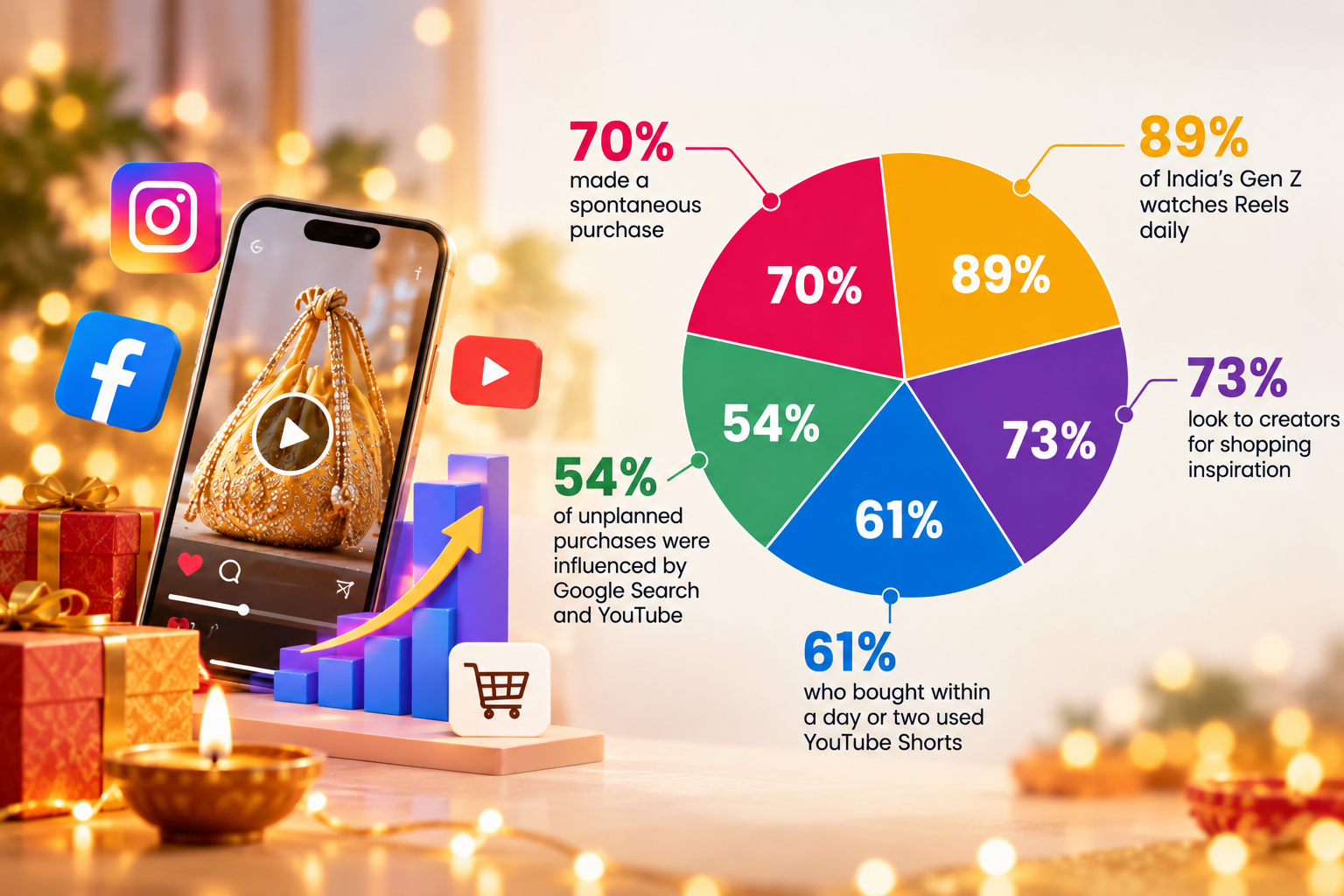
A Google-commissioned Ipsos study of last year’s festive shoppers found they watched nearly eight videos before buying, and 70% made a spontaneous purchase. That makes Facebook ads, Instagram Reels, and YouTube videos your biggest sales moments this season. Pair them with social media posts, Google Ads, and a fast website, and your Diwali videos can sell, not just get views.
Why Diwali Videos Need A Sales Plan
Views feel good, but they don’t fill orders. Festive shoppers research, compare, and then buy fast, so your festive marketing must catch attention, build trust, and point to one clear next step. Search interest in “Diwali sales” starts rising as early as August.
A clear plan protects your budget. Decide your offer, audience, and deadline first, then build your videos around them, so every rupee spent on ads moves viewers toward an order.
Brands that plan early reach shoppers while they are still comparing, so festive videos work as a real sales tool.
- 9 in 10 festive shoppers research before buying
- Journeys average over eight searches and nearly eight videos
- 73% look to creators for shopping inspiration
- Google Search and YouTube influenced 54% of unplanned purchases
- 51% of Google and YouTube users discovered new products along the way

Hook The Viewer In Three Seconds
Dollar Shave Club spent about $4,500 on a launch video and received 12,000 orders in 48 hours. The video led with a clear offer and a strong personality. Your Diwali ad needs the same: a quick hook, one offer, and one action.
- Open with the product or offer, not your logo
- Show the festive use in the first three seconds
- Add captions so the video works on mute
- State one offer, such as “free delivery before Diwali”
- End with one action: shop, call, or WhatsApp

Pick Short, Vertical Formats
Short videos catch impulse buyers. Meta-commissioned Ipsos research found 89% of India’s Gen Z uses Instagram Reels daily, and Google found 61% of festive shoppers who bought within a day or two, without researching, used YouTube Shorts. Test Instagram Reels ads first.
- Shoot vertical (9:16) for Reels, Stories, and Shorts
- Keep impulse offers under 30 seconds
- Use bright festive colours and real product close-ups
- Test one Reel and one Story version of each ad
- Show the price or offer as on-screen text

Use Creators To Build Trust
73% of festive shoppers look to creators for inspiration. Nykaa Fashion’s YouTube Shopping affiliate content drove 28% higher visits and 66% higher orders, according to Google. Nykaa’s parent, FSN E-Commerce, reported Q1 FY27 net profit of ₹79.76 crore, up 3.3 times, on 29% higher revenue.
- Partner with local micro-creators your customers already follow
- Send products early so creators can film before Diwali
- Ask them to show real use, fit, size, or taste
- Give each creator a tracked link or code
- Reuse the best creator videos as paid ads, with permission

Target And Retarget Smartly
Nykaa fed Google Ads with customer lists, including past buyers and lapsed shoppers, to acquire customers profitably, according to Google. Its Q1 FY27 EBITDA rose 68% to ₹236 crore. Do the same on Facebook and Instagram by retargeting video viewers and past customers.
- Build audiences from past buyers, email lists, and WhatsApp contacts
- Retarget people who watched half or more of your video
- Exclude people who already bought
- Start with local targeting around your store or delivery area
- Combine Facebook, Instagram, and YouTube ads instead of relying on one

Send Clicks To A Fast Landing Page
Ads fail when the landing page is slow or confusing. During festive sales, Myntra’s daily users rose 40% in the first six days versus September, and Meesho’s Day 1 orders rose about 75% year on year, according to a BofA report. Your page must handle sudden spikes.
- Send ad clicks to a Diwali landing page, not your homepage
- Match the page headline and offer to the ad
- Load fast on mobile, with one clear buy or call button
- Add reviews and delivery dates near the button
- Check that your hosting can handle festive traffic

Measure, Then Scale What Works
Honasa Consumer, Mamaearth’s parent, increased advertising investment by nearly 25% and reported record Q1 FY27 net profit of ₹90.45 crore, up from ₹41.33 crore. Festive shoppers watch nearly eight videos, so track each video’s cost per order and move budget to winners.
- Test three videos with different hooks at small budgets
- Track cost per order, not just views and likes
- Pause ads that spend without results after two or three days
- Move budget to winning videos and audiences
- Keep a call and WhatsApp tracker for offline sales
Follow this checklist to turn festive video views into orders, calls, and repeat customers before Diwali arrives on November 8.
- Pick one clear Diwali offer and one deadline
- Shoot three short vertical videos with different hooks
- Build a Diwali landing page that loads fast on mobile
- Set up Facebook and Instagram ads with a small daily budget
- Retarget video viewers and past customers
- Review results every two days and move budget to winners
Conclusion
Diwali shoppers watch, compare, and then buy fast. Nykaa and Honasa show that a clear message, the right format, and smart targeting turn video into orders and profit.
The brands that win aren’t the ones posting the most videos. They test several hooks, retarget interested viewers, and give every video one clear action. A fast, mobile-friendly landing page then keeps festive visitors from leaving before they buy.
This Diwali, plan your Diwali marketing instead of leaving your videos to luck.
Bigpage can help you to grow your business digitally through well-defined website content, building an NGO Website, Dynamic website for you to enhance your online presence and get more clients through various Facebook, Instagram Ads
The post Diwali Videos Don’t Sell By Luck: The Social Media Ads Playbook appeared first on Local Web Design & Digital Marketing Company in India.
]]>Your Reviews Are Your New Storefront
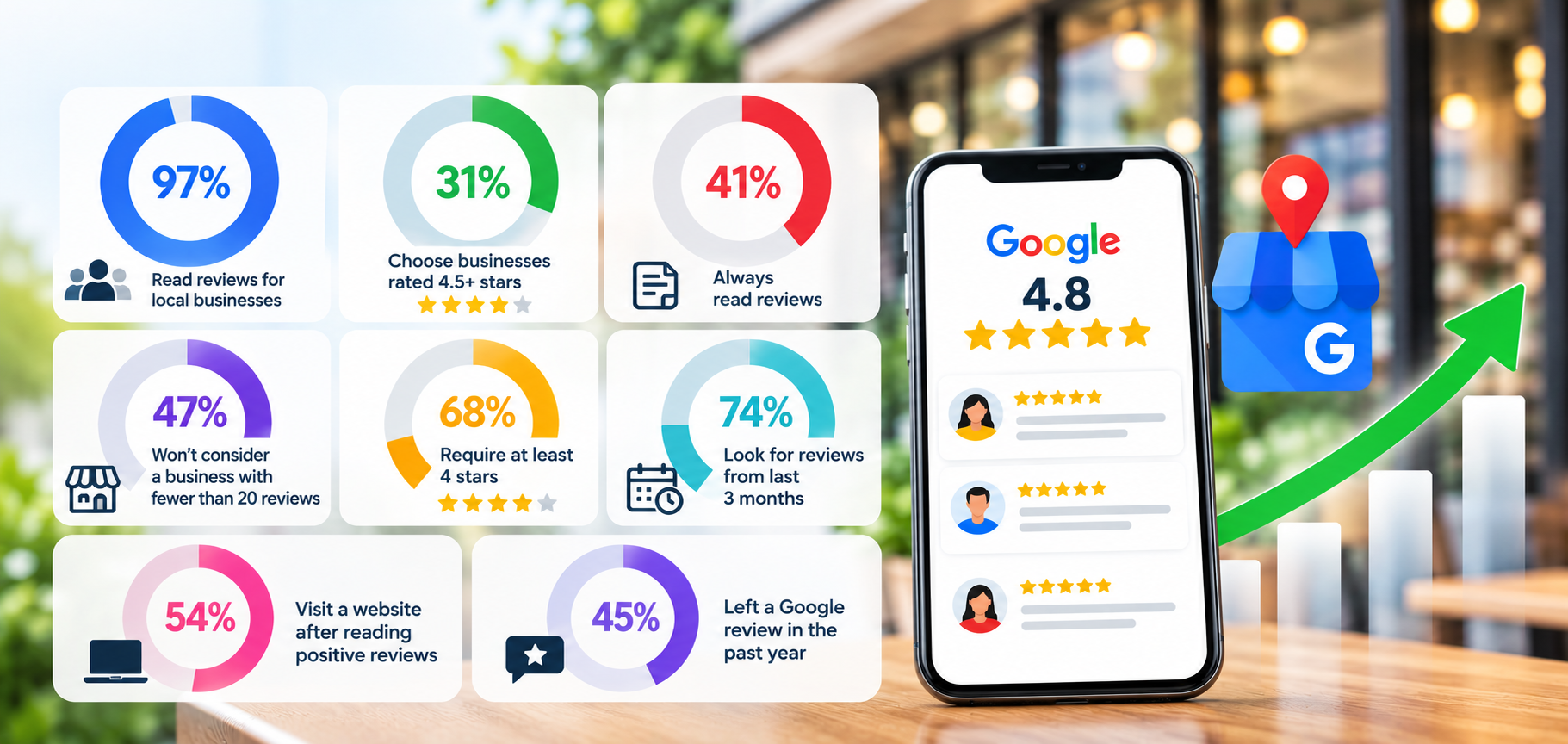
BrightLocal’s 2026 survey of US consumers found that 97% read reviews for local businesses, and 31% only choose businesses rated 4.5 stars or higher. Before anyone visits your website or calls, your Google Business Profile has already made the first impression. Strong reviews also make your local SEO, social media posts, and Google Ads campaigns work harder.
Why Google Reviews Decide Who Gets The Call
Customers compare before they commit. 41% of consumers now always read reviews, and 47% won’t consider a business with fewer than 20. Your rating and review count work like a shop sign: customers judge your business in seconds, before they ever speak to you.
- 68% of consumers require at least 4 stars before choosing a business
- 74% look for reviews written in the last three months
- 54% visit a business’s website after reading positive reviews
- 45% of consumers left a Google review in the past year
- Strong customer reviews bring more clicks, calls, and walk-ins
Customers don’t just glance at your star rating, they scan it against your competitors in seconds. A business with fewer, older, or lower-rated reviews can lose the click even if its service is better. That’s why building a steady stream of fresh, high-quality reviews is one of the most direct ways to win customers before they ever contact you.
Ask At The Right Moment
Customers are most willing to review right after a good experience. Birdeye’s 2026 report found SMS is now the leading review-request channel, at 54.6% of requests. Window Nation used review requests to add 21,800 Google reviews and lift its rating to 4.8 stars, according to Birdeye.
- Ask right after delivery, checkout, or a successful trip
- Send the request by WhatsApp, SMS, or email
- Keep the message short, with one tap to the review page
- Train staff to ask in person at the counter
- Never offer gifts or payment for reviews, as Google’s policy forbids it
Make It Easy With A Direct Link and QR Code
Every extra step loses reviewers. Create a short review link from your Google Business Profile and share it everywhere. Dunn Tire reported a 41x rise in average monthly reviews, passing 4,500, after adopting Podium’s review tool, according to Podium.
- Copy your review link from your Google Business Profile
- Print a QR code on bills, packaging, and shop counters
- Add the link to email signatures and WhatsApp replies
- Place it on your website’s thank-you page
- Test the link on a phone before sharing it
Reply To Every Review
Replies show customers you care. Birdeye’s 2026 report found a record 75.5% review response rate, so unanswered reviews now stand out. Moss & Company, managing 300+ locations, raised its replies by 141% and new reviews by 62% using Birdeye.
- Thank every reviewer by name within 48 hours
- Mention the product or service in your reply
- Answer complaints calmly and offer to fix the issue offline
- Never argue or share private customer details
- Reply in the customer’s language when possible
Turn Negative Reviews Into Trust
A few honest negative reviews are normal. What matters is how you respond. A polite, helpful reply shows future customers how you handle problems, which matters when 68% want at least four stars before they choose.
- Respond calmly and apologise where it’s due
- Fix the problem, then invite the customer to update the review
- Report fake or abusive reviews to Google
- Look for patterns in complaints and improve
- Never write fake reviews for yourself or competitors
Use Reviews To Sell Everywhere
Reviews work beyond Google. With 54% of consumers visiting a website after positive reviews, showcase them on your site, social pages, and ads. RPM Alamo reported 20% higher revenue and better website conversion with over 1,200 reviews, according to Podium.
- Add a reviews section to your homepage and product pages
- Share five-star screenshots as social media posts
- Use review quotes in Facebook and Google Ads
- Feature customer photos with their permission
- Mention reviews in WhatsApp broadcasts and emails
Build A Weekly Review Habit
Fresh reviews matter because 74% of consumers look for reviews from the last three months. Consistency beats one-time pushes. Set a weekly target and track your rating, review count, and replies like any other sales number.
- Set a target, such as 5 new reviews per week
- Check new reviews every morning
- Track rating, review count, and reply rate monthly
- Share positive reviews with your team
- Keep photos, hours, and details updated for stronger local SEO

Learn From Brands That Grew With Reviews
Large brands treat Google reviews as a sales channel, not an afterthought. Birdeye notes that raising your rating by just one star can lift revenue by up to 9%.
- National Storage Affiliates grew from 41,000 to 256,000 Google reviews across 1,000+ locations, according to Birdeye
- KO Storage lifted conversion rates by 97% across 250+ locations using automated engagement, according to Birdeye
- Skogman Companies grew its Google reviews by 491% in 15 months and gained 106,100 more Google Search views
- Skogman also reported 10,100 more direct website visits and a 4.9 average star rating
- Birdeye reports its customers see an average 195% increase in Google reviews
Use these simple steps to collect fresh customer reviews, answer them professionally, and turn your online reputation into more sales.
- Claim and verify your Google Business Profile
- Create your short review link and QR code
- Ask every happy customer right after a good experience
- Reply to every review within 48 hours
- Share your best reviews on your website and social media
- Track your rating and review count every month
Conclusion
Reviews are no longer optional. Customers read them, compare them, and decide in seconds. Businesses that ask consistently, reply politely, and showcase feedback build trust that ads alone can’t buy.
This festive season, every happy customer is a new review waiting to happen.
Bigpage can help you to grow your business digitally through well-defined website content, building an NGO Website, Dynamic website for you to enhance your online presence and get more clients through various Facebook, Instagram Ads
The post Reviews That Sell: How To Get More Google Reviews For Your Business appeared first on Local Web Design & Digital Marketing Company in India.
]]>Speed Is Cheap. Trust Isn’t.
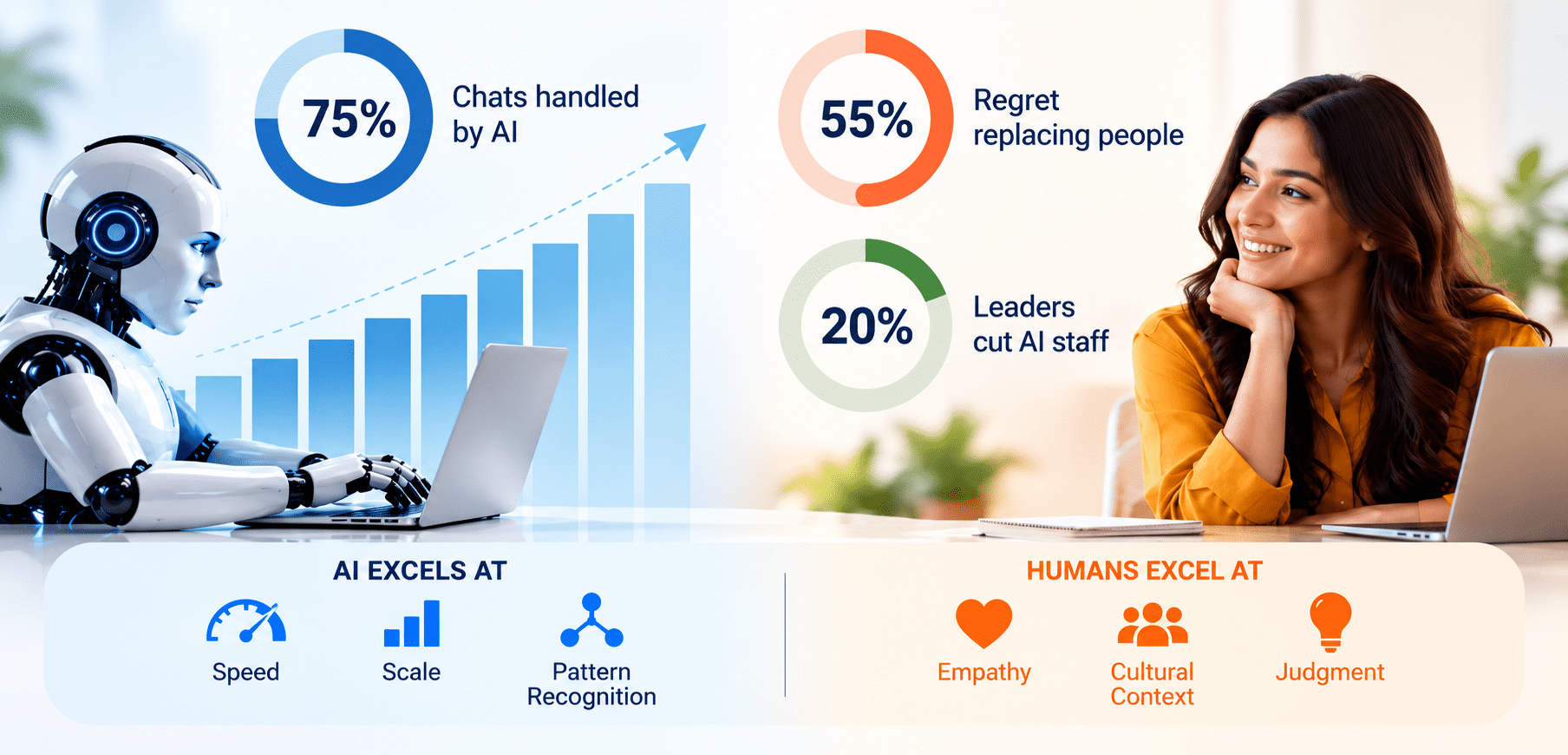
Klarna’s AI assistant handled 75% of customer chats within a month of launch, yet the company later began rehiring human agents after its CEO admitted the approach focused too much on cost. Gartner found only 20% of customer service leaders had cut staff because of AI. Smart brands aren’t automating everything. They’re deciding exactly where humans still matter.
Why The Human Touch Still Wins In Marketing
AI makes marketing faster, but speed is no longer rare. When every competitor can generate content in seconds, trust, empathy, and judgment become the real differentiators. The human touch in marketing is what makes customers remember a brand, believe its promises, and come back.
This shift is already visible in how leading brands behave. Klarna’s experience showed that automation alone can lower service quality, while Aerie’s no-AI pledge showed that authenticity can win attention. Smart marketers now treat AI as a tool for preparation and production, not for final decisions. The brands that thrive will be the ones that know exactly where machines end and people begin.
- AI excels at speed, scale, and pattern recognition
- Humans excel at empathy, ethics, and cultural context
- Customers quickly notice generic, robotic messaging
- Brand authenticity increasingly drives loyalty and repeat sales
- The best marketing automation supports people instead of replacing them
Customer Support: Keep Humans For The Hard Moments
Klarna’s AI assistant handled 2.3 million conversations in its first month. Its CEO later admitted the company “focused too much on efficiency and cost,” and Klarna moved to a hybrid customer experience model, with AI handling routine queries and people handling complex cases.
- Let AI handle order status, FAQs, and password resets
- Route complaints, refunds, and sensitive issues to people
- Make the “talk to a human” option easy to find
- Track AI-handled and human-handled satisfaction separately
- Review chatbot transcripts weekly for tone and accuracy
Brand Imagery: Real People Build Real Trust
Aerie’s revenue jumped 34% to $481 million in Q1 fiscal 2026, with comparable sales up 25%. Analysts say its “100% Aerie REAL” campaign and no-AI-imagery stance resonated with customers. Dove, which has vowed never to replace real women with AI, passed €6 billion in revenue in 2023.
- Feature real customers, team members, and case studies
- Use AI for edits, resizing, and drafts, not identity
- Align every AI use with your brand promise first
- Test audience reaction to AI visuals on small budgets
- Credit creators and models openly
Strategy: Don’t Hand Decisions To The Algorithm
Ad platforms keep removing manual controls. Google has been moving older Search features into AI Max, and Microsoft stopped offering Max CPC on new campaigns from October 1. Brands that win still set goals, budgets, and messaging themselves instead of accepting defaults.
- Define your own conversion goals instead of accepting defaults
- Set budget caps and weekly review dates for automated campaigns
- Keep offers and brand voice under human approval
- Document which decisions only people can override
- Audit auto-generated ad assets before they go live
Transparency: Tell Audiences When Ai Is Involved
Instagram now labels fully synthetic accounts as “AI-generated profile,” and India’s MeitY issued an October 8 advisory asking platforms to flag manipulated, AI-generated content. Openness protects your credibility before audiences or regulators force the issue.
- Disclose AI use wherever it could mislead customers
- Avoid fake testimonials, reviews, or synthetic spokespeople
- Fact-check all AI-written claims and statistics
- Create a simple AI-use policy for your team
- Keep human reviewers on sensitive or public-facing content
Measurement: Never Automate Your Understanding
According to Zendesk, companies that automate everything struggle to see which activities actually drive results. Orgvue and Forrester research found that 55% of firms that rushed to replace people with AI now regret it.
- Review automated reports weekly with a real analyst
- Track revenue and leads, not just clicks and impressions
- Compare AI-run campaigns against a manual control group
- Investigate sudden metric swings instead of trusting dashboards
- Ask your platform exactly what its automation changed
Where Ai Belongs: Repetitive, High-Volume Work
Email returns about $36 for every $1 spent, and AI helps scale it with segmentation and send-time testing. HubSpot’s reporting shows teams use AI to offload repetitive work, freeing time for strategy and creativity.
- Automate scheduling, reporting, and A/B test variations
- Use AI for first drafts, then edit in your brand voice
- Apply AI to data sorting and lead scoring
- Let AI resize and repurpose approved creative
- Keep final approval with a person every time
Use these steps to decide what AI should handle, what humans should own, and how to protect your brand’s credibility.
- List every marketing task and label it “automate,” “assist,” or “human only”
- Name a human owner for each customer-facing message
- Write a one-page AI-use policy covering disclosure and fact-checking
- Review automated ad and email performance every week
- Make human support easy to reach on your website and ads
- Revisit your AI marketing strategy every quarter as platforms change
Conclusion
AI isn’t the threat to your brand. Unchecked automation is. Klarna, Aerie, and Dove show that the strongest AI marketing strategy pairs machine speed with human judgment.
Automate the repetitive work, protect the moments that build trust, and let your human touch be the edge competitors can’t copy.
Bigpage can help you to grow your business digitally through well-defined website content, building an NGO Website, Dynamic website for you to enhance your online presence and get more clients through various Facebook, Instagram Ads
The post The Human Touch Is Your Edge: Where Smart Brands Are Drawing The Line On AI appeared first on Local Web Design & Digital Marketing Company in India.
]]>Your Best Salesperson Isn’t You
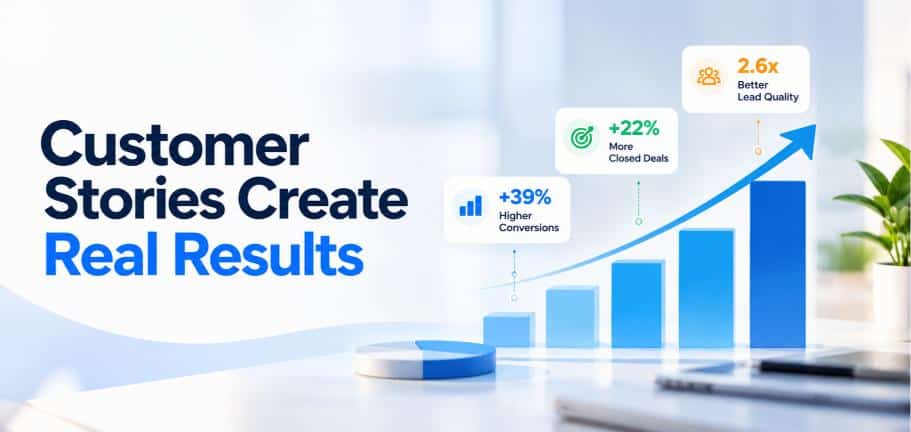
B2B buyers don’t trust your pitch deck nearly as much as they trust another customer’s honest story. Research shows video testimonials lift B2B conversion rates by 39%, while adding them to proposals increases close rates by 22%. If your sales strategy still leans entirely on polished decks and cold outreach, you’re ignoring the one asset buyers actually believe.
Why B2b Buyers Trust Customers, Not Companies
B2B purchasing decisions involve higher stakes, longer timelines, and multiple stakeholders—which makes trust the biggest barrier to closing deals. Buyers have heard every company claim “we’re the best,” so they instinctively discount self-promotion, no matter how well-produced.
This is exactly why testimonial videos outperform almost every other content format at the decision stage. According to recent B2B video benchmarks, testimonial videos produce a 44% higher conversion rate at the decision stage compared to content without testimonials.
Why Buyers Trust Peer Stories Over Sales Pitches:
- Real customers have no financial incentive to exaggerate results
- Video captures tone, emotion, and authenticity text cannot replicate
- Buyers see someone facing the same challenges they currently face
- Testimonials answer unspoken objections before a sales call even starts
The Numbers That Prove Video Testimonials Work
Skeptical teams often assume testimonials are a “nice to have” rather than a growth driver. The data says otherwise. Vidyard’s 2026 research found testimonial videos produce a 2.6x increase in lead quality ratings when placed on sales pages, directly impacting how sales teams prioritize their pipeline.
Beyond lead quality, testimonials influence revenue at nearly every funnel stage. Pages with embedded testimonial video see conversion lifts reaching 80% in outlier cases, while even modest implementations average a solid 34% improvement over text-only pages.
Key Statistics Every B2B Marketer Should Know:
- Video testimonials lift B2B conversion rates by 39% on average
- Testimonials increase proposal close rates by 22% when included
- Testimonial videos produce 2.6x higher lead quality ratings
- Viewers retain 95% of a video message versus only 10% of text
Where Video Testimonials Create The Biggest Impact
Not all funnel stages benefit equally from testimonial content. Placement matters as much as production quality. Testimonials work best precisely when buyers are evaluating whether to trust you with their budget, not during early awareness stages when they’re still researching broadly.
For SaaS companies specifically, testimonials outperform product demos at the critical free-to-paid conversion moment. Zebracat’s 2026 dataset found SaaS testimonials drive 46% conversion versus just 27% for demo-only flows—proof that buyers nearing a decision want proof, not another feature walkthrough.
Best Placements for Maximum Testimonial Impact:
- Pricing and proposal pages where final decisions get made
- Case study sections addressing specific industry pain points
- Email sequences sent after a prospect requests a demo
- Sales decks used directly in late-stage buyer conversations
What Makes A B2b Testimonial Actually Convert
Generic praise like “great service, highly recommend” does almost nothing for conversion. Research confirms this directly—vague satisfaction statements produce only a 7% conversion improvement, while specific, results-driven testimonials deliver dramatically more impact.
The strongest B2B testimonials follow a clear structure: the customer’s original problem, the specific solution implemented, and measurable results achieved afterward. This narrative format mirrors exactly how prospects evaluate whether your solution fits their own situation.
Elements of a High-Converting Testimonial:
- A specific problem the customer faced before working with you
- Clear, quantifiable results (percentages, time saved, revenue gained)
- Genuine language, not scripted corporate-sounding statements
- A customer whose industry or company size matches your target buyer
How To Collect Testimonials Without Disrupting Client Relationships
Many B2B companies avoid requesting testimonials because the process feels awkward or time-consuming for busy clients. The solution isn’t skipping testimonials—it’s making the ask effortless and timed strategically around natural success moments.
The best time to request a testimonial is immediately after a client experiences a measurable win, not months later when details and enthusiasm have faded. Keeping the format simple also matters significantly, as it removes friction that causes satisfied clients to delay or forget entirely.
Practical Ways to Collect Strong Testimonials:
- Ask immediately after a client reports measurable success or results
- Offer a simple video call format rather than requiring professional setup
- Provide 3-4 guided questions instead of an open-ended request
- Keep final videos between 60-90 seconds for maximum completion rates
Companies Winning With Testimonial-Driven Strategy
Dropbox famously used testimonial-style social proof early in their growth, contributing to a documented 10% conversion boost tied directly to authentic customer validation rather than traditional advertising spend.
Gong, a revenue intelligence platform, built its entire case study and marketing strategy around embedded customer video testimonials, blending data-driven outcomes with real customer voices to reinforce credibility in a crowded SaaS category.
Intercom used video-based customer proof in partnership with Loom, resulting in documented improvements including a 19% increase in reply rates and deals closing 12 days faster, showing how video-backed social proof directly shortens B2B sales cycles.
Salesforce regularly embeds customer testimonial videos within its case studies, including results like Wiley’s 213% ROI and $230,000 in annual savings, using real customer outcomes to validate claims that would otherwise sound like marketing exaggeration.
HubSpot has long relied on customer testimonial videos across its website and sales enablement materials, using specific, metric-driven customer stories to support its inbound marketing positioning at scale.
What These Companies Did Differently:
- Positioned testimonials at the exact moment of purchase hesitation
- Prioritized specific, outcome-driven stories over generic praise
- Treated testimonials as core conversion assets, not afterthought content
- Continuously refreshed testimonials to reflect current customer results
Use these practical steps to turn satisfied customers into your strongest sales asset this month.
- Identify 3-5 clients who recently achieved strong, measurable results
- Reach out within days of their success, not weeks or months later
- Prepare 3-4 simple guided questions to structure their response
- Request a casual video call instead of demanding studio-quality setup
- Keep the final video between 60-90 seconds for best completion rates
- Place testimonials on pricing pages and in late-stage sales conversations
Conclusion
Your prospects don’t want another pitch—they want proof from someone who sat exactly where they’re sitting now. With testimonials lifting B2B conversions by 39% and close rates by 22%, this isn’t a marketing nice-to-have; it’s one of the highest-leverage assets available to any B2B sales funnel.
The companies winning aren’t necessarily outspending competitors on advertising. They’re simply letting satisfied customers do the convincing that no sales pitch ever could. You can also leverage platforms like YouTube to host and promote these testimonials, extending their reach far beyond your own website.
Stop selling harder. Start letting your customers sell for you.
Bigpage can help you to grow your business digitally through well-defined website content, building an NGO Website, Dynamic website for you to enhance your online presence and get more clients through various Facebook, Instagram Ads
The post Let Your Customers Sell For You: The Power Of B2B Video Testimonials appeared first on Local Web Design & Digital Marketing Company in India.
]]>Reels Are Where India’s Gen Z Lives
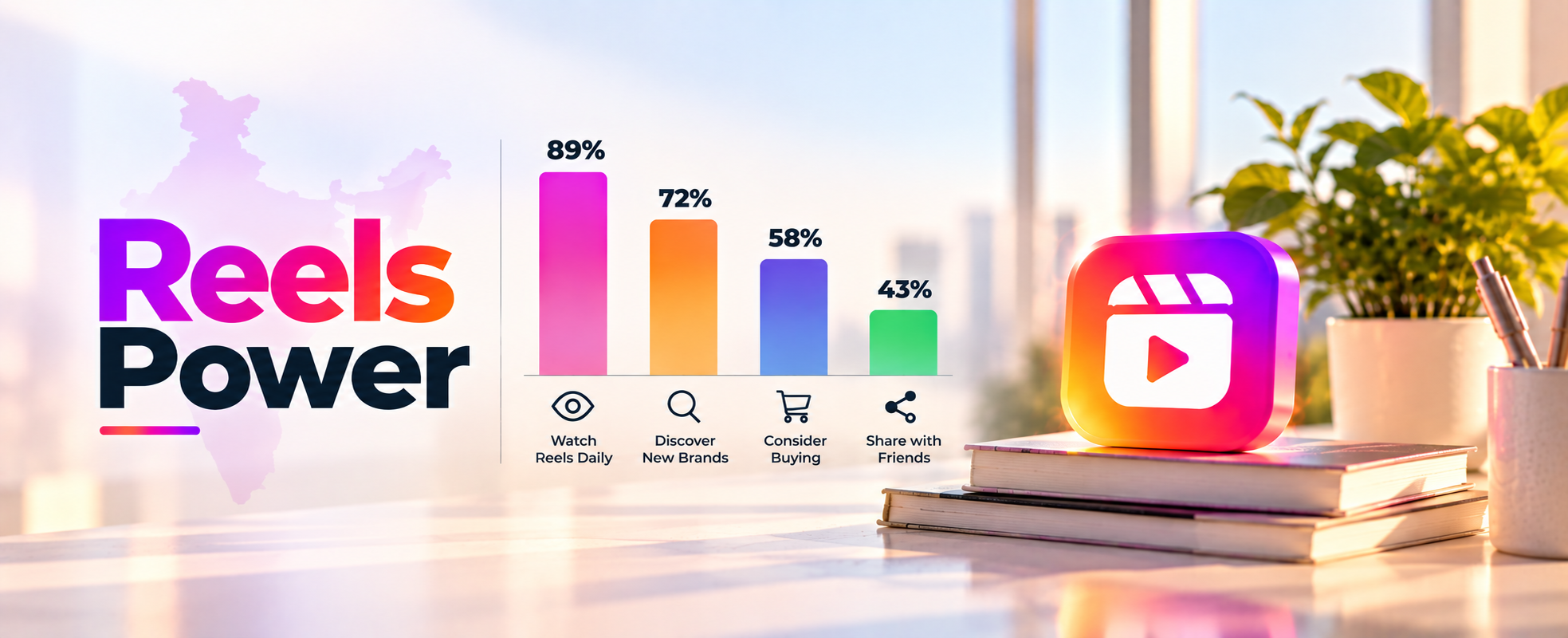
A Meta-commissioned Ipsos study found that 89% of Gen Z respondents in India use Instagram Reels every single day, spanning metro cities, Tier 2, and Tier 3 locations alike. With India already home to over 550 million Instagram users, the largest user base globally, brands ignoring Reels are missing the single biggest attention channel in the country today.
Why This Statistic Should Change Your Marketing Strategy
This isn’t a casual engagement number—it’s near-universal daily habit formation among India’s largest consumer demographic. Gen Z, born roughly between 1997 and 2012, represents India’s most digitally native generation, and their attention has consolidated almost entirely around short-form video.
The research also found daily Reels engagement reaching 85% among women and 88% among NCCS A audiences (India’s highest socioeconomic classification), suggesting this behavior spans gender and income levels rather than being confined to a narrow segment.
What Makes This Data Significant:
- Near-universal daily usage indicates habit, not passing trend behavior
- Consistent engagement across metro, Tier 2, and Tier 3 markets nationwide
- High engagement across both gender and socioeconomic demographics
- India represents Instagram’s single largest Reels user base globally
Understanding Where Your Audience Actually Is
Many businesses still allocate marketing budgets based on outdated assumptions about where young Indian consumers spend time online. Static posts, lengthy YouTube videos, and traditional display ads increasingly fail to capture attention that has fundamentally shifted toward quick, scrollable, algorithm-driven content.
Instagram Reels now account for 50% of total time spent on the platform, according to recent data, meaning half of all Instagram usage in India happens specifically within this format. Brands treating Reels as a secondary content type rather than a primary channel are fundamentally misreading the market.
Signs Your Brand Isn’t Meeting Gen Z Where They Are:
- Your content strategy prioritizes static posts over short-form video
- Reels appear inconsistently rather than as a core weekly content pillar
- Your team treats Reels as promotional rather than entertainment-first content
- You’re measuring success through likes rather than shares, saves, and watch time
How Successful Brands Are Winning With Reels In India
Battlegrounds Mobile India partnered with cricketer Hardik Pandya on a Reel that crossed 4 million likes by blending entertainment and celebrity appeal instead of direct product promotion.
Hilton Hotels partnered with Deepika Padukone on a Reel that hit 1.9 billion views, proving even formal industries can win big through creator storytelling.
Canva India‘s Reel showcasing its editing features crossed 1.2 billion views, showing that even software brands can go viral with simple product demos.
Tata Sky’s influencer-led “Khidki Anthem” campaign generated 7.83 million views and 9.02 million engagements through nostalgic, relatable storytelling.
KFC India‘s “Fried Chicken Day” Reels turned a single seasonal moment into a recurring, community-driven content format.
What These Successful Brands Share:
- Partnership with recognizable creators, celebrities, or influencer ensembles audiences already trust
- Content that entertains first, with brand messaging woven in naturally
- Cultural relevance tailored specifically to Indian audience sensibilities
- Consistent posting rather than sporadic, campaign-only Reels activity
- Ability to turn a single campaign moment into a recurring content format
What Smart Brands Should Do Right Now
Capturing this audience requires more than occasionally posting a Reel—it demands a dedicated content strategy built around the platform’s specific mechanics, audience expectations, and algorithmic preferences.
Reels between 30 and 60 seconds produce the strongest reach benchmarks, according to platform data, while shorter Reels under 90 seconds receive priority distribution to non-followers. Understanding these technical nuances separates brands generating real reach from those posting into silence.
Practical Steps to Capture This Audience:
- Post Reels consistently, ideally every 2-3 days, not just during campaigns
- Prioritize entertainment value and storytelling over direct product promotion
- Partner with micro or macro-influencers relevant to your specific industry
- Optimize video length between 30-60 seconds for maximum reach potential
- Use trending audio and formats while maintaining authentic brand voice
The Cost of Ignoring This Shift
Businesses continuing to treat Instagram as primarily a static image platform risk becoming invisible to India’s largest emerging consumer segment. Gen Z’s purchasing power continues growing as they enter the workforce, and their brand discovery increasingly happens through Reels rather than traditional advertising or search.
Reels are reshared over 4.5 billion times daily across Meta platforms, meaning strong content doesn’t just reach your existing followers—it spreads organically through shares, dramatically extending reach beyond paid advertising budgets alone.
What Brands Risk by Delaying Action:
- Losing discovery opportunities to competitors already active on Reels
- Missing organic reach through the platform’s primary sharing mechanism
- Appearing outdated to a generation that expects video-first brand presence
- Ceding creator partnership opportunities to faster-moving competitors
The Algorithm Factor Most Brands Overlook
Instagram’s algorithm has shifted significantly toward rewarding fresh, timely content over evergreen posts. Same-day posts now make up over 30% of recommended Reels, double what it was just a year ago, meaning posting cadence and timing matter more than ever for organic reach.
Brands still batch-scheduling content weeks in advance often miss this shift entirely, publishing Reels that feel disconnected from current trends, conversations, or cultural moments happening in real-time across India.
What This Algorithm Shift Means for Your Strategy:
- Same-day, trend-responsive content receives significant distribution advantages
- Batch-scheduled content weeks ahead often underperforms fresher alternatives
- Monitoring trending audio and topics daily becomes a competitive necessity
- Brands need agile content teams, not just long-term content calendars
Follow these essential steps to start capturing India’s Gen Z audience through Reels this month.
- Audit your current content mix to identify your existing Reels-to-static ratio
- Identify 3-5 relevant micro-influencers within your industry for potential partnerships
- Create a content calendar prioritizing Reels at least 3 times weekly
- Study trending audio and formats relevant to your target audience segment
- Test entertainment-first content before pivoting toward product-focused messaging
- Track saves, shares, and watch time as primary success metrics, not just likes
Conclusion
The data is unambiguous: India’s Gen Z has made Reels a daily habit, not an occasional activity. With 89% daily engagement spanning genders, income levels, and geographic locations, this represents one of the most concentrated attention opportunities in Indian digital marketing today.
Brands like Battlegrounds Mobile India and Hilton Hotels prove that thoughtful, culturally relevant Reels content can achieve massive reach regardless of industry. The question isn’t whether your brand should be creating Reels—it’s whether you’re doing it strategically enough to compete for attention that’s already there, waiting to be captured.
Your next customer is scrolling Reels right now. The only question is whether your brand shows up in their feed.
Bigpage can help you to grow your business digitally through well-defined website content, building an NGO Website, Dynamic website for you to enhance your online presence and get more clients through various Facebook, Instagram Ads
The post 89% of India’s Gen Z Watches Reels Daily: Is Your Brand Showing Up? appeared first on Local Web Design & Digital Marketing Company in India.
]]>The Shopping Cart Has Moved To Your Feed
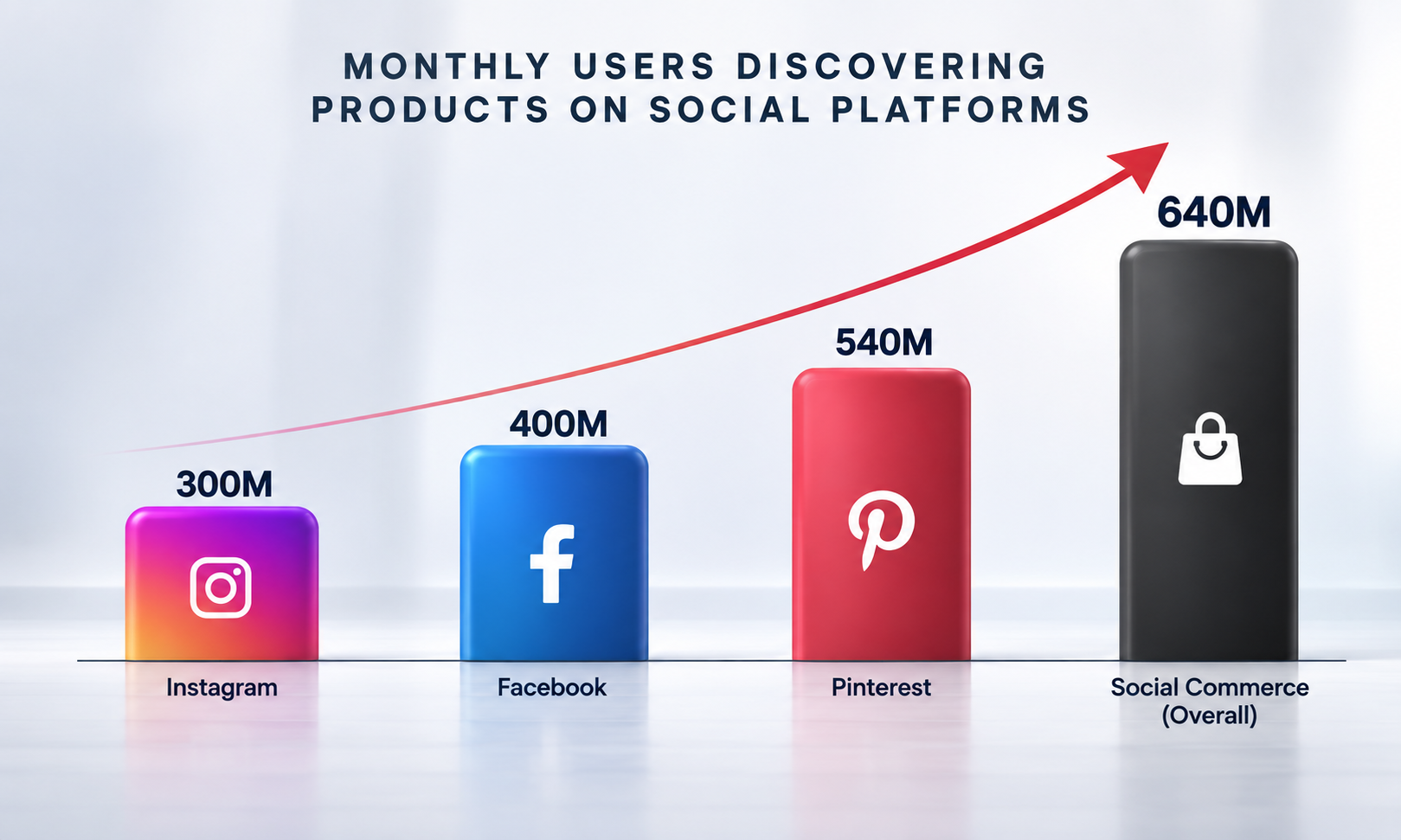
Instagram Shopping and Meesho’s reseller-driven social commerce model have transformed how Indian consumers discover and purchase products, with social commerce in India projected to reach $16-20 billion by 2025, according to industry estimates. This isn’t a niche trend anymore—it’s a fundamental shift in how customers browse, evaluate, and buy, happening entirely within the apps they already scroll daily.
What Social Commerce Actually Means For Your Business
Social commerce eliminates the gap between discovering a product and buying it. Instead of seeing an ad, clicking through to a website, and navigating checkout, customers now complete entire purchases without ever leaving Instagram or WhatsApp Business. This compressed journey fundamentally changes how businesses need to think about their sales funnel.
Traditional e-commerce required multiple steps: awareness, website visit, browsing, cart addition, and checkout. Social commerce collapses this into seconds, capitalizing on impulse and immediate desire rather than deliberate research.
Why This Shift Matters Now:
- Purchase decisions happen faster, often within the same scrolling session
- Product discovery and checkout exist on the same platform simultaneously
- Younger consumers increasingly expect to buy without leaving social apps
- Businesses without social selling capability lose impulse purchase opportunities
The Numbers Proving This Shift Is Real
Social, influencer, and e-commerce channels now command 85% of working media budgets, according to recent marketing industry data, as brands chase where consumer attention and spending actually happen. This represents a dramatic reallocation away from traditional advertising toward platforms enabling direct purchase.
Meesho, India’s homegrown social commerce platform, has grown to serve over 140 million users, proving that social-first selling resonates deeply with Indian consumers, particularly in tier 2 and tier 3 cities where WhatsApp and Instagram-driven reselling networks thrive.
Key Statistics Driving This Trend:
- 85% of marketing budgets now target social, influencer, and e-commerce channels
- Meesho alone serves over 140 million users through social selling networks
- India’s social commerce market projected to reach $16-20 billion by 2025
- Instagram Shopping increasingly prioritizes in-app purchase completion over external links
Brands Winning The Social Commerce Game
Meesho built its entire business model around social commerce, empowering millions of resellers to sell products directly through WhatsApp and Instagram without needing a traditional website. This approach capitalizes on trust within personal networks, something traditional e-commerce struggles to replicate.
Beauty and fashion brands increasingly use Instagram Live shopping features, where hosts demonstrate products in real-time while viewers purchase instantly through on-screen prompts. This live commerce format combines entertainment with immediate purchasing opportunity, driving strong engagement across Indian audiences.
What Successful Social Commerce Brands Do:
- Tag products directly within organic and paid social content consistently
- Use Instagram Live shopping events to demonstrate products in real-time
- Partner with creators who can showcase products authentically in context
- Optimize WhatsApp Business catalogs for quick, frictionless purchasing
Why Traditional E-Commerce Alone Isn't Enough Anymore
Having a website remains essential, but treating it as your only sales channel means missing where actual purchase decisions increasingly happen. Customers researching products often complete their entire journey on Instagram or through WhatsApp conversations, never generating the website traffic your analytics would show.
This doesn’t mean abandoning your website—it means recognizing that social platforms have evolved from awareness tools into complete sales channels requiring dedicated strategy, content, and checkout optimization specifically designed for in-app behavior.
The Gap Traditional E-commerce Creates:
- Missing impulse purchases that happen during social media scrolling sessions
- Losing customers who won’t complete the extra step of visiting external websites
- Failing to capture live shopping revenue happening on Instagram
- Underutilizing product tagging features that reduce purchase friction significantly
Building Your Social Commerce Strategy
Businesses transitioning successfully into social commerce start by identifying which platforms their specific audience uses for purchase decisions, then building dedicated content and selling strategies for those channels rather than treating social media as purely promotional.
This requires rethinking content creation entirely. Instead of driving traffic elsewhere, successful social commerce content guides viewers directly toward purchase within the same experience, using features like shoppable posts, live selling events, and WhatsApp catalog integration strategically.
Steps to Build Effective Social Commerce Presence:
- Enable shopping features on Instagram and Facebook business accounts
- Create content specifically designed for in-app purchase completion
- Set up a WhatsApp Business catalog for direct, conversational selling
- Test live shopping events for product launches or seasonal promotions
What's Next For Social Commerce In India
Social commerce in India is still evolving rapidly, with platforms continuously adding features that reduce friction between discovery and purchase. Voice-based shopping through regional languages, AI-powered product recommendations within chat apps, and expanded WhatsApp catalog capabilities are expected to accelerate adoption further, especially among first-time internet shoppers in smaller cities.
Brands that establish strong social commerce foundations now will have a significant advantage as these platforms mature, similar to how early Meesho resellers built loyal customer bases before competition intensified.
Emerging Trends to Watch:
- Voice and regional language shopping features expanding across platforms
- AI-driven personalized product recommendations within chat-based selling
- Increased integration between Instagram, WhatsApp, and payment gateways
- Growing preference for vernacular content driving purchase decisions
Start capturing social commerce revenue with these practical steps this month.
- Audit which social platforms your target customers use most for shopping
- Enable native shopping features across your active social media accounts
- Create product-tagged content showcasing items in authentic, real-life use
- Test one live shopping event to gauge audience response and conversion
- Partner with a micro-influencer for authentic product demonstration content
- Track social commerce sales separately from website analytics for clarity
Conclusion
The shift from traditional e-commerce to social commerce isn’t a temporary trend—it reflects fundamental changes in how consumers, particularly younger demographics, prefer to discover and purchase products. Brands like Gymshark prove that meeting customers where they already scroll generates real revenue, not just engagement metrics.
Your website remains important for brand credibility and detailed product information, but limiting sales exclusively to your website means missing where purchase decisions increasingly happen. The businesses thriving in 2026 aren’t choosing between social commerce and traditional e-commerce—they’re building both, capturing customers wherever they’re ready to buy.
Scroll, click, buy isn’t just a consumer behavior shift. It’s your next revenue channel, waiting to be built
Bigpage can help you to grow your business digitally through well-defined website content, building an NGO Website, Dynamic website for you to enhance your online presence and get more clients through various Facebook, Instagram Ads
The post Scroll, Click, Buy: Why Social Commerce Is Eating Traditional E-Commerce appeared first on Local Web Design & Digital Marketing Company in India.
]]>You’re Building on Someone Else’s Foundation
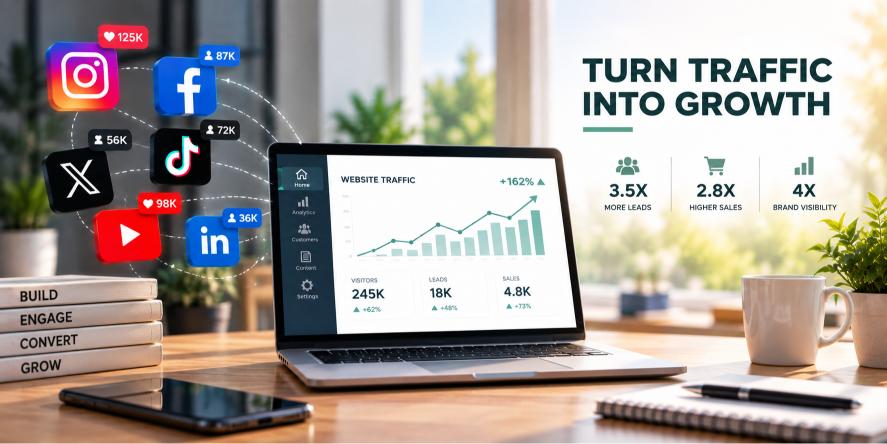
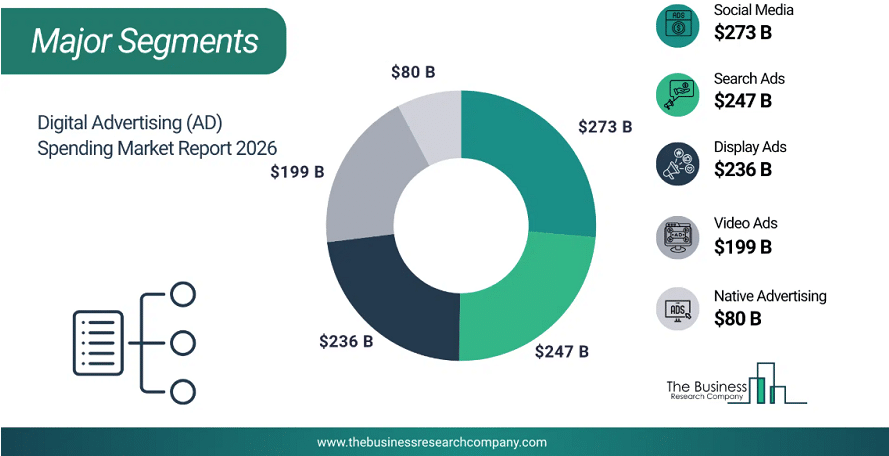
Businesses collectively spend $268 billion annually on social media marketing, yet 100% of that investment sits on platforms they don’t control. When X ended its Revenue Sharing program on September 7, 2026, thousands of businesses lost income overnight—a stark reminder that rented digital space comes with hidden risks. This raises a critical question every business owner must confront: are you building a lasting digital asset, or simply renting space you could lose tomorrow?
The Ownership Question Every Business Must Ask
Before diving into strategy, businesses need to understand a fundamental distinction: what you own versus what you merely access. Your Instagram followers, Facebook page, and TikTok audience exist on infrastructure entirely controlled by someone else, subject to change without your consent or notice.
This isn’t about abandoning social media—it’s about understanding what you’re actually building when you invest time and money into these platforms versus your own digital property.
The Core Difference Explained:
- Websites are digital real estate you fully own and control
- Social media accounts are rented space subject to platform rules
- Algorithm changes can eliminate your reach overnight without warning
- Platform shutdowns or policy shifts can erase years of built audience
Why Social Media Is Fundamentally A Rental Agreement
Social media platforms operate exactly like landlords—they set the rules, change them whenever profitable, and can terminate your access entirely. Facebook’s organic reach for business pages has declined to just 1.9% of followers, forcing businesses into constant paid advertising to reach audiences they supposedly already built.
X’s September 2026 decision to end Revenue Sharing affected thousands of creators and businesses instantly, with final payouts arriving just days after announcement. This wasn’t unprecedented—platforms regularly shift monetization policies, algorithm priorities, and access rules based on their business needs, not yours.
Signs You’re Renting, Not Owning:
- Your reach depends entirely on algorithm decisions you can’t influence
- Platform policy changes can instantly affect your revenue or visibility
- You cannot export your audience relationships if the platform disappears
- Terms of service can change without requiring your explicit agreement
- Your content exists at the platform’s discretion, not your permanent property
Your Website: The Digital Asset You Actually Own
Unlike social media, your website represents genuine ownership. You control the domain, the hosting, the design, and every piece of data collected through it. No algorithm update can suddenly hide your website from visitors who already know your URL.
E-commerce brand Glossier built their empire initially through Instagram, but strategically shifted toward owned email lists and website traffic as their primary growth engine. This decision protected them when Instagram’s organic reach declined significantly, ensuring their revenue didn’t depend entirely on platform mood swings.
What True Digital Ownership Provides:
- Complete control over user experience and data collection
- No algorithm determining who sees your content or offers
- Permanent digital presence unaffected by platform policy changes
- Direct customer relationships through email lists you fully own
Companies Successfully Balancing Both Strategies
HubSpot built their marketing empire by using social media for discovery while directing all serious engagement toward their owned website and blog. Their strategy treats social platforms as top-of-funnel awareness tools, not the final destination for customer relationships.
Duolingo dominates TikTok with over 15 million followers, yet their actual product, customer accounts, and revenue generation happen entirely on their owned app and website. TikTok serves as their marketing megaphone, not their business foundation.
Athletic apparel brand Gymshark achieved a $1.4 billion valuation by using Instagram and YouTube for brand awareness while building robust email marketing and website optimization as their conversion engine, reducing dependency on any single platform’s algorithm.
What These Successful Companies Share:
- Use social media strategically for discovery, not as their only channel
- Invest heavily in owned website experience and functionality
- Build email lists aggressively as backup communication channels
- Treat platform algorithms as temporary tools, not permanent strategy
The Real Cost Of Platform Dependency
Businesses relying entirely on social media often underestimate the financial risk until a crisis hits. A single algorithm update, policy change, or account suspension can erase years of built audience and revenue within hours, with no appeals process guaranteeing restoration.
E-commerce brands report losing 60-70% of organic reach overnight following major algorithm updates, forcing sudden increases in ad spend just to maintain previous visibility levels. This hidden cost rarely appears in marketing budgets until it’s too late.
Real Risks Businesses Face:
- Sudden account suspensions with little explanation or recourse available
- Algorithm changes reducing organic reach without warning or compensation
- Platform shutdowns eliminating years of audience-building instantly
- Policy shifts changing monetization rules affecting revenue overnight
- Increased advertising costs required to maintain previous organic visibility
Building Your Balanced Digital Strategy
Smart businesses don’t choose between social media and websites—they use each strategically according to their strengths. Social platforms excel at discovery and brand awareness, while websites excel at conversion, retention, and long-term asset building.
The businesses thriving today treat social media as their marketing department’s megaphone while treating their website as their actual business headquarters, where real transactions and relationships develop into lasting revenue.
Steps to Build This Balance:
- Use social media consistently for brand awareness and discovery
- Direct all serious traffic toward your owned website experience
- Build email lists aggressively as your platform-independent asset
- Invest in SEO ensuring long-term organic traffic growth
Follow these essential steps to reduce risk and build genuine digital ownership today.
- Audit how much revenue currently depends on single social platforms
- Invest in professional website development as your digital foundation
- Start building an email list independent of social media algorithms
- Diversify traffic sources instead of relying on one platform entirely
- Implement SEO strategies generating sustainable, long-term organic visibility
- Treat social media as marketing, not your entire business infrastructure
Conclusion
Social media isn’t inherently bad—it’s simply rented space requiring careful strategy rather than blind dependency. Companies like HubSpot, Duolingo, and Gymshark prove that combining strategic social media use with strong website ownership creates sustainable, resilient businesses.
Your website remains yours regardless of algorithm updates, policy changes, or platform shutdowns. Building your business primarily on rented digital land leaves you vulnerable to decisions entirely outside your control.
The smartest businesses aren’t choosing between renting and owning—they’re using rented space wisely while investing seriously in the digital property they’ll always control.
Bigpage can help you to grow your business digitally through well-defined website content, building an NGO Website, Dynamic website for you to enhance your online presence and get more clients through various Facebook, Instagram Ads
The post Renting Vs. Owning: The Difference Between Social Media And Your Website appeared first on Local Web Design & Digital Marketing Company in India.
]]>Google Just Automated Your Advertising Without Asking
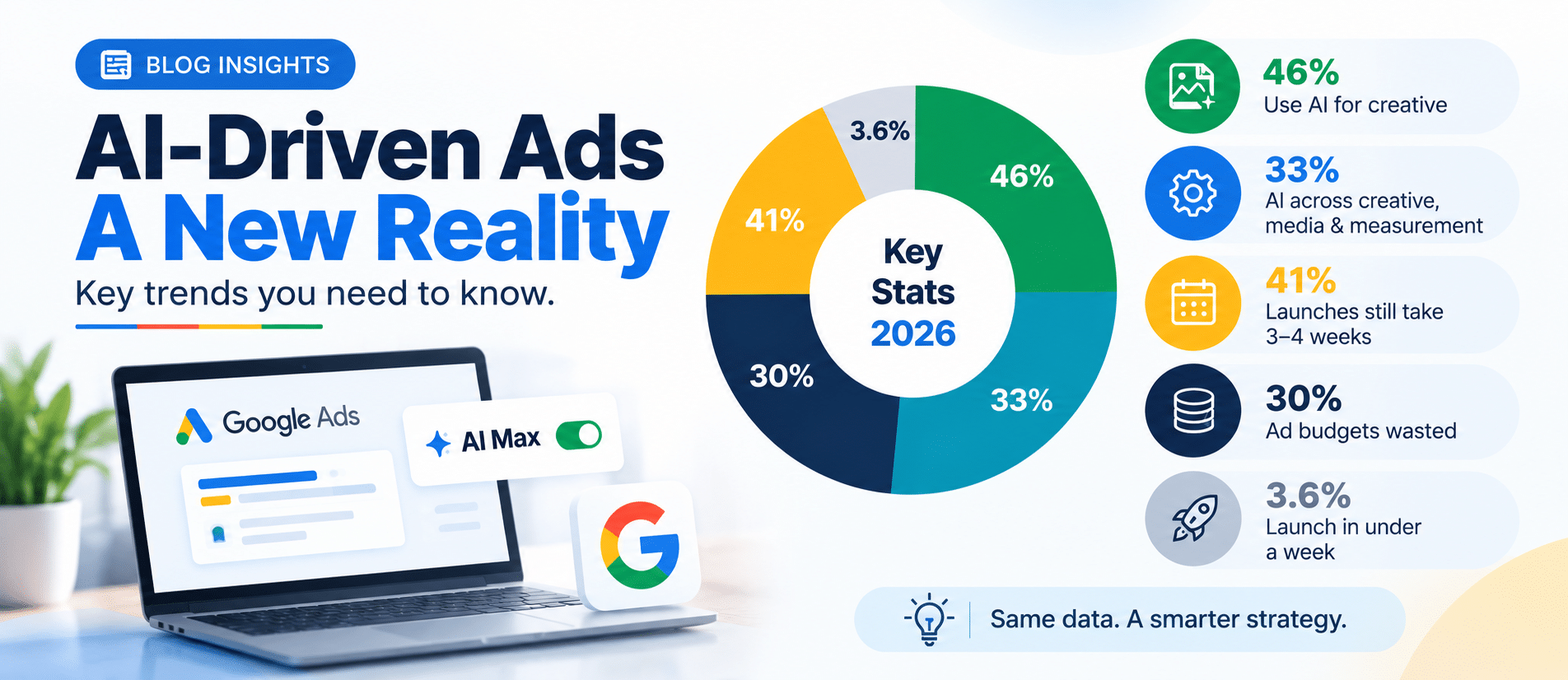
Google began automatically migrating campaign-level Broad Match and legacy Automatically Created Assets campaigns to AI Max starting September 1, 2026. Microsoft followed with its own AI Max, enabled by default for New Search campaigns. According to Smartly’s 2026 report, 46% of marketers now use AI to scale creative production, while 33% apply it across creative, media, and measurement simultaneously
What Is Google’s Ai Max And Why It Matters Now
AI Max represents Google’s most aggressive automation push yet, combining machine learning across targeting, bidding, and creative generation into a single automated system. Unlike previous updates requiring manual opt-in, this migration happens automatically, shifting campaign-level Broad Match and legacy Automatically Created Assets campaigns without advertiser action.
This matters because most small businesses don’t actively fight platform defaults—they inherit them. Once AI Max takes over, your campaign structure, targeting logic, and creative testing all shift toward Google’s automated recommendations, whether you actively chose this approach or not.
Key Facts About the AI Max Rollout:
- Automatic migration began September 1, 2026, globally
- Microsoft enabled its own AI Max by default for new Search campaigns
- No manual approval required before migration takes effect
- Rollout continues progressively across accounts through 2026
The Statistics Behind This Automation Shift
The push toward automated advertising didn’t happen overnight. A 2026 Digital Advertising Trends Report reveals 46% of marketers now use AI to scale creative production, while 33% apply AI across creative, media buying, and performance measurement simultaneously.
Yet automation hasn’t solved every problem. The same report found 41% of marketers say campaign launches still take three to four weeks, while only 3.6% can launch campaigns in under a week. This gap between automation’s promise and operational reality creates real friction for businesses adapting to AI Max.
Numbers Every Advertiser Should Know:
- 46% of marketers use AI to scale creative content
- 33% apply AI across creative, media, and measurement
- Up to 30% of ad budgets reportedly wasted currently
- 41% report 3-4 week campaign launch timelines
- Only 3.6% achieve under one-week campaign launches
How Successful Companies Are Adapting Their Strategy
Large advertisers didn’t wait for automatic migration to embrace AI-driven campaign structures. Home goods retailer Wayfair has publicly documented using Google’s Performance Max campaigns—the predecessor to AI Max—to consolidate targeting across Search, Display, and Shopping, reporting improved return on ad spend through automated bidding strategies.
Beauty retailer Sephora similarly adopted automated Google campaign structures early, using machine learning to identify high-value customer segments across multiple channels simultaneously rather than managing separate manual campaigns.
What Smart Advertisers Do Differently:
- Test AI automation on smaller budget segments before full commitment
- Maintain strong first-party data feeding automated systems better signals
- Create diverse ad assets giving AI more creative options to test
- Set clear conversion definitions rather than accepting default settings
- Review automated recommendations weekly instead of fully hands-off management
Agencies managing multiple client accounts report that businesses actively feeding quality creative assets and clear conversion goals into automated systems consistently outperform those passively accepting default migration settings.
Why Speed-To-Launch Now Matters More Than Ever
The businesses gaining the most from AI Max are the ones who can move fast enough to actually test and adjust it. With most teams still taking three to four weeks to launch campaigns, the 3.6% who can launch in under a week hold a significant competitive advantage—they can iterate, measure, and correct AI Max’s decisions before wasted spend accumulates.
This speed gap is becoming a genuine competitive differentiator. Businesses relying on external agencies or slow internal approval processes risk losing budget to automation drift for weeks before anyone notices the shift in performance.
Ways to Shorten Your Campaign Response Time:
- Pre-approve creative templates so new assets launch without delay
- Assign one team member to monitor AI Max changes daily
- Set automated alerts for significant budget or targeting shifts
- Use dashboard tools that flag AI-driven changes in real time
The Pros Of Ai Max Automation
Automated advertising isn’t inherently negative—it solves real operational challenges that manual campaign management struggles with, particularly around scale and speed.
Advantages Businesses Are Experiencing:
- Faster campaign optimization through continuous machine learning adjustments
- Reduced manual workload for teams managing multiple ad accounts
- Better performance across underutilized placements humans typically miss
- Consistent bid optimization happening in real-time, not periodic reviews
- Access to Google’s broader data signals improving targeting accuracy
The Cons And Concerns Business Owners Should Know
However, automatic migration without explicit consent raises legitimate concerns, particularly around control, transparency, and budget allocation that businesses previously managed directly.
Challenges and Risks to Consider:
- Reduced visibility into exactly where and how budget gets spent
- Less granular control over specific targeting and placement decisions
- Difficulty replicating previous campaign structures if automation underperforms
- Potential budget waste if conversion tracking isn’t properly configured
- Dependency on Google’s algorithm without clear override options
Marketing consultants increasingly recommend businesses redefine what counts as a genuine conversion before migration completes, ensuring AI Max optimizes toward metrics that actually matter for revenue, not vanity engagement numbers.
Take these essential actions today to protect your ad spend from unchecked automation.
- Check your Google Ads account for automatic AI Max migration notices
- Review current conversion tracking to confirm it reflects real business goals
- Set manual budget caps on campaigns before AI Max expands targeting further
- Compare performance metrics from before and after the September migration
- Create clear creative guidelines to prevent off-brand AI-generated ad variations
- Schedule weekly account audits until you understand AI Max’s full impact
Conclusion
Google’s AI Max rollout isn’t optional, and ignoring it won’t protect your budget. The businesses thriving through this transition aren’t fighting automation entirely—they’re building oversight systems that let AI handle scale while humans handle strategy and judgment.Whether AI Max helps or hurts your campaigns depends entirely on how quickly you can audit, adjust, and align it with your actual business goals. The 30% budget waste statistic isn’t inevitable; it’s what happens when businesses let automation run without appropriate guardrails.
Your ad campaigns are already changing. The question is whether you’re steering that change or simply watching it happen.
Bigpage can help you to grow your business digitally through well-defined website content, building an NGO Website, Dynamic website for you to enhance your online presence and get more clients through various Facebook, Instagram Ads
The post Google Rolls Out AI Max: Automatic Ad Migration Worldwide appeared first on Local Web Design & Digital Marketing Company in India.
]]>Rethinking Ad Spend: How Smaller Budgets Are Beating Bigger Ones in 2026
For years, advertisers assumed that bigger budgets automatically meant bigger results. Whoever spent the most on Google or Meta ads won the most attention. But 2026 has flipped that equation. Marketers using AI across their campaigns now report an average 70% increase in ROI, proof that smart execution is starting to outweigh sheer spending power. With AI tools now closing the production gap between large and small advertisers, and audiences growing numb to generic, overproduced ads, sharp creative is proving to be a far stronger growth lever than raw ad spend. Businesses that once needed six-figure budgets to compete are now winning attention — and customers — with smaller budgets and smarter ideas.
The Creative Challenge for Small Businesses
The data backs this shift up clearly. Marketers are discovering that how an ad is made now matters more than how much was spent making it.
- The pattern looks the same across every channel: brands that once needed massive budgets to stand out are now being outperformed by leaner competitors with sharper ideas
- This isn’t a temporary trend driven by a single platform update — it’s a structural shift in how attention is earned online
- AI tools are largely powering this shift, making high-quality creative production accessible to businesses of any size
- The five shifts below explain exactly why this is happening, and how brands both large and small are adapting to it.
Together, these shifts point to a simple truth: budget size no longer decides who wins attention online. The businesses that adapt fastest to this creative-first approach are the ones set to gain the most ground in 2026.
AI Is Closing the Budget Gap Between Big and Small Brands
Small businesses are no longer priced out of high-quality creative. AI copywriting and design tools have made professional-grade ad production accessible to anyone with a laptop.
- 59% of small businesses now use AI in their marketing, and those that do are 5.7 times more likely to report stronger results.
- AI copywriting tools improve click-through rates by 38% and reduce cost-per-click by 32%.
- AI-powered bid management cuts wasted ad spend by 37% while lifting ROI by 50%.
- Marketers using AI across their campaigns report an average 70% increase in ROI.
This means a small business with a modest budget and the right AI-assisted creative workflow can now produce ads that rival what only enterprise teams could afford a few years ago.
Storytelling Beats Spending
Ads built around a story or emotional hook consistently outperform straightforward product pitches, regardless of budget size.
- Ads with storytelling elements see an 85% higher recall rate than standard ads.
- Landing pages featuring video convert 53% better than those without.
- Dynamic, personalized creative boosts click-through rates by 32%.
Attention is the real currency in advertising now, and a well-told story earns it far more reliably than a bigger media spend does.
Volume and Variation Matter More Than Size
A 2026 analysis of $1.3 billion in ad spend across Facebook and Instagram found that only around 5% of ads ever become genuine “winners” — meaning they significantly outperform the account average. What separates winning accounts isn’t the size of their budget; it’s how many creative variations they test.
- Enterprise-level accounts allocate 64% of spend to their top-performing ads, while smaller accounts allocate just 23% — showing that smaller advertisers have real room to close the gap simply by testing more.
- Larger accounts often ship 2–3 times more ad variations per week than smaller ones — not because of bigger budgets, but because of better creative process.
This means small businesses don’t need to outspend competitors. They need to out-experiment them.
Cross-Channel, AI-Optimized Creative Wins
Businesses that adapt one strong creative idea across multiple channels — rather than spreading a big budget thin across generic ads — are seeing measurably better results.
- Cross-channel campaigns improve ROI by 42% compared to single-channel efforts.
- 64% of advertisers plan to increase their AI-driven ad investment in 2026, signalling where the industry is placing its bets.
Real Brands Are Proving It Works
This isn’t just theory — some of the most famous marketing wins in the last decade came from tiny budgets and bold creative choices, not big media spends.
- Dollar Shave Club launched with a single YouTube video that cost just $4,500 to produce. It brought in 12,000 orders within 48 hours, crashed the company’s servers, and helped the brand grow into a $1 billion acquisition by Unilever within four years — all built on one witty, low-budget video rather than a big-budget campaign.
- Liquid Death built its entire brand identity around irreverent, low-cost social content and guerrilla-style creative instead of traditional beverage-industry ad spend, growing into a business valued in the hundreds of millions.
- Ryanair consistently uses witty, low-production social posts instead of polished, expensive campaigns, generating massive organic engagement at a fraction of typical airline ad budgets.
The common thread across all three: the idea did the heavy lifting, not the budget.
Quick Checklist to Make Creative Your Biggest Advertising Advantage
Building a creative-first ad strategy doesn’t require a big team or budget — just the right approach.
- Use AI tools to generate and test multiple ad variations quickly
- Prioritize storytelling and humor over polished, generic visuals
- Ship more creative variations weekly instead of fewer “perfect” ones
- Repurpose one strong idea across multiple channels instead of creating separate campaigns
- Track which creative elements (hooks, visuals, tone) drive real engagement
- Let data — not assumptions — decide which ads get more budget
Conclusion
The old rule of digital advertising — spend more to get more — no longer holds up in 2026. AI has levelled the production playing field, audiences reward authenticity and storytelling over polish, and the brands winning today are the ones testing more ideas rather than writing bigger checks. For businesses working with lean budgets, this is good news: the opportunity to compete with much larger players has never been more real. The strategy is simple — invest in sharper creative, test it relentlessly, and let the idea, not the invoice, do the winning.
Bigpage can help you to grow your business digitally through well-defined website content, building an NGO Website, Dynamic website for you to enhance your online presence and get more clients through various Facebook, Instagram Ads
The post Great Creative, Smaller Budget: The New Rules of Digital Advertising appeared first on Local Web Design & Digital Marketing Company in India.
]]>Digital marketing is no longer a “nice to have” skill — it’s the backbone of how brands sell, grow, and survive online. Industry estimates put global social media ad spend well above $250 billion in 2026 alone, with some forecasts placing it closer to $300 billion as budgets keep shifting away from traditional media. In India specifically, the digital advertising market has been projected to cross ₹59,000 crore, and digital marketing job postings have grown roughly 30% in just the last two years. Yet most beginners get stuck learning only half the picture: they either master content creation or they master ads, rarely both. And that gap is exactly why so many “certified” marketers struggle to land real jobs or run real campaigns.
If you’ve been Googling course options, you’ve probably noticed two terms everywhere: Social Media Marketing (SMM) and Performance Marketing. They sound similar but serve very different purposes — and understanding how they connect is the difference between knowing marketing theory and actually being able to grow a business. This blog breaks both down, explains how they work together, and looks at what a practical, agency-style training program (like the one from Bigpage.in) actually teaches you.
What Is Social Media Marketing?
Social Media Marketing is the process of building a brand’s presence, voice, and community on platforms like Instagram, Facebook, and LinkedIn. It’s less about instant sales and more about visibility, trust, and long-term engagement. Video content in particular has become the strongest organic performer: short-form video ads reportedly generate roughly 48% higher engagement than static posts, and around 89% of businesses now use social video as a core part of their growth strategy.
Core components of SMM include:
- Profile optimization – setting up business pages correctly for credibility and discoverability
- Content strategy – planning posts, reels, and captions around a consistent theme
- Design creatives – using tools like Canva to produce scroll-stopping visuals
- Community engagement – responding to comments, DMs, and reviews to build trust
- Analytics tracking – reviewing reach, impressions, and engagement rate to refine strategy
What Is Performance Marketing?
Performance marketing flips the approach. Instead of building slow, organic trust, it’s about running paid campaigns where results — clicks, leads, sales — are measured and paid for directly. Every rupee spent is tied to a trackable outcome, which is why businesses of every size, from local shops to global brands, rely on it for predictable growth. On average, Facebook campaigns convert at around 9.2% across industries, and short-form video ads typically return about 1.6 times more than static image ads — numbers that show why paid strategy needs to be data-led, not guesswork.
Key elements of performance marketing include:
- Paid ad campaigns – running ads on Meta, Google Search, and YouTube
- Audience targeting – using custom and lookalike audiences to reach the right buyers
- Conversion tracking – installing pixels and events to measure what’s actually working
- Budget optimization – testing and adjusting spend based on real performance data
- Campaign formats – Search, Per
How Social Media Marketing and Performance Marketing Work Together
SMM and performance marketing aren’t competitors — they’re two stages of the same funnel. Organic social content builds awareness and trust, while paid campaigns convert that attention into leads and sales faster. A business running only organic content often grows slowly, while one running only ads without a credible profile behind it usually sees weaker conversion rates, because potential customers check a brand’s page before buying.
This is why nearly every serious marketing role today expects familiarity with both sides:
- A strong organic profile improves ad quality scores and lowers cost-per-click
- Paid campaigns generate data that improves future organic content decisions
- Retargeting ads work best on audiences who’ve already engaged organically
- Combined strategies typically outperform single-channel efforts on ROI
- Employers increasingly hire “full-funnel” marketers instead of single-skill specialists
Career Scope and Industry Demand
Digital ad budgets have been climbing steadily every year, and businesses are shifting spend away from traditional media toward Meta, Google, and YouTube because results are measurable in real time. In India, digital marketing job postings have grown by roughly 30% over the past two years, with 25–30% annual growth predicted for the next five, and Performance Marketing Specialist consistently ranks among the most actively hired roles in the country. For someone entering the field, that translates into more openings, faster hiring cycles, and better negotiating power once you can show live campaign results instead of just a certificate.
- Growing ad budgets: Companies of every size are increasing their monthly spend on Meta and Google Ads
- Freelance demand: Small businesses often prefer hiring skilled freelancers over expensive full-service agencies
- In-house hiring: Startups and SMEs increasingly want one person who can manage both organic and paid channels
- Salary growth potential: Entry-level roles in India typically start around ₹2.5–4.5 LPA, with mid-level performance marketers earning ₹5–9 LPA and senior specialists commanding ₹10–18 LPA or more
- Remote-friendly roles: Most performance marketing jobs can be done fully remotely, widening opportunities beyond one city
What Students Actually Learn in a Practical Course
A well-structured program doesn’t just explain concepts — it puts you inside real ad accounts. Over a typical 20-class, two-level structure, learners move from setting up a brand presence to running live, budgeted ad campaigns with measurable outcomes, mirroring exactly how agencies operate for paying clients.
By the end, a student should be able to:
- Build and optimize a Facebook and Instagram business presence from scratch
- Design branded posters and short-form video ads independently
- Launch and manage targeted Meta ad campaigns with pixel tracking
- Set up a Google Business Profile and run Search, Performance Max, and YouTube ads
- Present a portfolio built on live campaigns rather than mock assignments
Why This Kind of Course Differs From a Typical Academy
Most institutes teach tools in isolation — a Canva session here, a Meta Ads demo there — without connecting them into a real workflow. Agencies, on the other hand, teach process: how a campaign actually moves from a blank ad account to measurable performance data, because that’s the only way client budgets get justified. Programs built by working agencies (rather than pure trainers) tend to reflect this difference directly in outcomes.
- Live accounts, not simulations: Students work inside real, active ad platforms
- Client-tested curriculum: Lessons come from campaigns run for 10,000+ businesses, not textbooks
- Full-funnel training: Design, targeting, and tracking are taught as one connected process
- Two deliverables, not certificates: Graduates leave with two working ad campaigns as proof of skill
- Industry exposure: Insight into how real budgets and real clients are managed day to day
Support After Completing the Course
Finishing the classes is only half the journey — what happens next matters just as much. A serious training provider stays involved after the final class, offering guidance on portfolio presentation, interview preparation, and connecting learners to opportunities where their live-campaign experience becomes a genuine hiring advantage. Since the curriculum mirrors actual agency work, graduates typically walk into interviews already speaking the language recruiters expect, rather than relearning it on the job.
Skills Snapshot: What You Walk Away With
Beyond the two-level structure, it helps to see the full skill stack in one place. This snapshot captures the tools and competencies covered across the entire program, from creative design to paid campaign optimization.
- Social Media Optimization: Structuring and growing Facebook and Instagram pages professionally
- Canva Design: Producing branded posters, reels, and video ads without outside designers
- Meta Business Suite: Managing pages, ad accounts, and permissions from one dashboard
- Meta Ads Manager: Building, targeting, and testing paid Facebook and Instagram campaigns
- Pixel & Events Tracking: Installing and troubleshooting conversion tracking on live websites
- Google Ads (Search & Performance Max): Running keyword-based and AI-assisted ad campaigns
- YouTube Ads: Launching video campaigns across skippable, non-skippable, and Shorts formats
Conclusion
Social media marketing and performance marketing aren’t two separate careers — they’re two halves of the same modern marketing skill set. Learning them together, inside real ad accounts rather than recorded tutorials, is what turns a beginner into someone who can actually be trusted with a client’s budget. If you’re serious about a career in digital marketing, look for a program that measures your progress in live campaigns and real data — not just completion certificates.
Bigpage can help you to grow your business digitally through well-defined website content, building an NGO Website, Dynamic website for you to enhance your online presence and get more clients through various Facebook, Instagram Ads
The post Social Media Marketing and Performance Marketing: Skills Every Marketer Needs in 2026 appeared first on Local Web Design & Digital Marketing Company in India.
]]>