That’s why diabetic-friendly frozen meals can make so much sense in summer. If you’re looking through MagicKitchen diabetic-friendly frozen meals, the best picks are balanced, portion-aware, simple to heat, and easy to digest. Start there, and dinner gets a lot less complicated.
What makes a summer frozen meal a smart choice for seniors with diabetes?
A good summer dinner should feel satisfying, not like a chore. For seniors with diabetes, that usually means food that is lighter in texture, sensible in portion size, and steady enough to fit a diabetic eating routine without a lot of guesswork.
Look for meals that feel light, not heavy
When it’s hot out, rich food can feel twice as heavy. Fried coatings, thick cream sauces, and oversized portions often sit hard, and they can leave you feeling worn out instead of fed.
Lighter meals usually work better. Think lean chicken, turkey, fish, softer vegetables, and simple starches in moderate amounts. The goal isn’t a skimpy plate. It’s a plate that doesn’t feel like a winter coat in August.
Choose balanced meals that support steady blood sugar
A summer meal for someone with diabetes should have a clear center. Protein helps the meal feel filling, vegetables add fiber and texture, and a controlled amount of rice, pasta, or another starch keeps the plate from tipping too far.
That’s why complete diabetic meals are often easier than building dinner from scratch. You can see the balance right in front of you. No guessing, no oversized side dish, no bread basket turning a light dinner into a long night.
Pick meals that reheat well without getting mushy
Texture matters more than people think. A frozen meal can have solid nutrition on paper and still miss the mark if it turns watery, rubbery, or bland after heating.
For seniors, the best reheated meals stay tender and appealing. Vegetables should be soft but not collapsed. Proteins should stay moist. Sauces should add flavor without turning the whole tray into soup. If the food looks and feels right, it’s easier to enjoy, and easier to finish.
10 summer frozen meal ideas from MagicKitchen that keep dinner easy and cool
Not every frozen dinner feels right in warm weather. The better MagicKitchen picks are the ones that taste clean, reheat neatly, and don’t ask much from a low summer appetite.
Balsamic Glazed Chicken with Roasted Potatoes & Green Beans for a simple, low-fuss dinner
Grilled chicken is hard to beat on a hot day. It has familiar flavor, lighter texture than fried chicken, and enough protein to keep dinner from feeling thin.
Pair that with vegetables, and the meal starts to make sense for summer. You get color, fiber, and a plate that feels fresh instead of weighed down. For seniors who want something dependable, this kind of dinner often lands in the sweet spot.
Beef Meatloaf with Mushroom Gravy, Mashed Potatoes, Carrots for comfort without feeling too heavy
Comfort food doesn’t have to mean heavy food. A turkey or chicken meatloaf can still bring that homey, baked-dinner feel, but in a softer and more portion-controlled form.
That matters for older adults who want easy chewing and steady appetite support. With a simple vegetable side, a lighter meatloaf meal can feel comforting without leaving that overfull, sleepy feeling that richer entrees often bring.
Fish or seafood meals for a cool, clean-tasting plate
Fish tends to feel easier in summer. The flavor is cleaner, the texture is lighter, and the meal often tastes better with mild seasoning than with a thick sauce.
One standout option is MagicKitchen’s lemon and dill salmon dinner. Lemon keeps the flavor bright, dill adds freshness, and the salmon-with-rice setup feels balanced instead of heavy. For many seniors, that’s exactly what an evening meal should do.
Chicken and rice bowls with controlled portions
A bowl-style dinner can be one of the easiest formats to eat. You can see the protein, the vegetables, and the rice in one place, and the plate feels organized instead of messy. Try
Chicken & Rice, Mushroom Sauce, Mozzarella Cheese, Broccoli and Carrots.
That kind of balance is helpful for seniors with diabetes. Chicken adds staying power, rice gives a modest starch portion, and vegetables round things out without making the meal too rich. It’s dinner without the drama.
Lean beef meals with vegetables for variety
Some nights, chicken again just won’t do. A lean beef meal can add variety and still work in summer if the sides stay simple and the sauce doesn’t take over. Try Beef Meatballs & Alfredo Shell Pasta, with Corn with Peppers & Green Beans
The trick is keeping the whole plate grounded. Beef with vegetables makes more sense on a warm evening than beef buried under gravy with a heavy starch. You still get a satisfying dinner, but it doesn’t feel like it belongs on a snow day.
Pasta-style meals with smaller carb portions
Yes, pasta can still fit. The issue isn’t pasta itself. It’s the giant serving and the heavy sauce that usually comes with it.
A diabetic-friendly frozen pasta meal works best when the portion is modest and the sauce is lighter, often tomato-based or paired with a good source of protein. That way, seniors can still enjoy a familiar favorite without turning a warm evening meal into something sluggish and hard to digest.
Soup and soup-plus-side meals for very hot days
When the weather is sticky and appetite drops, a full tray dinner can feel like too much. That’s where soup earns its place.
A lighter soup, or soup with a small side, can be a smart dinner for seniors who want comfort without fullness. It feels manageable. It reheats easily. On days when chewing feels tiring or hunger is lower than usual, that softer format can be a relief.
Vegetable-forward meals that still include enough protein
Summer meals often do better when vegetables lead the plate. They bring lightness, moisture, and a fresher feel that heavy casseroles can’t match.
Still, vegetables alone won’t hold dinner together for long. The strongest choices include enough protein, such as chicken, turkey, fish, or lean beef, to make the meal satisfying. Think of vegetables as the main mood of the plate, with protein giving it structure.
Soft-texture meals that are easier to chew and digest
Tender food often works better for seniors, especially in the evening. Tough cuts, crunchy coatings, and dry reheated meats can turn dinner into work.
Softer meals, like baked fish, moist chicken, tender vegetables, and lighter meatloaf, keep the experience easier. That’s not a small thing. If the texture is pleasant, the meal feels more inviting, and digestion usually feels a little calmer too.
Portion-controlled complete dinners that remove the guesswork
Sometimes the best feature isn’t the flavor. It’s the fact that the meal is already built for you. A complete diabetic-friendly dinner with a main dish and sides takes away the mental math.
MagicKitchen’s prepared frozen meals for diabetics are helpful for exactly that reason. Seniors don’t have to measure, caregivers don’t have to piece together a plate, and dinner stays simple. In summer, simple wins.
How to make these frozen dinners work even better for summer
A good frozen meal can do even more with a few small summer tweaks. Nothing fancy, nothing exhausting, just a few easy ways to keep dinner light and pleasant.
Pair dinner with a cold, sugar-conscious side
A cool side can make a warm entree feel more summer-friendly. Cucumber slices, a few tomato wedges, a small green salad, or a modest serving of unsweetened fruit can freshen the whole meal.
The key is keeping it simple. You want something crisp and cooling, not another full plate. A little contrast goes a long way.
Heat only what you need to keep portions in check
Summer appetite isn’t always predictable. Some evenings, a full meal sounds fine. Other nights, half that amount feels right.
If you’re working with separate entrees and sides, heat only what fits the moment. If a complete meal feels like enough on its own, skip the extra bread or added starch. Smaller portions can help with comfort, waste, and blood sugar control all at once.
Use gentle seasoning instead of heavy extras
A squeeze of lemon can wake up fish. A little black pepper can help chicken. Fresh herbs, if you have them, can make a frozen dinner taste brighter without making it richer.
That’s usually a better move than piling on creamy dressings, salty sauces, or butter-heavy toppings. Summer food should feel lifted, not buried.
Light dinners make summer easier
A lighter dinner can change the whole evening. For seniors with diabetes, the best MagicKitchen meals are the ones that feel balanced, easy to chew, easy to heat, and easy to live with when the weather is hot.
The main thing is balance. Pick meals based on appetite, texture, and portion size, and dinner starts feeling like help instead of effort.
When the heat is up, simple food often tastes best. And simple, done well, is more than enough.
The post 10 Light Summer Frozen Dinners for Seniors With Diabetes first appeared on MagicKitchen.com Blog.]]>Soup also works well for seniors and anyone who wants fewer dishes and less prep. If you like the ease of ordering frozen meals, it’s hard to beat a bowl you can heat and eat. Many Magickitchen.com soups make it simple to keep a few options in the freezer for quick lunches and calm, no-fuss dinners.
Even better, warm winter soups can fit many eating styles, including people looking for diabetic friendly meals. The right bowl can support steady energy with balanced portions and low added sugar. In this guide, you’ll learn what makes a great winter soup, how to pick options that fit dietary needs, and easy serving tips that turn soup into a full meal.
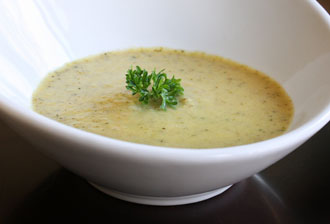
What makes a winter soup truly comforting and satisfying?
Comforting soup isn’t about fancy ingredients. It’s about warmth, texture, and that “I’m good for a while” feeling after you eat. A satisfying winter soup usually has three layers: a flavorful base, something hearty to chew, and enough body to feel like a meal.
Texture matters more than most people think. If you have a smaller appetite, a smooth soup can still deliver plenty of nutrition without feeling like too much food. If chewing is hard some days, look for soups with softer pieces, like well-cooked vegetables, beans, or shredded chicken. Thick, blended soups can also be a good choice because they’re gentle and easy to manage.
Temperature helps, too. A properly hot bowl slows you down in a good way. It’s like warming your hands around a mug, but in meal form.
The best soup “formula” for staying full longer
When soup feels “thin,” you get hungry again fast. The fix is simple: protein + fiber + a little healthy fat.
Chicken, turkey, tofu, beans, and lentils add protein. Barley, vegetables, and legumes bring fiber, which helps you stay satisfied. A small amount of fat (like olive oil, avocado, or nut-based ingredients) helps, because it slows digestion.
Want a creamy feel without heavy cream? Try soups thickened with pureed vegetables (squash, cauliflower, carrots) or blended beans. If you tolerate dairy, a spoon of plain yogurt stirred in at the end can add a gentle tang and smoothness.
Flavor boosters that do not require extra salt
A good soup shouldn’t depend on salt for flavor. You can build depth with aromatics and bright notes, then adjust at the end.
A few reliable boosters include onions, garlic, herbs, lemon or orange zest, vinegar, tomatoes, mushrooms, and spices like cumin or smoked paprika. Low-sodium broth helps, and tasting near the end keeps you from over-salting early. If you need more “pop,” a splash of citrus or vinegar often does more than another shake of salt.
If you’re watching blood pressure, keep an eye on sodium and drink water with soup, since salty foods can sneak up on you.
Warm winter soups that fit special diets, including diabetic friendly meals
Special diets can feel limiting in winter, because comfort food often means bread, pasta, and creamy sauces. Soup gives you more control. You can keep the flavors cozy while still choosing ingredients that match your needs.
For seniors, soup has extra benefits. It can support hydration, especially when cold air dries you out. Still, portion size matters. A huge bowl may feel too heavy, while a smaller bowl paired with a side can be just right. Also watch sodium, since many packaged soups run high.
On busy days, ready-to-heat Magickitchen.com soups can be an easy way to keep meals consistent without a long cooking session. That can help caregivers, too, because planning gets simpler.
Smart picks for steadier blood sugar
For diabetic friendly meals, think “balanced bowl,” not “carb-free.” The goal is steadier blood sugar and fewer spikes.
Look for soups with lots of non-starchy vegetables (greens, broccoli, zucchini, mushrooms), plus beans or lean protein. Keep starches like potatoes, rice, and noodles in moderate portions. Soups that are mostly noodles or creamy base can still fit, but the portion has to be smaller and the rest of the meal should be lighter.
If your soup is on the lighter side, pair it with a side salad, a hard-boiled egg, or extra turkey or chicken. That little protein boost can change how satisfied you feel afterward.
Lower sodium, gluten free, and dairy free ideas that still taste great
Many soup styles naturally work for common needs, or they can with small tweaks. Vegetable and bean soups, chicken and veggie soups, chili-style soups, lentil soups, and tomato-based soups are often good starting points.
For gluten free eating, skip wheat pasta and choose quinoa, rice, or gluten free noodles, then measure portions. For dairy free creaminess, puree cauliflower, white beans, or squash into the broth. You still get a rich texture, but it stays lighter.
Easy ways to serve soup with bread and make it a full winter meal
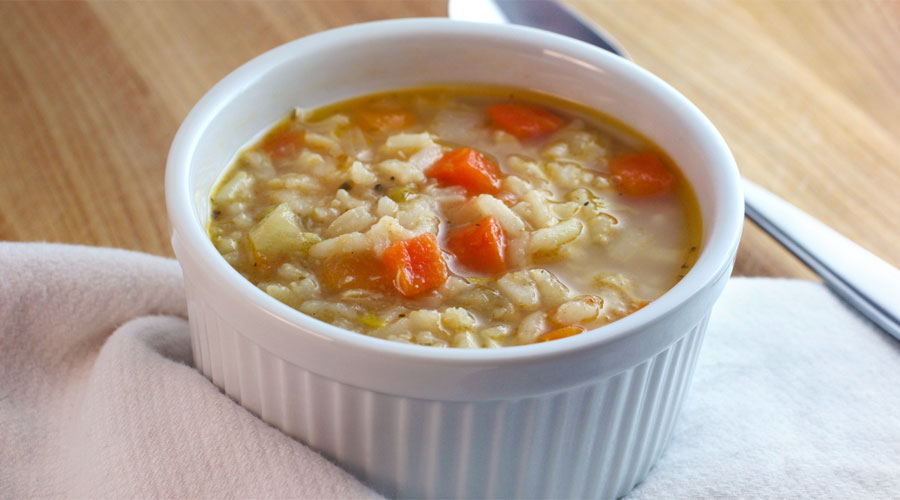
Soup feels complete when it has a “sidekick.” For many people, that’s bread. The trick is keeping it comforting without turning your meal into a carb pile.
If you order frozen meals, soup-and-bread combos are also convenient. They’re easy to store, quick to heat, and simple to portion. You can also split a serving, half now and half later, which is helpful when appetite comes and goes.
Pairing soup and bread without going overboard
Start with a smaller bread portion, especially if your soup already includes barley, beans, or pasta. Whole-grain bread can add fiber, which helps fullness. Meanwhile, softer bread can be easier to chew, so choose what works for you.
For diabetic friendly meals, bread portions matter. Try half a roll with a hearty soup, then add non-starchy vegetables on the side if you want more volume. A few cucumber slices or a simple salad can round things out without adding many carbs.
Stock your freezer with comforting picks from MagicKitchen
If you like having options ready to go, take a look at these soup and bread meals. Many people keep a few in the freezer for quick lunches and simple winter dinners, especially when weather makes errands a hassle.
A simple way to try a variety: the Soup for the Soul bundle
Sometimes you don’t want to commit to one soup mood all week. One day you crave tomato, the next you want something with beans and spice. Variety keeps winter eating from feeling repetitive, and it can help you stay on track with special diets.
Why bundles help on busy or low energy days
Bundles make planning easier because you can rotate flavors without another trip to the store. That’s useful for seniors, caregivers, and anyone recovering from illness or staying in during rough weather. It also works well for gifting, since soup is practical and comforting, and it doesn’t require the recipient to cook from scratch.
Where to find the bundle
You can find the Soup for the Soul bundle. Before ordering, check the menu details to match ingredients and nutrition to your needs, especially if you’re tracking sodium, carbs, or allergens.
Warm winter soups don’t have to be complicated to be satisfying. Build a small “three-bowl plan”: one hearty option for filling meals, one veggie-forward soup for everyday balance, and one favorite comfort flavor for the coldest nights. If you’re focusing on diabetic friendly meals, aim for balanced carbs plus protein, and keep bread portions sensible. Keep a few Magickitchen.com soups in the freezer, then start with one or two this week and add to your winter soup stash over time.
The post Warm Winter Soups That Comfort, Fill You Up, and Fit Your Diet first appeared on MagicKitchen.com Blog.]]>Adapting to these dietary changes can feel overwhelming at first, but there are plenty of renal diet tips and time-saving options to help. Smart choices like ready-made meal delivery or pre-prepared frozen meals mean you don’t need to stand in the kitchen for hours to eat well. For those searching for the best meal delivery services with easy dinner ideas or even weight loss-friendly meals, convenient solutions are just a click away.
What matters is finding approachable meals that suit renal needs while supporting healthy meals for seniors overall. If you’re curious about healthy, kidney-friendly choices or want more guidance on stocking up with smart foods, check out these helpful insights on renal-friendly foods to stock up and discover what makes a balanced renal meal plan work best for you.
Understanding the Renal Diet for Seniors
Getting your arms around the ins and outs of renal meals for seniors can feel like trying to assemble a complex puzzle. Every piece—the protein, sodium, potassium, phosphorus, and even your water glass—has a special place. When your kidneys need extra care, each food and drink choice can tip the balance between feeling well and feeling weighed down. The right approach combines healthy eating and nutrition, smart meal prep, and a dose of flexibility. Let’s break down what matters most for seniors looking to eat well on a renal diet.

Photo by cottonbro studio
Key Nutritional Guidelines for Renal Health in Seniors
Balancing nutrition on a renal diet is a mix of science and everyday choices. Kidneys filter waste from the blood, so when they’re not working their best, it takes more thought to manage what you eat and drink. Here’s how to keep the main nutrients in check:
- Protein: Your body needs protein to build and repair tissue. But too much can strain kidneys. Most seniors with kidney concerns need moderate amounts: think chicken, eggs, or tofu rather than big steaks. Try healthy recipes that feature legumes or lean meats in smaller portions.
- Sodium: A low-sodium meal plan helps control blood pressure and reduces kidney workload. Watch out for hidden sodium in canned, frozen, and prepared foods. Cook more from scratch when possible and rely on herbs and spices instead of salt.
- Potassium: Potassium matters because too much or too little can hurt your heart. Foods like bananas, potatoes, and tomatoes are high in potassium. Sub in lower-potassium fruits and vegetables—like apples, berries, or green beans—if your doctor advises.
- Phosphorus: This is another mineral to track. Dairy products, nuts, and some whole grains can be high in phosphorus. Over time, extra phosphorus can weaken your bones and make your skin itch. Check with health experts to find the right balance.
- Fluids: Some seniors with advanced kidney issues might need to limit fluids, while others don’t. Sip water through the day, not all at once, if restriction is important for your health.
For a more detailed look at which foods support kidney health, check this helpful kidney-friendly eating plan.
Healthy meals for seniors aren’t just about restriction—they’re about balance. The benefits of balanced diets go beyond kidneys, supporting strong bones, a healthy heart, and more zest each day. Adjusting your eating doesn’t mean giving up on flavor or ease. With the right approach, even pre-prepared frozen meals can be both convenient and nutritious when you choose wisely.
Common Restrictions and How to Manage Them
It’s no secret: starting a renal-friendly meal plan means trading some old favorites for new options. Some foods need a ticket out of your pantry, but there are plenty of easy swaps that don’t mess with flavor or satisfaction. Healthy eating and nutrition thrive on practical habits, not perfection.
Common Restrictions on a Renal Diet:
- Processed meats (like deli slices and bacon)
- Canned soups and salty snacks
- Dairy-rich meals if phosphorus is a concern
- High-potassium fruits, such as oranges and melons
- Whole grain breads, which can be high in phosphorus
How can you manage these changes without stress? Focus on easy wins:
- Label Reading: Take an extra minute at the store to scan nutrition facts. Look for “low-sodium” or “no added salt.” Check the ingredient list for hidden sources like “sodium phosphate.”
- Healthy Substitutions:
- Use herbs, lemon, and vinegar to add brightness—skip the salt shaker.
- Choose white bread over whole wheat if phosphorus is a problem.
- Pick non-dairy creamers or plant-based milks checked for phosphorus additives.
- Opt for fresh fruit (apples, berries, or grapes) over potassium-packed choices.
- Meal Planning: Use weight loss-friendly meals that also support renal goals—lighter protein portions, lots of veggie sides, and smaller servings of grains.
- Convenient Choices: Ready-made meal delivery and pre-prepared frozen meals can work if you pay attention to labels and sodium. Services like Kidney & Renal Diet Meal Delivery from MagicKitchen offer meal plans designed for kidney health.
When in doubt, connect with a registered dietitian or check Eating Right for Chronic Kidney Disease for updated guidance or extra renal diet tips.
Healthy recipes, smart swaps, and convenient meal solutions help keep renal meals for seniors both tasty and tailored. A few small steps in your daily routine can make all the difference for your kidneys—and your overall well-being.
Delicious and Safe Renal Meals for Seniors
Finding meals that check both the “delicious” and “safe” boxes can feel like winning the lottery, especially when you’re dealing with kidney concerns and the routines of older age. Renal meals for seniors don’t have to be bland or repetitive—you can absolutely enjoy flavorful, varied food that supports your health and doesn’t require a culinary degree. Smart planning, tasty recipes, and convenient meal solutions all play a big role. Here’s how you can make every meal satisfying, supportive, and suited to your dietary needs.
Sample Renal-Friendly Recipes and Meal Plans
Take the stress out of daily cooking by adding these low-sodium, kidney-conscious options to your meal rotation. Keeping meals healthy, balanced, and full of flavor is easier when you have reliable go-to recipes.
 Photo by SHVETS production
Easy Breakfast Ideas:
- Oatmeal made with water, topped with a small handful of blueberries and a sprinkle of cinnamon.
- Scrambled egg whites with sautéed spinach, bell peppers, and a slice of toast (white bread if phosphorus is a concern).
- Rice cakes with no-salt-added peanut butter and a few apple slices.
Simple Lunch Picks:
- Grilled chicken salad with lettuce, cucumber, and apple, drizzled with olive oil and lemon.
- White bread turkey sandwich (no processed meats, low-sodium turkey), with lettuce and mustard.
- Quinoa bowl: quinoa (rinsed and cooked), steamed green beans, sliced carrots, and a squeeze of lemon.
Dinner Favorites:
- Baked cod with roasted zucchini and white rice.
- Pork tenderloin slices with asparagus and mashed cauliflower (use non-dairy creamer for extra creaminess).
- Stir-fry: tofu, bell peppers, snap peas, and water chestnuts in low-sodium soy sauce, served over jasmine rice.
Low-Sodium Swaps:
- Use fresh herbs, vinegar, and lemon to brighten up meals instead of salt.
- Trade canned vegetables for fresh or frozen varieties.
- Pick unsalted versions of nuts and seeds, and double-check seasoning blends for hidden sodium.
Gluten-Free Meal Ideas:
- Rice or corn tortillas stuffed with grilled chicken and lettuce.
- Quinoa and cucumber salad tossed with olive oil and chopped parsley.
- Grilled fish paired with steamed carrots and boiled potatoes.
Dairy-Free Meal Plans:
- Oatmeal with almond milk and berries.
- Vegetable soup with lentils (watch potassium and phosphorus).
- Seared chicken breast with non-dairy mashed potatoes and a citrus-dressed spinach salad.
You don’t have to reinvent the wheel to keep meals interesting. For even more ideas that suit kidney health, browse the National Kidney Foundation’s collection of renal diet recipes and quick meals, or head to the Mayo Clinic’s kidney-friendly recipes list.
Meal prepping just a few meals at a time—like hard-boiled eggs in the fridge, or cooked chicken in the freezer—makes healthy eating and nutrition for seniors way more doable during the week.
Benefits of Ready-Made and Pre-Prepared Meal Delivery
You’re busy. Maybe chopping veggies and reading labels just isn’t on the agenda every night. Ready-made meal delivery and pre-prepared frozen meals are tools that help you keep up, even when motivation is low or your energy is running thin.
What makes these convenient meal solutions a win for renal meals for seniors?
- Save time and reduce stress: Skip long grocery trips and endless hours in the kitchen. Meals arrive portioned, balanced, and often ready to heat.
- Better portion control: Experts design meals with the right amounts of protein, sodium, and other nutrients, supporting a renal diet without second-guessing.
- Consistent quality: You’ll stay on track with your meal plan—no more last-minute, unhealthy choices or salt-laden takeout.
- Easier daily routine: Pre-prepared frozen meals make eating healthy a habit, even when your schedule (or energy) changes.
Plenty of services specialize in meals tailored to specific dietary needs. If you’re looking for the best mix of low-sodium, kidney-friendly, and balanced nutrition, services like Healthy Meals for Seniors cater specifically to seniors, offering pre-cooked entrees, sides, and even desserts designed for various health profiles.
Independent in your own kitchen, but still short on time some days? Frozen foods, including fruits and veggies, hold up well nutritionally and make it easy to cook healthy recipes without the rush. For more on how frozen meals fit healthy senior routines, see how elder care providers use frozen foods for easy meal planning, and why convenient frozen food options support seniors’ health.
Healthy eating and nutrition thrive on consistency, a bit of planning, and tools that make sticking to your renal diet easier. Whether you’re looking for easy dinner ideas or seeking full meal plans ready to go, these solutions help you keep every meal delicious and stress-free—without the guesswork.
Choosing Convenient Meal Solutions for Seniors on a Renal Diet
Finding convenient meal solutions for seniors on a renal diet often feels like putting together a puzzle. You want meals that support kidney health, fit taste preferences, and don’t make your daily routine harder. With so many options out there, it’s important to know what to look for—both in ready-made meal delivery and when browsing for new dinner ideas. The right picks help busy seniors, those managing chronic illness, and even caregivers find reliable support for healthy eating and nutrition.
Top Considerations When Selecting a Meal Delivery Service
Not all meal services are created equal. When searching for renal meals for seniors, it’s important to focus on what counts for kidney health, convenience, and budget. Here are top things to check before you click “order”:
- Nutrition Quality: Look for services that offer meals designed by dietitians or that provide complete nutrition info. Meals should support low-sodium meal plans, include the right protein, and avoid excess potassium and phosphorus.
- Diet-Specific Options: Make sure the service caters specifically to kidney concerns, but also offers other helpful plans—think gluten-free meal ideas, dairy-free meal plans, and even weight loss-friendly meals for those with changing needs.
- Cost and Value: Compare prices for single meals, bundles, and subscriptions. Make sure the cost matches the portion size and nutrition quality. Some companies offer senior discounts or flexible payment plans.
- Flexibility: Check if you can pause, skip, or cancel orders easily. Life changes—maybe you travel or spend time with family, so you want meal delivery that adapts to your schedule.
- Variety and Taste: A good service will rotate recipes, offer diverse flavors, and keep meals interesting. Easy dinner ideas should never feel repetitive.
The best meal delivery services help remove stress from meal planning. For a practical overview on maintaining healthy eating habits as we age, explore these Healthy Eating Tips for Older Adults and use them as a checklist when comparing services.
When you add up dietary needs, taste, price, and schedule, narrowing down your choices gets easier. You want solutions that support healthy recipes, time-saving meal prep solutions, and easy ways to meet targeted needs—whether you’re shopping for healthy meals for seniors, meals for diabetics, or even kid-friendly meals for the grandkids.
Senior Meal Delivery Services
Meal delivery for seniors has changed. Today’s providers understand the unique needs of renal diets and design meal plans that fit both nutrition guidelines and daily life. If you’re unsure where to start, a Senior Meal Delivery Service can simplify healthy eating and nutrition for seniors with kidney disease.
What sets these services apart?
- Renal-Friendly Choices: Menus are reviewed by nutrition experts, focusing on low sodium, controlled protein, and balance in potassium and phosphorus.
- Convenient Meal Solutions: No grocery lists, complicated instruction, or hours spent in the kitchen. Meals come pre-portioned, ready-made, and often only need a short time in the microwave or oven.
- Personal Flexibility: Many let you mix and match from different diet-specific meals—supporting those who want gluten-free, dairy-free, or other health-minded options alongside their renal diet recipes.
- Support Beyond Food: Some services offer guidance on meal prep containers, kitchen organization tips, and quick cooking hacks that fit the way seniors live.
For seniors who want both flavor and peace of mind, these services check all the boxes—easy, reliable, and tailored for kidney health. They fit perfectly for anyone wanting to keep healthy eating habits without fuss, whether for daily meals, special occasions, or when recovering from illness.
With solutions like pre-prepared frozen meals and meal prep guides for beginners, sticking to a healthy renal diet feels much less daunting. It’s about making daily life simpler, so you or your loved ones can focus on enjoying food and living well.
Practical Tips for Meal Prep and Cooking with a Renal Diet
Meal prep shouldn’t drain your energy or feel like a chore, especially when you’re working with the unique rules of a renal diet. A few simple routines—matched with the right kitchen setup—can make it much easier to keep your meals varied, safe, and tasty. Here’s how to break down meal prep and organize your kitchen for convenience, less food waste, and more peace of mind.
How to Simplify Meal Prep for Renal Diets
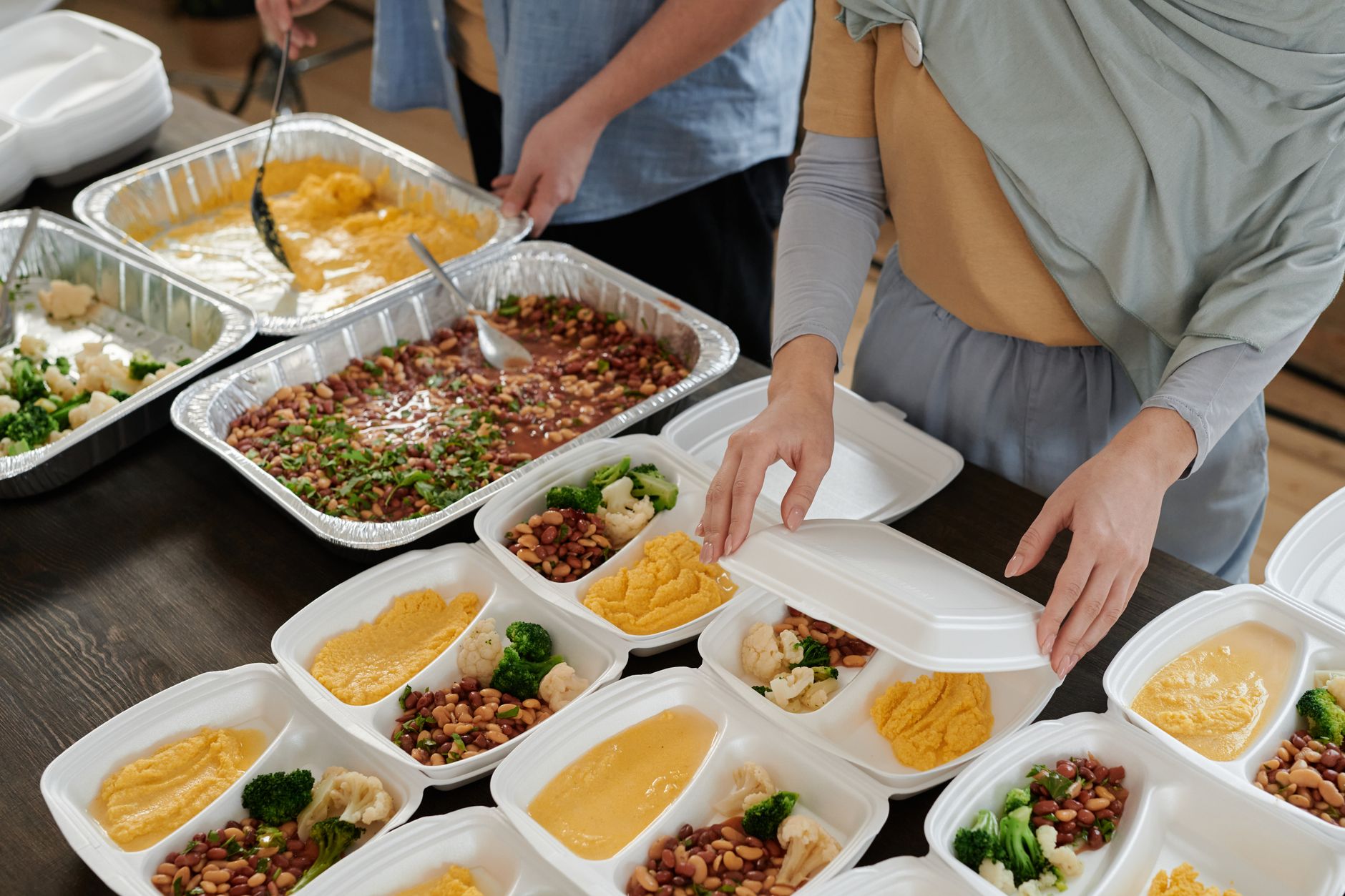 Photo by Julia M Cameron
Eating for kidney health doesn’t mean you’re stuck with bland chicken and steamed veggies every night. It’s about having a handful of healthy, balanced recipes in your back pocket—and prepping in a way that fits your lifestyle.
Break meal prep into a few straightforward steps:
- Plan meals ahead: Write down simple meals you enjoy. Rotate 3-4 easy dinner ideas each week. This creates variety without extra stress.
- Batch-cook staples: Make larger portions of basics like rice, grilled chicken, or roasted vegetables. Store them in the fridge to mix and match for lunch and dinner.
- Prep produce: Wash and cut low-potassium veggies—like green beans, bell peppers, and apples—ahead of time. Store in airtight containers for snacks or quick meal additions.
- Portion proteins: Weigh or pre-chop protein servings to avoid guessing at portions. Freeze single servings for later to keep things fresh.
- Freeze leftovers: Safe freezing is a secret weapon for time-saving meal prep solutions. Label and date containers so reheating is quick and confusion-free.
Some seniors find that choosing two or three “go-to” meal templates makes life easier. For example:
- Protein + veggie stir-fry: Tofu, chicken, or fish with your choice of kidney-friendly veggies, quickly sautéed with a low-sodium sauce.
- Soup night: Try chicken or turkey soup using low-sodium broth, cut veggies, and rice or pasta—avoid adding dairy or high-salt seasonings.
- Simple salads: Start with shredded cabbage or lettuce, add grilled protein, sliced cucumbers, and a squeeze of lemon for extra flavor.
If you’re interested in exploring even more balanced meal options, balanced meal plans designed for seniors can be a good resource to spark new healthy recipes or provide convenience when you’re short on time.
Tools and Resources for Efficient Cooking
Streamlining your kitchen setup minimizes hassle and boosts motivation for sticking to renal meals for seniors. Setting up your kitchen with a few key tools and mindful workflows means you’ll waste less food—and less time.
Best Containers for Renal Meal Prep:
- Choose BPA-free, airtight glass containers for storing prepped veggies and cooked proteins. They keep flavors locked in and are easy to label.
- Stackable containers save fridge space and help with kitchen organization tips.
- Invest in single-portion containers for freezing meals. That way, you’ll always have a meal ready with no guesswork.
Time-Saving Kitchen Workflows:
- Set up a prep station: Keep a cutting board, quality knife, and food-safe gloves handy. Wash and chop produce as soon as you get home.
- Use slow cookers and pressure cookers when possible—they cut down hands-on time and allow you to batch-cook full meals for several days.
- Try making your own seasoning mixes from dried herbs and spices to lower sodium and add punch to even the simplest dishes.
Reducing Food Waste and Saving Effort:
- Keep a running inventory of what’s in your fridge and freezer; this helps use up items before they spoil and inspires spontaneous meals.
- Label everything with dates. Leftovers should be used within 3-4 days if refrigerated, but frozen meals are good for several weeks.
- If you need help getting started, meal prep guides for beginners often show how to freeze meals effectively, portion ingredients, and set a routine that sticks.
For seniors who like the idea of more hands-off solutions, healthy meal delivery options such as Healthy Frozen Meal Delivery are designed for nutrition and convenience—letting you focus on enjoying your food and keeping your days open for what matters most.
Finding comfort in your kitchen comes down to planning, practical tools, and a bit of structure. It’s about making healthy eating and nutrition easier so you spend less time working in the kitchen and more time living well. If you need more tips on how to store and organize meals, freezing tips and meal storage advice provide step-by-step help tailored for busy people and seniors alike.
With a thoughtful approach to meal prep, renal meals for seniors can be flavorful, varied, and a whole lot easier to manage each week.
Conclusion
Renal meals for seniors are about more than restriction—they’re a steady foundation for feeling strong and independent. With balanced choices, low-sodium meal plans, and practical renal diet tips, even everyday eating can support better health. The right habits, paired with healthy meal delivery options or time-saving meal prep, make sticking to a diet feel less like a chore and more like progress.
Convenient meal solutions like ready-made meal delivery and pre-prepared frozen meals mean you don’t have to sacrifice taste or variety. Whether you want gluten-free meal ideas, dairy-free meal plans, or easy dinner ideas that fit a renal diet, there are more options than ever. It’s easier to personalize meals for your needs, or even explore long-term healthy eating patterns that work for your lifestyle.
Always work with your healthcare provider or a registered dietitian when adjusting your plan—personalized advice matters for kidney health and overall well-being. Small, consistent shifts lead to lasting gains. Thank you for joining this look at renal meals for seniors. If you’re ready to take the next step, try new recipes, share your experiences, or even start meal prepping with a friend. Every meal counts.
The post Renal Meals for Seniors: Healthy Recipes, Balanced Diets, and Convenient Meal Solutions first appeared on MagicKitchen.com Blog.]]>Incorporating More Whole Foods into Your Diet
Whole foods are a cornerstone of healthy living, especially as we age. Packed with essential nutrients and free from excessive processing, they can be the key to maintaining energy, promoting digestion, and supporting overall well-being. Making the shift to more whole foods doesn’t have to be complex; it’s all about small daily choices that add up over time. Here are two strategies to help seniors incorporate more wholesome ingredients and reap the benefits of balanced nutrition.
Choosing Seasonal Produce
Seasonal fruits and vegetables are not only fresher and tastier but also more affordable. By prioritizing what’s in season, you can maximize both flavor and nutrition while sticking to your budget. For instance, during summer, you might focus on berries, tomatoes, and zucchini, while winter months call for hearty options like squash and root vegetables.
Shopping at local farmers’ markets is a fantastic way to source seasonal produce. Many vendors grow their fruits and vegetables nearby, meaning they’re harvested at peak ripeness. Alternatively, look for “seasonal specials” at grocery stores—they’re often a clear indicator of what’s fresh.
Rotating your produce also adds variety to your diet, which can be particularly beneficial as it introduces a wider range of vitamins and minerals. And let’s not forget: colorful plates aren’t just pleasing to the eyes—they’re practically a multivitamin on your plate. Check out more healthy eating habits for seniors to help plan your meals effectively.
Opting for Whole Grains
When it comes to grains, making the switch to whole options can significantly improve your diet. Whole grains—such as oats, quinoa, and brown rice—are high in fiber, which is important for digestion and maintaining stable blood sugar levels. Compared to refined grains (like white rice or regular pasta), they also retain more nutrients like B vitamins, iron, and magnesium.
Incorporating whole grains can be simple. Start with one meal a day—maybe begin your morning with a bowl of steel-cut oats topped with fresh fruit. For lunch or dinner, swap regular bread for whole-grain varieties or try a quinoa salad. Even simple substitutions can go a long way.
Not sure where to start? Many ready-made meal delivery services include meals that emphasize whole grains, helping take the guesswork out of meal planning. This way, you can focus on enjoying your food without feeling overwhelmed.
Eating better doesn’t mean sacrificing flavor or convenience. By swapping out processed options for whole ingredients and embracing seasonal produce, you’ll be well on your way to a more balanced, nutritious diet.
Adding Lean Proteins for Muscle Maintenance
As we age, maintaining muscle mass becomes crucial for overall strength and mobility. Lean proteins play a significant role in supporting muscle health and staving off age-related muscle loss, known as sarcopenia. They also keep you feeling full, help control blood sugar levels, and are essential for repairing tissues. Let’s explore how seniors can incorporate lean proteins into their meals with a focus on health and simplicity.
Exploring Plant-Based Proteins

Photo by Kaboompics.com
Plant-based proteins are not only affordable and nutrient-packed, but they also offer an easy way to diversify your diet. Legumes like beans and lentils are rich in protein and a fantastic source of fiber, promoting digestive health. Tofu, made from soybeans, is another excellent option. It’s versatile and can be marinated or blended into soups and stir-fry recipes. Nuts and seeds also provide healthy fats alongside protein, perfect for pairing with oatmeal or snacking.
Consider incorporating these plant-based protein options into your meals:
- Chickpeas: Add them to salads or turn them into a creamy hummus spread.
- Quinoa: This grain-like seed is a complete protein and makes a great base for bowls or sides.
- Edamame: A tasty snack that is high in protein and easy to prepare in minutes.
For more guidance on balanced nutrition, check out these healthy eating habits for the golden years.
Adding Fish and Low-Fat Dairy
When it comes to animal-based proteins, fish is a top choice. Fatty fish like salmon, mackerel, and sardines are packed with omega-3 fatty acids, known for their heart and brain health benefits. At the same time, they provide high-quality protein that helps protect muscle mass. Even lighter options, such as cod or tilapia, can be a great addition to your diet.
Low-fat dairy products, such as yogurt, milk, and cheese, are rich in calcium and vitamin D, which support bone health. Greek yogurt, for example, is a high-protein, low-fat snack option that you can pair with fresh fruit or nuts for added flavor.
Try these simple ideas:
- Add canned fish like tuna to salads or crackers for a quick, healthy meal.
- Incorporate low-fat cottage cheese into your breakfast alongside fresh berries or whole-grain toast.
- Bake salmon fillets with a squeeze of lemon and herbs for a simple, flavorful dinner packed with nutrients.
For additional ideas on how to meet your protein needs, check out this resource on how to get adequate protein as you age.
Adding lean proteins to your diet doesn’t have to be complicated. Start small by substituting them into familiar meals, and enjoy the benefits of improved muscle maintenance and overall health.
Understanding Proper Fats for a Balanced Diet
For seniors, understanding the role of fats in a balanced diet can make a HUGE difference when it comes to long-term health. The idea isn’t to eliminate fats entirely, but to focus on the type of fats you’re incorporating into meals. Healthy fats, such as those found in avocados, olive oil, and fatty fish, play an important role in cognitive health, preventing disease, and even boosting mood. On the flip side, trans fats and overly processed oils can have negative effects, increasing risks for heart disease and inflammation.
By making small but intentional choices, seniors can incorporate these healthy fats into their routine for better brain function, heart health, and overall wellness. Let’s break it down further with strategies that focus on high-quality fat sources and practical tips for including them in your diet.
Incorporating Nuts and Seeds

Photo by ROMAN ODINTSOV
Nuts and seeds are tiny nutritional powerhouses, perfect for a quick snack or addition to almost any meal. Packed with healthy fats, fiber, and essential nutrients, they’re a versatile and convenient option for seniors aiming to enhance their meals. Walnuts, for example, are high in omega-3 fatty acids, which support brain health. Seeds like chia and flax offer a dose of fiber and plant-based omega-3s.
How can you work these into your day-to-day routine? Consider these options:
- Sprinkle chia or flaxseeds over oatmeal or yogurt.
- Pair a handful of almonds or walnuts with a piece of fruit for a satisfying snack.
- Toss sunflower seeds into soups or salads for added crunch and flavor.
Remember, portion control is key here. Nuts and seeds are calorie-dense, so stick to a small handful at a time. Think of them as the perfect accent to a meal rather than the main course. For more tips on aging well with a balanced diet, check out this guide from Magic Kitchen.
Healthy fats can elevate your meals without the guilt. Whether it’s adding sliced avocado to your sandwich, drizzling olive oil on roasted veggies, or incorporating nuts and seeds into your snacks, these small changes can create big results over time. Keep learning about the benefits of healthy fats by exploring this resource from UCLA Health—there’s more to discover about how dietary fats support your body and mind!
Mastering Portion Control
Finding the right portion sizes can help you enjoy your meals while managing calorie intake and ensuring that you’re nourishing your body effectively. For seniors, portion control becomes increasingly important as metabolism slows and nutritional needs become more specific. The great news? Small changes in presentation and eating habits can have a massive impact on the way you approach food.
Using Smaller Plates

Photo by Leeloo The First
One simple trick to master portion control is switching to smaller dinnerware. By using smaller plates or bowls, your brain perceives your meal as larger than it actually is. This optical illusion can help you feel satisfied with a smaller serving. Let’s face it—no one likes to leave their plate half-full. Smaller dishes allow you to enjoy an empty plate without overindulging.
Here’s how to get the most out of this method:
- Use salad plates instead of large dinner plates for your main meals.
- Try small bowls for soups or desserts to naturally reduce serving sizes.
- Choose cups for snacks over diving directly into a bag or container.
These tweaks make it easier to stick to recommended portion sizes without feeling like you’re missing out. If you’re looking for a hassle-free solution, pre-portioned healthy meals for seniors can also provide controlled servings tailored to your dietary needs.
Listening to Your Body’s Hunger Signals
Paying attention to how your body feels—and recognizing when you’re truly hungry versus eating out of habit—can be a game-changer in managing portion sizes. Start by slowing down during meals. Chew thoroughly and take small pauses between bites so your brain has time to catch up with your stomach. It can take about 20 minutes for those fullness cues to reach your brain.
Ask yourself these questions as you eat:
- Am I really hungry, or am I just bored or stressed?
- How does my stomach feel right now?
- Would I eat the same thing if I weren’t particularly craving it?
Mindful eating techniques not only prevent overeating but also foster a healthier relationship with food. Choosing larger quantities of nutrient-dense options, like vegetables, can further assist in providing a sense of fullness without overloading calories.
For additional resources and tips, check out this helpful guide on Healthy Eating for Seniors: Mastering Portion Control.
Making the effort to use mindful strategies can yield significant positive effects on your diet. By focusing on smaller plates and your body’s signals, you’ll be better equipped to maintain balance and avoid unnecessary overeating as you age.
Staying Hydrated as a Fundamental Dietary Component
Hydration plays a pivotal role in keeping your body functioning properly. For seniors, drinking enough water is essential for digestion, joint lubrication, regulating body temperature, and even helping to absorb important nutrients. As we age, the sense of thirst diminishes, making it easier to underestimate water intake. But staying hydrated doesn’t have to be a chore. Here are some engaging strategies to make hydration a seamless part of daily life.
Infusing Water with Fruits and Herbs

Photo by Kampus Production
Plain water can feel predictable, but adding natural flavors turns it into a tasty experience. Infused water is not only refreshing but also encourages higher water intake, especially for those who aren’t habitual drinkers. Imagine a pitcher of cold water with bright lemon slices, fresh mint leaves, and a handful of raspberries. Doesn’t that sound more enticing than plain ol’ tap water?
Here are some easy, fun combinations to try:
- Cucumber and Mint: A cooling option, perfect for hot days.
- Strawberry and Basil: Sweet and slightly savory, ideal for afternoon sipping.
- Orange and Ginger: Adds a tangy kick and helps with digestion.
- Blueberry and Lemon: Full of antioxidants to support overall health.
You can prepare these infusions by simply adding the ingredients to a jug of water and letting it sit in the fridge for a few hours. Not only do they hydrate, but they also pack a subtle flavor punch that makes reaching for another glass easier. Keeping a stylish water pitcher on the dining table also serves as a friendly reminder. Want more ideas on healthy eating habits? Check out MagicKitchen’s library of senior health articles.
Monitoring Hydration Throughout the Day
Drinking a lot of water all at once may not be the solution. Your body absorbs fluids better when you sip steadily throughout the day. Developing a daily hydration routine ensures your body gets the water it needs for optimal function. But where do you begin?
Here are some actionable hydration tips:
- Start Your Day with Water: Drink a glass first thing in the morning—it kickstarts digestion and rehydrates after hours of sleep.
- Carry a Water Bottle: A reusable, lightweight water bottle makes it easy to drink while on the go or at home.
- Set Timed Reminders: Simple alarms or phone notifications can prompt you to hydrate evenly across the day.
- Pair Water with Meals: Make it a habit to drink a glass before or with every meal—this also helps with portion control.
- Use a Tracker: Apps or physical hydration trackers on bottles can motivate you to meet your daily goals.
It’s also worth remembering that some foods, like cucumbers, watermelon, and oranges, have high water content and can contribute to your hydration. By balancing water intake with these strategies, staying hydrated feels less daunting and more natural.
For additional insights on hydration’s importance, the National Council on Aging offers detailed guidance. Making hydration enjoyable and routine can do wonders for your health, keeping your joints cushioned and digestion smooth.
Conclusion
Maintaining a balanced diet as you age is one of the most effective ways to support your health and quality of life. By focusing on nutrient-rich whole foods, lean proteins, and healthy fats, you can build a foundation for longevity and vitality. Simple practices like keeping portions in check, staying hydrated, and embracing mindful eating make these changes sustainable over time.
Adapting your diet doesn’t have to be overwhelming. Take small steps and explore tools, such as healthy meal delivery, to simplify the journey. Consistency matters more than perfection, and every healthy choice contributes to long-term benefits.
Ready to take the next step toward better nutrition? Discover more tips for balanced eating tailored to seniors with these healthy habits.
The post Top 5 Tips for Maintaining a Balanced Diet for Seniors first appeared on MagicKitchen.com Blog.]]>The kidneys are often considered one of the most vital organs in the human body, yet they often don’t receive the attention and care they truly deserve. These two bean-shaped organs, each about the size of a fist, play a critical role in maintaining our overall health and well-being. From filtering waste products from our blood to regulating blood pressure and electrolyte balance, the kidneys are essential for our survival. In this article, we’ll explore the importance of renal health, common kidney conditions, and ways to keep your kidneys functioning at their best.
The Role of the Kidneys
- Filtration of Waste Products: One of the primary functions of the kidneys is to filter waste products and excess substances from the blood, creating urine. This process helps maintain a healthy balance of electrolytes and fluids in the body.
- Blood Pressure Regulation: The kidneys play a pivotal role in regulating blood pressure. They release a hormone called renin, which constricts blood vessels and increases blood pressure when it’s too low. Conversely, they decrease renin production to lower blood pressure when it’s too high.
- Red Blood Cell Production: The kidneys produce erythropoietin, a hormone that stimulates the bone marrow to produce red blood cells. Adequate red blood cell levels are essential for carrying oxygen throughout the body.
- Acid-Base Balance: Kidneys help maintain the body’s pH balance by excreting hydrogen ions and reabsorbing bicarbonate ions.
Common Kidney Conditions
To understand the importance of renal health, it’s crucial to be aware of common kidney conditions that can impact their function:
- Chronic Kidney Disease (CKD): CKD is a long-term, progressive condition where the kidneys gradually lose their function. It can result from diabetes, high blood pressure, or other factors. Early detection and management are vital in preventing further kidney damage.
- Kidney Stones: These are hard deposits of minerals and salts that form in the kidneys. They can be painful when they pass through the urinary tract. Staying hydrated and maintaining a balanced diet can help prevent kidney stones.
- Urinary Tract Infections (UTIs): Infections in the urinary tract can affect the kidneys if left untreated. Symptoms include frequent urination, pain while urinating, and fever. Proper hygiene and prompt treatment of UTIs are crucial for kidney health.
- Polycystic Kidney Disease (PKD): PKD is a genetic disorder that causes fluid-filled cysts to form in the kidneys. These cysts can eventually lead to kidney damage and require medical management.
Ways to Promote Renal Health
Now that we understand the importance of kidney health and some common issues, let’s explore how to take care of these vital organs:
- Stay Hydrated: Drinking an adequate amount of water helps flush out waste products and toxins from the body, reducing the risk of kidney stones and UTIs.
- Maintain a Balanced Diet: A diet rich in fruits, vegetables, whole grains, and lean proteins can help prevent high blood pressure and obesity, reducing the risk of kidney disease.
- Limit Sodium Intake: Excessive salt intake can raise blood pressure, which strains the kidneys. Aim to limit your daily sodium intake to around 2,300 milligrams.
- Exercise Regularly: Physical activity helps control blood pressure, regulate weight, and improve overall health. Consult with your healthcare provider to determine a suitable exercise routine.
- Control Blood Sugar: If you have diabetes, managing your blood sugar levels is essential in preventing kidney damage. Follow your healthcare provider’s recommendations for diabetes management.
- Avoid Overuse of Painkillers: Some over-the-counter pain relievers, when used excessively, can harm the kidneys. Follow the recommended dosage and consult a healthcare professional if you have concerns.
- Regular Check-ups: Routine medical check-ups can detect kidney issues early. If you have risk factors like diabetes or high blood pressure, regular kidney function tests are crucial.
Conclusion
Our kidneys are unsung heroes, tirelessly working to maintain our health. Understanding their importance and taking steps to promote renal health is essential for a long and healthy life. By adopting a healthy lifestyle, staying hydrated, and seeking medical attention when needed, we can show our kidneys the care and appreciation they deserve. Remember, a little effort in nurturing your kidneys can go a long way in ensuring your overall well-being.
1. Berry Bliss Parfait
Ingredients:
- Fresh berries (strawberries, blueberries, raspberries)
- Greek yogurt
- Honey (optional)
- Granola (for crunch)
Recipe:
- Layer a bowl with Greek yogurt.
- Add a handful of mixed fresh berries.
- Drizzle with a touch of honey, if desired.
- Top with a sprinkle of granola for added crunch.
Health Bite: Berries are antioxidant powerhouses, fighting off those harmful free radicals. Greek yogurt adds a protein punch, aiding in muscle repair and growth. A match made in snacking heaven!
2. Cucumber and Hummus Delight
Ingredients:
- Fresh cucumber
- Hummus (store-bought or homemade)
Recipe:
- Slice the cucumber into thin rounds or sticks.
- Dip them in a dollop of hummus.
Health Bite: Cucumbers are a hydration hero, keeping you refreshed on scorching days. Hummus brings a protein and fiber combo, keeping you full and fueled.
3. Watermelon Slices with Feta
Ingredients:
- Fresh watermelon
- Feta cheese
Recipe:
- Cut watermelon into slices or cubes.
- Crumble feta cheese on top.
Health Bite: Watermelon’s high water content keeps you hydrated, while feta adds a dash of calcium for strong bones. A simple and satisfying duo.
4. Zesty Mango Salsa
Ingredients:
- Fresh mango
- Red onion
- Bell pepper (any color)
- Fresh cilantro
- Lime juice
Recipe:
- Dice mango, red onion, and bell pepper.
- Chop fresh cilantro.
- Mix together with a squeeze of lime juice.
Health Bite: Mangoes are bursting with vitamins and minerals, boosting your immunity. Bell peppers bring vitamin C to the table, enhancing collagen production for healthy skin.
5. Sweet Potato Fries
Ingredients:
- Sweet potatoes
- Olive oil
- Paprika (optional)
- Sea salt
Recipe:
- Cut sweet potatoes into fry-like strips.
- Toss with a drizzle of olive oil, paprika (if using), and a sprinkle of sea salt.
- Bake until crispy.
Health Bite: Sweet potatoes are a fiber-rich source of complex carbs, giving you sustained energy. Olive oil provides healthy fats, promoting heart health.
Wrap-up and Snack On!
There you have it, summer snack warriors! These easy, no-fuss bites bring the best of summer’s bounty to your plate, offering a tantalizing mix of flavors and nourishment. From antioxidant-packed berries to hydrating cucumber, each snack does its part to keep you cool, satisfied, and thriving under the summer sun. So, stock up on these goodies, and let your taste buds revel in the goodness of the season.
Made for you MagicKitchen.com Snack Ideas:
The post Summer Snack Ideas first appeared on MagicKitchen.com Blog.]]>- “Deliciously Divine Coconut Water”: Ah, the nectar of the gods! Coconut water is nature’s very own thirst quencher, packed with electrolytes and vitamins. Take a swig straight from the coconut for an instant tropical paradise in your mouth. Drink up and feel the natural goodness flow through your veins!
- “Creamy Coconut Milk Magic”: Indulge your taste buds with the velvety richness of coconut milk. Perfect for creamy curries, luscious smoothies, or even dairy-free desserts. It’s a versatile ingredient that adds a tropical twist to any dish. So whip up a batch of coconut milk pancakes or treat yourself to a heavenly coconut milk-based ice cream. Let the coconut milk enchant your culinary creations!
- “Wholesome Coconut Oil”: Coconut oil isn’t just for cooking—it’s a multi-purpose marvel! From moisturizing your skin to taming unruly hair, this natural elixir does it all. Embrace its moisturizing magic by applying it to dry skin or use it as a nourishing hair mask. Discover the wonders of this golden elixir!
- “Exfoliating Coconut Scrubs”: Banish dull skin with a homemade coconut scrub. Mix coconut oil with a sprinkle of sugar or sea salt for a gentle exfoliating treatment that will leave your skin feeling baby-soft. Buff away dead skin cells and reveal your radiant glow. It’s a sweet treat for your skin!
- “Coconut Charcoal Cleansing”: Coconut shell charcoal is a potent detoxifier that helps rid your body of impurities. Activated coconut charcoal has the power to absorb toxins, making it a popular ingredient in face masks, toothpaste, and even detox drinks. Embrace the charcoal revolution and let your inner beauty shine.
- “Tropical Coconut Sweets”: Indulge your sweet tooth with a burst of tropical flavor! Coconut lends itself beautifully to desserts. From coconut macaroons to coconut cream pie, these delightful treats will transport you to a sun-soaked paradise. Check out magickitchen.com’s special diet meals for scrumptious coconut-infused desserts that will satisfy your cravings without guilt.
- “Coconut Shell Crafts”: Tap into your creative side with coconut shell crafts. With some imagination and a dash of DIY magic, you can transform coconut shells into unique jewelry, planters, or even wind chimes. Embrace your inner artist and let the coconut shells become your canvas.
- “Coconut Fiber Gardening”: Did you know that coconut fiber, also known as coir, makes an excellent gardening medium? Its water retention properties make it perfect for growing plants, and it’s an eco-friendly alternative to traditional peat moss. So go green and give your plants a cozy coconut home!
- “Coconut Husk Mulch”: Say goodbye to those pesky weeds with coconut husk mulch. This natural weed suppressant not only keeps your garden tidy but also helps retain moisture and nourish the soil. Spread some coconut husk mulch around your plants and let it work its magic while you sit back and relax.
- “Coconut Shell Charcoal for Grilling”: Fire up the grill and infuse your barbeque with the smoky aroma of coconut shell charcoal. It burns hotter and cleaner than traditional charcoal, adding a unique flavor to your grilled favorites. Elevate your grilling game and let the coconut shell charcoal work its culinary wonders.
And there you have it, fellow coconut enthusiasts—ten incredible things you can do with this tropical gem! From refreshing coconut water to versatile coconut oil, and from indulgent desserts to creative crafts, coconuts are the ultimate jack-of-all-trades.
If you’re eager to experience the coconut revolution in your culinary adventures, be sure to explore magickitchen.com’s Coconut Carrot Ginger Soup.
So, embrace the coconut magic, get creative, and let your imagination run wild. The possibilities are endless with this tropical marvel! Here’s to coconuts—nature’s versatile gift that keeps on giving.
And for more inspiring ideas, tips, and recipes, stay tuned to our blog. Get ready to unlock the endless potential of coconuts in your life. Cheers to the power of this tropical marvel!
The post Coconut: The Ultimate Jack-of-All-Trades! 10 Awesome Ways to Harness Its Power! first appeared on MagicKitchen.com Blog.]]>The Japanese heel drop exercise works by increasing blood flow to the lower extremities. This helps to remove toxins and waste products from the tissues, which can help to improve overall health and well-being. Additionally, the increased blood flow can help to improve circulation to the skin, which can help to reduce the appearance of wrinkles and other signs of aging.
To do the Japanese heel drop exercise, simply stand with your feet shoulder-width apart and your knees slightly bent. Slowly lower your heels to the ground until you feel a stretch in the calves. Hold the stretch for a few seconds, then raise your heels back up to the starting position. Repeat this exercise 10-15 times, 3 times a day.
The Japanese heel drop exercise is a safe and effective exercise for most people. However, if you have any underlying health conditions, such as high blood pressure or heart disease, you should talk to your doctor before starting this exercise.
In addition to improving circulation, the Japanese heel drop exercise can also help to:
- Reduce muscle pain and stiffness.
- Improve balance and coordination.
- Strengthen the bones and joints.
- Reduce the risk of varicose veins.
If you’re looking for a simple and effective way to improve your circulation and look younger, the Japanese heel drop exercise is a great option. This exercise is easy to do and can be done anywhere, making it a convenient way to improve your health.
Here are some additional benefits of the Japanese heel drop exercise:
- It can help to improve your posture.
- It can help to reduce stress and anxiety.
- It can help to improve your sleep quality.
- It can help to boost your energy levels.
If you’re new to the Japanese heel drop exercise, start slowly and gradually increase the number of repetitions as you get stronger. You should also listen to your body and stop if you experience any pain.
The Japanese heel drop exercise is a great way to improve your overall health and well-being. So what are you waiting for? Start doing the Japanese heel drop exercise today!
Here are some tips for getting the most out of the Japanese heel drop exercise:
- Warm up before you start. This will help to prevent injuries.
- Do the exercise on a soft surface, such as a carpet or yoga mat. This will help to cushion your heels and prevent pain.
- Listen to your body and stop if you experience any pain.
- Gradually increase the number of repetitions as you get stronger.
- Do the exercise 3 times a day, or as directed by your doctor.
The Japanese heel drop exercise is a simple but effective way to improve your circulation and look younger. So what are you waiting for? Start doing the Japanese heel drop exercise today!
Shrimp Fried Rice New! Magickitchen.com
The post The Japanese Heel Drop Exercise: A Simple Way to Improve Circulation and Look Younger first appeared on MagicKitchen.com Blog.]]>- Plate Artistry: Let’s face it, sometimes appearances matter! Why not turn your dad’s mealtime into a masterpiece? Channel your inner Picasso and transform his plate into a vibrant canvas. Add a pop of color with a variety of fruits and veggies—rainbow carrots, purple potatoes, and leafy greens. Get creative with shapes and textures to make it visually appealing. Remember, a visually stunning plate is like a magnet for a healthy appetite!
Psst! Want a secret weapon to elevate your dad’s healthy dining experience? Check out magickitchen.com’s special diet meals that are bursting with flavors and packed with nutritious ingredients. Trust me; they’re pure culinary magic!
- Stealthy Swaps: Now, I don’t mean hiding broccoli in his socks (that’s just silly), but rather making simple swaps that’ll tickle his taste buds and improve his health. Sneakily substitute ingredients in his favorite dishes, like using whole-grain pasta instead of regular, or swapping out creamy dressings with zesty vinaigrettes. By making these small changes, you’ll add a burst of nutrition without sacrificing flavor. It’s like a healthy game of hide-and-seek with deliciousness!
- Fusion Feast: Spice up your dad’s dining experience with a global touch. Introduce him to the exciting world of international cuisine. Explore recipes from different cultures that are both nutritious and scrumptious. Think Thai-inspired stir-fries, Mediterranean salads, or Mexican fajitas loaded with veggies. These international delights will open up a whole new world of flavors and keep your dad excited about eating healthy. For a convenient option, check out magickitchen.com’s special diet meals that bring international flavors to your doorstep. Bon appétit!
- Kitchen Conqueror: There’s a saying: “If you can’t stand the heat, get out of the kitchen!” Well, it’s time to turn that saying upside down. Encourage your dad to become the master chef of his own health. Get him involved in meal planning and preparation. Together, discover new recipes, experiment with herbs and spices, and unleash your culinary creativity. Cooking together not only strengthens your bond but also gives your dad a sense of pride and accomplishment. Trust me; he’ll be whipping up nutritious wonders in no time!
Remember, if you need some culinary assistance, magickitchen.com’s special diet meals are just a click away. They’re like having a personal chef in your kitchen!
- Magical Mealtime Rituals: Last but not least, make mealtime a magical experience! Create a warm and inviting ambiance at the dining table. Light some candles, play his favorite tunes, and engage in lively conversations. Turn off the TV and create a distraction-free zone, allowing your dad to savor each mouthful and listen to his body’s signals of fullness. By making mealtime enjoyable and relaxed, your dad will develop a positive association with healthy eating, making it a lifelong habit.
Congratulations, my culinary wizards! You’re now armed with five enchanting ways to help your dad embrace healthier eating habits. Remember, it’s all about creativity, making small changes, and
The post Deliciously Healthy: 5 Sneaky Ways to Help Dad Eat Better! first appeared on MagicKitchen.com Blog.]]>Did you know that our bodies are composed of approximately 60% water? Every cell, tissue, and organ within us relies on this life-giving fluid to function optimally. When we provide our bodies with an adequate water supply, we unleash a cascade of benefits that promote vitality and well-being.
Hydration is key to maintaining a healthy balance within our bodies. Water acts as a natural detoxifier, flushing out toxins, waste products, and impurities. It aids in digestion, regulates body temperature, and lubricates our joints, ensuring smooth movement and flexibility.
Furthermore, water is a powerful ally in weight management and overall fitness. By drinking water before meals, we can naturally reduce our calorie intake, leading to weight loss and improved metabolic function. Additionally, staying properly hydrated enhances physical performance, as it supports muscle function, lubricates connective tissues, and optimizes energy levels.
The benefits of water extend beyond physical well-being. Hydration plays a vital role in mental and emotional health, too. Dehydration can lead to fatigue, brain fog, and decreased cognitive function. On the other hand, when we prioritize hydration, our mental clarity sharpens, our focus deepens, and our overall mood improves.
As we nurture ourselves with water, we partake in a daily ritual of self-care that cultivates a sense of mindfulness and gratitude. Sip by sip, we savor the gift of life, relishing in the knowledge that we are tending to our bodies with love and compassion.
Let us pause for a moment to consider some fascinating statistics that highlight the importance of water in our lives:
- According to a study published in the European Journal of Nutrition, staying hydrated can boost cognitive performance, improving attention, memory, and overall brain function.
- The Centers for Disease Control and Prevention (CDC) reports that drinking water can aid in weight loss, as it has zero calories and can replace high-calorie beverages that contribute to weight gain.
- Proper hydration has a positive impact on our skin’s health and appearance. A study published in the Journal of Clinical, Cosmetic, and Investigational Dermatology found that increased water intake improved skin hydration and elasticity, reducing the signs of aging.
- According to the World Health Organization (WHO), approximately 785 million people worldwide lack access to safe drinking water, leading to various health issues and water-related diseases.
Armed with these enlightening facts, let us embrace the transformative power of water as a daily act of self-care. Make it a habit to carry a reusable water bottle with you, ensuring that hydration is readily available throughout the day. Set reminders to drink water, especially during periods of high activity or when exposed to warm climates.
Remember, that self-care is not a luxury; it is a necessity. By prioritizing hydration, we cultivate a sacred space within ourselves, where health, vitality, and joy can thrive. Let us embrace the simple yet profound gift of water, allowing it to nourish our bodies, revitalize our minds, and uplift our spirits on this remarkable journey of life.
Citrus Infusion Water:
- 1 lemon, sliced
- 1 lime, sliced
- 1 orange, sliced
- Fresh mint leaves (optional)
- Ice cubes
- Water
This article is written for you by Magickitchen.com
The post The Hidden Powers of Water first appeared on MagicKitchen.com Blog.]]>